18-20 August 2026
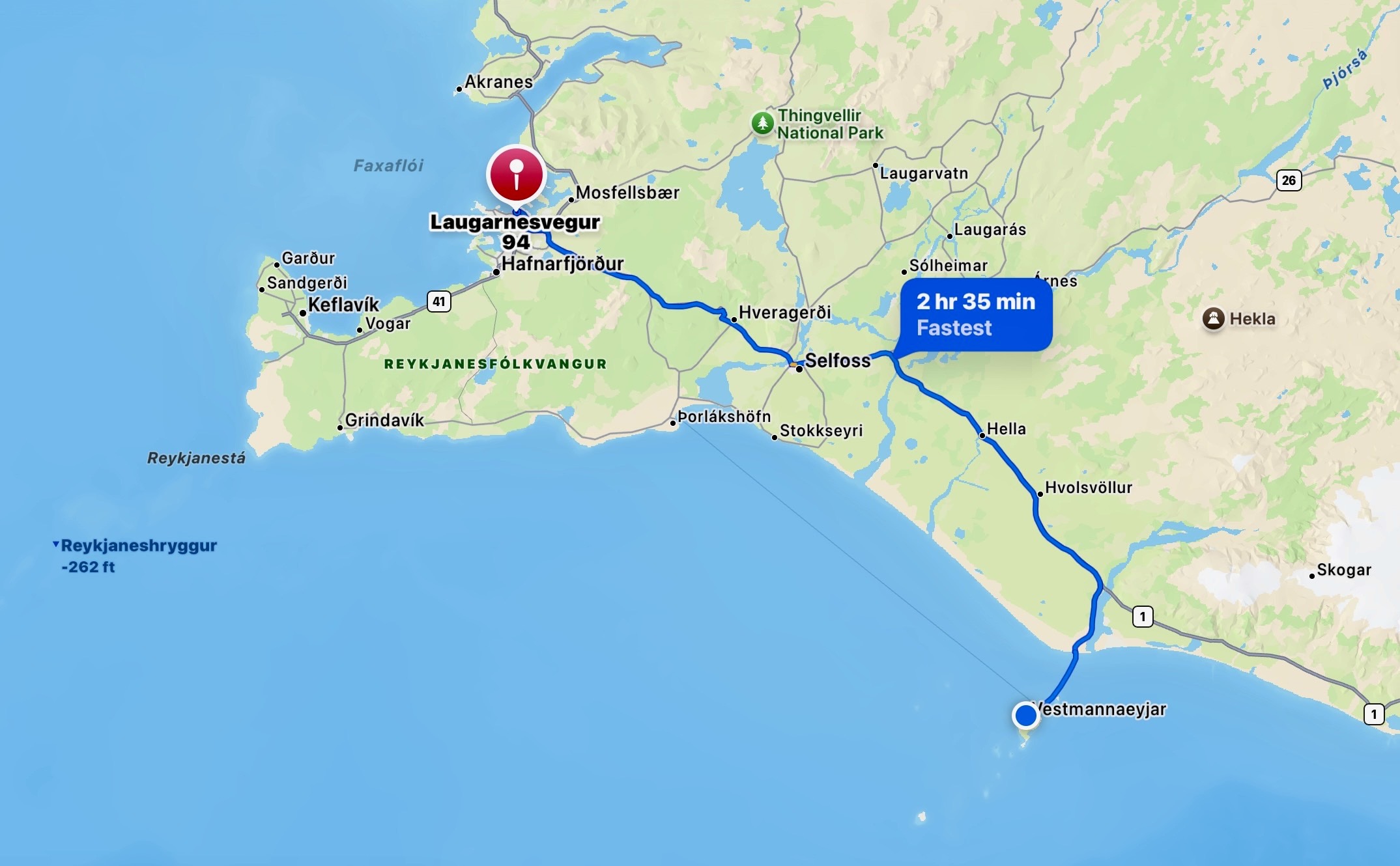
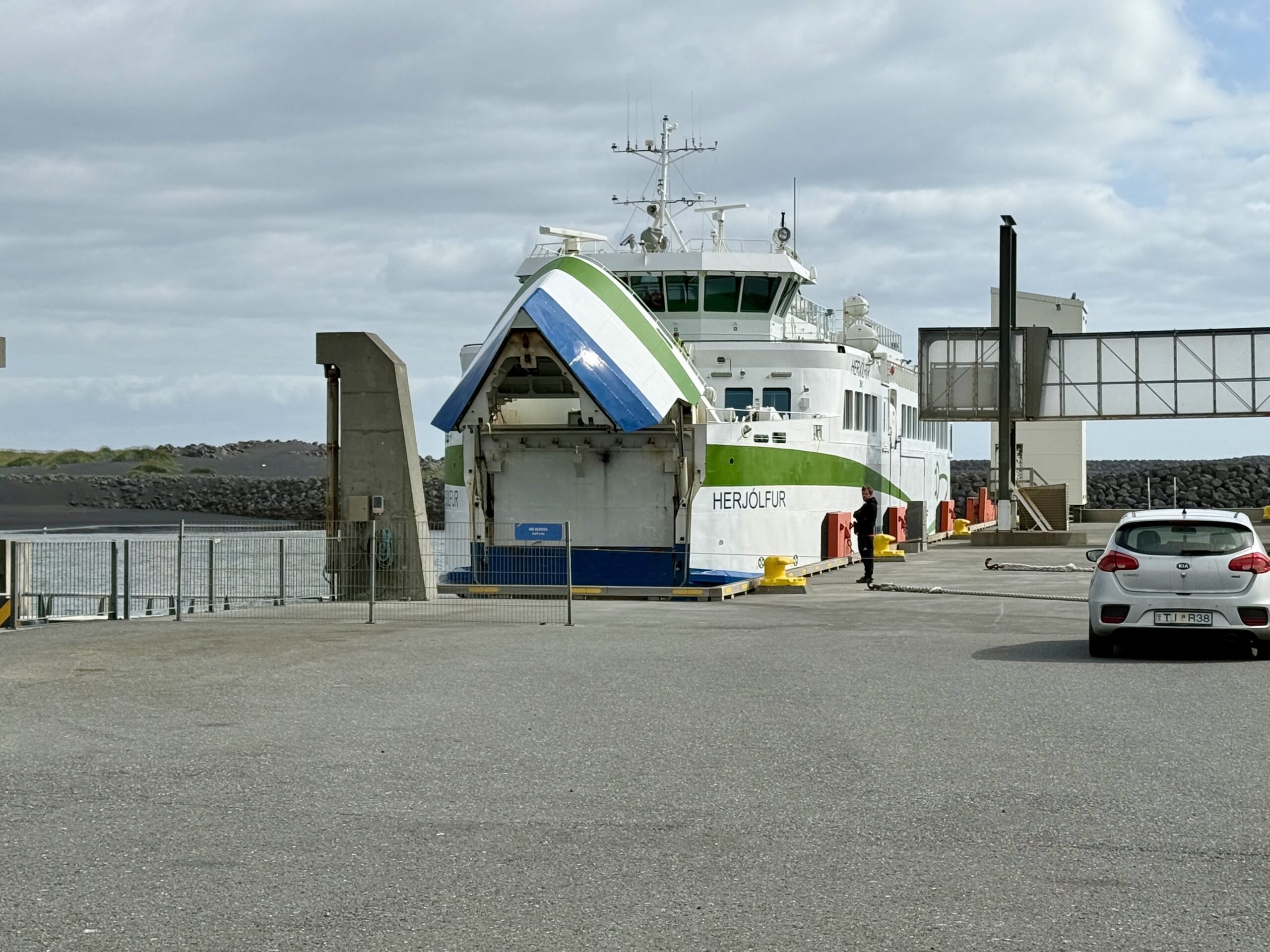
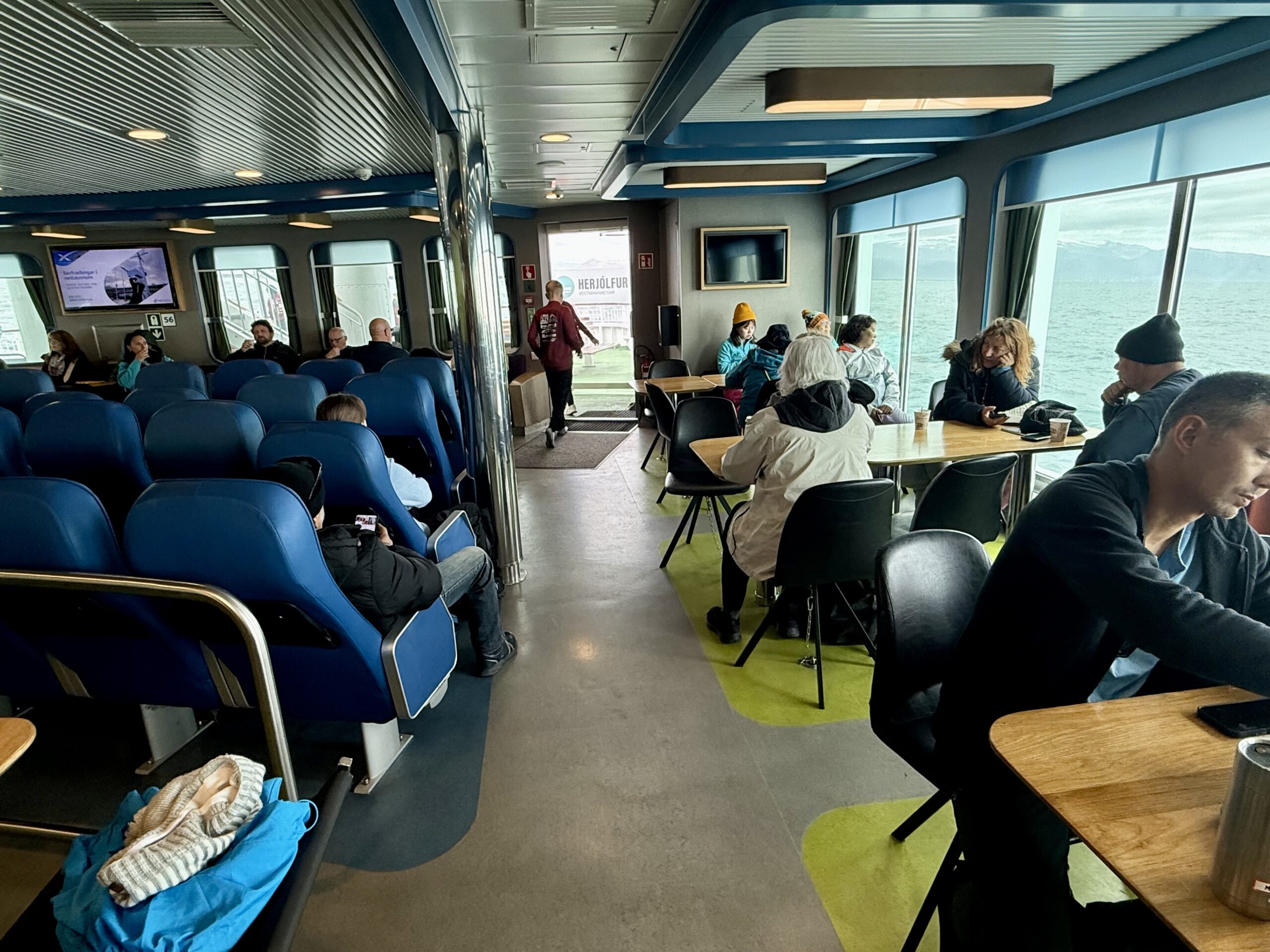
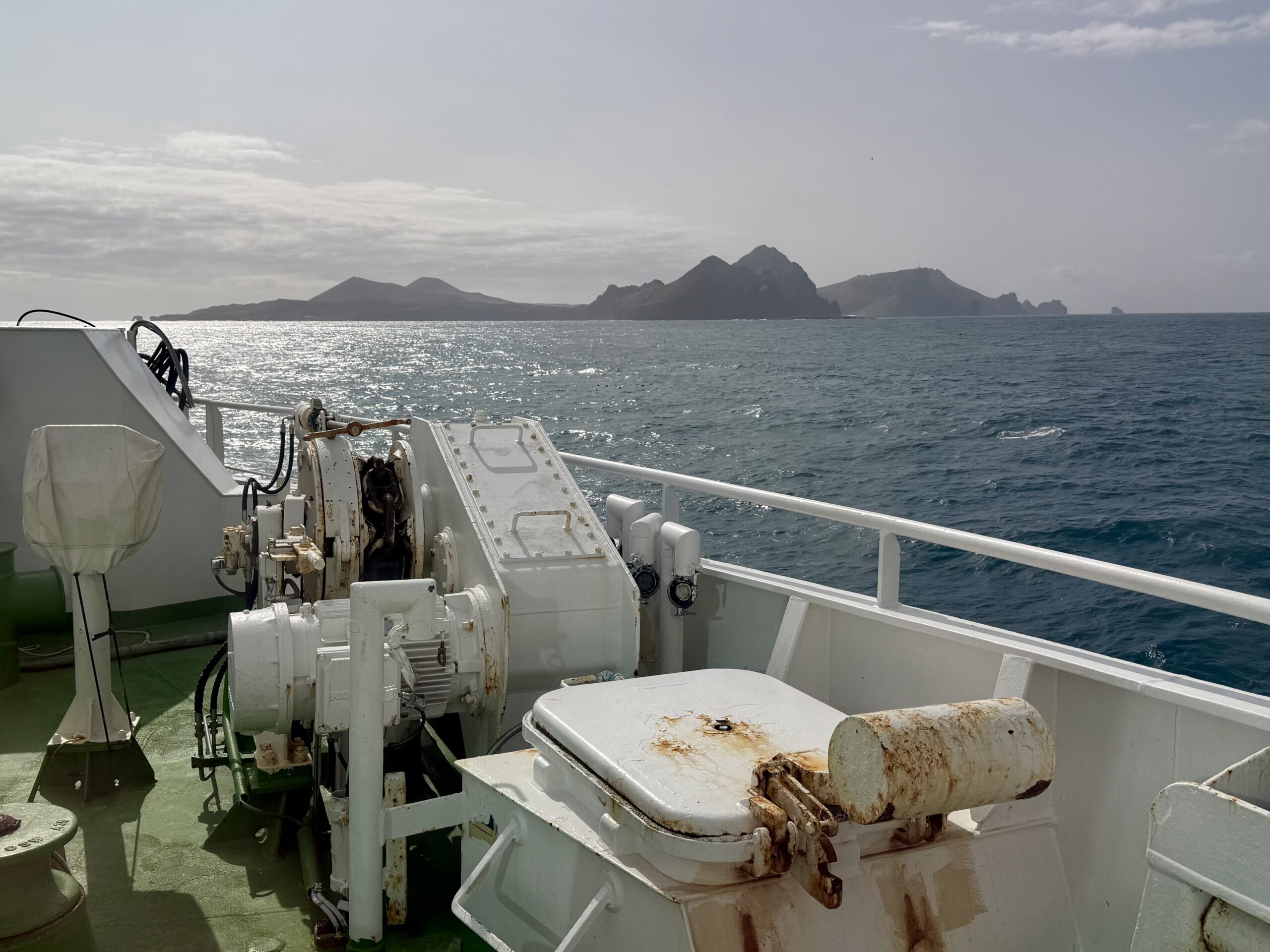
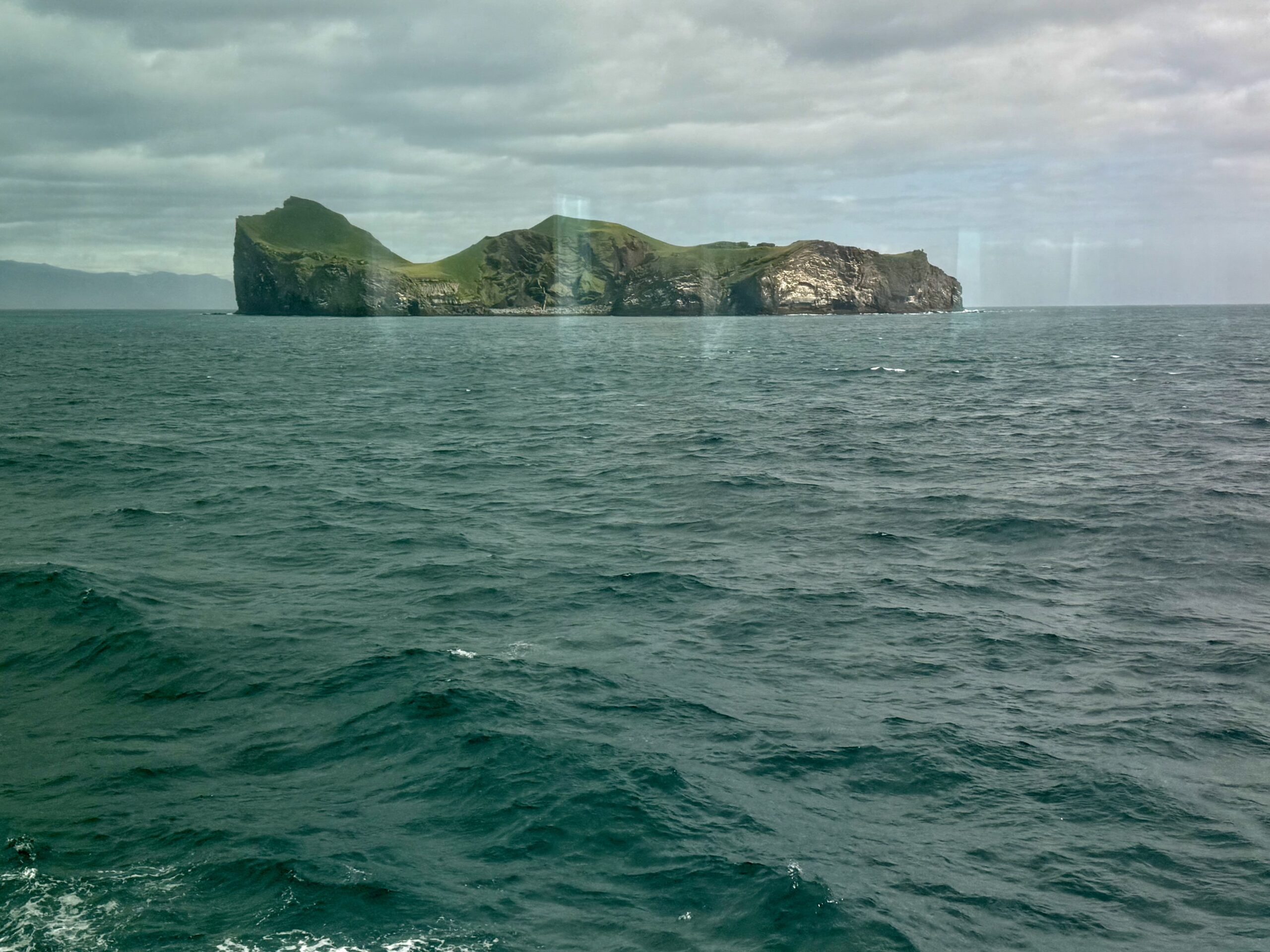
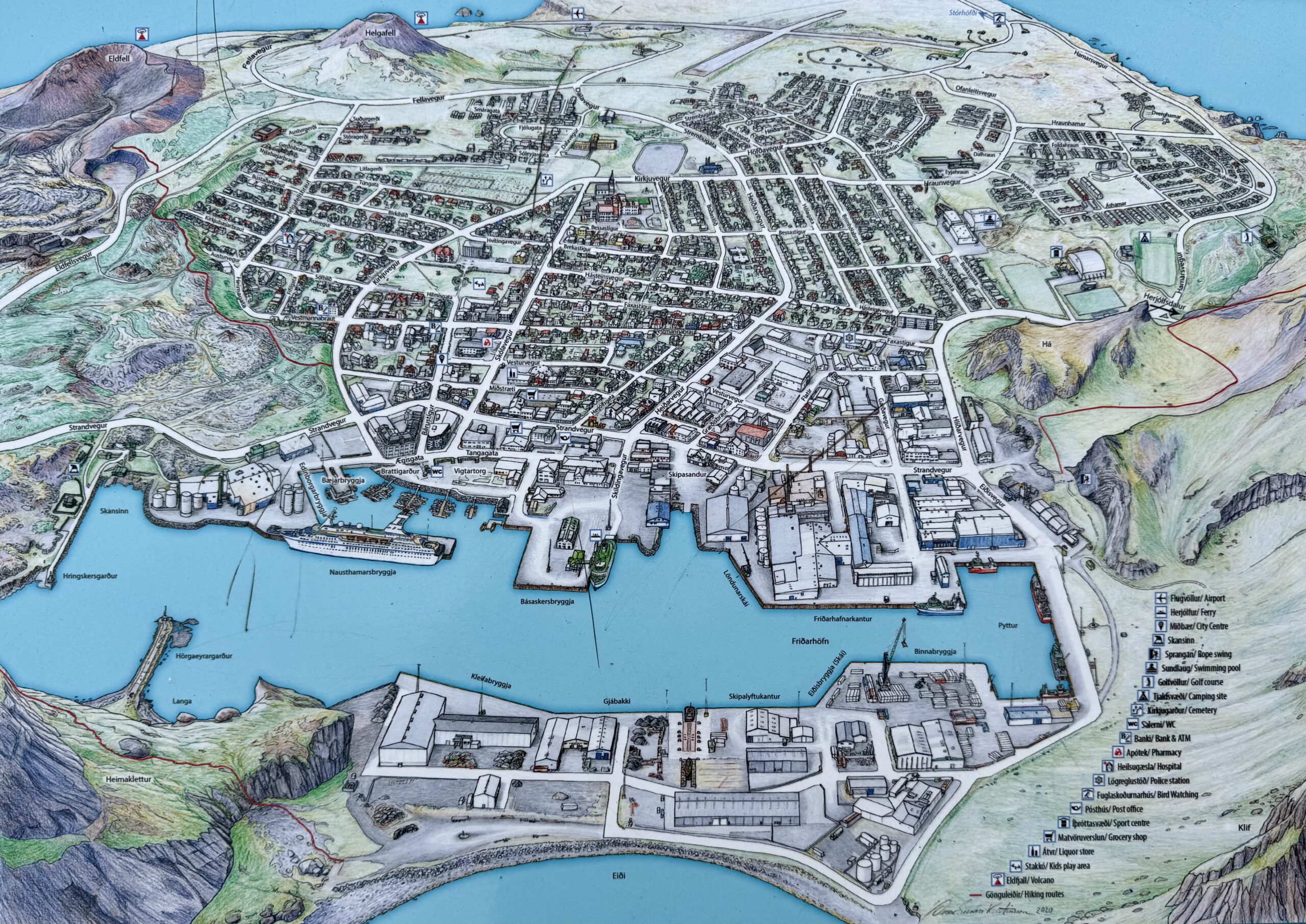
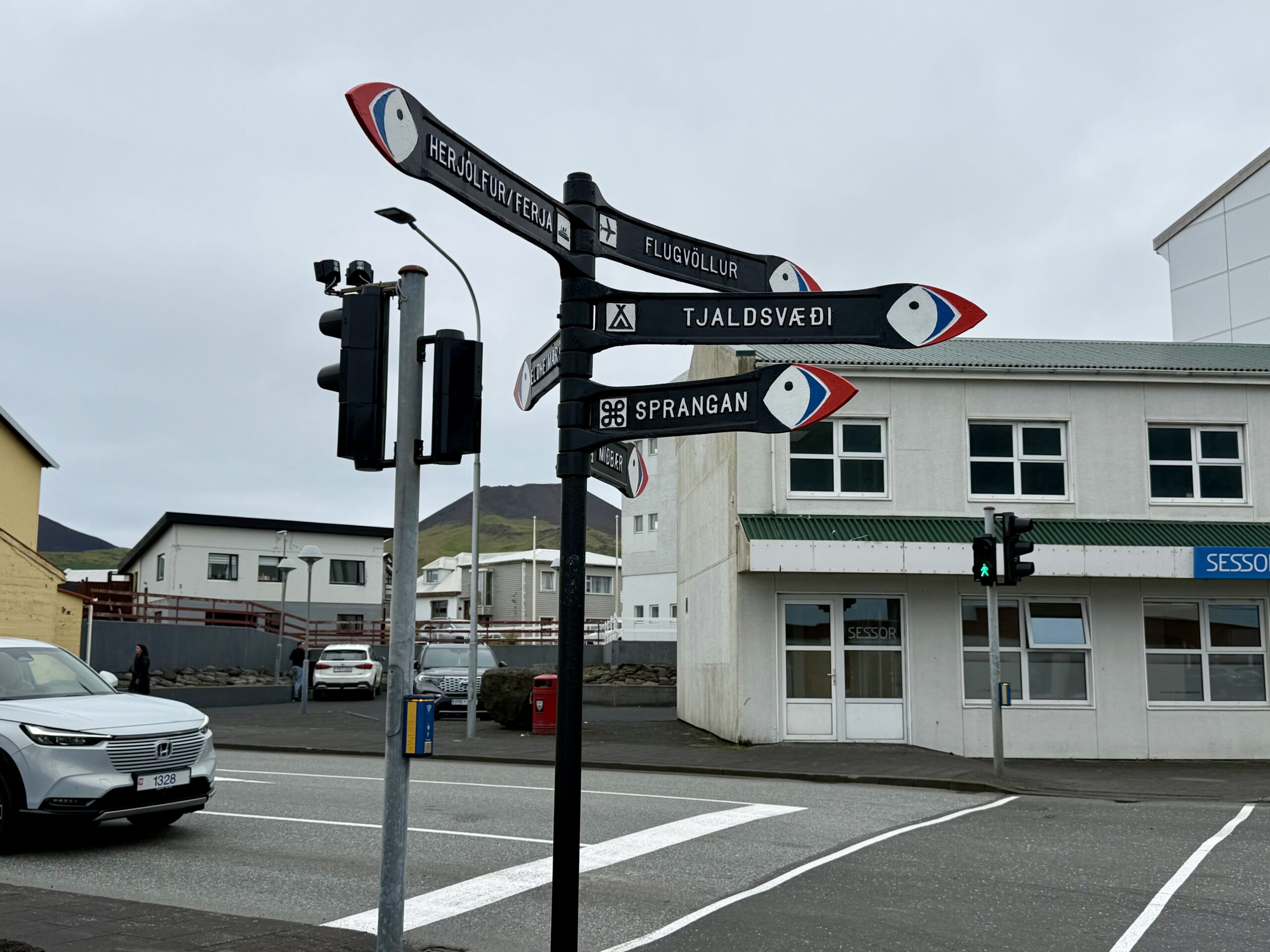
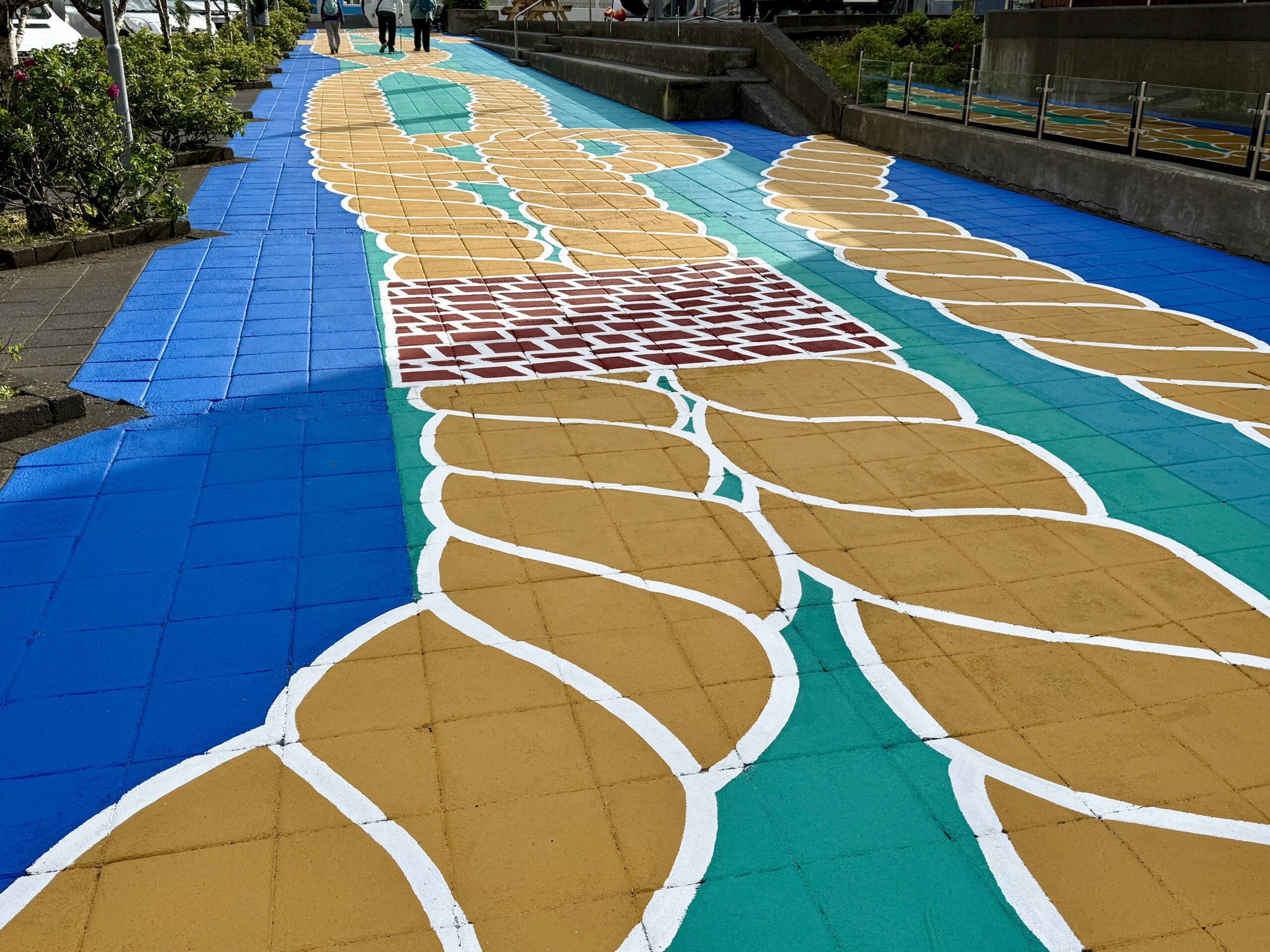
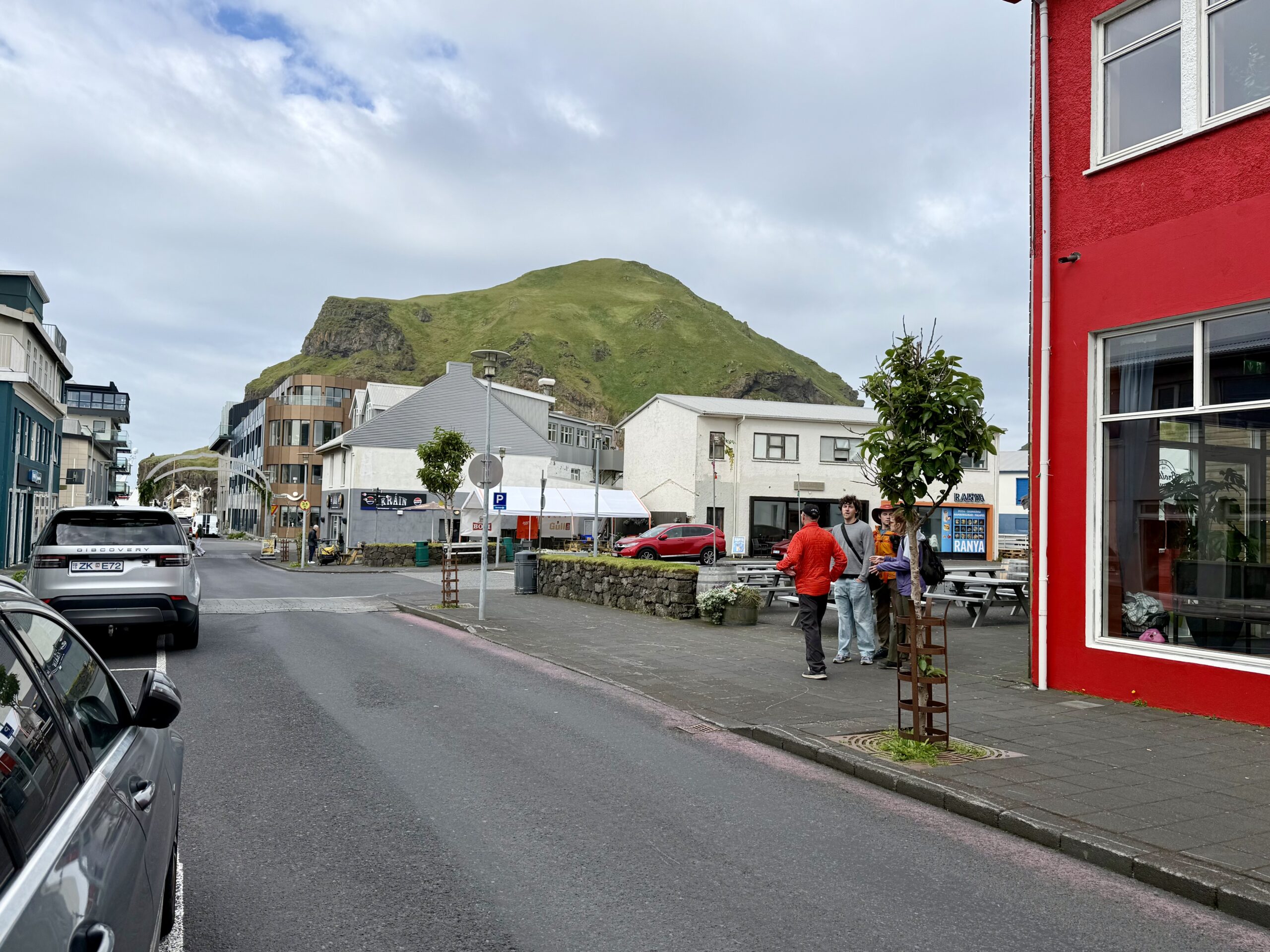
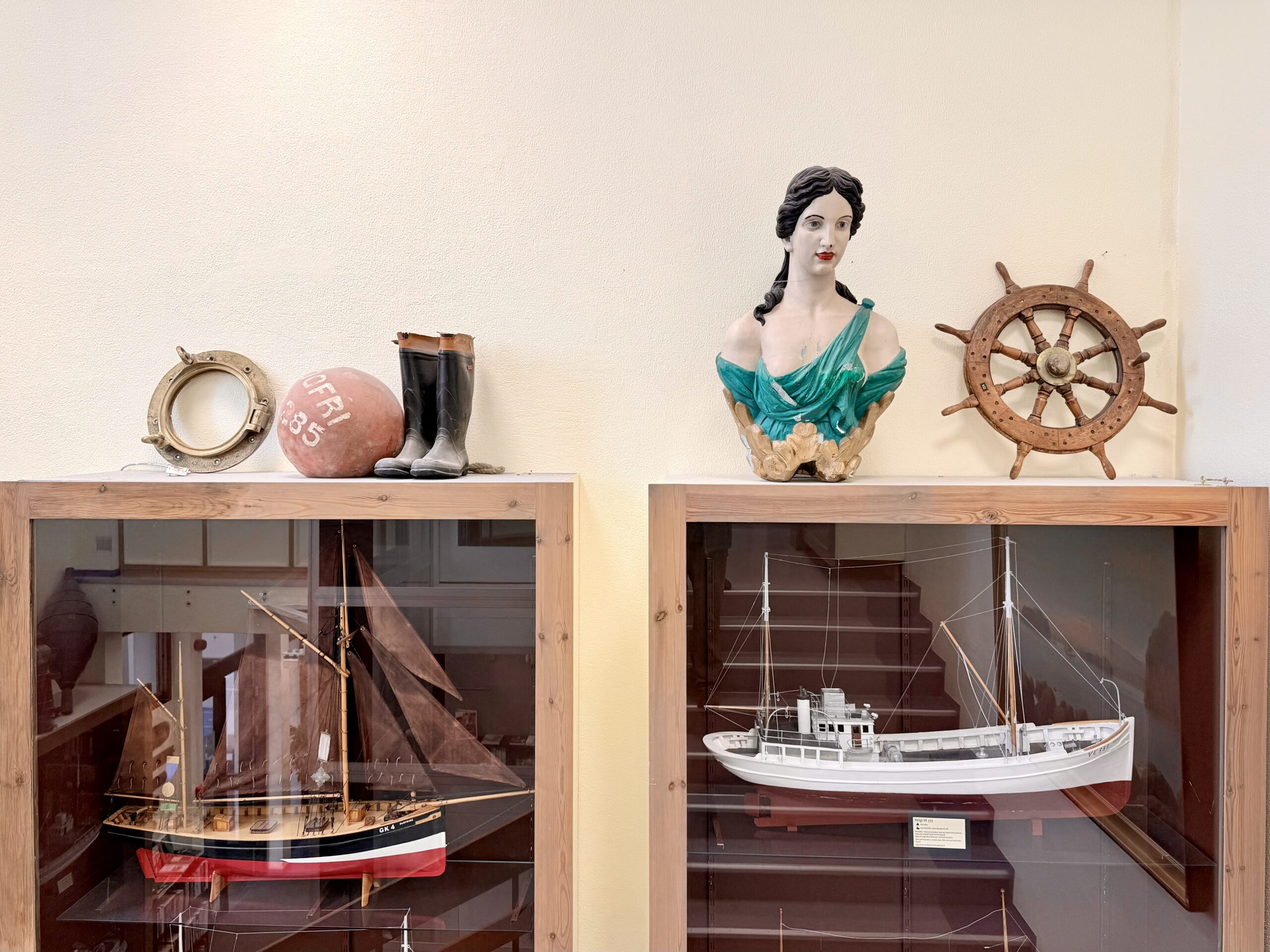
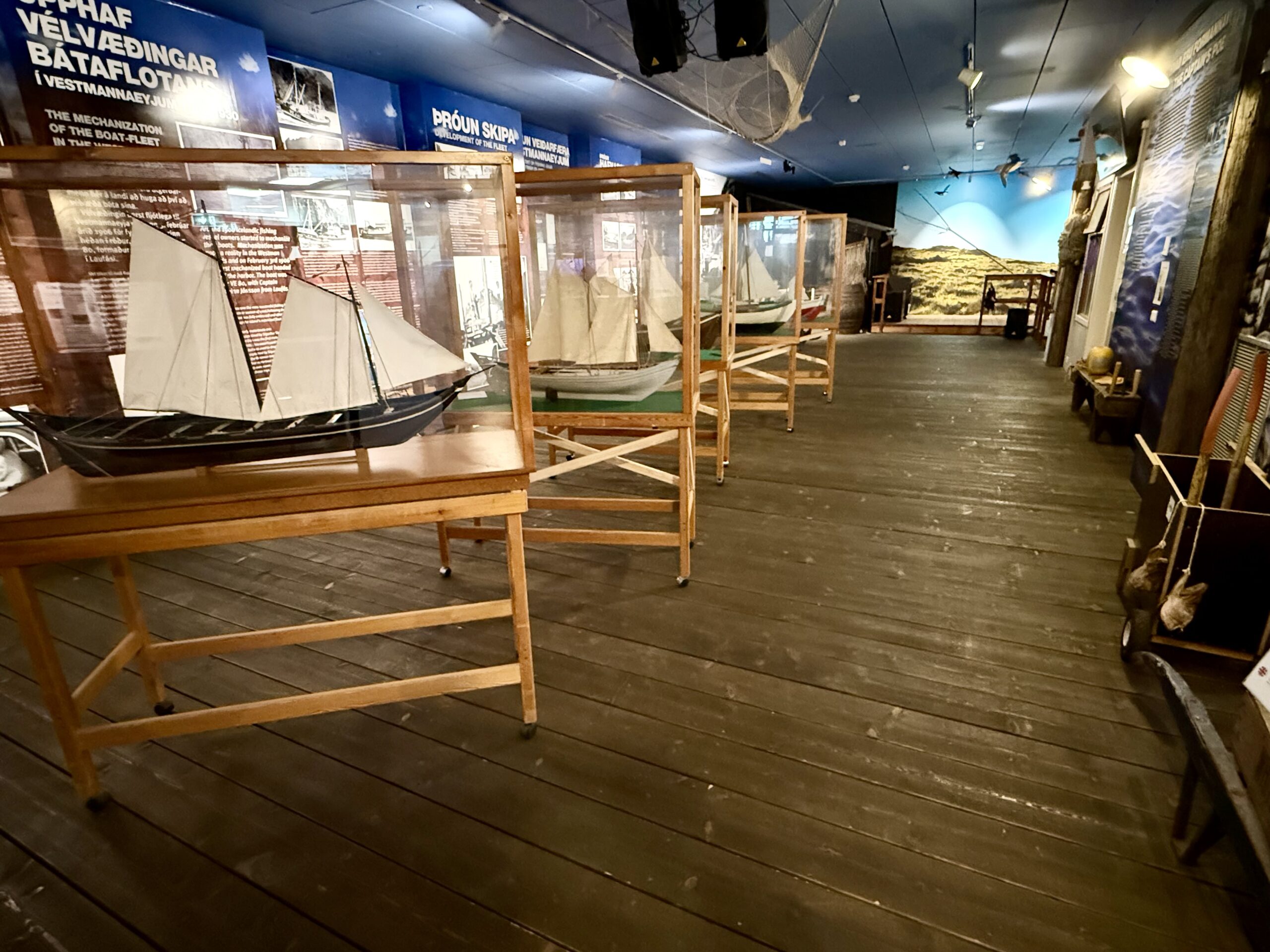
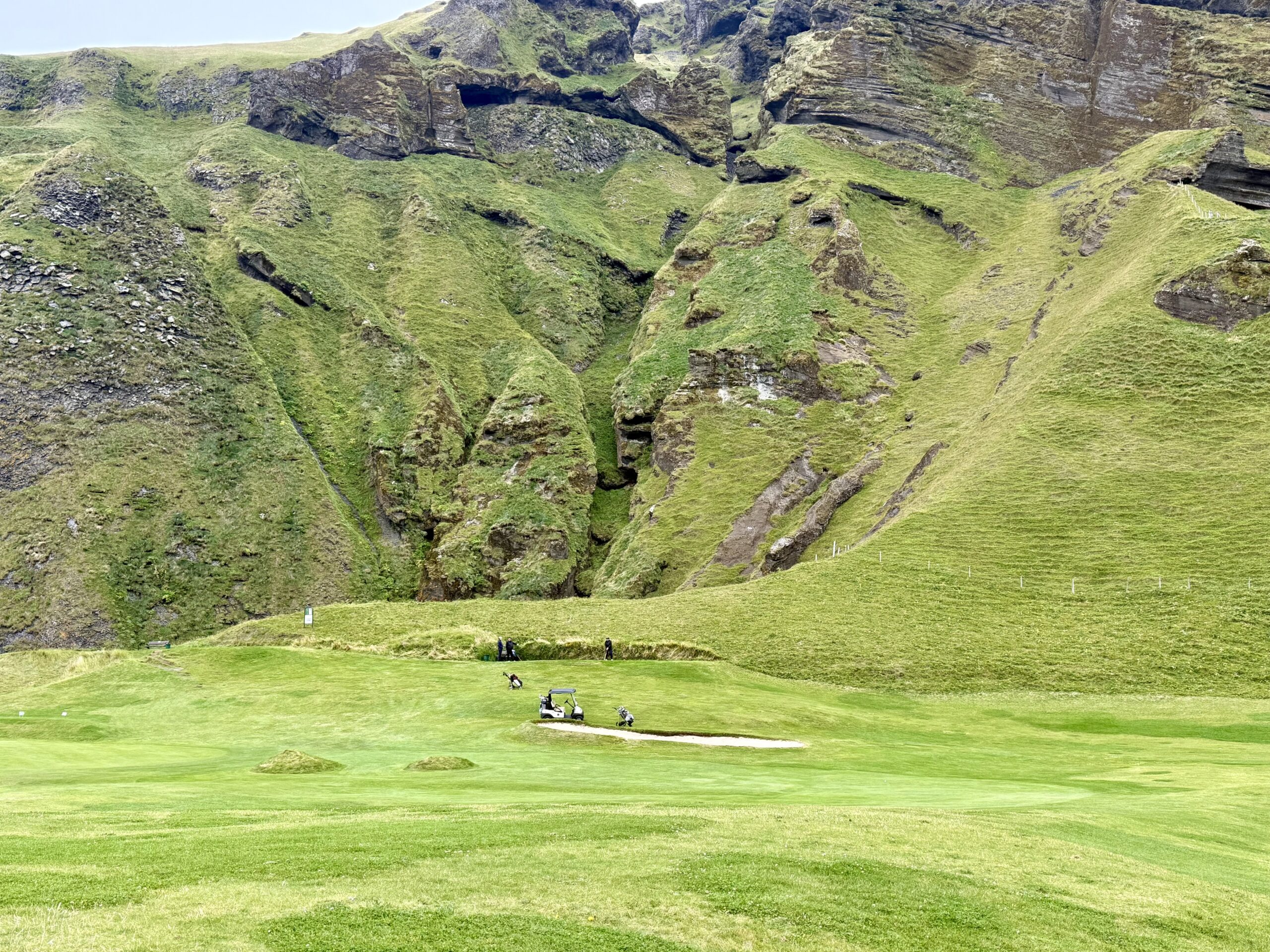
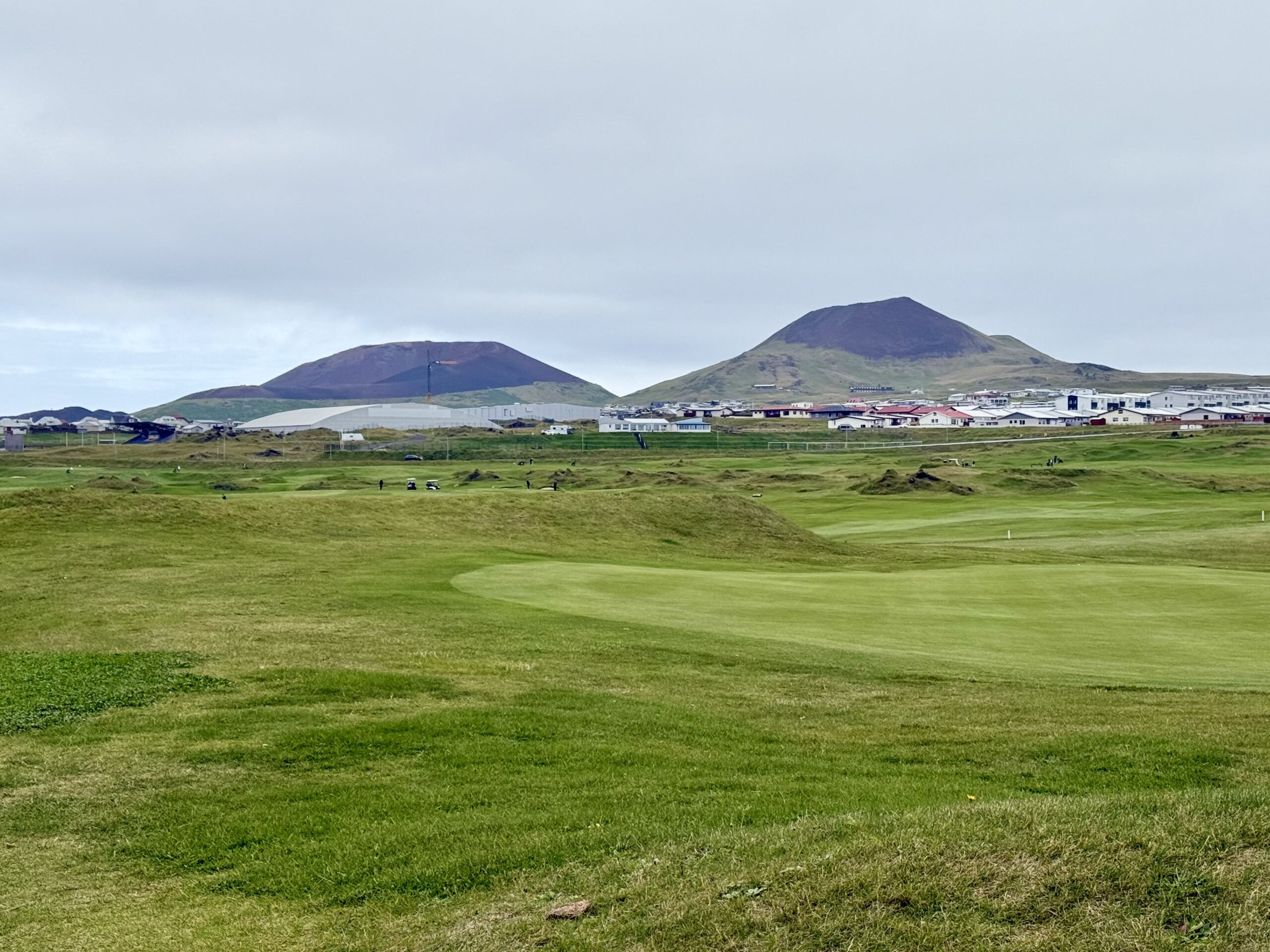
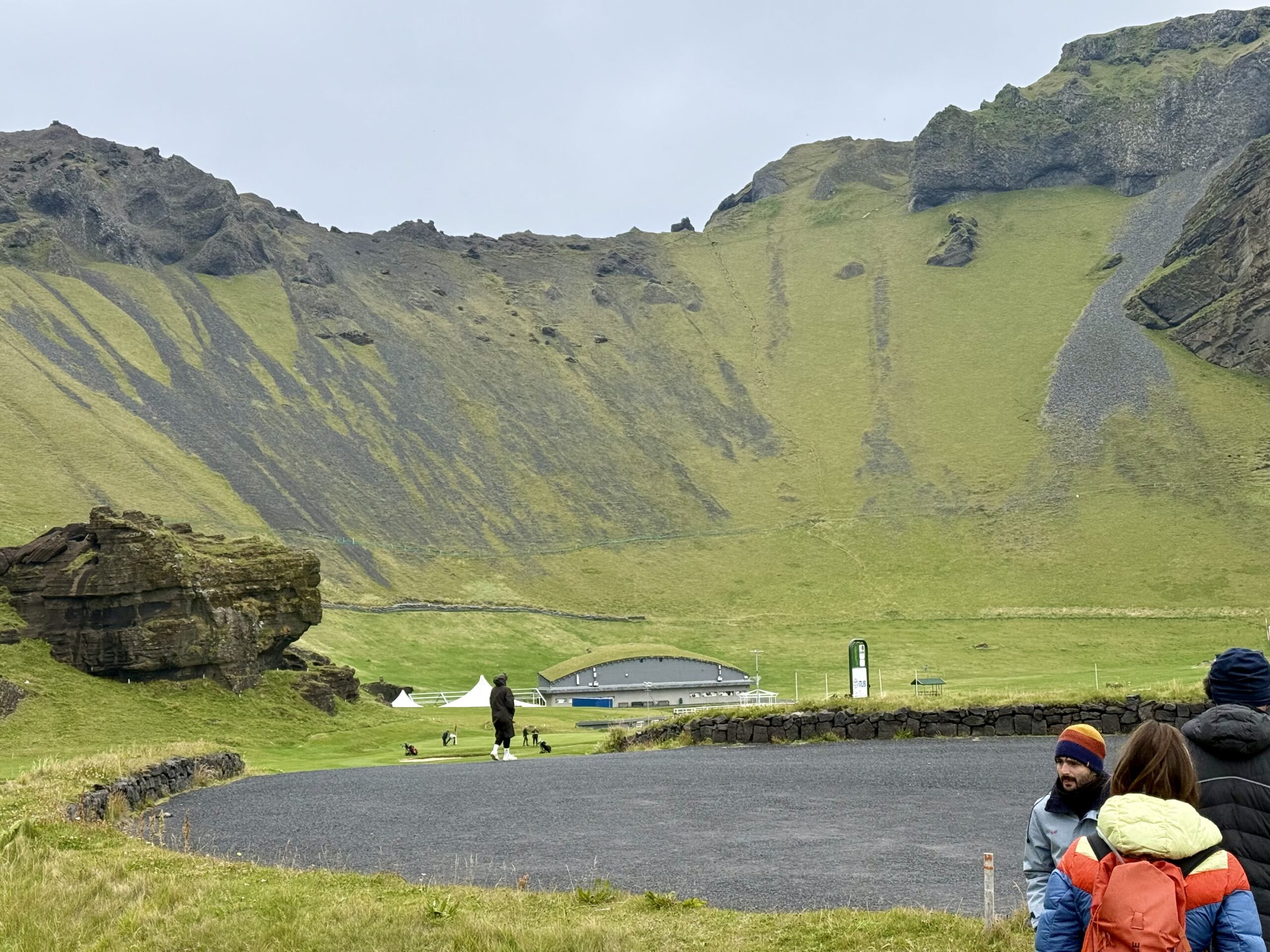
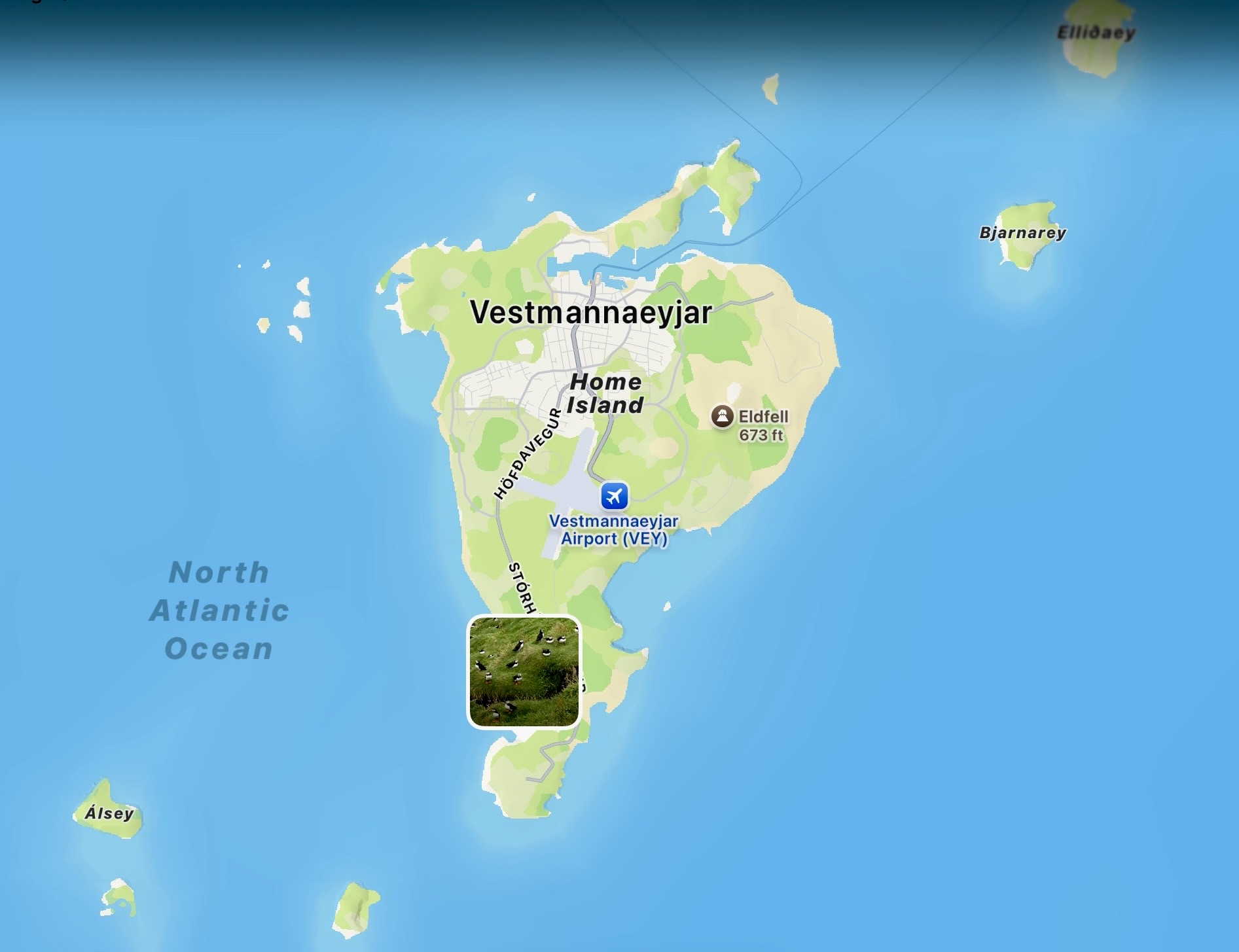
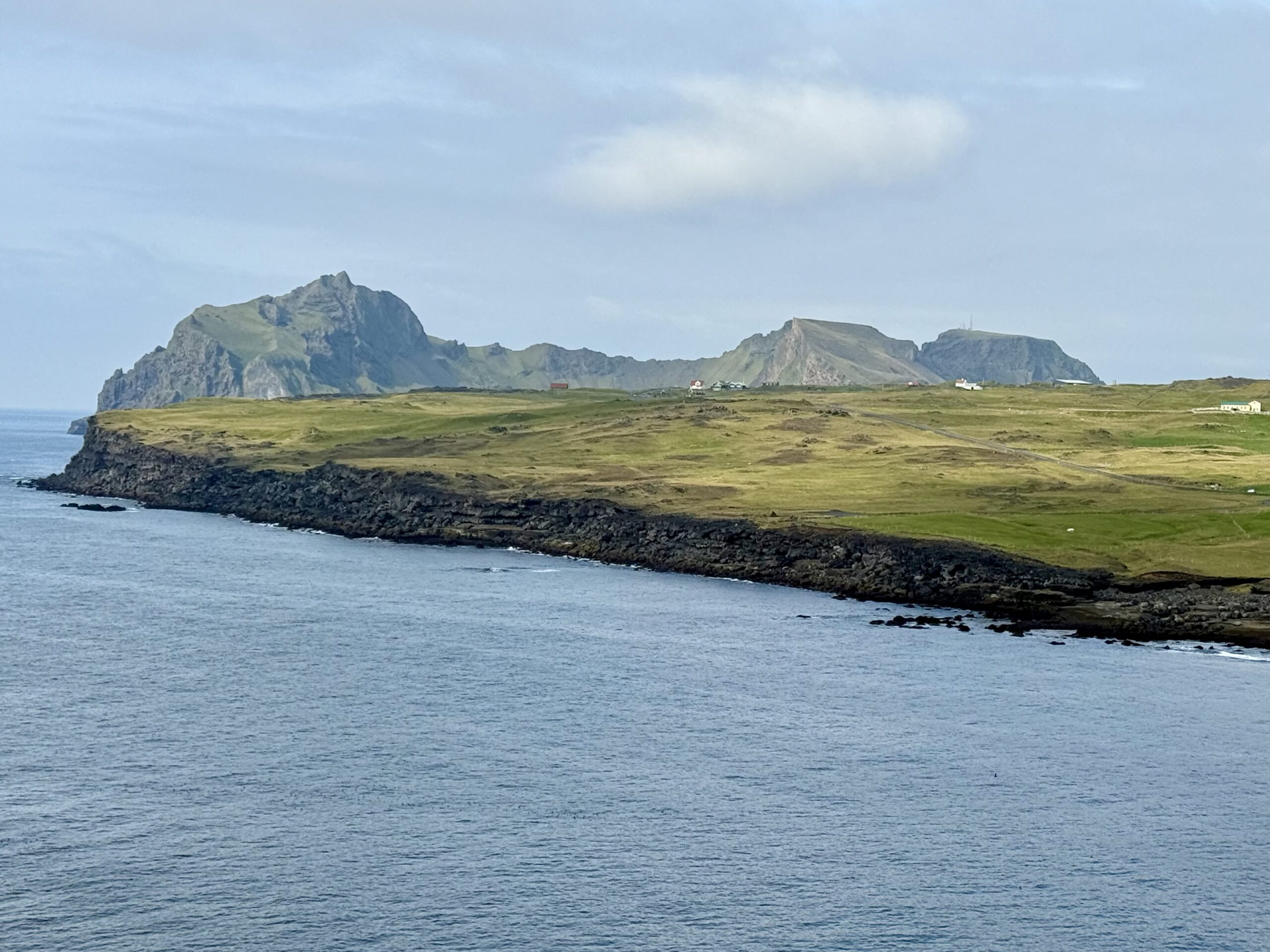
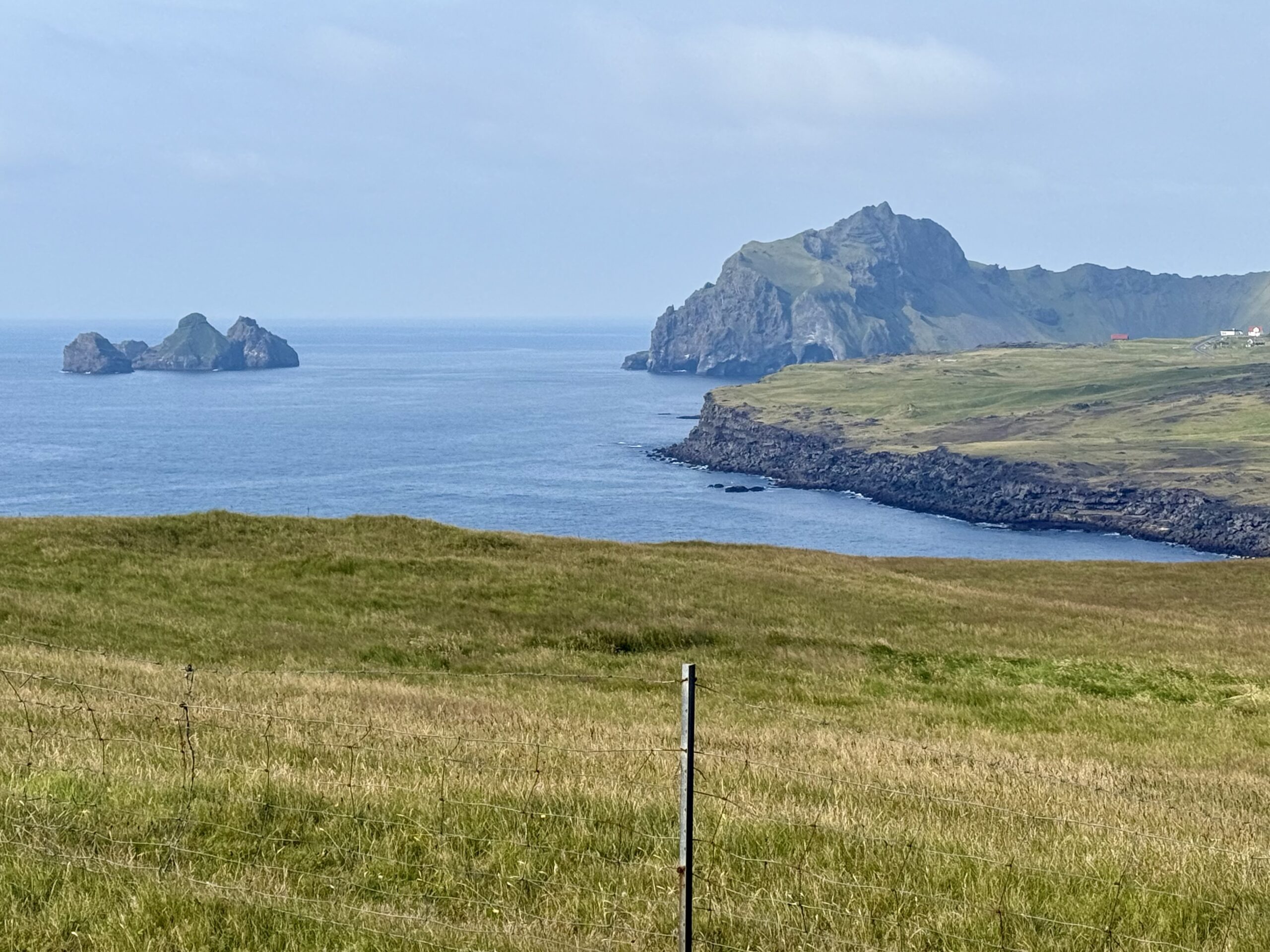
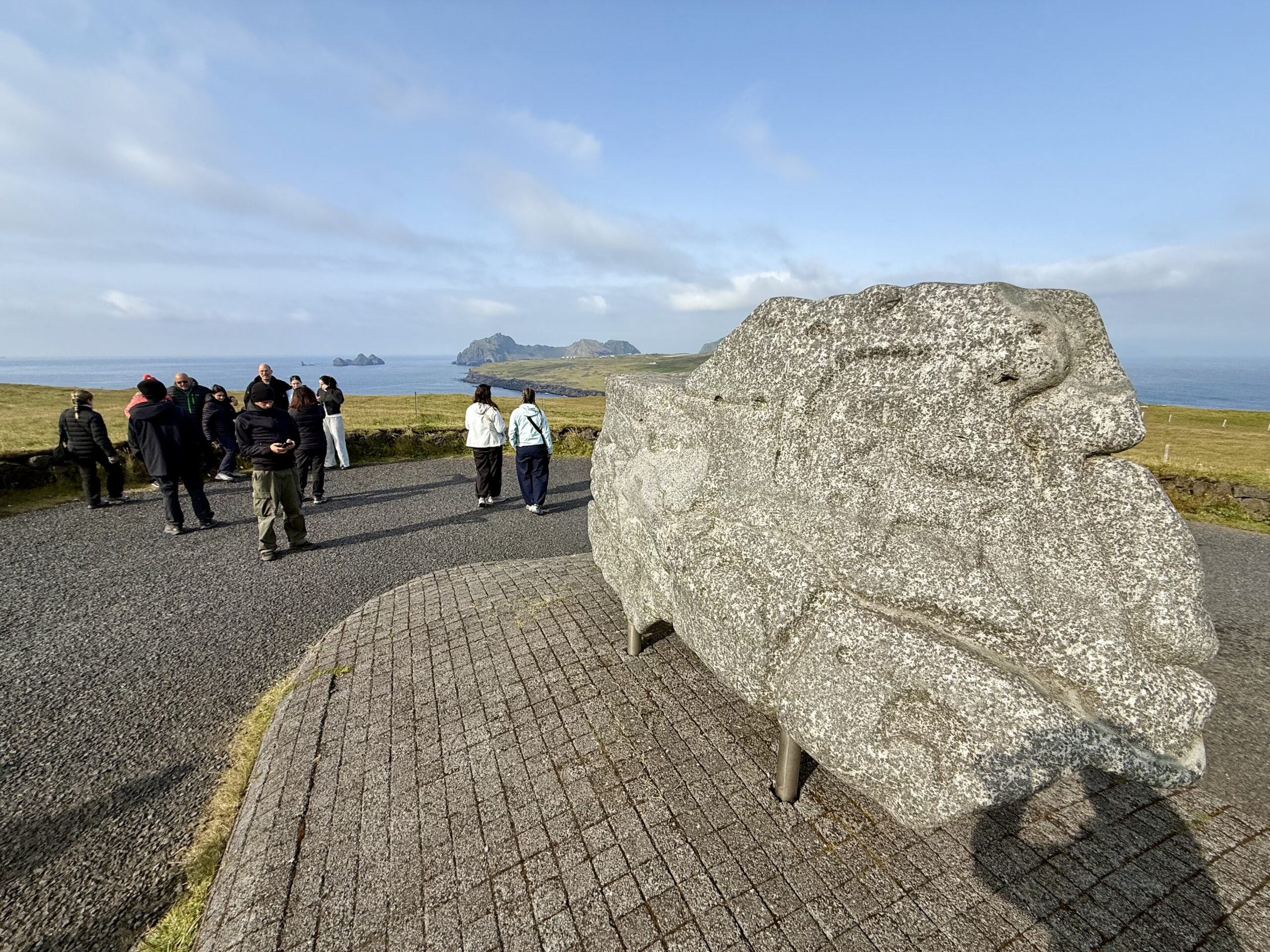
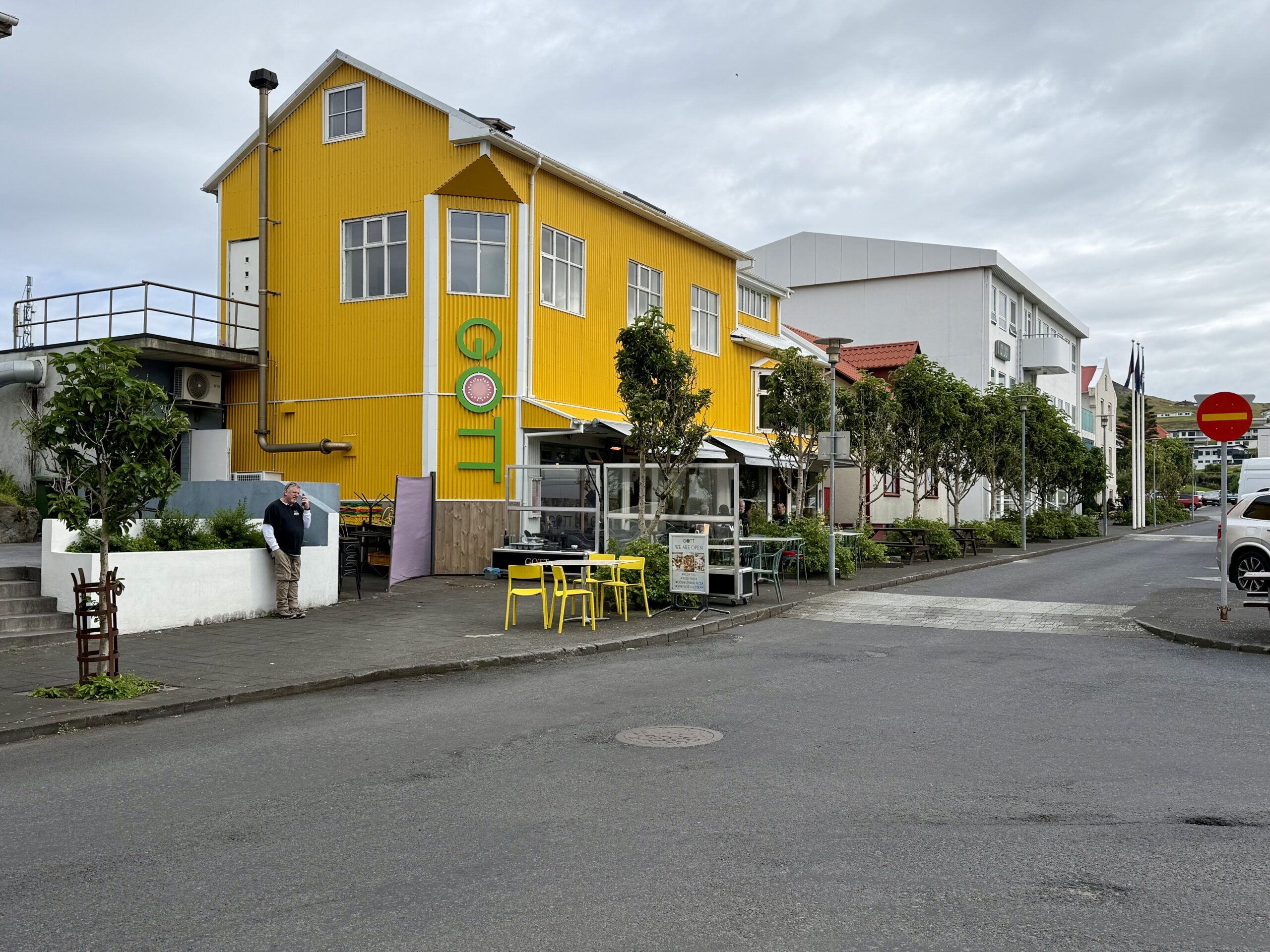
Vestmnaeyjar (the Westman Islands) lie off the south coast of Iceland, we’re so glad we ventured here. Only one island in the group is inhabited, and we reached its town of 4,400 inhabitants by a 40-minute ferry ride. This is a working town, not yet overrun by tourists. Nearly everyone here is connected to the fishing industry, which provides ten percent of all fish caught in Iceland. The few blocks of retail seem to be eighty percent oriented to the folks living here and twenty percent for tourists. A nice balance that we hope they can keep. Just a handful of restaurants, mostly recent, serve the town. Aside from a couple of hotels, lodging is mainly in “guesthouses,” most offering shared bathrooms down the hall. There is evidence of this changing with new construction near the harbor.
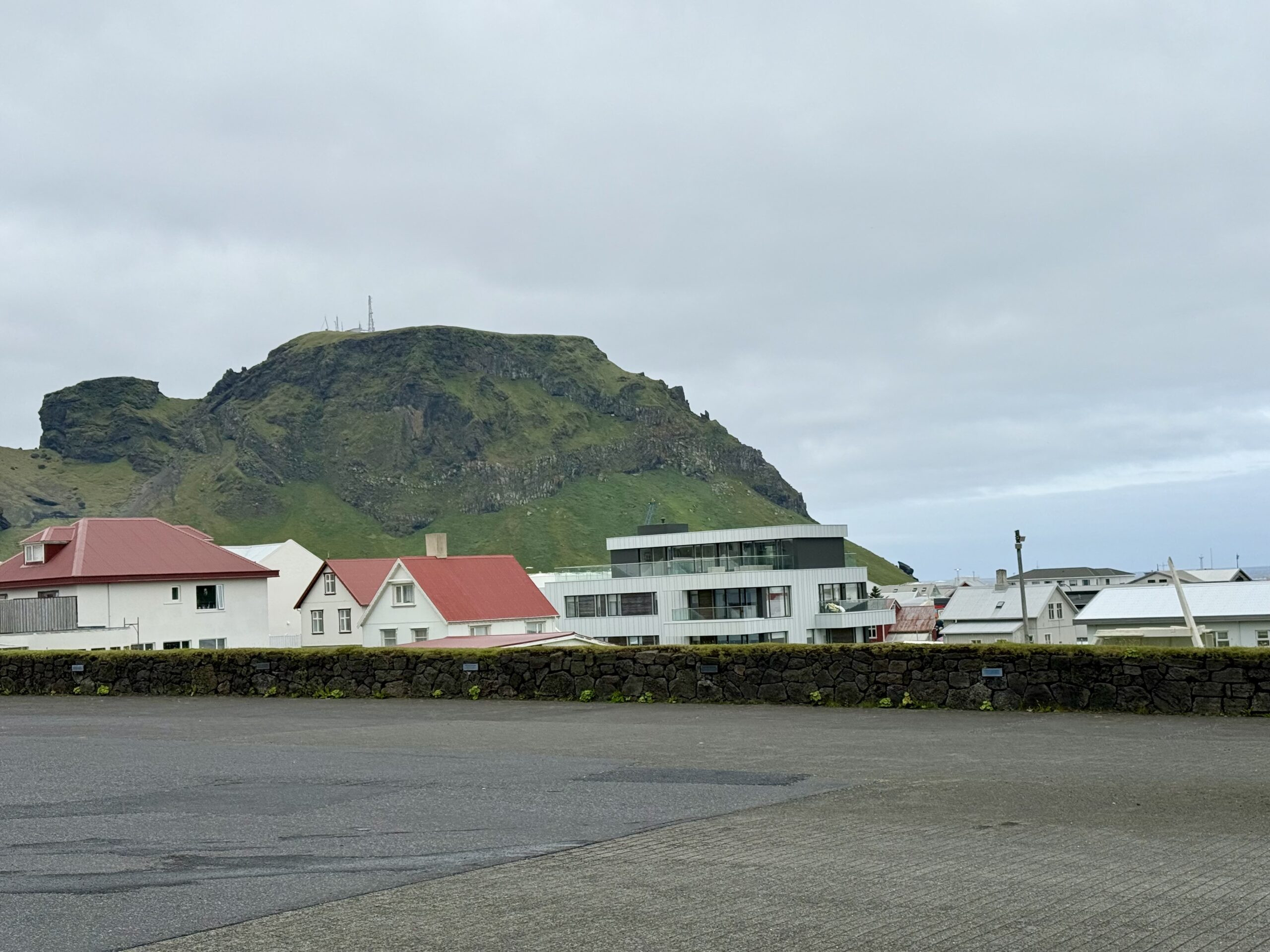
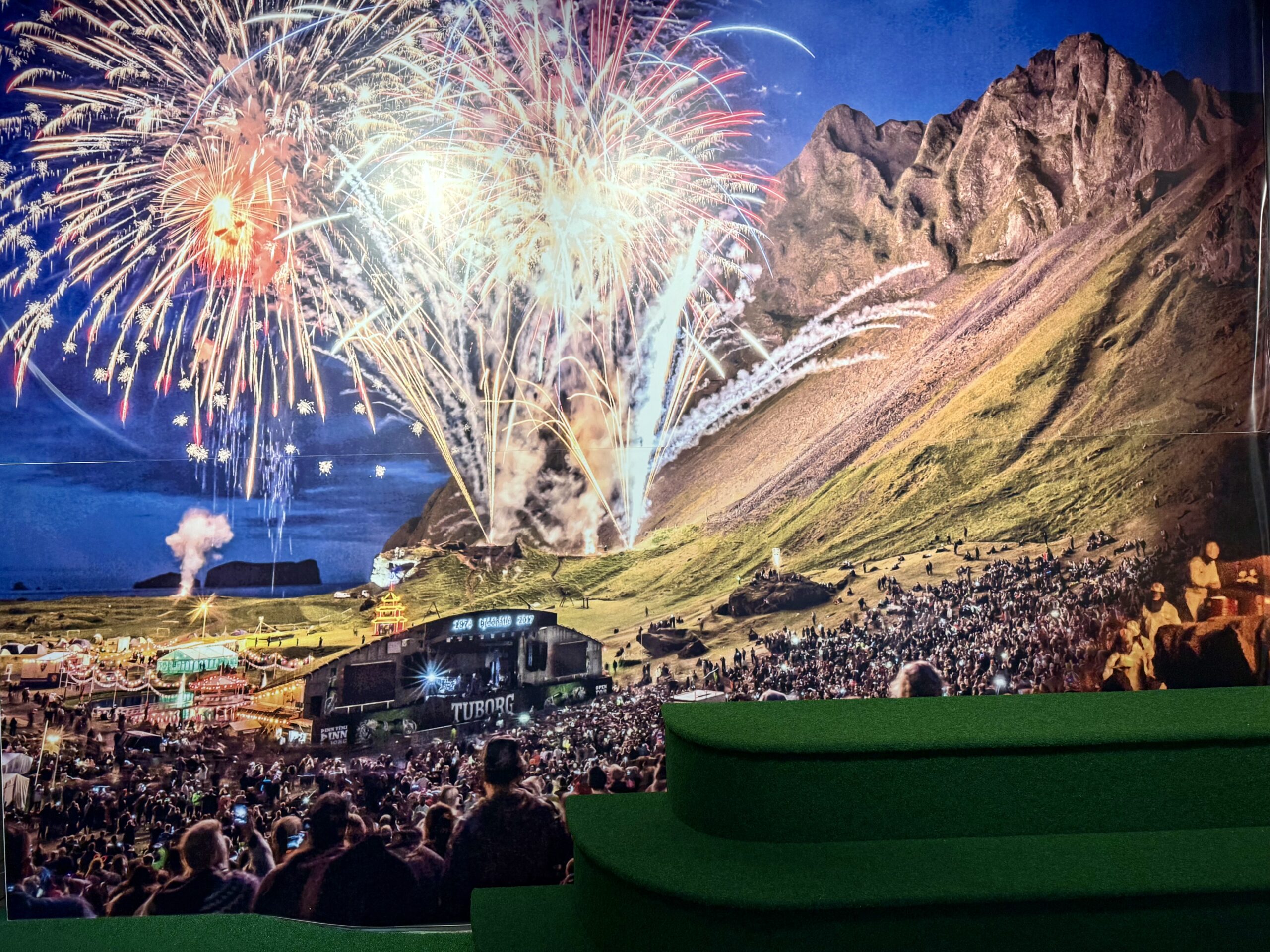
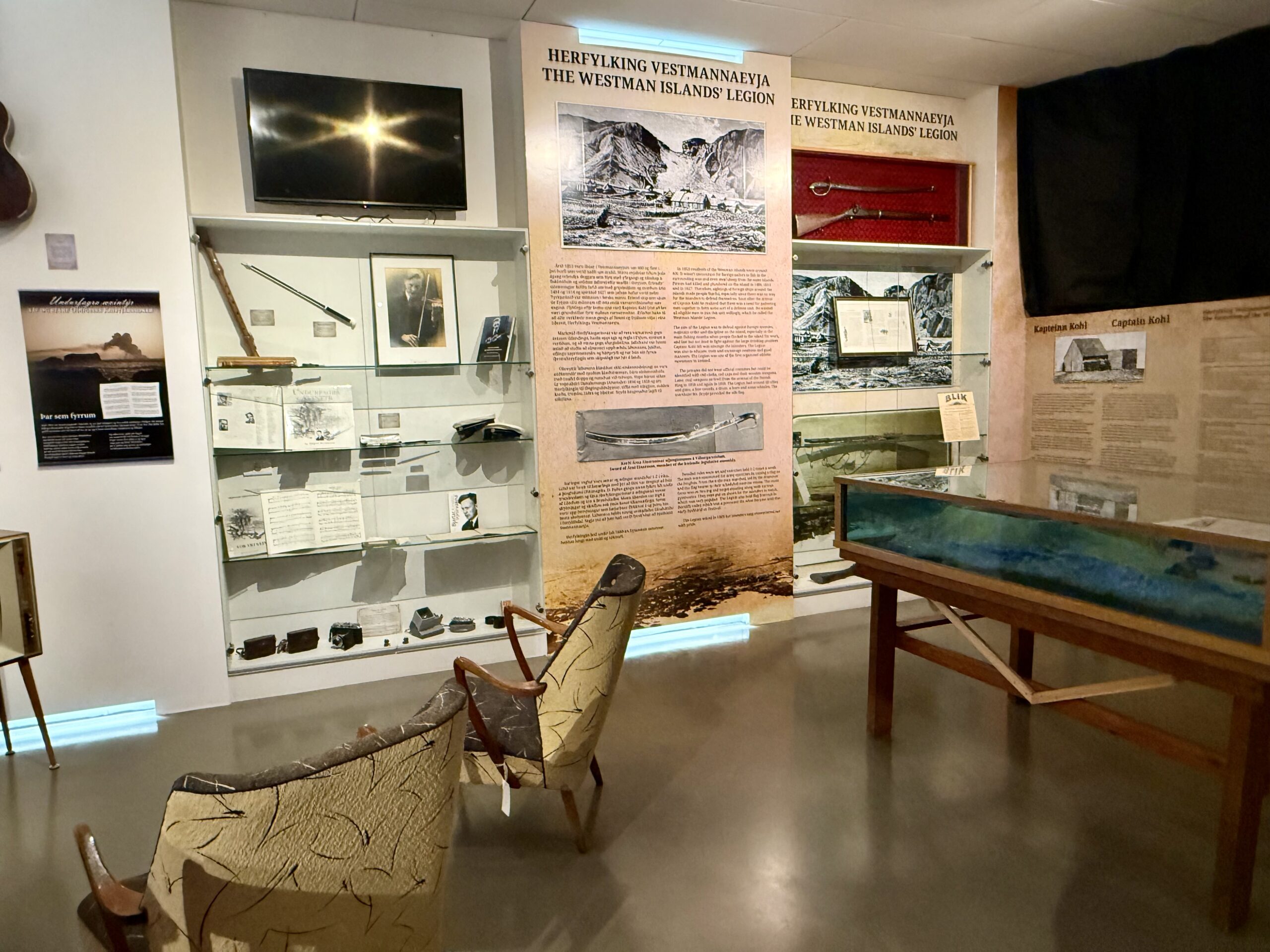
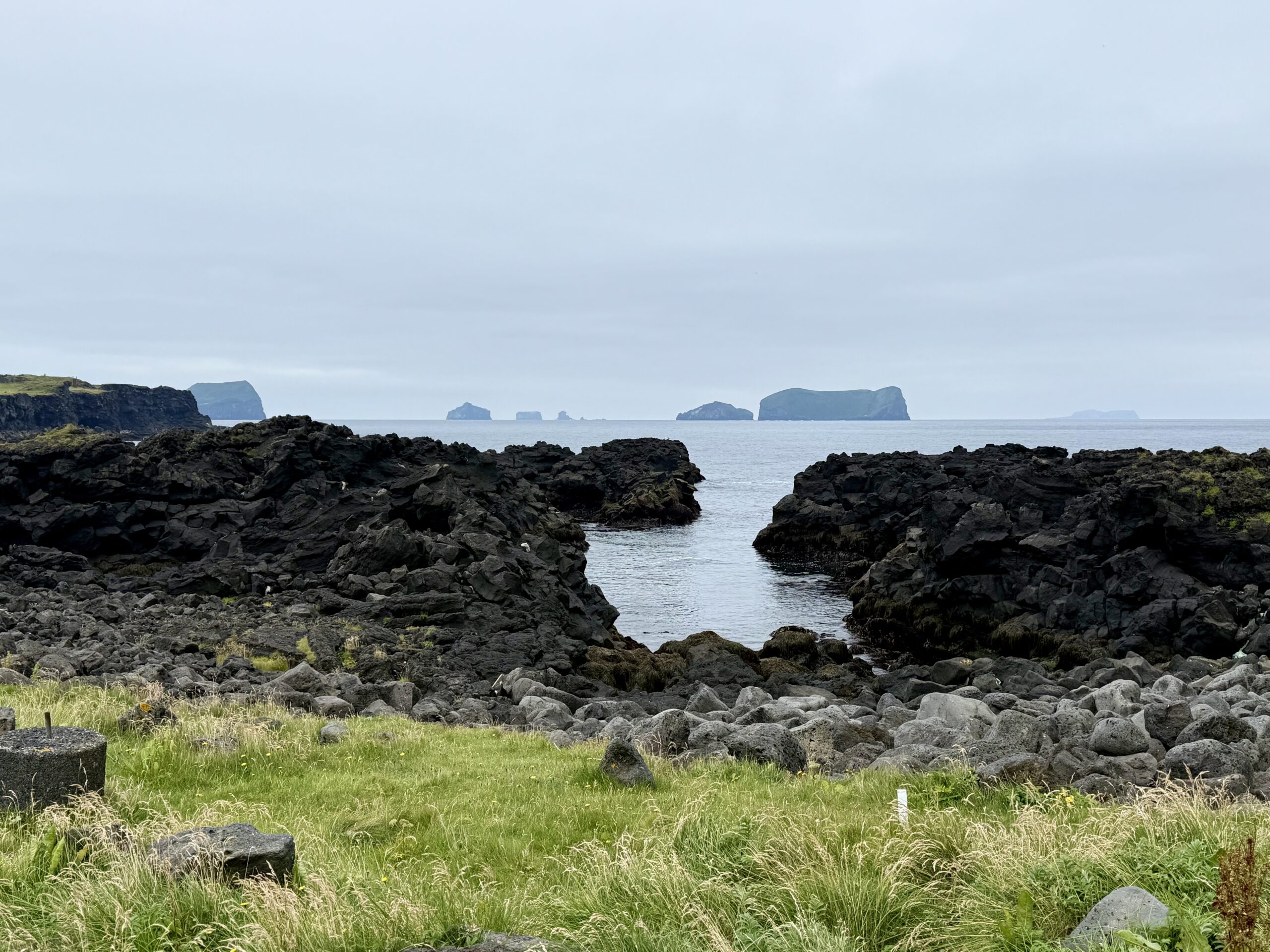
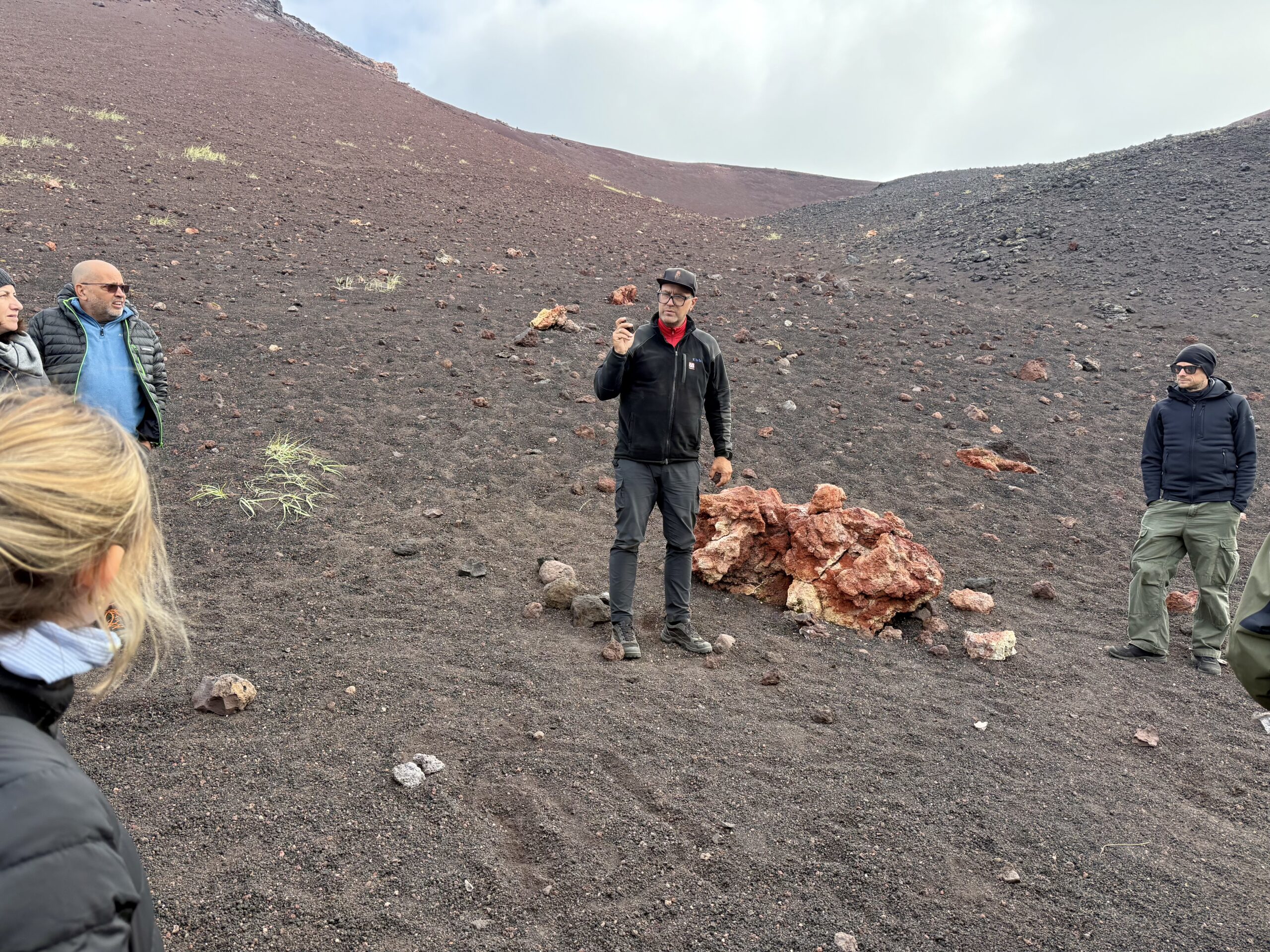
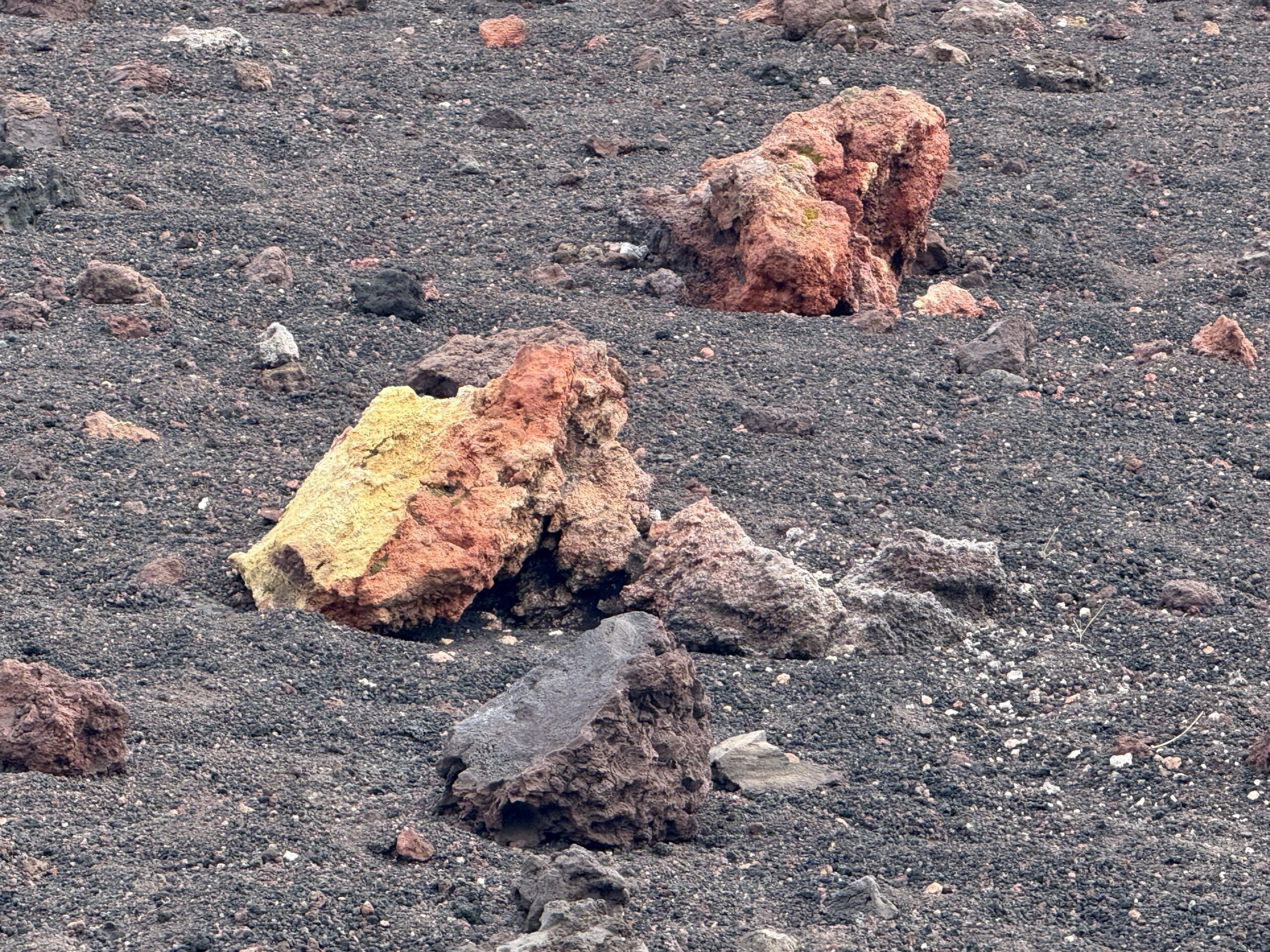
Establishing a community here has not been easy. The island was raided three times in the past to capture people for the slave trade, the last time in 1627 by Algerian pirates who kidnapped 242 residents. Volcanoes formed the island and are still active. The 1973 eruption forced a quick, total evacuation from the island that lasted for several months. The residents, along with sheep and cattle, left immediately in fishing boats, with no casualties. Some people still in pajamas. Volcanic flows and ash deposits buried 400 houses, but also enlarged the island considerably. Between 1963 and 1967 volcanic eruptions under the sea formed a new island initially one square mile in area and 500+ feet in height.

Lodging
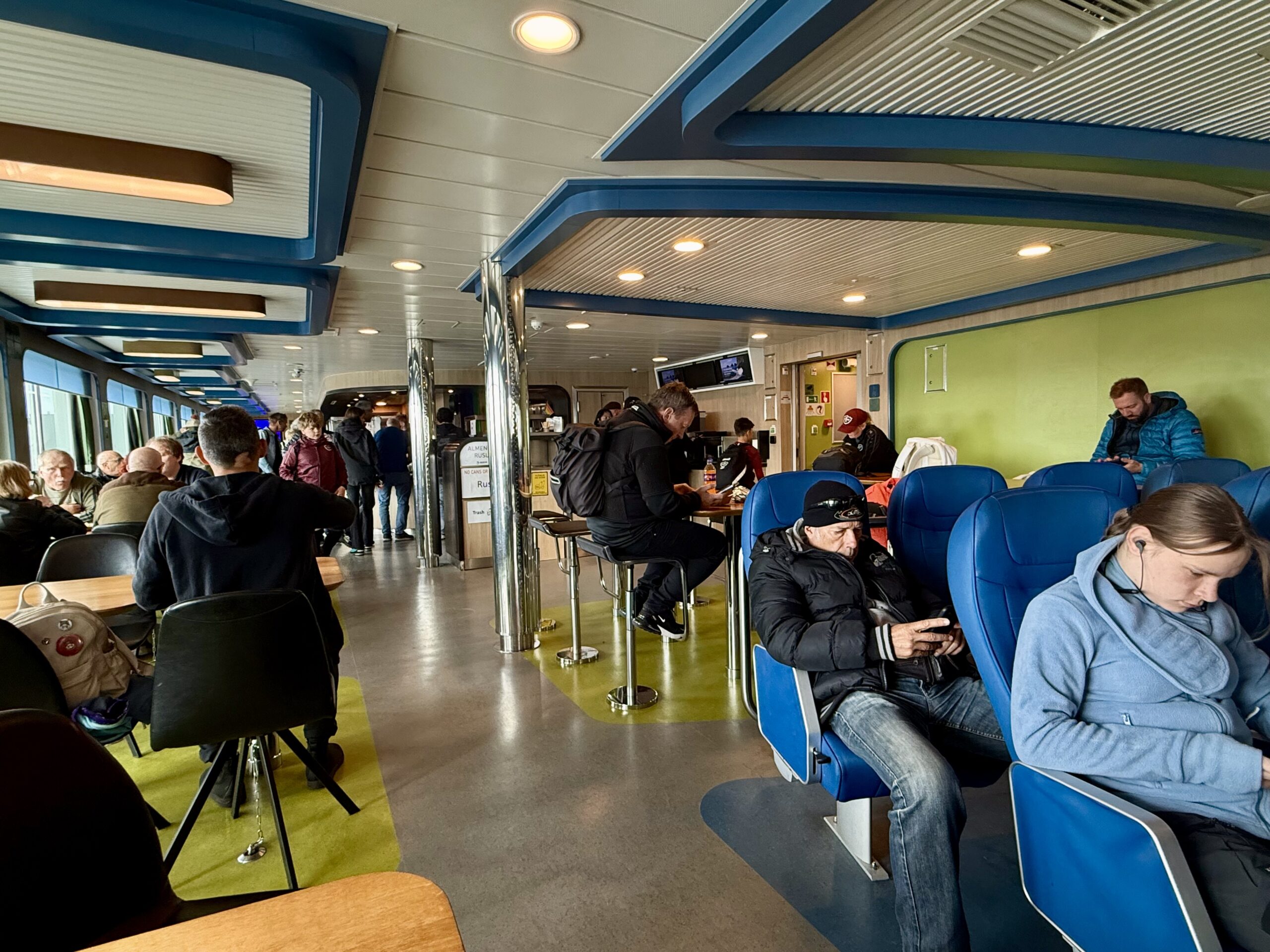
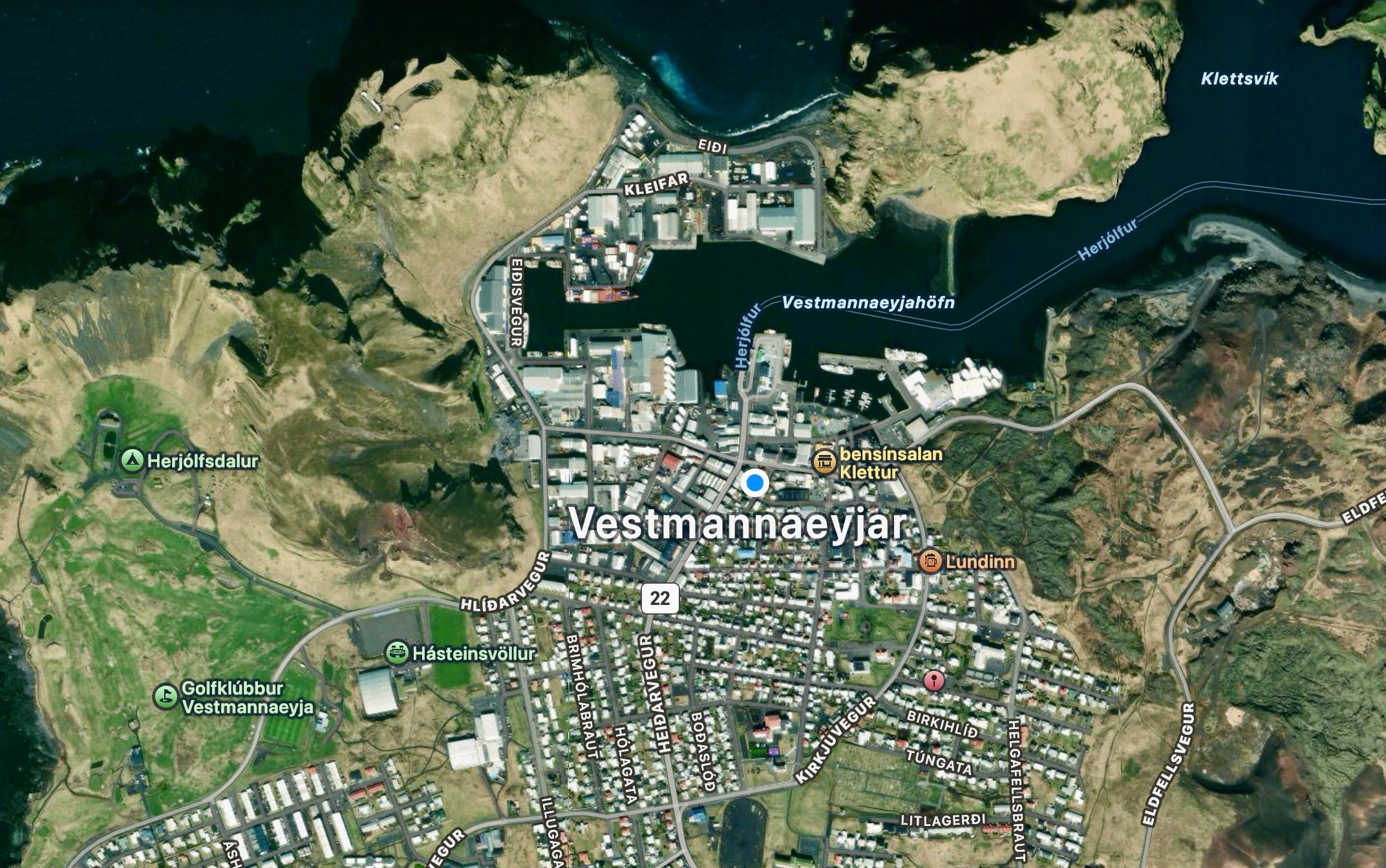
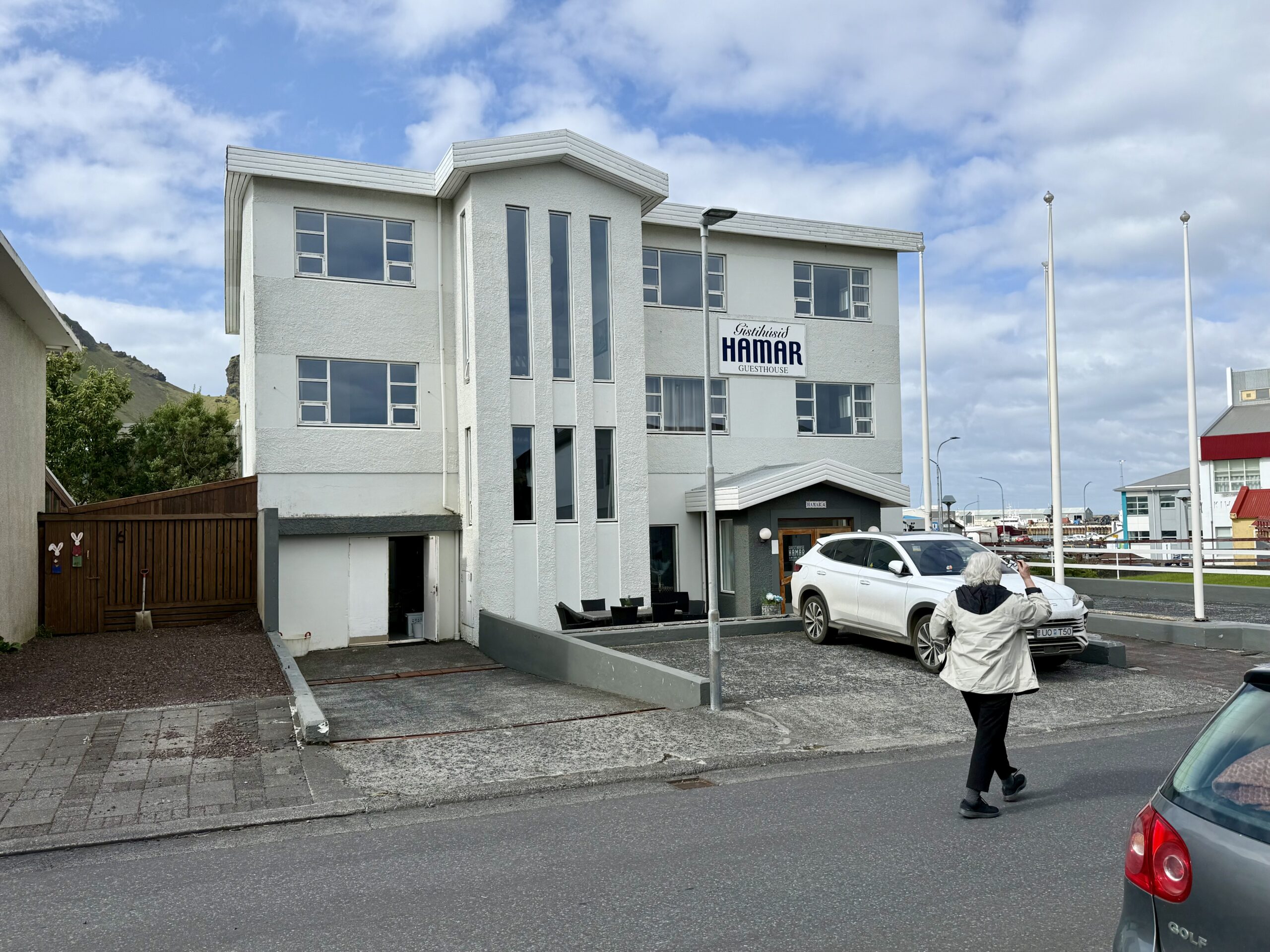
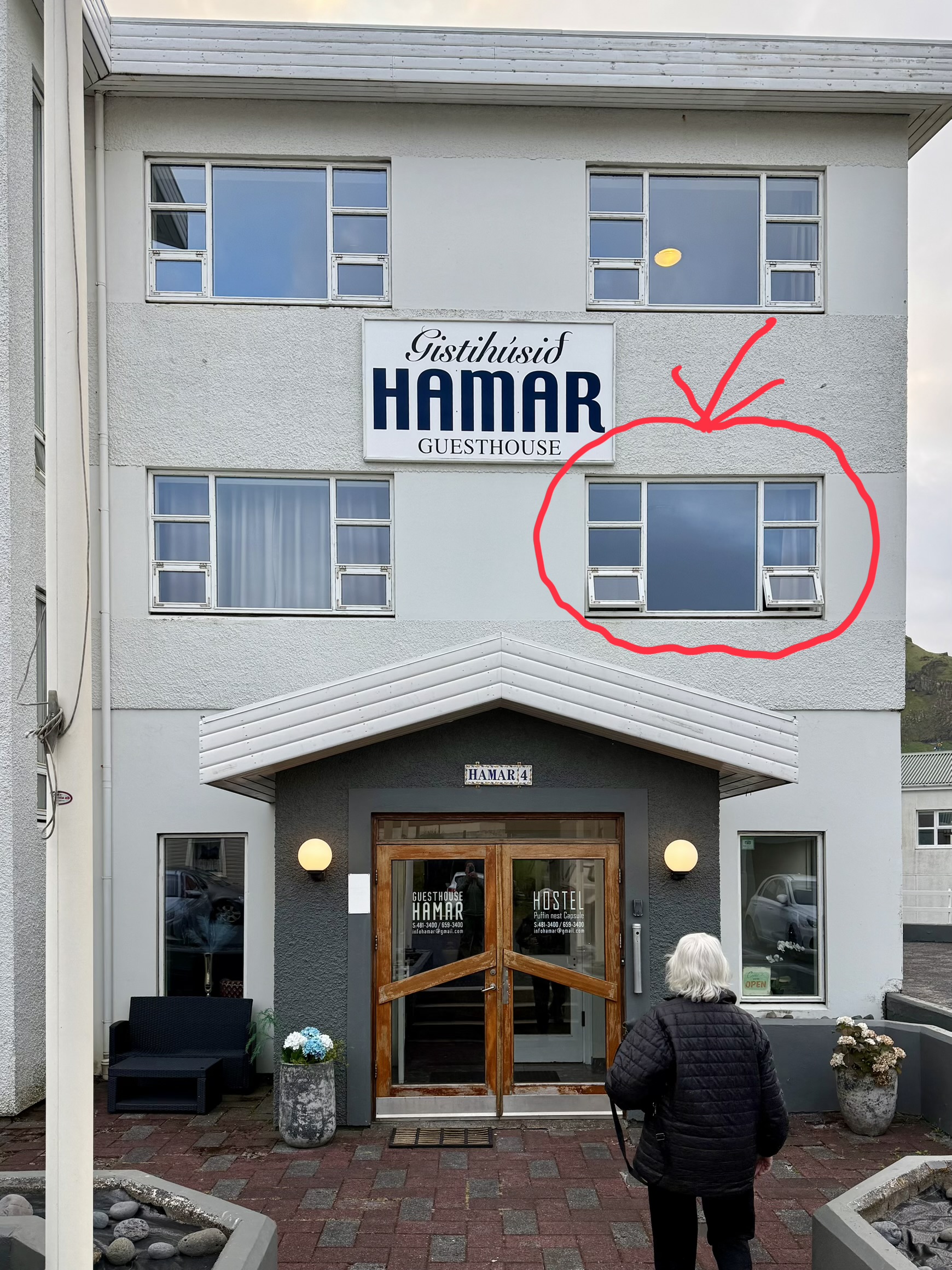
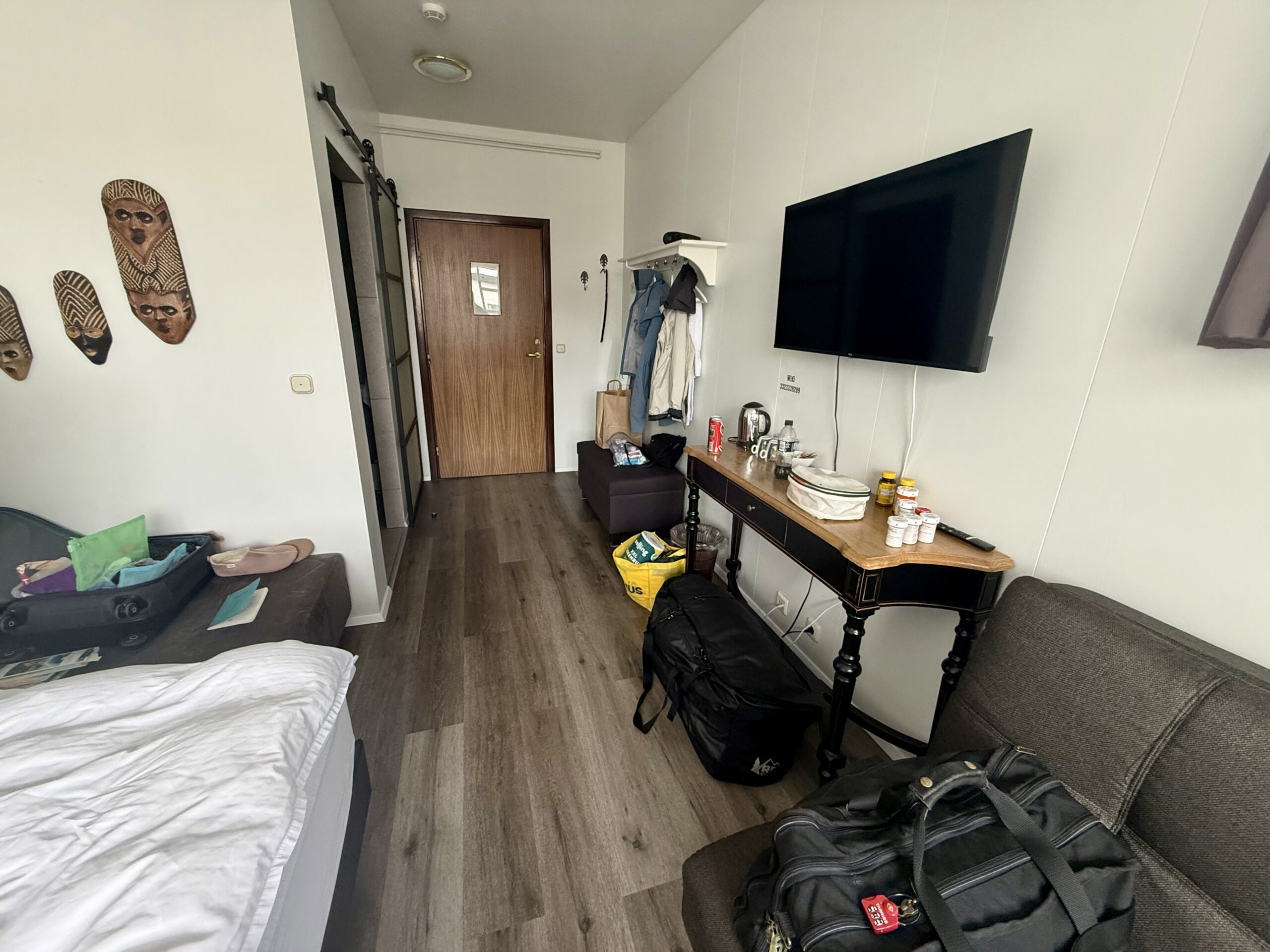
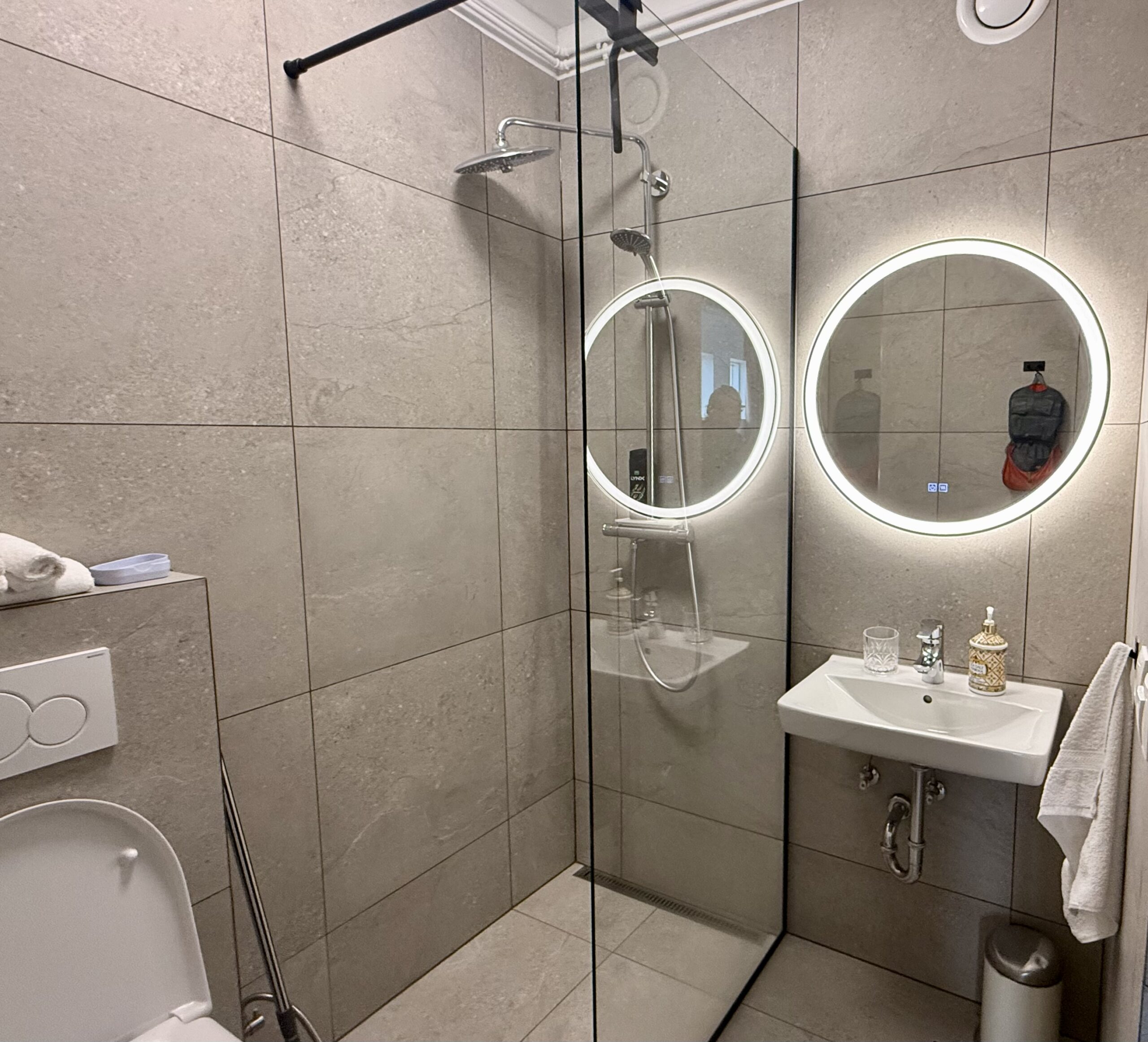
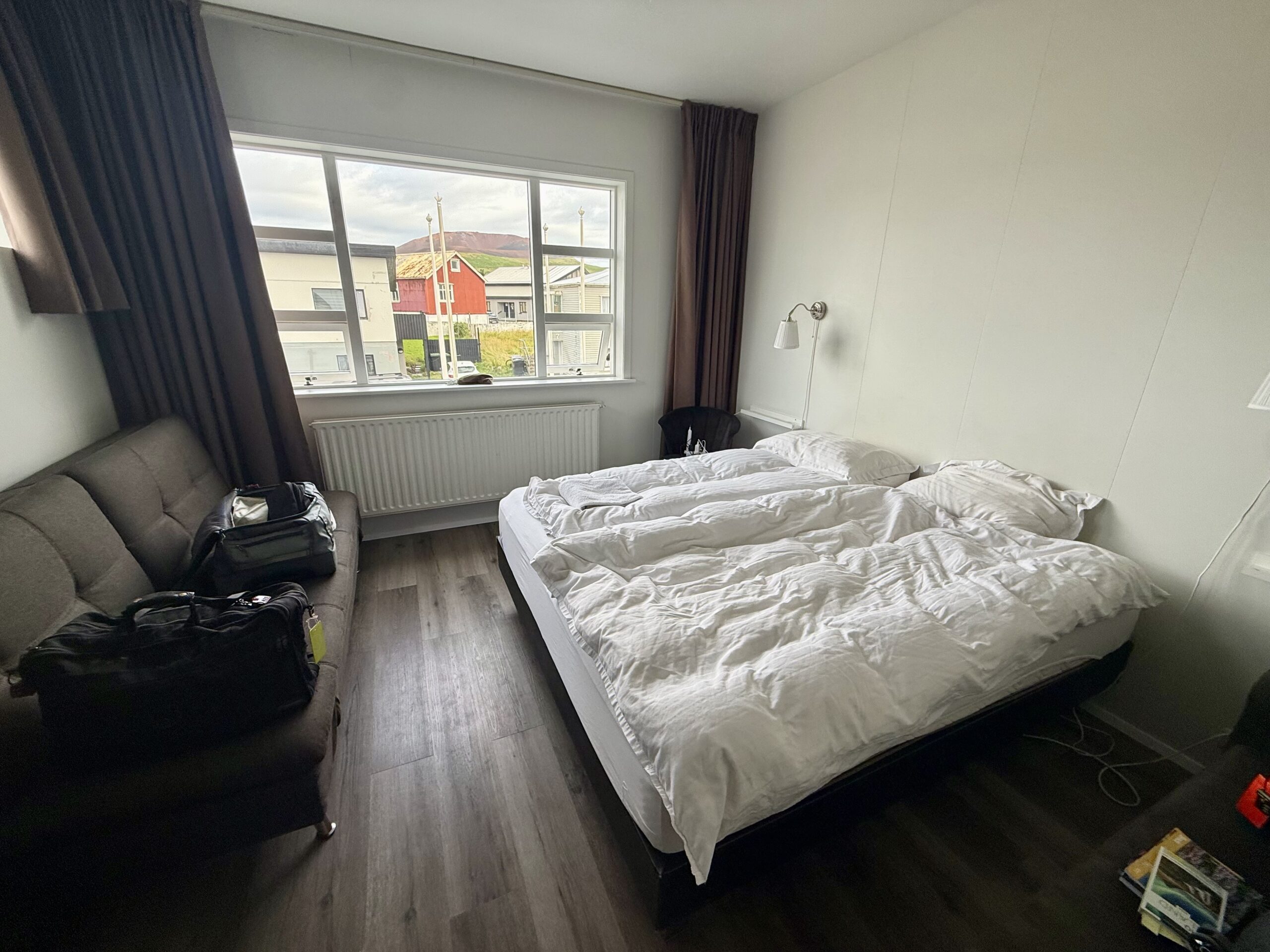
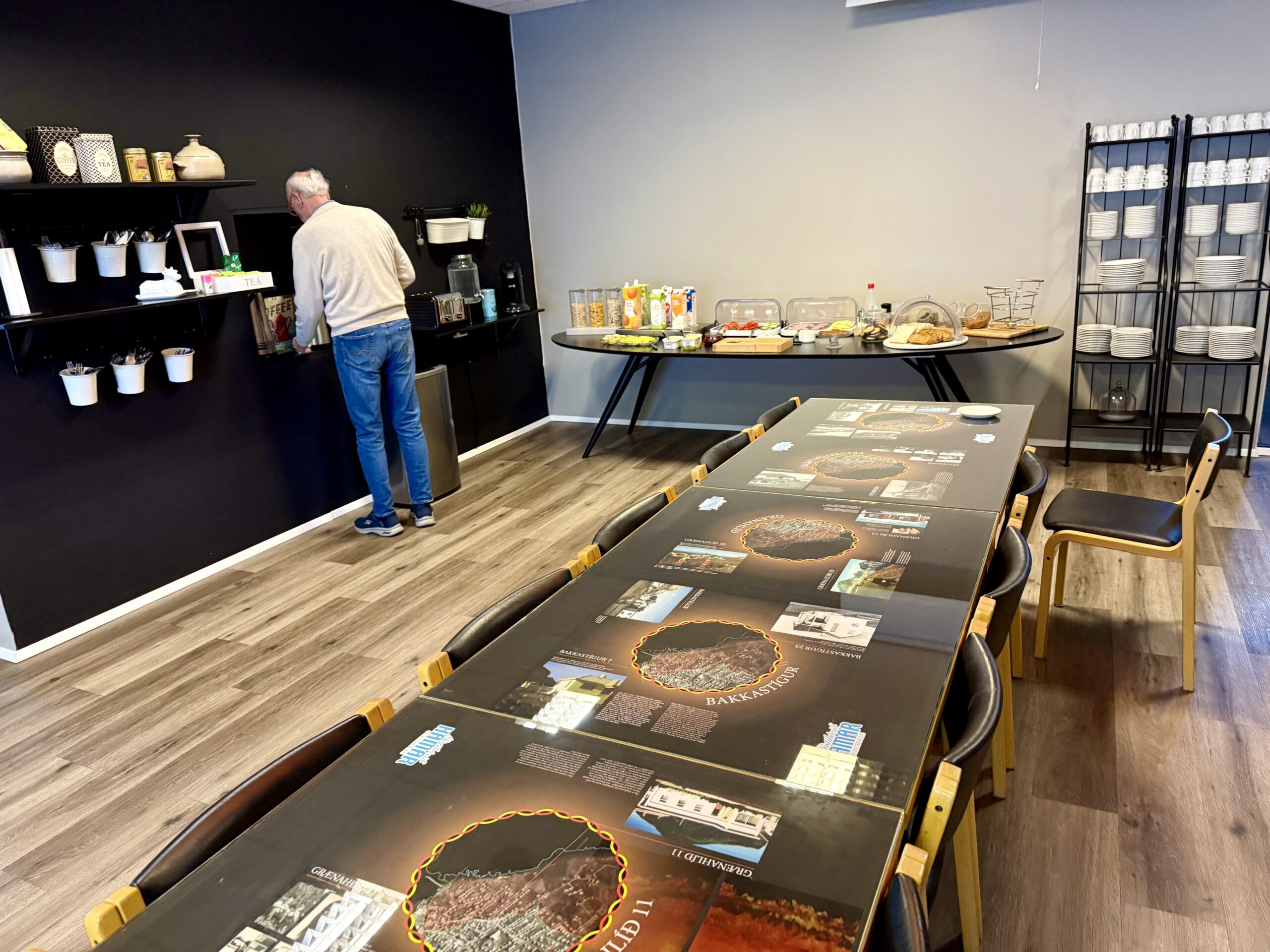
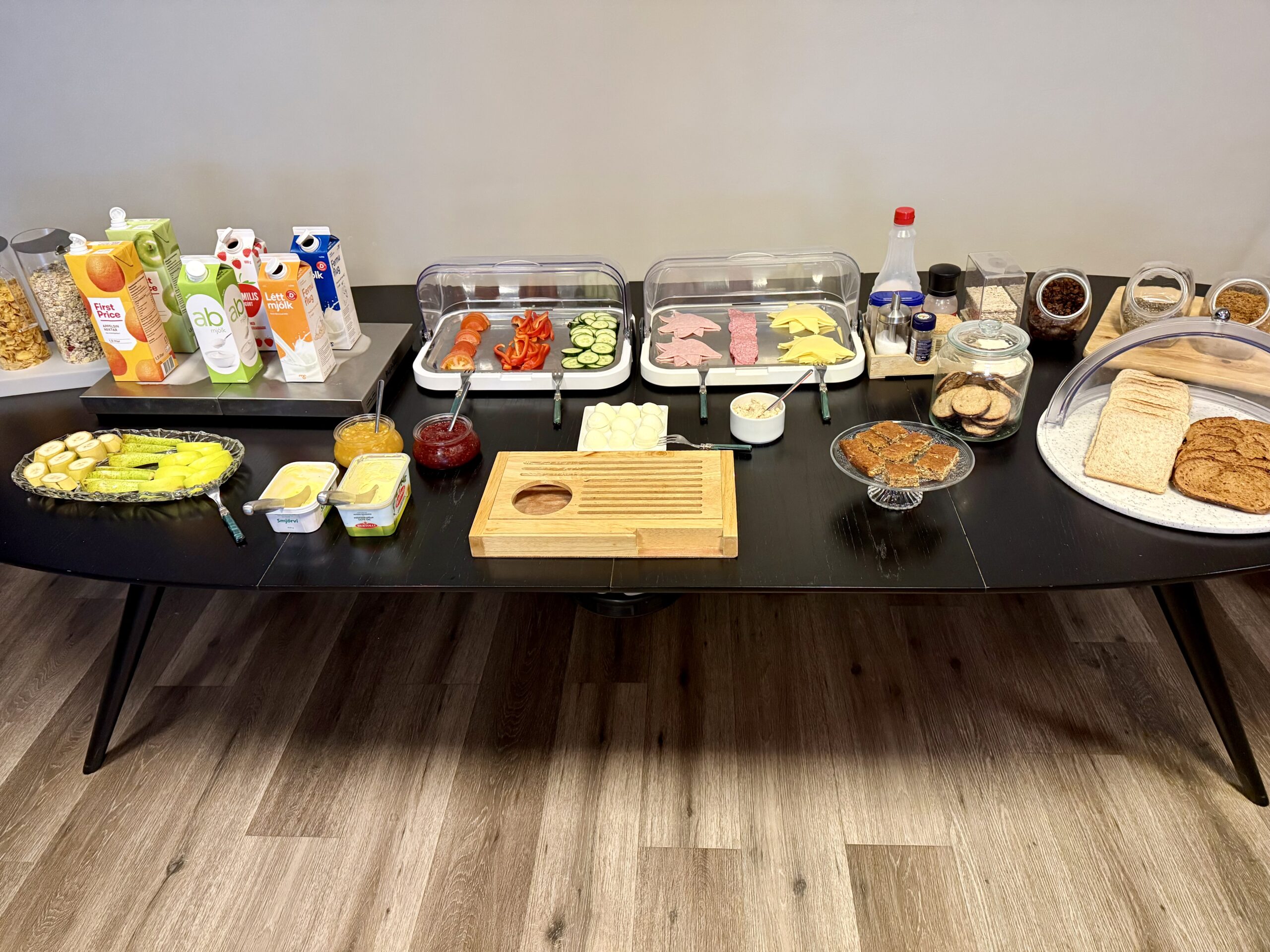
Our guesthouse, with private bath (hard to find), was three blocks from the ferry. Bonnie drove there because Robert absent-mindedly drank a beer during lunch on the ferry. DUI laws here are extremely strict. Just a half a beer will put you over the limit subjecting you to strict fines.
Wandering
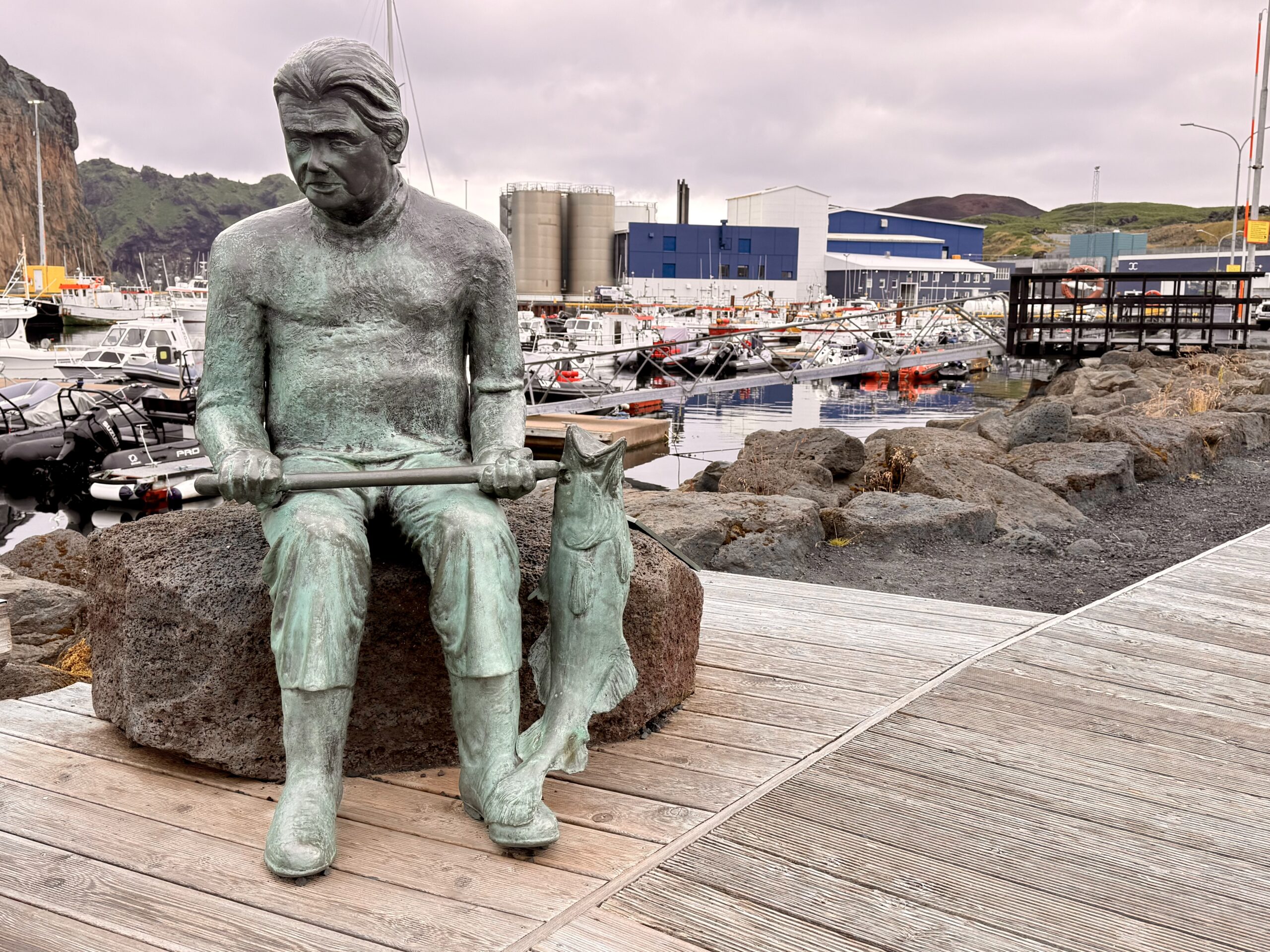
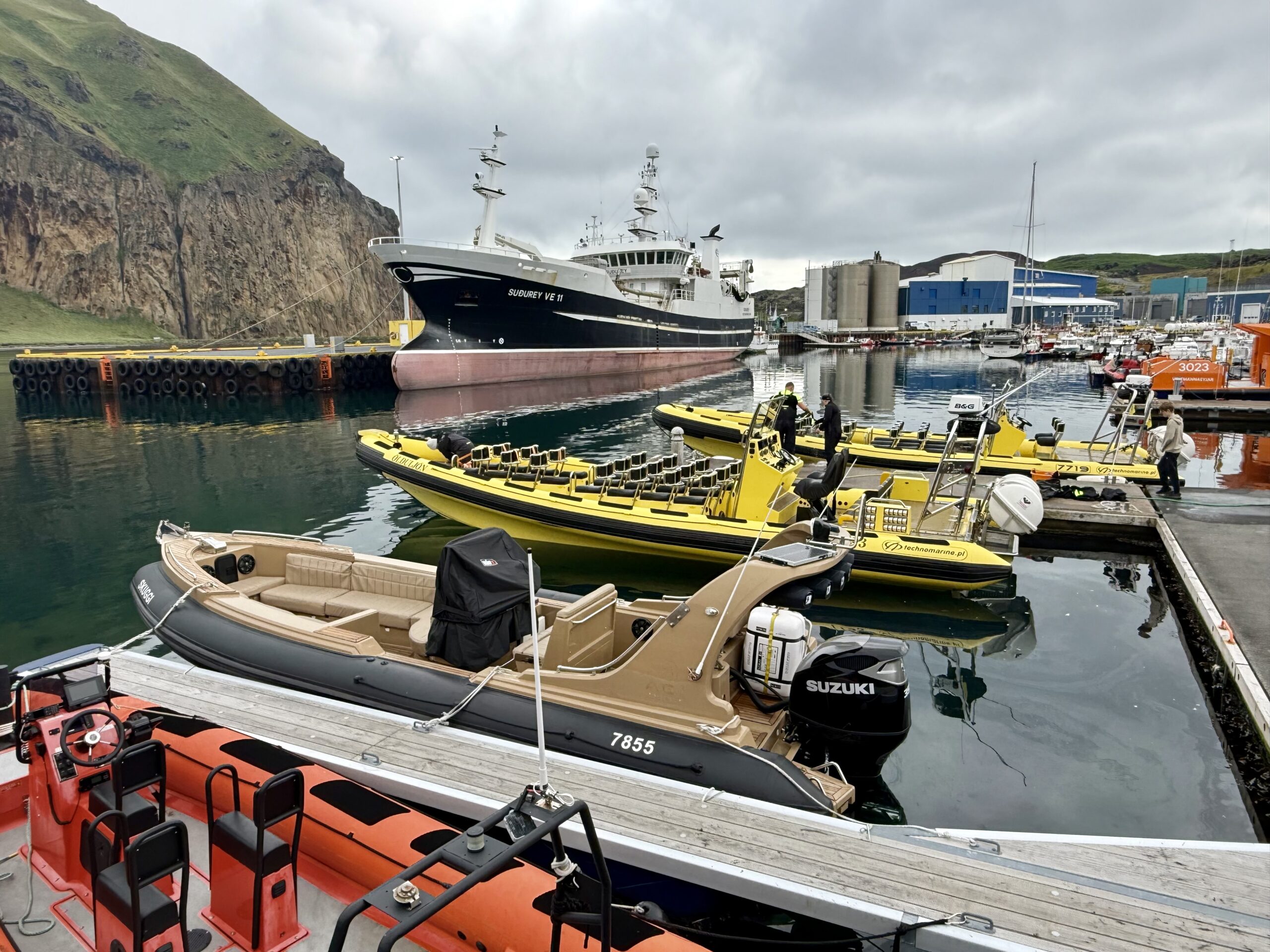
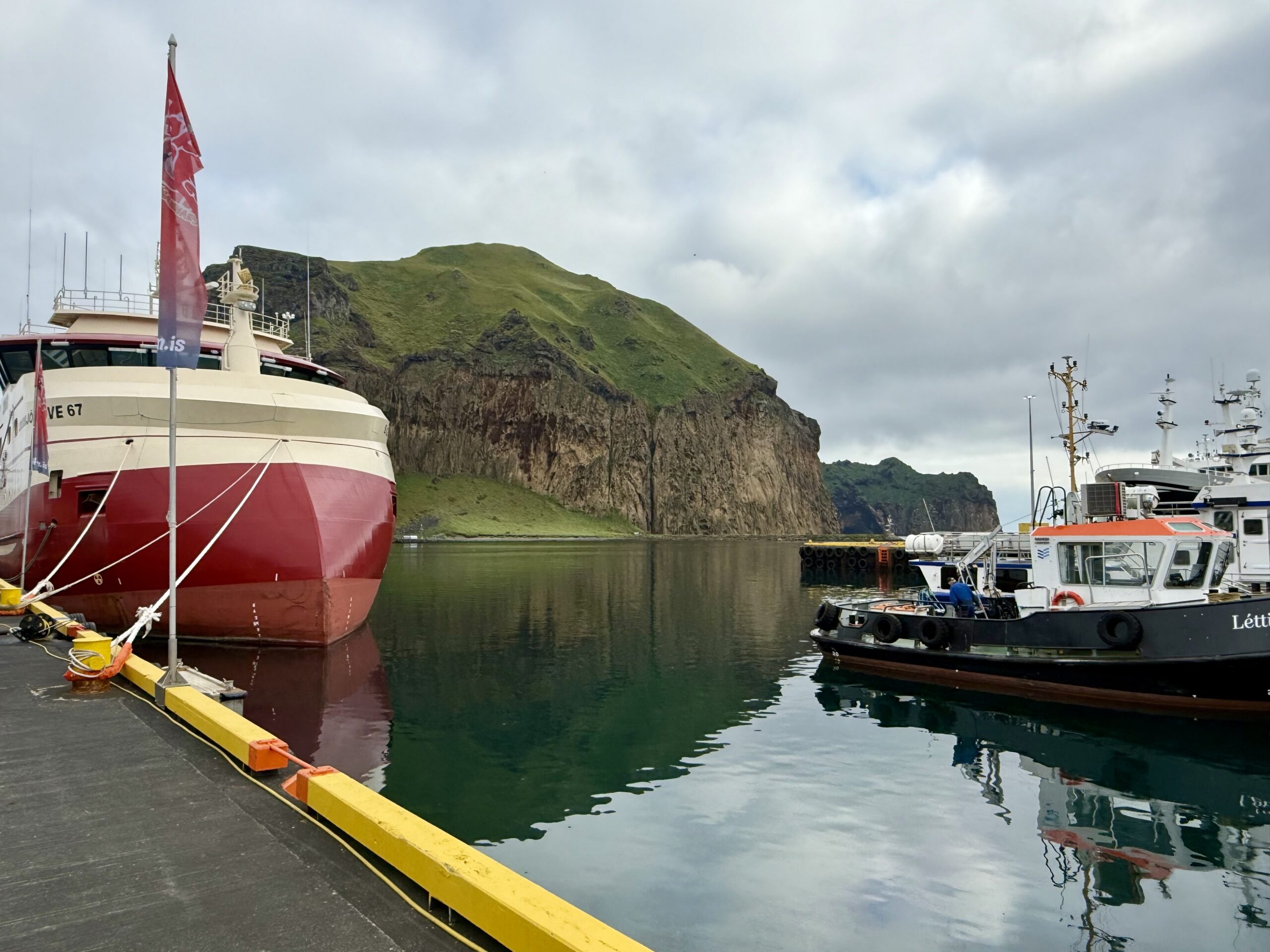
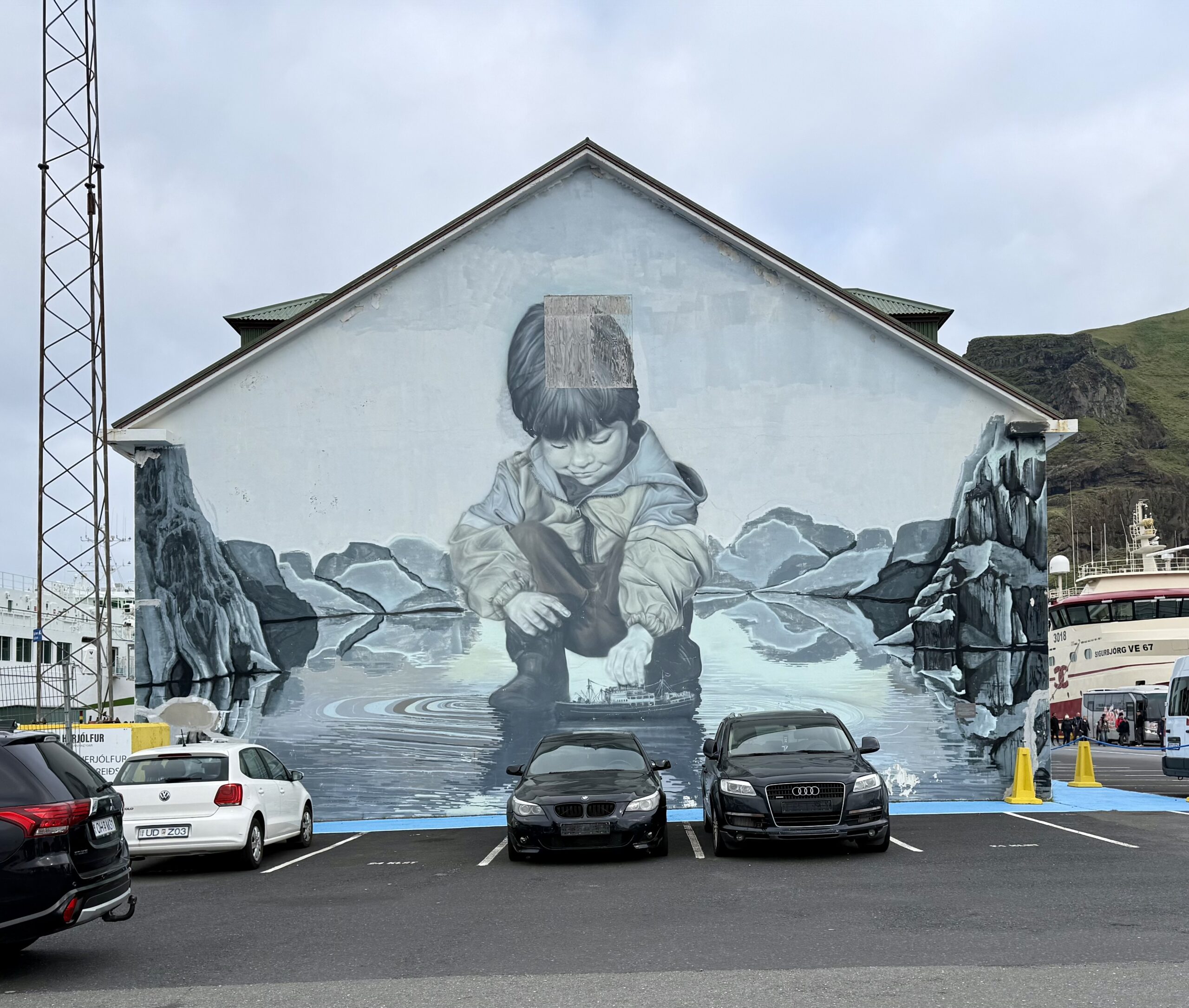
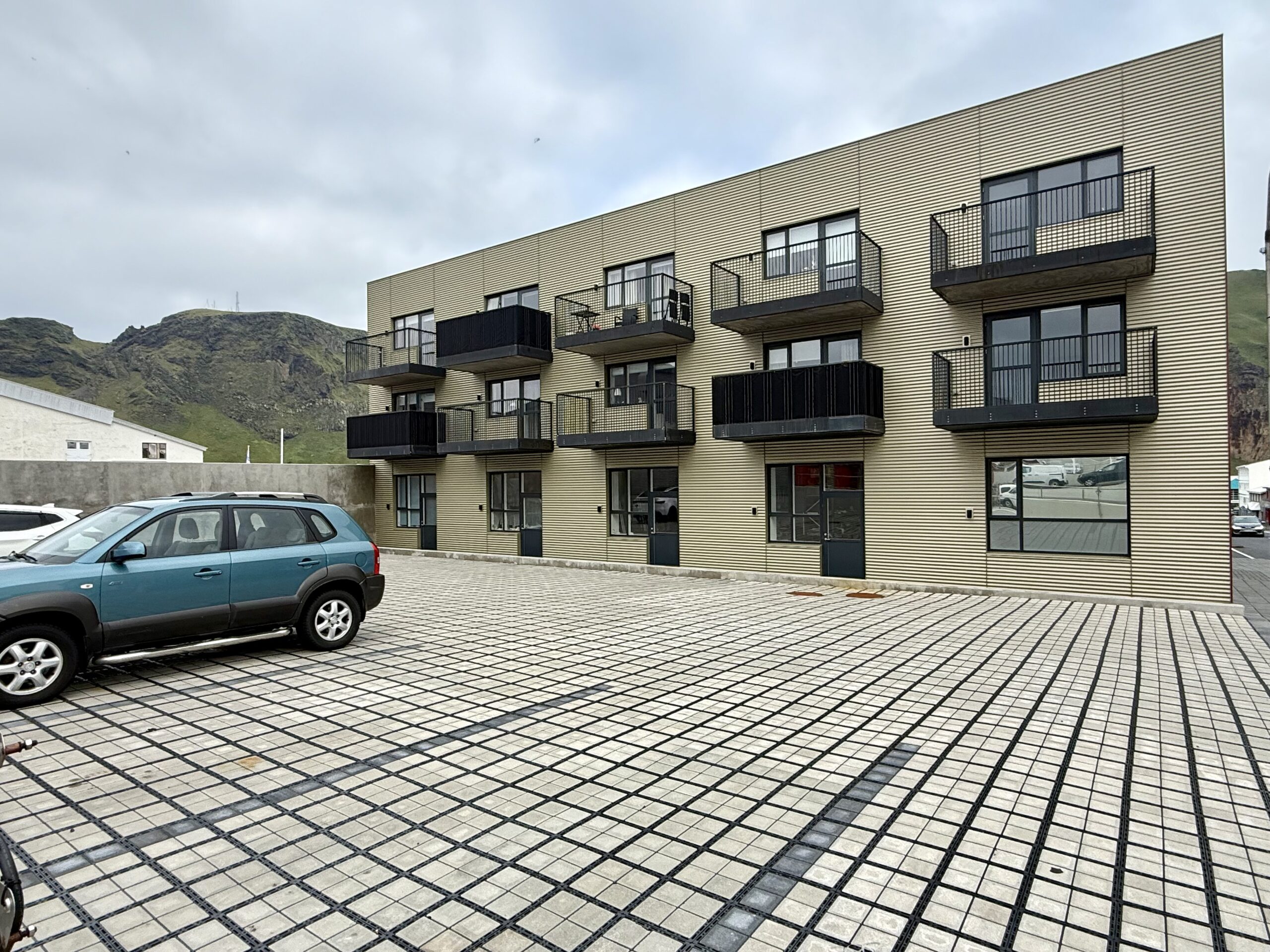
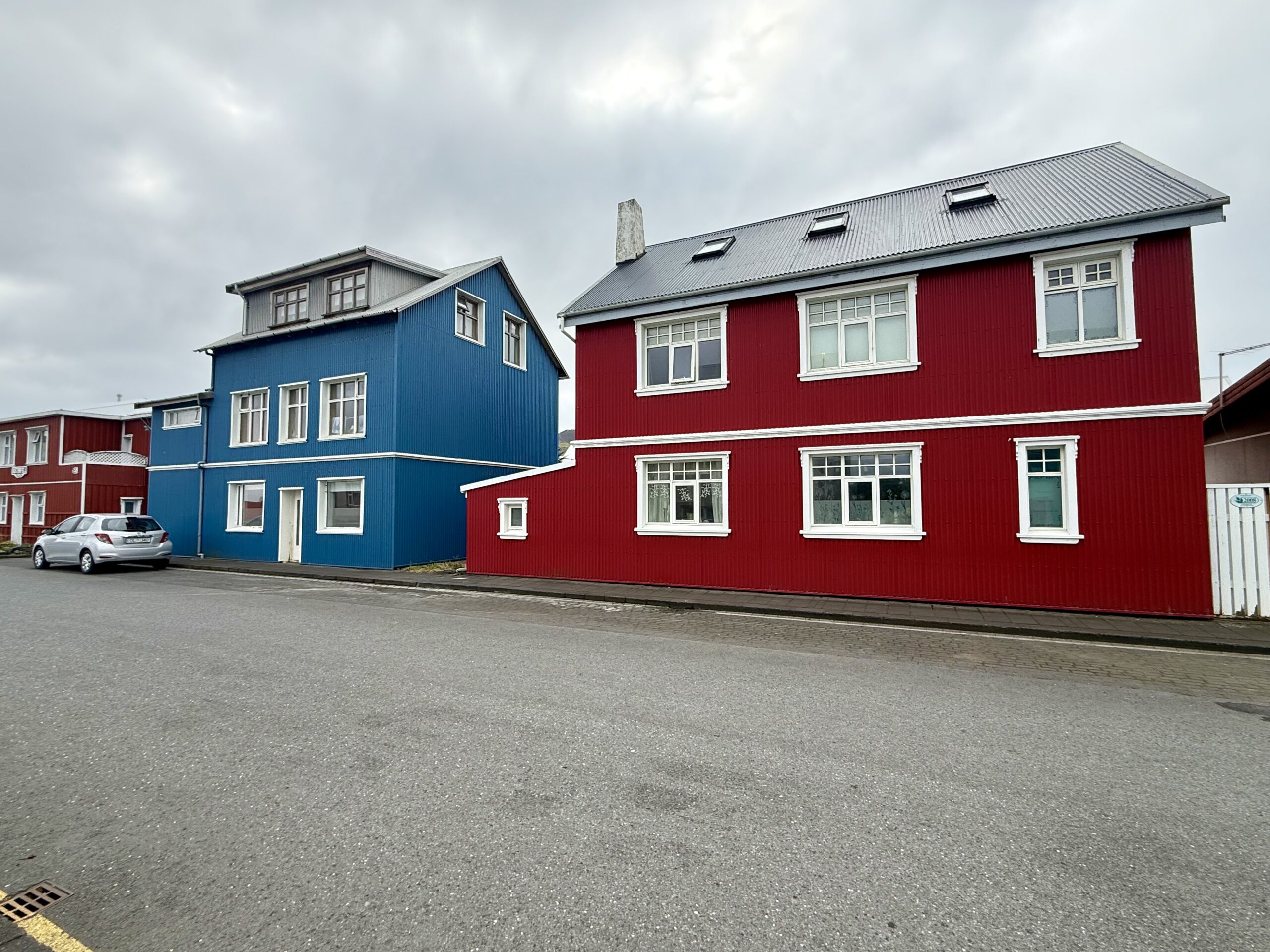
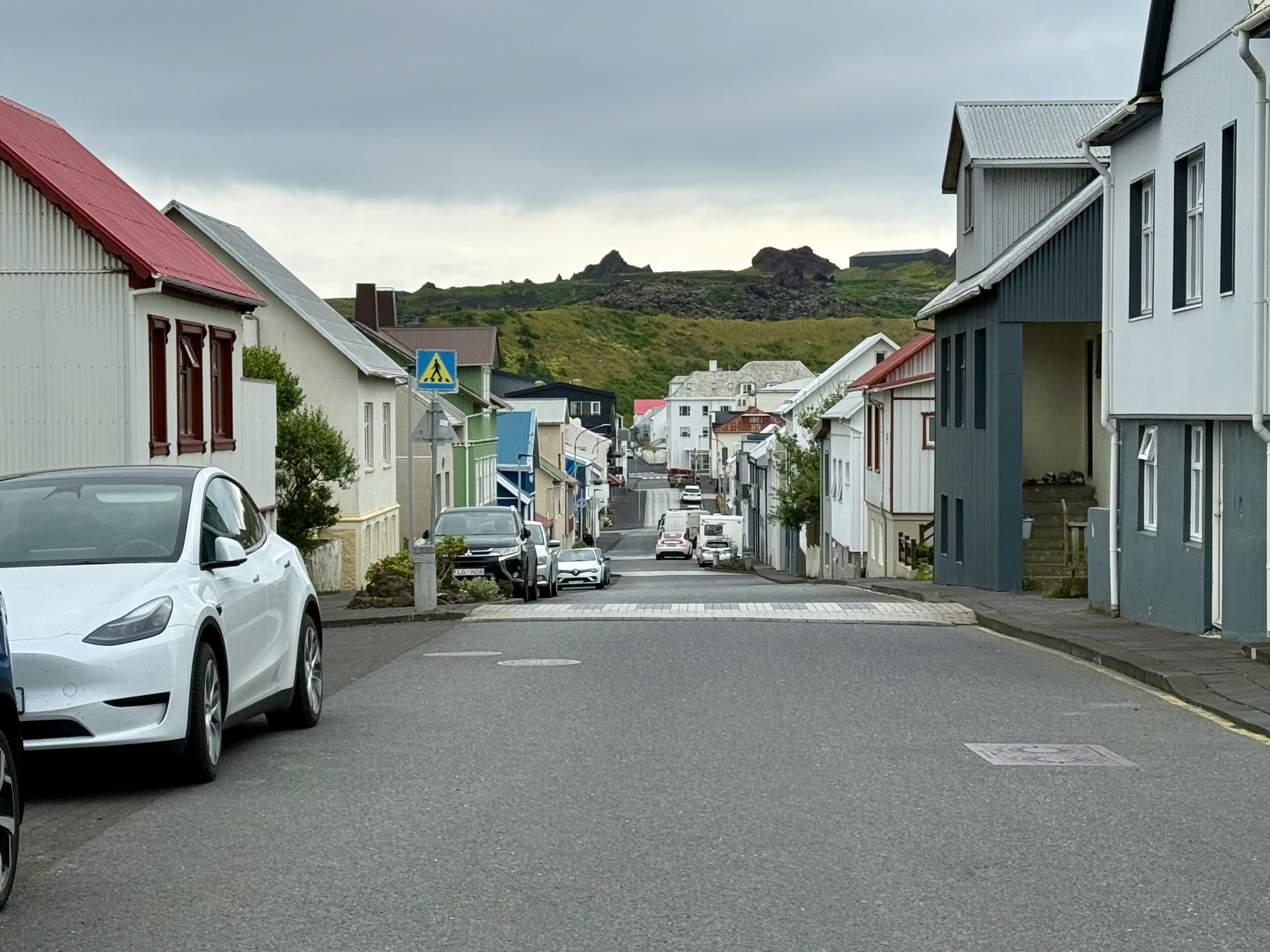
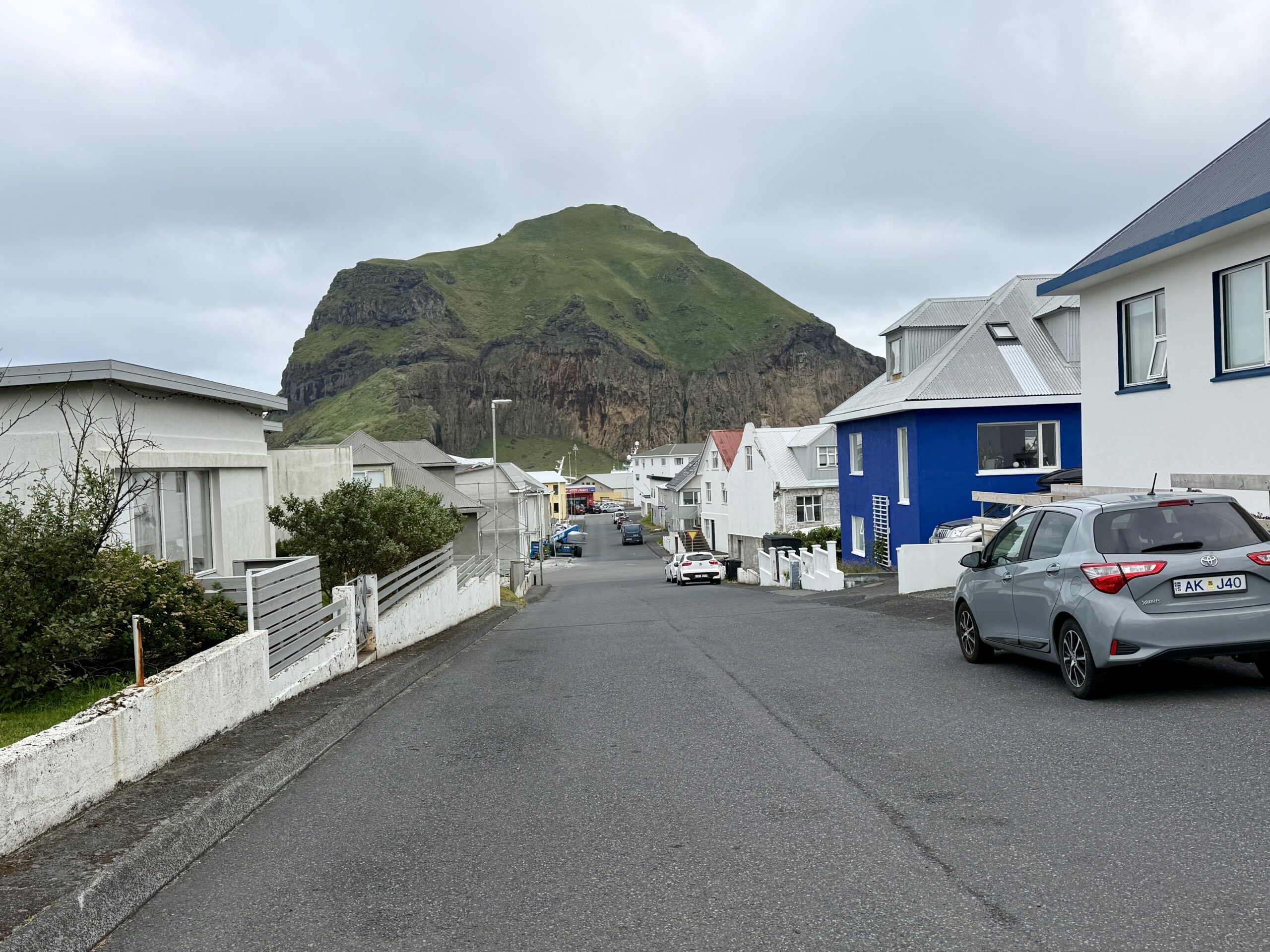
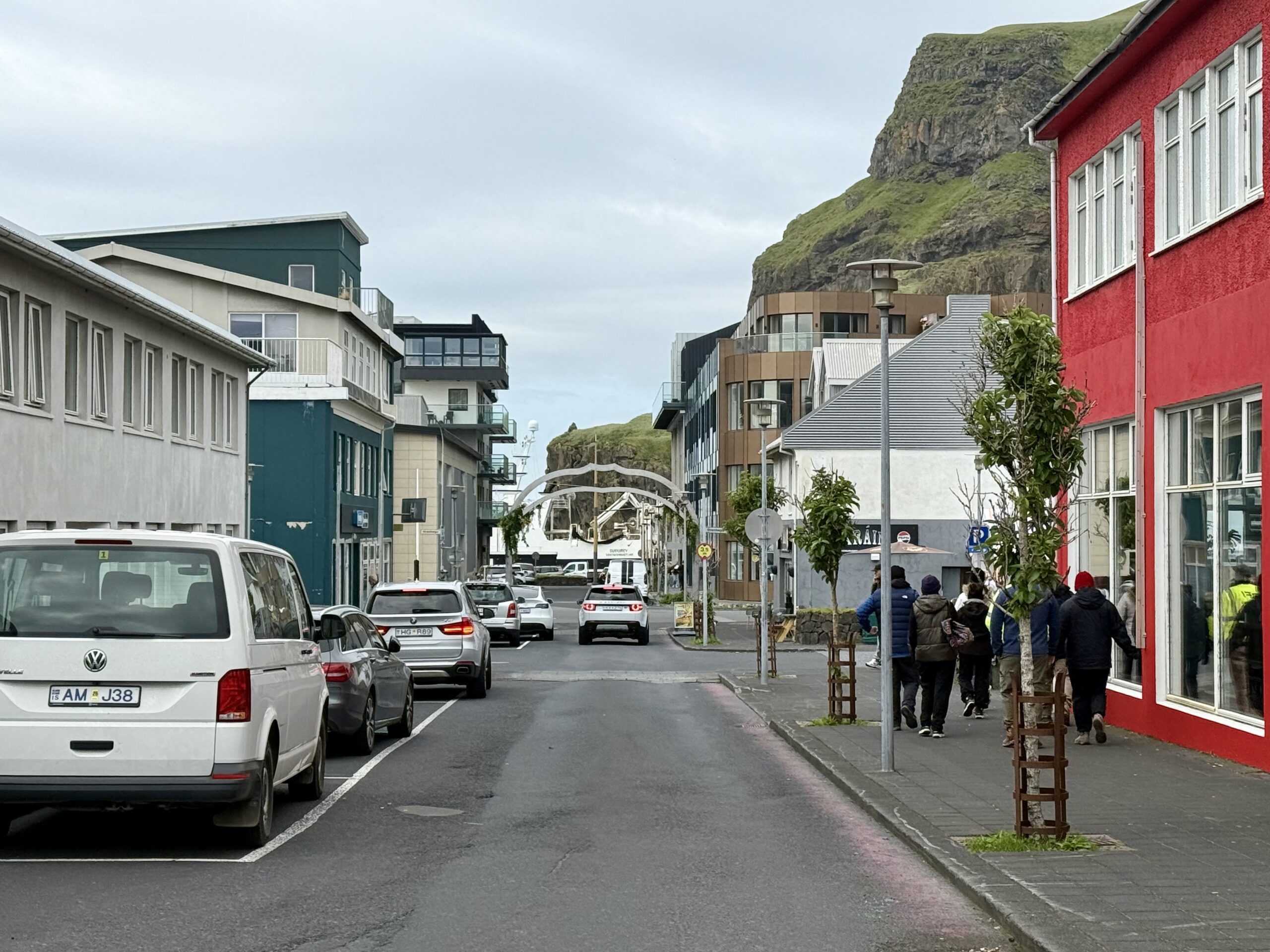
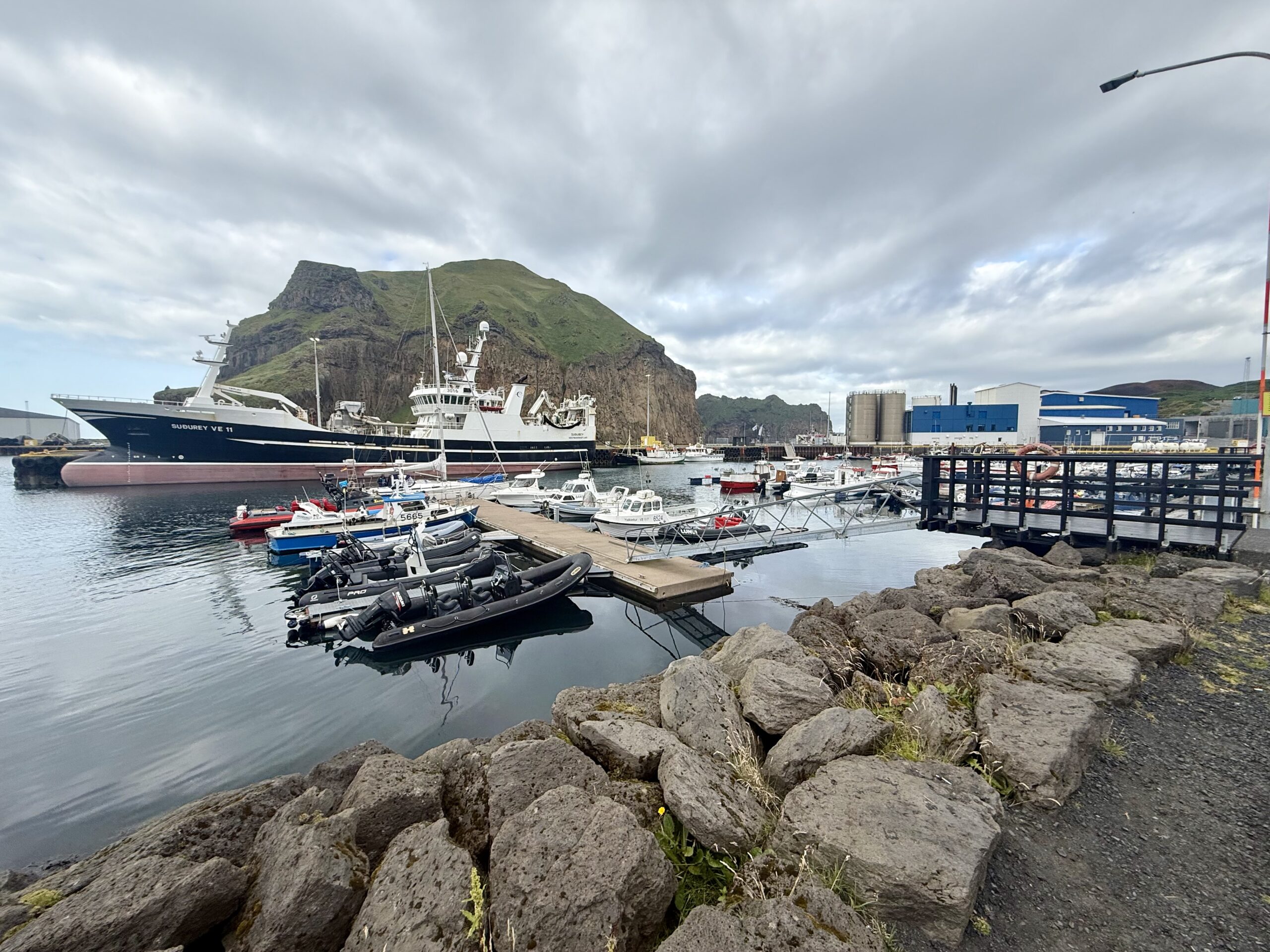
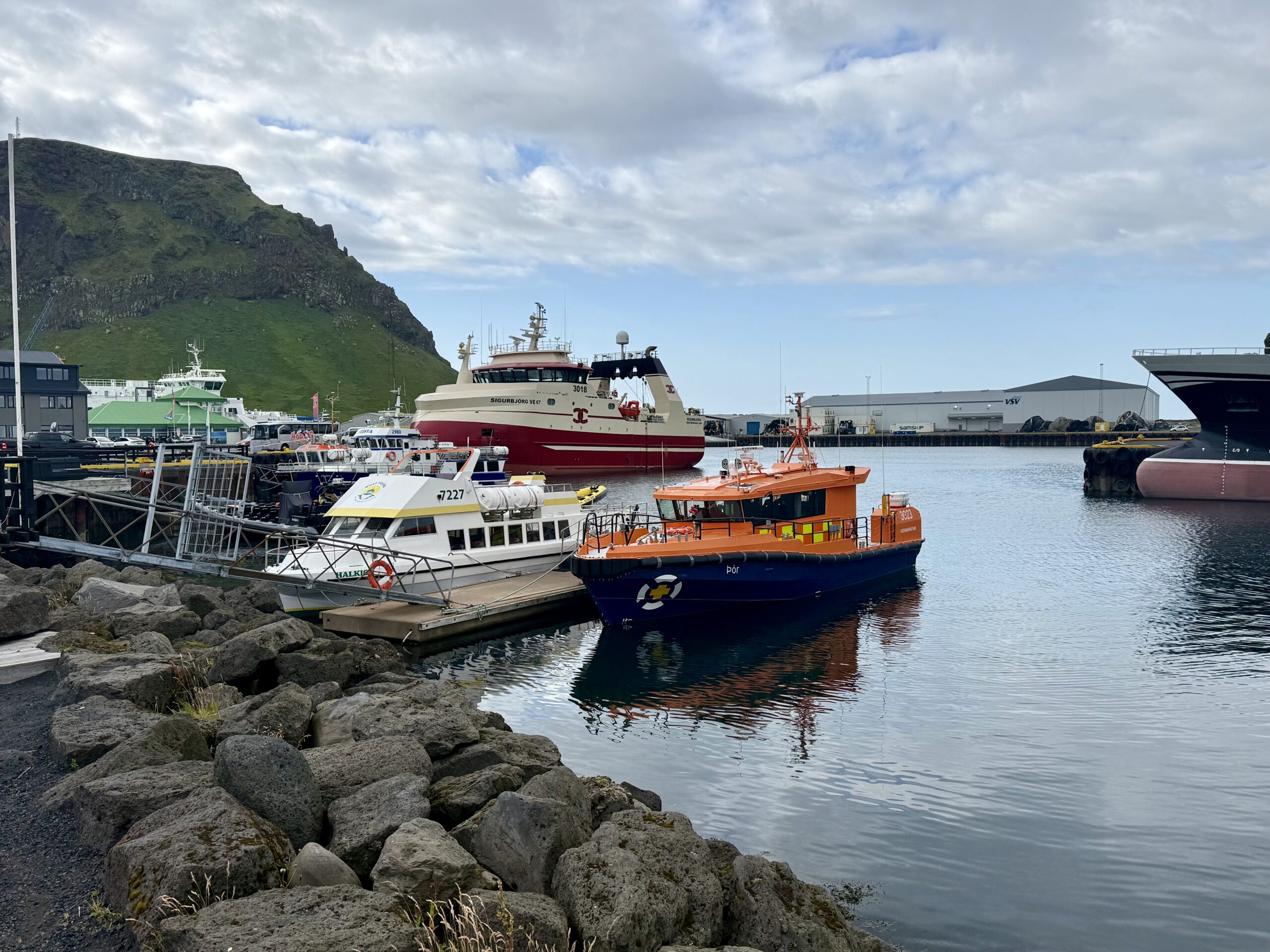
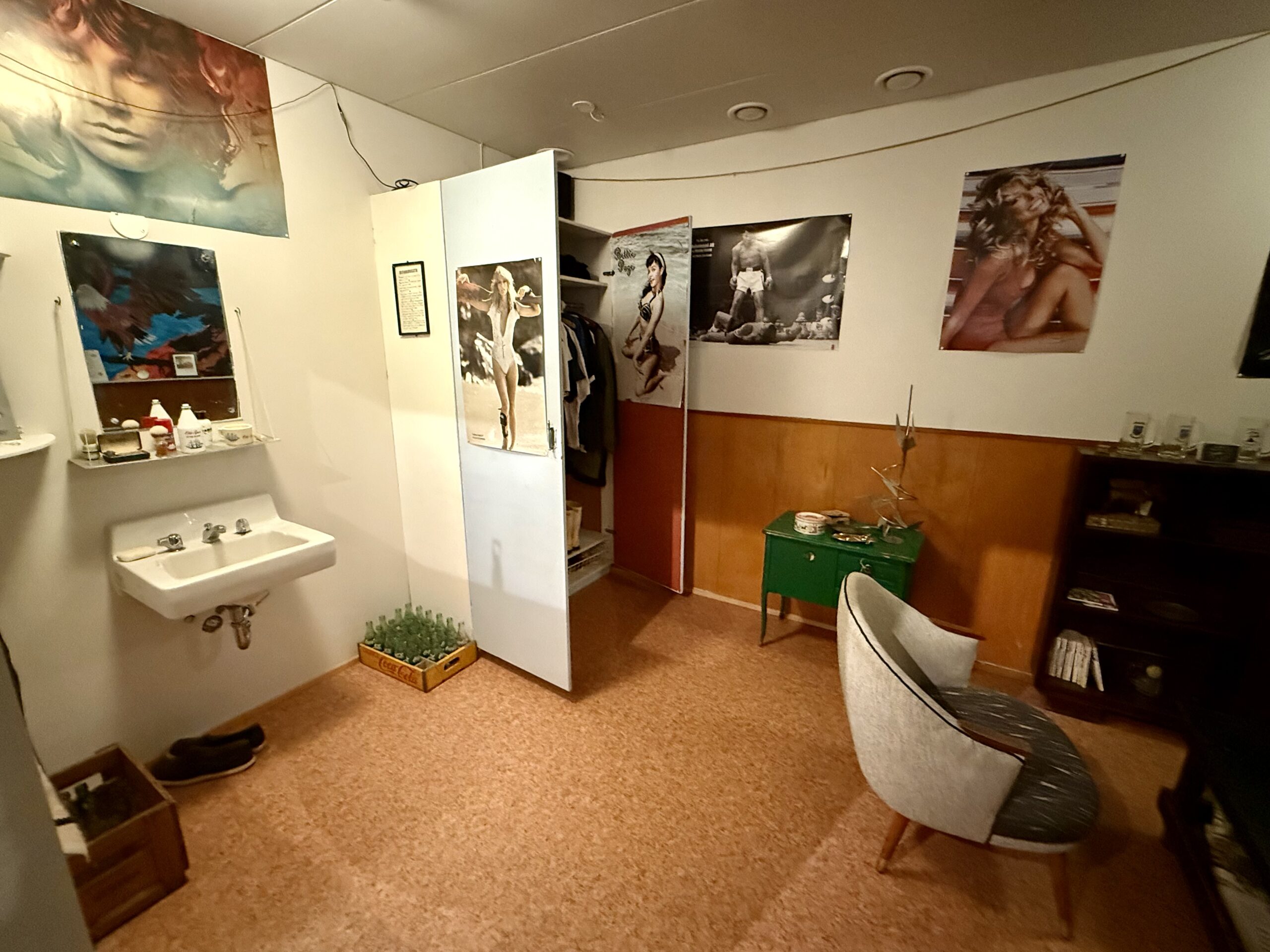
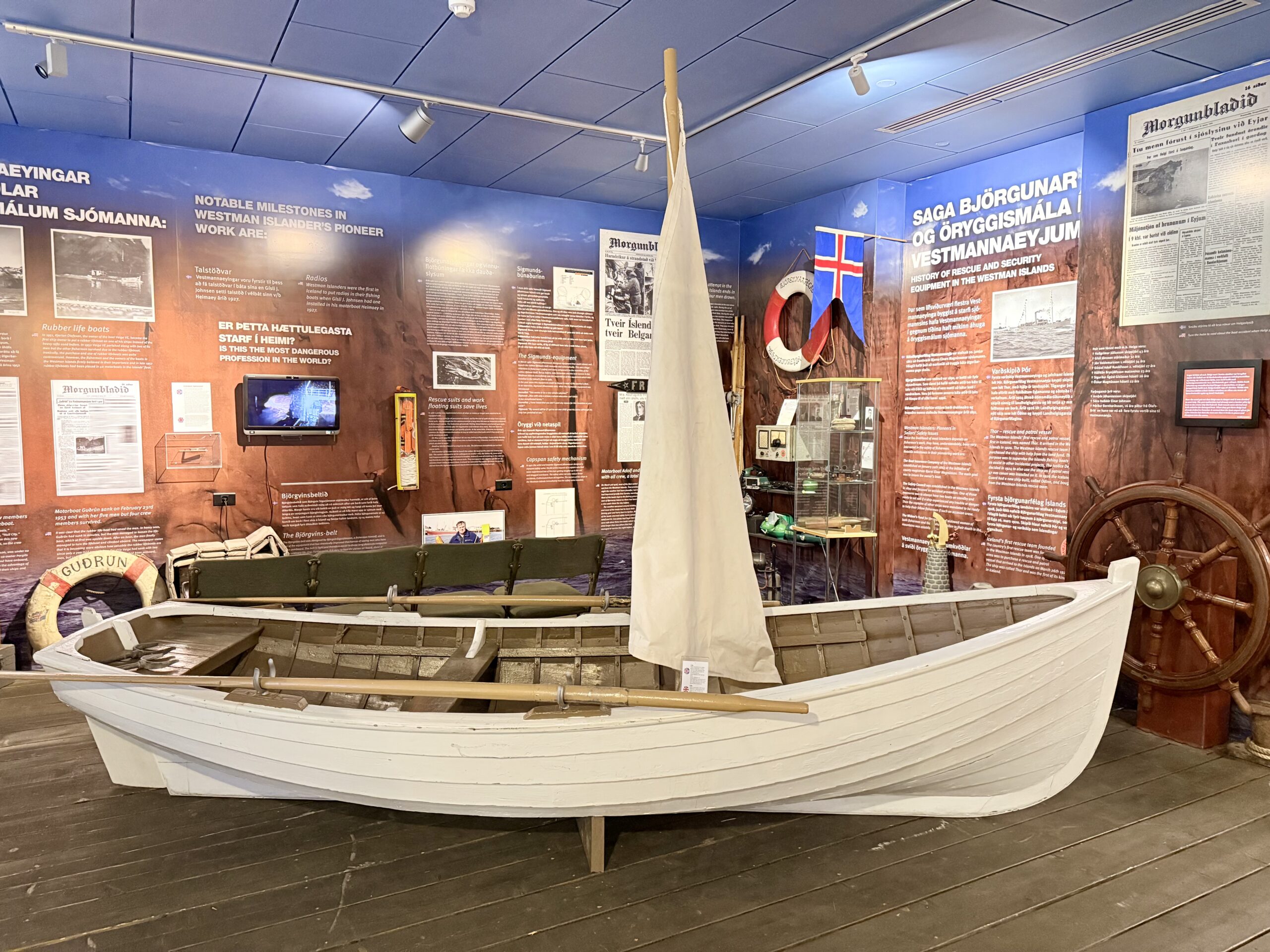
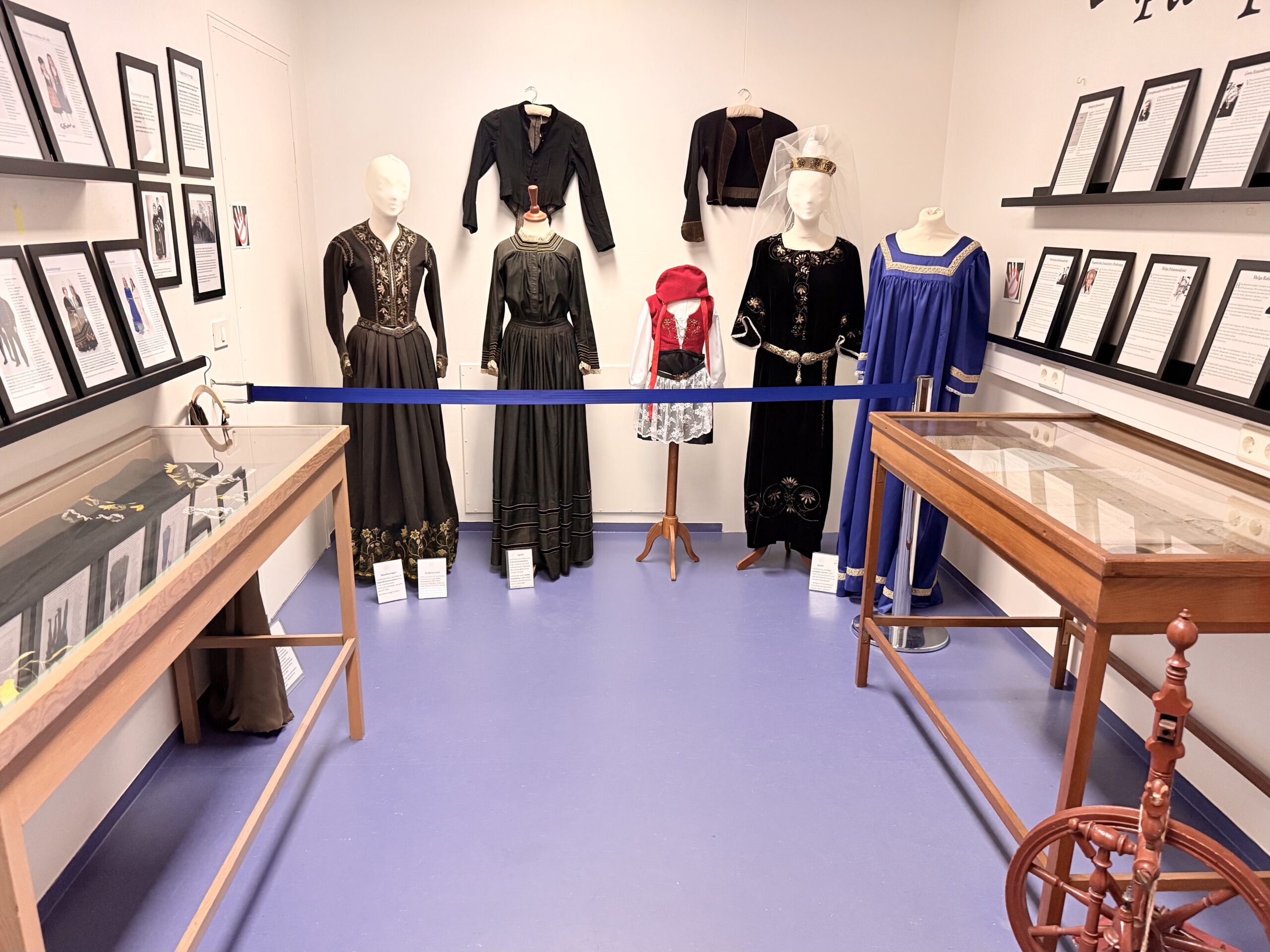
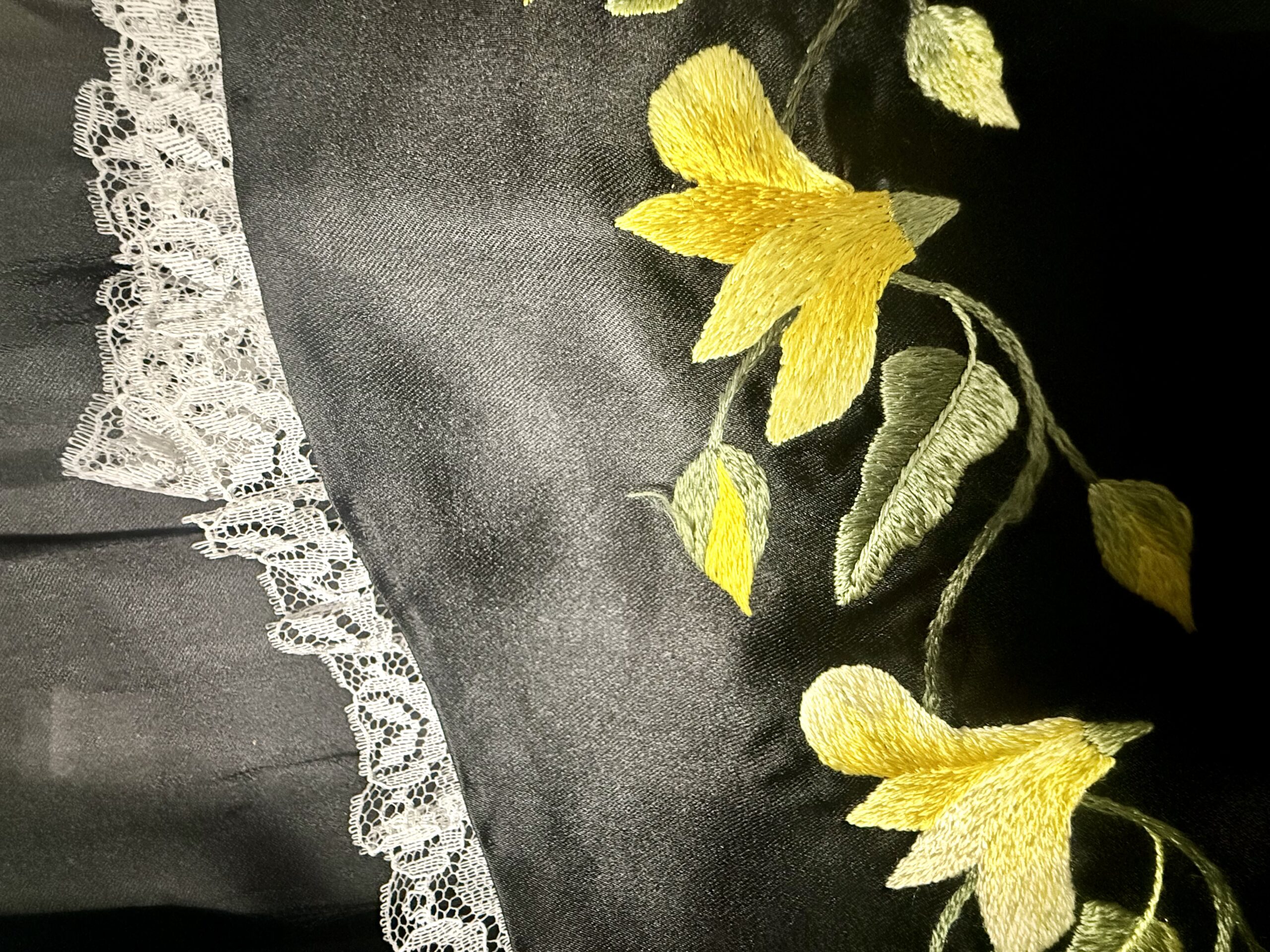
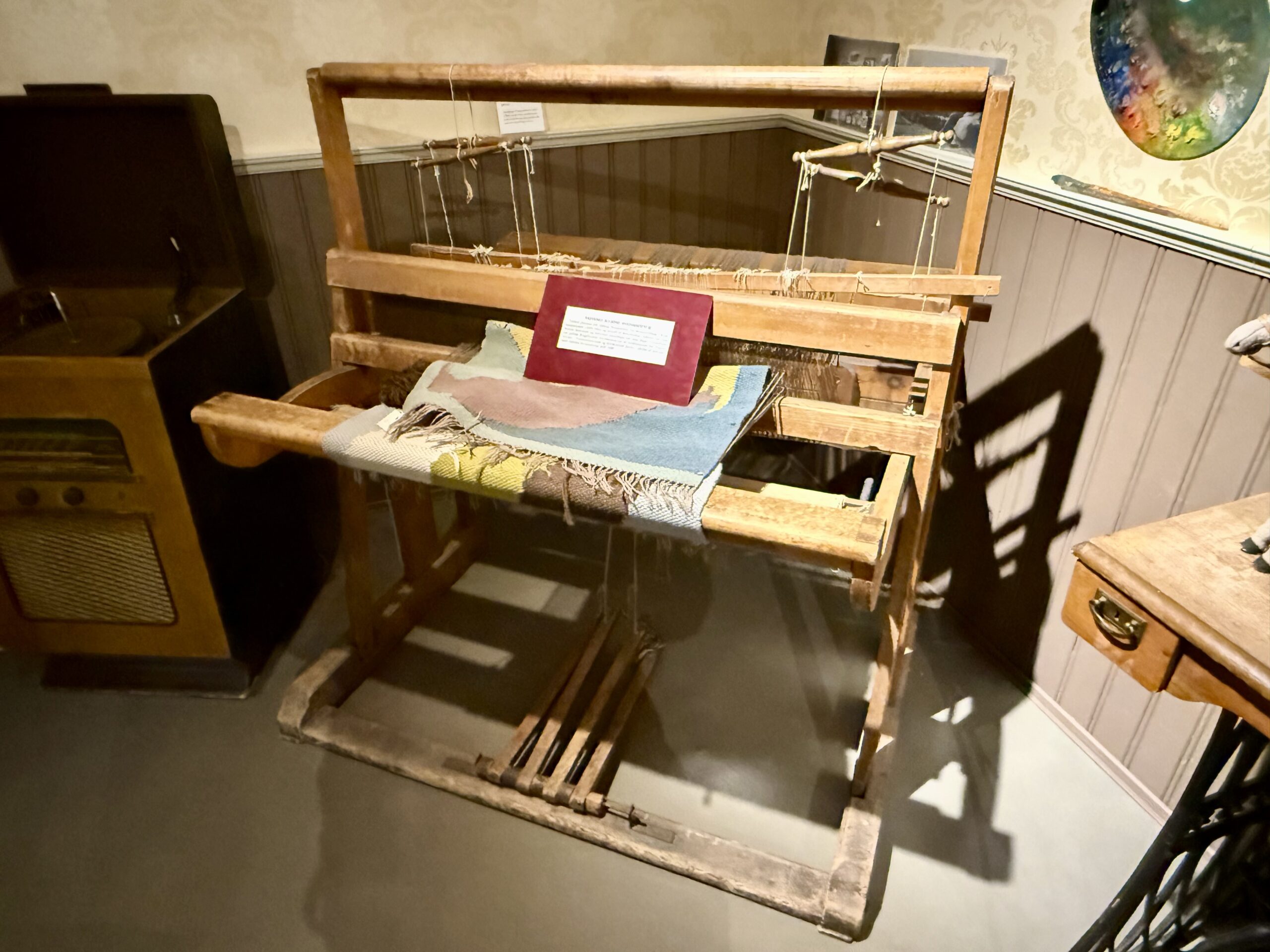
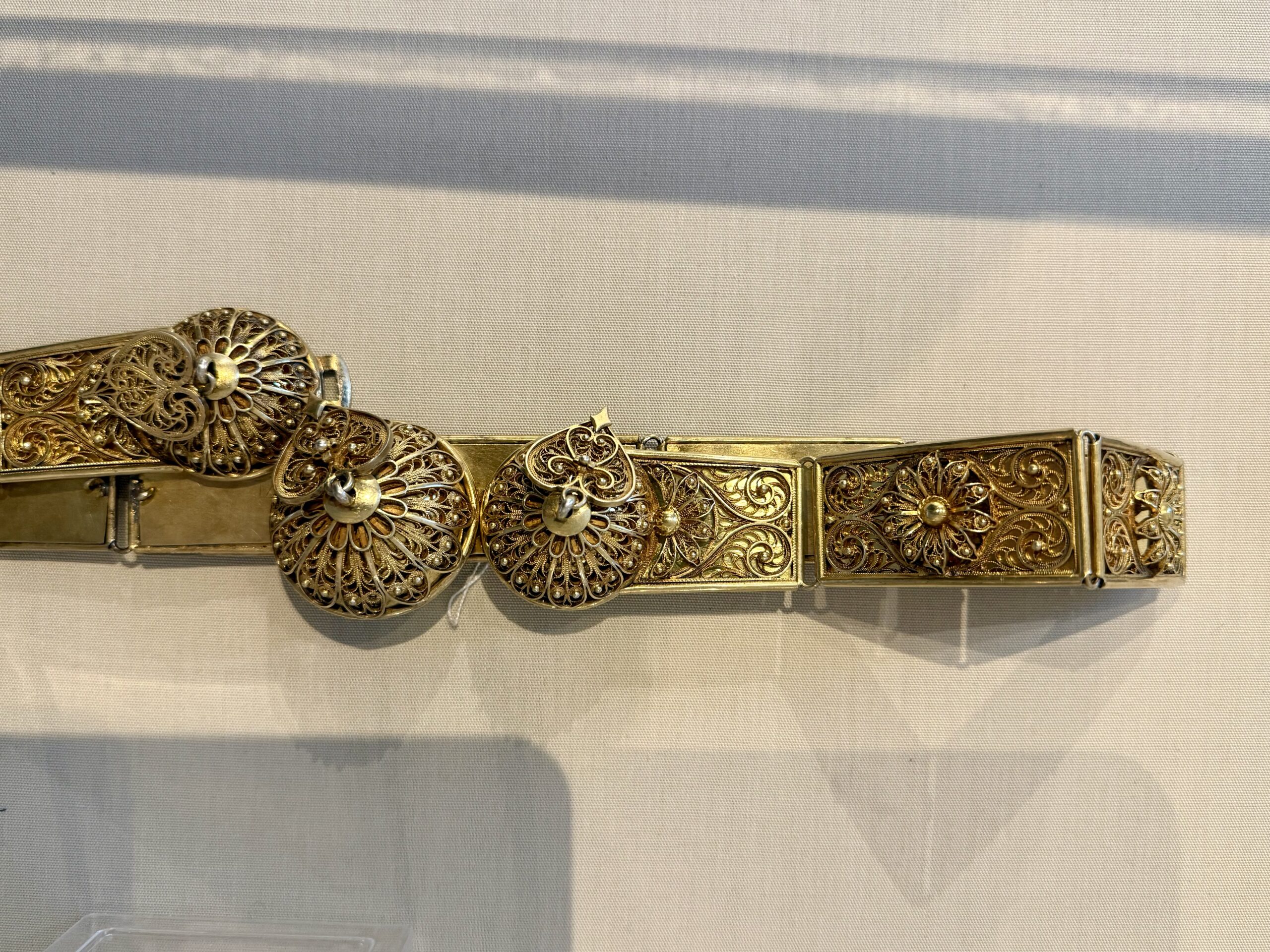
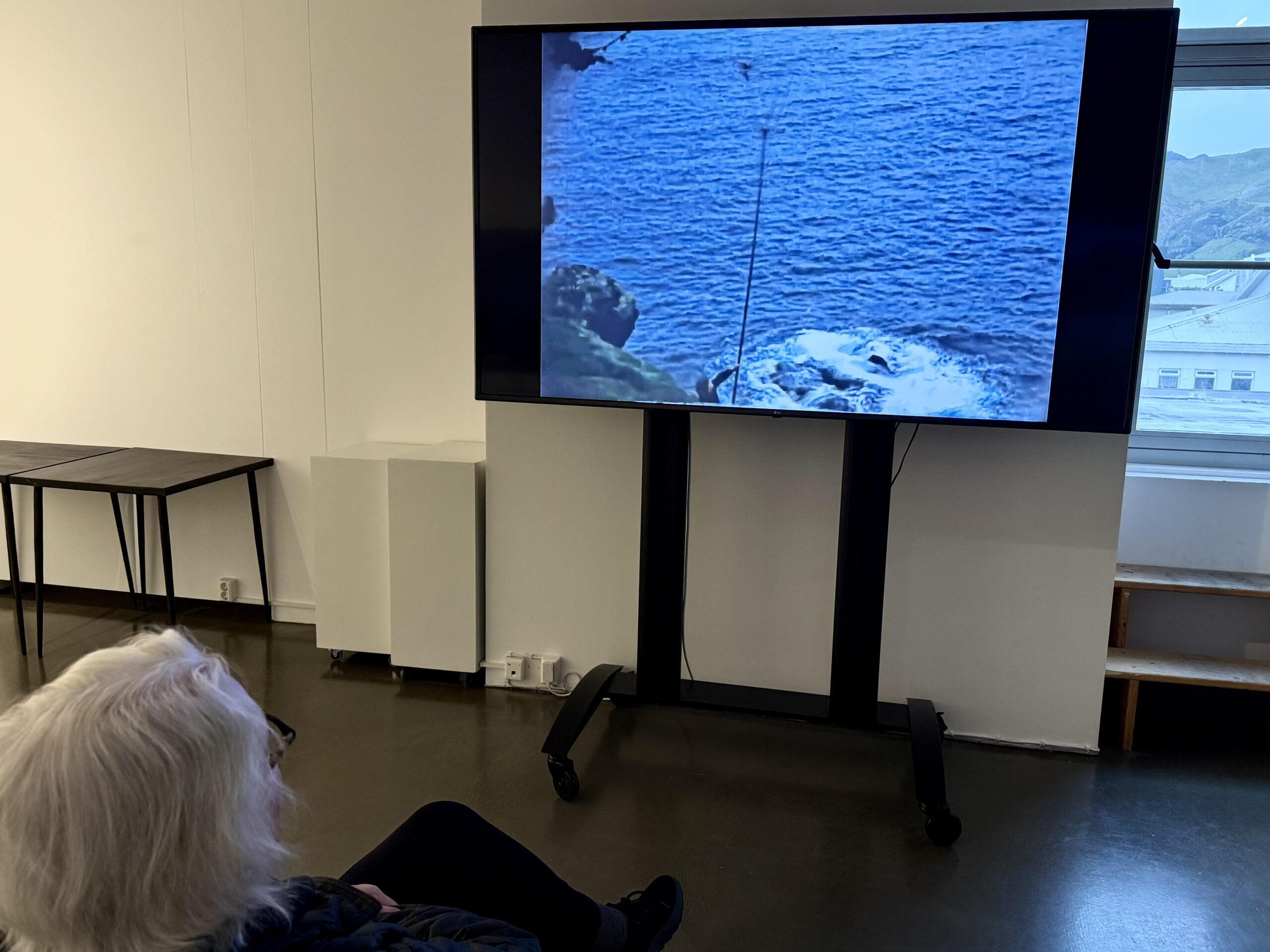
City Museum
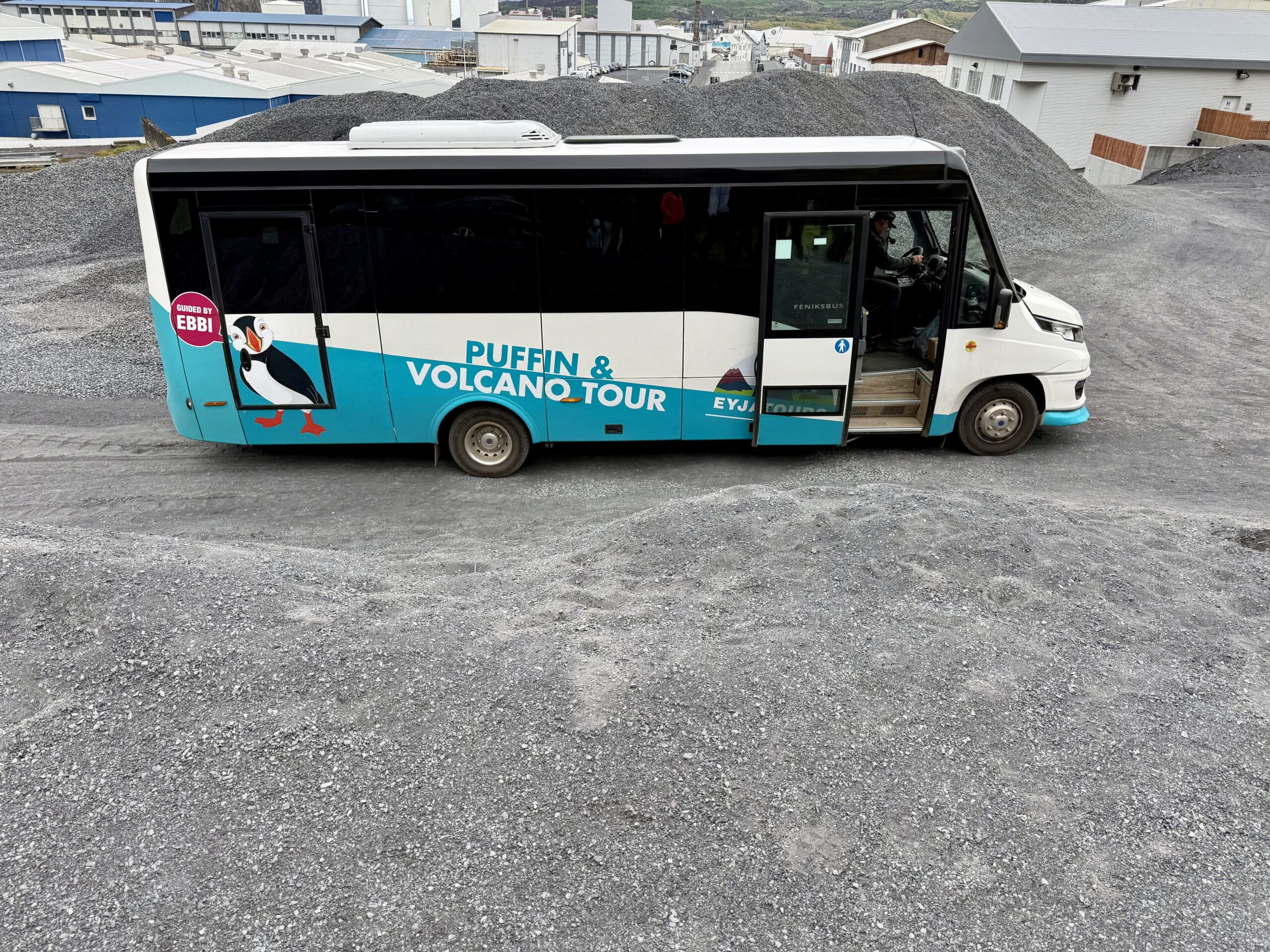
Puffin and Volcano Tour
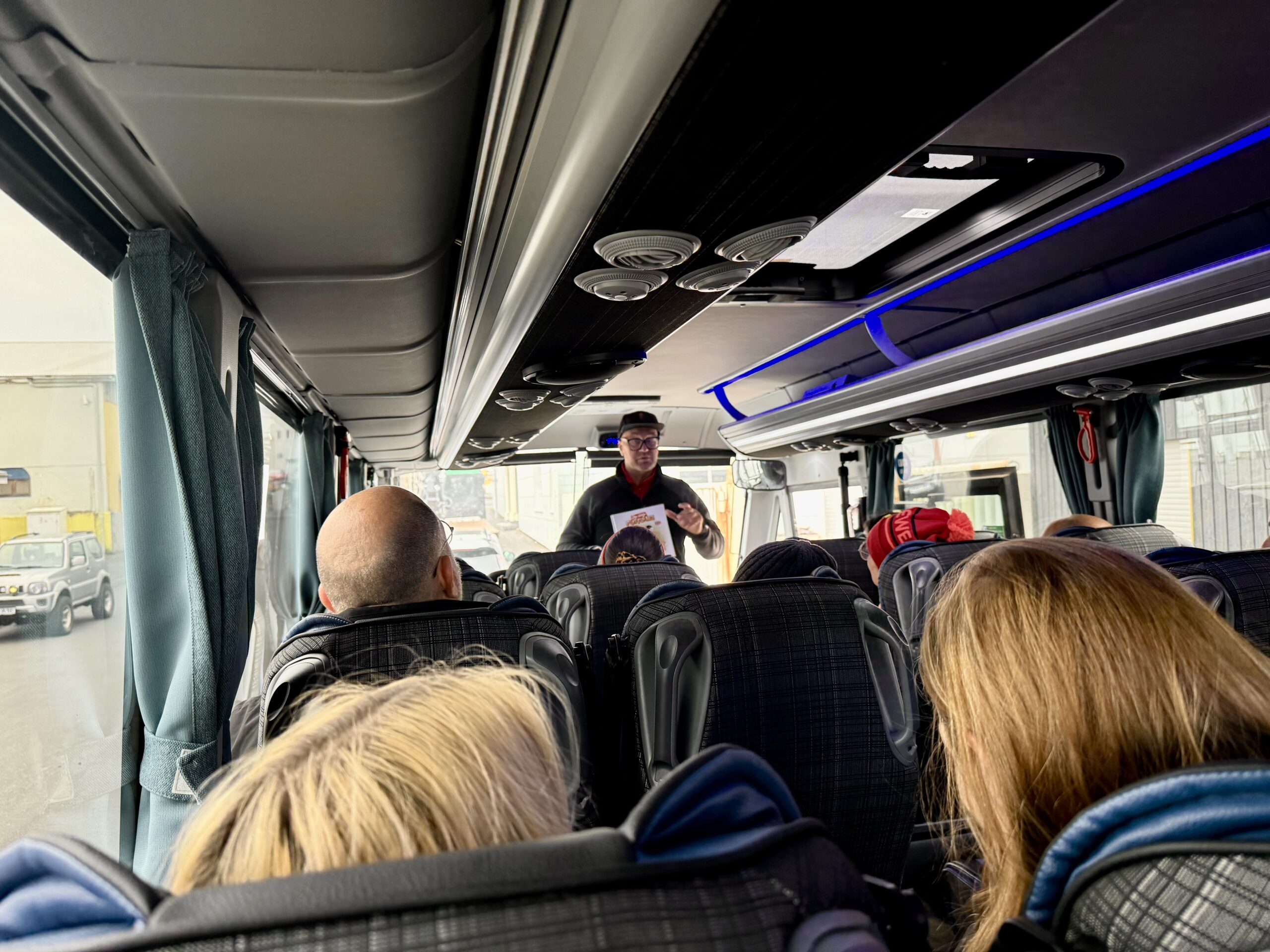
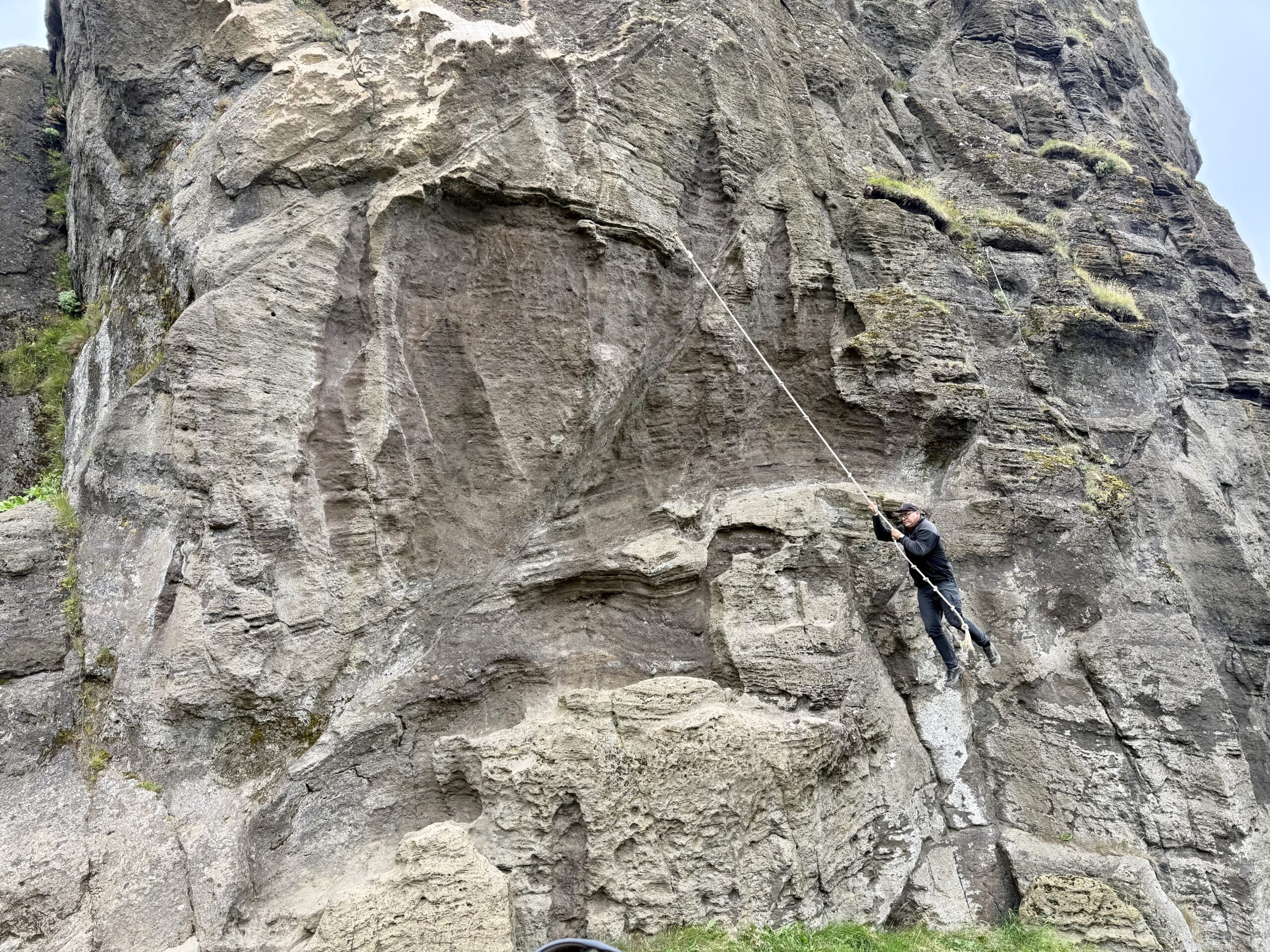
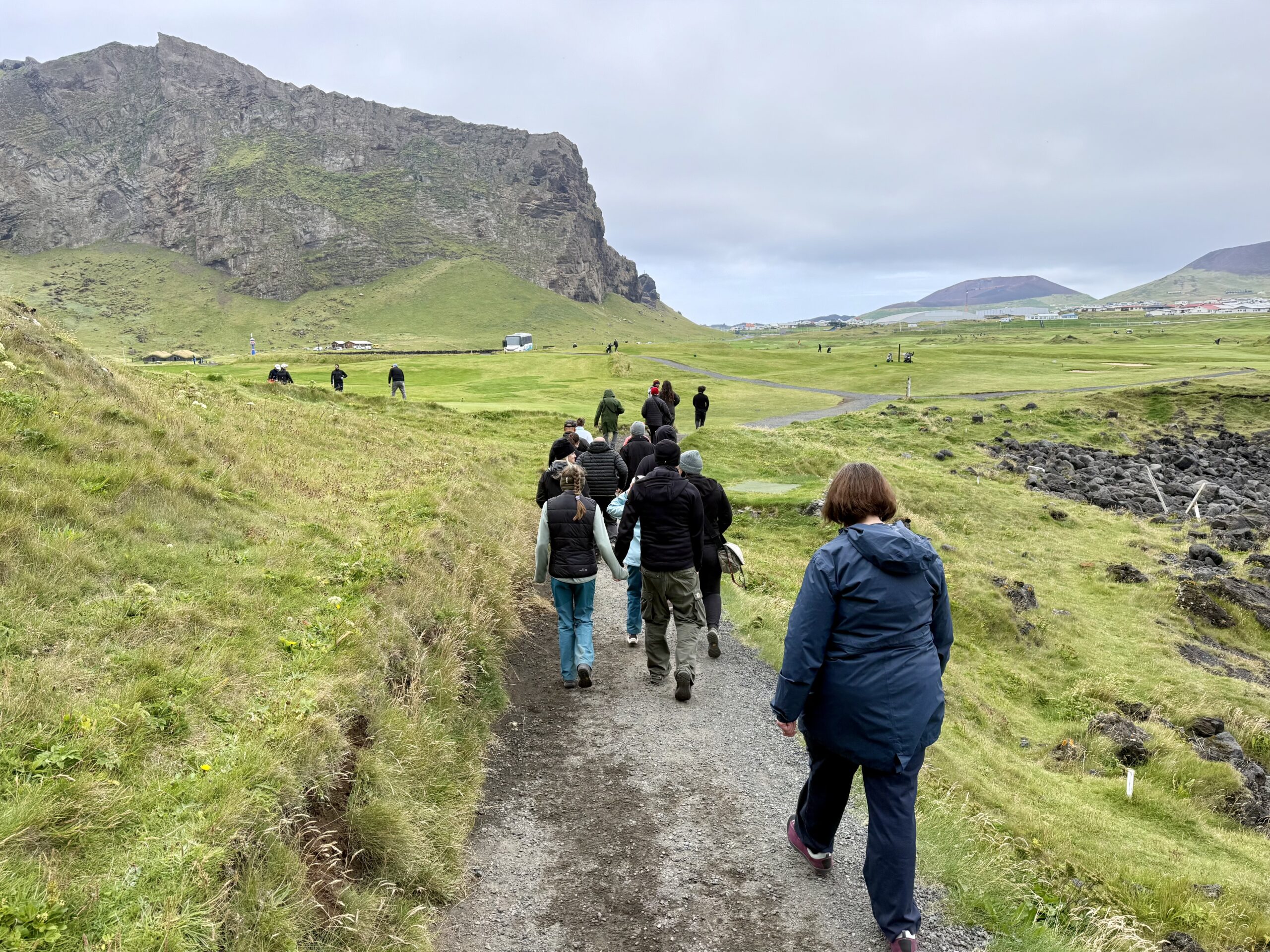
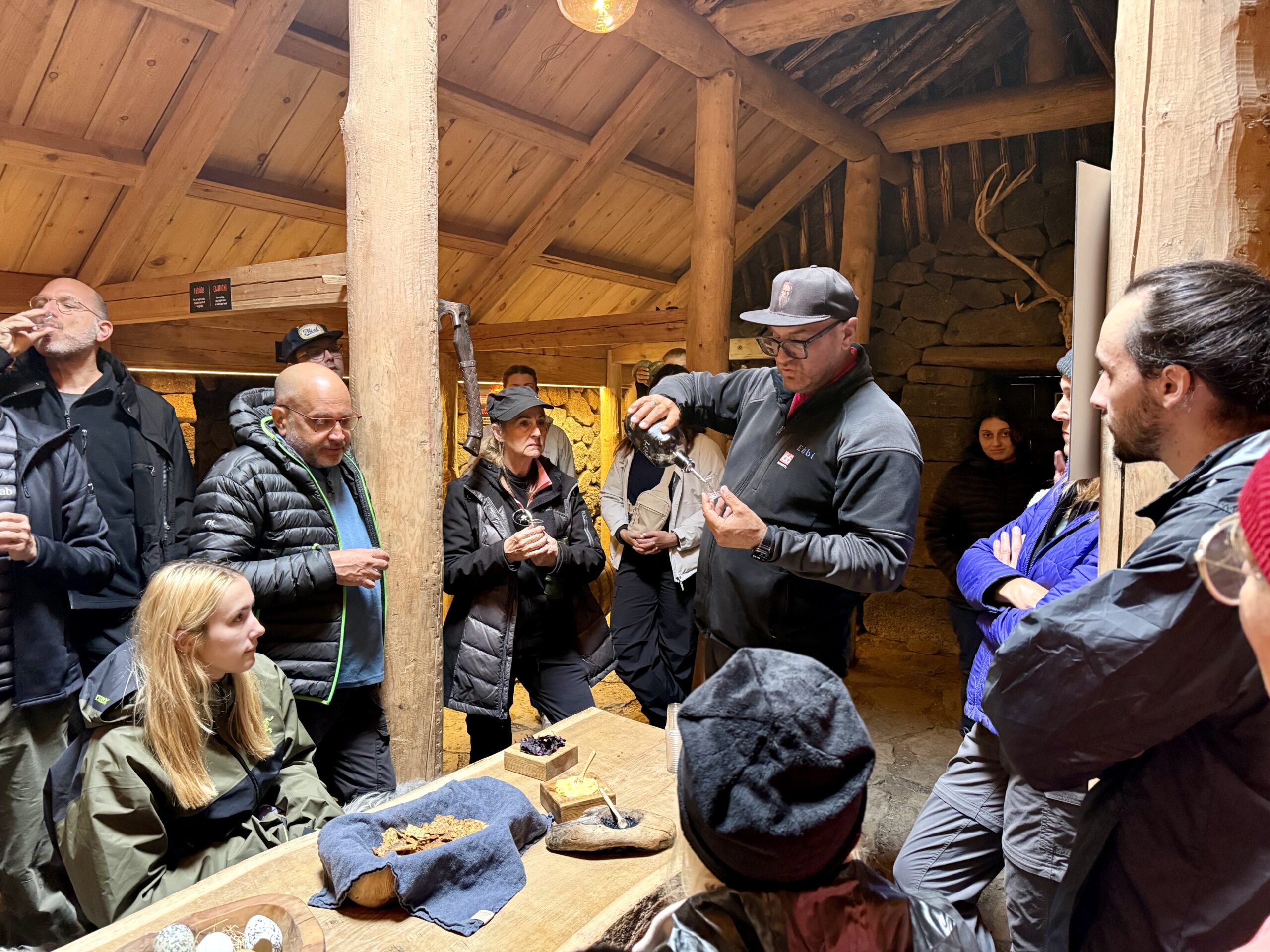
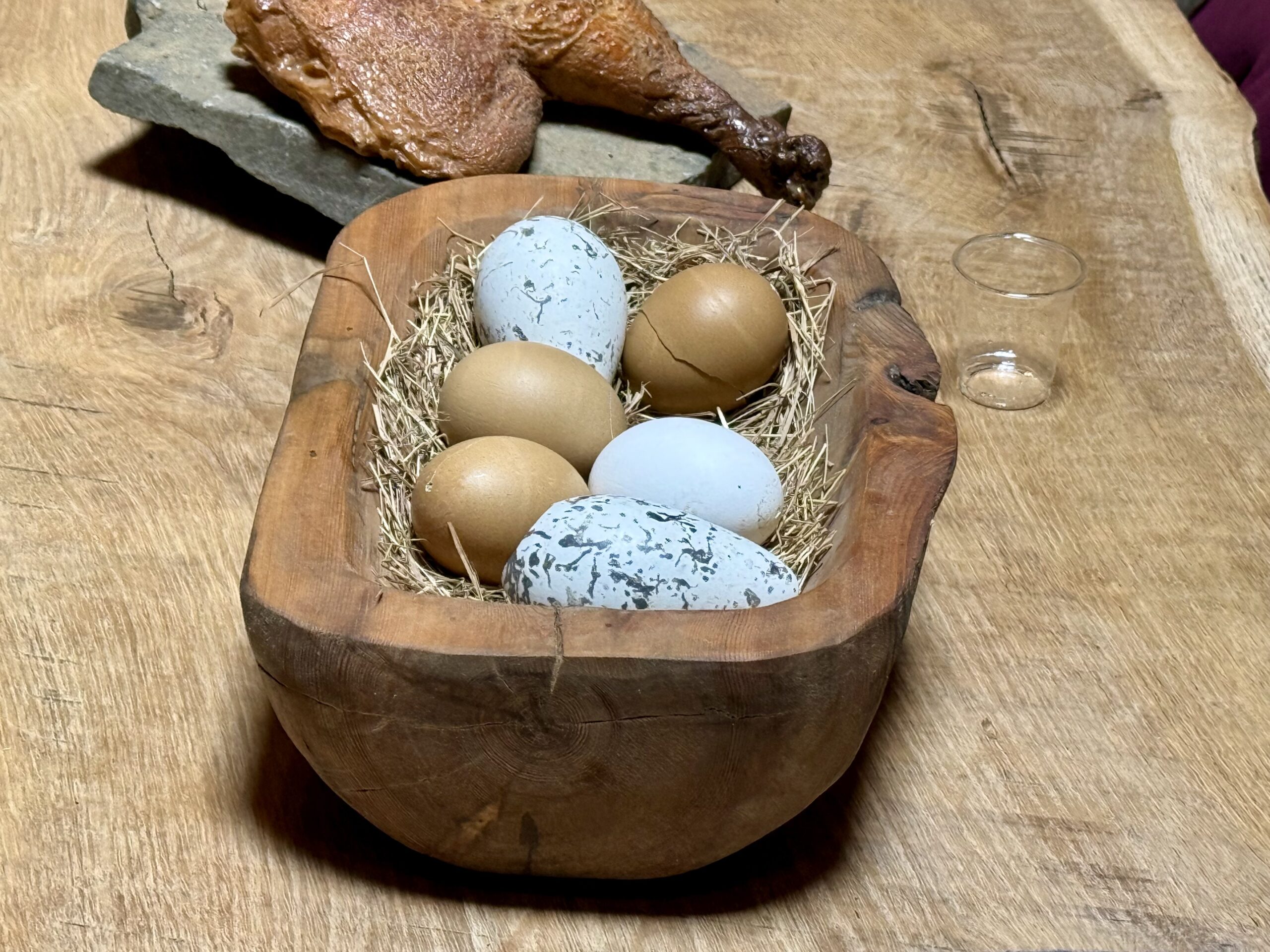
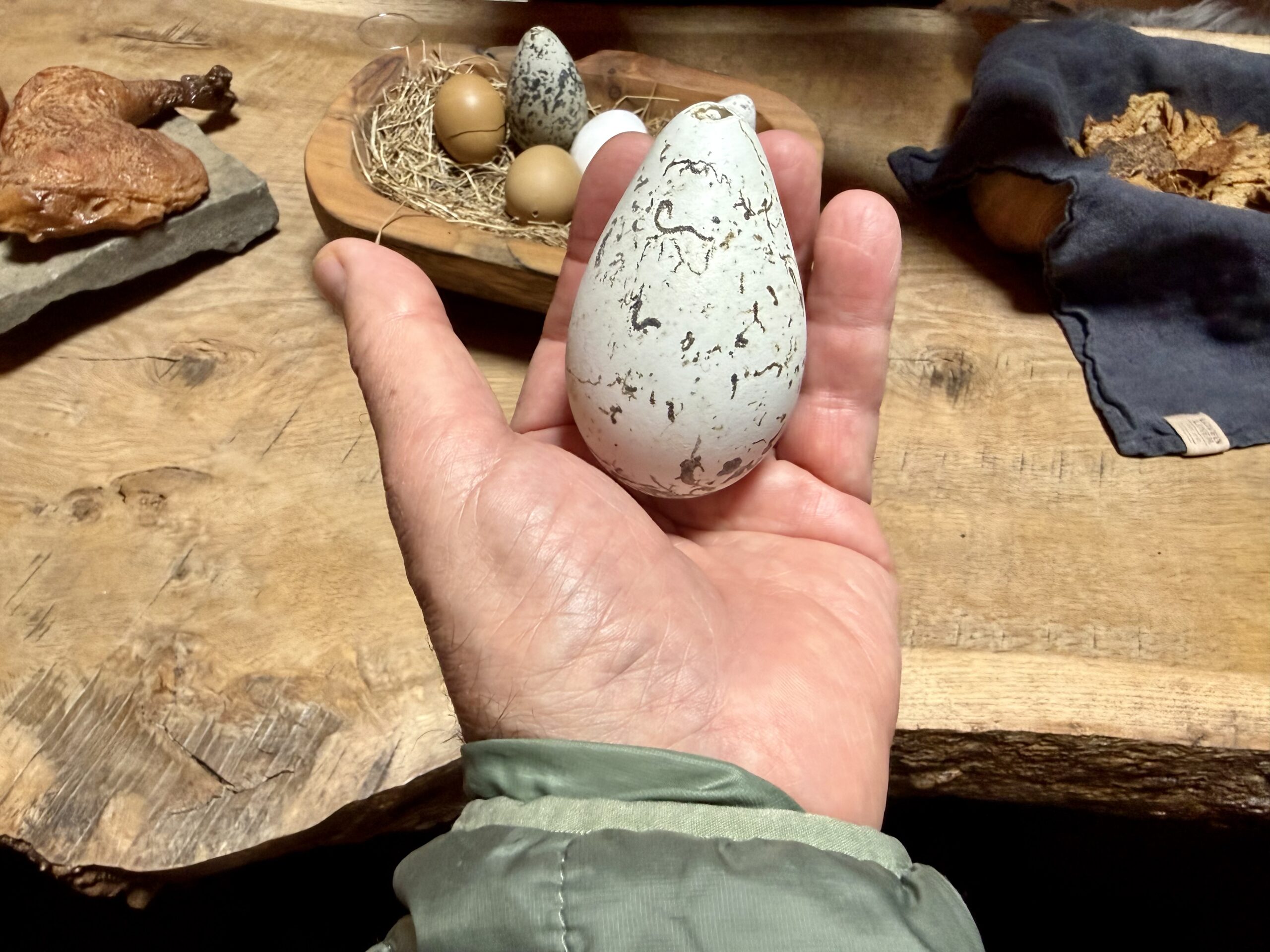
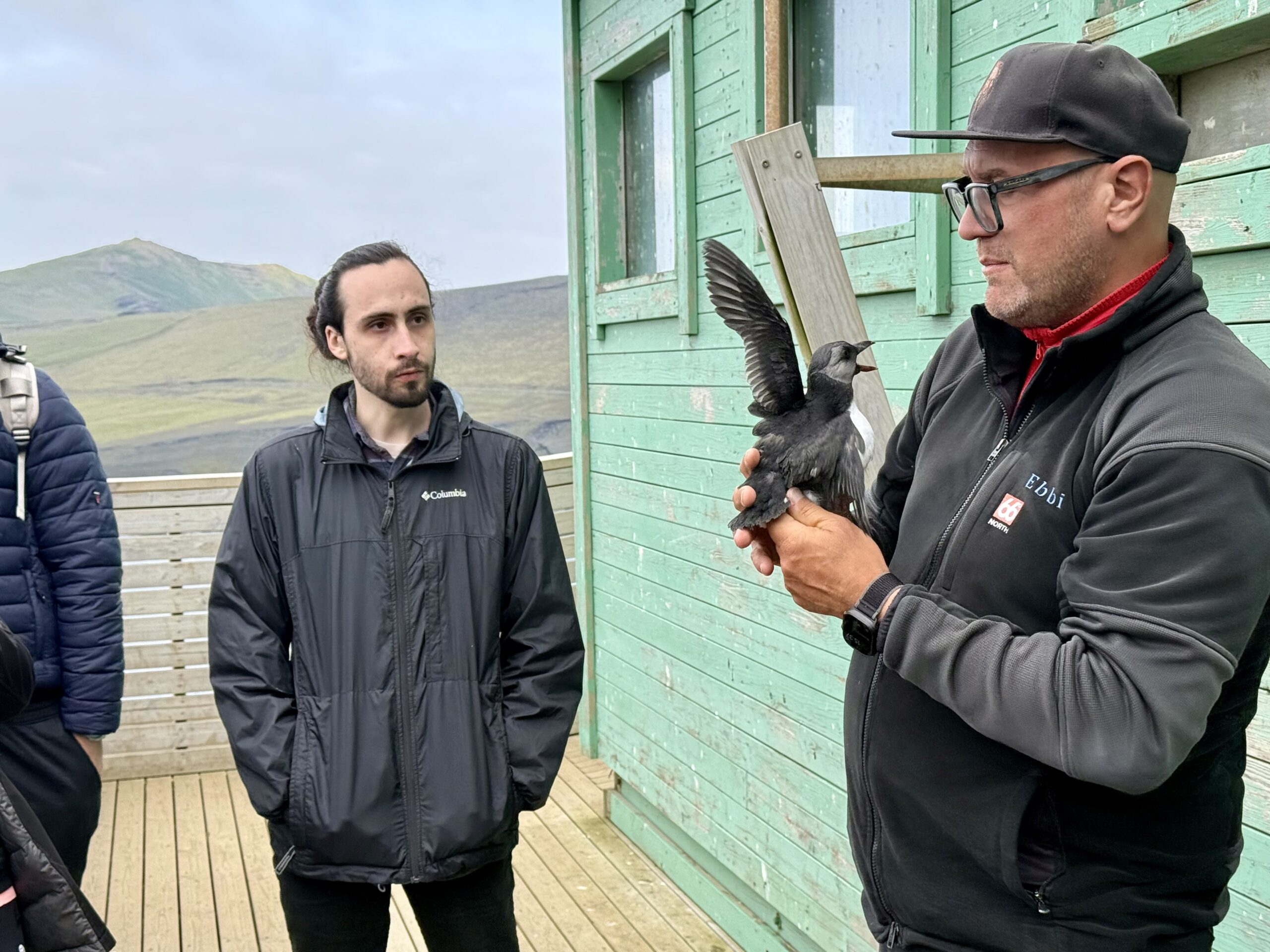
This two-hour tour by van was one of the best we have taken anywhere. Ebbi, the driver, from many generations of Westman people, regaled us with local history and customs. We spent more time out of the bus looking around than in the bus. At one point Ebbi grabbed a rope at a vertical cliff and demonstrated how the locals scramble up the rock faces to gather bird eggs. Several young boys were practicing at this spot where a fall lands you on grass and not rocks. Training begins here at age eight. The locals have gathered eggs for many generations. They are careful to leave enough eggs to guarantee the success of one egg hatching. The number of birds attest to their success in their methods.
Ebbi claimed that when he was growing up the local diet was lamb and potatoes on Sunday, and fish and potatoes the rest of the week. No vegetables available. He offered himself as proof that you can grow tall and strong without them.
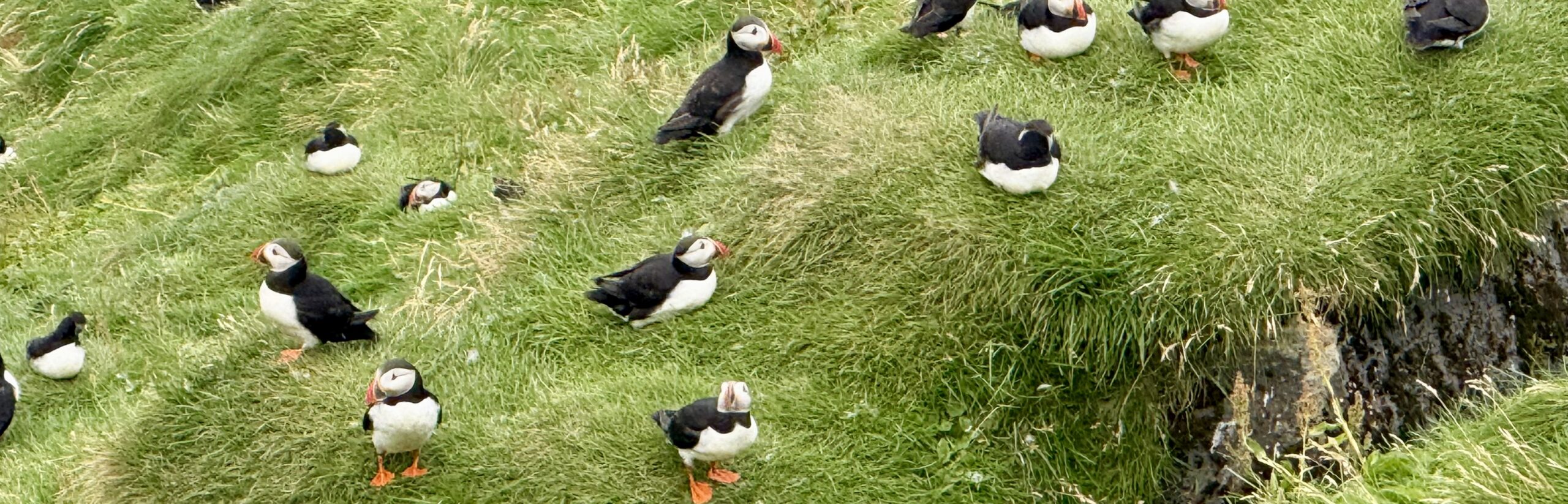
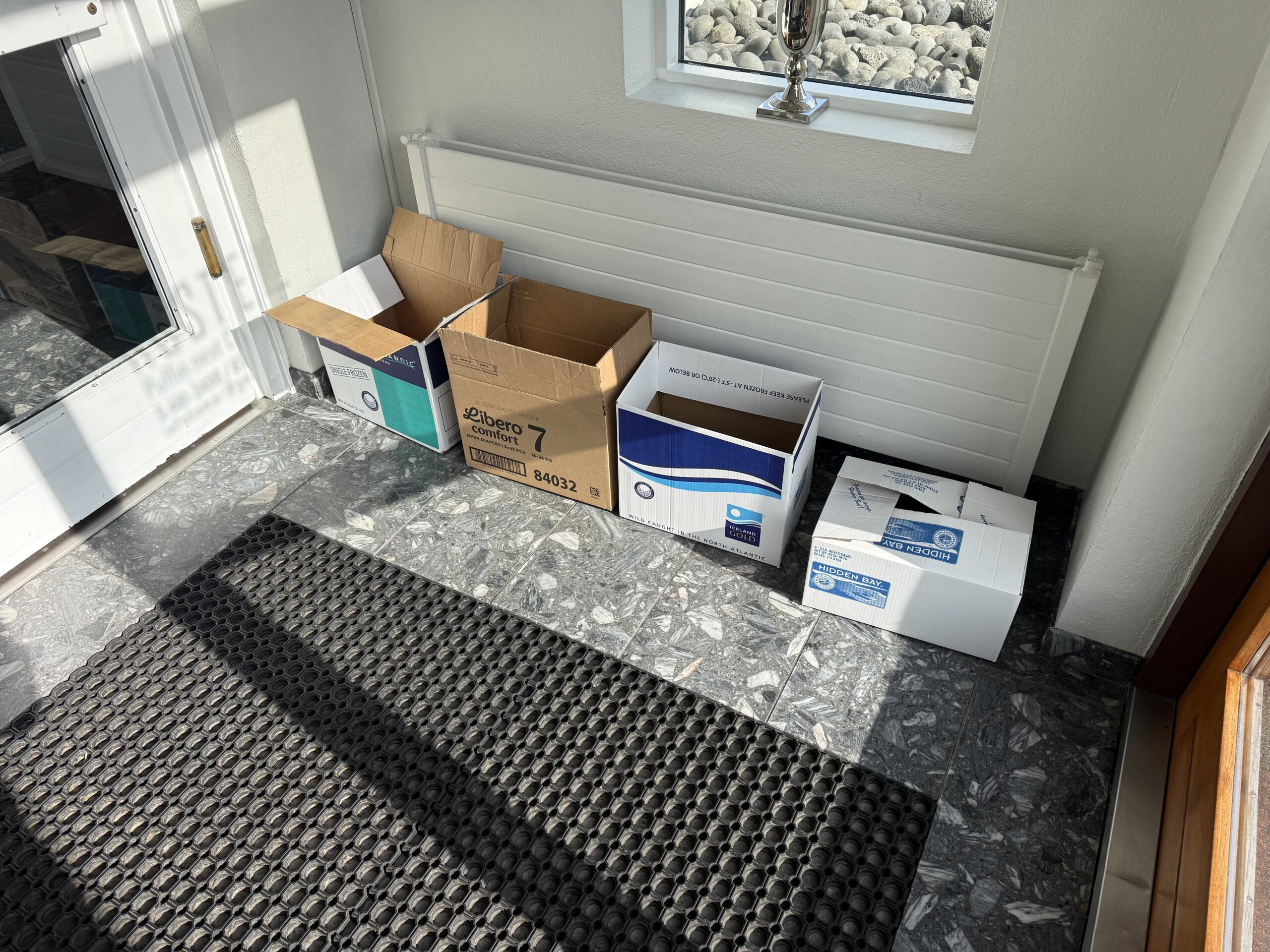
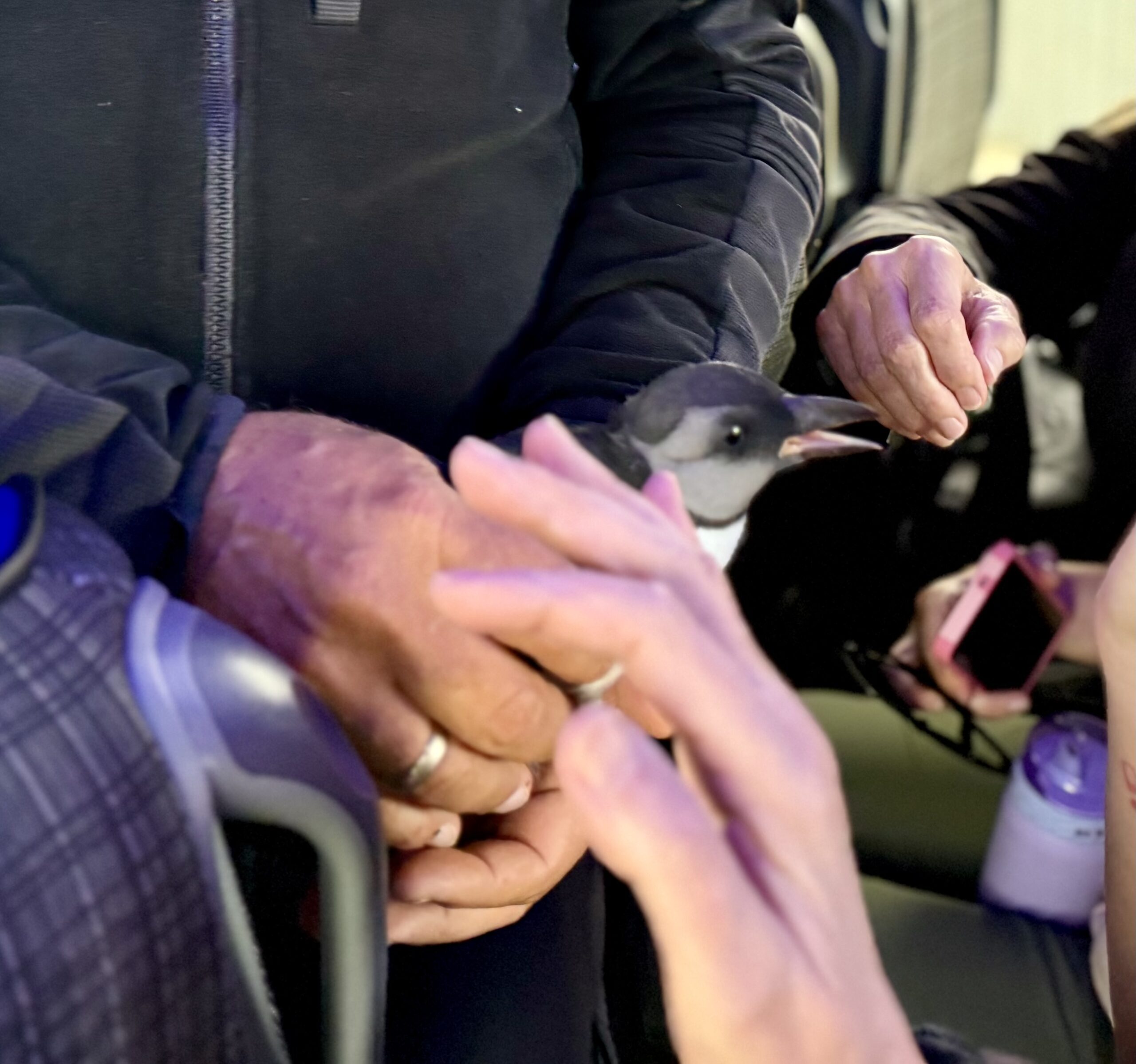
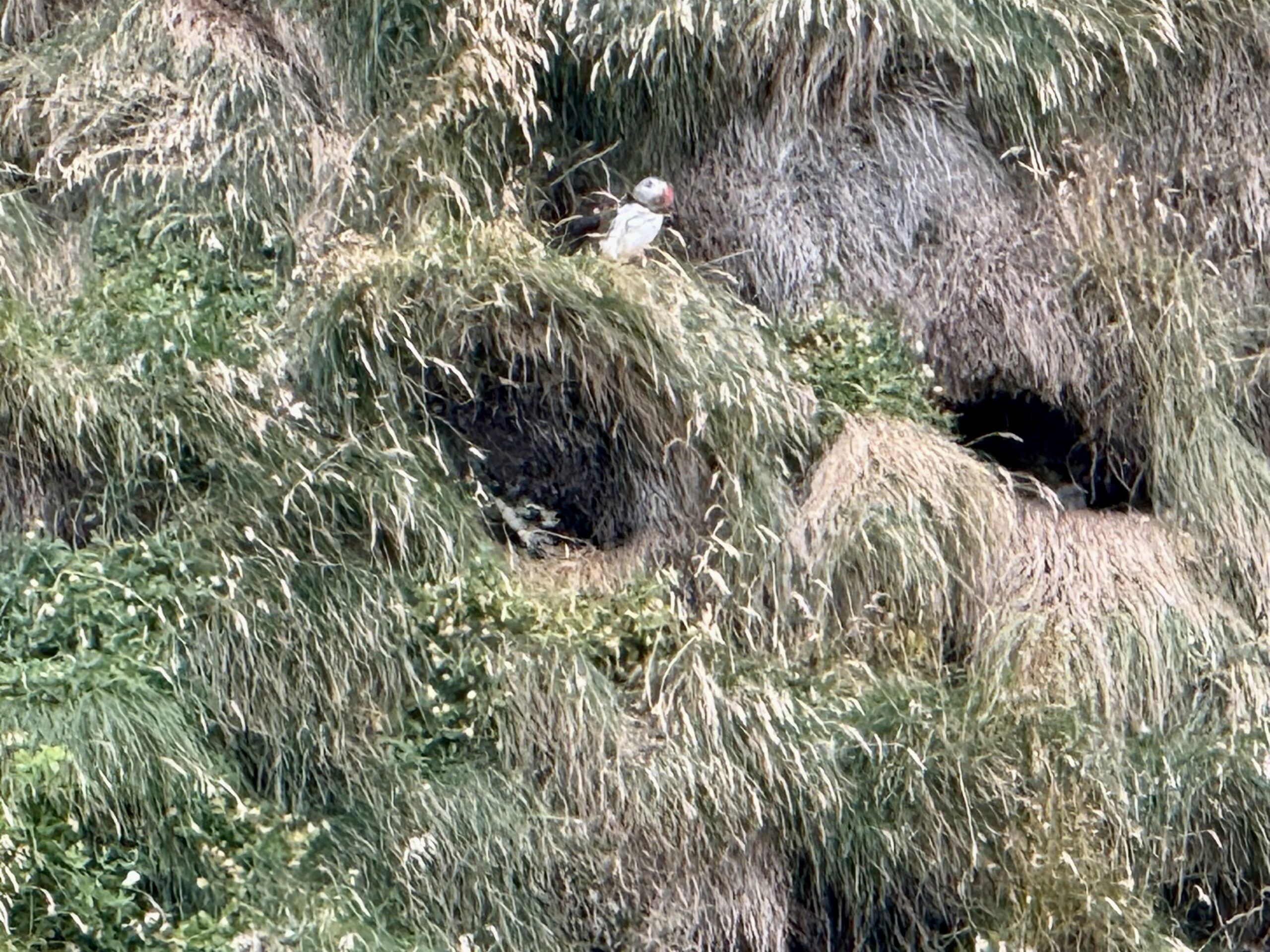
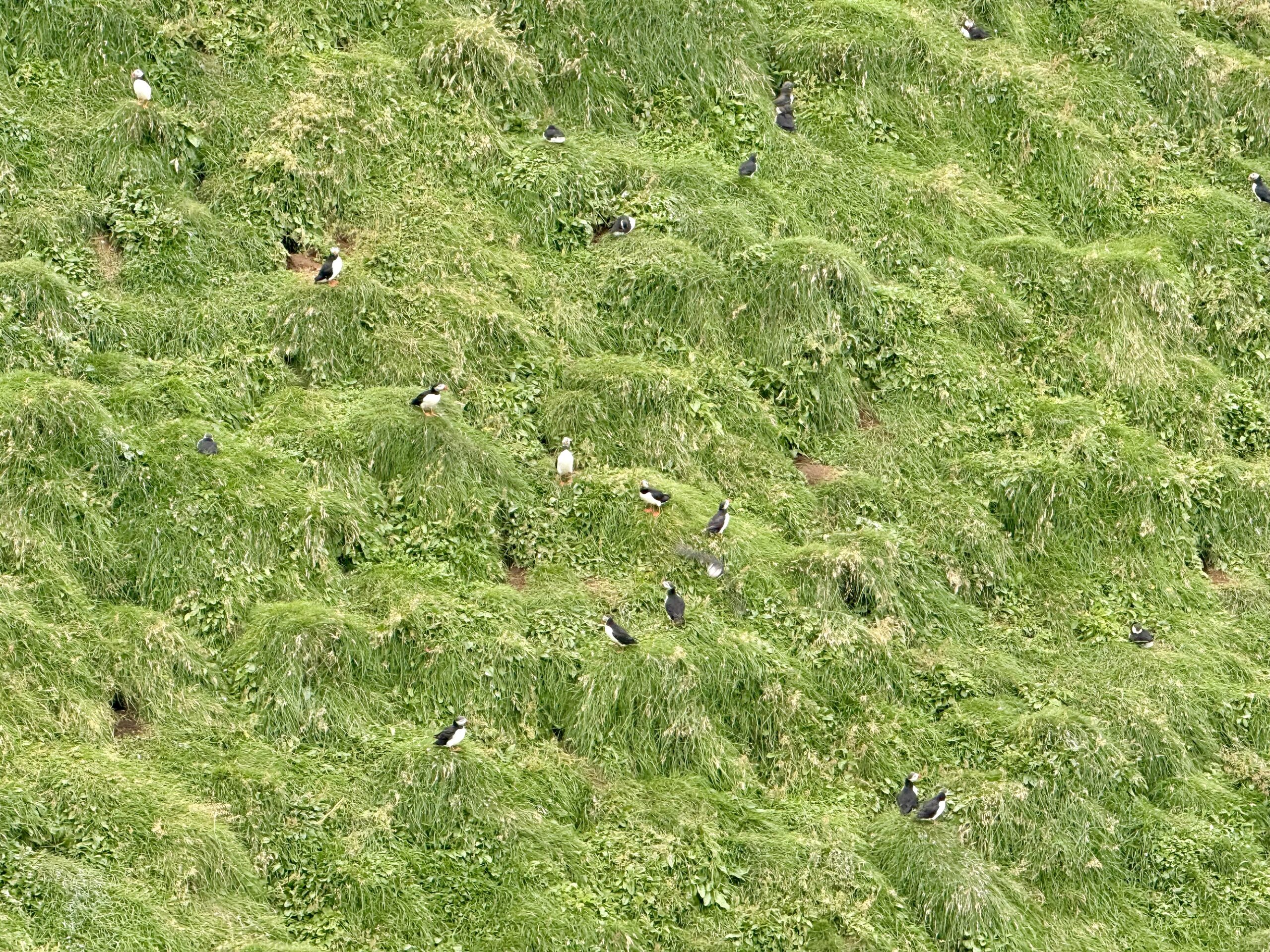
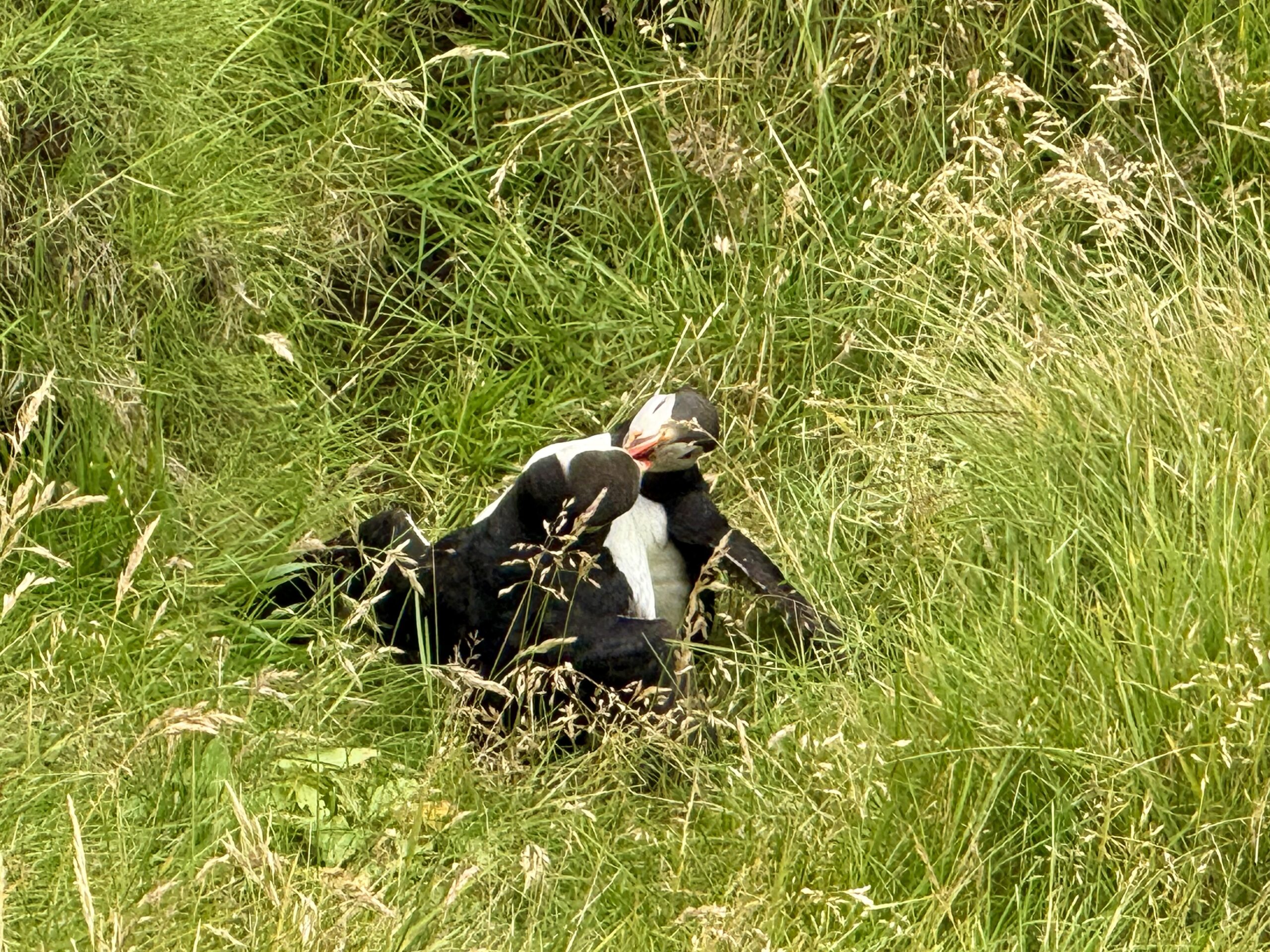
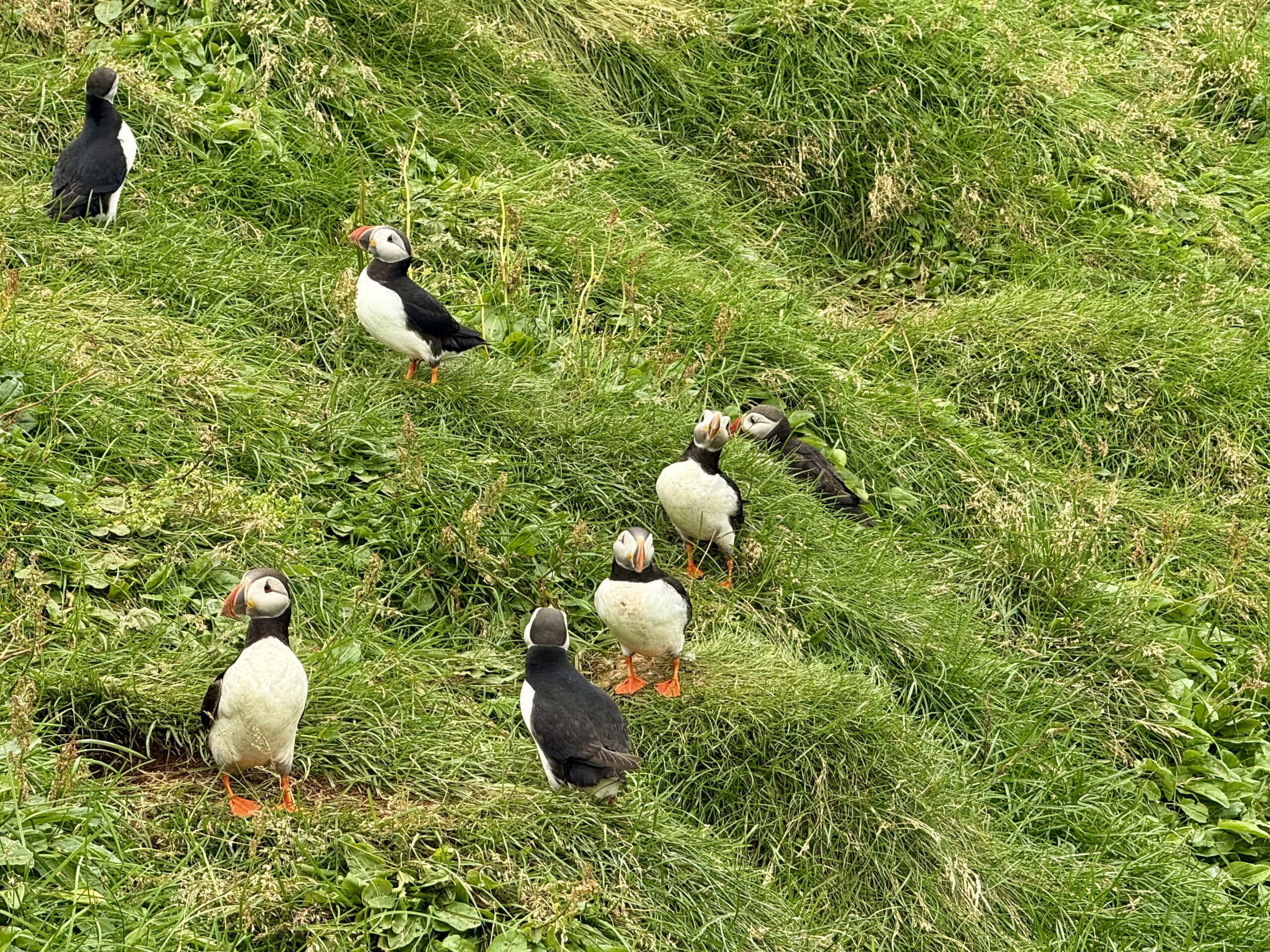
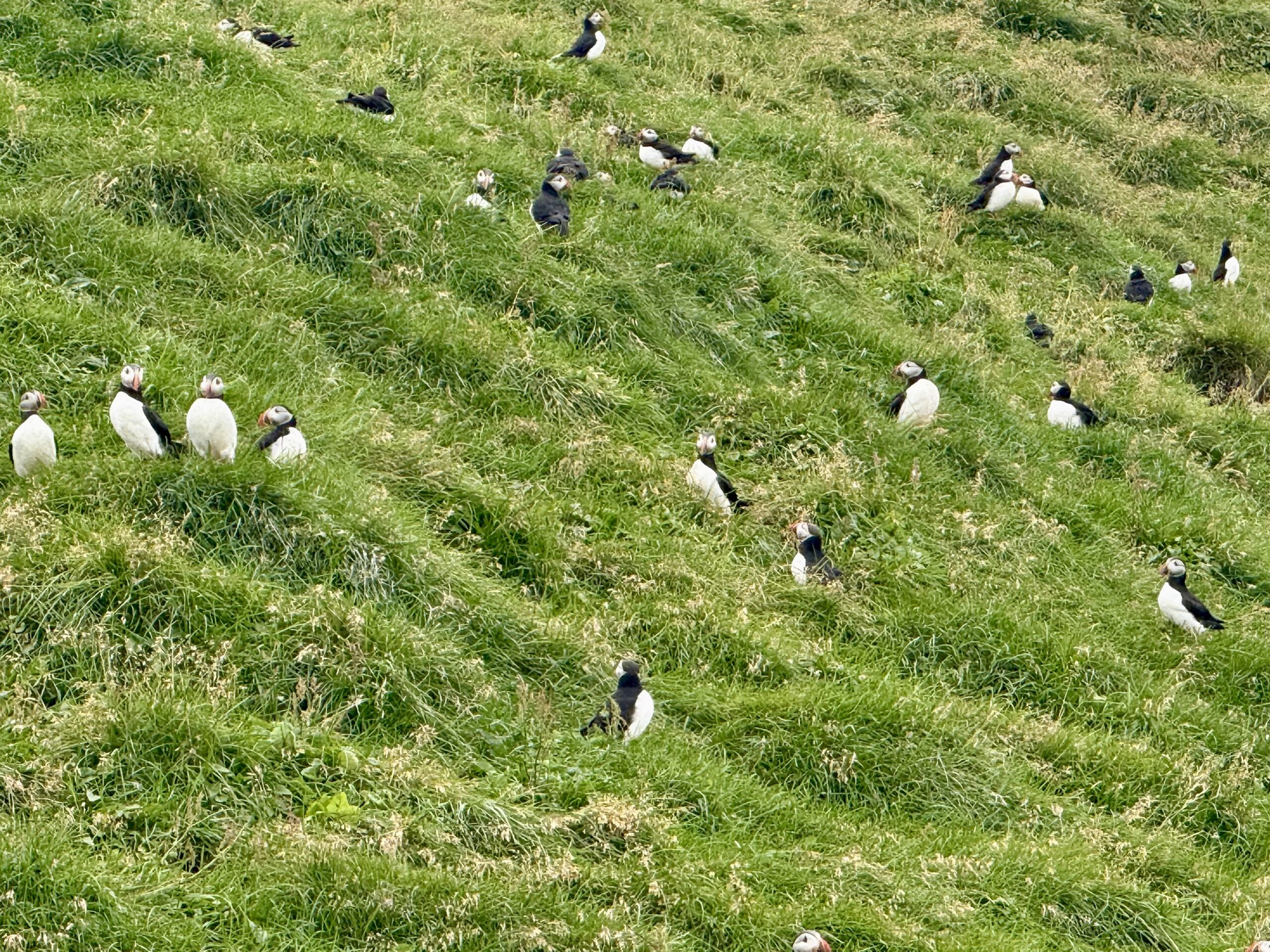
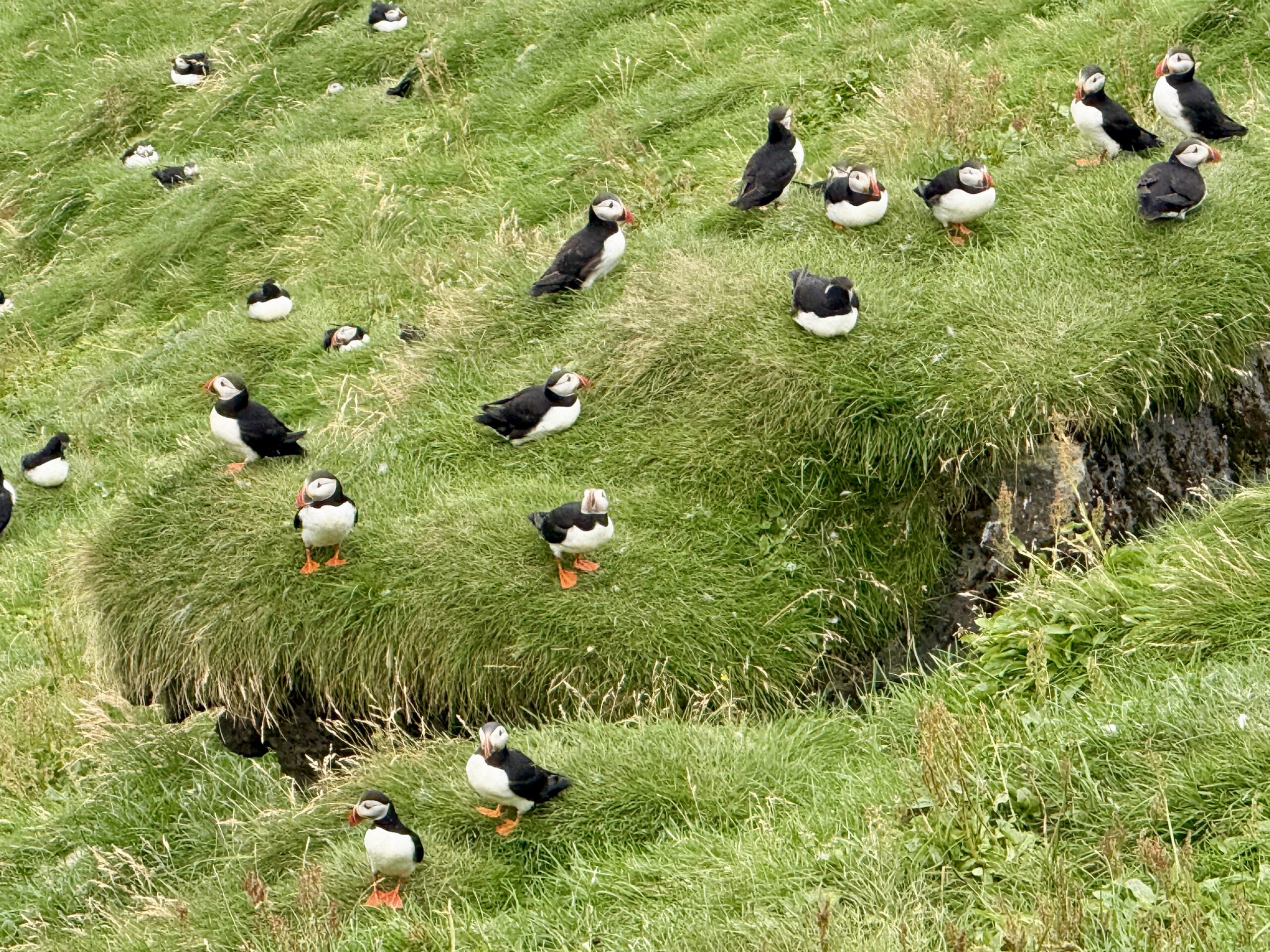
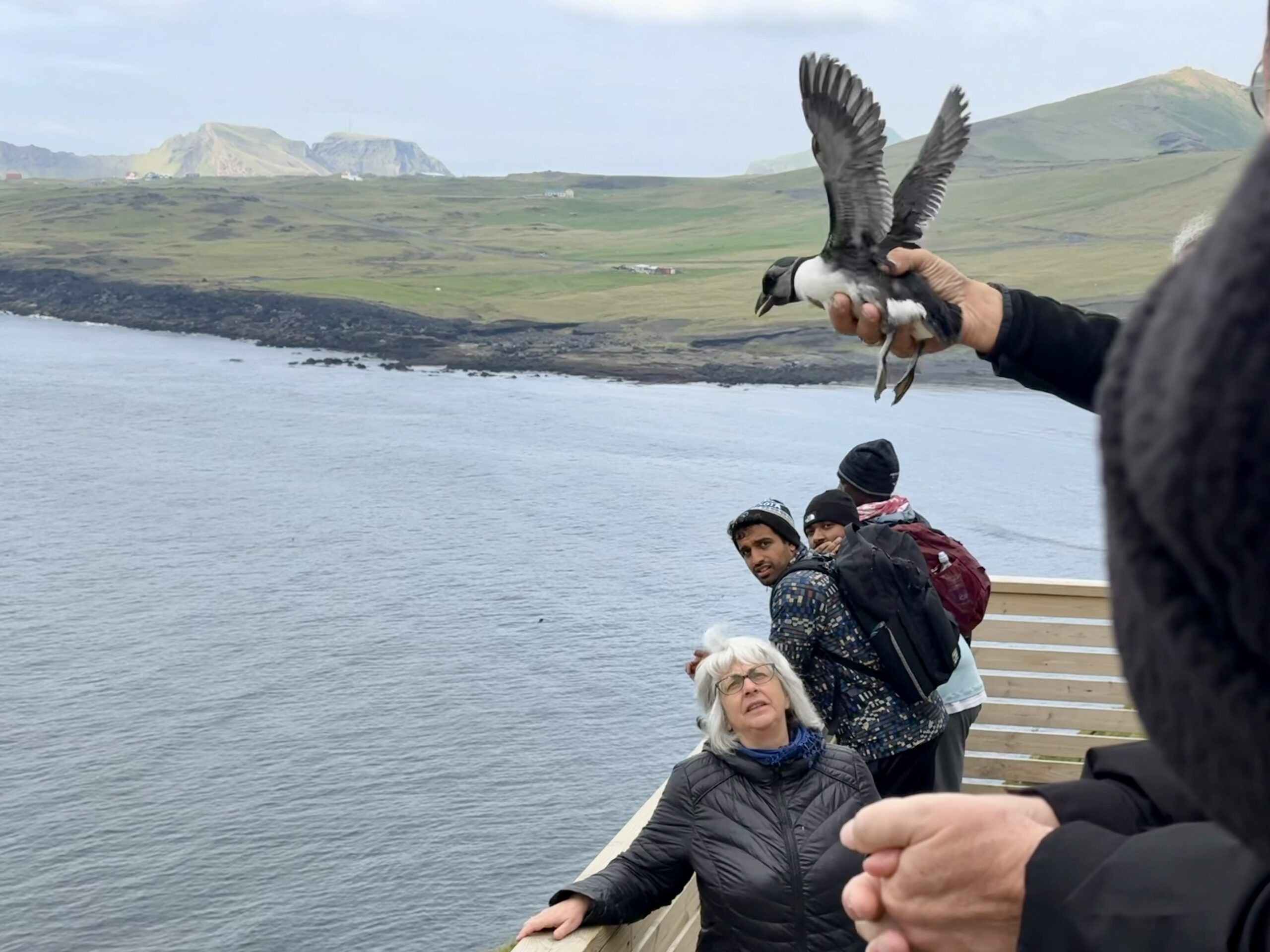
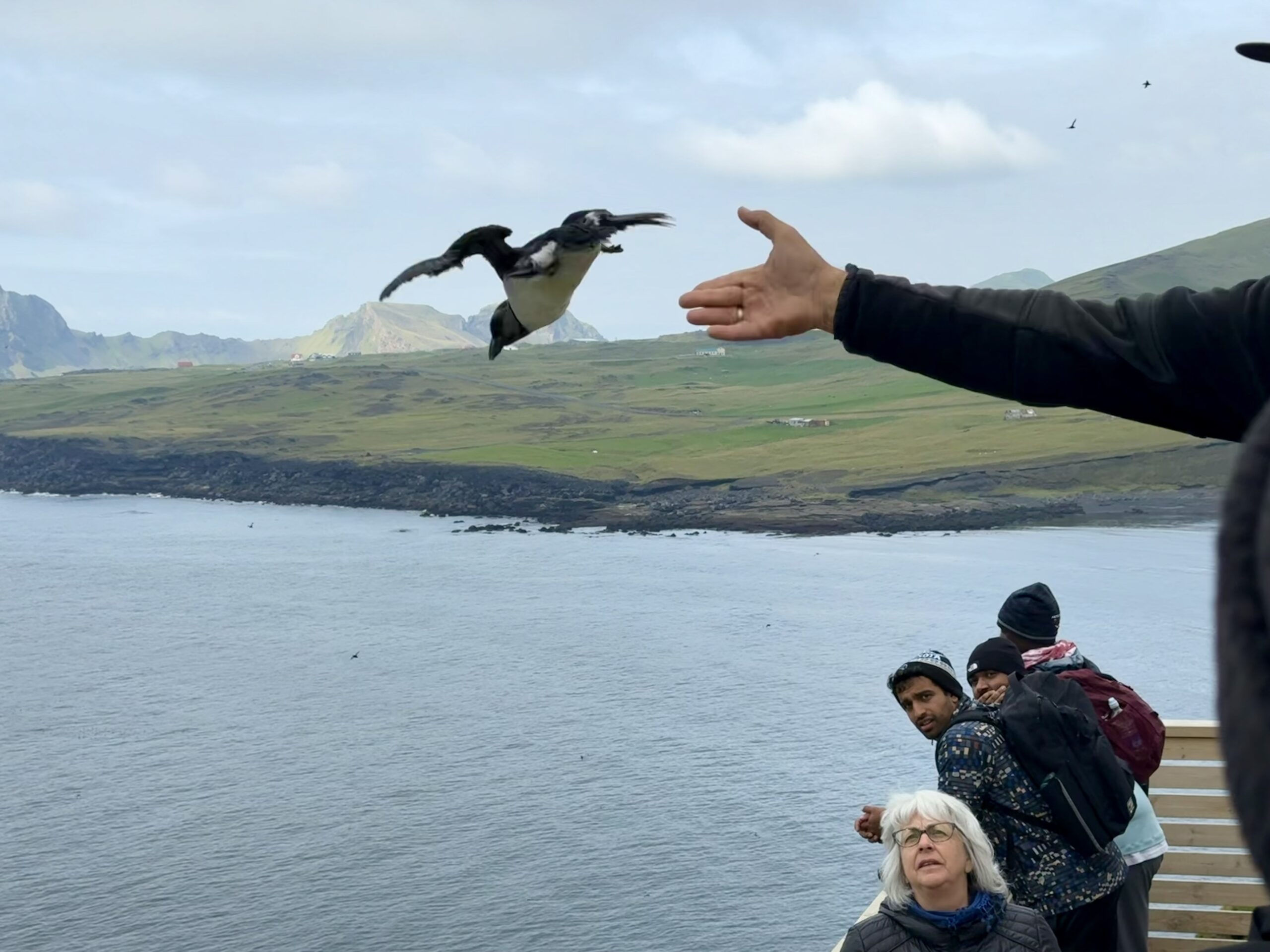
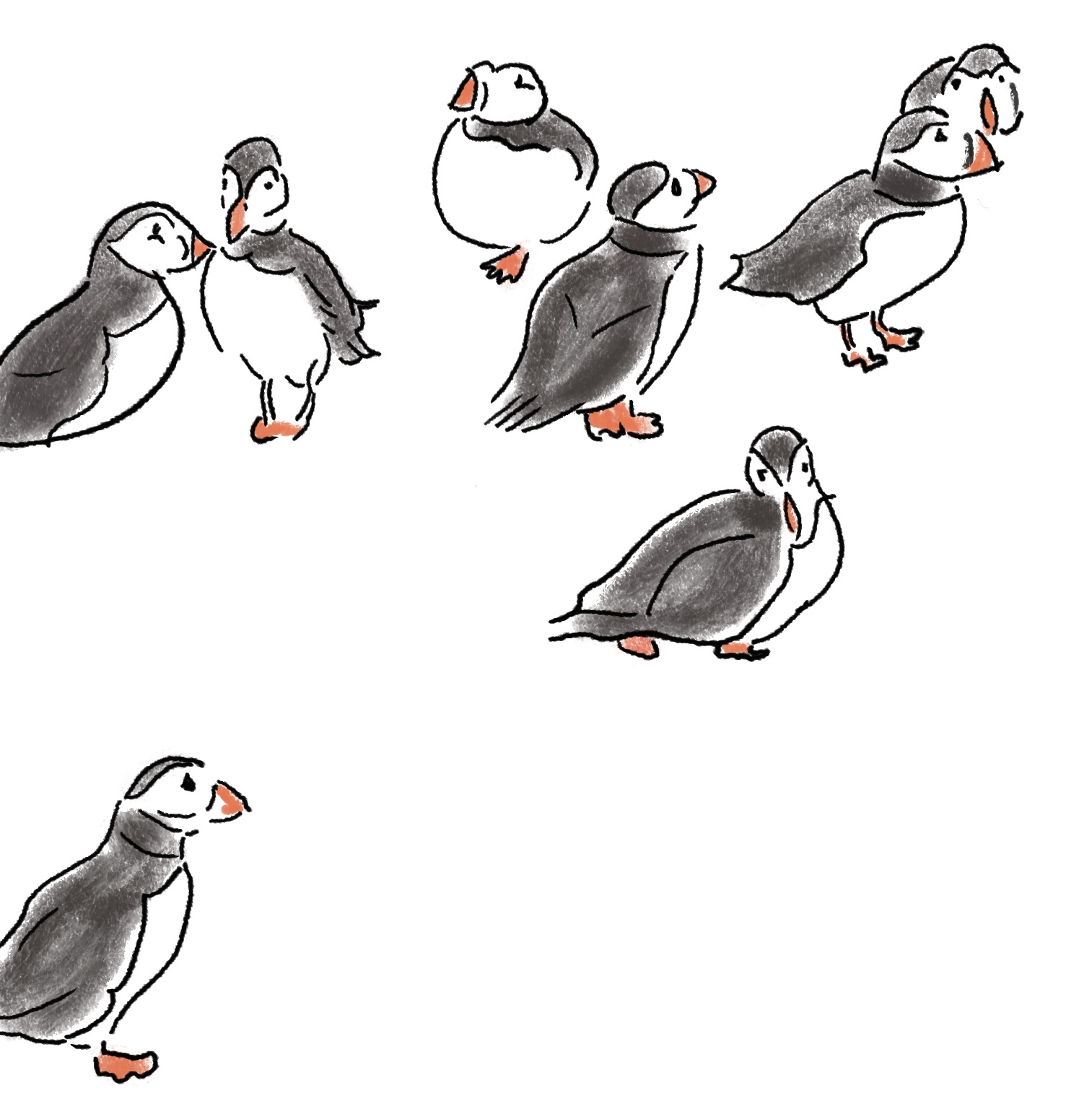
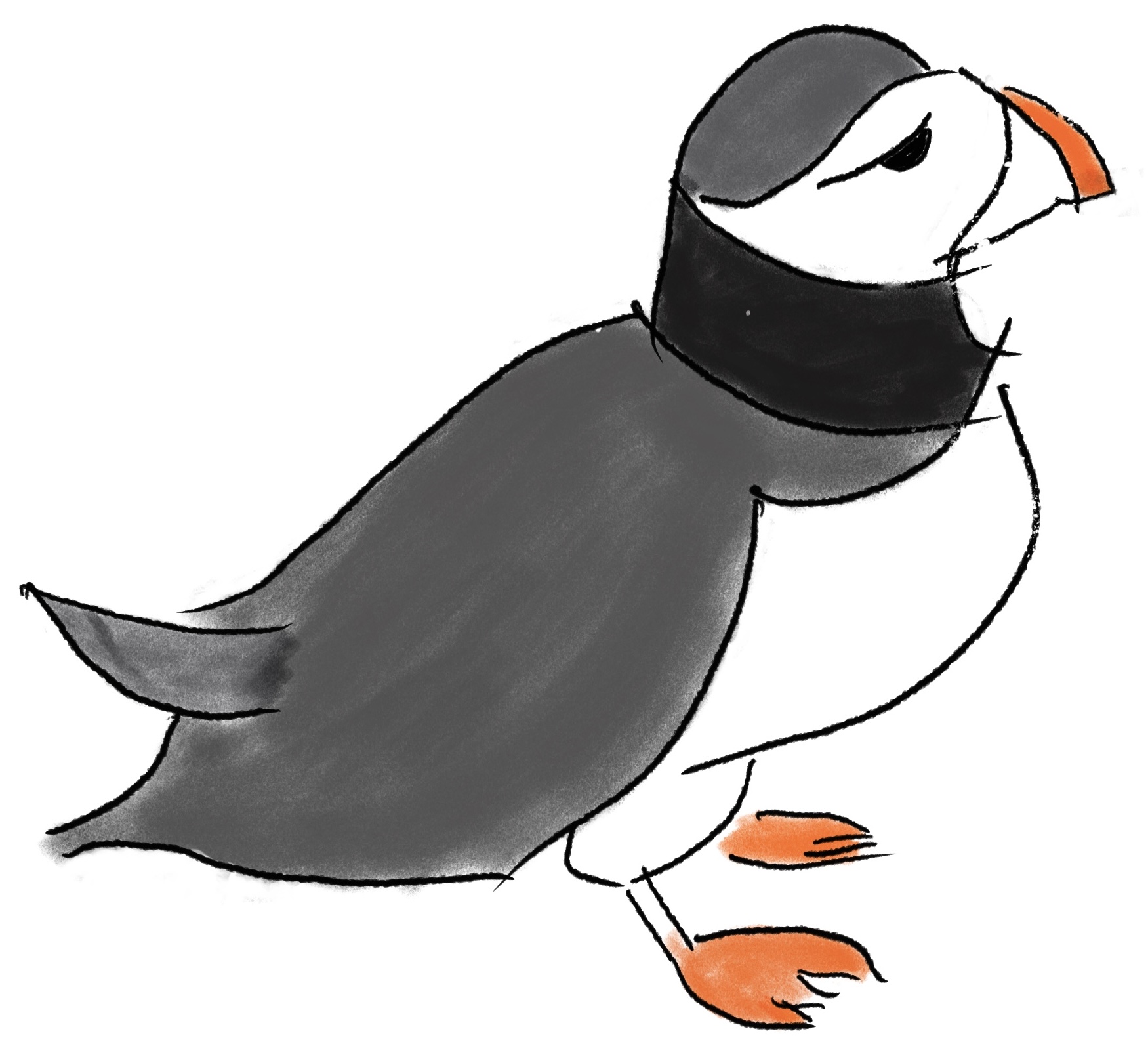
The highlight of the tour was the puffins, of course. Westman has the largest puffin colony in the world, and our timing was perfect. Puffins stay on the island for only a few months a year to mate, laying one egg per nest, safely burrowed a meter deep in the hillside. They spend the rest of the year at sea in the South Atlantic. At six weeks of age, young puffins take their first flight at night, and some, instead of heading toward the moonlit water, land in town attracted by the lights. For two weeks in late August people go out between midnight and 1:30 to pick up the wayward chicks off the street (not and easy task), put them in a cardboard box, and release them the next day near the water. This is important because puffins return to the same spot every year. The tour guide had a young puffin in a box, one of eight captured by his 12 year old son the night before. On a hillside we watched Ebbi toss the puffin out toward the water. Young puffins don’t fly well, but they glide, and they are happy in the water. We then started noticing cardboard boxes of the right size around town, including several in the entryway of our guesthouse. We also saw a puffin released on the ferry back to the mainland.
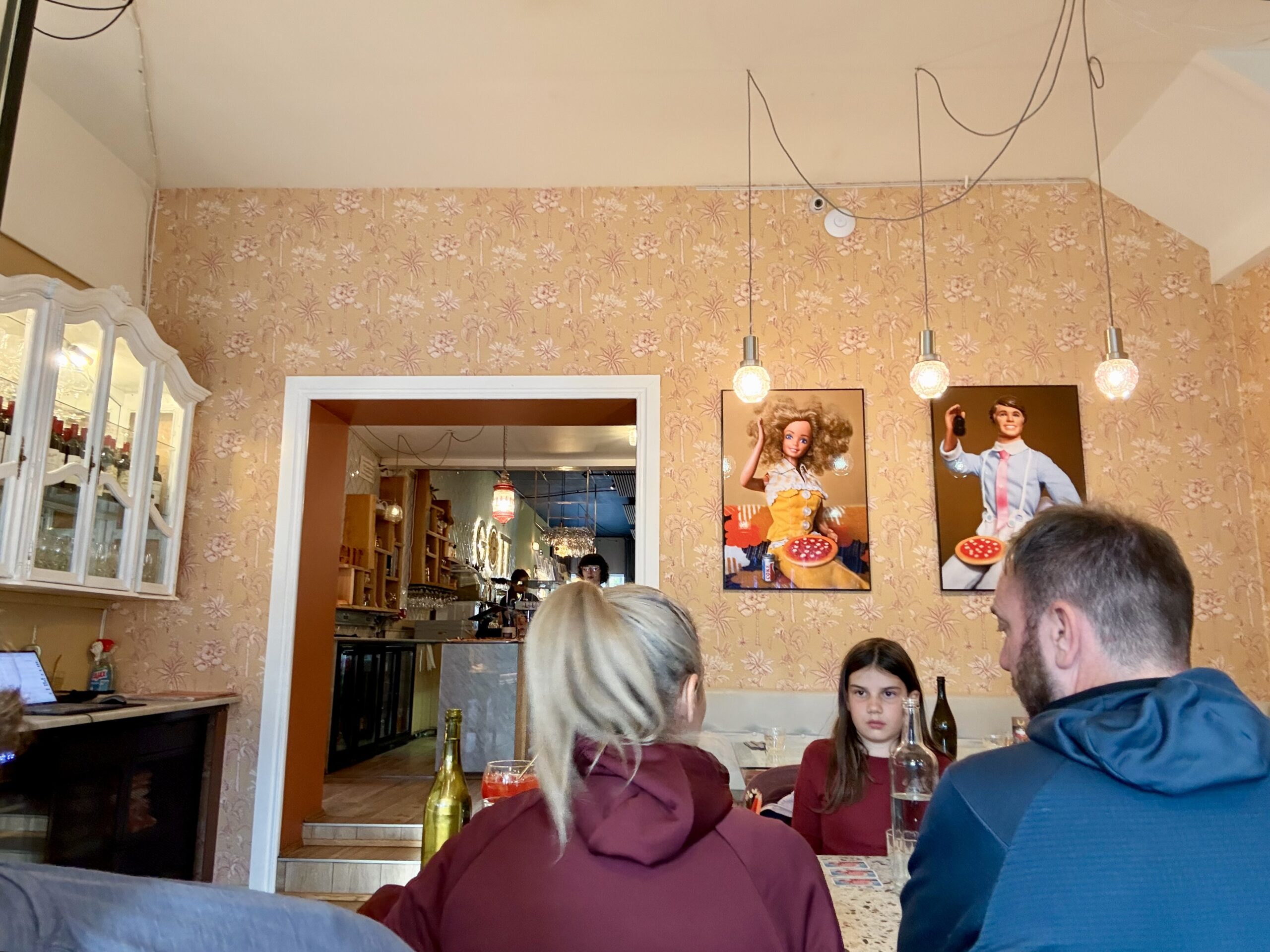
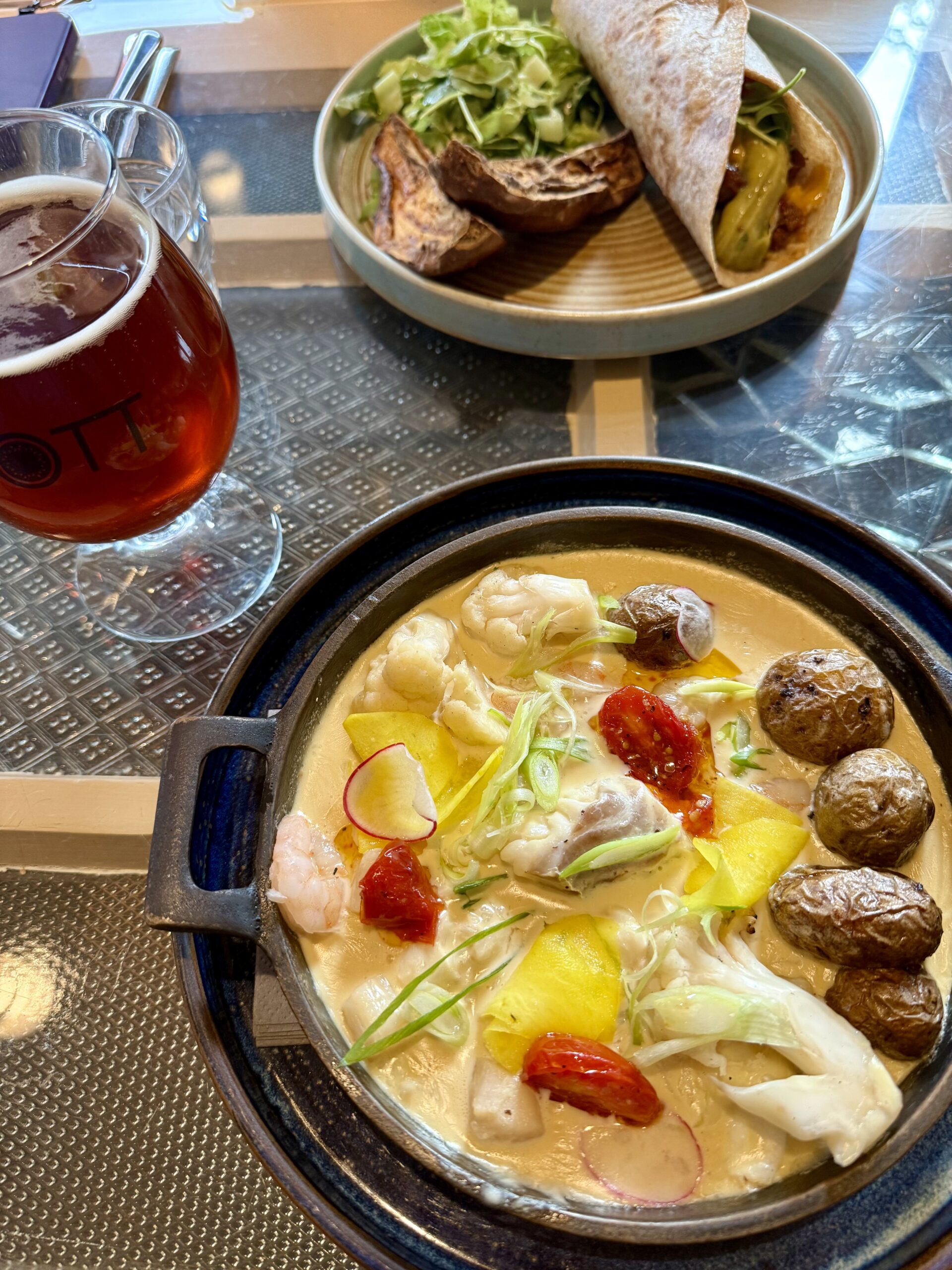
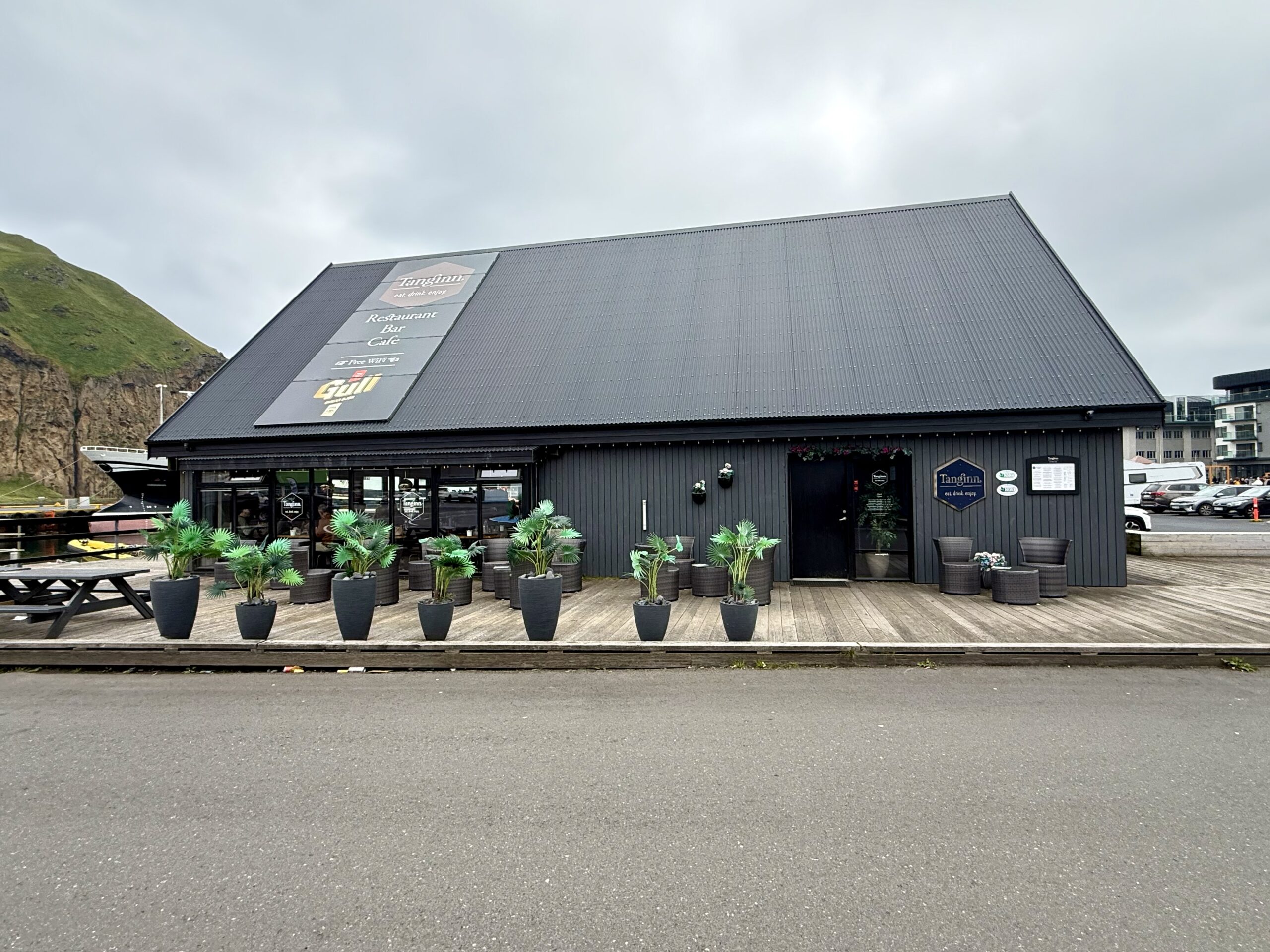
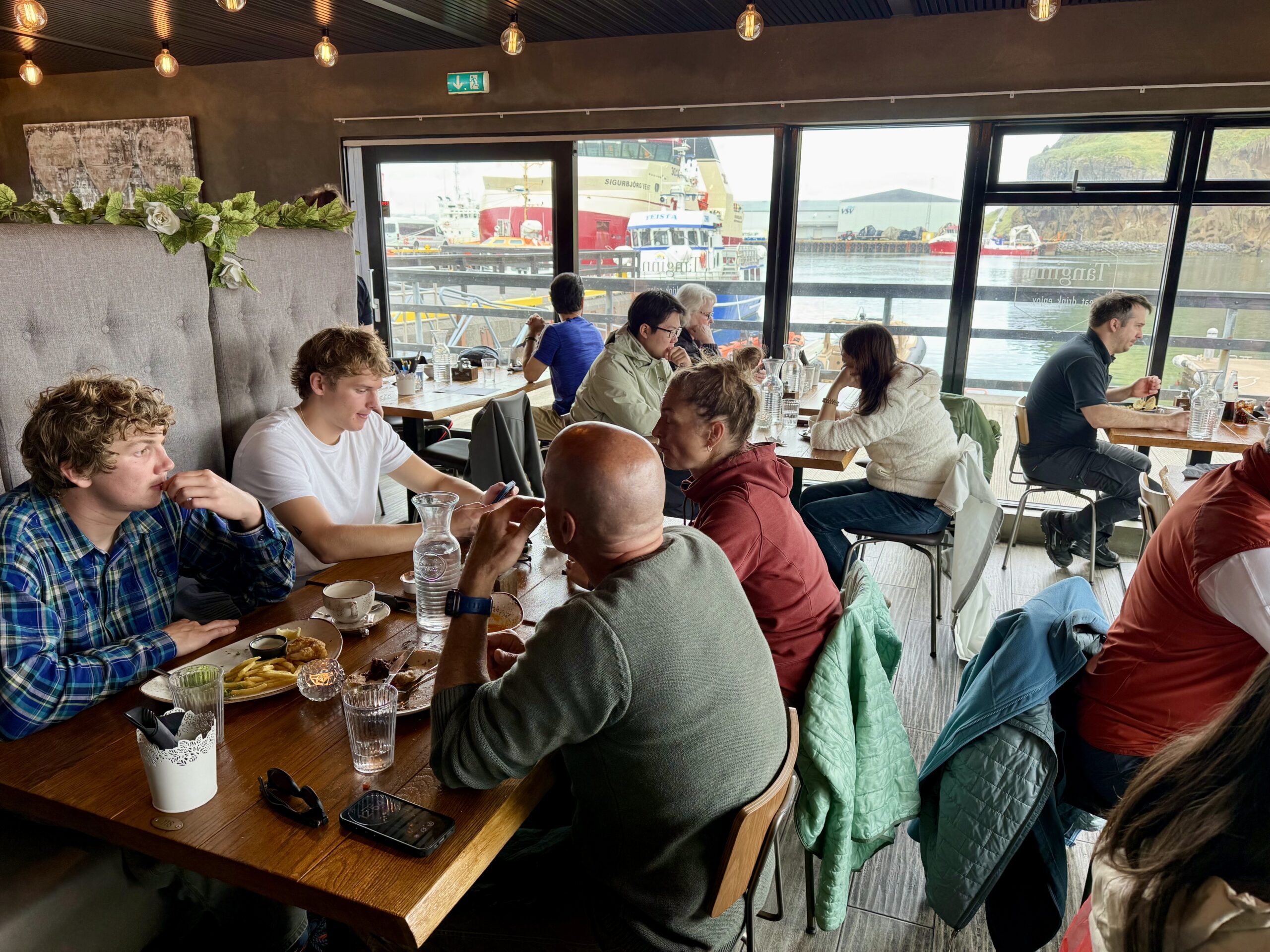
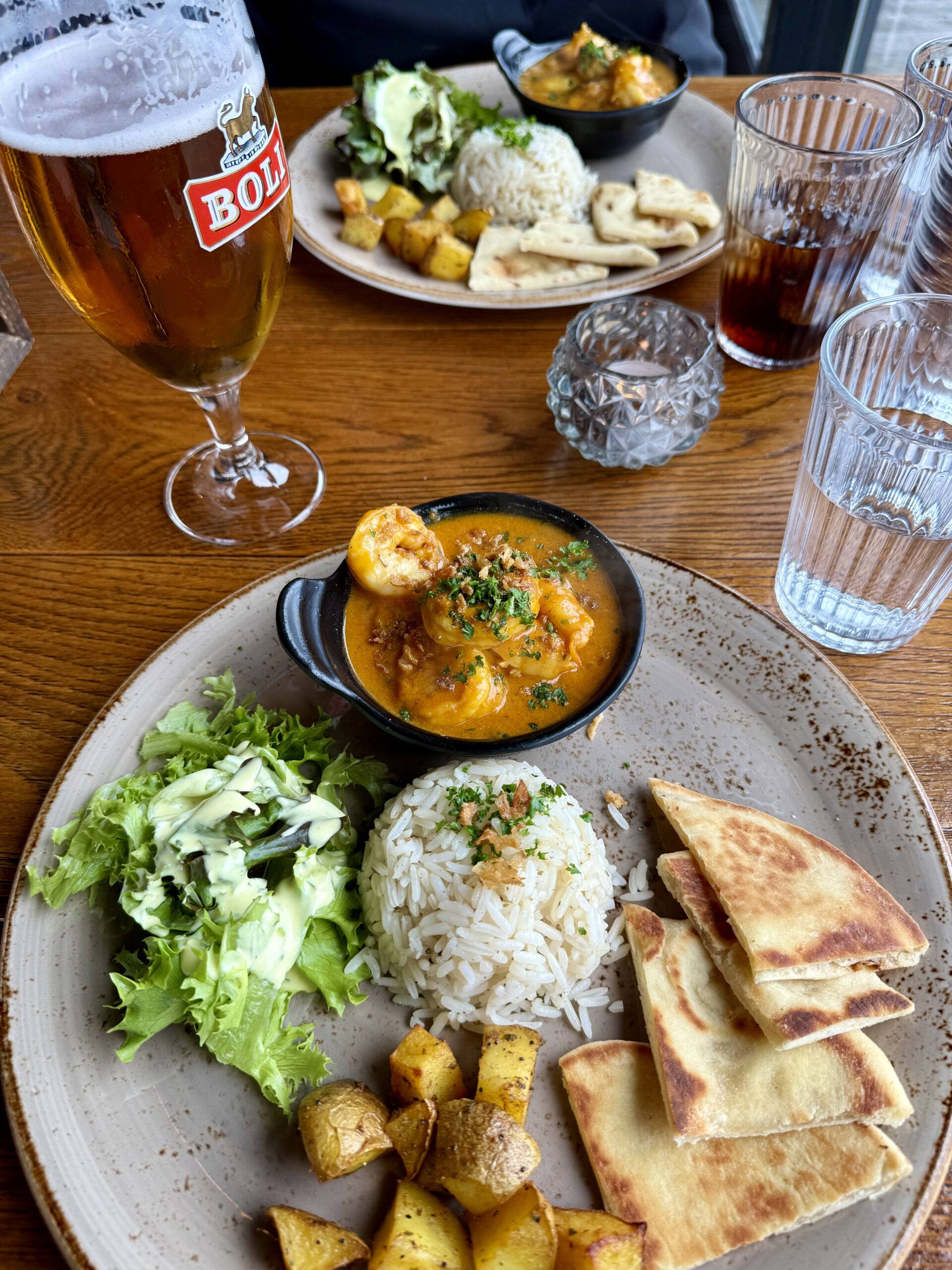
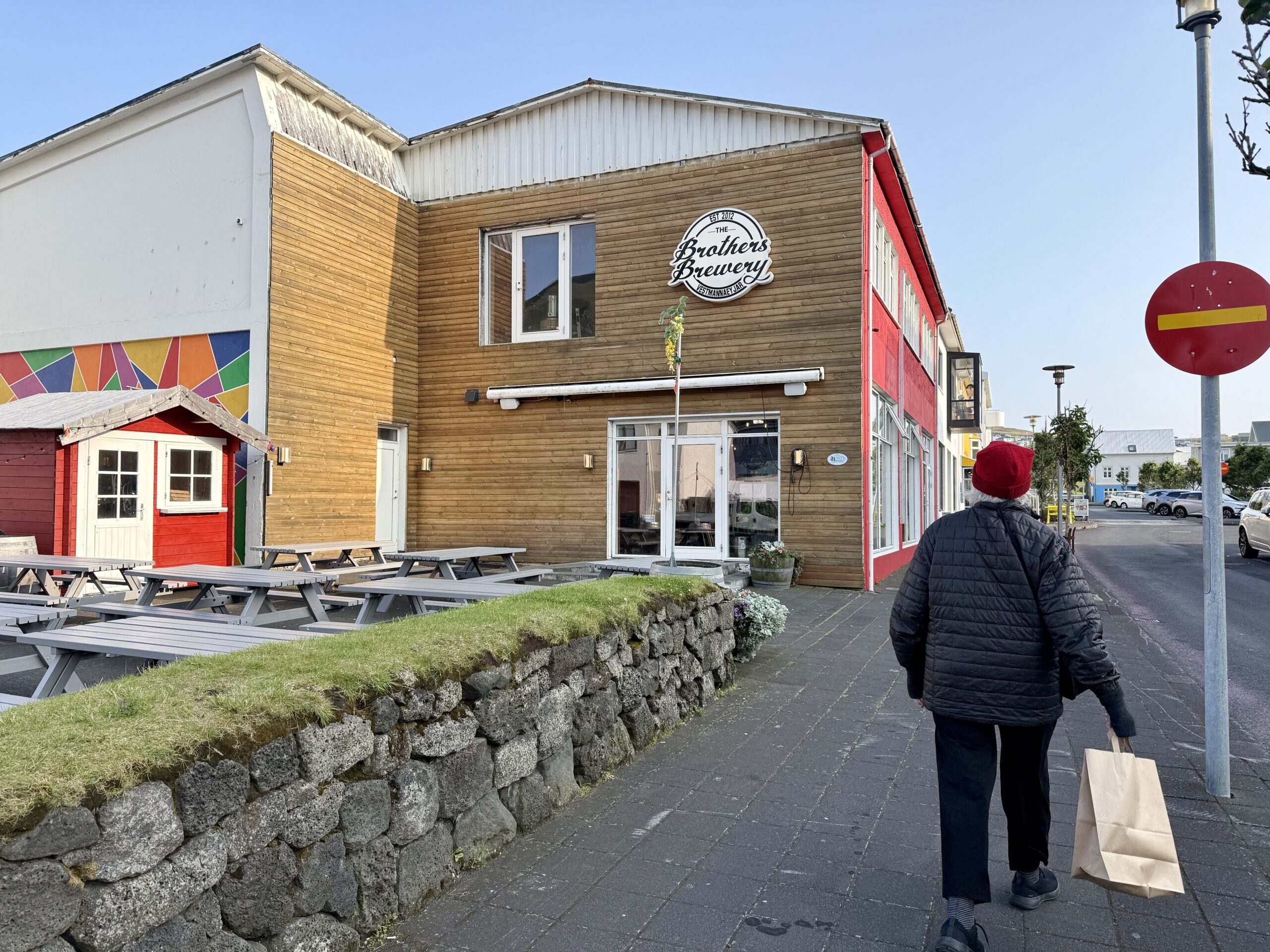
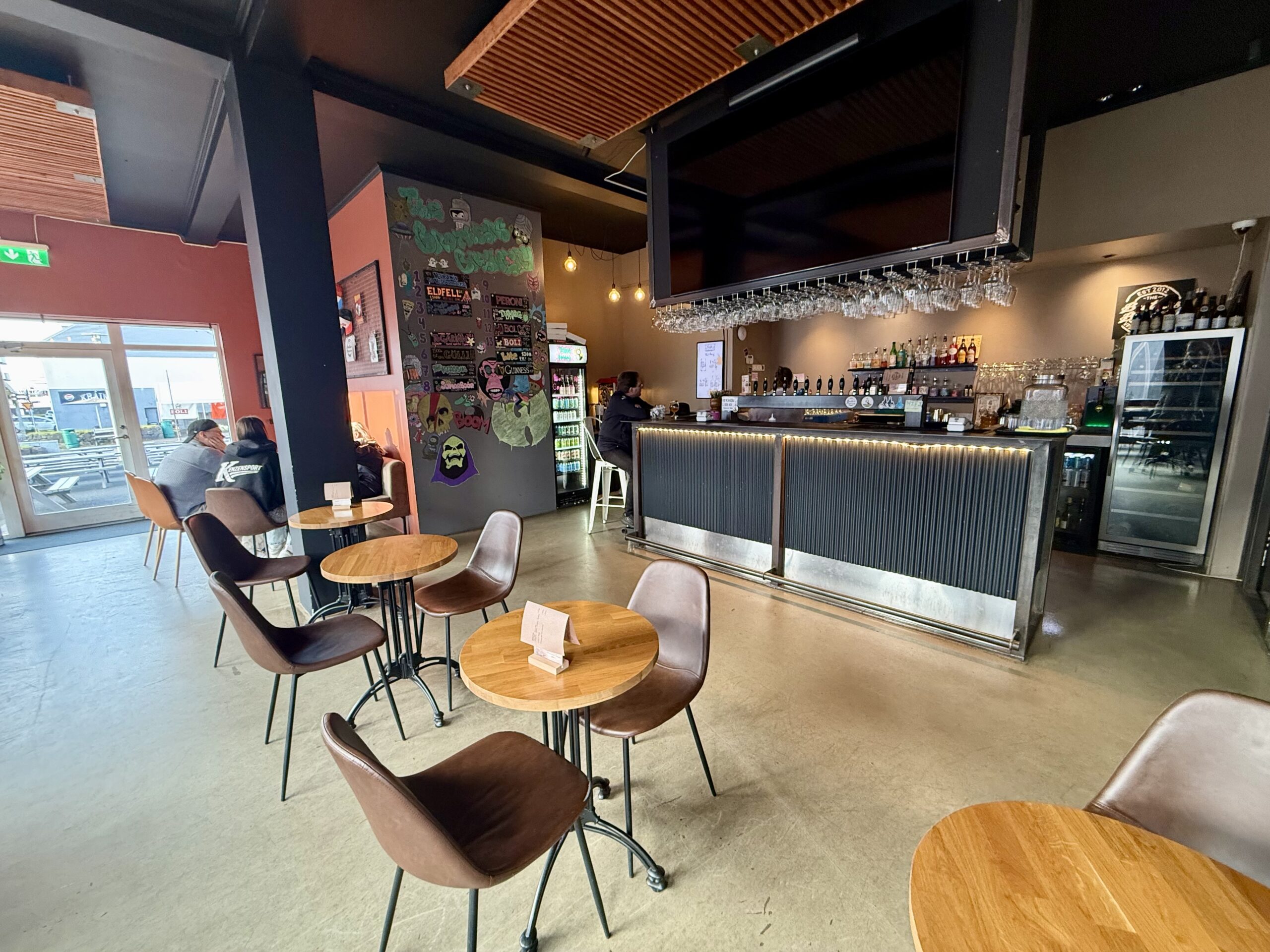
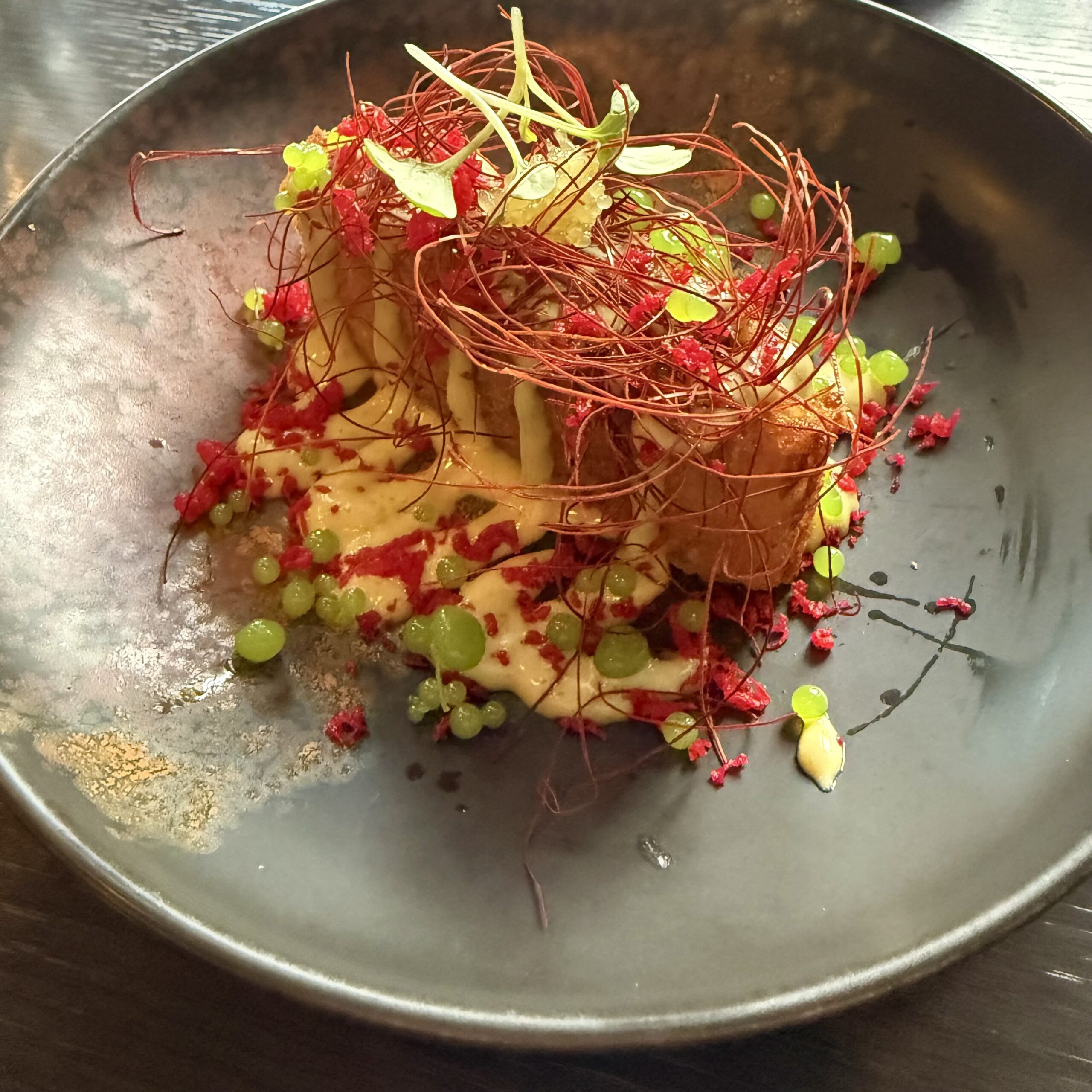
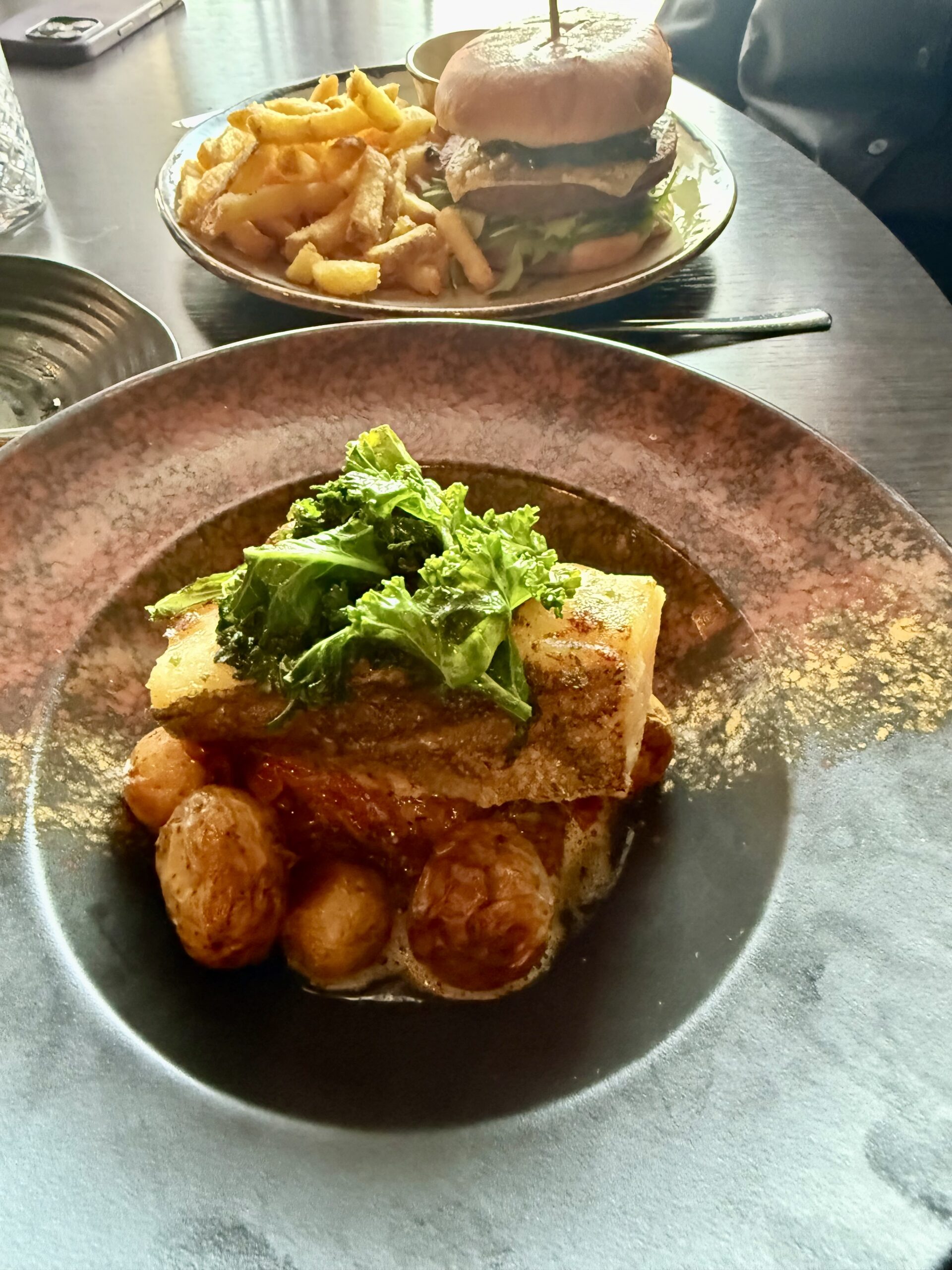
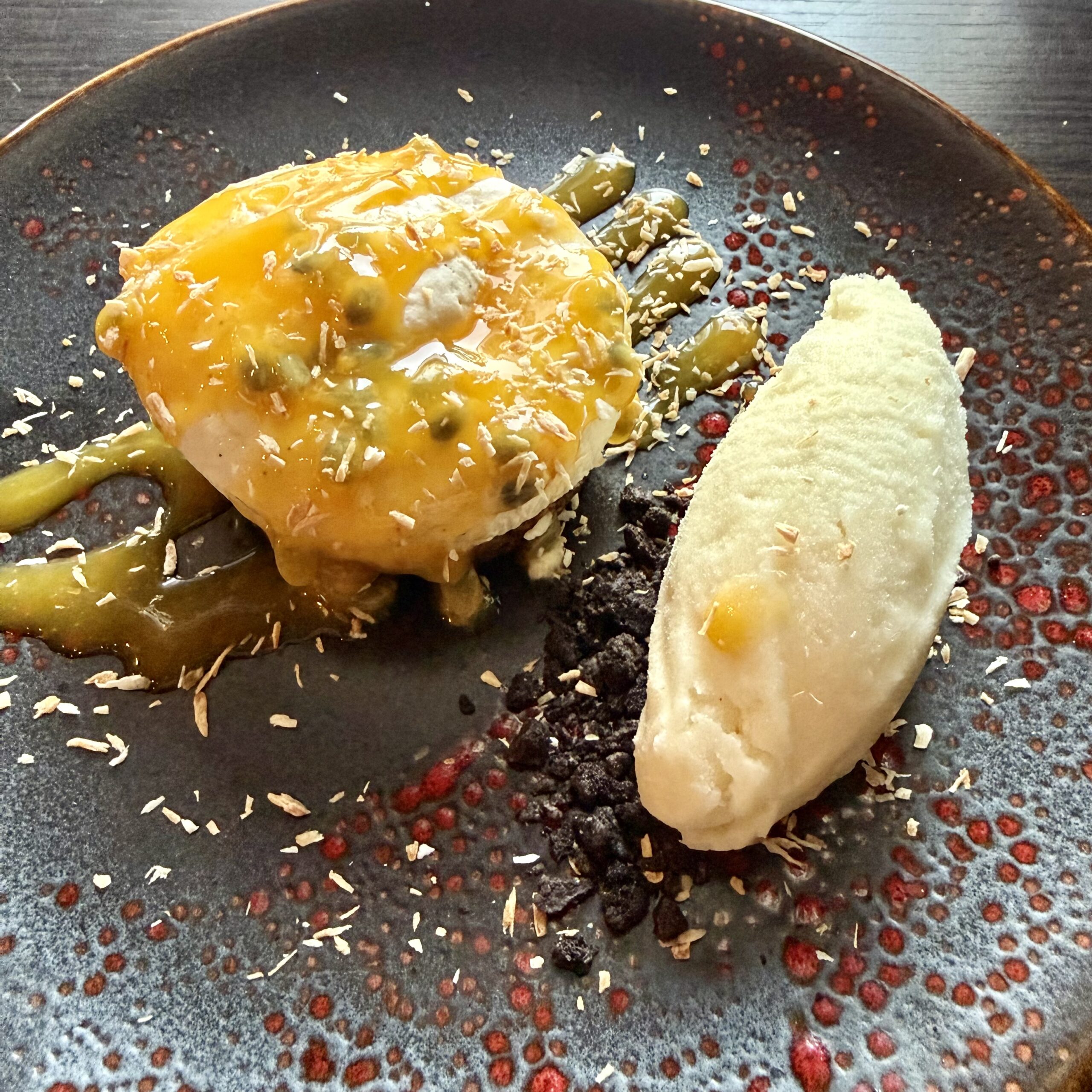
Eats
Next Stop — Iceland’s South Coast