27-29 August 2026
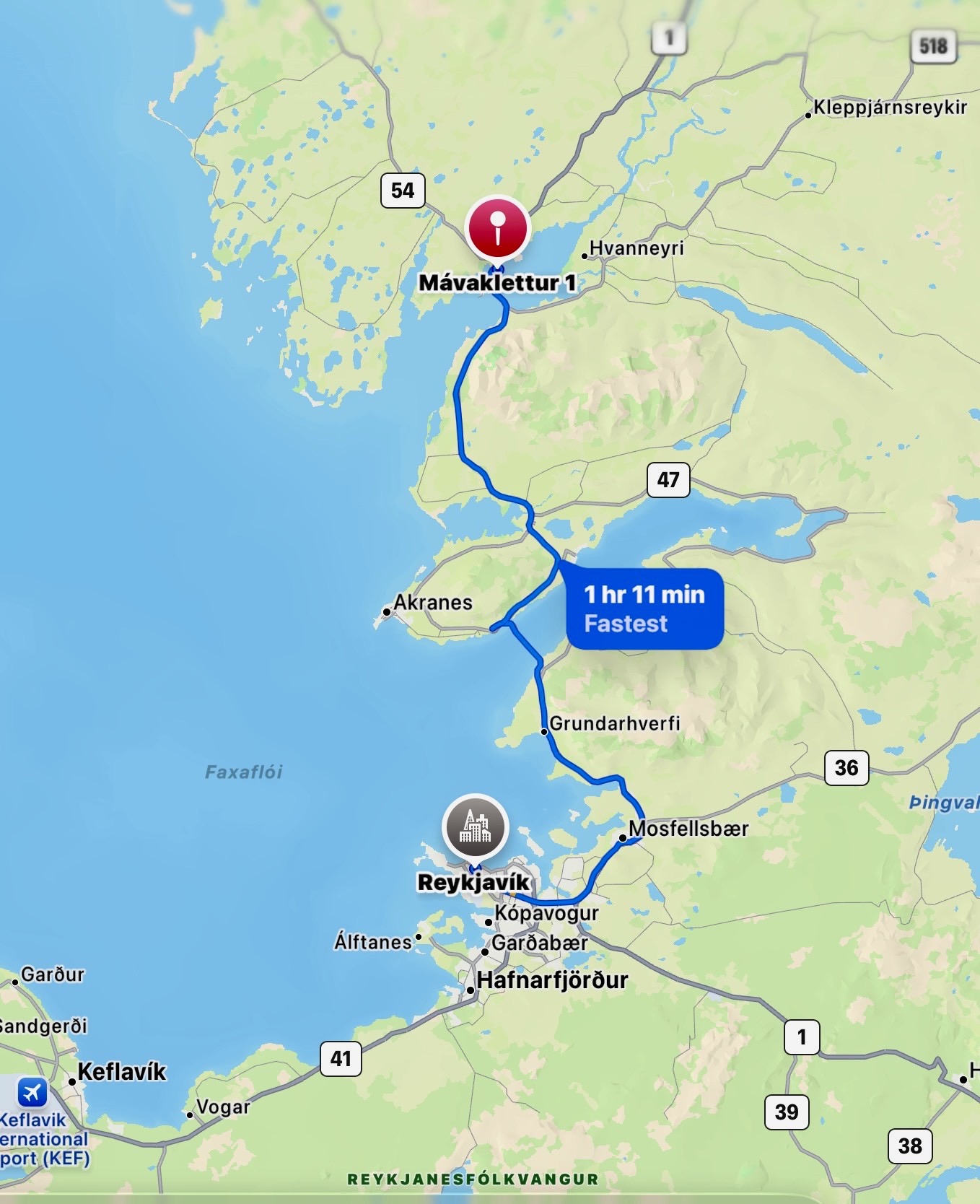
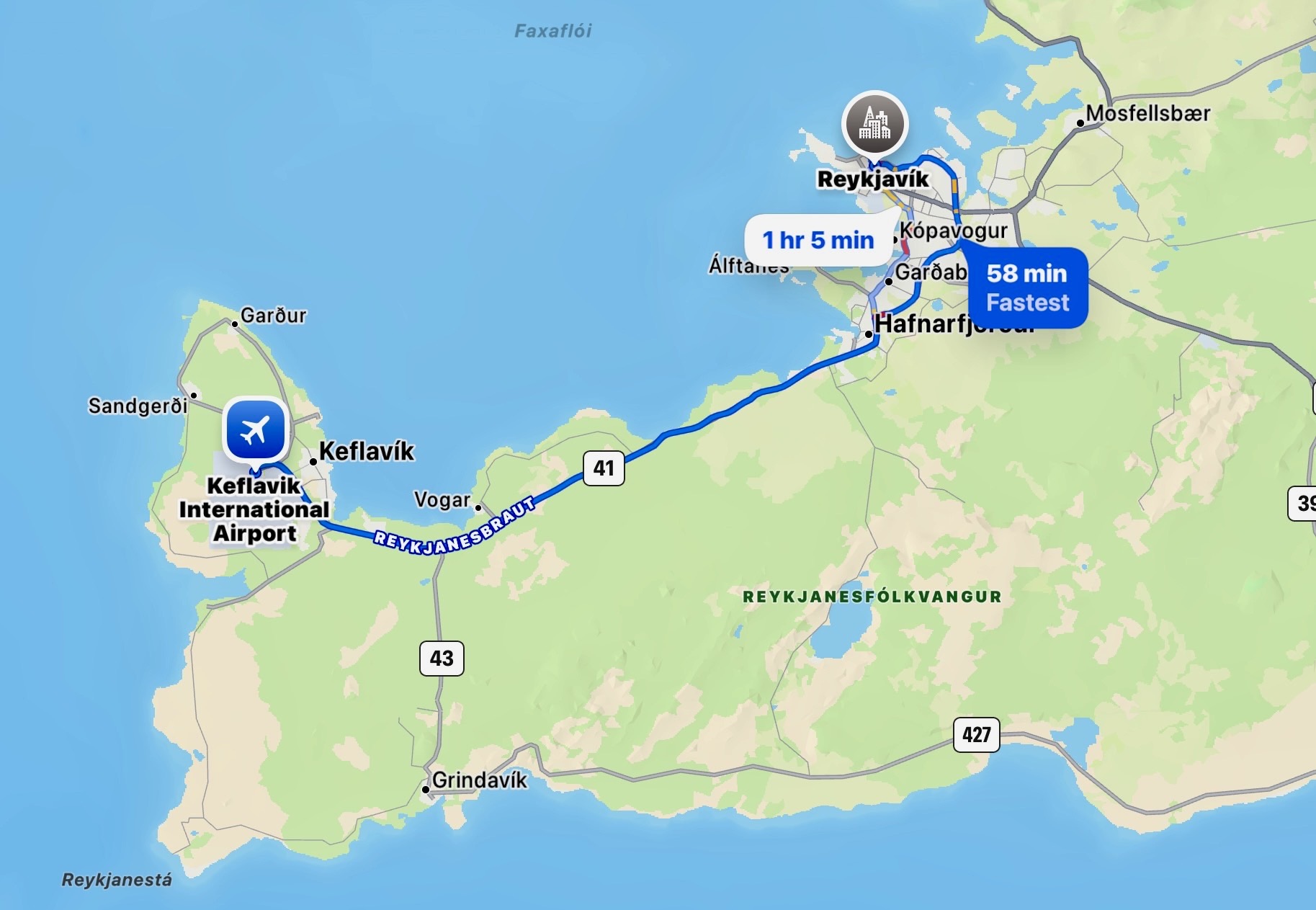
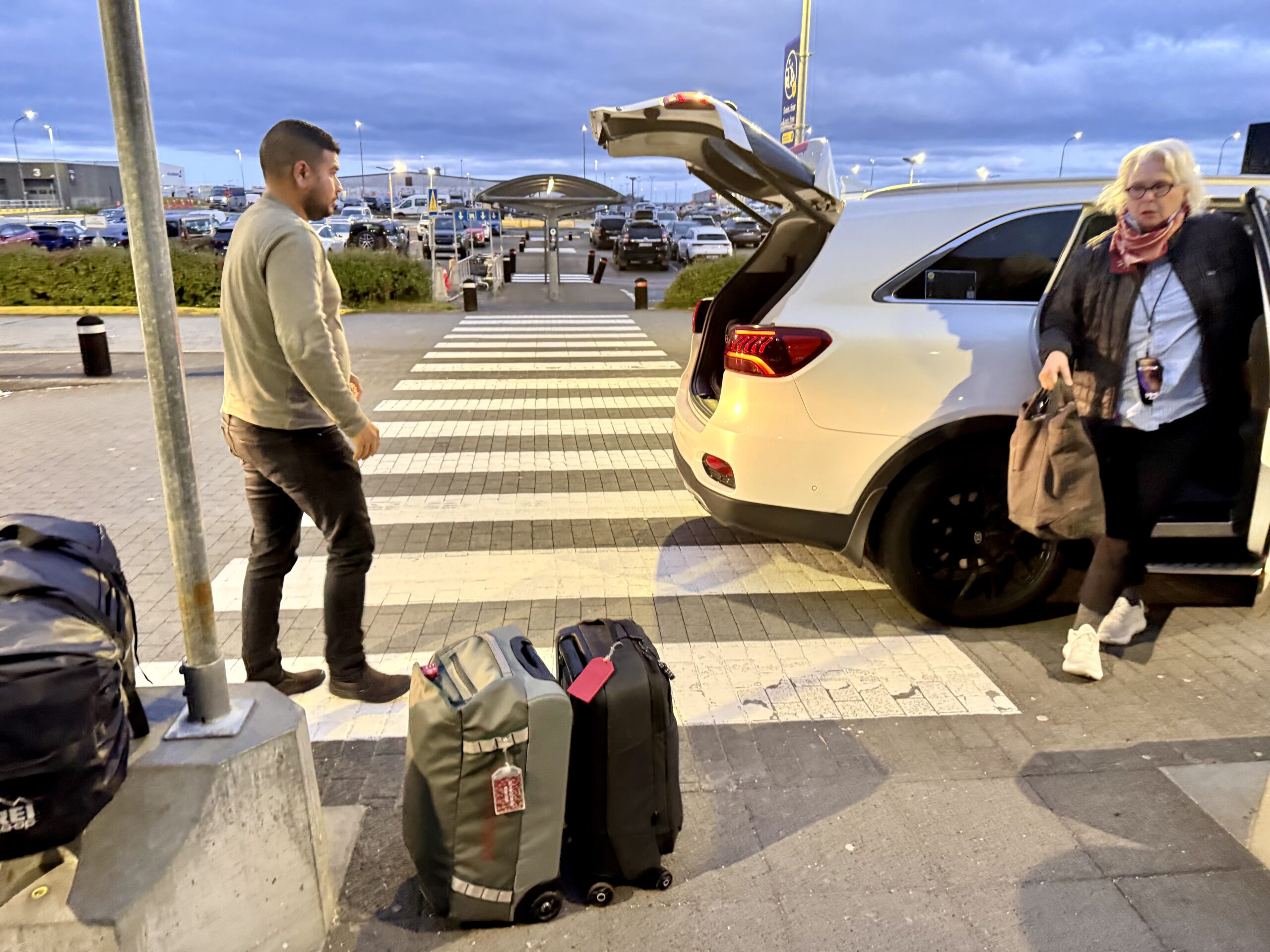
Dropping off the Car
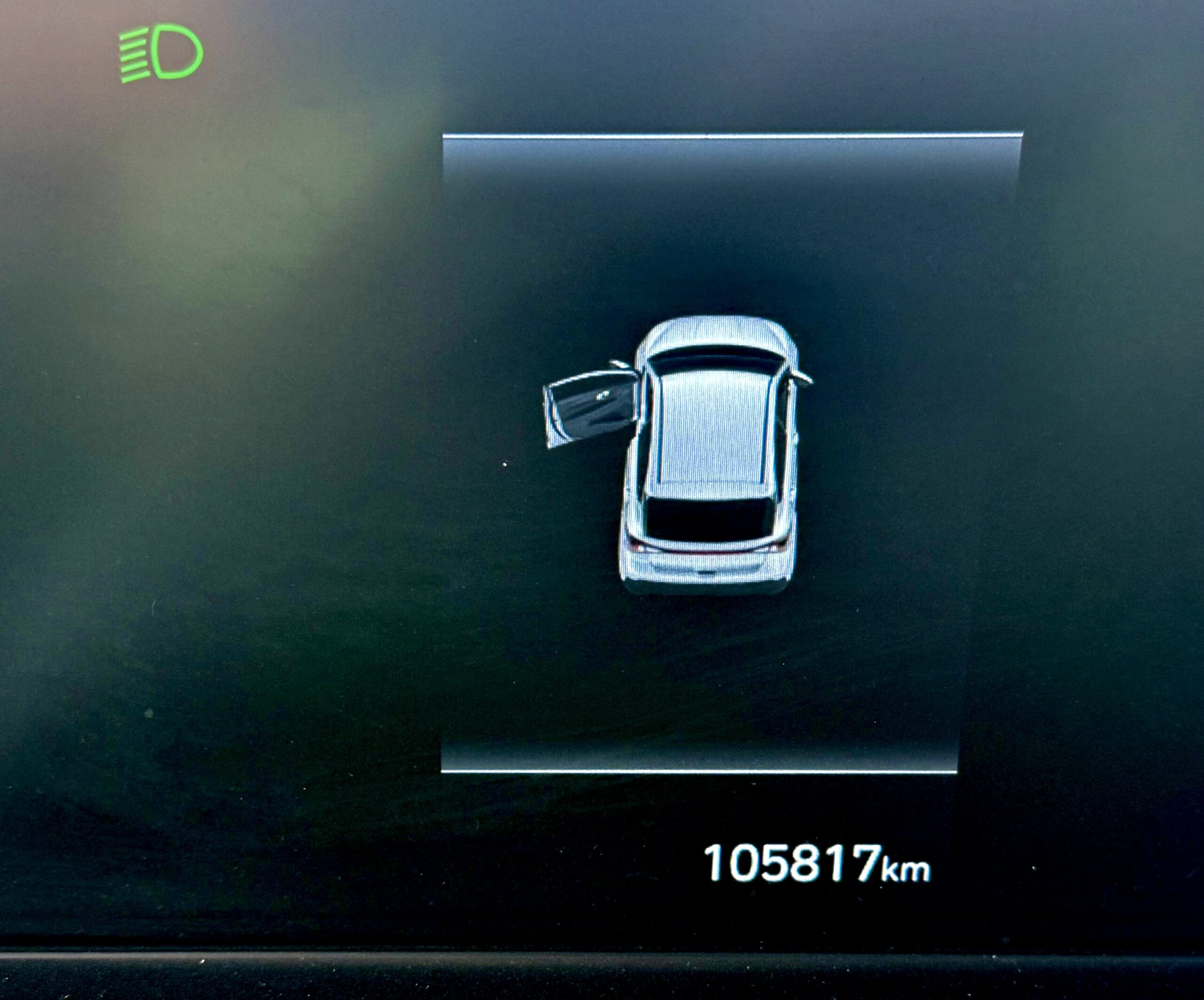
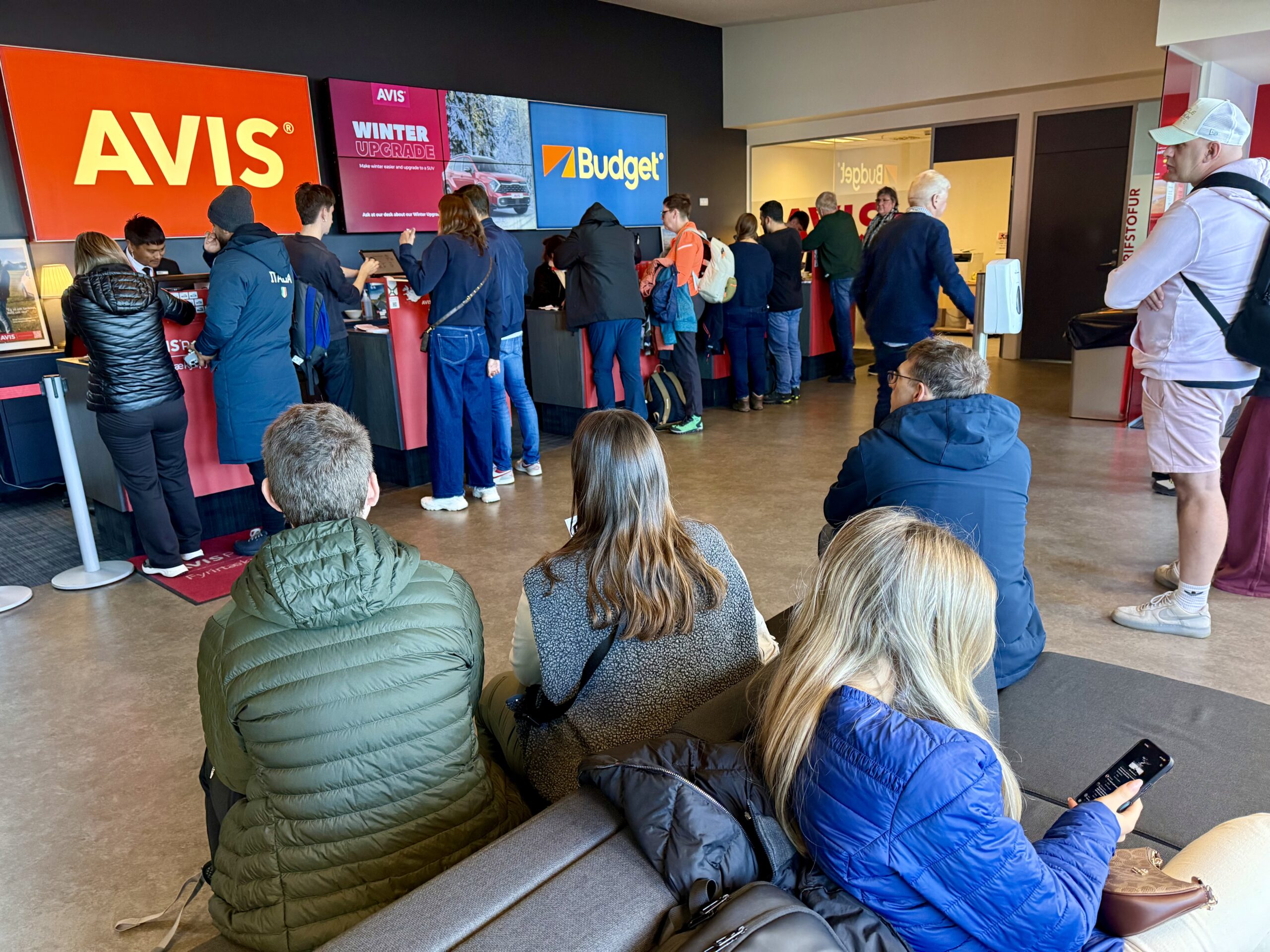
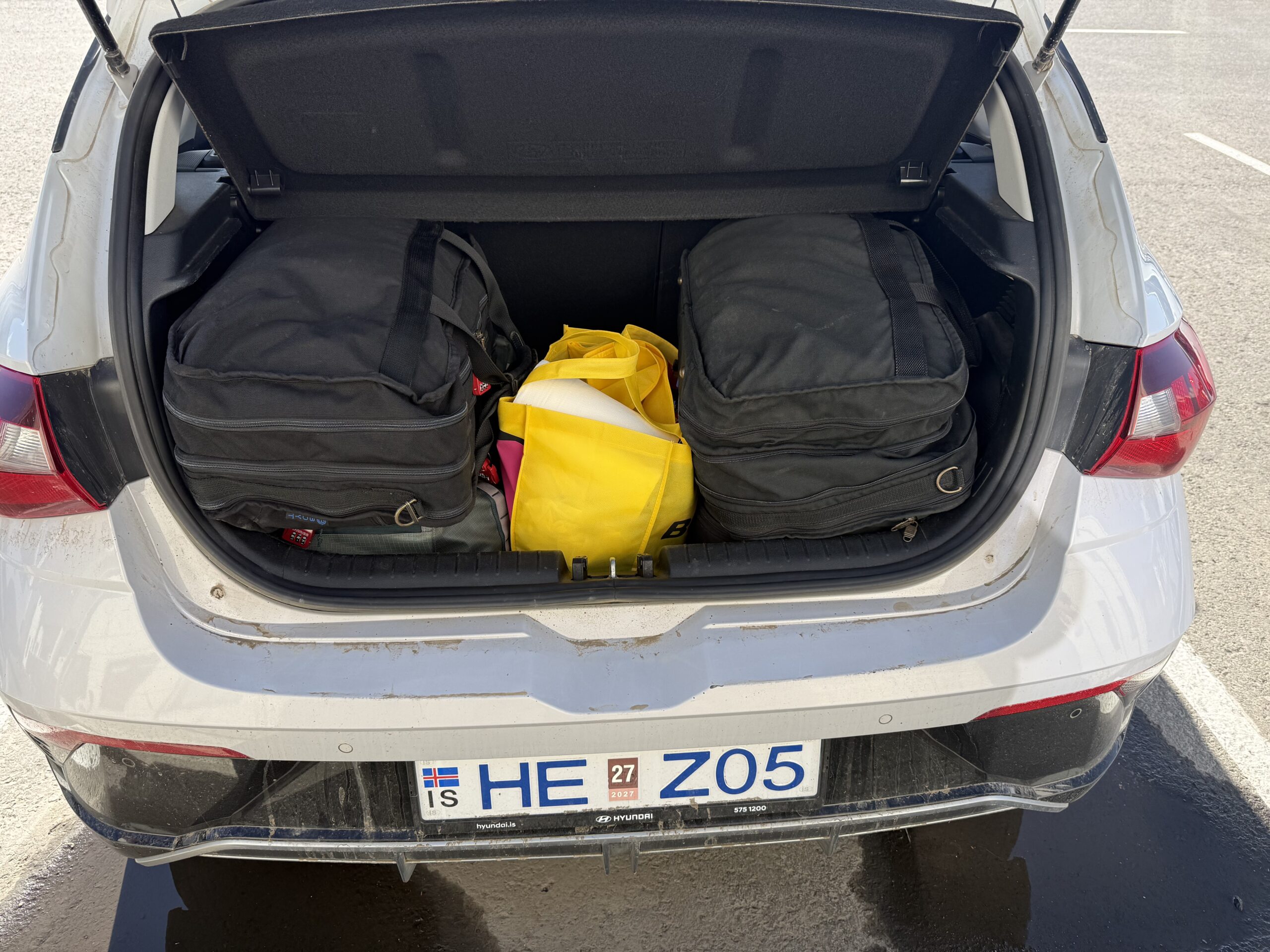
Total driven 2,224 kilometers (1,382 miles)
Lodging
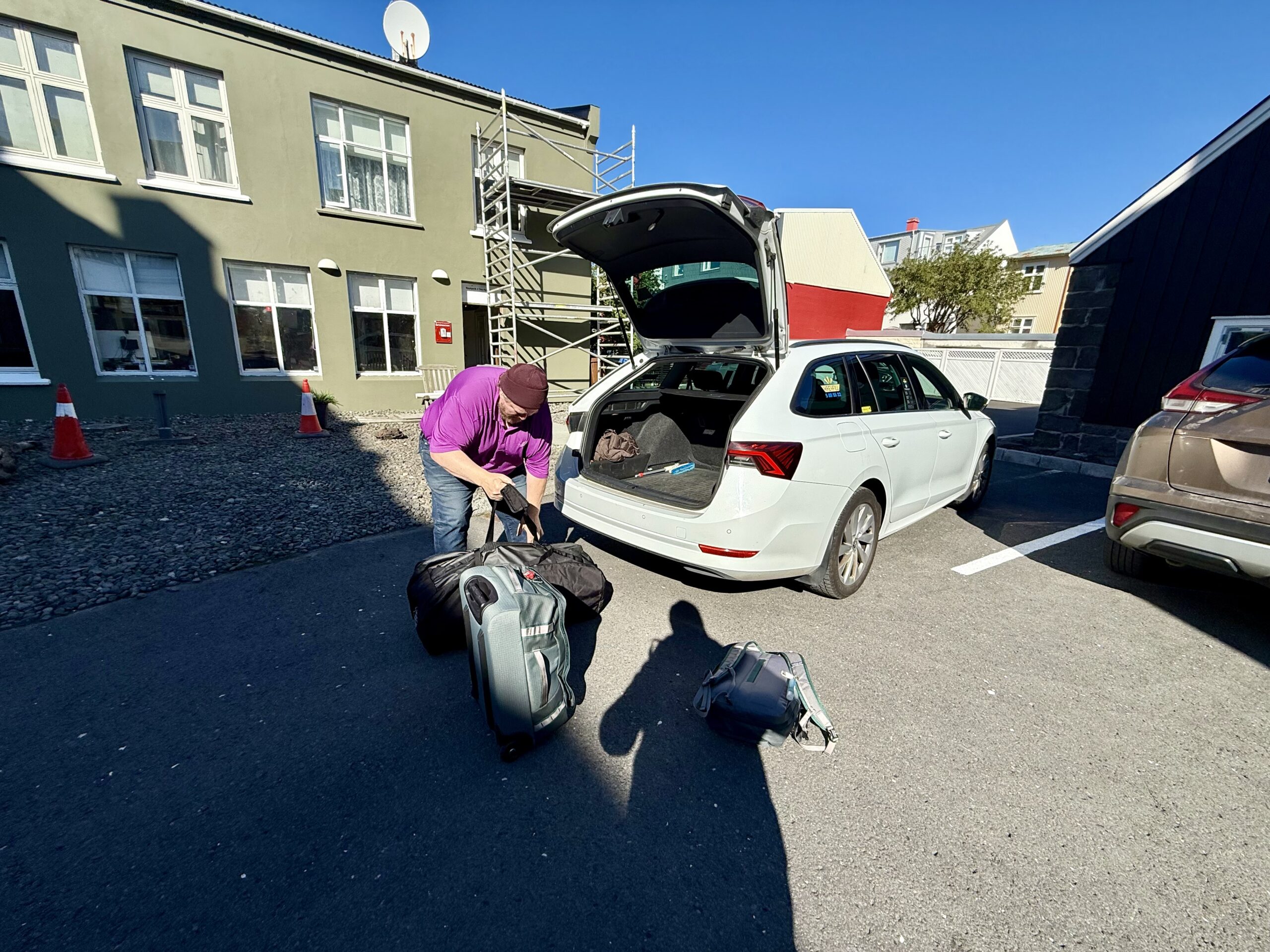
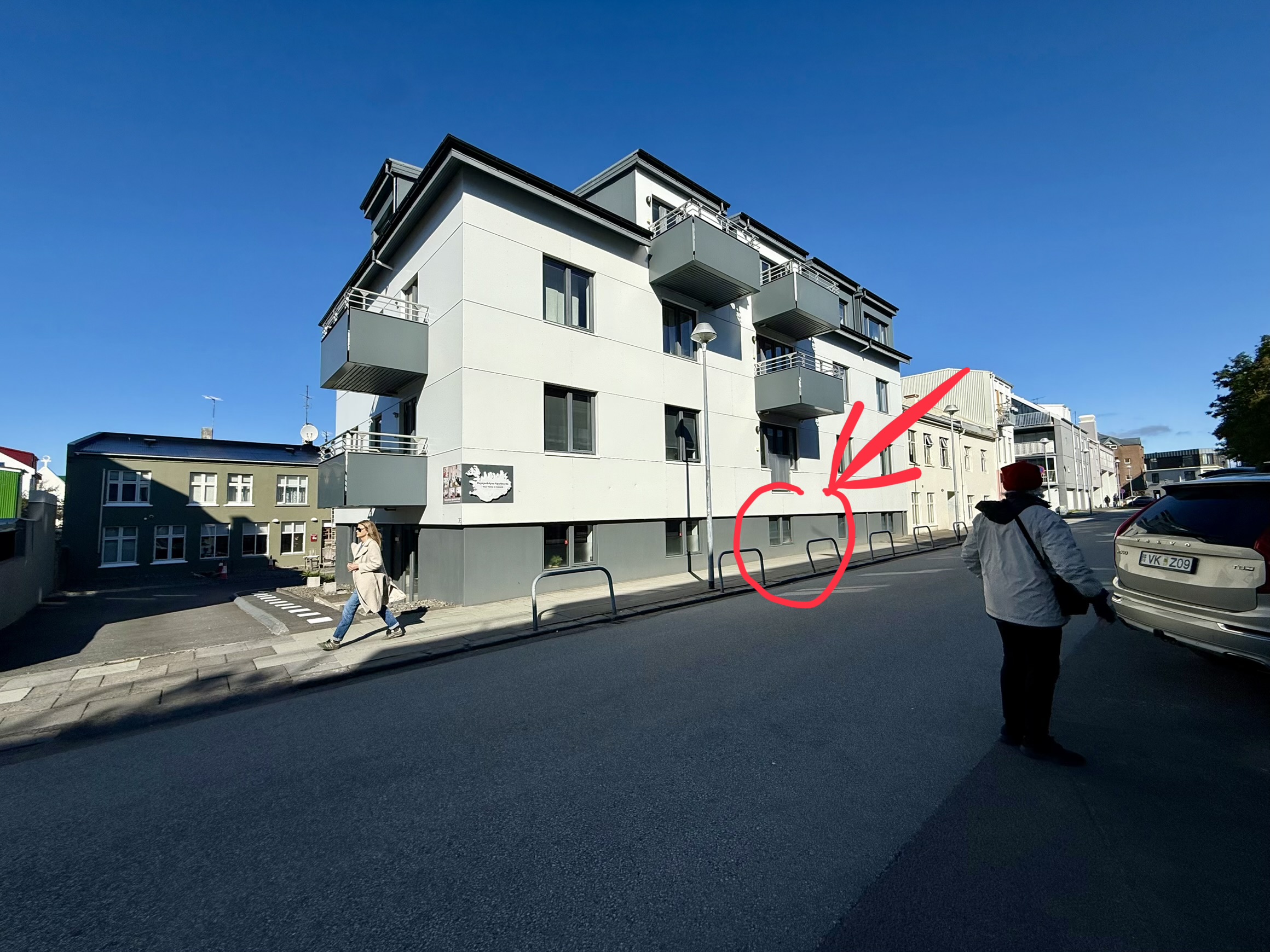
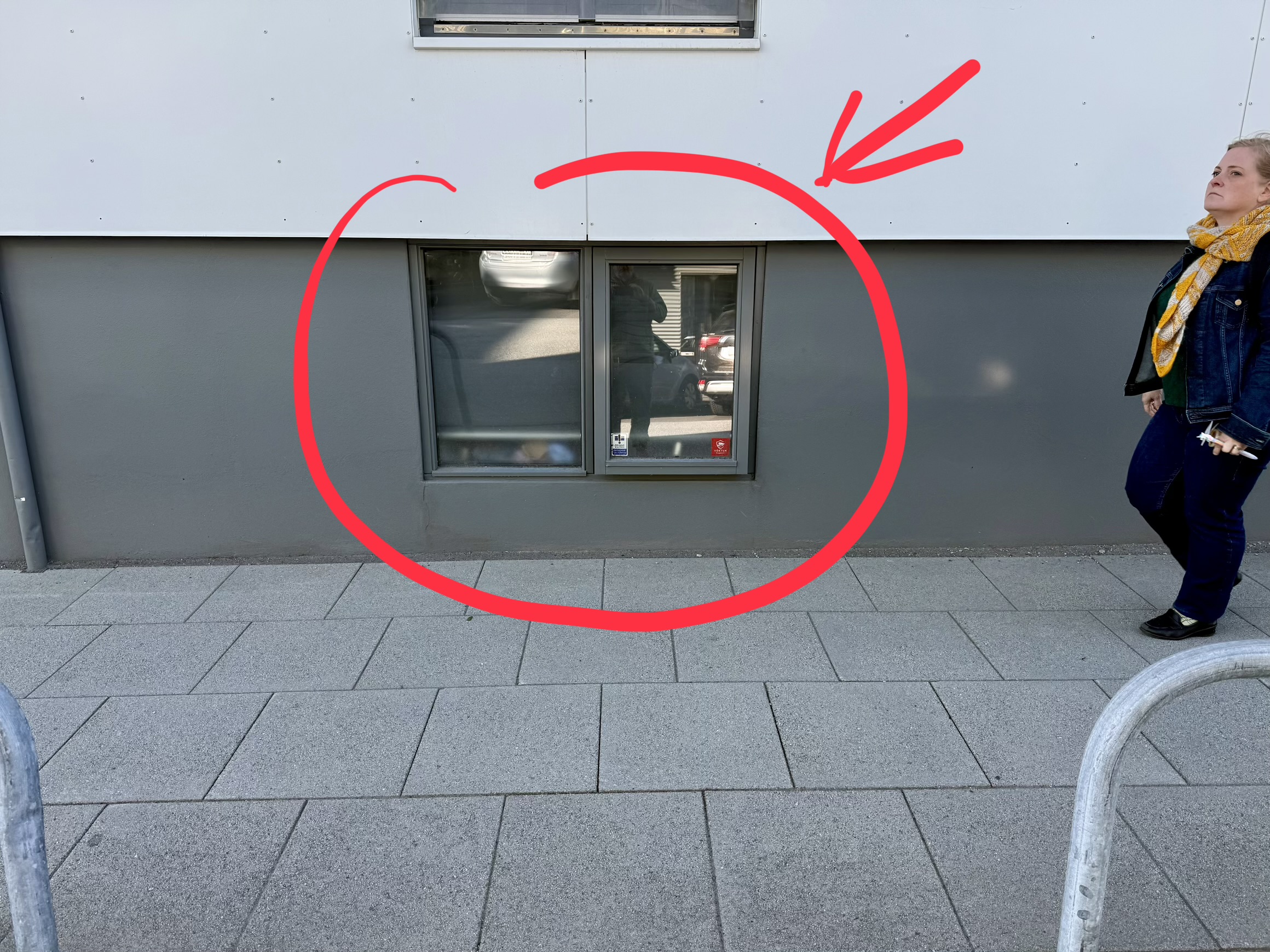
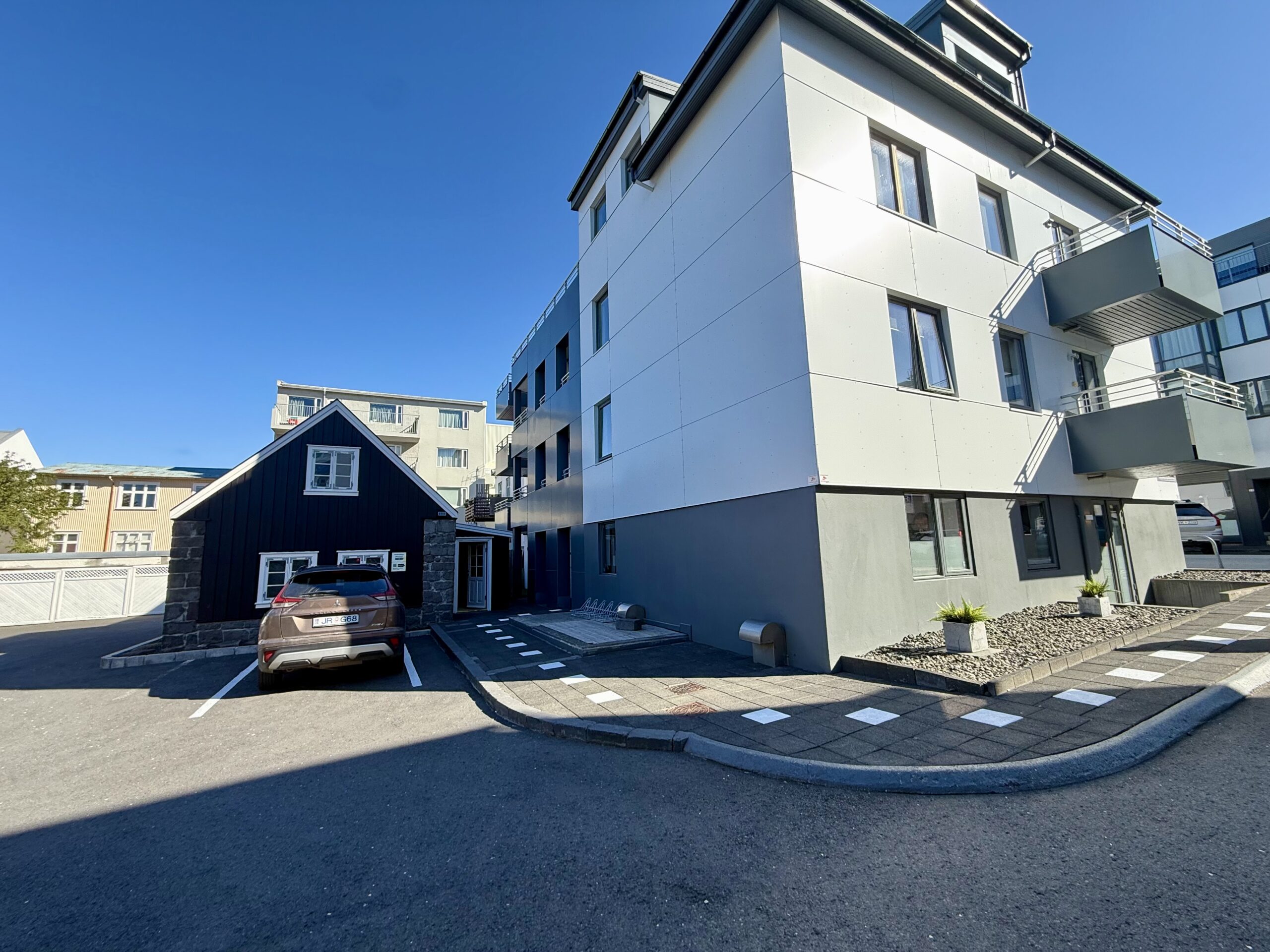
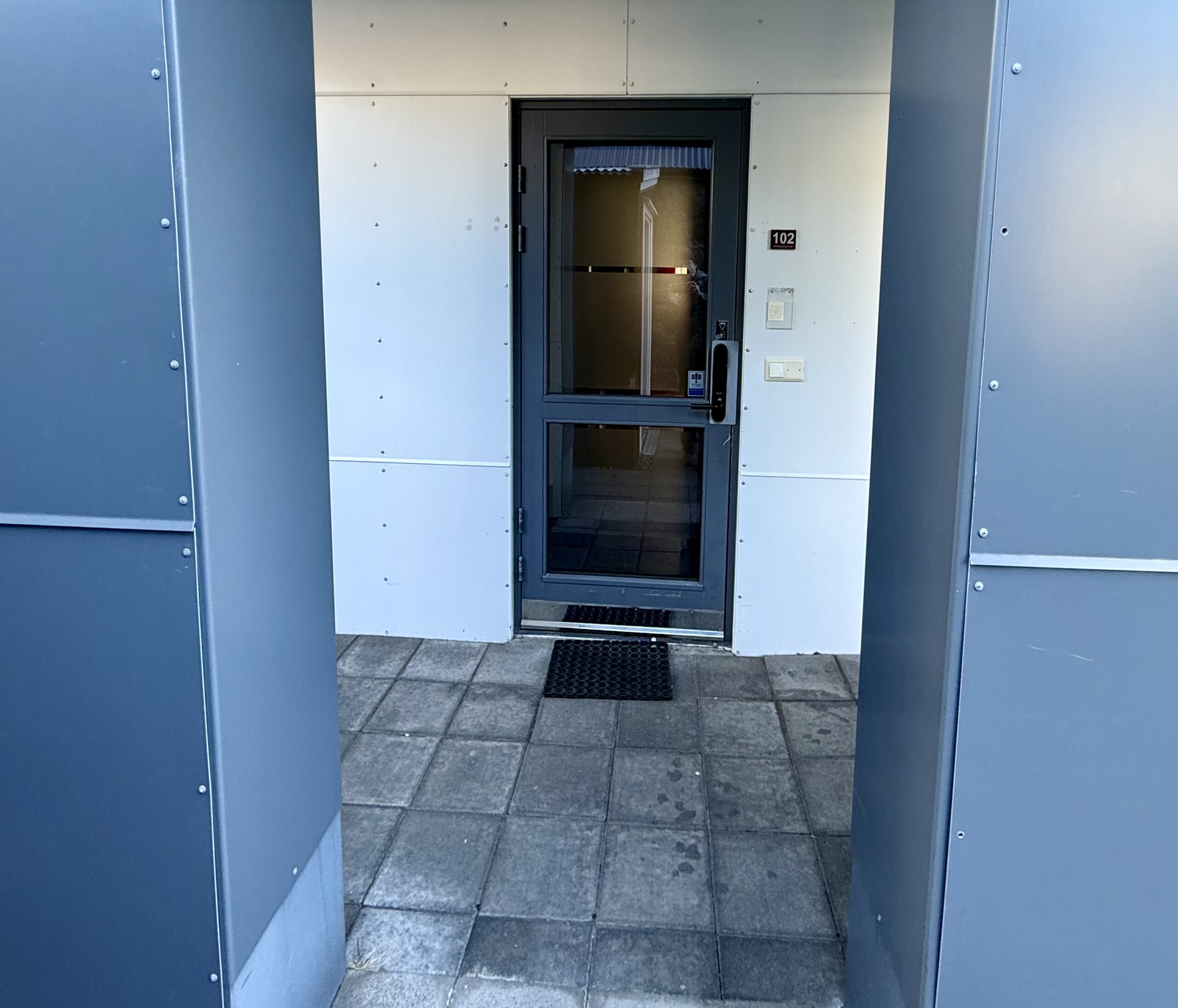
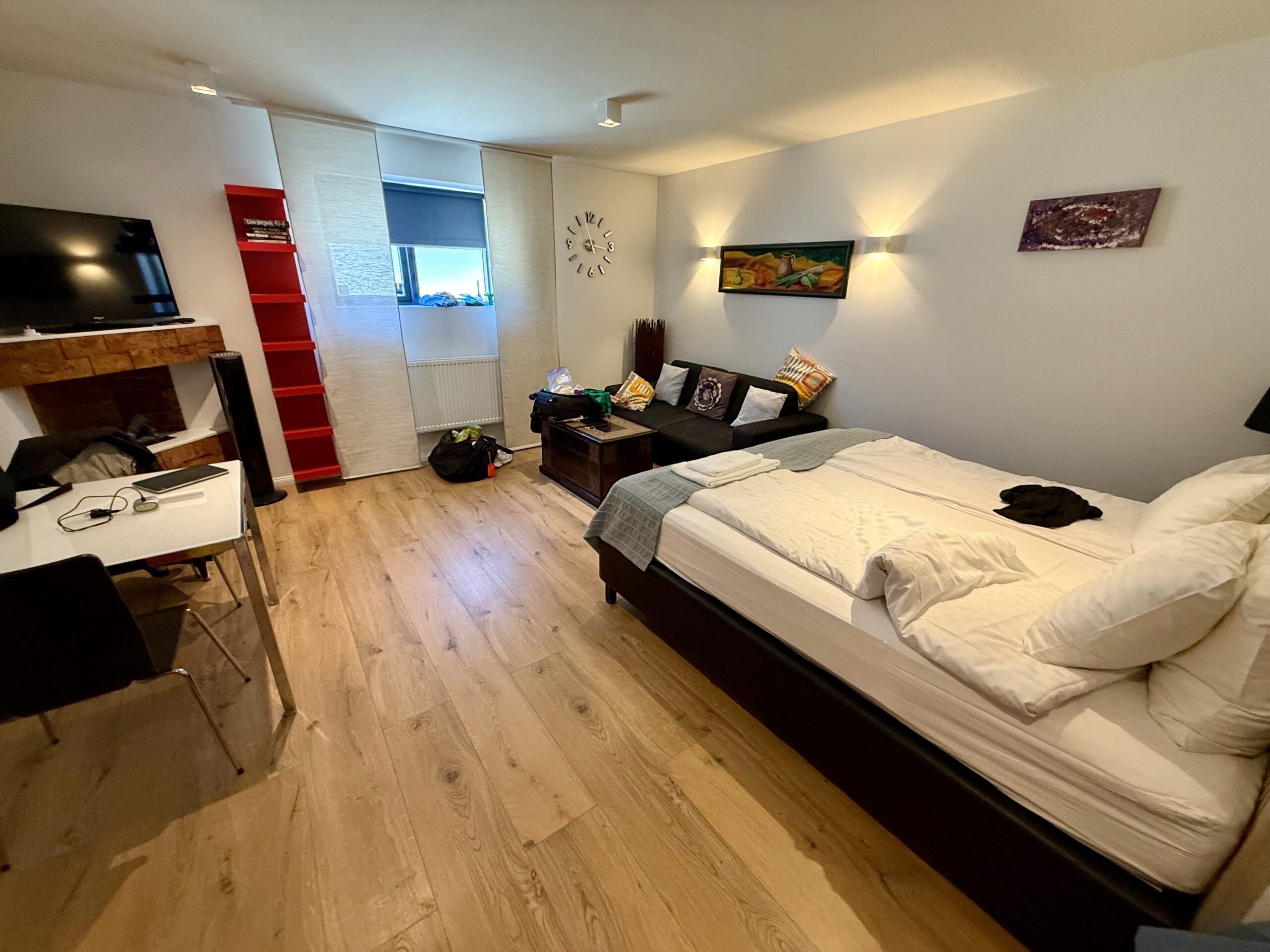
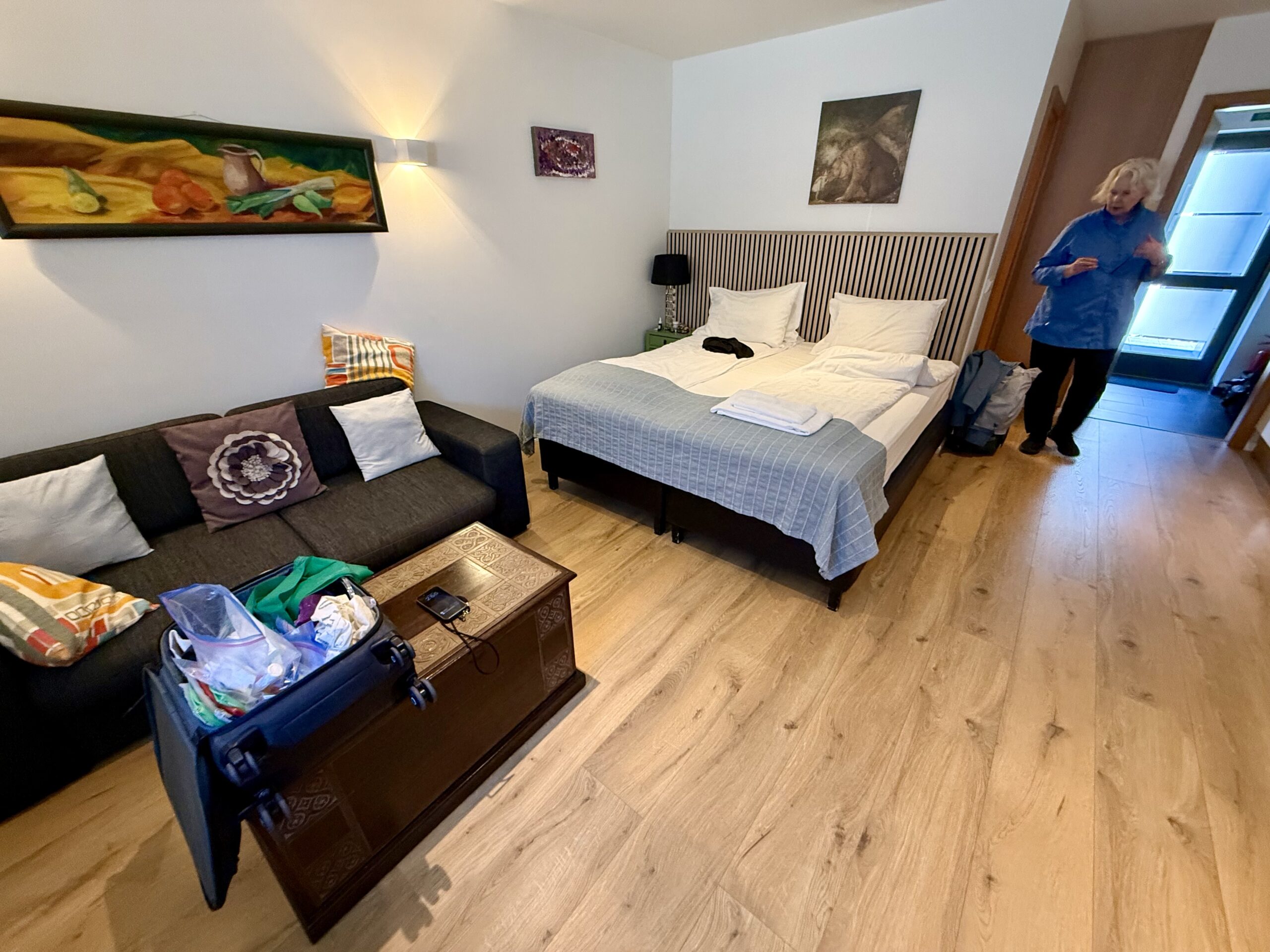
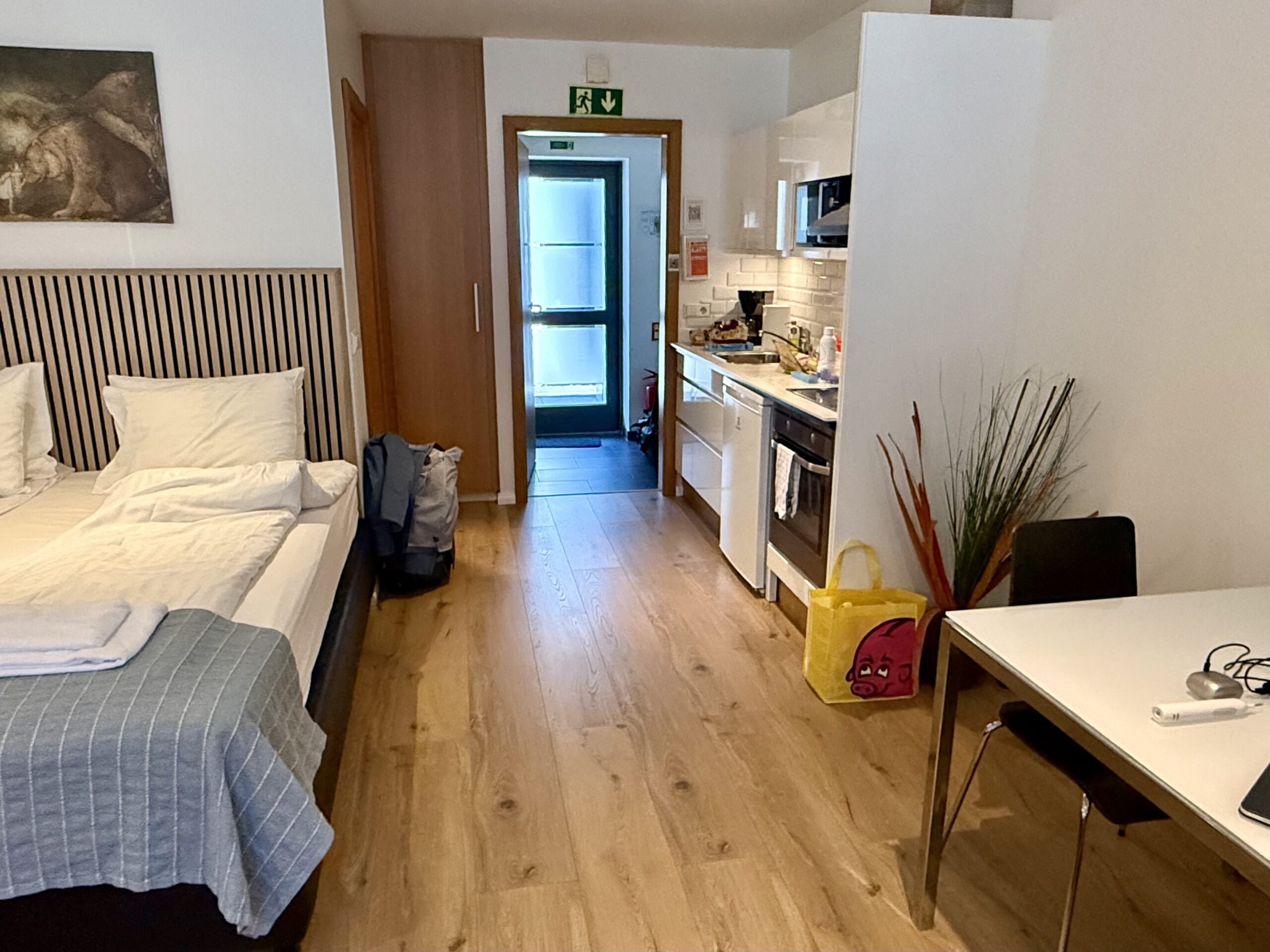
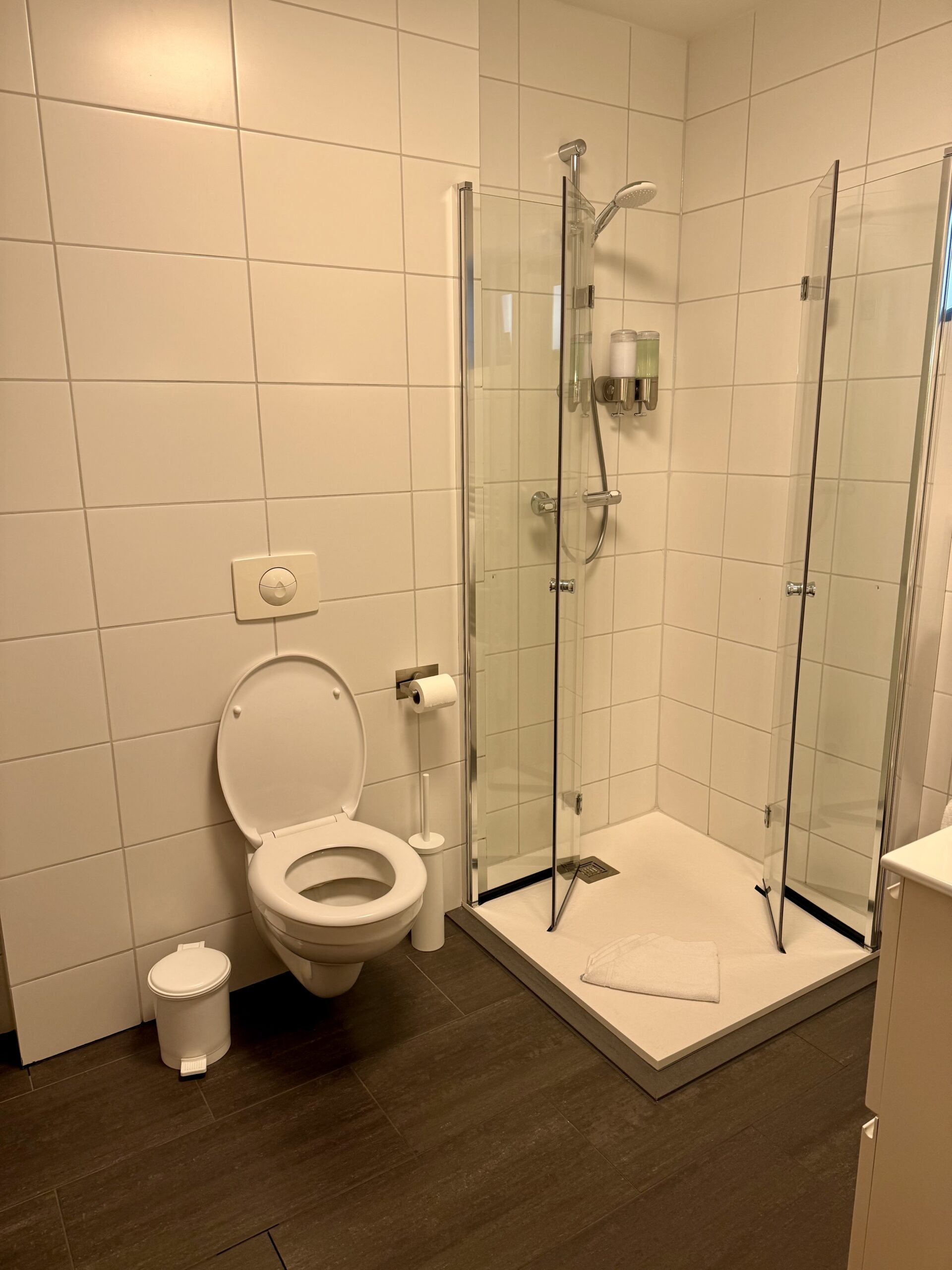
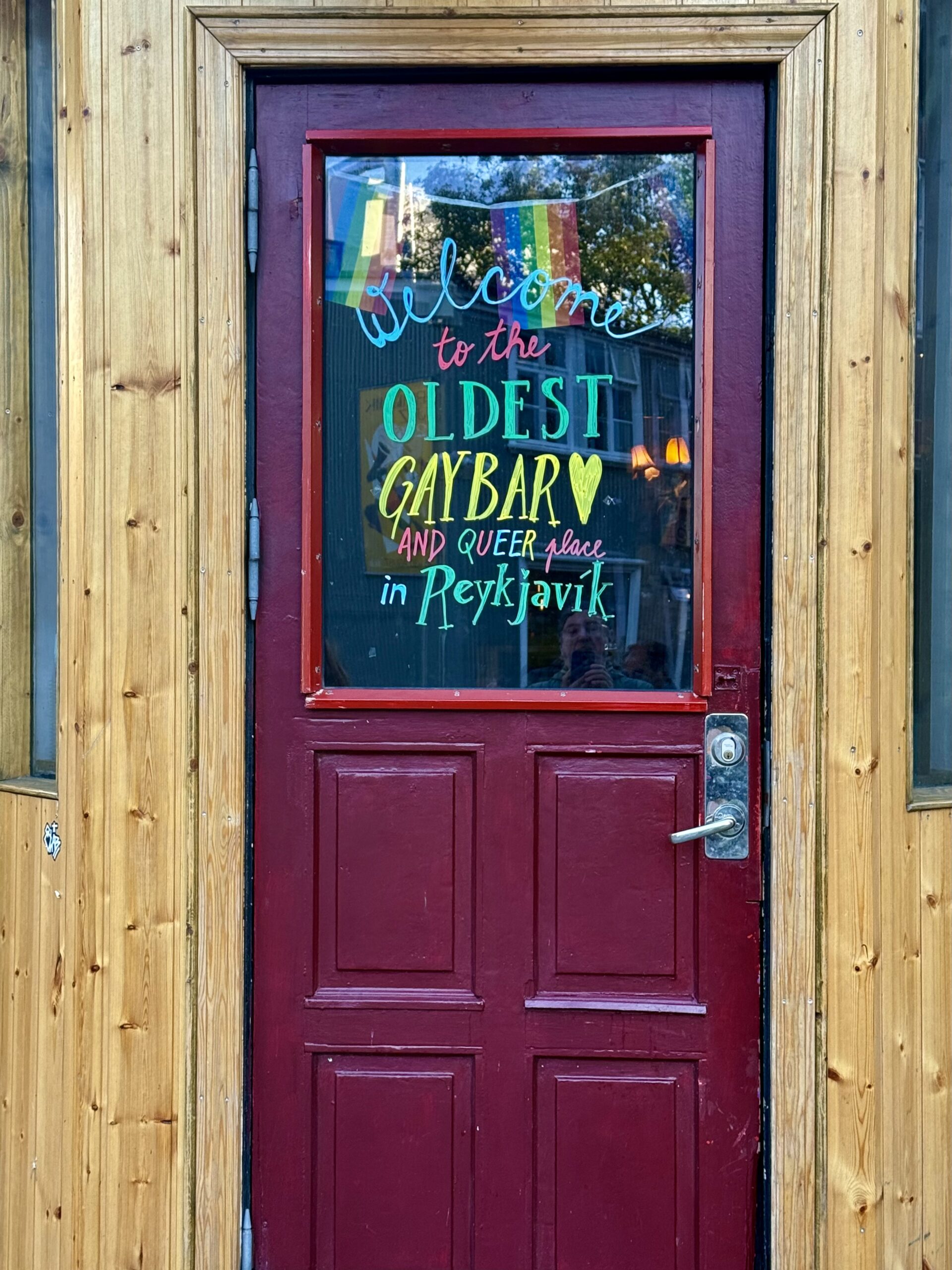
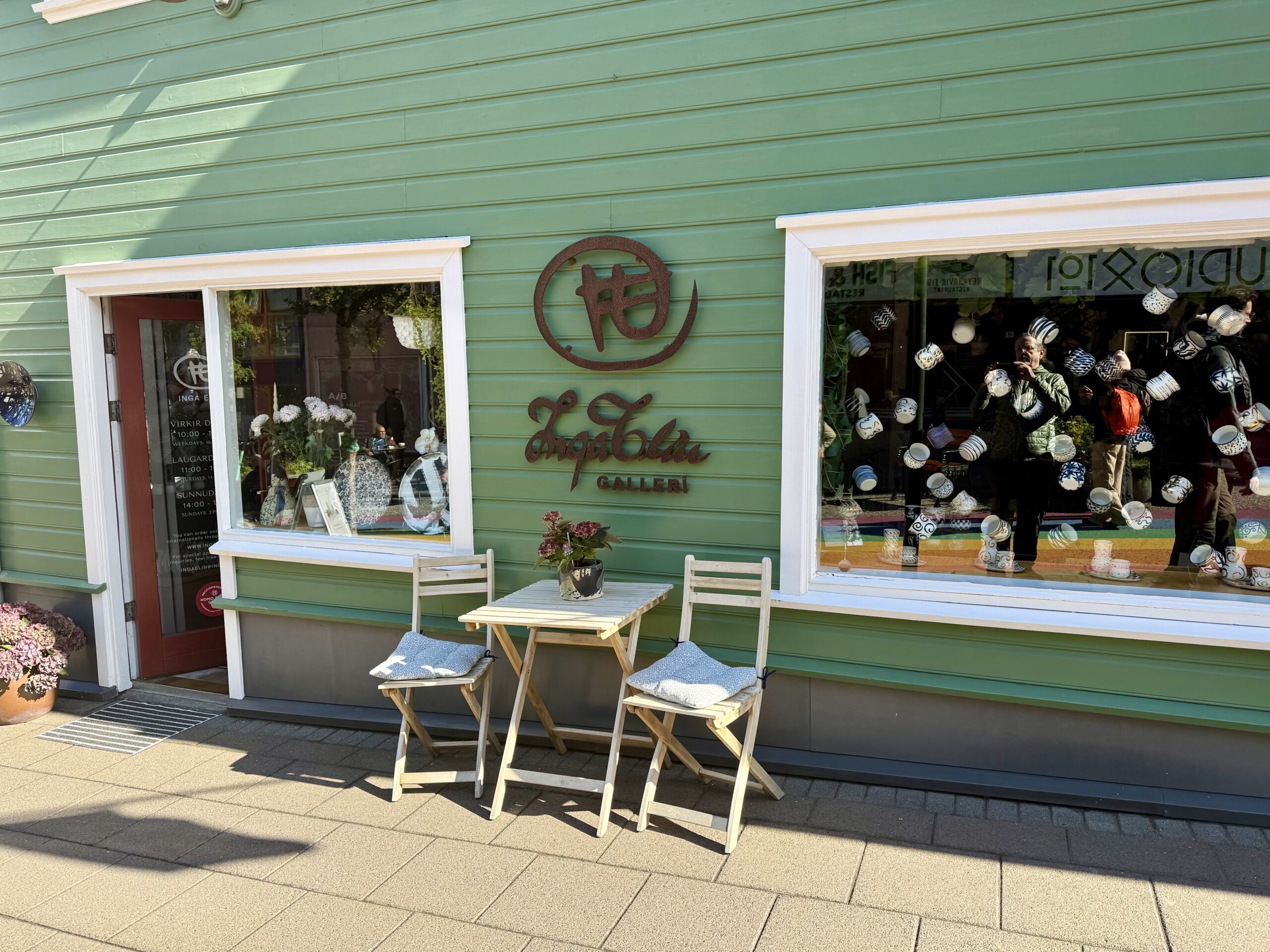
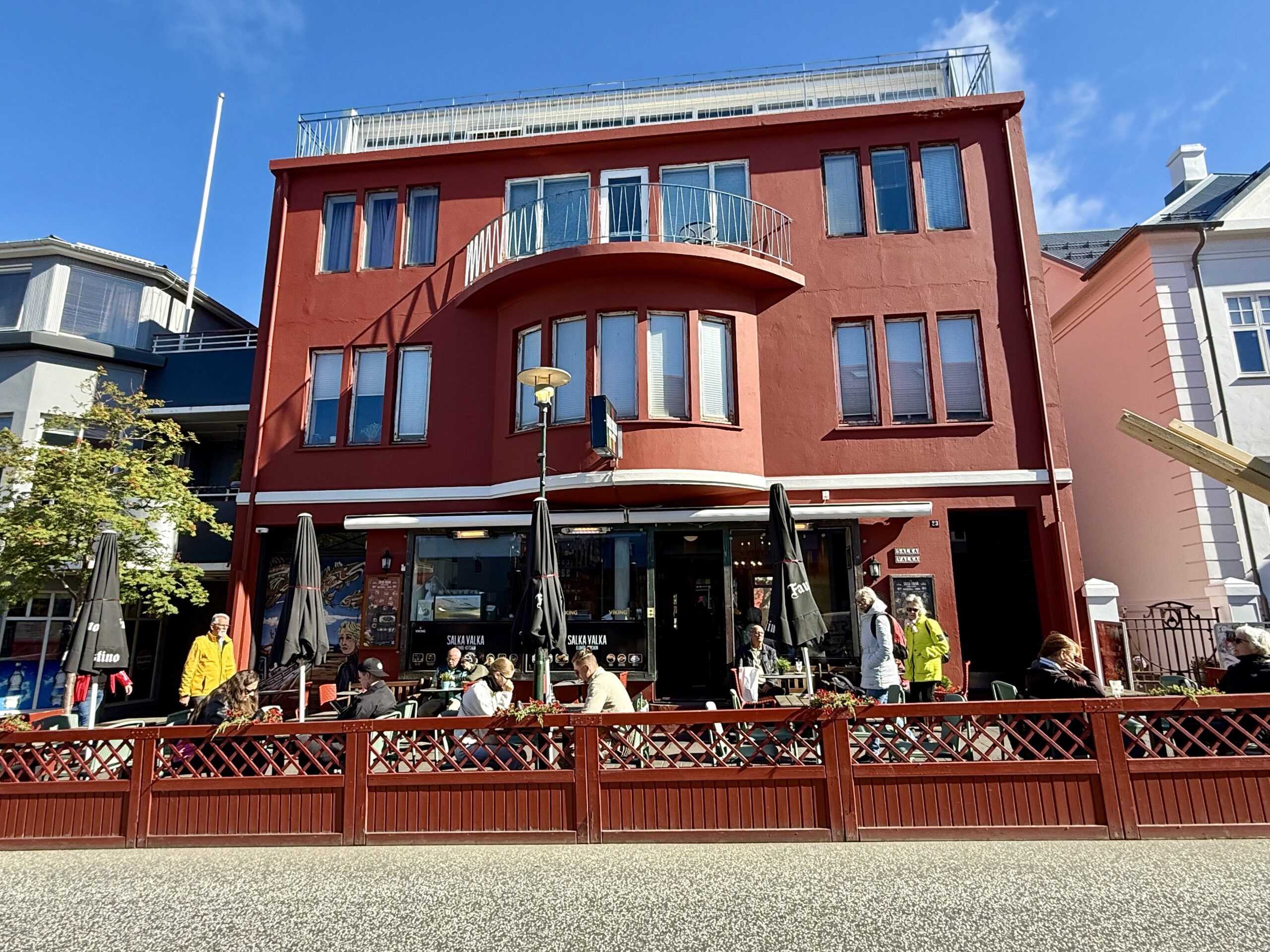
Bonnie found another great location in Reykjavik, just off of the rainbow street and near the west end of the busy pedestrian Laugavegur street. We stayed at east end two weeks ago.
Observations from three weeks in Iceland
Travel Books
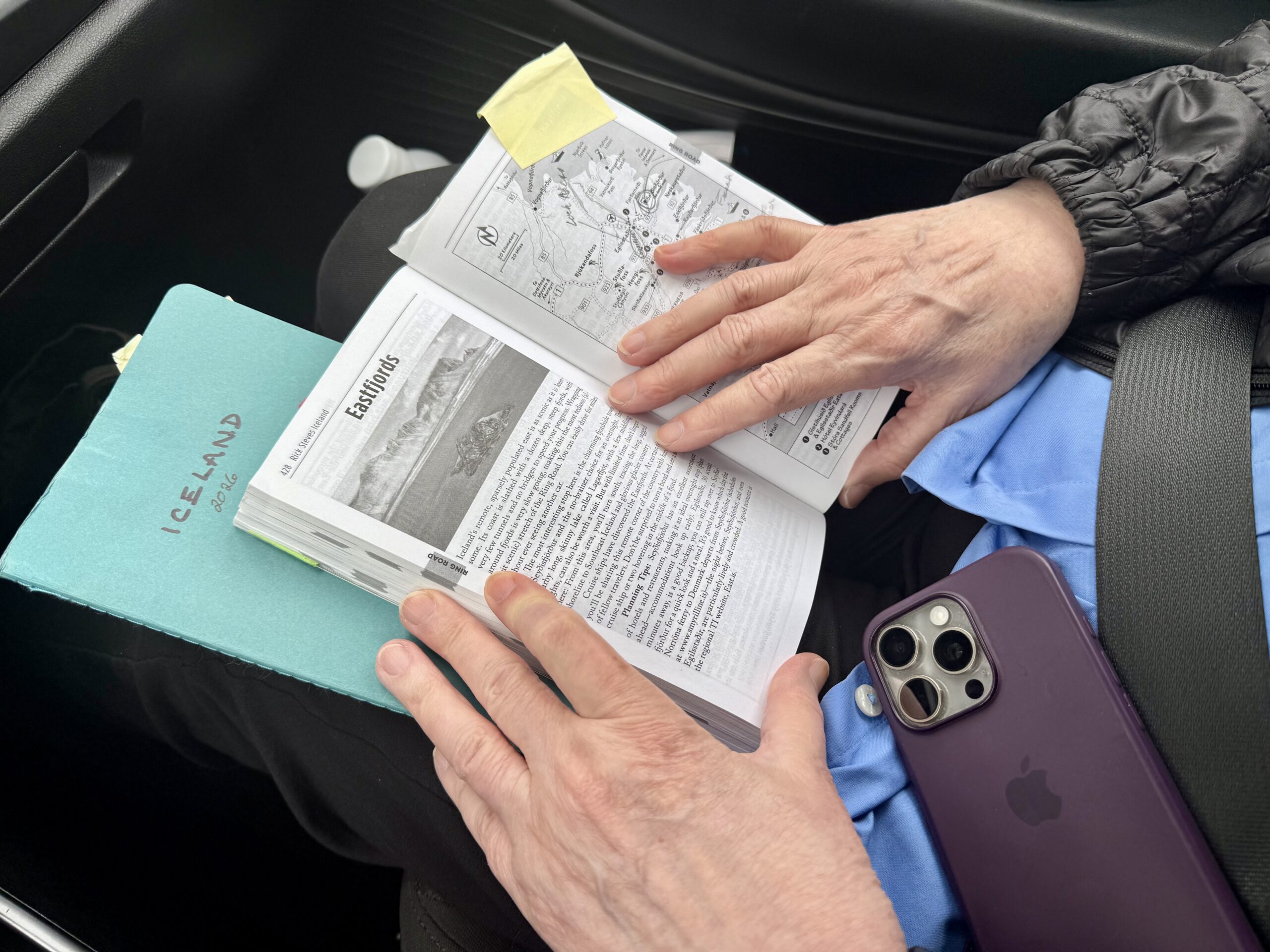
We most often used the fat Rick Steves guide because of the great detail on sites and clear navigation. We used the British Bradt guide as a backup for more narrative on history, culture, and environment. We gave up on the DK guide, which we usually love. DK does better for big cities. Wikipedia answered lots of questions, such as what kind of sheep are those? and we have seen a lot of dairy farms—does Iceland export dairy products?
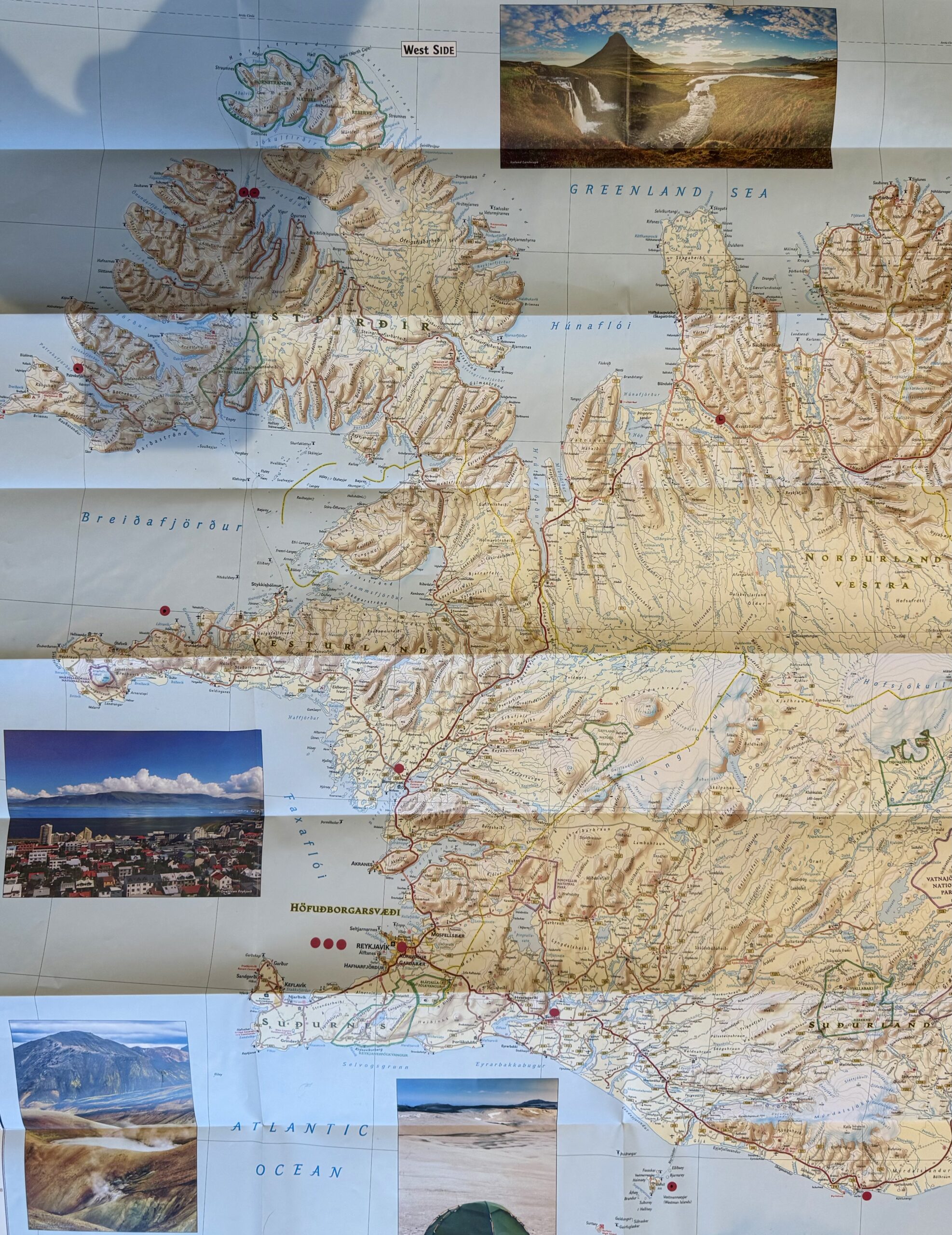
Dots on a Map To prepare for the trip, we scanned several travel books and placed red dots on a map of Iceland to understand the location of the small towns mentioned. The place names were so long and unfamiliar that it was hard to get oriented without them. Bonnie then did more research to hone the dots to the places we wanted to stay.
Luggage in Plain Sight We couldn’t fit everything in the trunk of the petit rental car, so Robert’s large duffle bag of fishing equipment settled on the back seat in plain sight. For the most part, it stayed there. In Iceland, we were not as worried about it as we would be at home.
Weather App One of Robert’s guides recommended Veður, the app of the Iceland Meteorological Office. Very detailed. Very good. It is highly recommended for travelers because weather can change quickly and be threatening.
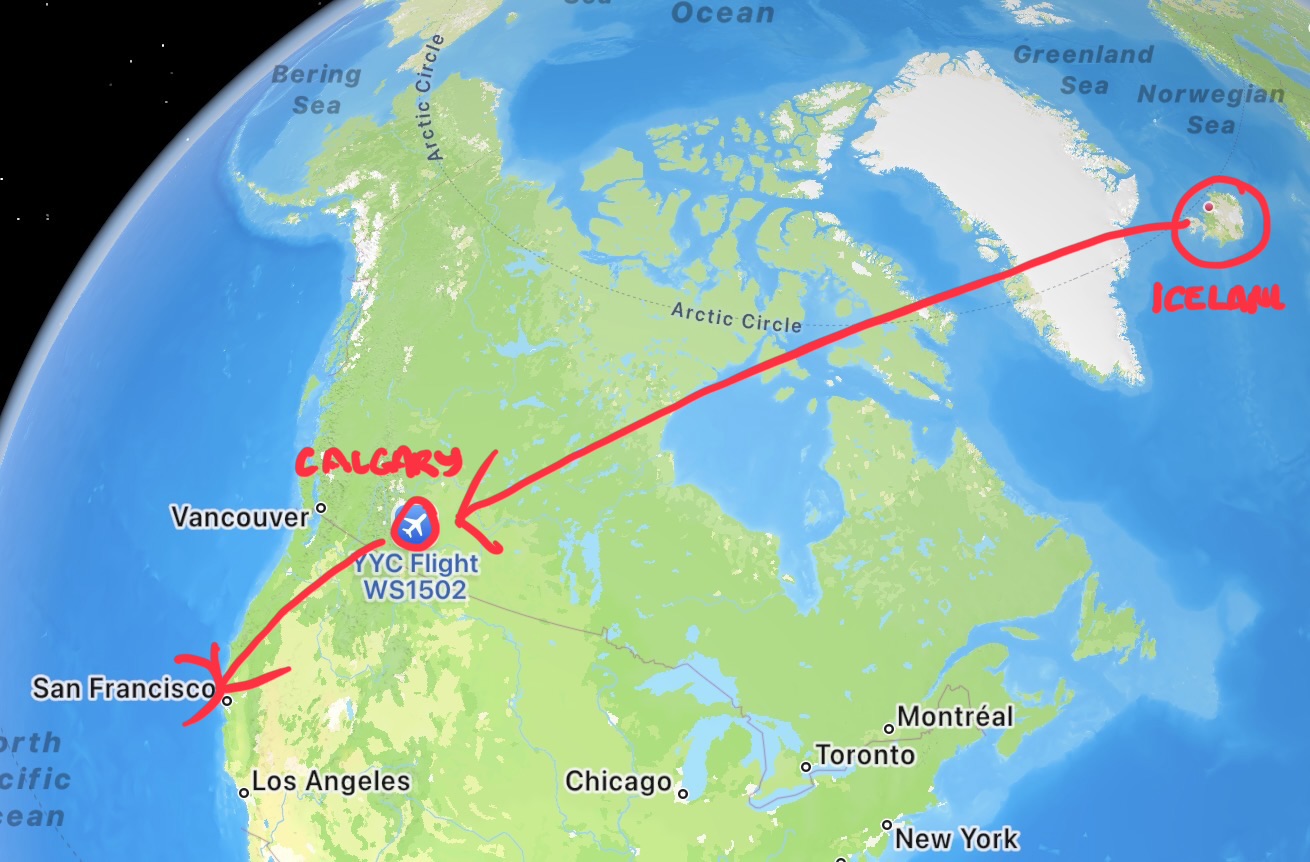
EU Passport If you have one, think of taking it to Iceland, as the country recognizes EU passports even though it is not a member of the European Union. Might make entry and exit faster. We landed in Canada for a plane transfer. Went through customs there. Our Global Entry identification made the process fast through digital facial recognition.
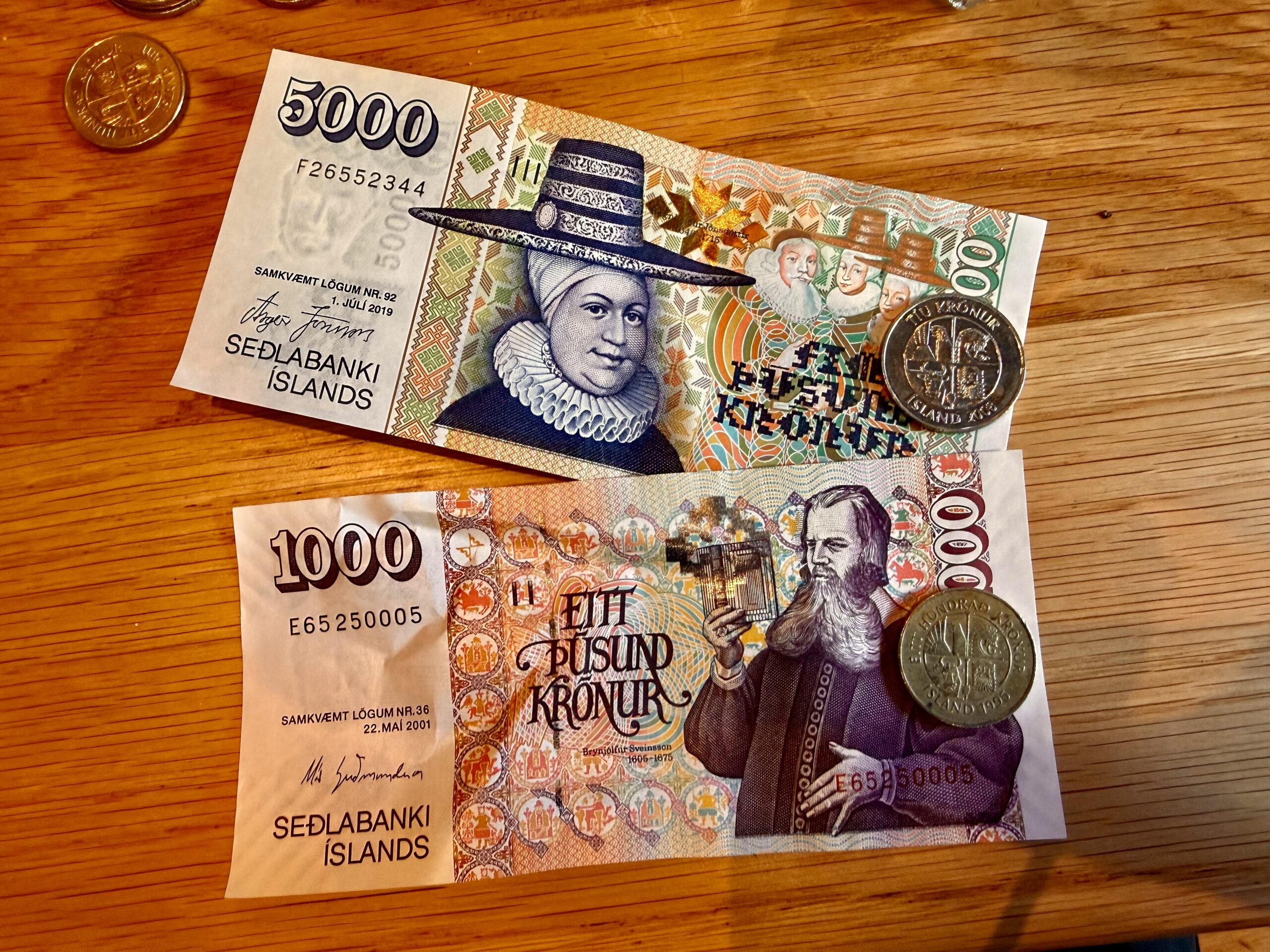
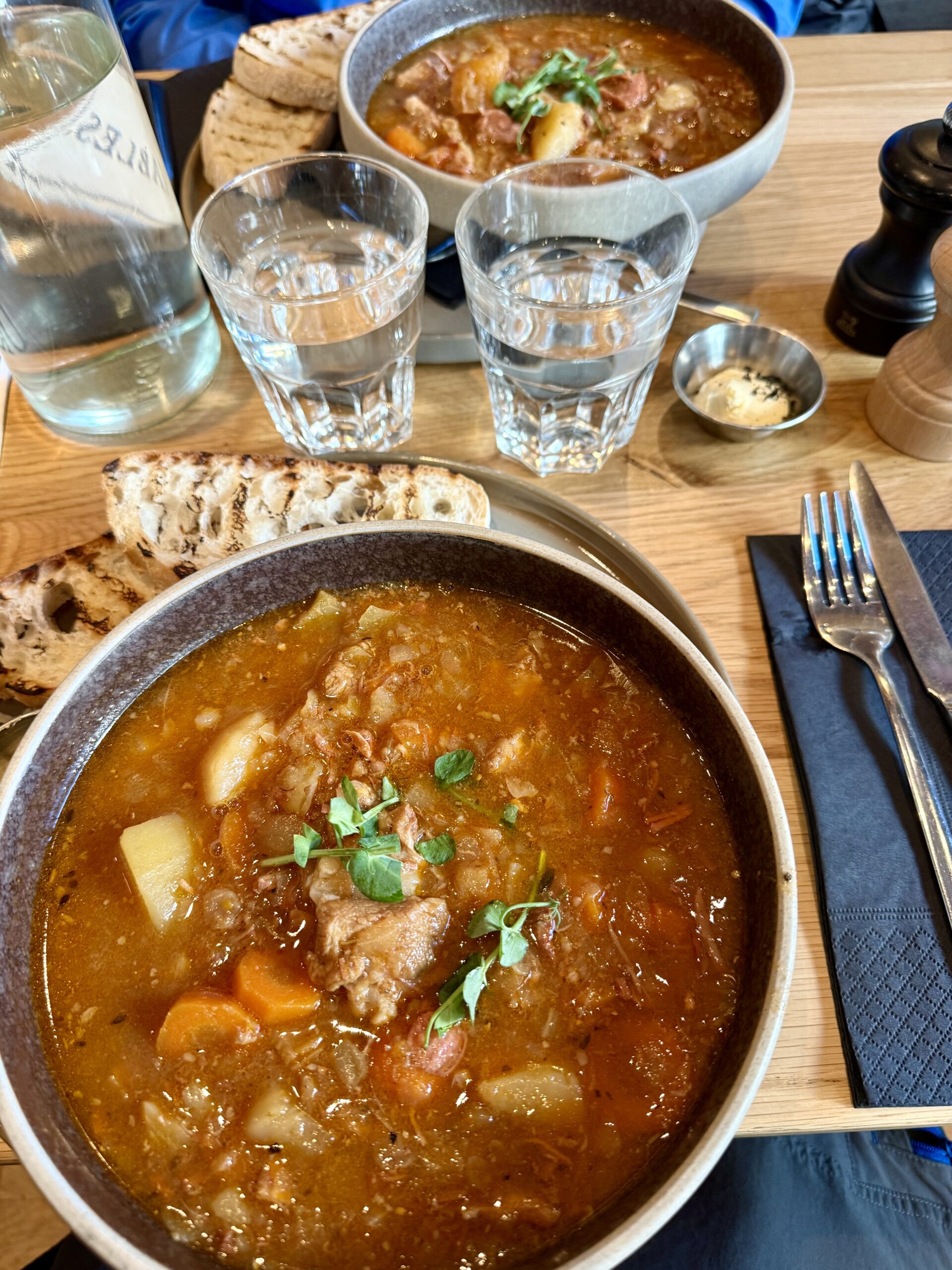
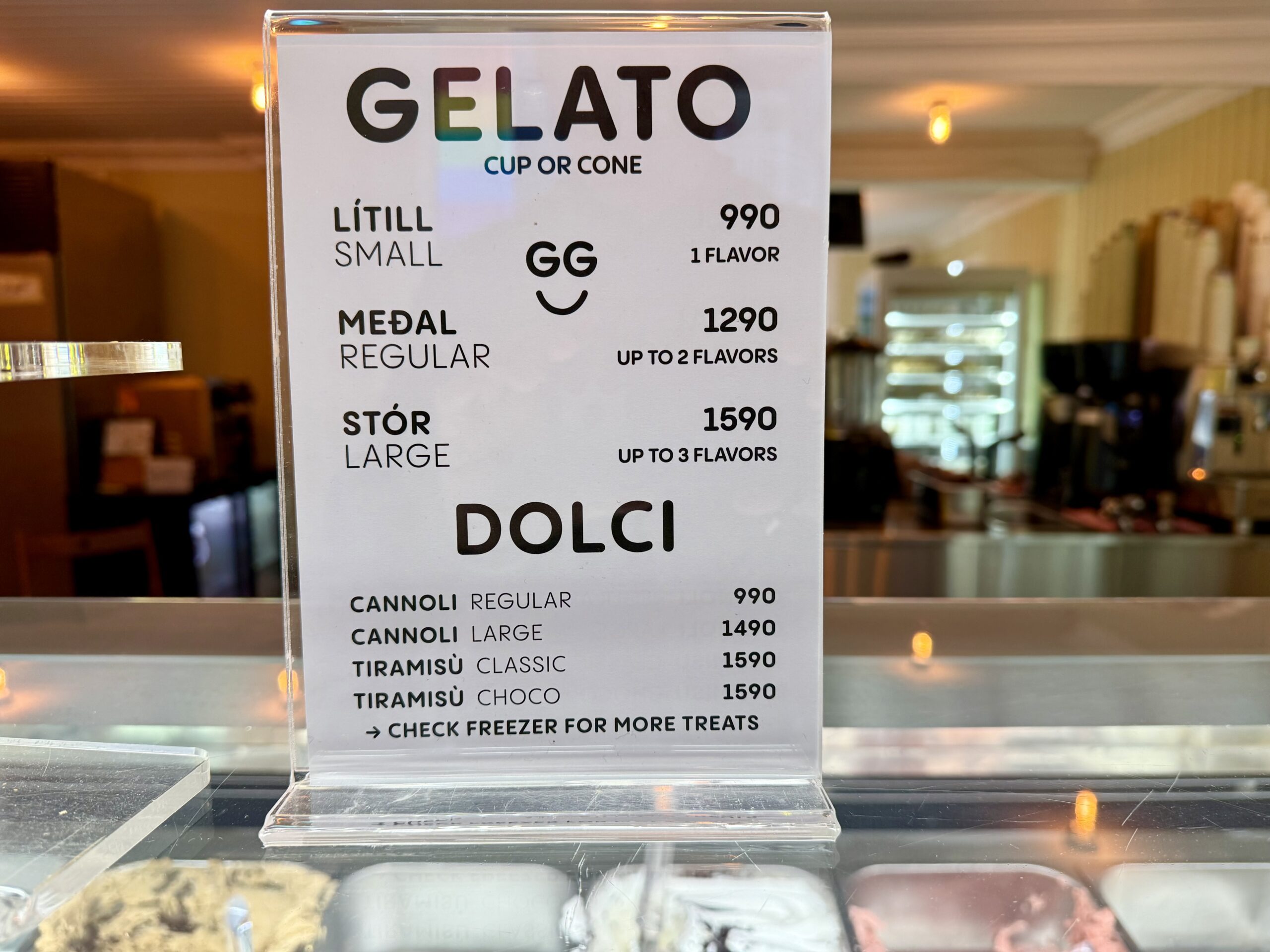
Prices The cost of food, lodging, clothing, museum entry, books, and souvenirs is startling. Even ordering quite modestly, we seldom had lunch or dinner for less than $90.
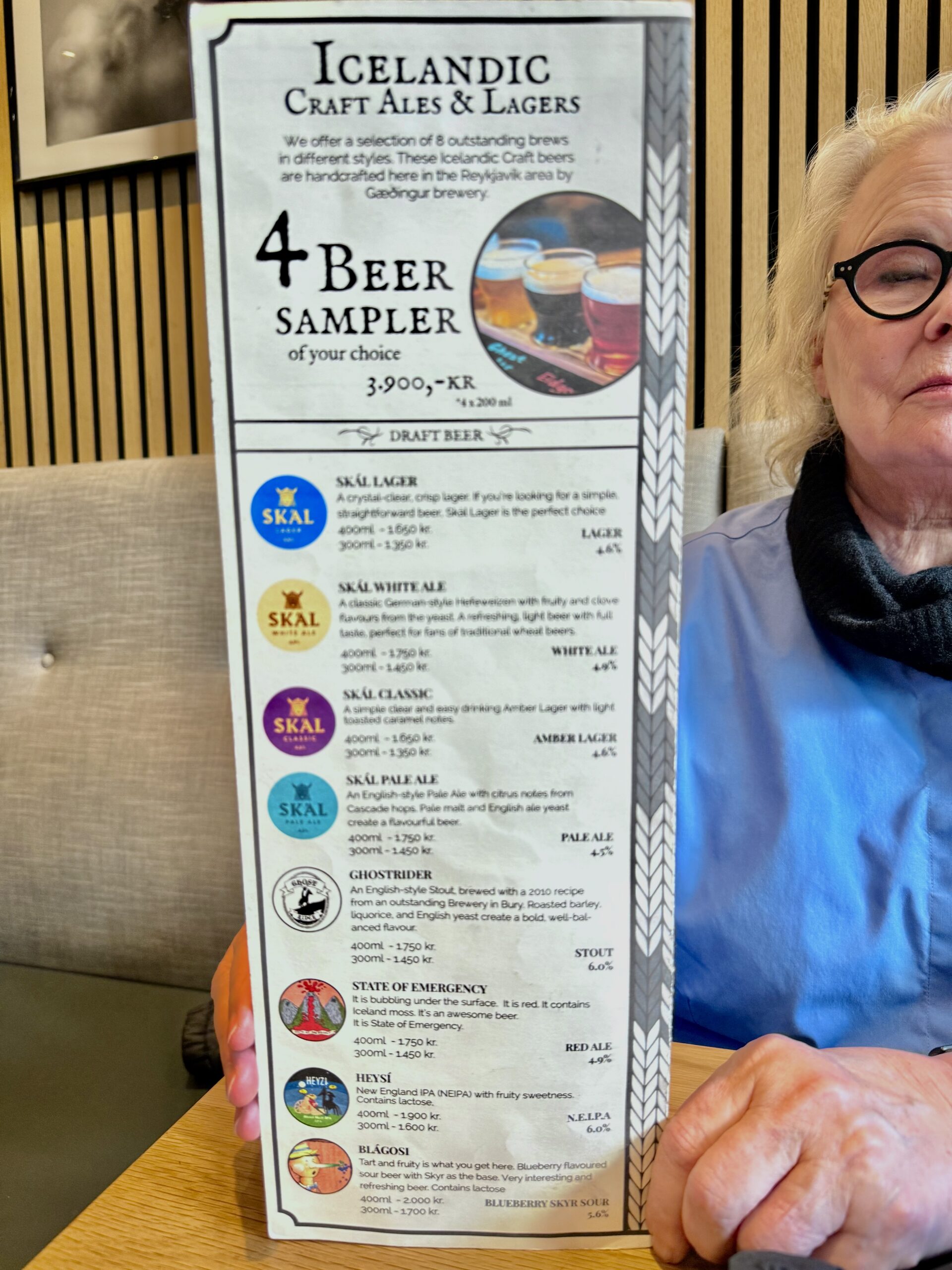
One US dollar is 121.28 Icelandic krona, so the numbers for krona are astronomical. Often, you don’t see the decimal point on price tags. Confusing. When Bonnie went up to a counter to ask the price of a bandana, the answer was something like, “Six thousand four hundred.” She glazed over. This happened many times.
Temperature is confusing. Not the conversion from centigrade to fahrenheit, but what it actually feels like. During our first week, the weather went from mid 40s to the low 60s. All the fishing lodge guests said that 60 F in the sun in Iceland felt like the low 80s in the US. Very strange. We were extremely lucky with the weather. Very little rain. Not terribly cold and seldom windy. We had been warned that it would be very cold and wet with strong wind, so we had packed accordingly. Robert wore long johns under his pants every day. Bonnie did not. We were fine.
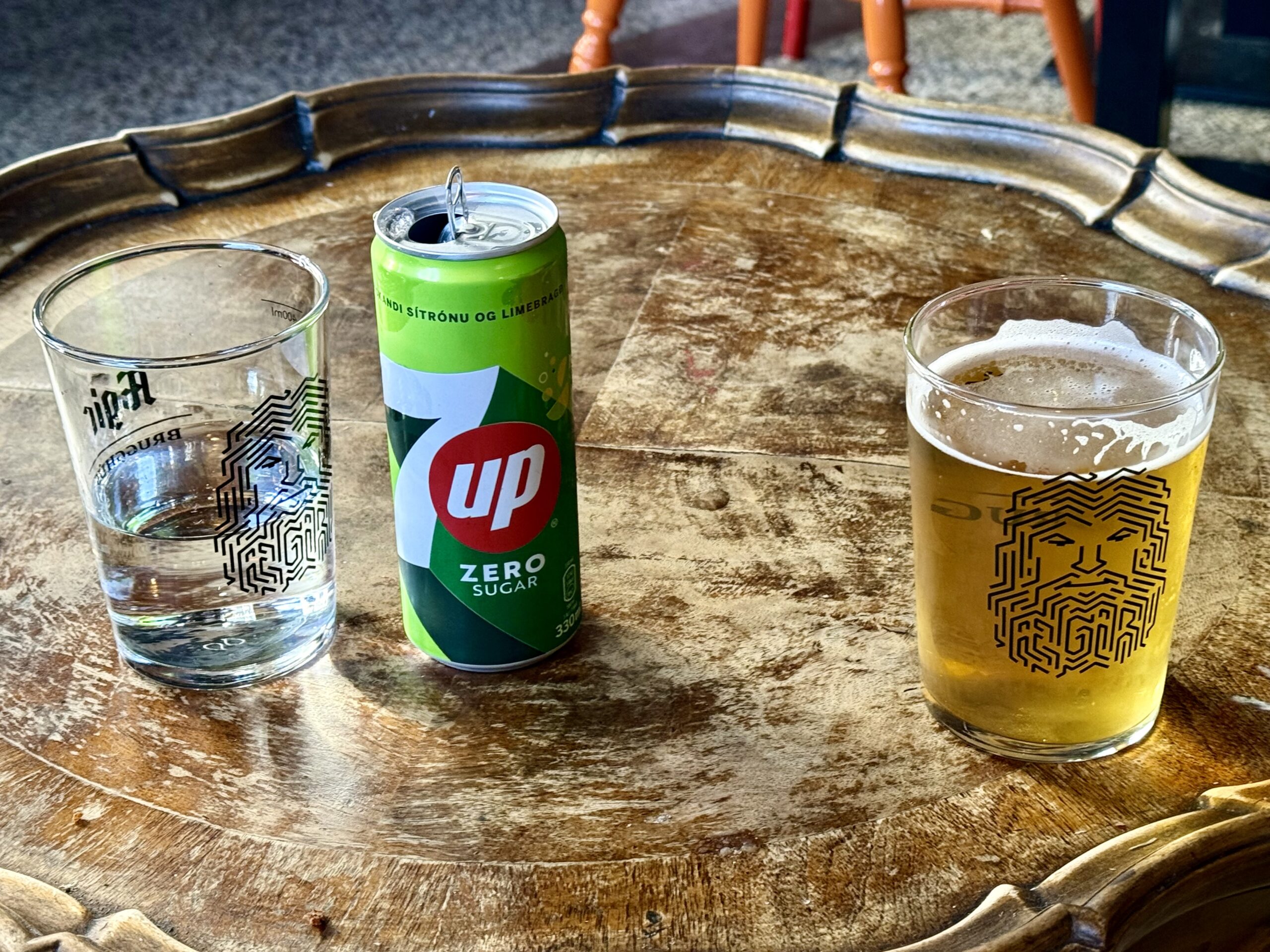
Liquor Stores are run by the government and alcohol and drinks are expensive. If you are visiting a friend in Iceland, bring a bottle or pick one up in the duty free shop when you land at the airport, although it is still more expensive there than in the US.
Trees covered forty percent of Iceland when the first settlers arrived in the 9th century. Dense forests along the coastline made travel and exploration difficult. But these early farmers cleared broad expanses of land for agriculture, especially to graze sheep, and they used timber for construction and heating. Eventually the tree cover was reduced to one percent.
The cold climate and degraded soil inhibit natural reestablishment of vegetation. Trees in Iceland are small, although they may be 40 years old. In New Zealand, by comparison, trees are ready for harvest in just 25 years. The Icelandic government has set a goal of increasing forest cover to ten percent. As we drove around the island, we saw patches of planting, with trees ranging from one foot to sixty feet. They have a long way to go.
Cash is not needed. We brought about $100 in Icelandic krona but never used it. So before we left the country, we used up the cash for small purchases. Although tipping is not expected here, we did bring US dollars to tip the fishing guides and shuttle drivers to and from the lodge as suggested by the lodge.
Pronuciation of Icelandic words is terrifying. Many place names are sooo long because they jam two or three words together, such as Smoky Bay for Reykjavik. And many letters sound completely different than we expect. For example, FL is pronounced like P. Then there are letters we don’t recognize at all. One that looks like a slightly deformed B or a pregnant I, has a TH sound.
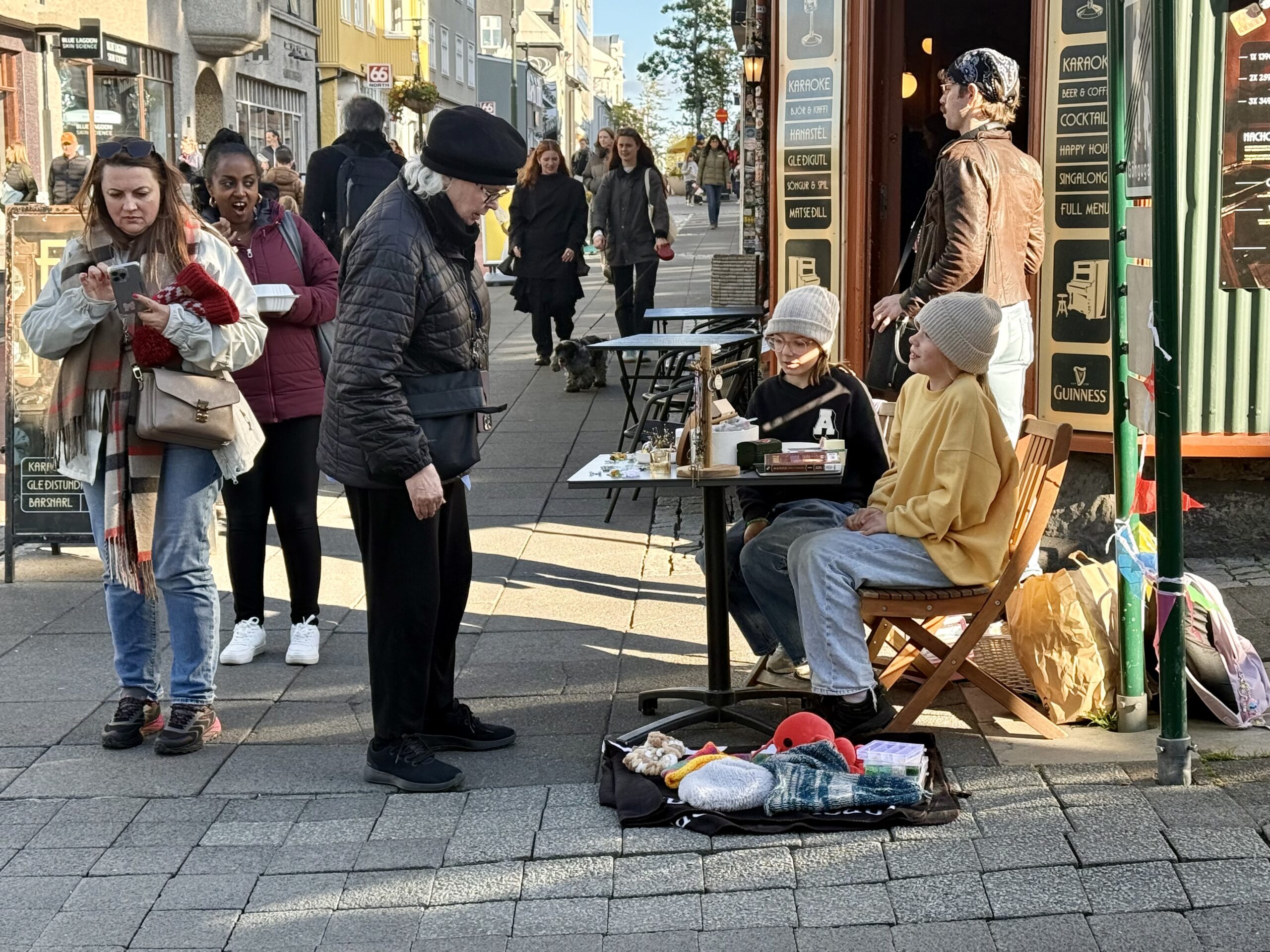
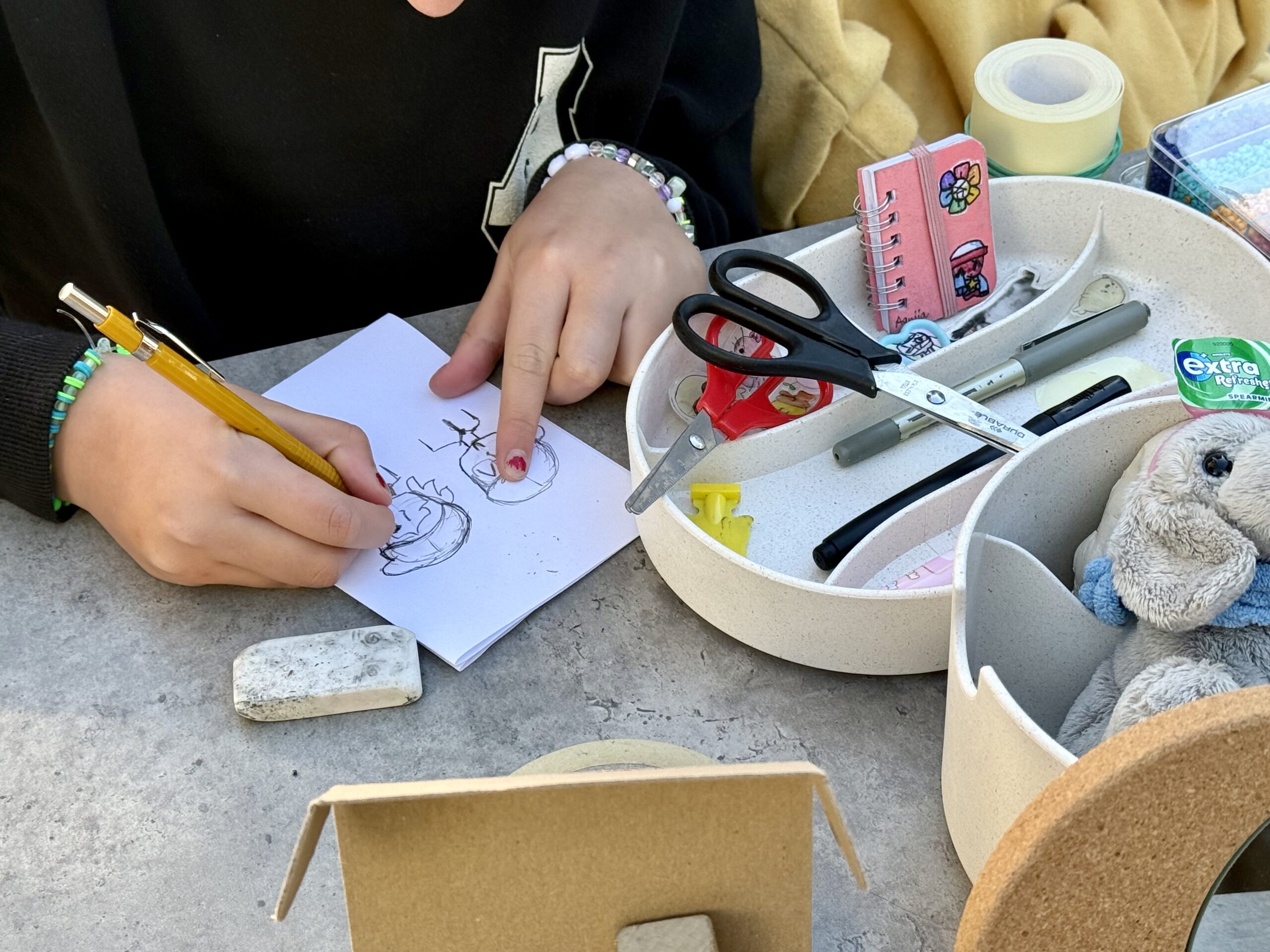
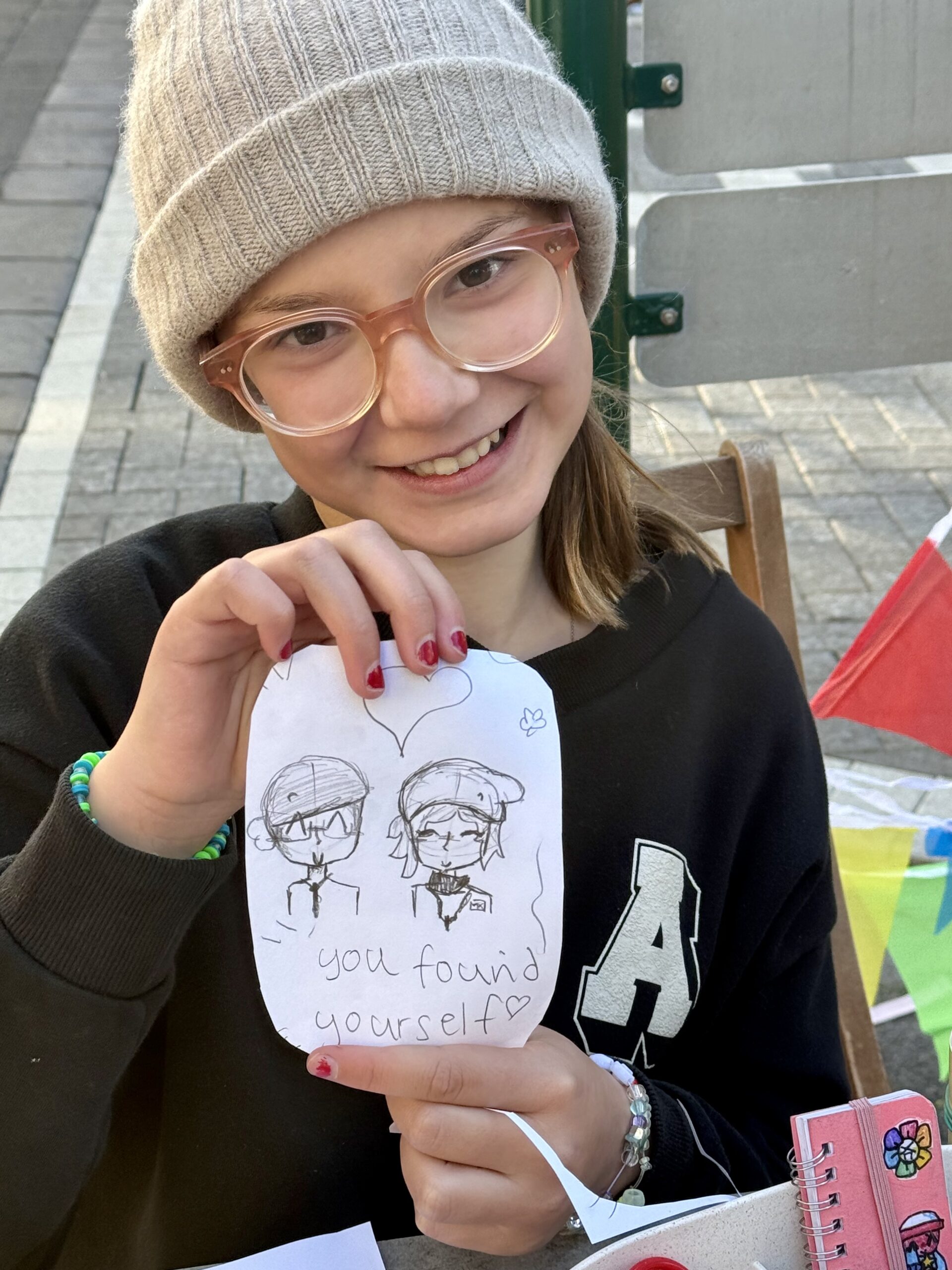
Along the route we wrestled with Thingvellir, Vestmannaeyjabaer, Vatnajökull, Seydisfjordor, and Akureyri. Actually, we would take a stab at the first syllable or two and then give up. Robert had a good conversation with an Icelandic woman filling his beer glass about characters in early Icelandic sagas. She was pronouncing their names and Bonnie was listening carefully and just heard “gmglllmmm,” or “ssszzmmna.” Completely unintelligable. Our two eleven-year old friends said they are studying both Icelandic and English in school, and next year they may have to add Danish.
As you will note in the recording below, Bonnie became an expert in pronouncing Icelandic names from Rick Steve’s travel book on Iceland.
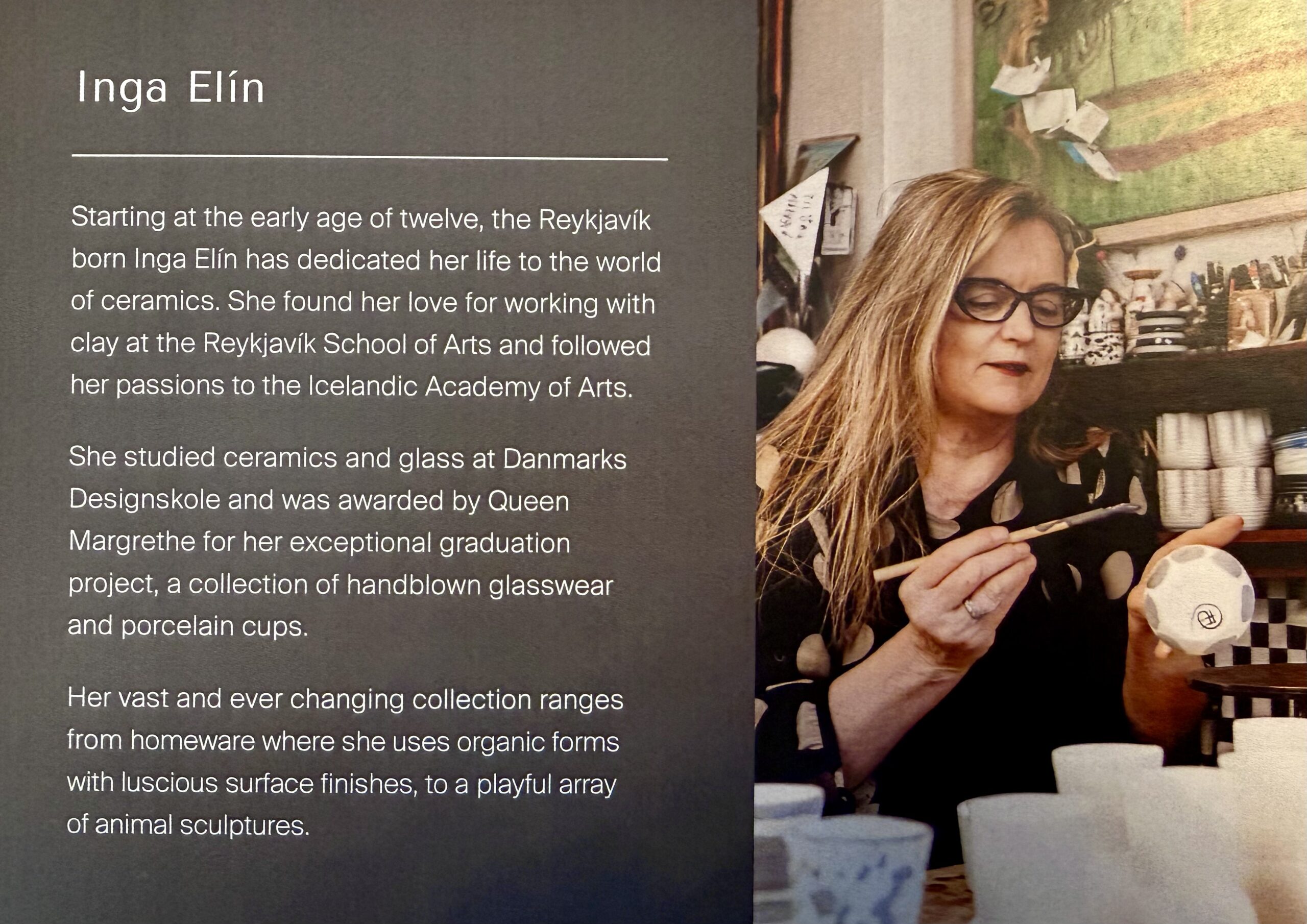
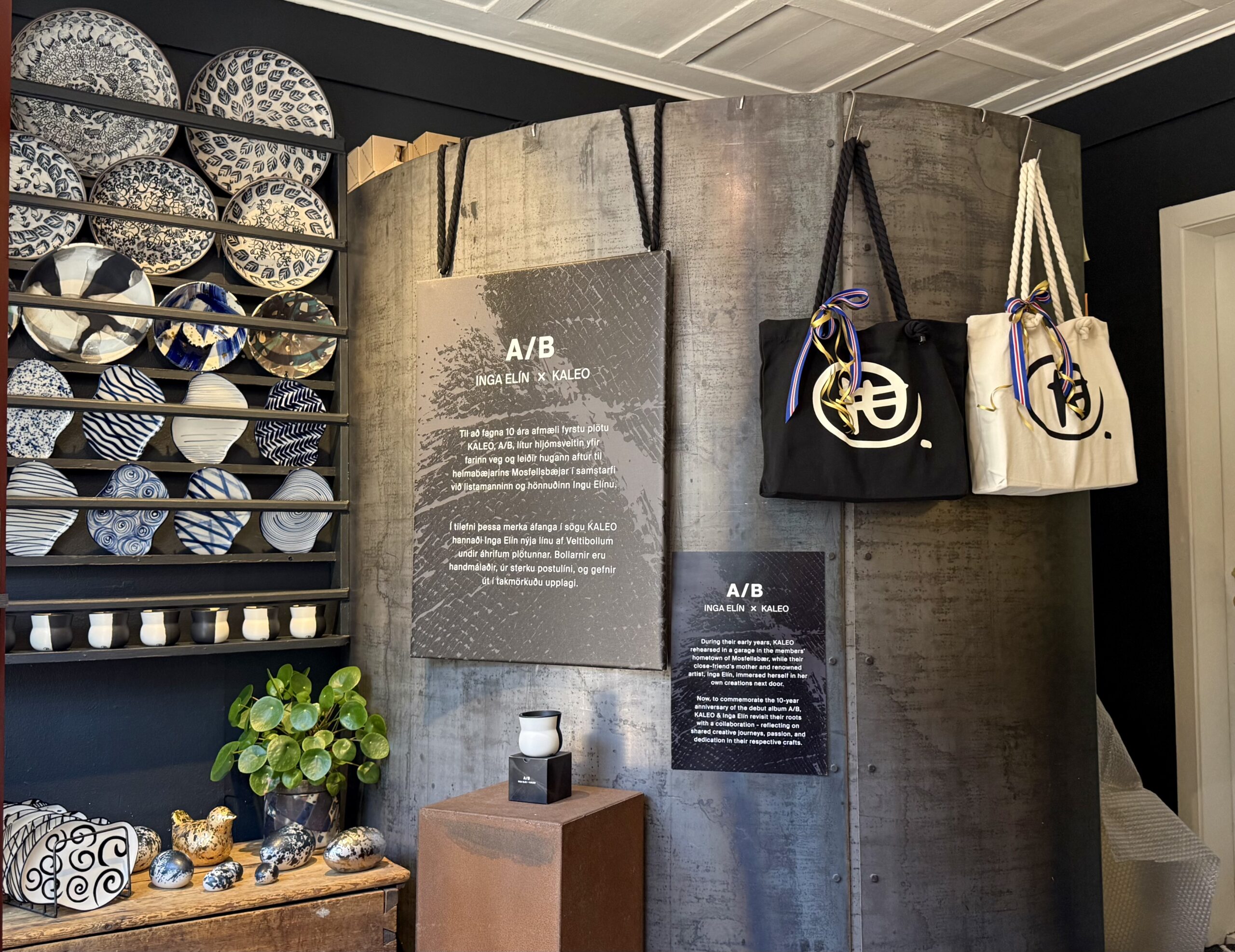
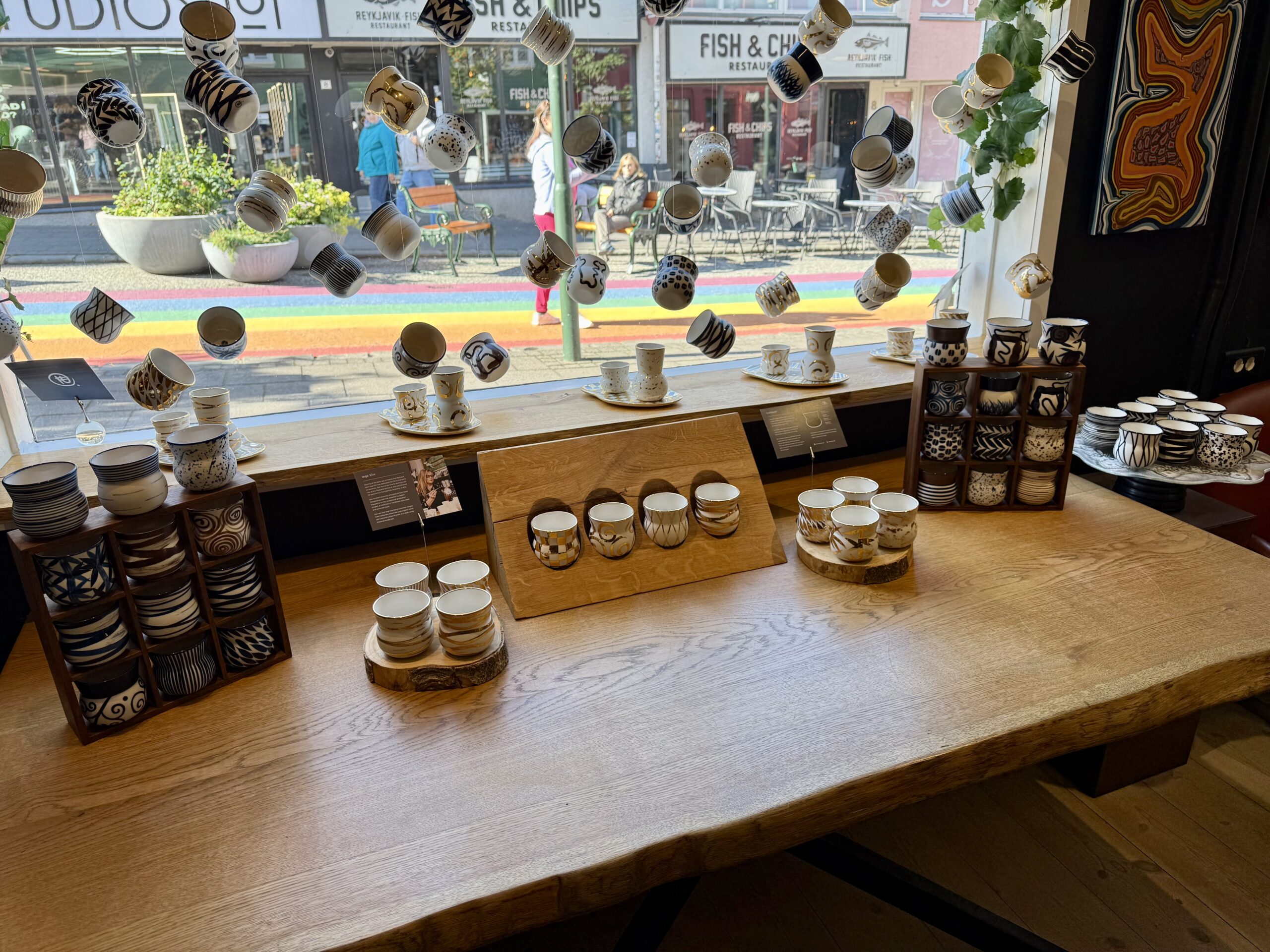
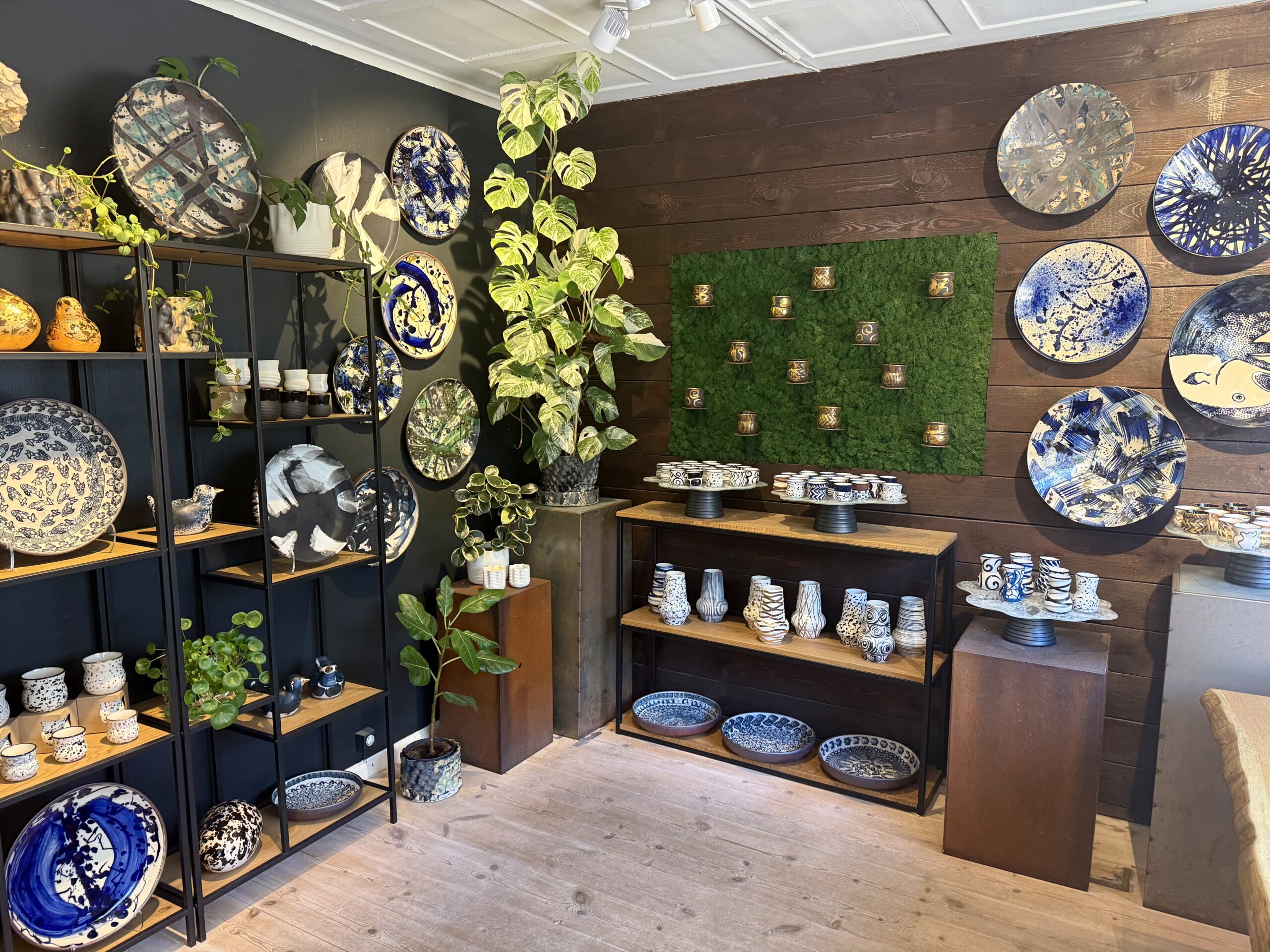
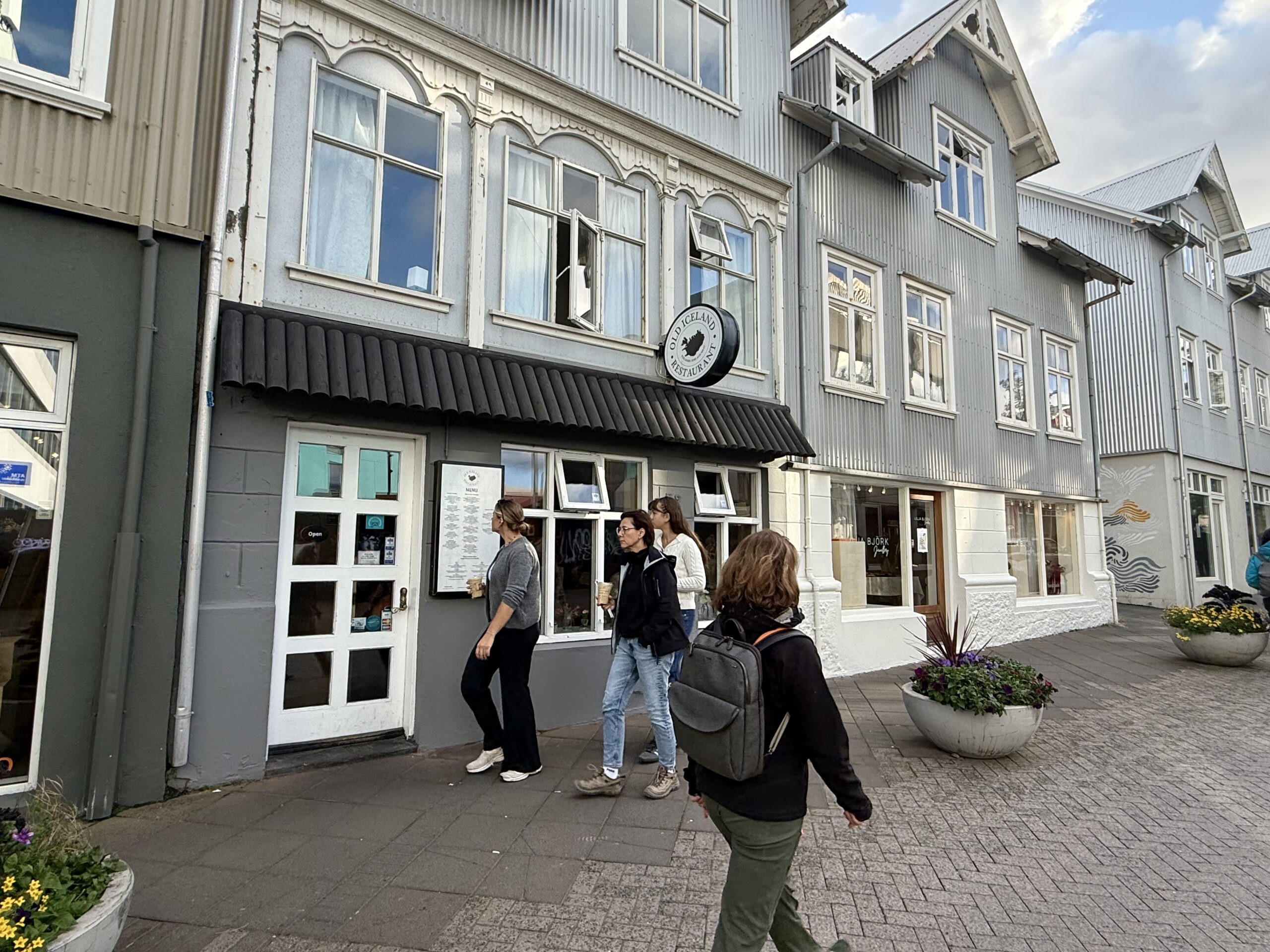
Wandering

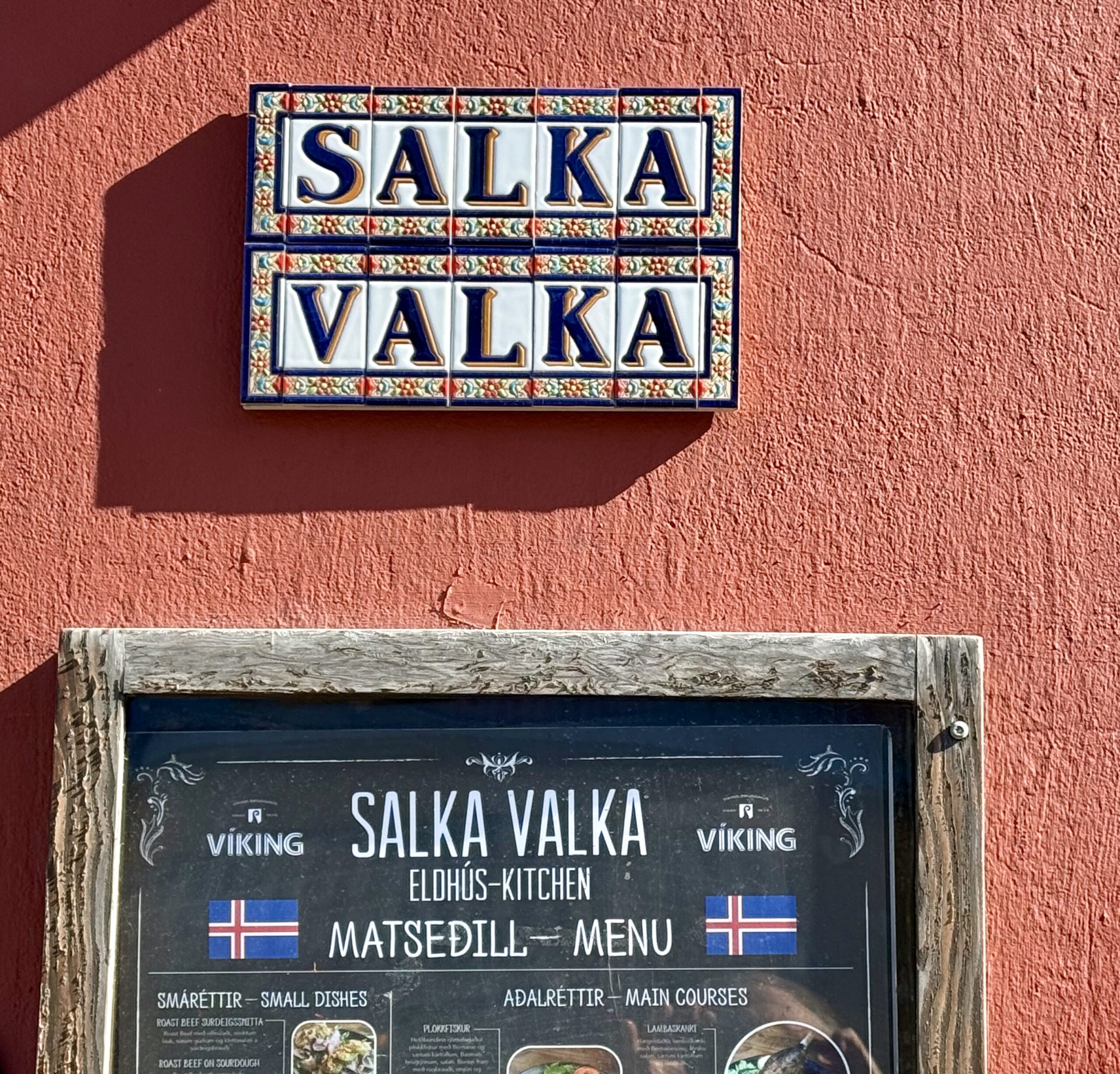
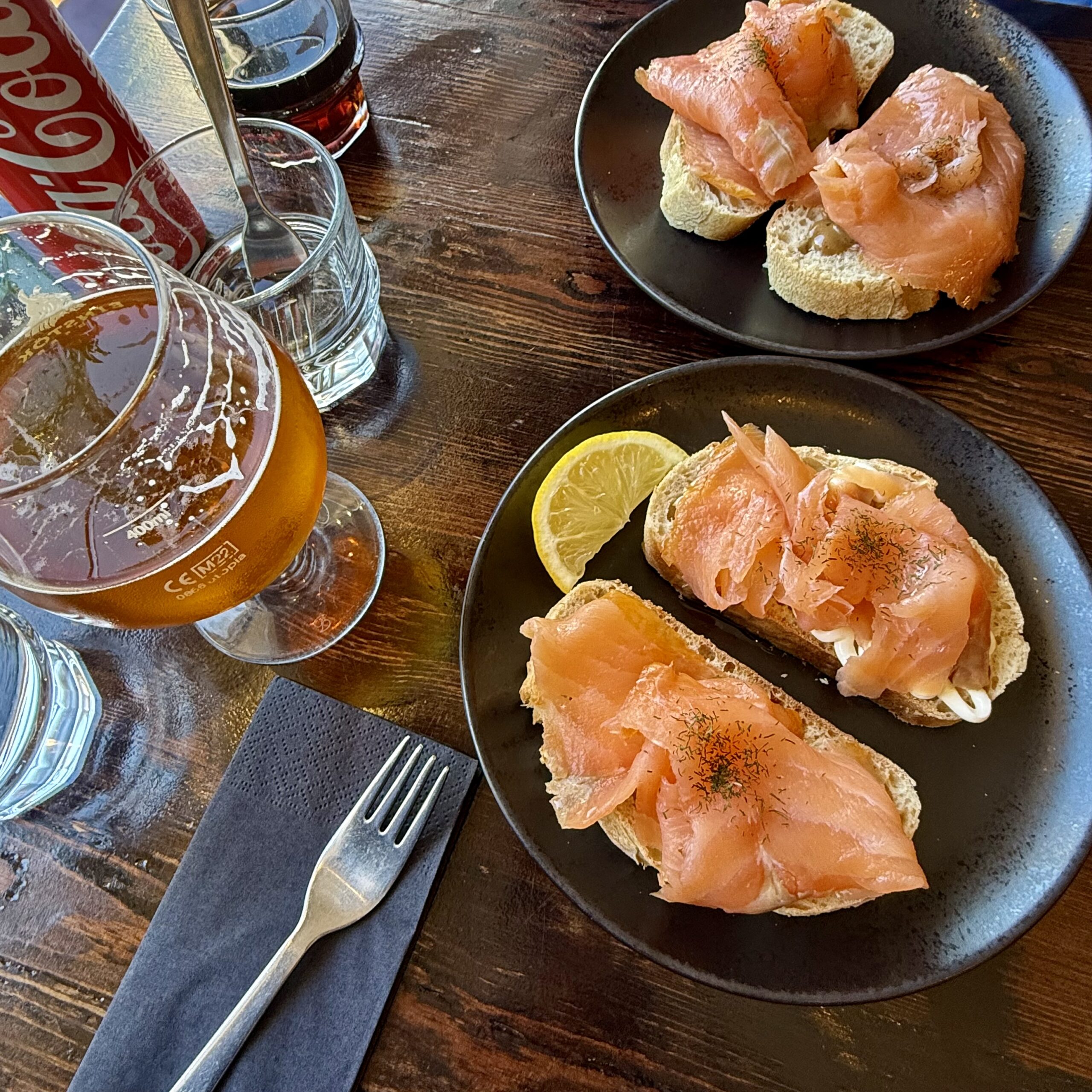
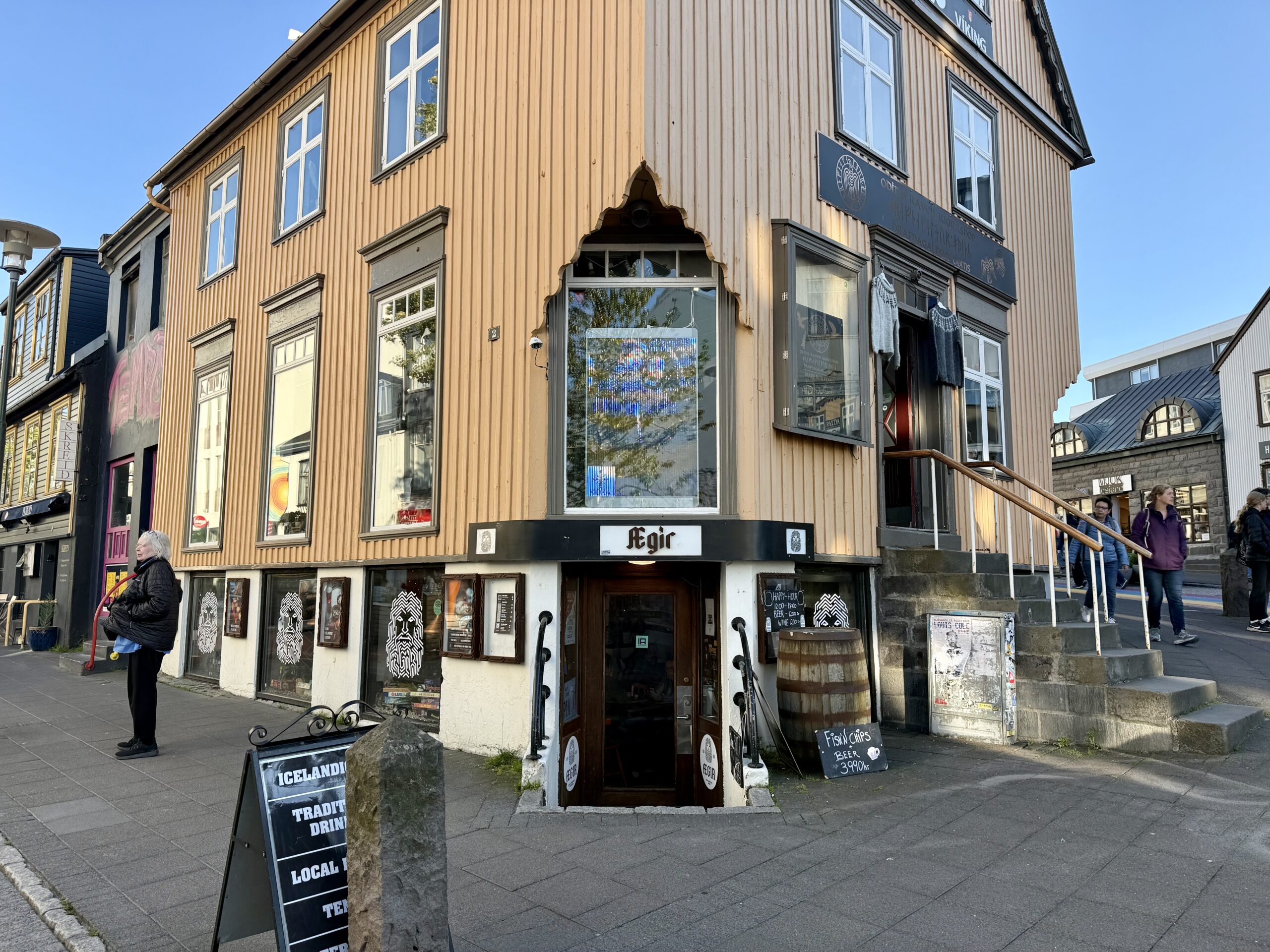
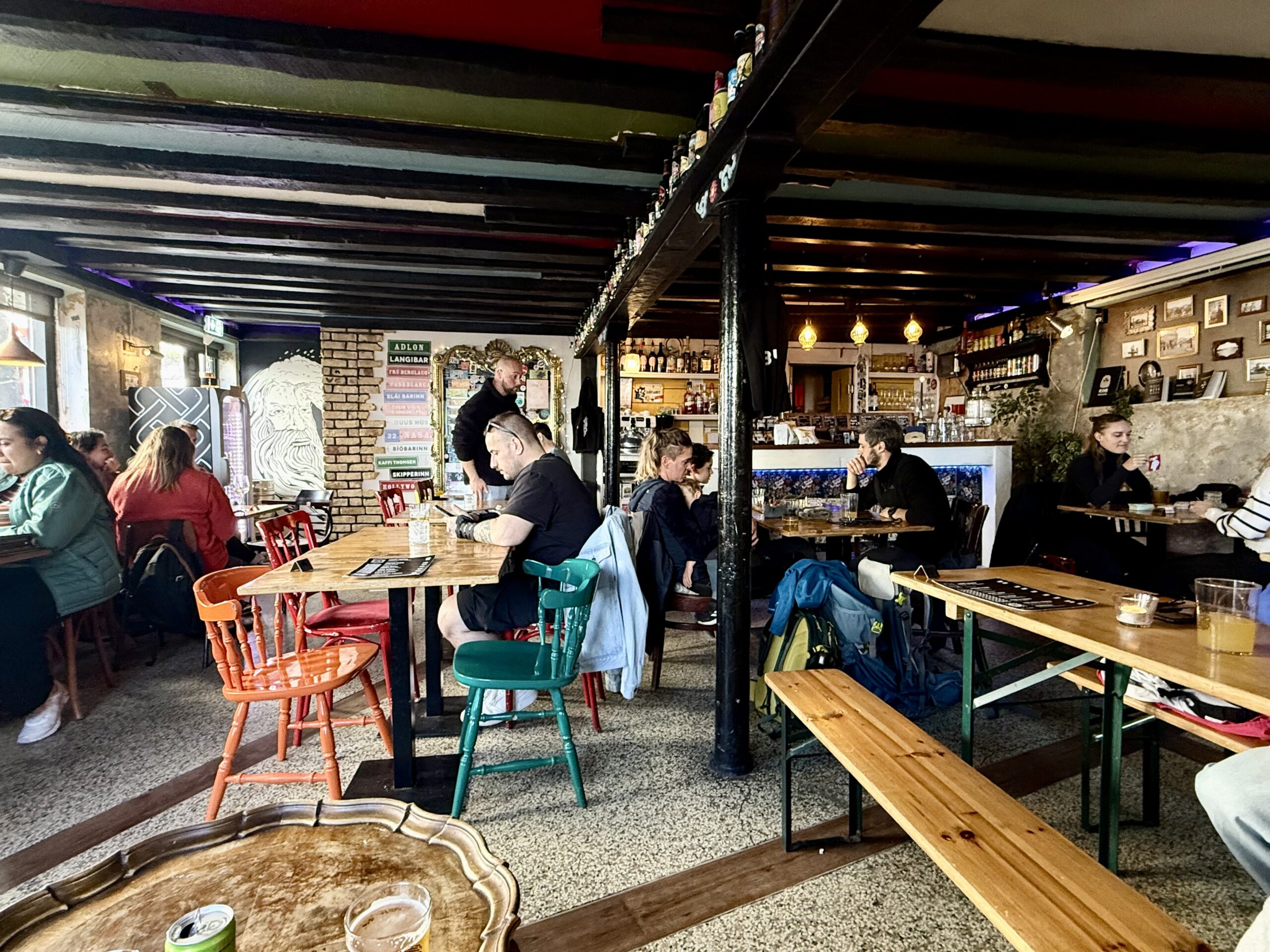
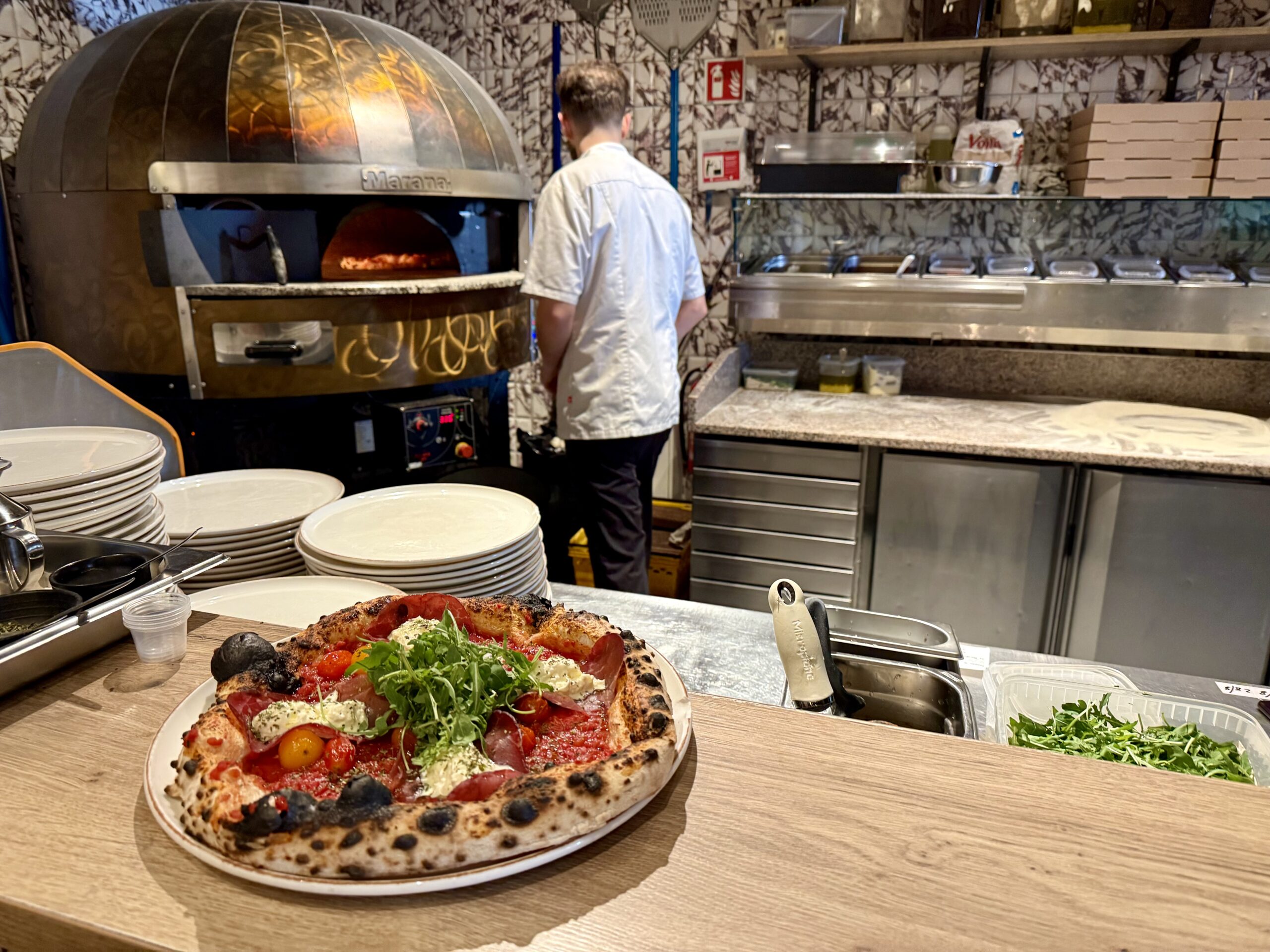
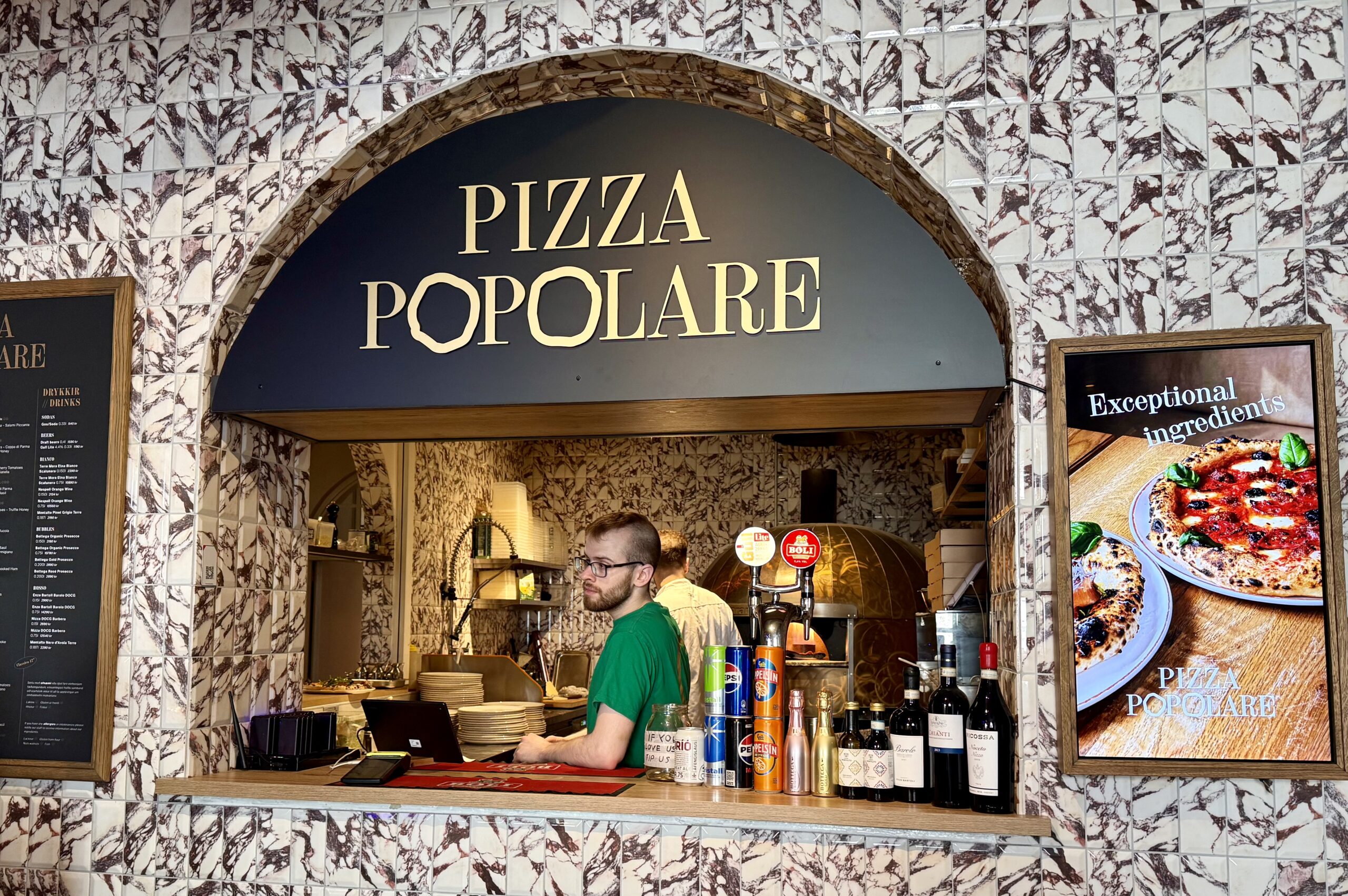
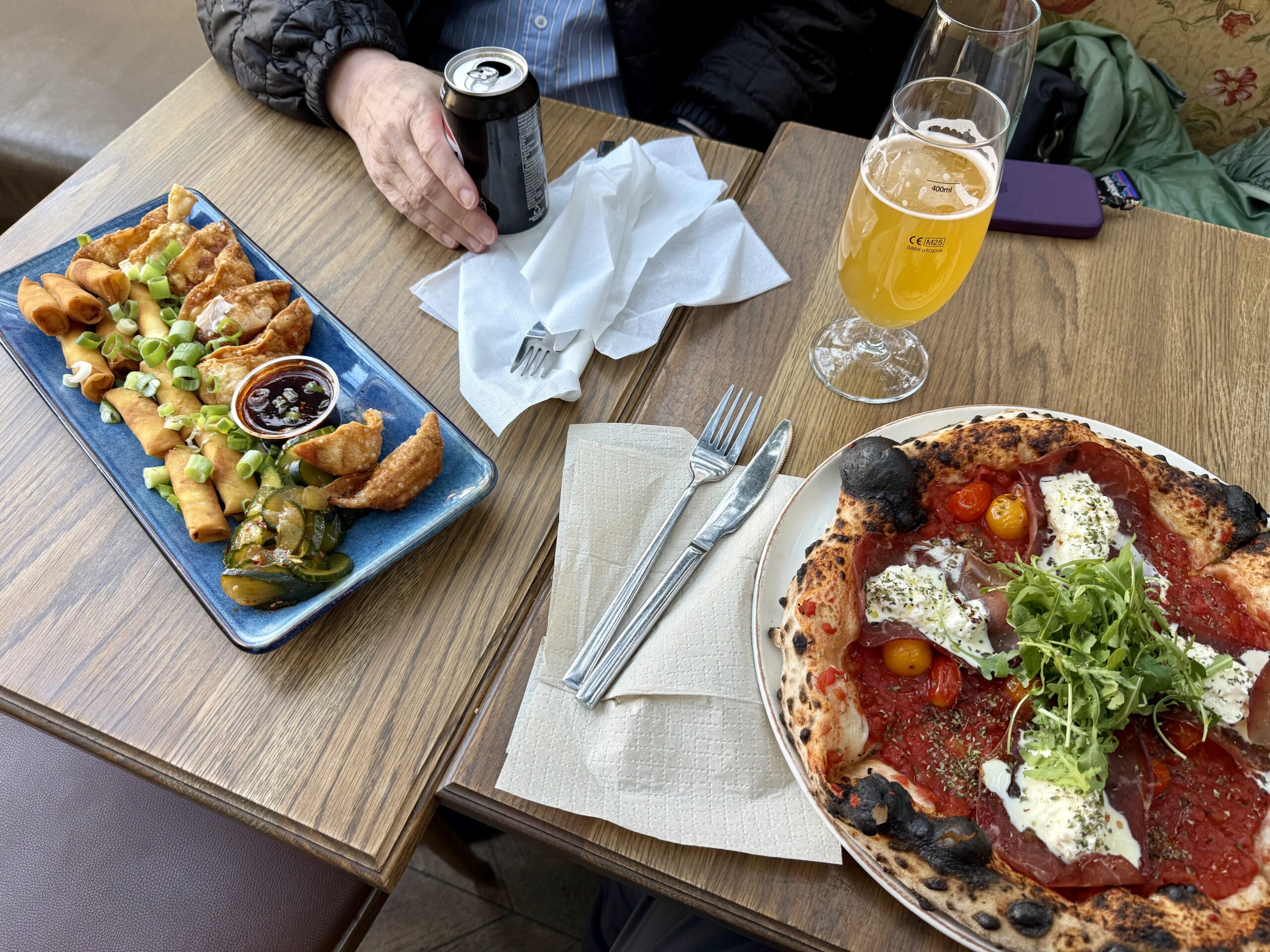
Eats and Drinks

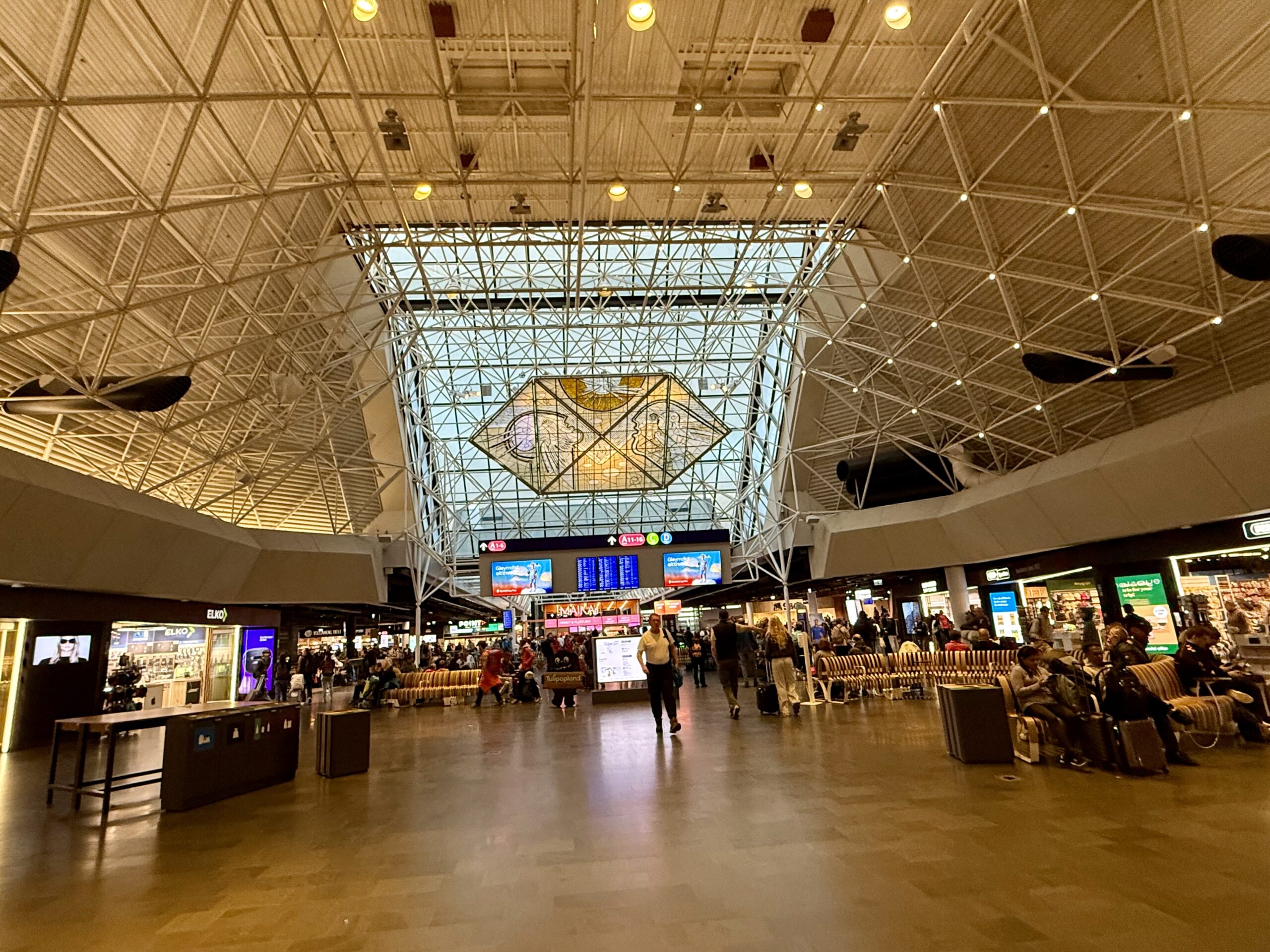
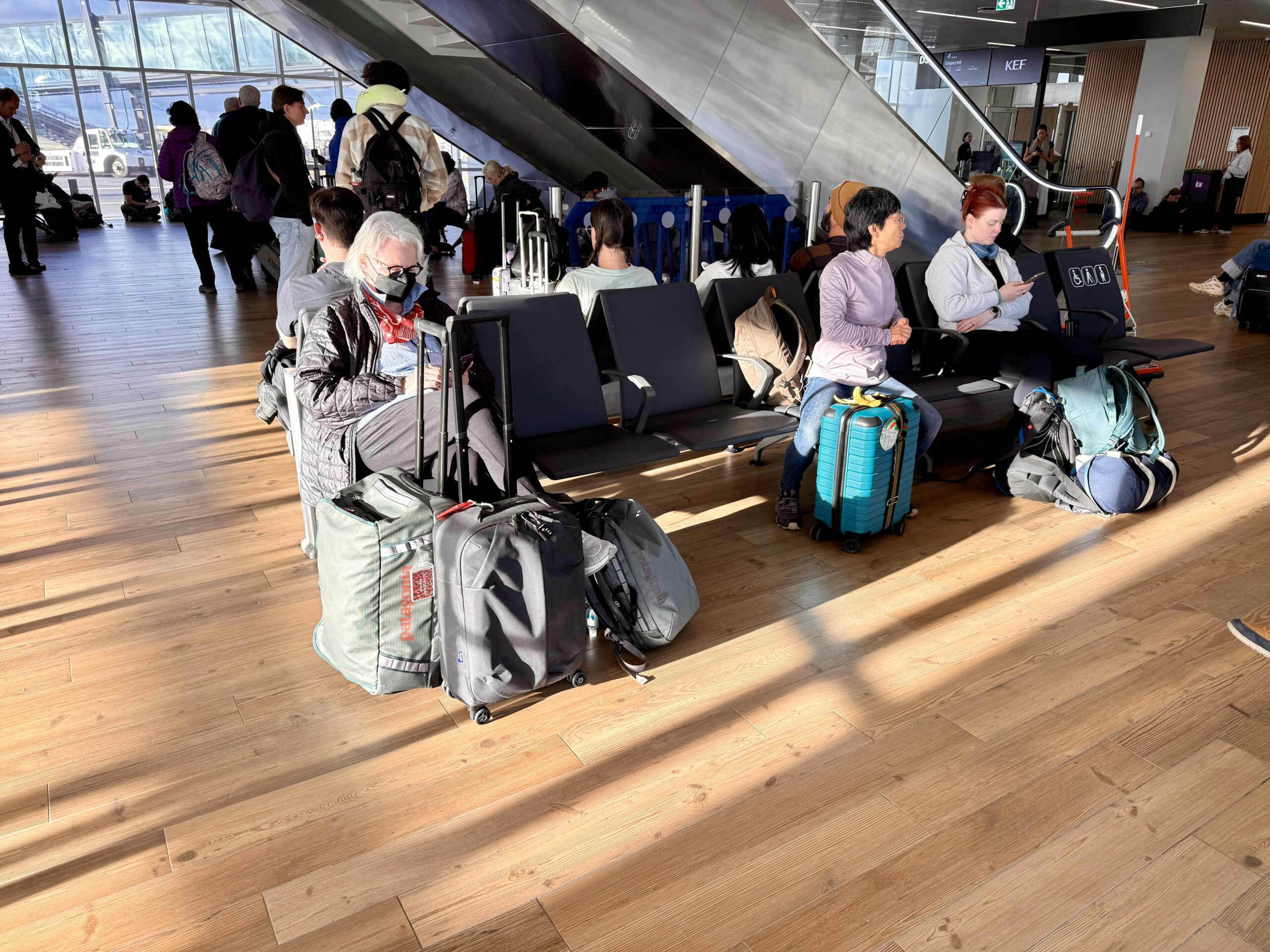
Off to the Airport at 5:00 AM
Next Adenture – Early 2027!