20-21 August 2026
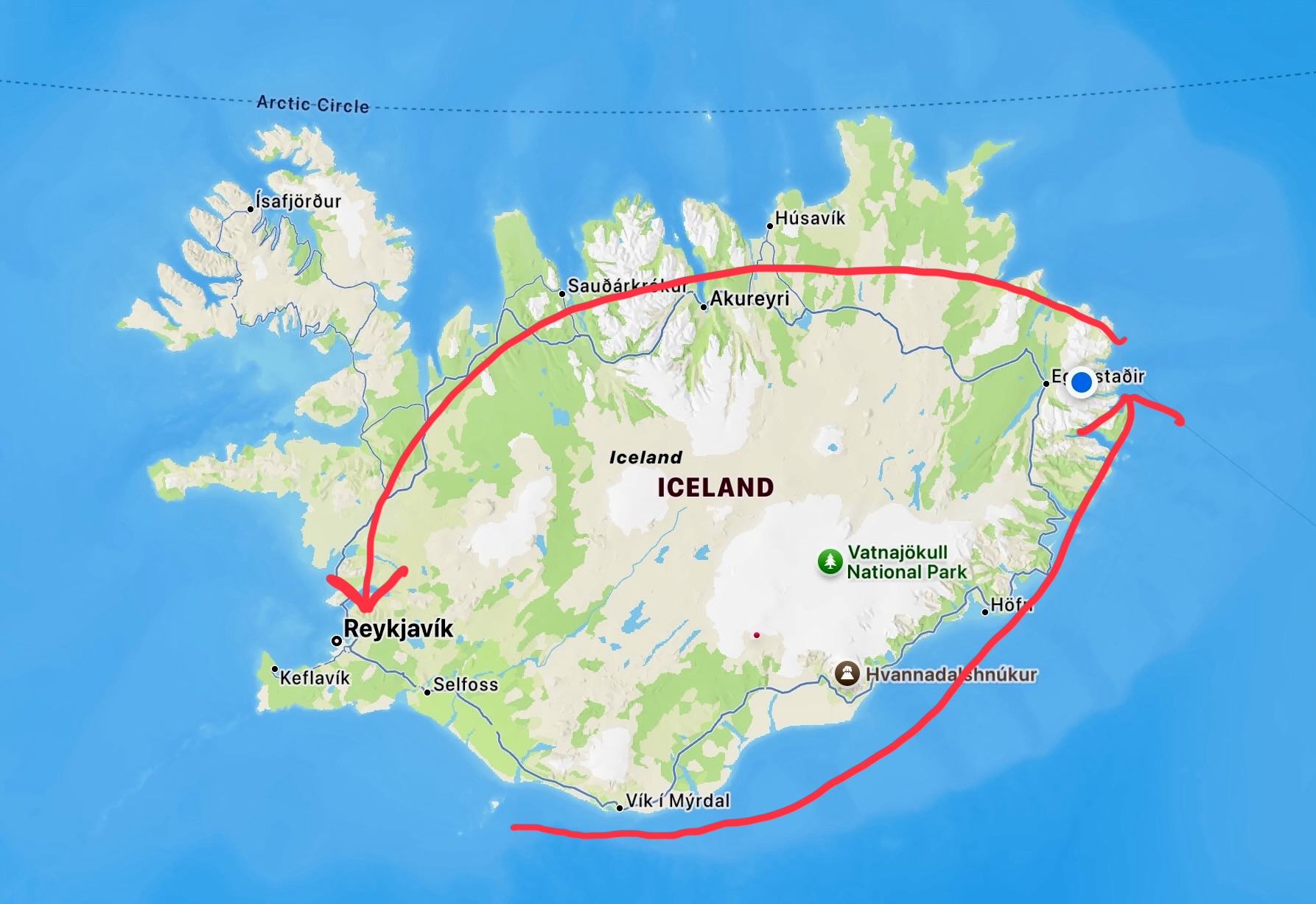
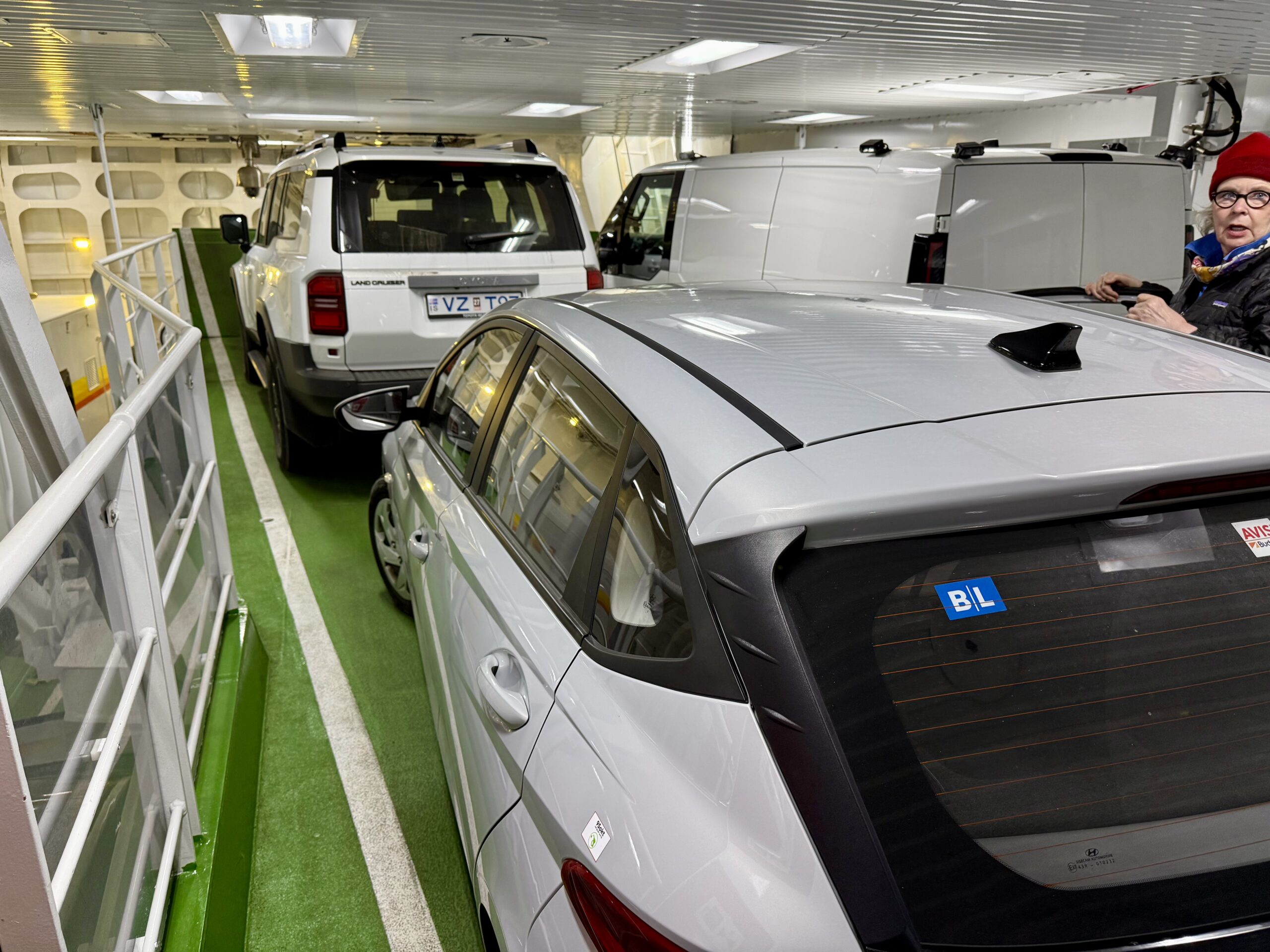
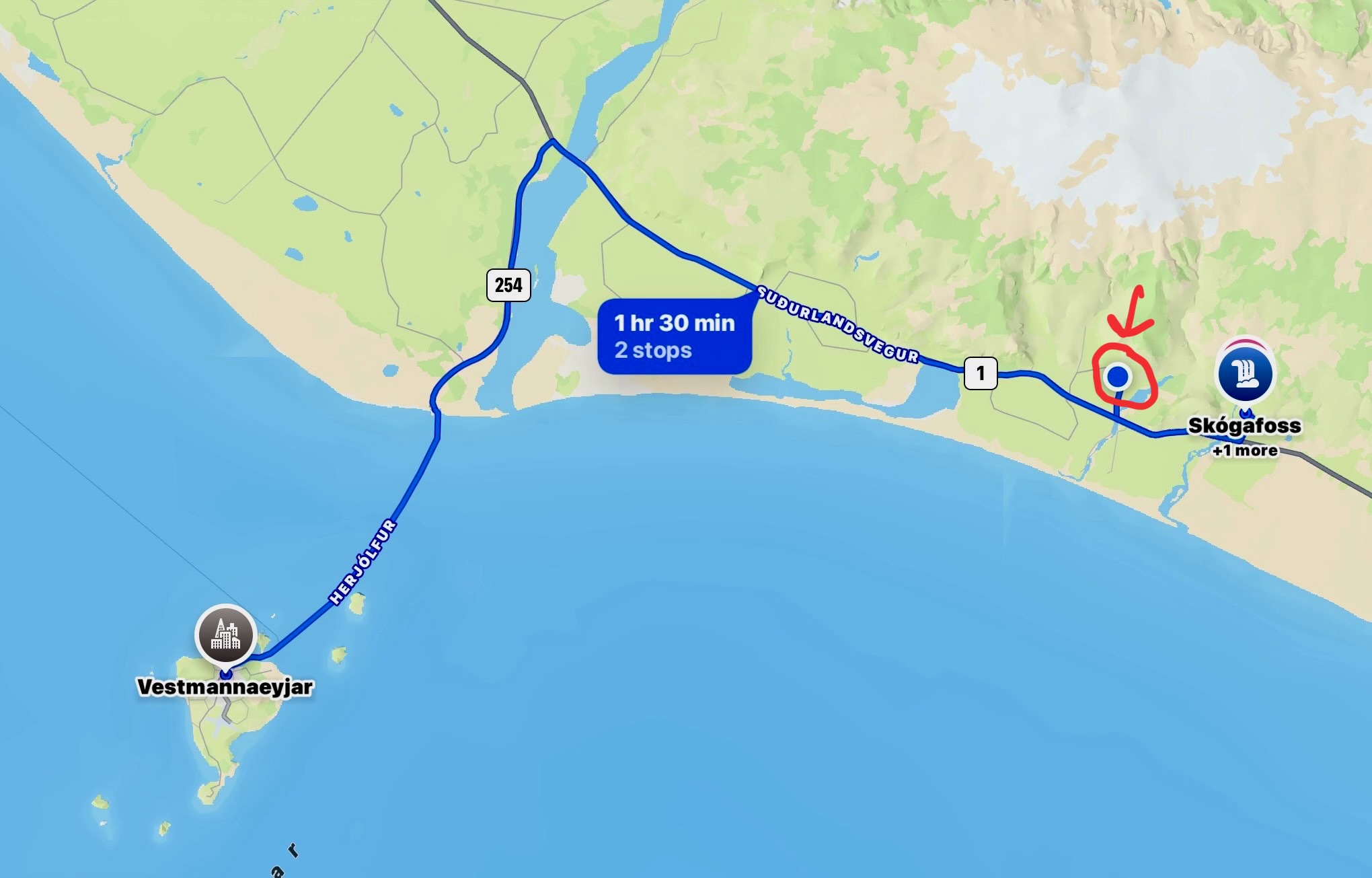
We left Vestmannaeyjar (Westman Islands) by ferry and returned to the mainland. As we navigate the perimeter of this island nation on Route One, we plan to spend only one or two days at each stop. The towns are very small, and most of the interesting sites are along the route between them. We’ll drive about five hours most days including lunch and sightseeing stops.
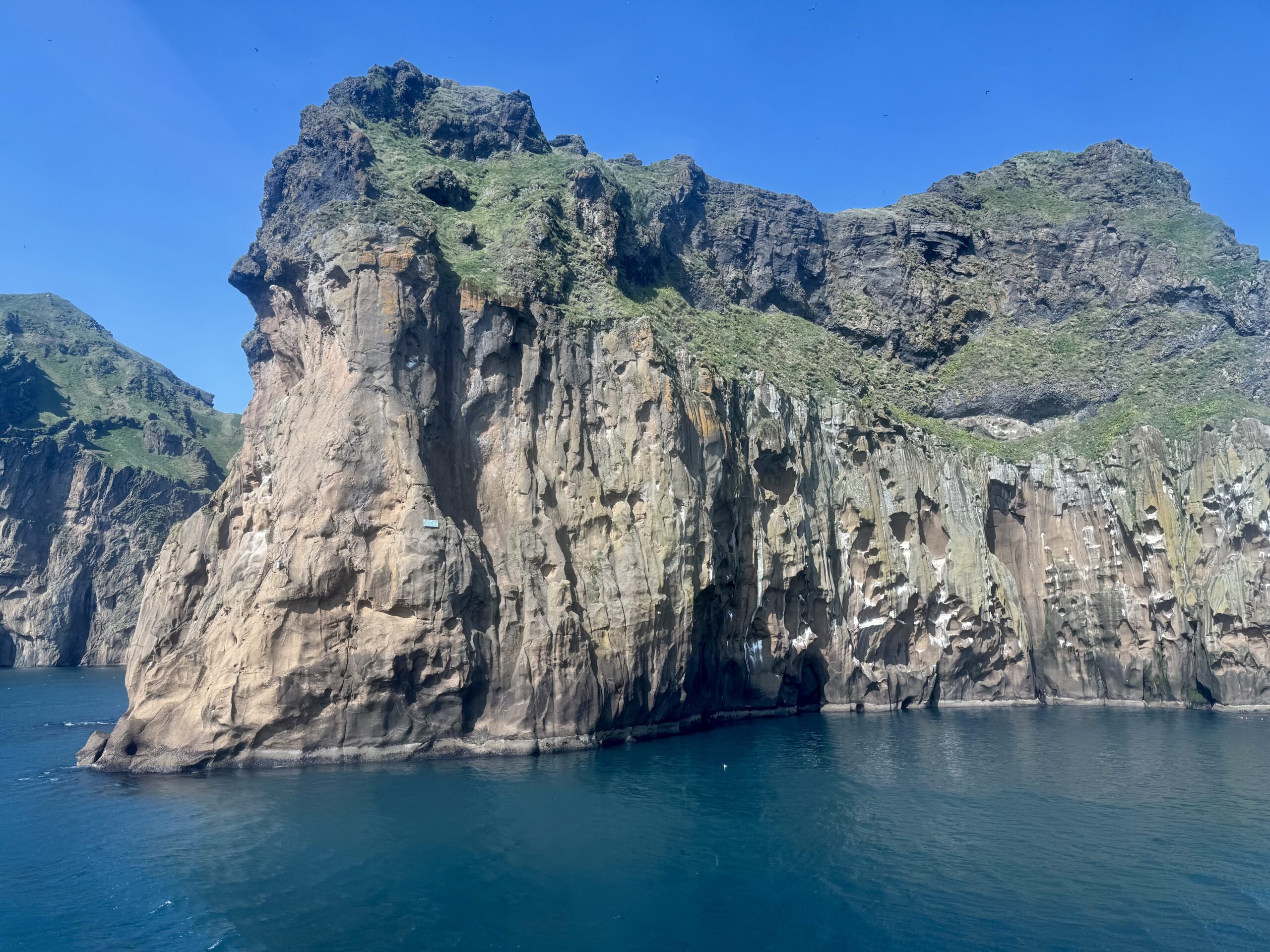
On the Way Sort Of
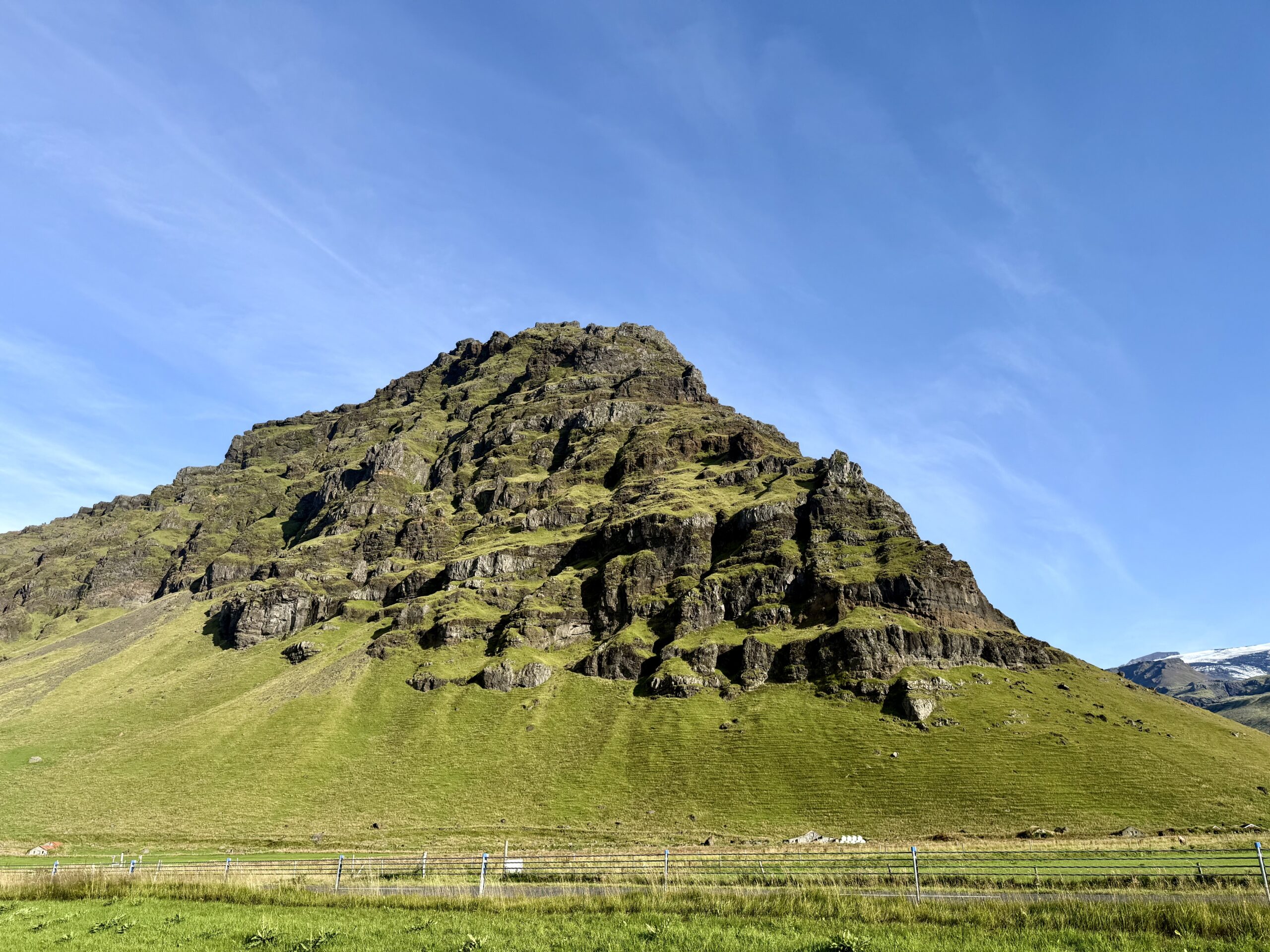
We took advantage of a short driving day to stop off to see a spectacular waterfall (beyond our lodging) and a folk museum (before our lodging).
Out and About
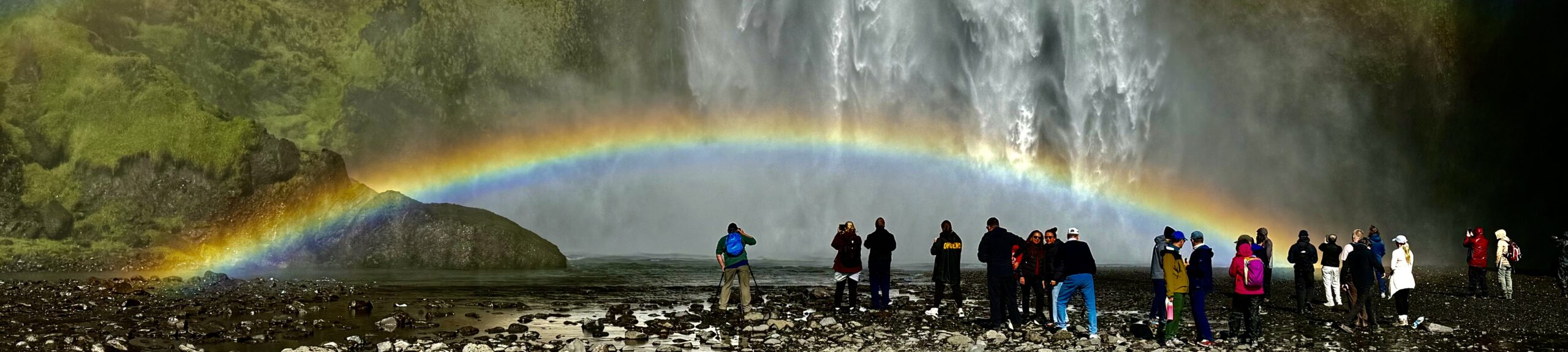
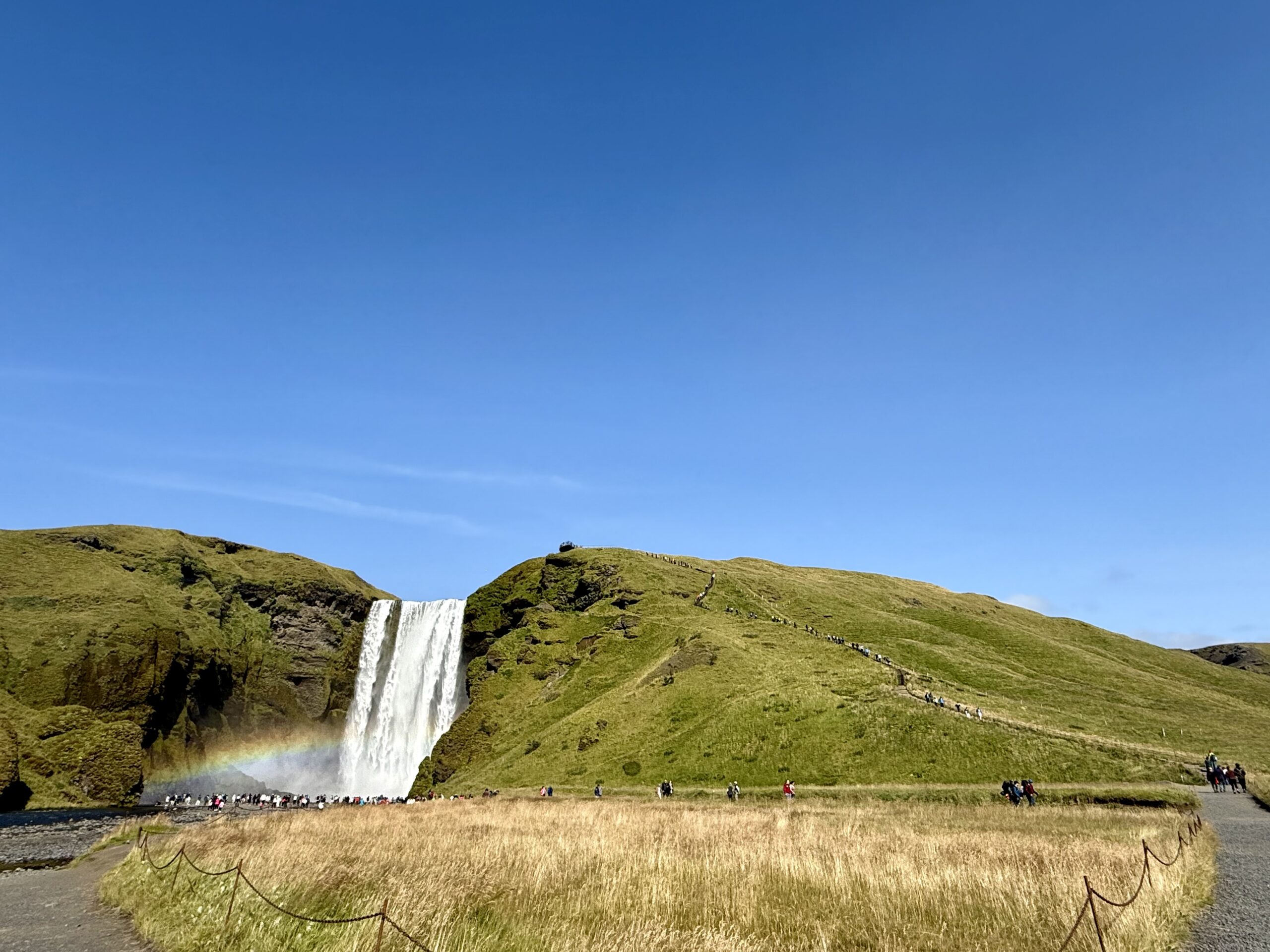
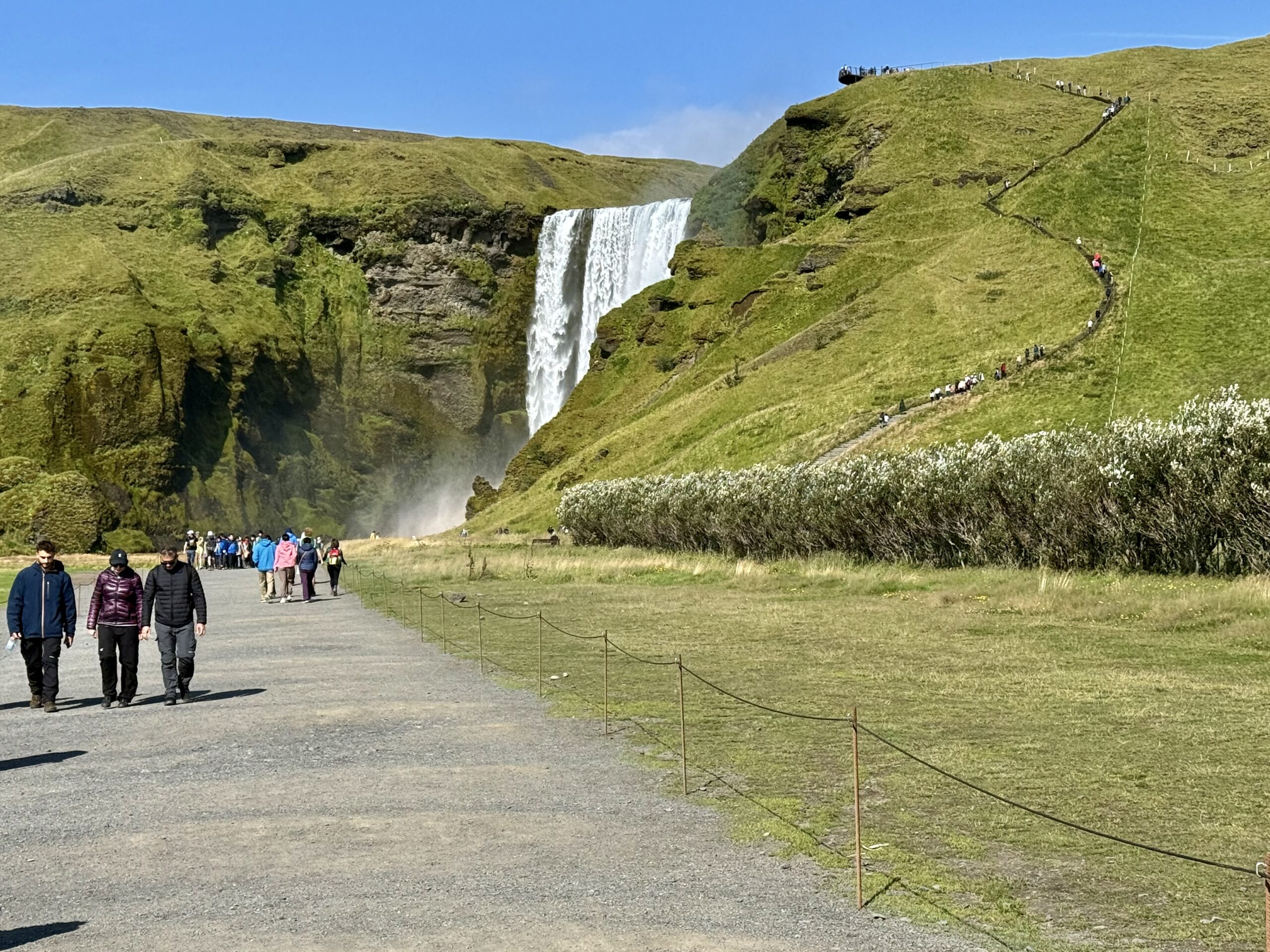
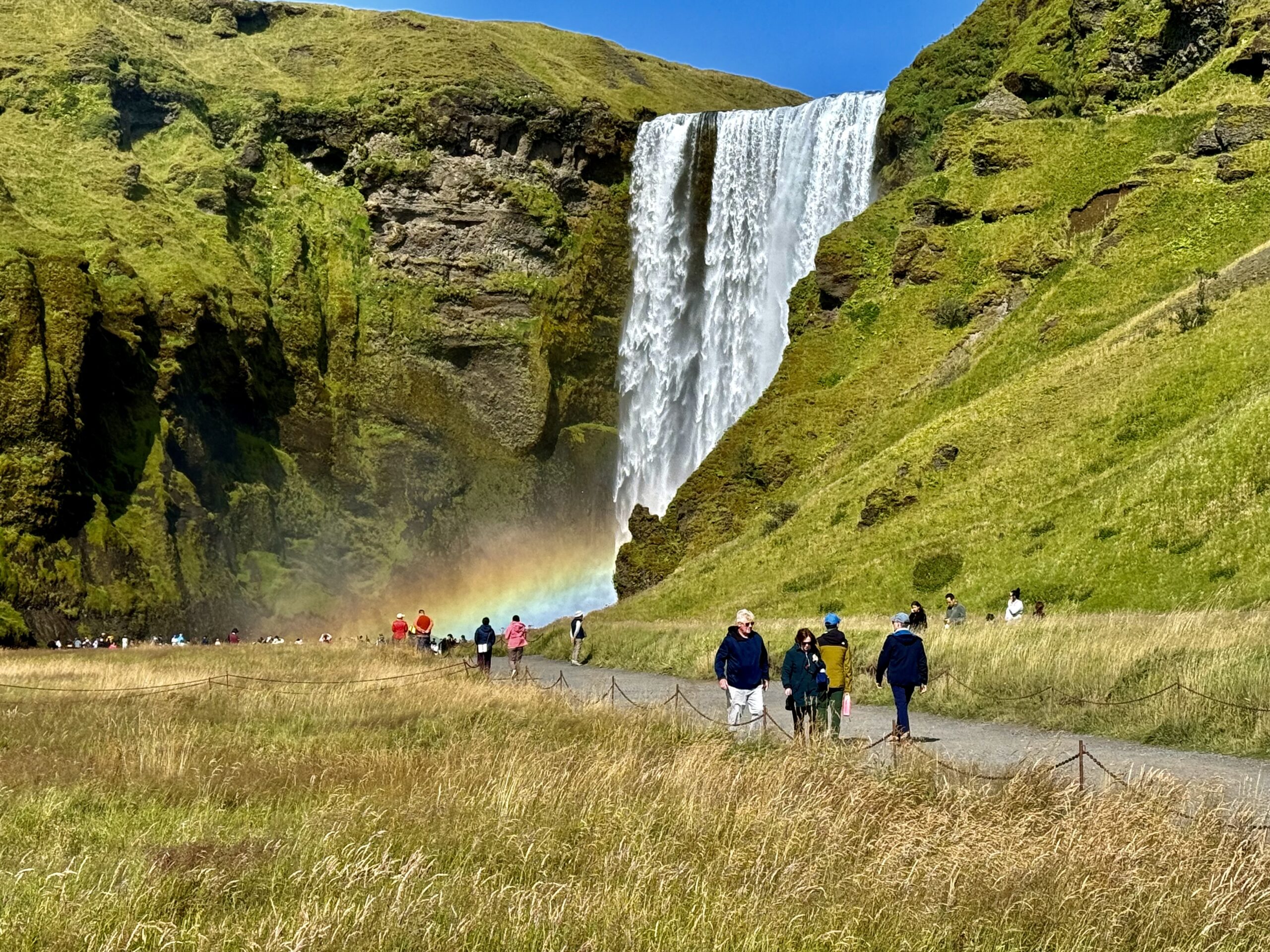
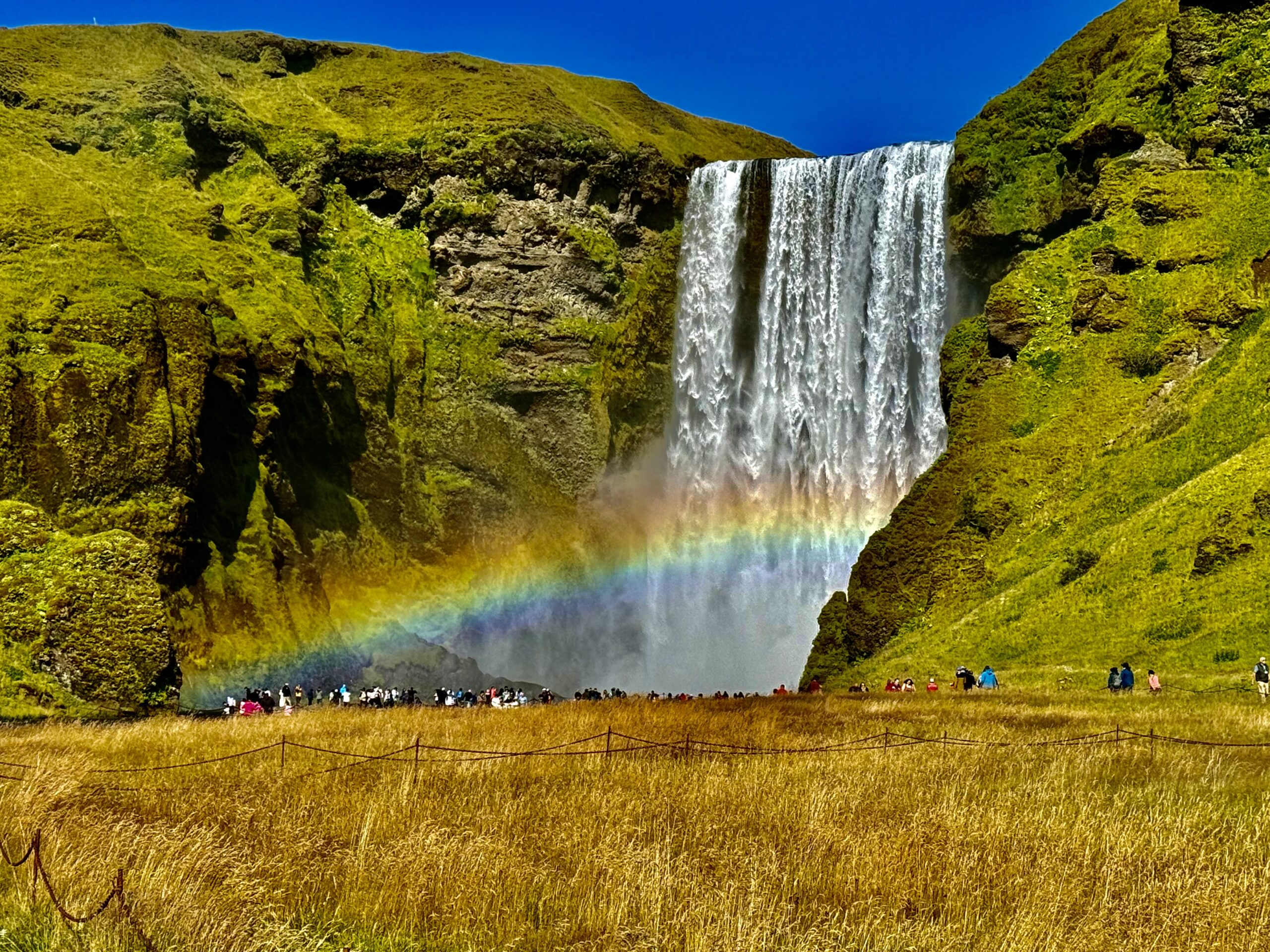
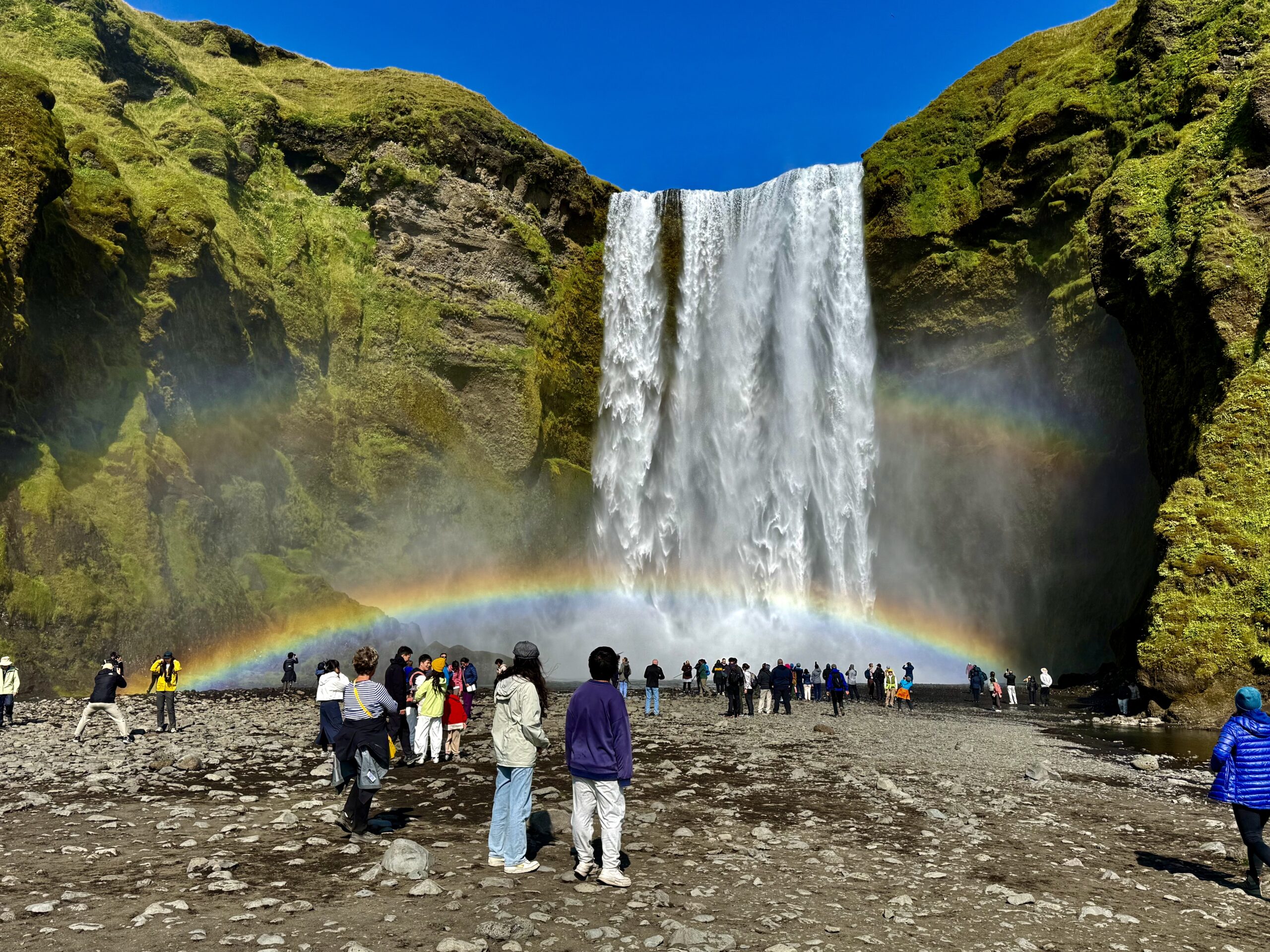
Skogafoss Falls
With a 190+ foot drop and a 80+ foot width, these falls are among the most impressive in Iceland. Hard to miss the rainbow at its base when first viewed from Route One. Large parking area to accommodate all the visitors. Worth the short walk to the base of the falls.
Every parking area at a natural site, like a waterfall, requires payment. We confront this several times a day. Once we learned to use the QR code instead of bothering with the parking app, things got simpler. Because this is high tourist season, the gravel parking lots are jammed, and the parking pattern is somewhat random.
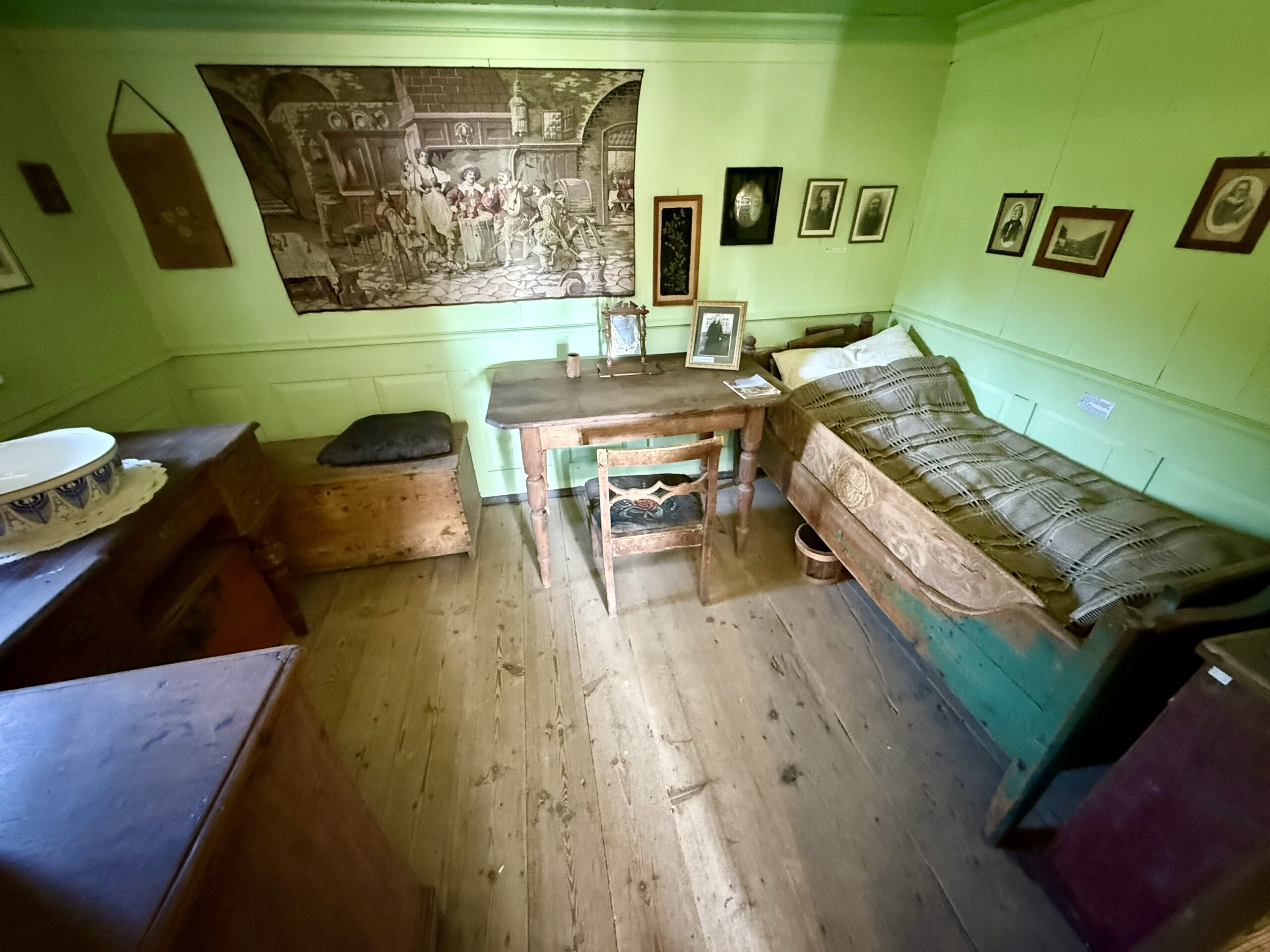
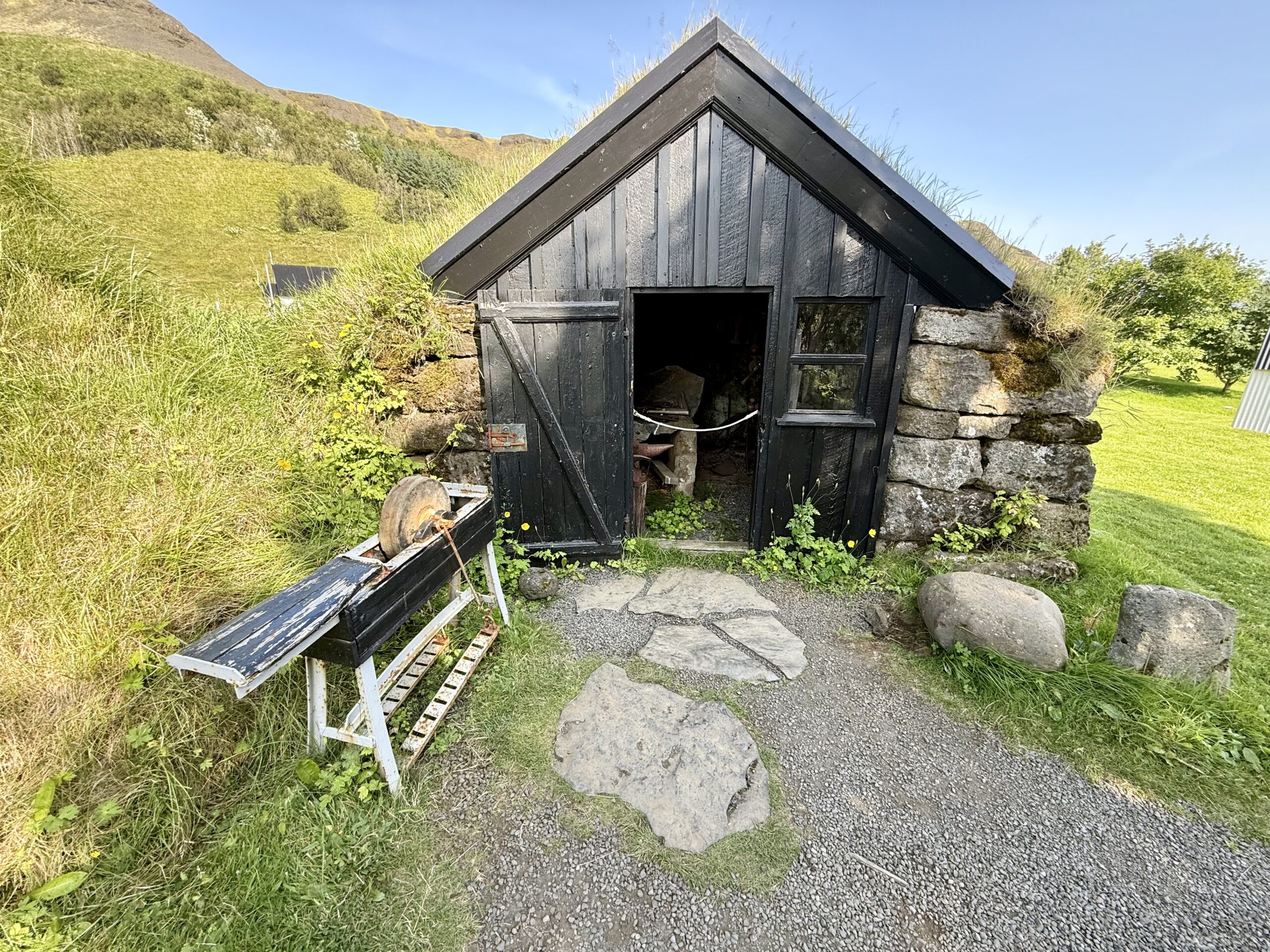
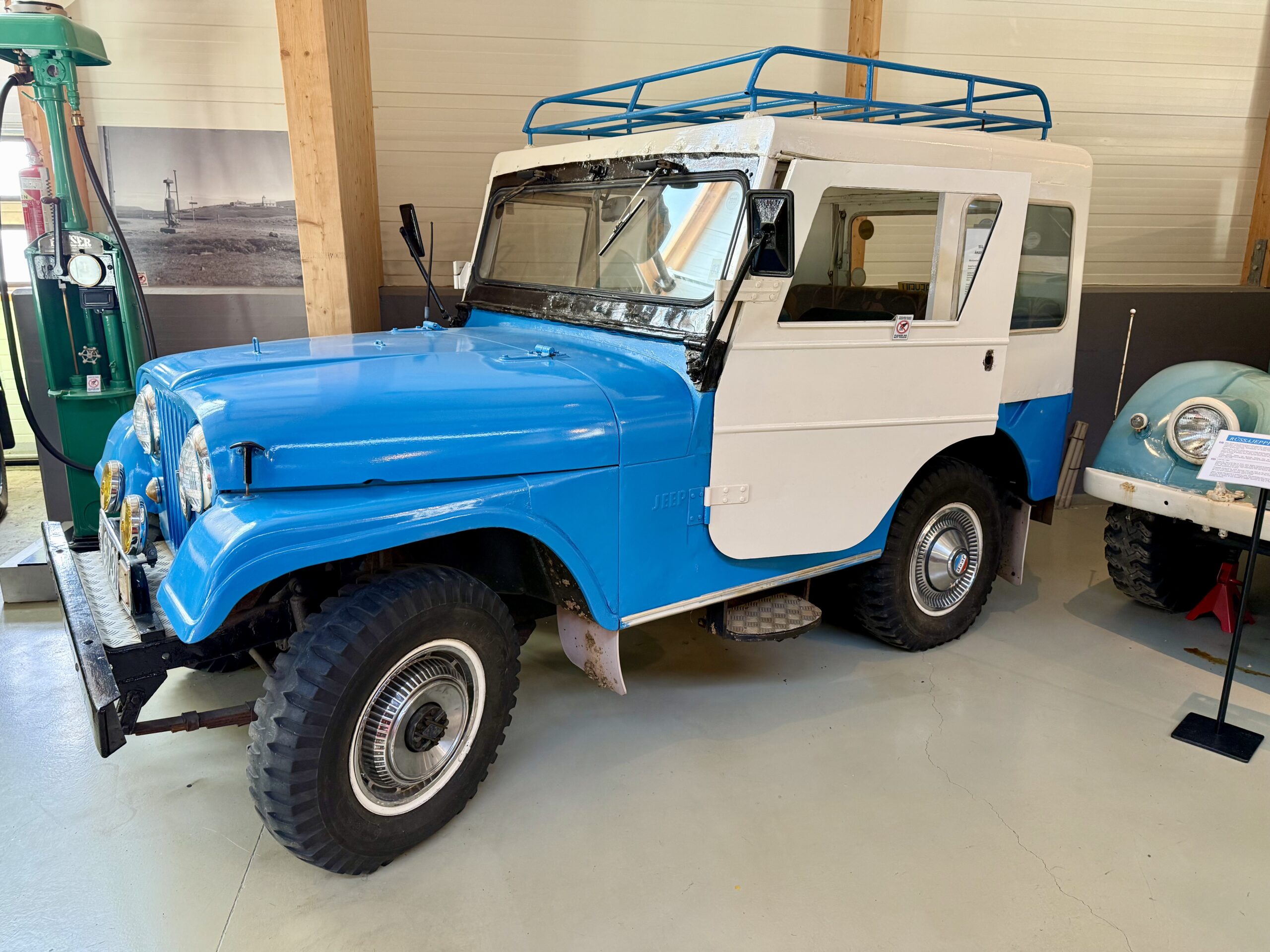
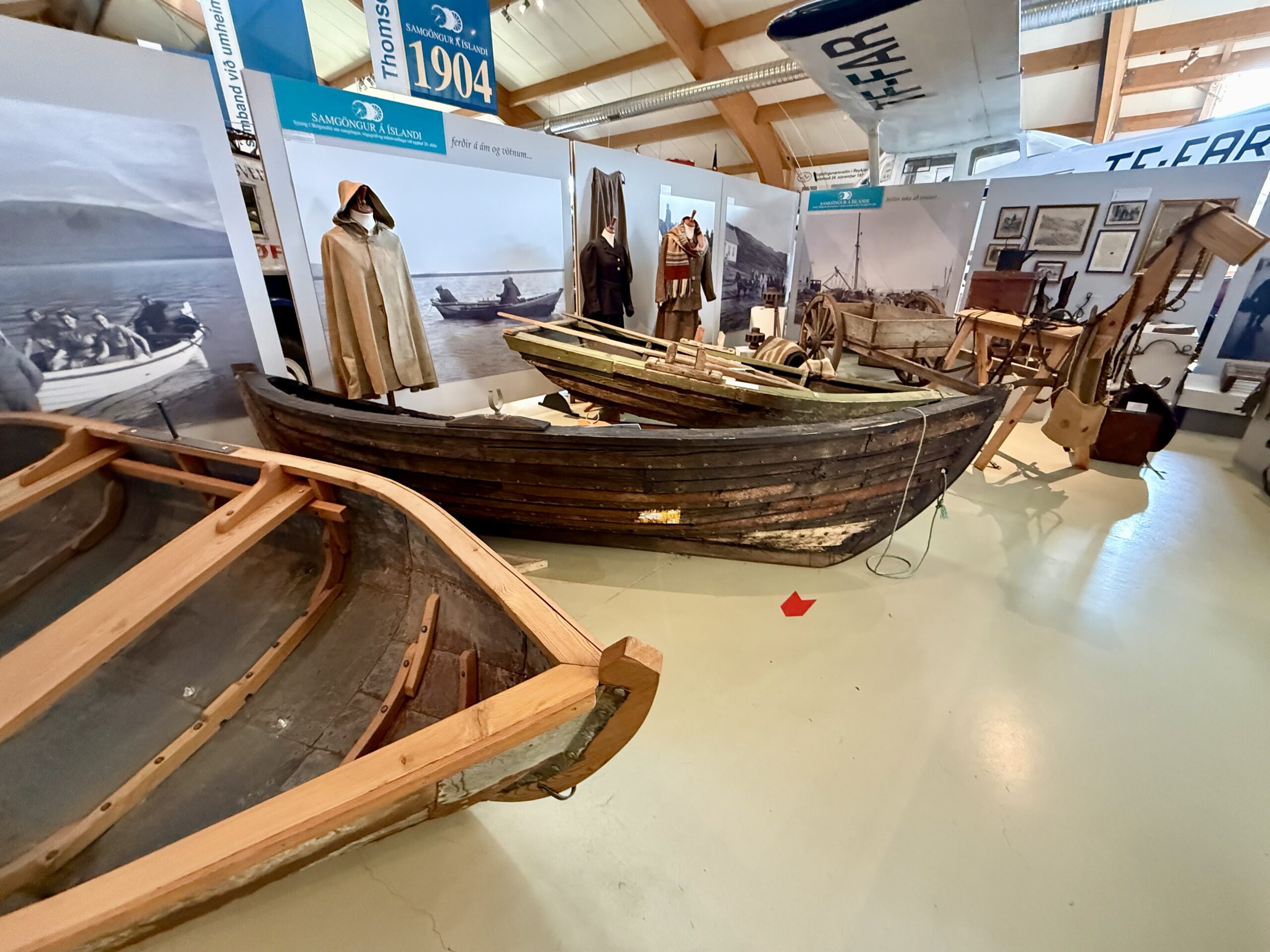
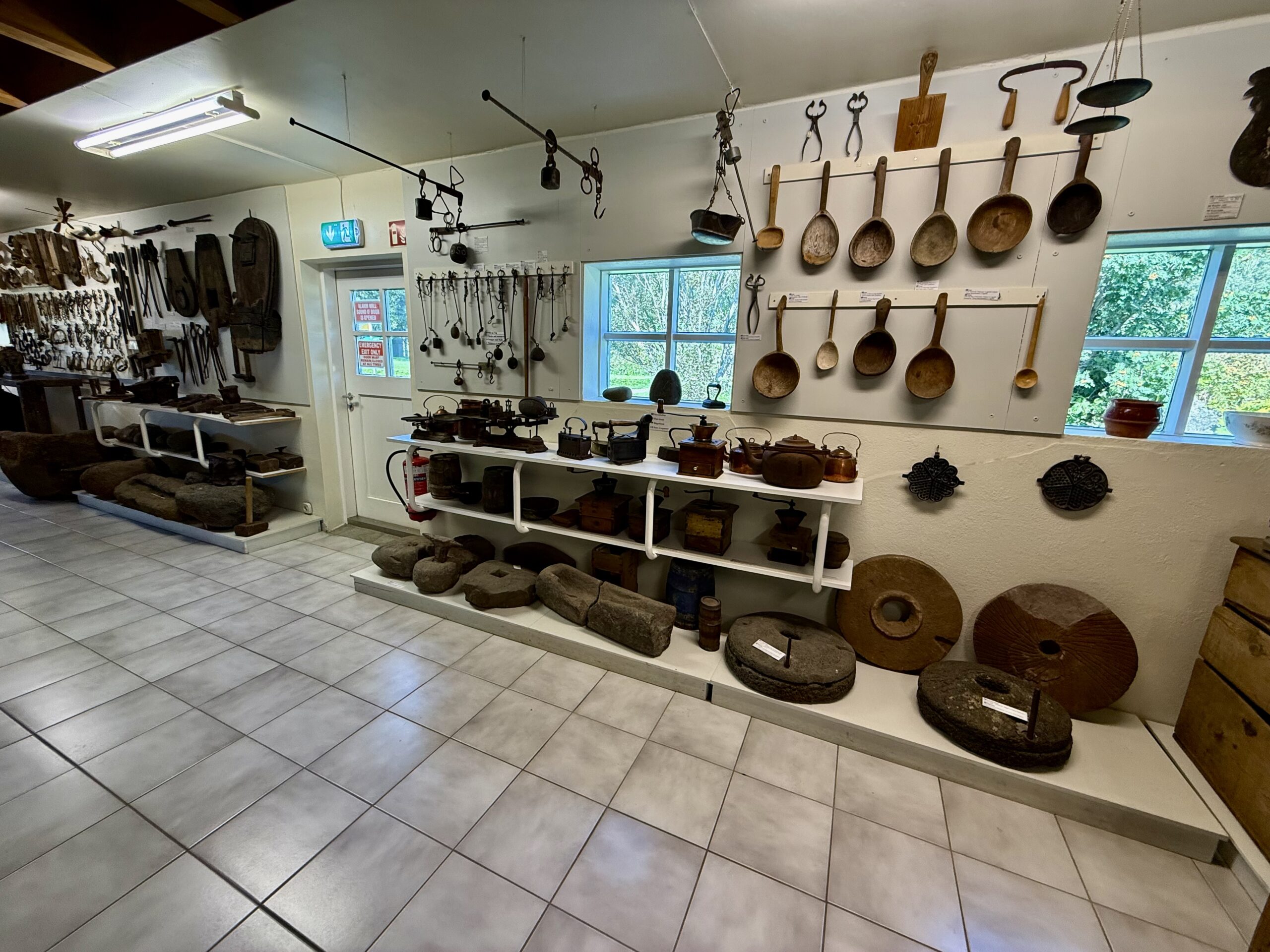
Skogar Folk Museum
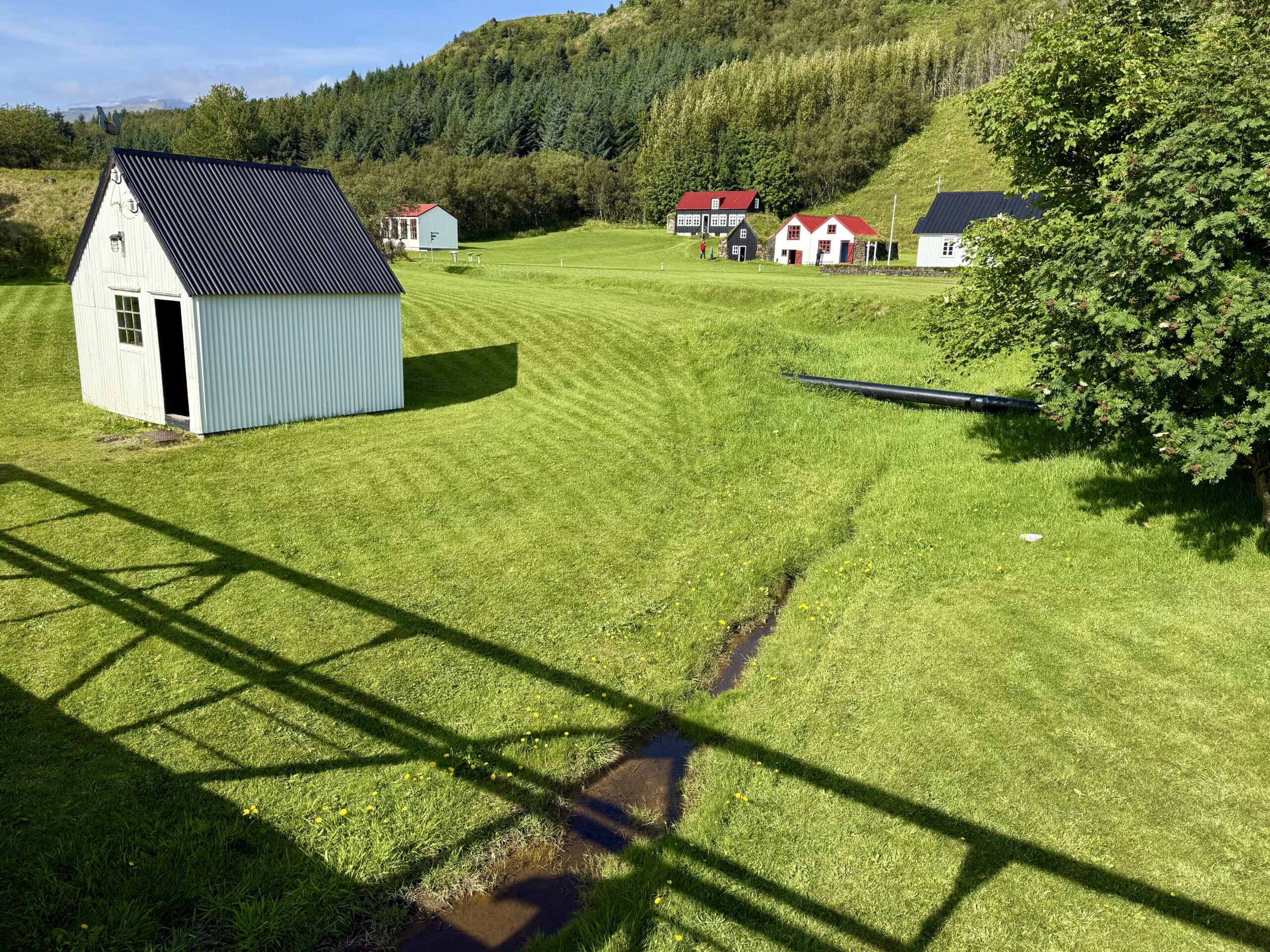
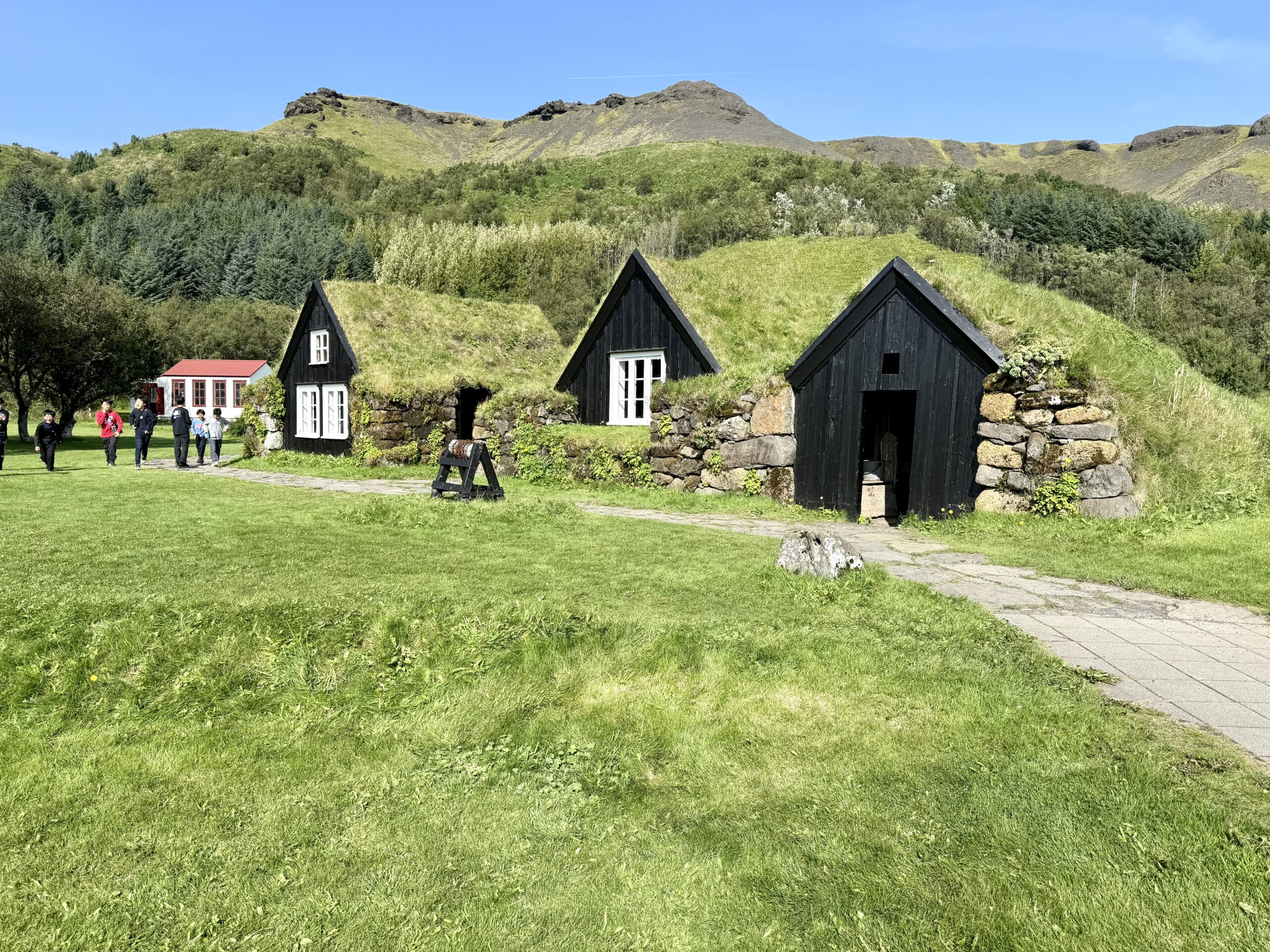
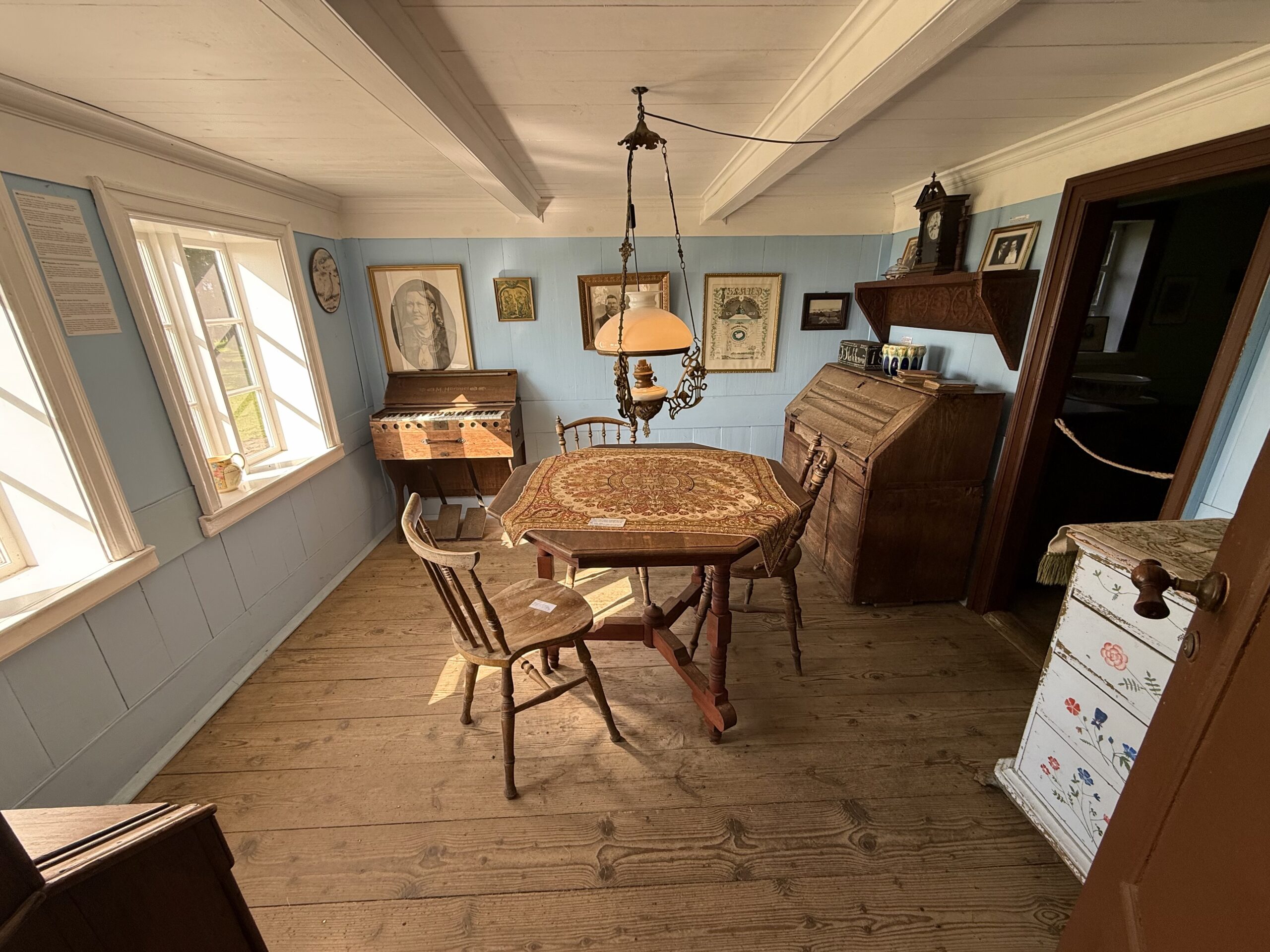
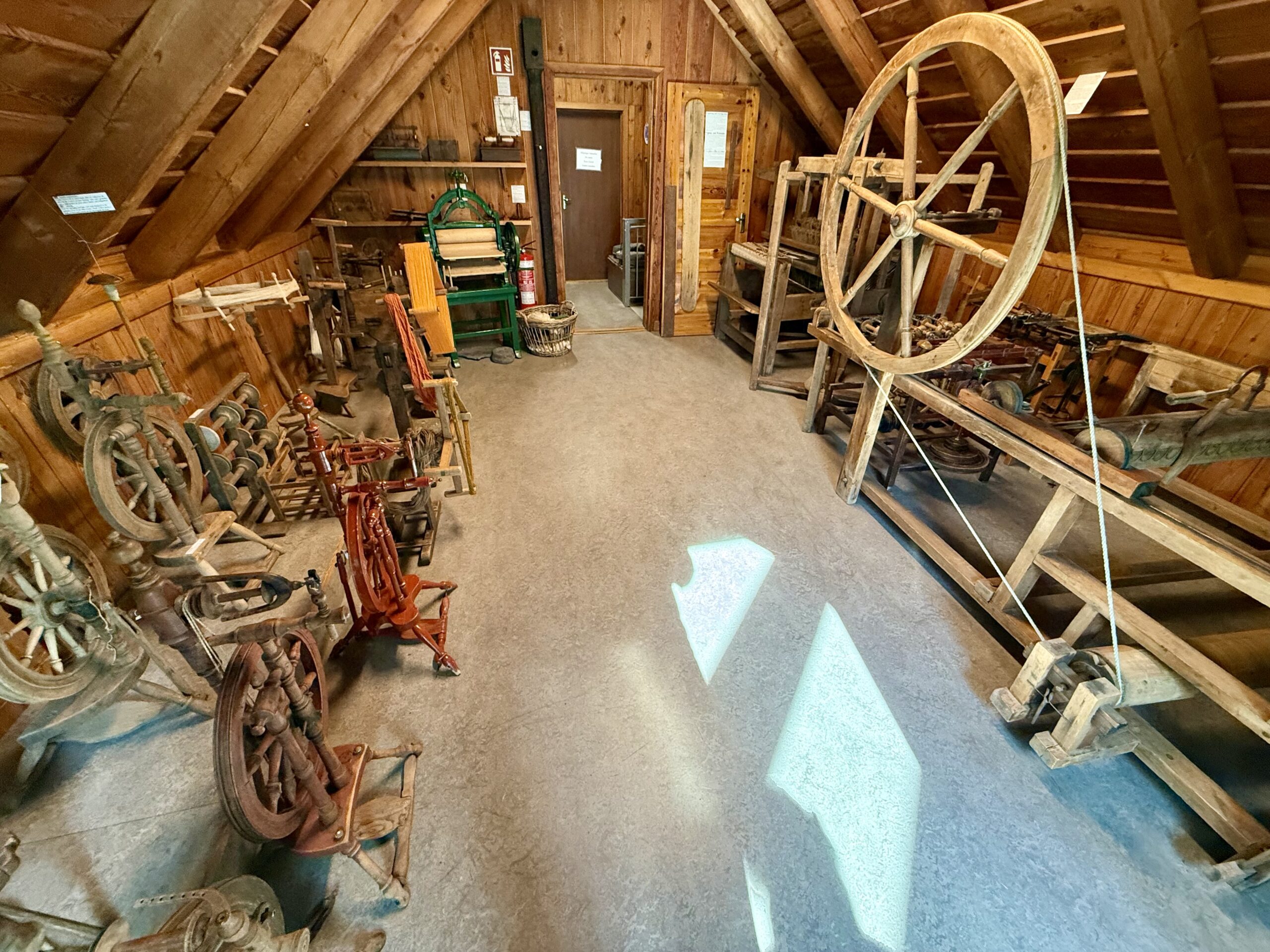
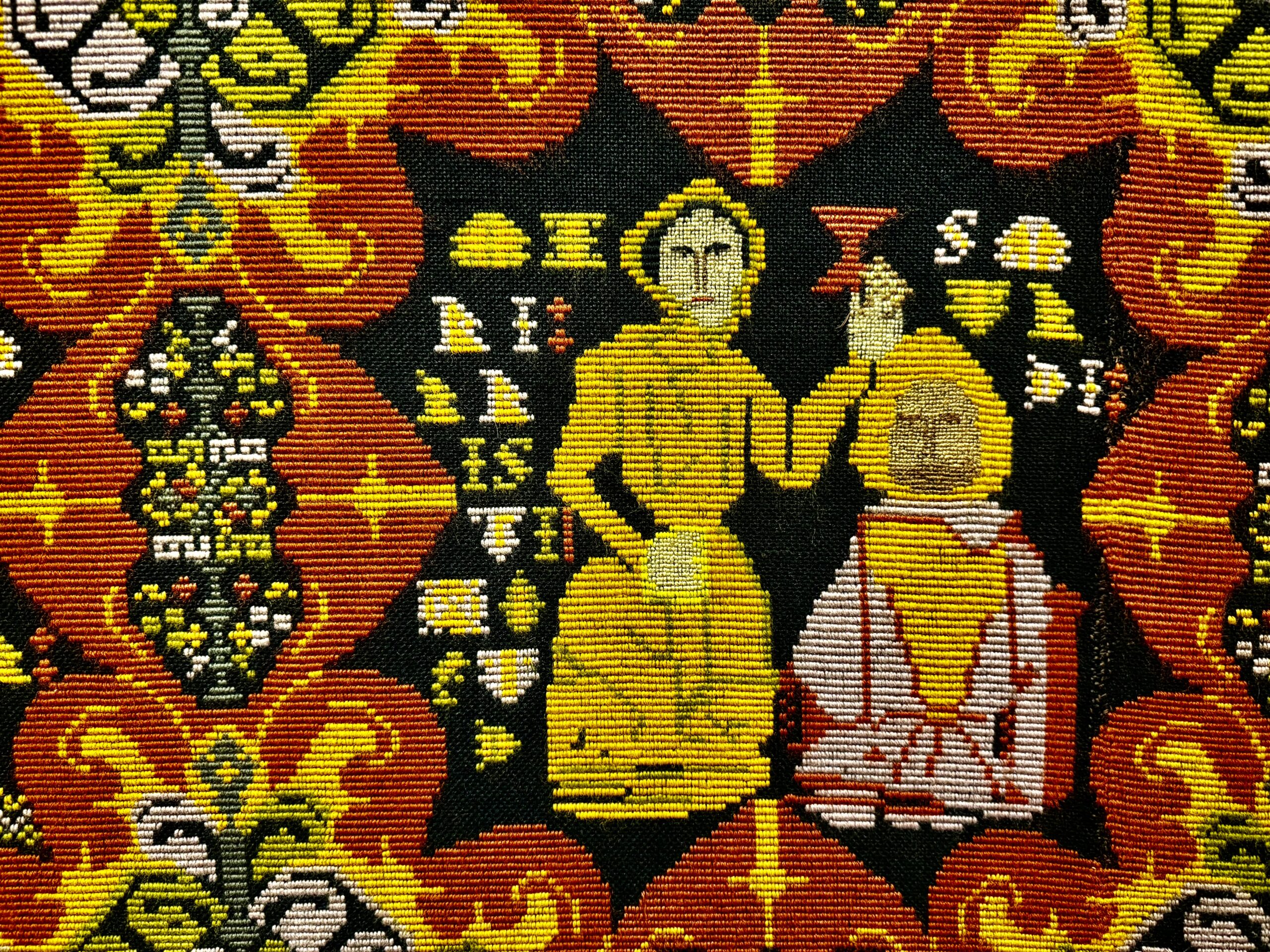
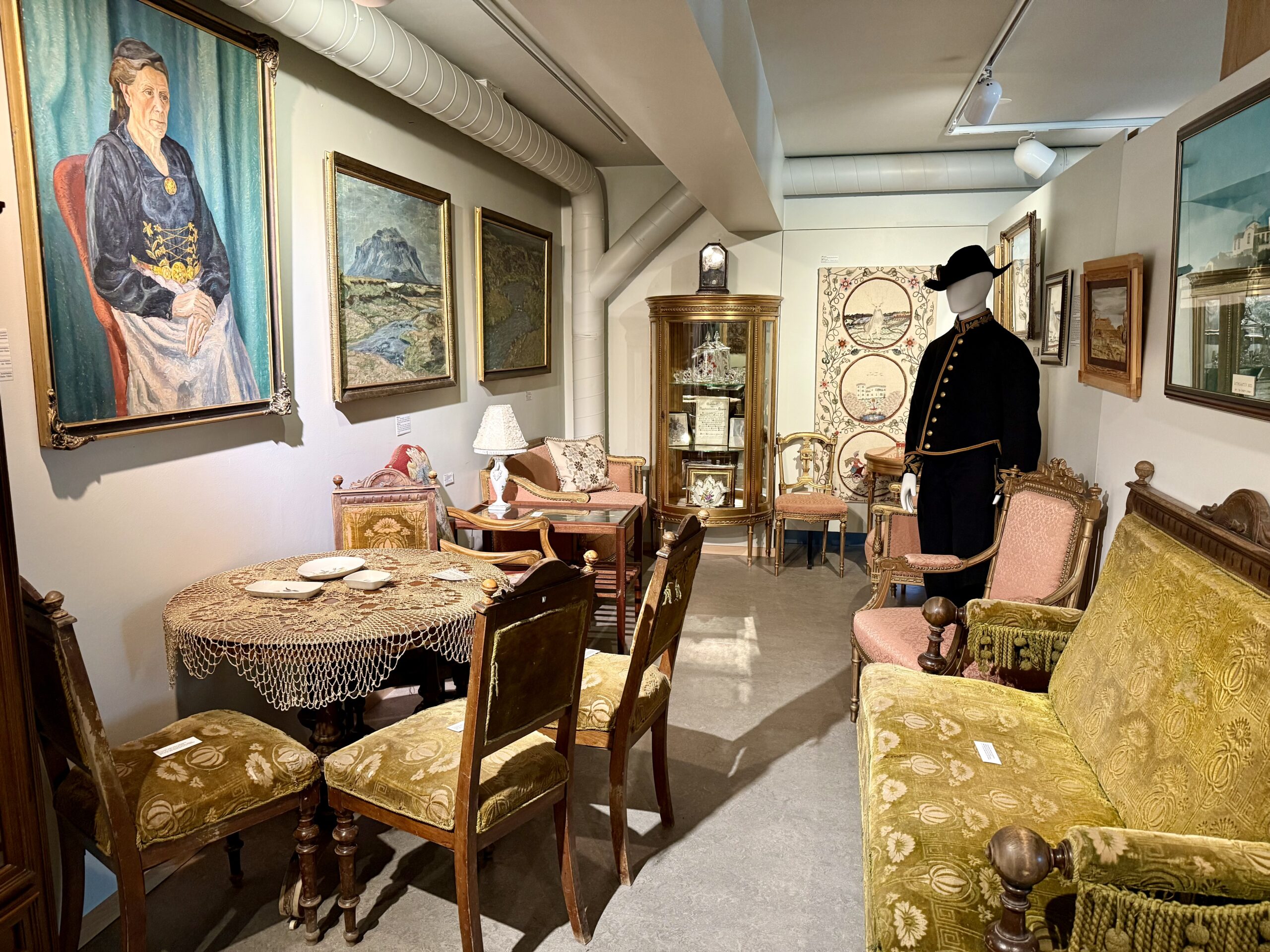
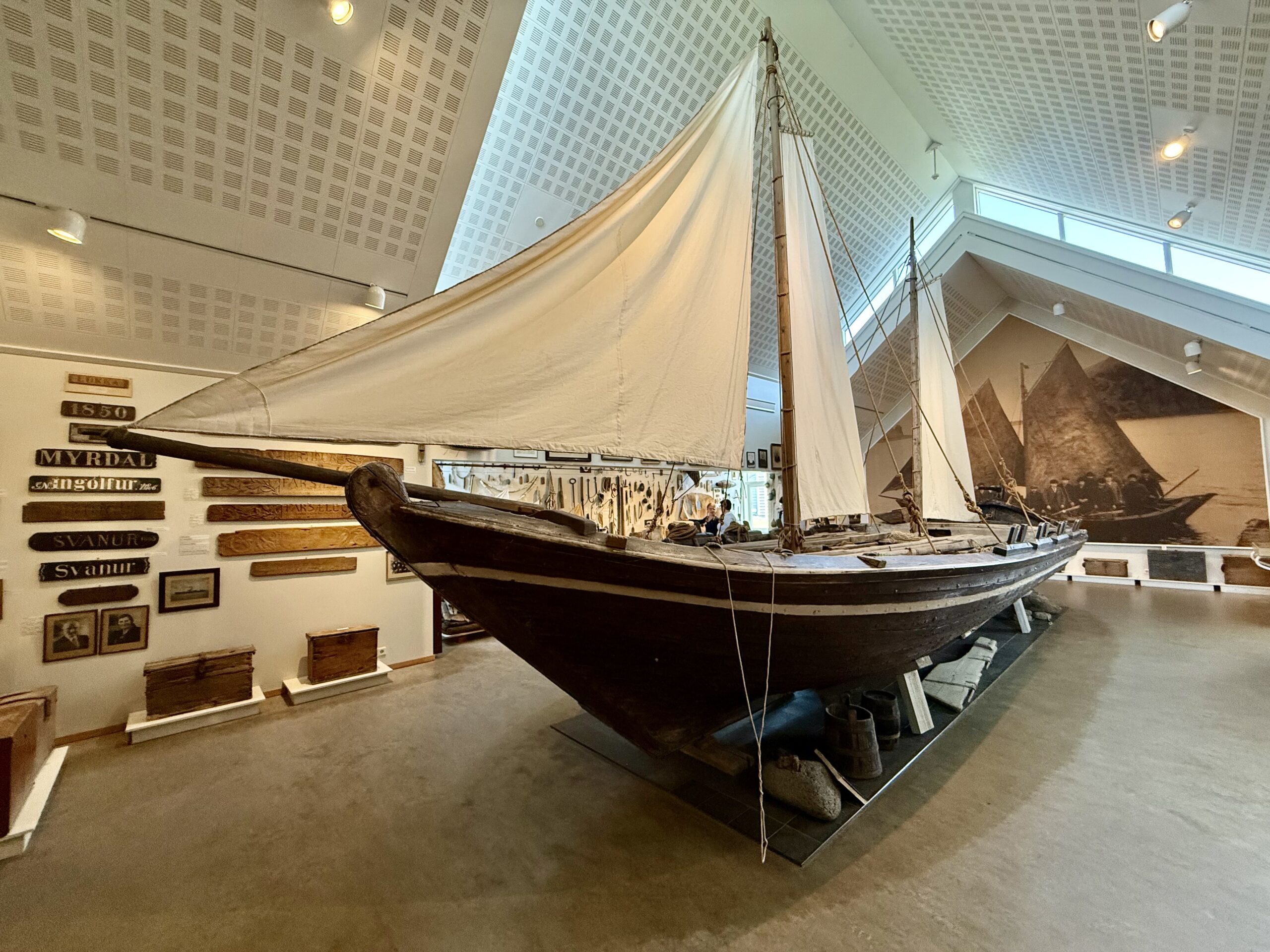
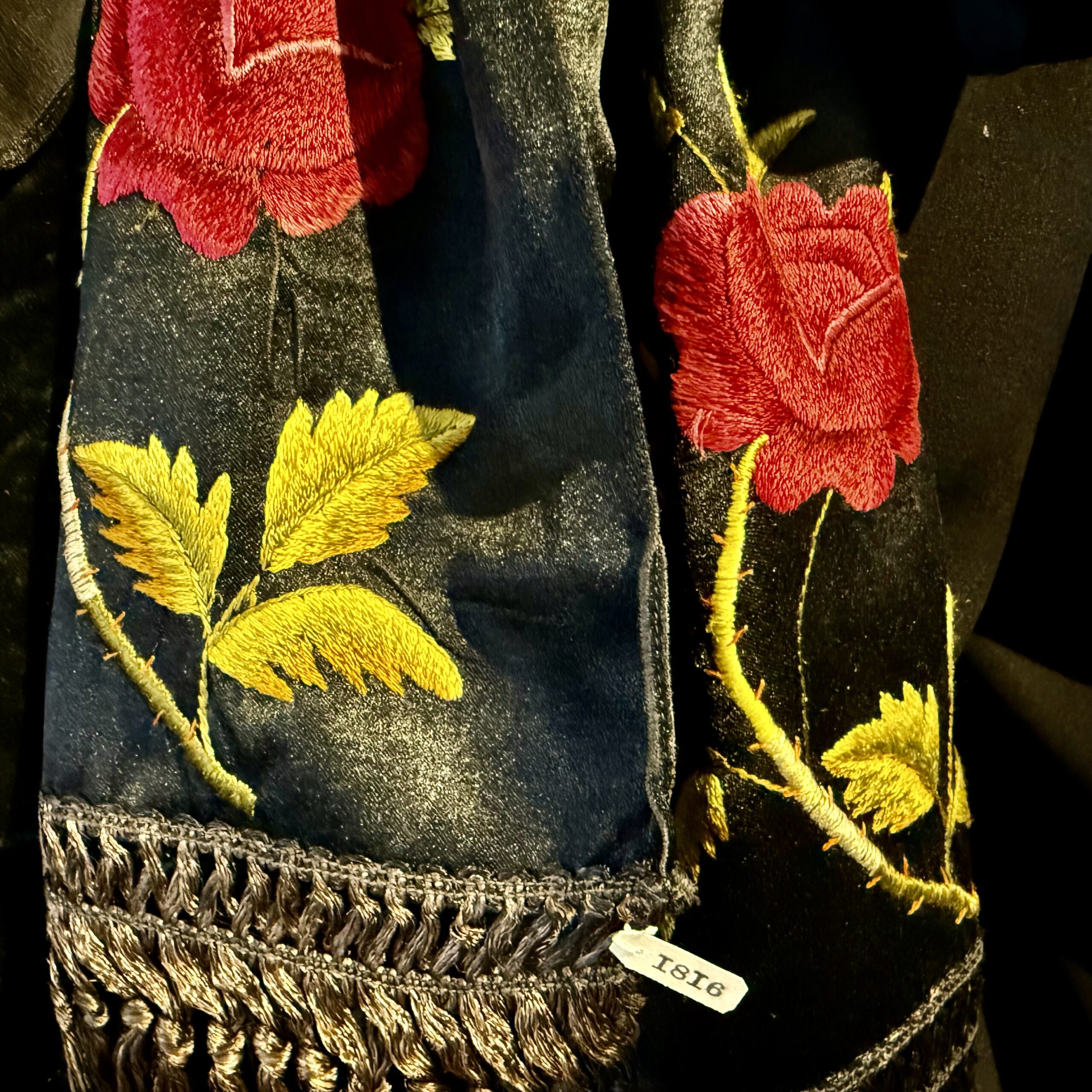
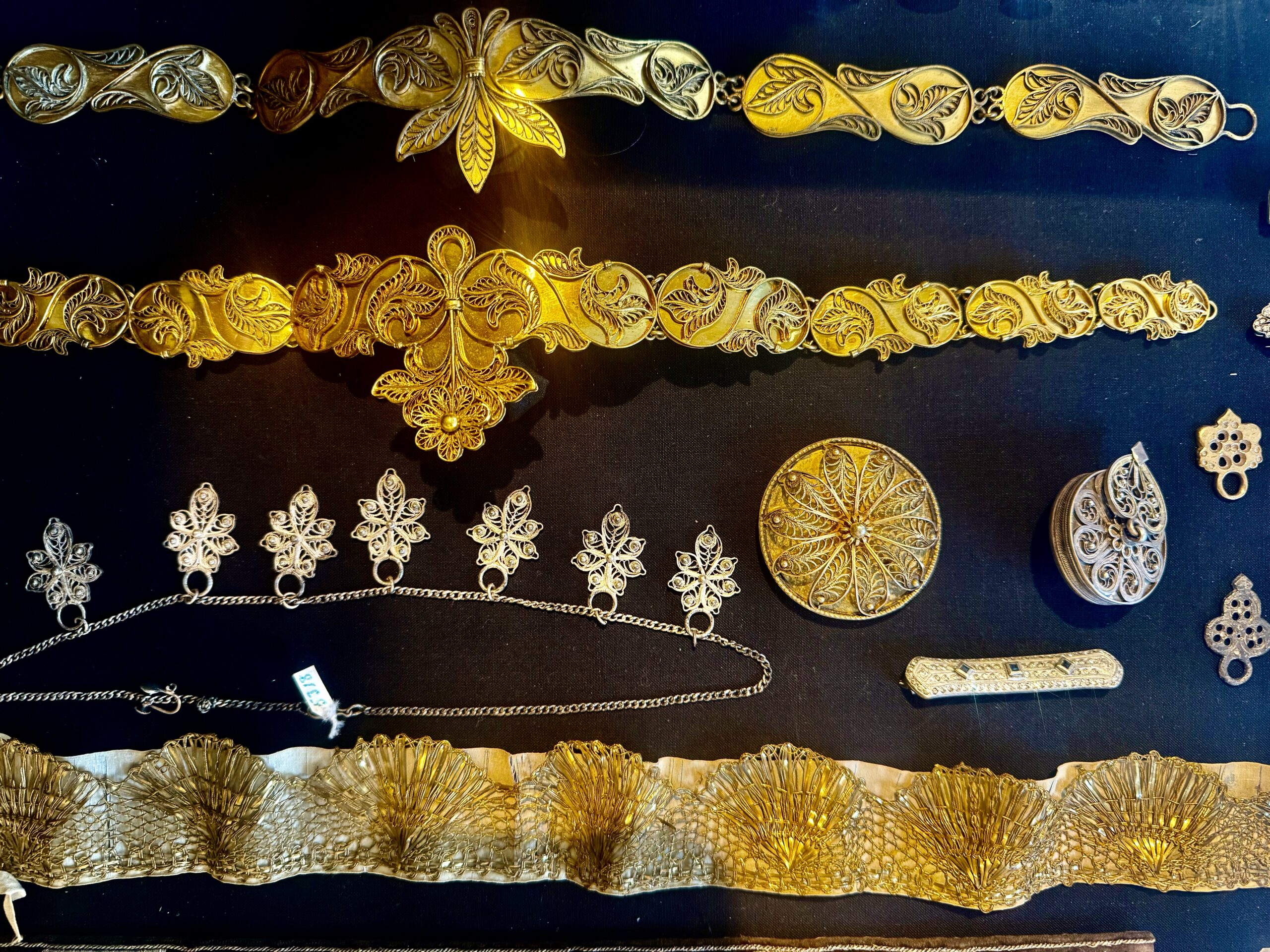
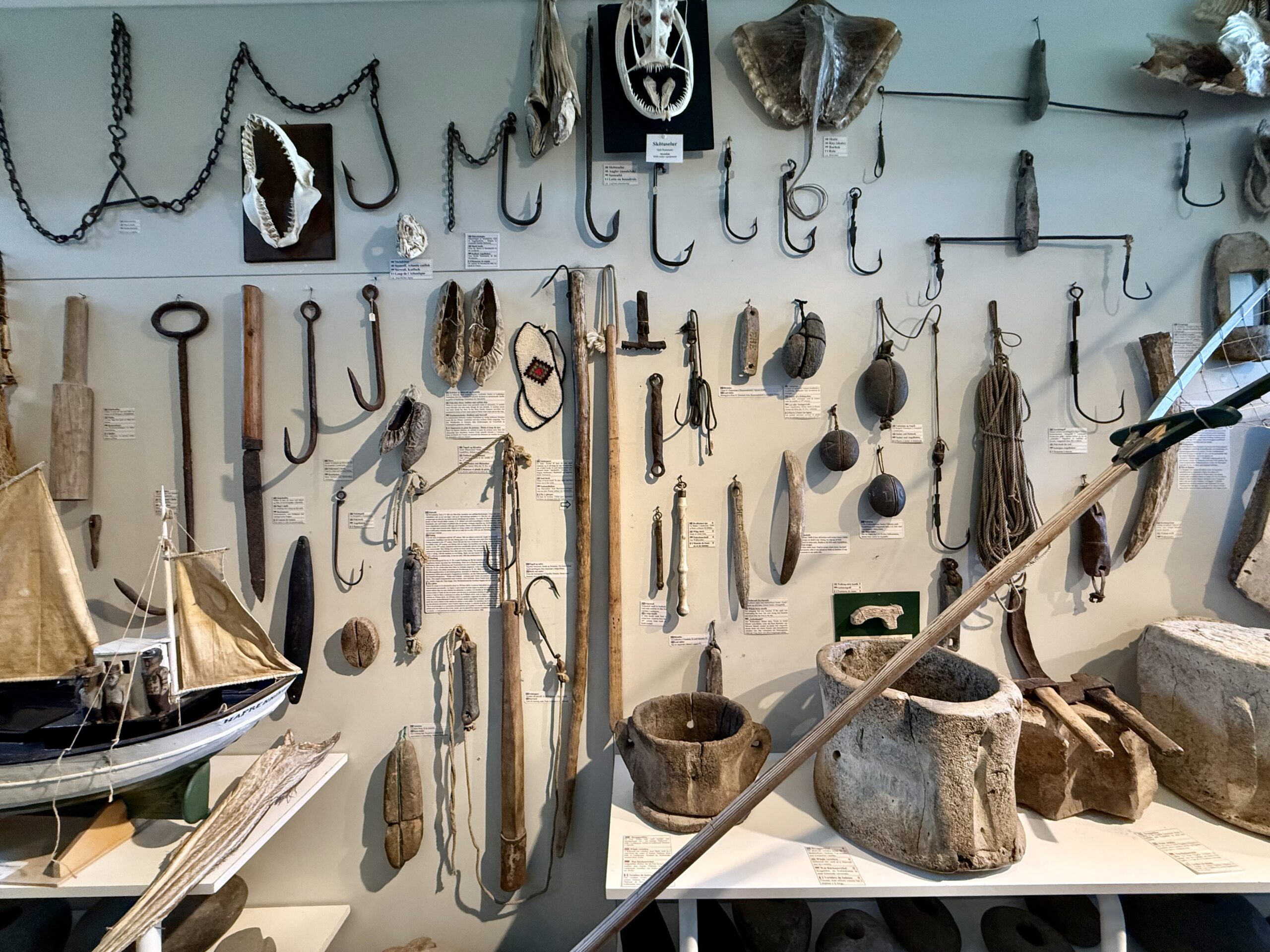
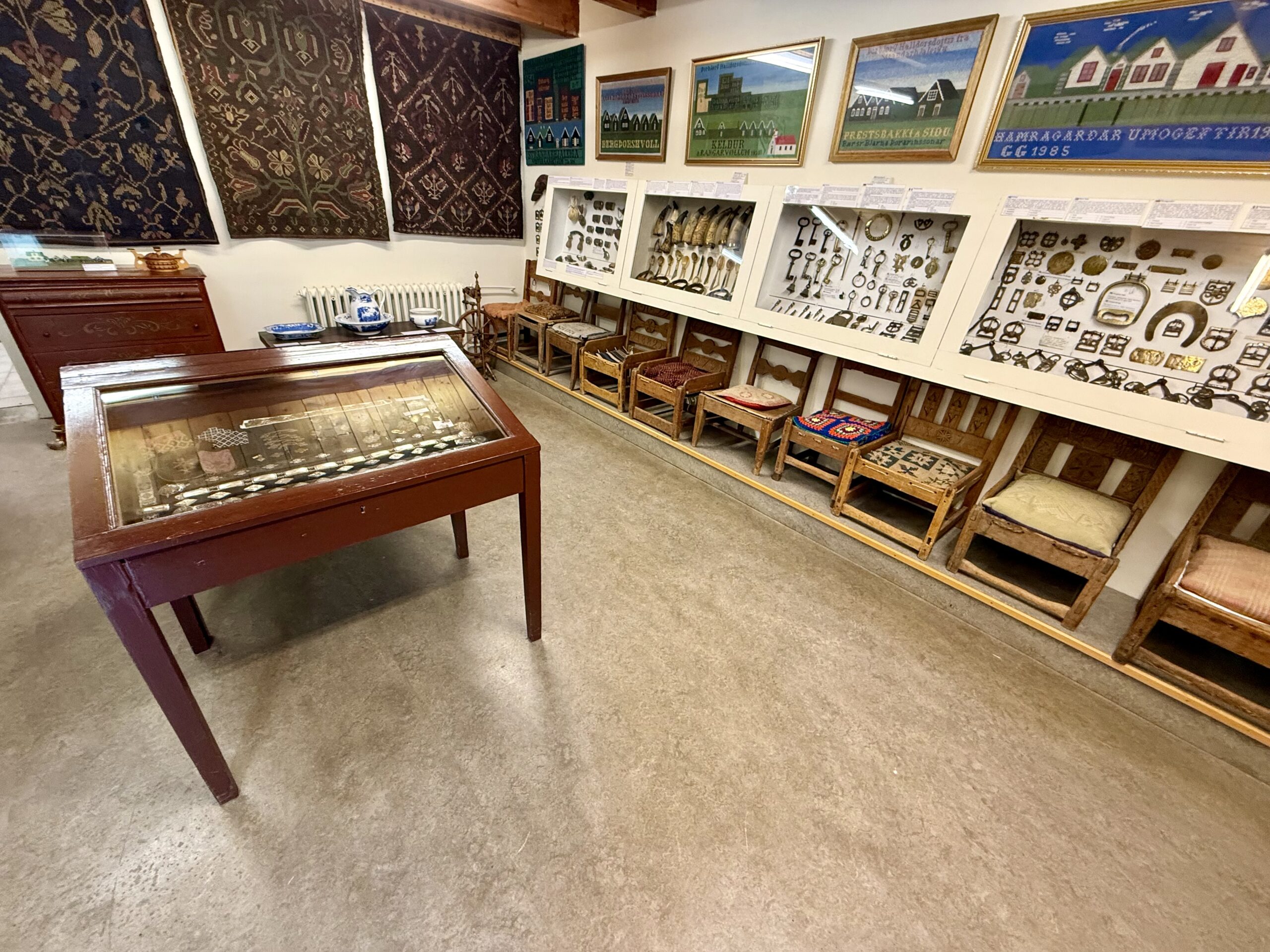
This is one chock-full museum, organized by subject—boats, agriculture, clothing, etc. Like other small museums we have visited, this one has a lovely newish building and is beautifully maintained, despite being almost in the middle of nowhere.
Lodging
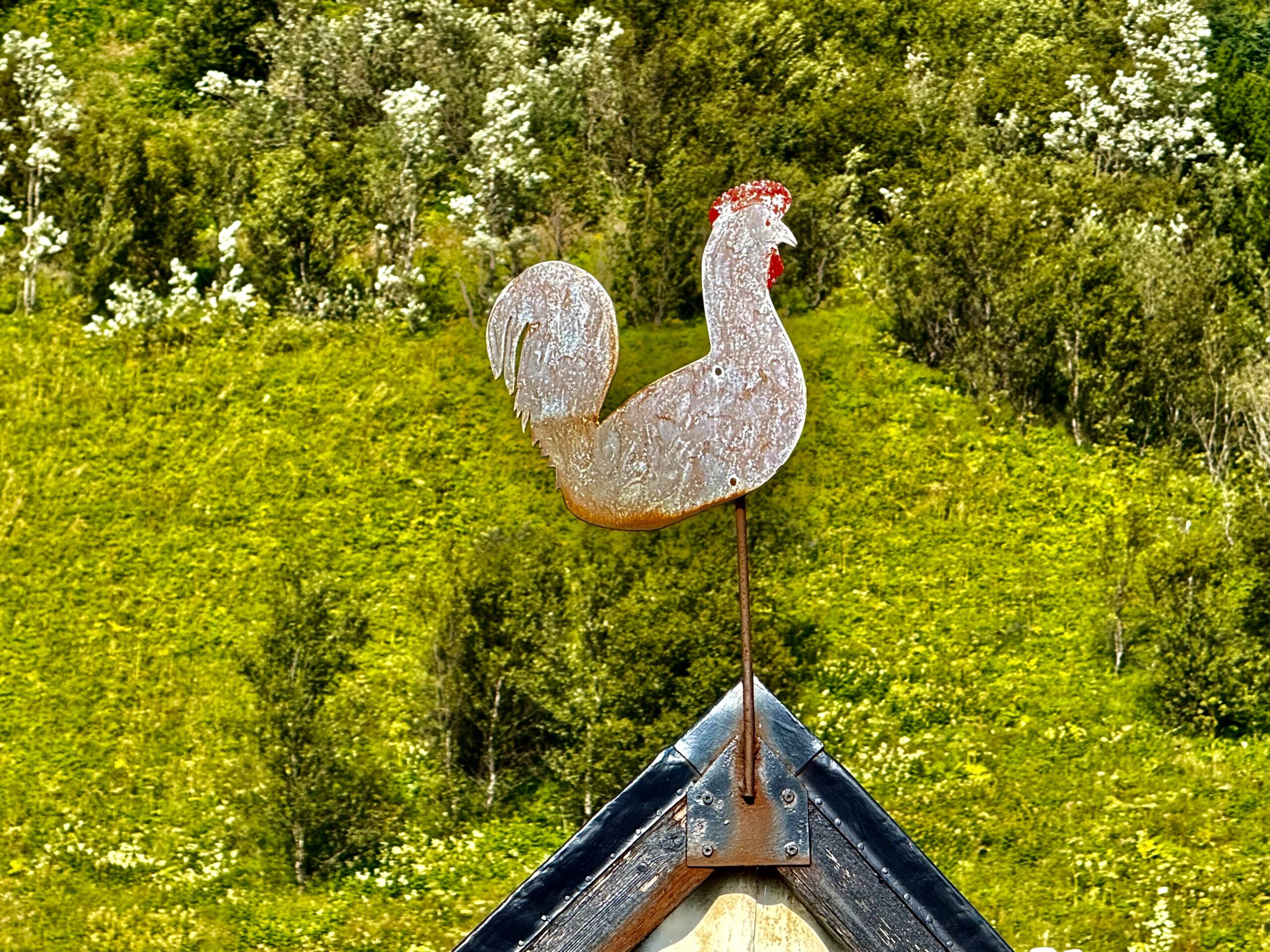
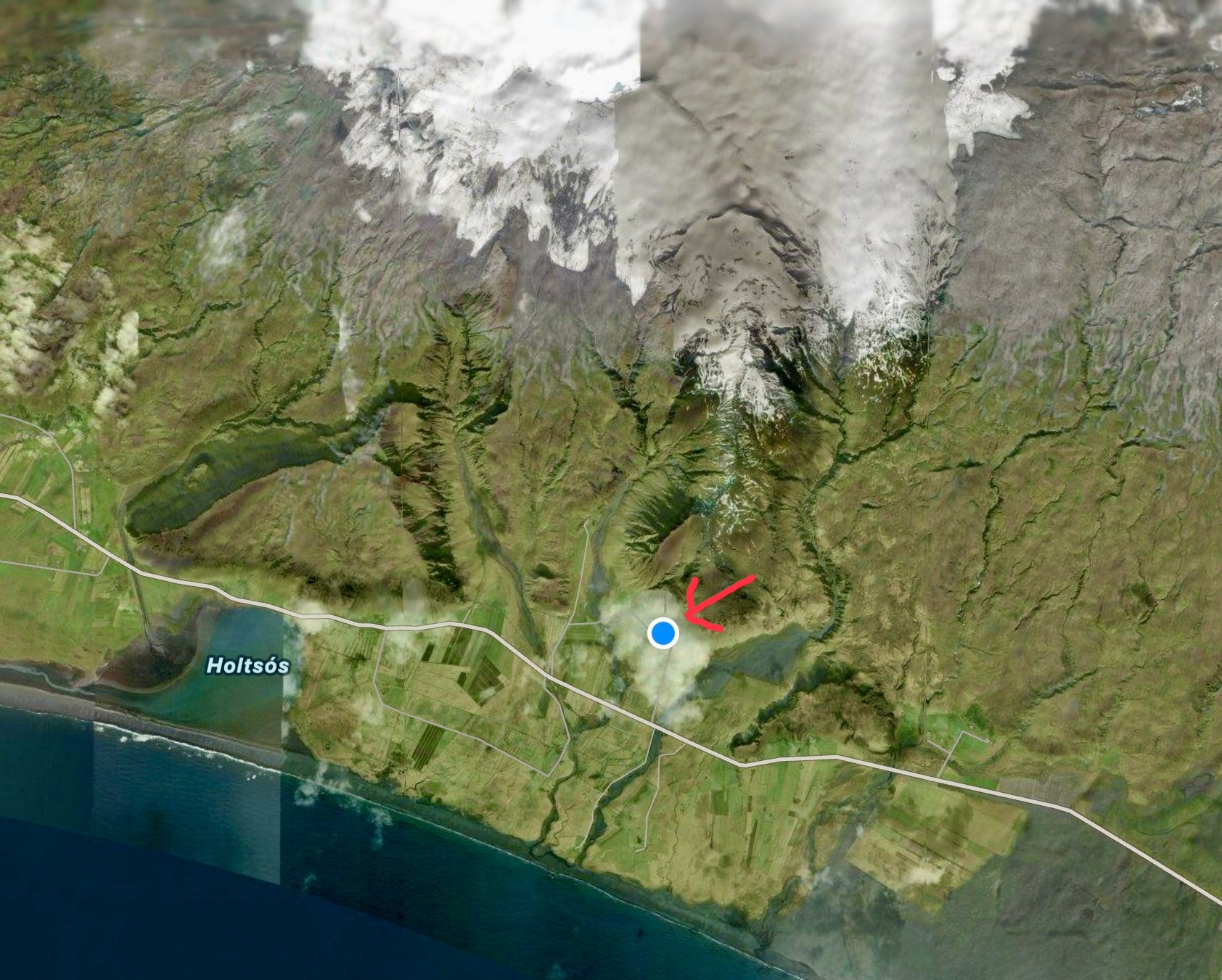
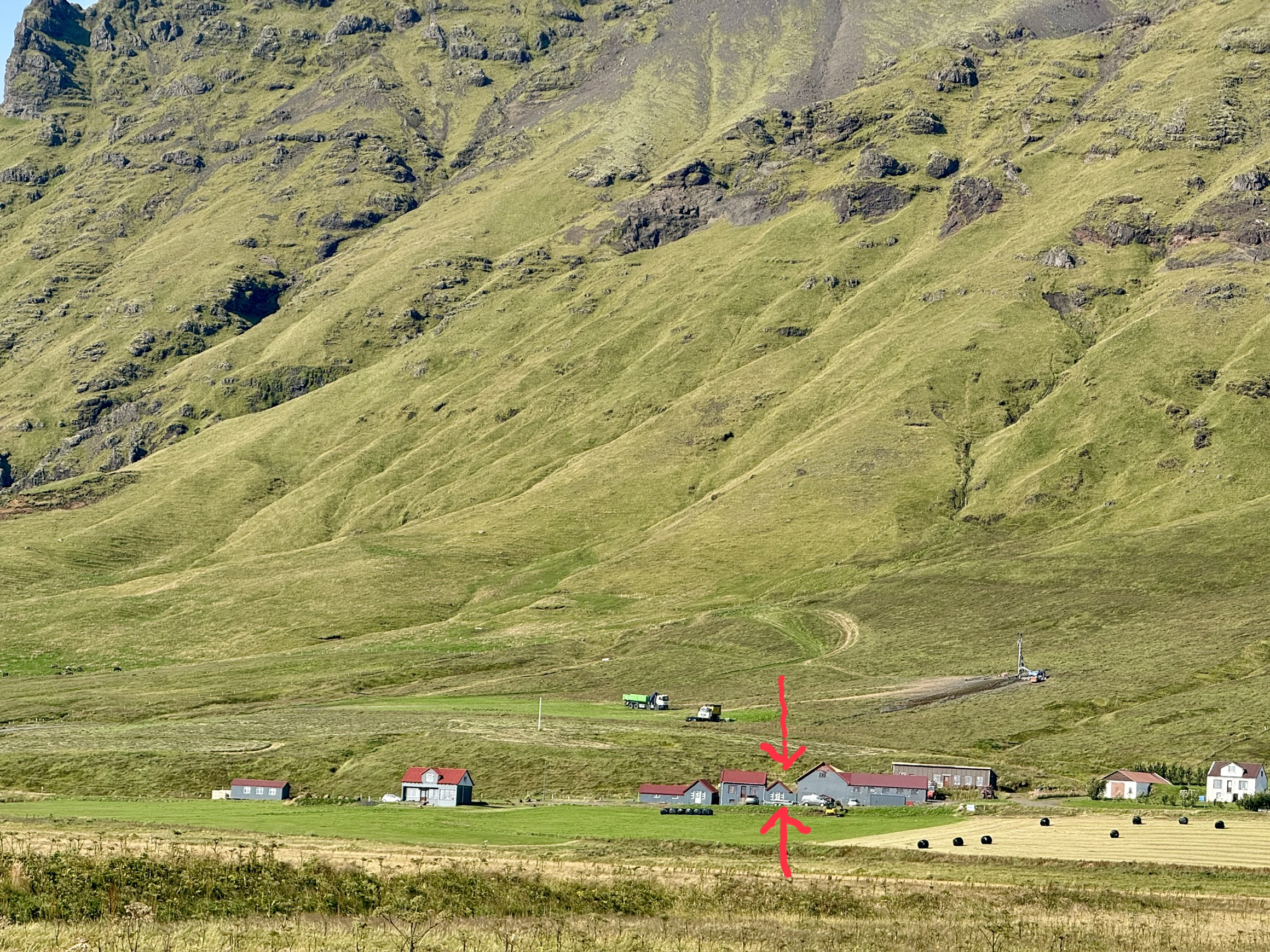
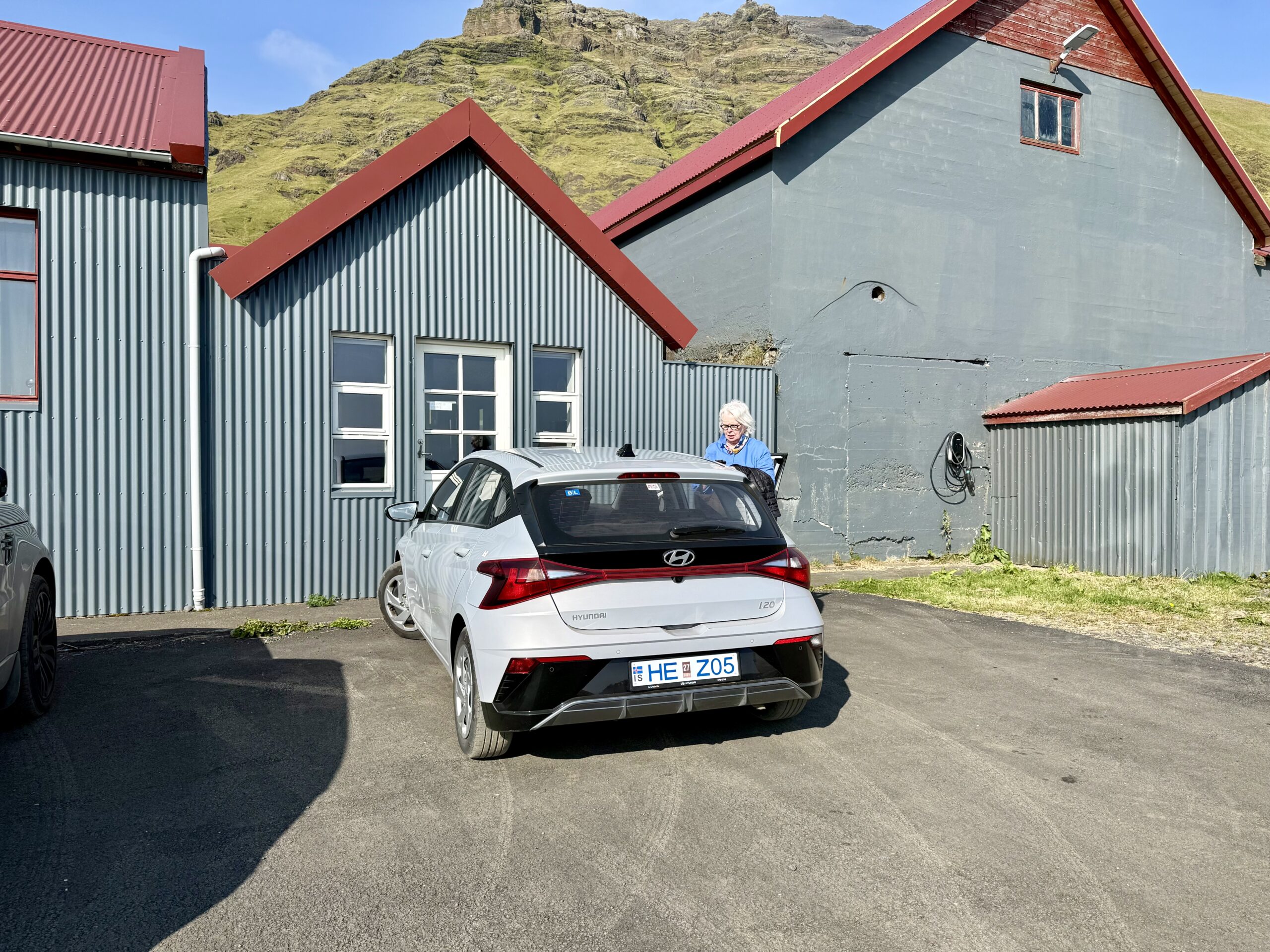
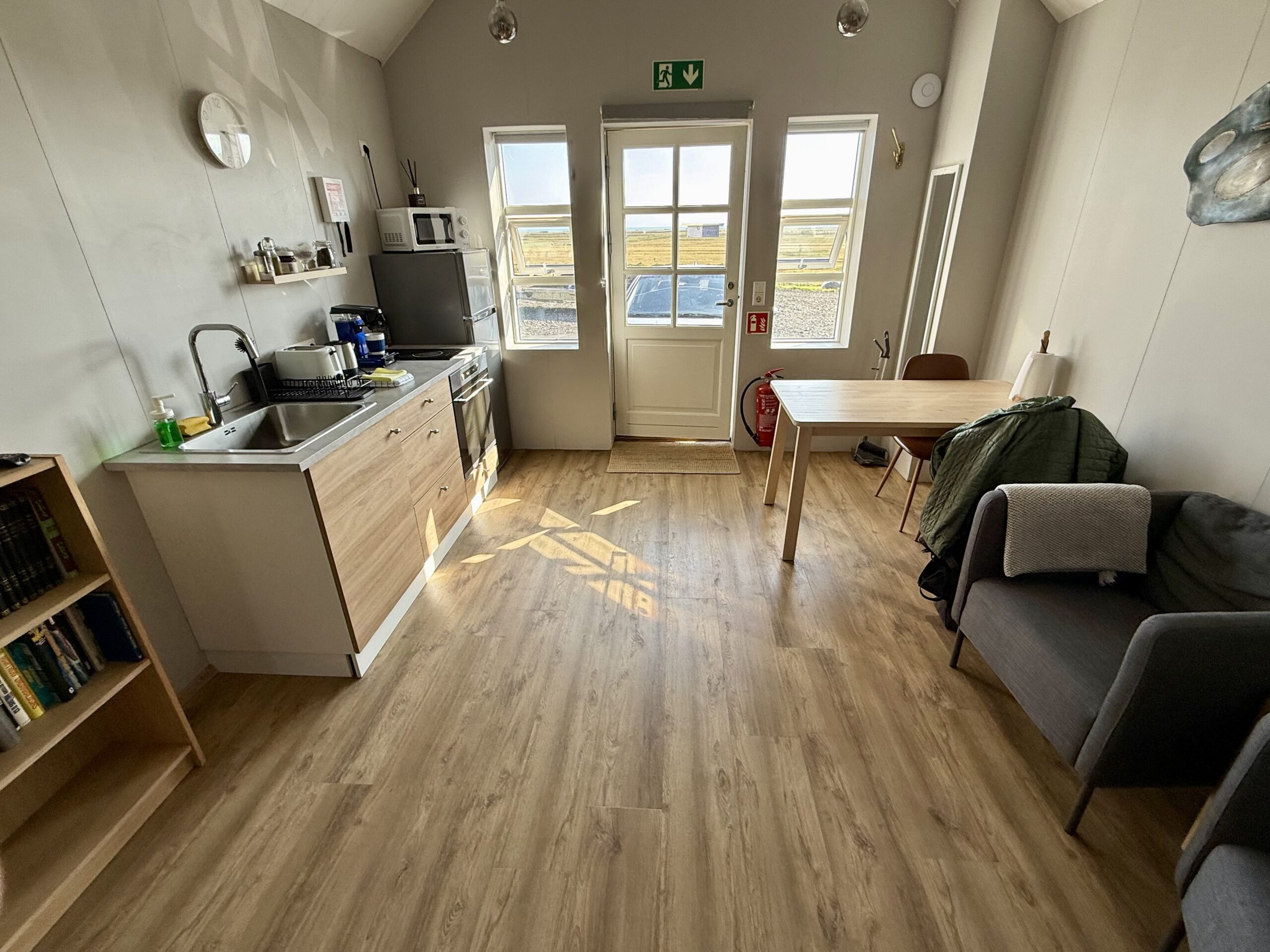
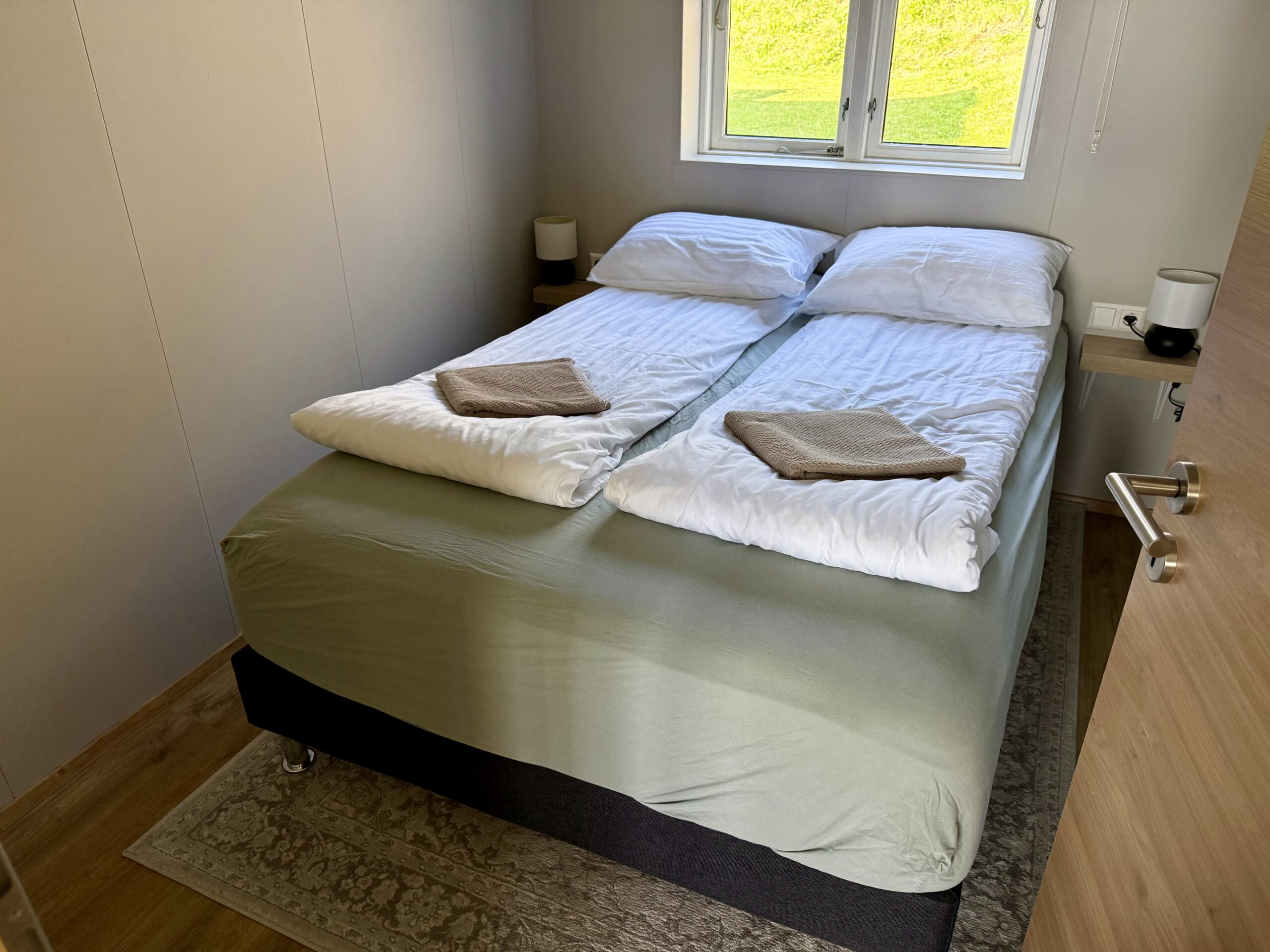
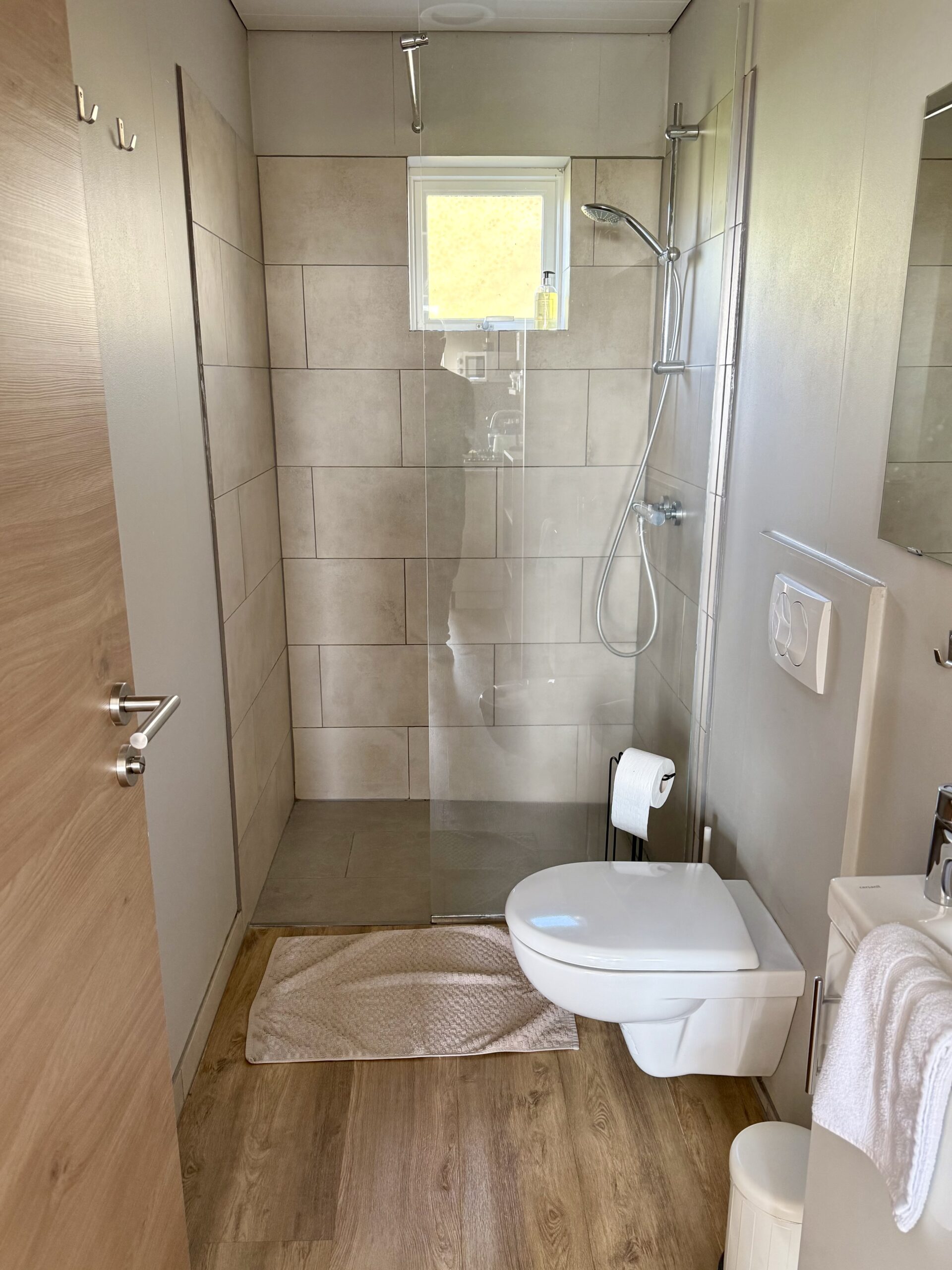
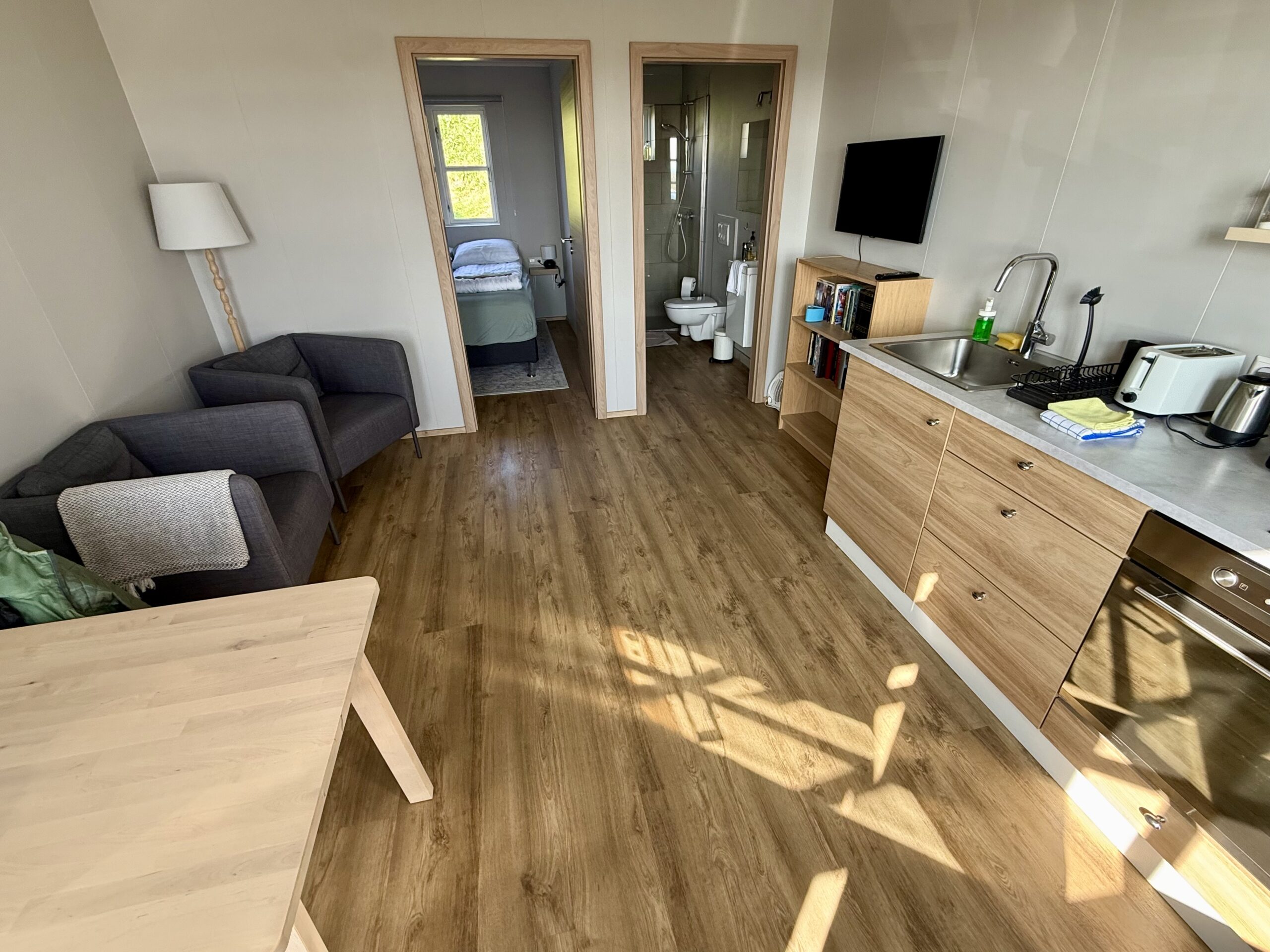
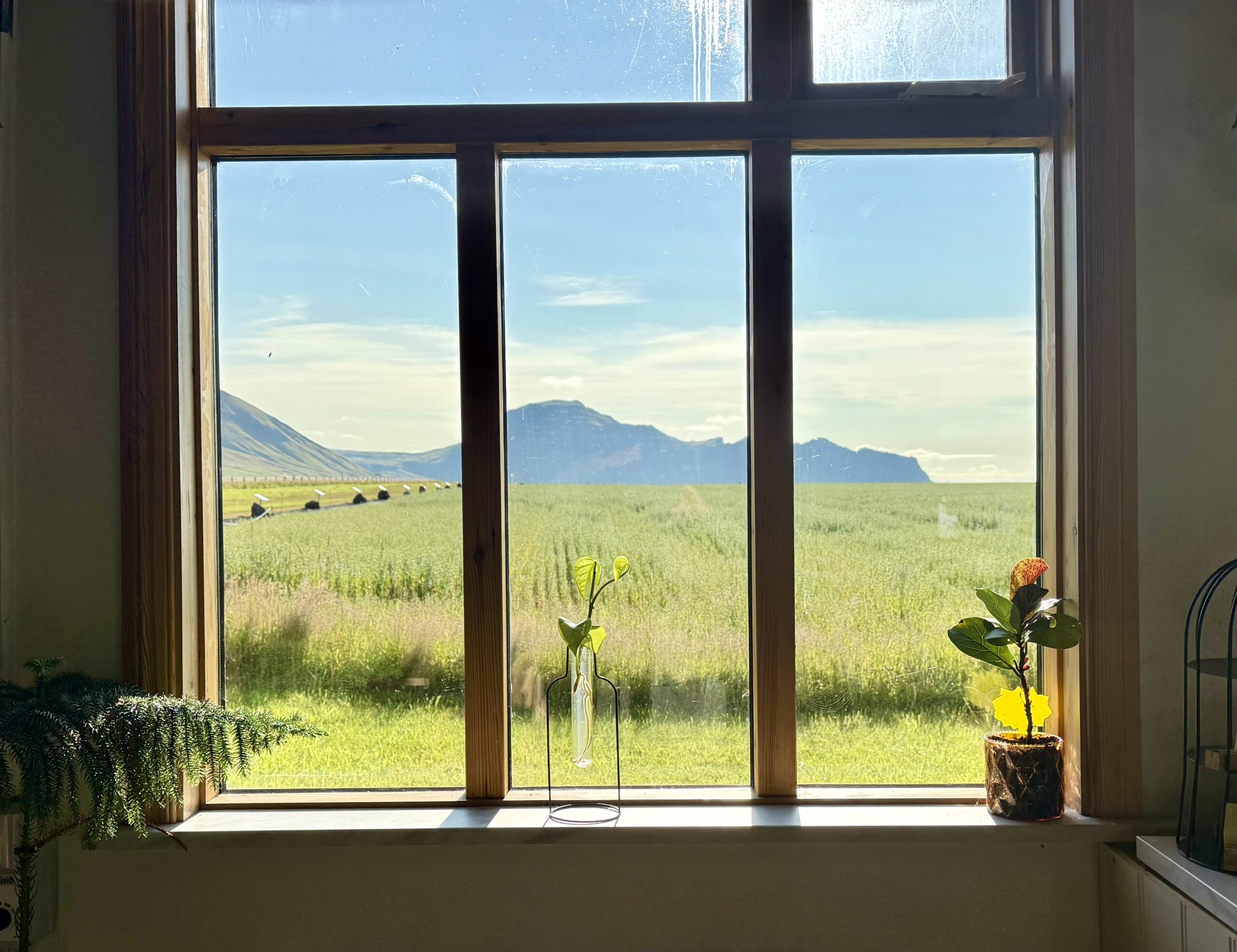
Unlike at previous stops, we did our sightseeing before arriving at our lodging. This lovely small apartment from Airbnb was in the midst of several farm buildings and other rental units. We had the faint odor of cows, flies, friendly dogs, and an expansive view over farmland to the ocean. We enjoyed this variation on our usual places.
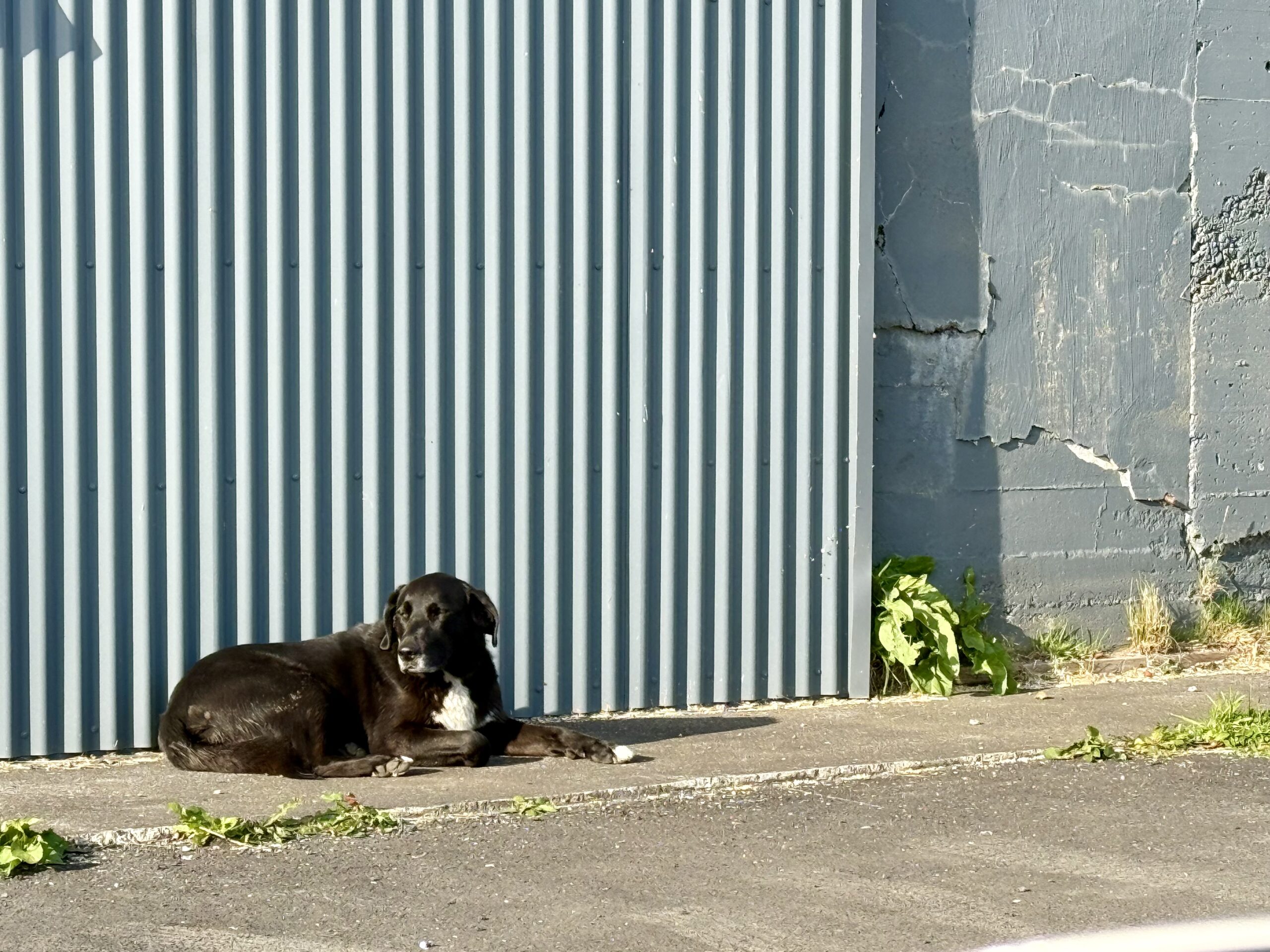
The farm dogs here, like the dog at the fishing lodge, brought us “sticks” to throw—chewed-up nubs about three inches long. In a country with few trees, this is what they settle for. If you plan a trip here, consider bringing some dog toys. There are not many dogs in Iceland. They were banned in Reykjavik until 1984 to prevent the spread of a tapeworm. Cats became common instead.
As we pass farm fields we see dairy cattle, a few sheep—often in the road—and the small Icelandic horses. All of these were brought by the original Norse settlers, and no other breeds are allowed to be imported. Despite being single breeds, the colors of all three vary widely. These animals live indoors for eight months a year, so as we pass we see hay and grass bales stacked high to prepare for the long winter.
Most sheep spend the summer months in the vast interior of the island, called the Highlands. We’ve read about the big roundups that happen at the end of the summer, using horses, atv’s, and dogs. When the sheep are massed, they are then sorted by owner using their ear tags to identify them.
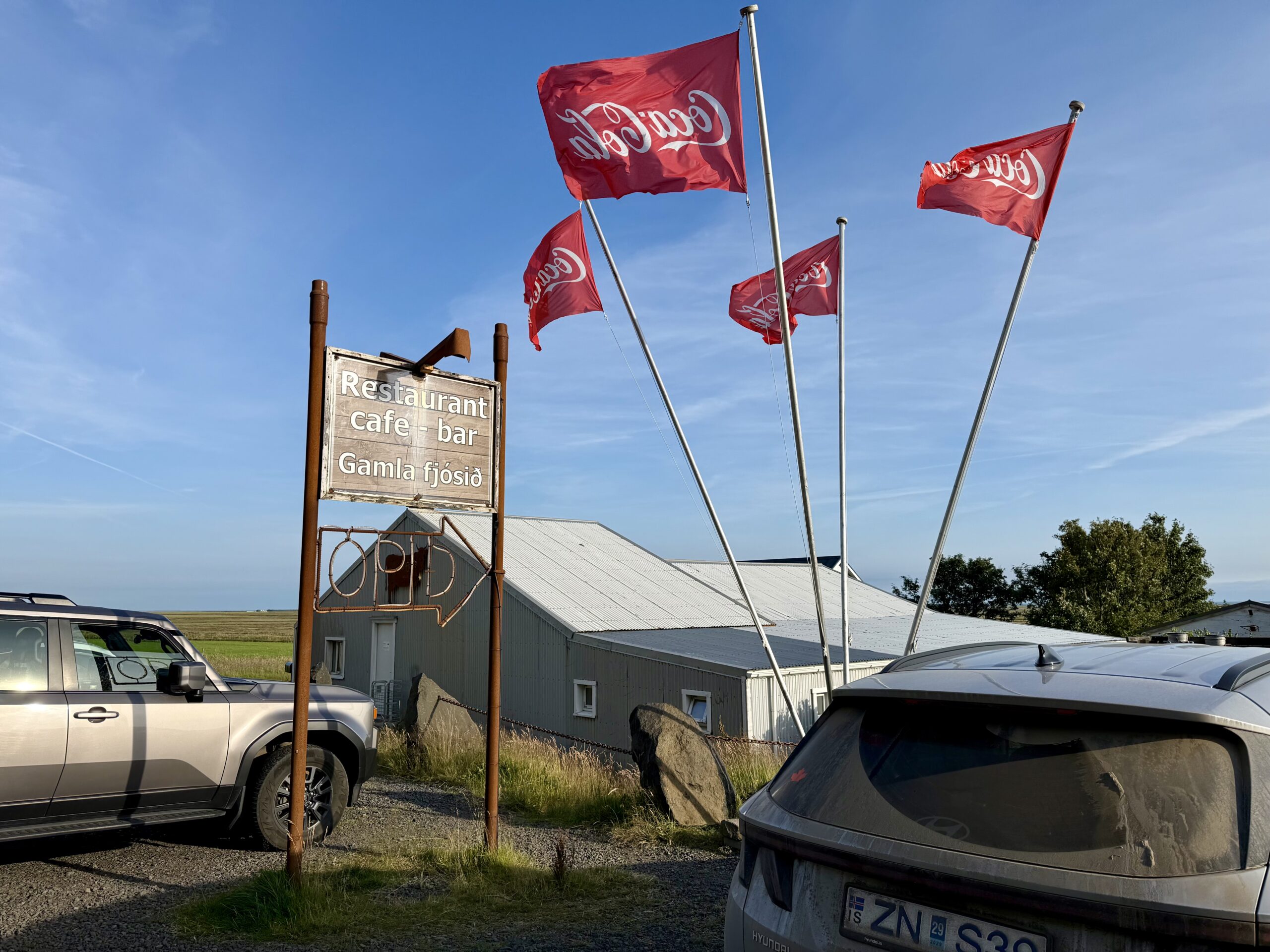
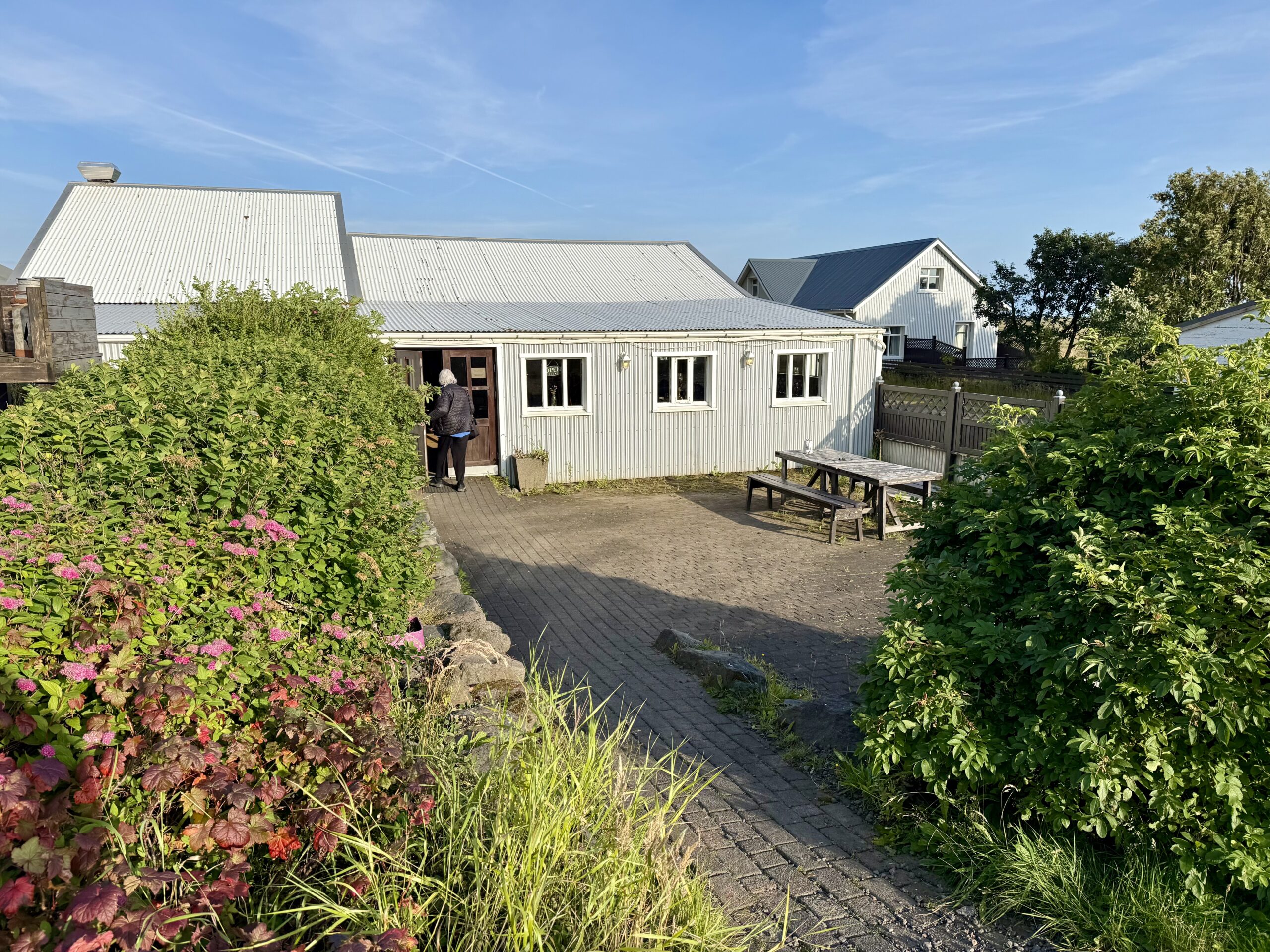
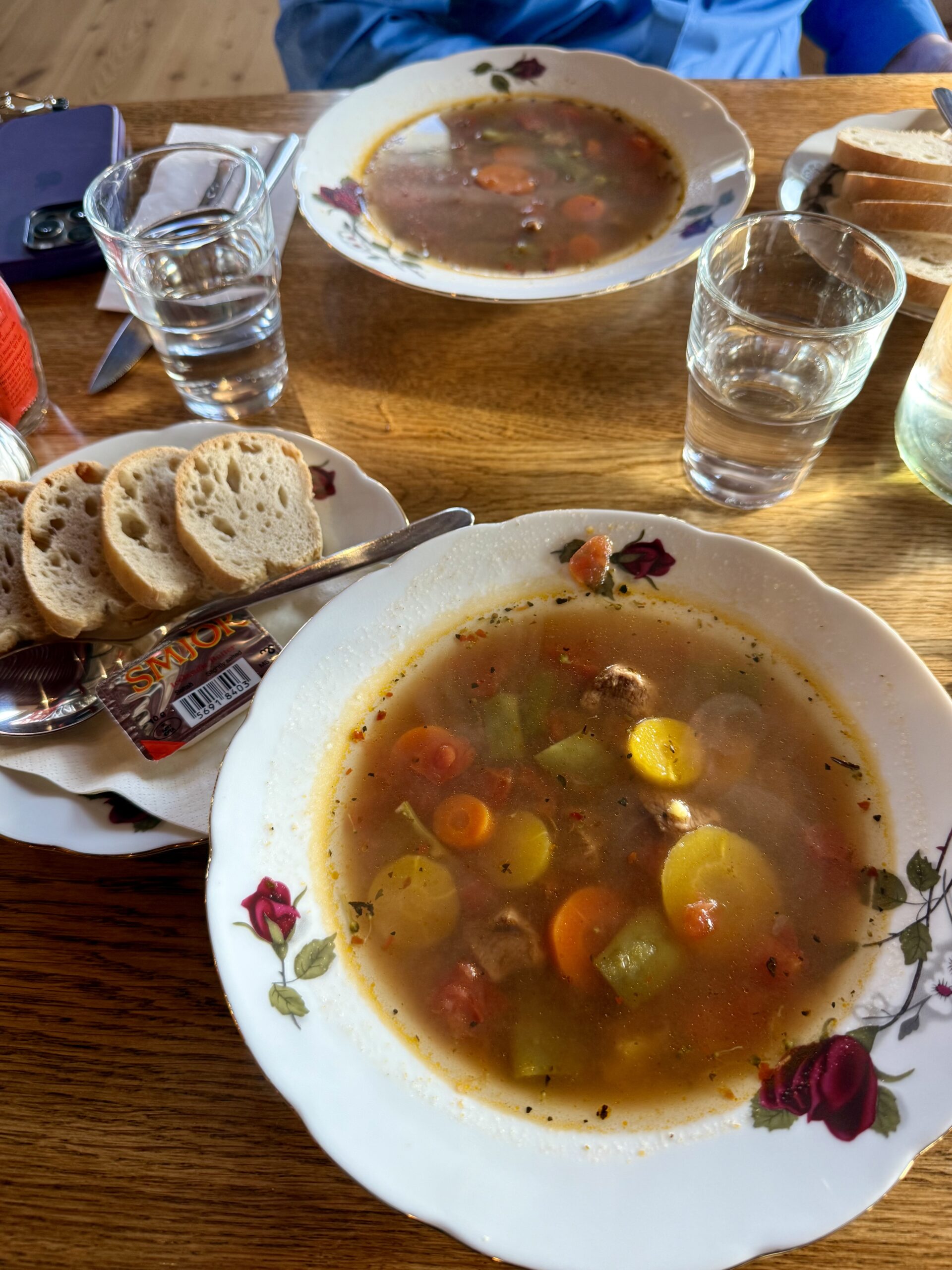
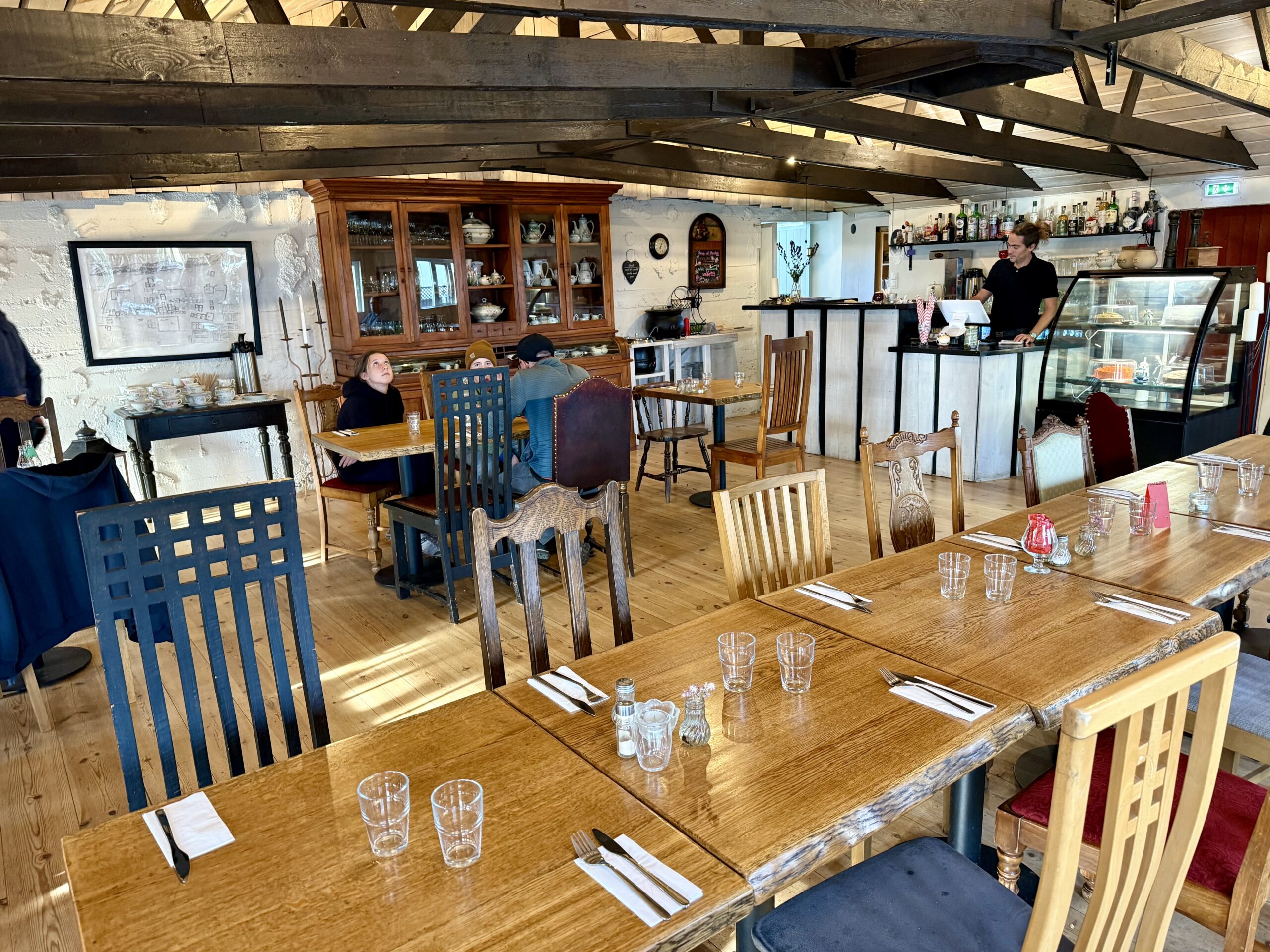
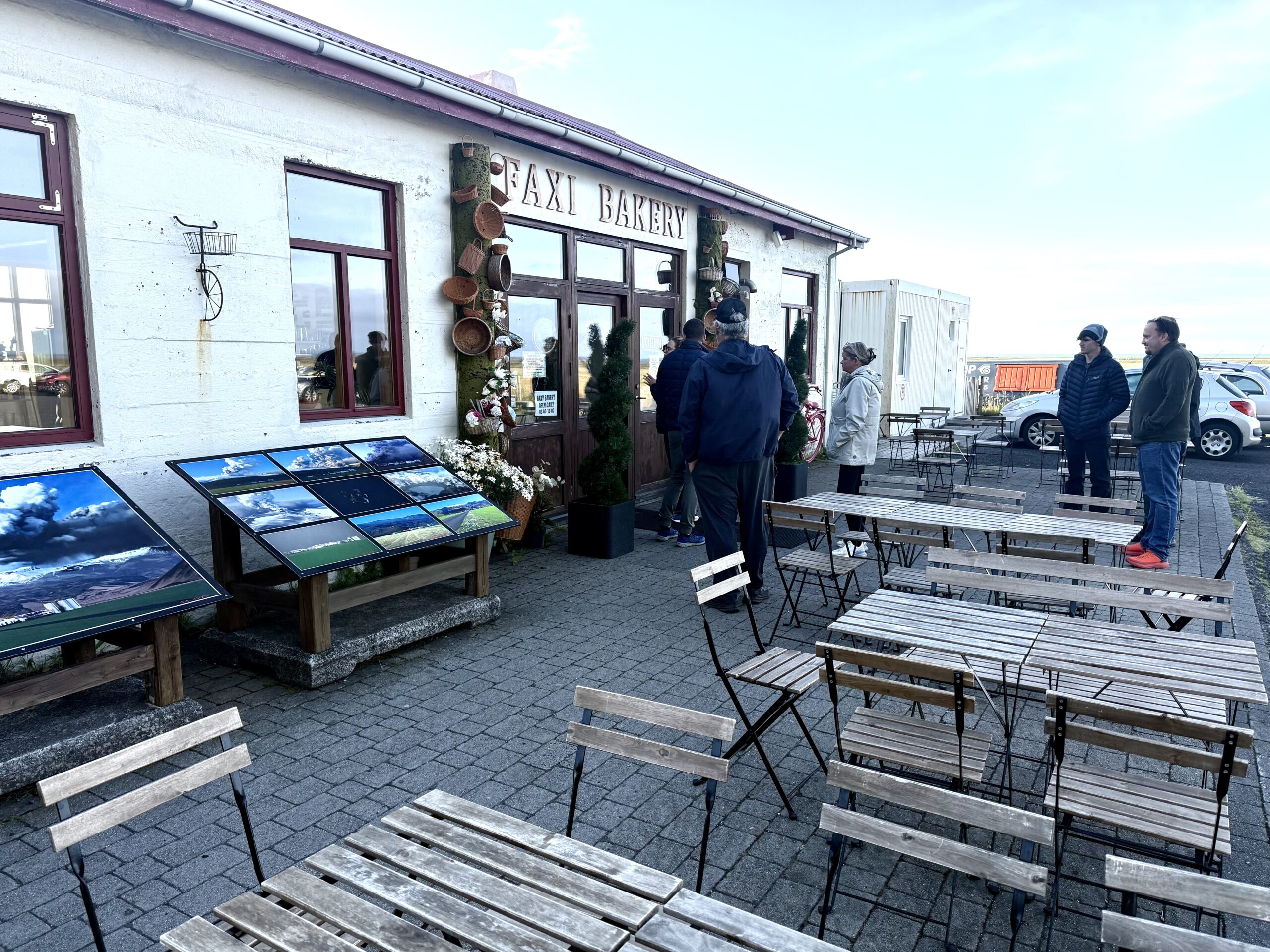
Dinner and Breakfast the Next Day
Next Stop — Southeast Coast