14 – 18 August 2026
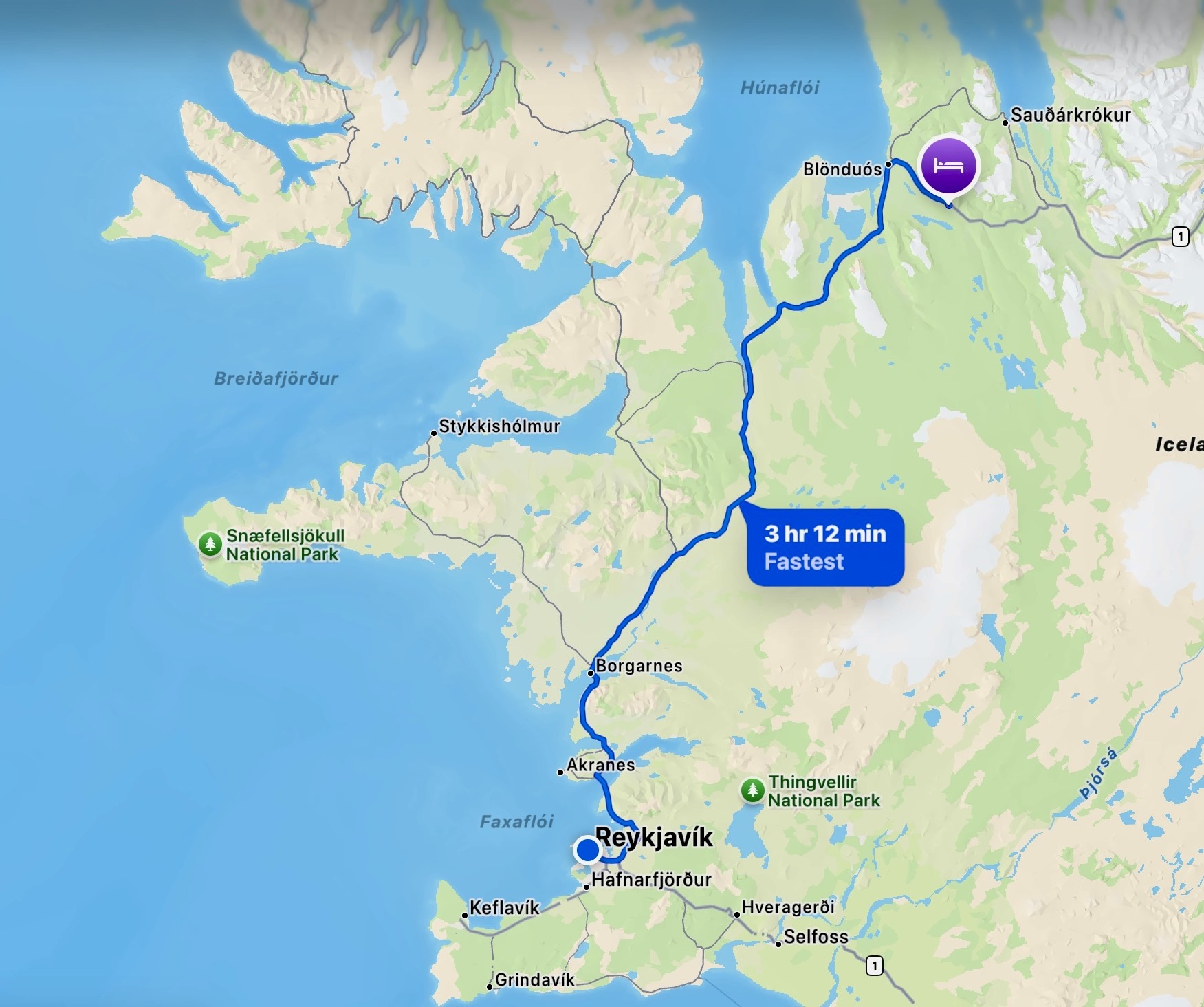
After six days of excellent fishing, we left the Long Valley Lodge by shuttle with the rest of the fishing gang. We were the first stop in Reykjavík. The rest of the group headed closer to the airport or, in one case, to pick up a camper van. We planned four nights in Reykjavik to explore the town.
Lodging
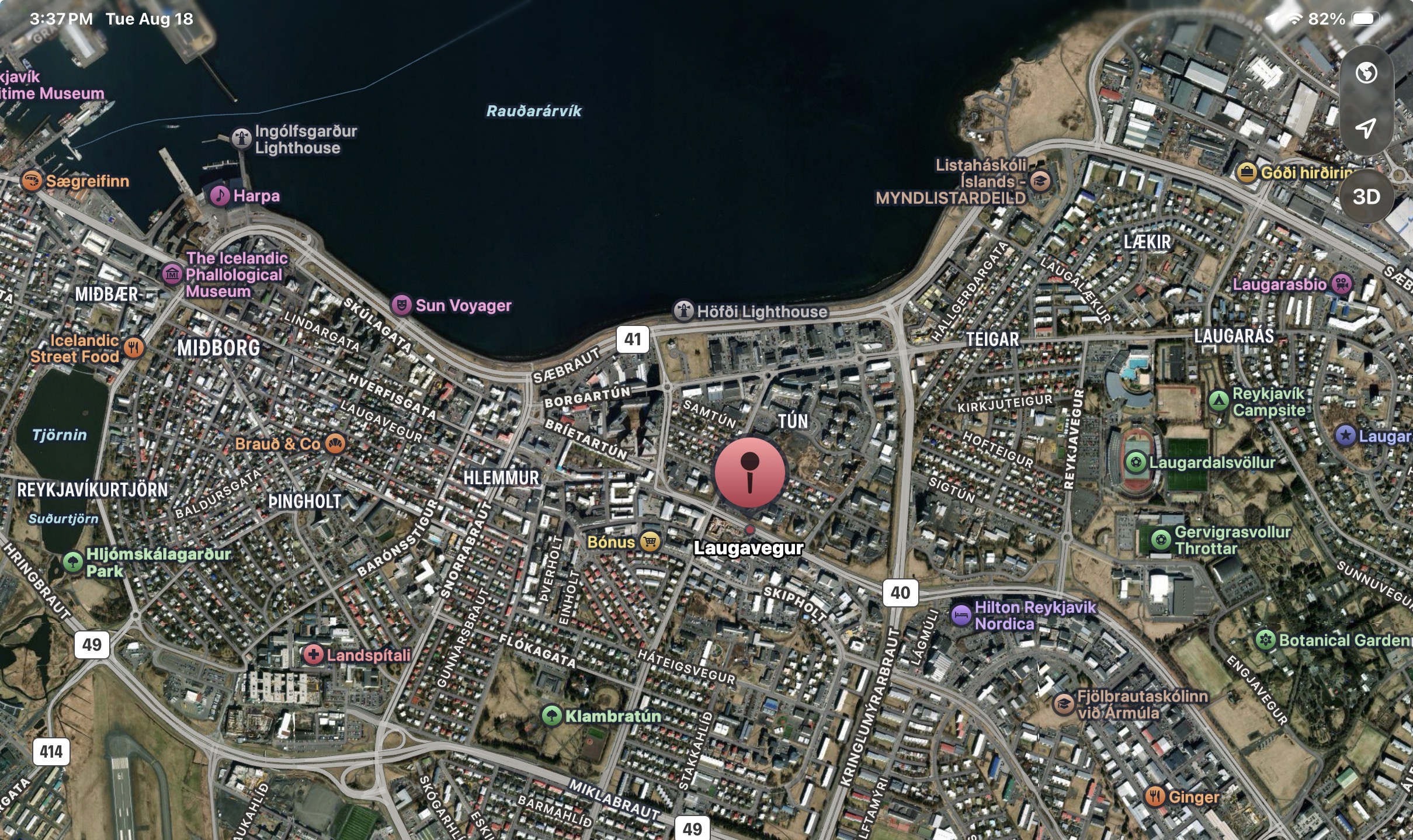
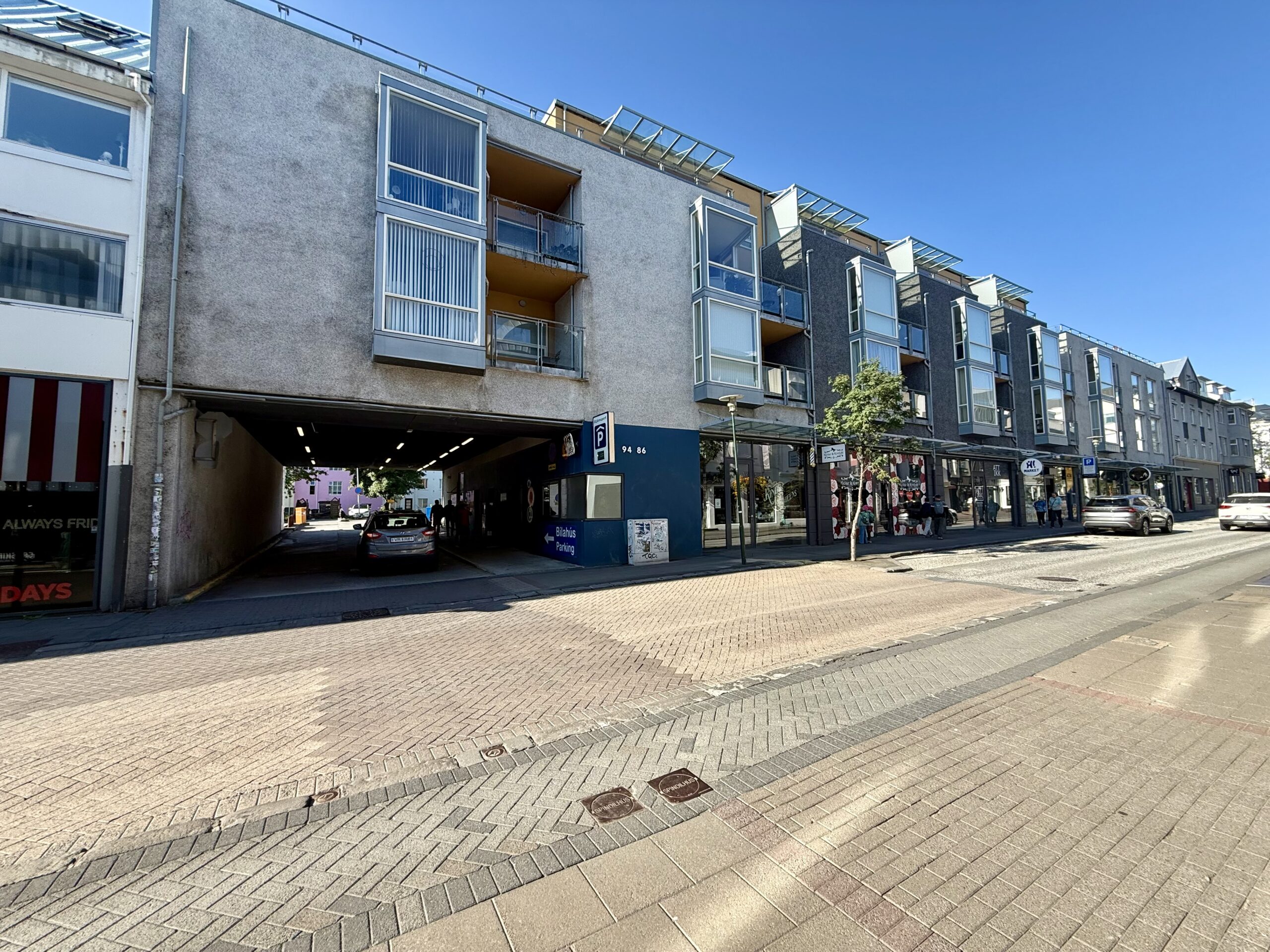
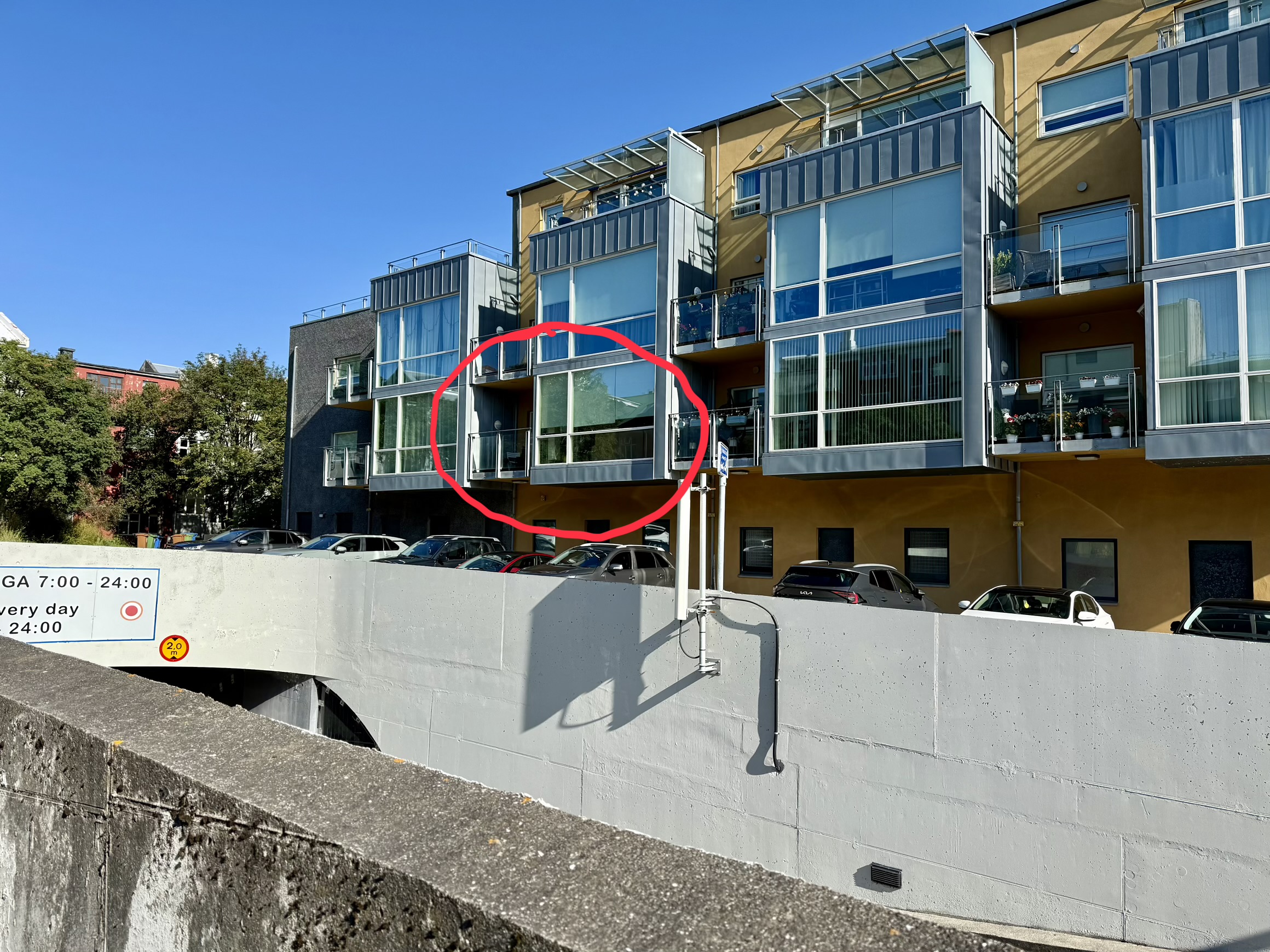
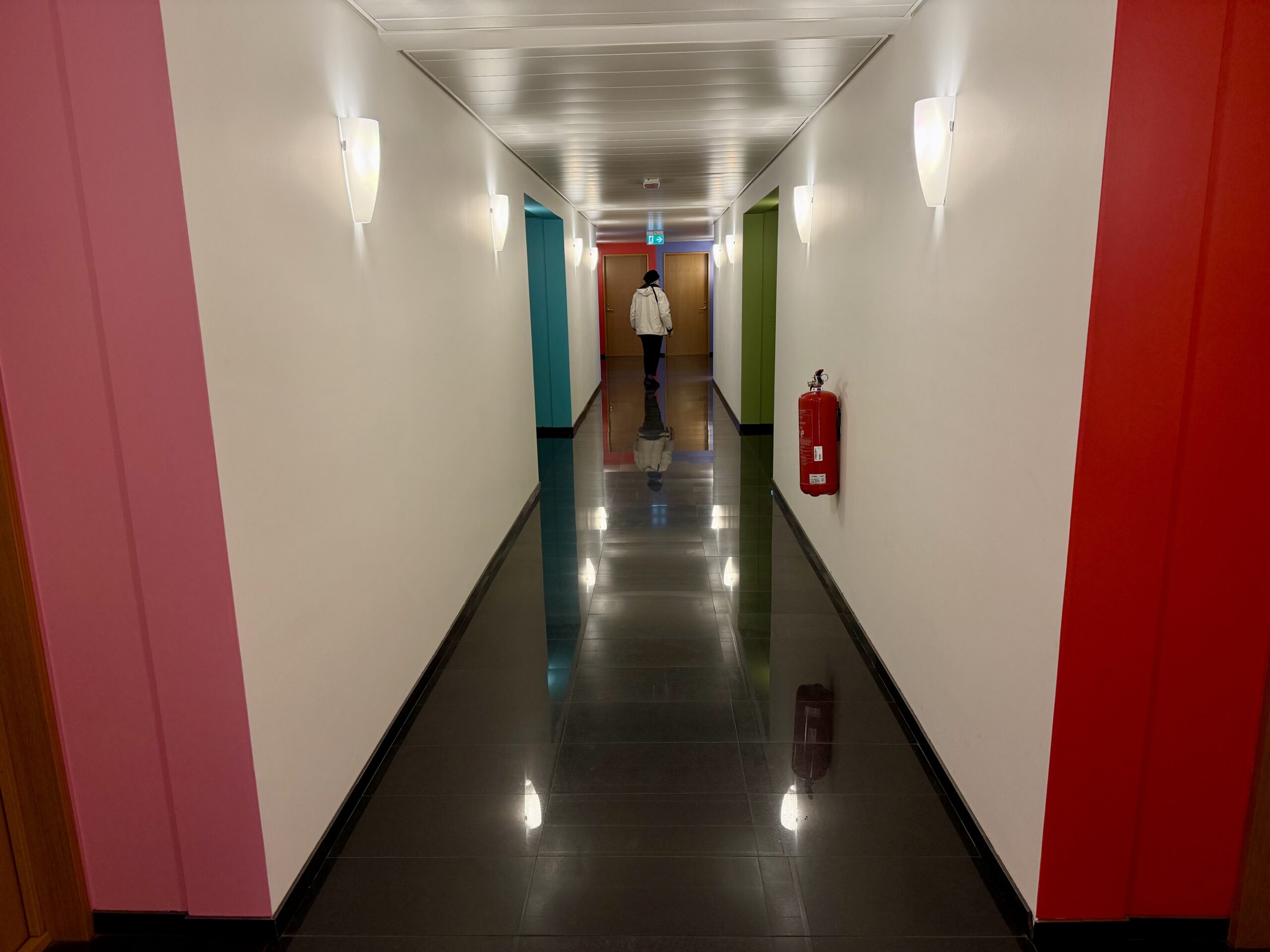
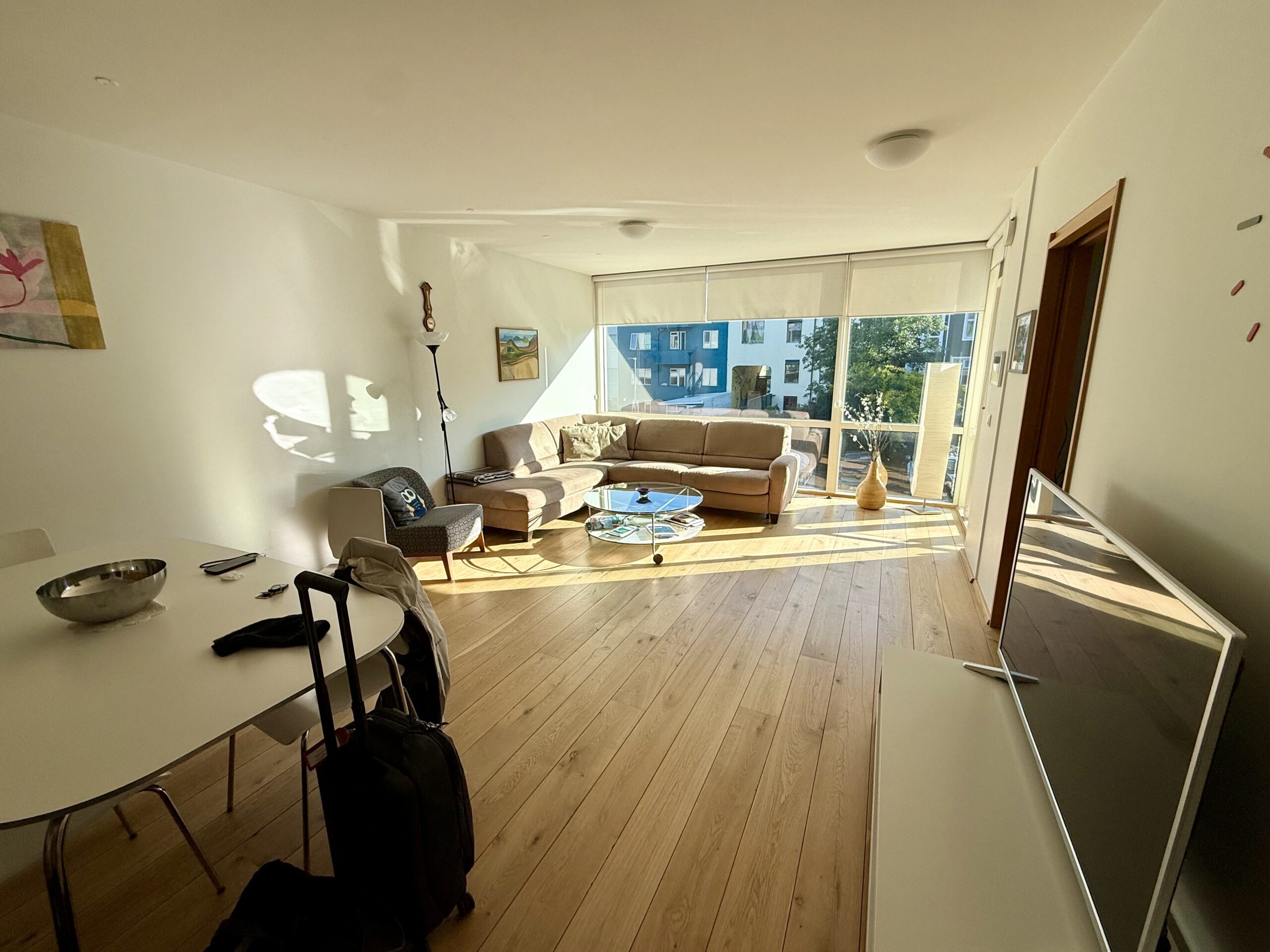
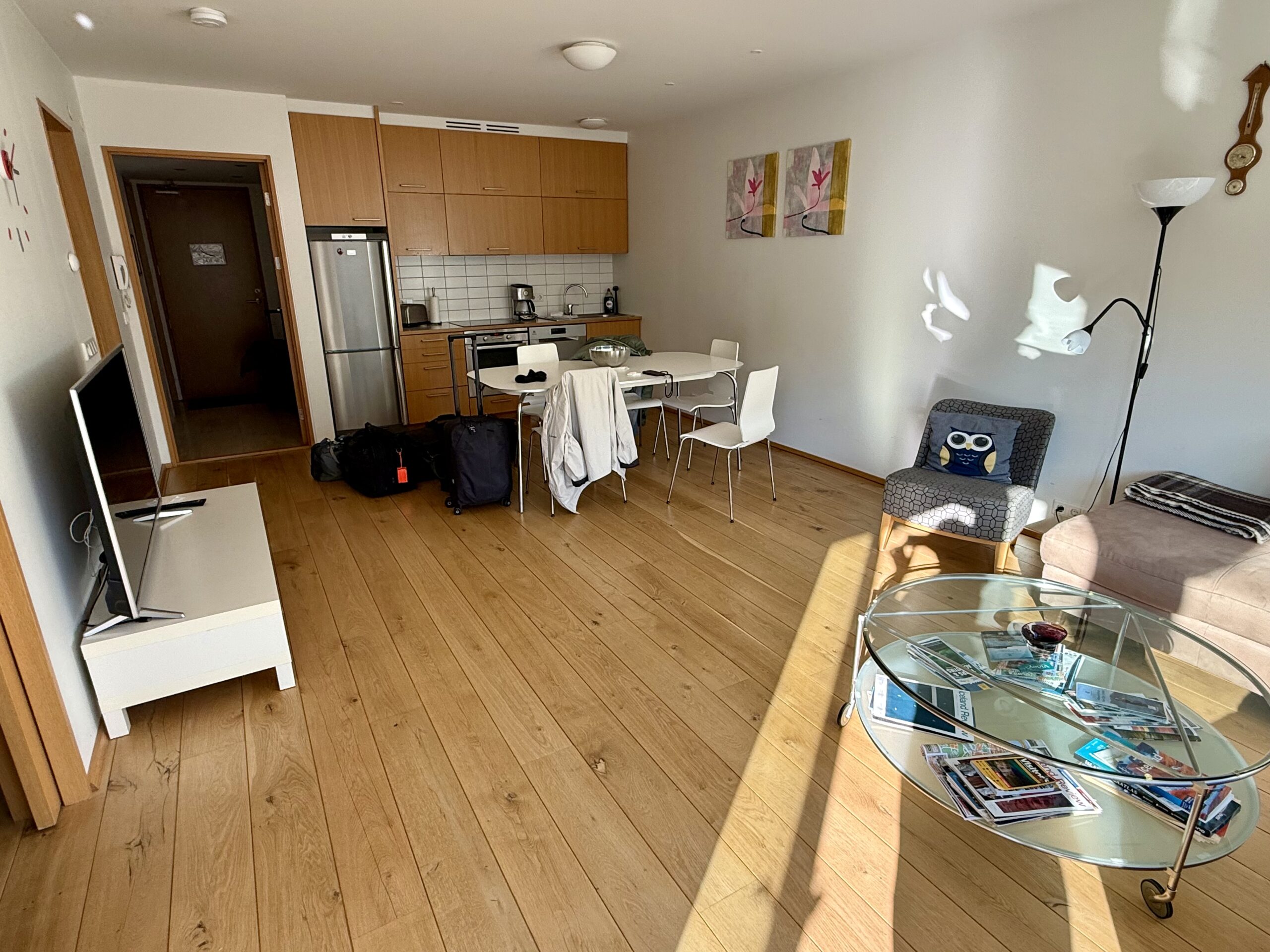
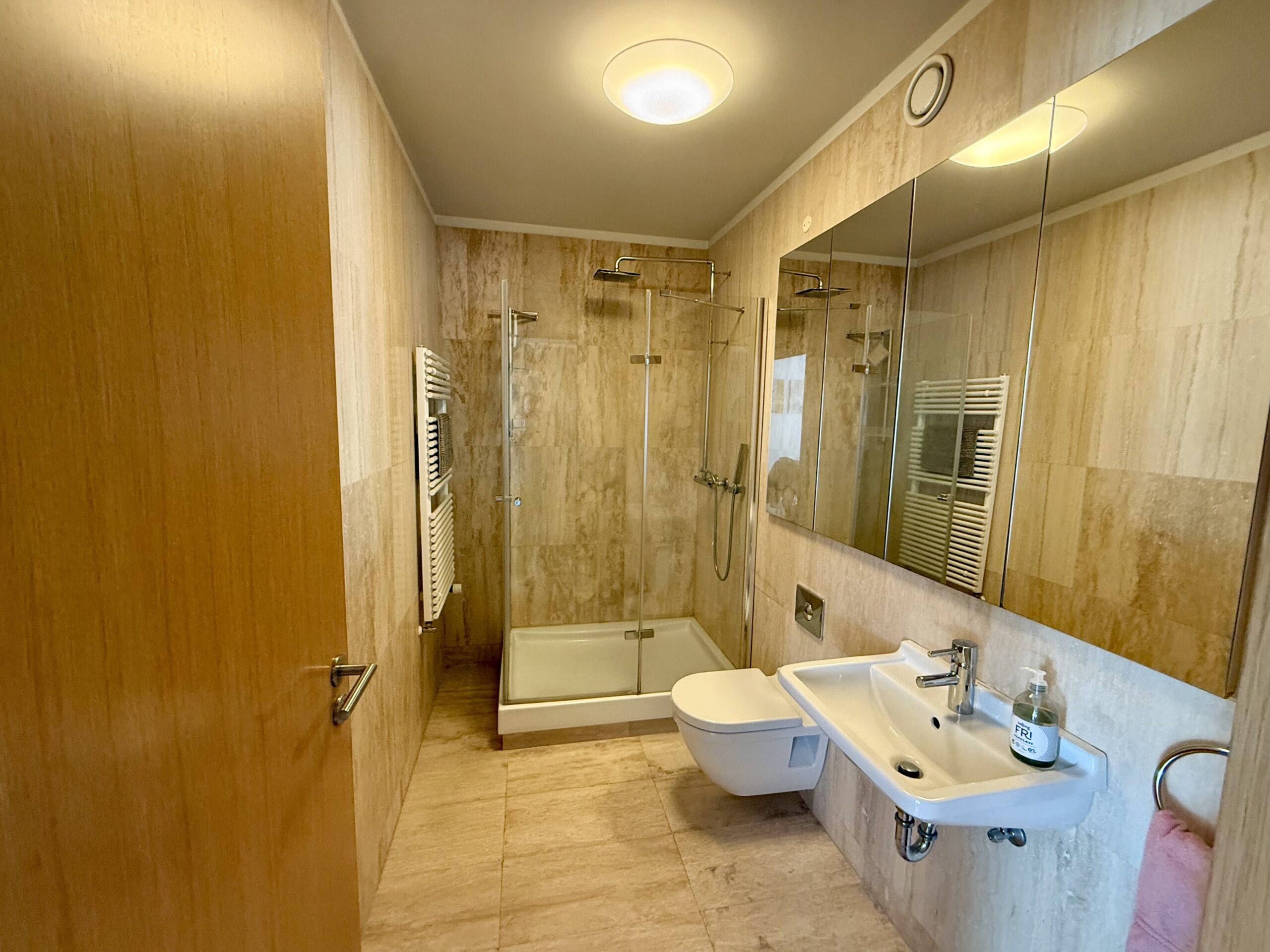
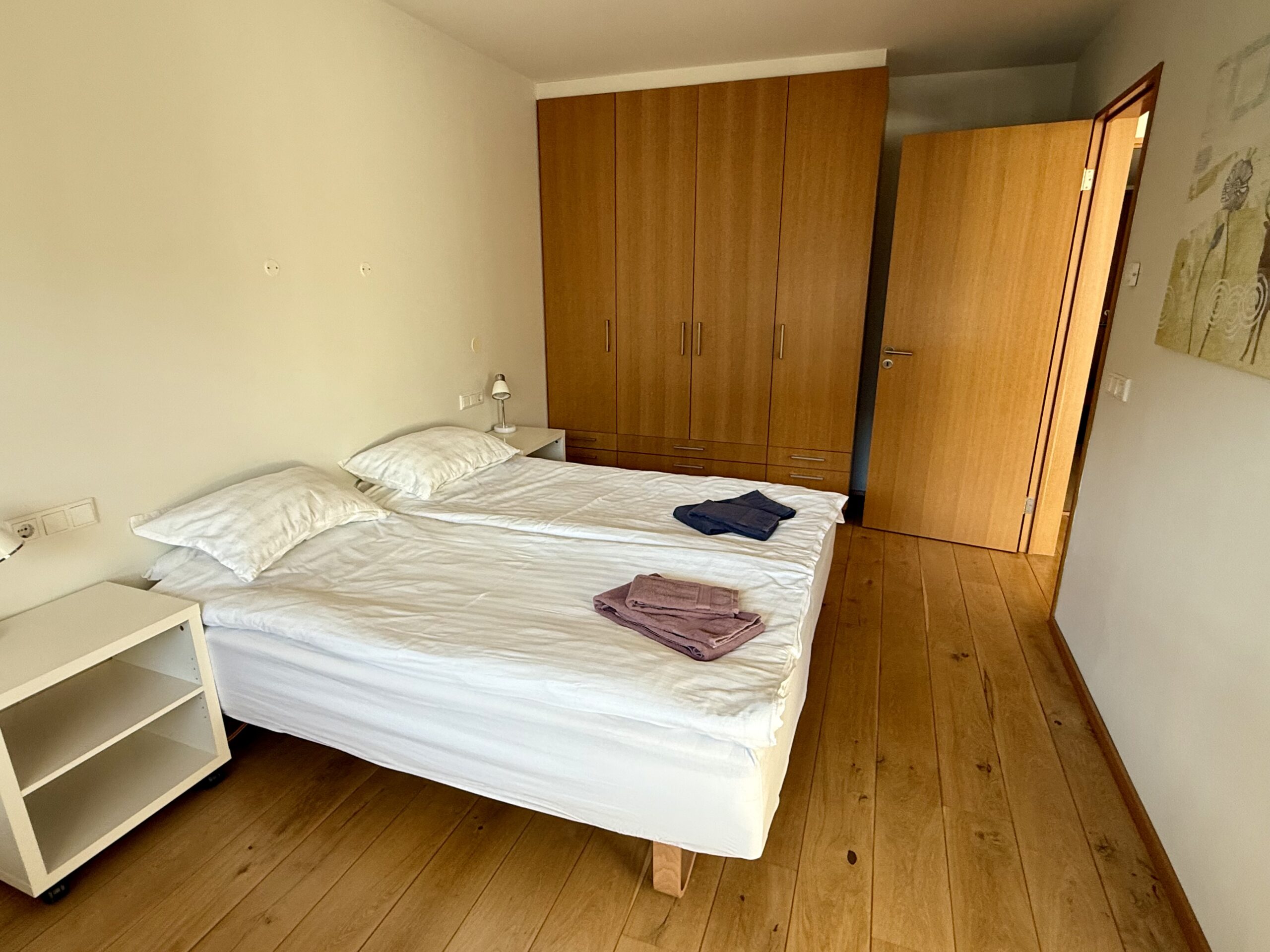
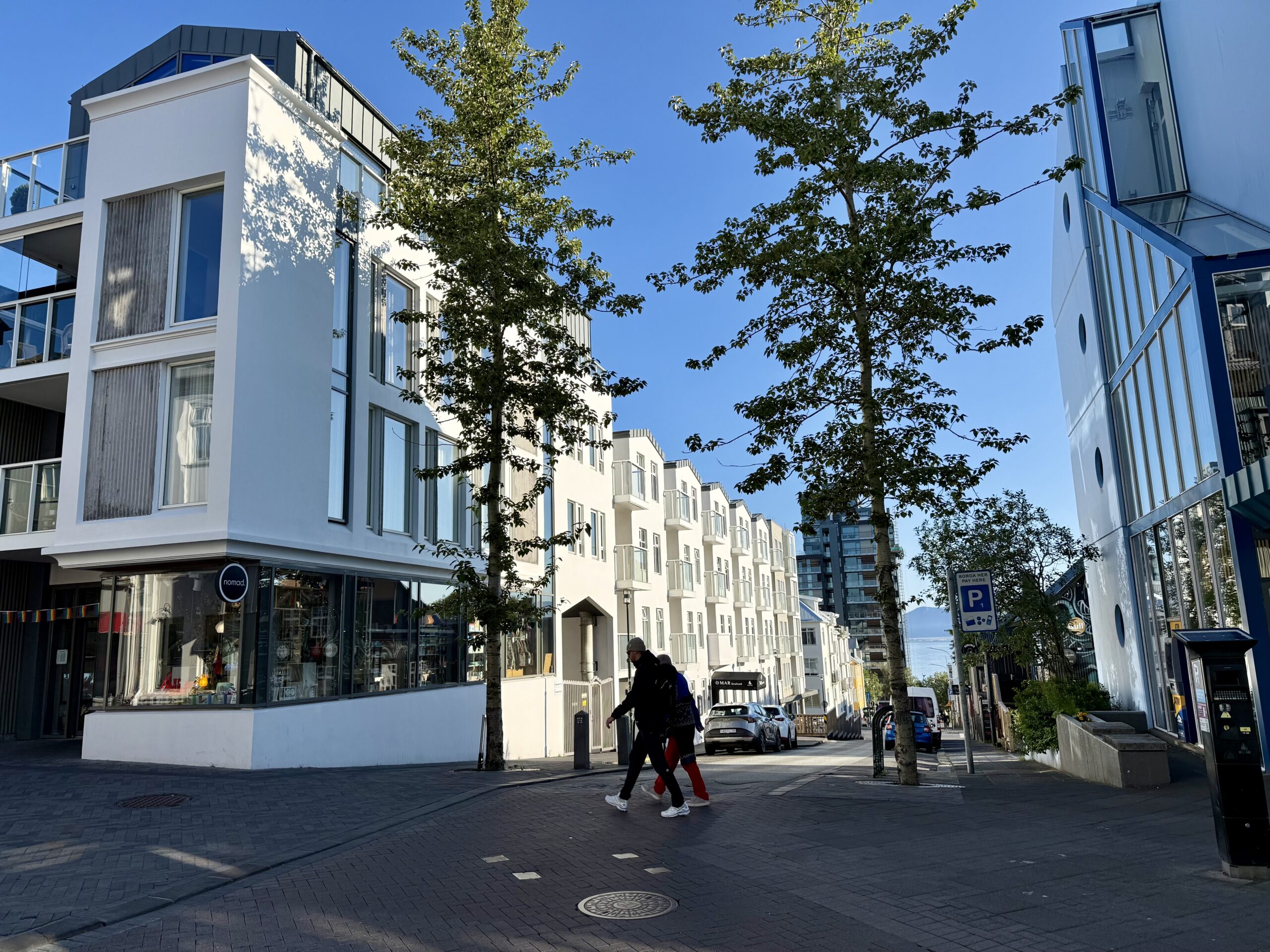
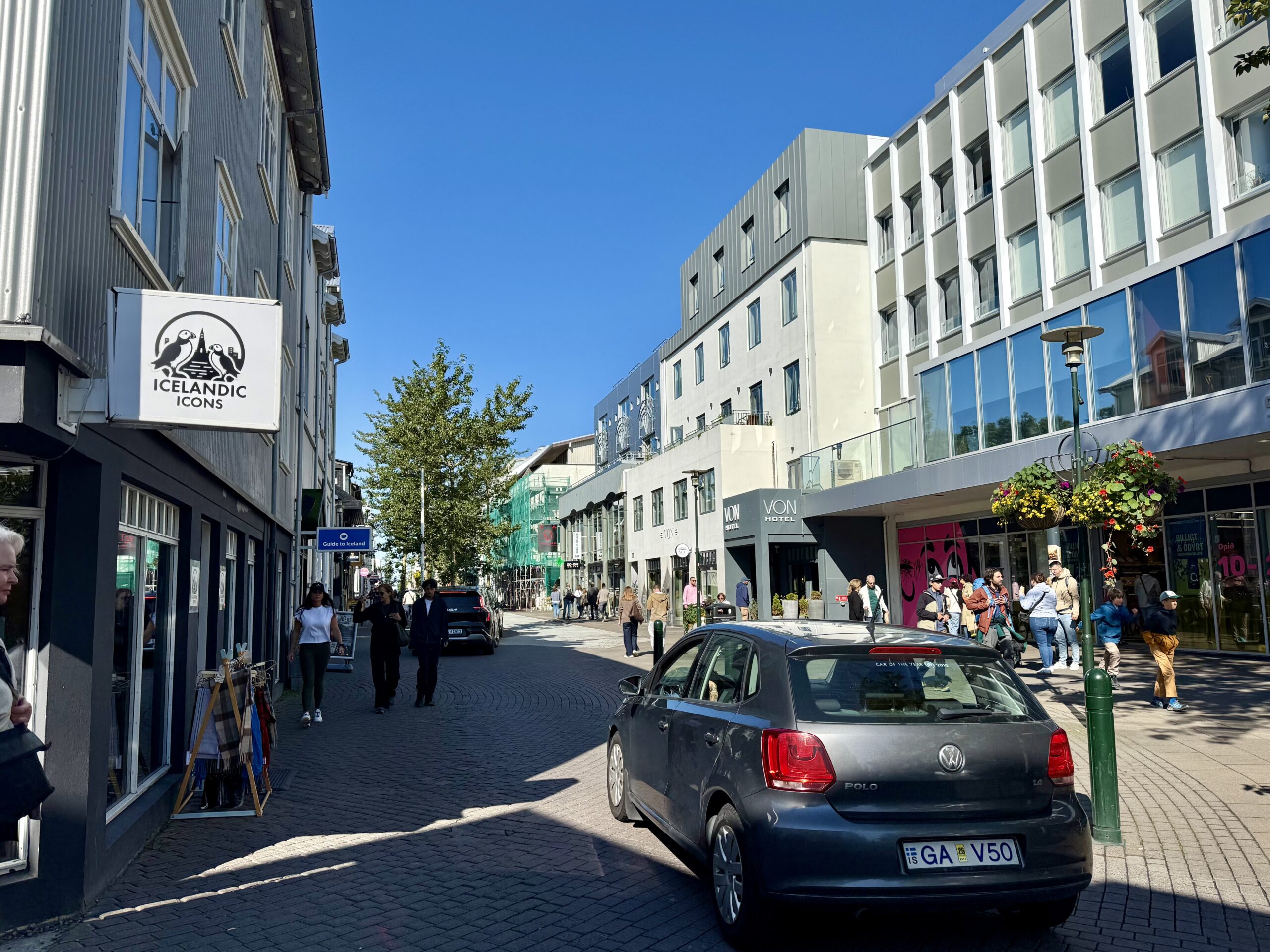
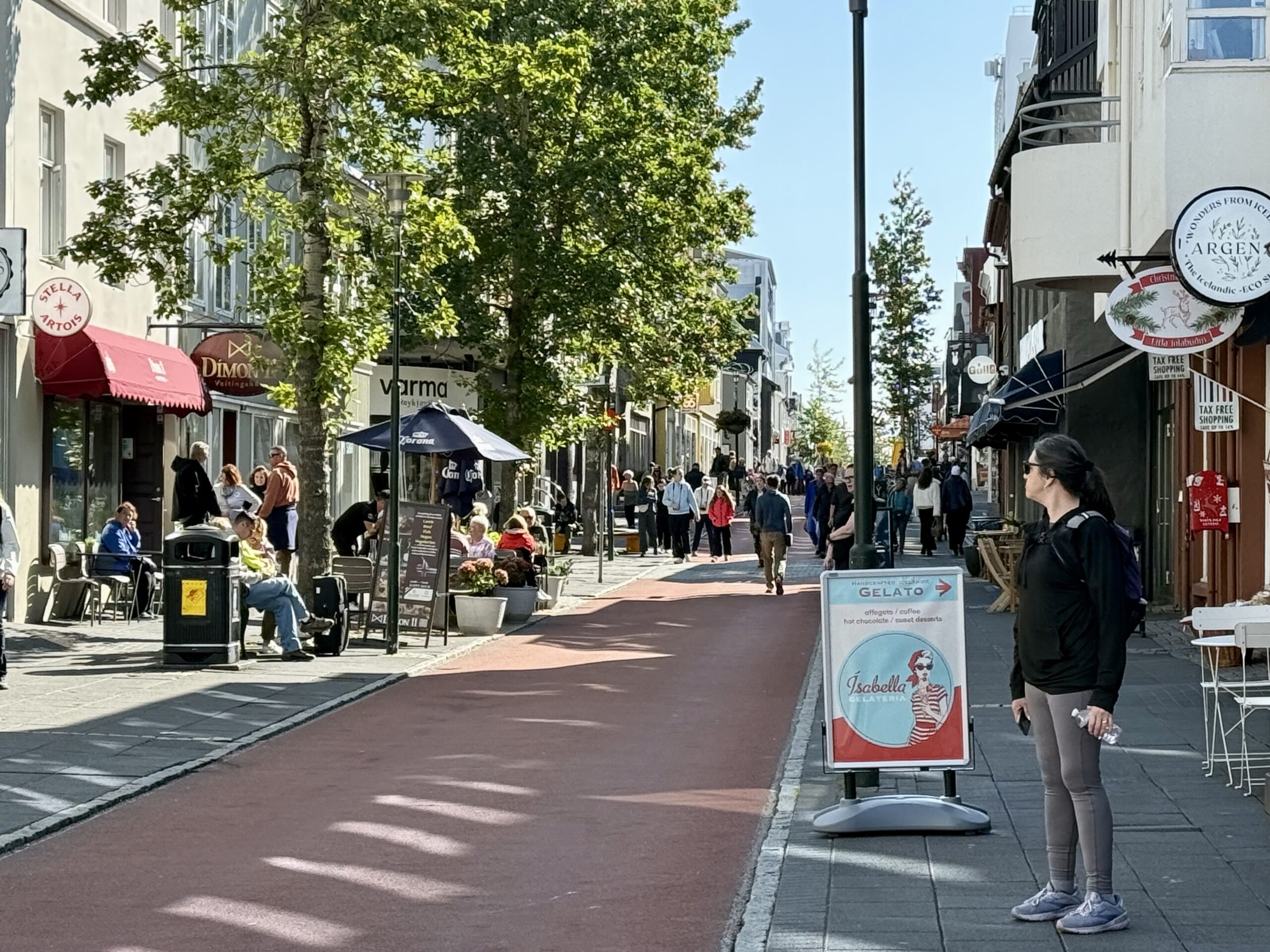
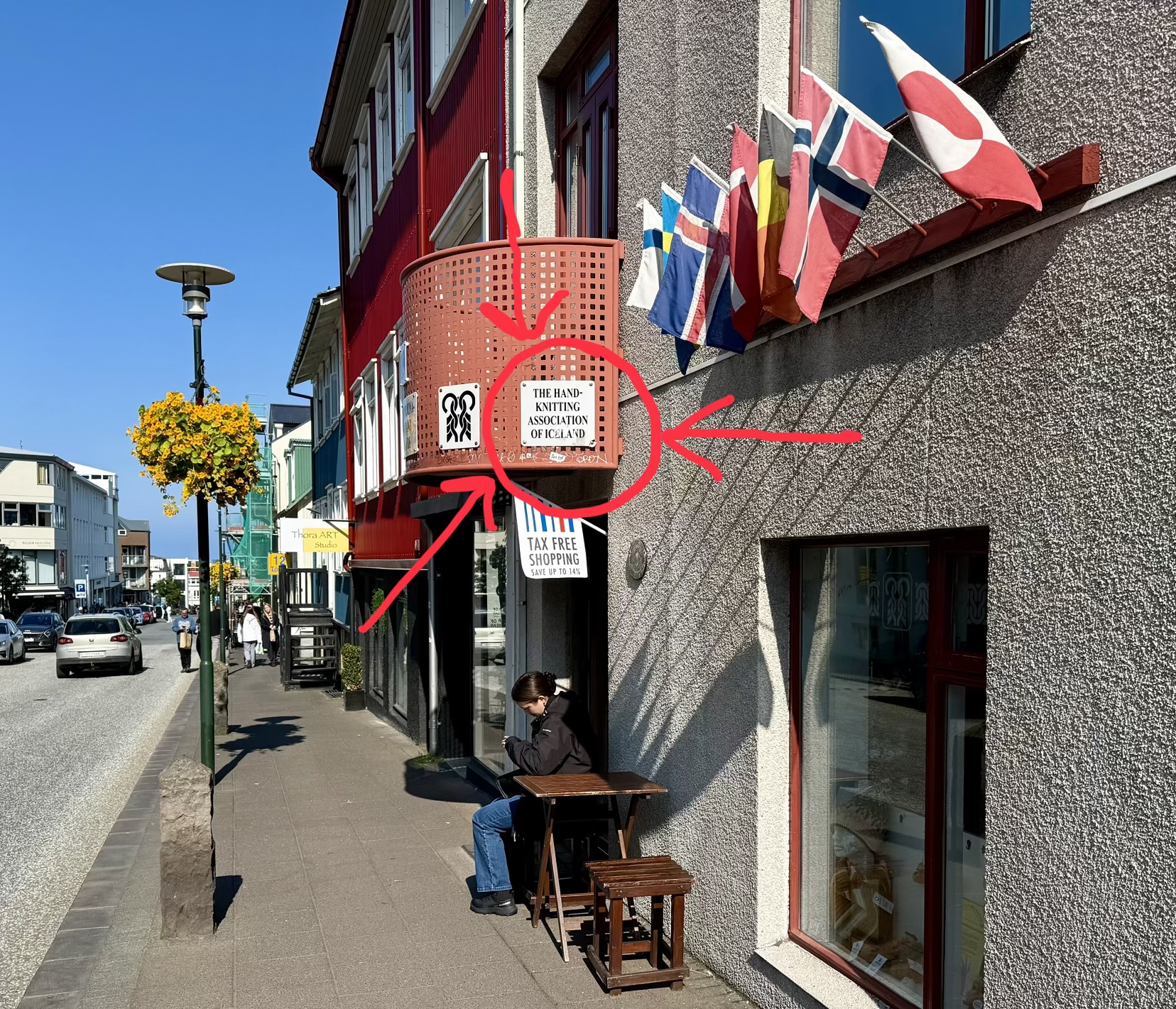
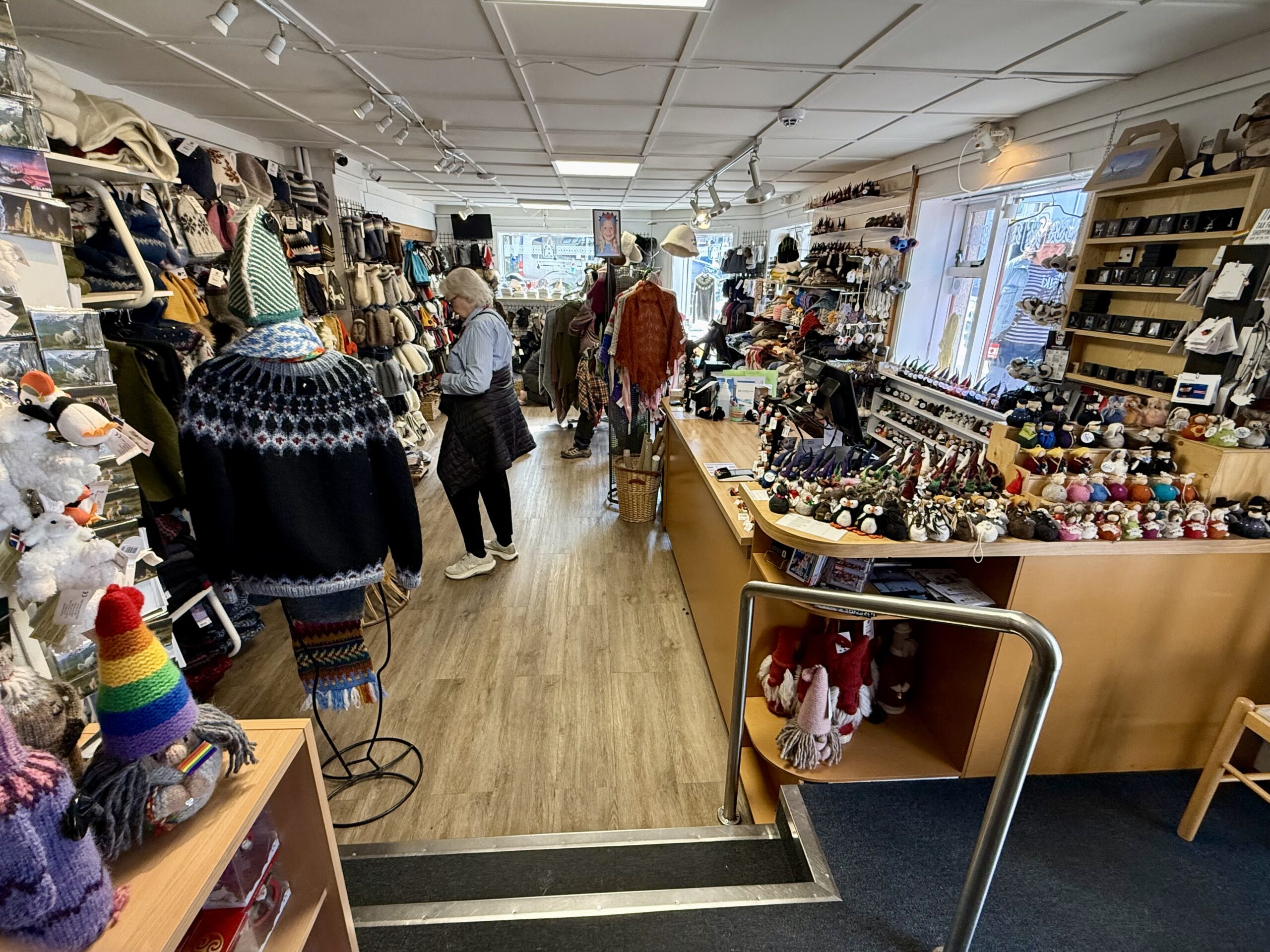
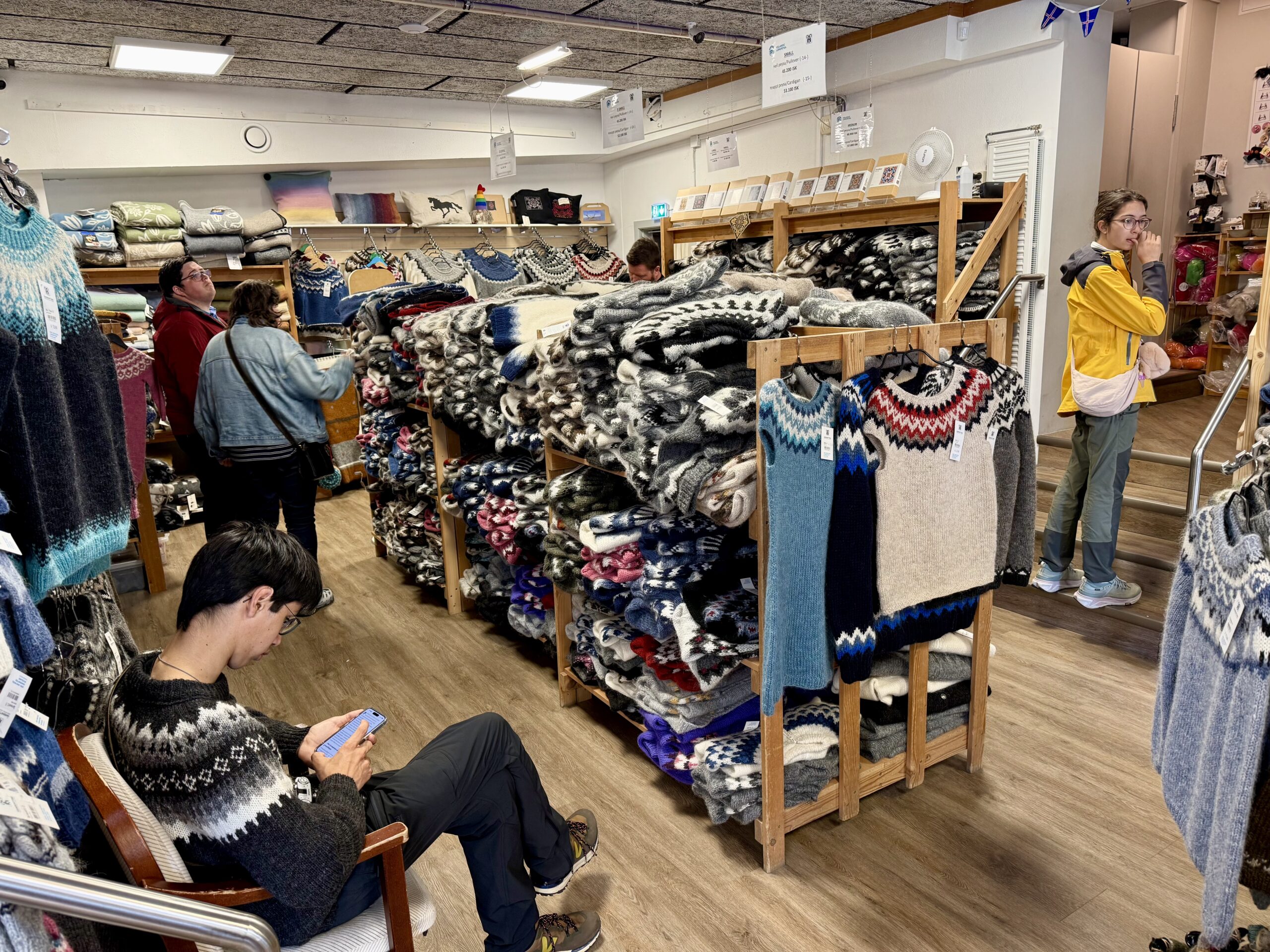
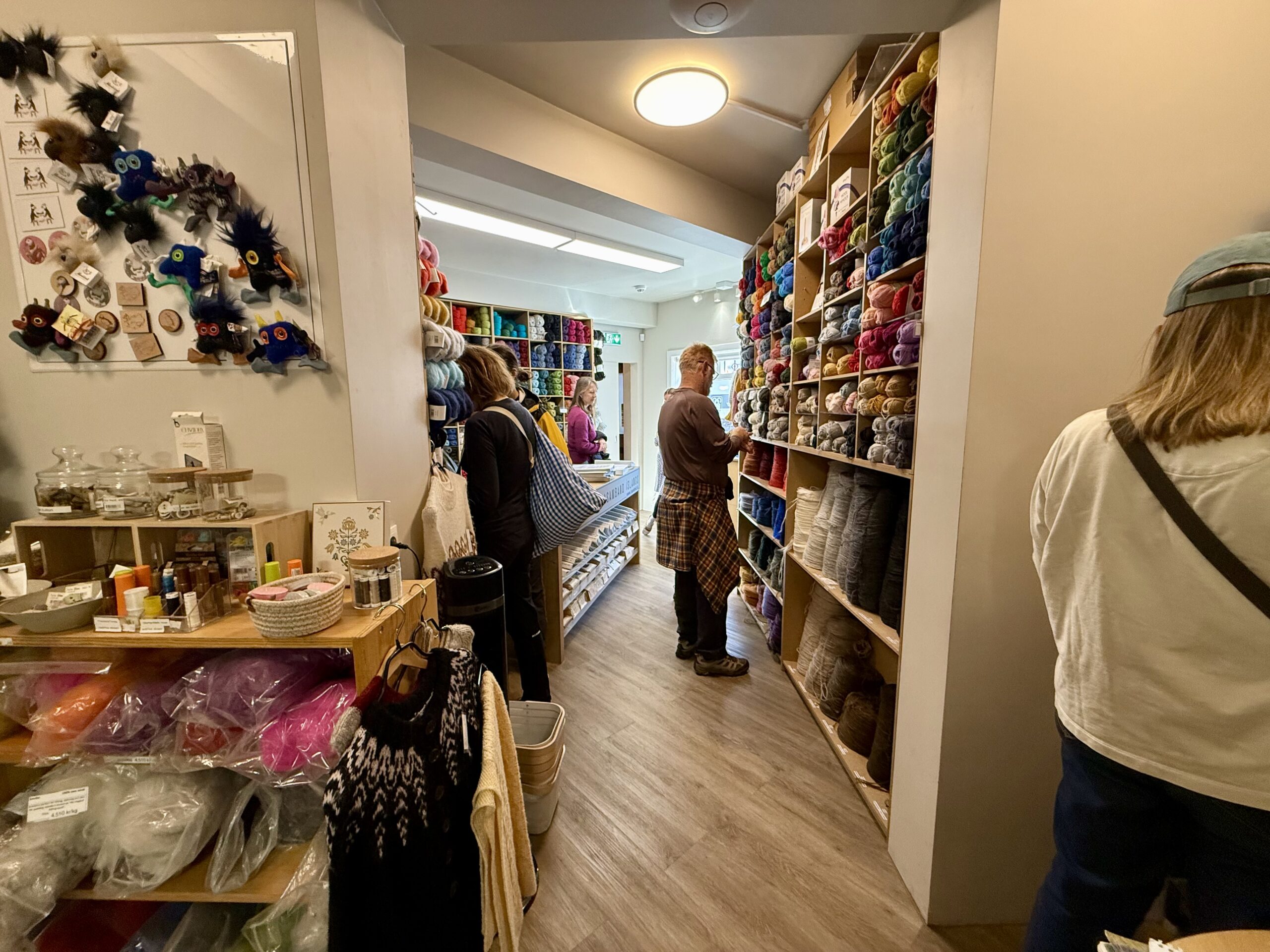
Bonnie once again picked a great location. This time an Airbnb apartment on the main pedestrian retail street of the city. Very convenient to restaurants and a “shop or two” that sell anything wool. Plus free parking!
Observations
Iceland’s total population is only 400,000. Tiny. Of those, 250,000 live in the greater Reykjavik area. The population is so small that there is an app to tell you if your DNA is too closely related to someone you want to start dating.
Iceland was settled in the 9th century, controlled by Denmark for centuries, gained sovereignty in 1918, and became independent only in 1944. At the beginning of WWII, it was the poorest nation per capita in Europe. After the war, six years later, and after the strategic occupation by 50,000 US troops, it became the richest nation in Europe. The Americans needed food, housing, entertainment, and services, which gave the country a startling economic boost.
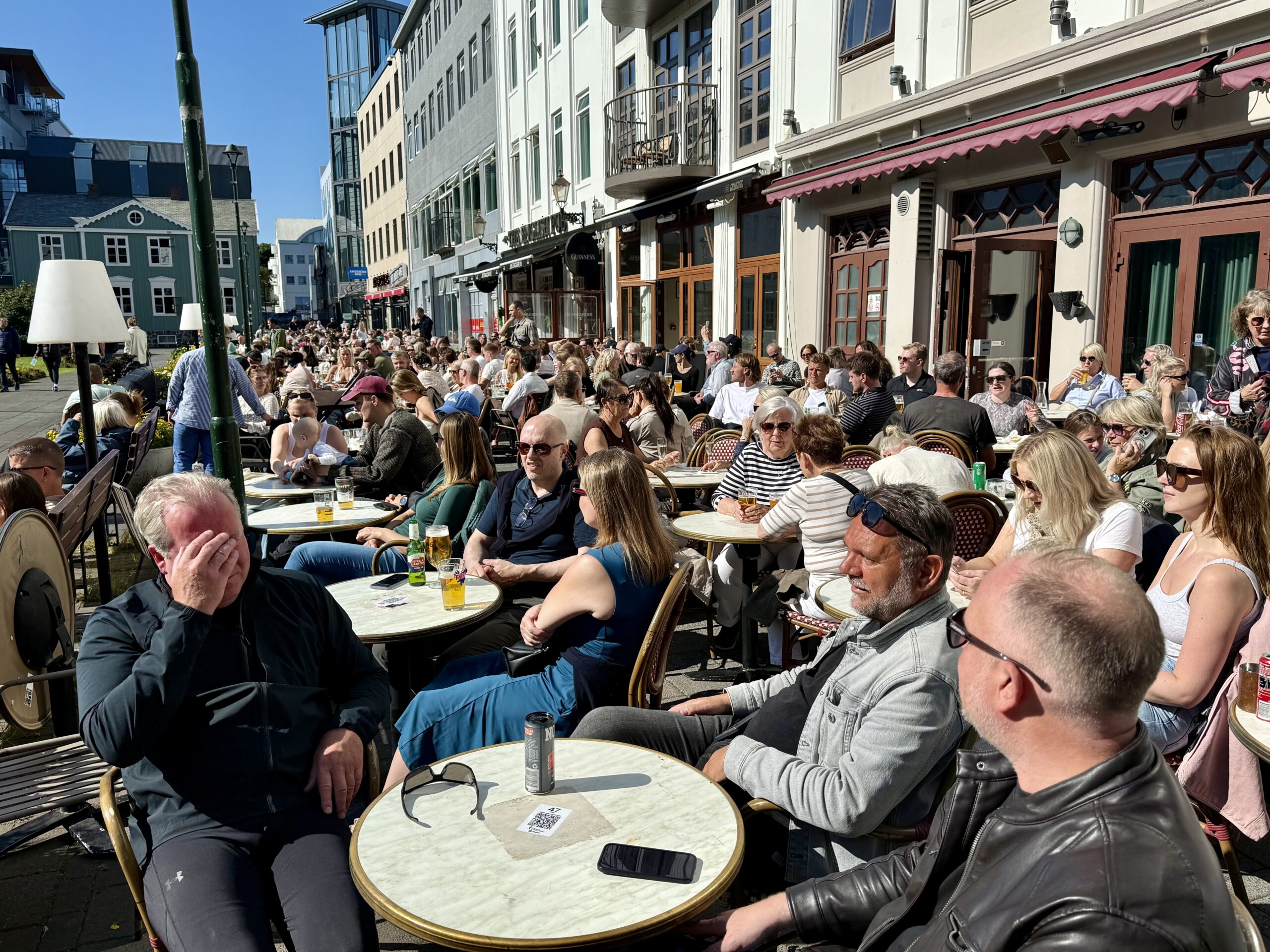
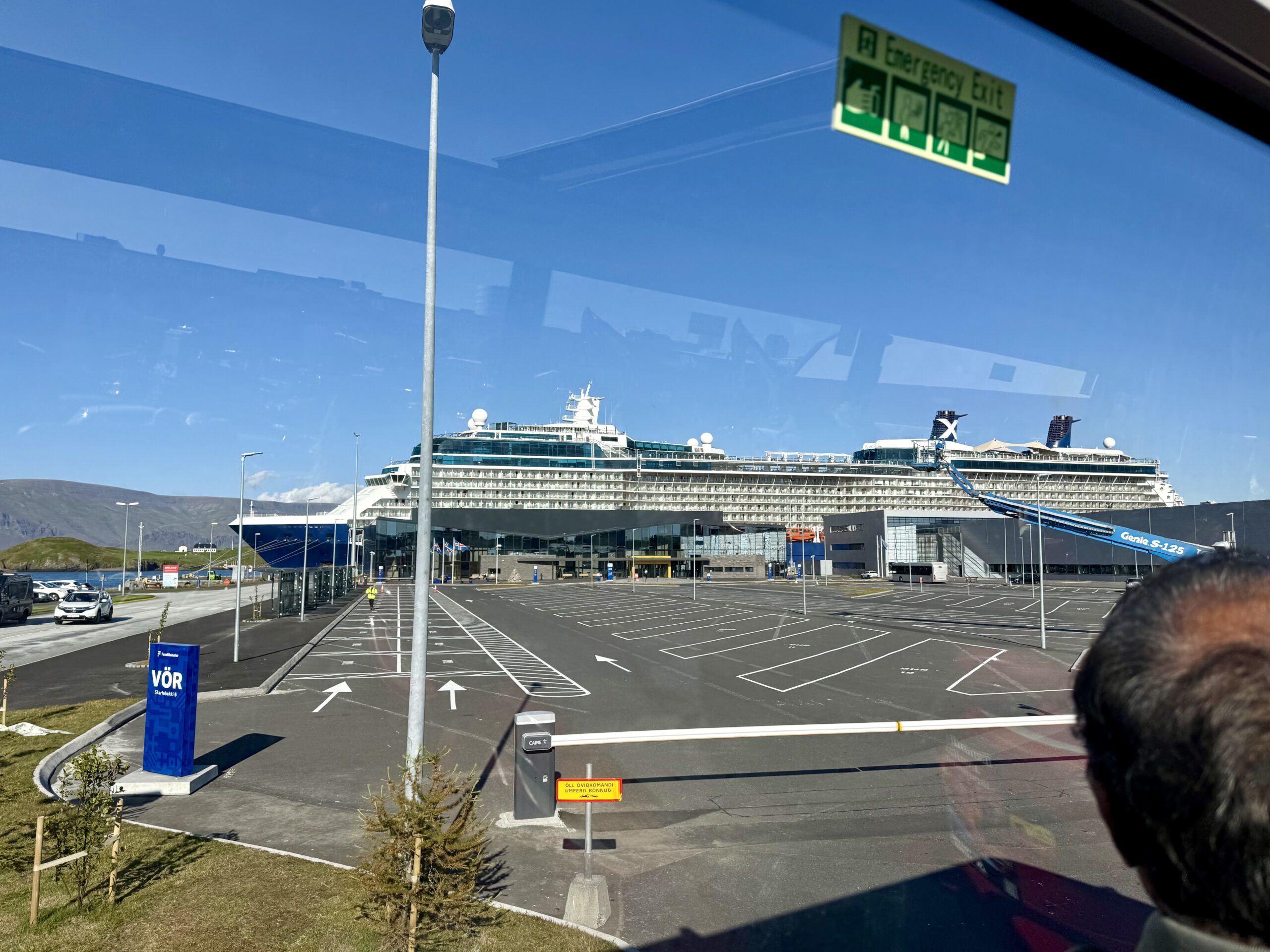
Iceland has experienced a tourist boom fairly recently. Cruise ships dock at Reykjavik—we saw three at one time. They depart frequently, with others quickly taking their place. So far Iceland is welcoming the tourist dollars. Walking the main streets of Reykjavik we heard lots of Americans, as well as many Italians escaping the heat during their annual August vacation. We heard just a tiny bit of British English, German, French, Polish, and a surprising amount of Russian (or a least we thought it was Russian). This summer the solar eclipse drew an extra flood of visitors who were just beginning to trickle out during the weekend we spent in Reykjavik.
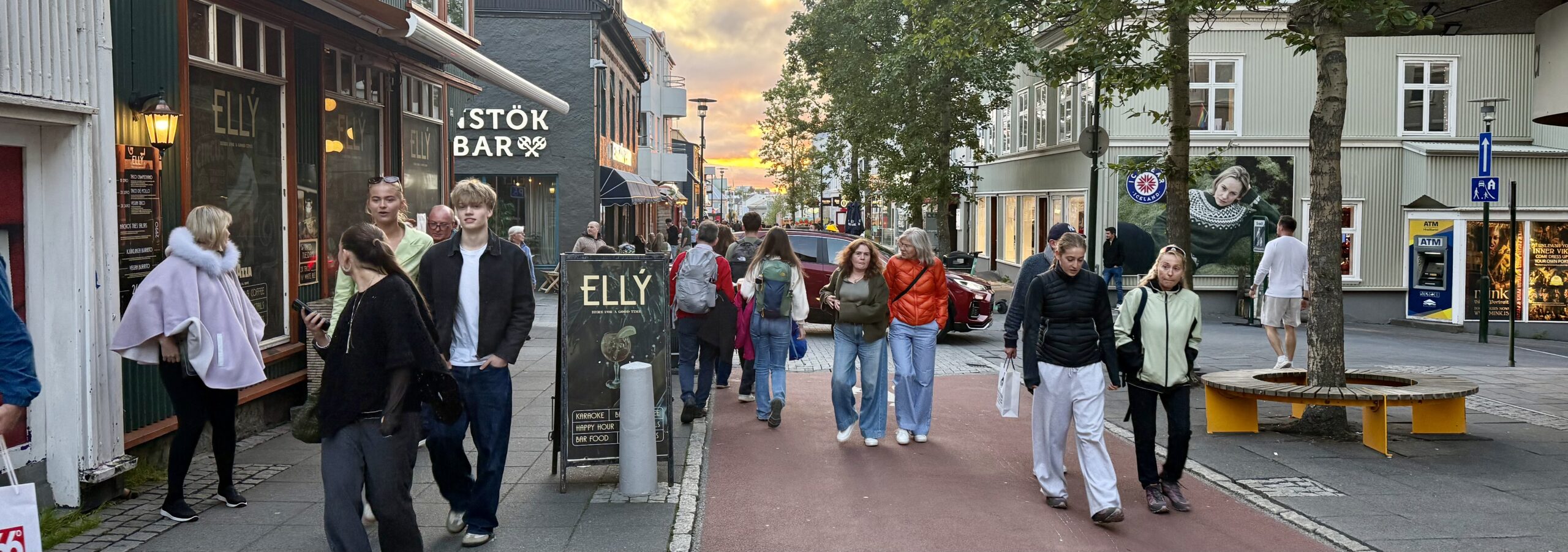
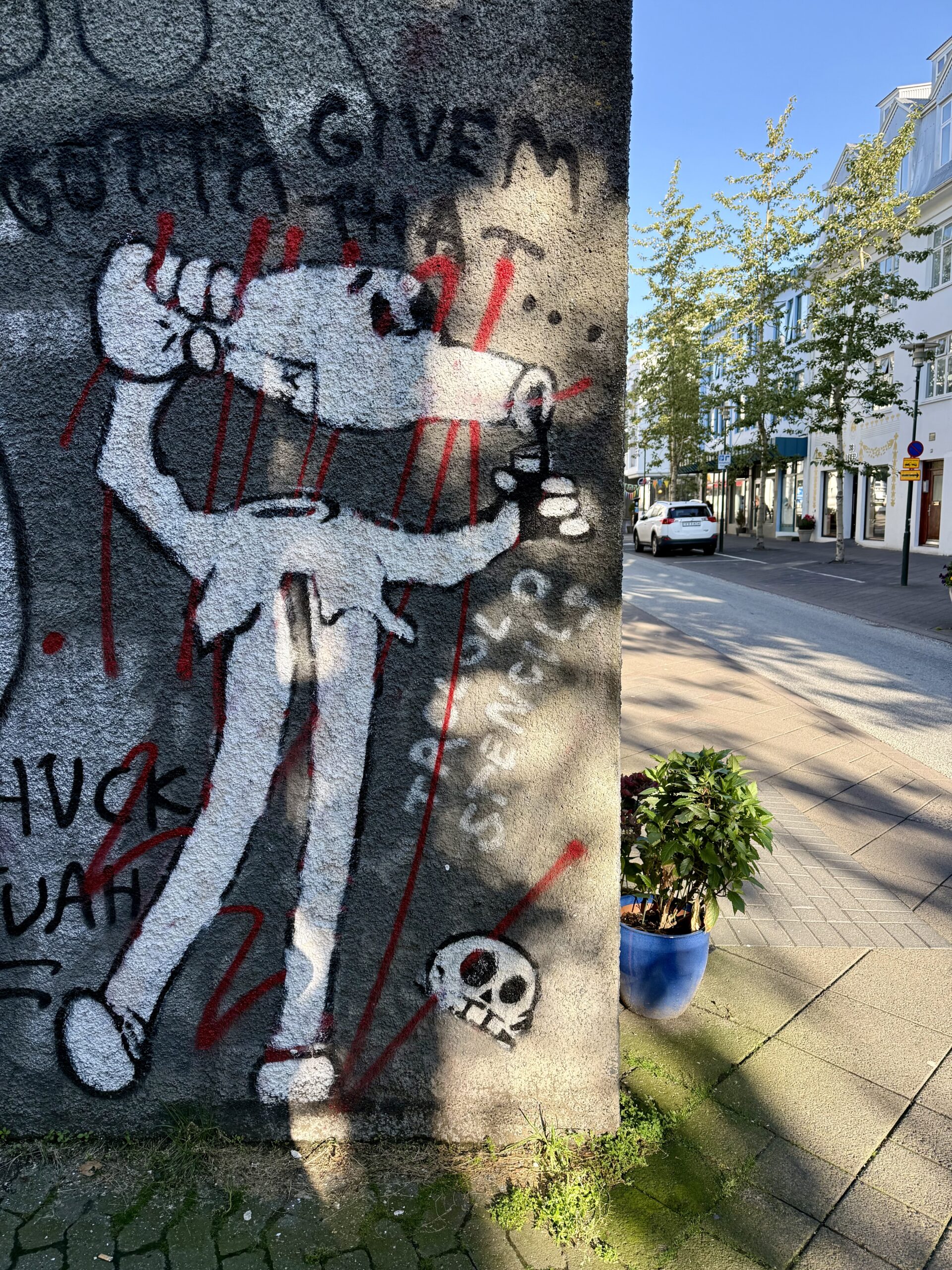
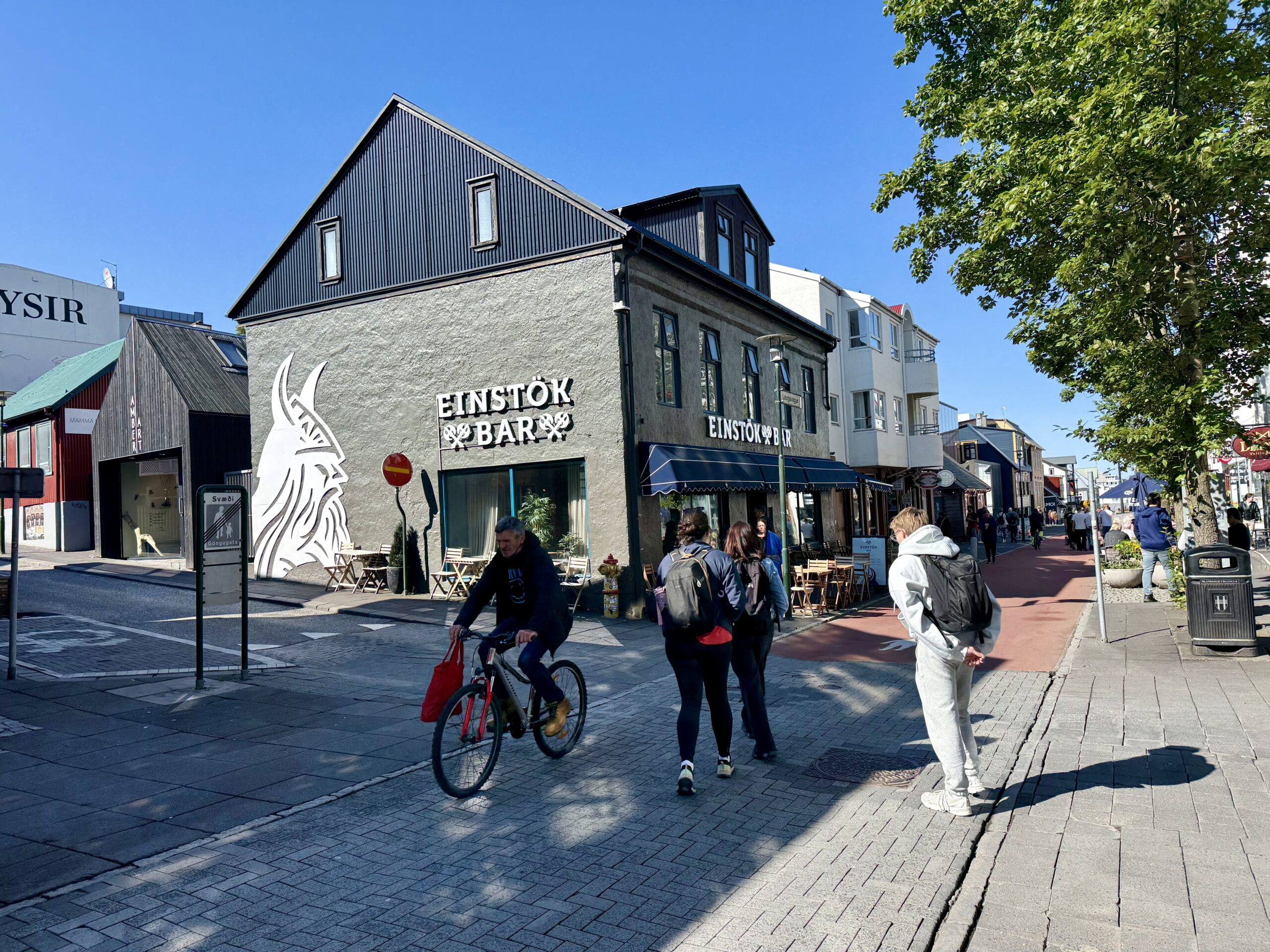
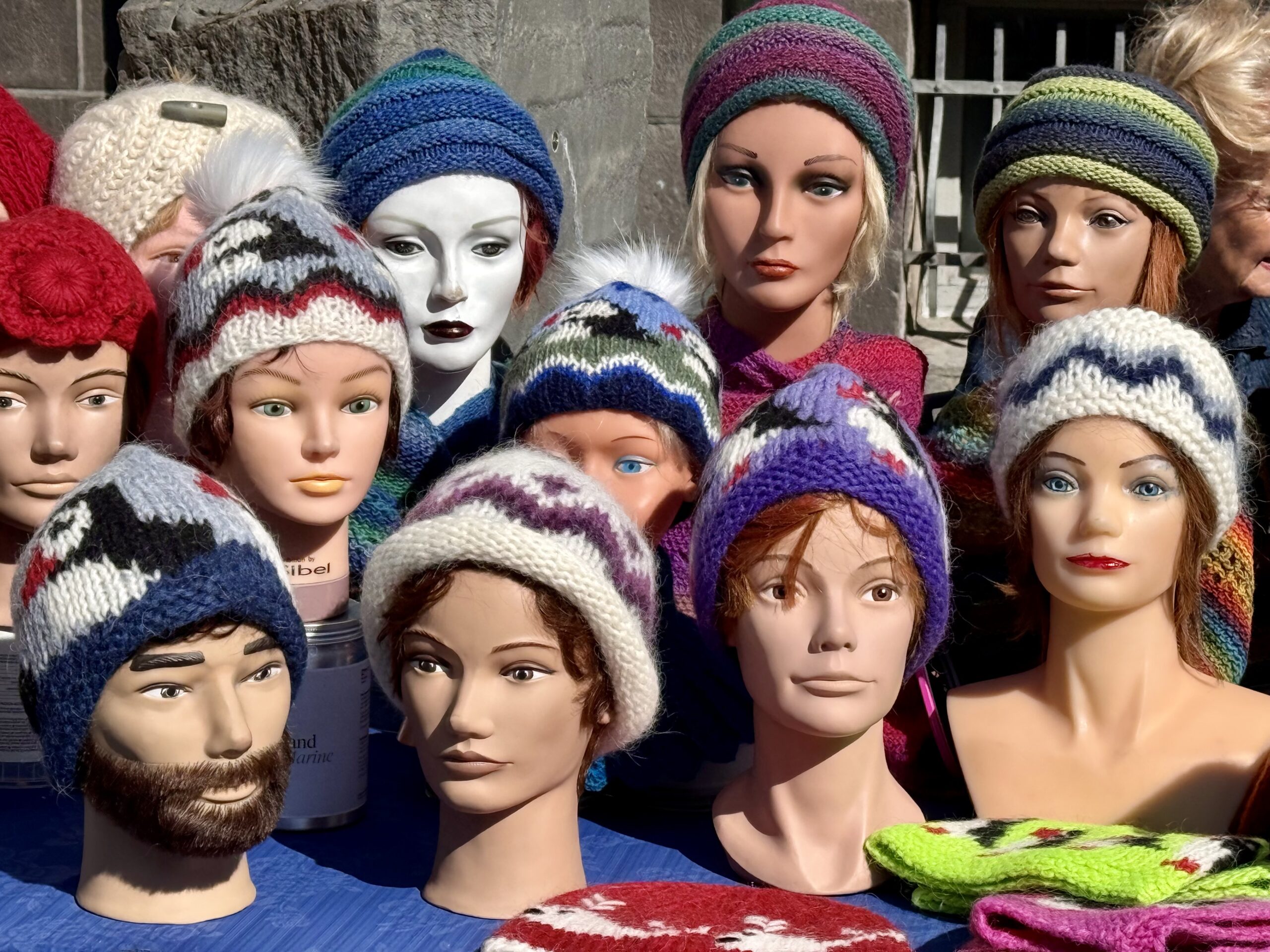
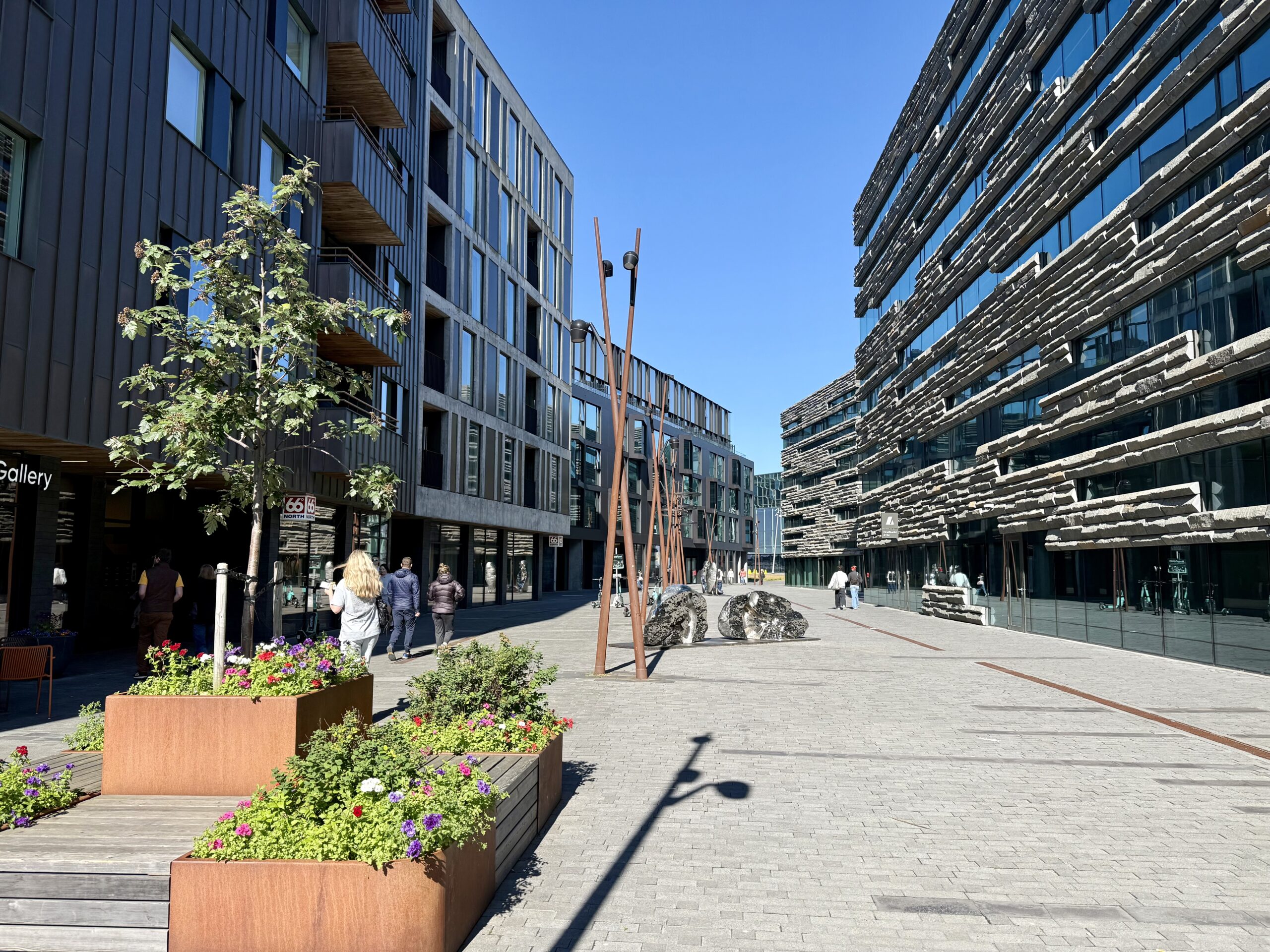
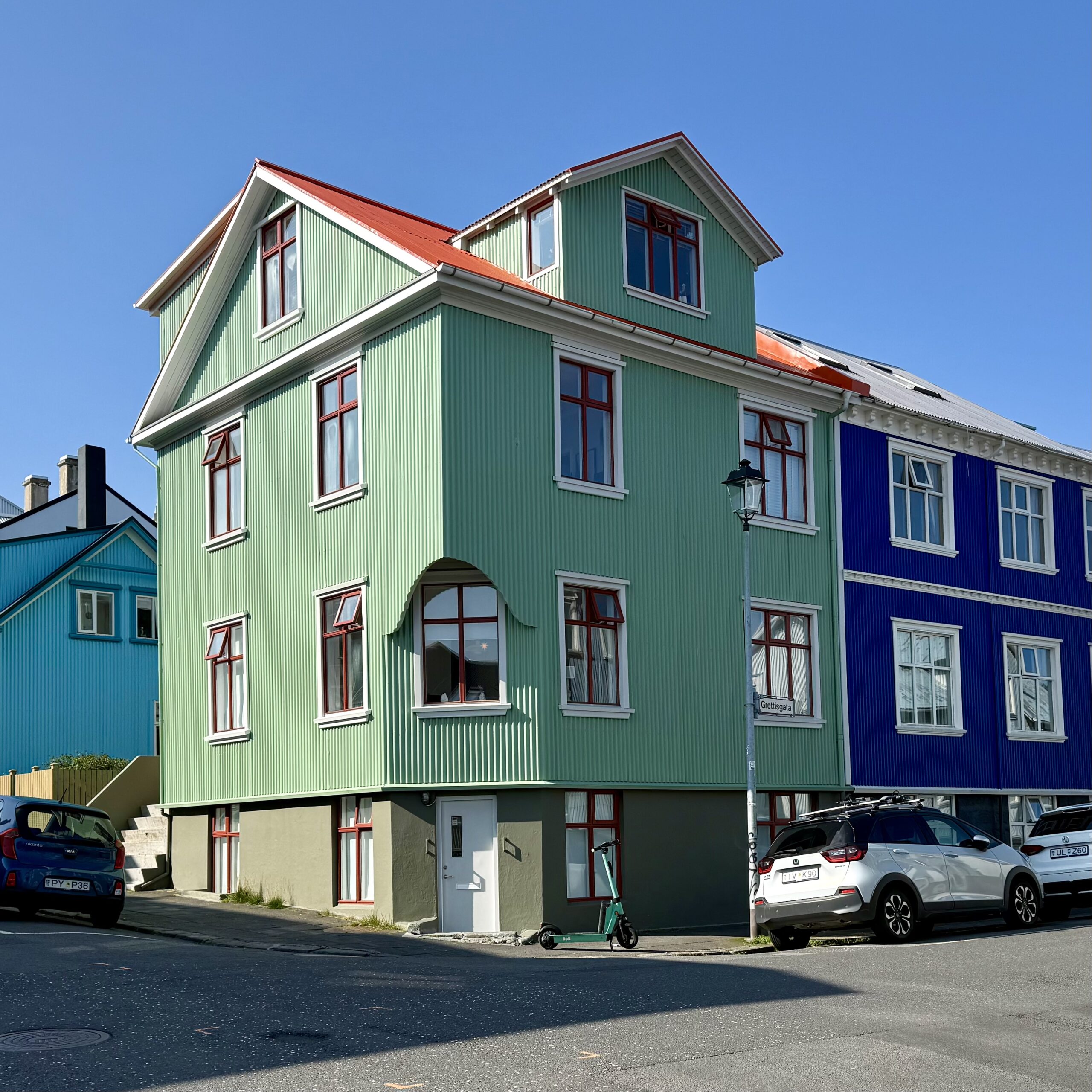
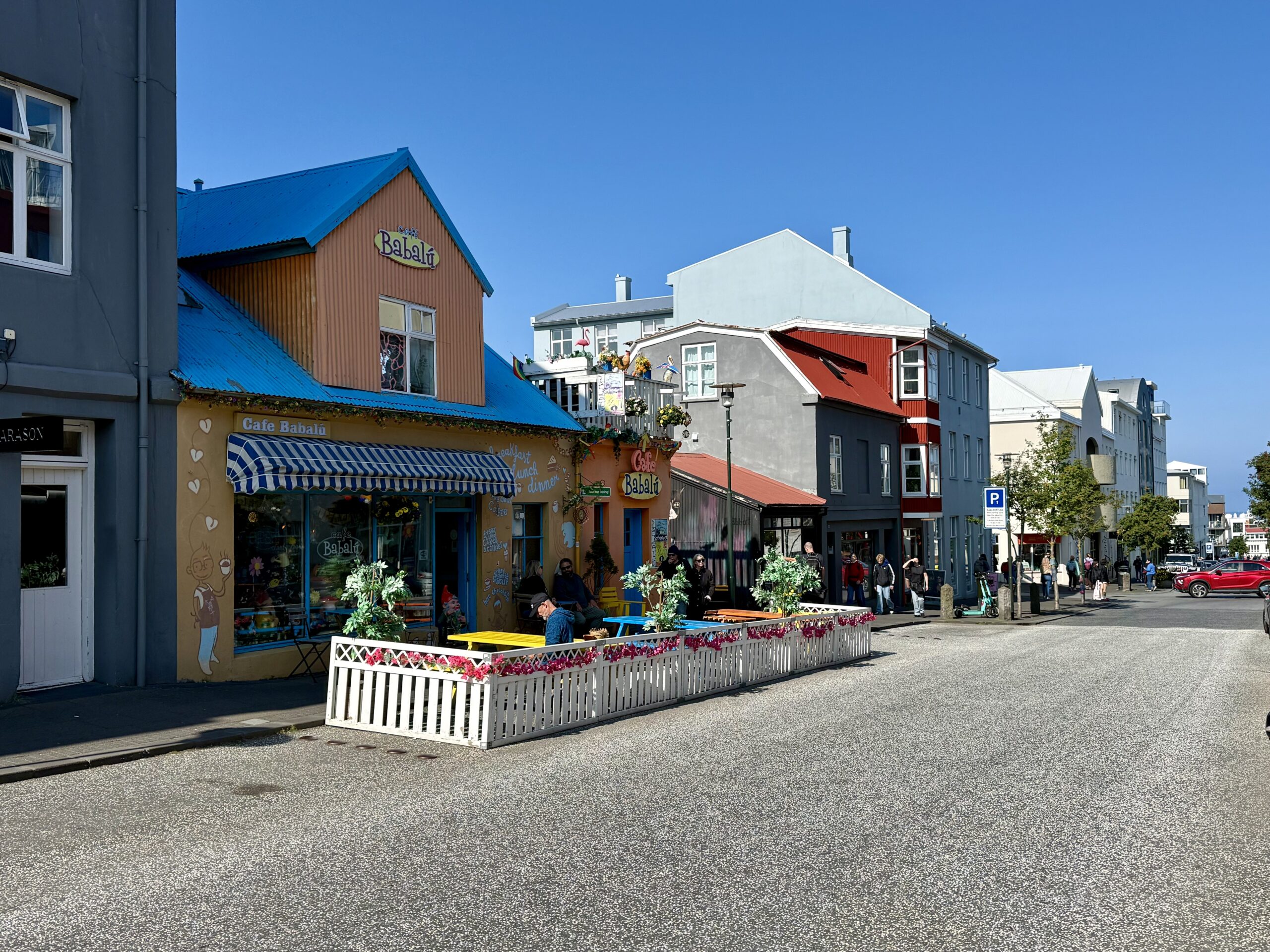
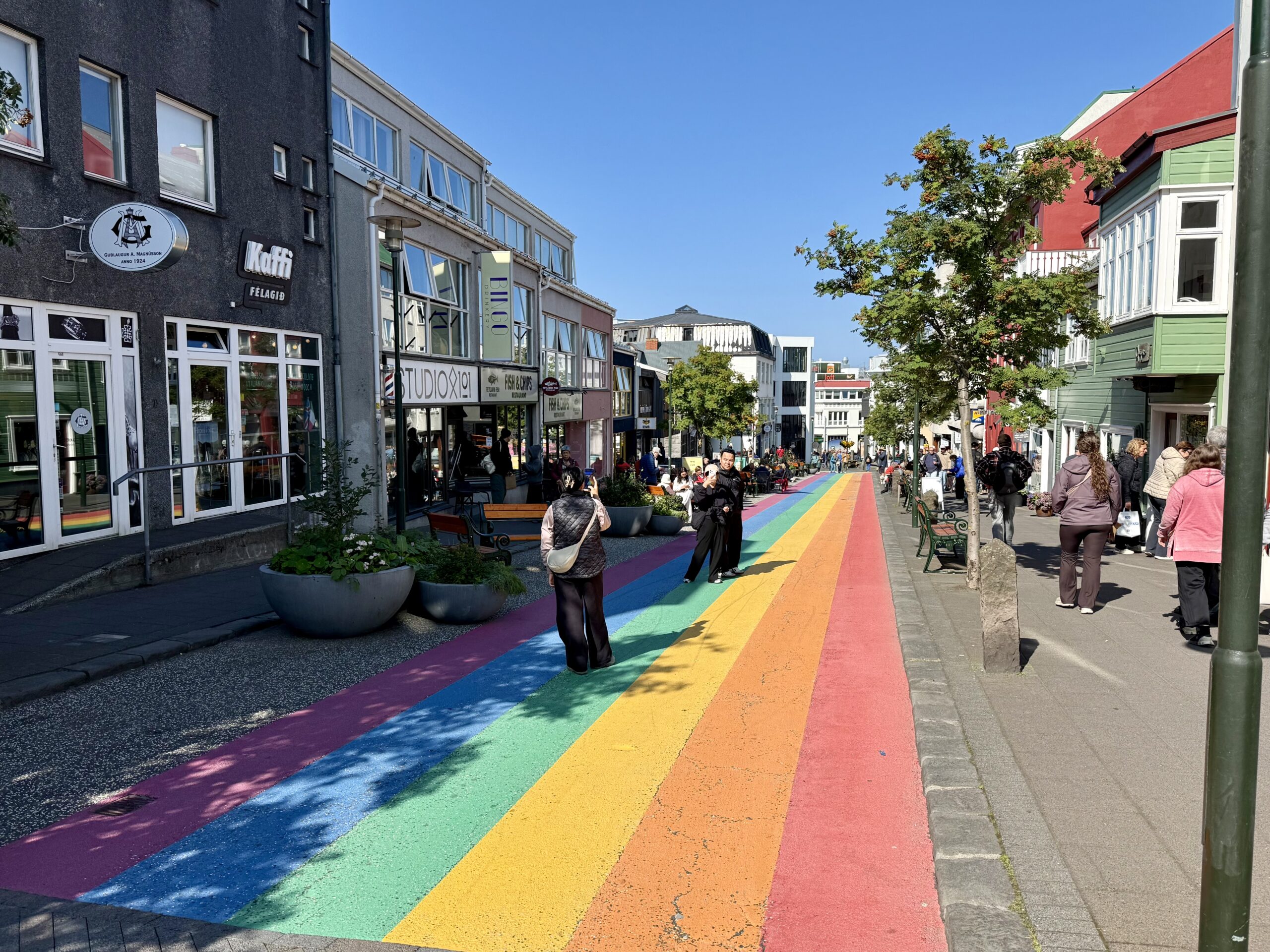
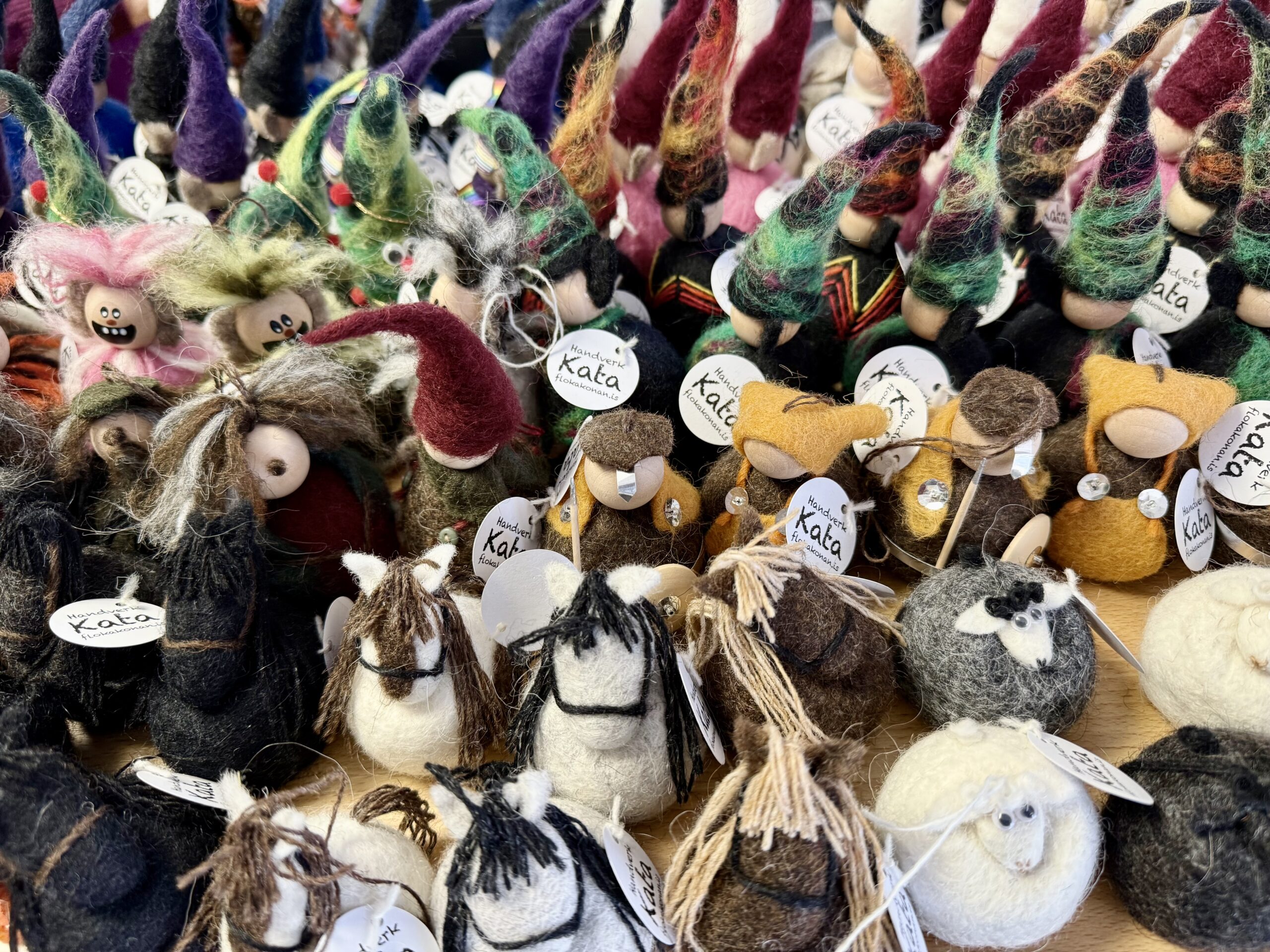
Construction of new housing and offices is evident in the downtown area. Natives live mostly outside the city center. The main pedestrian street (it also allows for cars), about a mile long, is well designed and is packed with tourist shops, an upscale version of Fisherman’s Wharf in San Francisco but without a t-shirt atmosphere. We enjoyed just strolling back and forth to our apartment at one end of the street. There is one Starbucks, and if you look hard a few blocks always you can find H&M and Cos, but nearly all shops are local. We read that Icelanders like to dress up, and we saw many clothing shops with nice looking clothing, mainly cold weather outer ware.
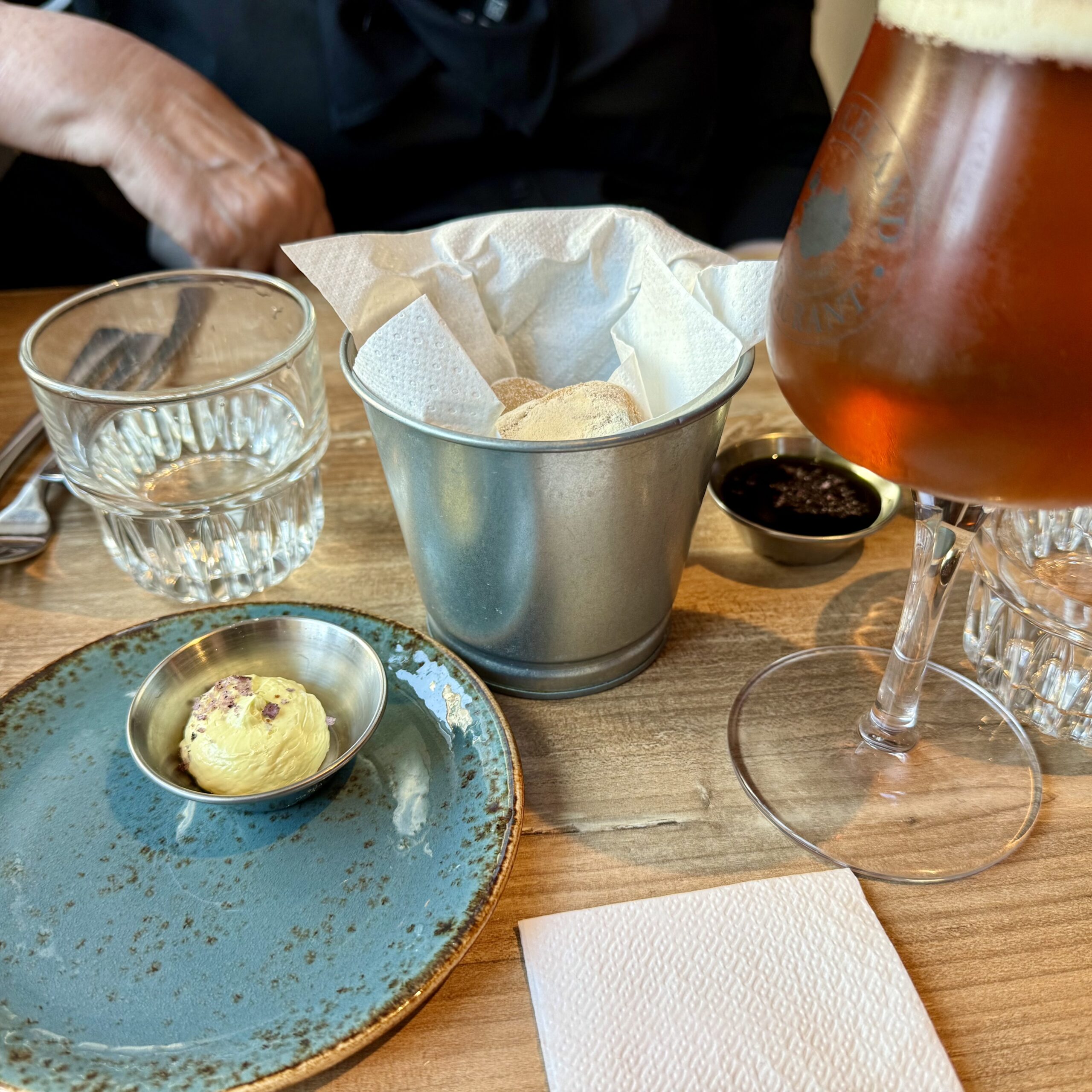
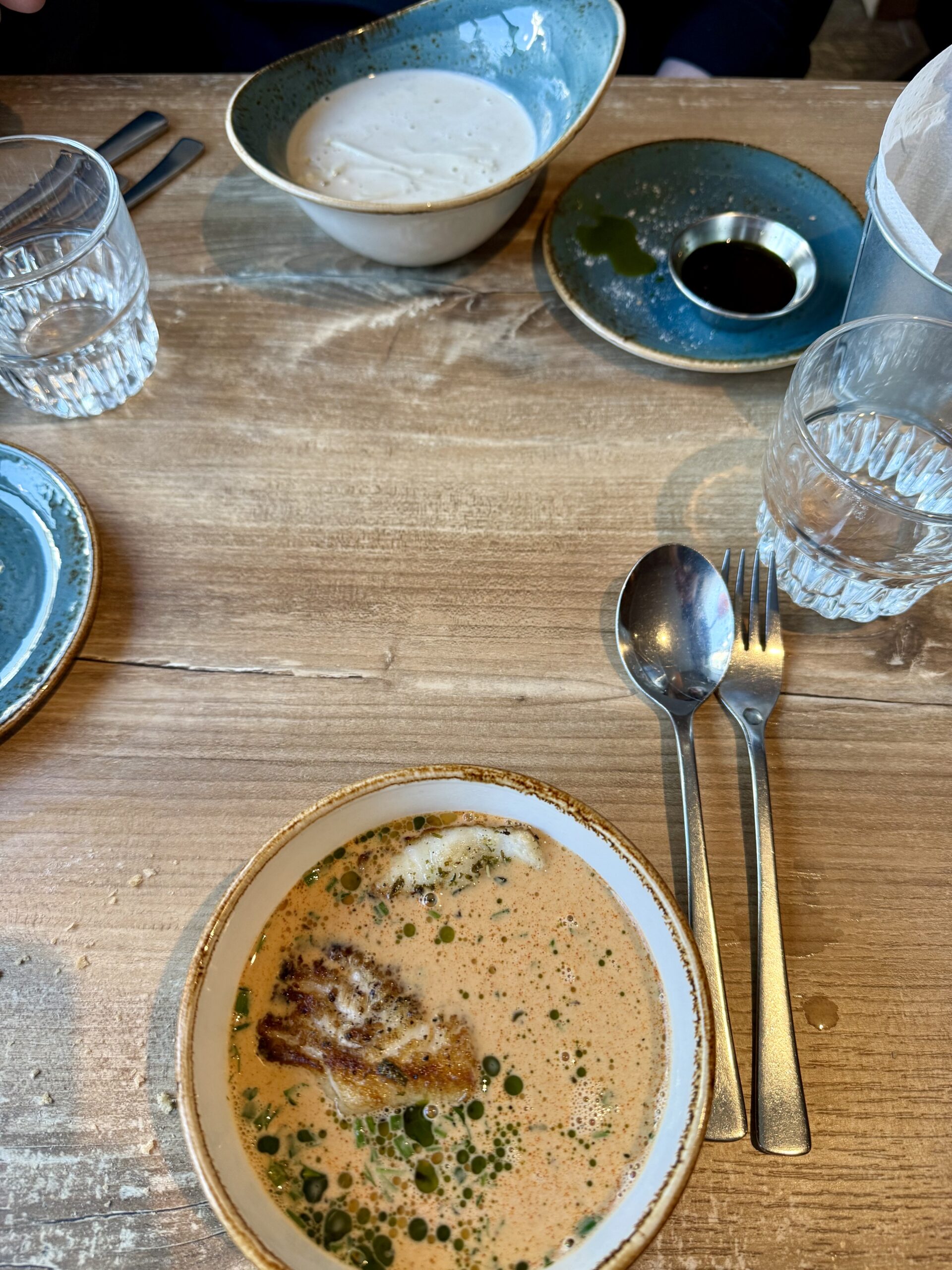
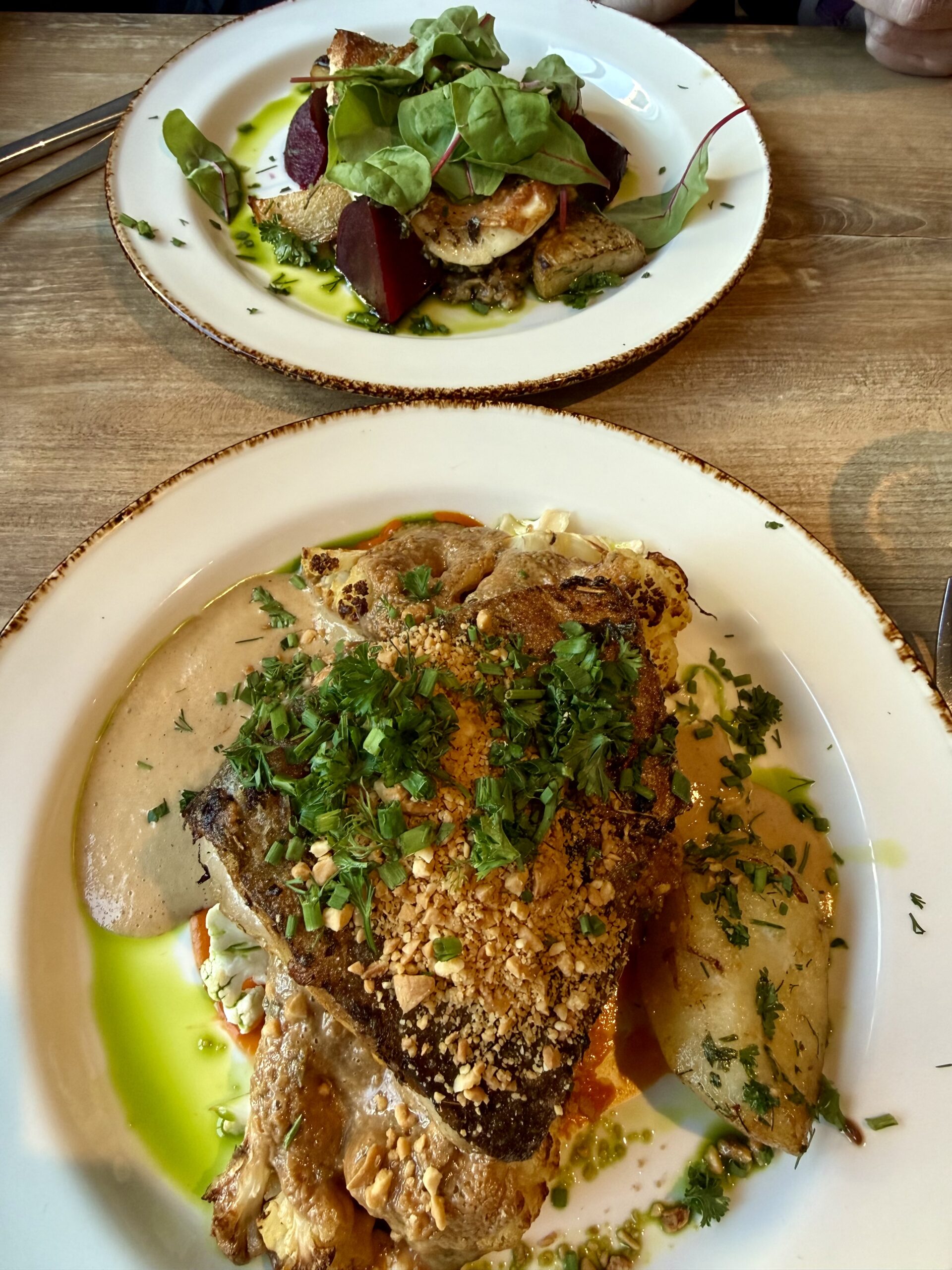
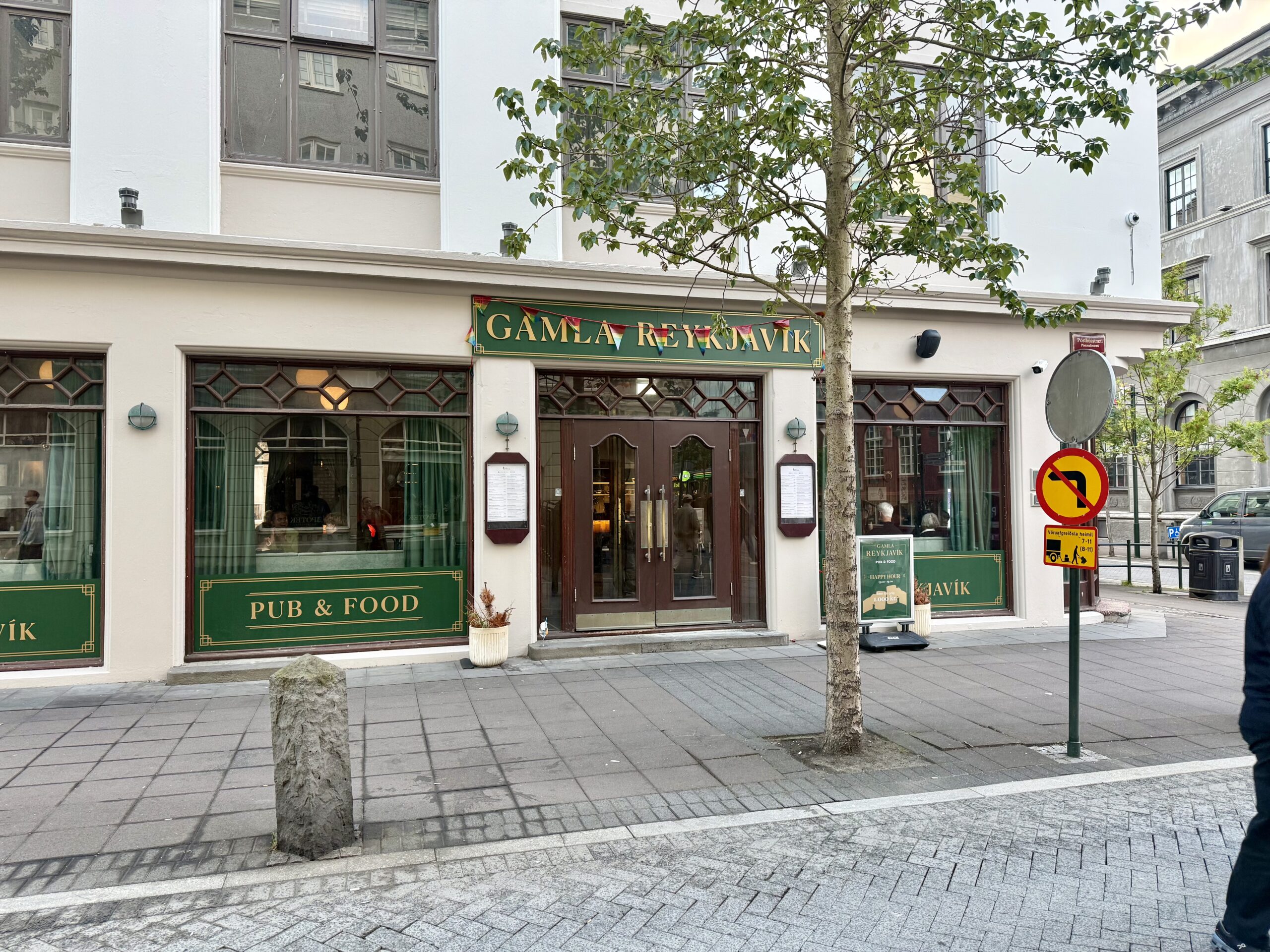
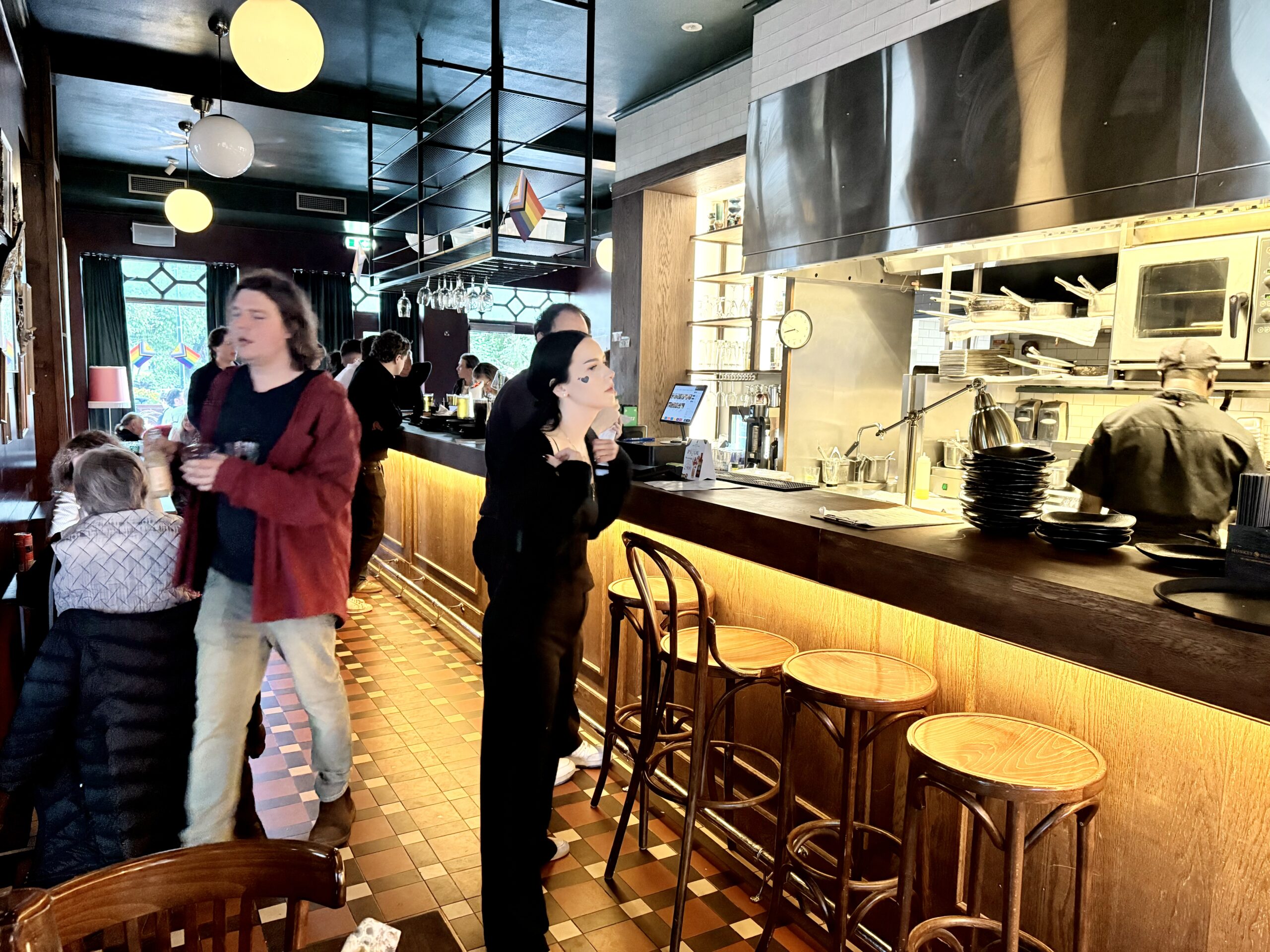
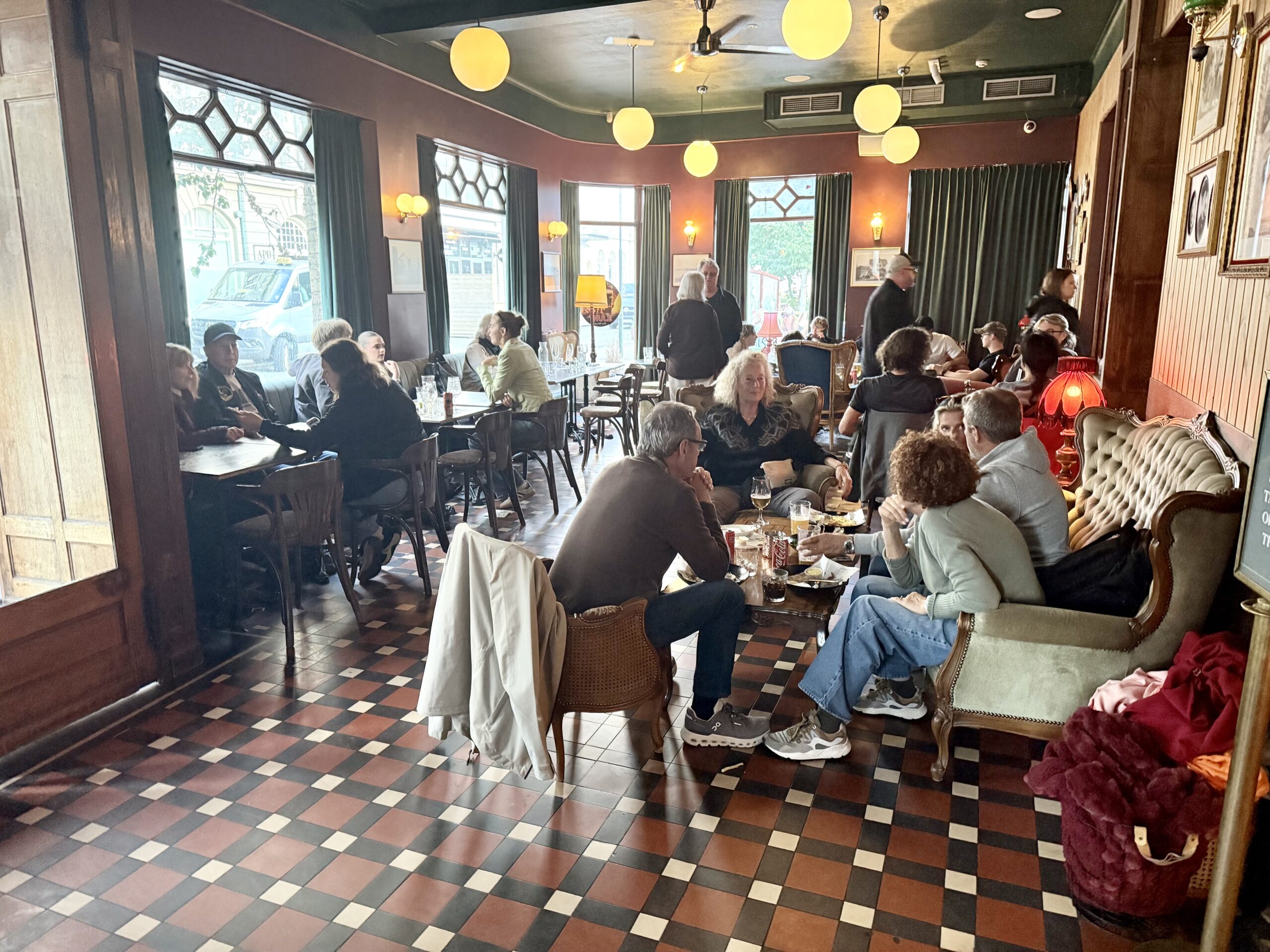
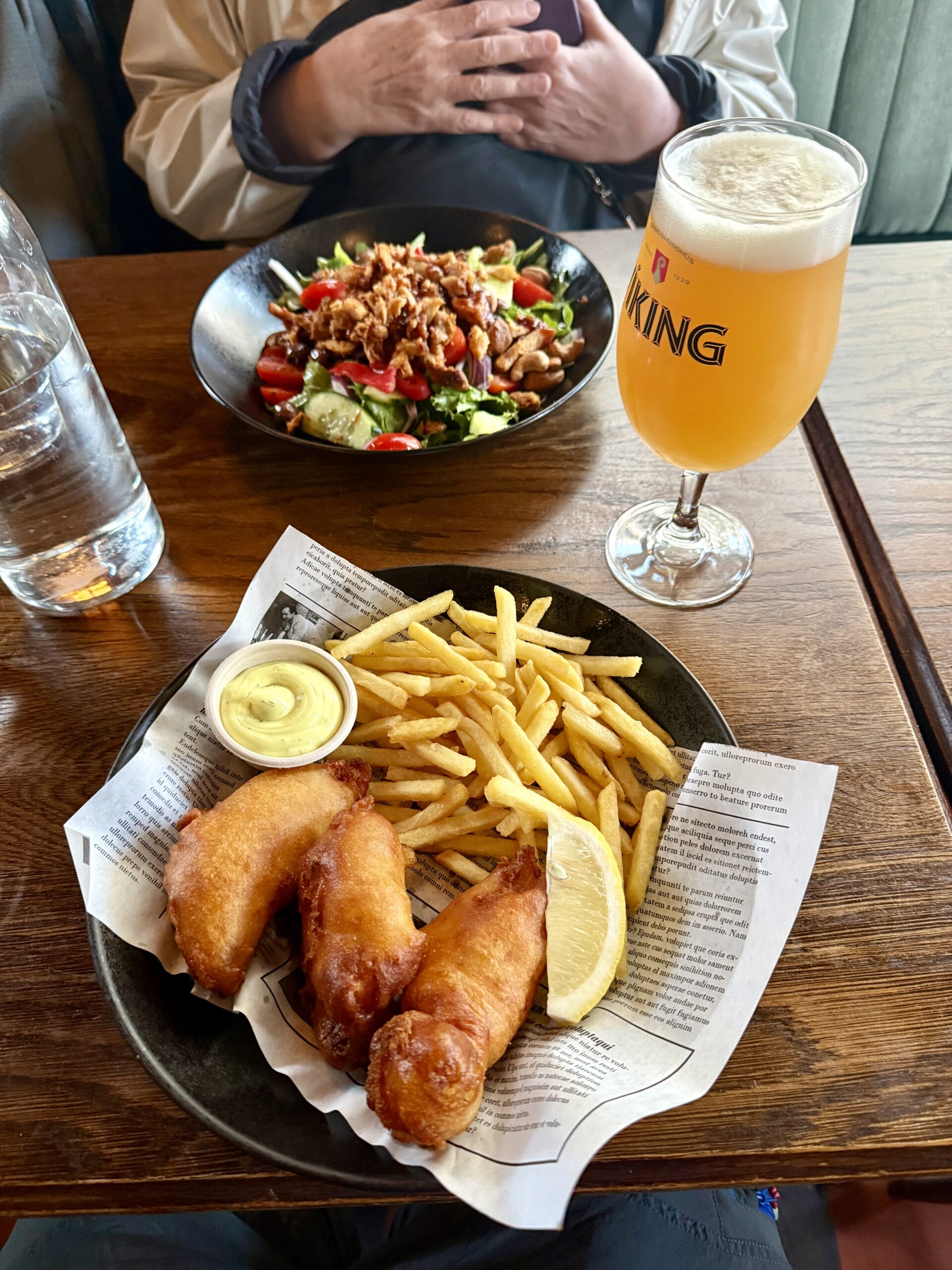
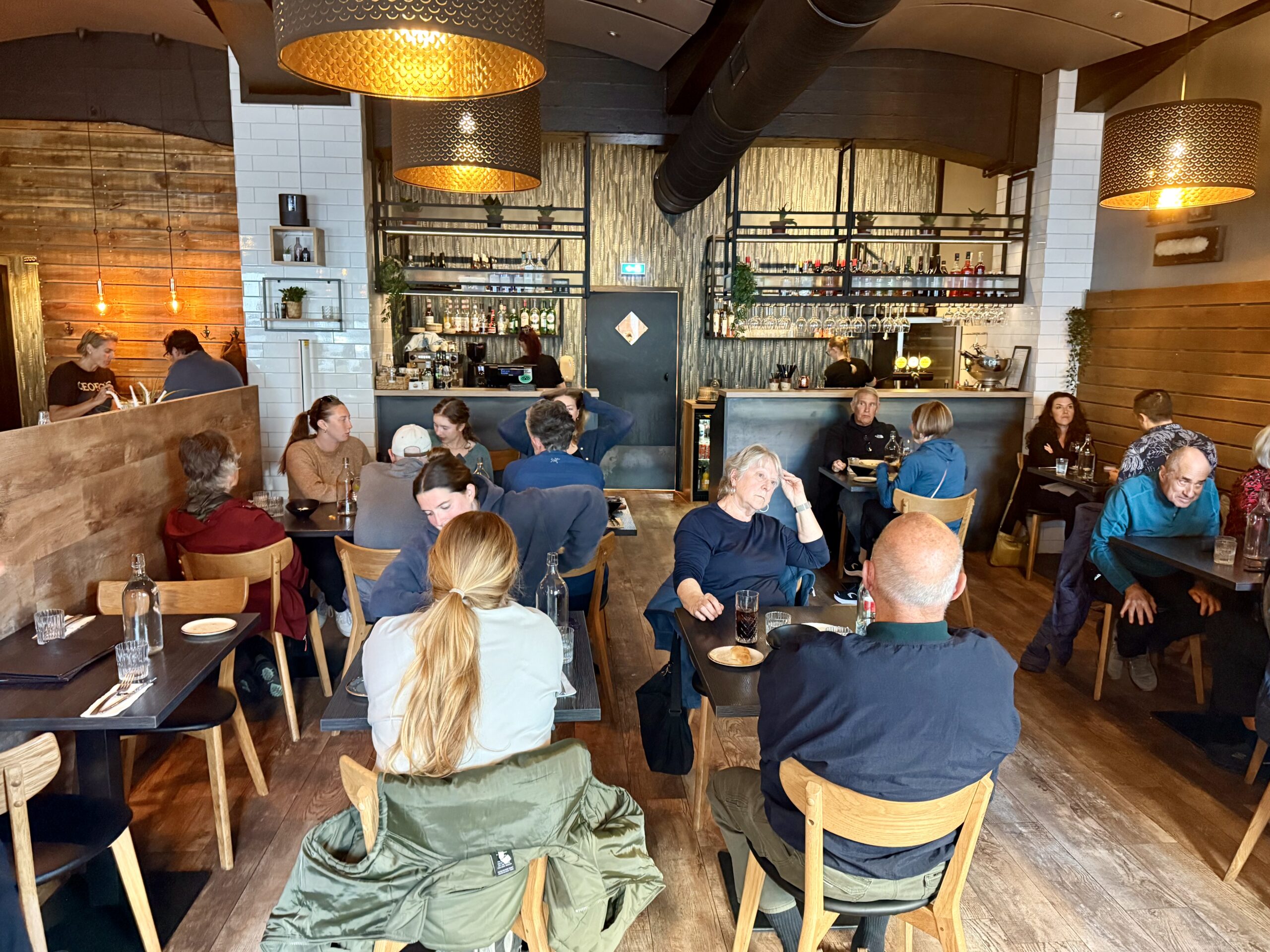
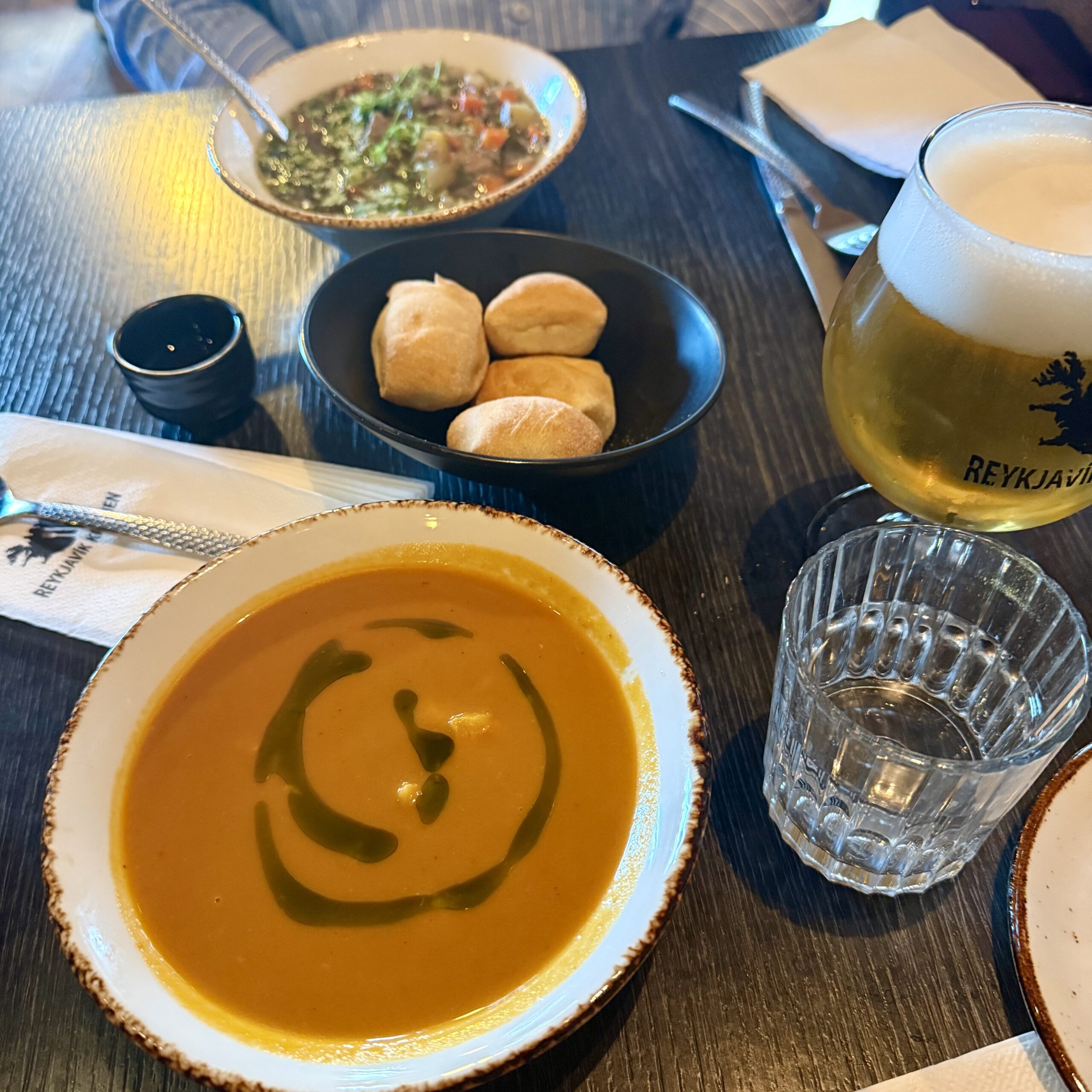
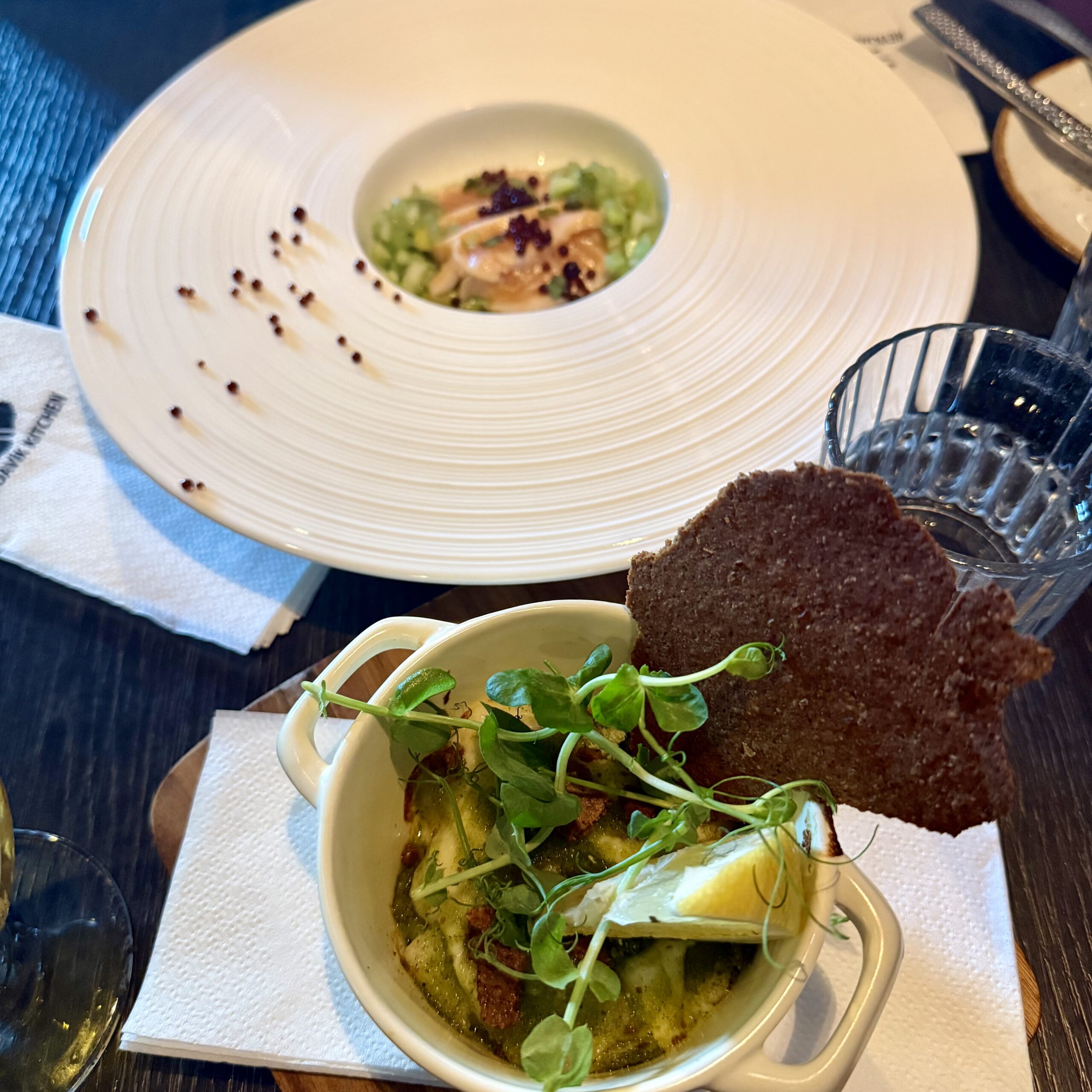
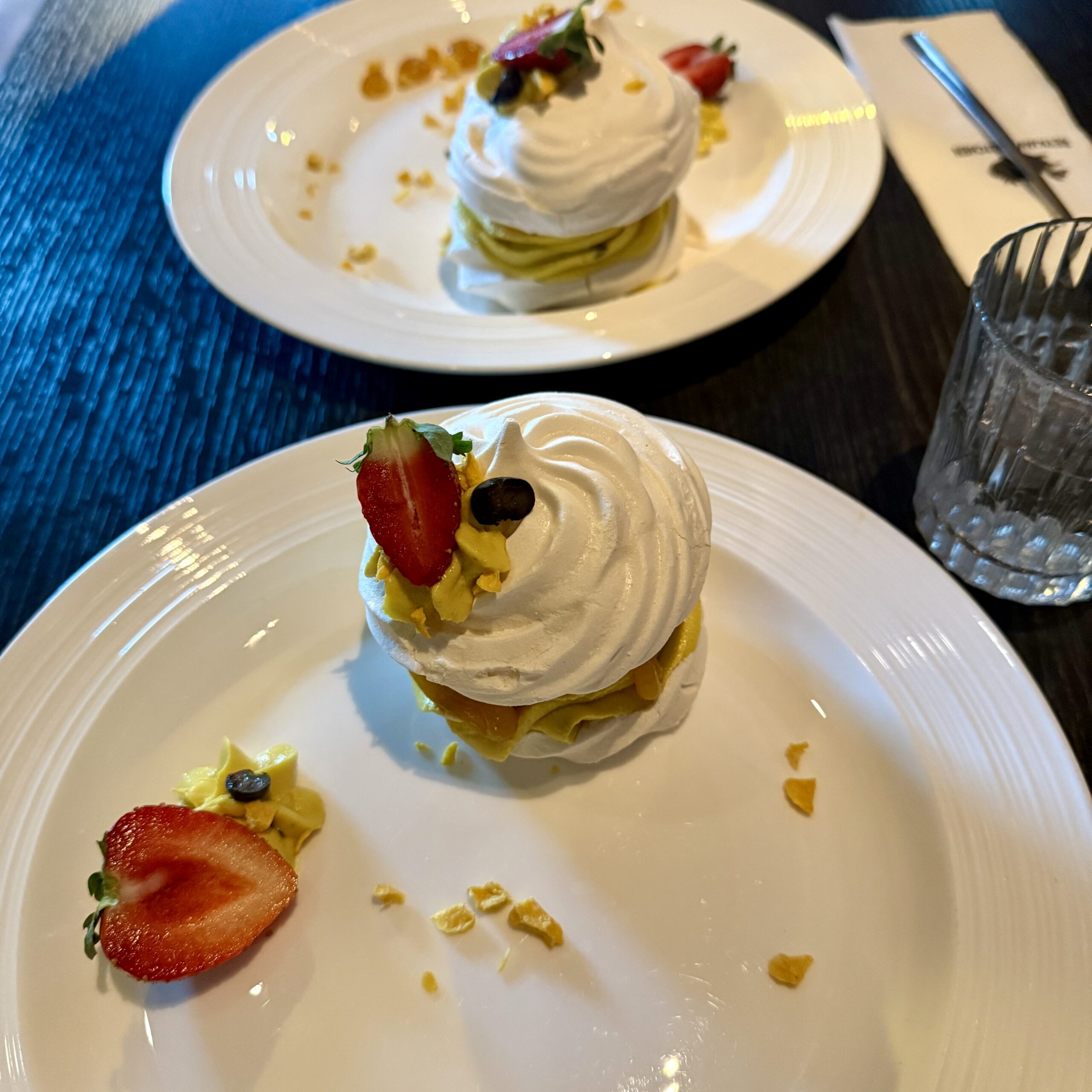
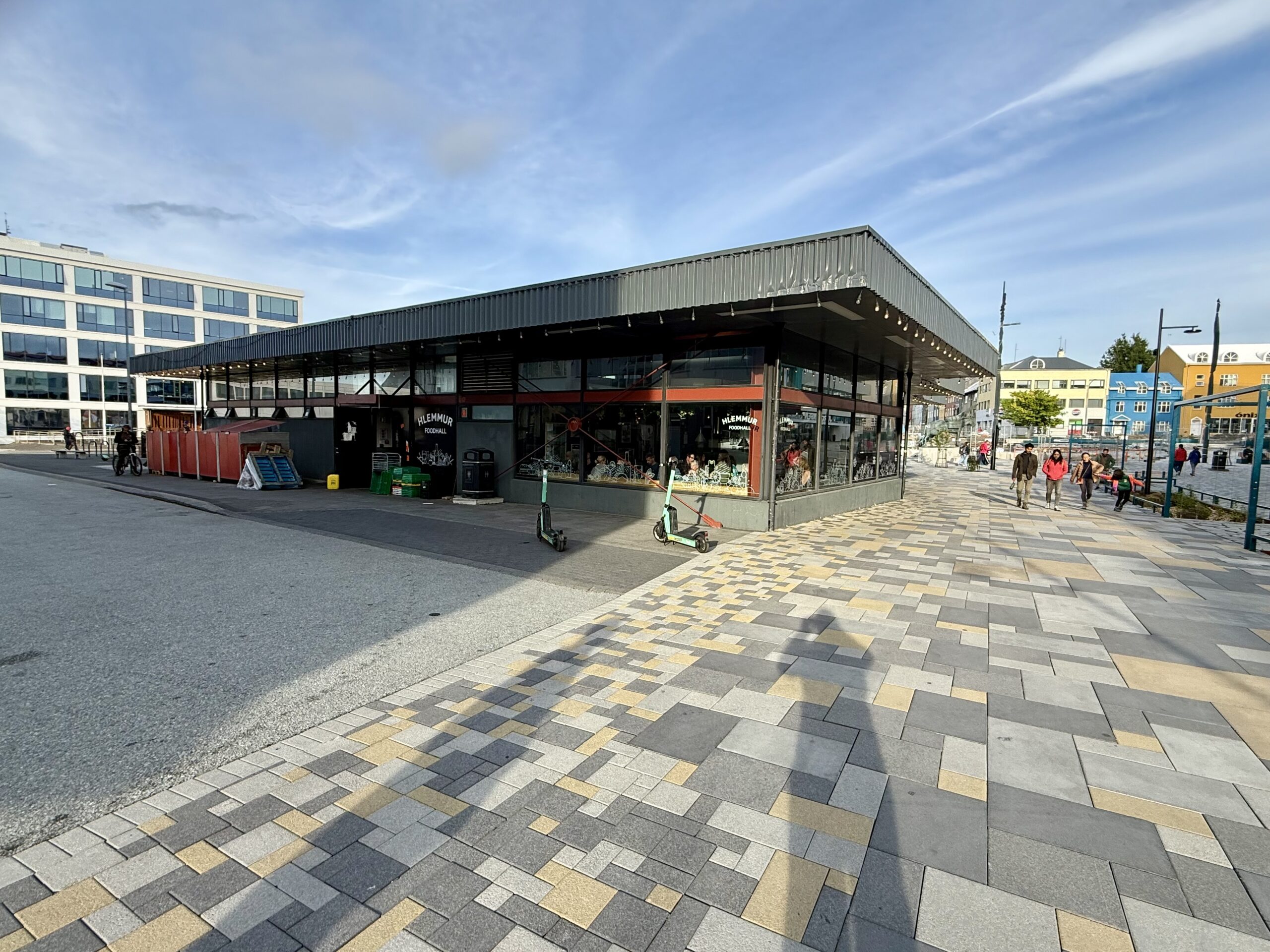
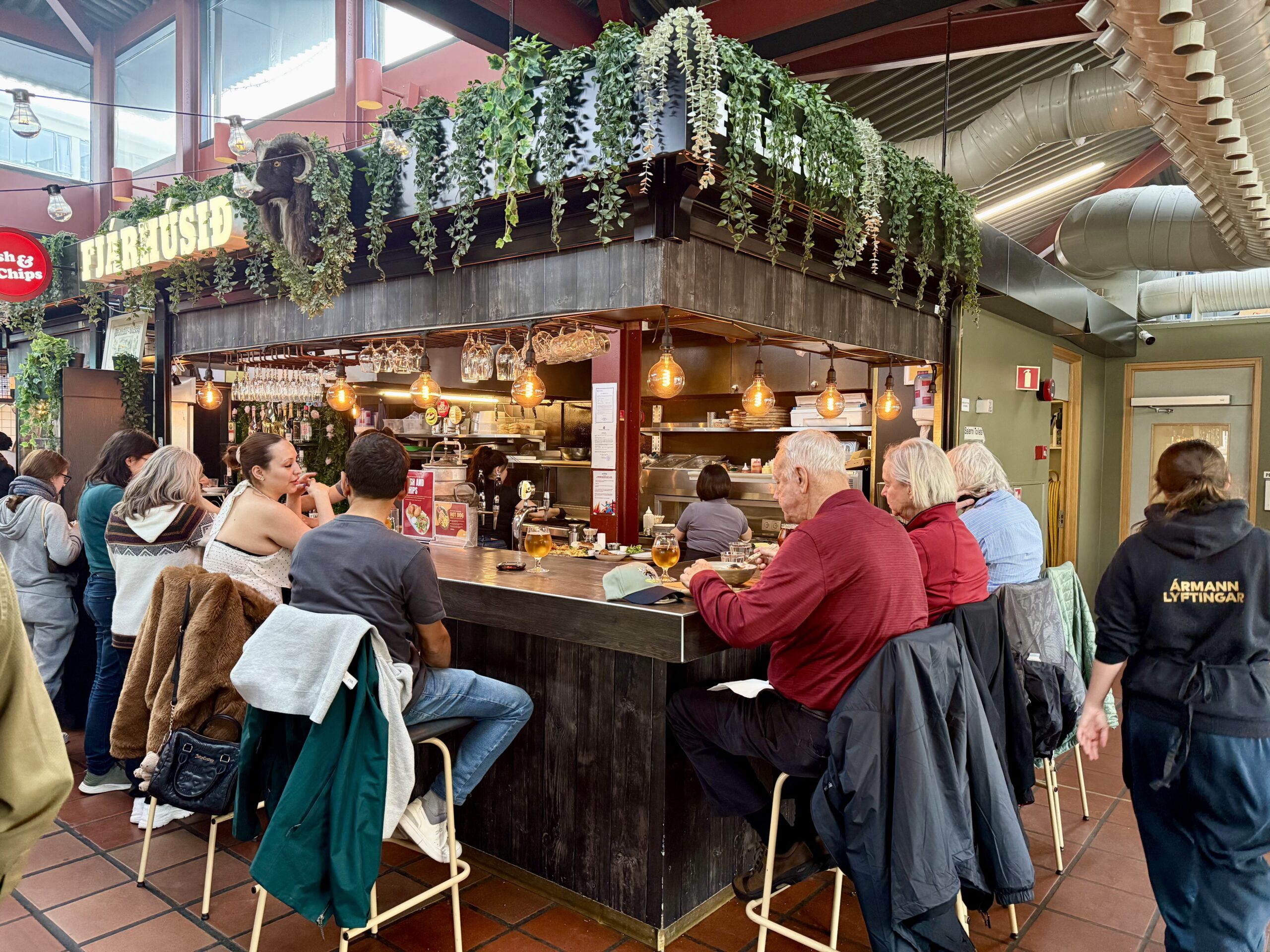
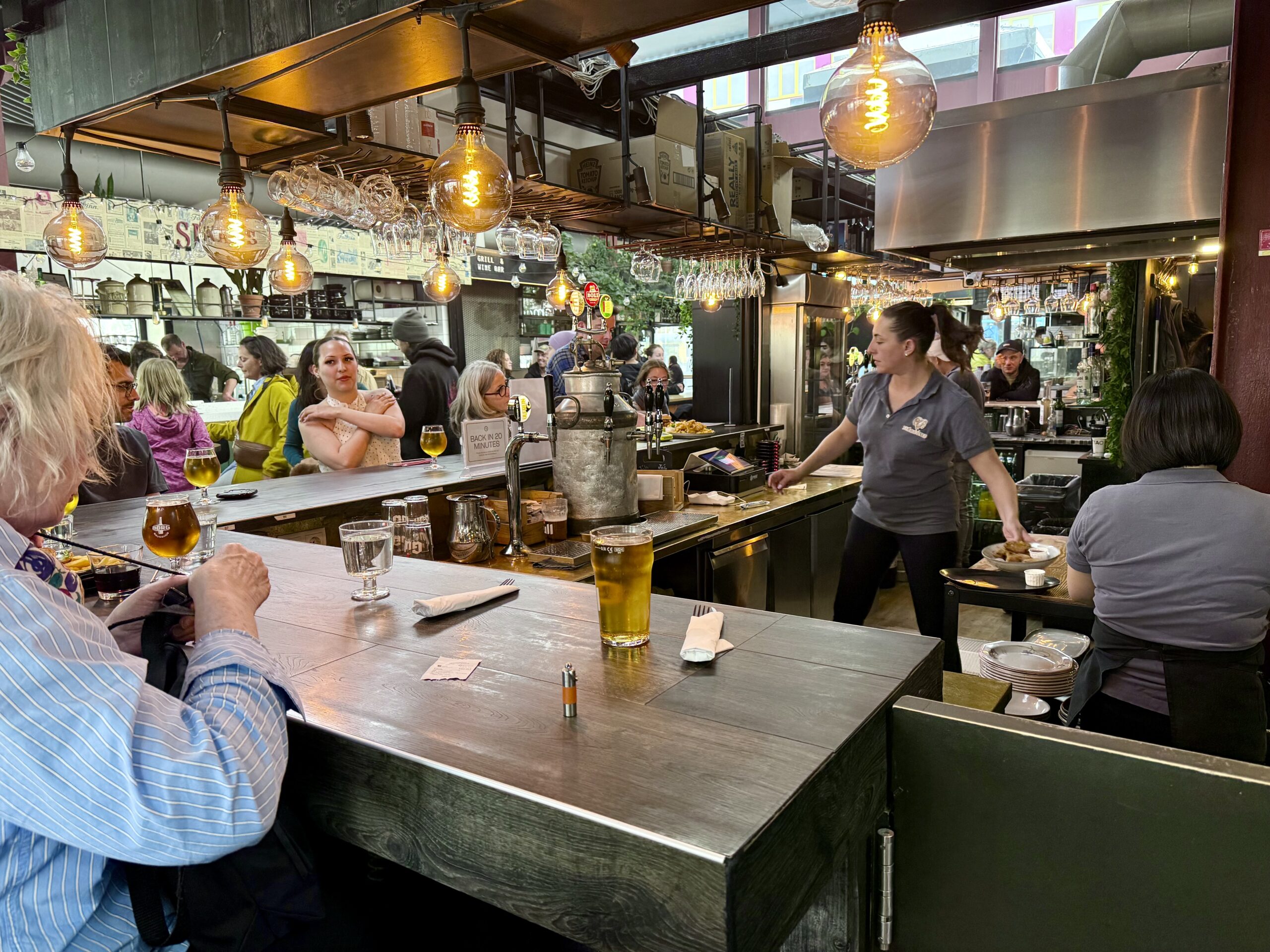
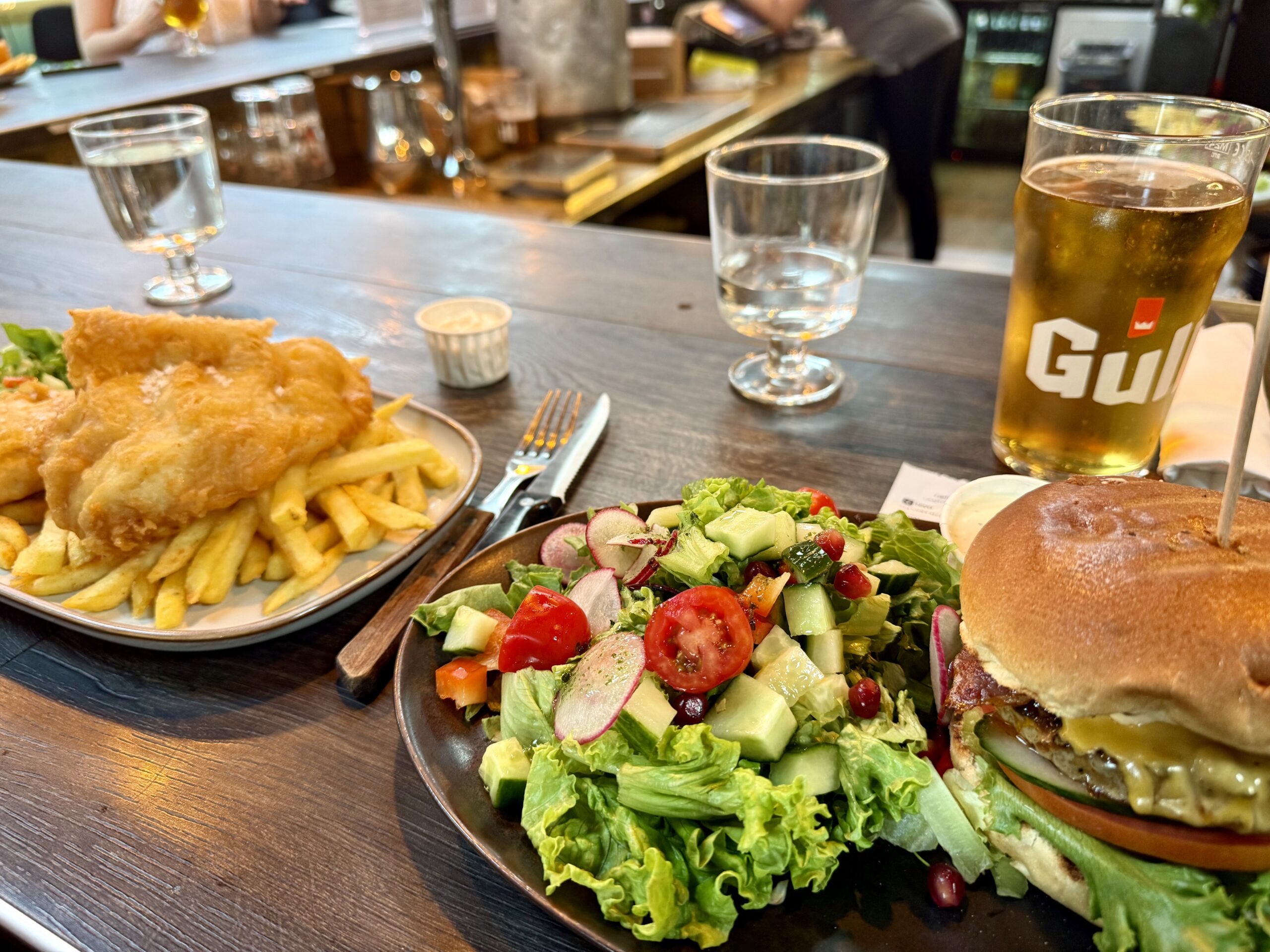
Food is pricey. Although there is no tipping, a simple lunch of fish and chips, a hamburger, and a beer and coke at a food hall can easily cost $98 for two. Food halls are popular, providing a variety of choices in much more attractive spaces than we have seen before. One popular food hall in the center of town is in the old three-story post office. Alcohol is especially expensive. But because Iceland has a zero-tolerance policy for drinking and driving, Once we’d get on the road, Robert will need to bypass a beer at lunch or dinner.
The Icelandic language is mystifying. So many k’s and j’s. So many other unfamiliar letters. Often pronounced completely differently than you expect. Such long words. Because the Icelanders often combine two or three words into one. Everyone seems to speak English and English shows up on menus, but road signs and museum labels may be only in Icelandic.
In Reykjavik we seldom encountered a local Icelander. During the summer tourist season, the restaurant and shop staff come from Spain, Argentina, Greece, Italy, Poland, the U.S., and who knows where else.
The country’s heating is unlimited because boiling water from thermal springs is piped to cities and towns. Indoor spaces are toasty. There are seldom thermostats, so there is no way to control the heat except by opening windows. After a few overheated nights in bed, we learned to do this. And as you stroll anround town you see open windows everywhere. Although the nighttime temperature might be in the low 40s, it is barely enough to cool down the room to sleep comfortably. Between the hot water generating turbines and hydroelectric plants, electricity is abundant and is free to residents.
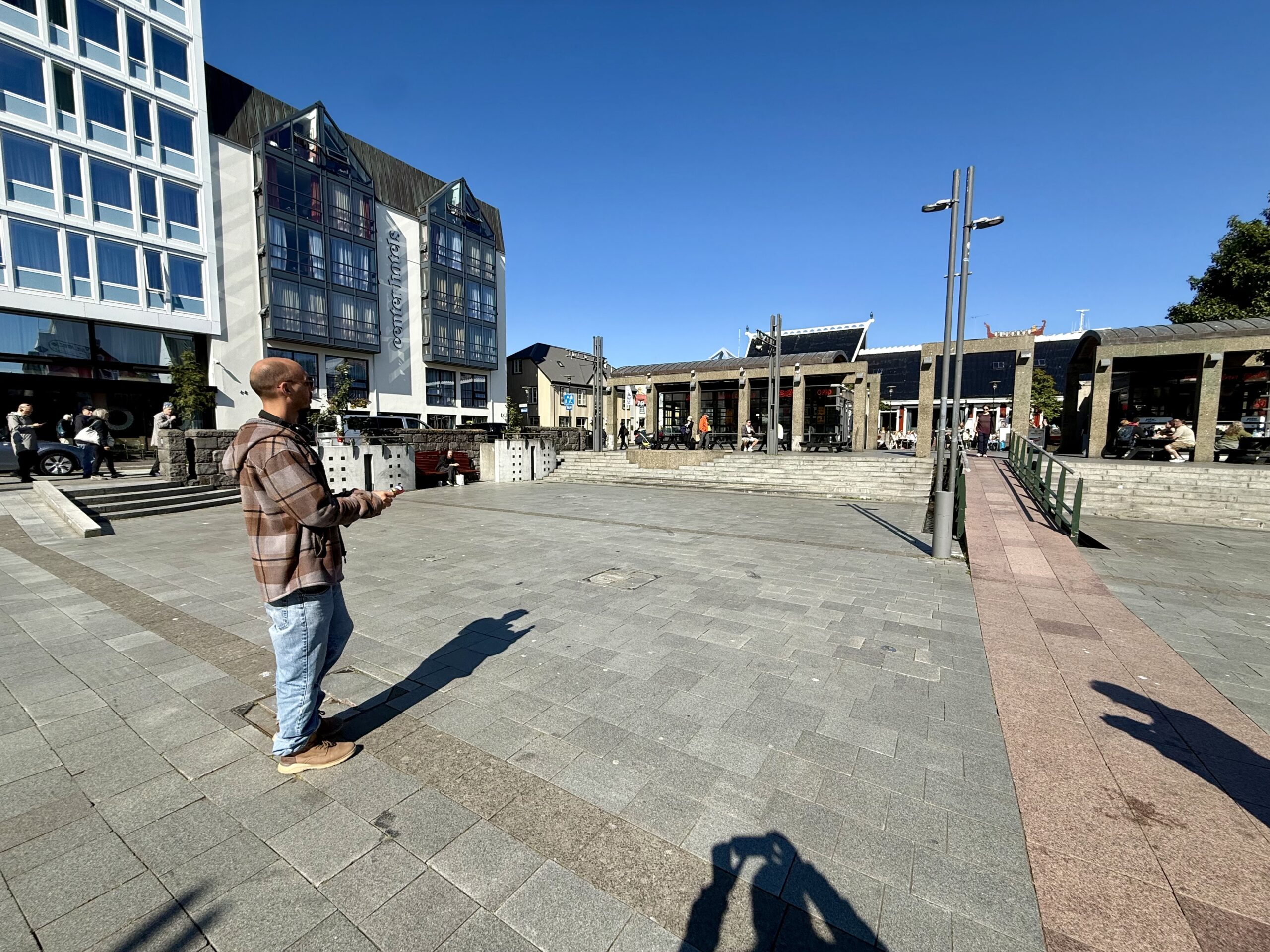
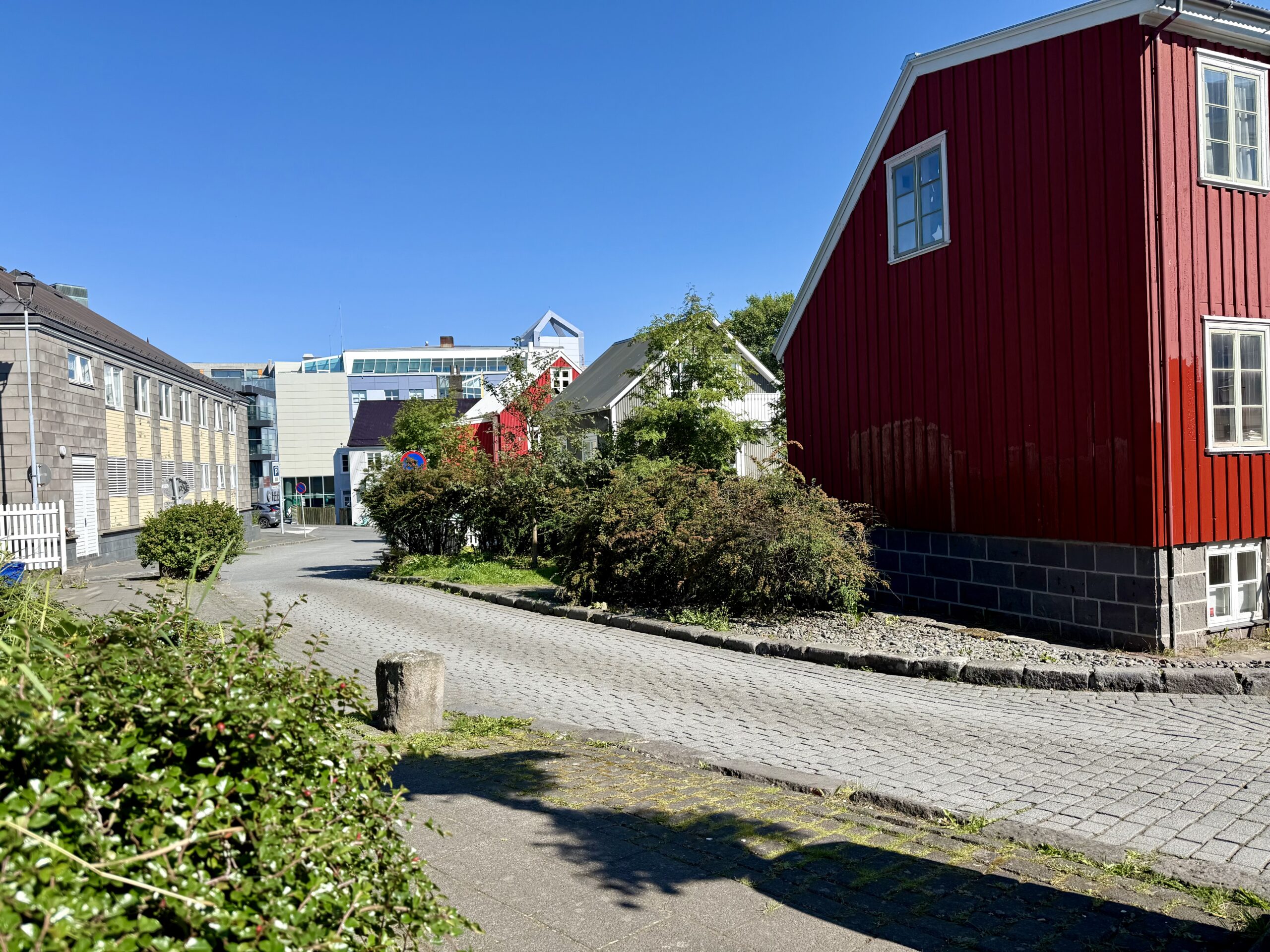
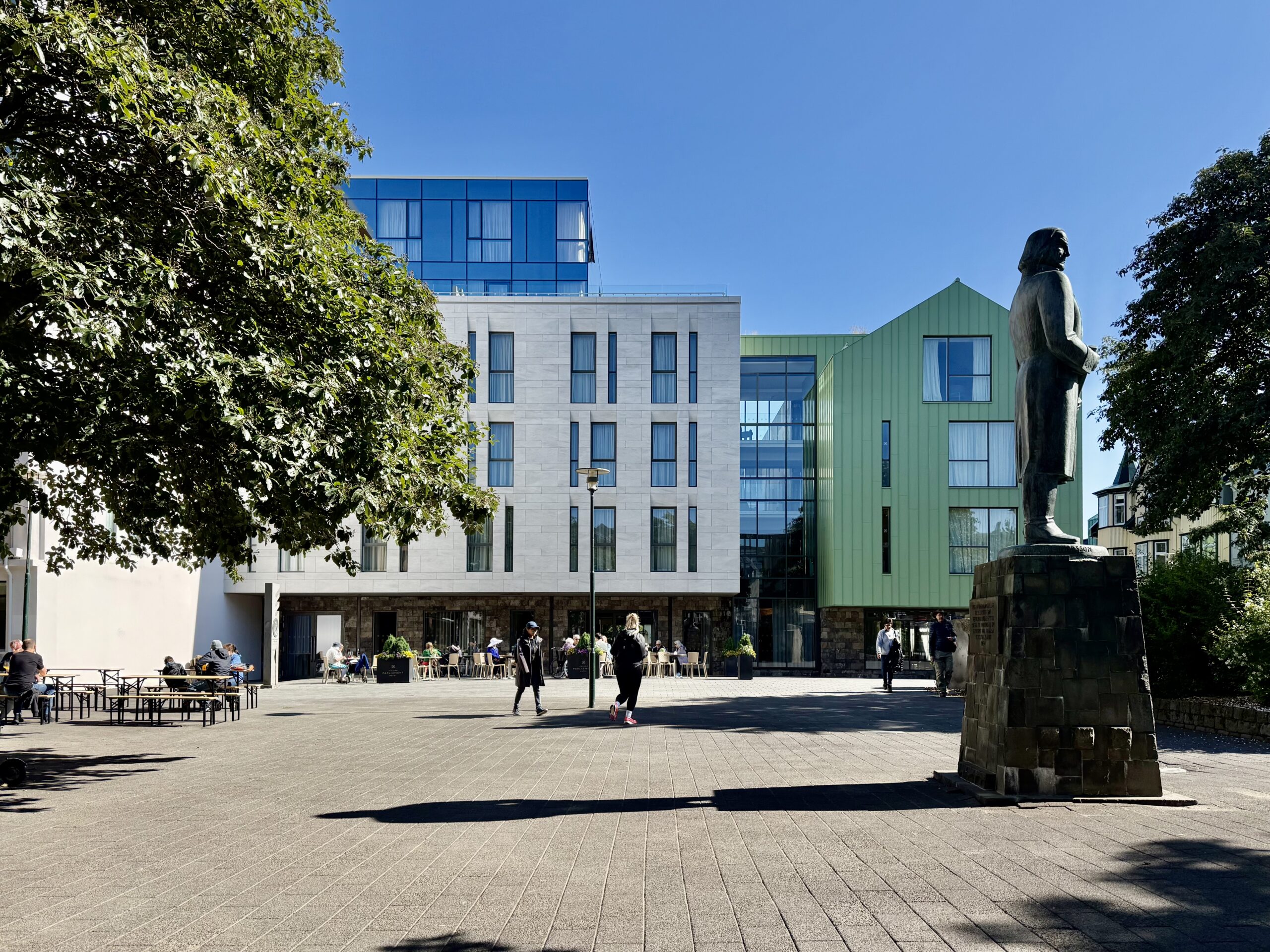
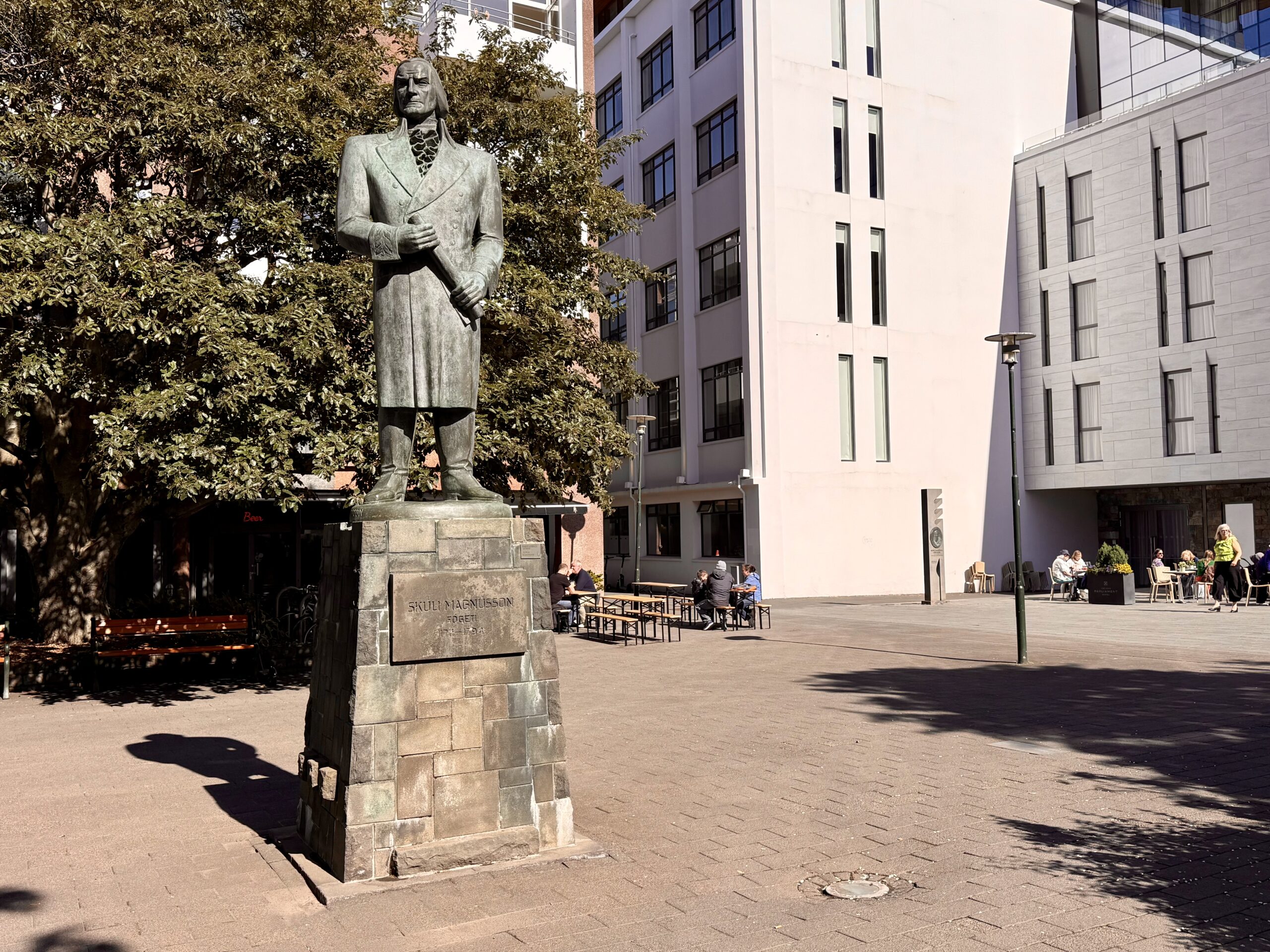
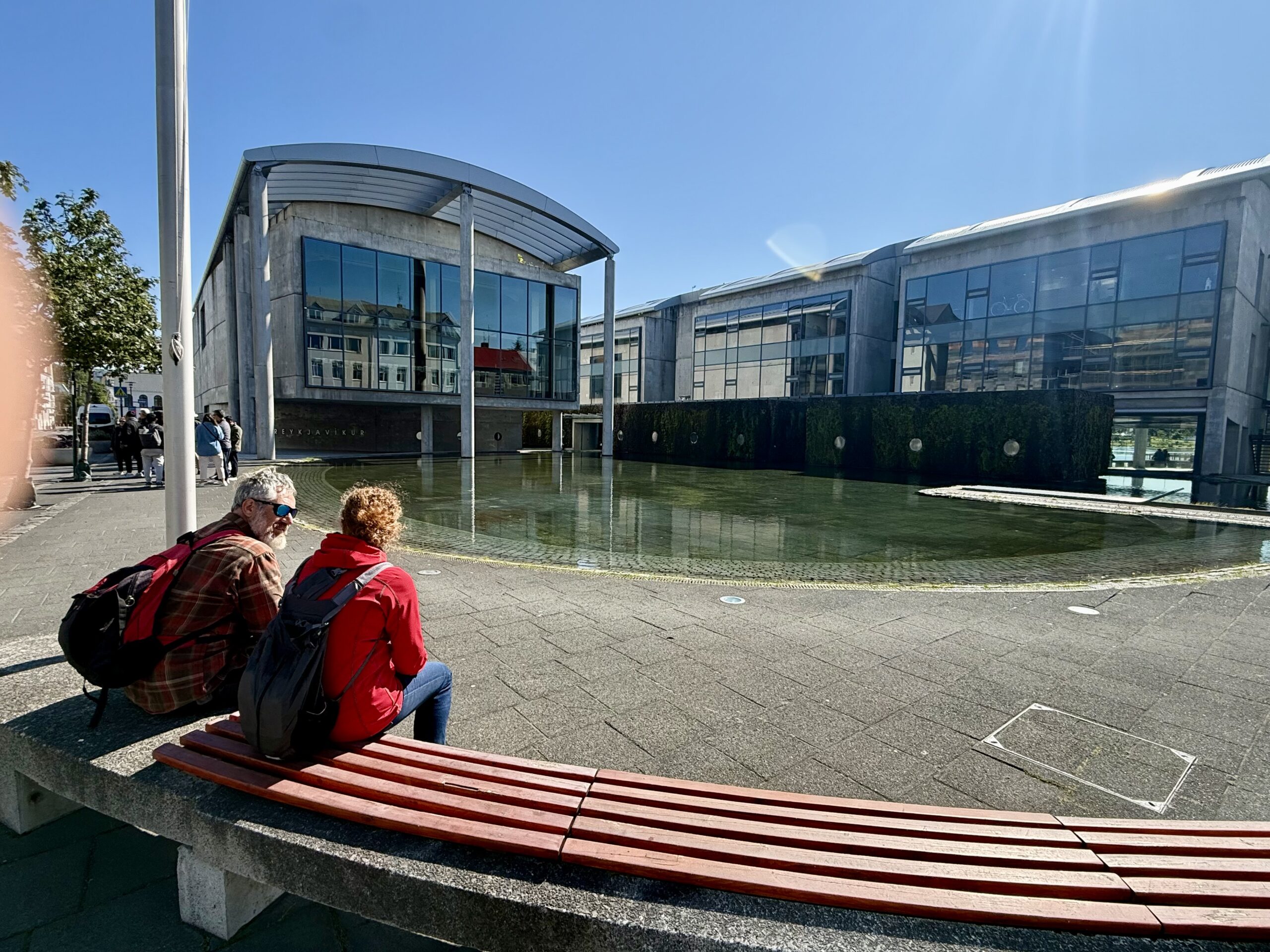
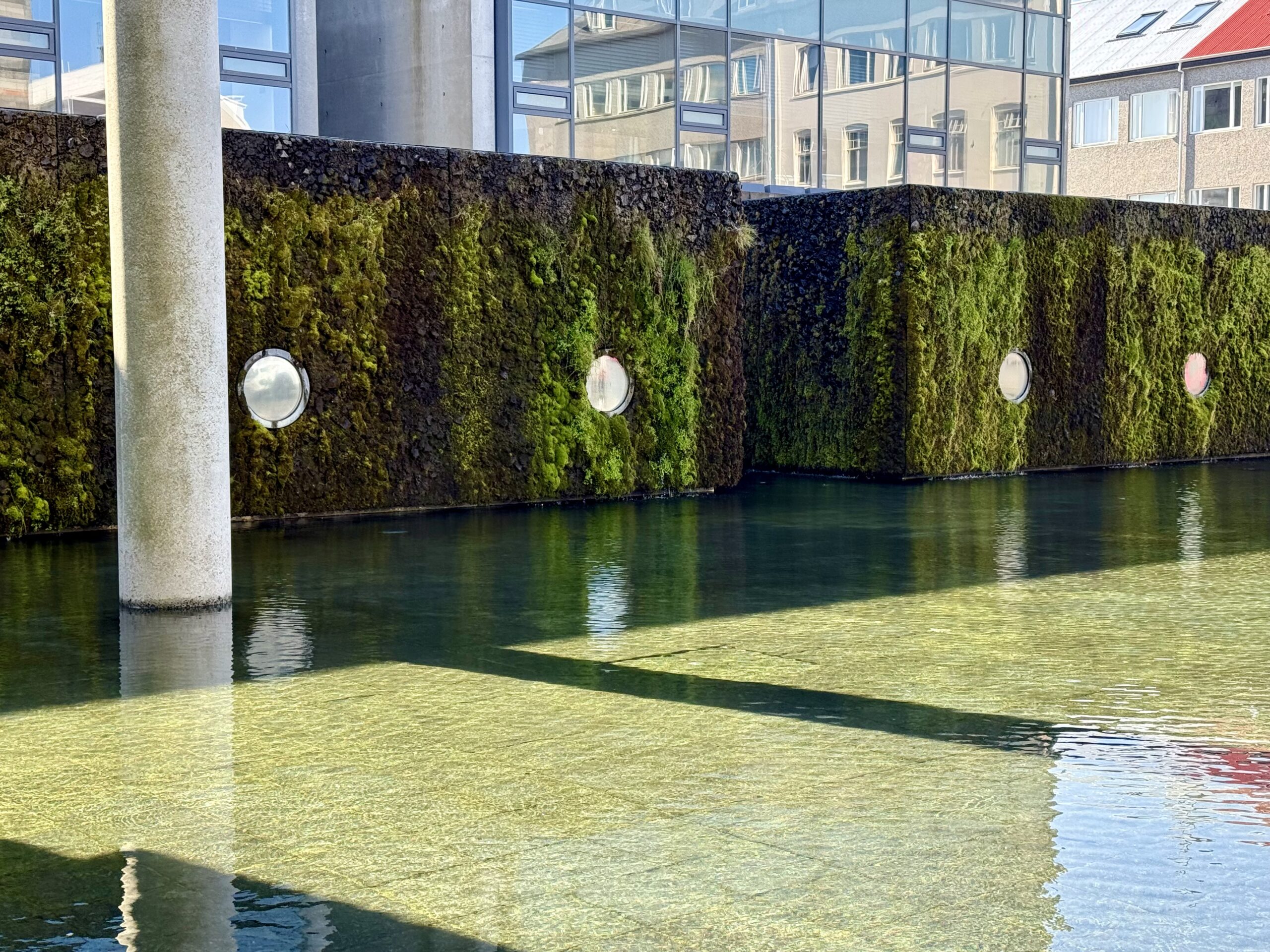
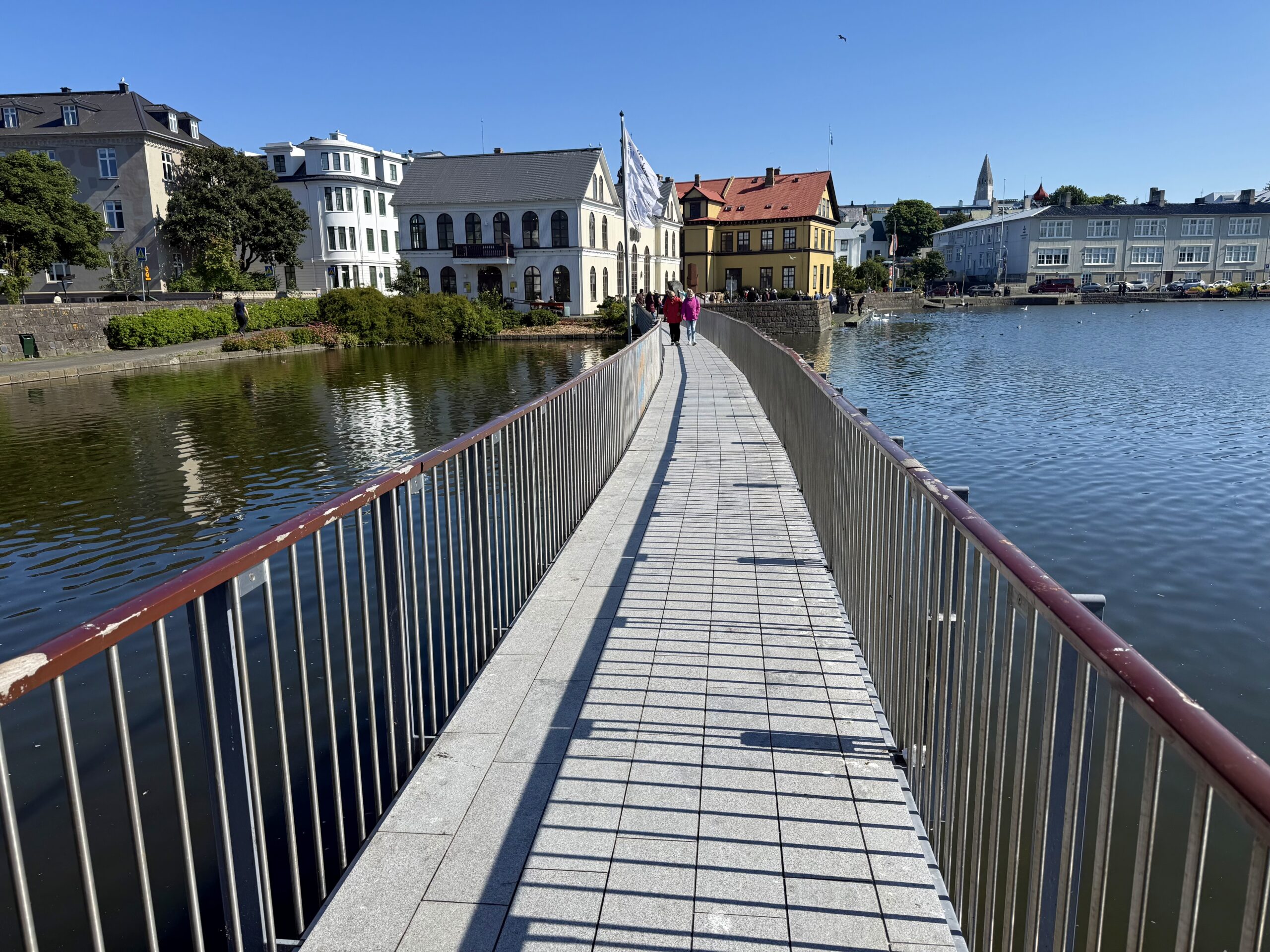
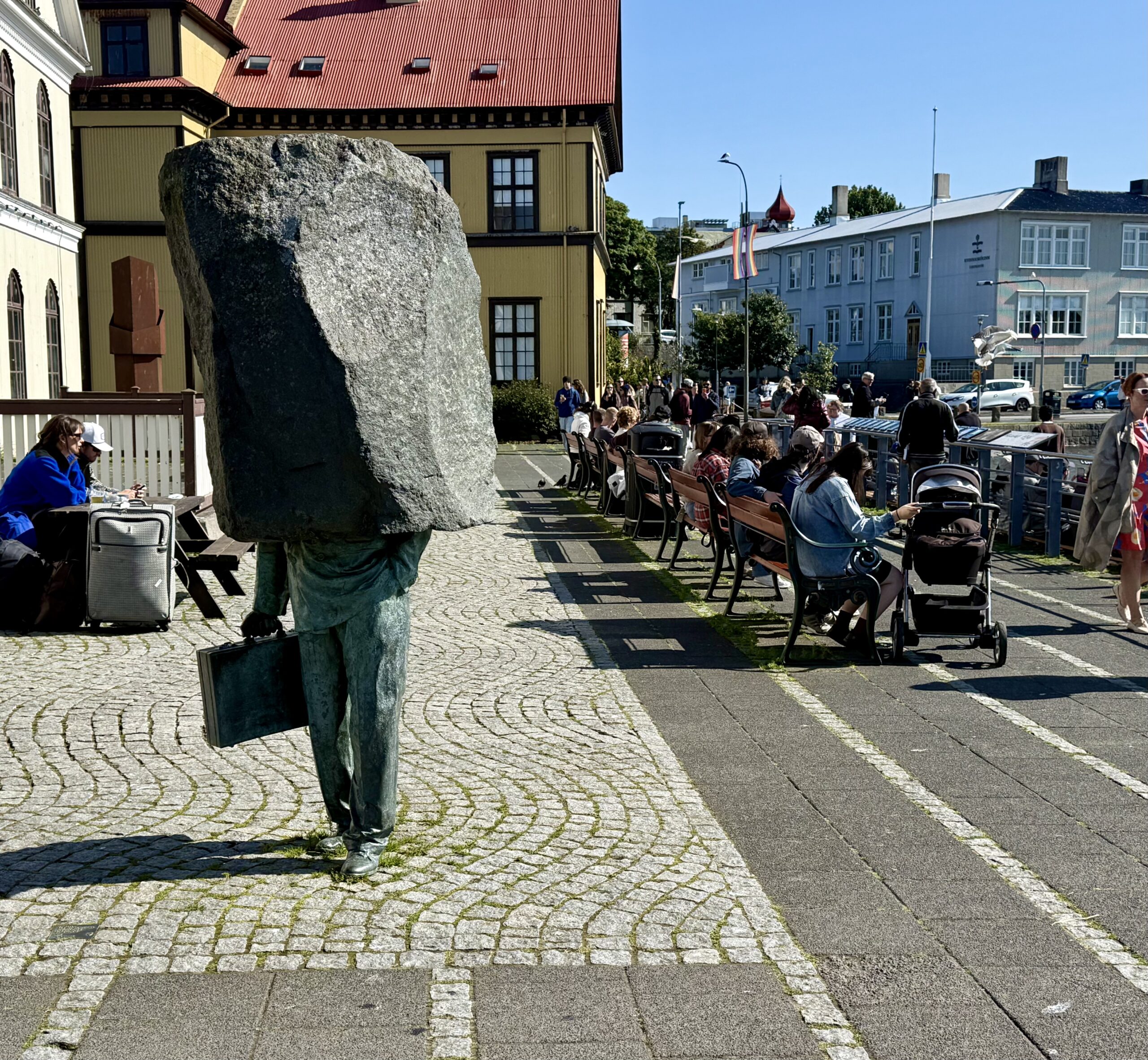
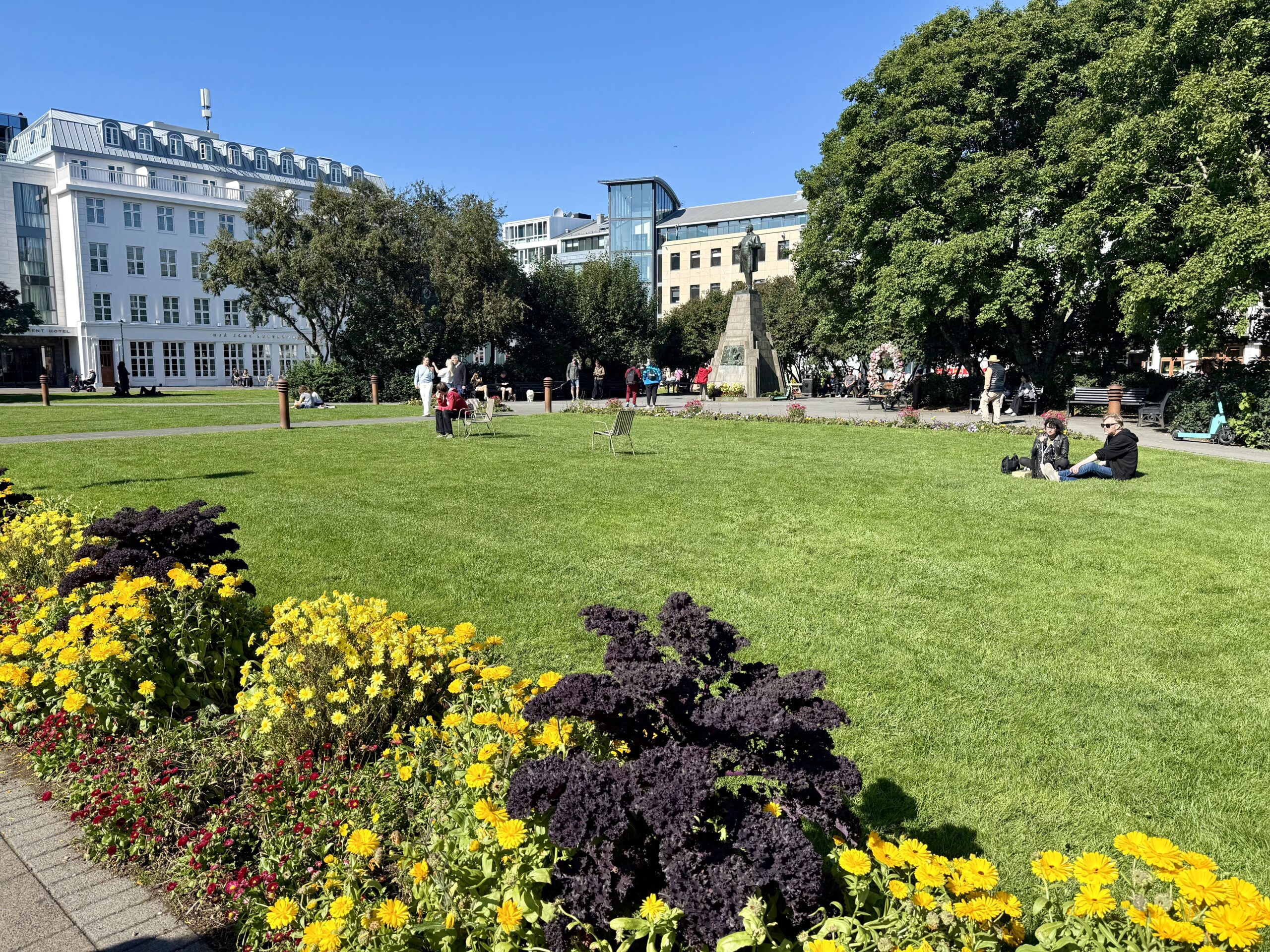
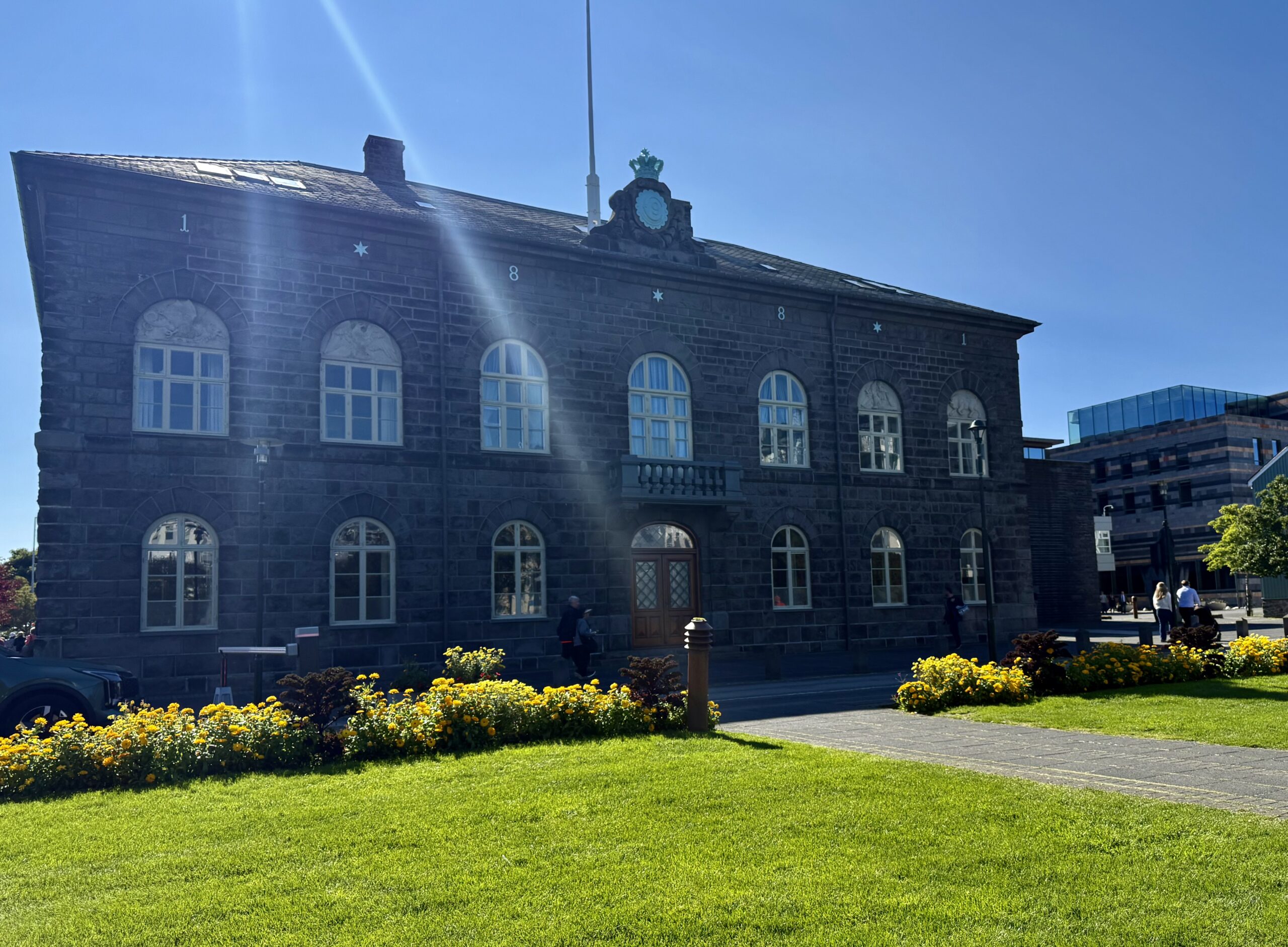
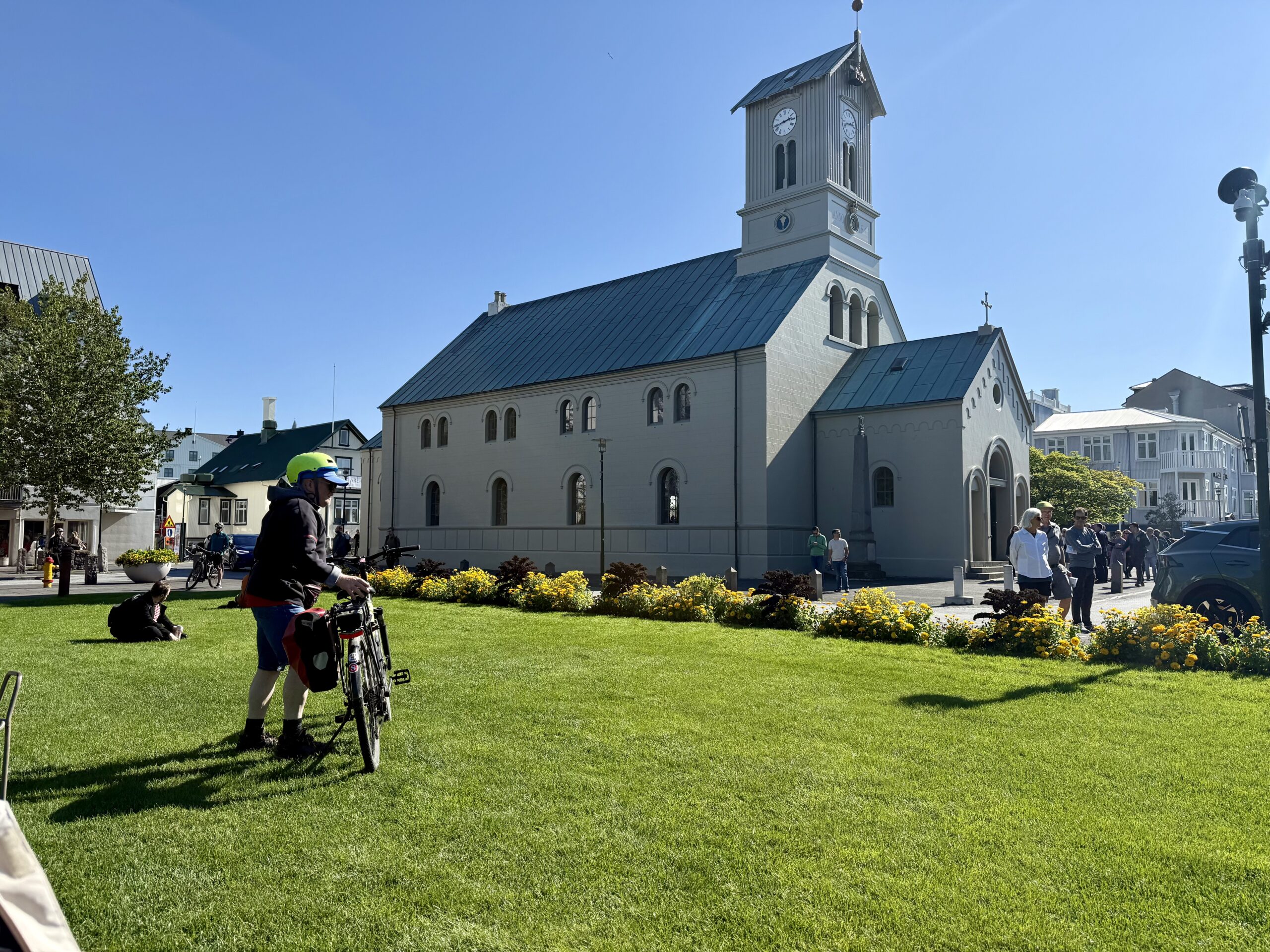
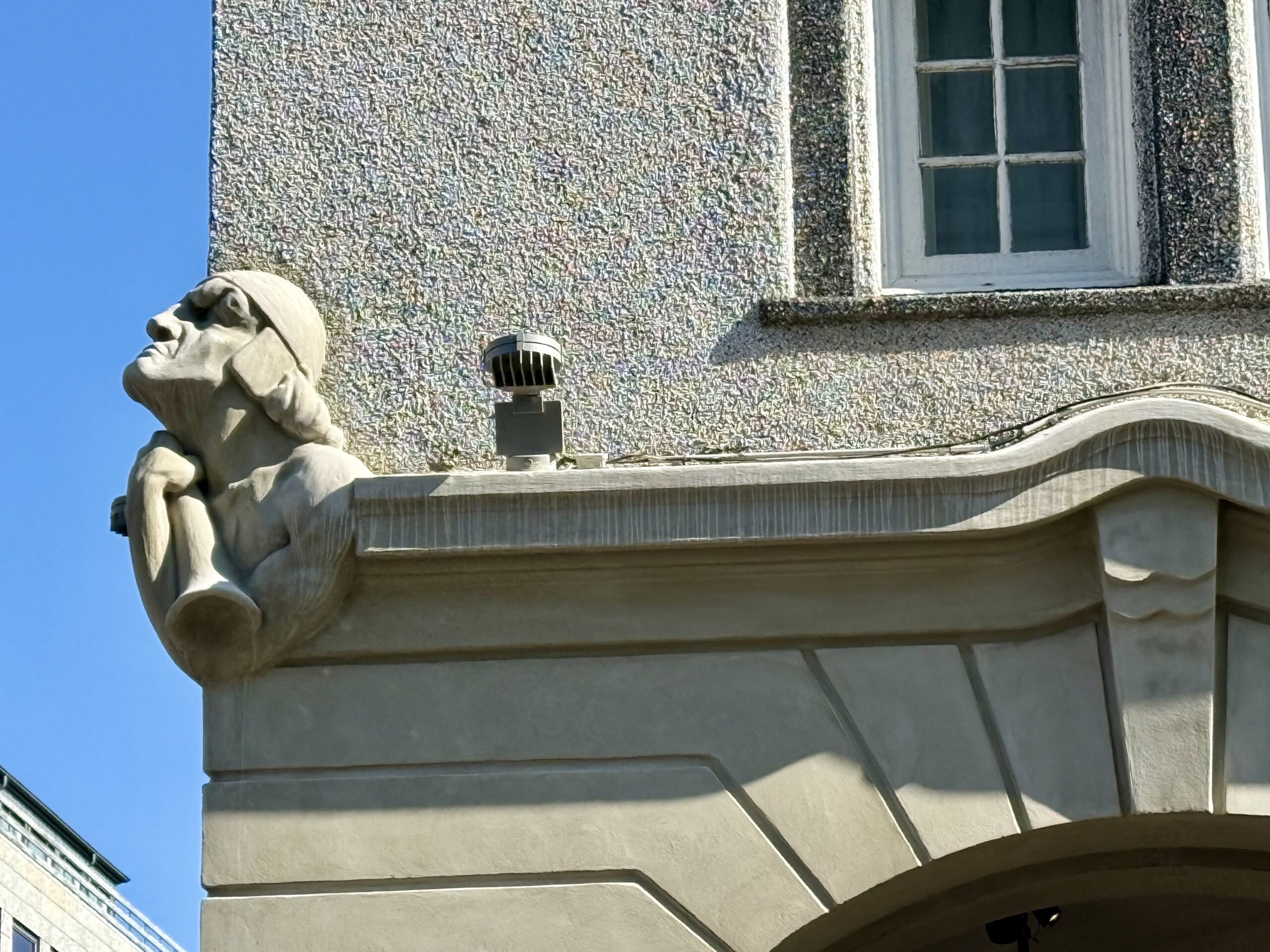
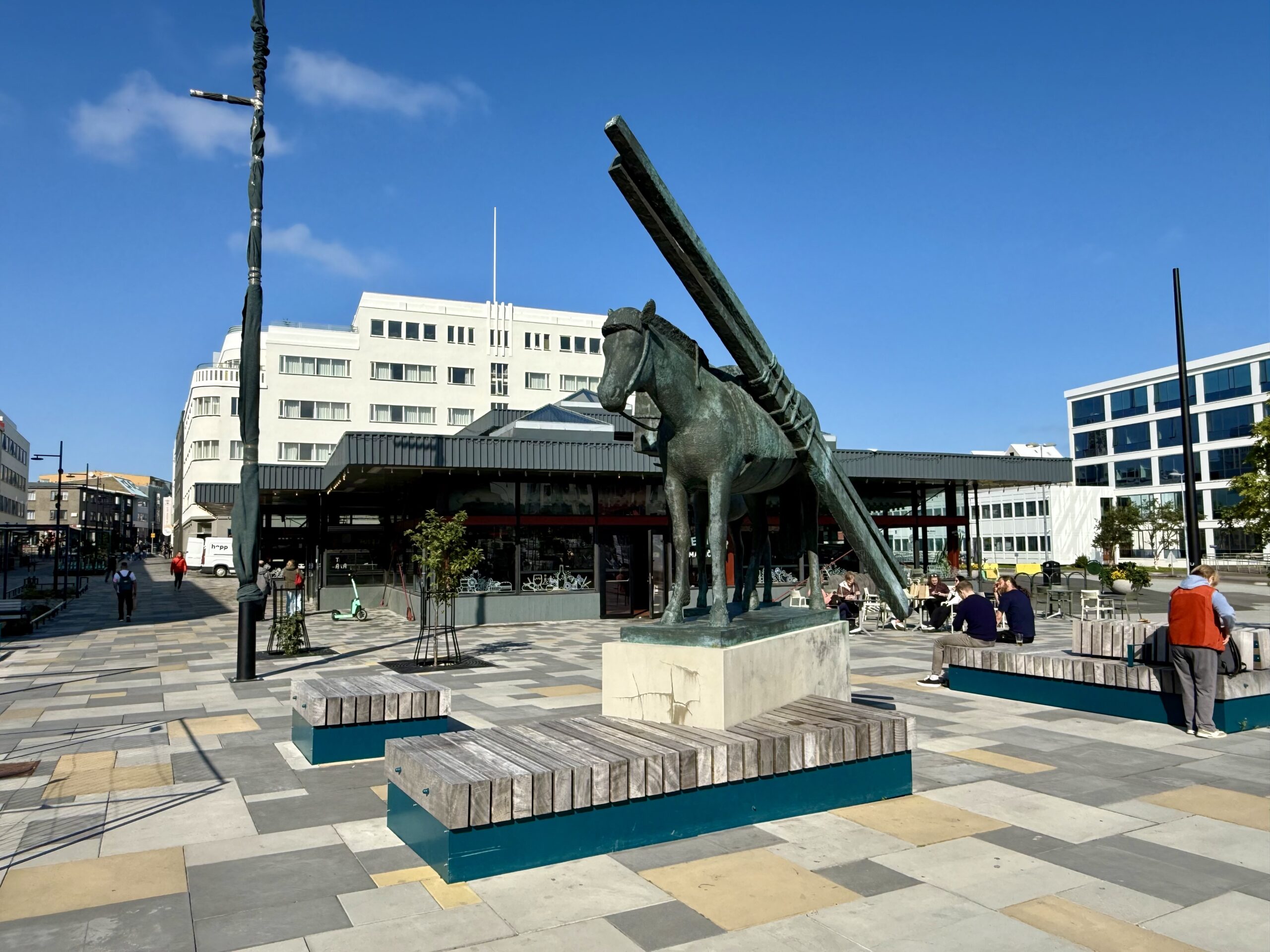
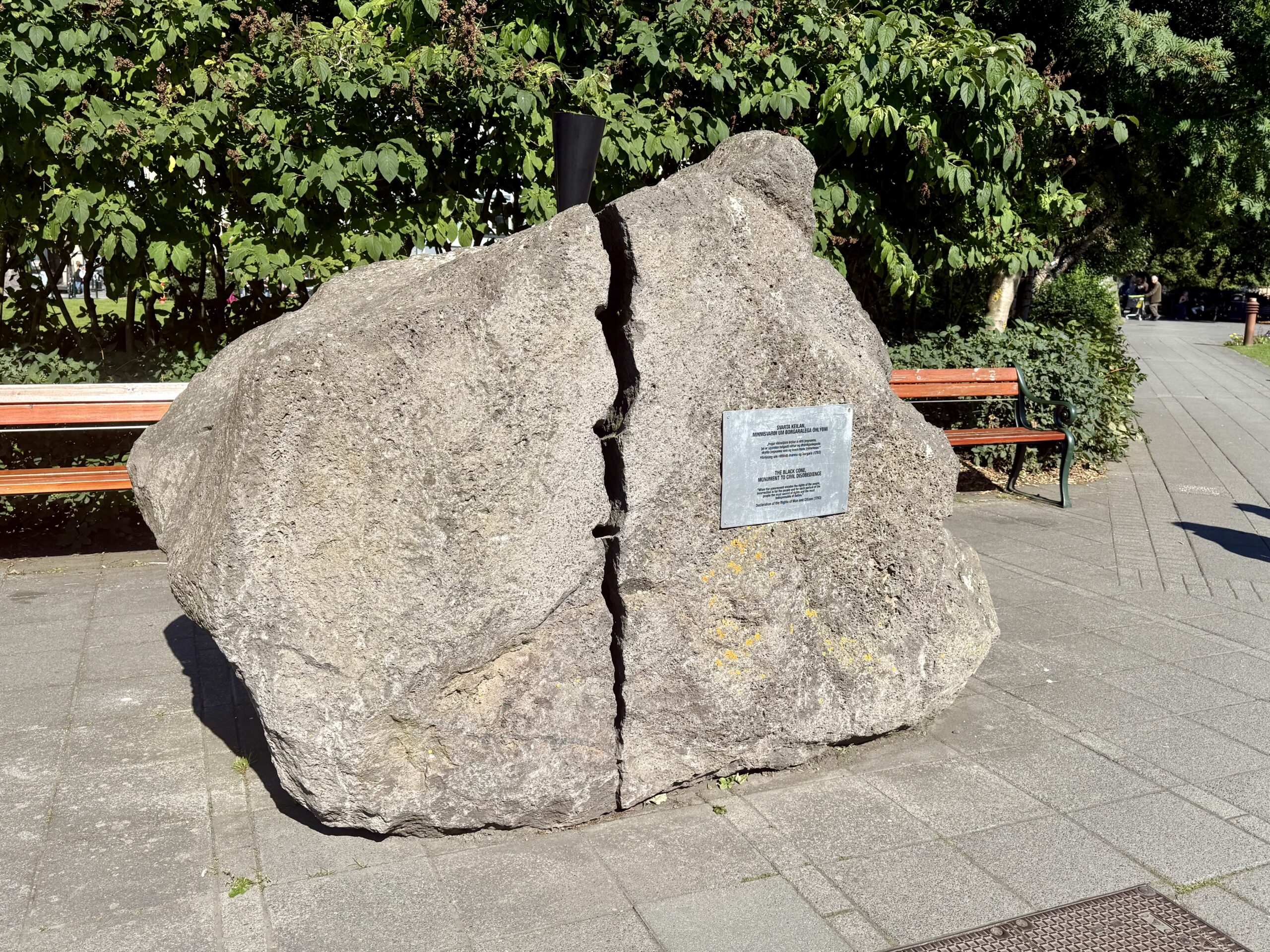
Downtown Reykjavik is dotted with small- and medium-sized parks and open spaces. Some are lush with plantings, while stone surfaces dominate others. All seem to have some artwork or a statue. Unlike in Copenhagen, their political forebearer, statues of famous men, and at least one woman, appear everywhere.
Harpa
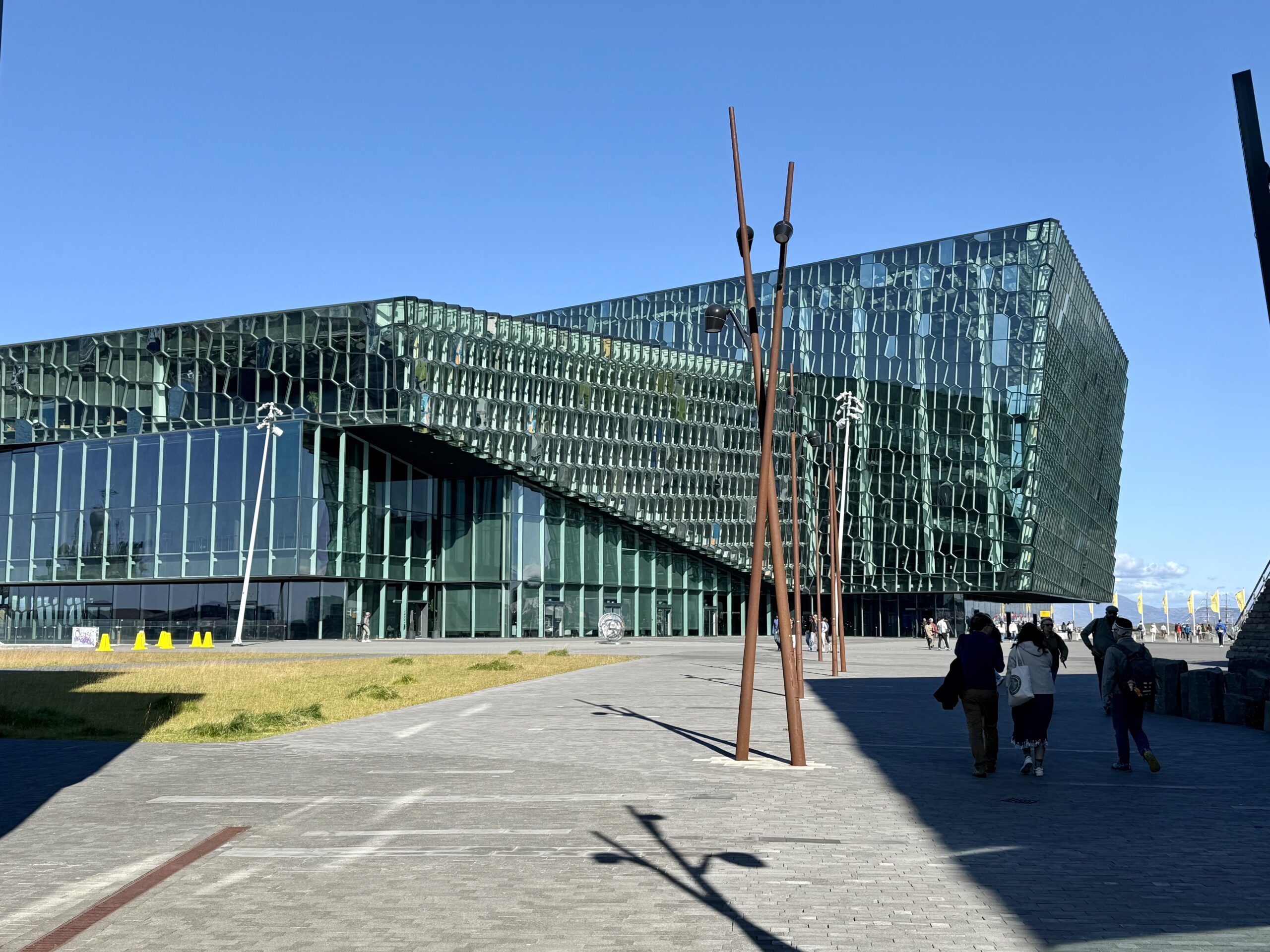
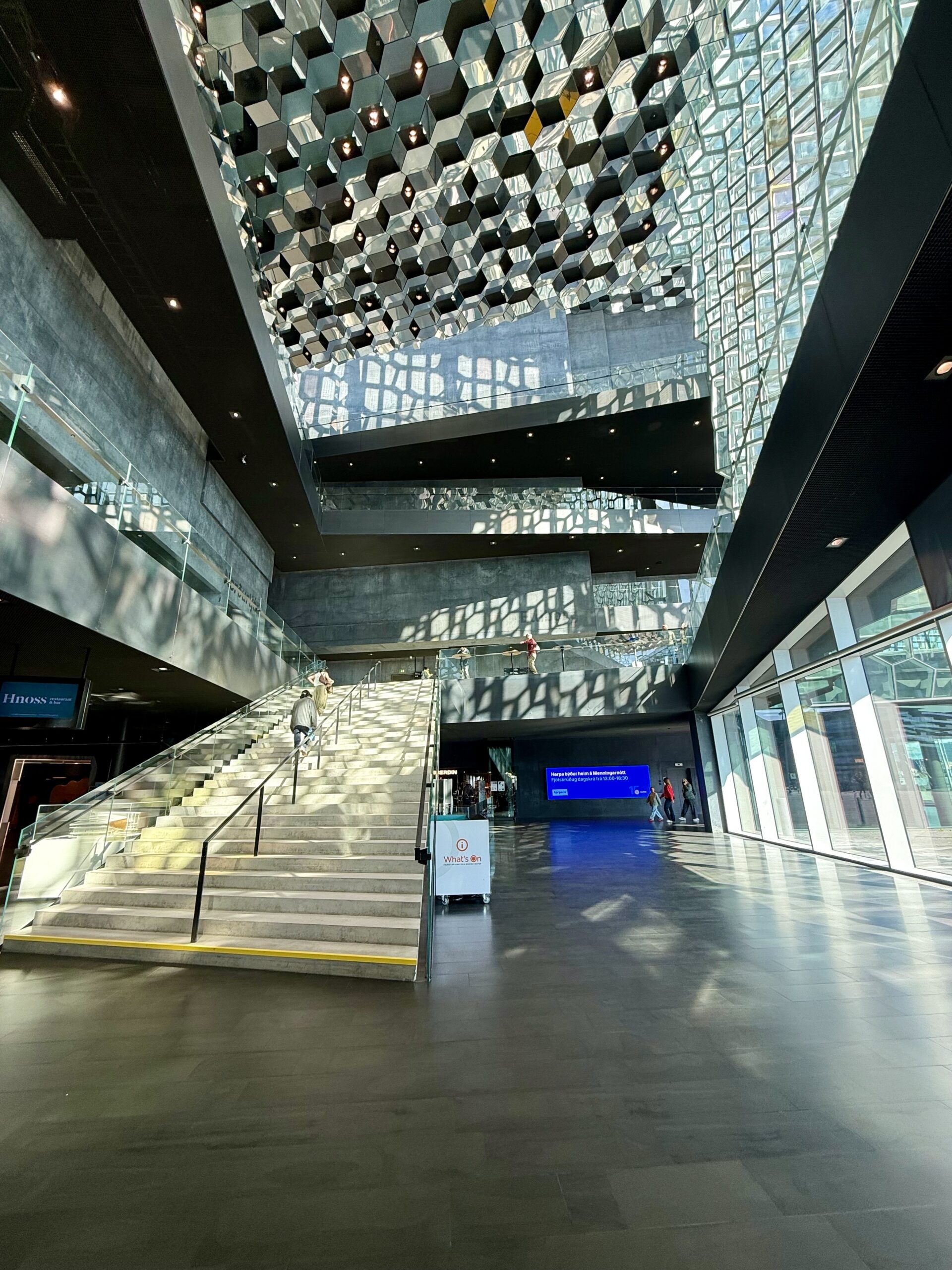
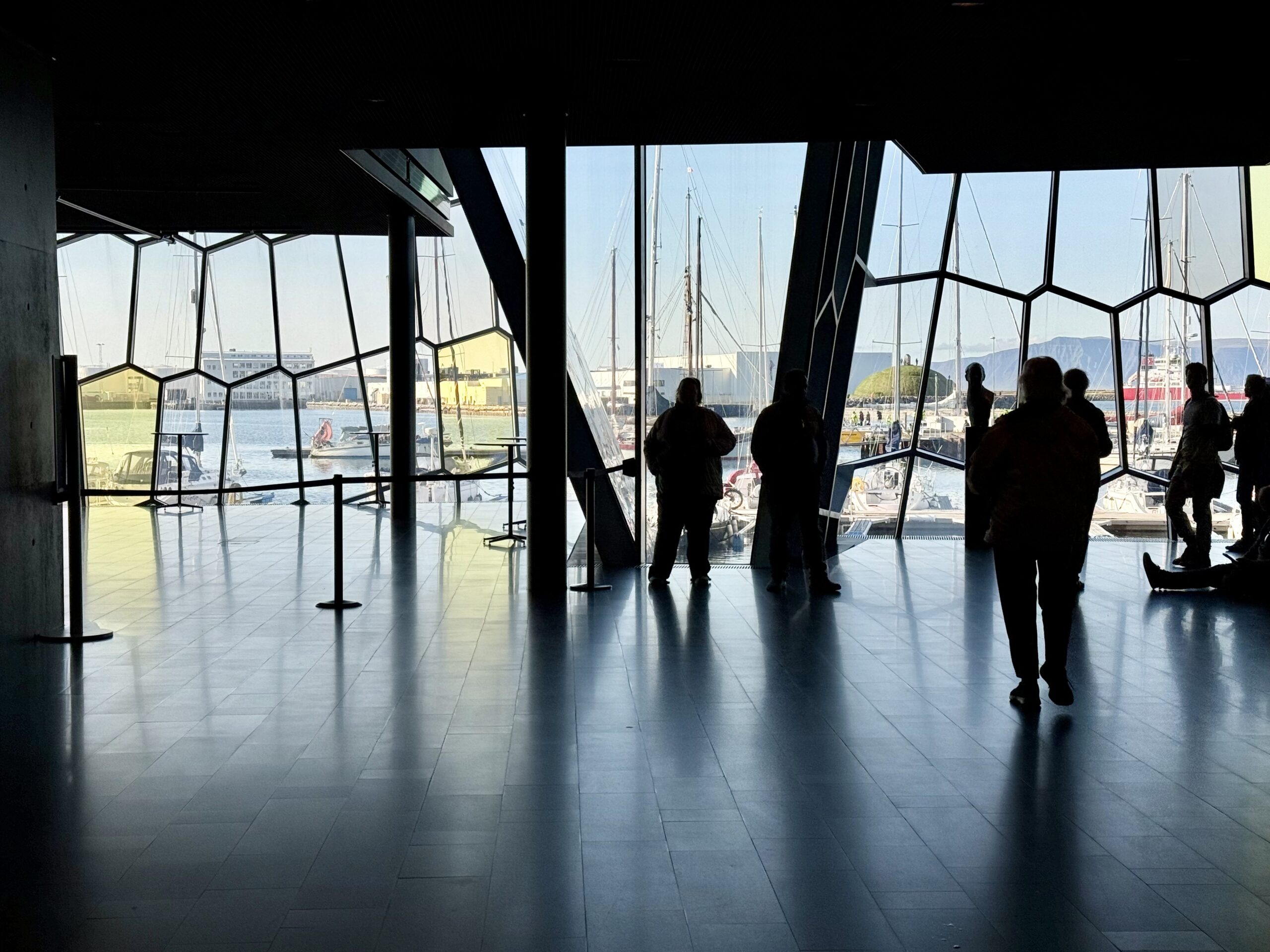
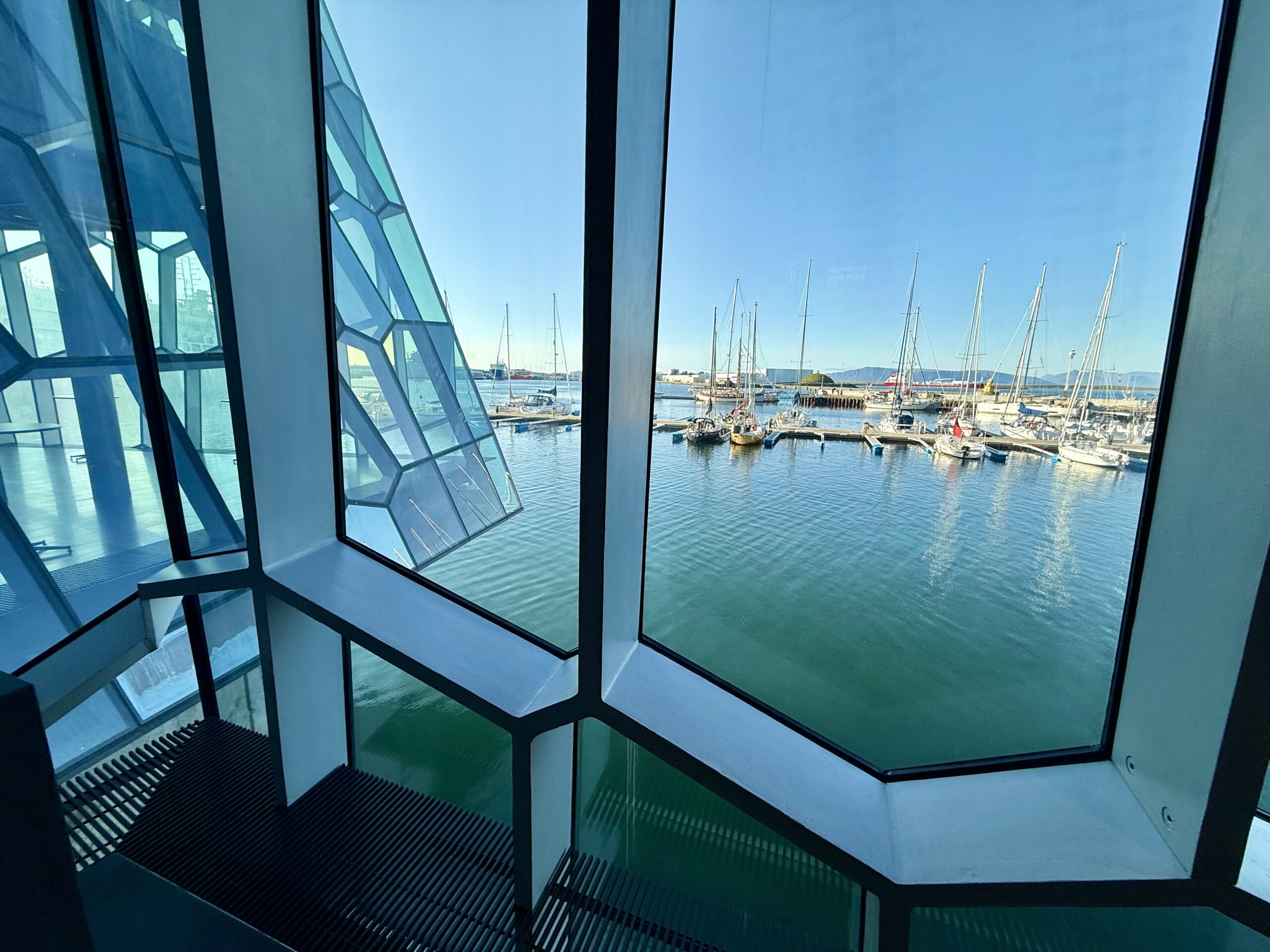
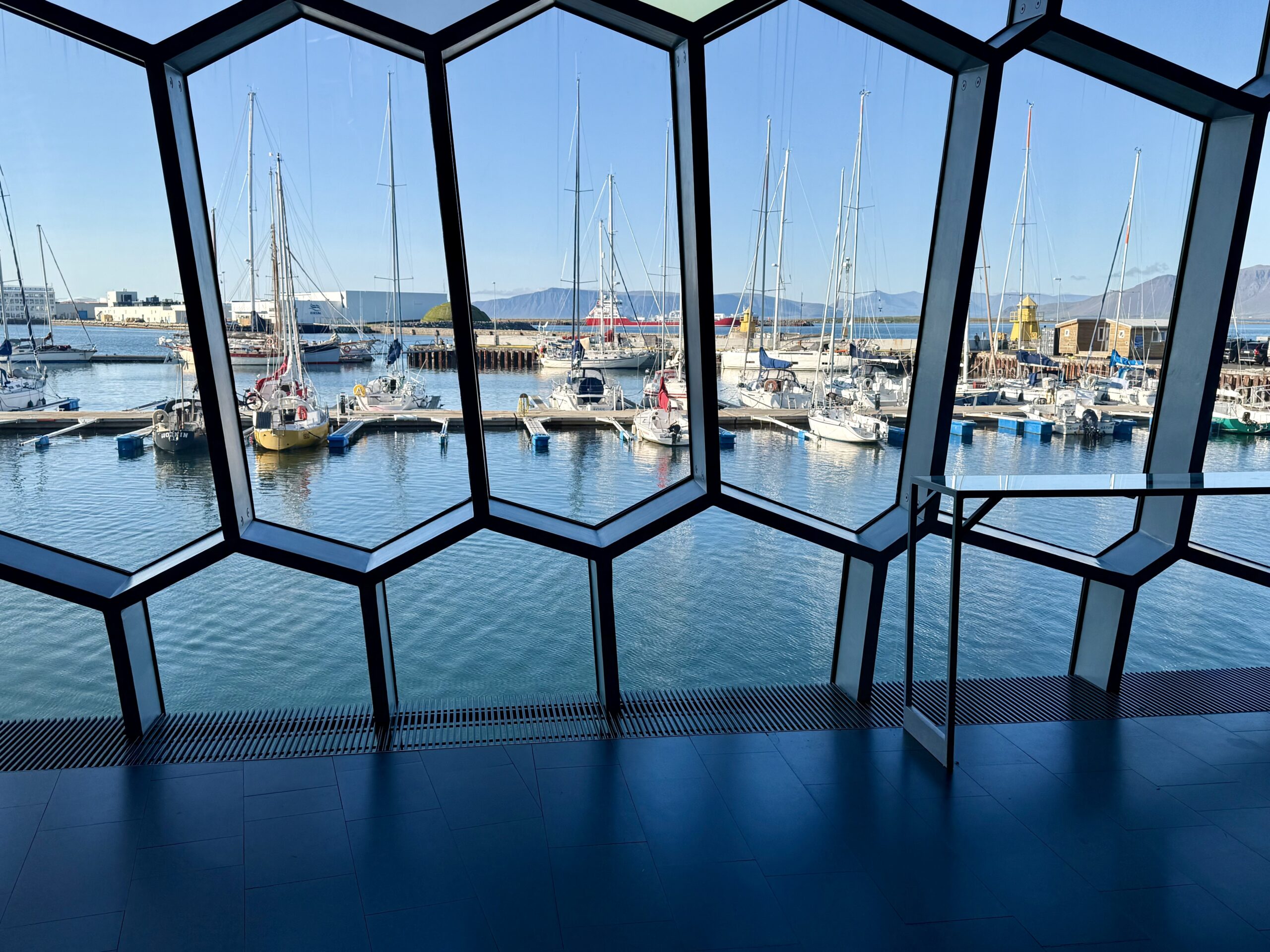
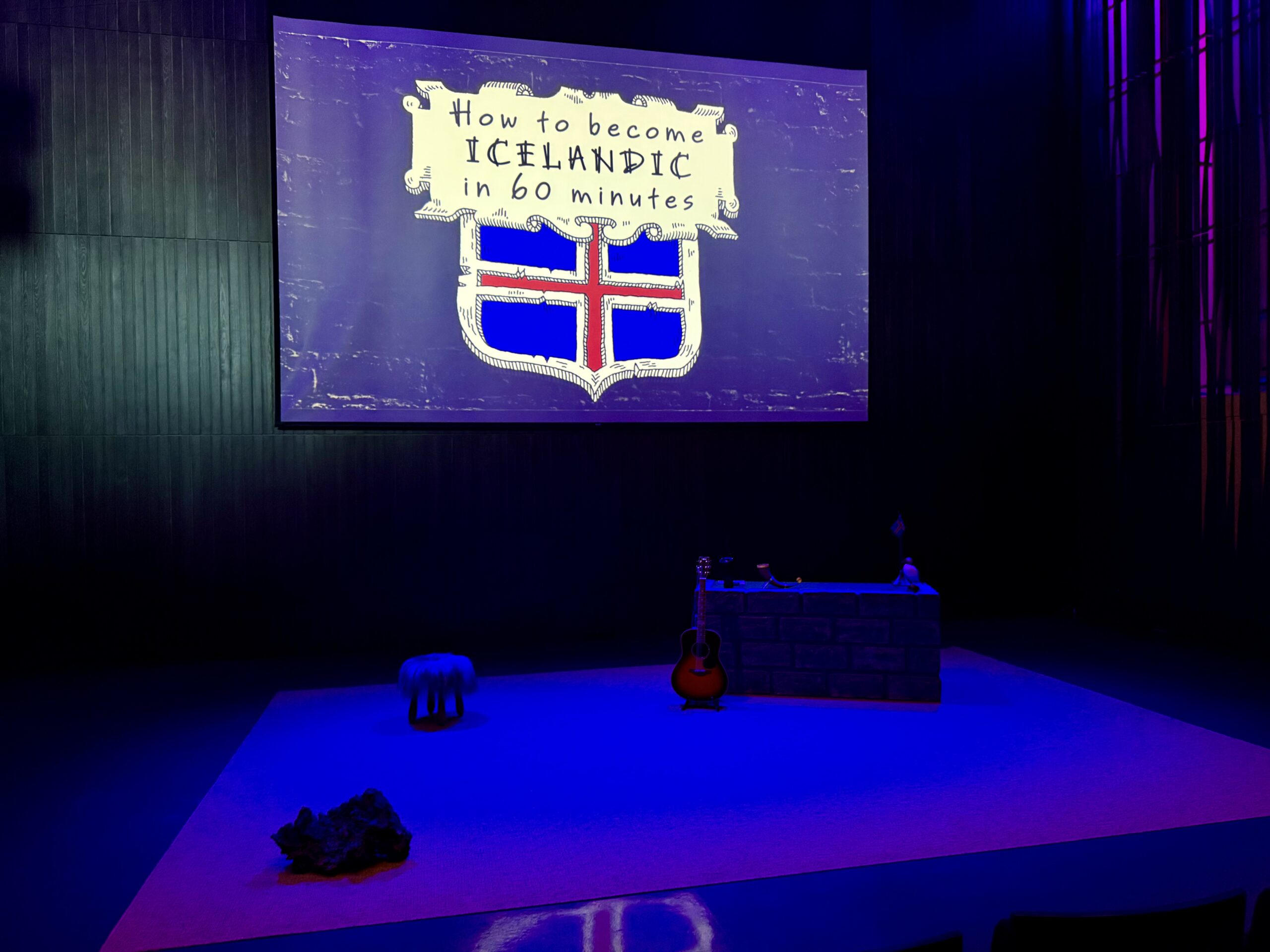
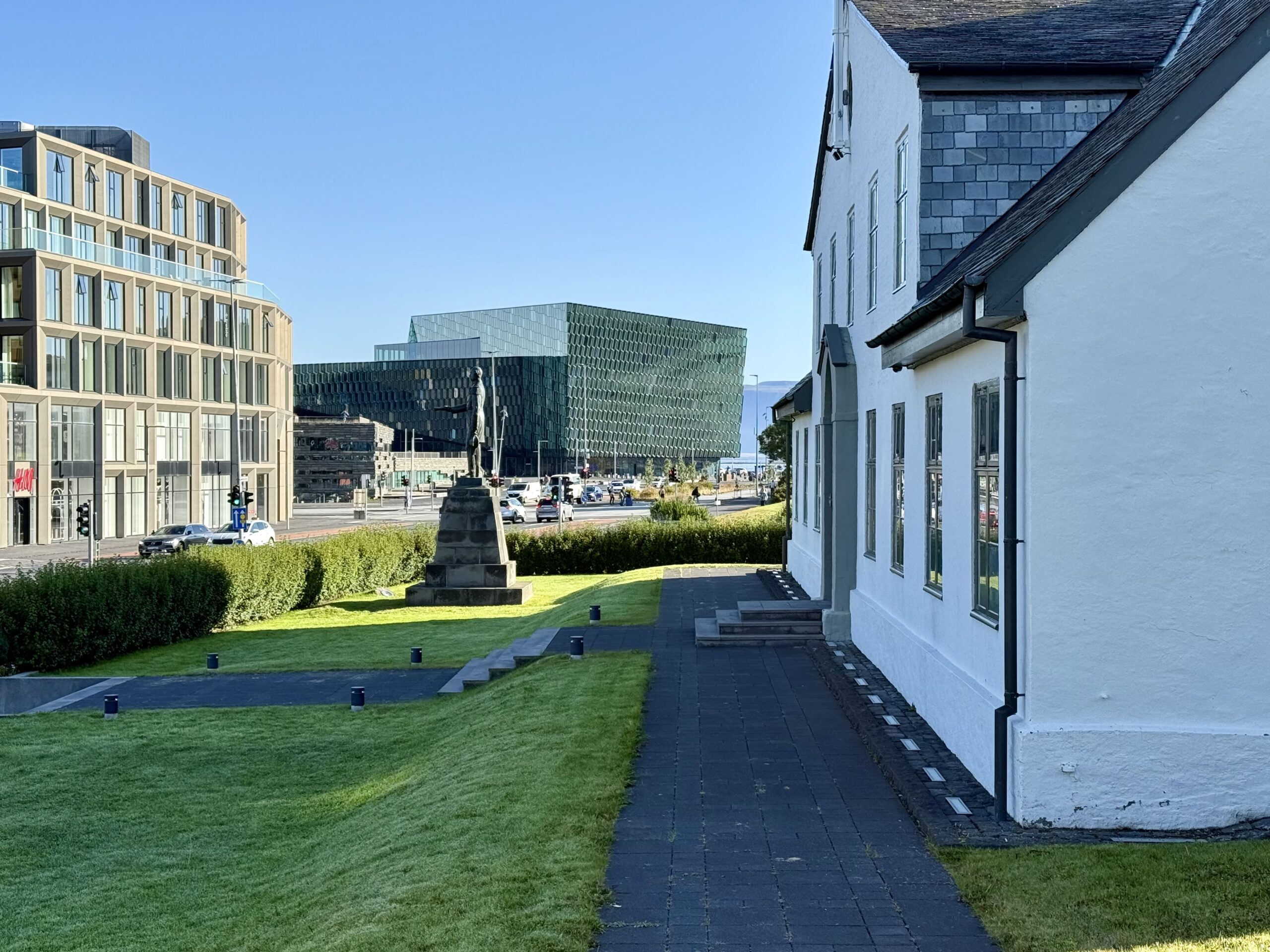
The impressive performing arts center opened in 2011 next to the water. It was designed by Henning Larsen Architects in collaboration with the artist Olafur Eliasson who is responsible for the distinctive glass facade, reminiscent of the country’s columnar basalt landscape and flickering Northern Lights. Nicely done. The interior of Harpa is spacious, with multiple venues, and lots of people strolling through. On Saturday night we went to see How to Become Icelandic in 60 minutes. Very clever. Lots of fun. Learned a lot.
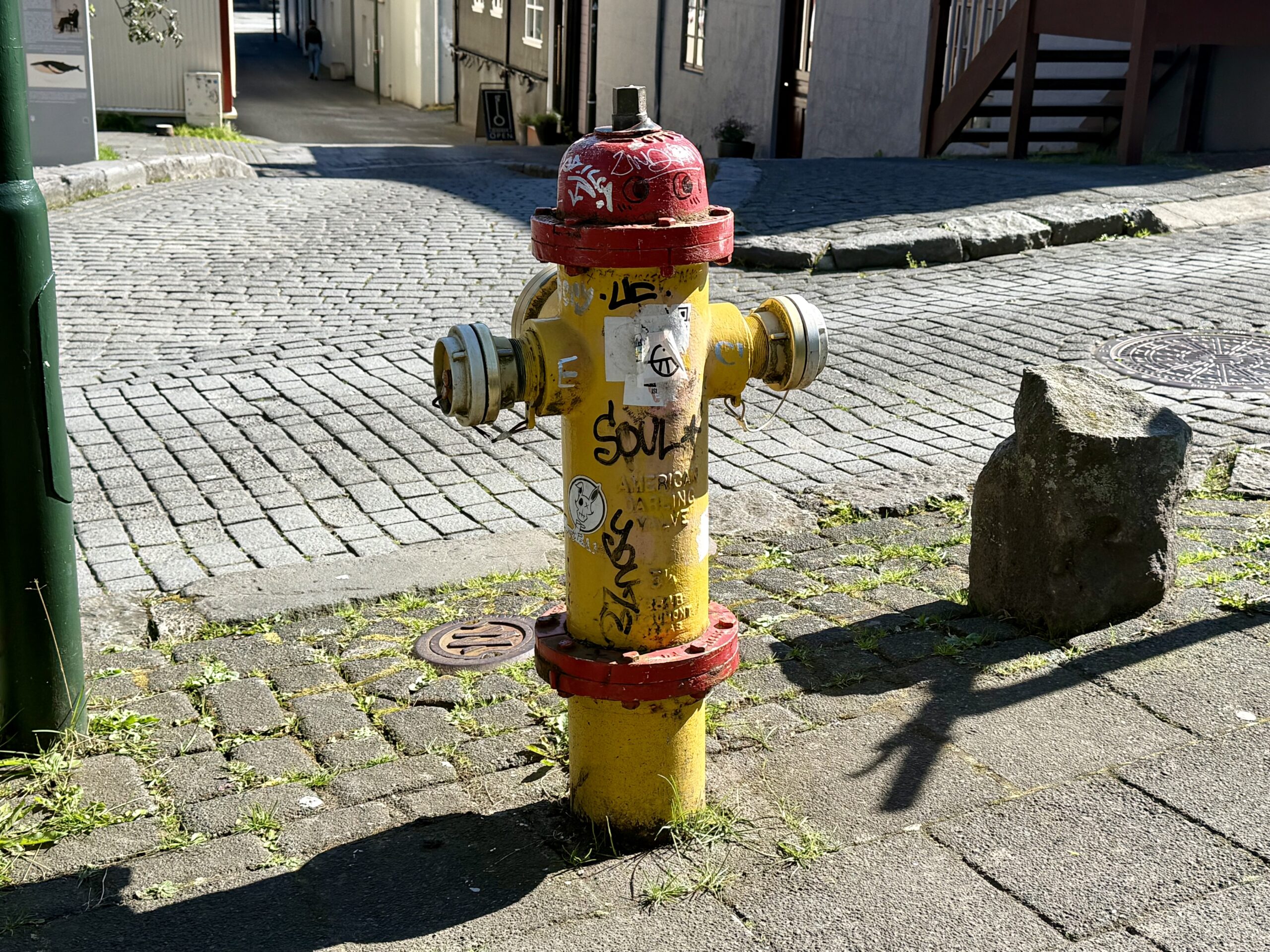
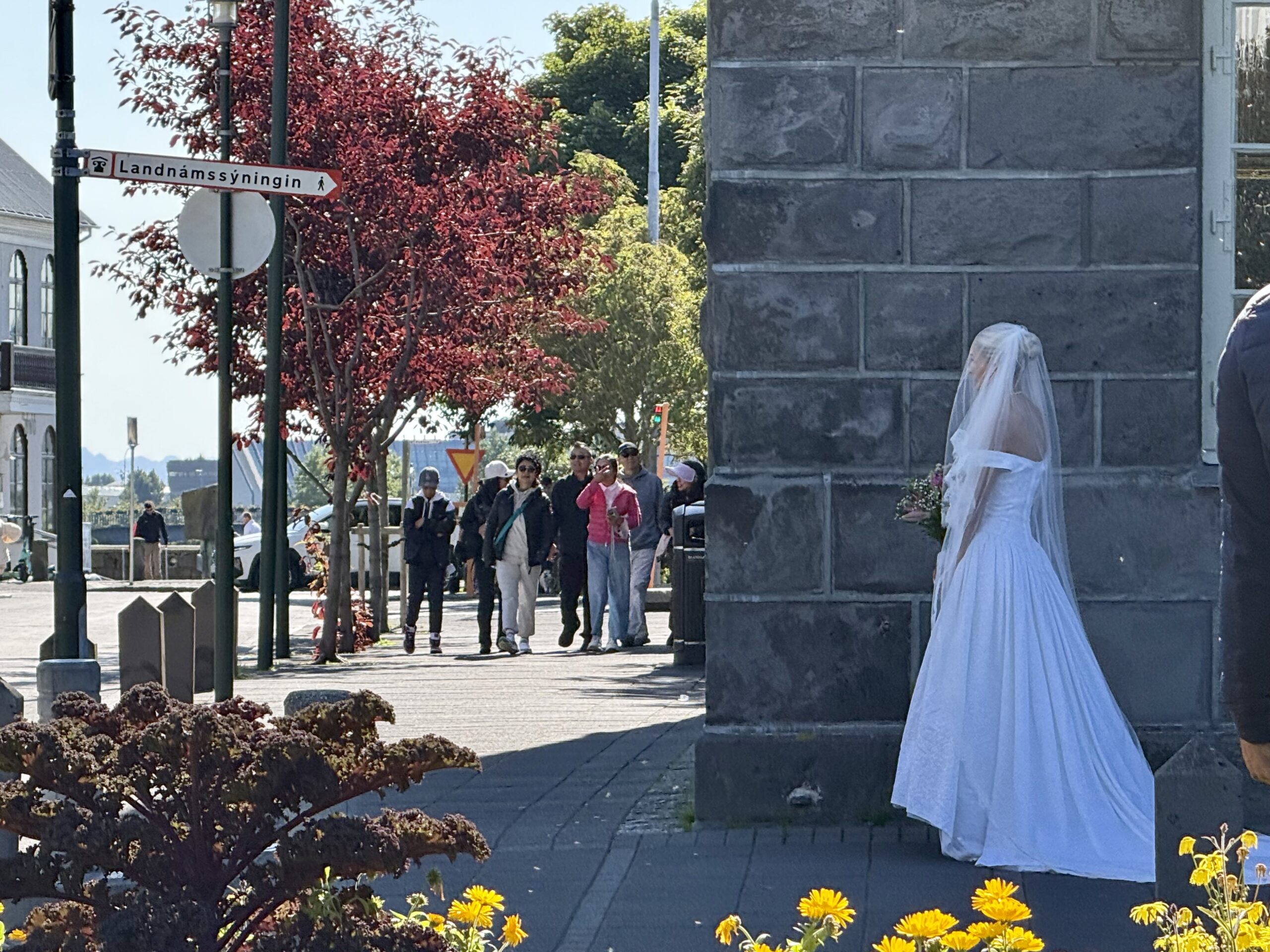
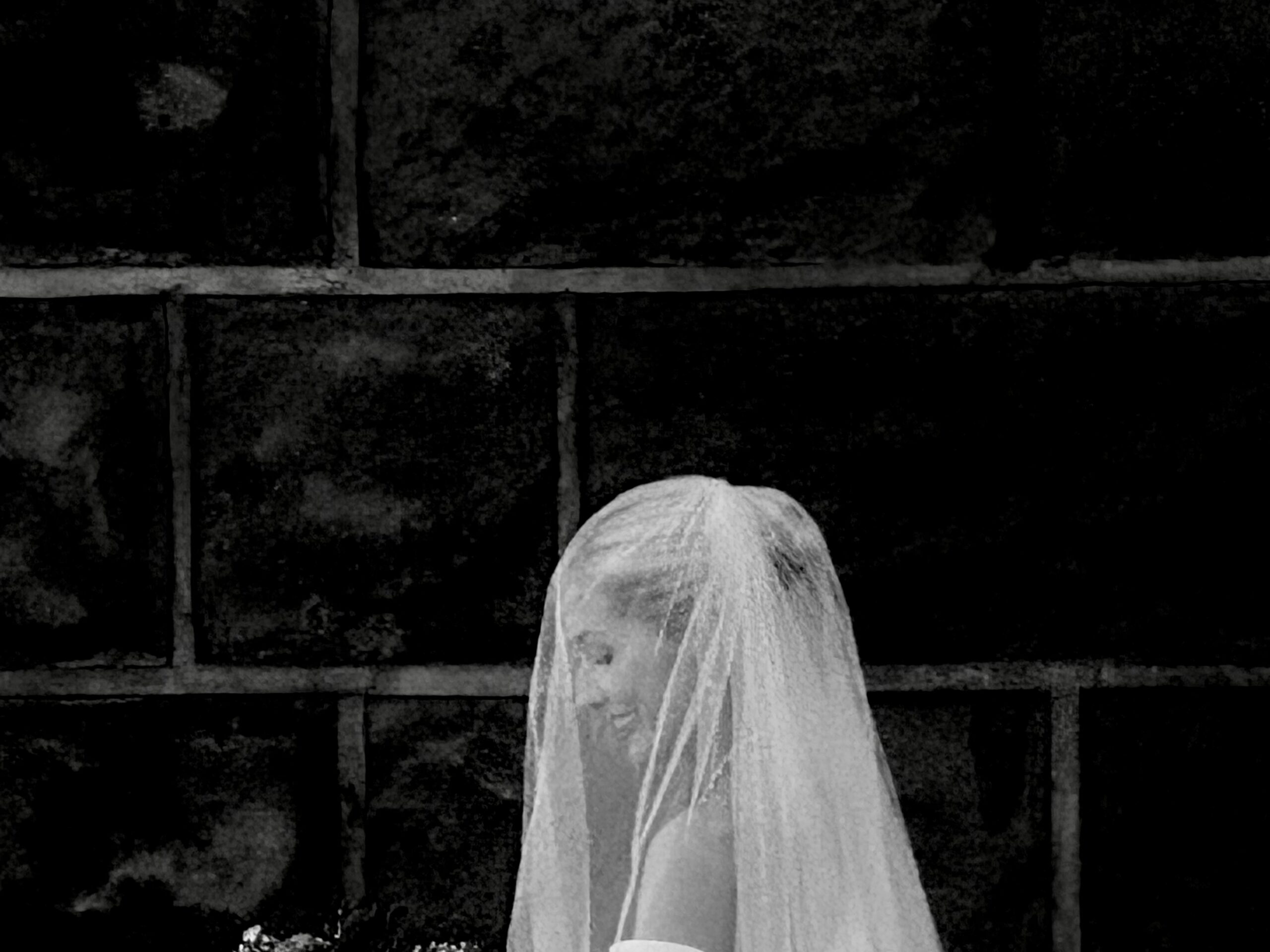
Wandering
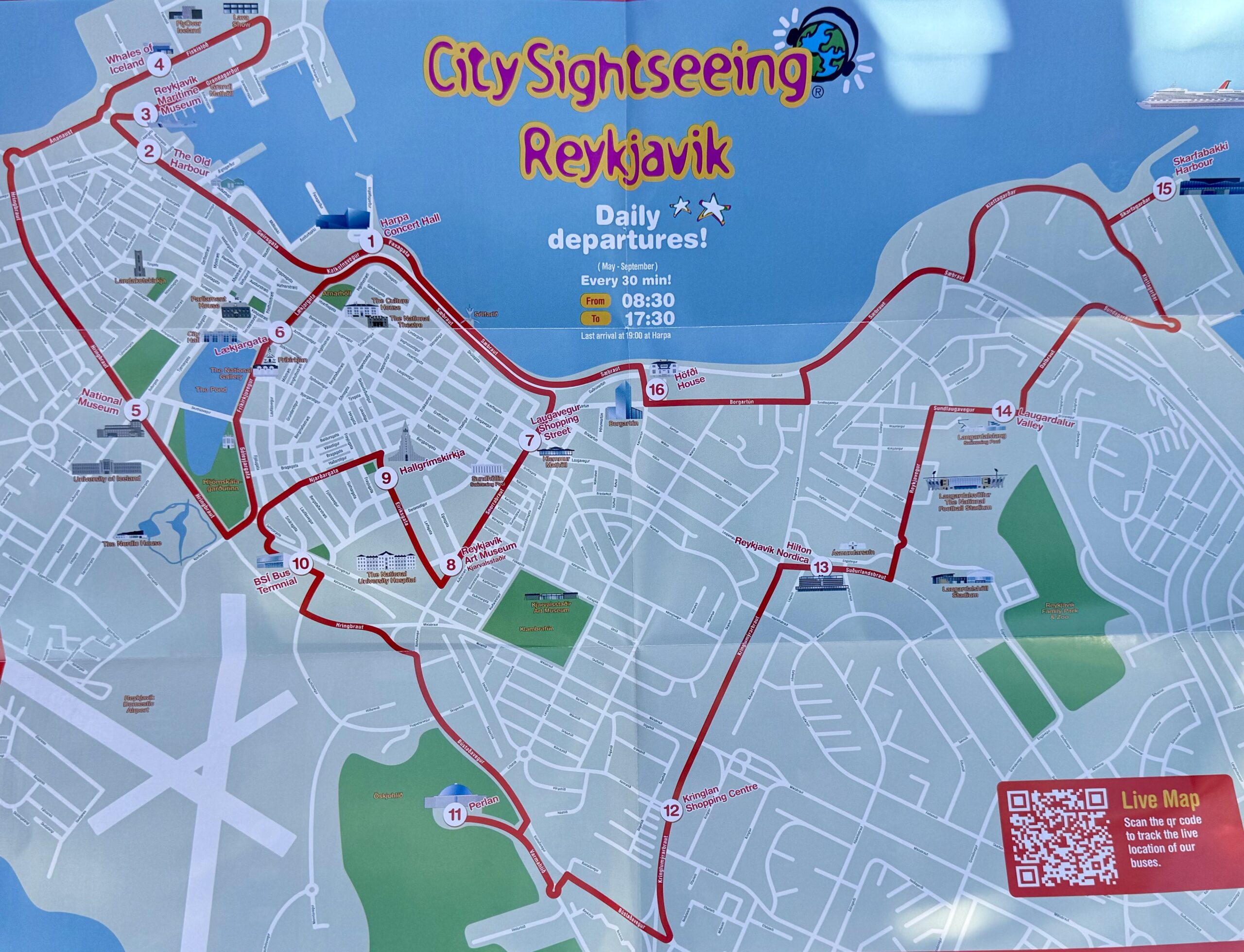
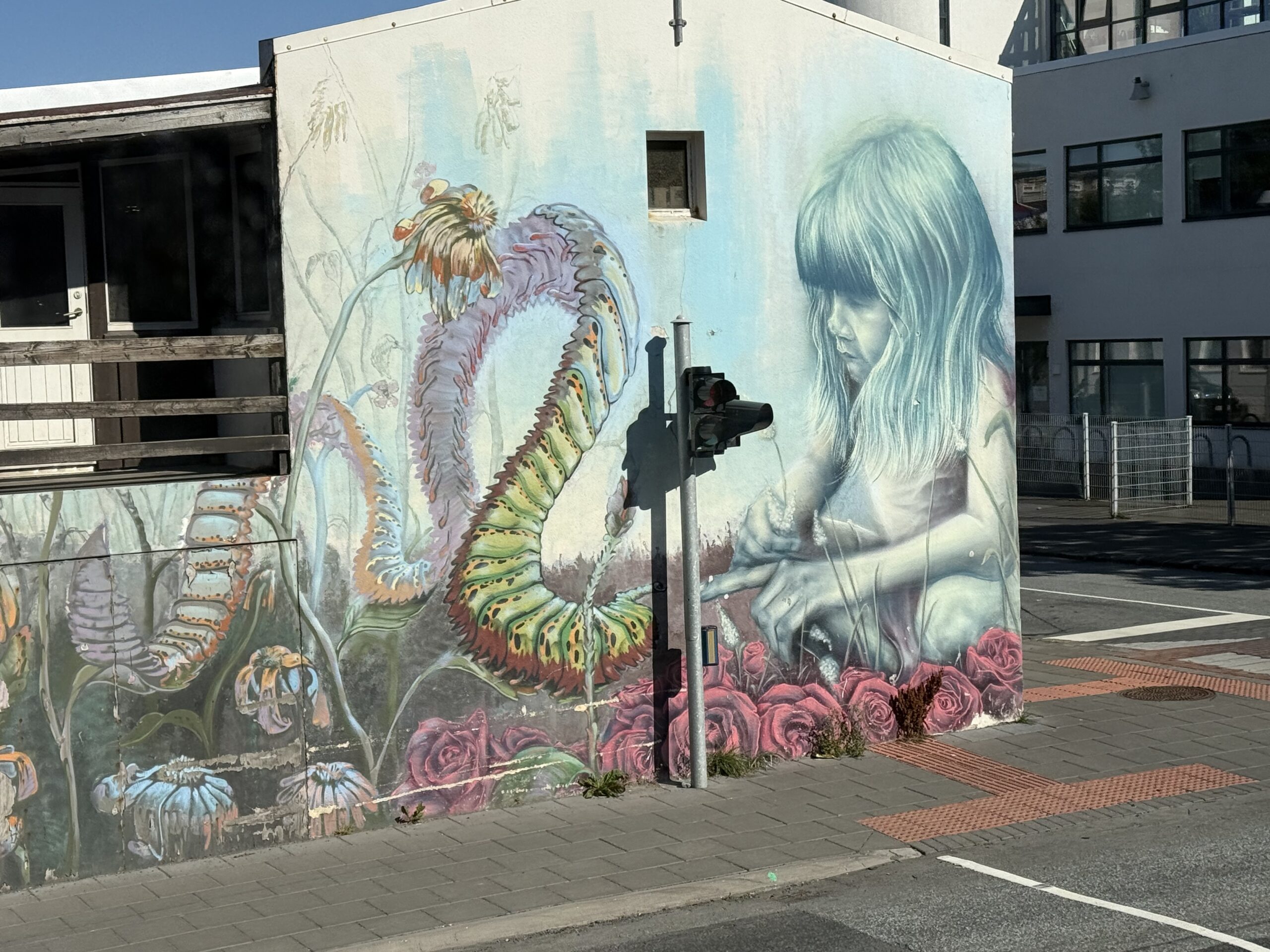
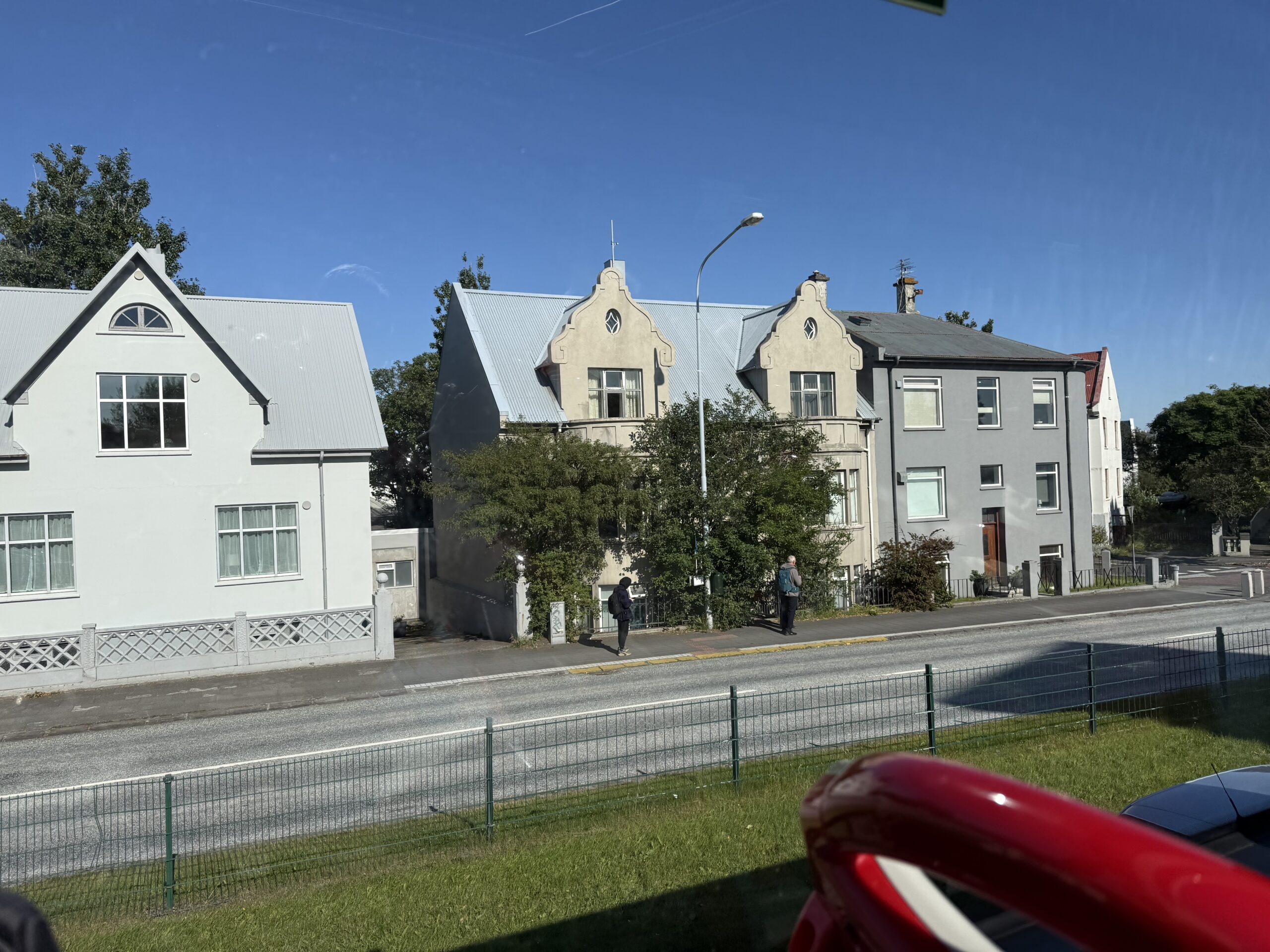

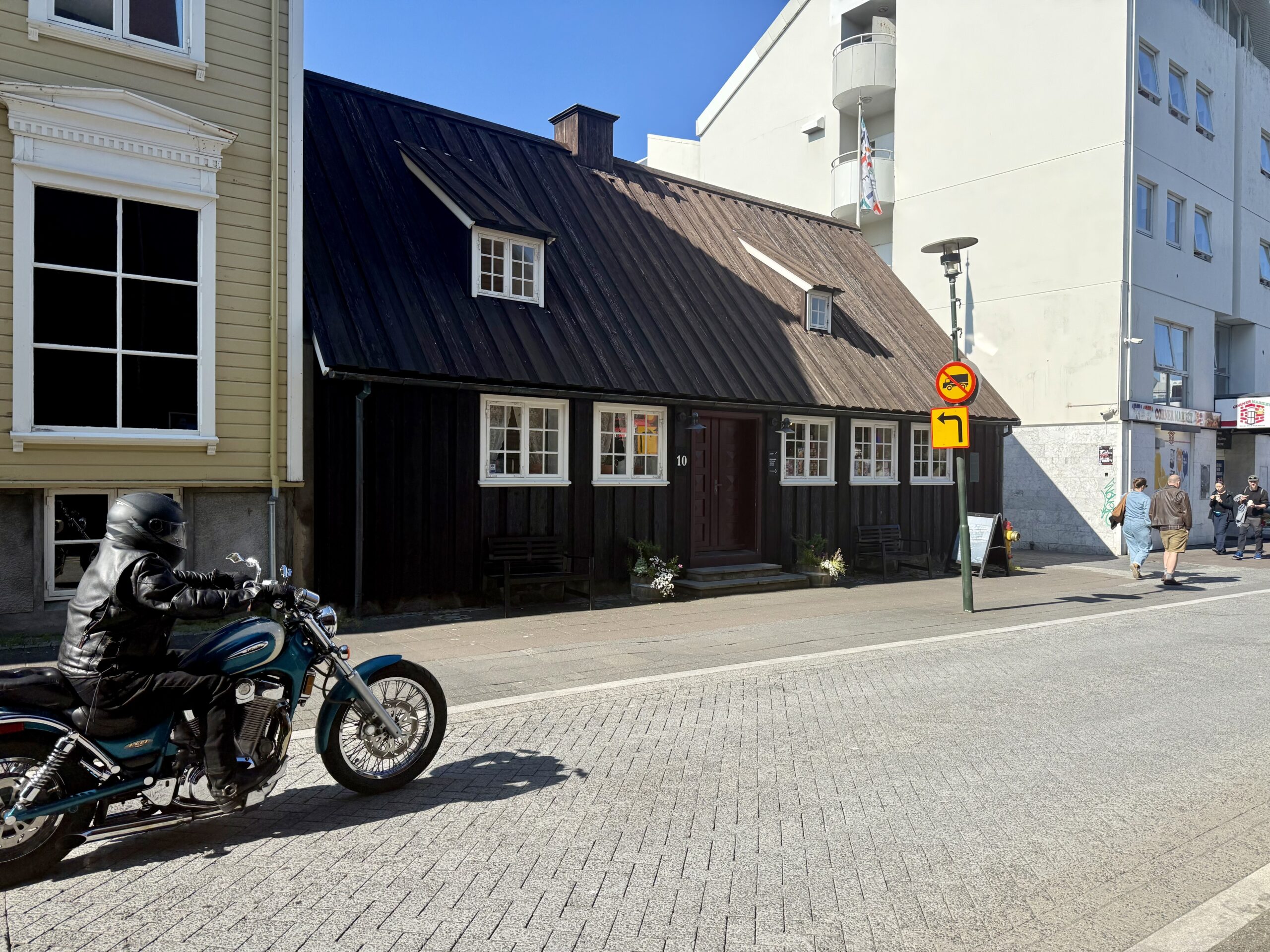
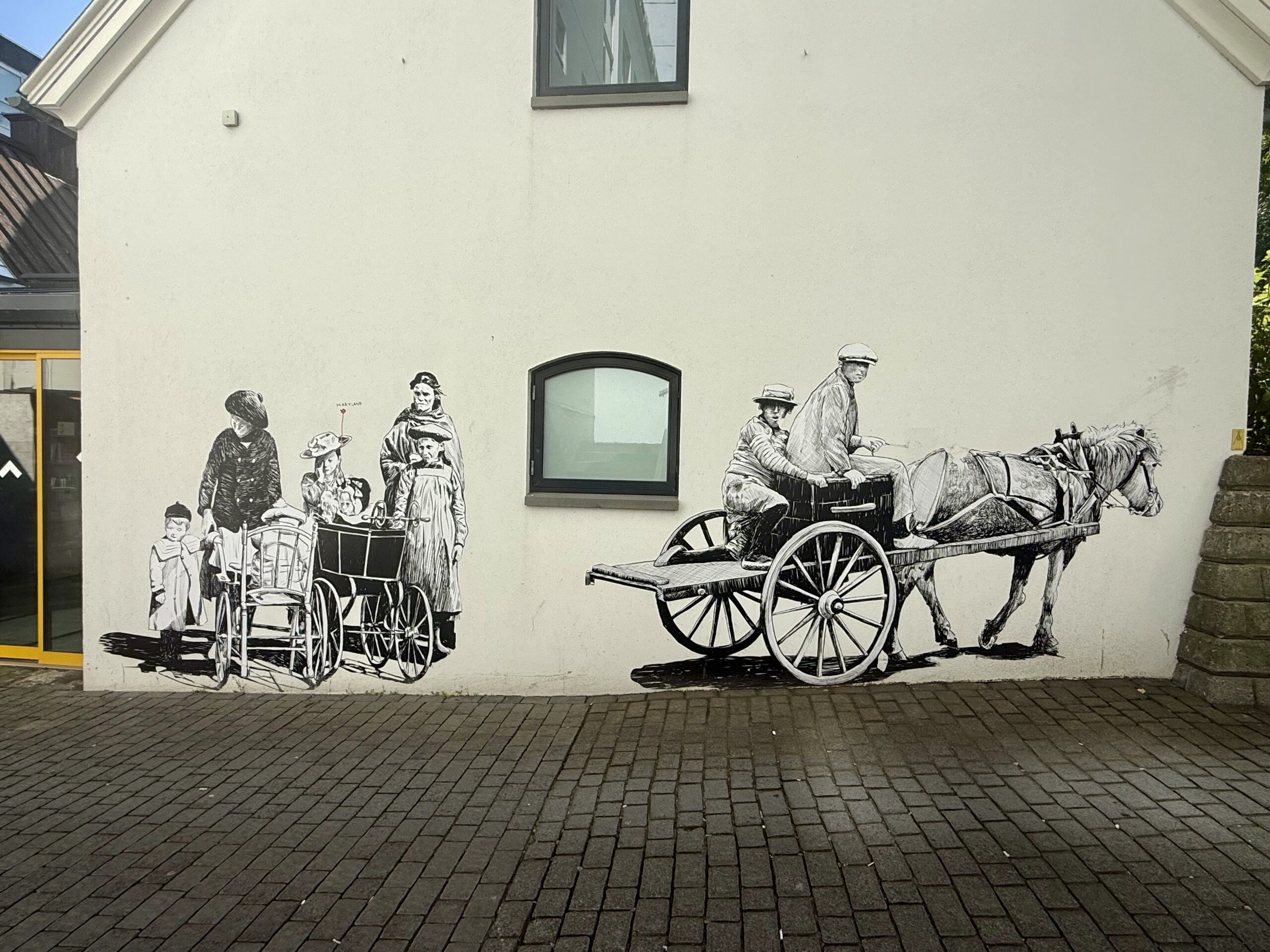
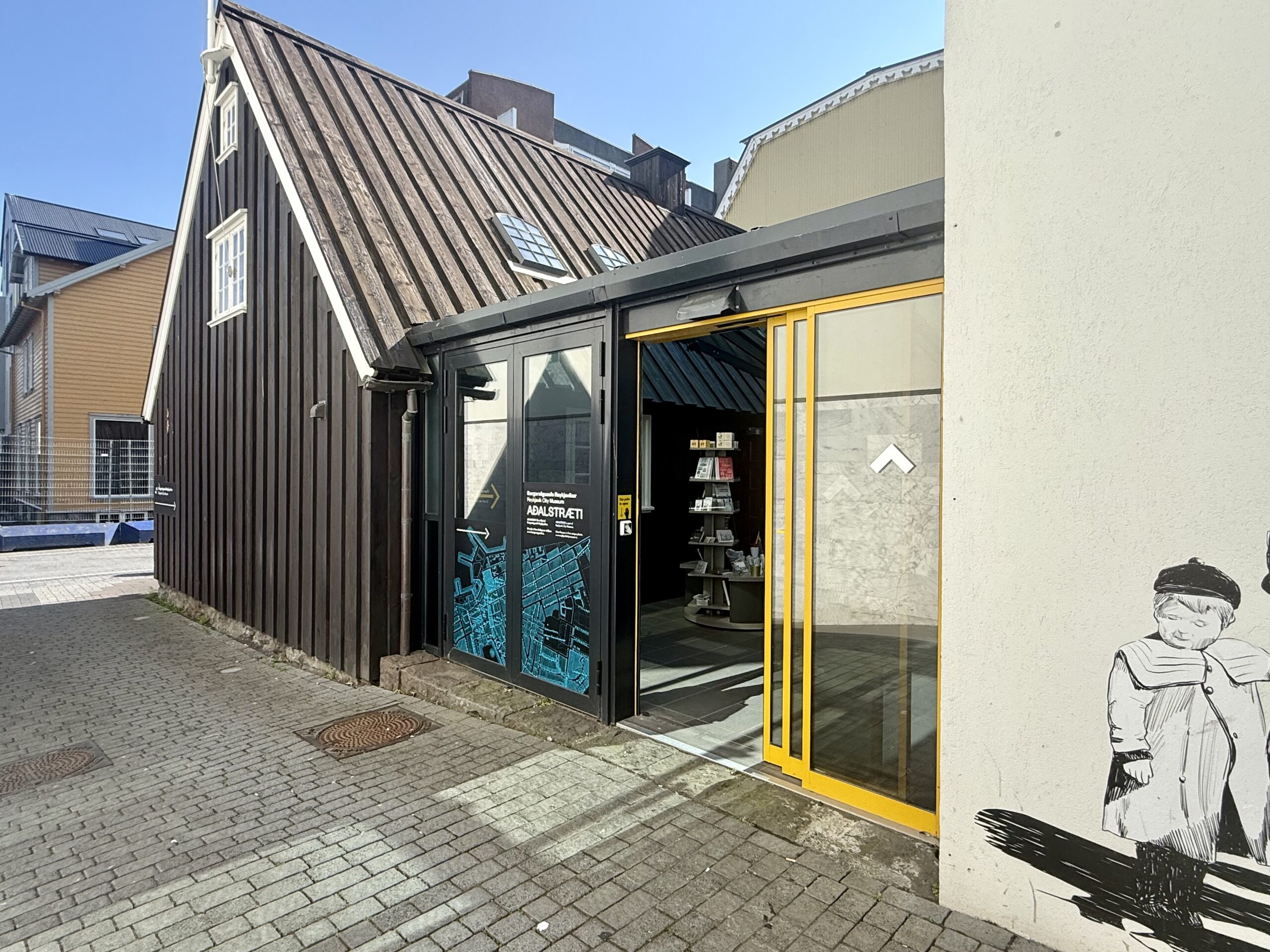
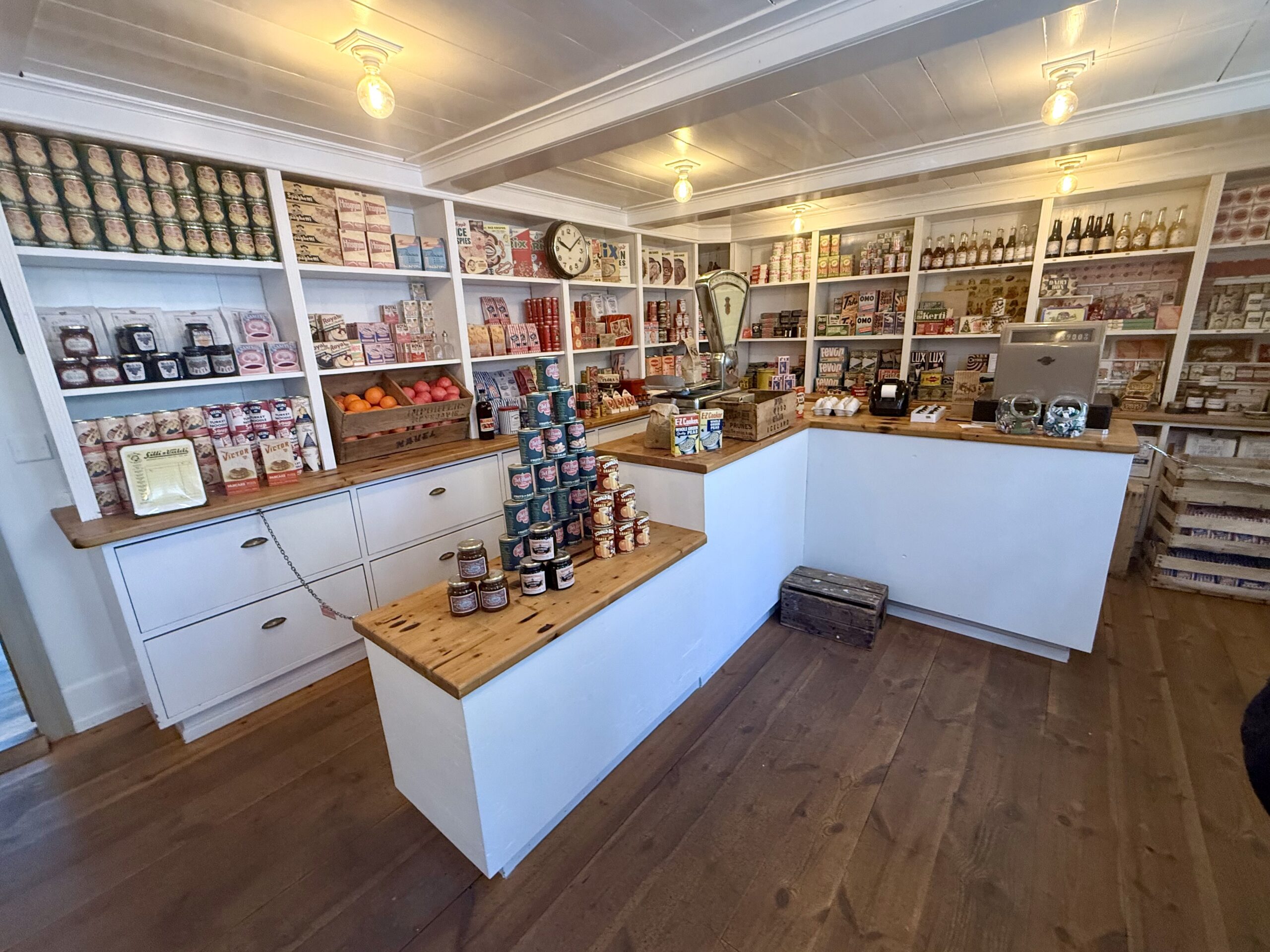
Reykjavik City Museum
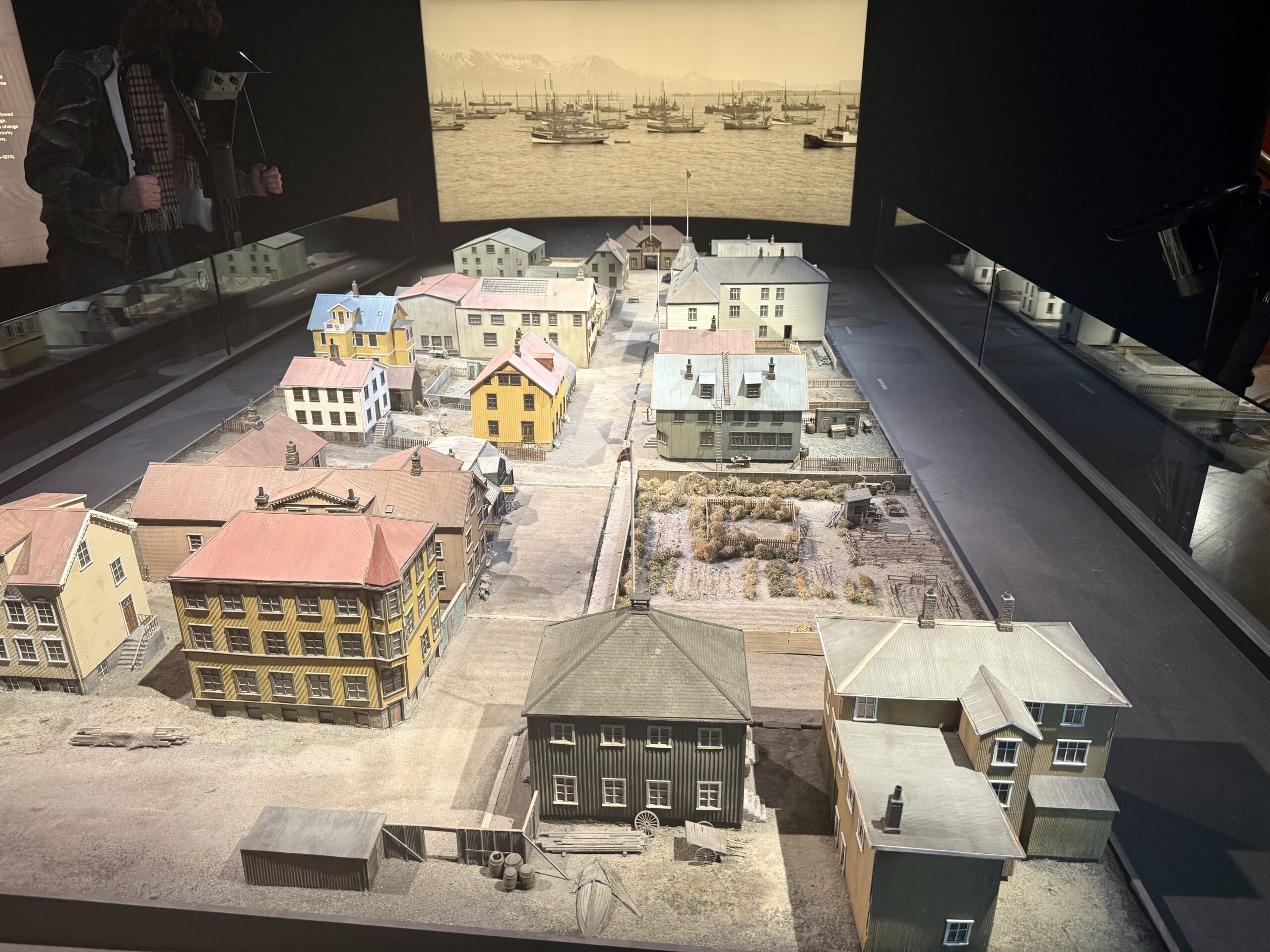
A very well-executed small museum that takes you through the evolution of the city since 1906. The narratives and photographs give you a feel of what life was like in earlier periods. Bonnie, a museum person, found the installations very ingenious. The museum is connected by an underground tunnel to an archeological site below street level. There you see the outlines of a long house that sheltered about ten people in early days.
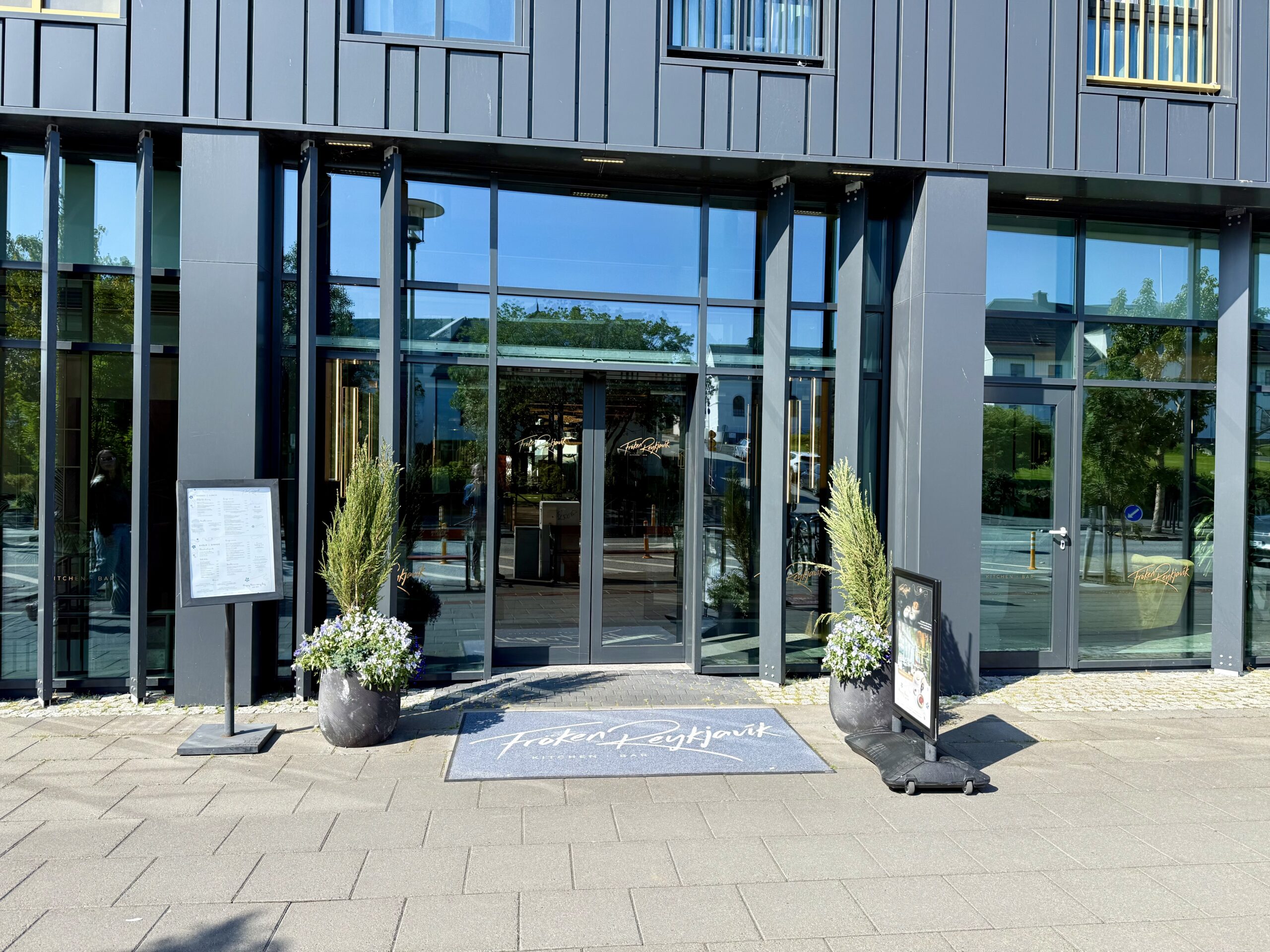
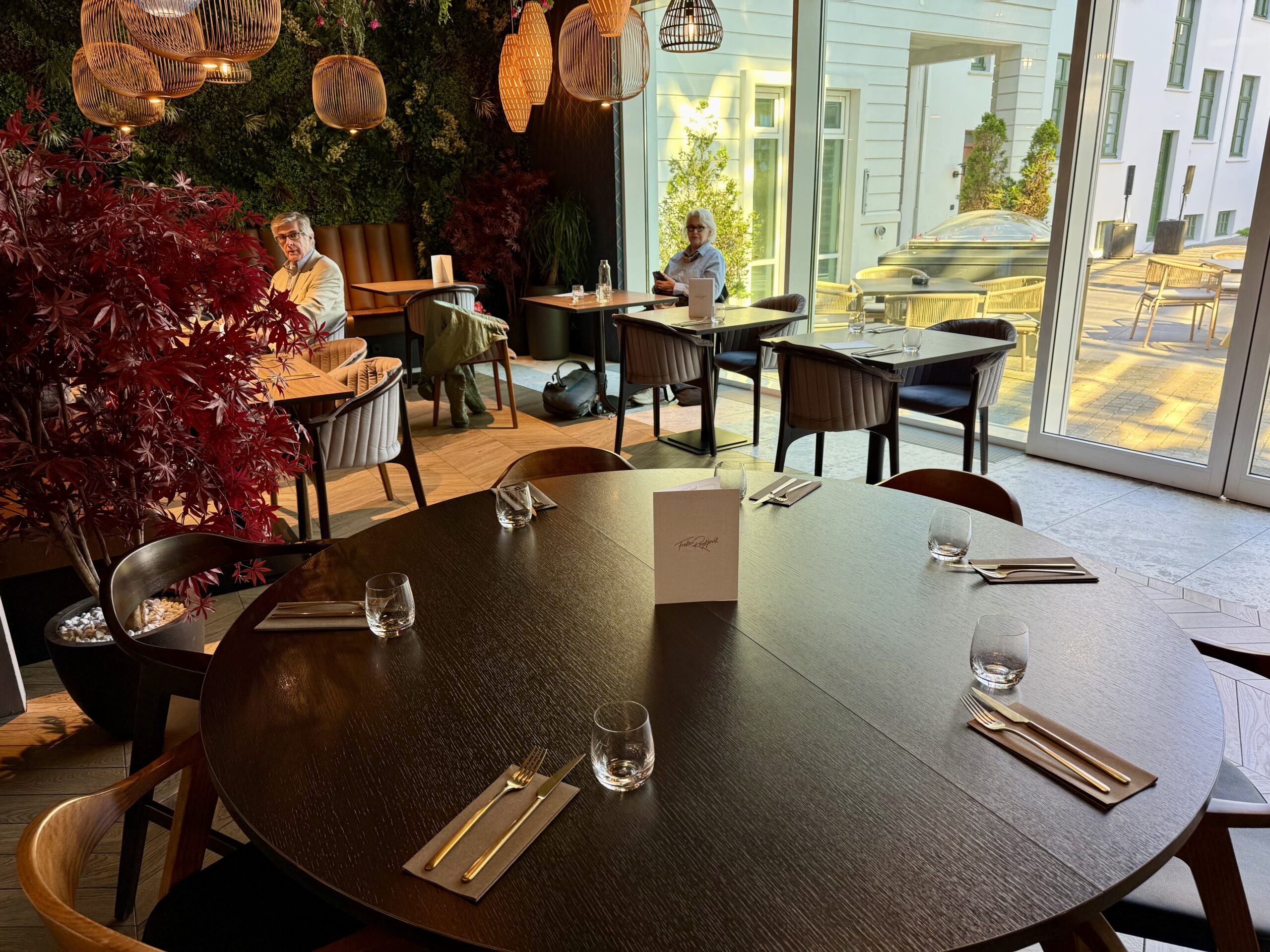
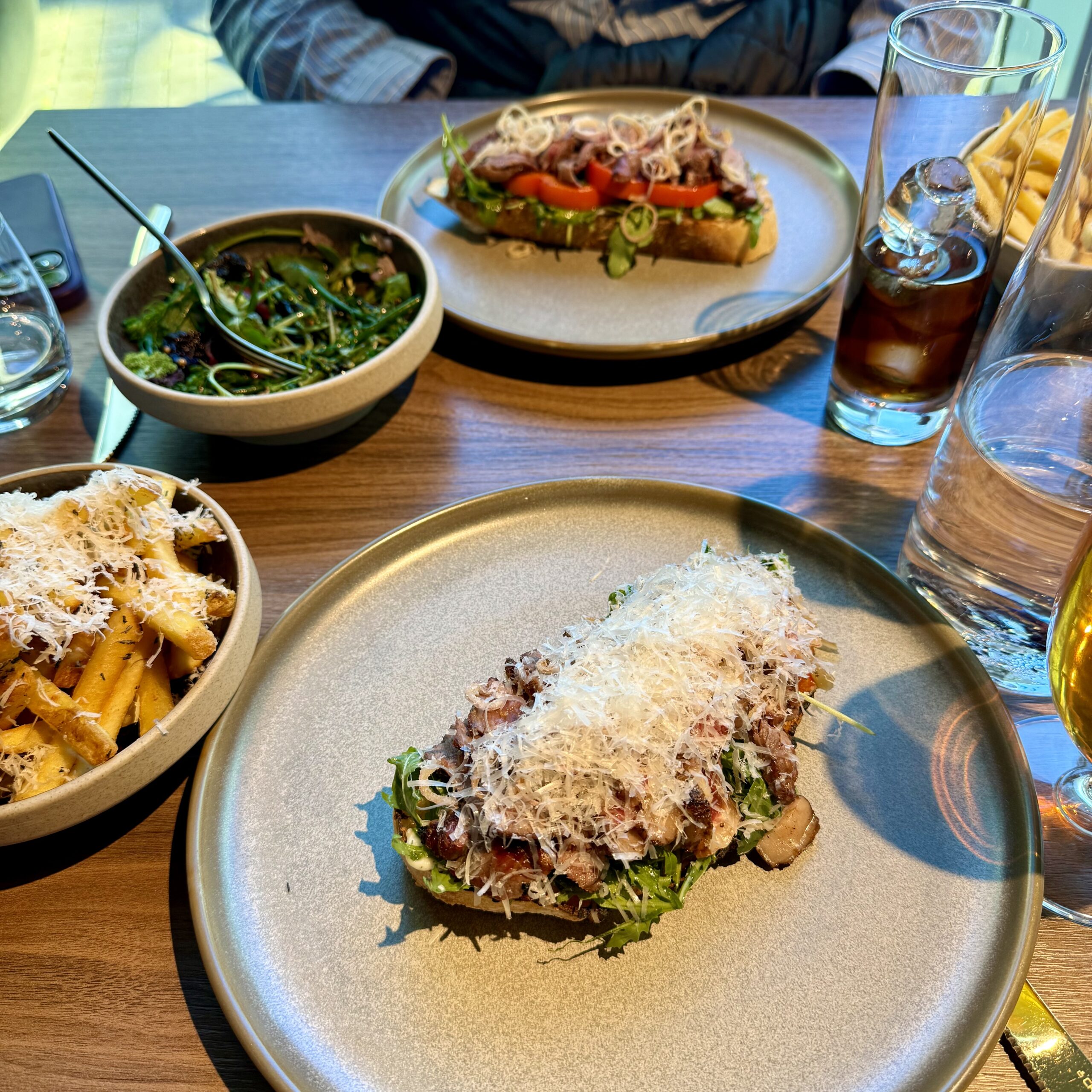
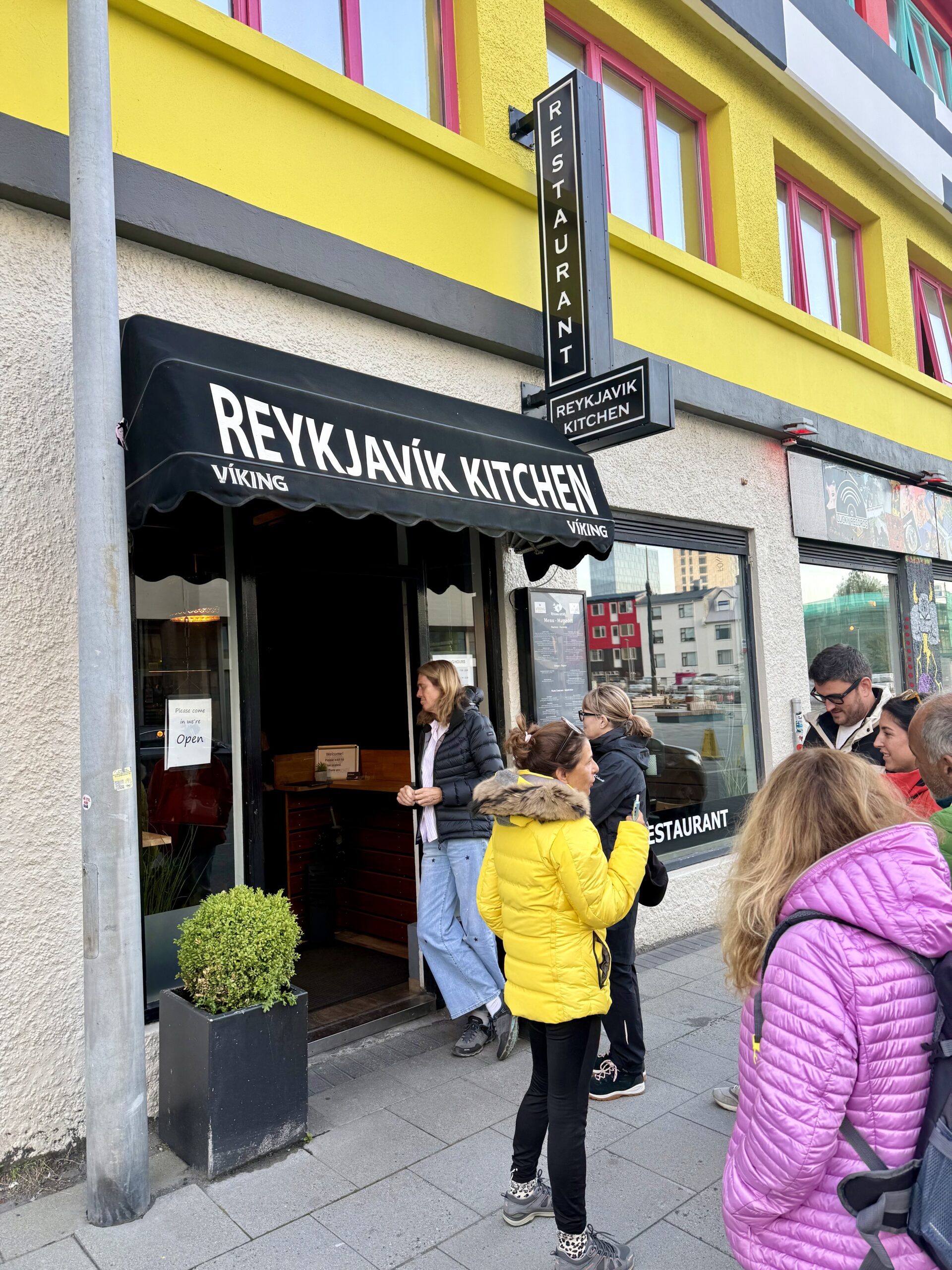
Food
Next Stop – The Golden Circle