14-18 May 2026
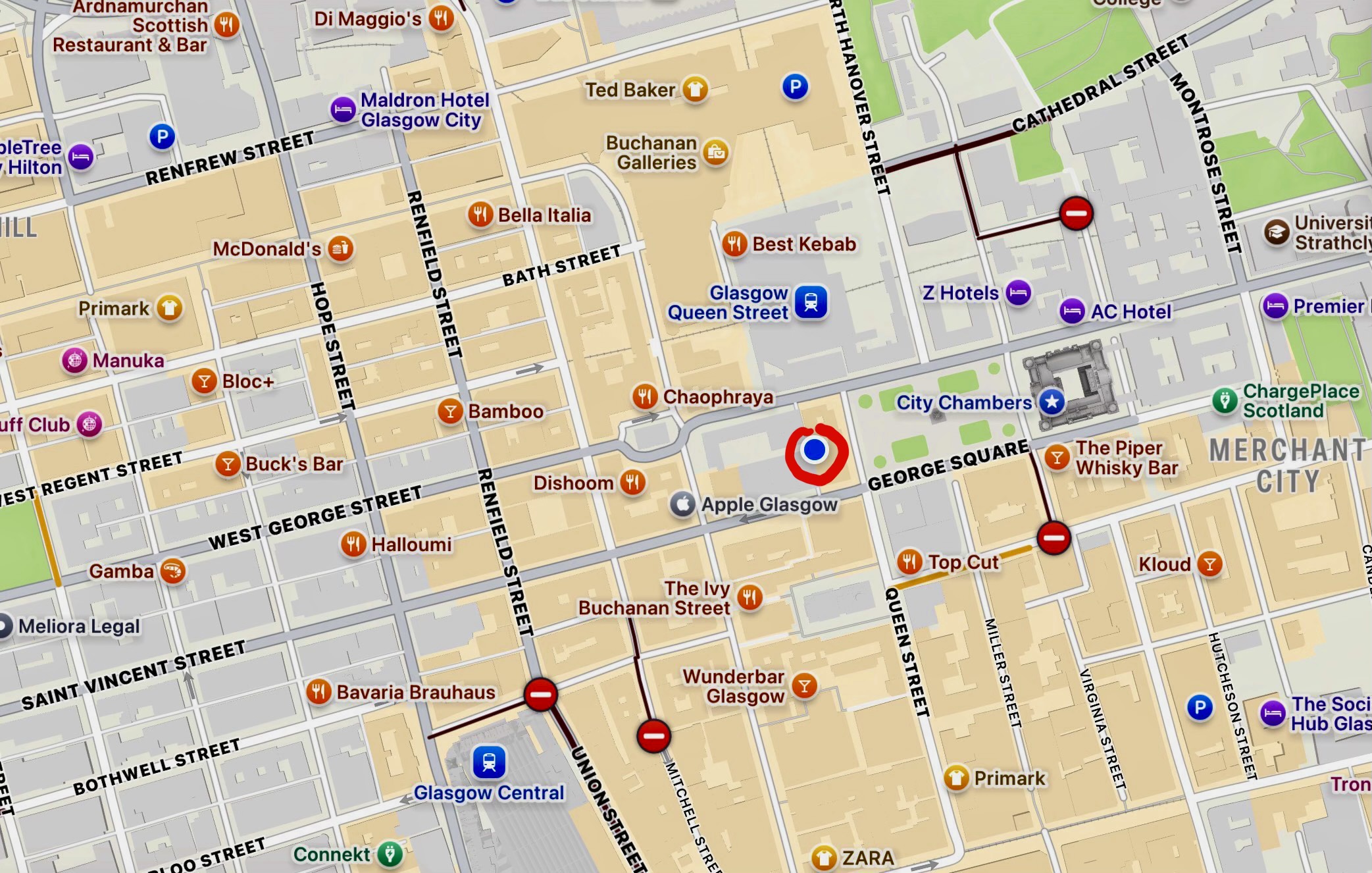
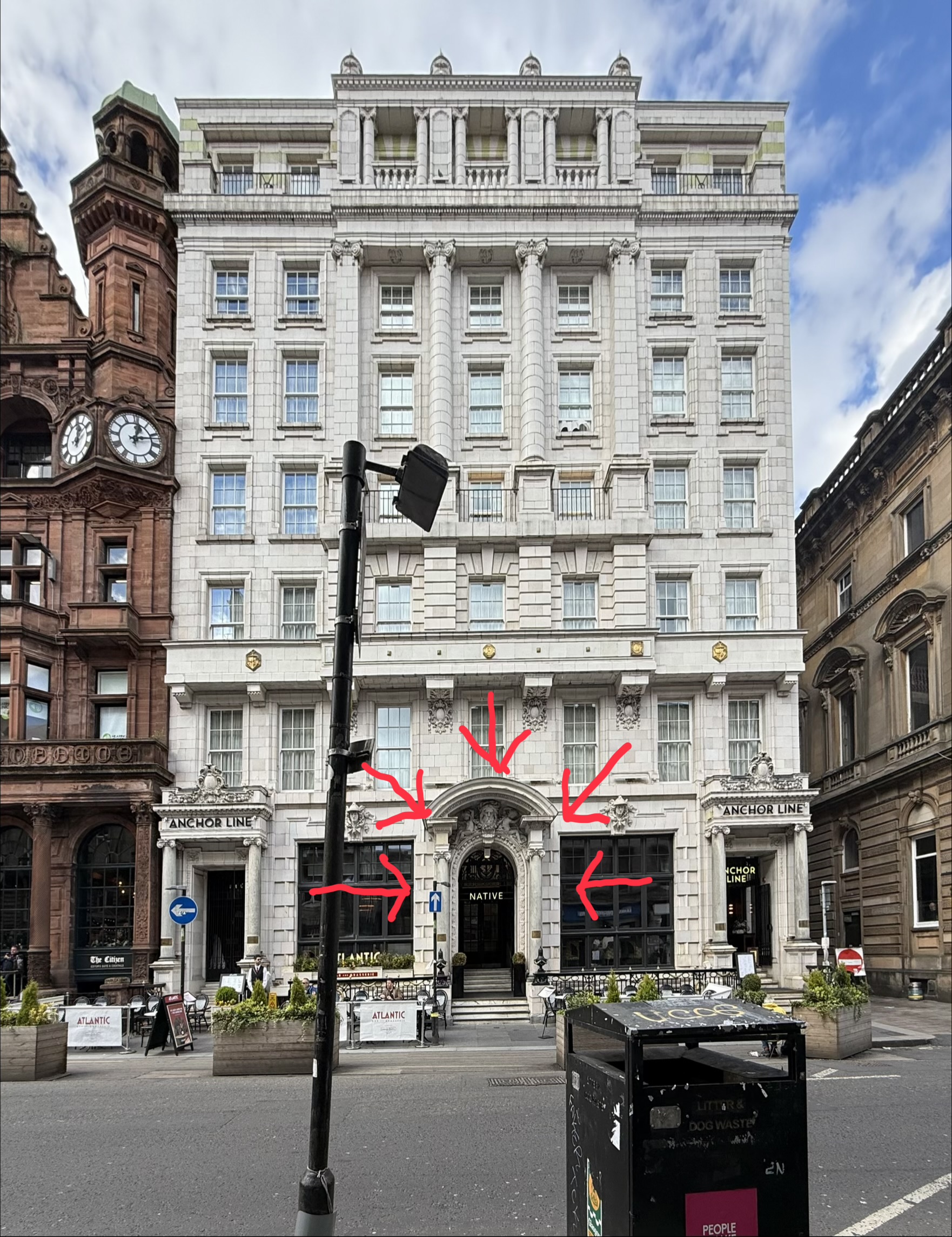
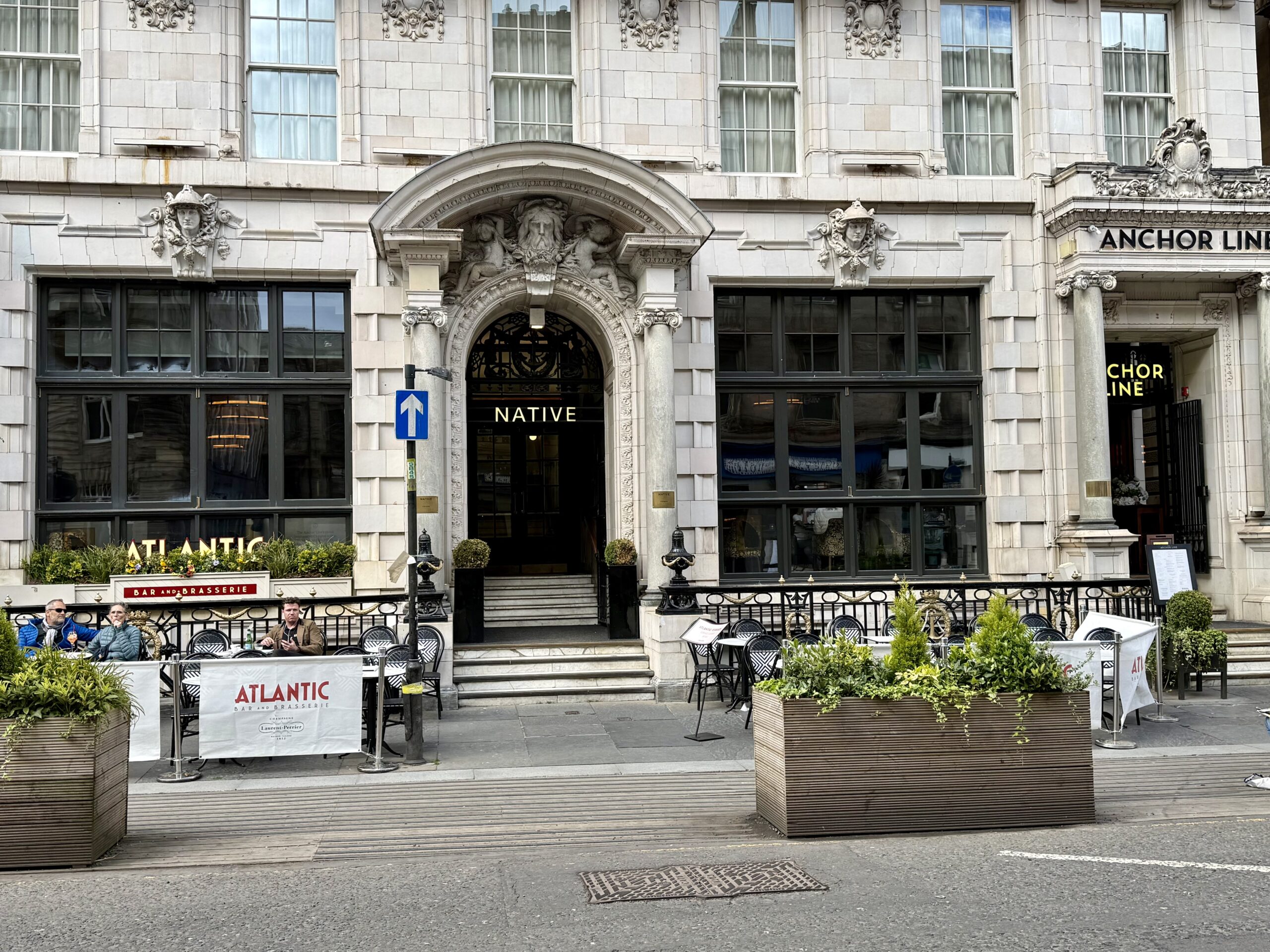
Lodging
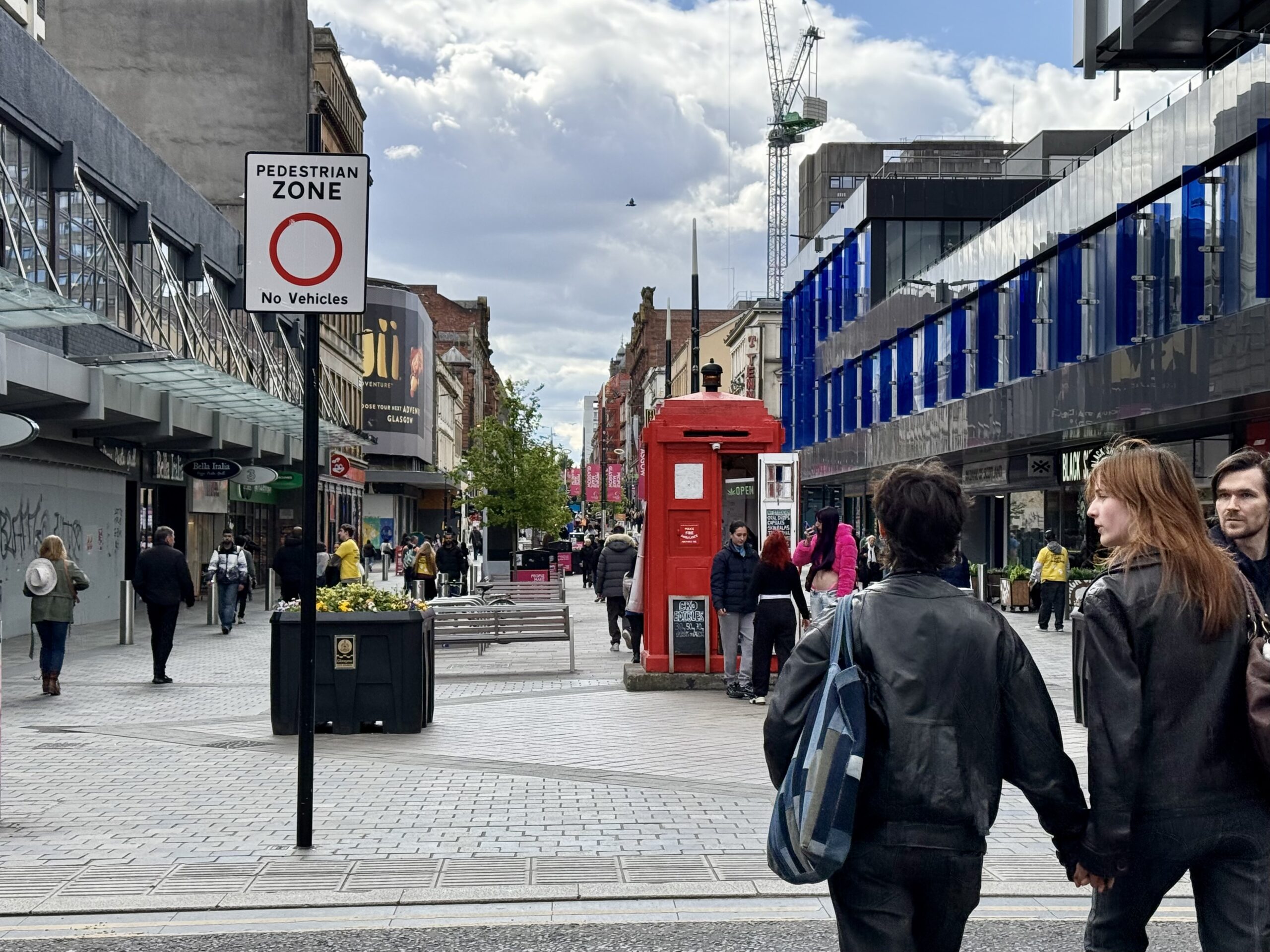
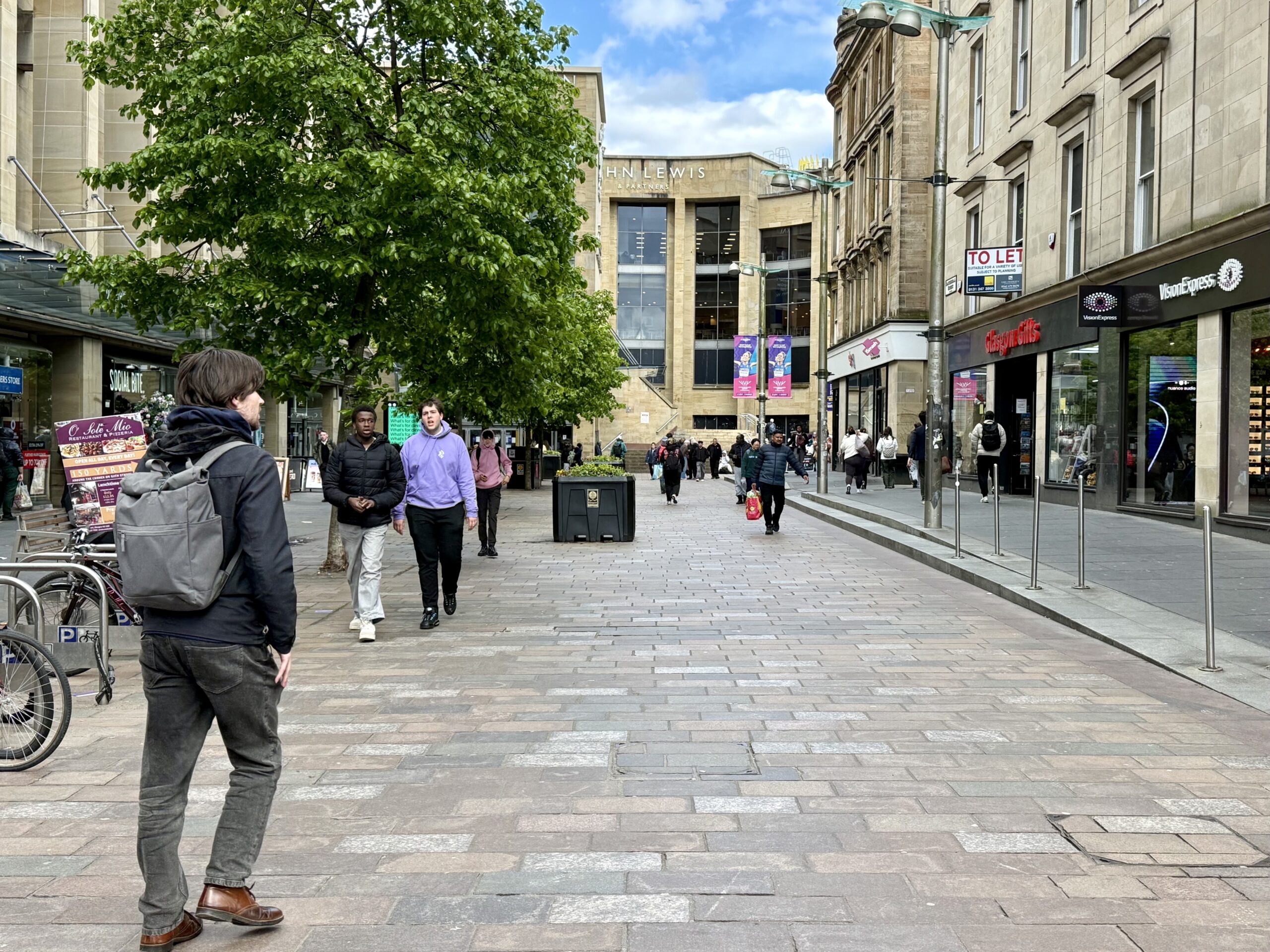
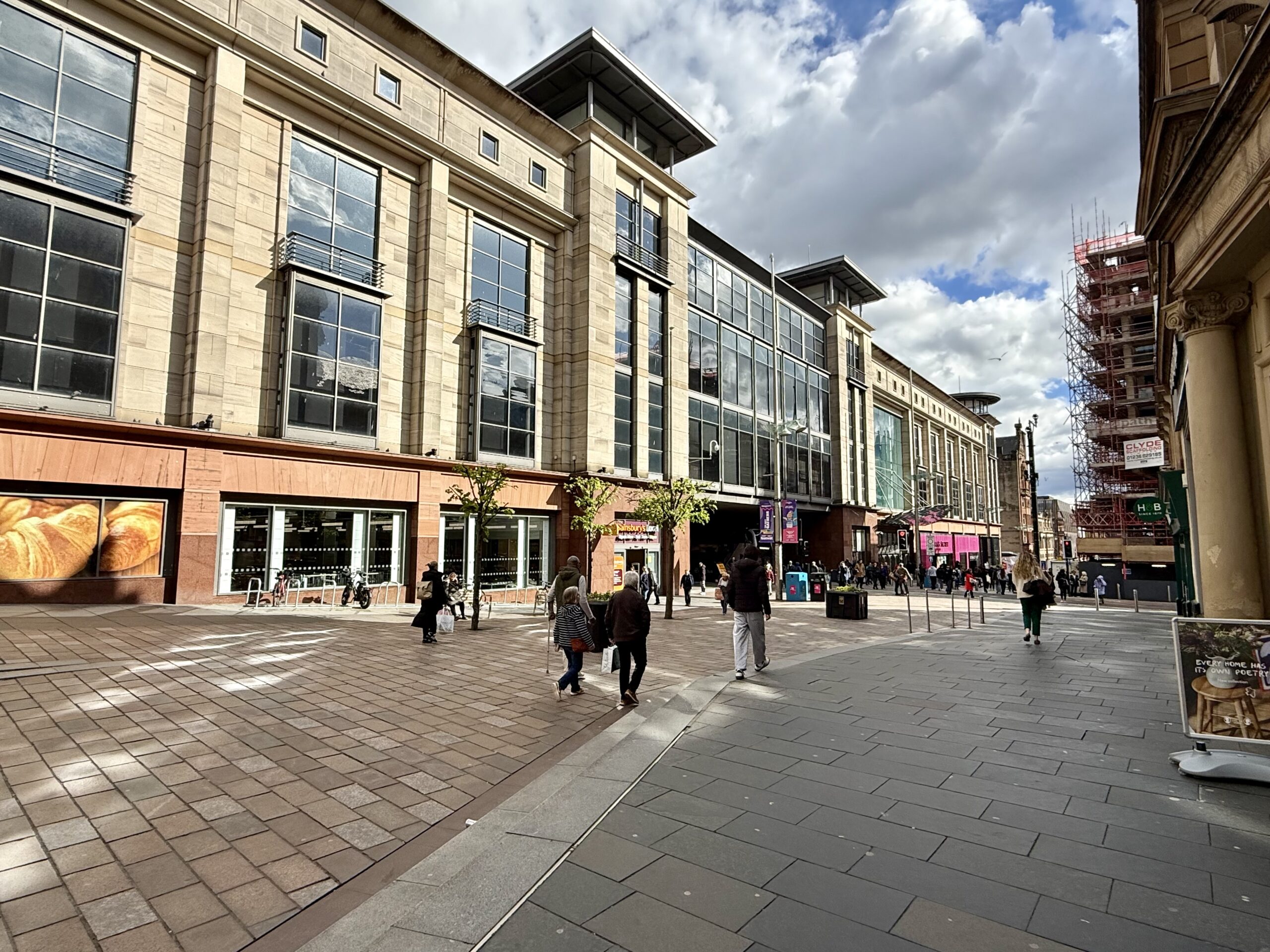
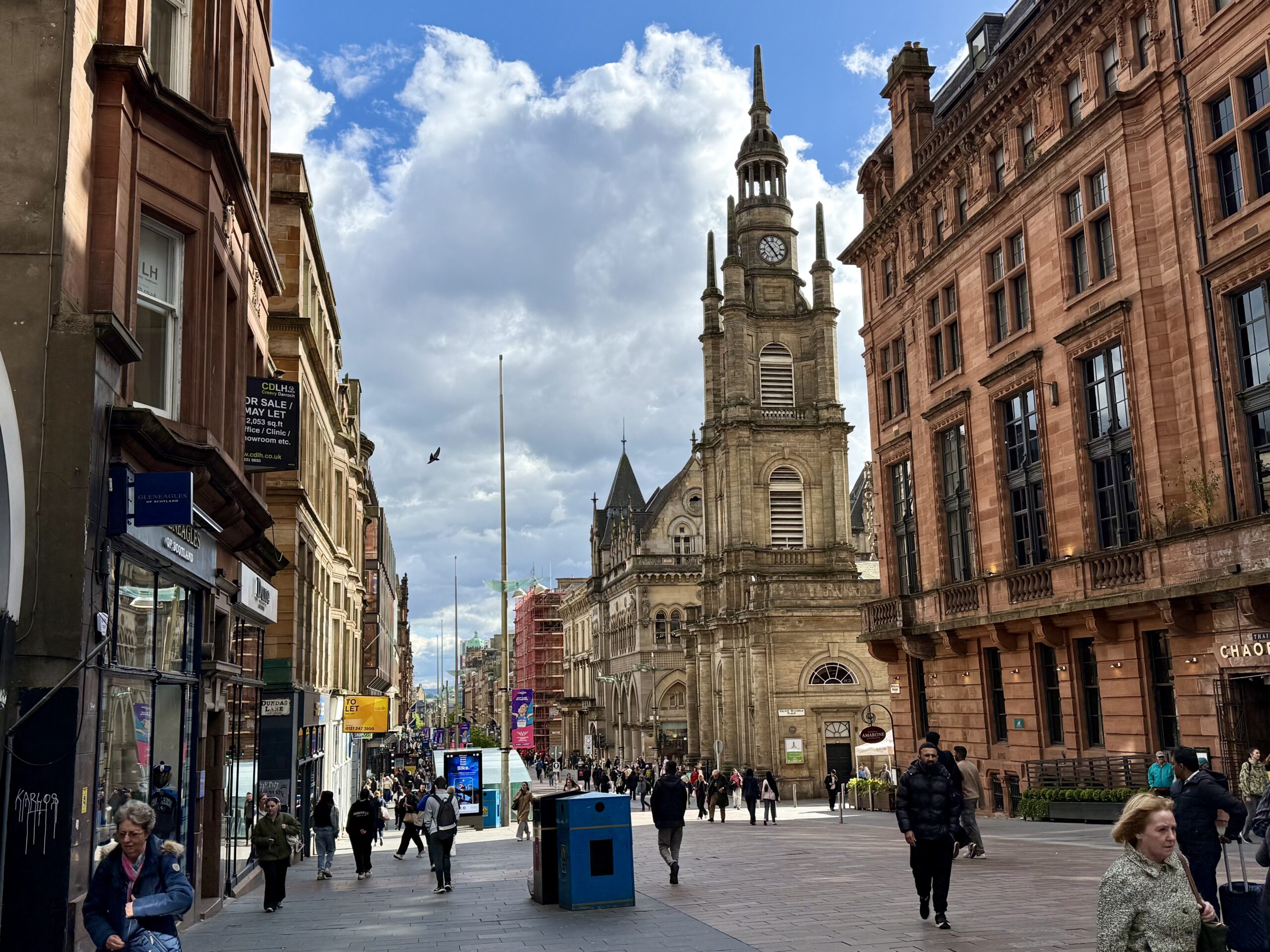
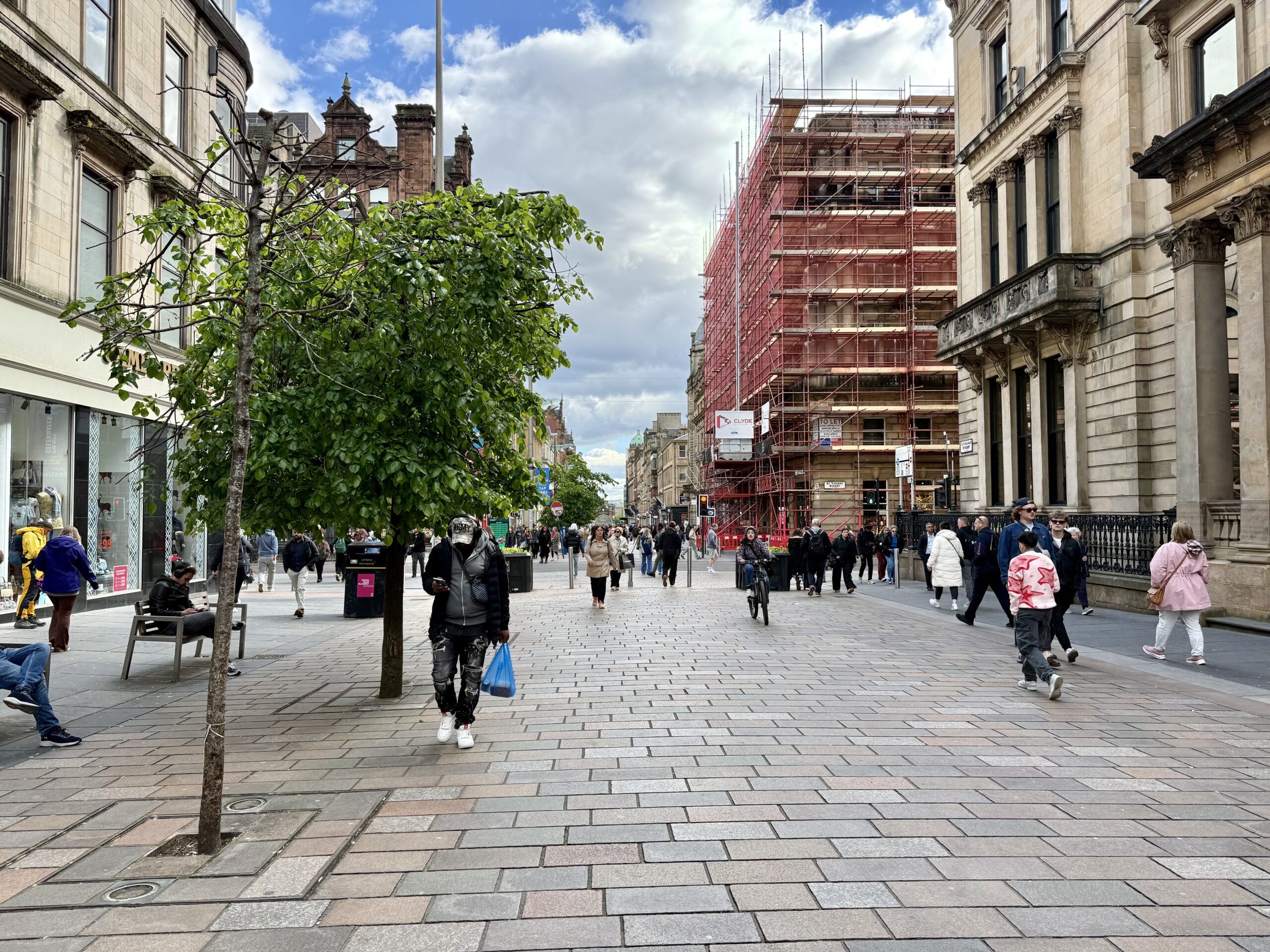
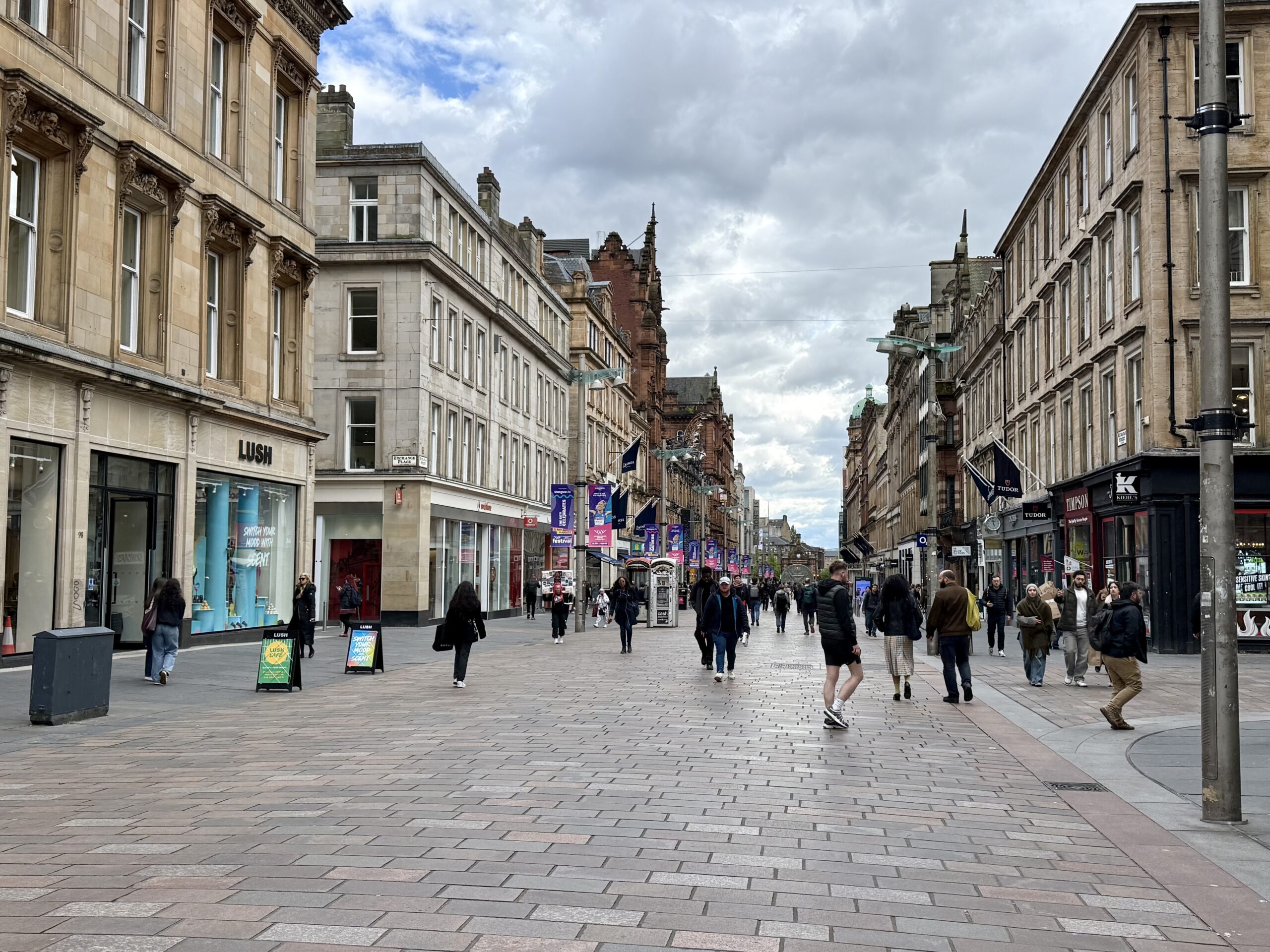
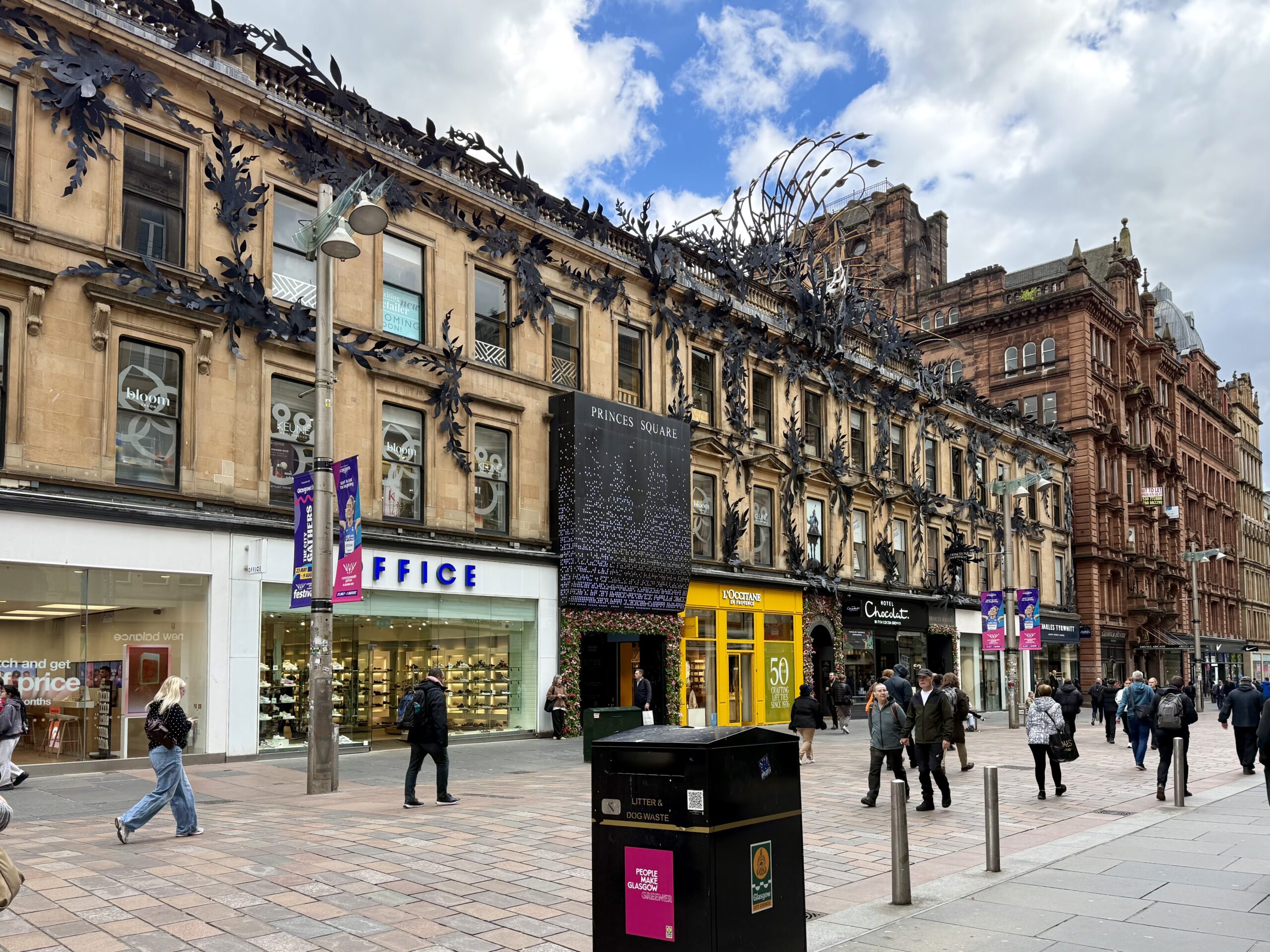
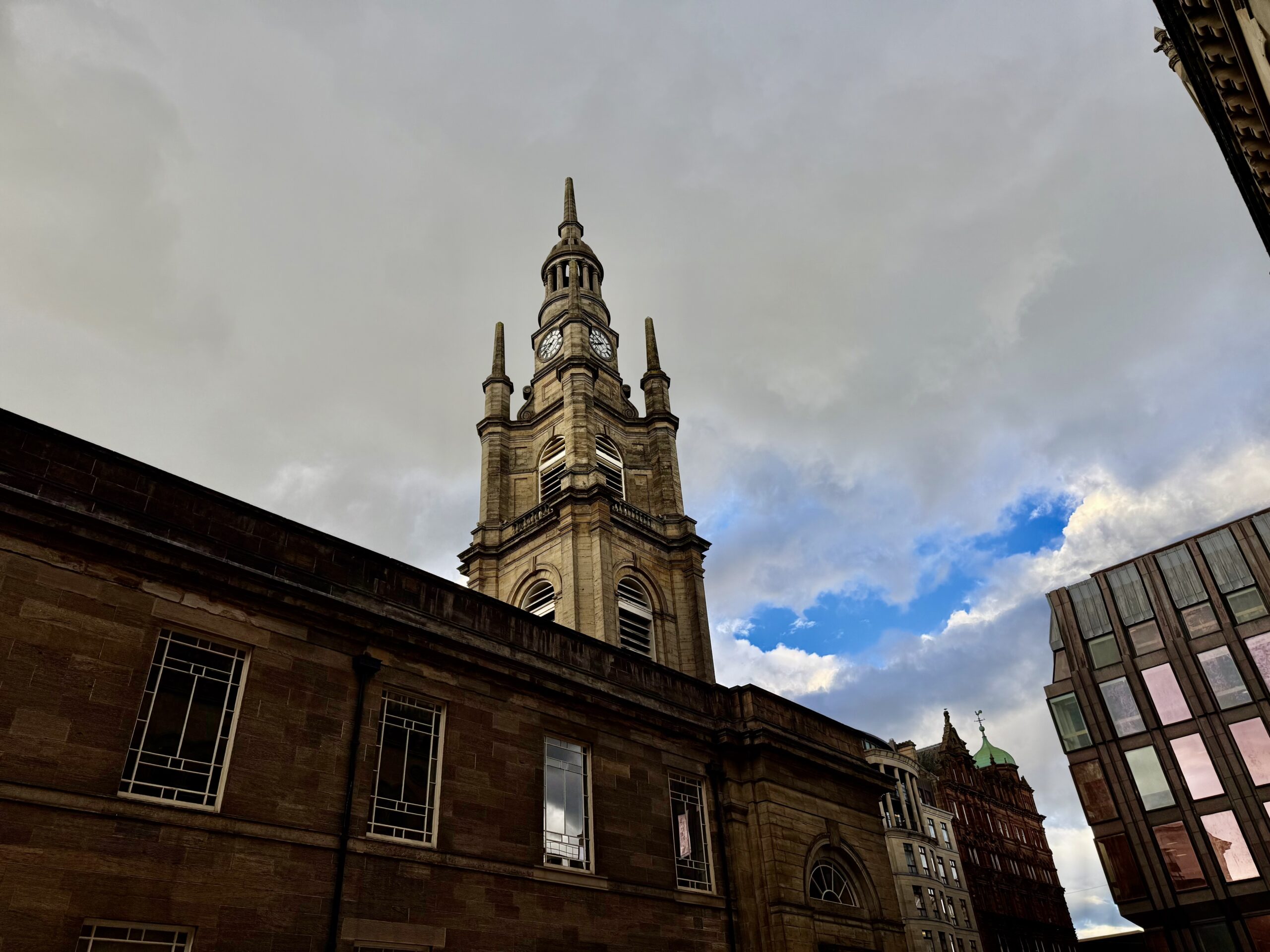
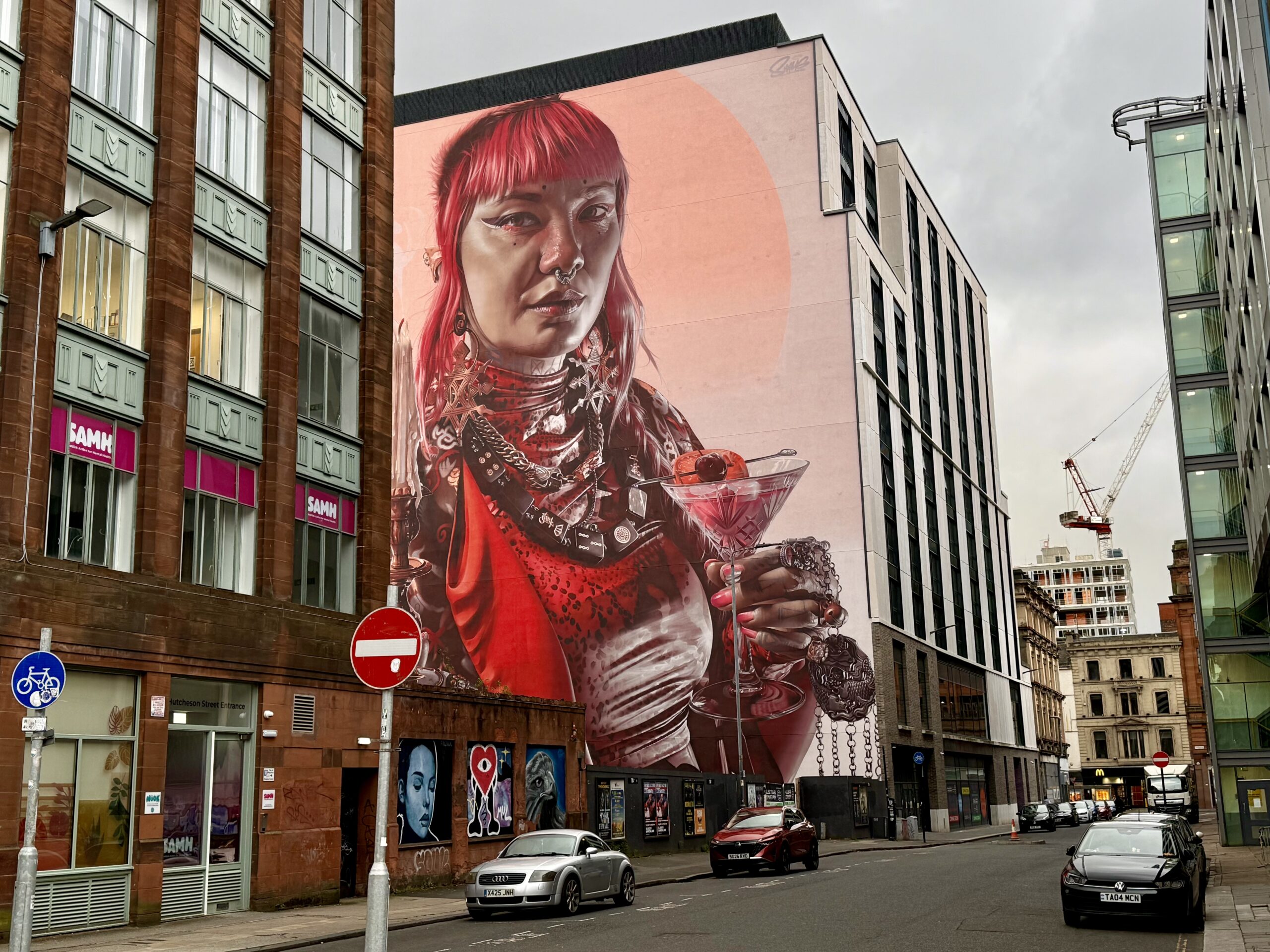
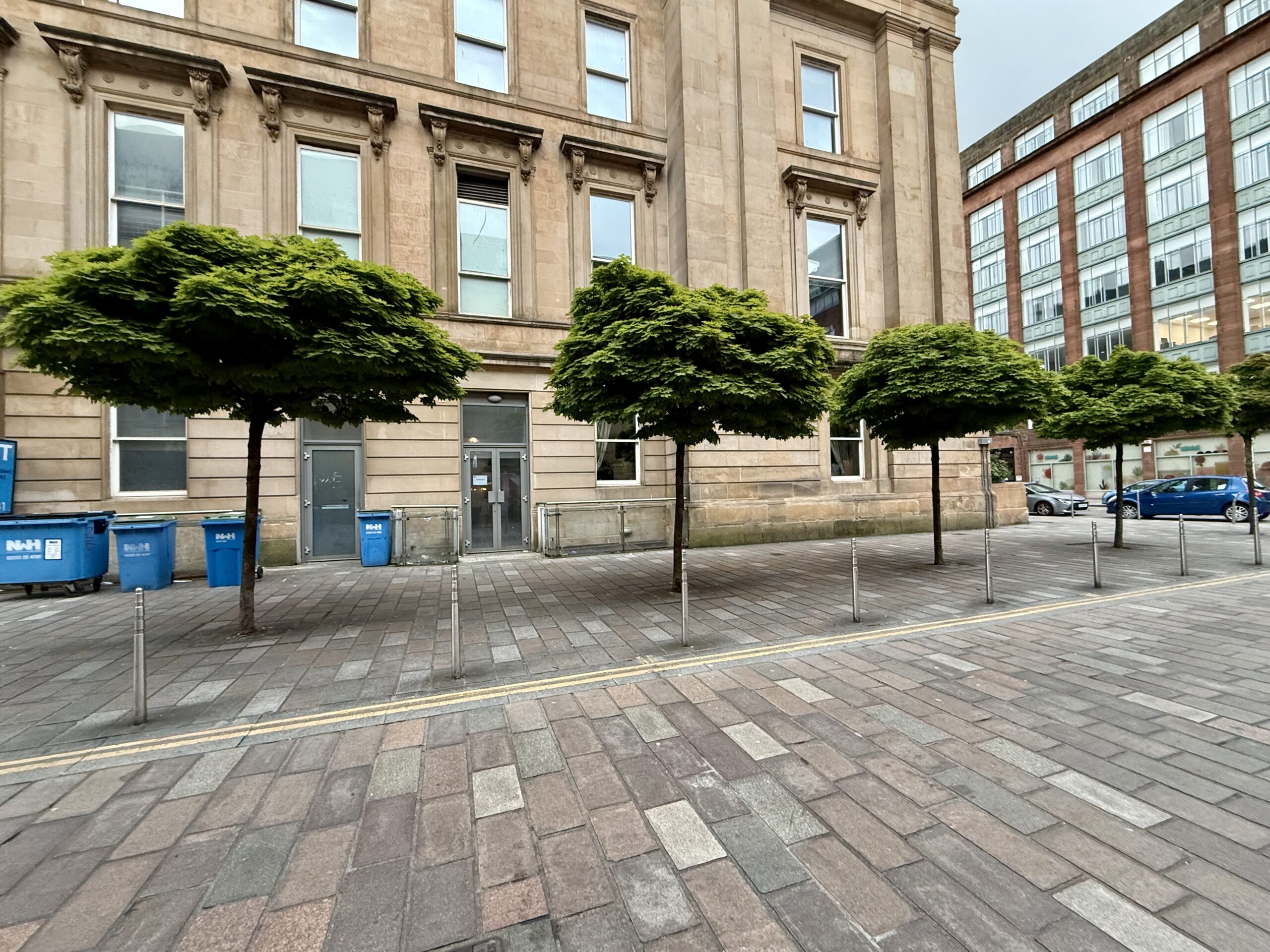
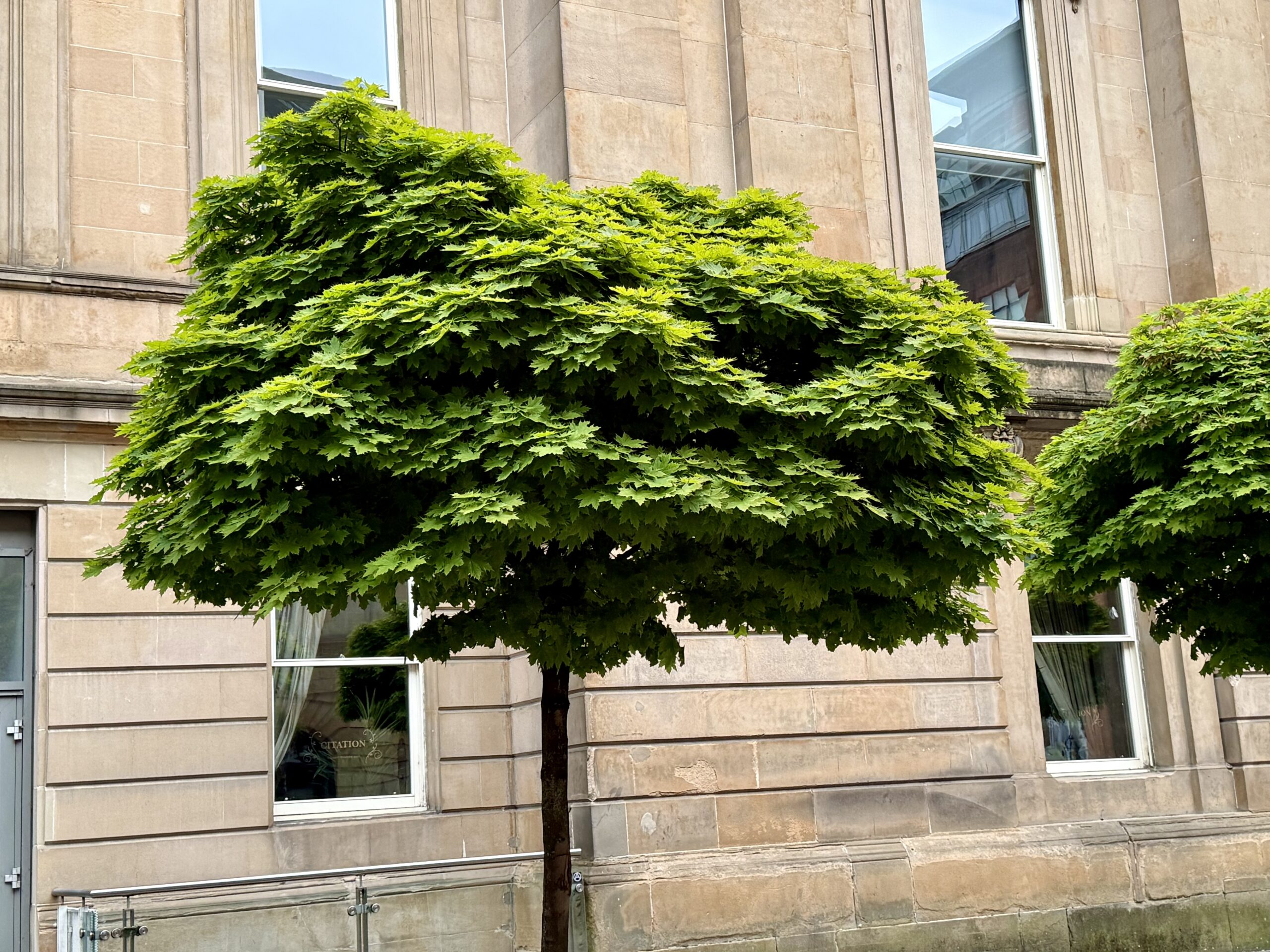
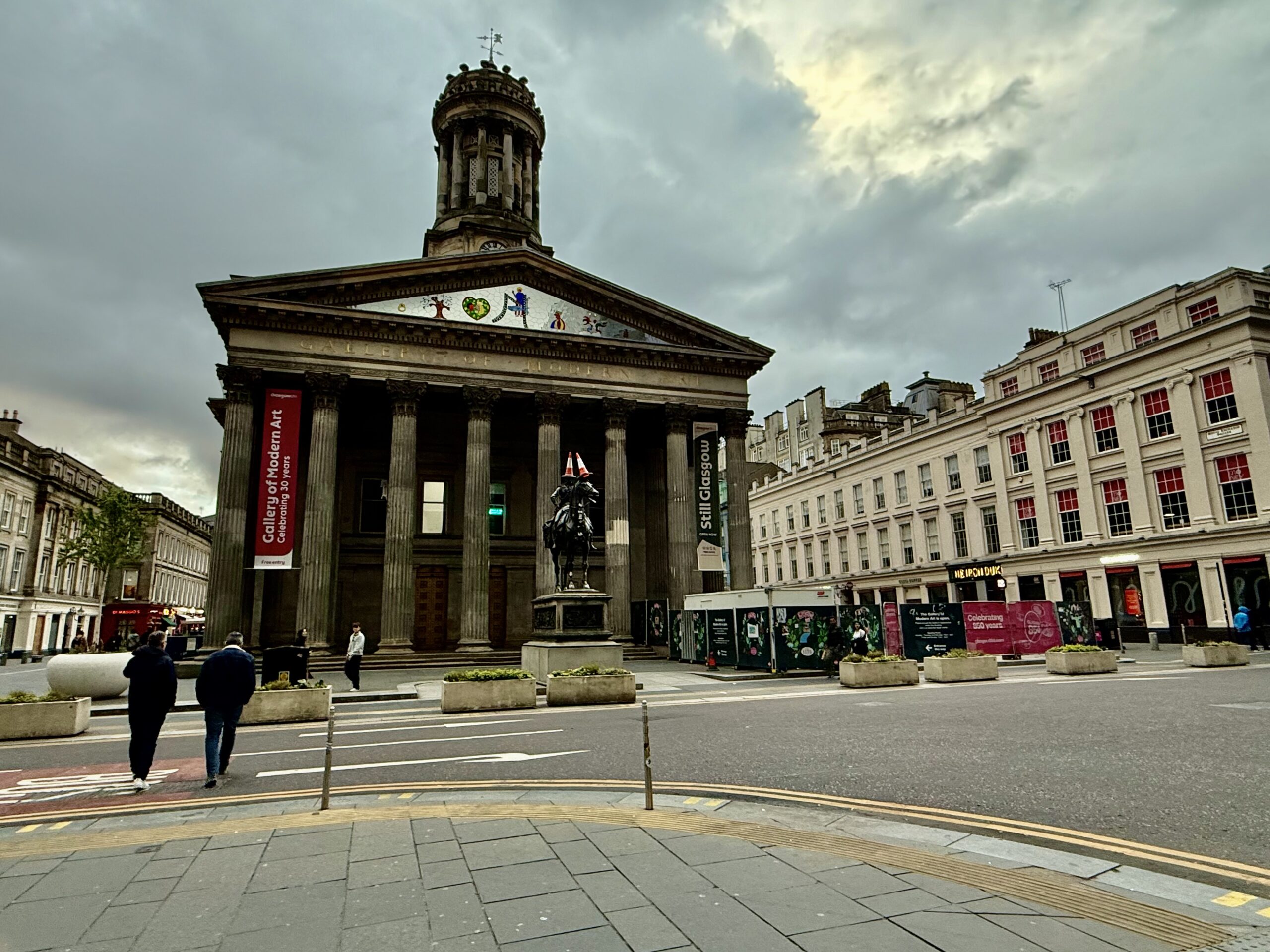
Walking Around
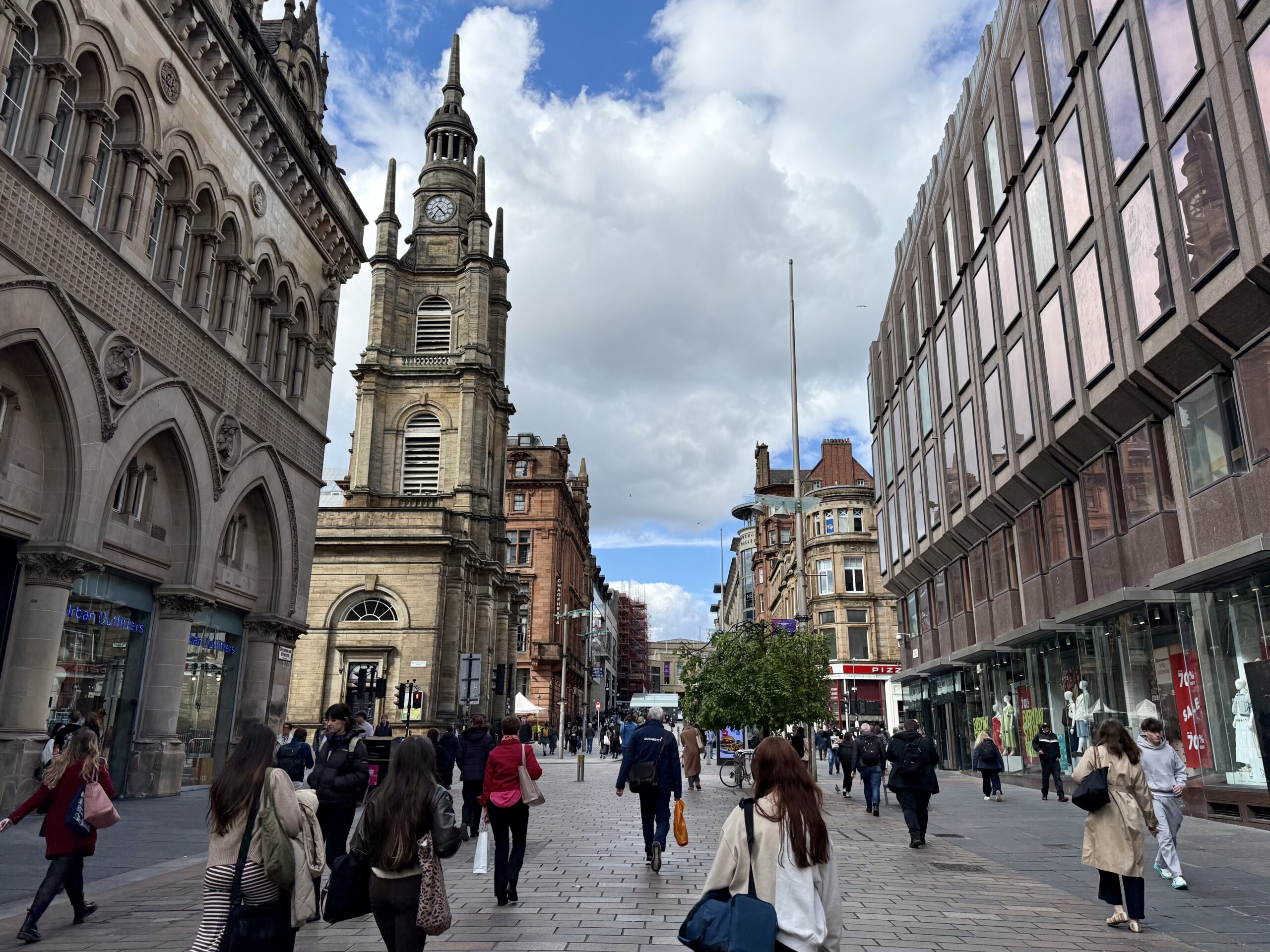
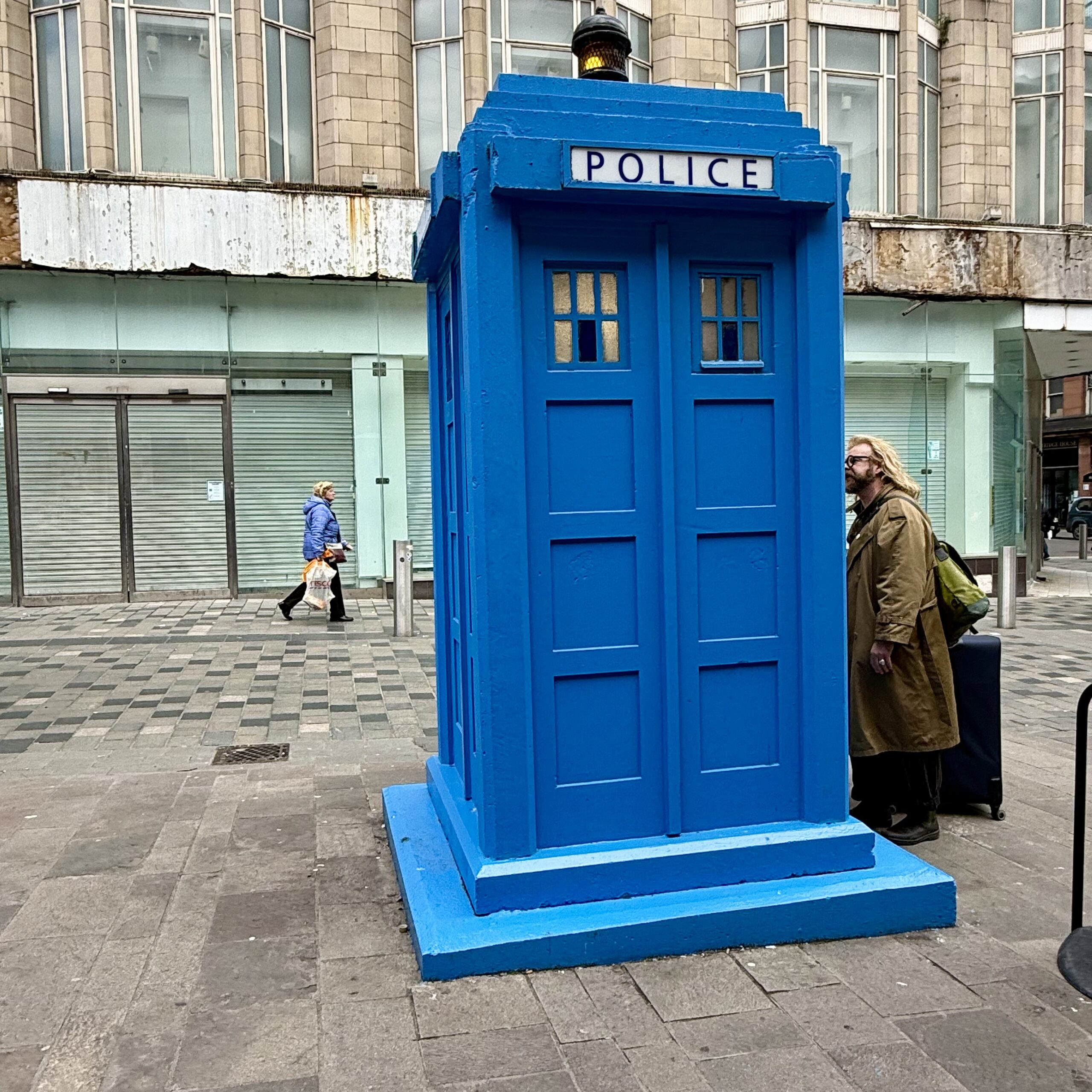
As Rick Steves predicted, we found Glaswegians chatty and humorous. They liked Robert’s joking. Bonnie usually asked them to repeat things twice to cope with the accent.
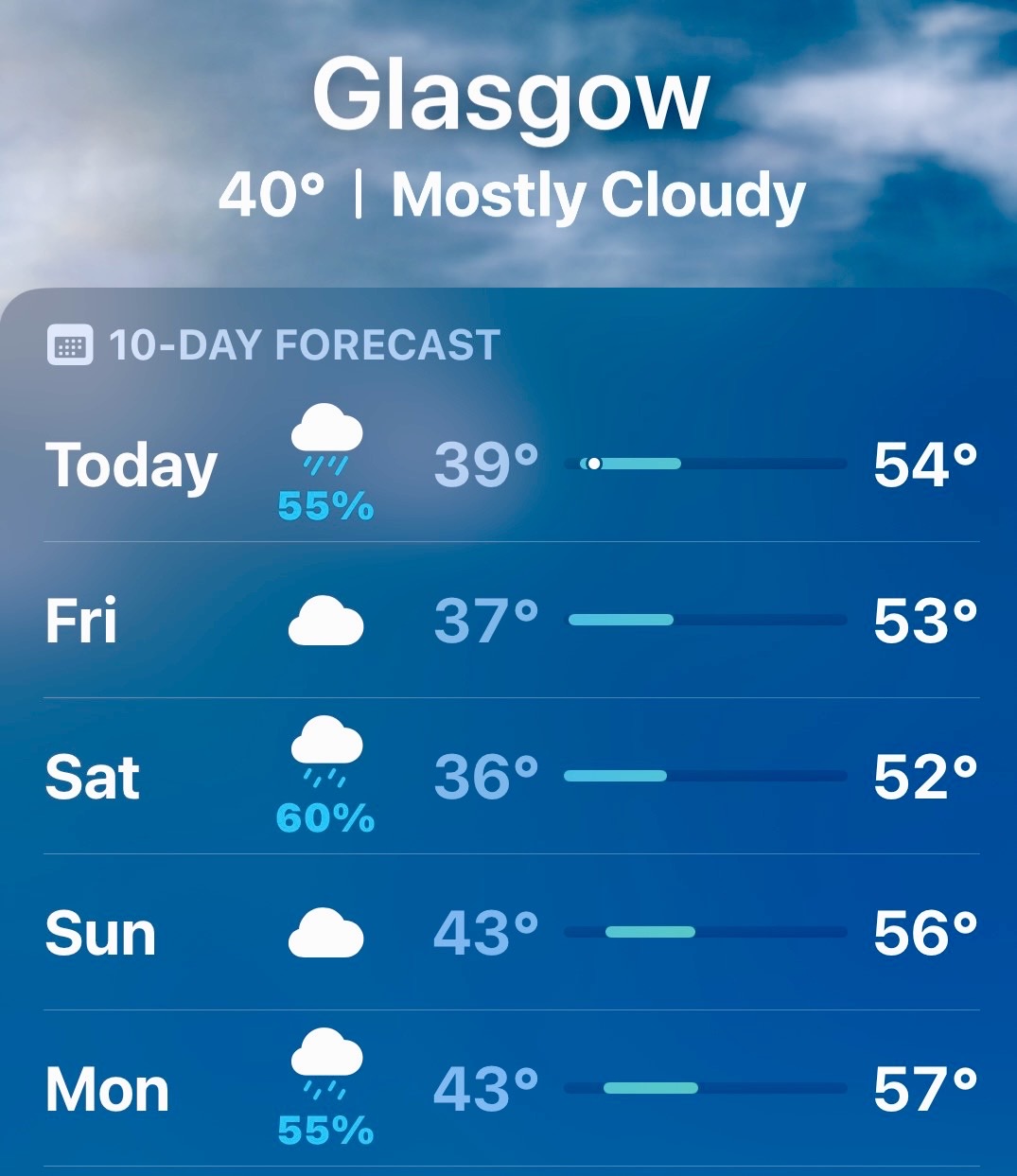
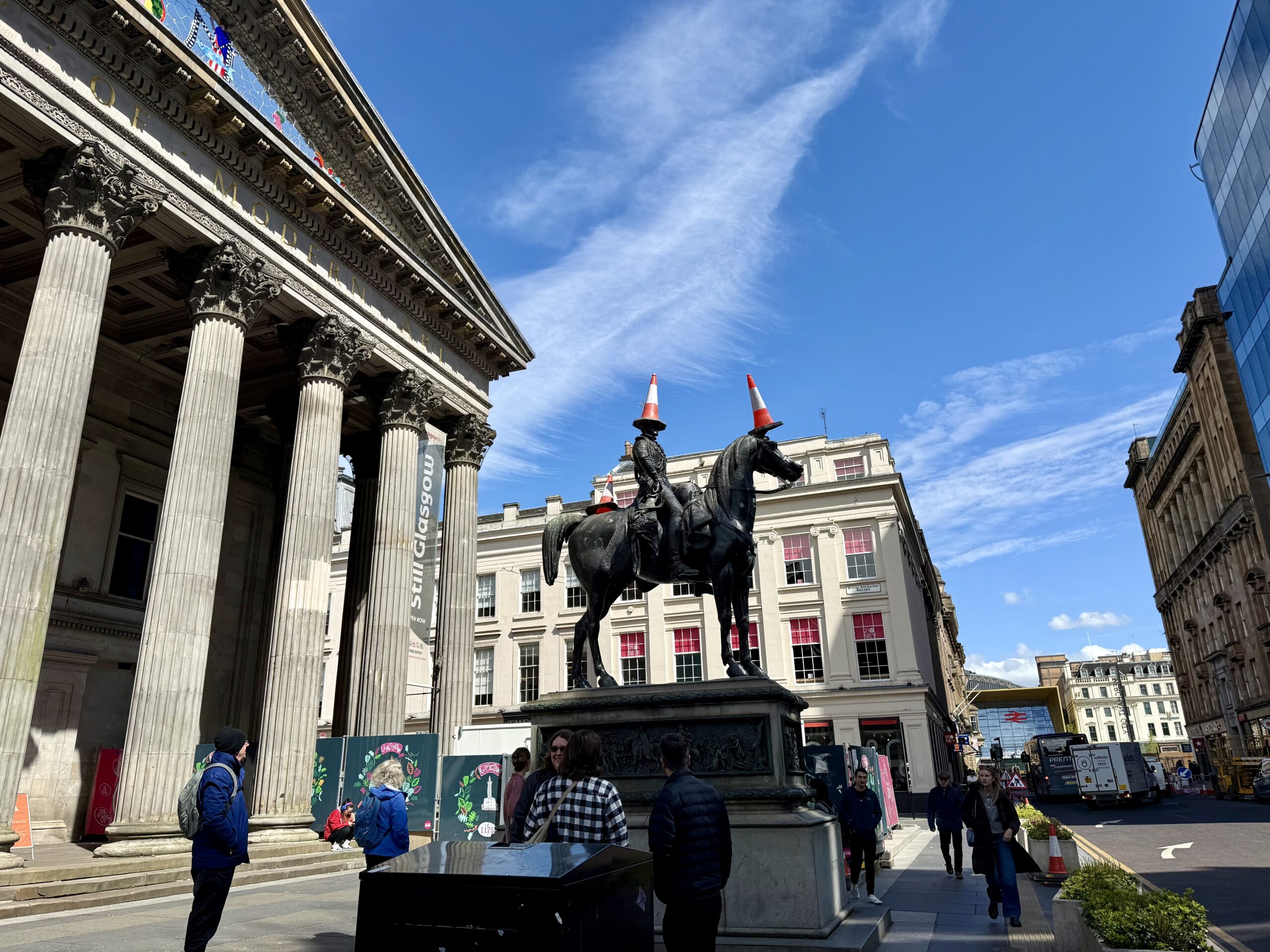
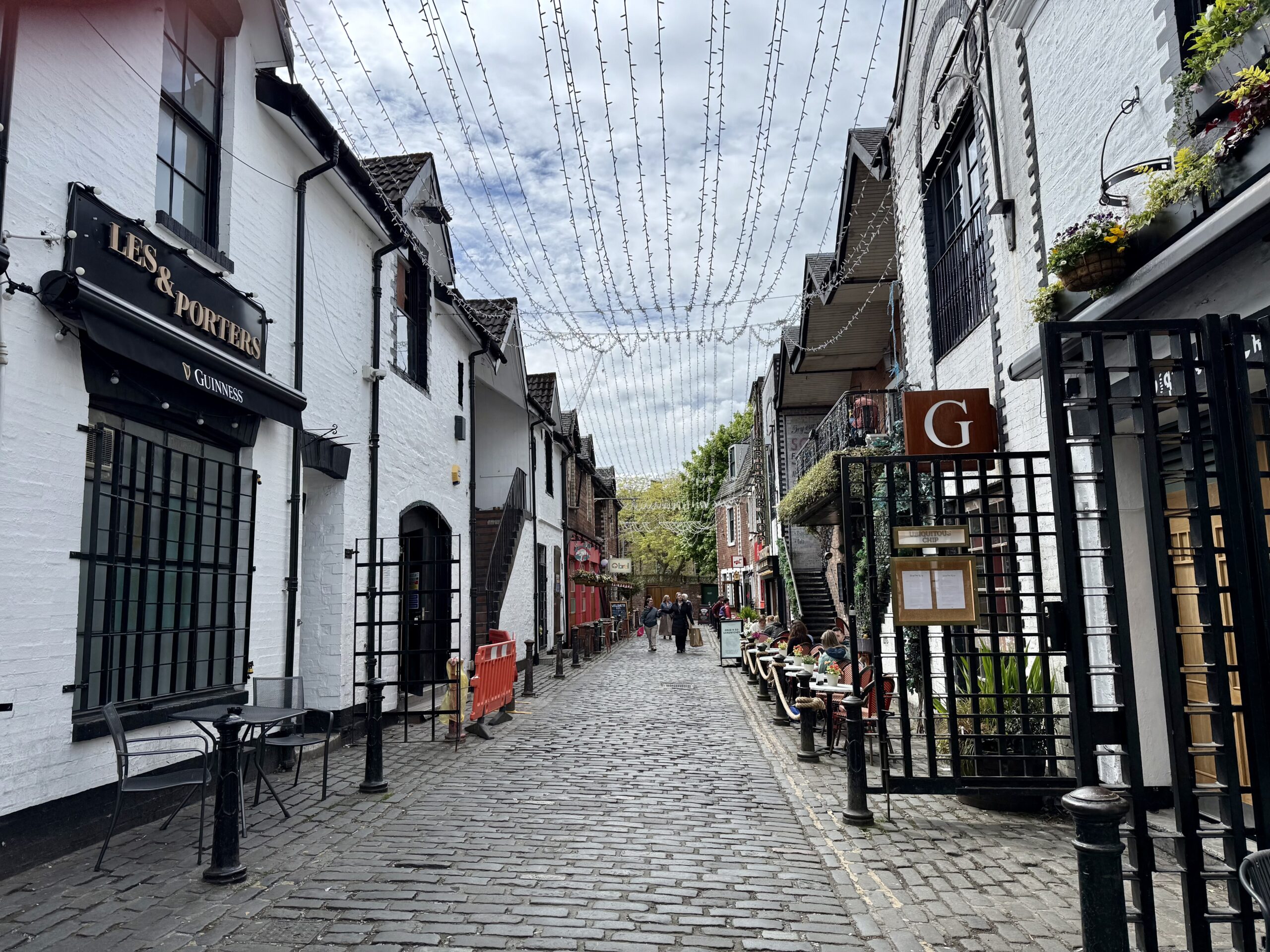
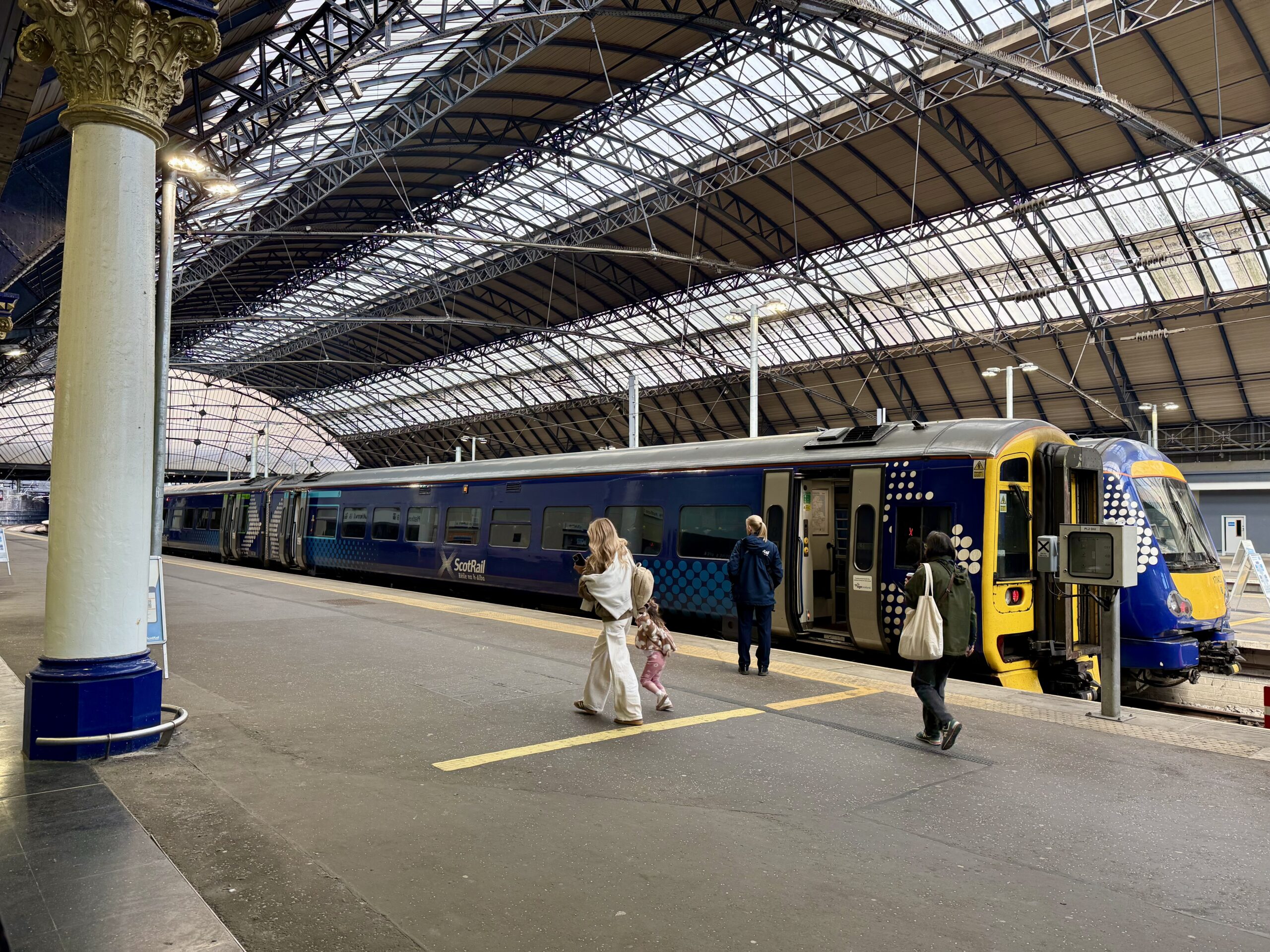
We found Glasgow, population 600,000, down from 1,200,000 in its industrial heyday, easy to navigate on foot, by subway, and by bus. Light rain arrived intermittently but was seldom heavy enough to slow us down. We resorted to a big, black taxi only at the end to cope with our luggage on the way to the rental car. Four nights in the city was plenty to satisfy our curiosity.
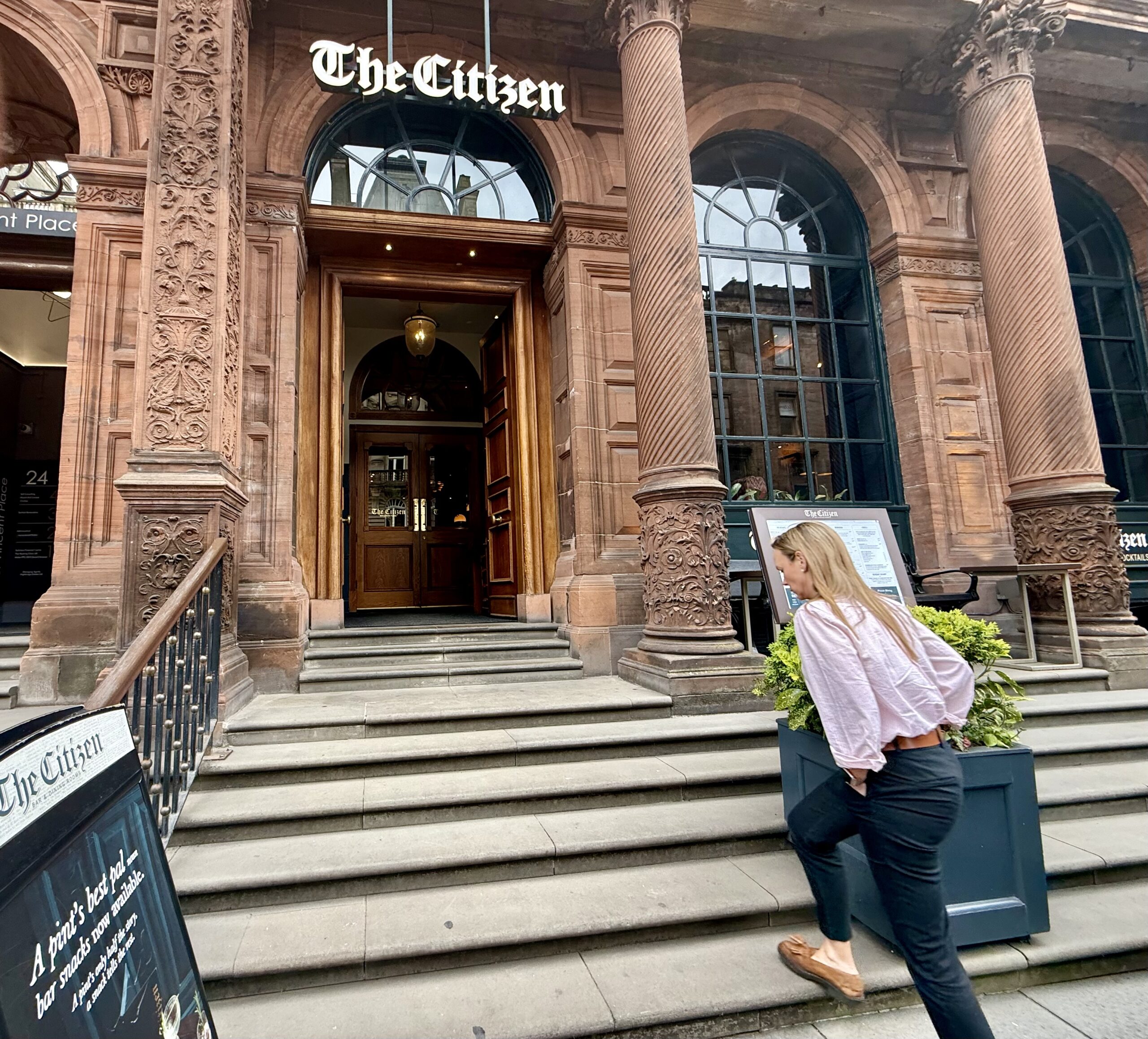
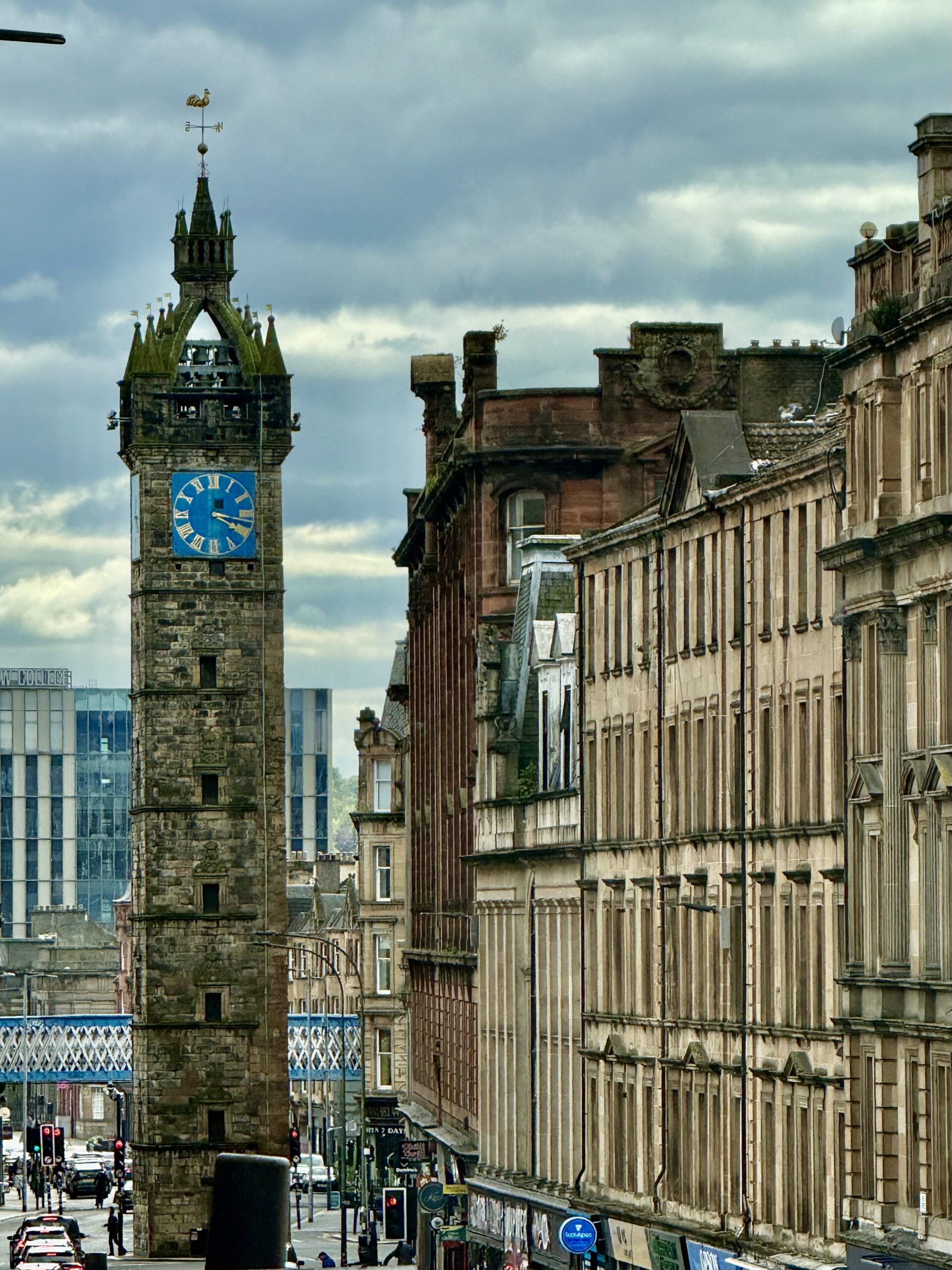
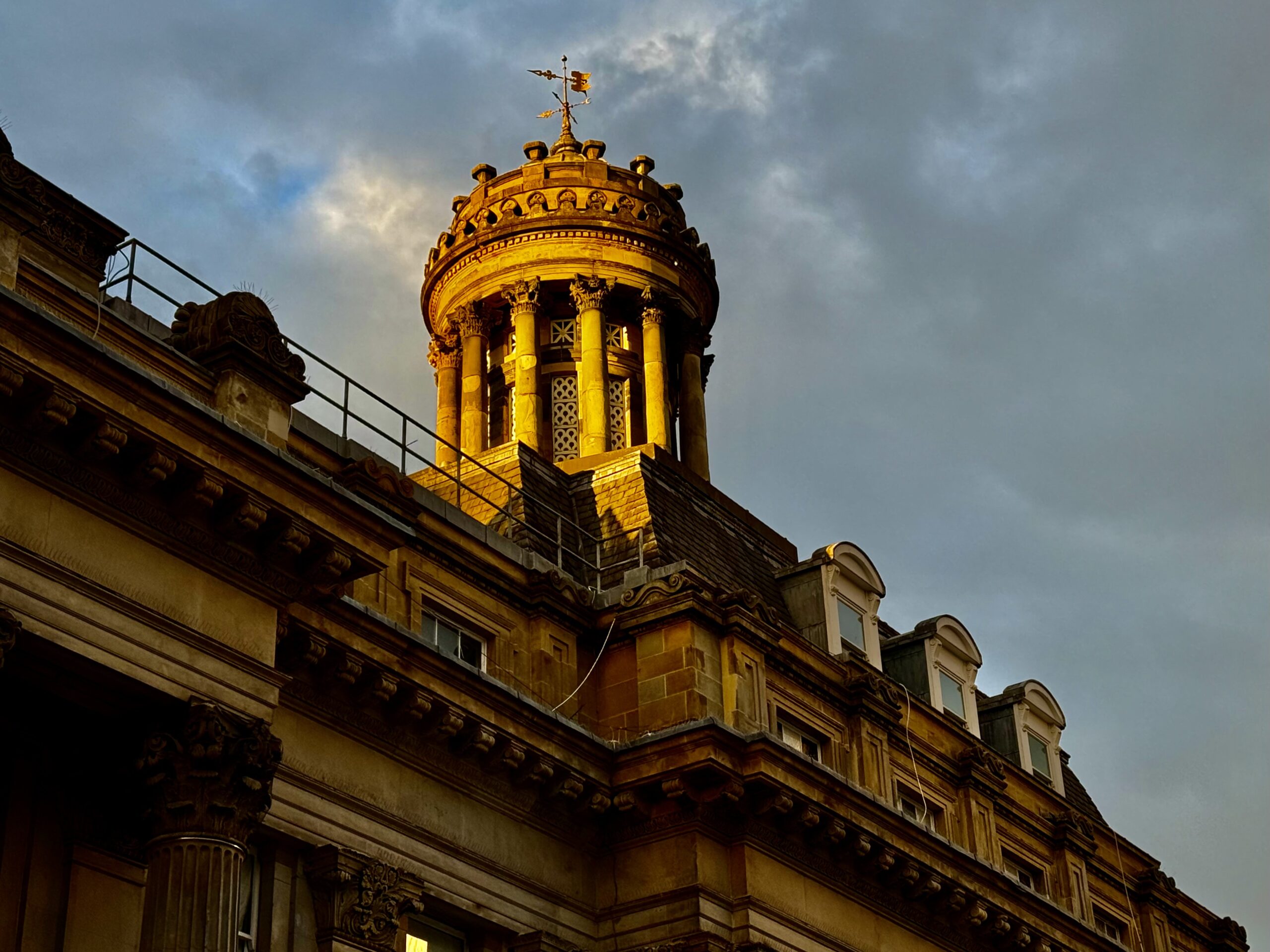
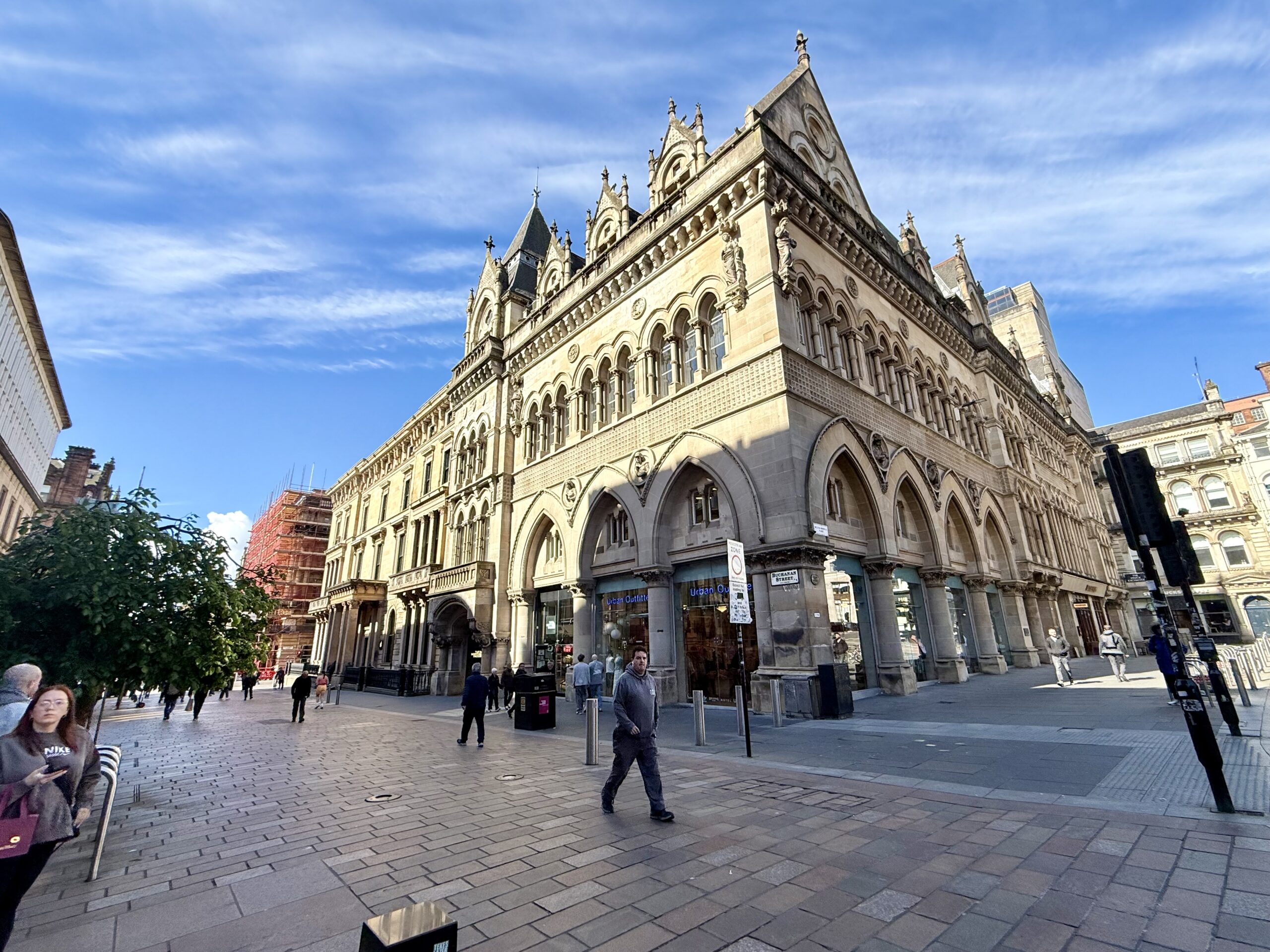
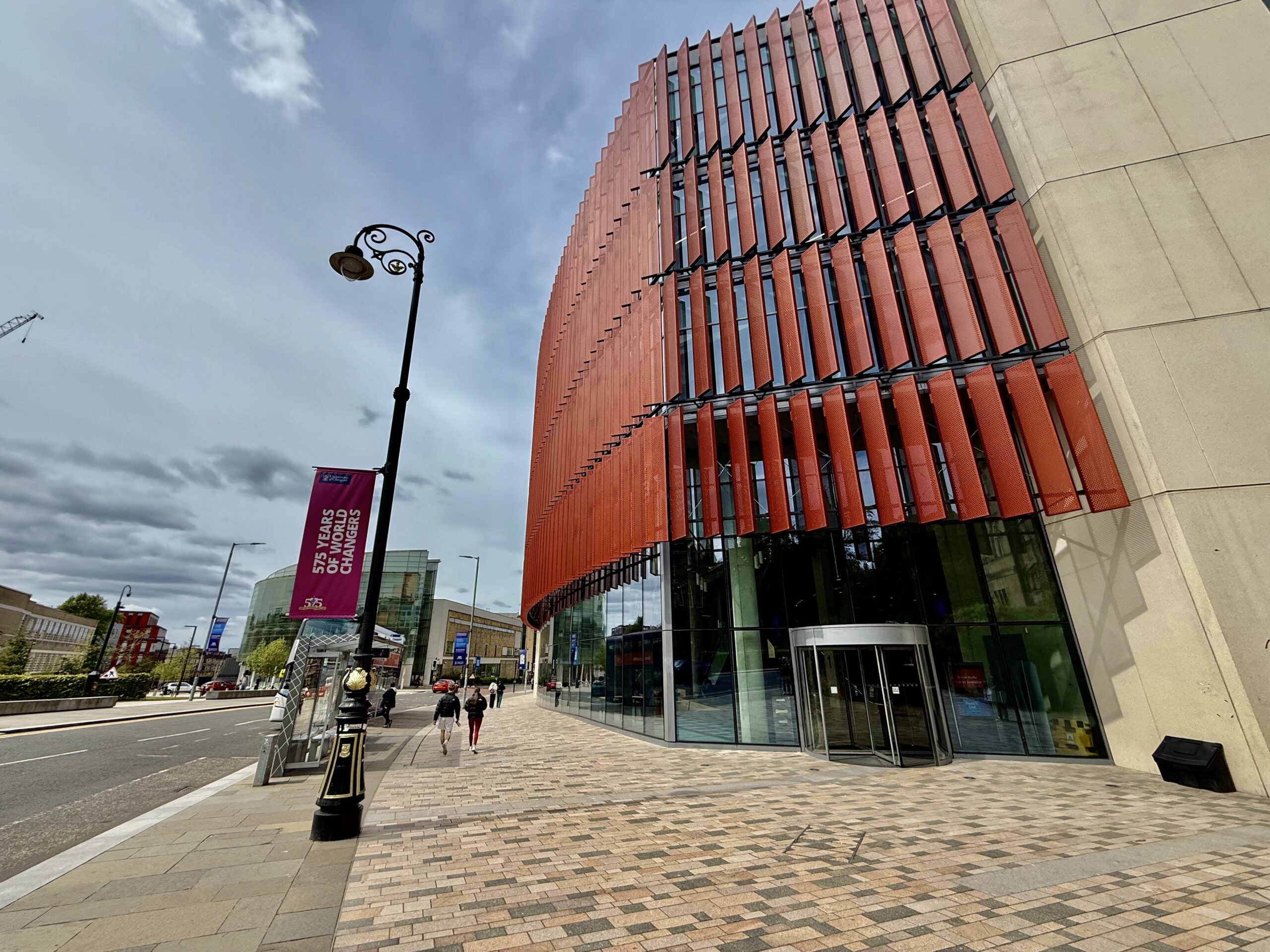
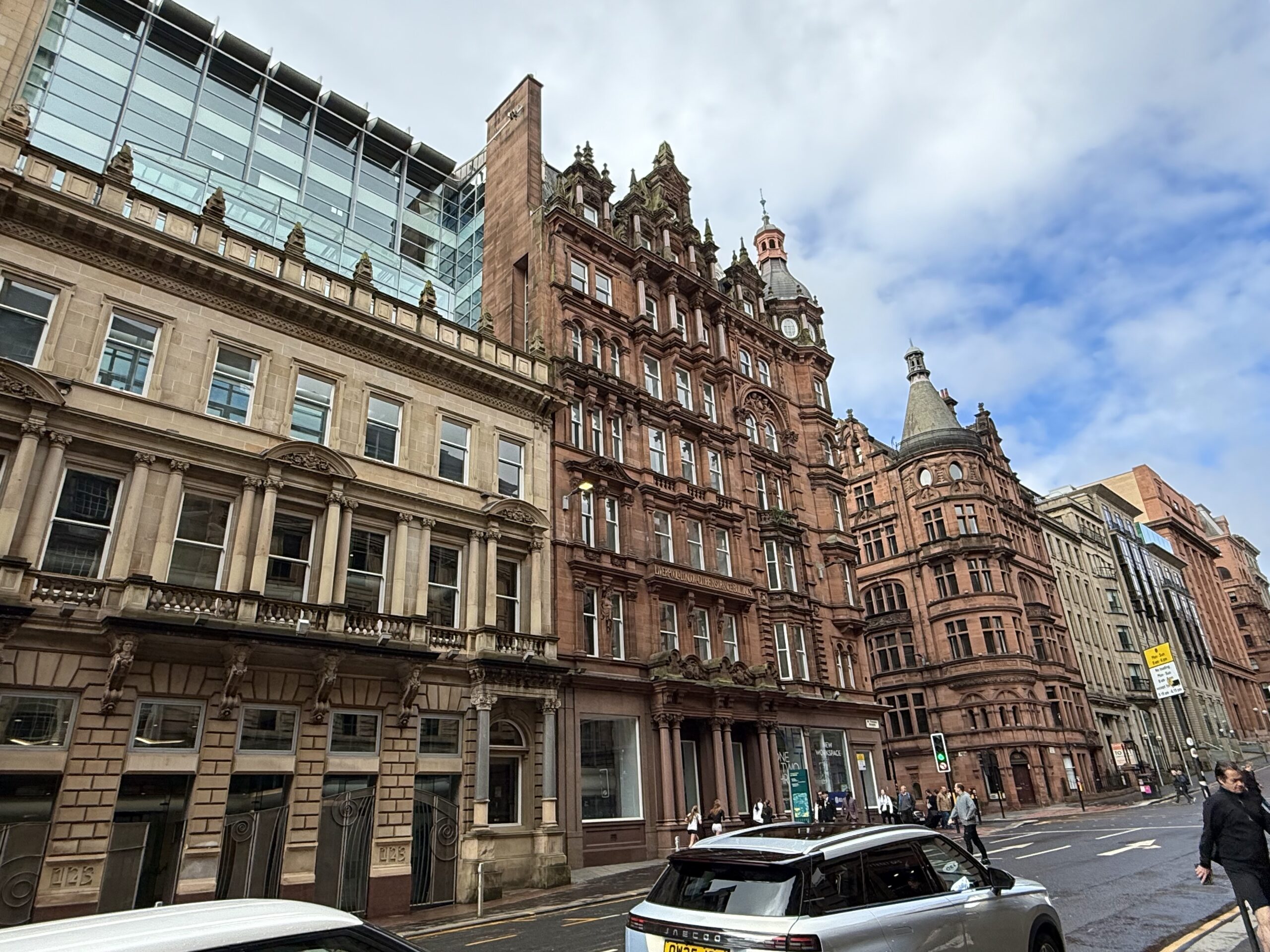
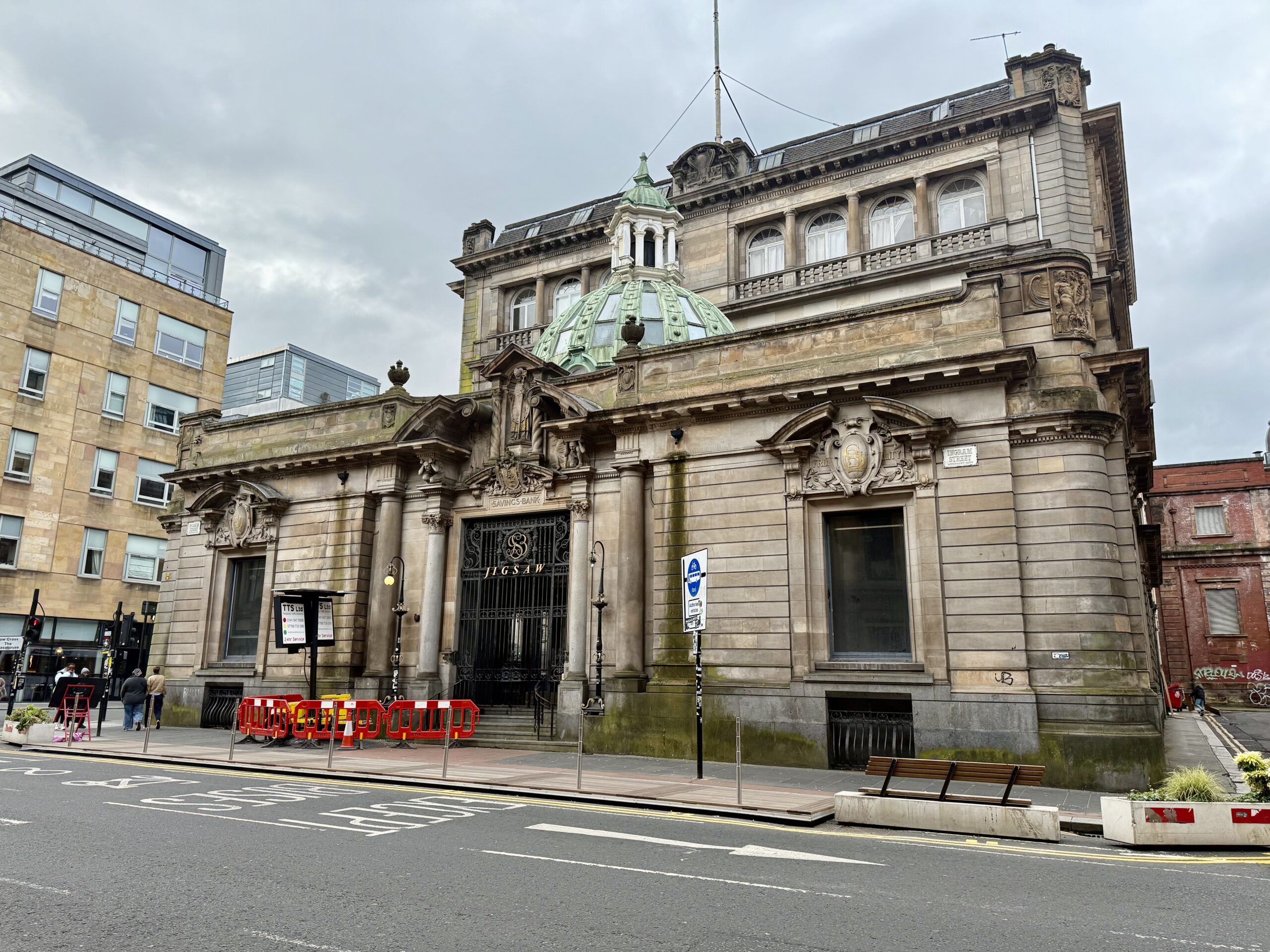
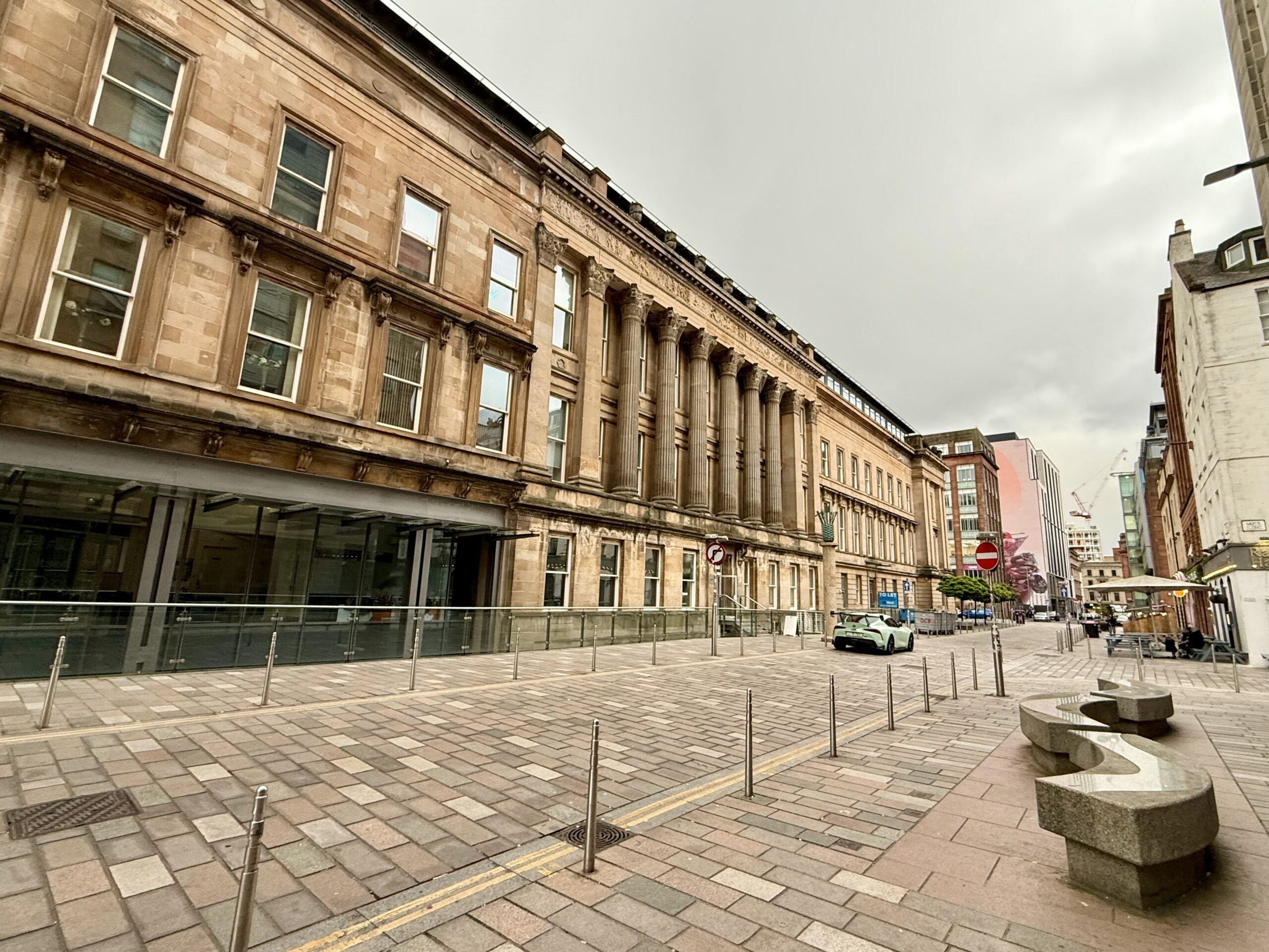
Glasgow once reigned as the second largest city in the UK after London, important in shipping and ship building. The wealth spilled over into highly elaborate architecture for banks, hotels, and shipping companies. The city is still gritty in the center and along the waterfront, and many buildings seem empty. But new high rises fill gaps, and the university quarter is edenic.
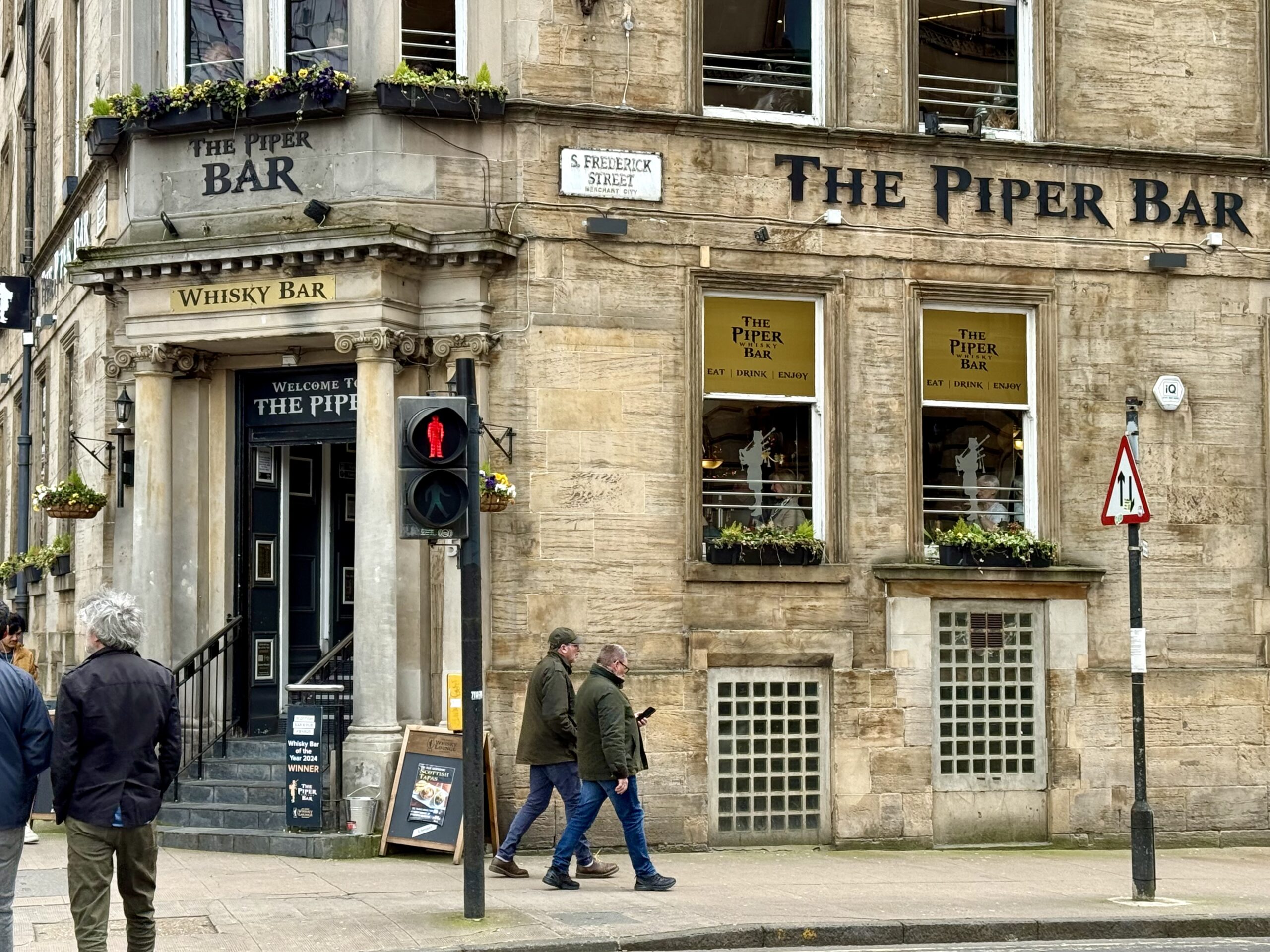
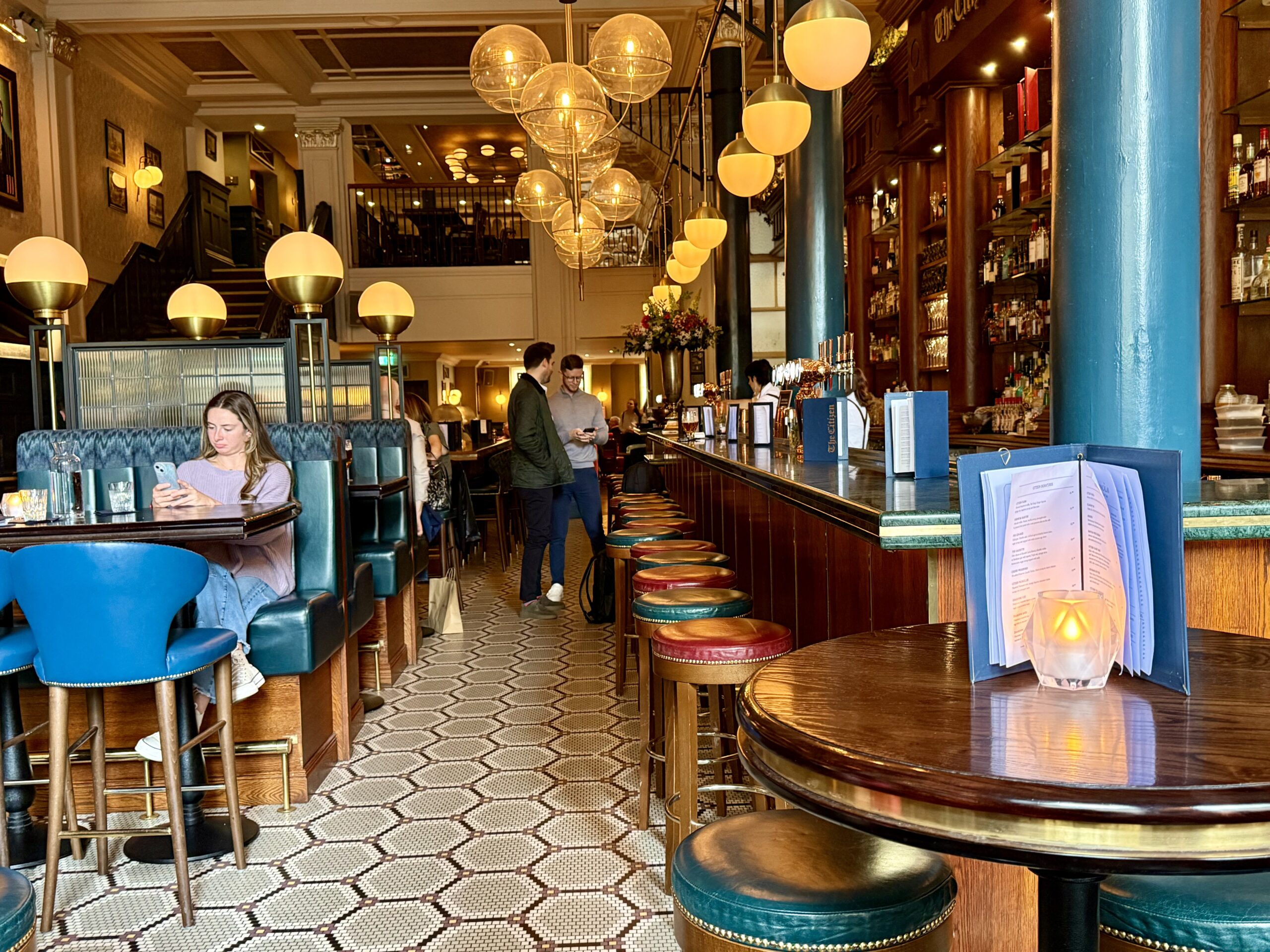
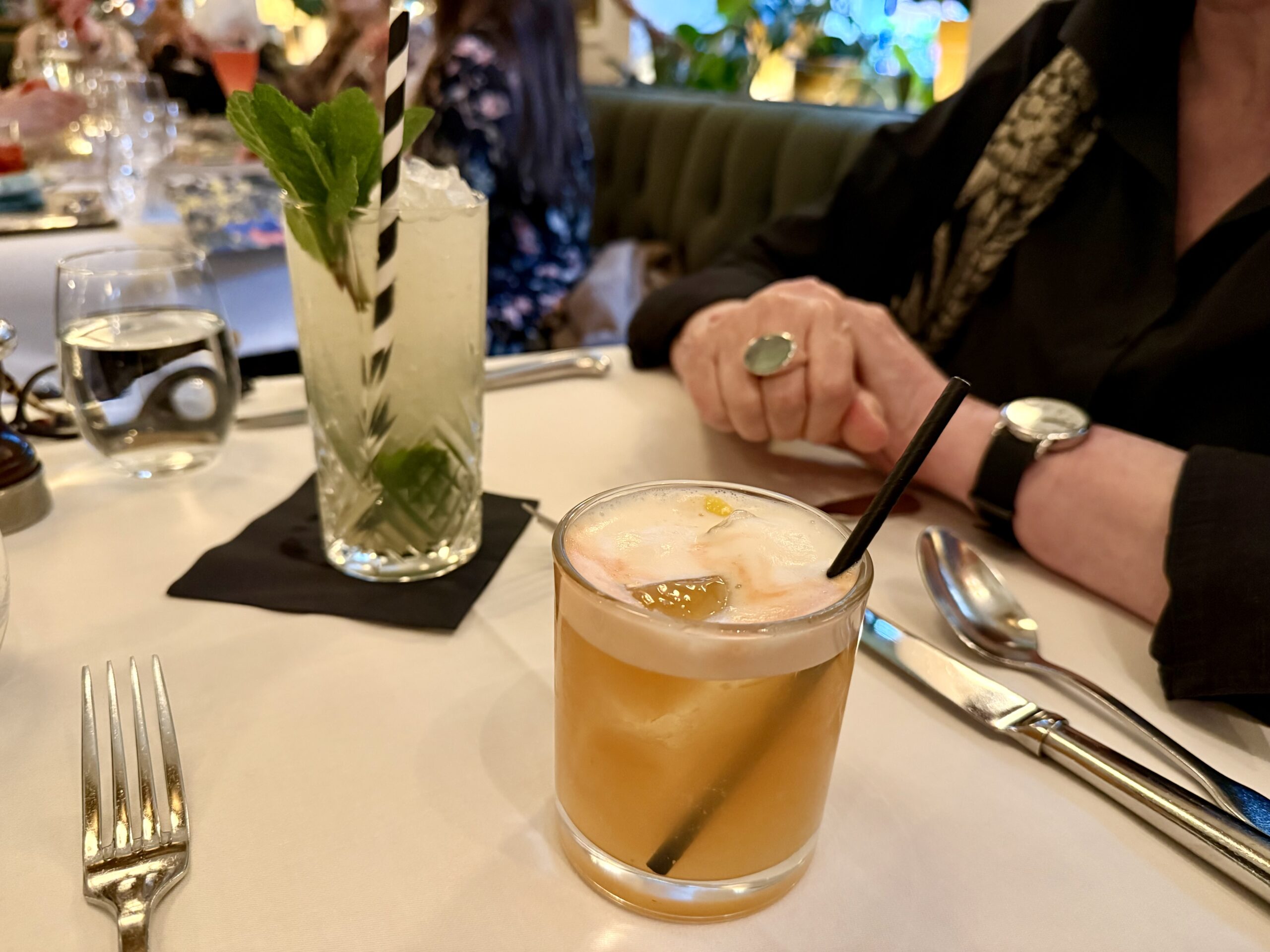
The posh restaurants and bars in the central city vibrate with loud music and activity every night. The young women dining there look terrific but are likely to be with a girl gang rather than a male date. Tipping is sneaking in, mostly at 10 or 12 percent. Waiters always check on food allergies.
Bonnie was awed by the downtown Waterston’s bookstore. Many levels with a cafe. She wants one in San Francisco.
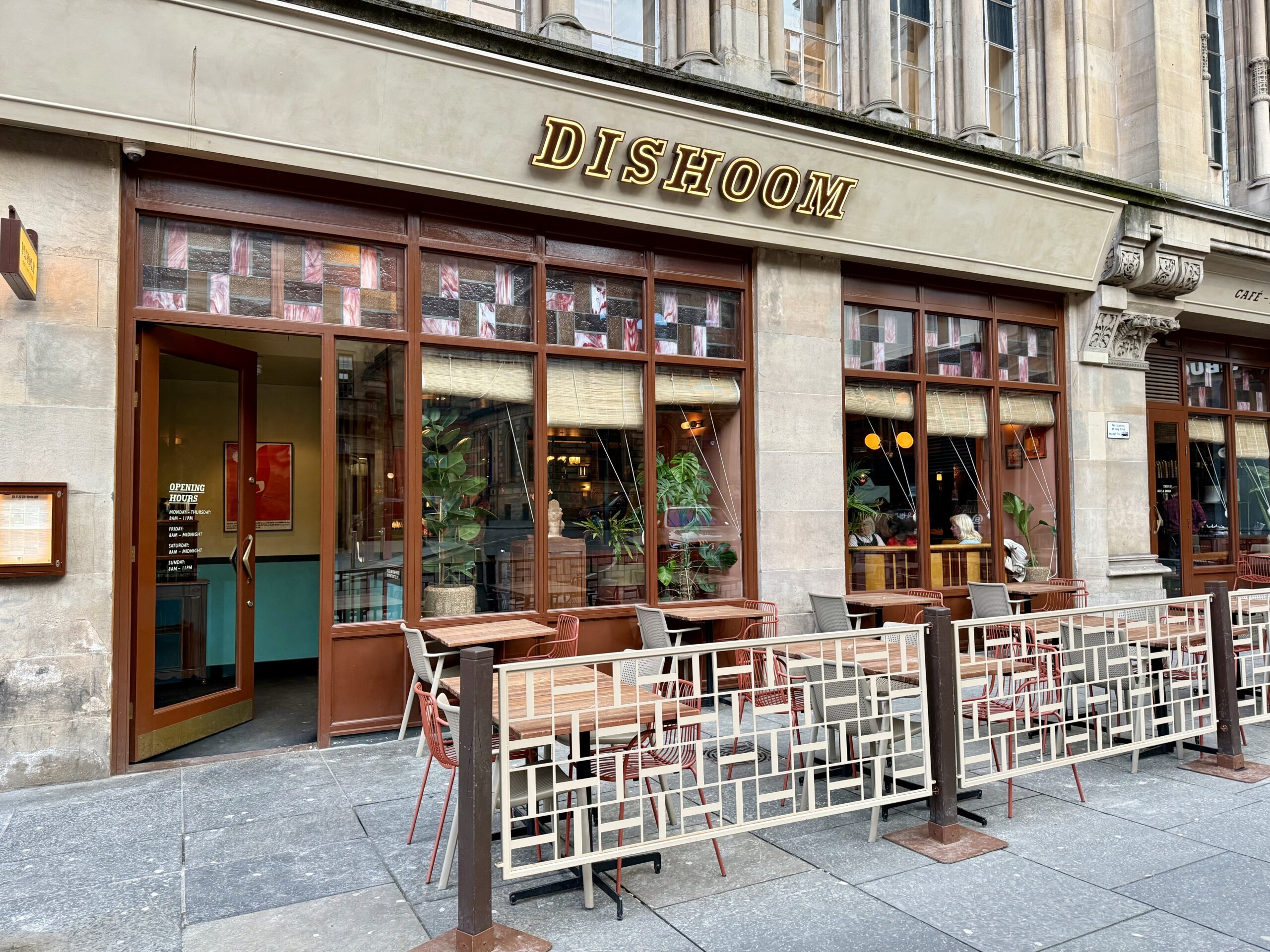
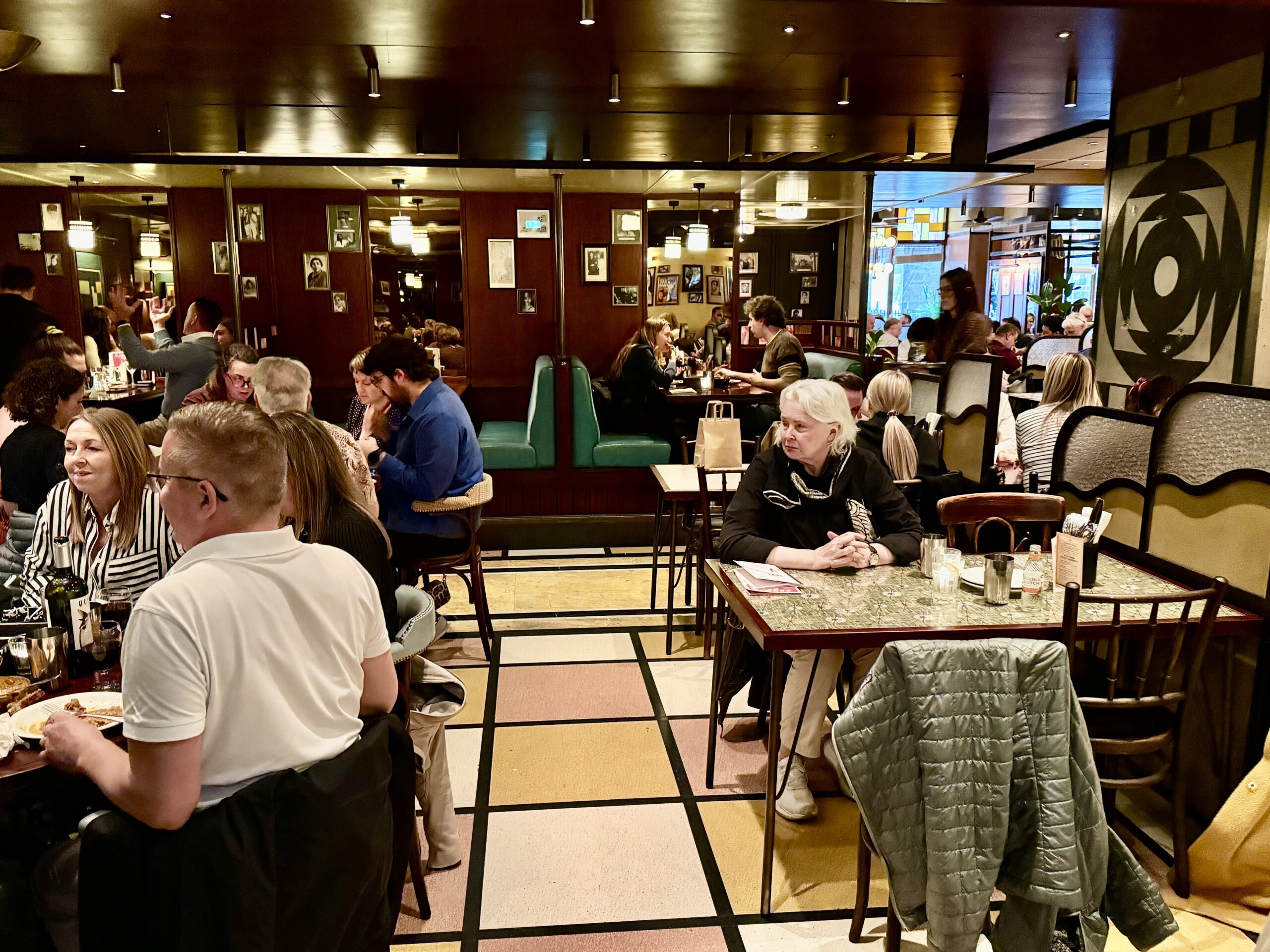
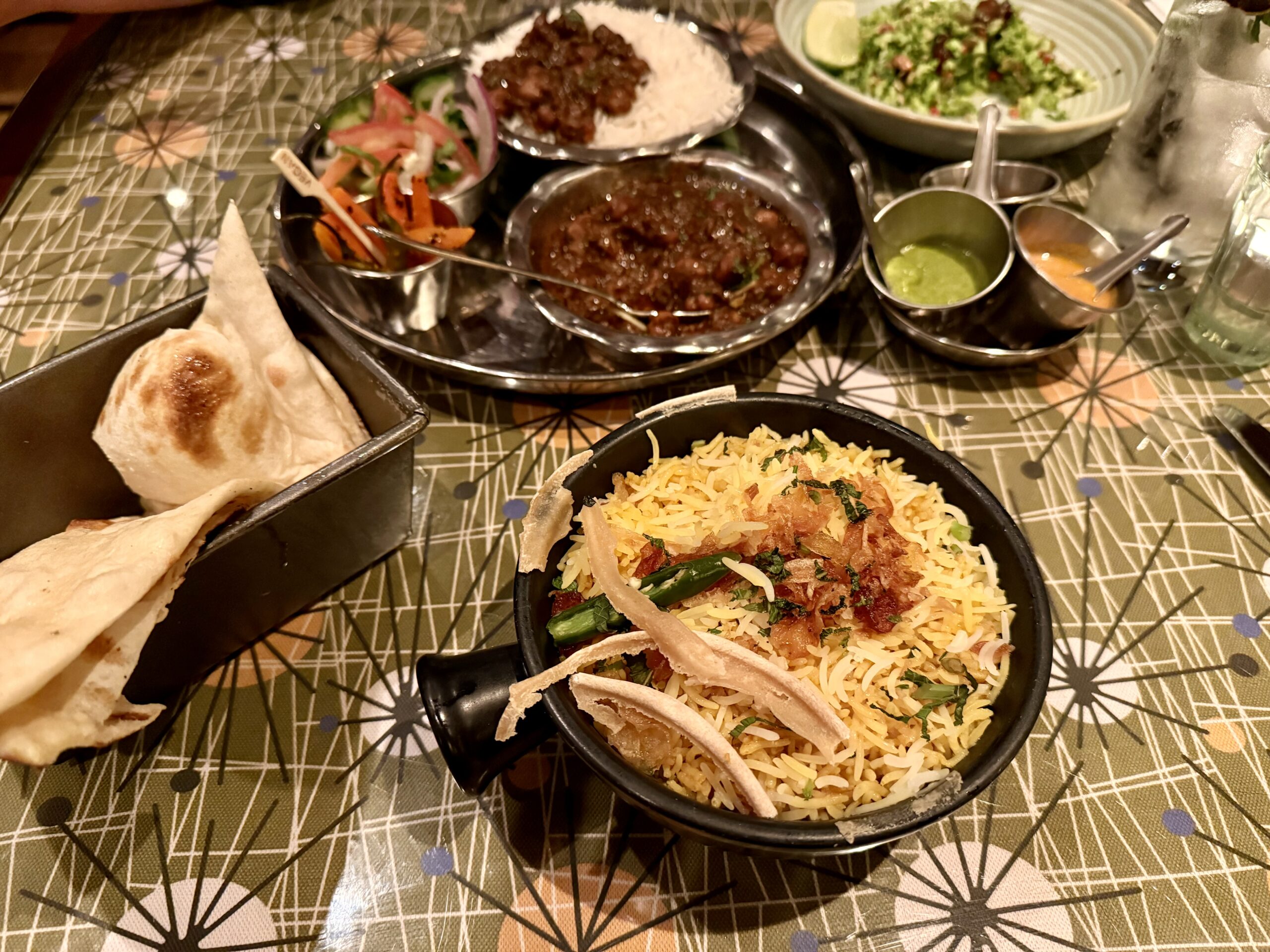
High-End Indian Meal
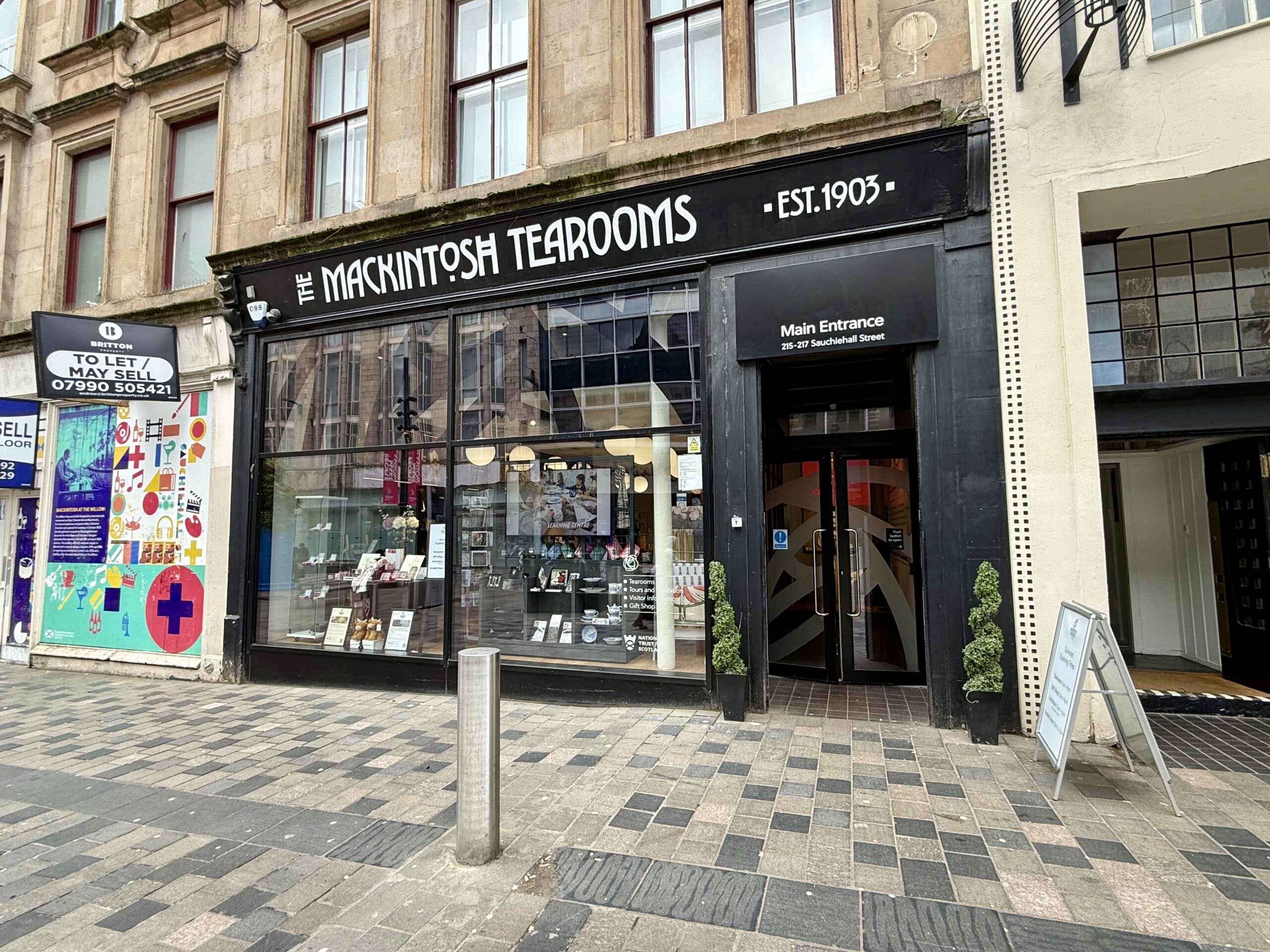
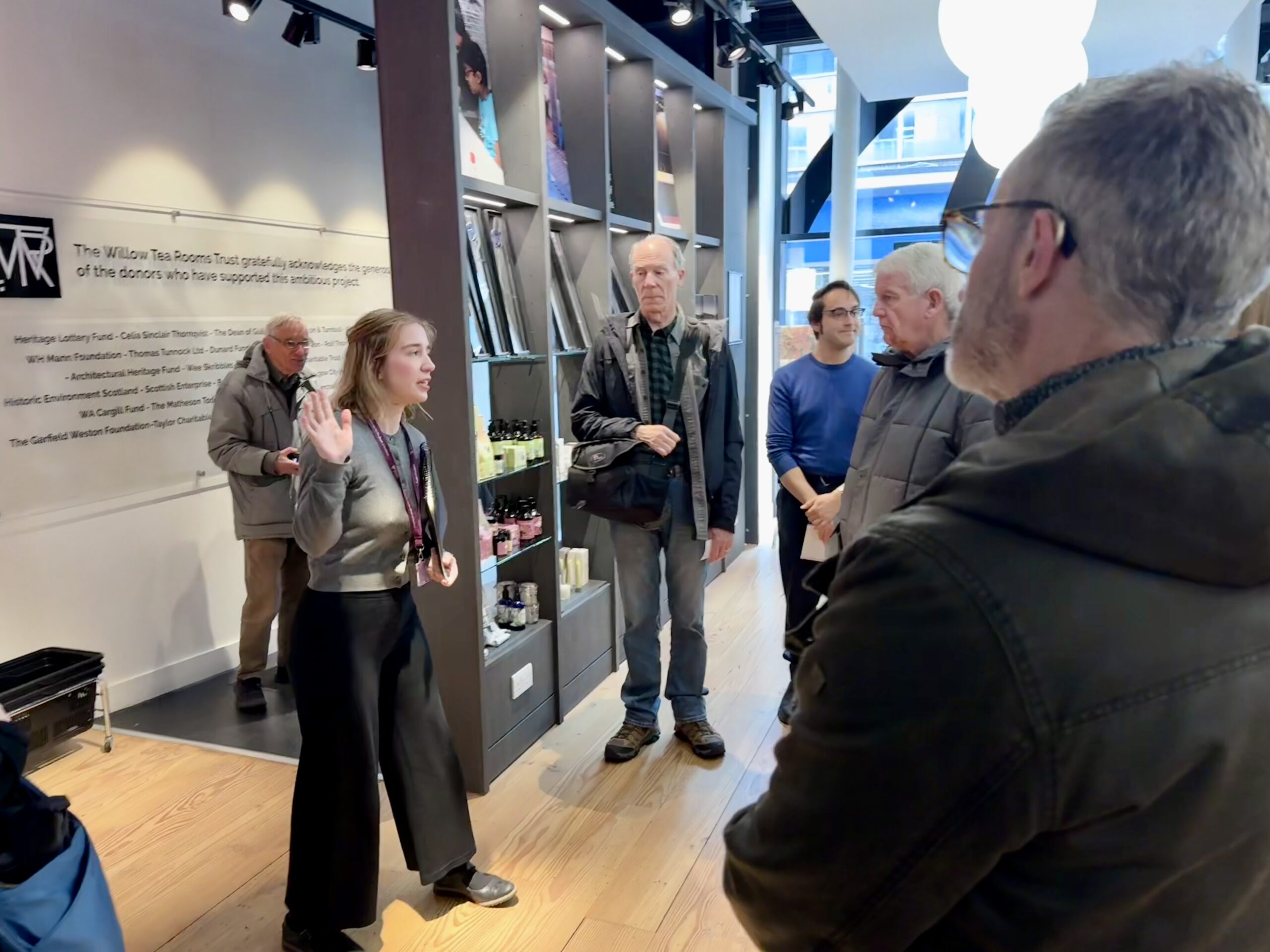
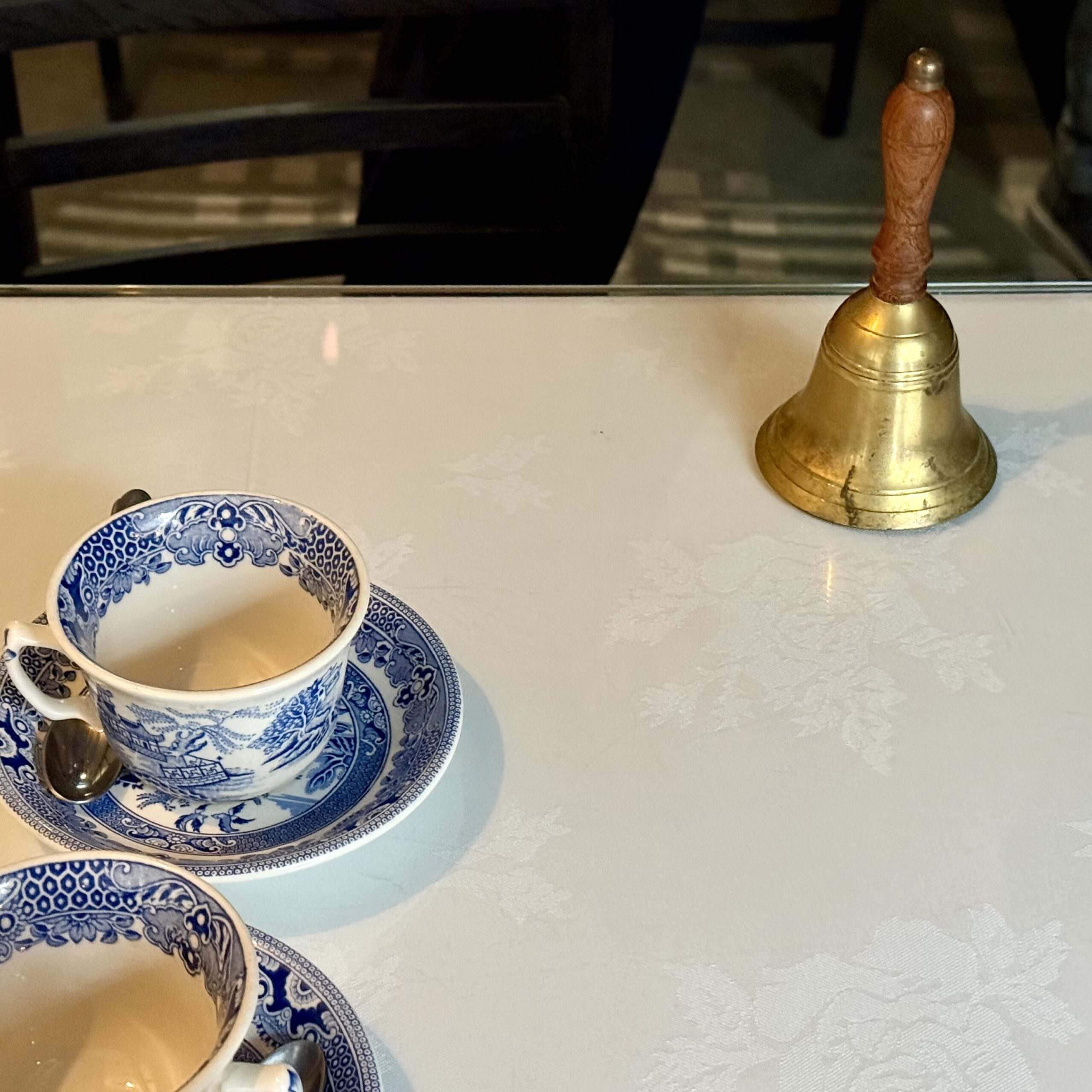
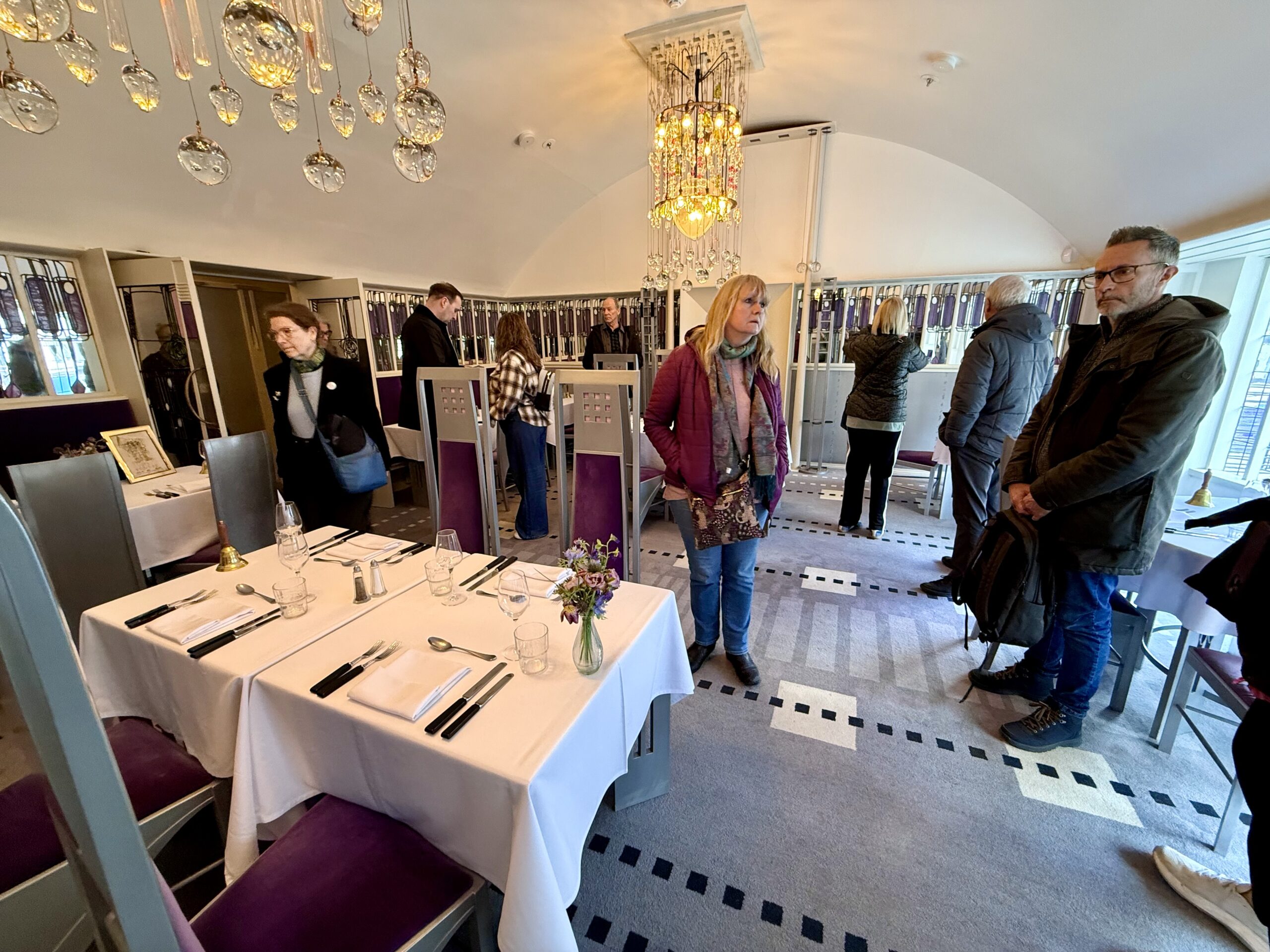
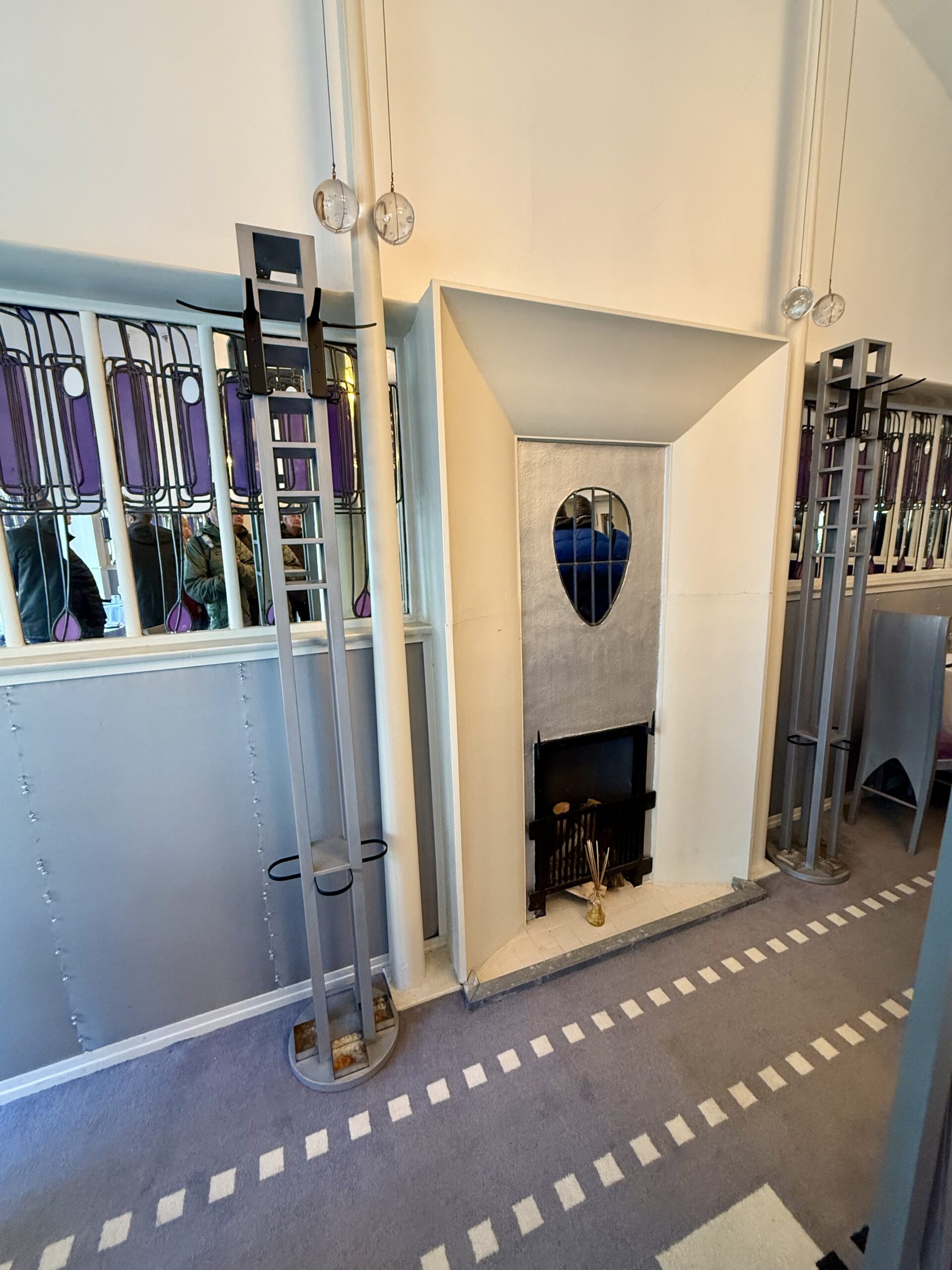
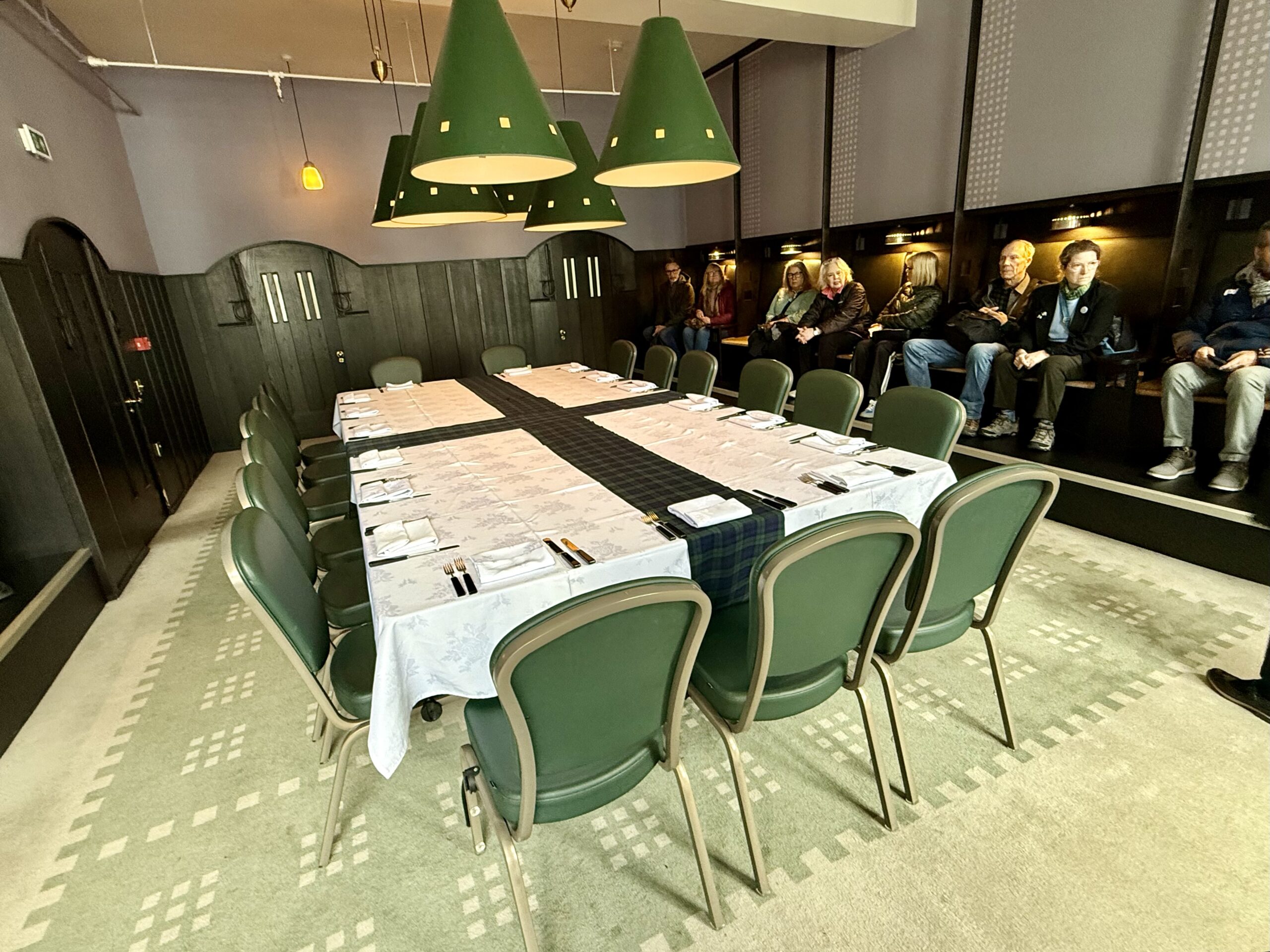
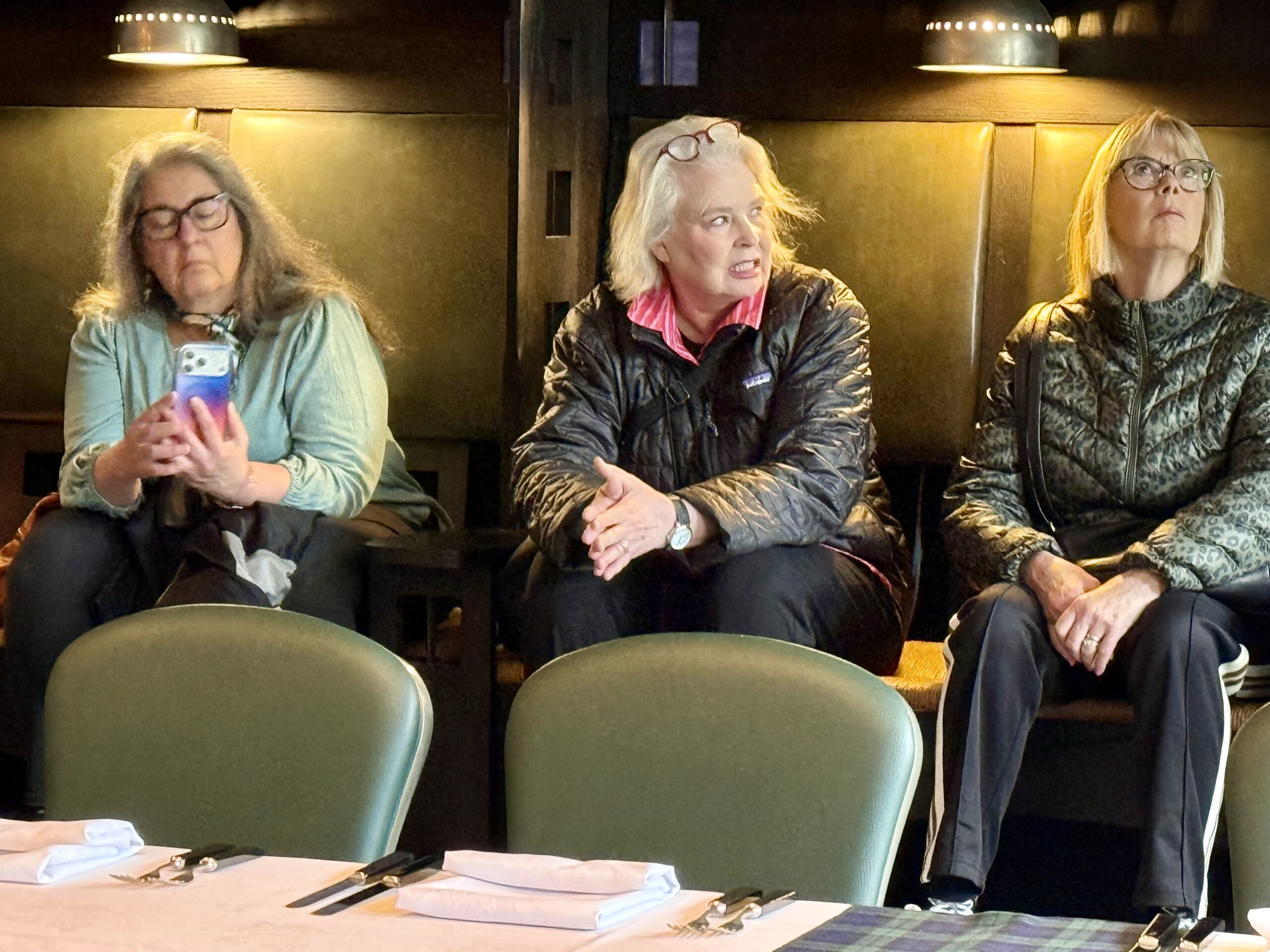
Macintosh Tea Room Tour
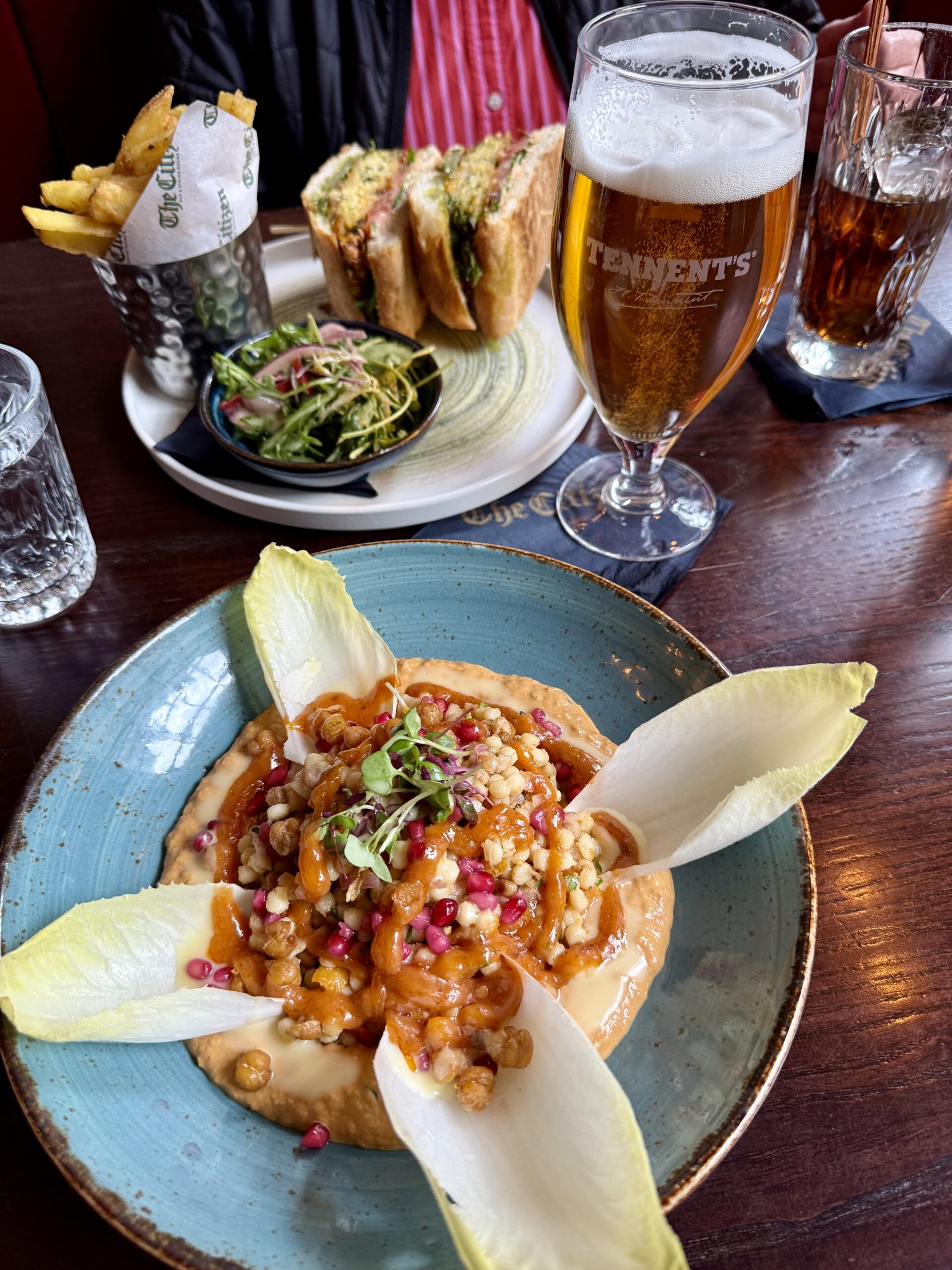
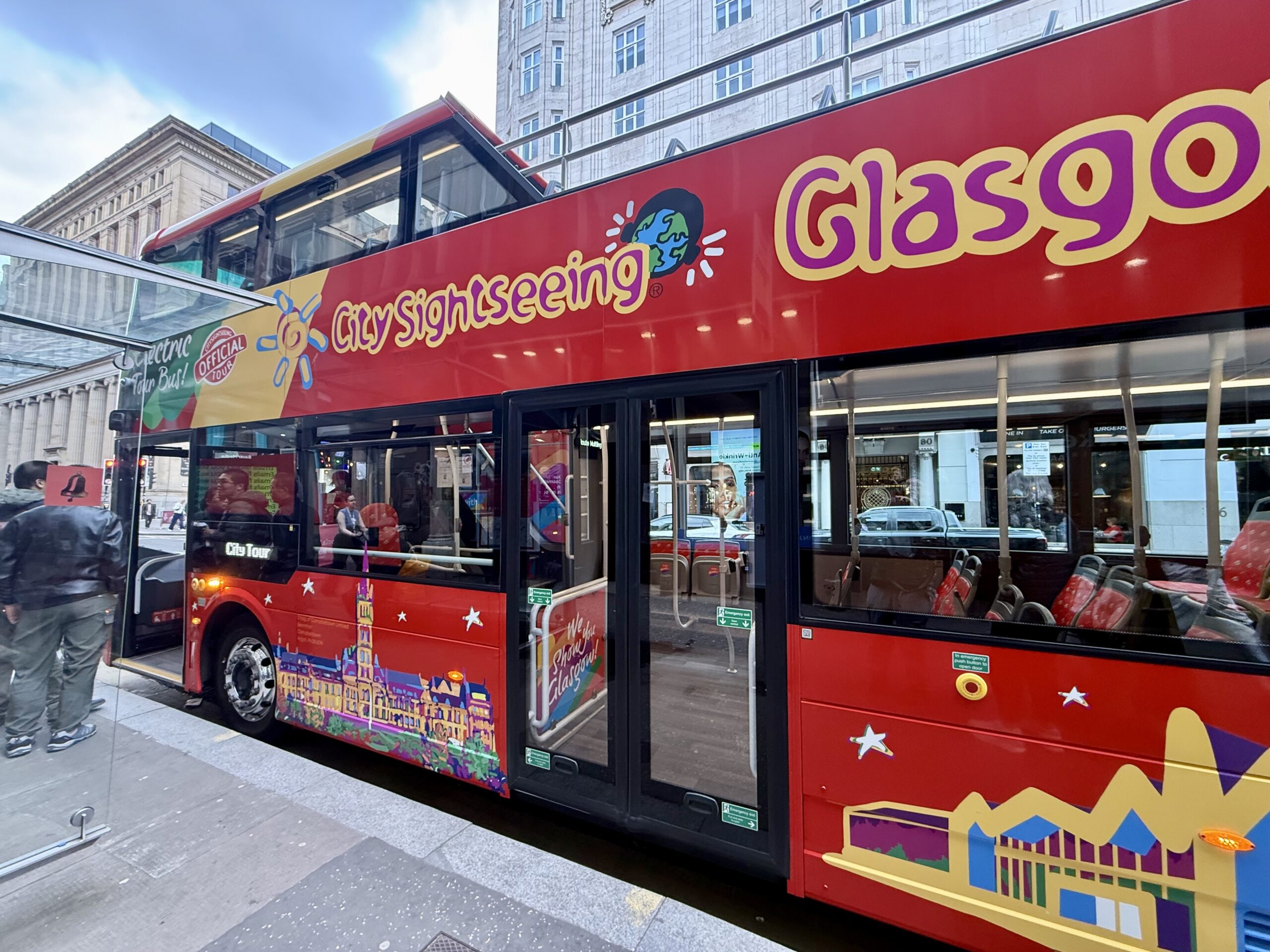
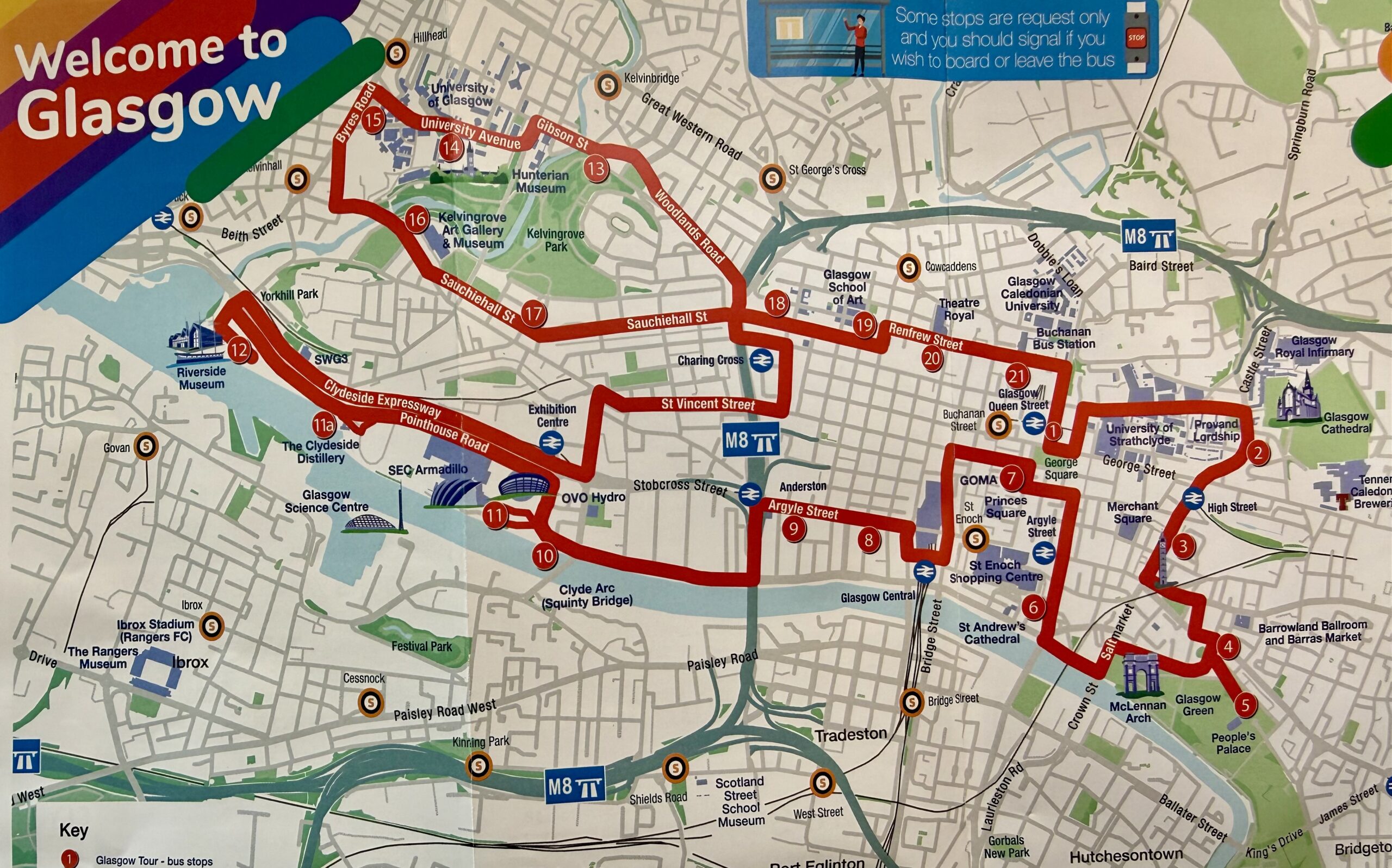
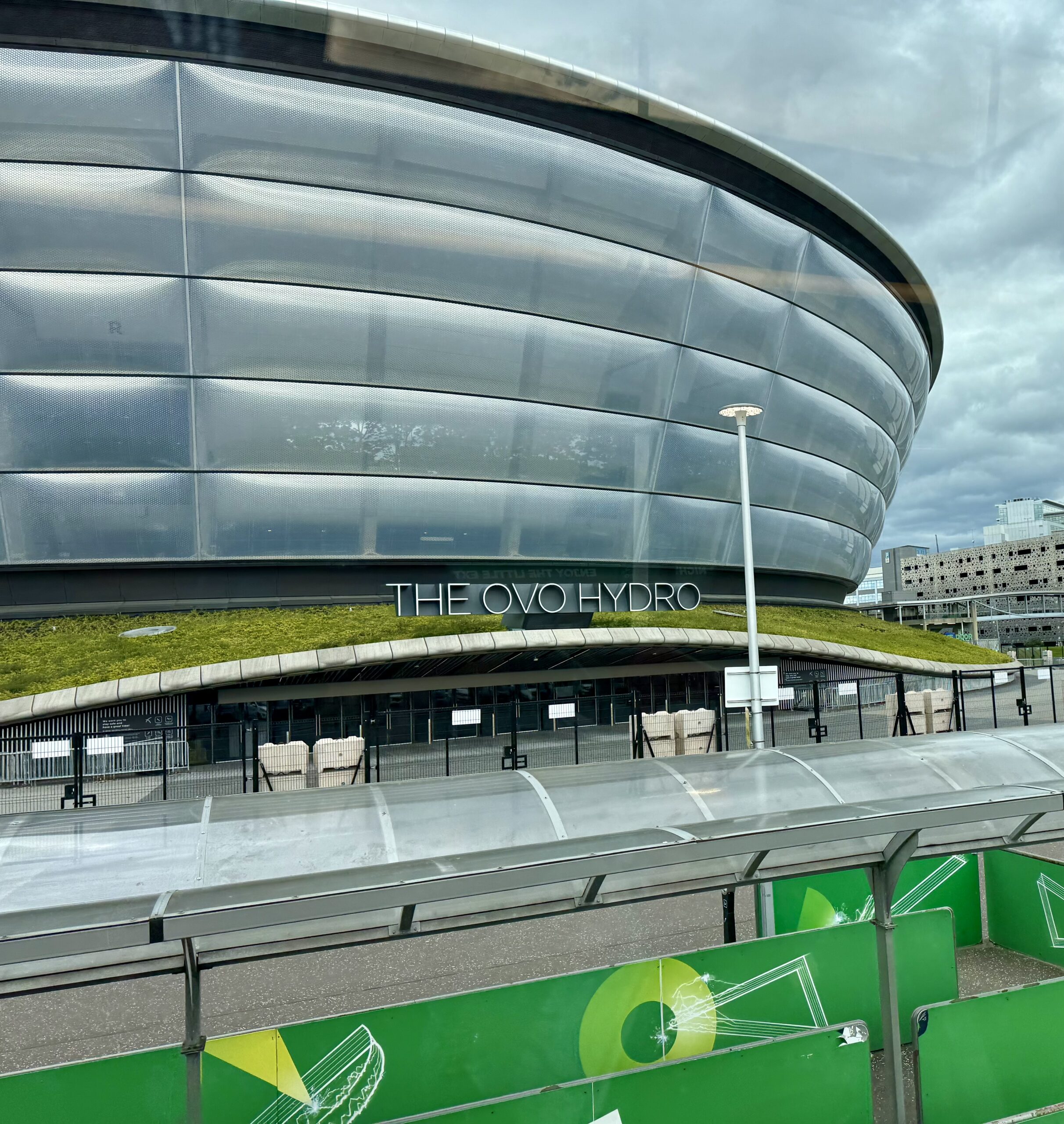
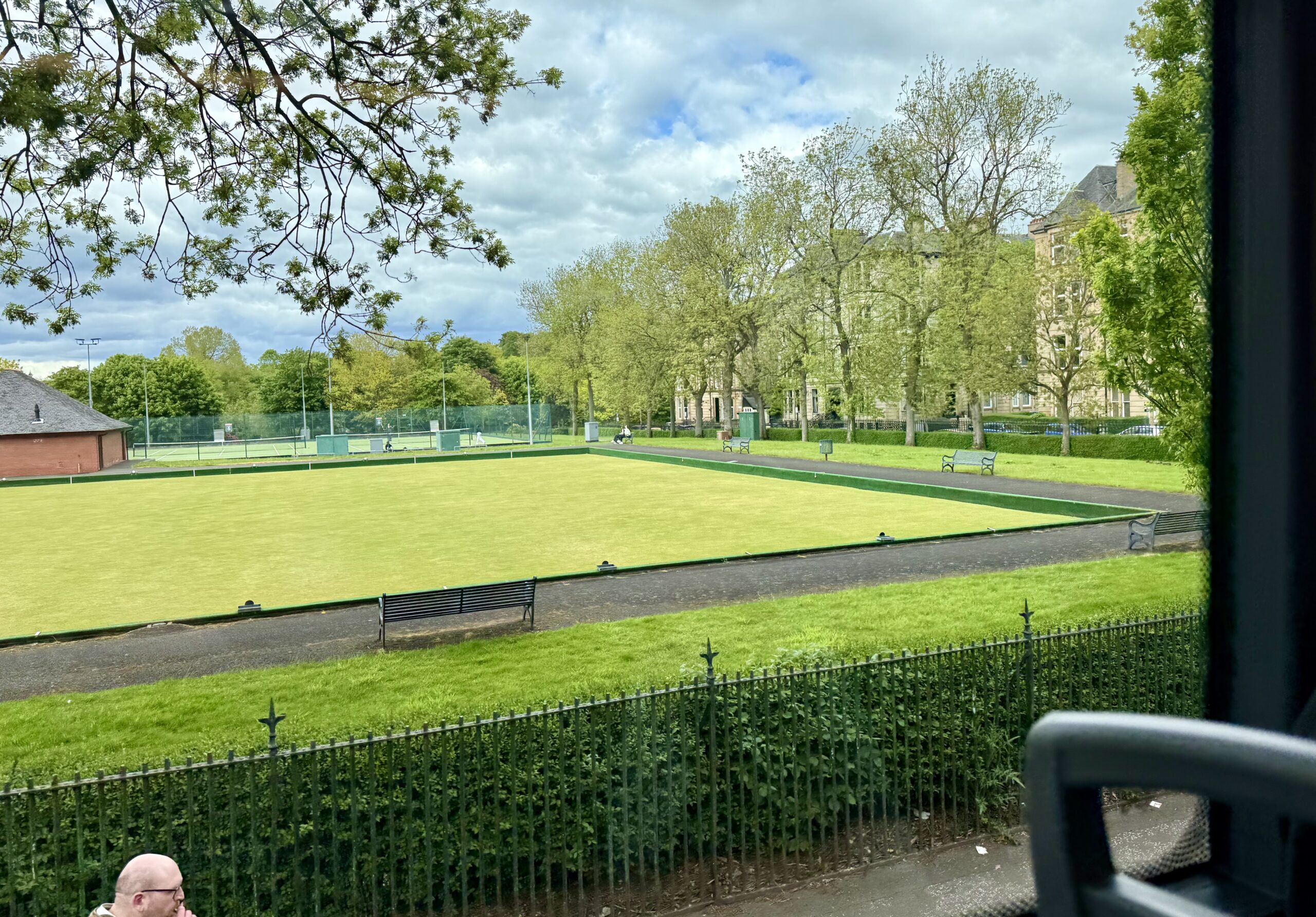
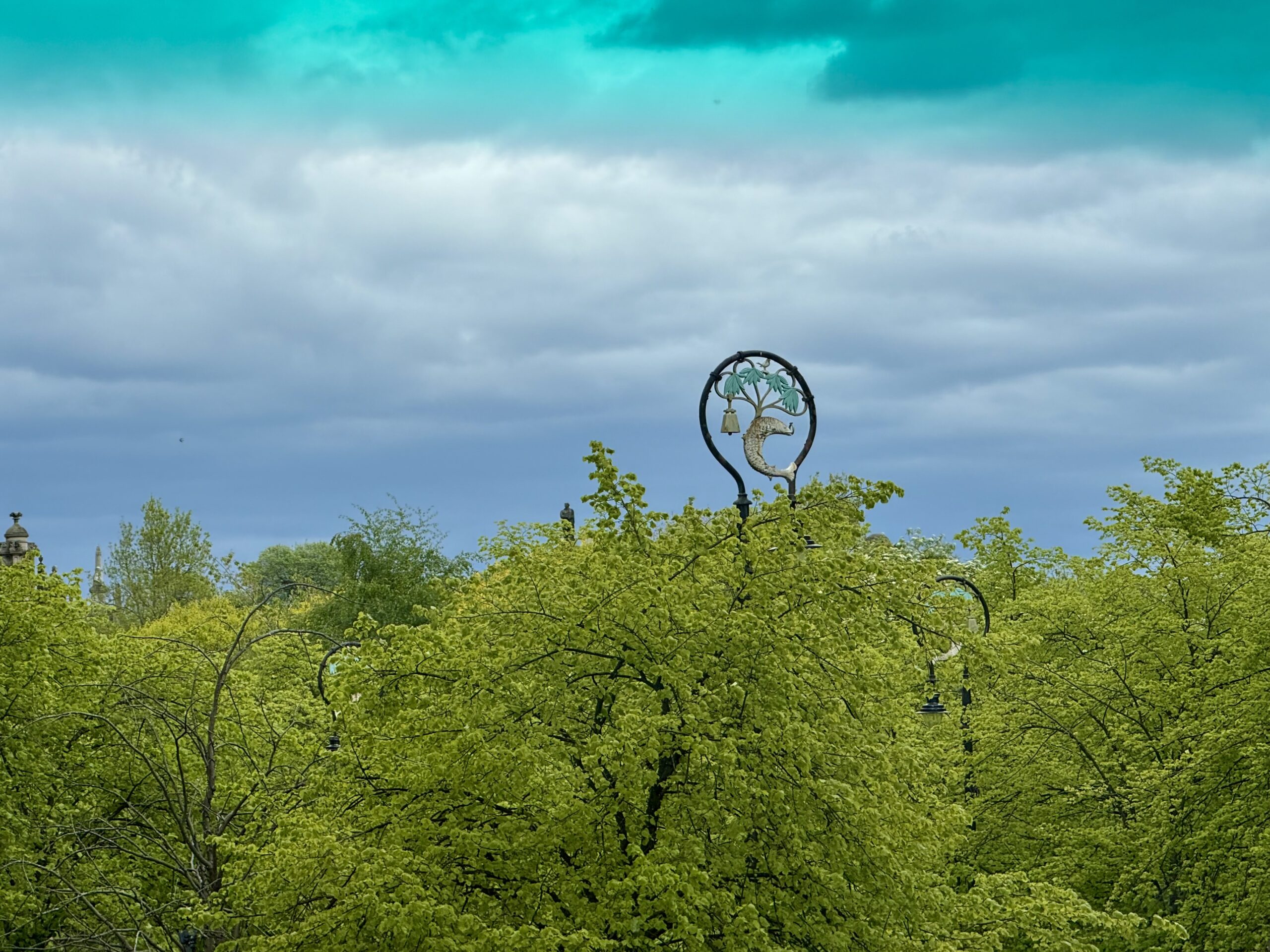
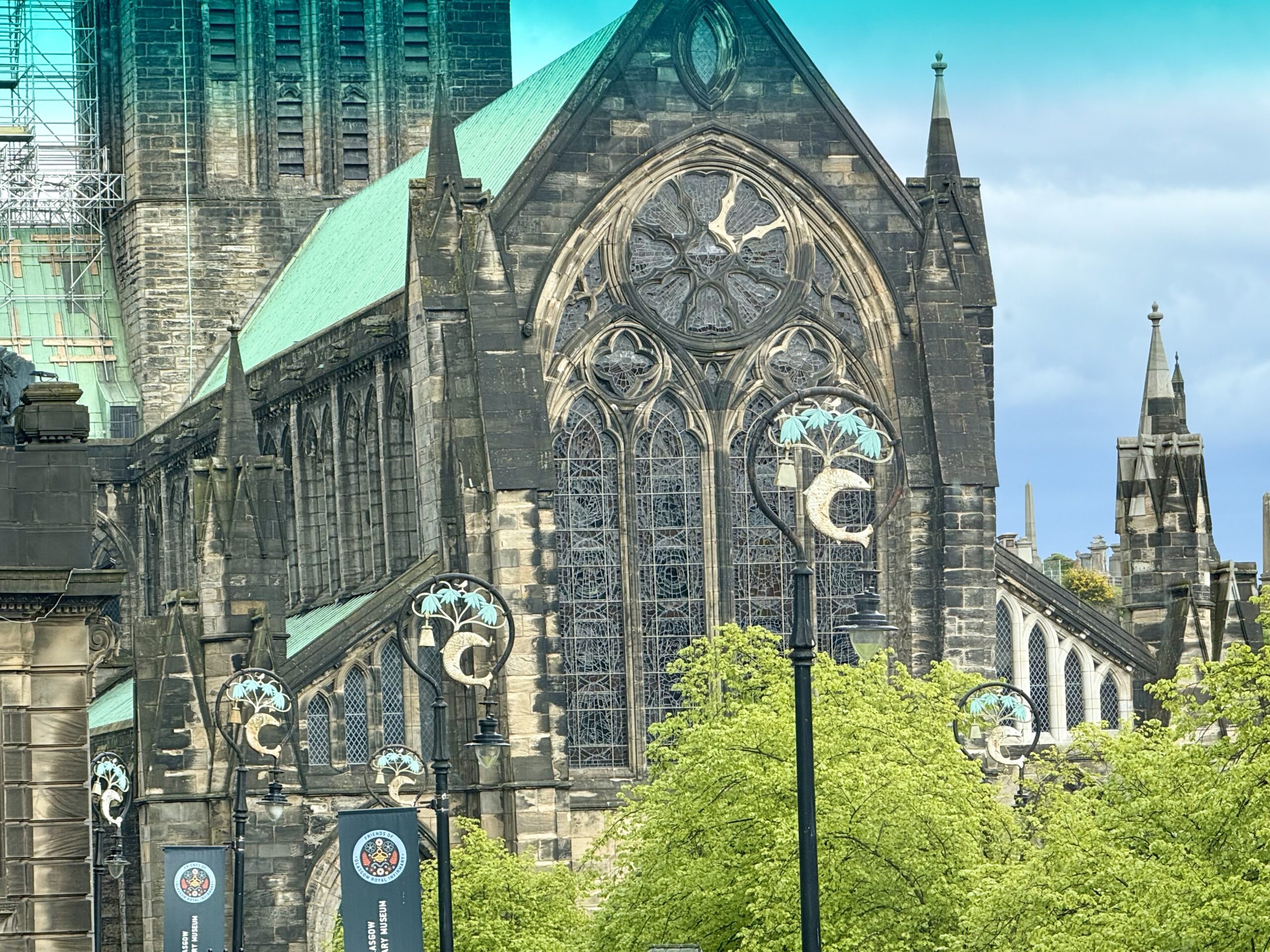
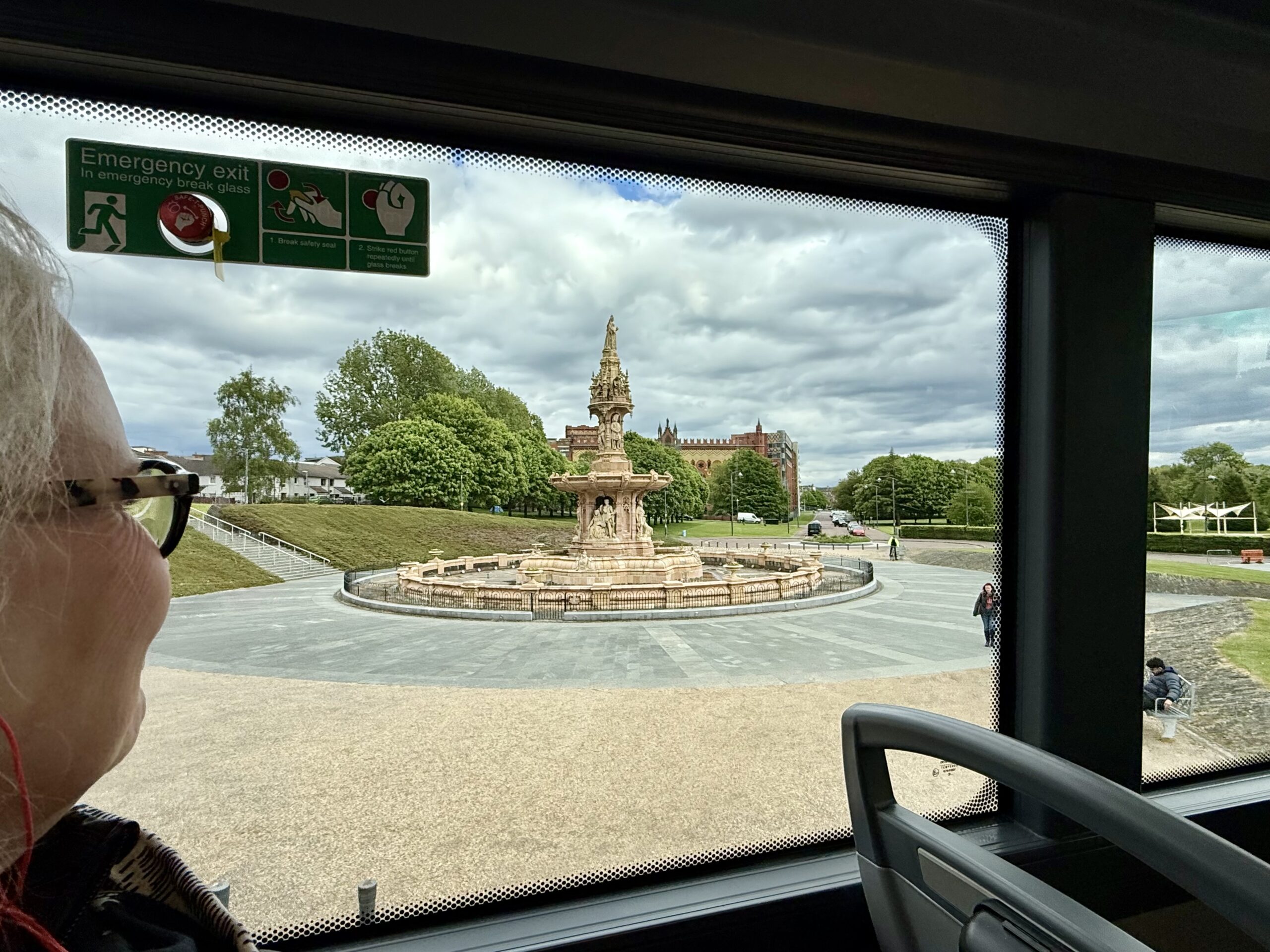
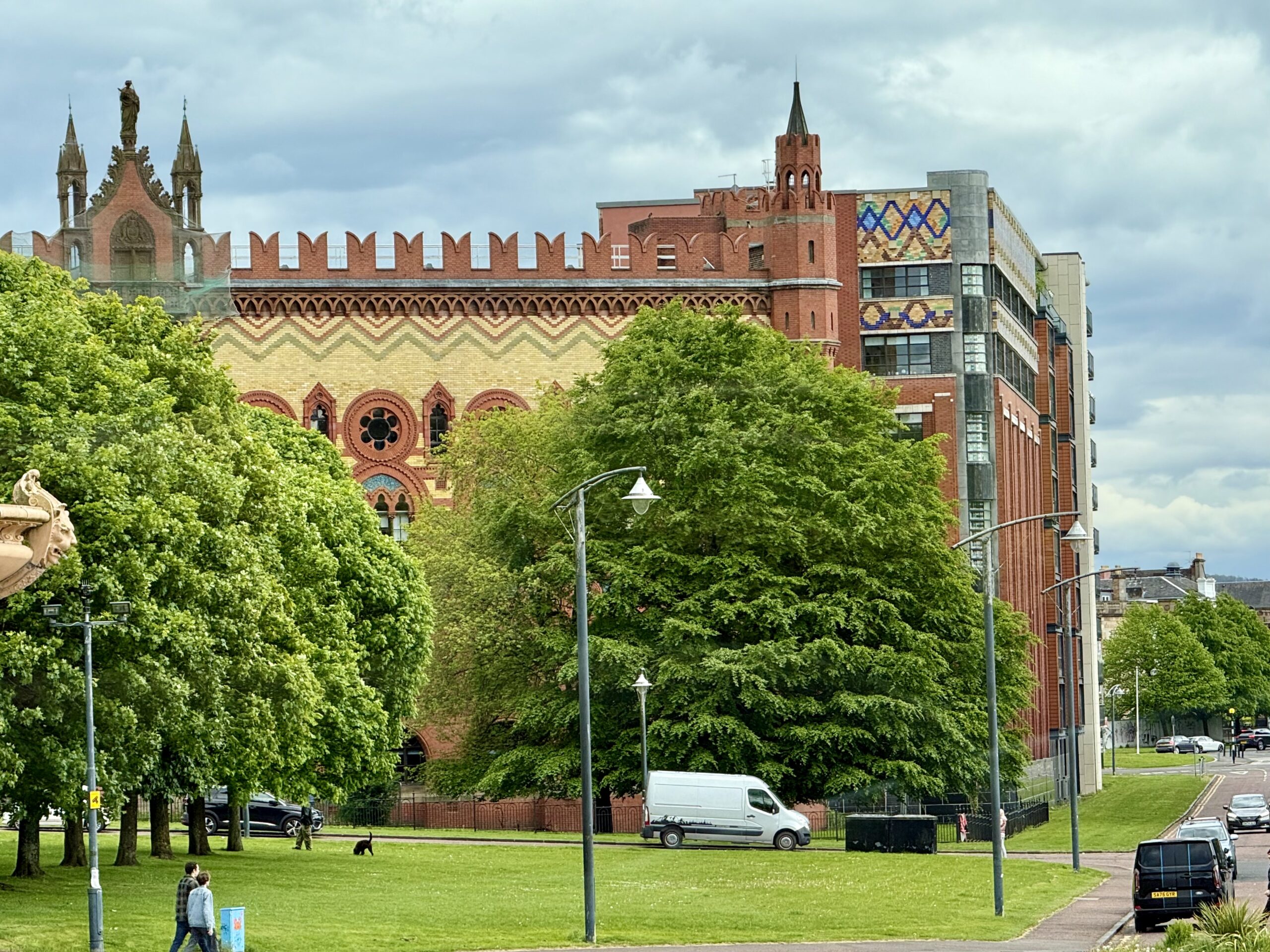
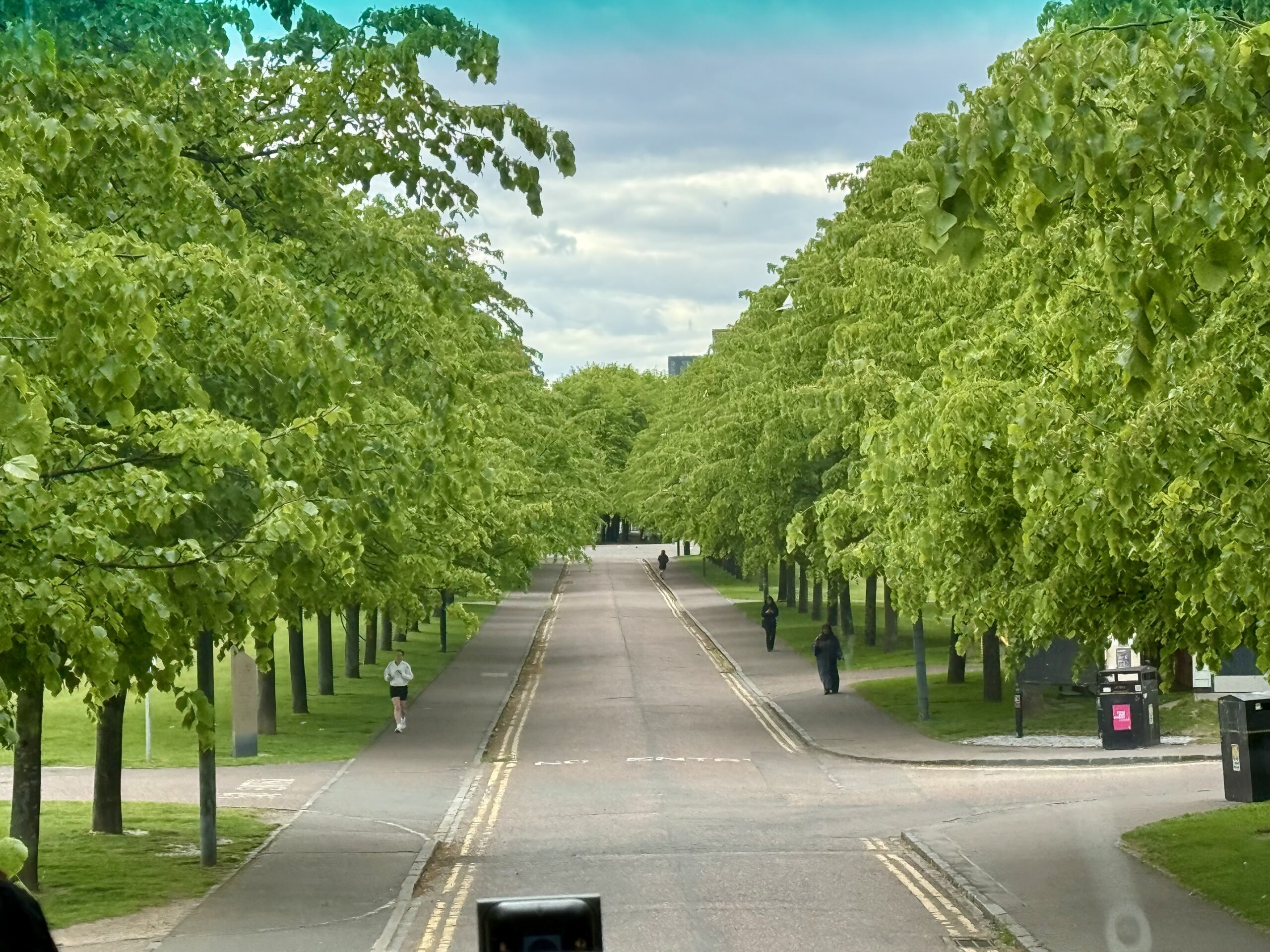
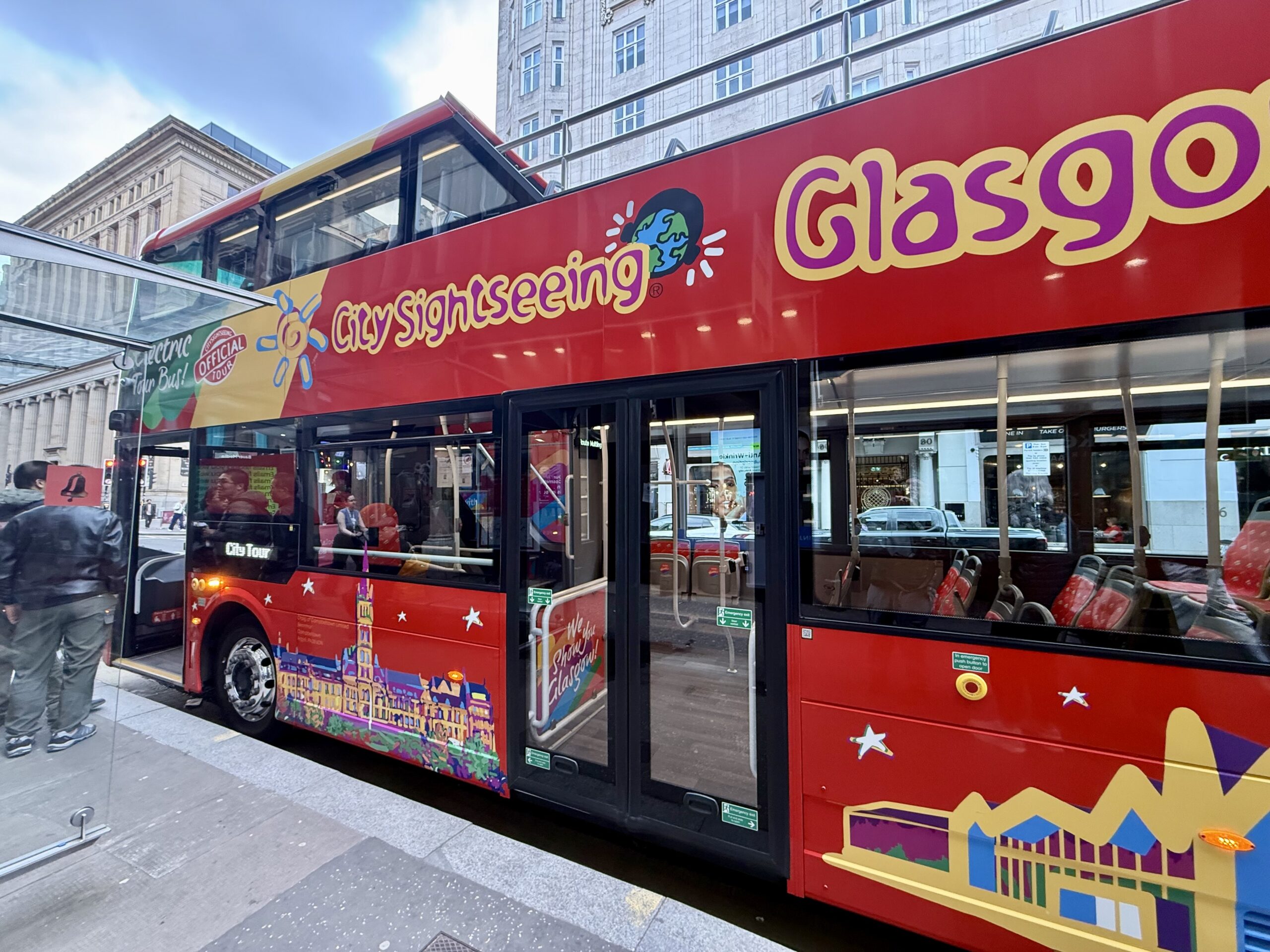
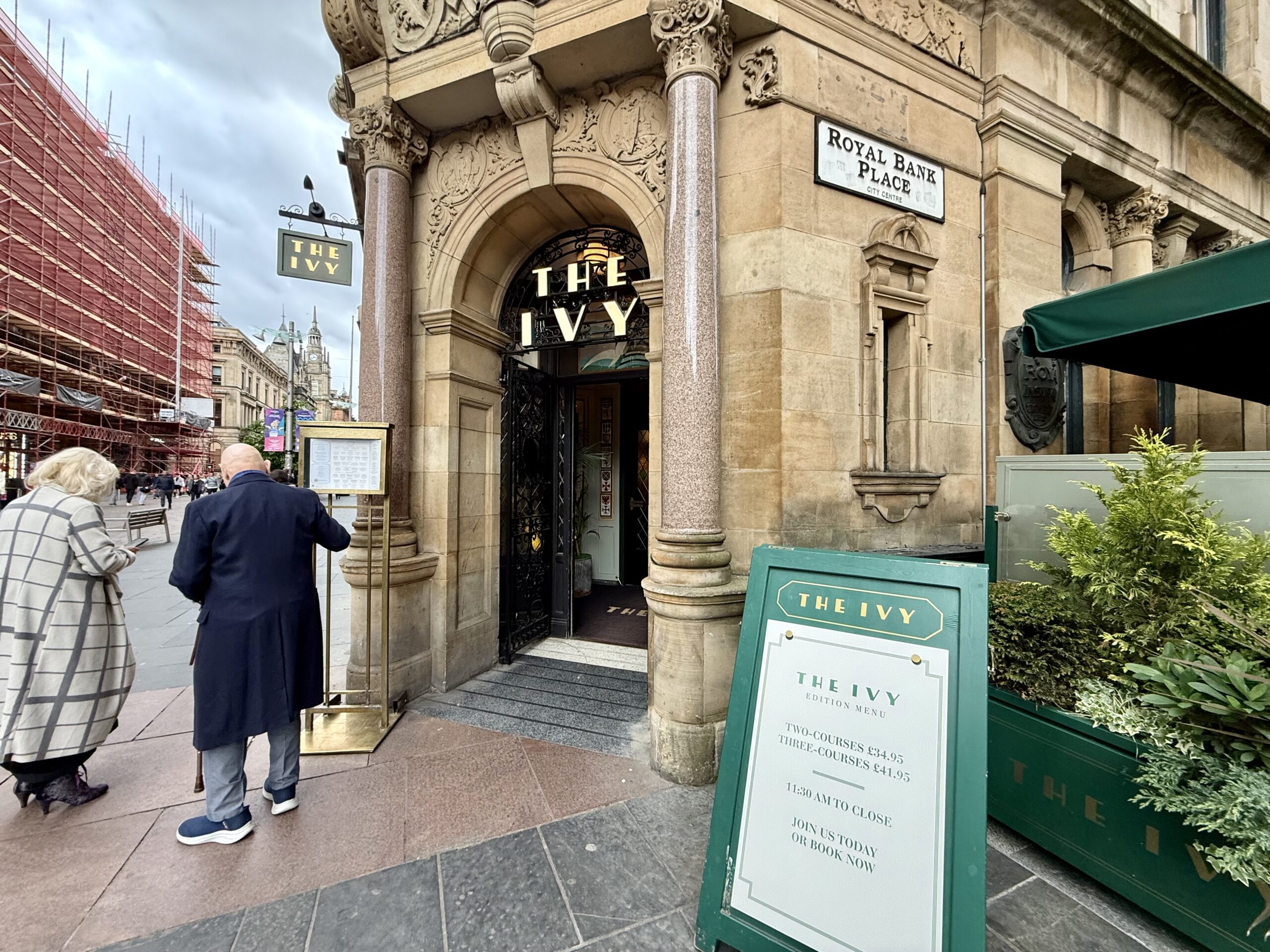
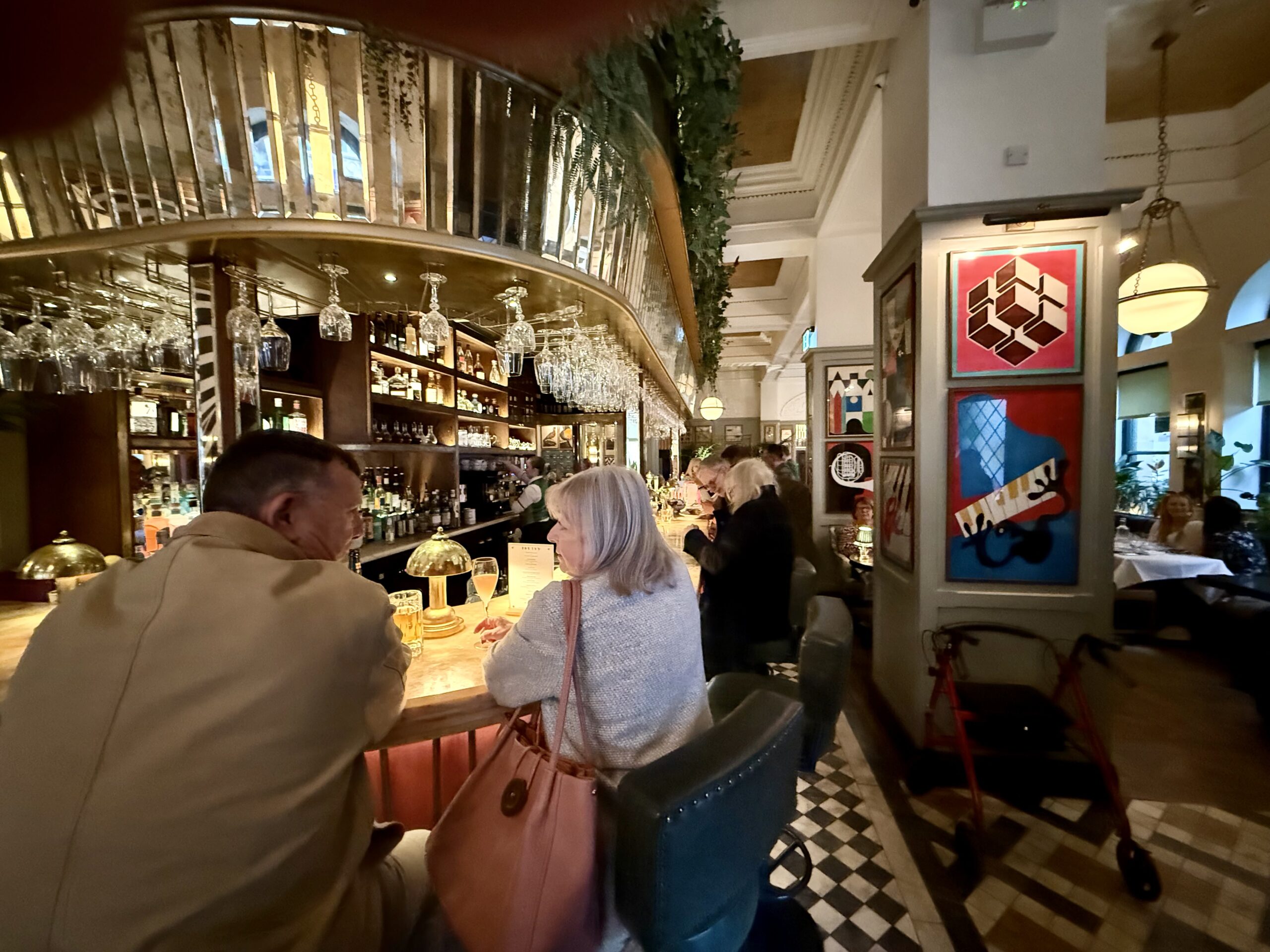
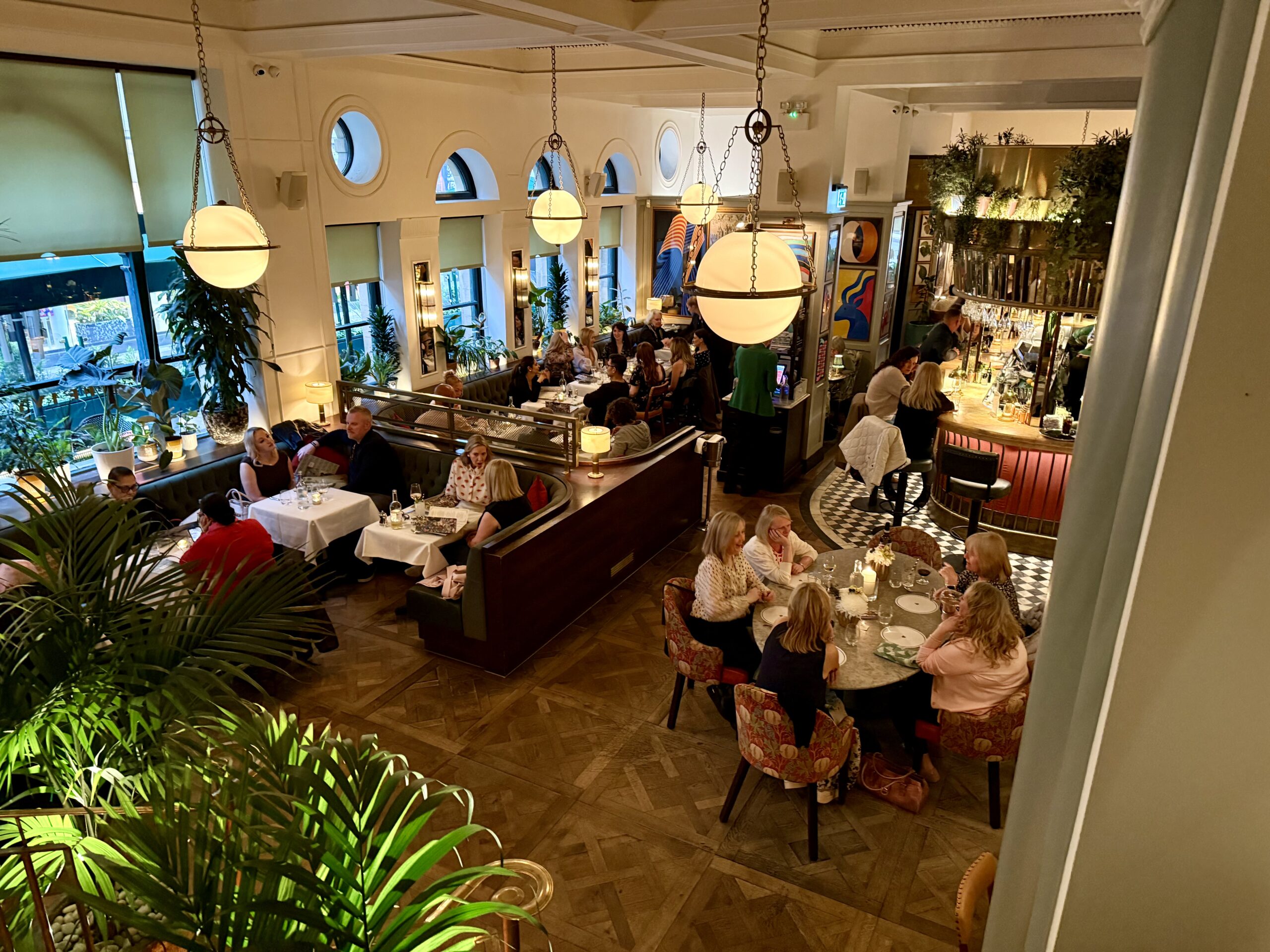
Lunch, A Stroll, a Hop-On Hop-Off, and Dinner
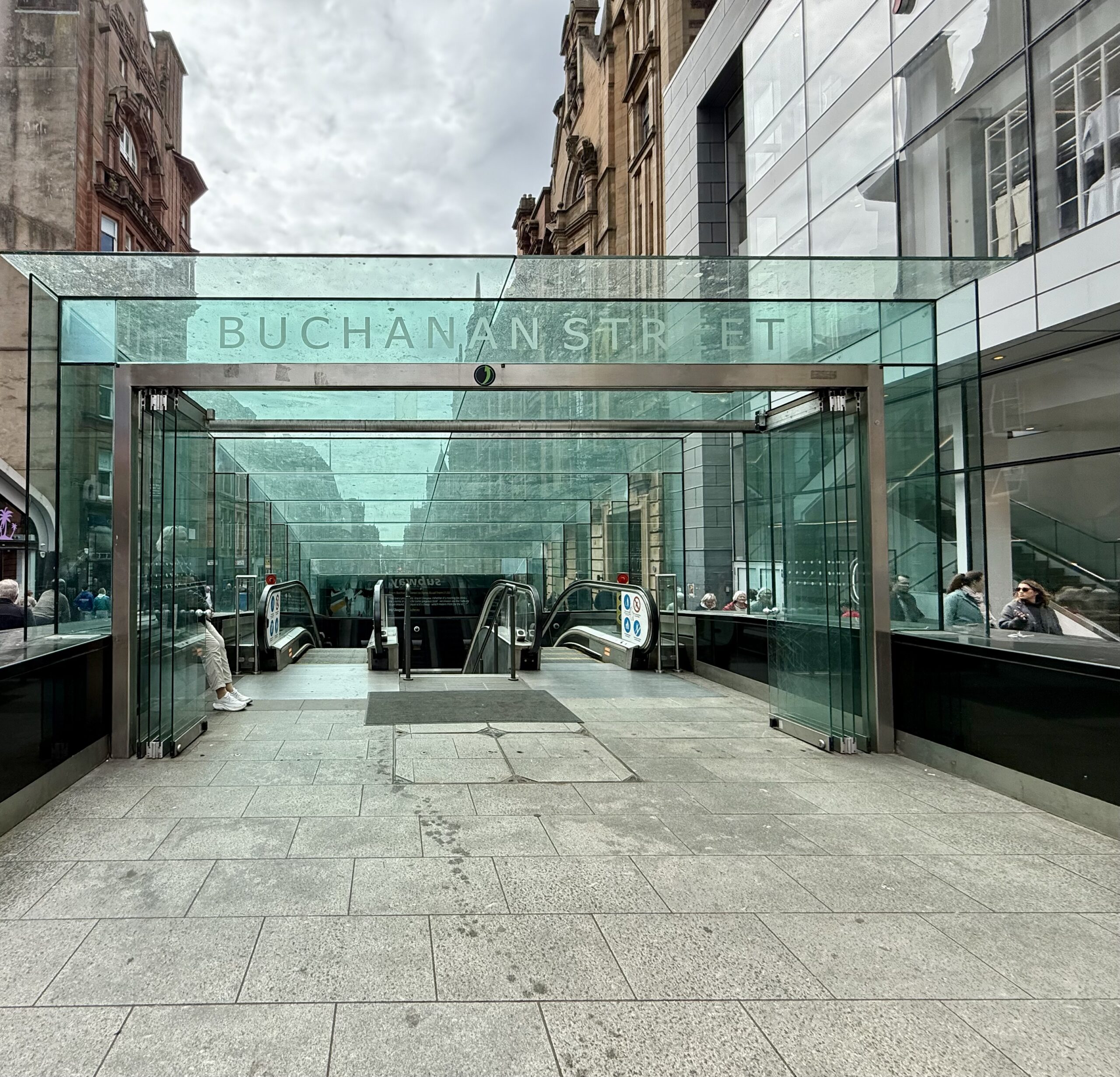
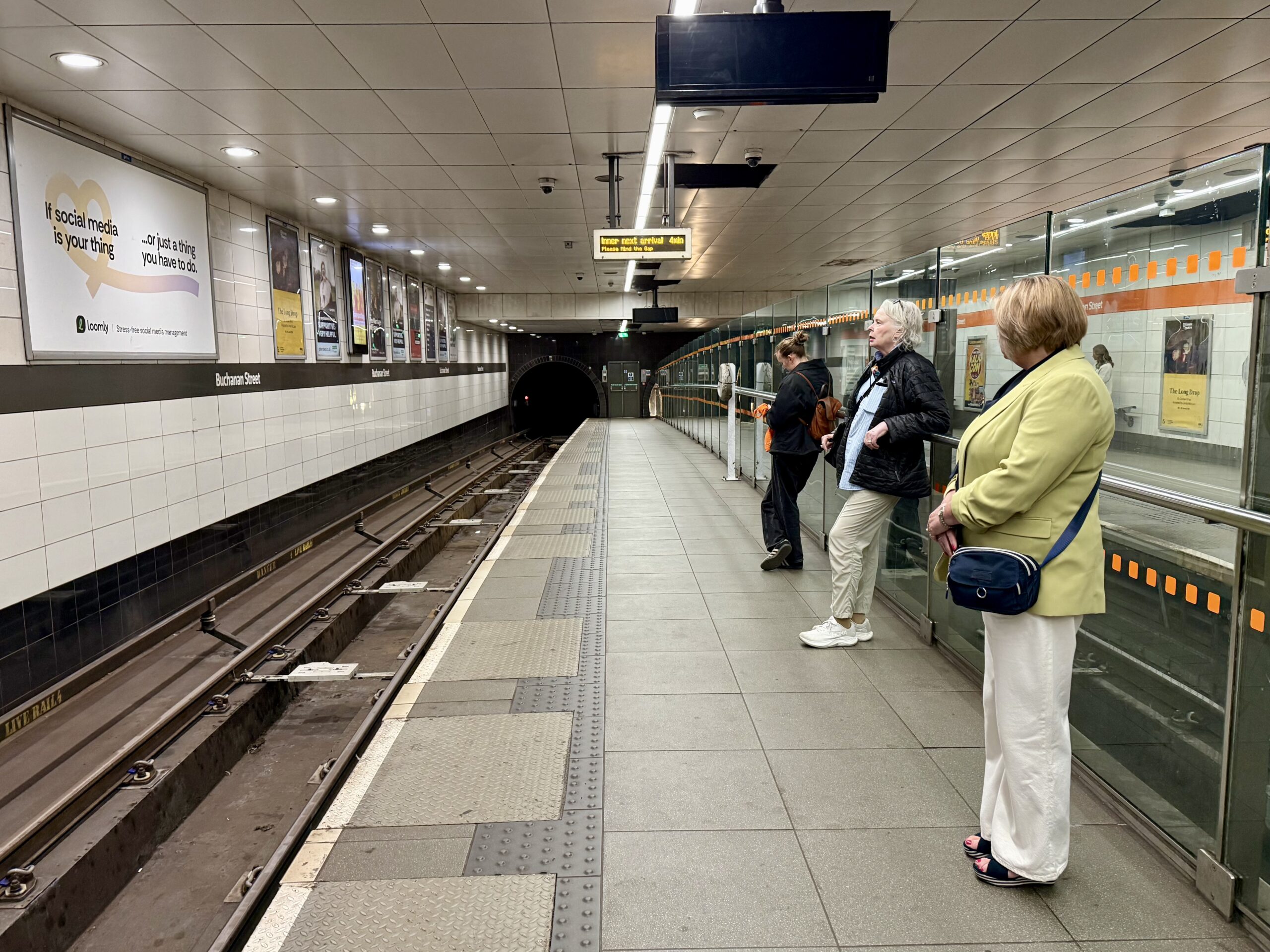
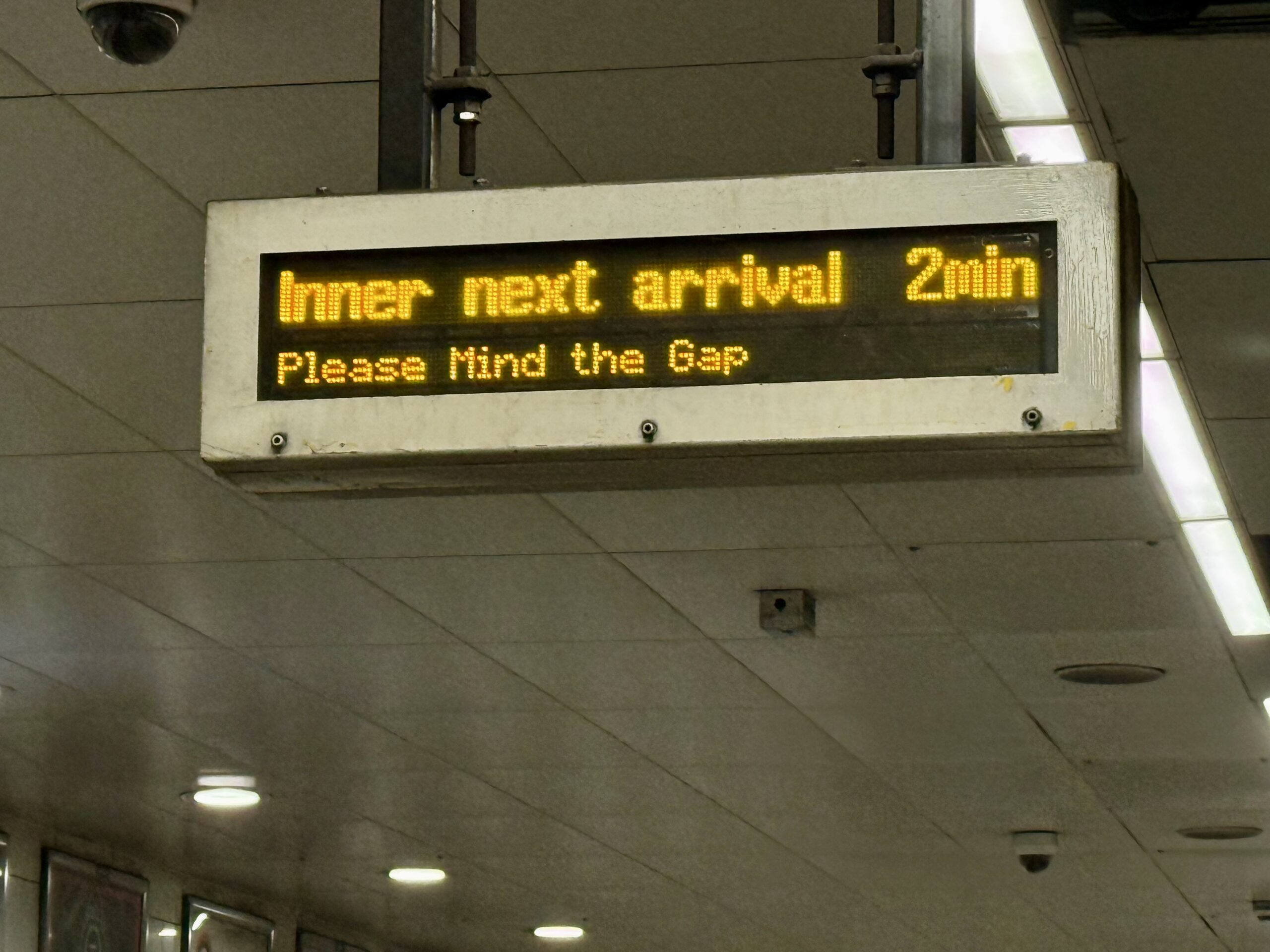
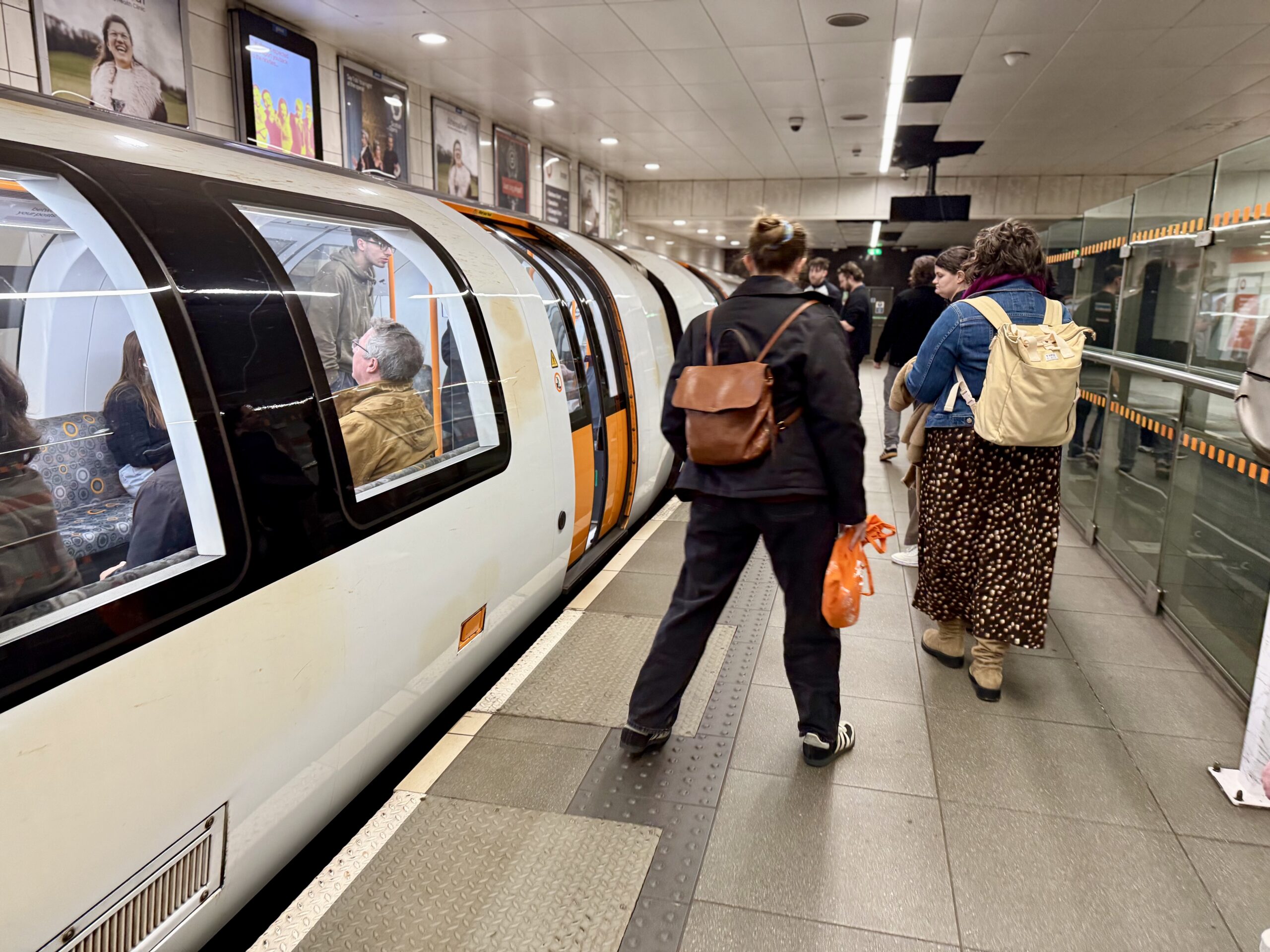
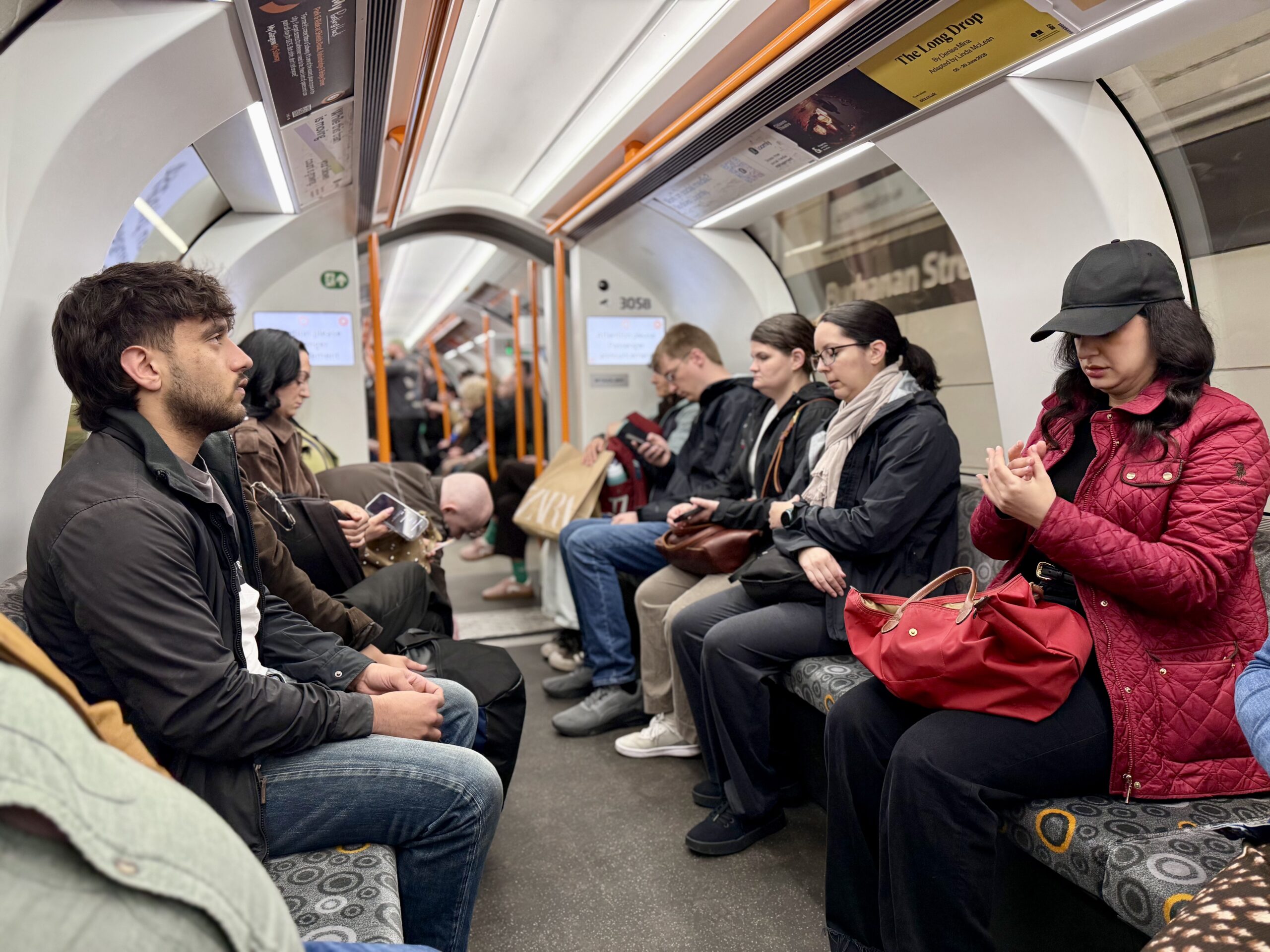
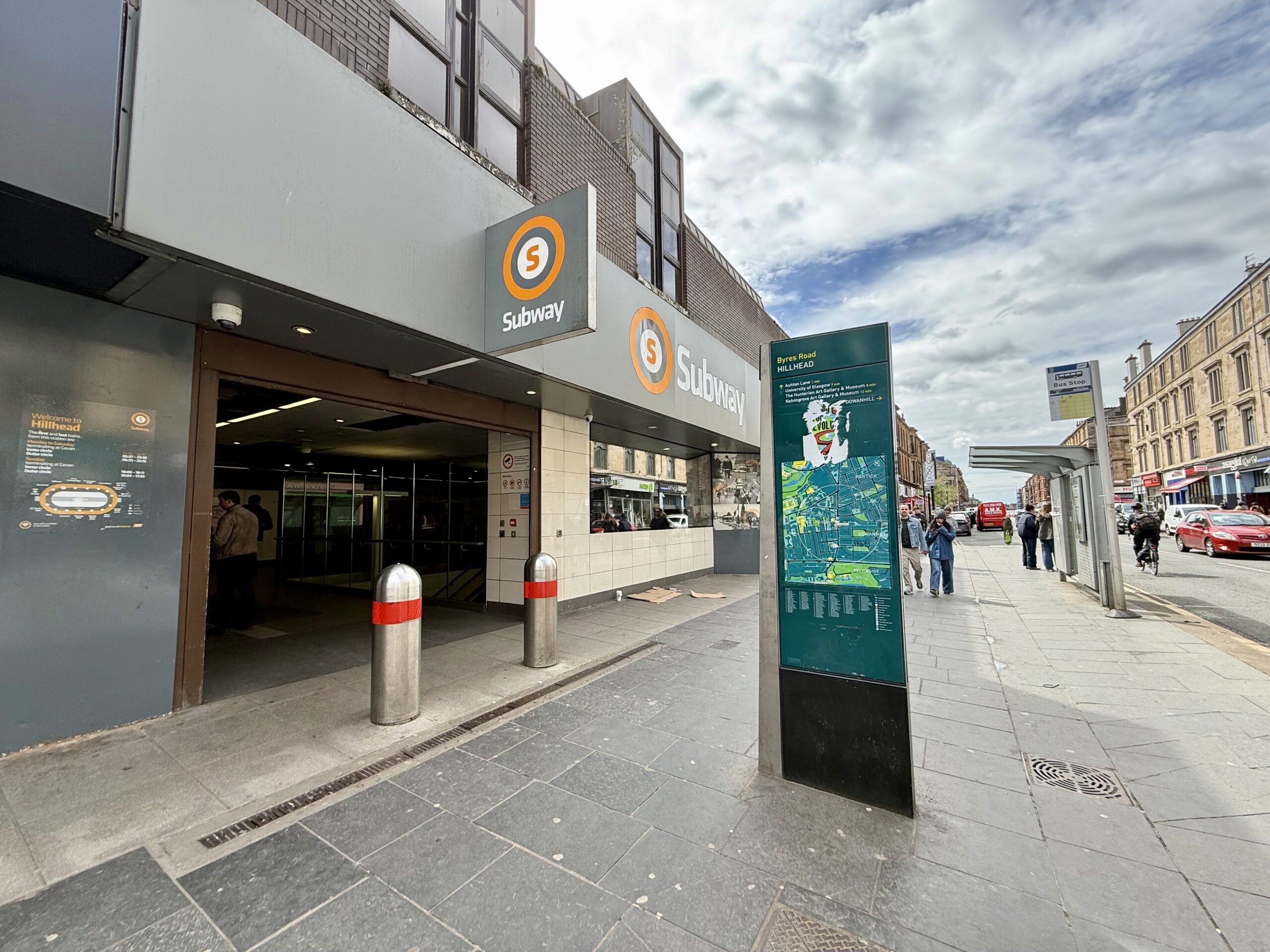
The Metro
Robert remembers Glagow’s metro in 1973. The cars were quaintly wooden like San Francisco’s cable cars. Today, they are sleek, tubular cars but in the dimensions of the small old tunnels. A bit claustrophobic.
Charles Rennie Mackintosh
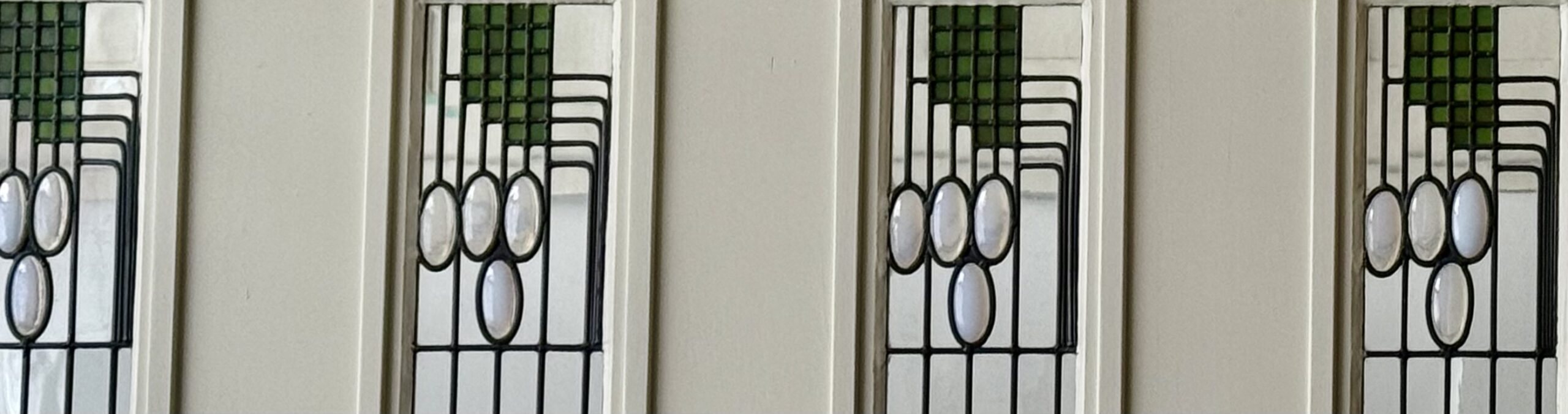
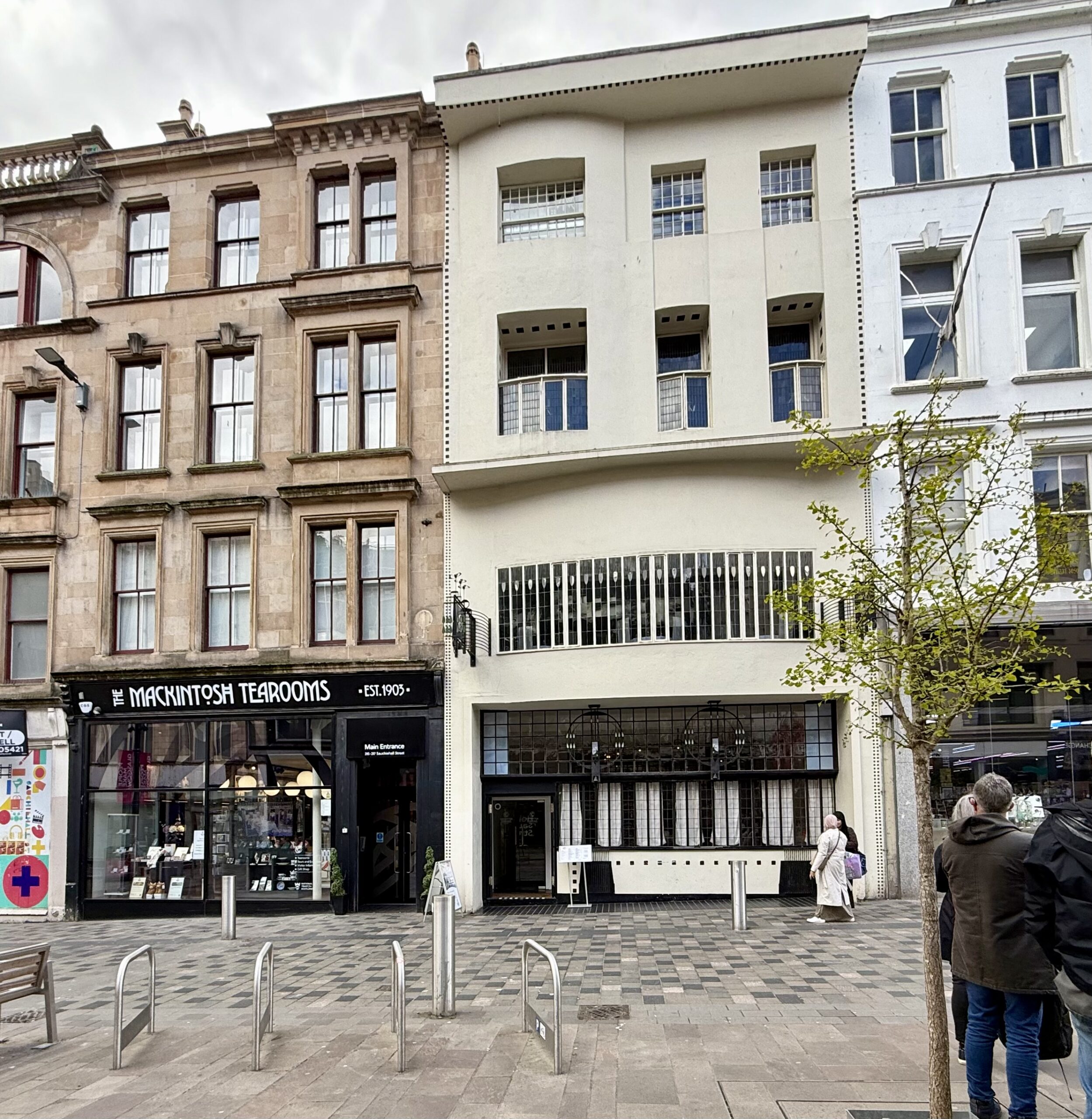
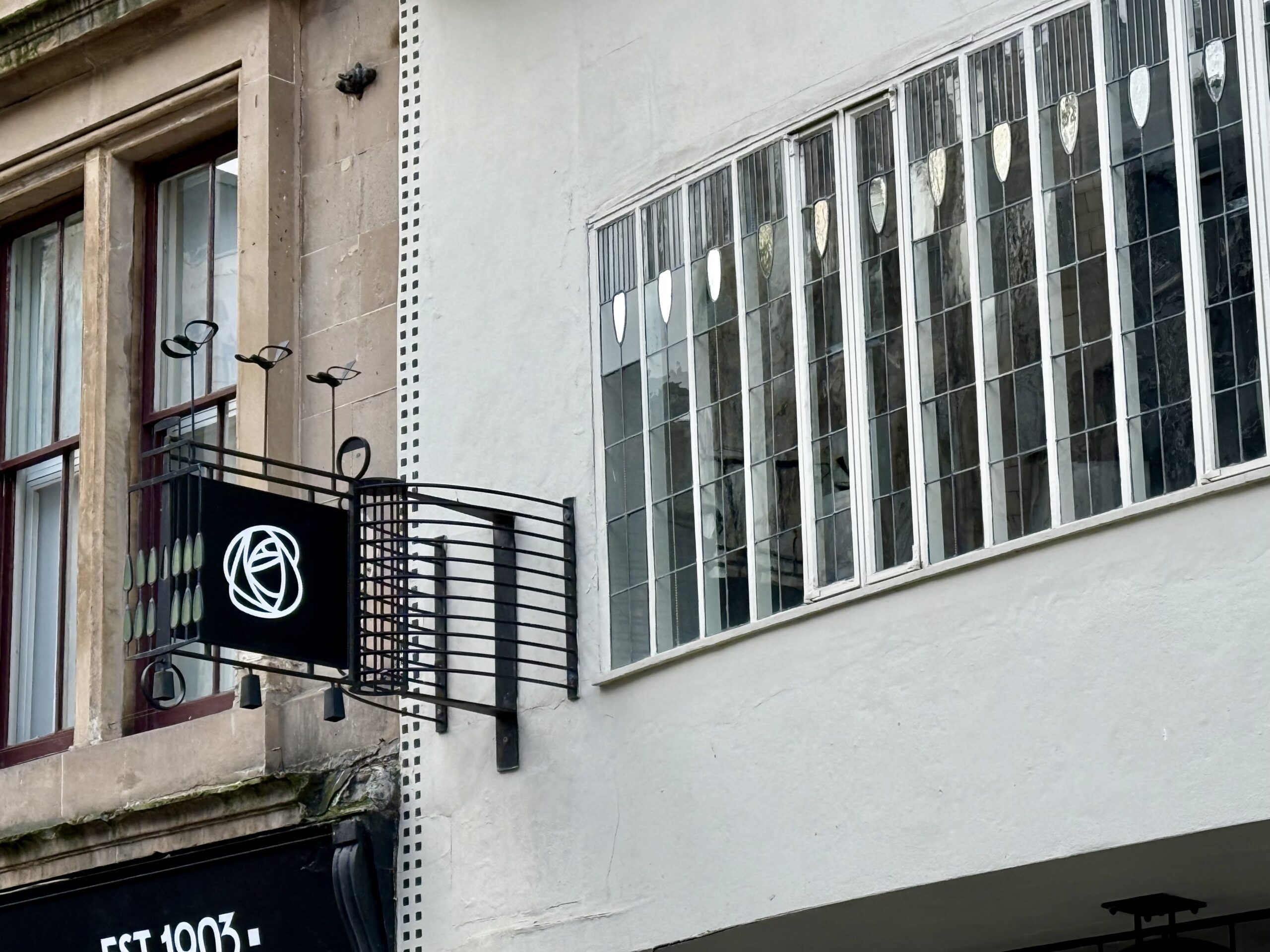
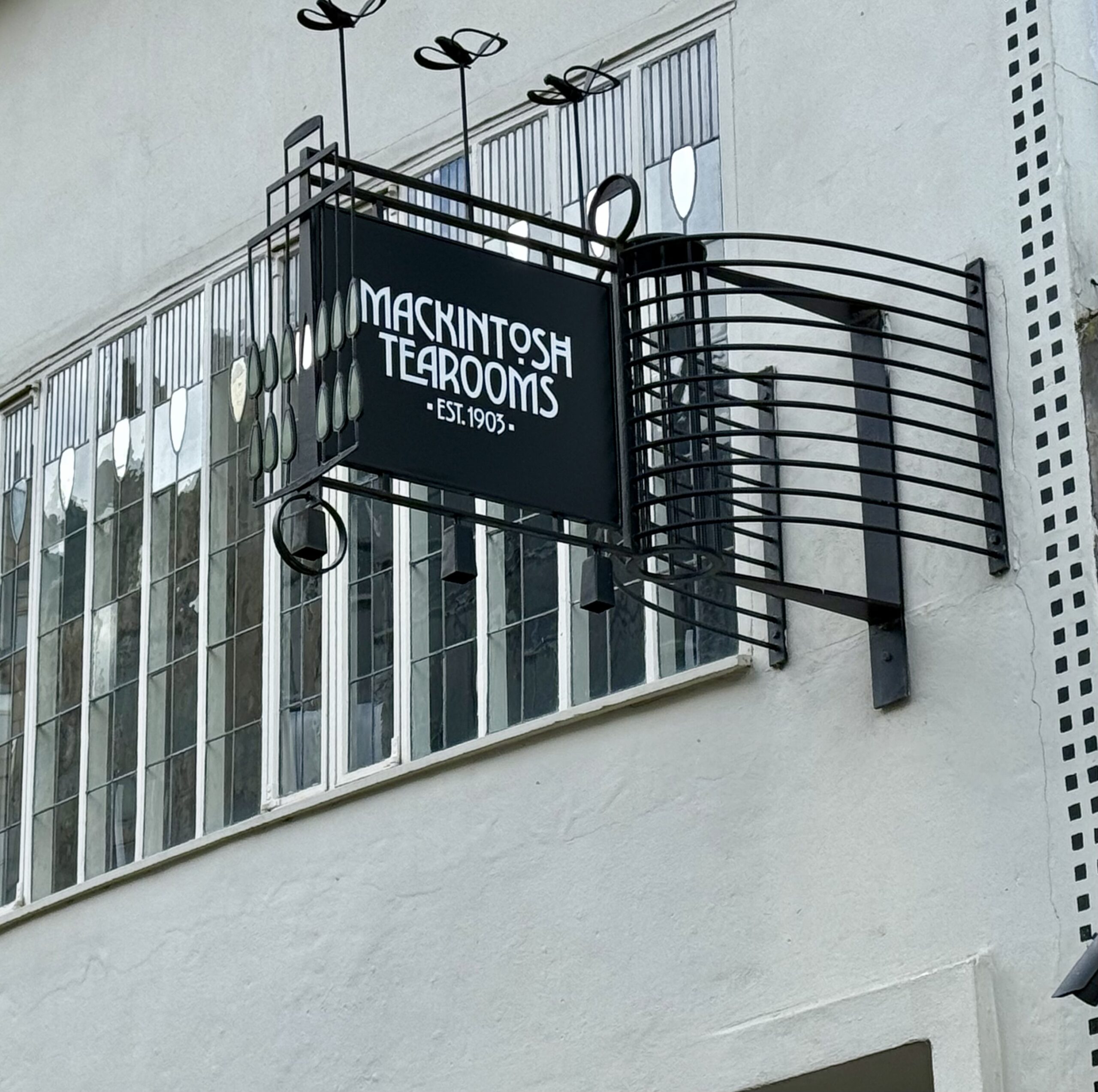
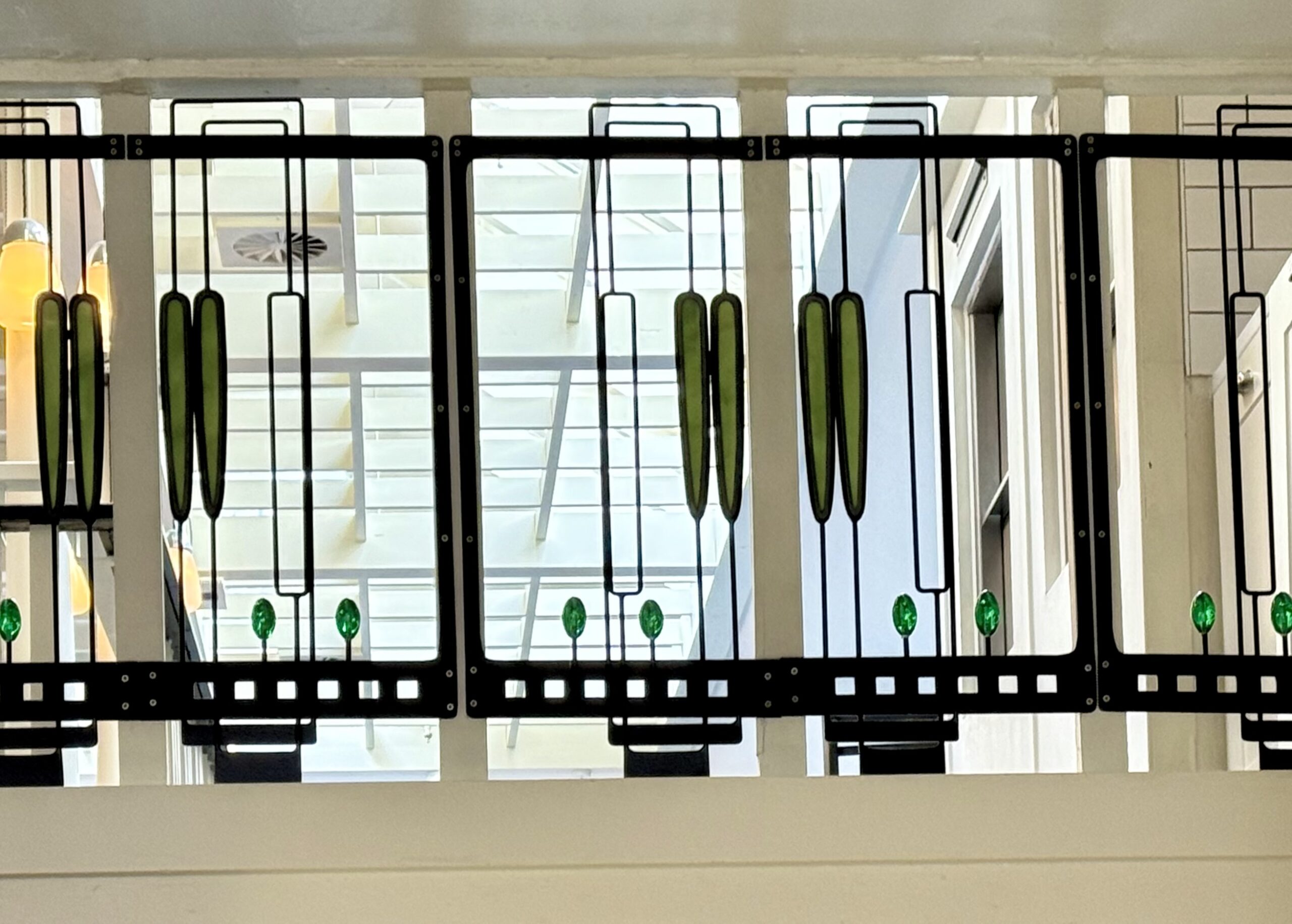
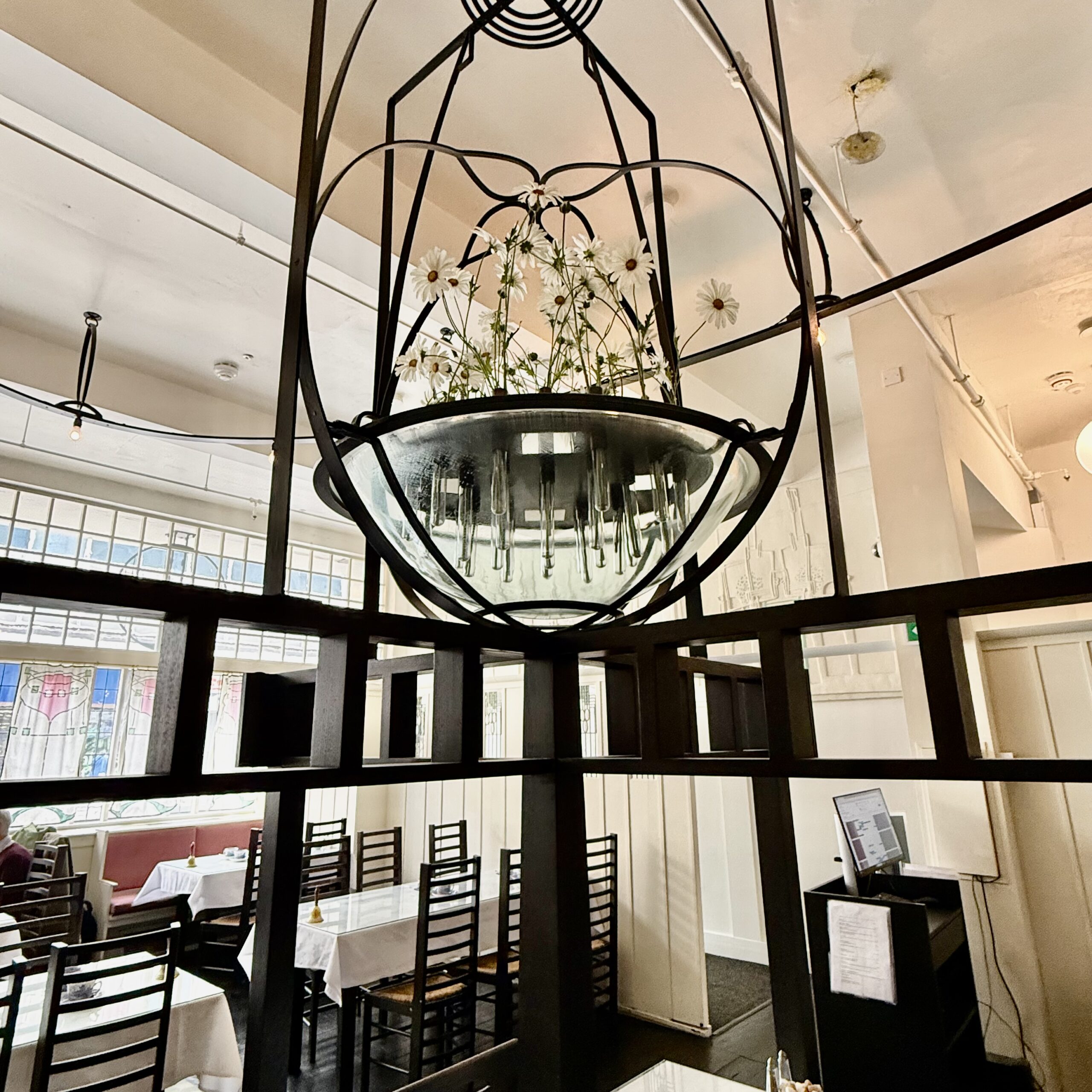
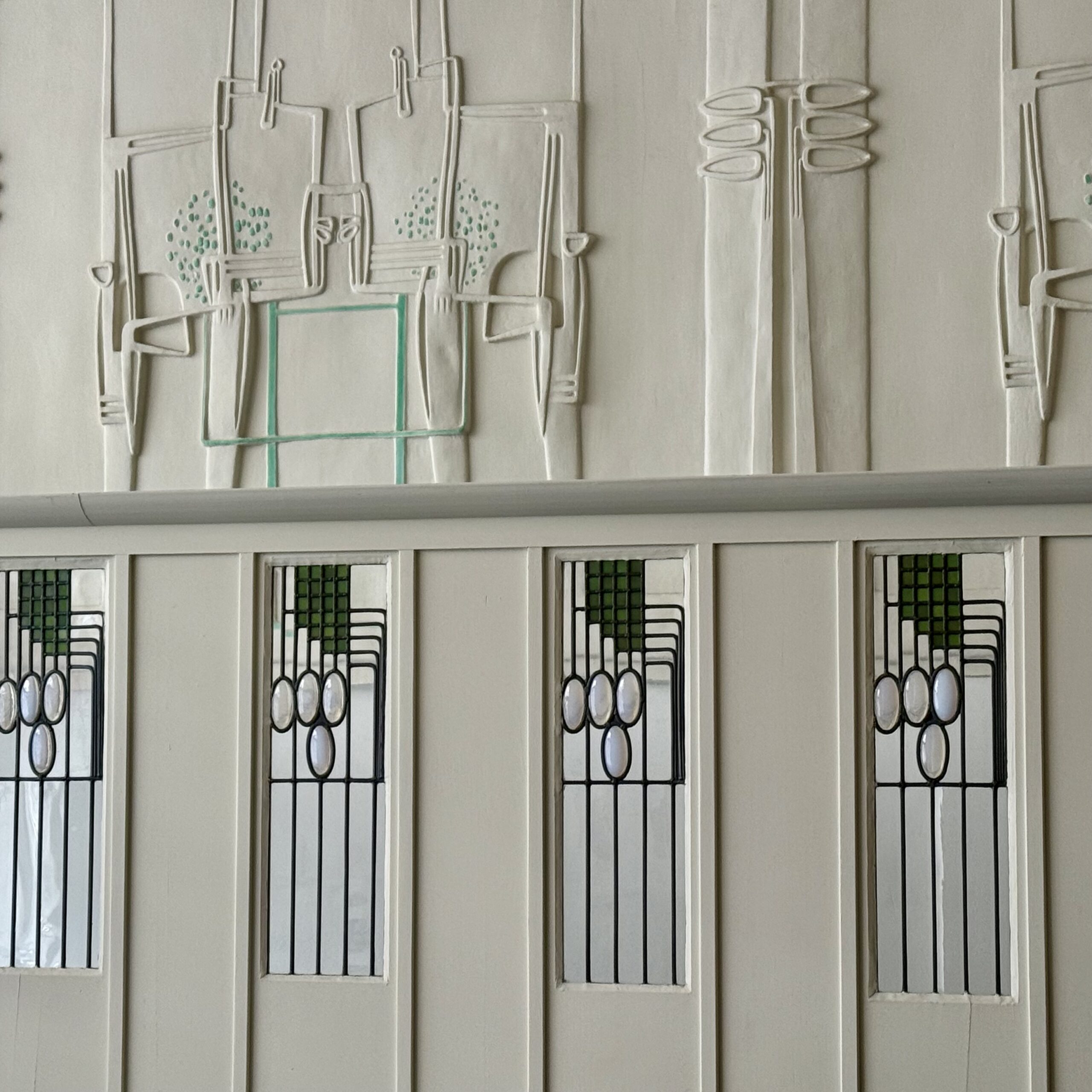
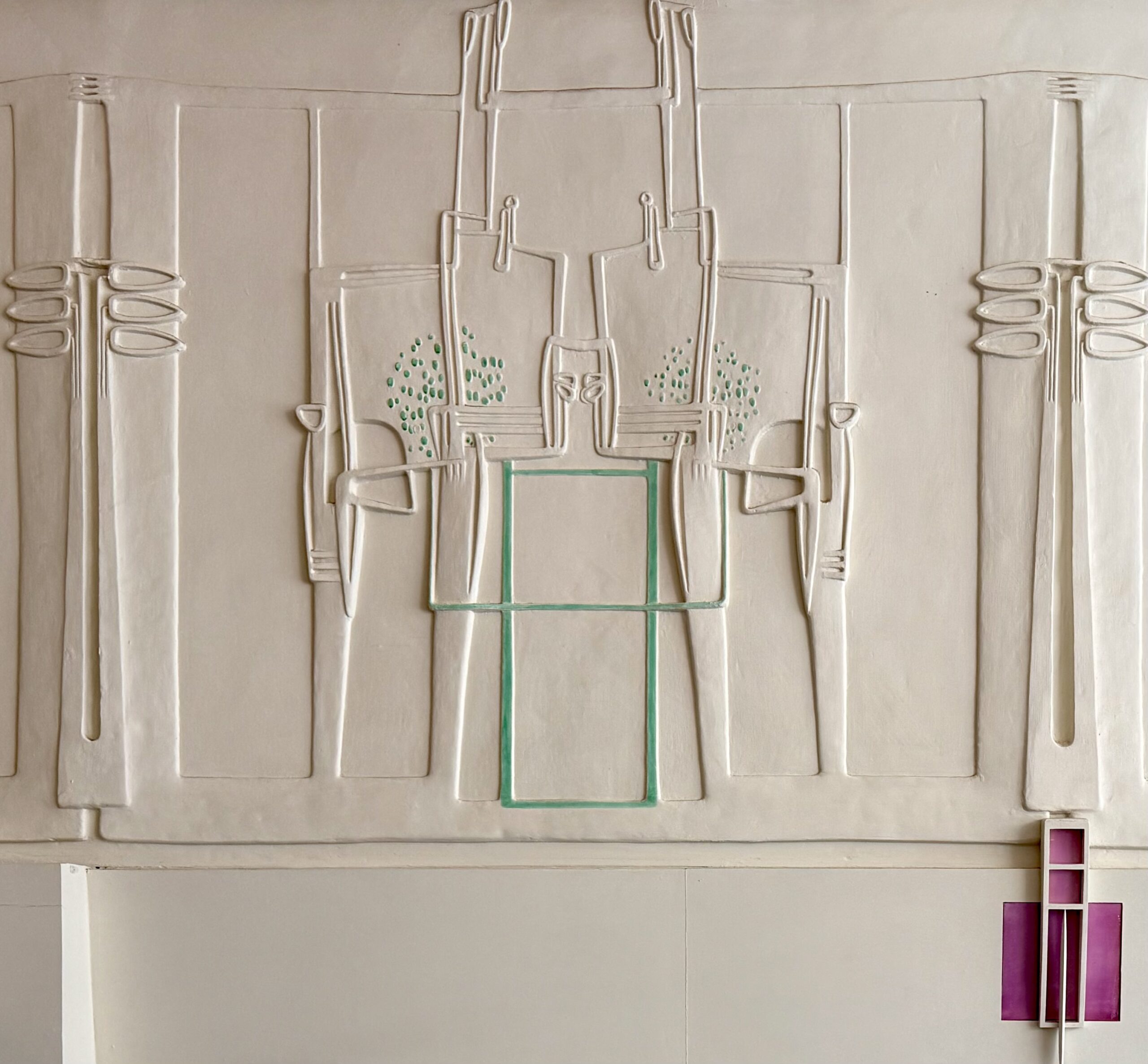
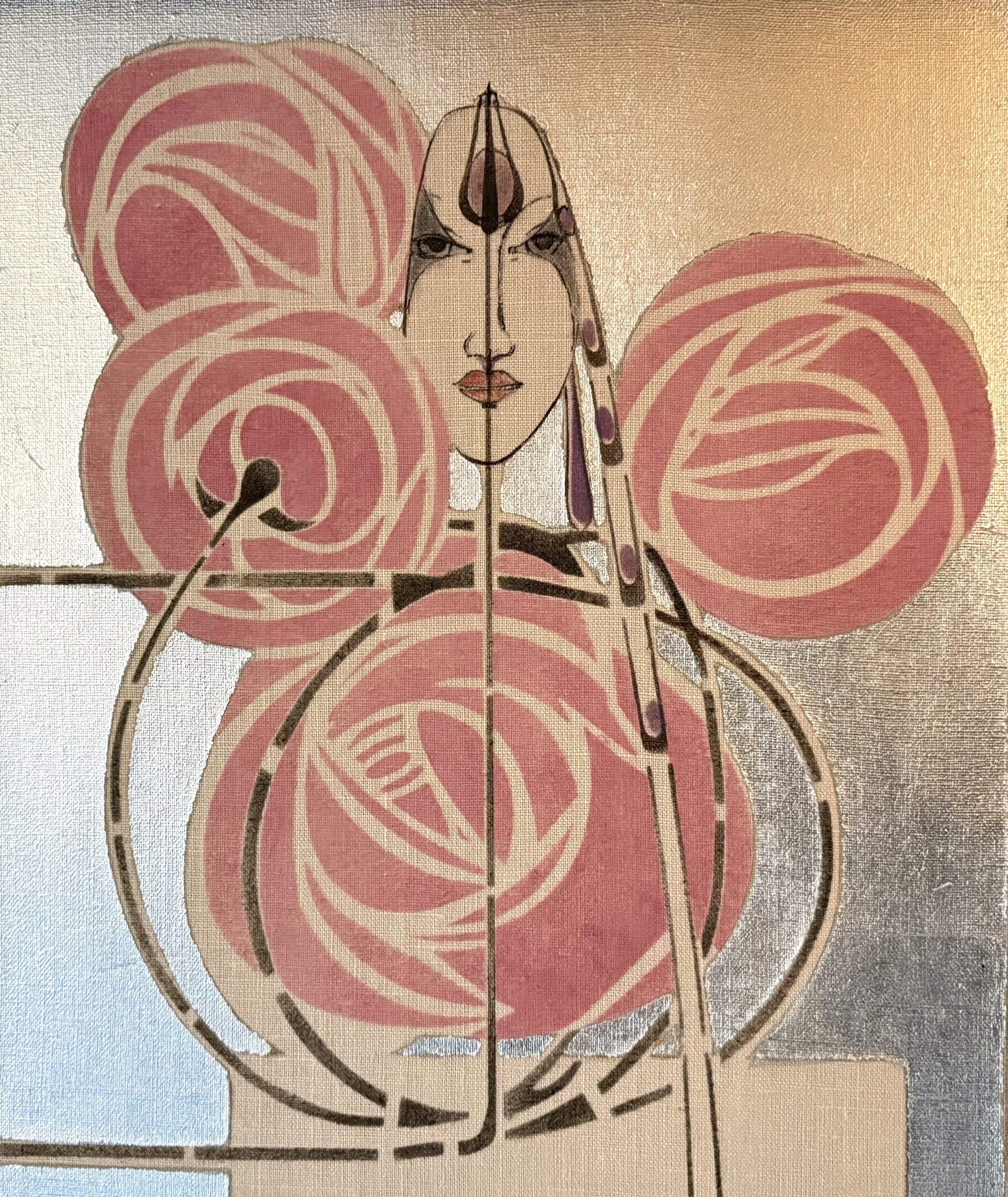
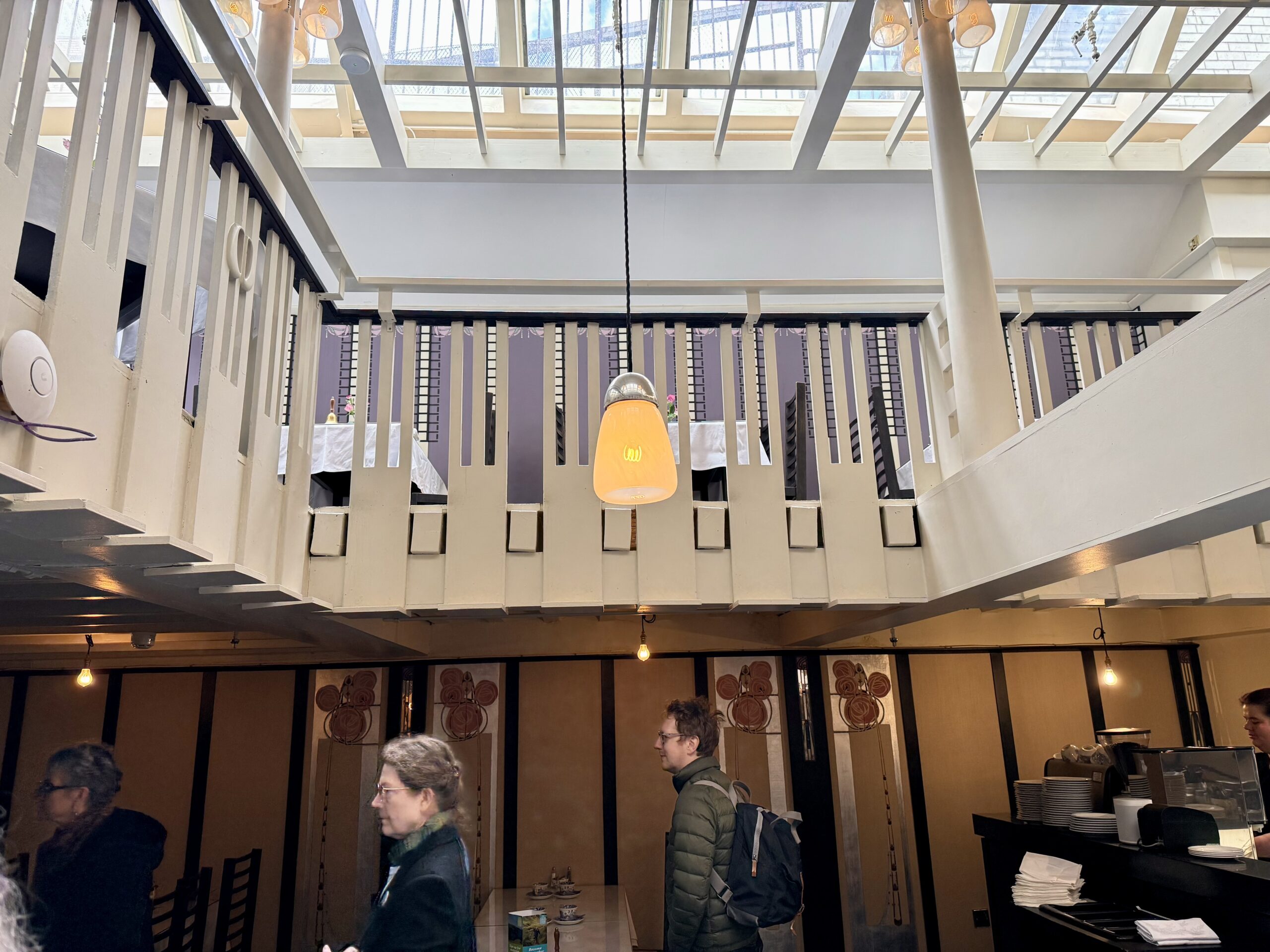
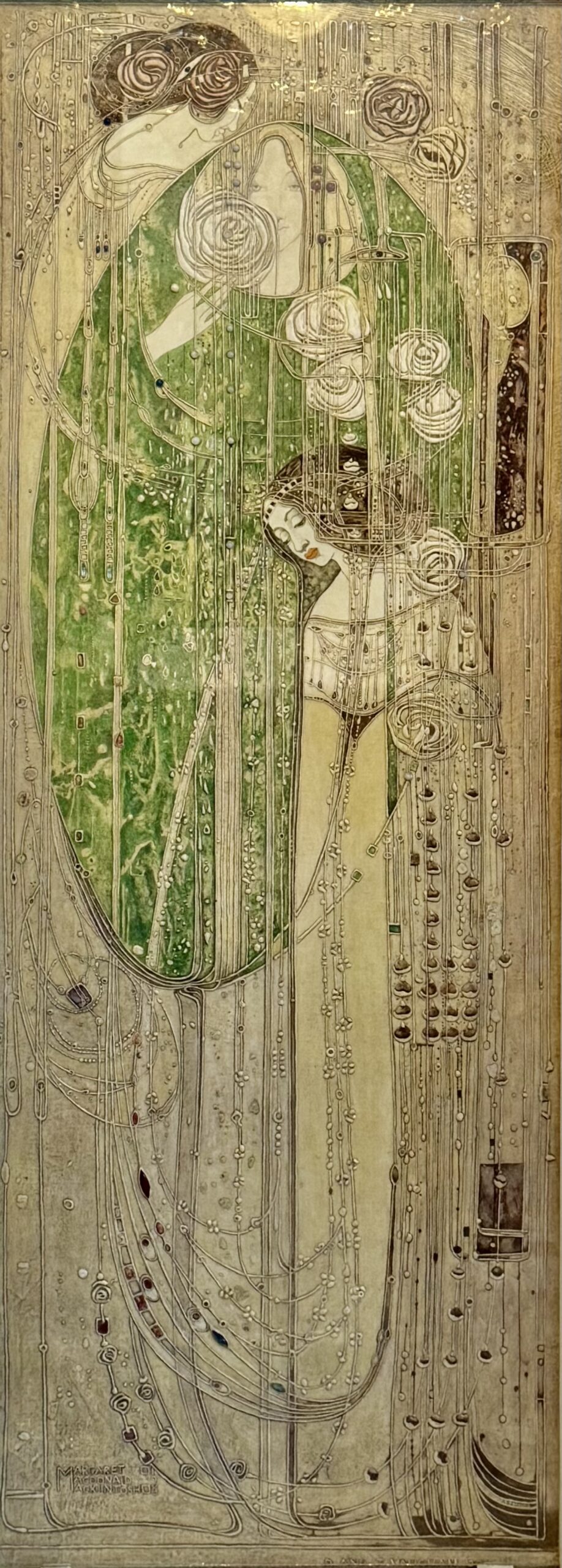
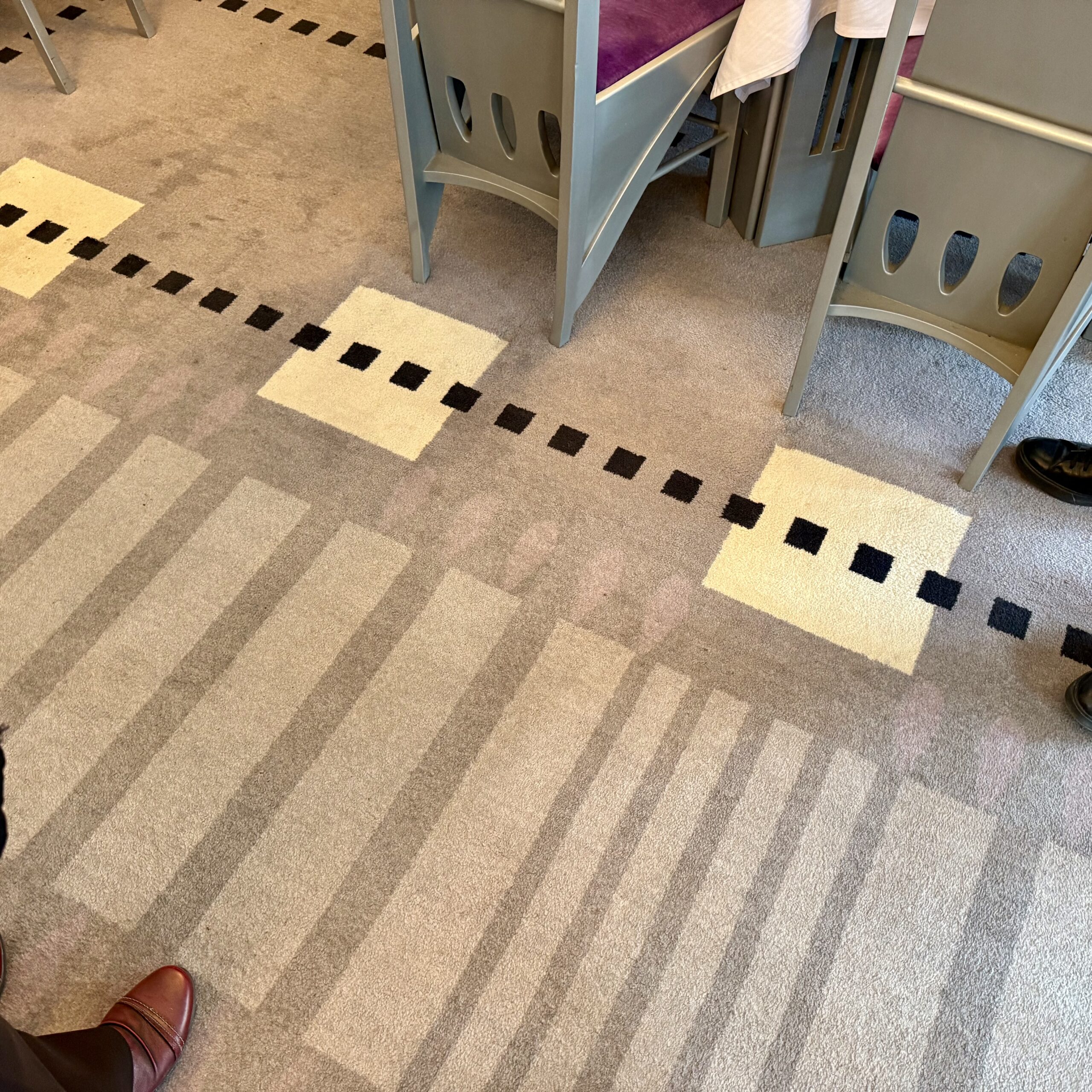
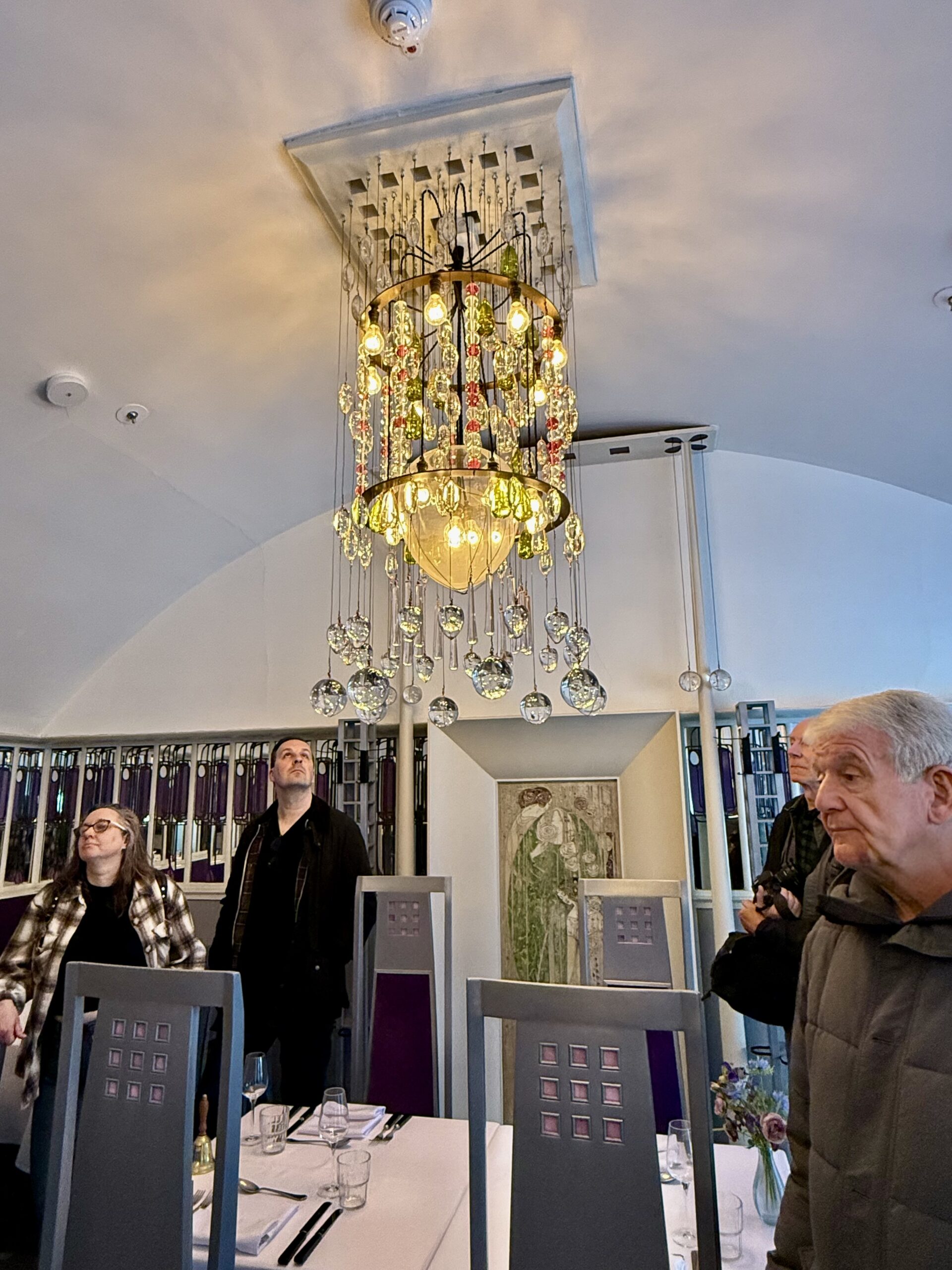
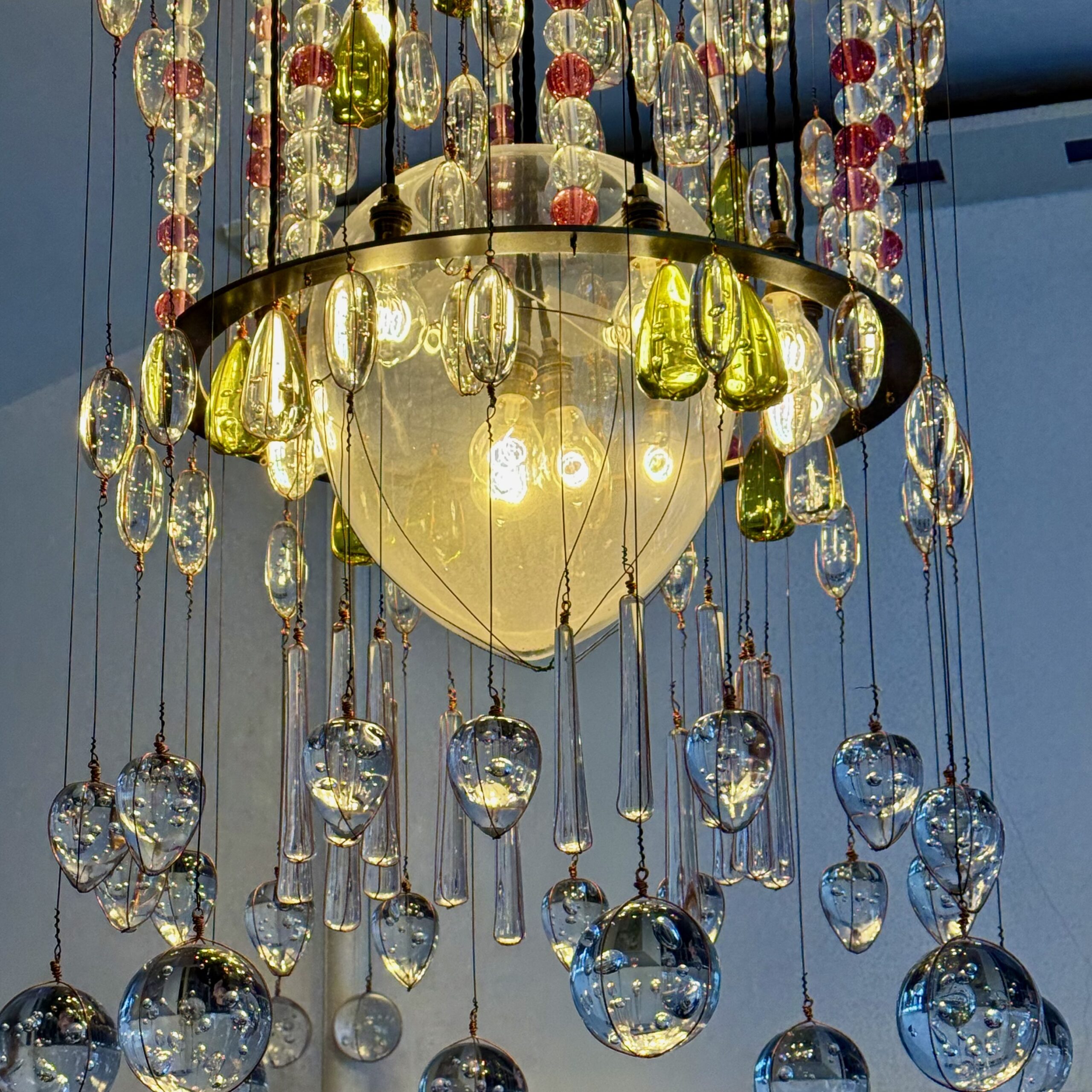
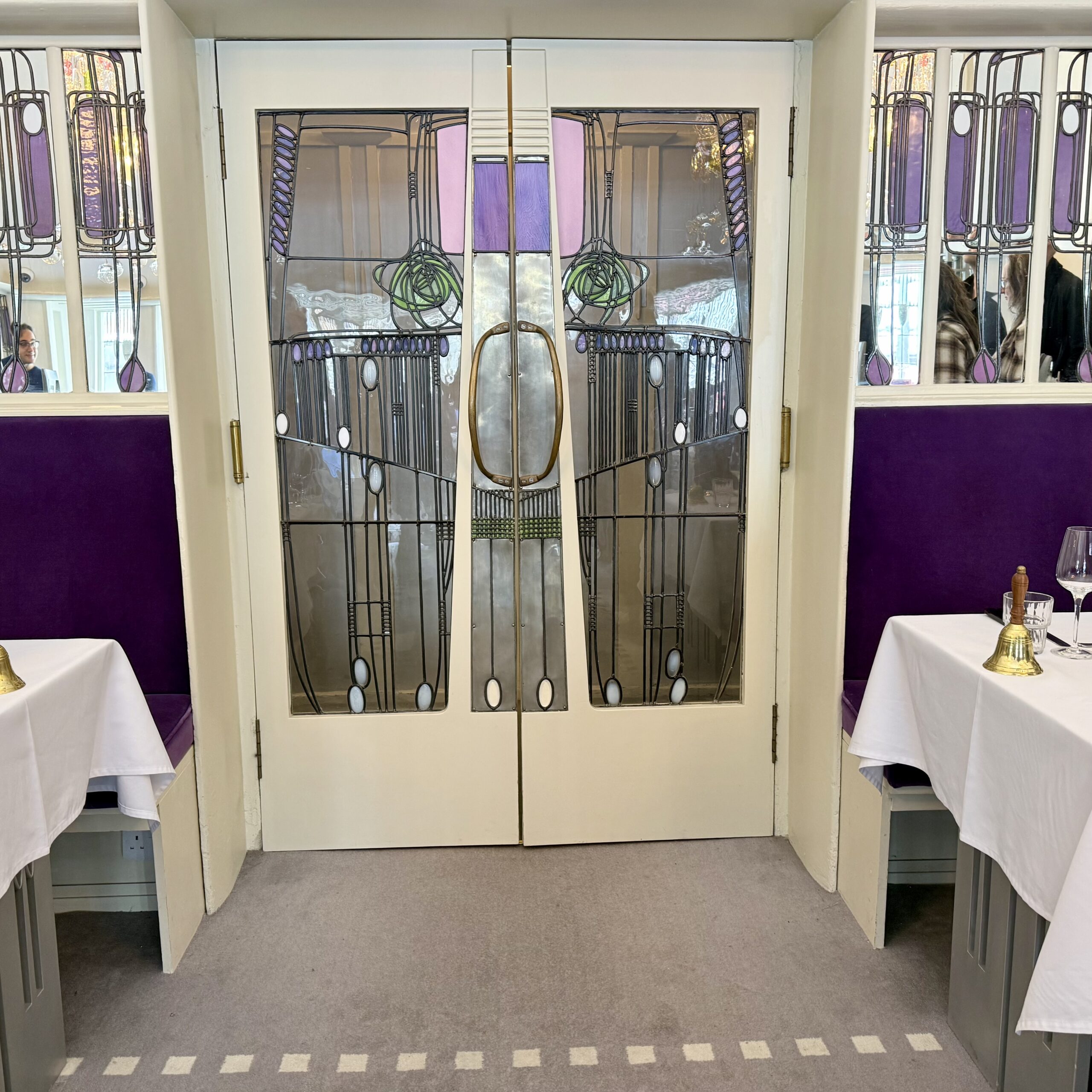
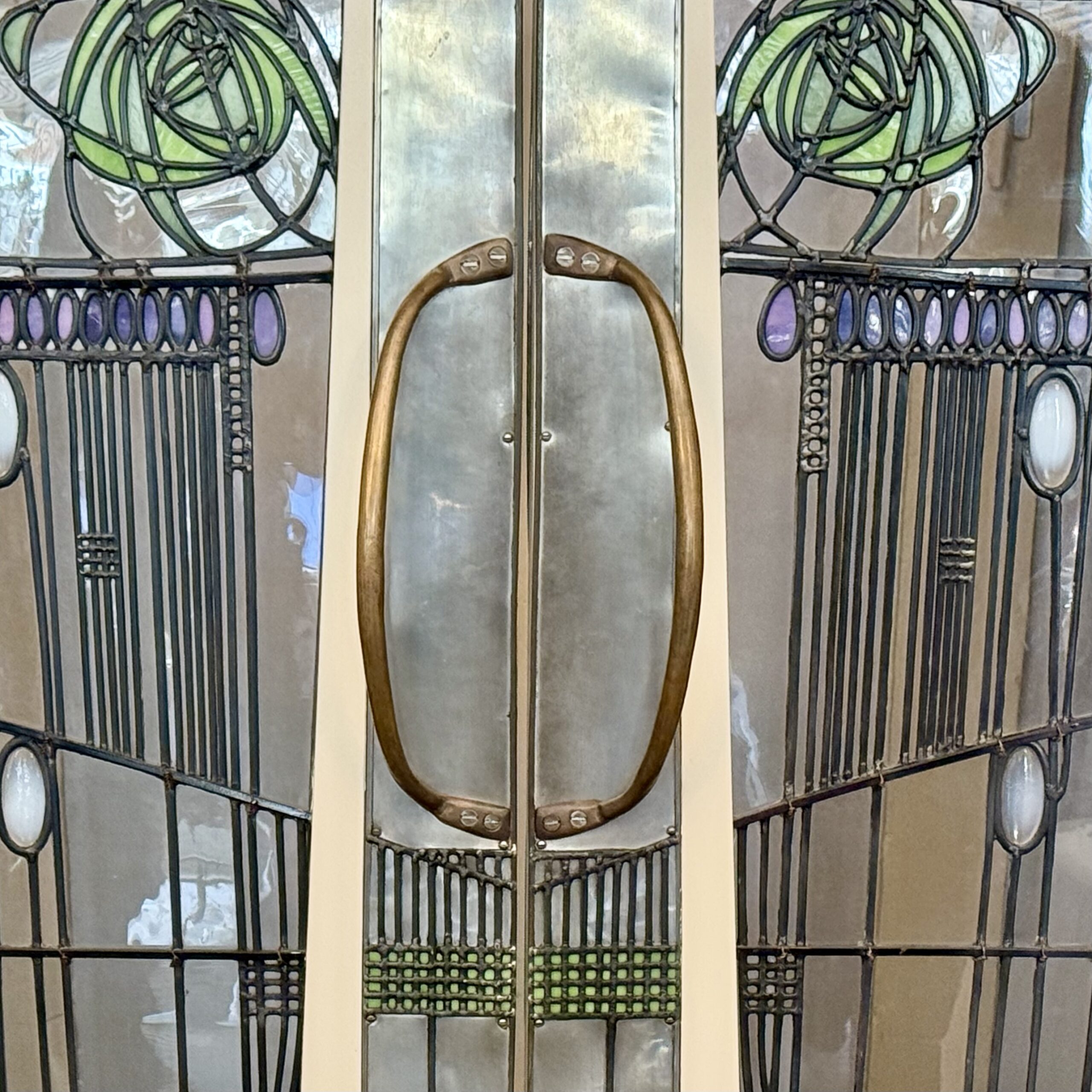
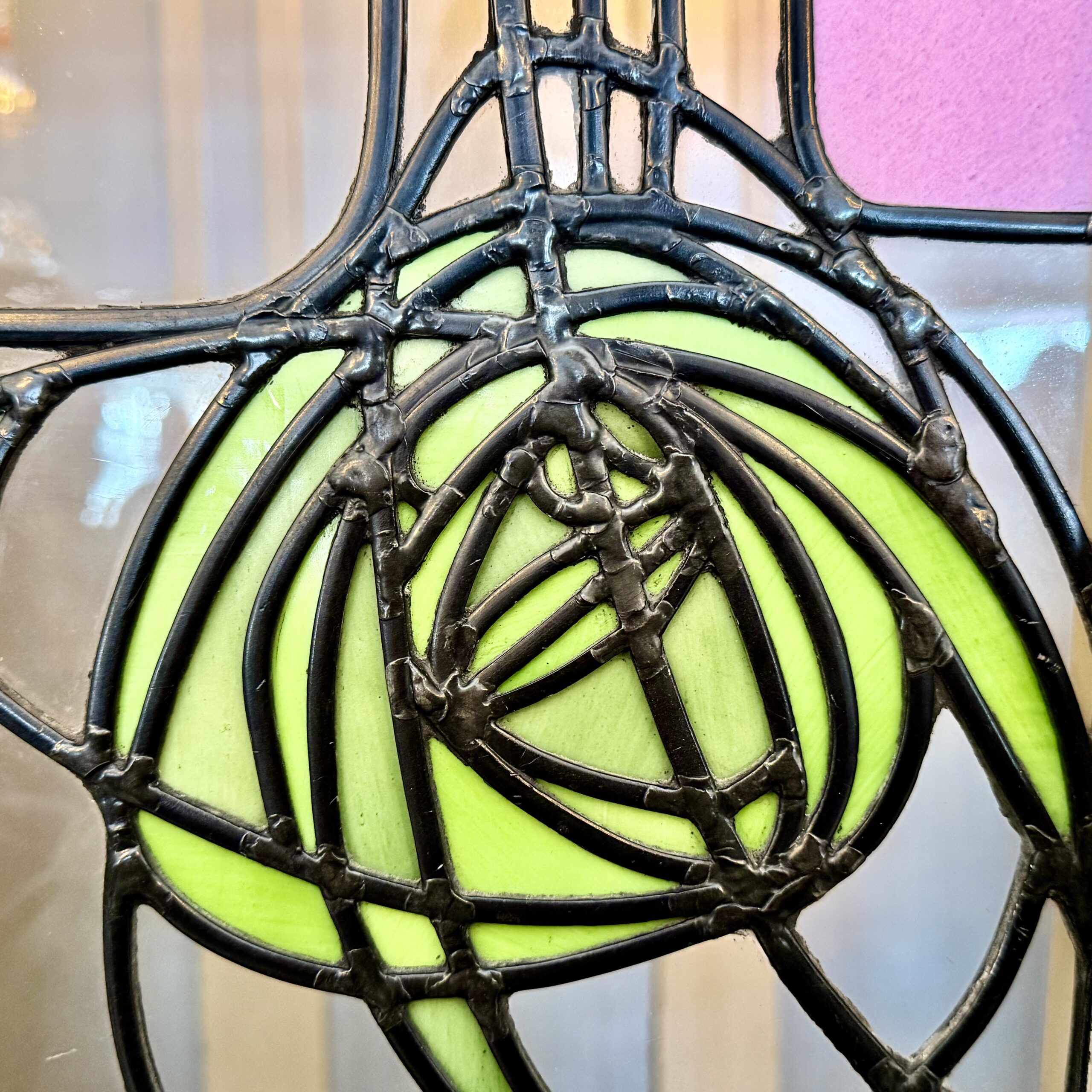
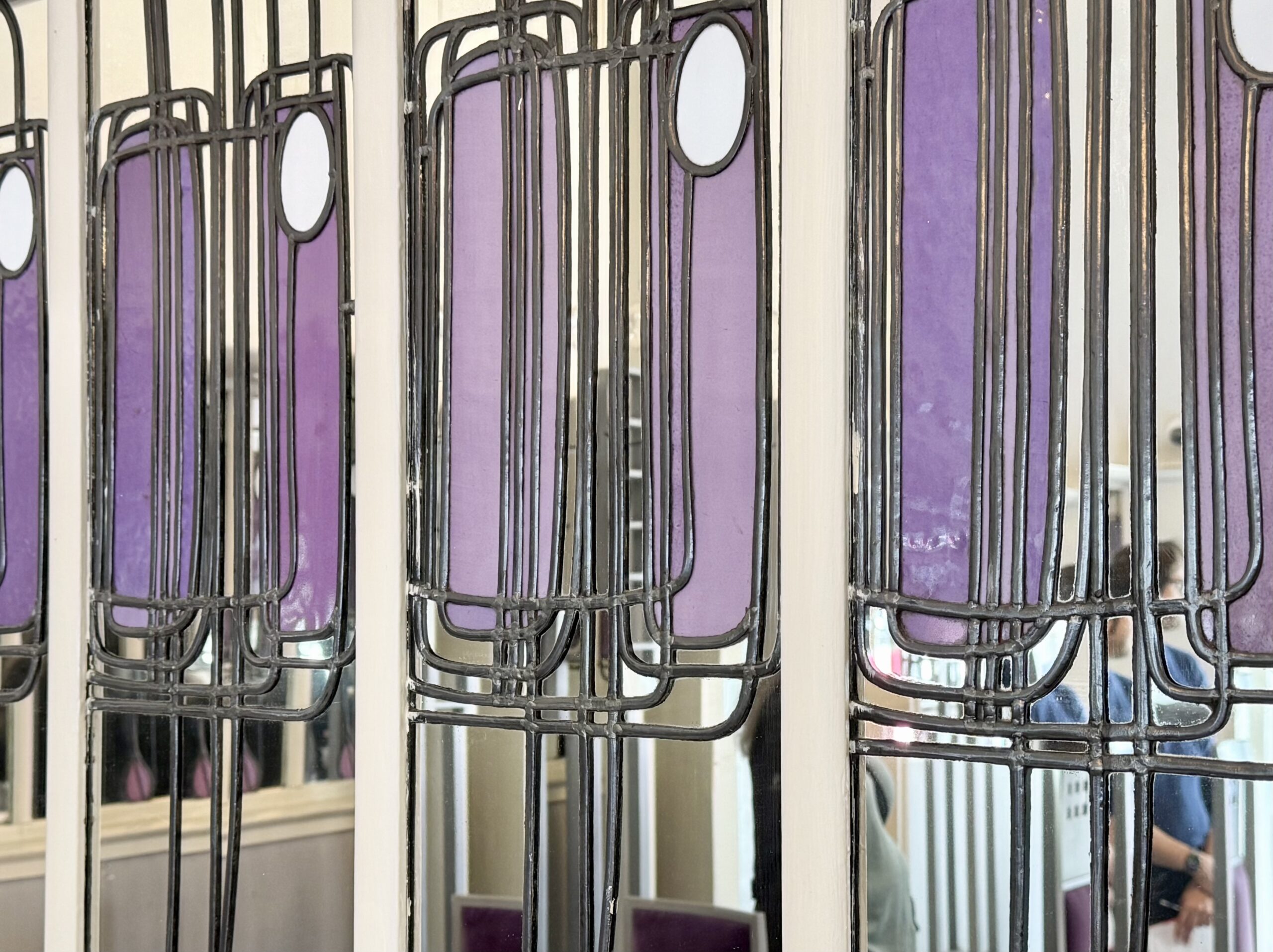
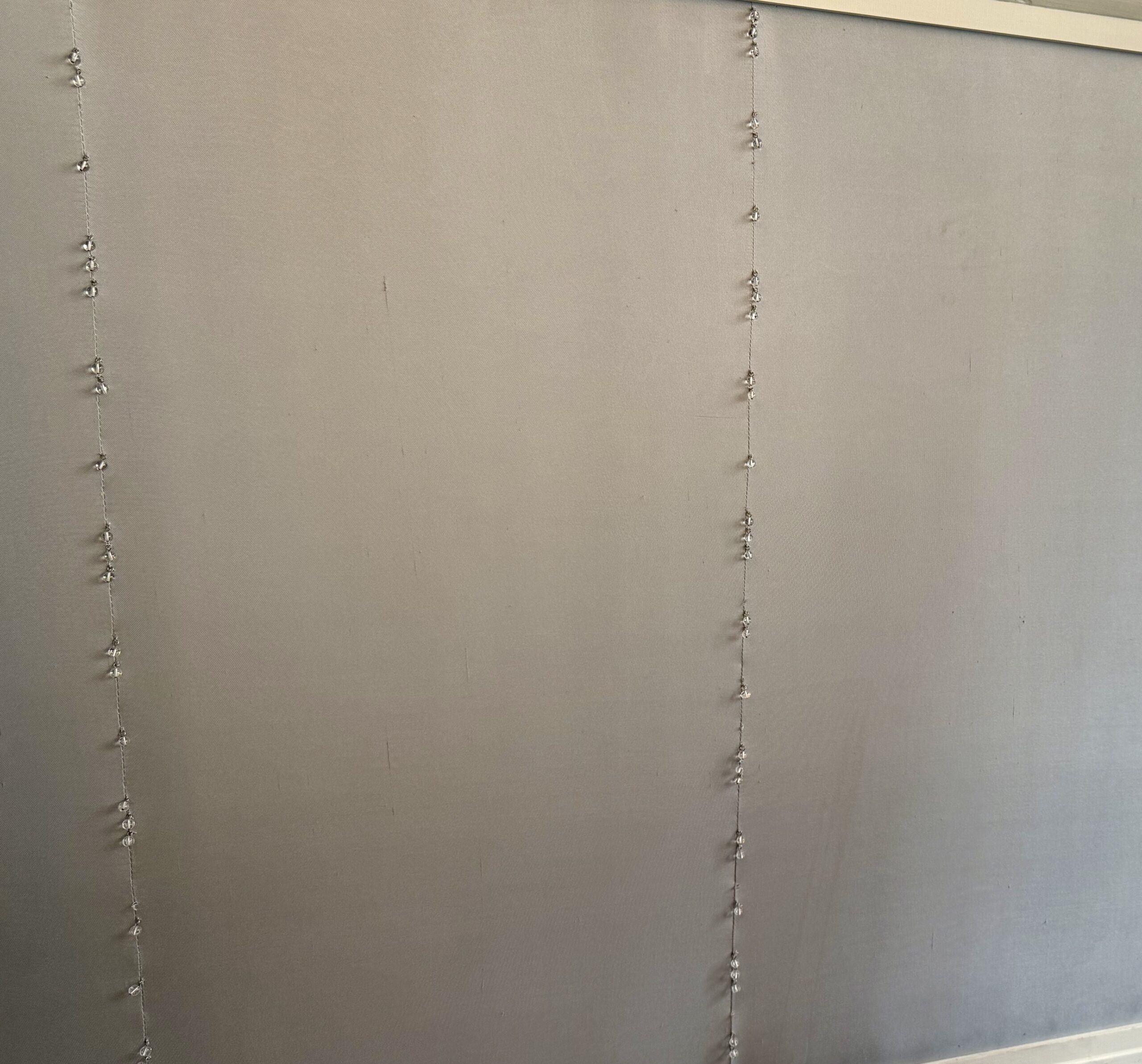
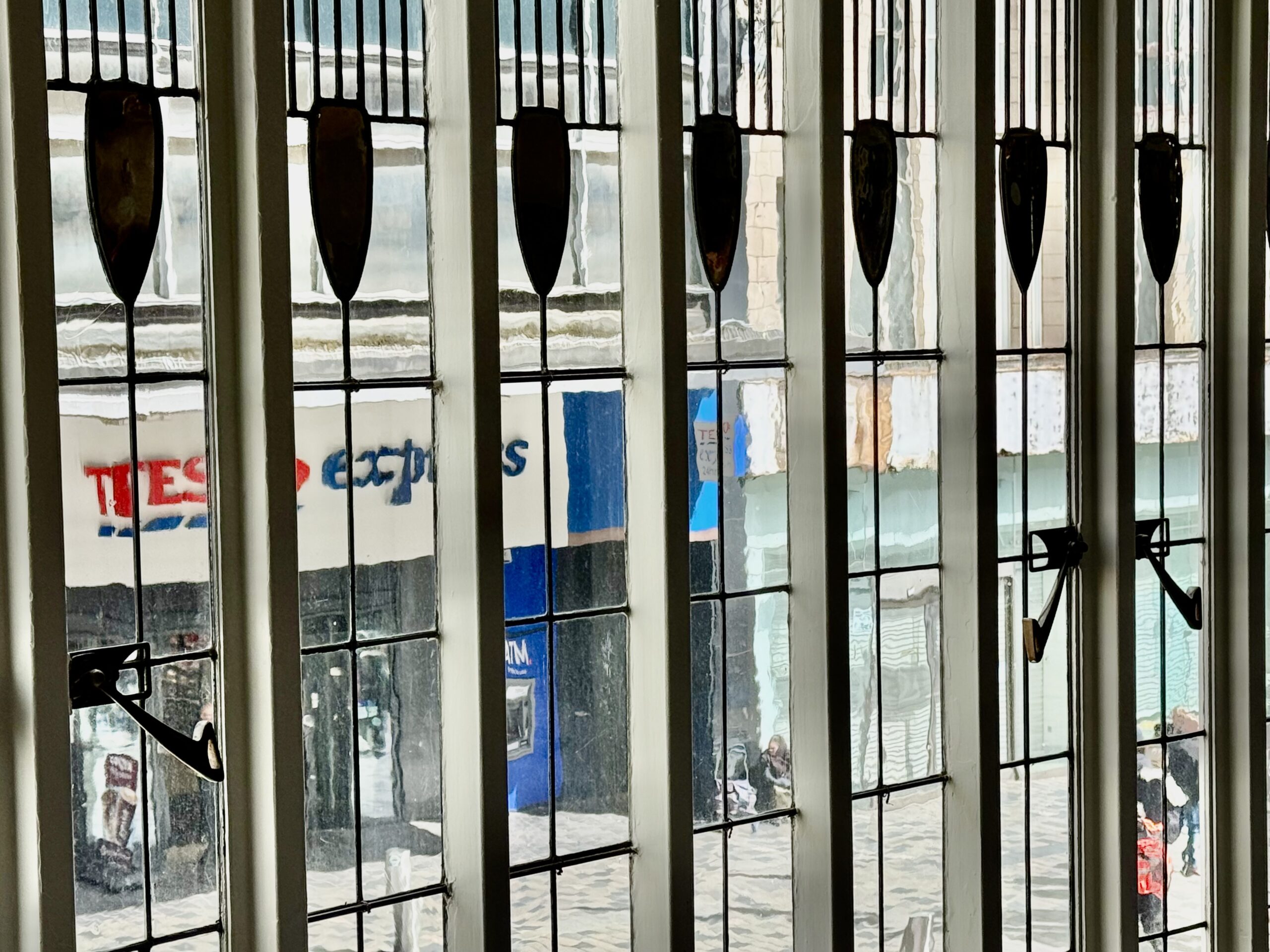
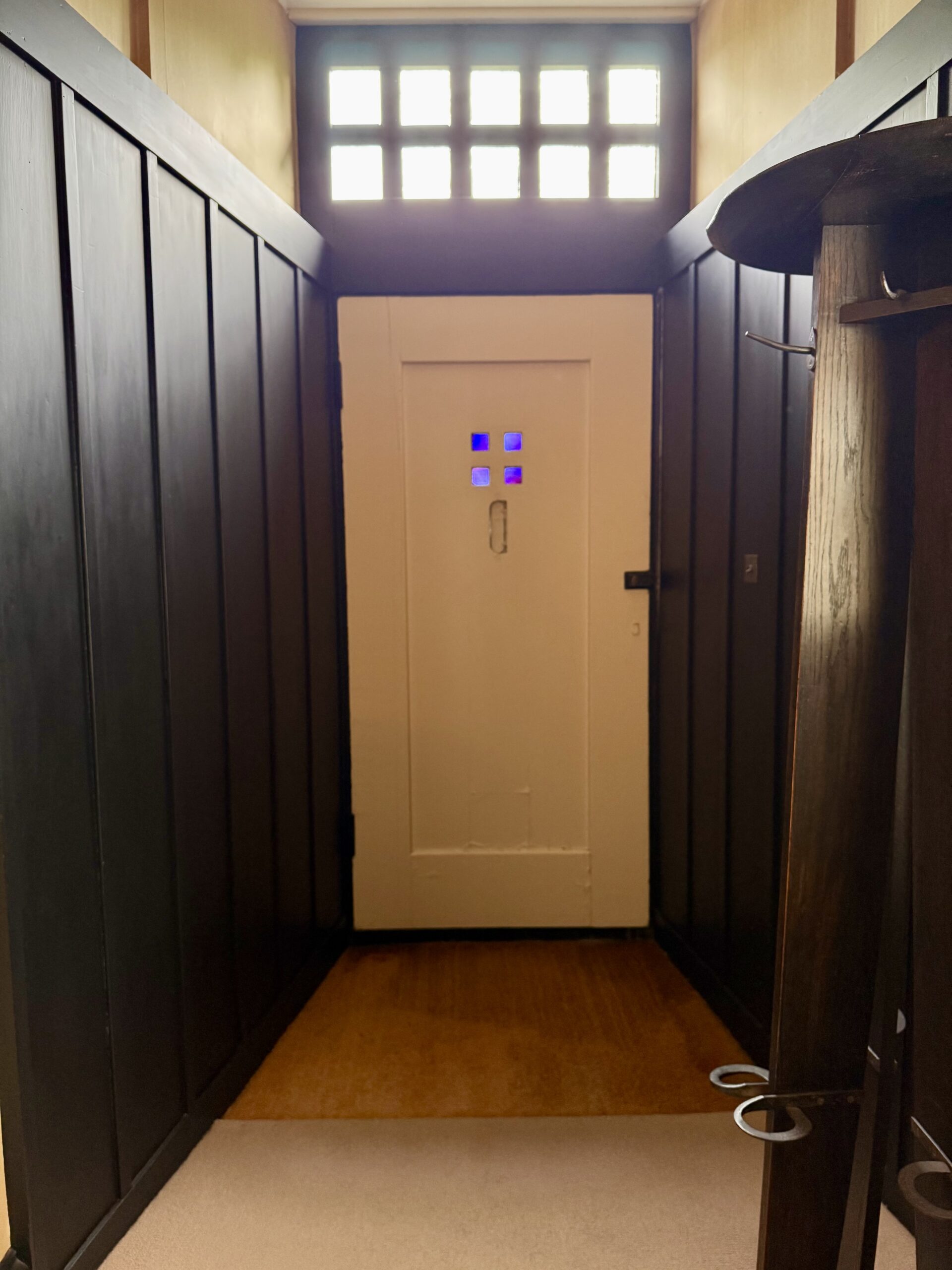
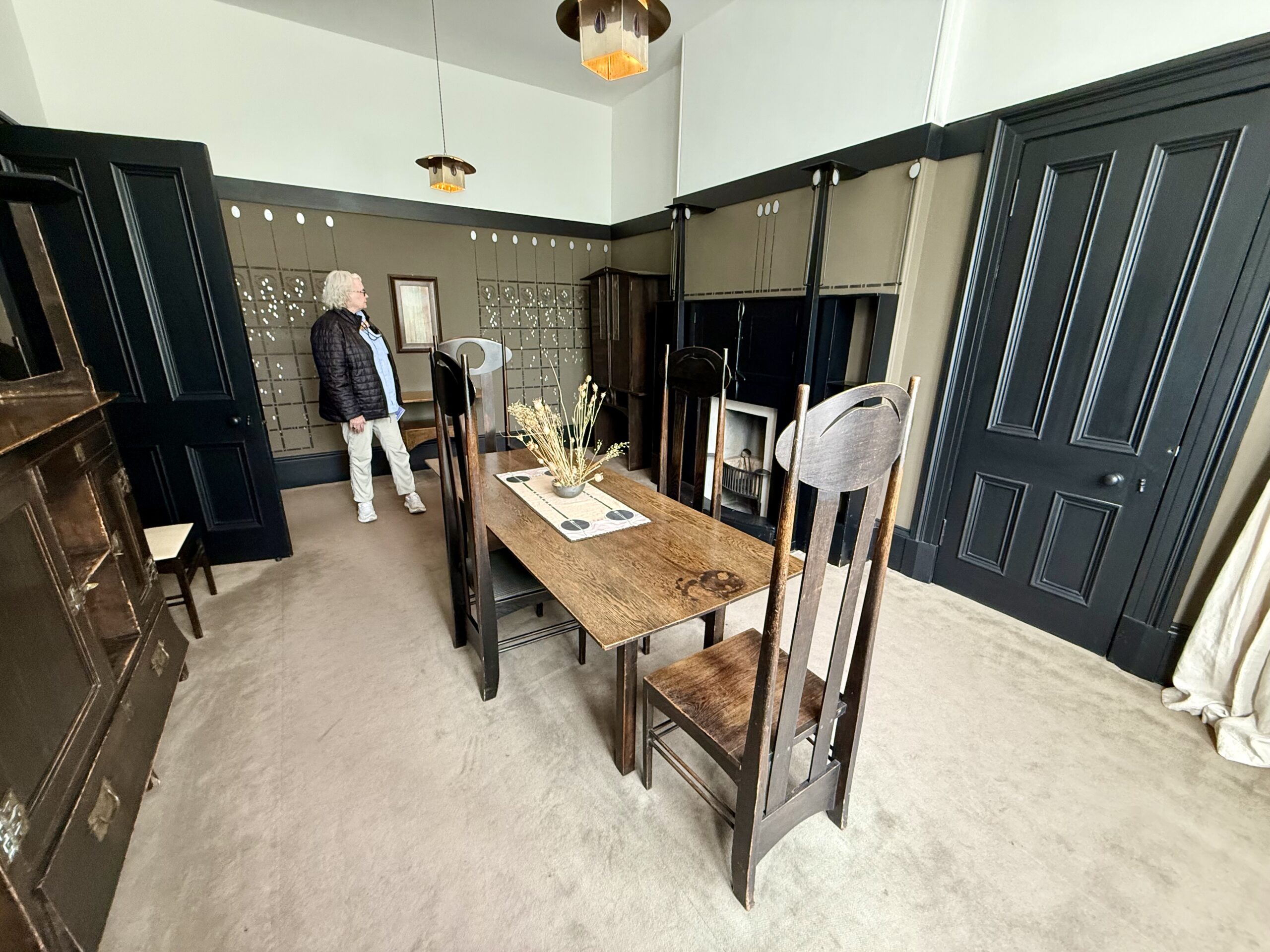
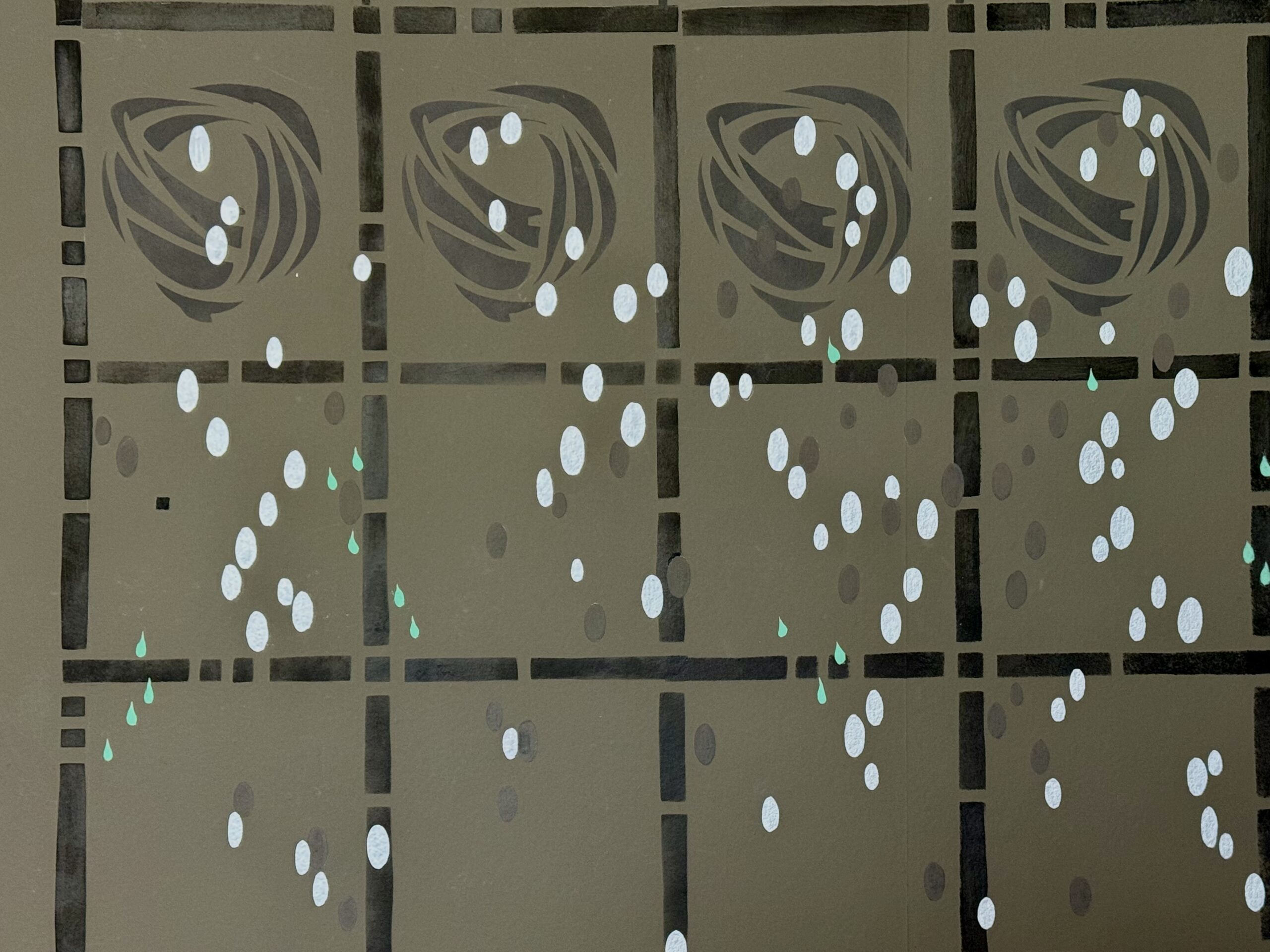
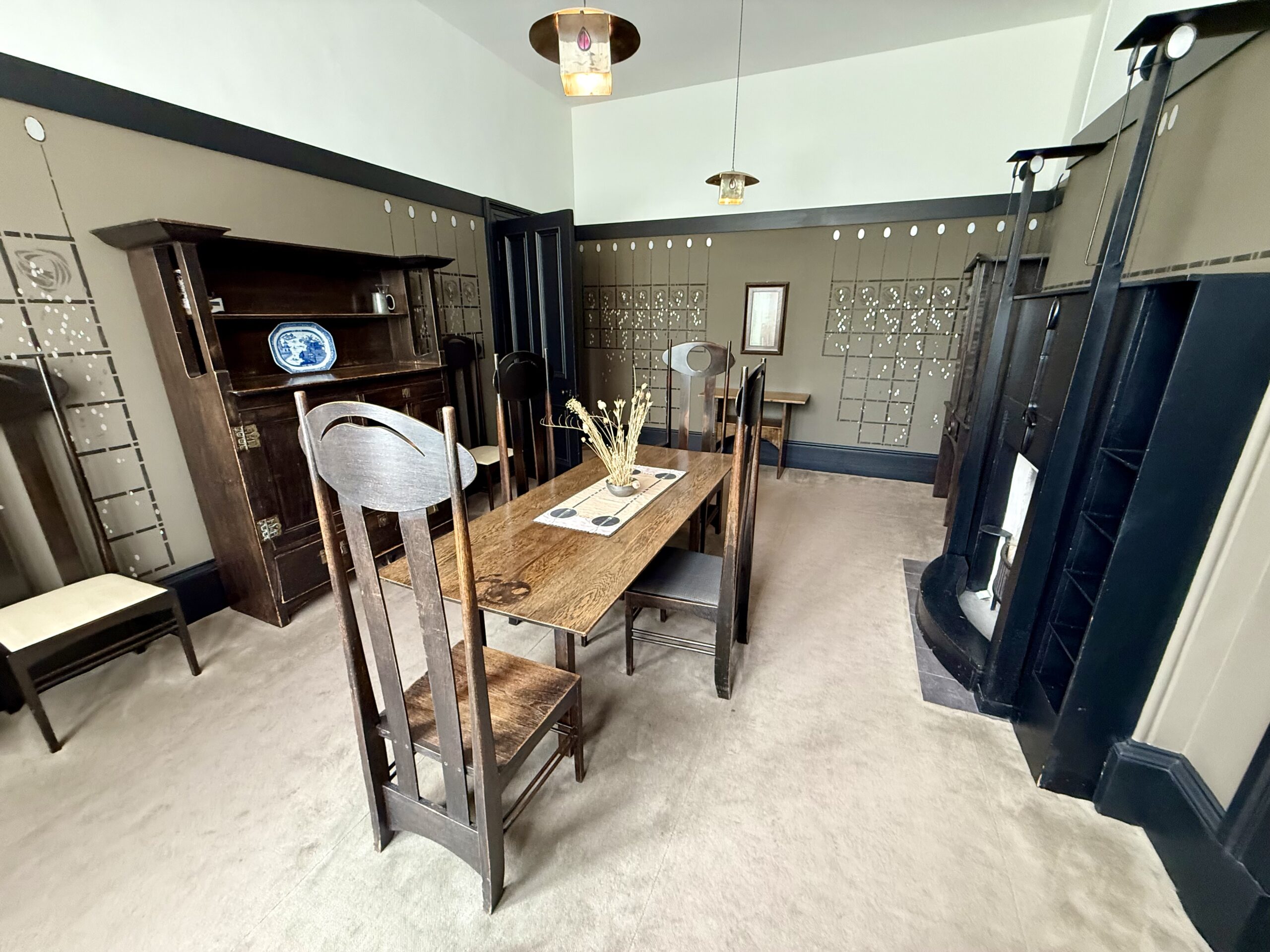
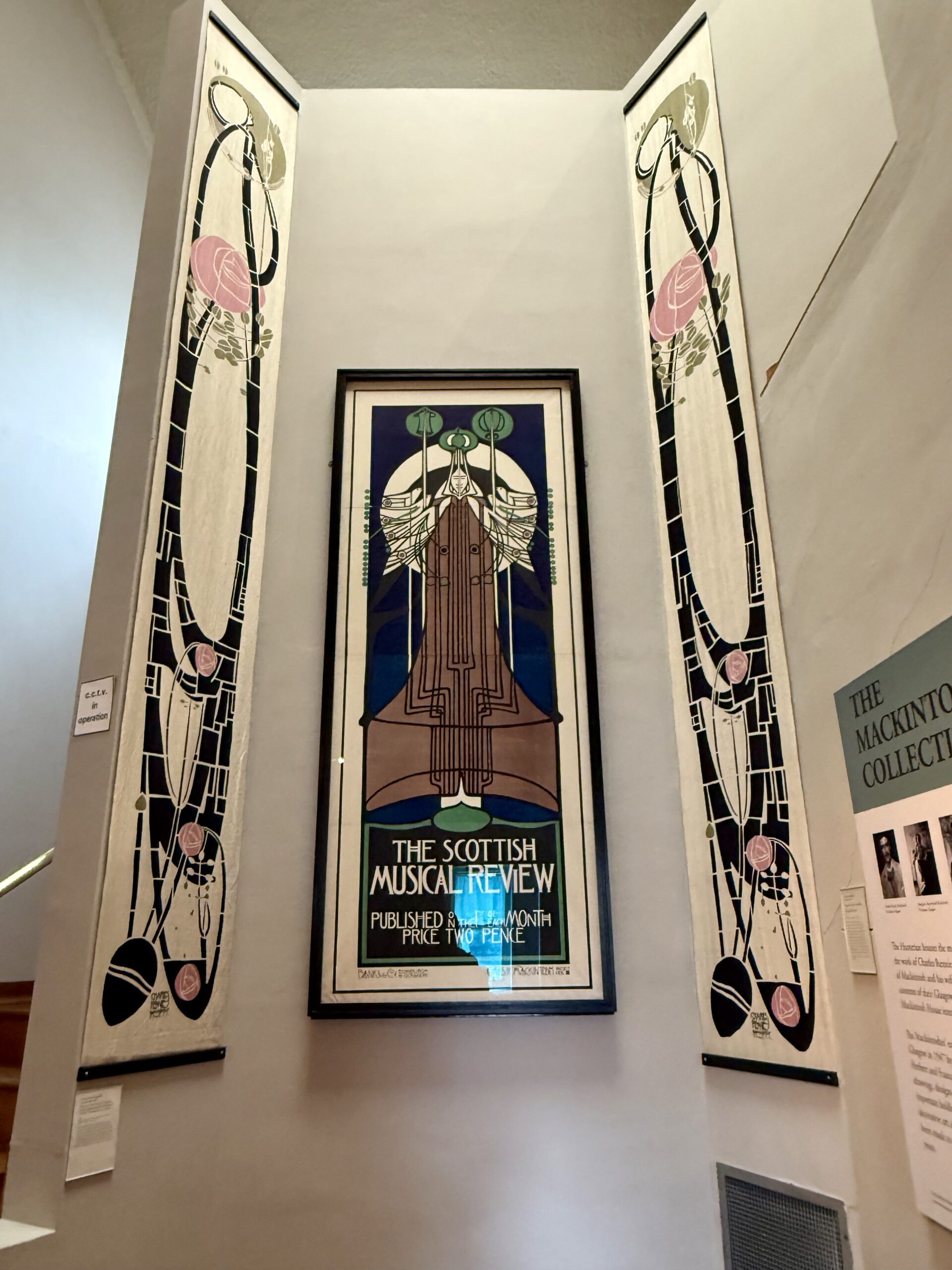
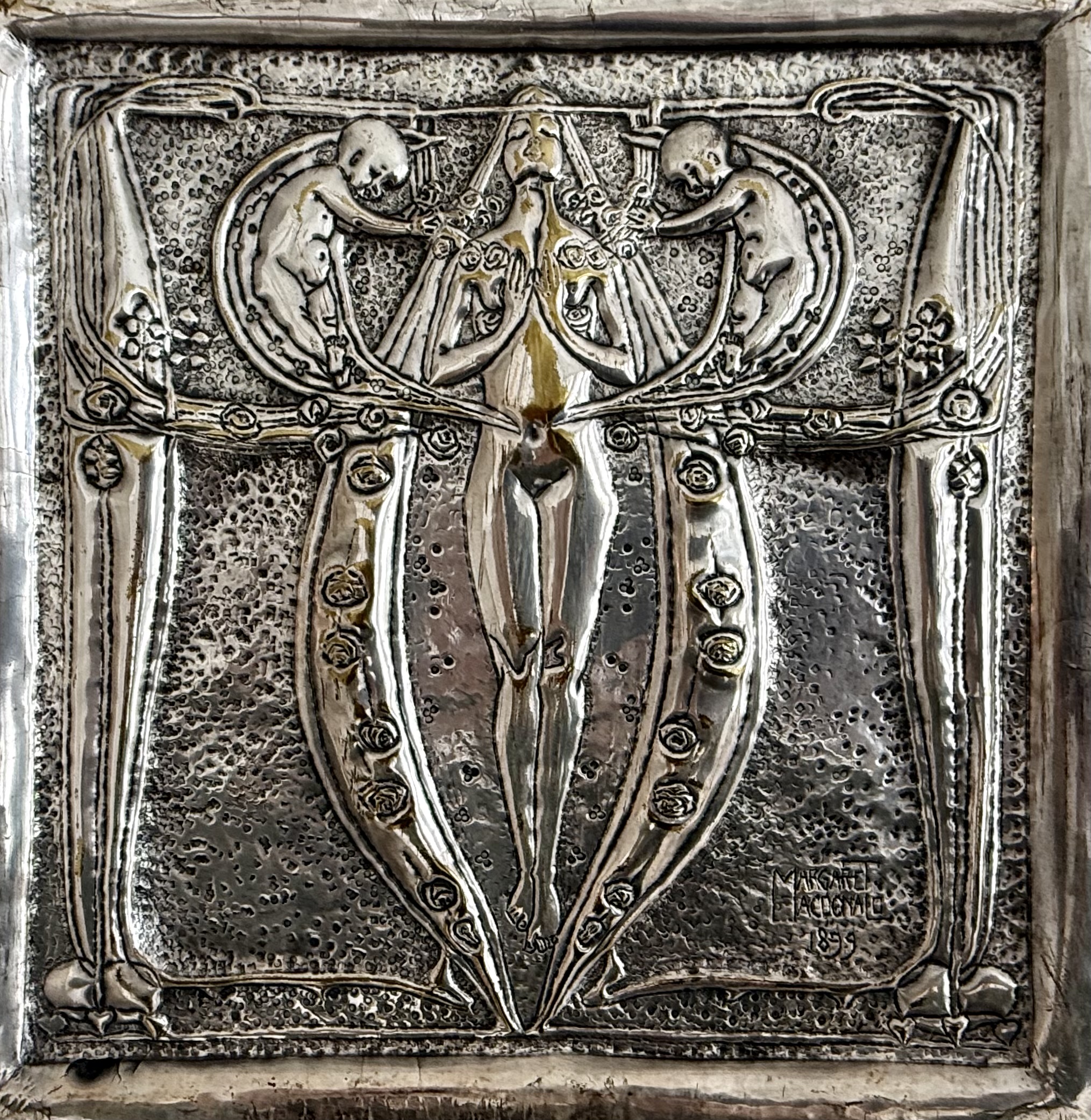
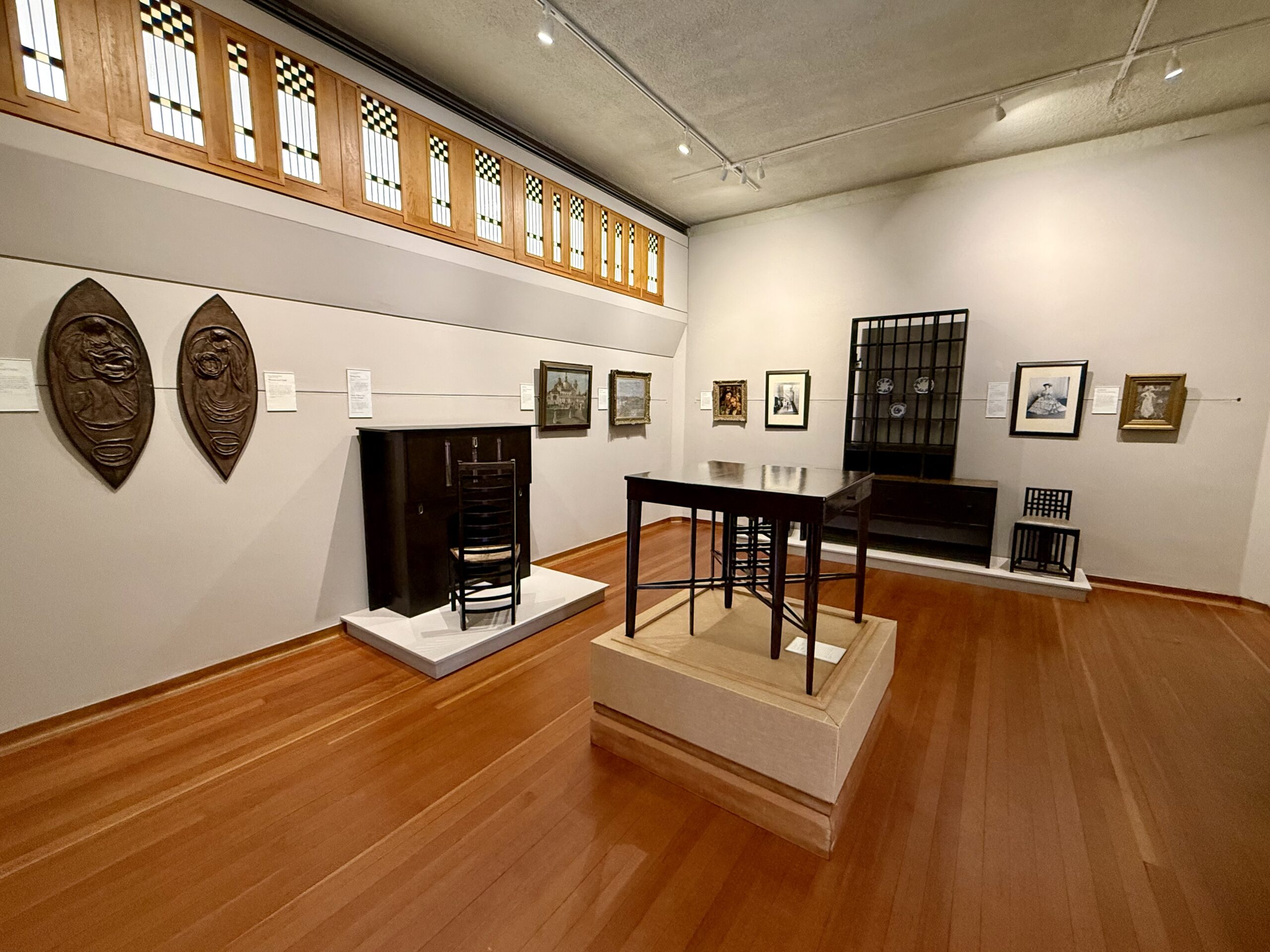
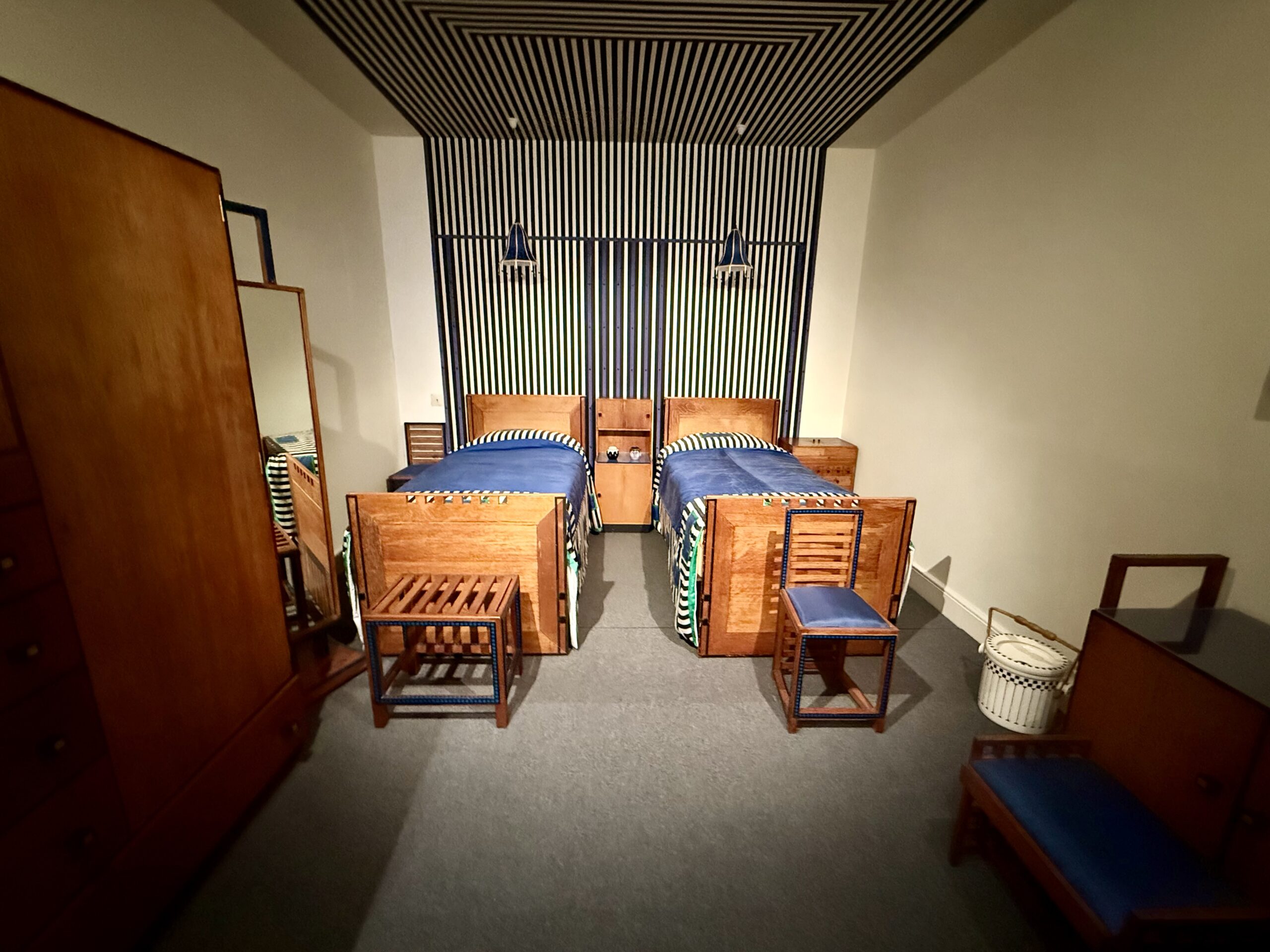
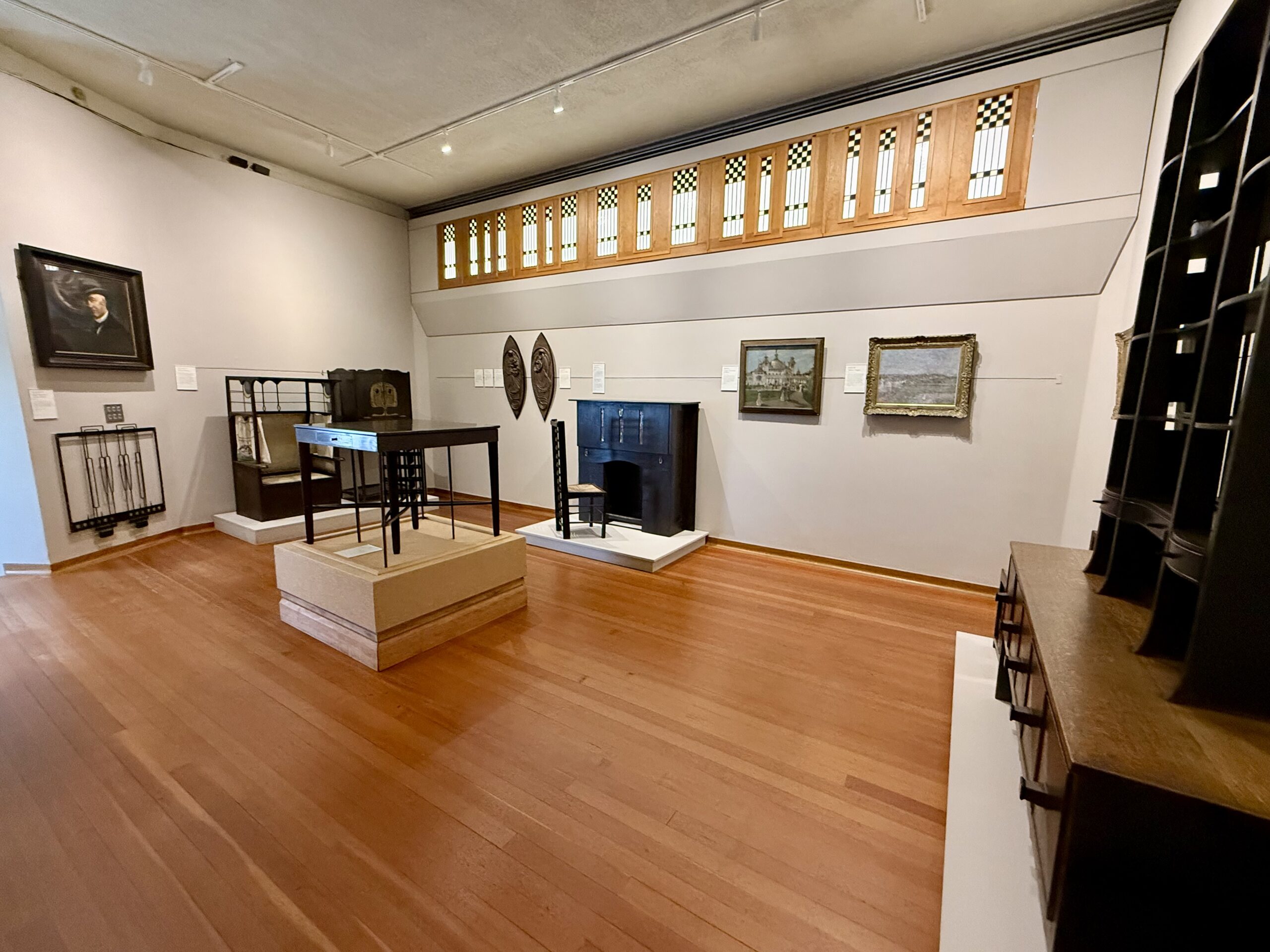
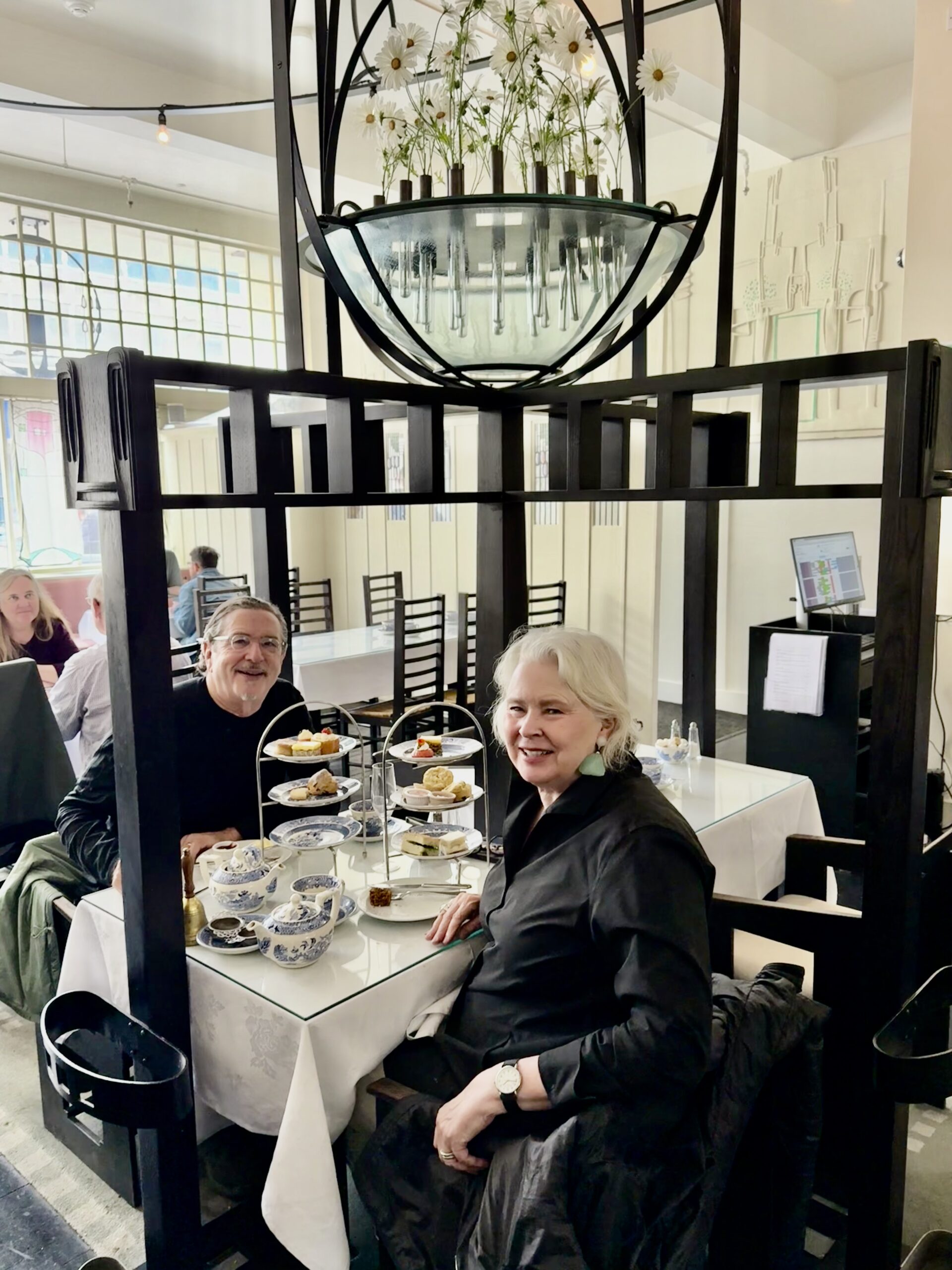
The highlights of Glasgow for us centered on the work of Charles Rennie Mackintosh and his wife, the artist, Margaret Macdonald Macintosh. His Willow Tea Room, 1903, wowed us, and we were glad we signed up for the National Trust tour. He designed everything there, including umbrella stands and uniforms for the waitresses. The tour emphasizes the role of the entrepreneur and patron, Kate Cranston, in making an urban space for women. Bonnie’s kind of urban geography.
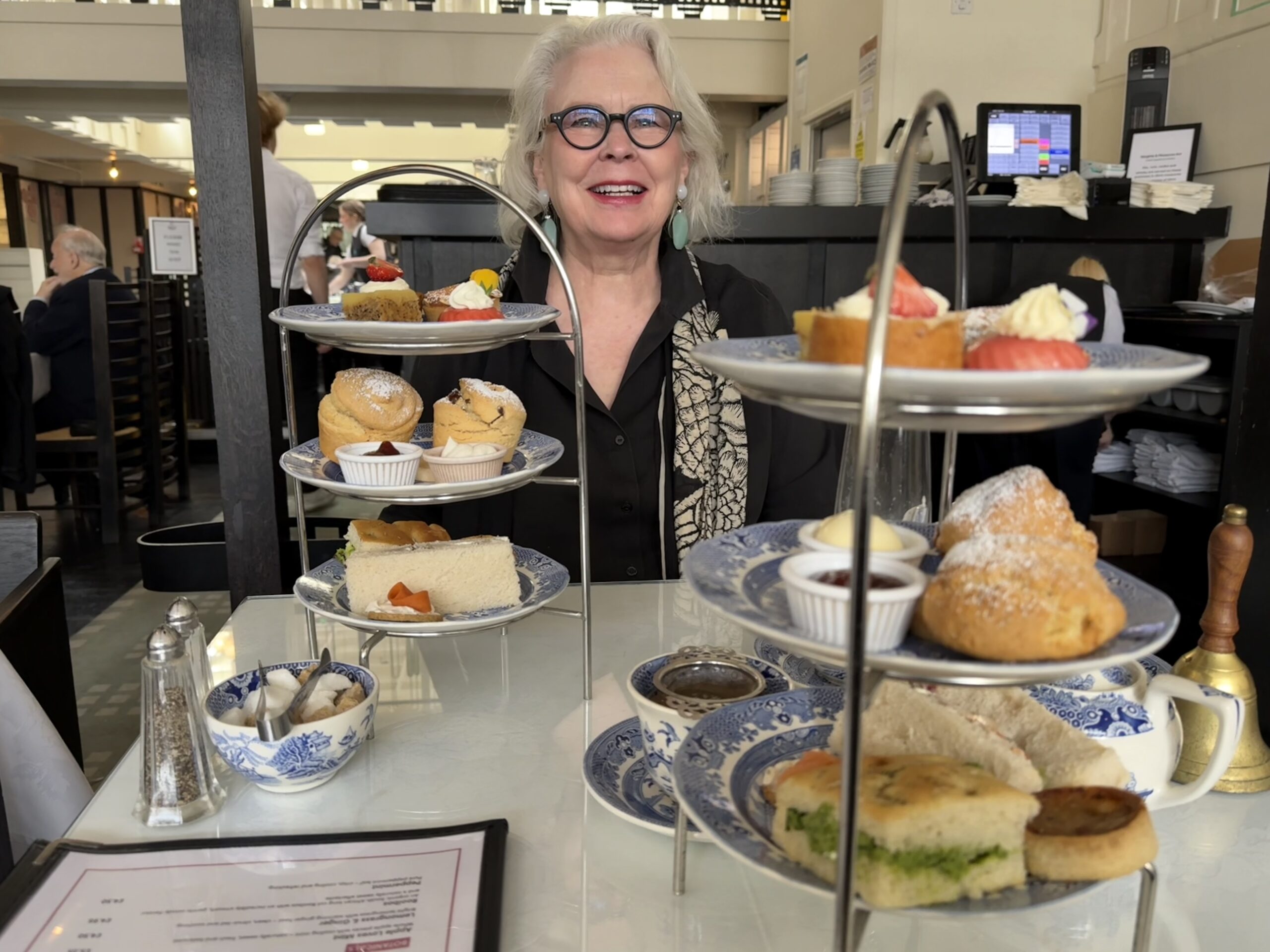
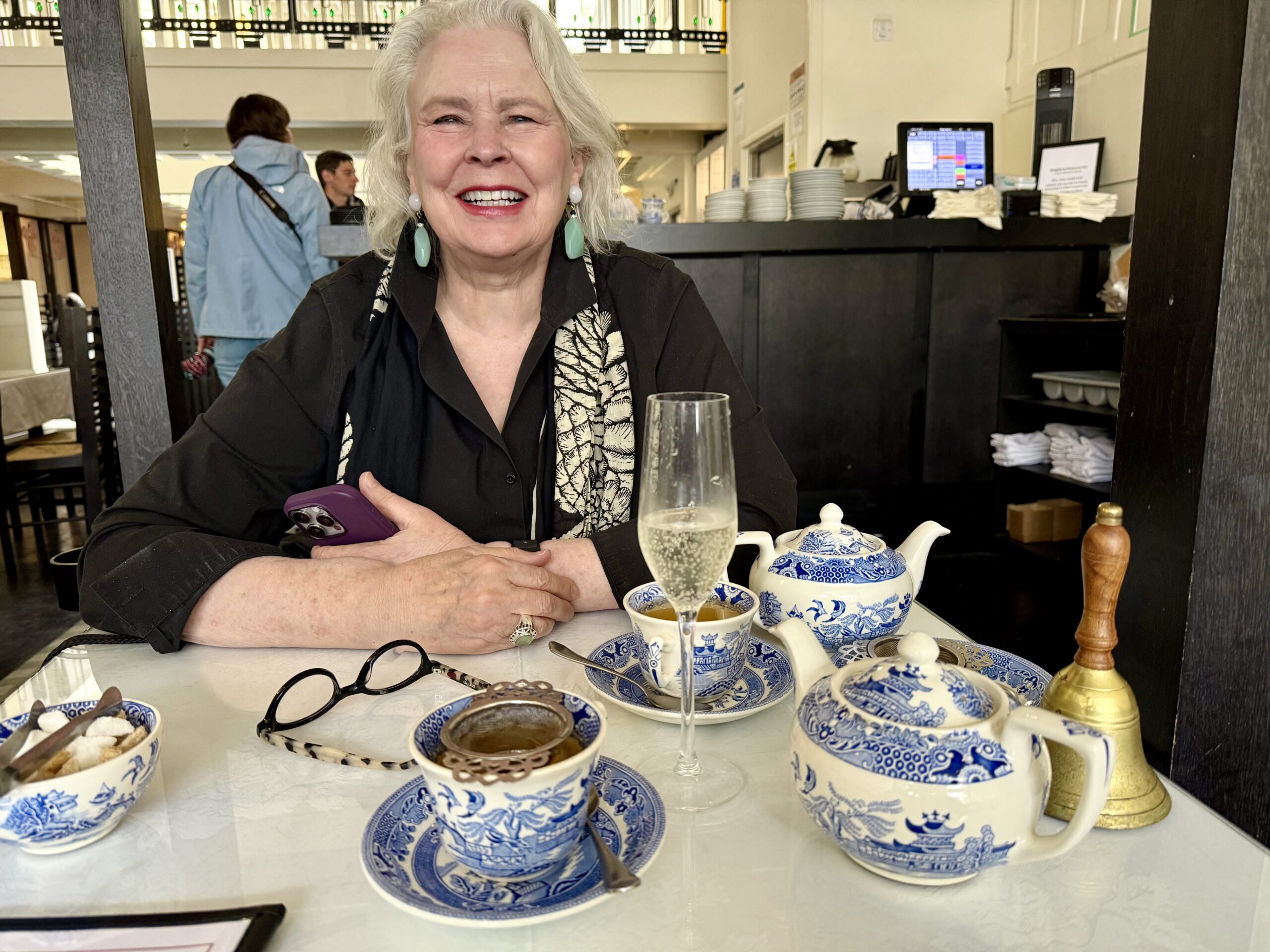
A few days later we had high tea there for Bonnie’s birthday. Bonnie, who is no dairy, was excited to discover a vegan option. Sugar rush. Souvenir tea towels purchased in the gift shop.
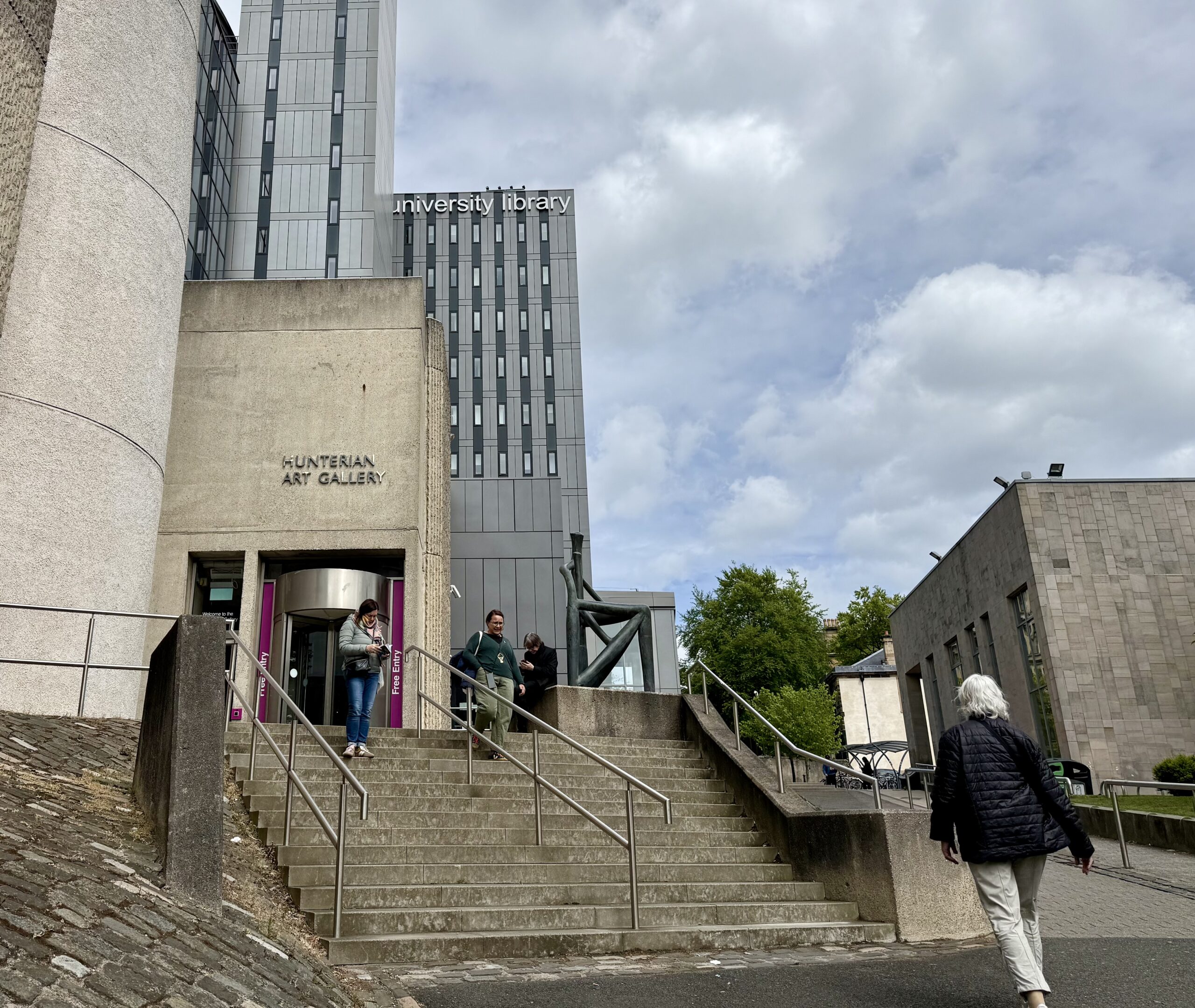
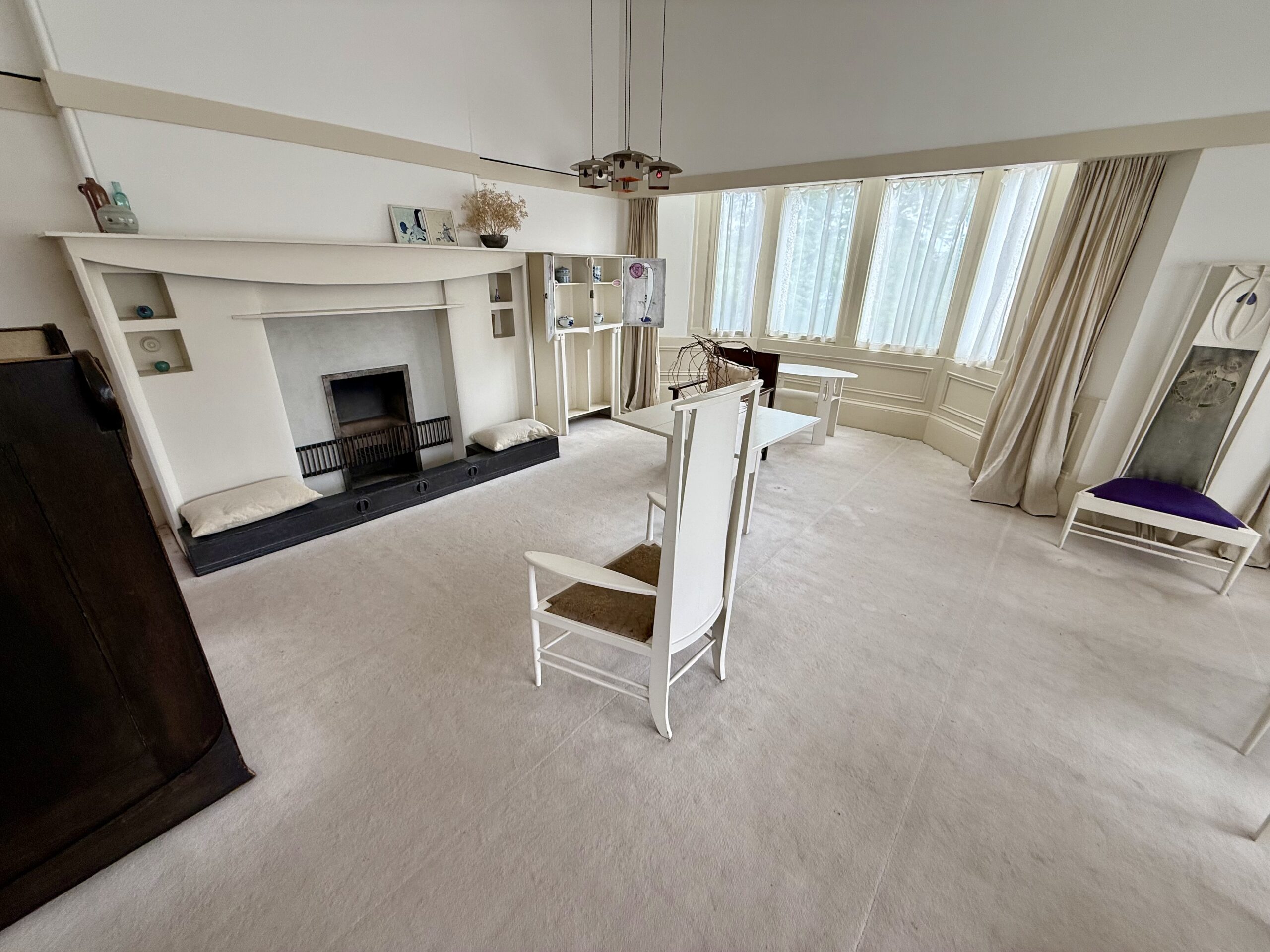
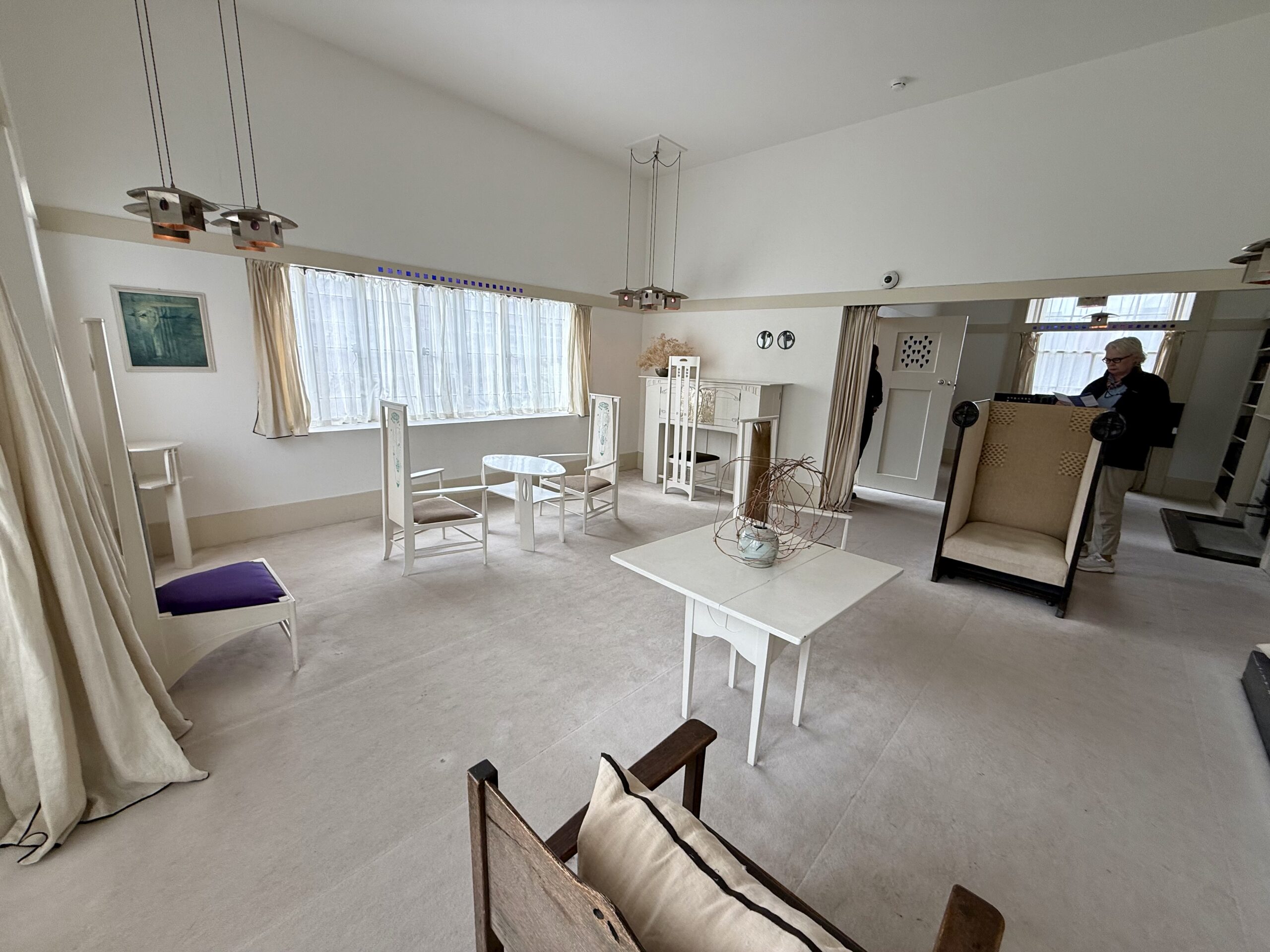
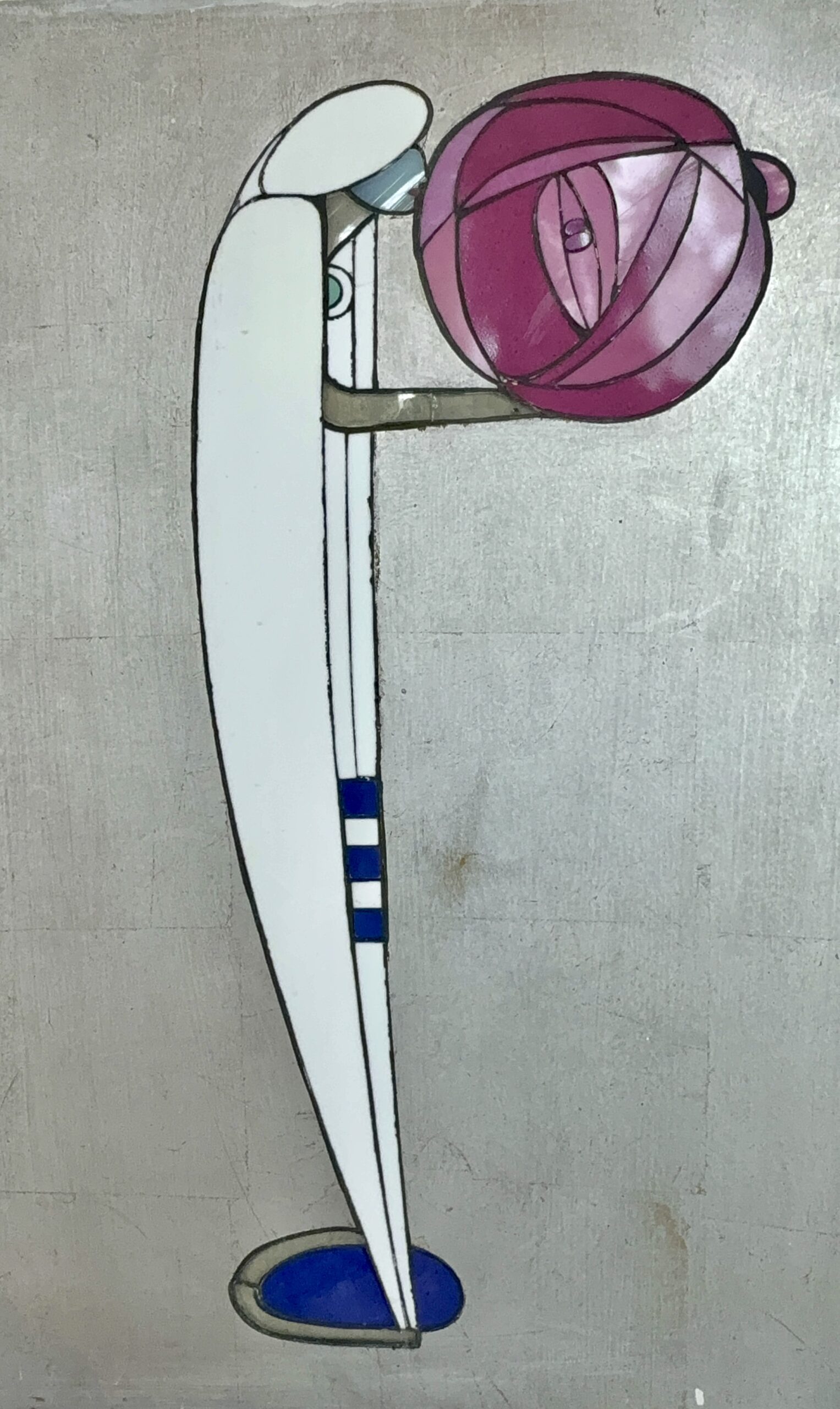
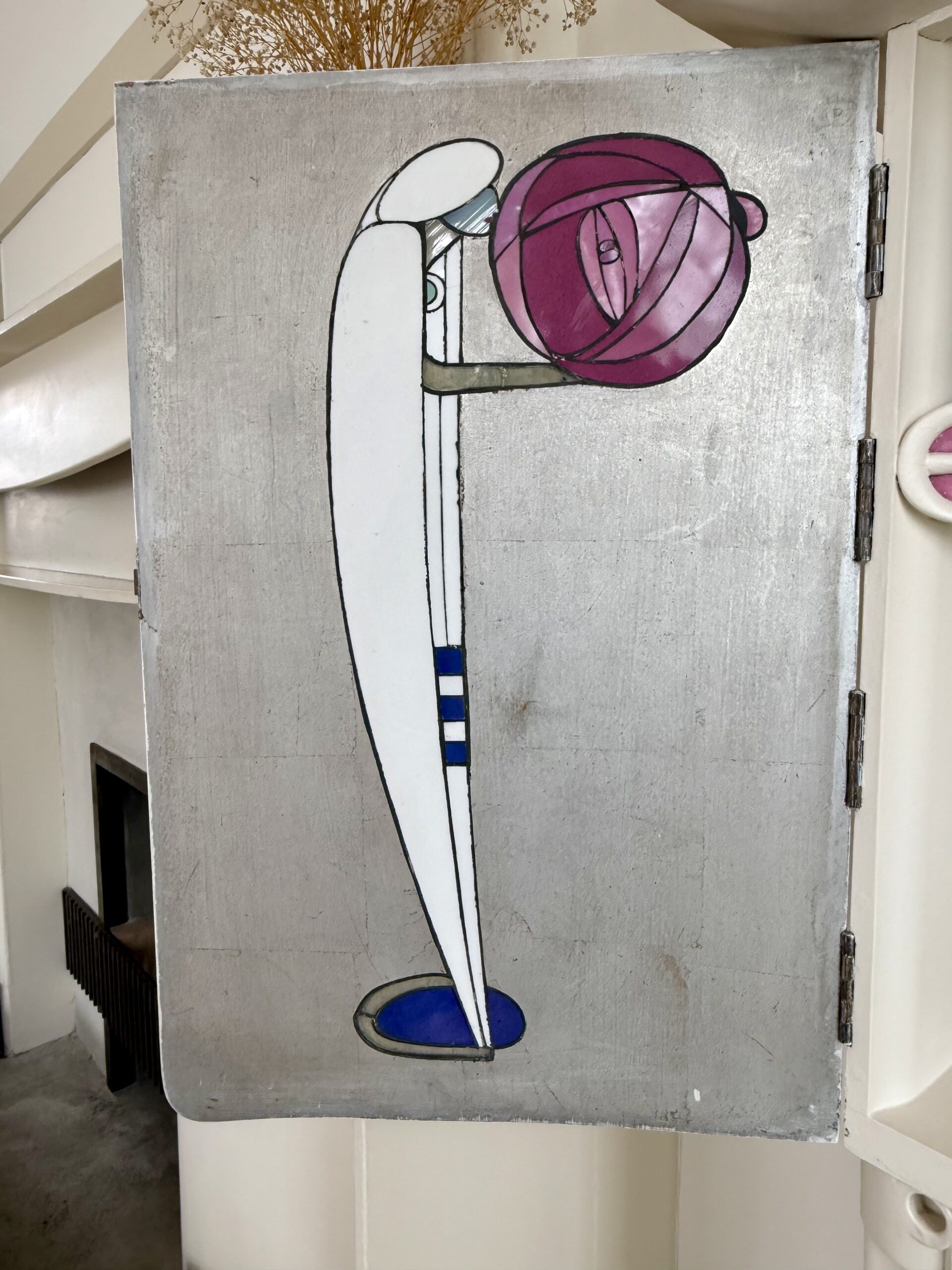
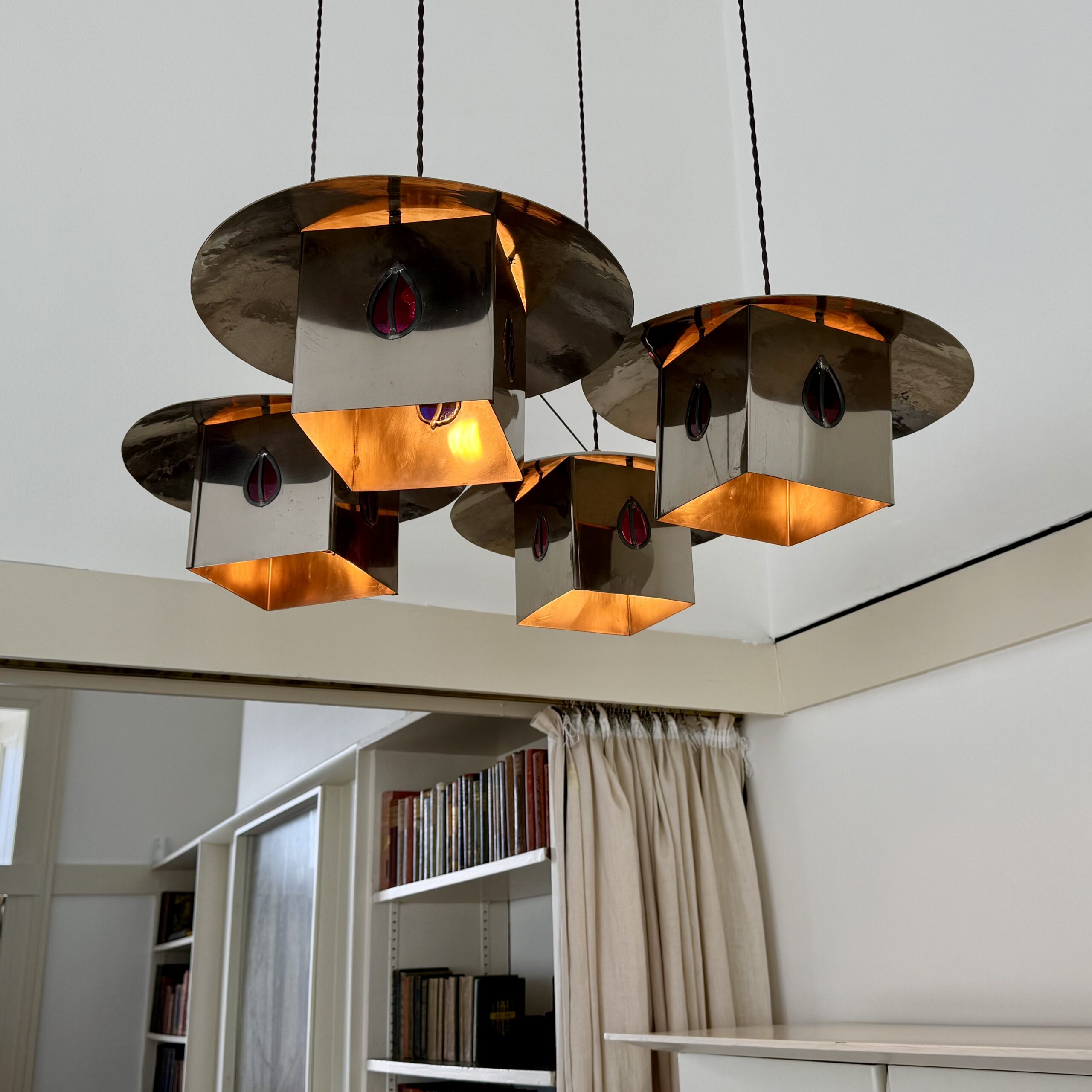
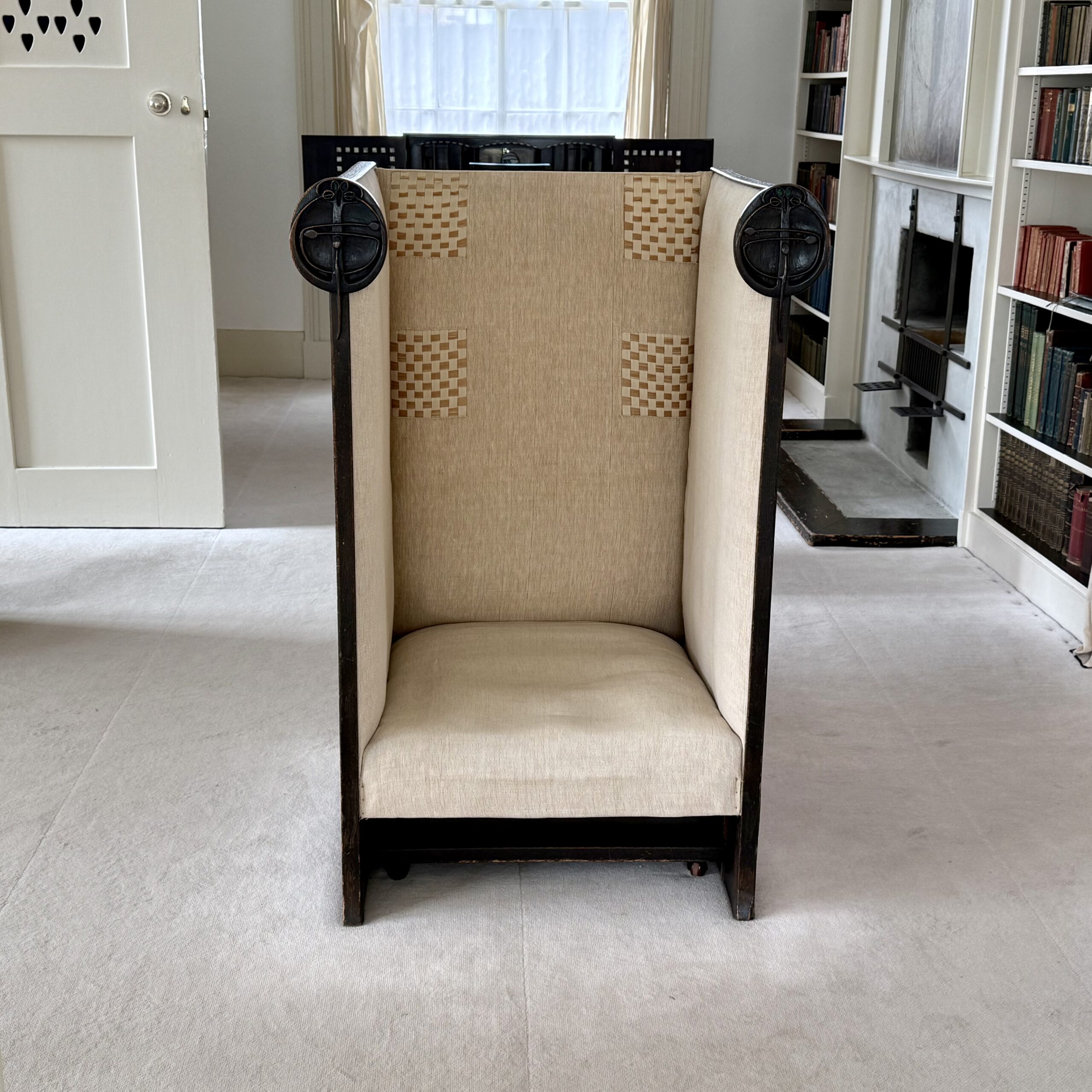
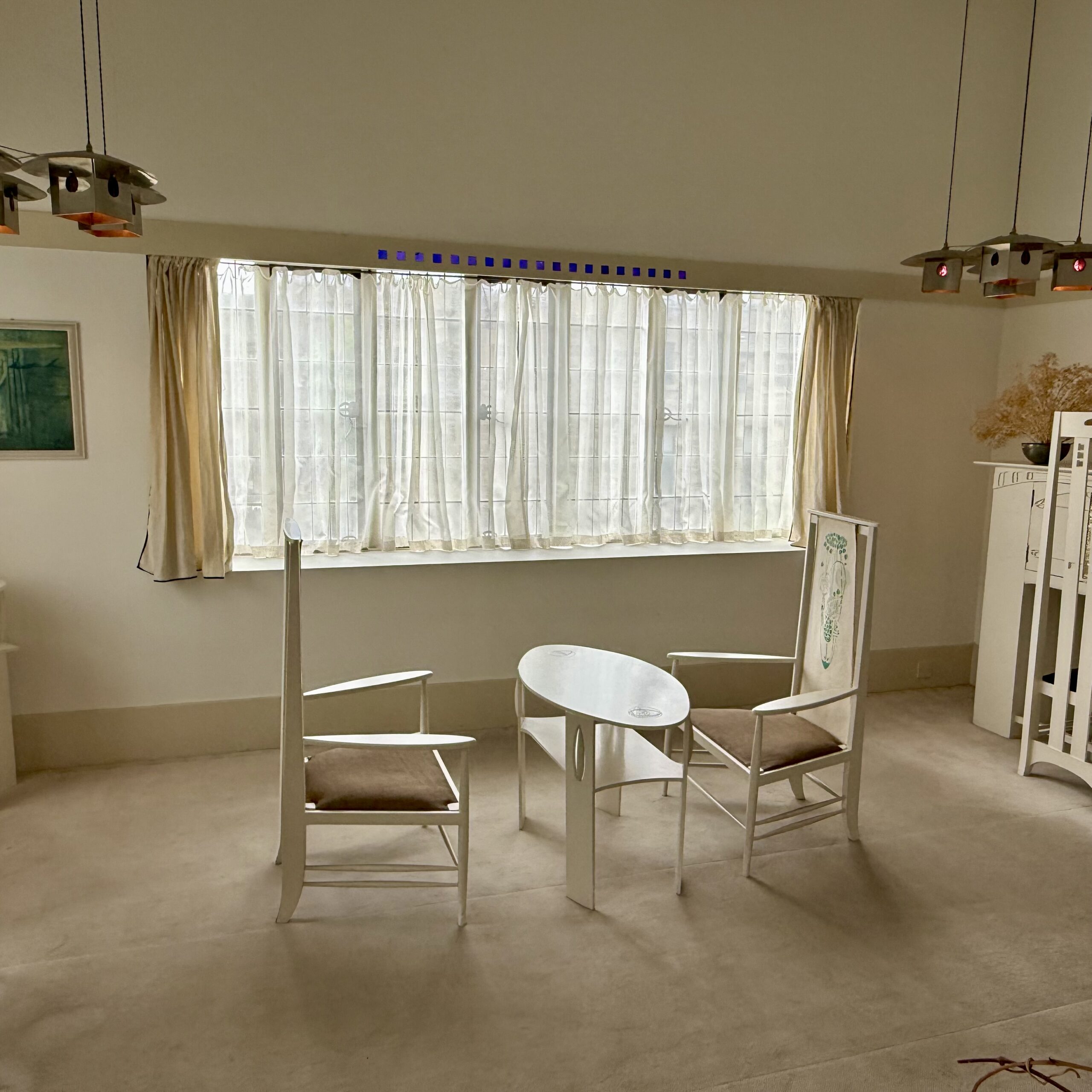
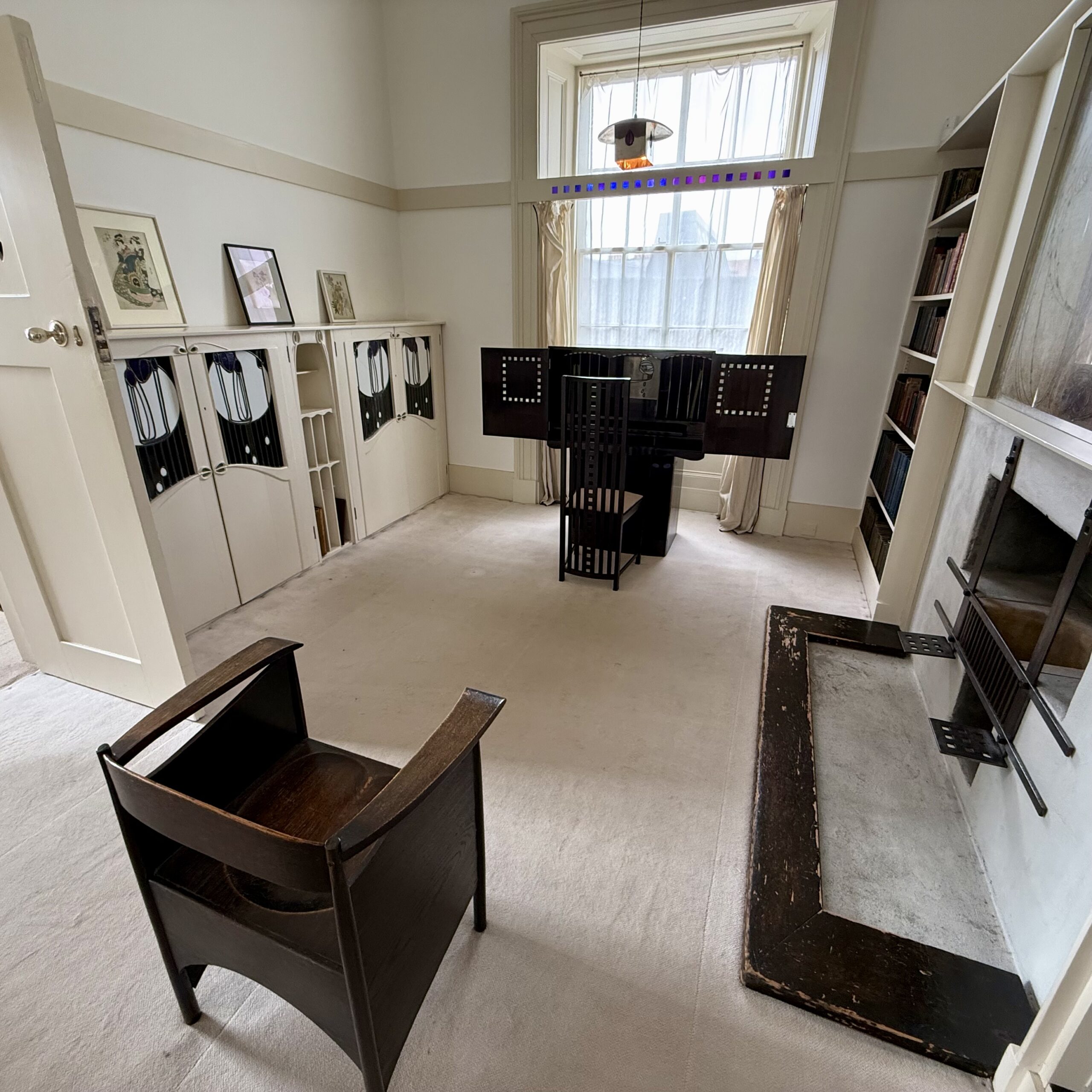
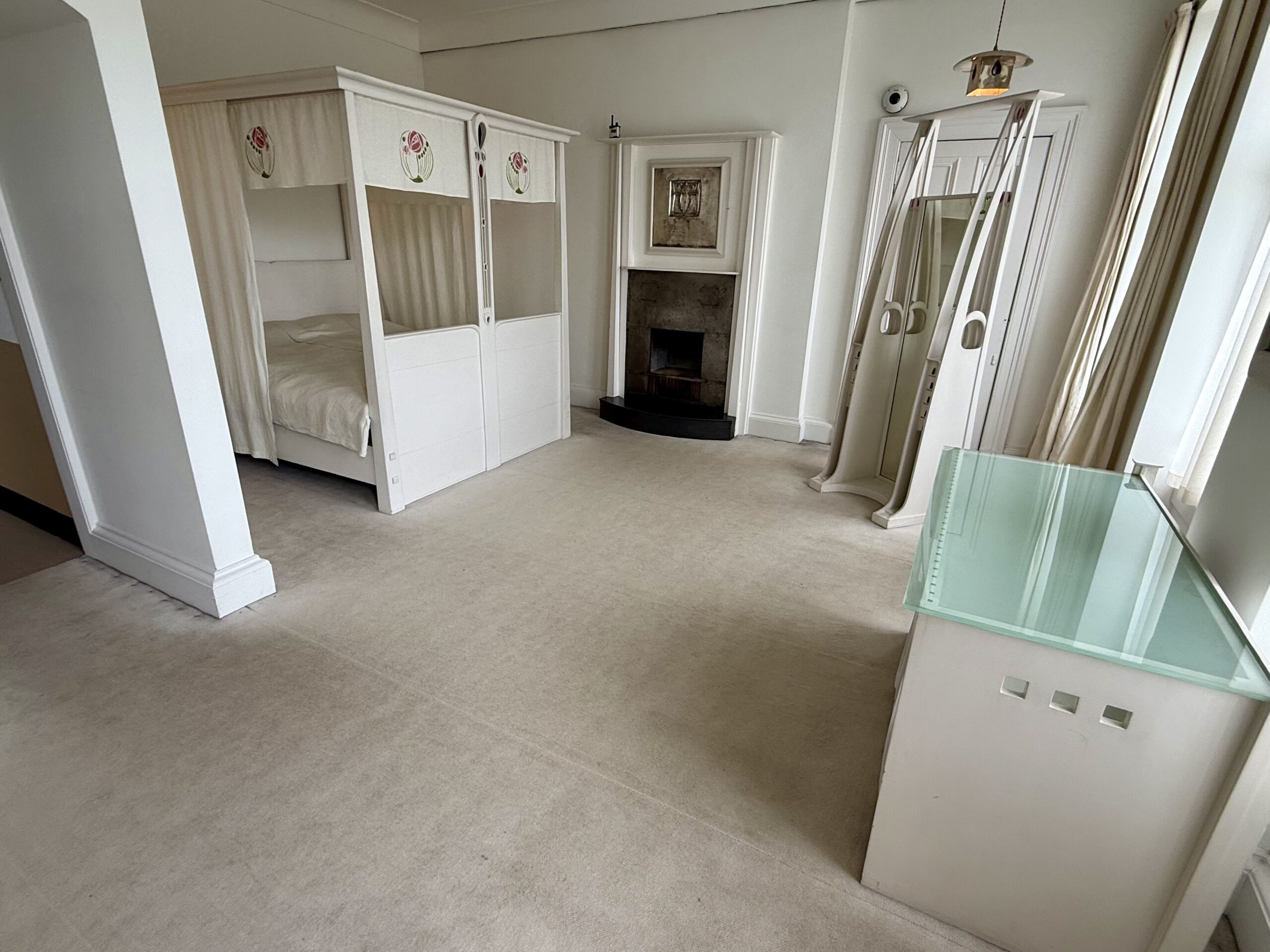
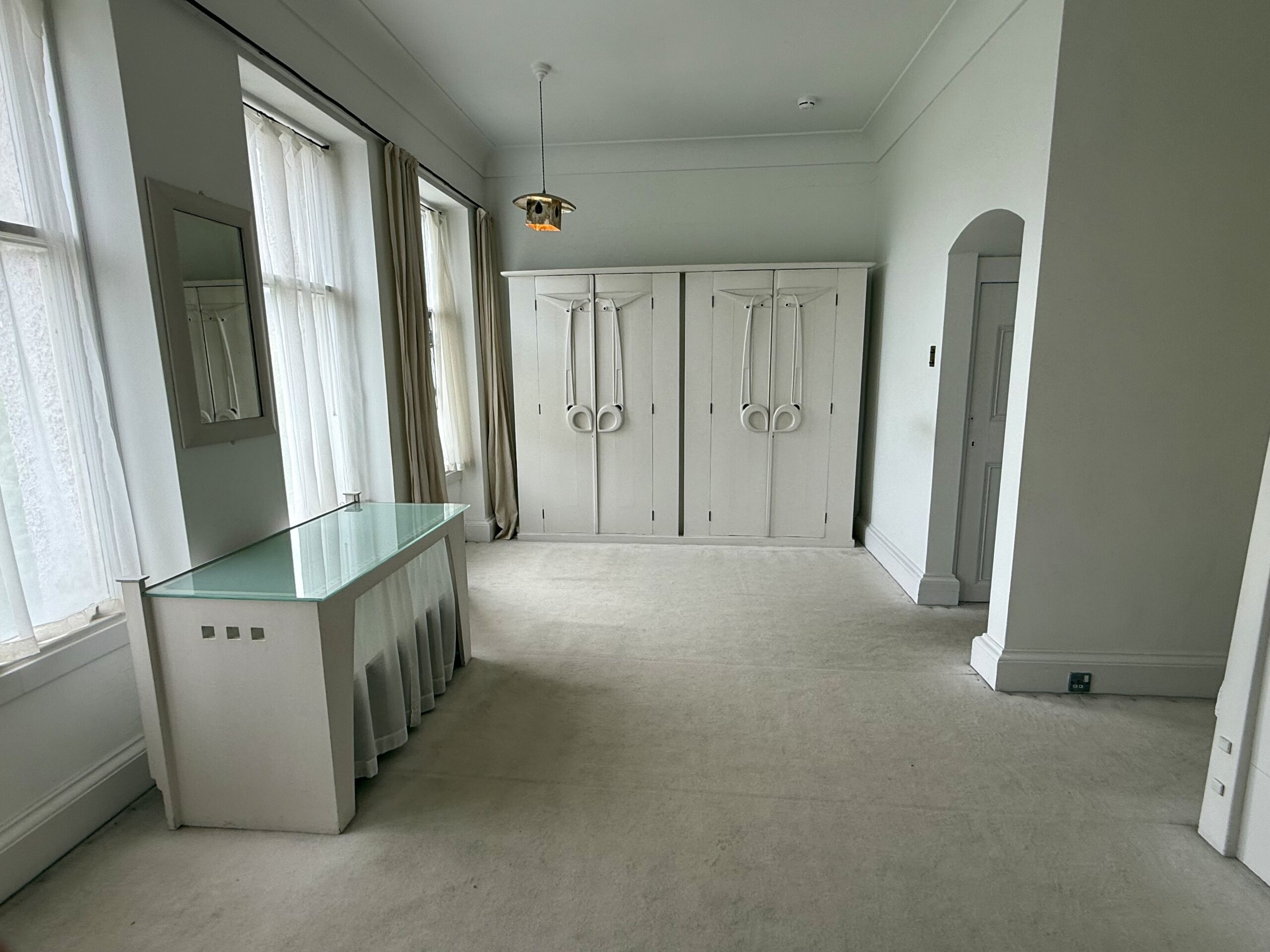
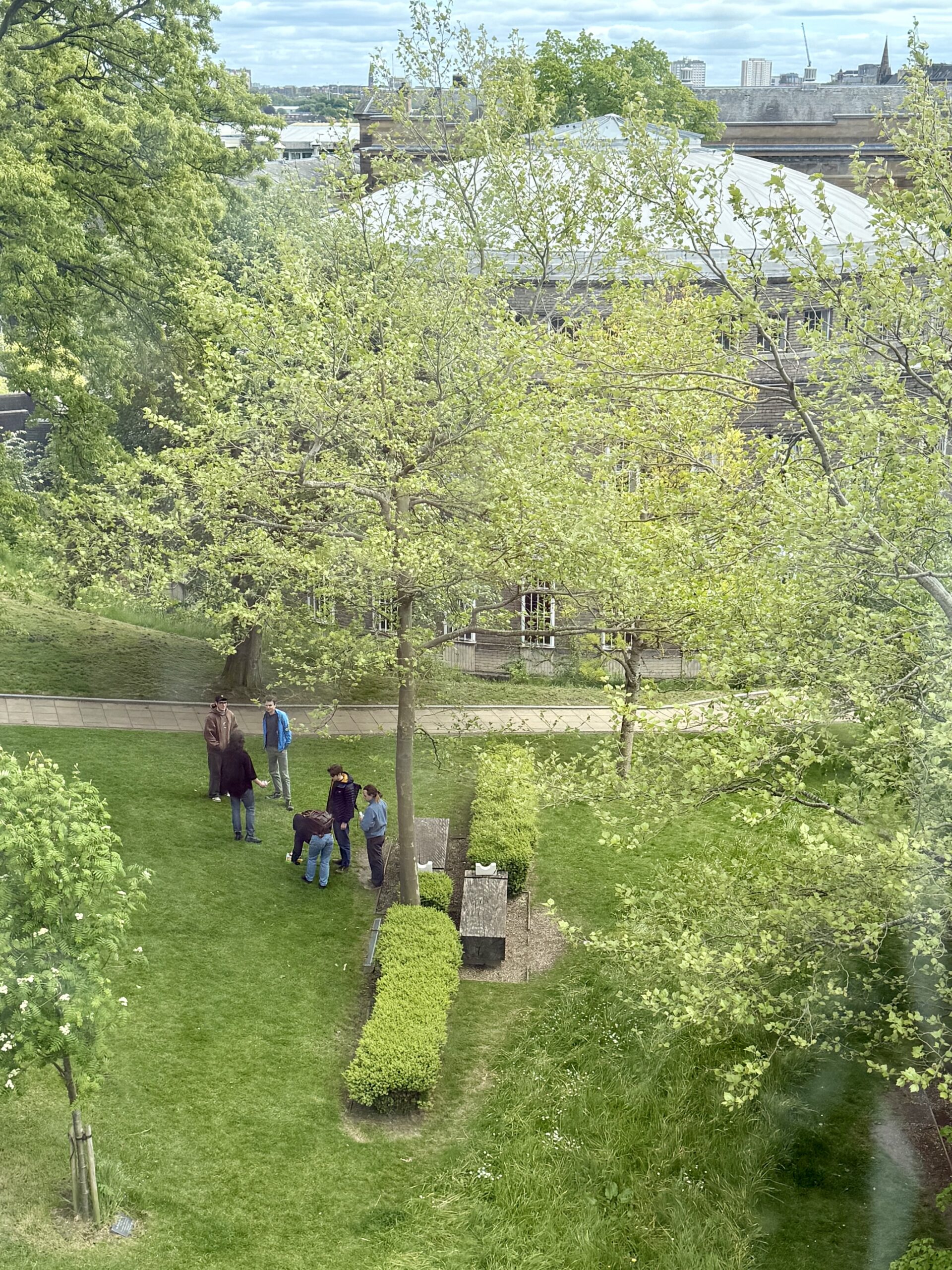
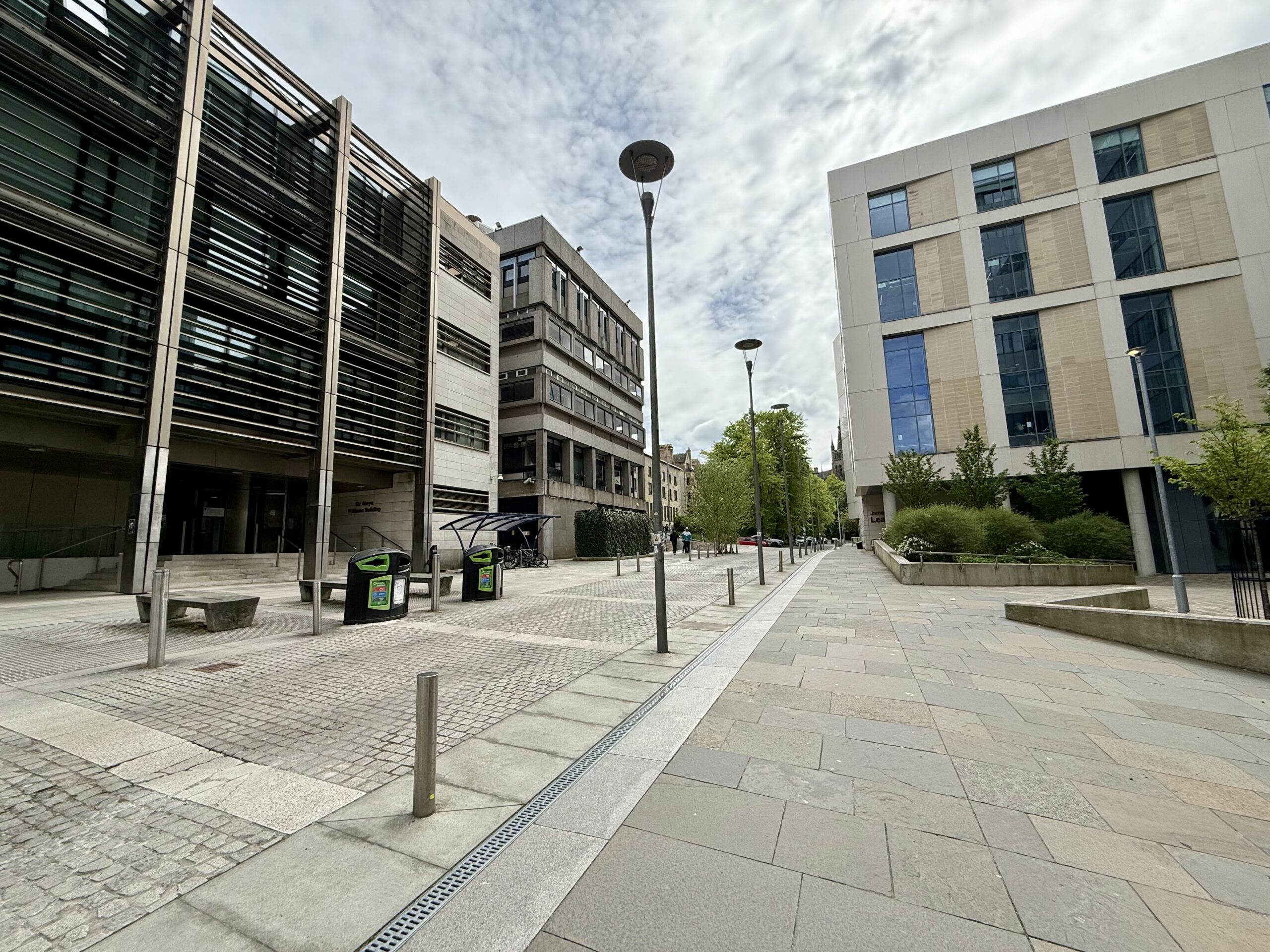
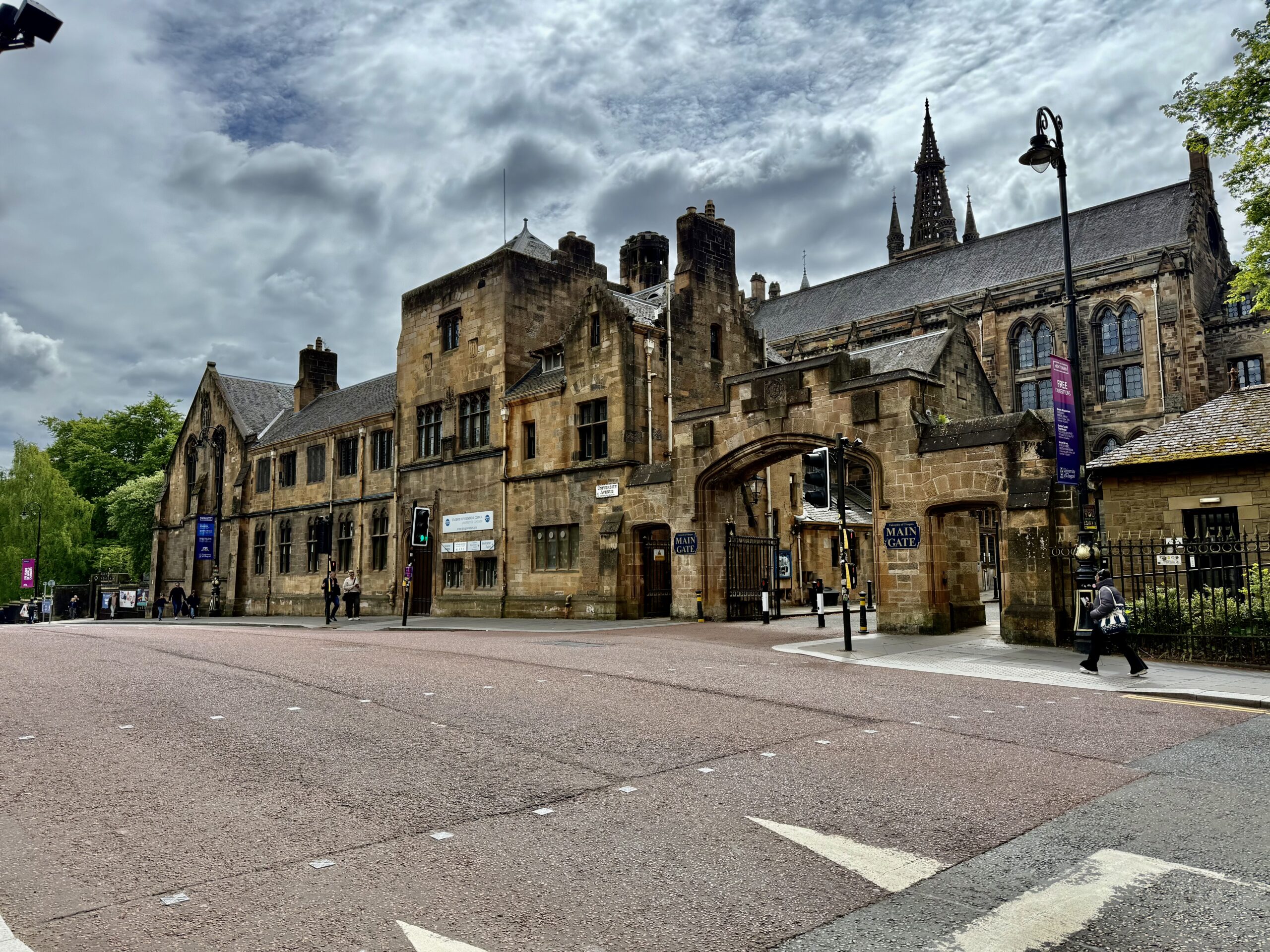
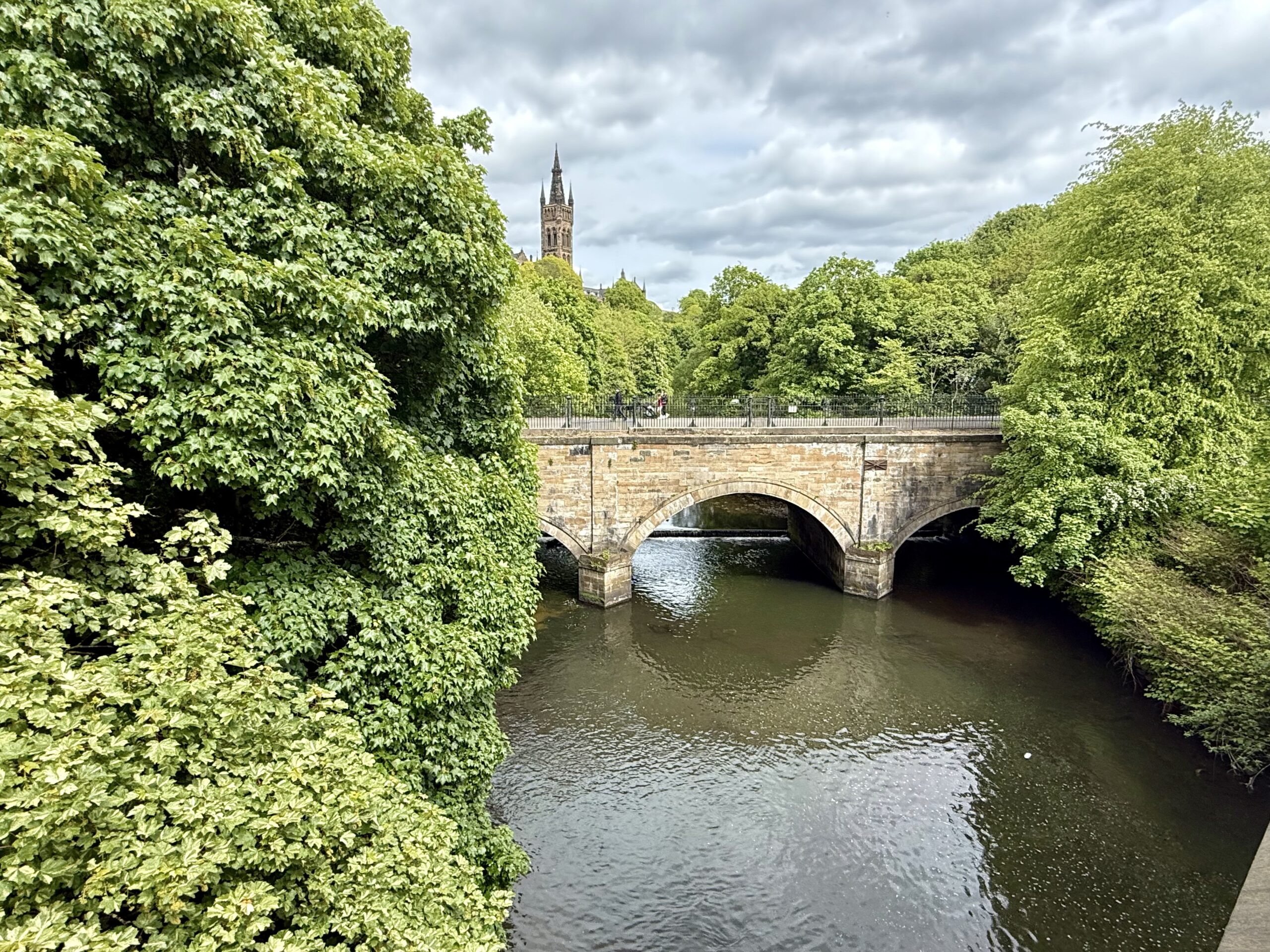
The completely reconstructed home of the Mackintoshs stands attached to the University of Glasgow’s Hunterian Art Gallery. The university demolished the original but saved the interiors. It is easy to see that the light-filled white interior differed radically from the dark, cluttered Victorian homes of the day. Visiting the house lured us for a stroll through the university campus, which is a gorgeous leafy oasis in a gritty city. Adjacent Byres Road is filled with appealing shops and restaurants.
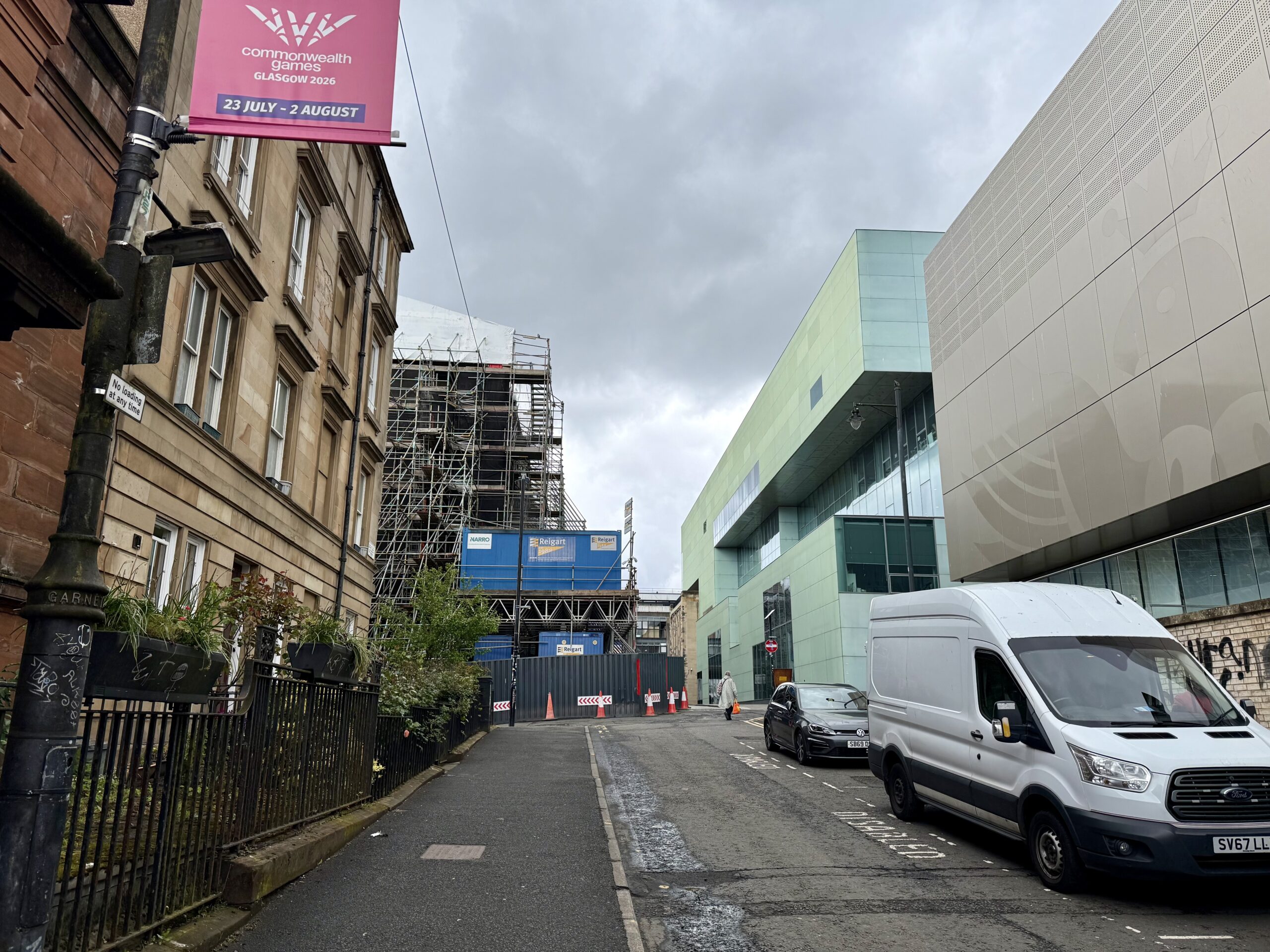
We made a pilgrimage to the site of the architect’s masterpiece, the Glasgow School of Art Mackintosh Building, although we knew it has been a burnt-out shell since 2018. Extensive scaffolding supports the black hulk, larger than we expected, and it awaits fundraising. The school boasts that this building was the precursor of modernism.
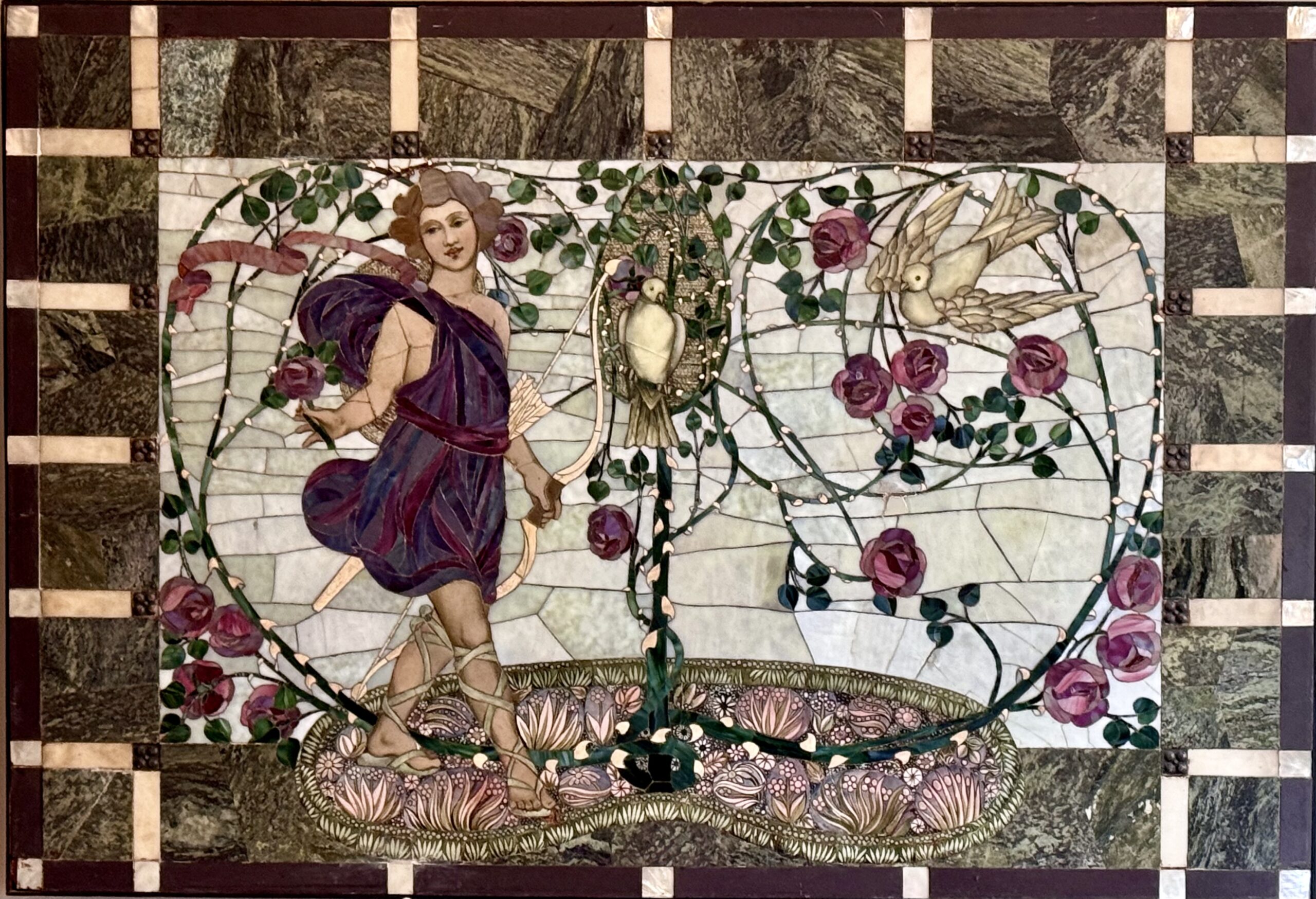
We began speculating about what influenced Macintosh in design. The couple made a trip to Vienna and the imprint of Klimt and Wiener Werkstatte seems unmistakable. Tour guides pointed out the Japanese prints owned by the Macintoshs and the echoes in their designs. Maybe a touch of Frank Lloyd Wright? Arts and Crafts? Art Nouveau?
Strolling and Lunch
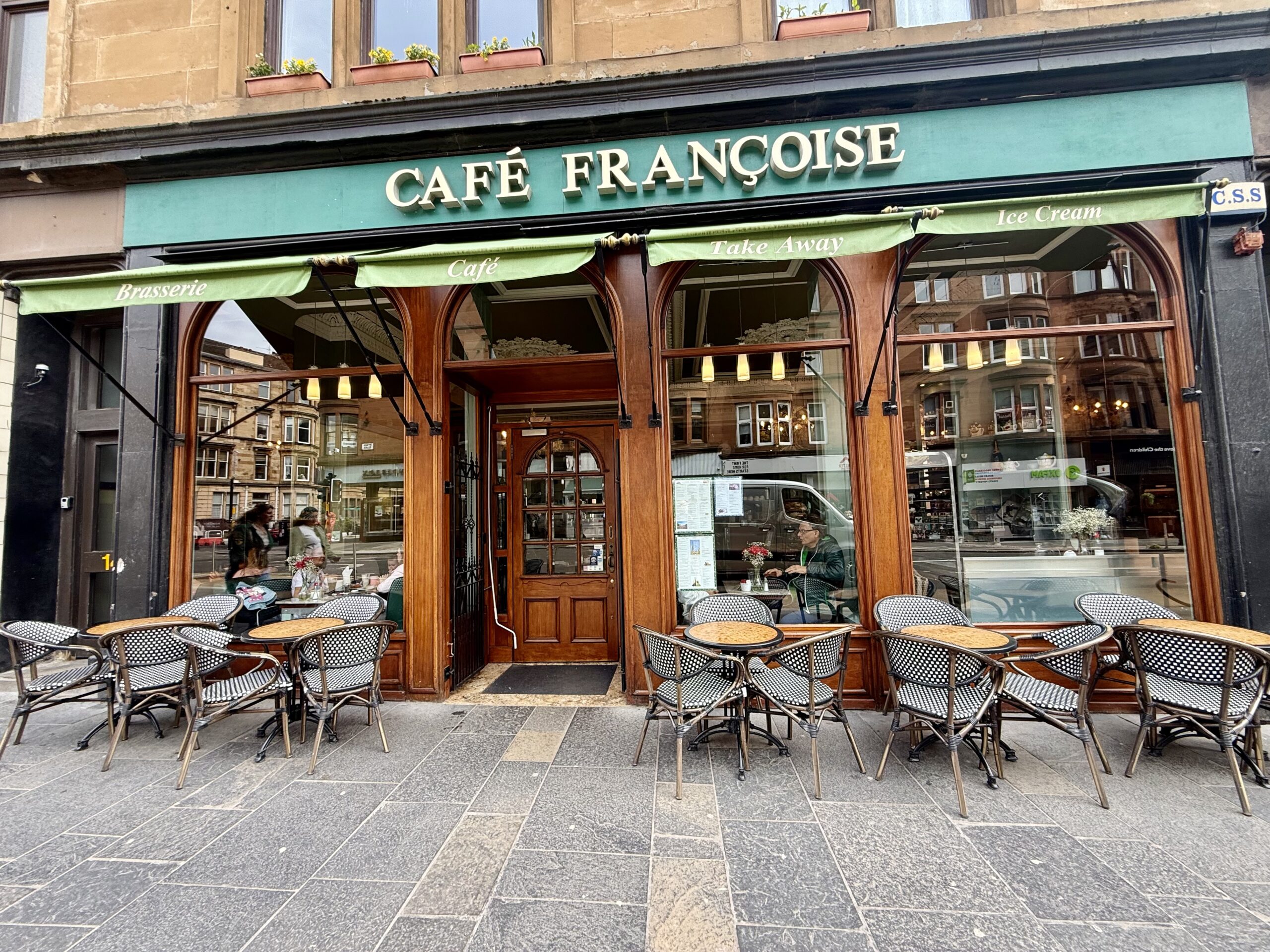
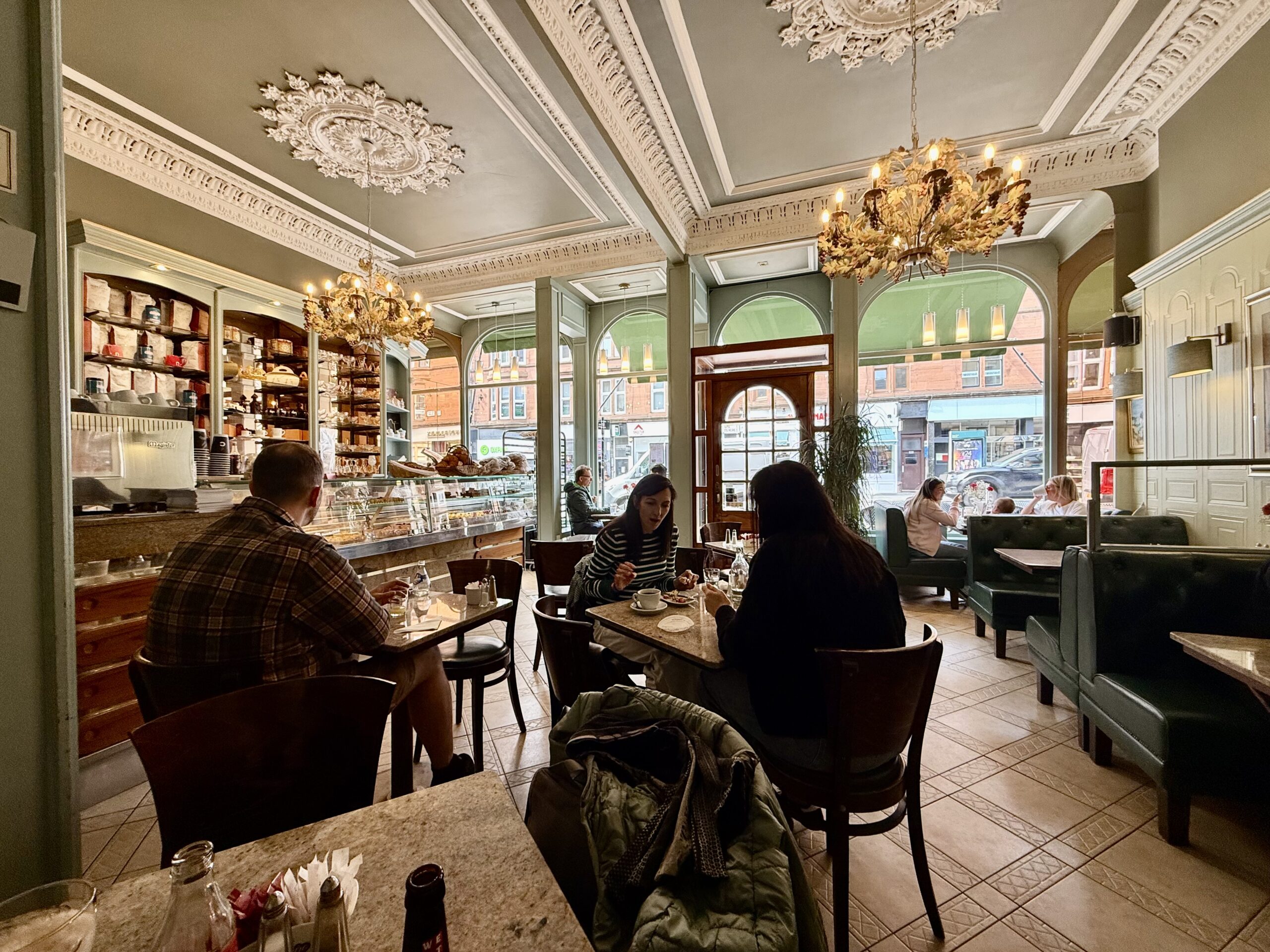
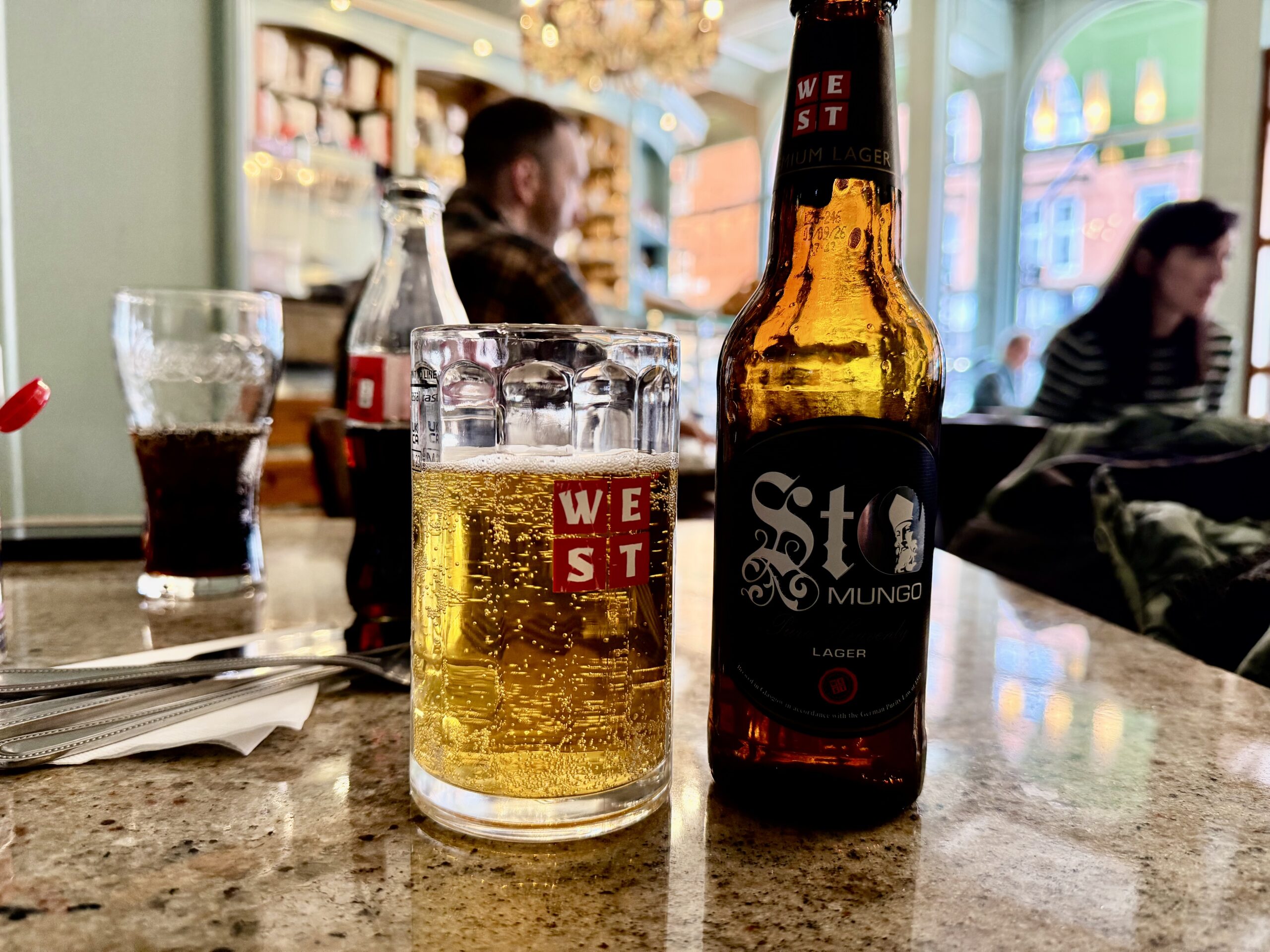
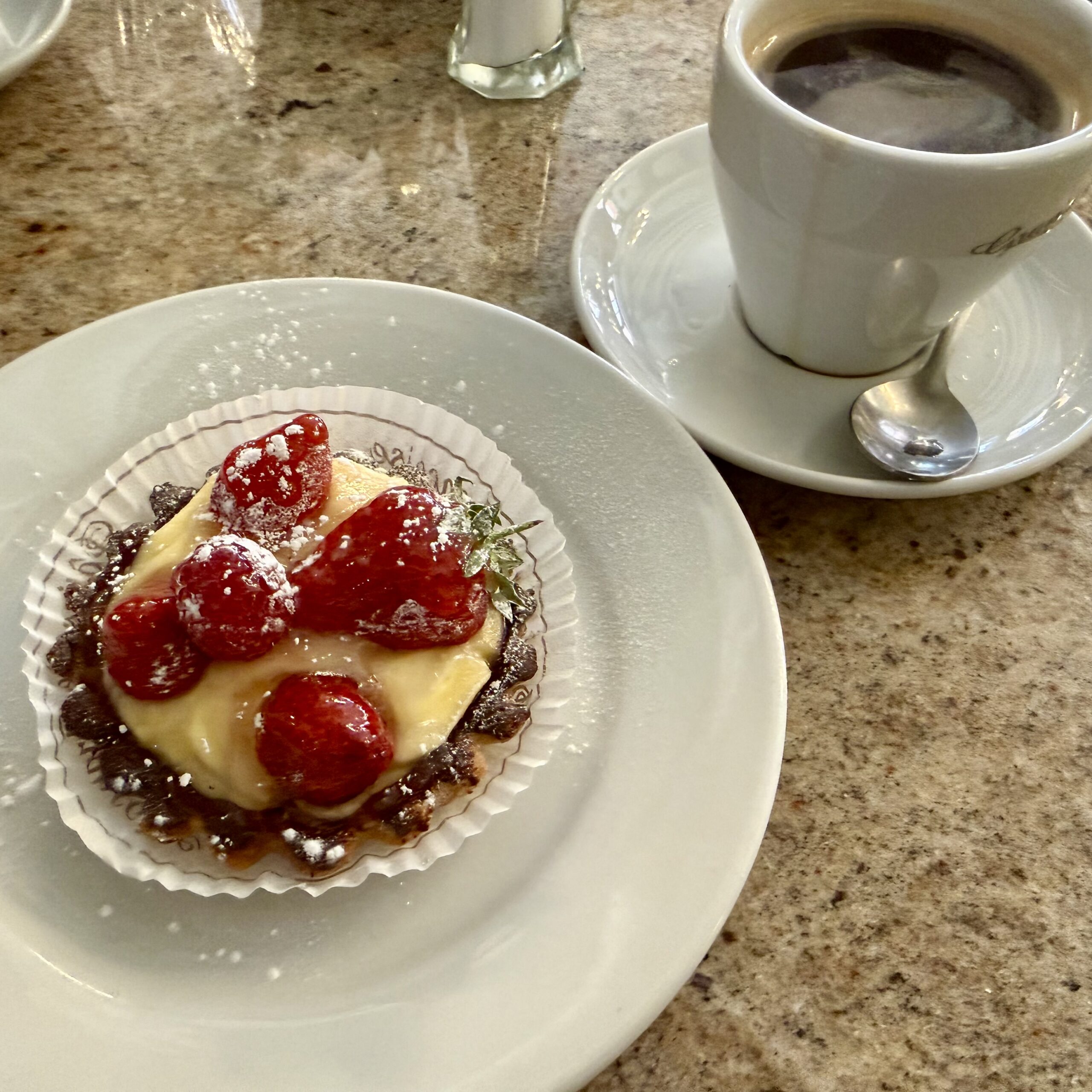

Kelvingrove Art Gallery and Museum
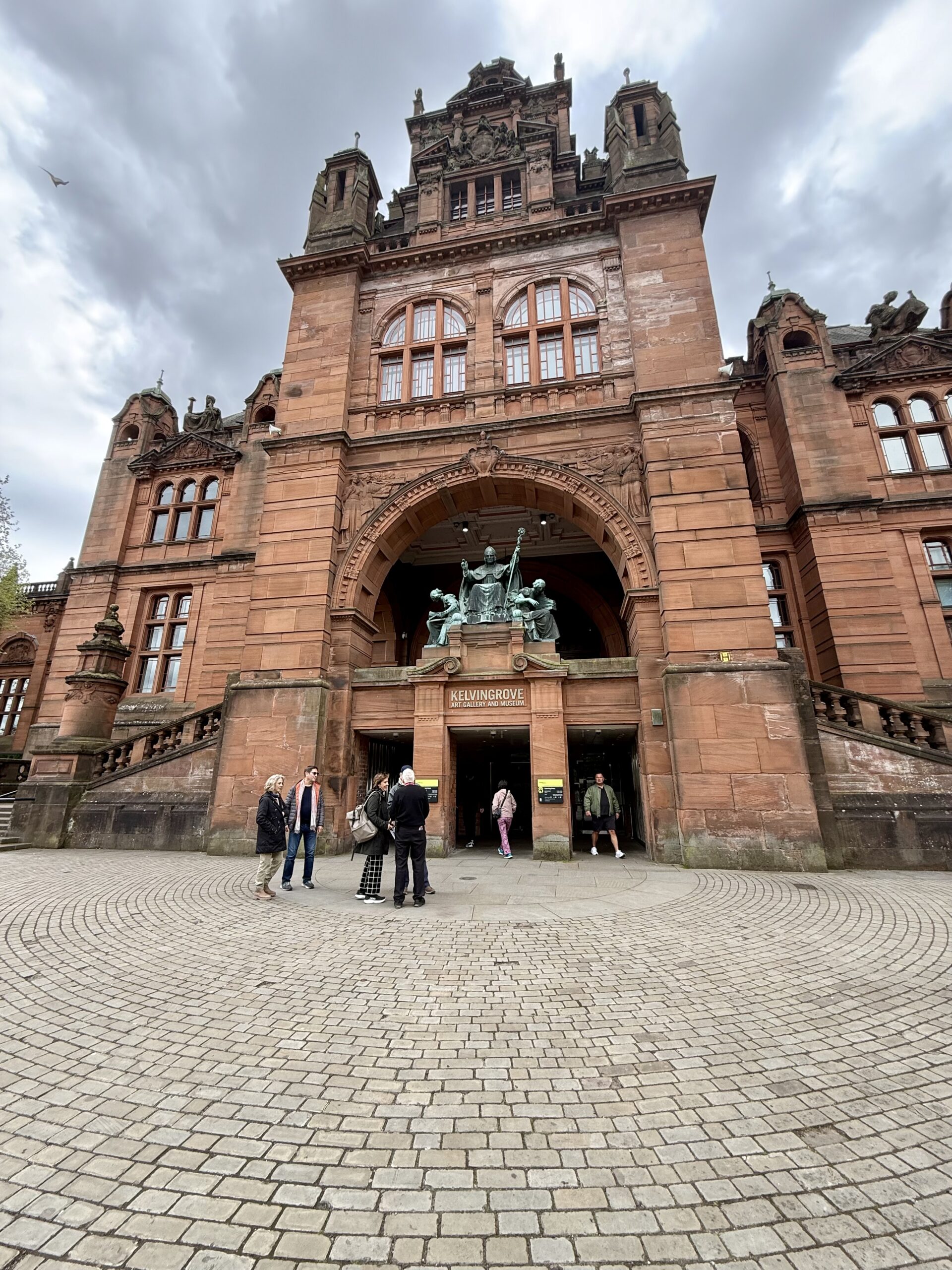
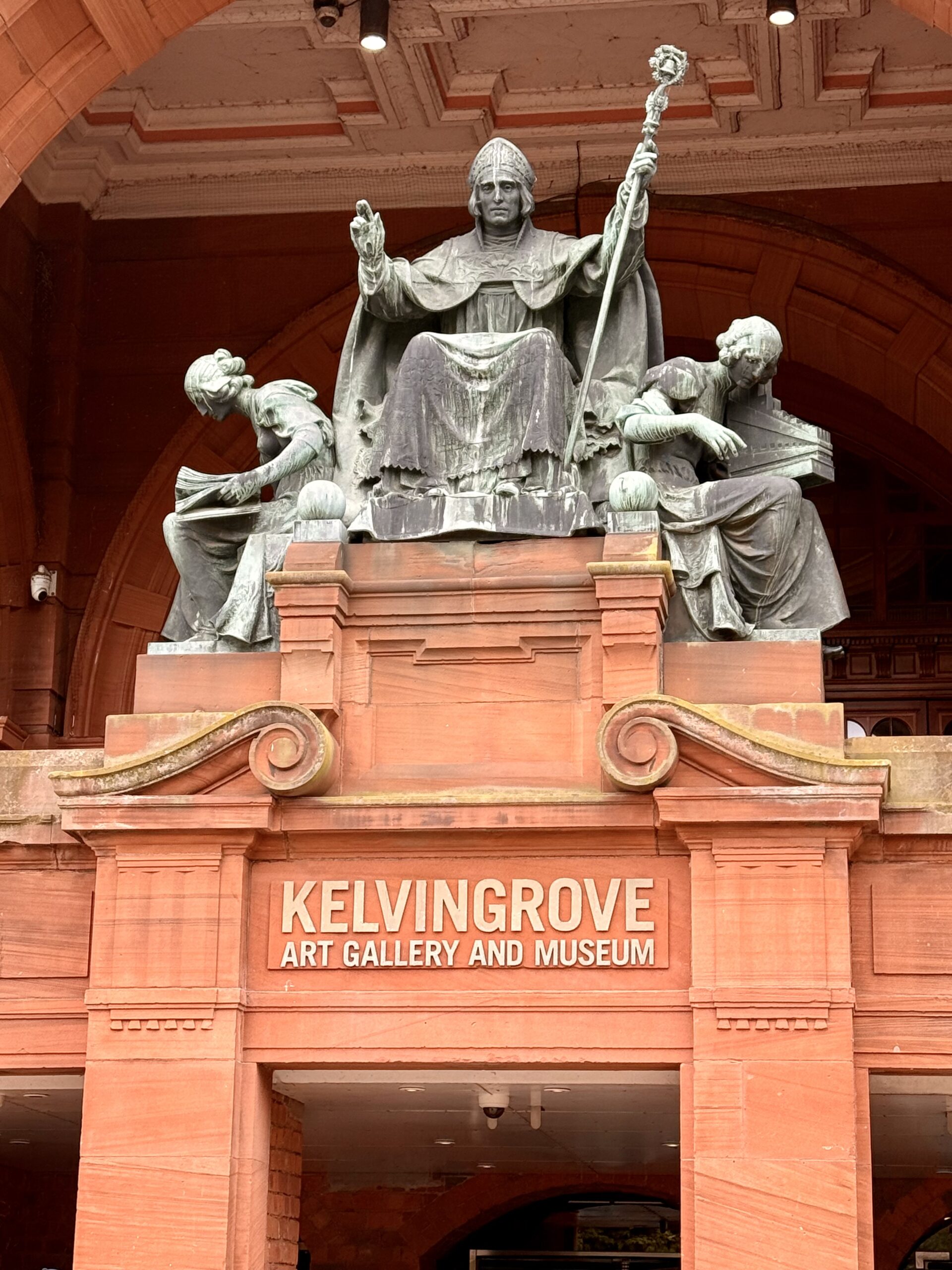
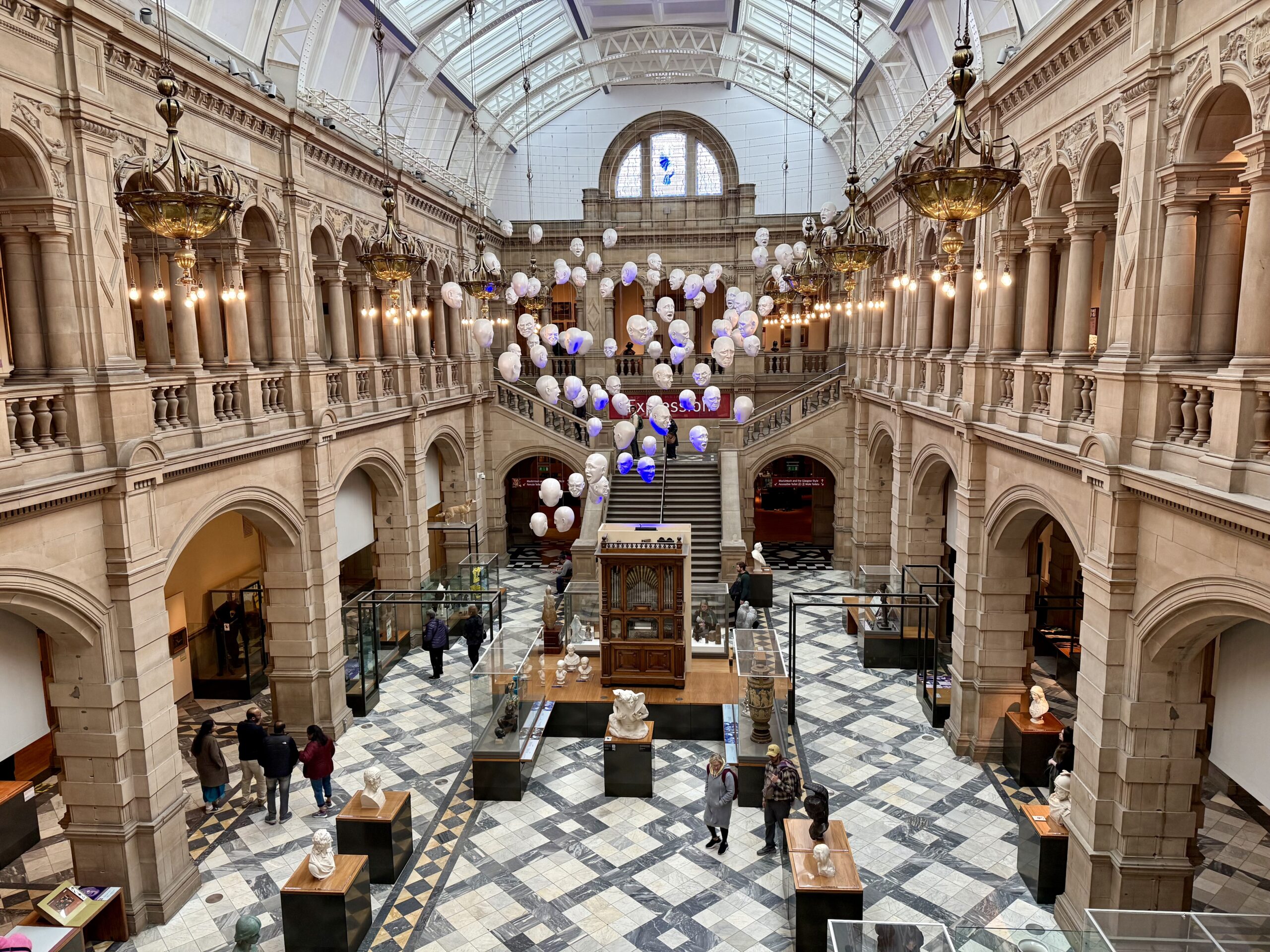
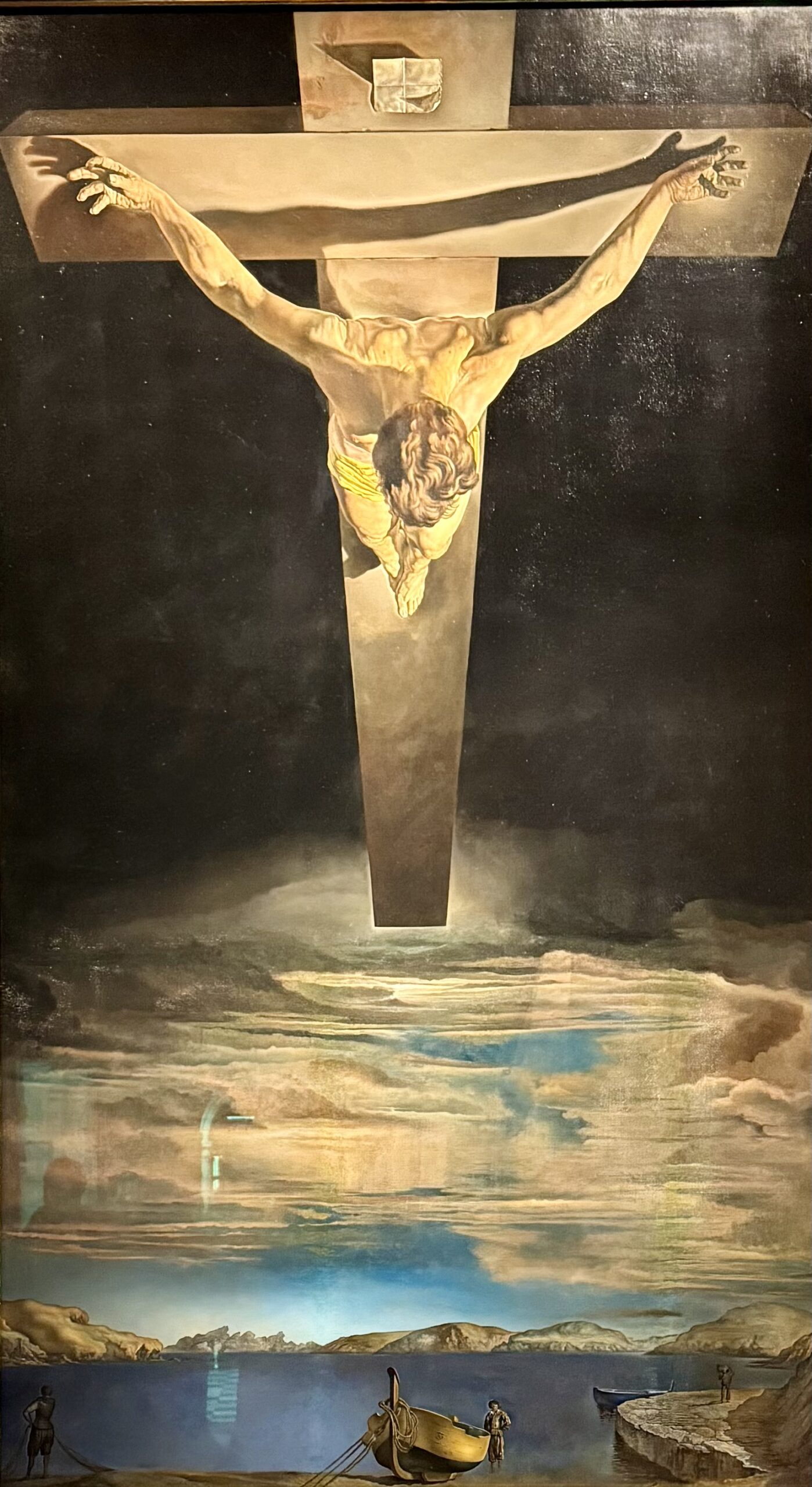
Crucifixion, 1954–Salvador Dali
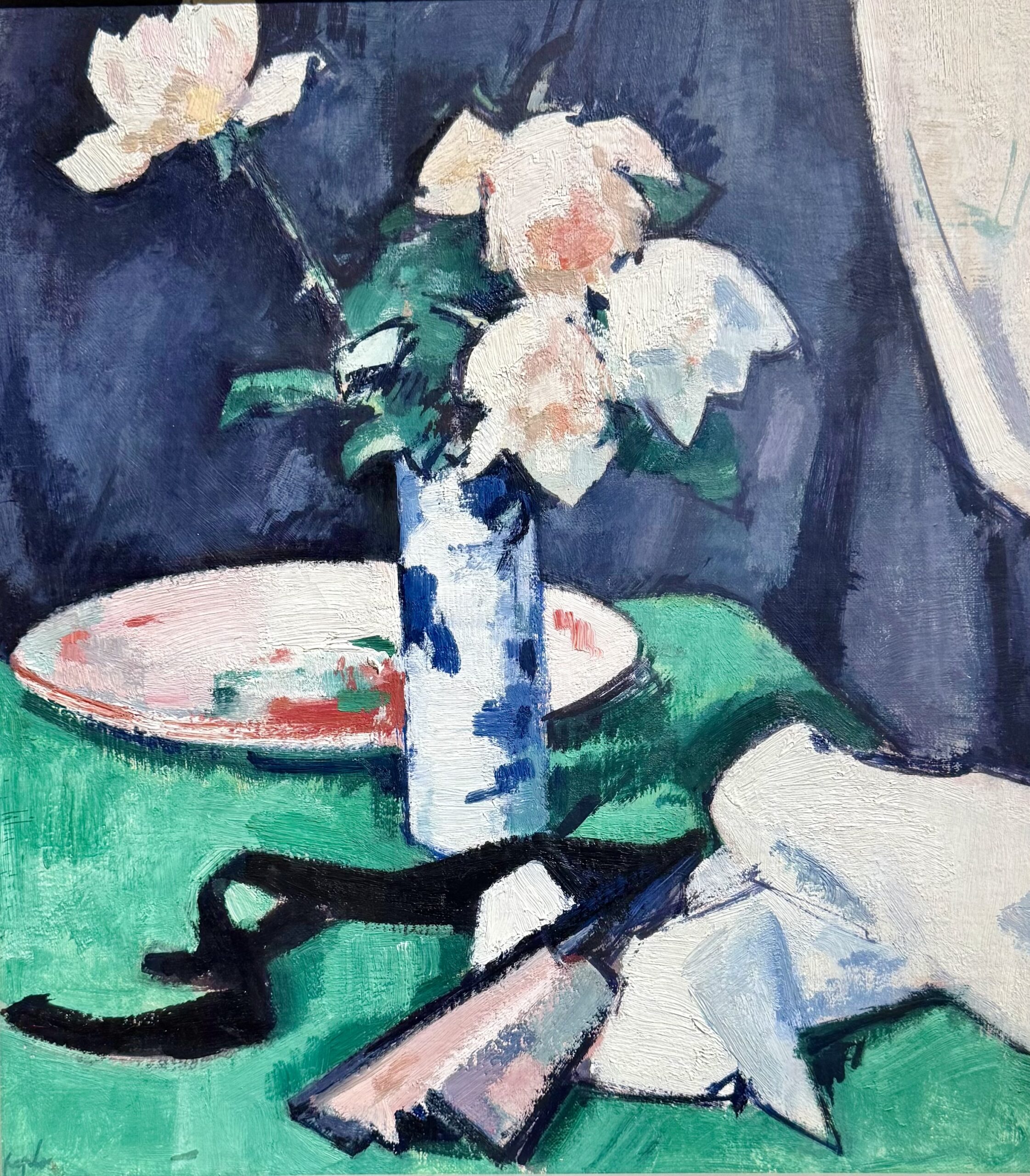
Still Life, White Roses, about 1925—SJ Peploe
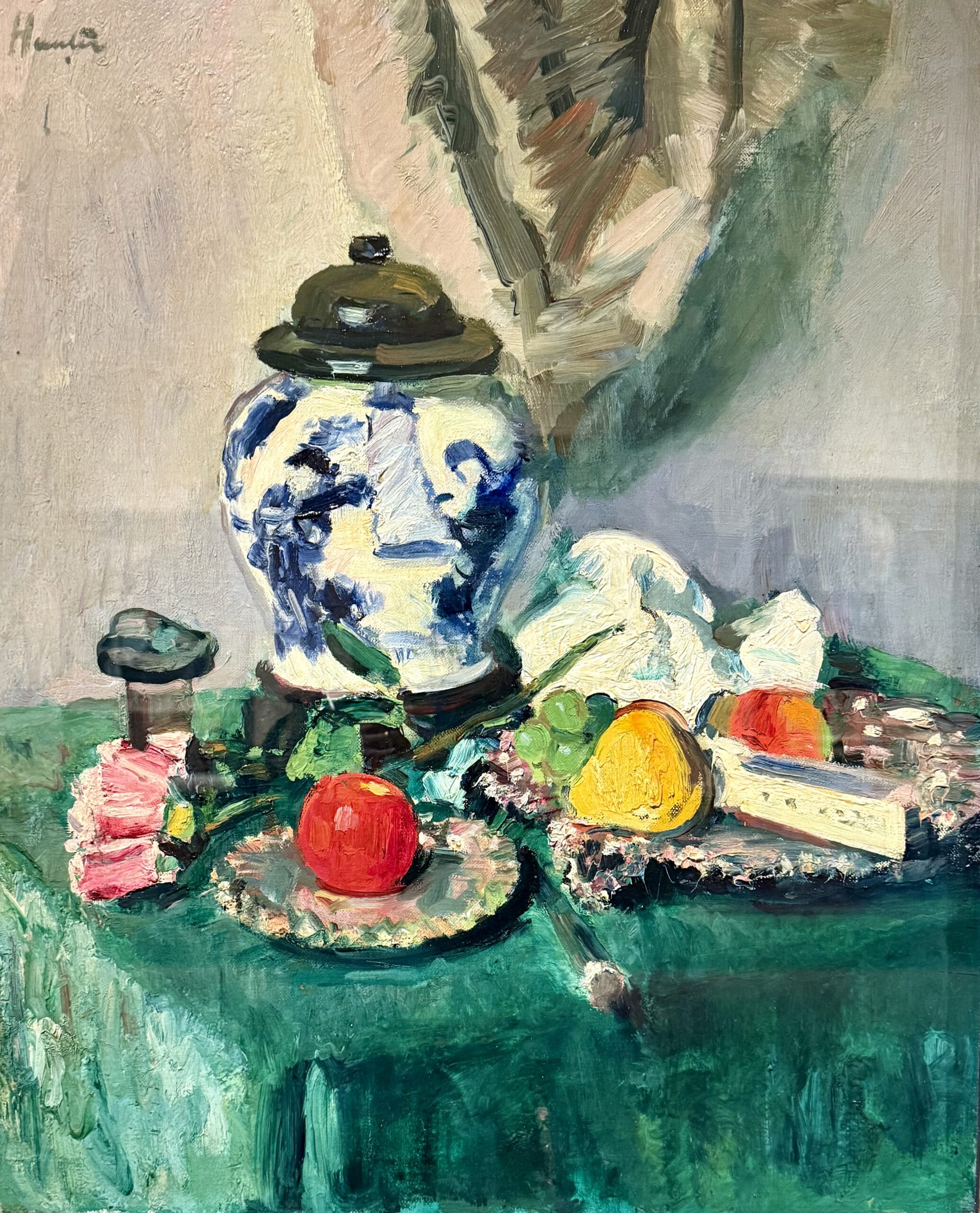
Still Life, about 1920–Leslie Hunter
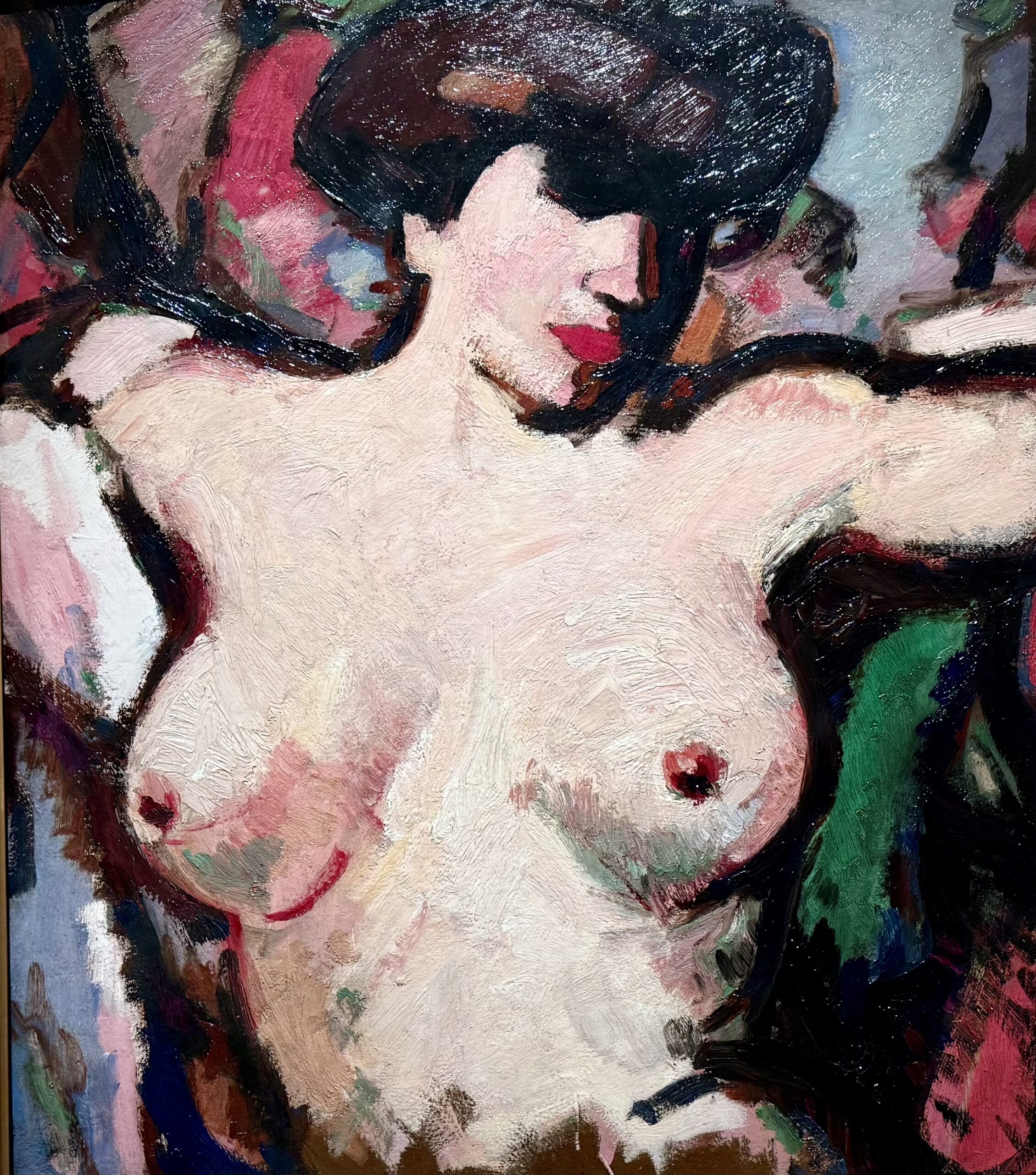
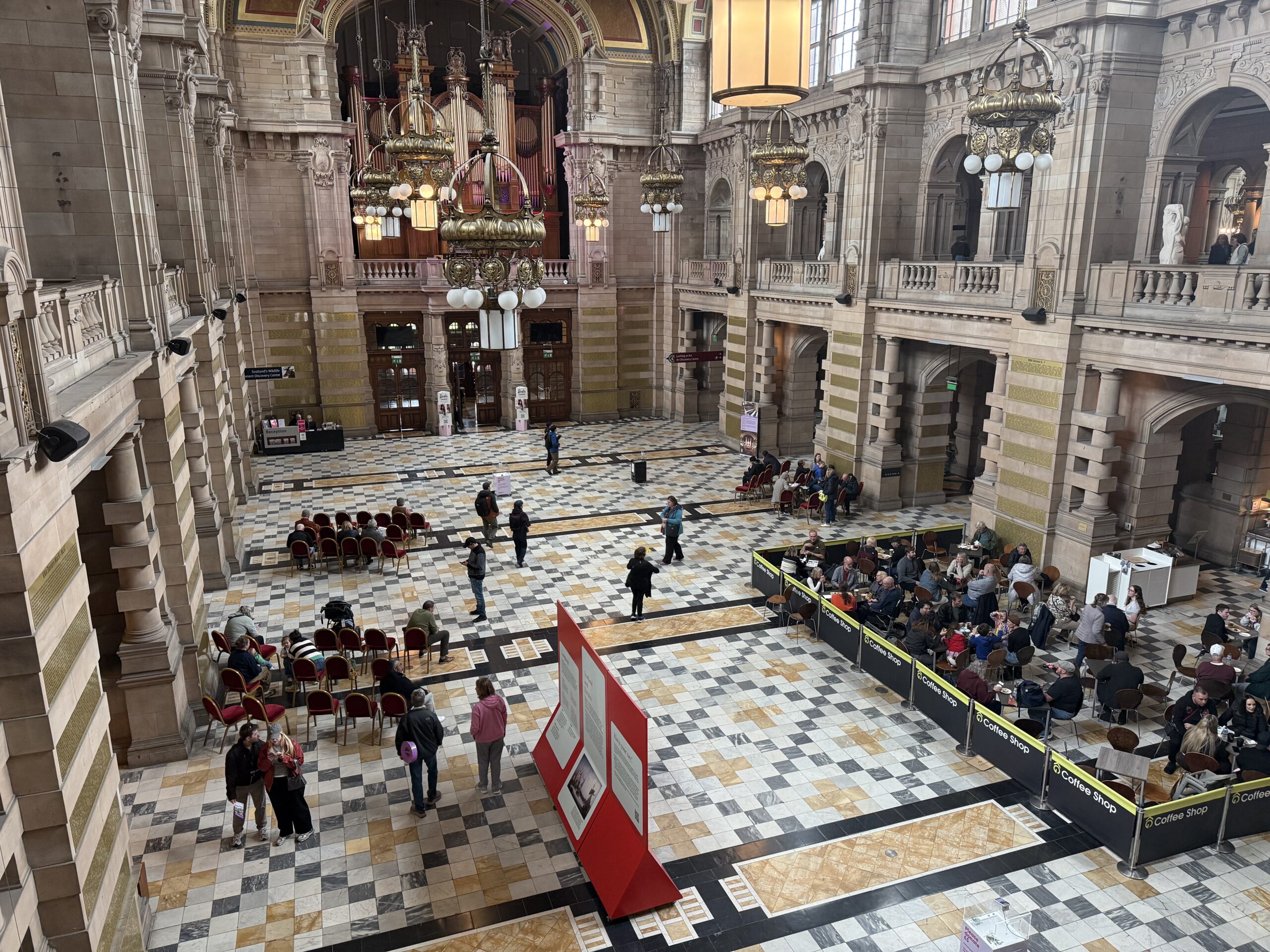
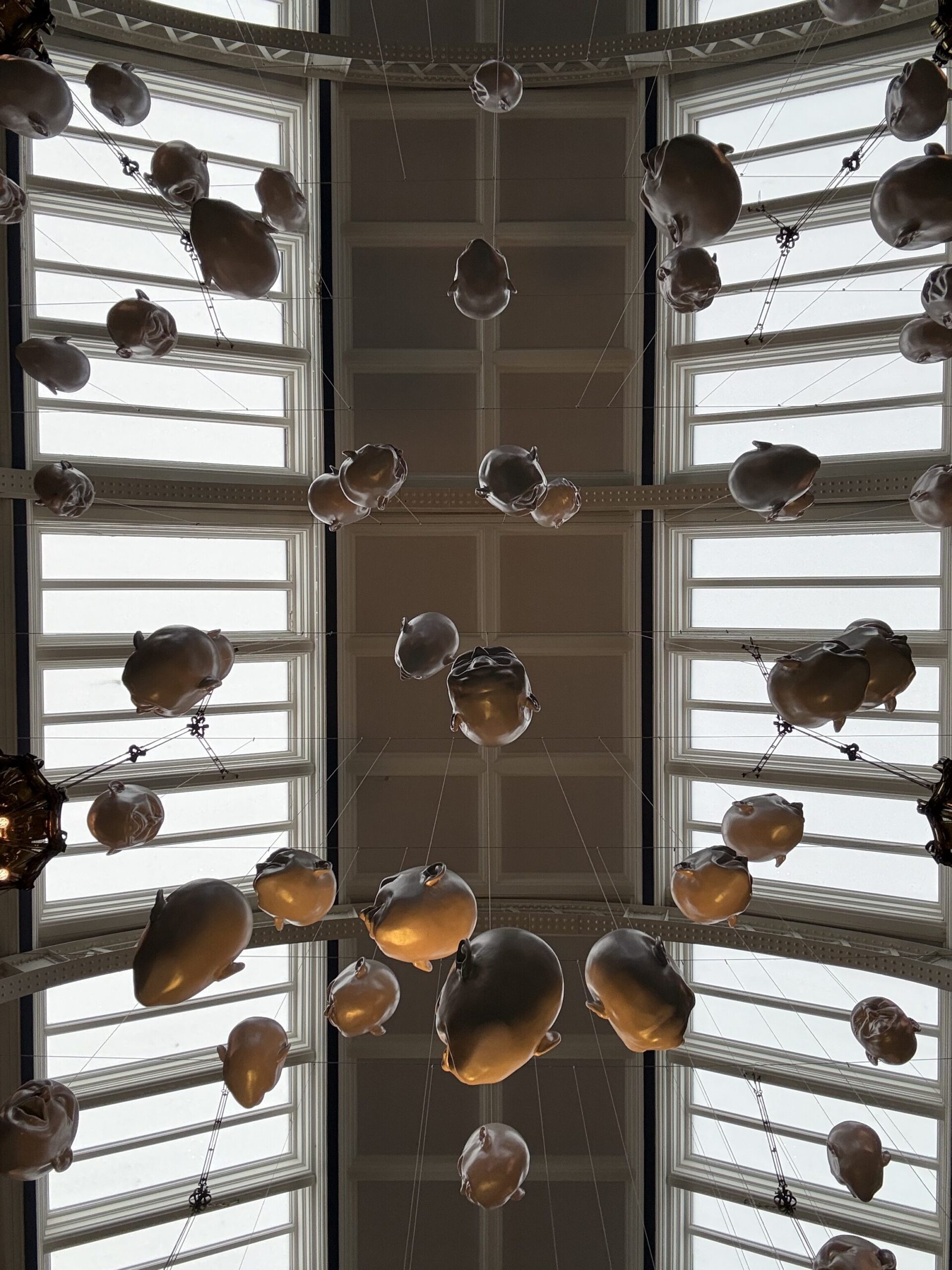
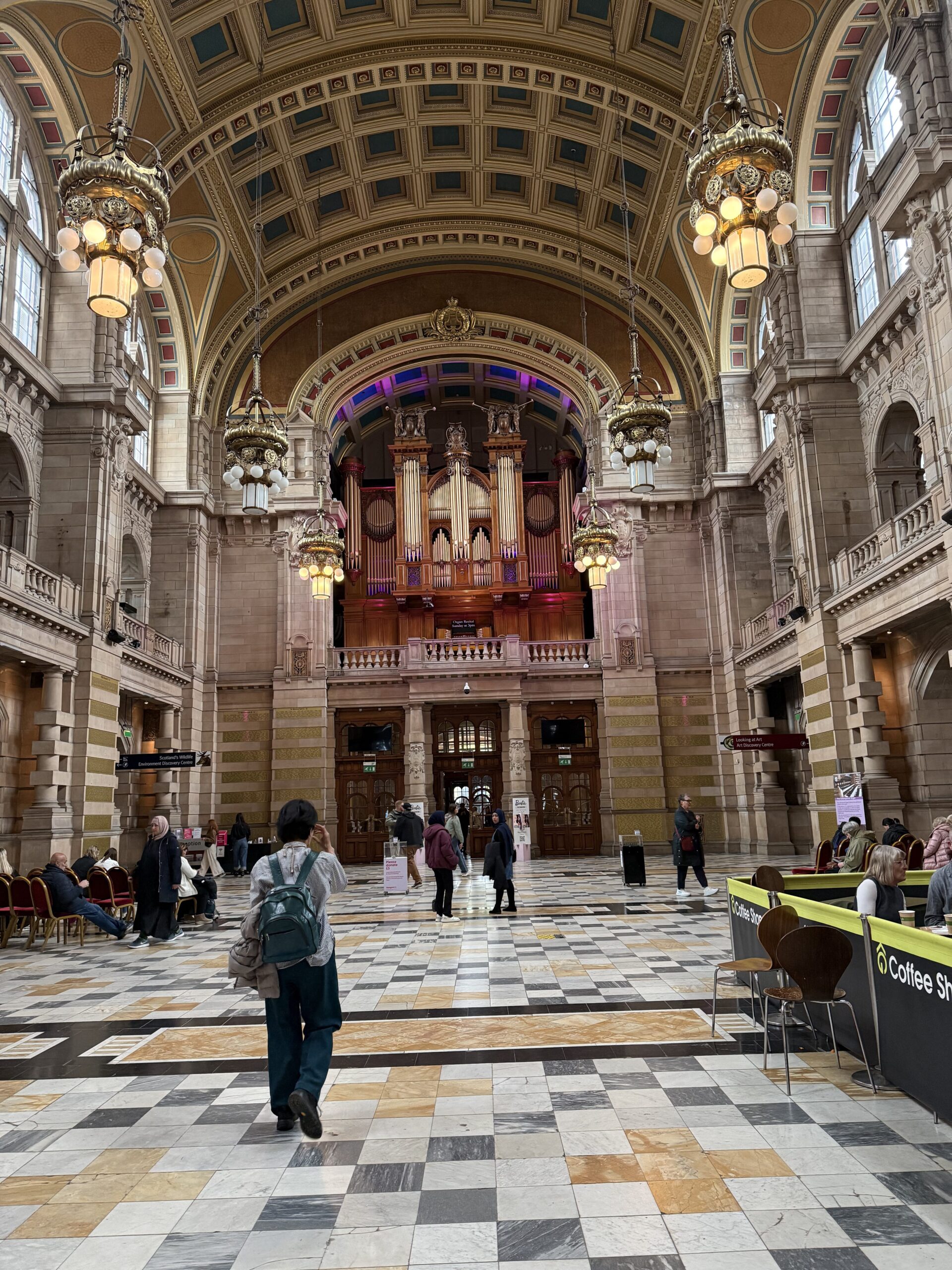
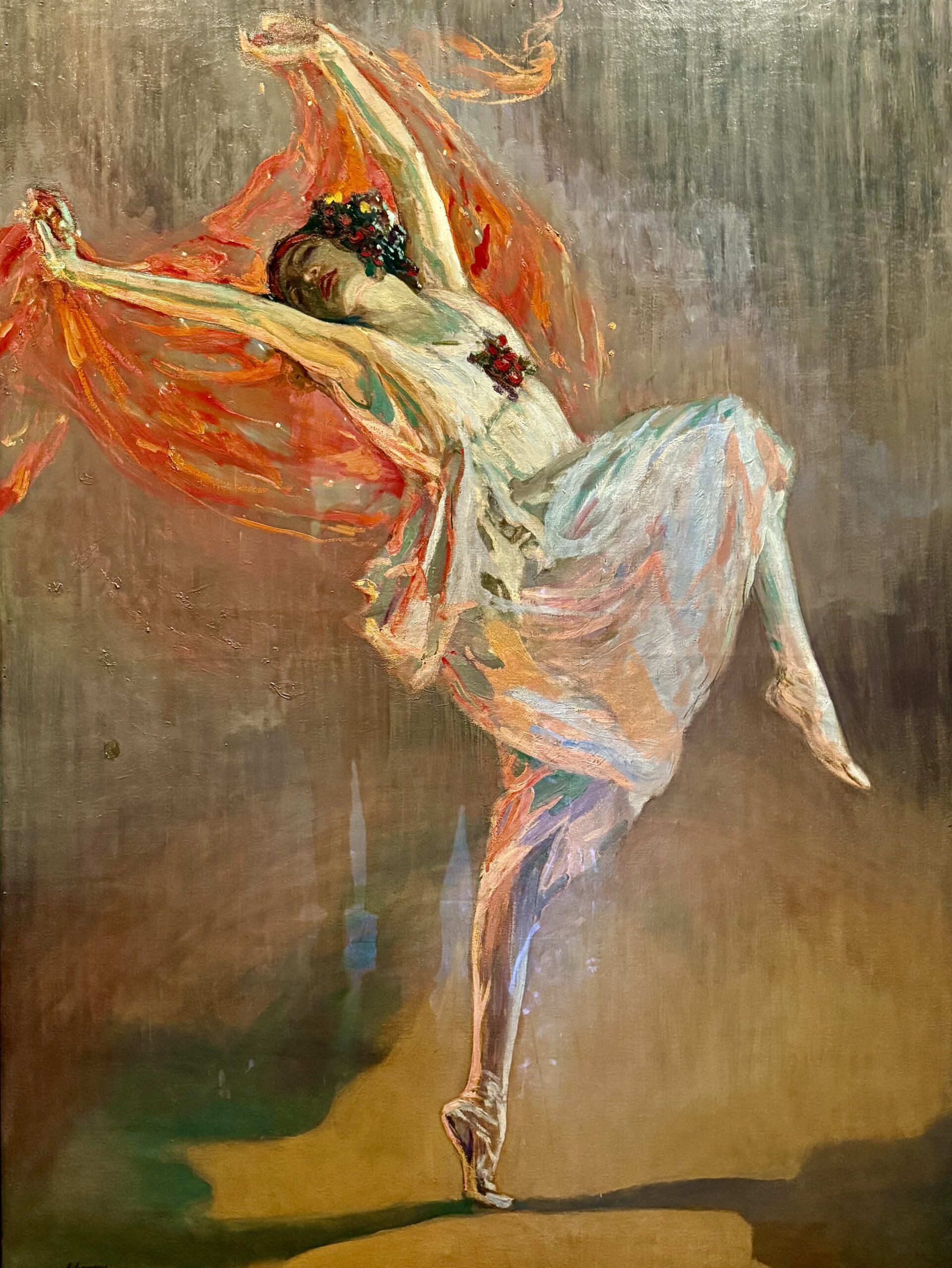
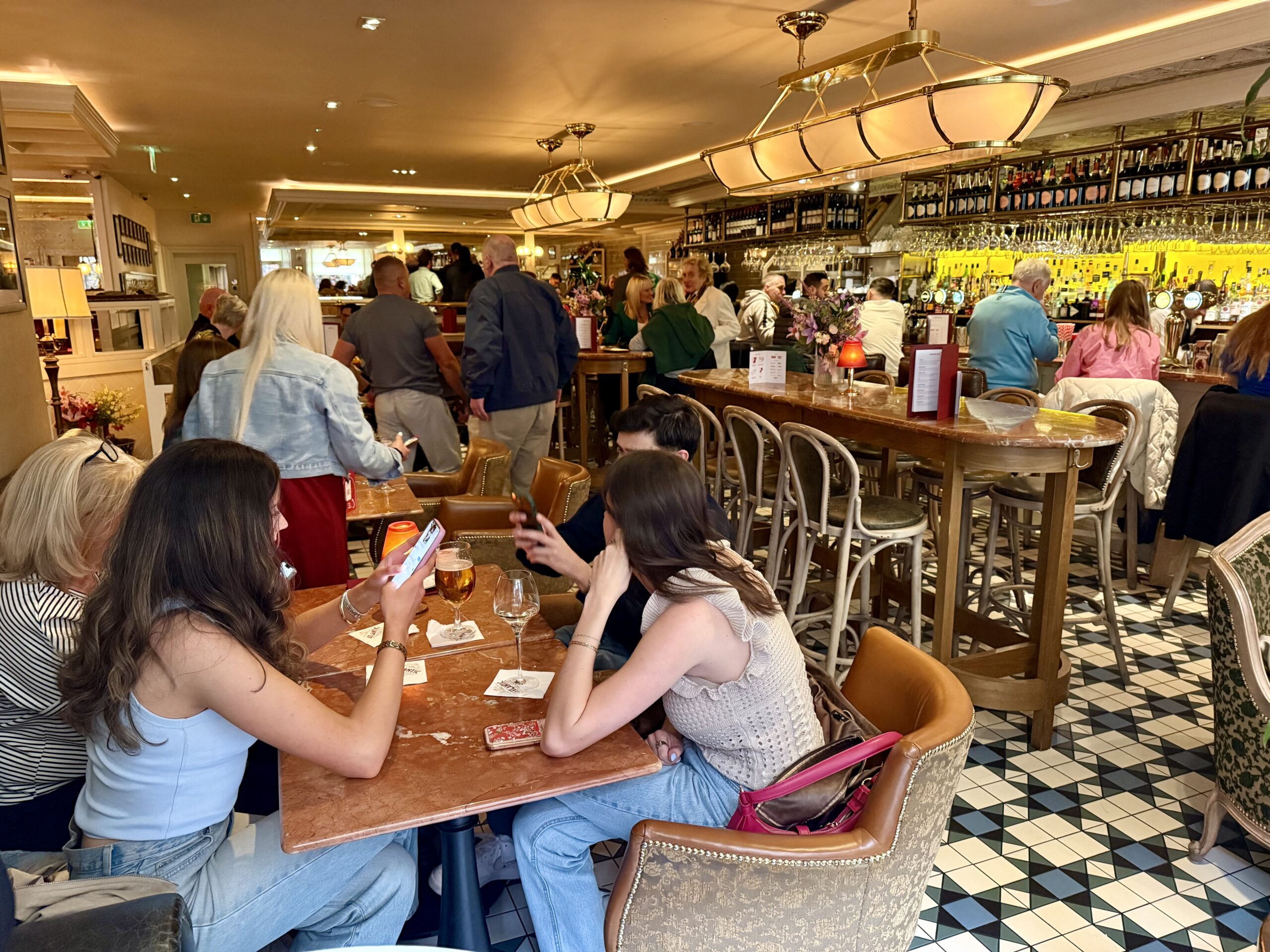
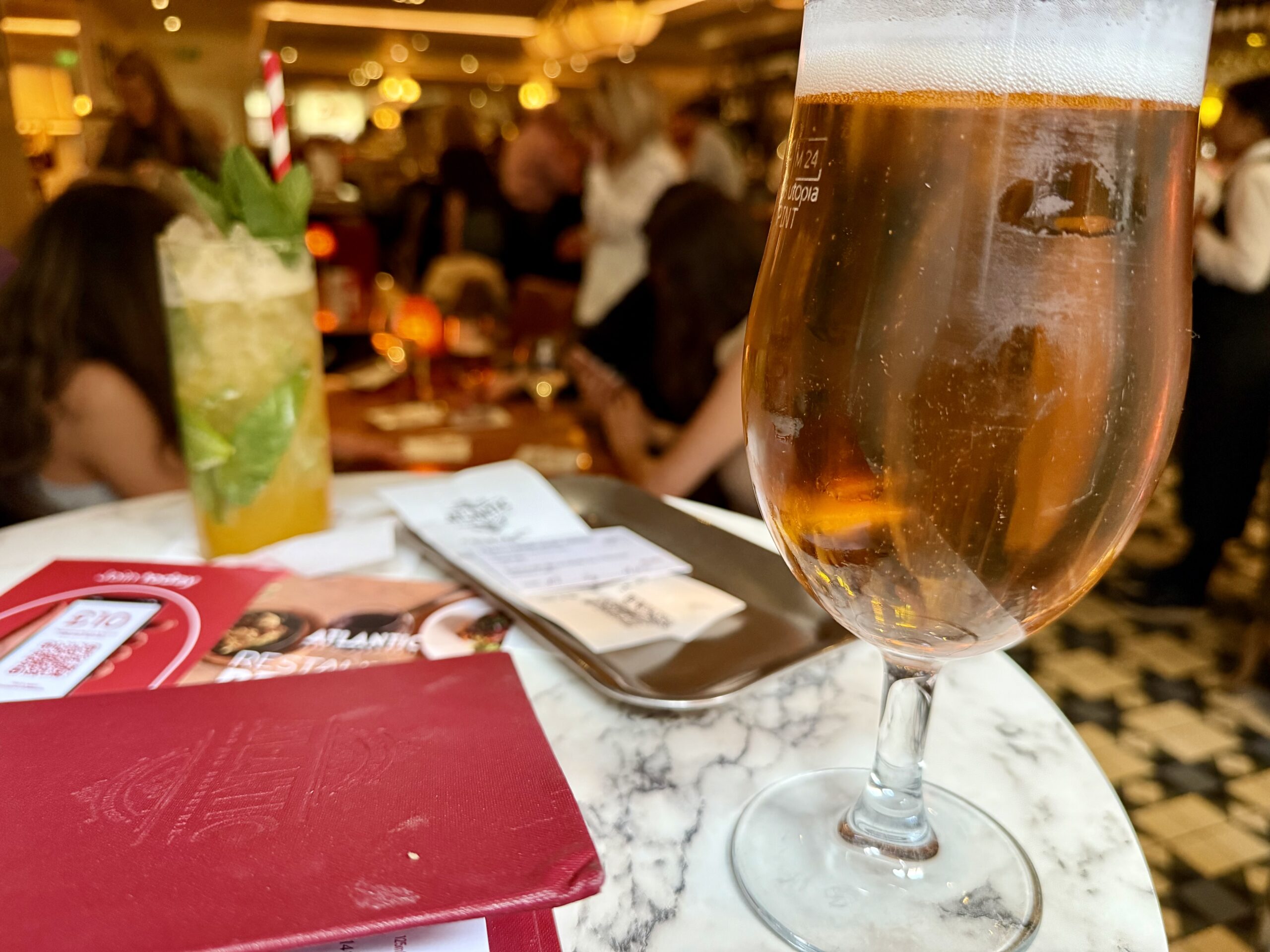
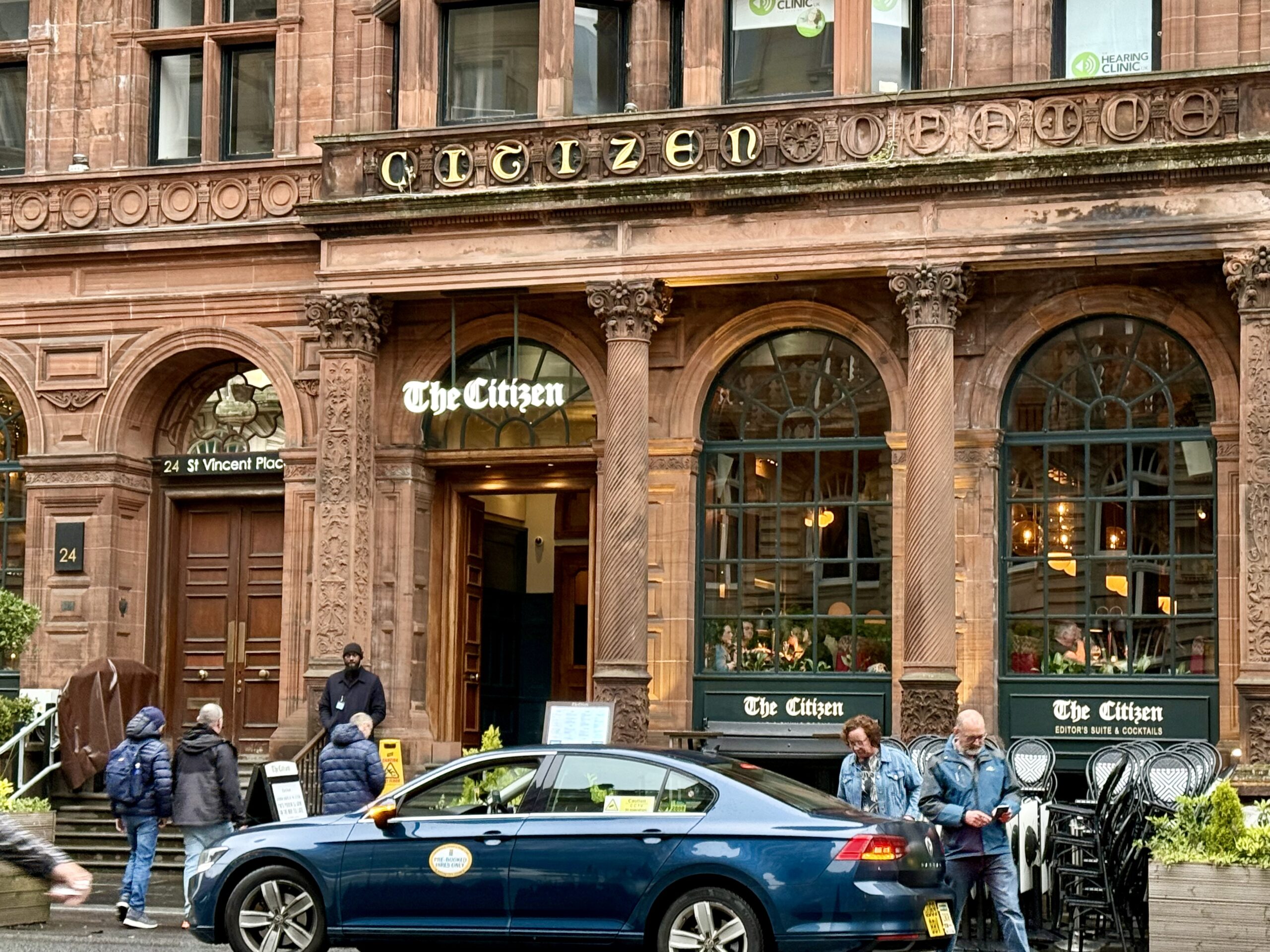
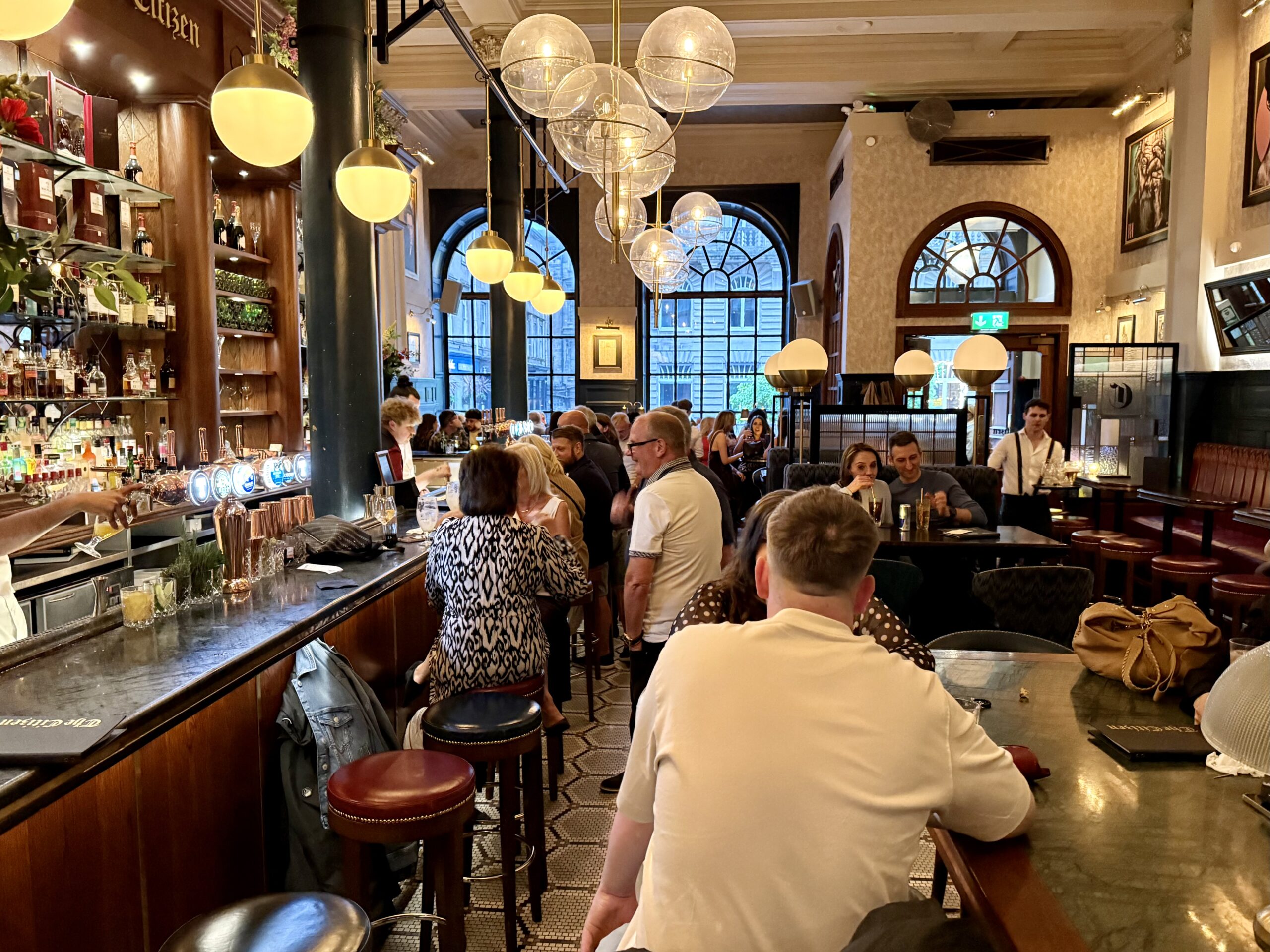
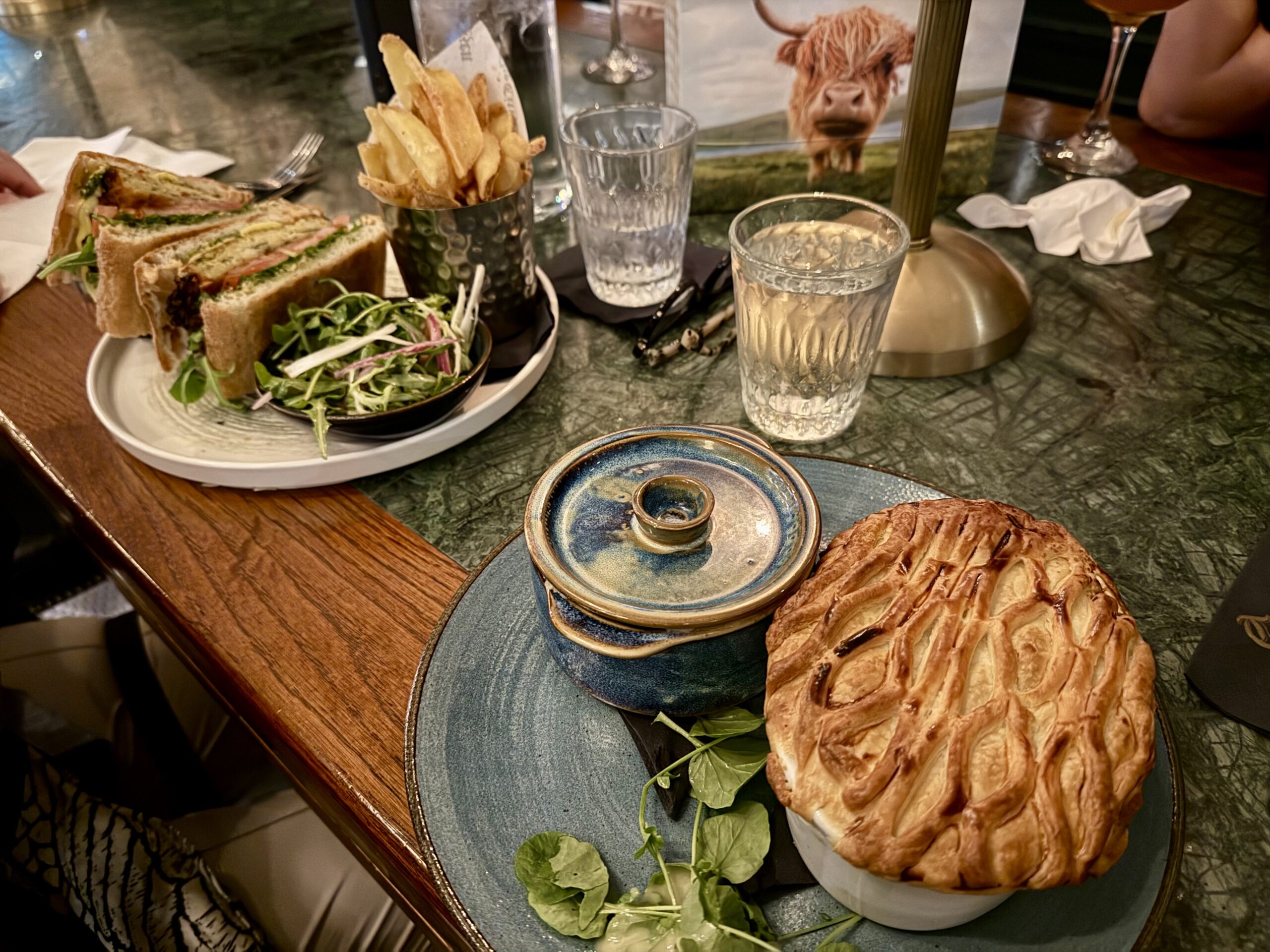
Happy Birthday, Bonnie!
Another Stroll
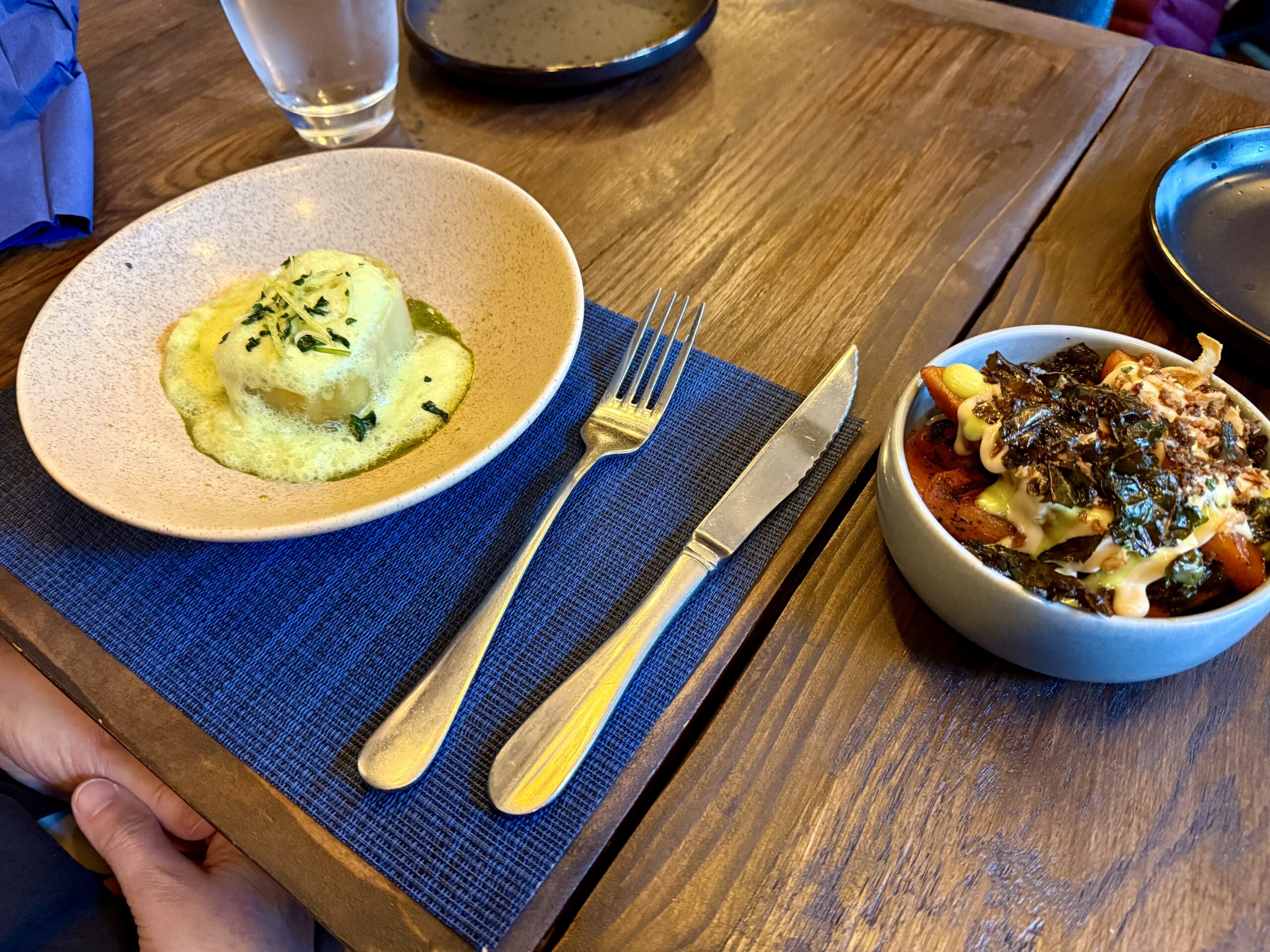
Breakfast
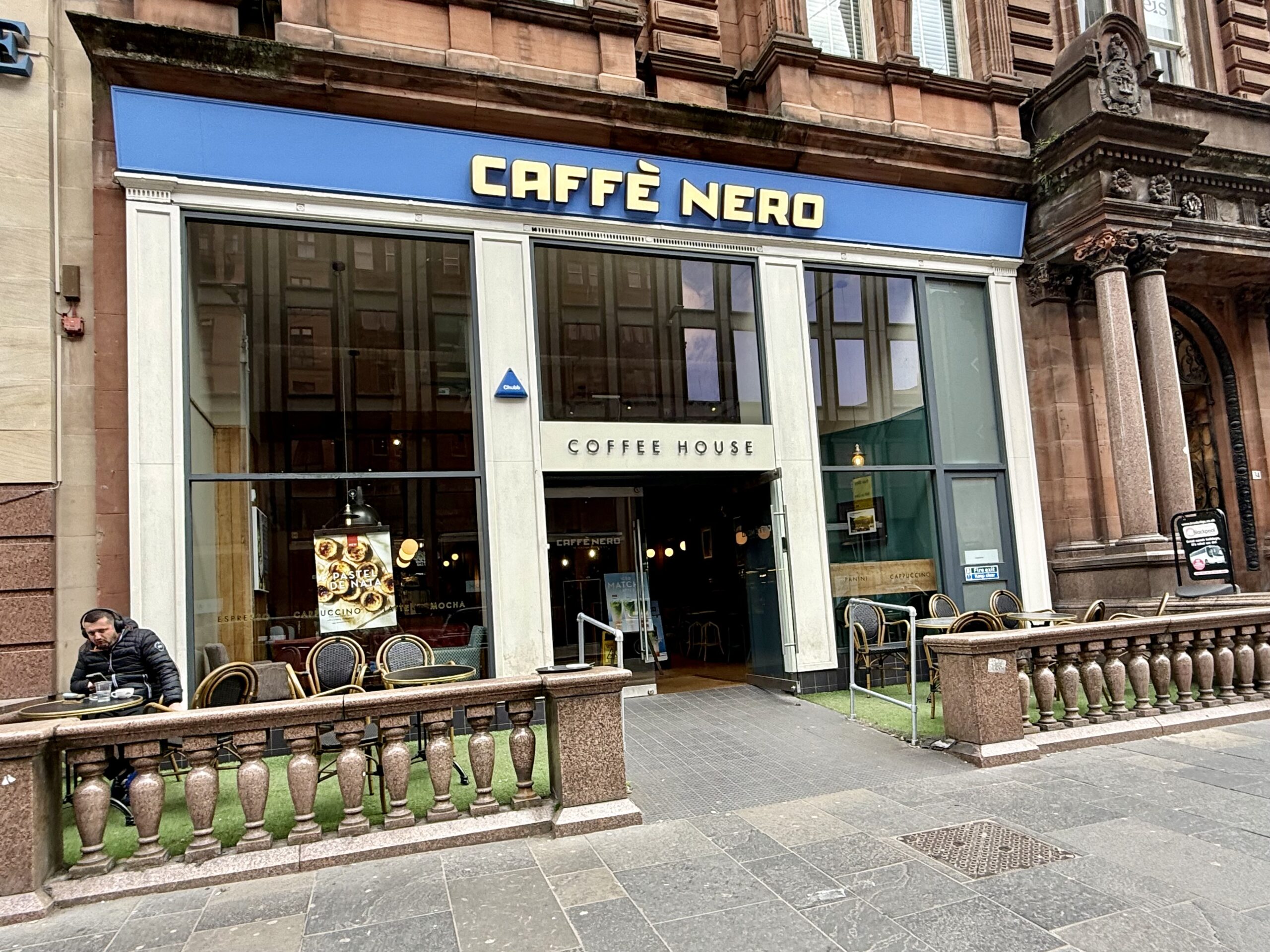
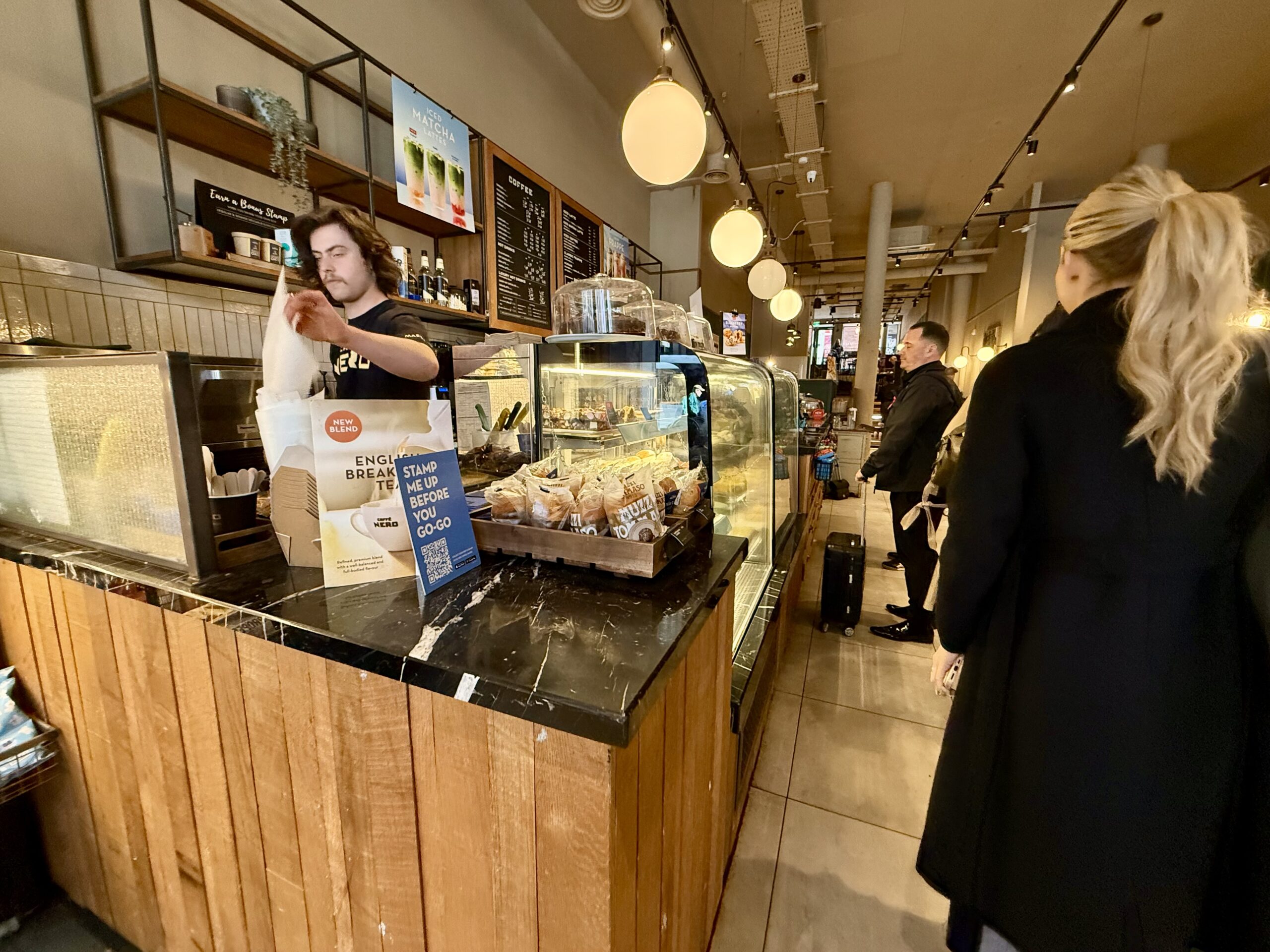
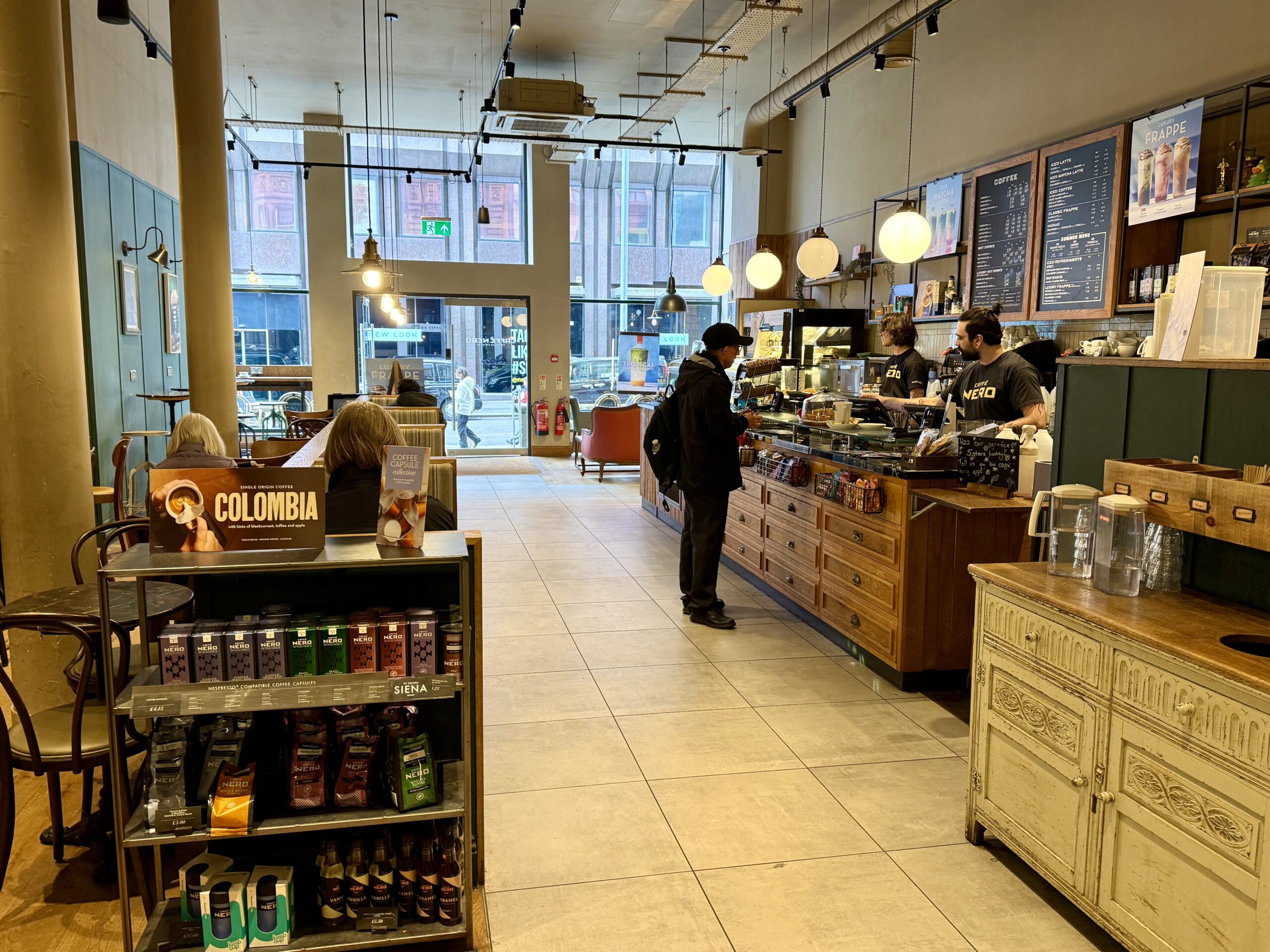
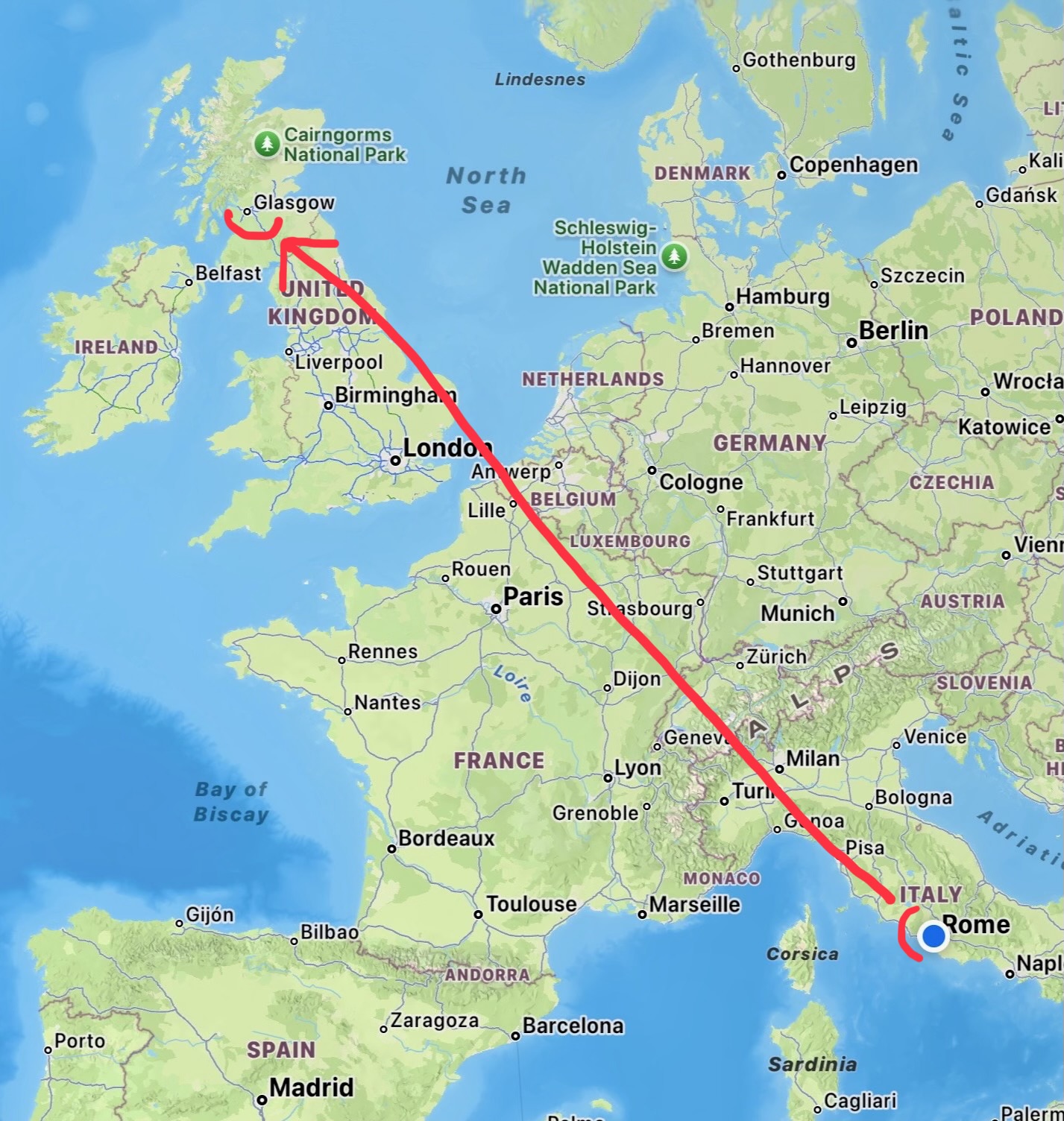
Exchange rate = $1.35 US per pound sterling.
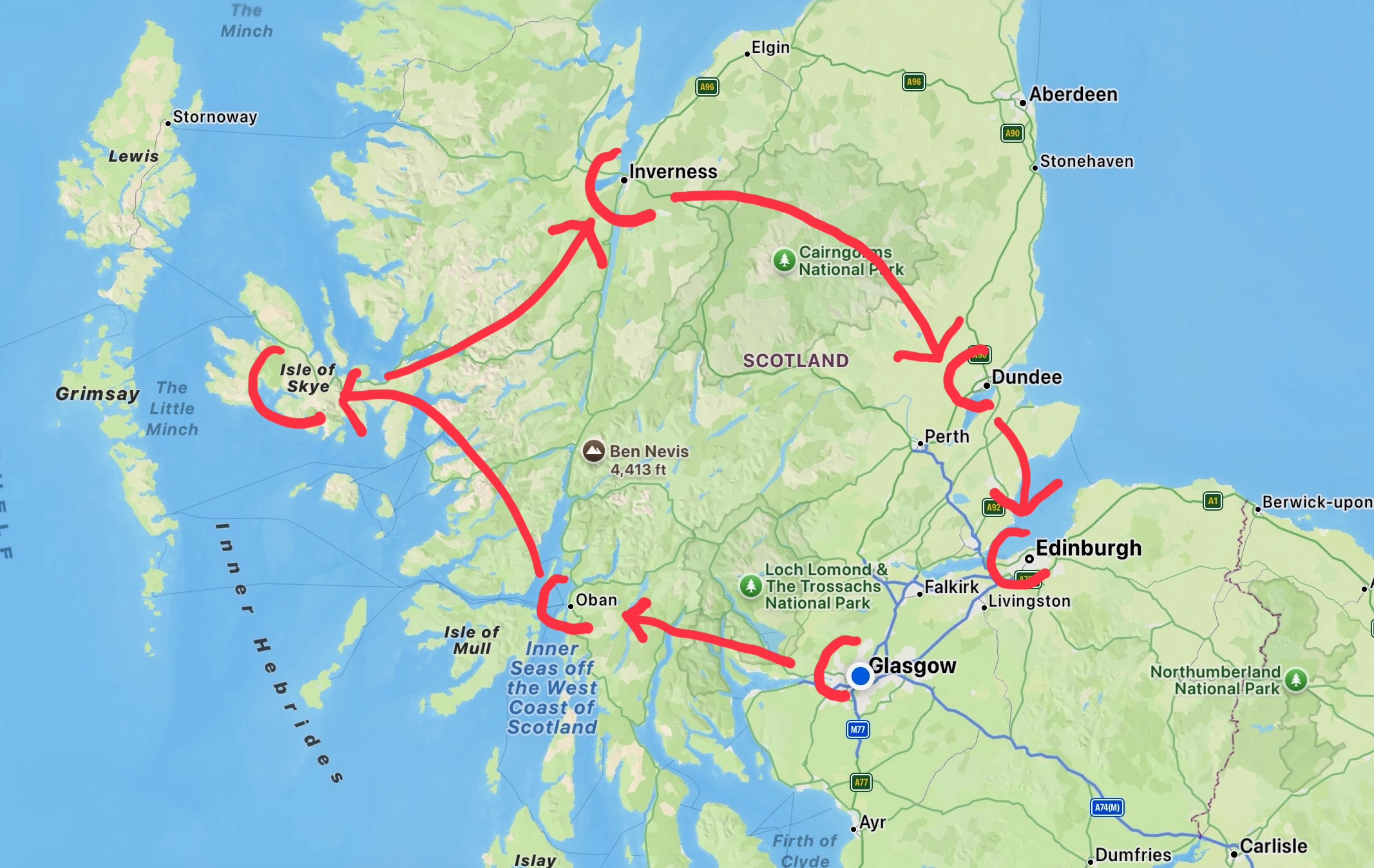
Next Stop—Oban and Isle of Skye!