12-17 April 2026
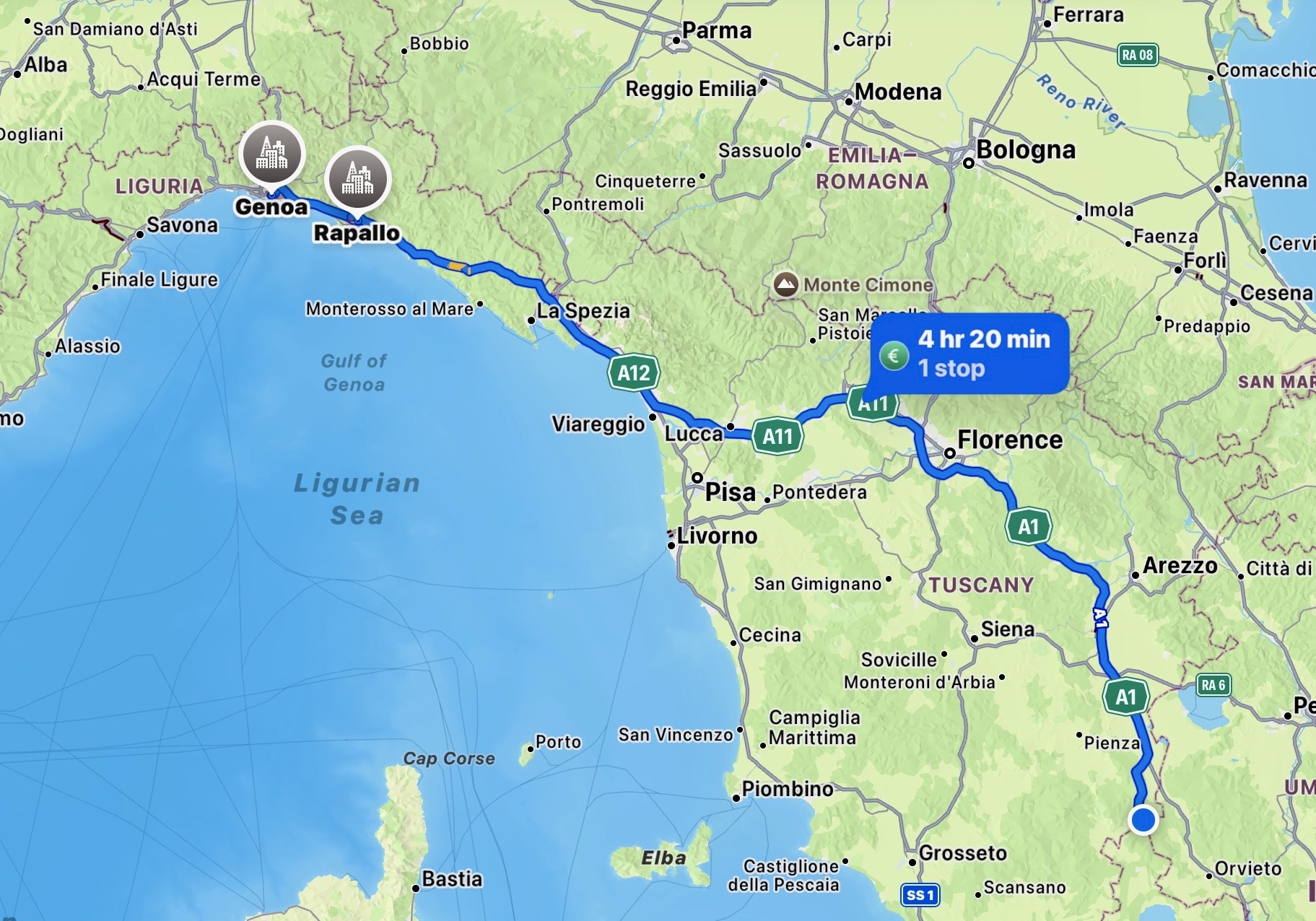
When Robert said he wanted to see Genoa on this trip, Bonnie decided we should stop along the way on to the Italian Riviera and she targeted Rapallo. Good call. Rapallo is north of Cinque Terre and south of Portofino and Santa Margherita. Genoa is only an hour north.
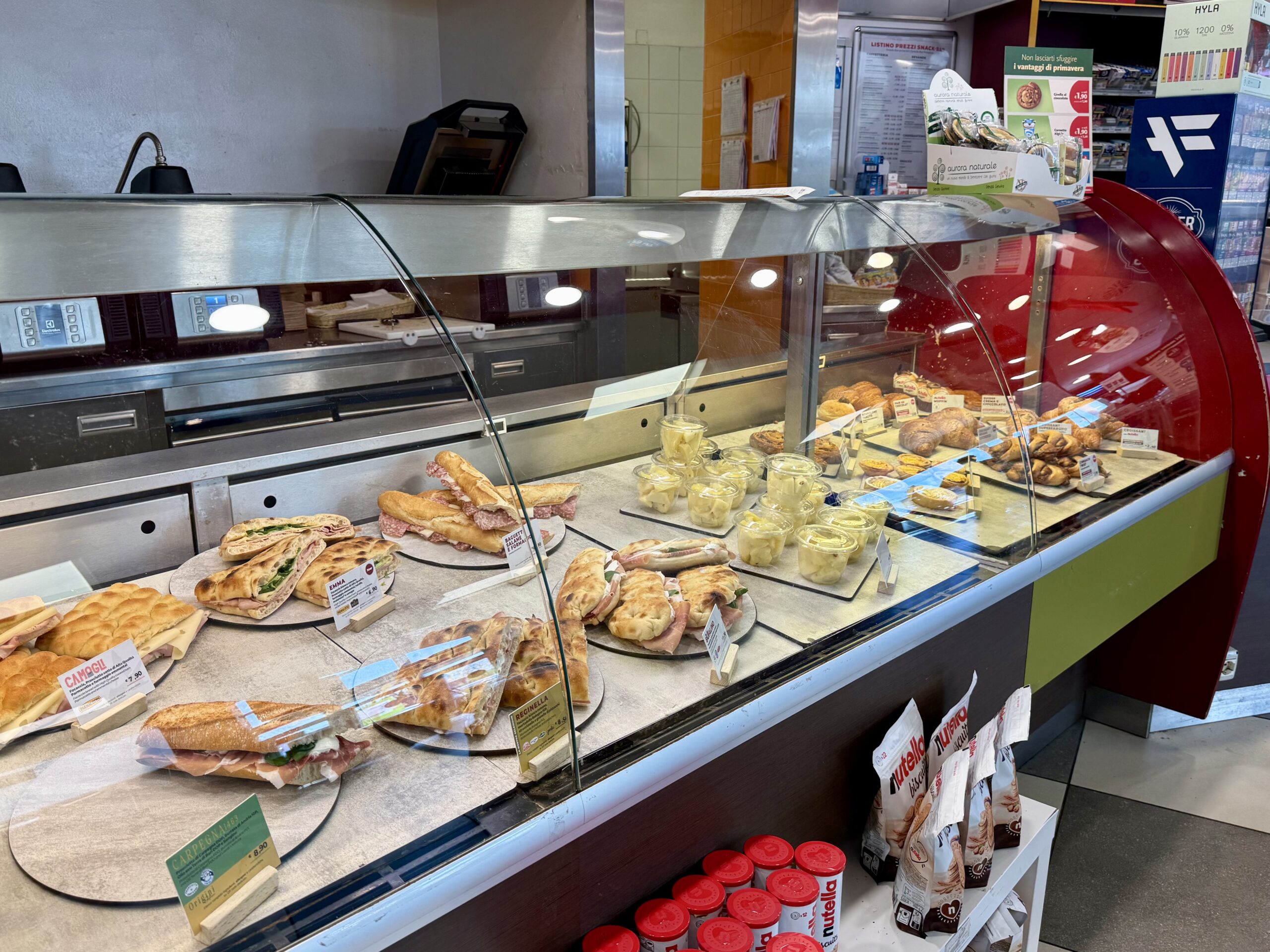
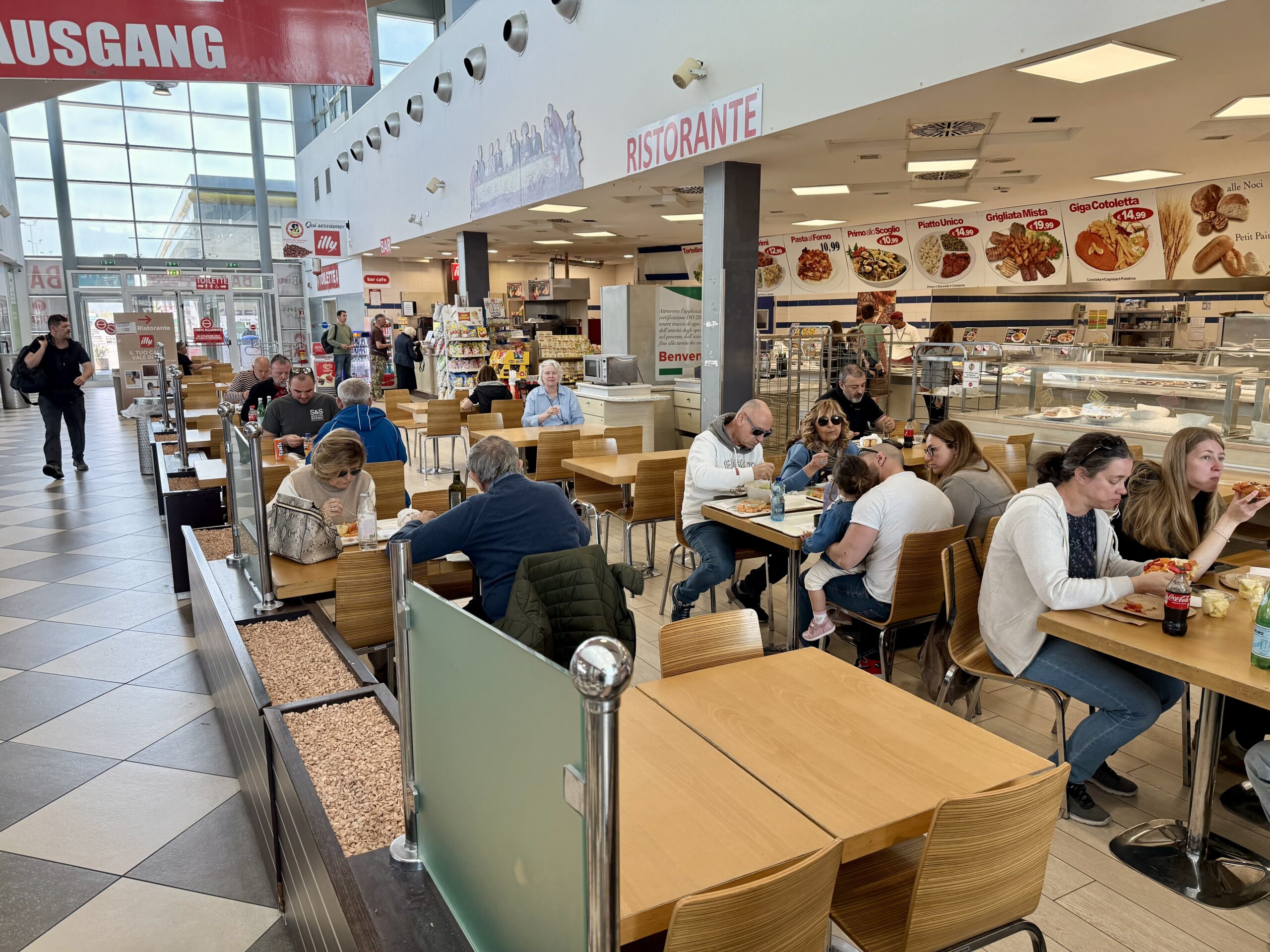
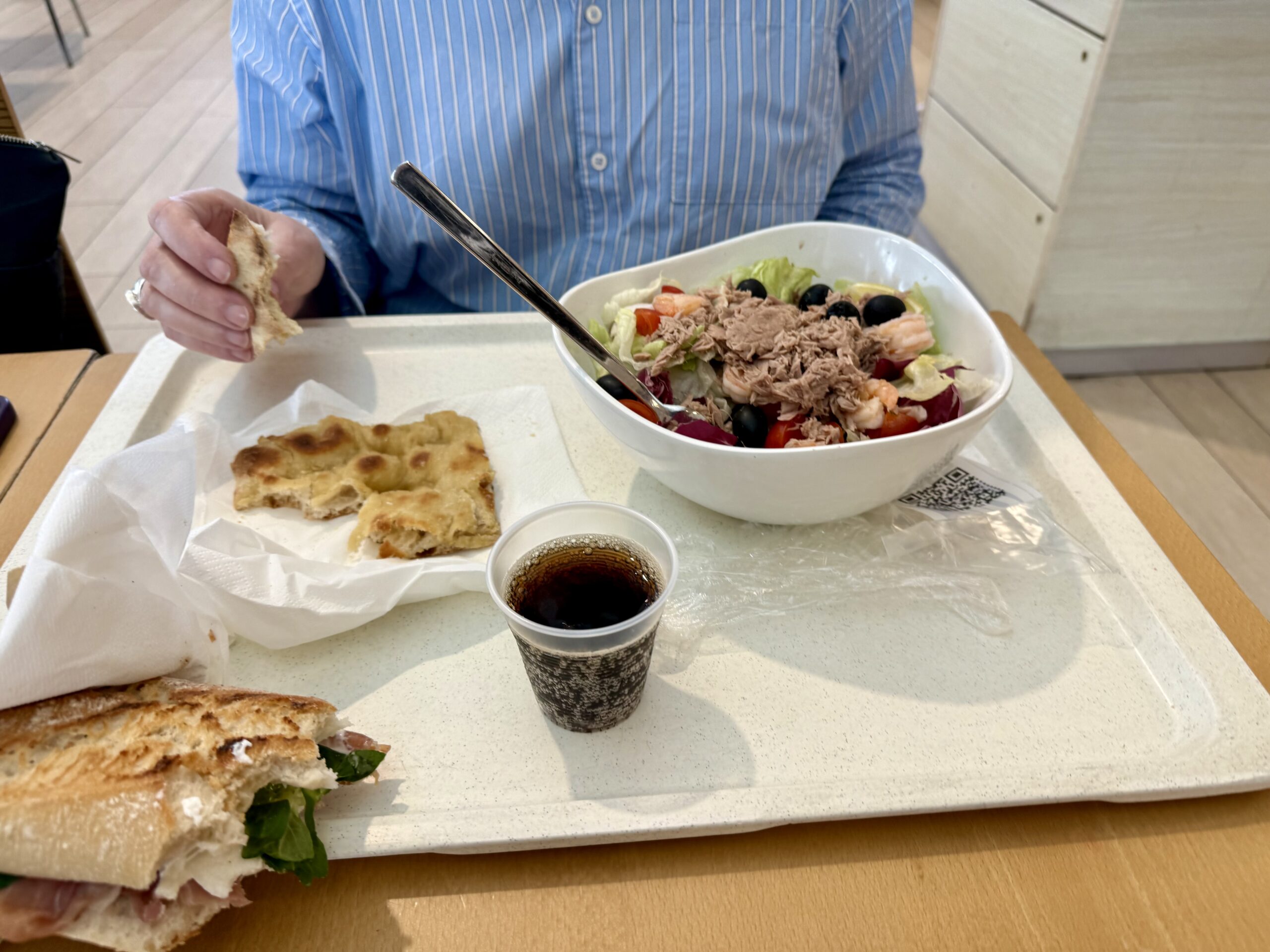
On the Way to Rapallo
Rapallo
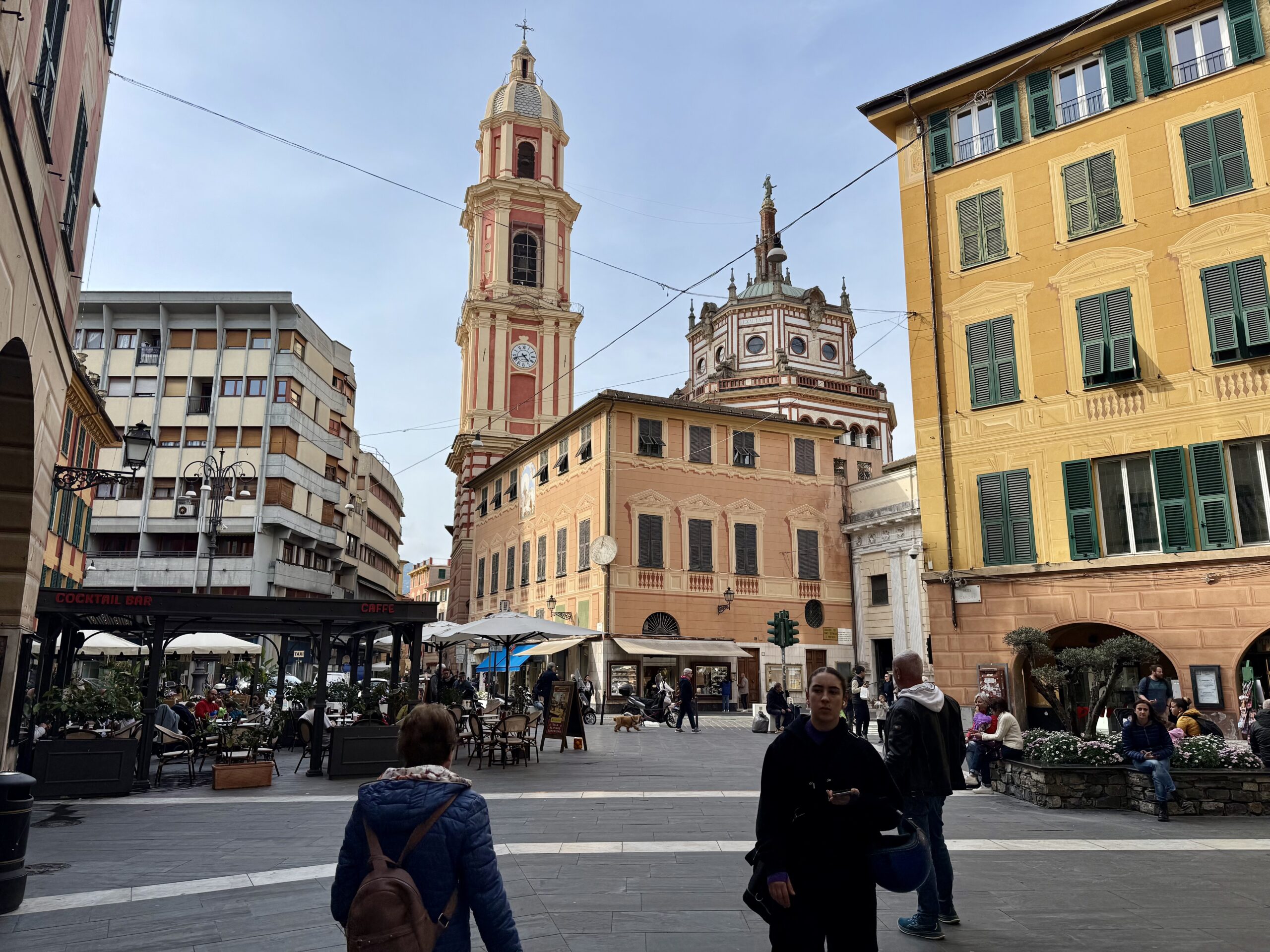
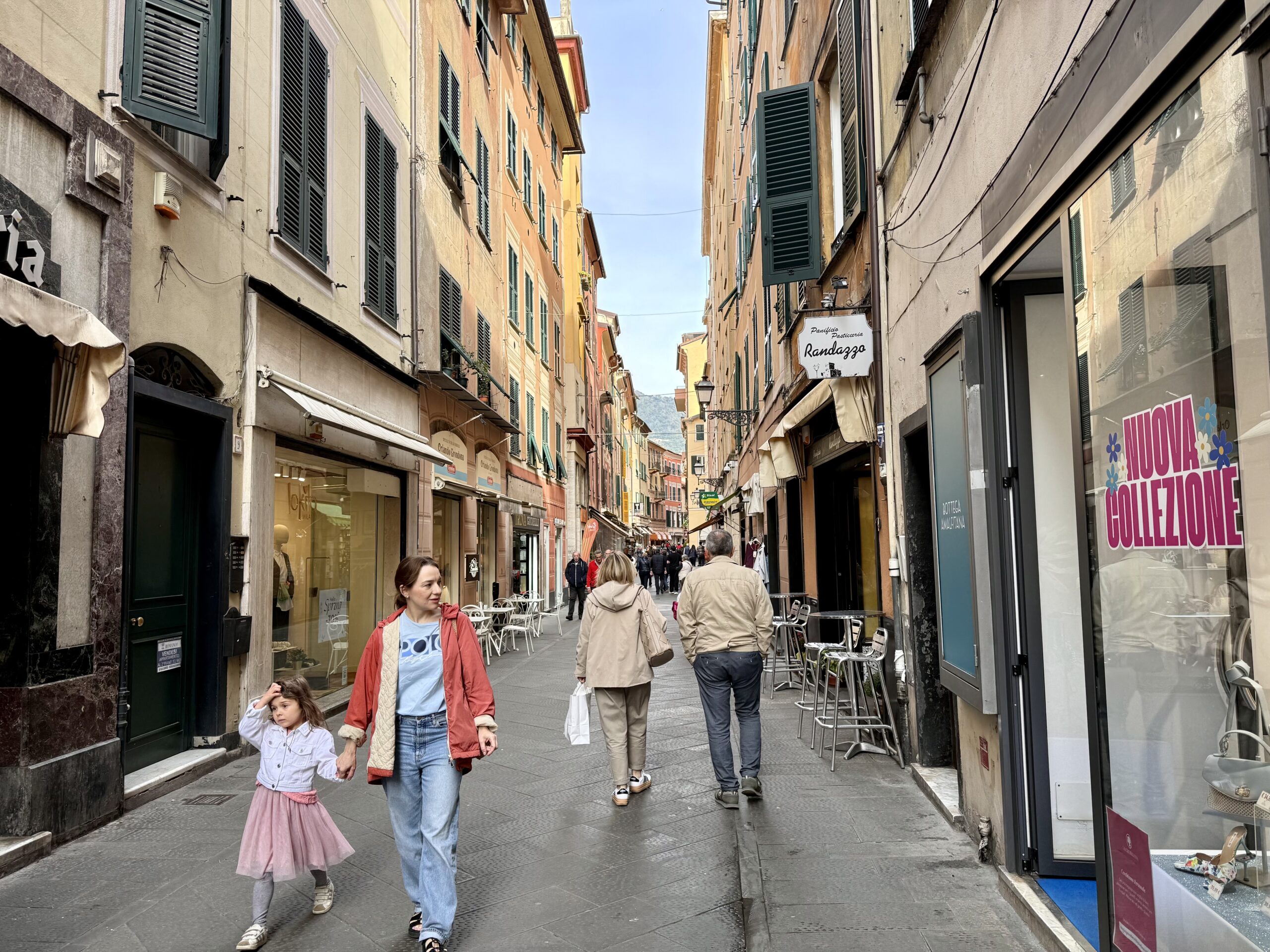
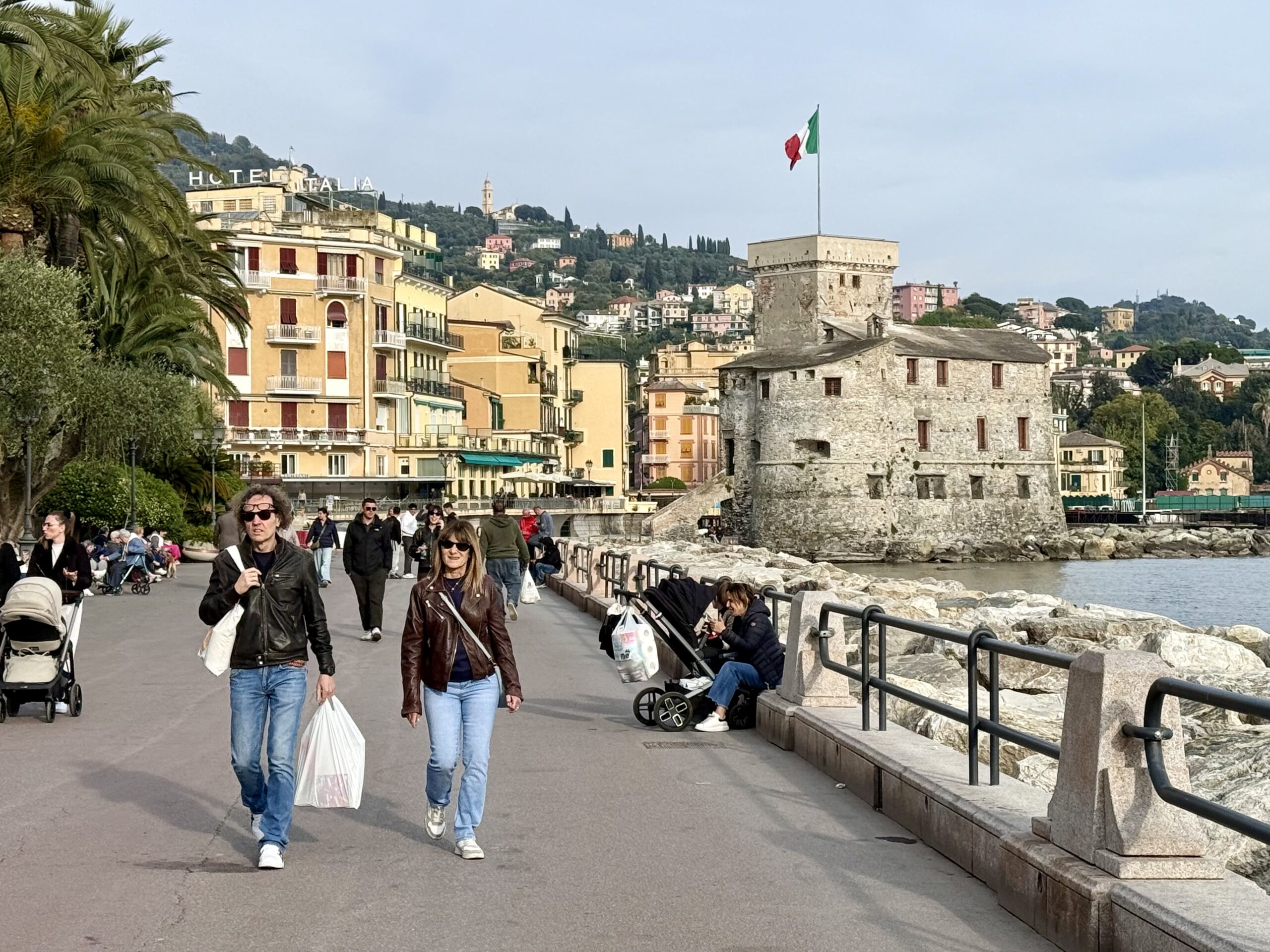
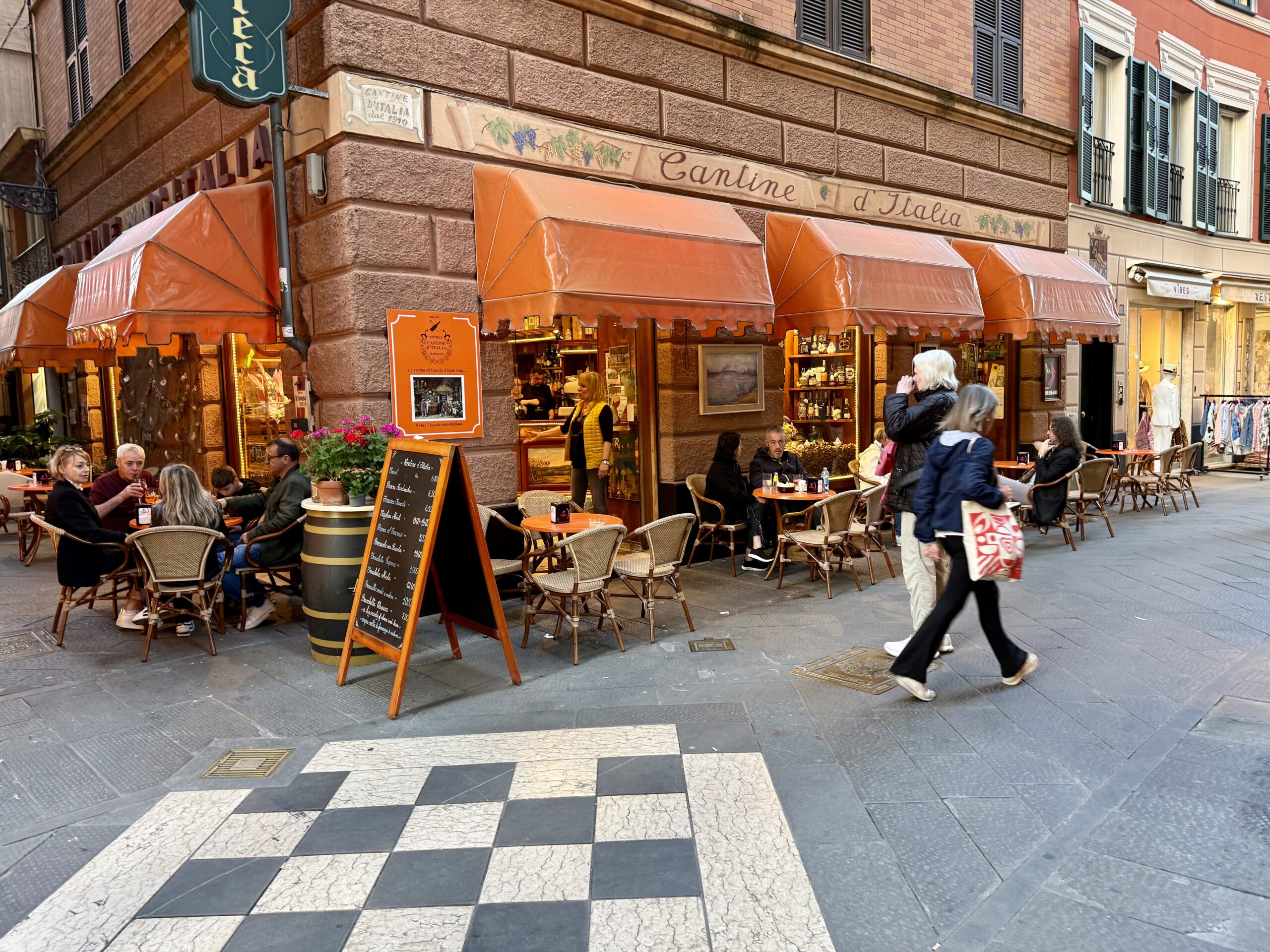
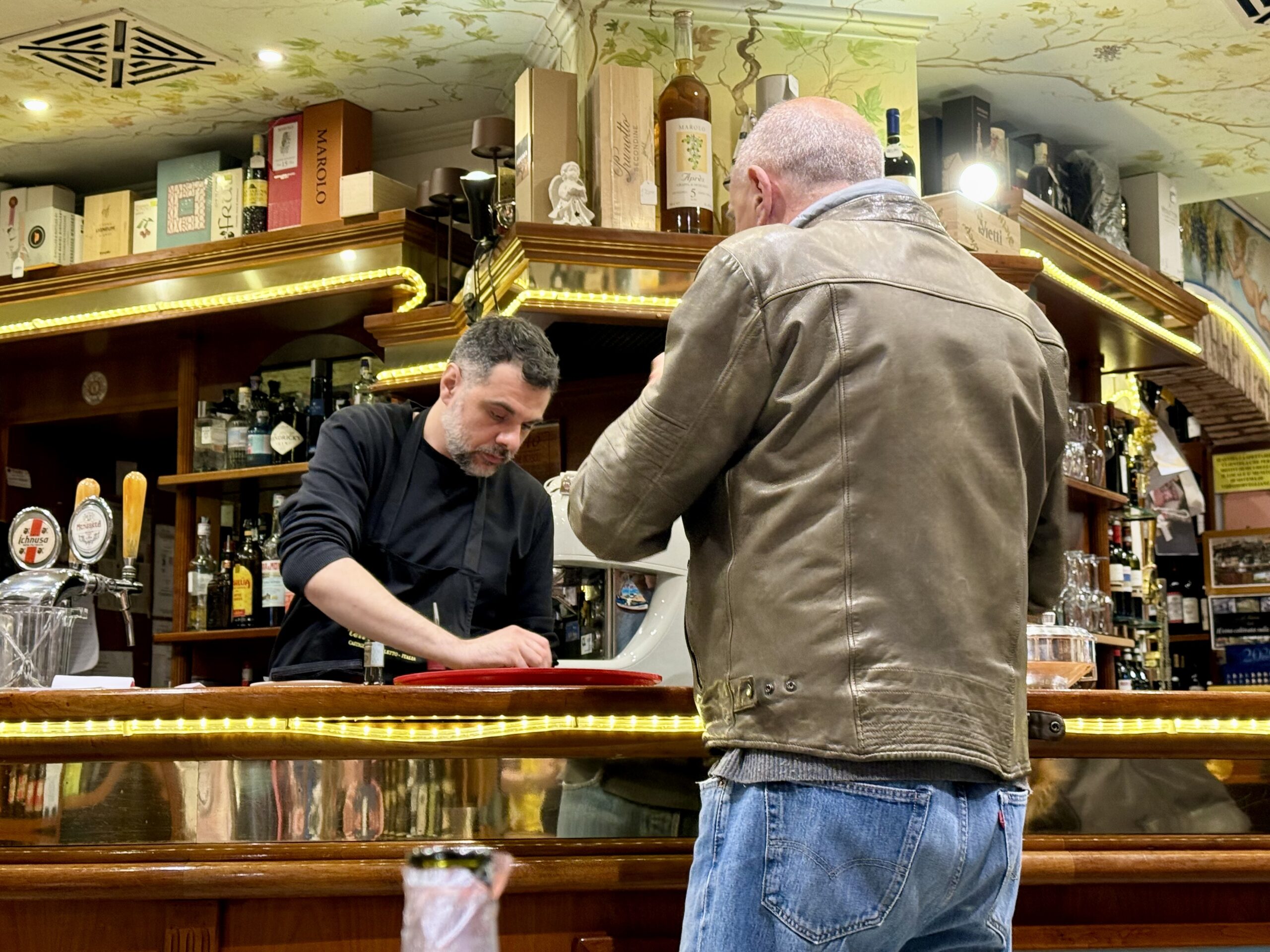
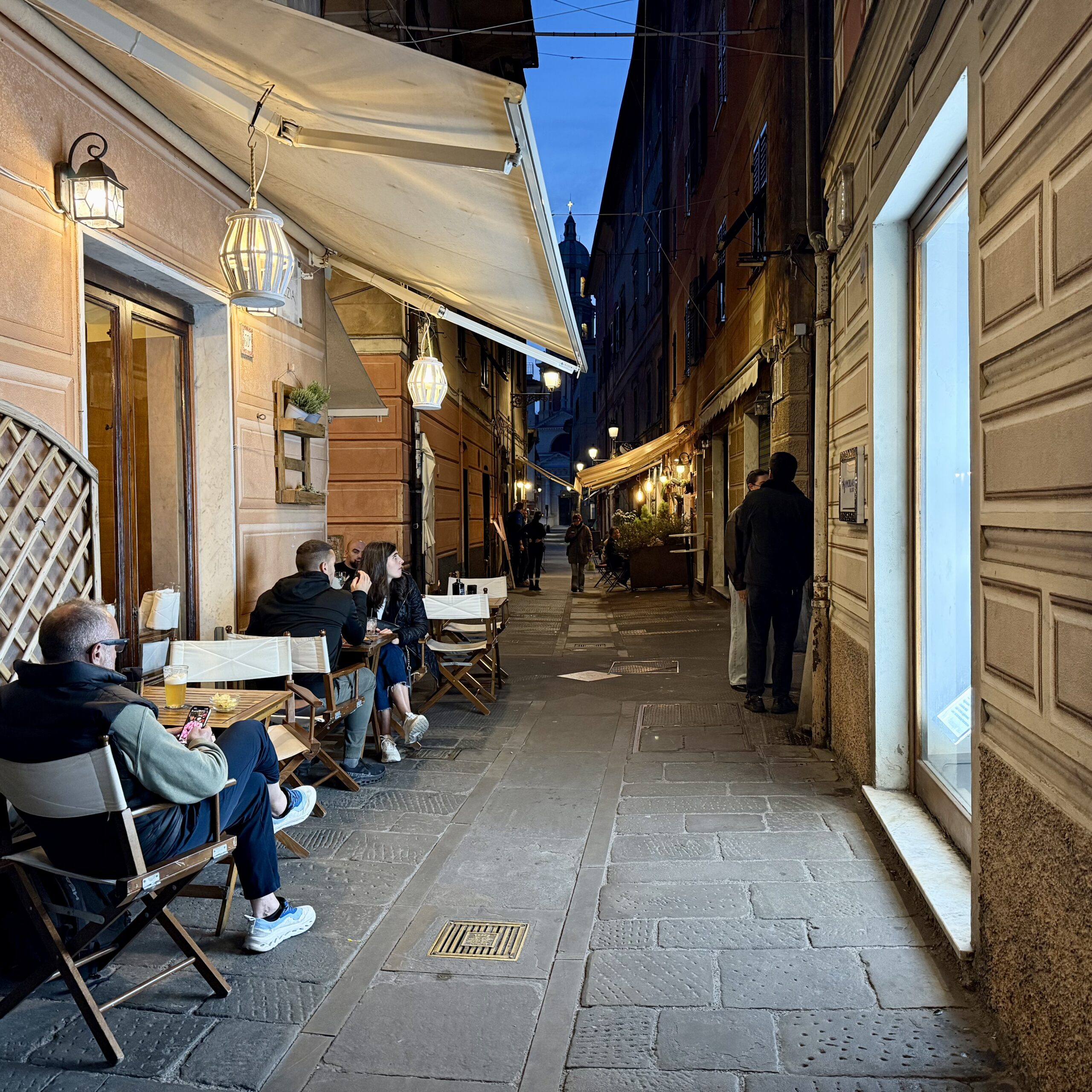
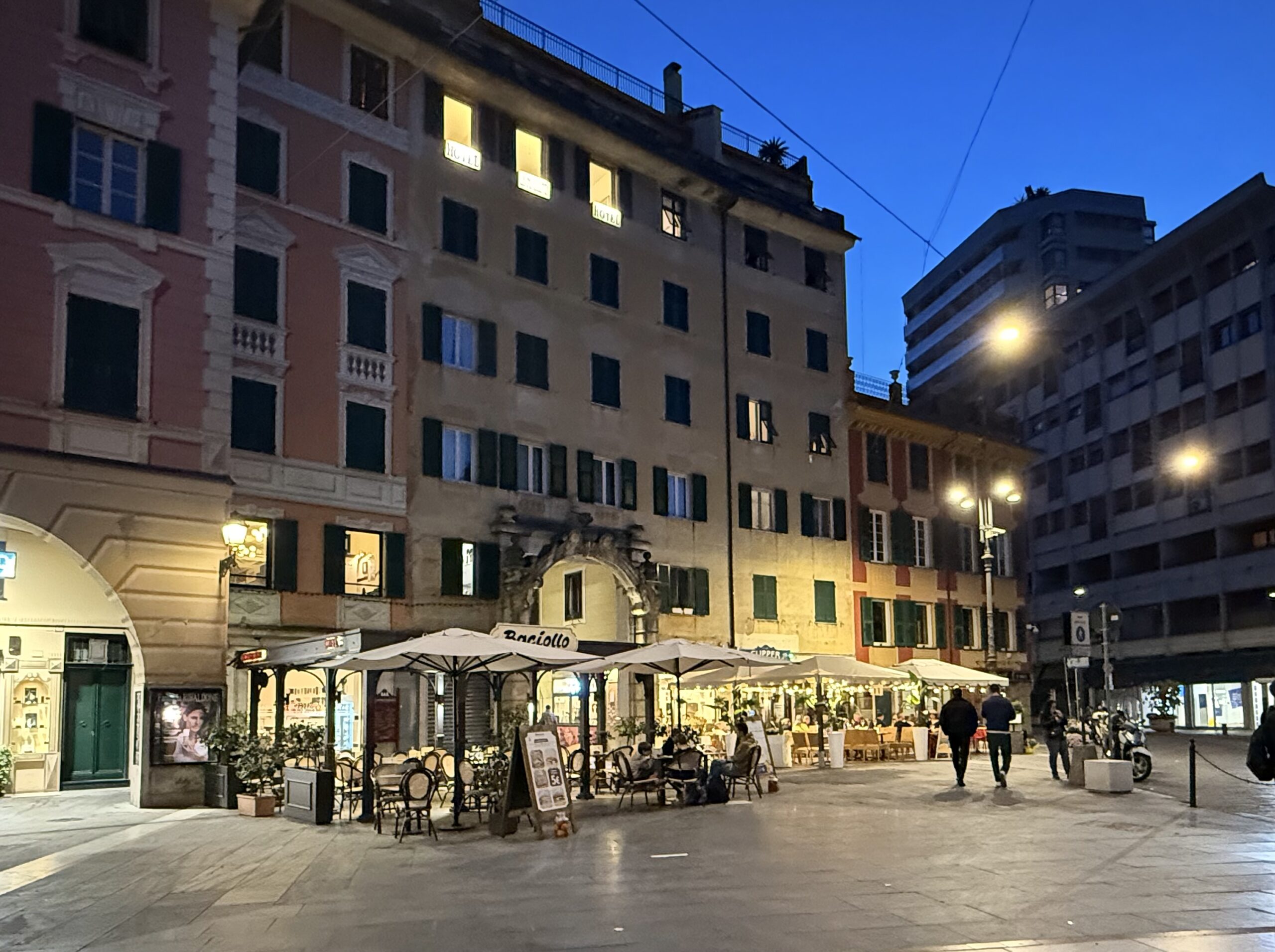
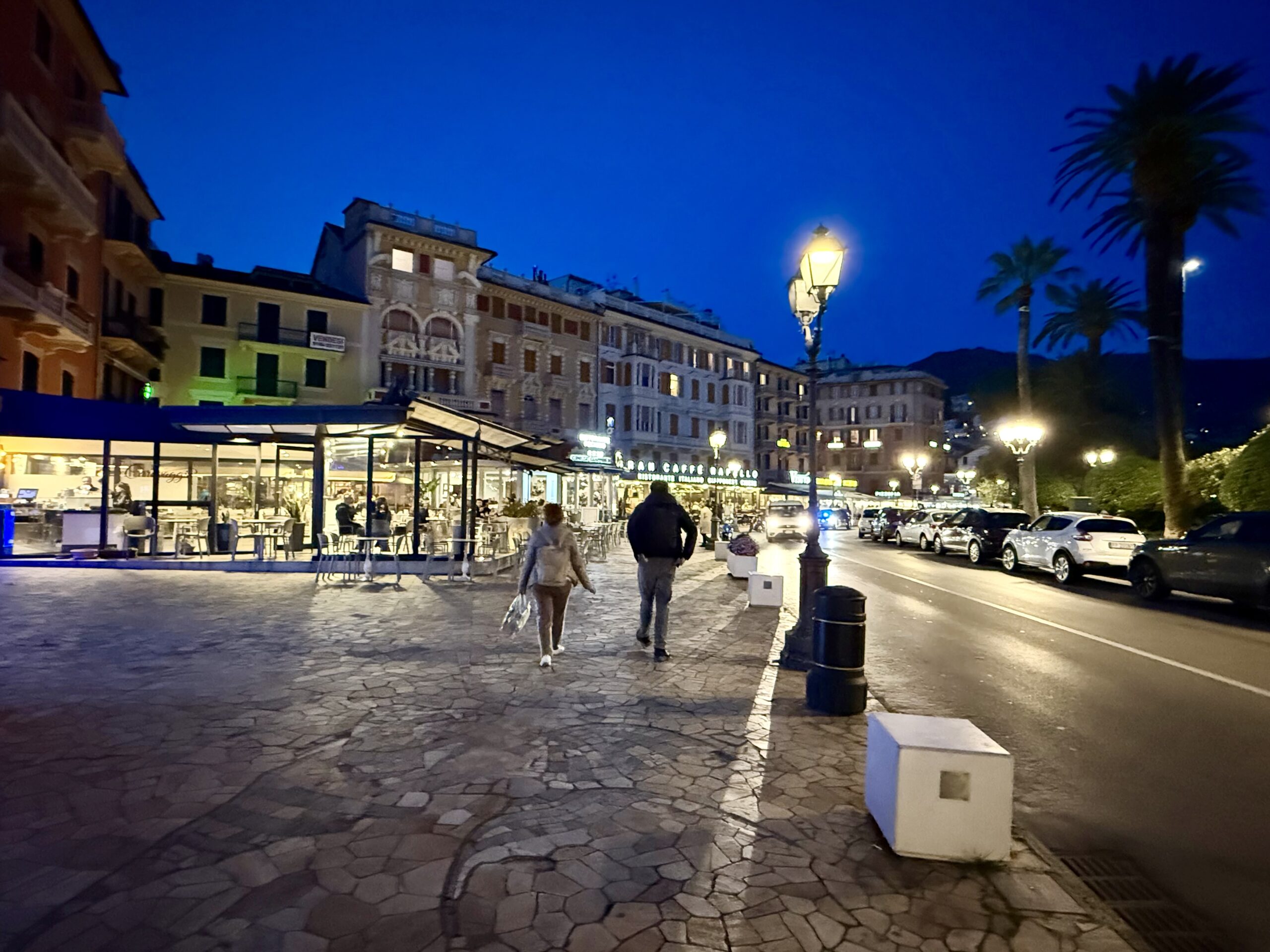
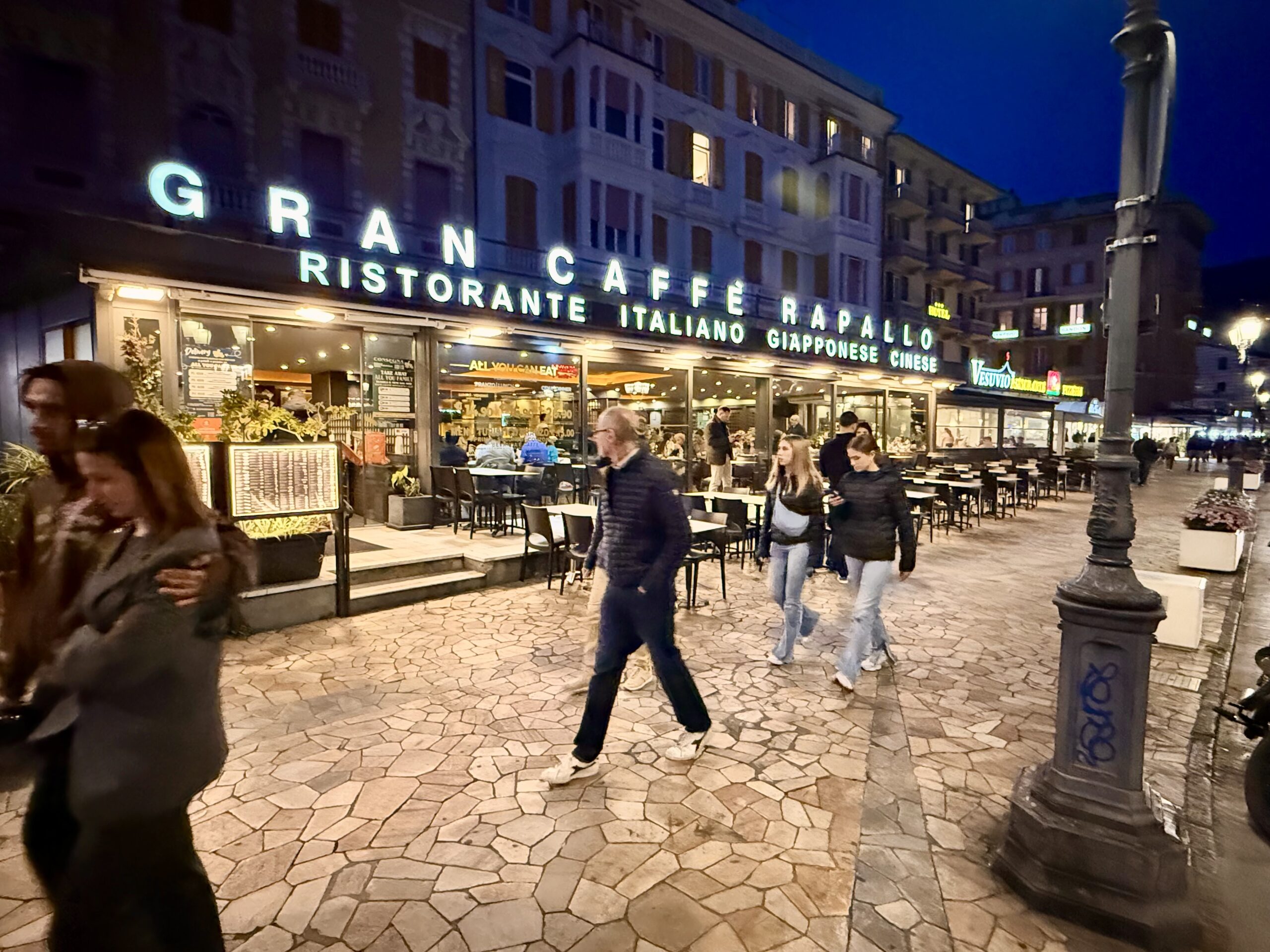
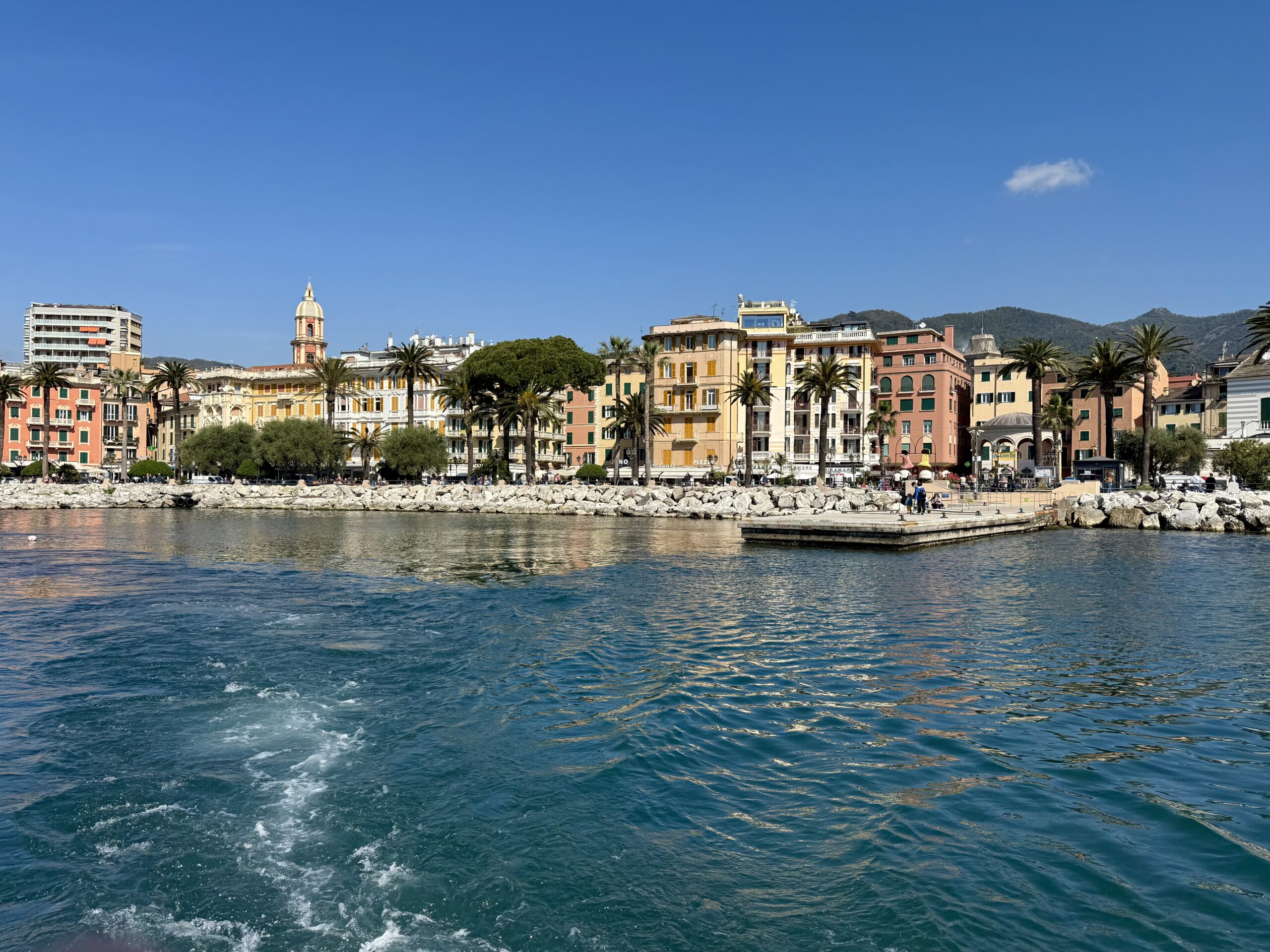
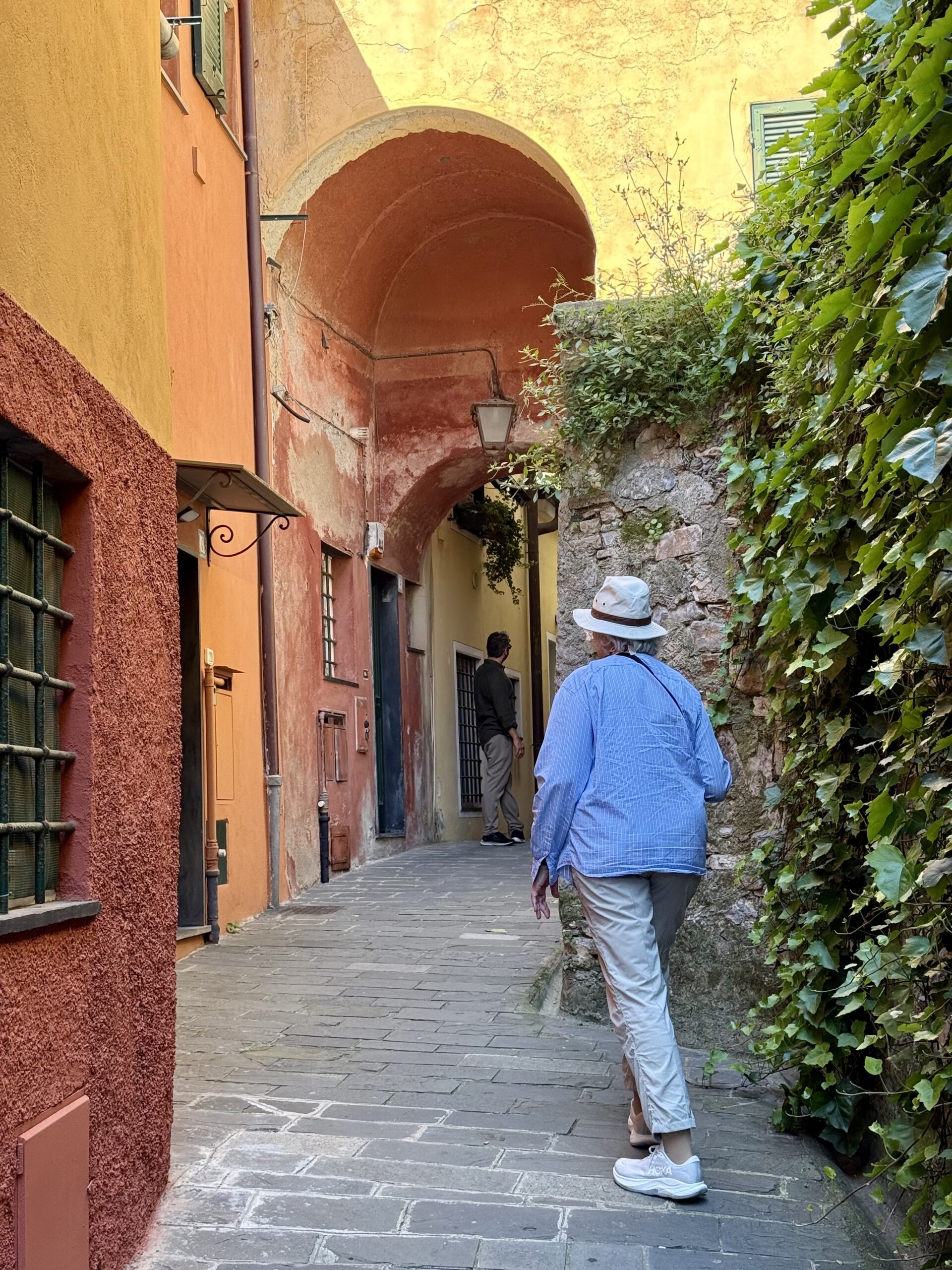
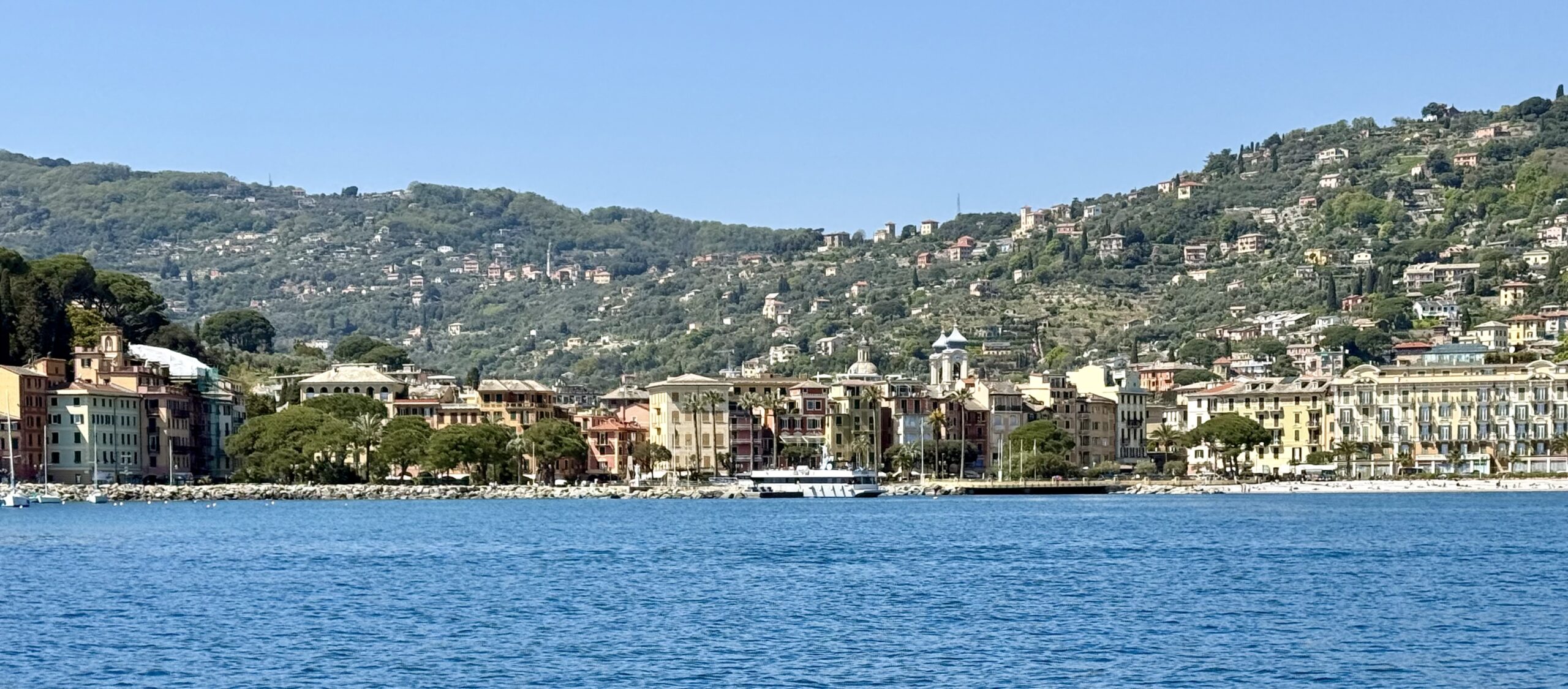
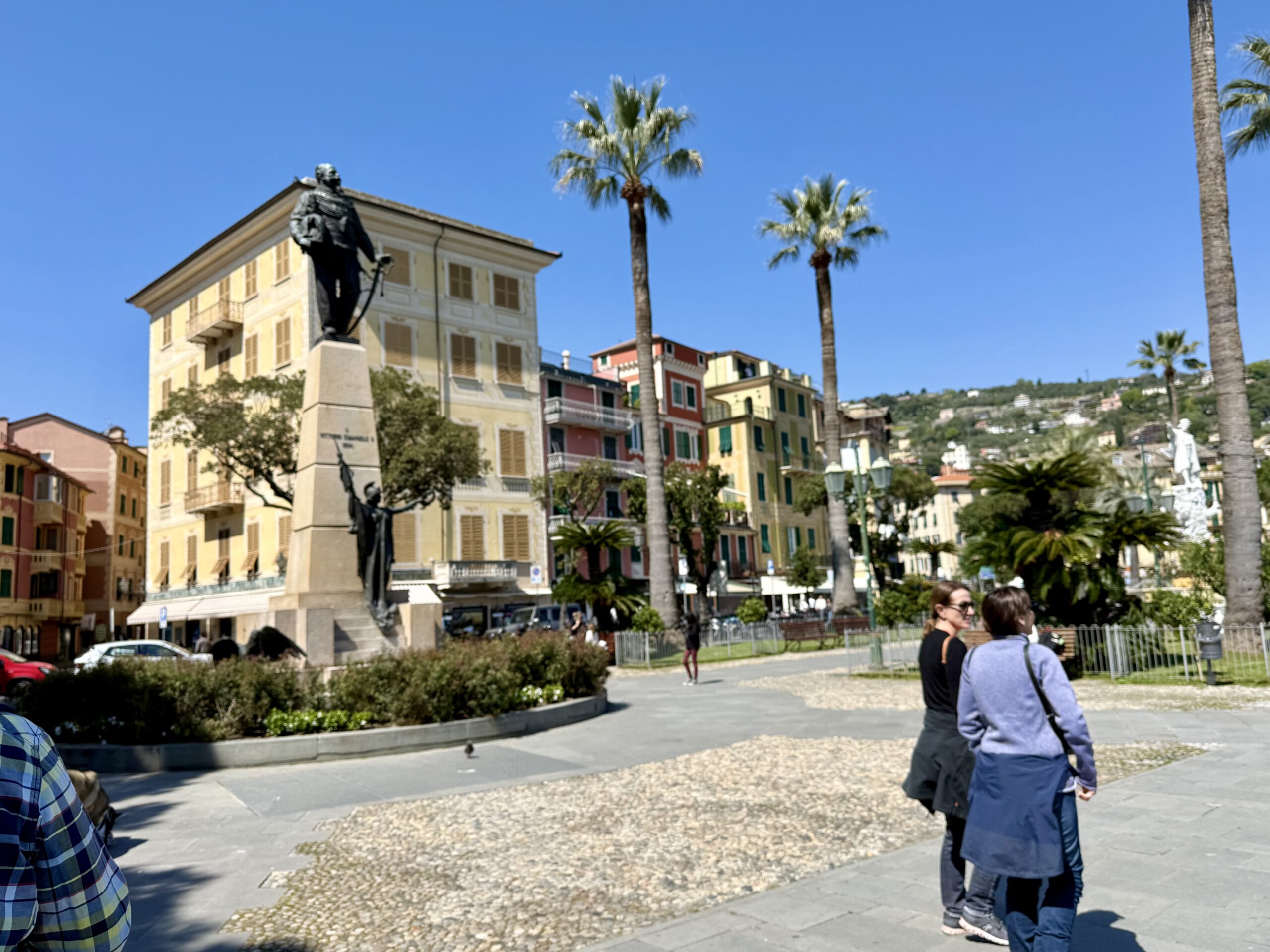
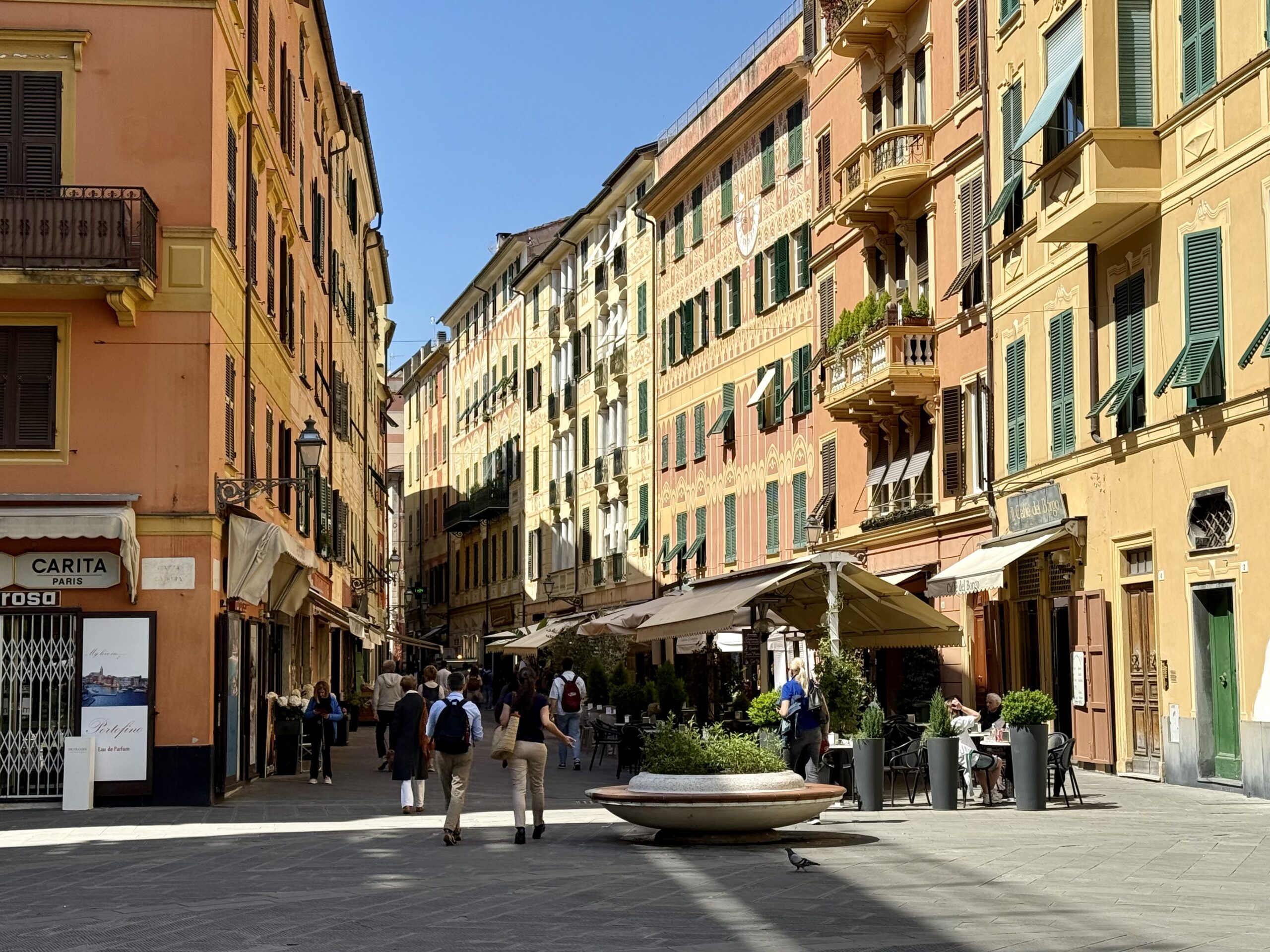
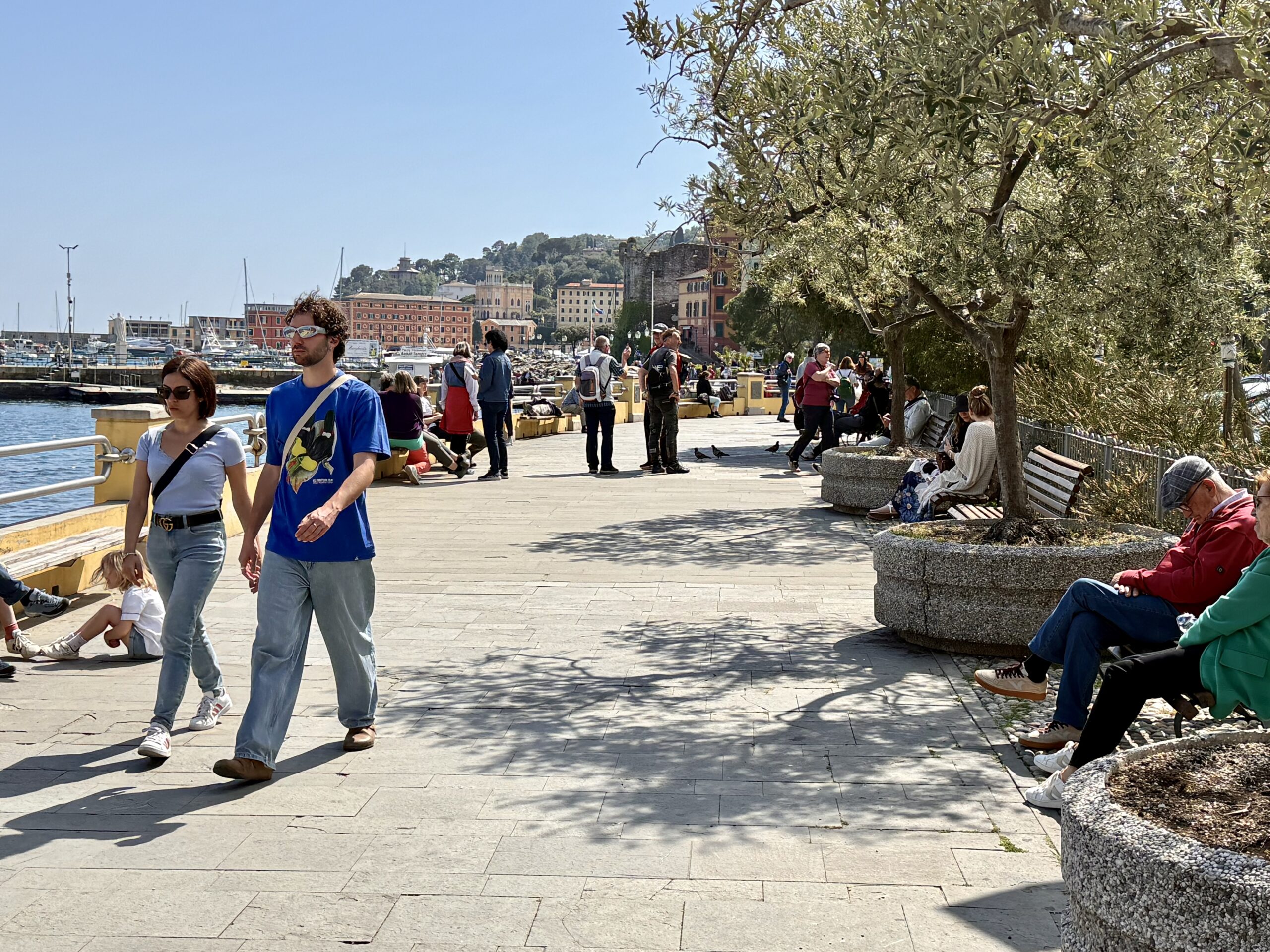
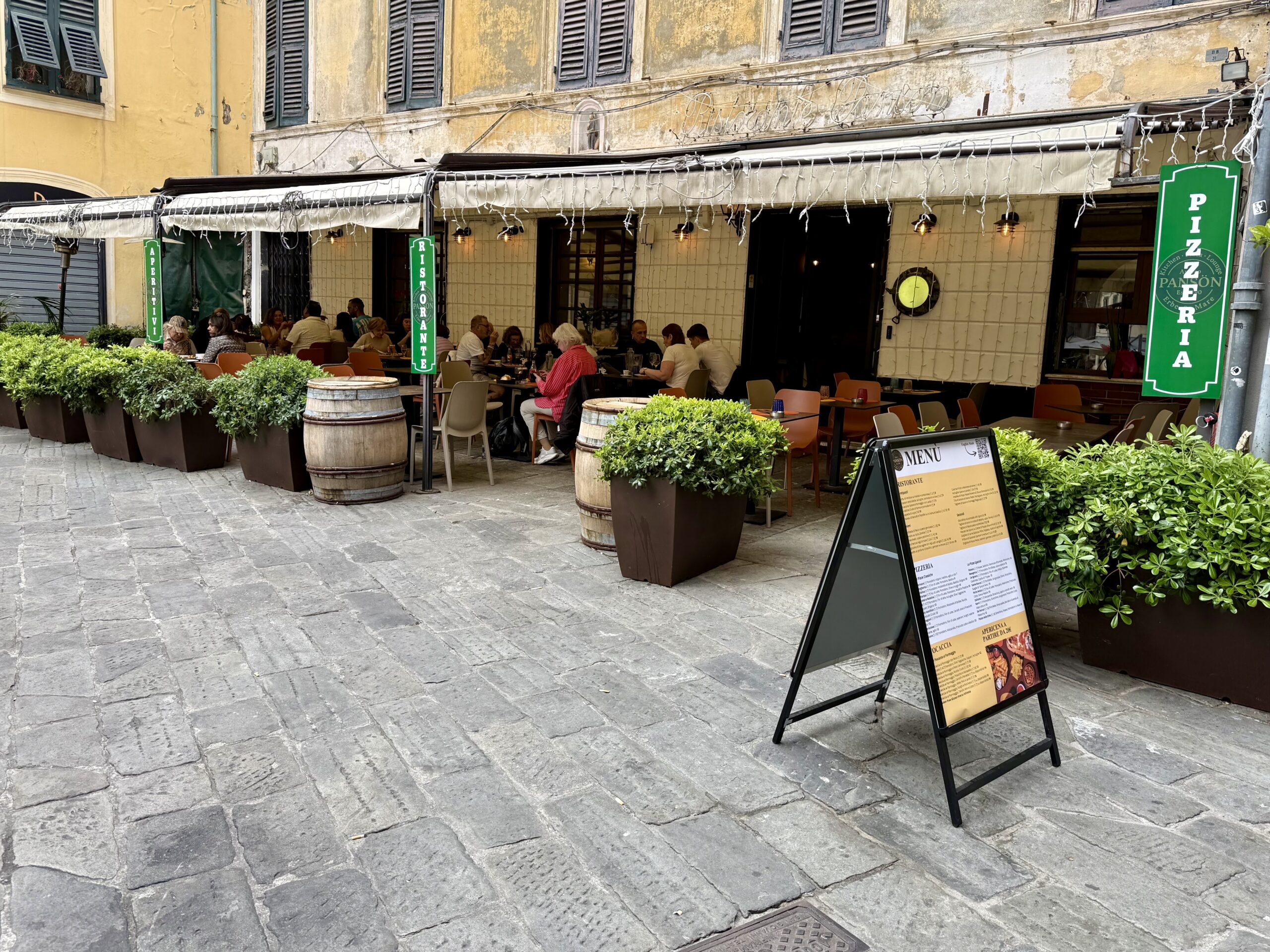
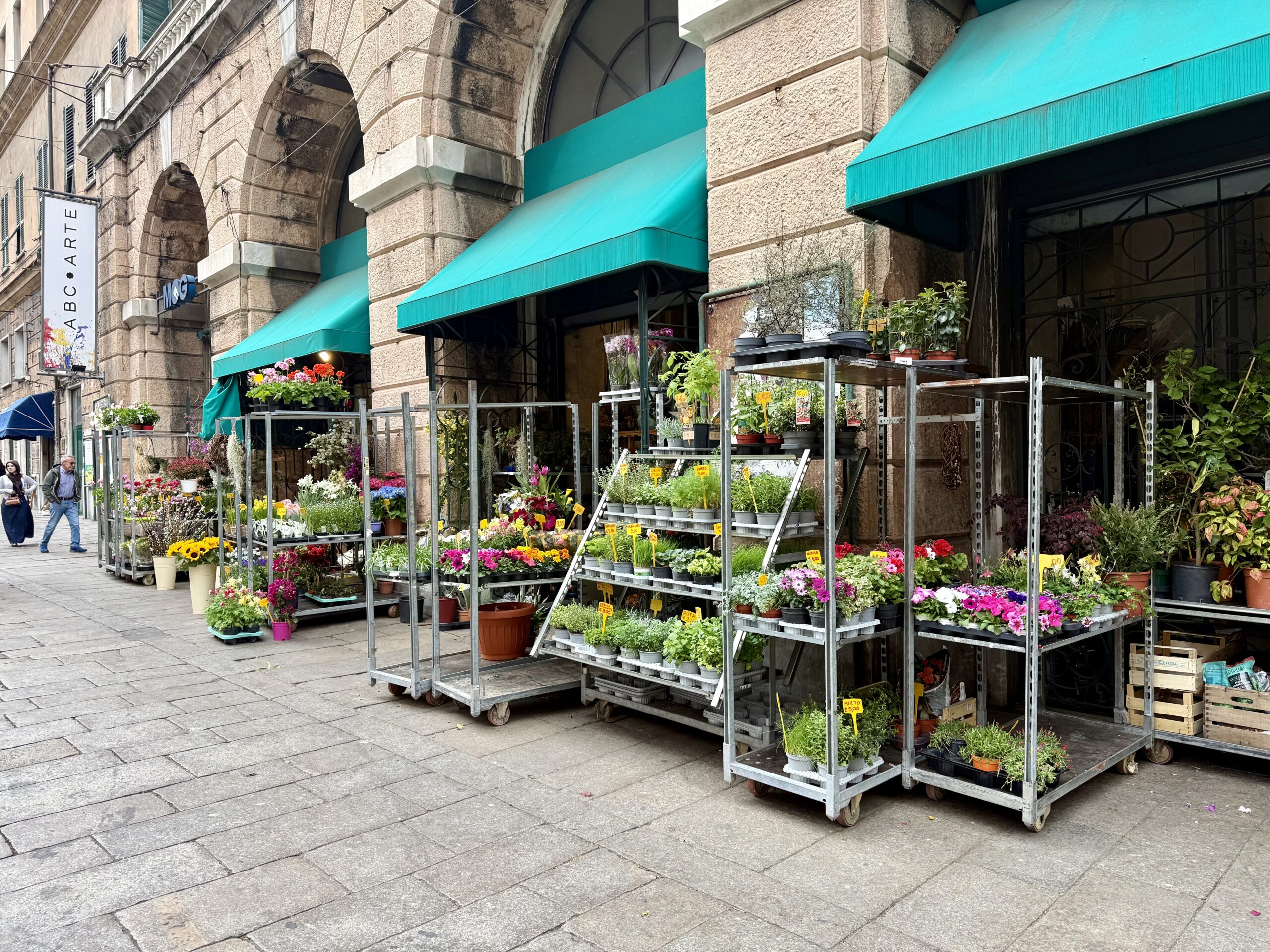
We were most content simply strolling the streets of town and observing people. The narrow lanes just back from the waterfront are full of small shops and restaurants, and most of the pedestrians seem to be locals. Aside from the waterfront hotels and restaurants, Rapallo is an unpretentious place, which is appealing. None of the retail shops or restaurant were pushy about trying to get our attention. We couldn’t tell if there was a passaggiata or if we were simply seeing people doing errands in late afternoon.
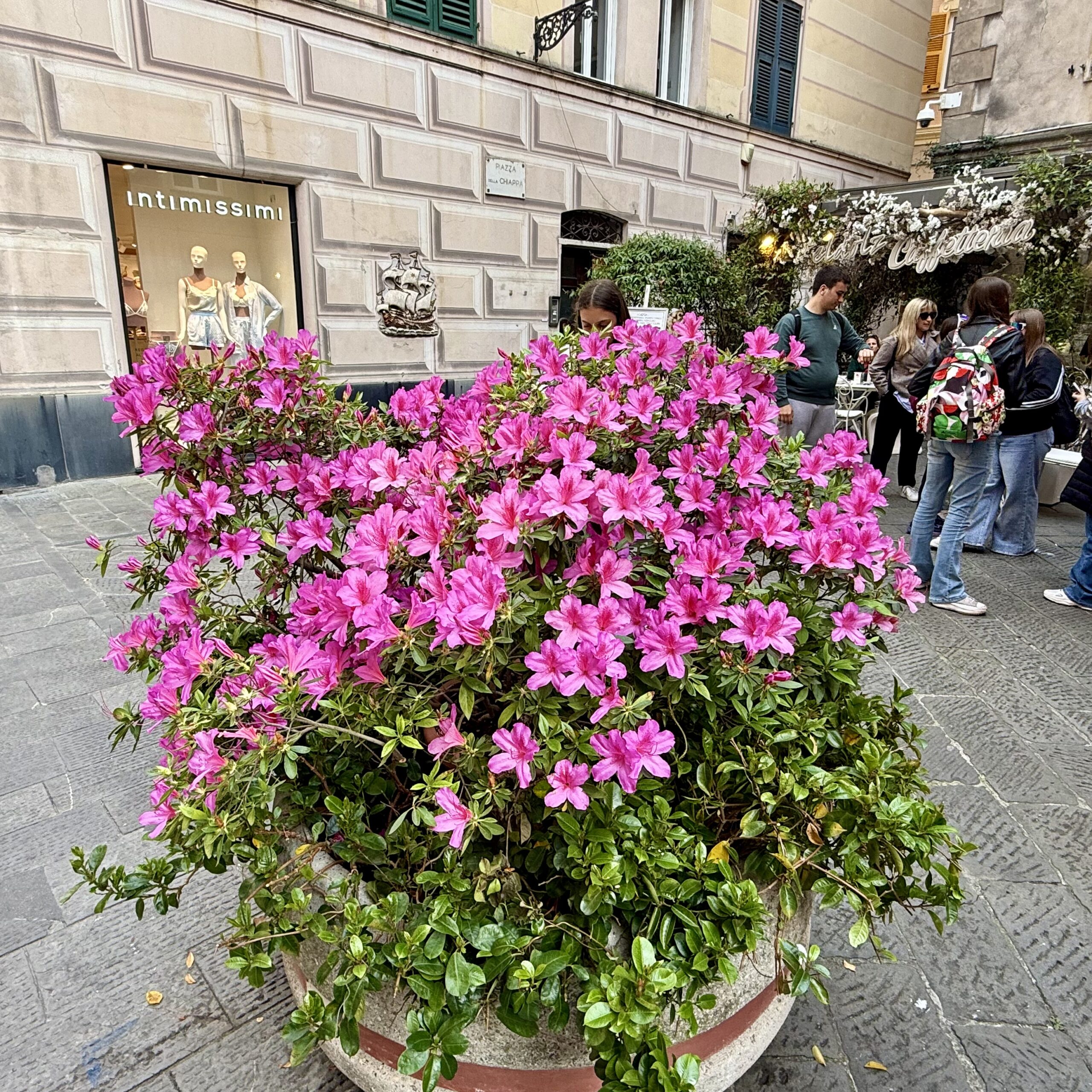
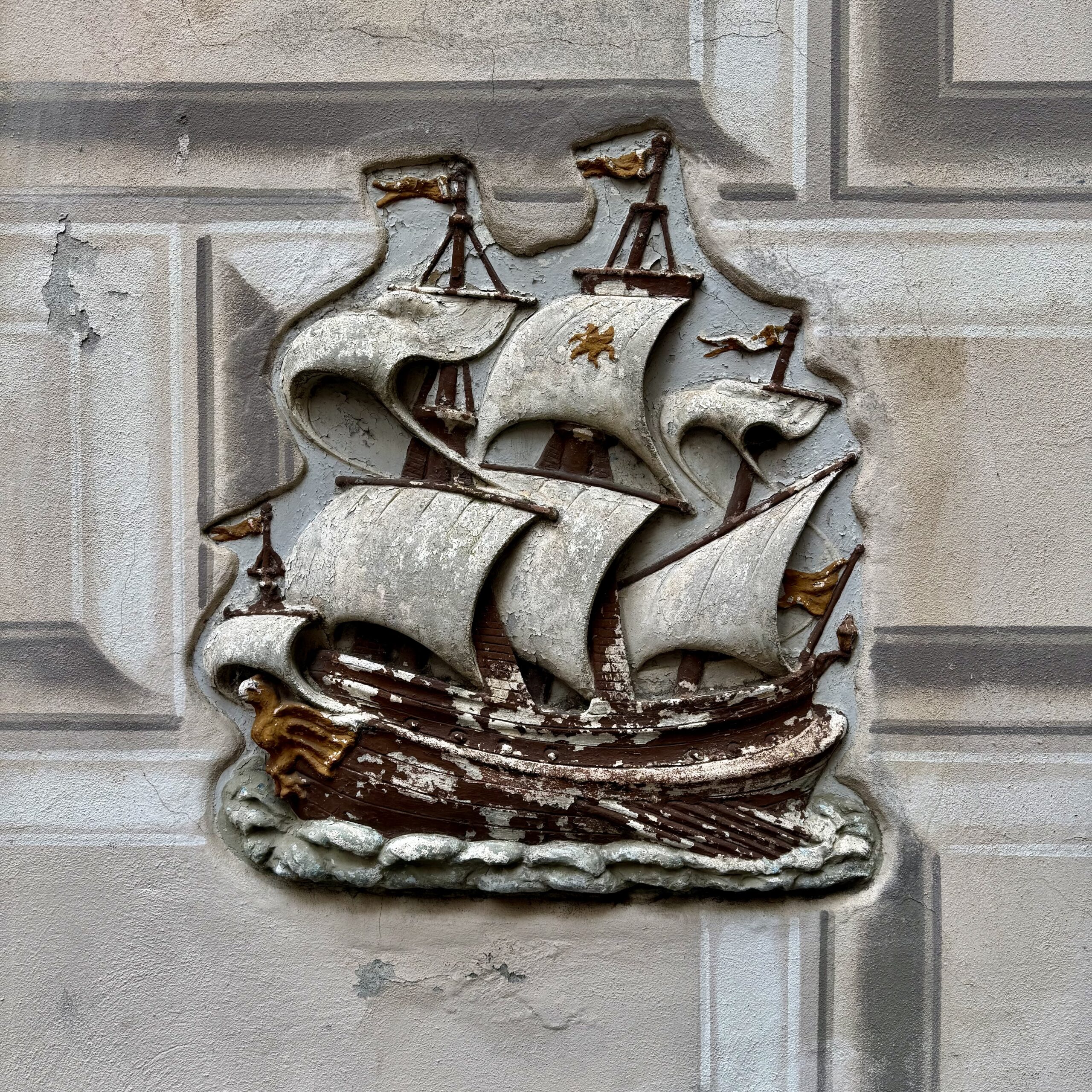
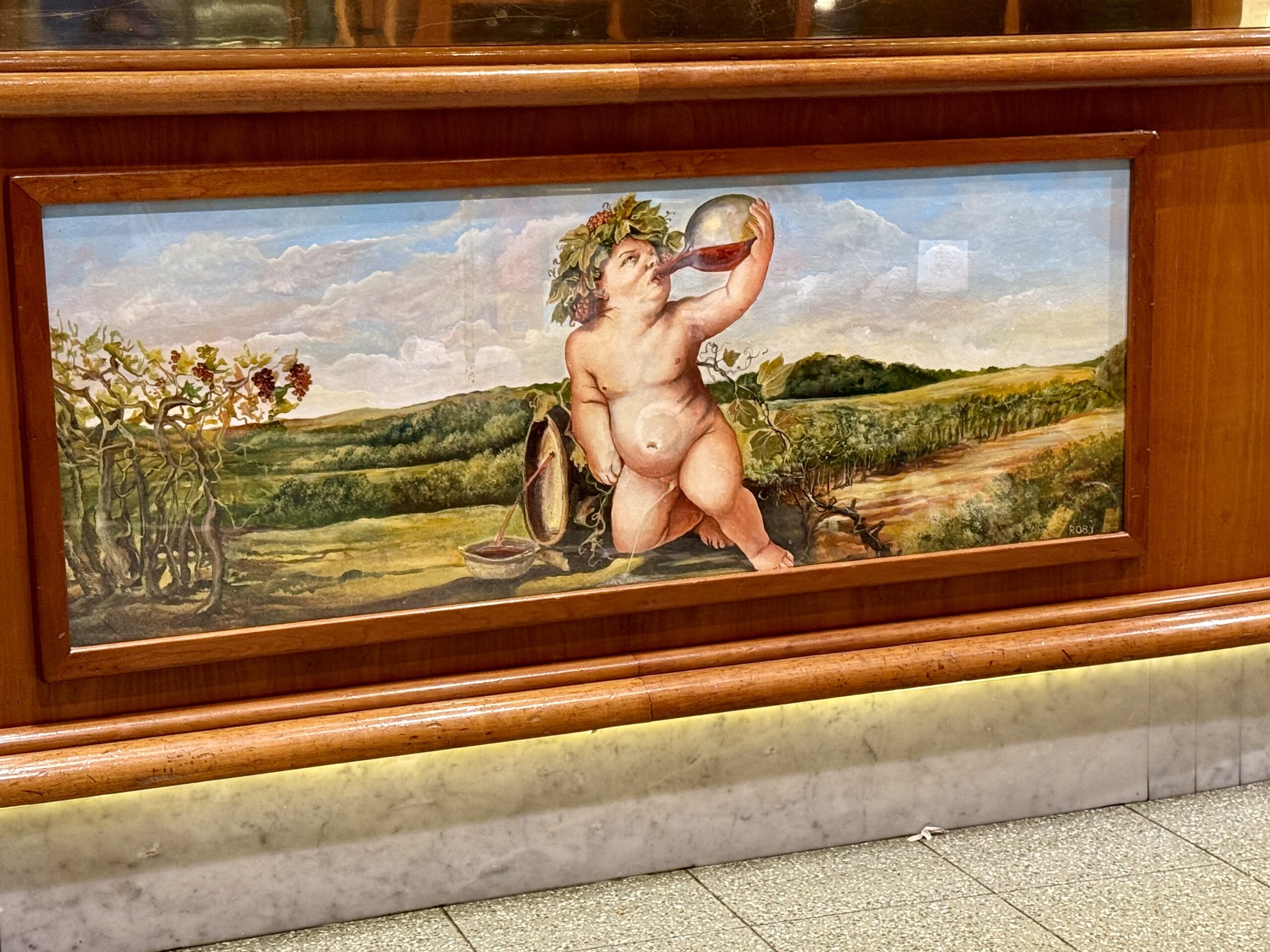
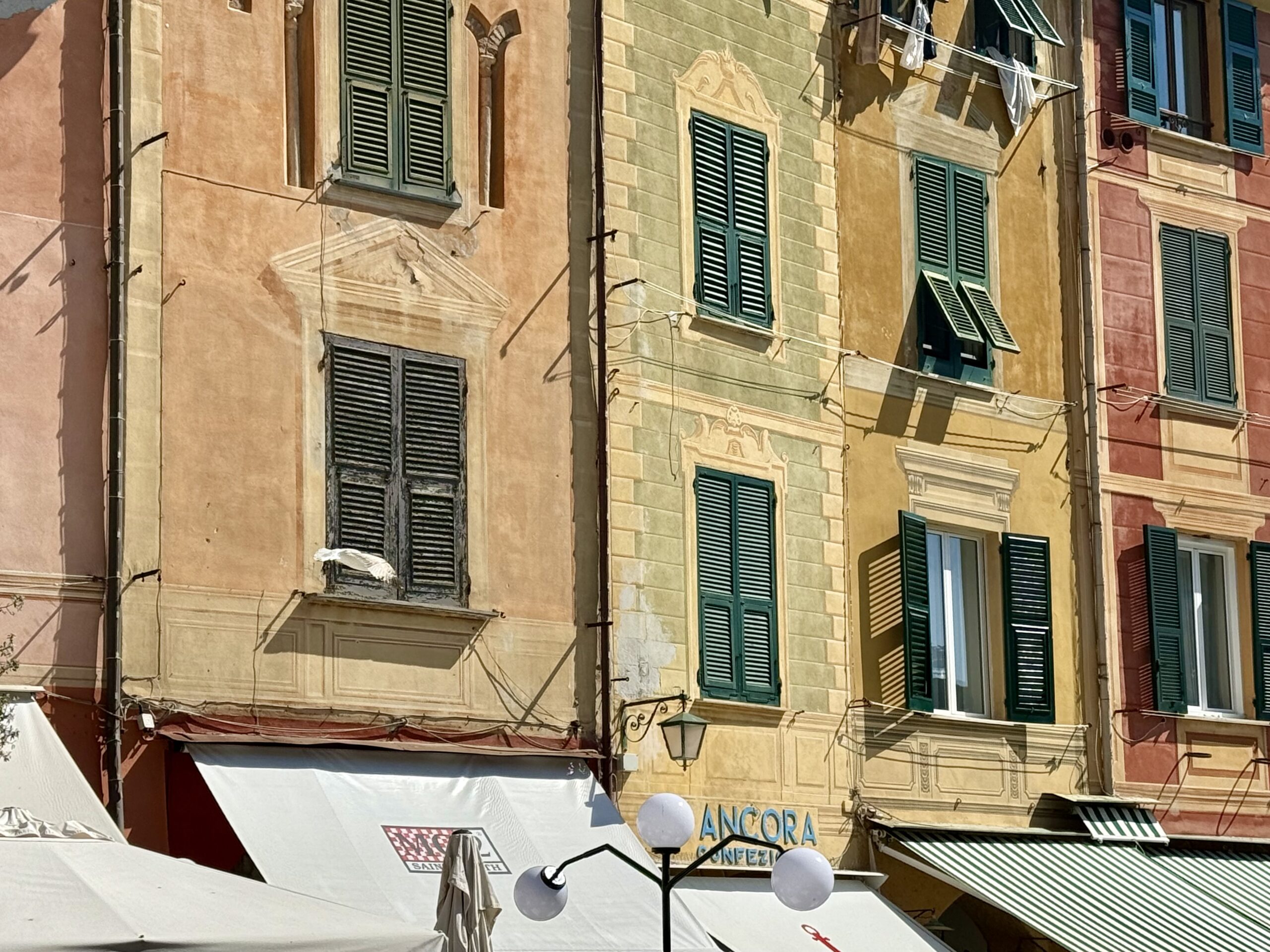
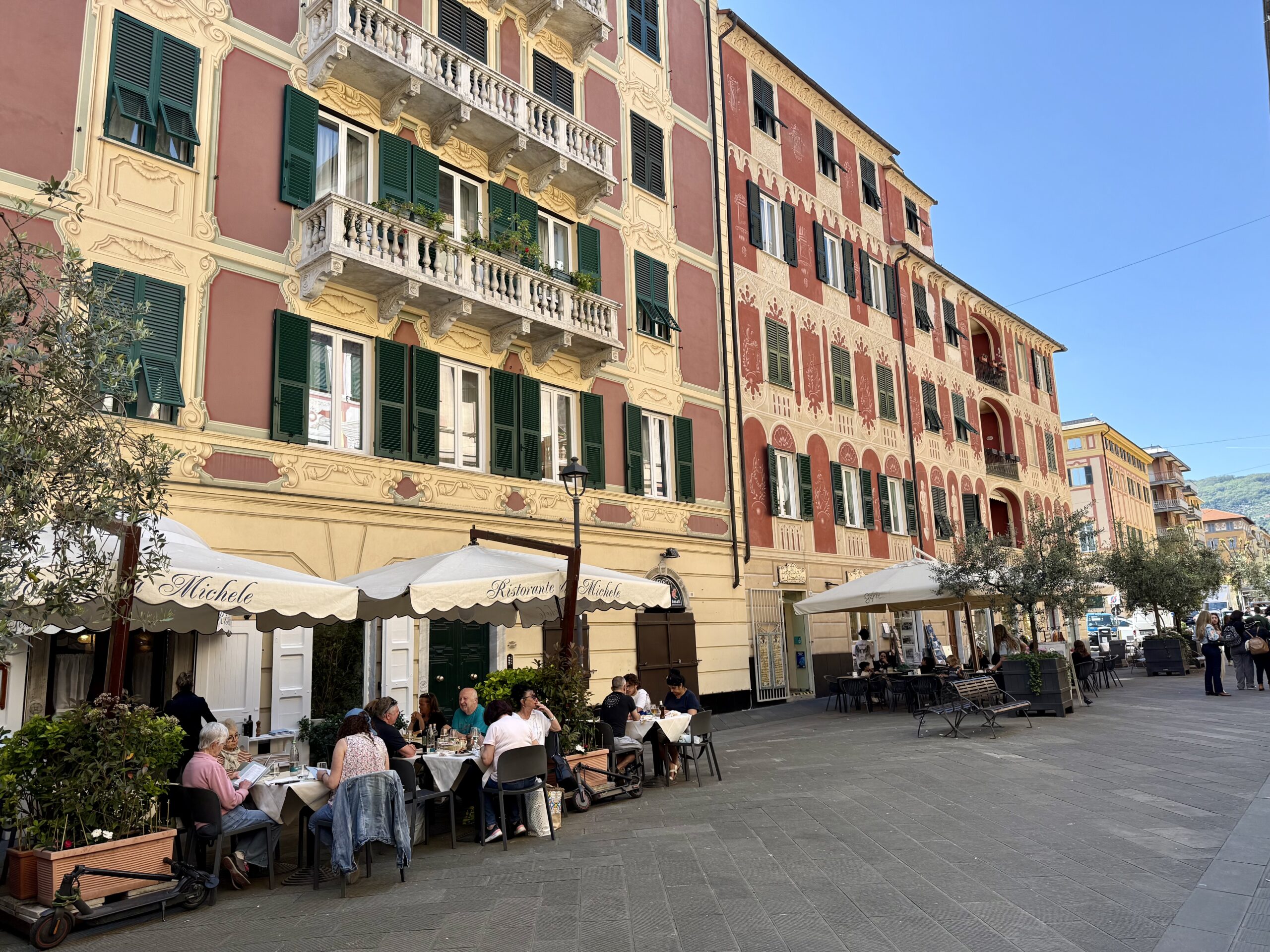
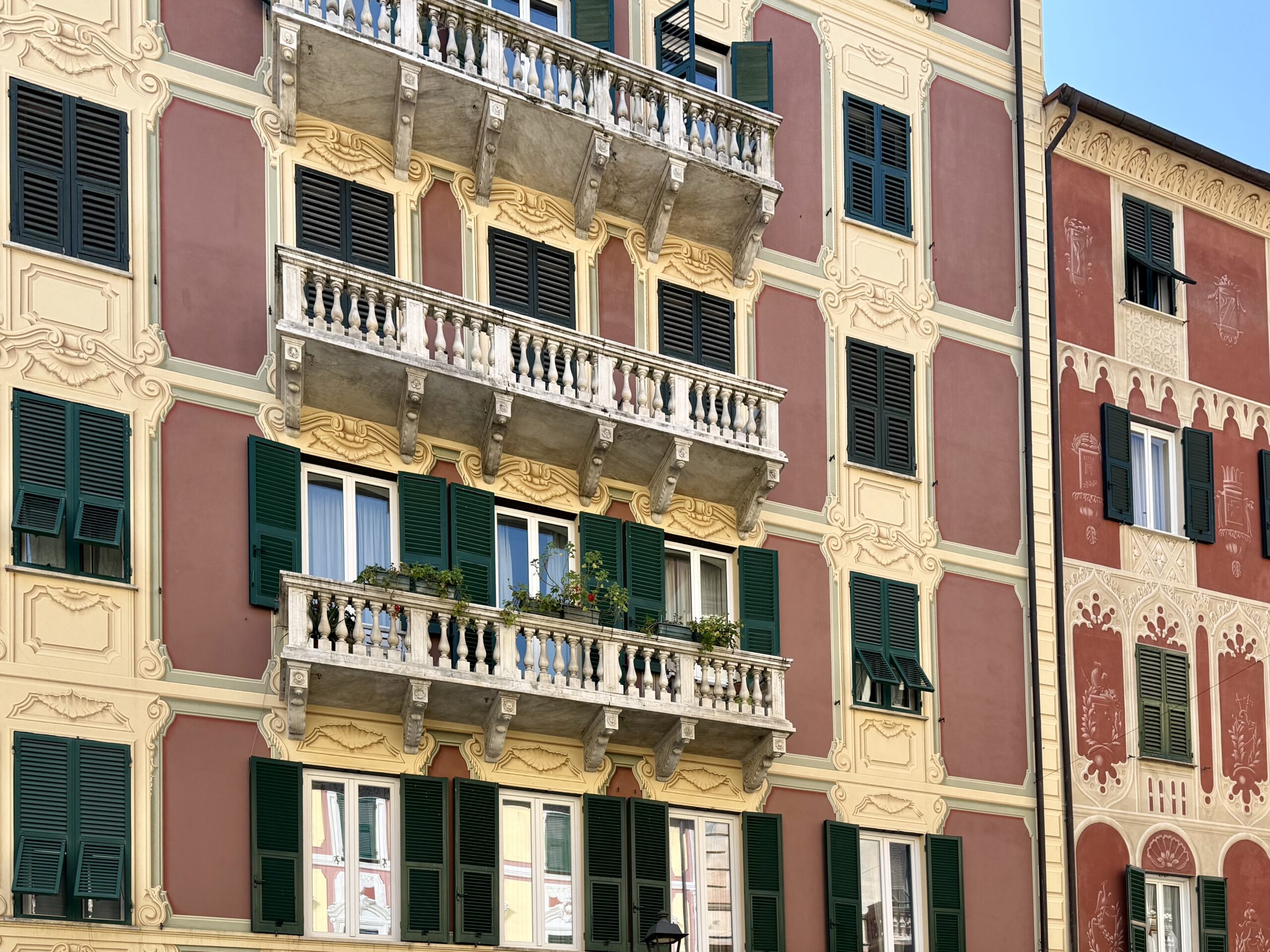
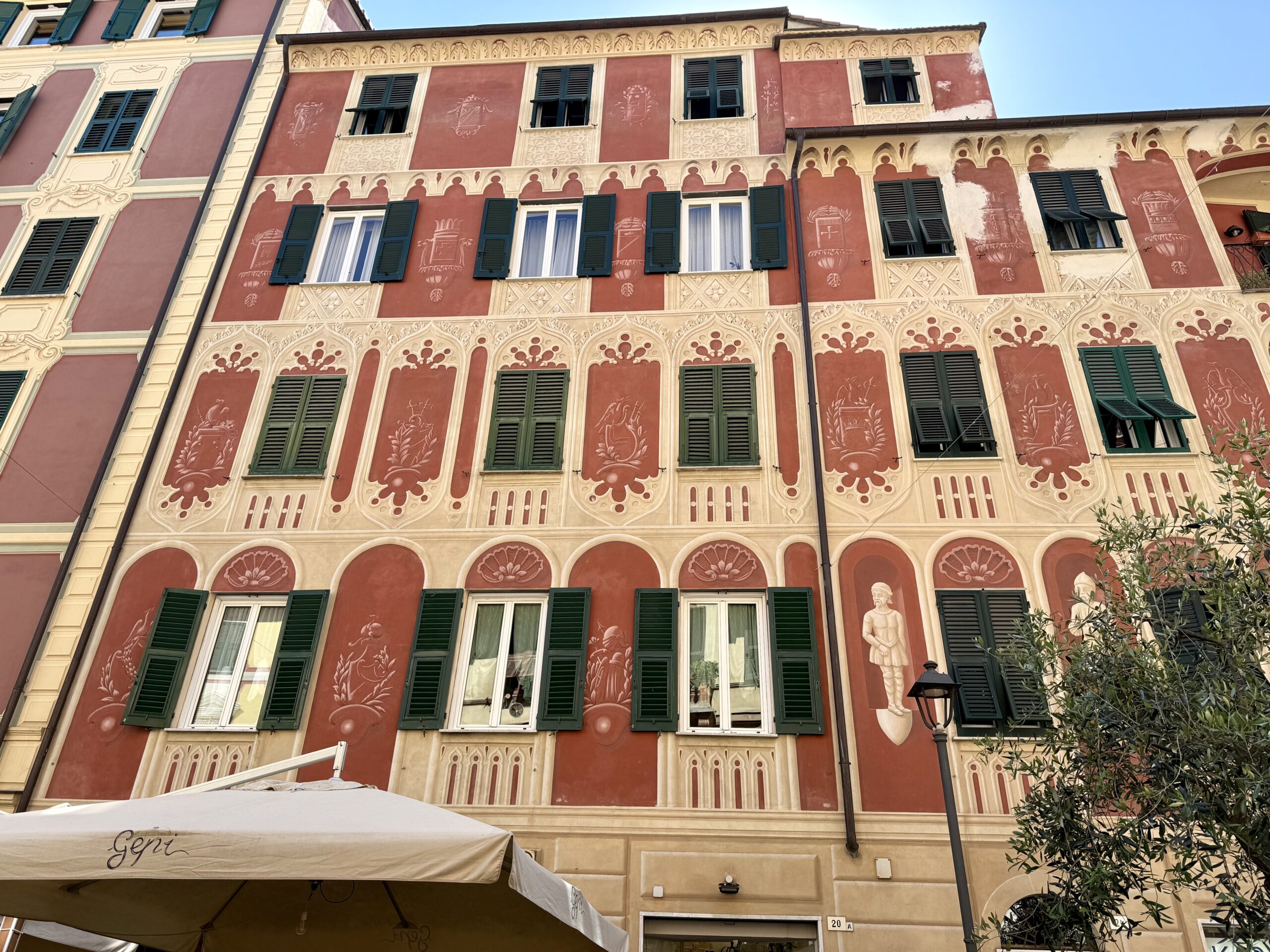
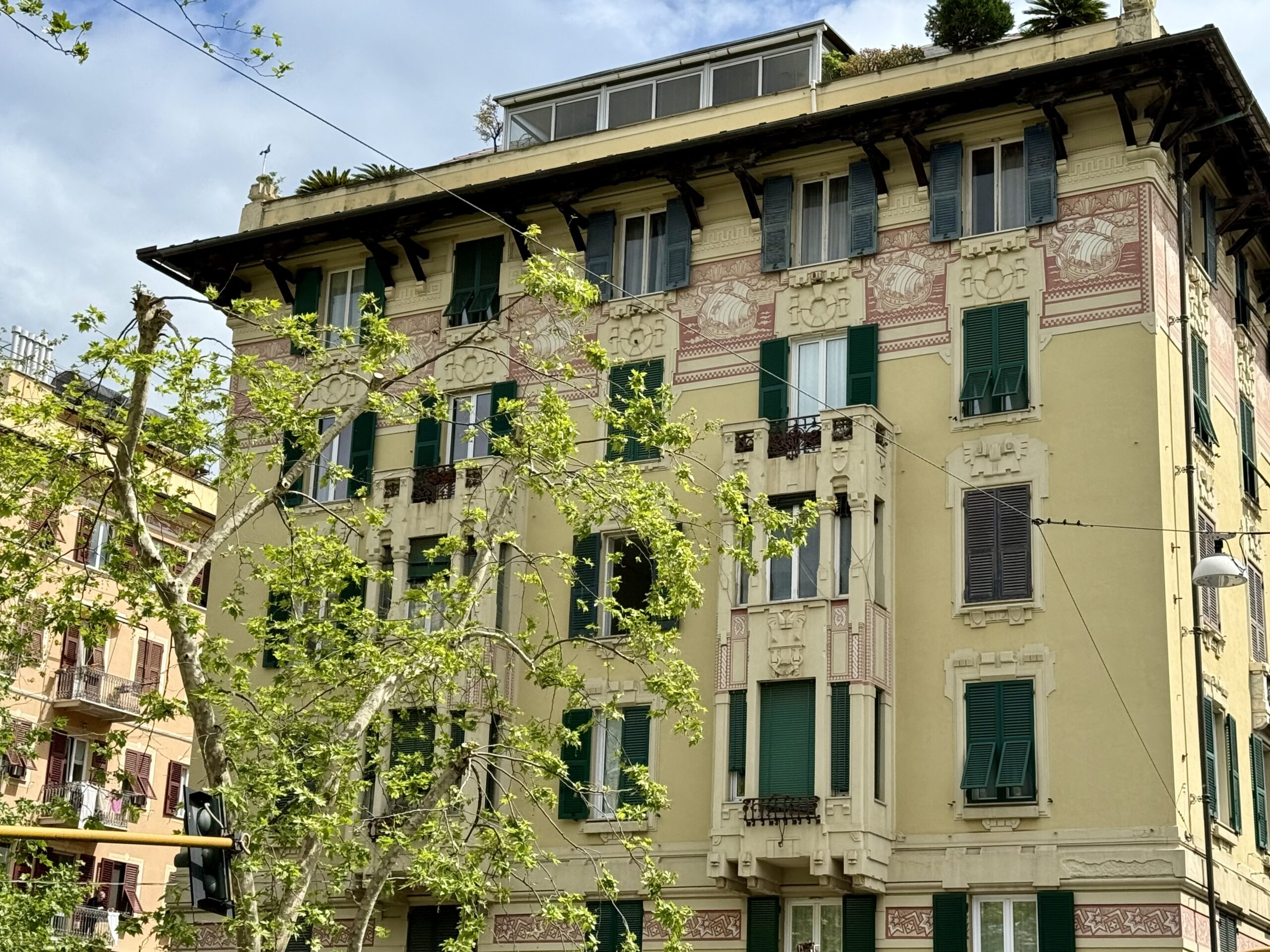
Trompe-l’oeil is everywhere. Flat fronts of old buildings are painted it to look as if they have elaborate carved window frames and other decoration. Completely convincing
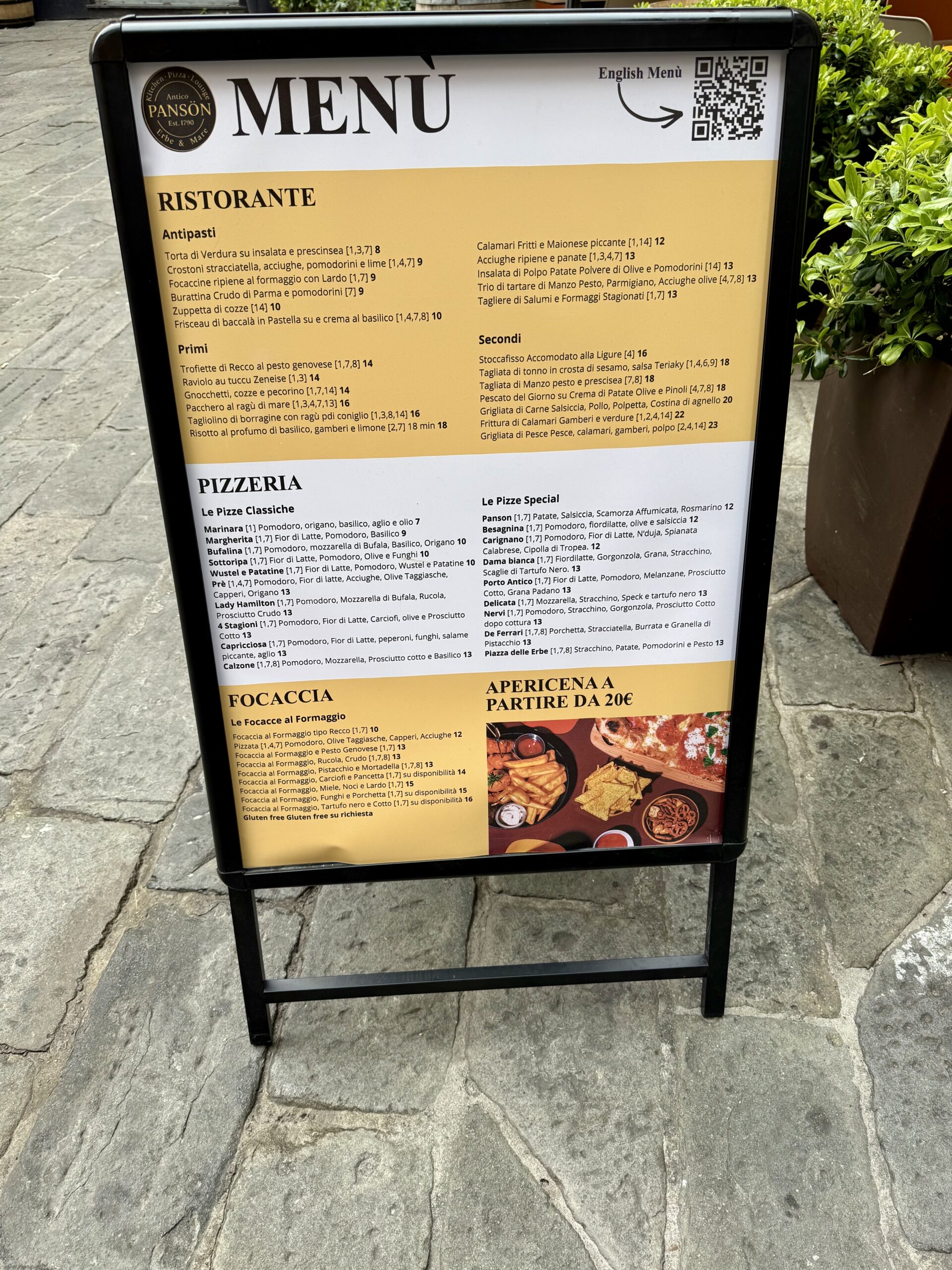
Some people spoke to us in Italian, while others were insistent about practicing their English. With the latter, we doggedly continued in Italian. Most menus have English translations.
Rapallo Lodging
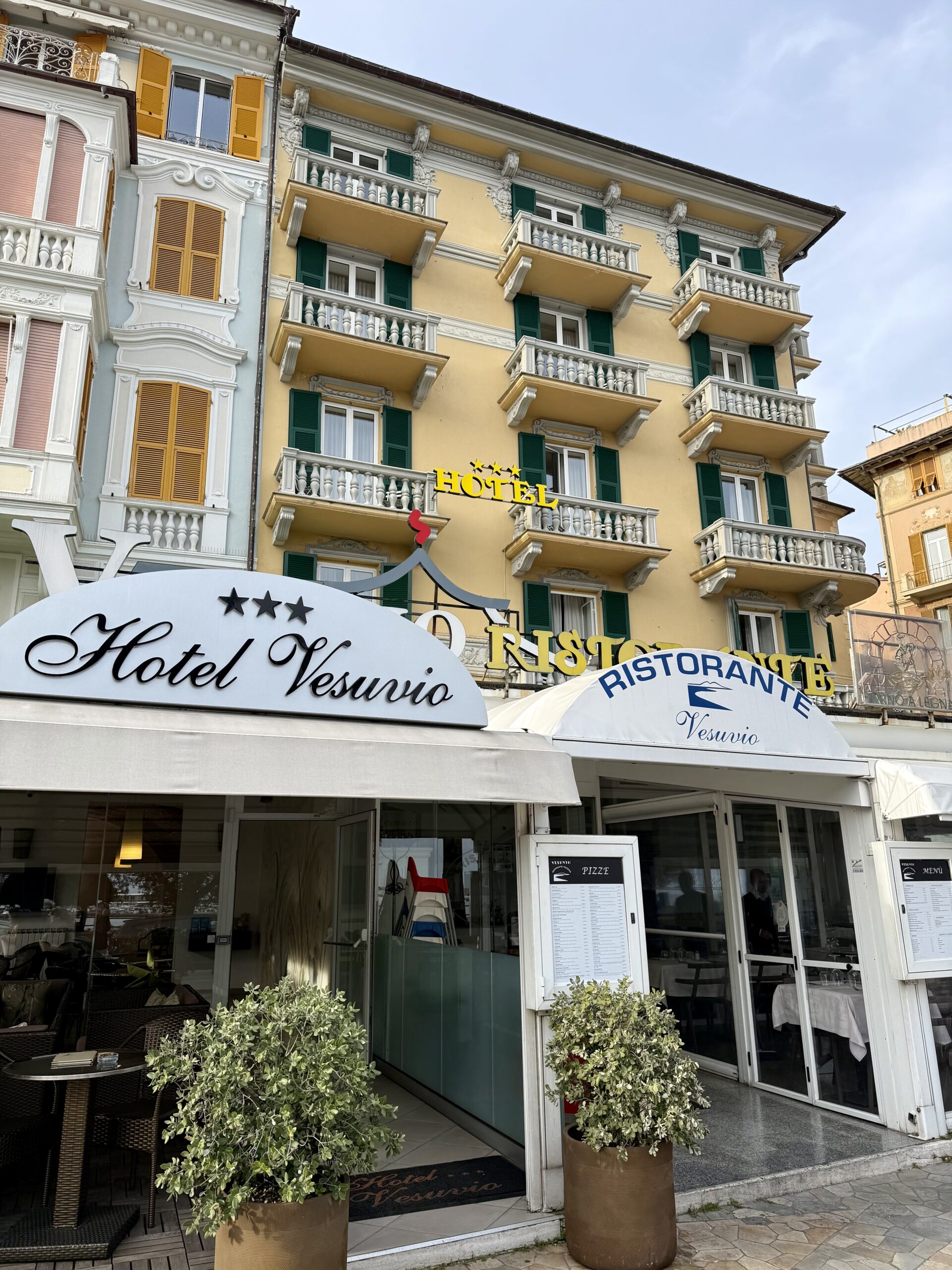
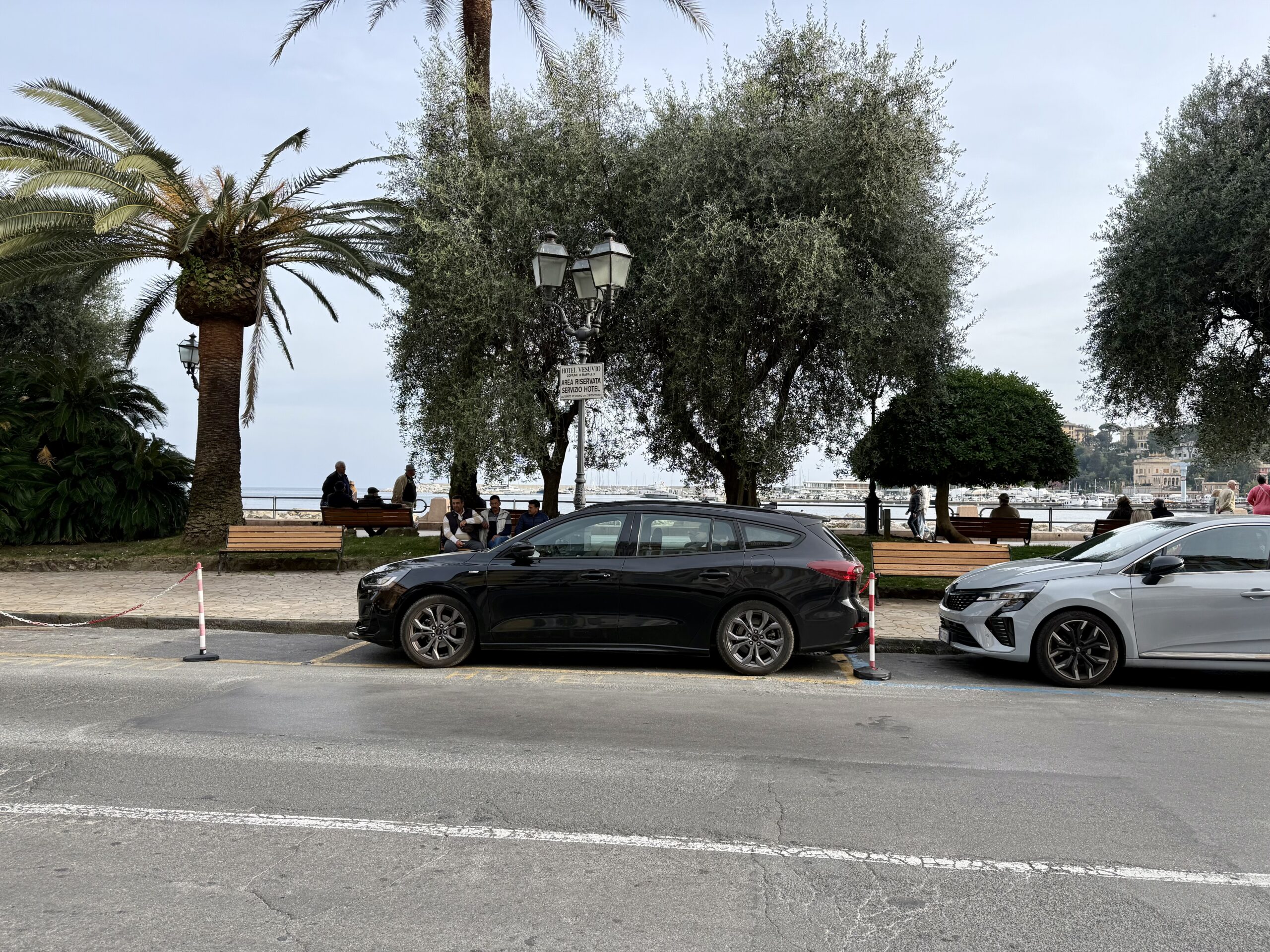
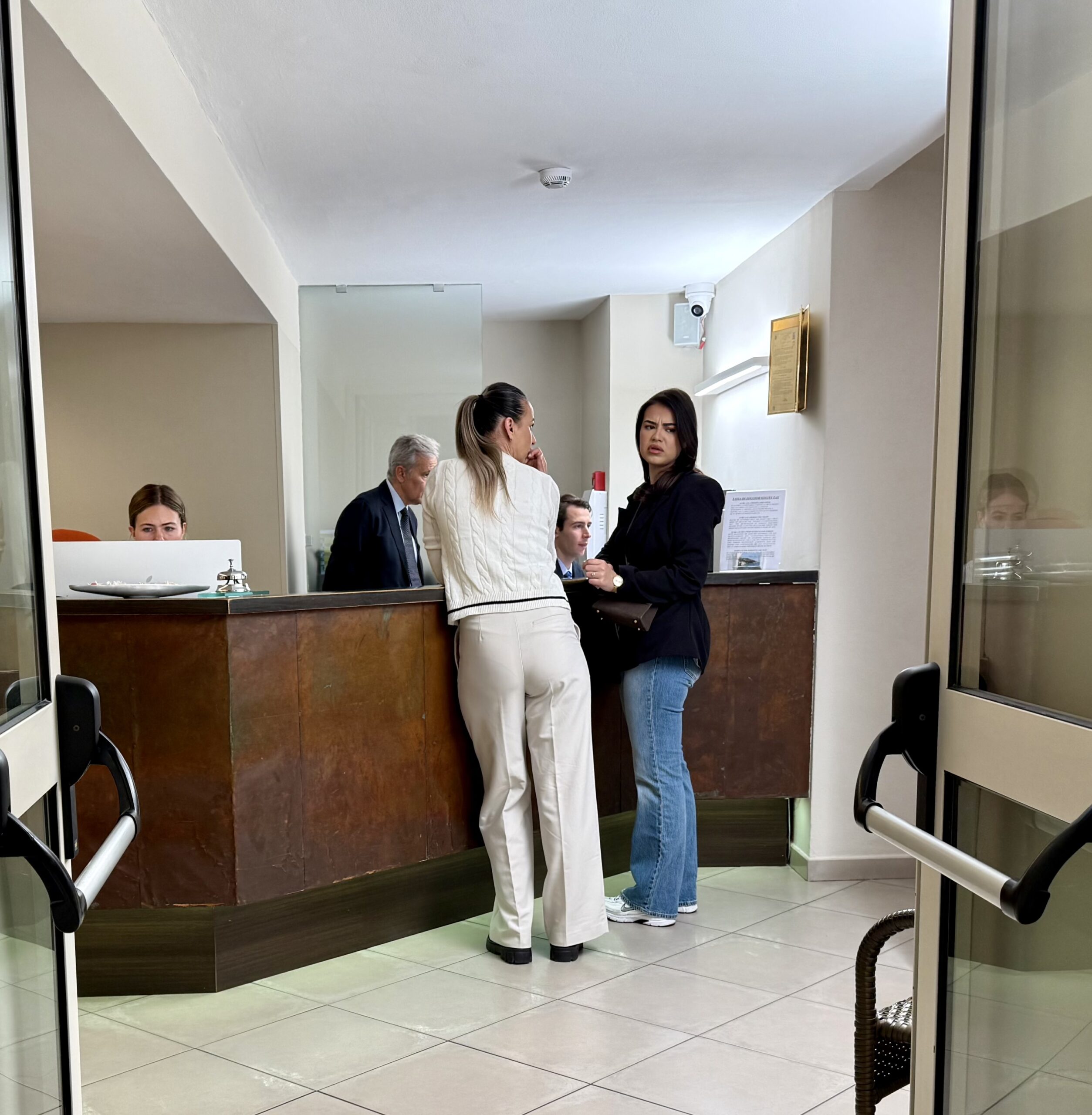
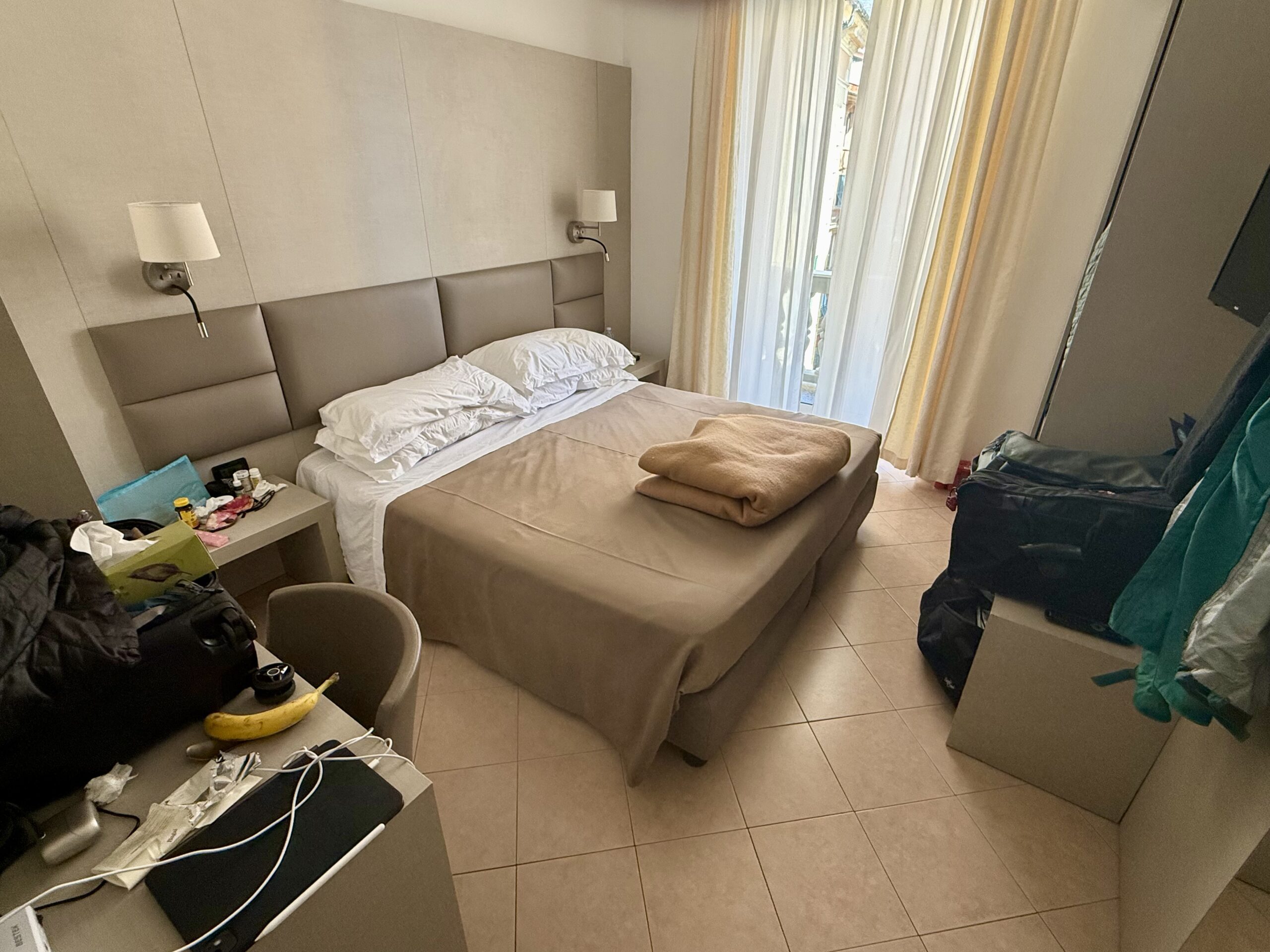
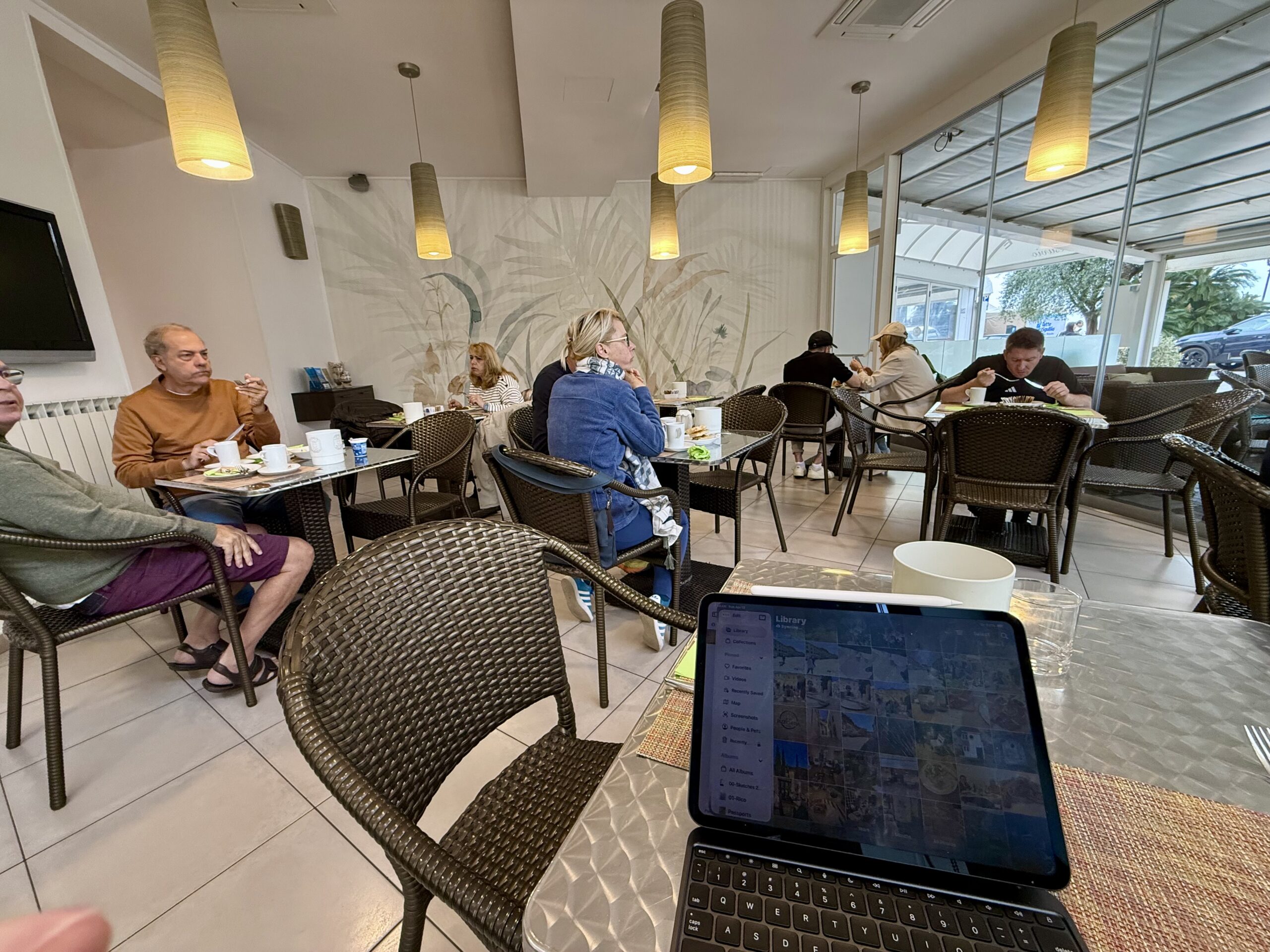
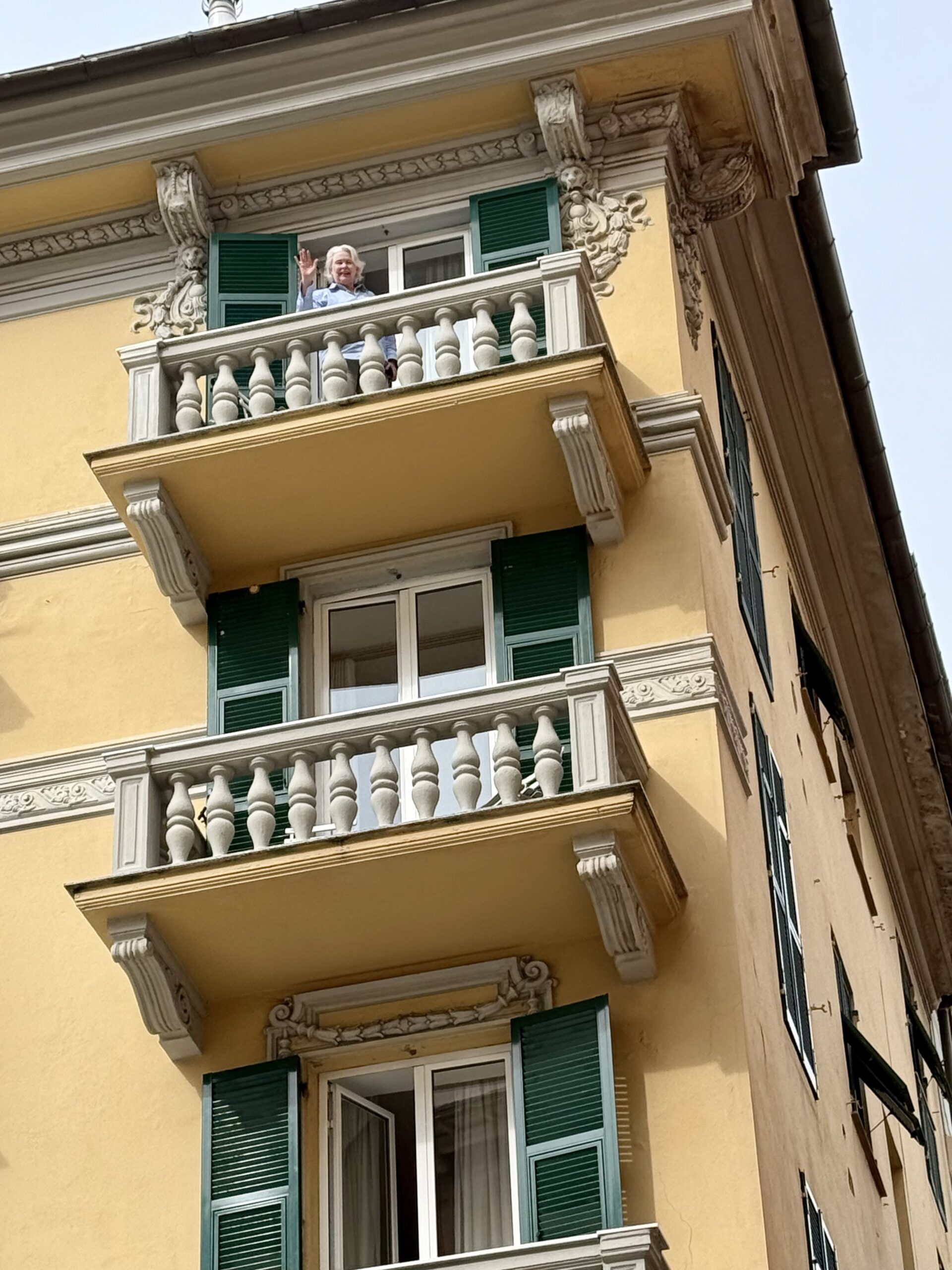
Bonnie found a classic old Liberty-style (Art Nouveau) hotel on the waterfront promenade for three nights. The attractively renovated place appeared to be family run with personal service as a high priority. Reserved curbside parking—a necessity—was across the street. We occupied one of the two spots. Once parked, there was no need for the car. A ferry took us to Portofino and Santa Margherita.
Rapallo—Strolling and . . .
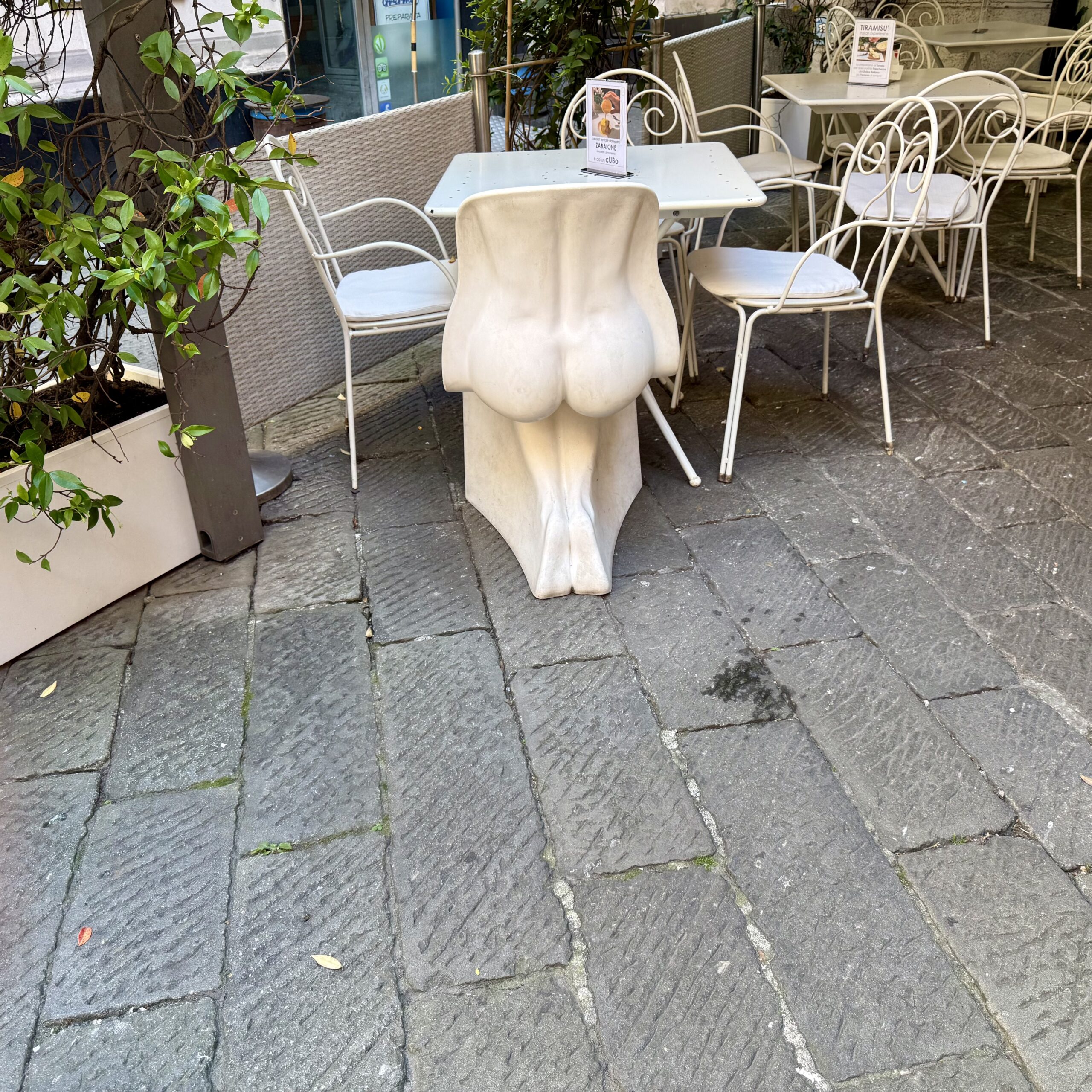
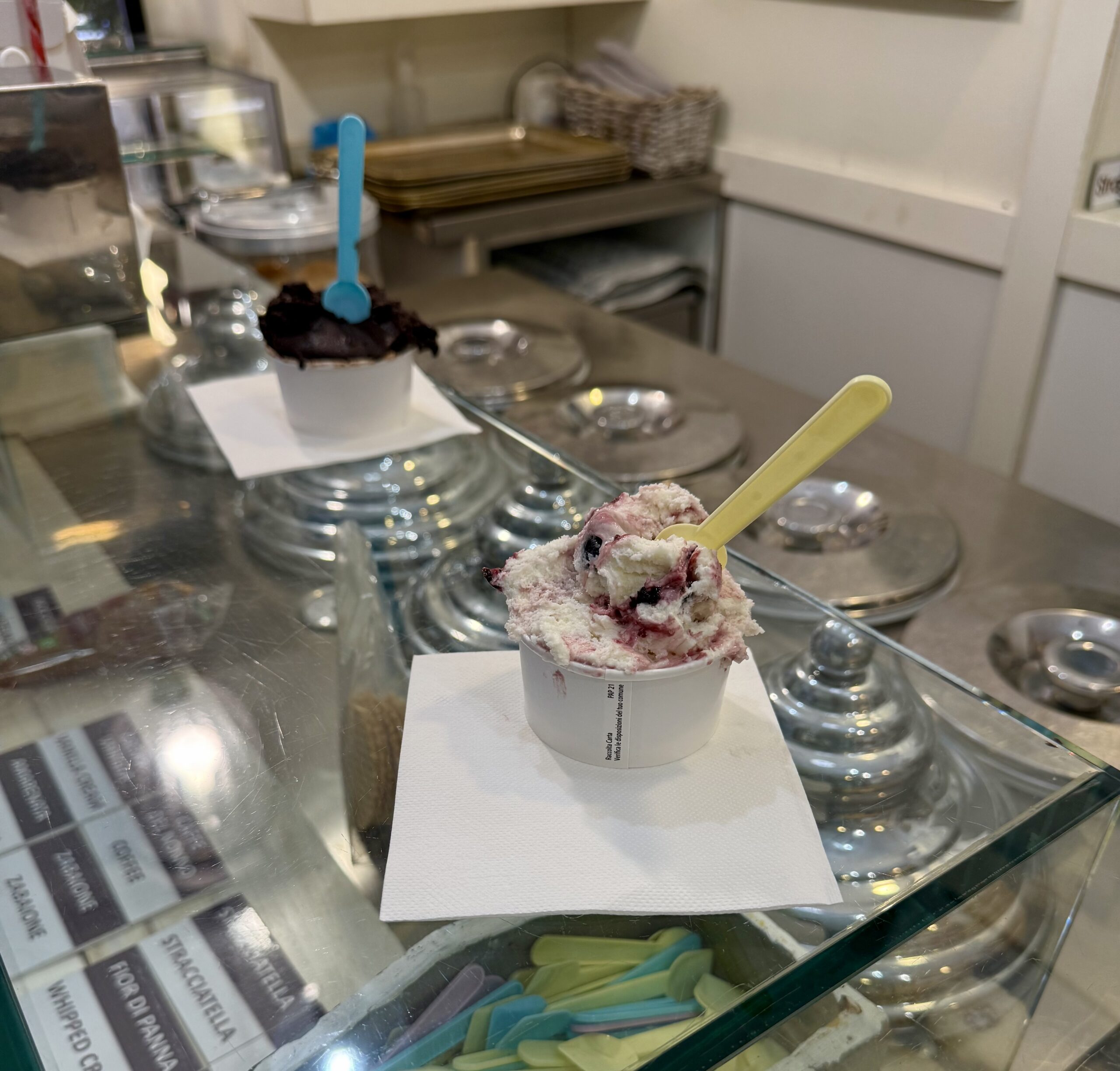
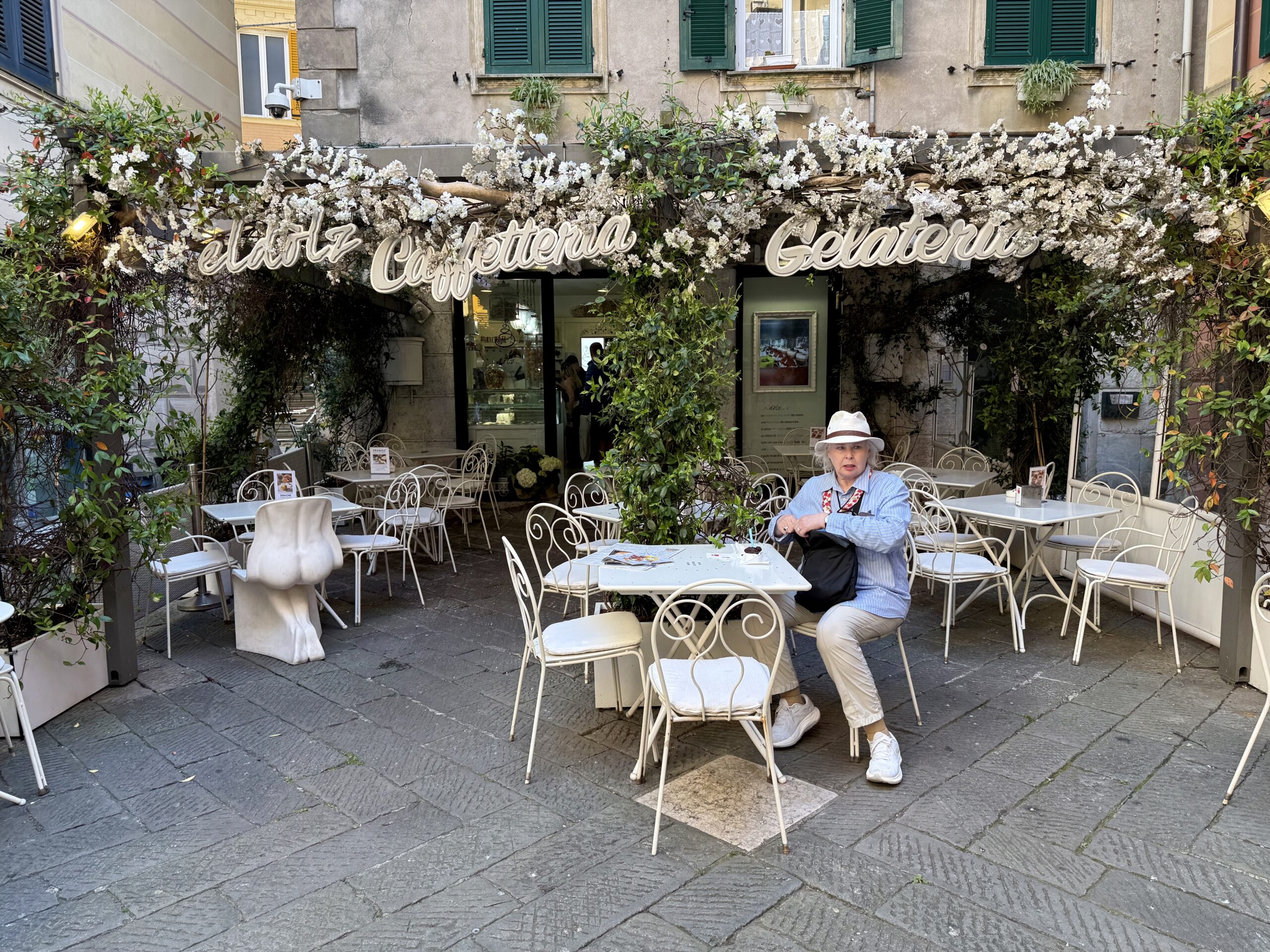
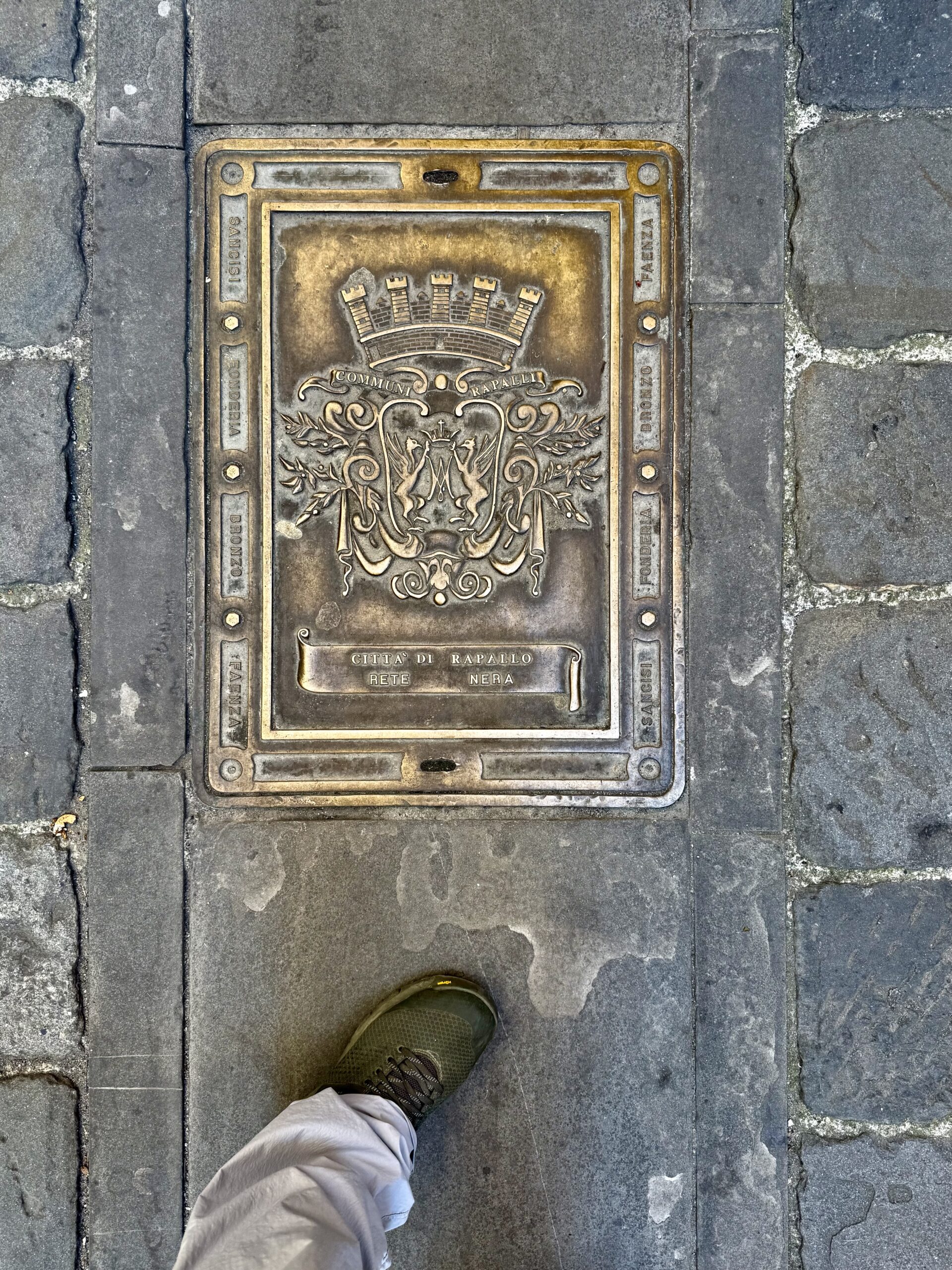
Send off for B+B
Ferry
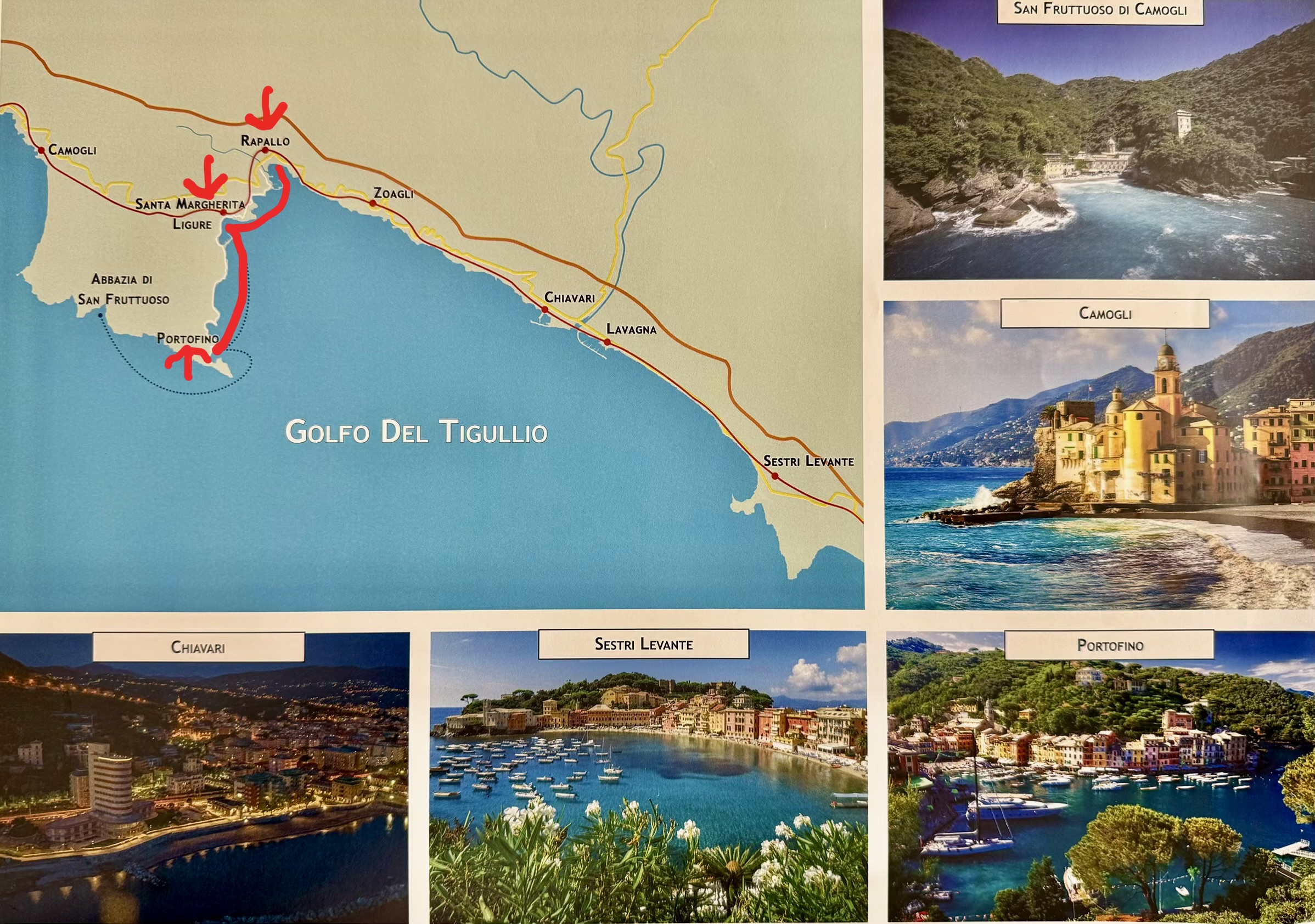
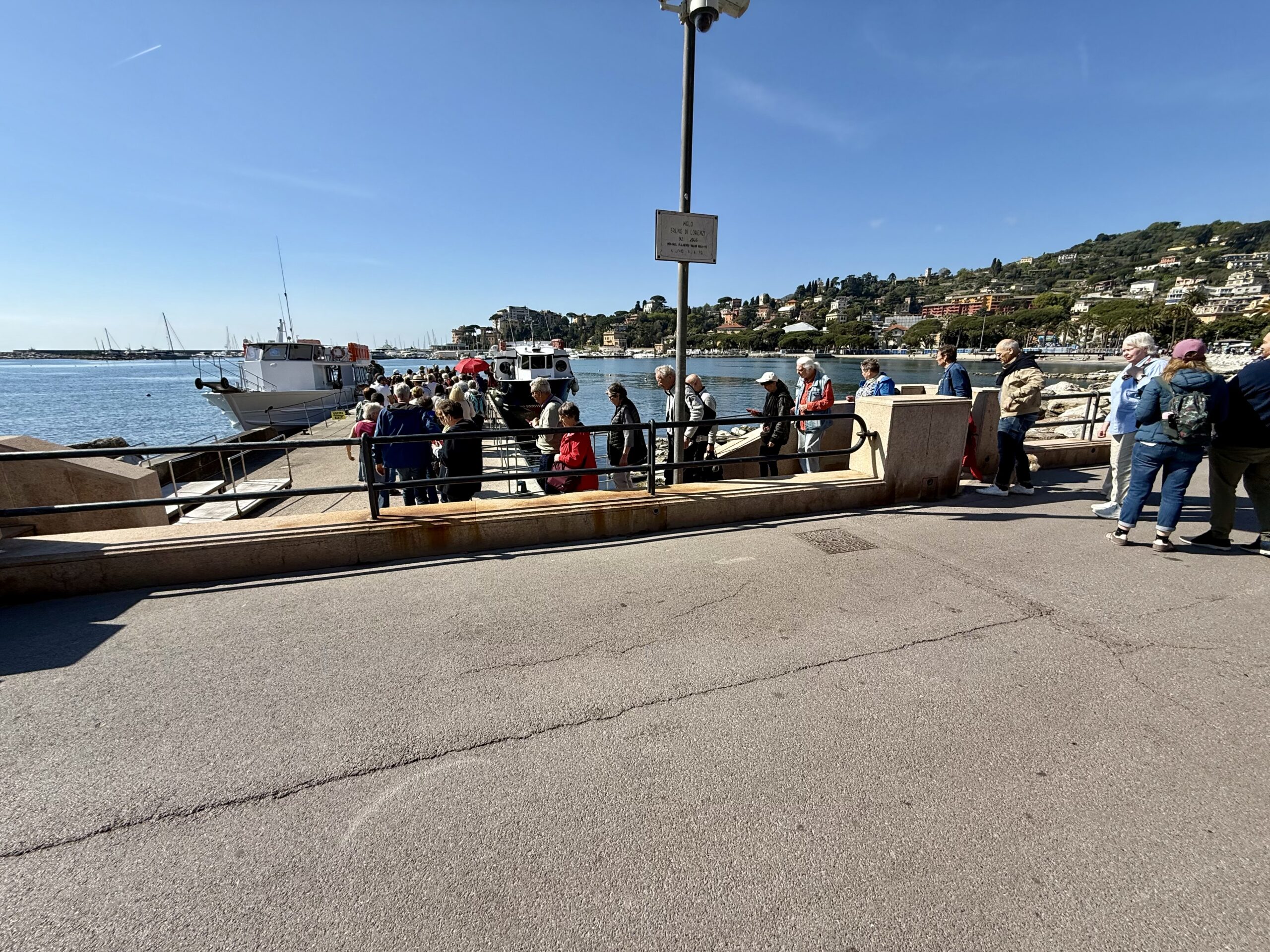
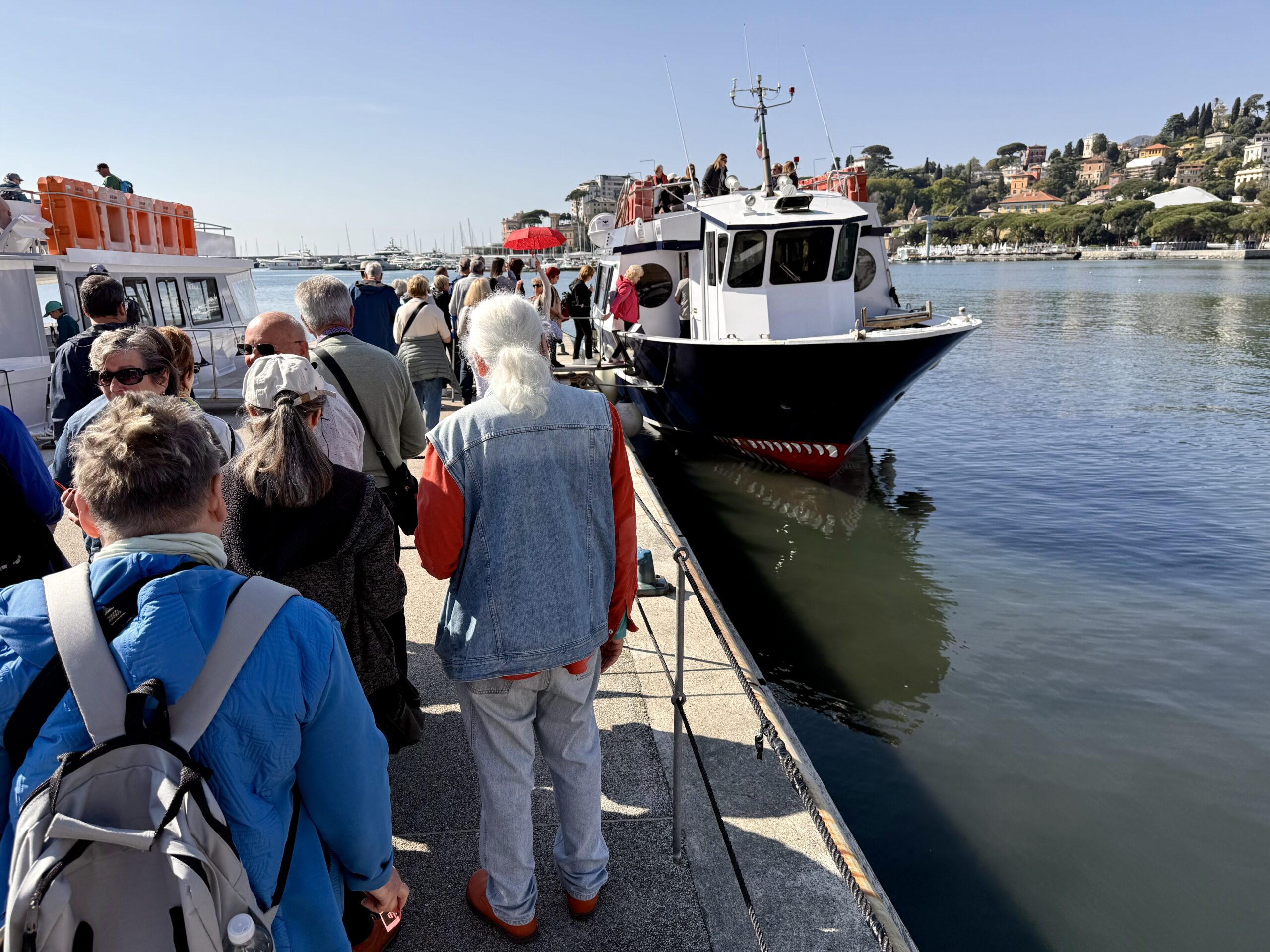
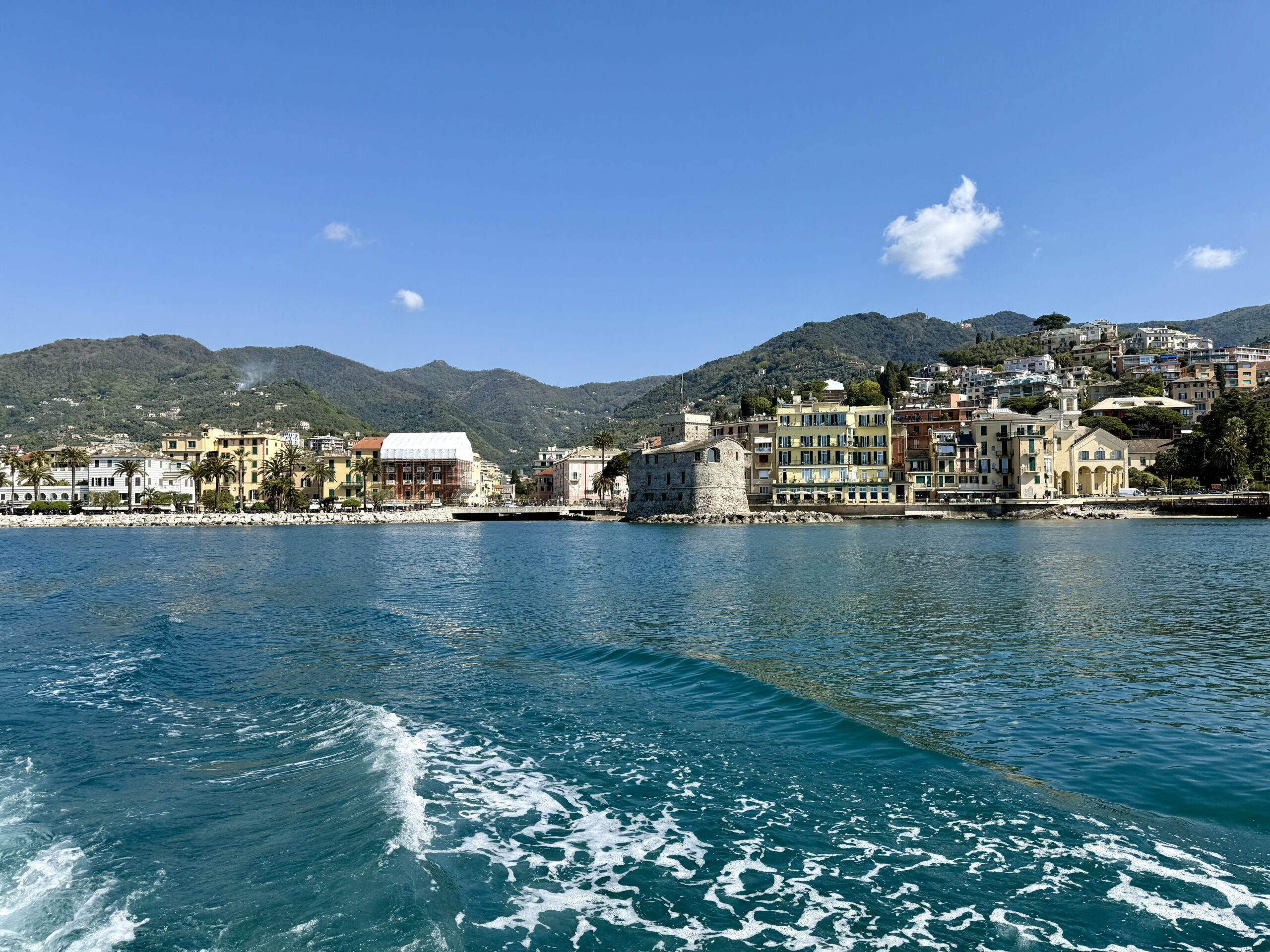
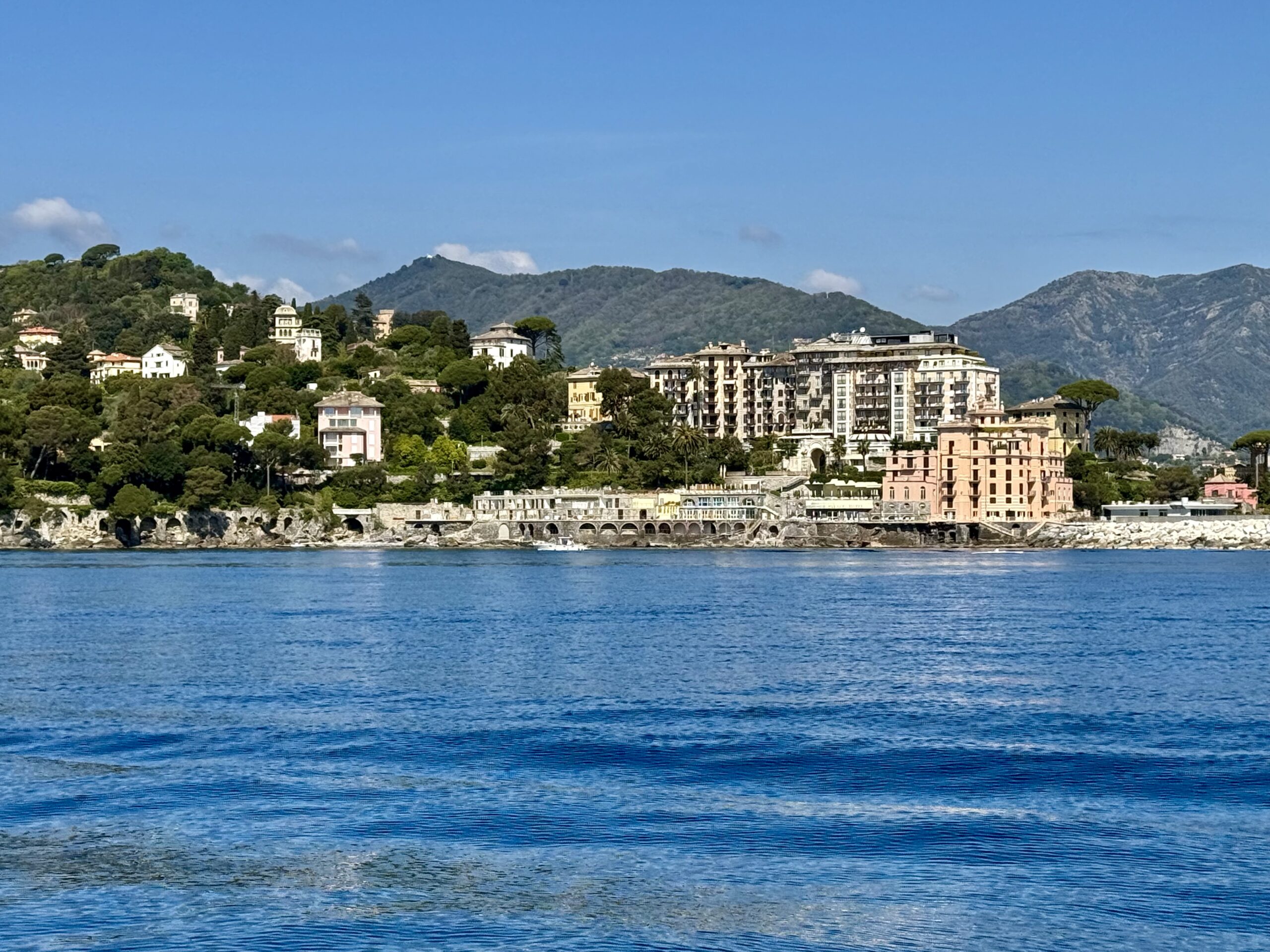
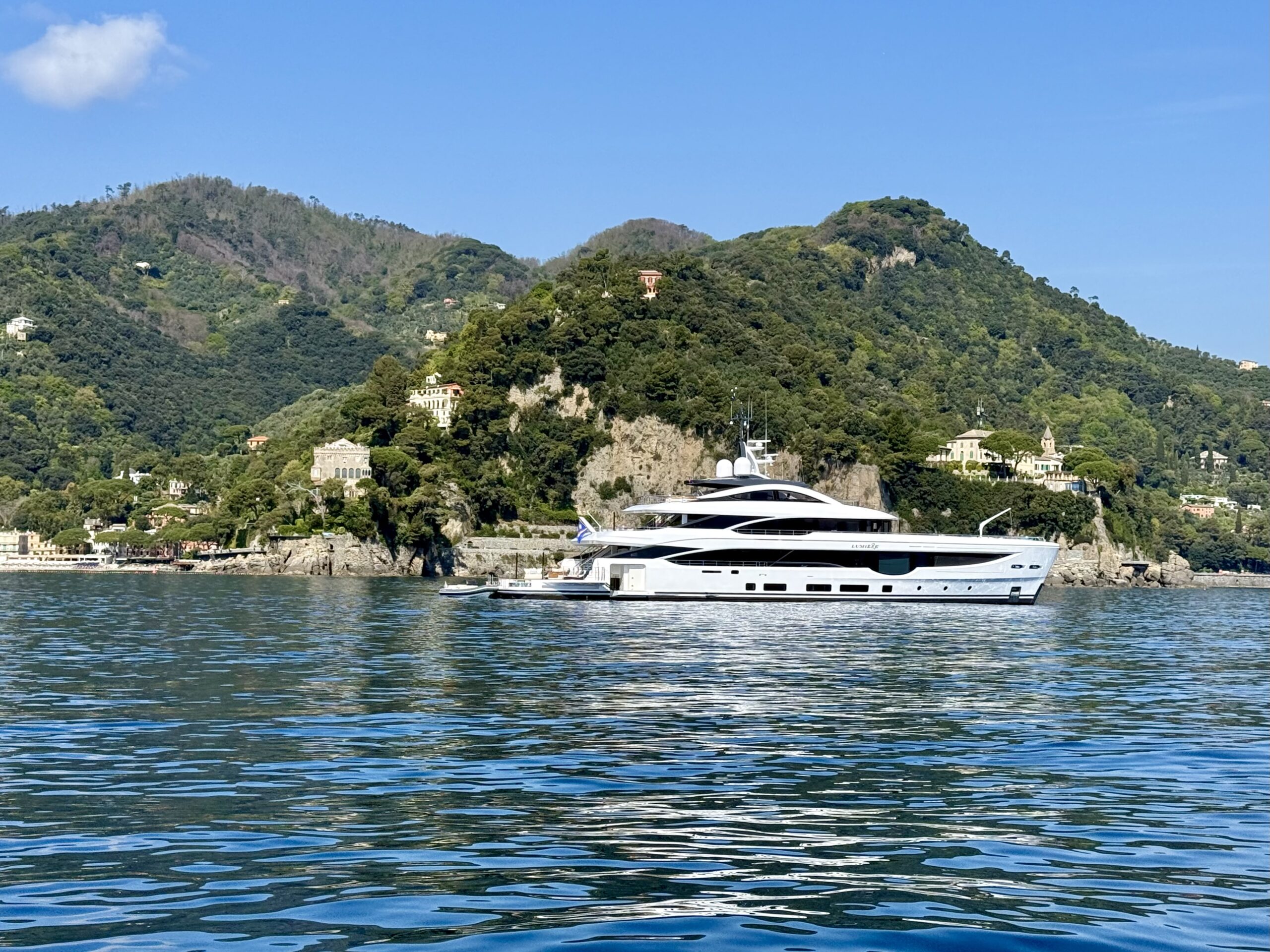
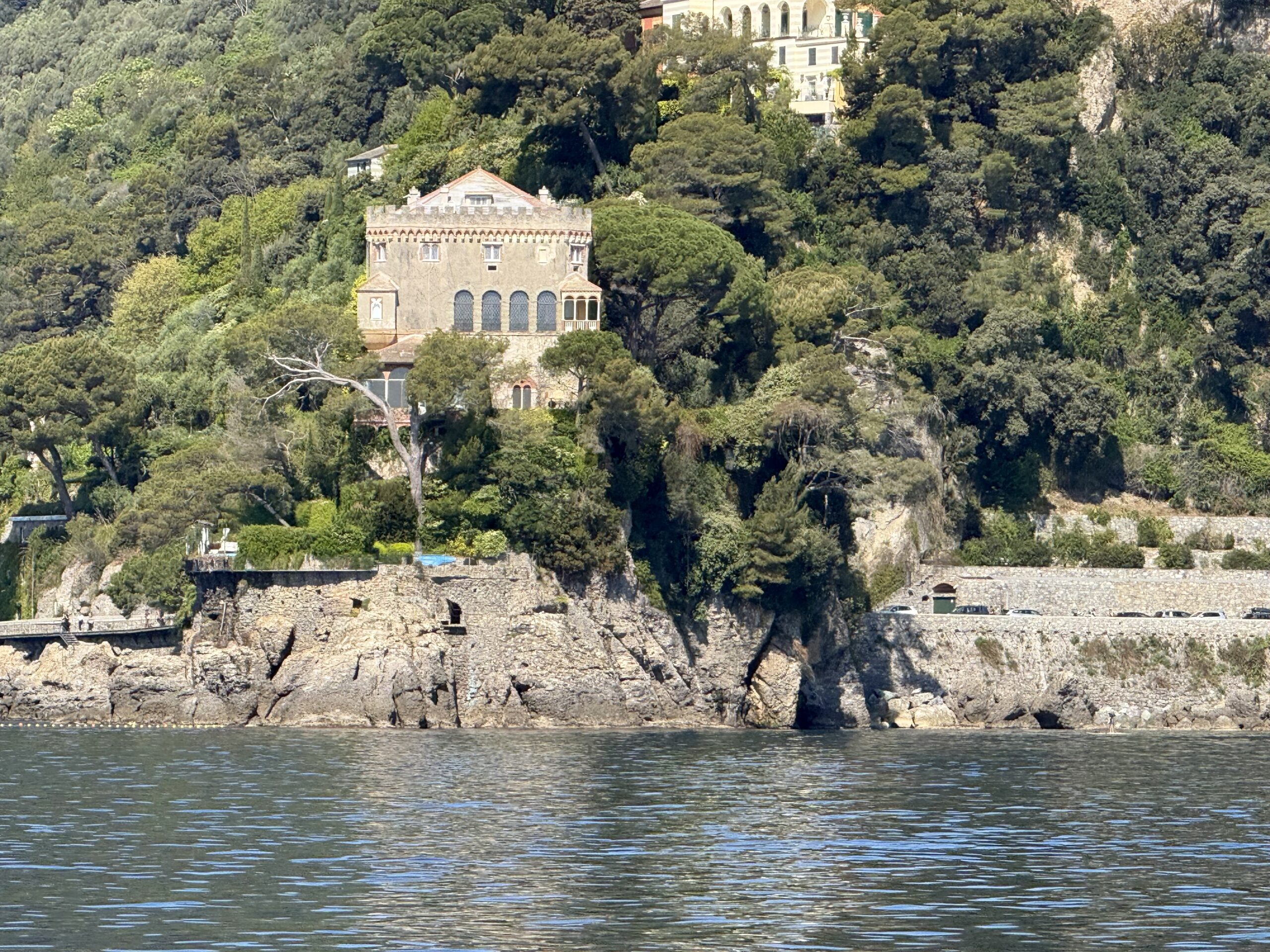
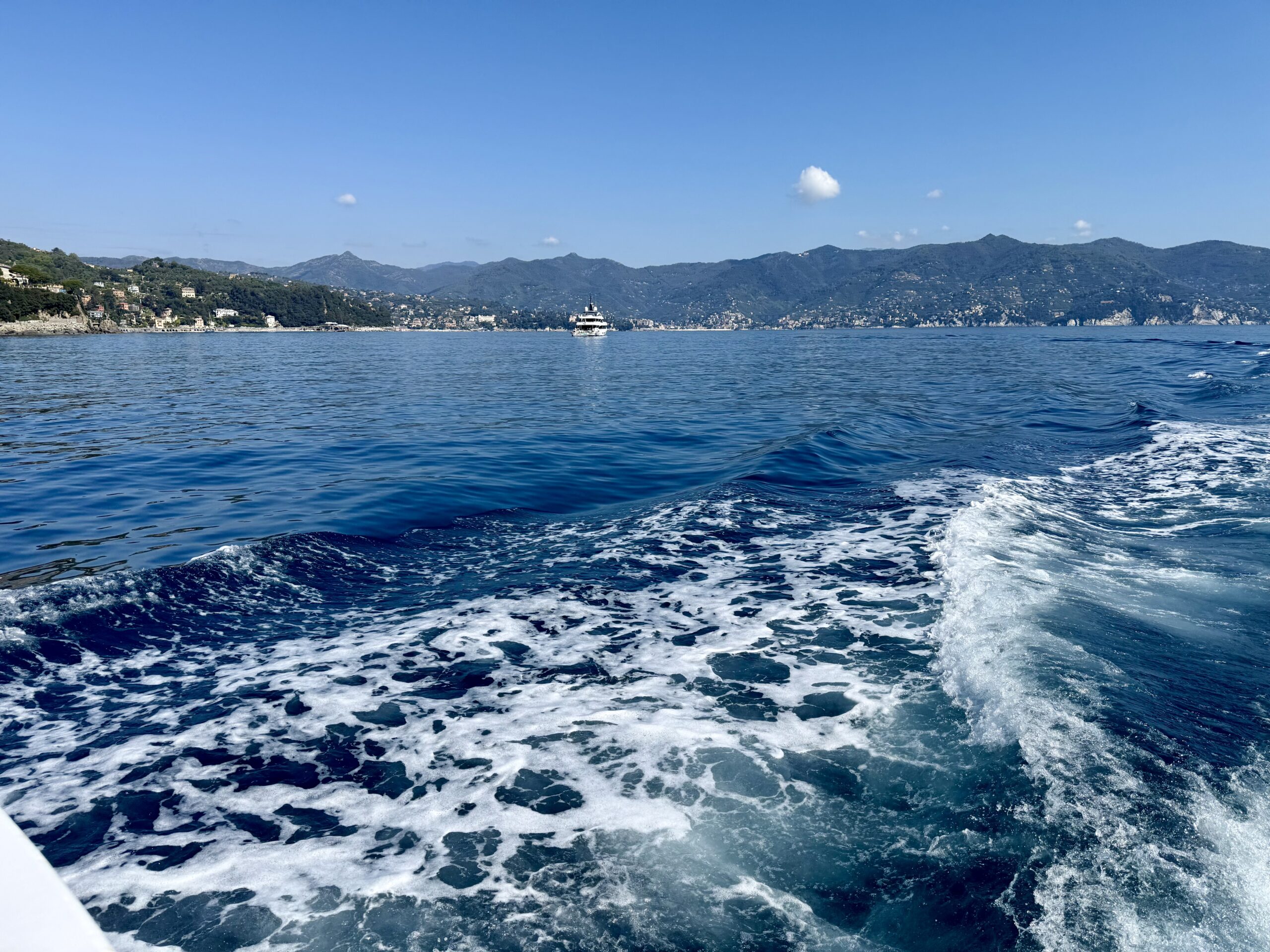
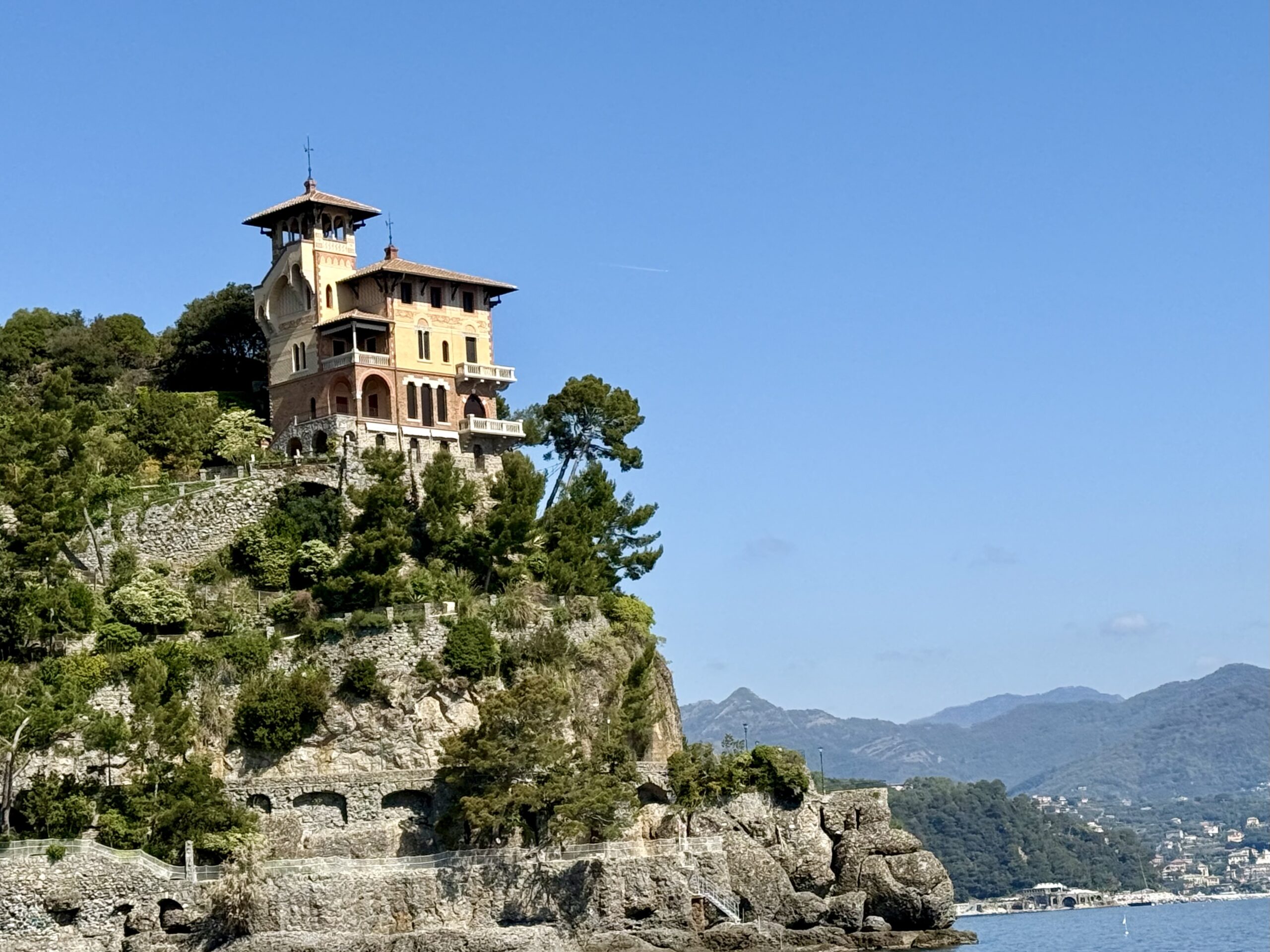
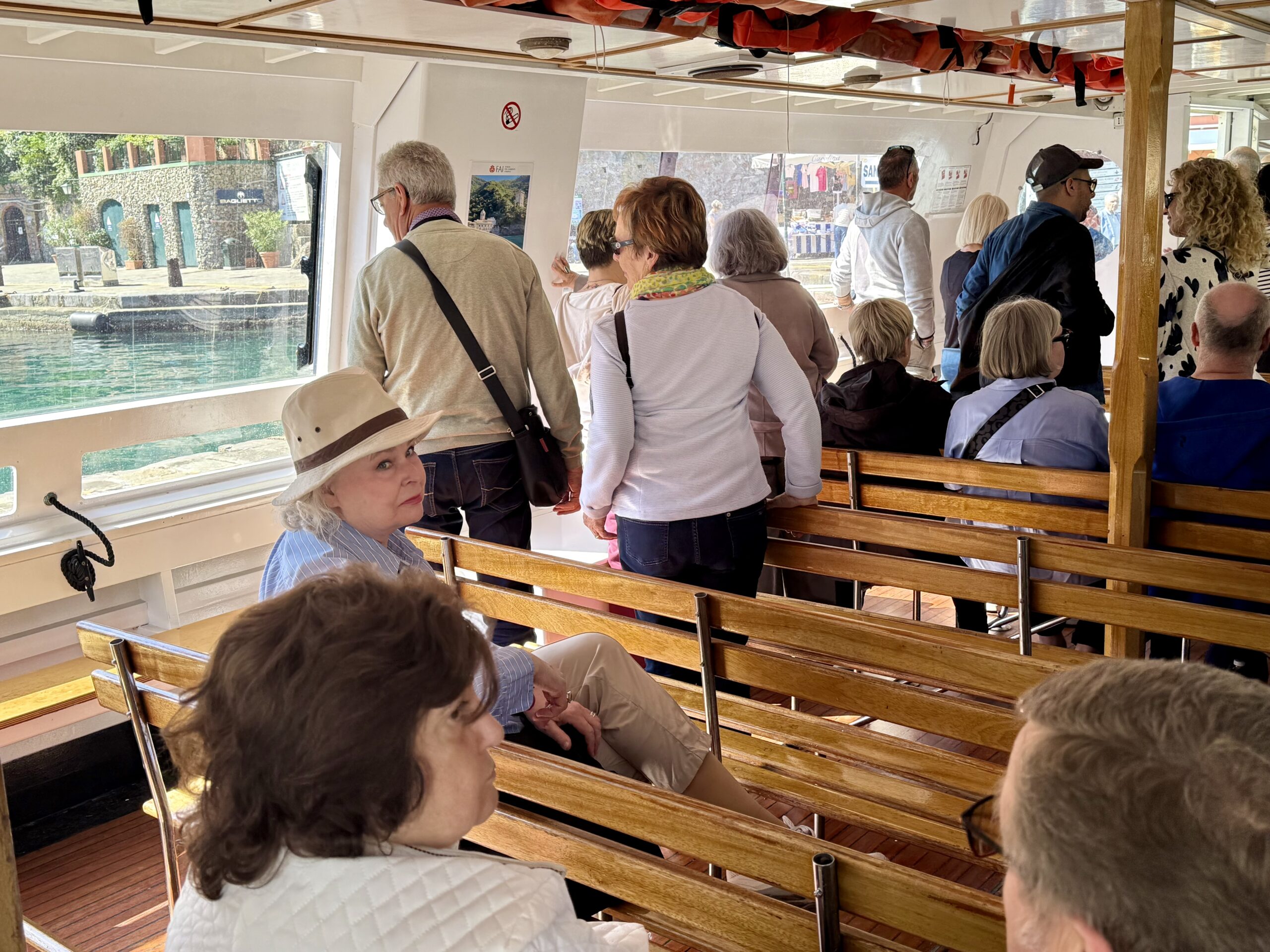
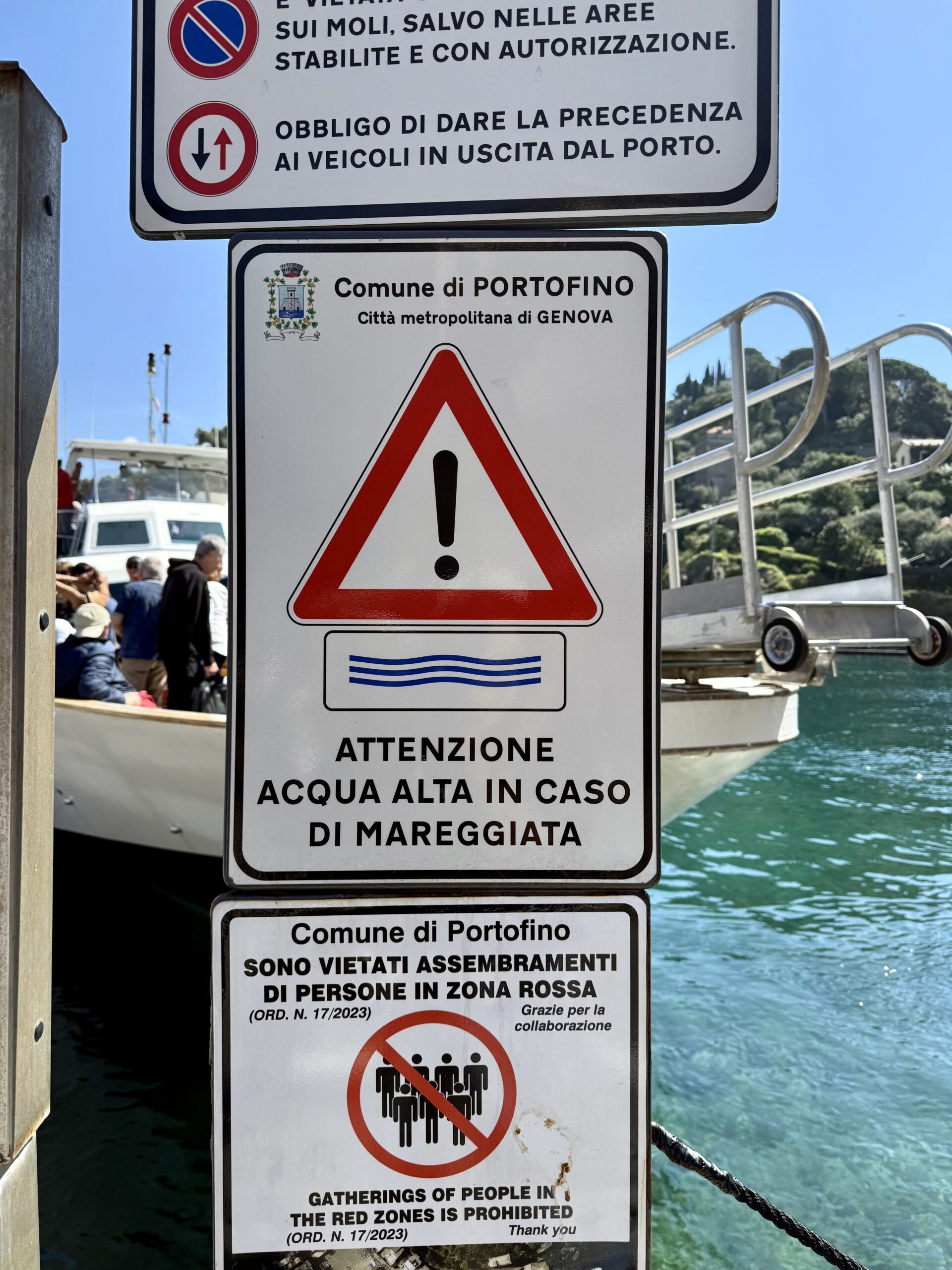
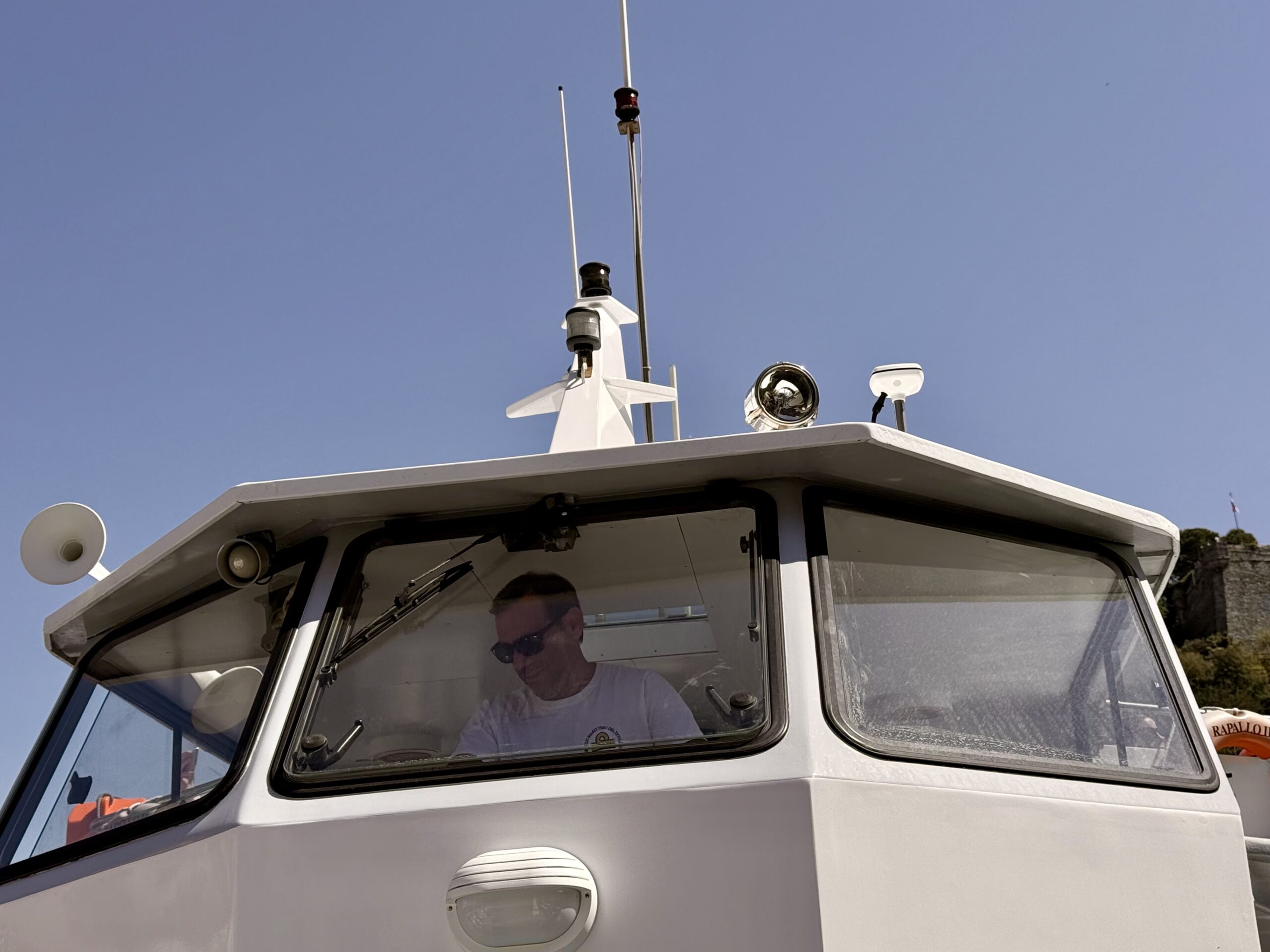
The hotel staff told us about the ferry down the block that connects Rapallo to Portofino and Santa Margherita as well as other towns. It leaves hourly and the main stops are 15 minutes apart. Delightful. The weather was perfect and the frequent departures allowed us to stay as long as we wanted at each stop. On the boat we were surrounded by German tourists. We set out in late morning and came back in time to enjoy the evening in Rapallo.
Portofino
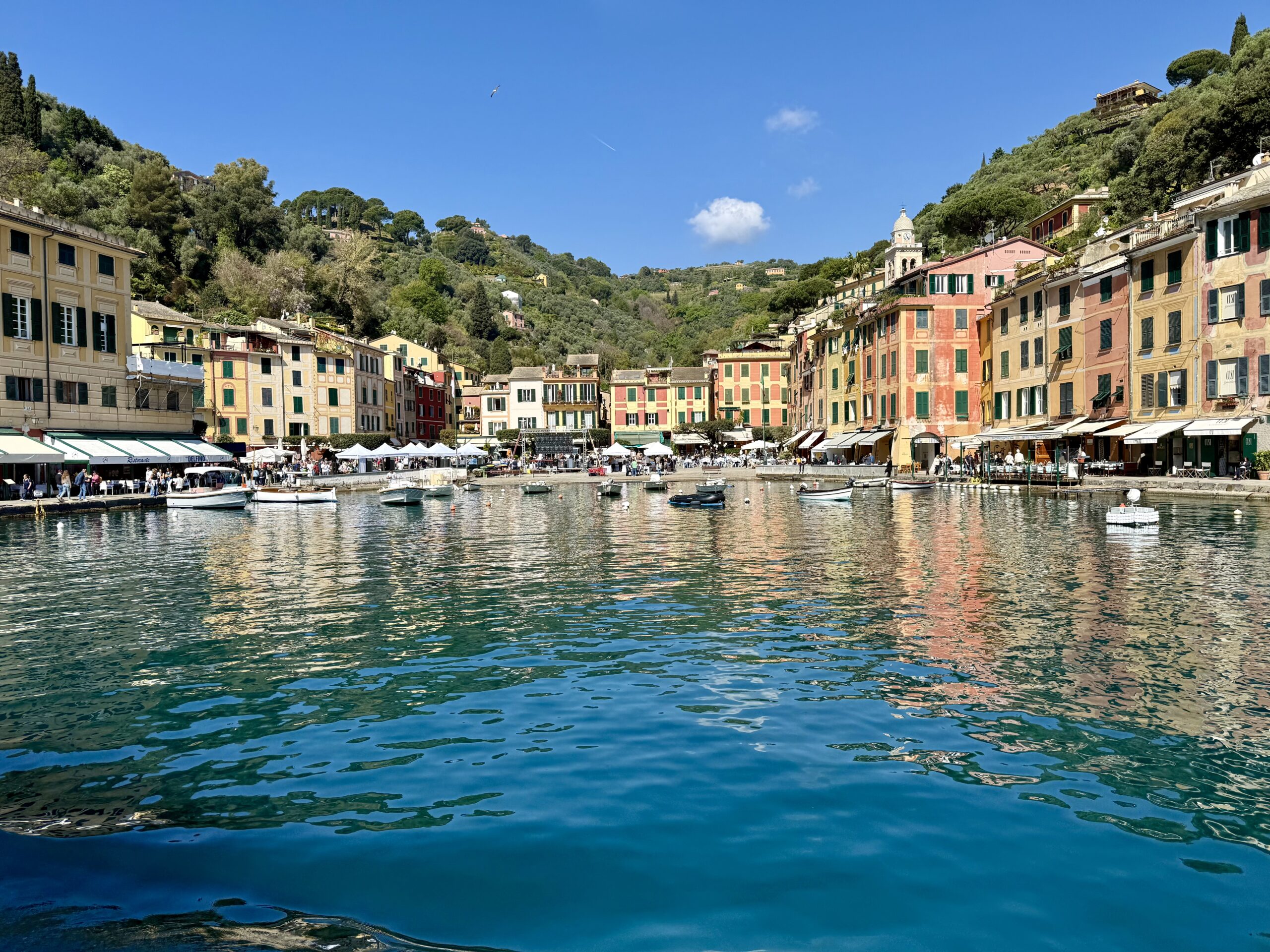
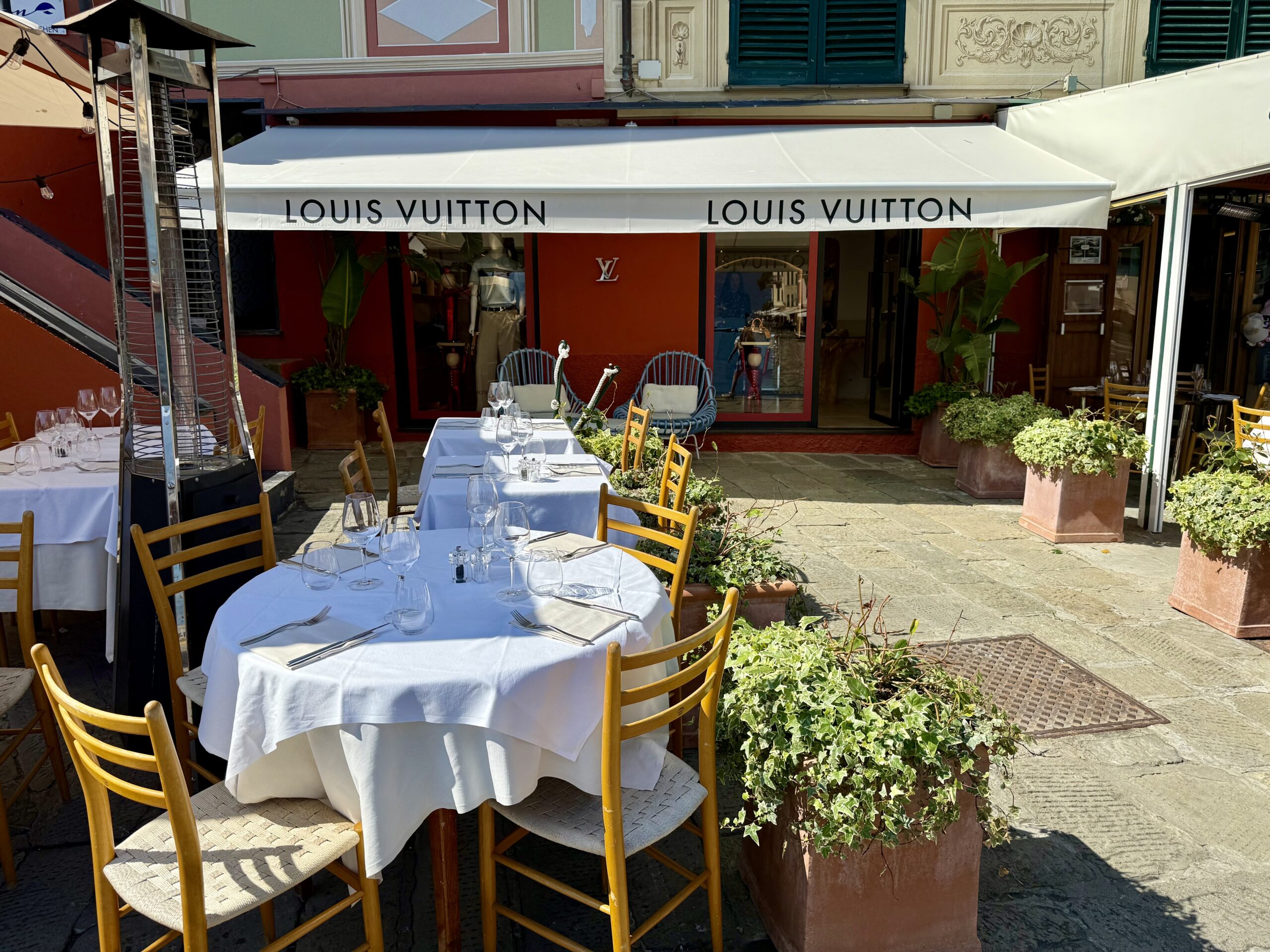
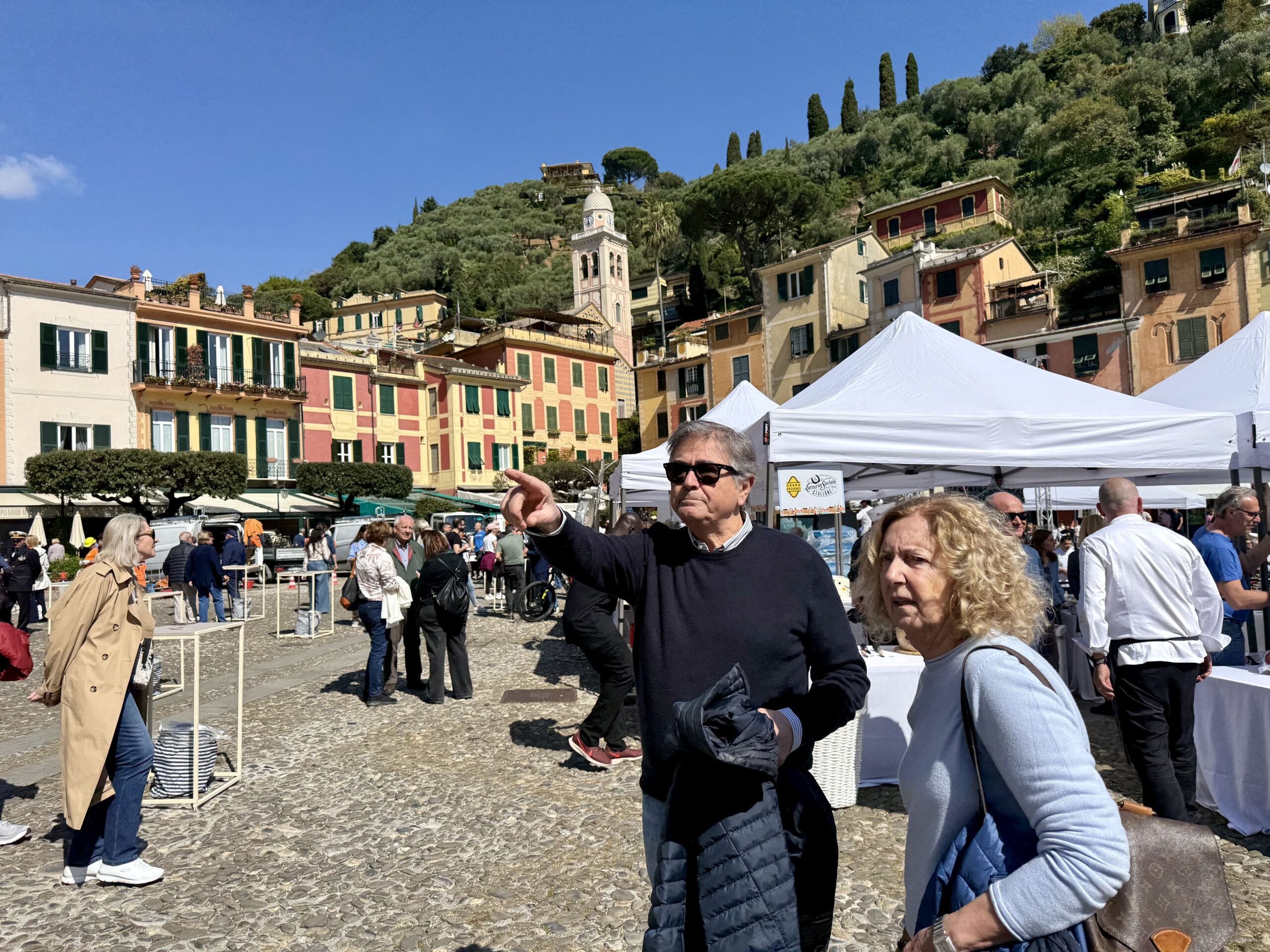
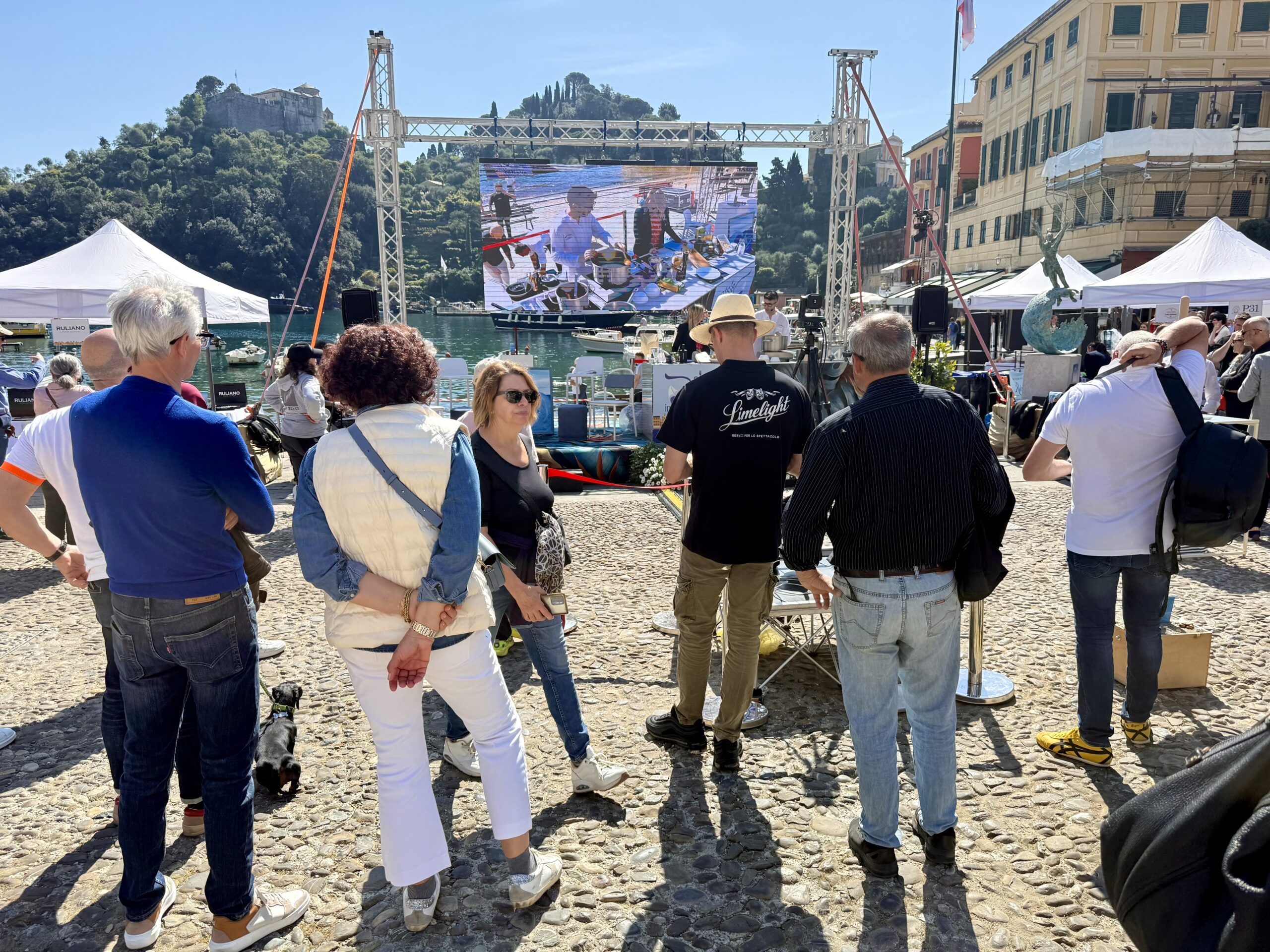
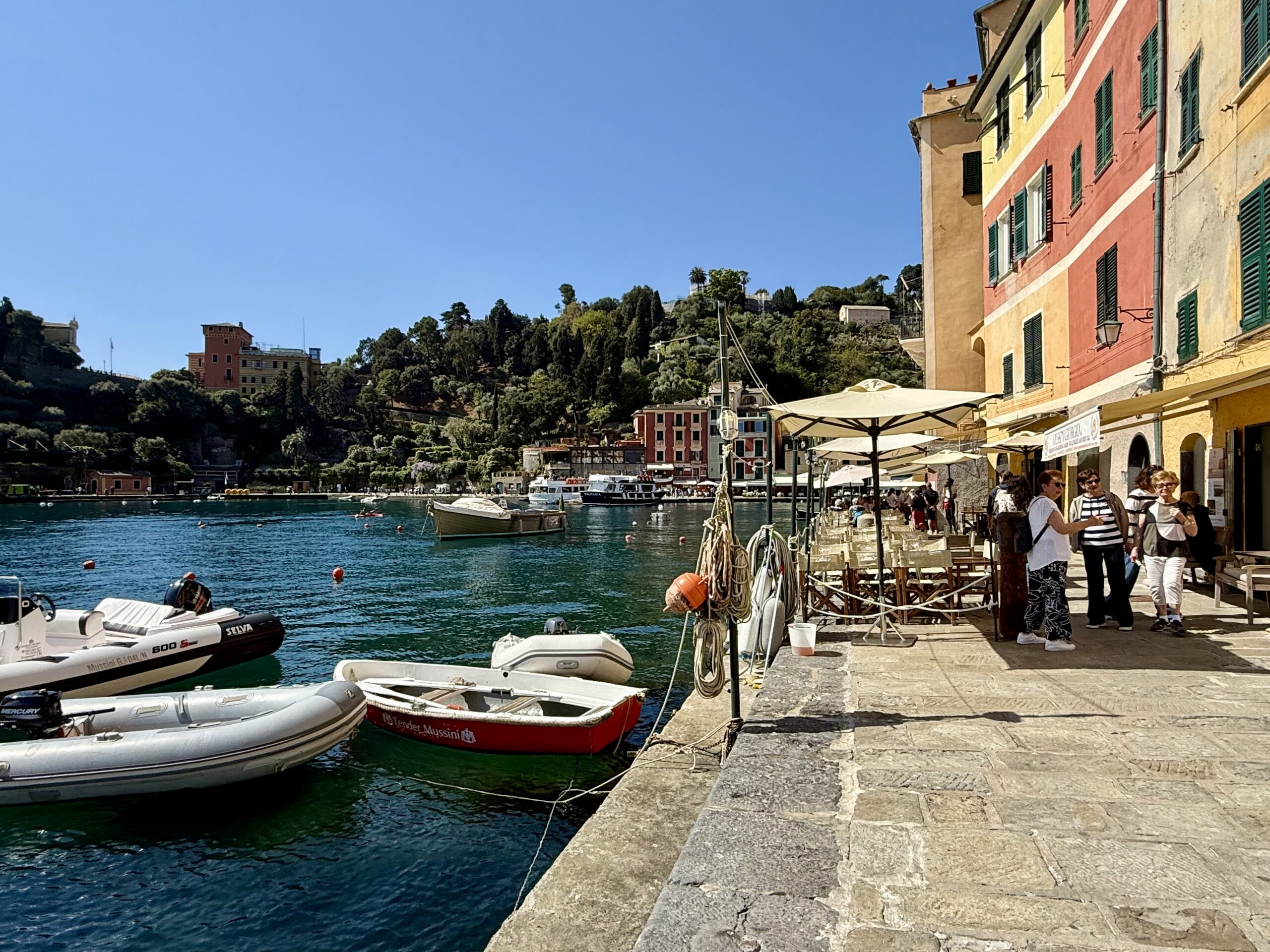
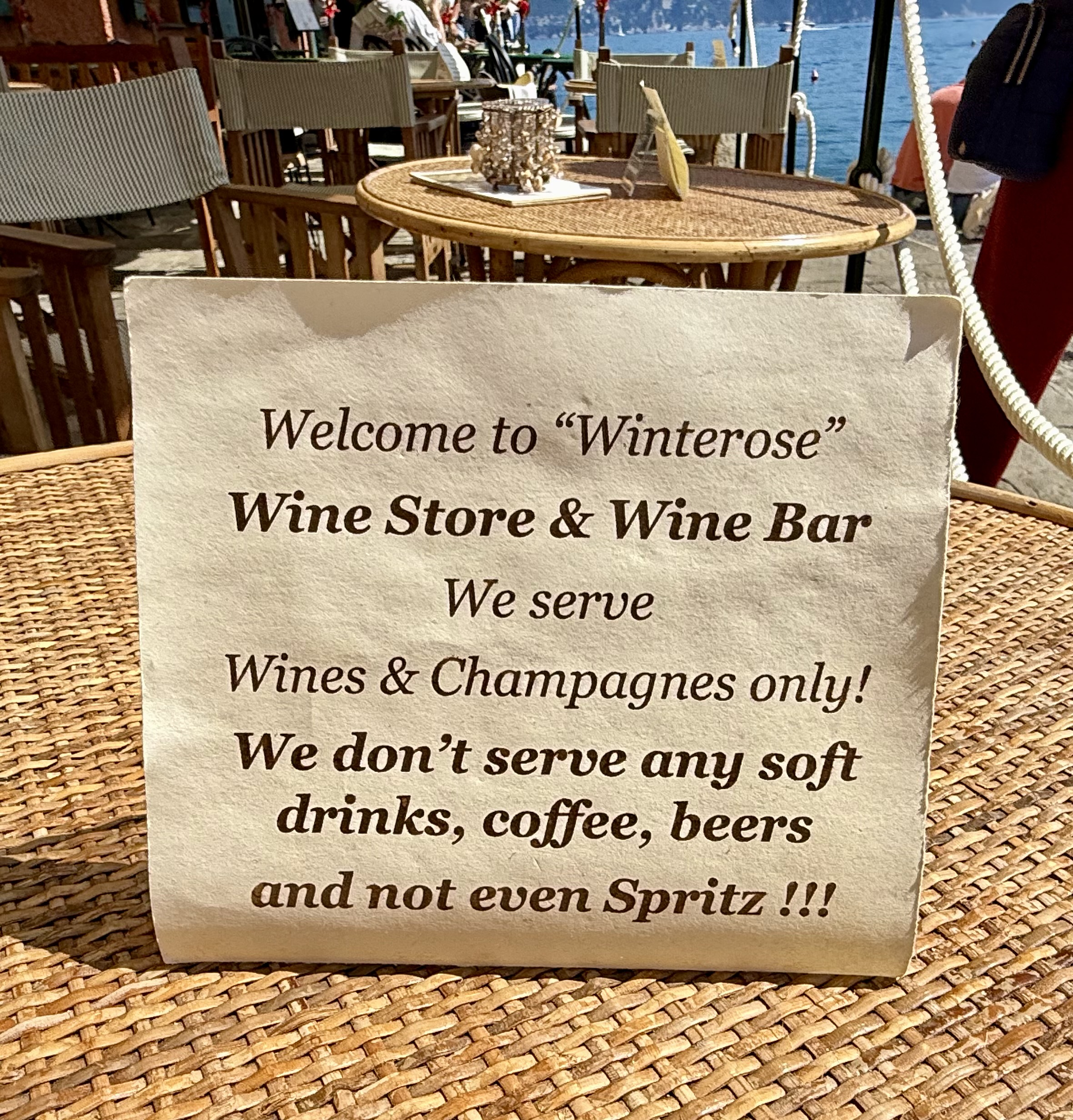
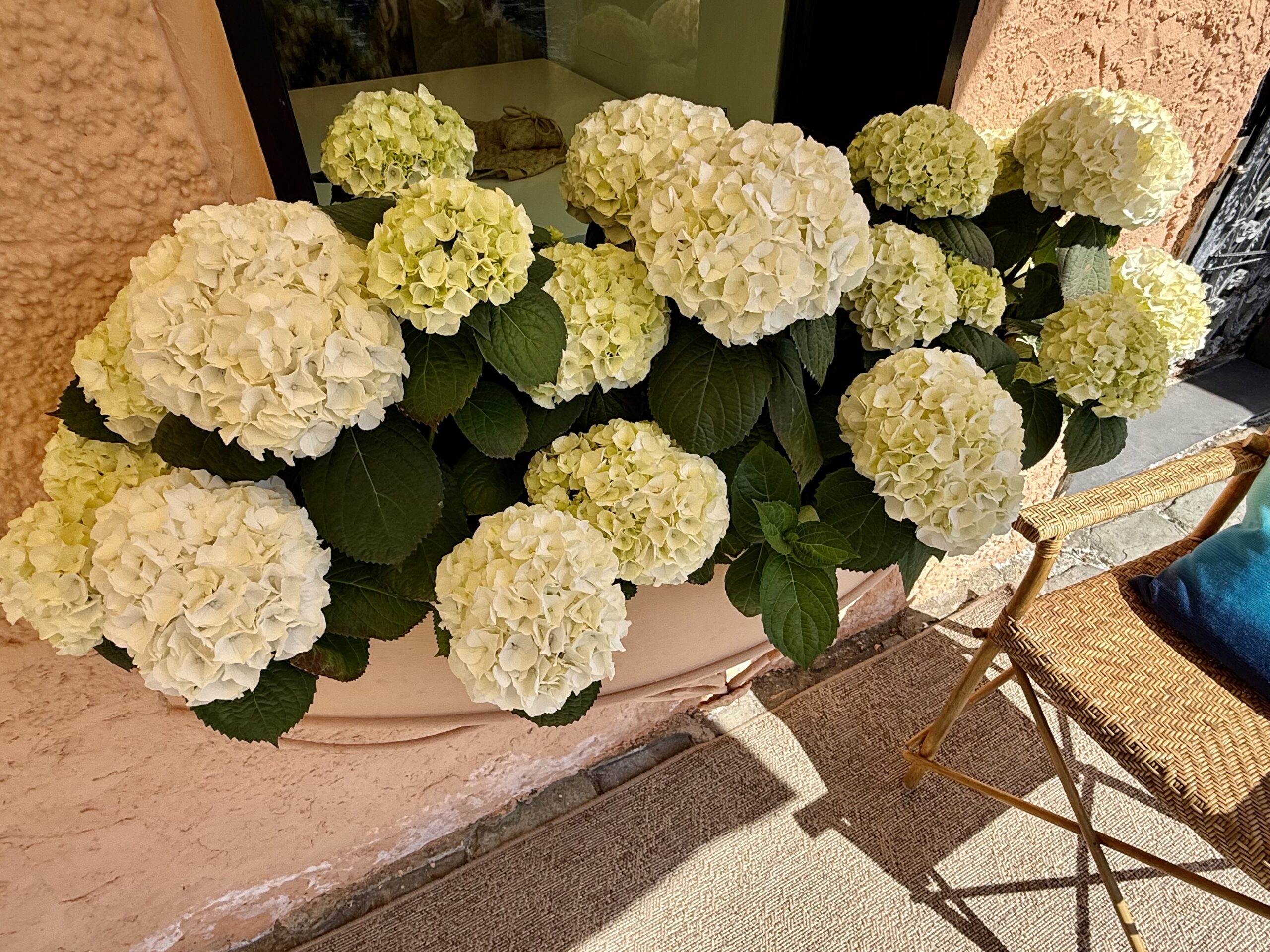
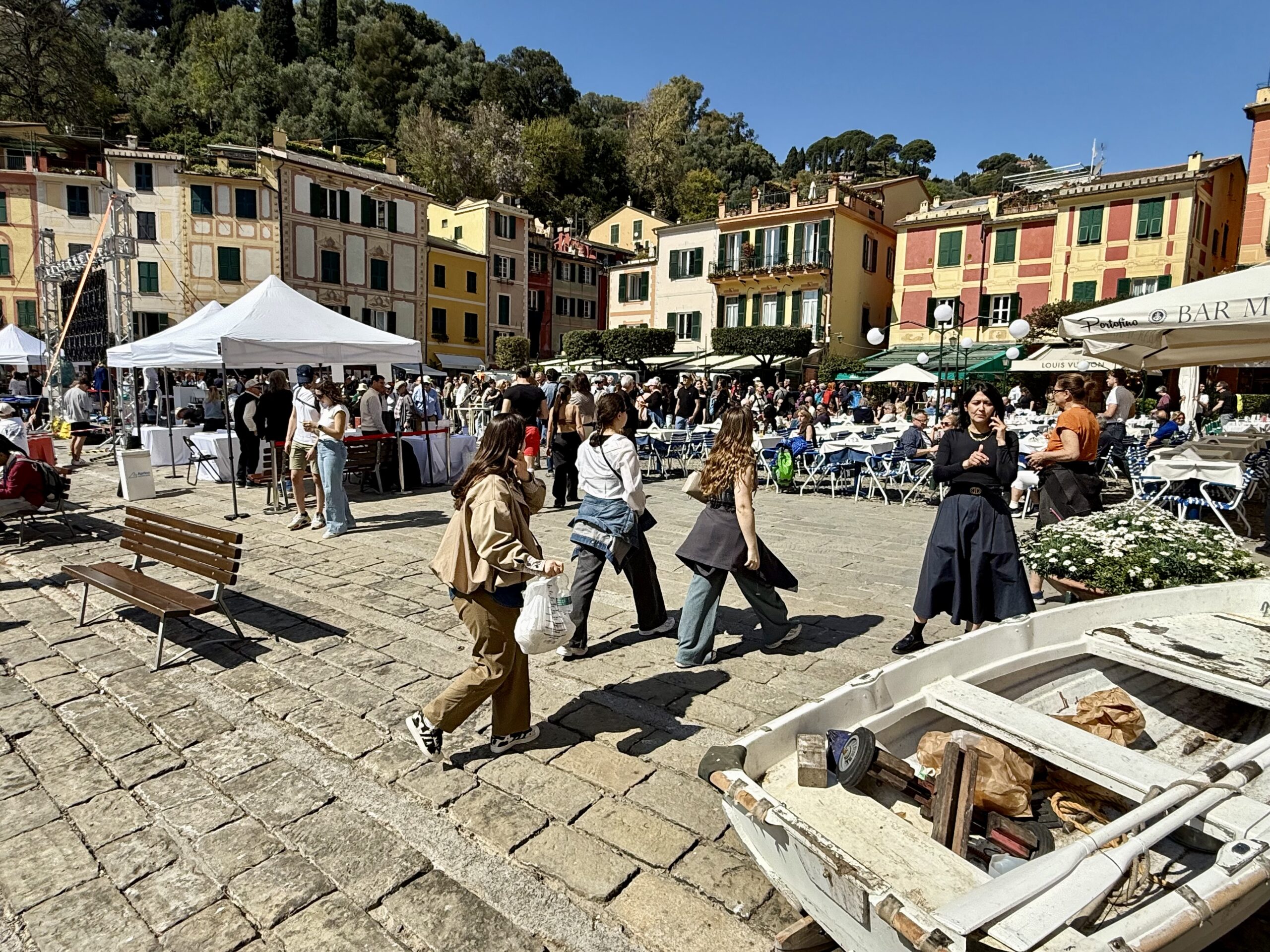
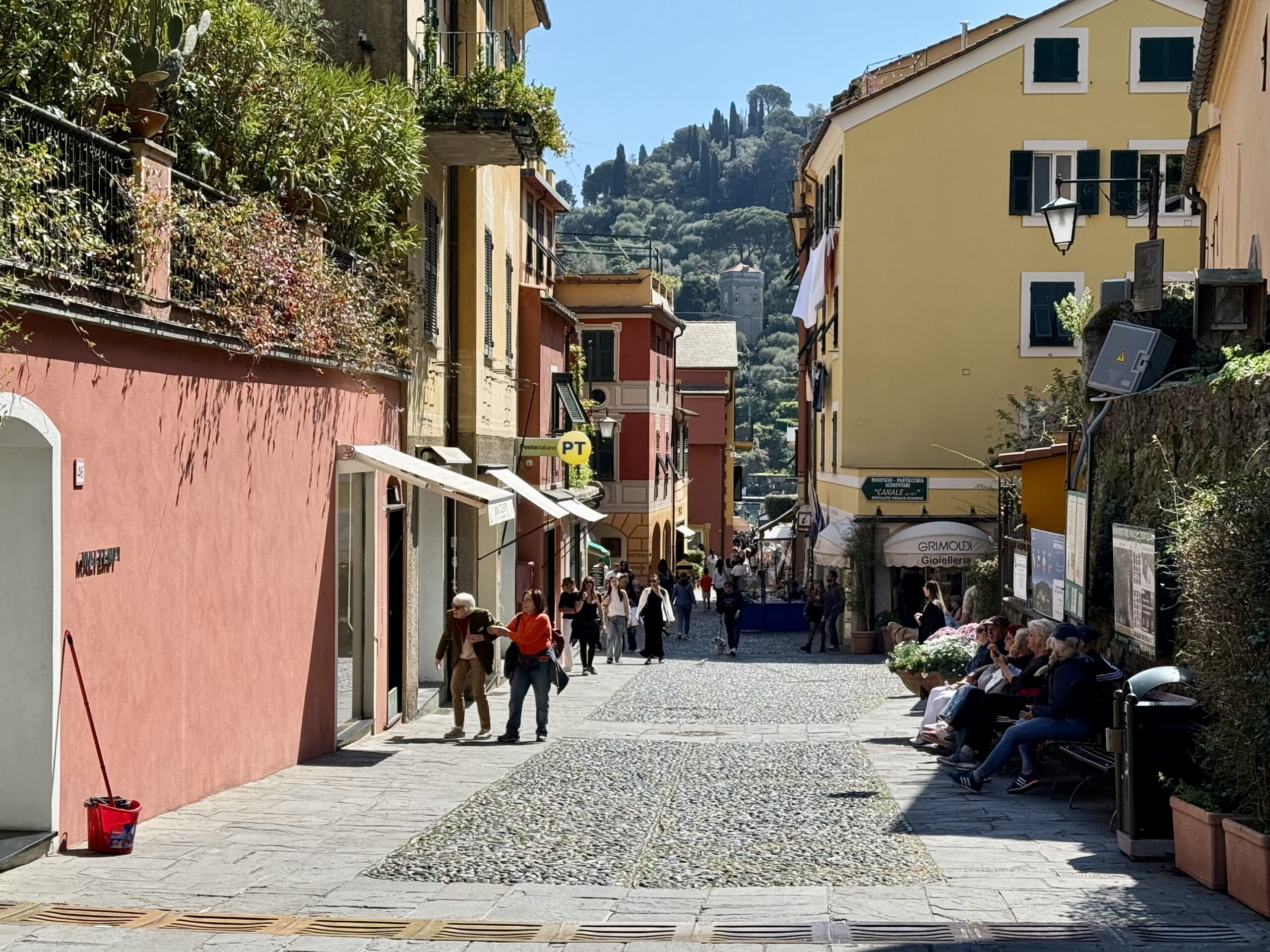
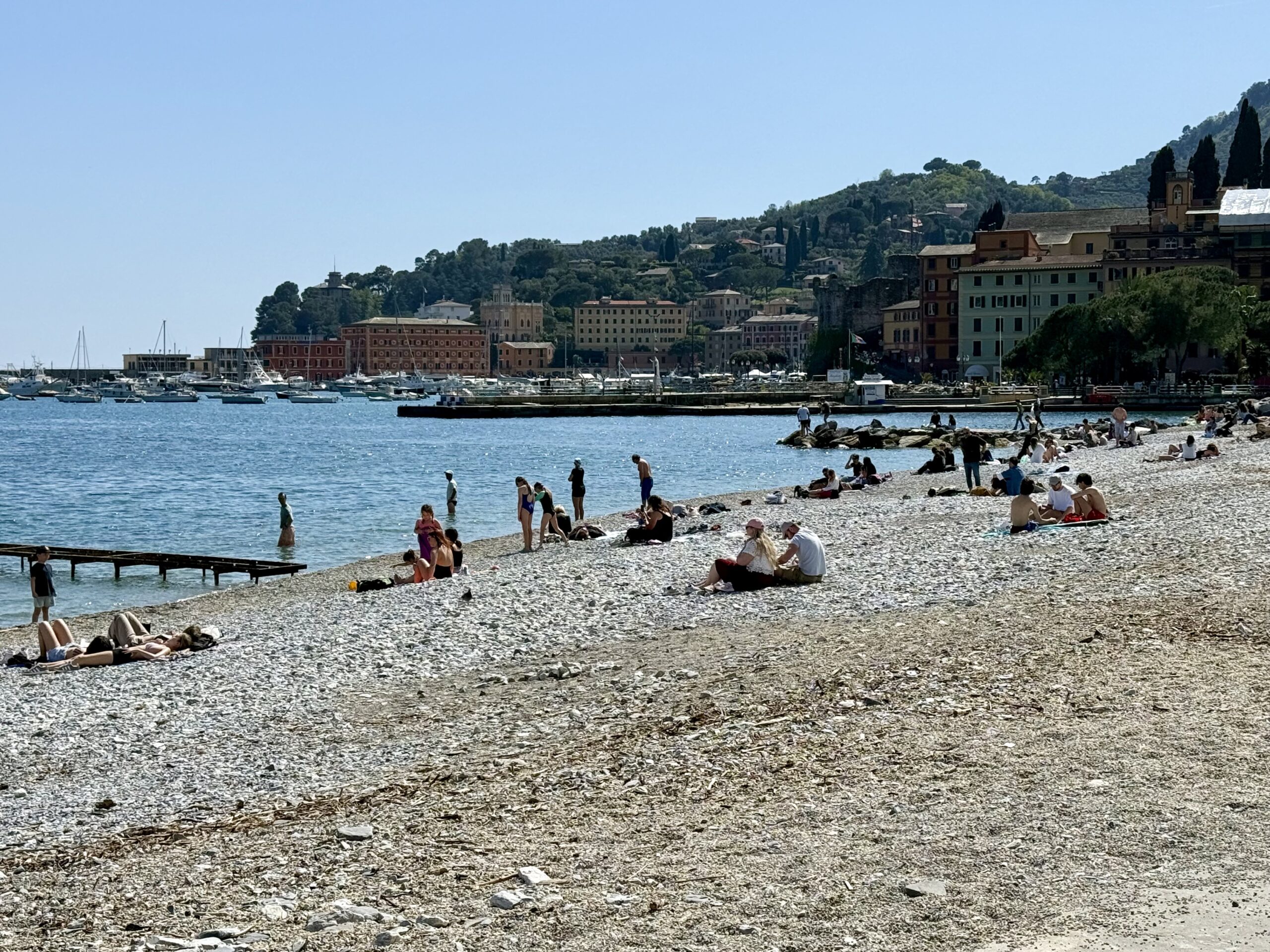
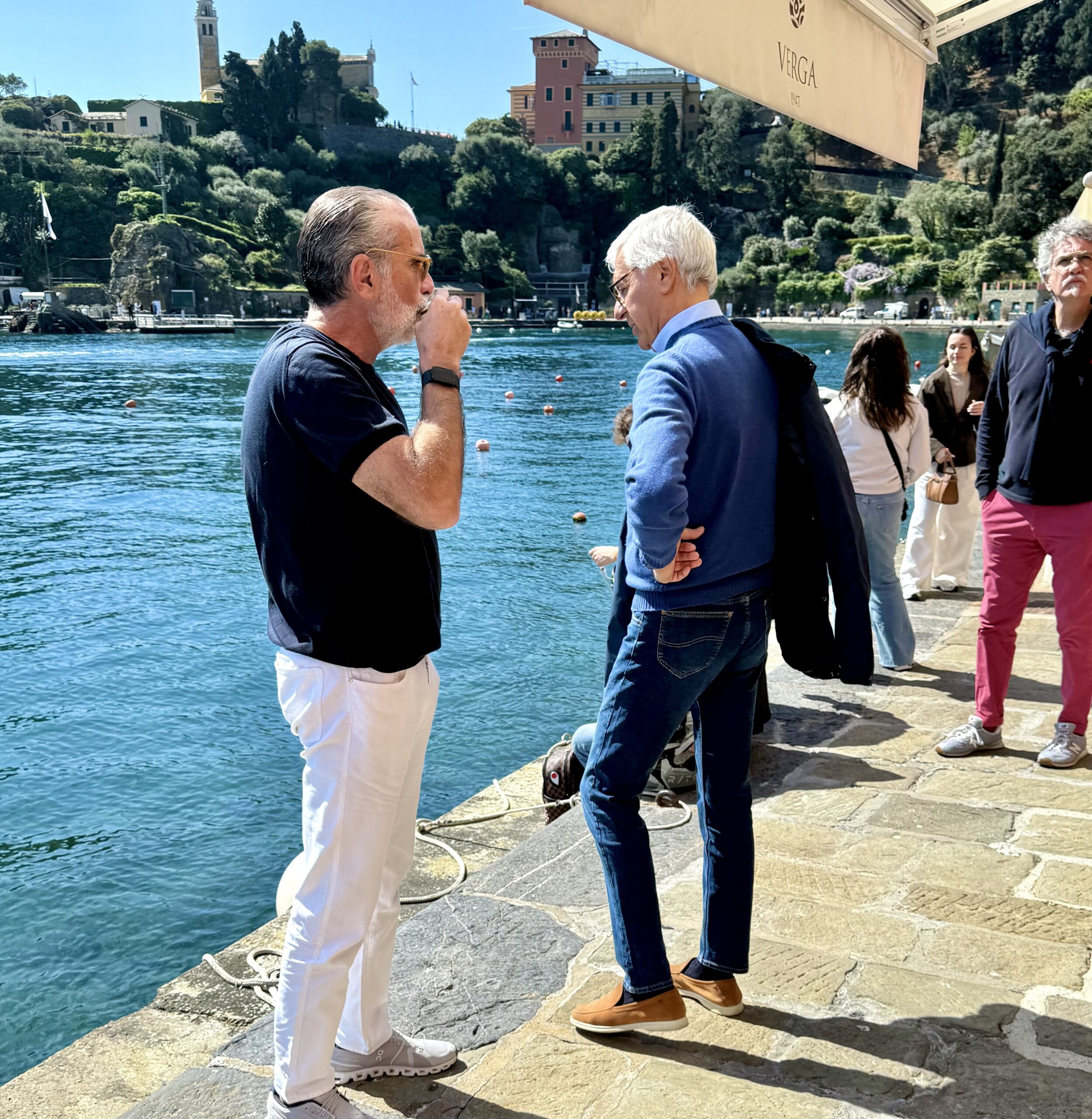
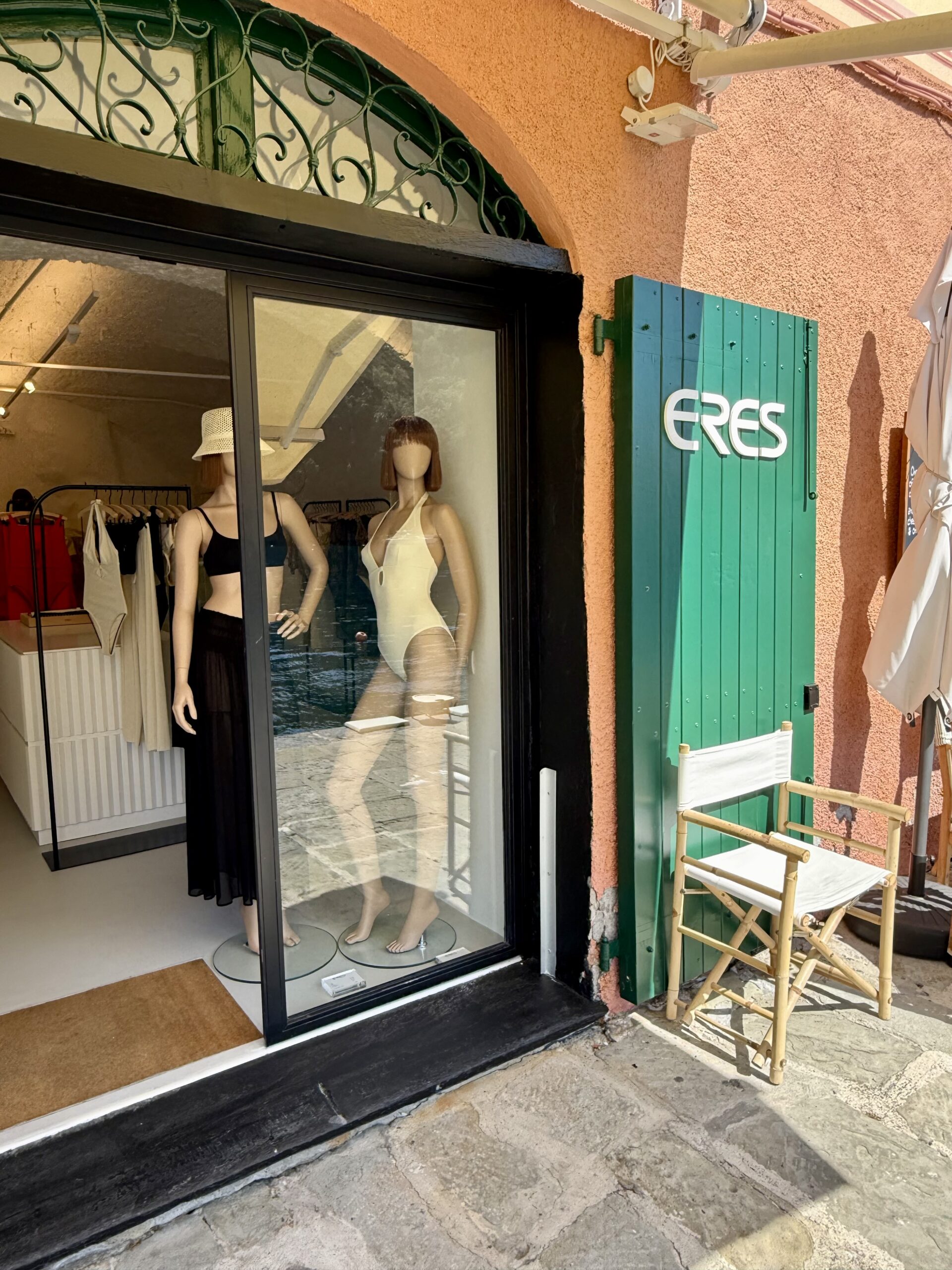
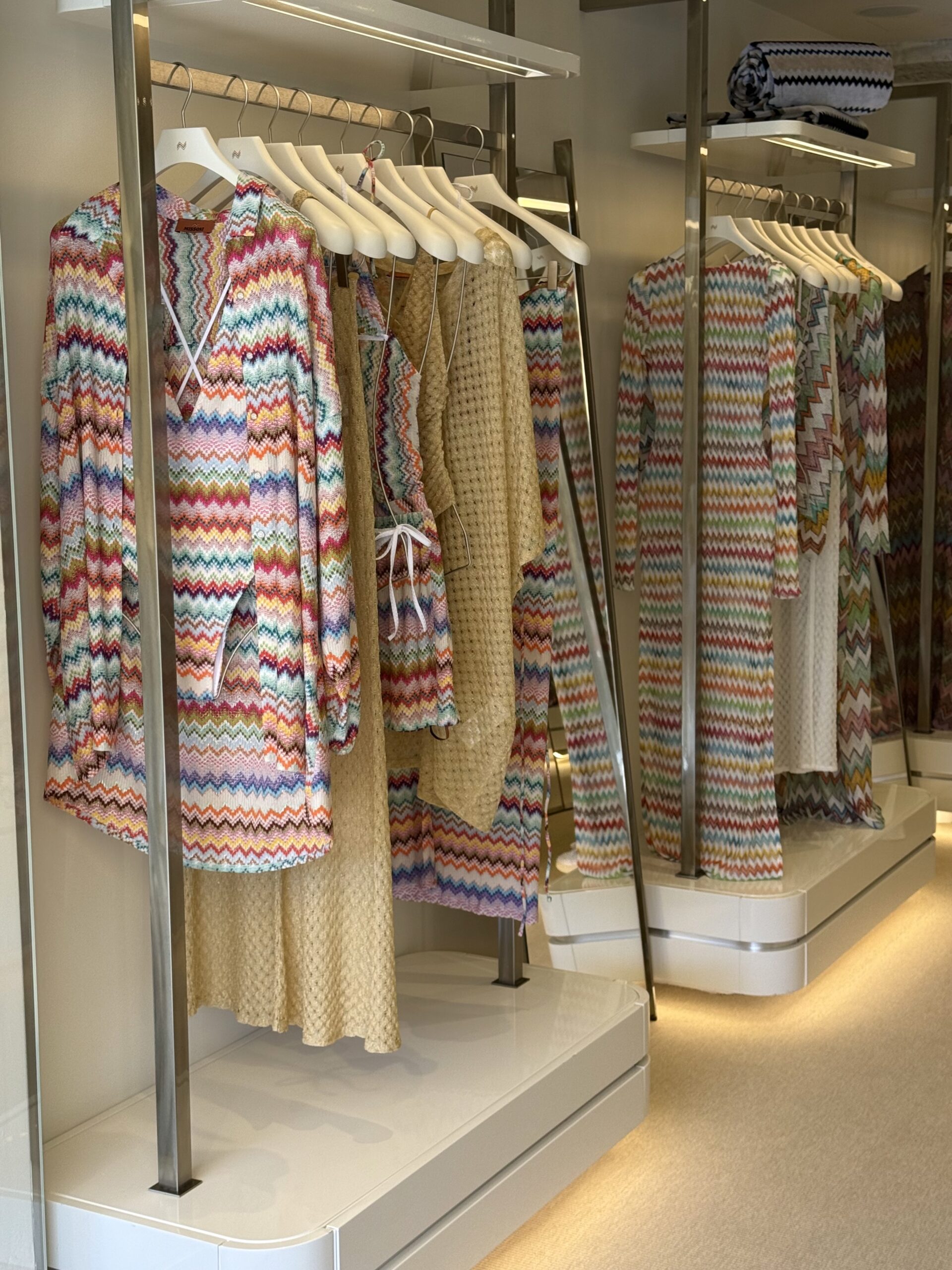
Portofino is iconic. So picturesque and yet a bit overblown. Population: 359. The tourist area wraps along the shoreline of a tiny inlet confined by steep wooded slopes. Retail shops and restaurants occupy every centimeter of the ground floor space. Hordes of tourists trying to experience Portofino in its heyday as evidenced by photos of celebrities in restaurant windows. The crush of tourists thins out once you walk a block or two away from the water. Dior, The Row, Loewe, Missoni, Rolex, and other big brands all make a stand here.
Santa Margherita
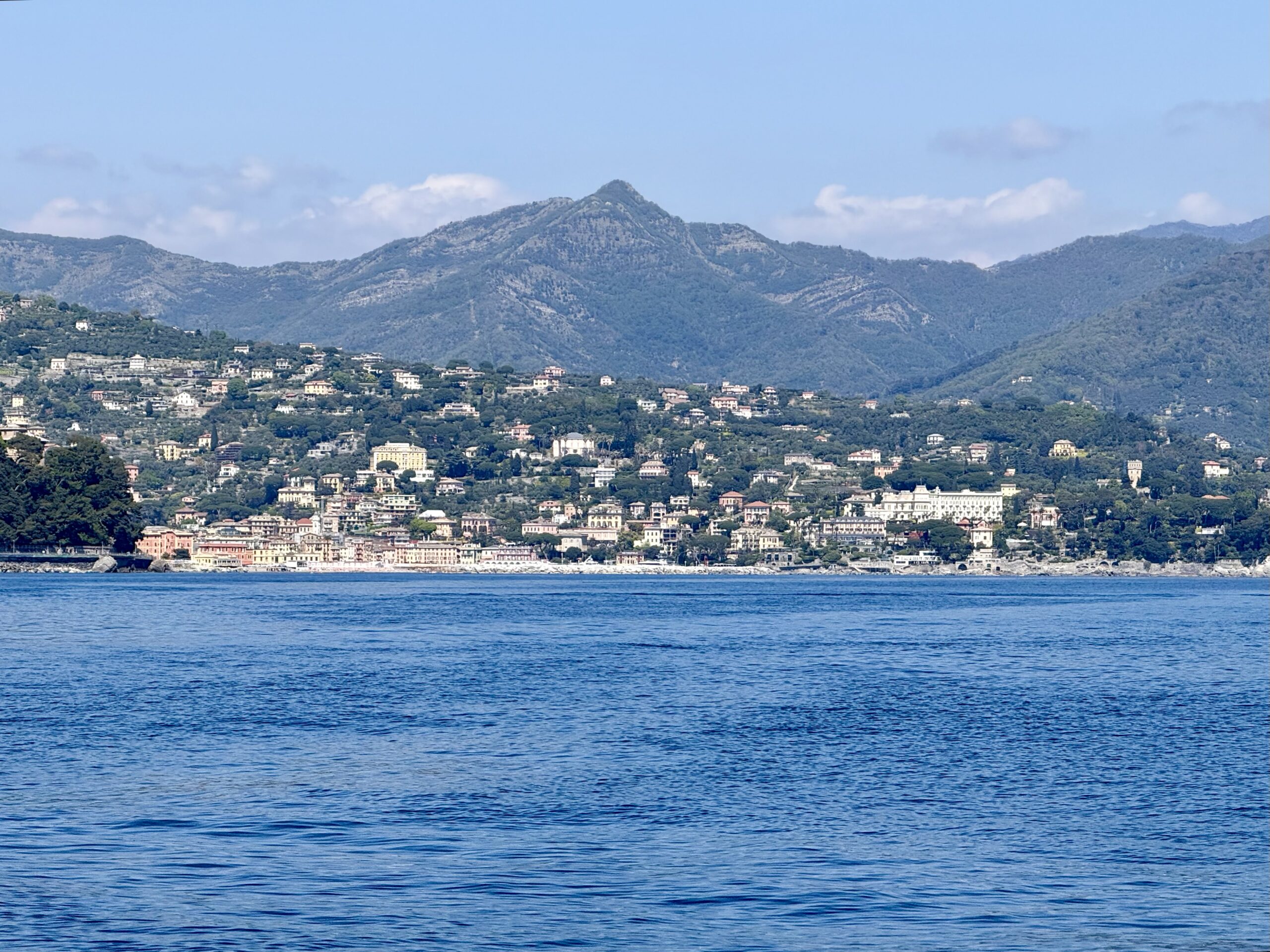
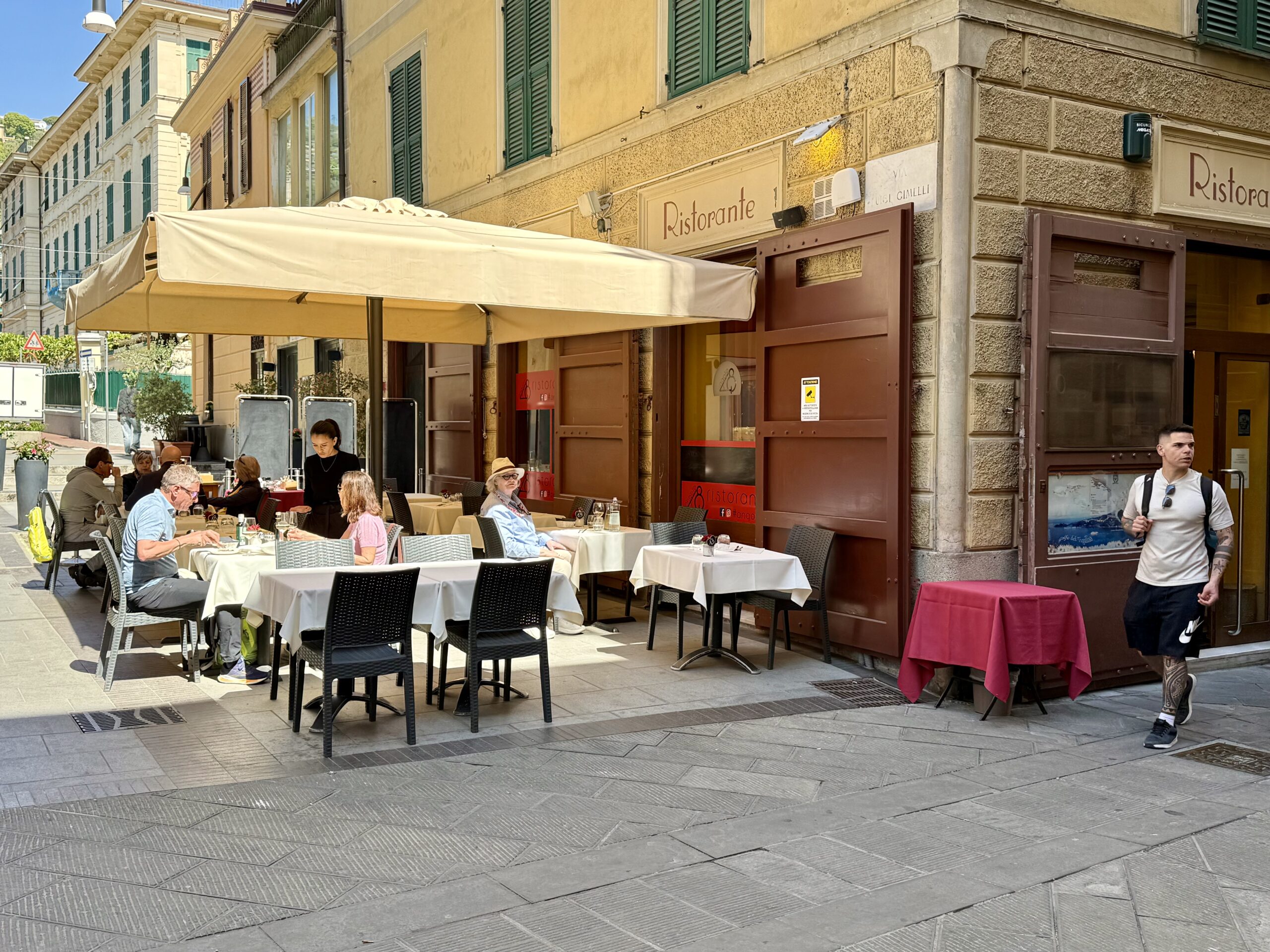
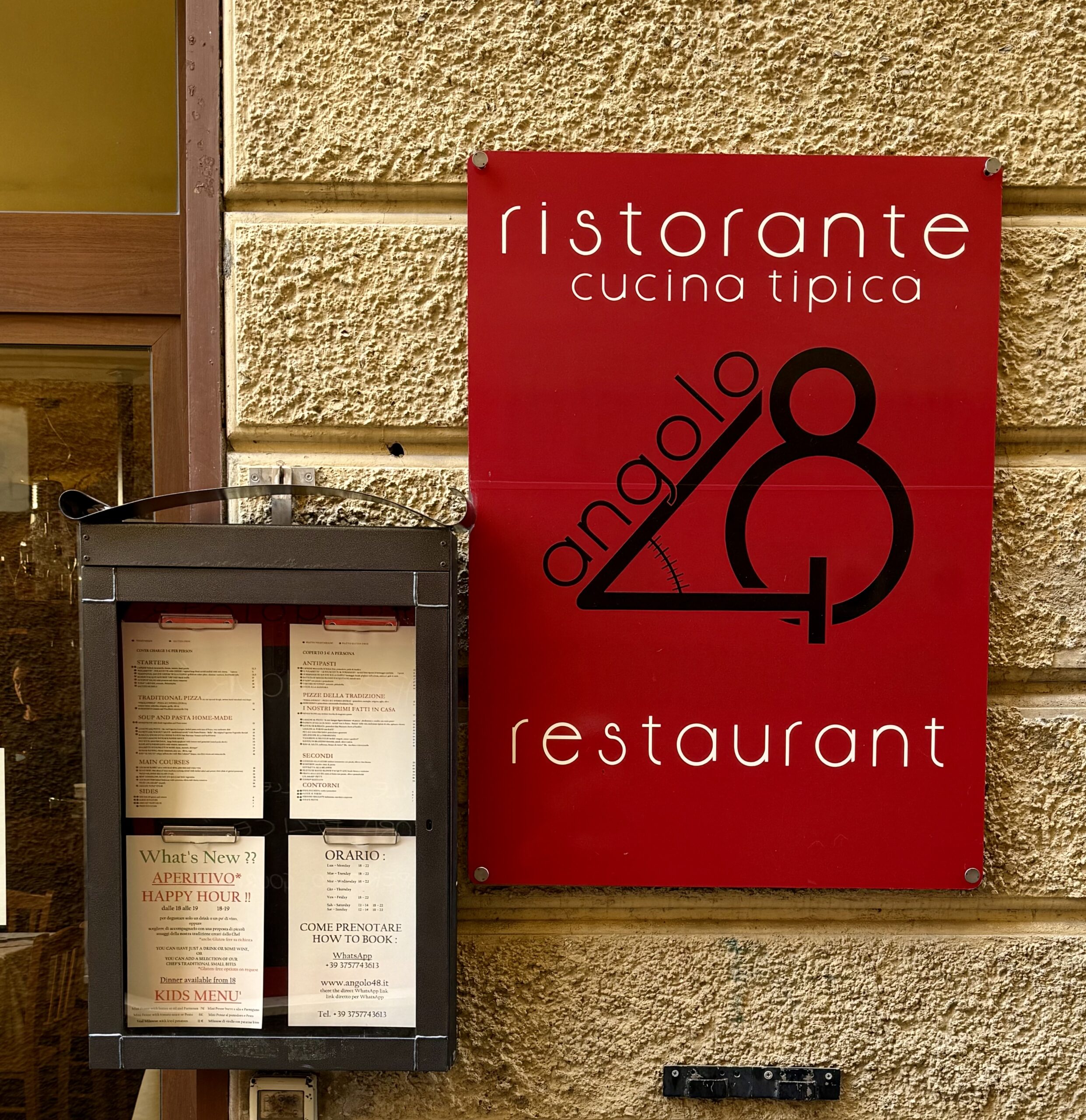
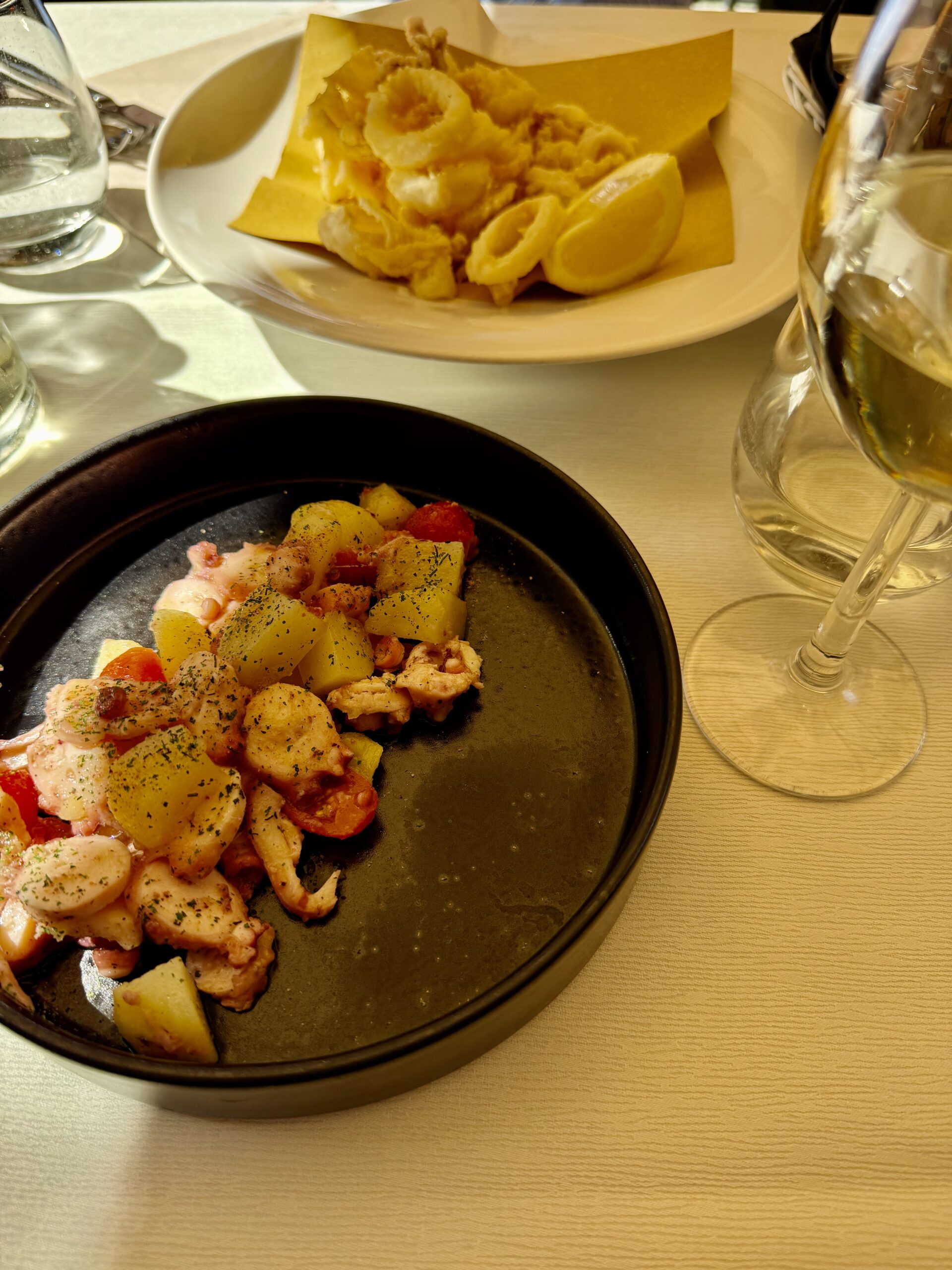
Although larger than Portofino, Santa Margherita is not as tourist hectic. We strolled the streets away from the water and found a modest place to eat that catered to locals and tourists. This is a popular summer destination for people from Milan—like one of our old Italian teachers.
Cane
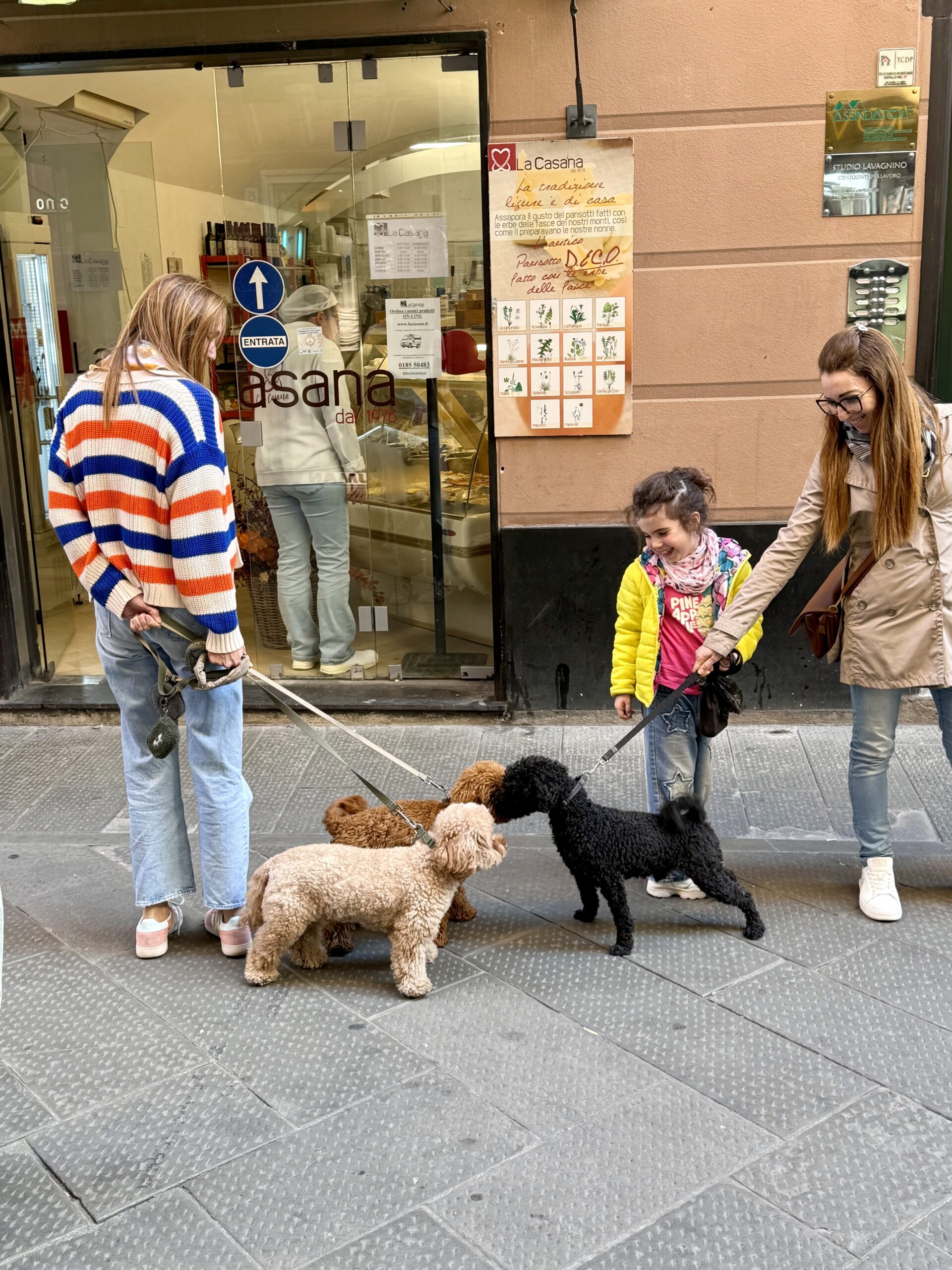
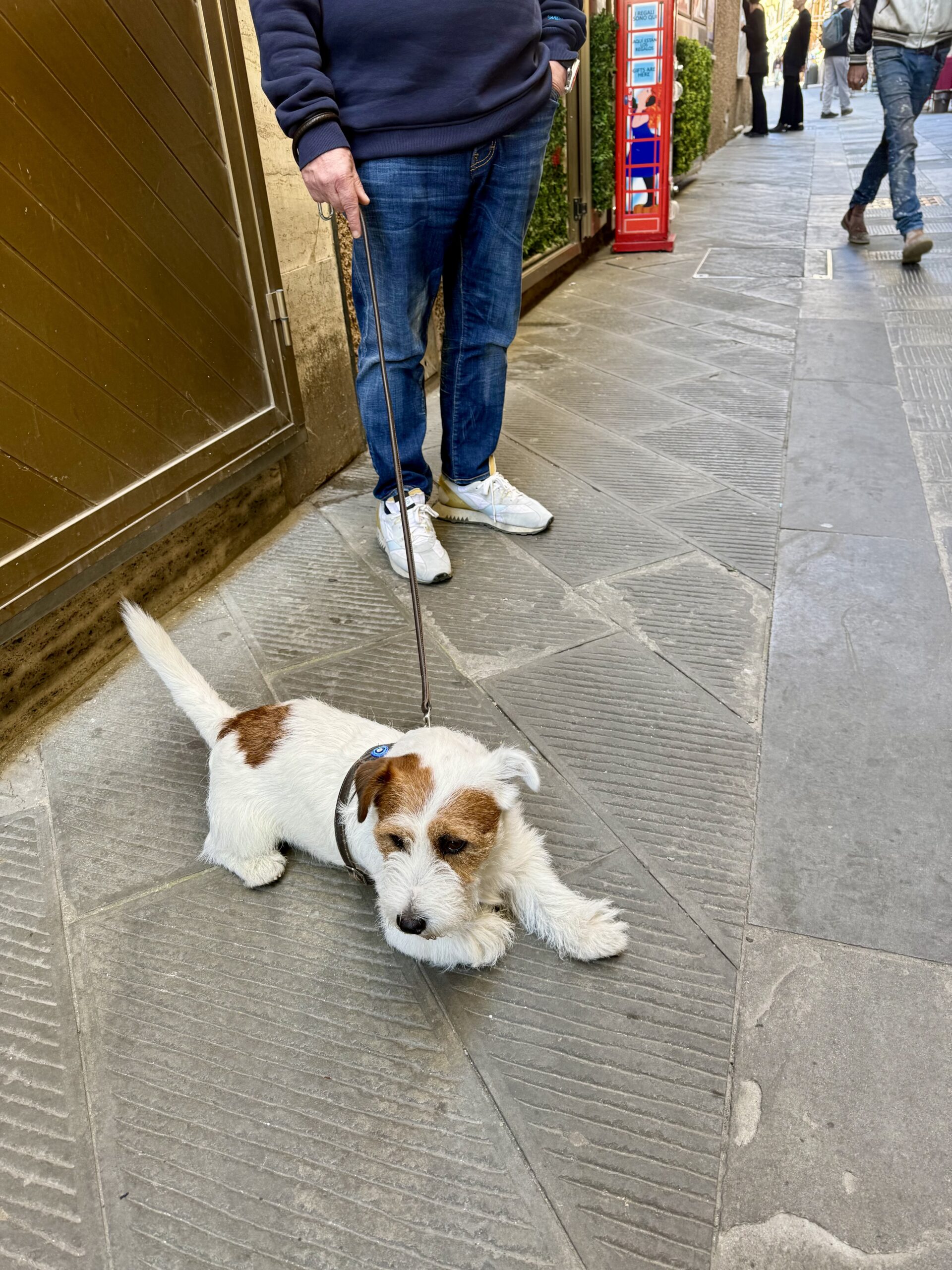
Bonnie loves stopping people to photograph their dogs. Her photography is also an excuse to engage the locals in conversation. Everyone seems delighted to have their dog appreciated.
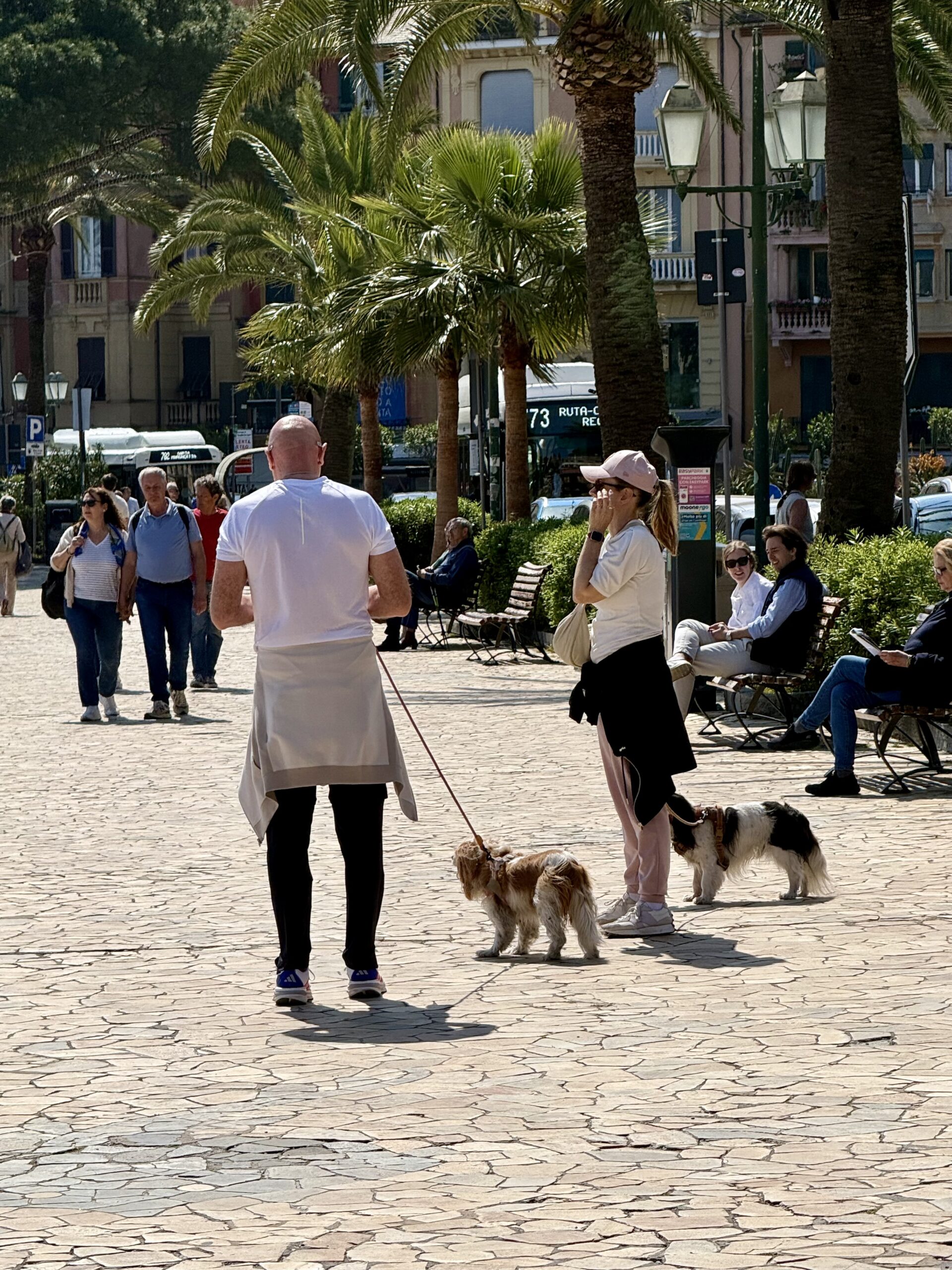
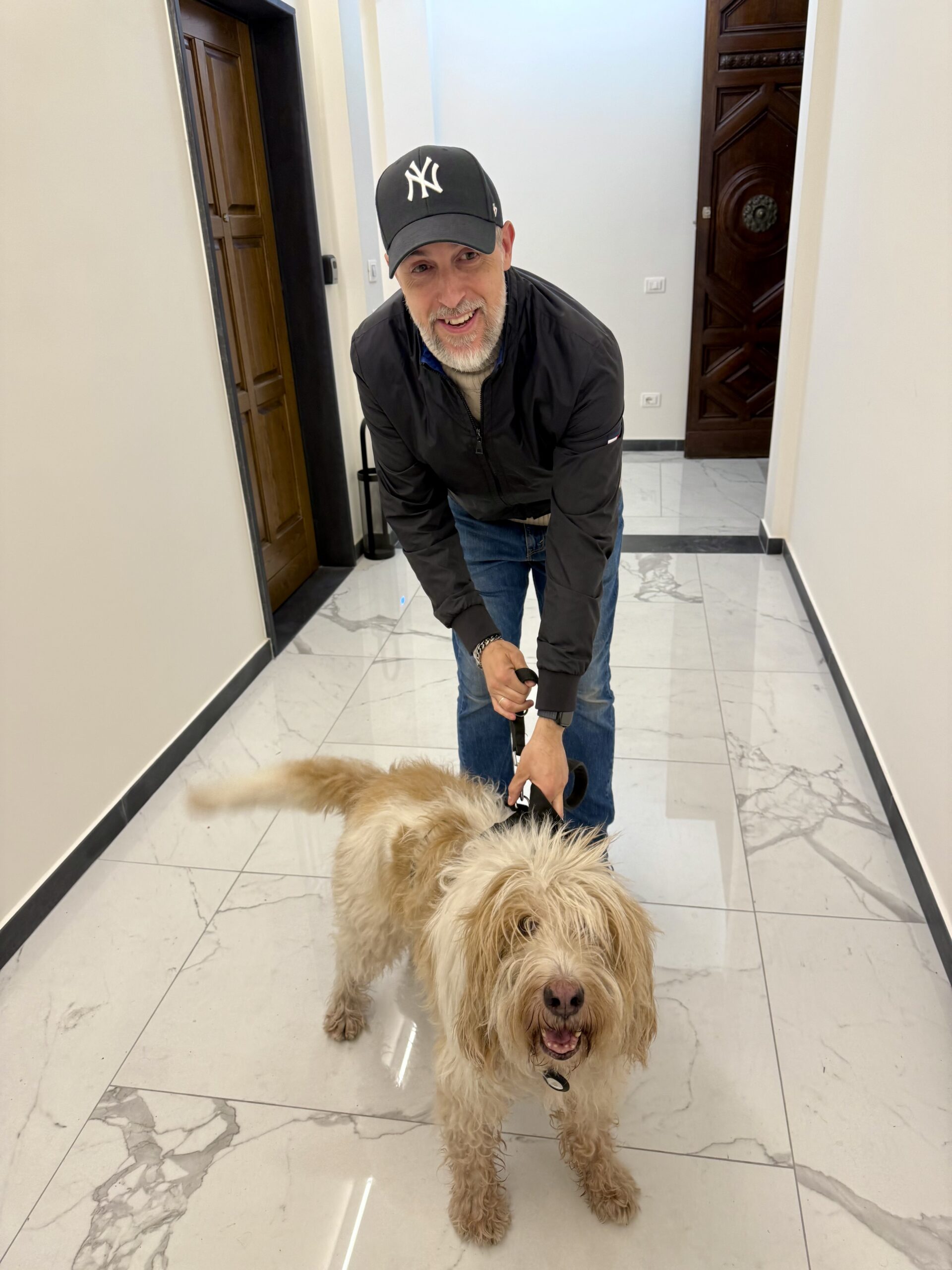
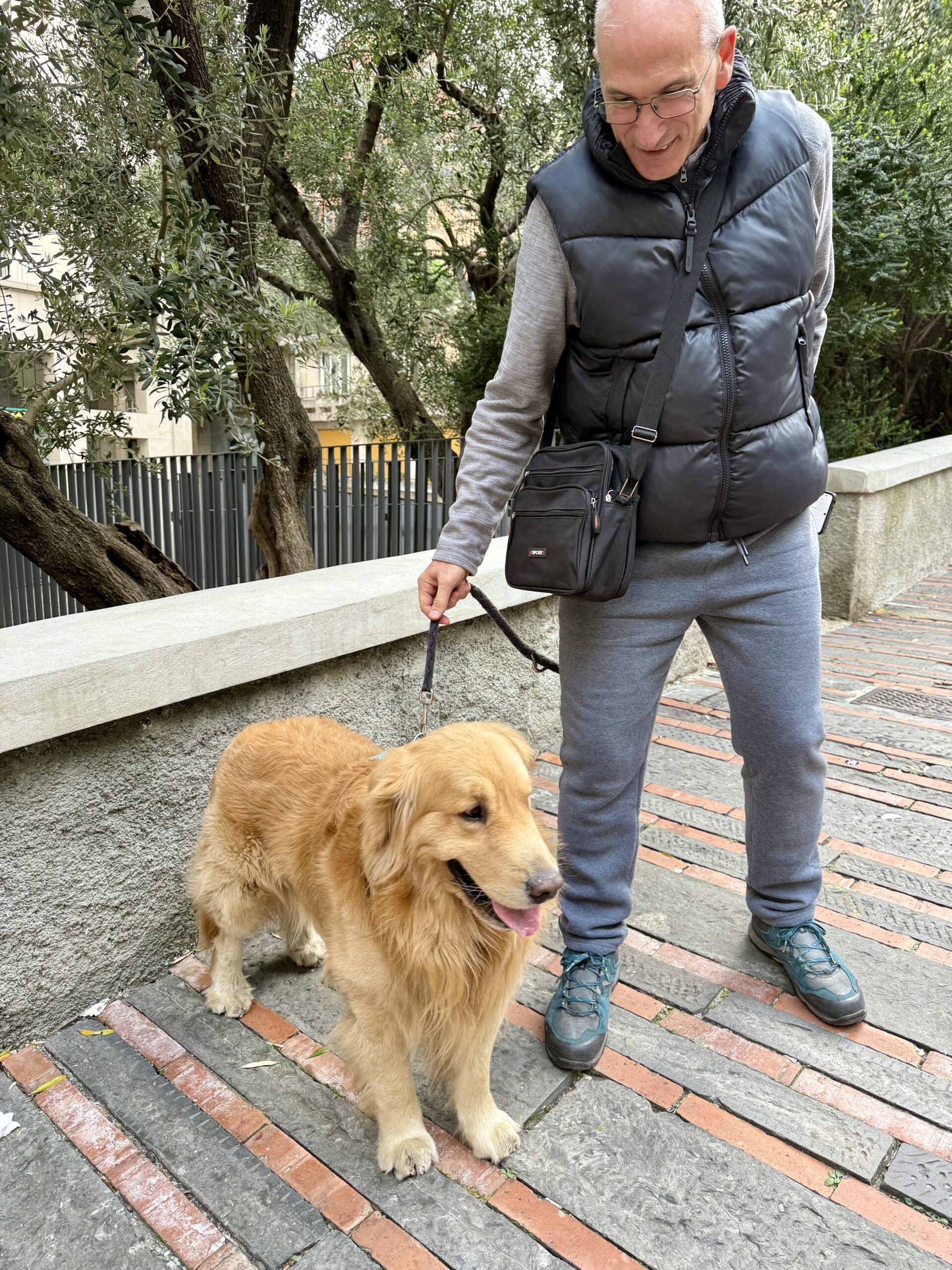
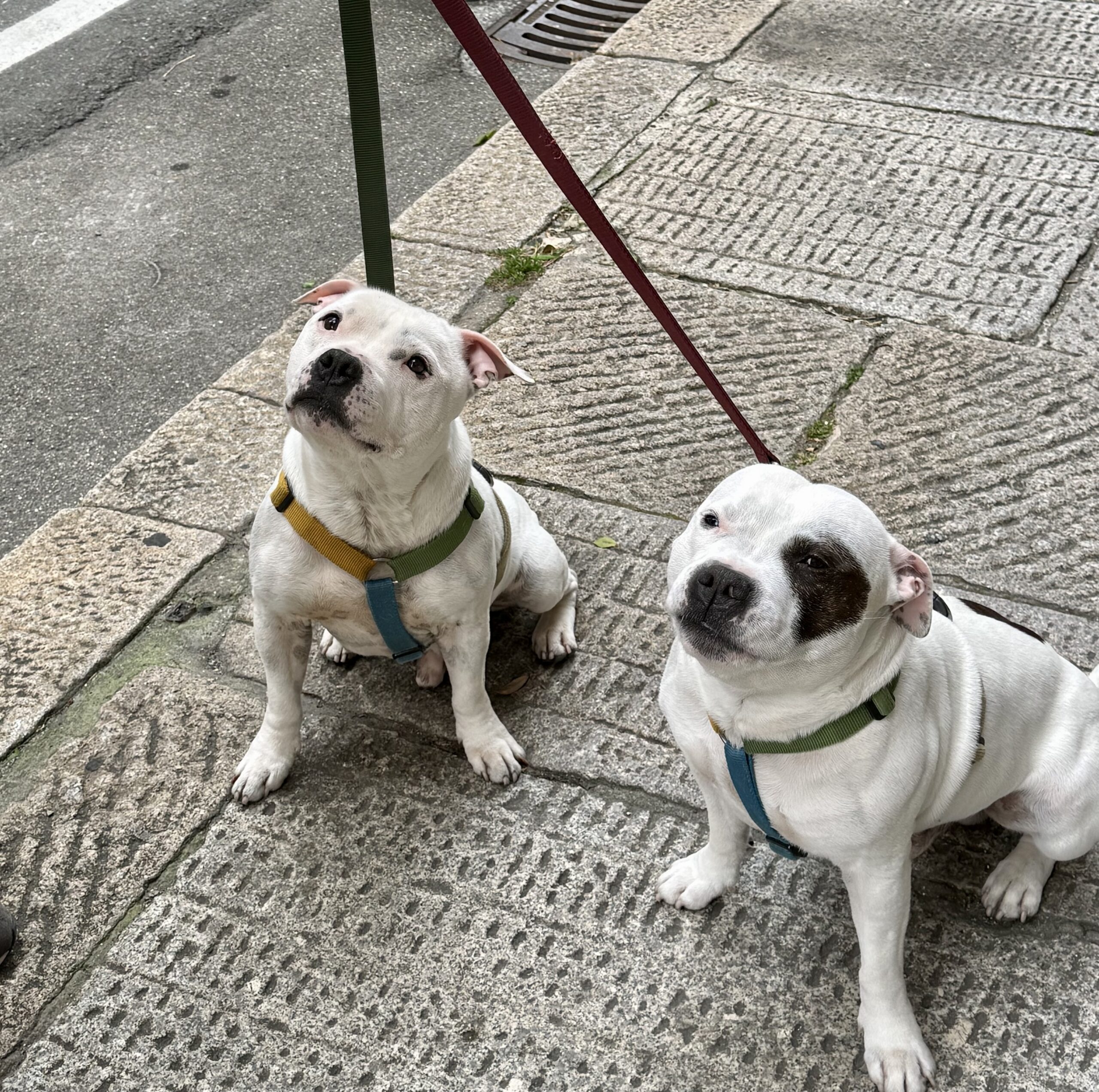
Fashion
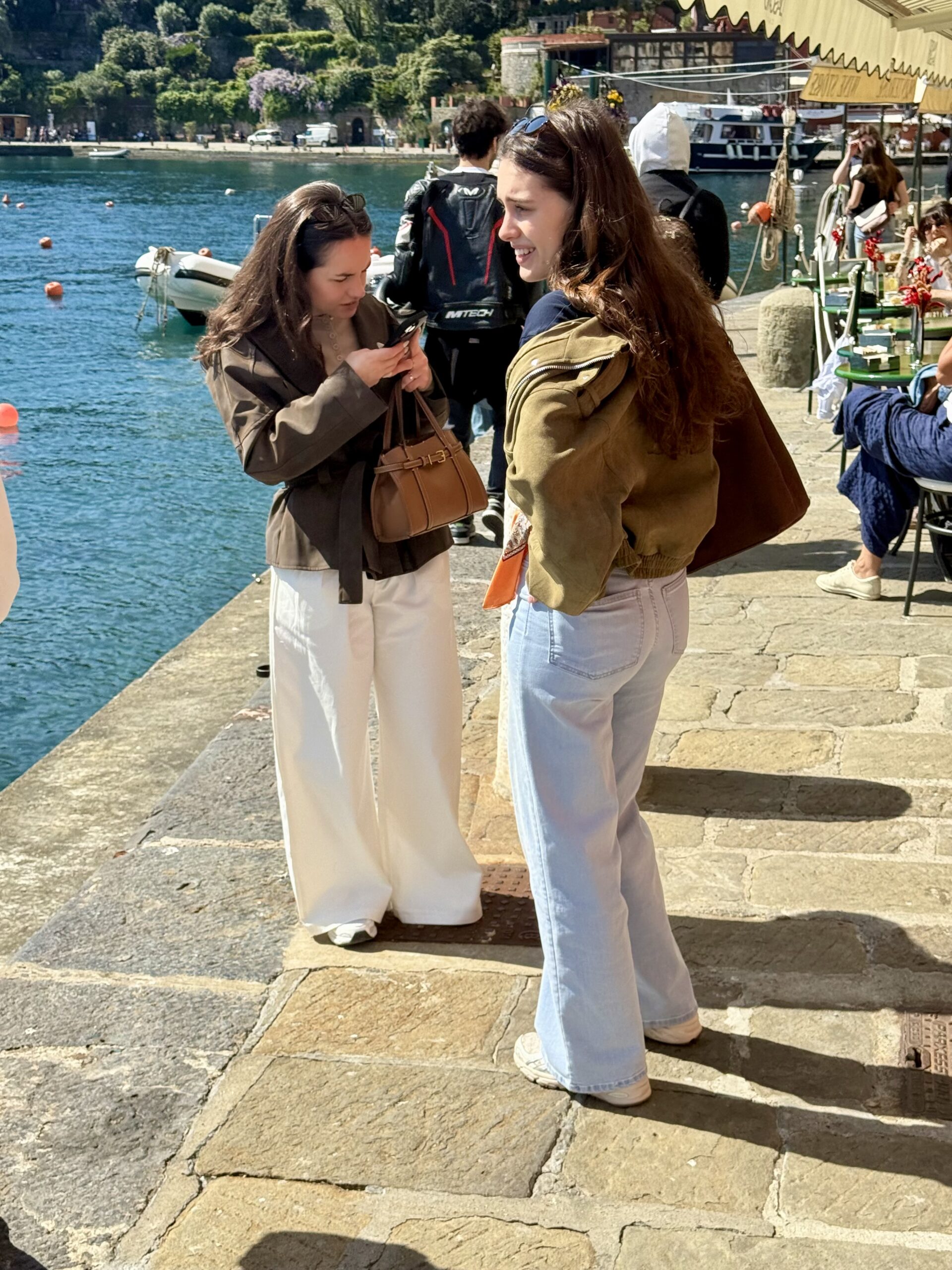
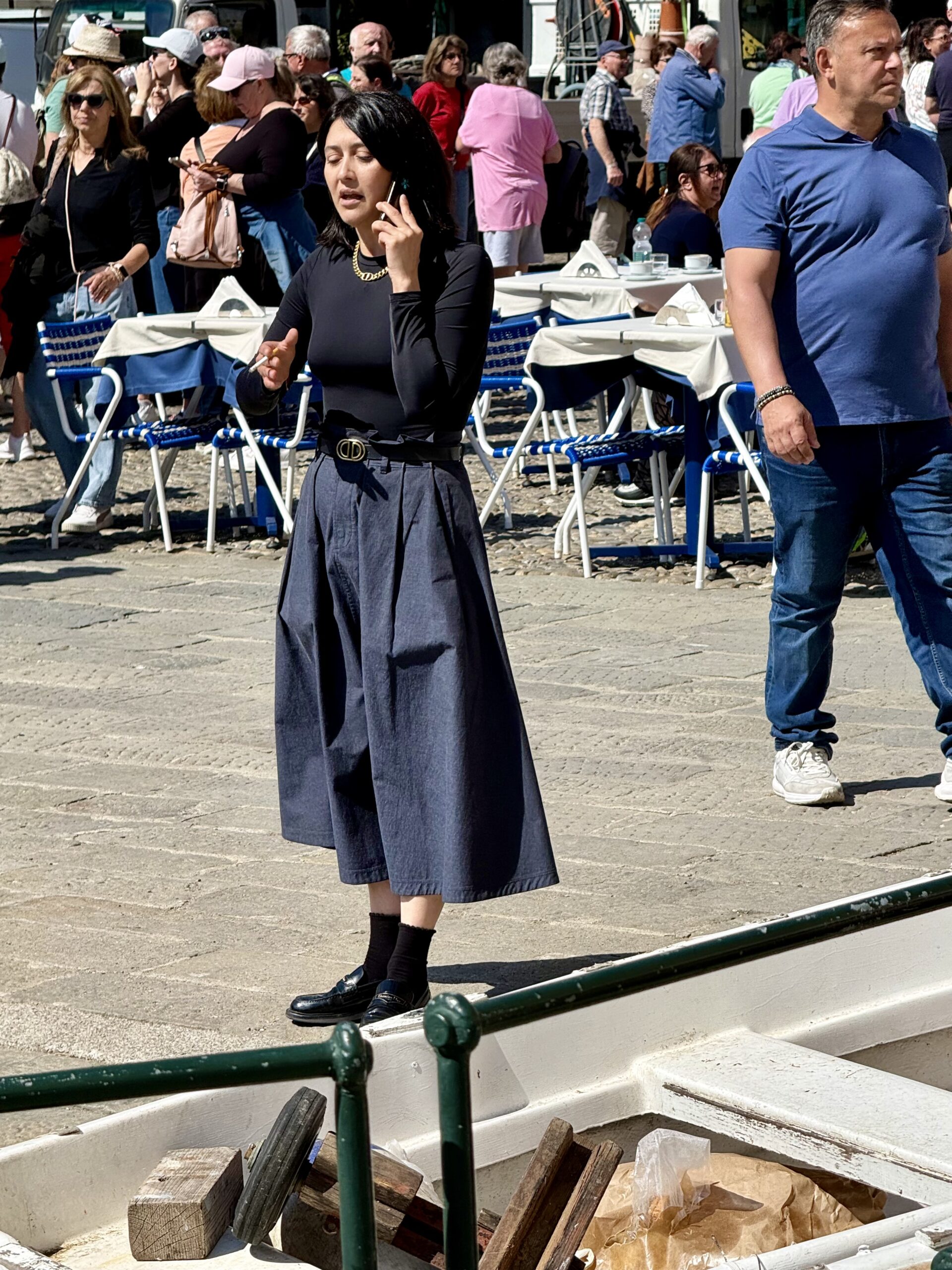
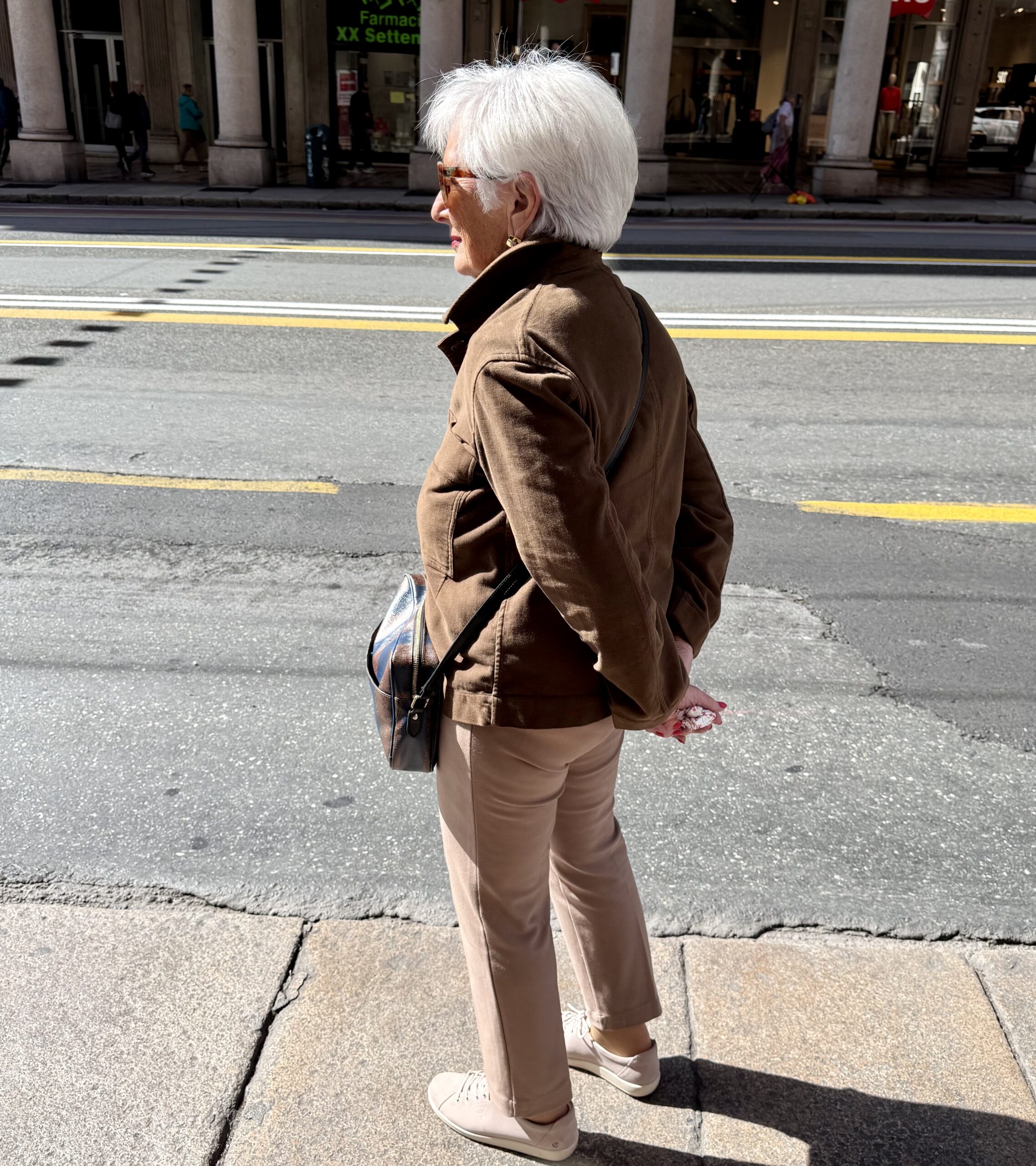
Shoes. Ninety-five percent of people wear sneakers, mostly in black, white, and gray. Adidas are common, along with a few Nikes, but many other shoes are unidentifiable.
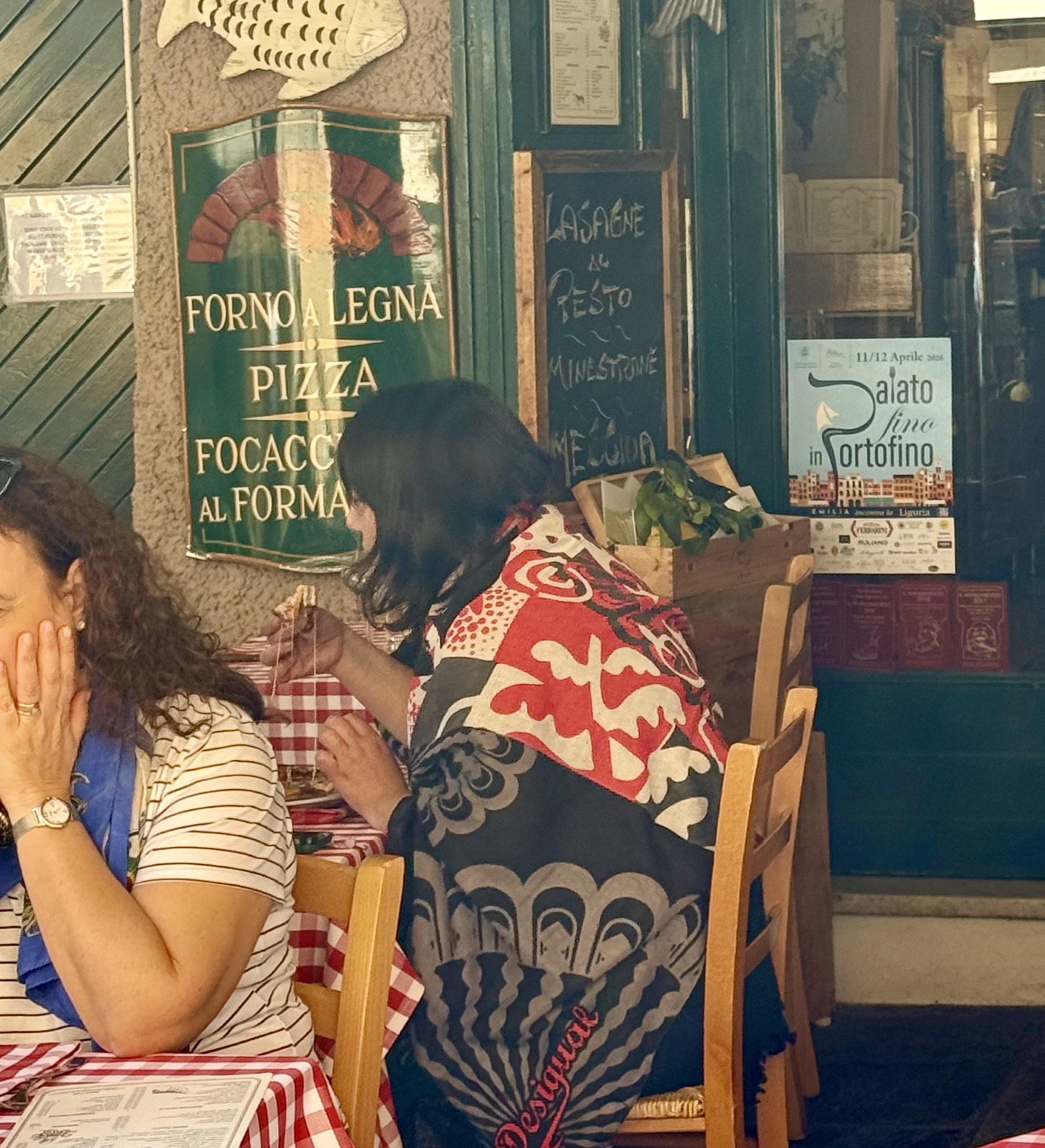
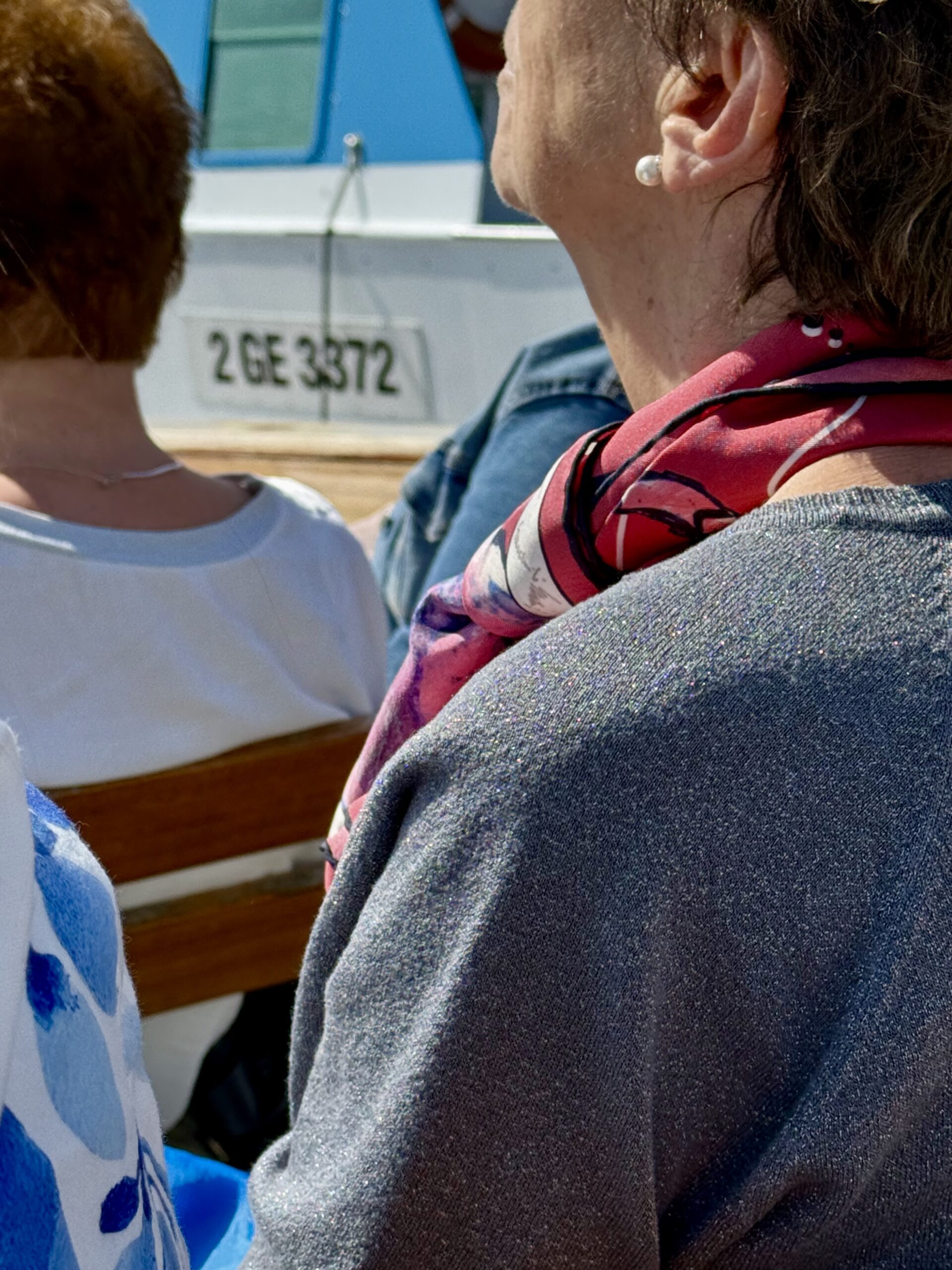
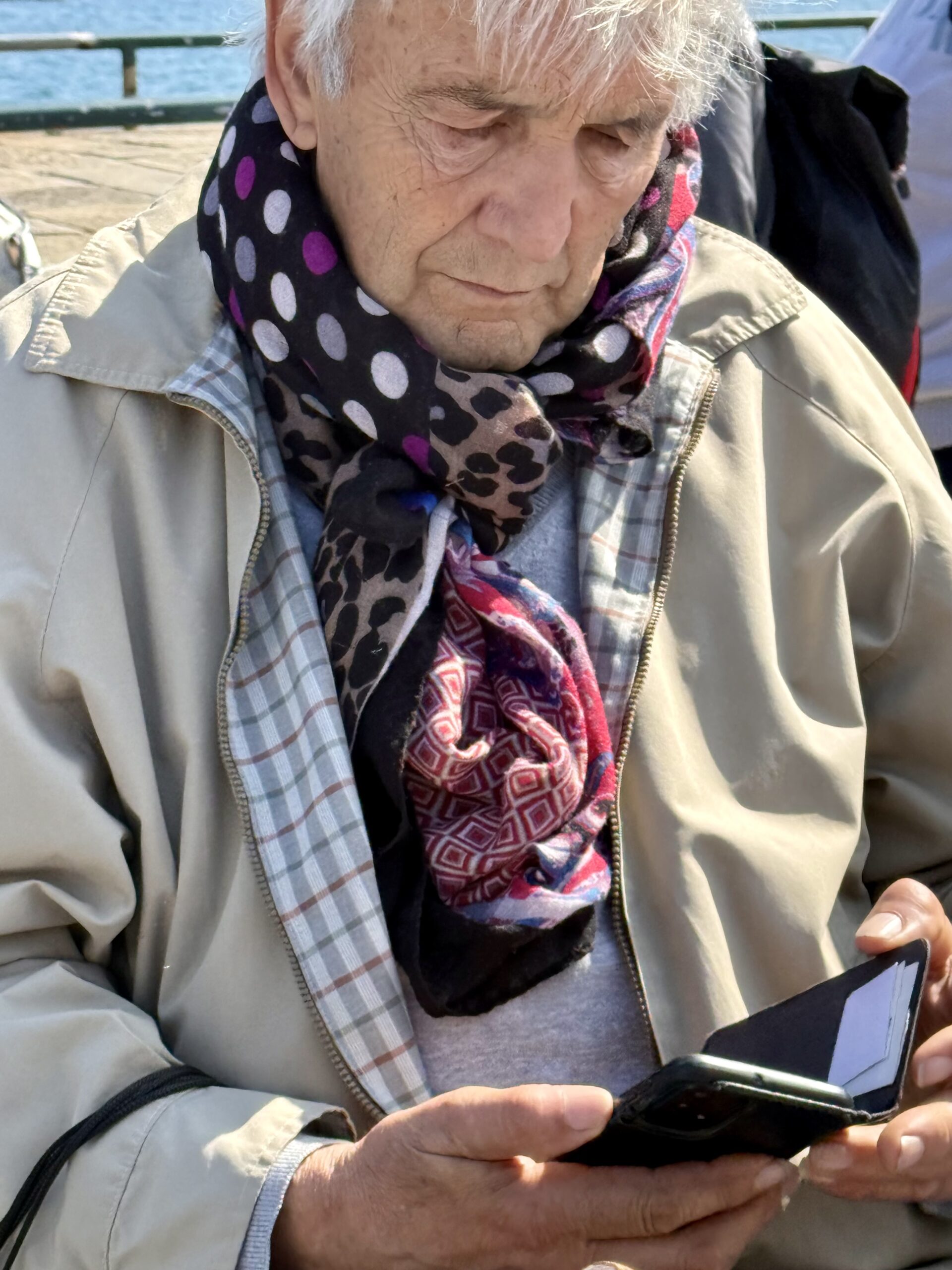
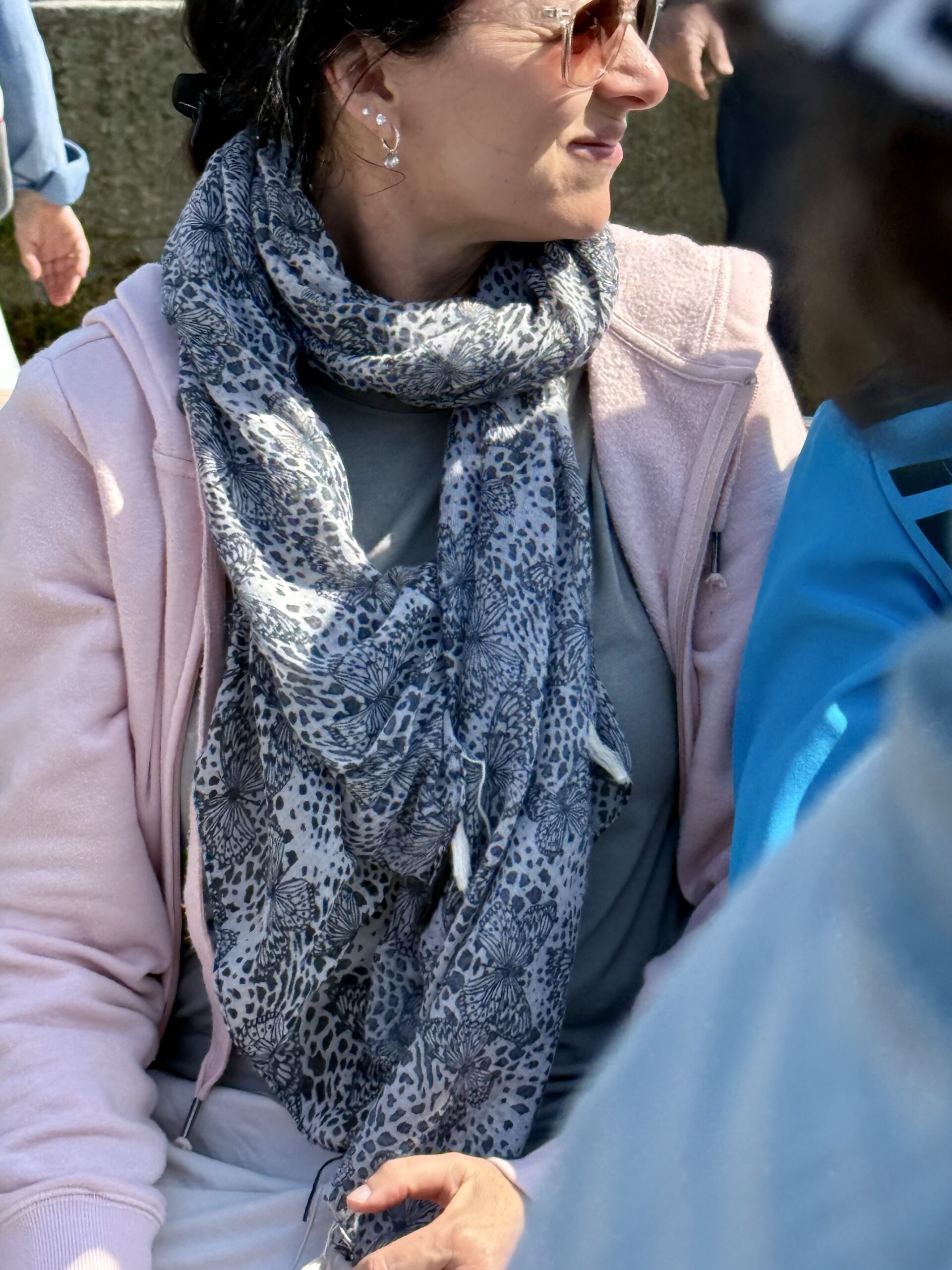
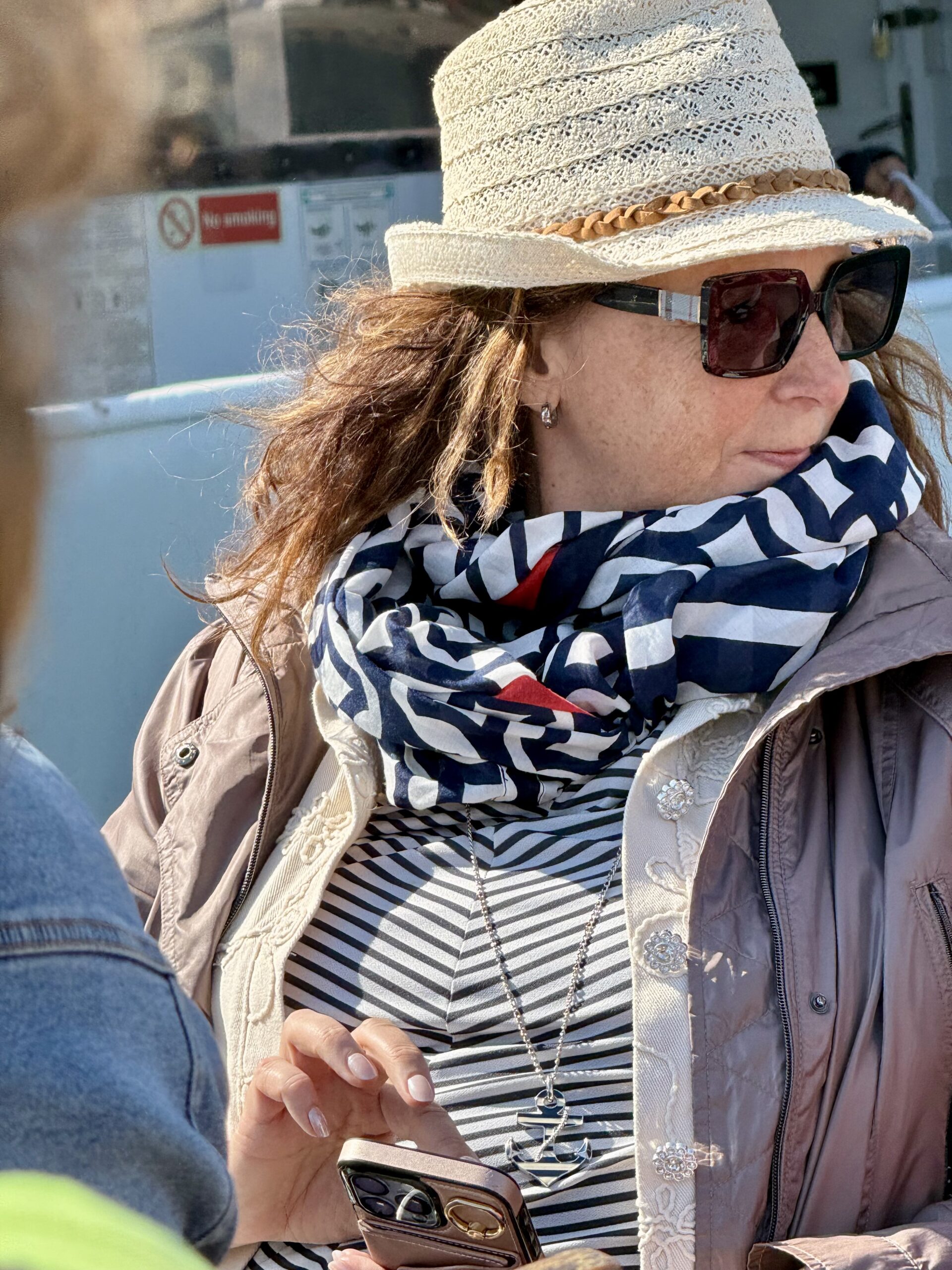
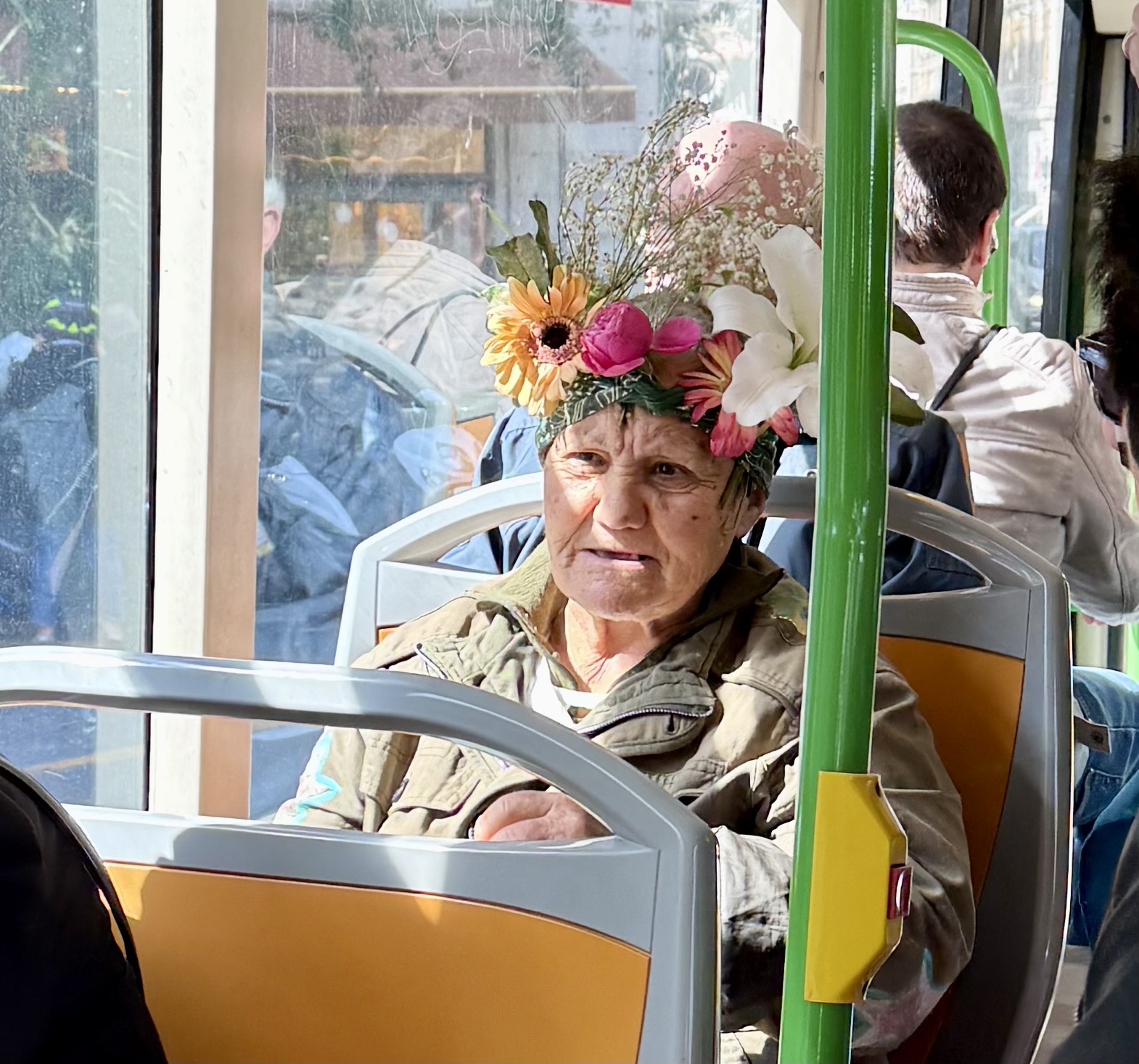
Scarves. Note below the scarves Bonnie could see from her seat on the ferry. Scarves are most common on older women who make the effort to find beautiful ones and tie them with panache.
Genoa
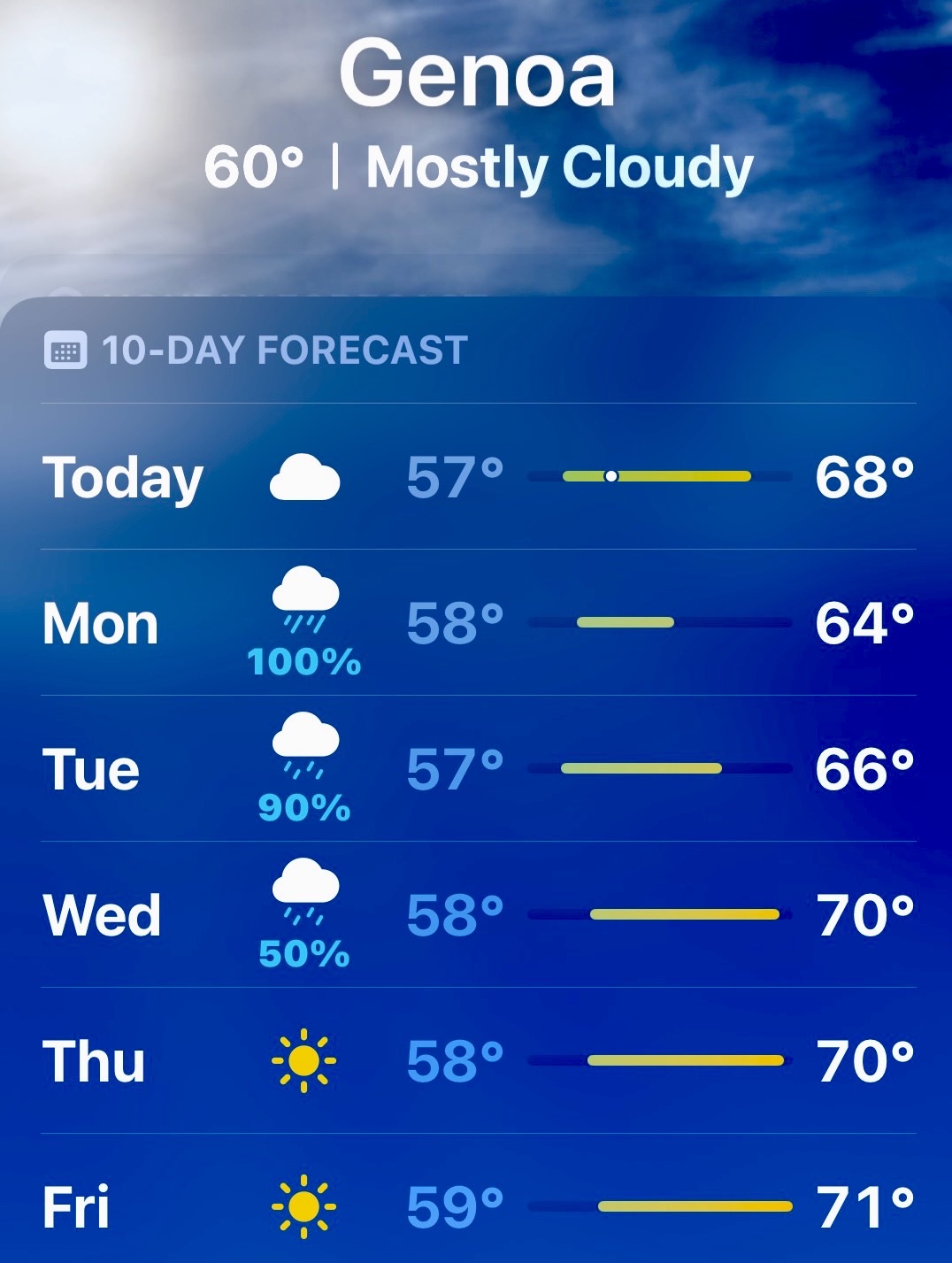
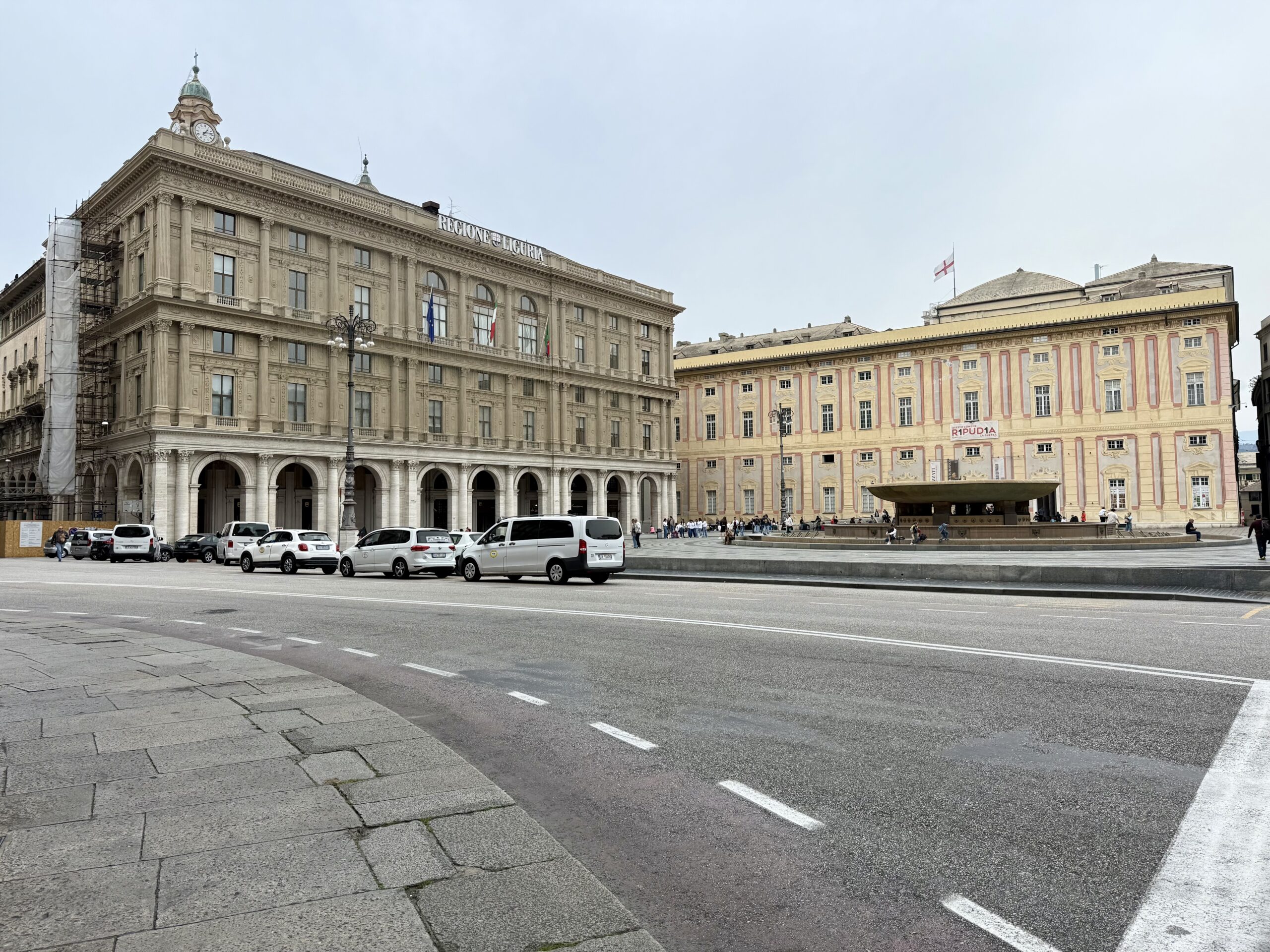
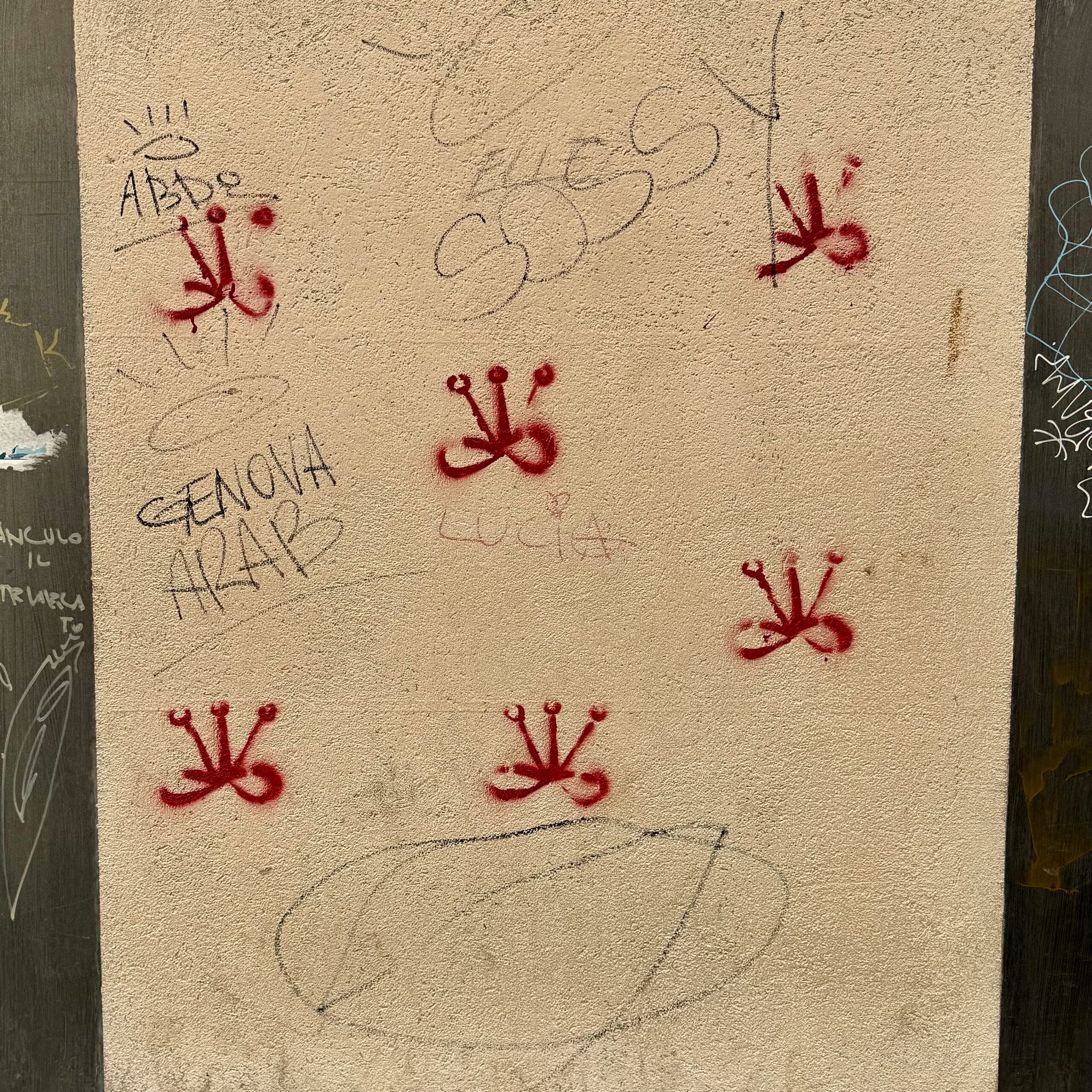
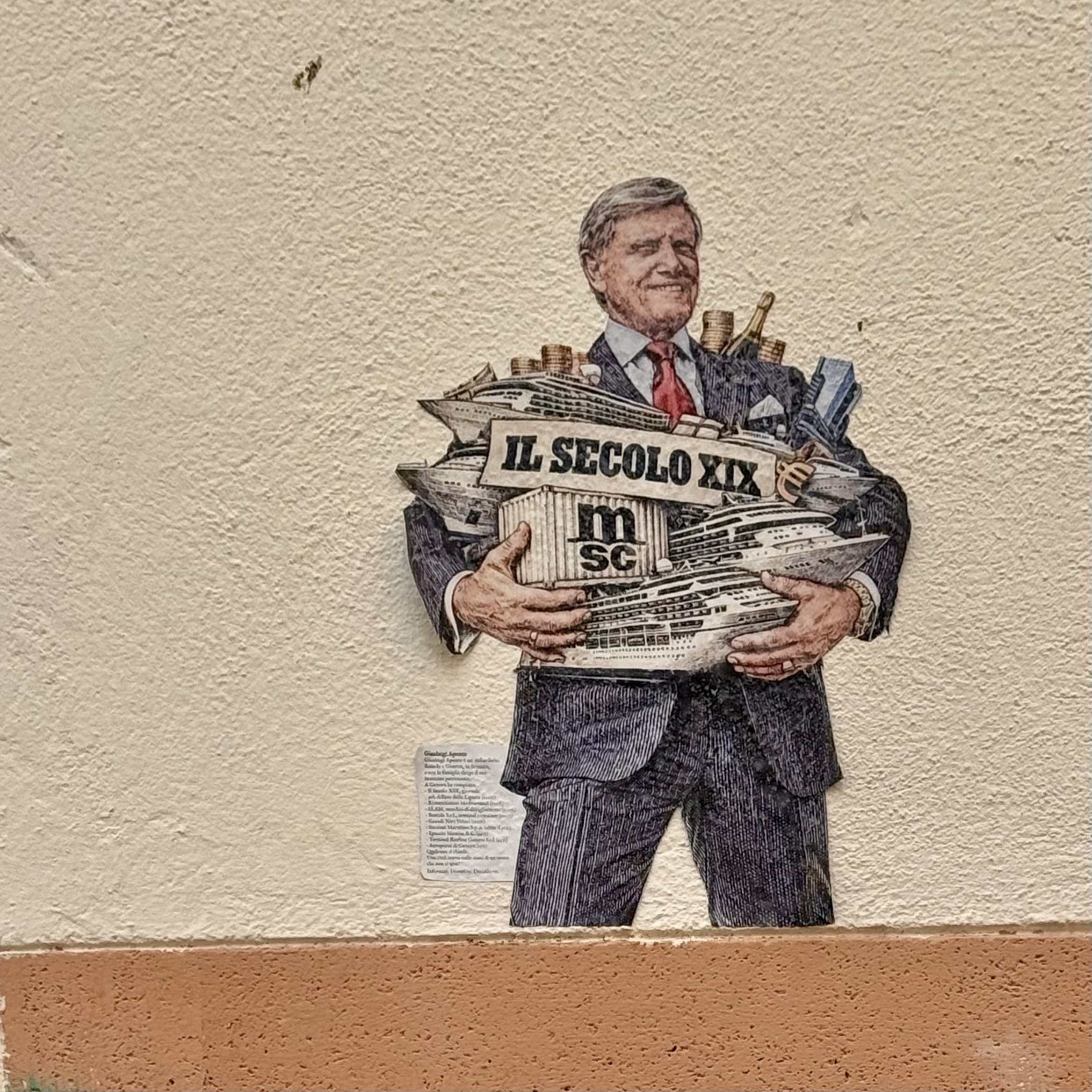
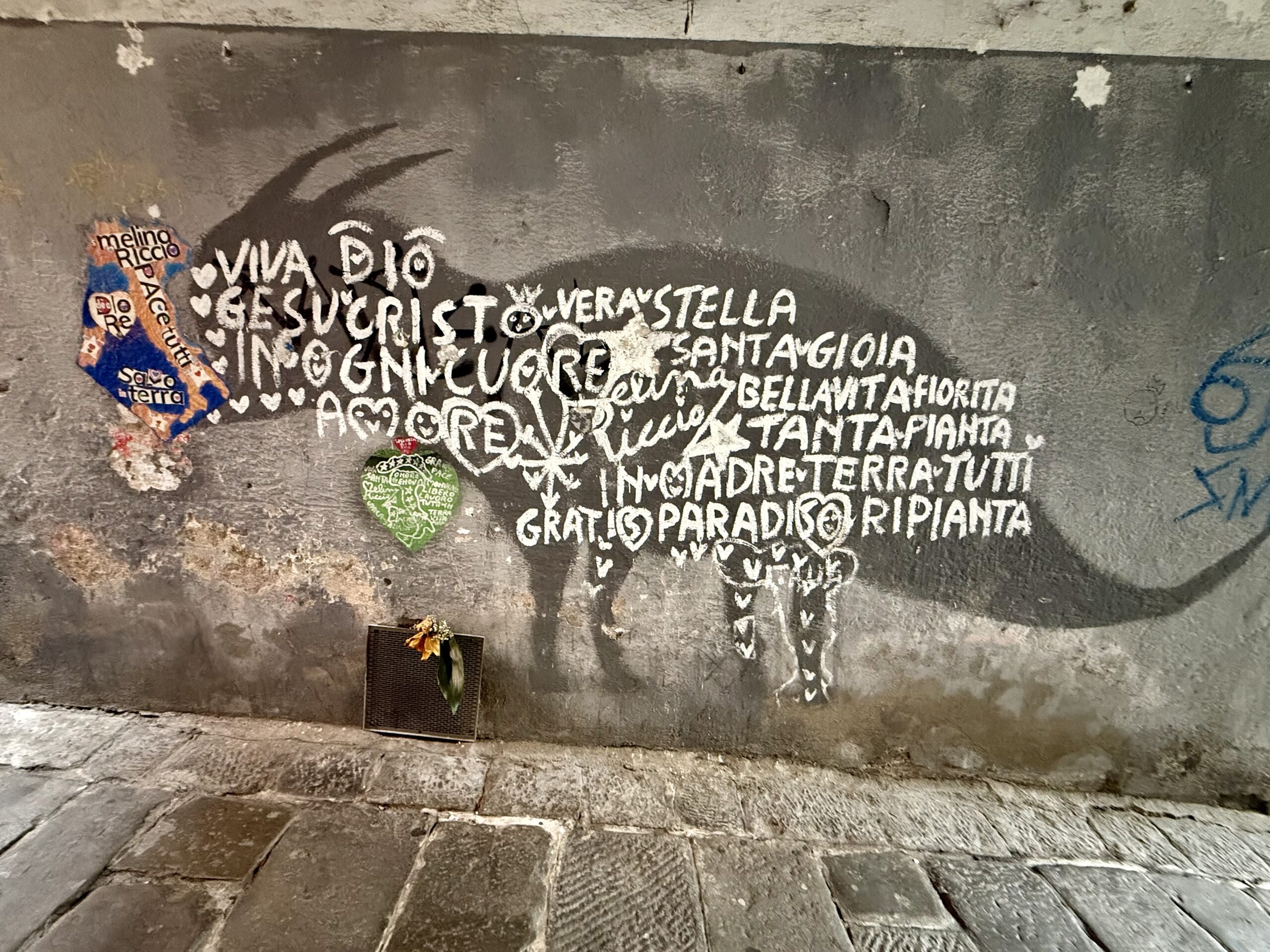
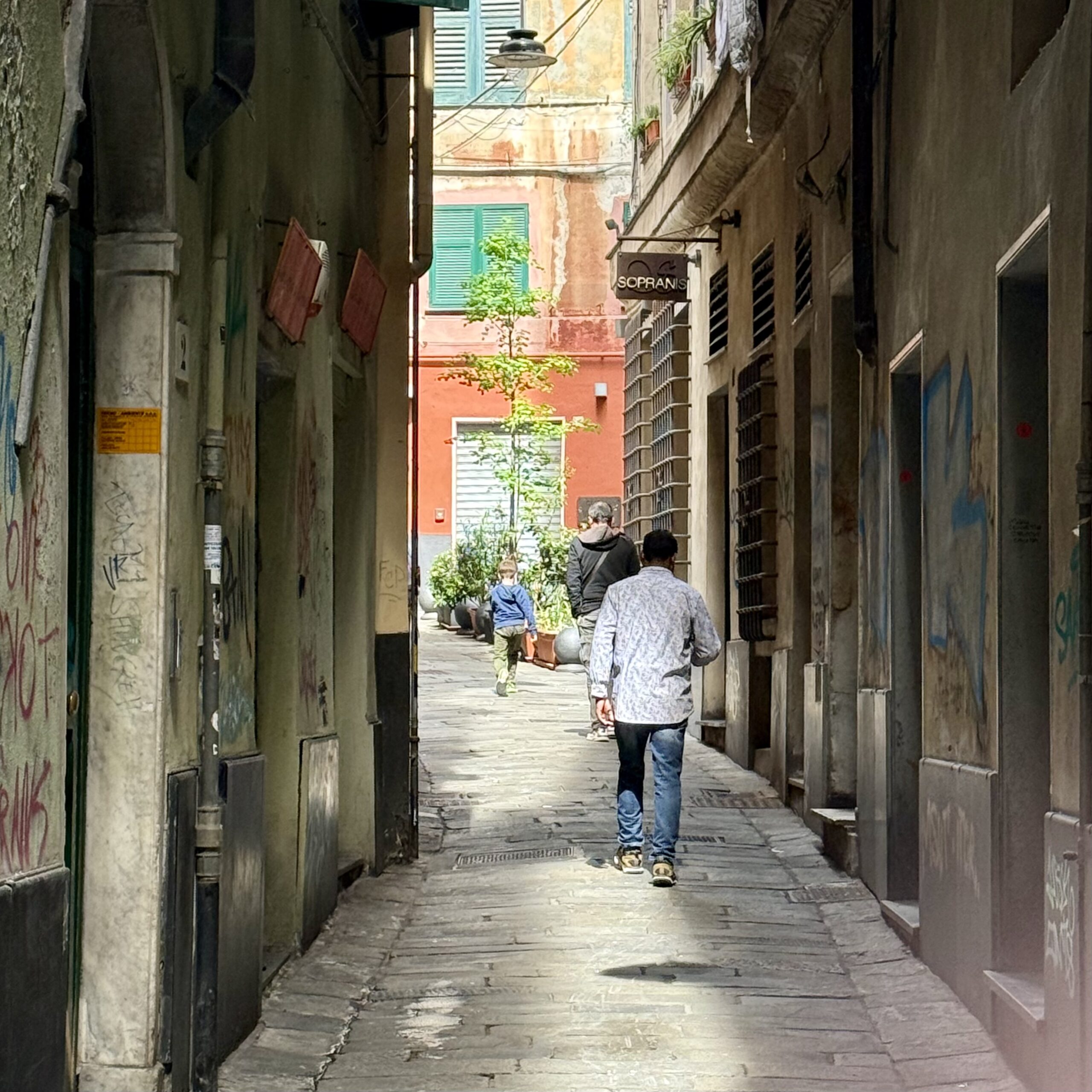
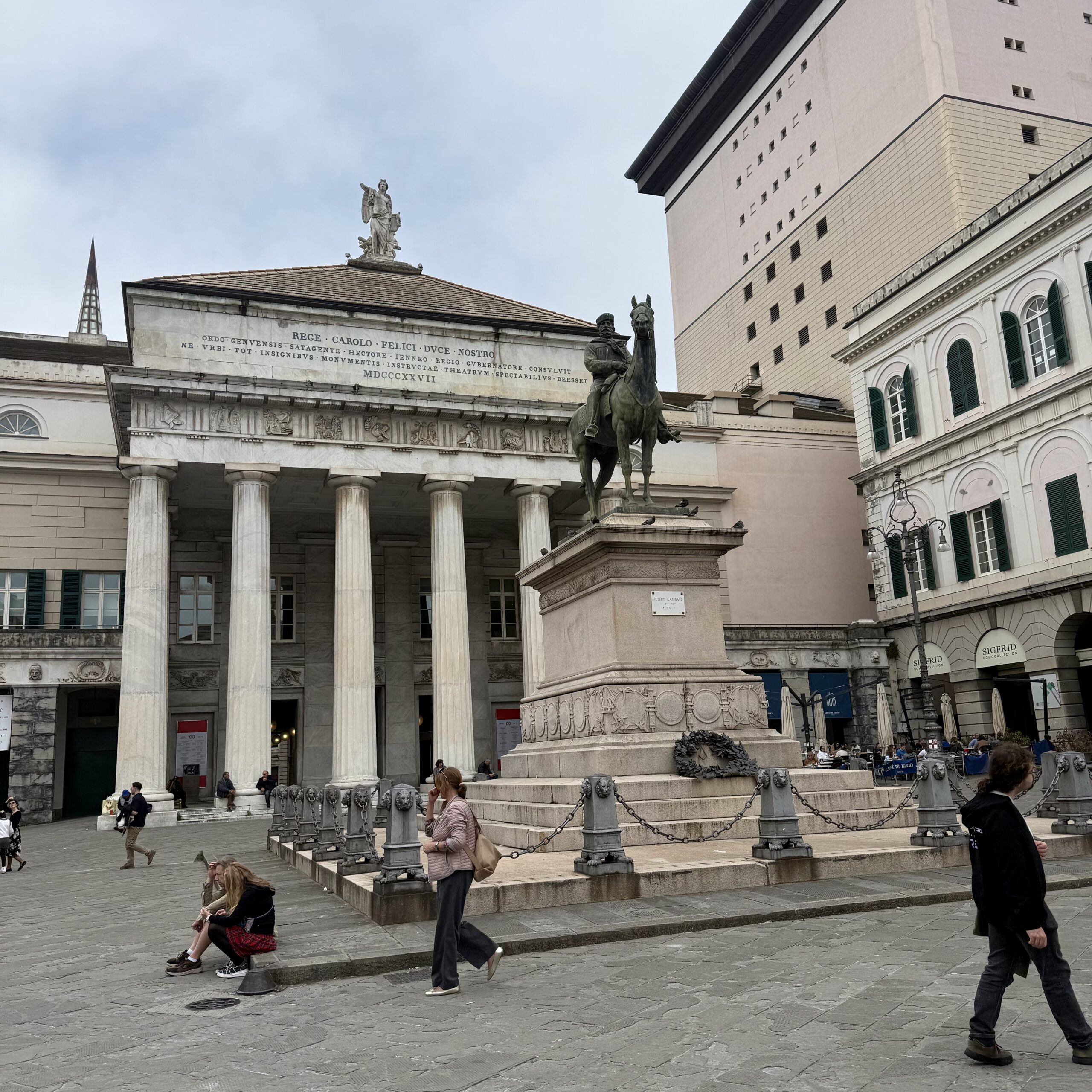
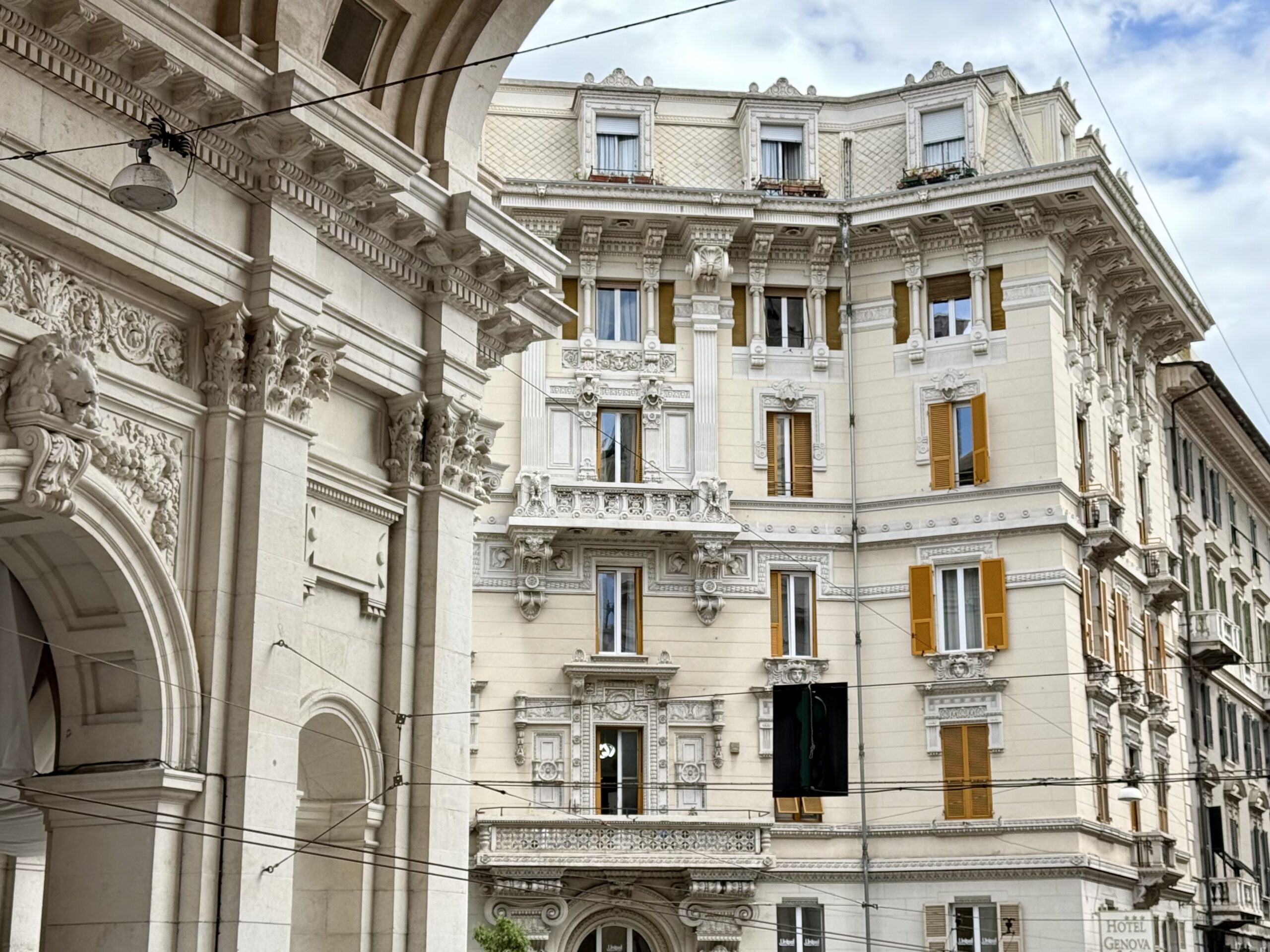
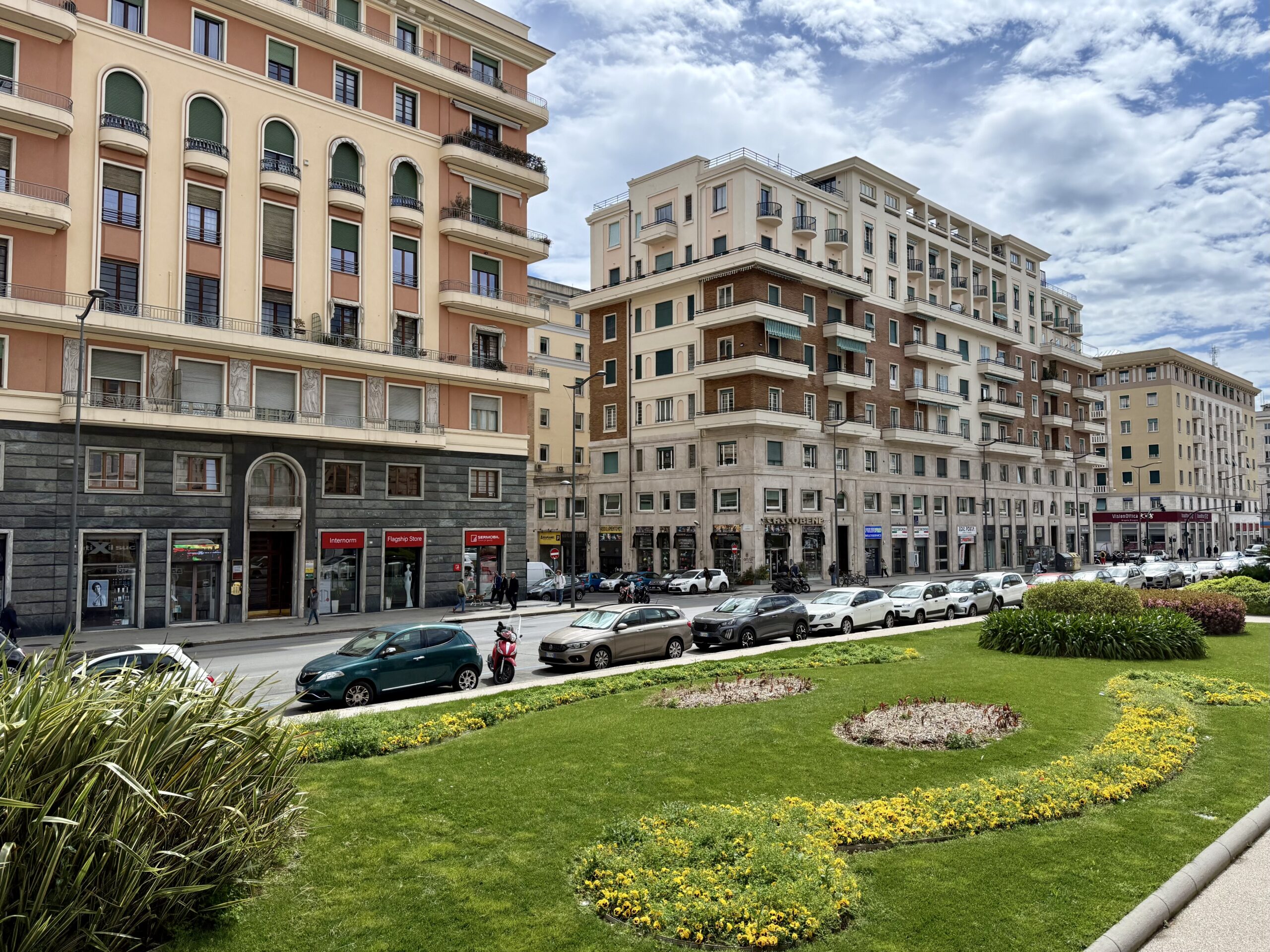
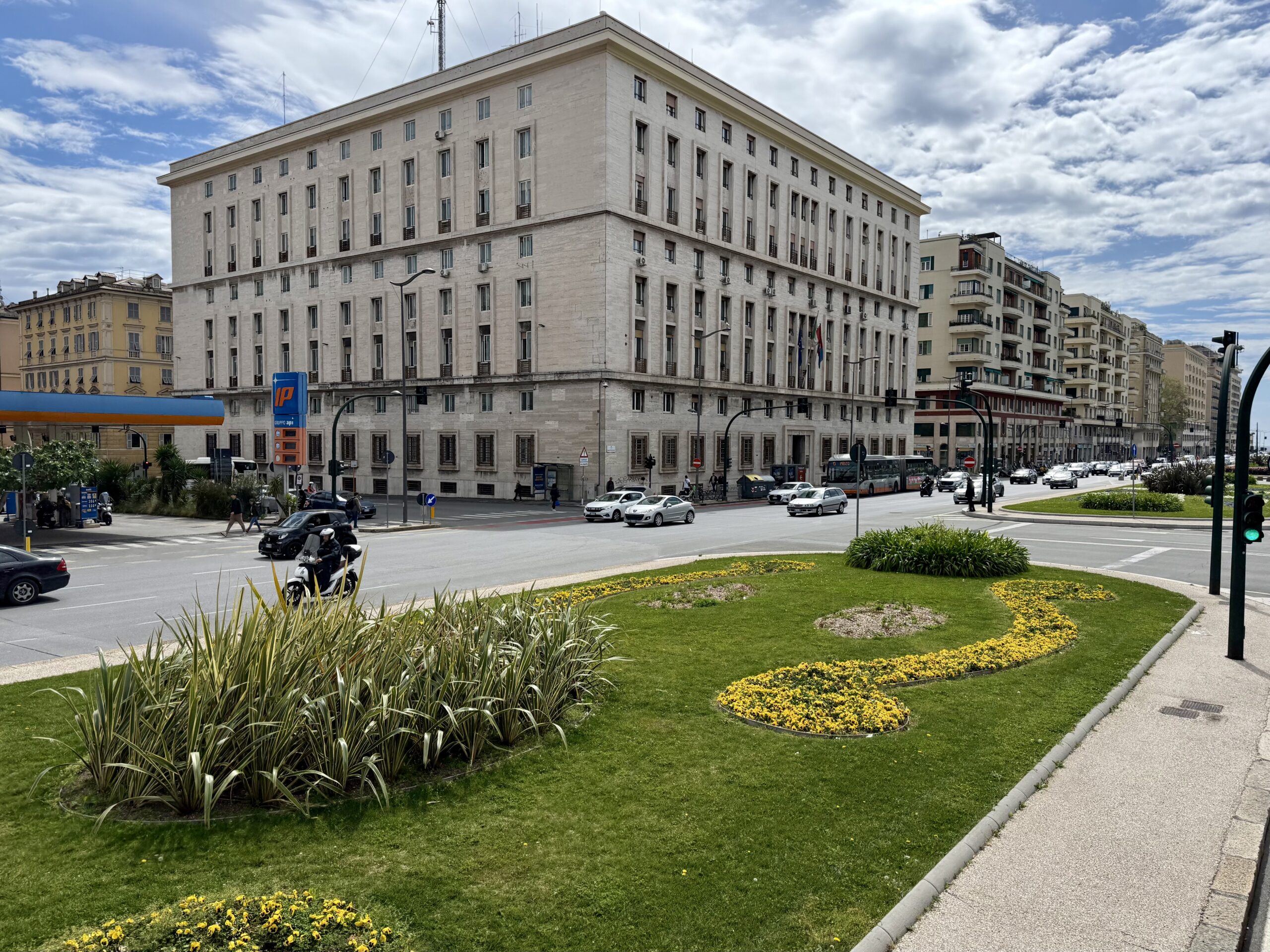
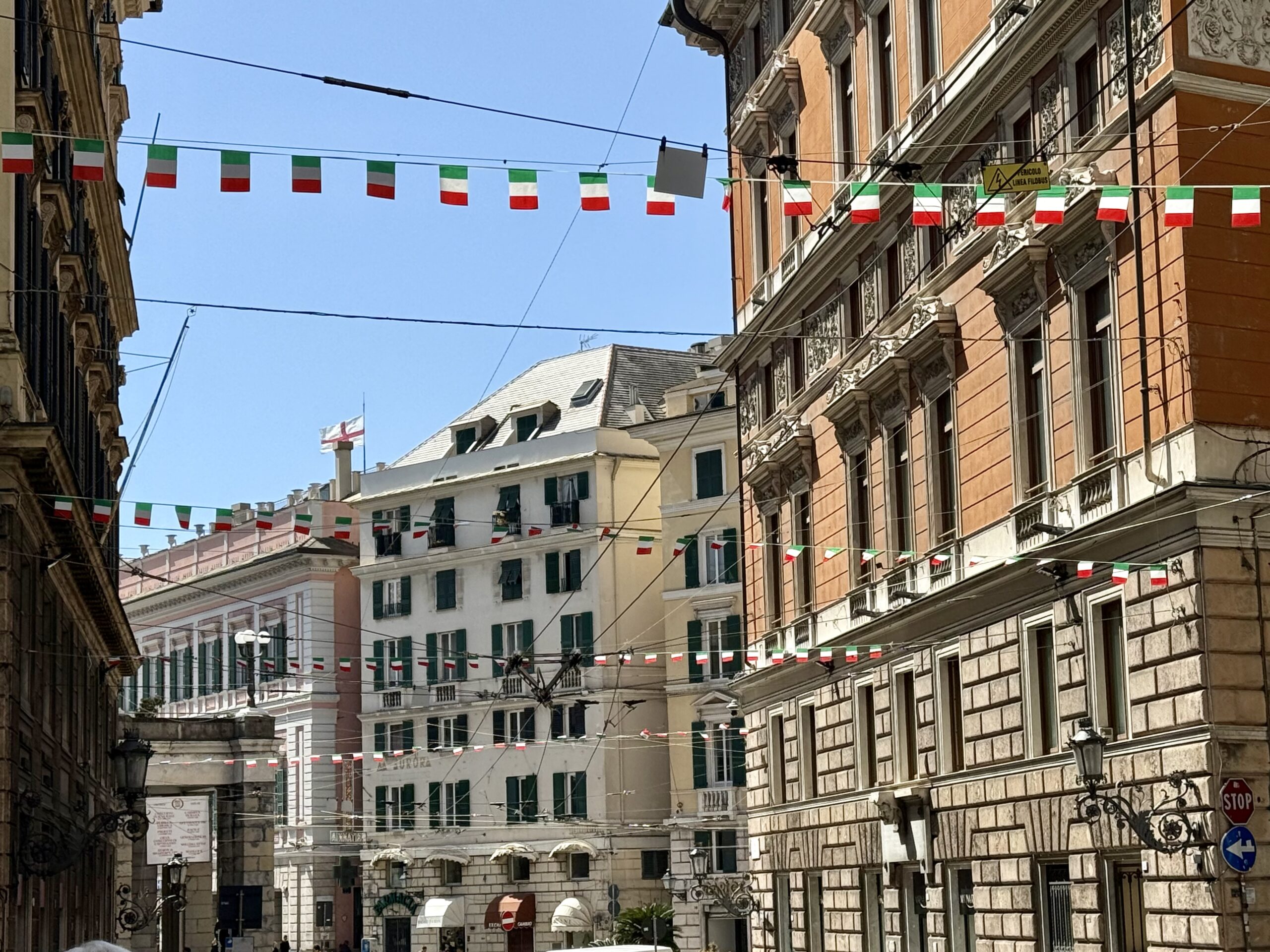
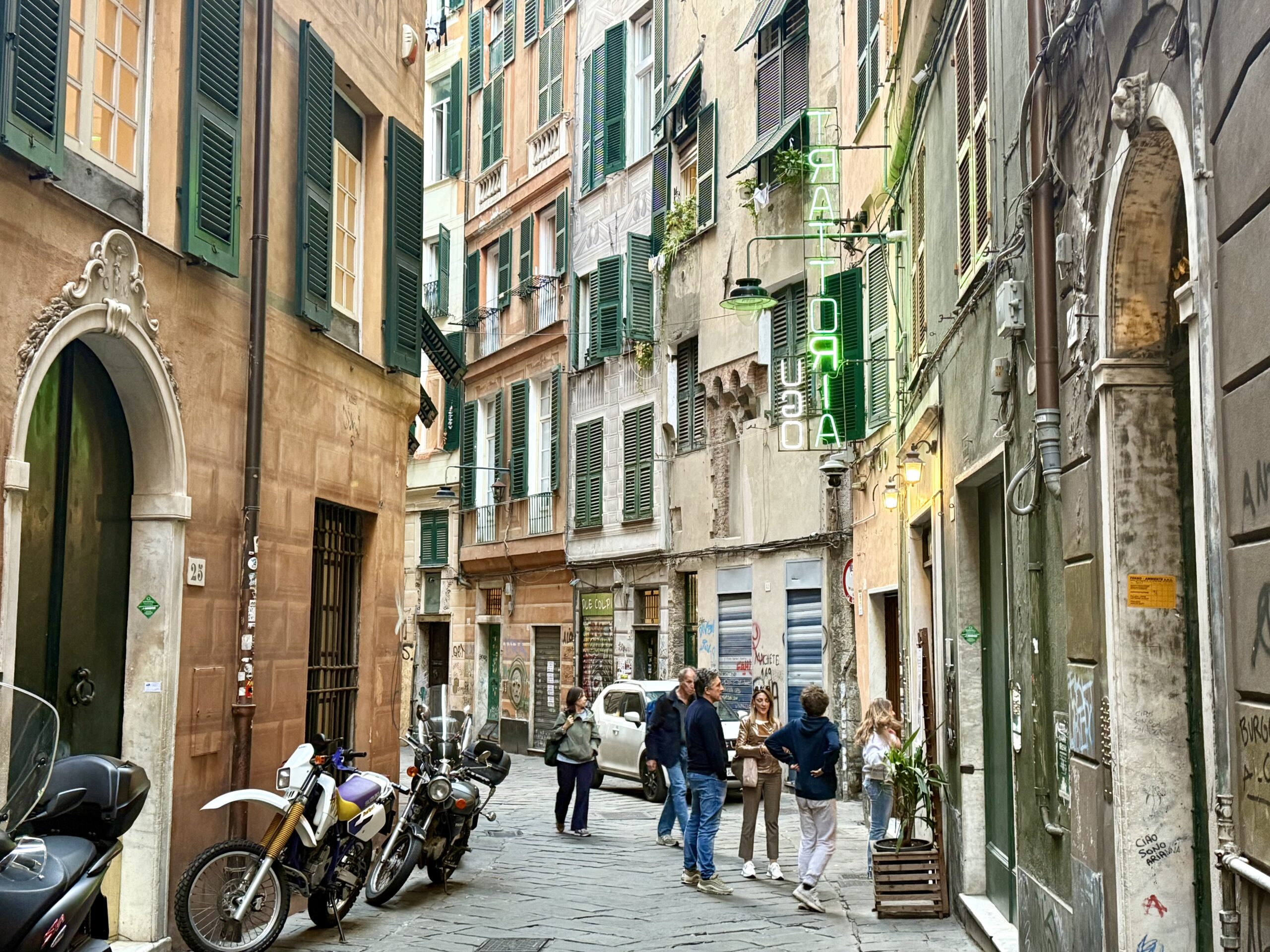
Genoa is a scruffy port town—more than we expected. The grime is not always apparent in our photos. But we are explorers! And we walked by the house of Christopher Columbus almost every day! We eventually found some lovely, tree-lined residential neighborhoods, but they are dense with large apartment six-story buildings and devoid of shops and restaurants.
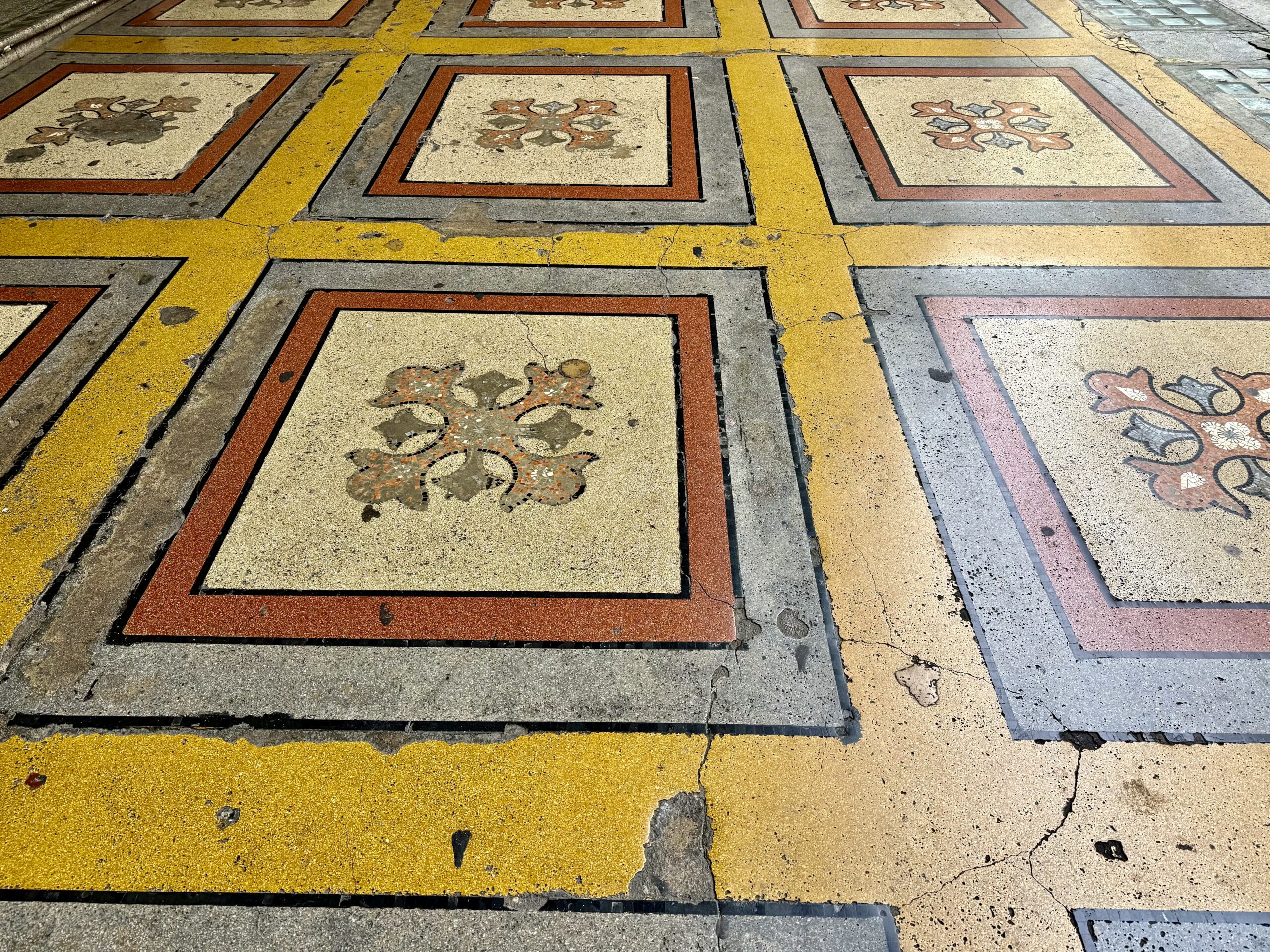
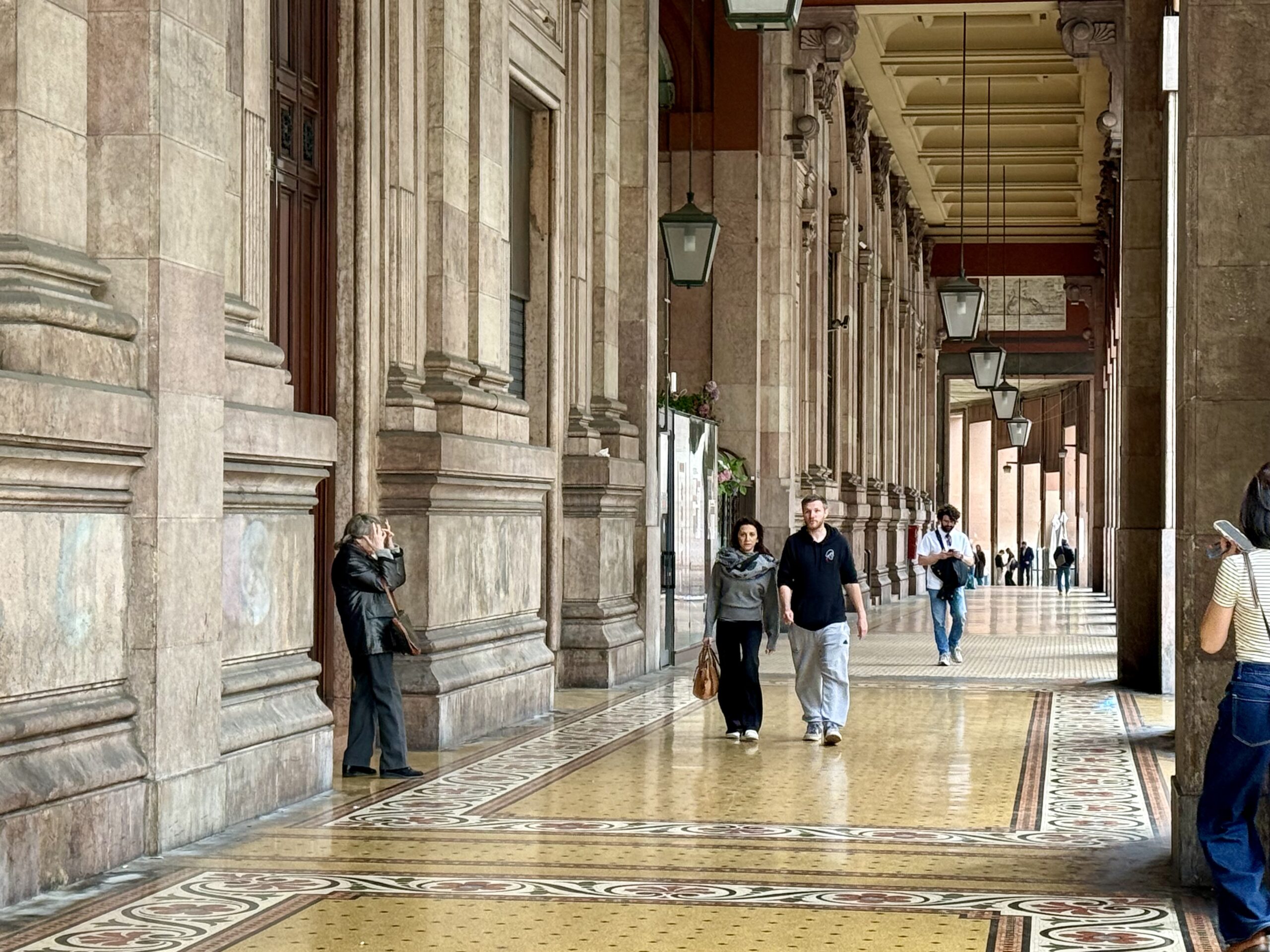
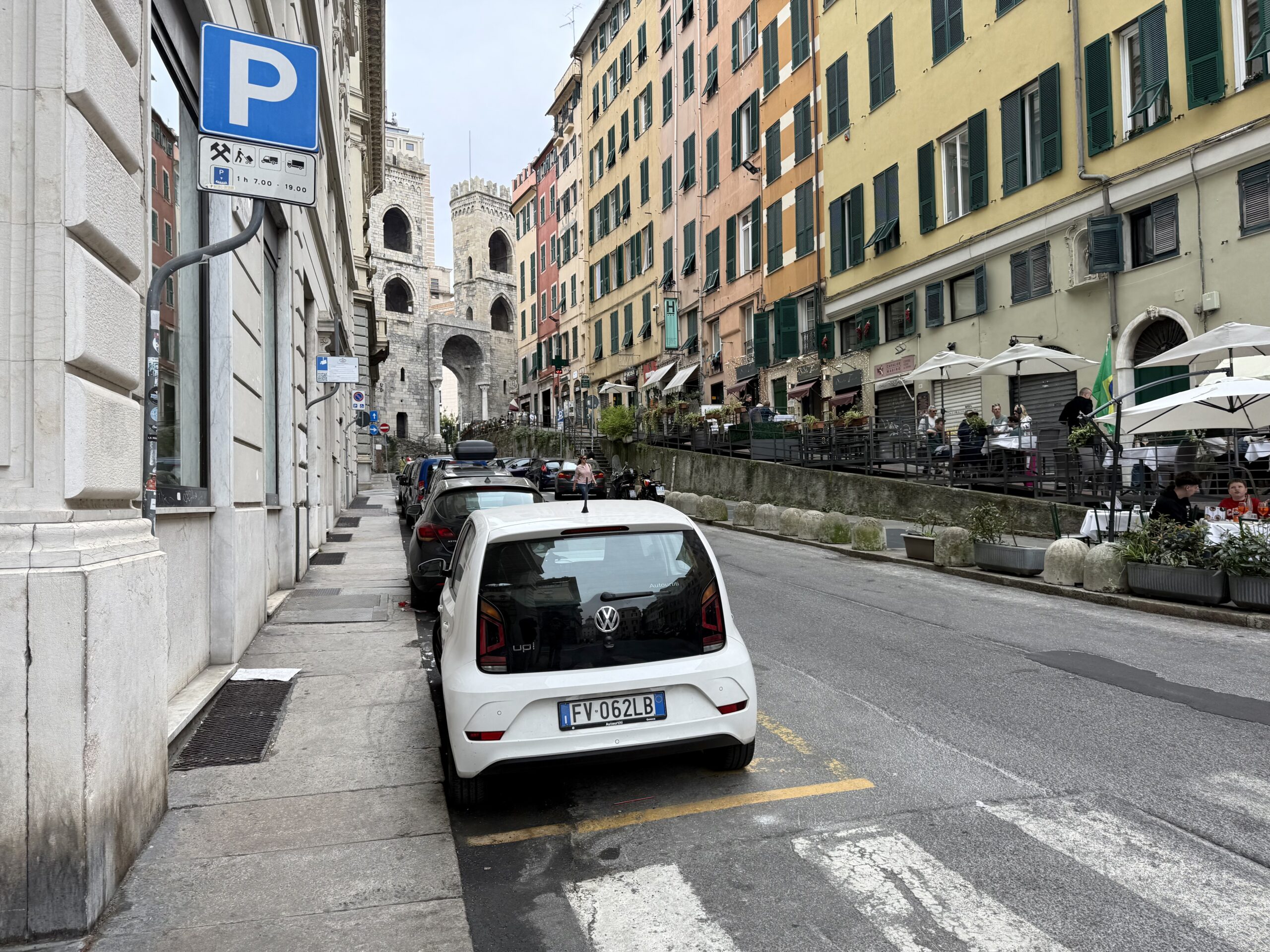
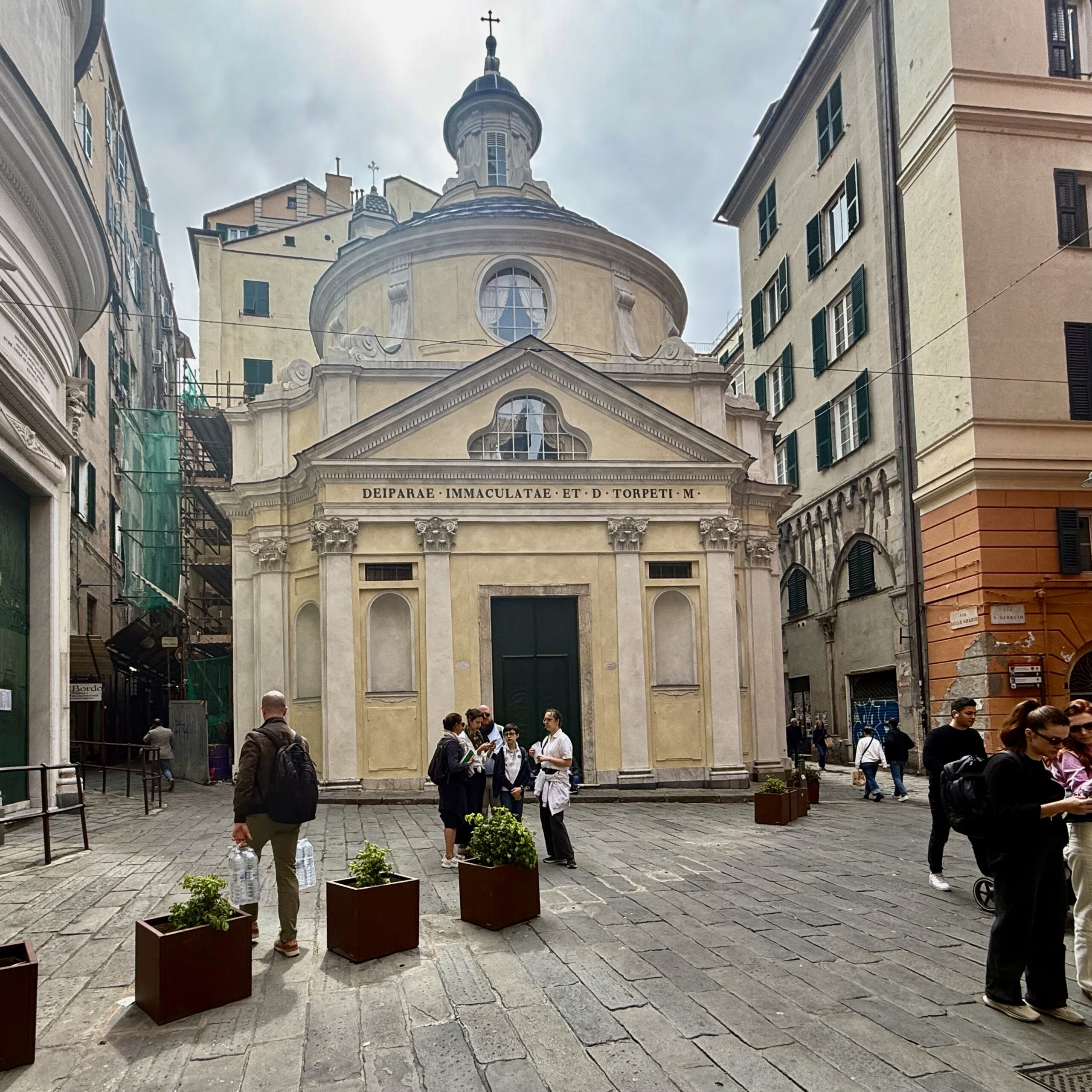
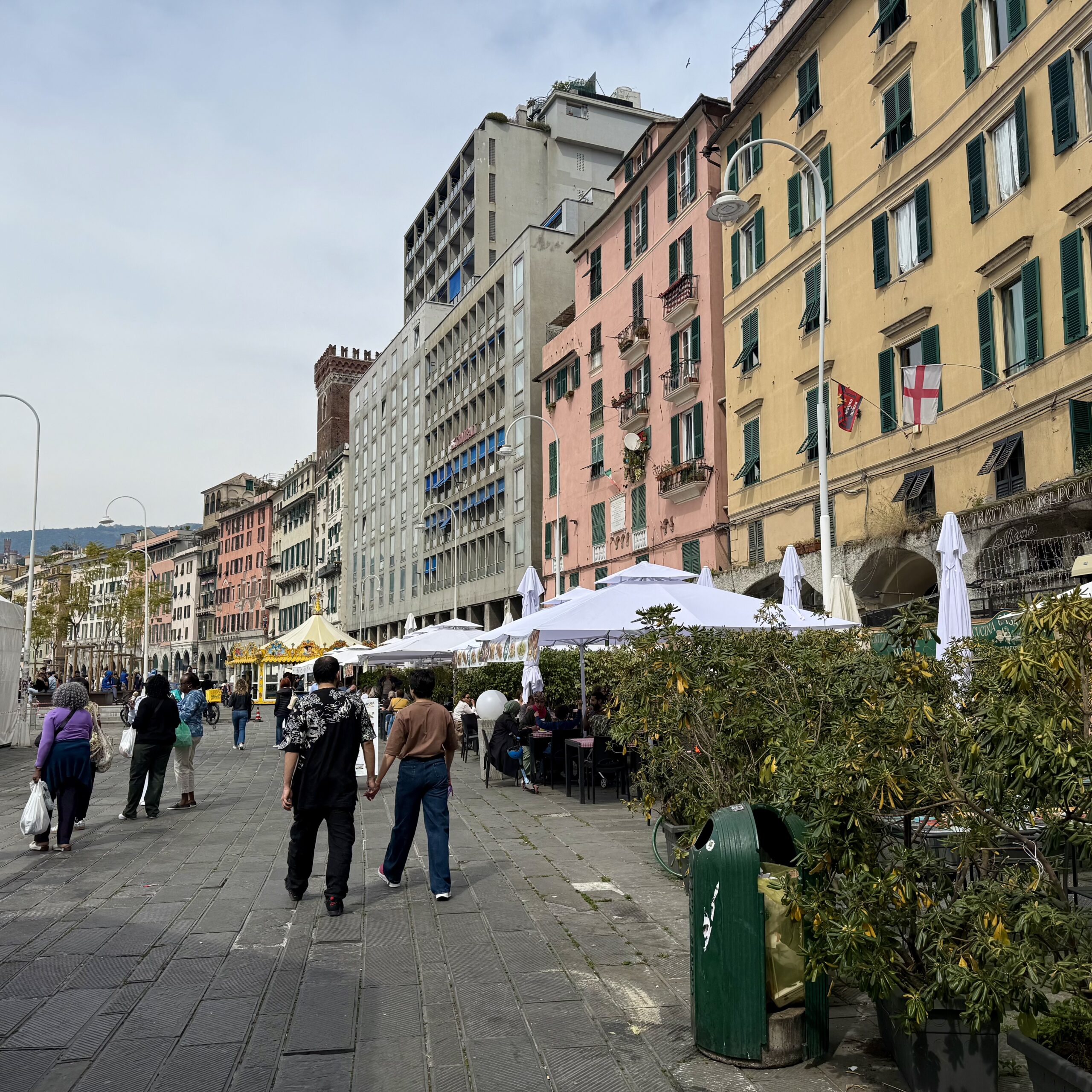
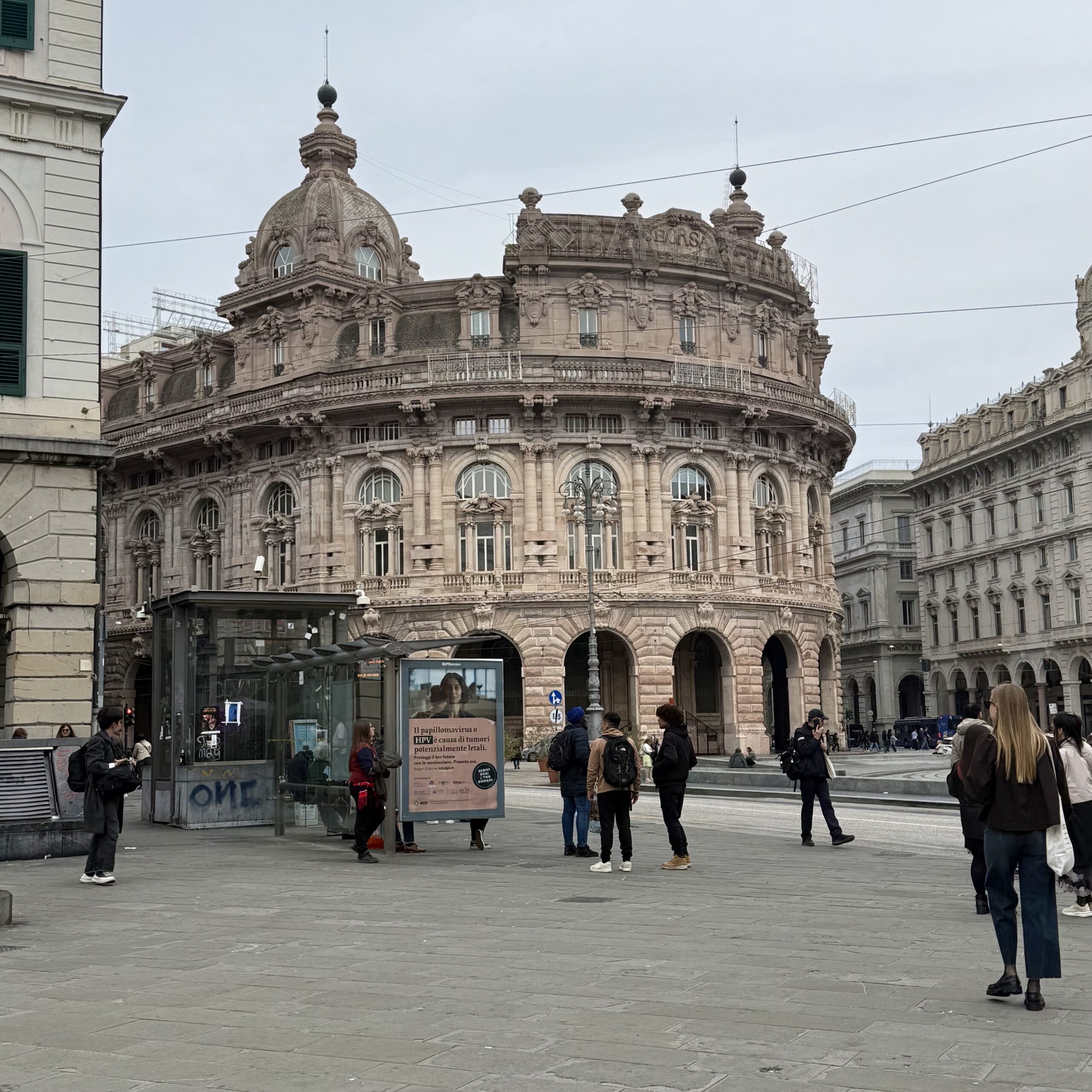
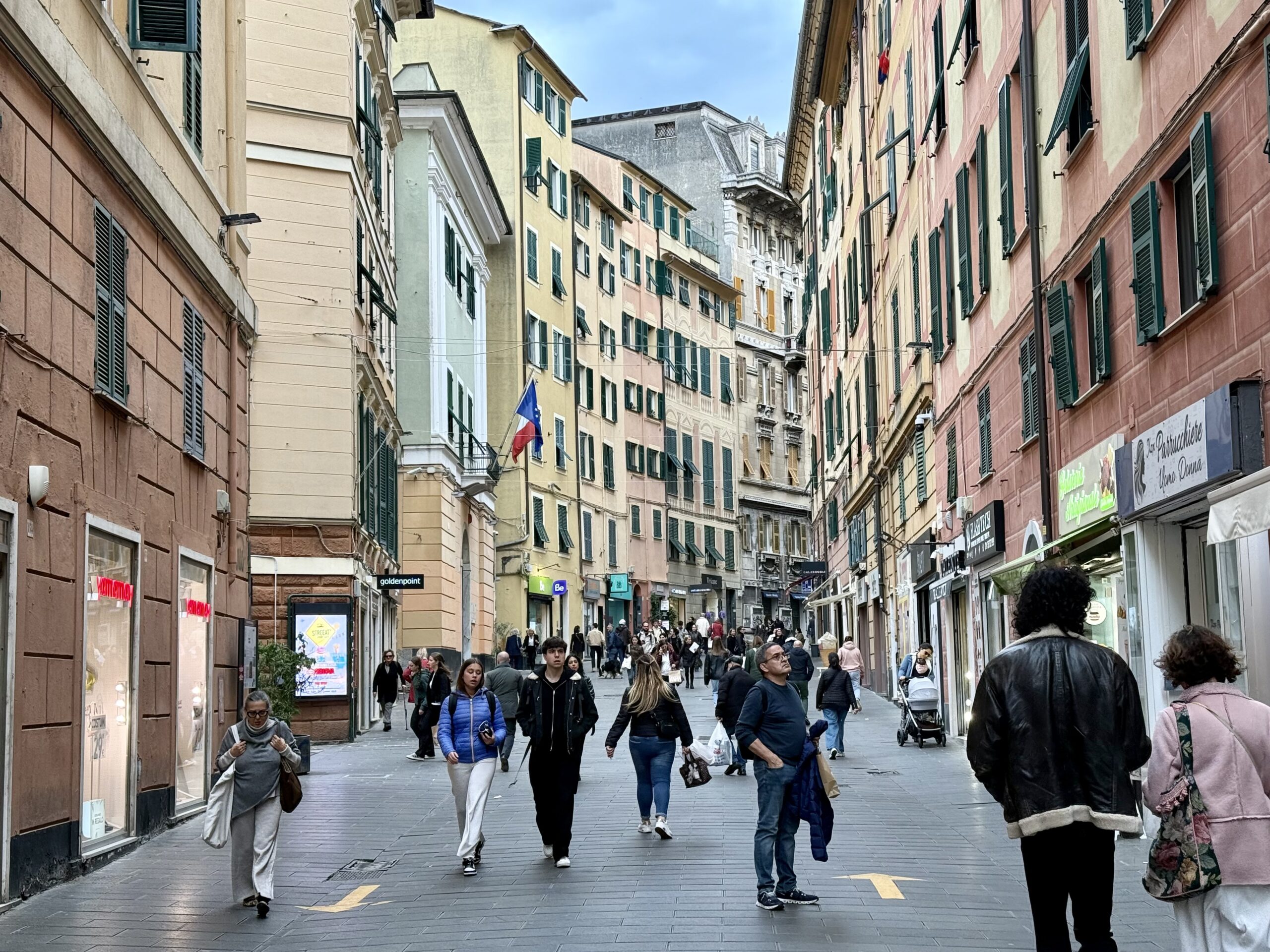
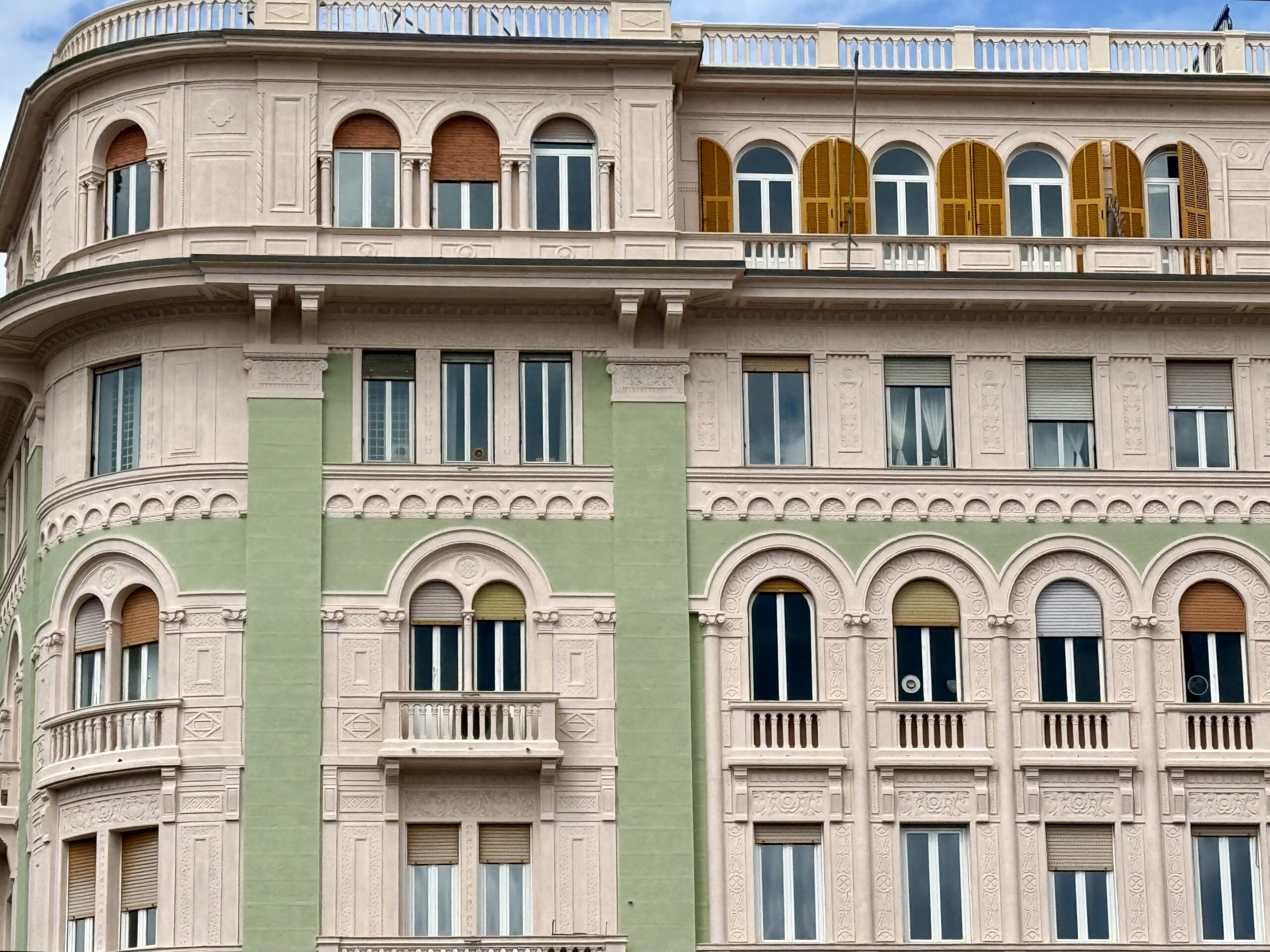
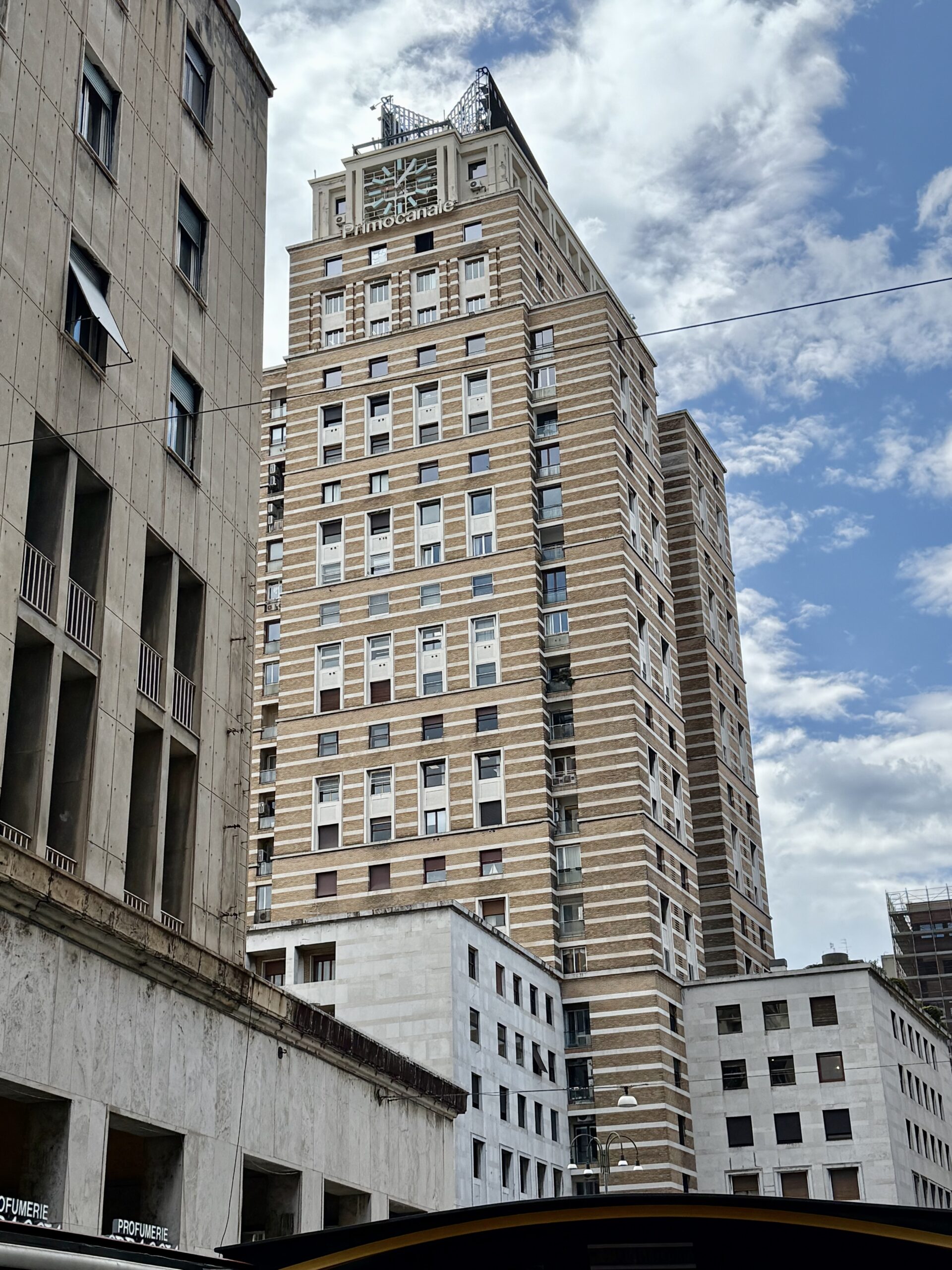
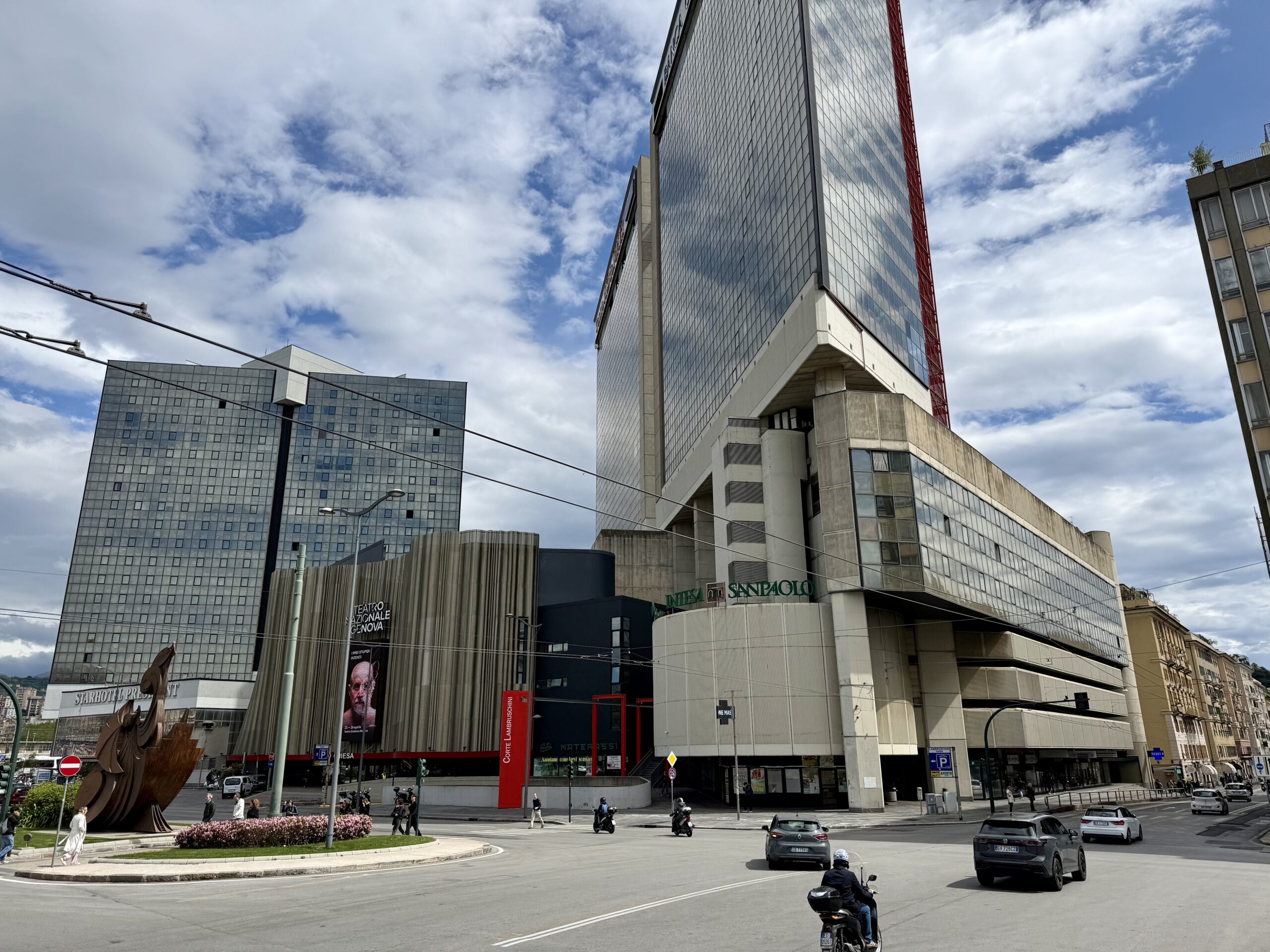
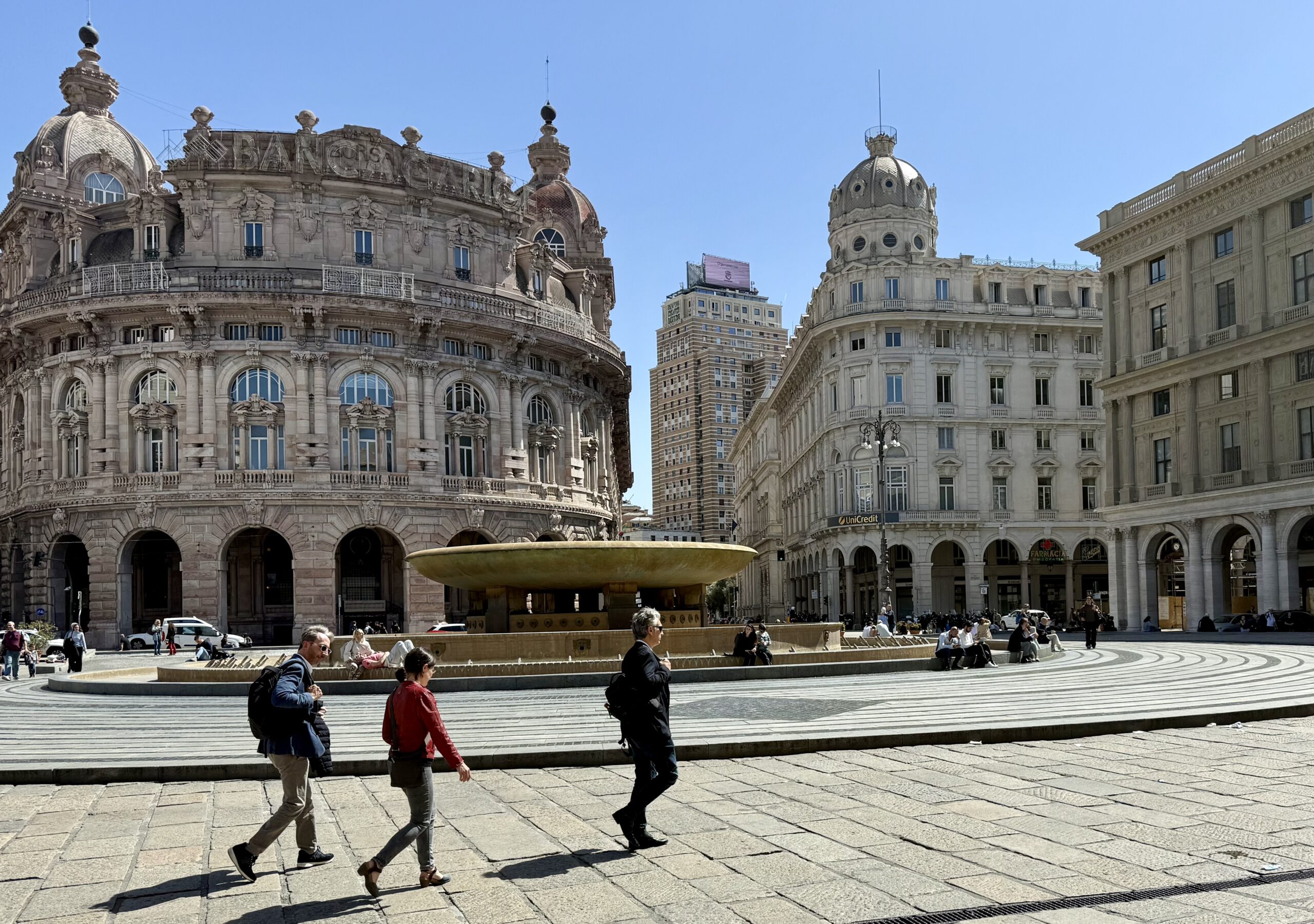
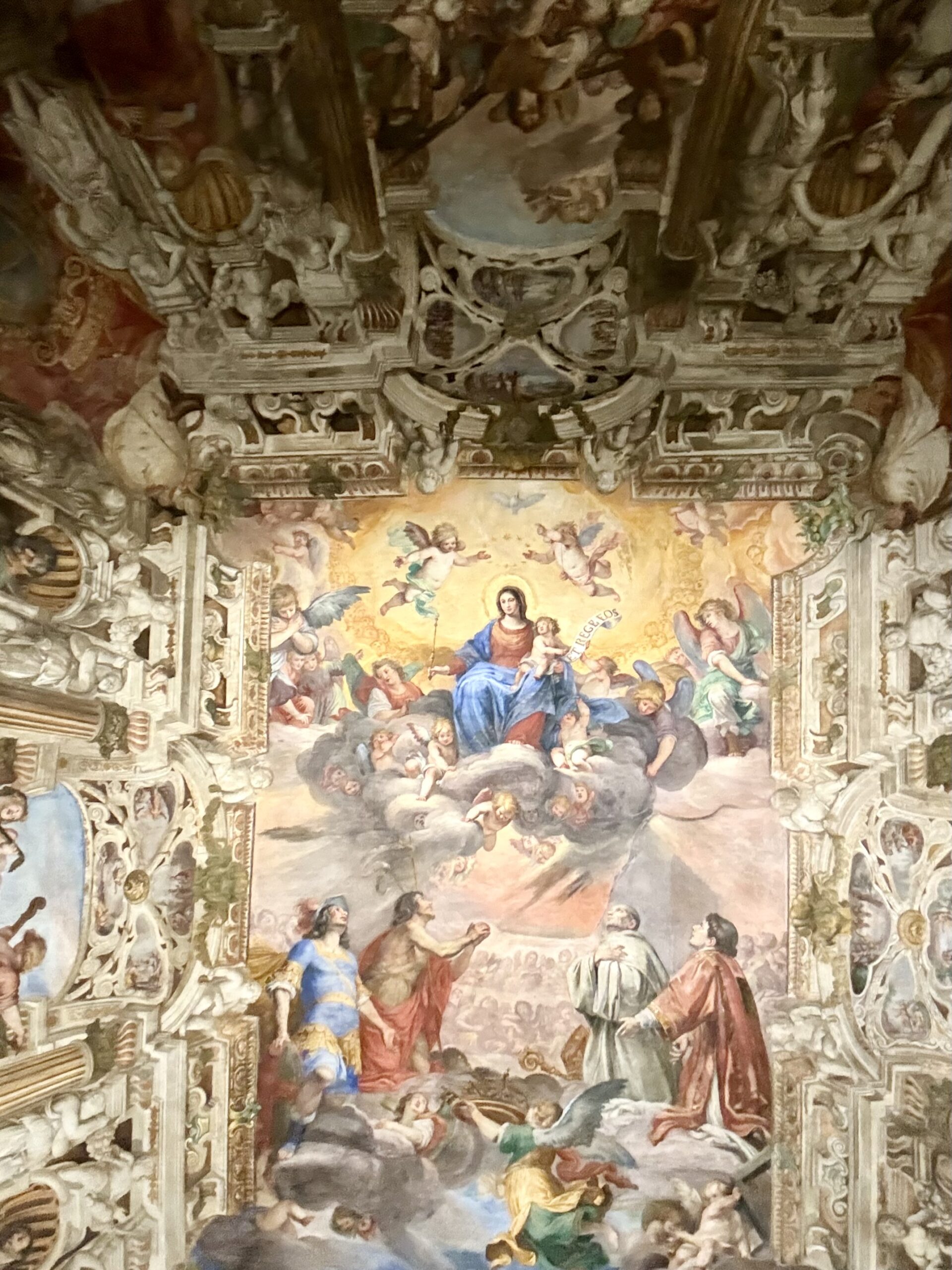
Genoa’s population is 800,000, like San Francisco, but it seems bigger. Bonnie had trouble getting oriented to the crazy street pattern, and adjoining neighborhoods seemed radically different. Truly medieval streets bang up against fantastically over-sized and over-decorated buildings from the 1800s even against 30-story buildings from the 90s.
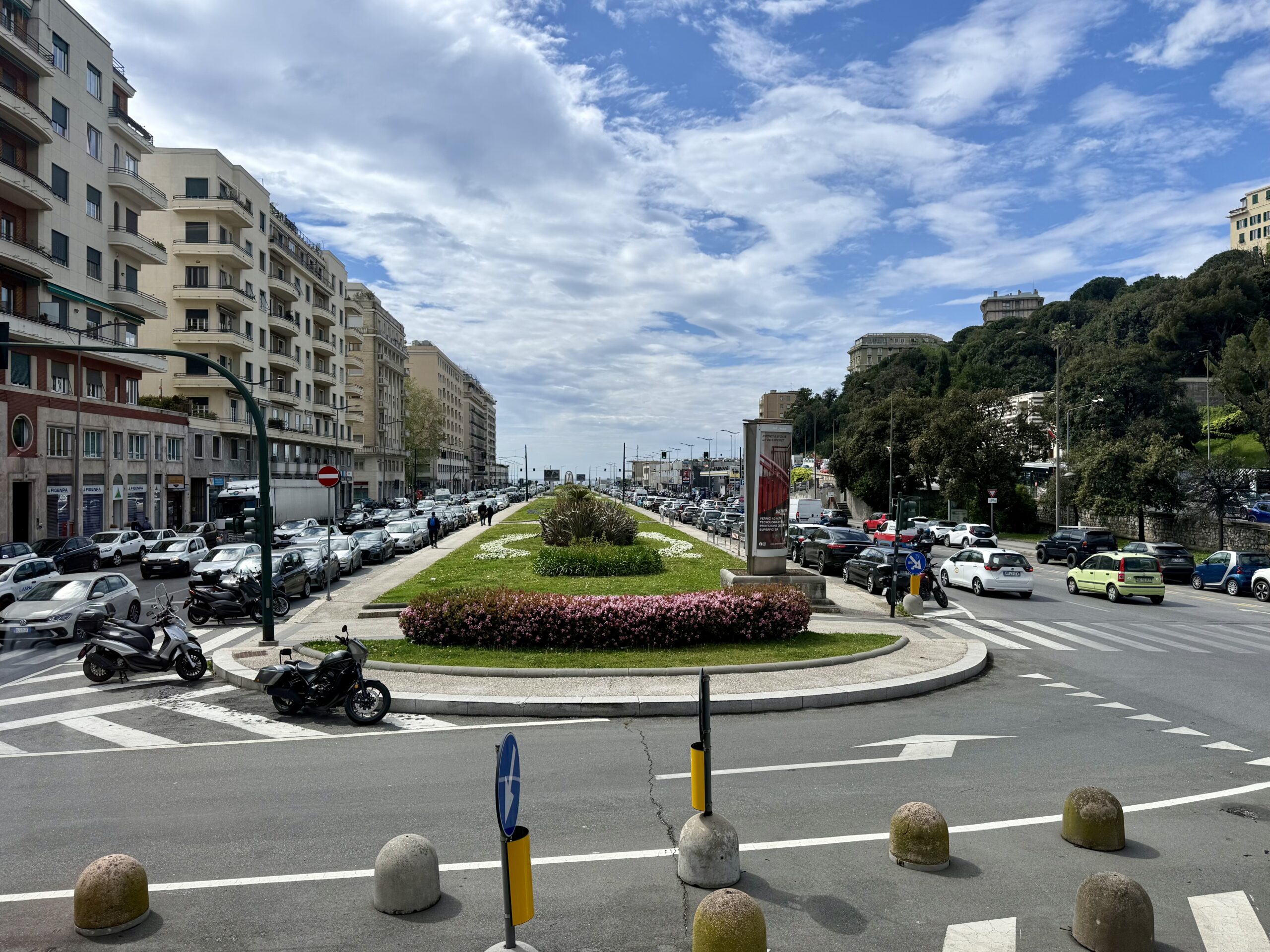
Diagonal streets heading vaguely toward the port threw off our sense of direction. There are steep hills where you don’t expect them, disguised by buildings on top. Errant bombs during WWII probably account for some of the disjointed rebuilding. And we suspect a colleague of Haussmann was at work here; a few absurdly broad boulevards slice through the fabric.
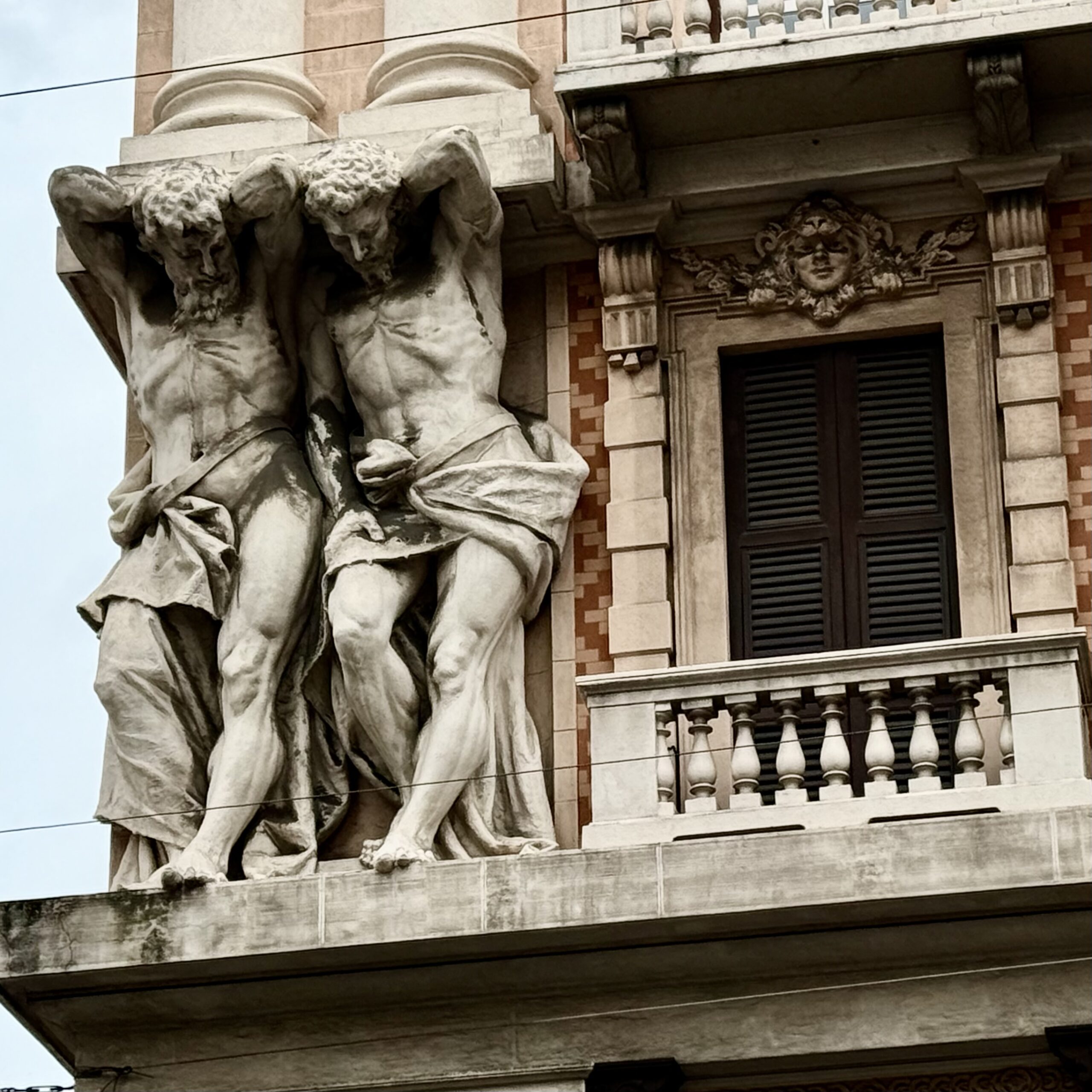
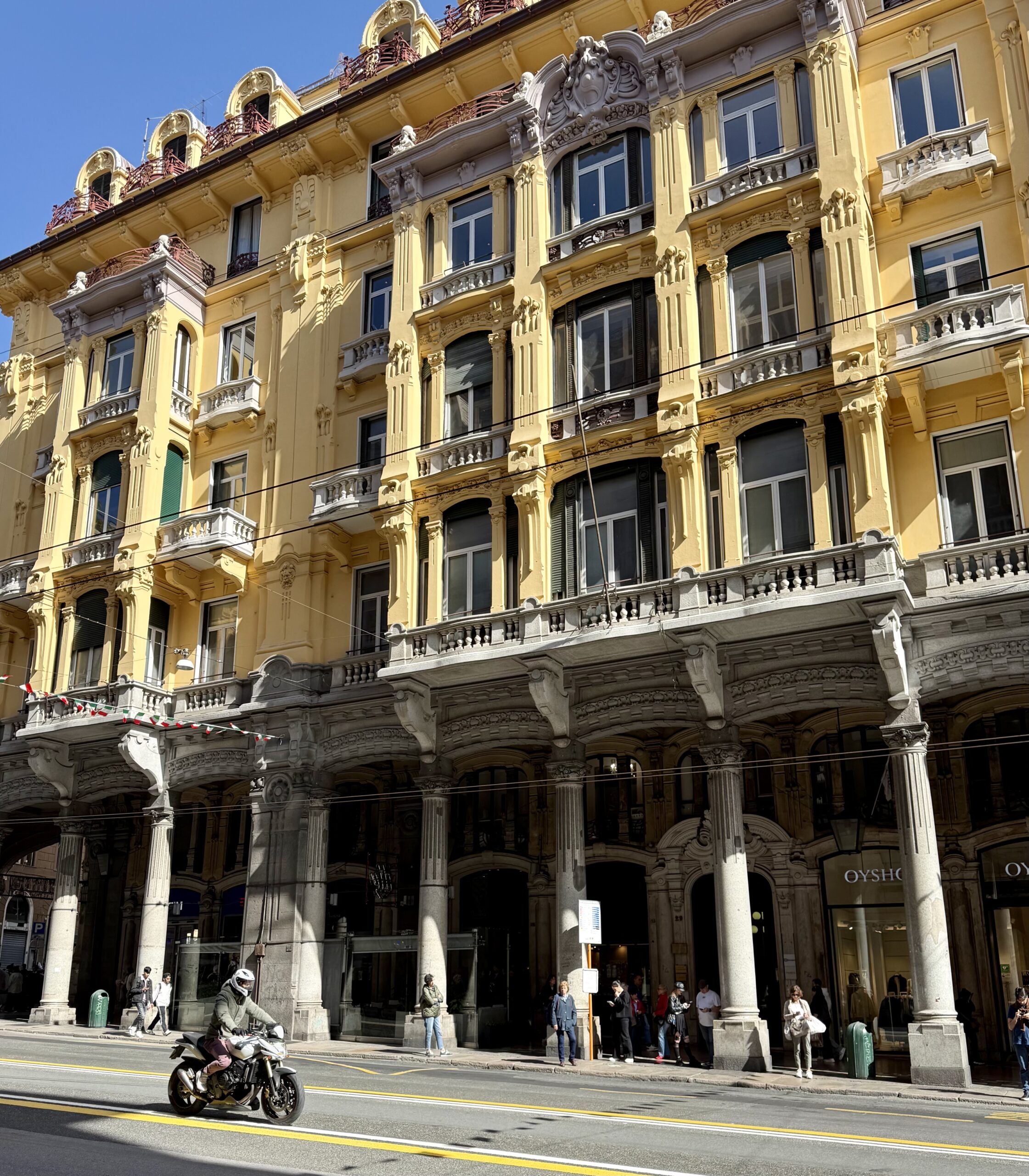
Buildings are typically six stories, which is slightly intimidating with the narrow streets. Most in the city center seem to date from the 1800s or early 1900s. For Genoa, that means facades adorned with over-sized statues and flourishes. The high density of buildings dominates the streetscape, and, as in other towns along the Ligurian coast, these buildings march up the terraced hills.
Genoa Lodging
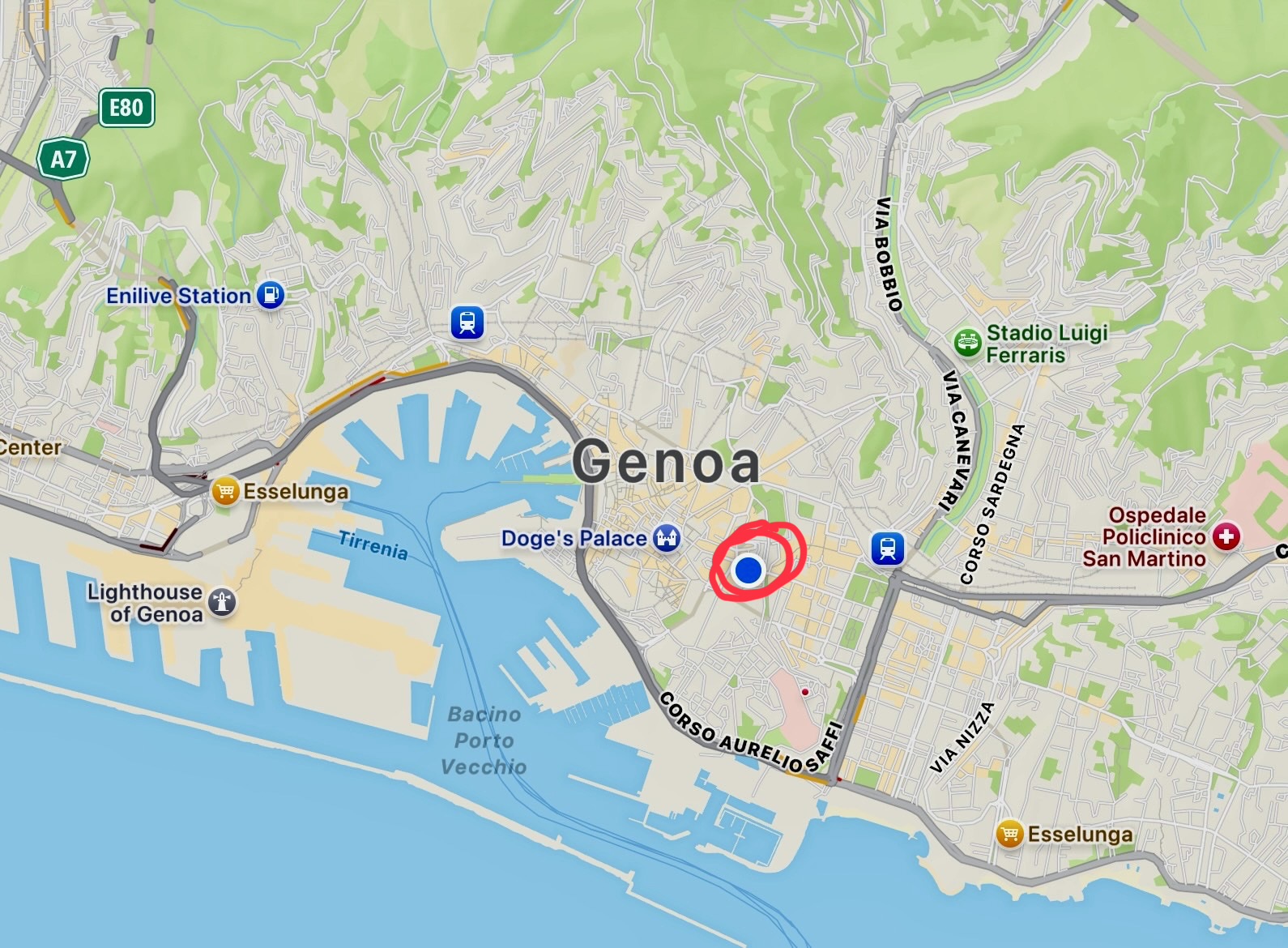
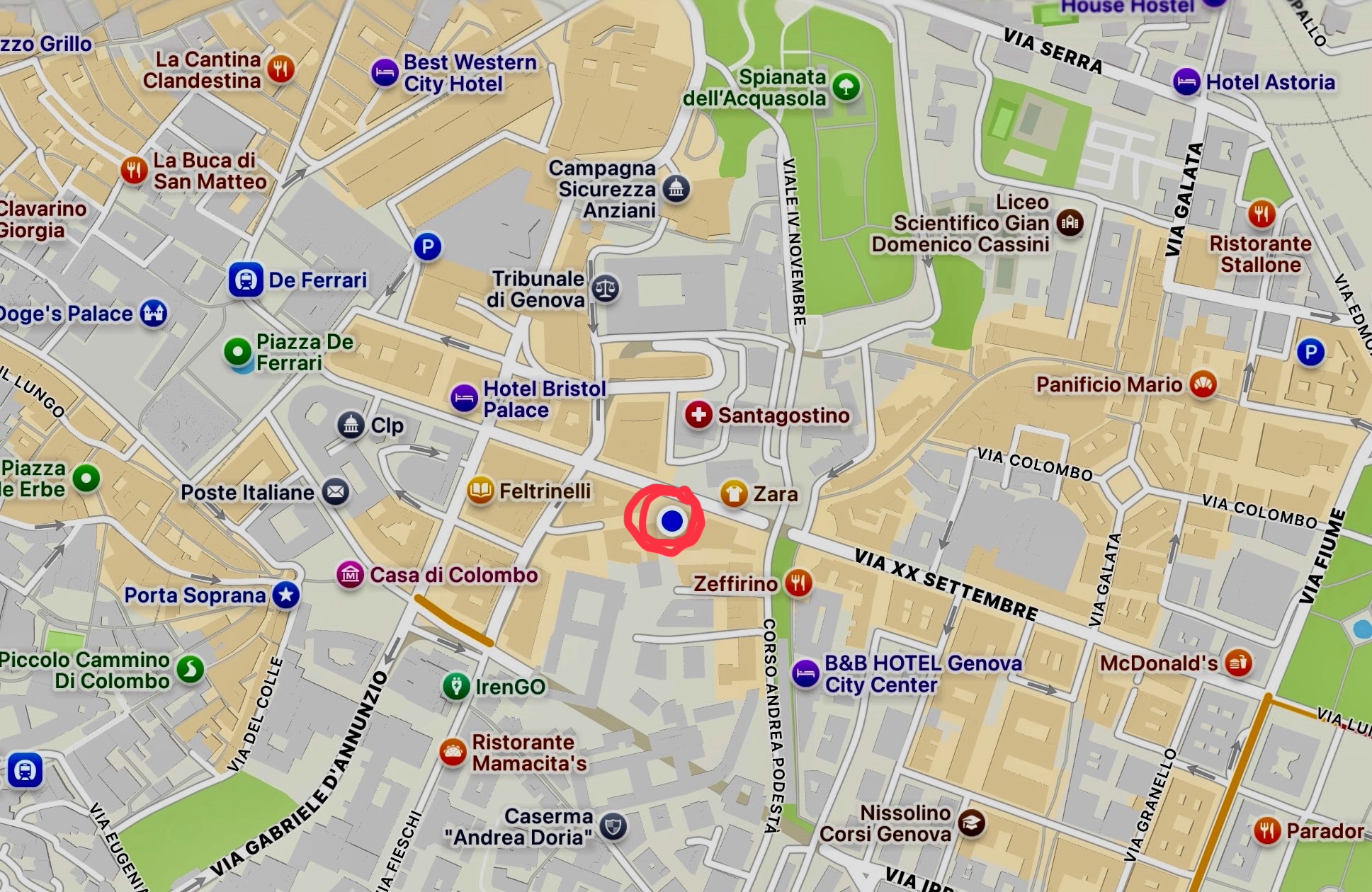
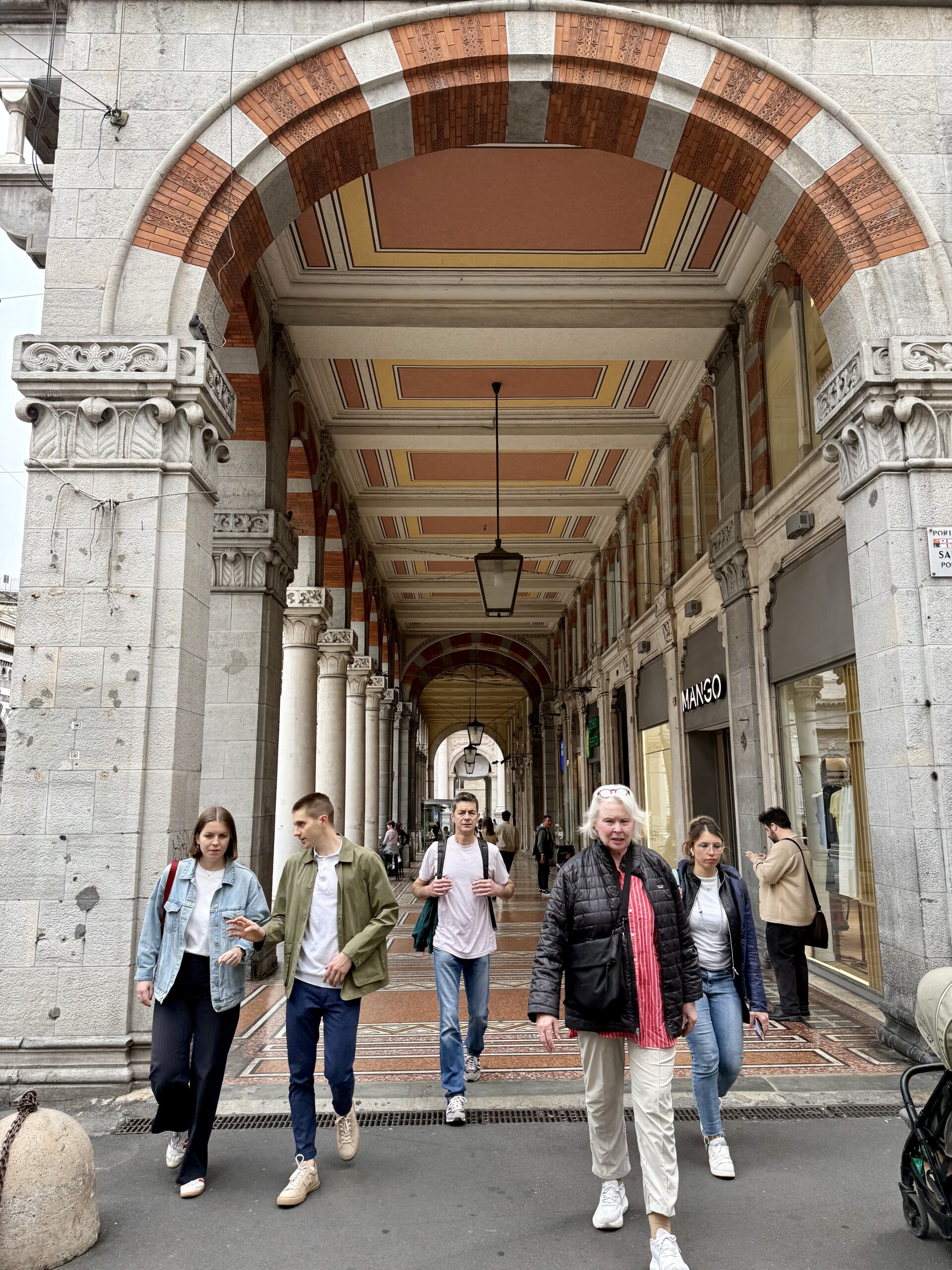
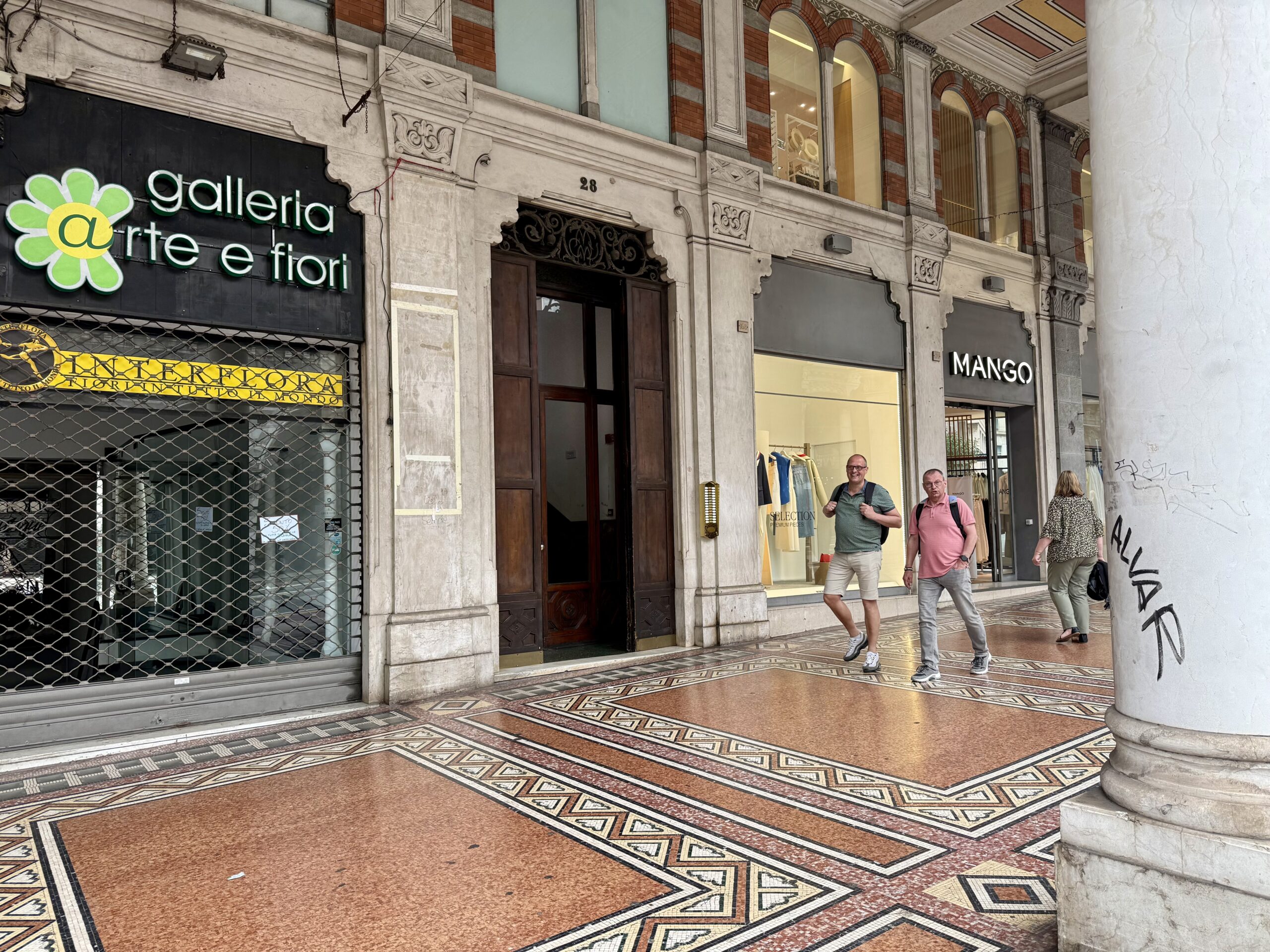
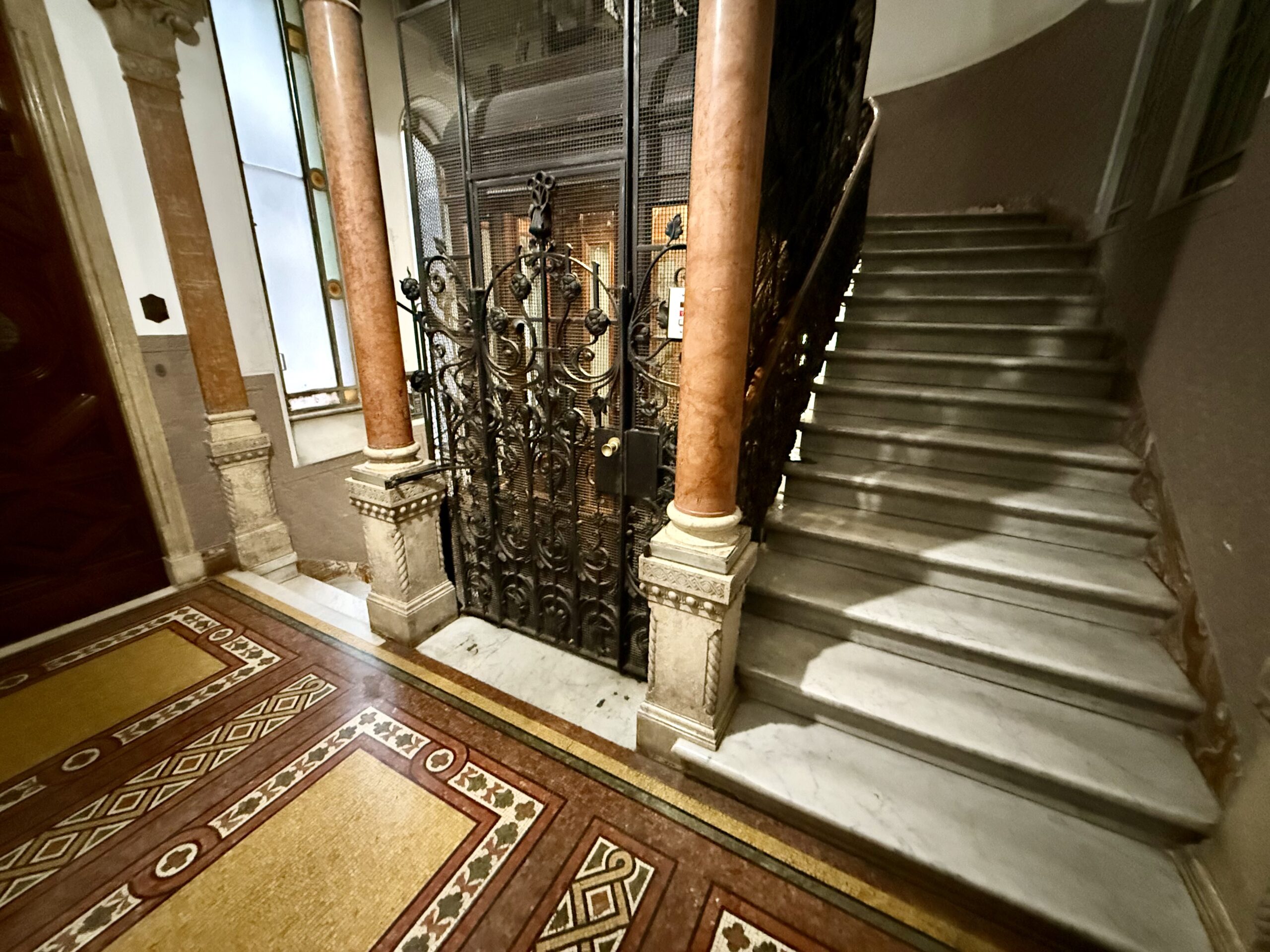
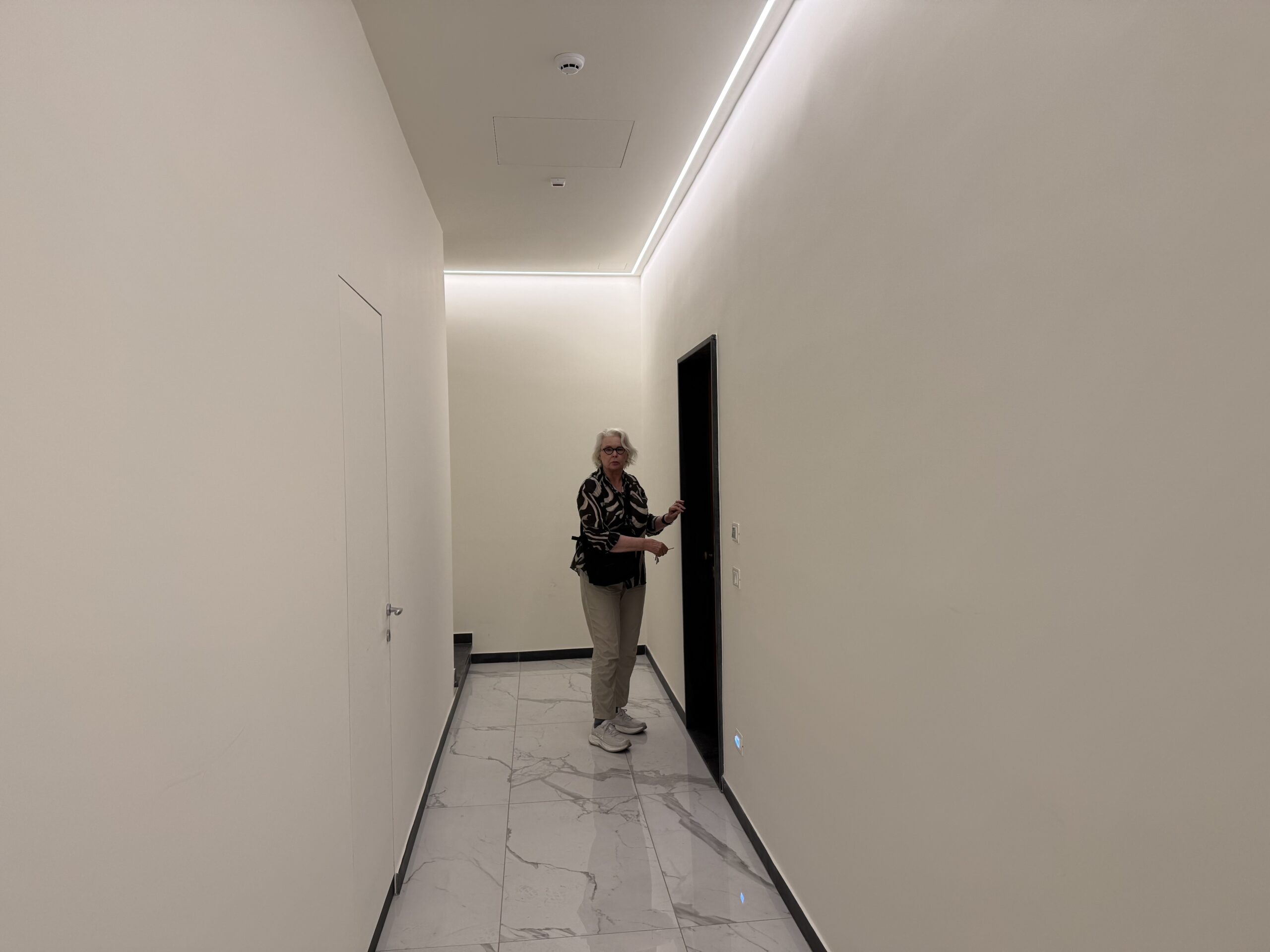
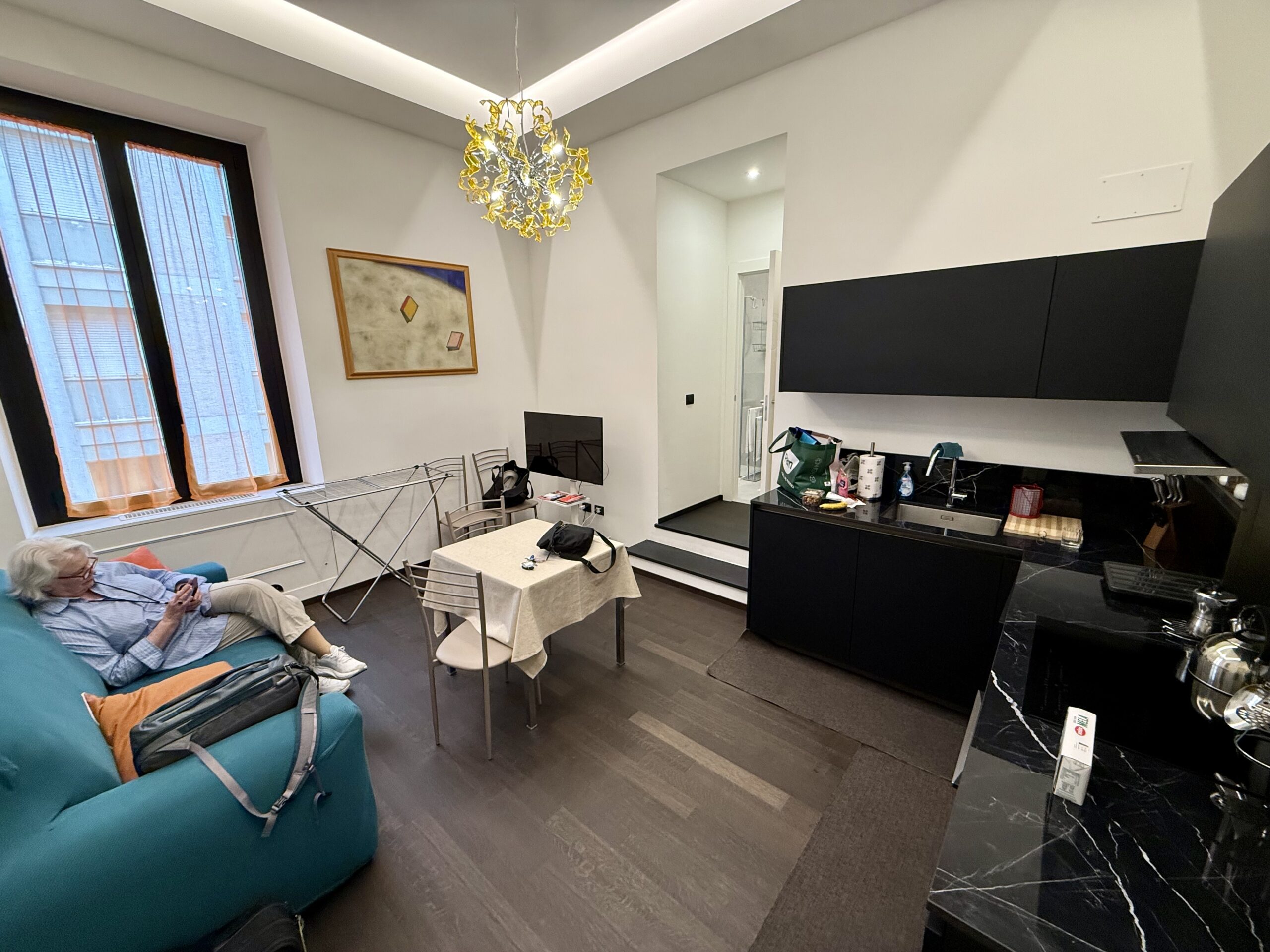
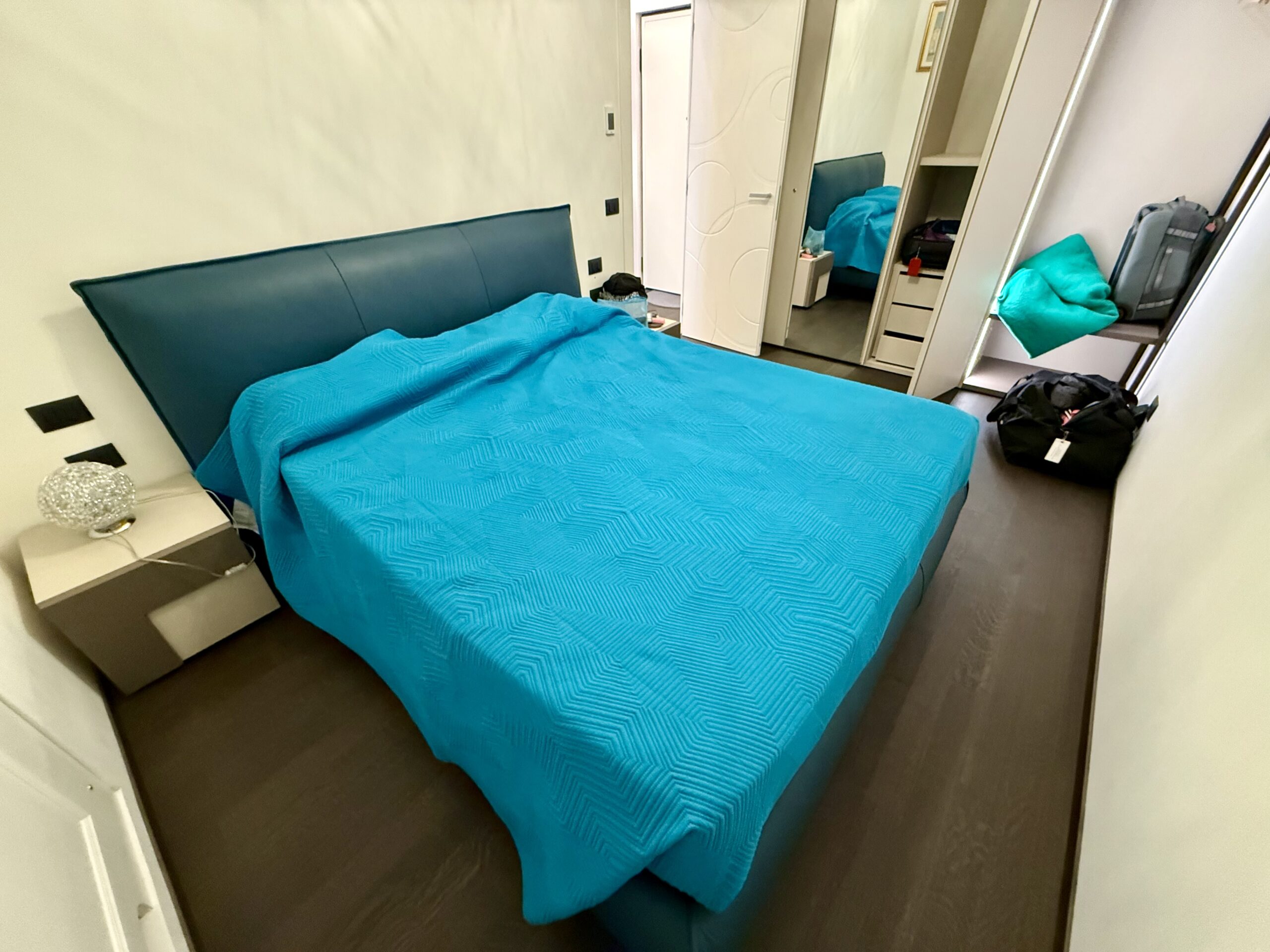
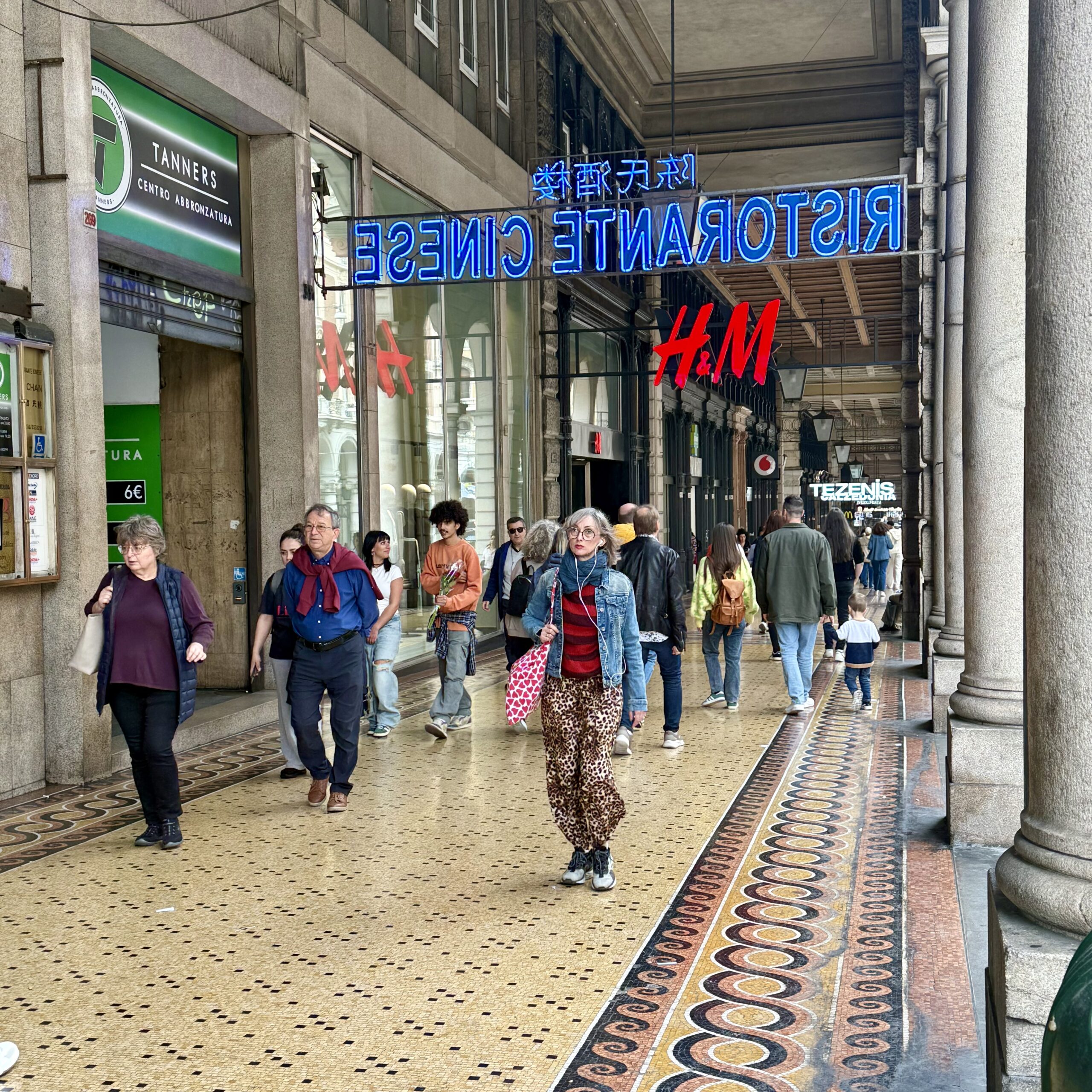
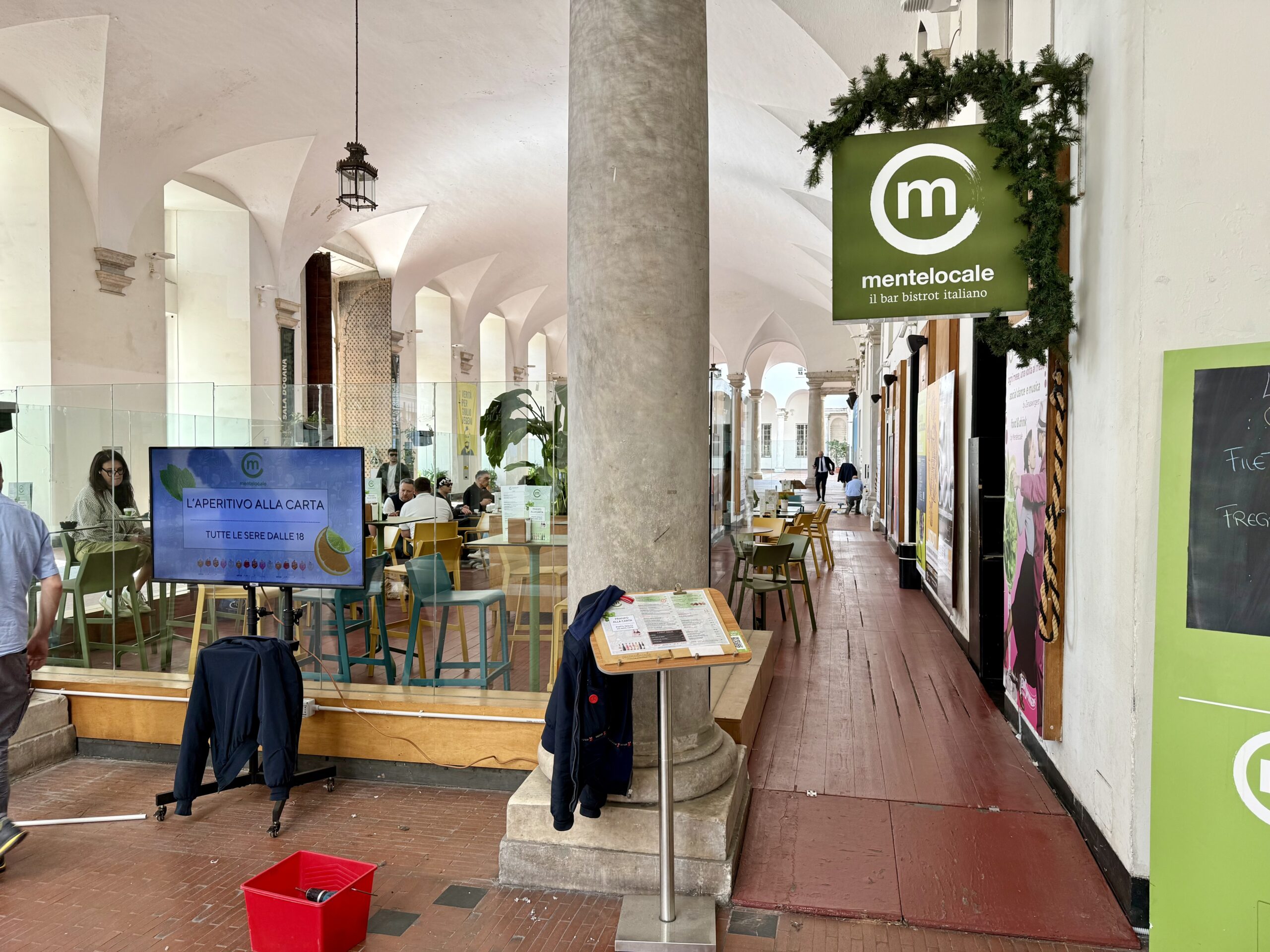
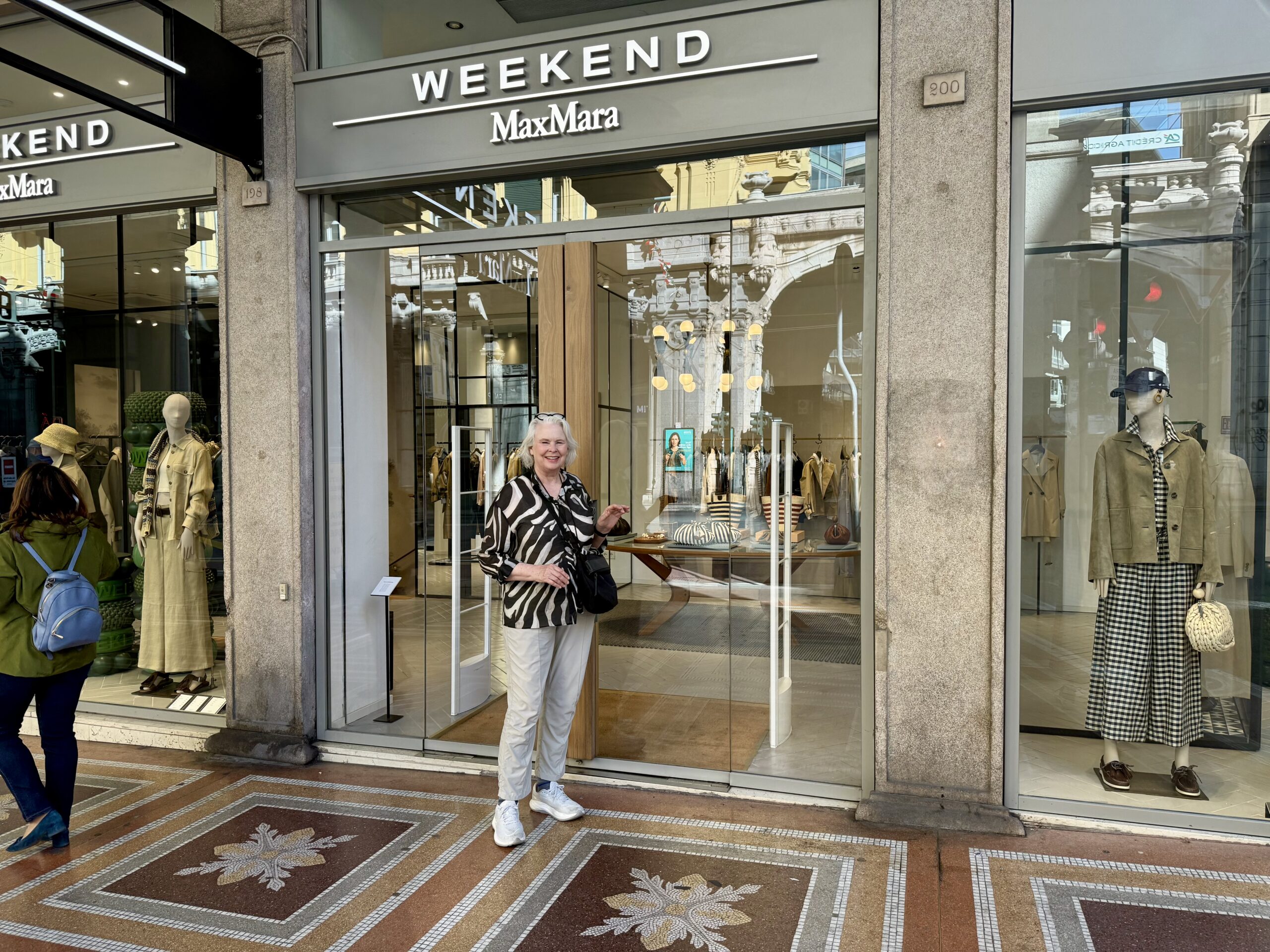
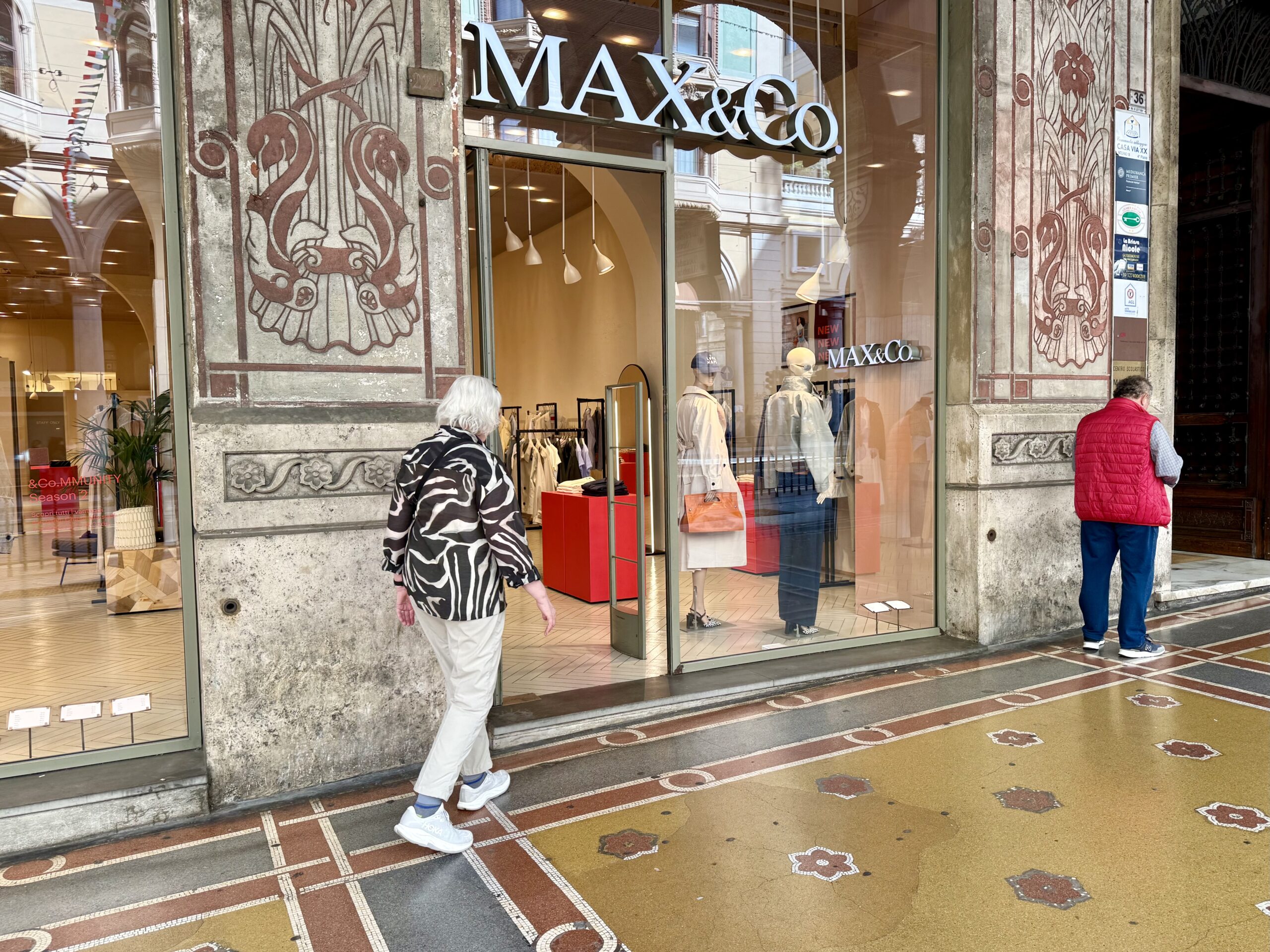
Bonnie did it again. She nabbed a very nice Airbnb apartment on a major shopping street in the heart of the new town (circa 1905) and close to the narrow, winding streets of the historic medieval city. (Apartment is two stories above Mango, across the street from Zara, and down the street from Sephora and Max Mara, meeting all of Robert’s criteria.) Very walkable. Parking structure down the block.
Out and About
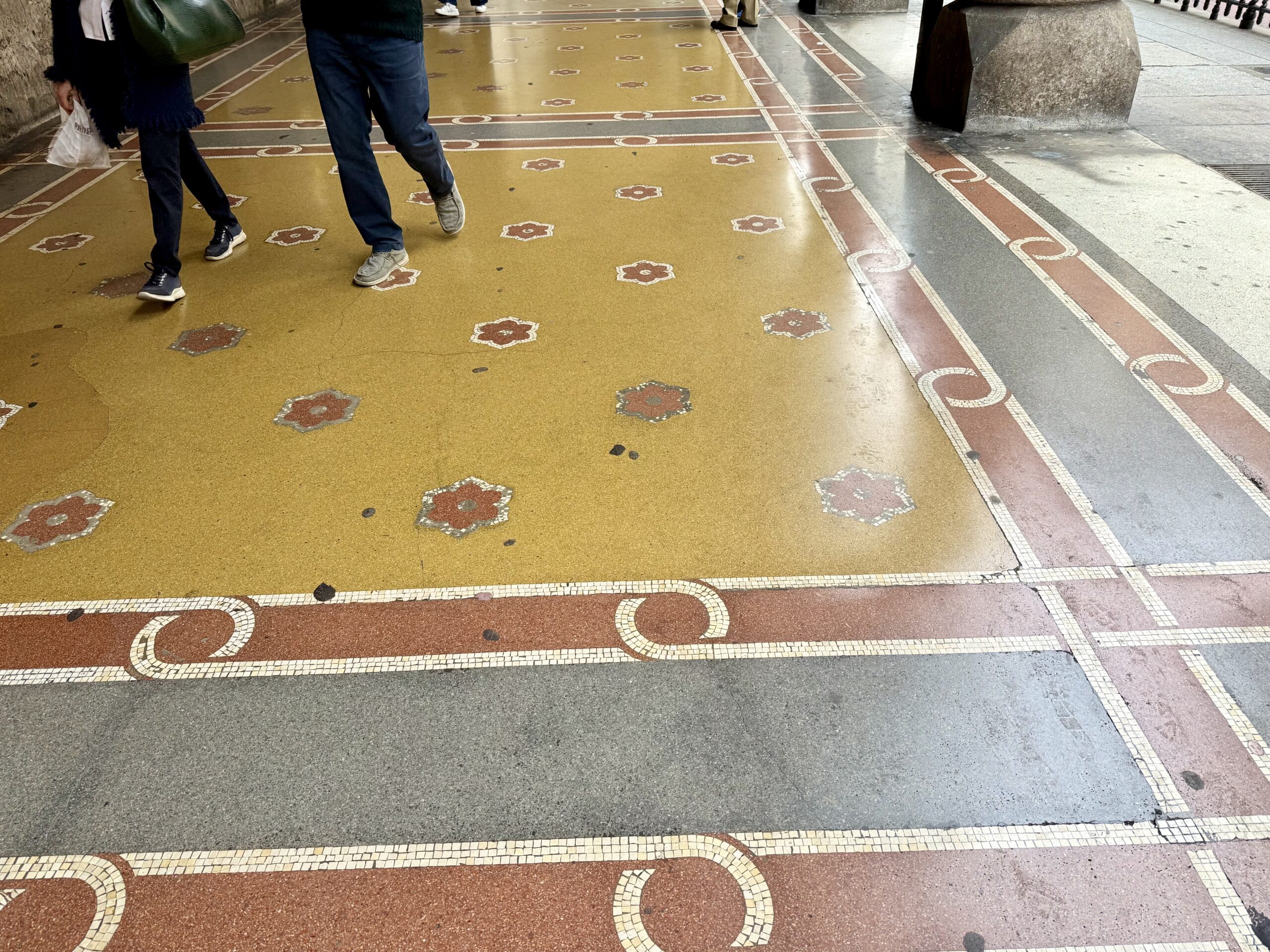
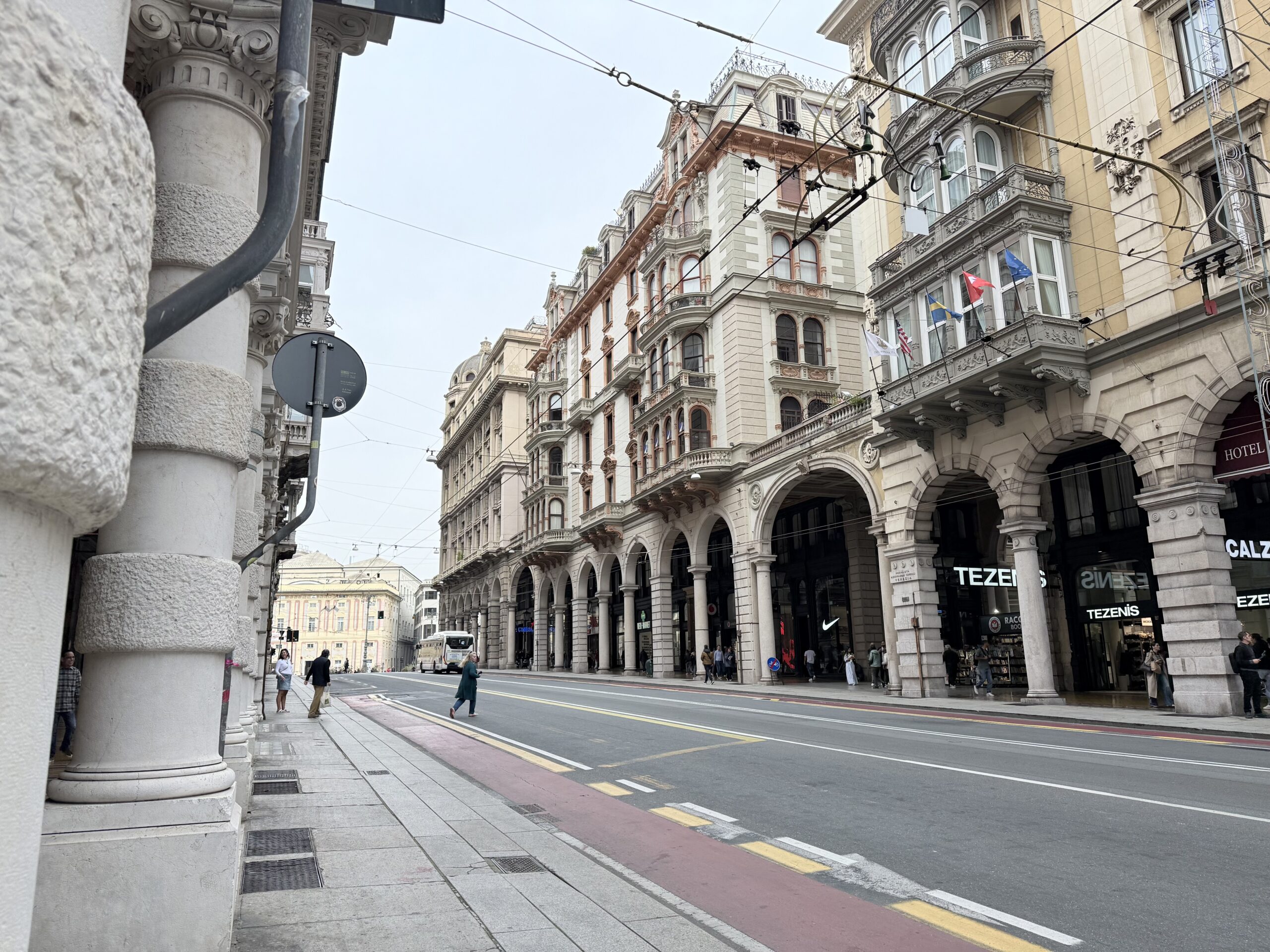
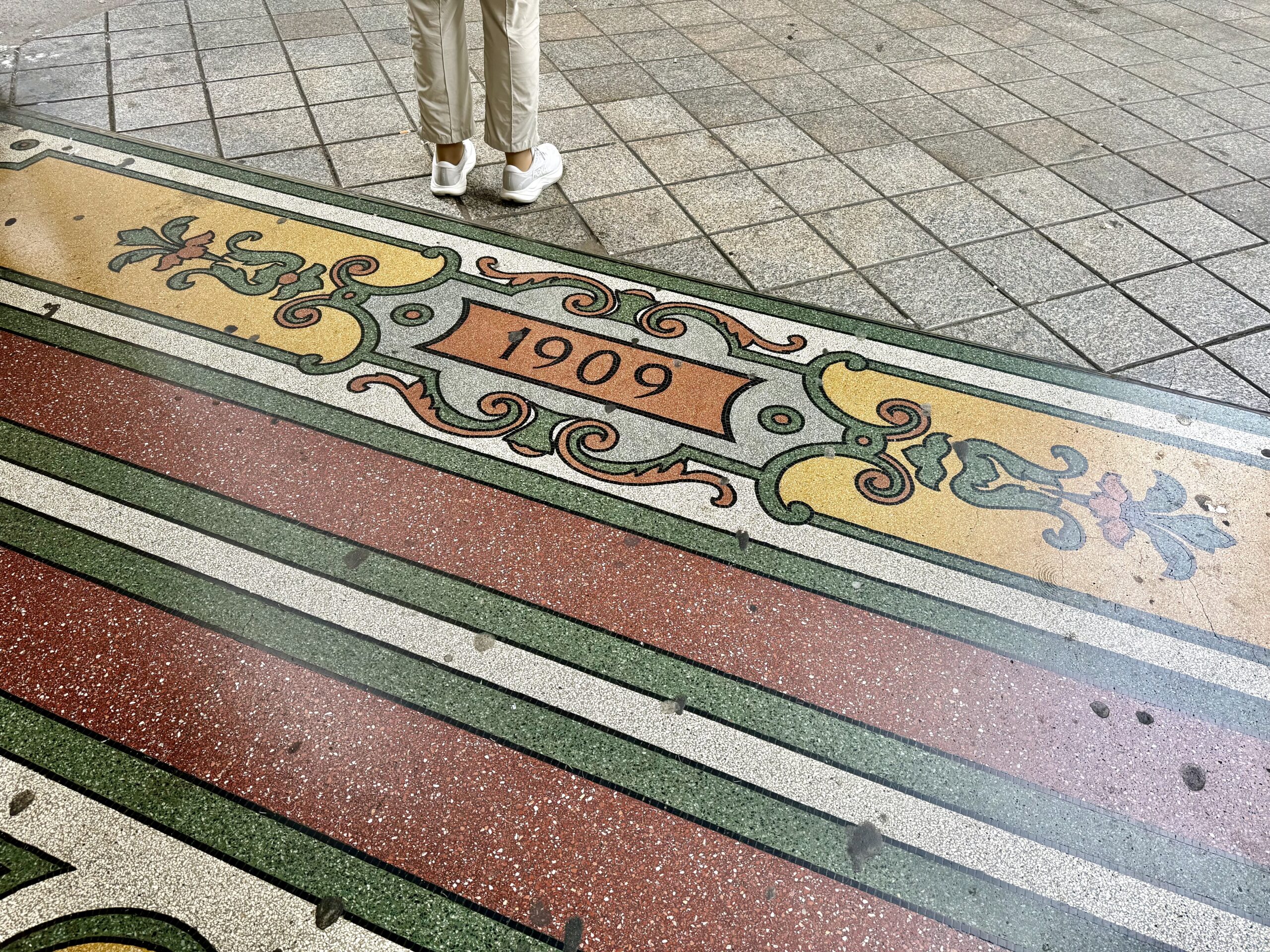
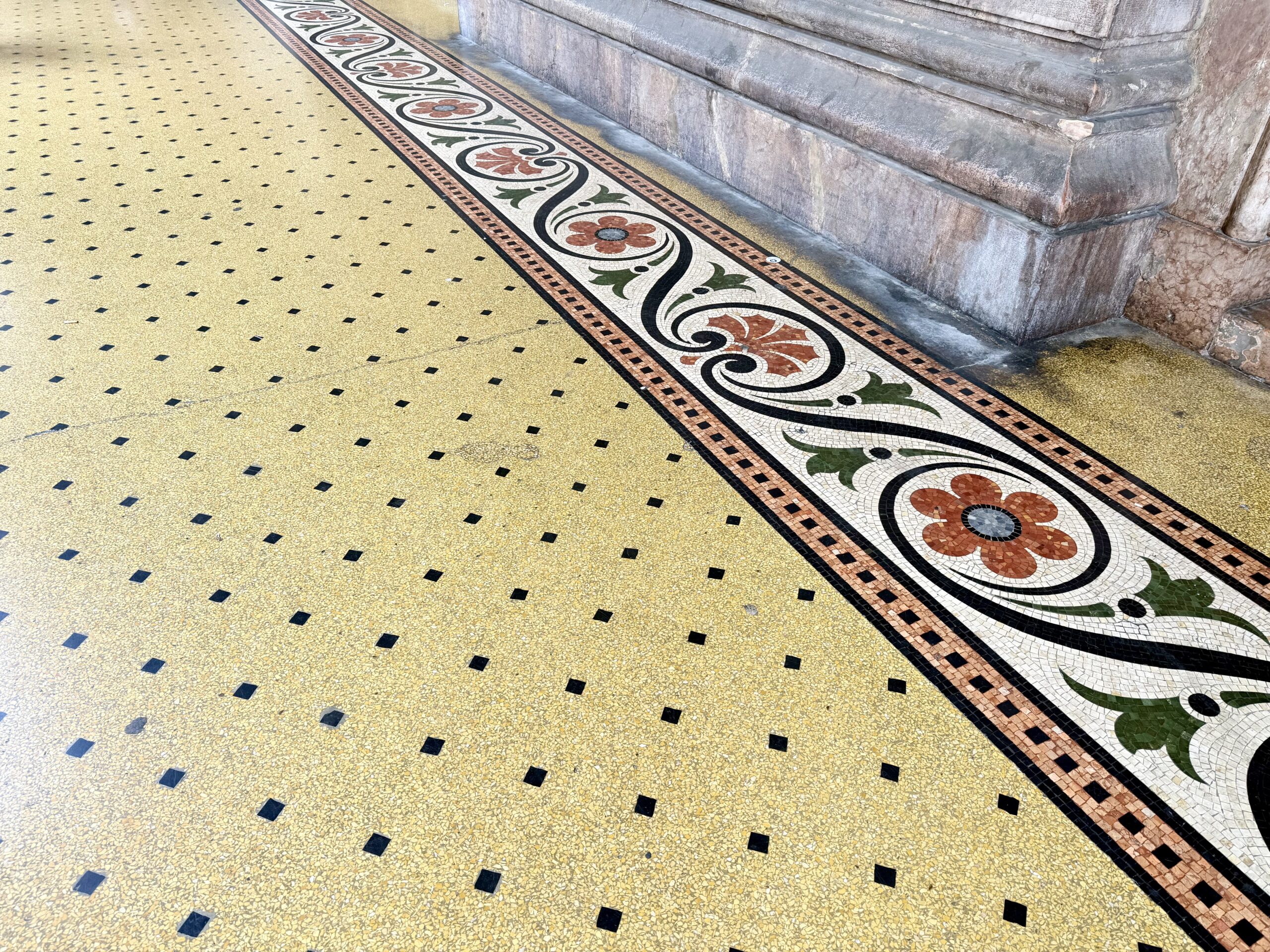

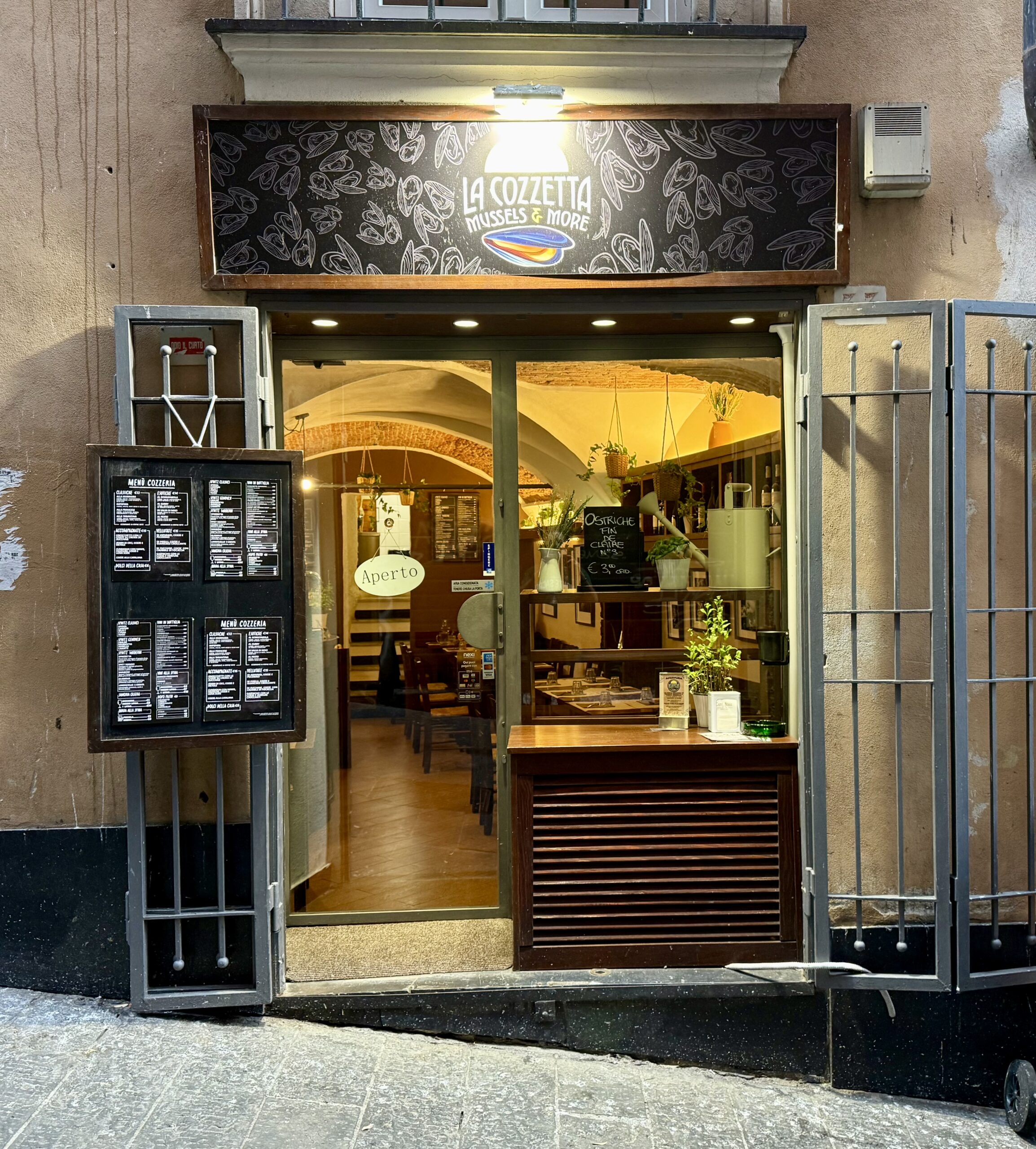
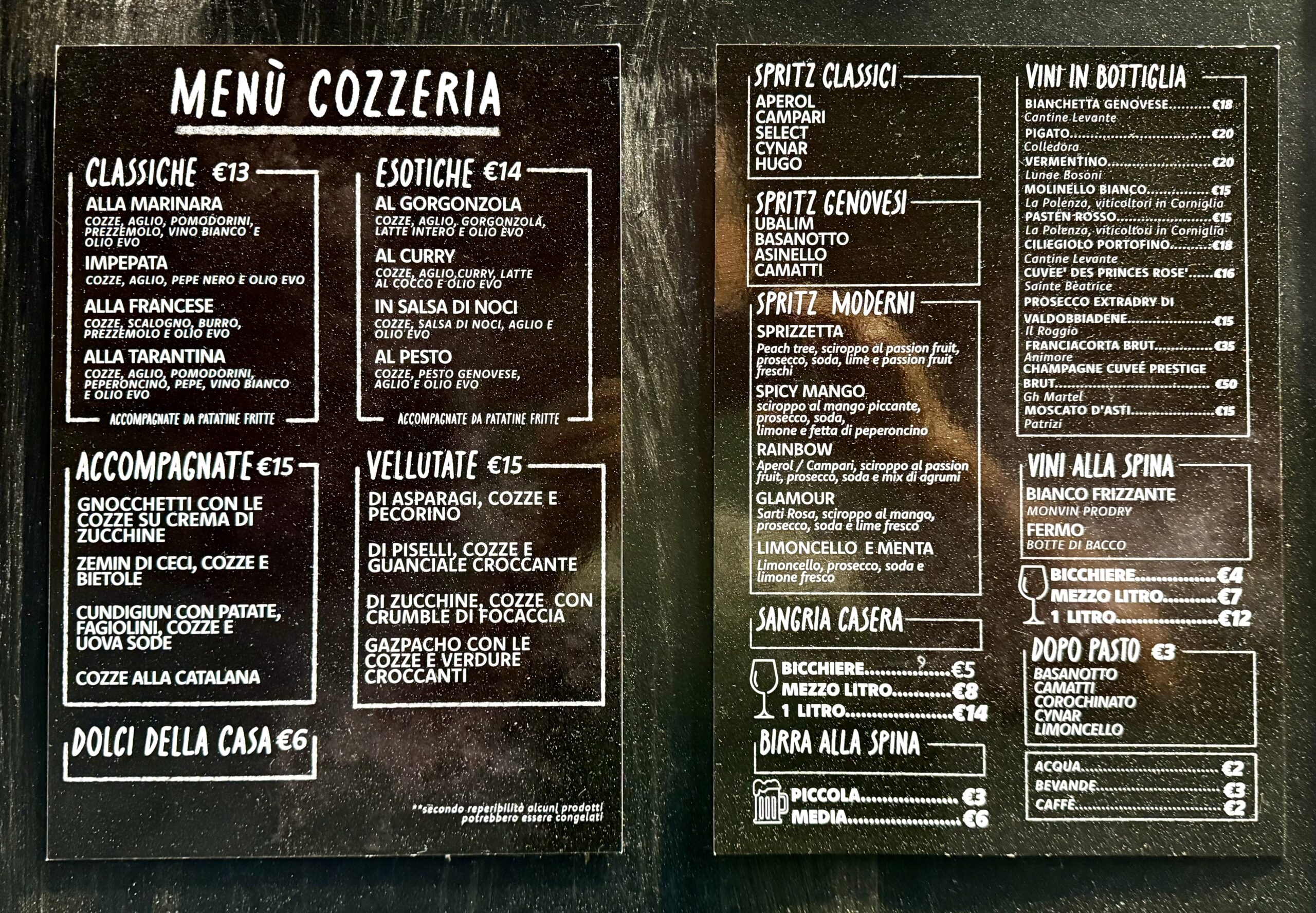
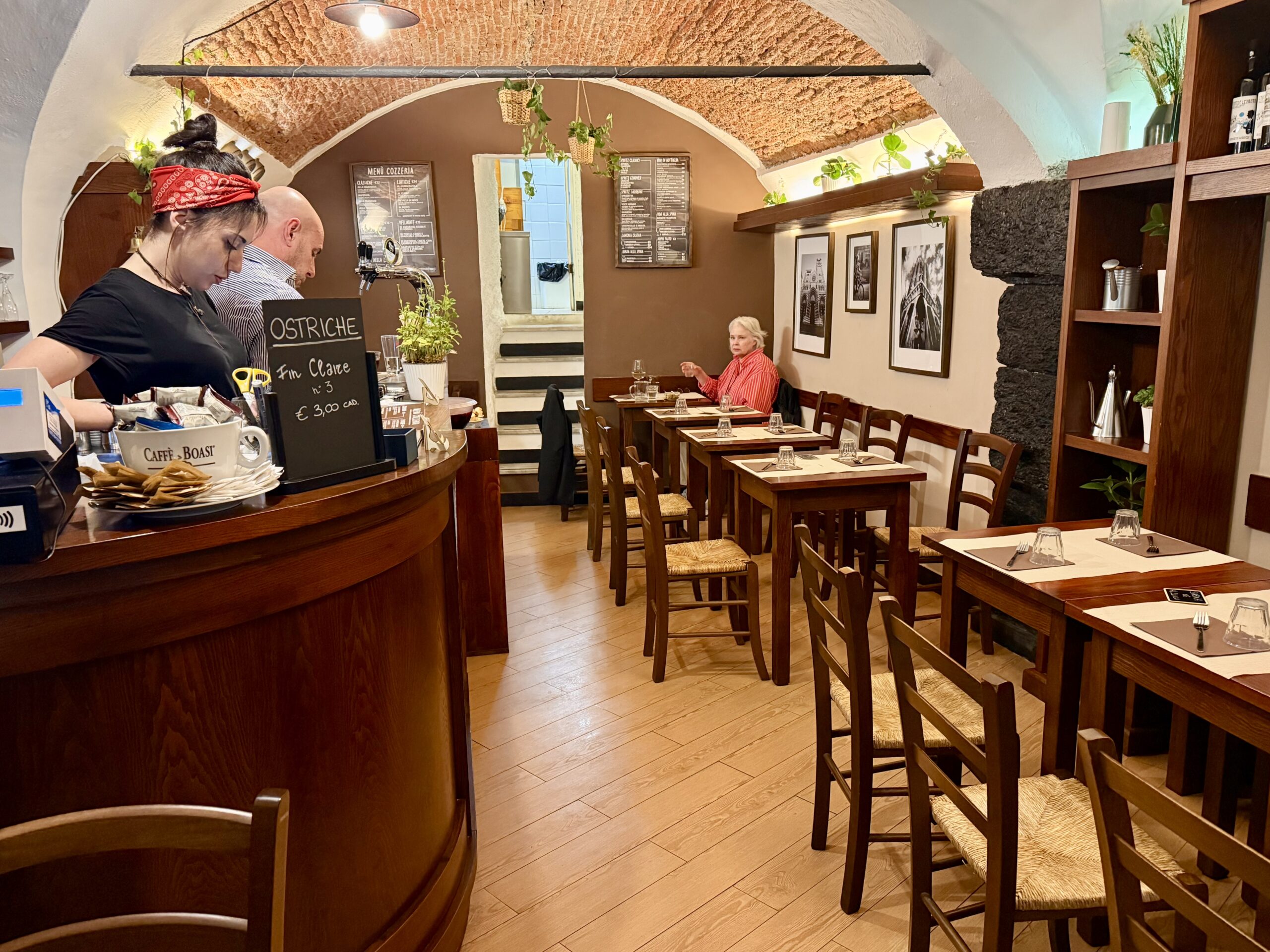
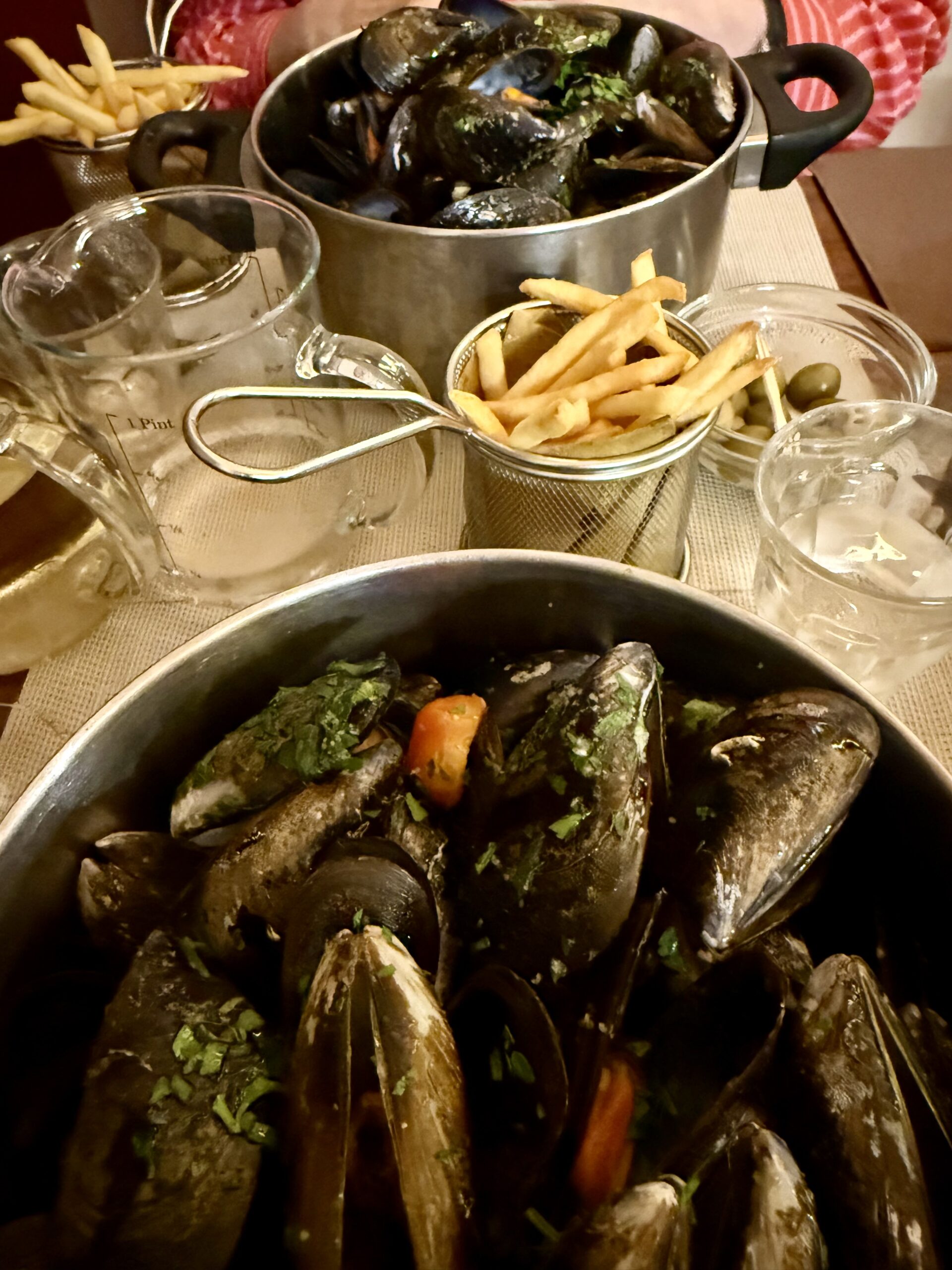
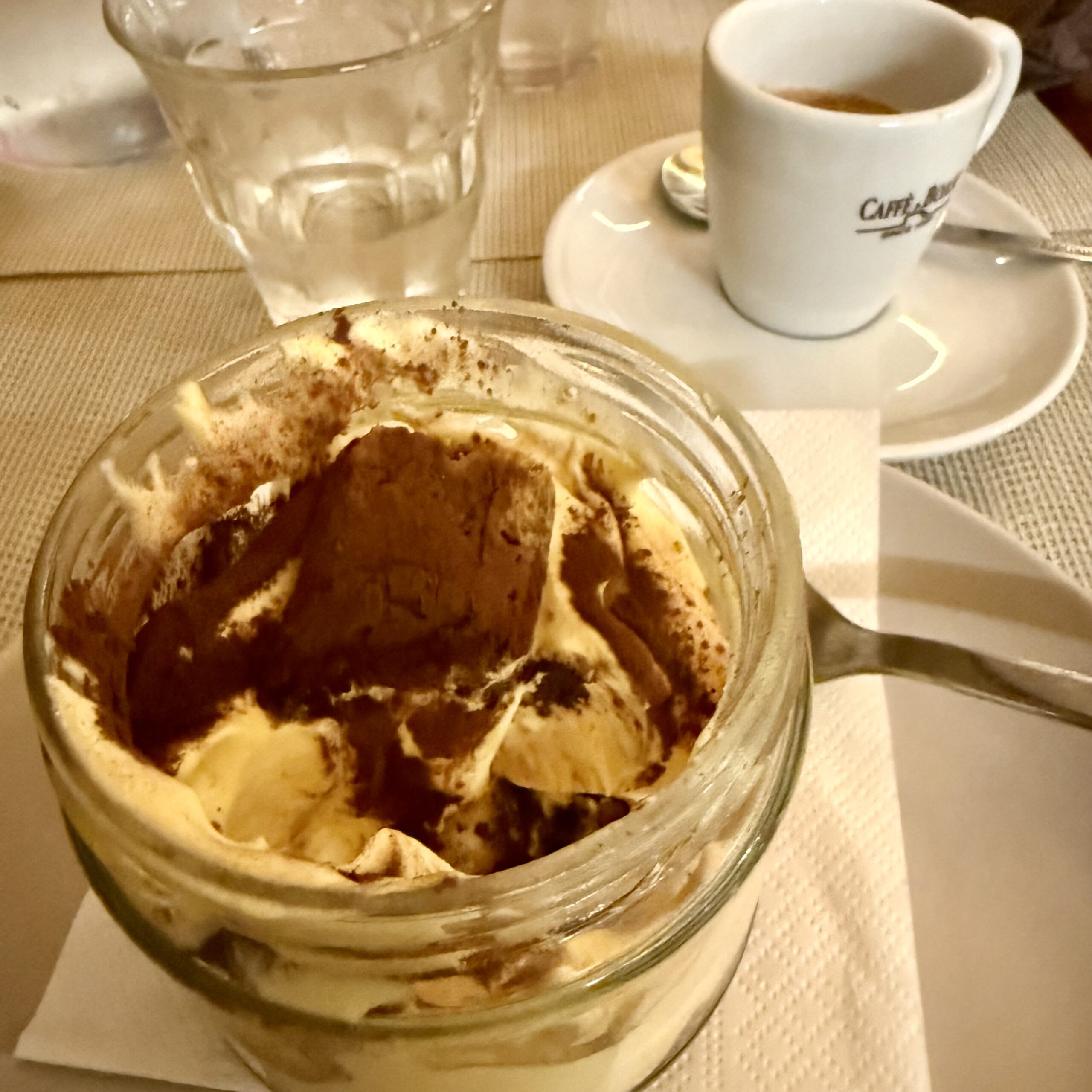
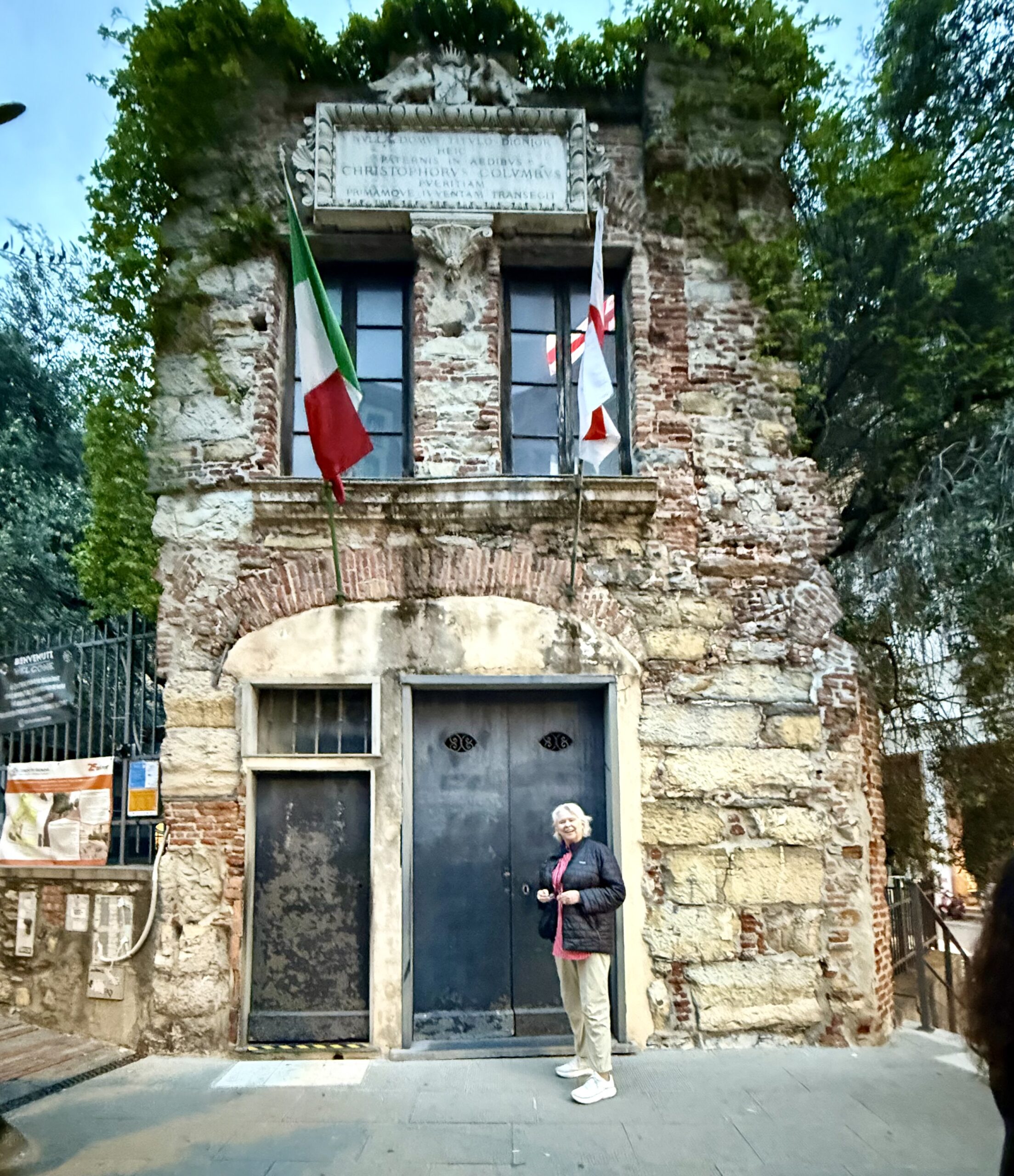
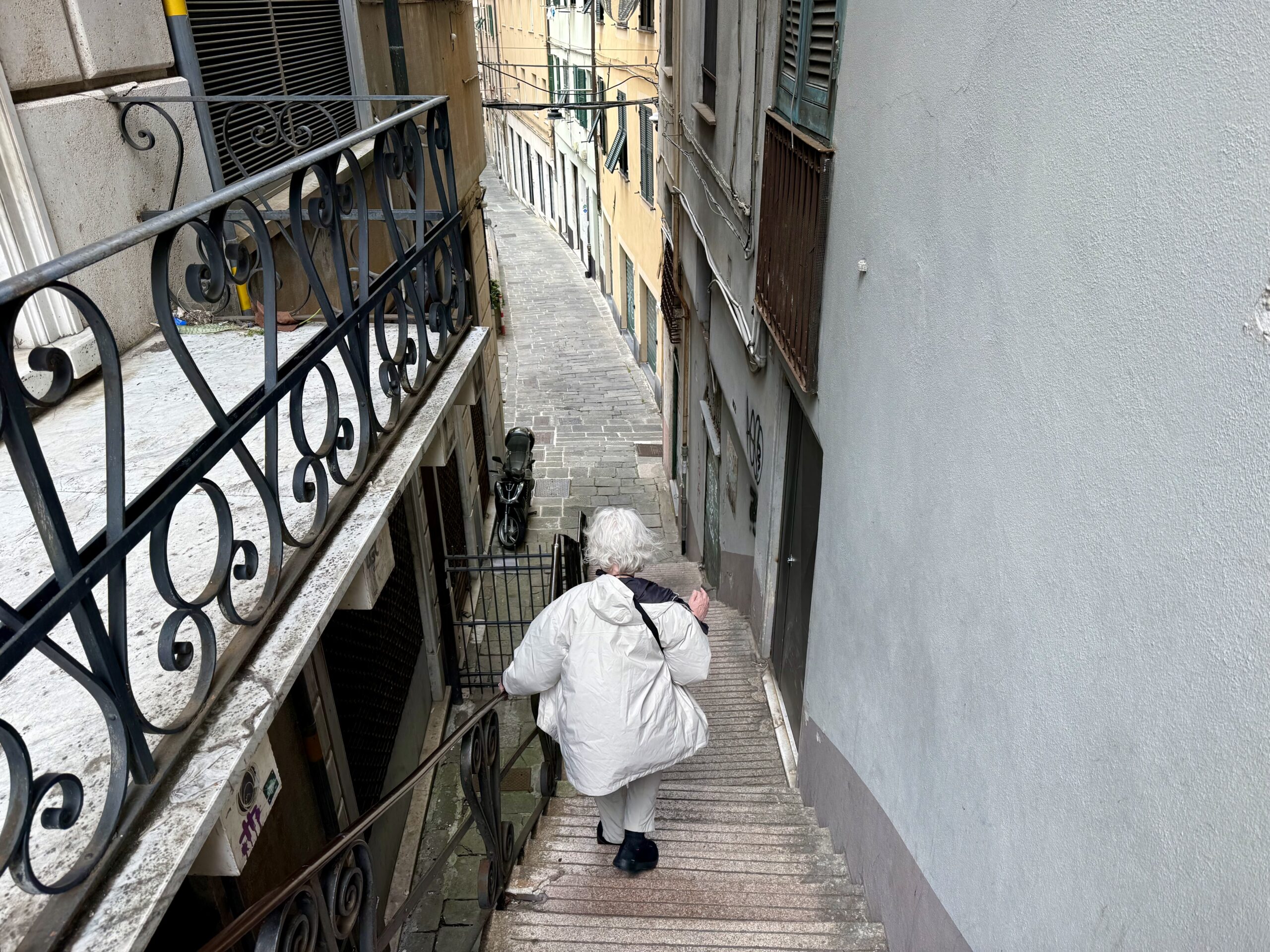
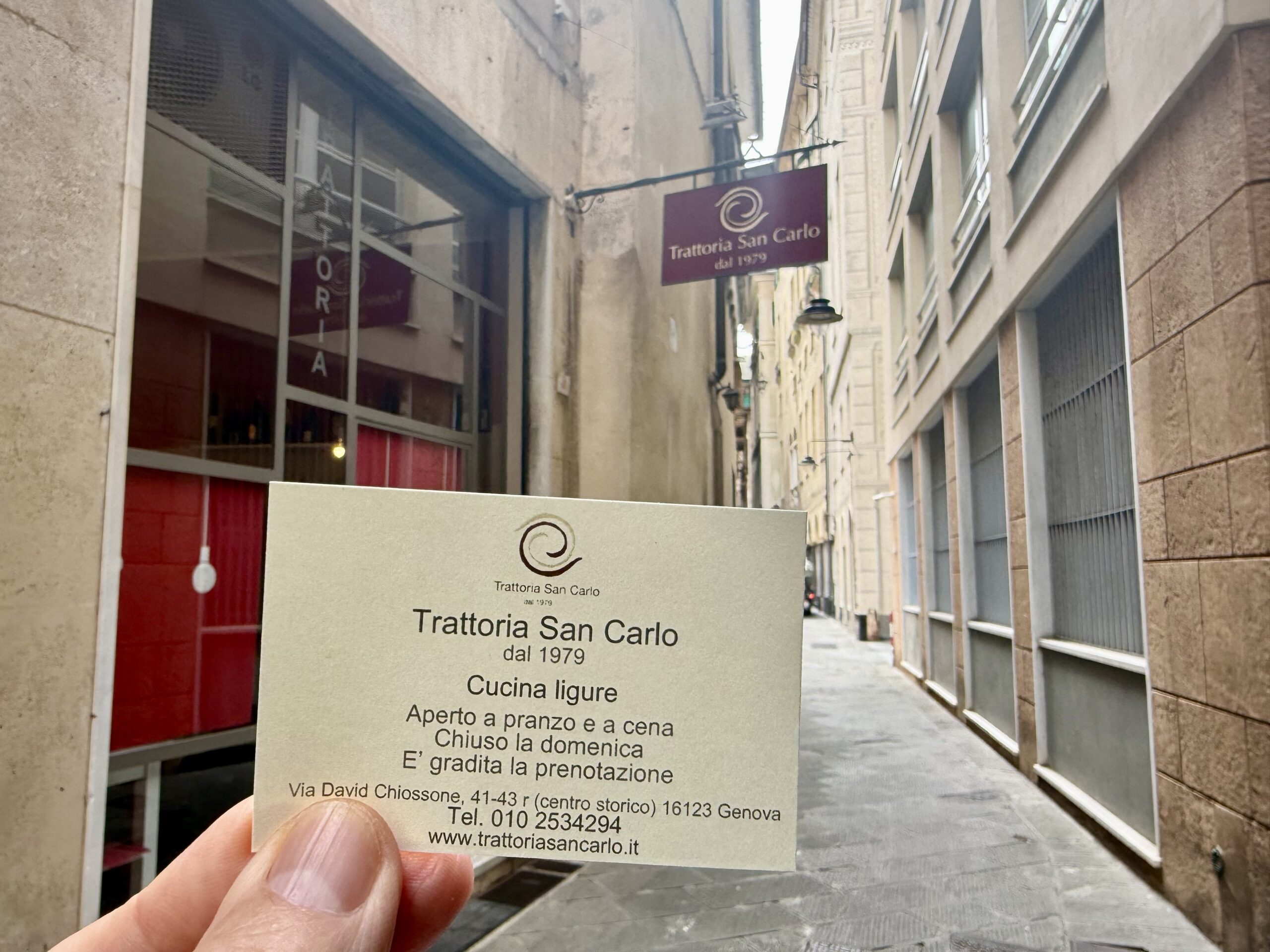
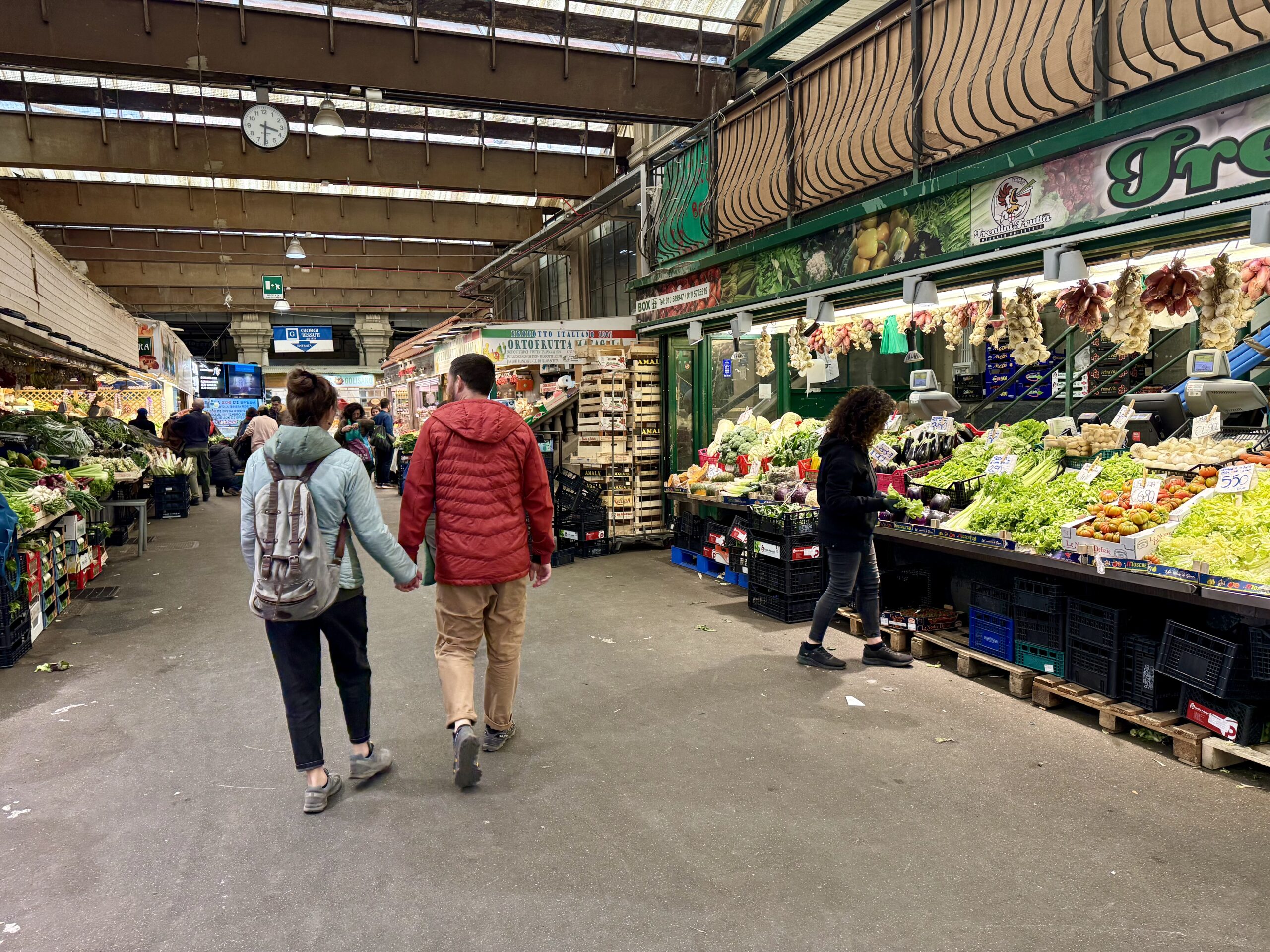
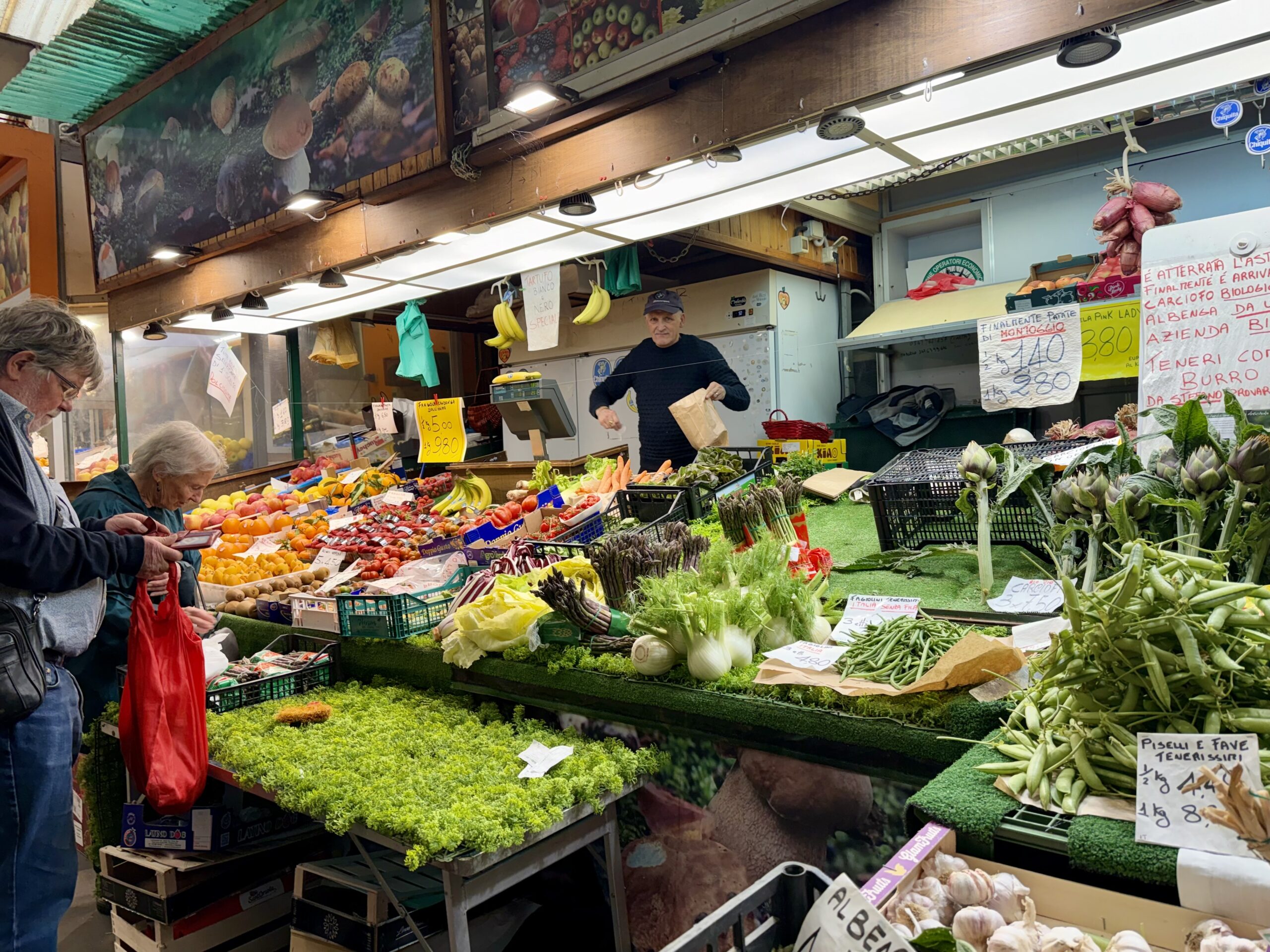
Oriental (as in West, not Asian) Market
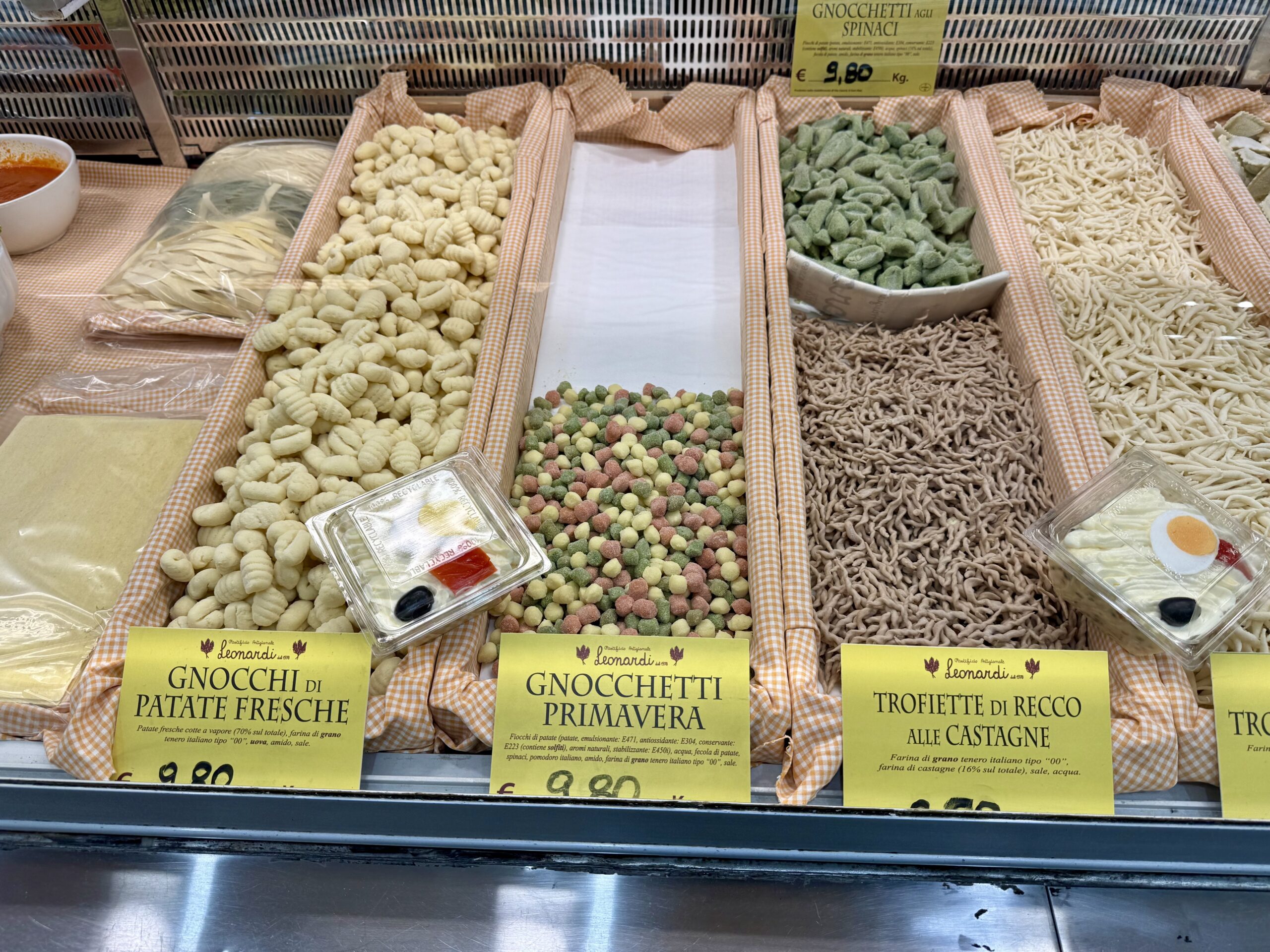
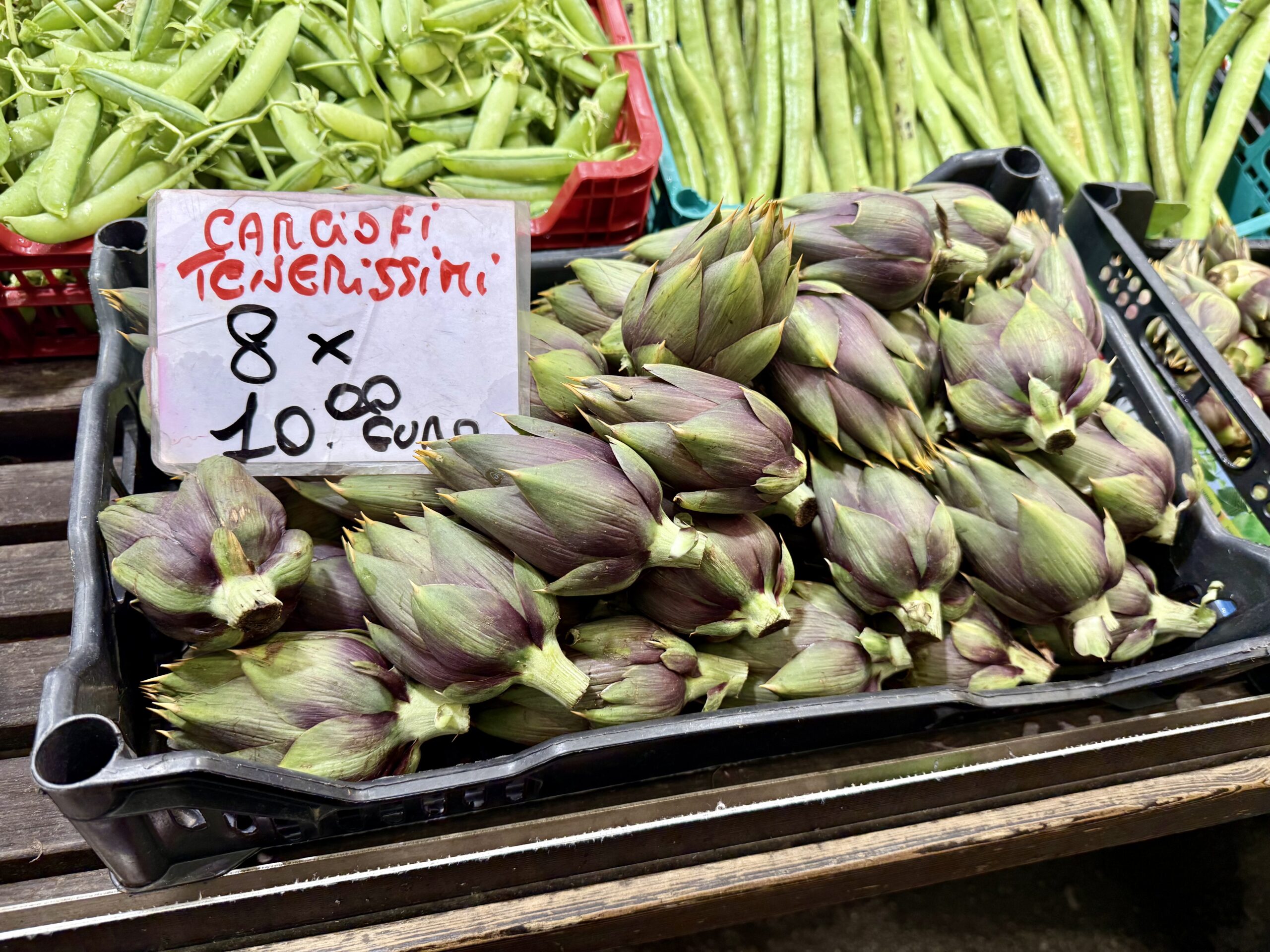
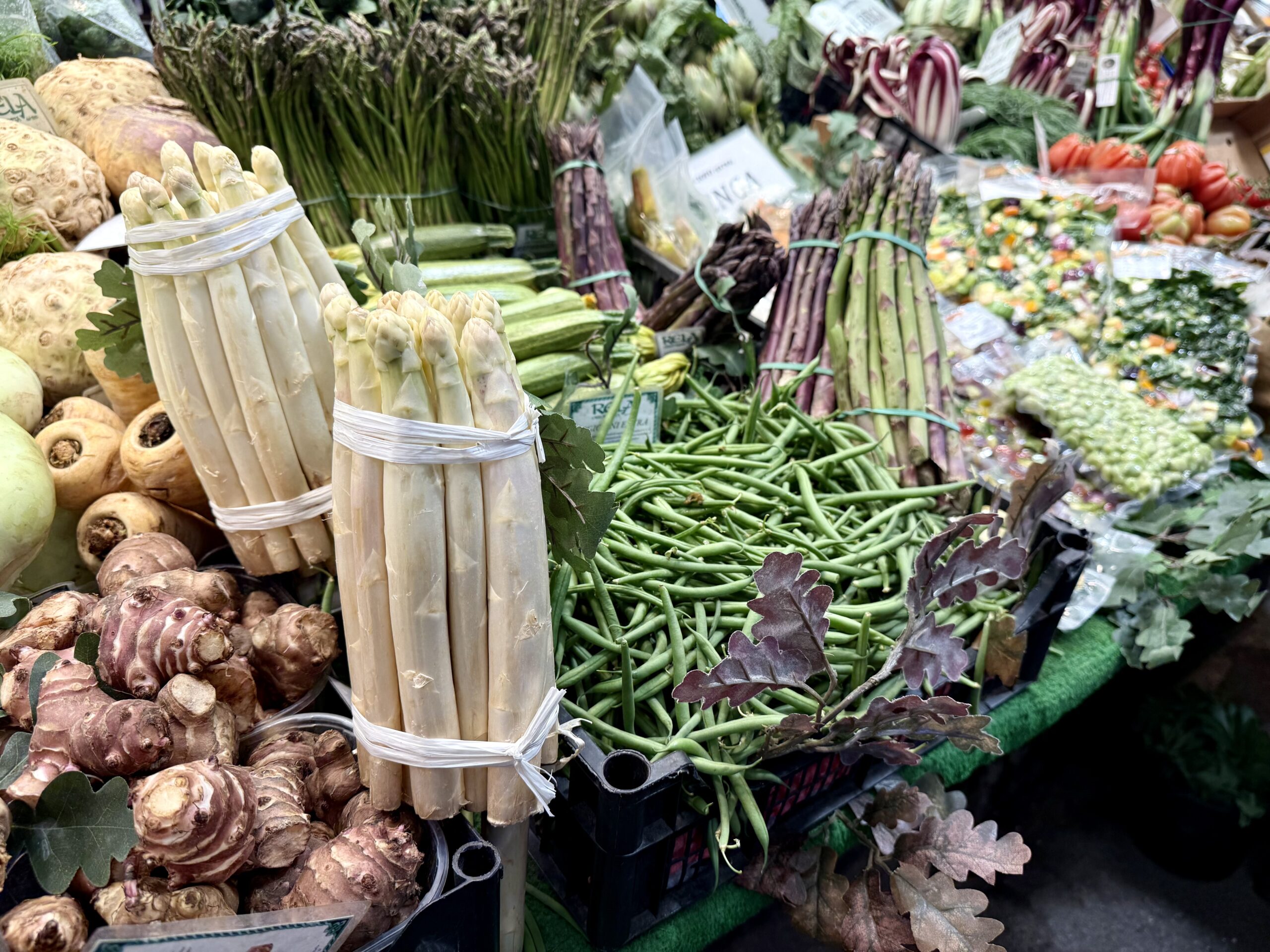
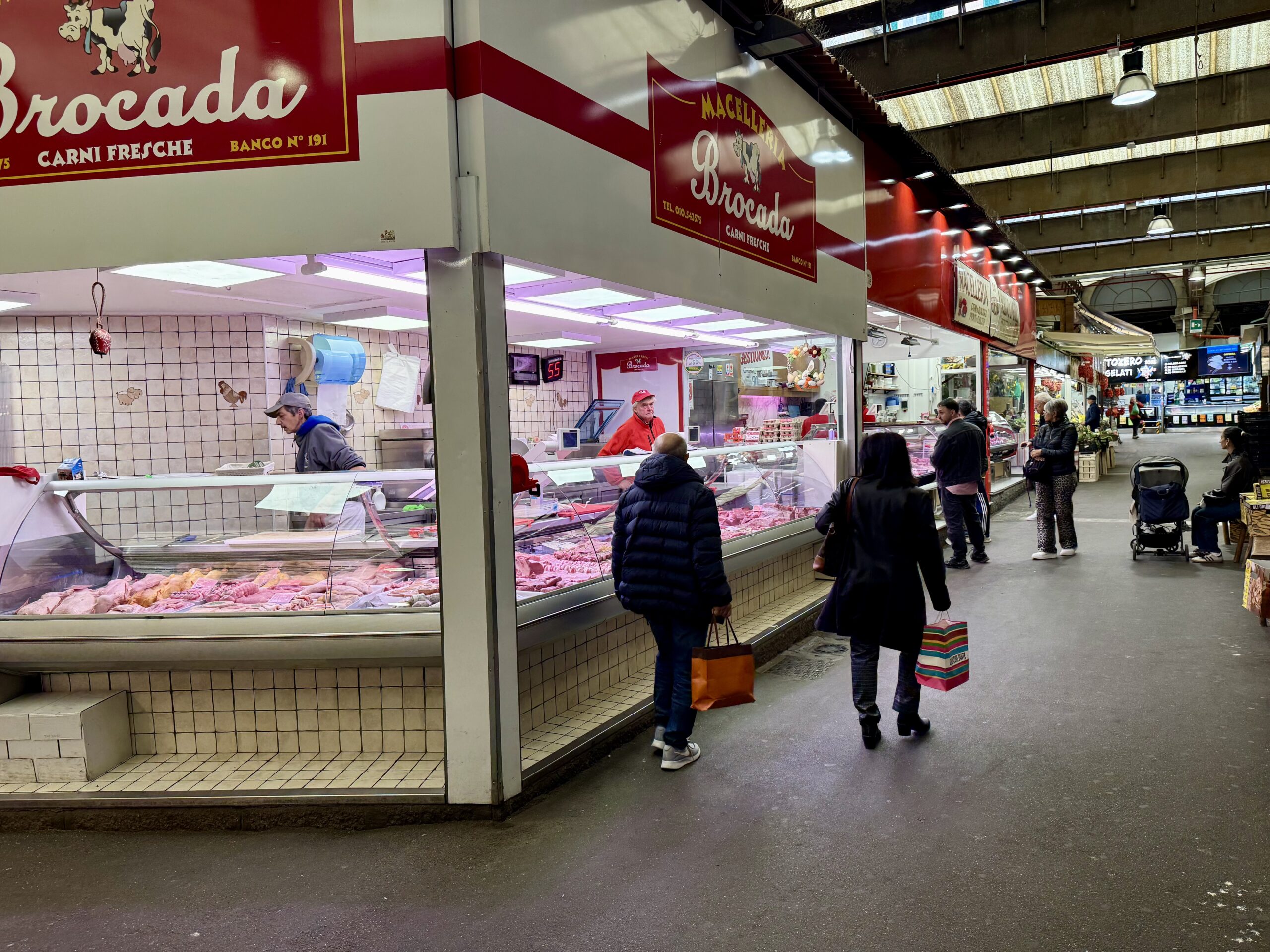
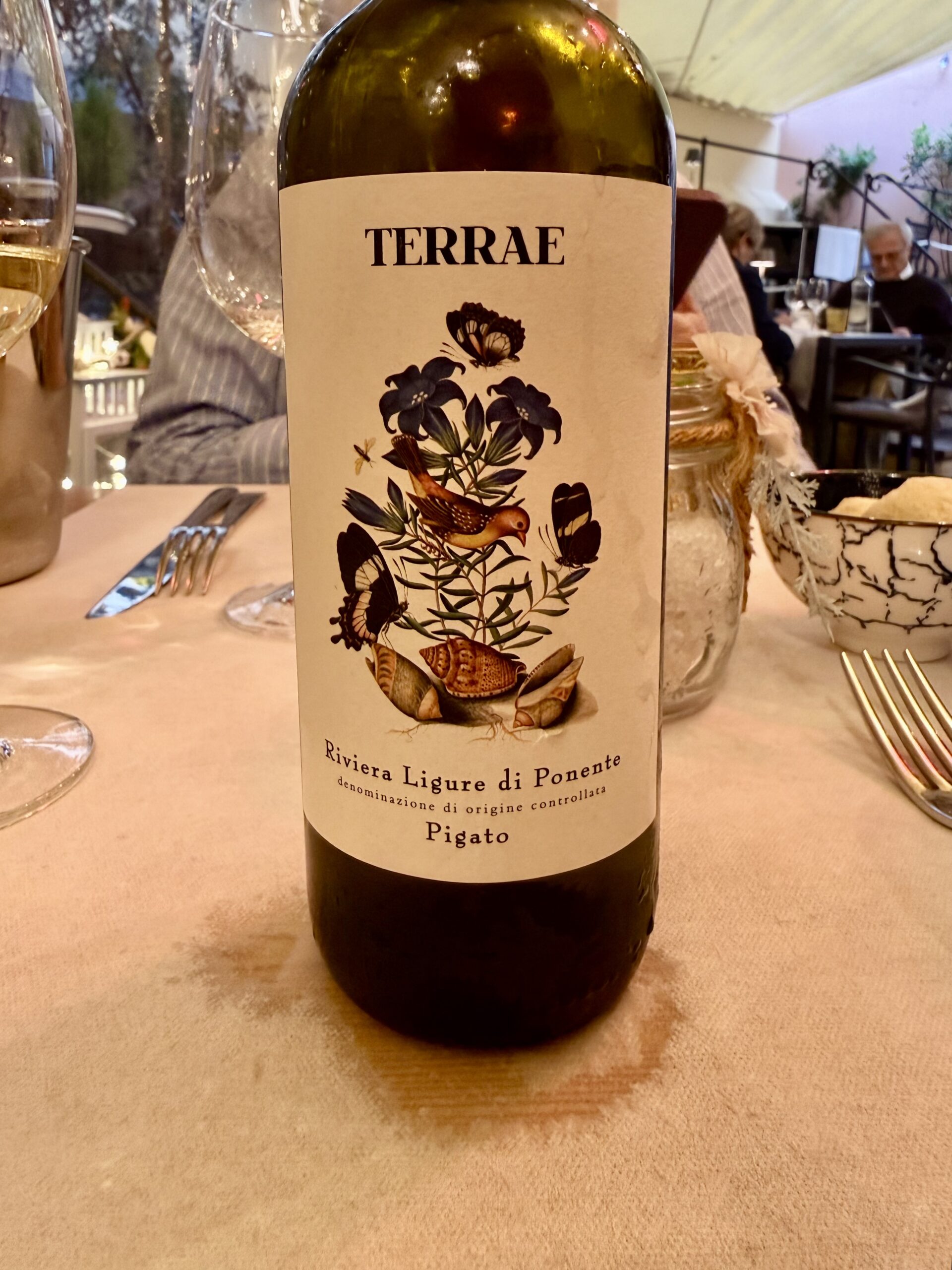
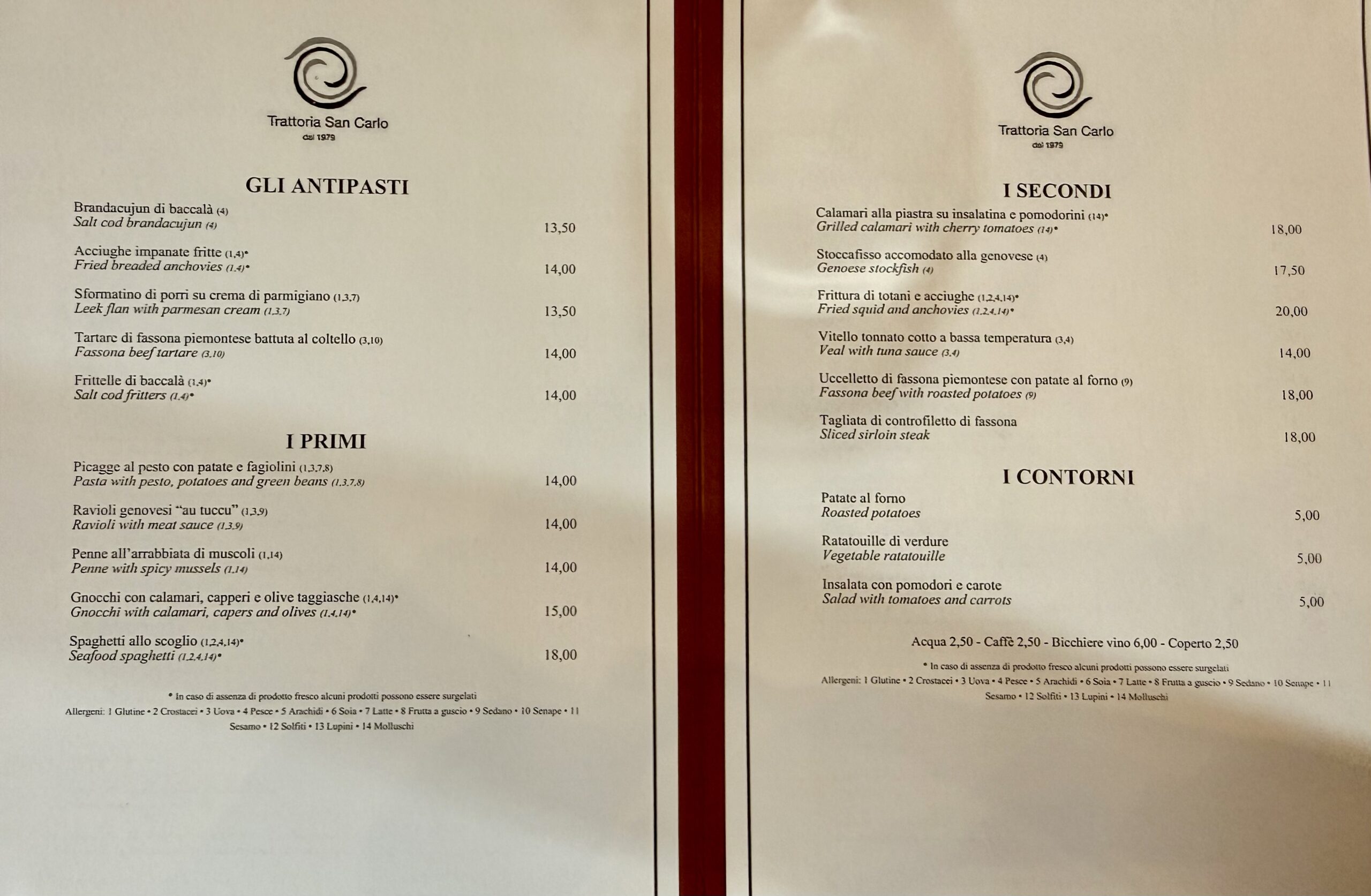
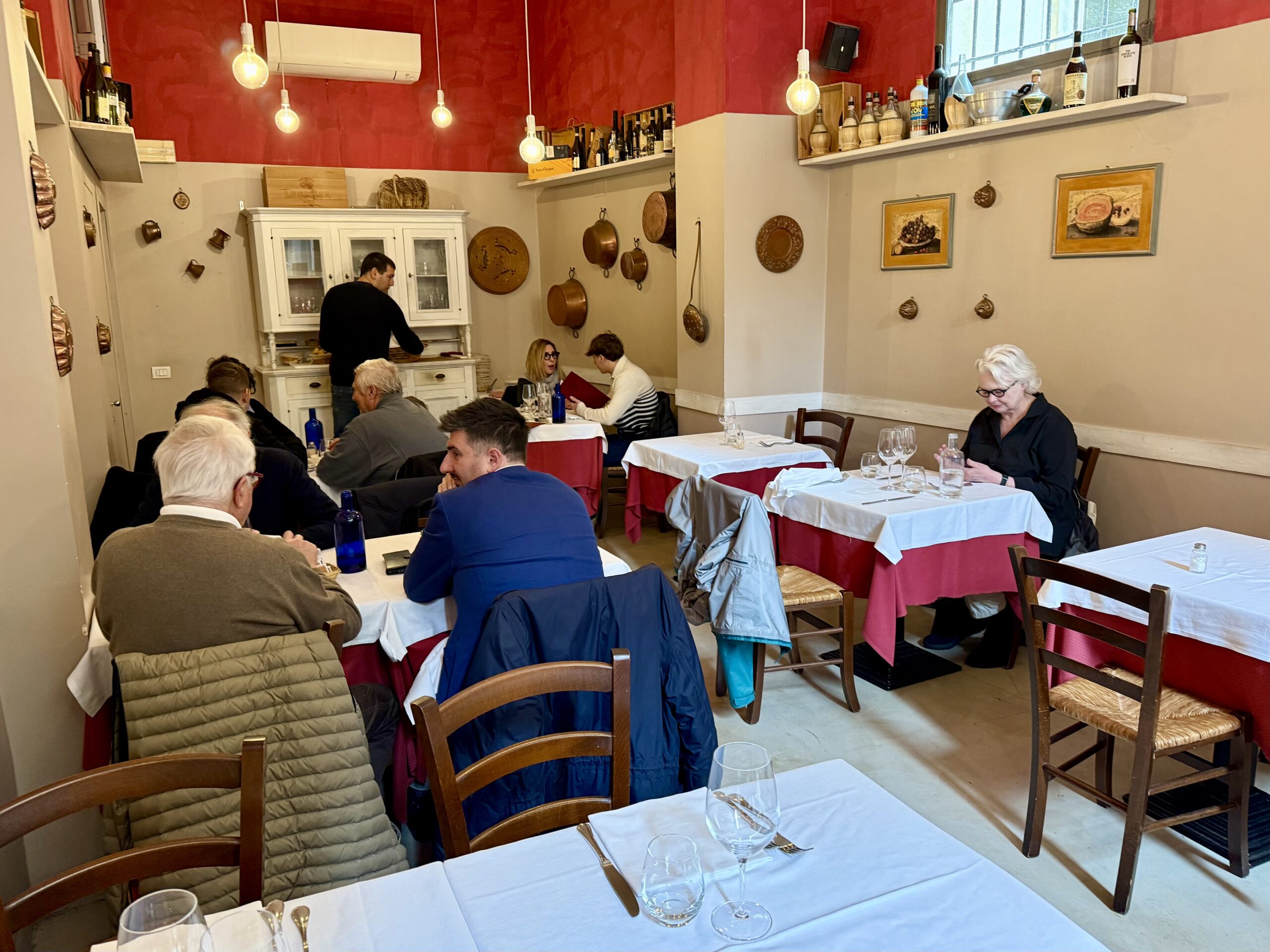
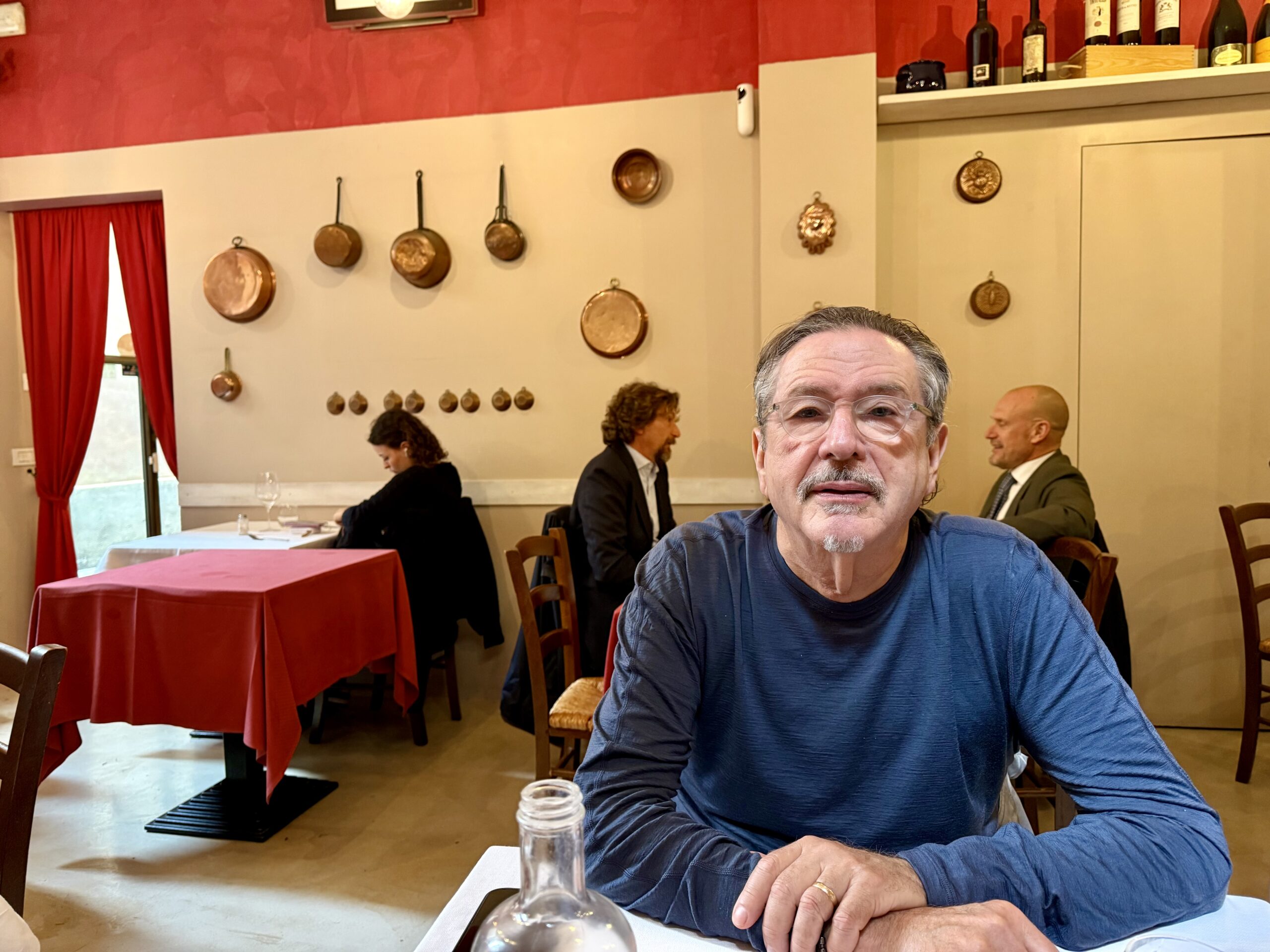
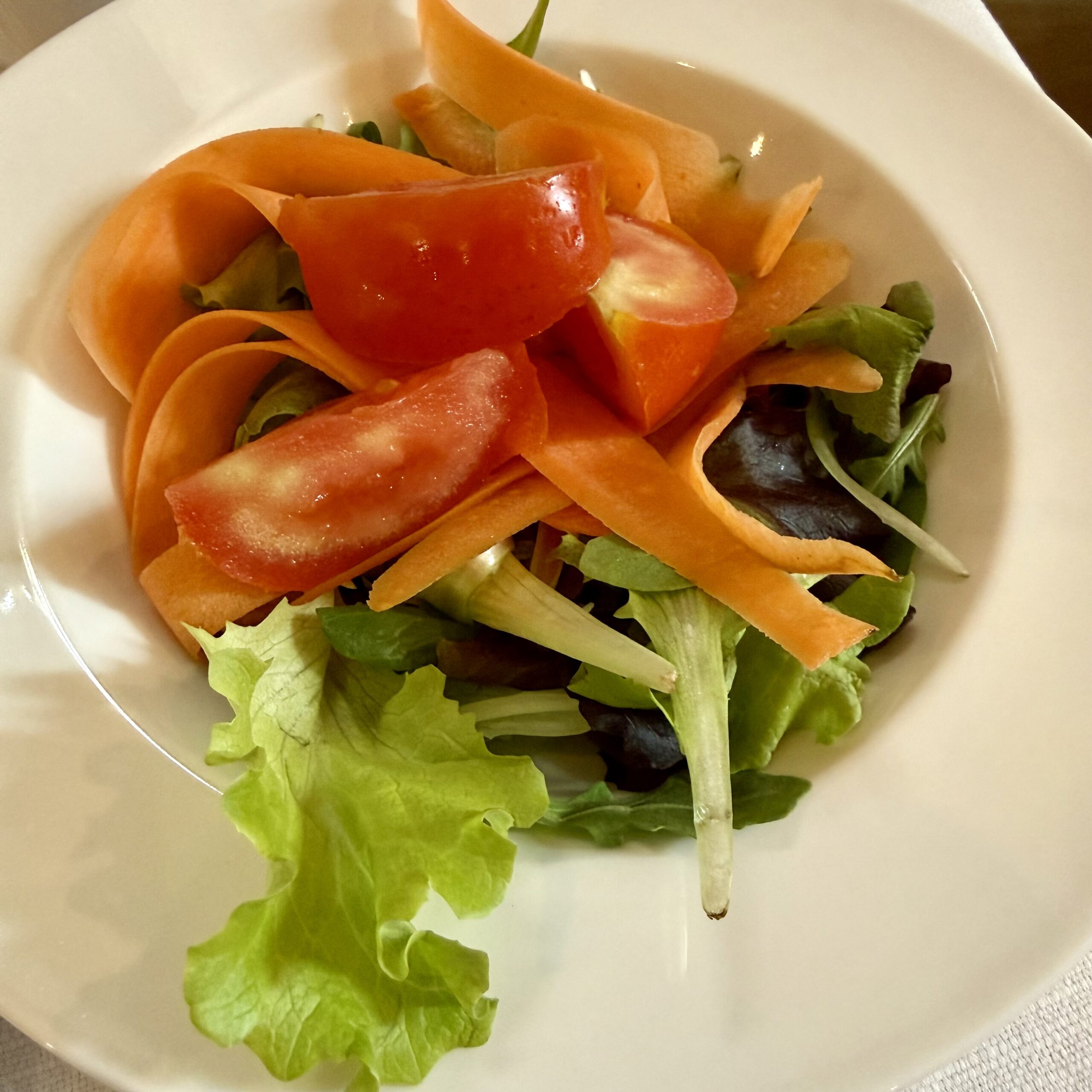
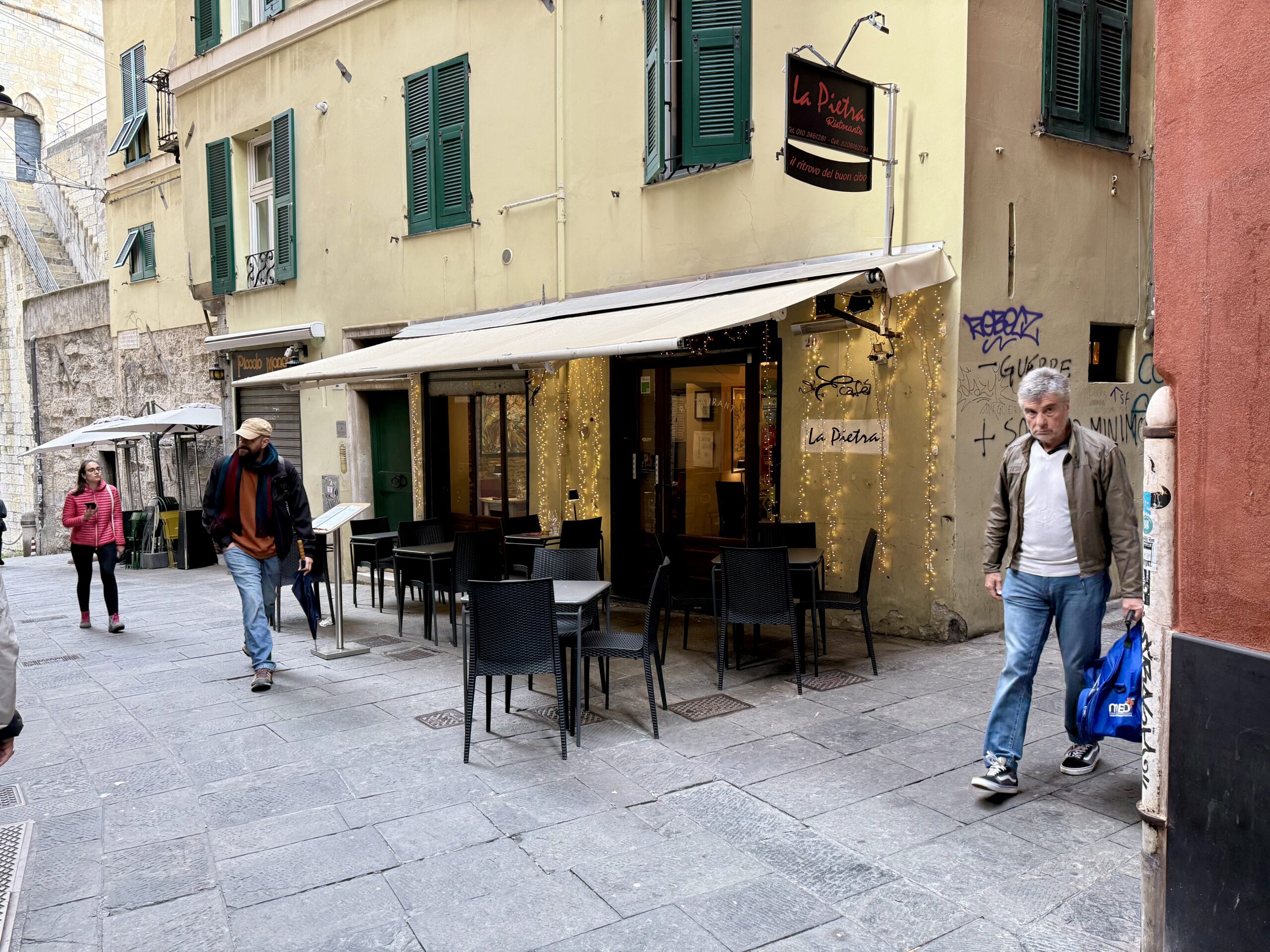
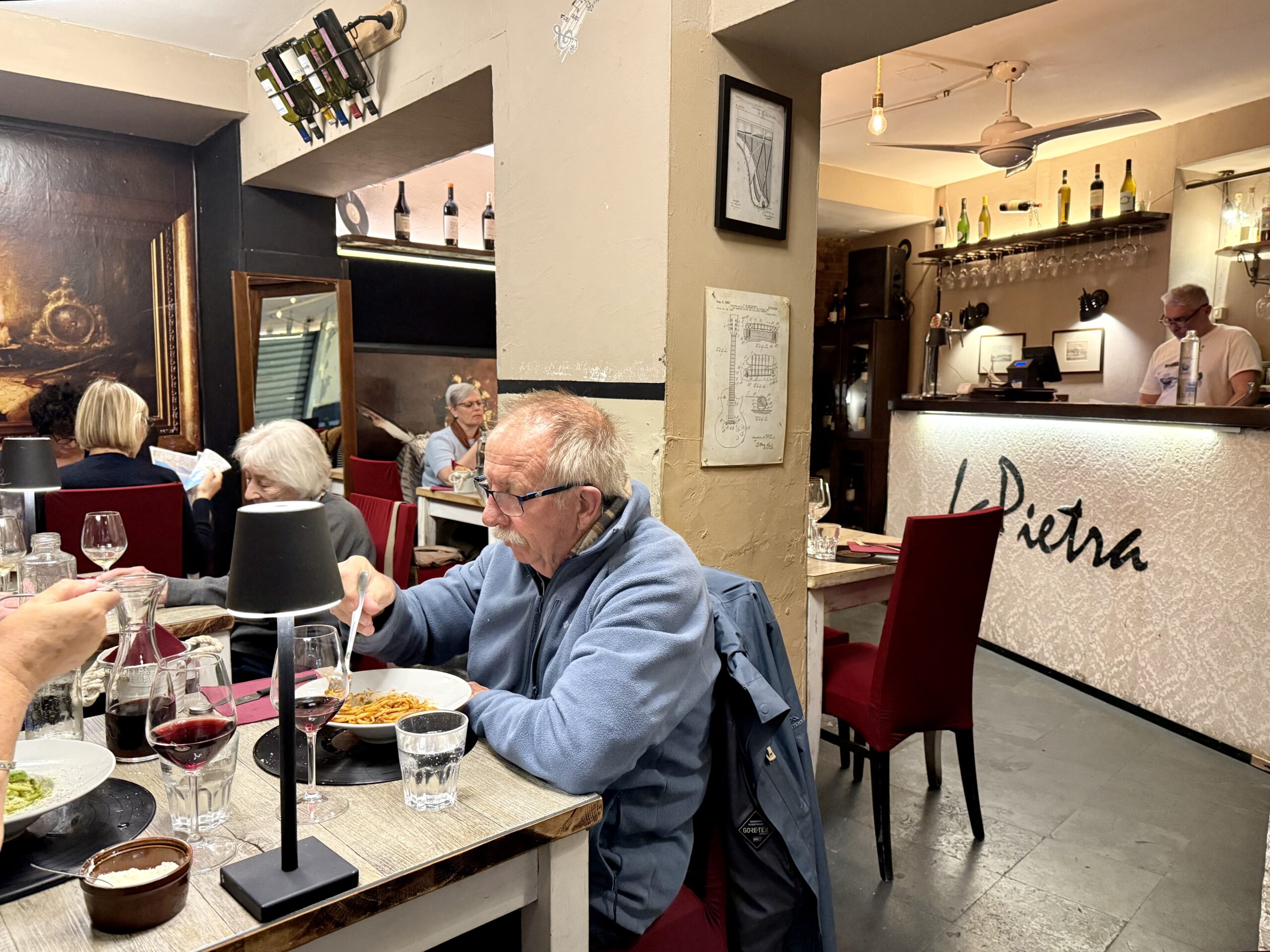
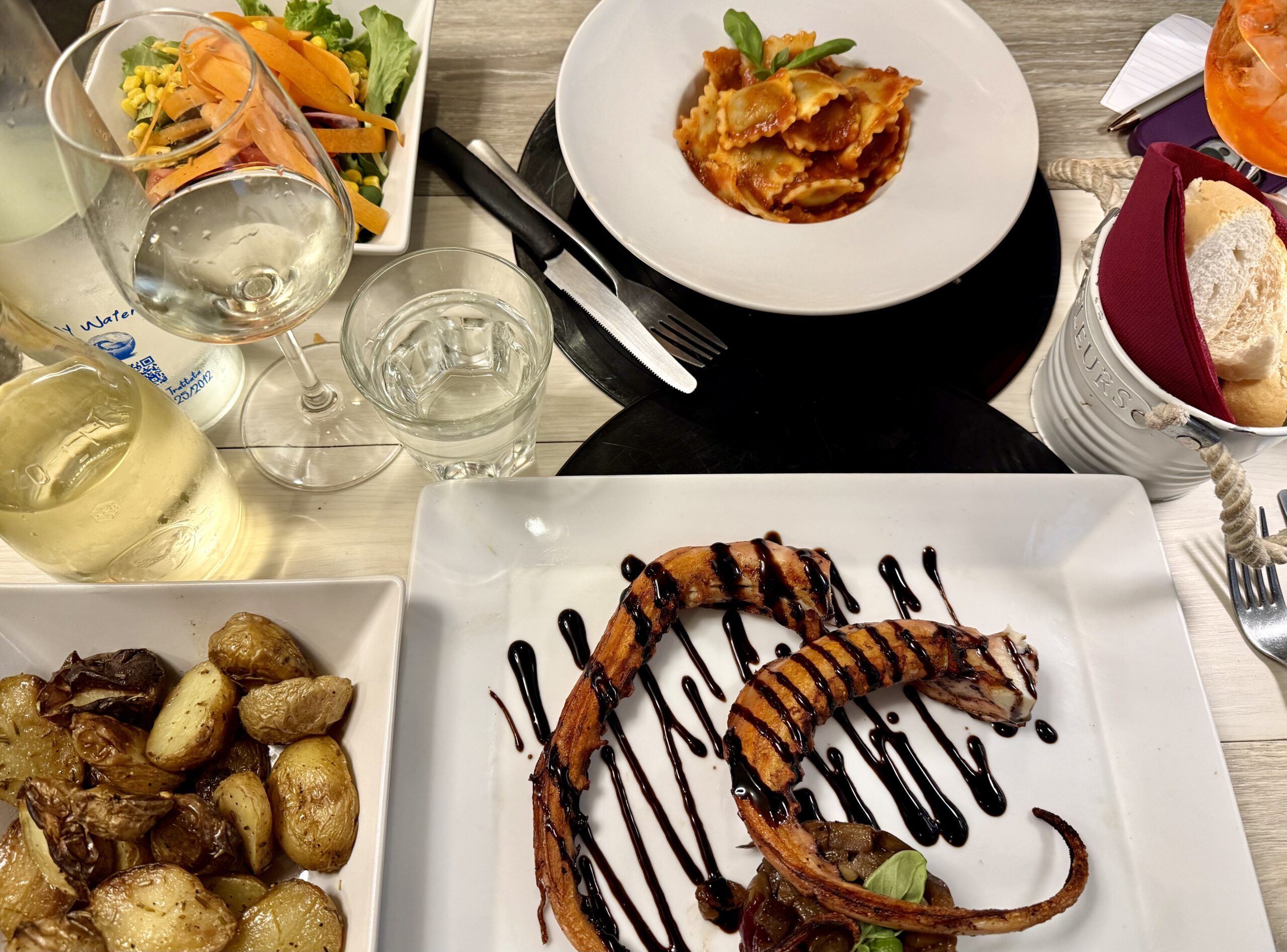
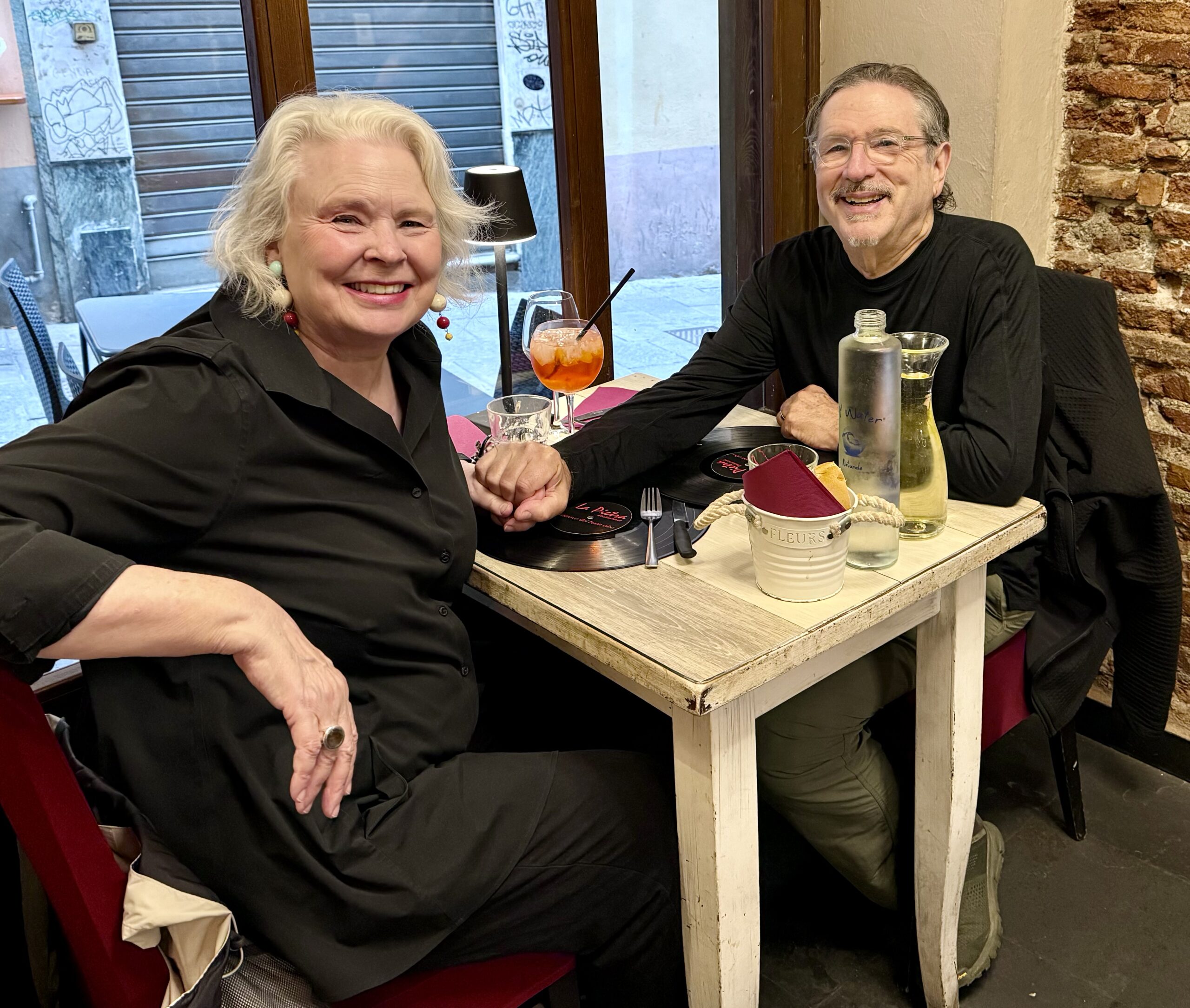
30th Anniversary Dinner!
Hop On Hop Off
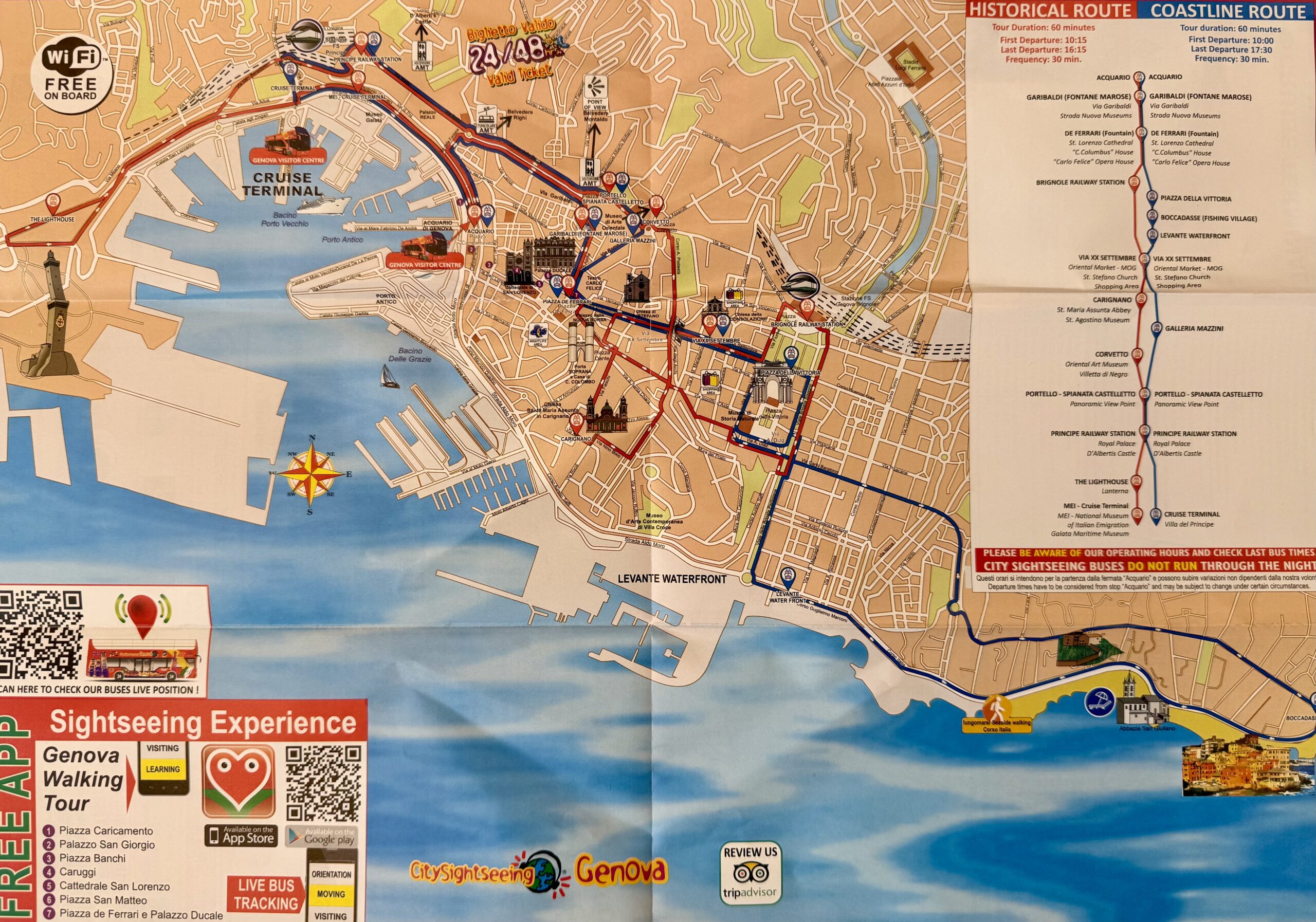
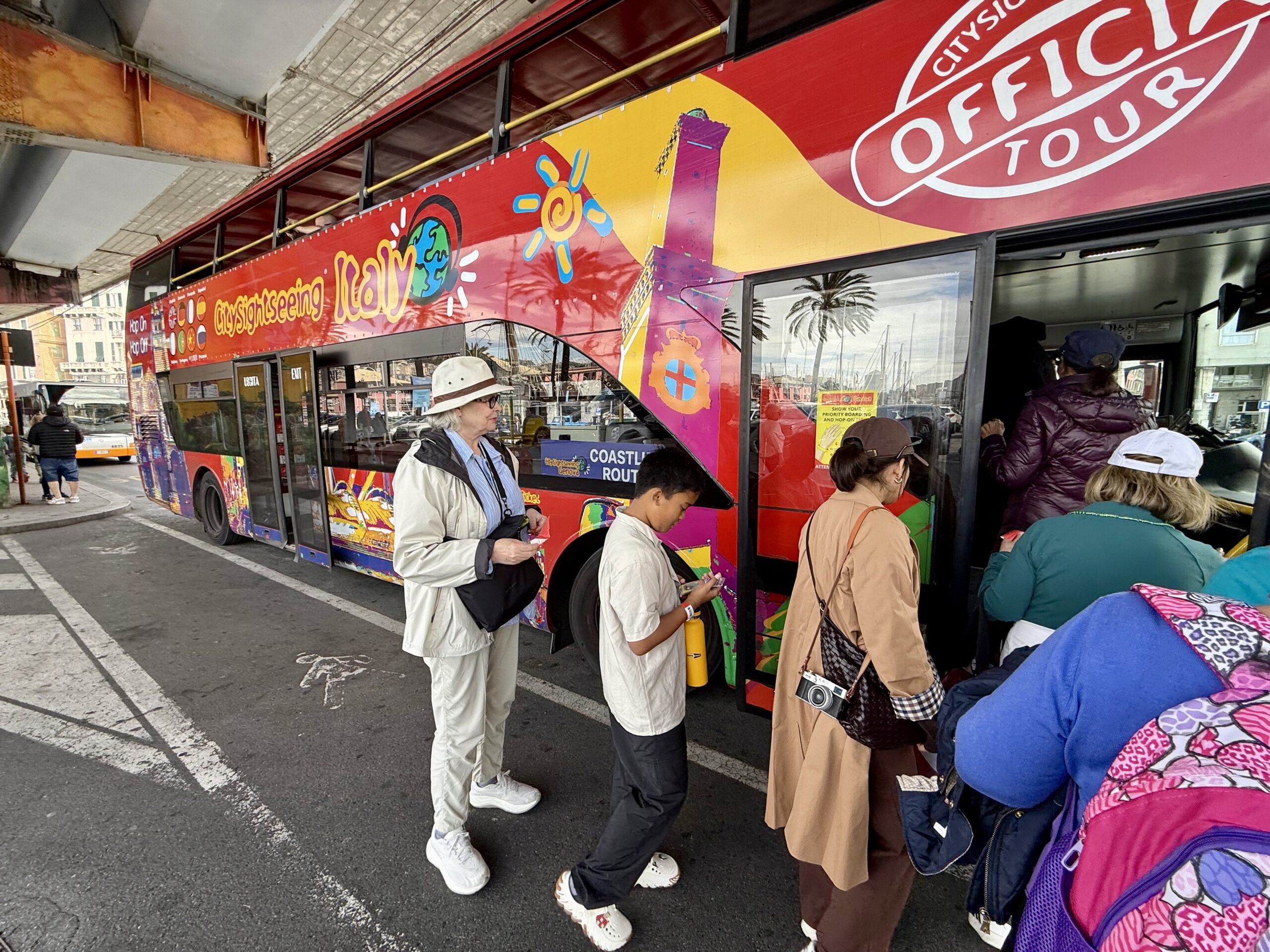
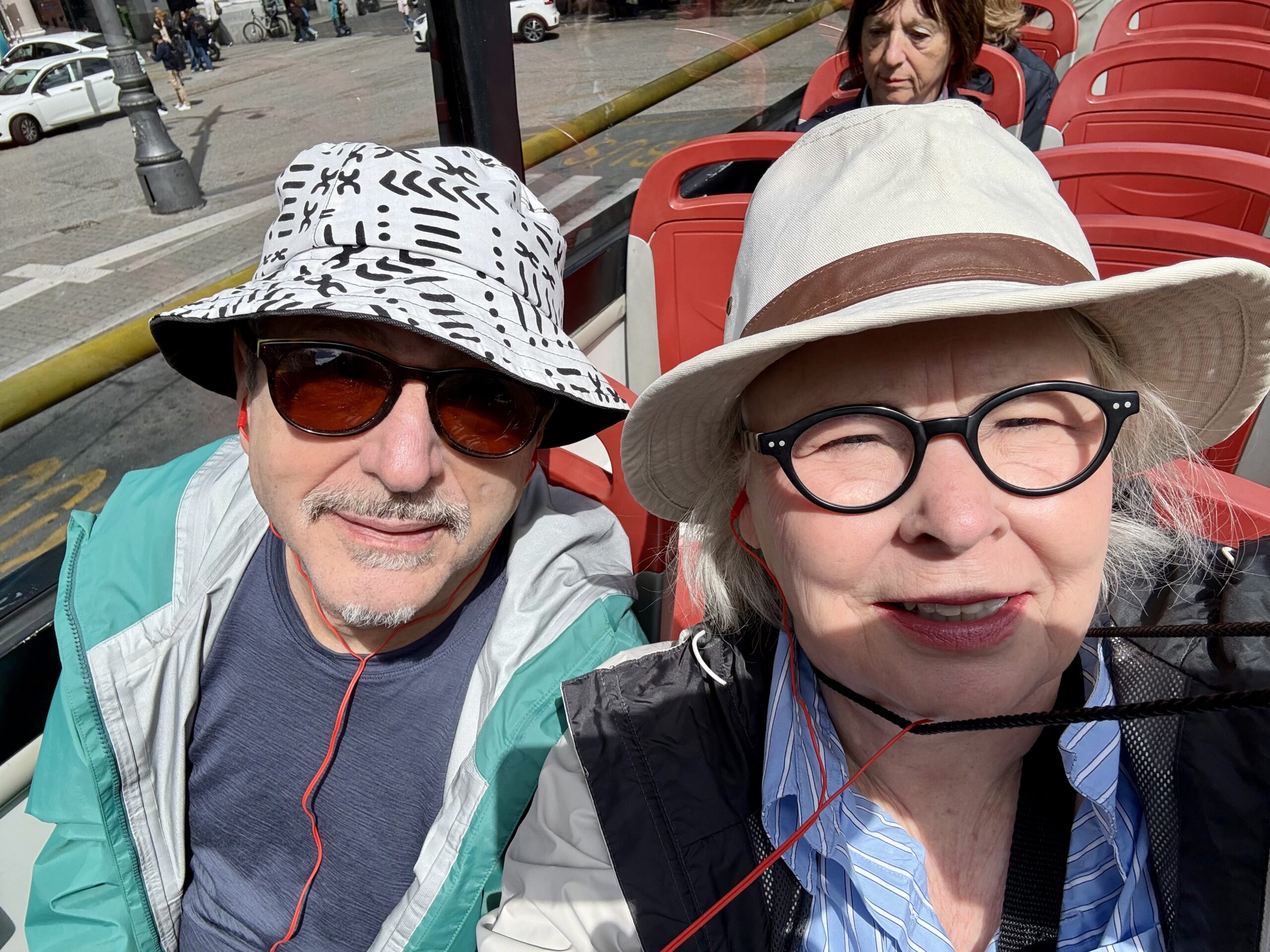
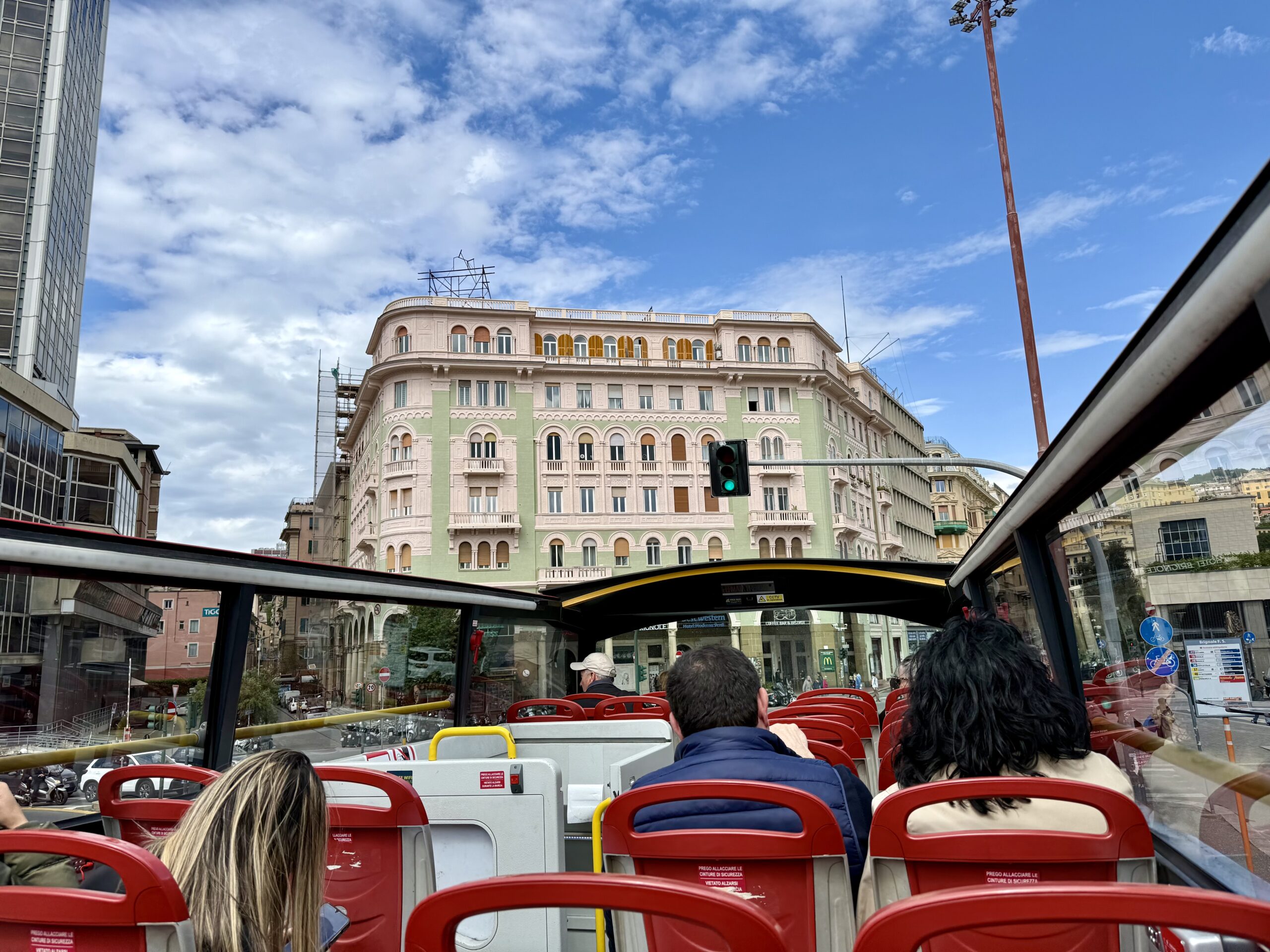
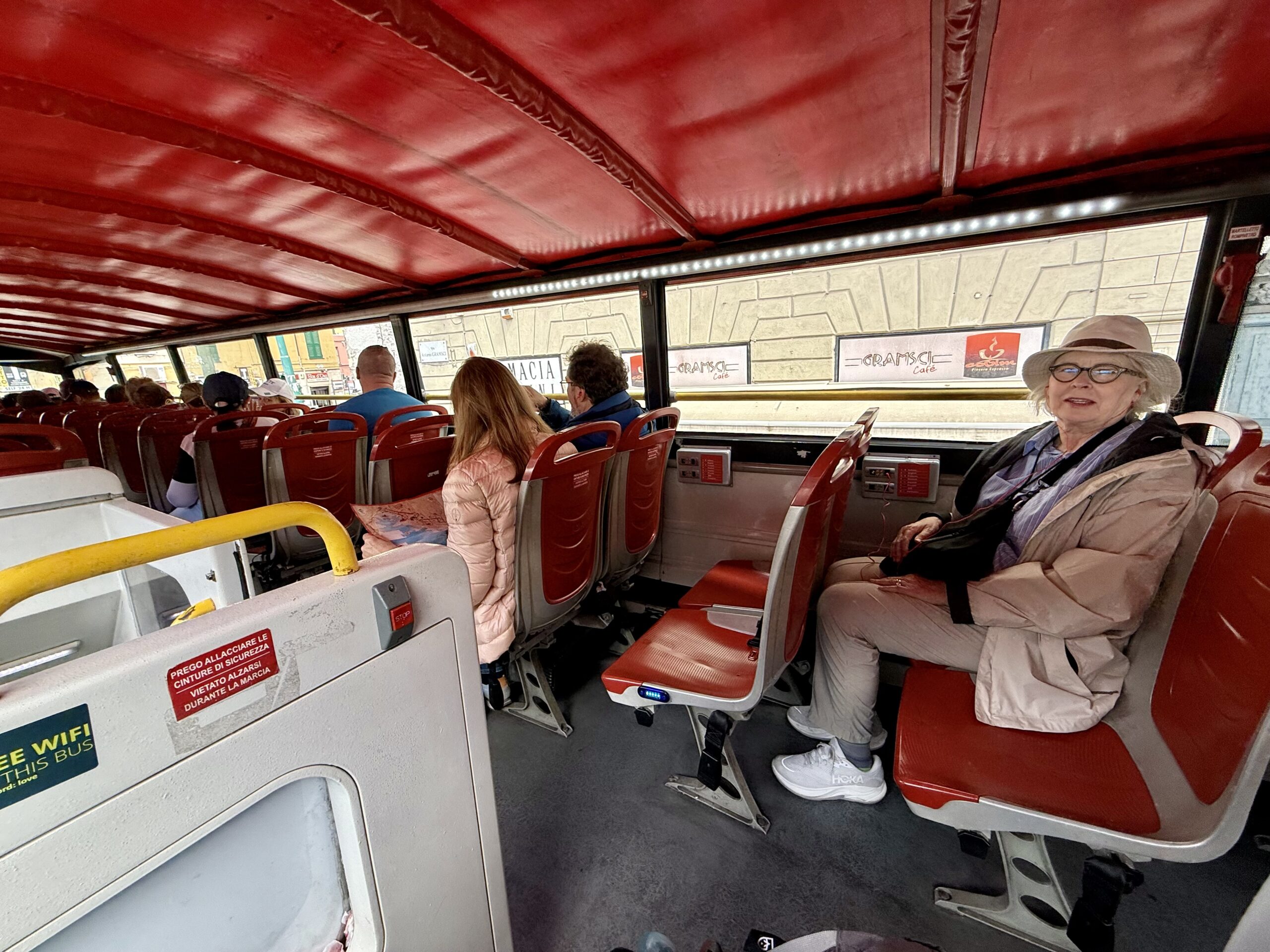
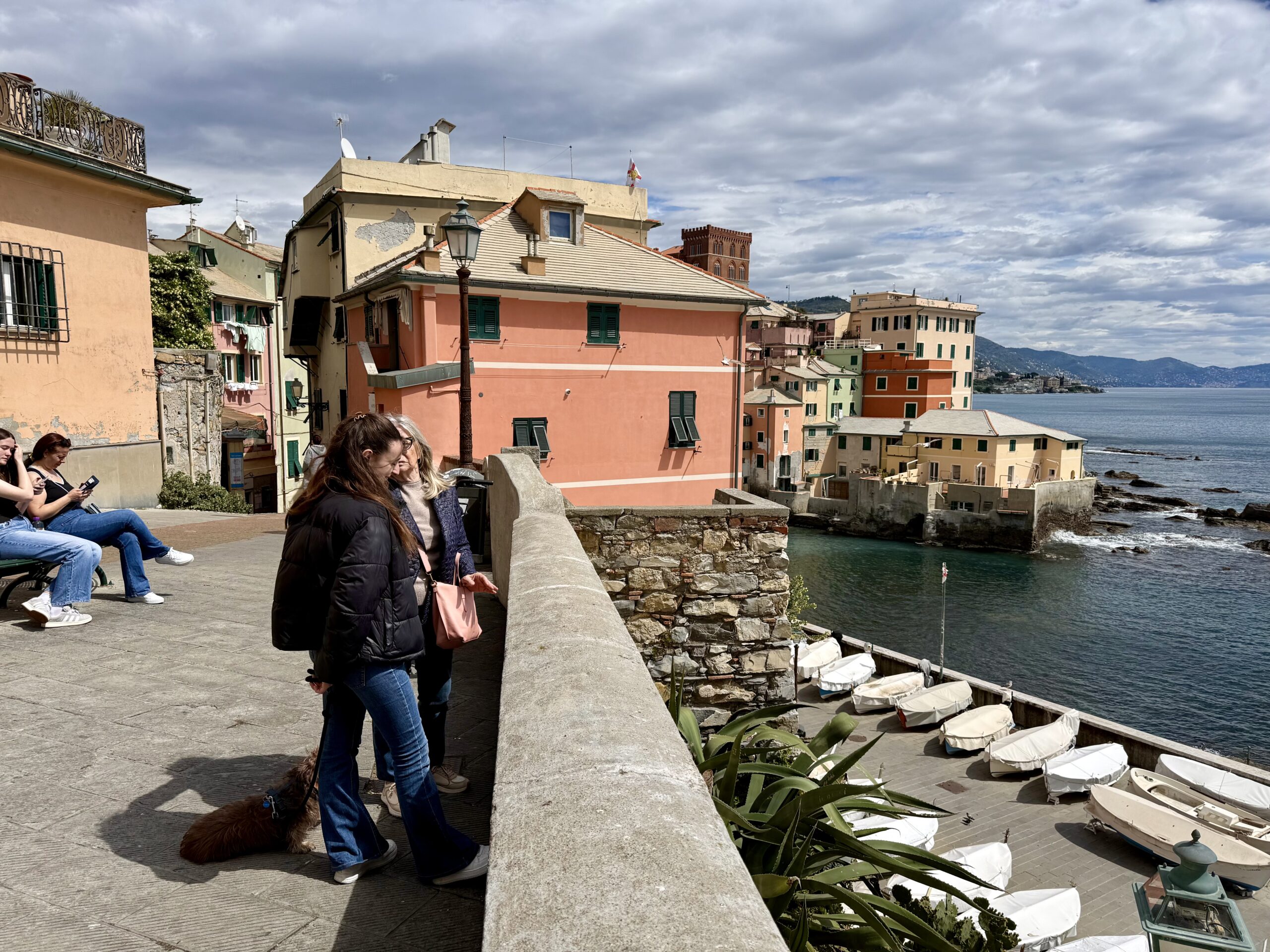
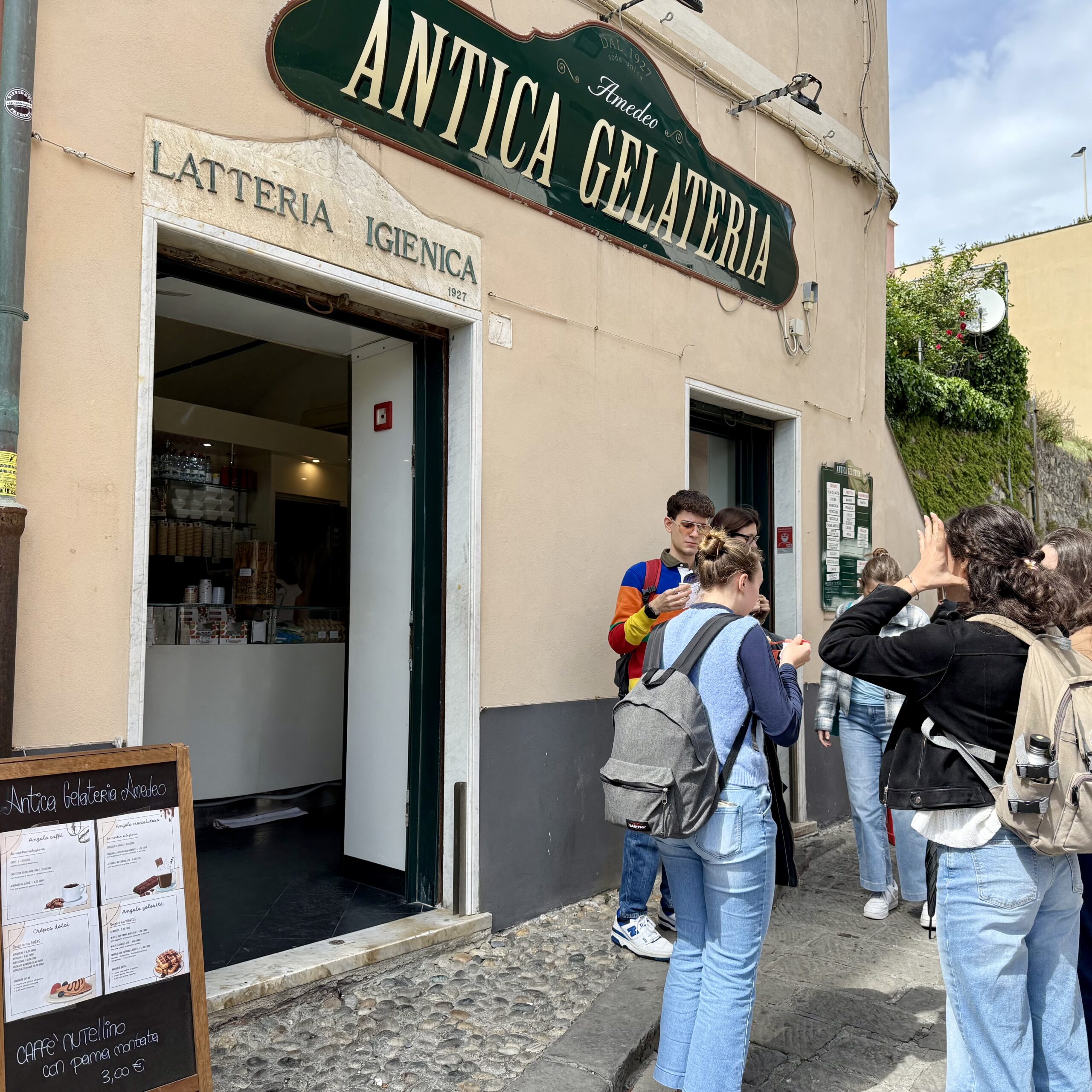
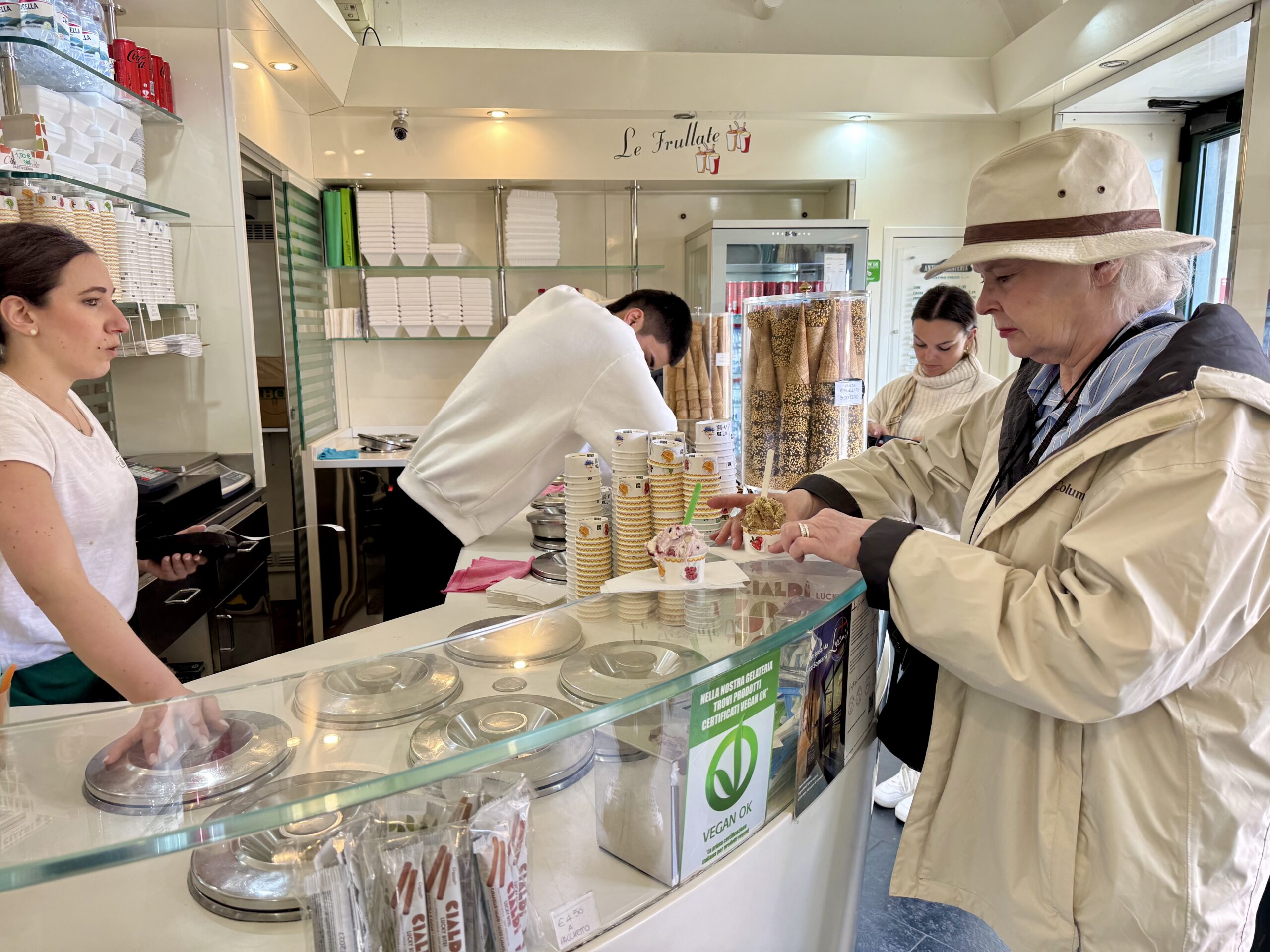
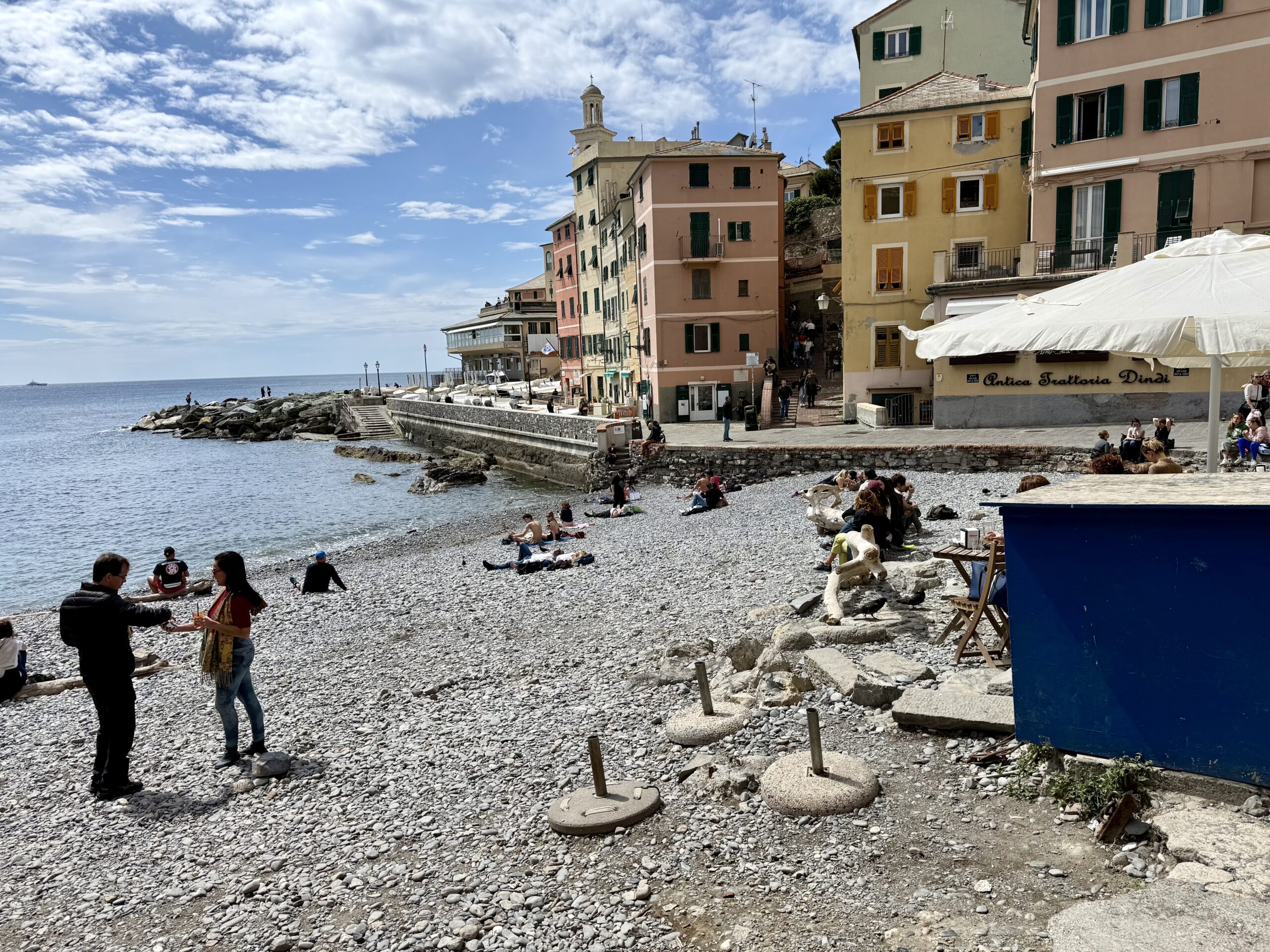
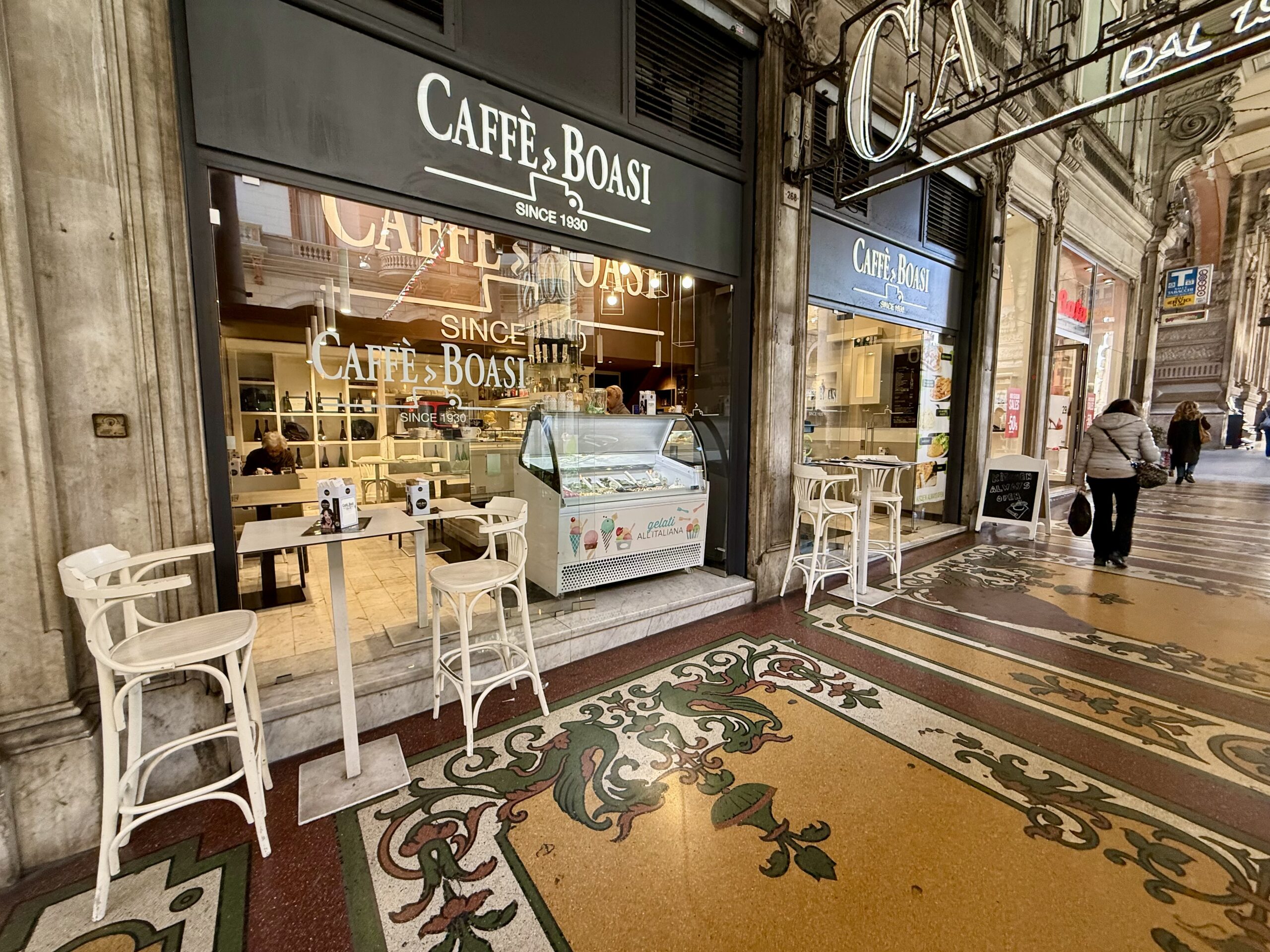
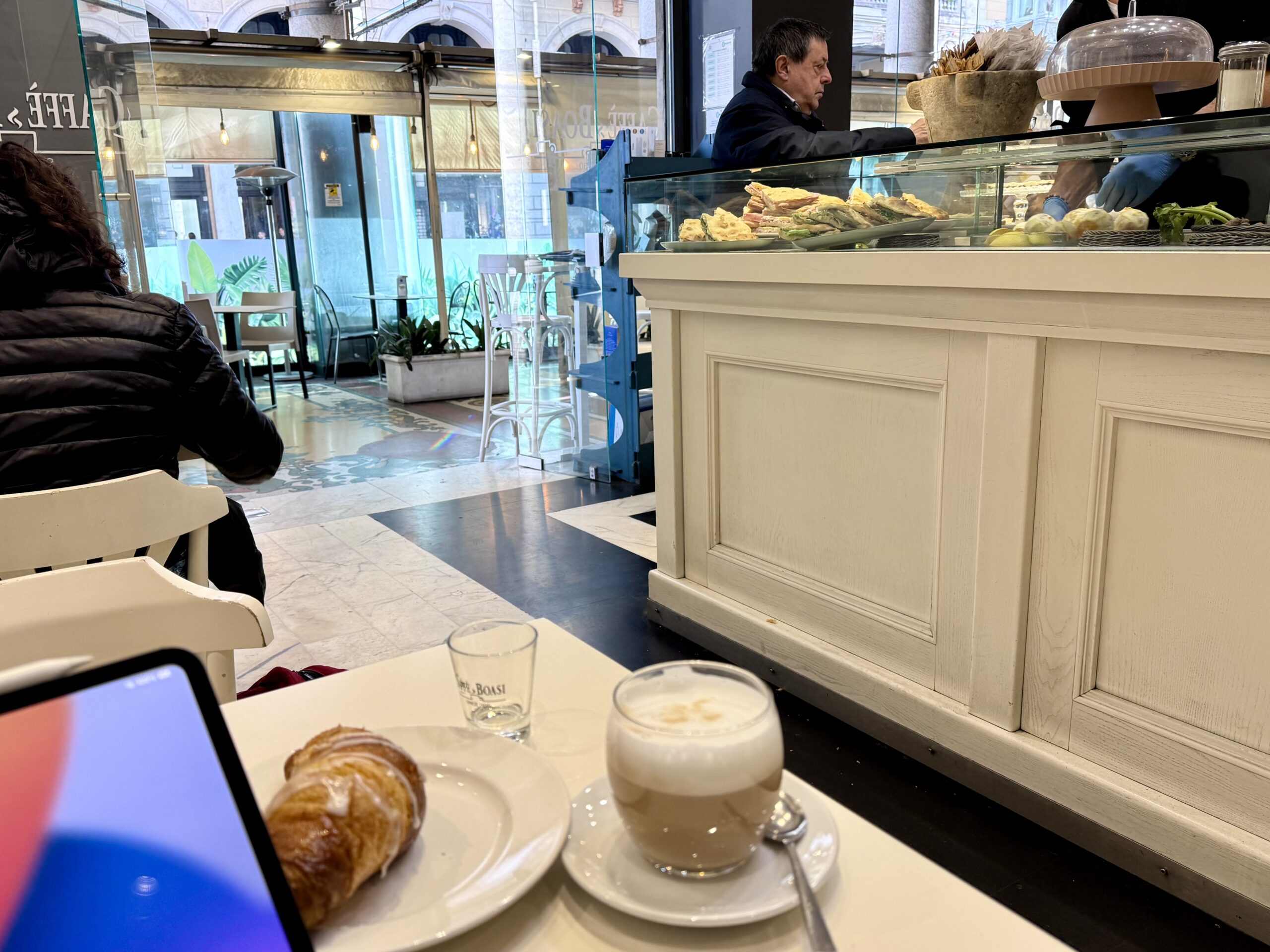
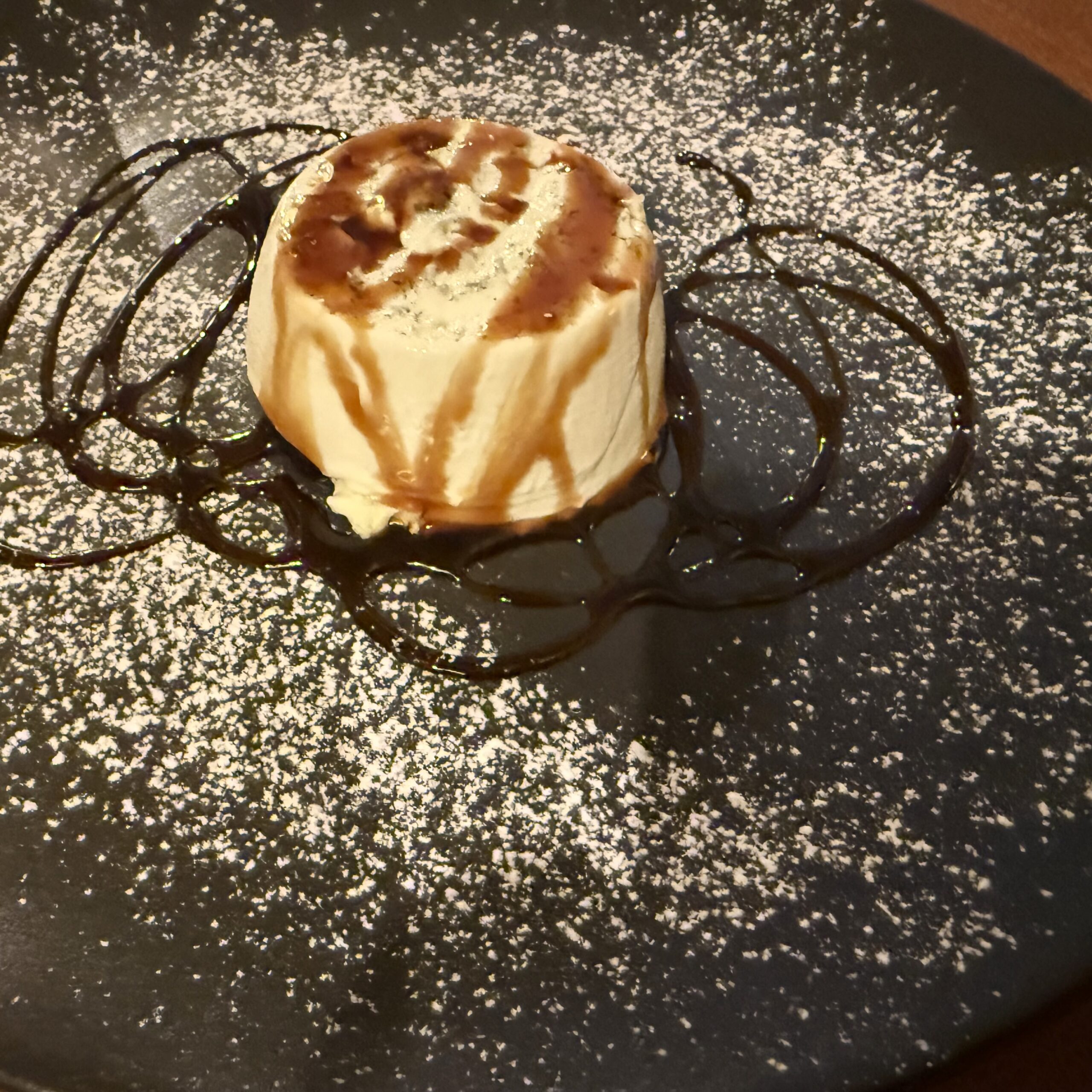
Robert has a new appreciation for the Hop On Hop Off buses he sees cruising through the Haight in San Francisco. For a reasonable price you can quickly get oriented to a broad swath of a city and hear some commentary on history. Mid trip we switched from the red route to the blue route, very daring, and arrived in Boccadasse, a fishing village at one time. A quick stroll, lunch, and a gelato rounded off the day there. Bonnie was wowed by a vegan pistachio gelato with chunks of chocolate and nuts.
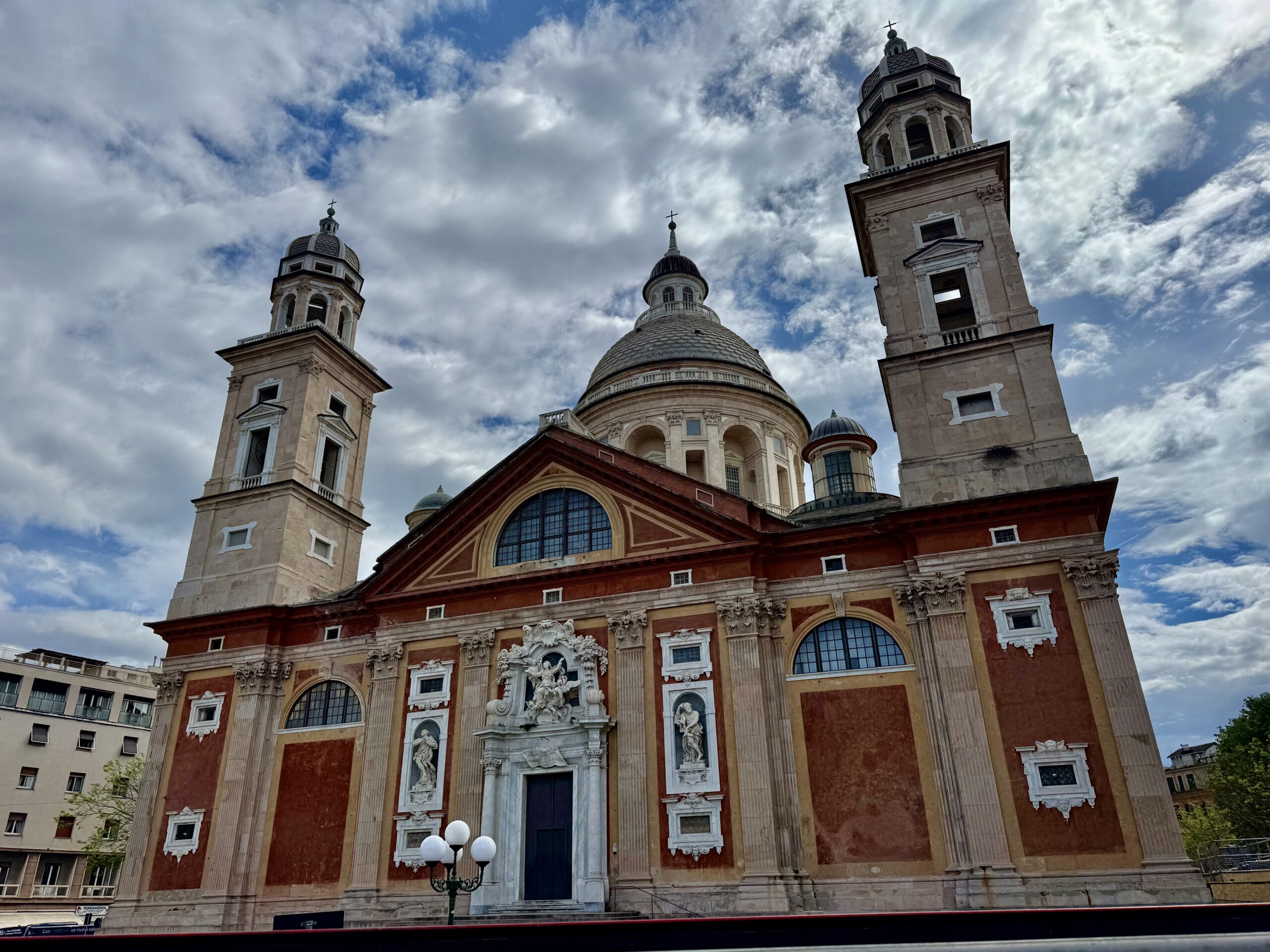
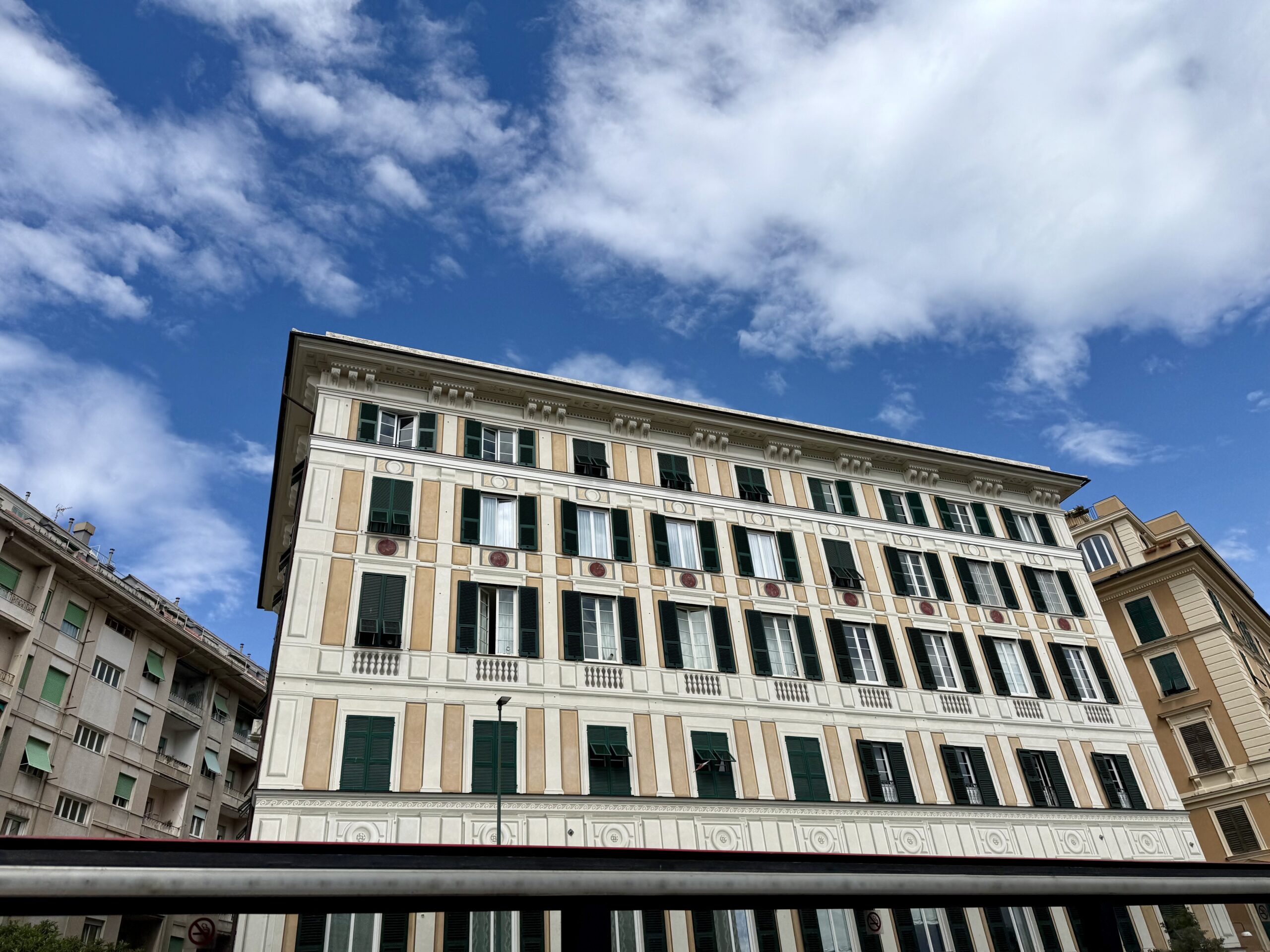
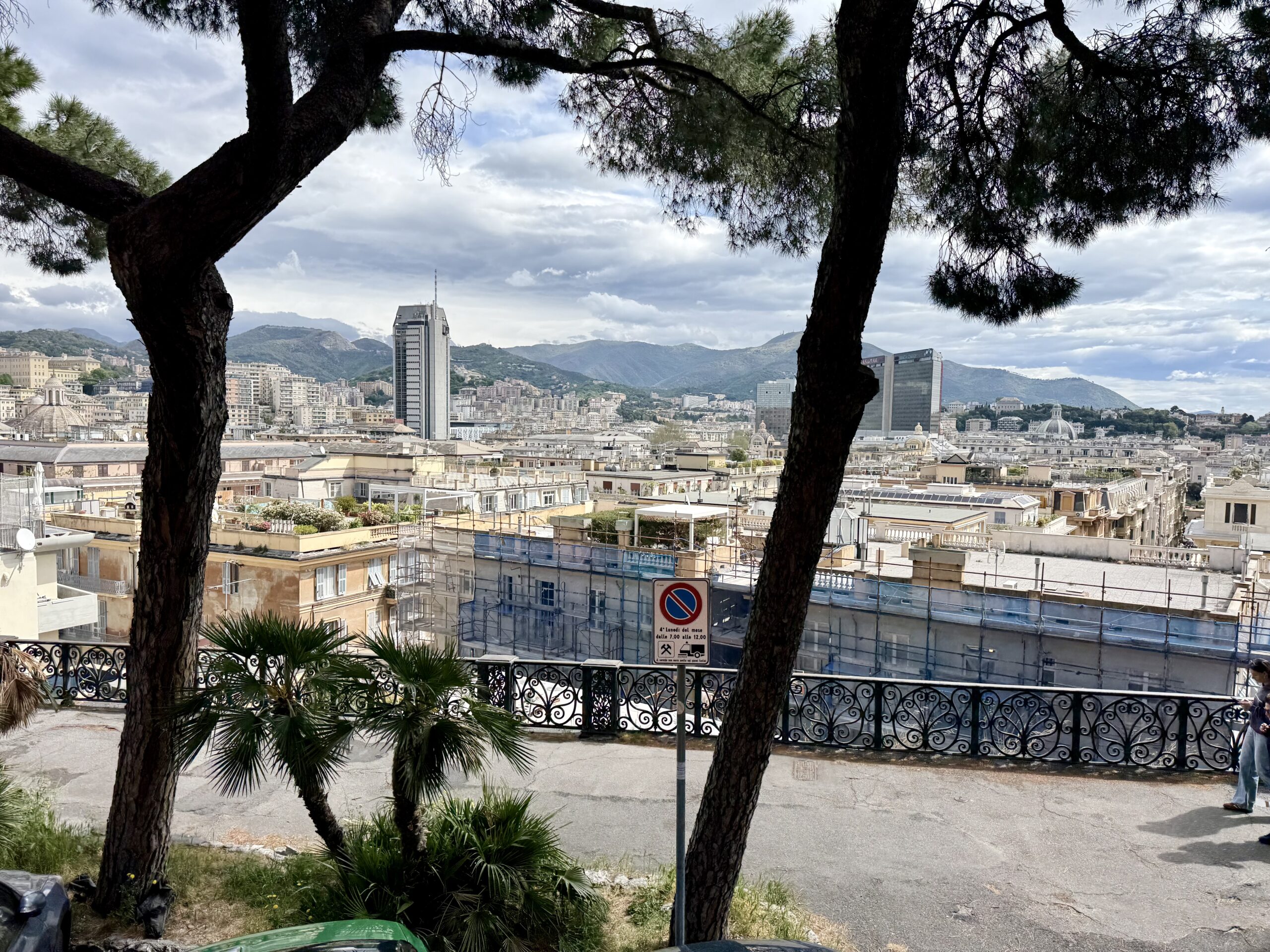
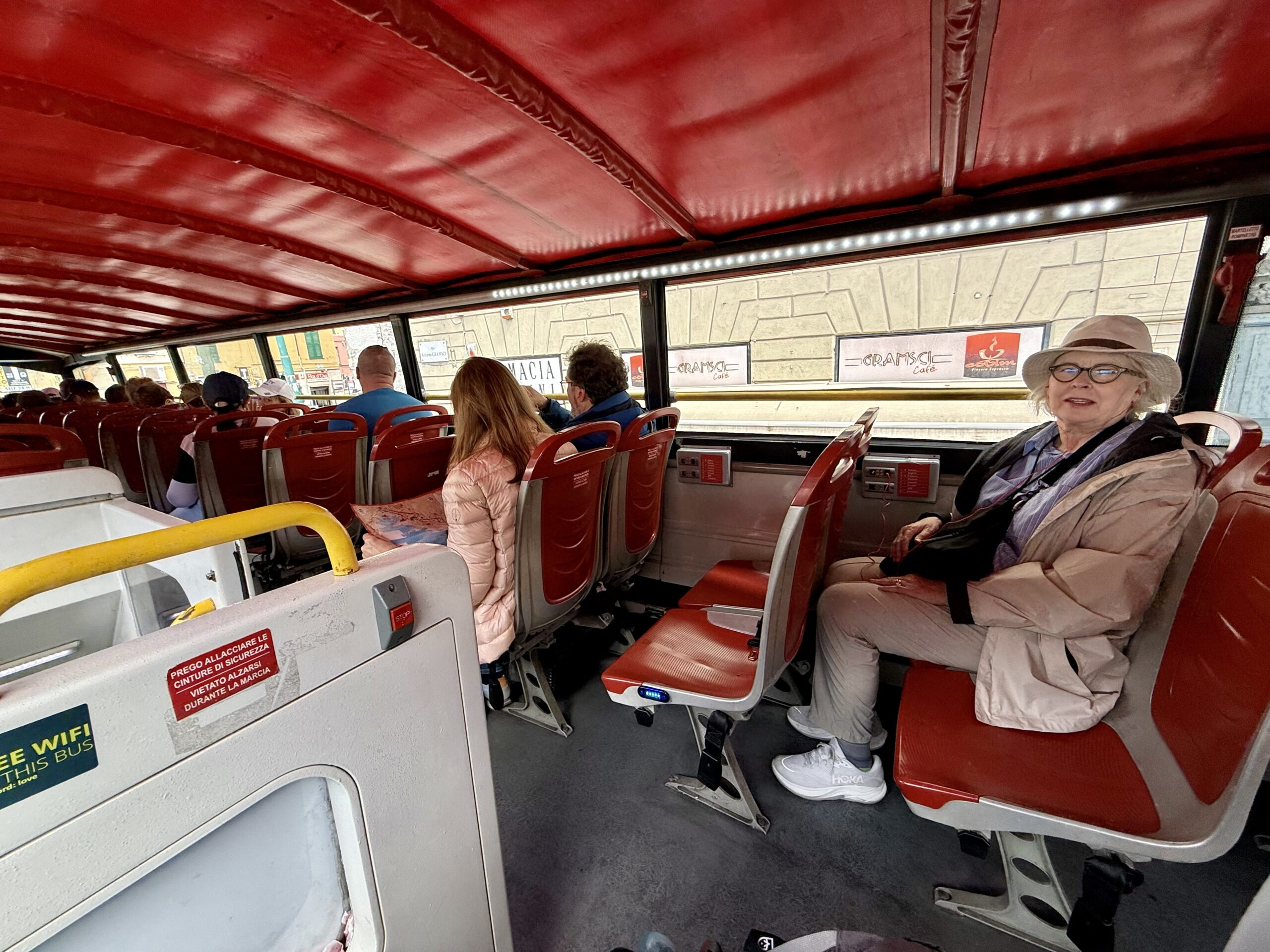
Boccadasse A fishing village south of the city.
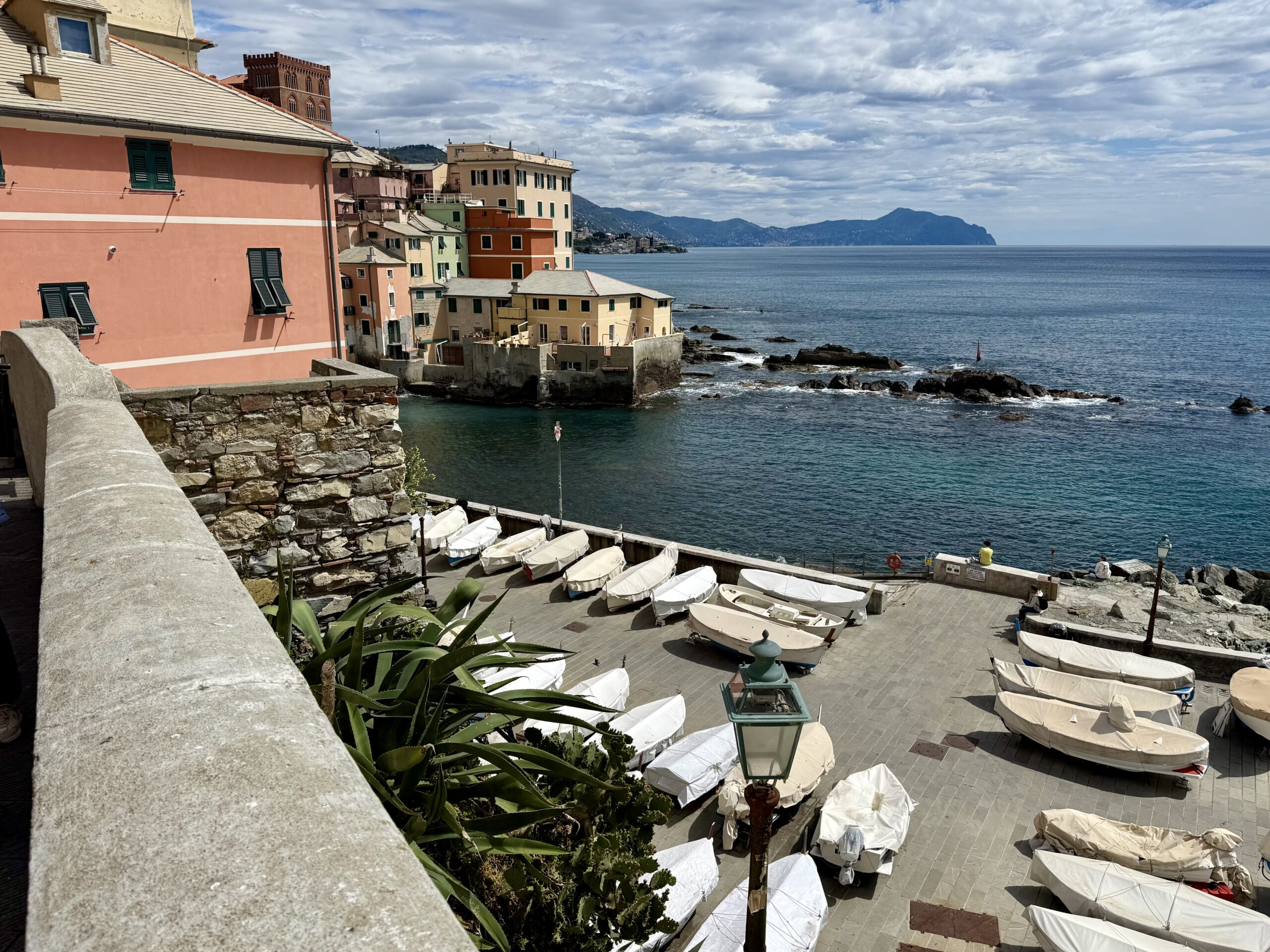
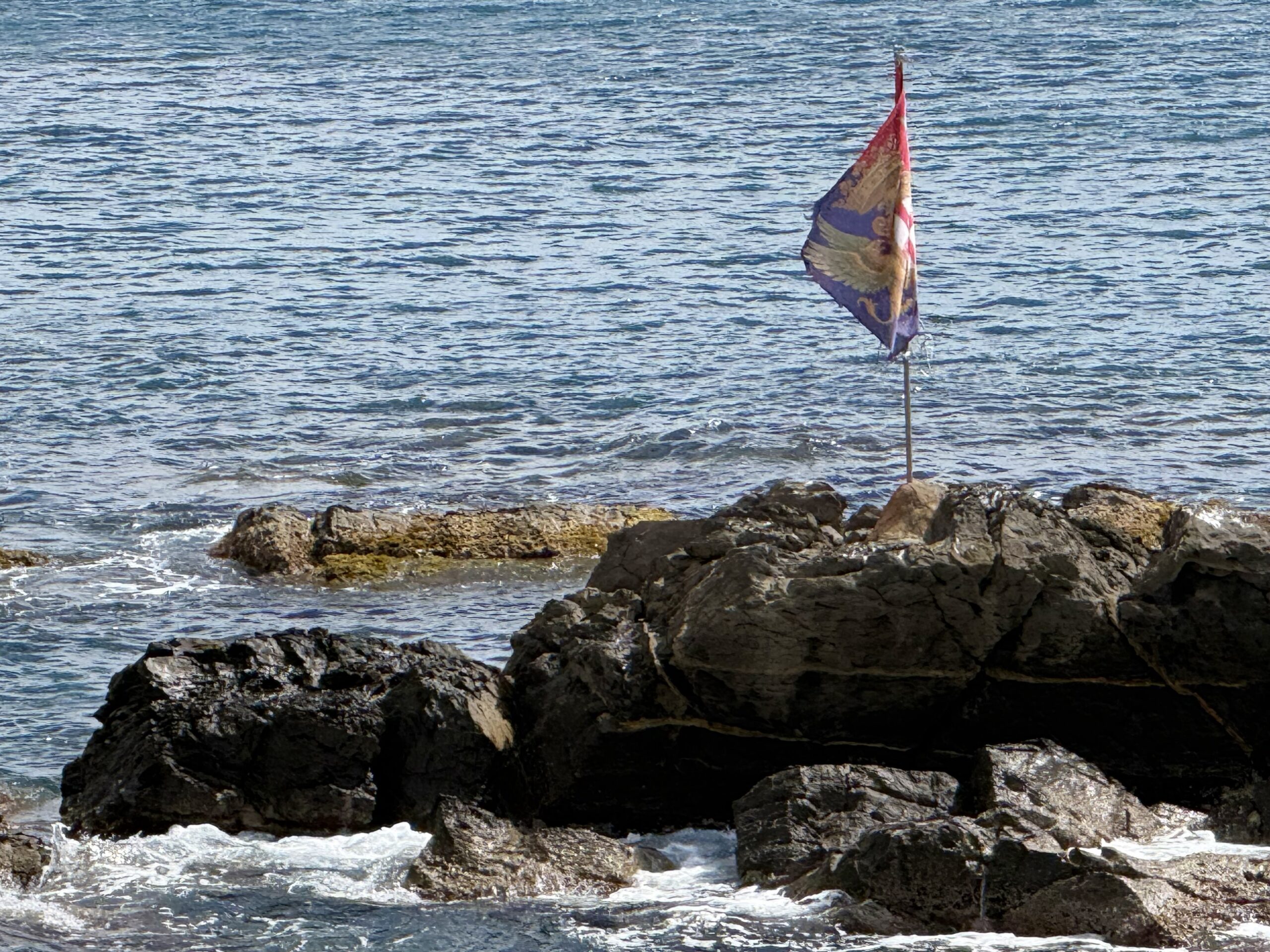
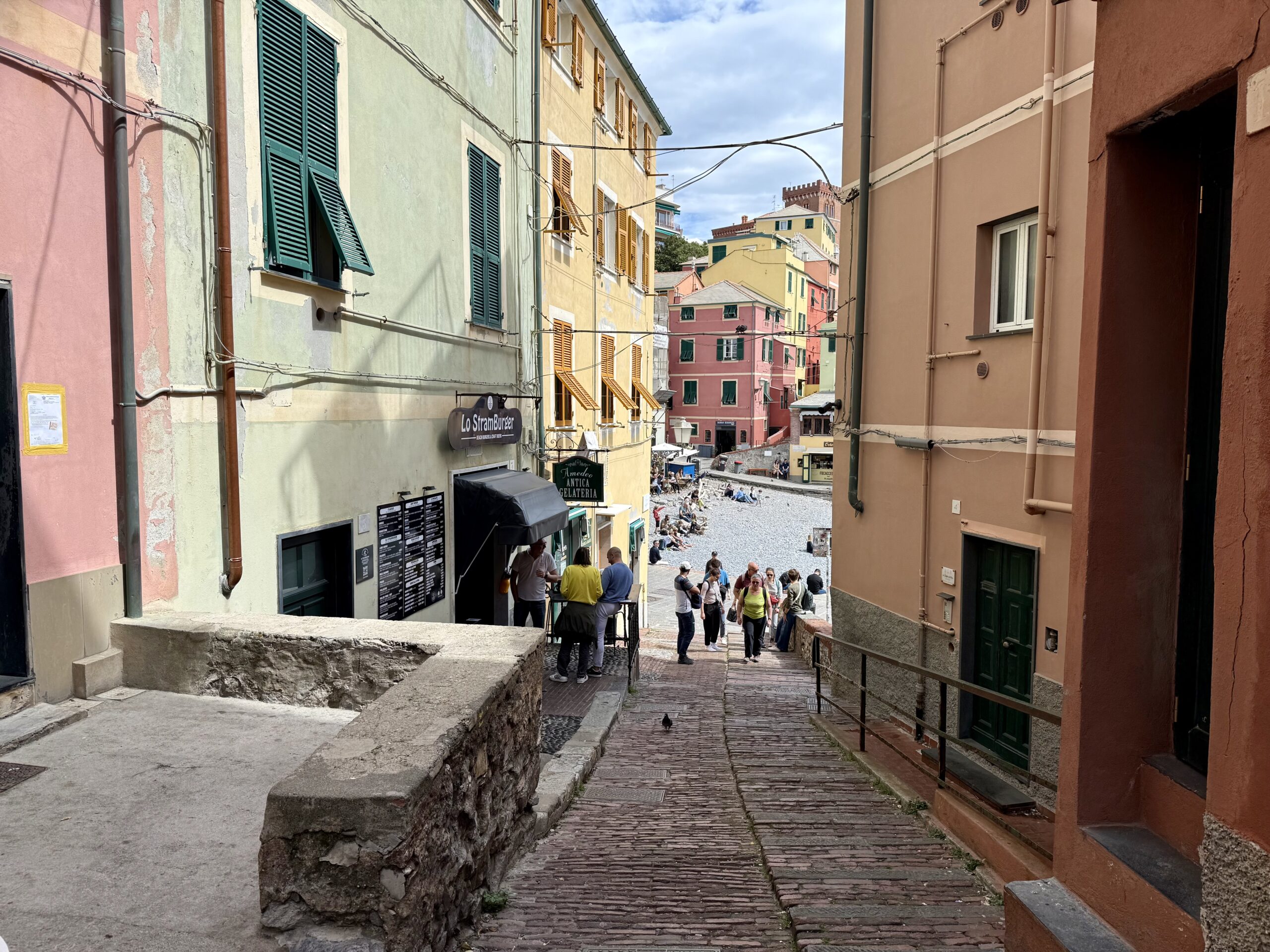
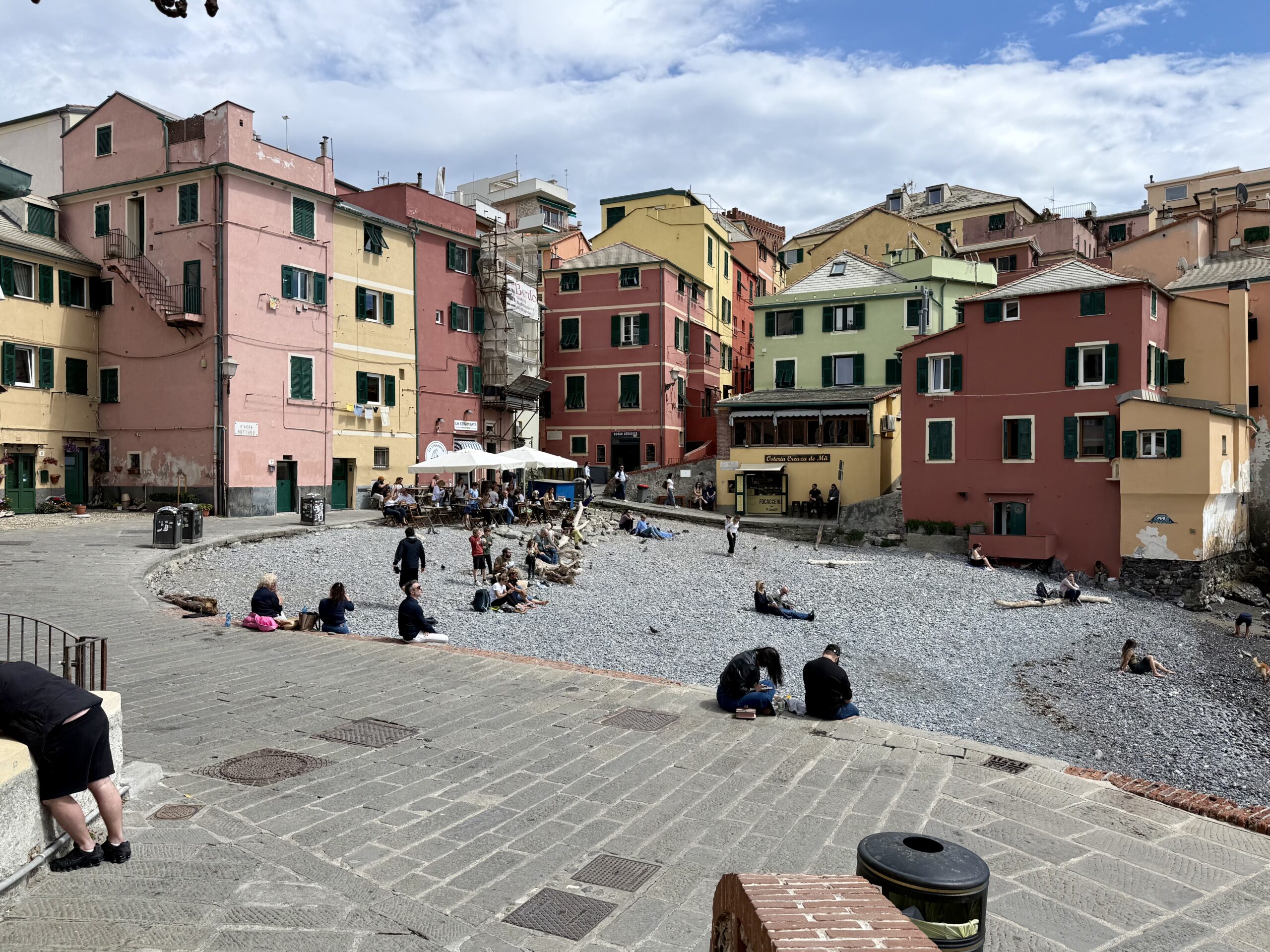
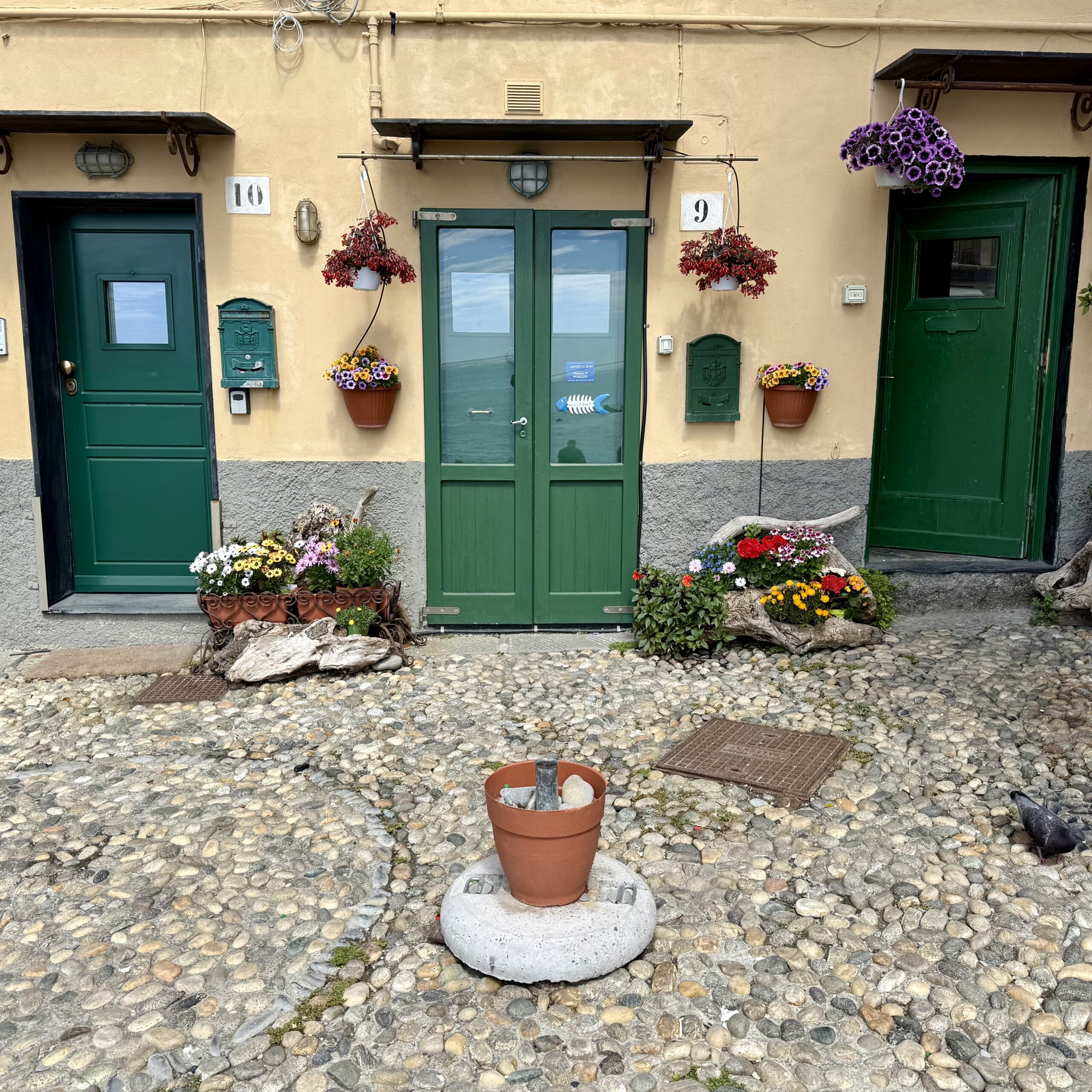
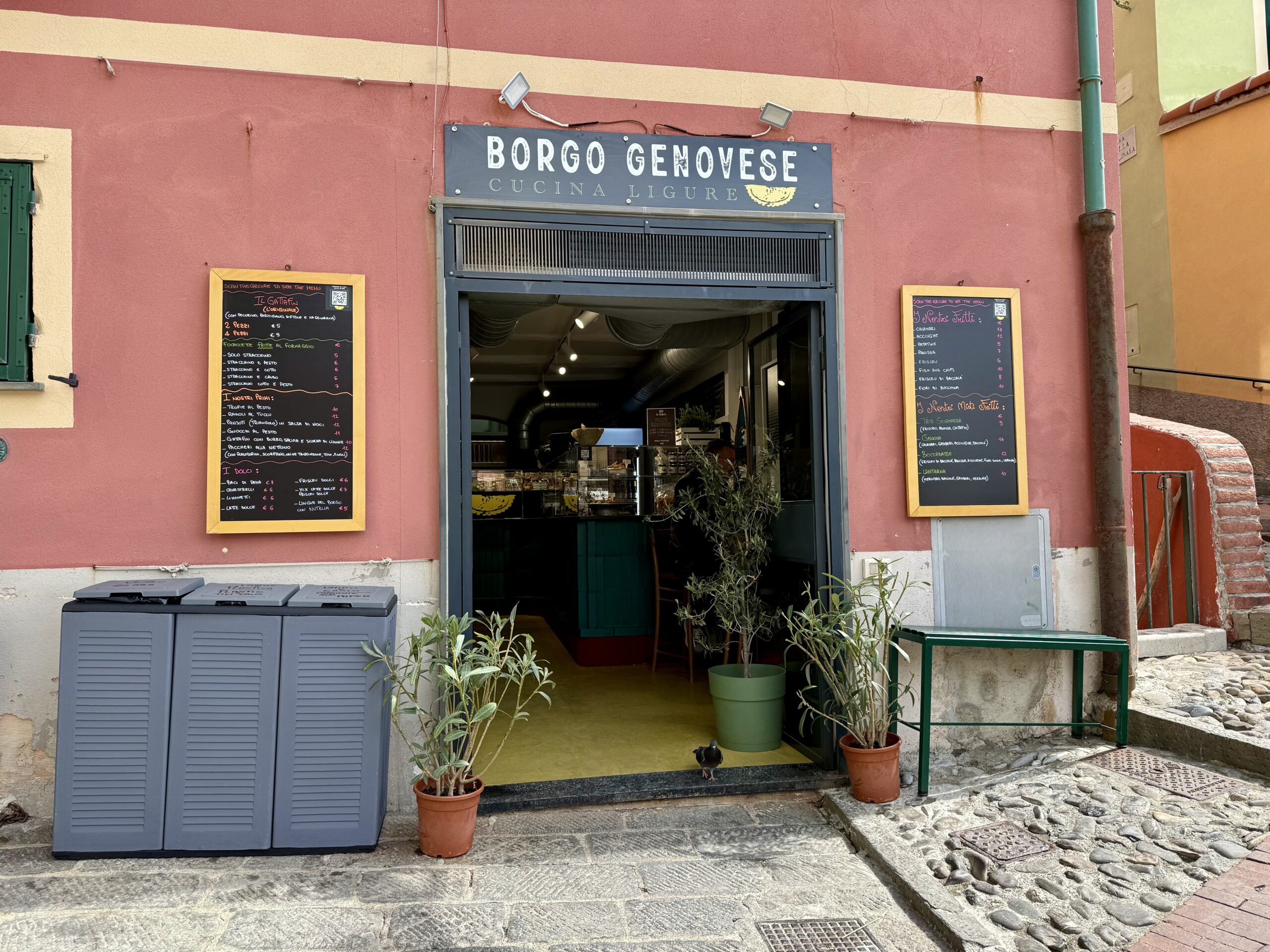
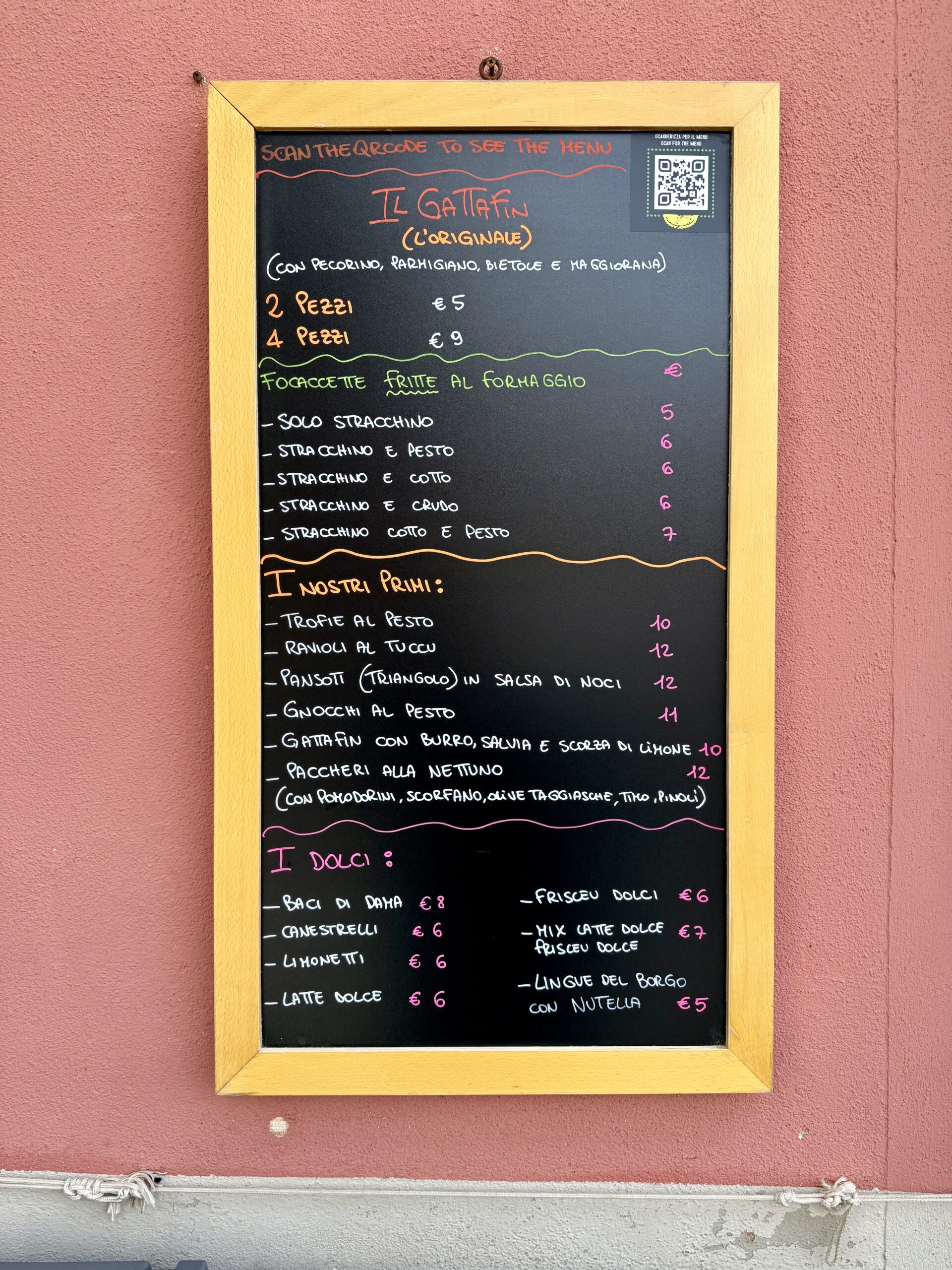
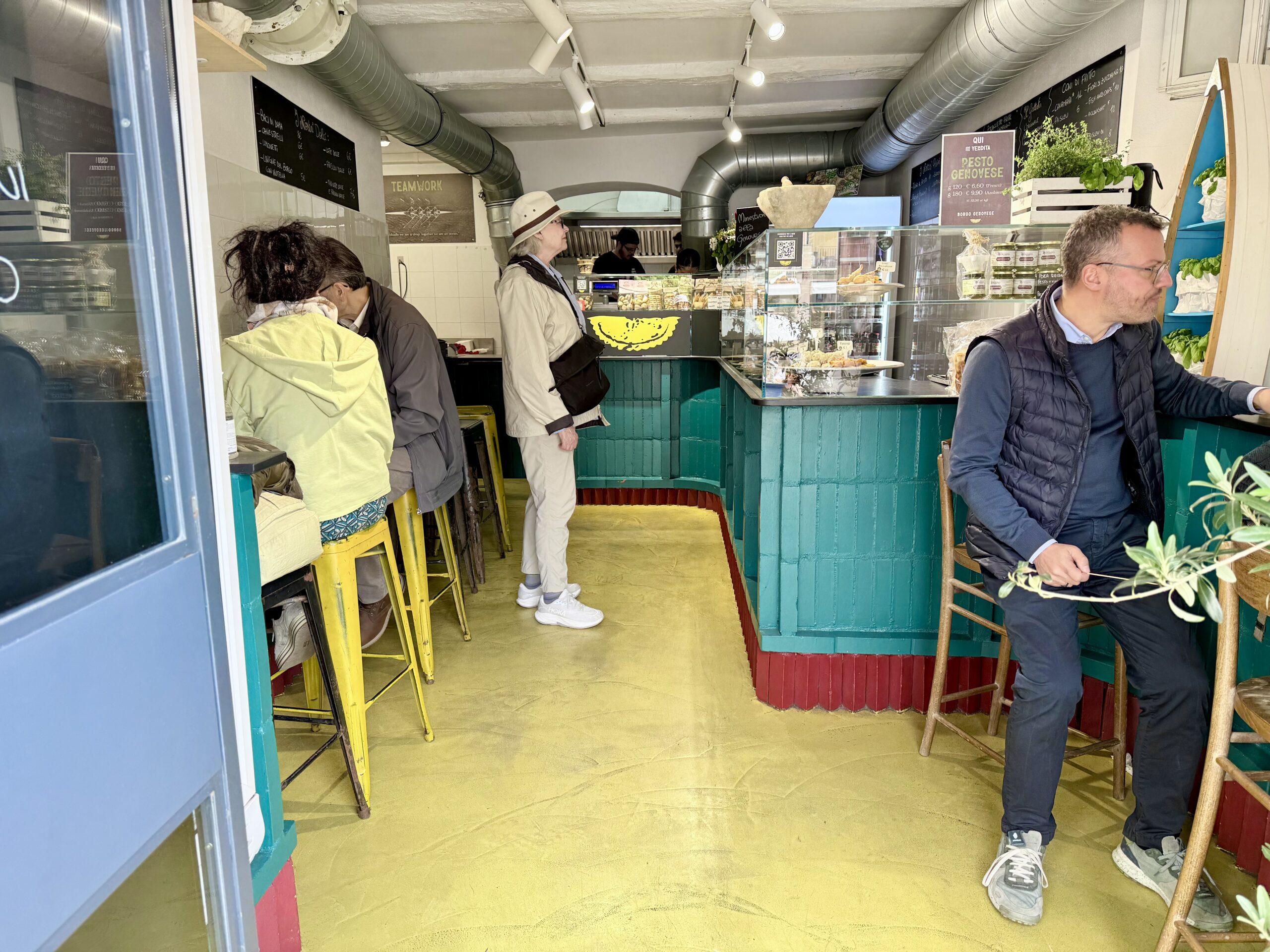
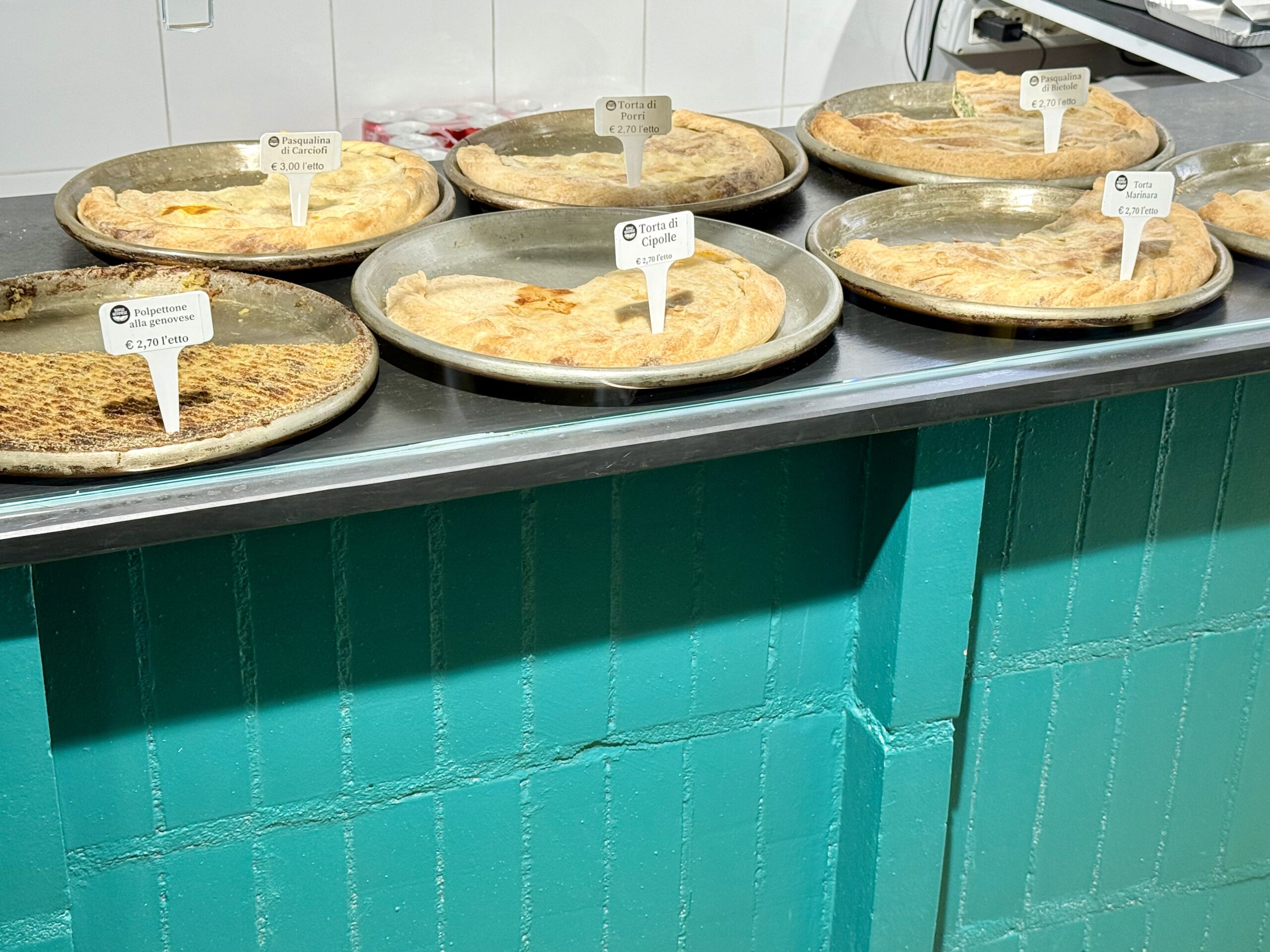
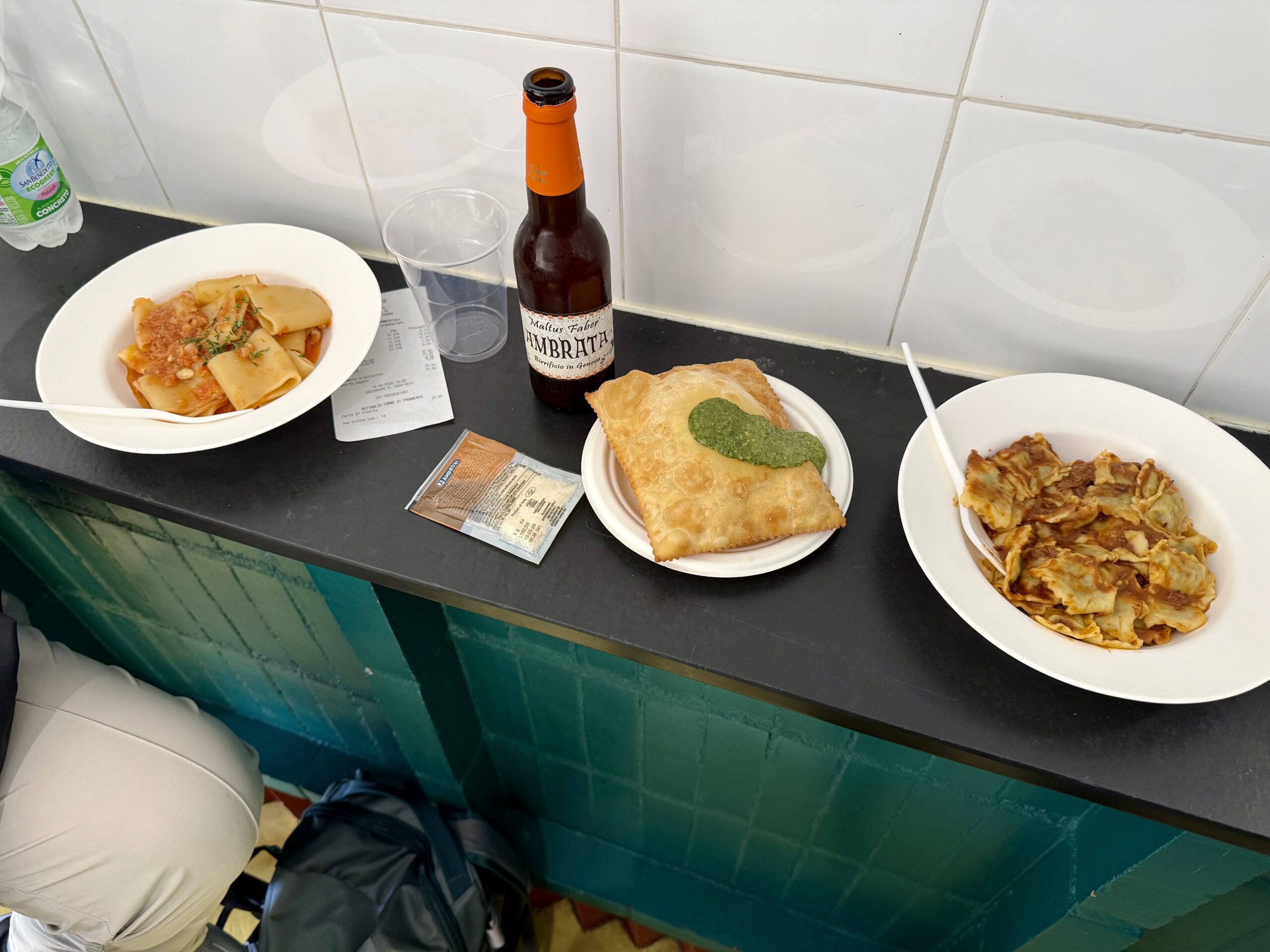
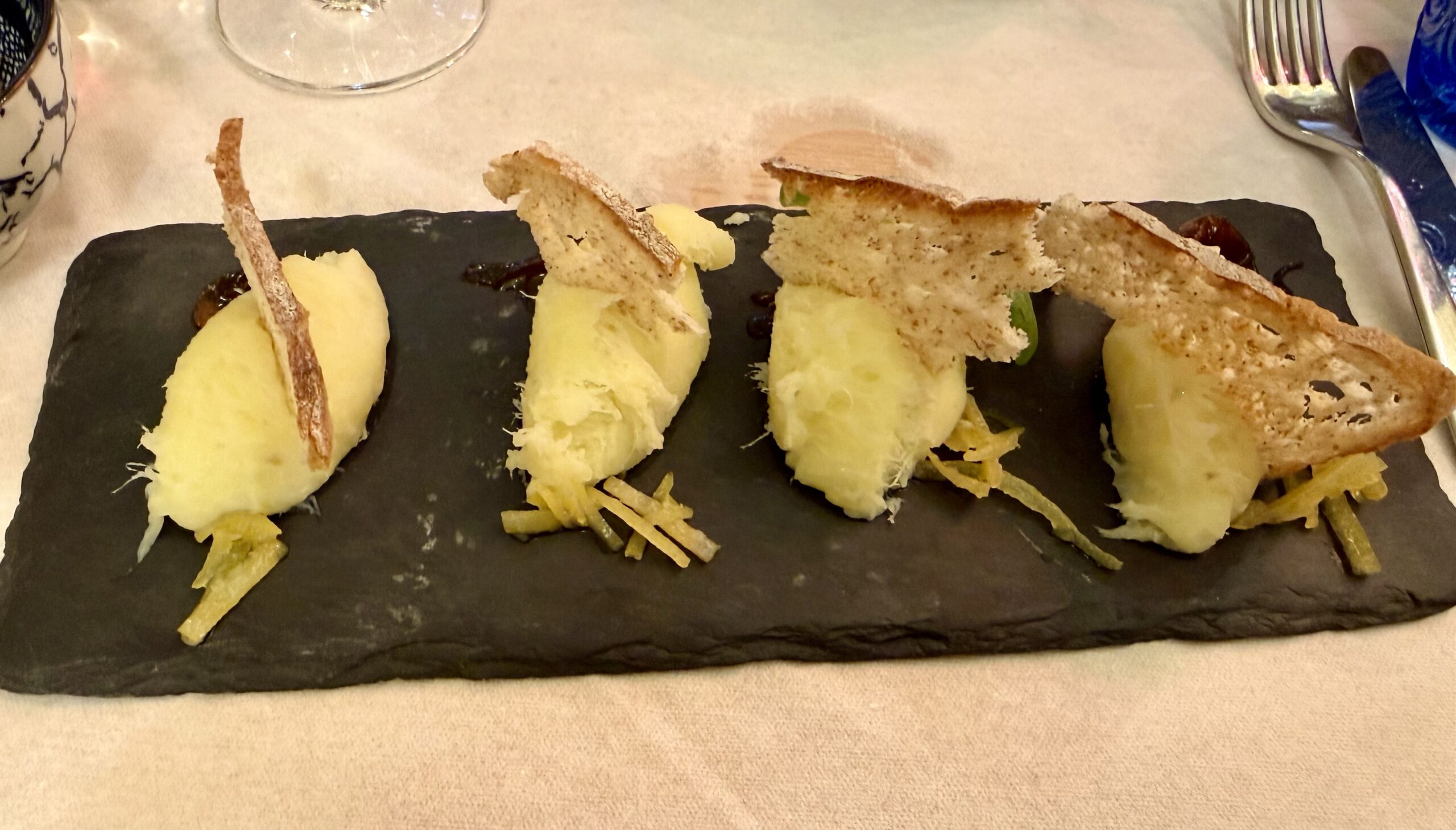
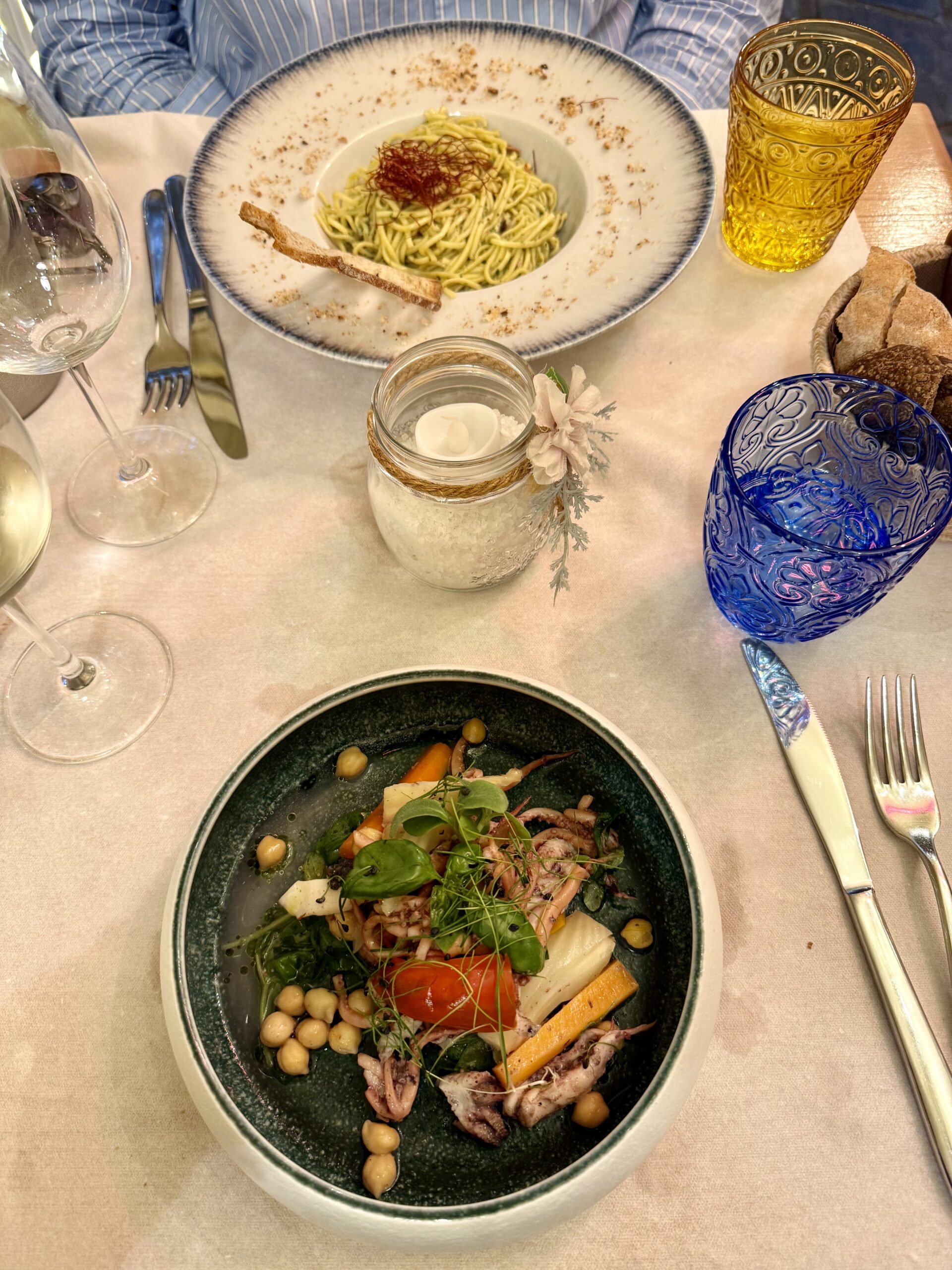
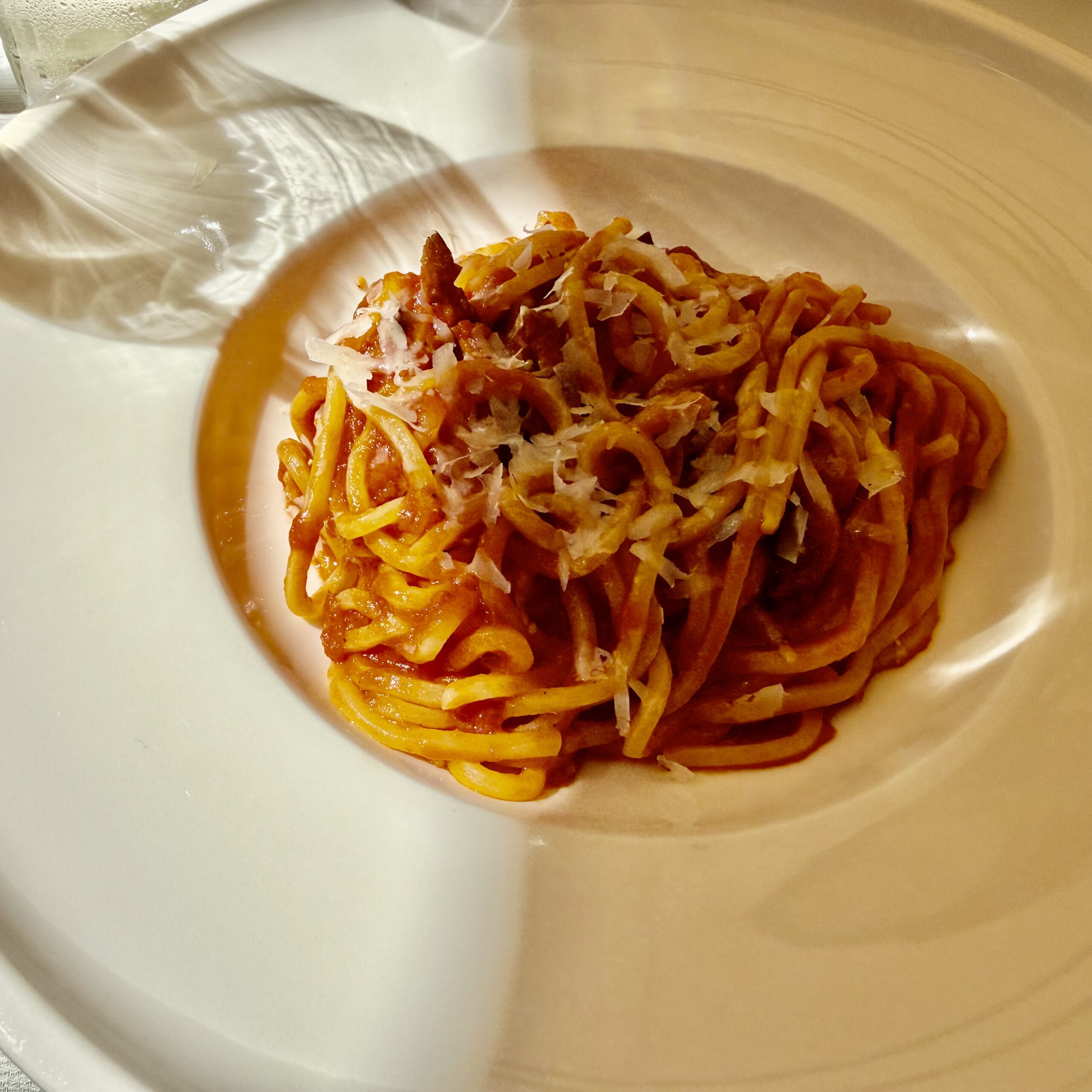
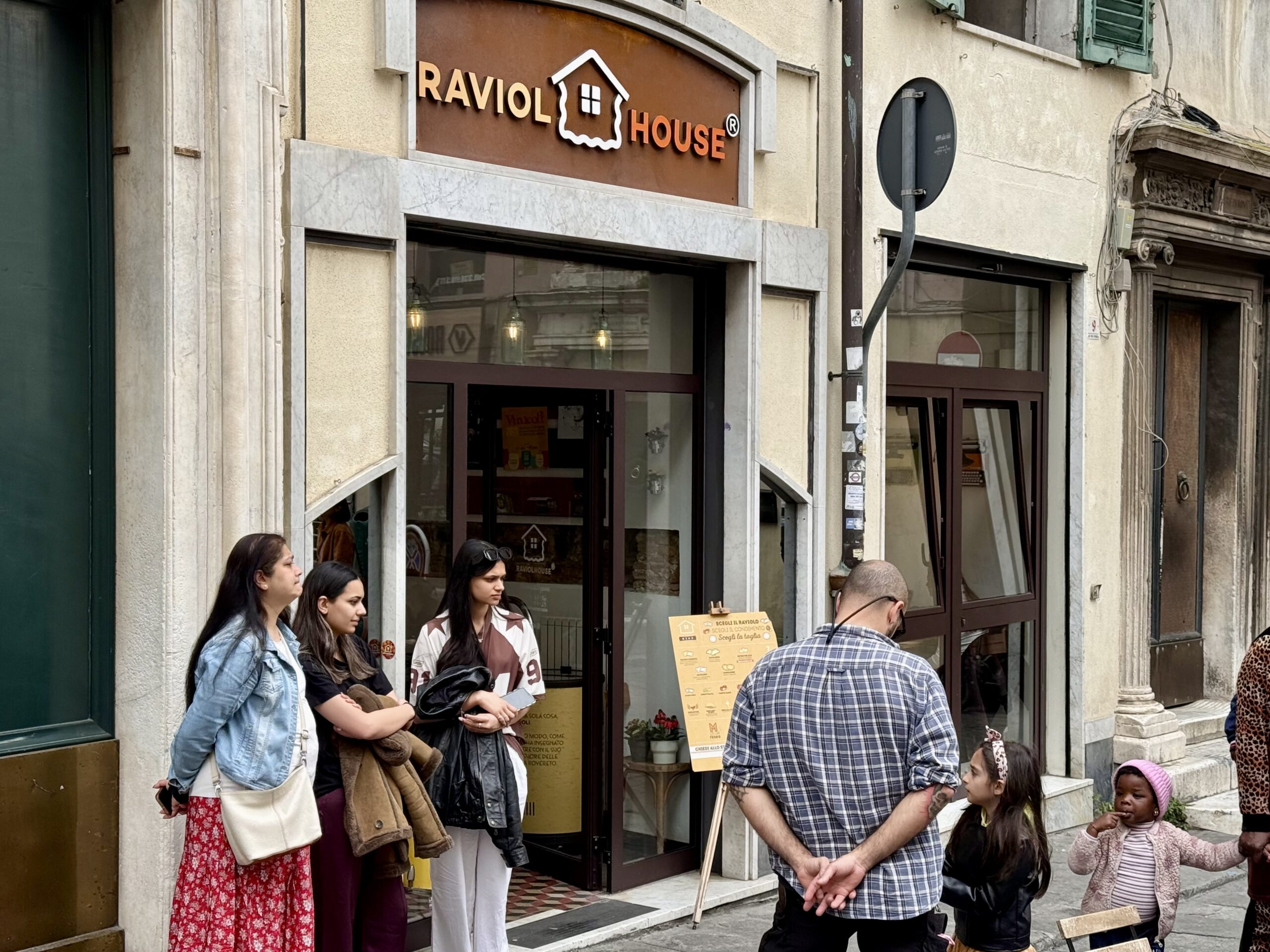
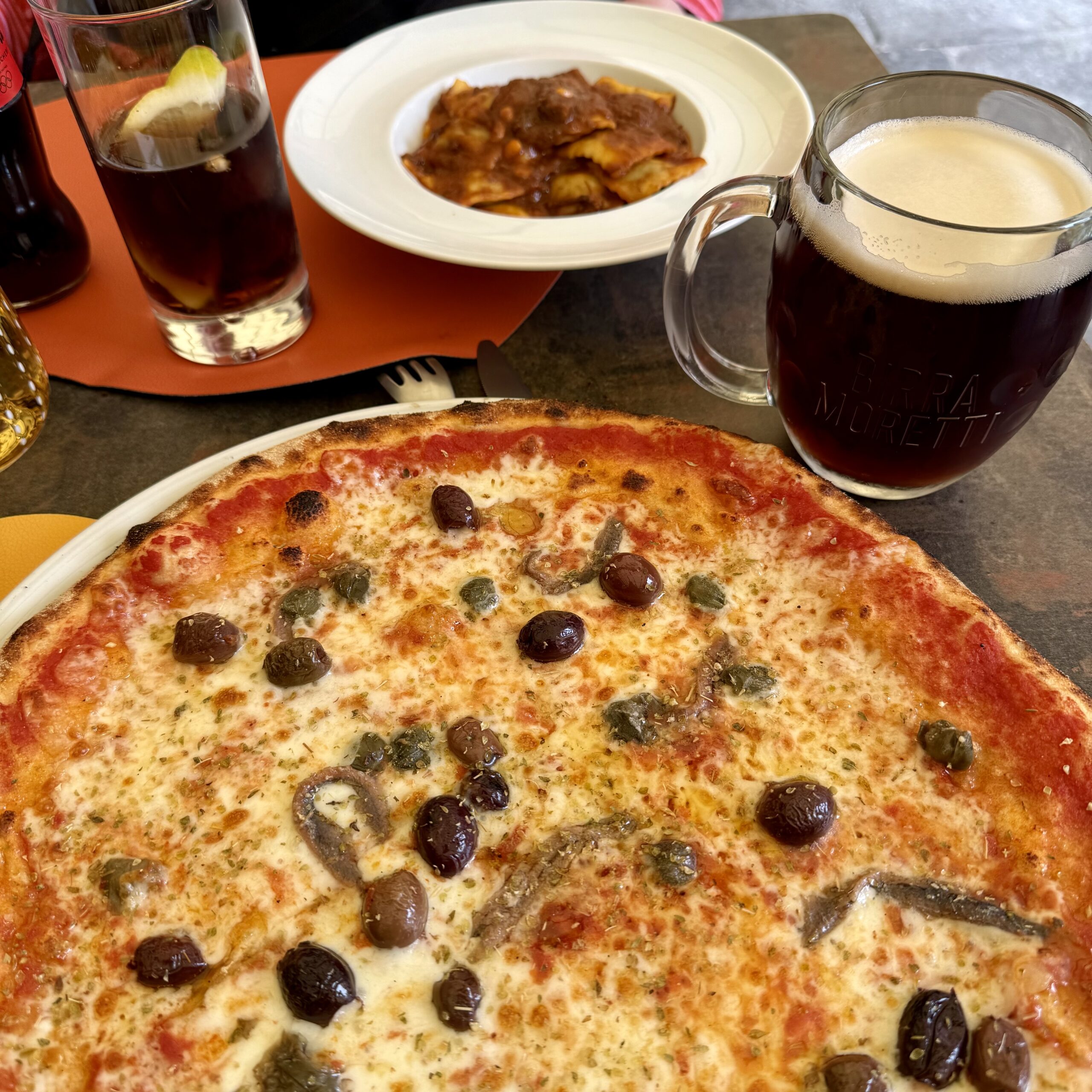
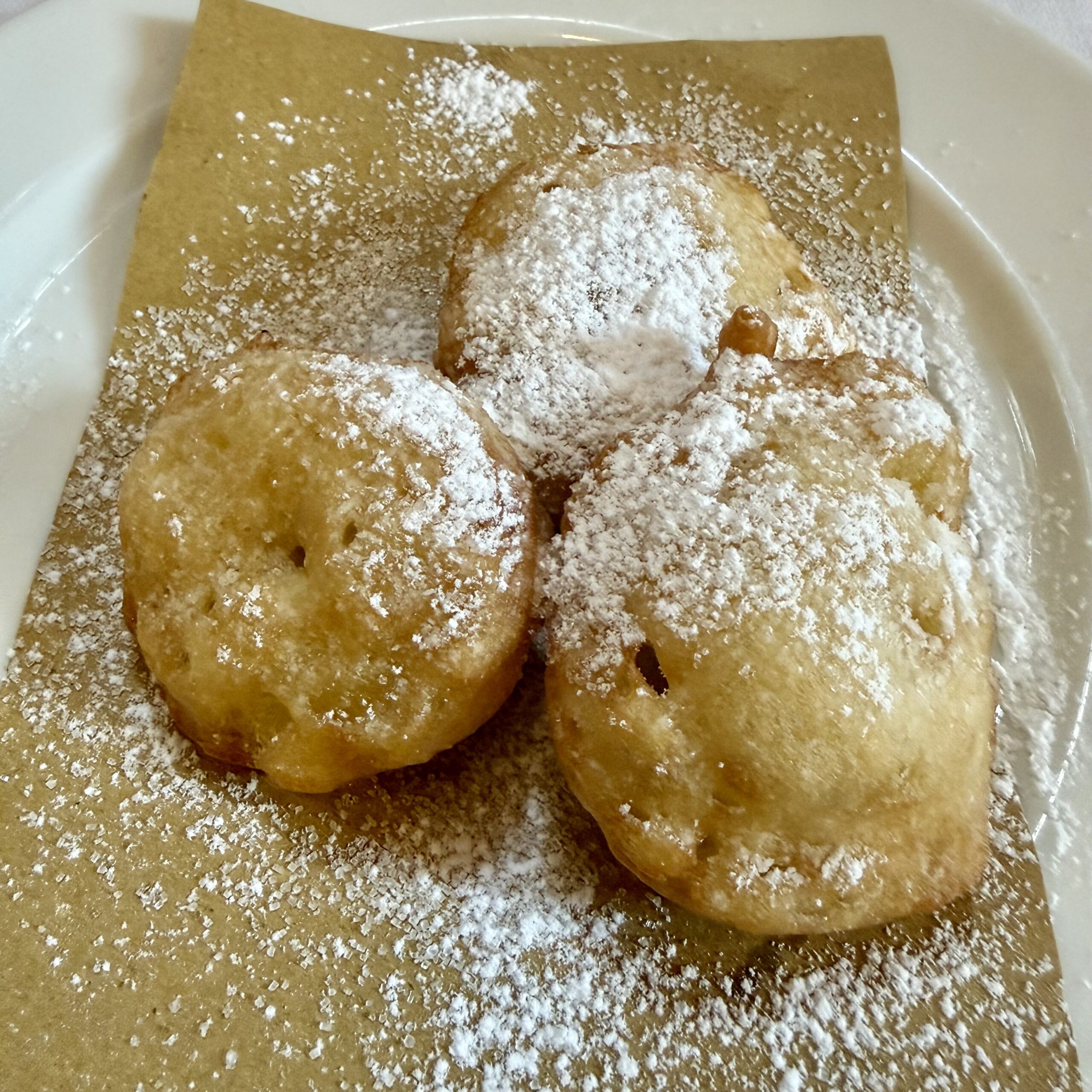
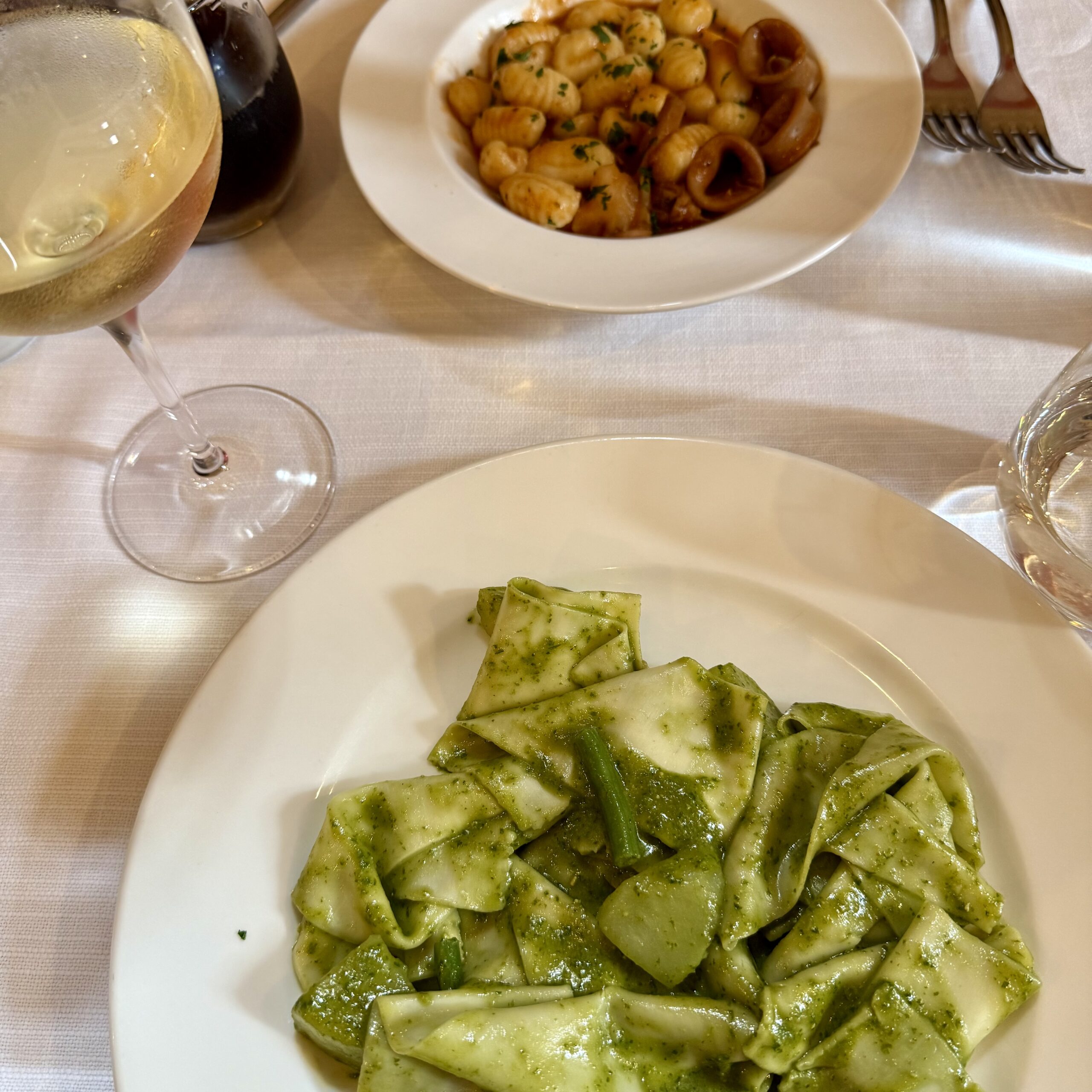
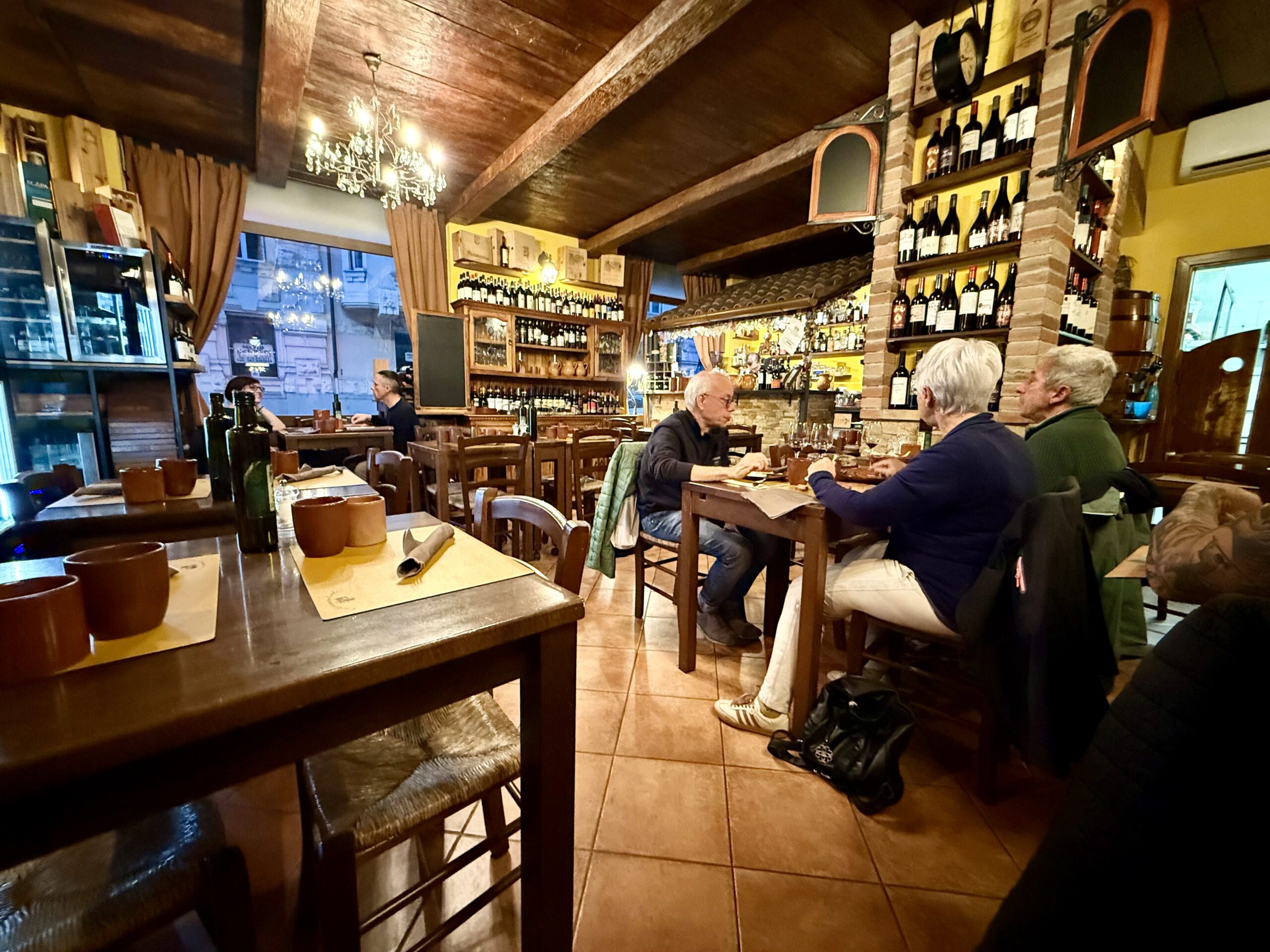
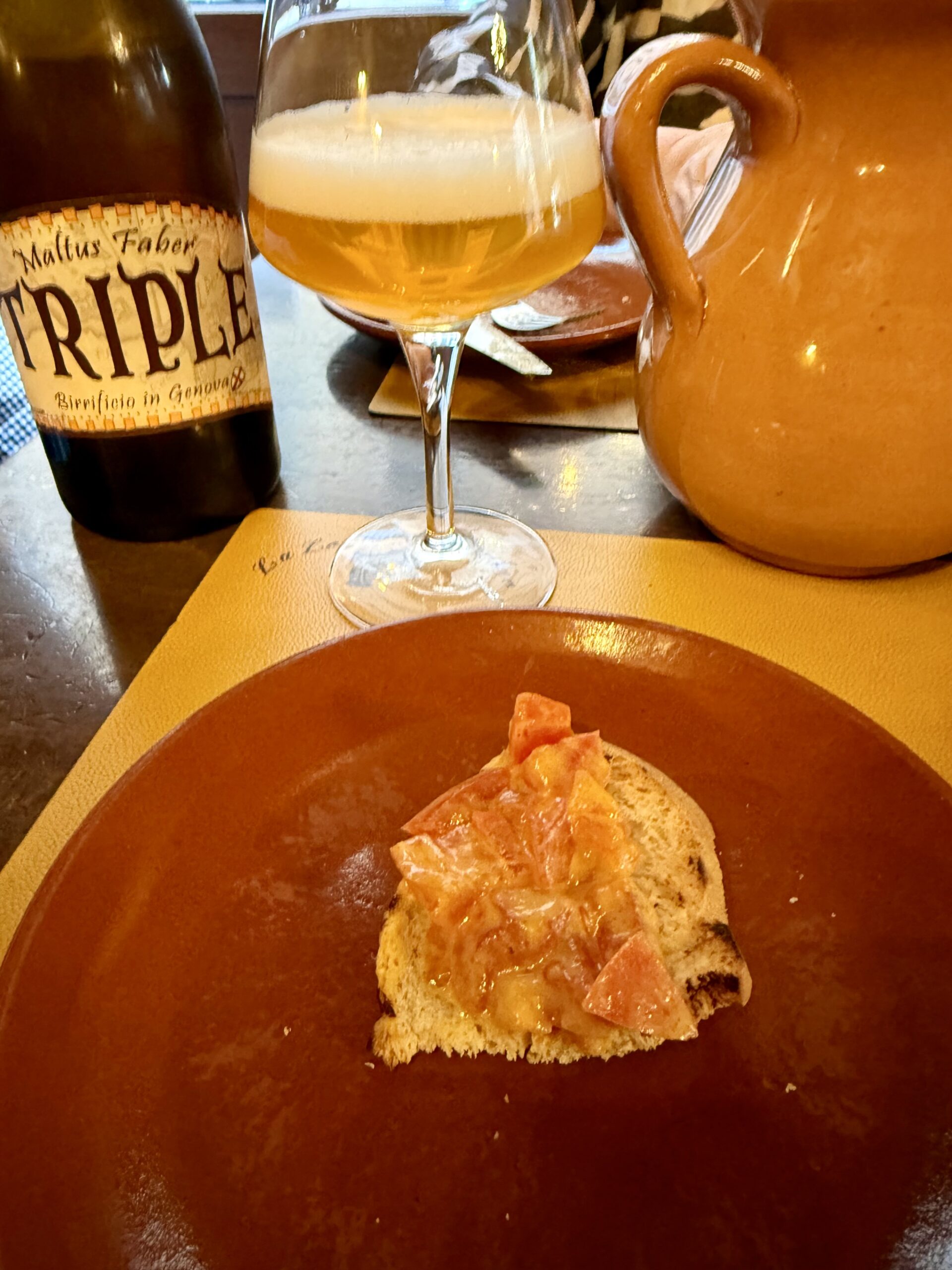
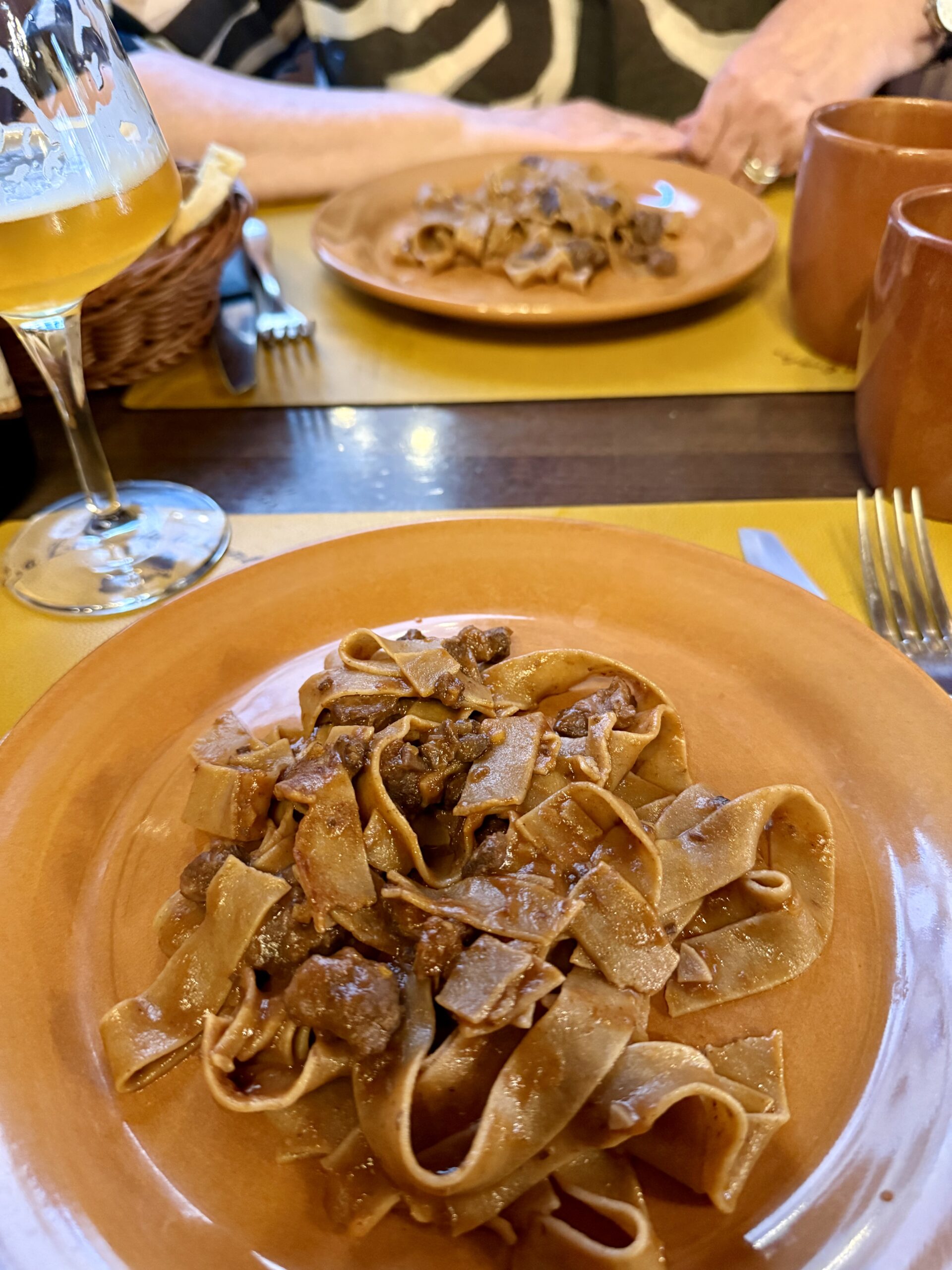
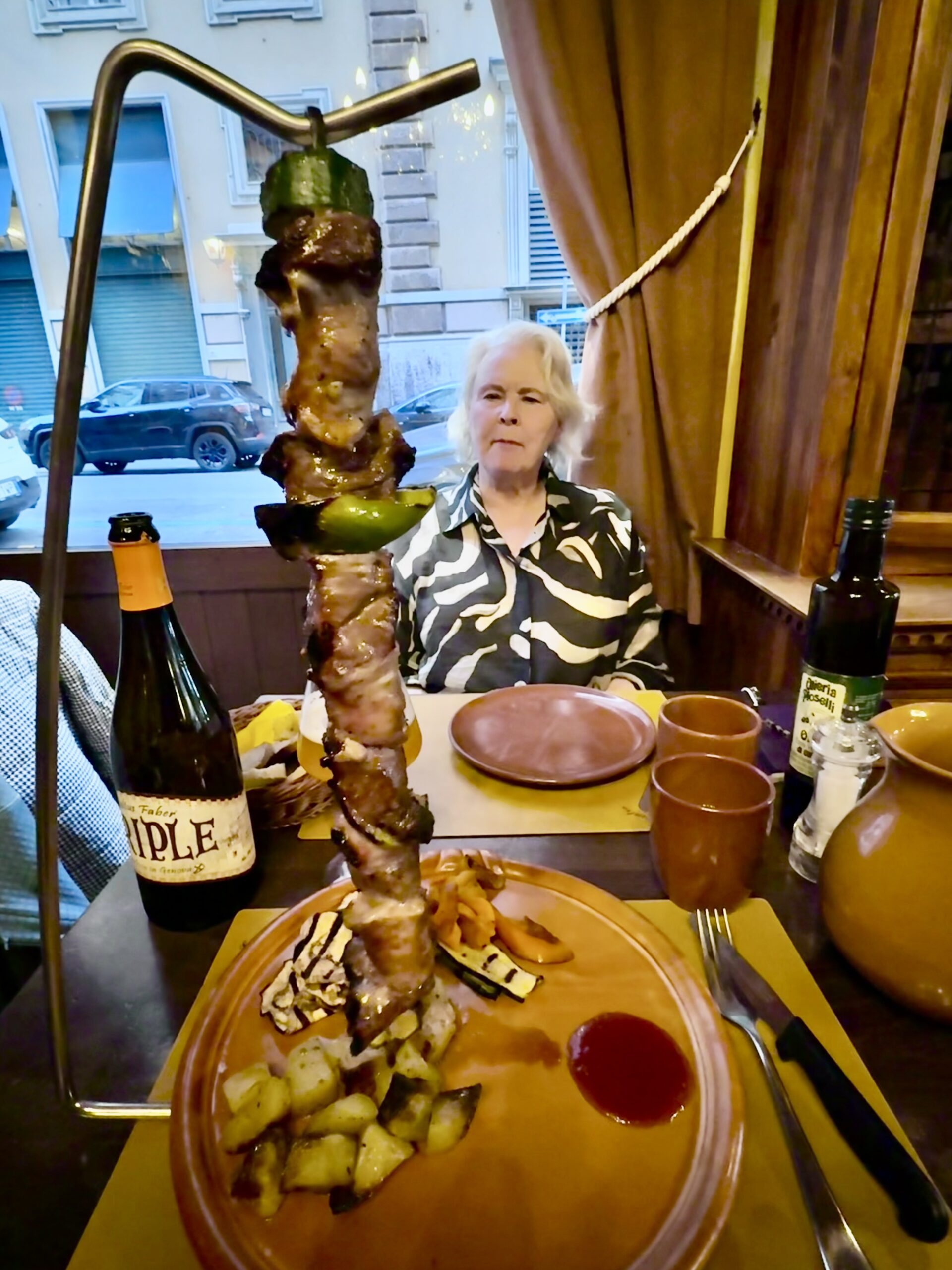
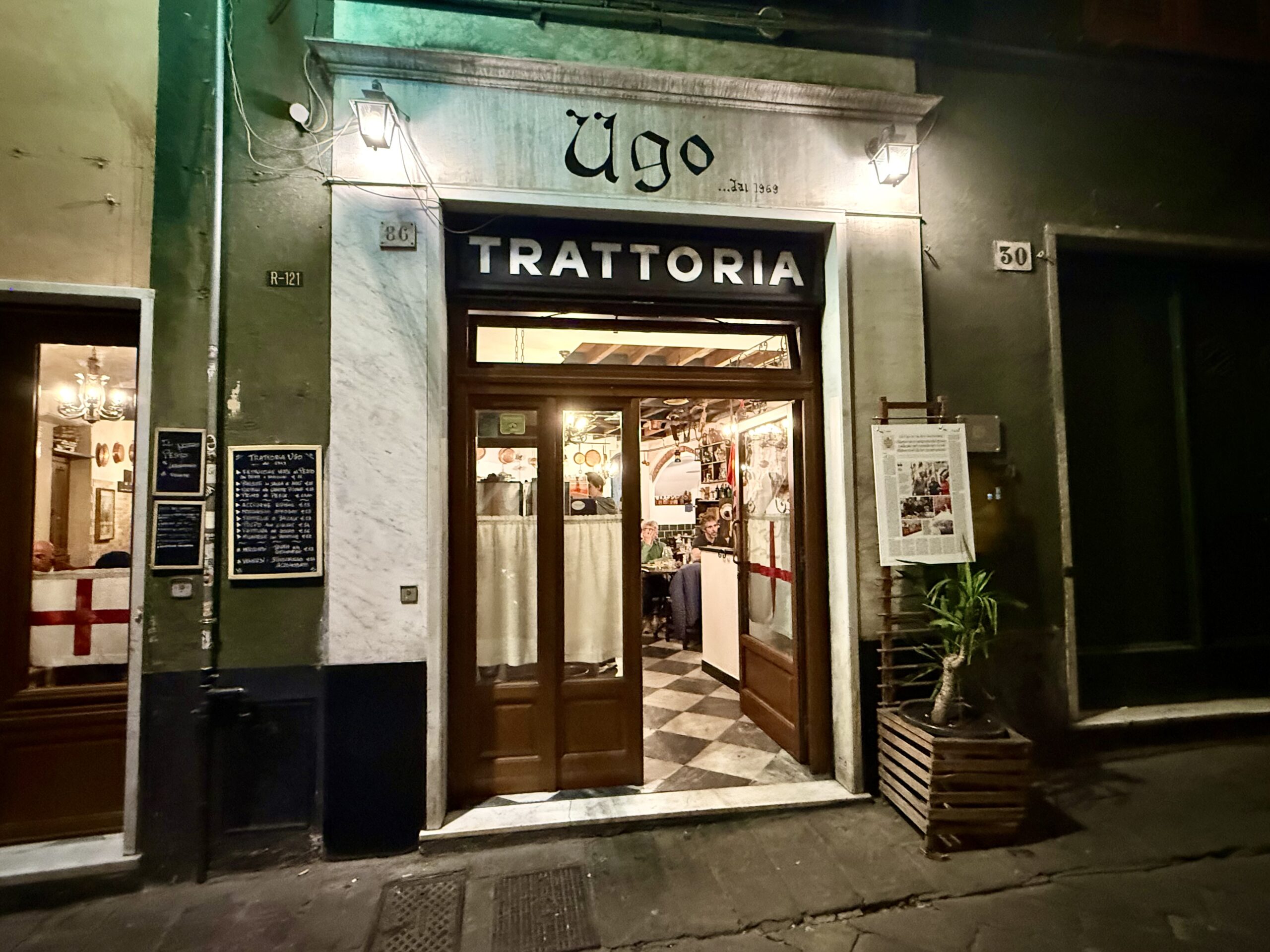
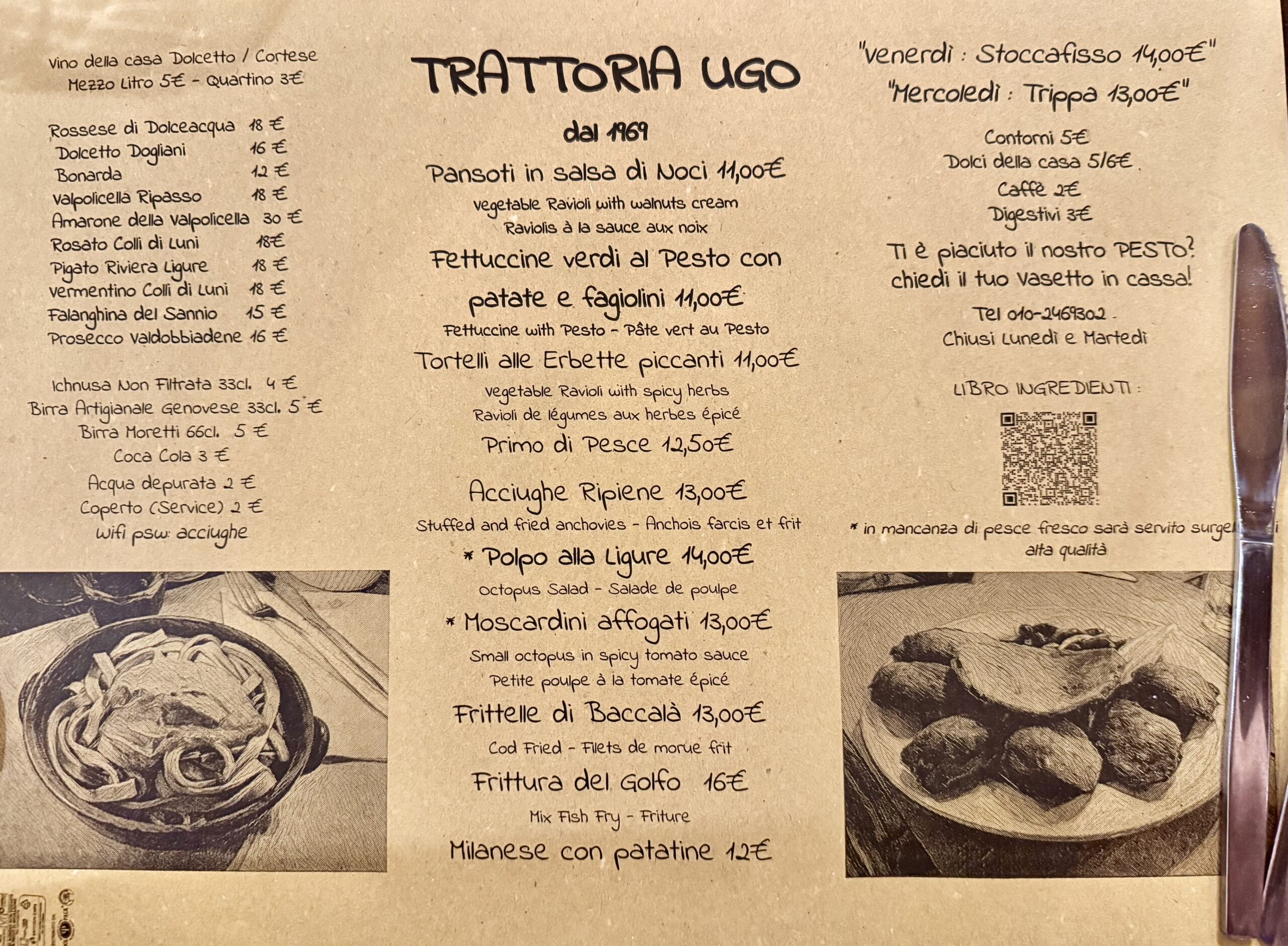
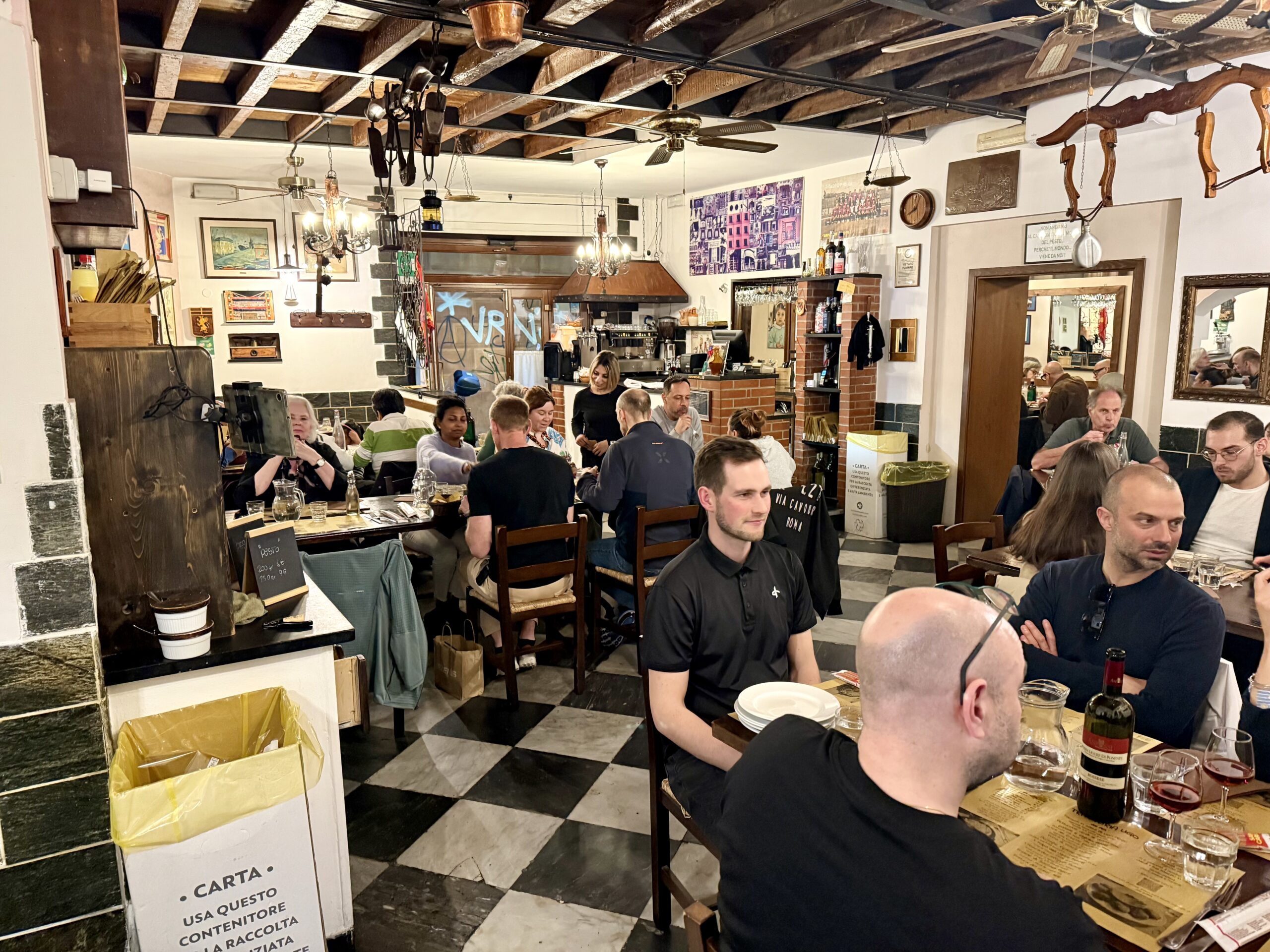
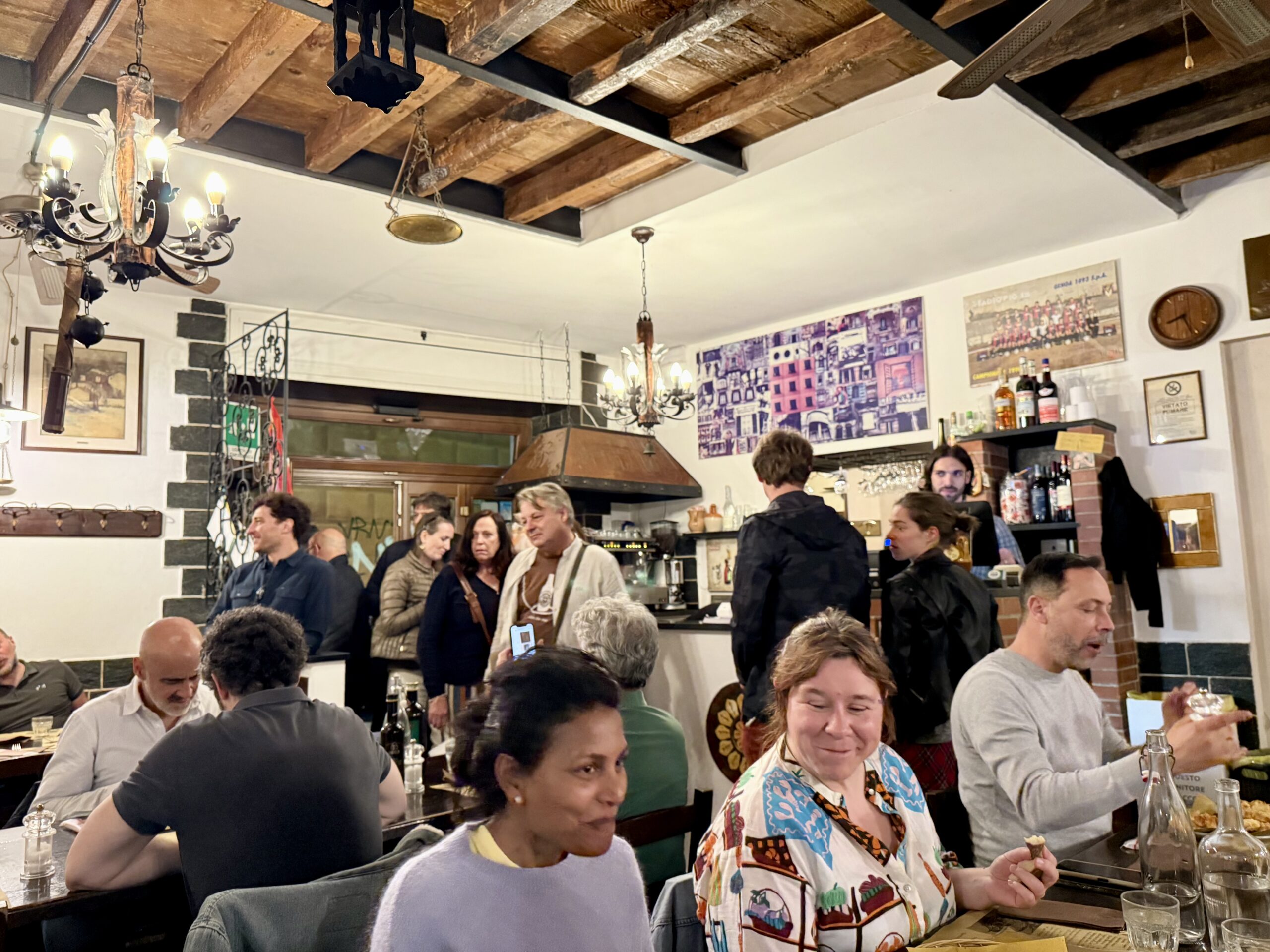
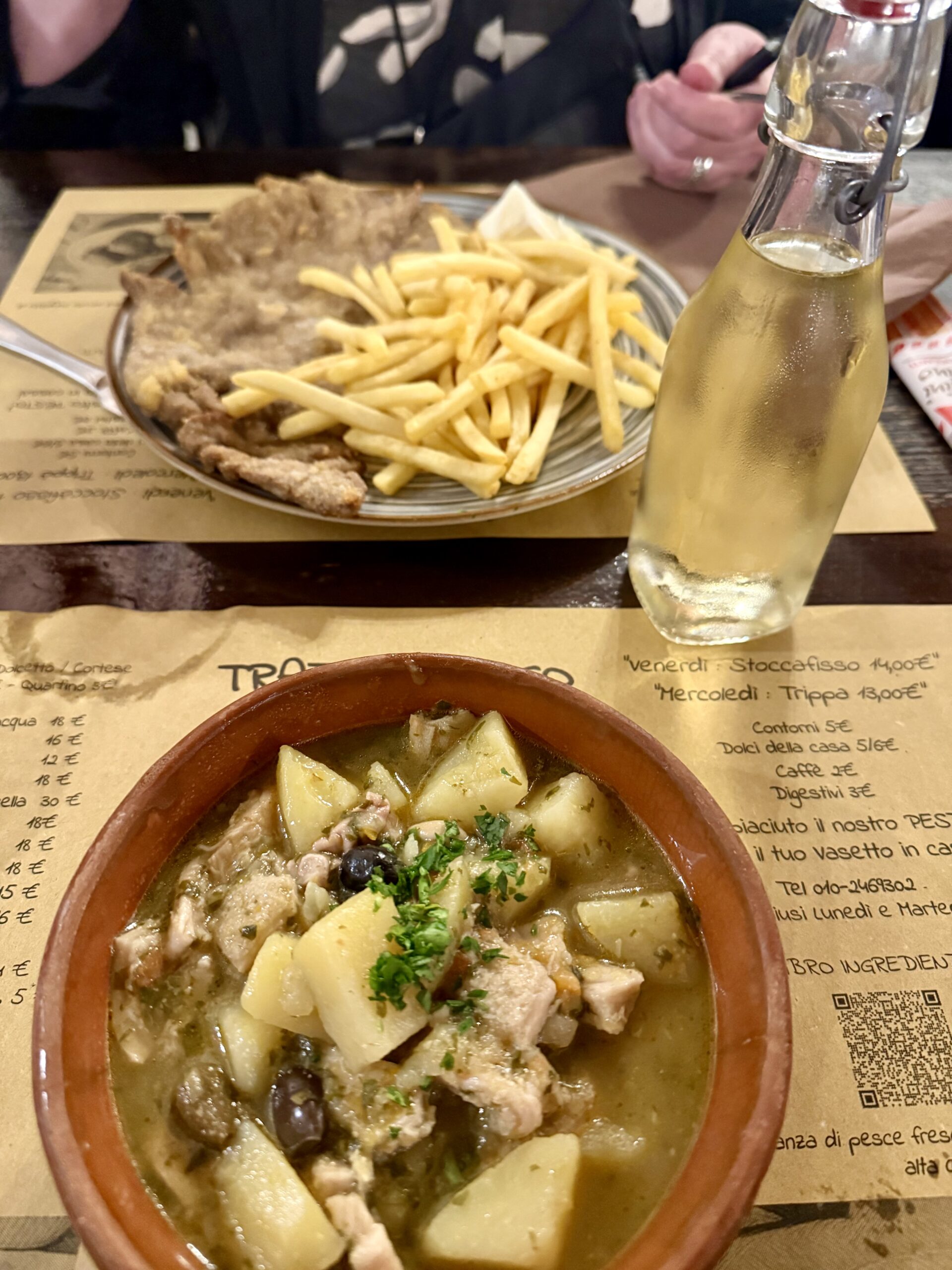
Back in Genoa for dinner. This is Liguria, so focaccia and pesto everywhere. Plenty of seafood. Chickpea fritters.
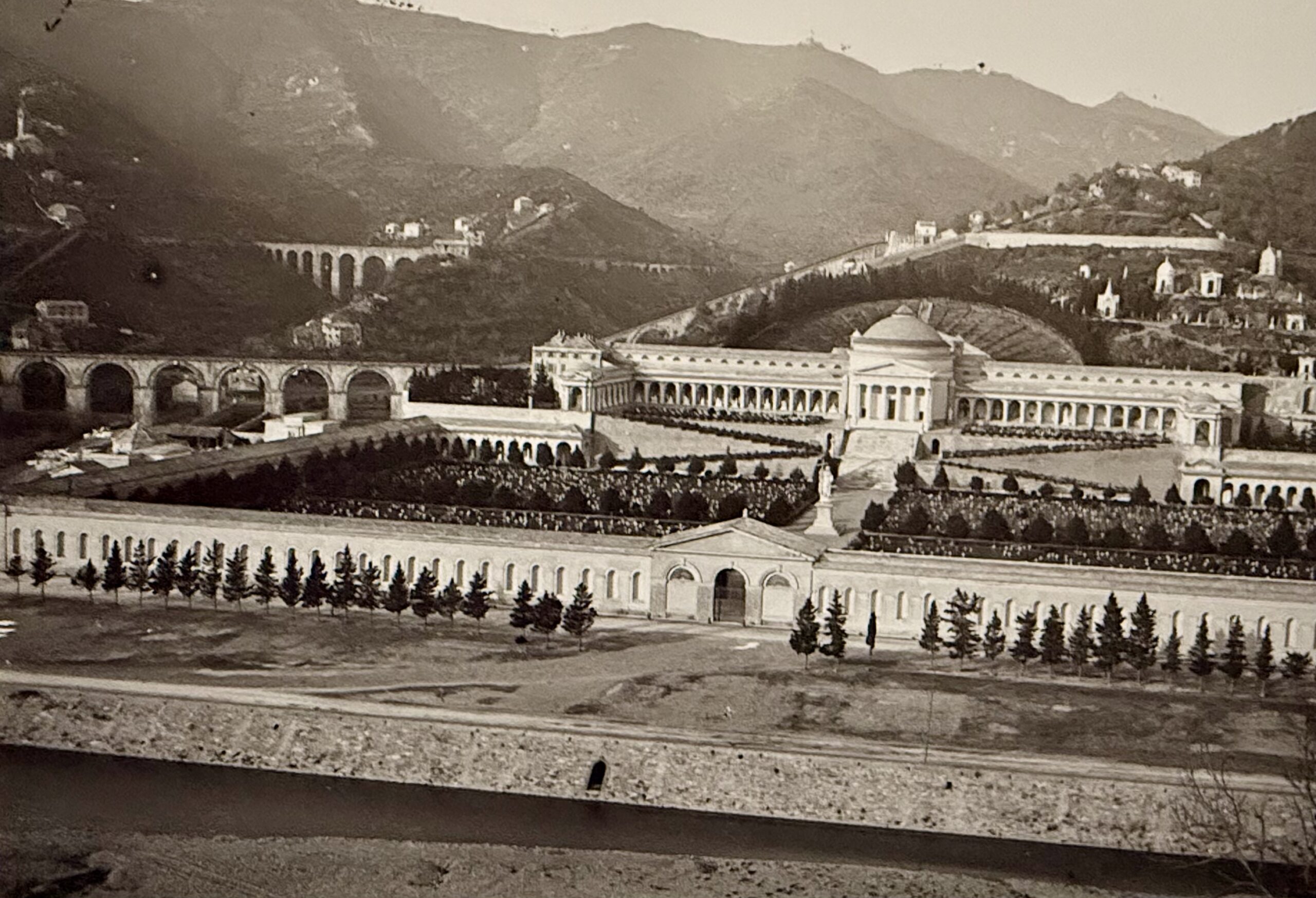
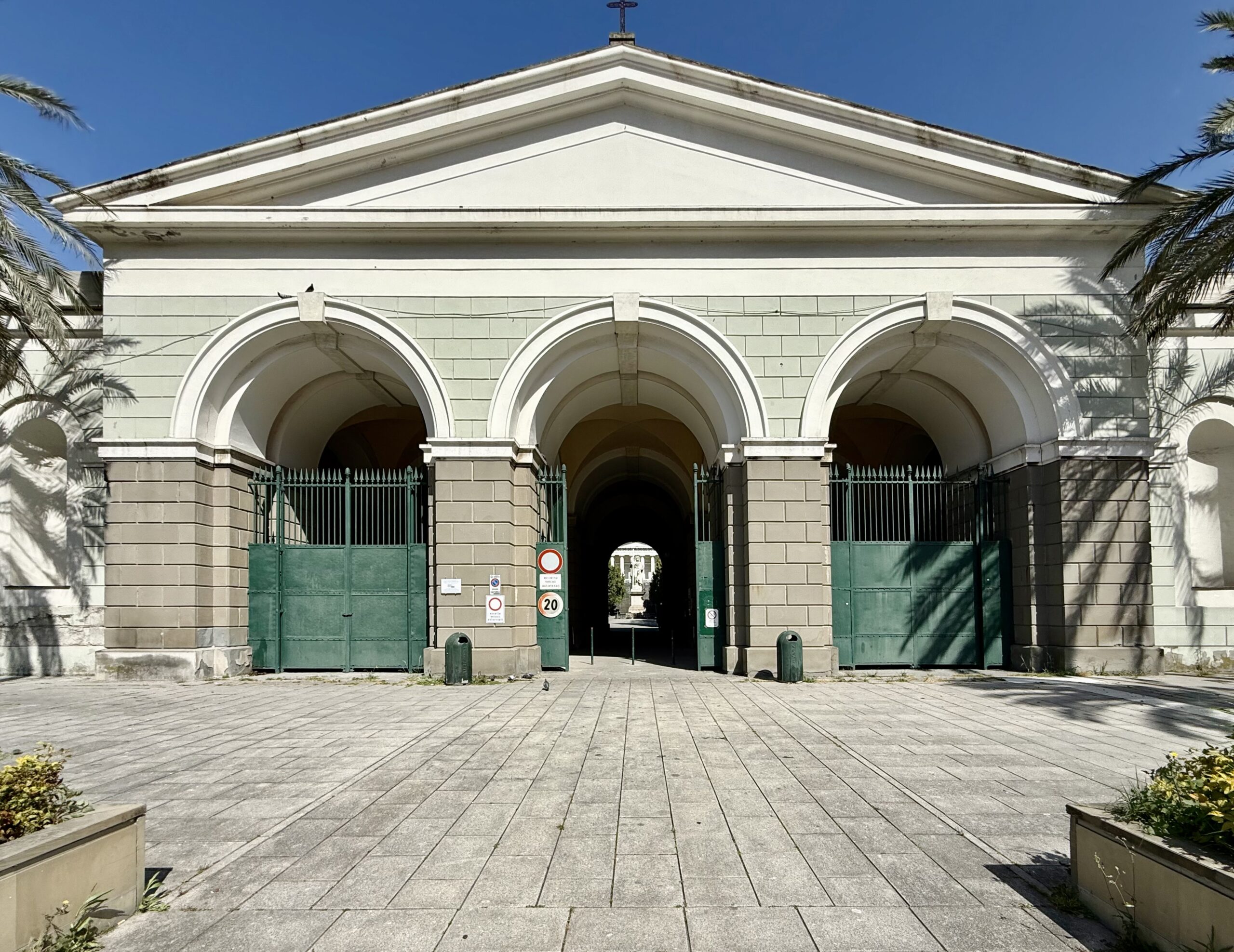
Monumental Cemetery of Staglieno
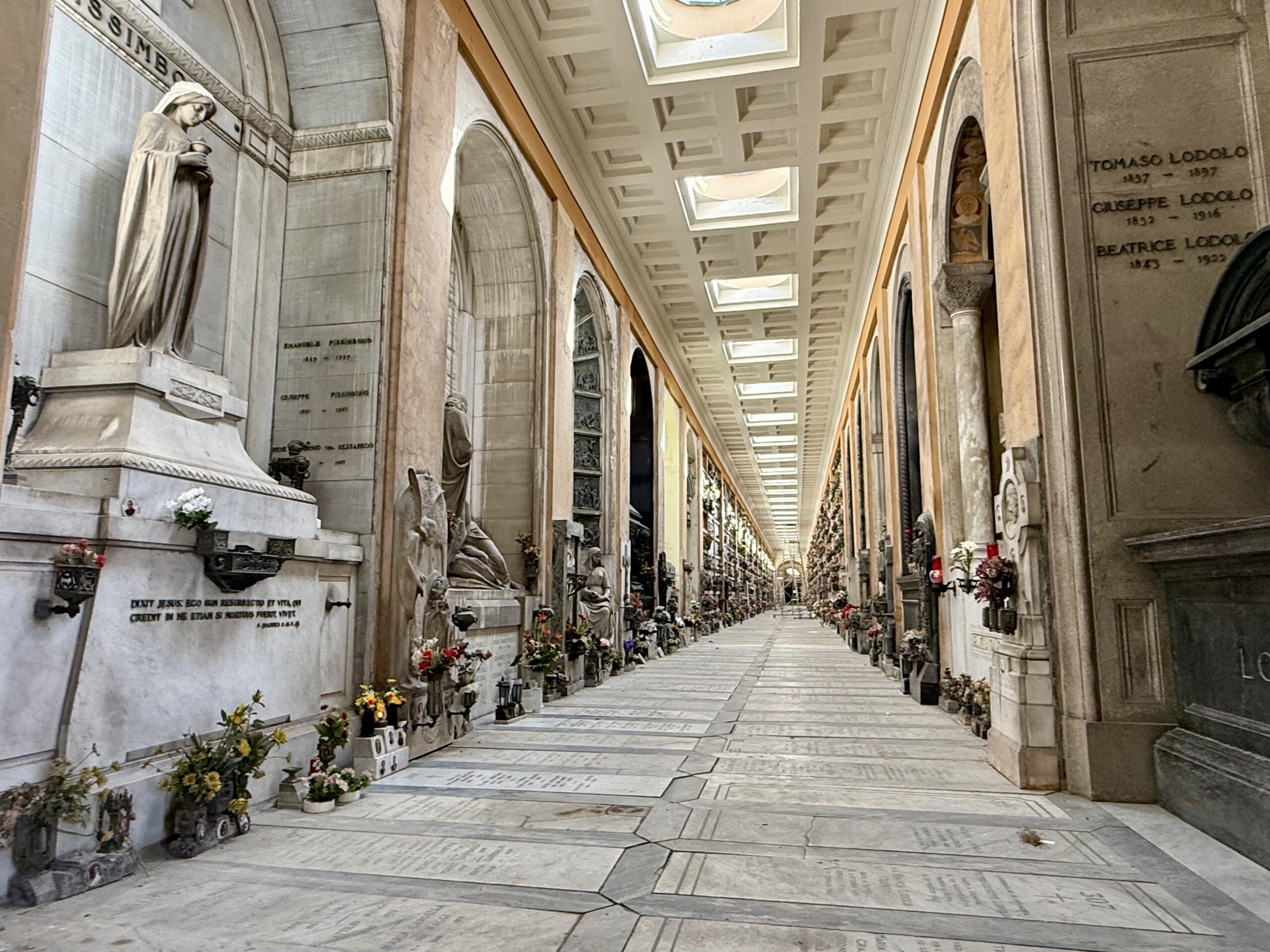
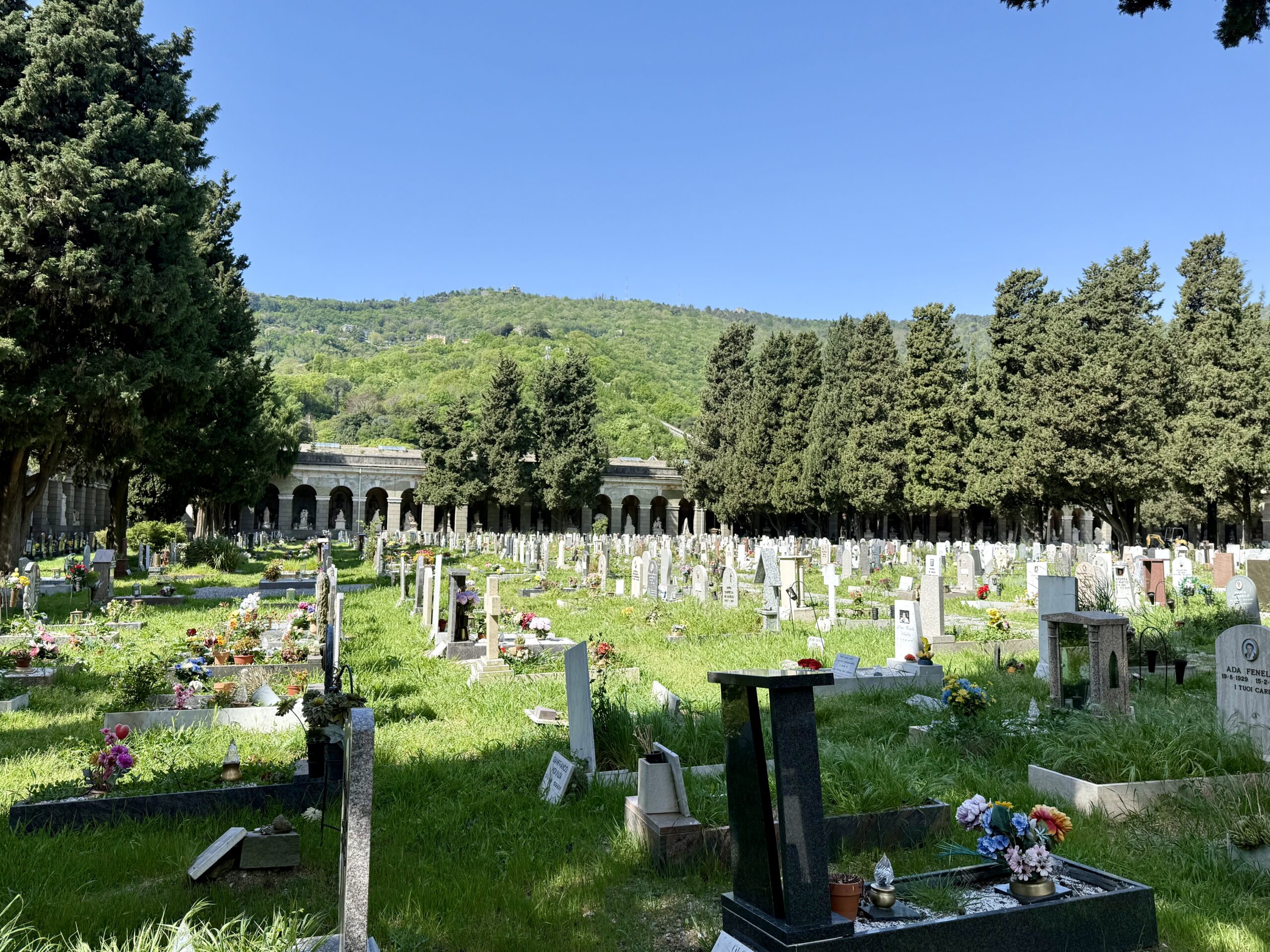
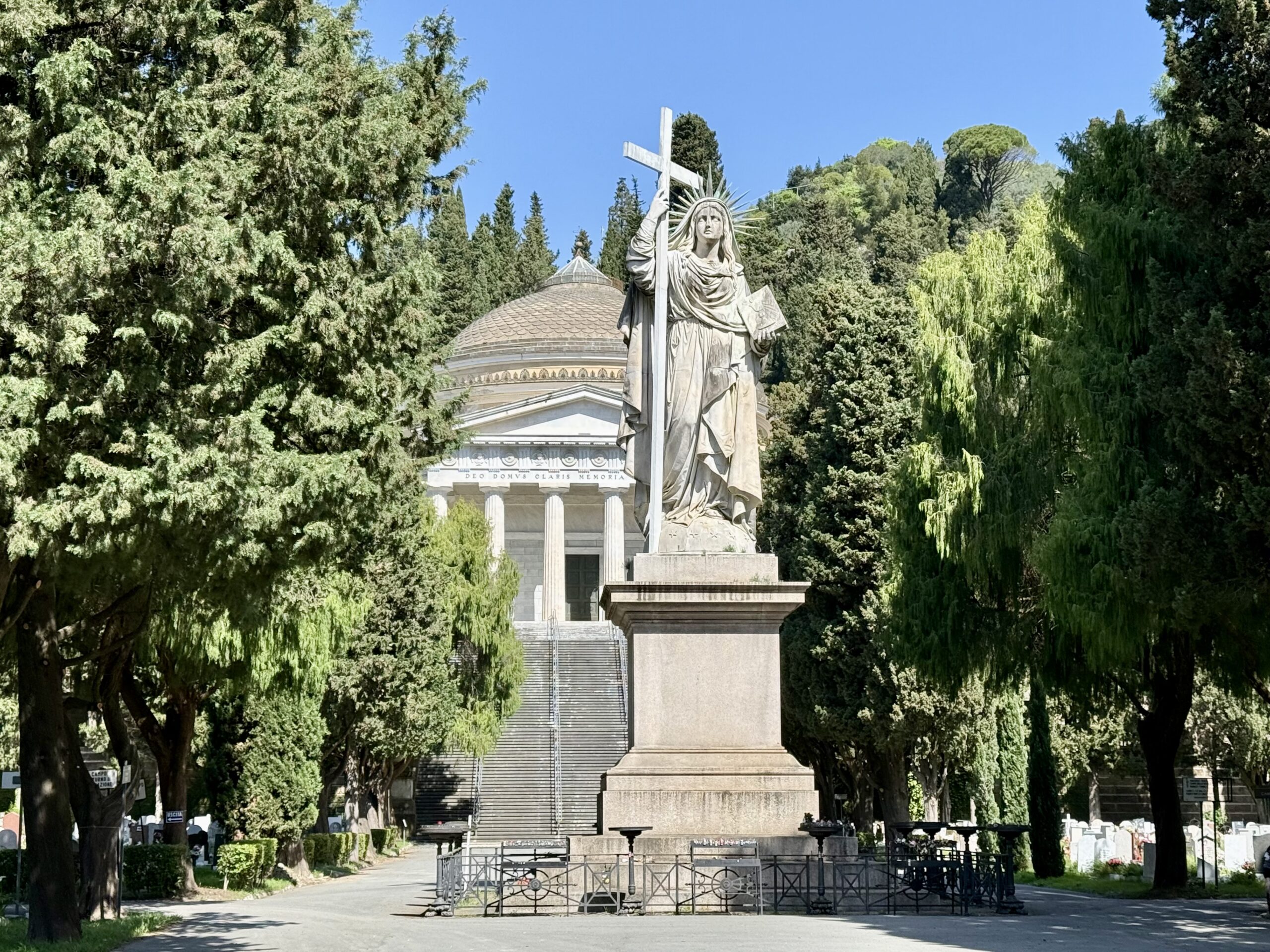
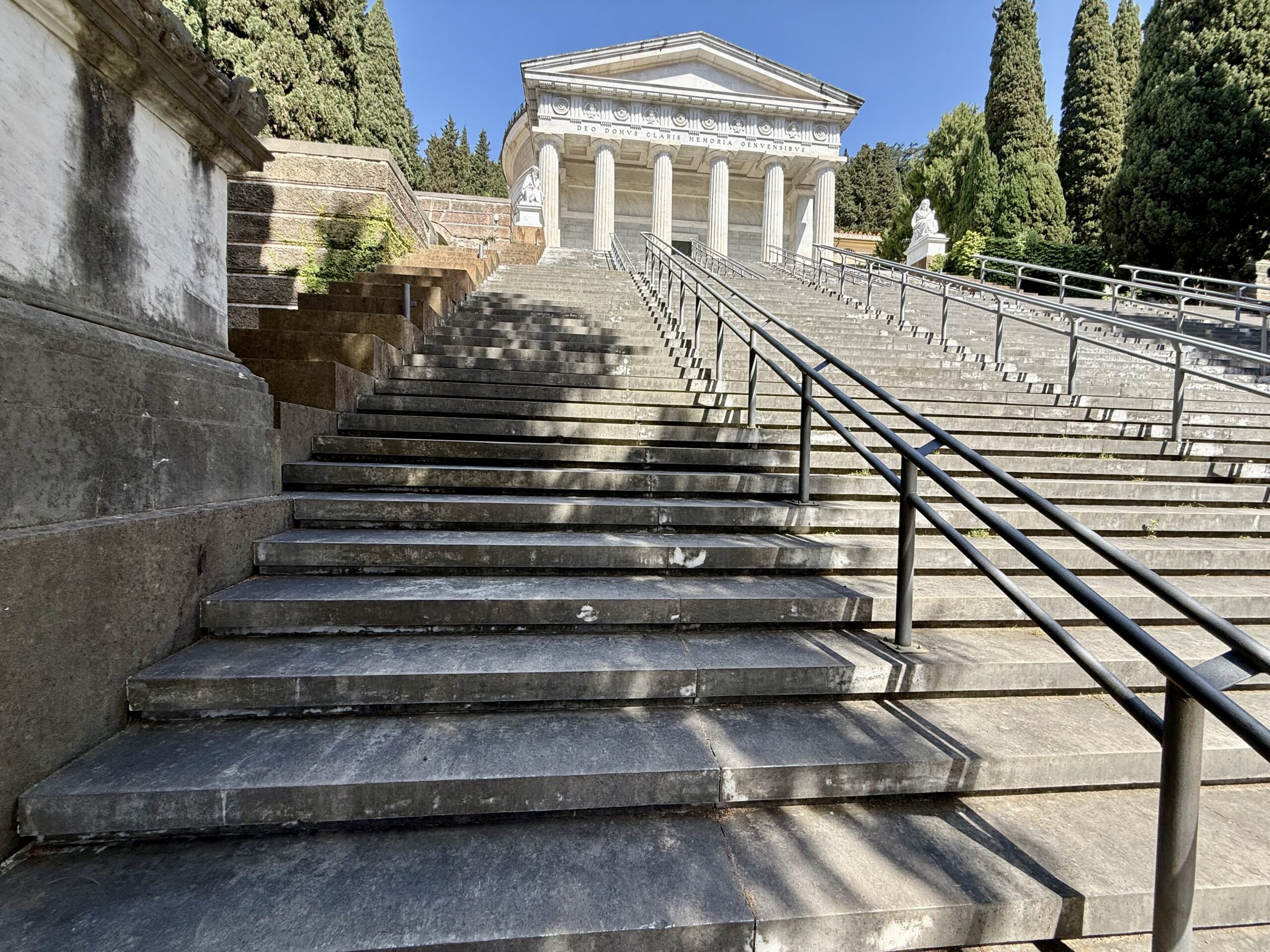
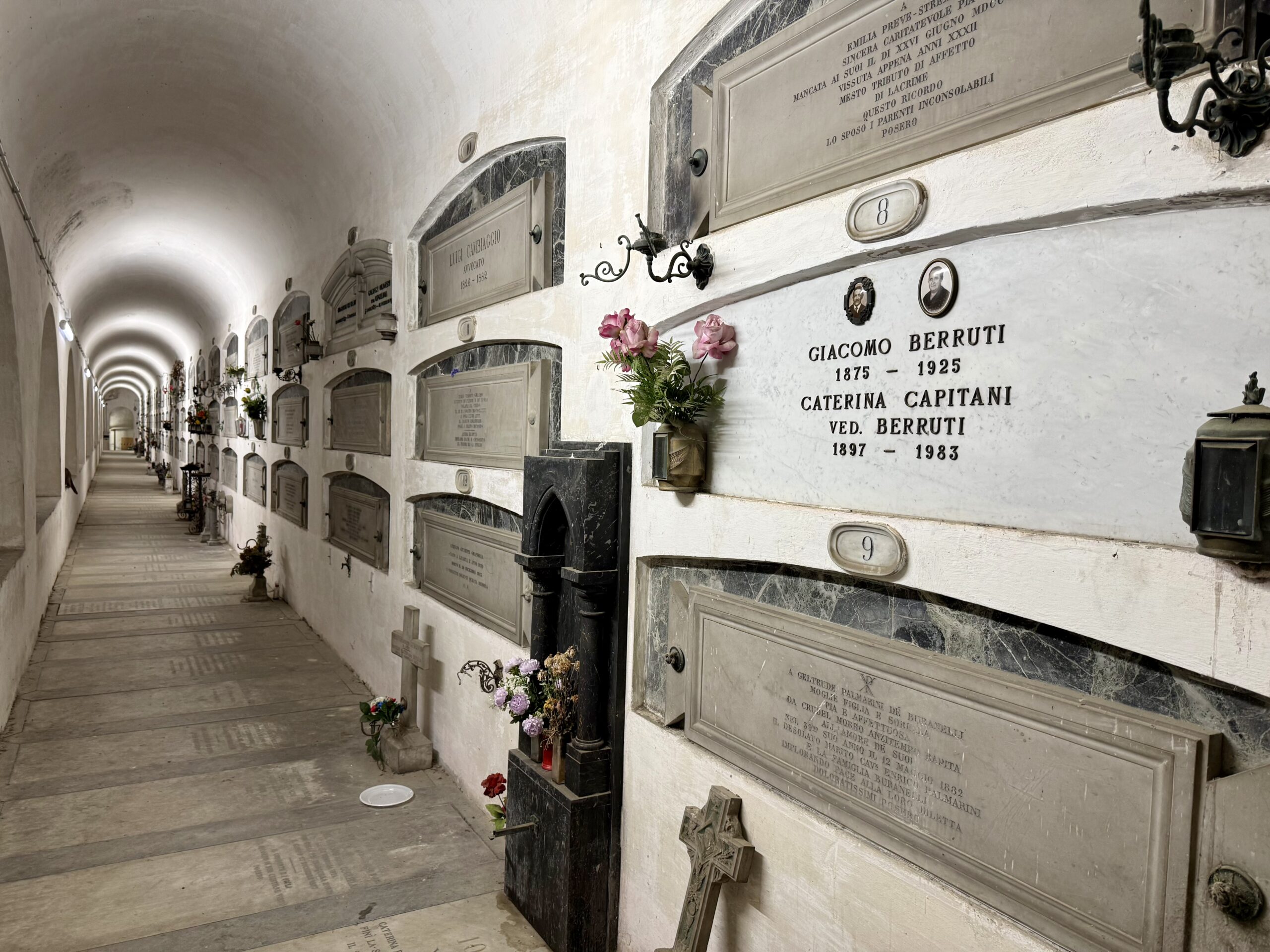
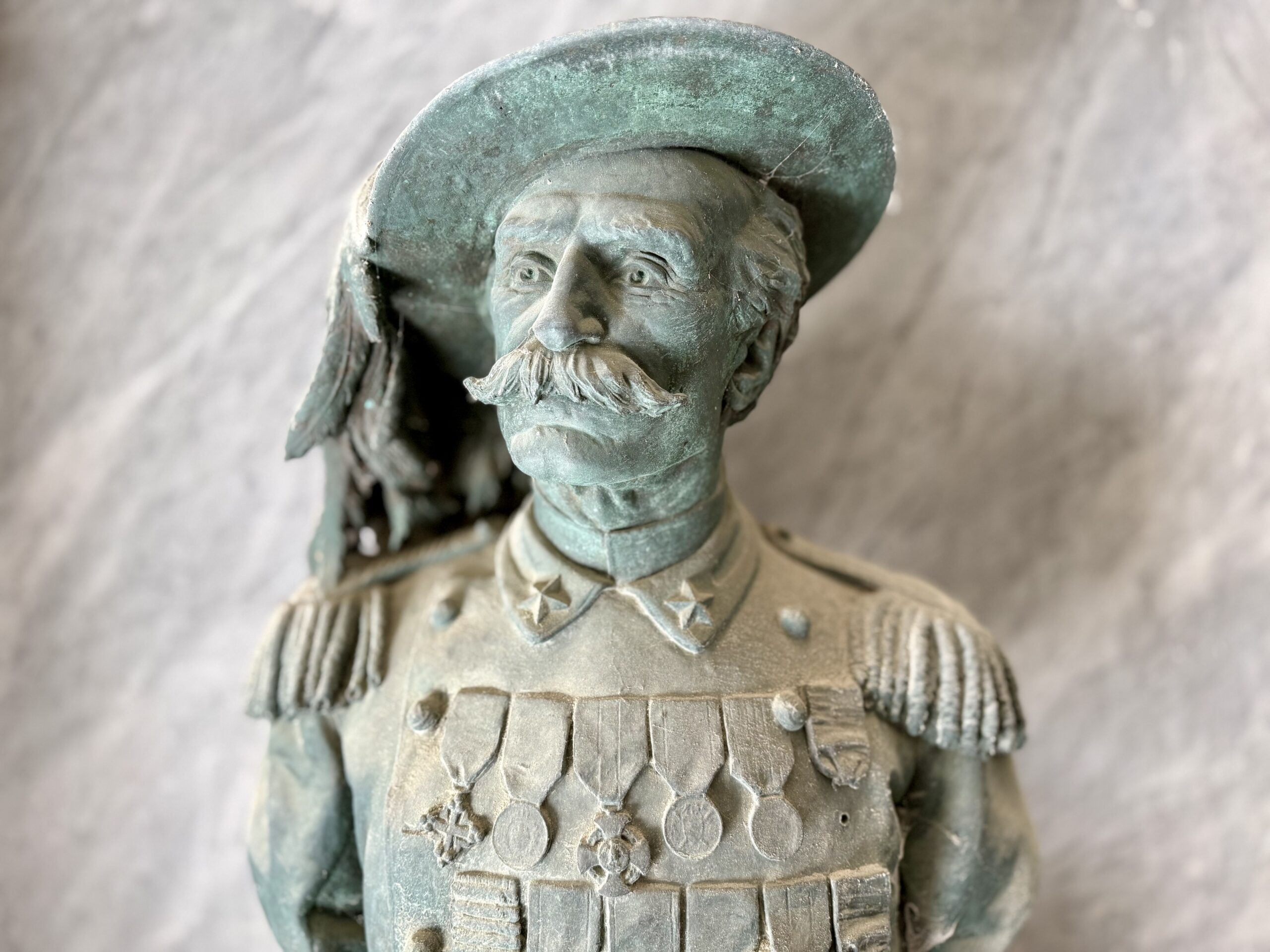
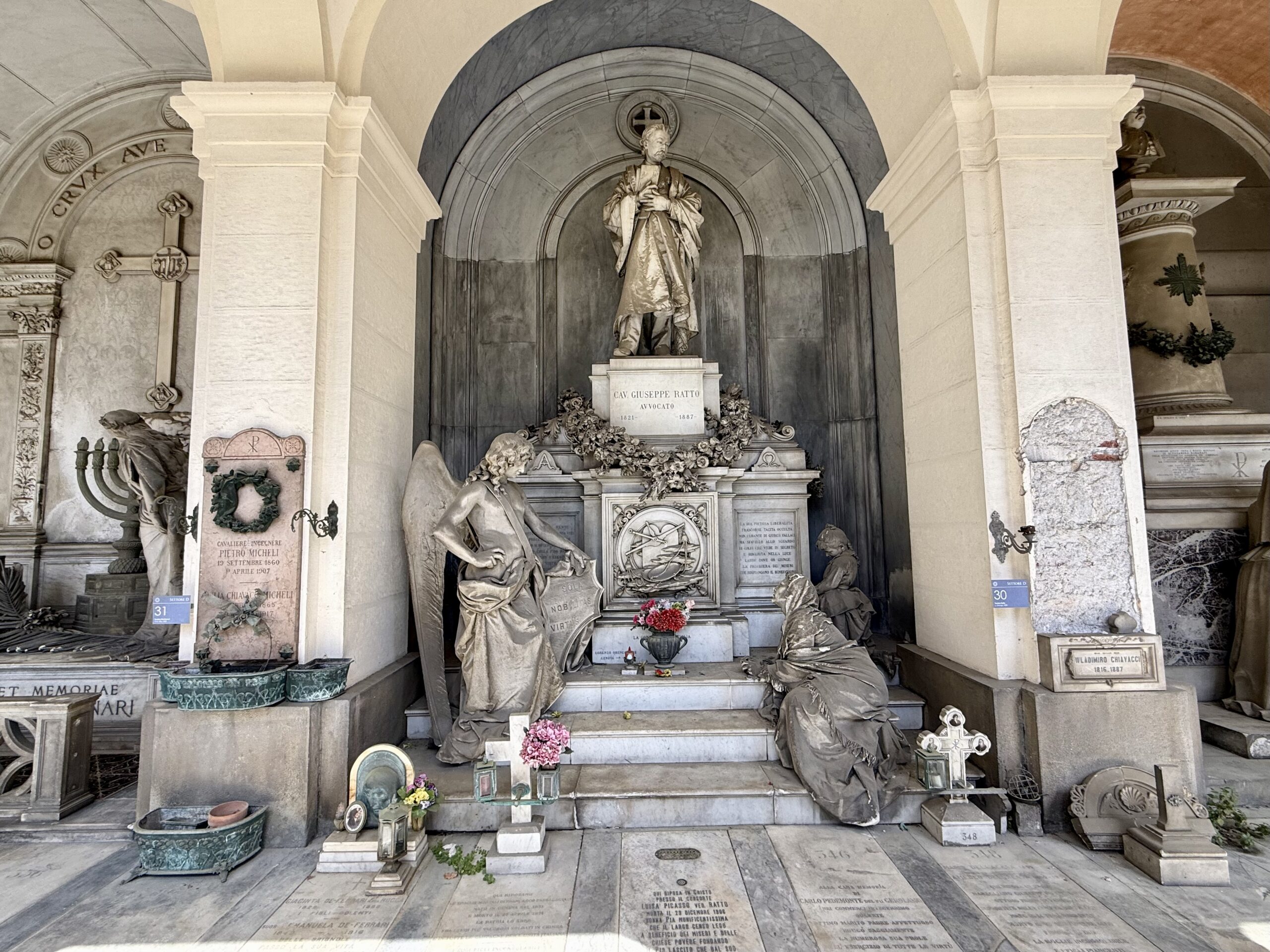
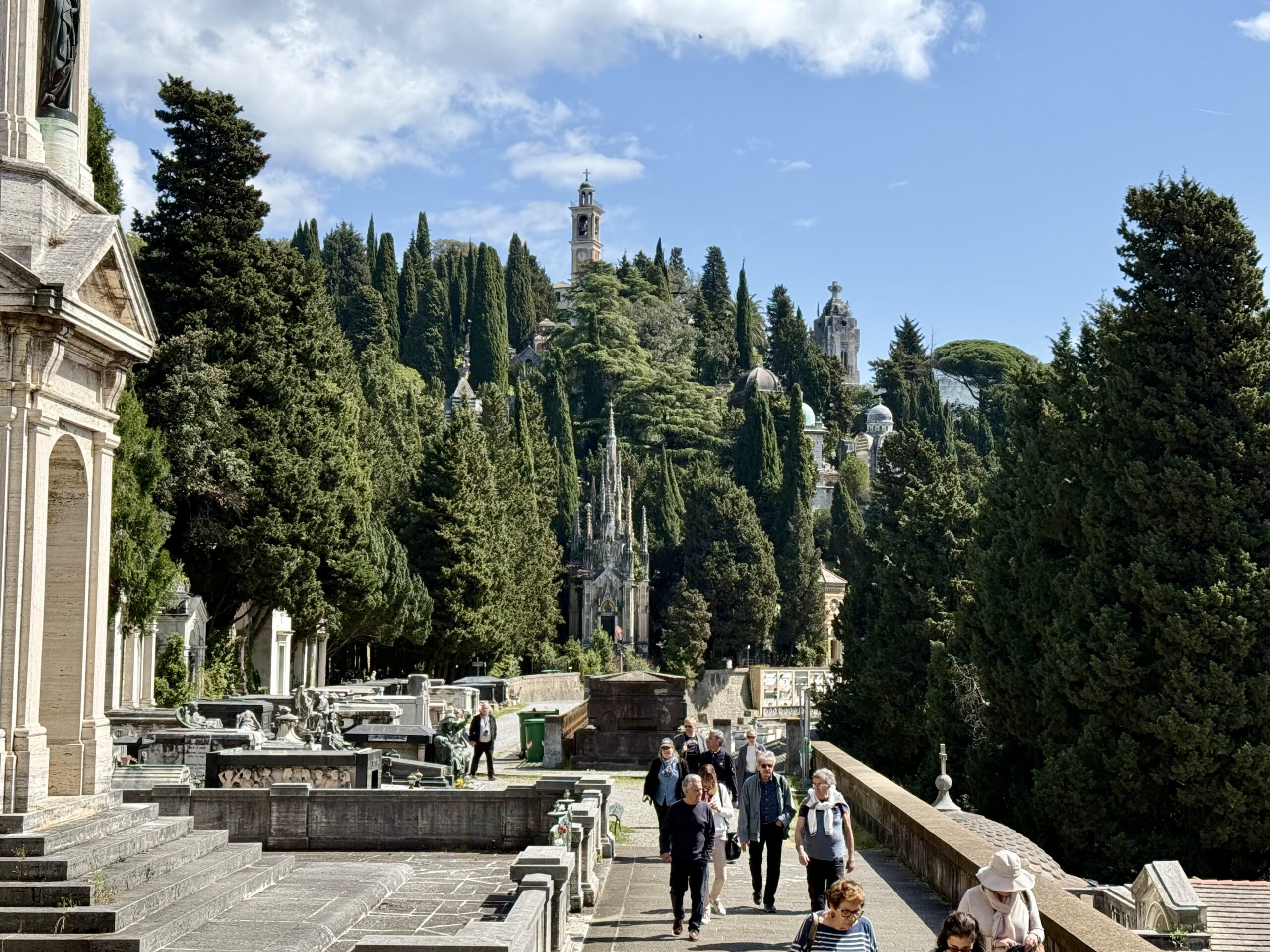
A 30-minute bus ride brought us to the imposing walls of this square-kilometer cemetery known for its monumental sculptures. It is one of the largest cemeteries in Europe dating back to the mid 1800s with extensive crypts enclosed by its walls and an imposing staircase that leads up to a copy of Rome’s Pantheon. In its heyday, Genoa was a major center of wealth, culture, and learning in Italy, which led to ambitious projects like this. Unfortunately, the cemetery is neglected, sculptures are covered in soot, and grass grows uncontrolled. Nevertheless, it was worth the trip.
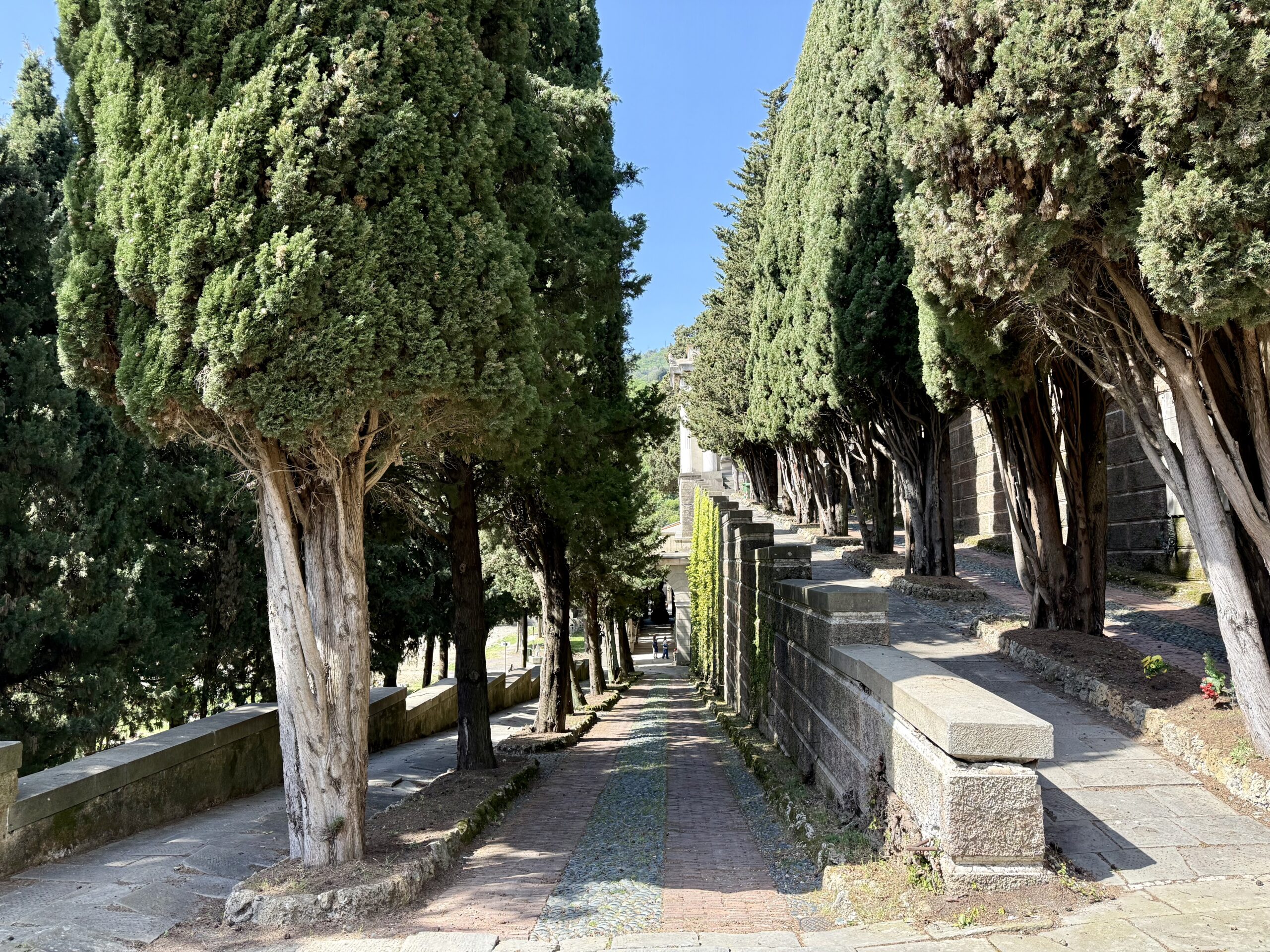
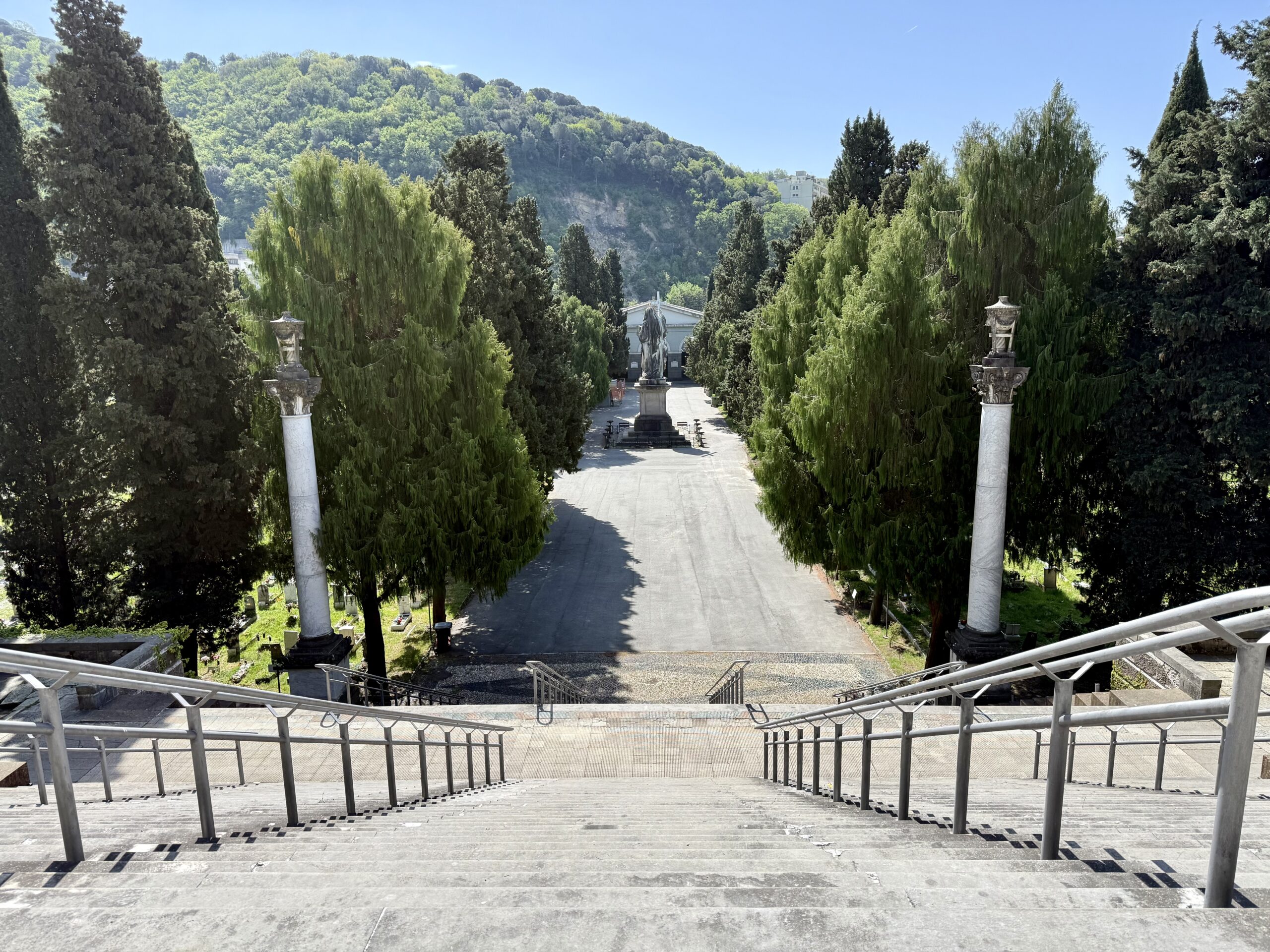
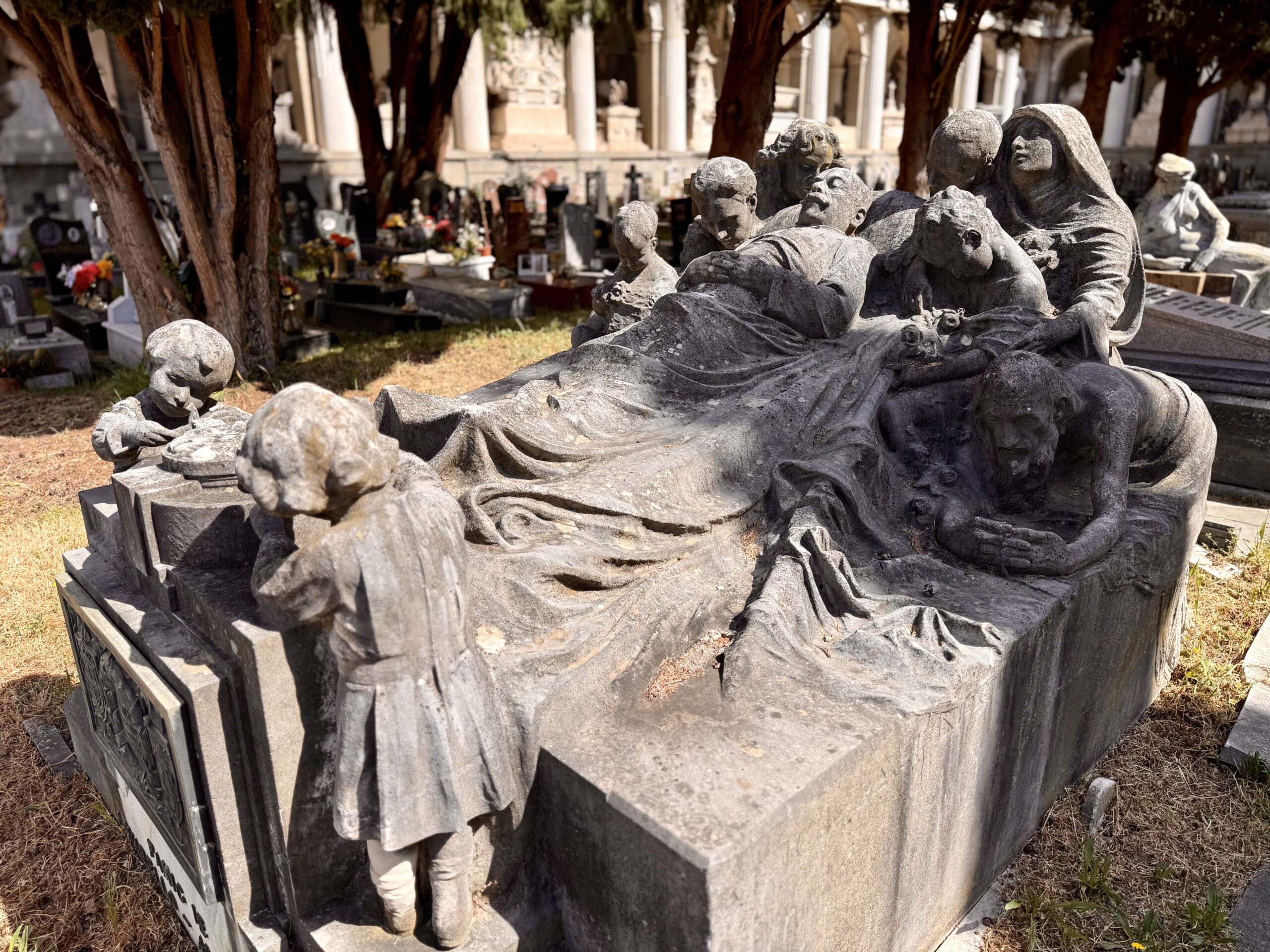
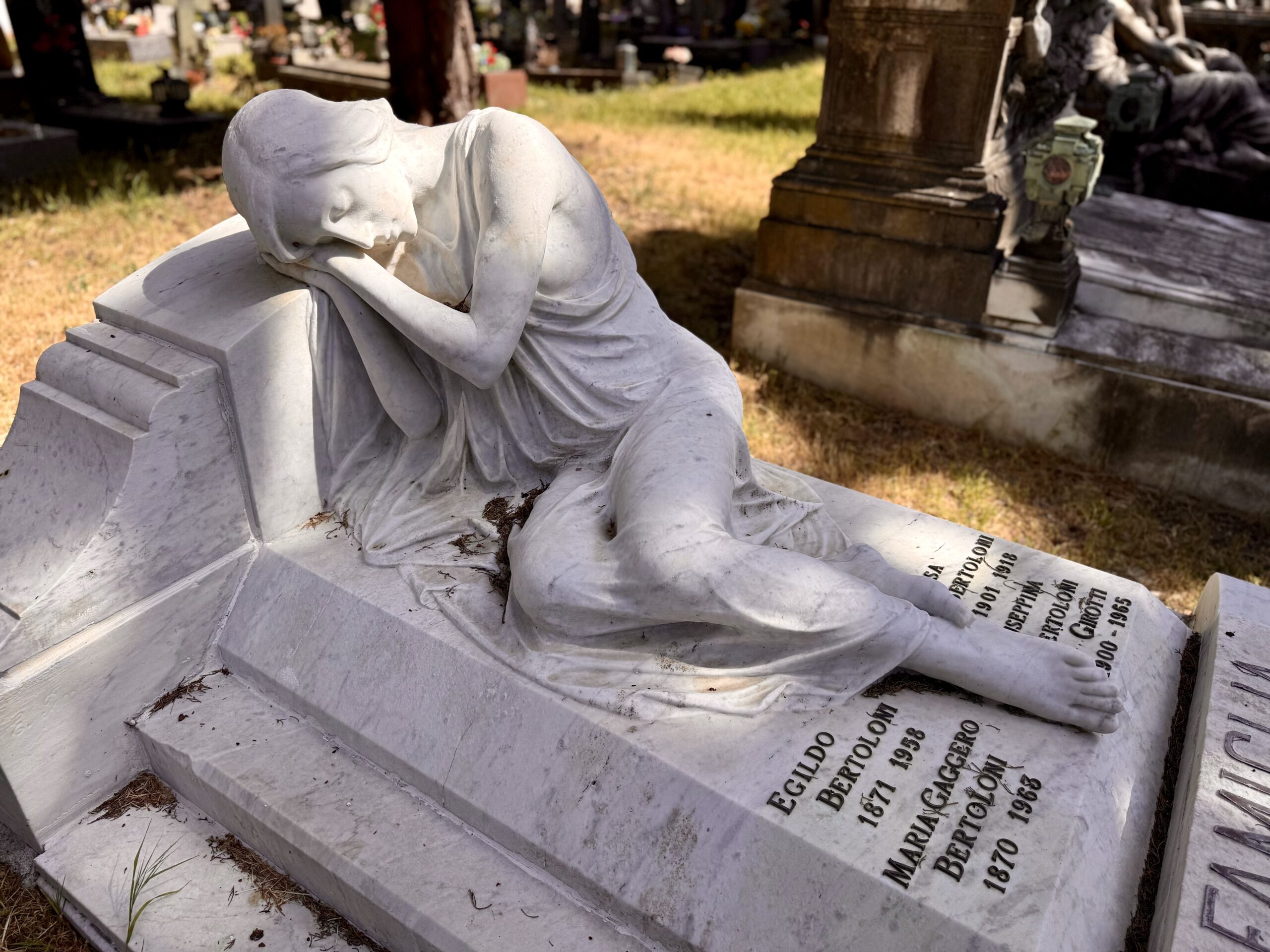
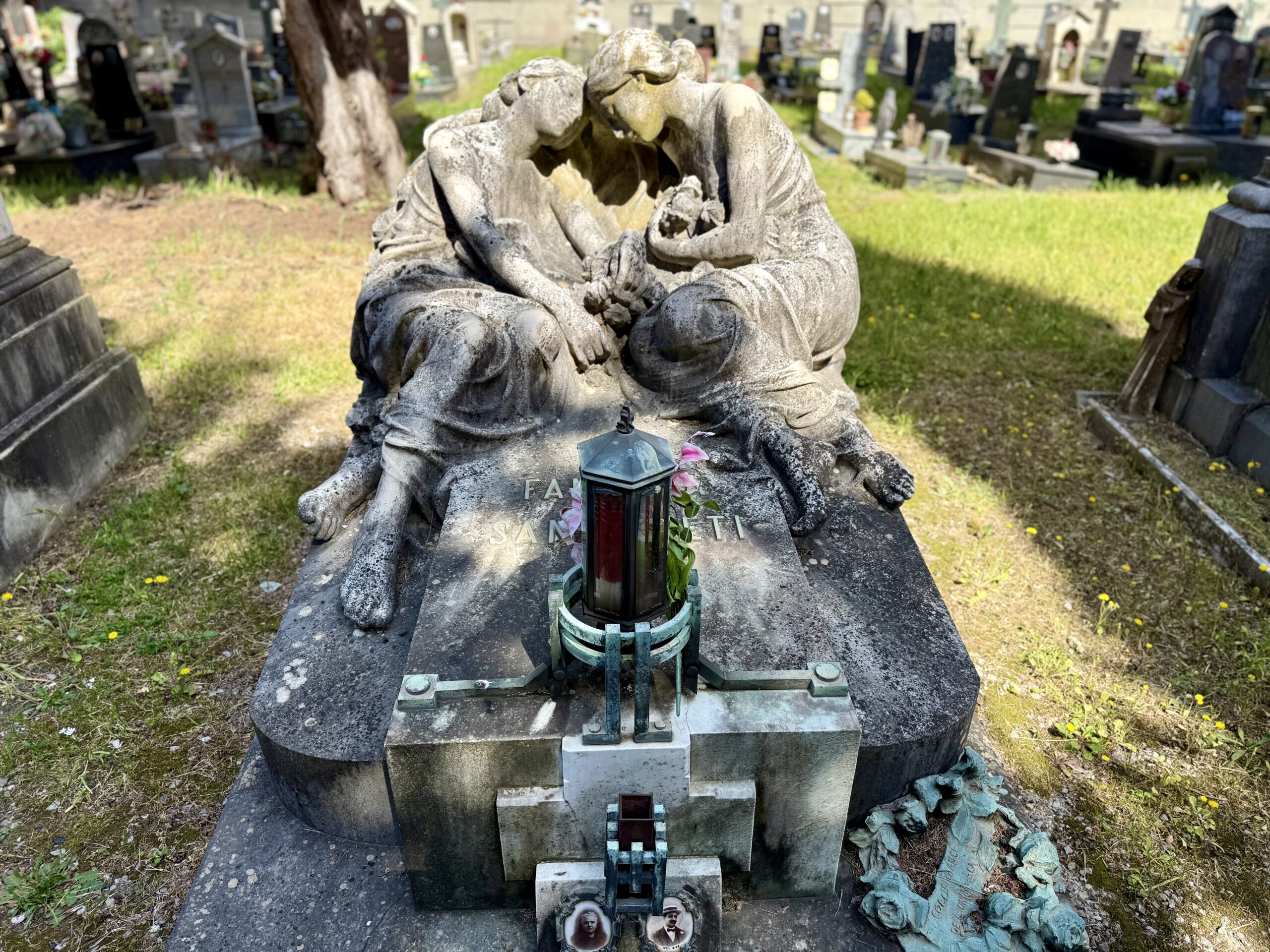
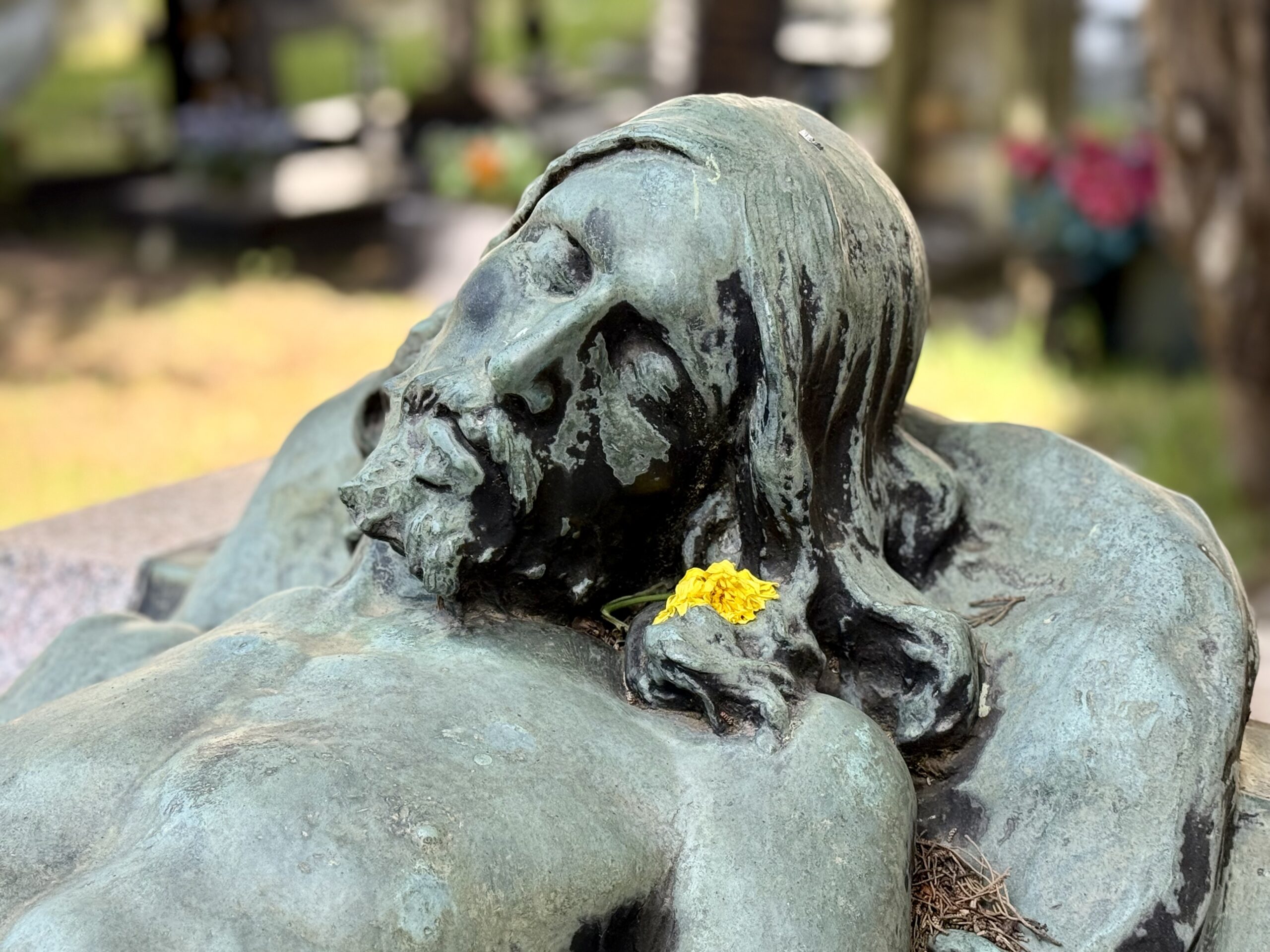
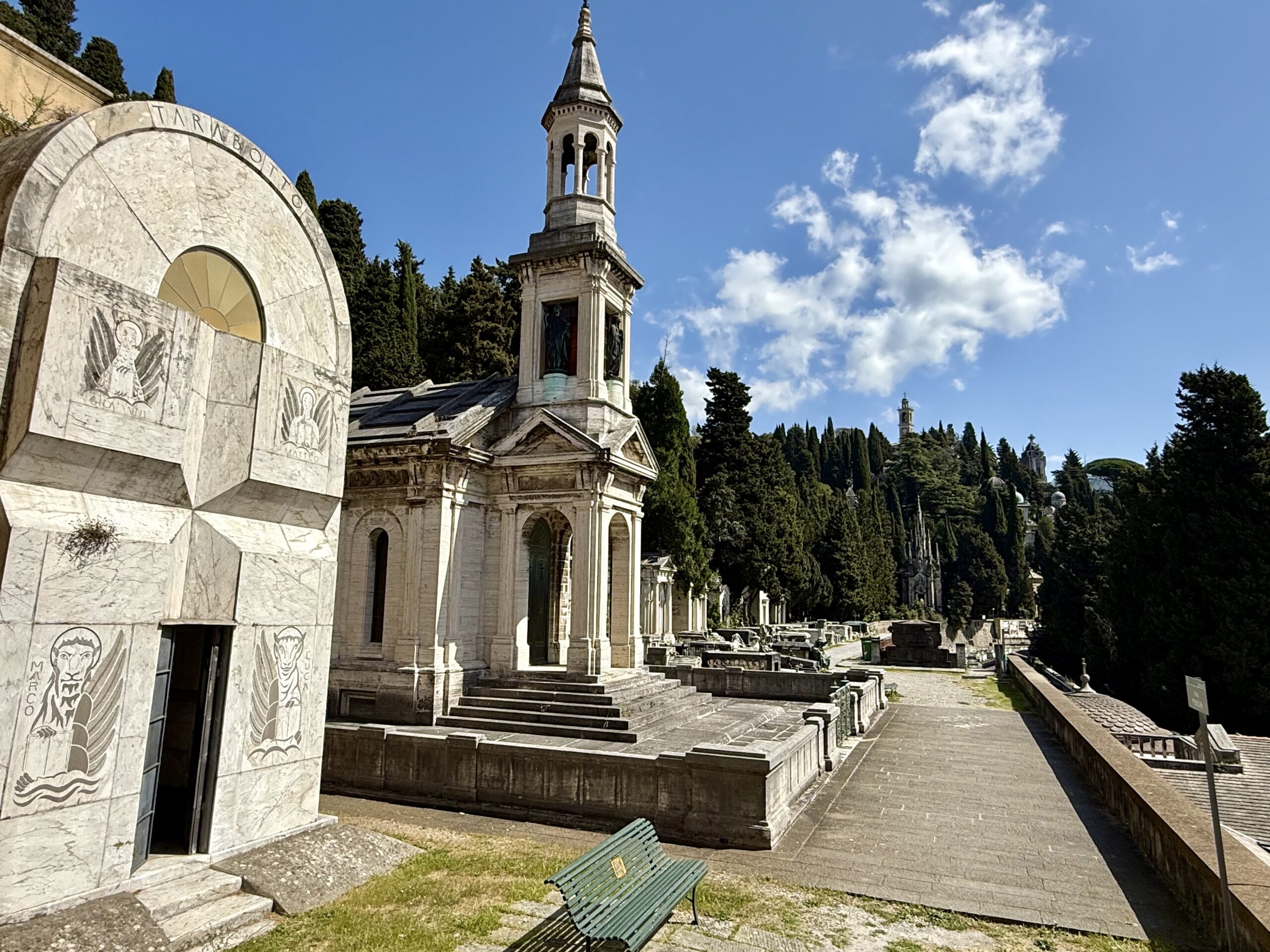
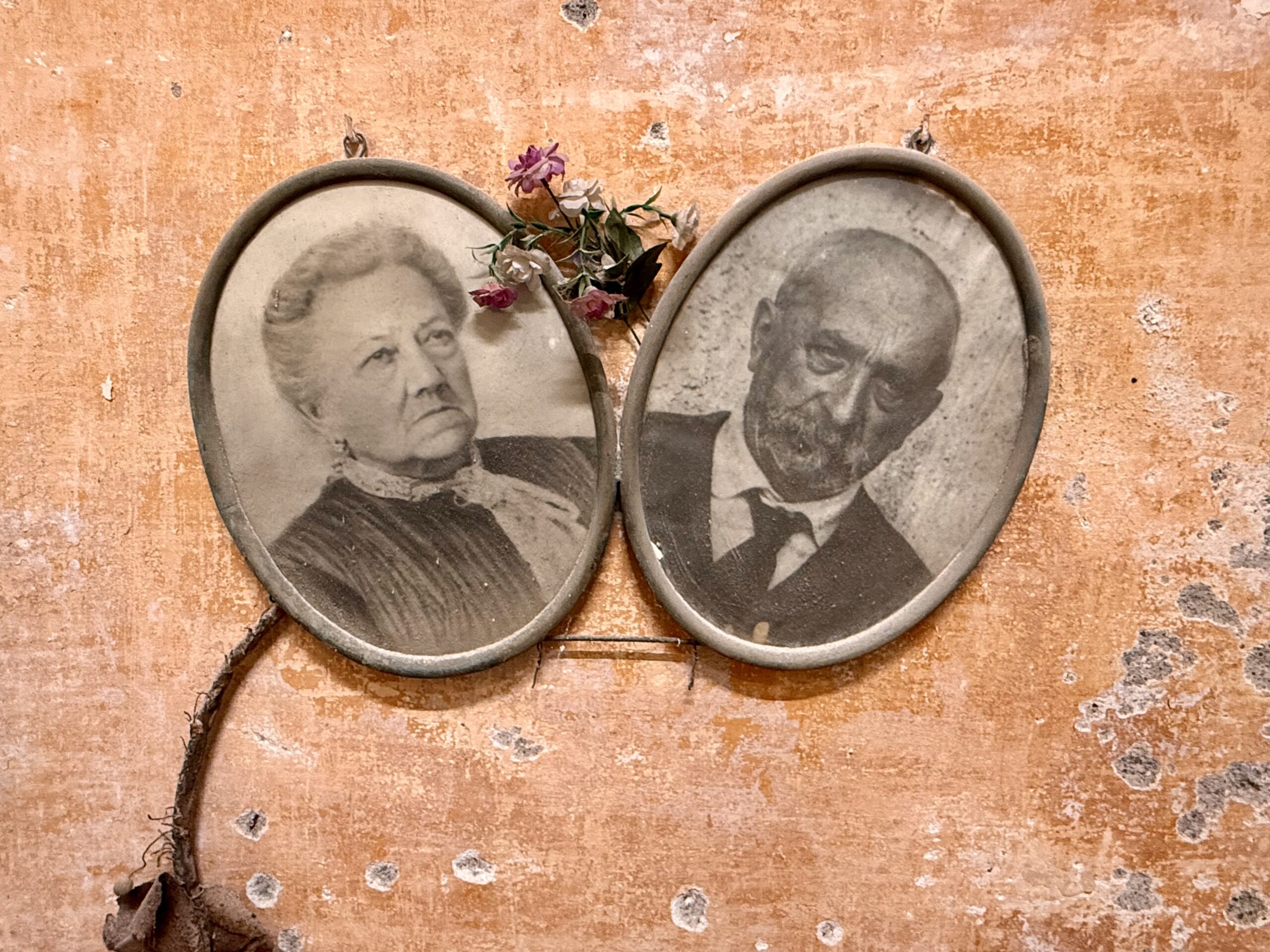
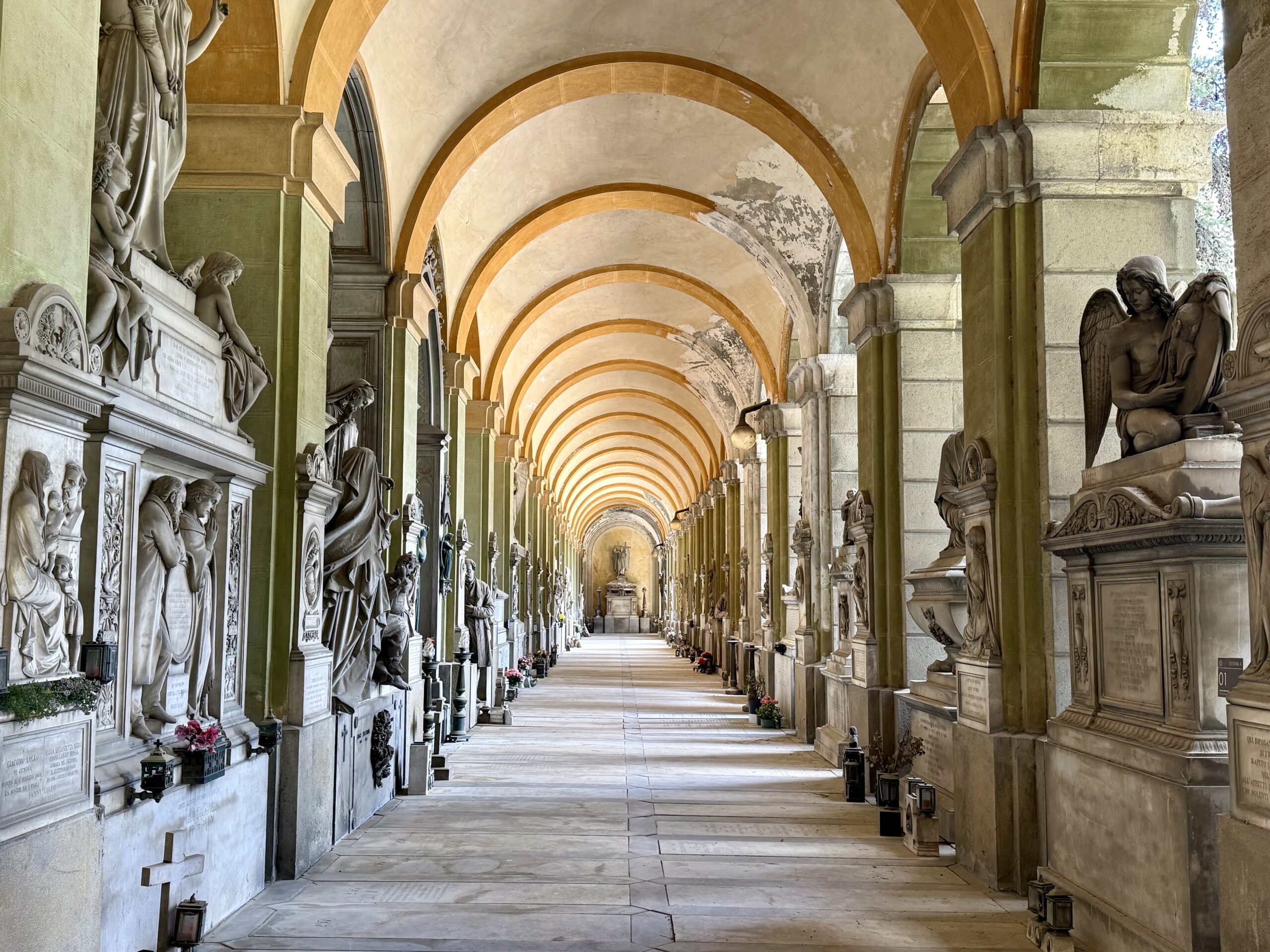
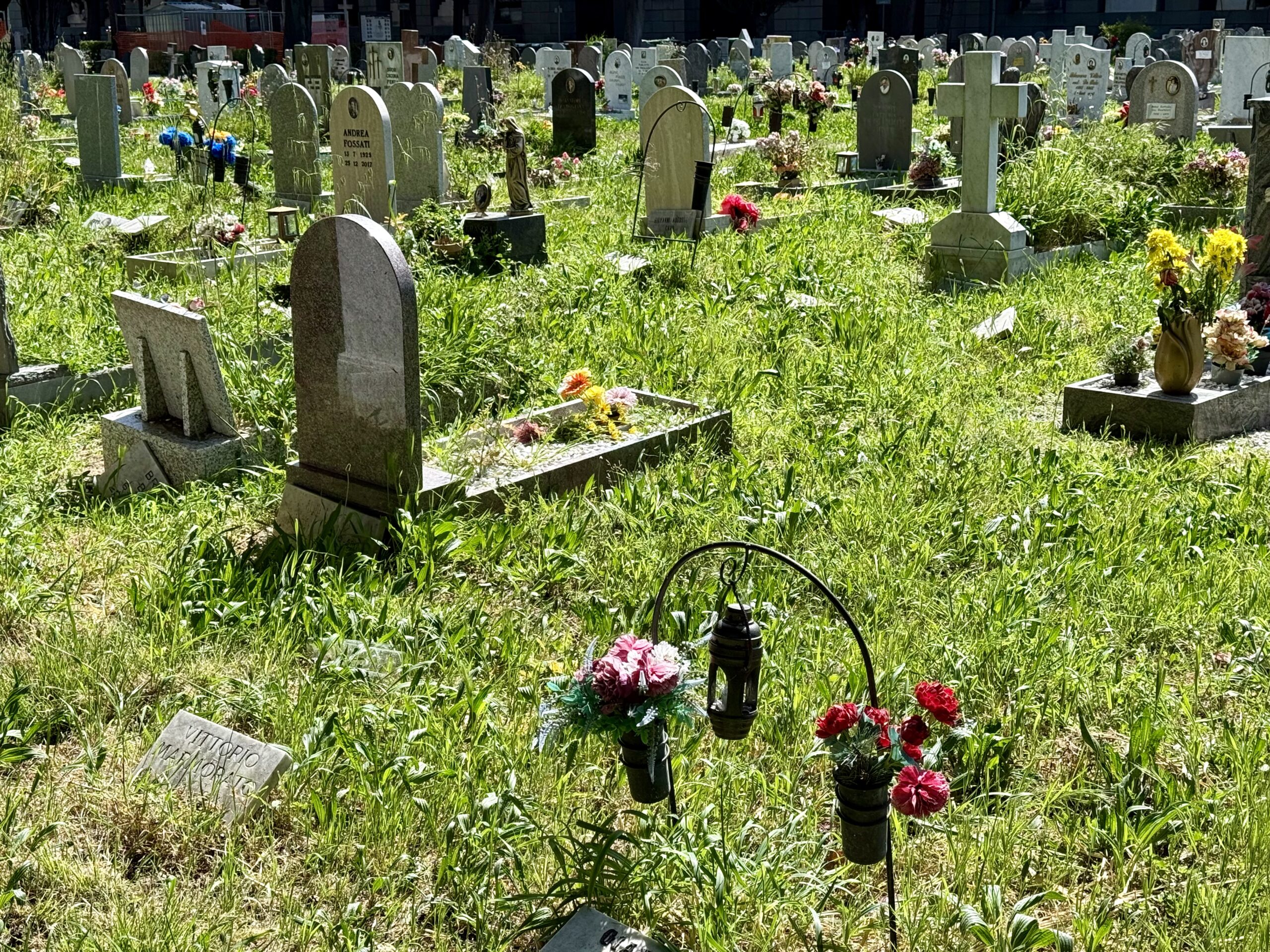
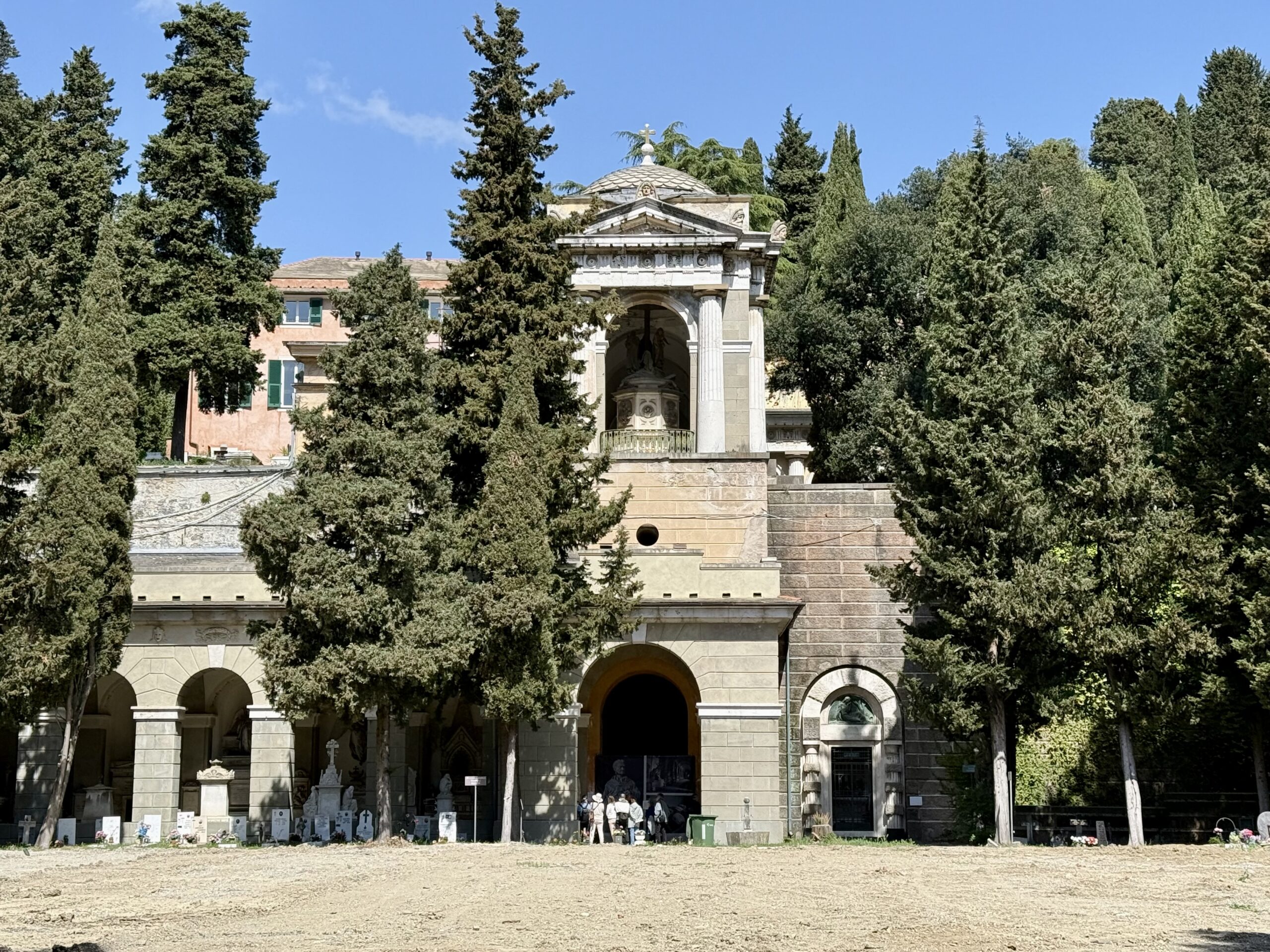
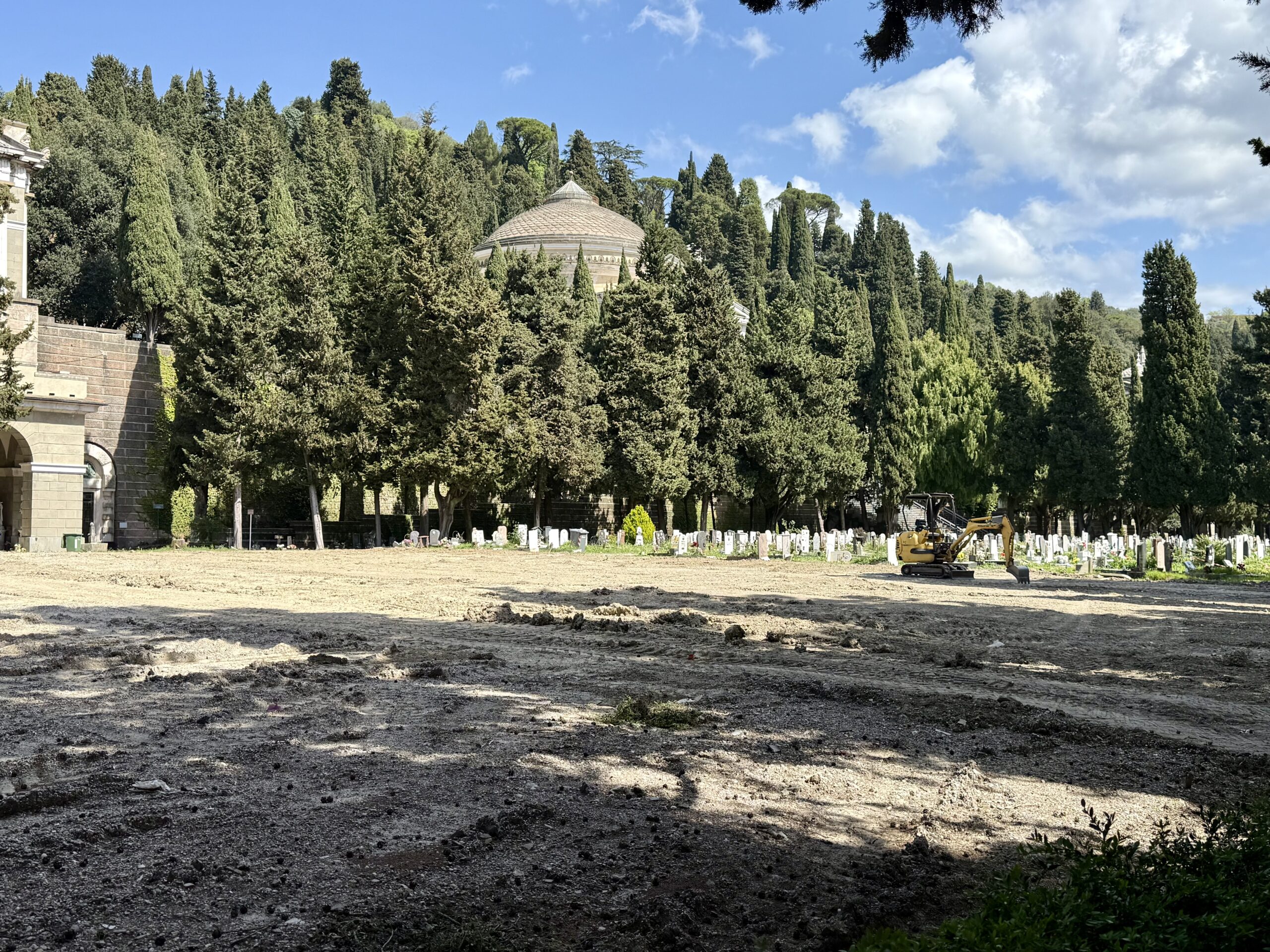
Back in town for lunch.
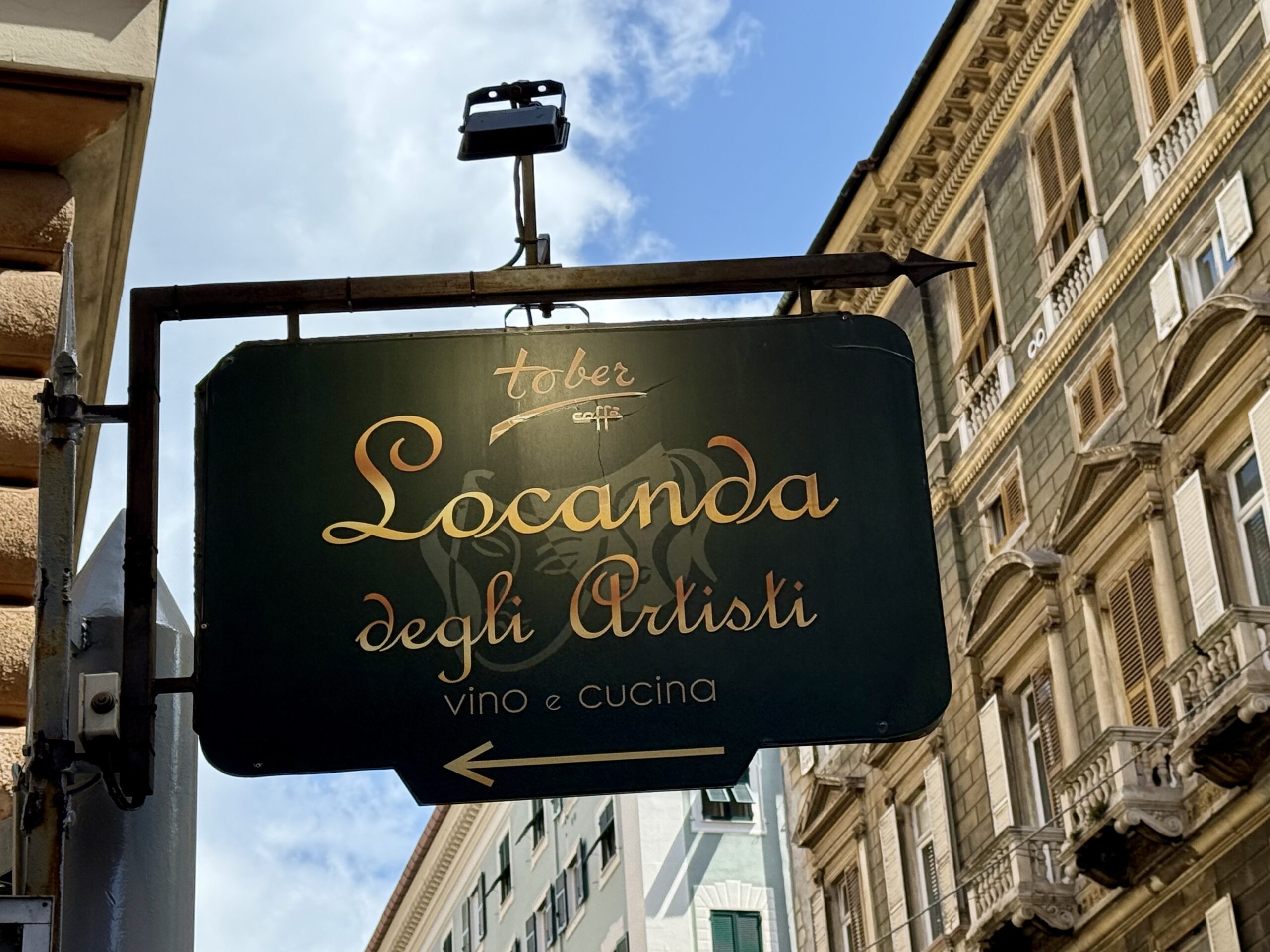
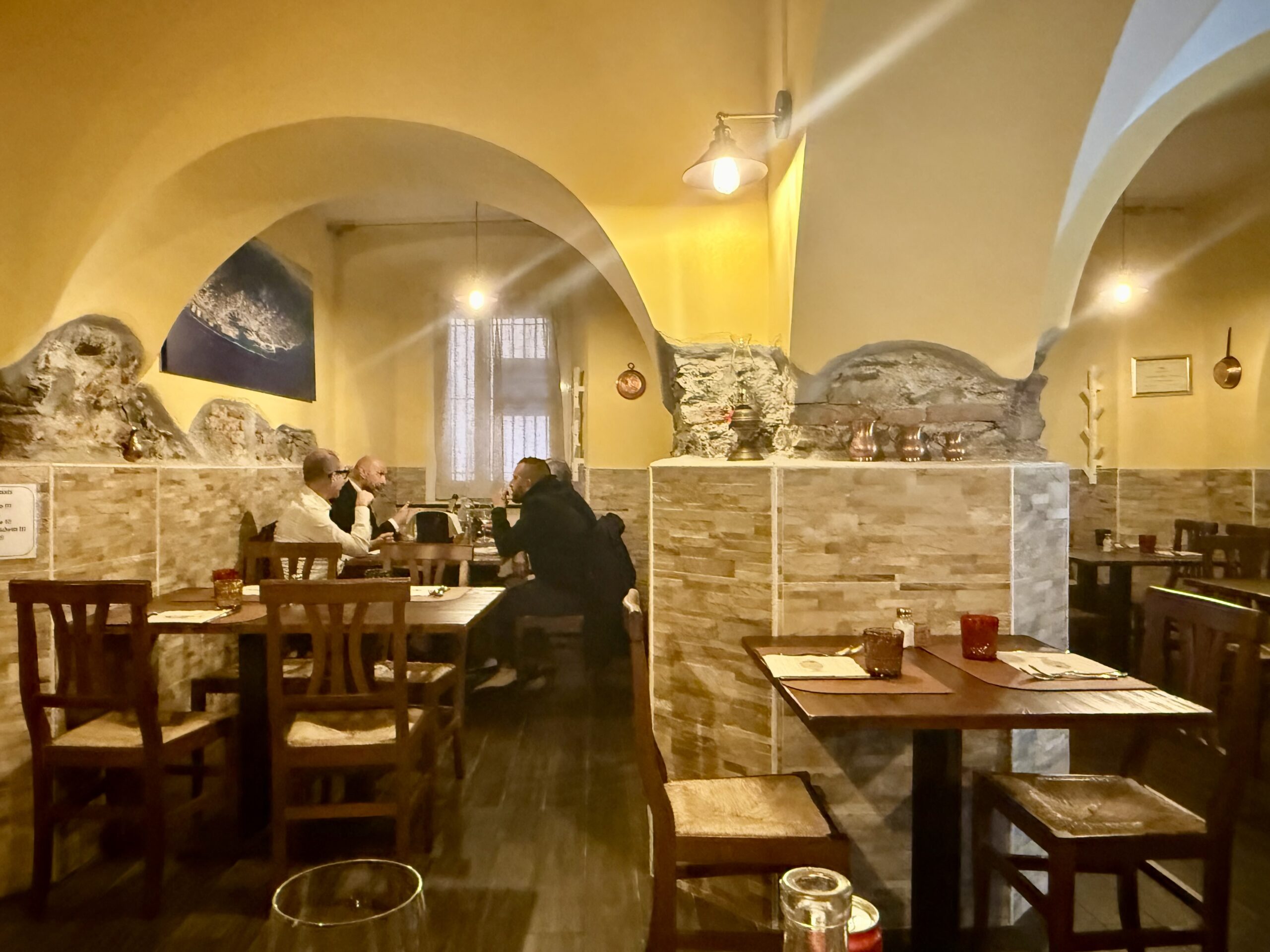
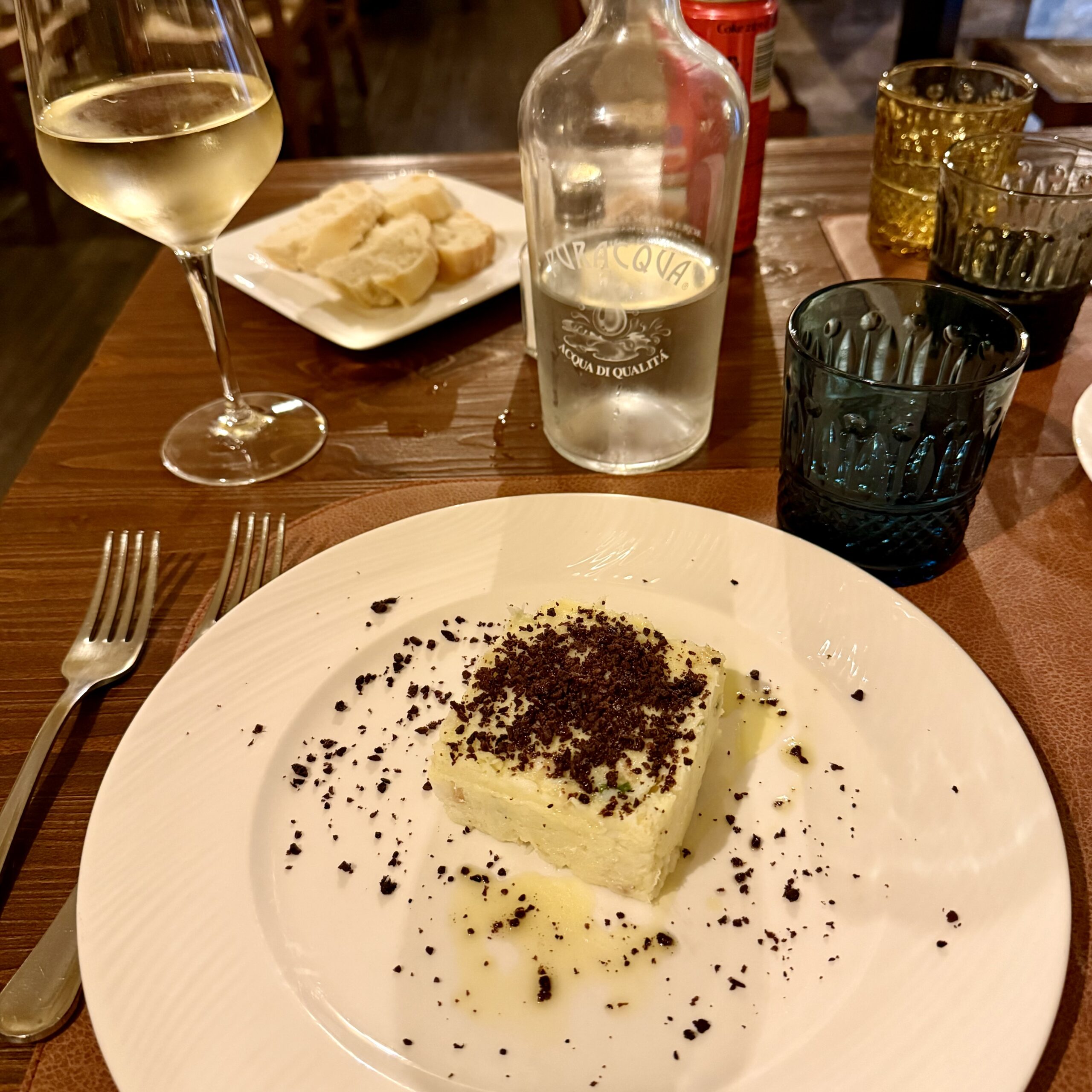
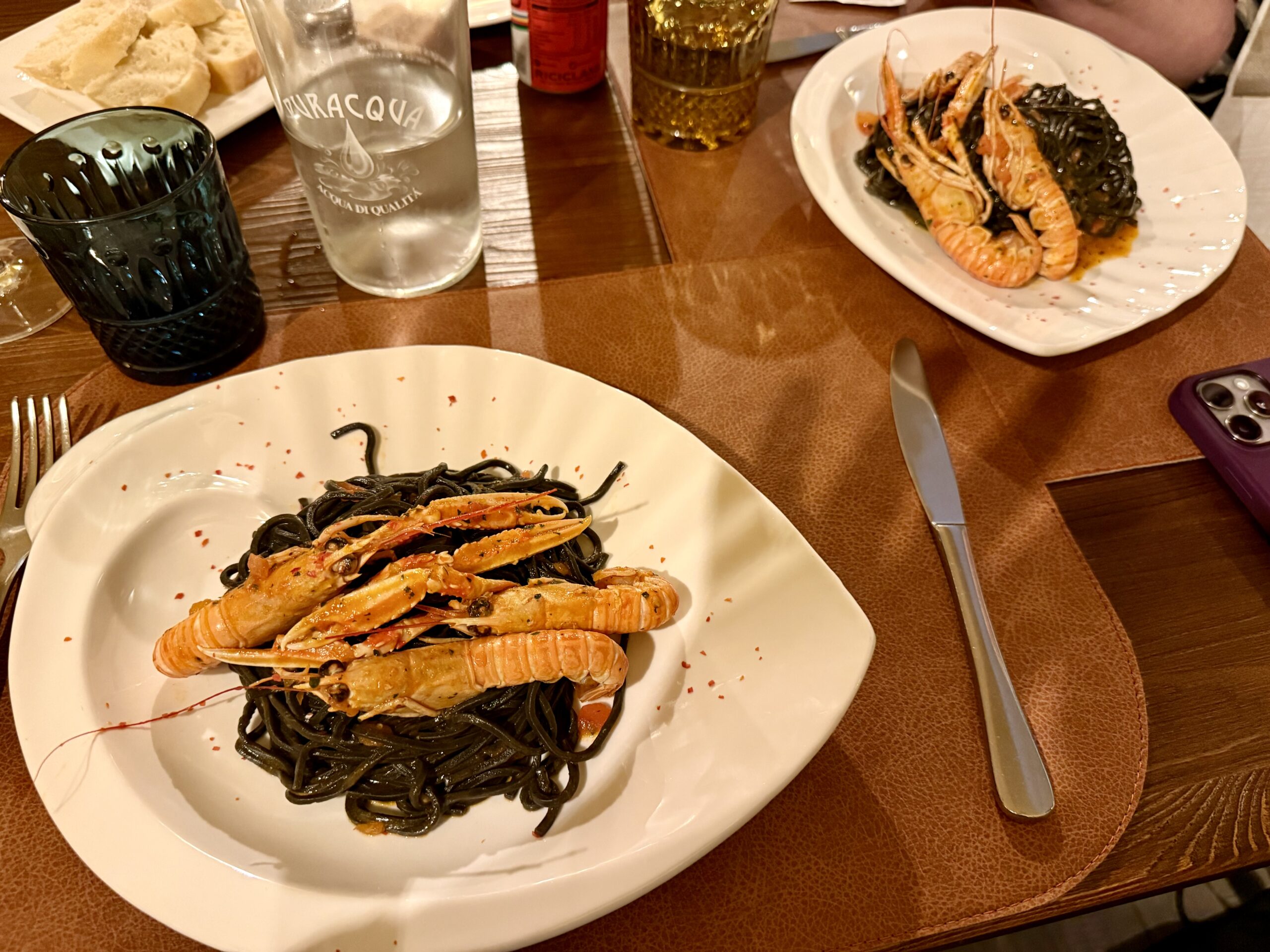
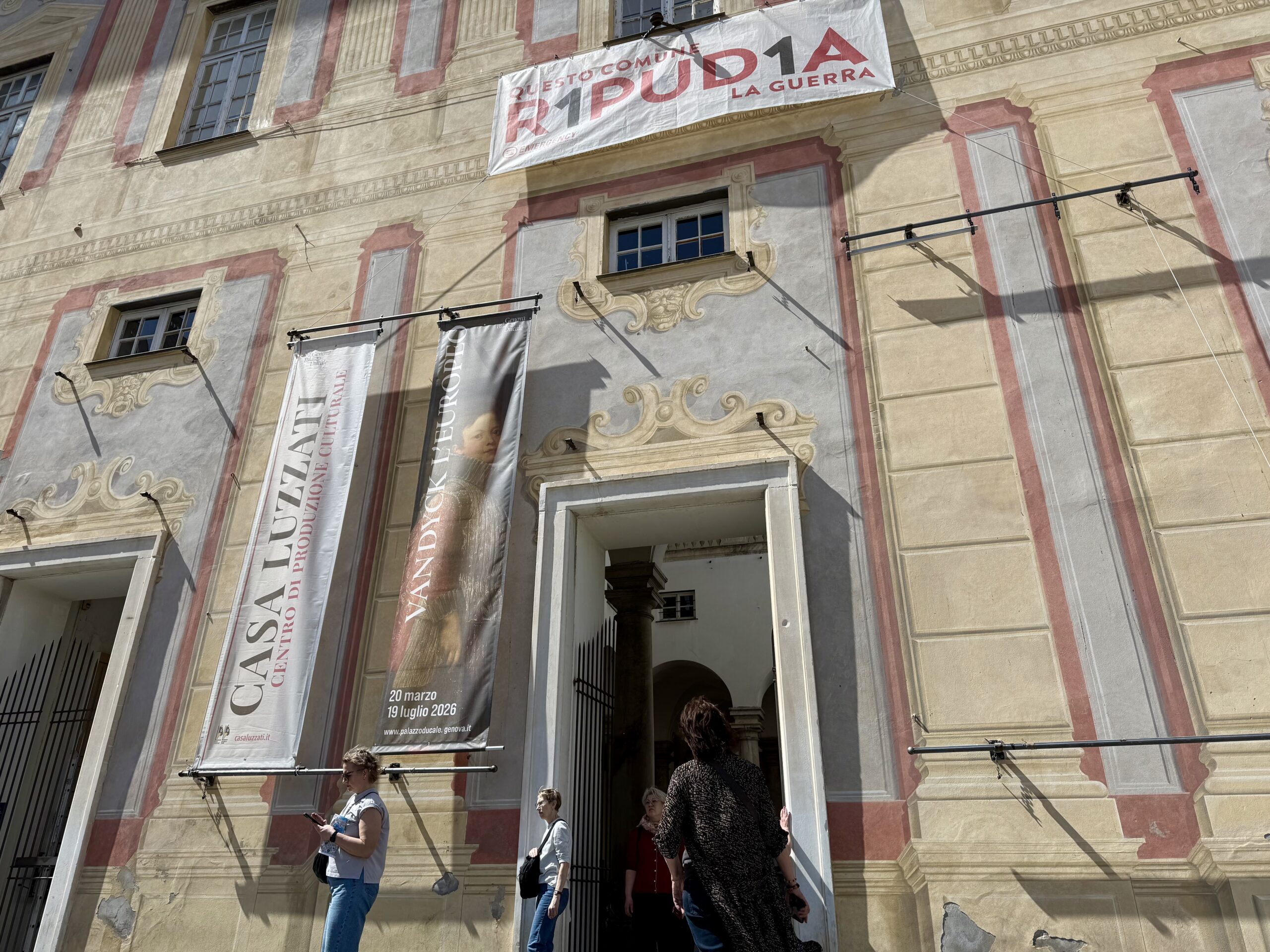
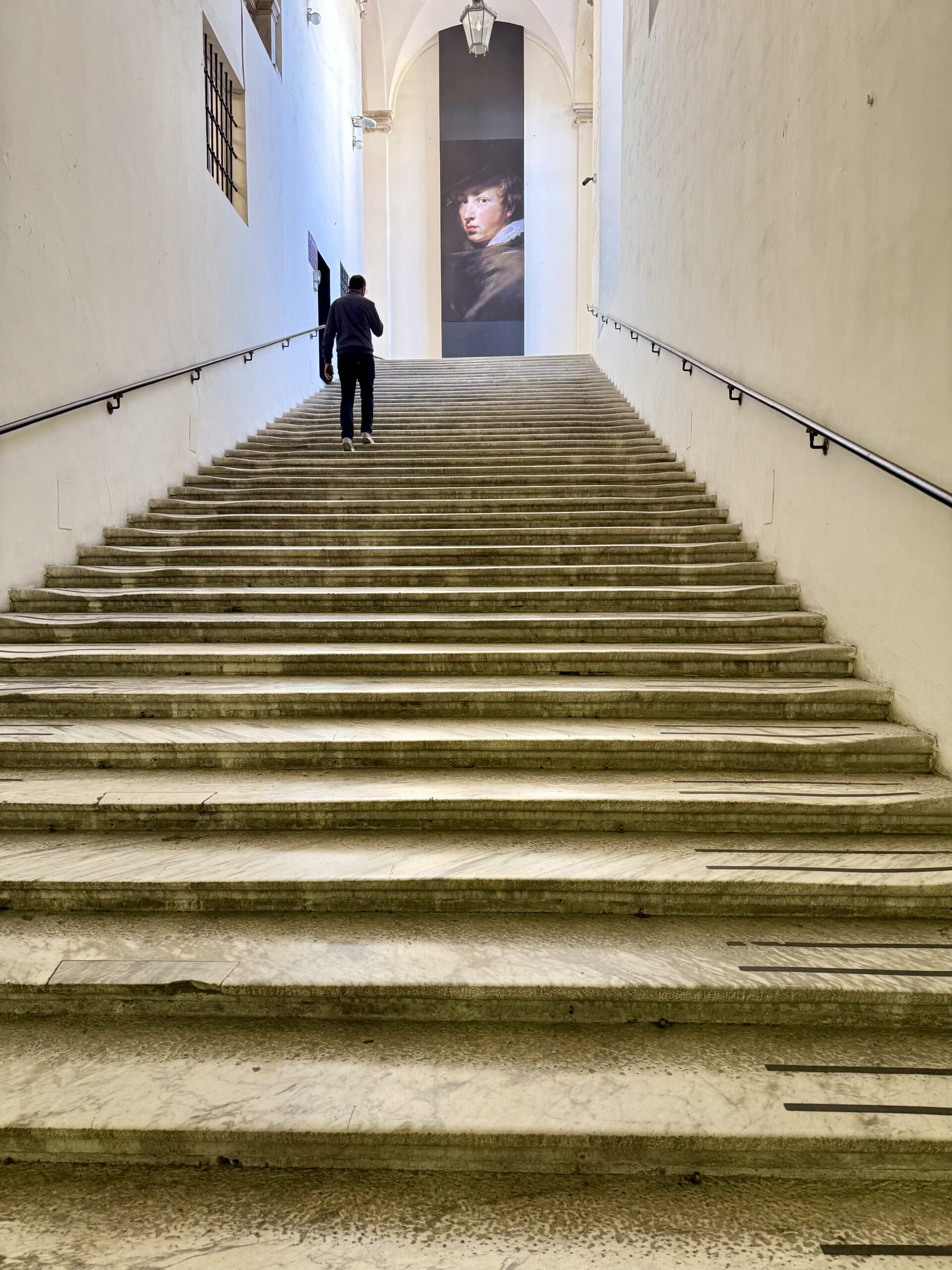
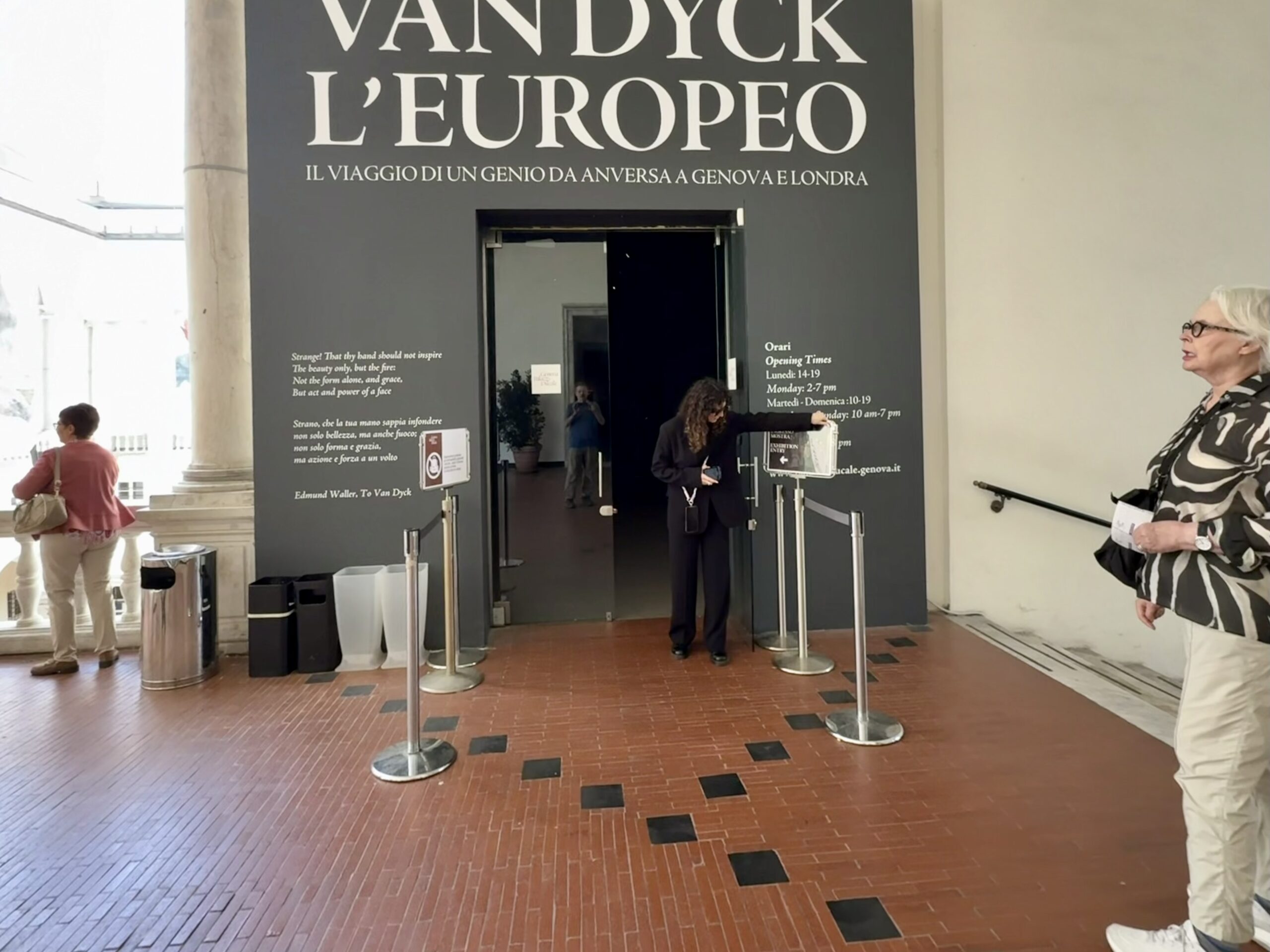
Van Dyke Exhibition
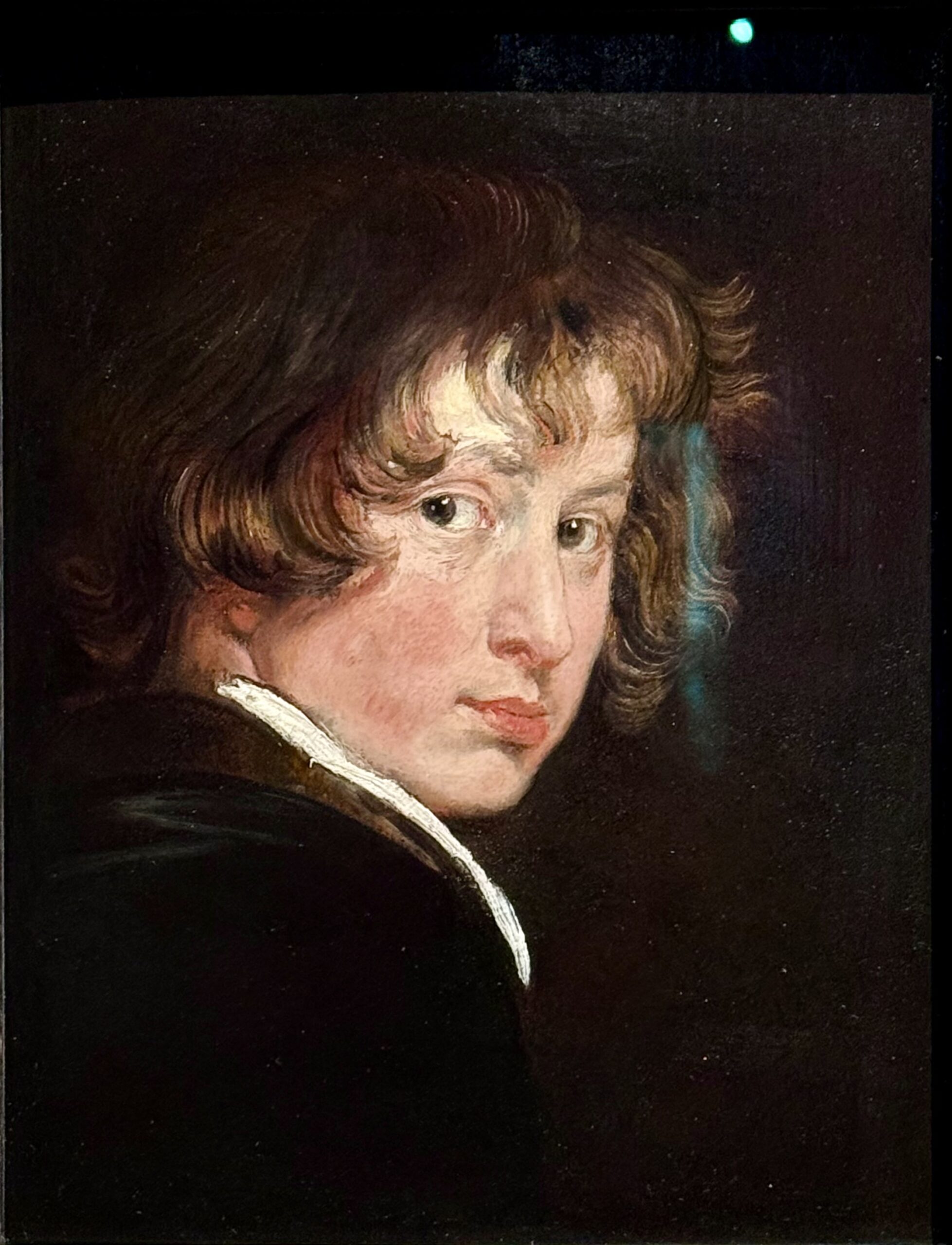
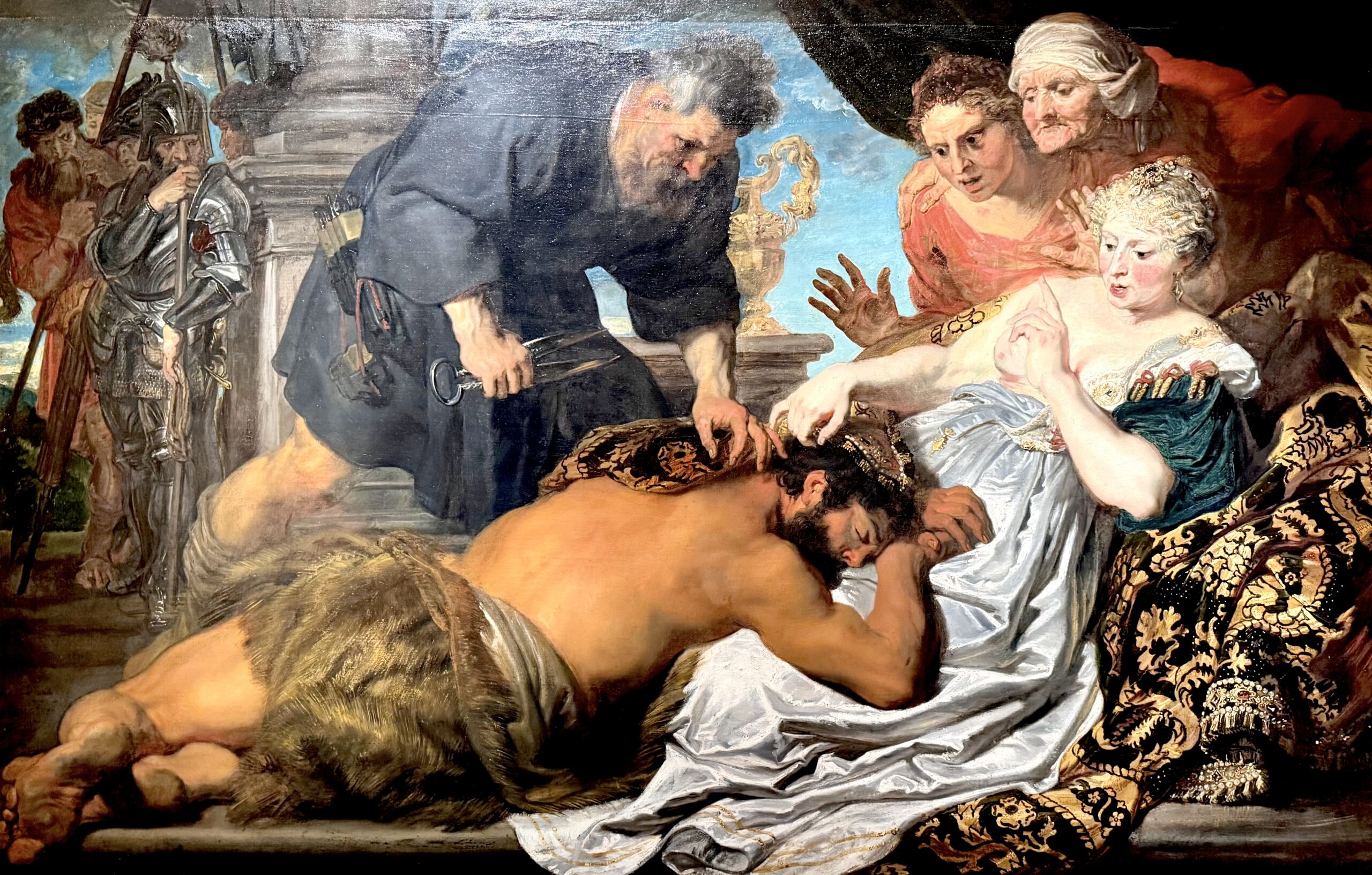
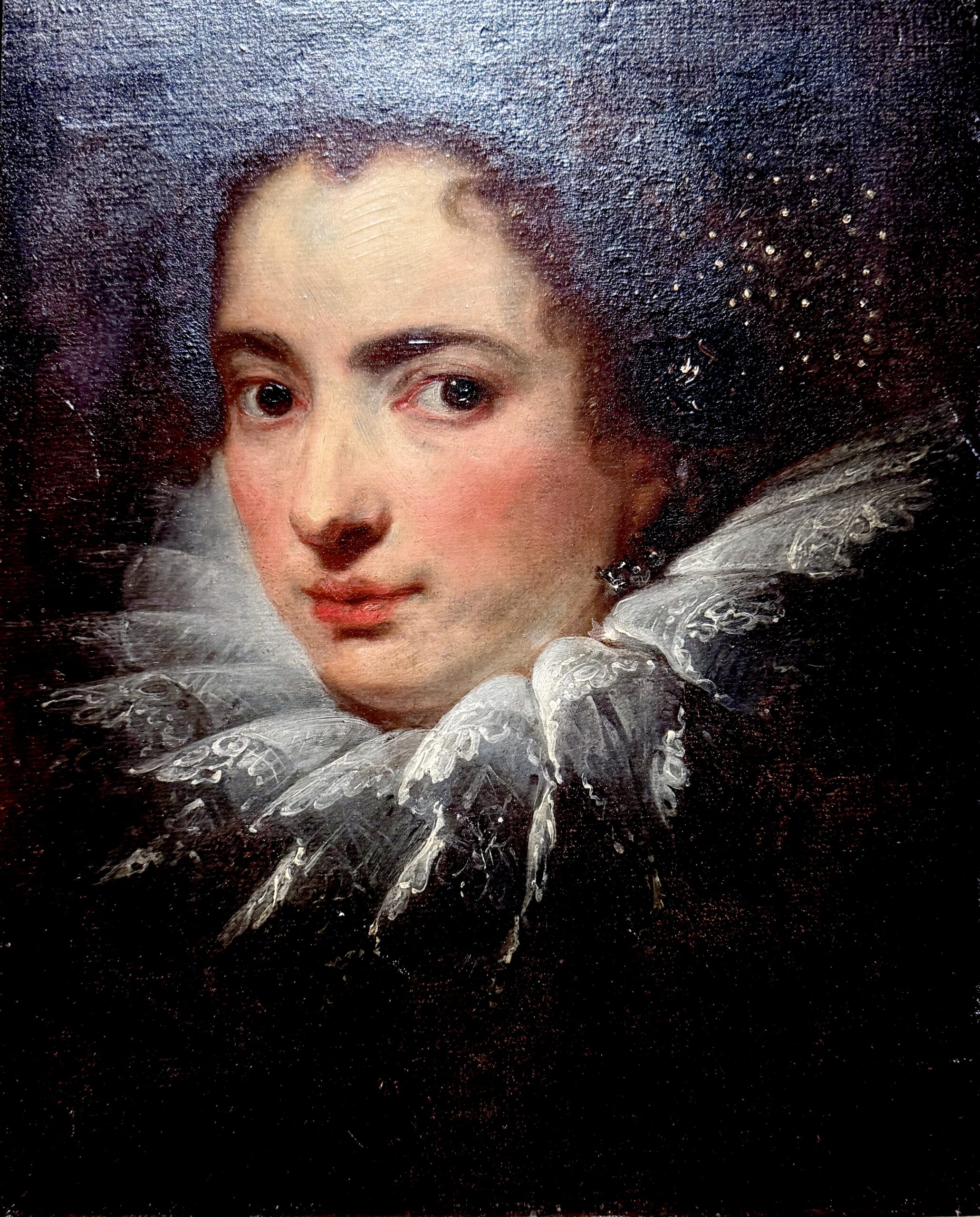
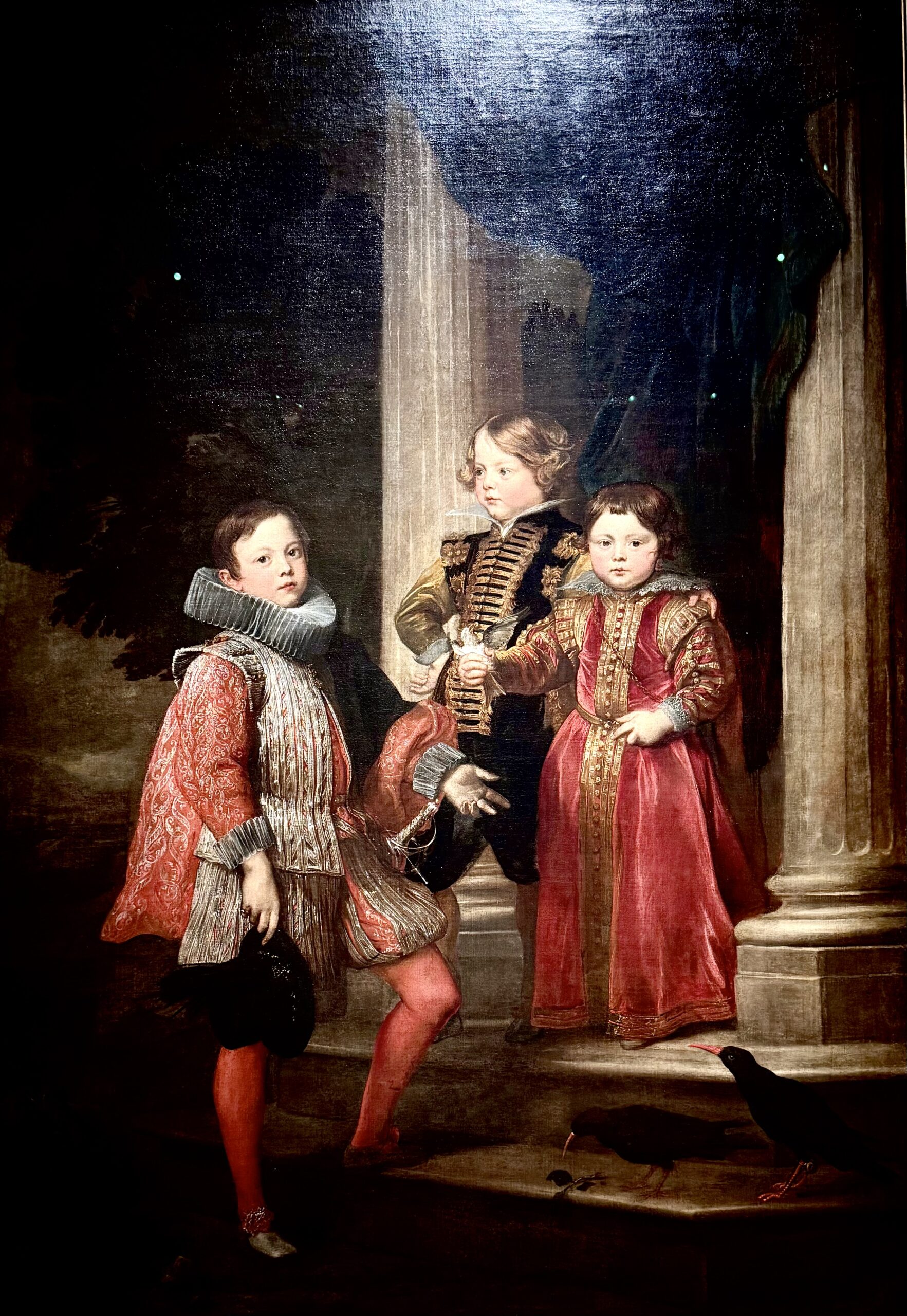
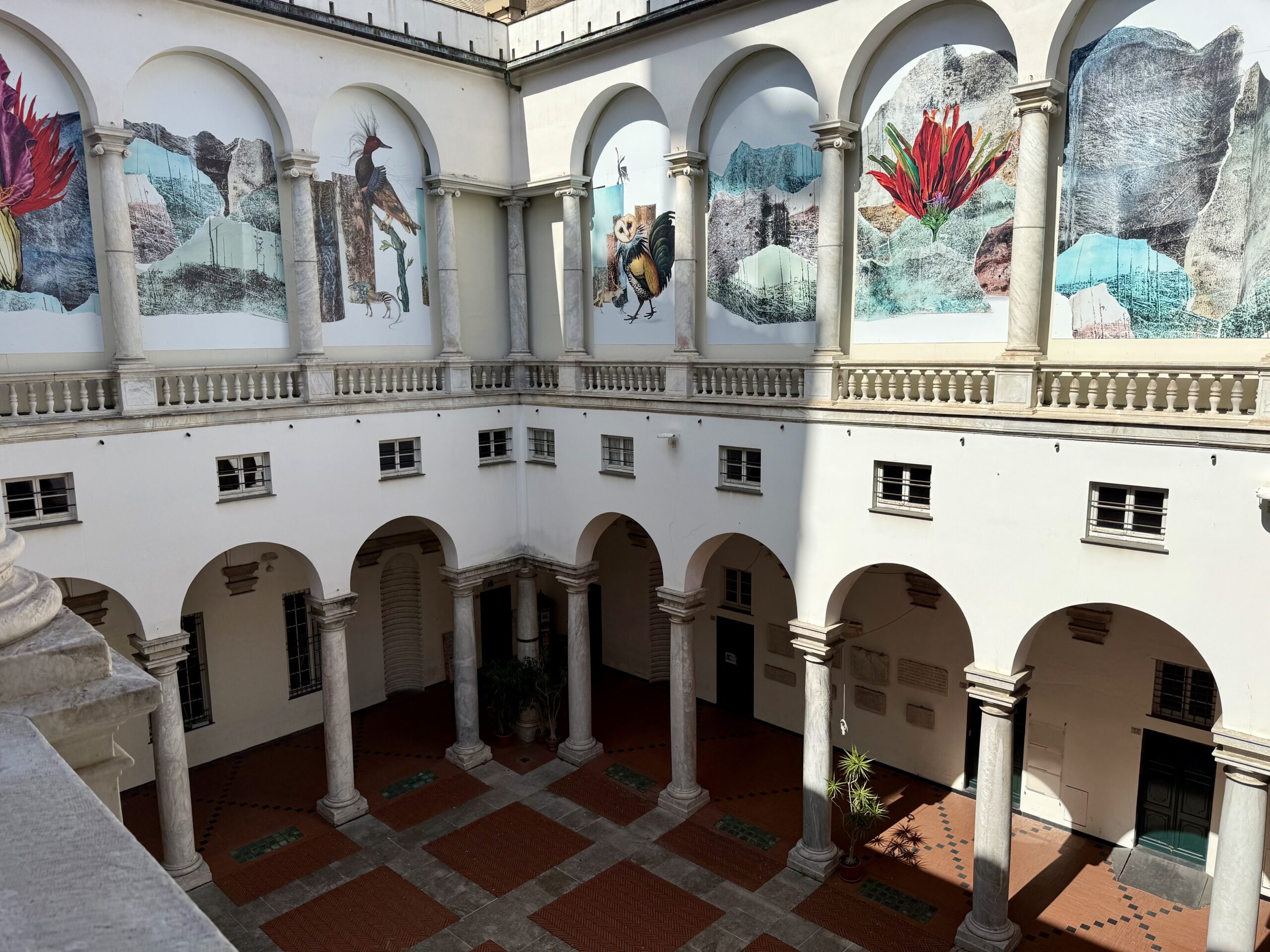
Van Dyke was featured in an exhibition at the Ducal Palace. This young Belgian spent several years in Genoa painting portraits of wealthy citizens. Eventually he was summoned to London to be a portrait painter for the royal court.
Bonnie began wondering about the similarities in portraits by Van Dyke, Rembrandt, and Velasquez. She discovered this. Van Dyke born 1599 in Belgium when it was ruled by Spain. Velasquez born 1599 in Valencia, Spain. Rembrandt born 1606 in the Netherlands when it was ruled by Spain. Lots of unexpected overlaps.
Electronics
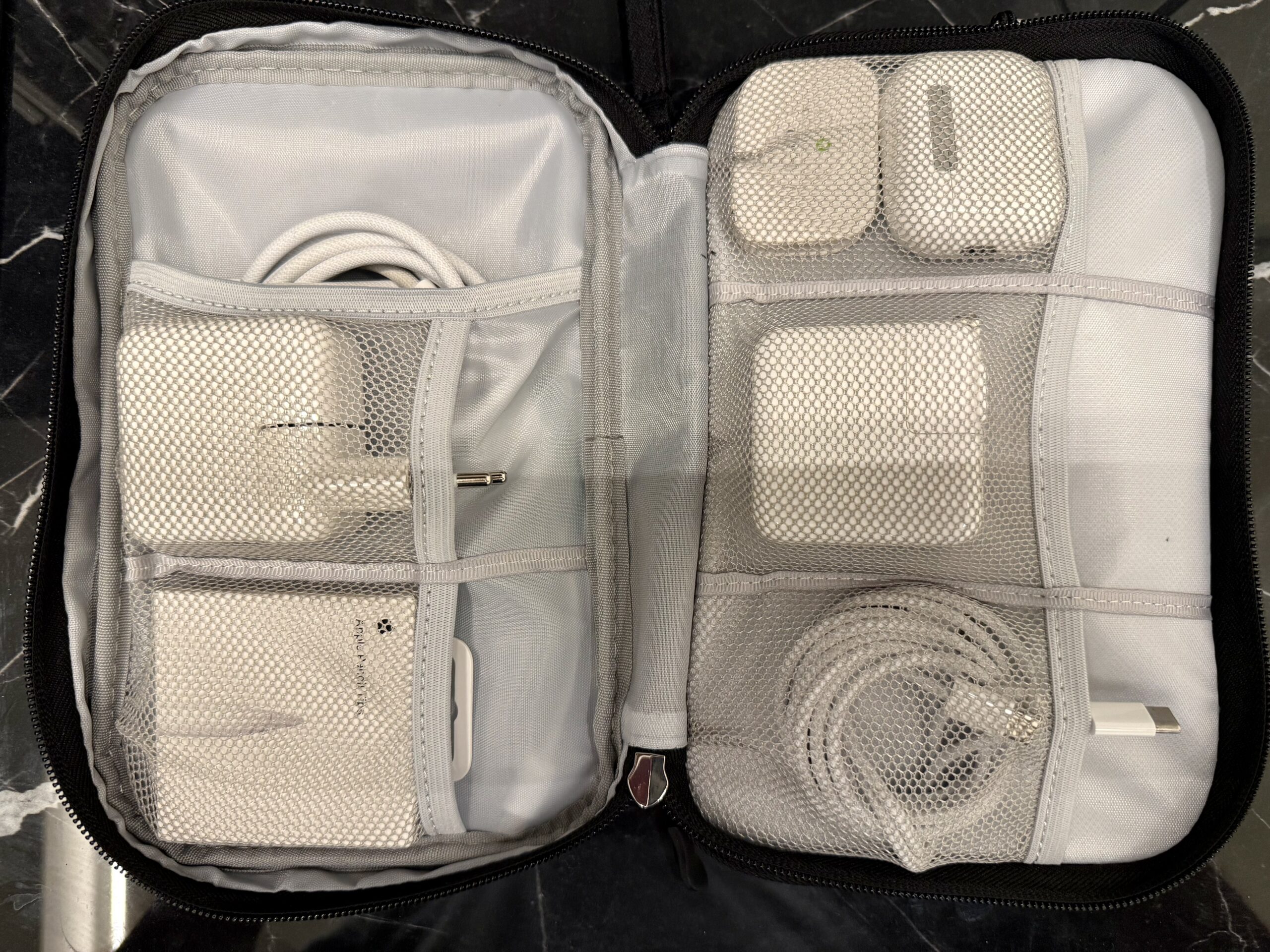
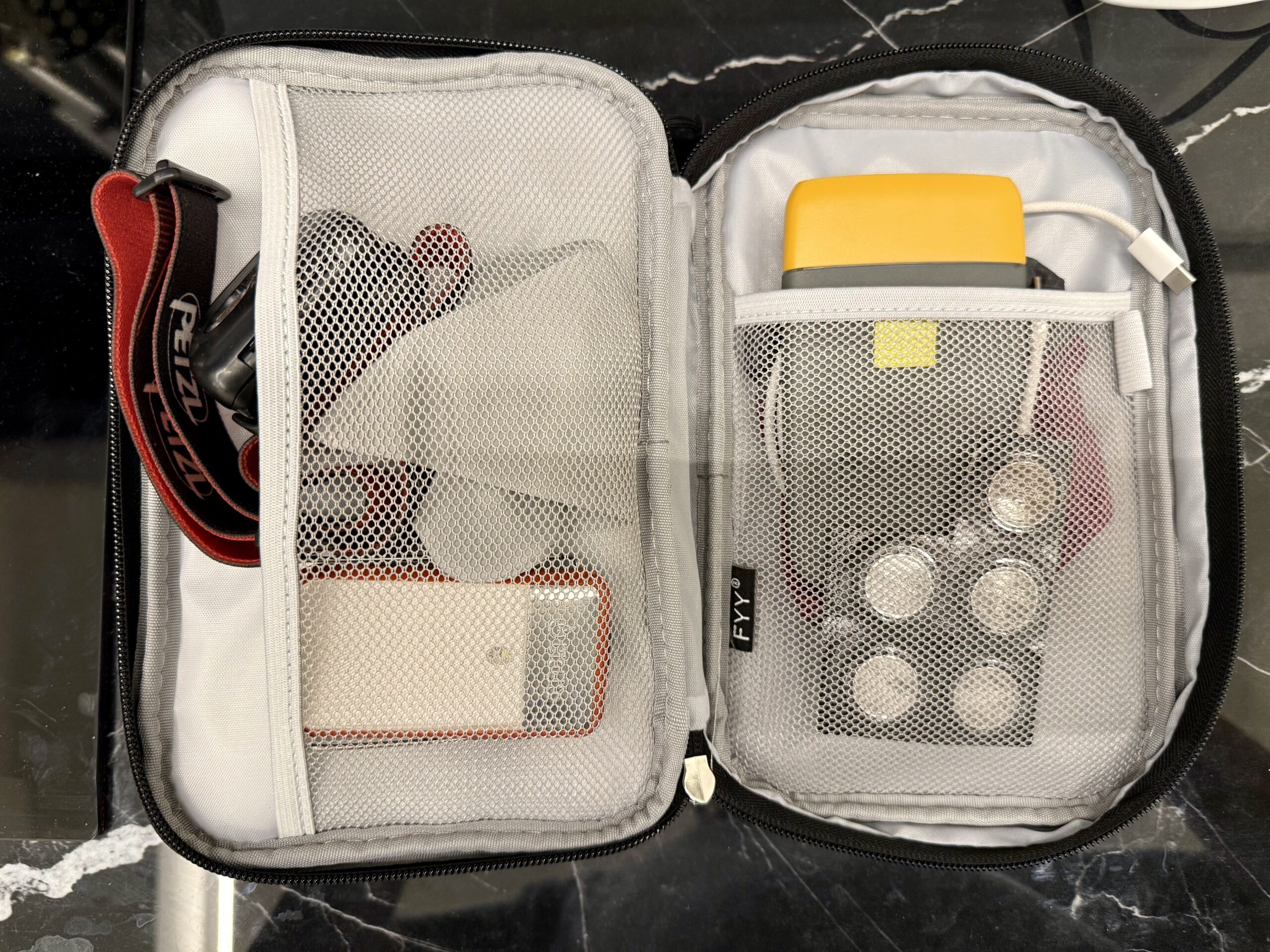
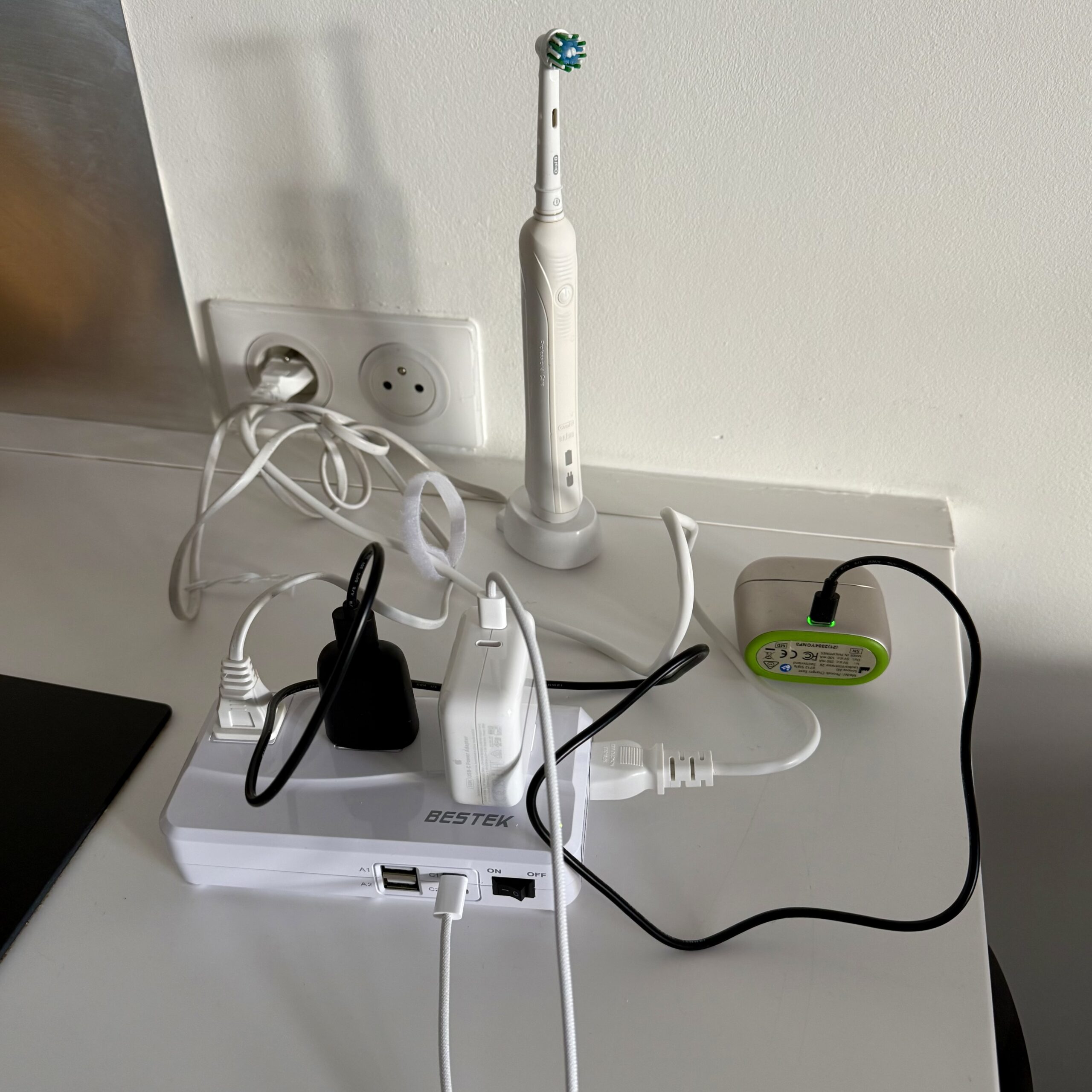
To support our iPhones, iPads, and additional electronics, we brought a variety of adapters that include a charger adapter (cigarette lighter) with two cords for the car. One long cord and a charging port with an Apple adapter goes by the bed for charging at night. The Bestek charging station accommodates American plugs and several charging ports.
Shampoo Chronicles
Bonnie consistently neglects to pack enough shampoo for long trips. The first time she ran out in 2019, she went into a grocery store in Dubrovnik and picked out some inexpensive shampoo from the three well-known brands available on the shelf. Ugh. Unhappy hair and overwhelming fragrance. In Milan, after extensive consultation in Italian with two mature women at the Coin department store, they presented her with the ideal shampoo for her hair. Sixty-four euros. No, thank you. In Palermo she discovered that the Sephora store carries lots of perfume but no hair products.
She hates experimenting with random shampoo. She is loyal to Living Proof, which isn’t sold here, so on one trip she had her brother bring an emergency supply. On another trip her brother-in-law acted as the courier. This time she was sure she packed enough. So when the first three-ounce bottle was empty she reached into her big ziplock bag of backup toiletries for the next bottle. Everything was gooey. The shampoo bottle had leaked and was completely empty. (No harm done; all the goo stayed inside the double plastic bags.) She was discouraged about starting a search for a new shampoo, but in a department store she spotted Aveda, which she remembered using happily in the past. Problem solved for this trip.
Postcards
After the urging of Robert’s friend Mike McAdoo, we decided to go old school and send a few postcards. They can be difficult to find.
Next stop — Aix-en-Provence and Antibes
Superb shots and writing. Makes me want to want to explore. Grazie e buon viaggio
Grazie!