18-24 May 2026

Lodging
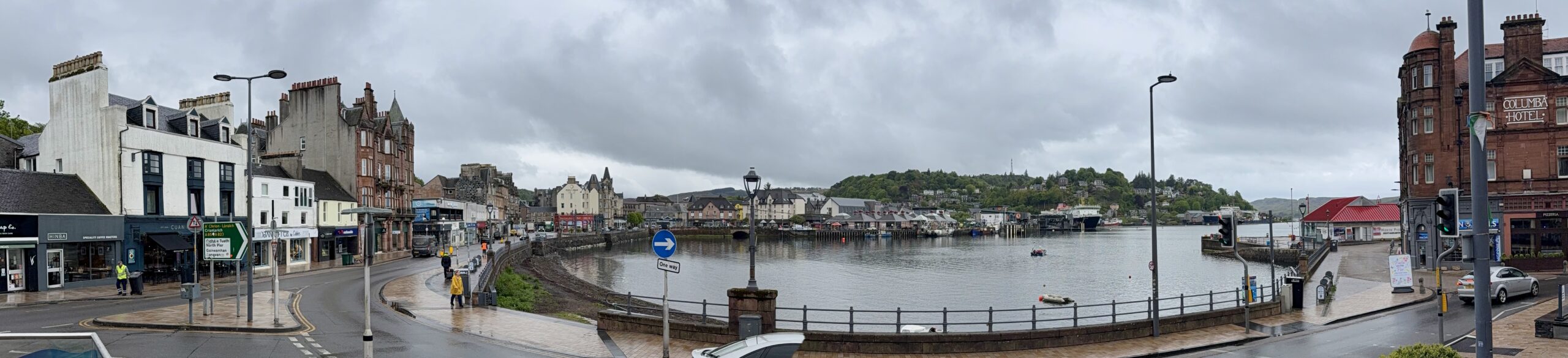
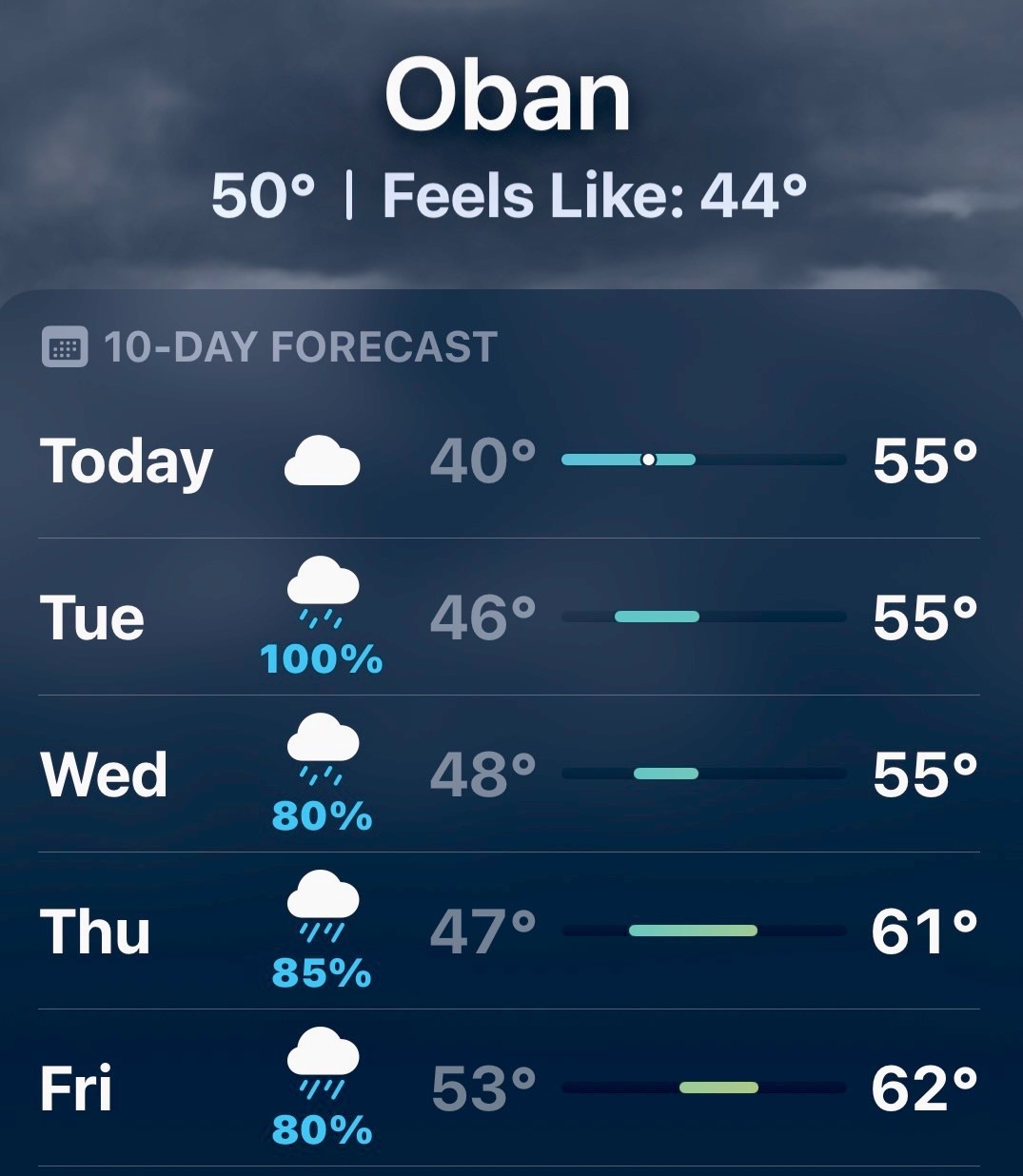
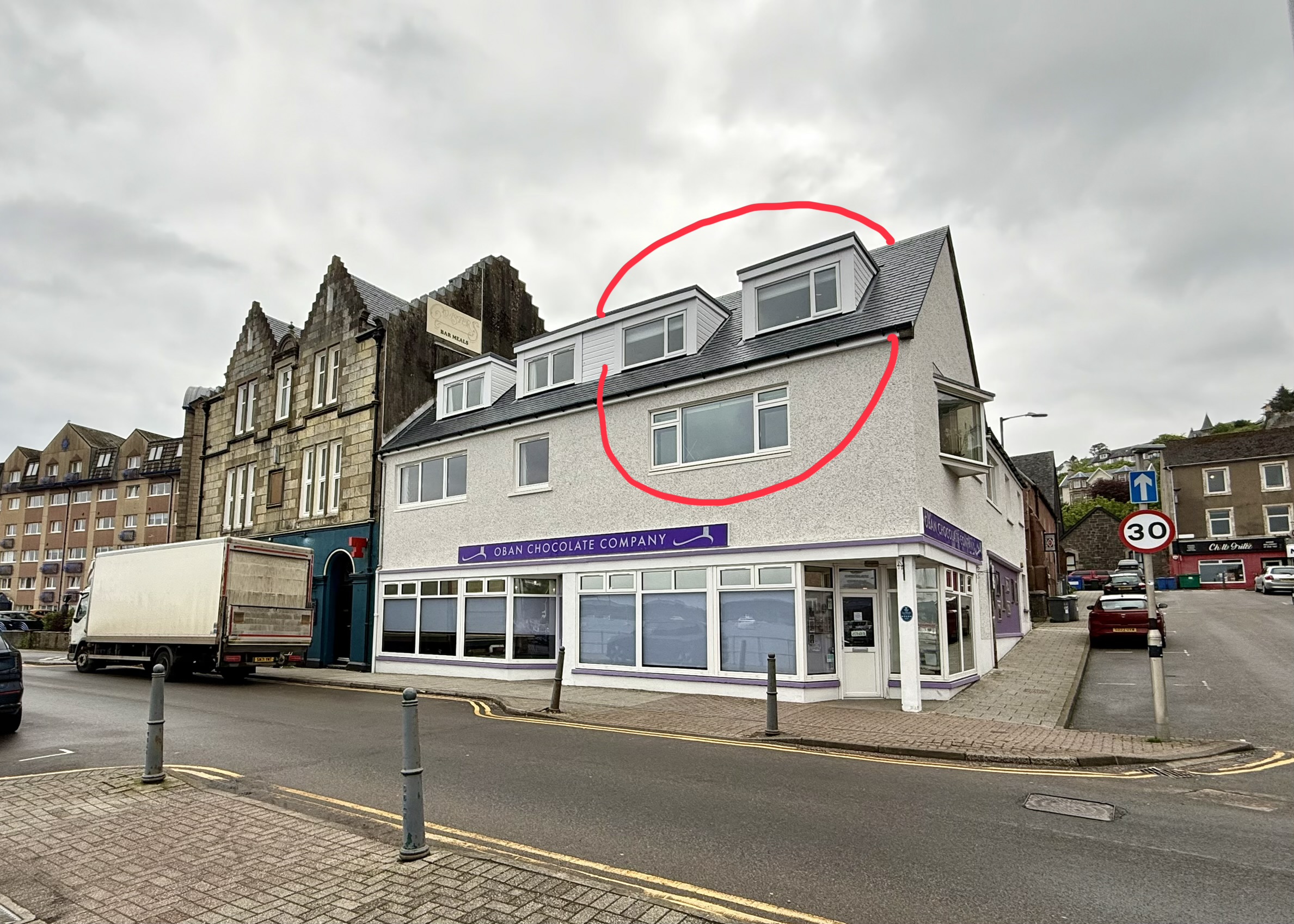
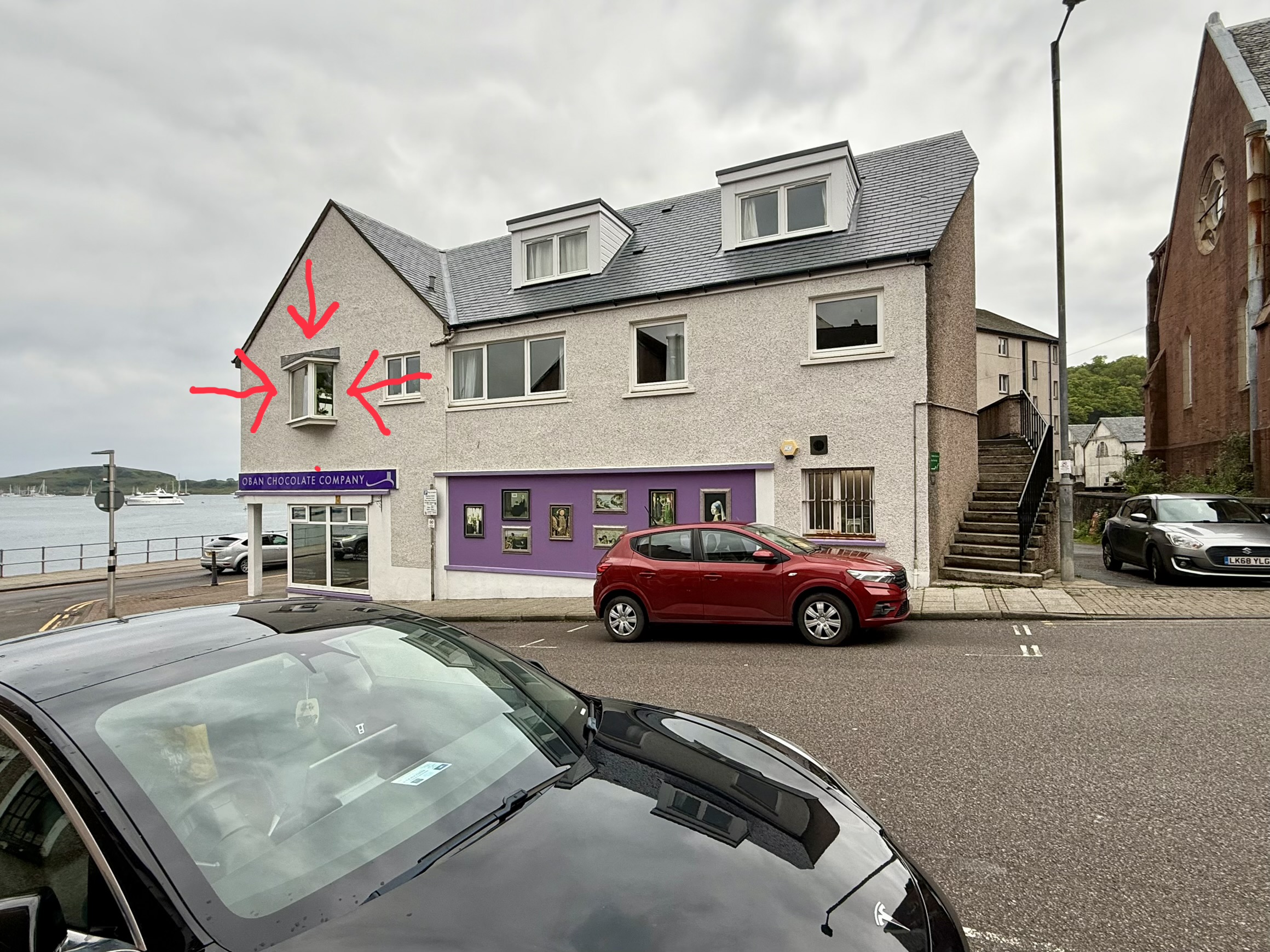
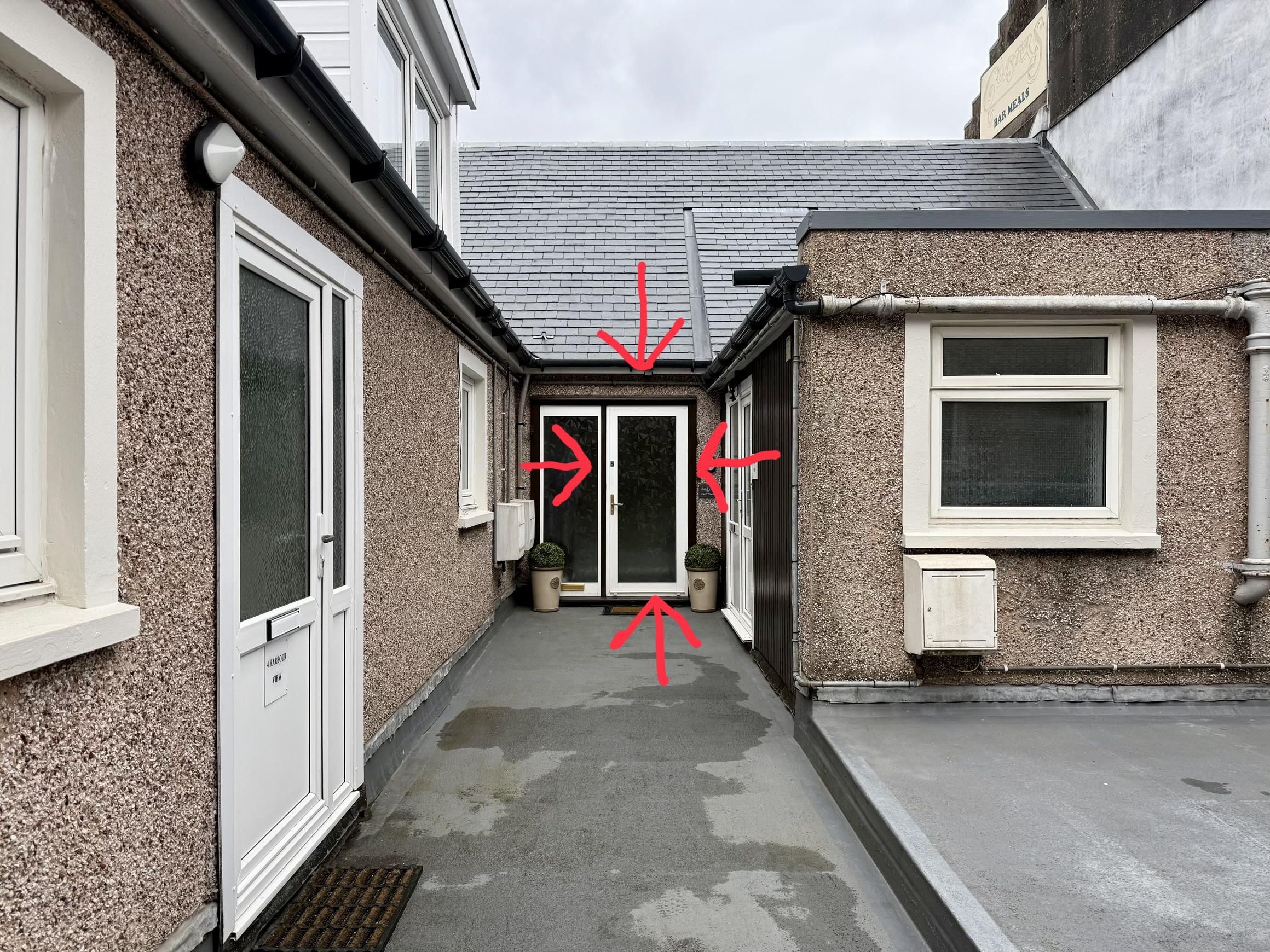
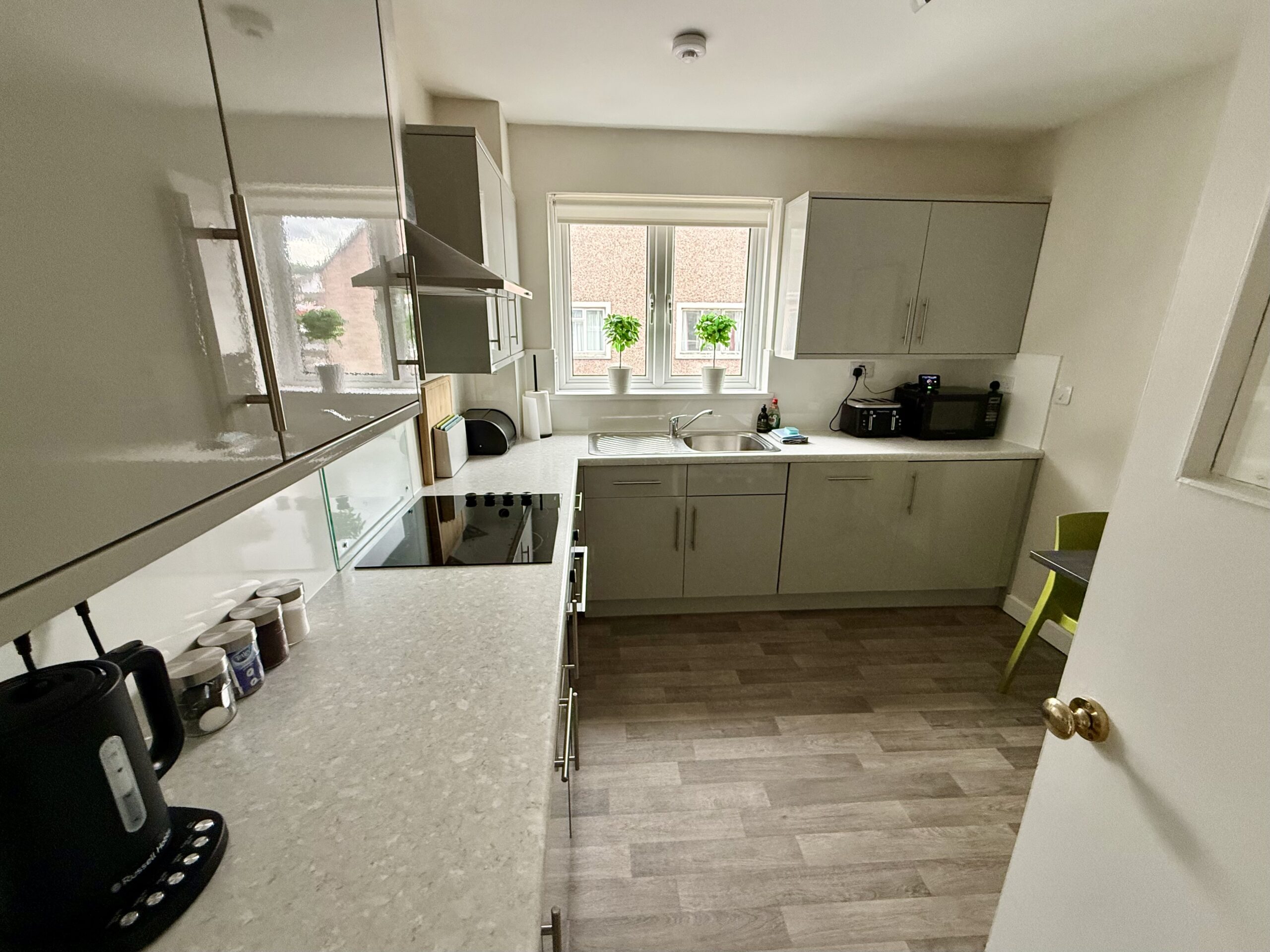
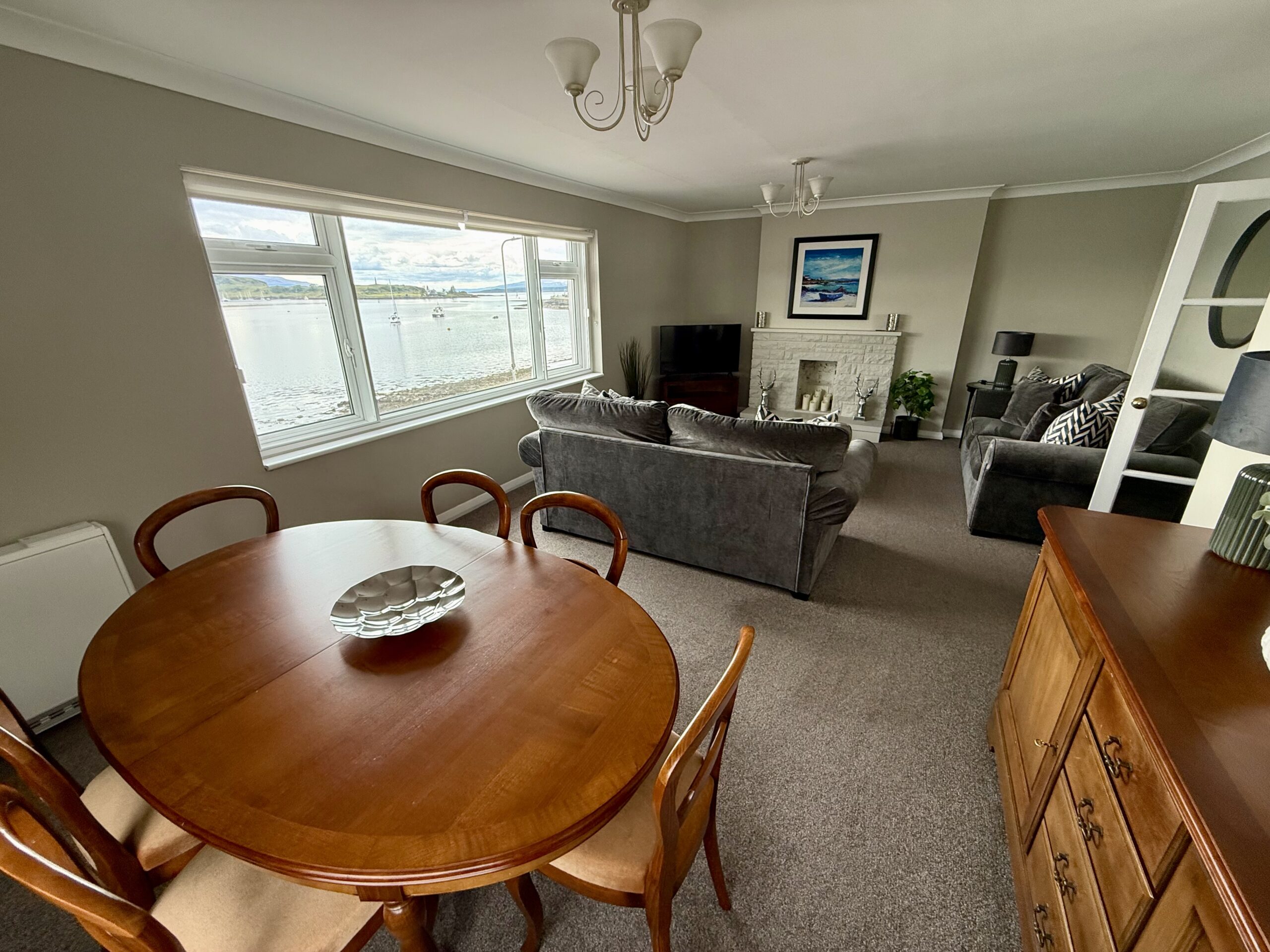
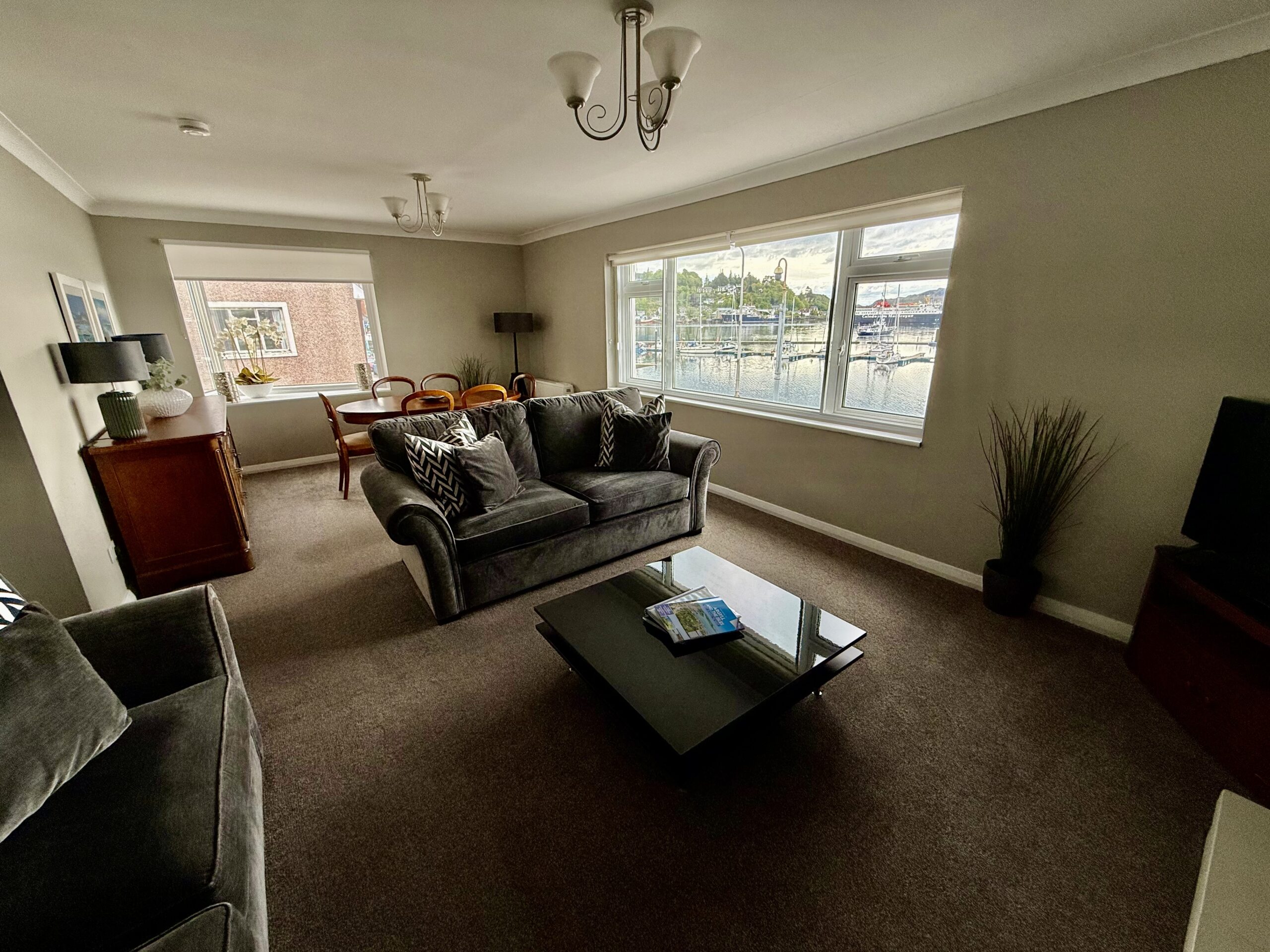
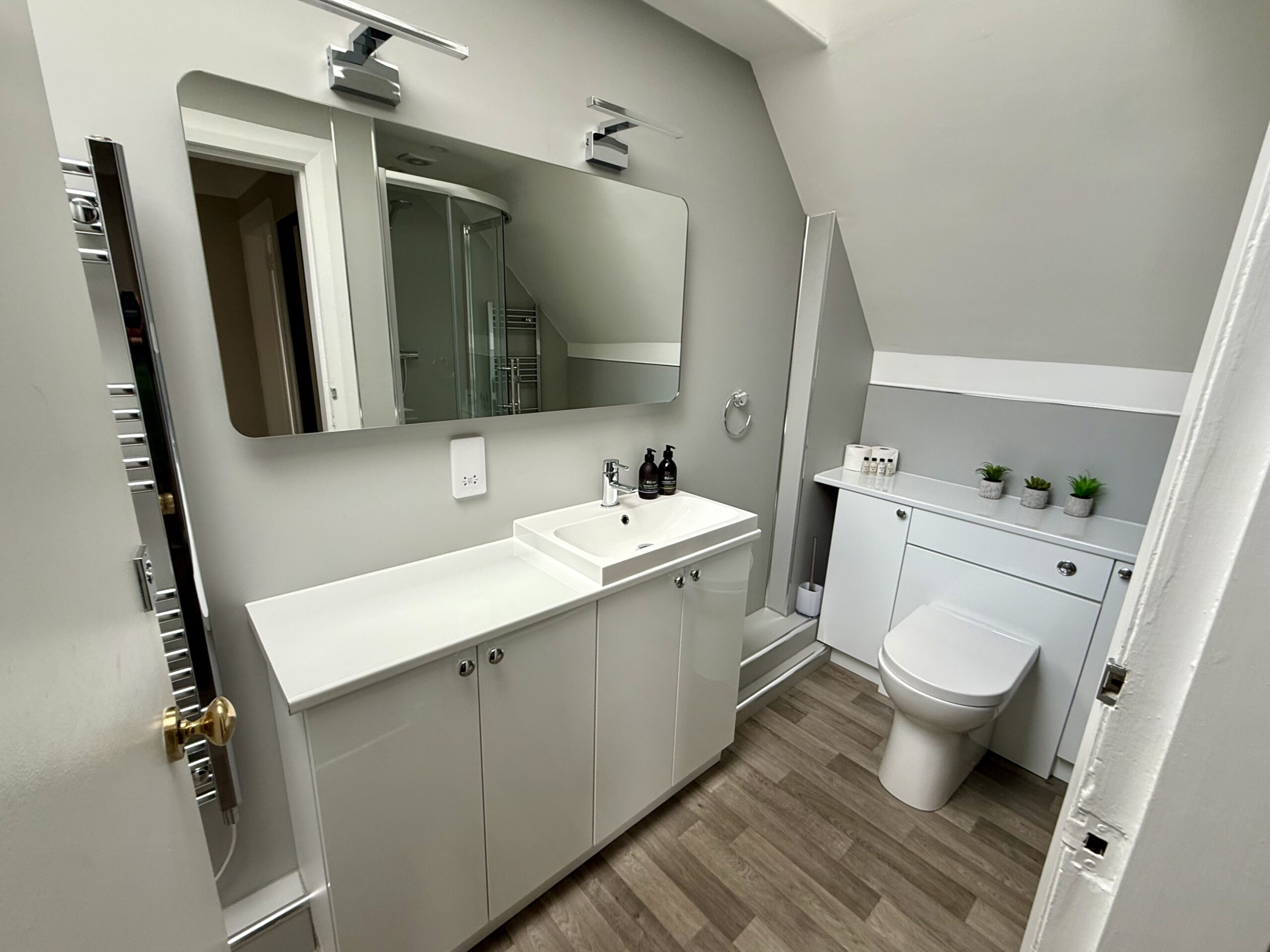
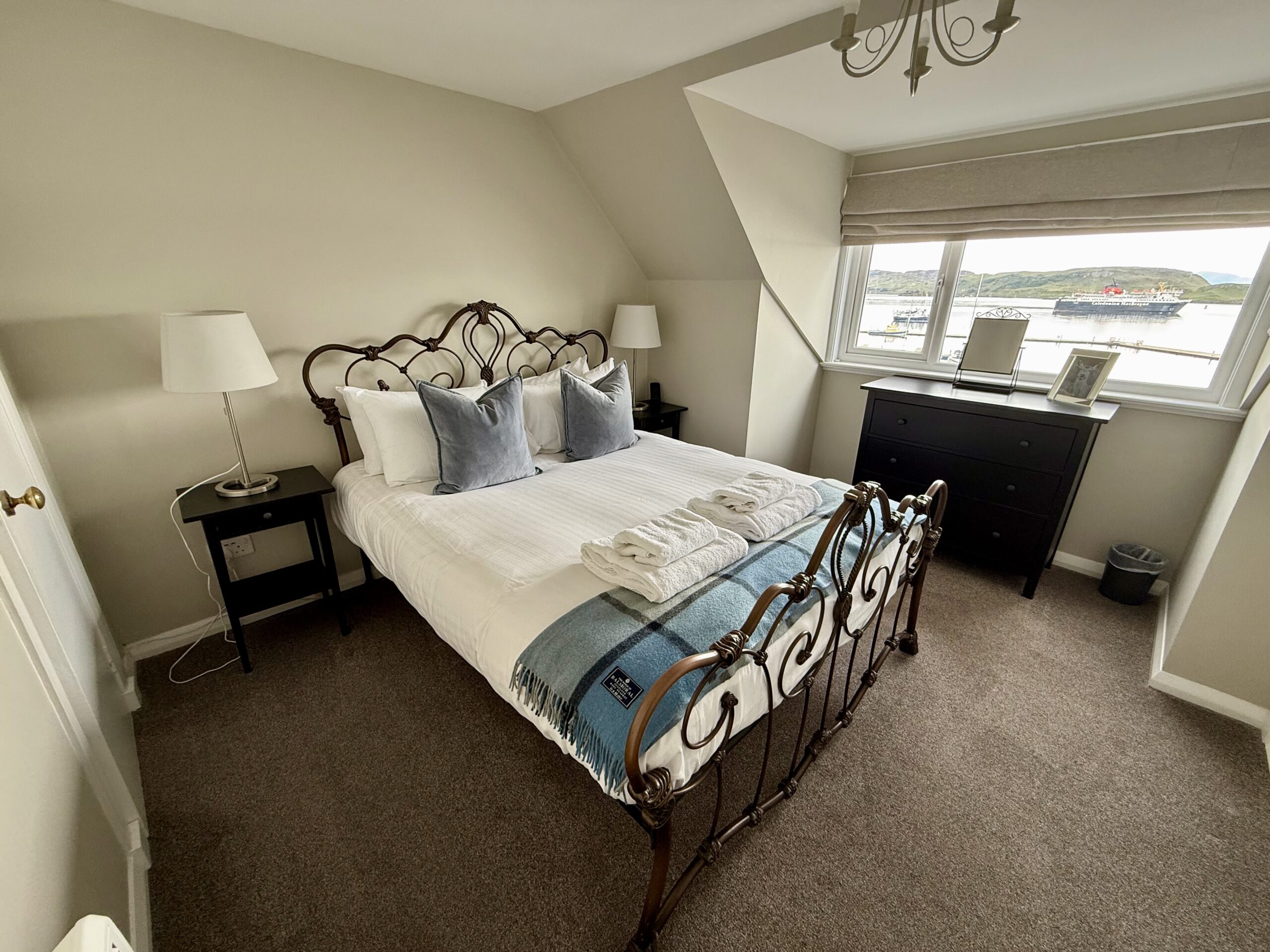
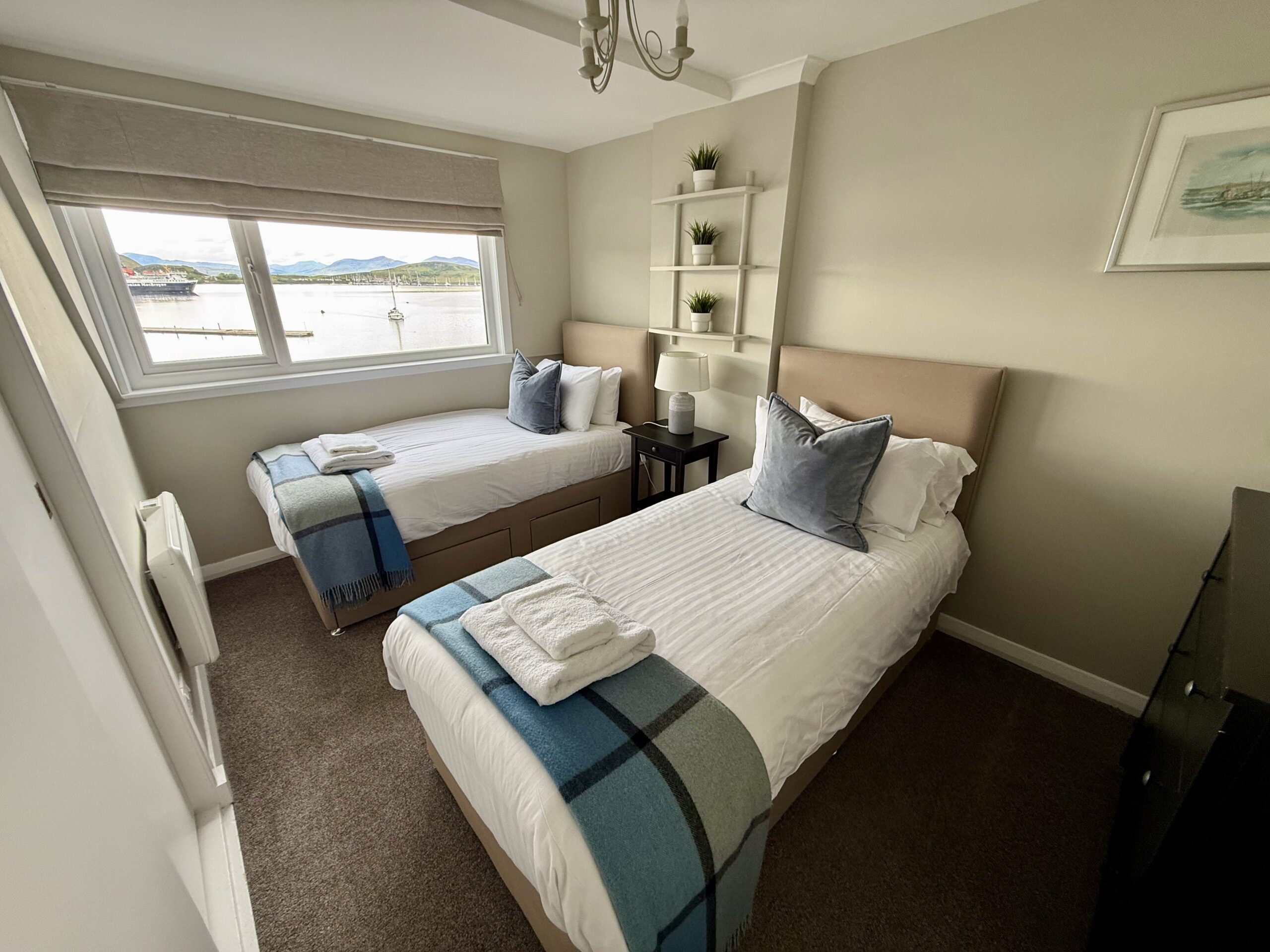
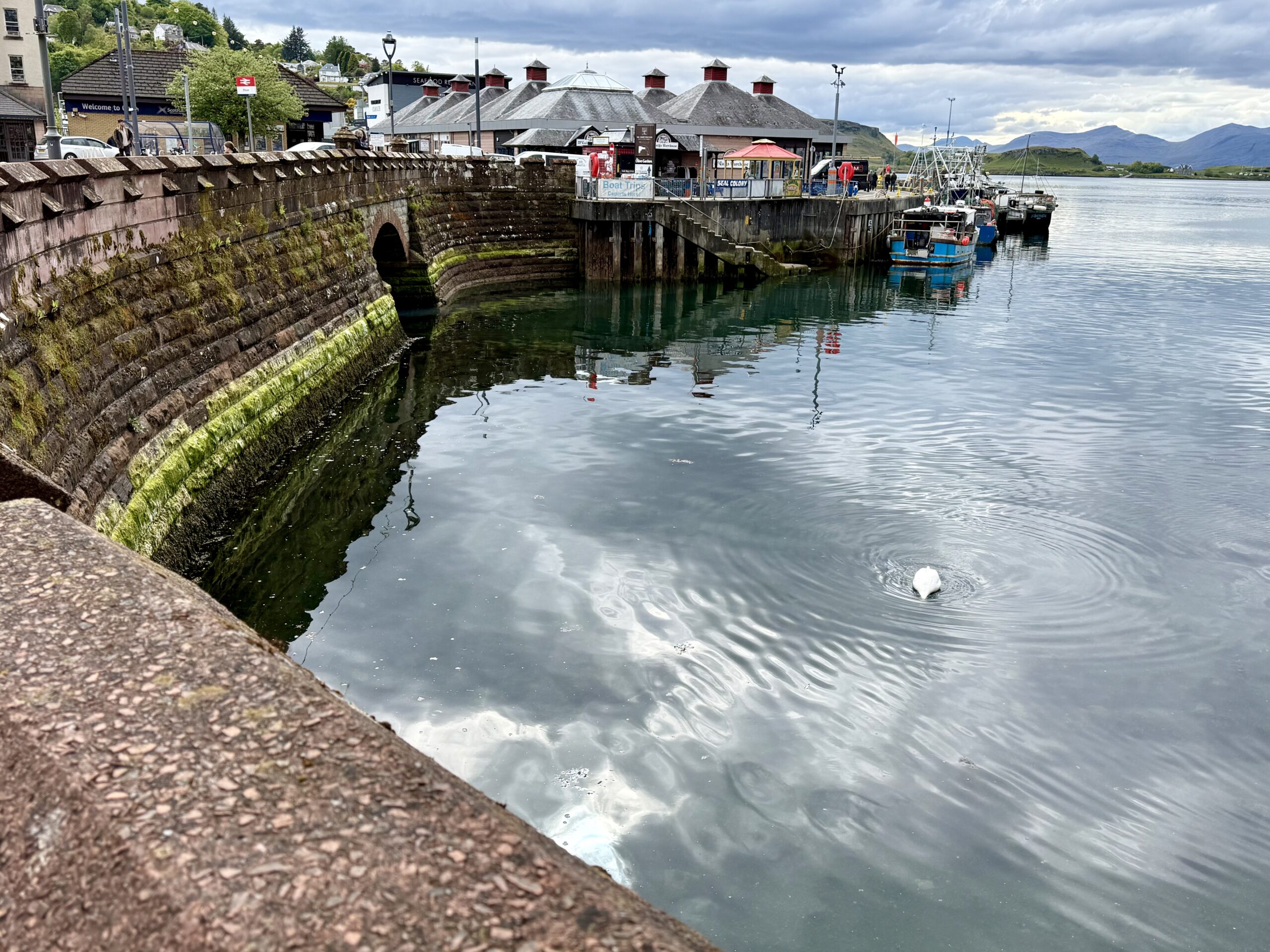
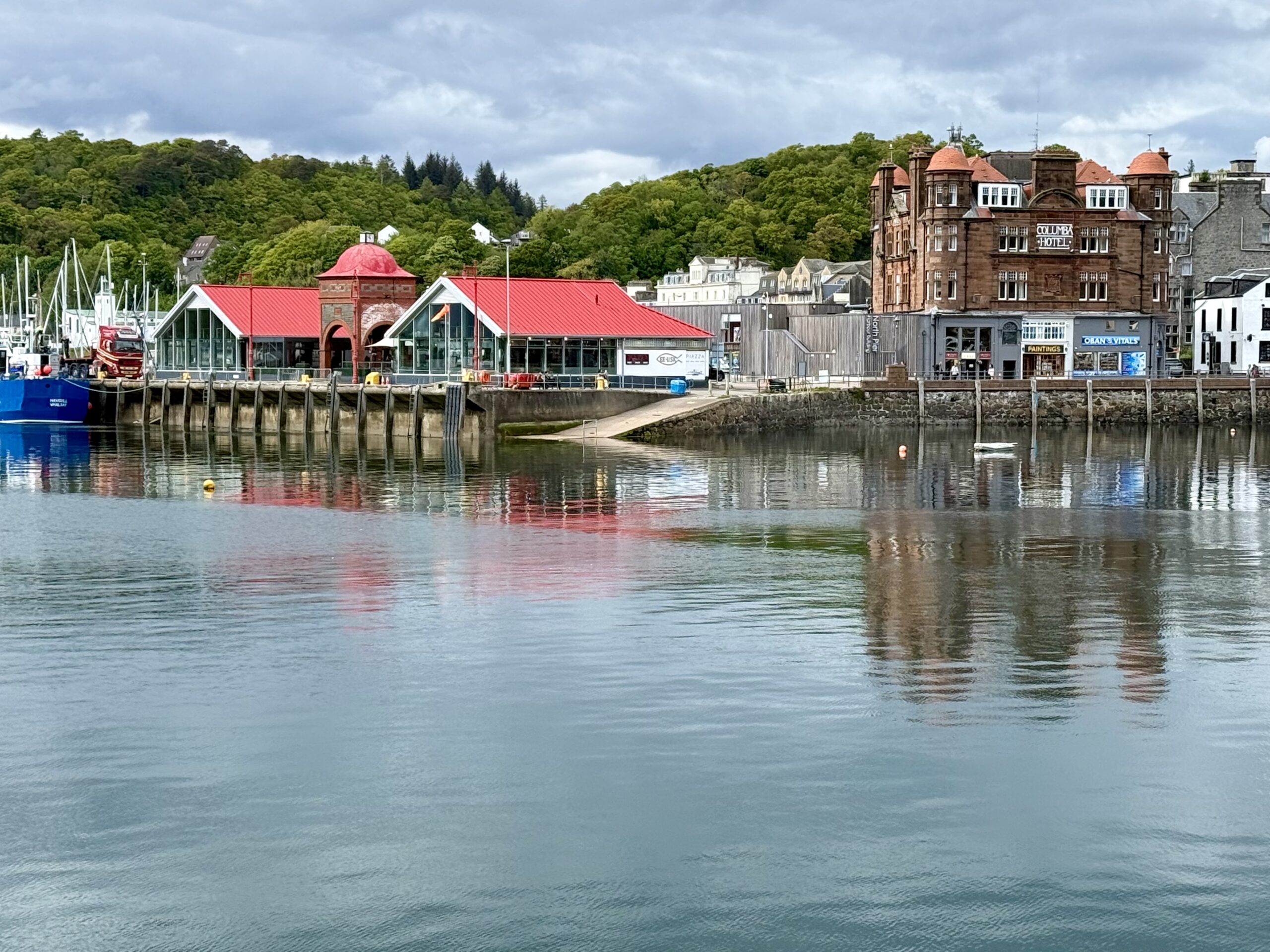
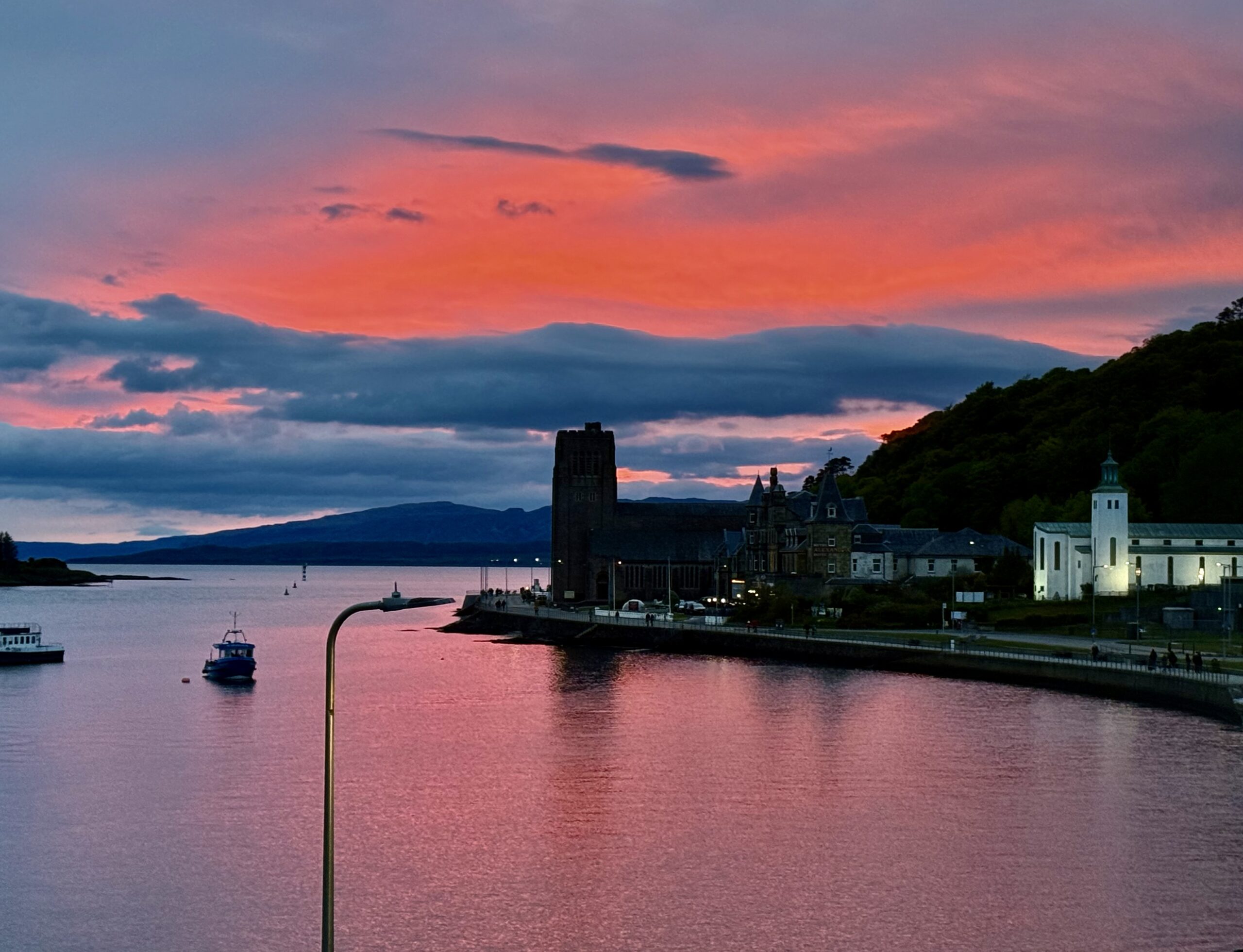
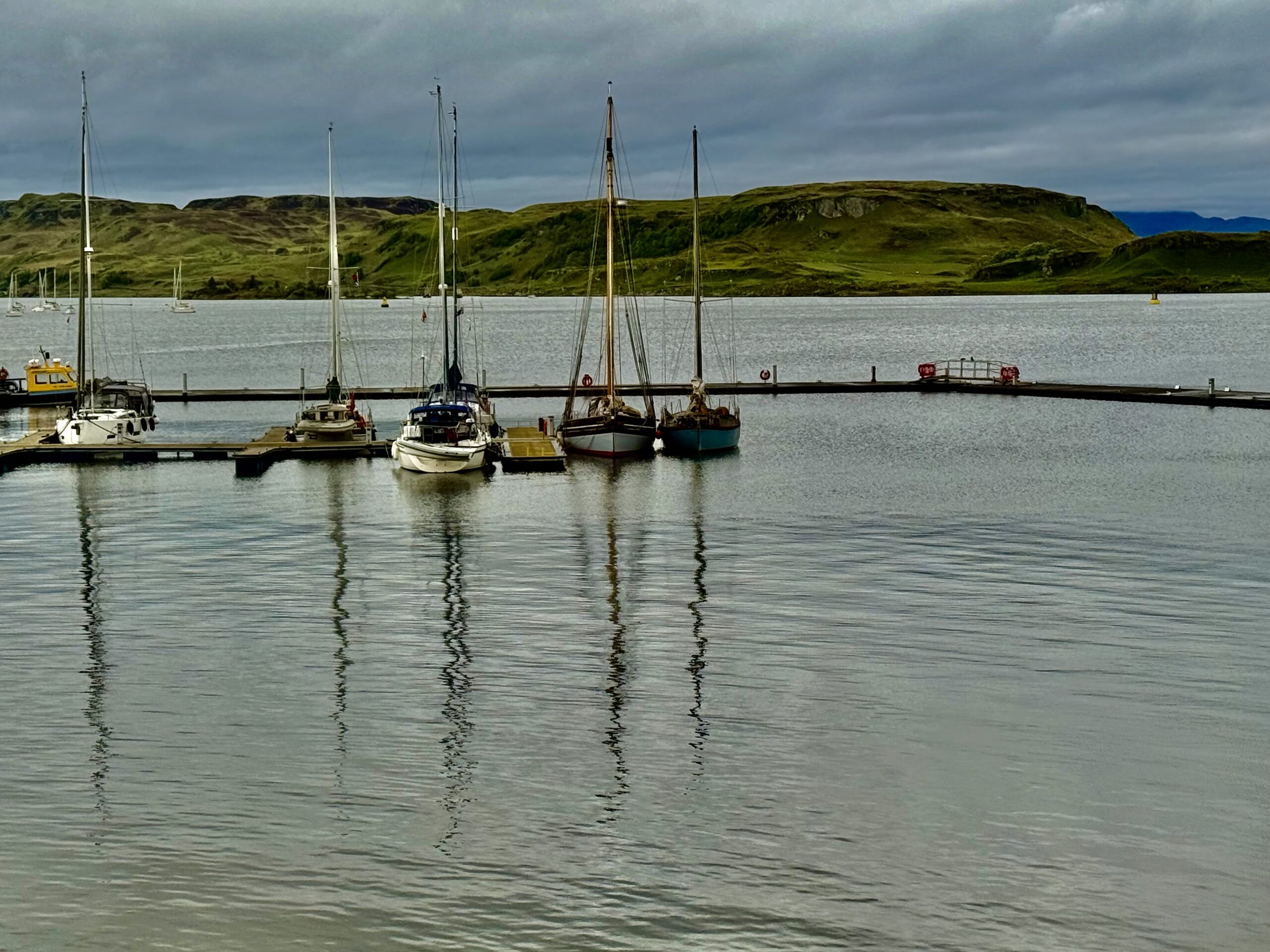
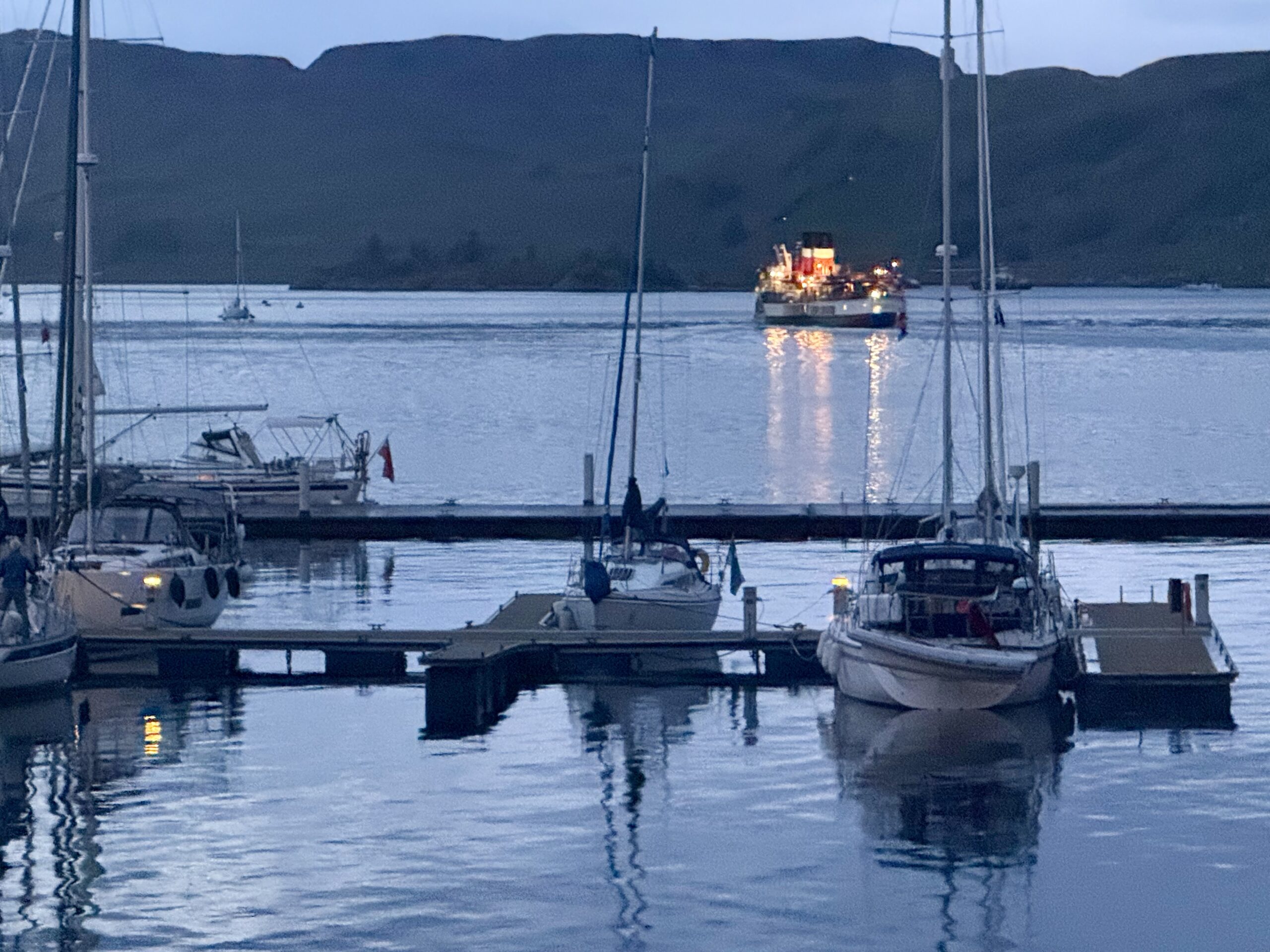
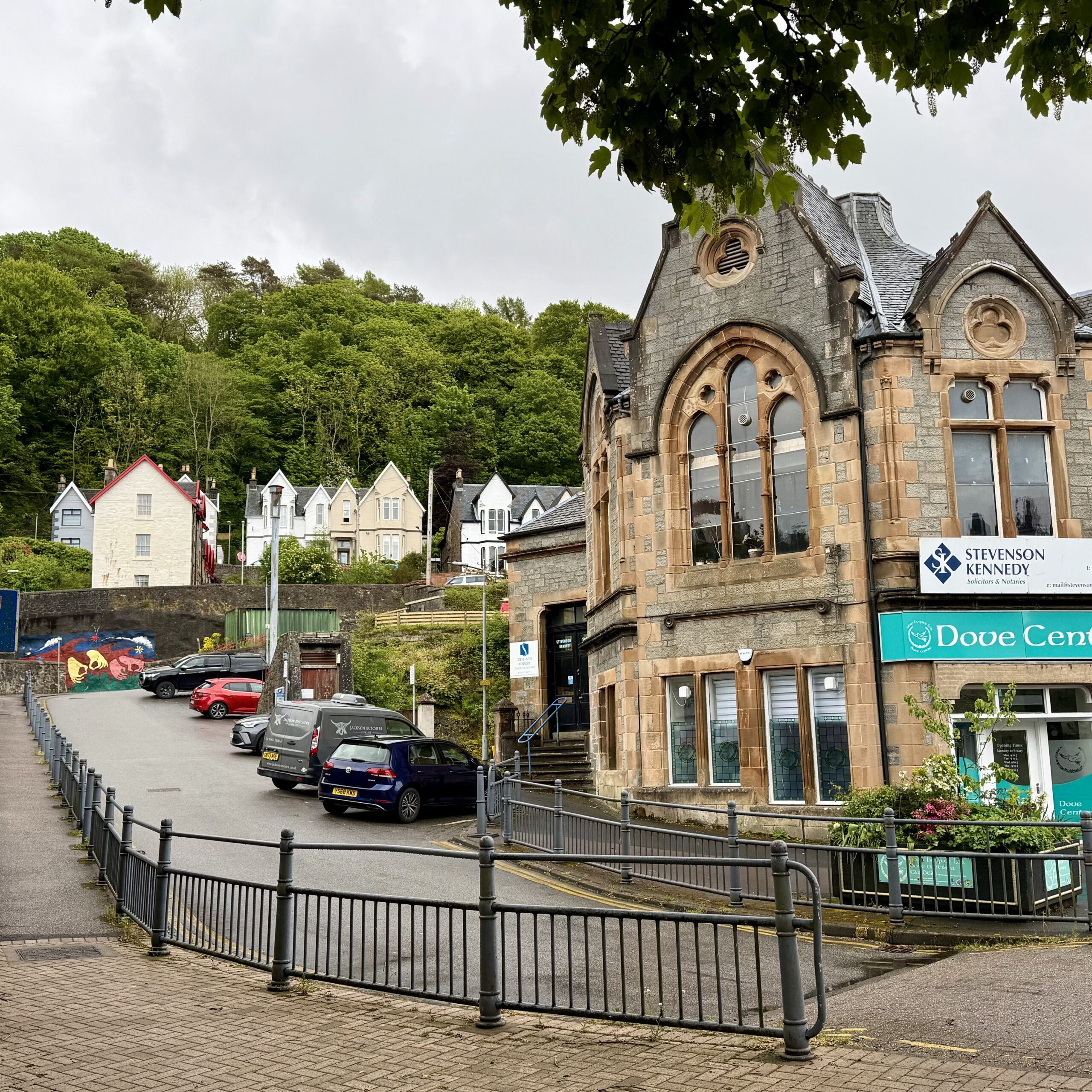
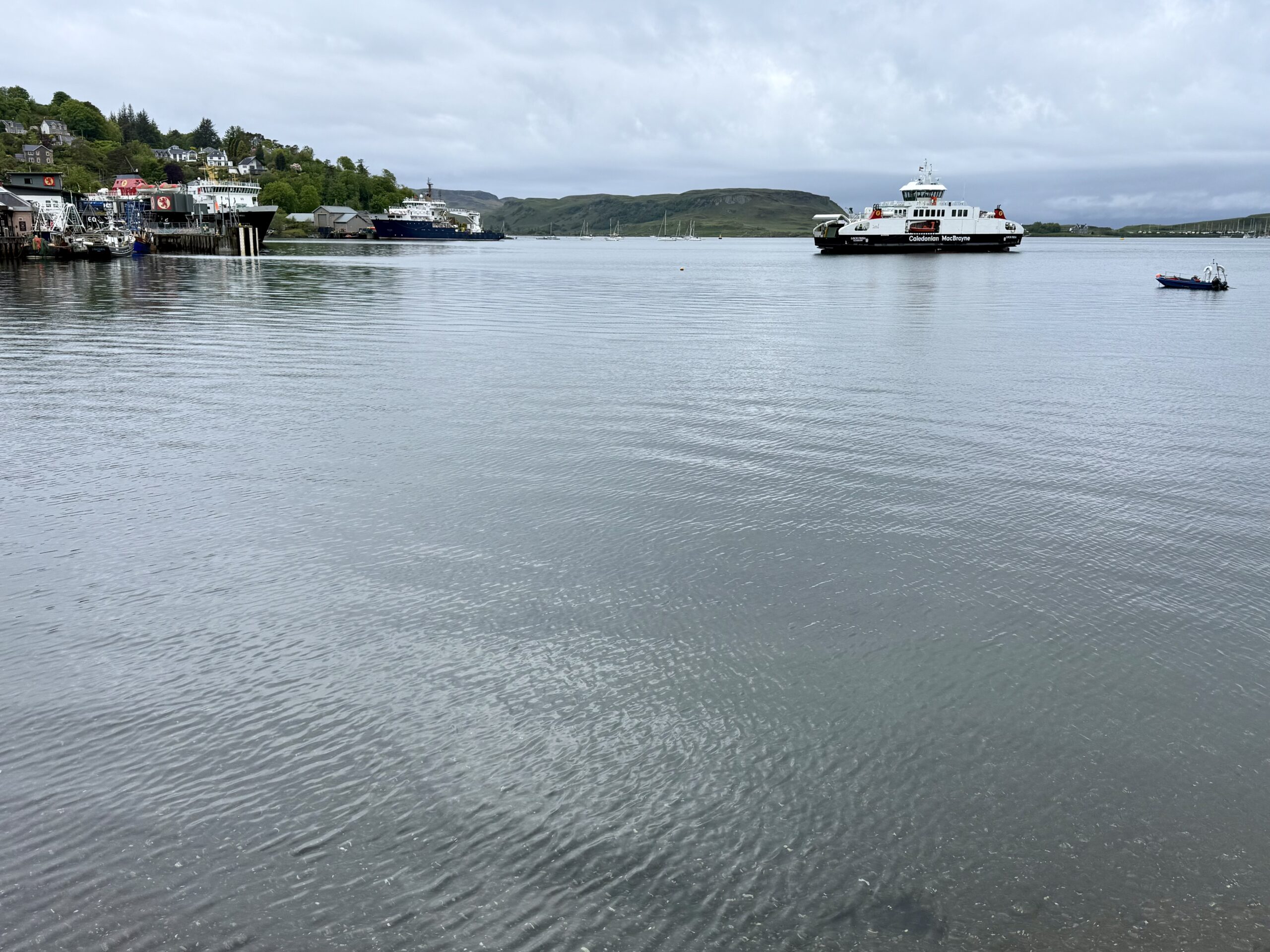
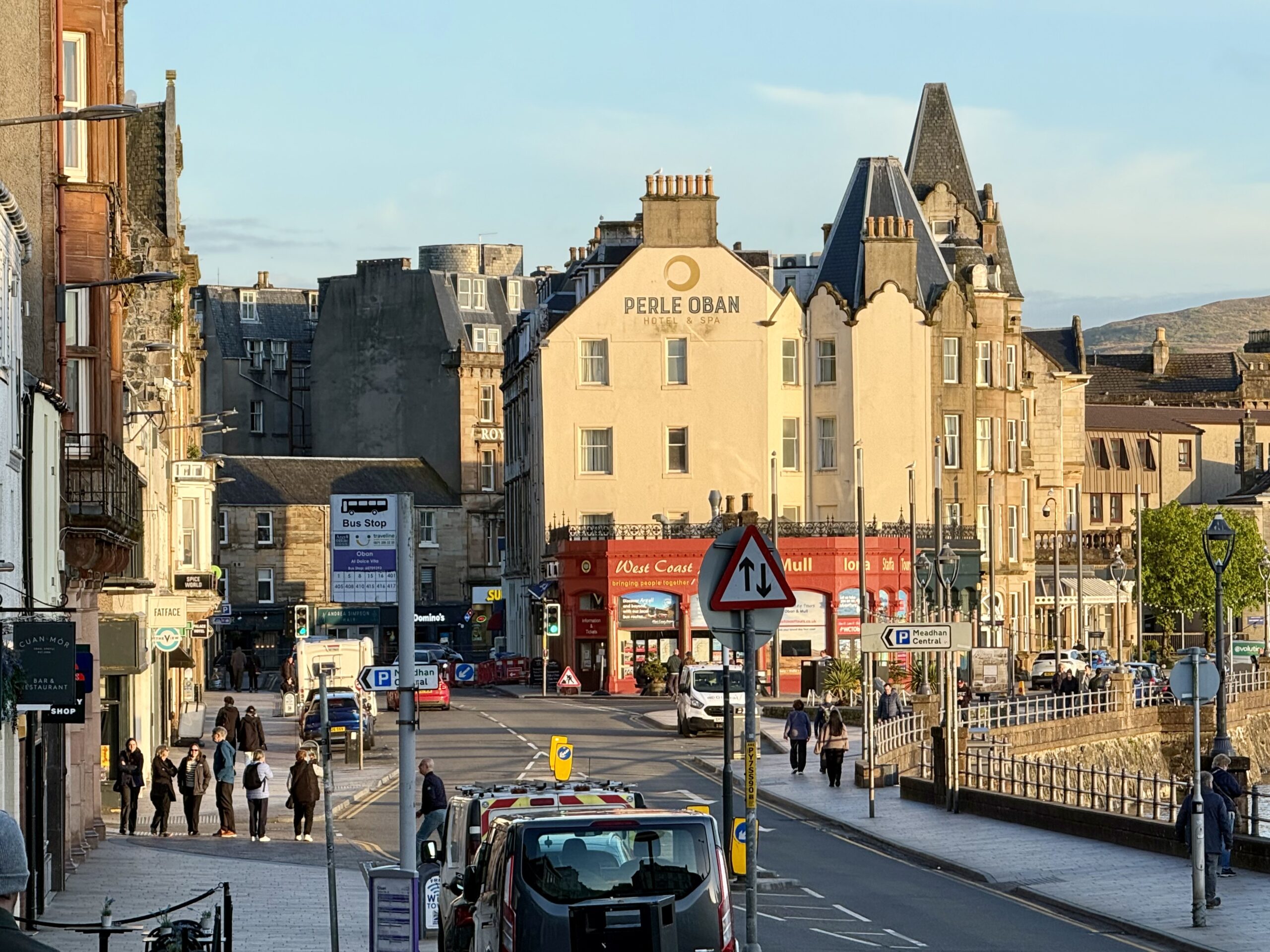
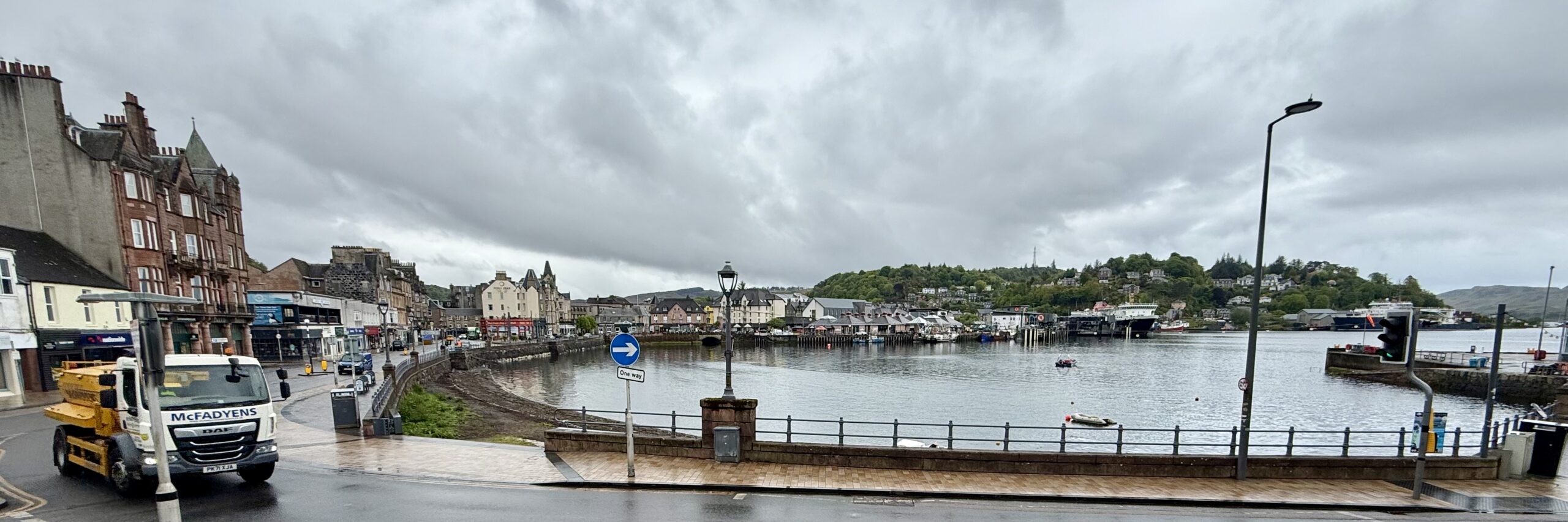
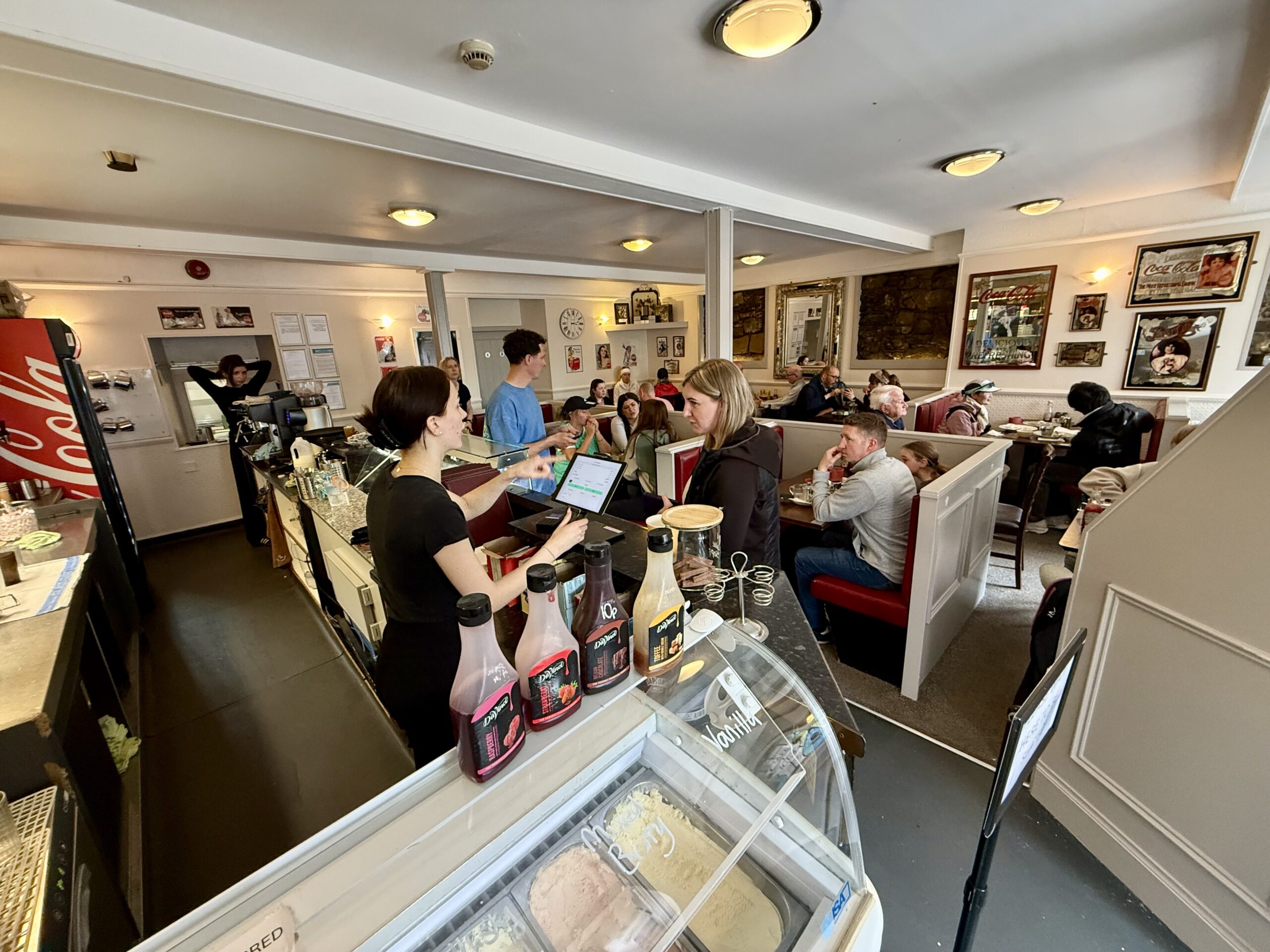
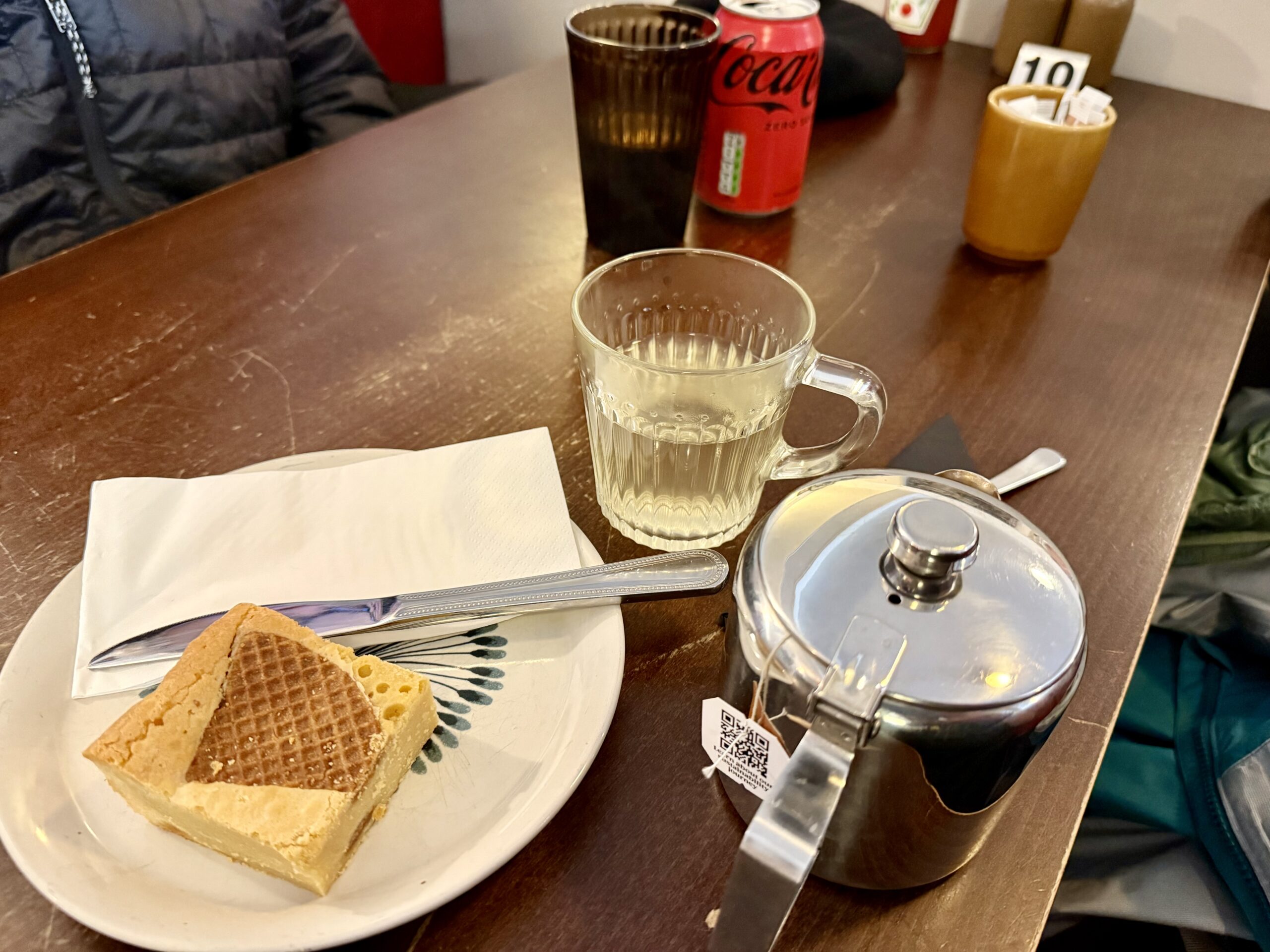
Our apartment in Oban was short walk from the town center. Best of all, it featured a great view of the harbor that is always busy with big ferries, sailboats, and assorted small craft. The plain exterior of the building we stayed in disguised an expensively decorated interior, and just below the apartment was a bustling tea/coffee/hot chocolate house with lots of locals and tourists hanging out. Babies and dogs included. Everyone was dressed for the weather, which was cold, windy, and usually drizzling. You see a lot of folks with backpacks moving through the town to their choice of transportatiaon. Others drag the ubiquitous roller luggage.
Wanderings
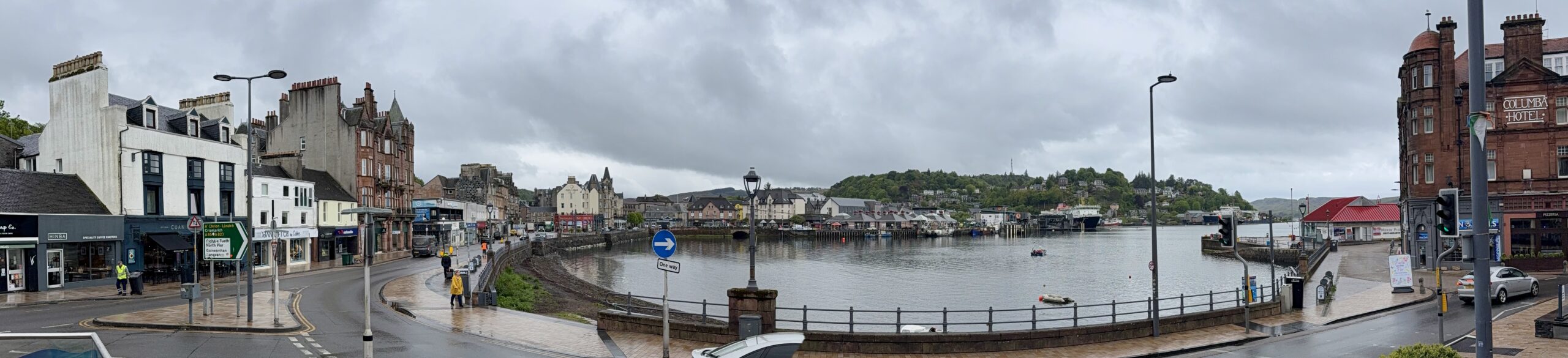
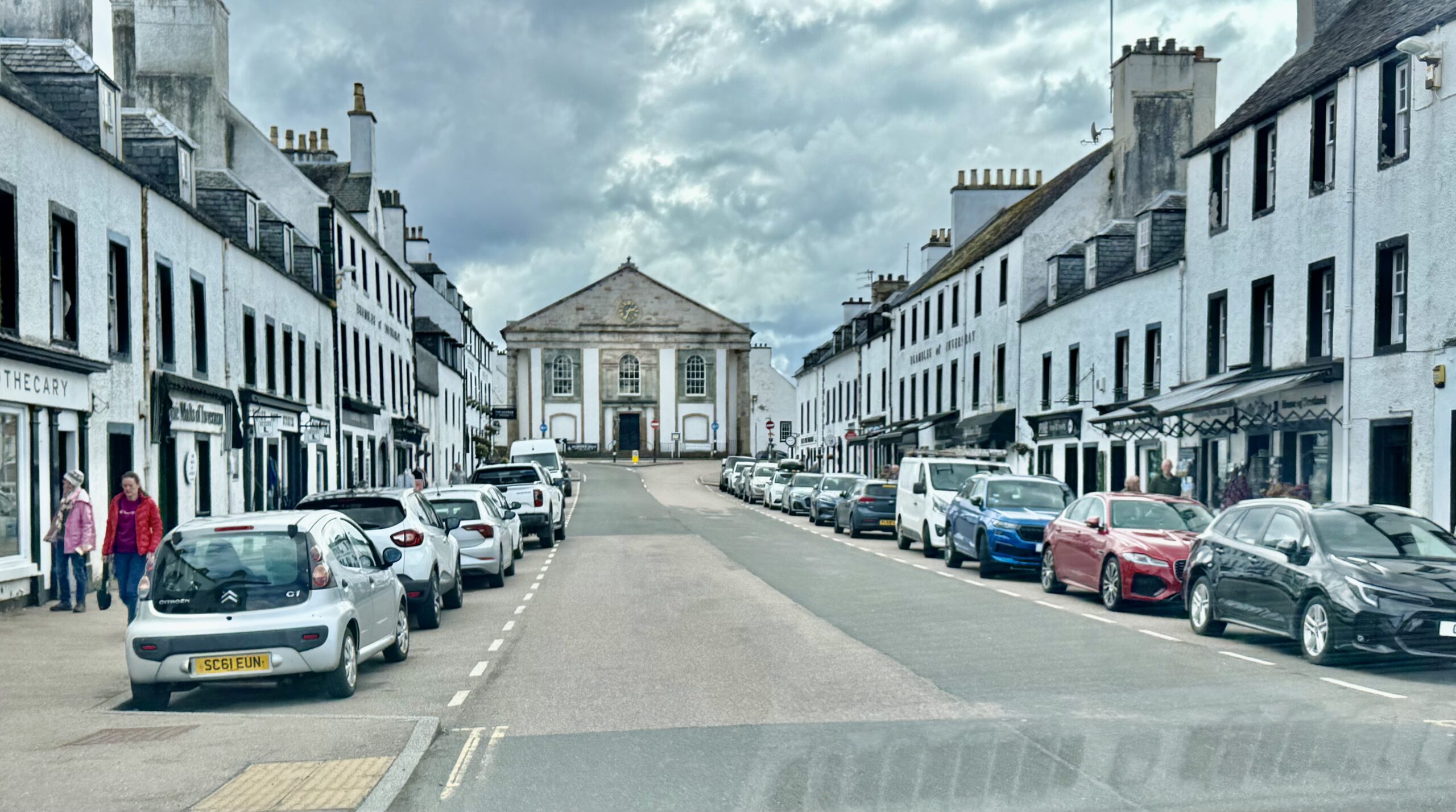
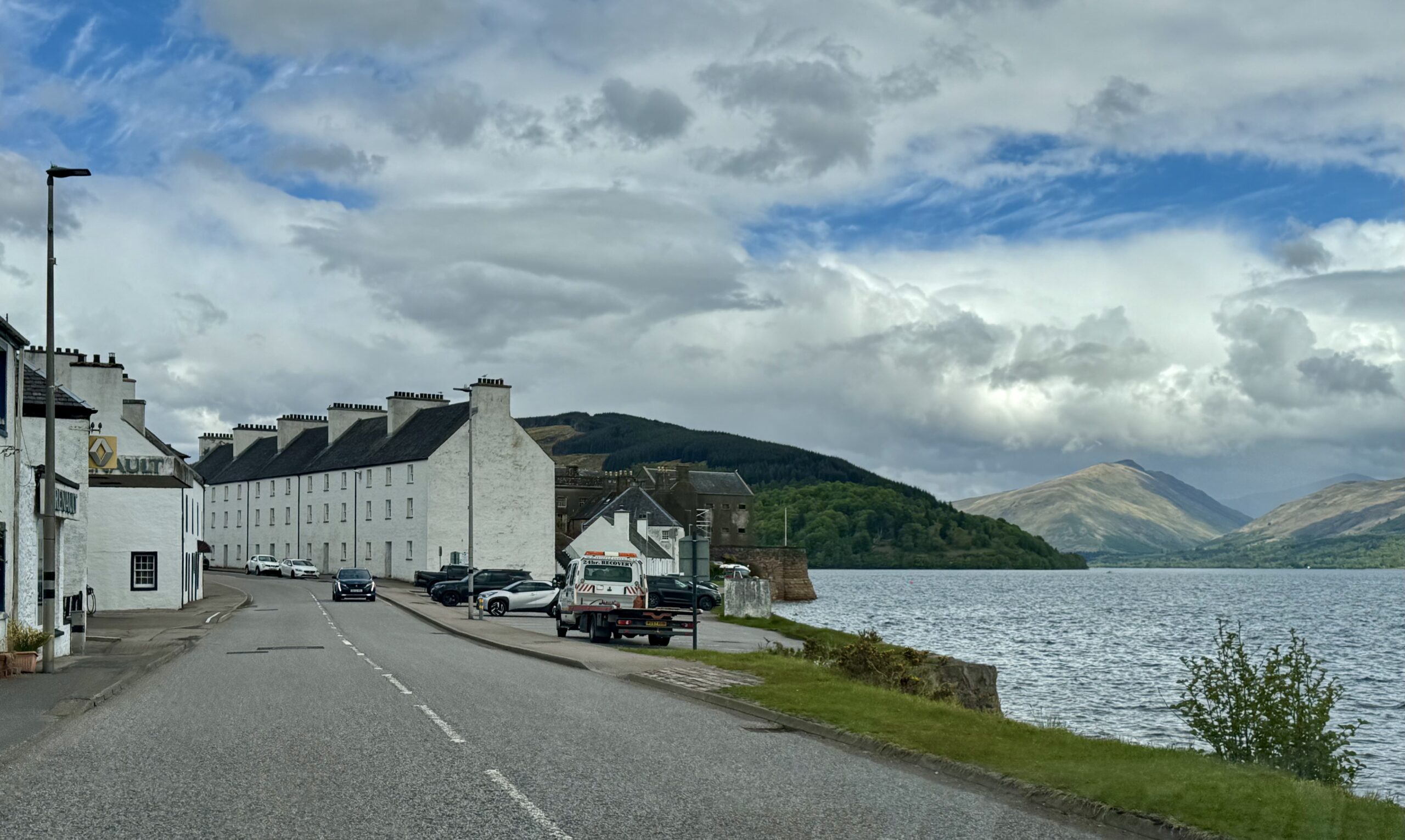
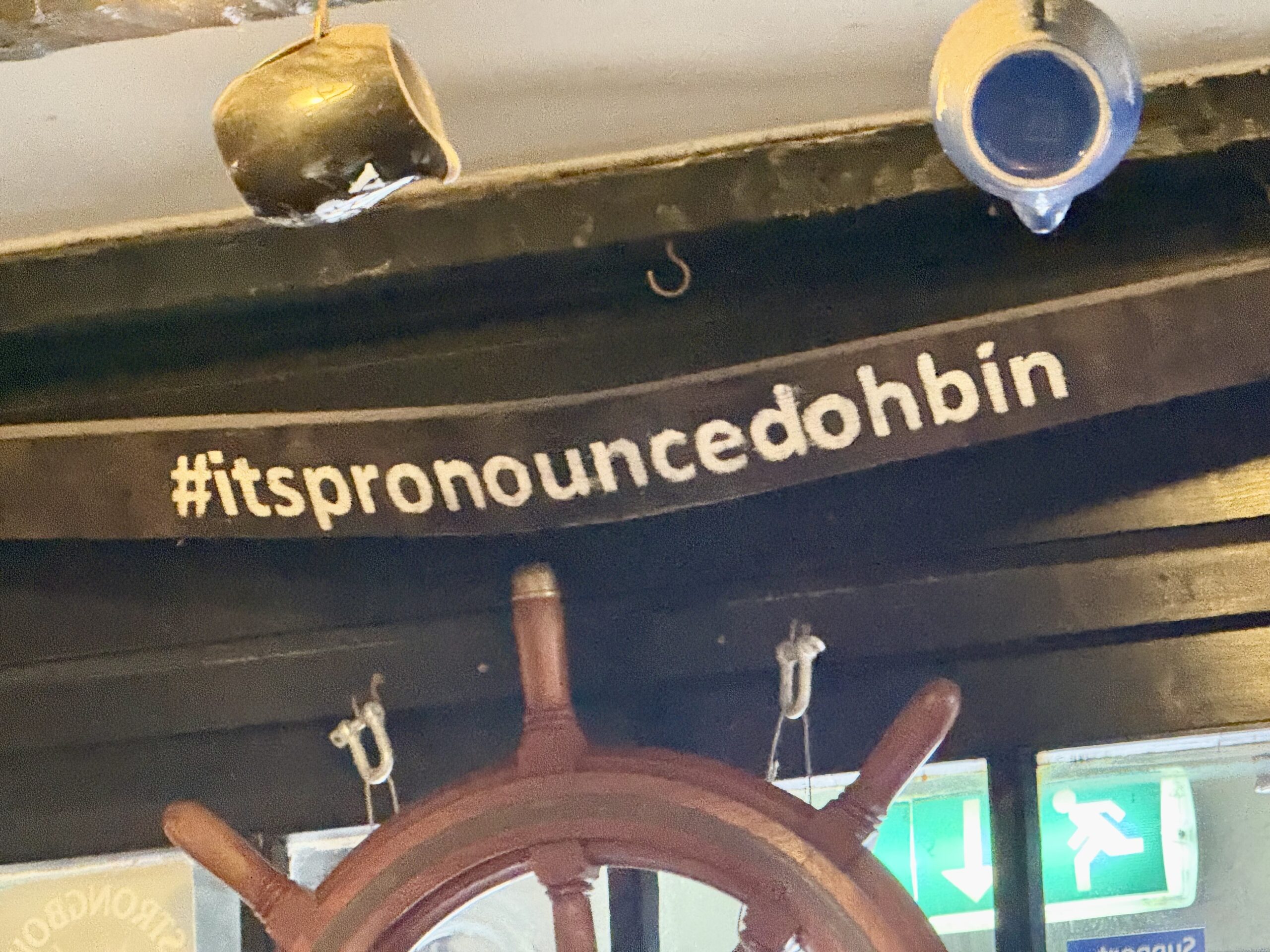
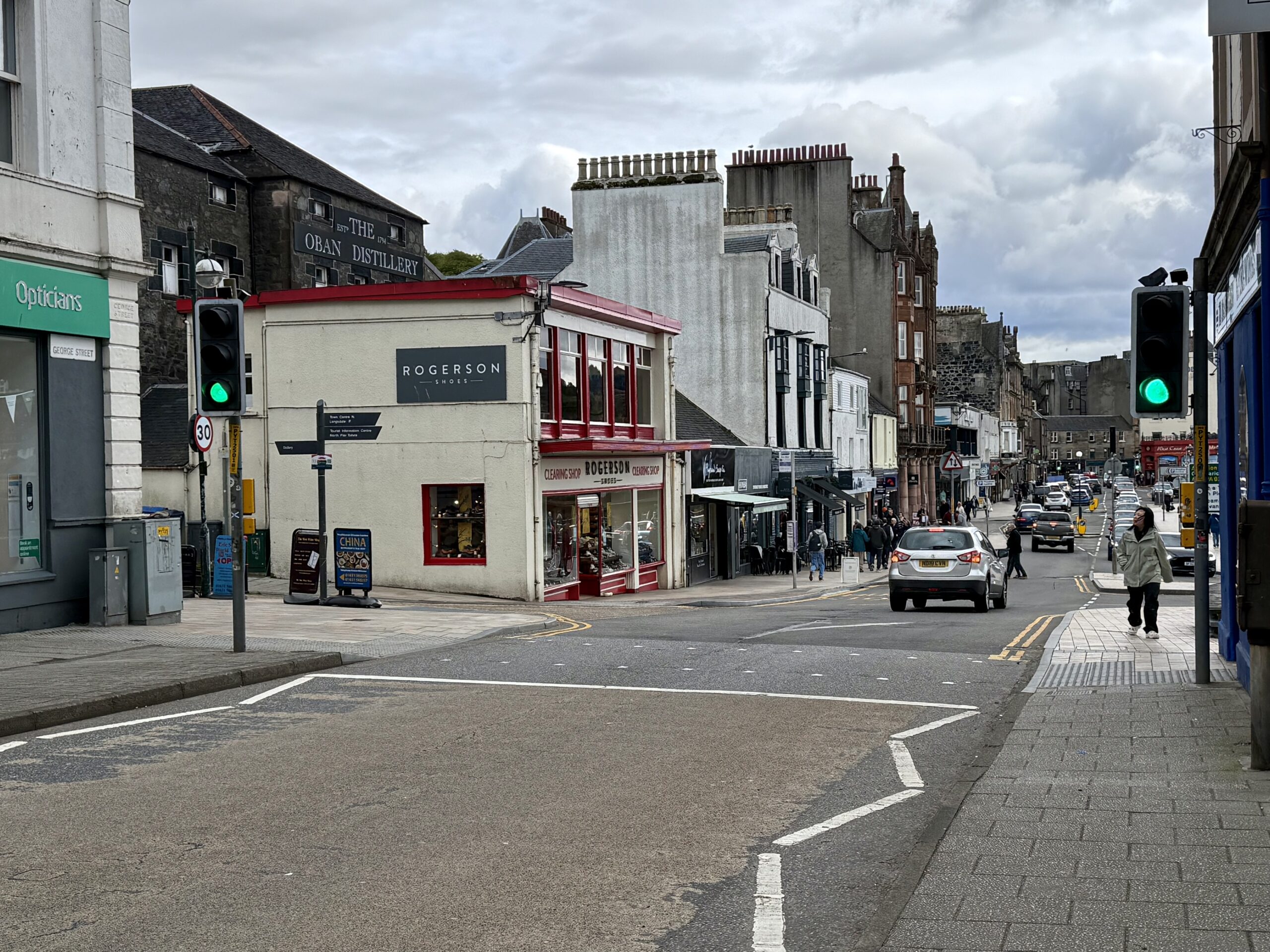
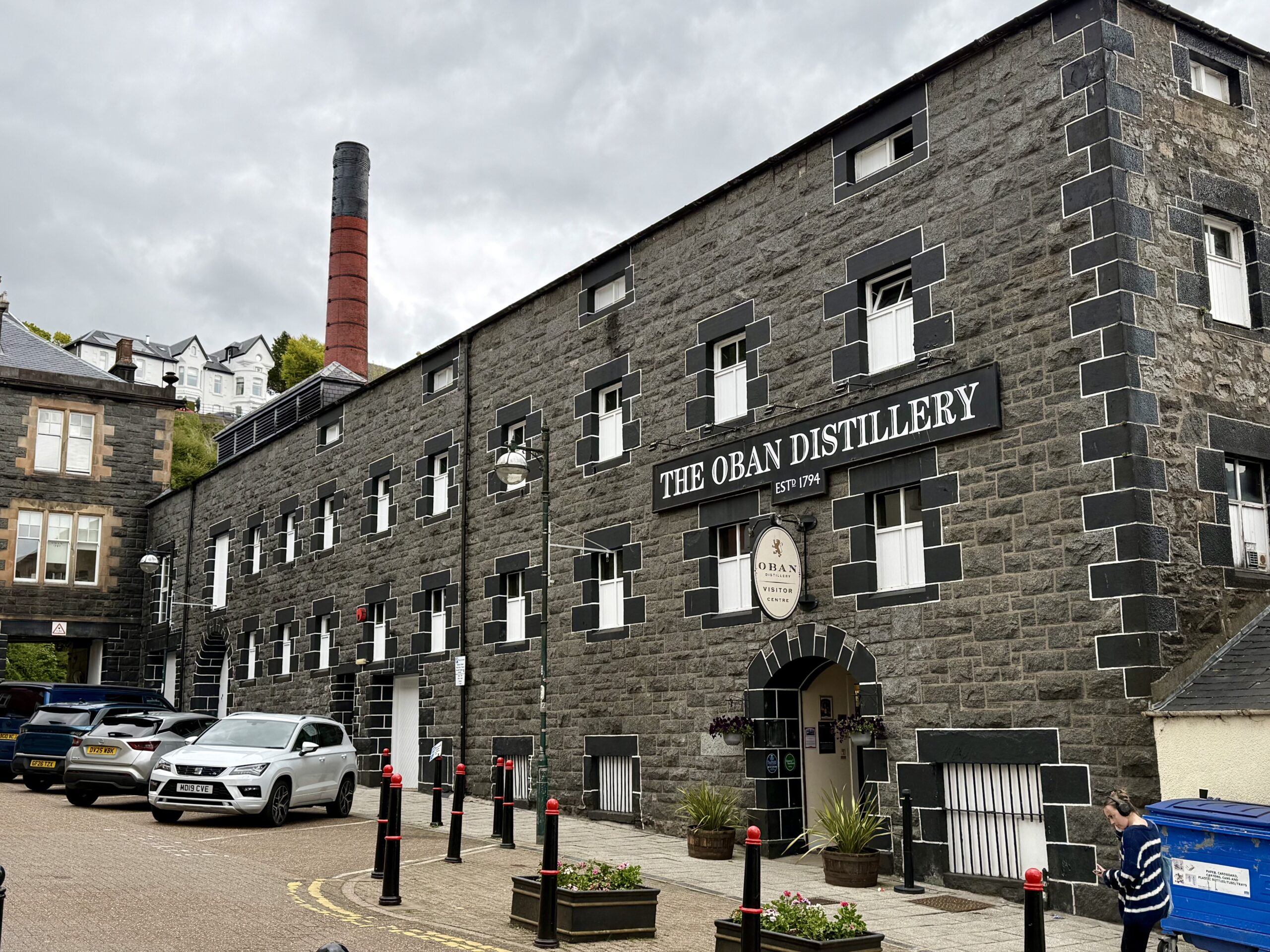
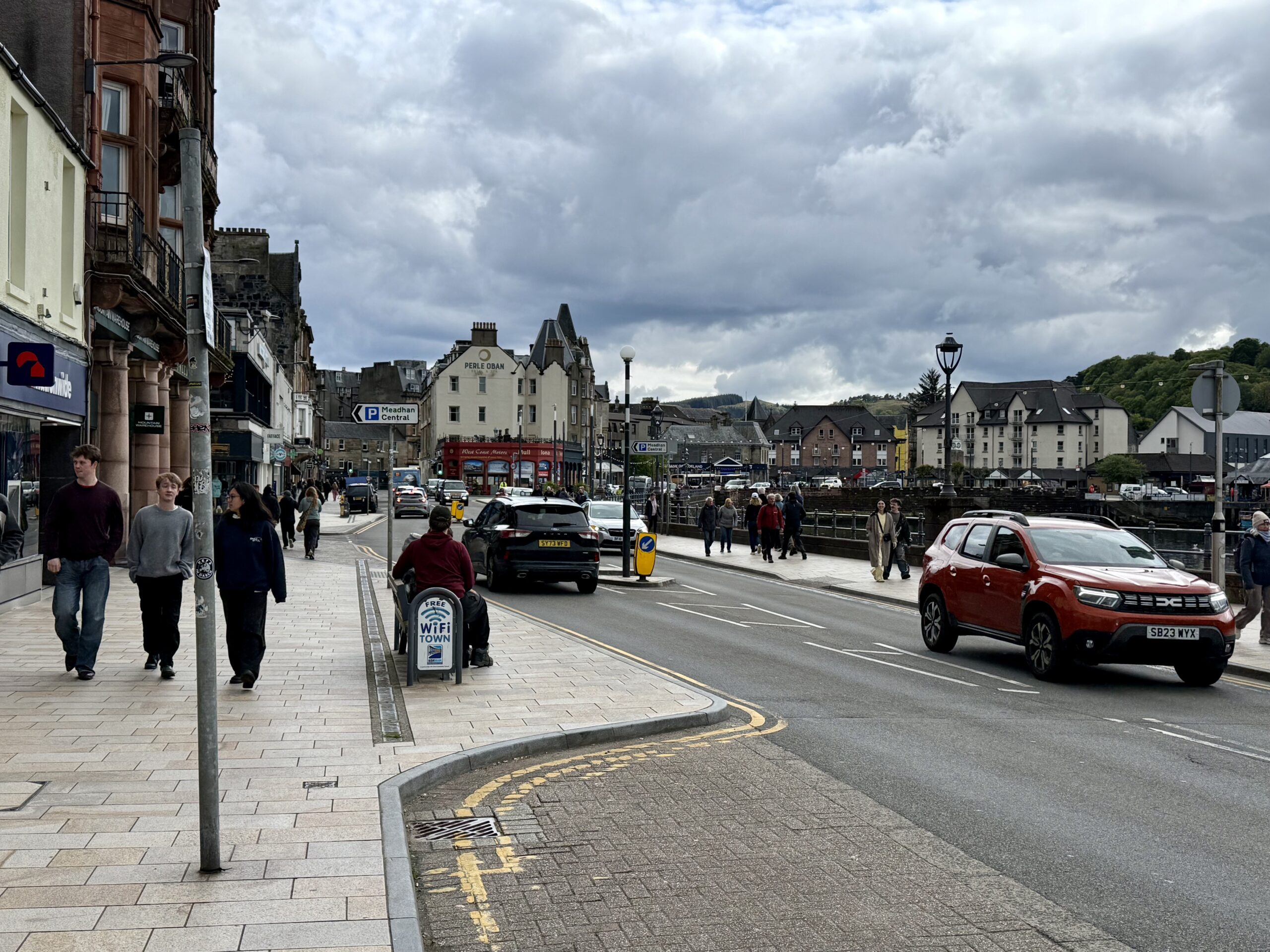
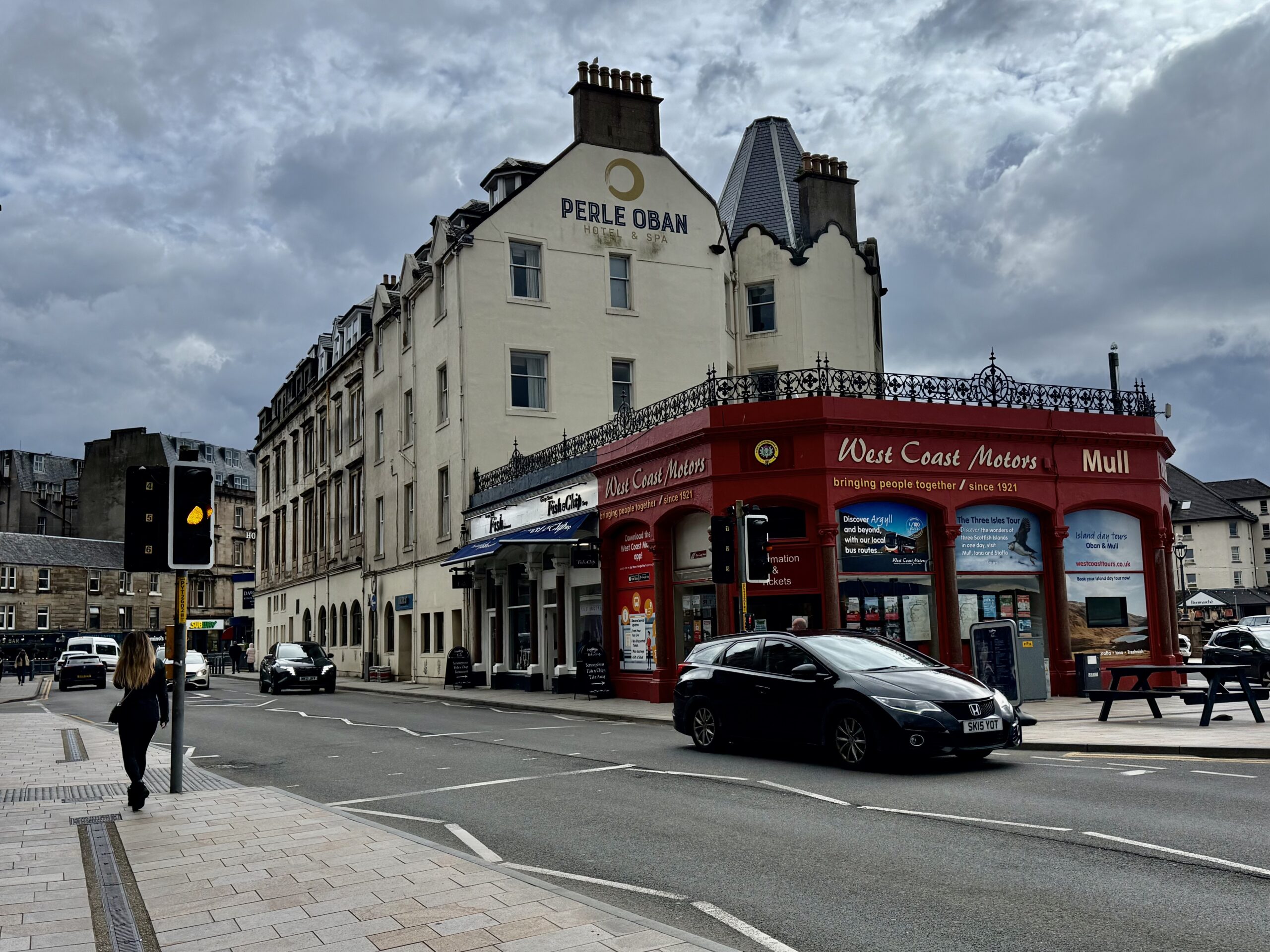
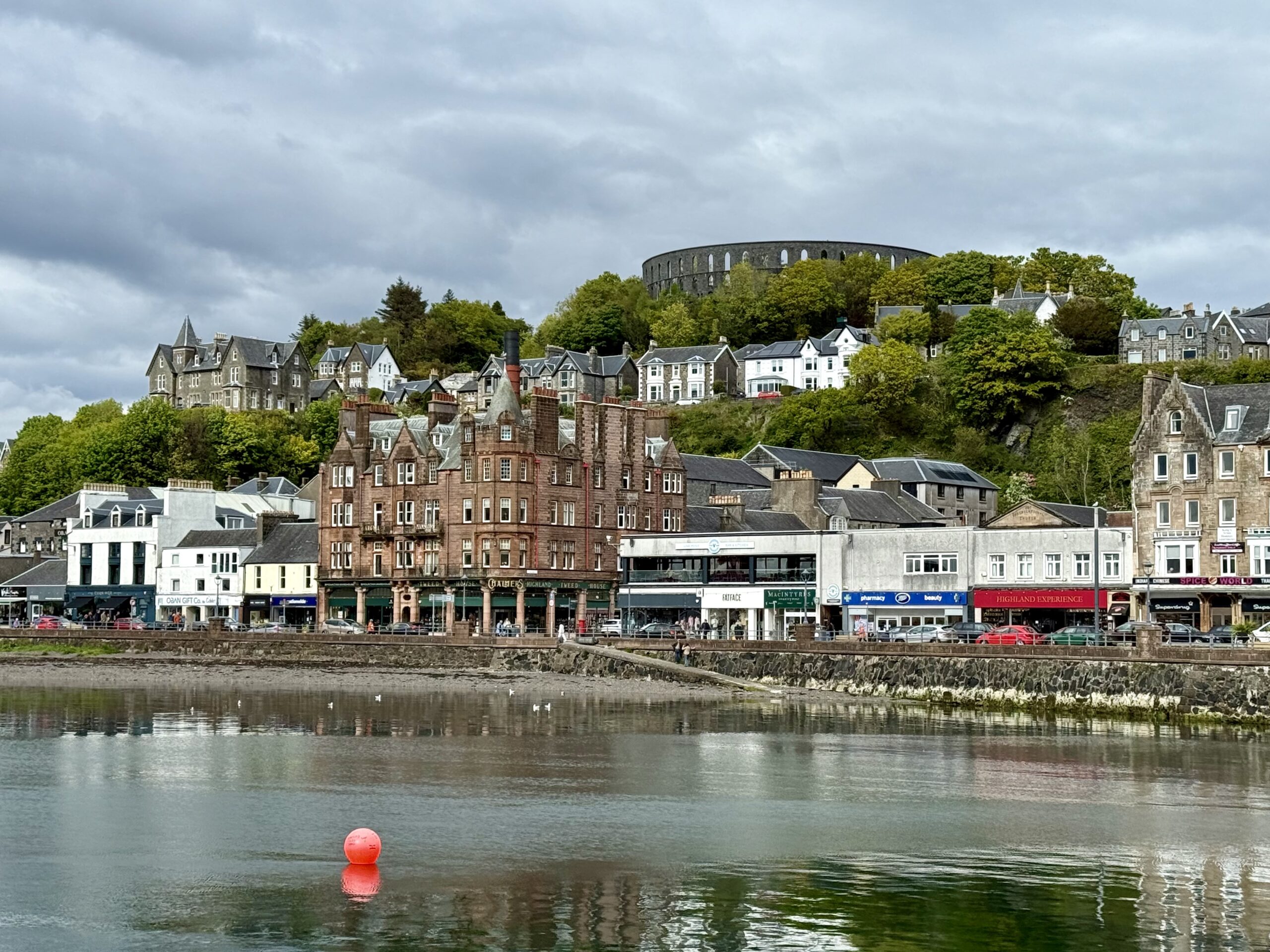
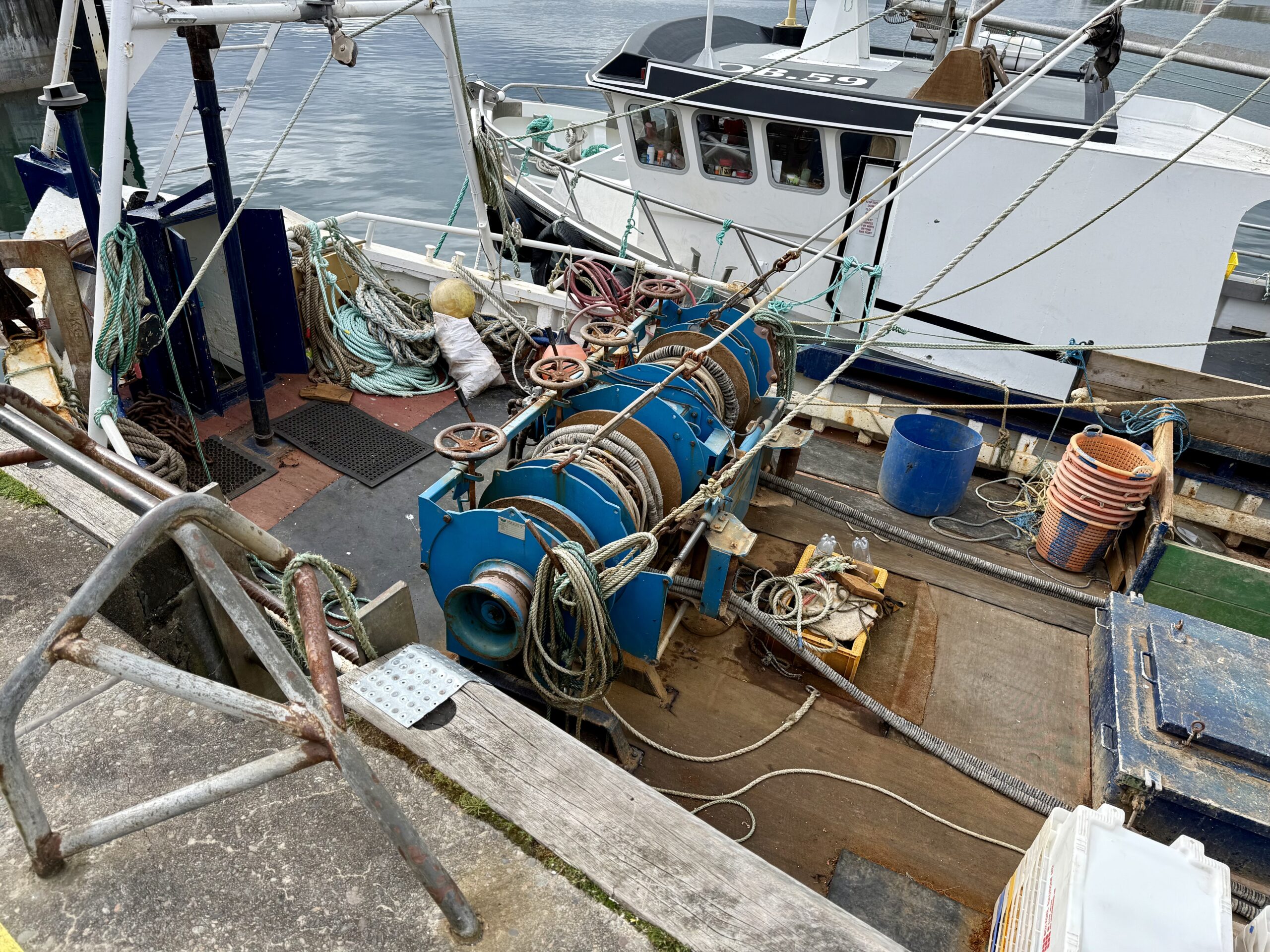
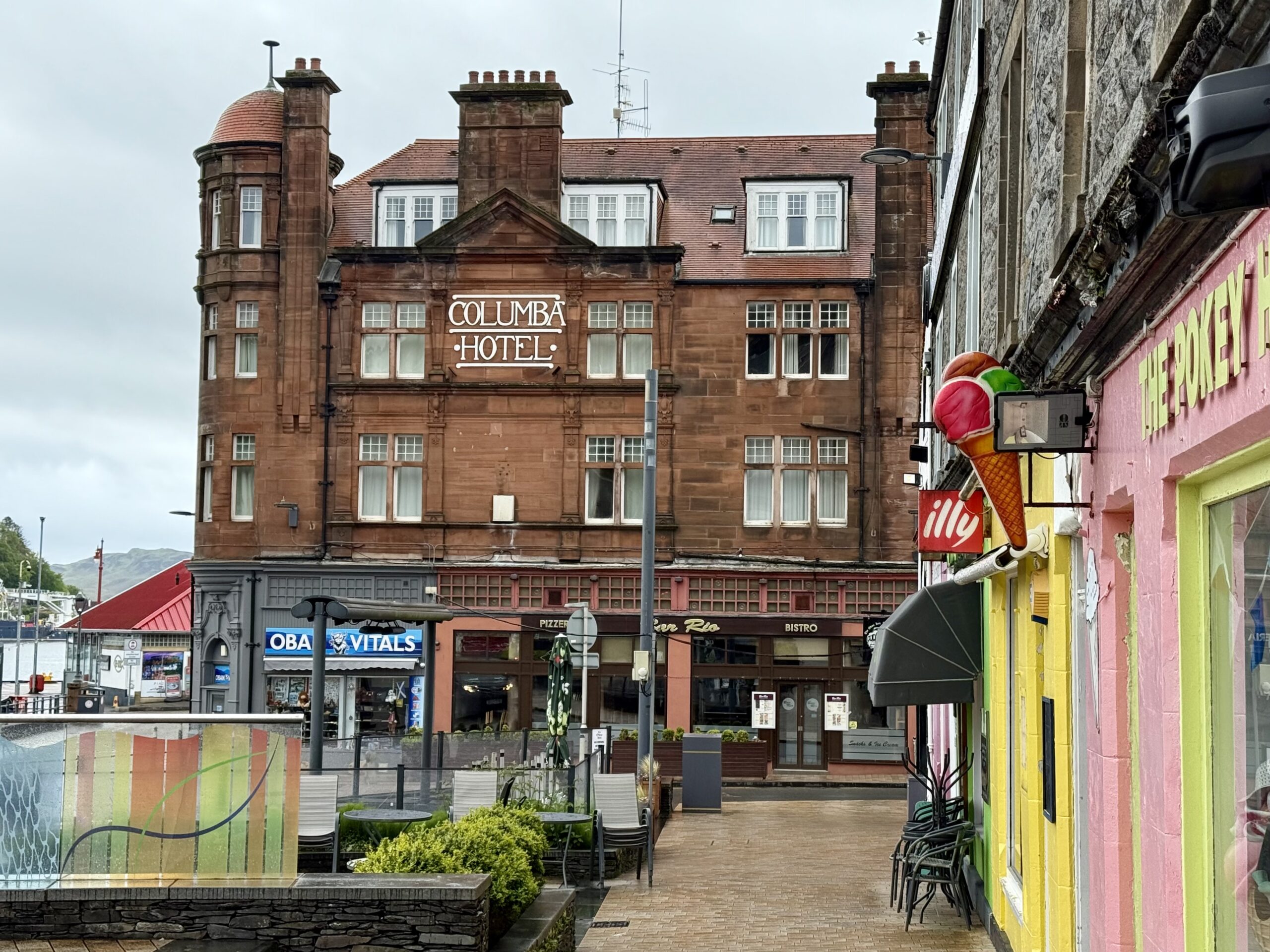
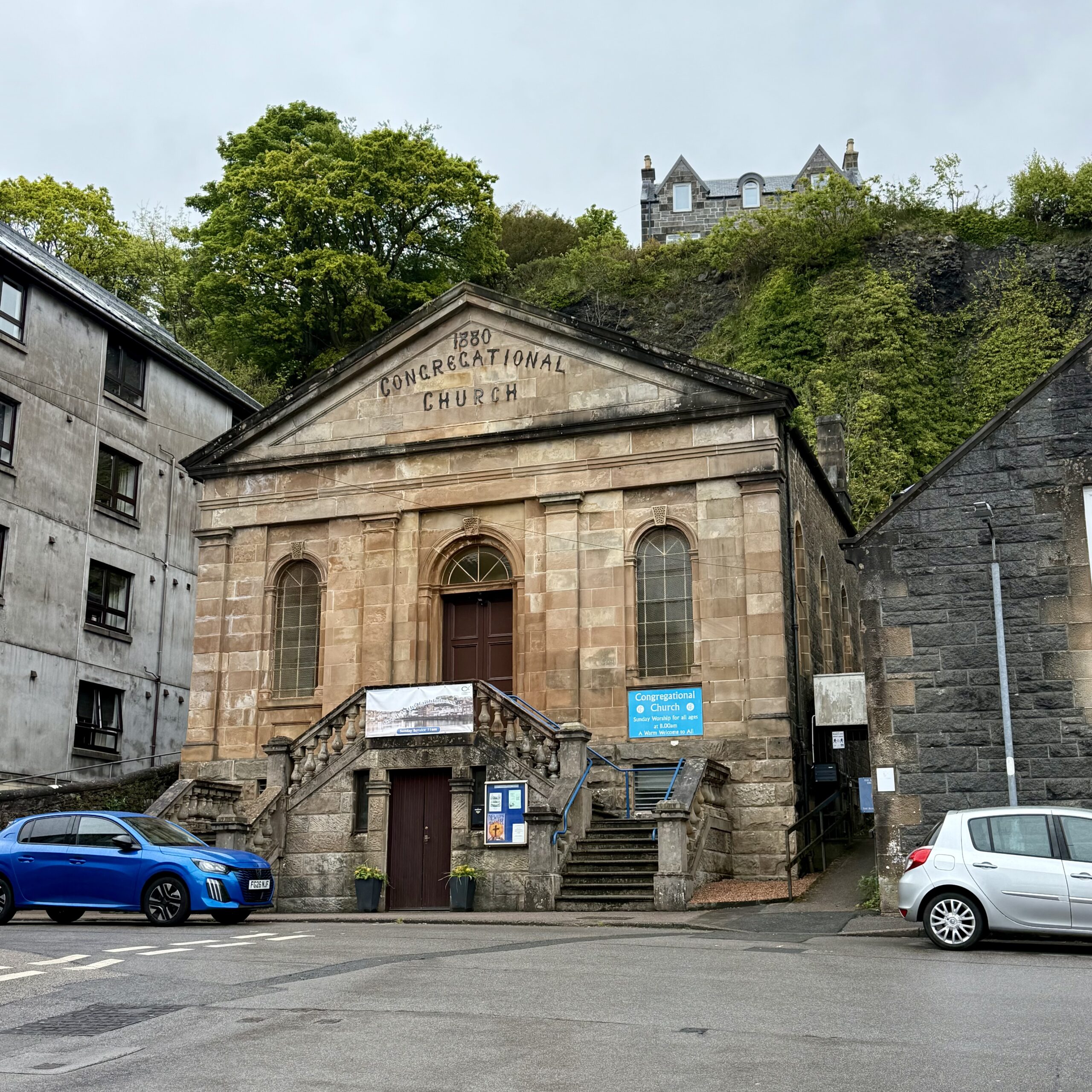
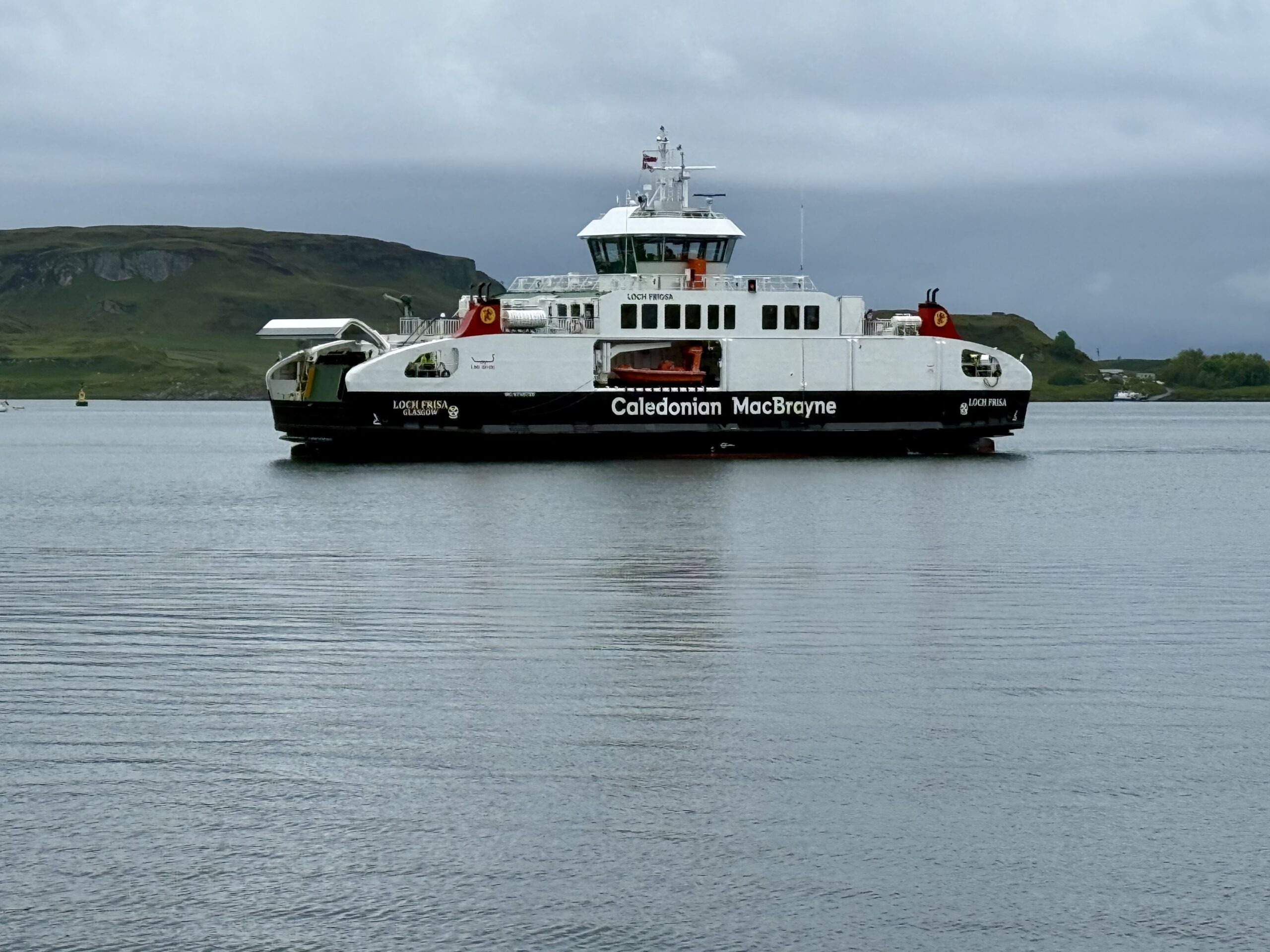
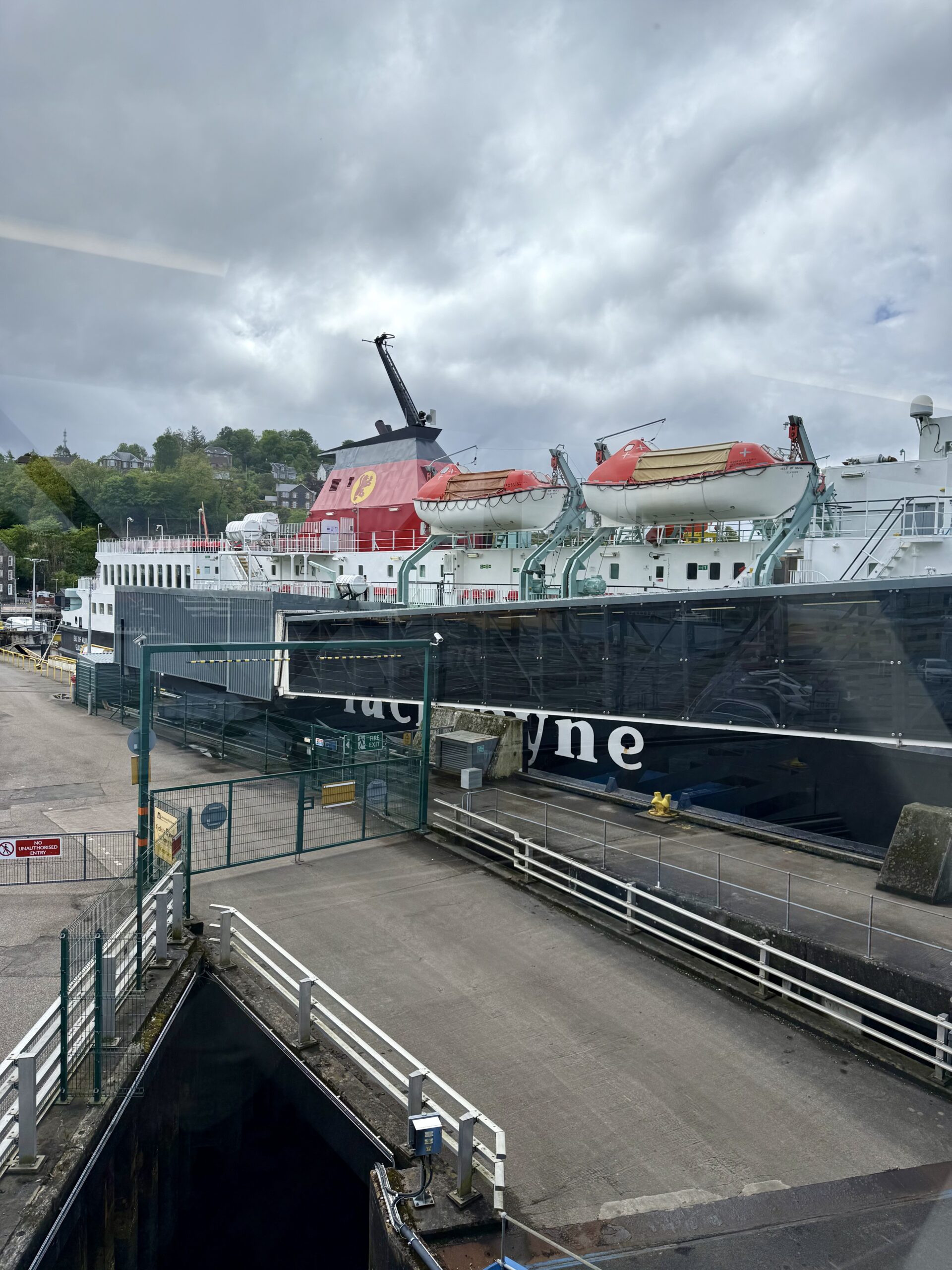
We learned quickly that Oban is pronounced OH-bin. You say potato, I say potahto. The town of 10,000 is a mix of working port and tourist hub. Big car ferries arrive and depart on a regular basis, serving many islands in the Hebrides, and often coinciding with the convergence of tourist buses. The mix of retail shops in town serves both the residents and the tourists. Seems to be in balance for now.
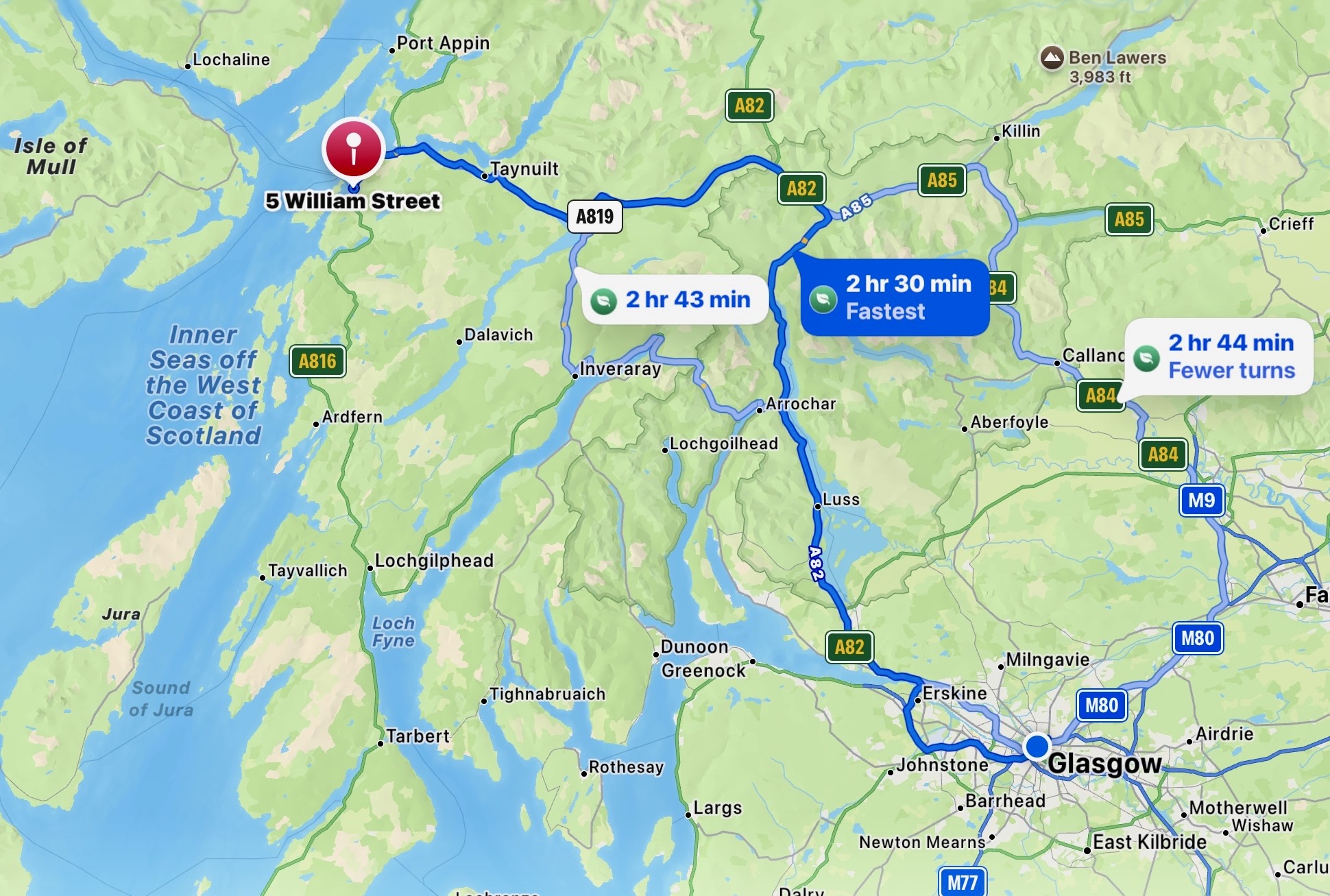
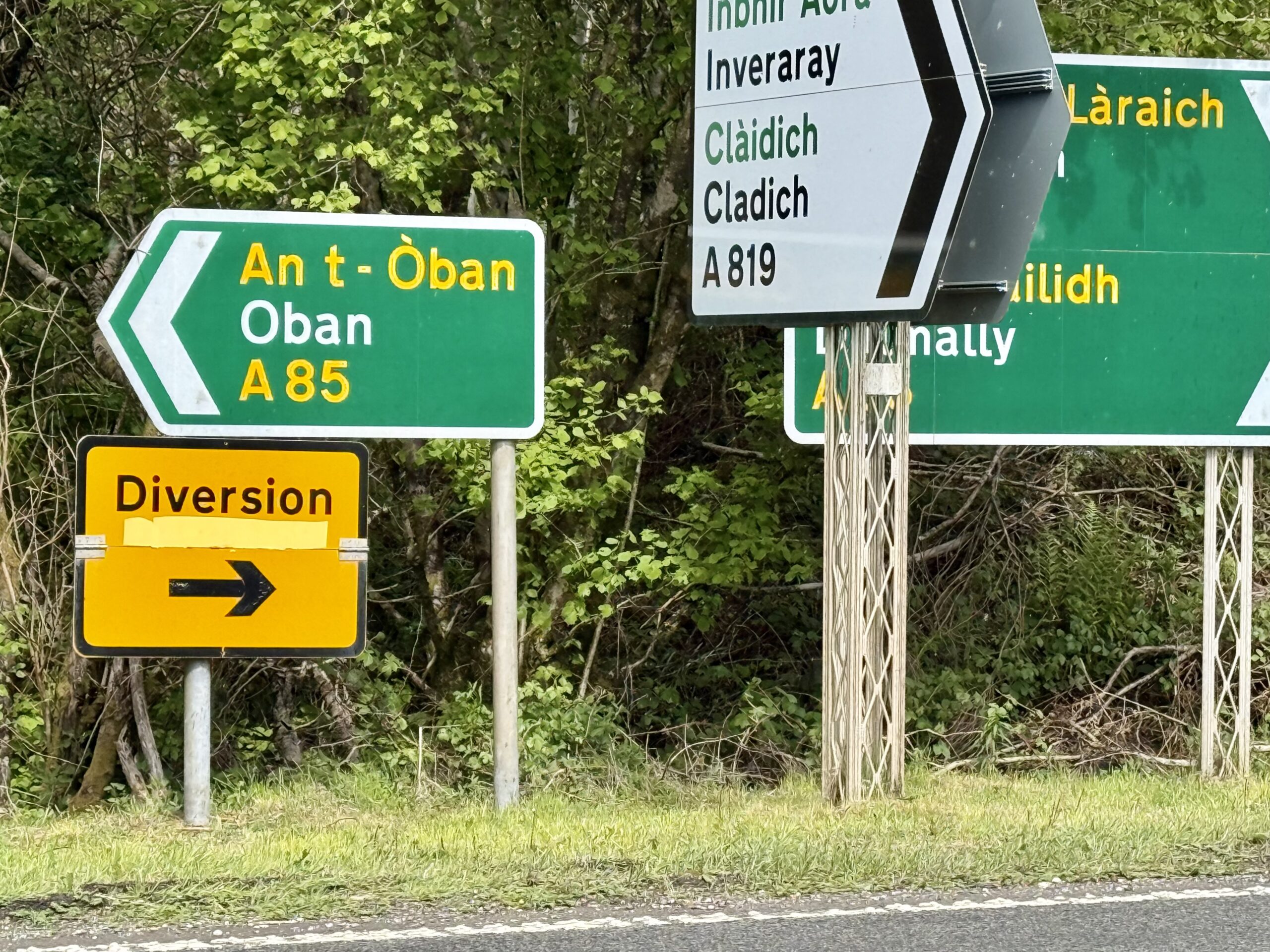
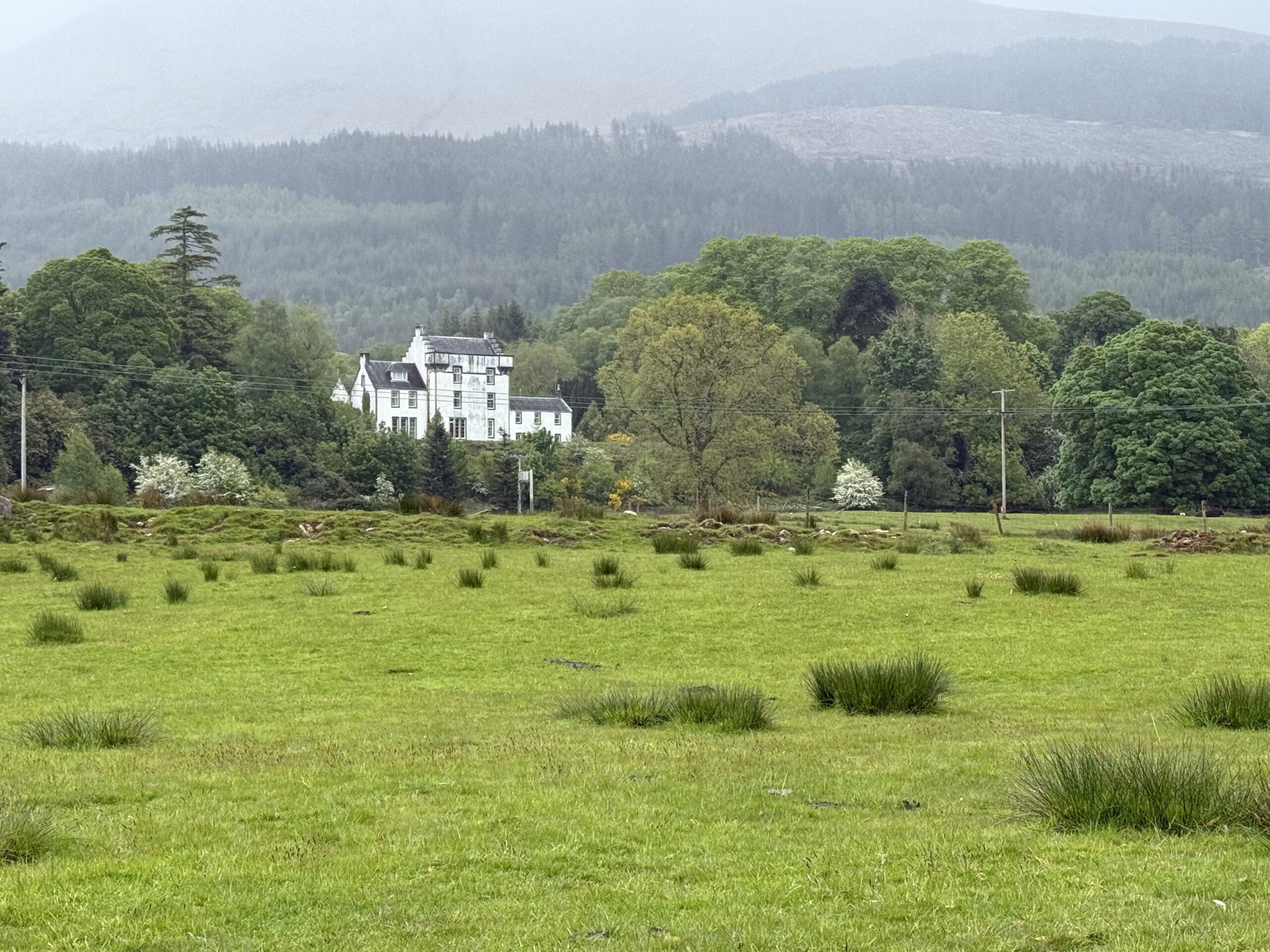
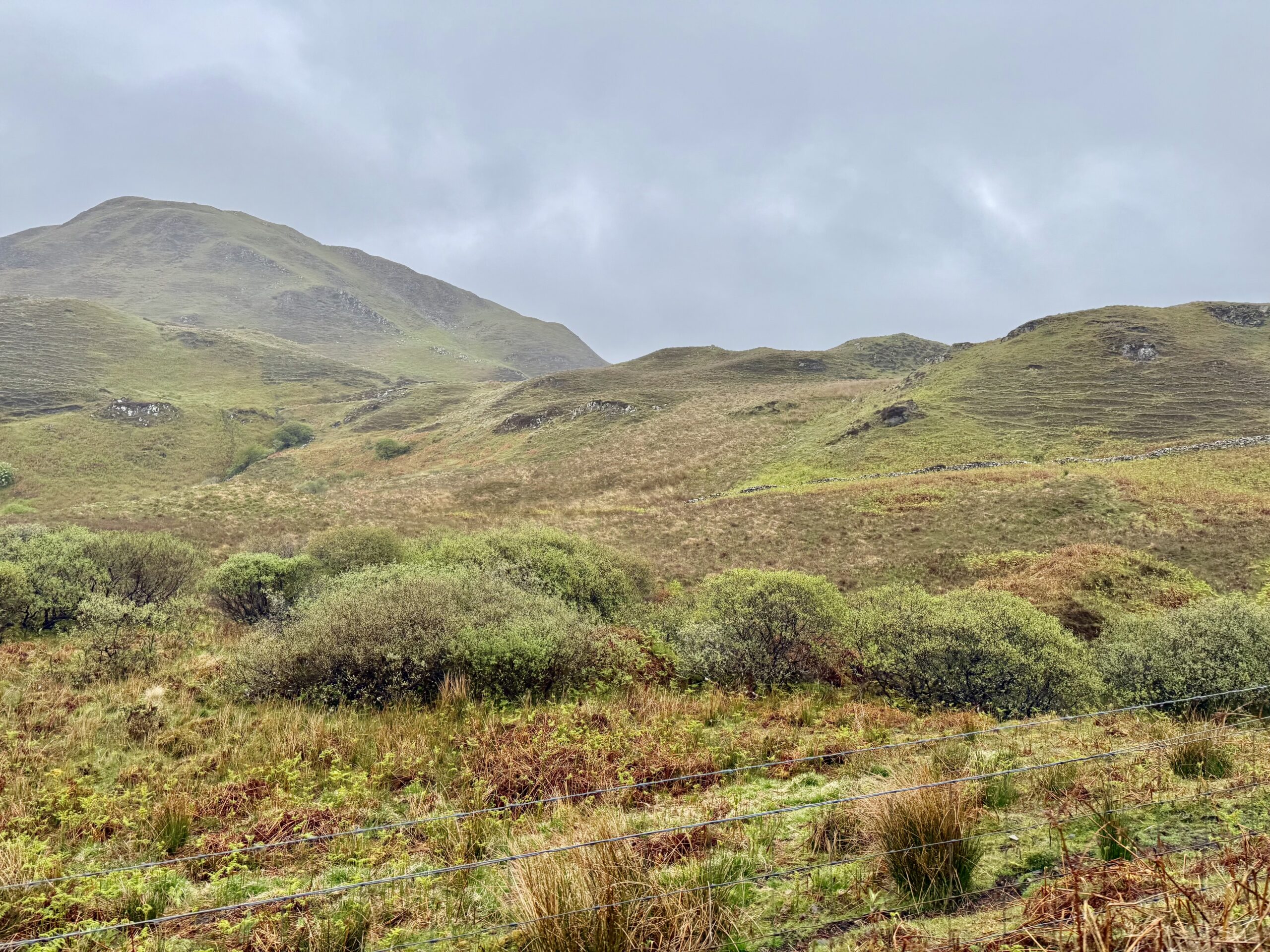
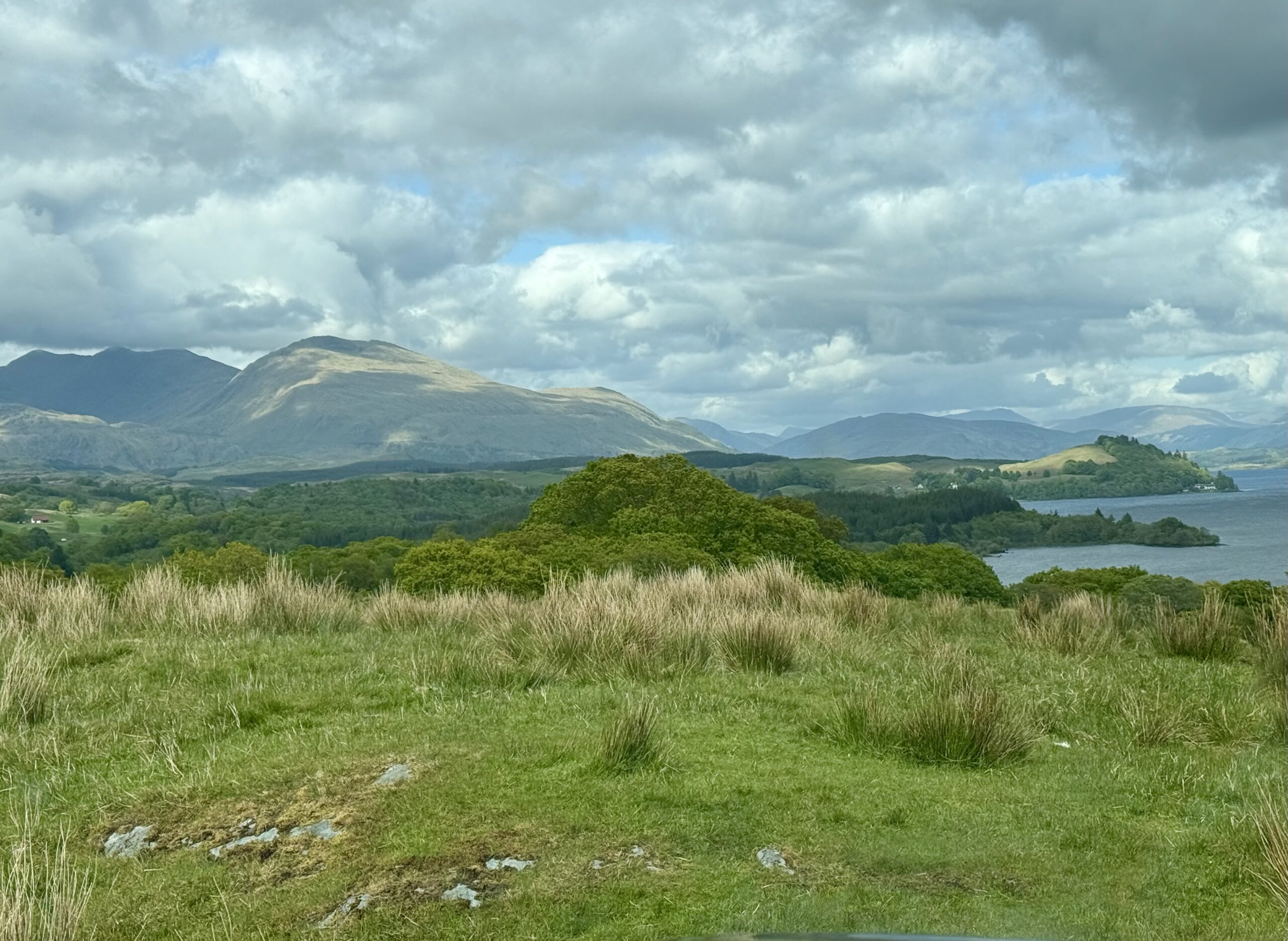
The drive from Glasgow to Oban was less than three hours, but it meant we crossed from the Scottish Lowlands to the Scottish Highlands, the historic territory of the clans.
Three Days of Fishing!
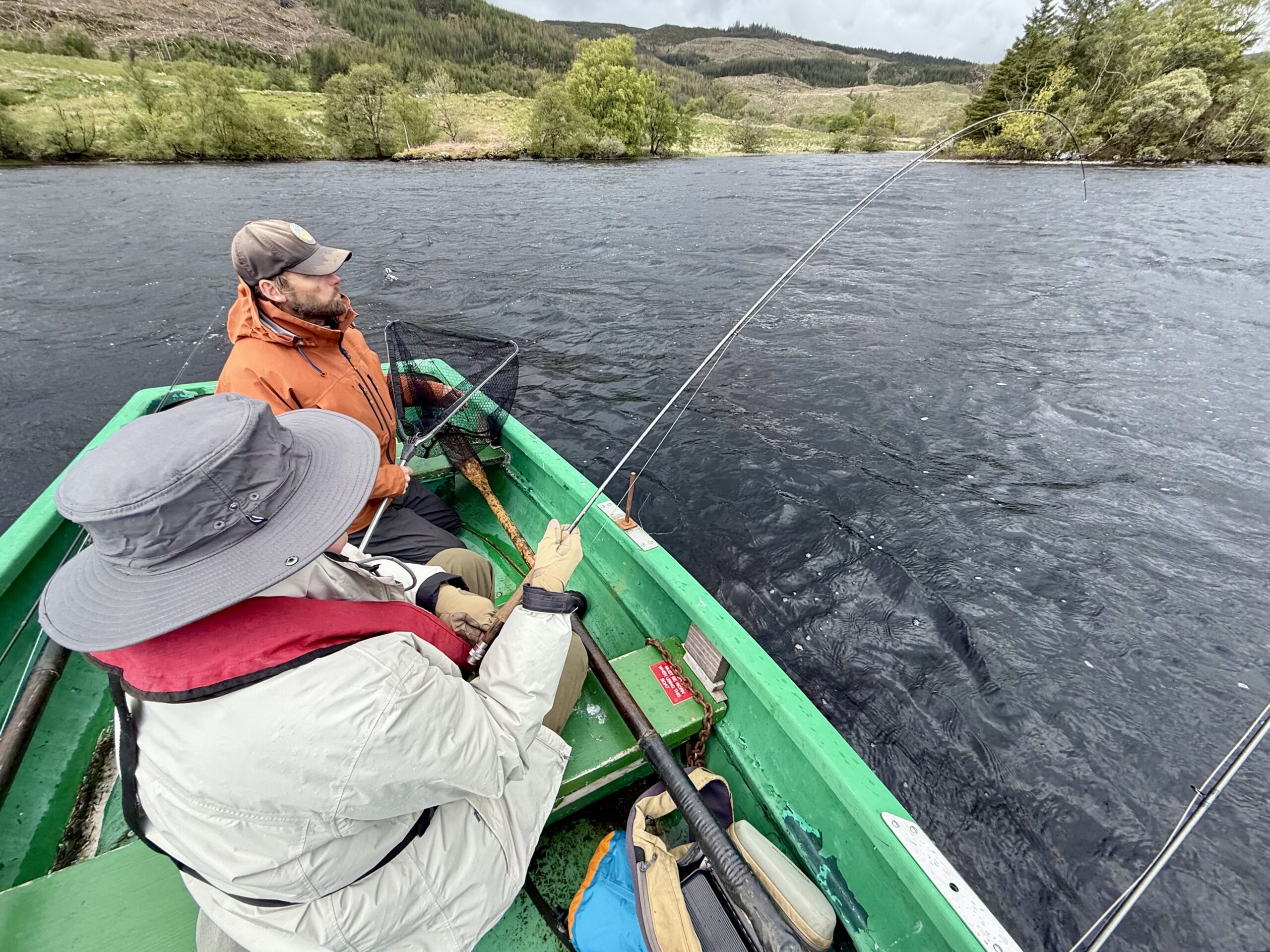
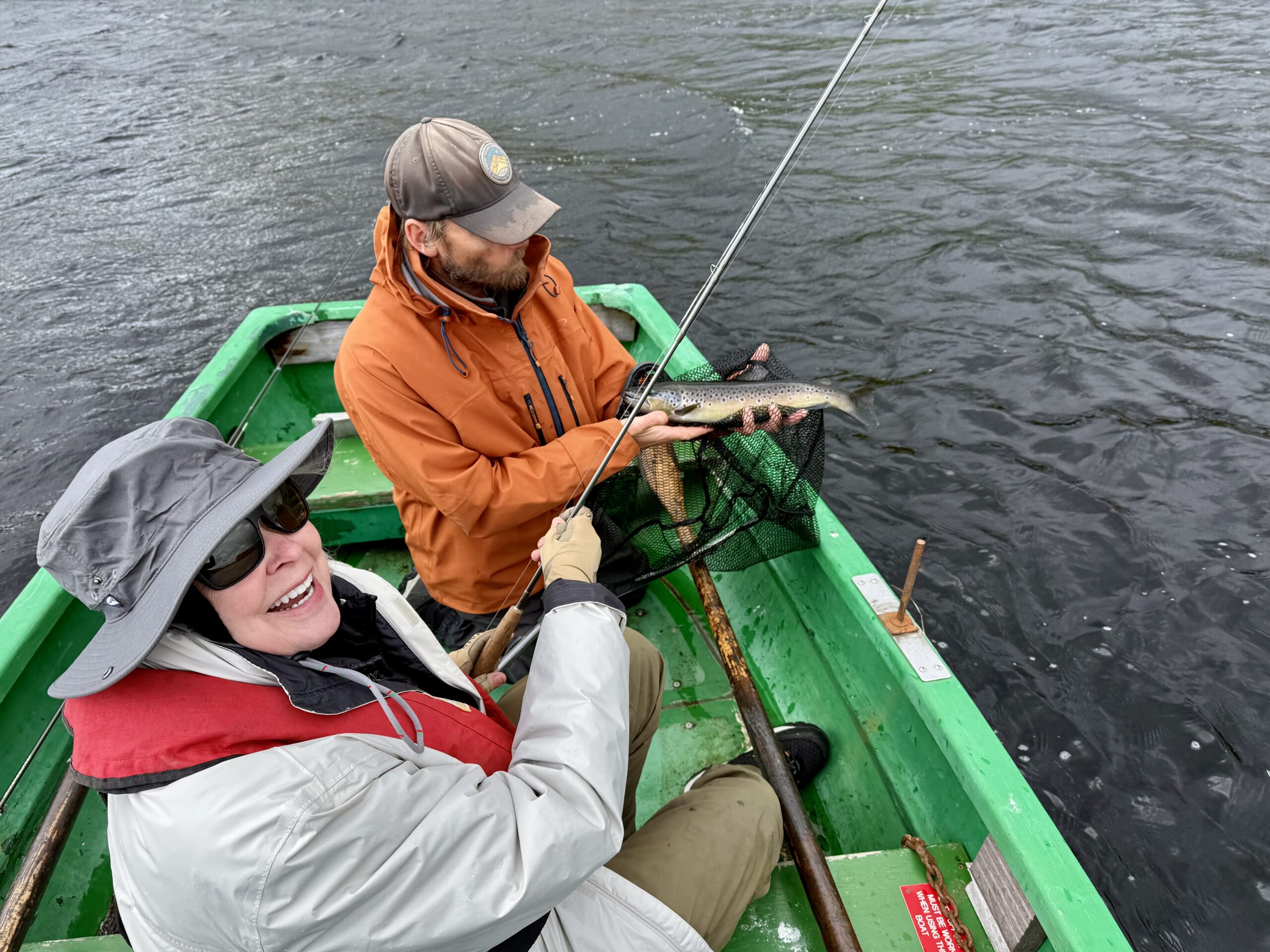
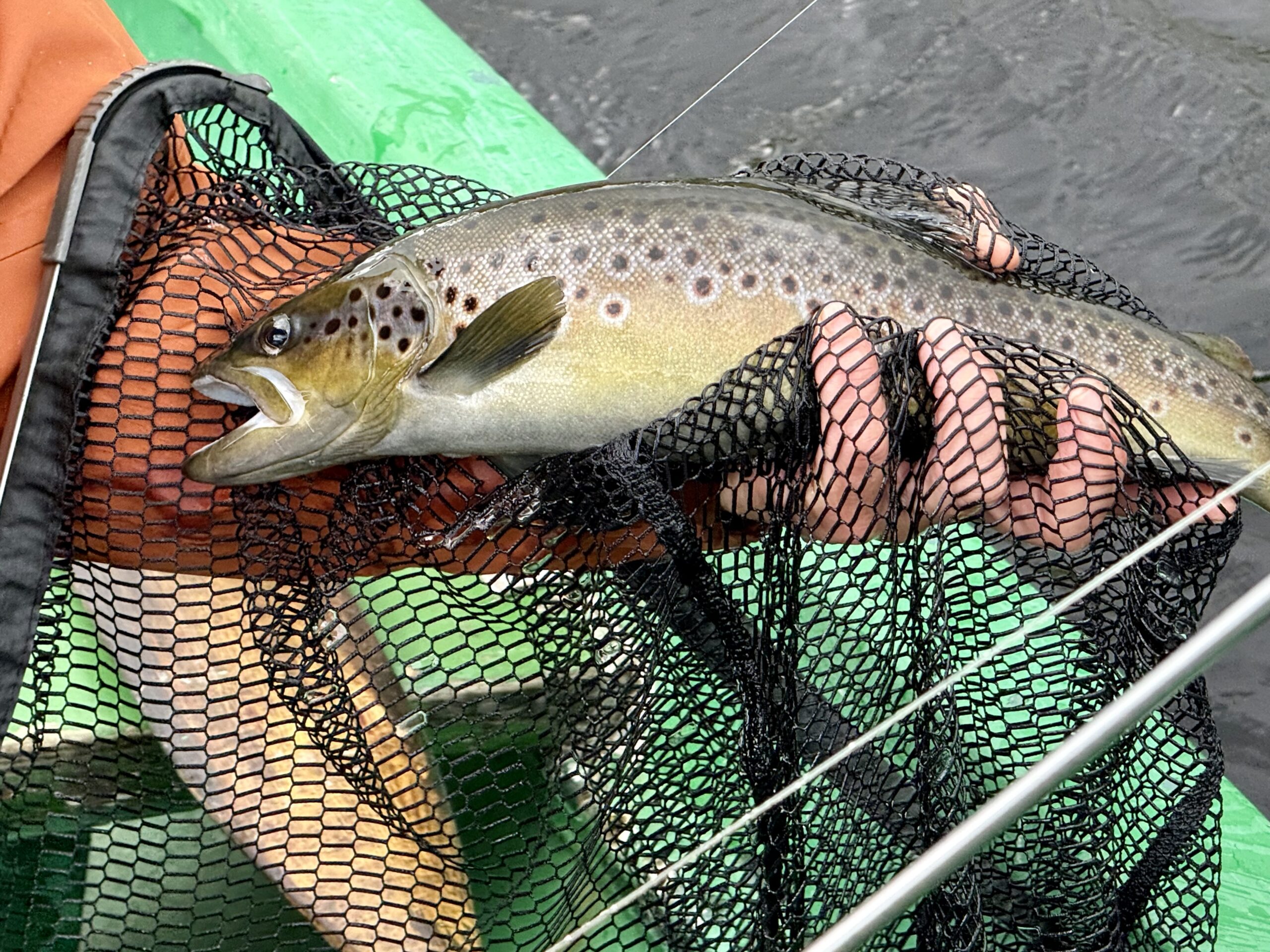
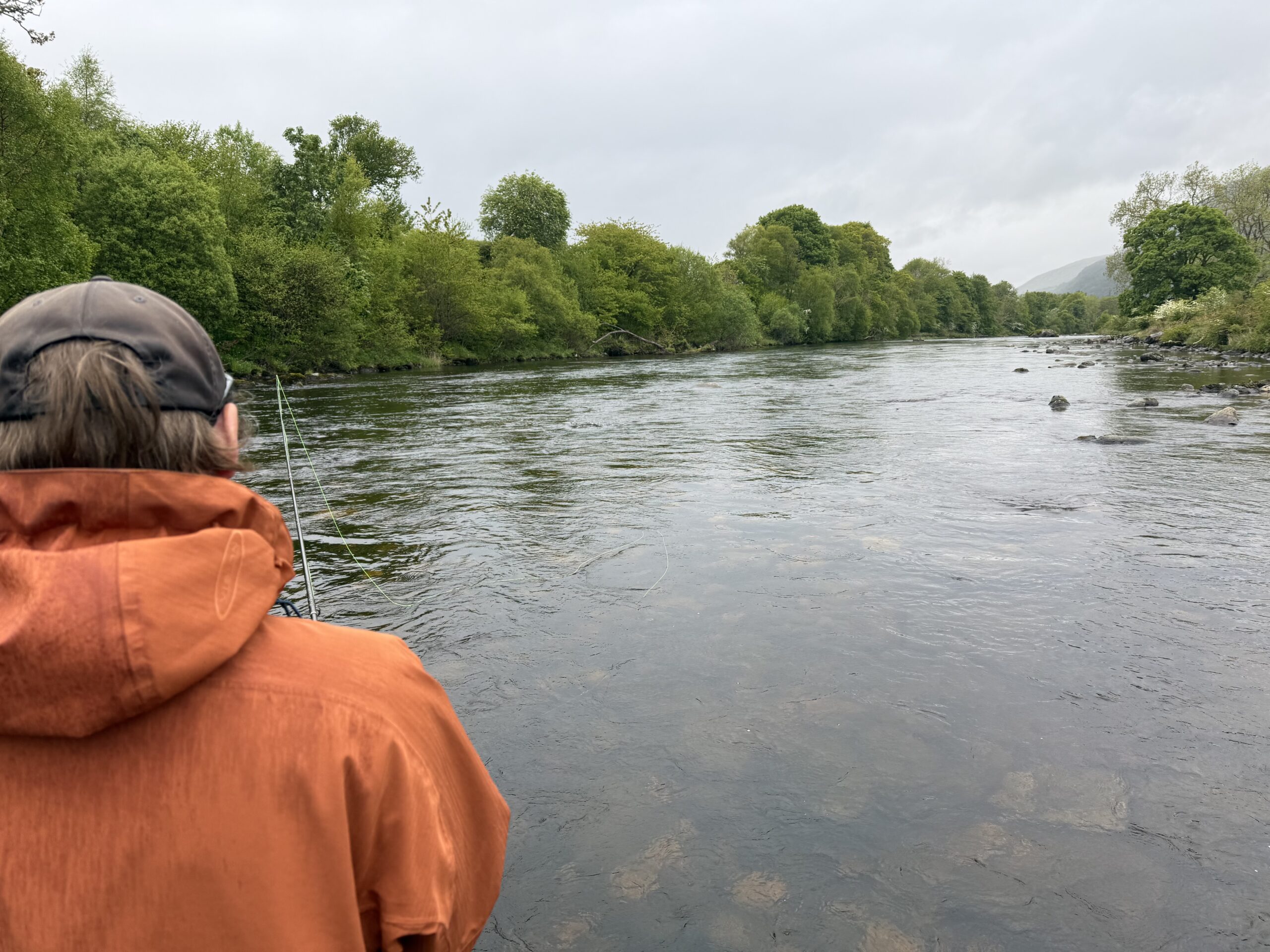
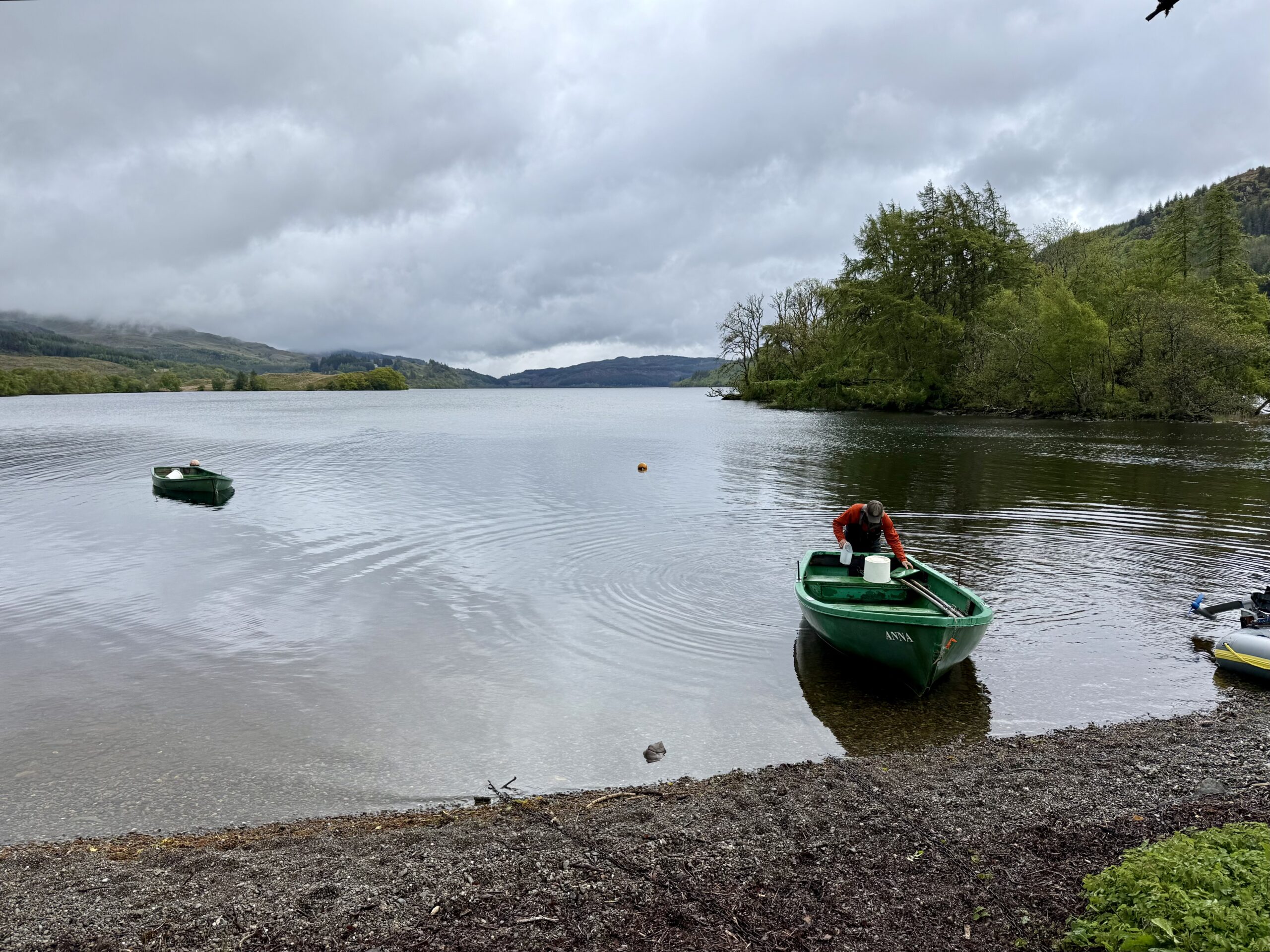
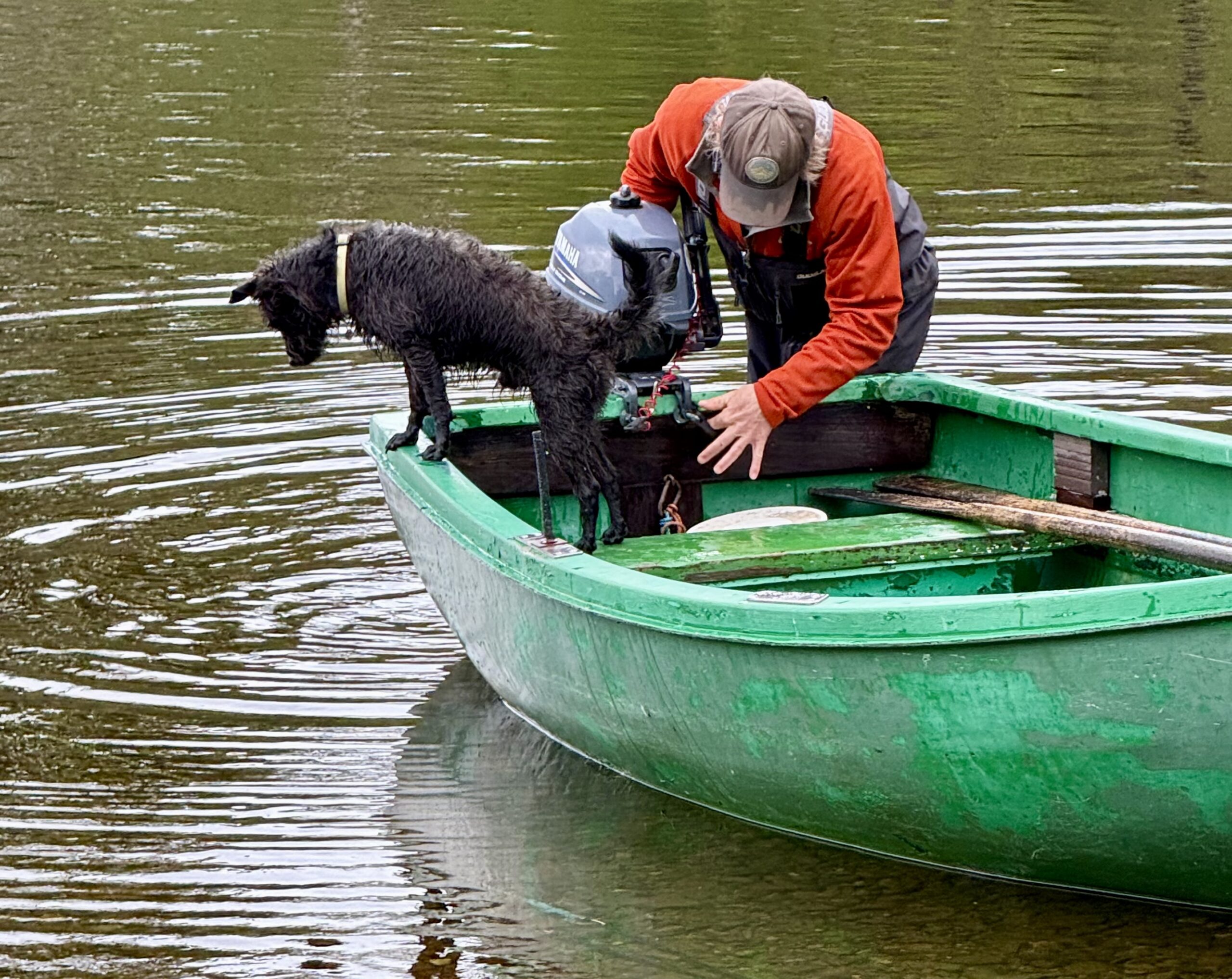
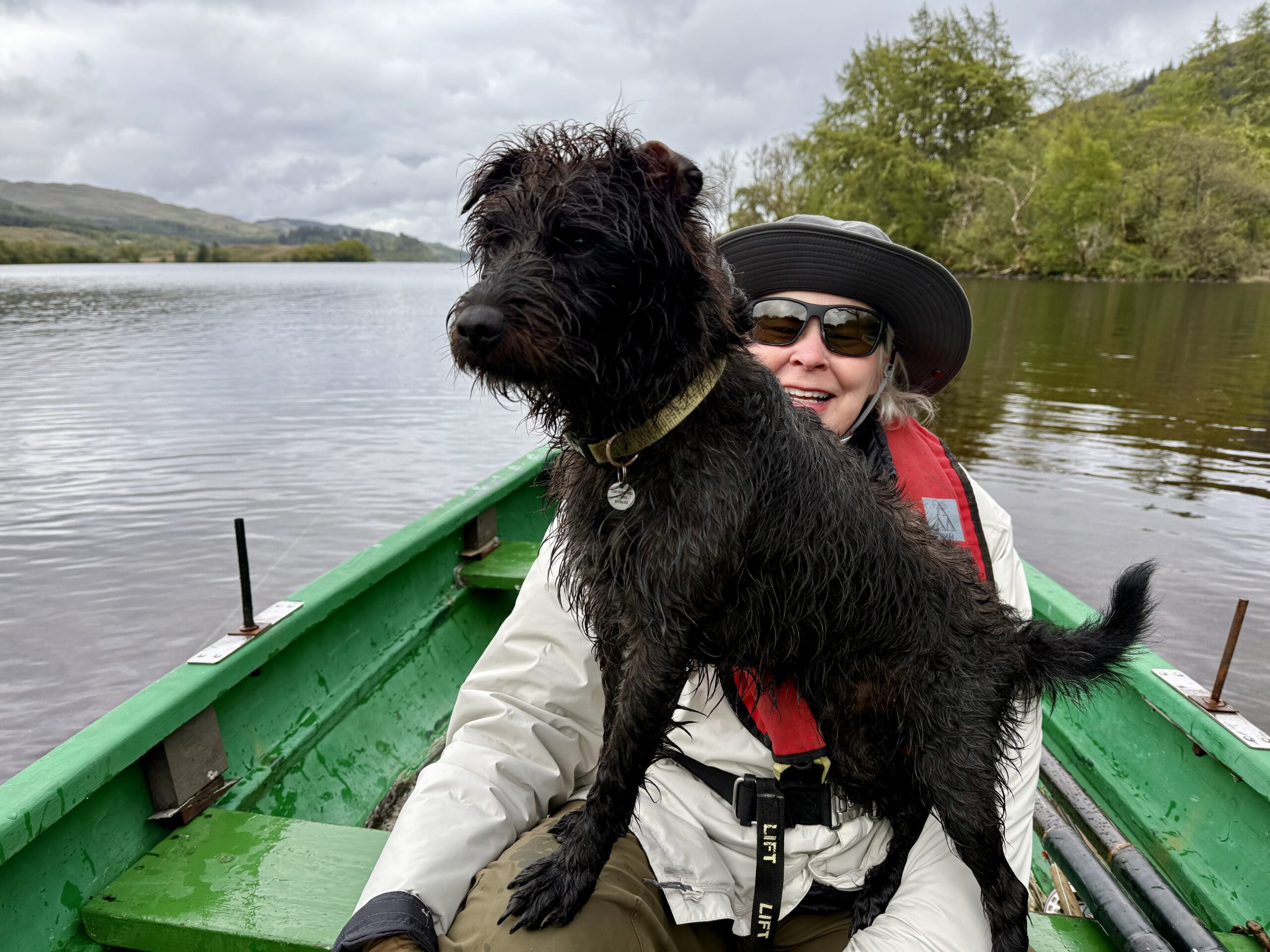
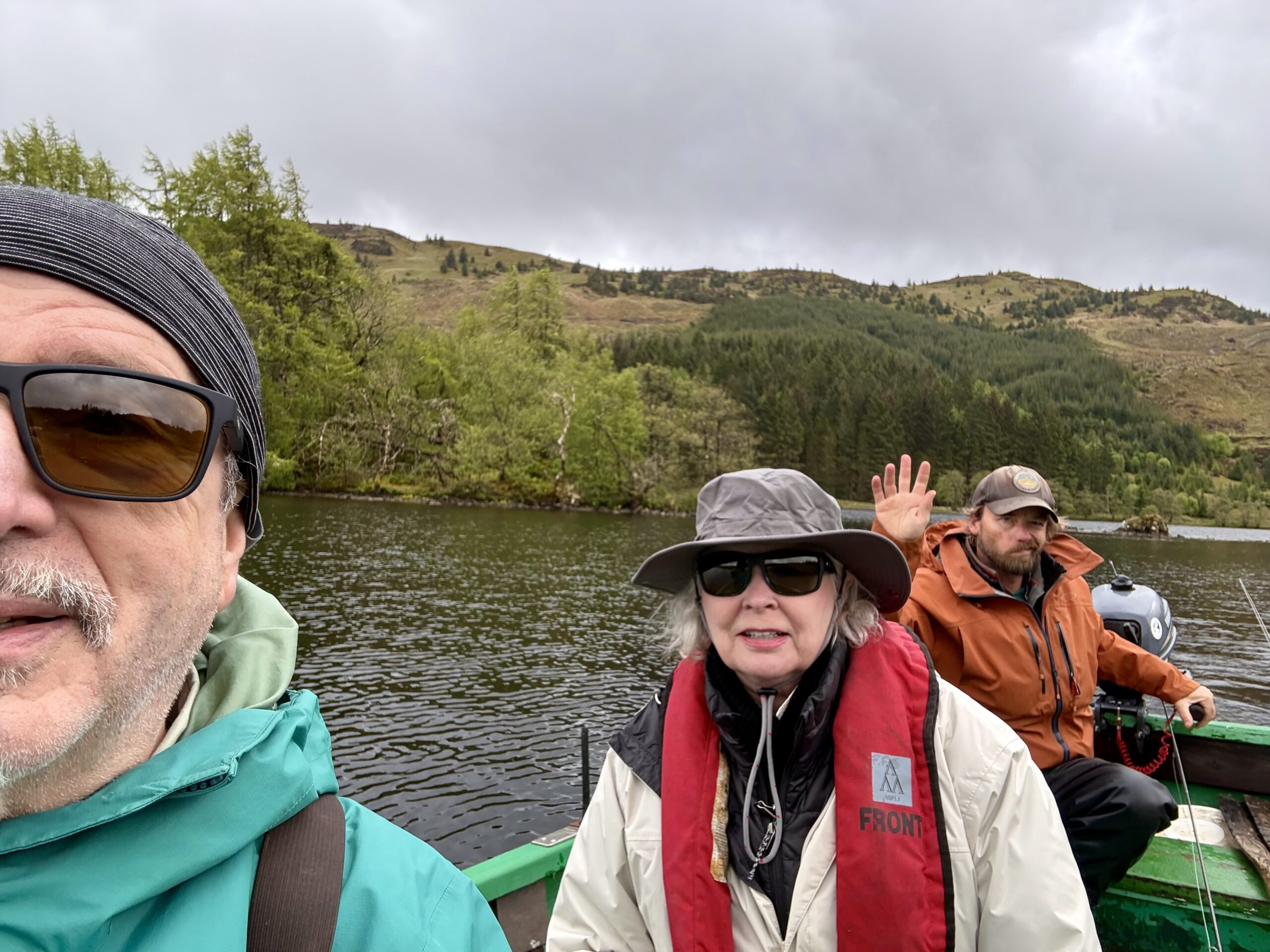
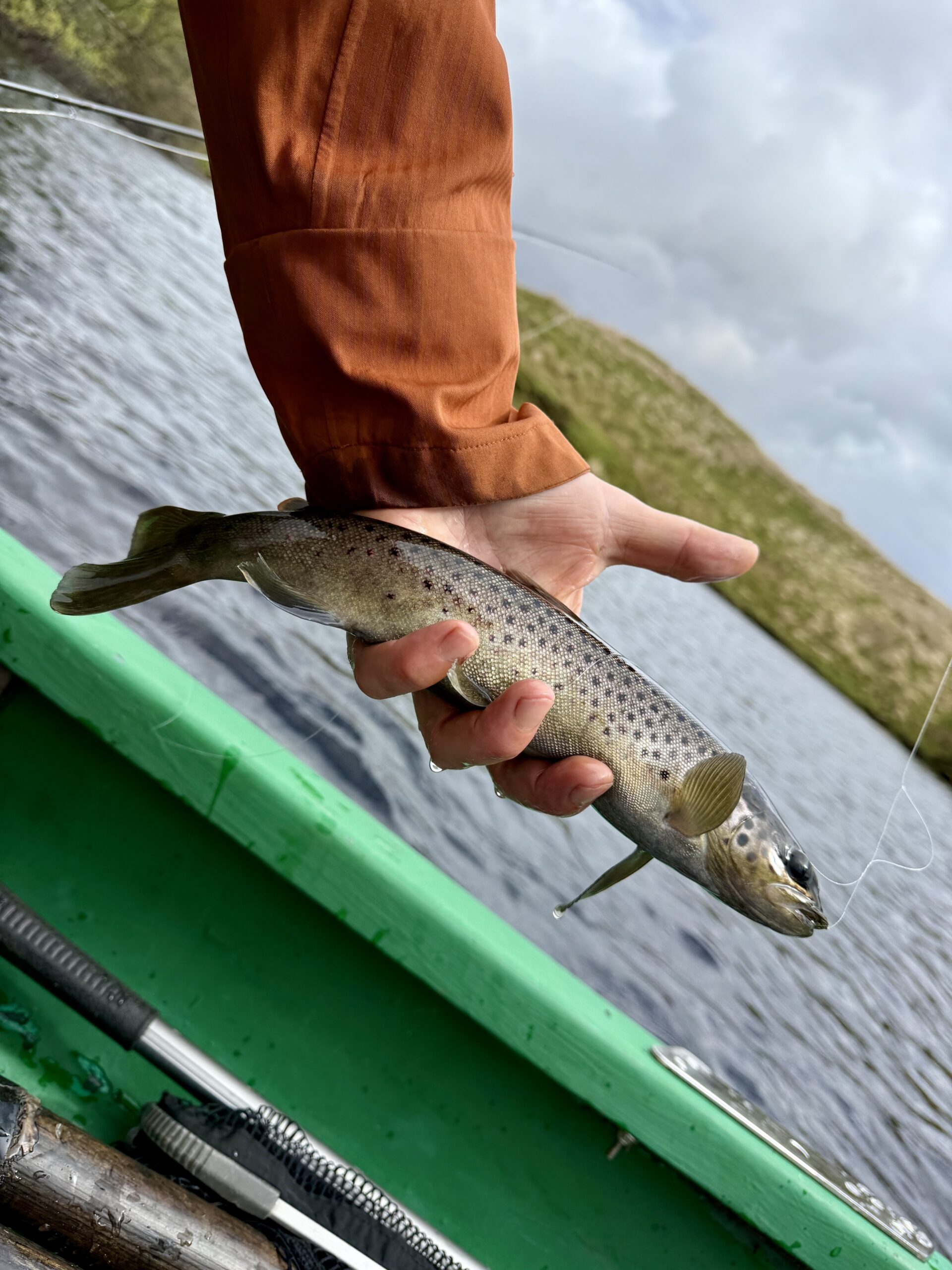
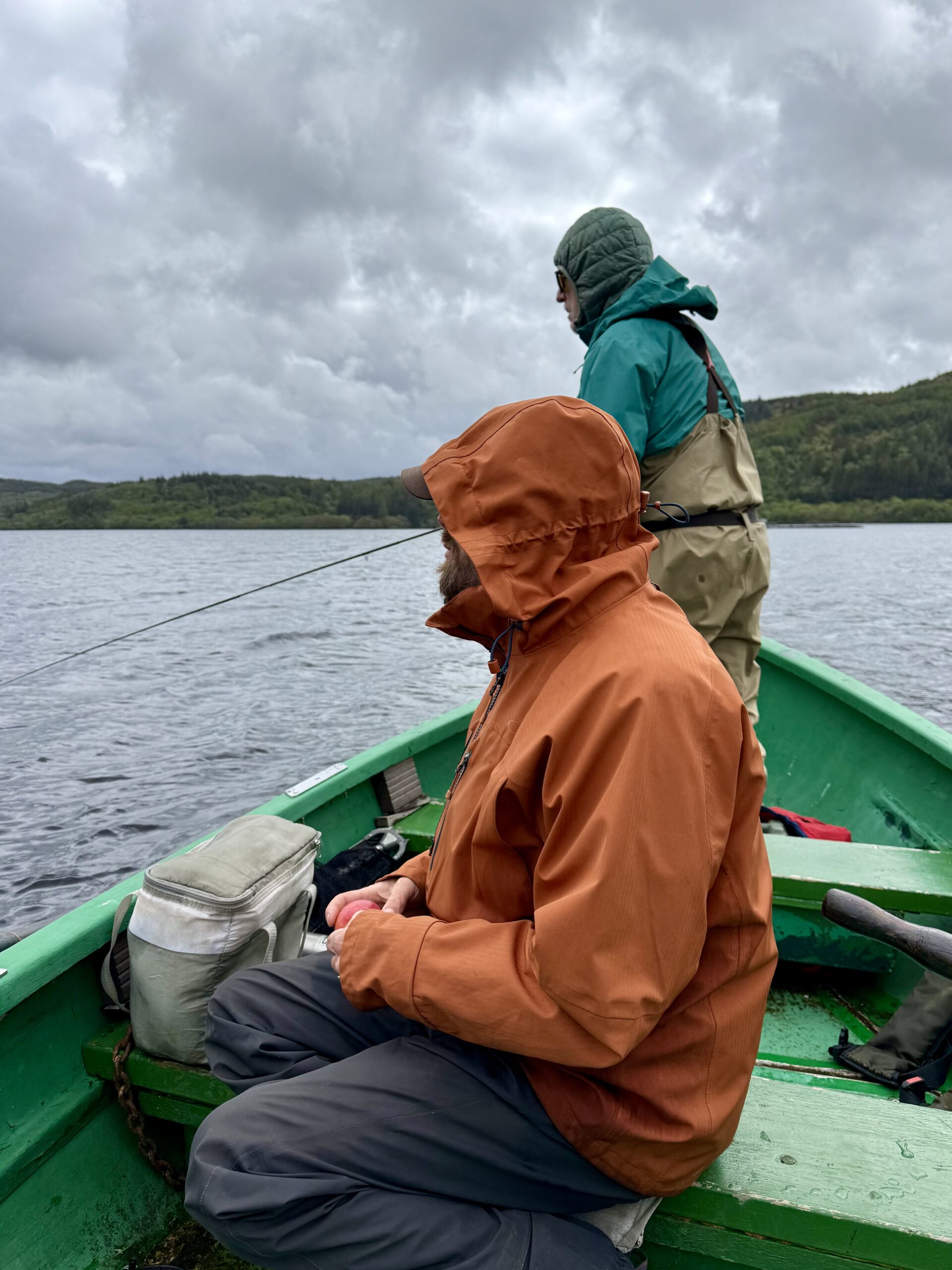
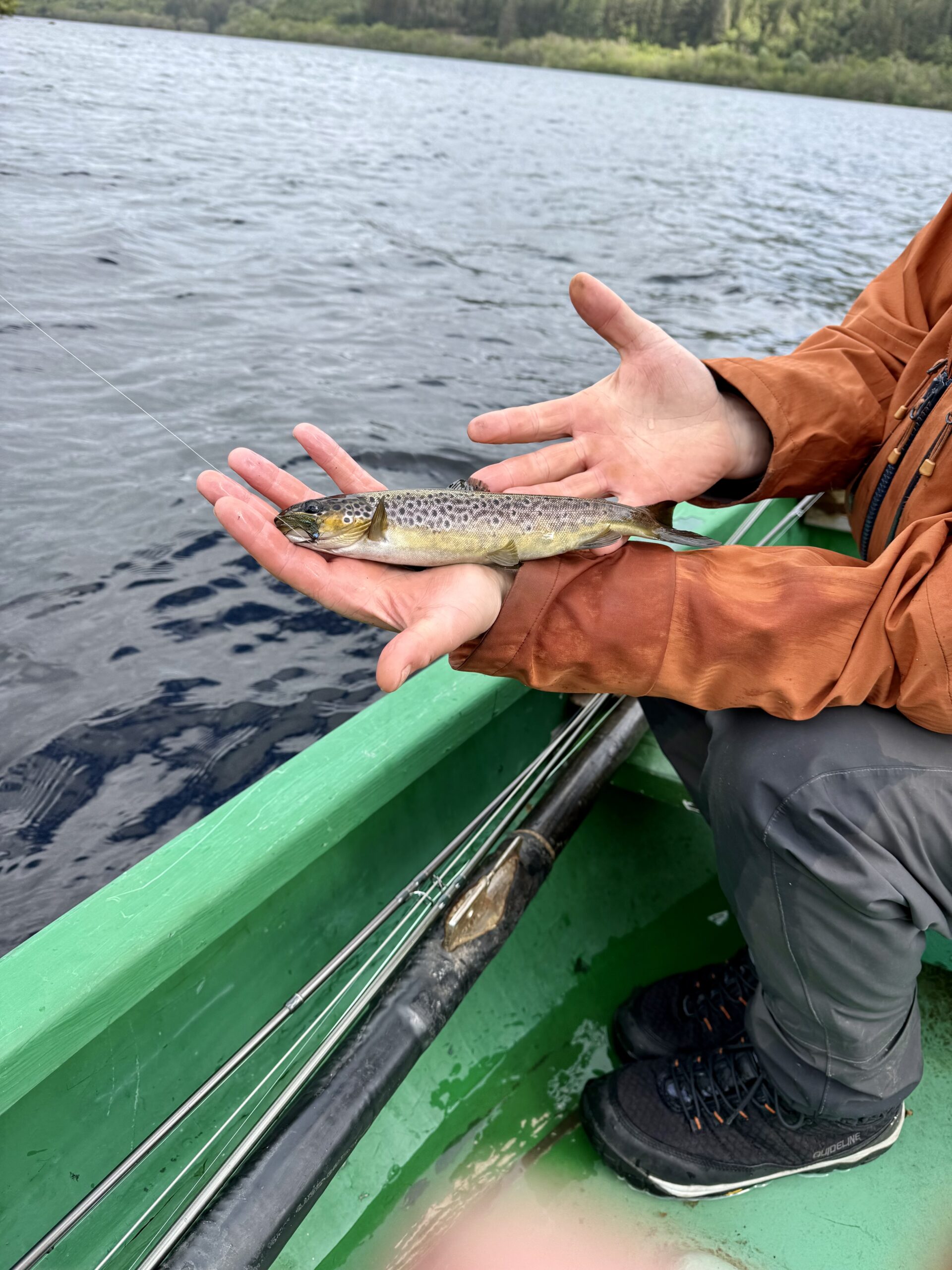
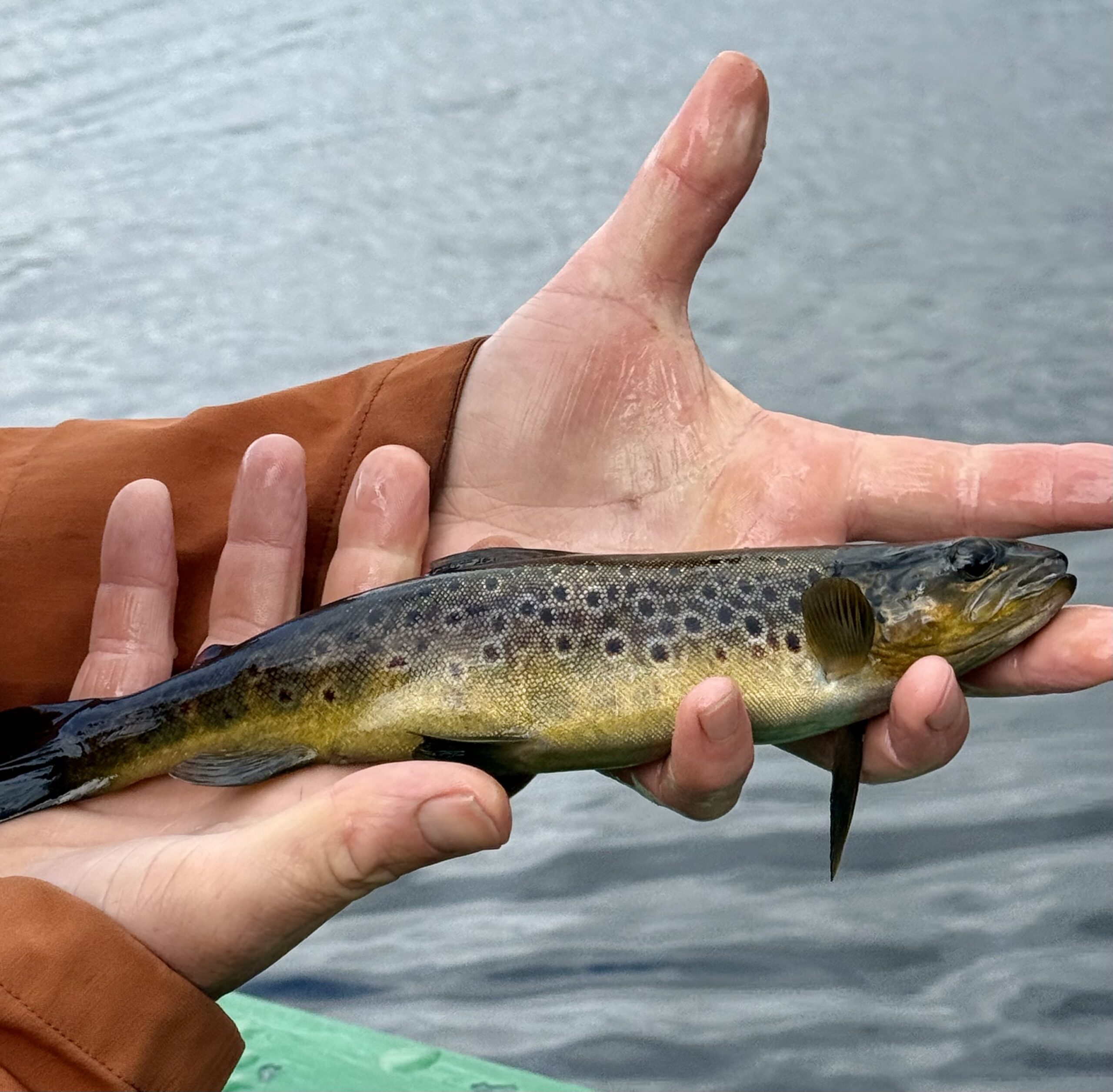
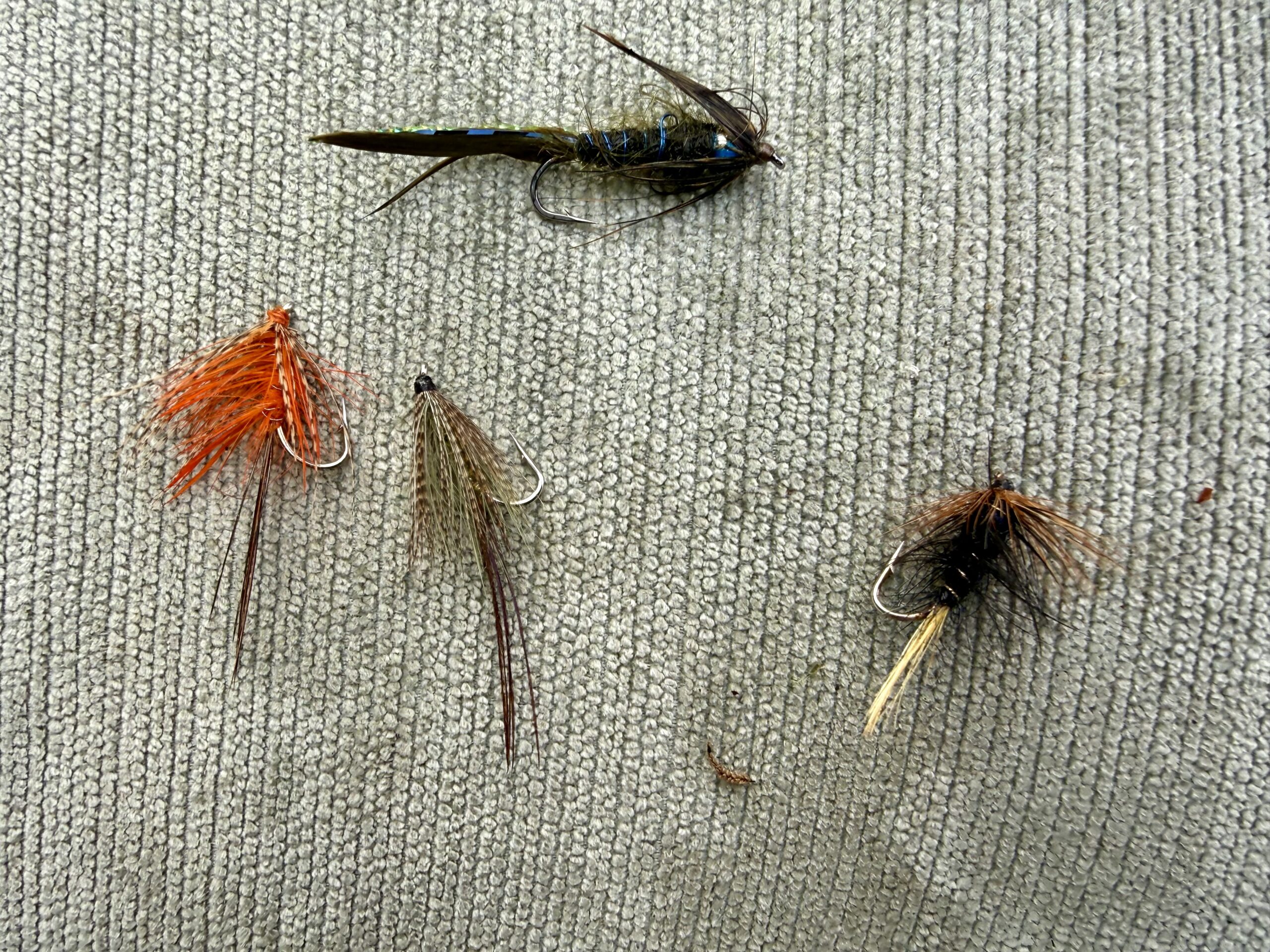
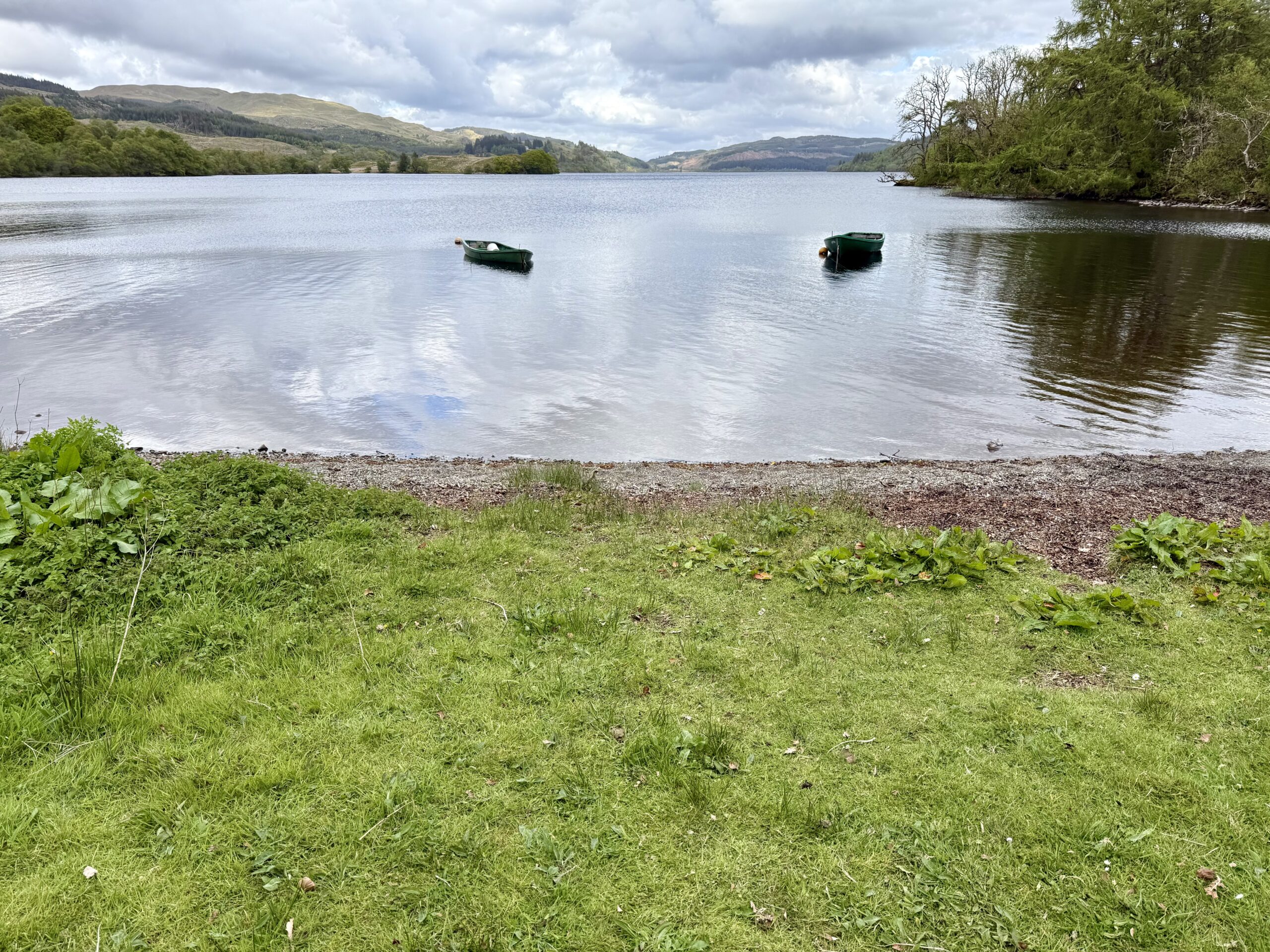
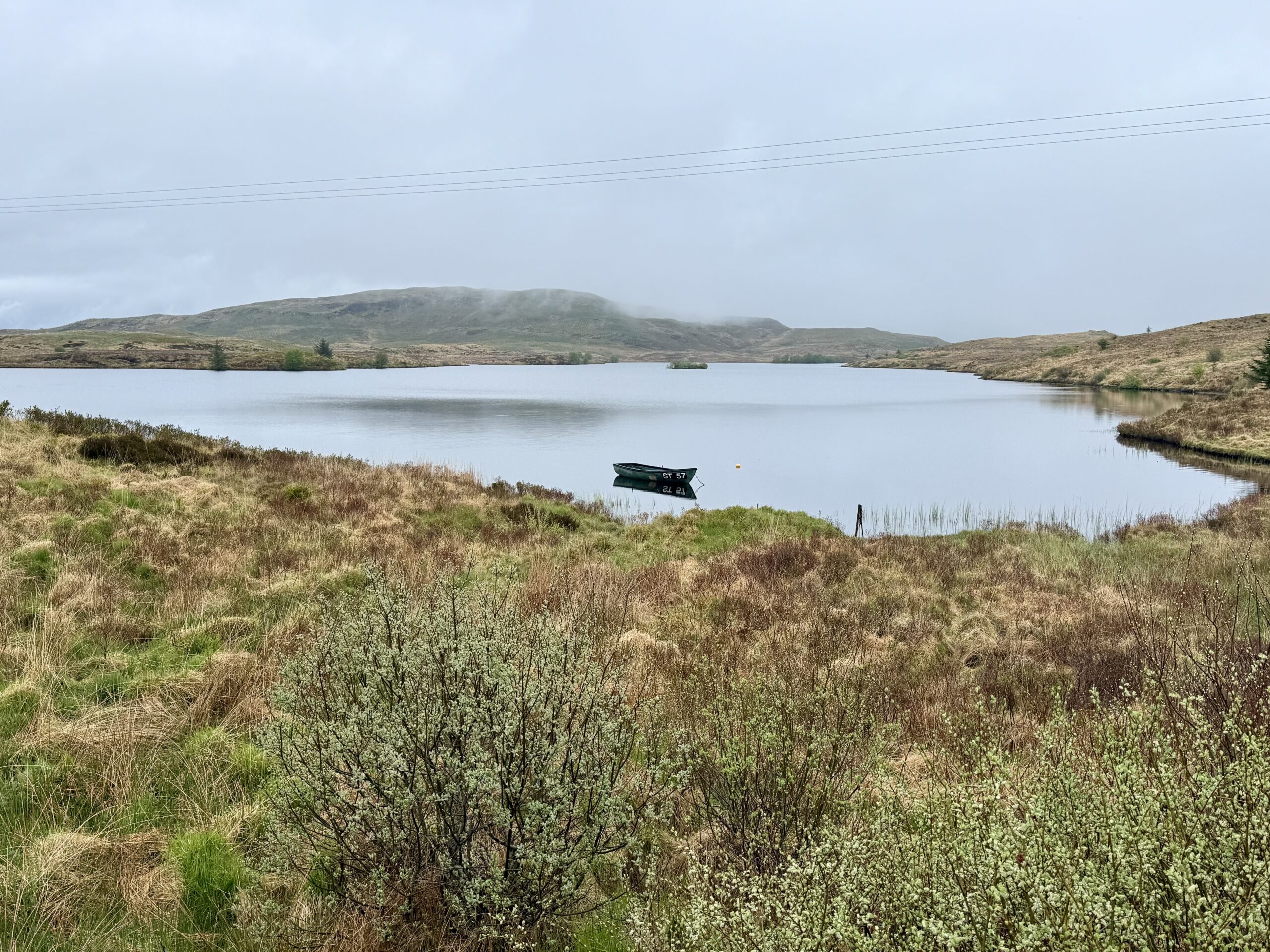
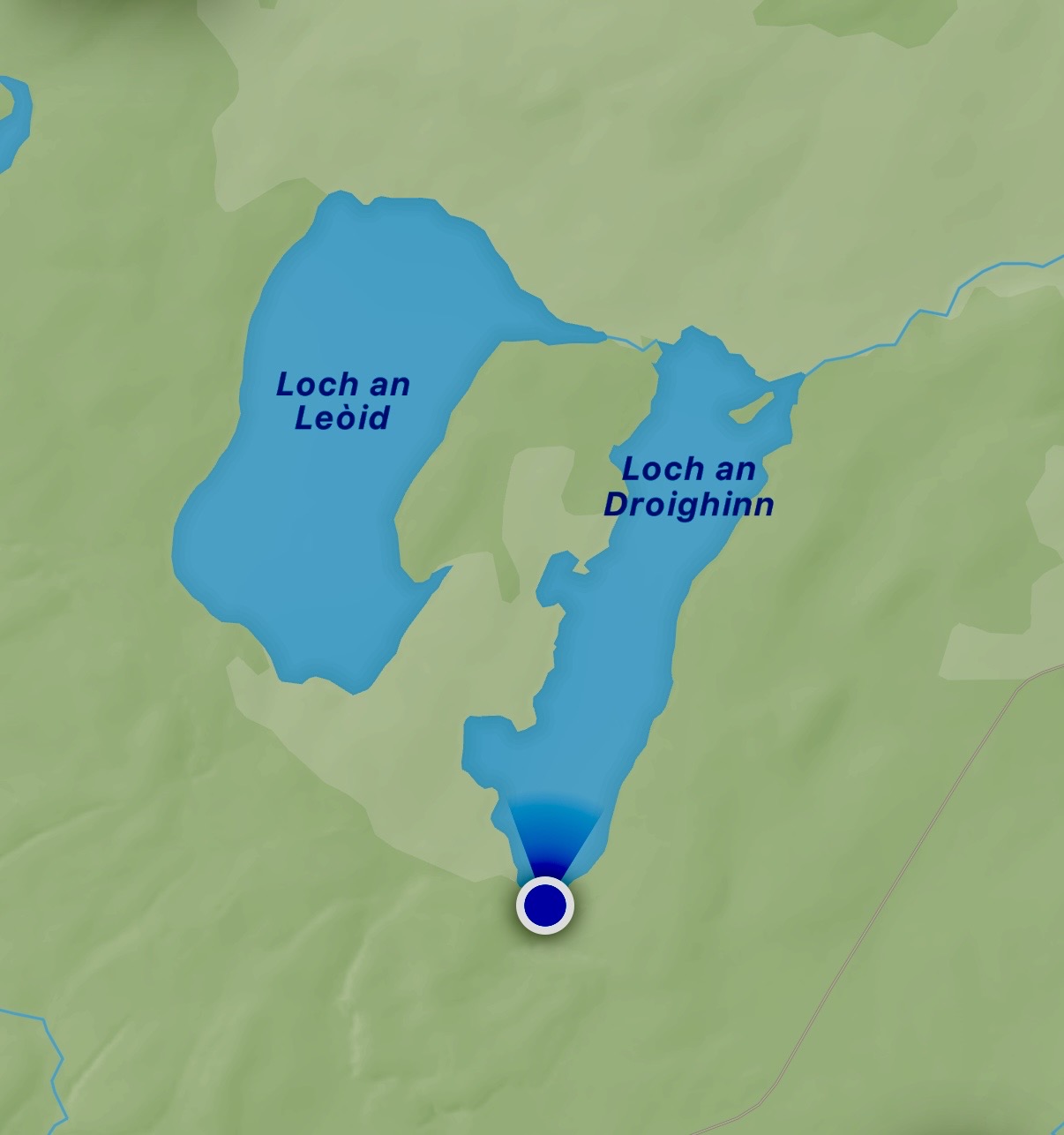
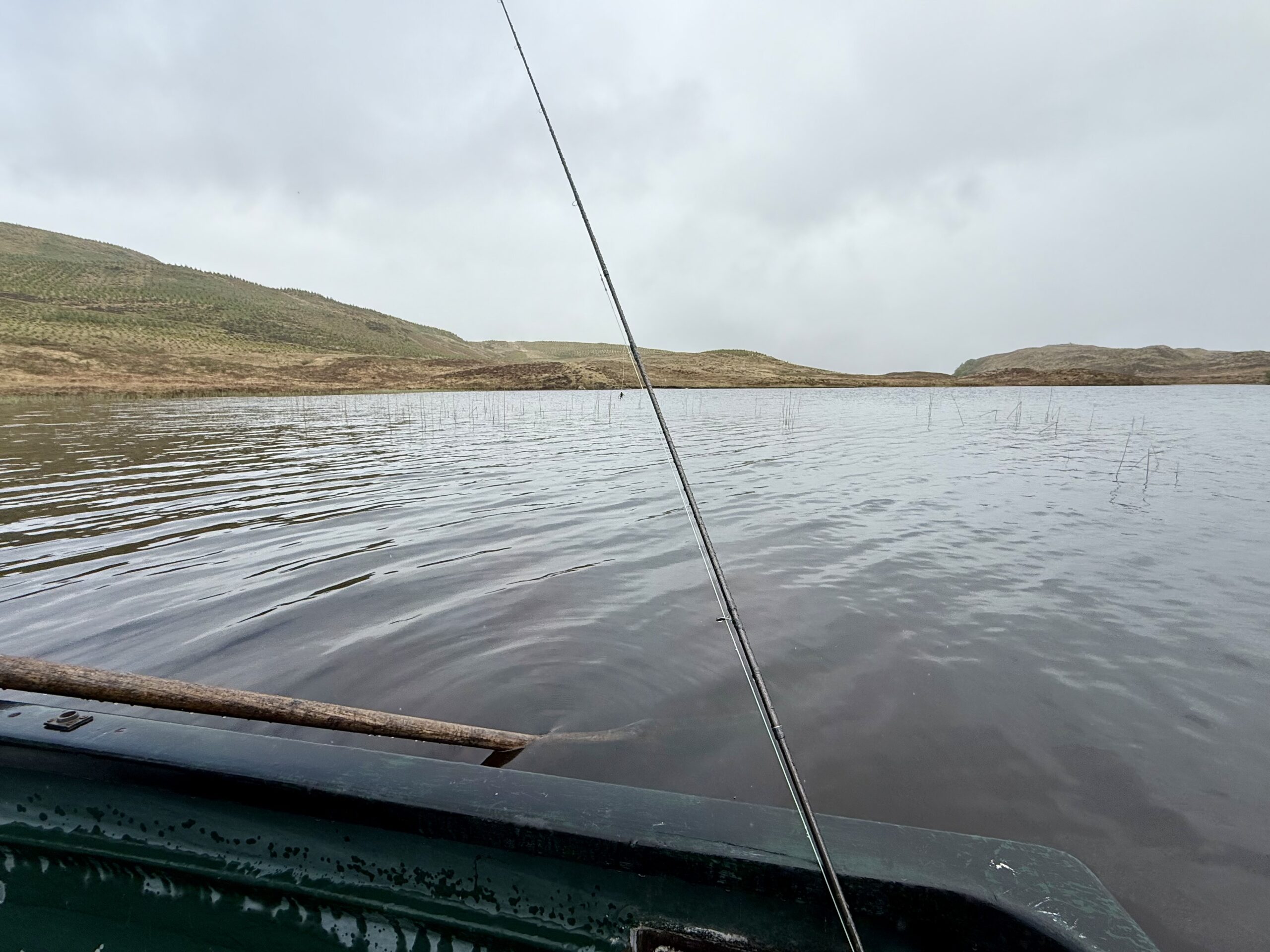
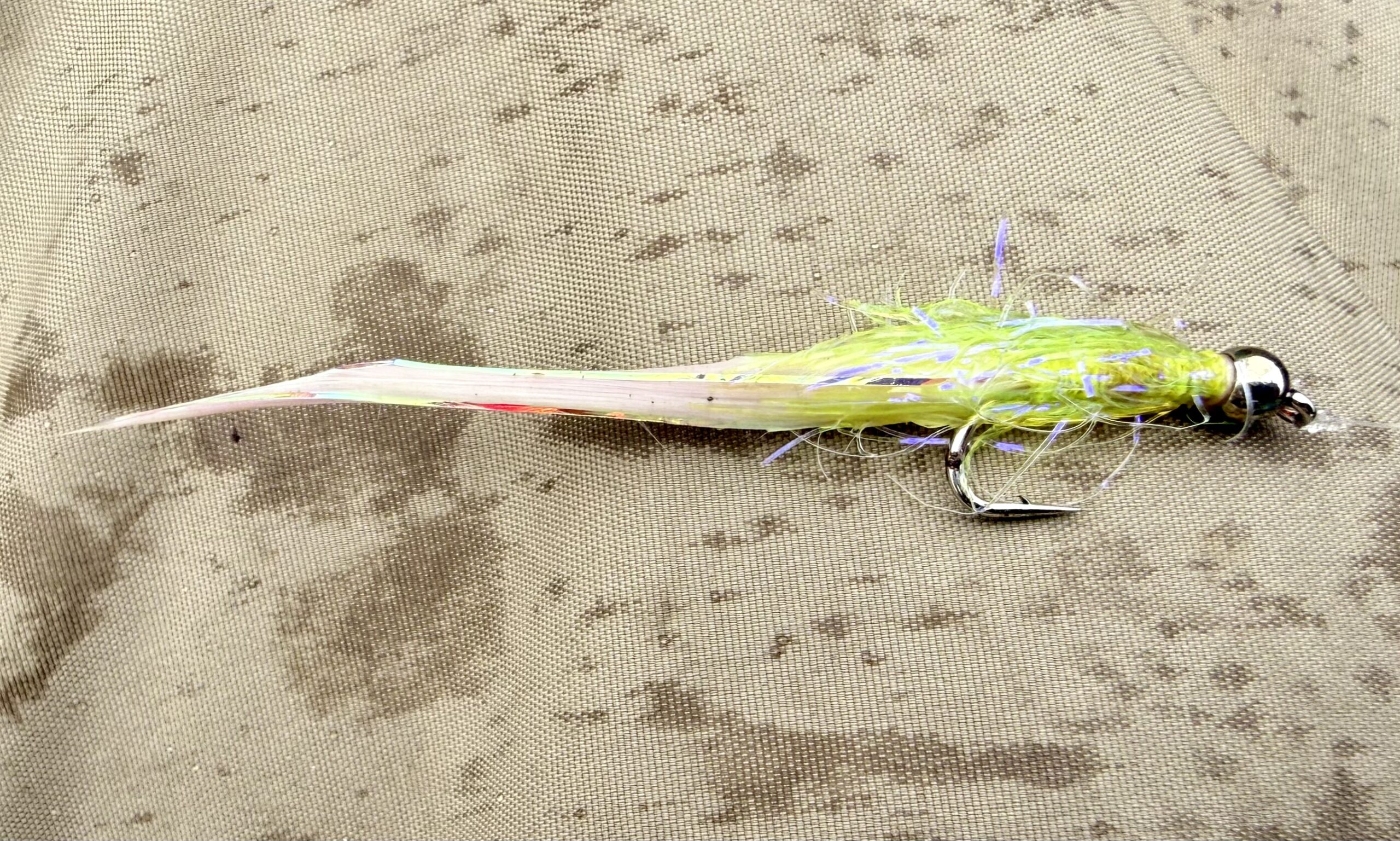
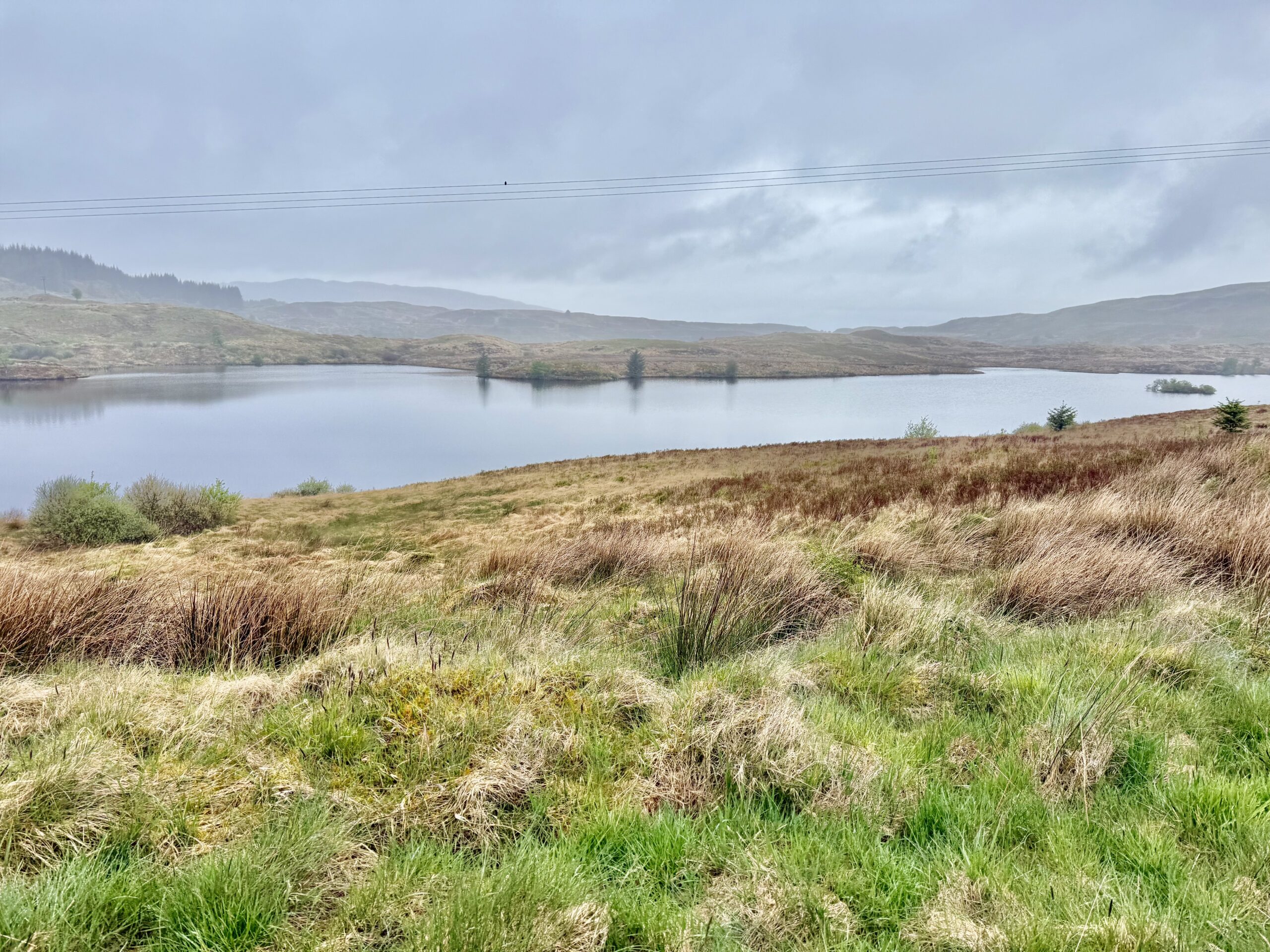
Let’s get this over with up front. Robert signed up for three days of guided fishing. Bonnie attended on day two. She grumbled about putting on waders but she settled quietly in the small boat and observed while Robert cast all day long for brown trout. He caught four to six on days two and three—only pan-sized. Finally, after lunch, at the cajoling of Tom the guide, Bonnie held a rod, trolling the water as the guide motored to different locations on the loch. She hooked one large fish that got off. Then a second fish that spent some time thrashing vigorously and jaggedly to get off, but she landed it. A hefty two-pound brown trout. Easily the biggest fish of the three days. Go figure.
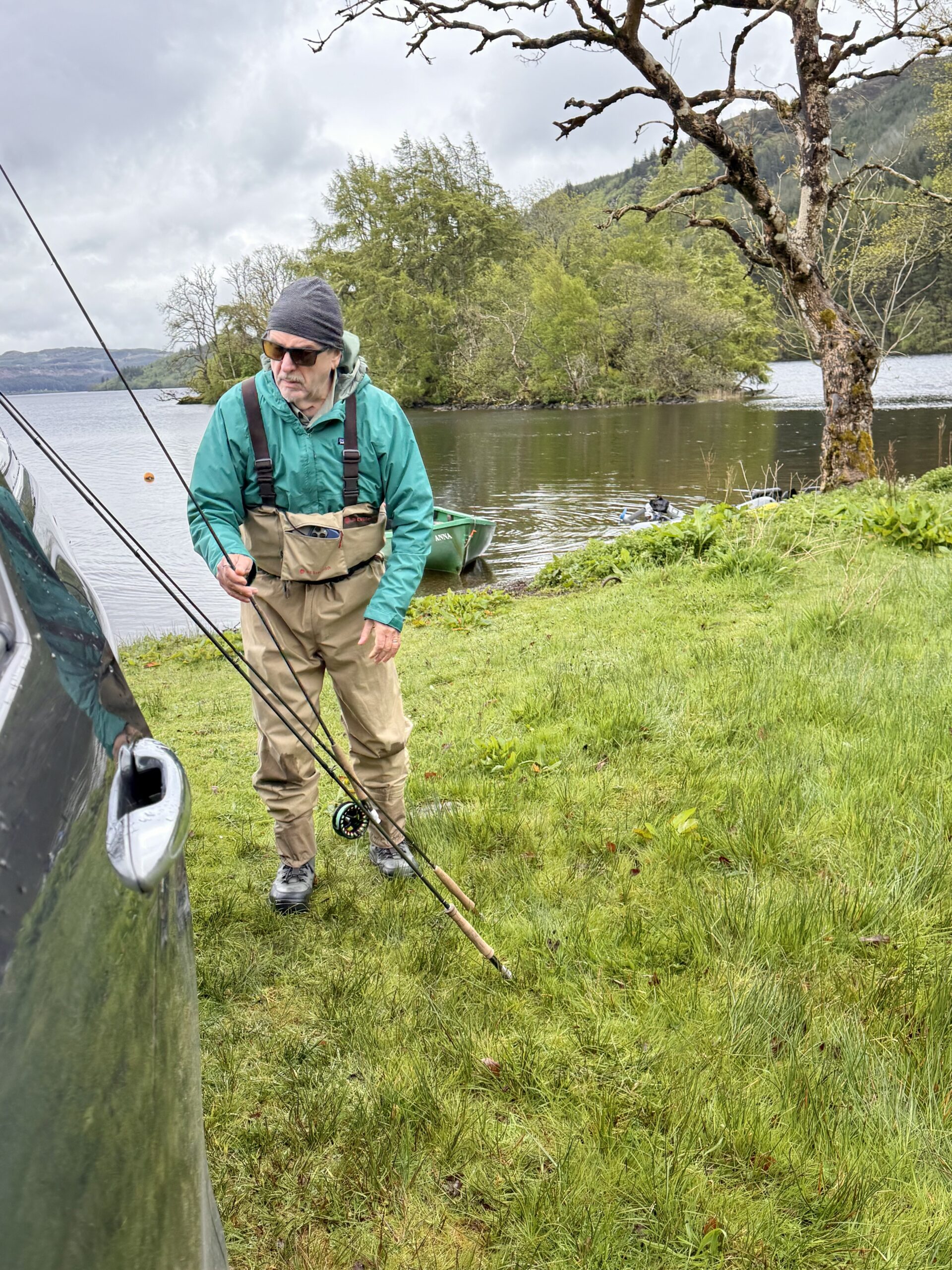
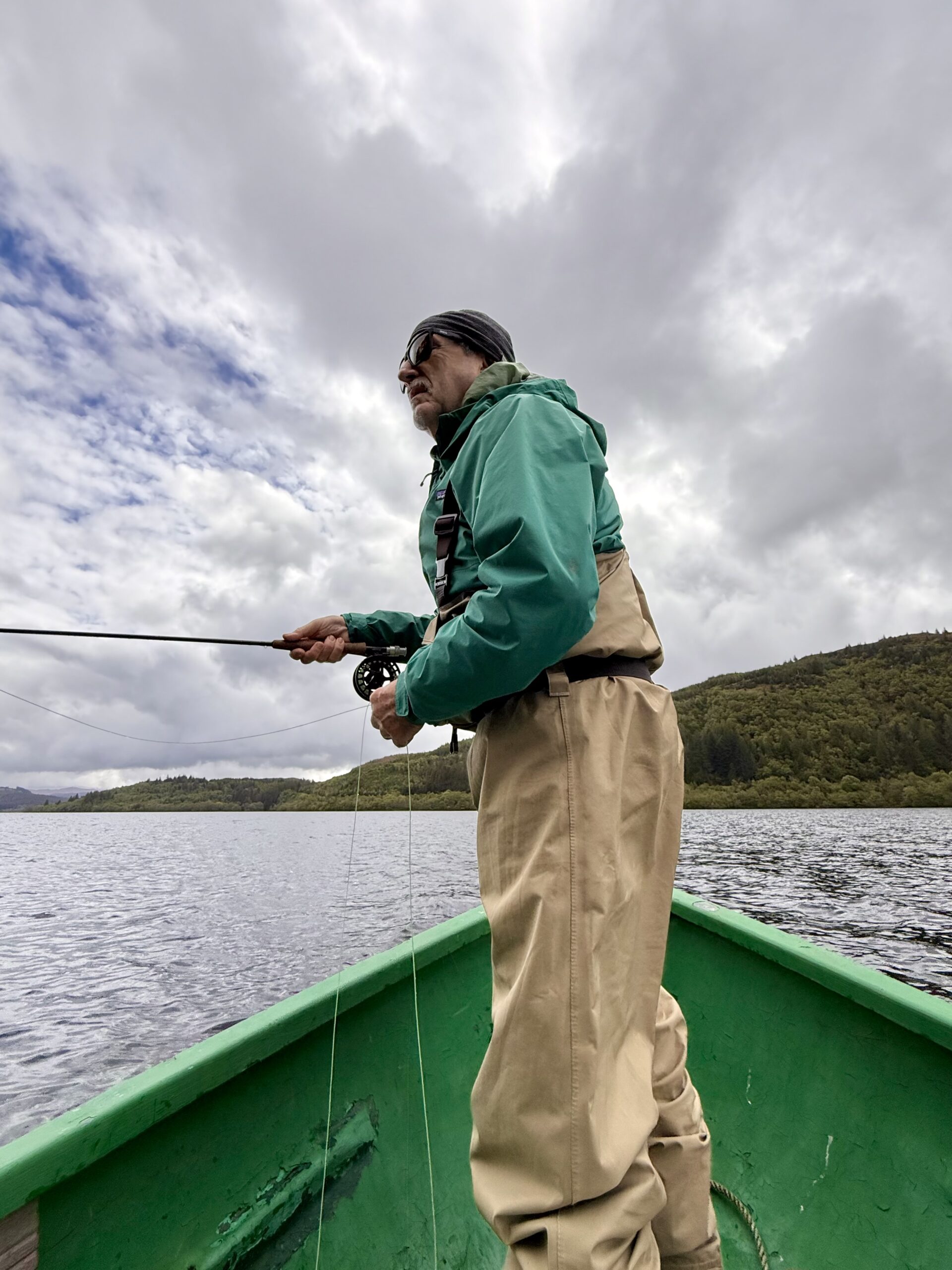
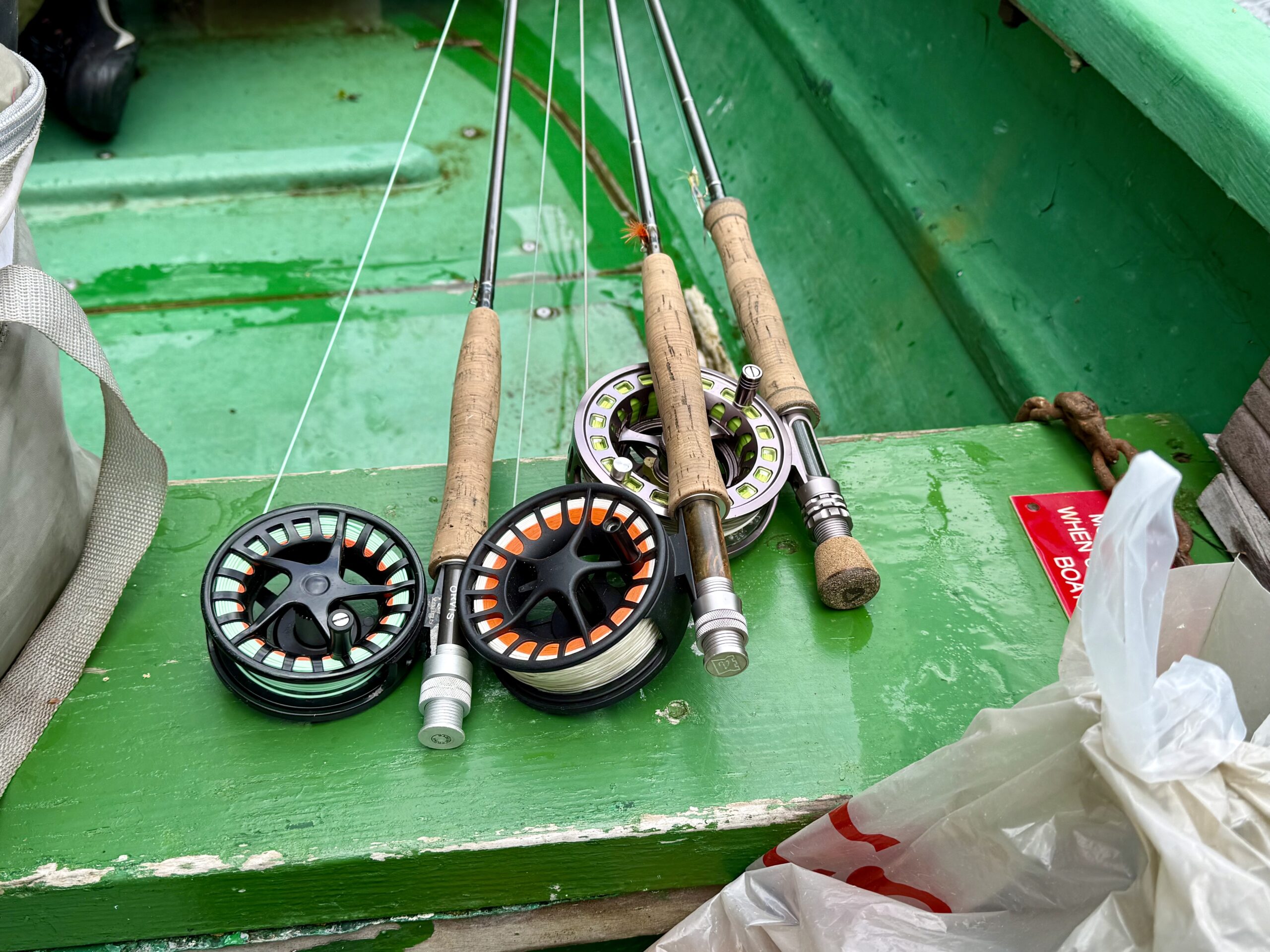
On the morning of day one Robert tried salmon fishing with a two-handed rod. He found the rocks slippery, falling in more than once. Unfortunately, Scots do not seem to use wading staffs. He will bring one next time. In the afternoon he fished for trout with a 4 wt. rod. On days two and three he fished off a boat using 5 and 6 wts. Bonnie trolled with an 8 wt. rod.
One benefit of fishing guides is conversation. You can ask questions about all things Scotland, and you learn a lot of interesting things.
- There are only about 20 certified fishing guides in Scotland. Anyone can call themselves a guide. This needs to be verified as the number seems too low.
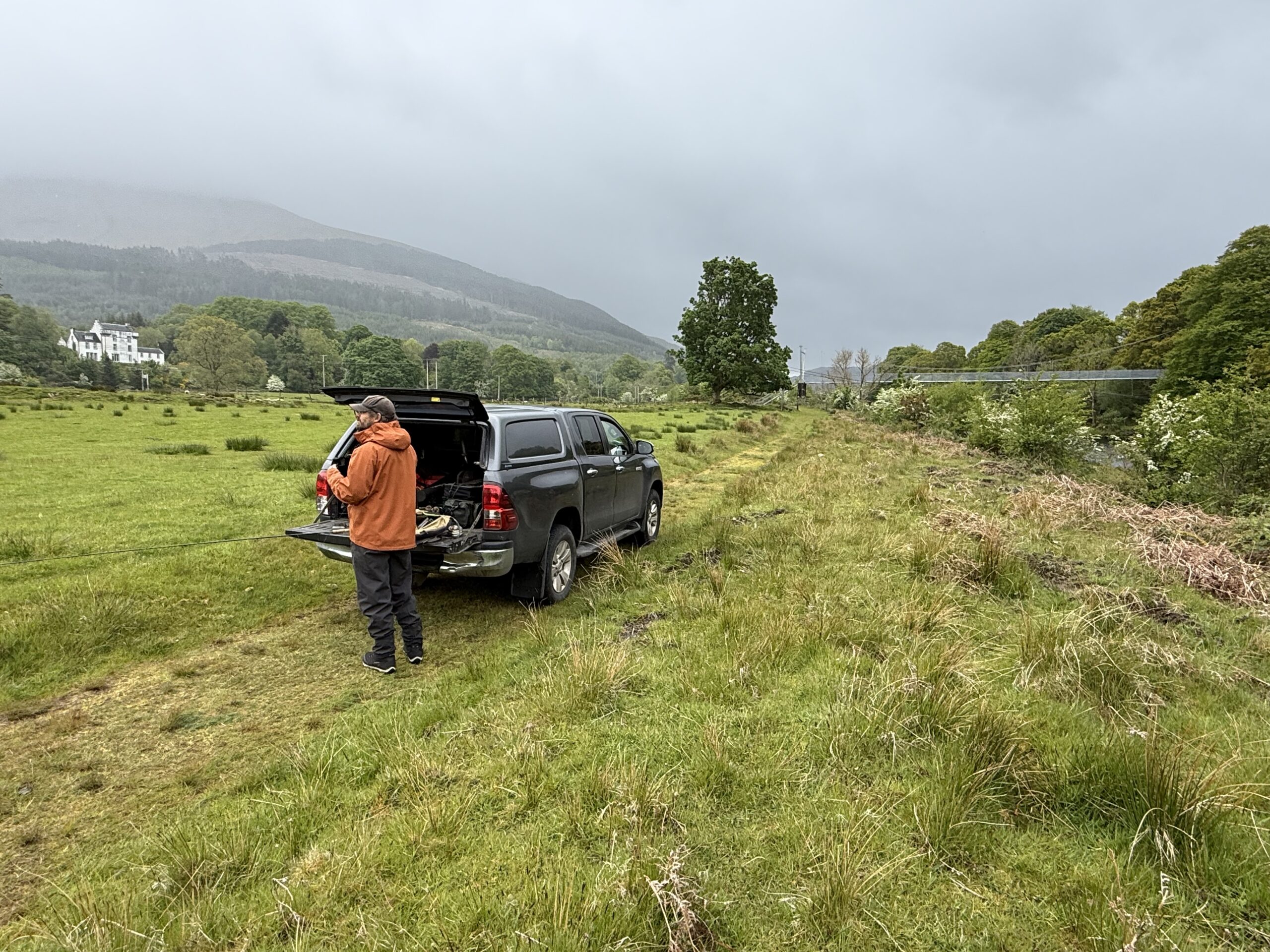
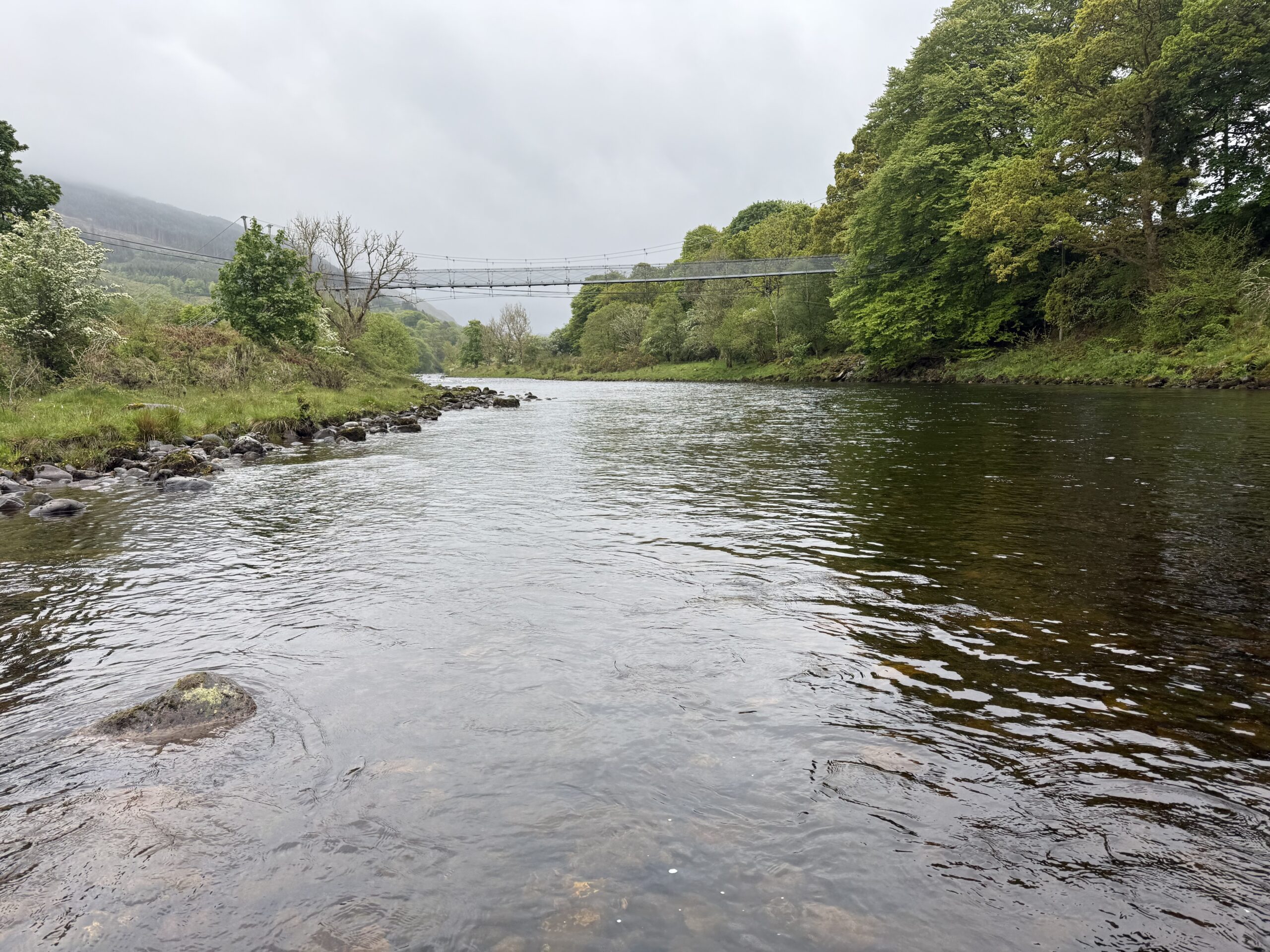
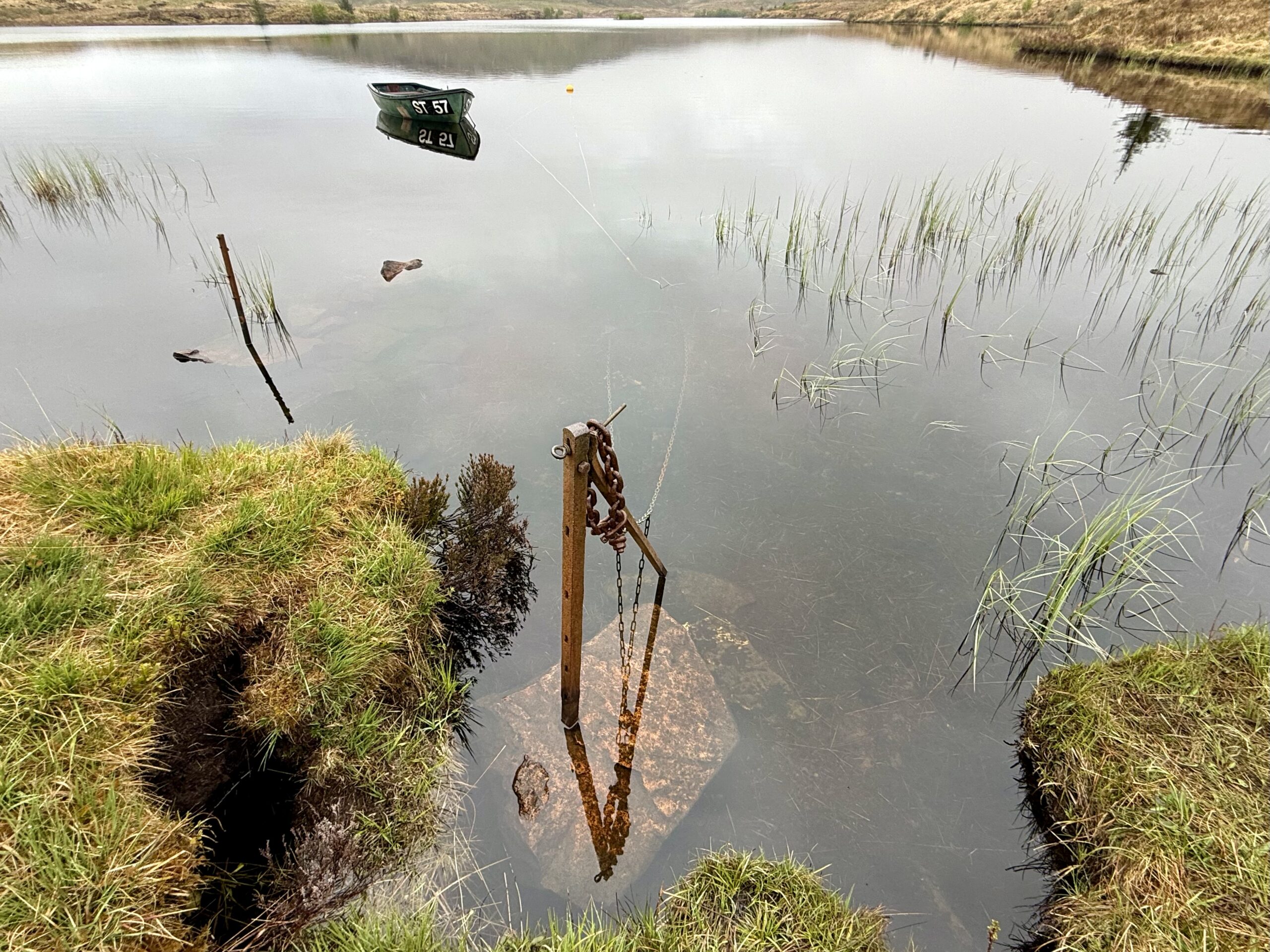
- The rivers and lochs are leased to fishing clubs and other organizations who can lease them or just give permission to individuals. Your guide schedules time on a loch or a river beat. This often involves a key to a gate or a chain that is attached to a boat.
- Some properties have “ghillies” who are basically land managers. They will set you up a stretch of river, supplying you with needed information. Some will guide, too.
- You rarely see someone else fishing nearby. Lots of places to fish.
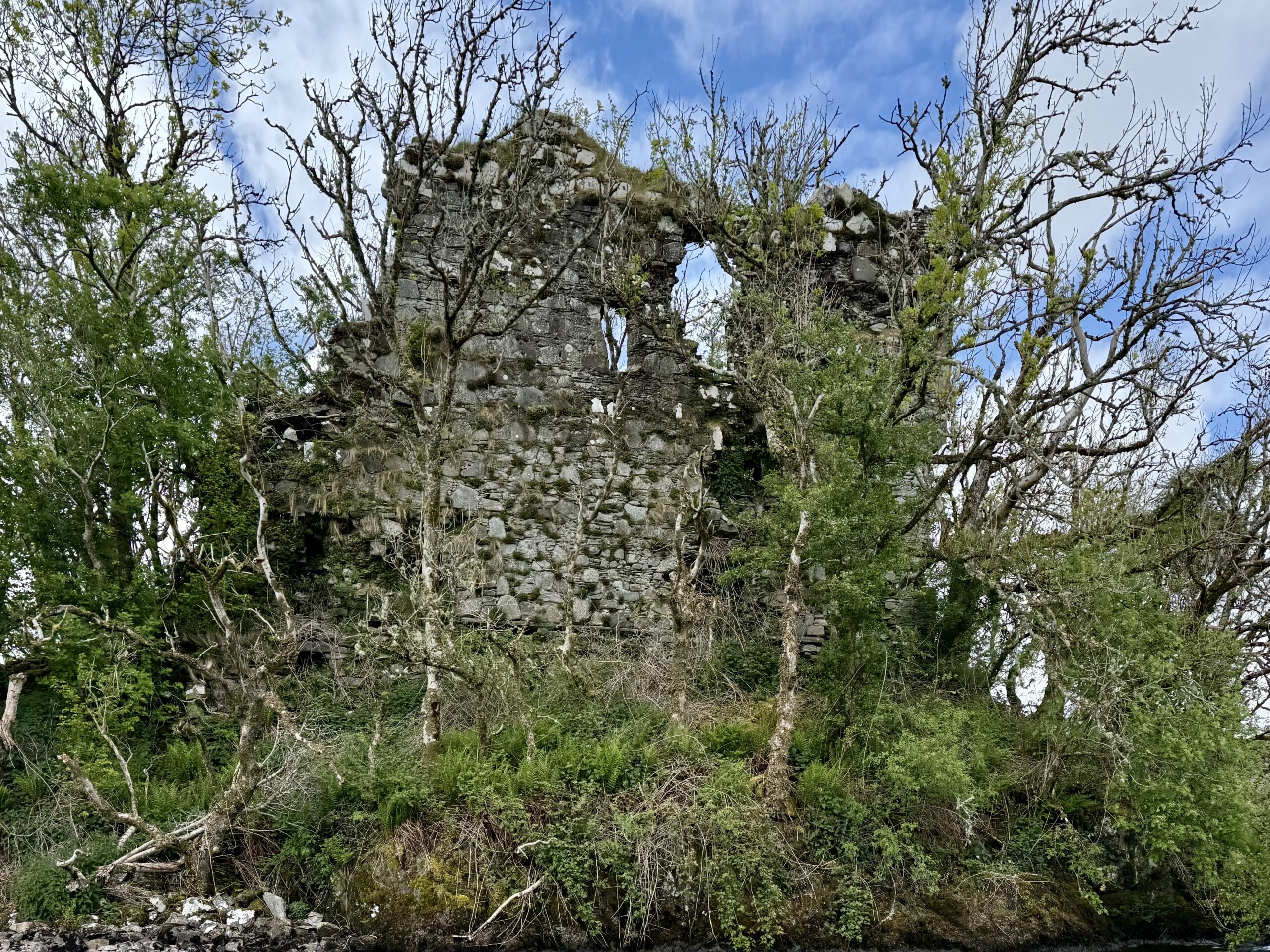
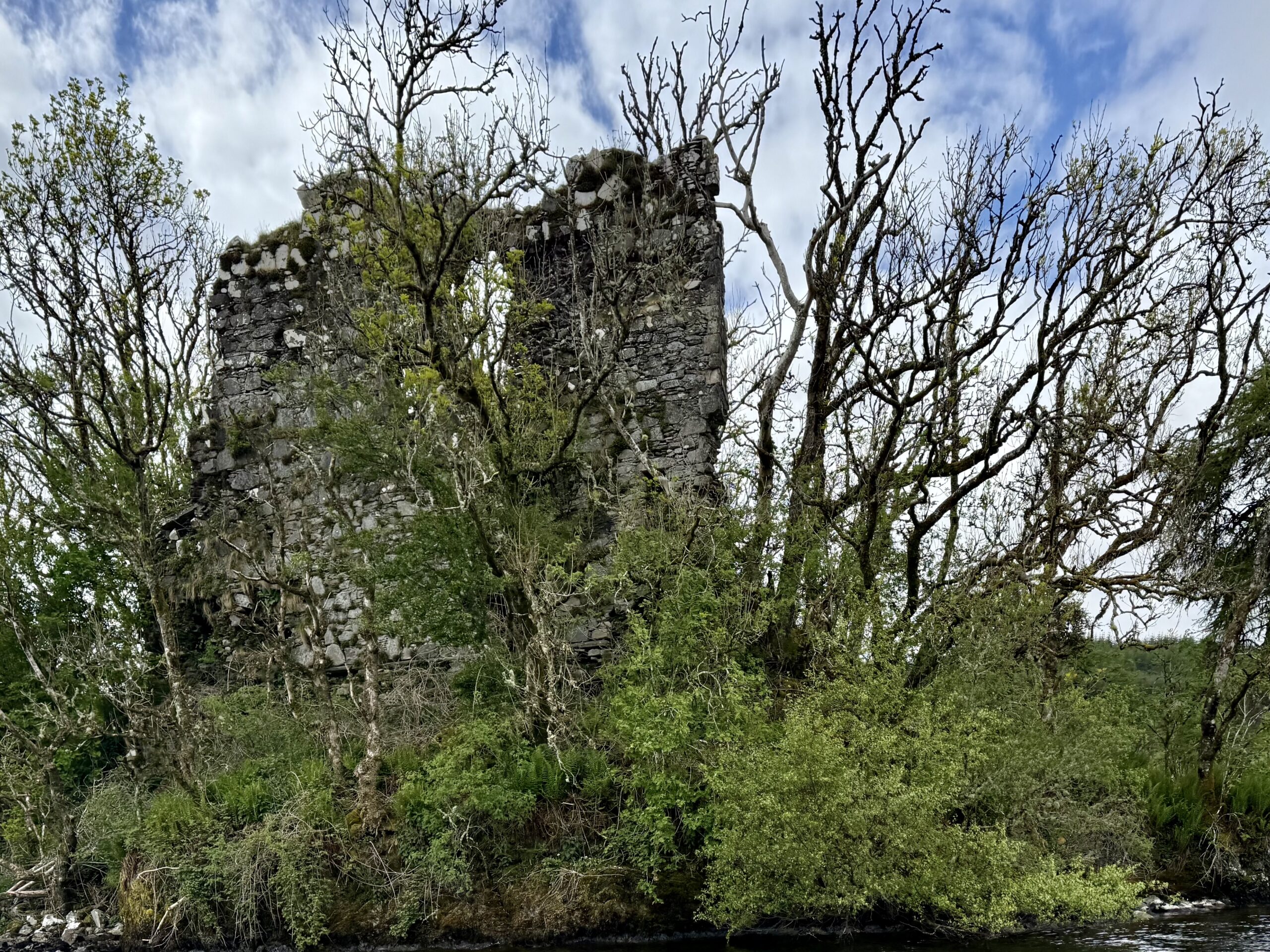
- Calling ruins a castle does not depend on the size of the structure. One we saw from the boat was quite small.
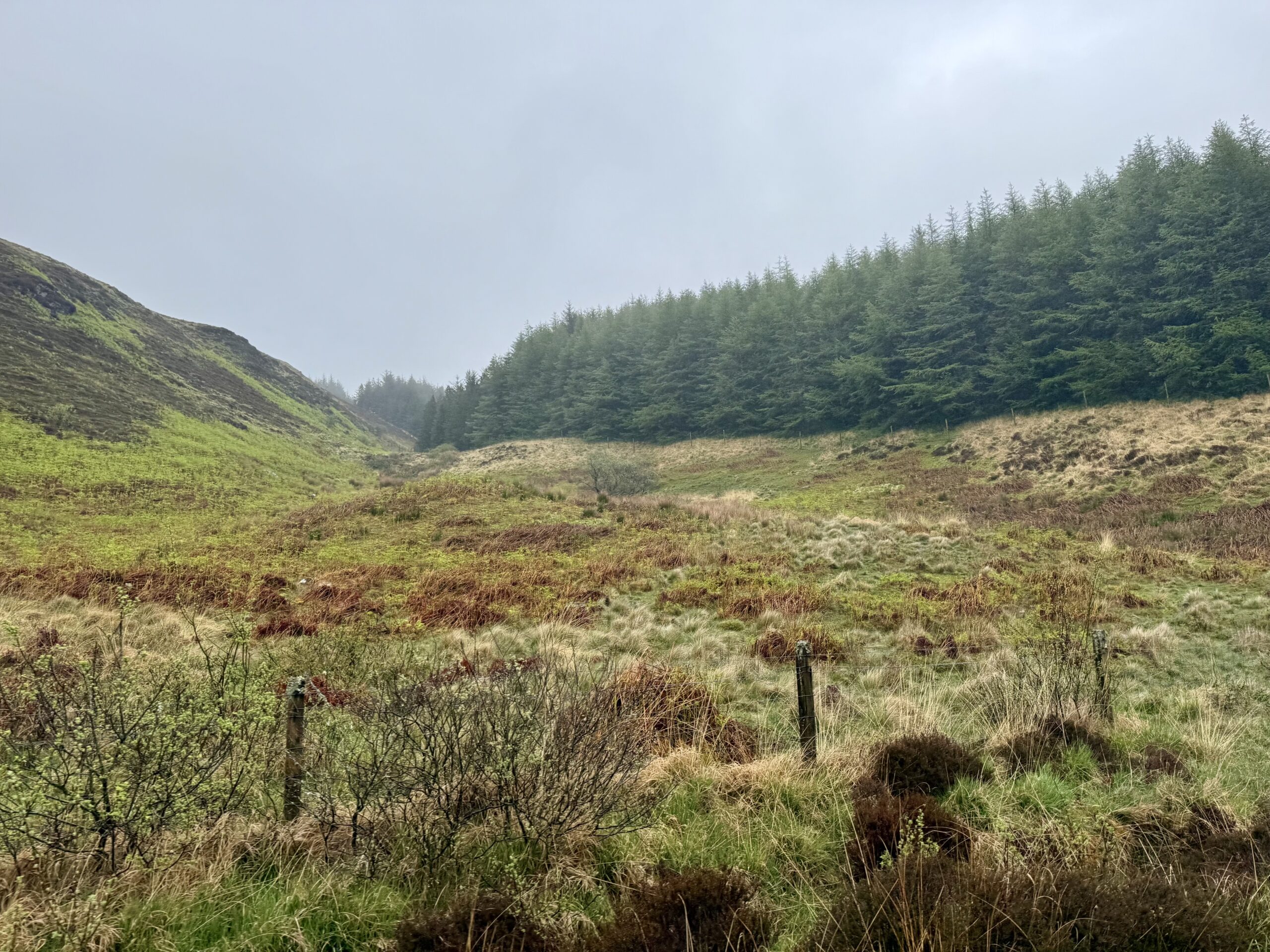
- Scotland is moving away from mono-culture forests and now requires a mix of trees in reforesting efforts. They are even requiring a buffer planting between the commercial forest and waterway. Unlike in New Zealand where trees grow quickly, trees in Scotland take about 60 years to mature to harvest.
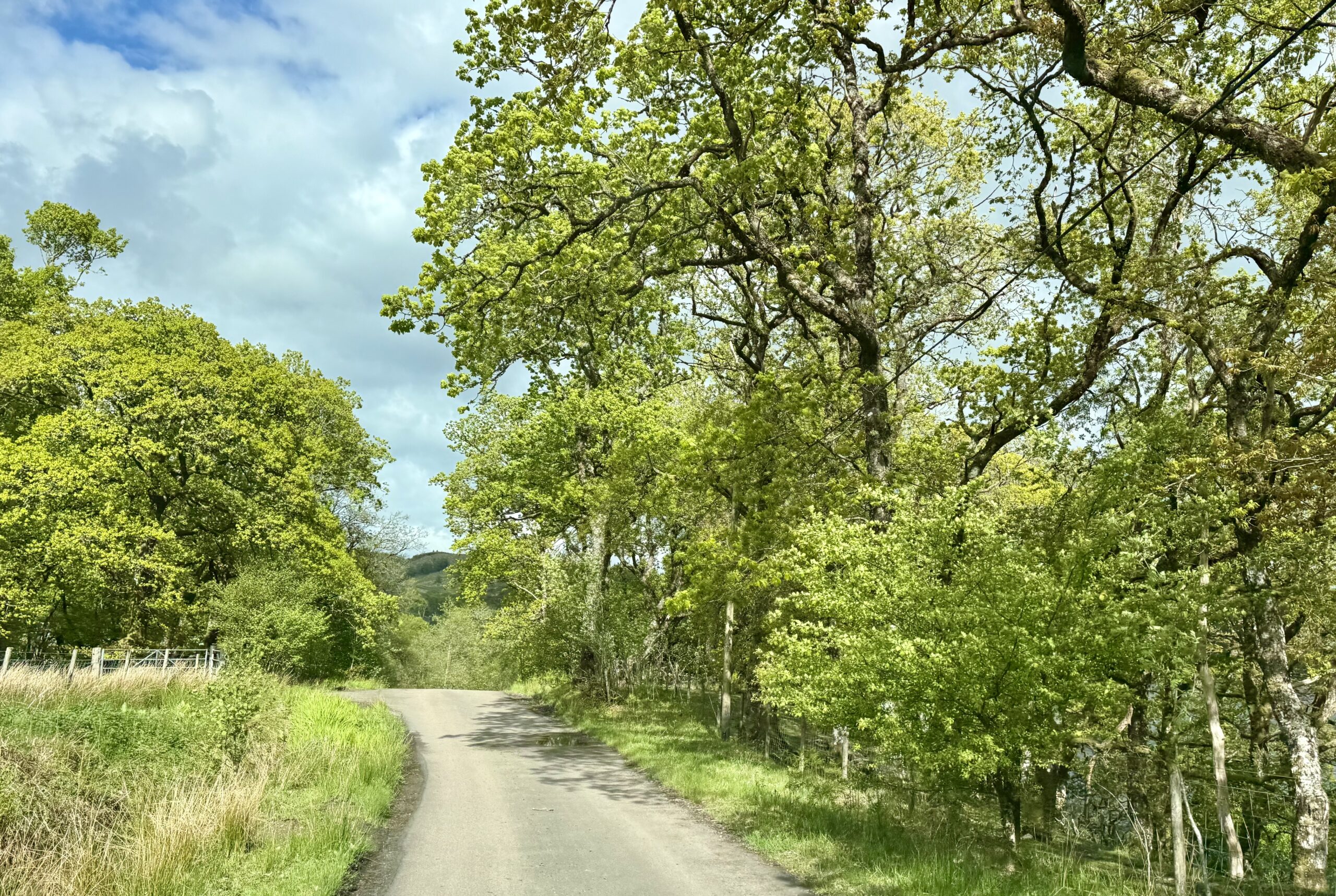
- Bonnie enjoyed being in the front passenger seat of Tom’s car for an hour, watching him drive on the one-lane road, smoothly sliding in and out of passing spots to avoid oncoming traffic.
What Did Bonnie Do While Robert Fished?
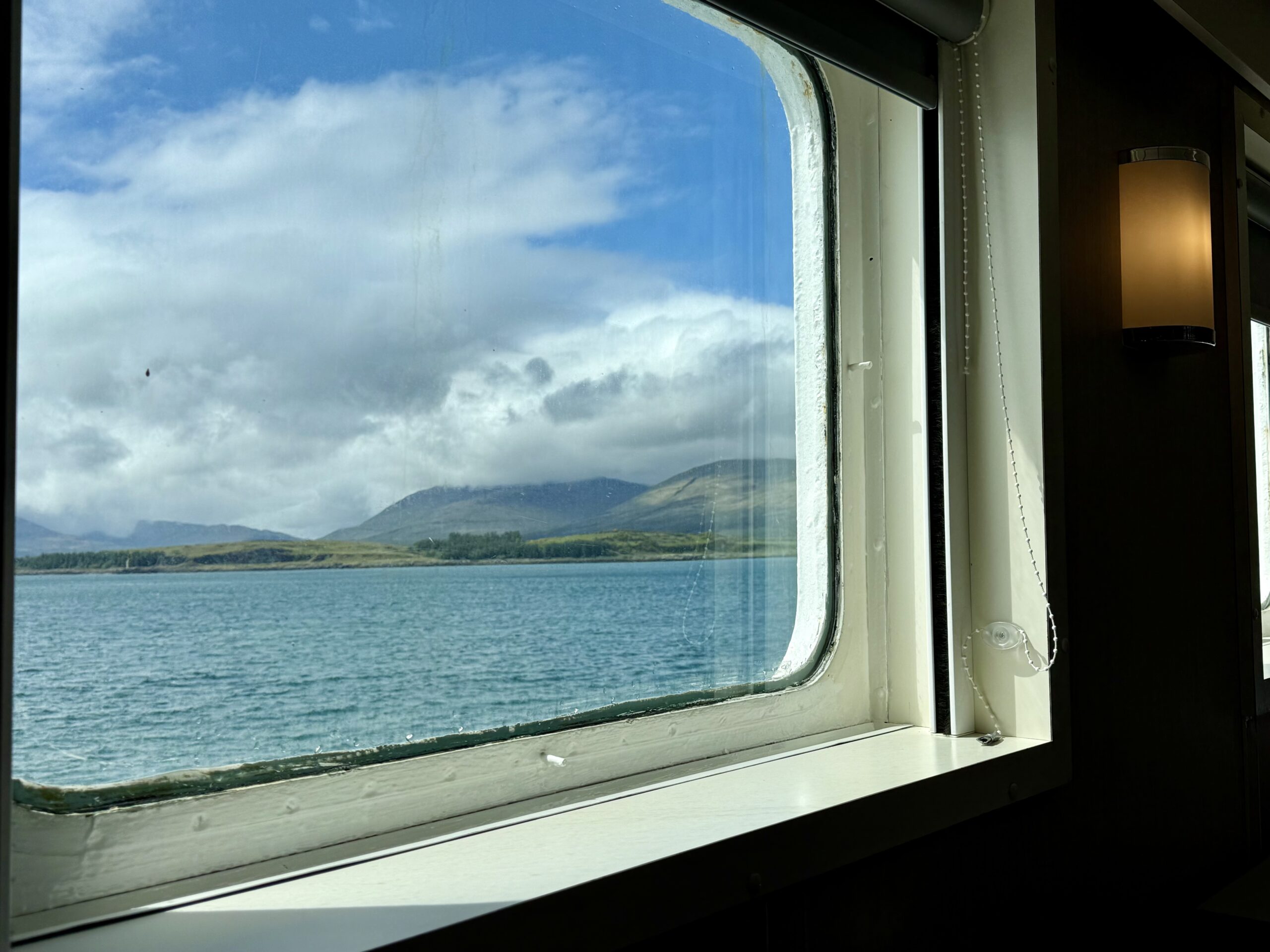
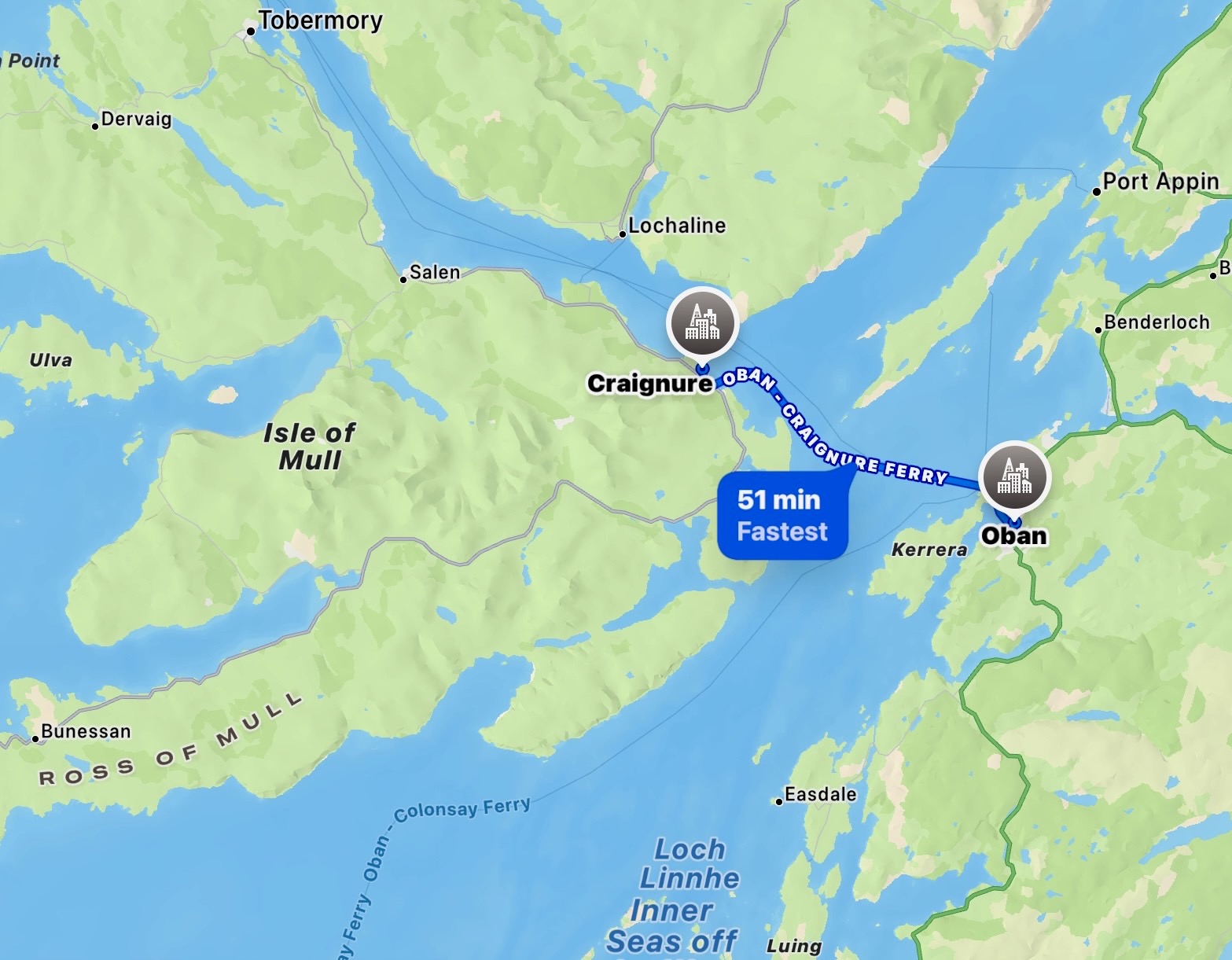
Bonnie spent one day roaming the shops in Oban, considering bargains on endless stacks of tartan scarves (purchased one), and spent one day on a ferry to Craignure on the Isle of Mull. (Paul McCartney had a farm on a different island of Mull nearby.) After the one-hour boat trip, she surveyed the opportunities at the destination—one coffee shop—and decided to return on the same ferry.
But she loved the ferry. Beautifully maintained with attentive staff and nearly empty in this season. Lots of places to sit including a comfortable area for dogs and their owners. A day later she received a customer survey, more thoughtful and lengthy than any she has encountered in the past. To the question “What could be improved?” She answered “Nothing.” But a new box then popped up saying “There must be something.”
Eating and Sipping
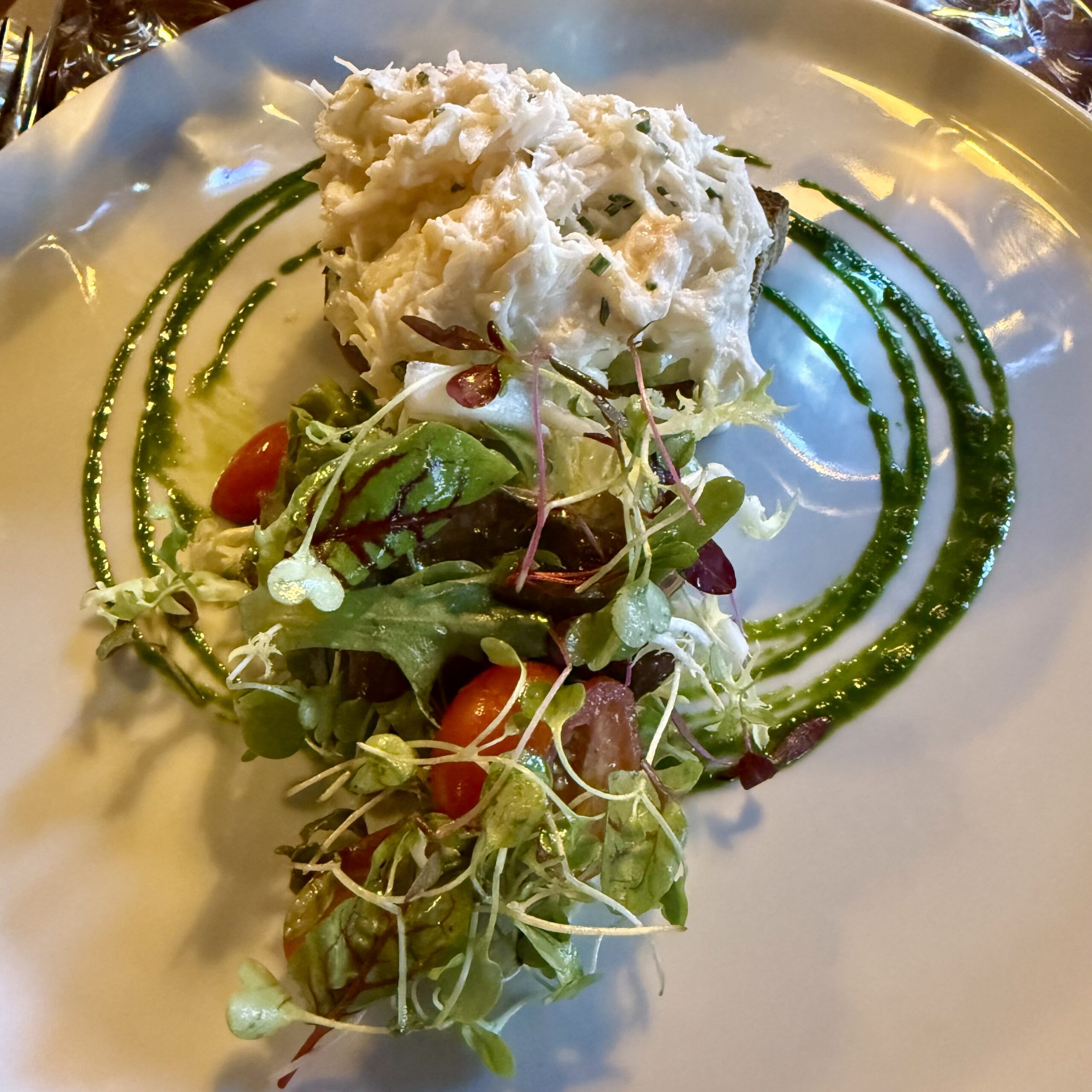
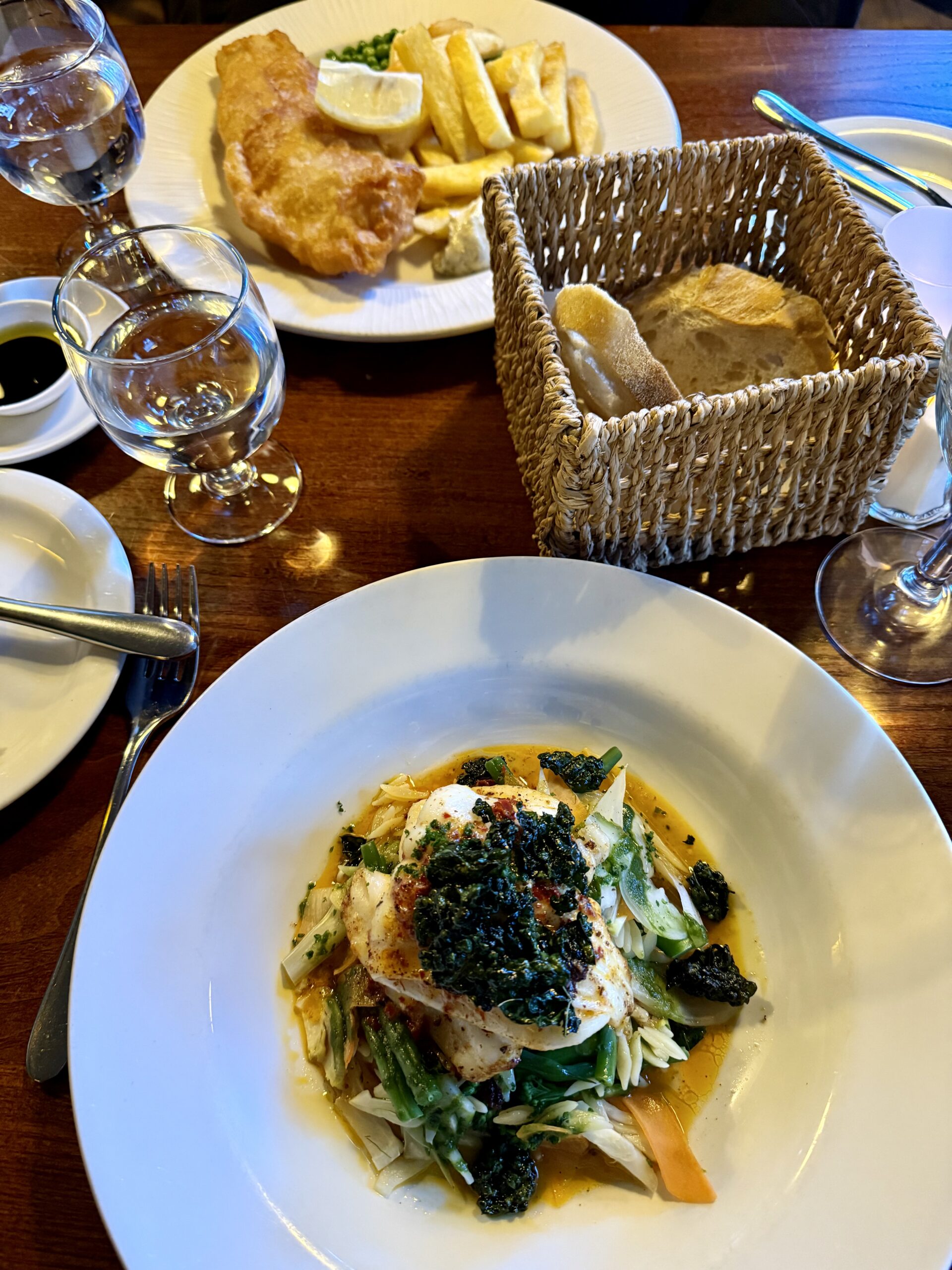
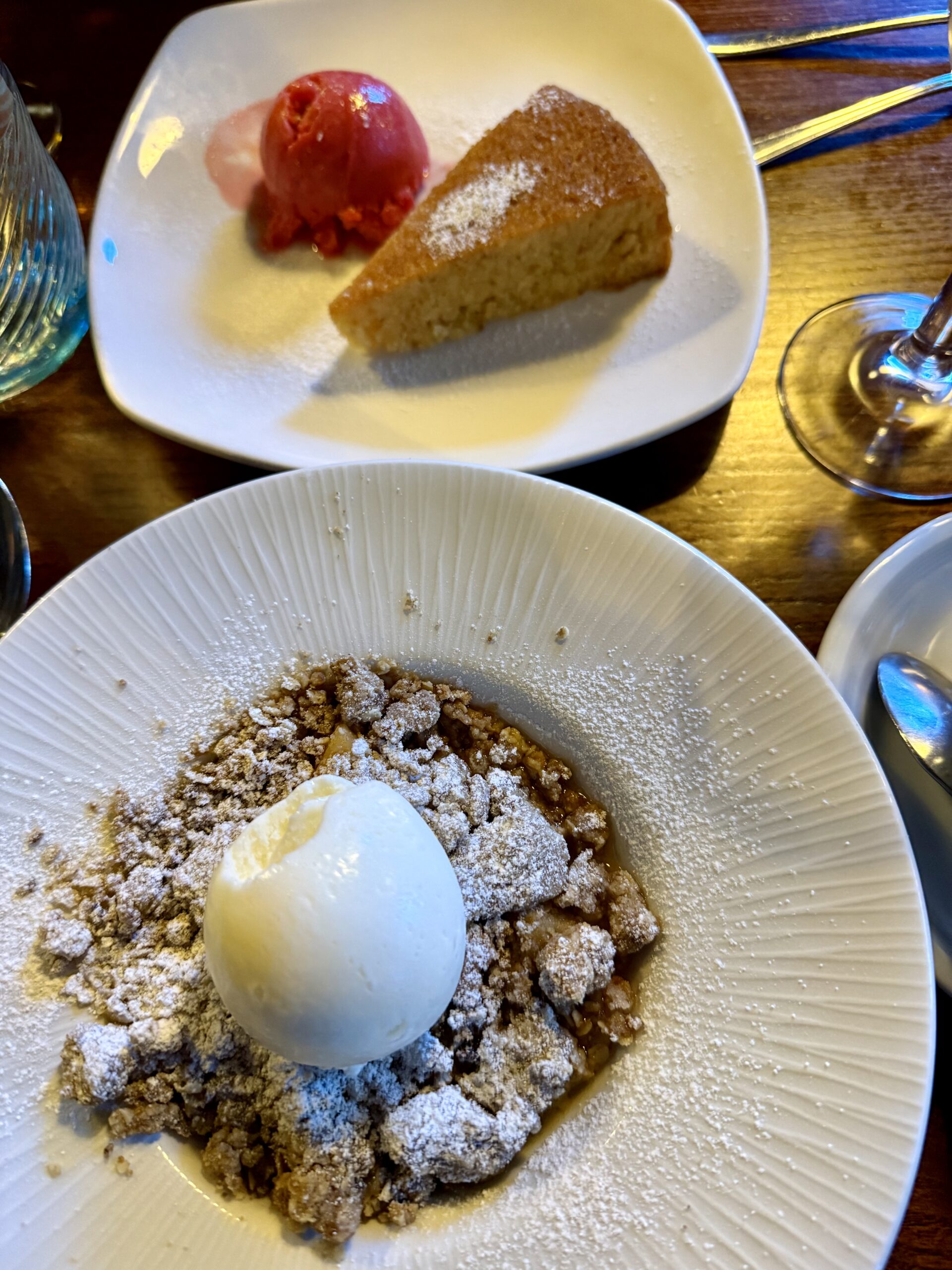
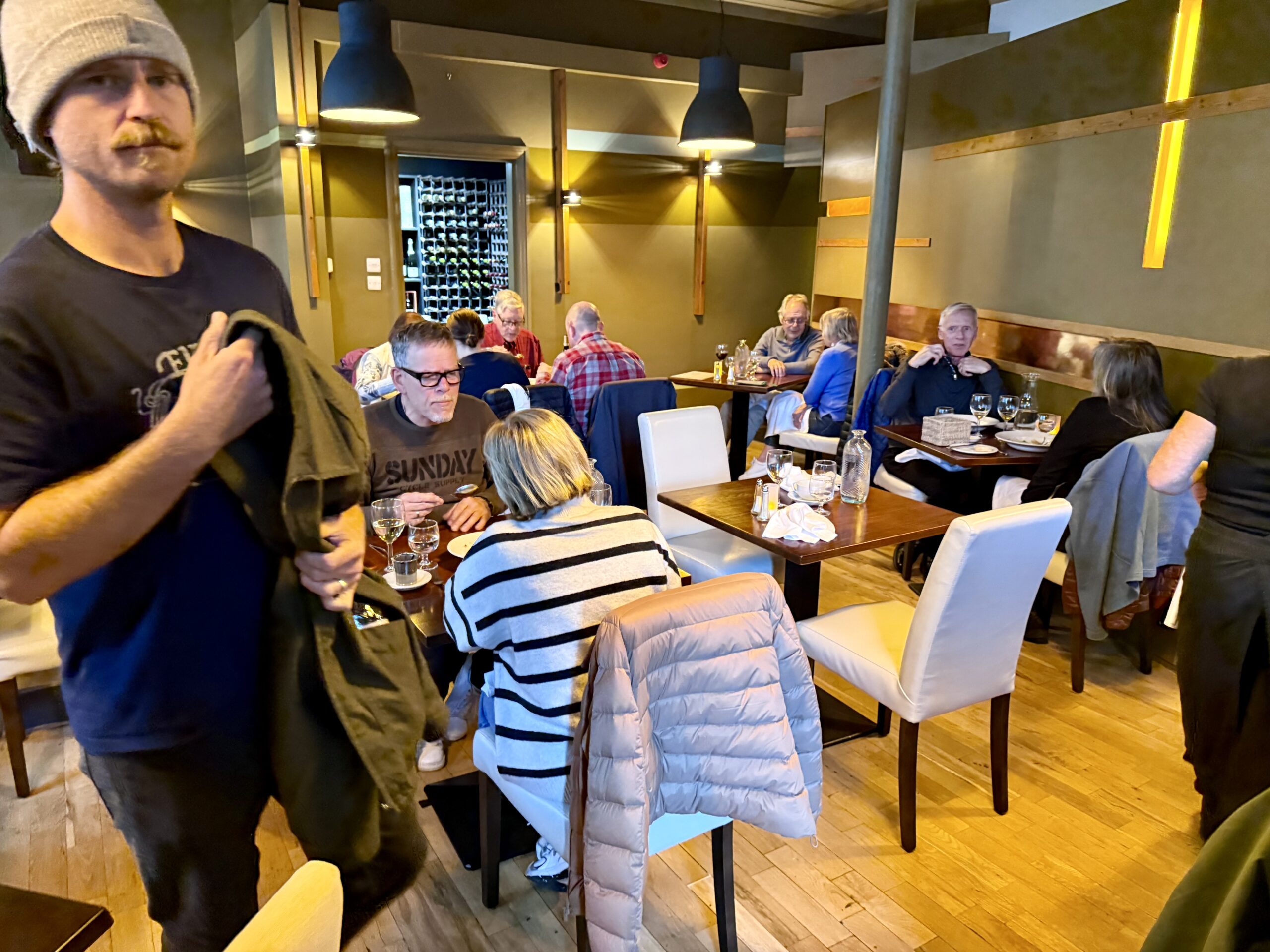
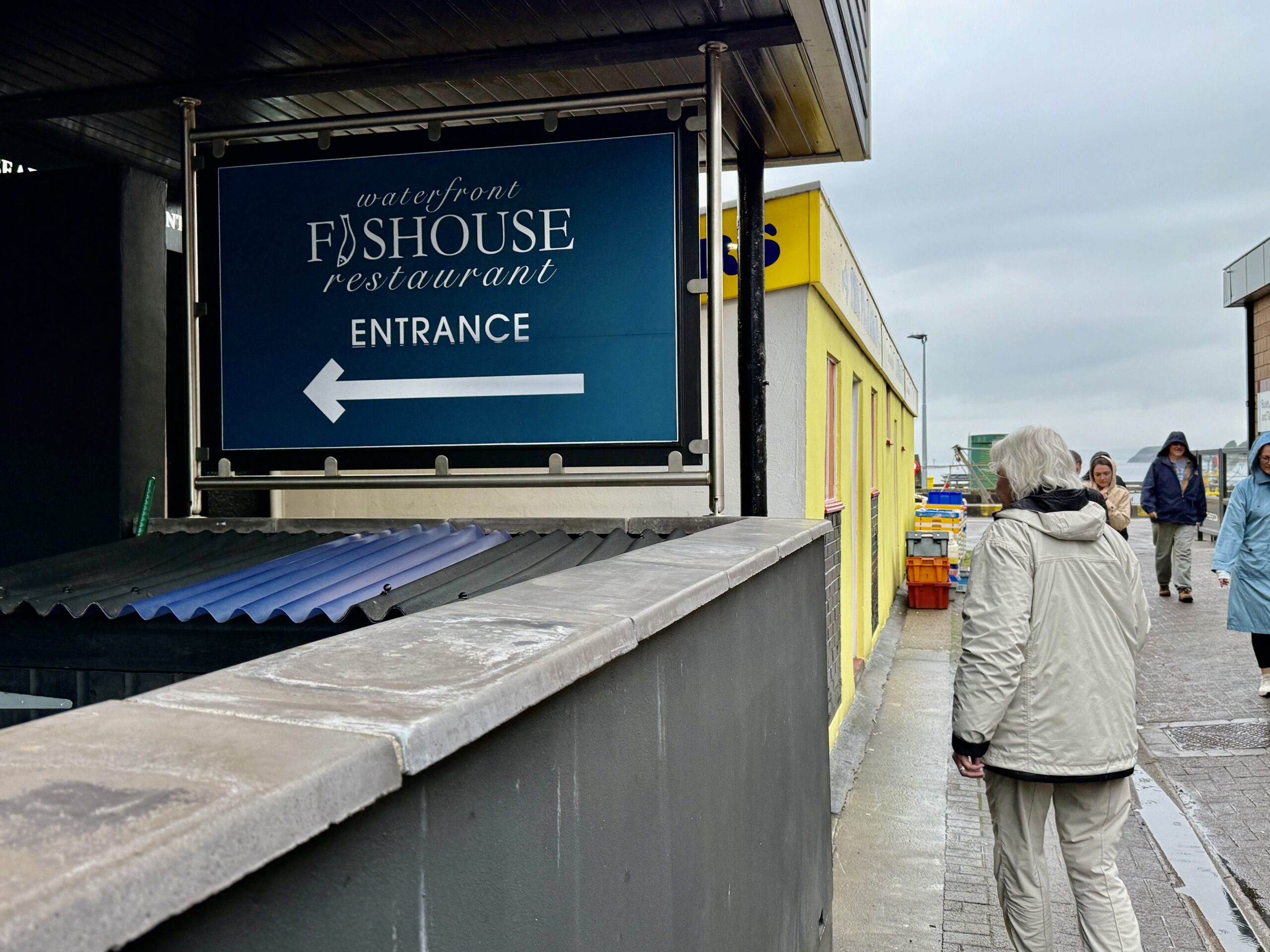
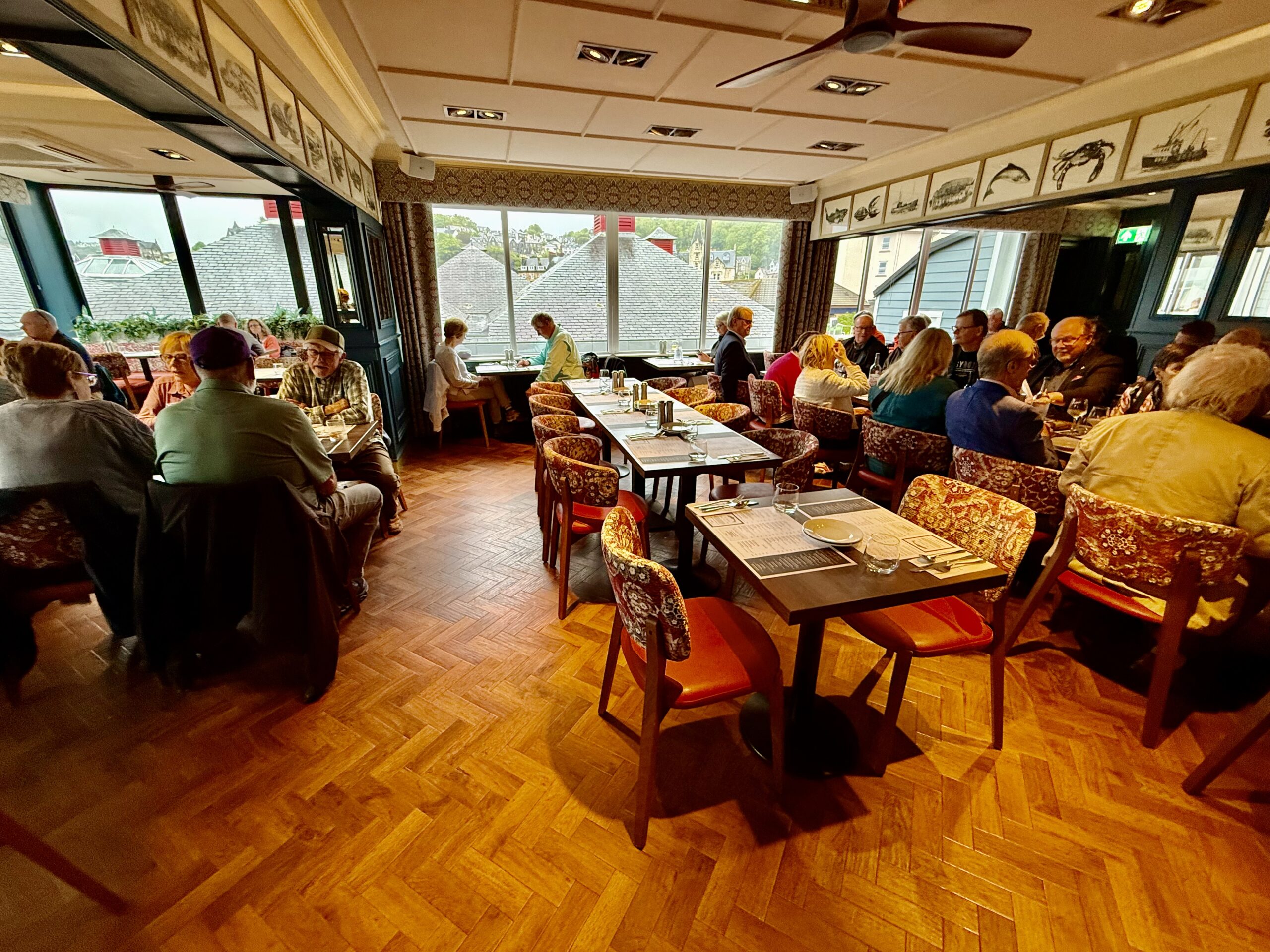
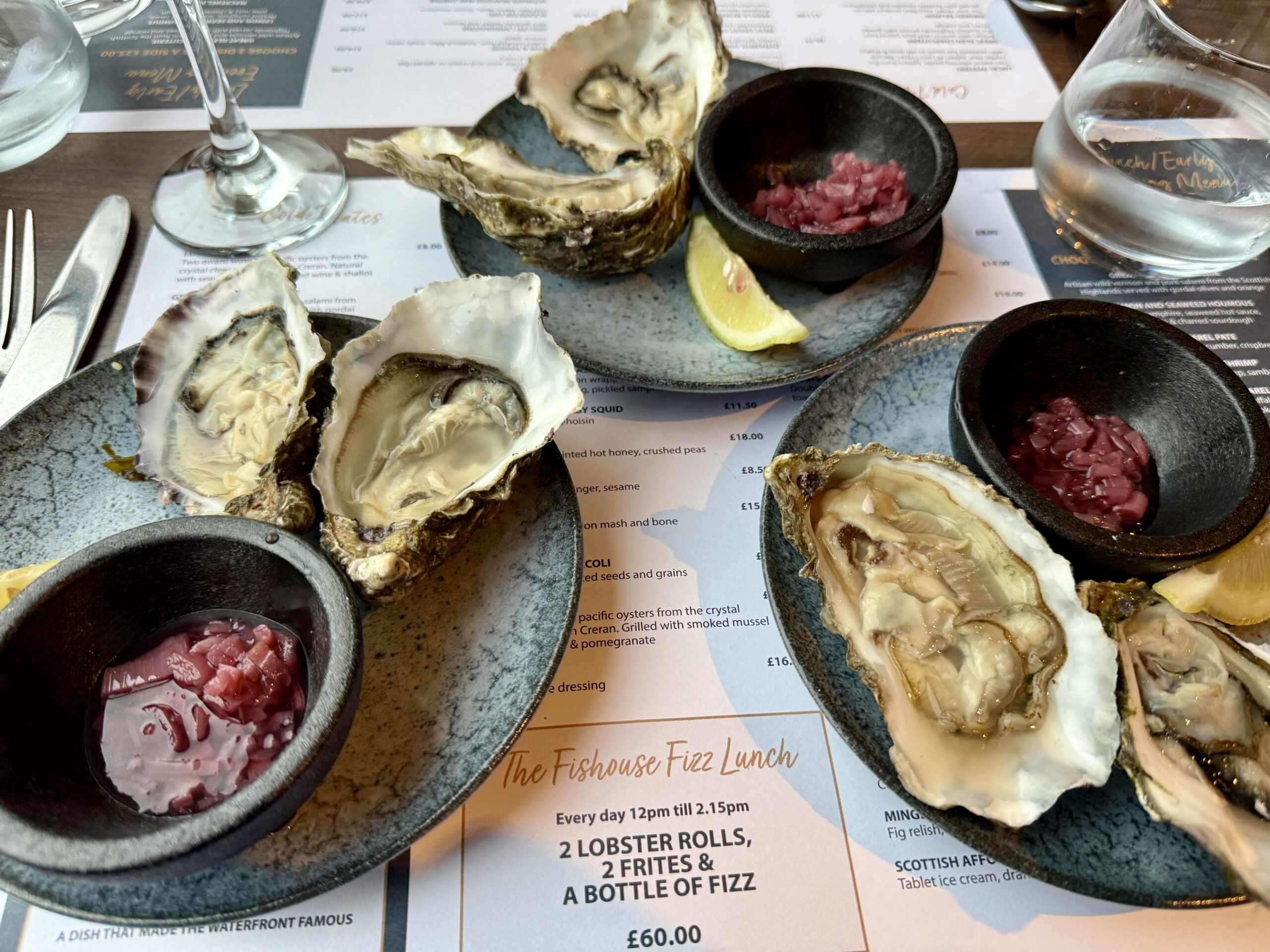
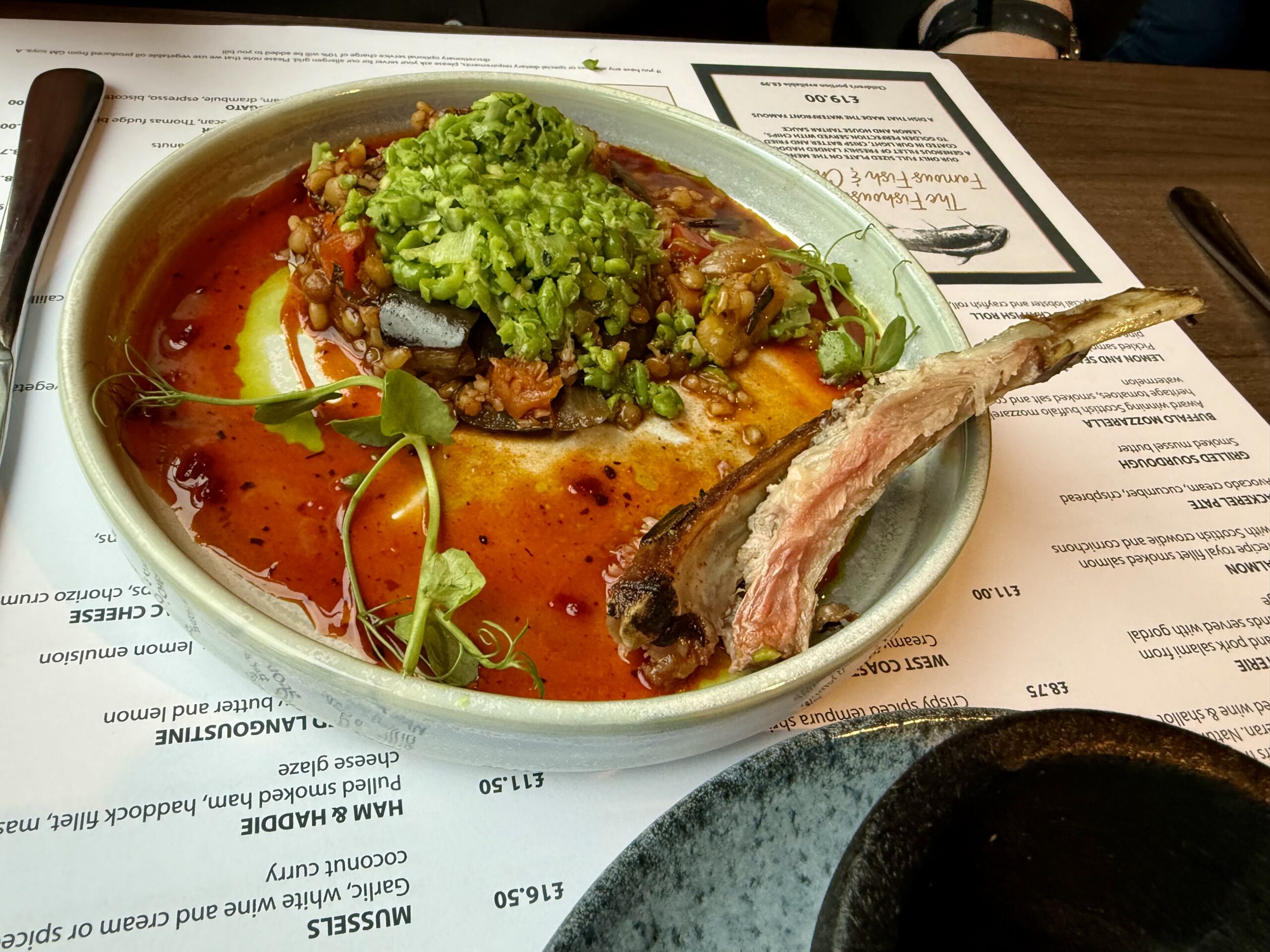
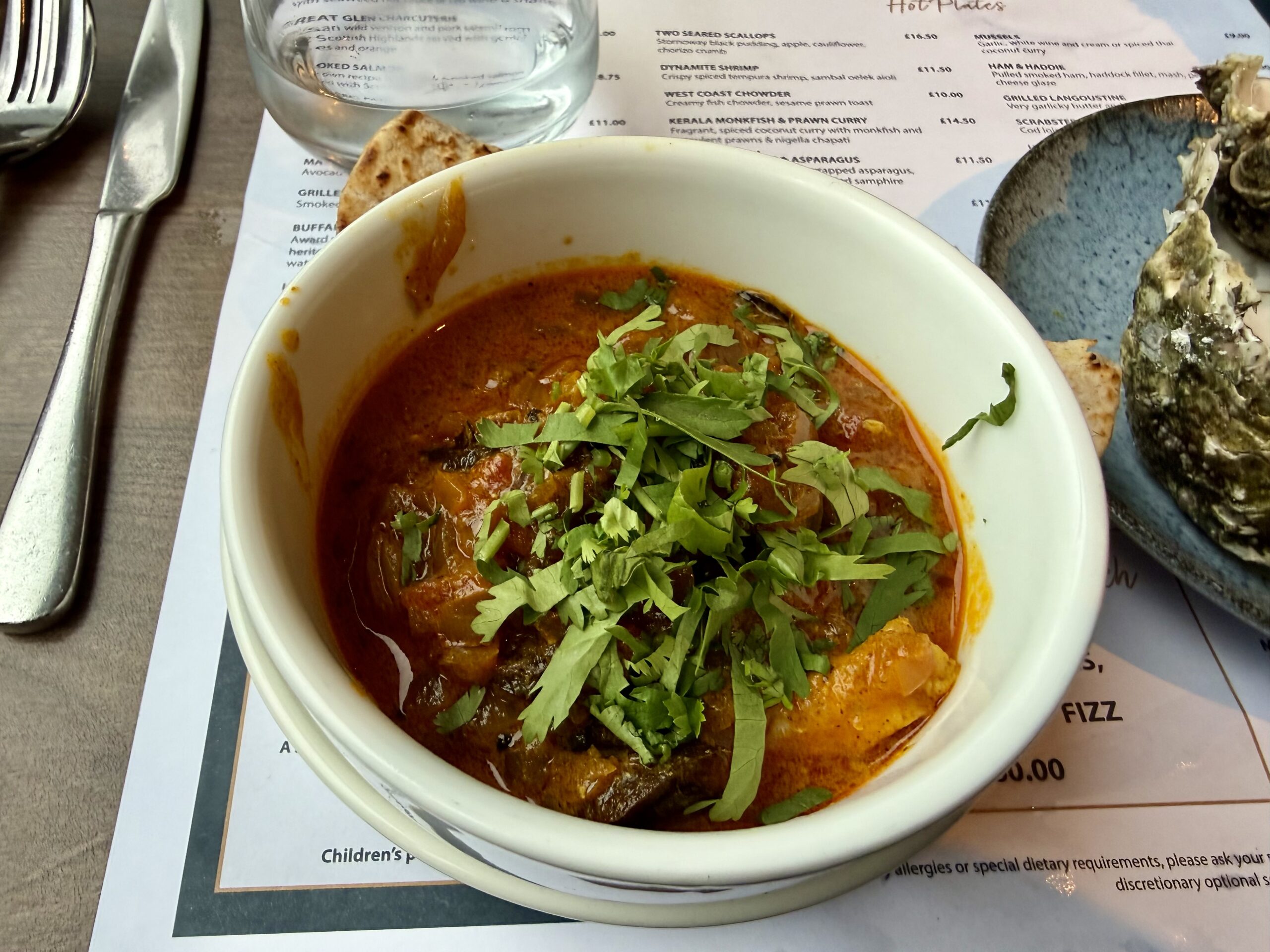
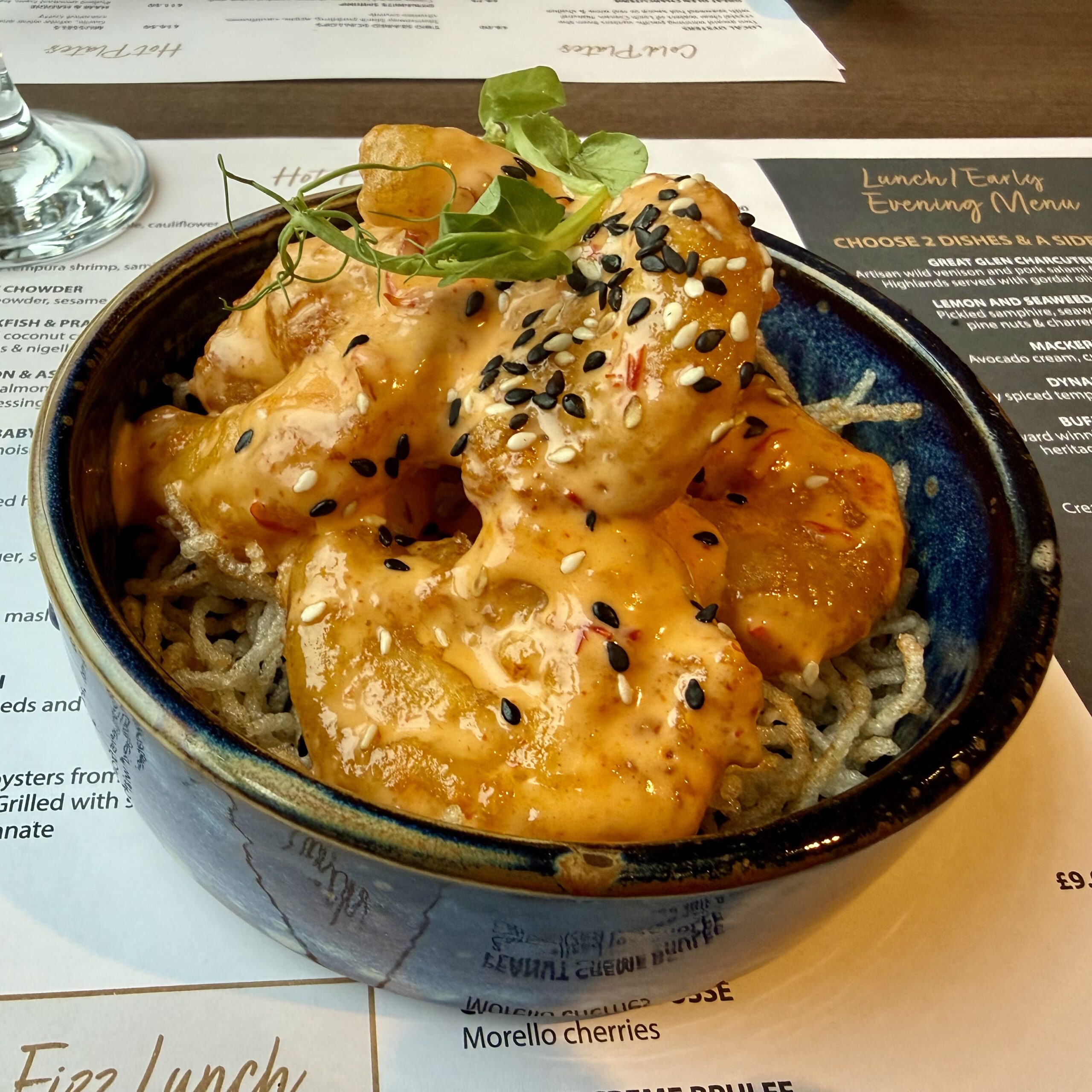
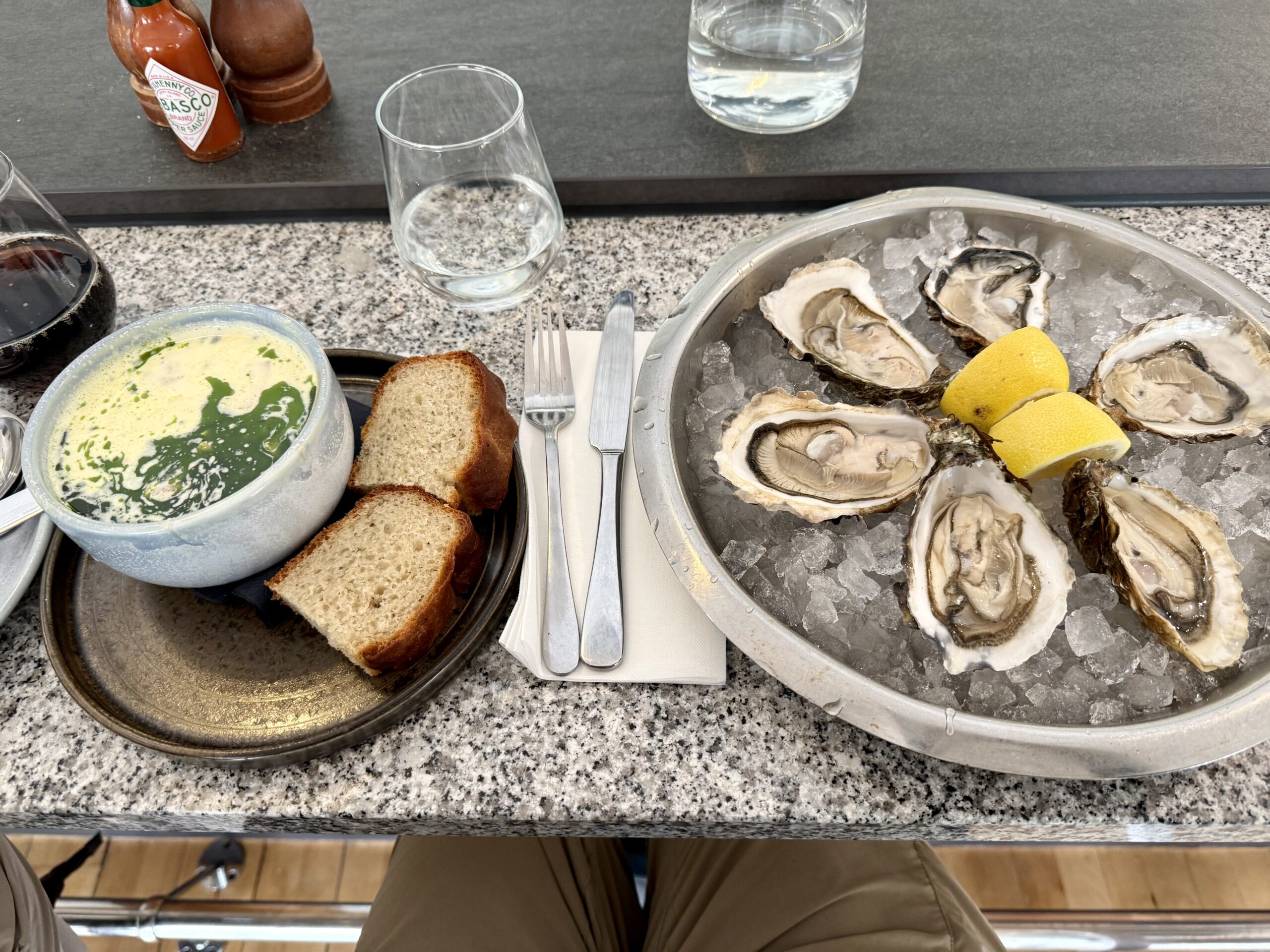
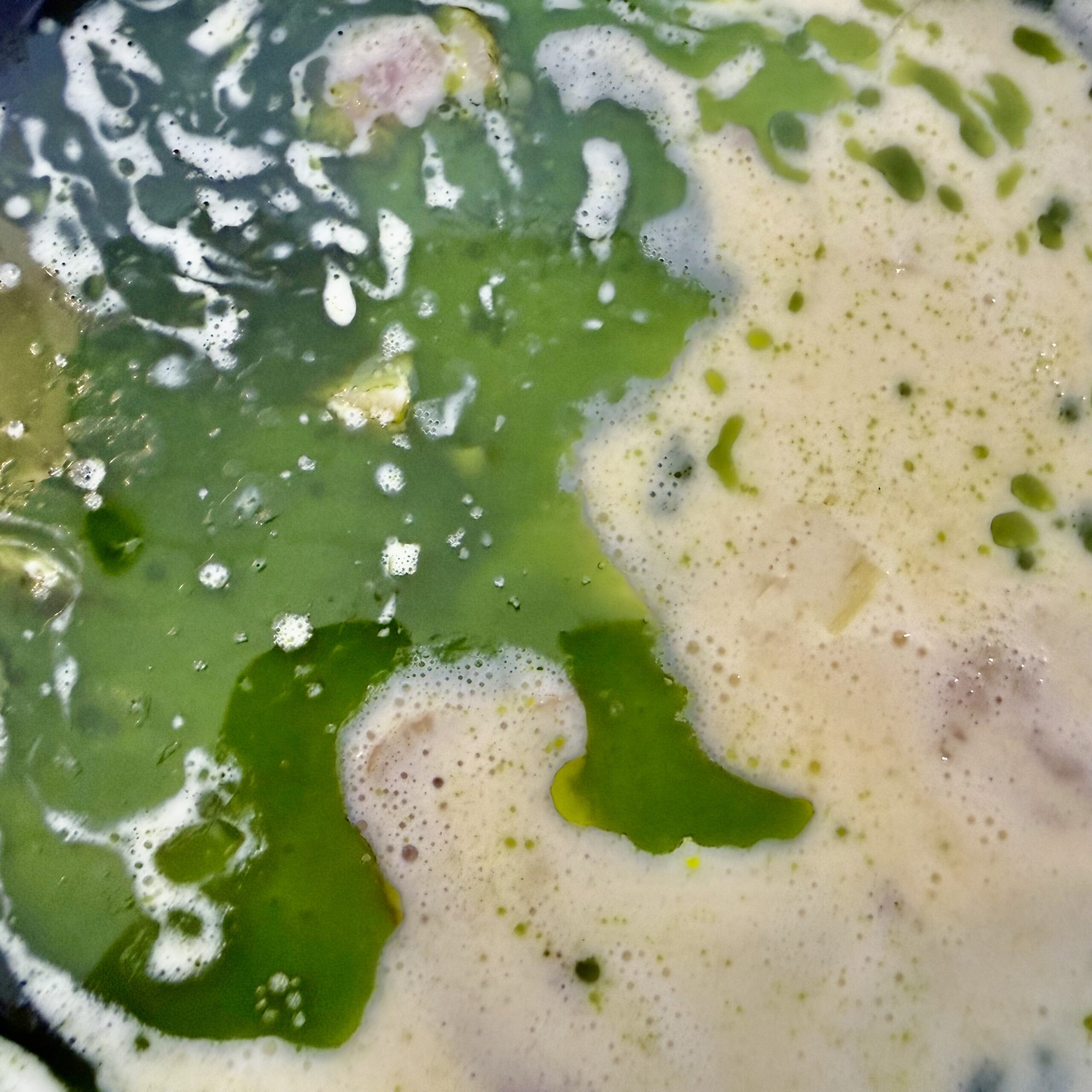
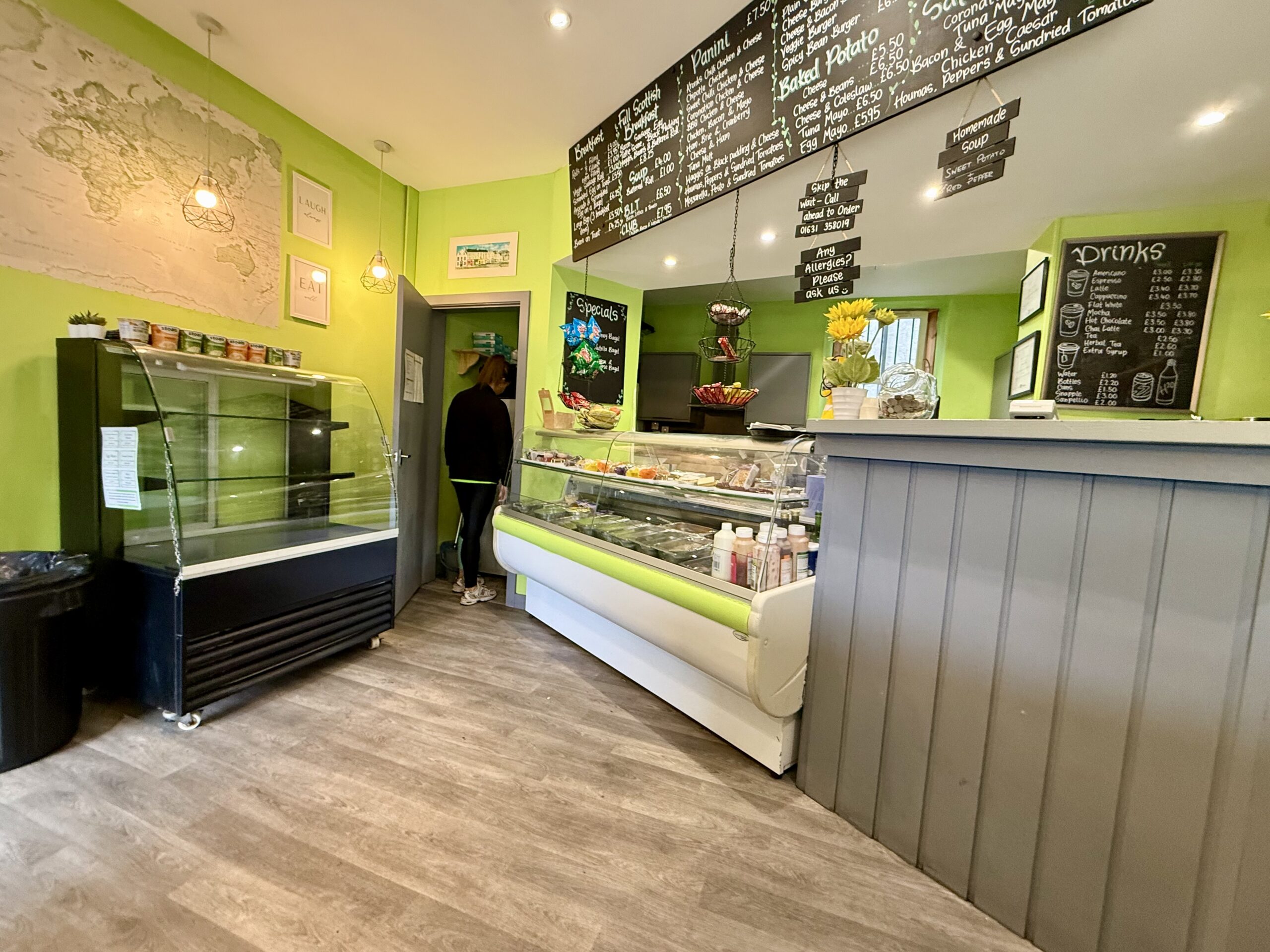
Breakfast in Oban
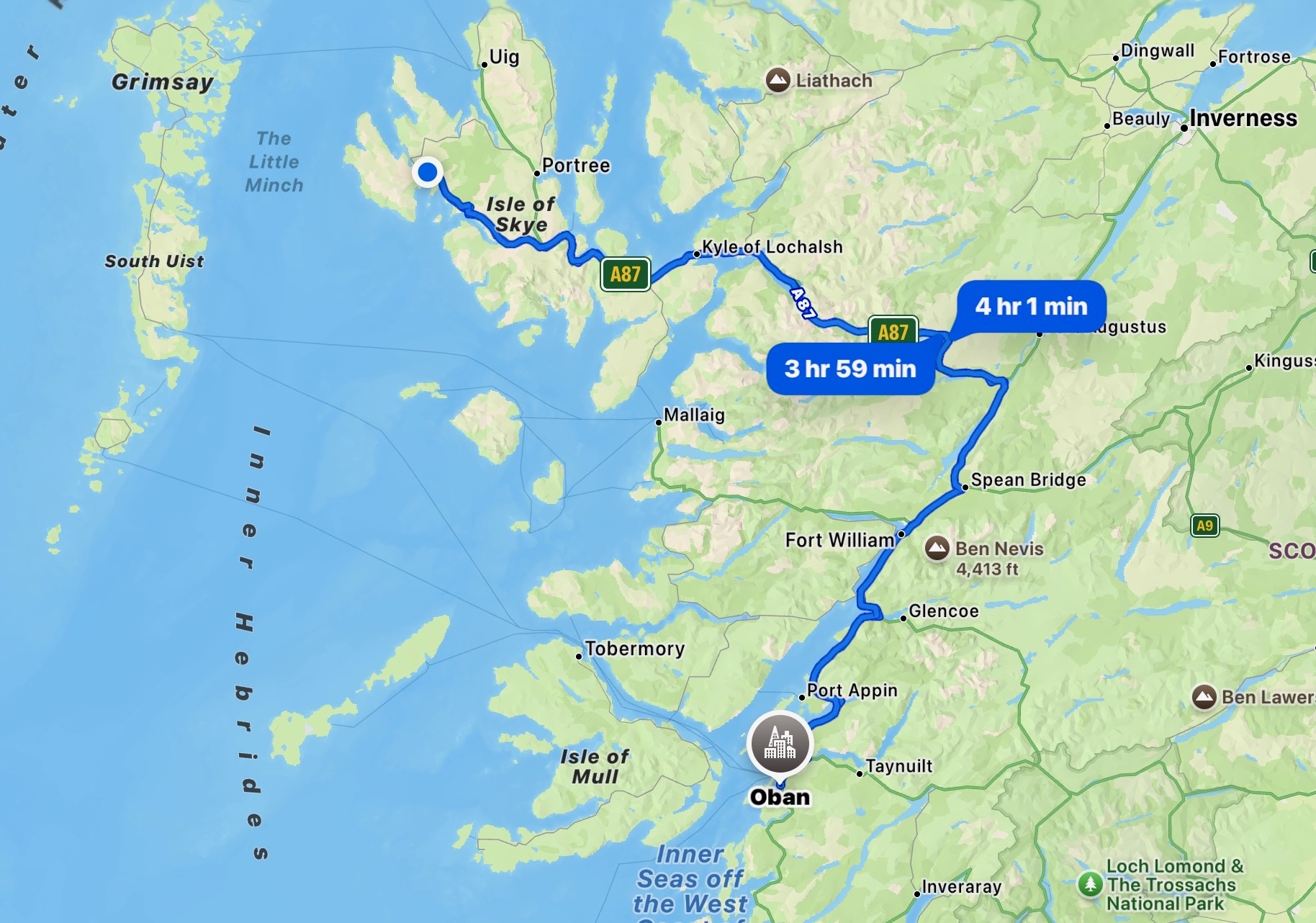
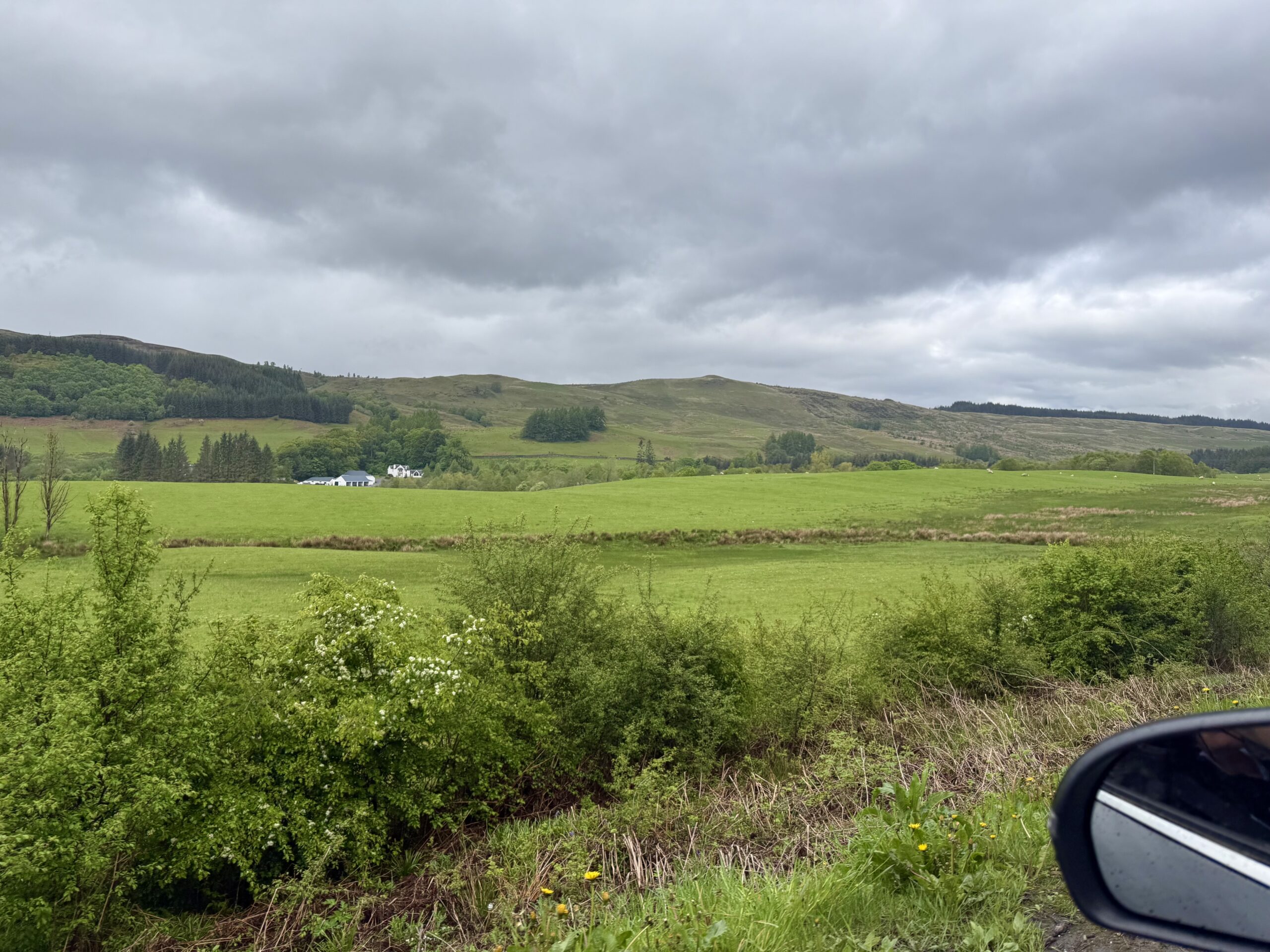
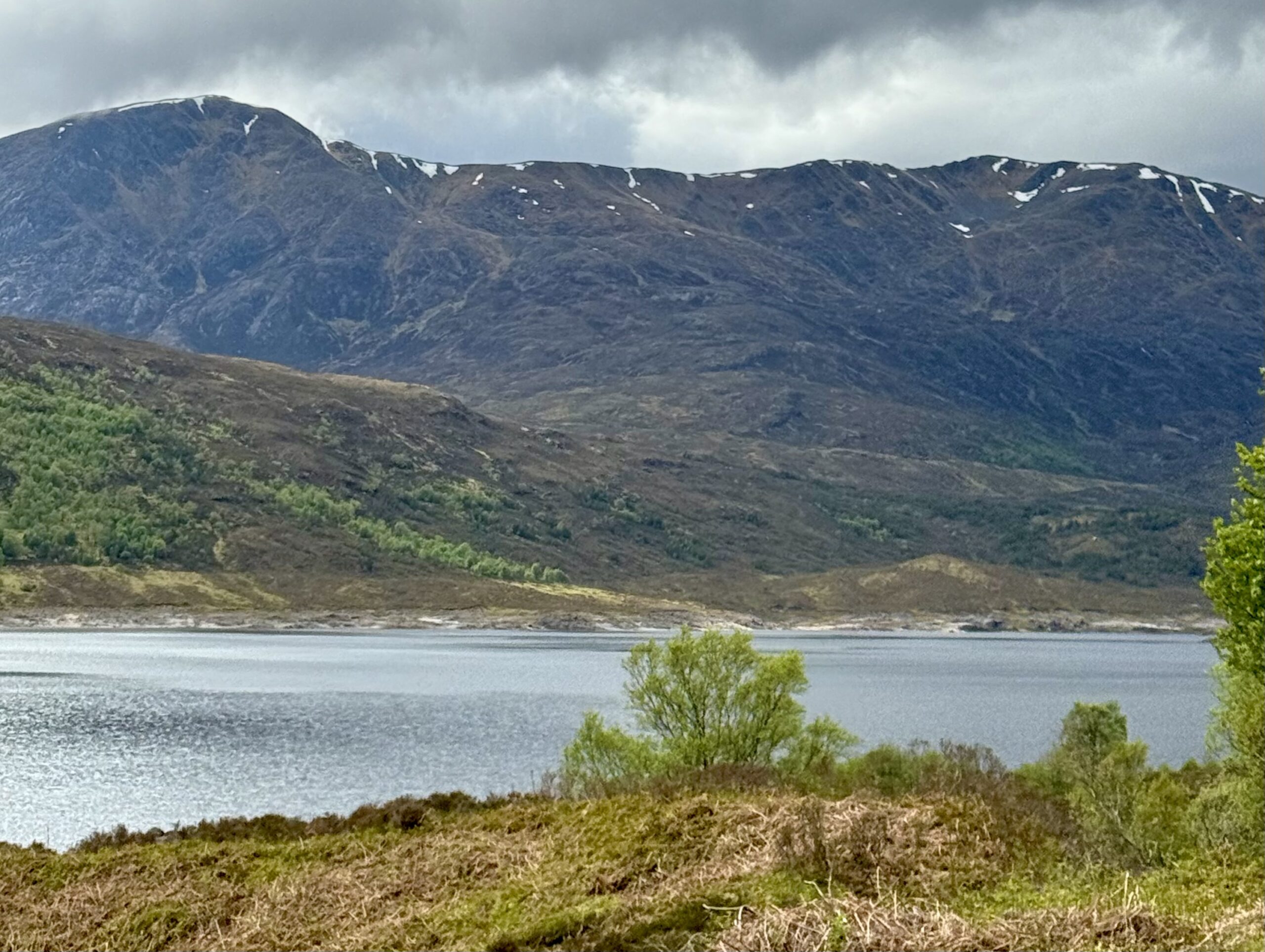
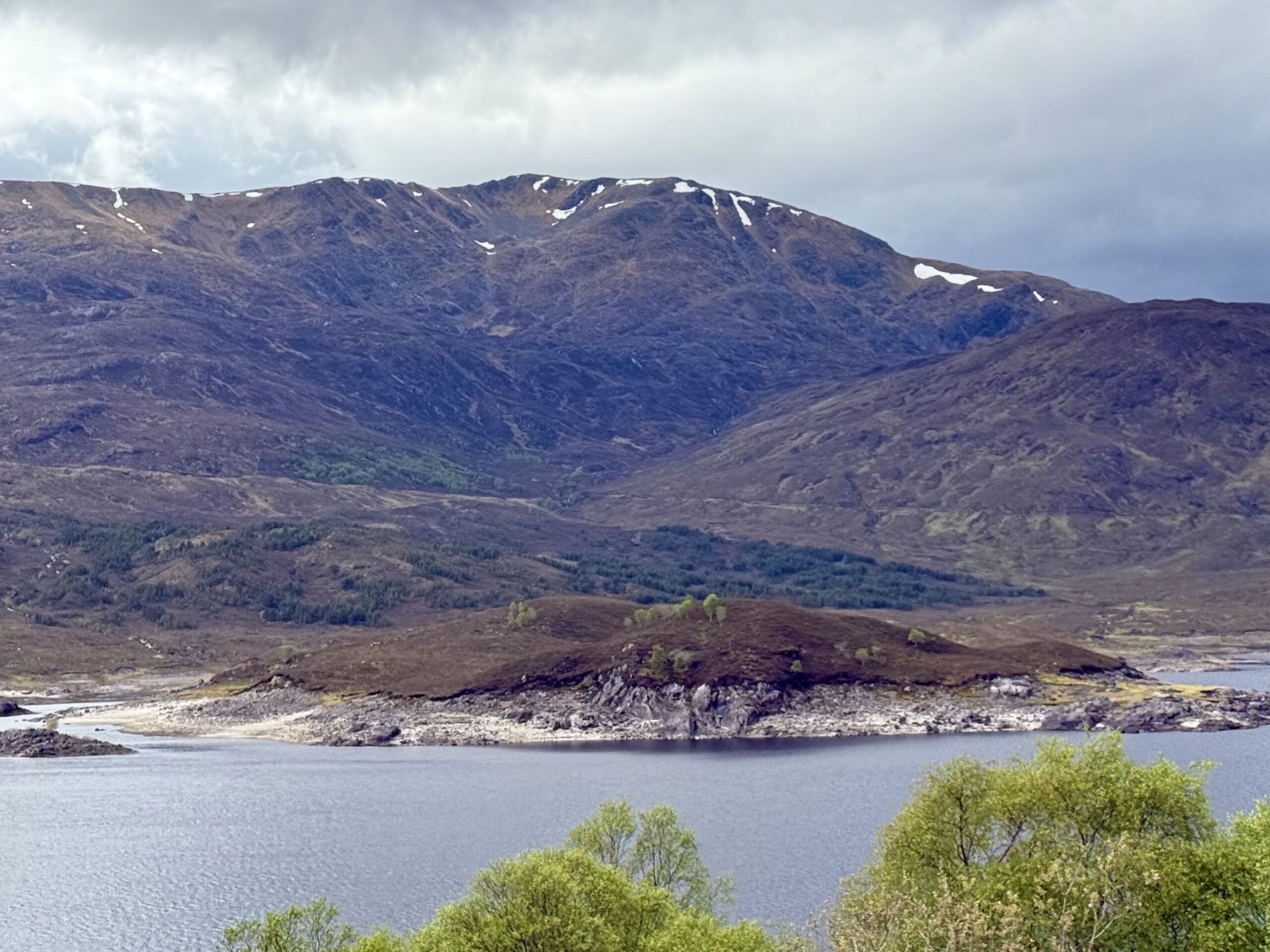
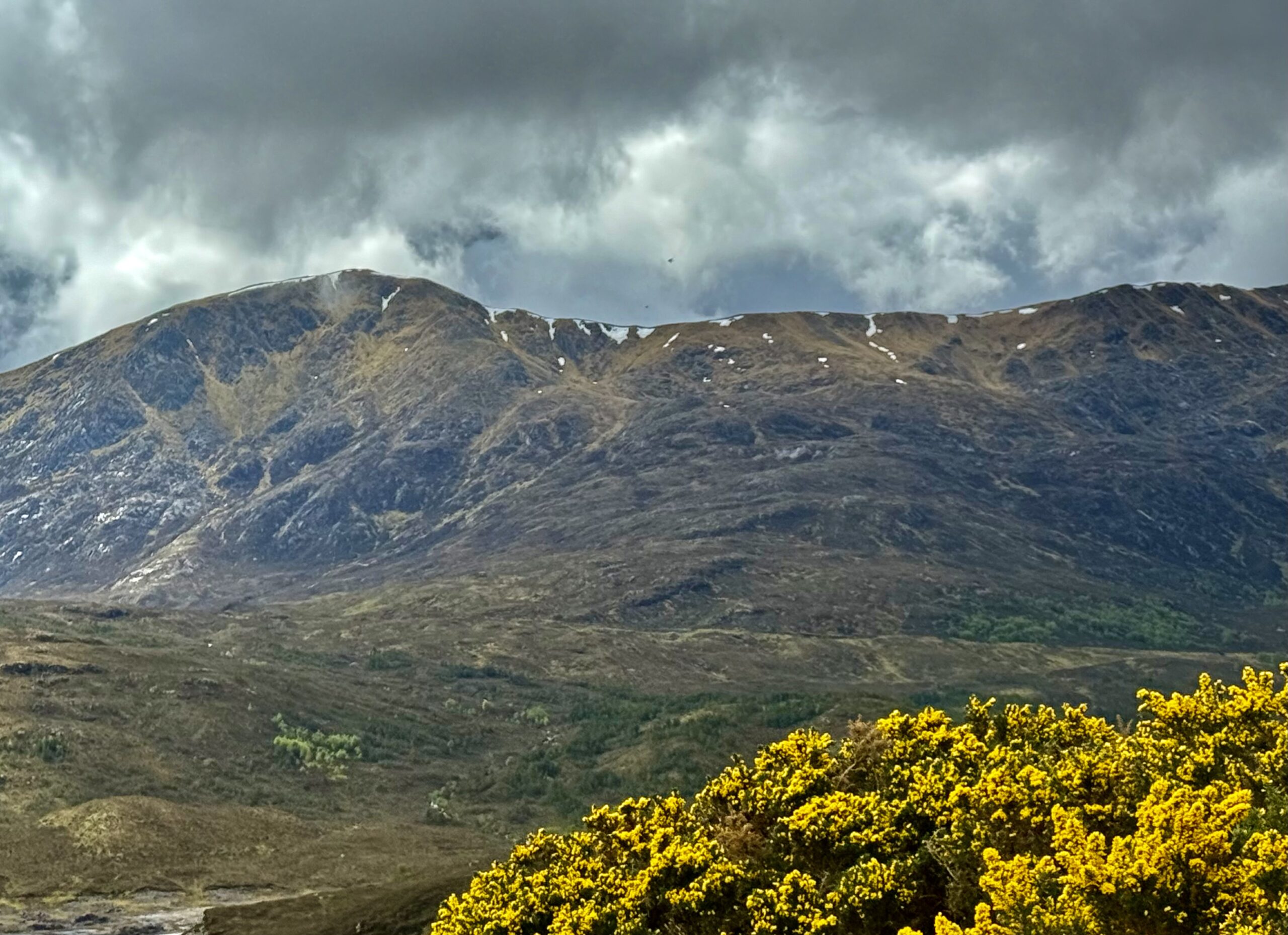
On the Way to the Isle of Skye
Lodging
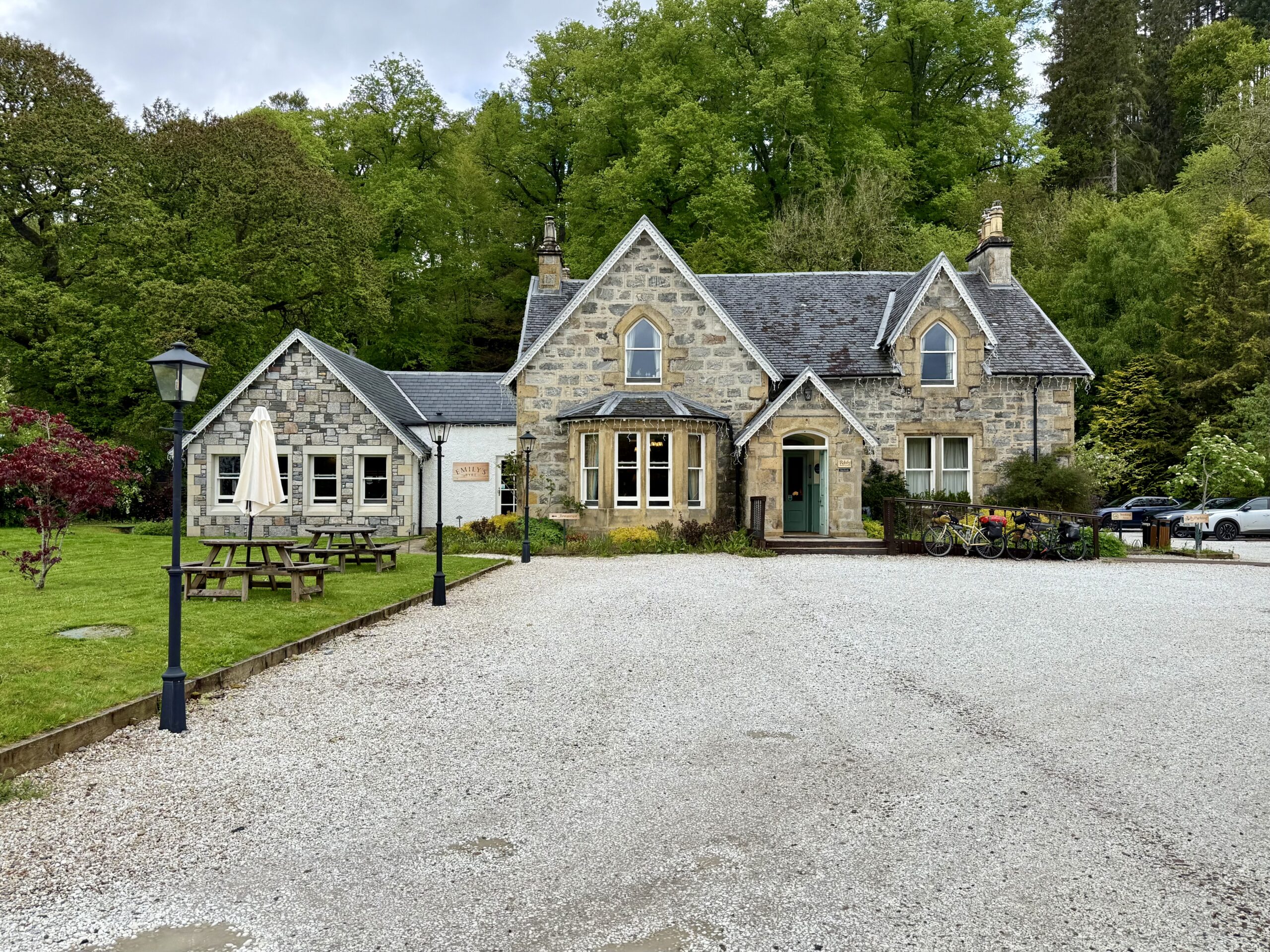
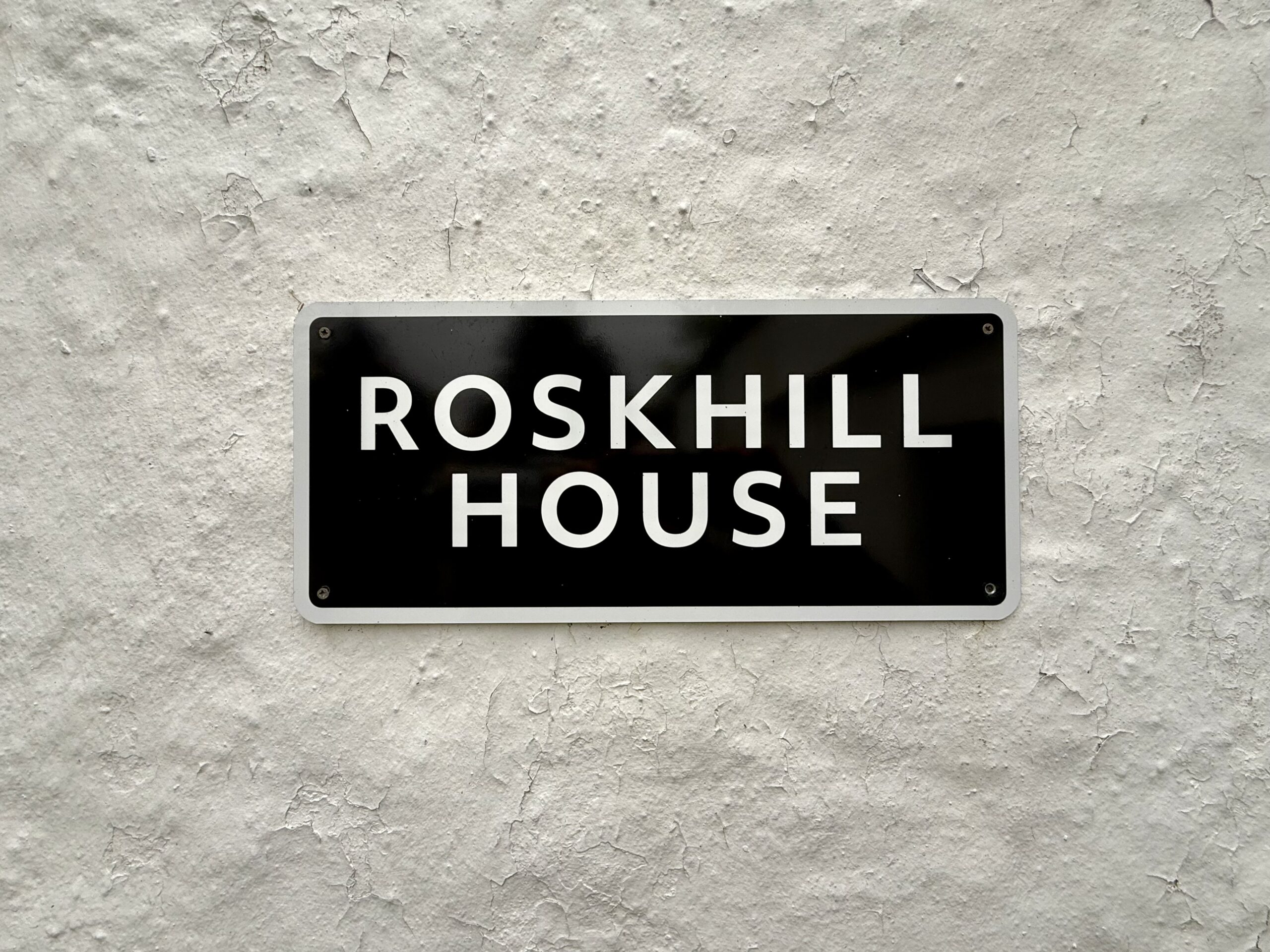
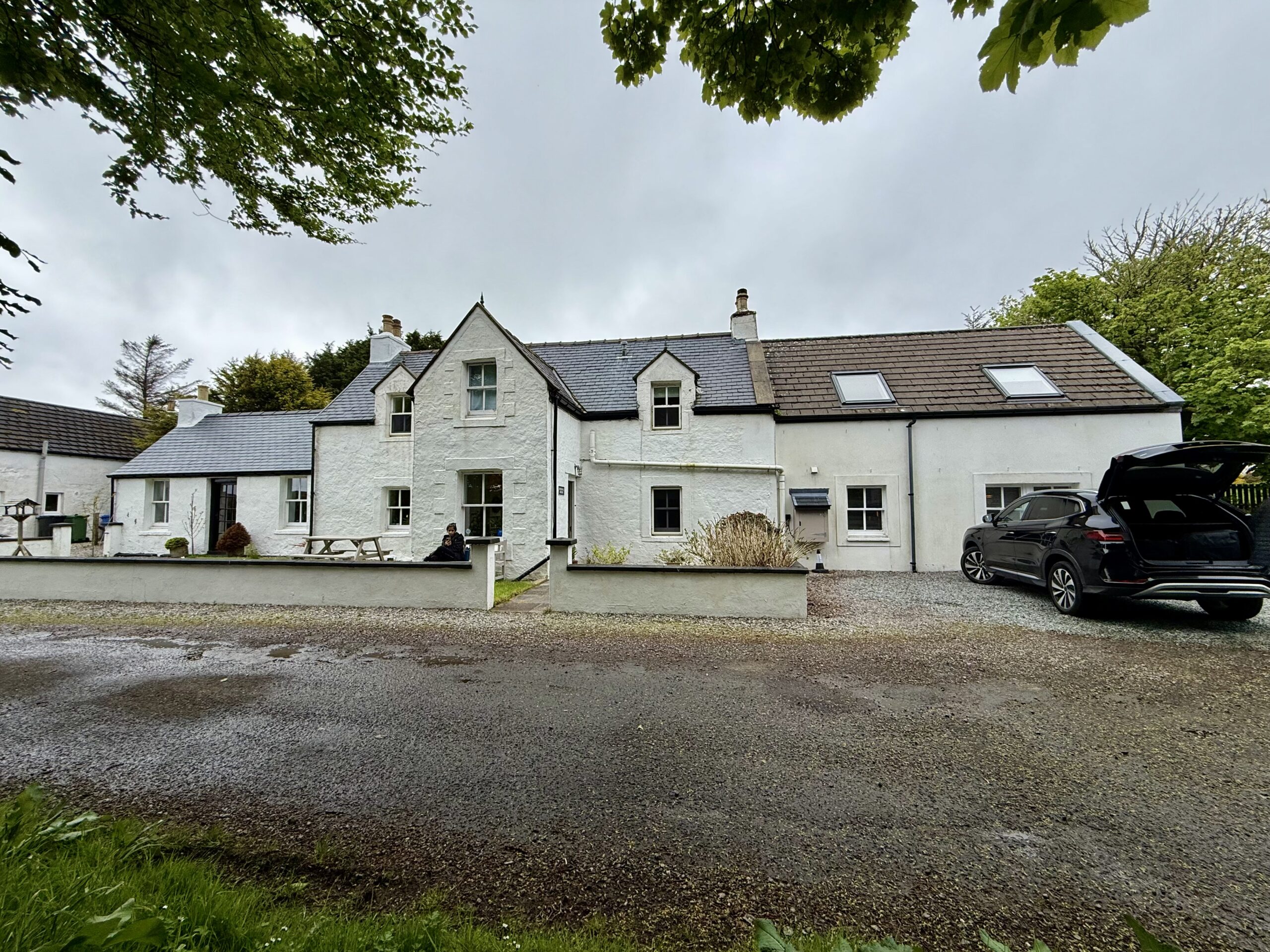
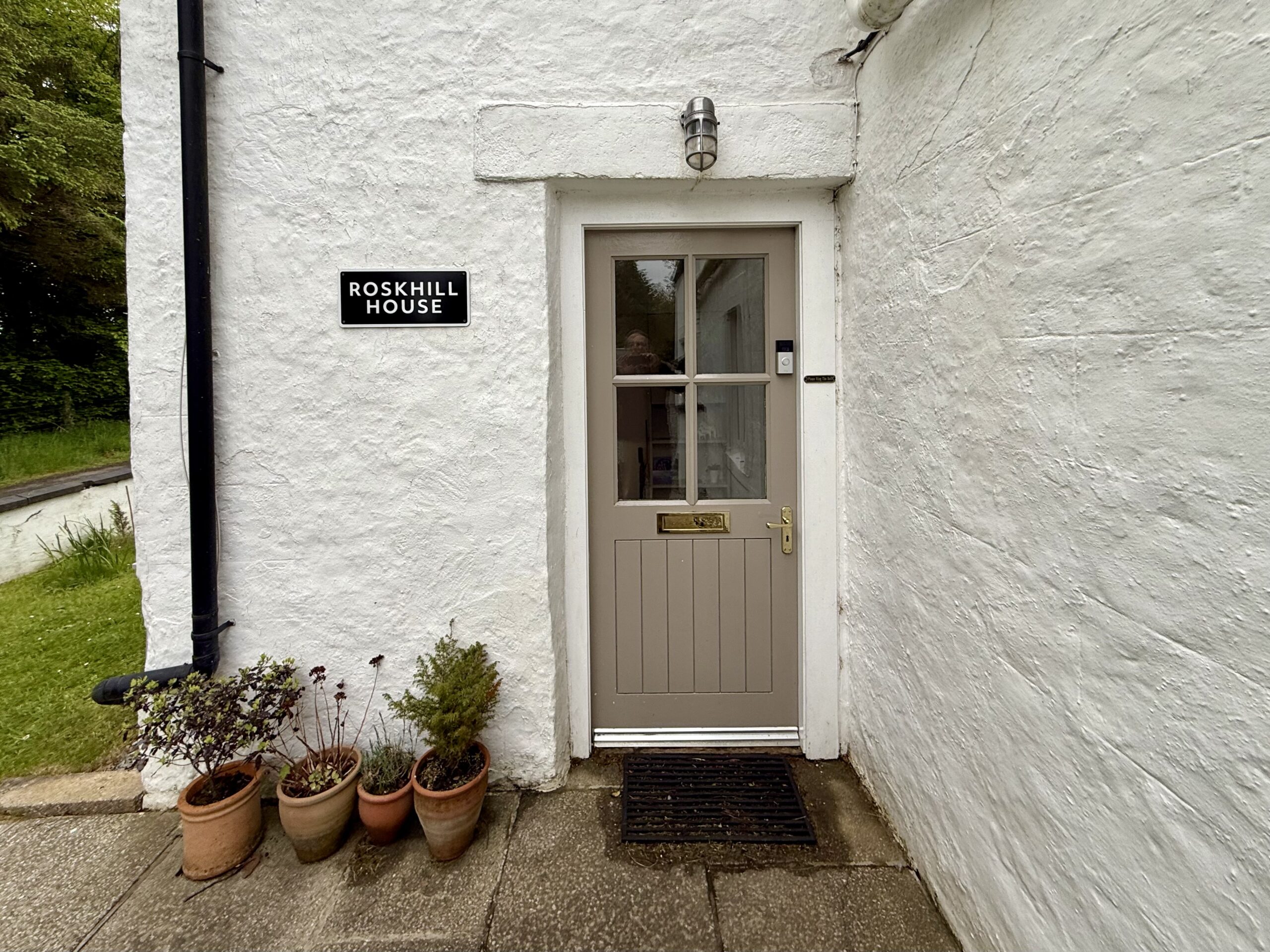
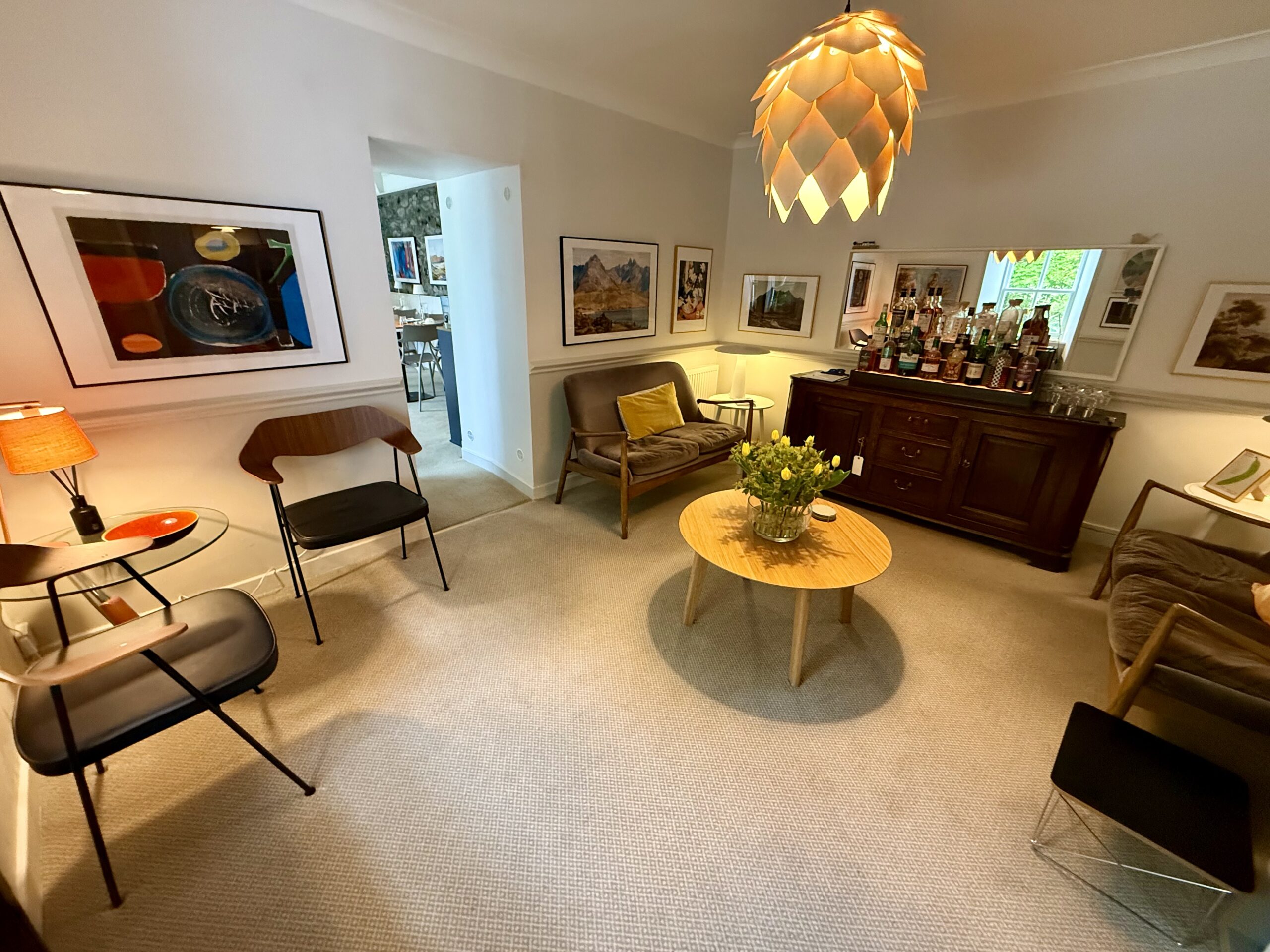
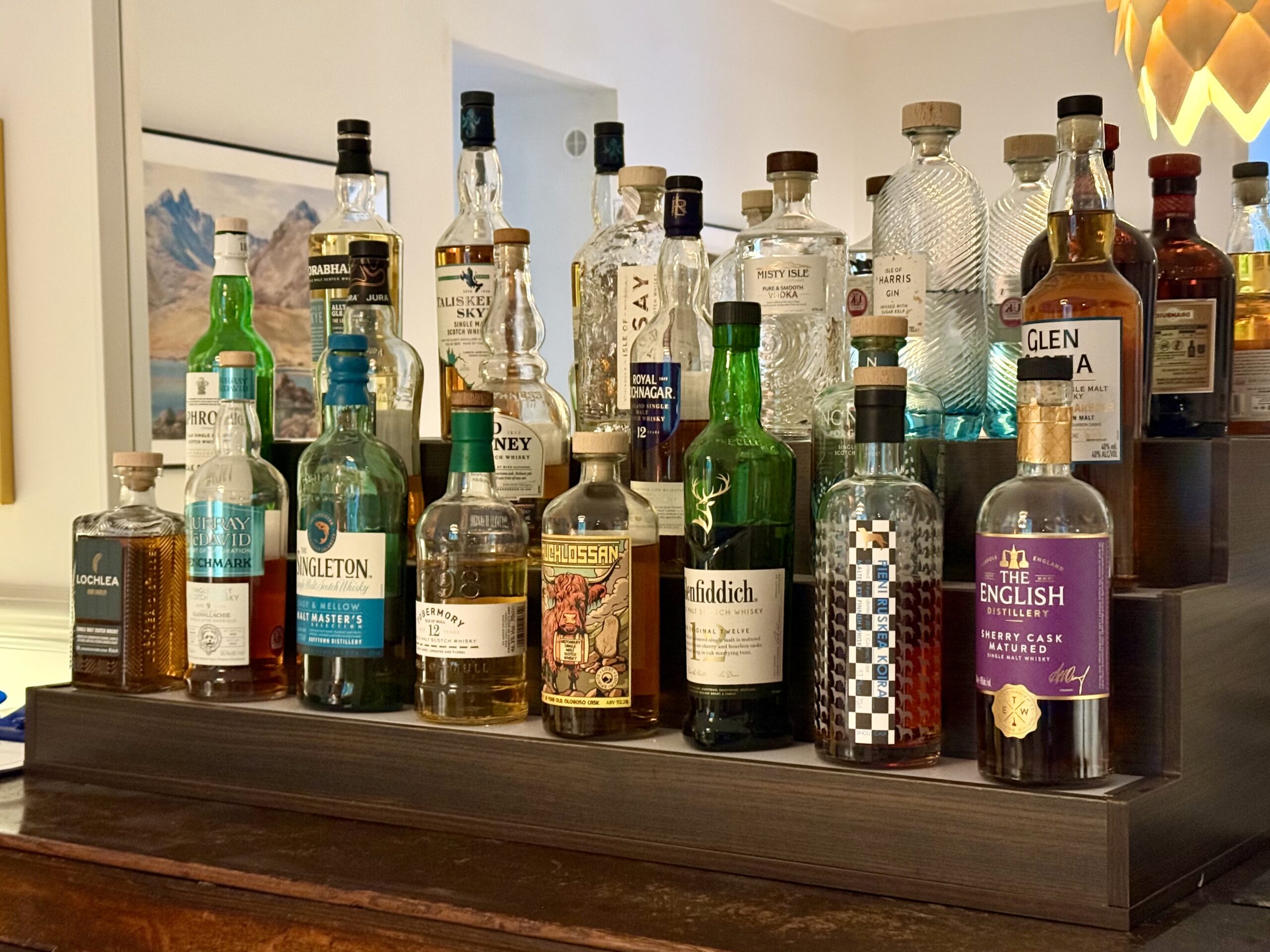
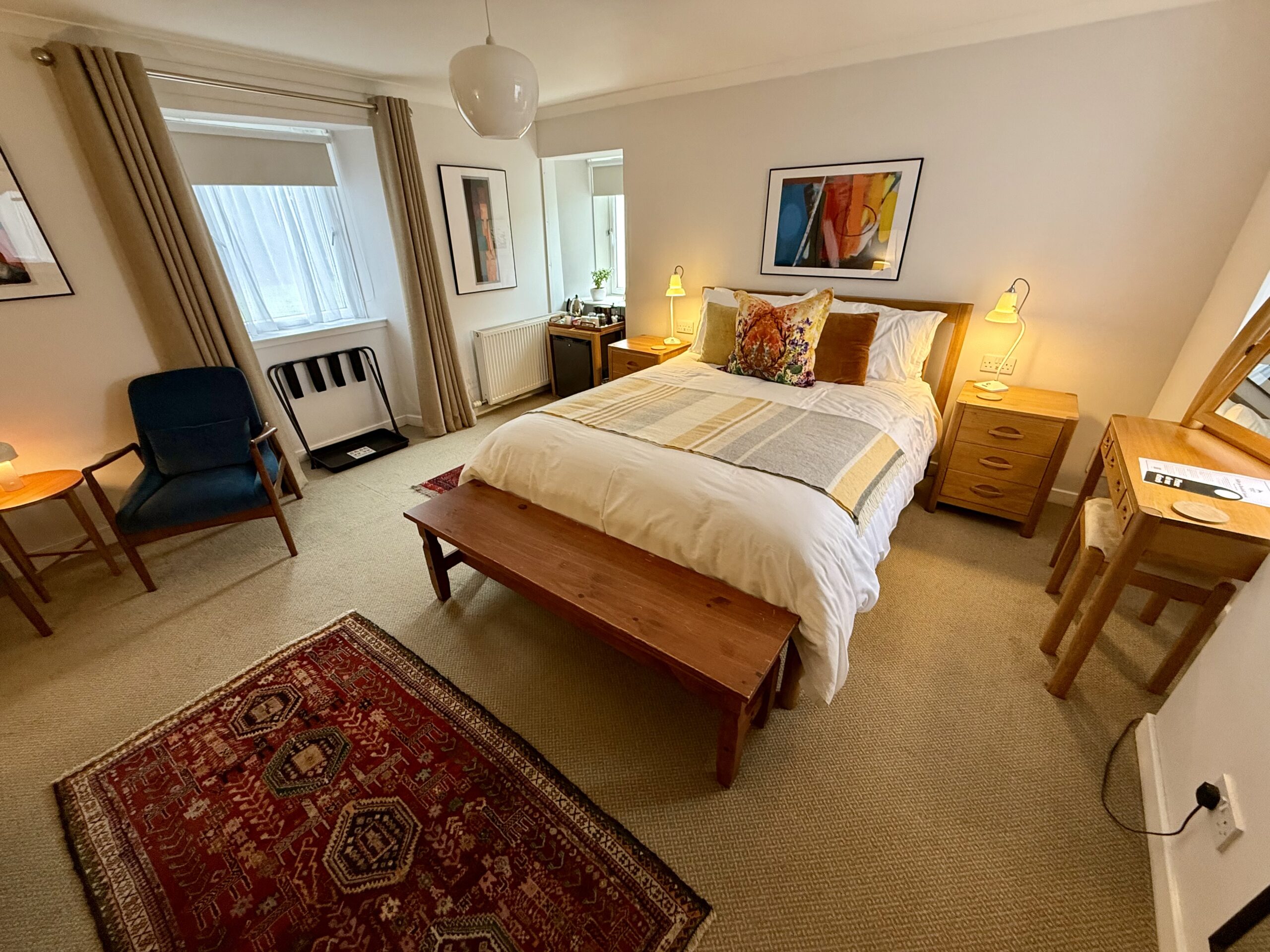
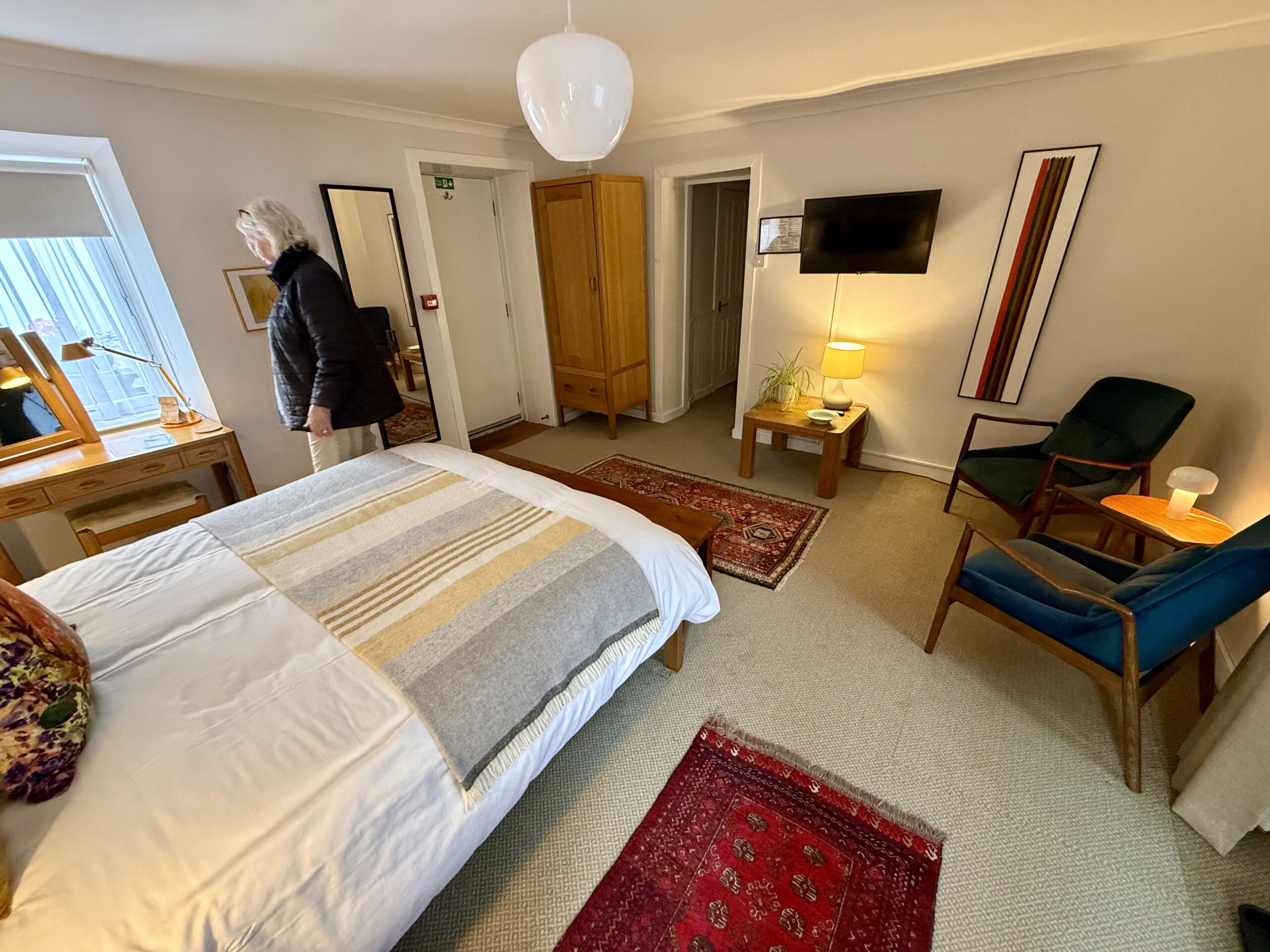
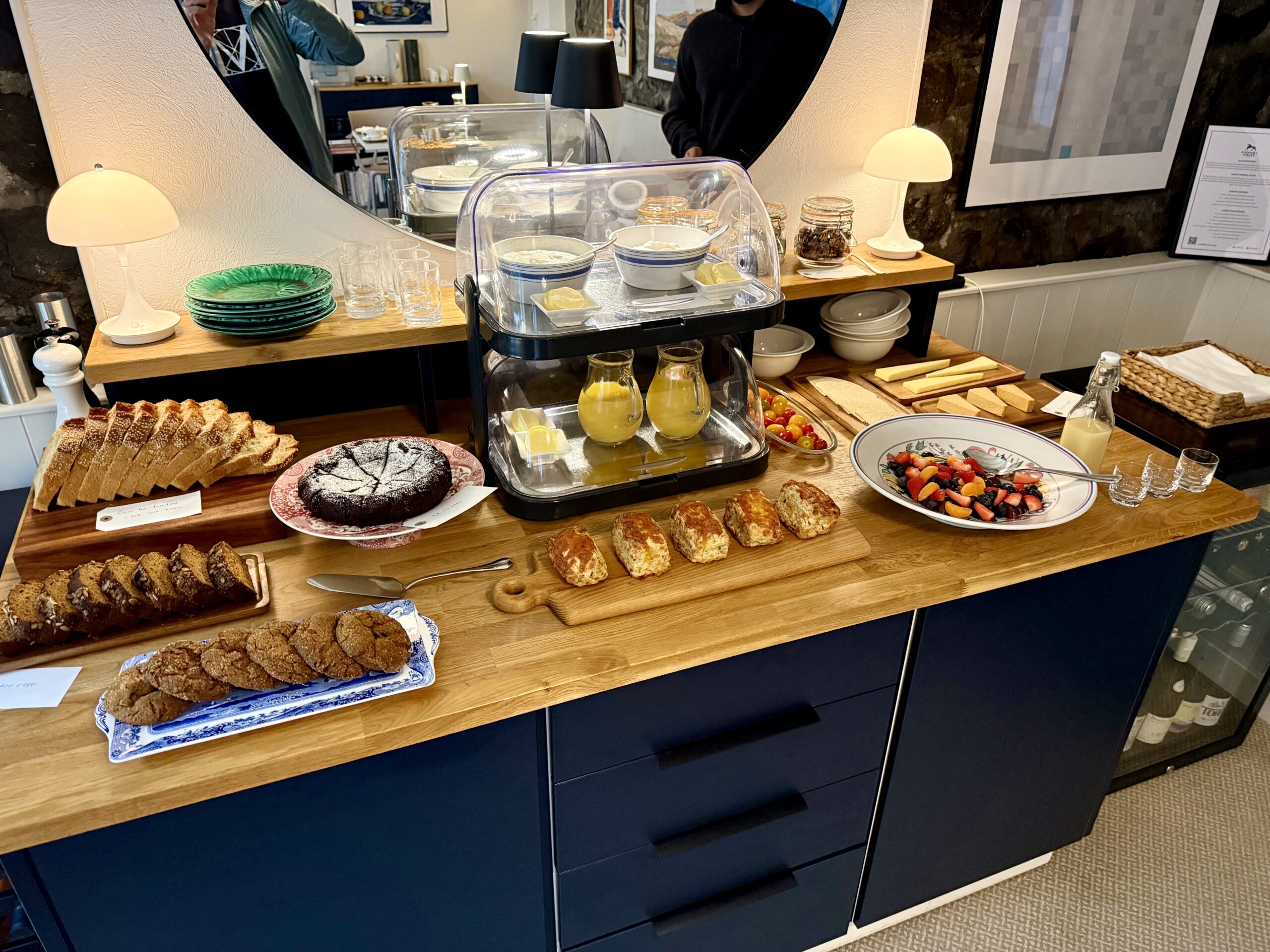
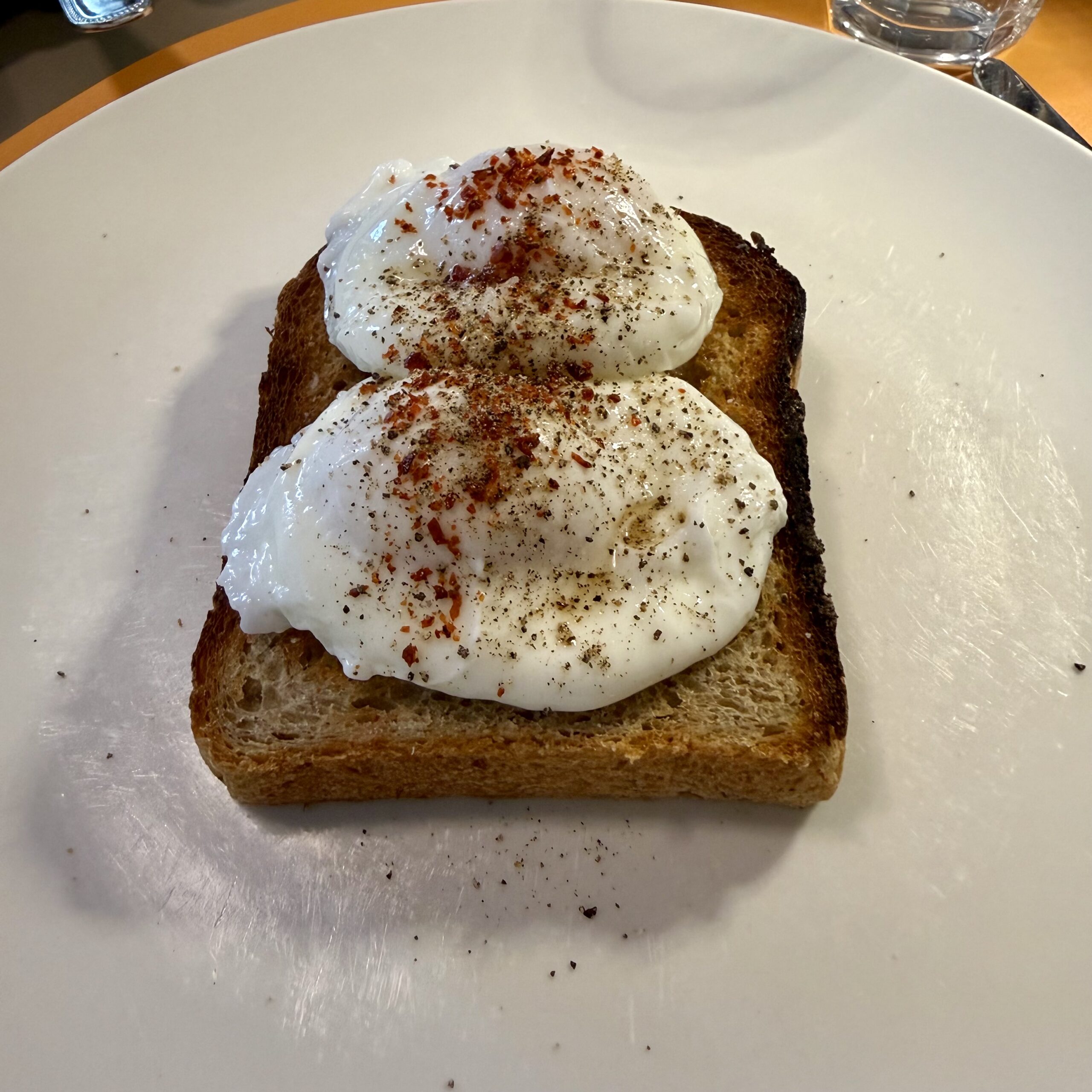
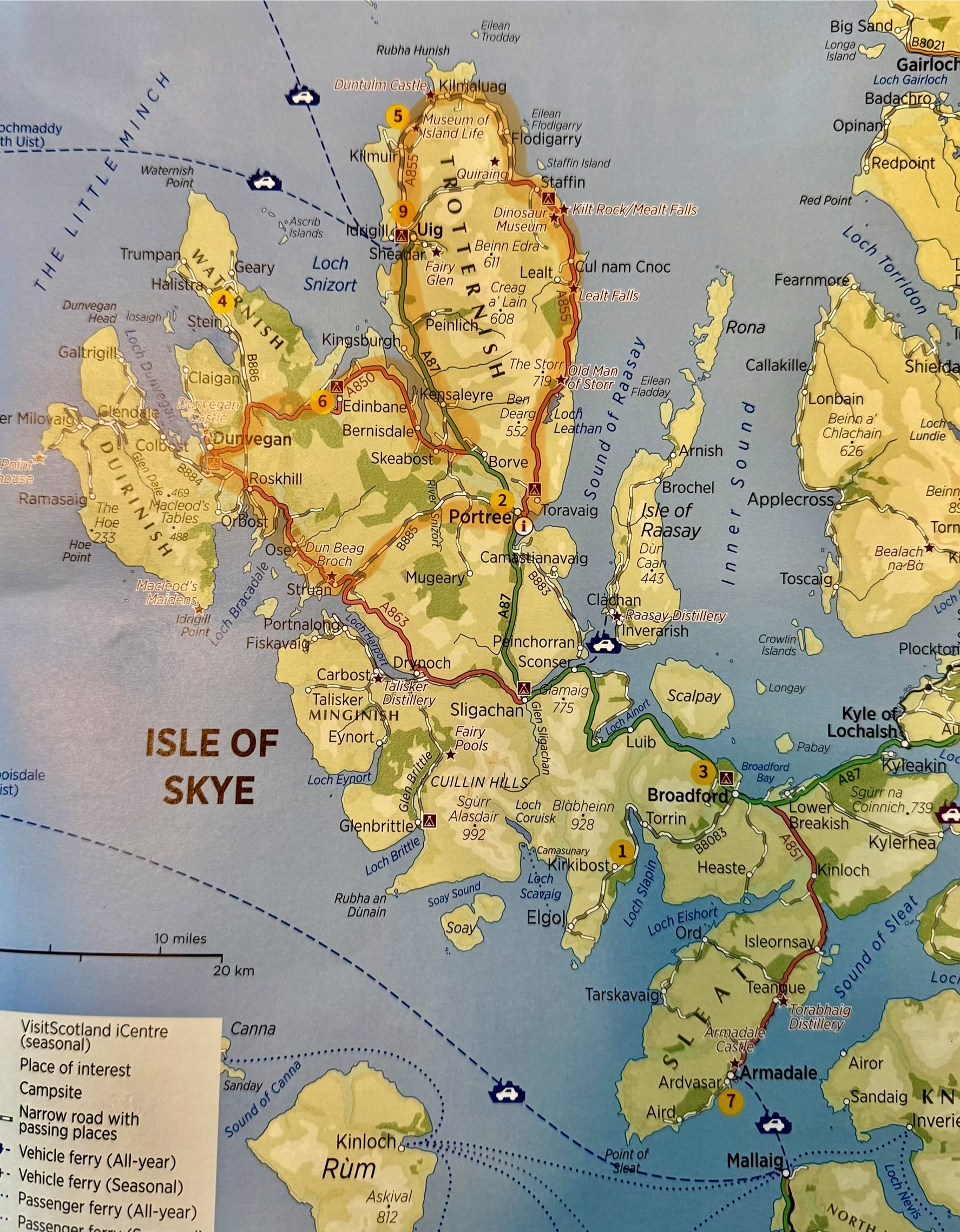
Roskhill House on the western edge of the Isle of Skye was an unexpectedly posh inn of five rooms. Martin was a great host, who has operated this lodging for four years. His breakfasts are amazing, especially when he told us that he had never even poached an egg five years ago. Curiously, he spent a year of college at UC Davis where he changed his academic direction from political science to the dramatic arts. The location is remote, but visitors come for the scenery.
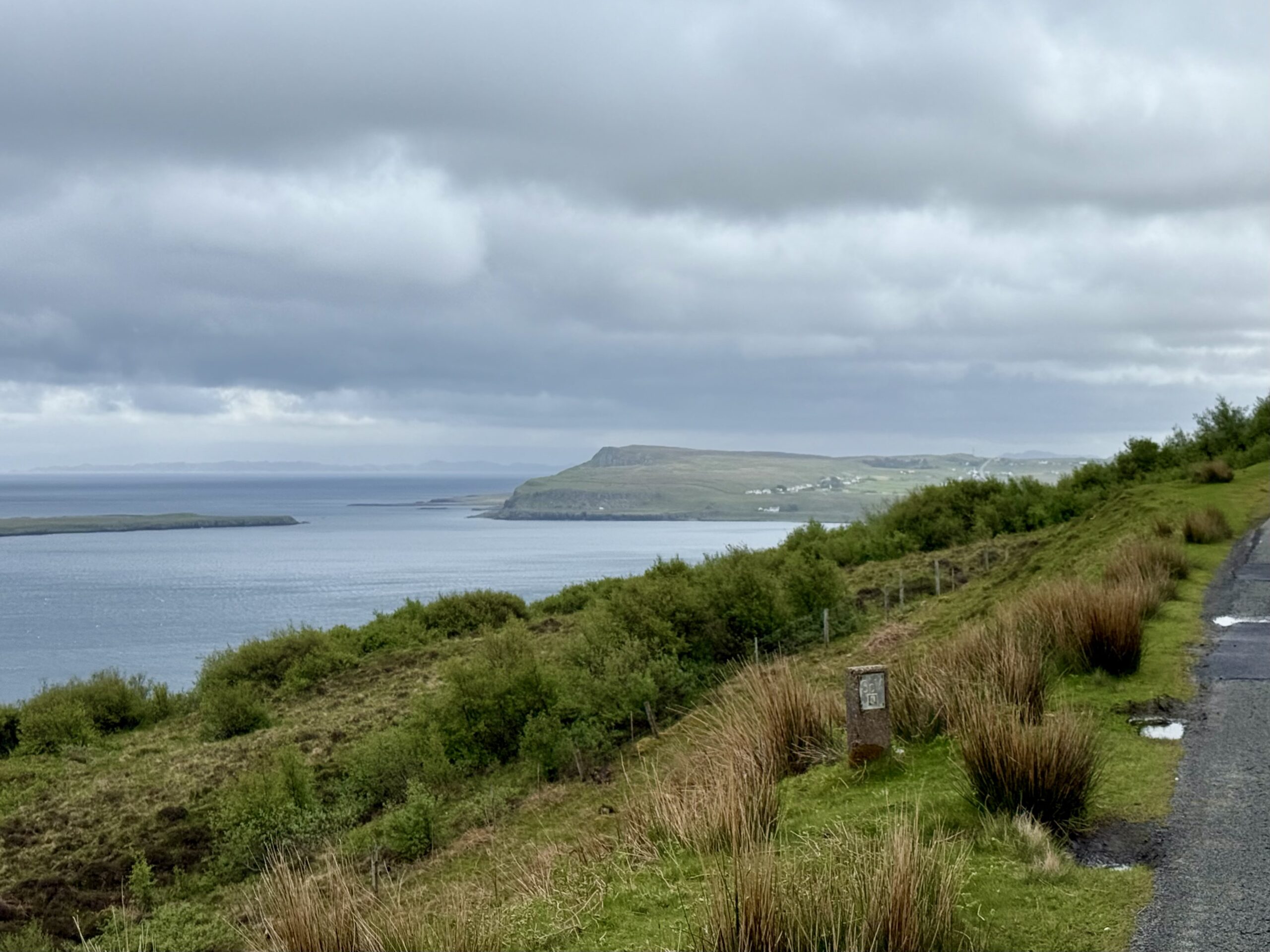
A Drive Around the Peninsula
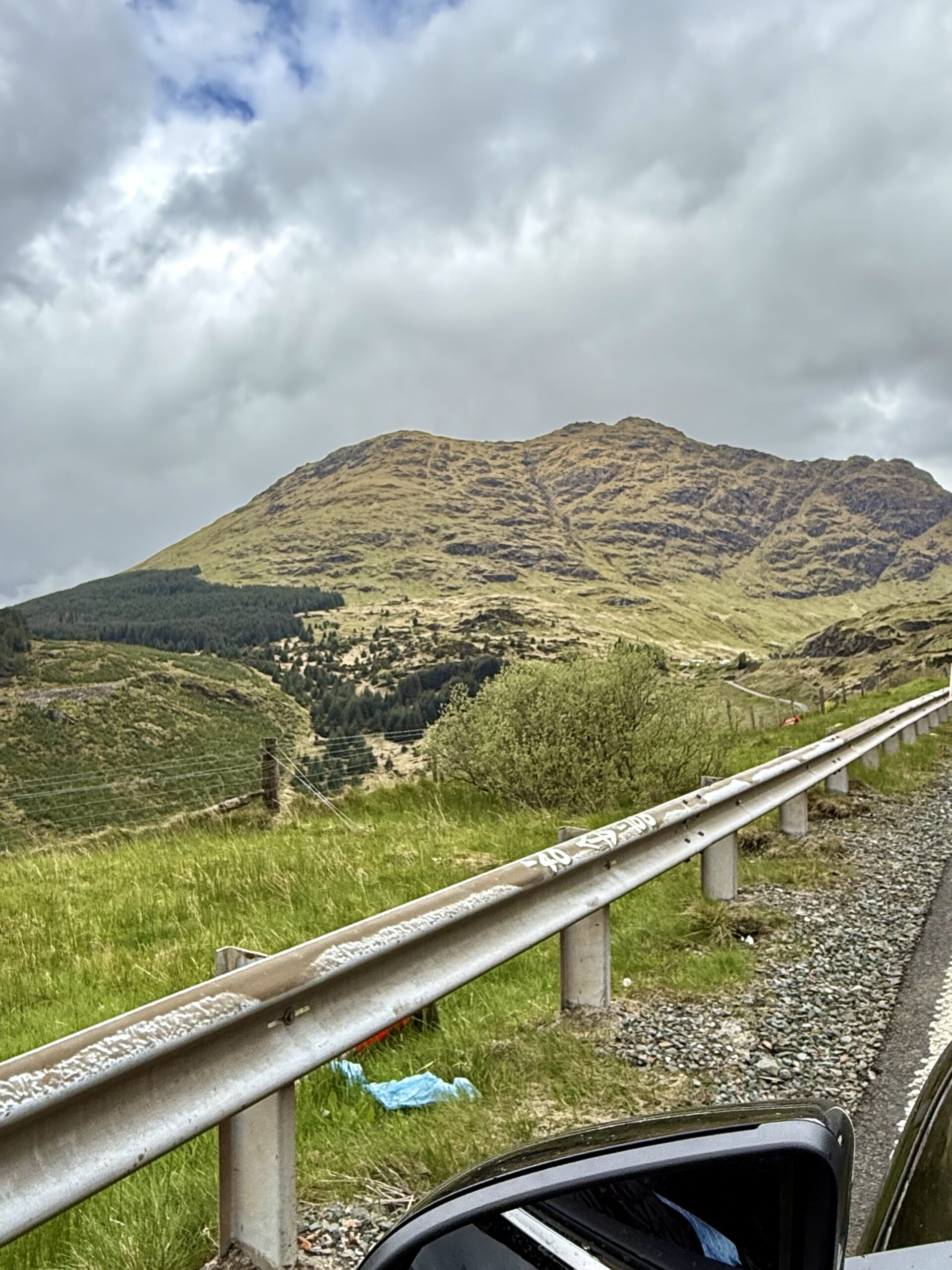
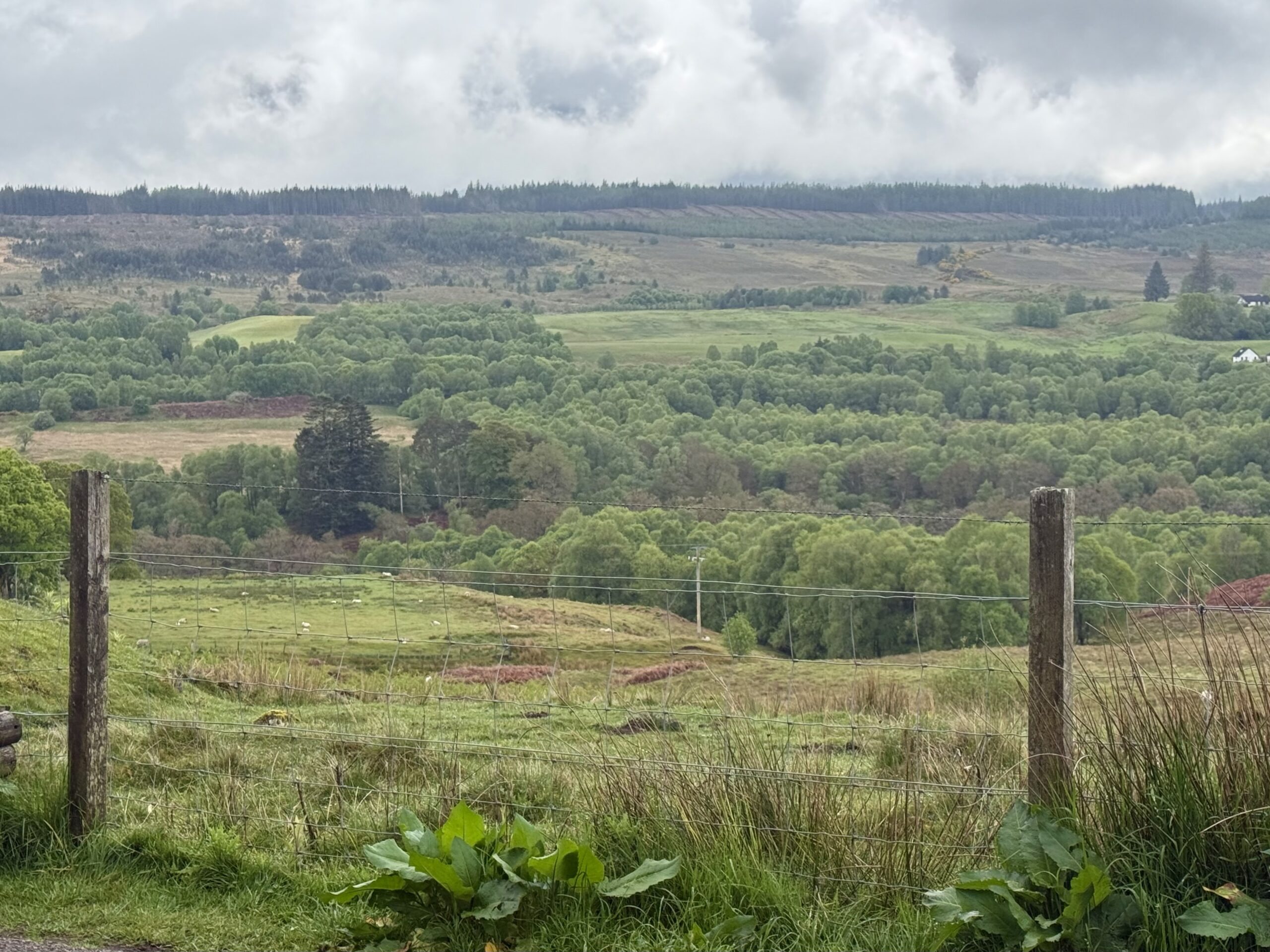
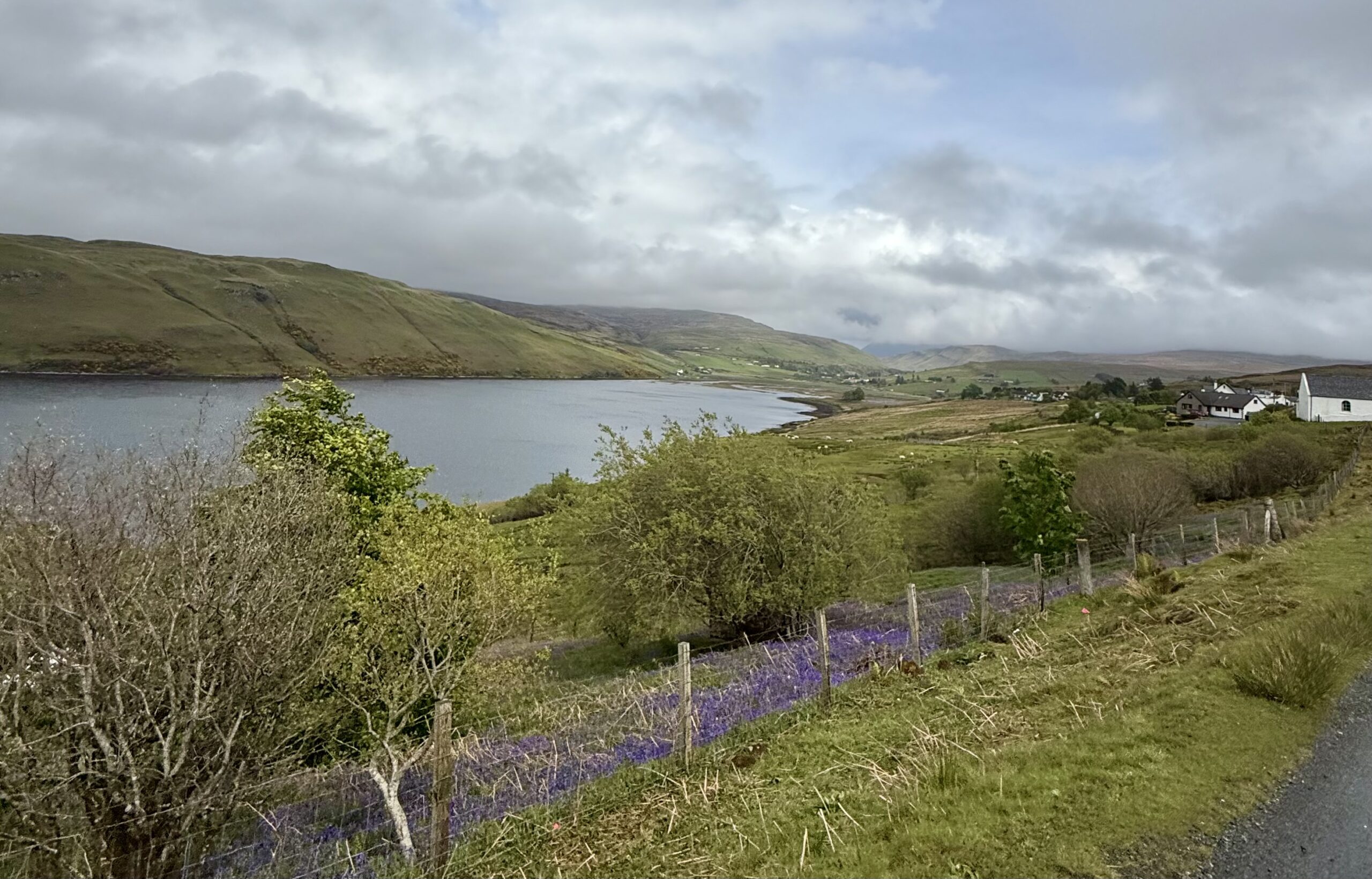
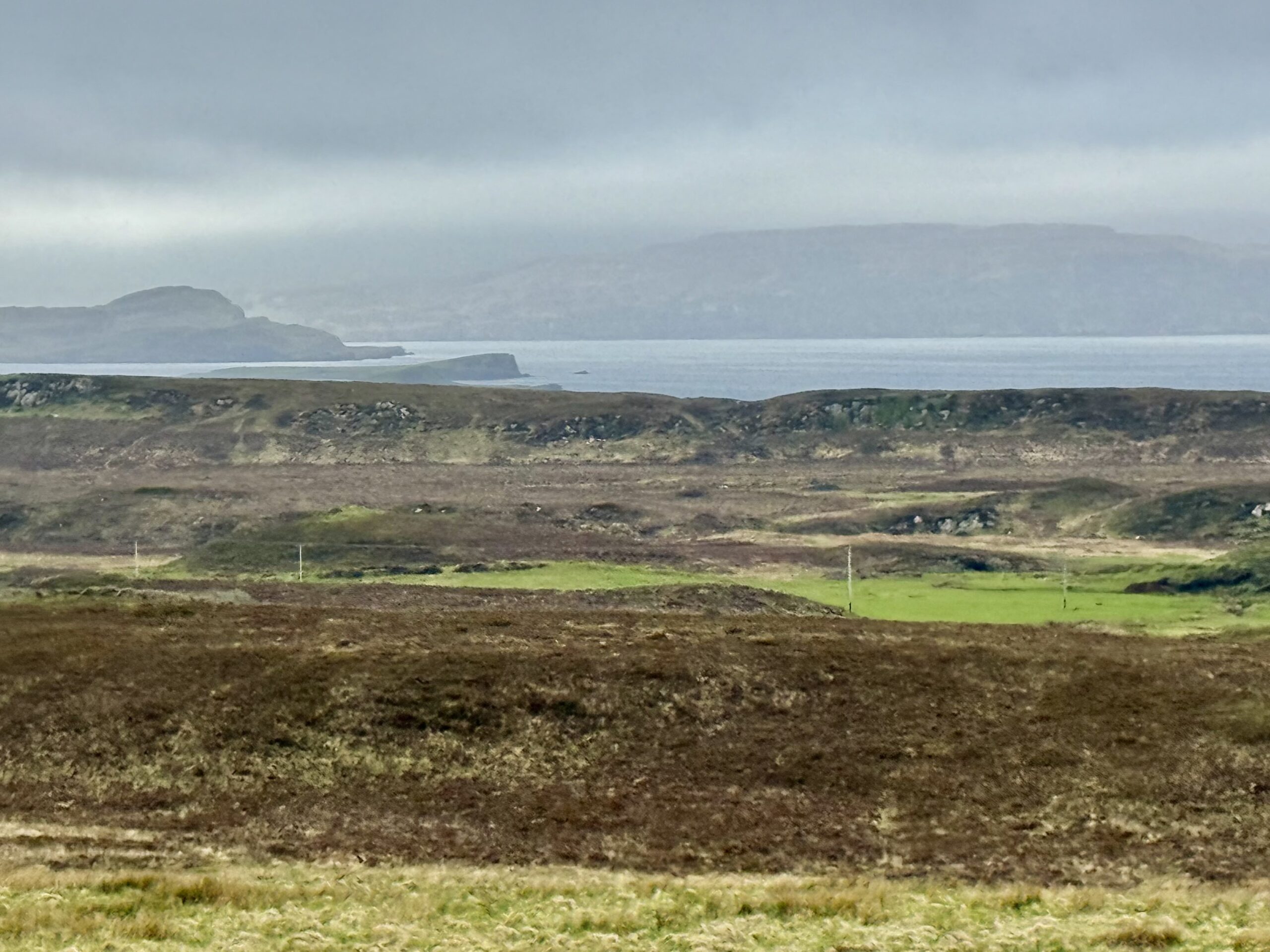
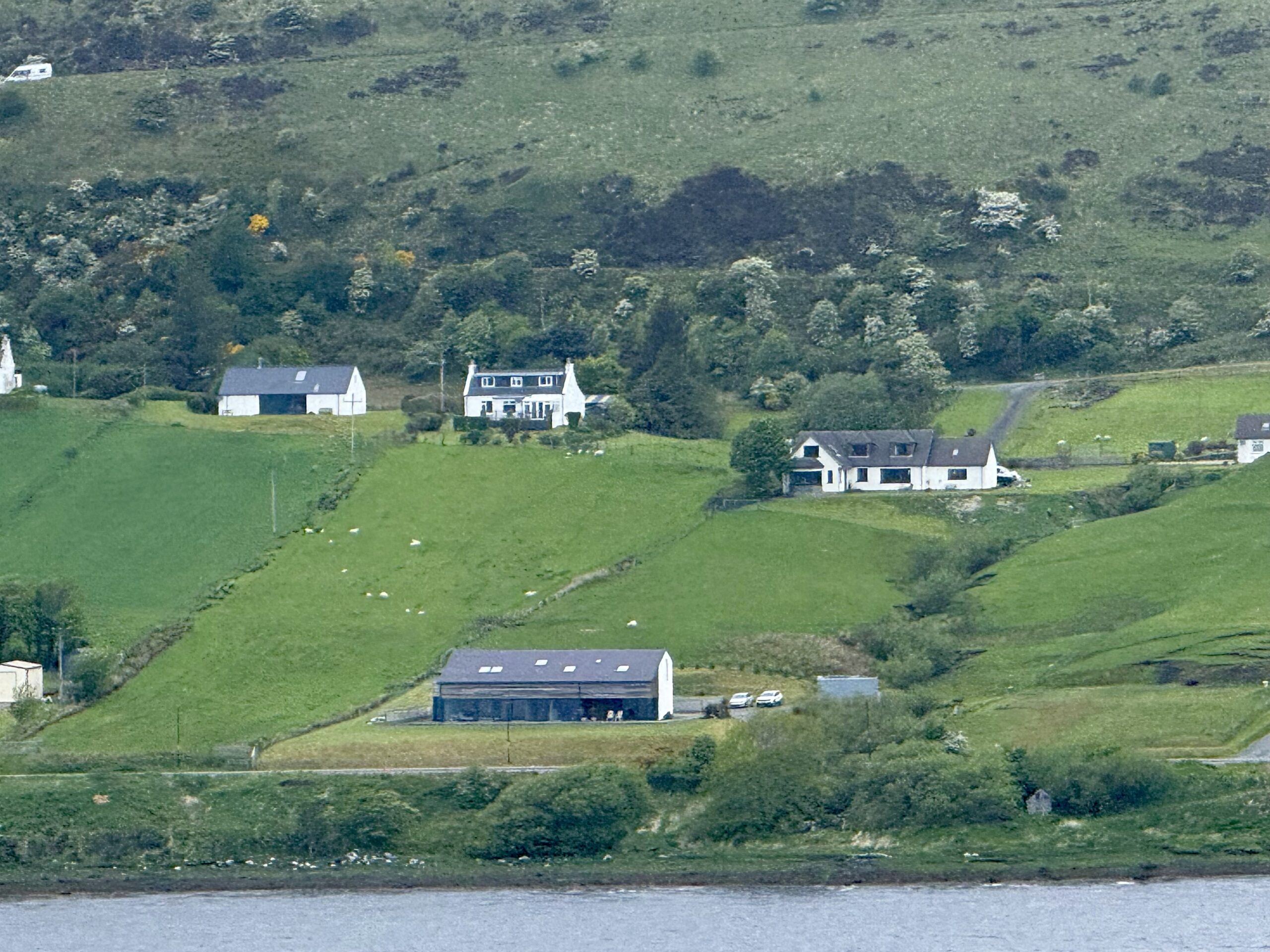
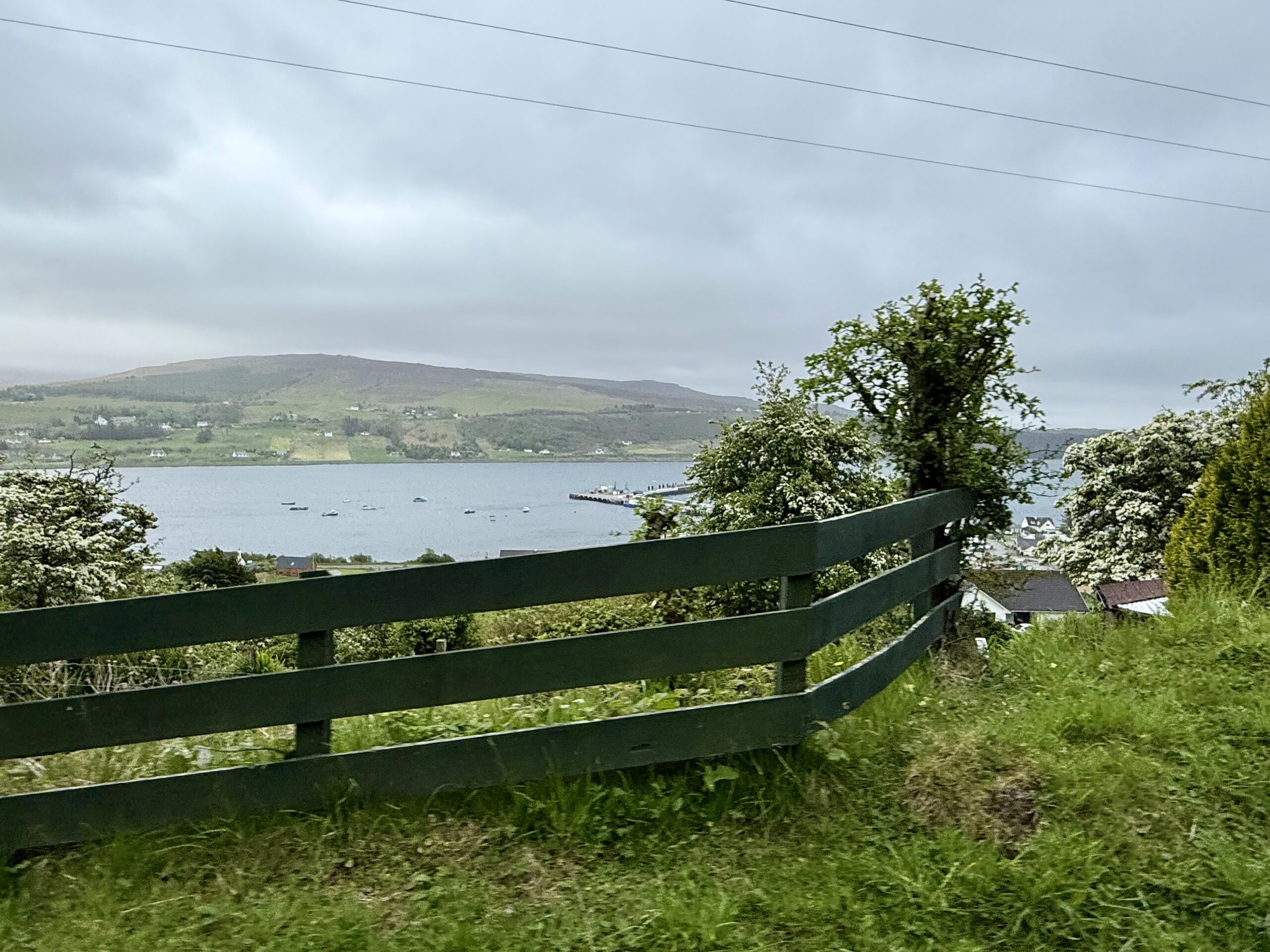
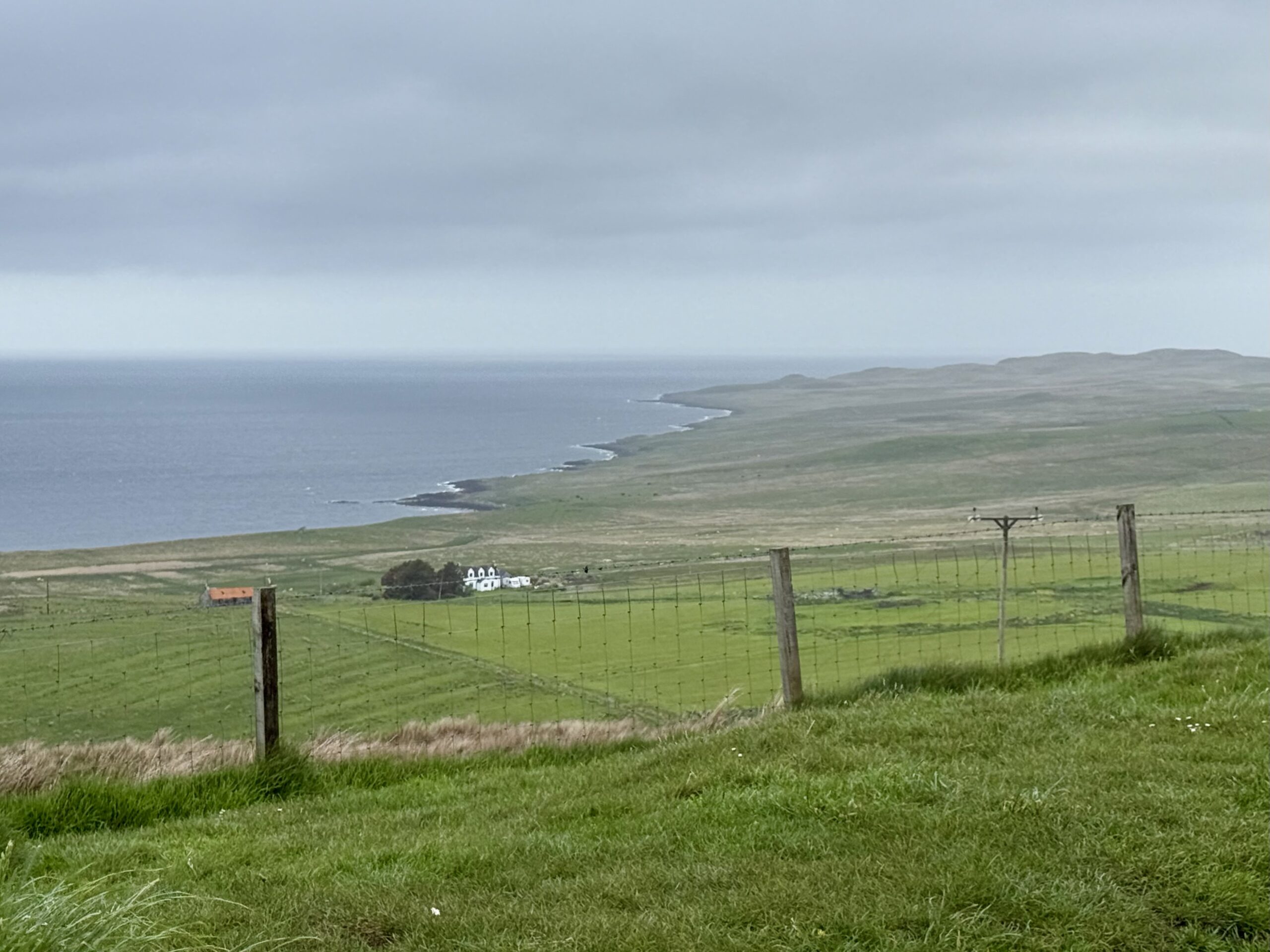
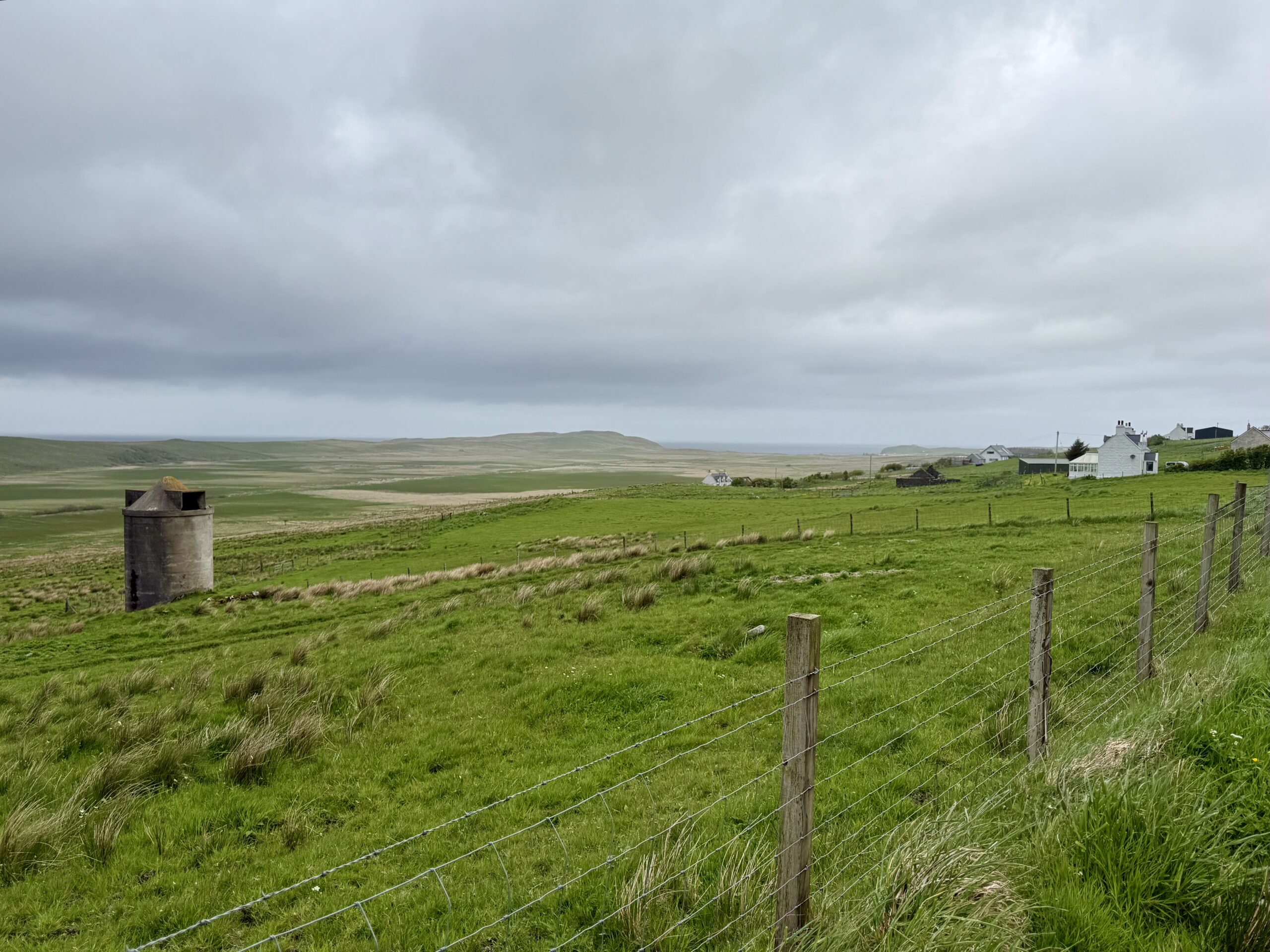
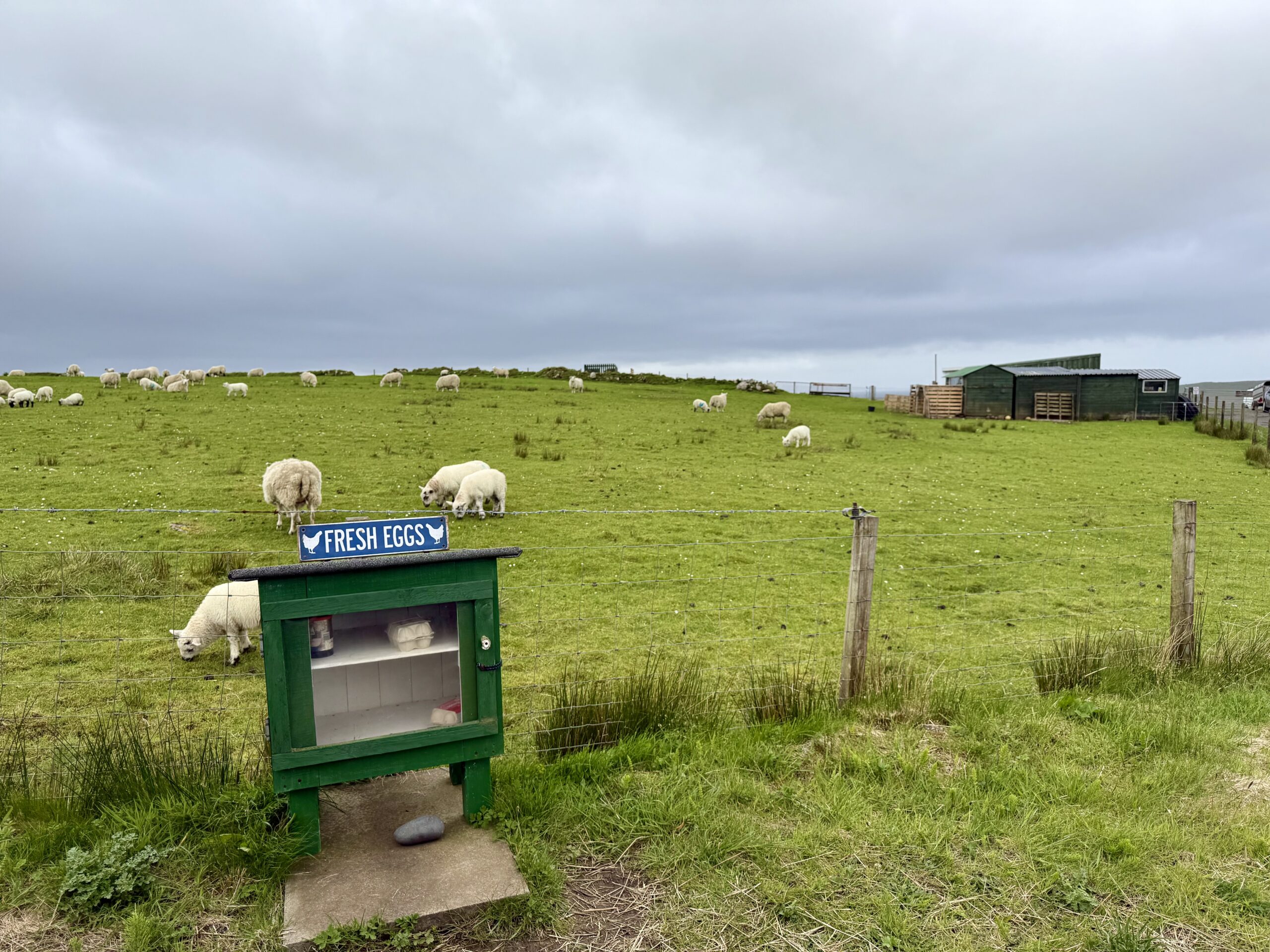
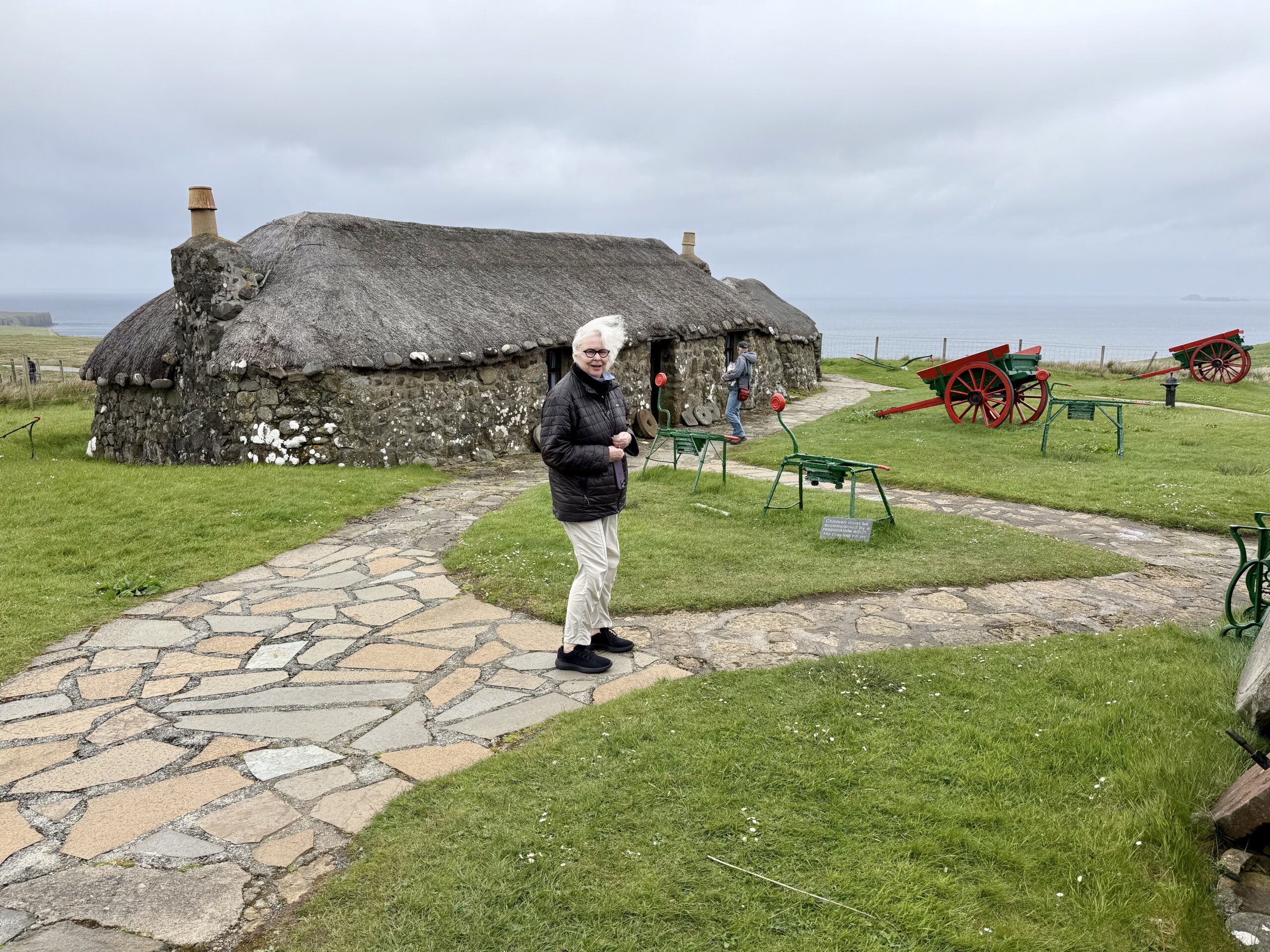
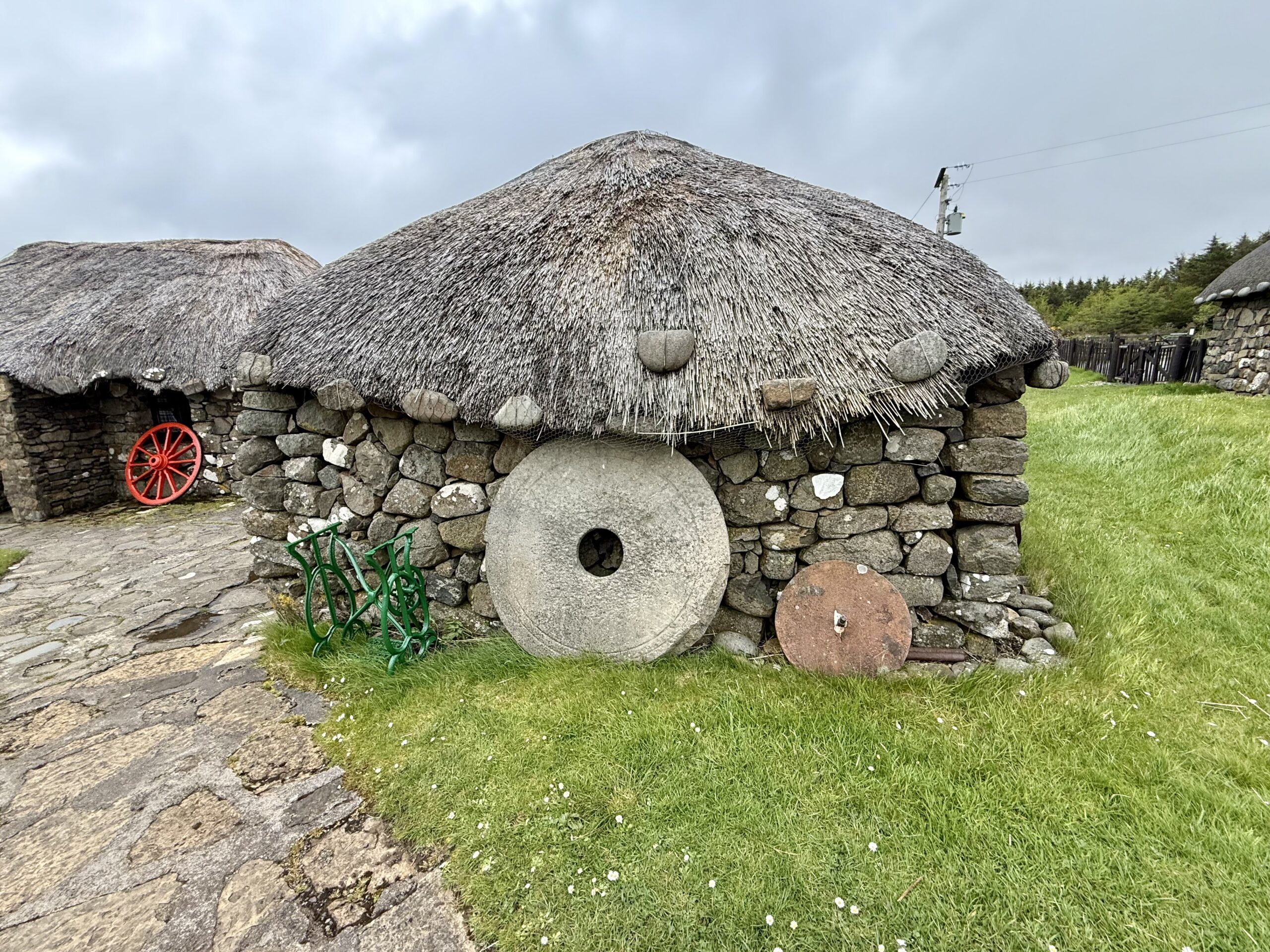
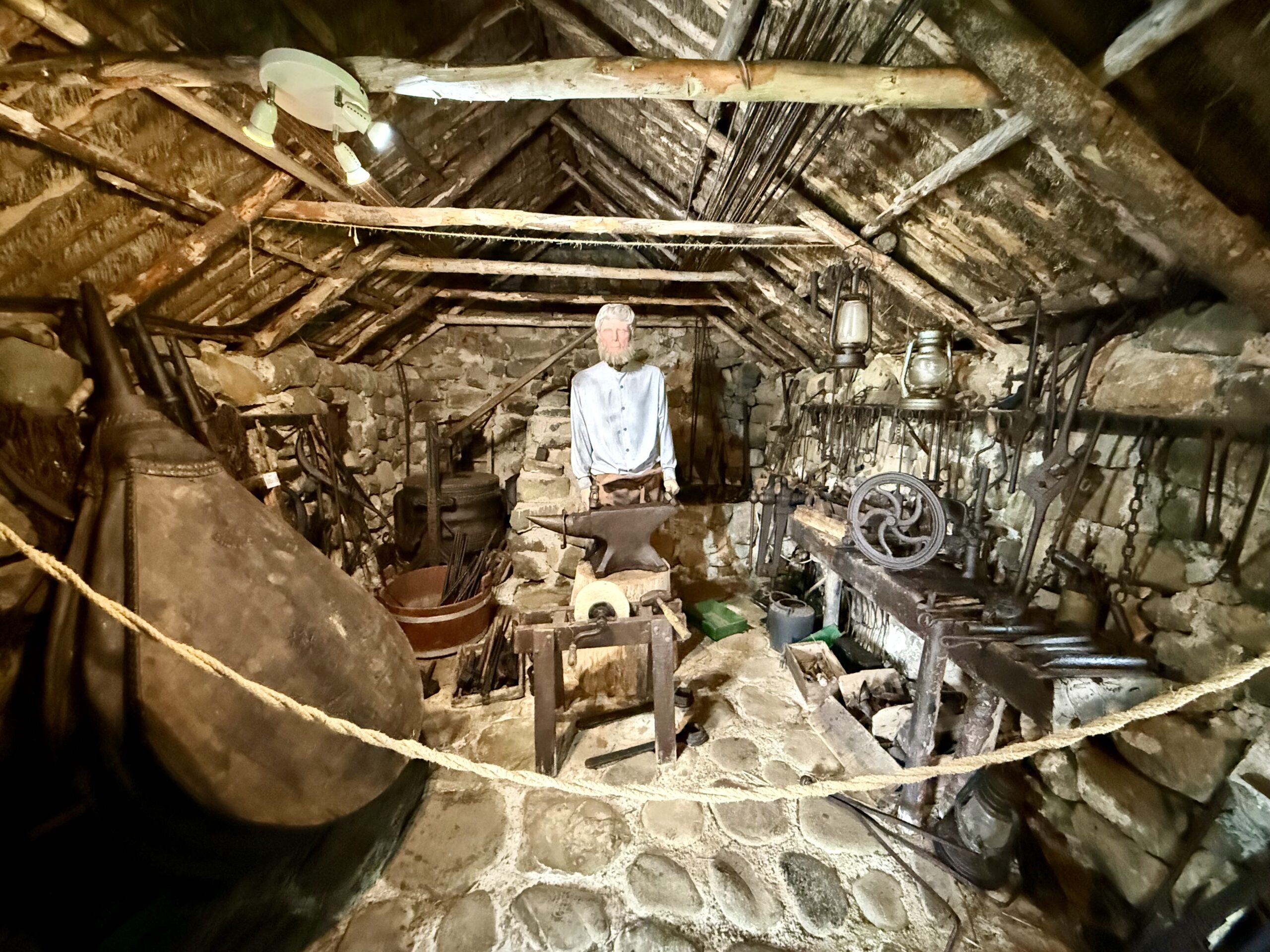
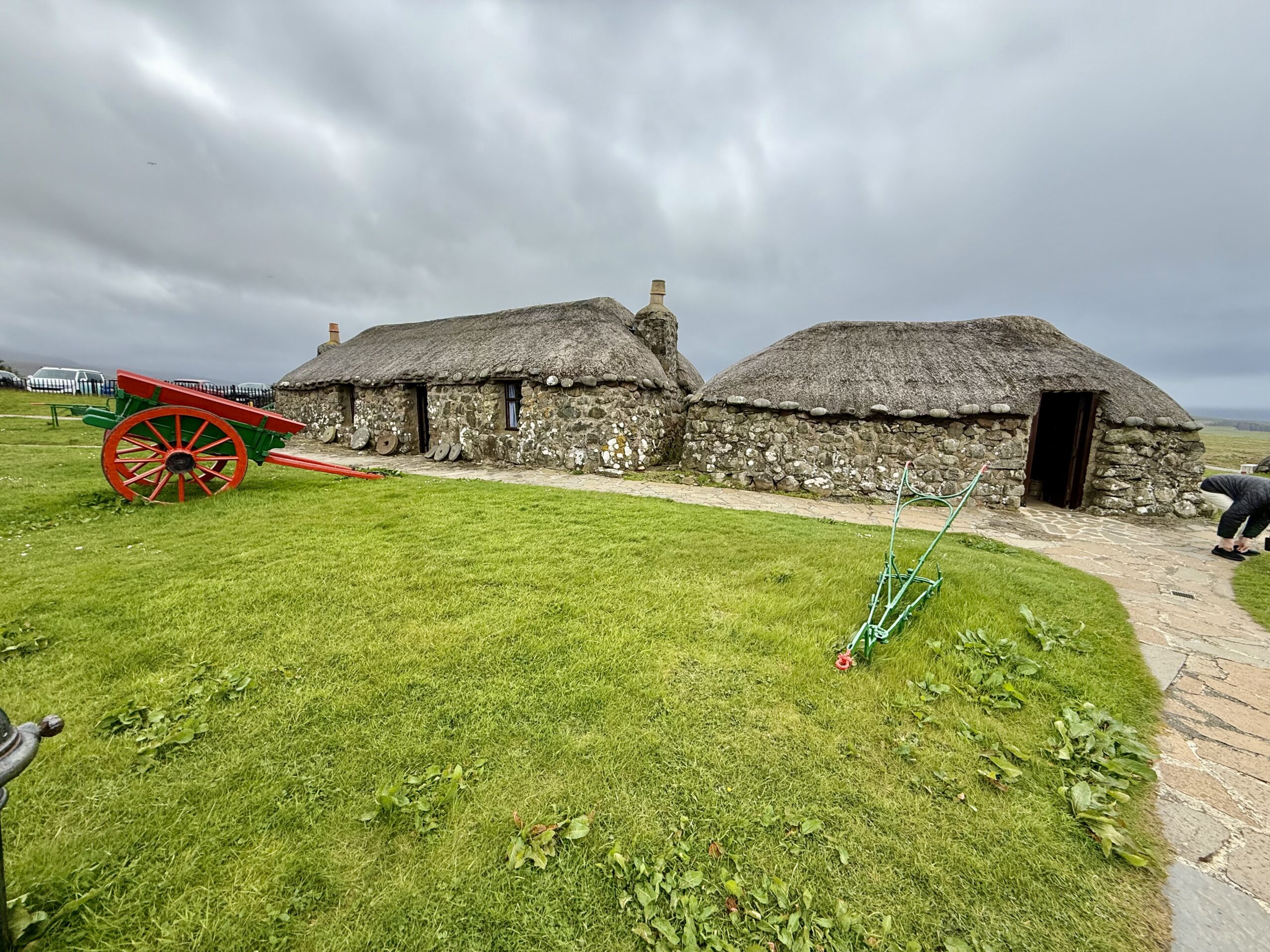
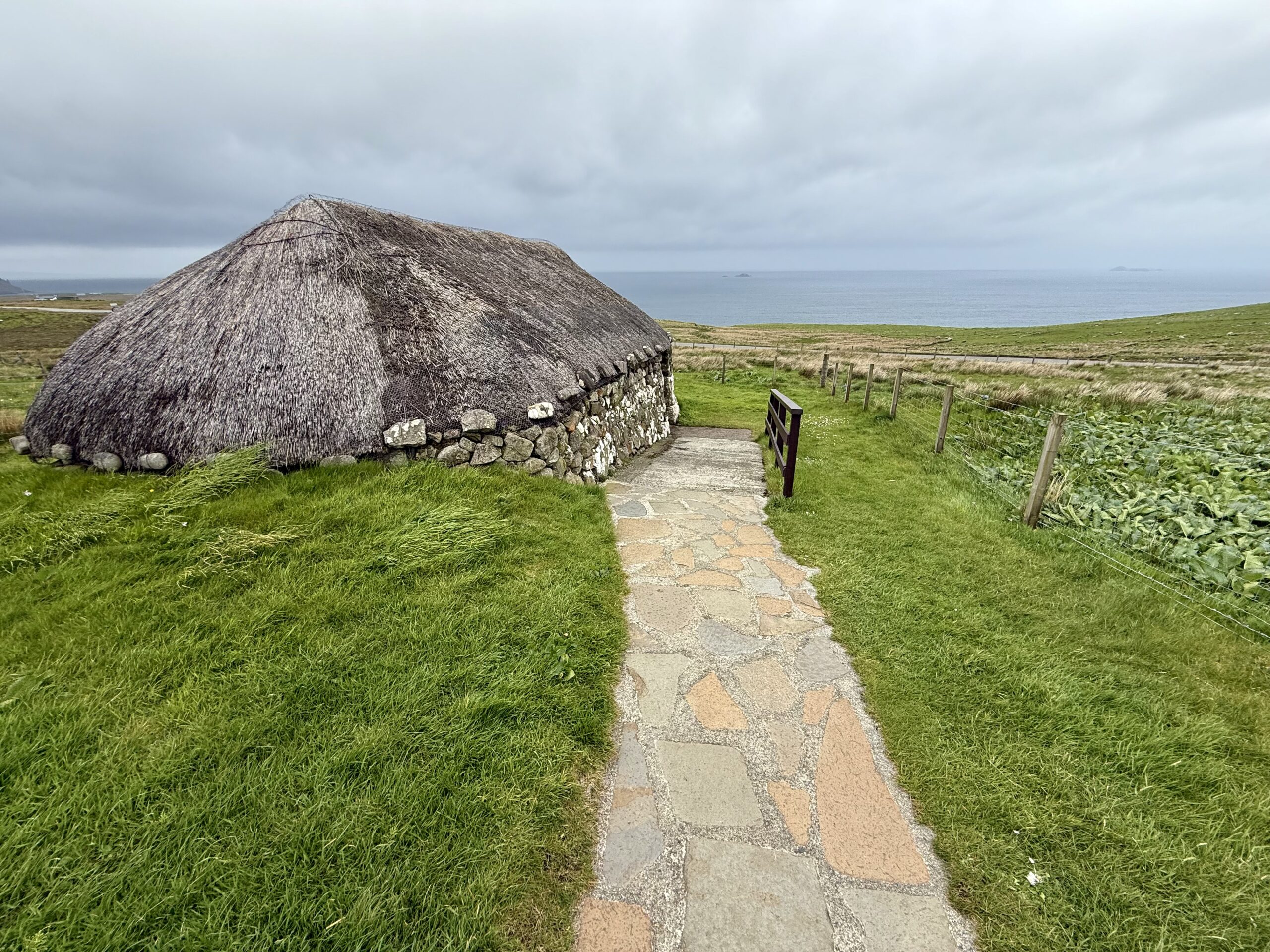
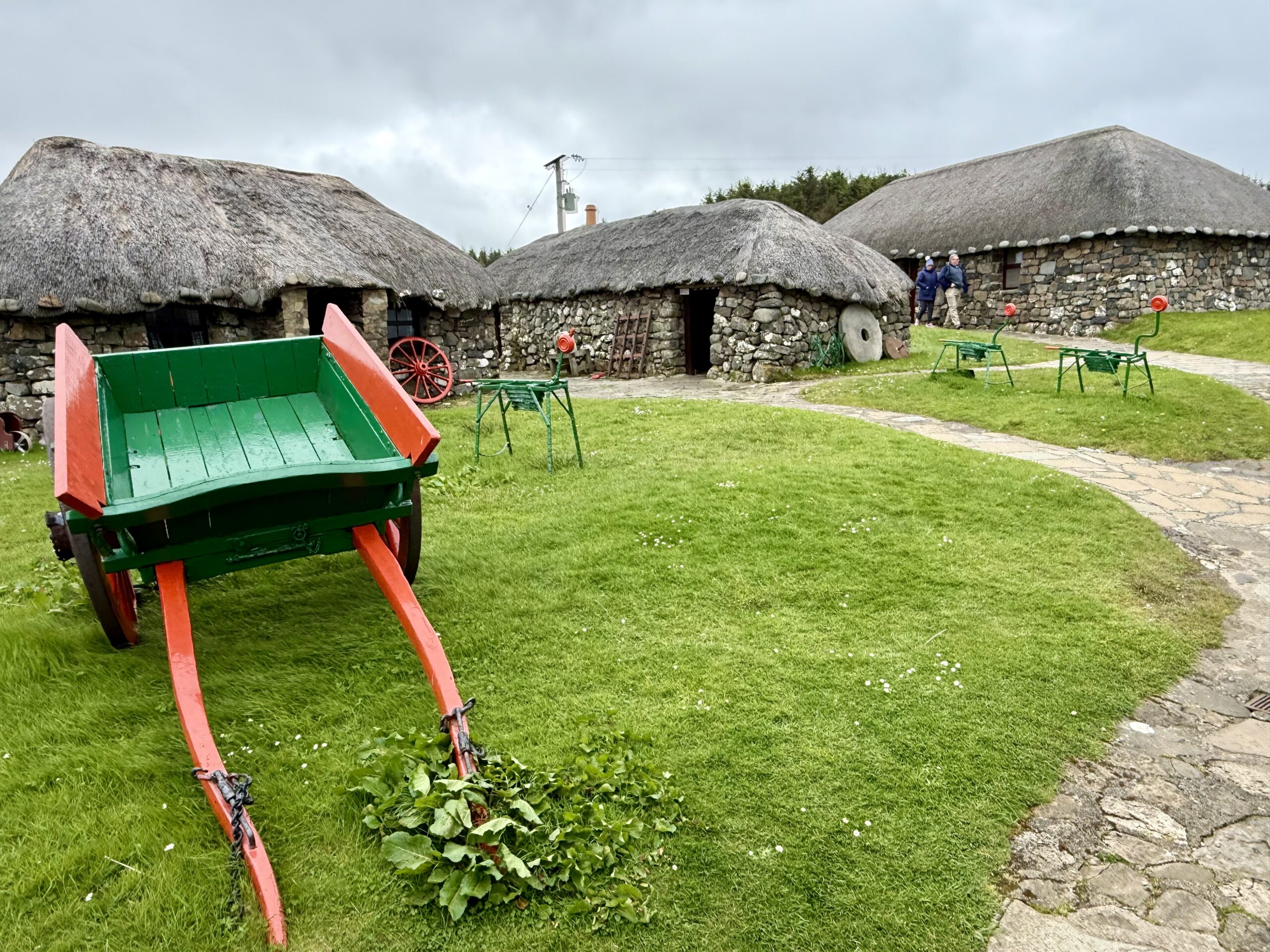
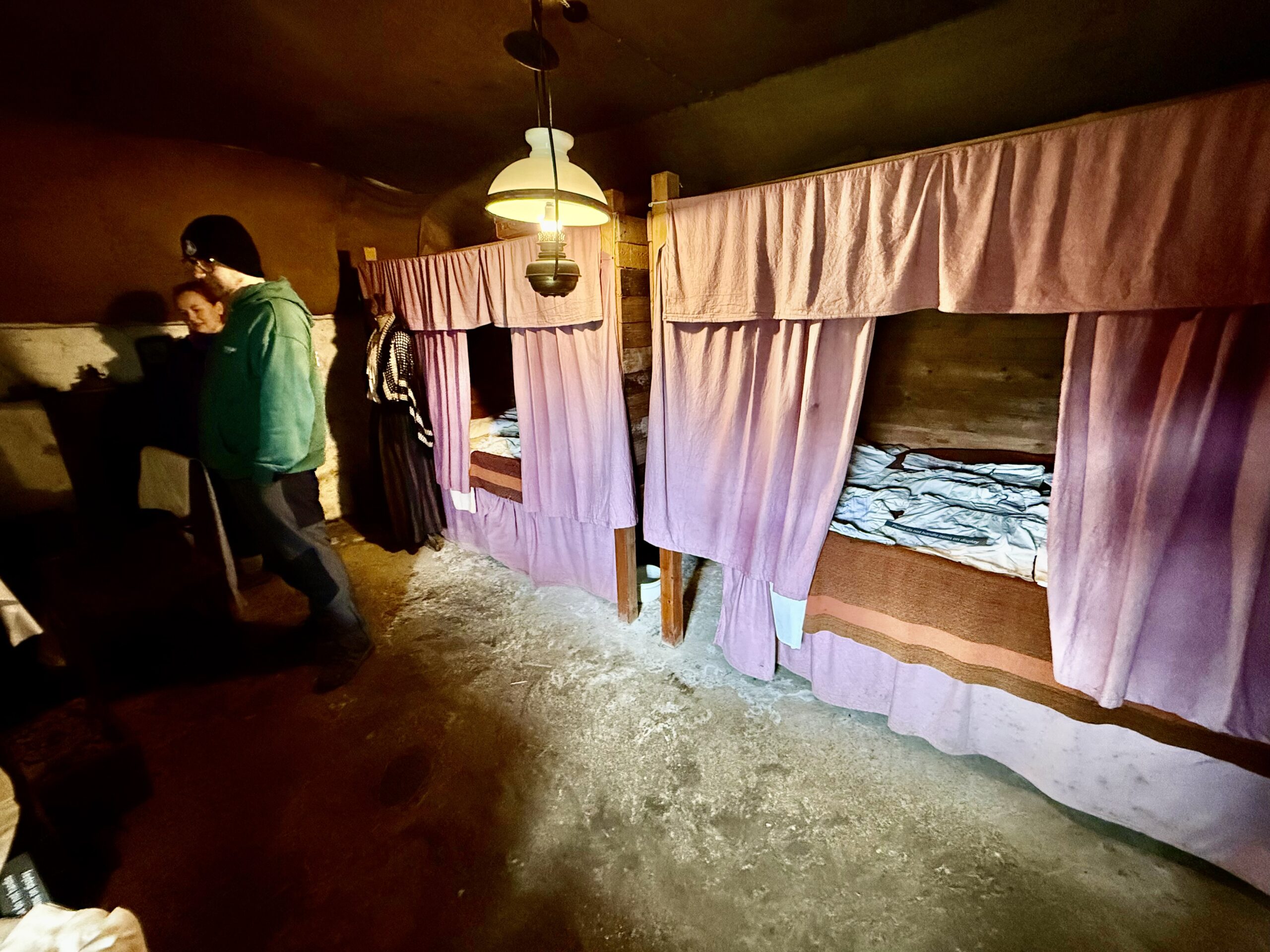
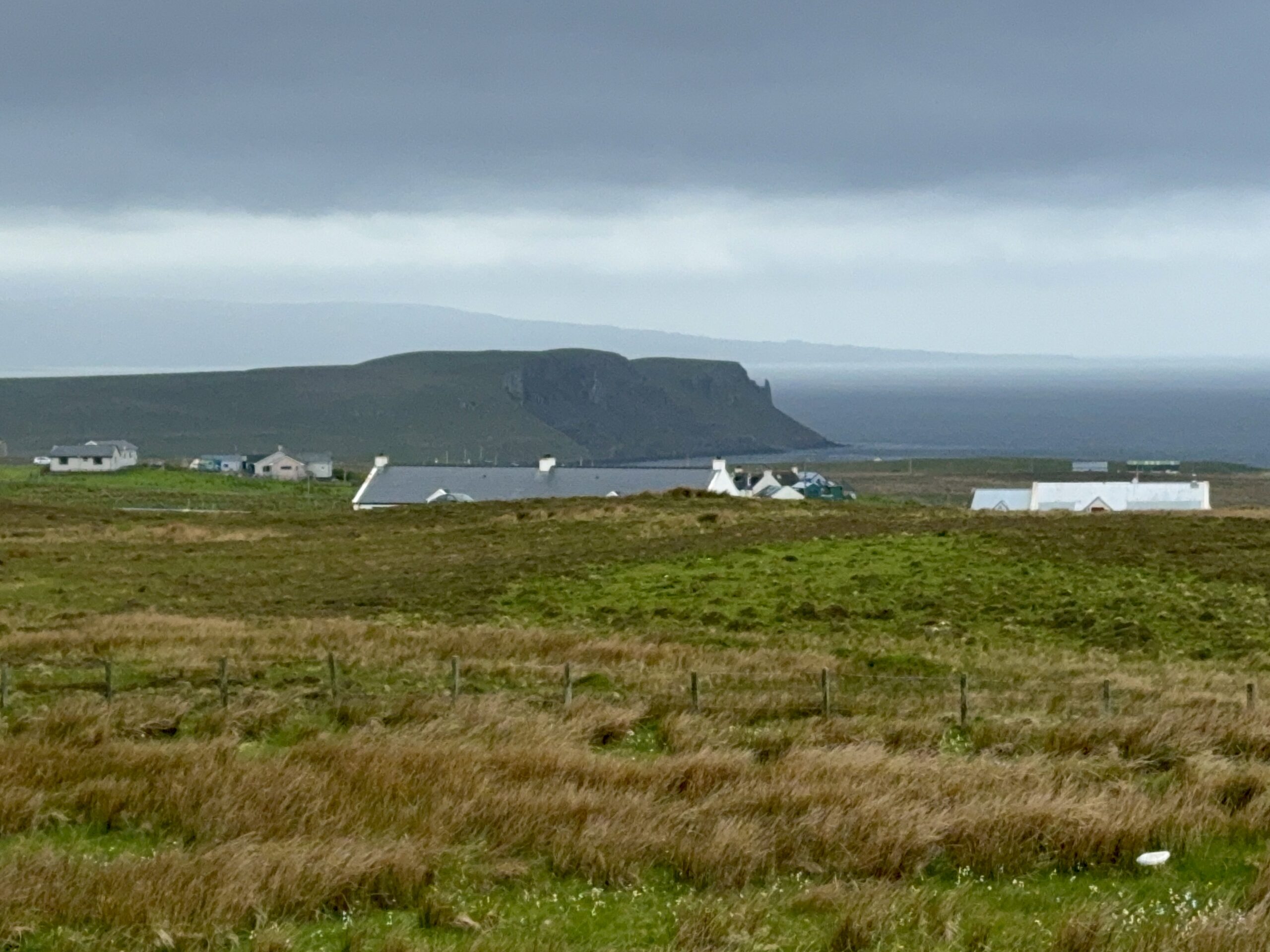
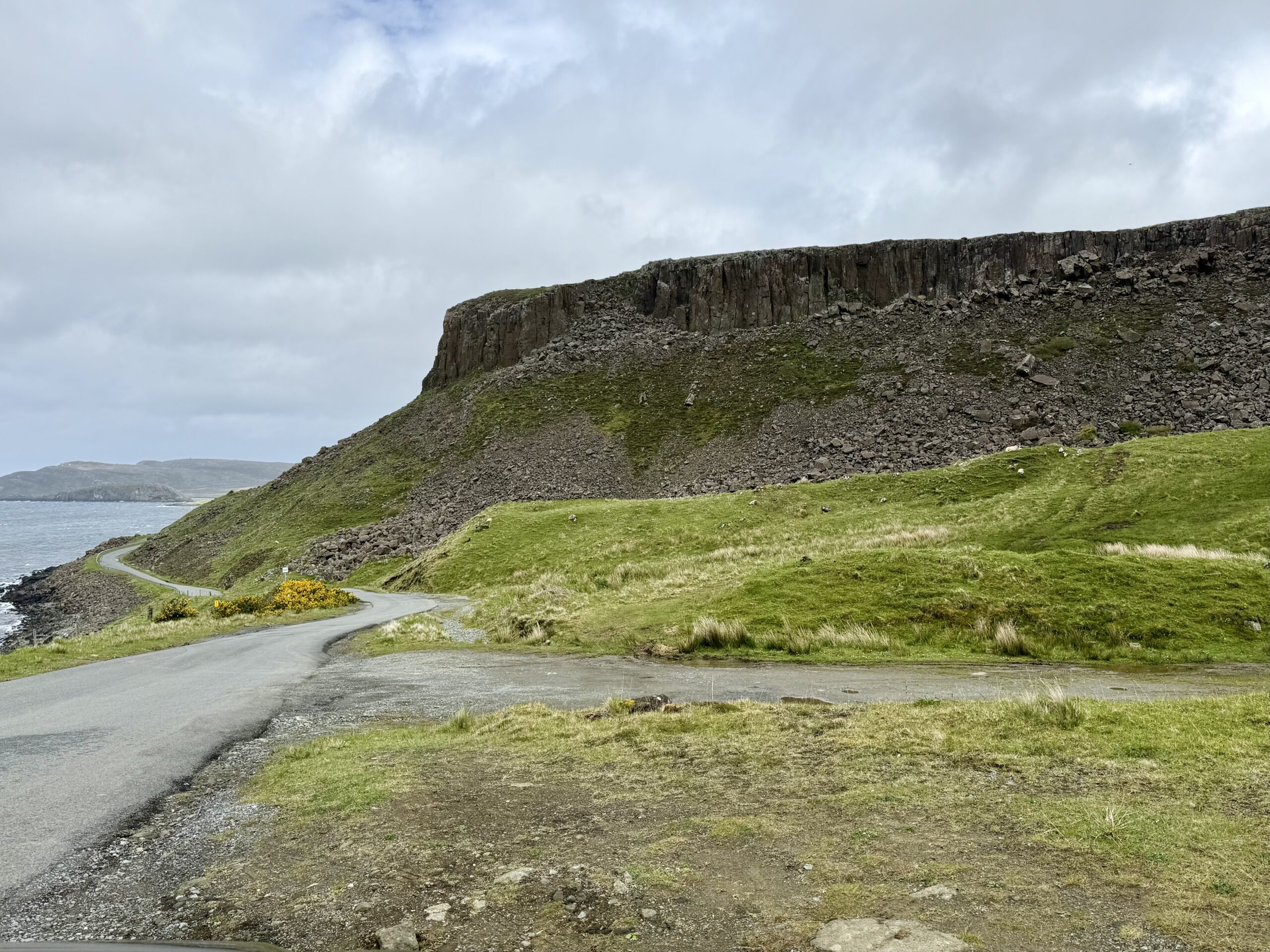
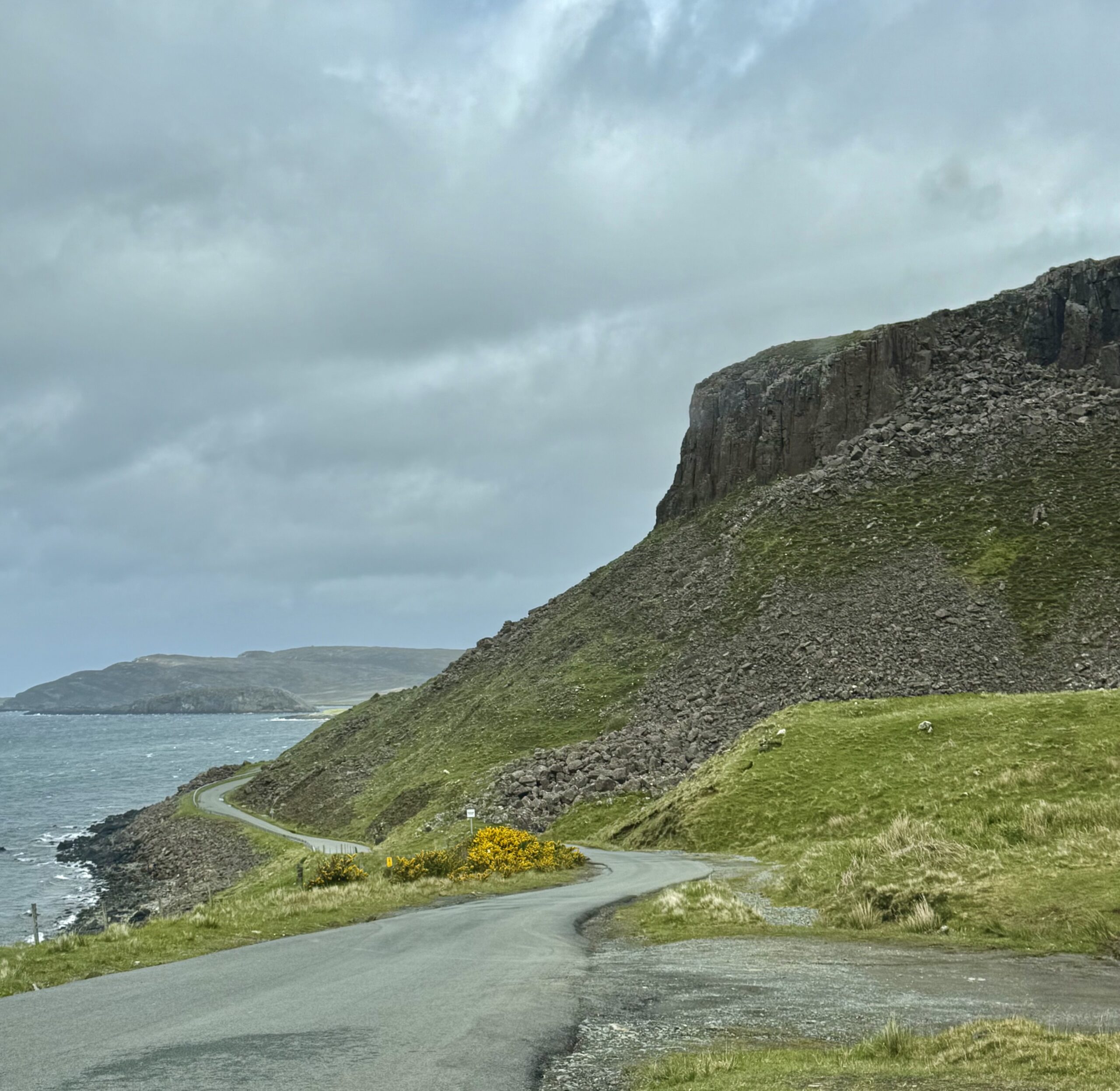
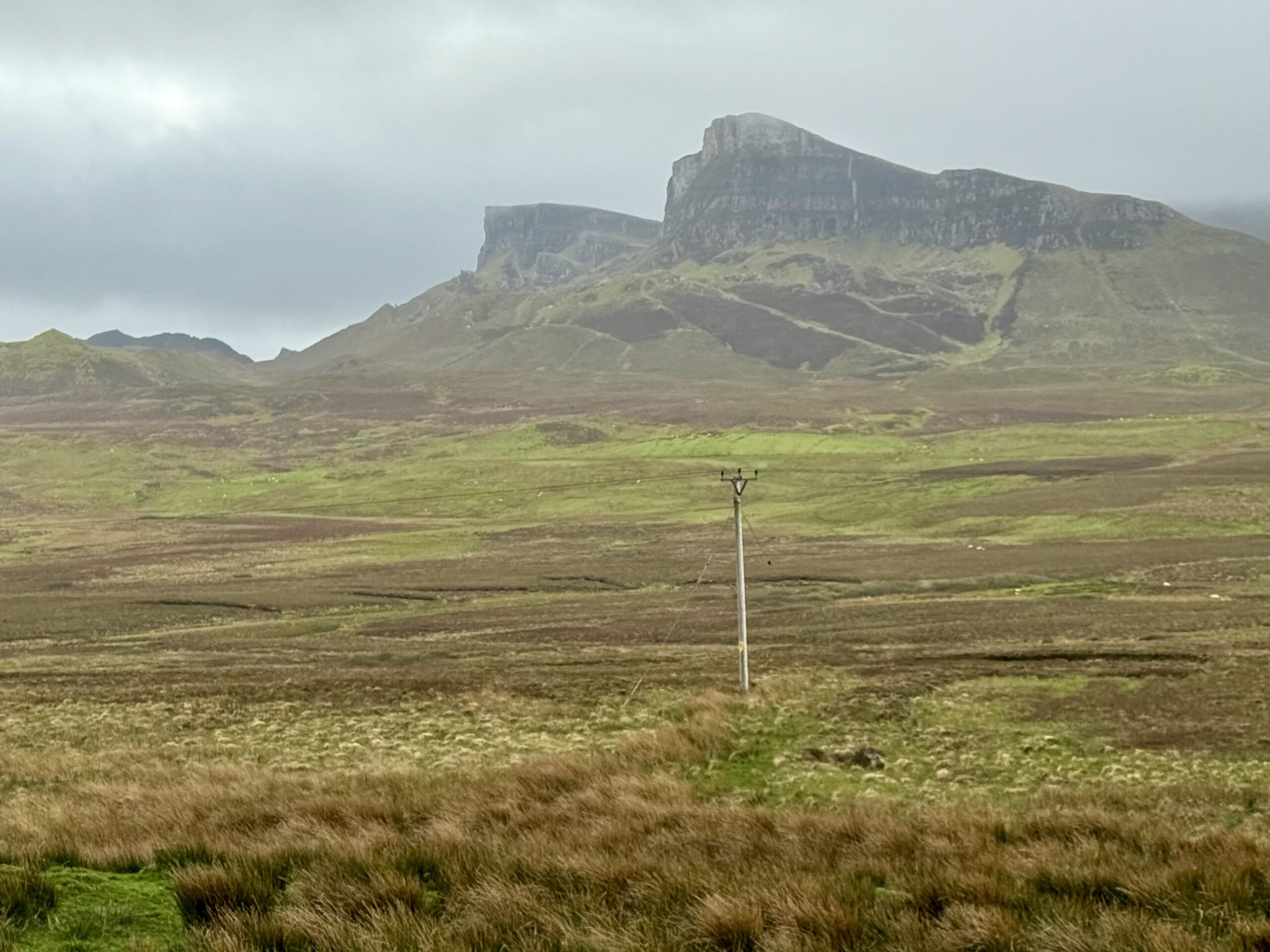
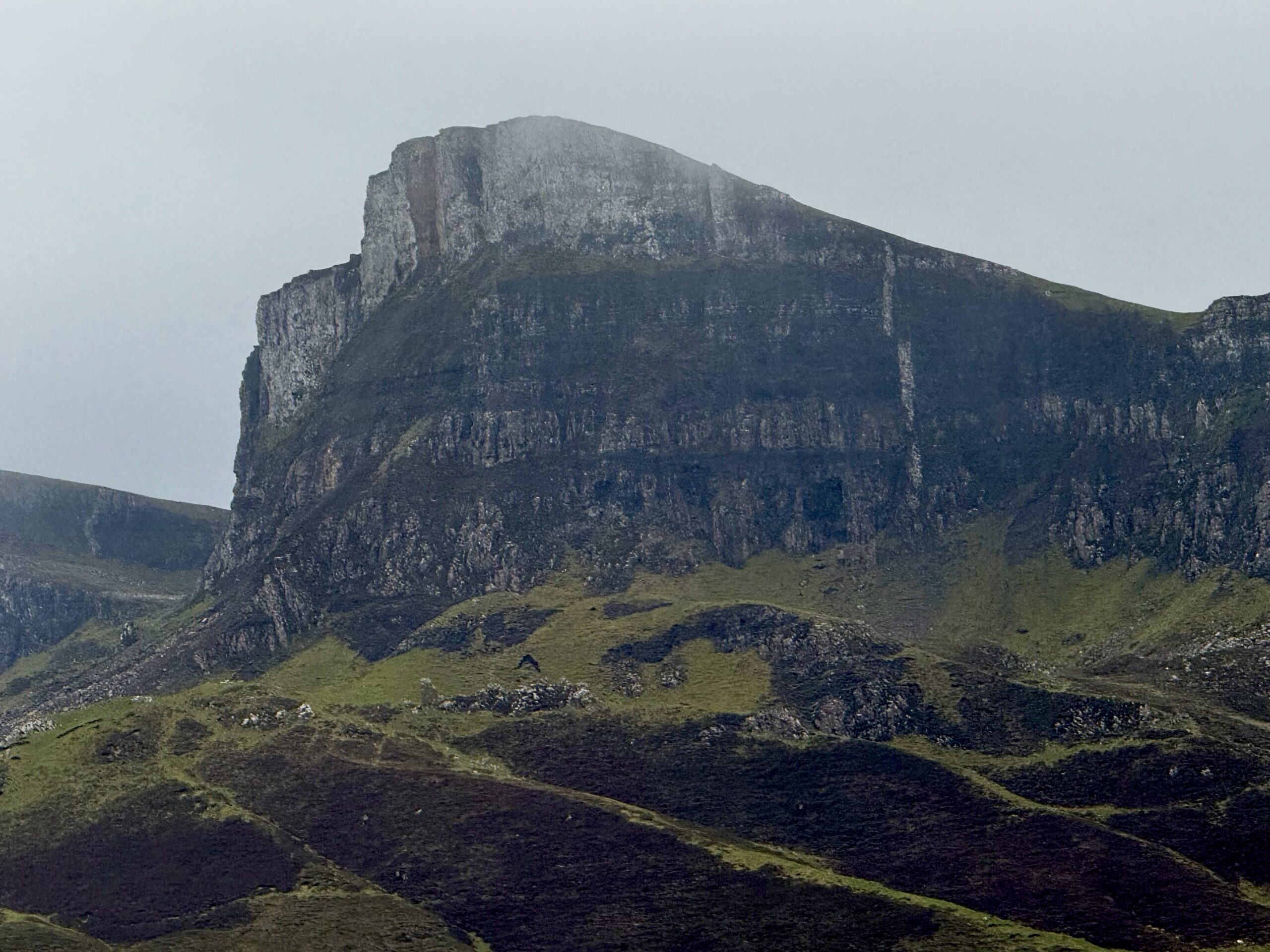
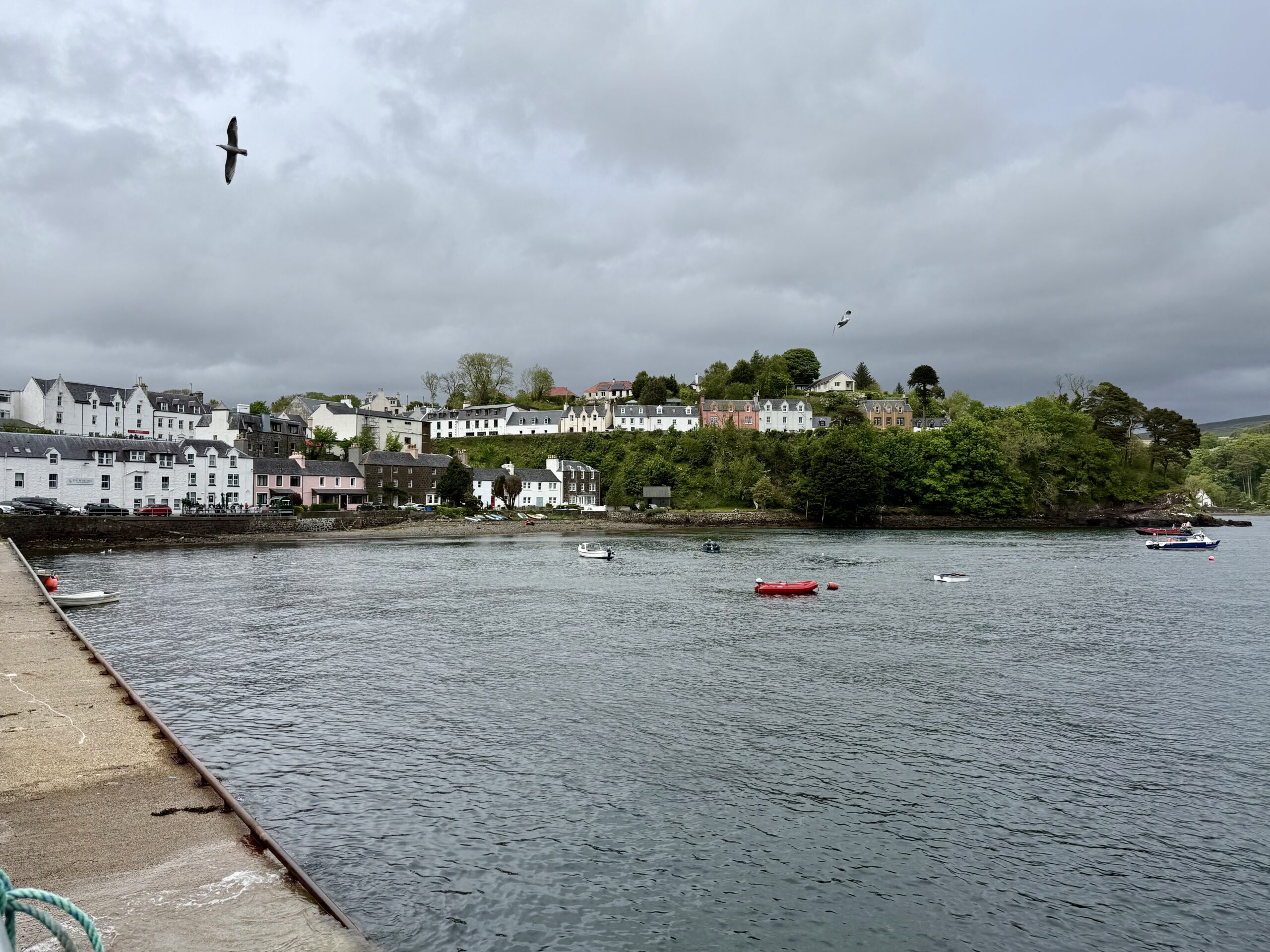
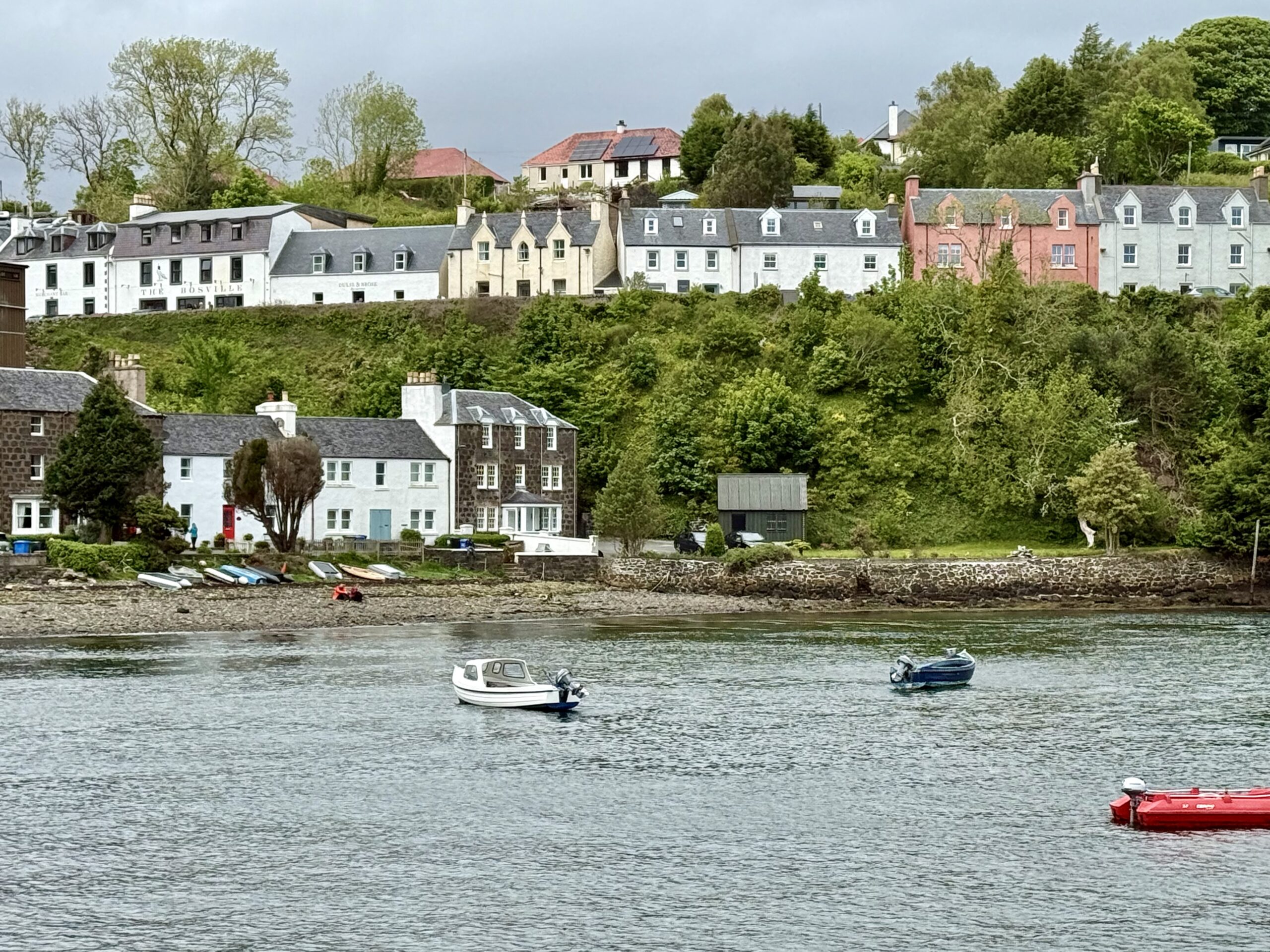
The Isle of Sky epitomizes our image of Scotland.
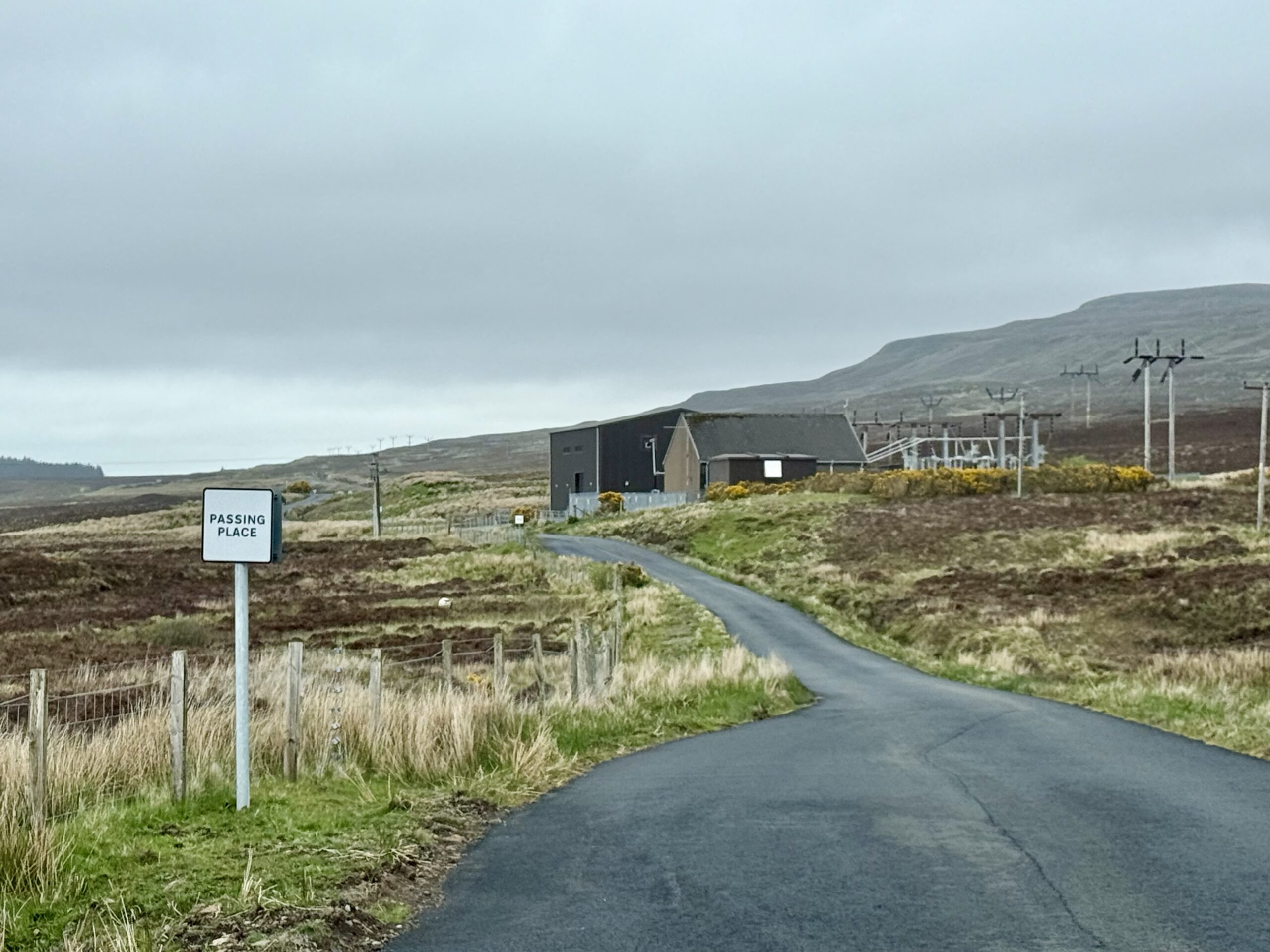

Passing Places
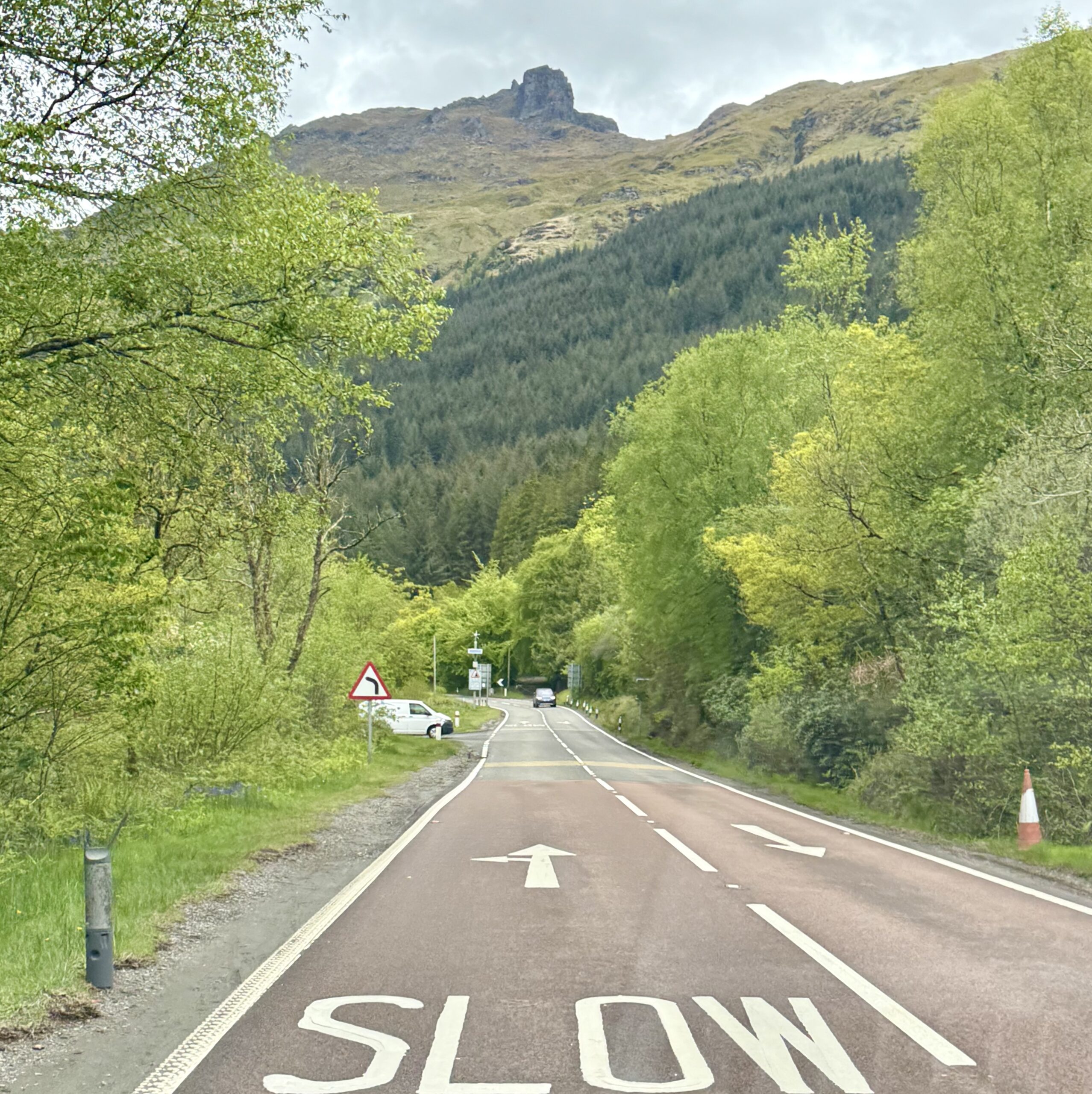
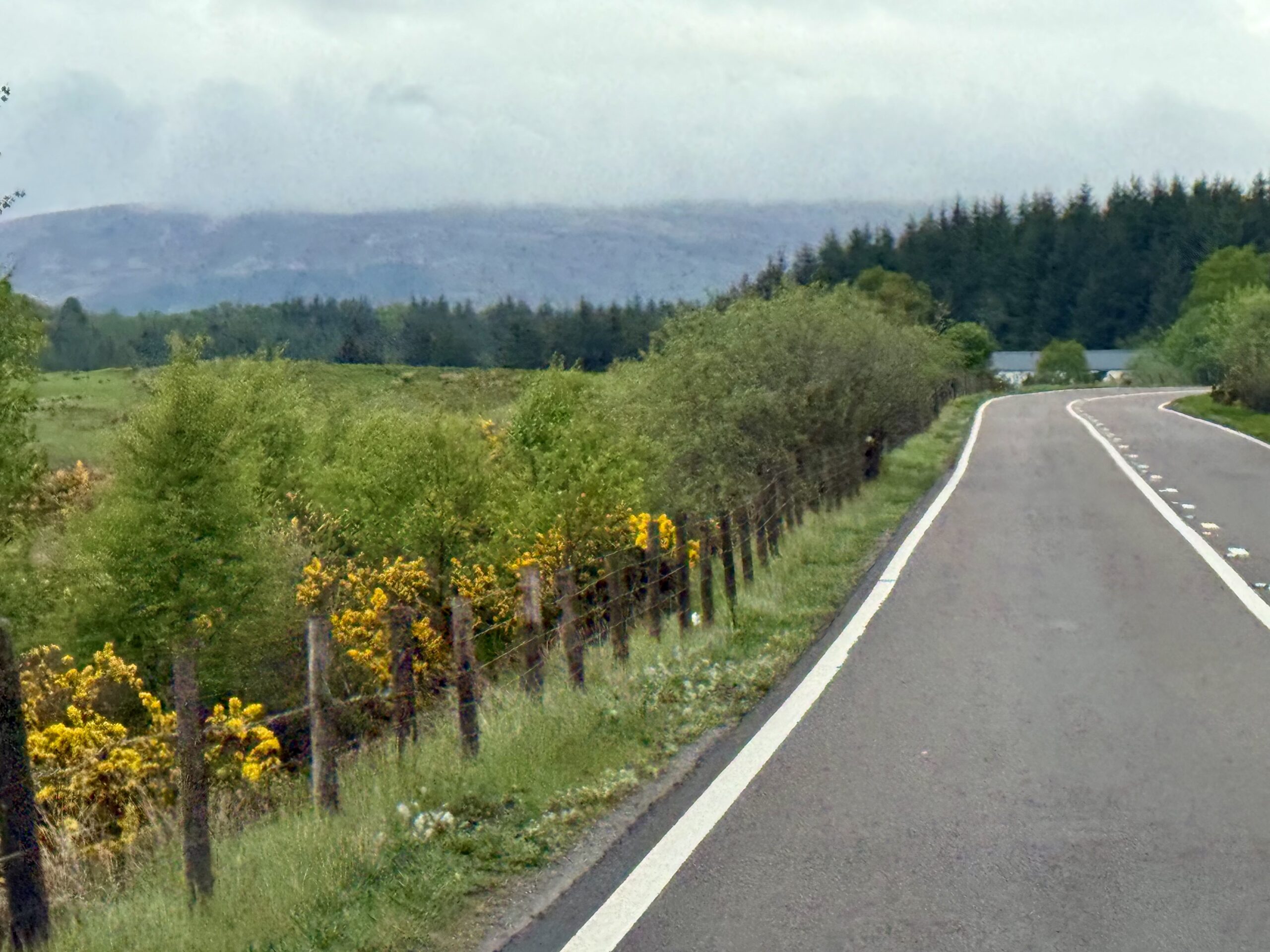
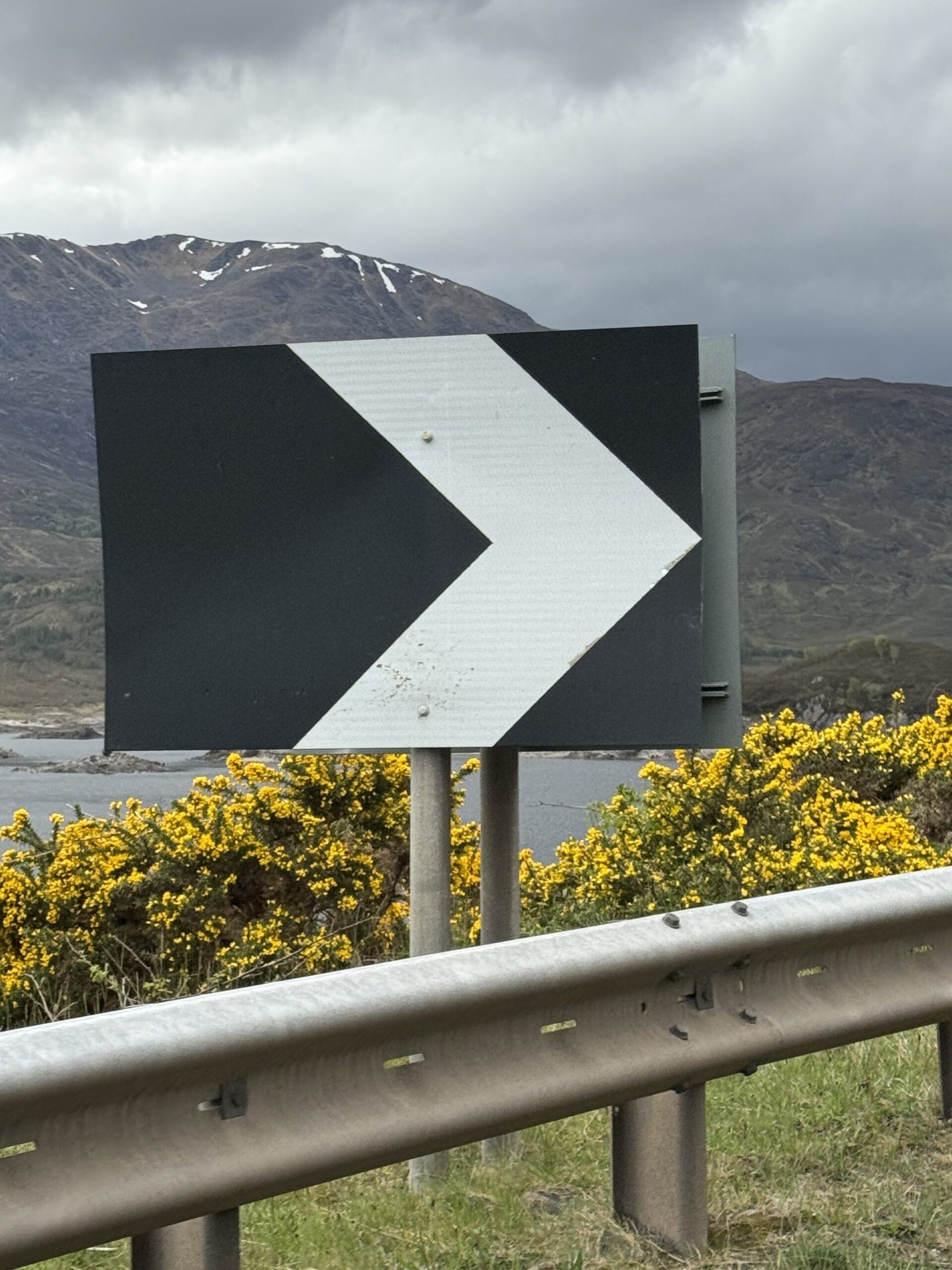
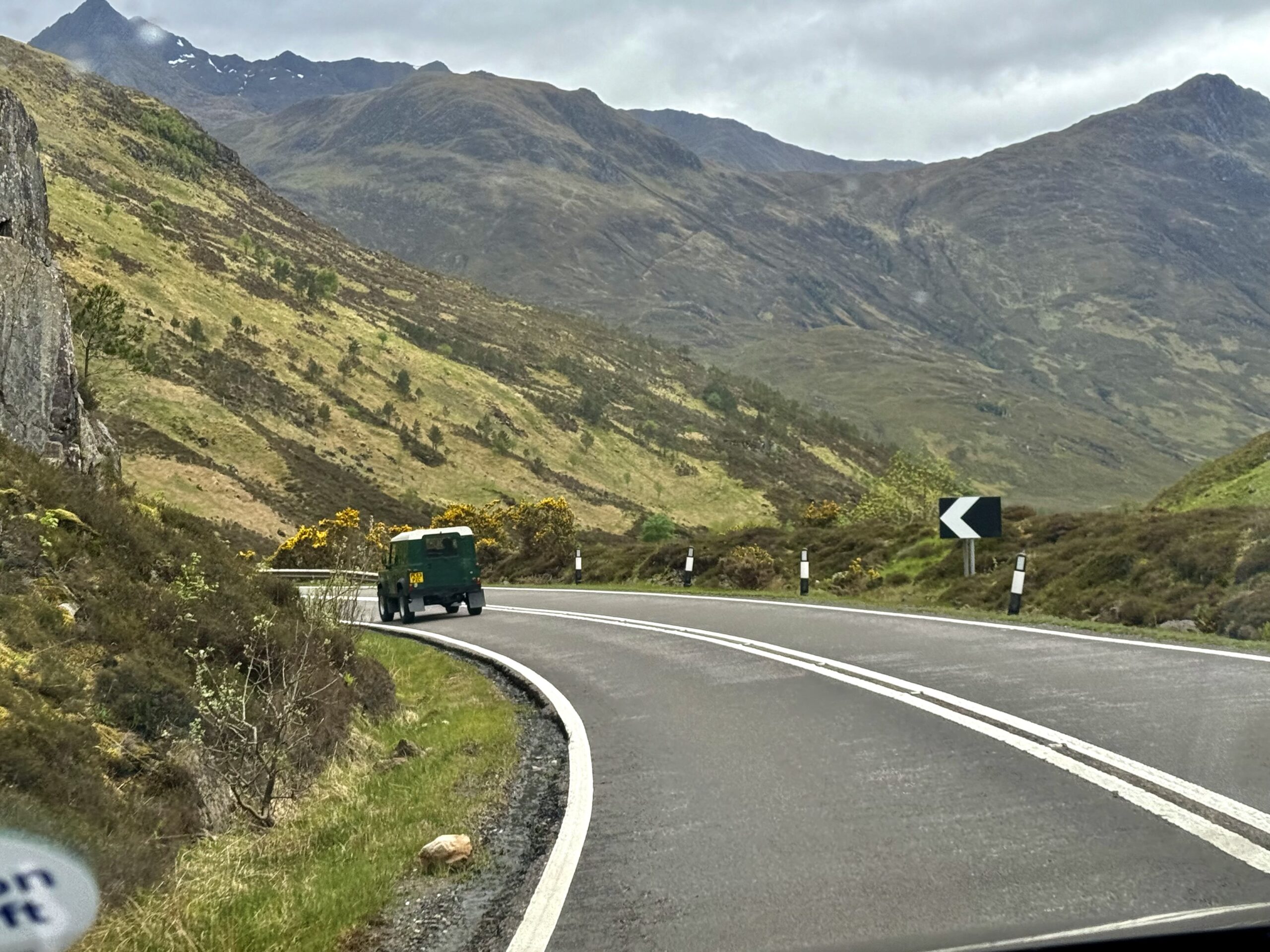
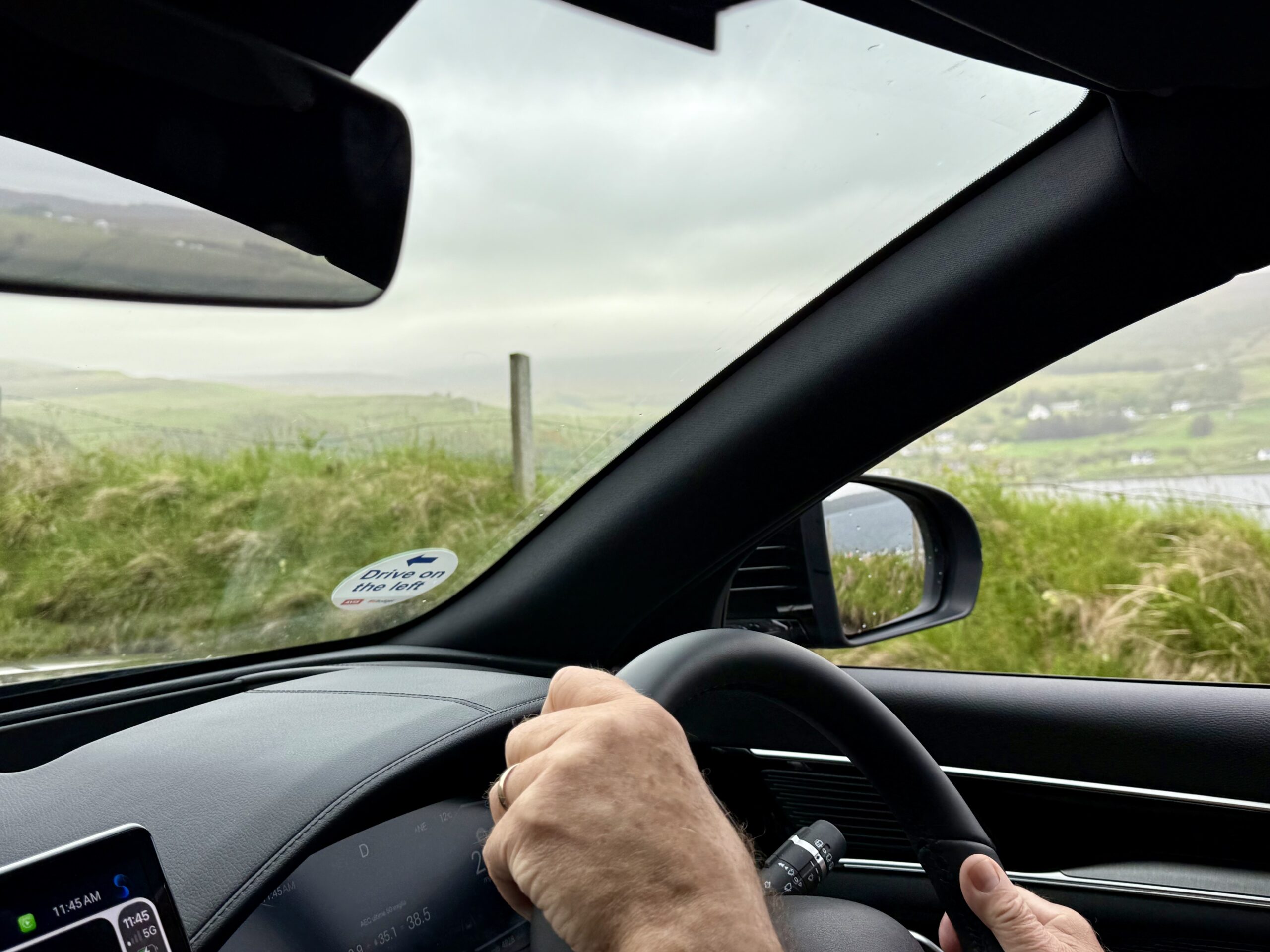
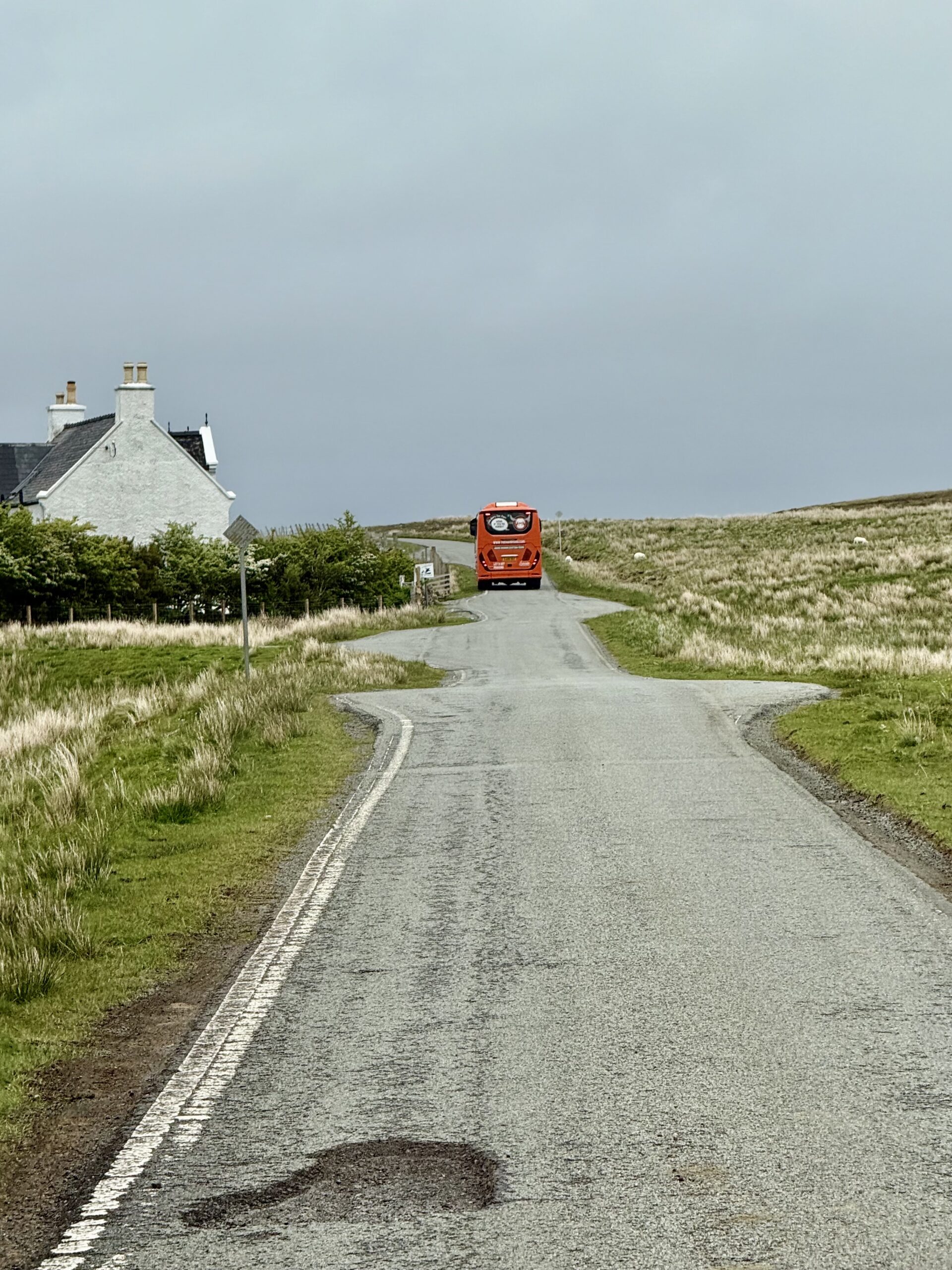
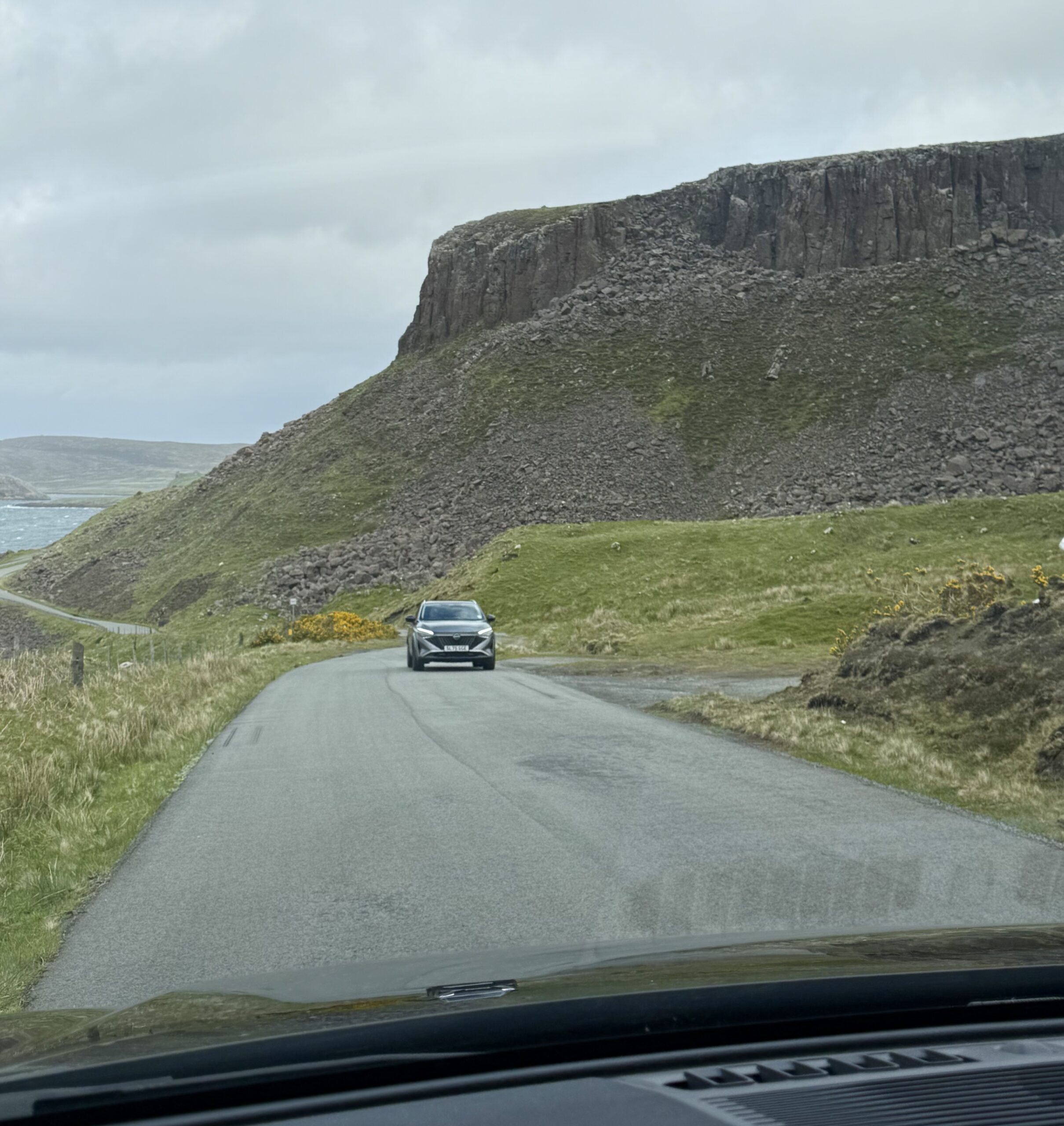
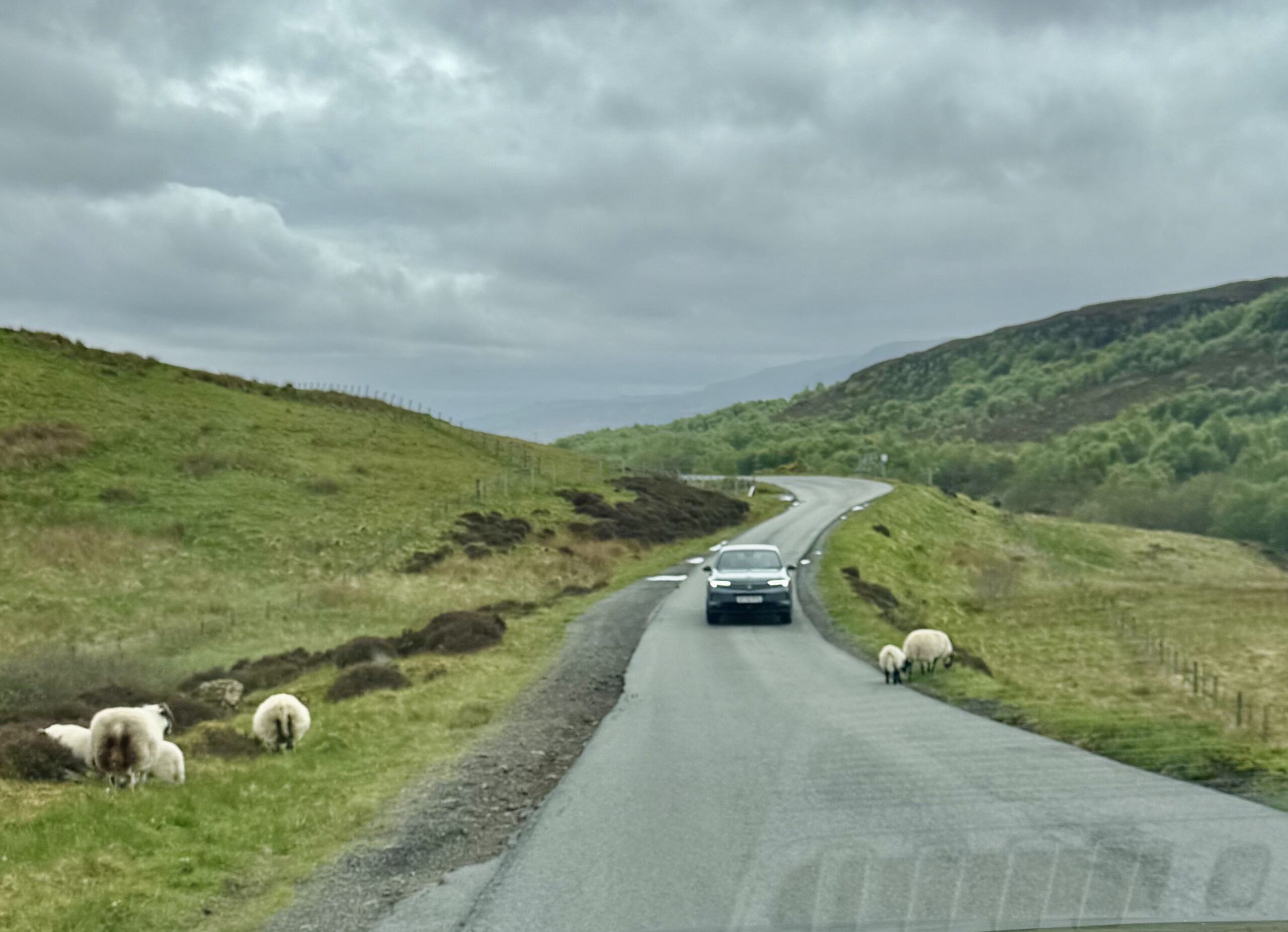
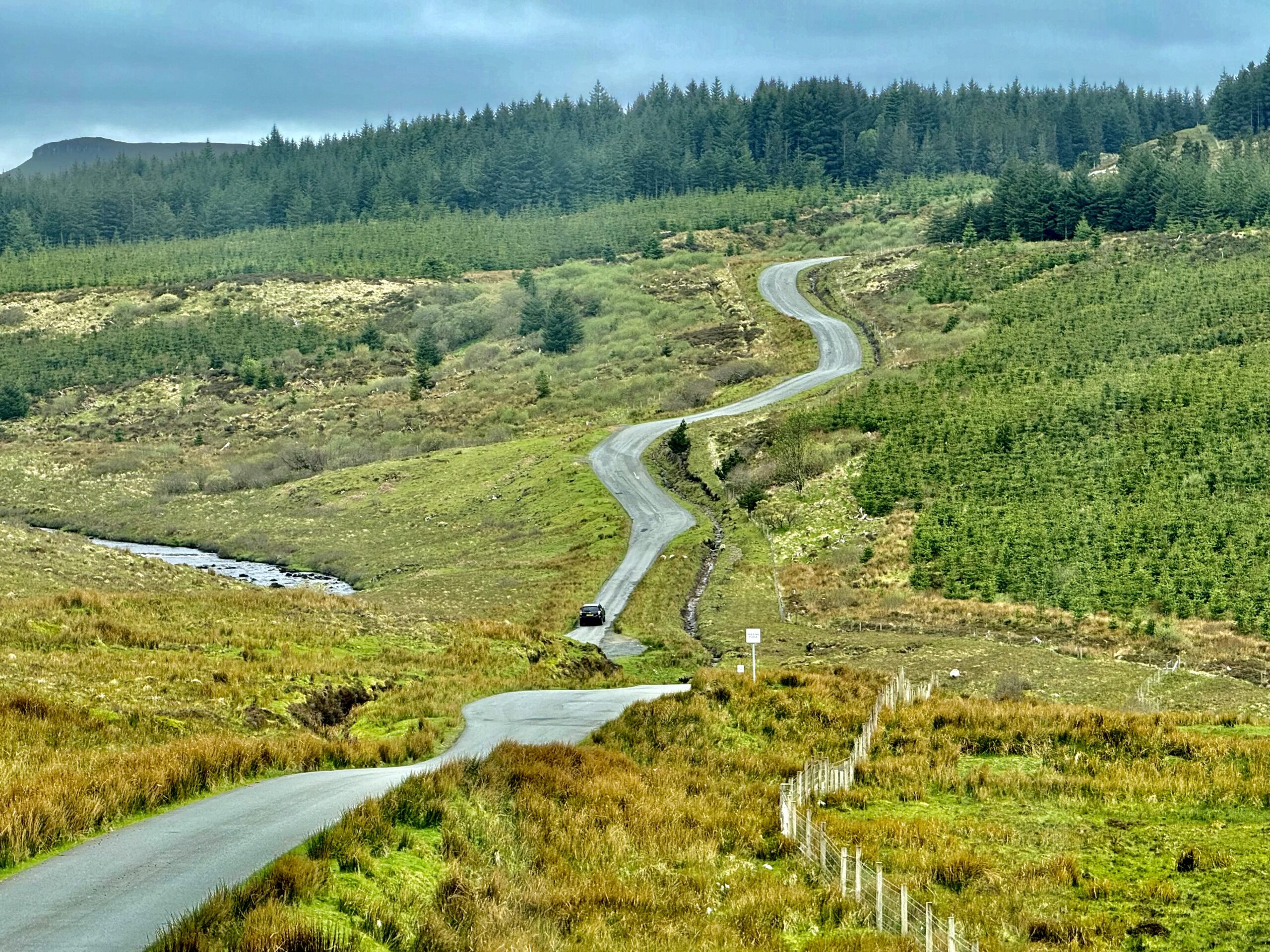
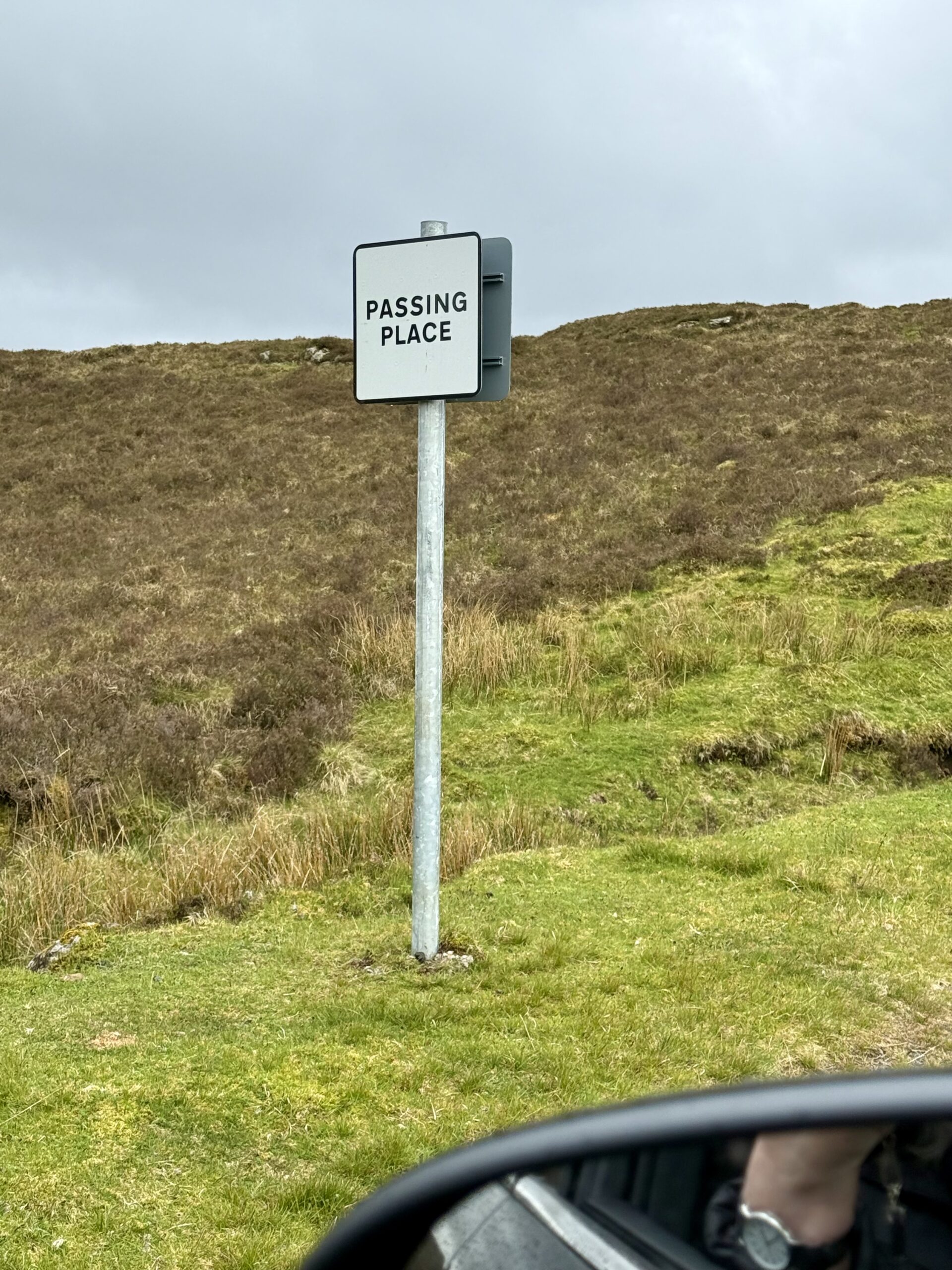
Many roads near Oban and on the Isle of Skye are single track (one lane). They frequently provide a “Passing Place”, which is just enough extra space for you or the oncoming vehicle pull over to let the other pass. The one who pulls over often gets a wave of thanks, a flicker of the high beams, a nod of the head, or even a thumbs up. Nice gesture. One huge truck gave Robert a thunderous blast, which completely startled us.
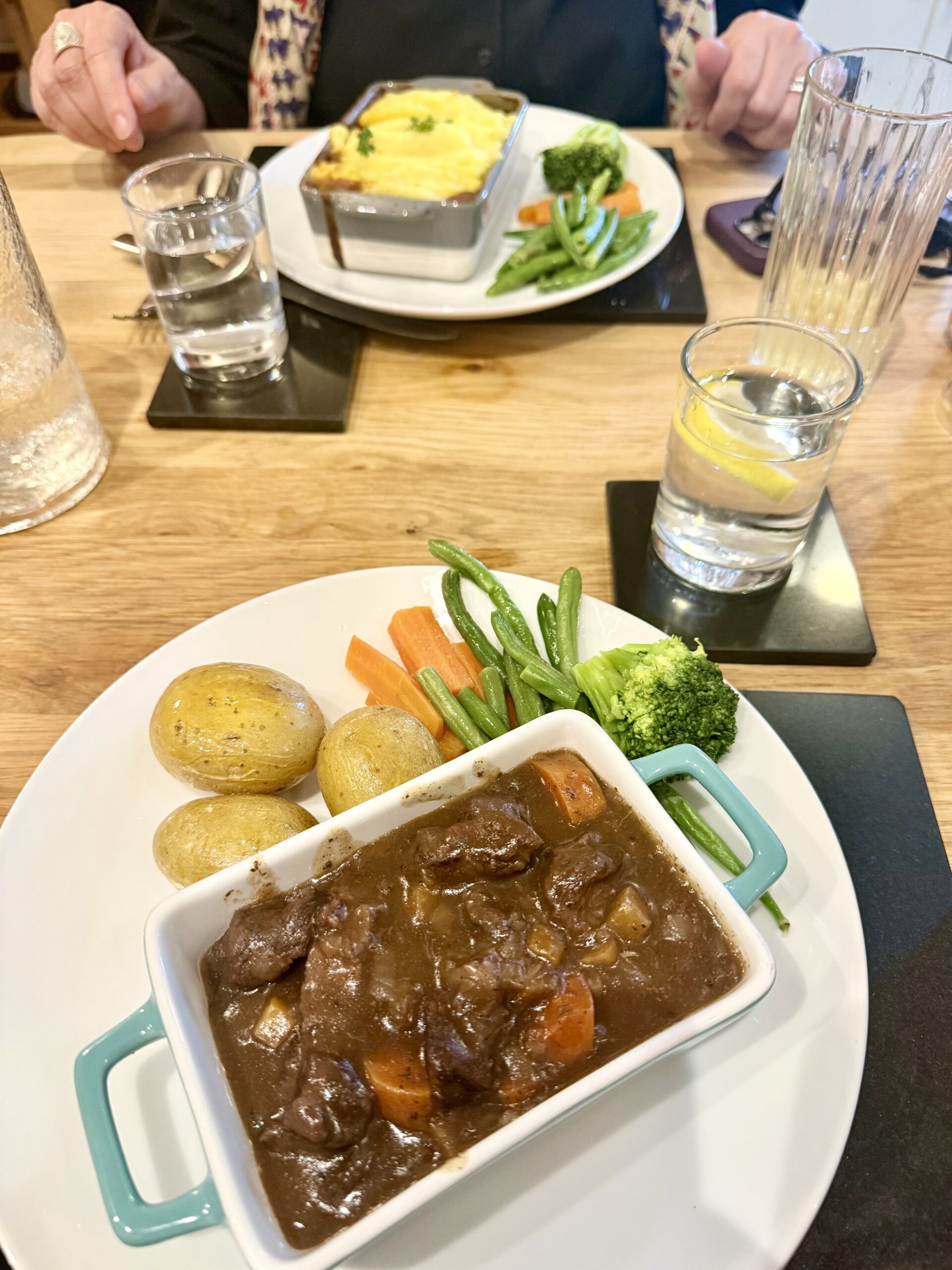
Meals
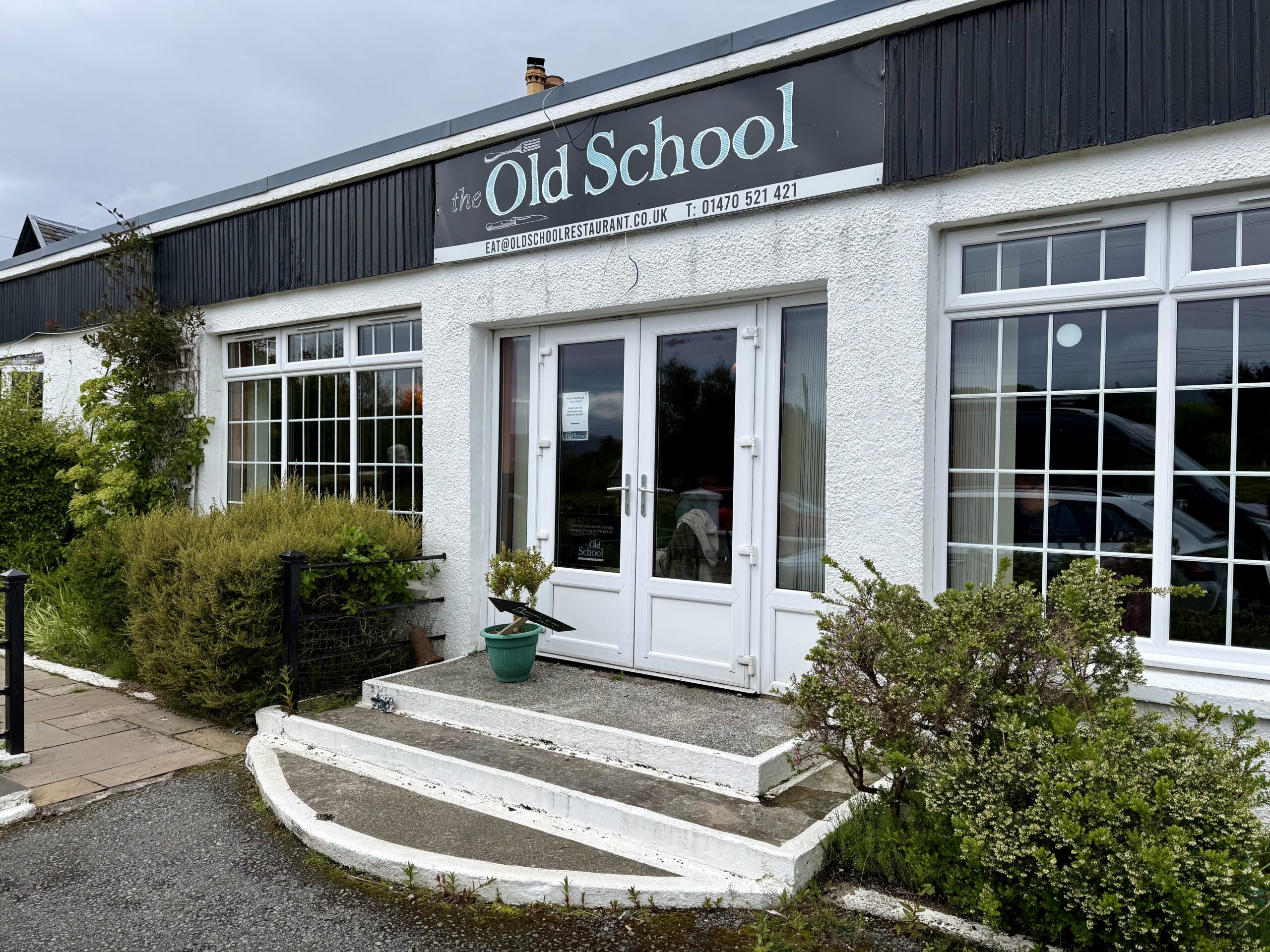
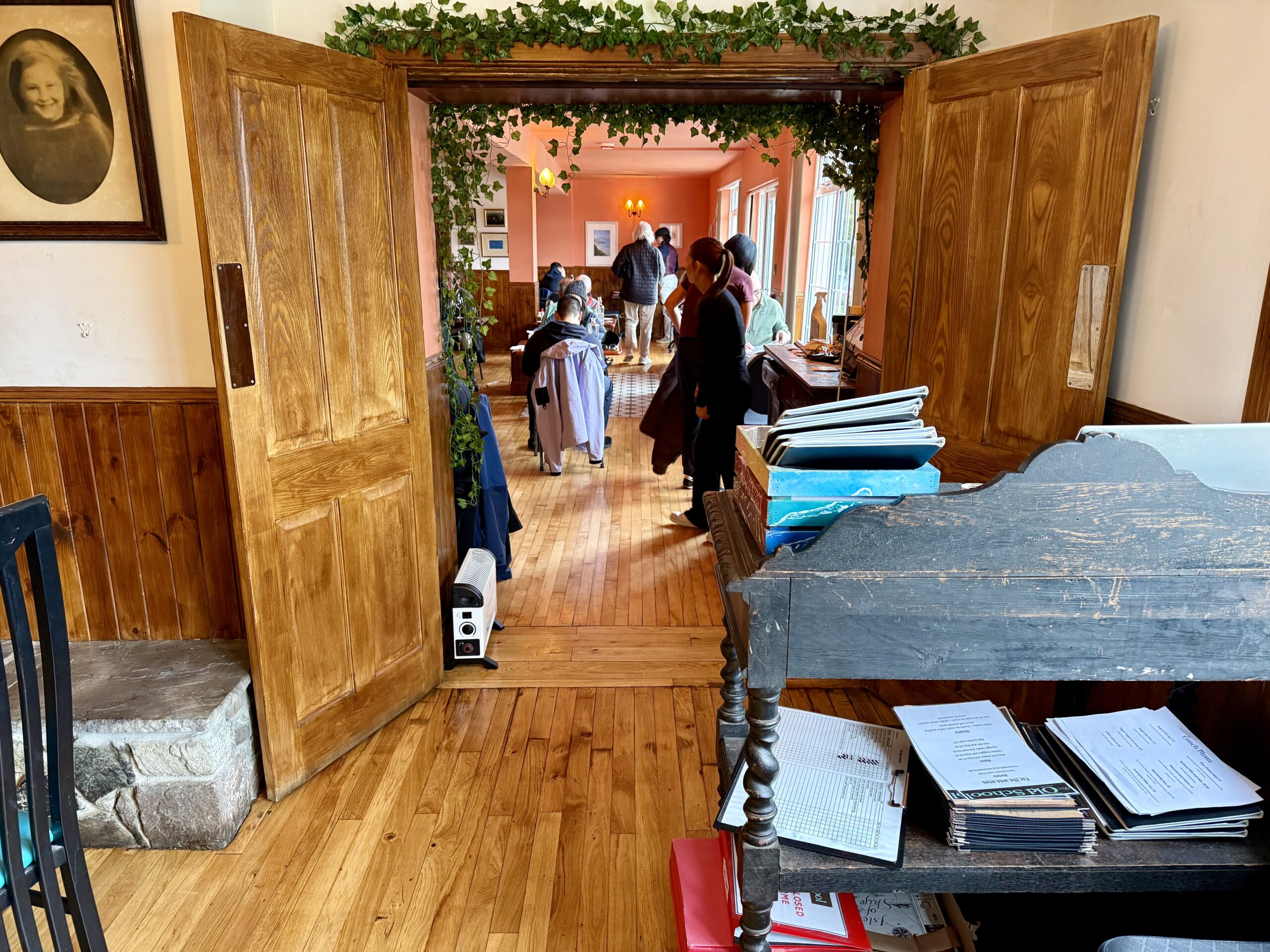
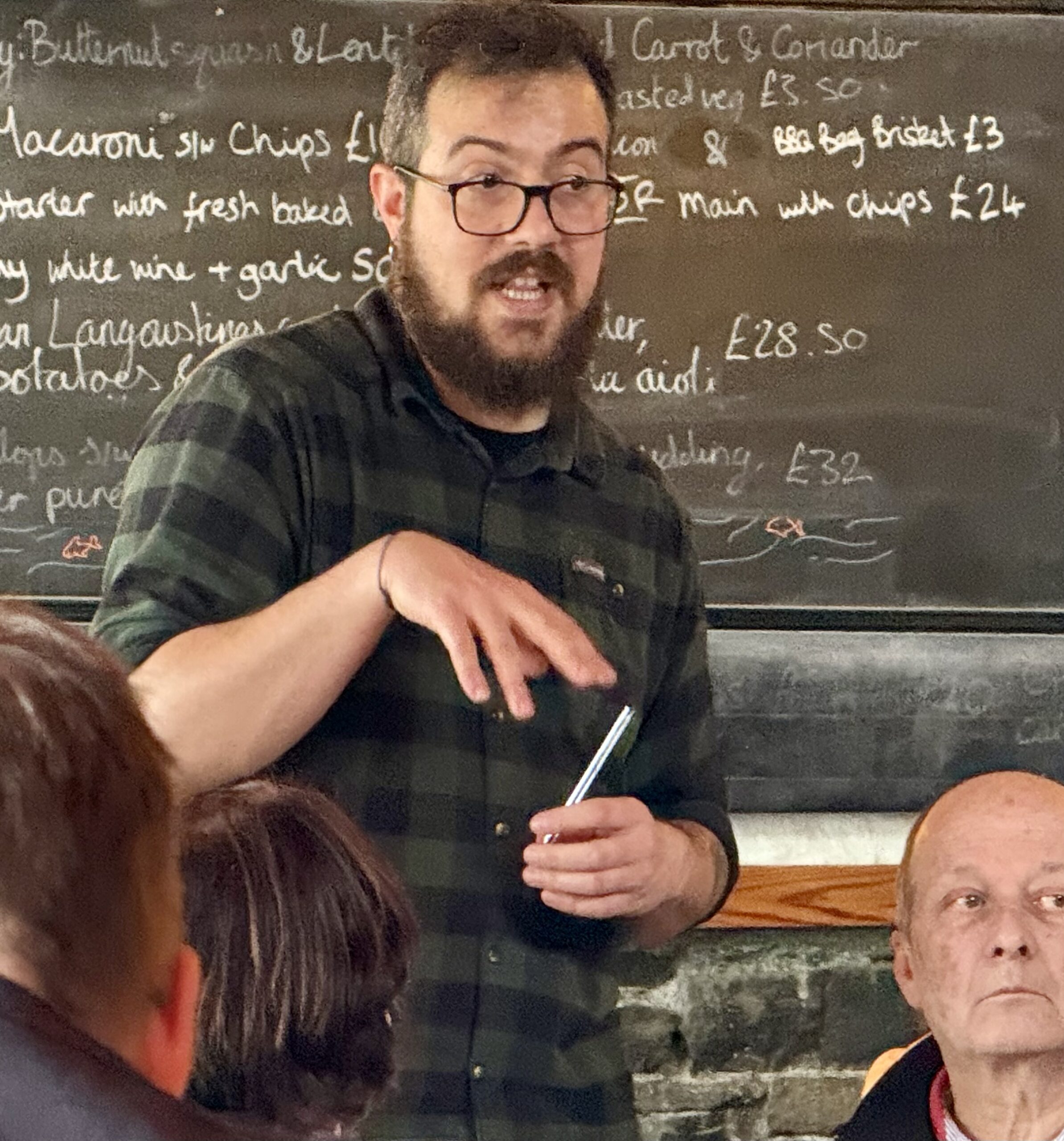
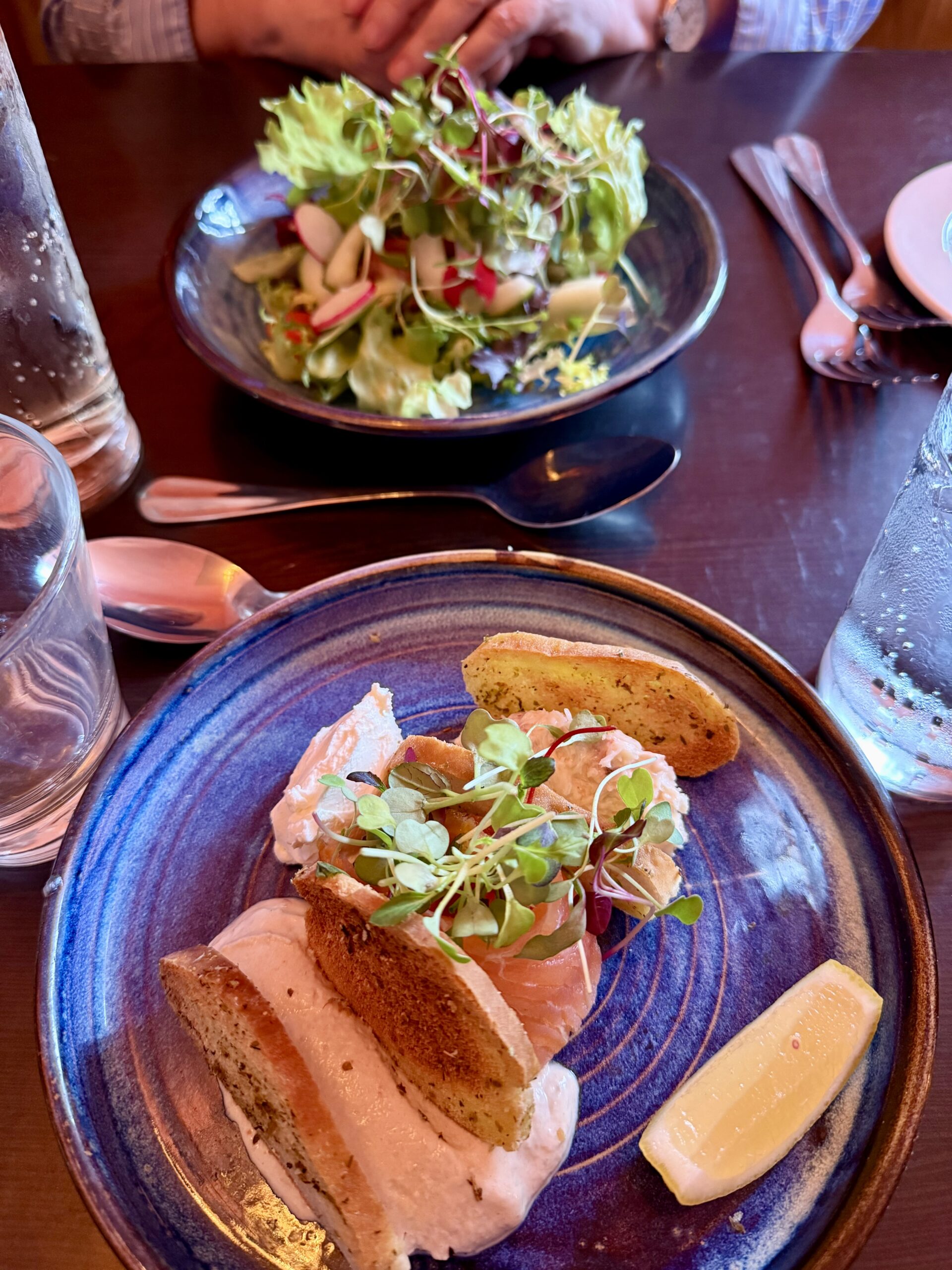
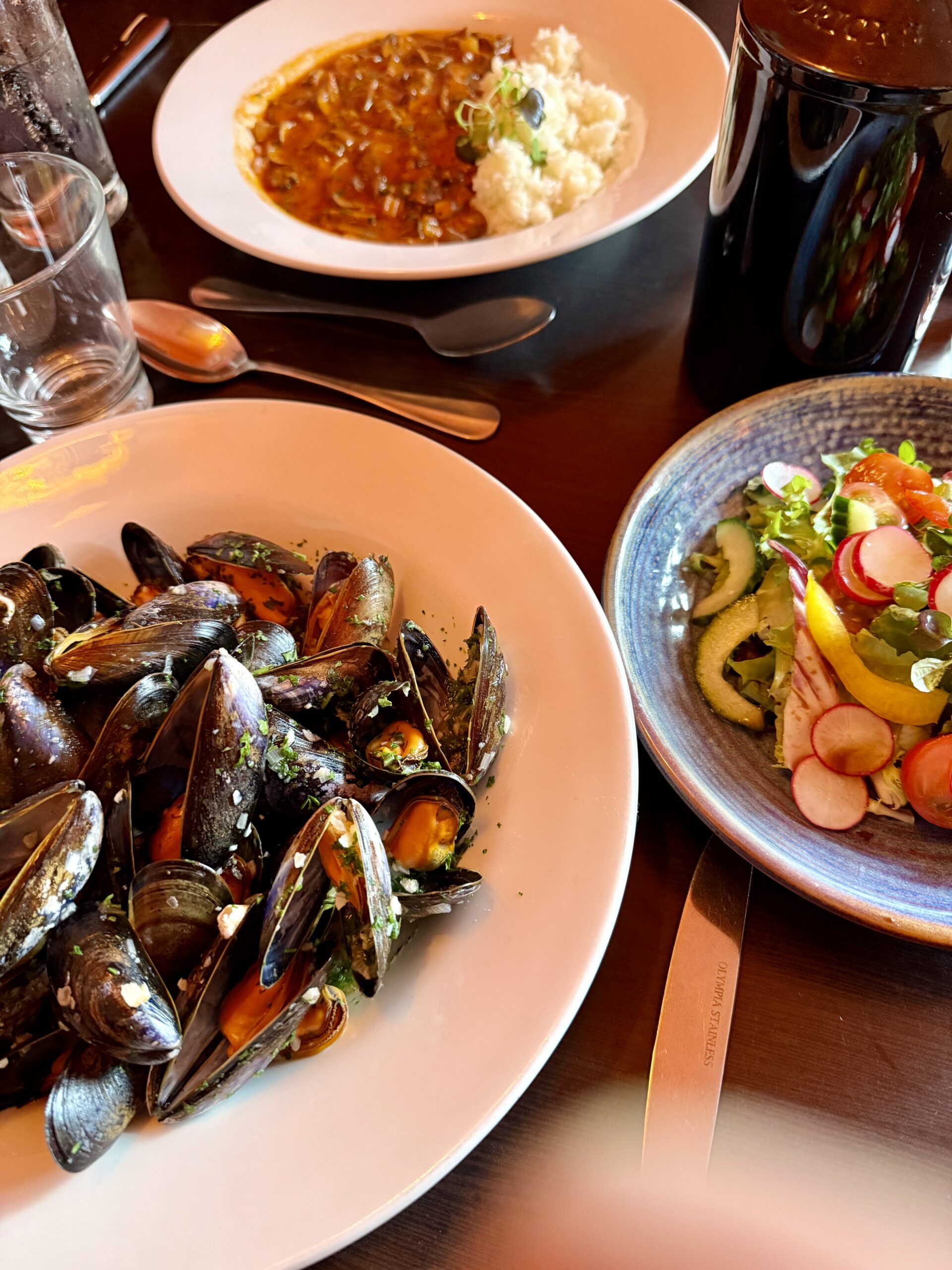
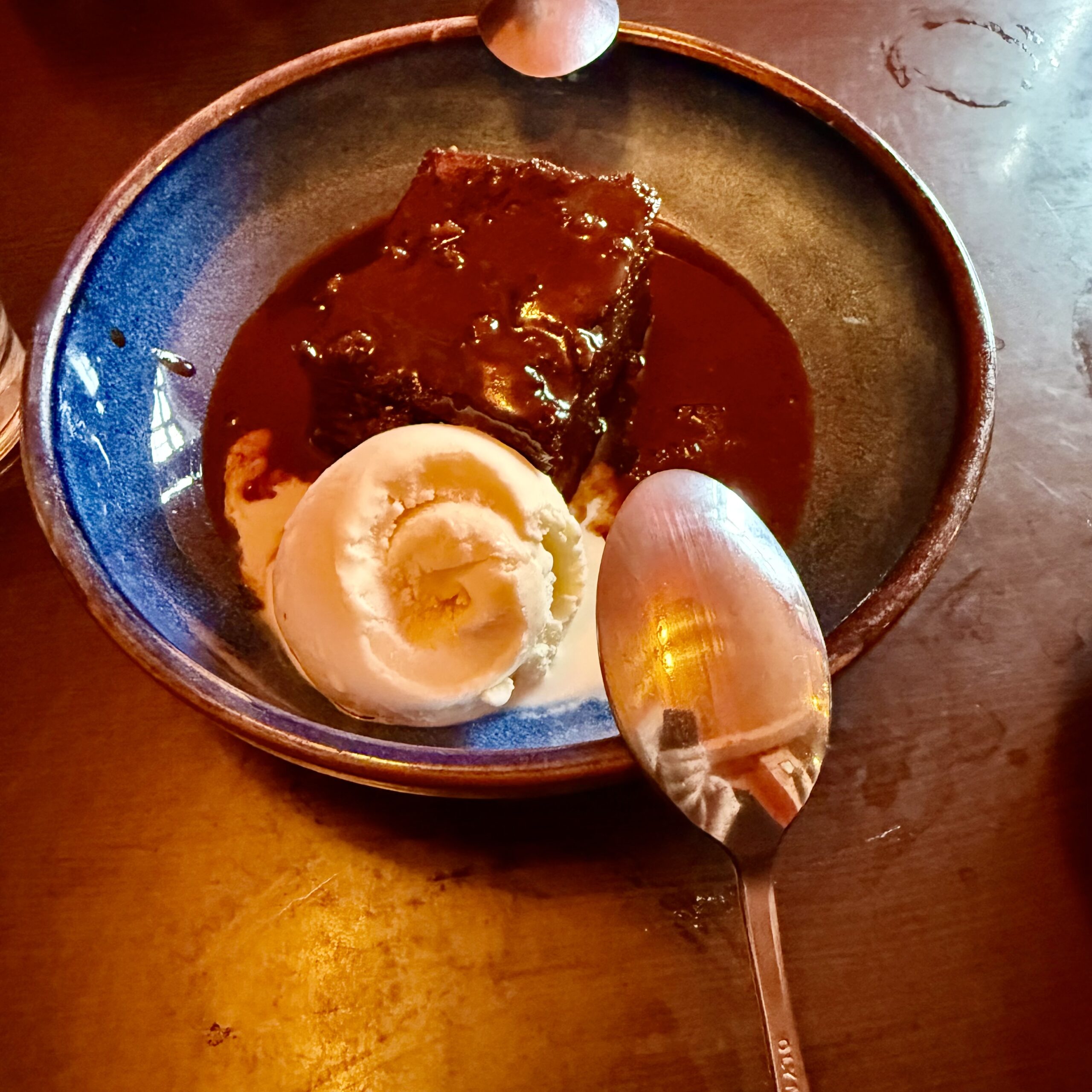
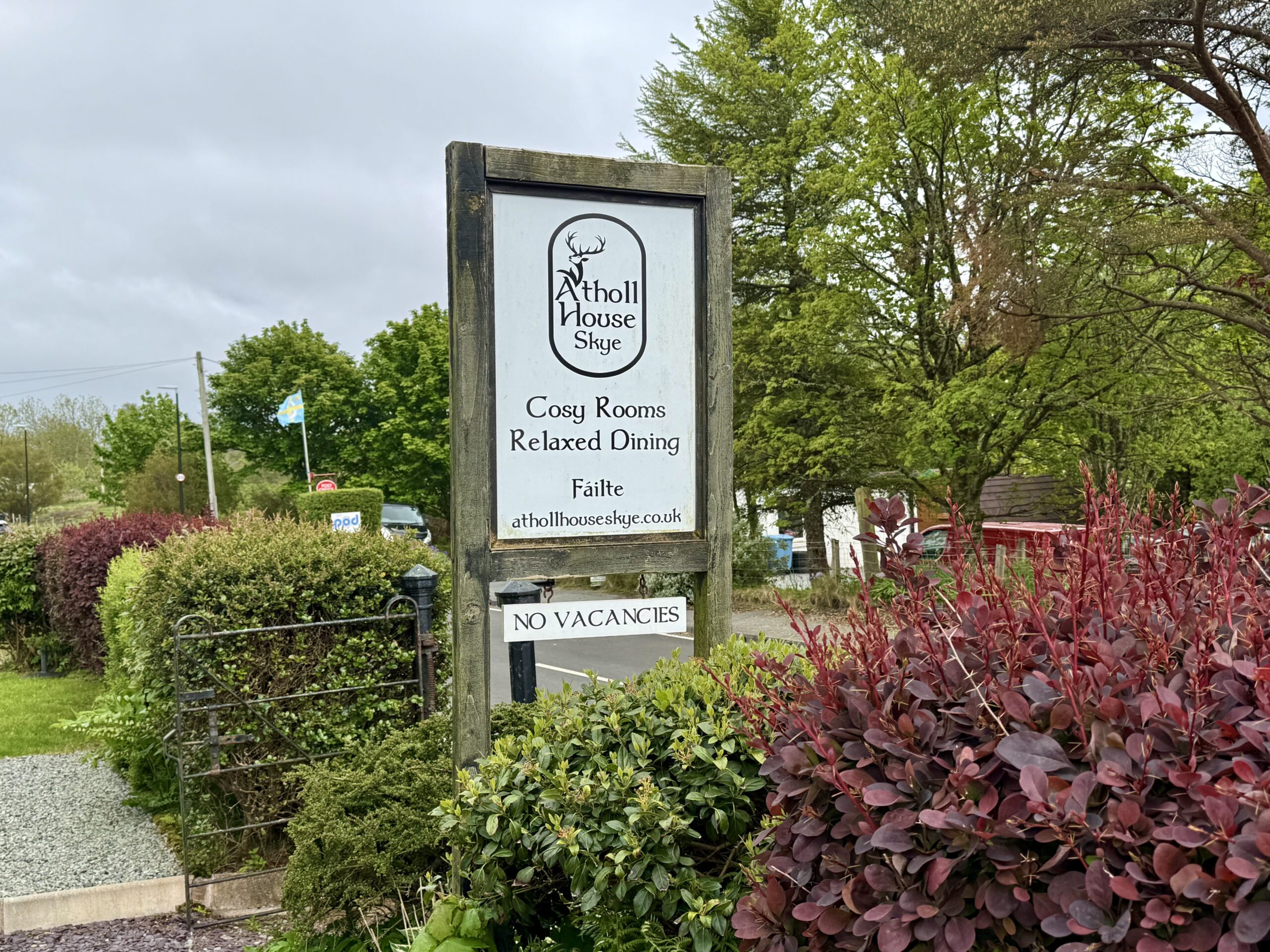
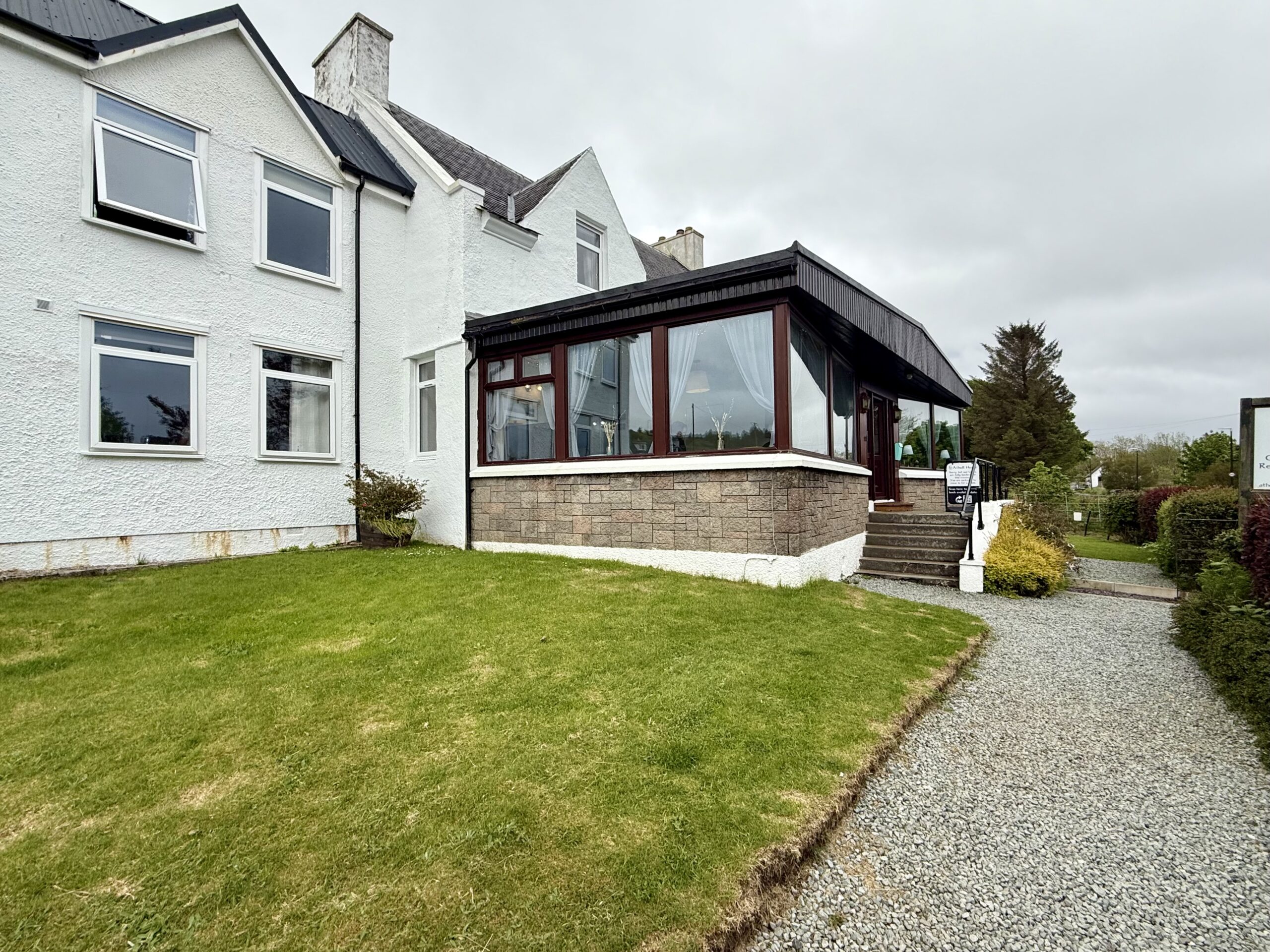
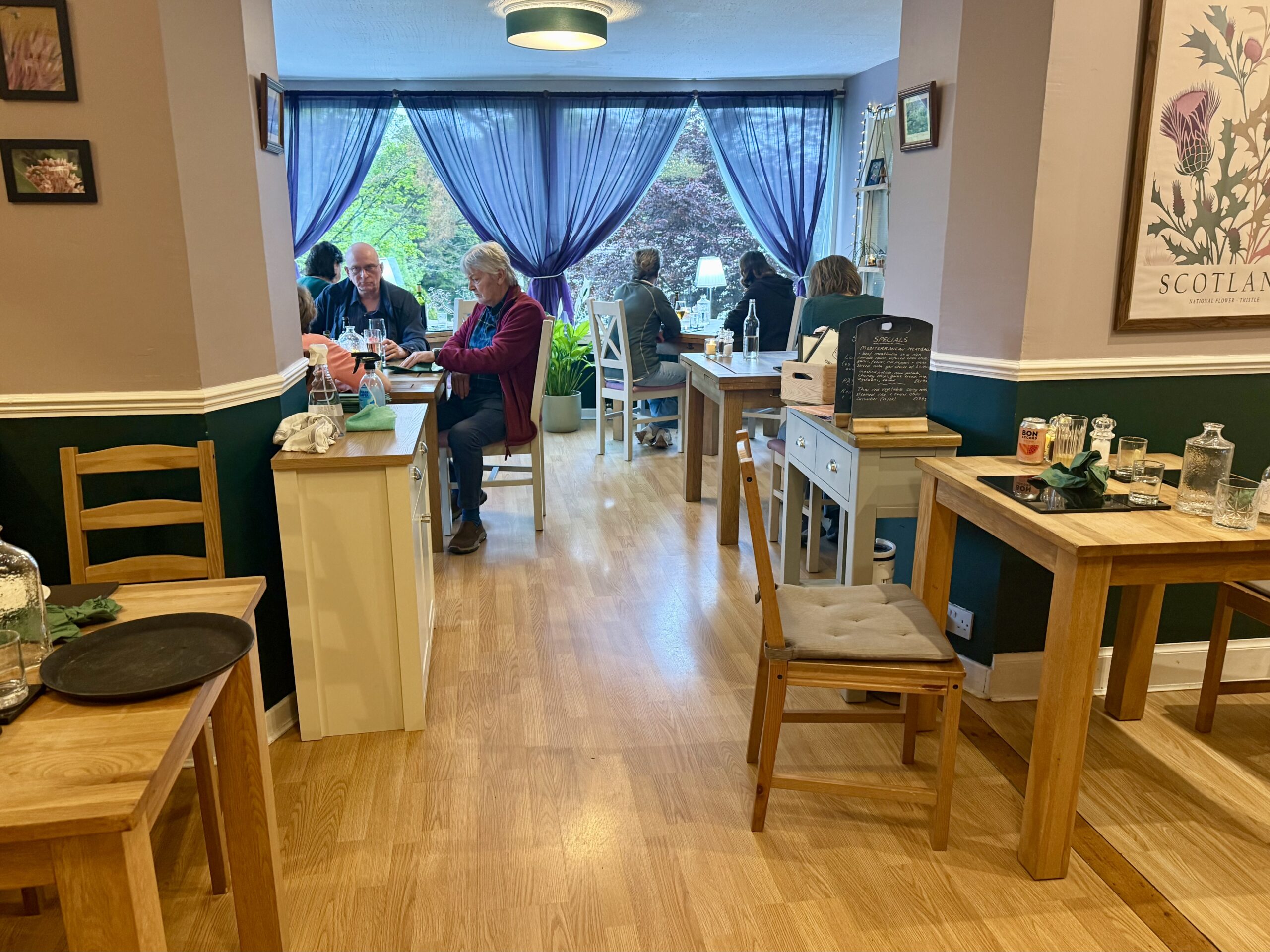
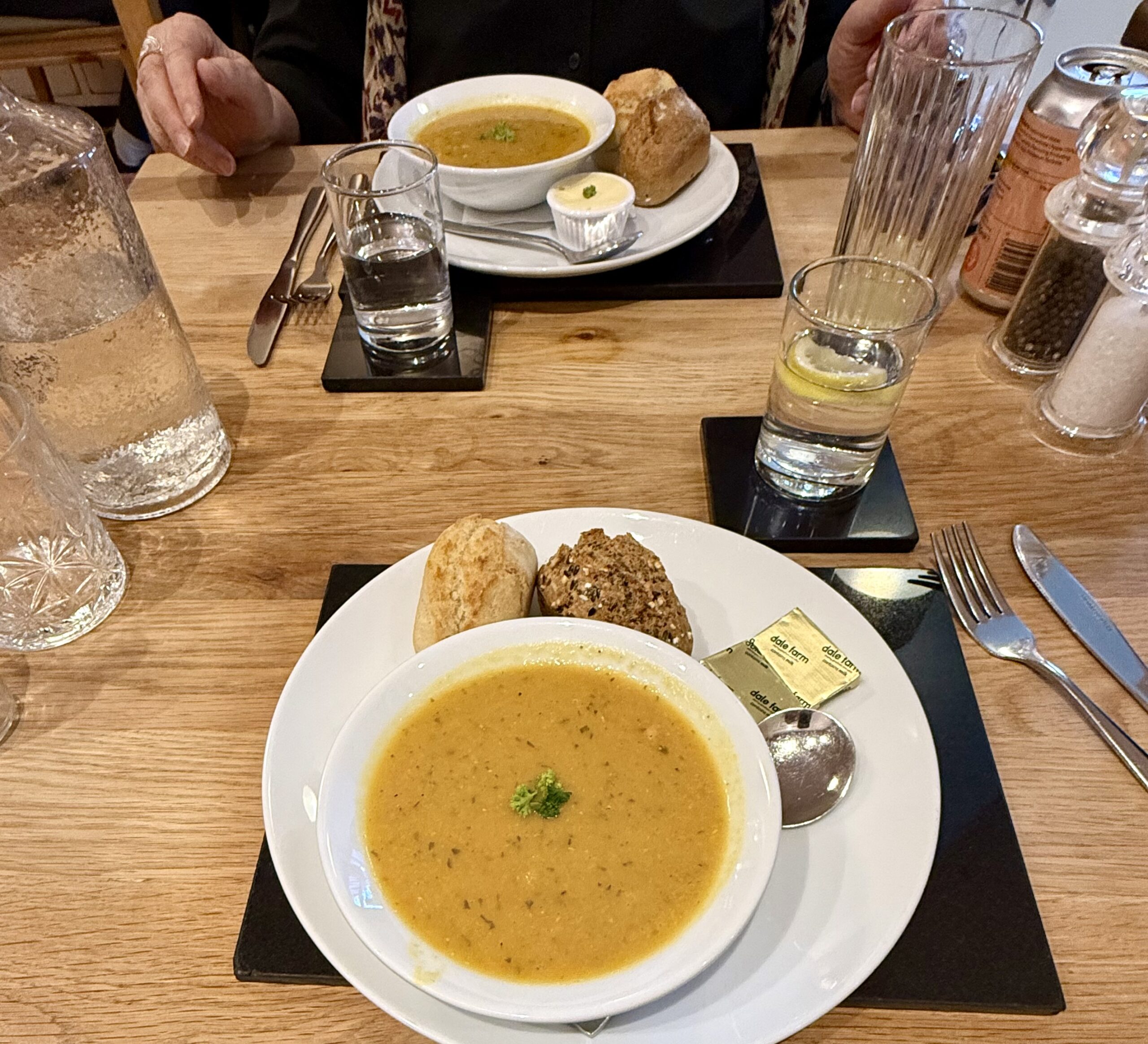
Before we arrived on Skye Bonnie was warned by the inn to make advance dinner reservations because restaurants are few and far between. Even groceries are hard to find.
Random Observations.
One thing Bonnie noticed immediately when we got off the plane from Rome in Glasgow. Noses are smaller and foreheads are bigger. Few exceptions.
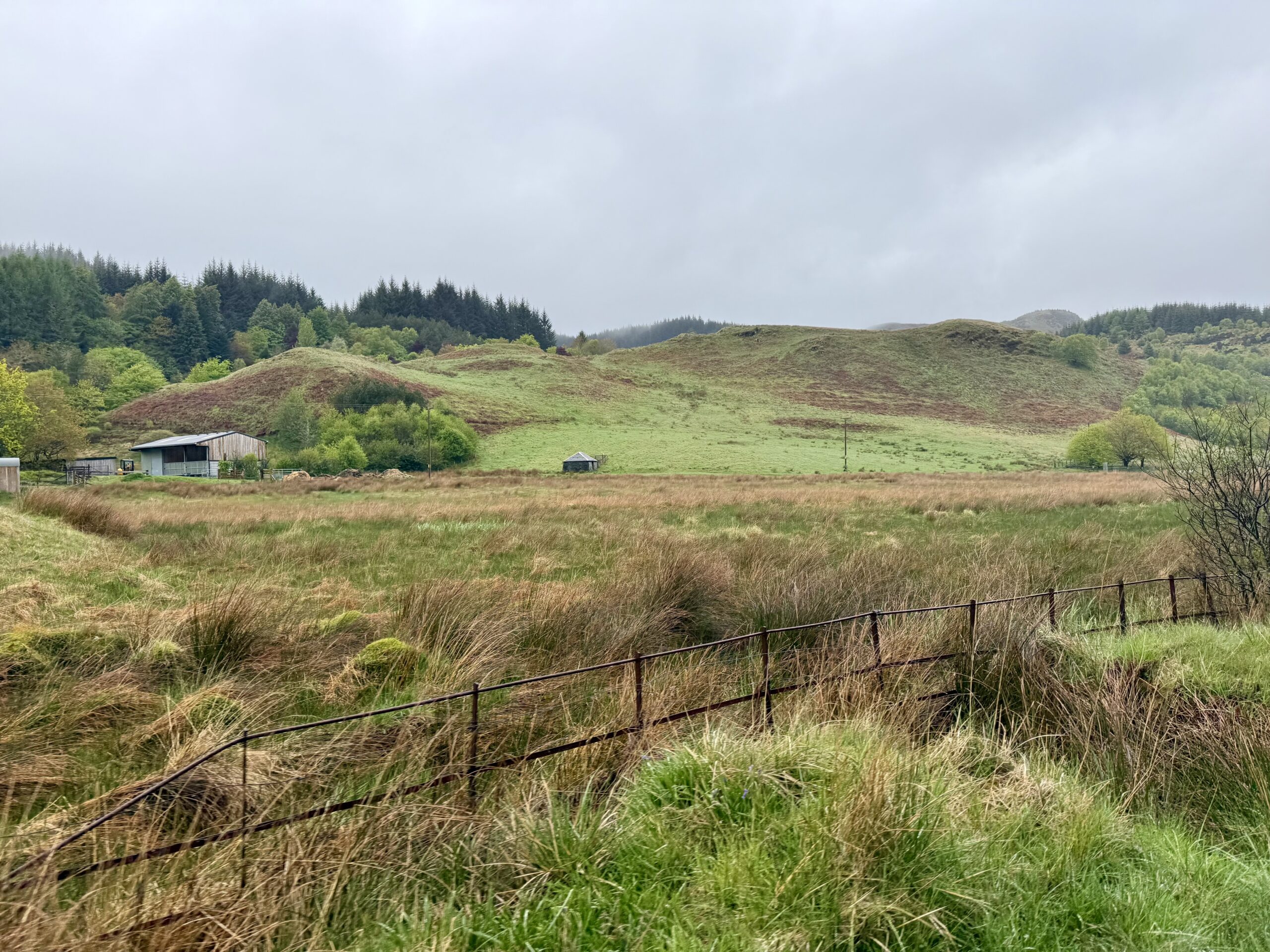
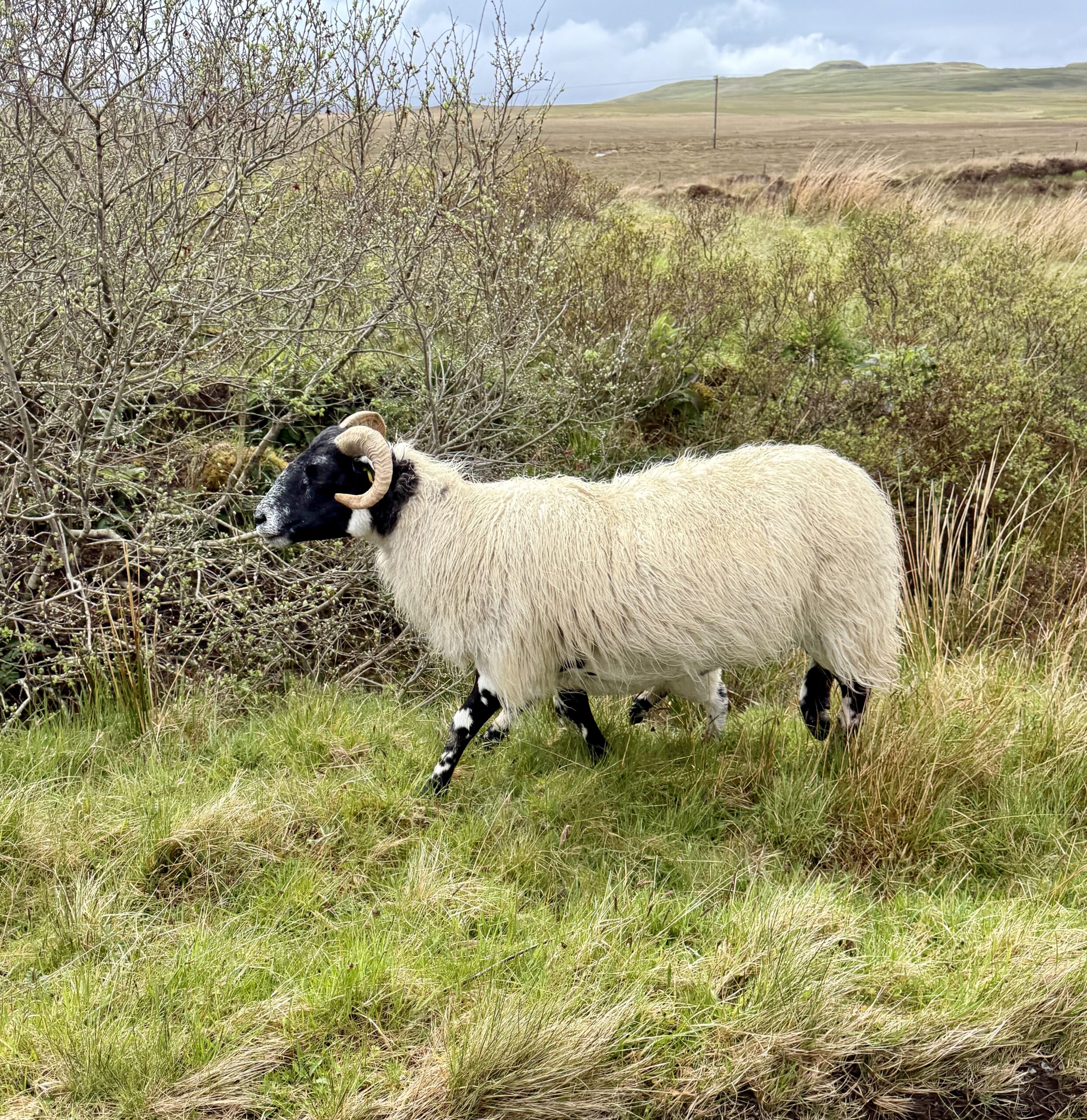
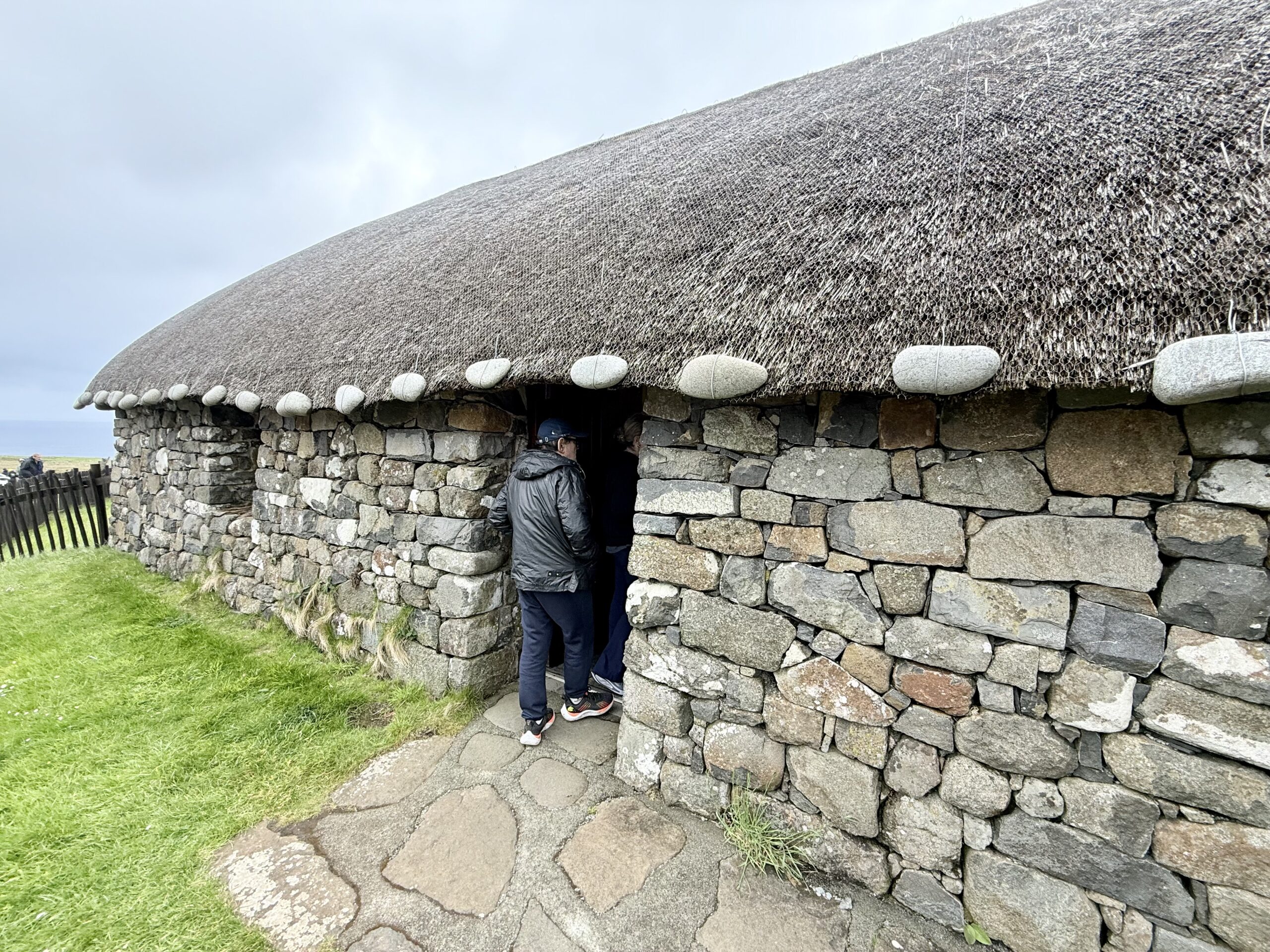
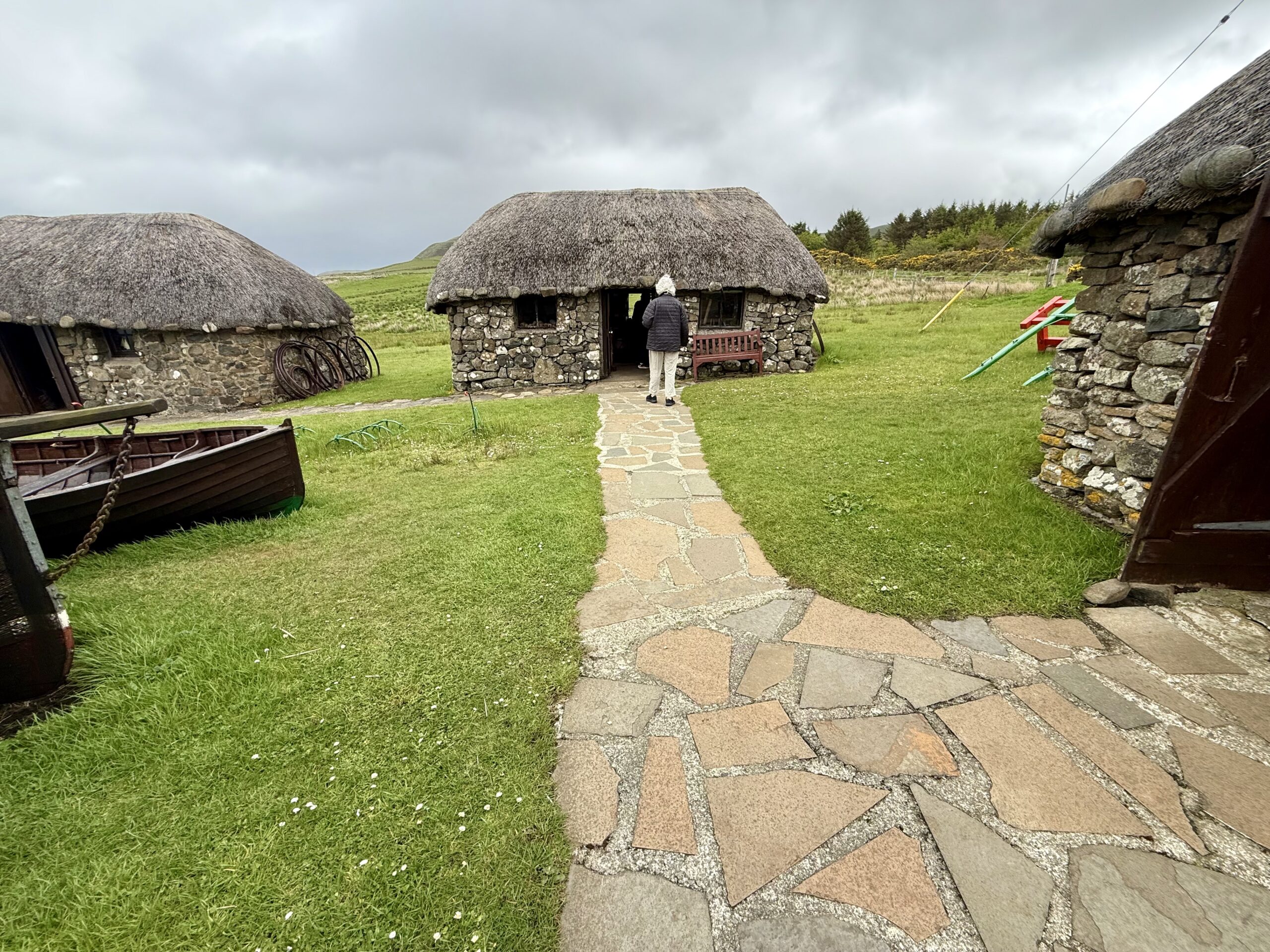
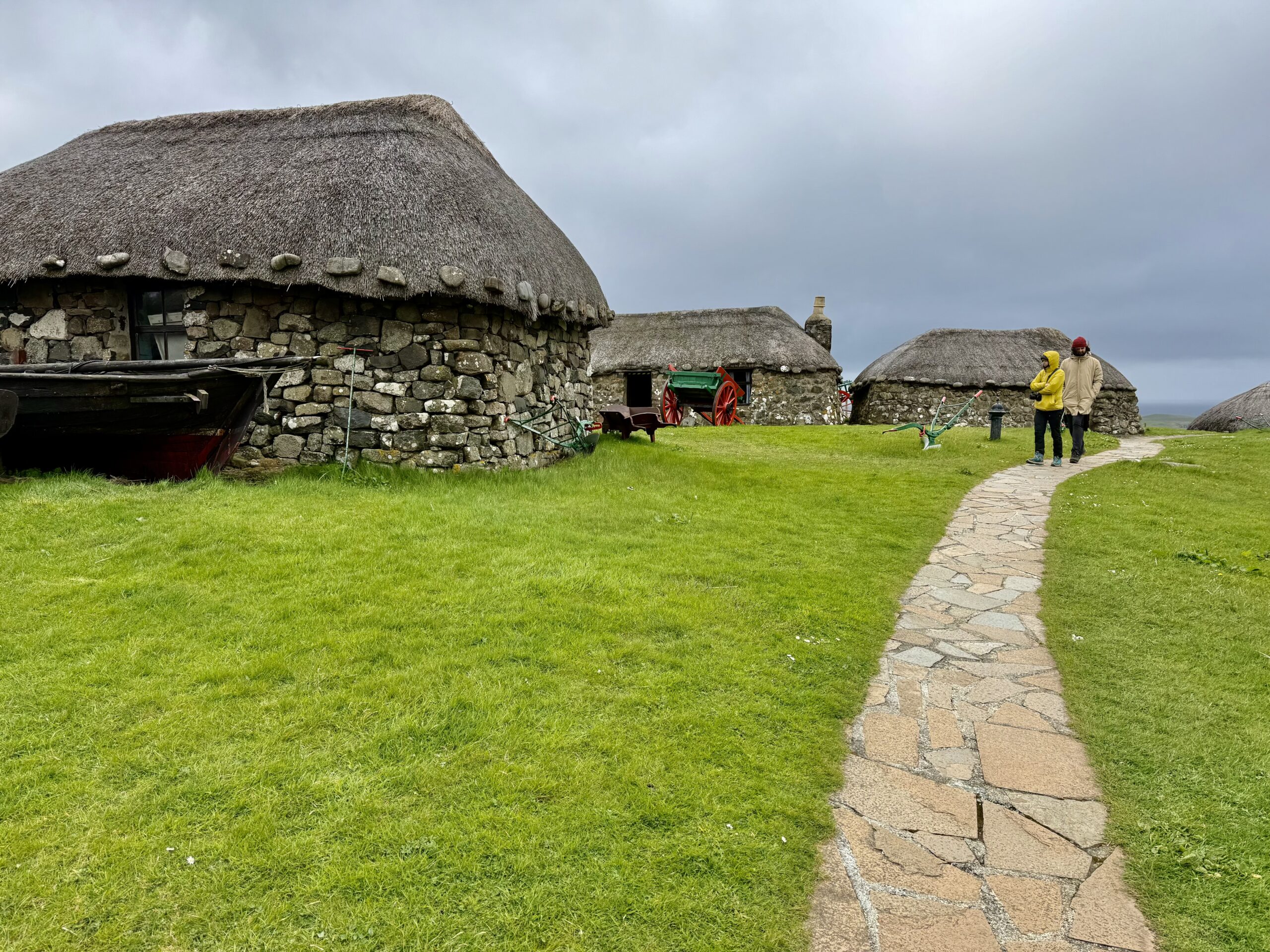
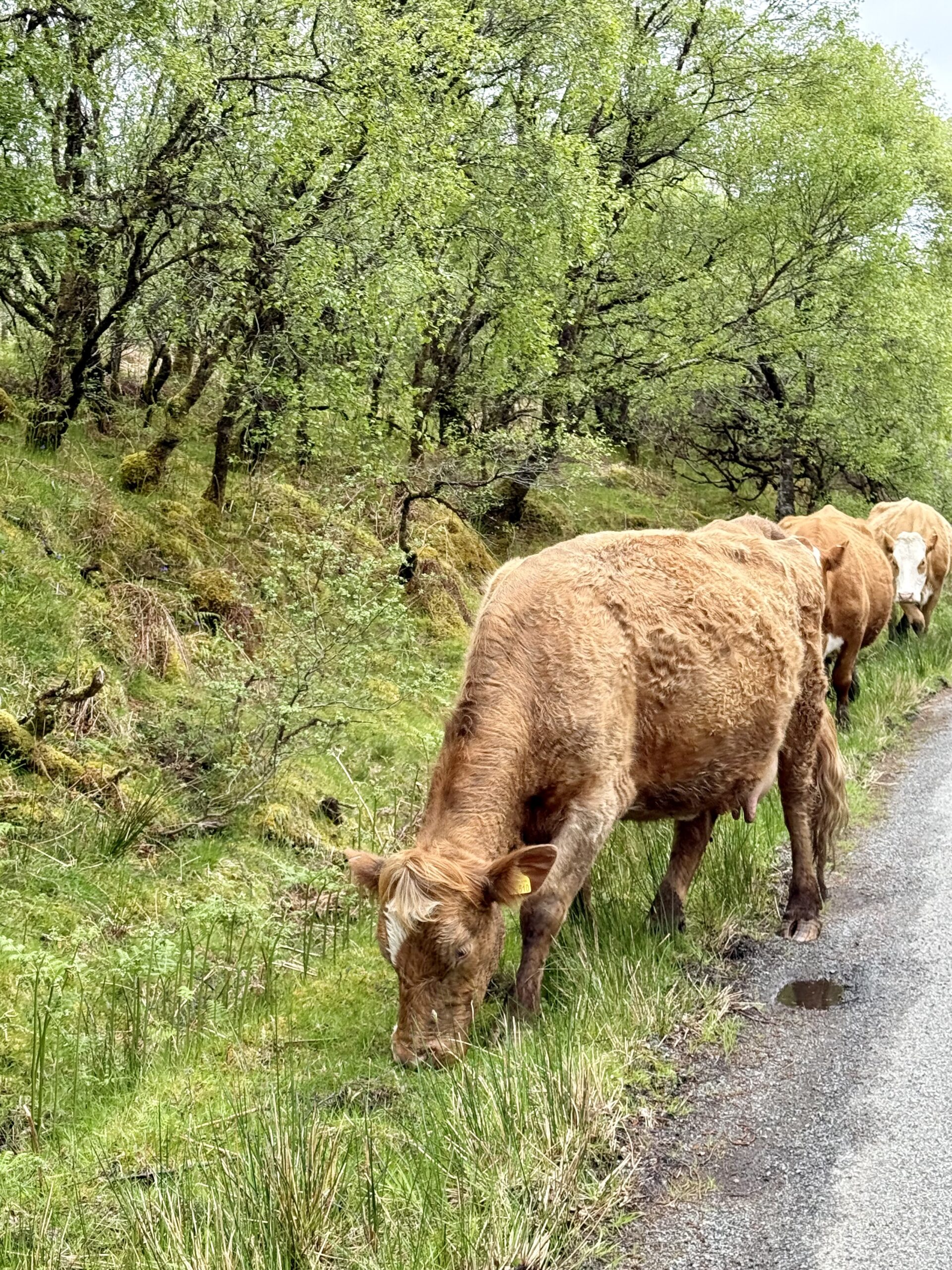
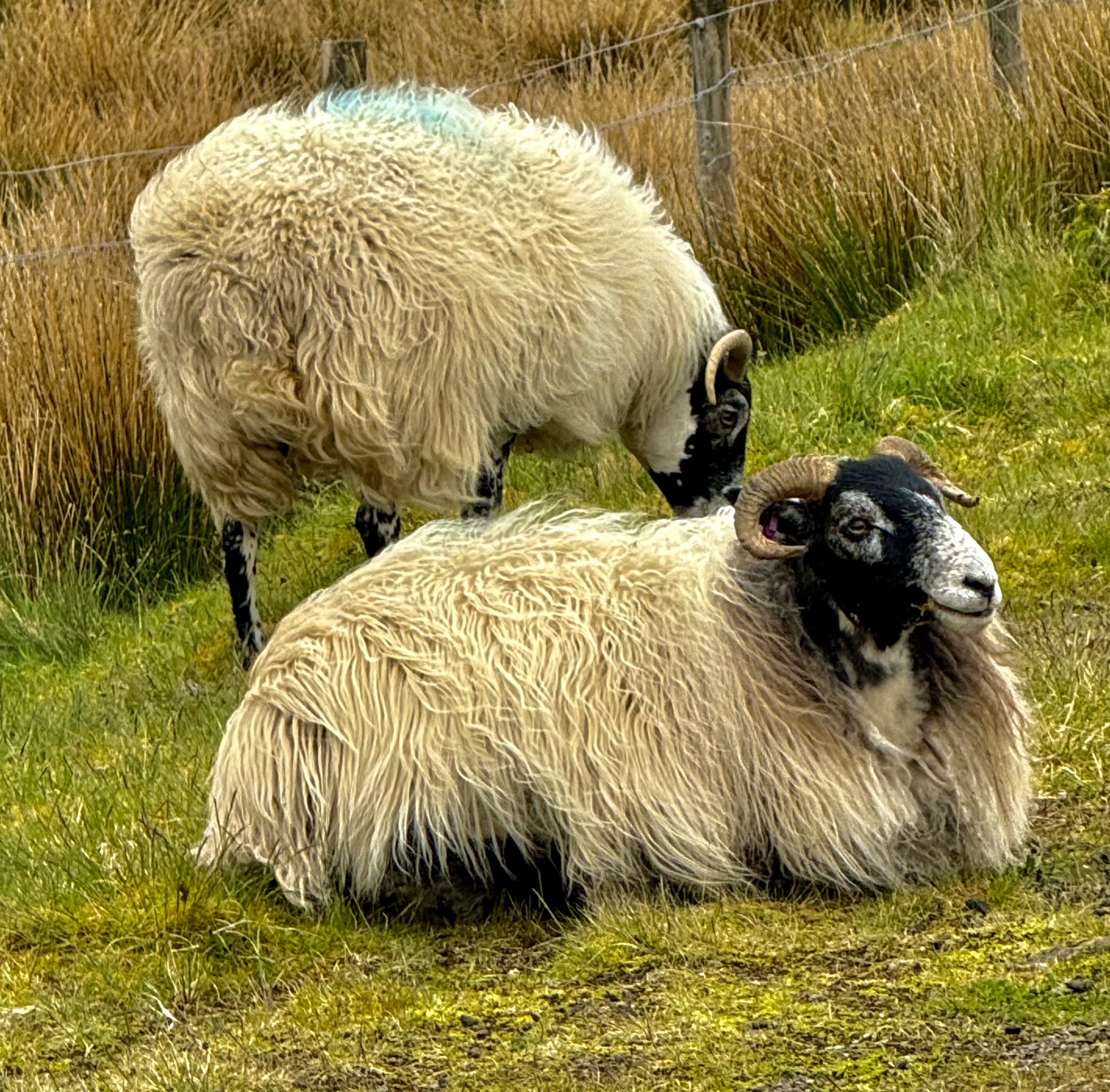
Ancient stone walls. Peat bogs. Random sheep and cows in the road. Frequent waterfalls. Ruins of stone crofts from before 1850.
Beginning about 1750 and continuing for a century, tenant farmers, crofters, were ousted from their property to make way for sheep, which were more profitable. Some moved to new industrial jobs in the city. Many migrated to North America or Australia. The countryside was depopulated. Today tourism is filling many old houses.
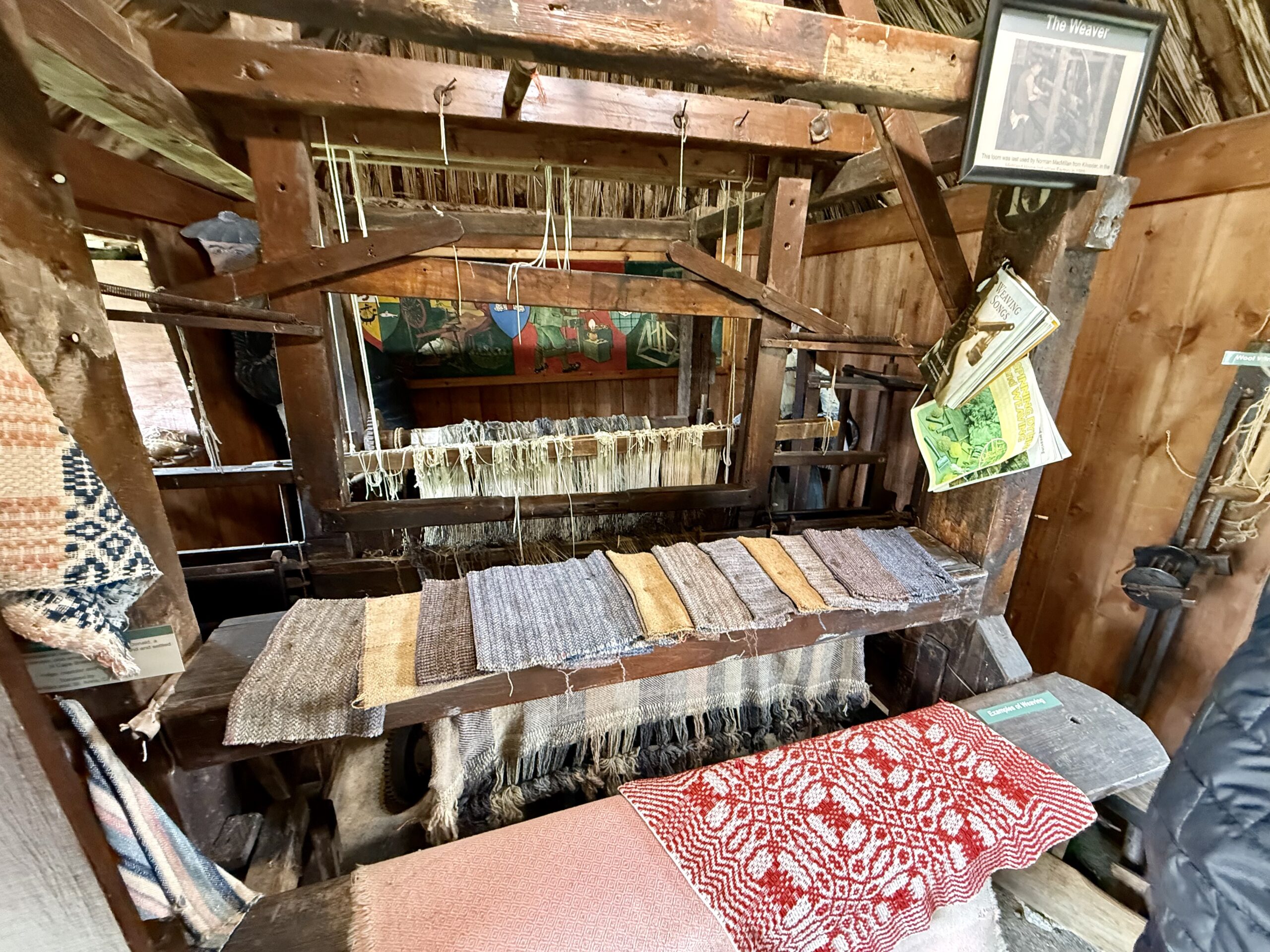
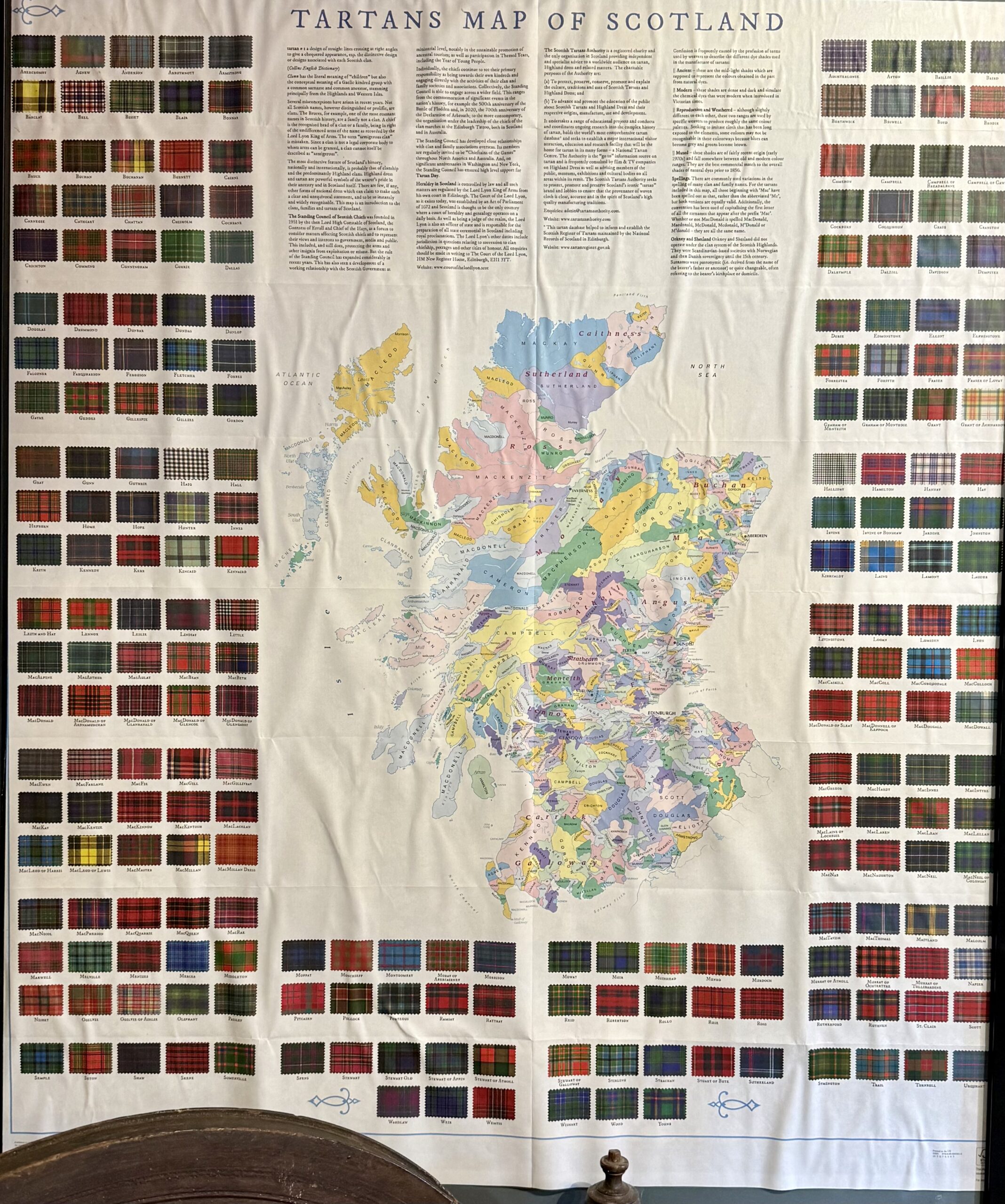
In 1746 a British coalition defeated Bonnie Prince Charlie after years of skirmishes. His troops, gathered mostly from the Highland clans were no match for the British cannons, guns, and horses. After the brief batttle, the British continued to hunt down clansman for weeks. The British then banned tartans, bagpipes, and other symbols of clan culture.
Next Stops—Inverness and Dundee
Great photos of tthe countryside and the “wide” roads. Similar to the outback in NZ. I bet the fish in someone’s hand put up a fight !!!! And congrats to Bonnie for the 2 pounder !!!!!!
Thanks David. Catching up on comments! I need to improve my casting skills no doubt!
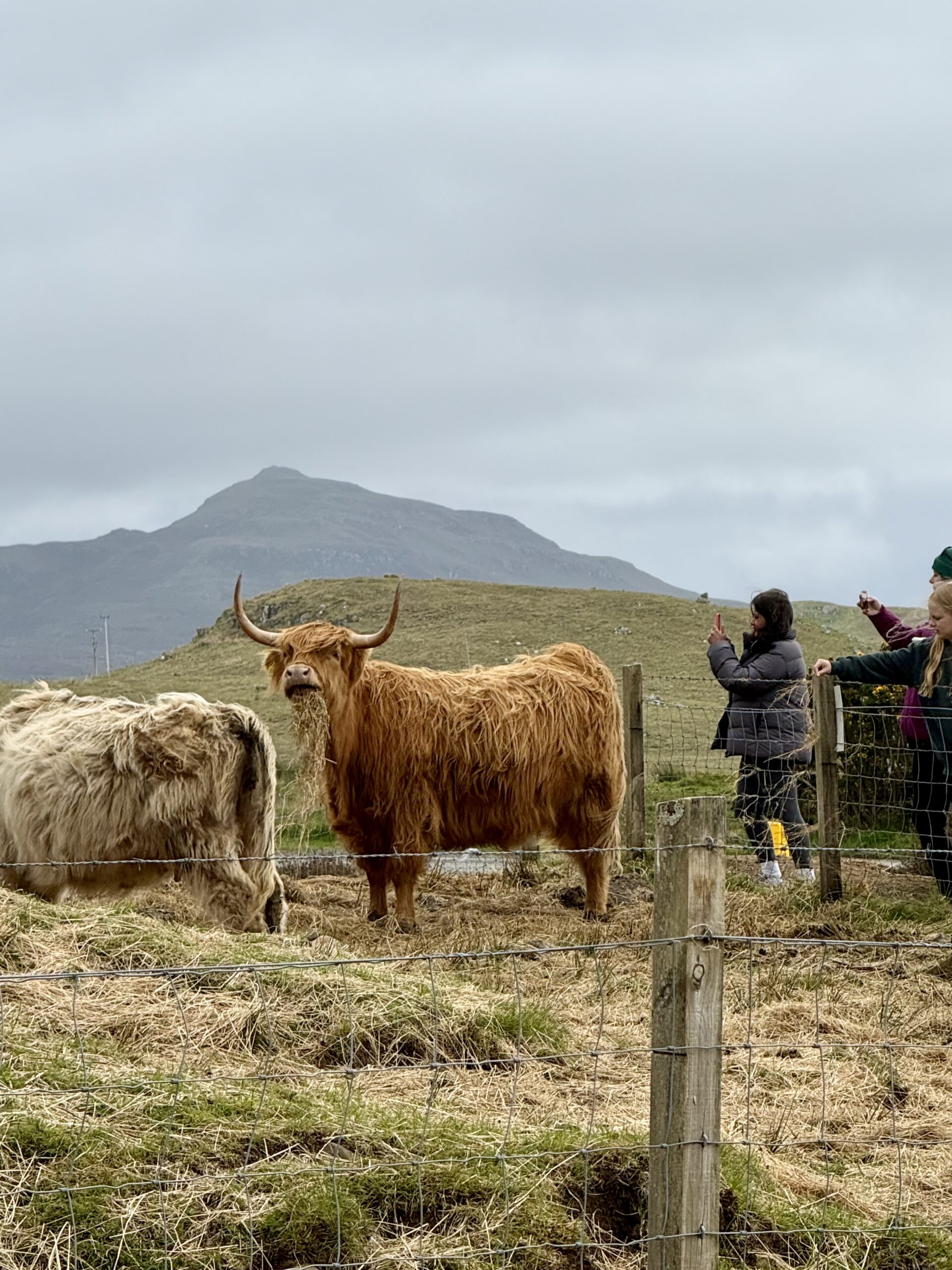
My kind of weather! And Coos & tea in a proper pot, not a bag in a cup…
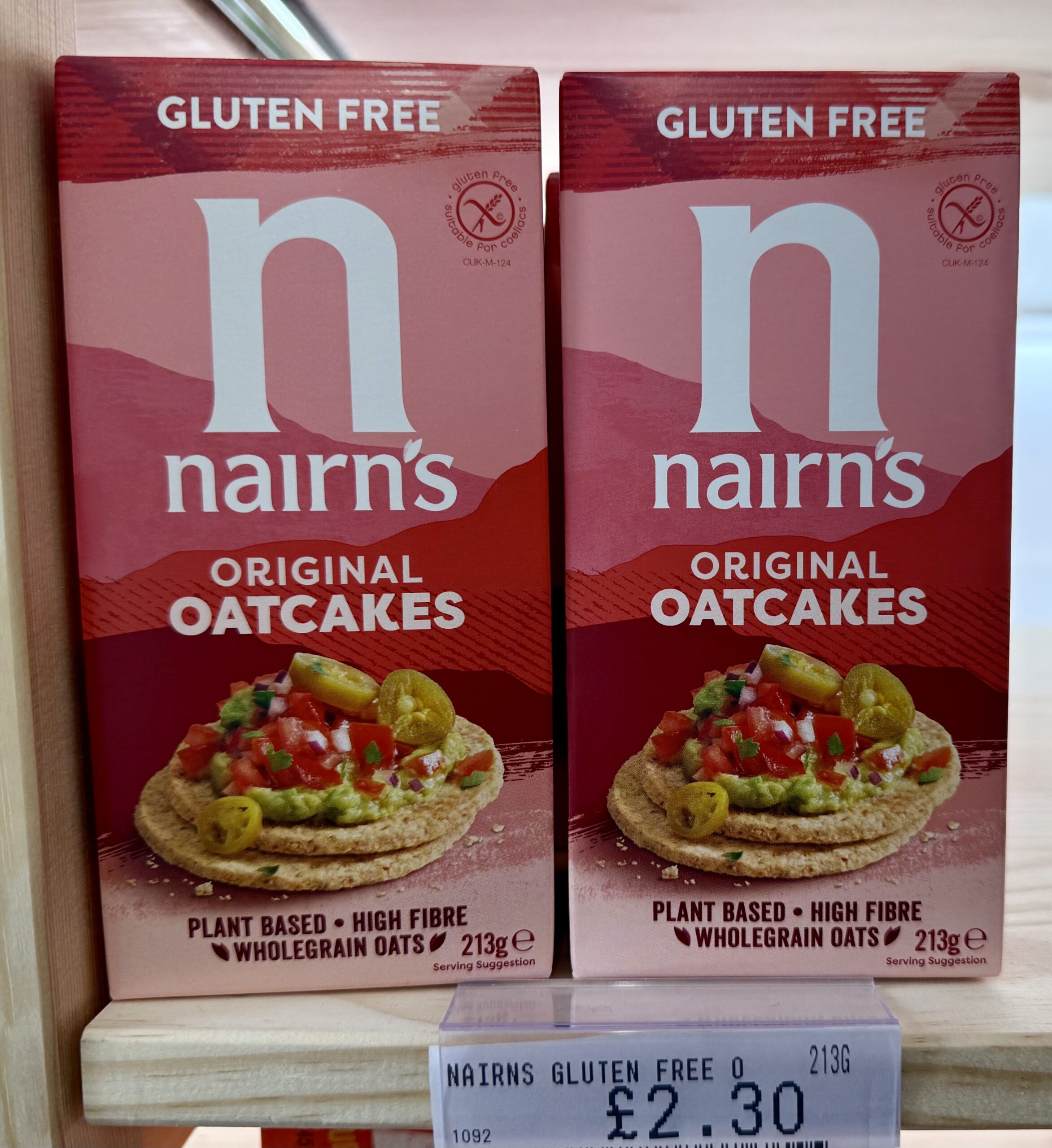
And Nairns!!!!! Oh how I miss them, can only get them the internet now, & with tariffs..$$$
Belated happy Bday to Bonnie, the teahouse luncheon looked sublime
Thanks! Almost coming to an end!