16-24 April 2026
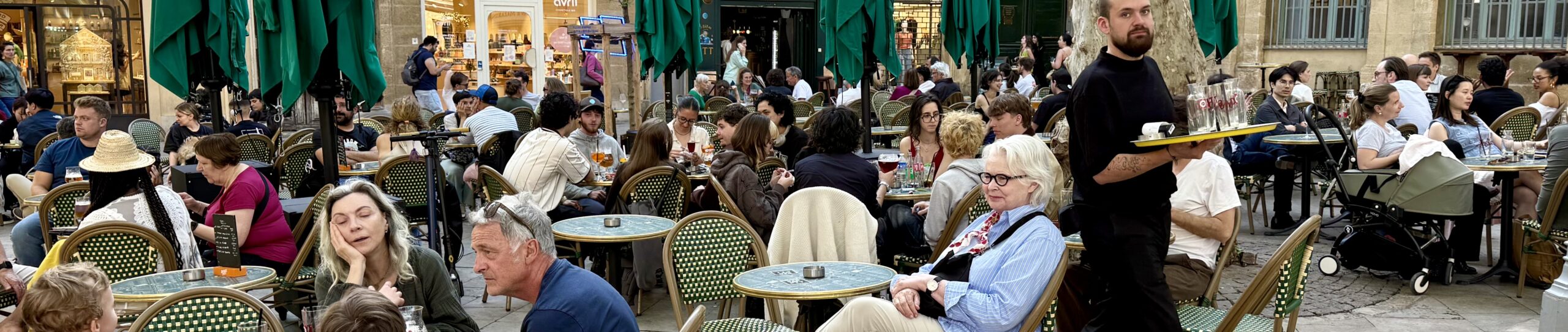
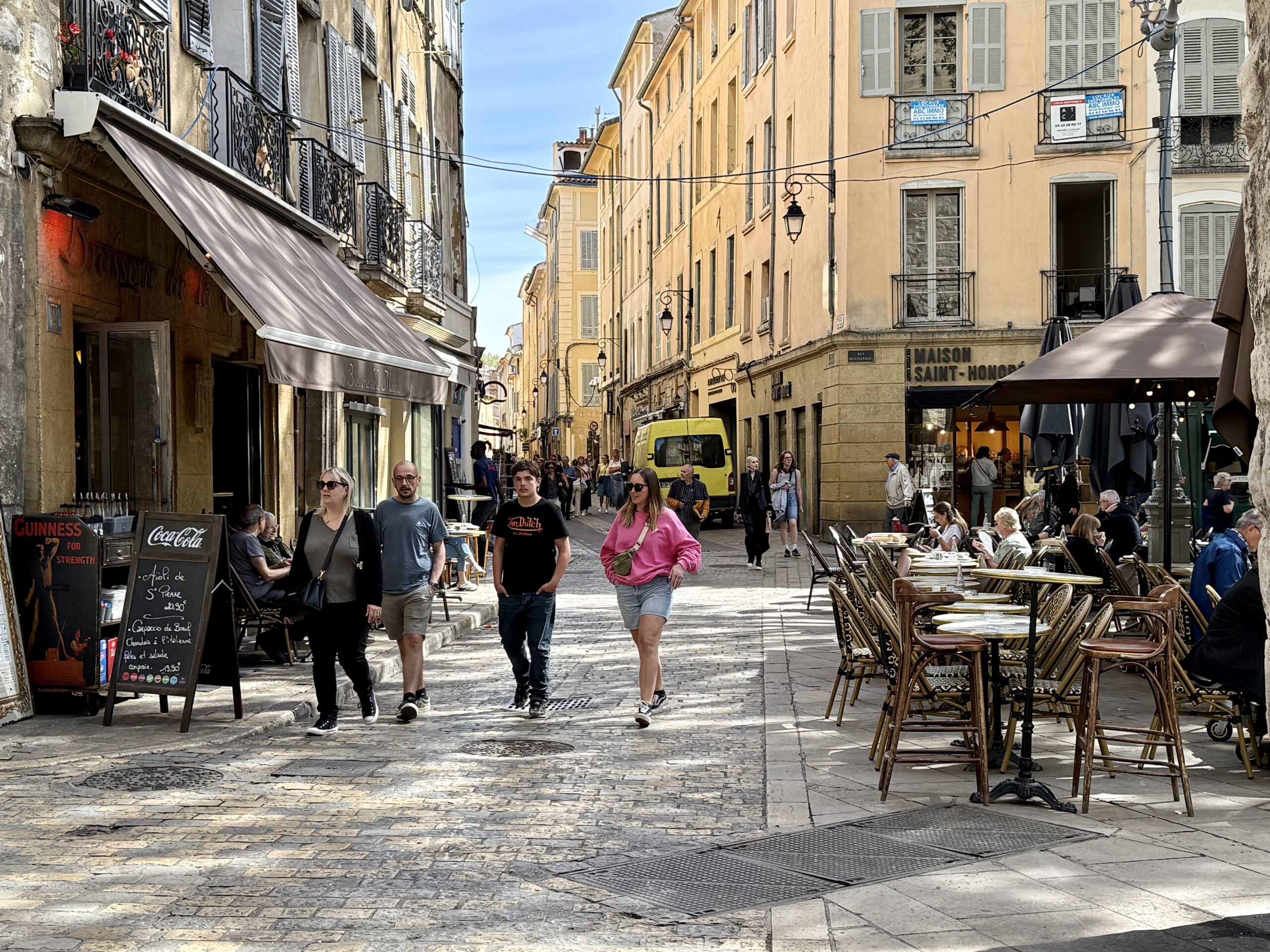
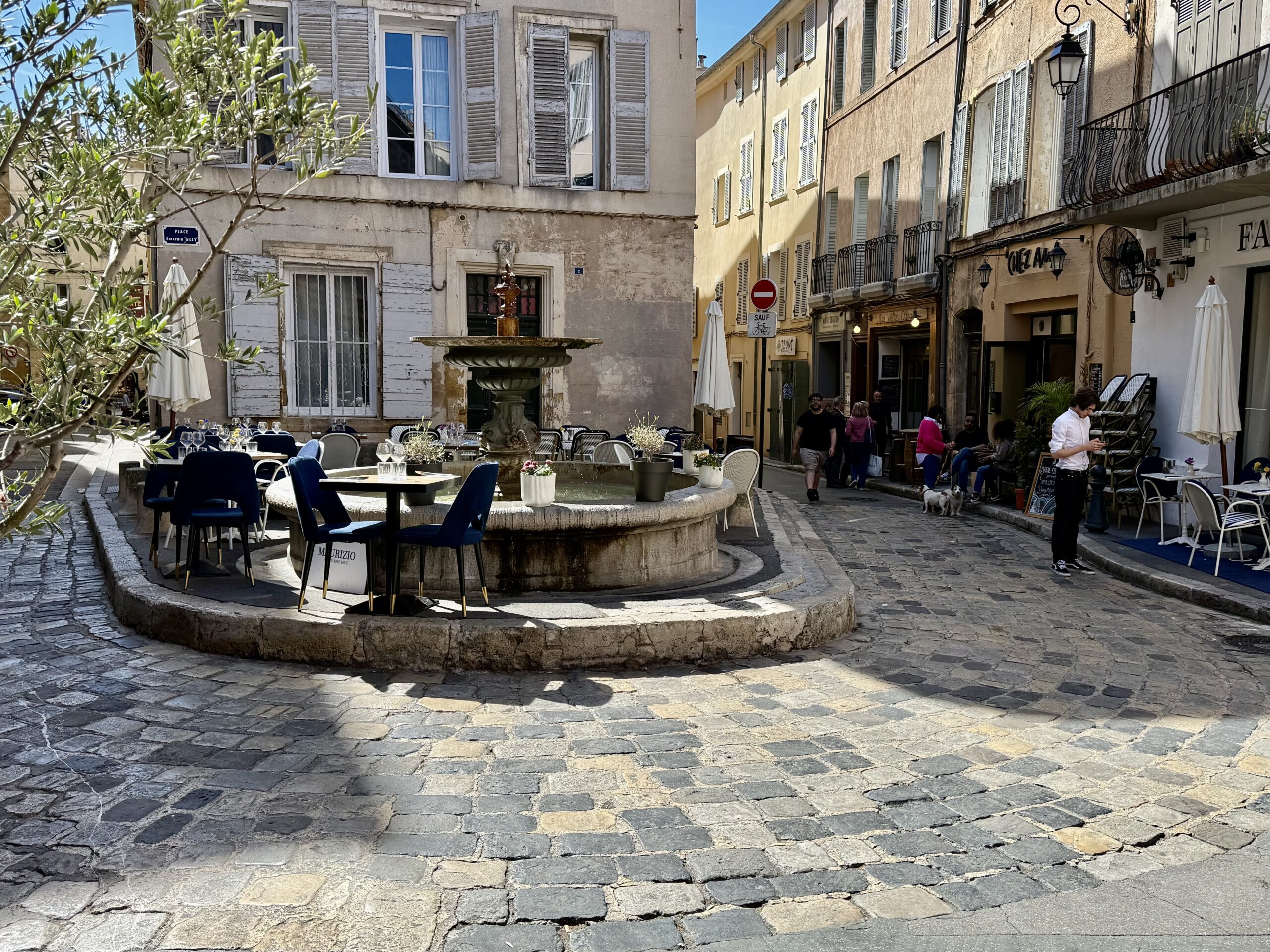
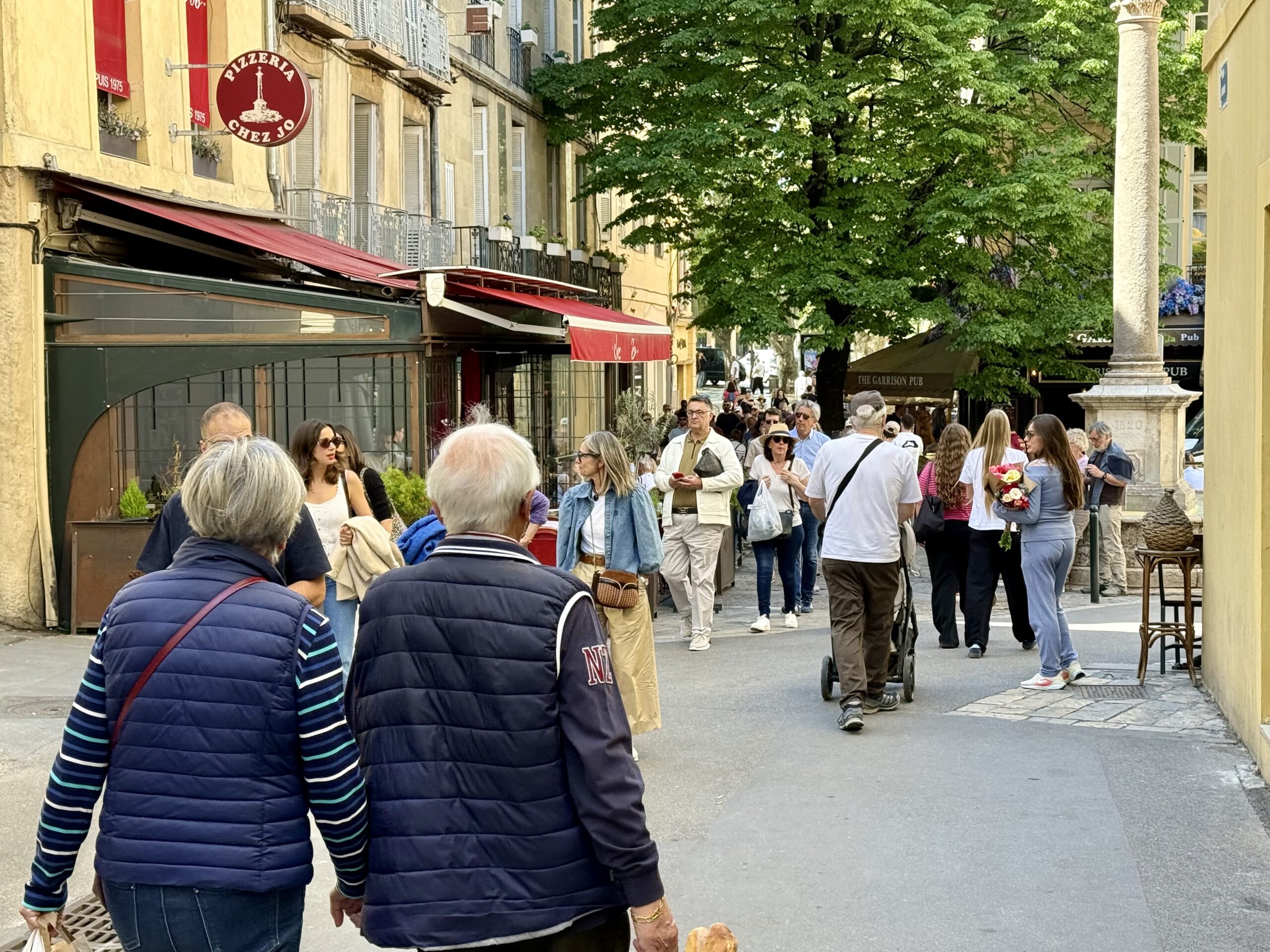
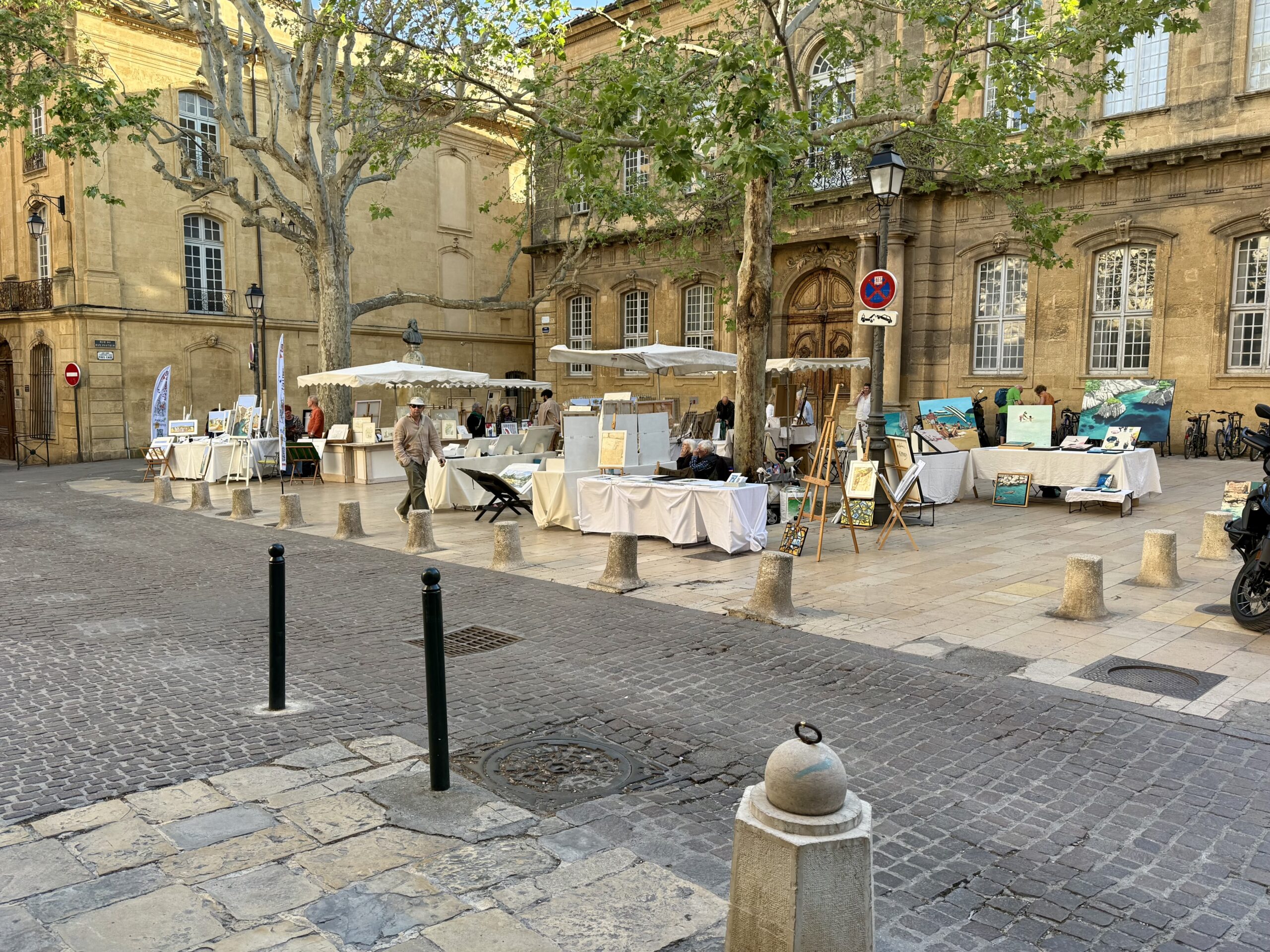
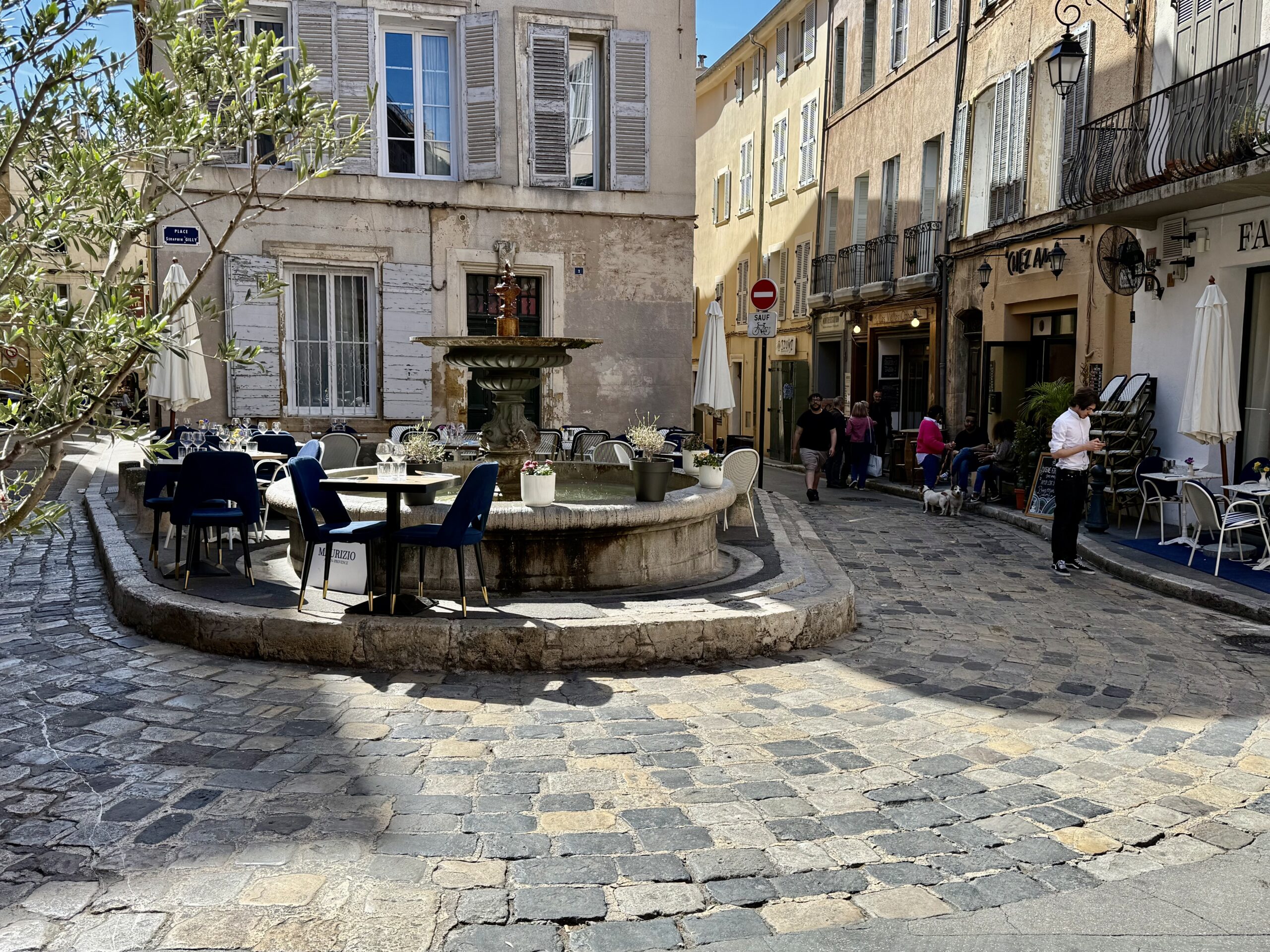
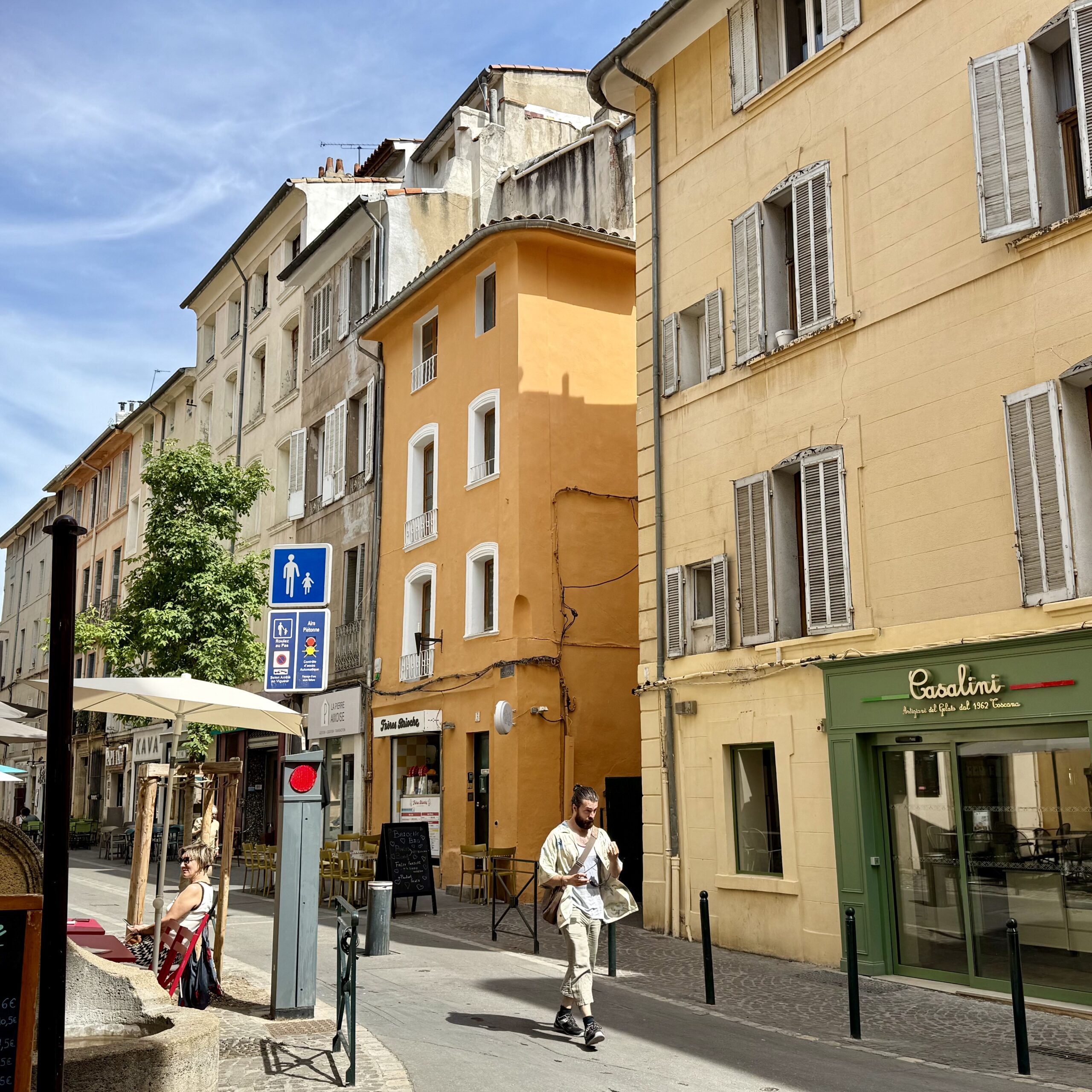
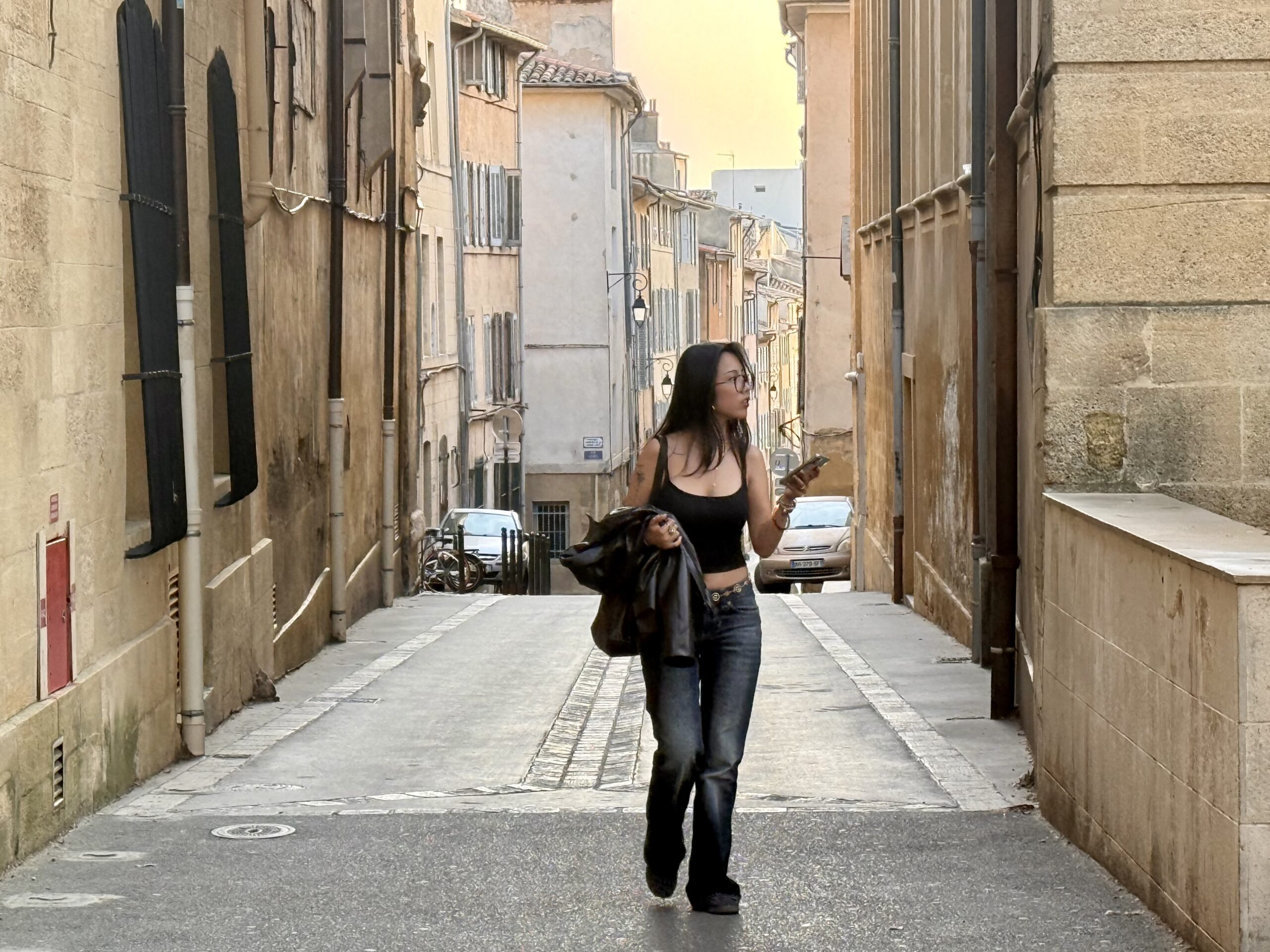
Robert is happy to go somewhere he doesn’t know. He’s ready for surprises and first impressions. Several friends recommended Aix-en-Provence in Southern France for its charming pedestrian streets and its strategic position for day trips to other towns. No churches or museums you must see, but we found it delightful.
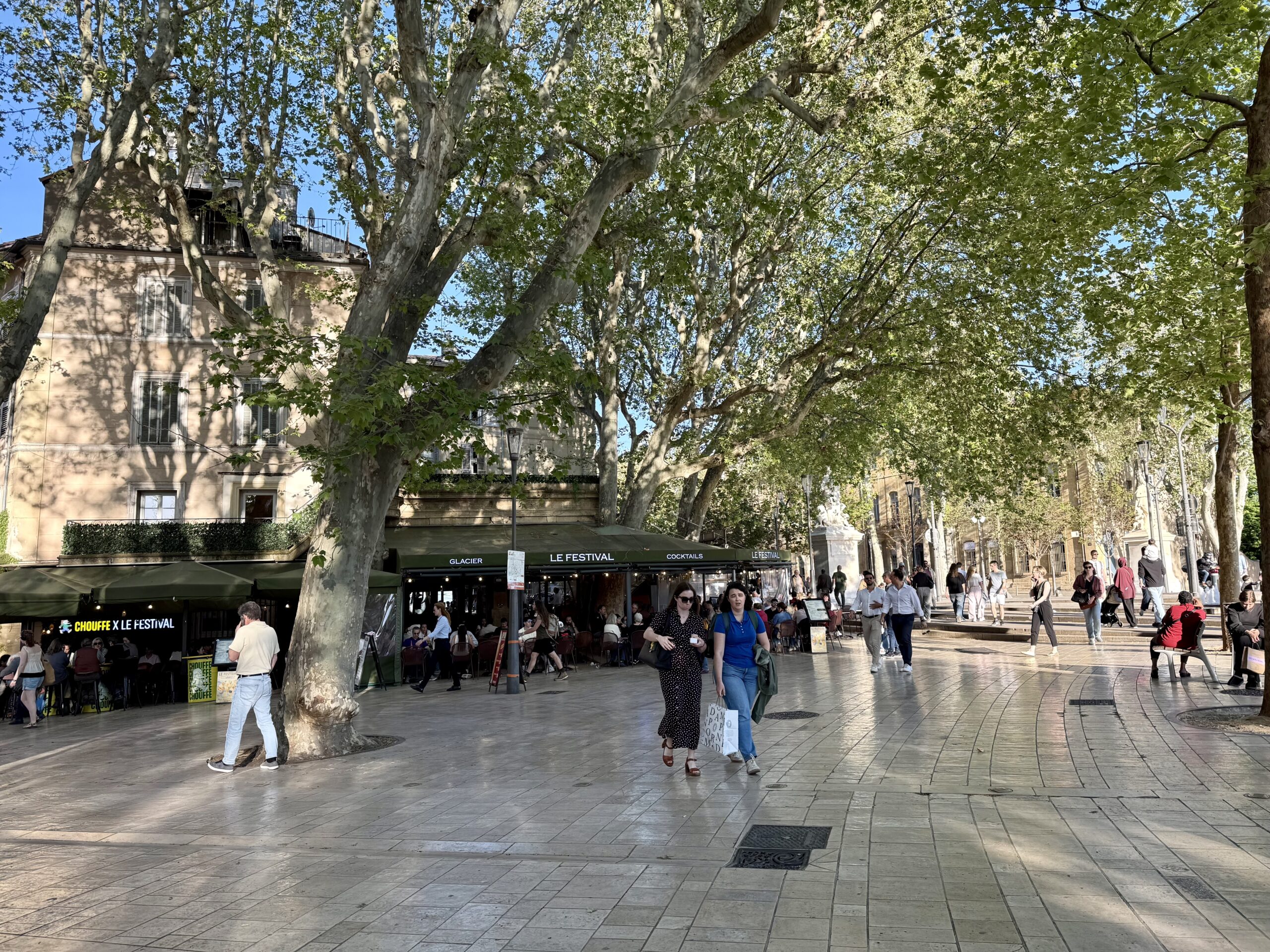
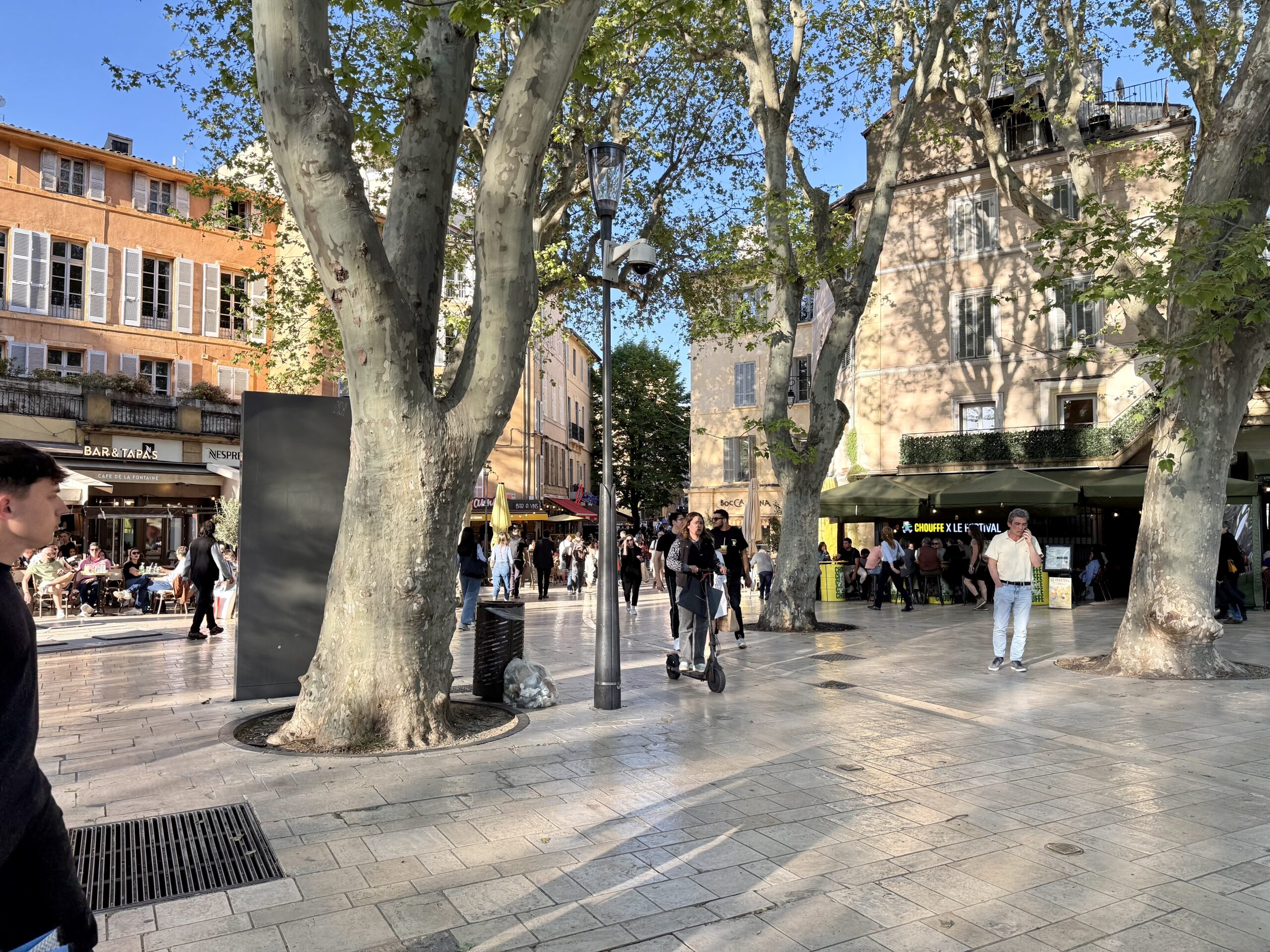
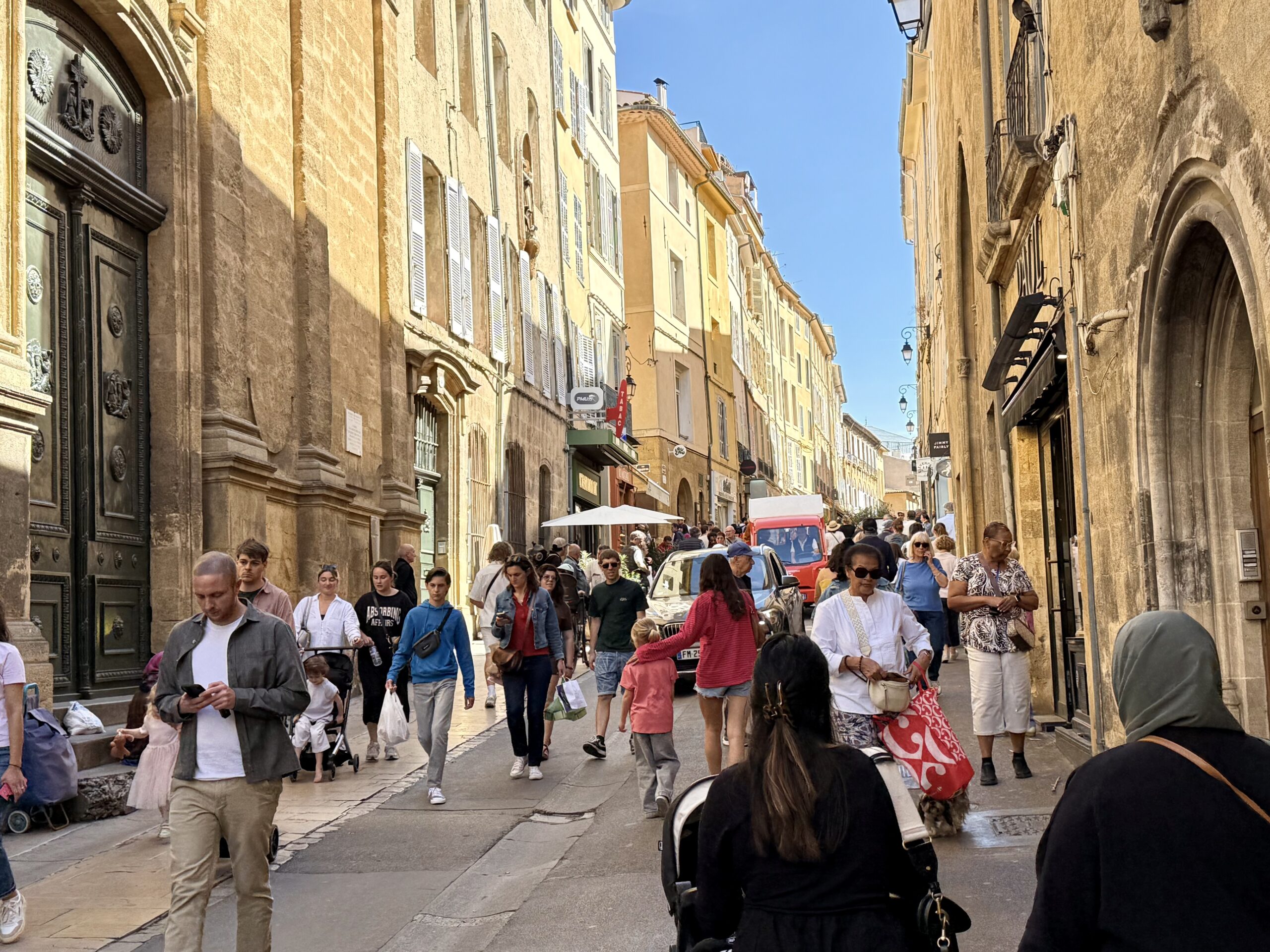
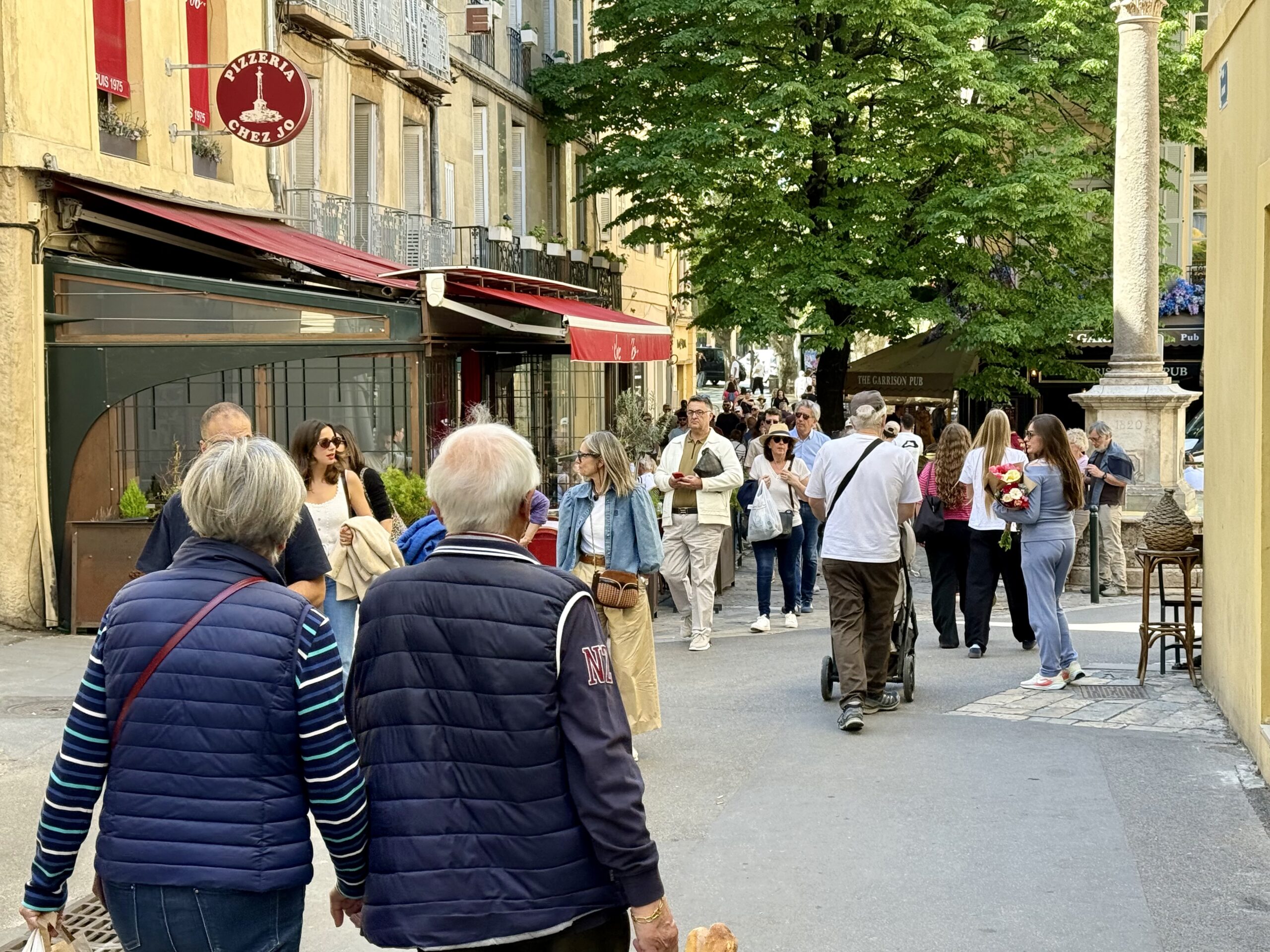
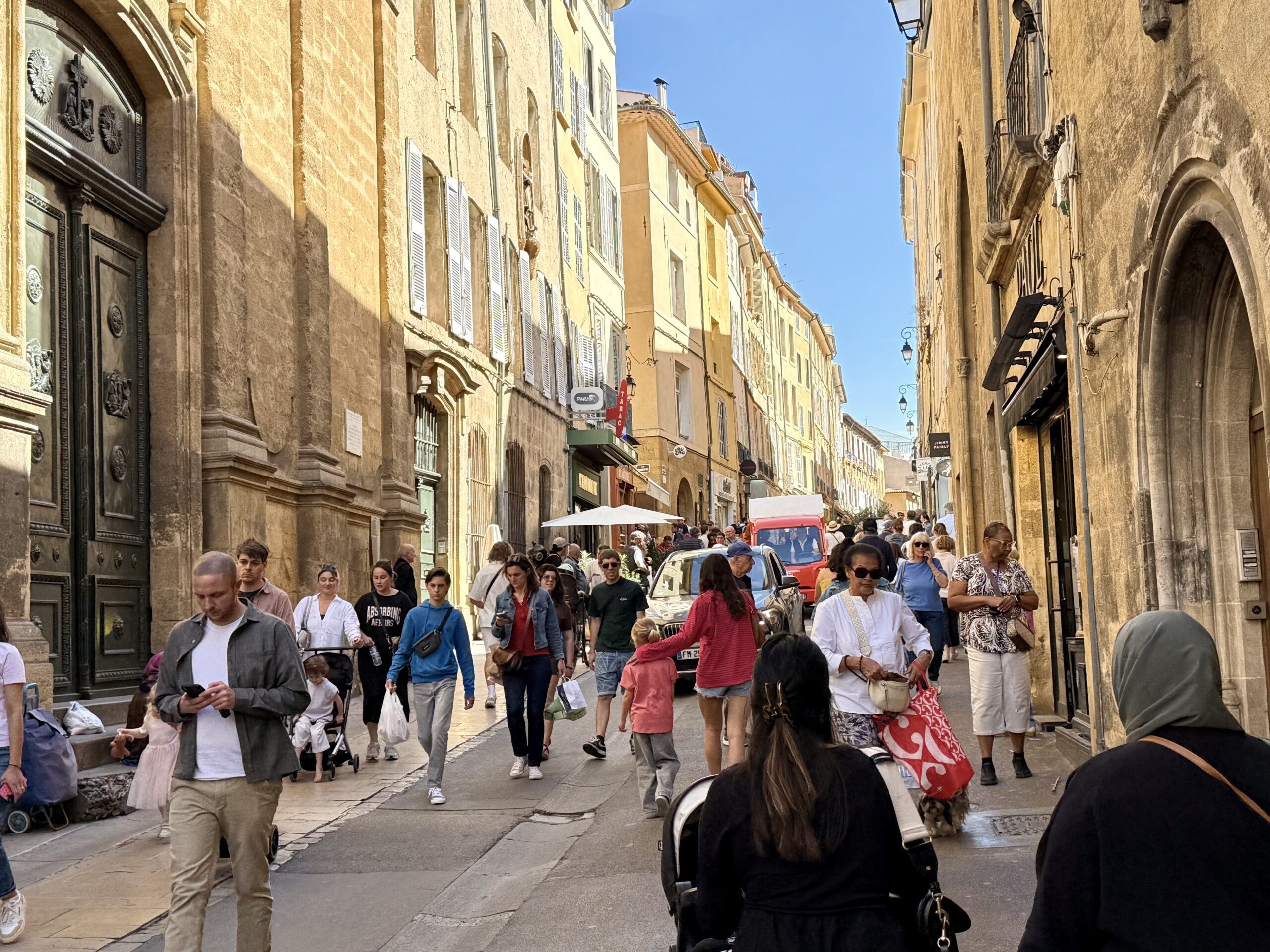
The crowds are already thick in April, and our Airbnb hosts claimed it will be more crowded in May when cruise ships begin arriving in Marseilles and the passengers are bussed to Aix. But the bustle in April is pleasant.
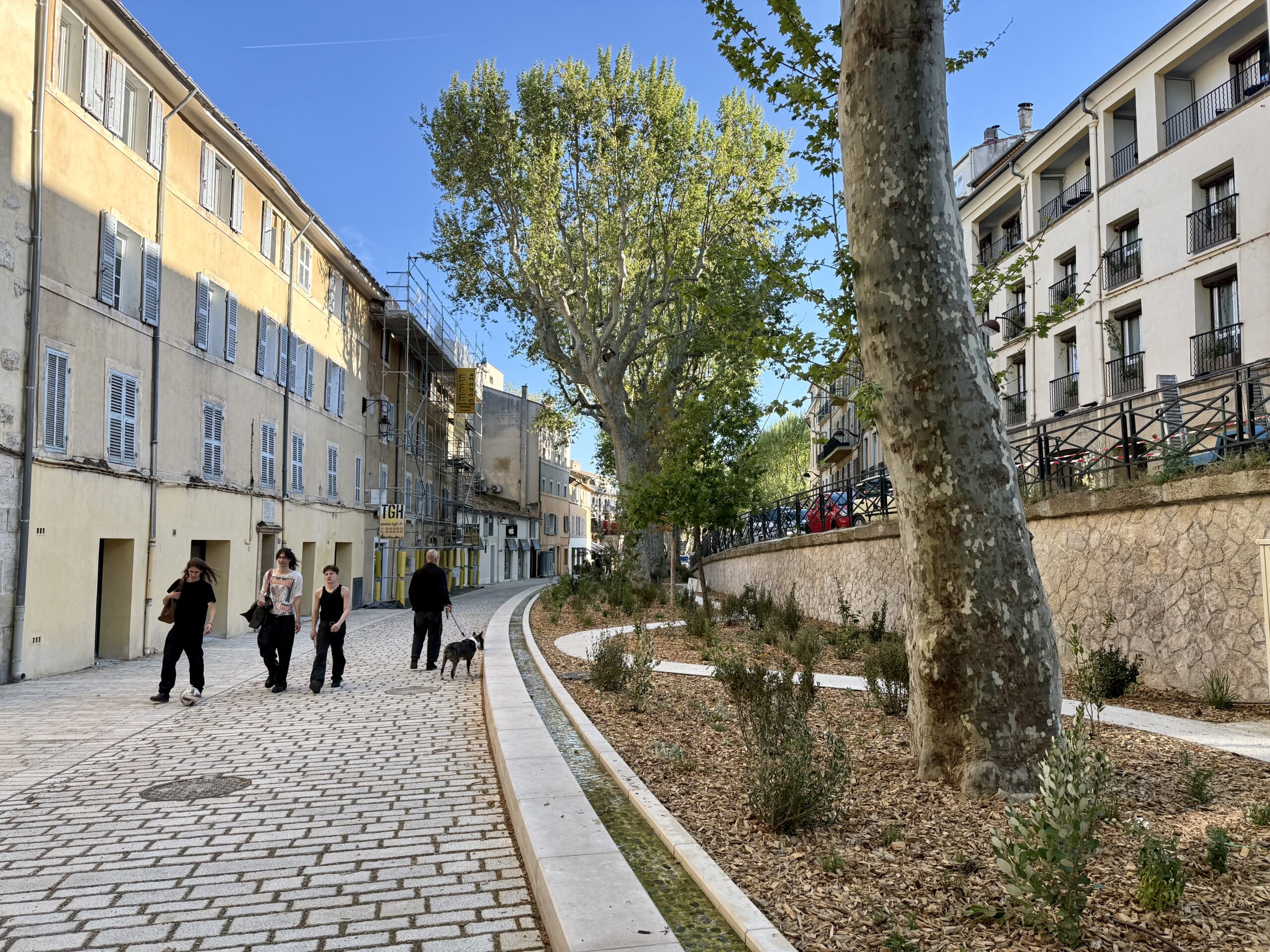
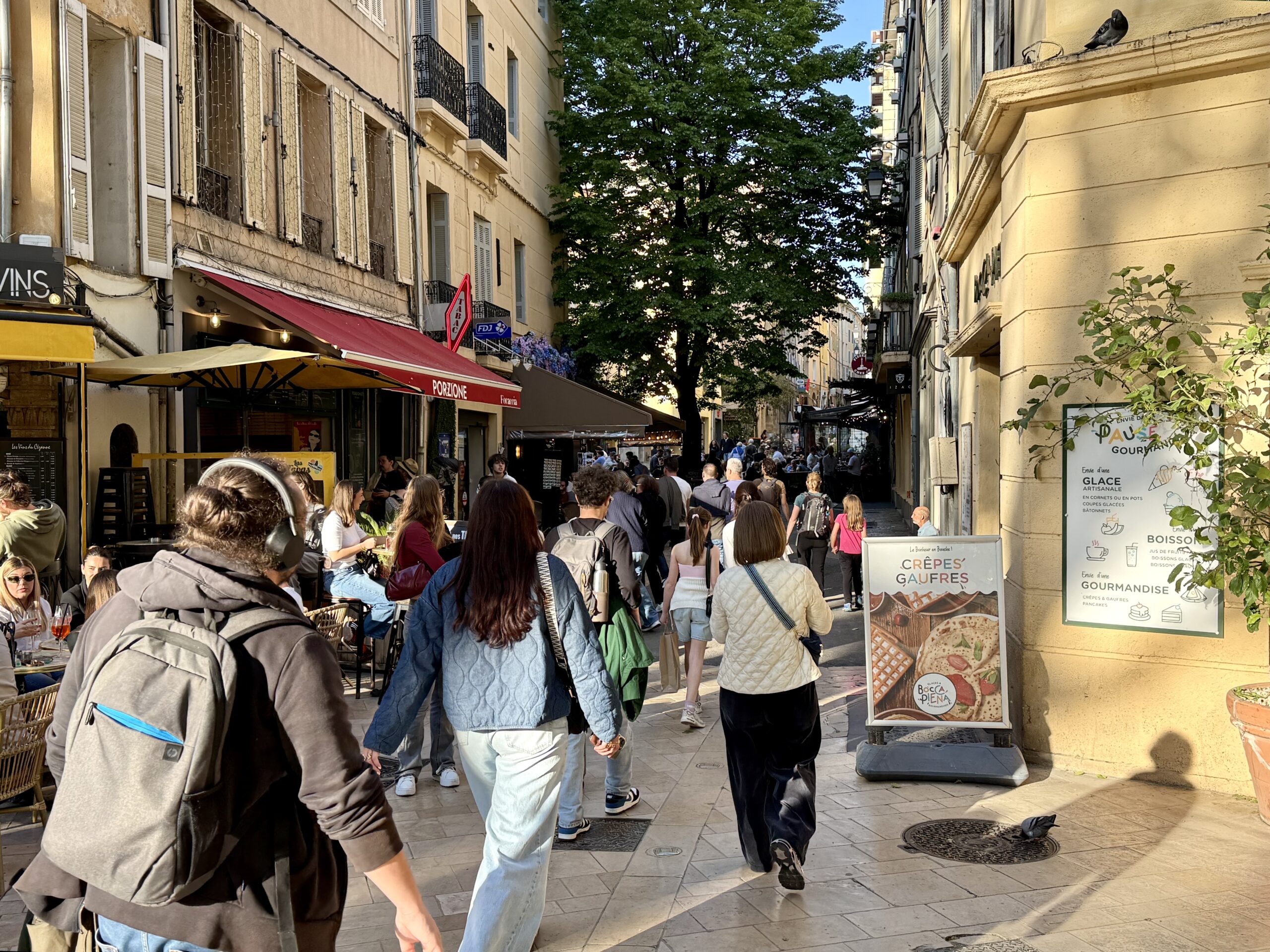
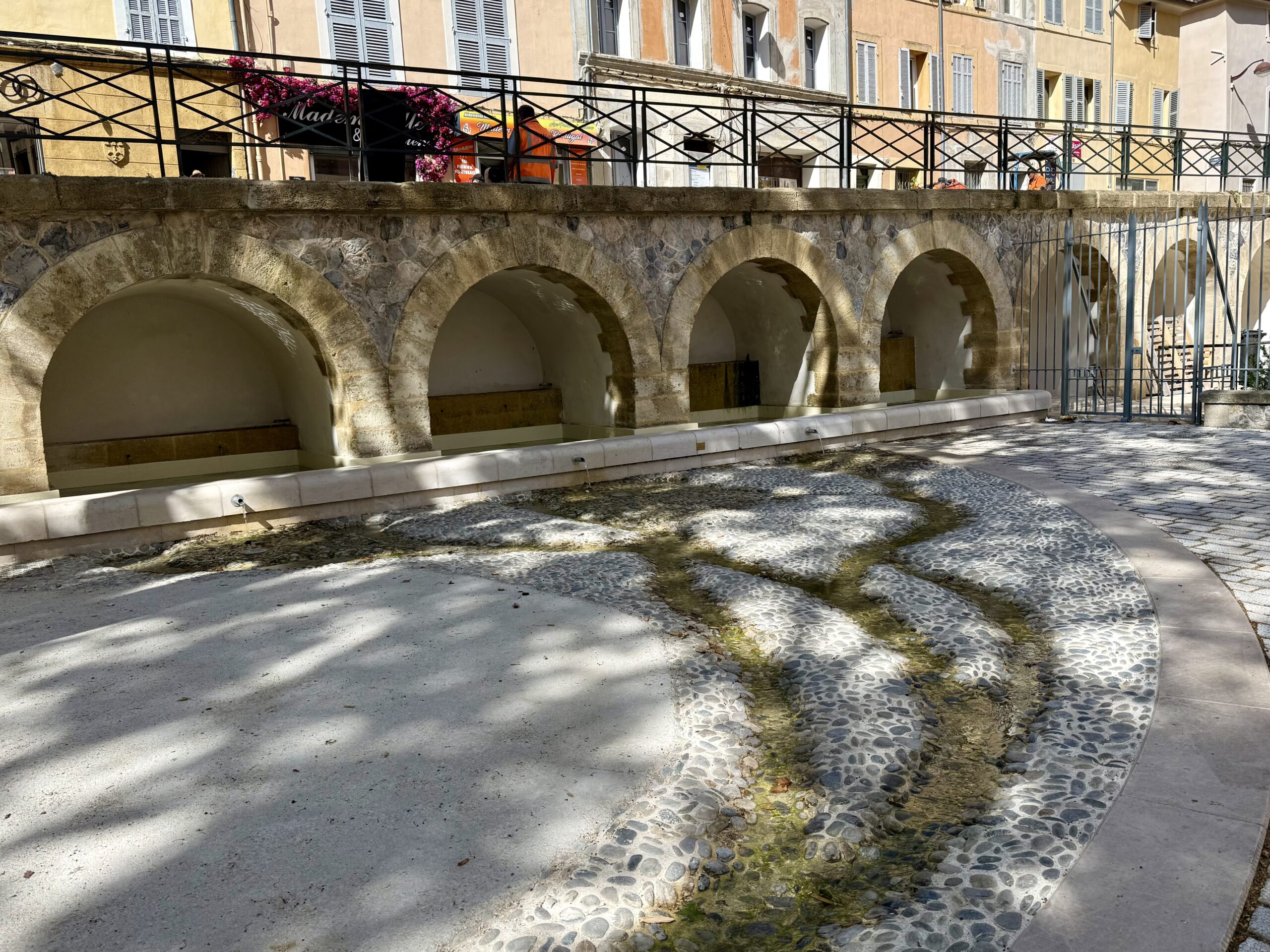
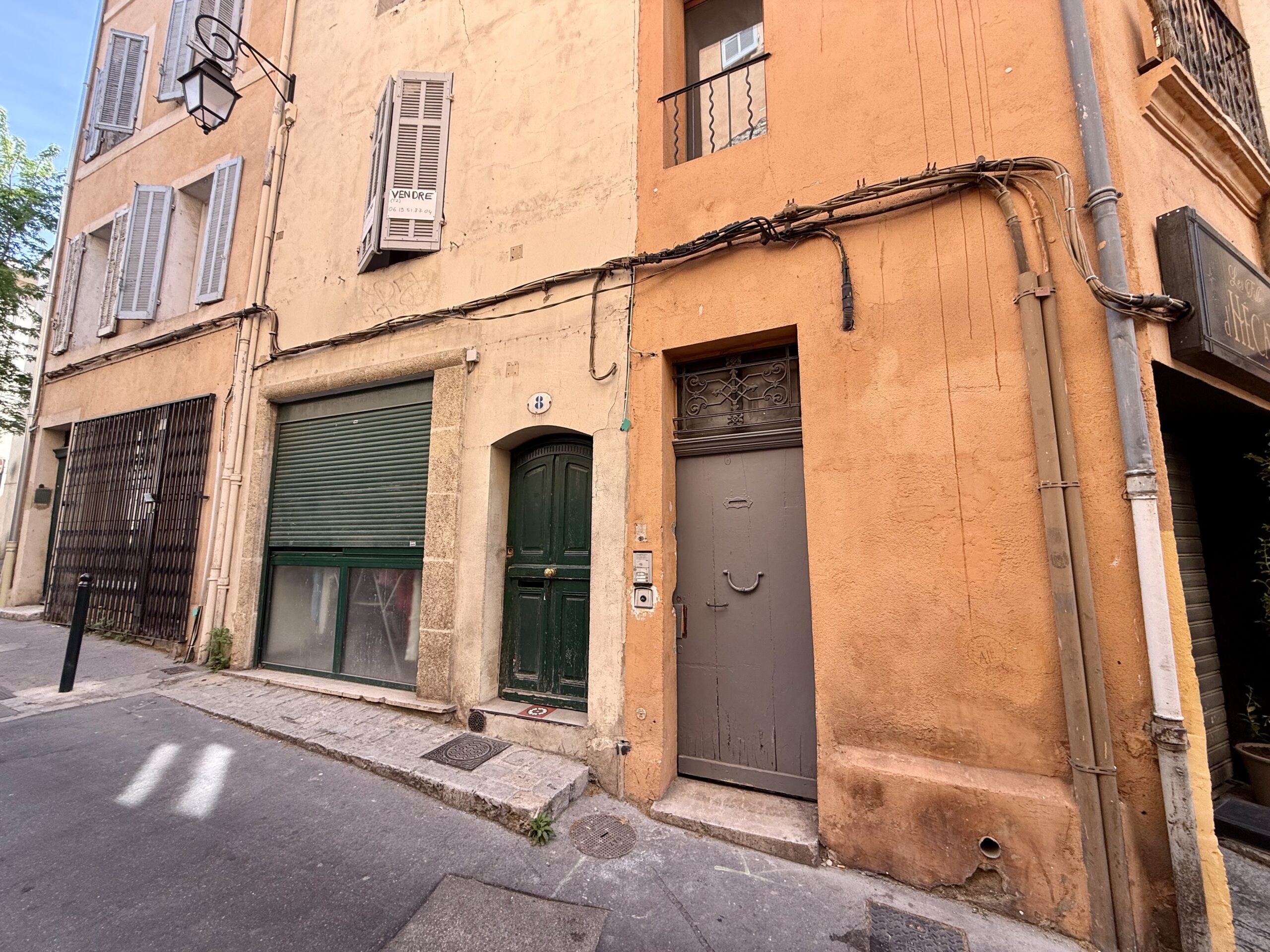
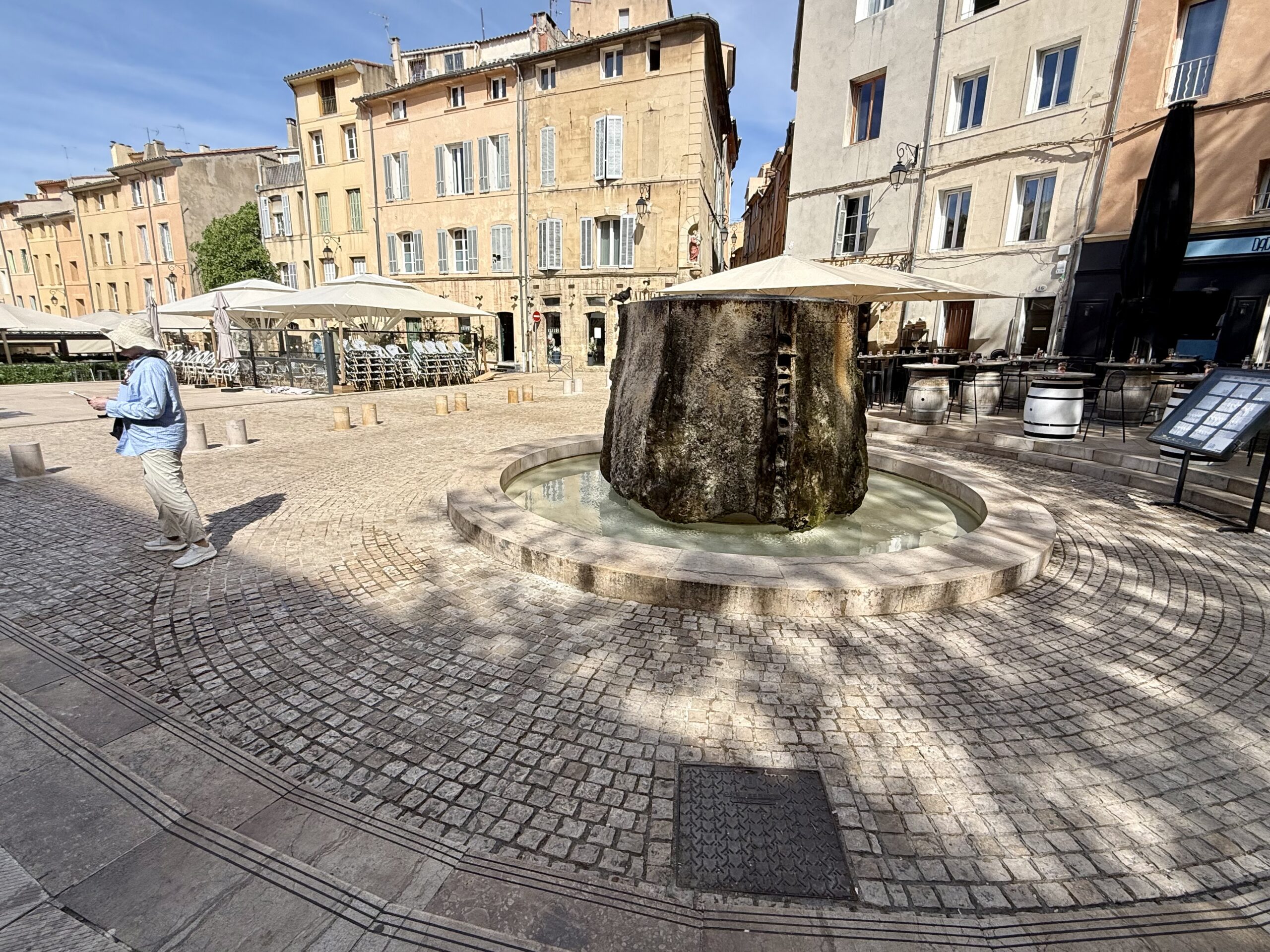
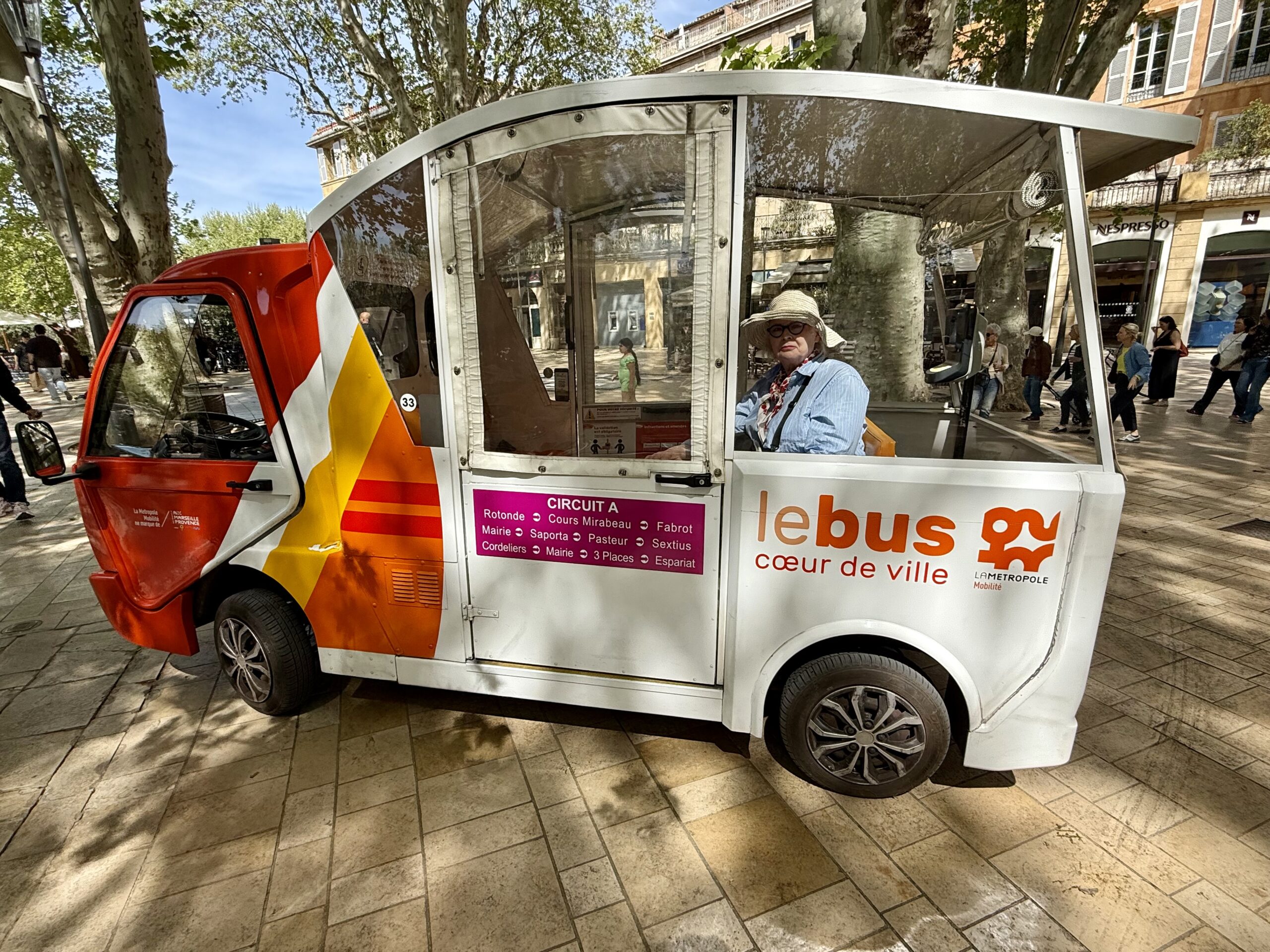
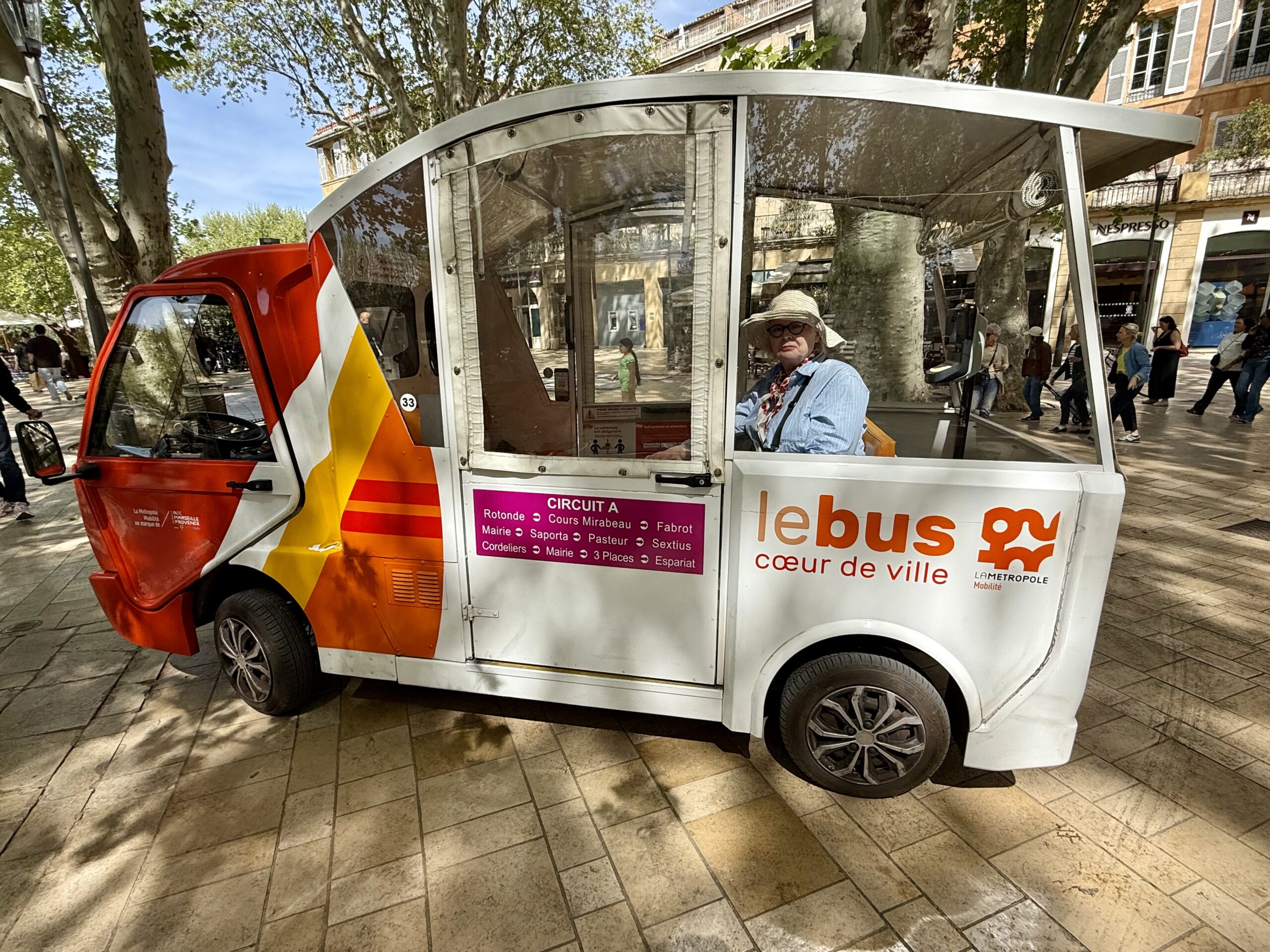
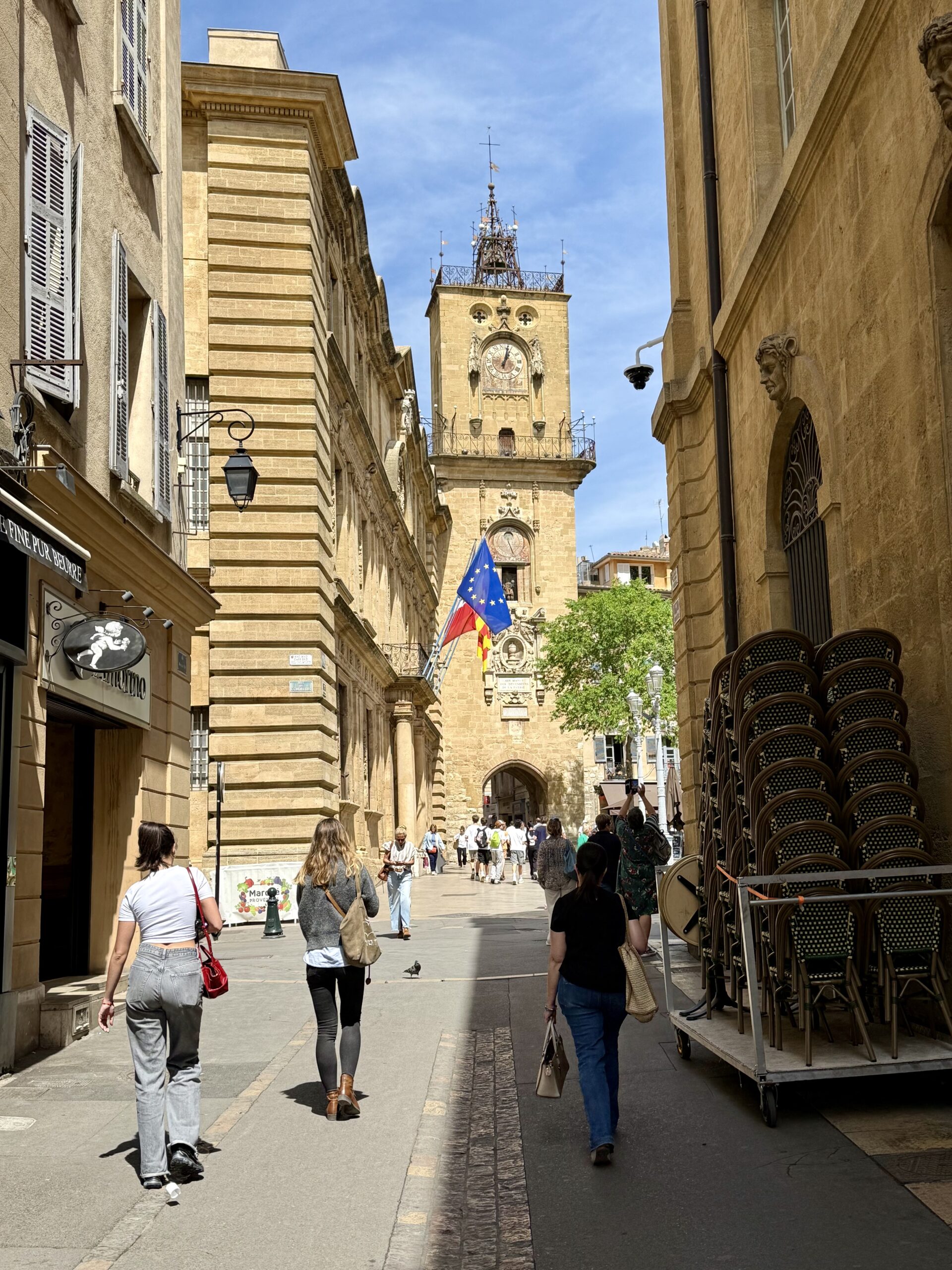
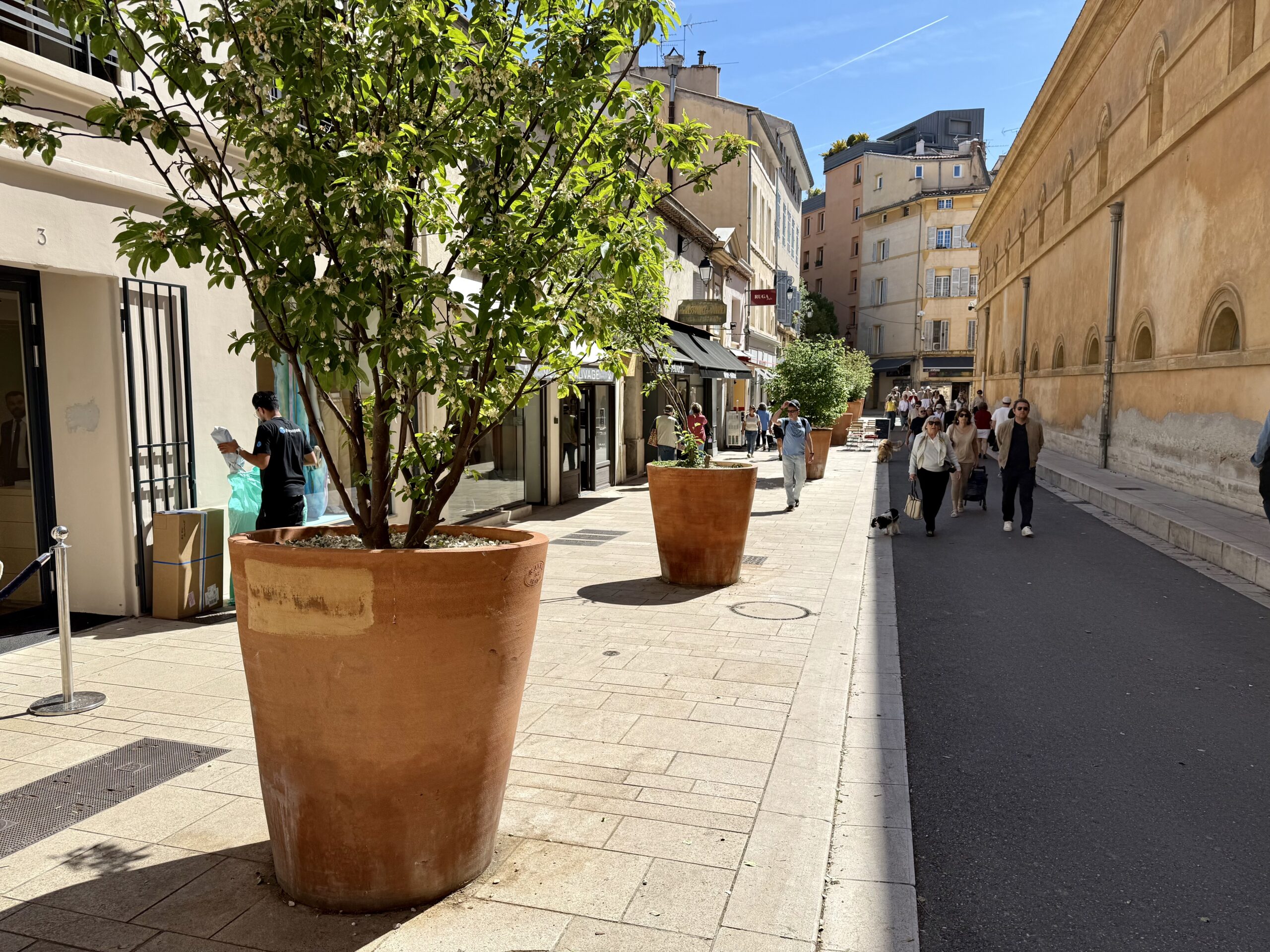
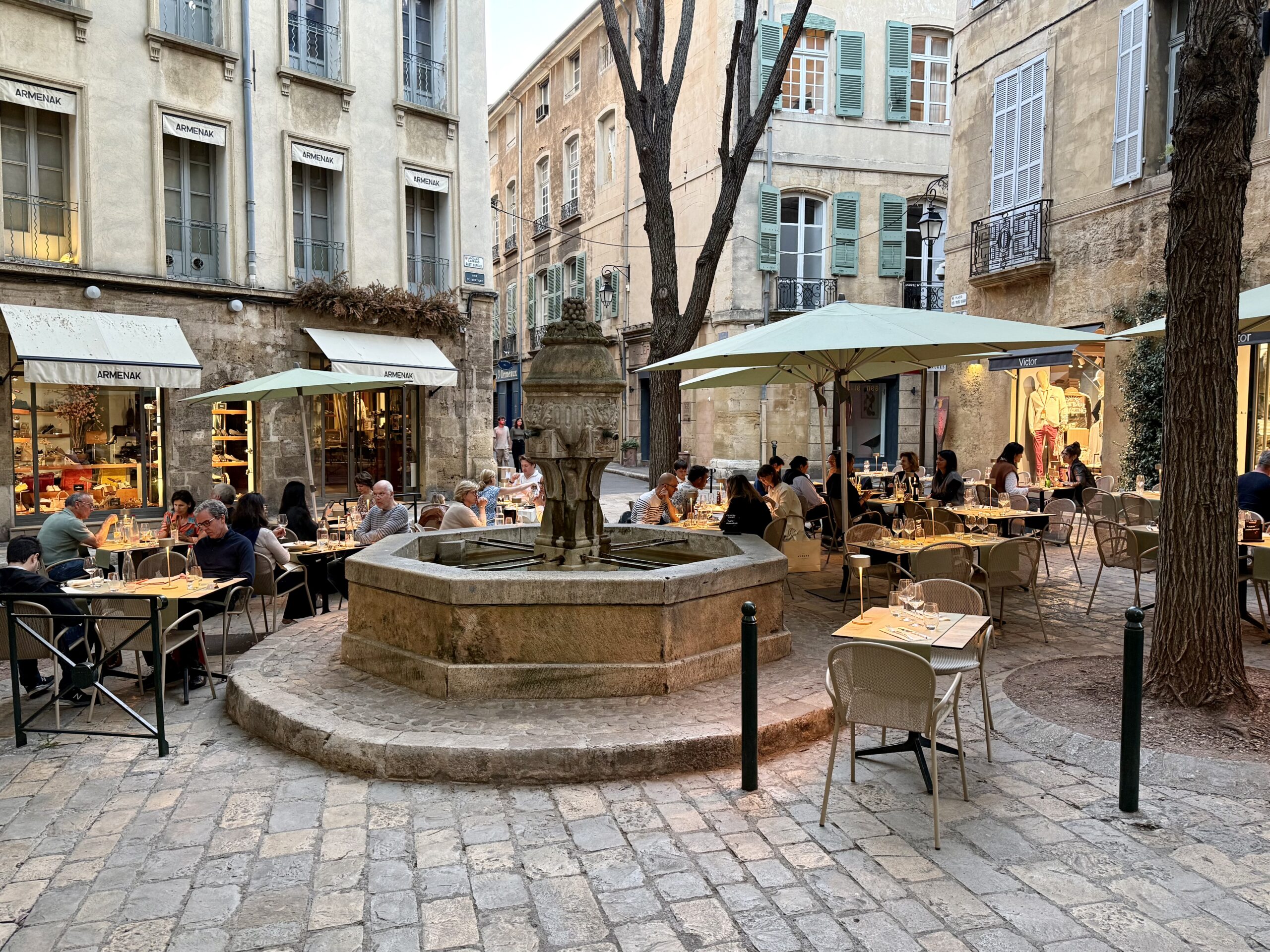
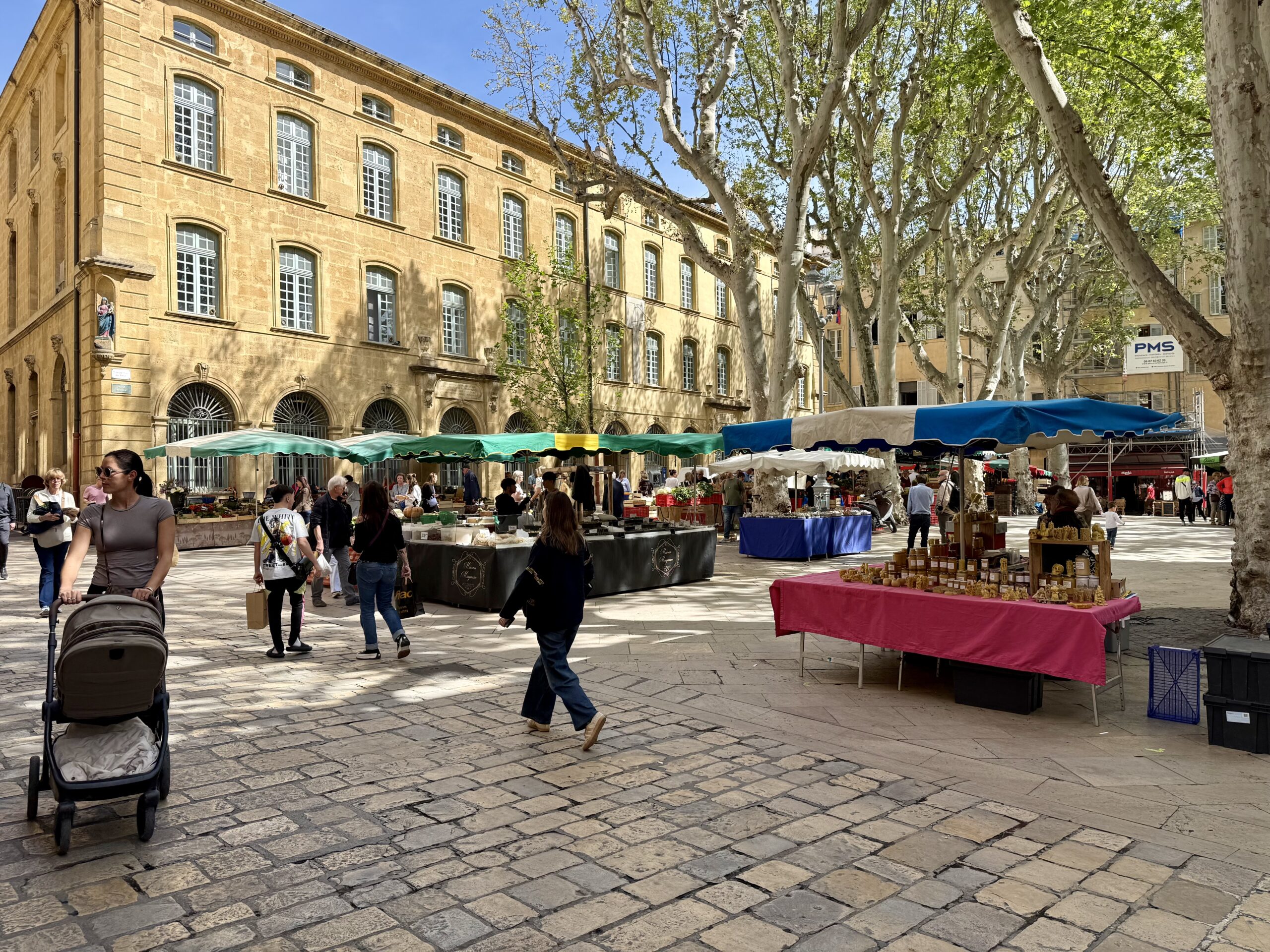
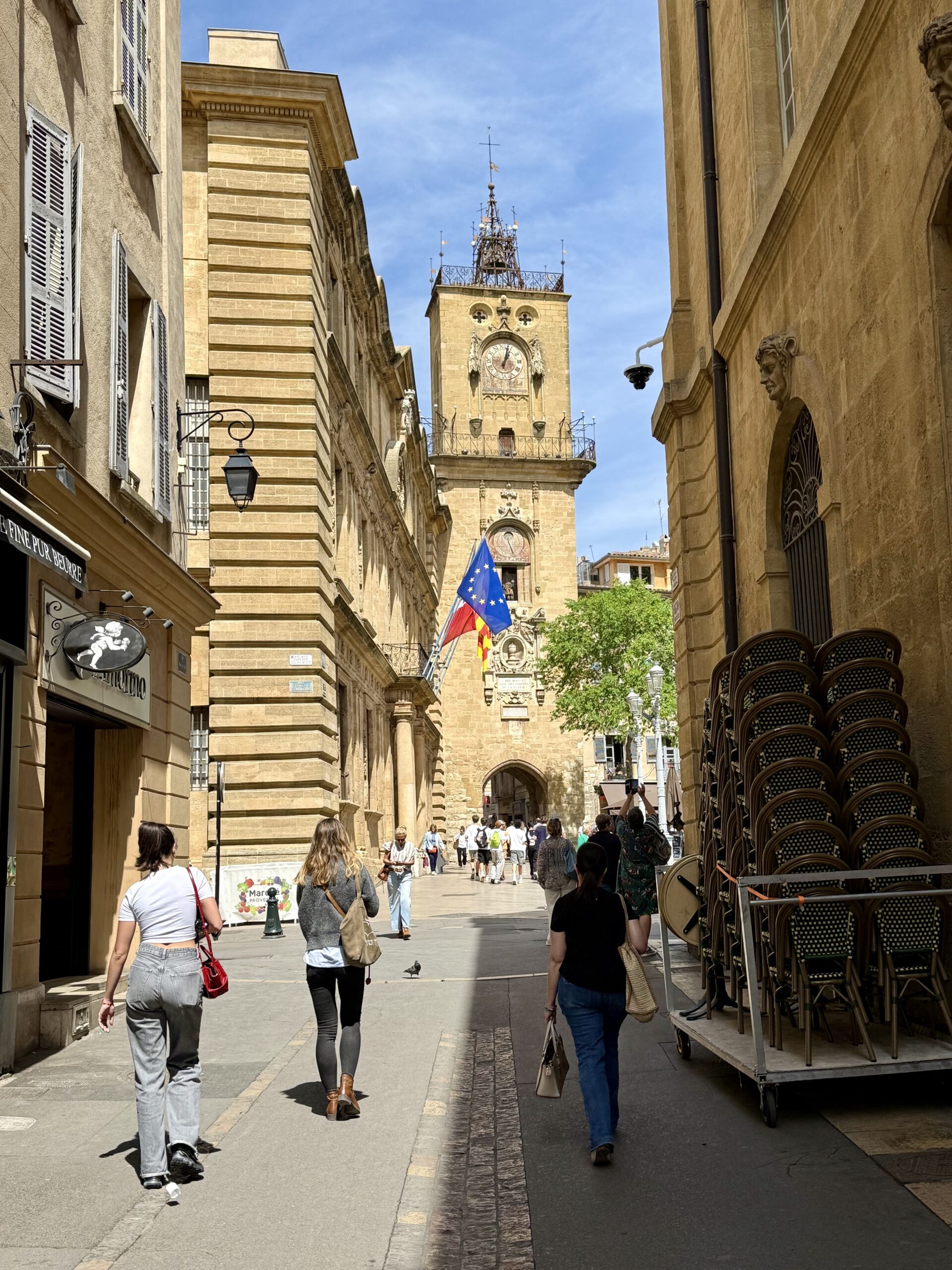
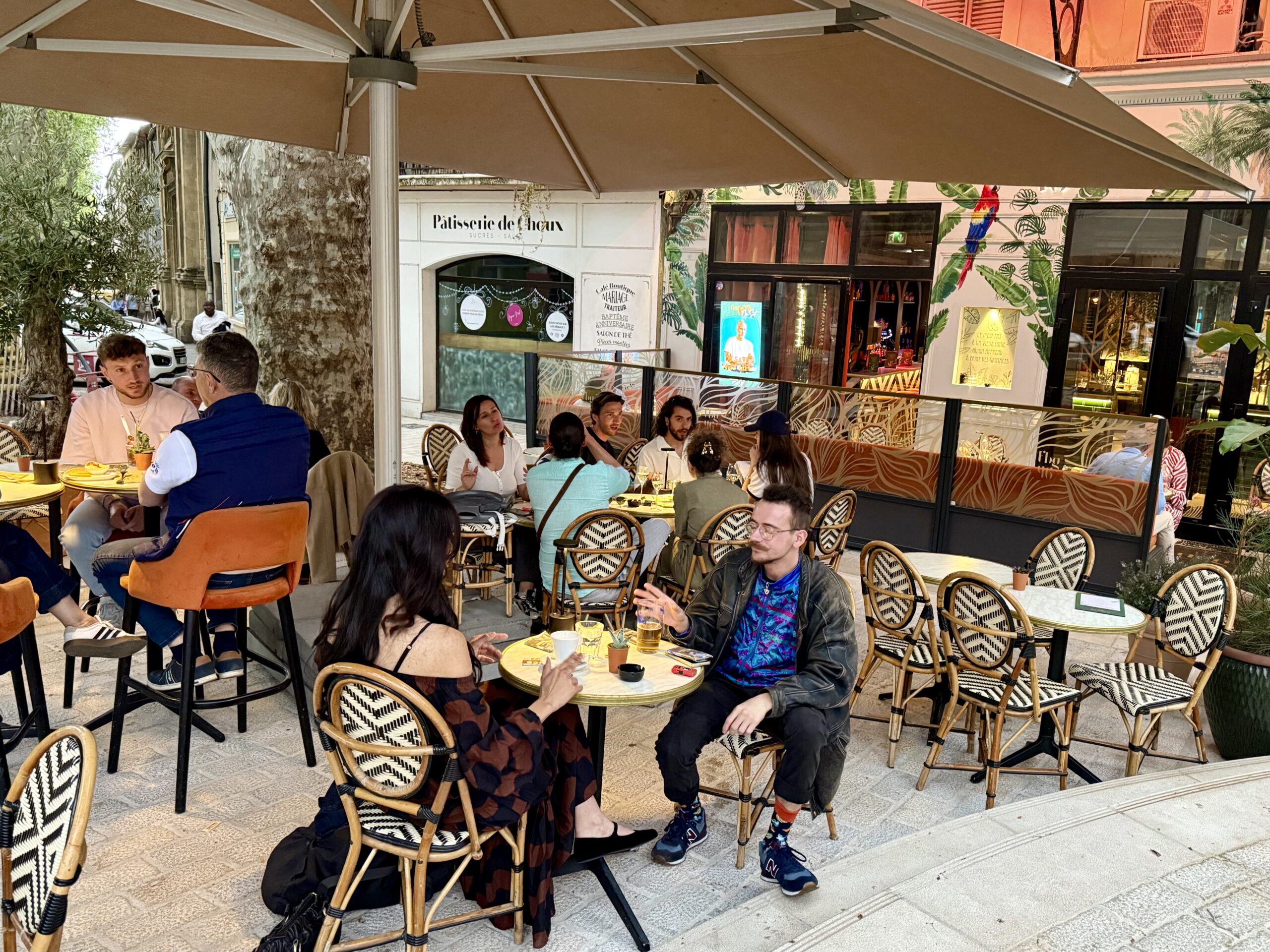
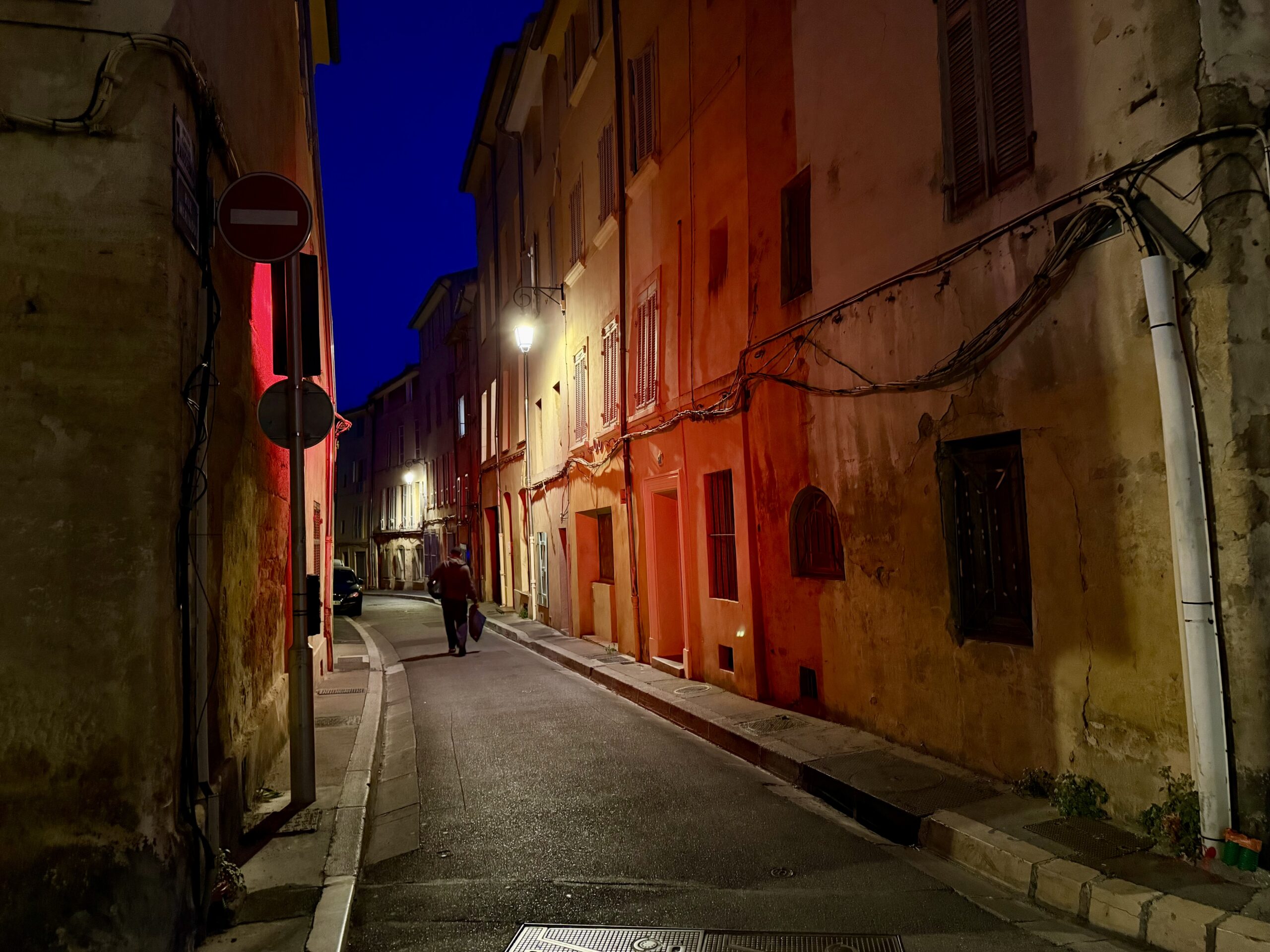
In contrast to the old town in Genoa, our last stop, the lower building heights and broader streets in the old town of Aix make it a pleasant place to stroll.
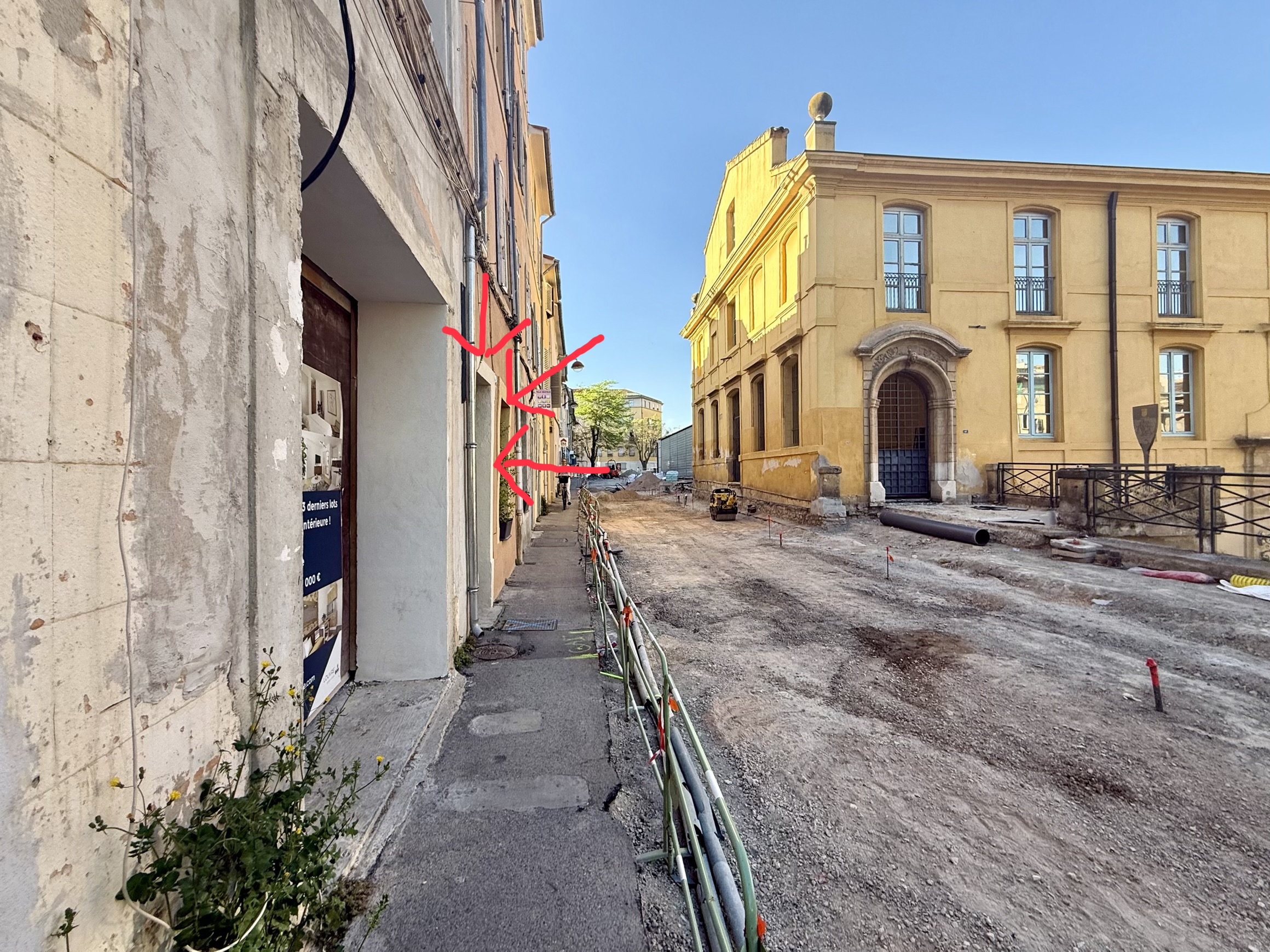
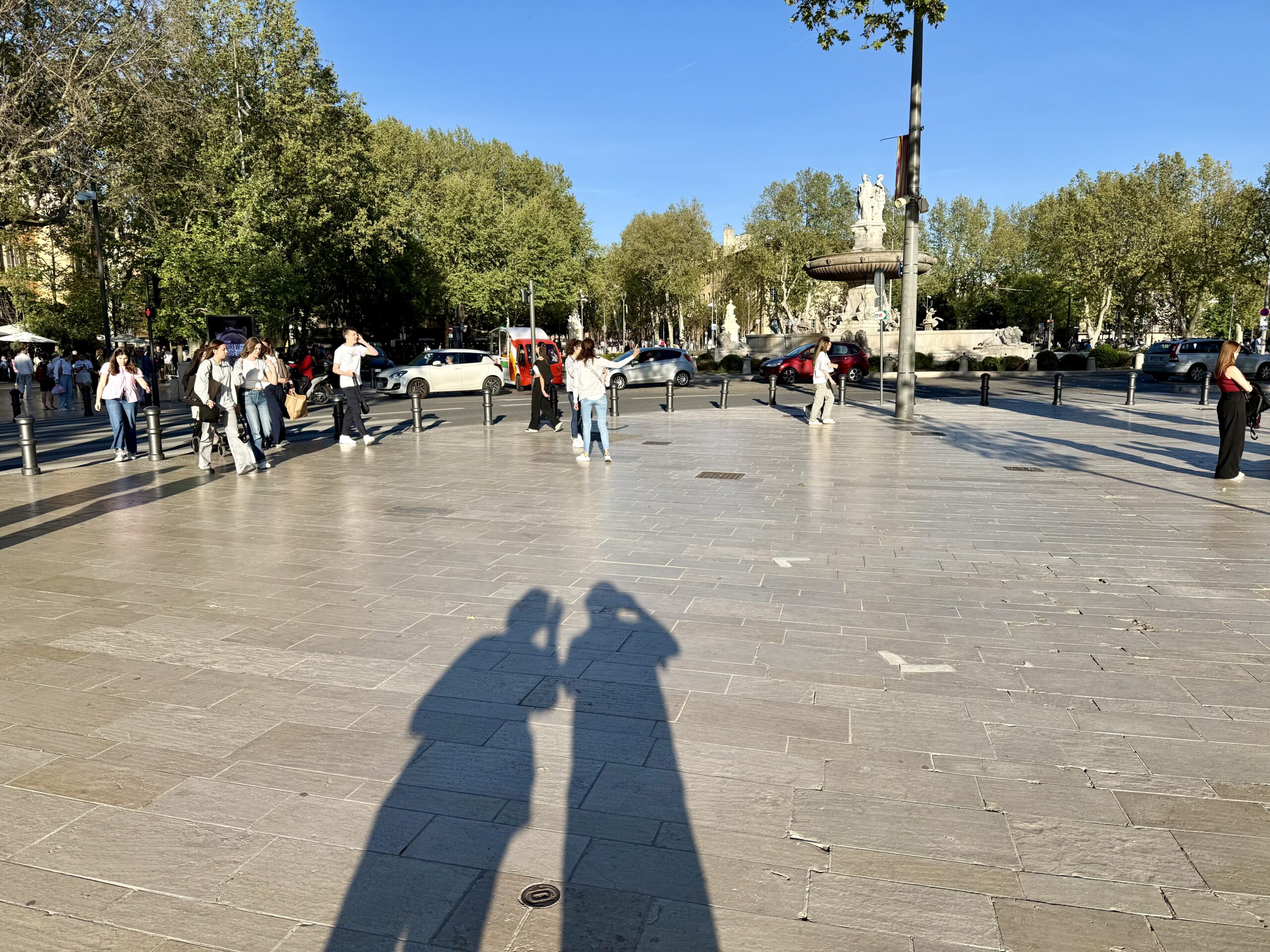
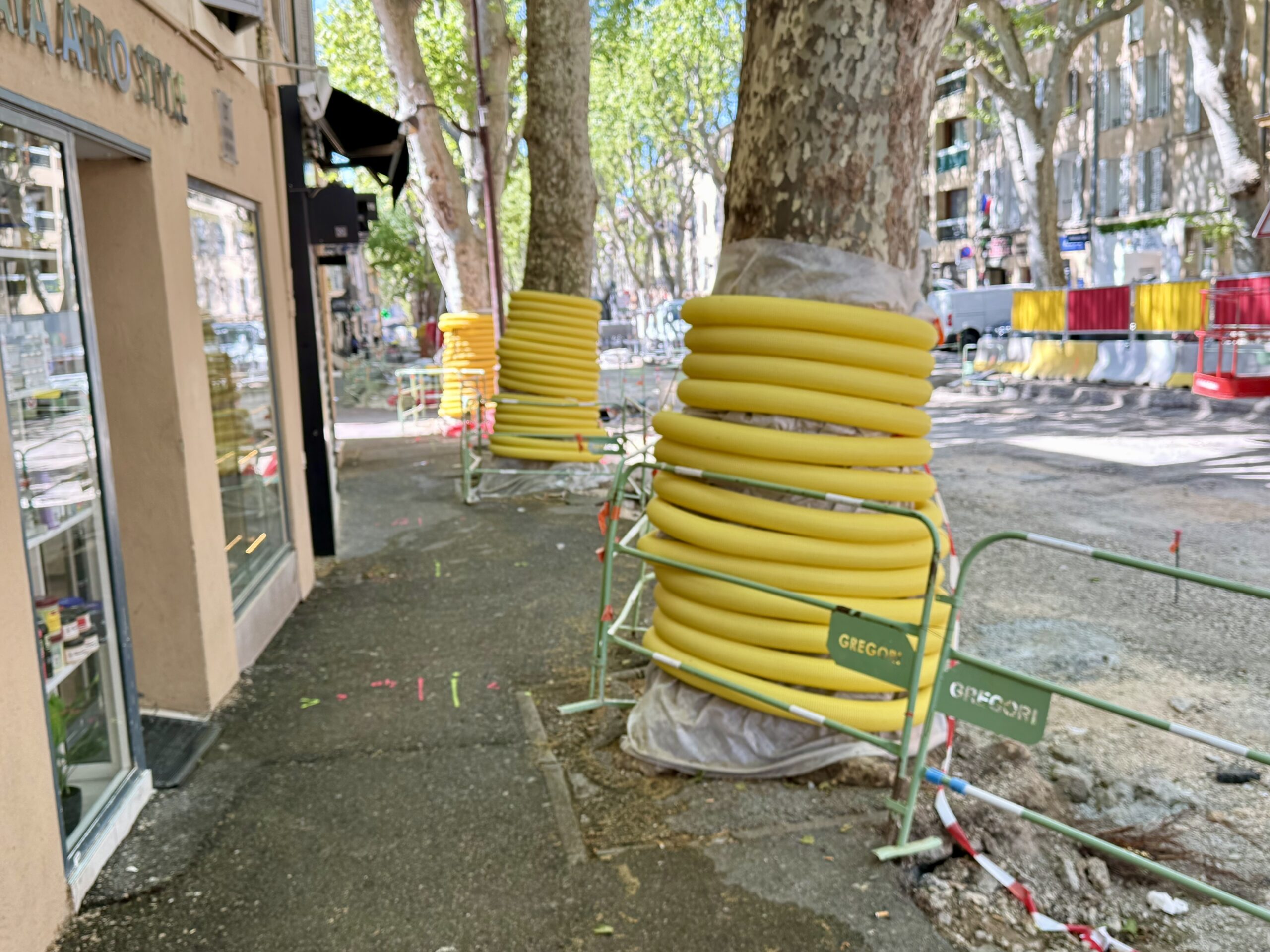
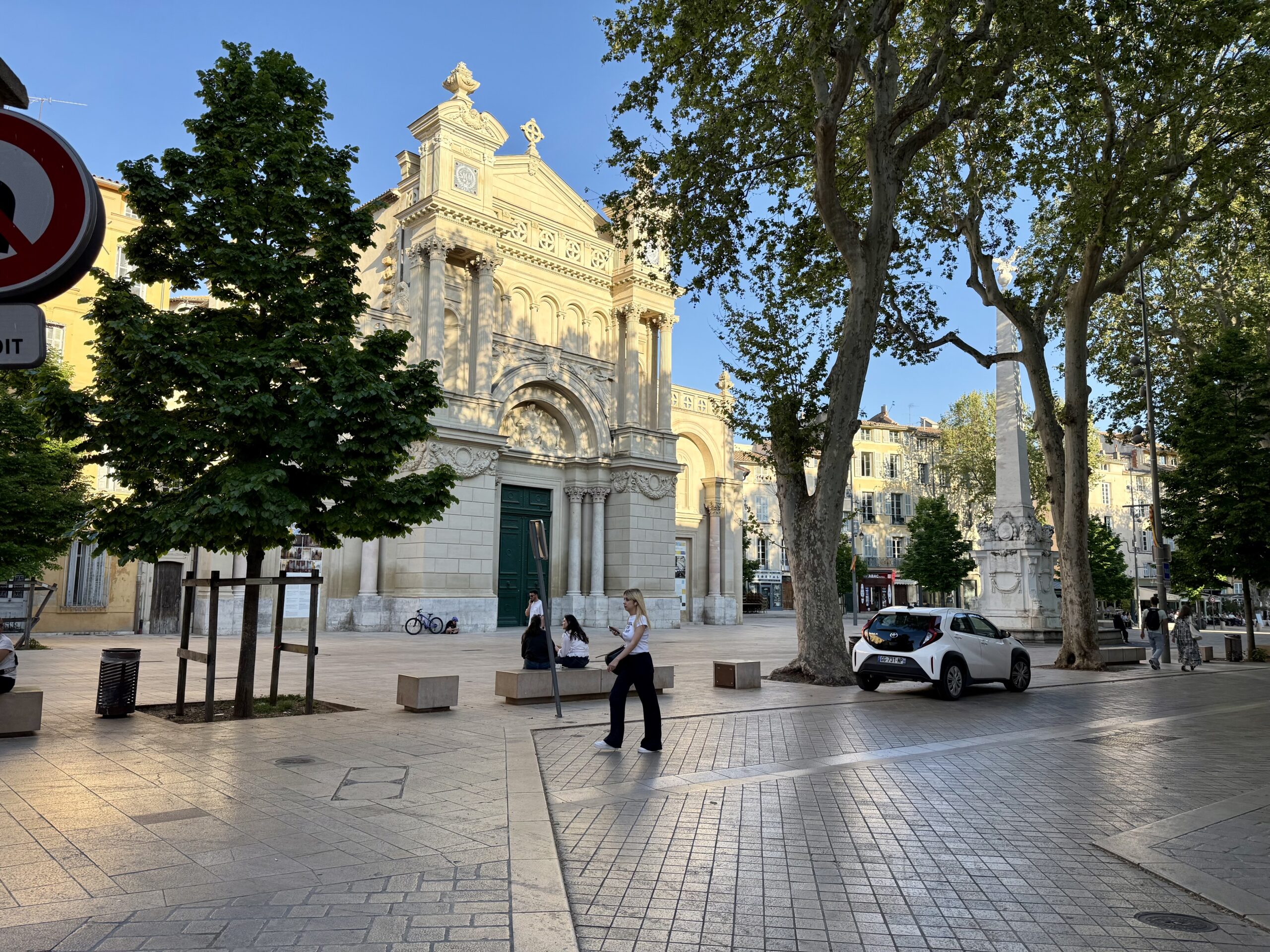
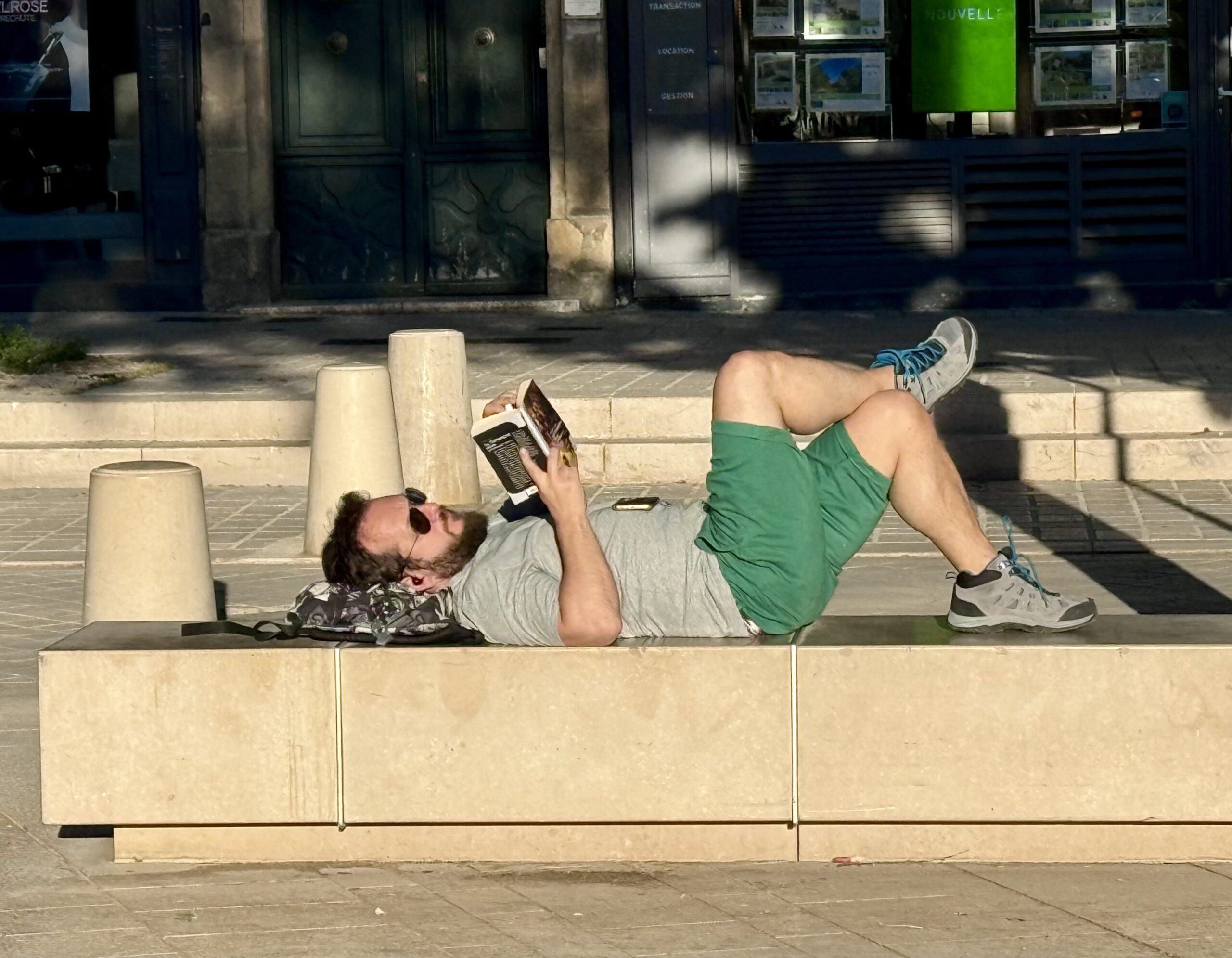
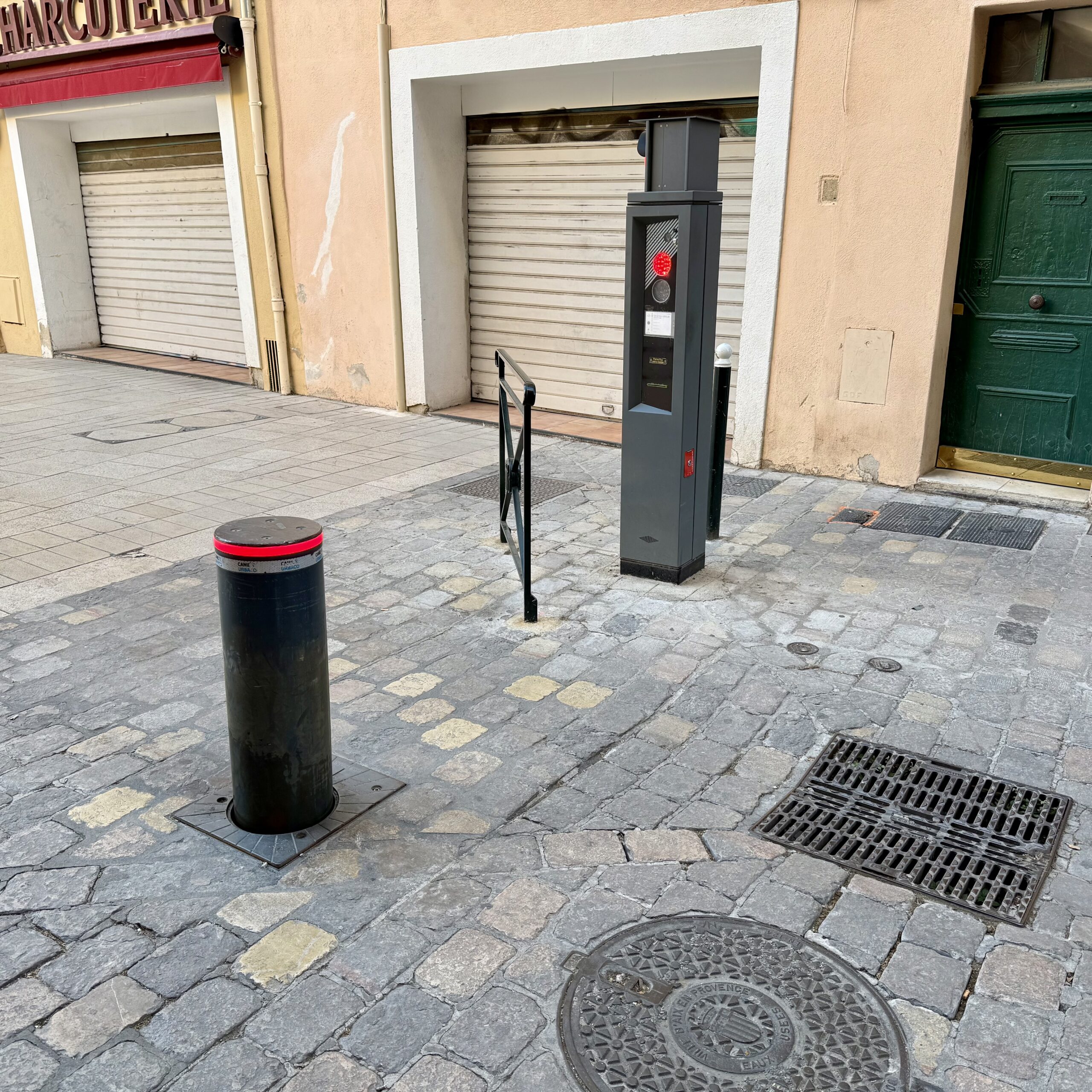
The city has poured money into improving the pedestrian environment with extensive paving and lighting, all in a common color palette. In fact, they are currently transforming the road in front of our Airbnb apartment into a broad pedestrian promenade as part of a 35 million dollar project. But there are not many spots for public seating, although the many bars and restaurants offer seats for a price.
We saw little evidence—lights at night—of occupied residences in the average four-story buildings, although apparently housing is in short supply. At least 30,000 students are part of the total population of 150,000. Bonnie often spotted knots of three American women: university student, mother, and younger sister?
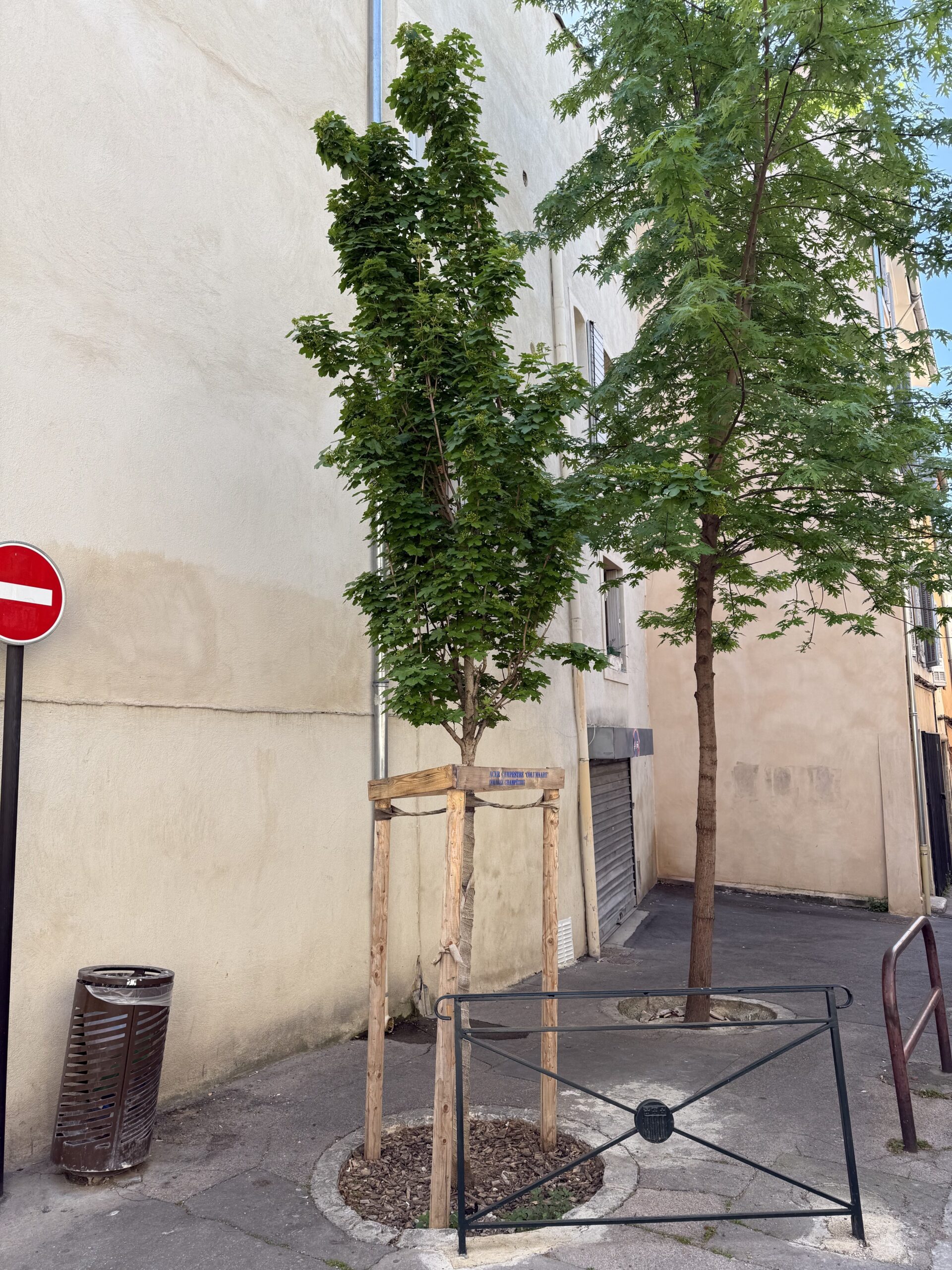
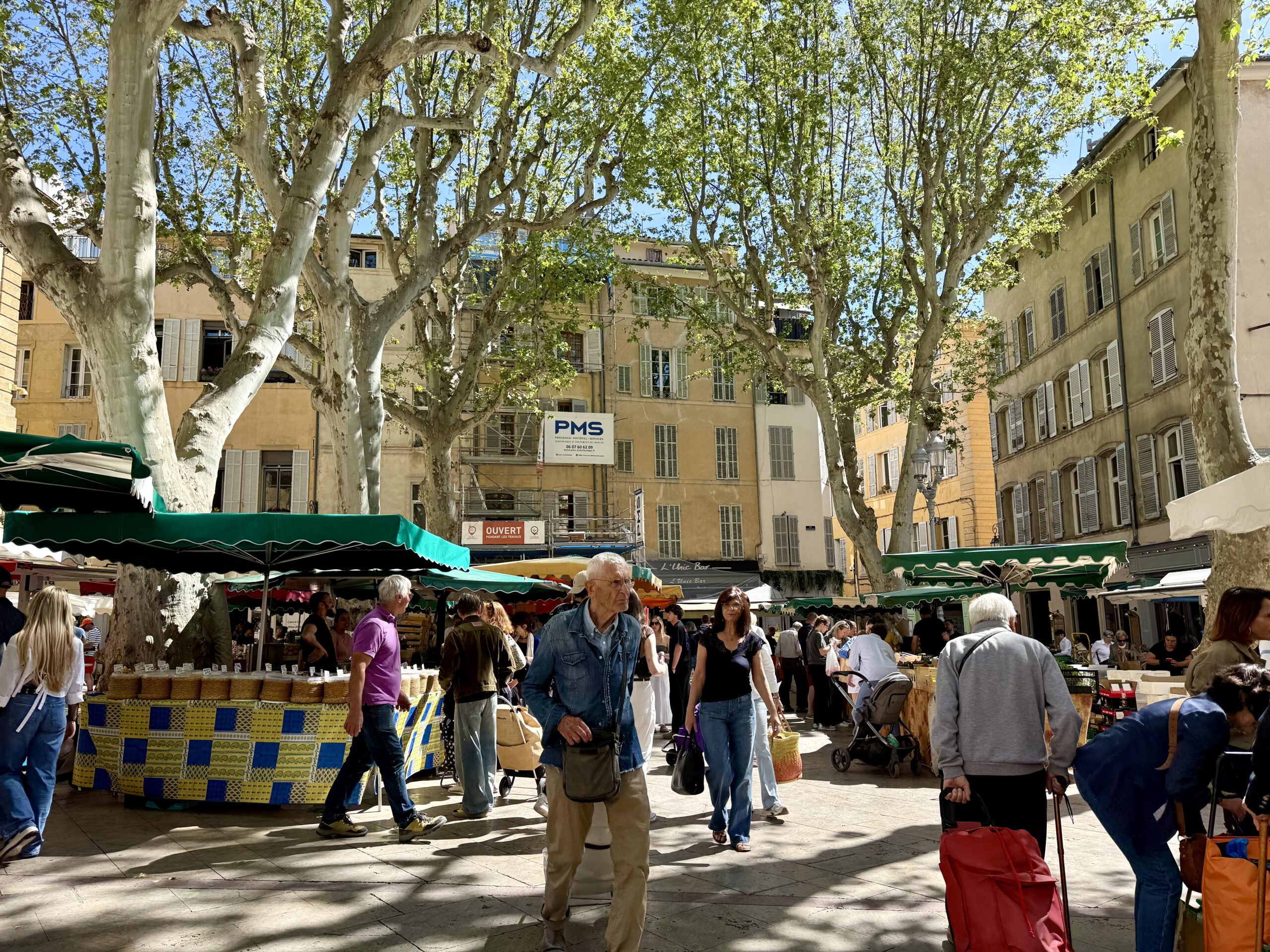
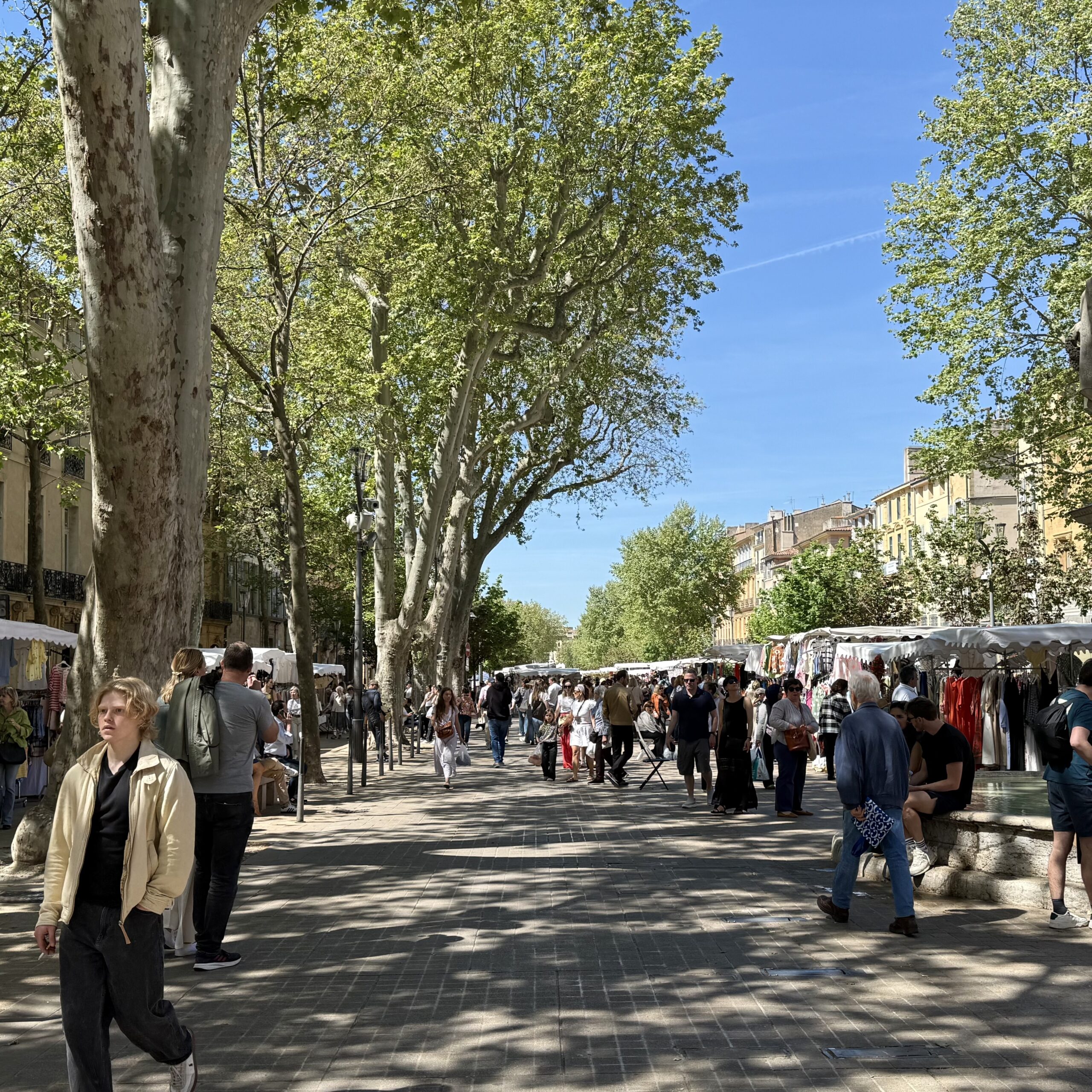
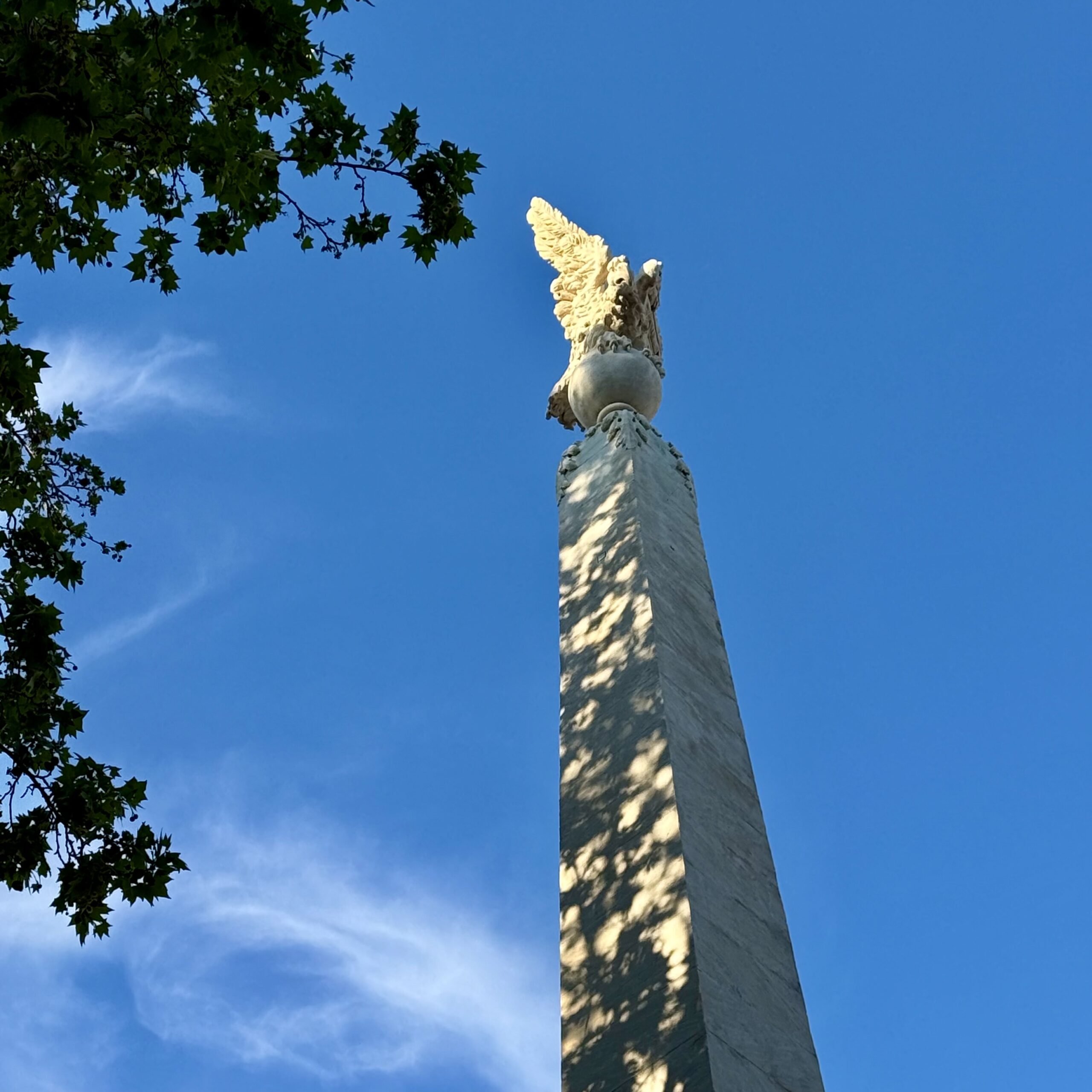
The tree-lined streets and small squares are lovely. Visual echoes of Van Gogh who lived not far away in Arles. London plane trees planted in the 1800s unify the streets. The trees were planted on orders of Napoleon to replace elms that died from disease. He wanted shade for his troops.
Lodging
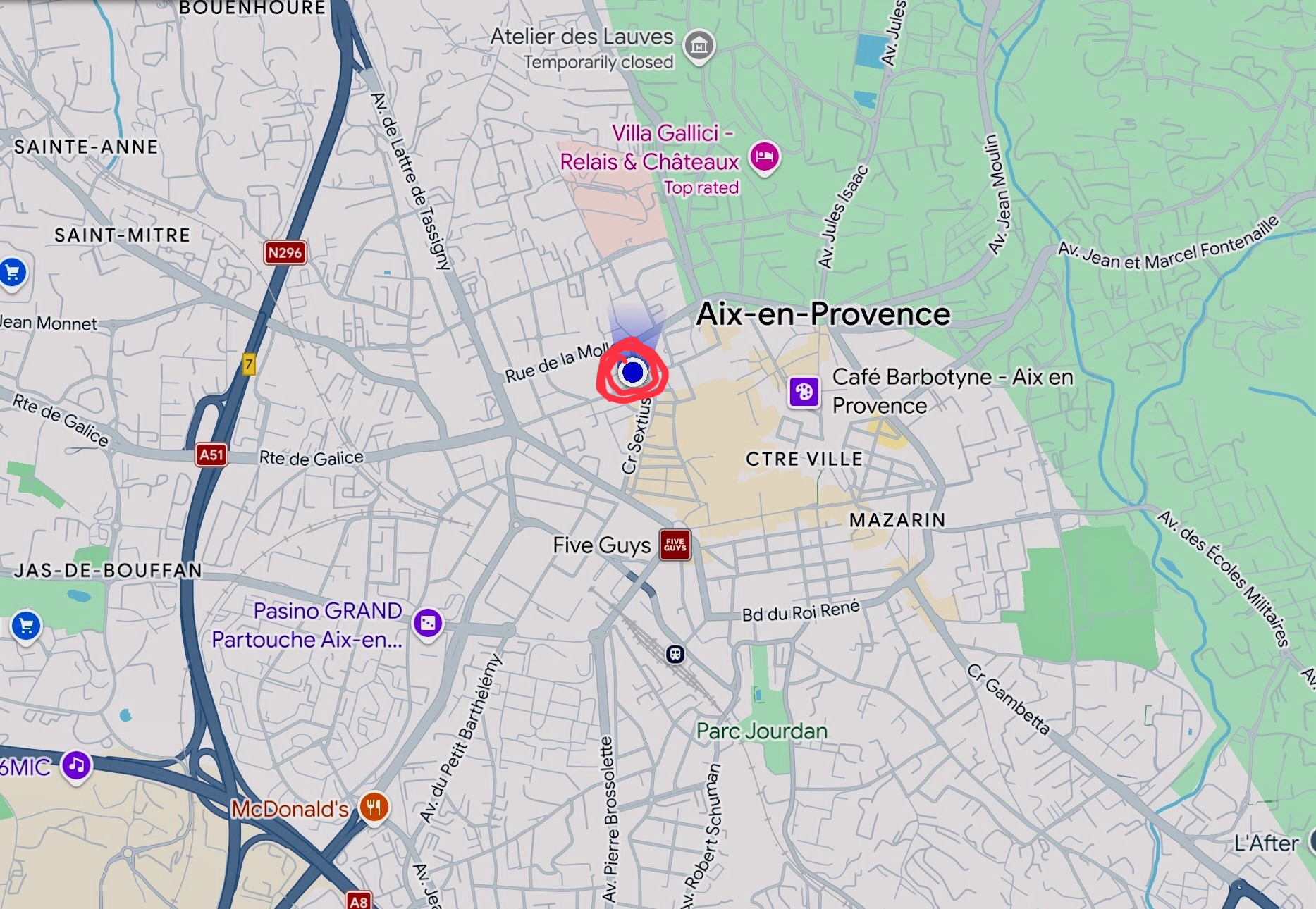
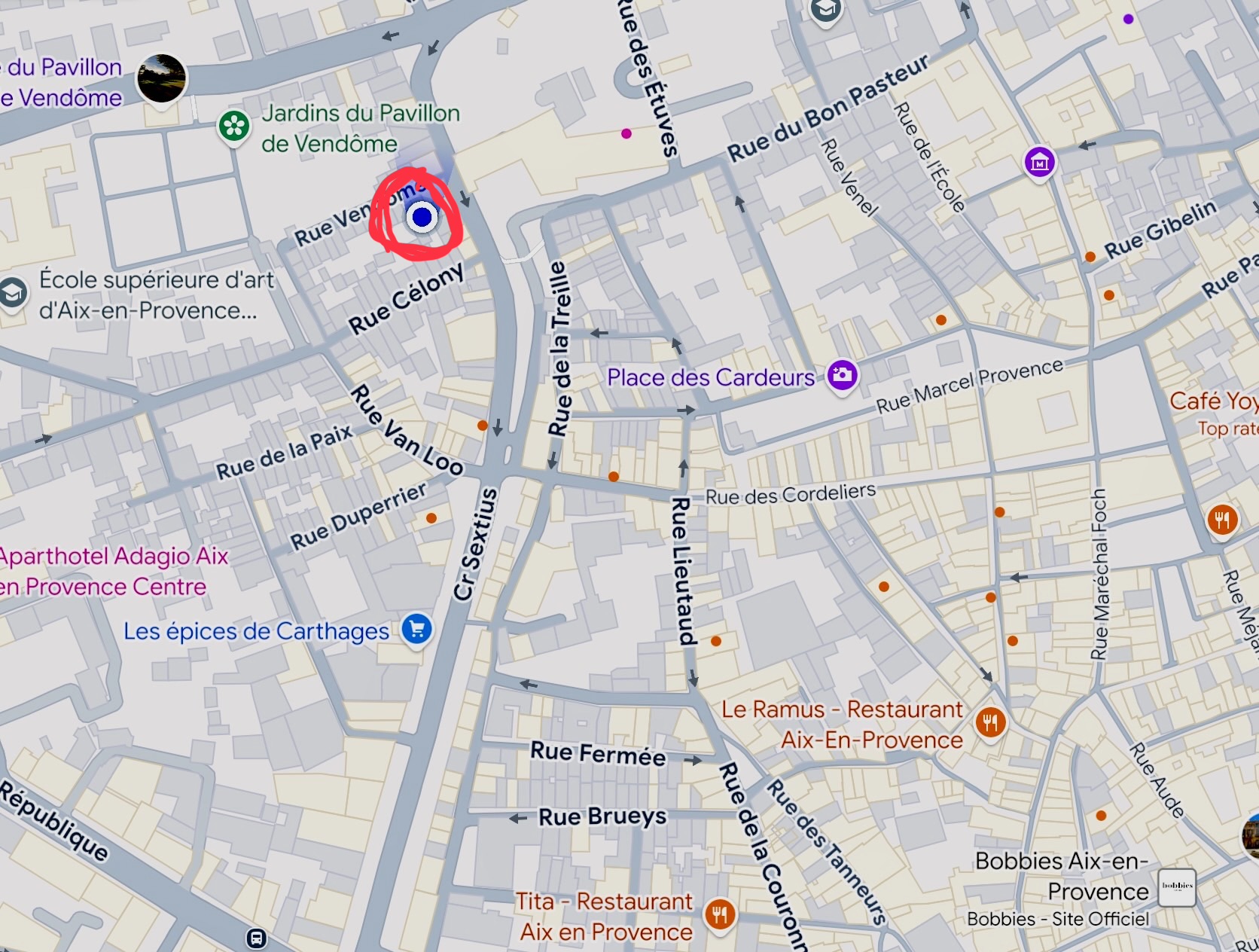
We moved into an elegant Airbnb apartment at the edge of the lively old town for six nights. Partly because of the construction on the road in front, it took three navigation attempts (Waze, Google, and finally Apple) to reach the spot where we met our hosts. So many one-way streets! So many tight turns! Our Dutch hosts worked in hospitality around the world before moving to Aix five years ago.
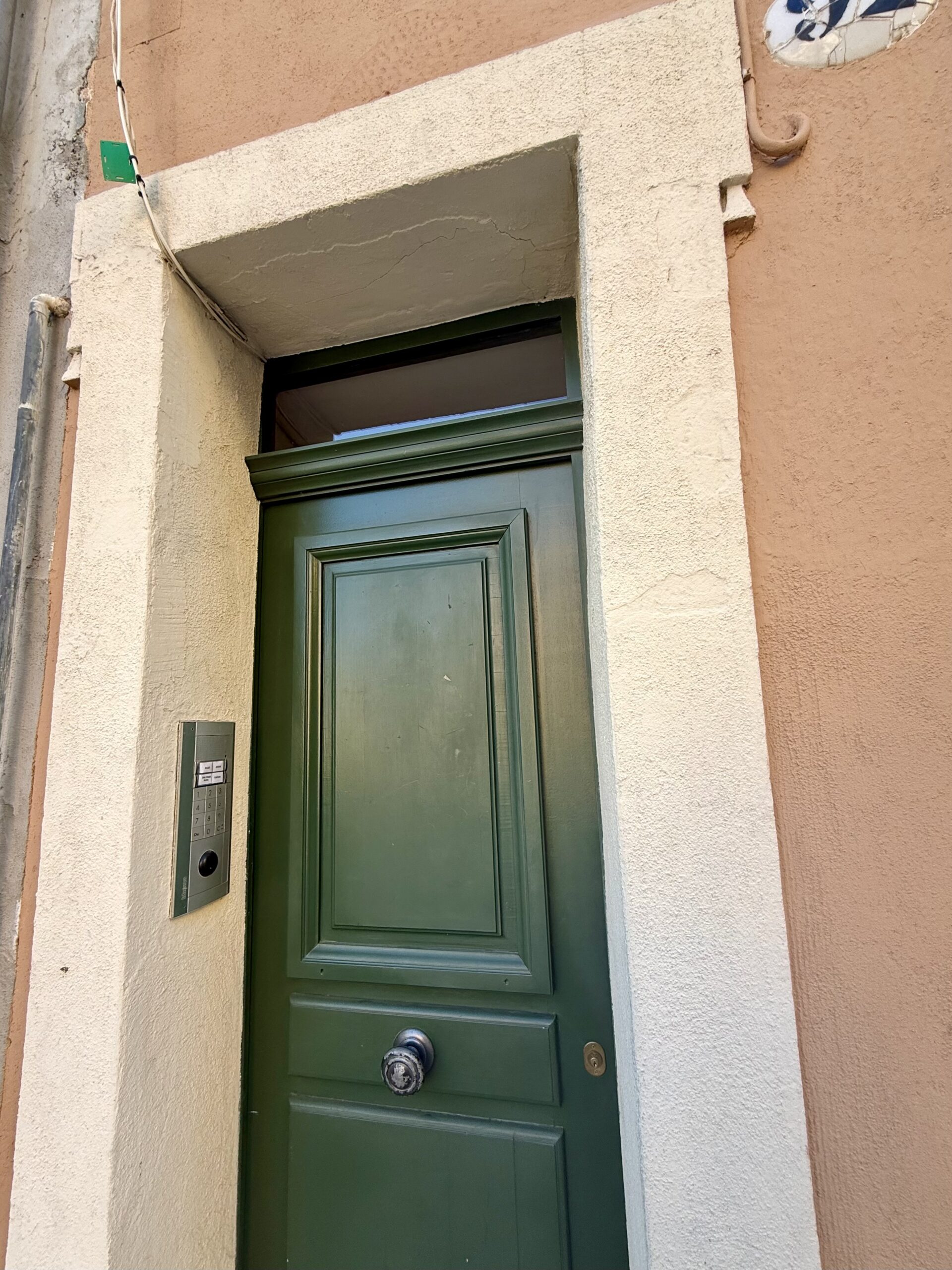
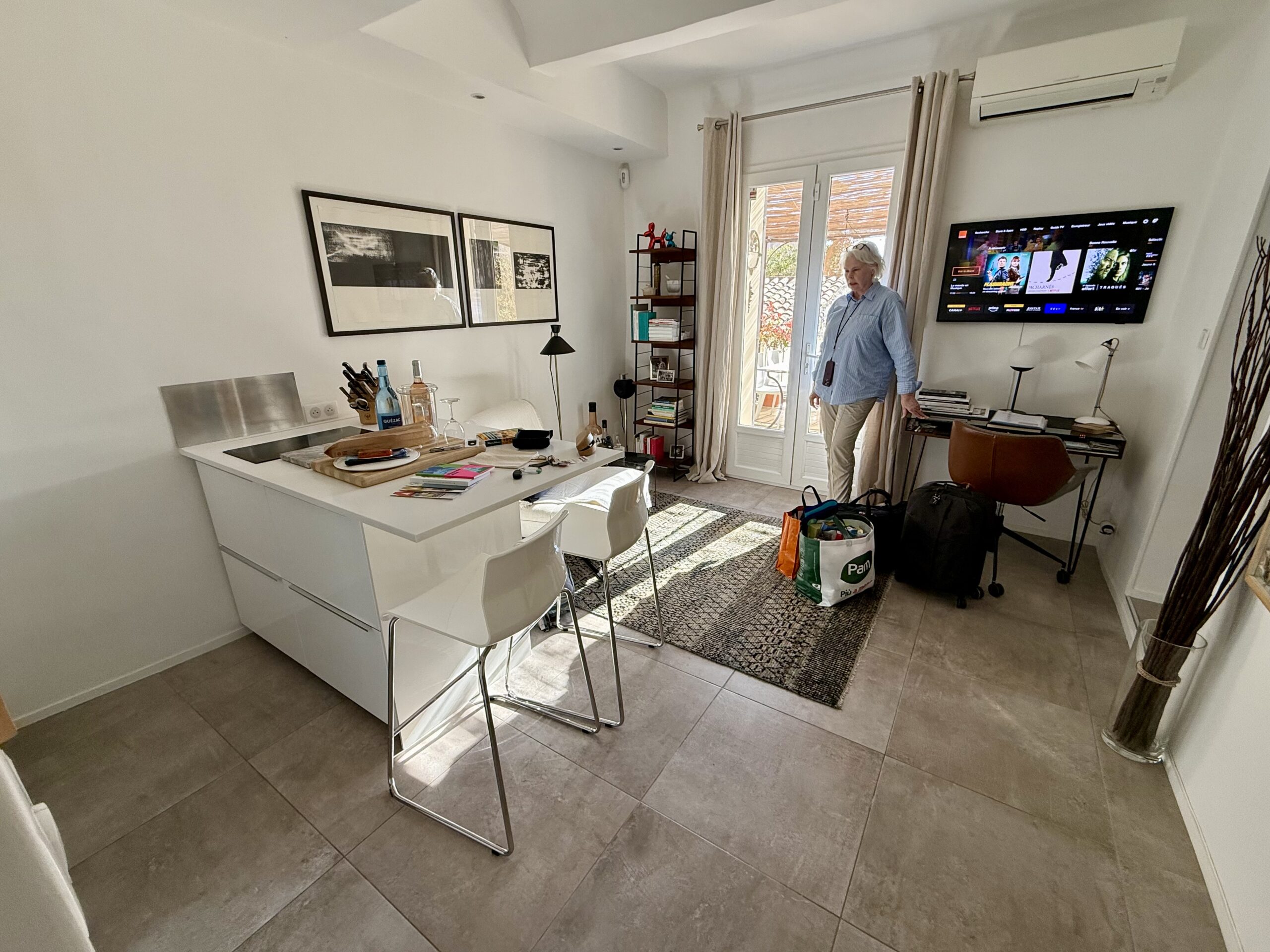
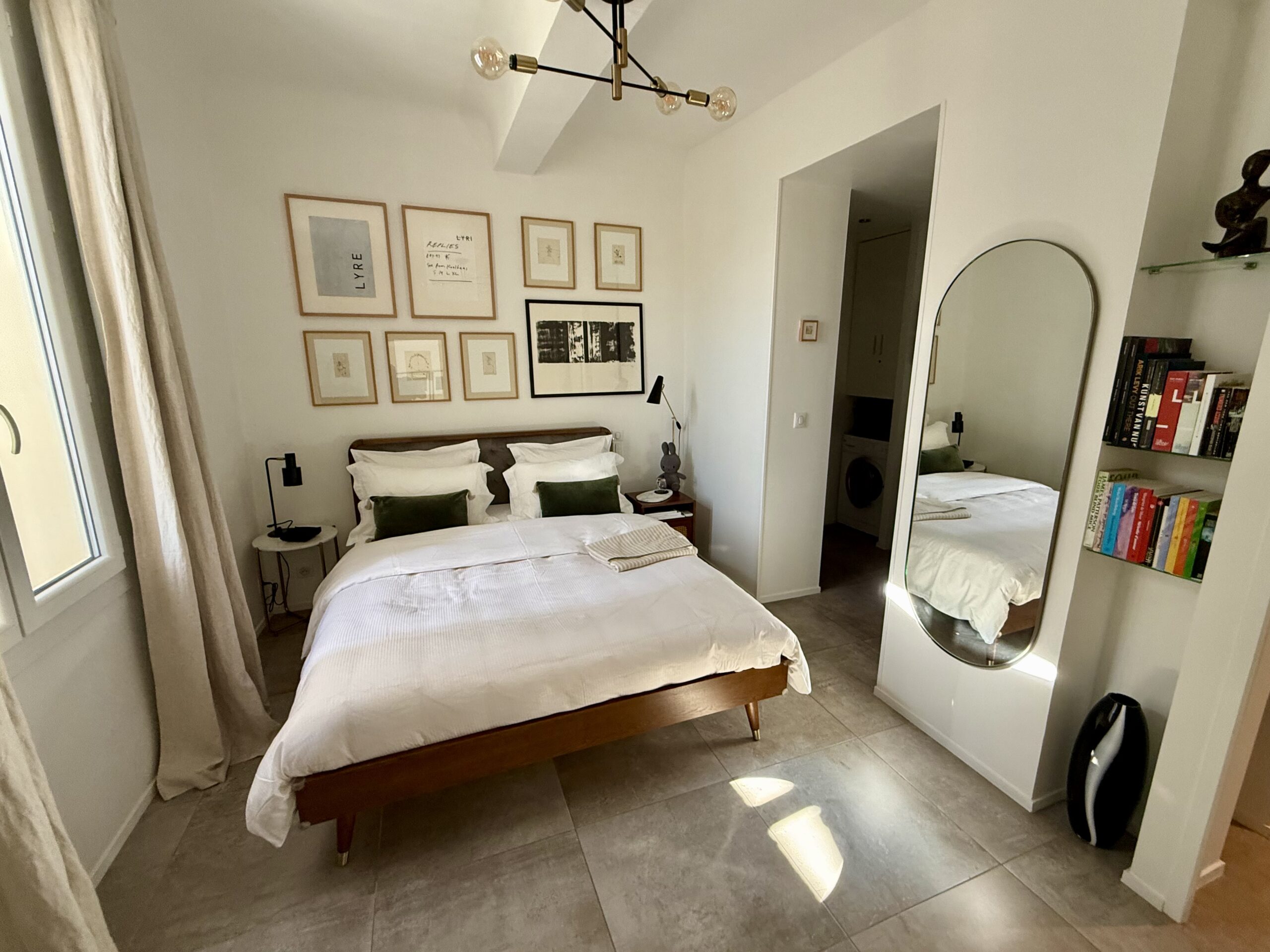
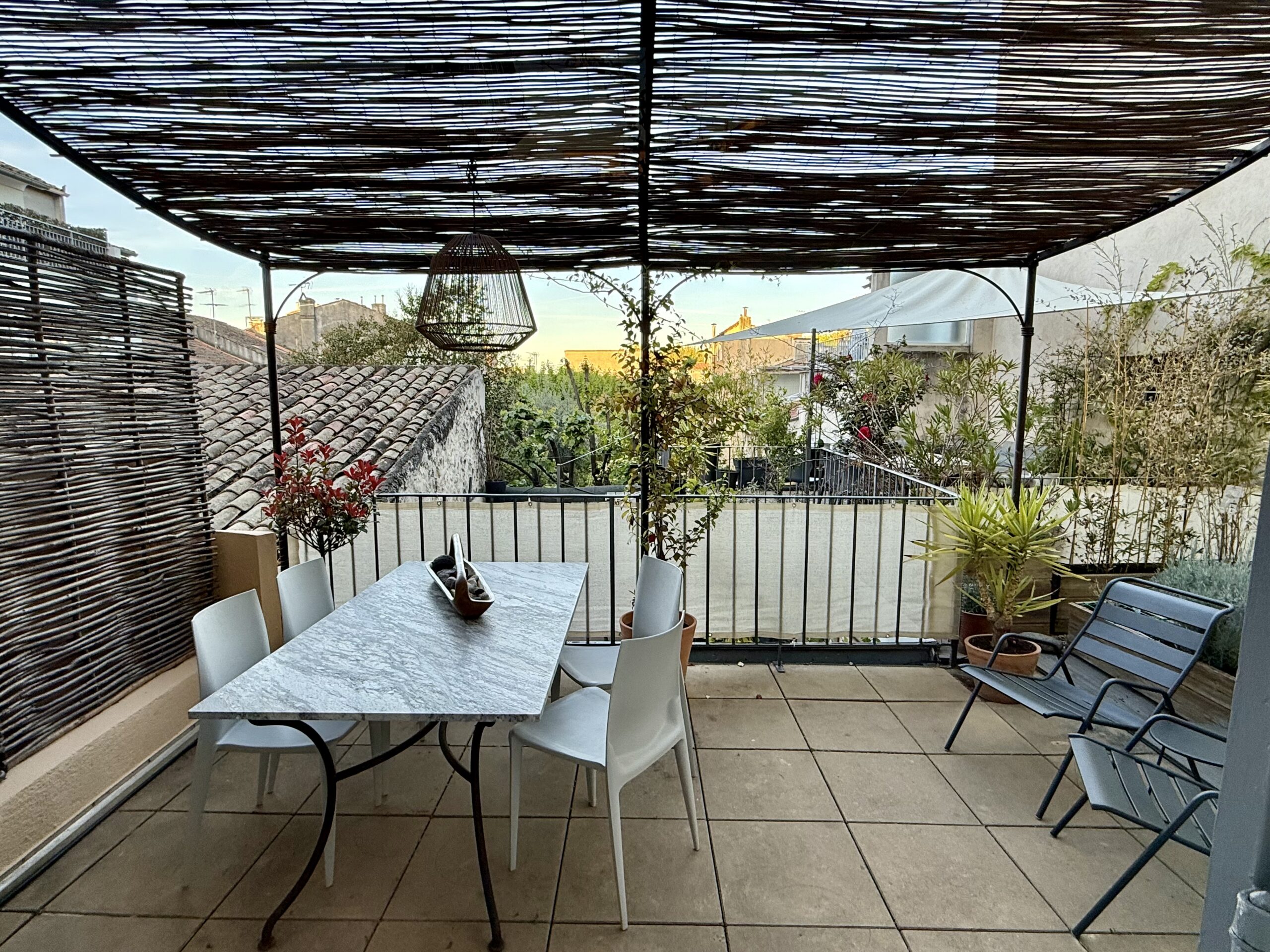
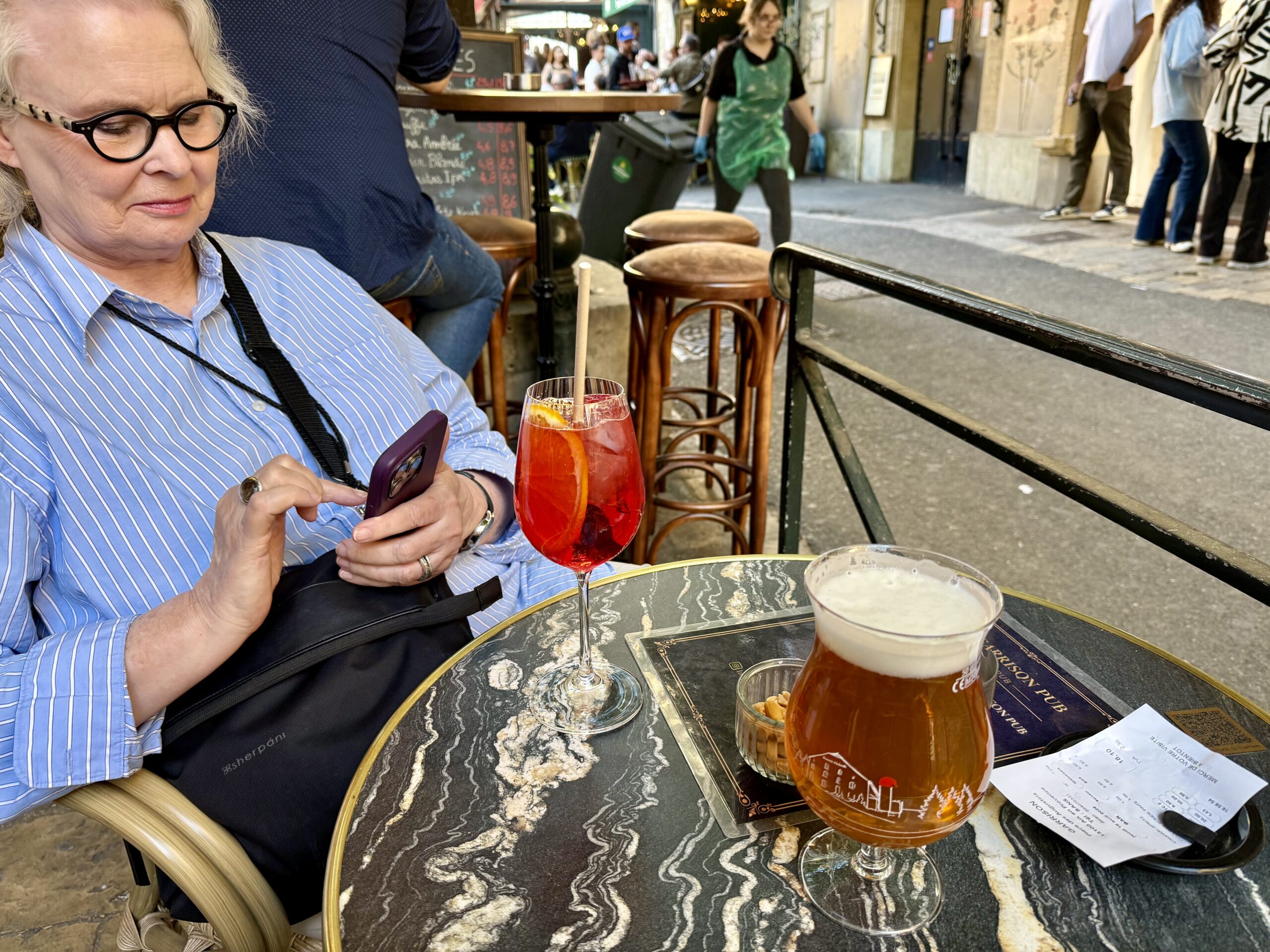
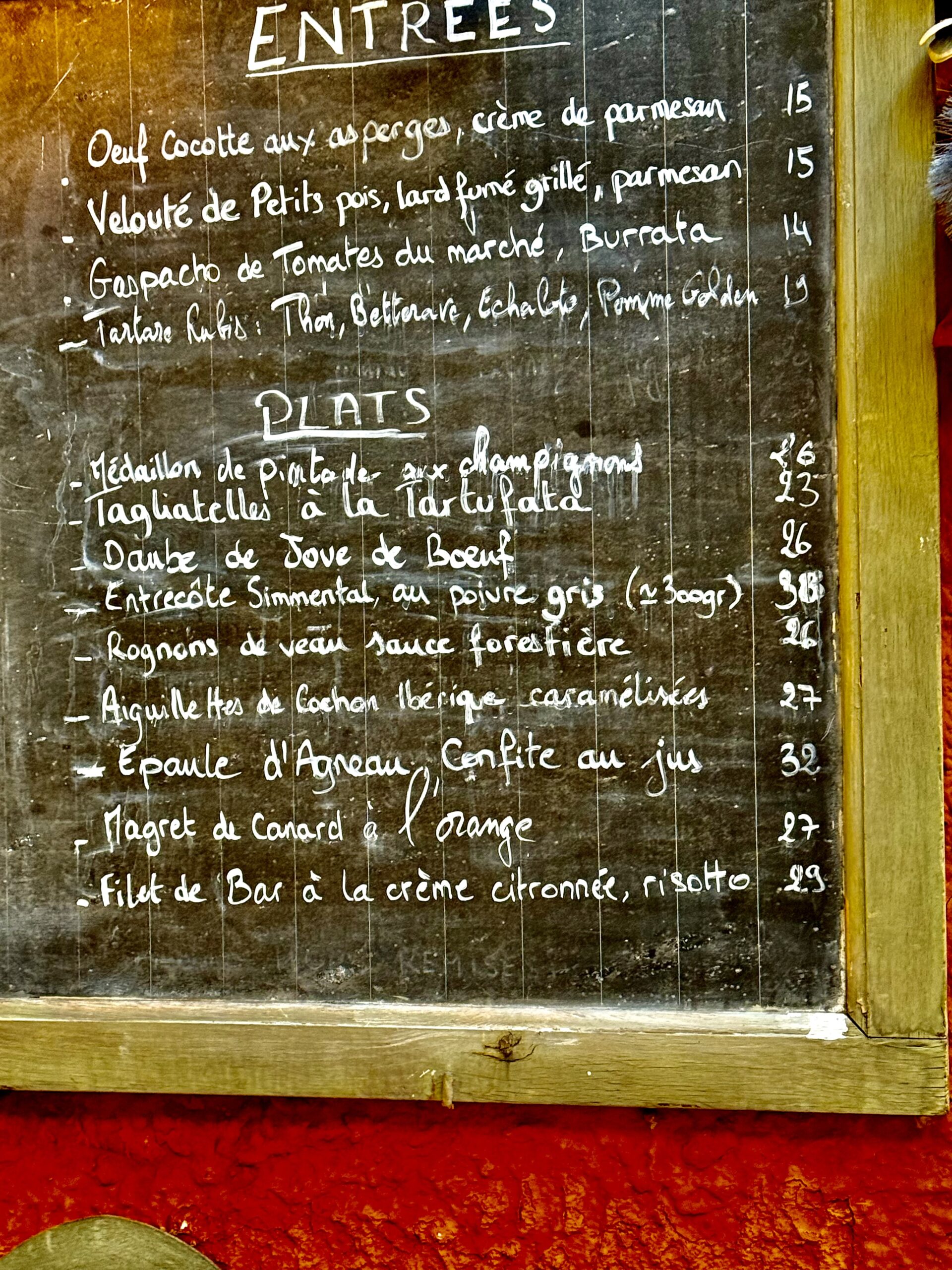
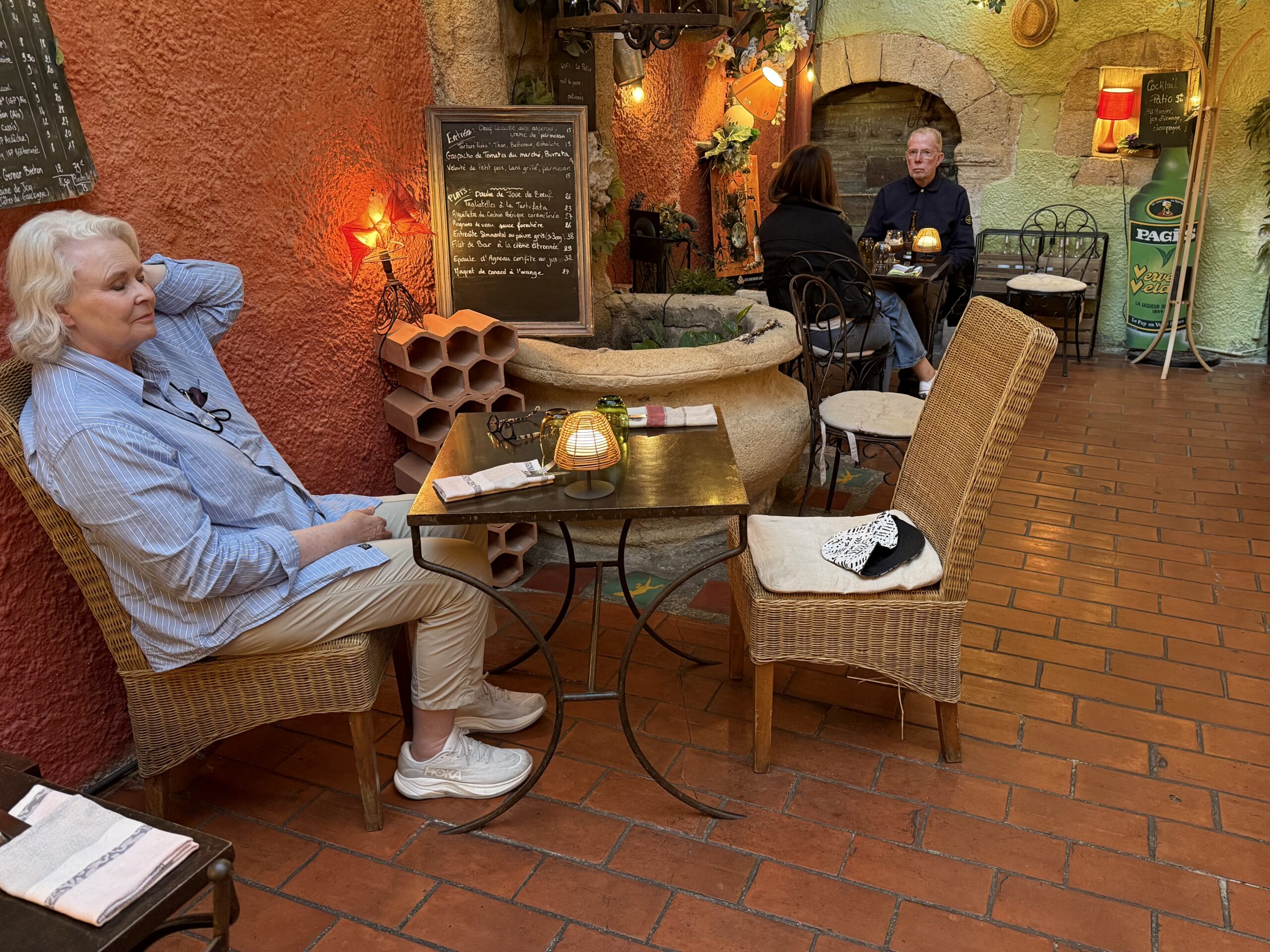
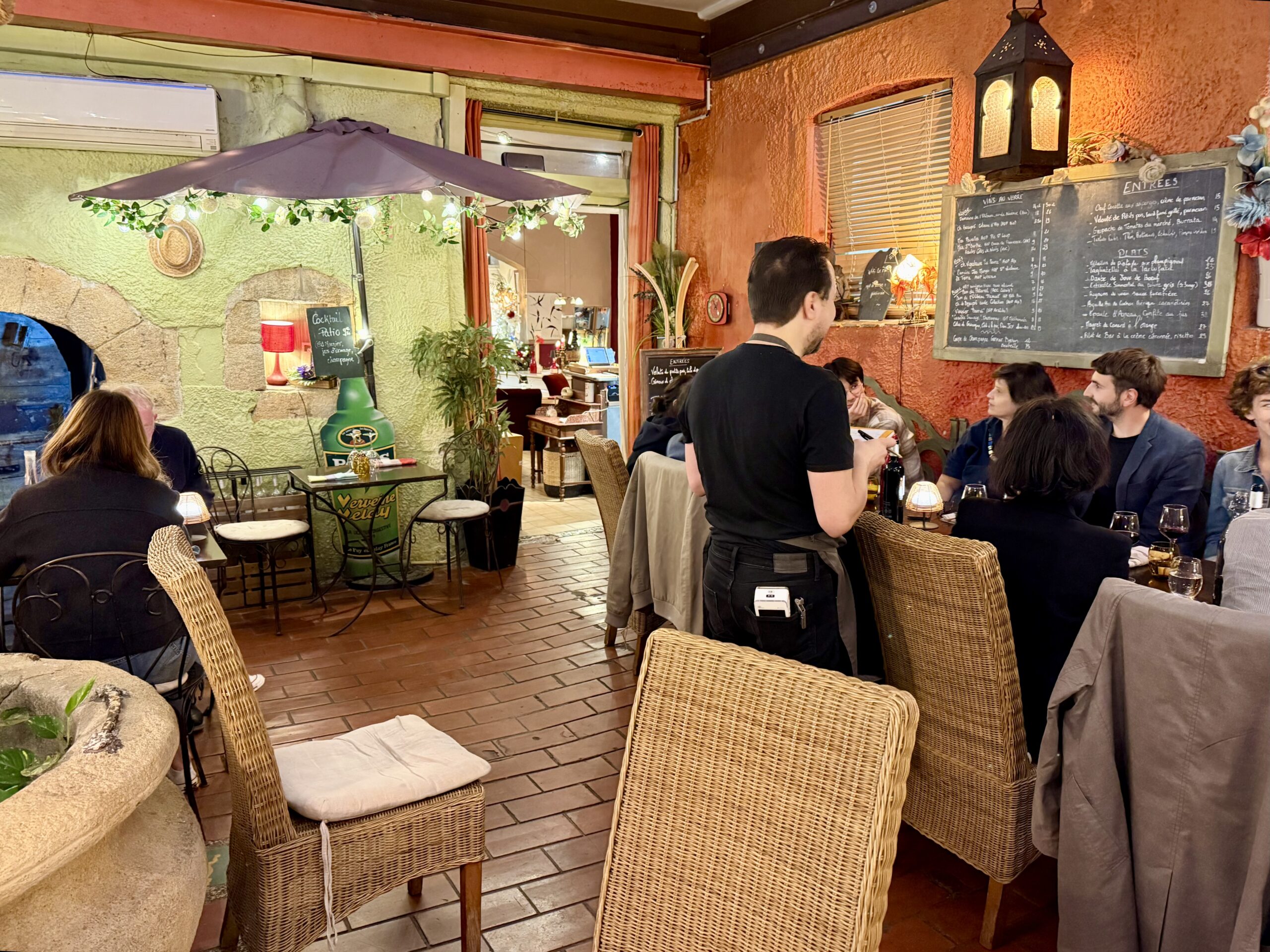
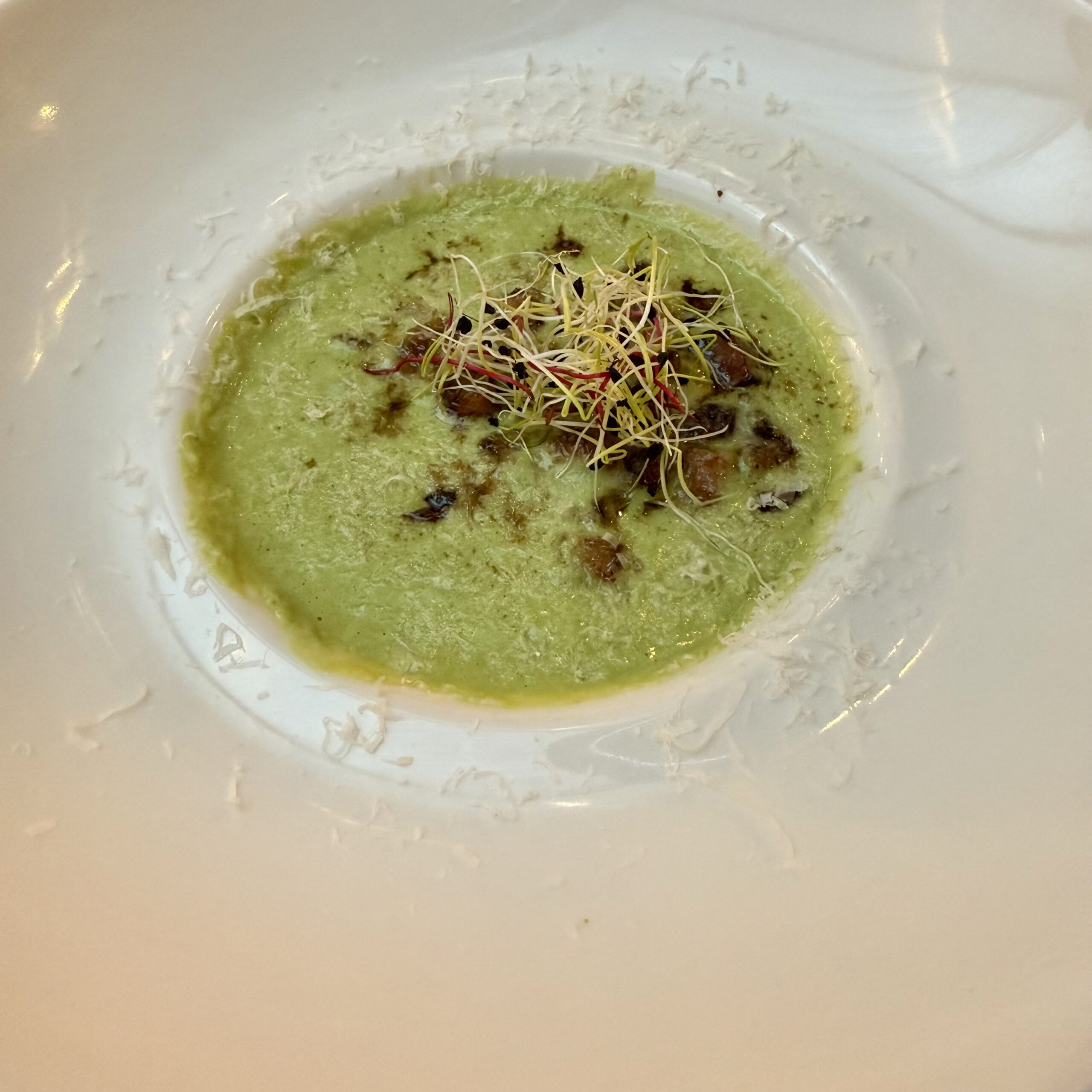
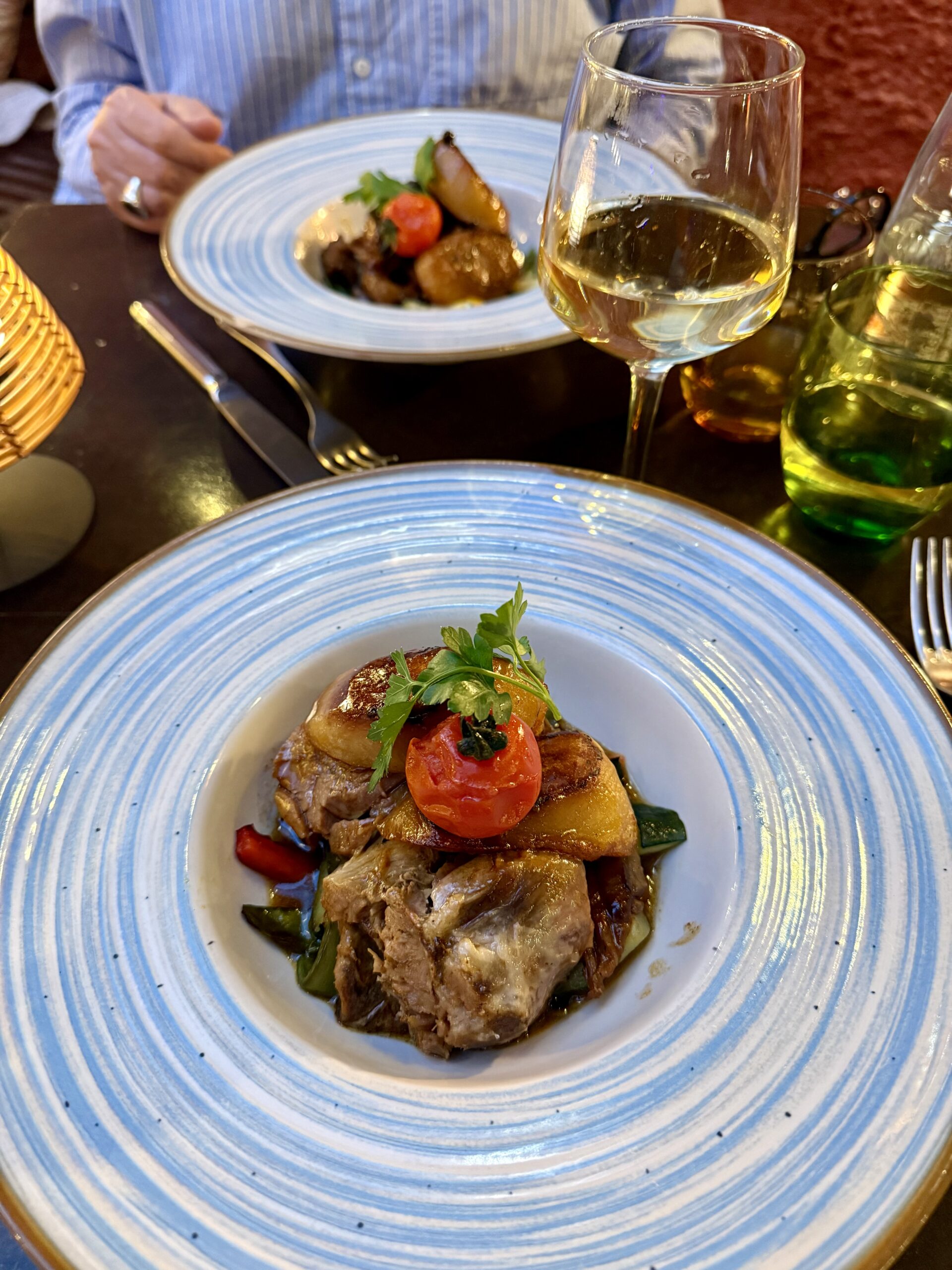
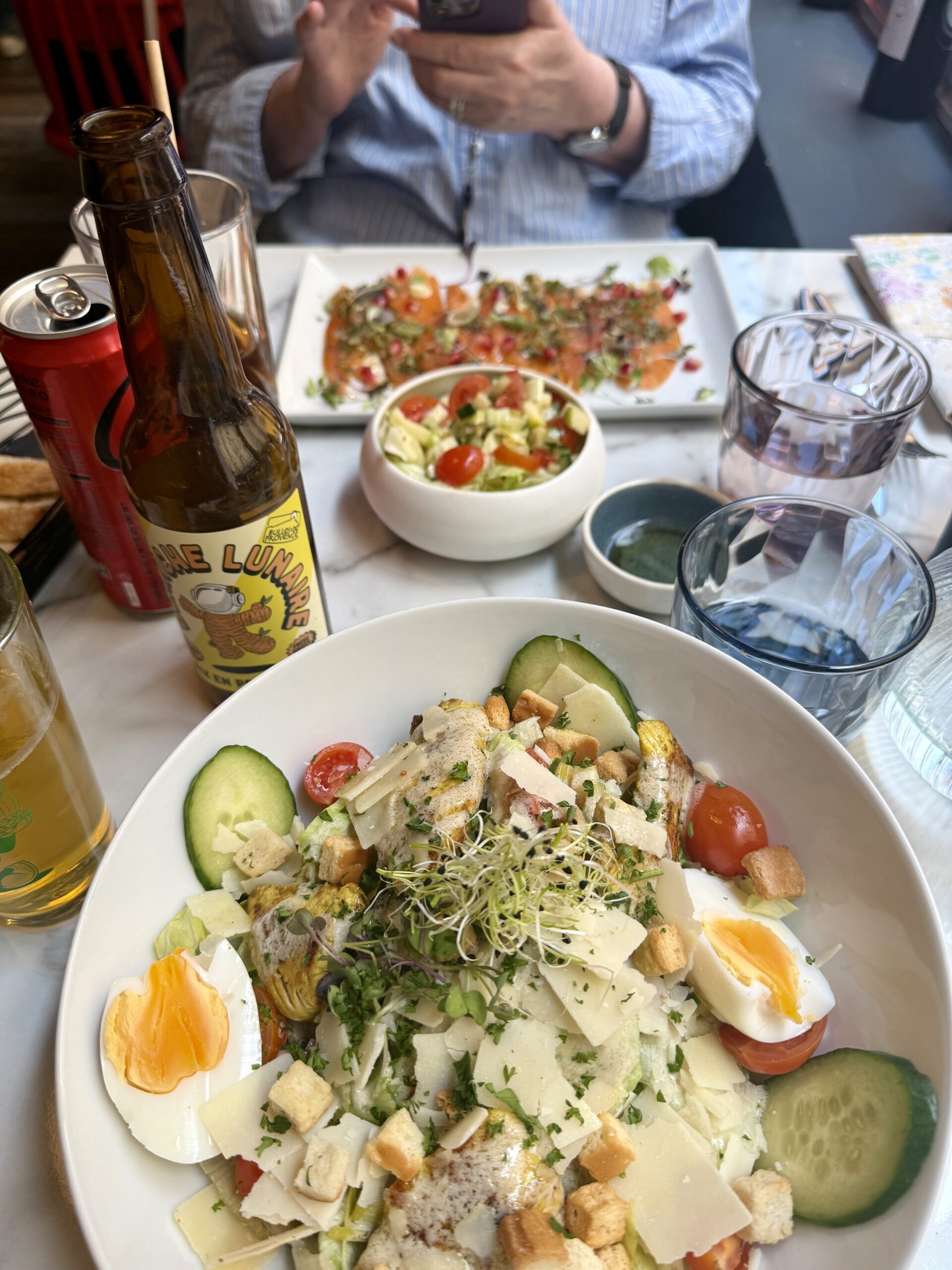
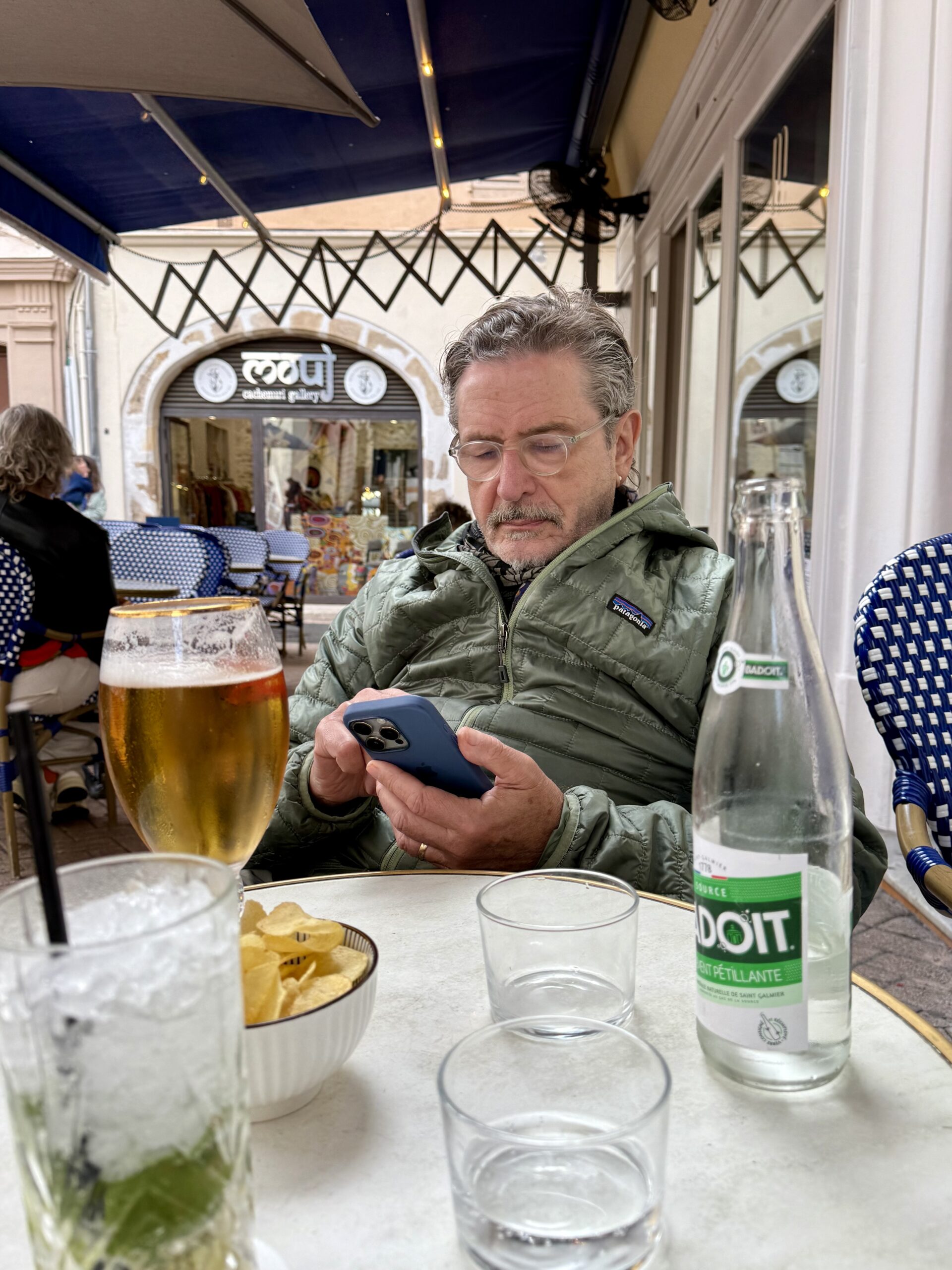
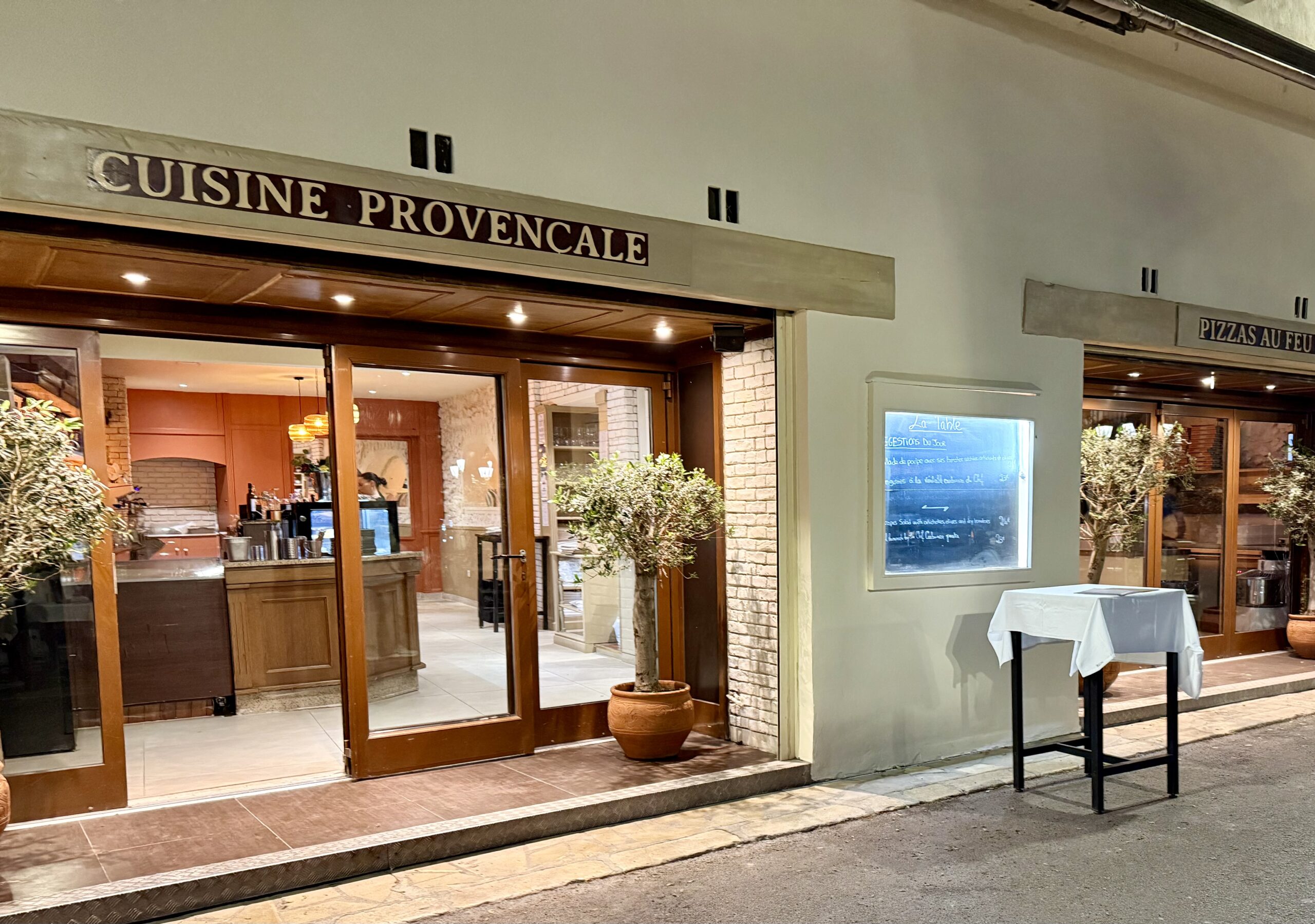
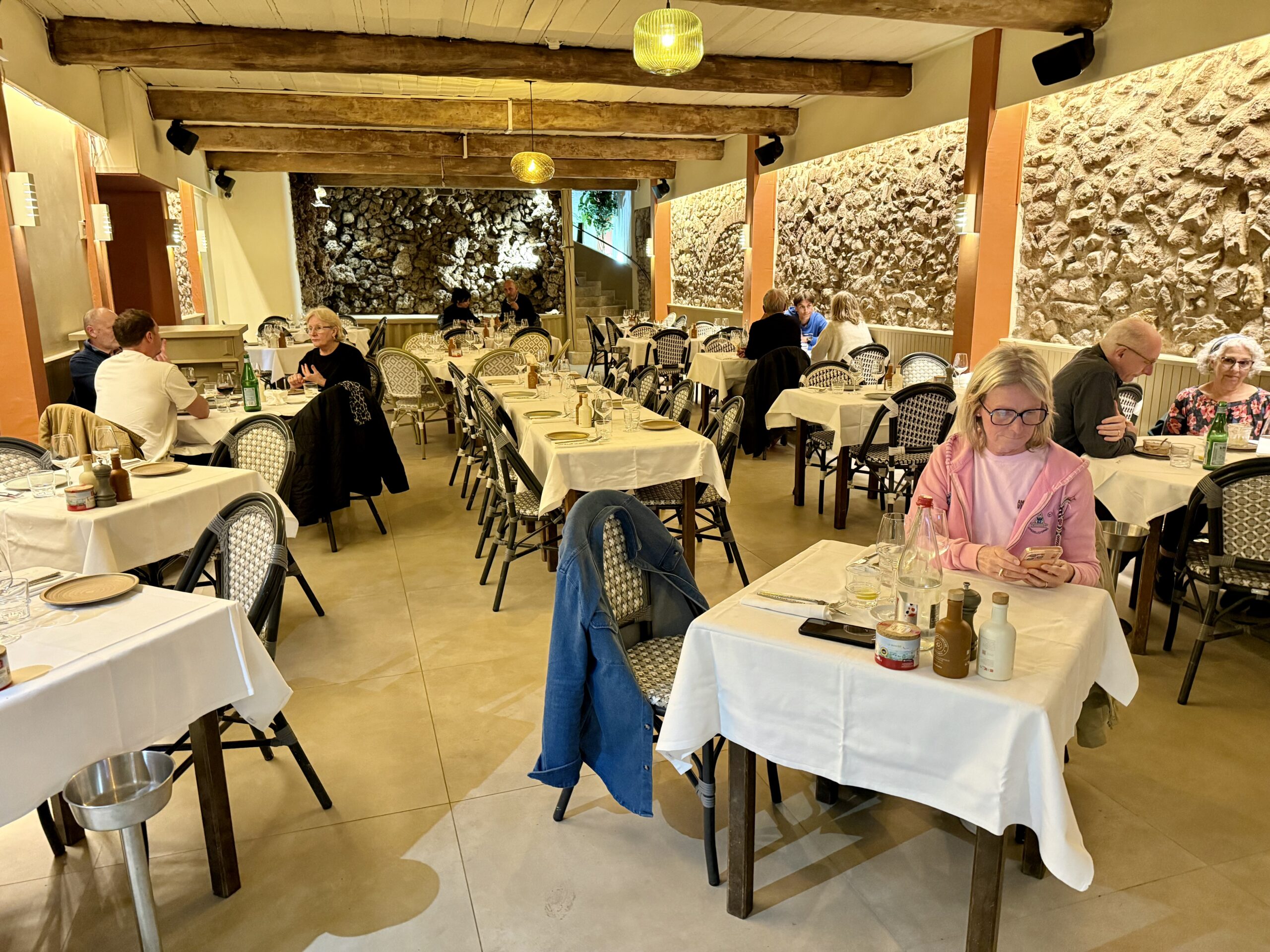
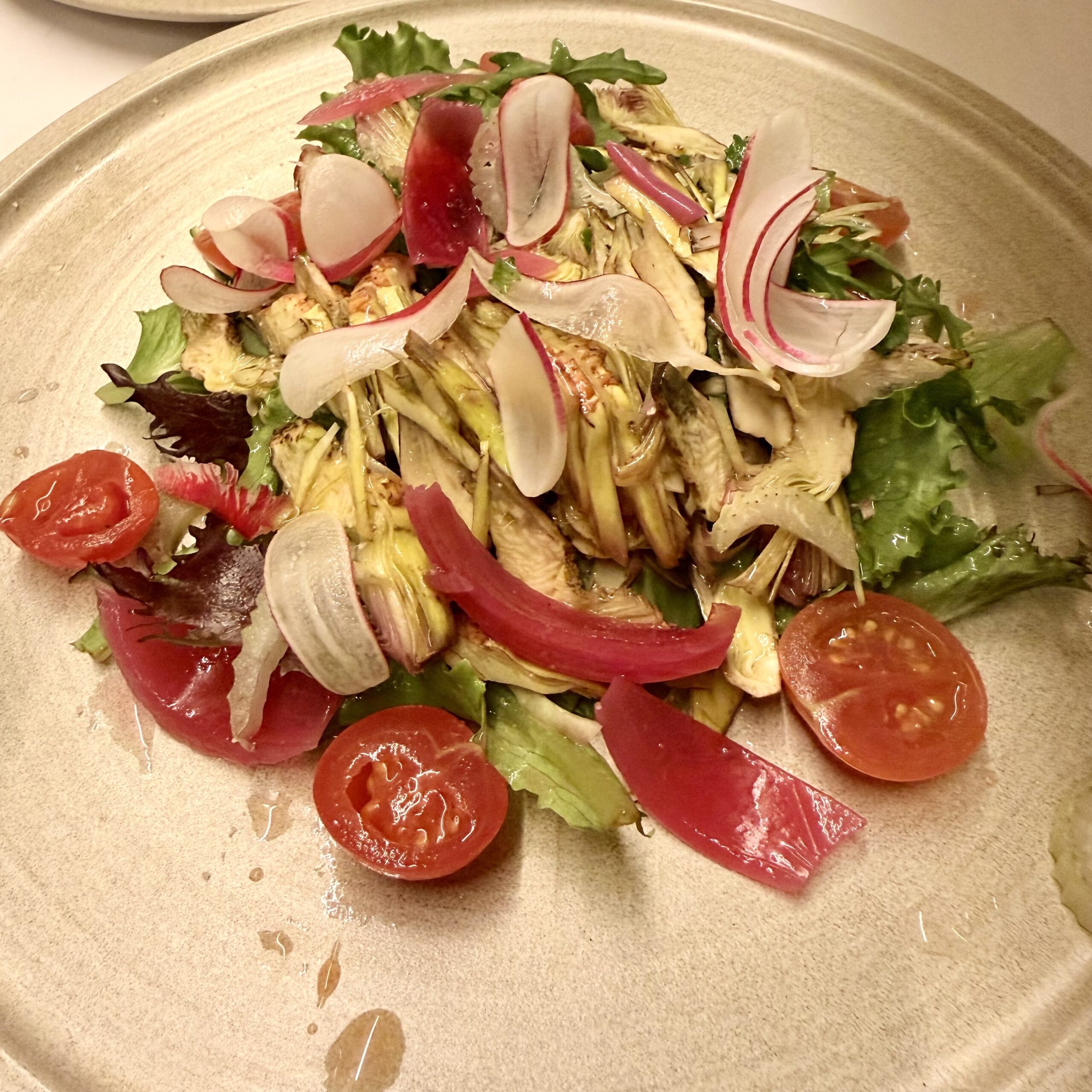
A Stroll, a Drink, and our First Dinner in France
More Strolling
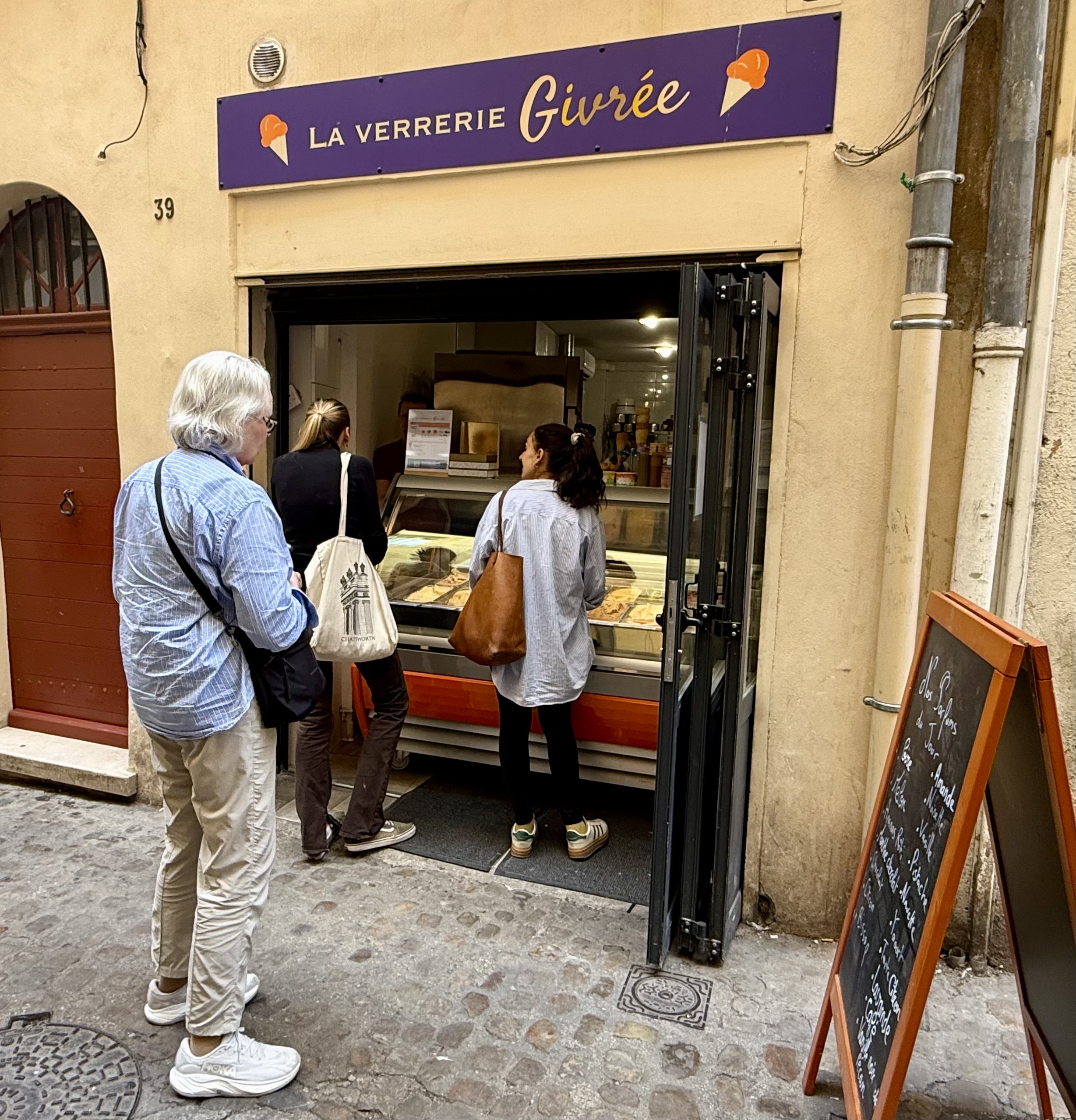
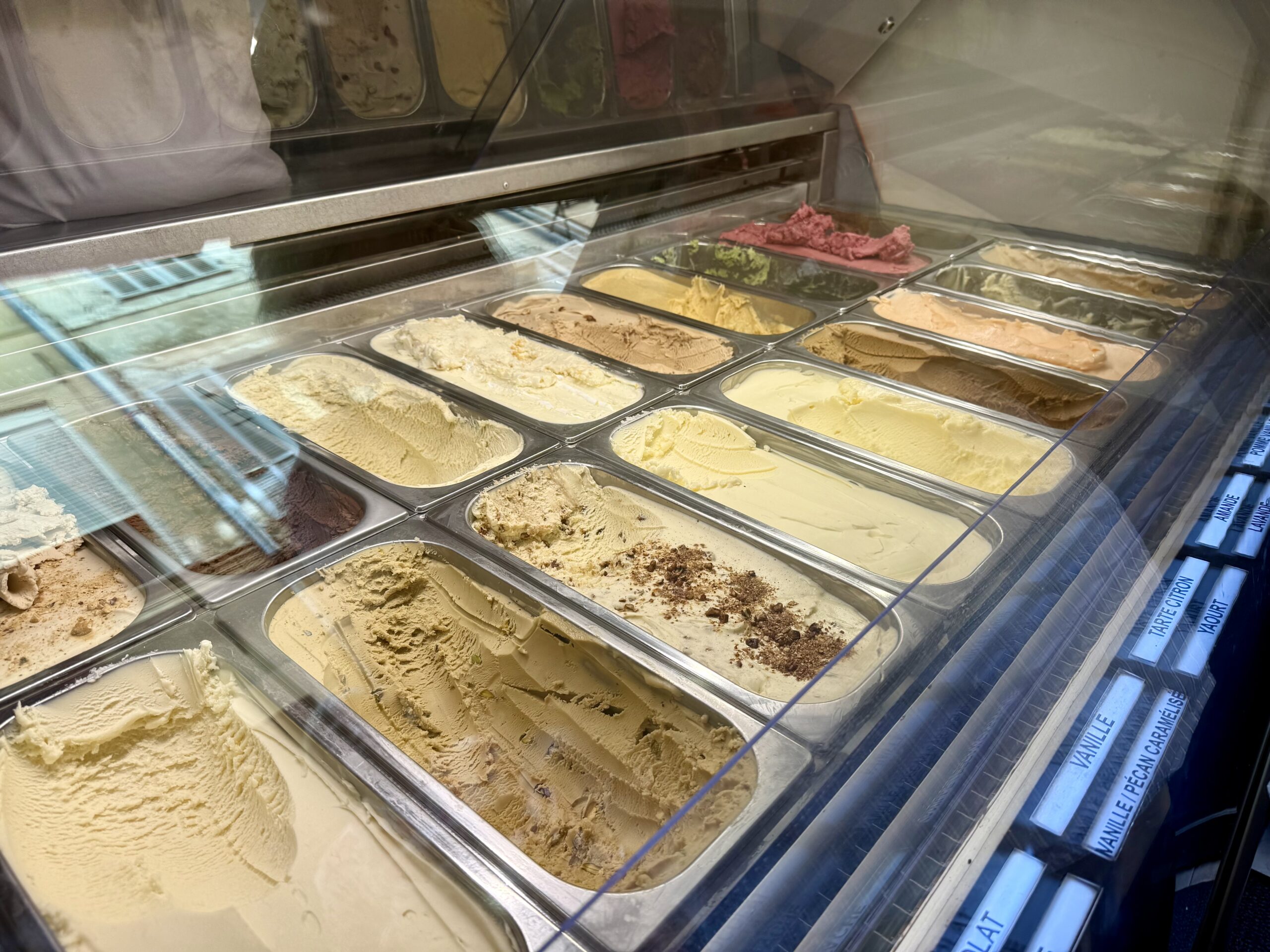
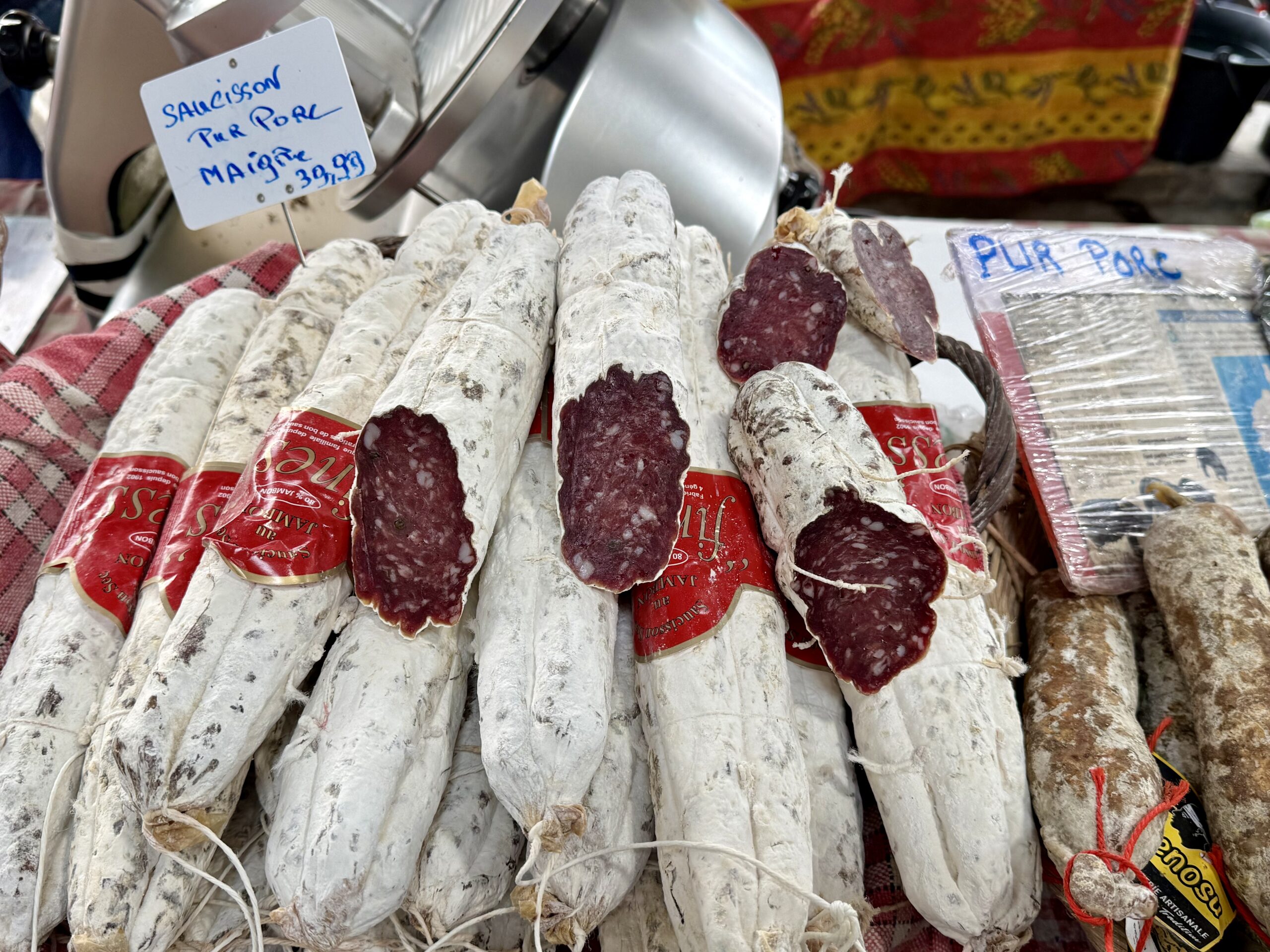
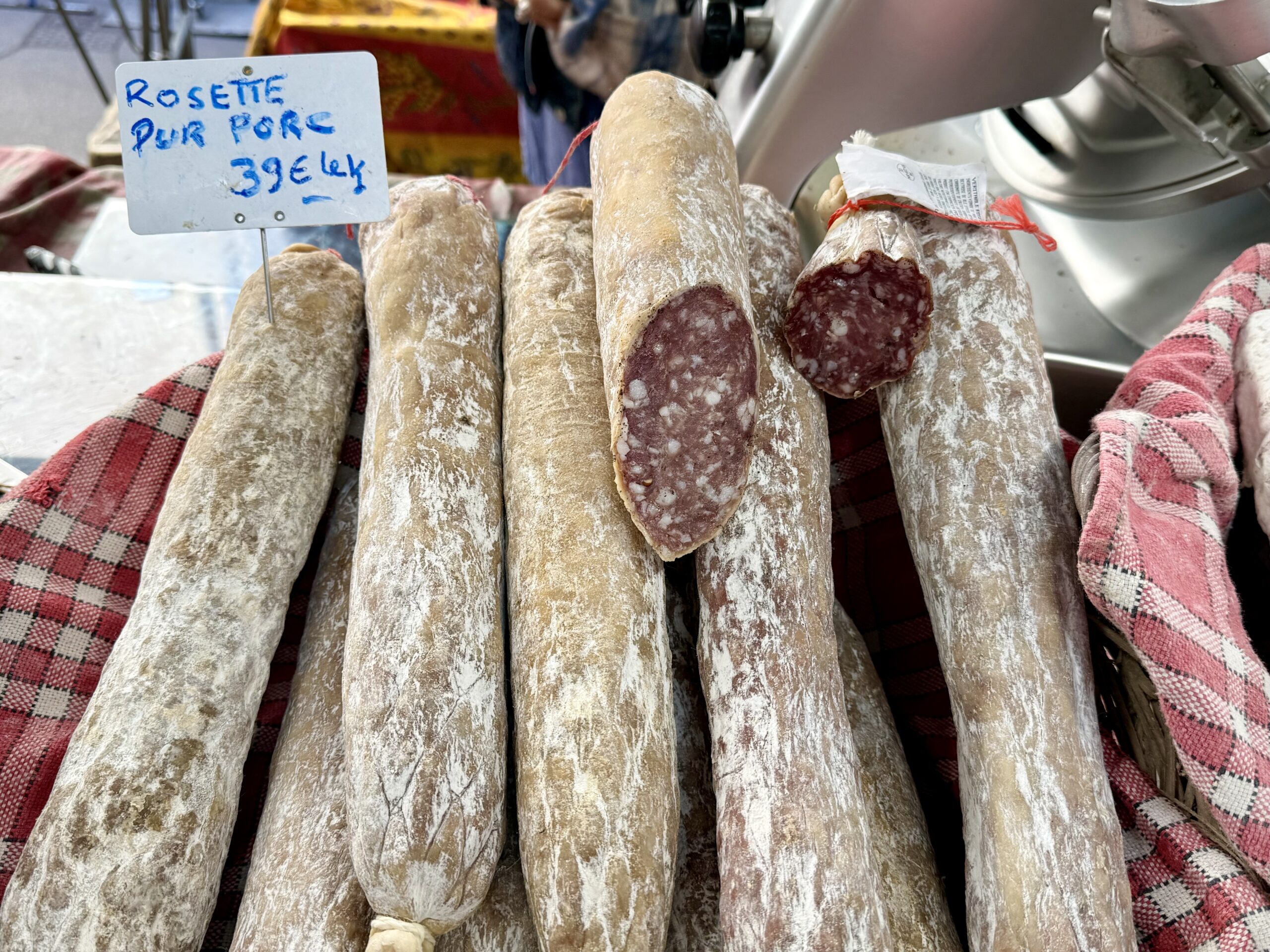
Salumi
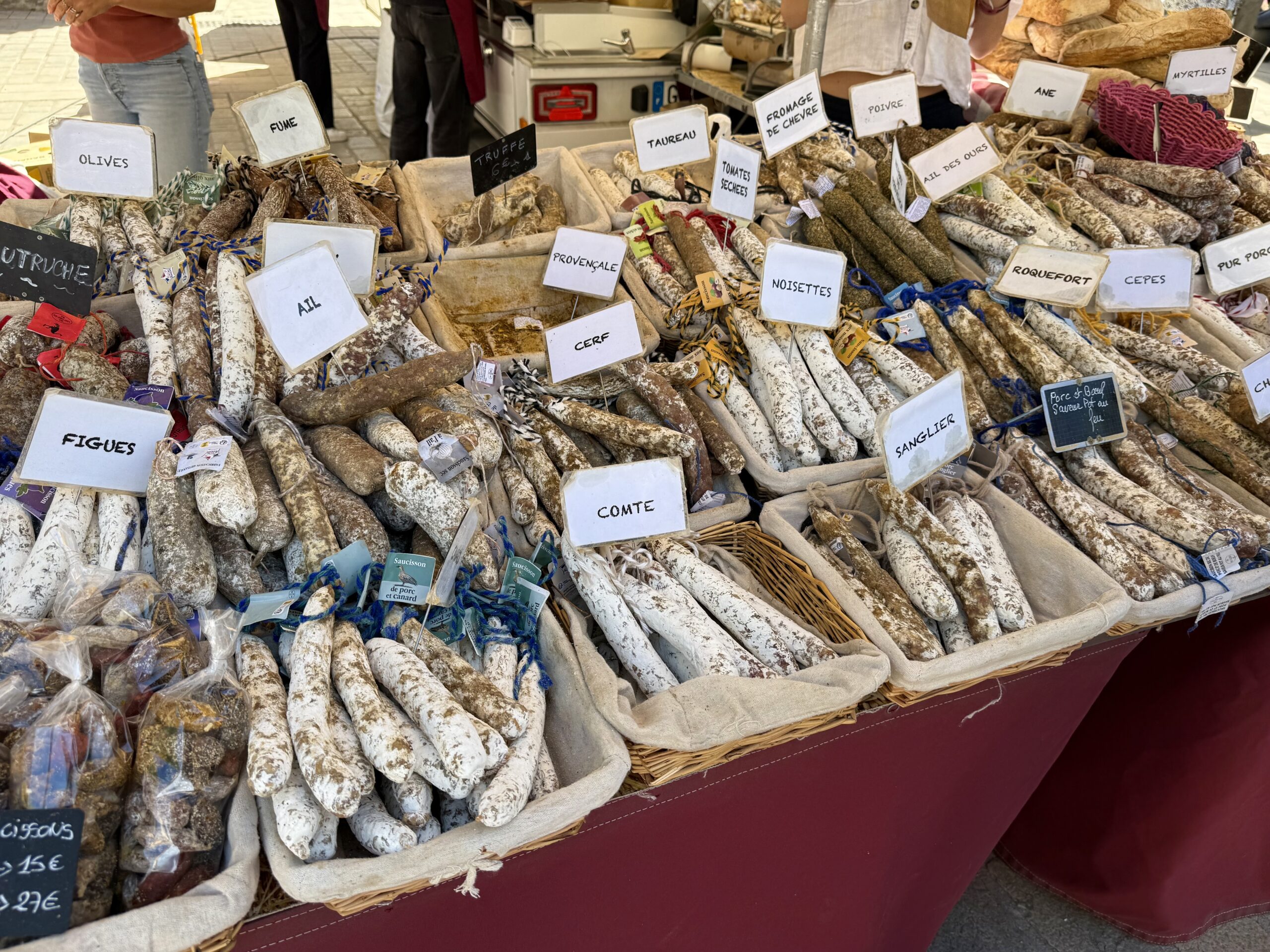
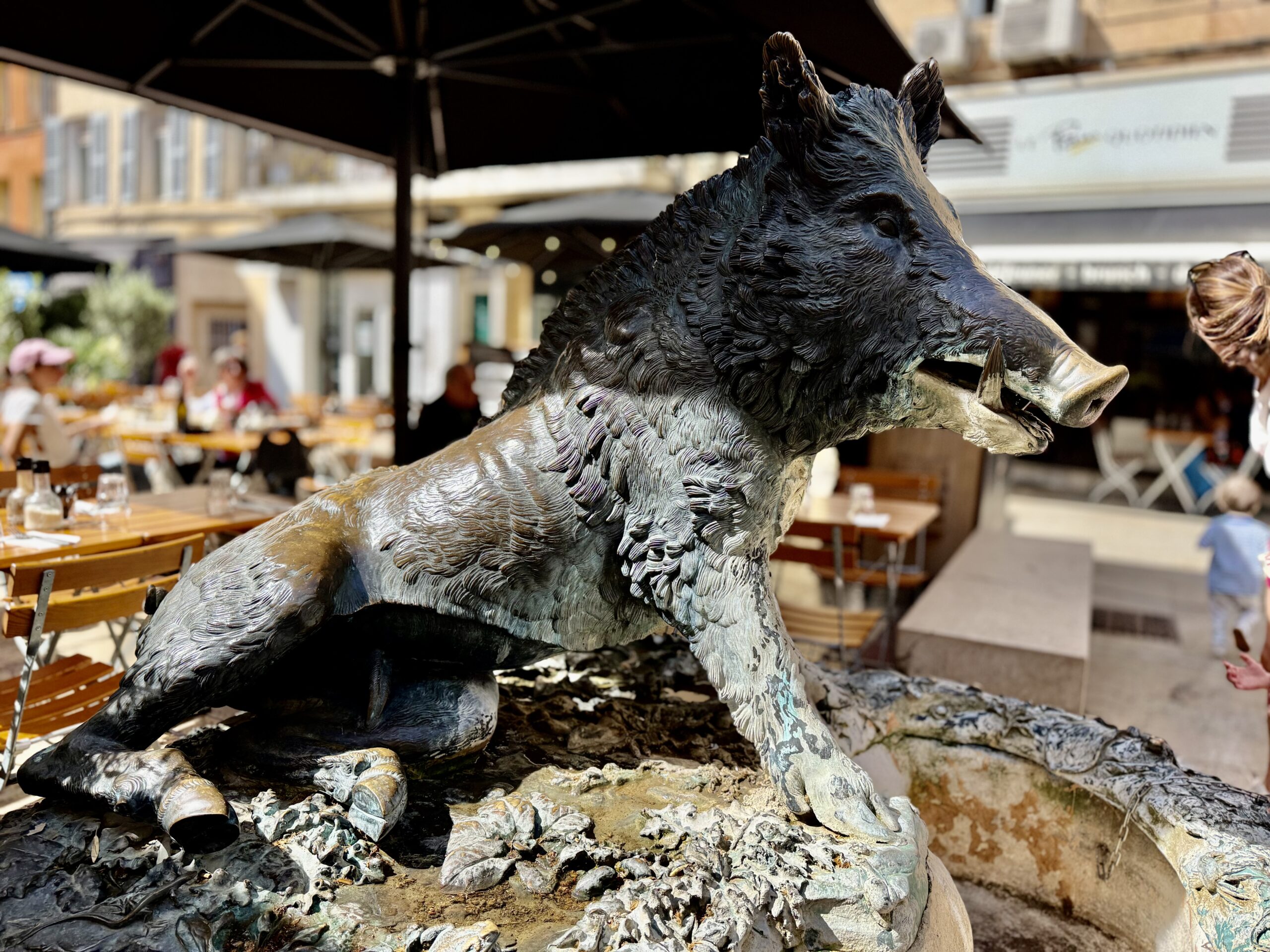
Saturday Market
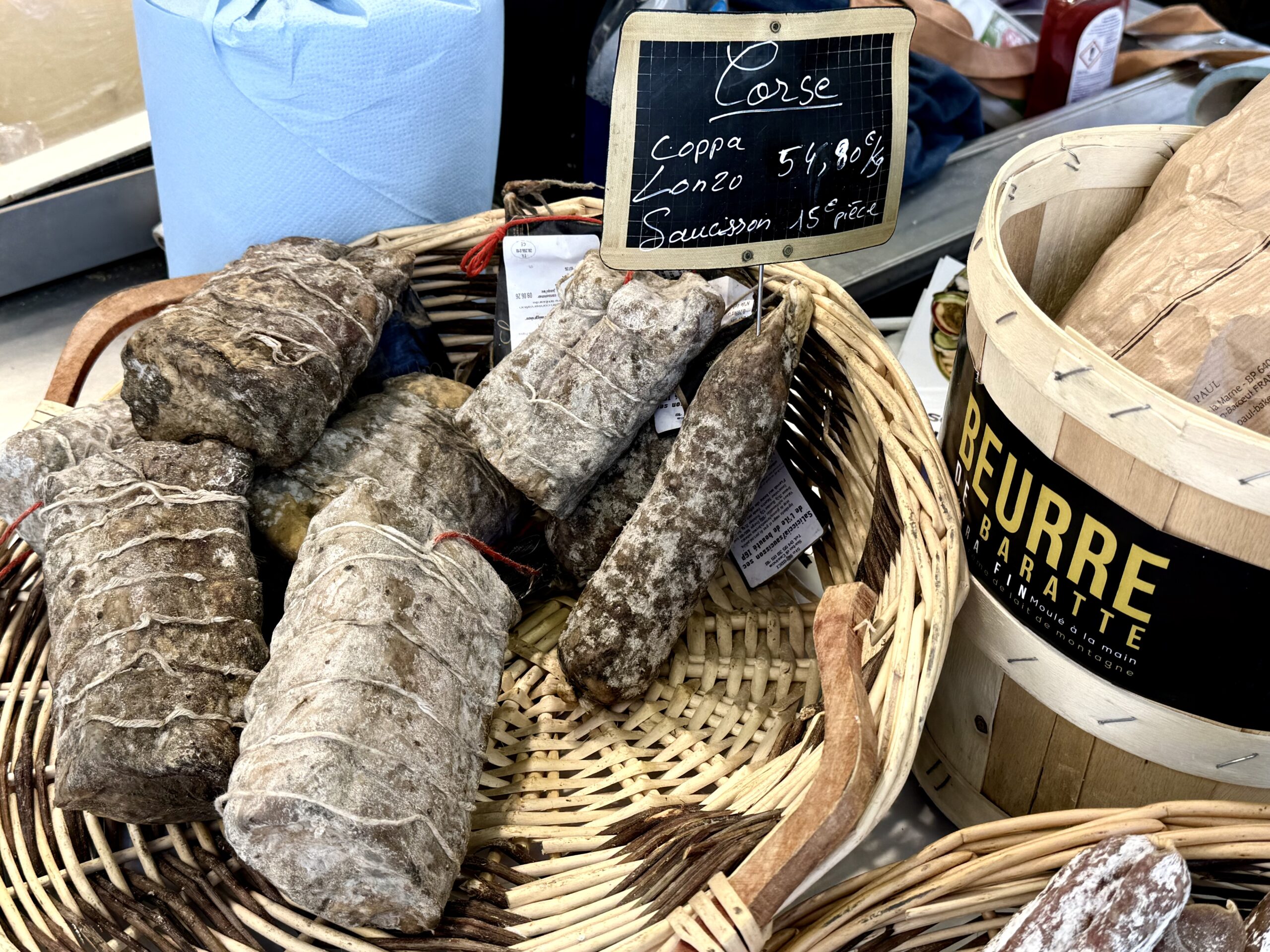
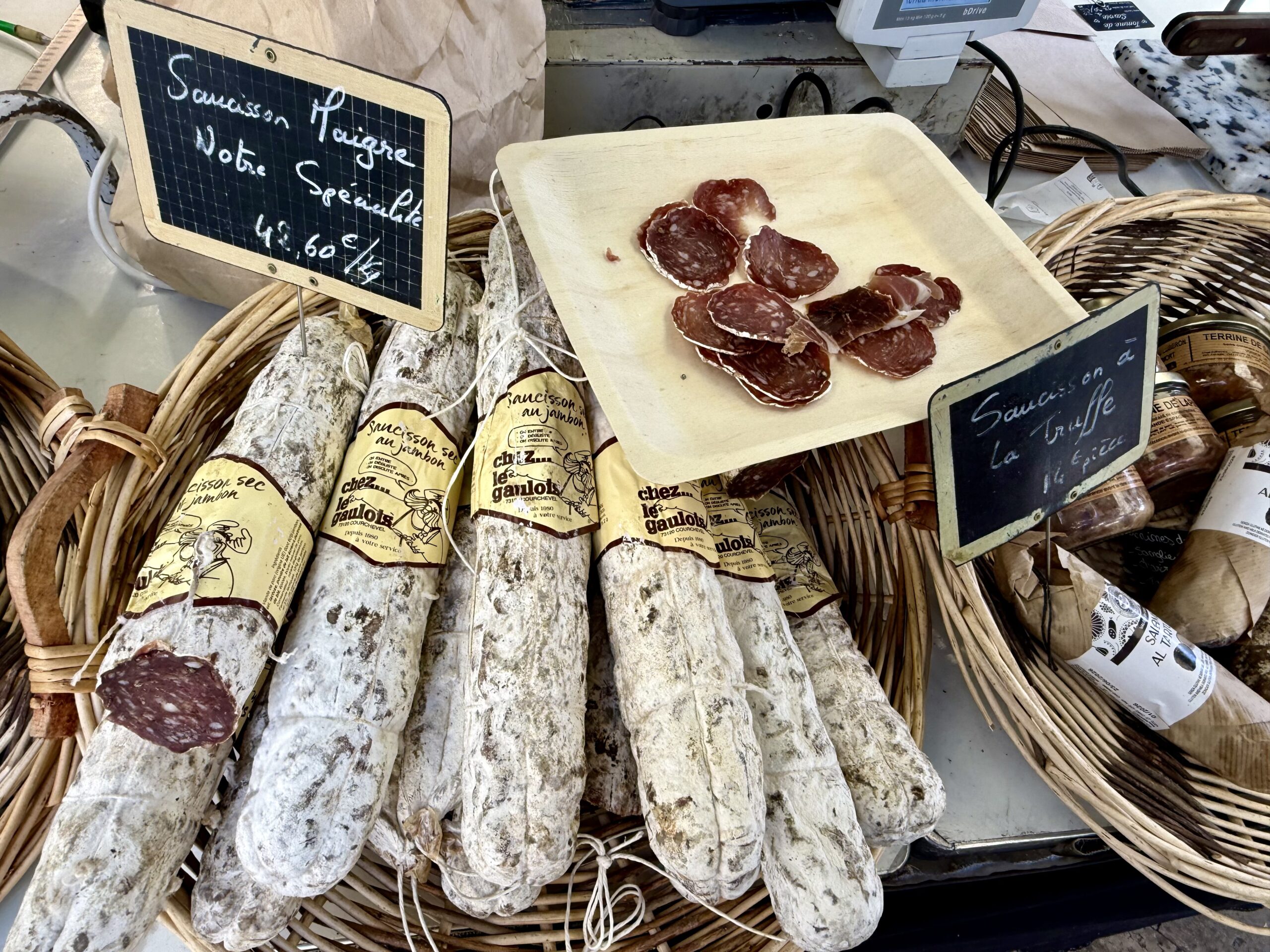
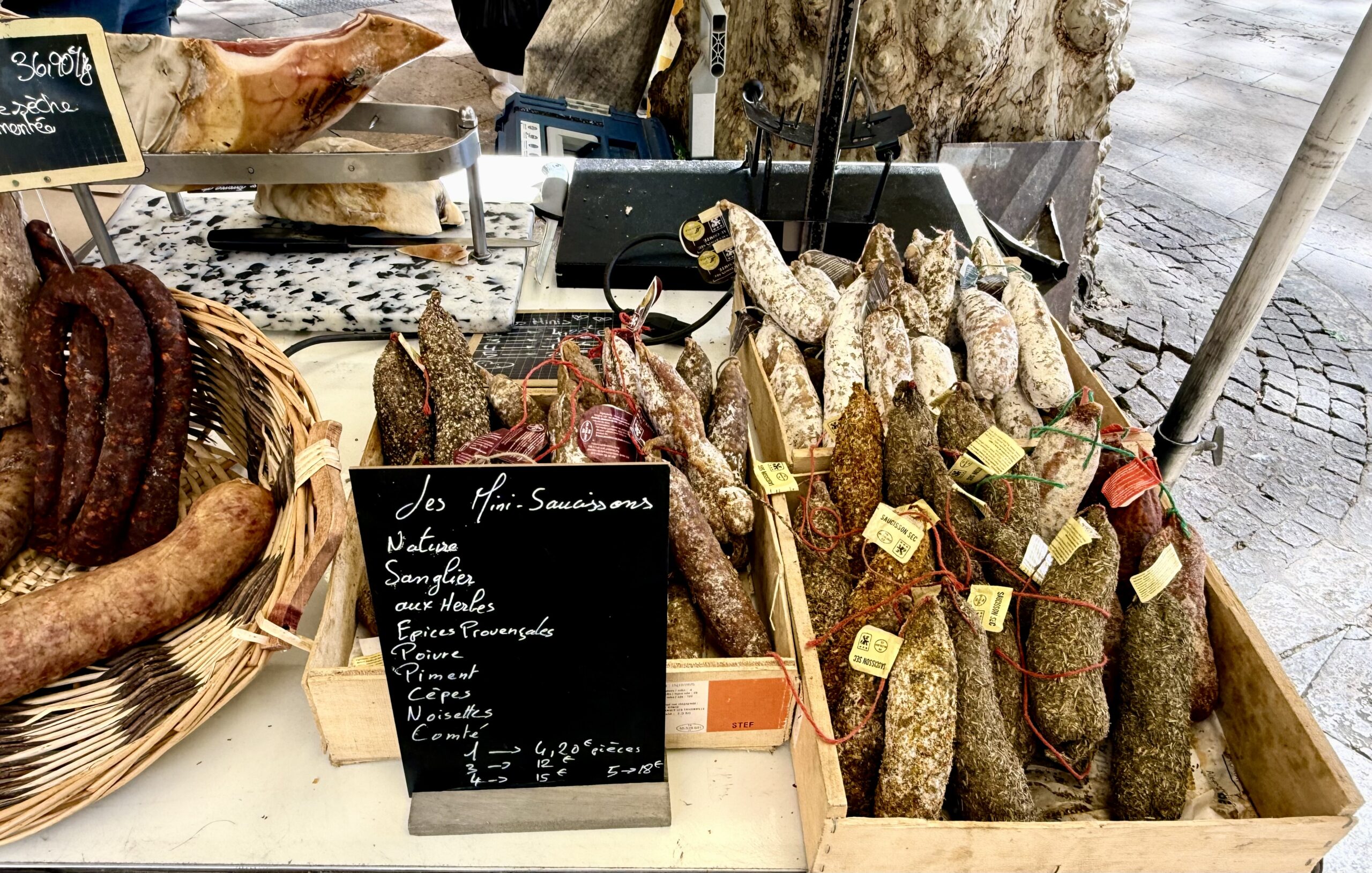
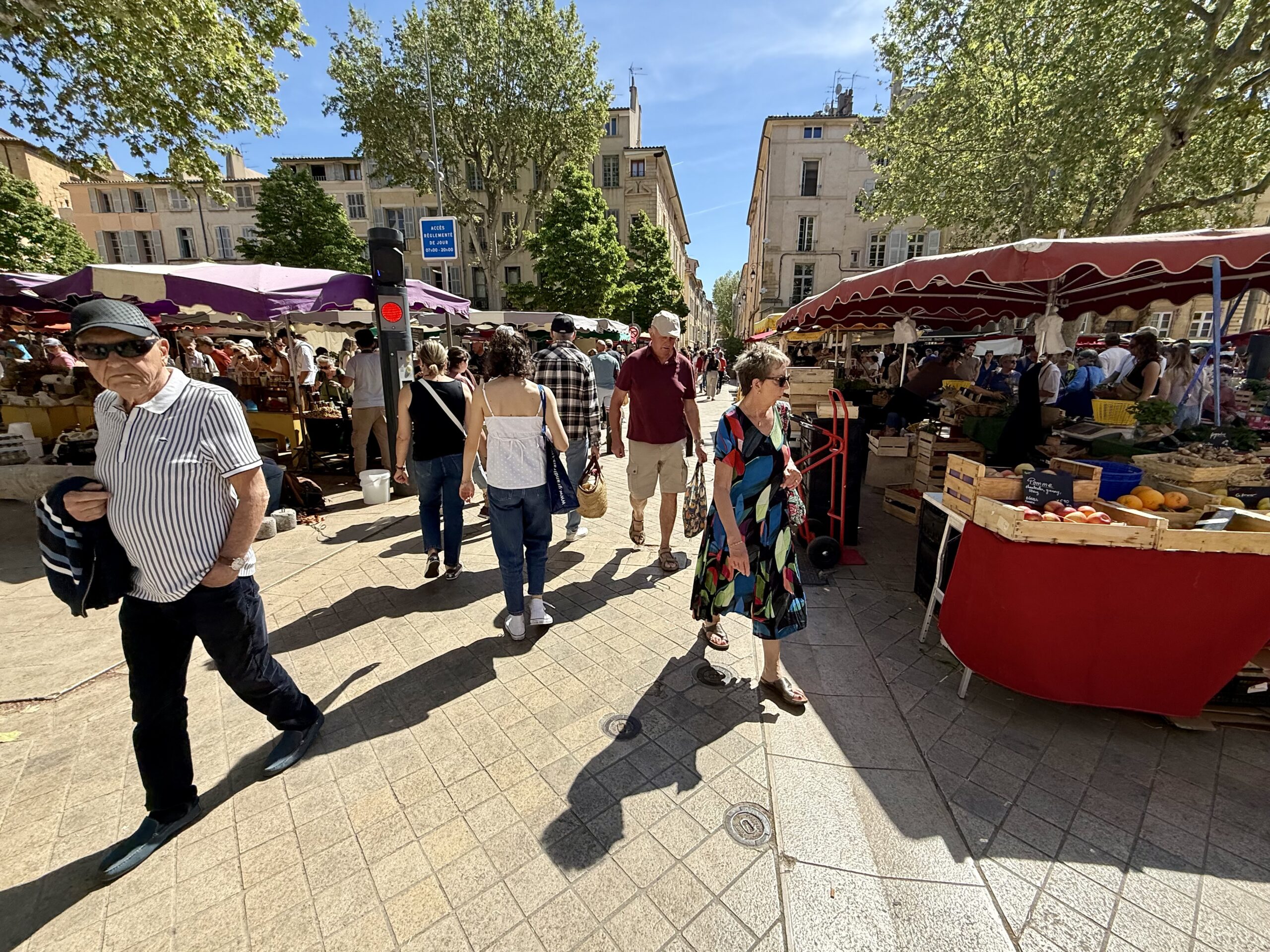
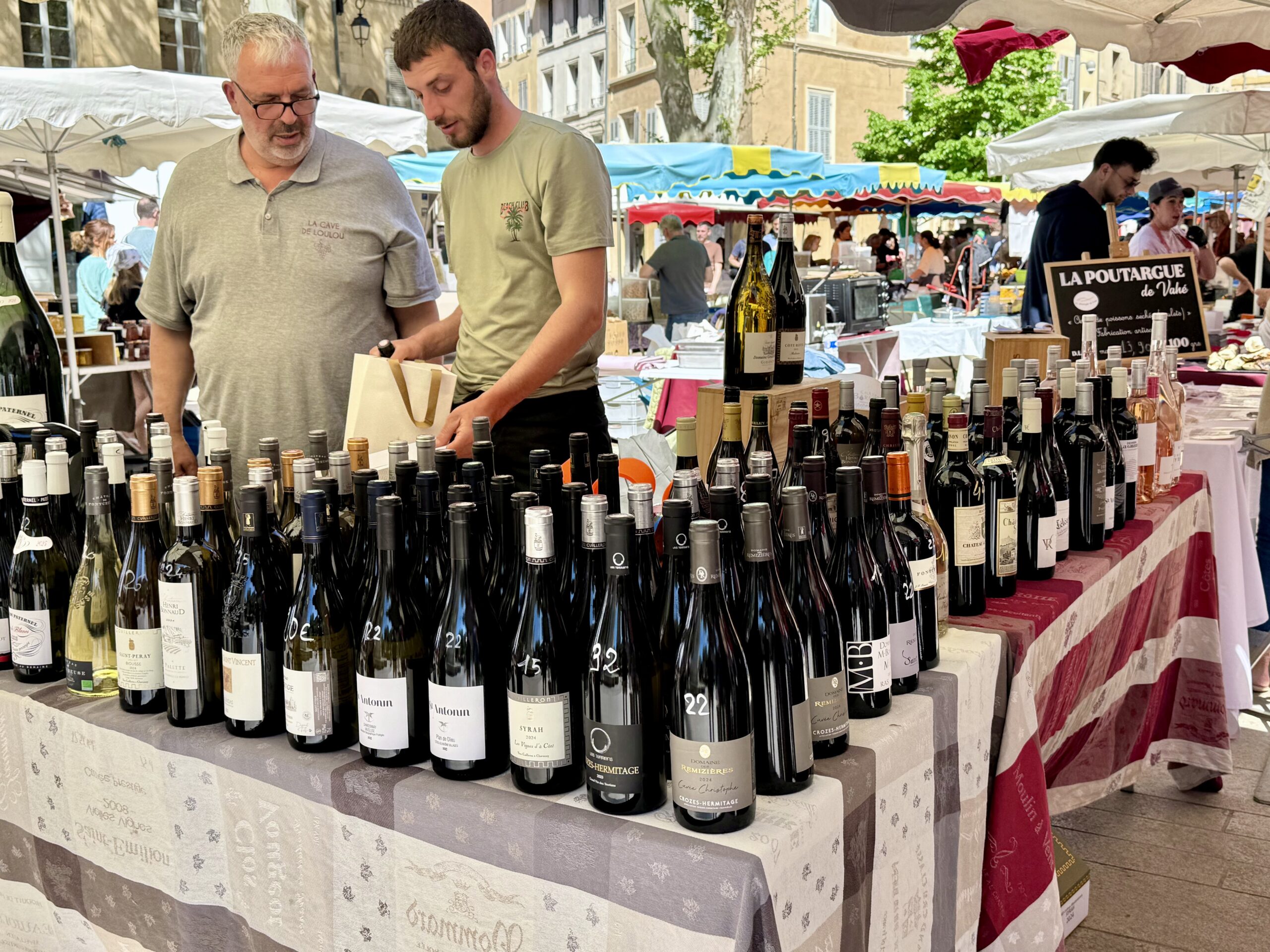
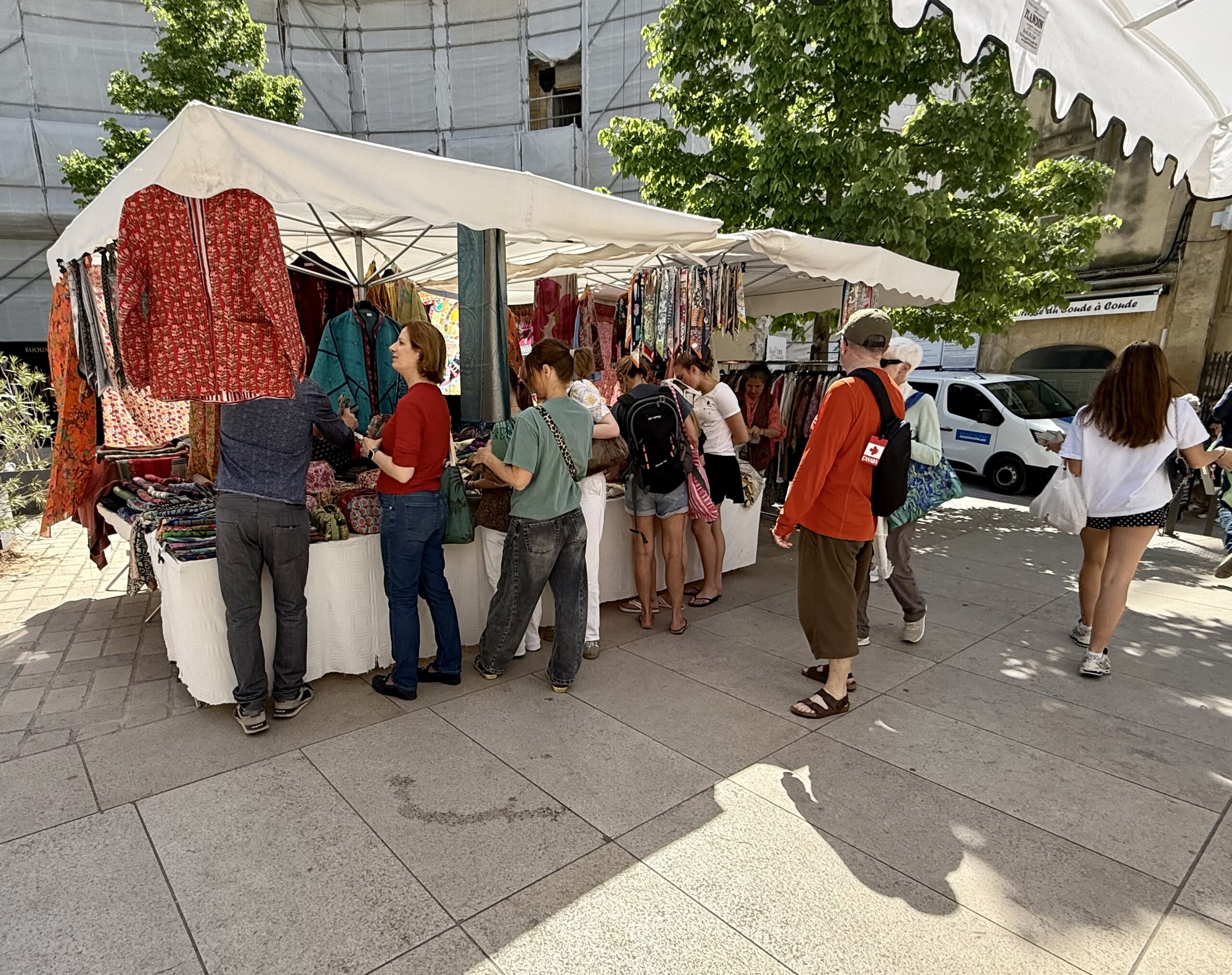
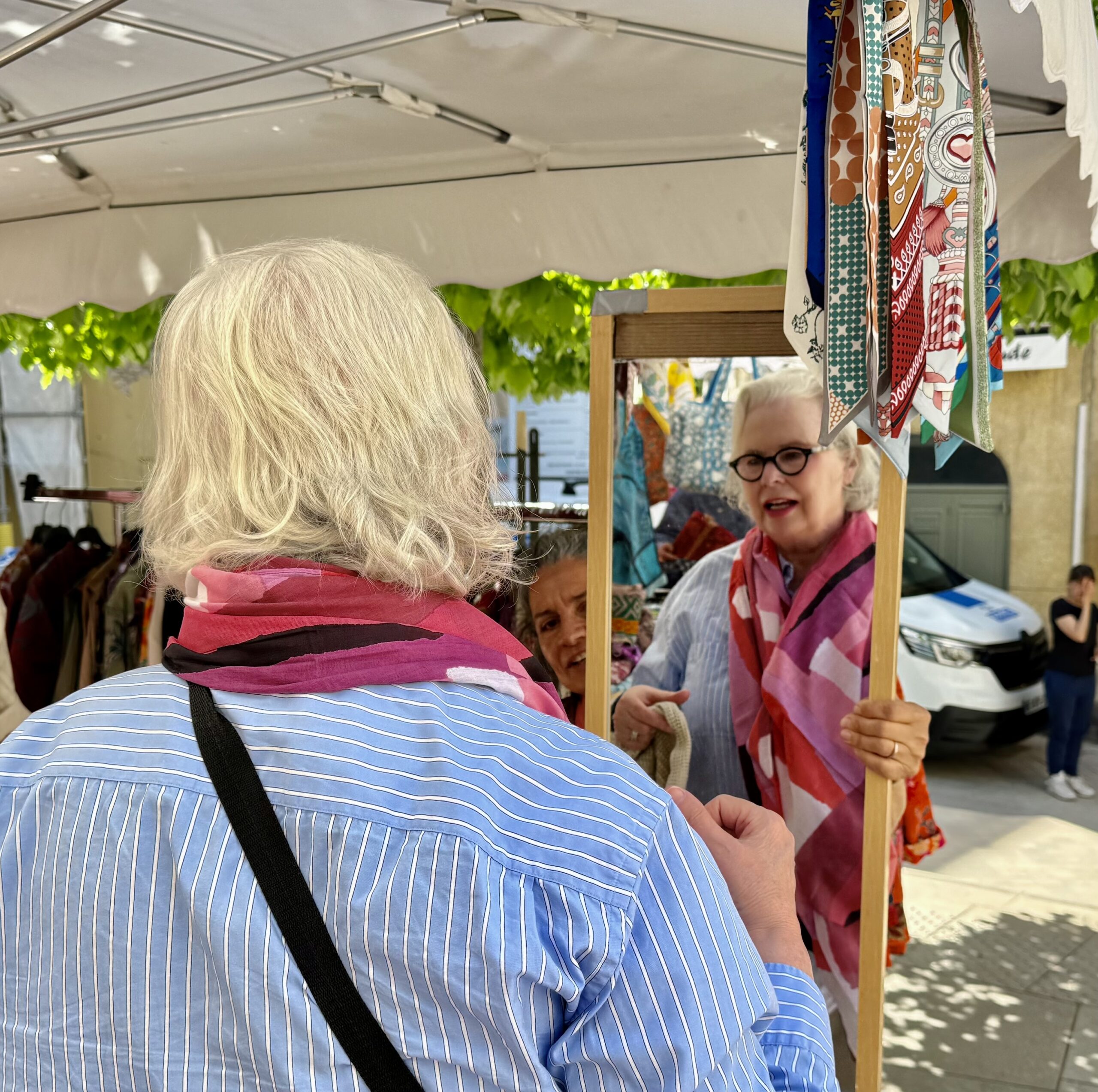
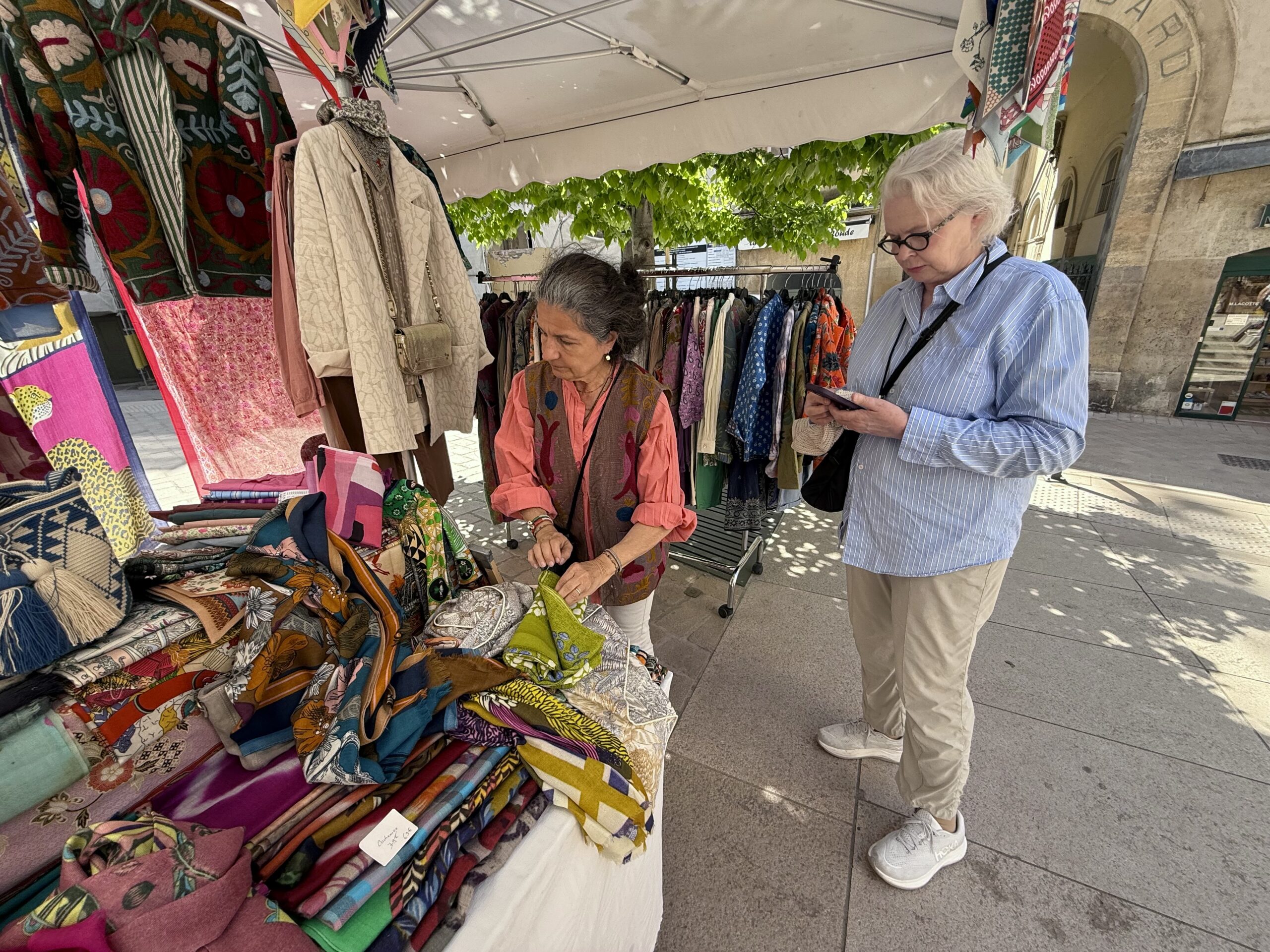
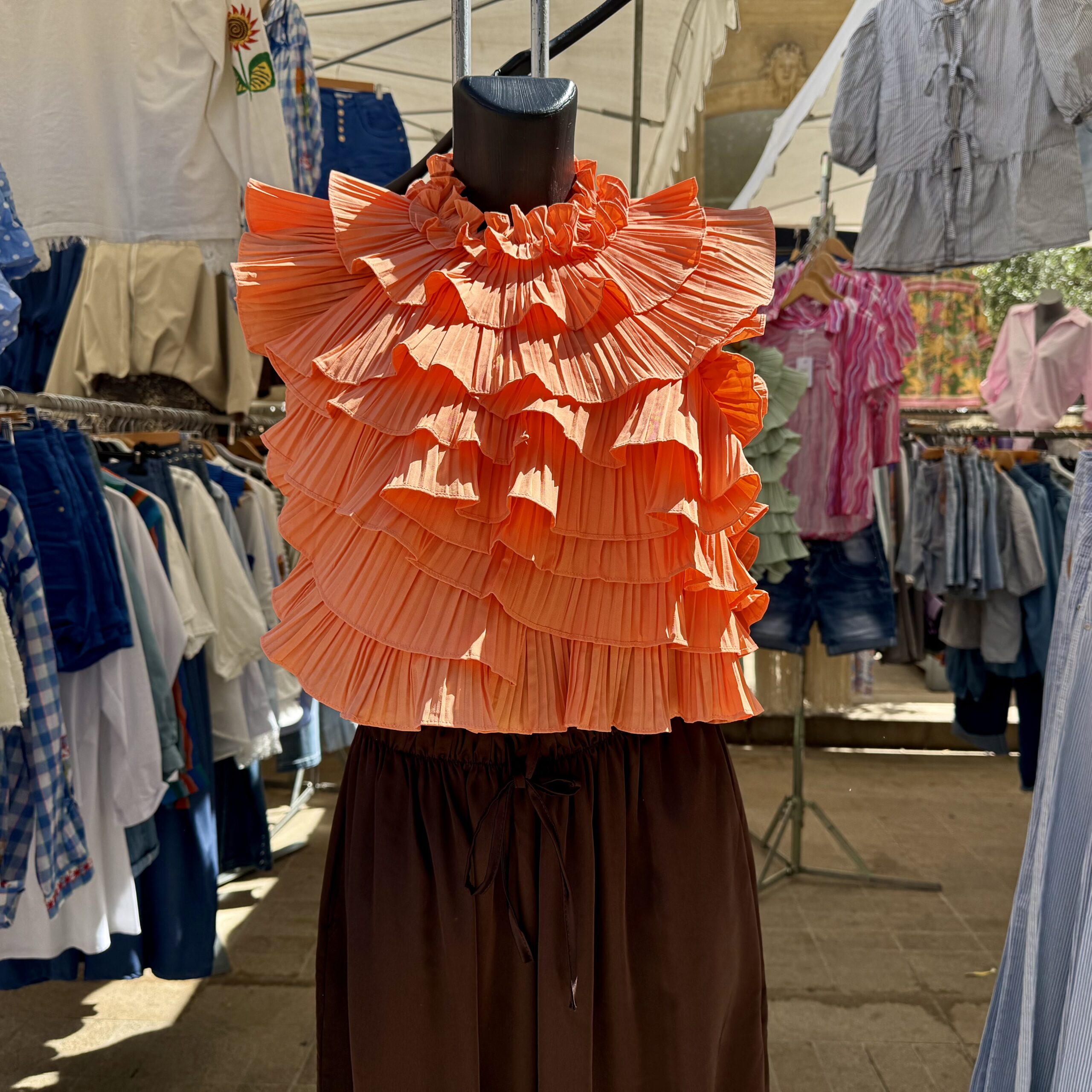
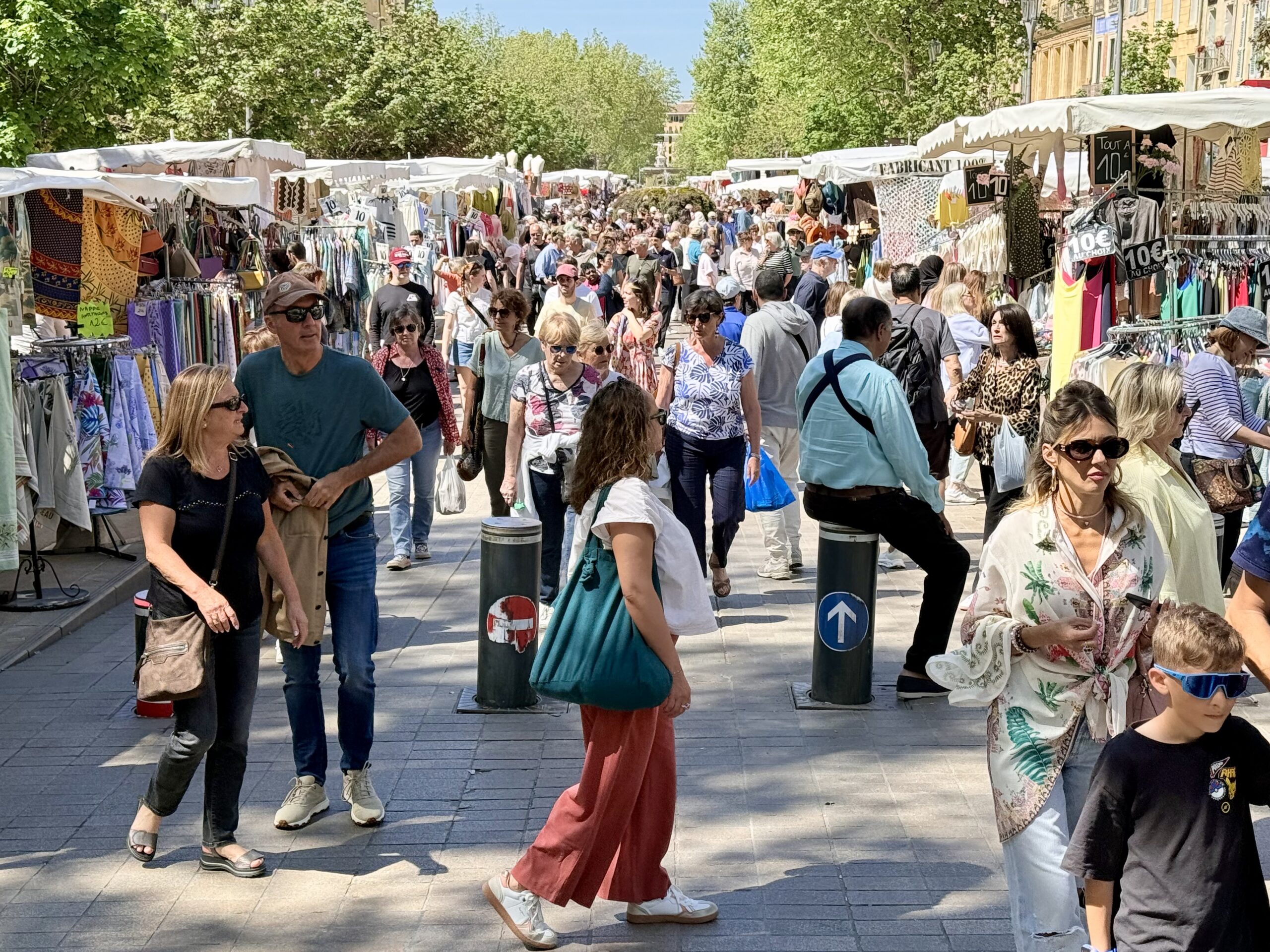
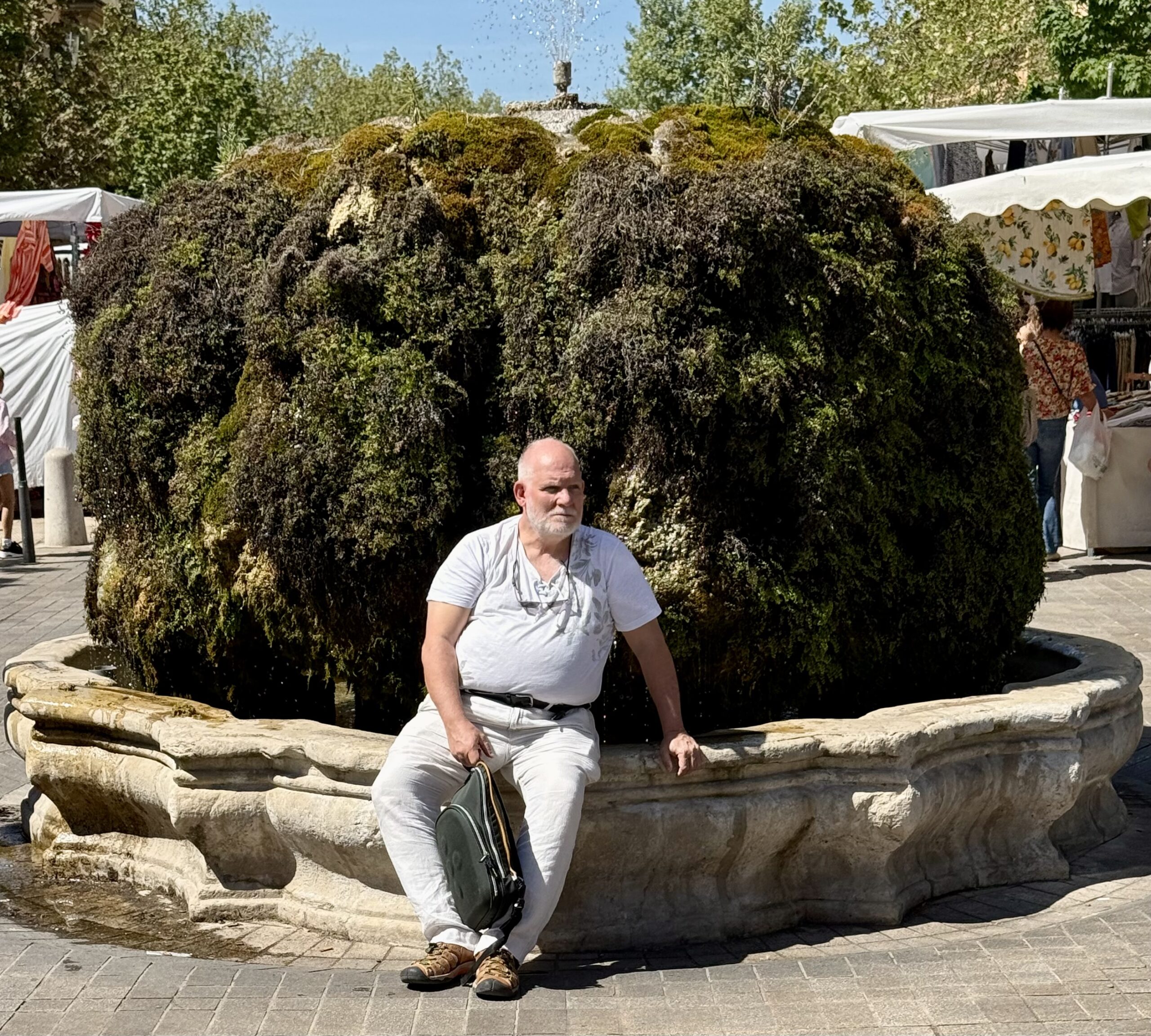
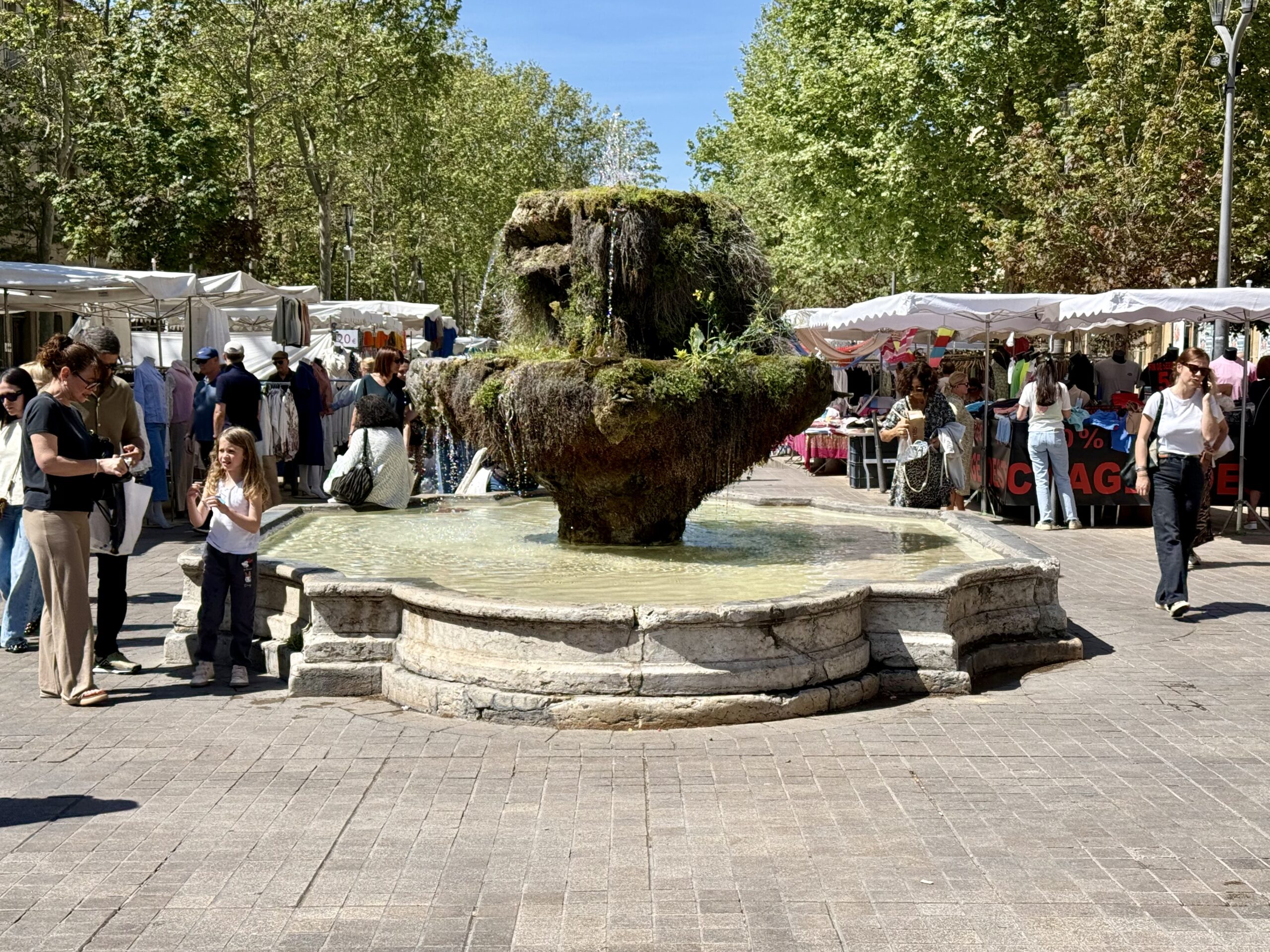
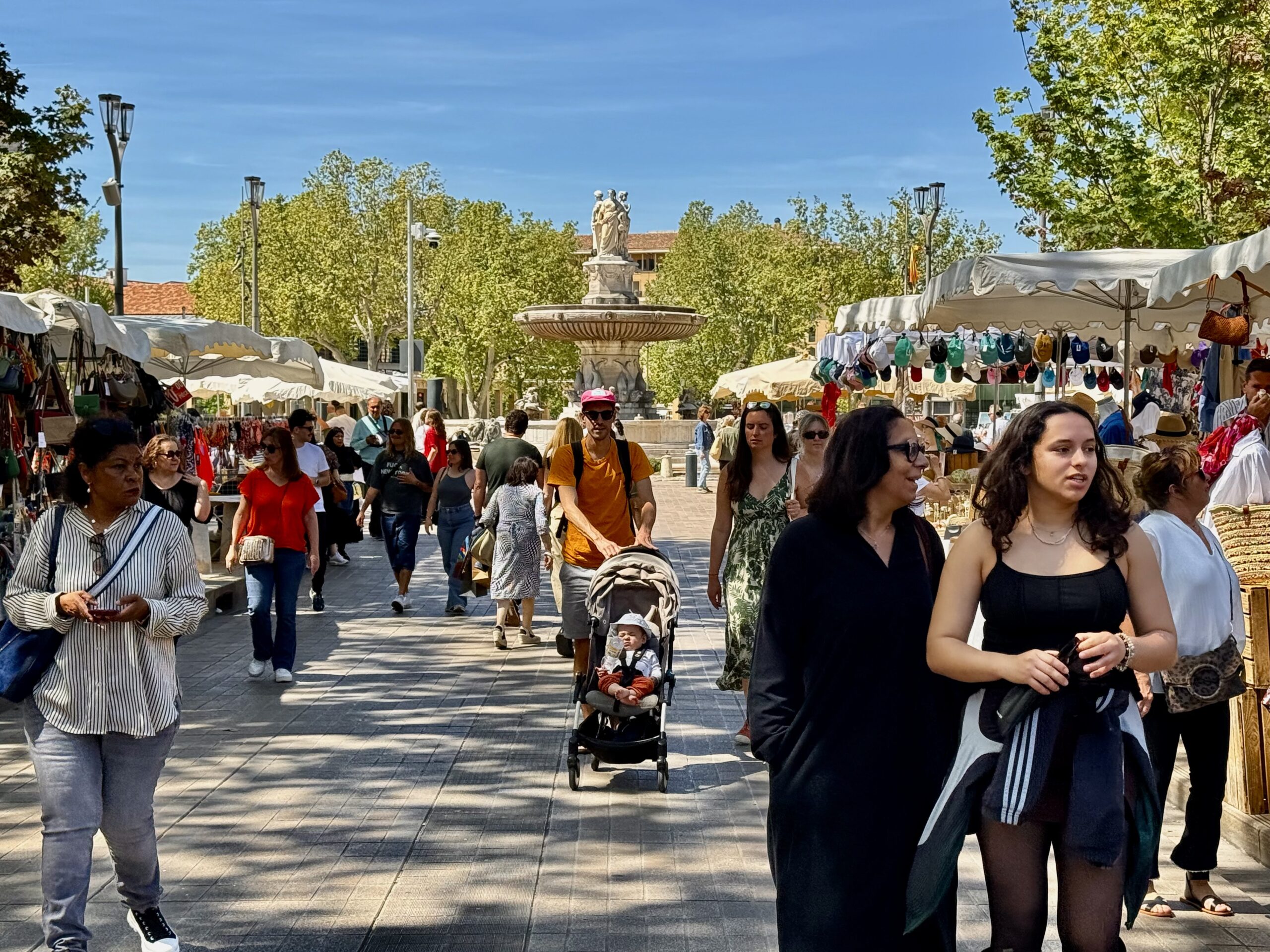
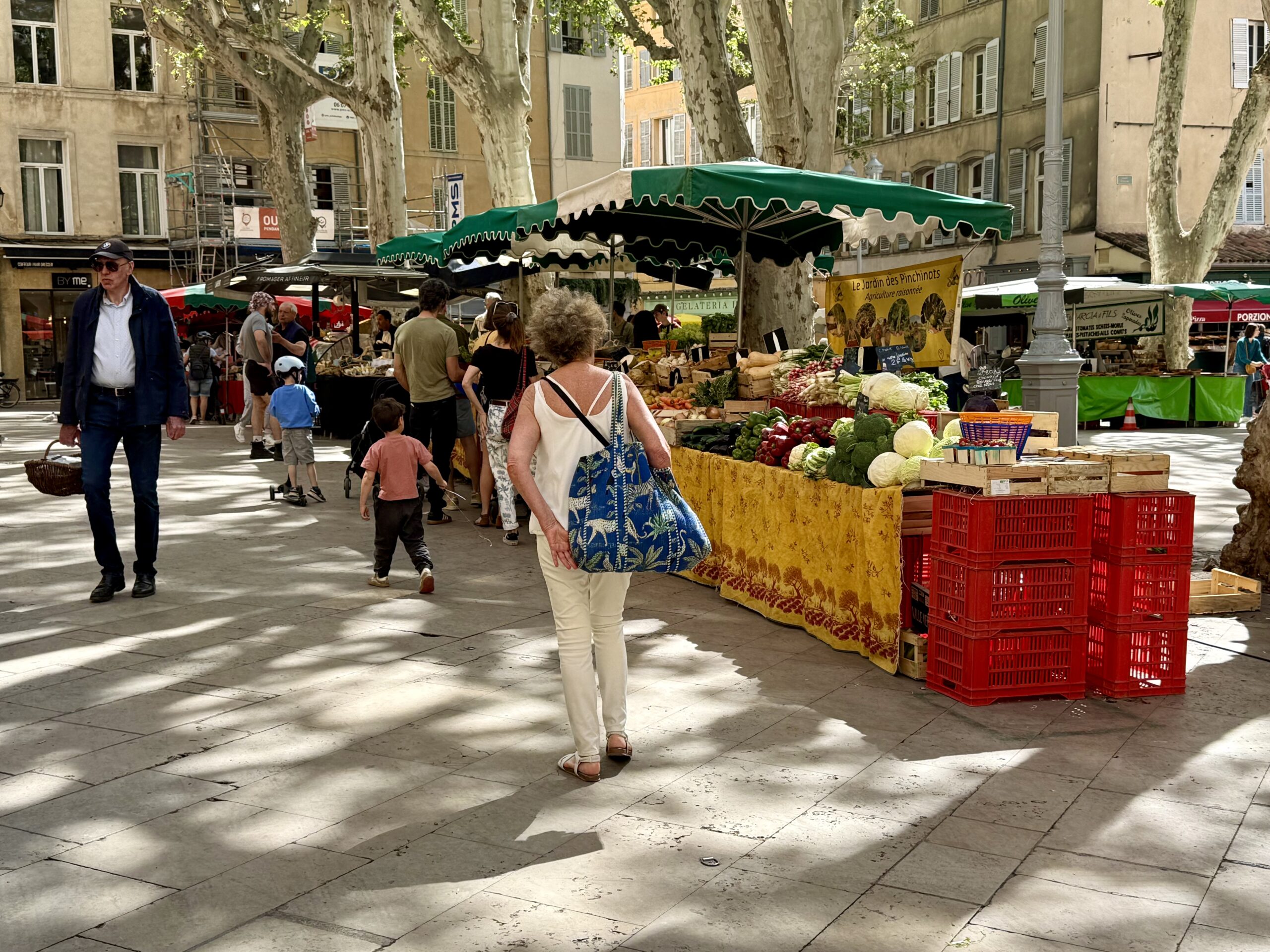
We’re not sure where all the people come from, but they were here for the weekly market. The extensive outdoor market features food to go, vegetables, wine, cheese (of course), and fish, plus a long row of textiles and clothing Bonnie scoured. Weekly markets like this offered bargain clothes long before H&M. Our Italian cousins are used to mixing high and low-end purchases to put together a striking outfit.
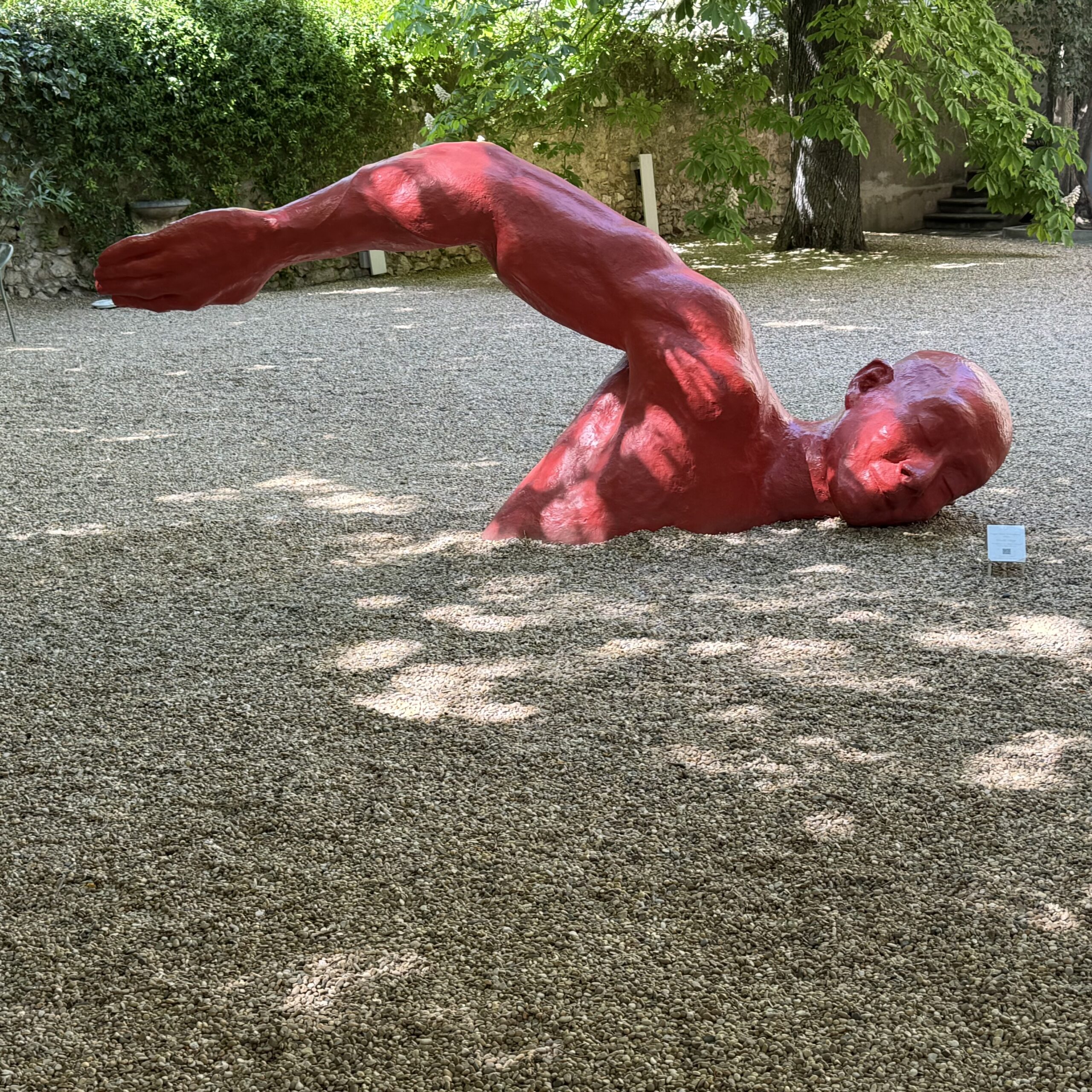
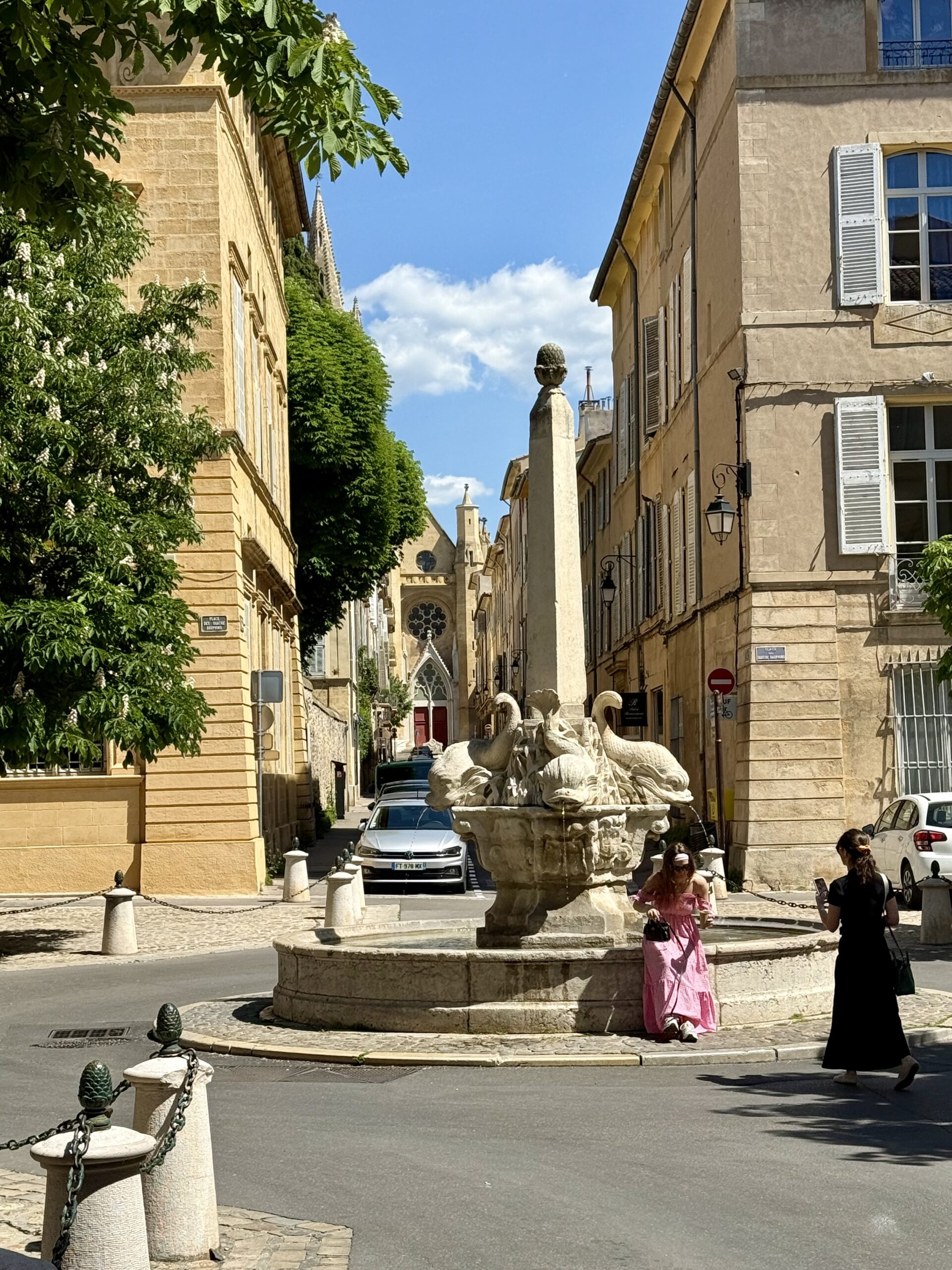
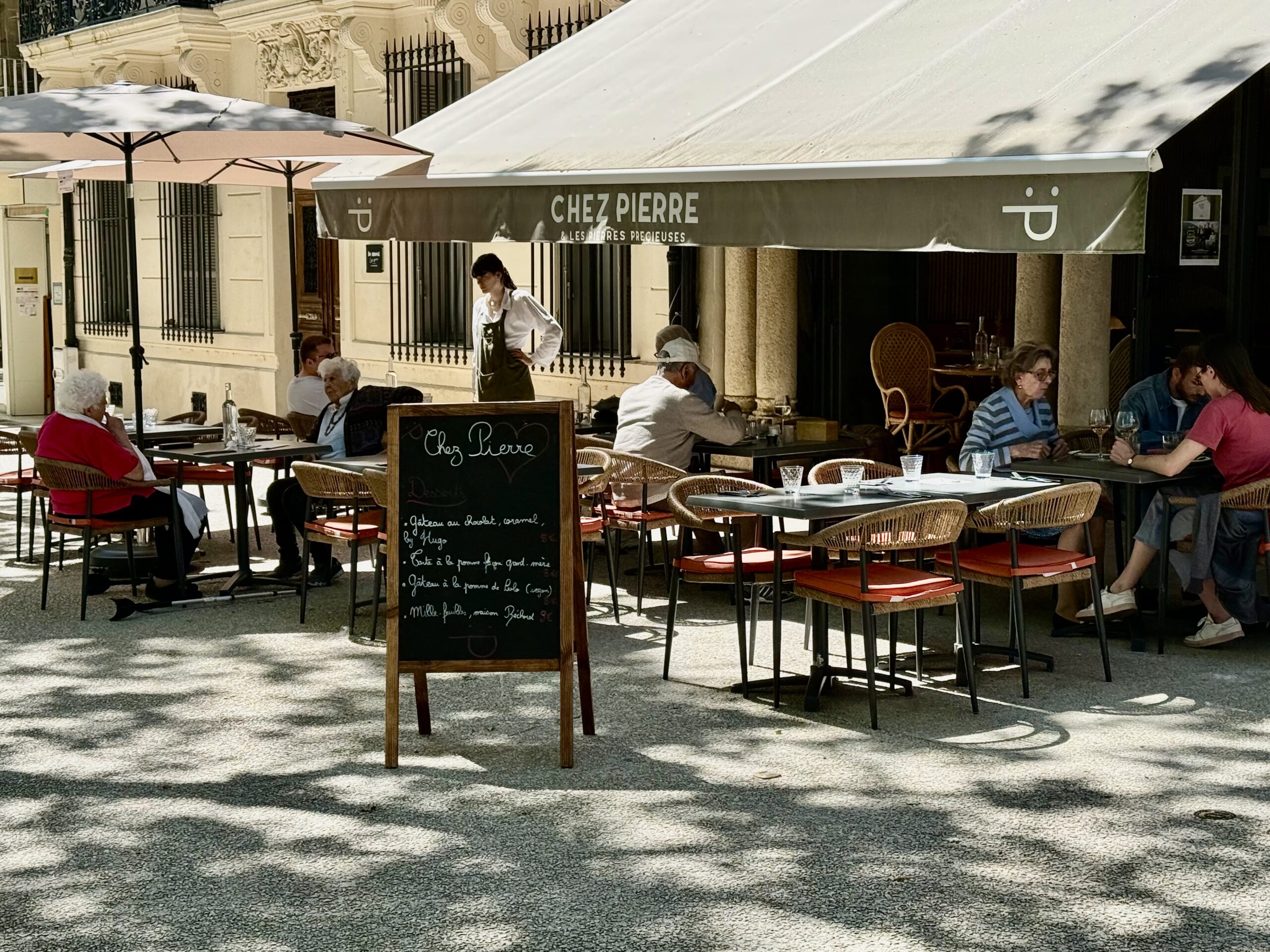
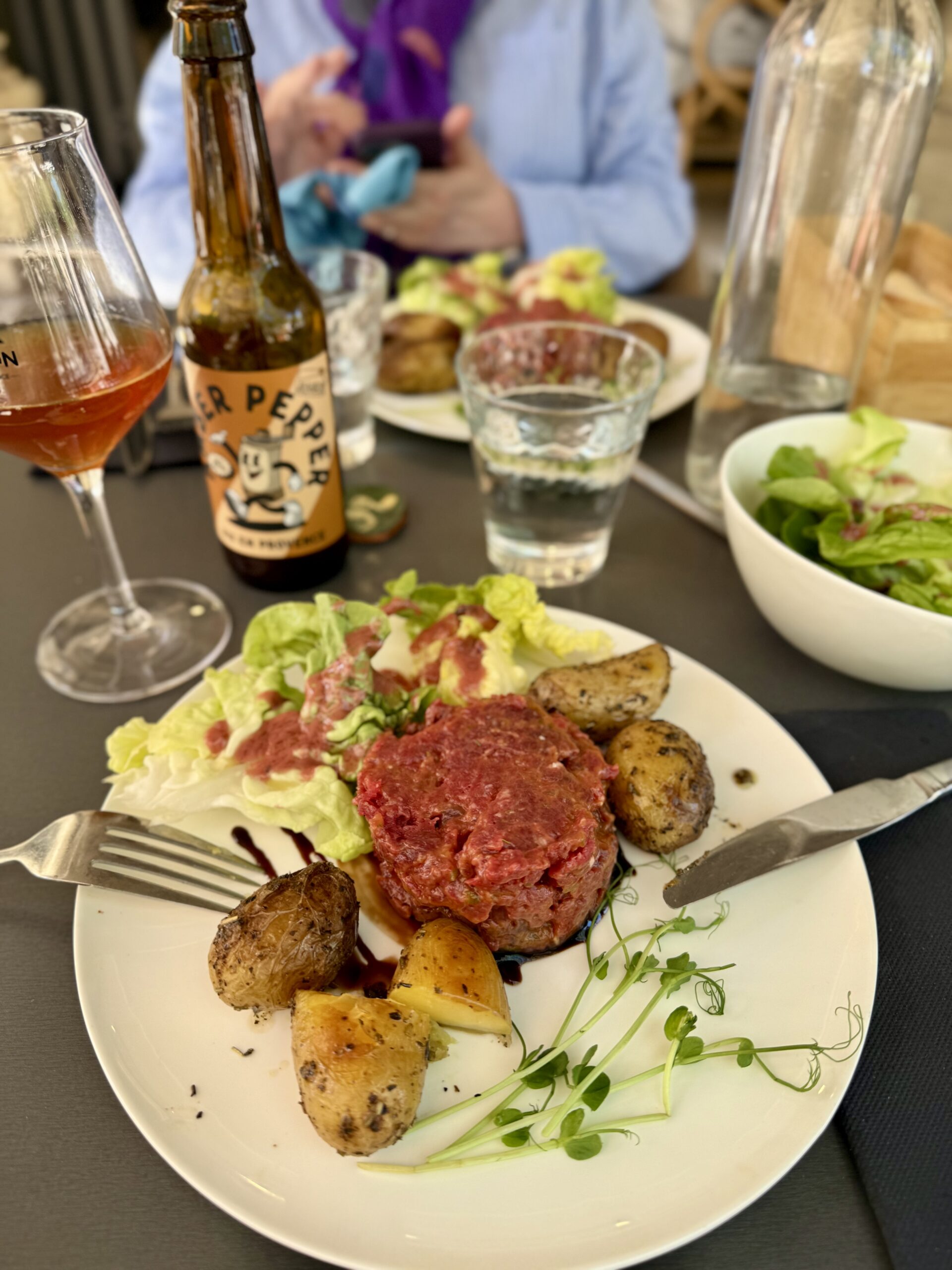
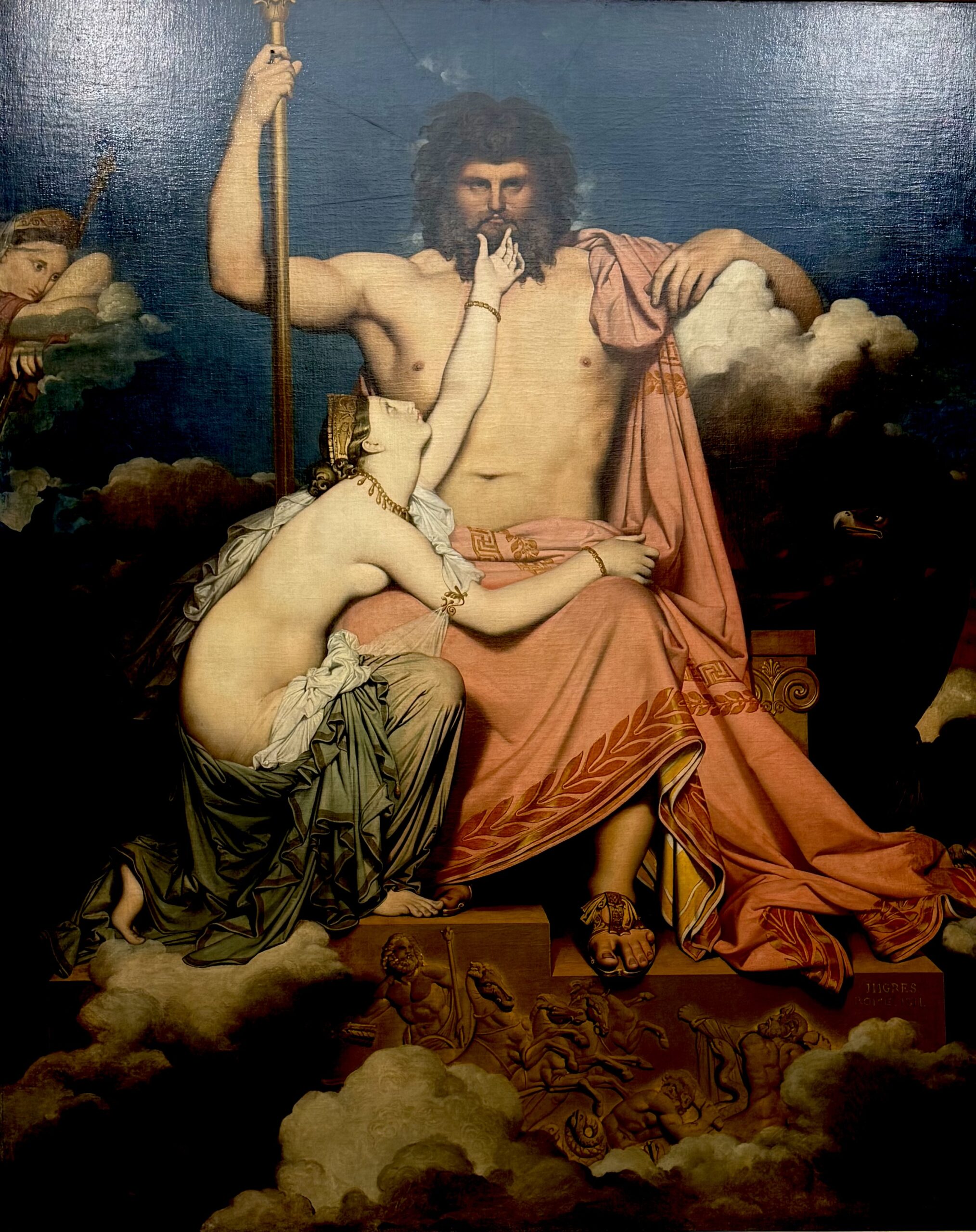
Musée Granet
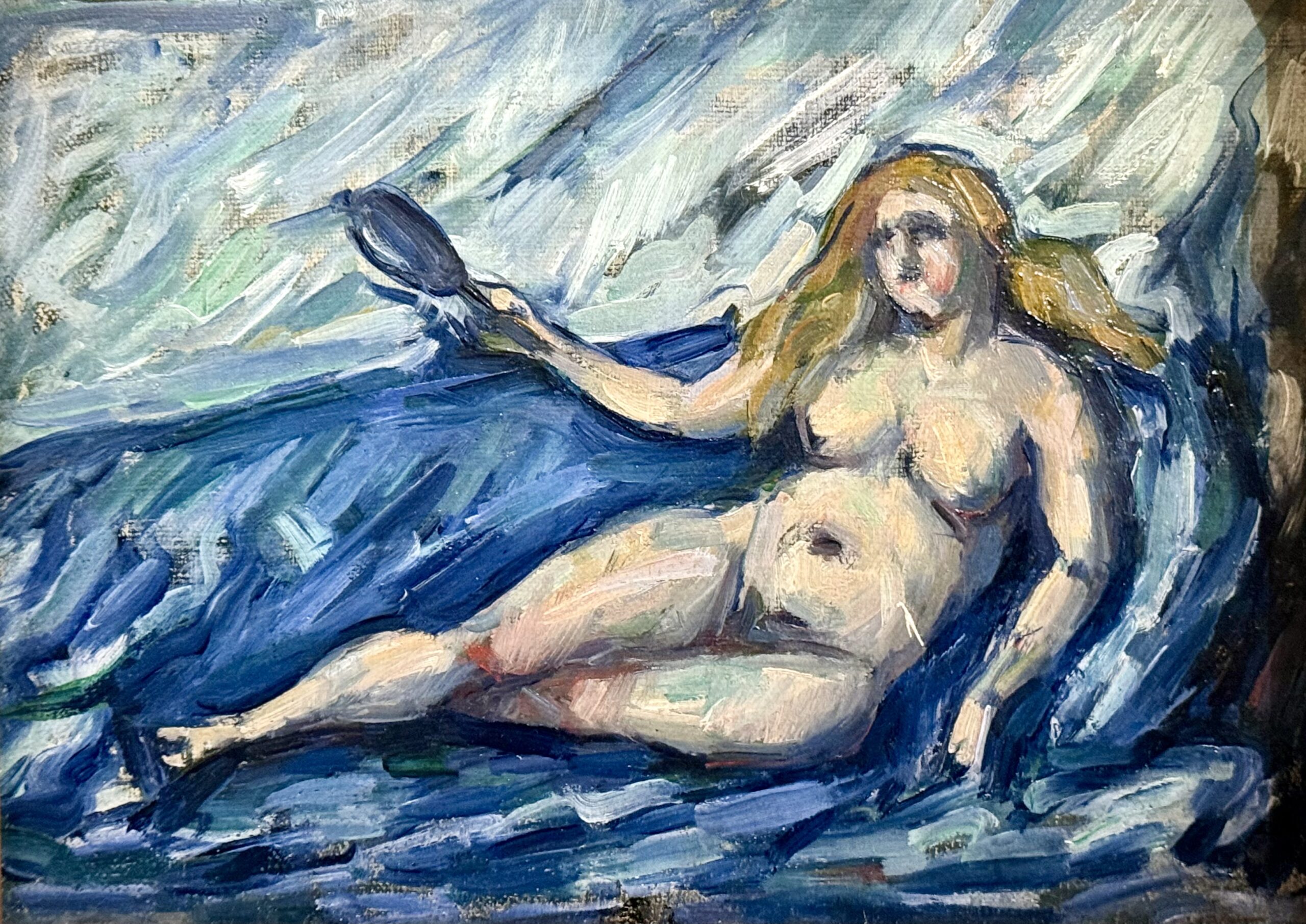
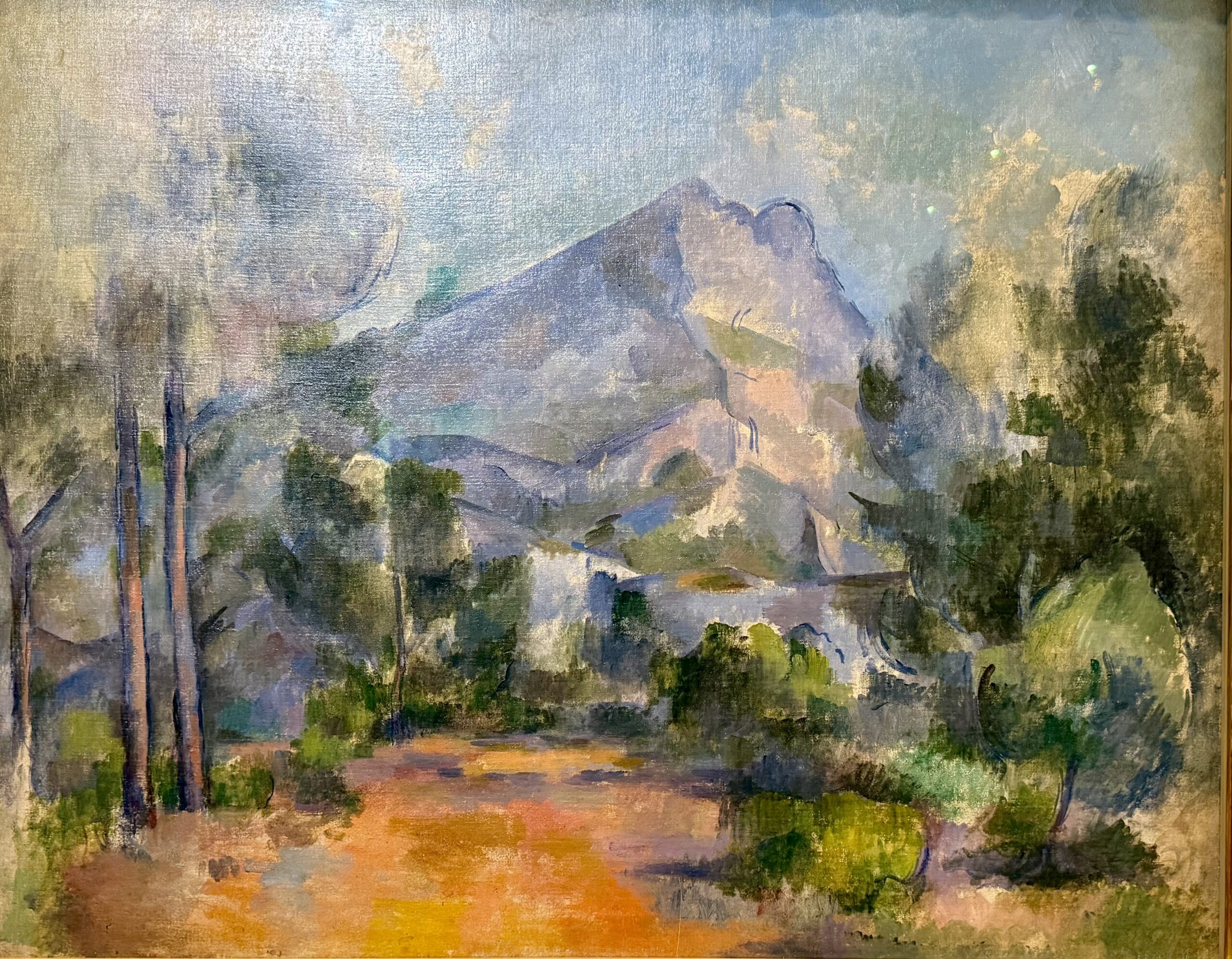
Aix boasts about Paul Cézanne at every opportunity, but this is his only significant painting in town.
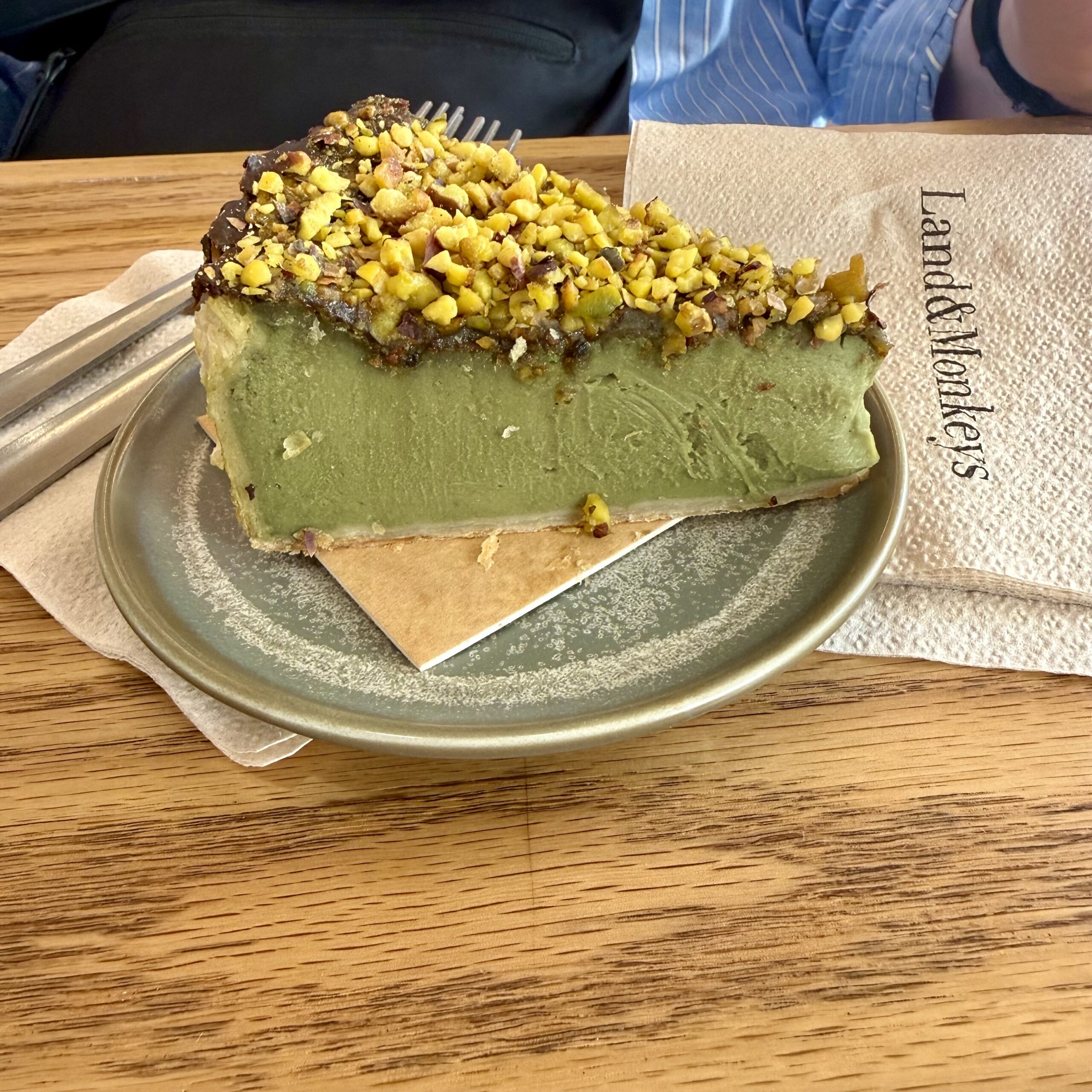
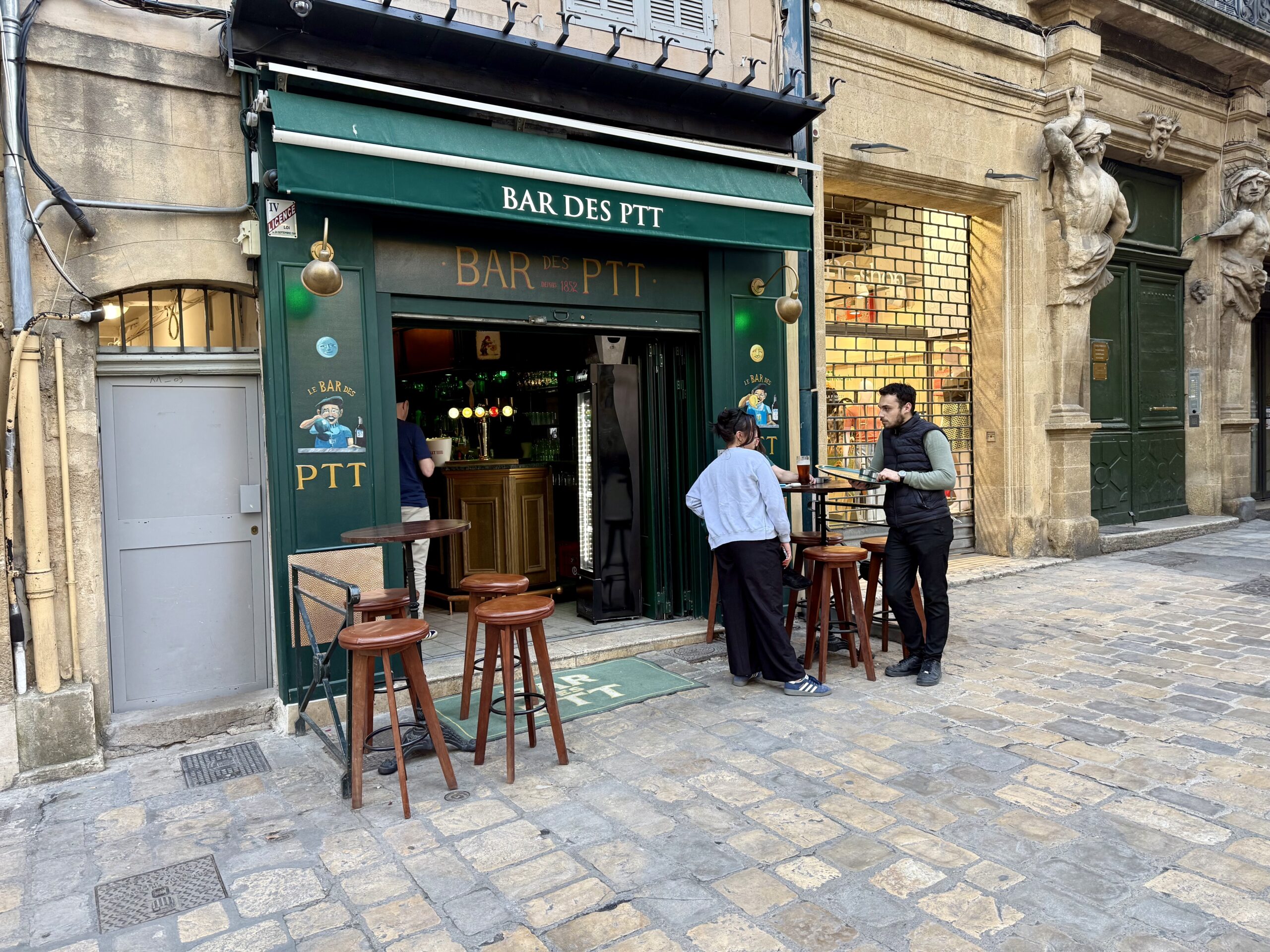
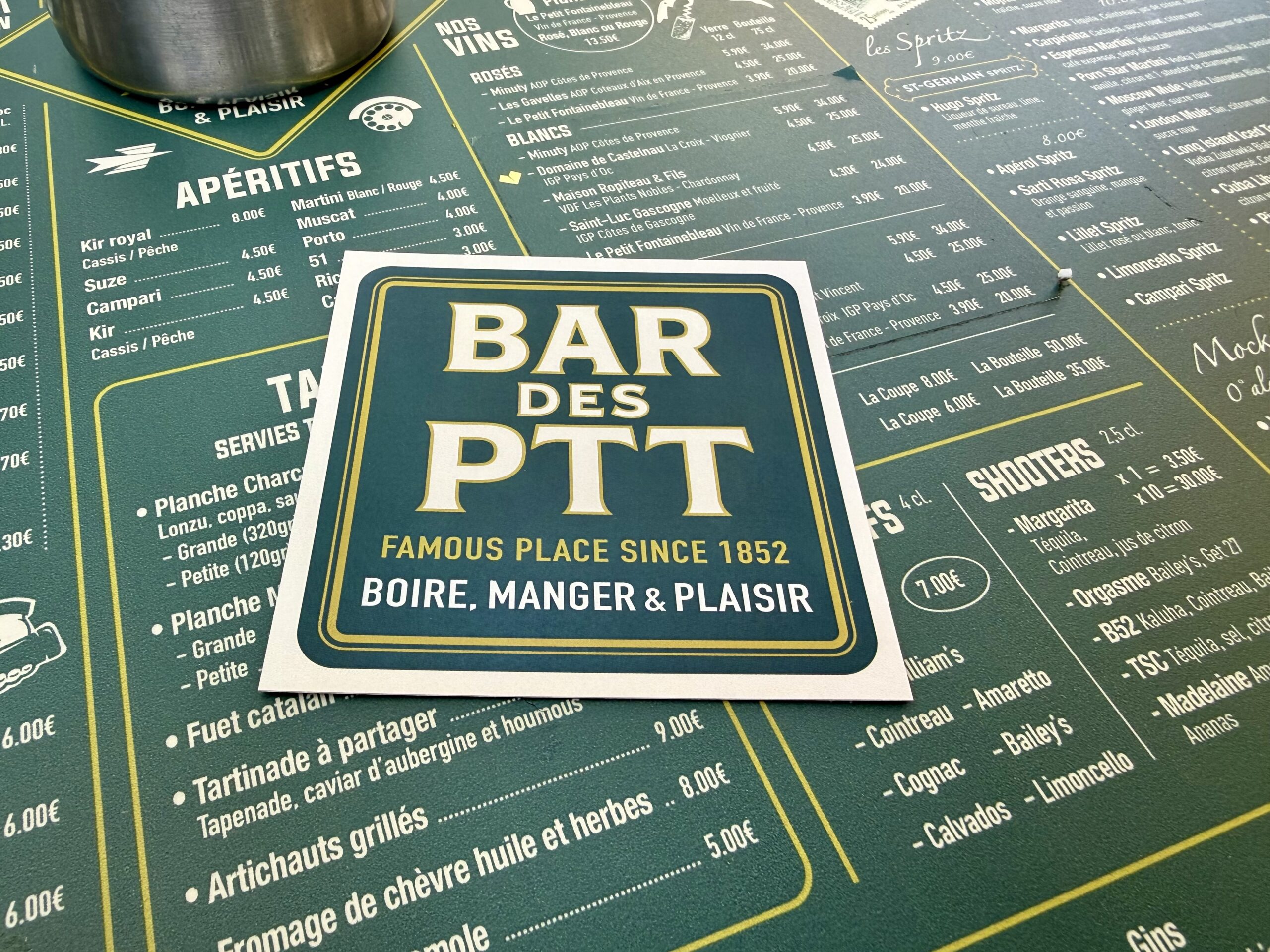
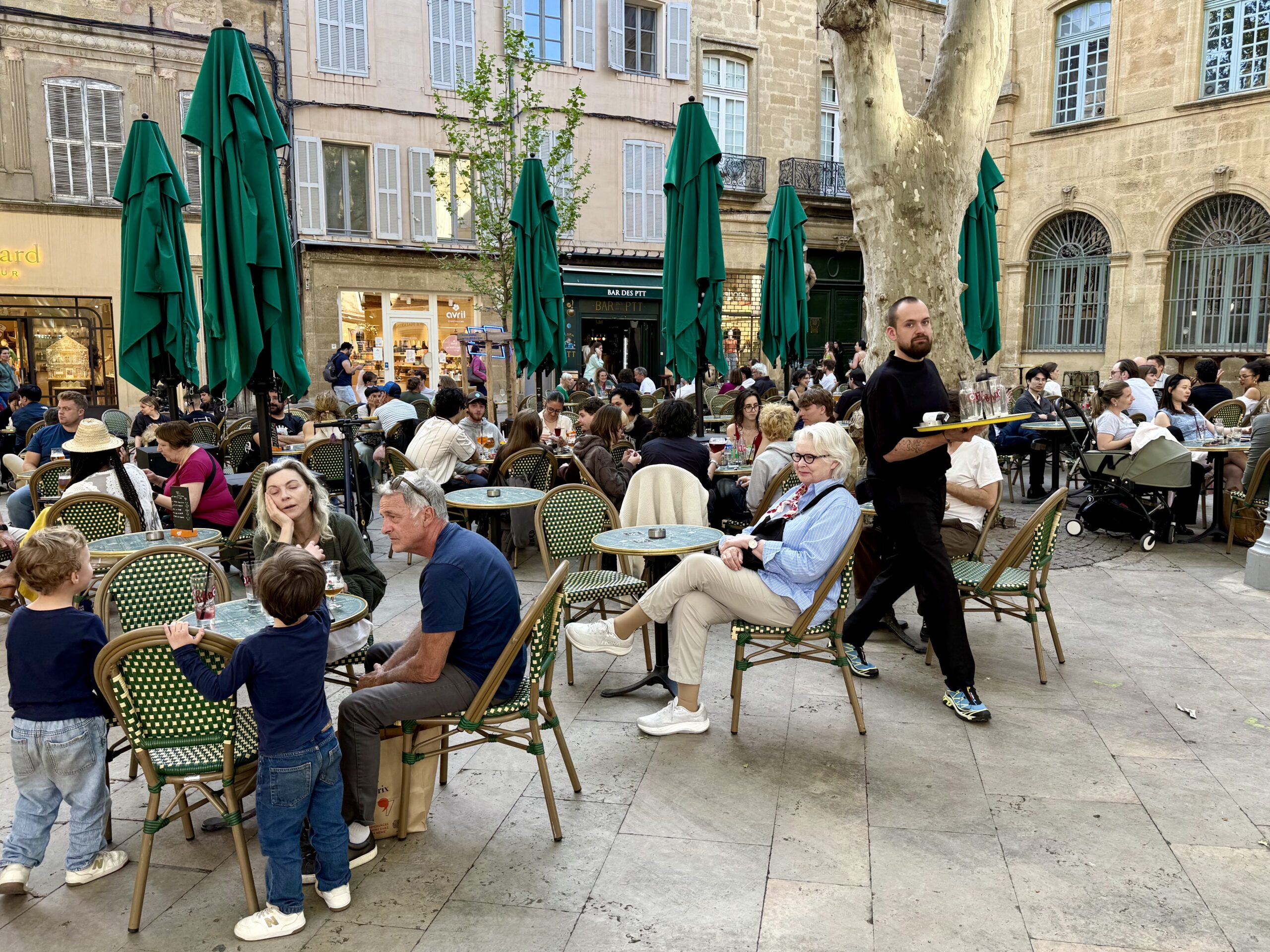
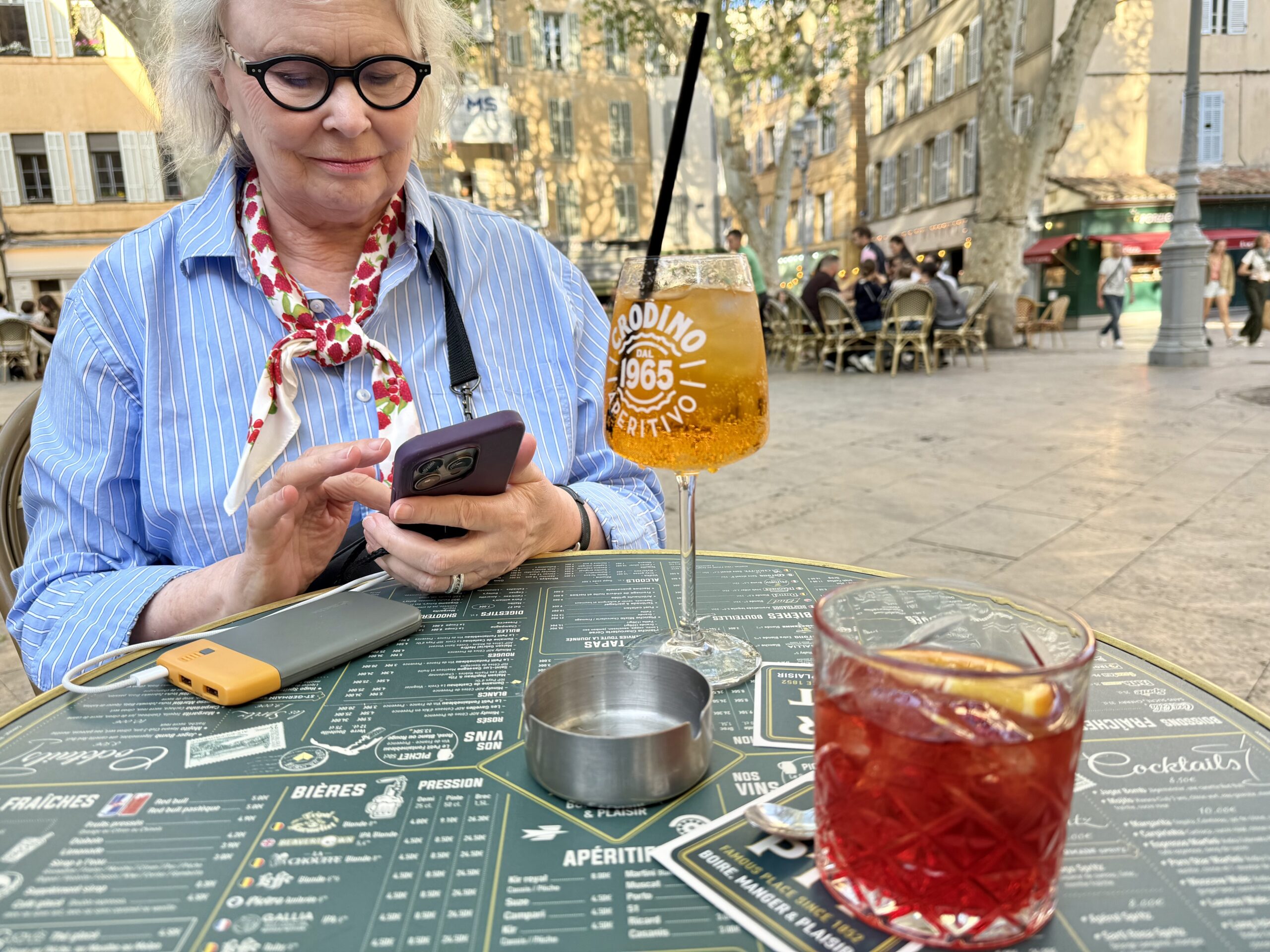
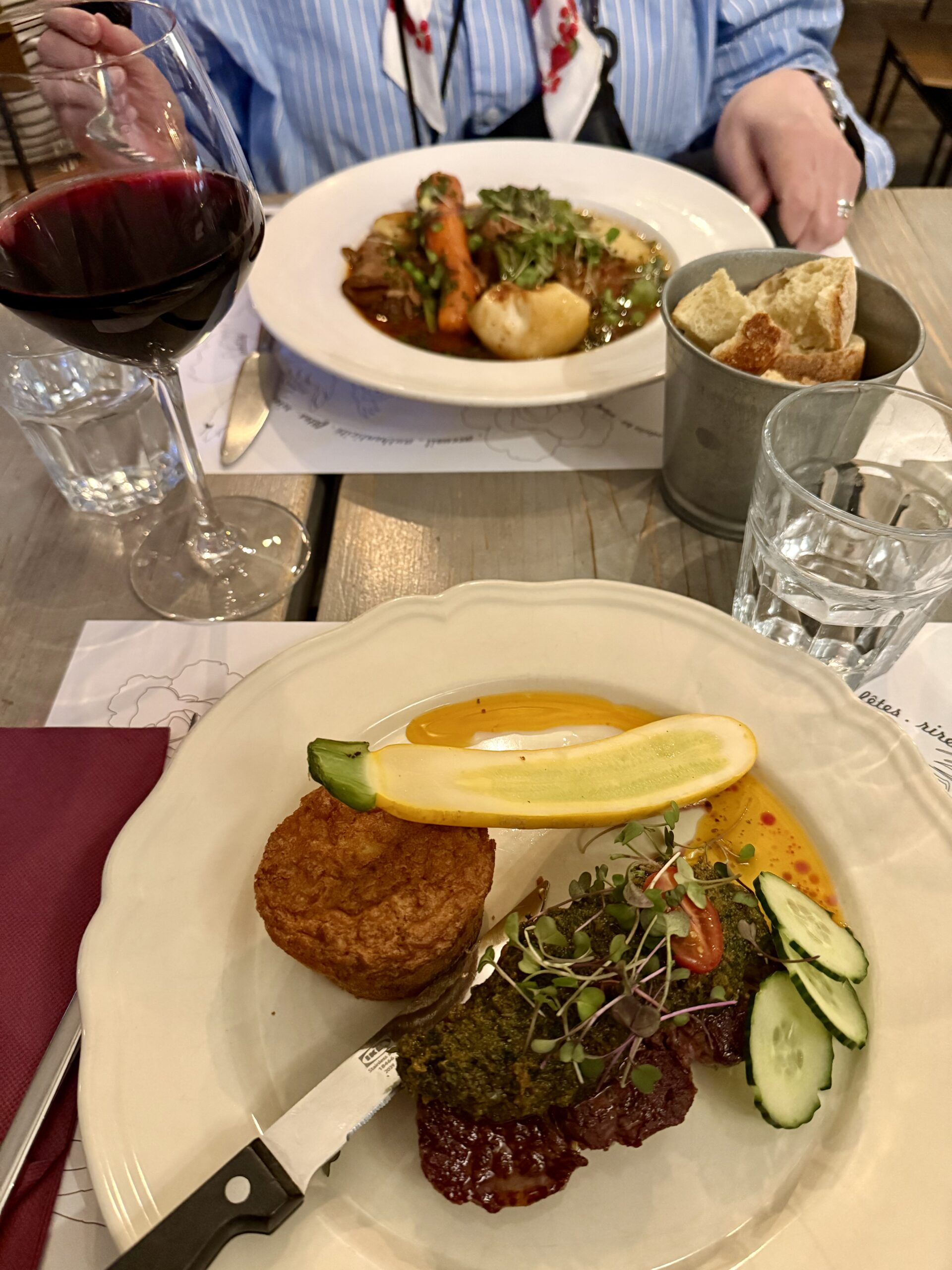
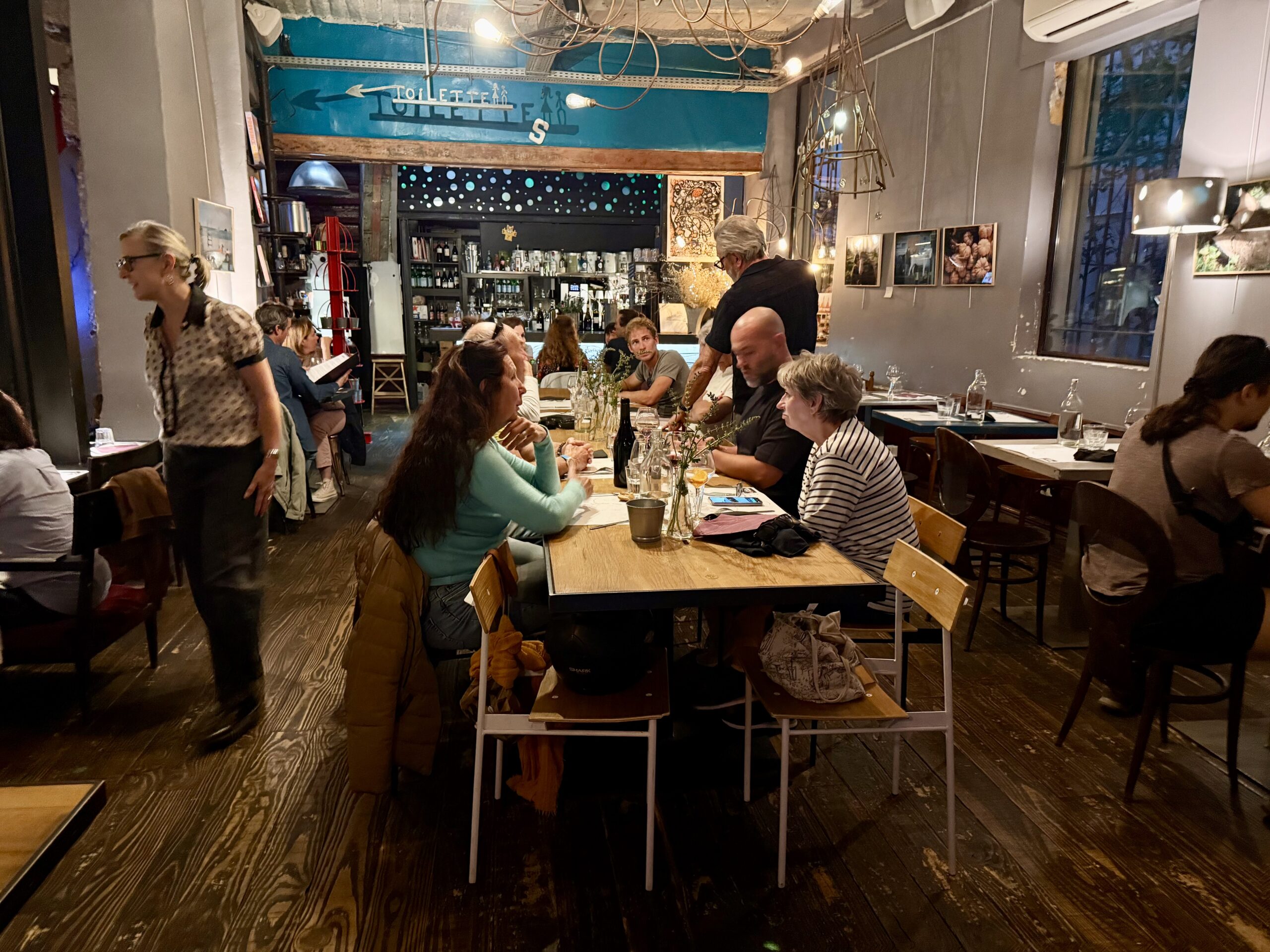
Two Different Day Trips
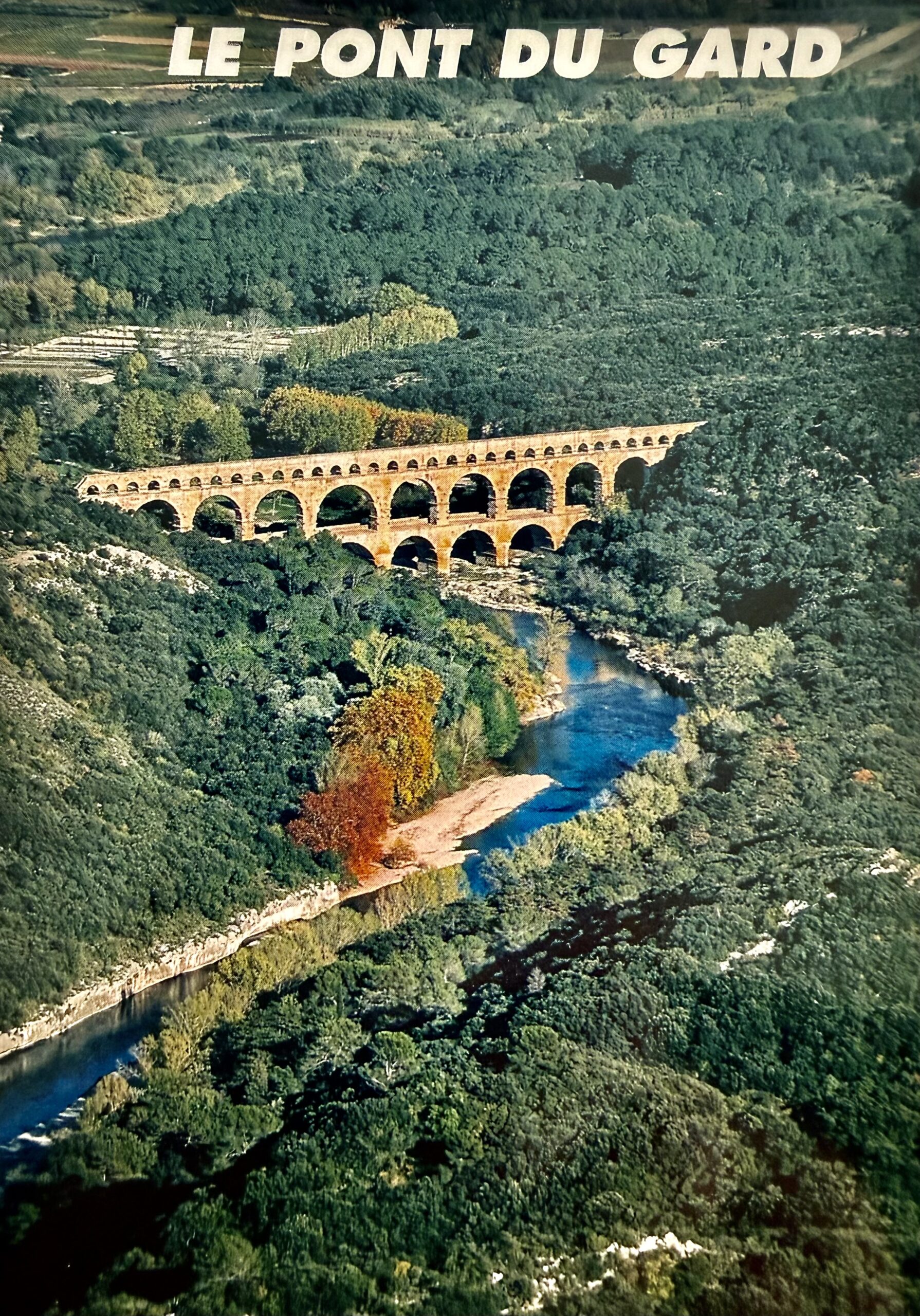
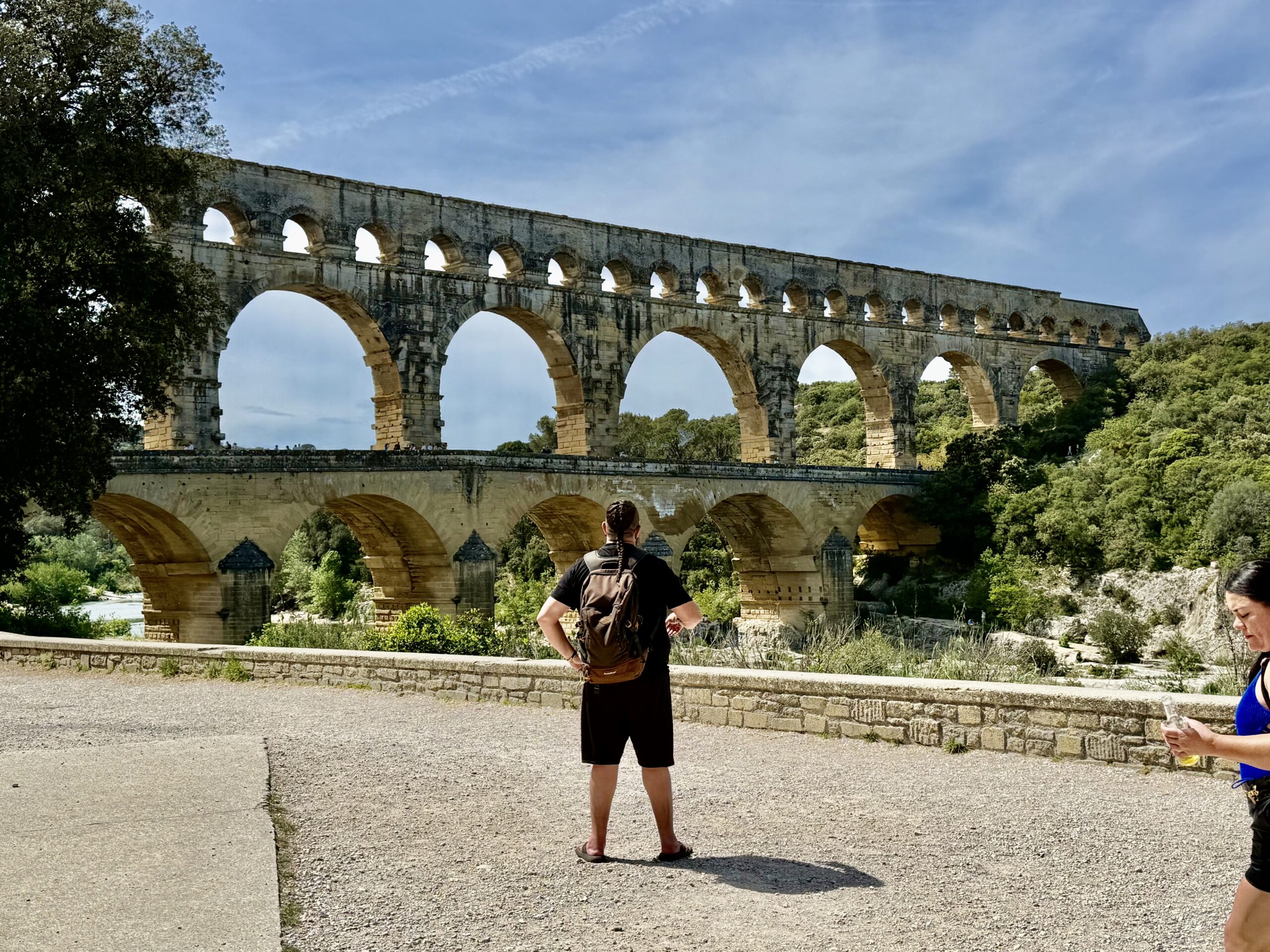
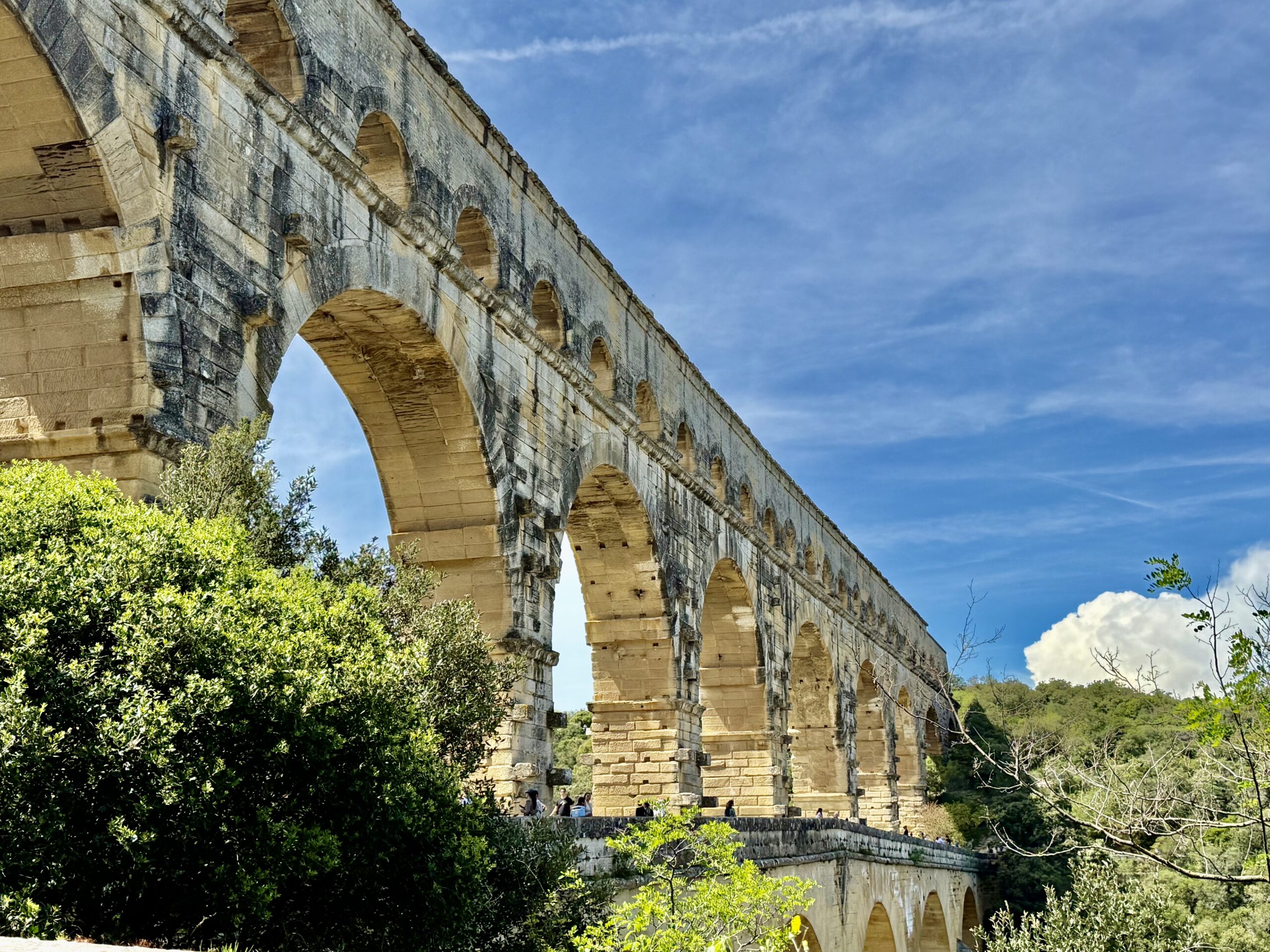
Le Pont du Gard
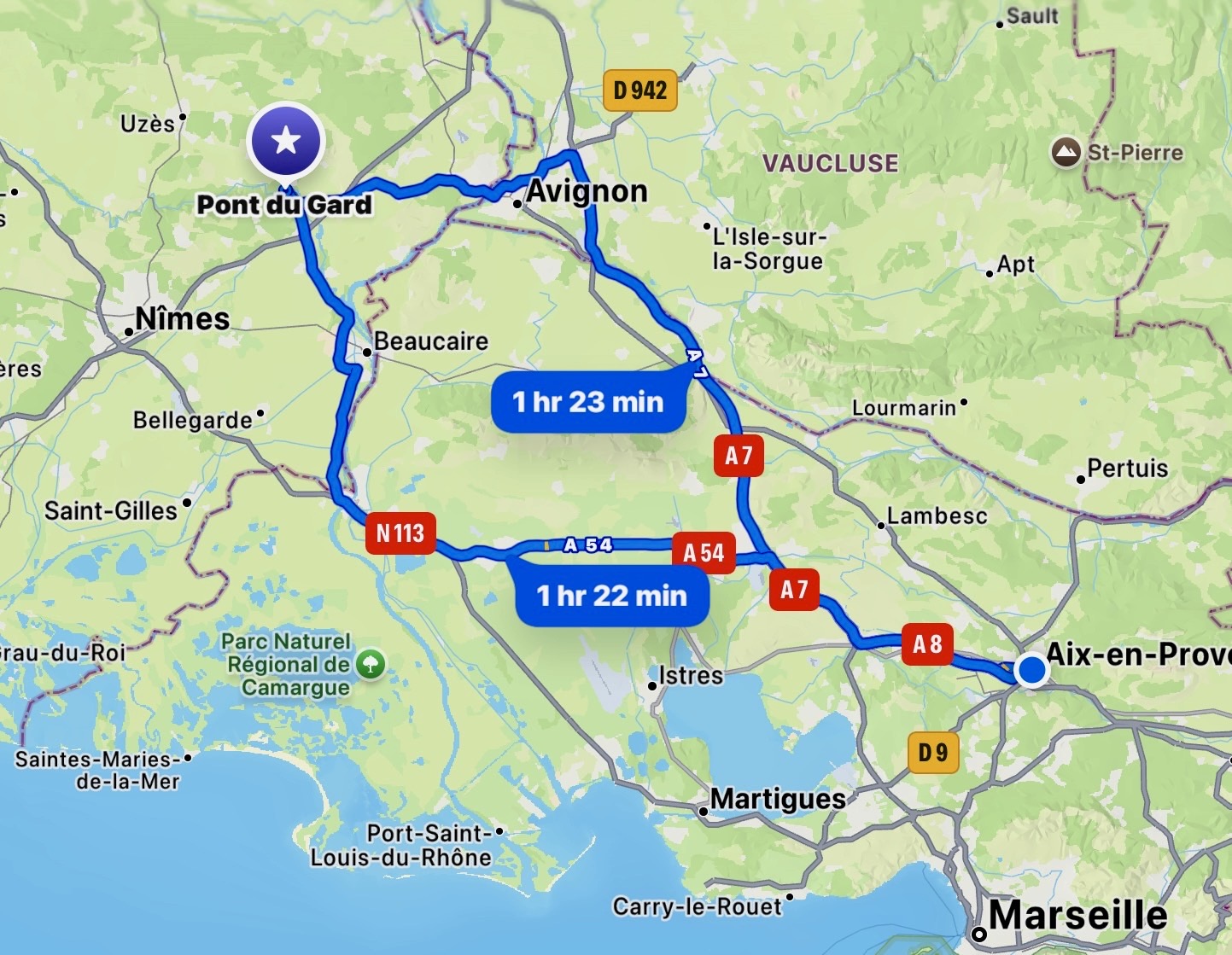
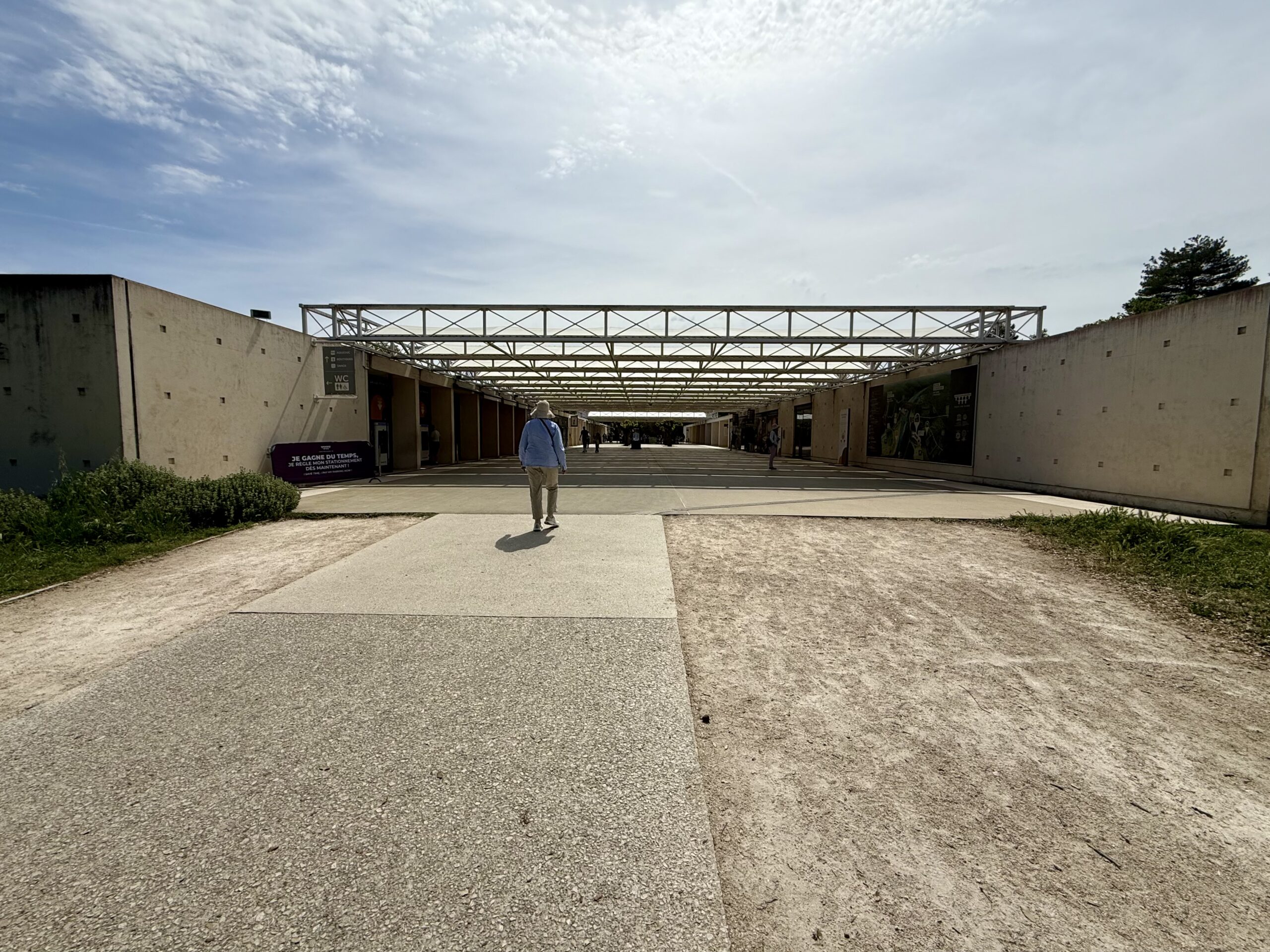
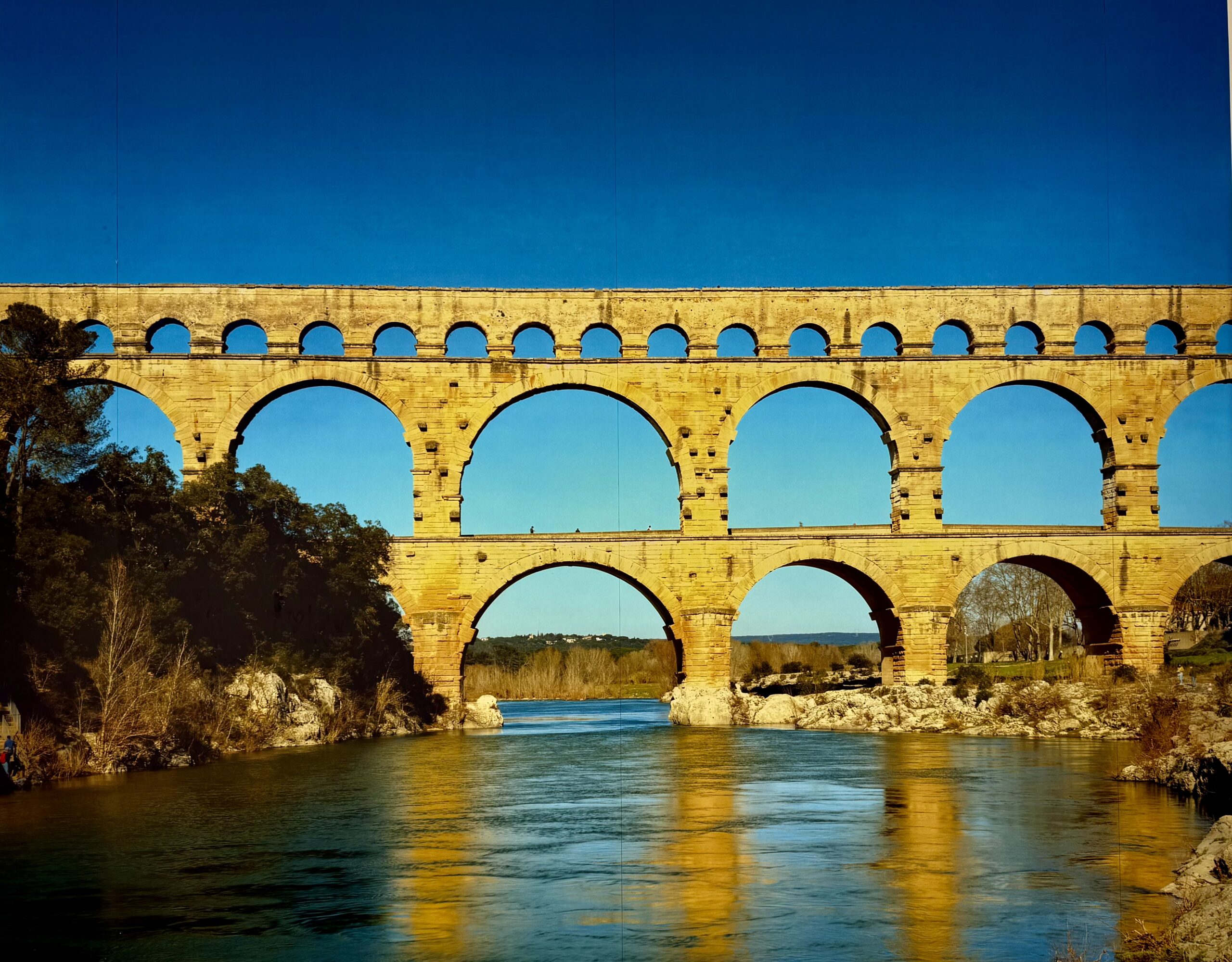
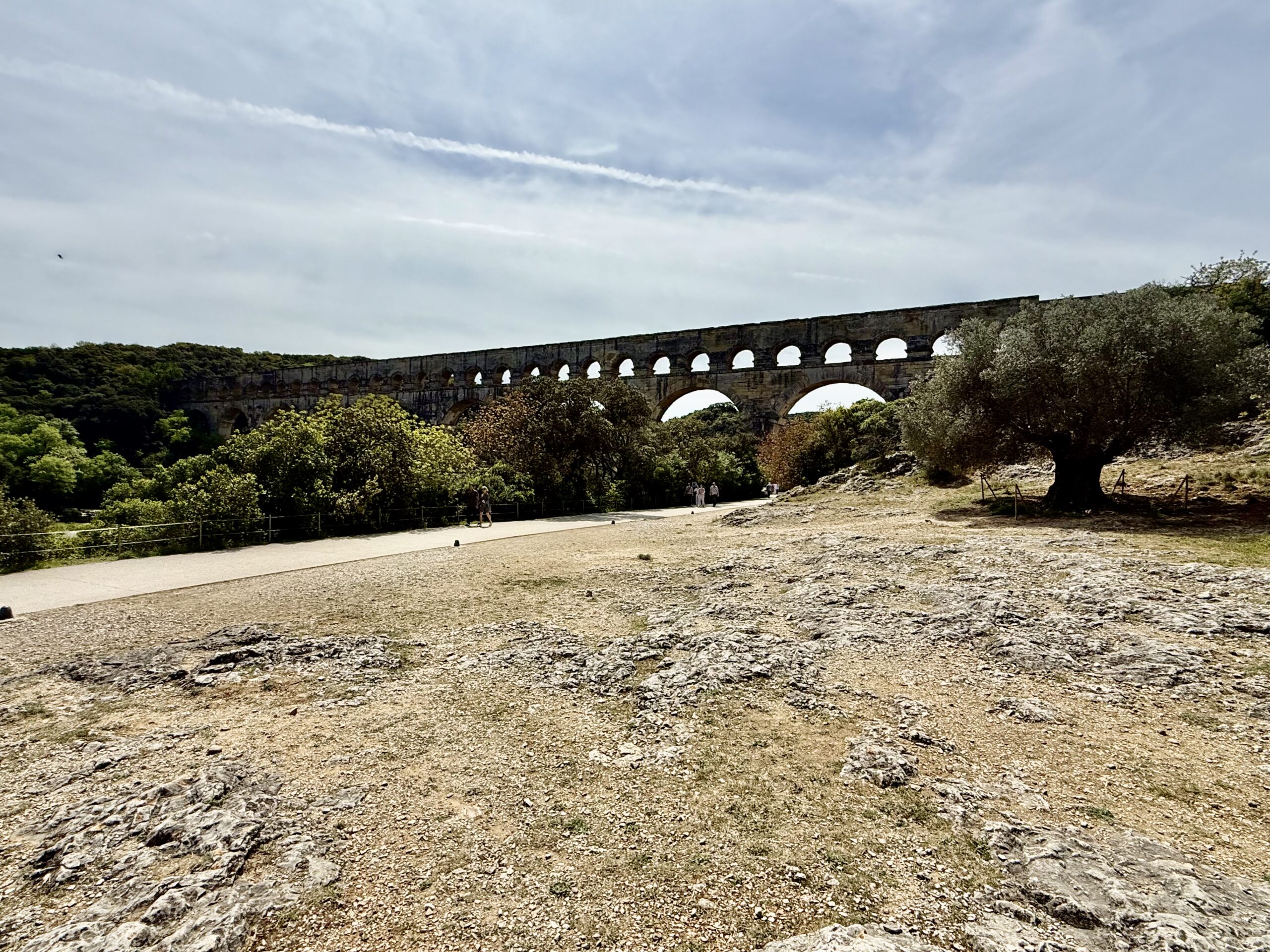
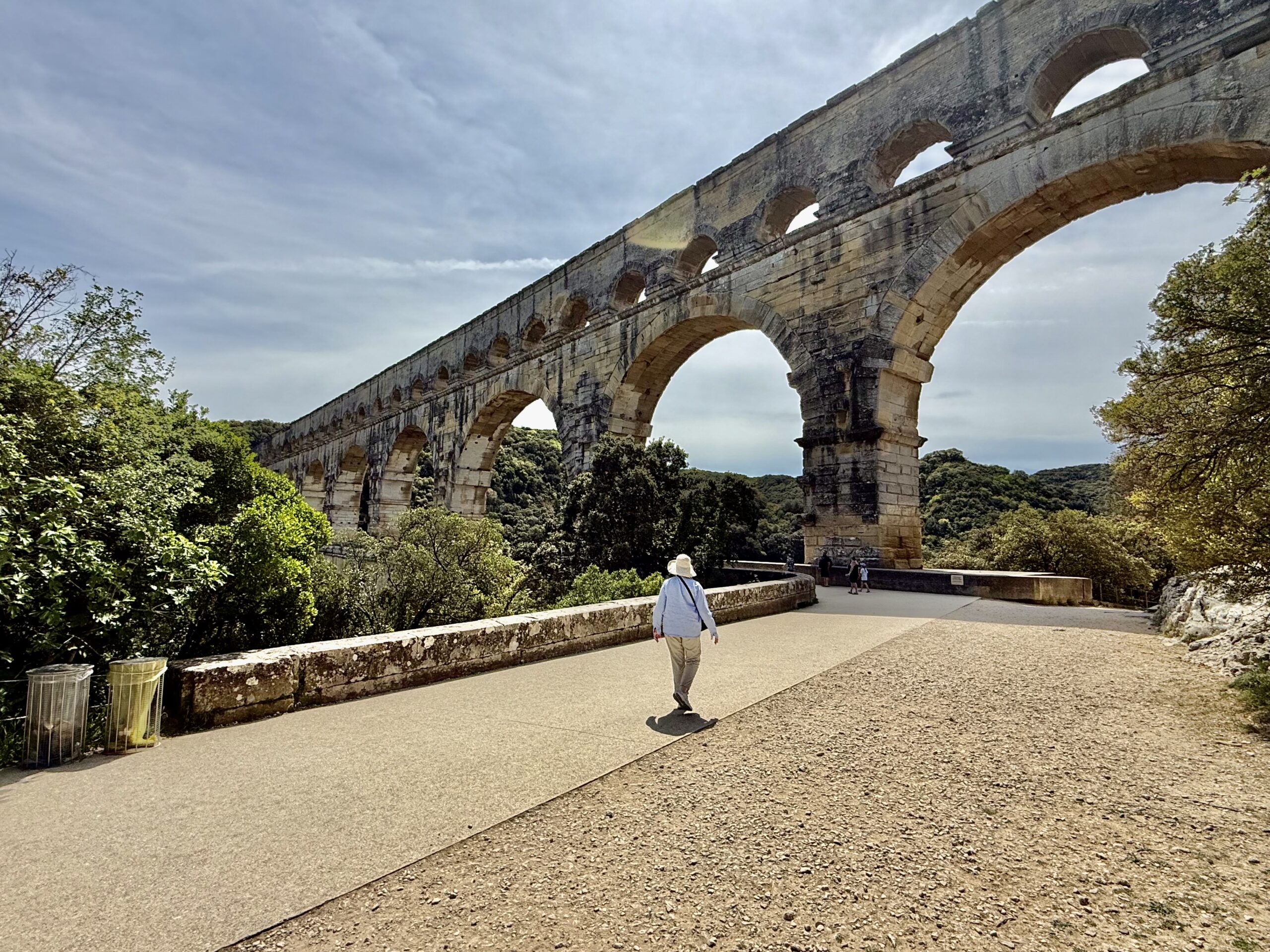
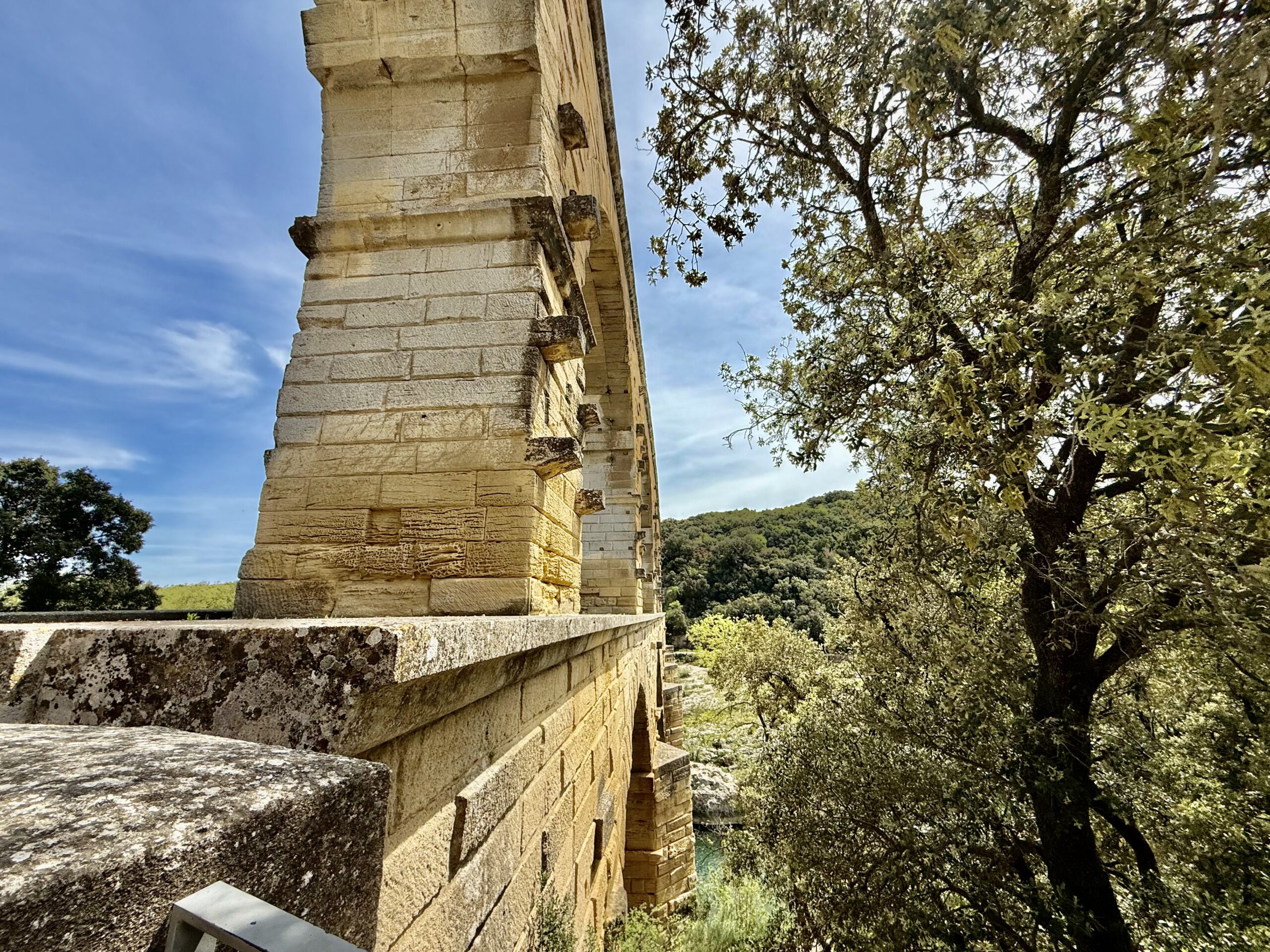
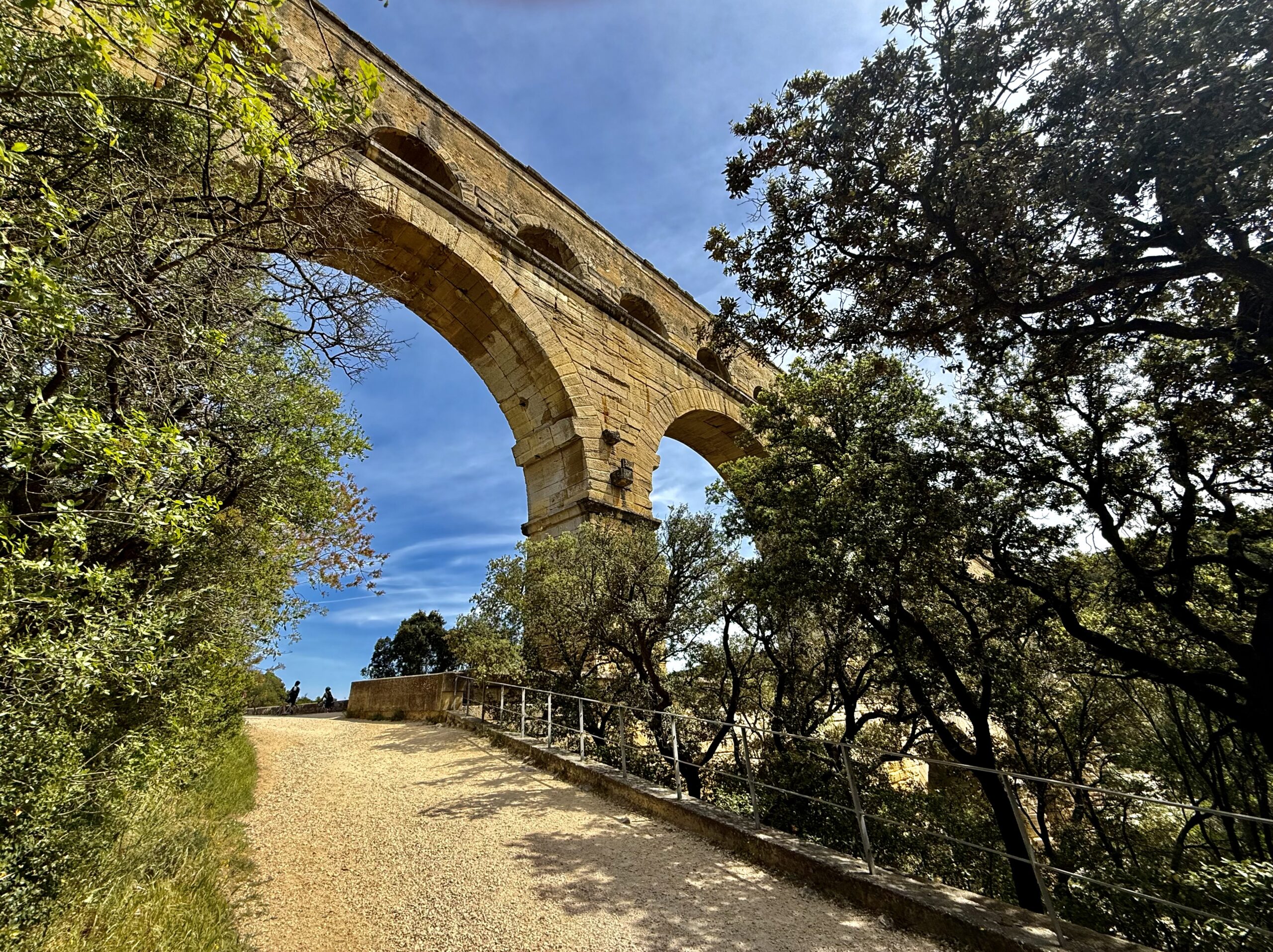
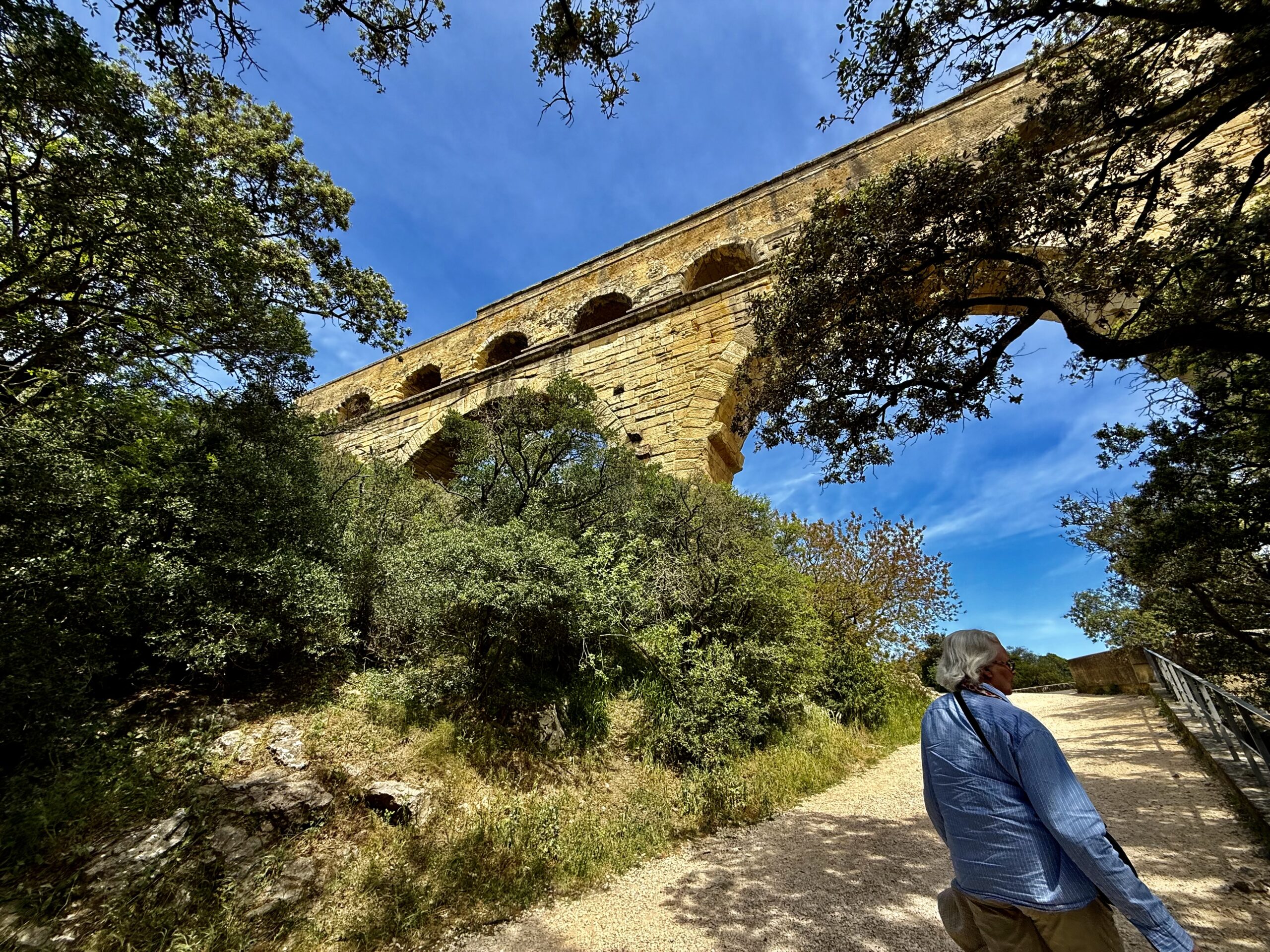
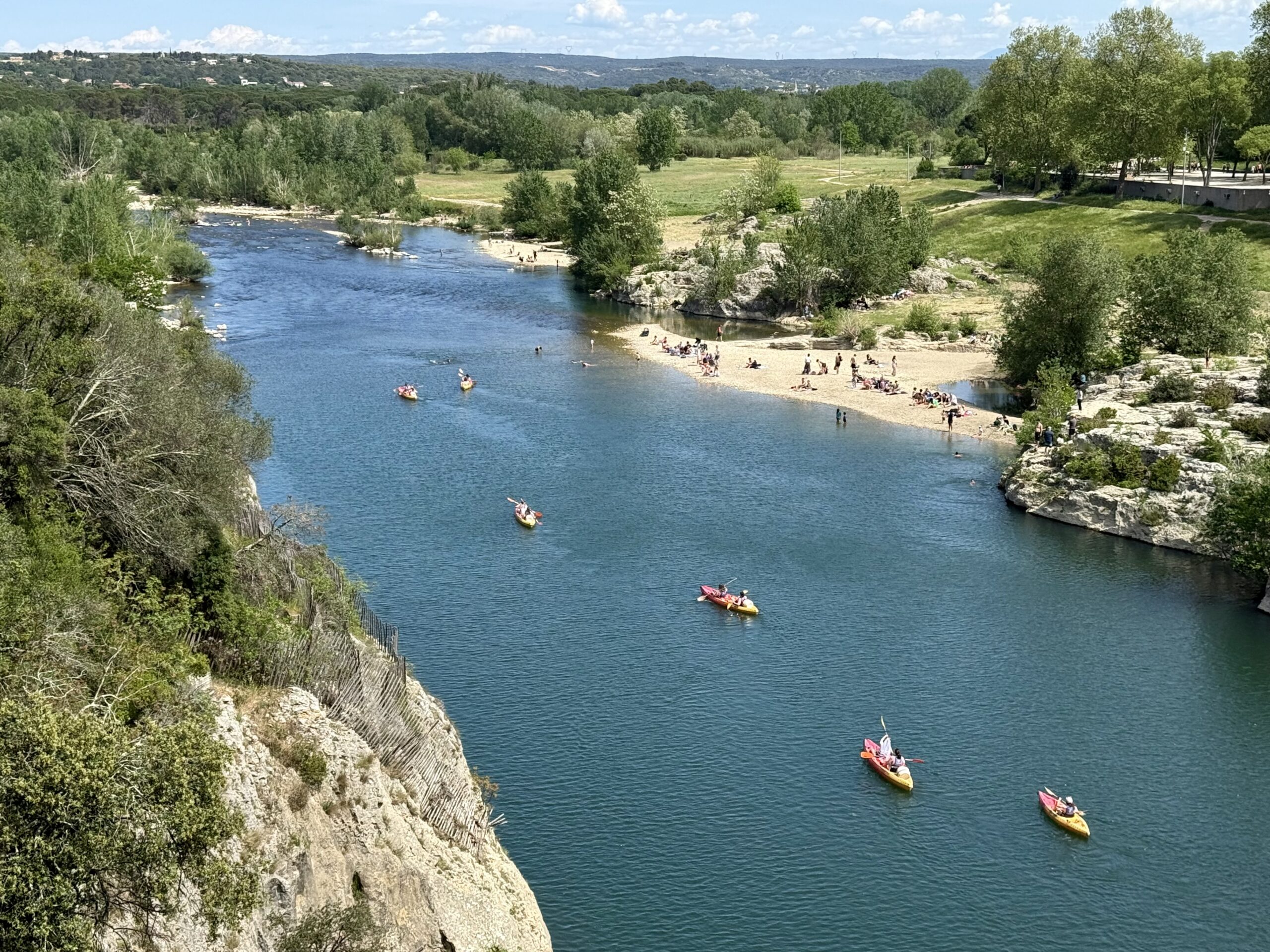
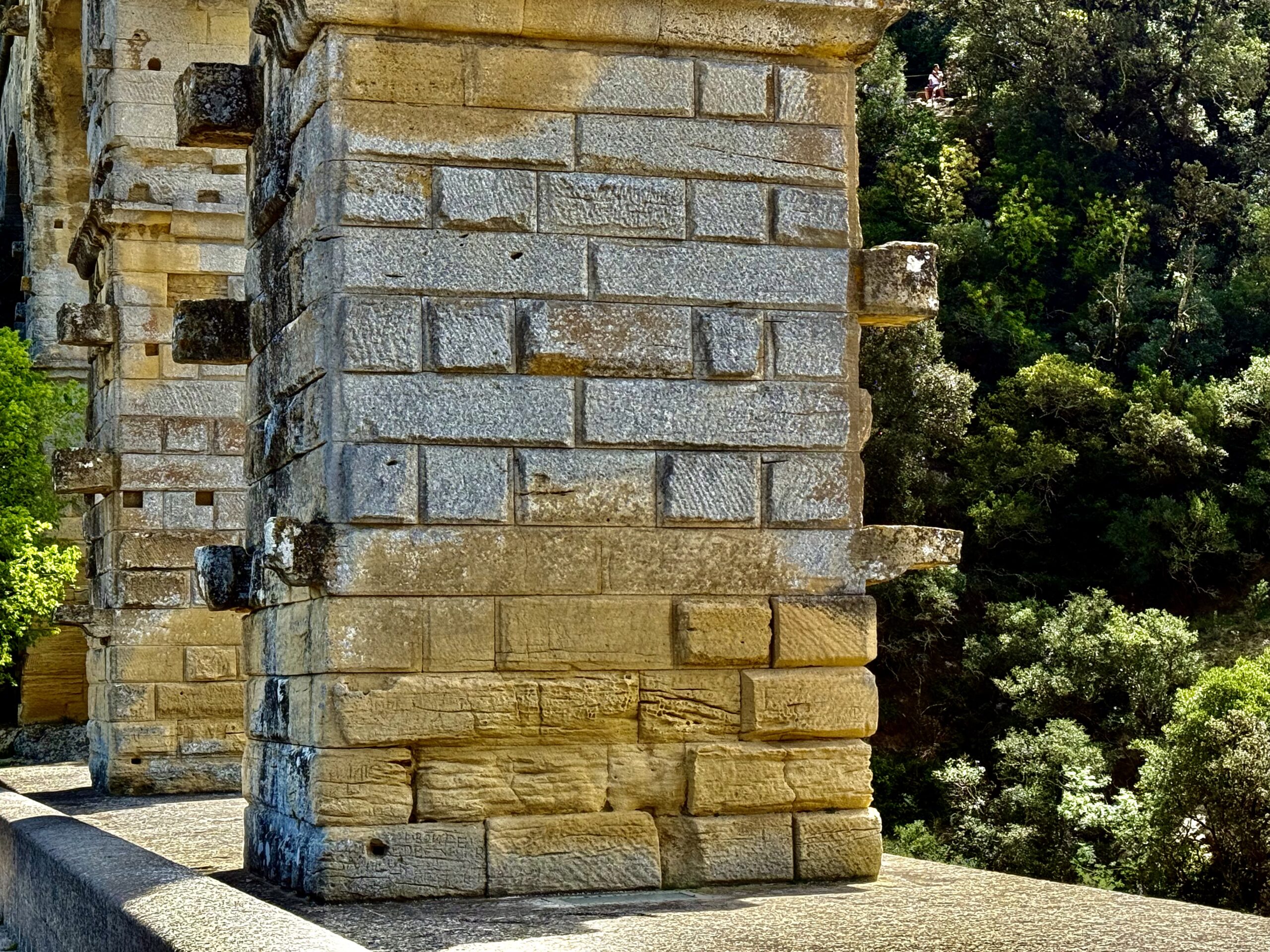
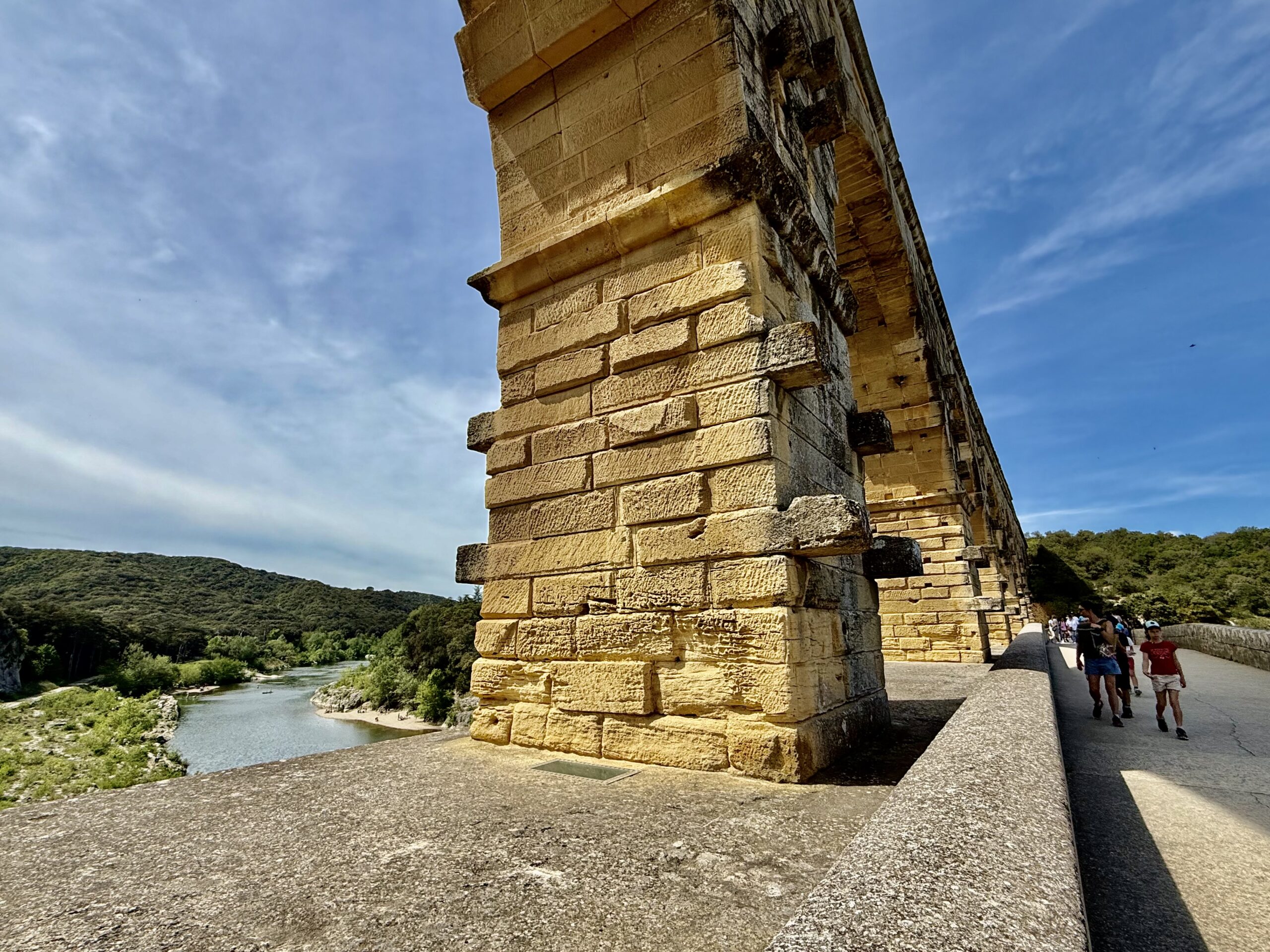
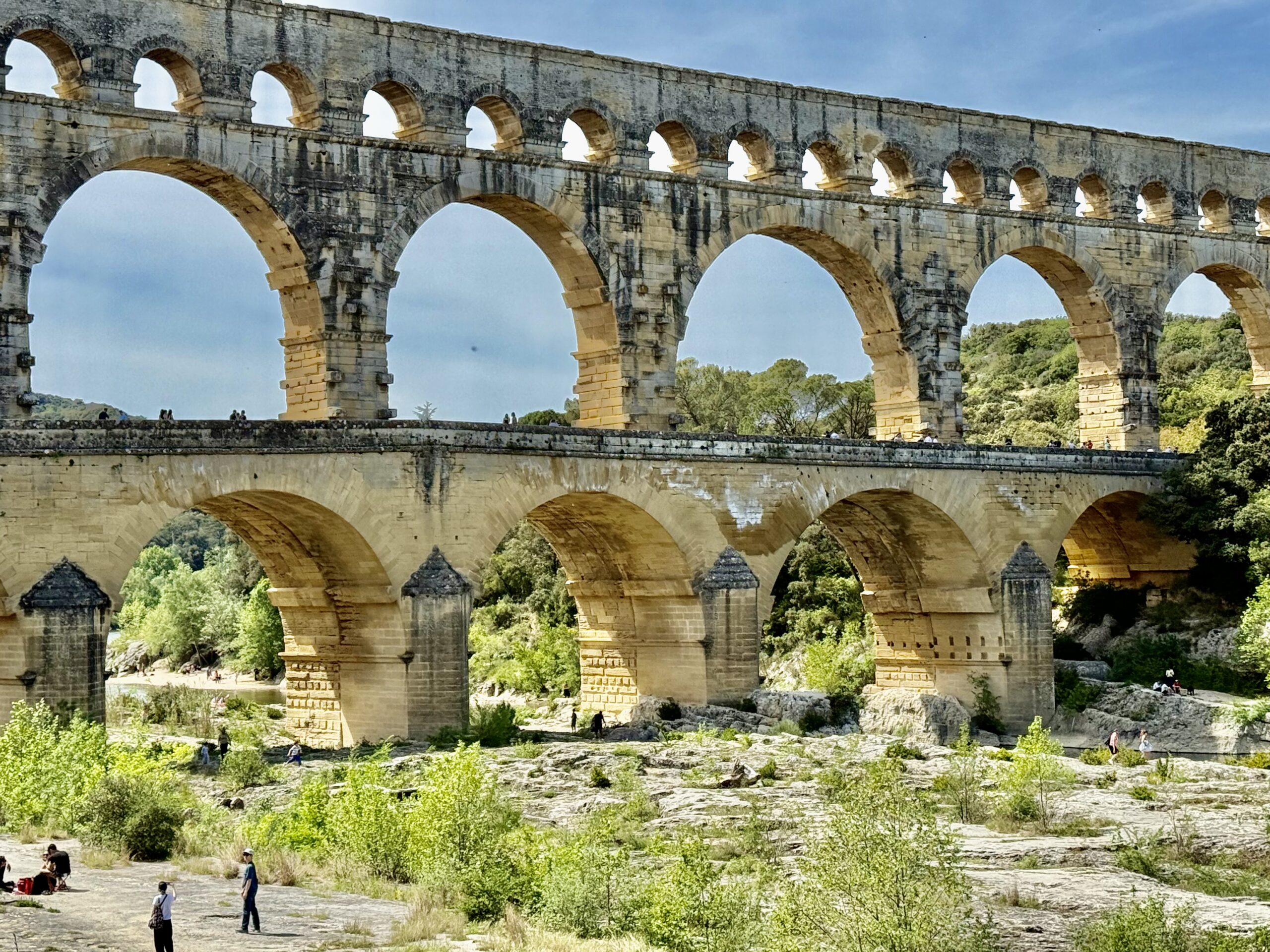
On Bonnie’s list of things we must see. (Thank you again, Jaime.) This Roman aqueduct dates to the first century and is the second tallest ancient Roman structure at 160 feet. It was part of a 30-mile system delivering water to the citizens of Nemausus (Nîmes). Most of the water channel was underground or on the surface, but at this point it had to cross a deep river gorge. Very impressive.
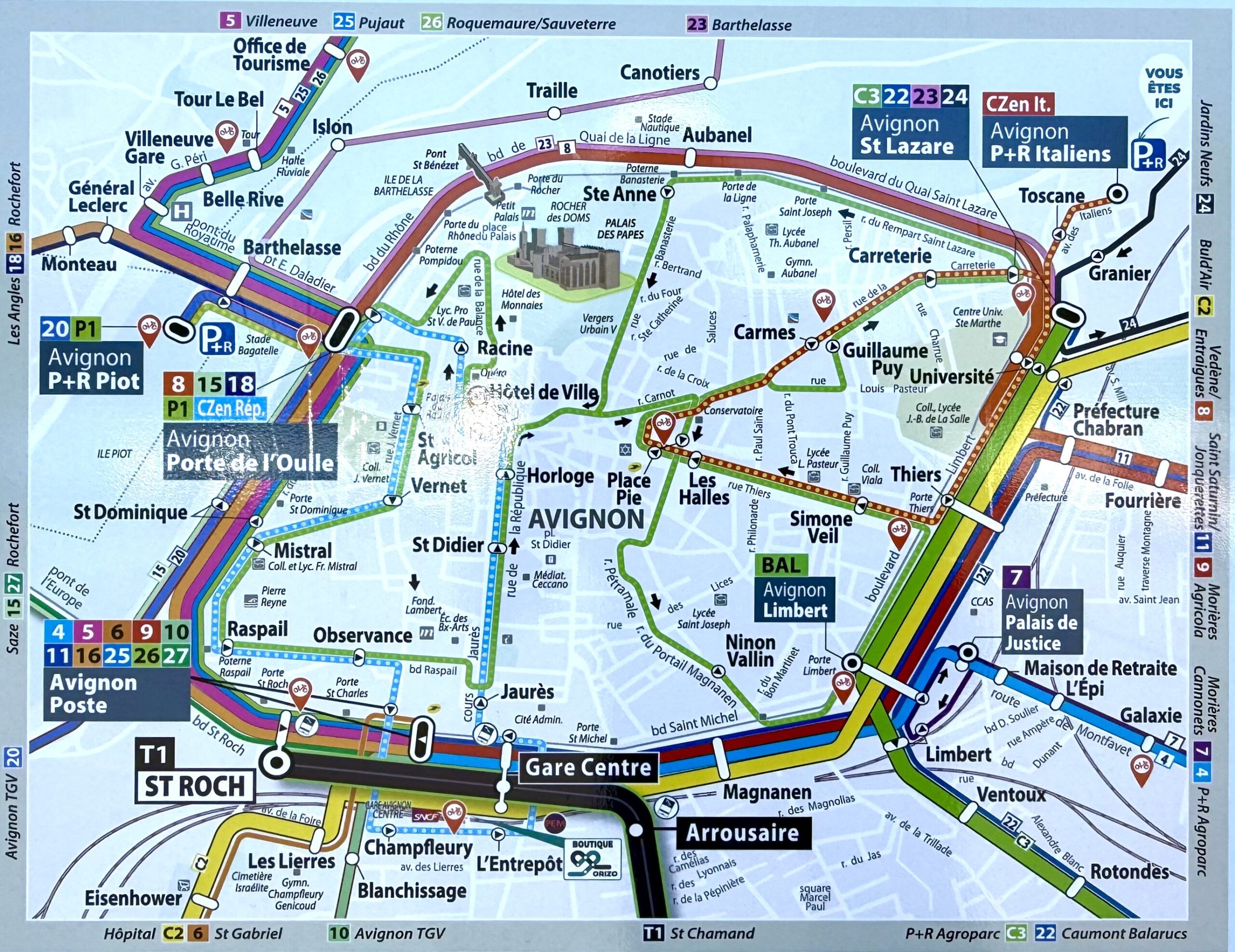
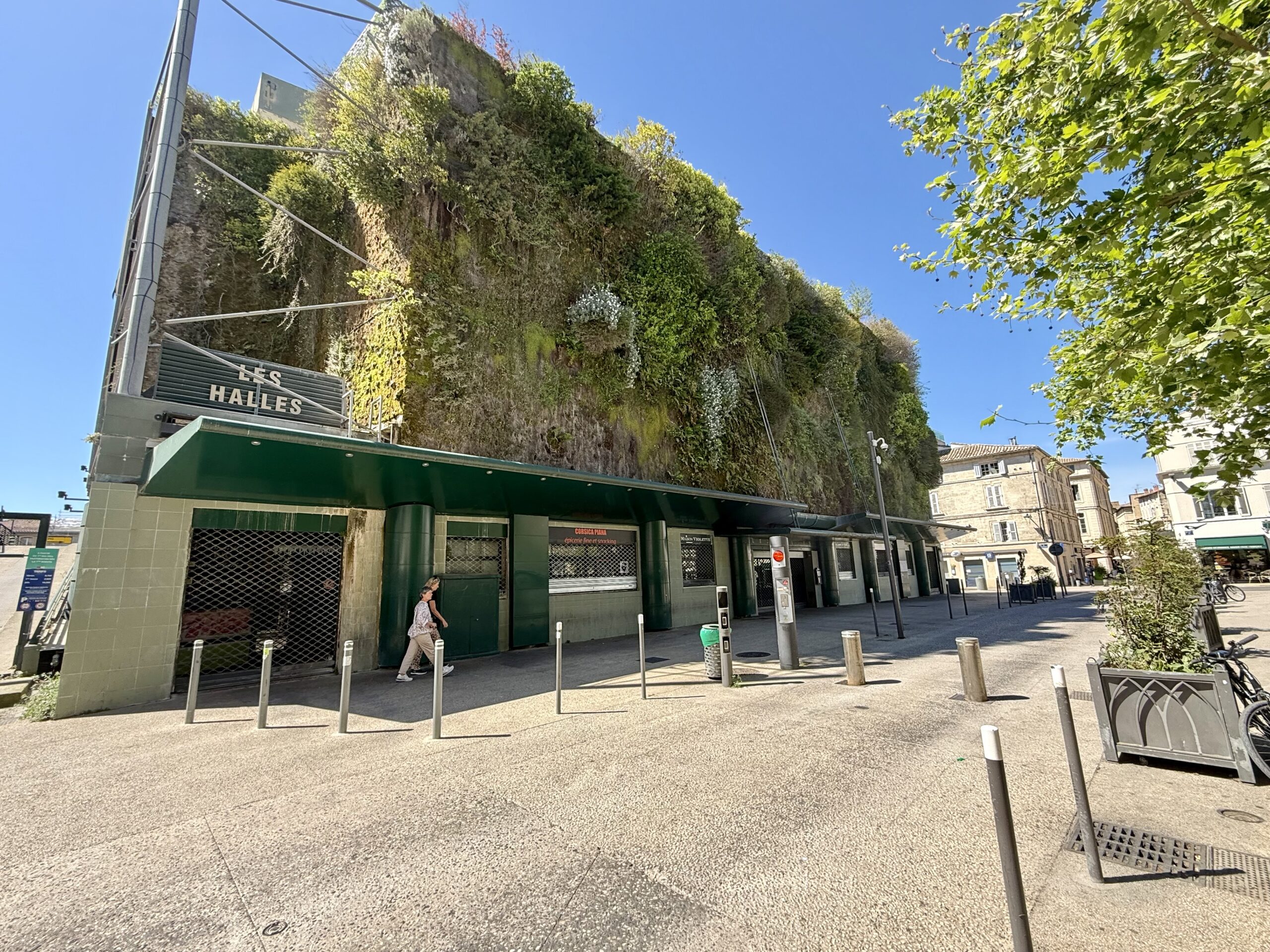
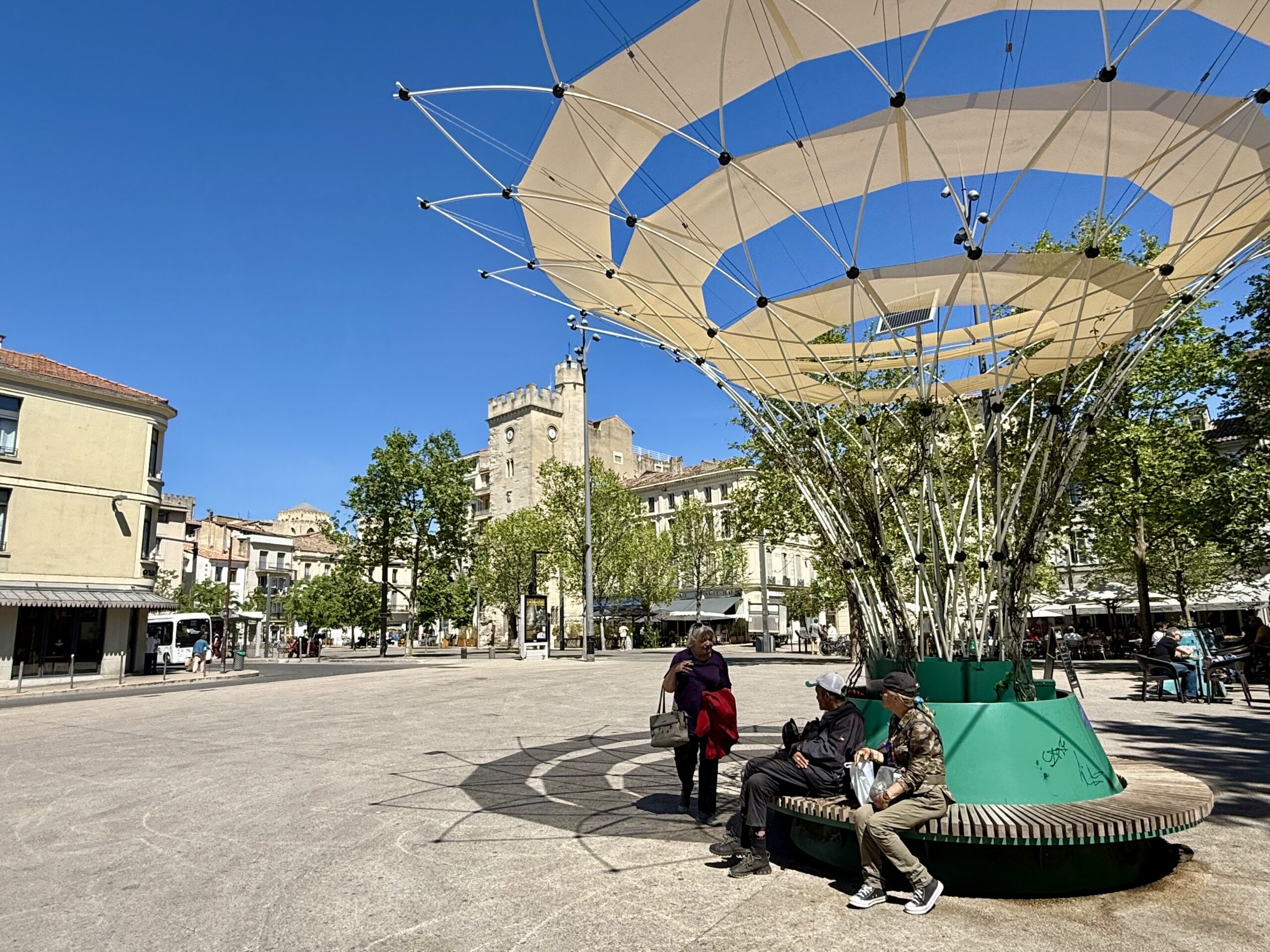
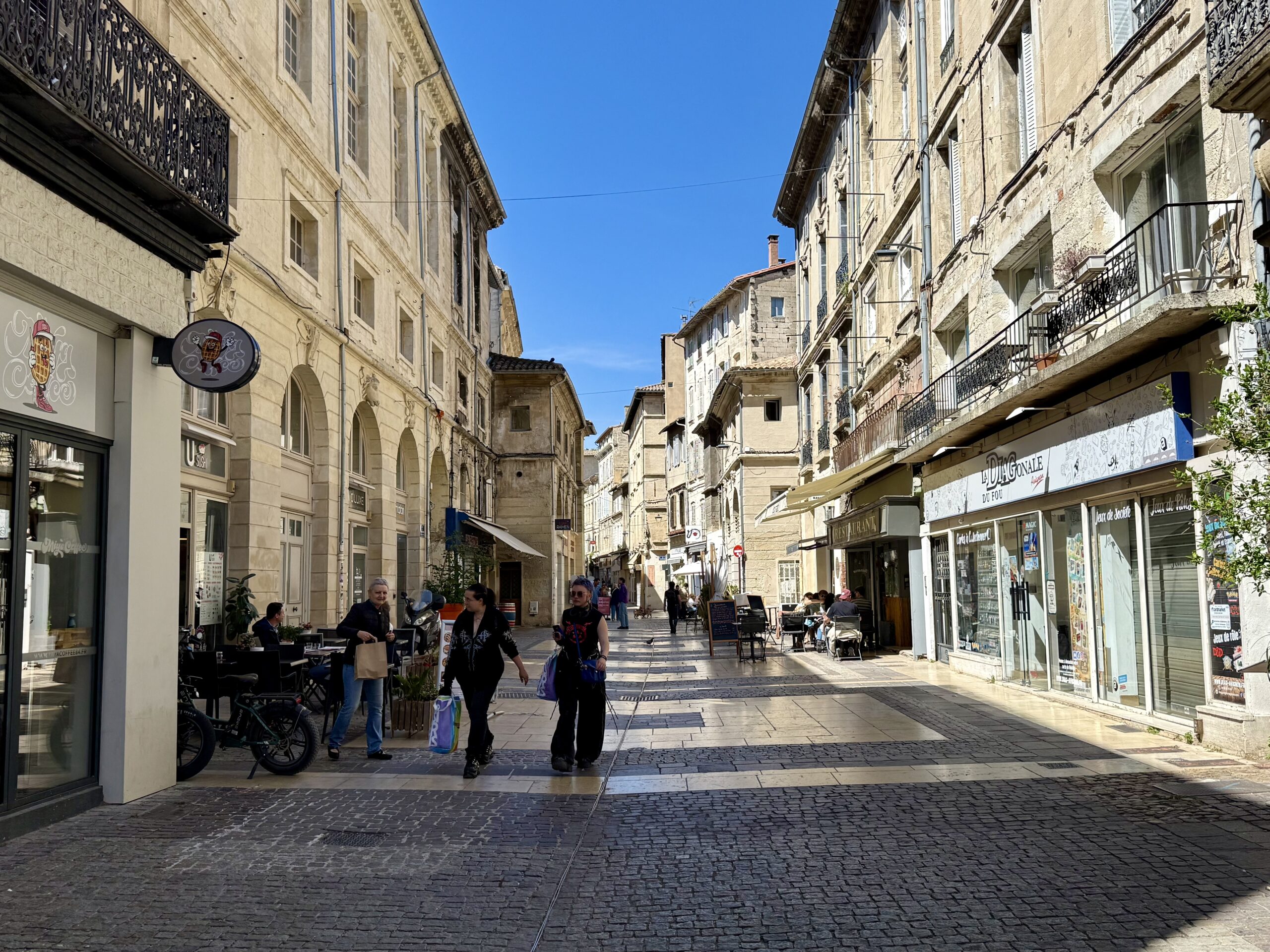
Avignon
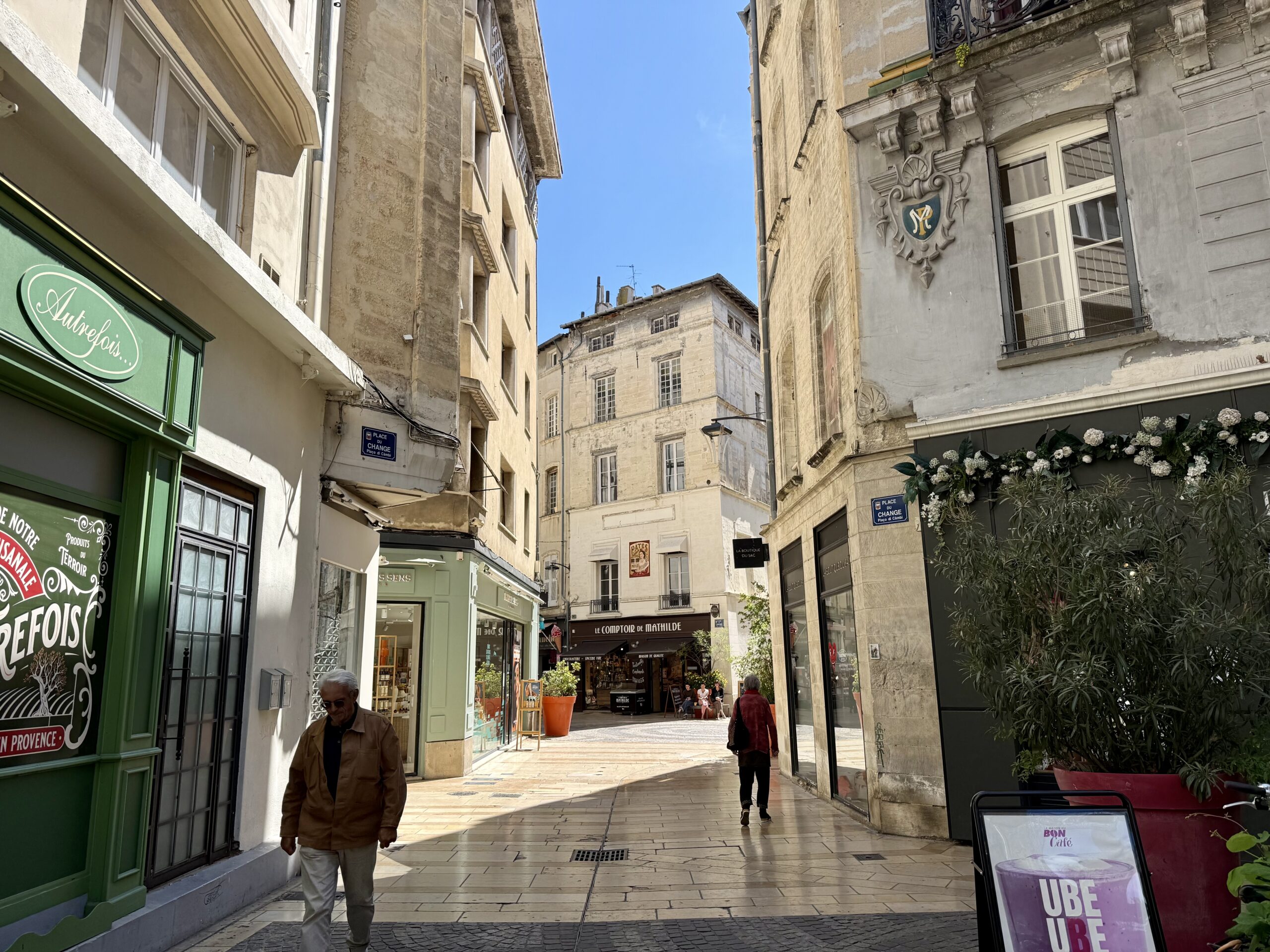
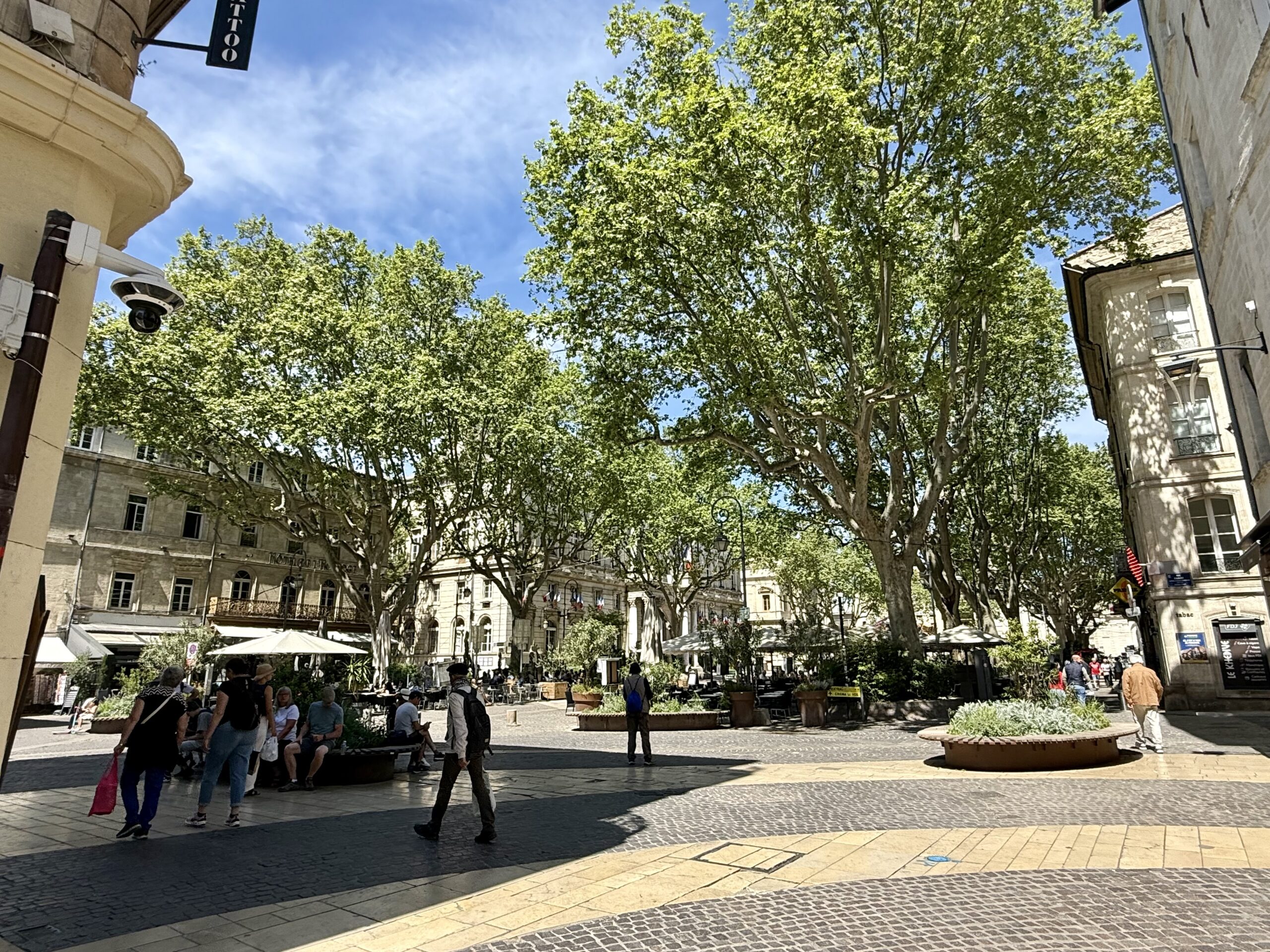
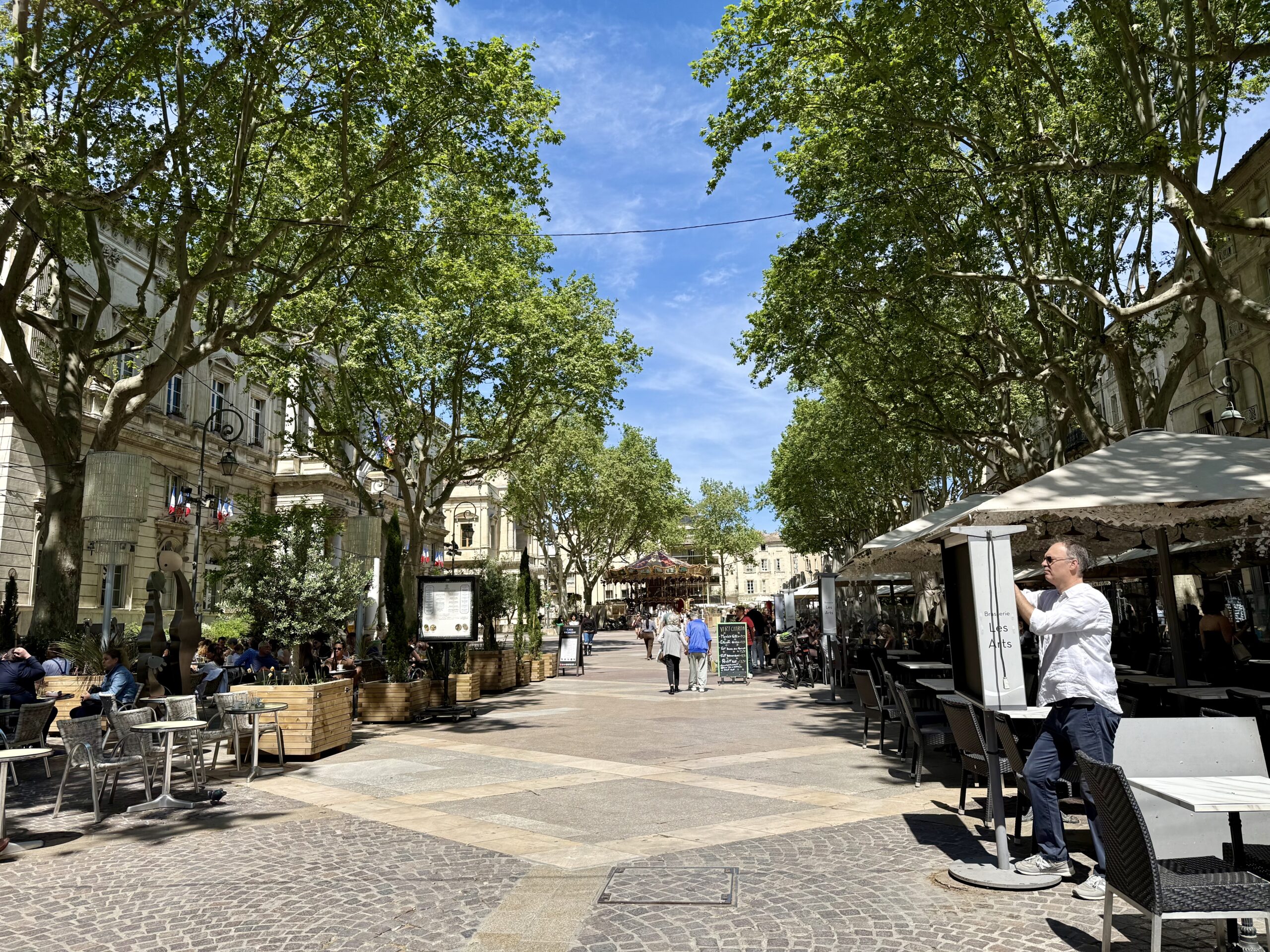
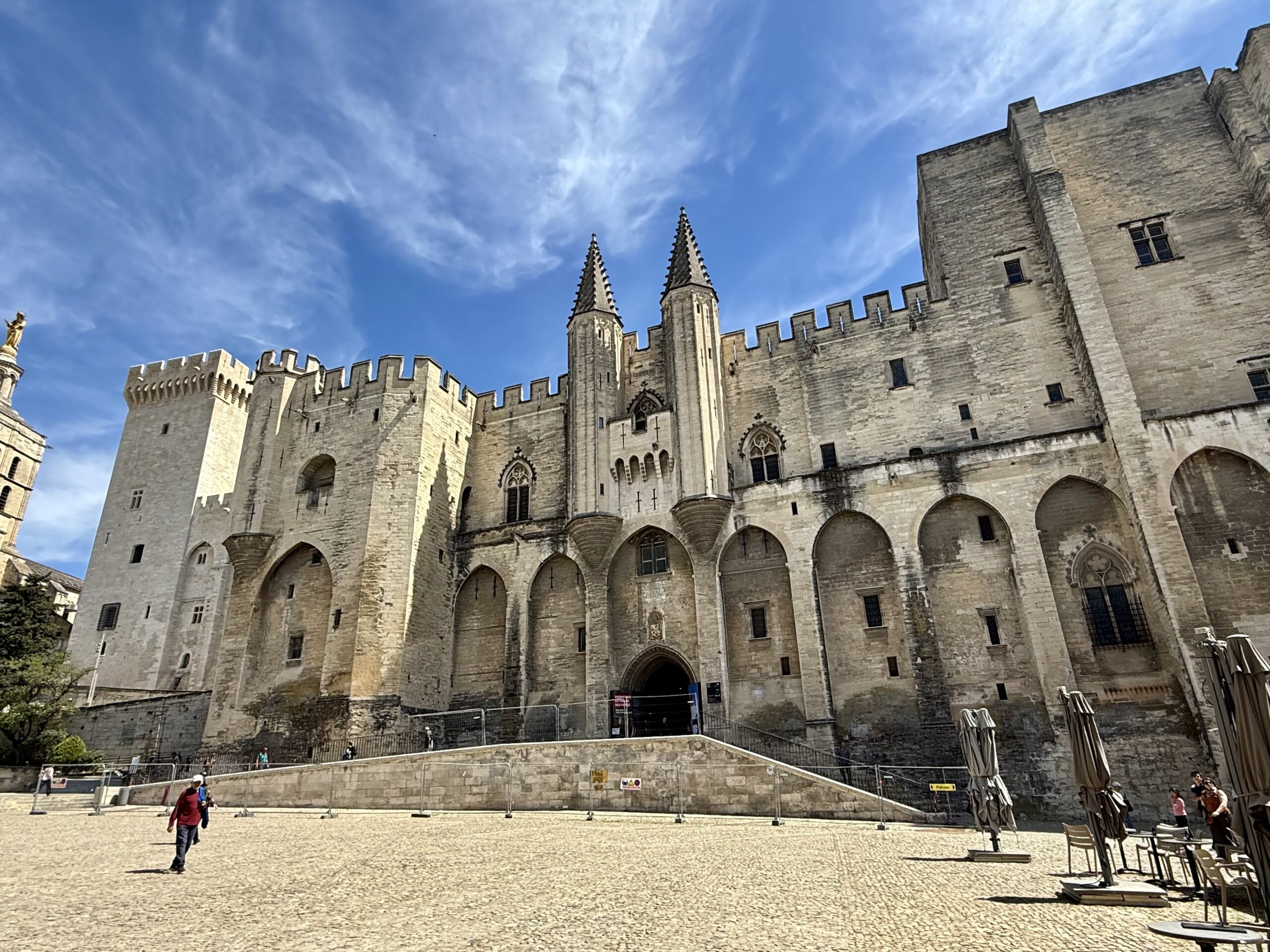
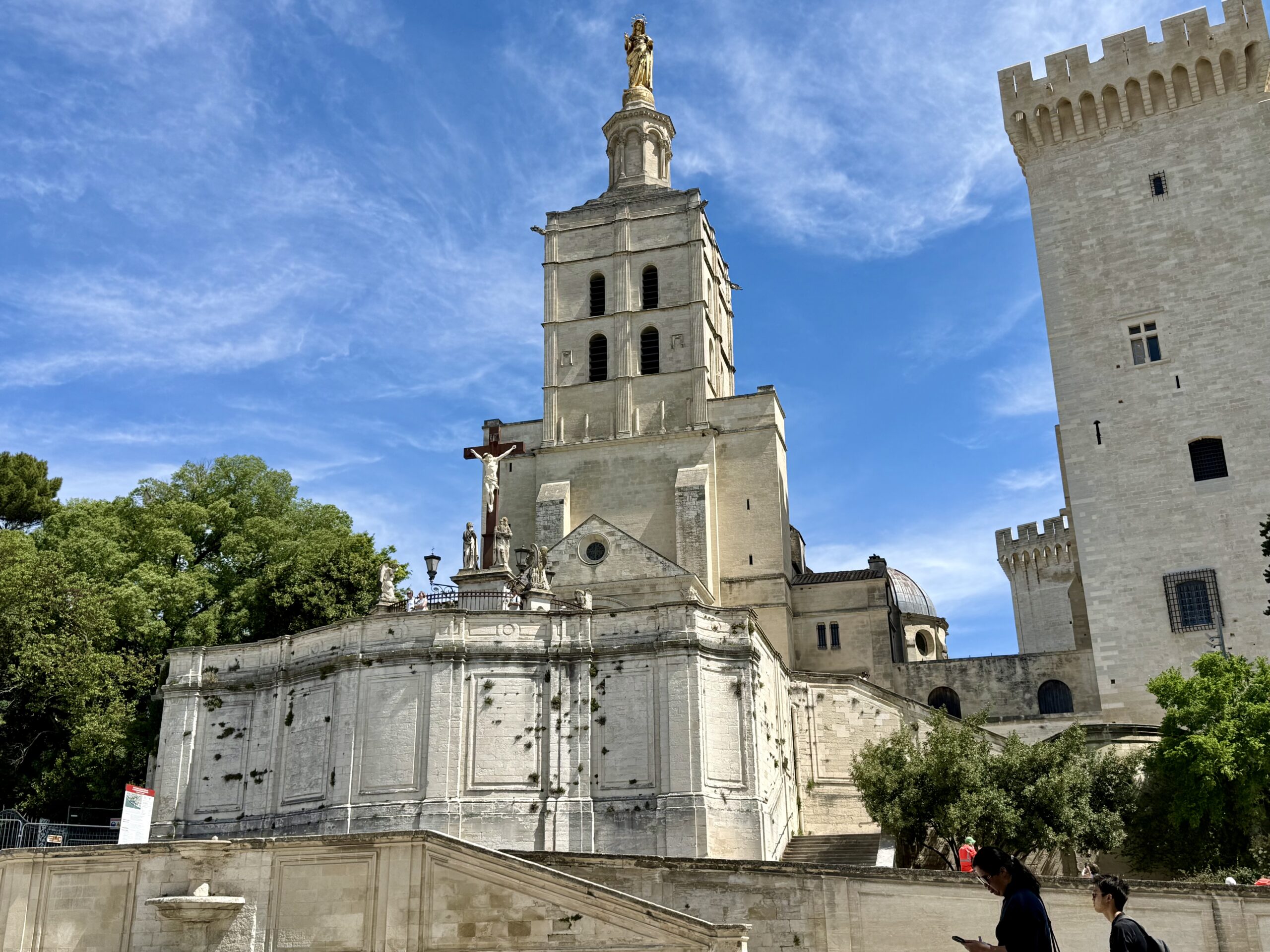
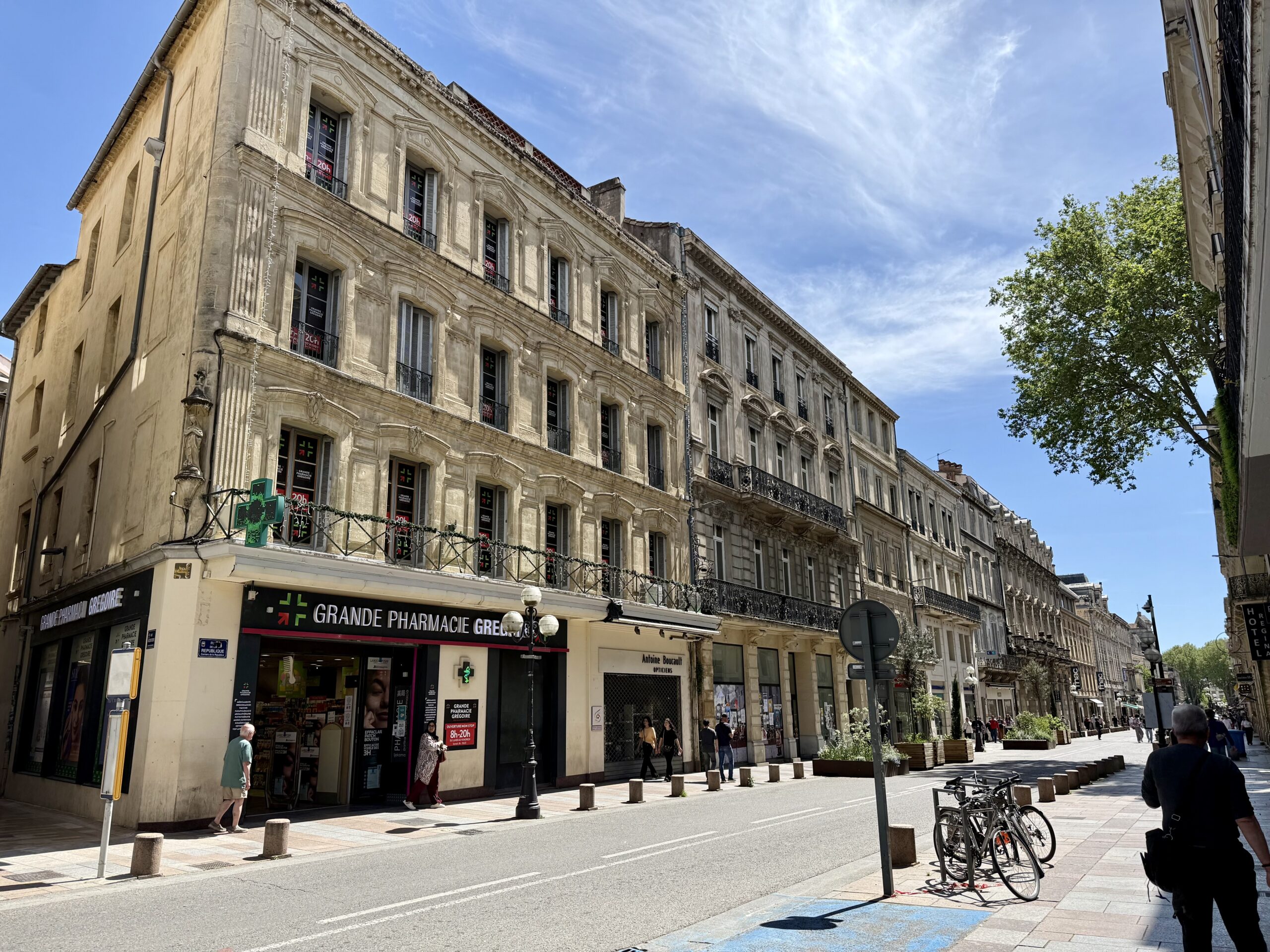
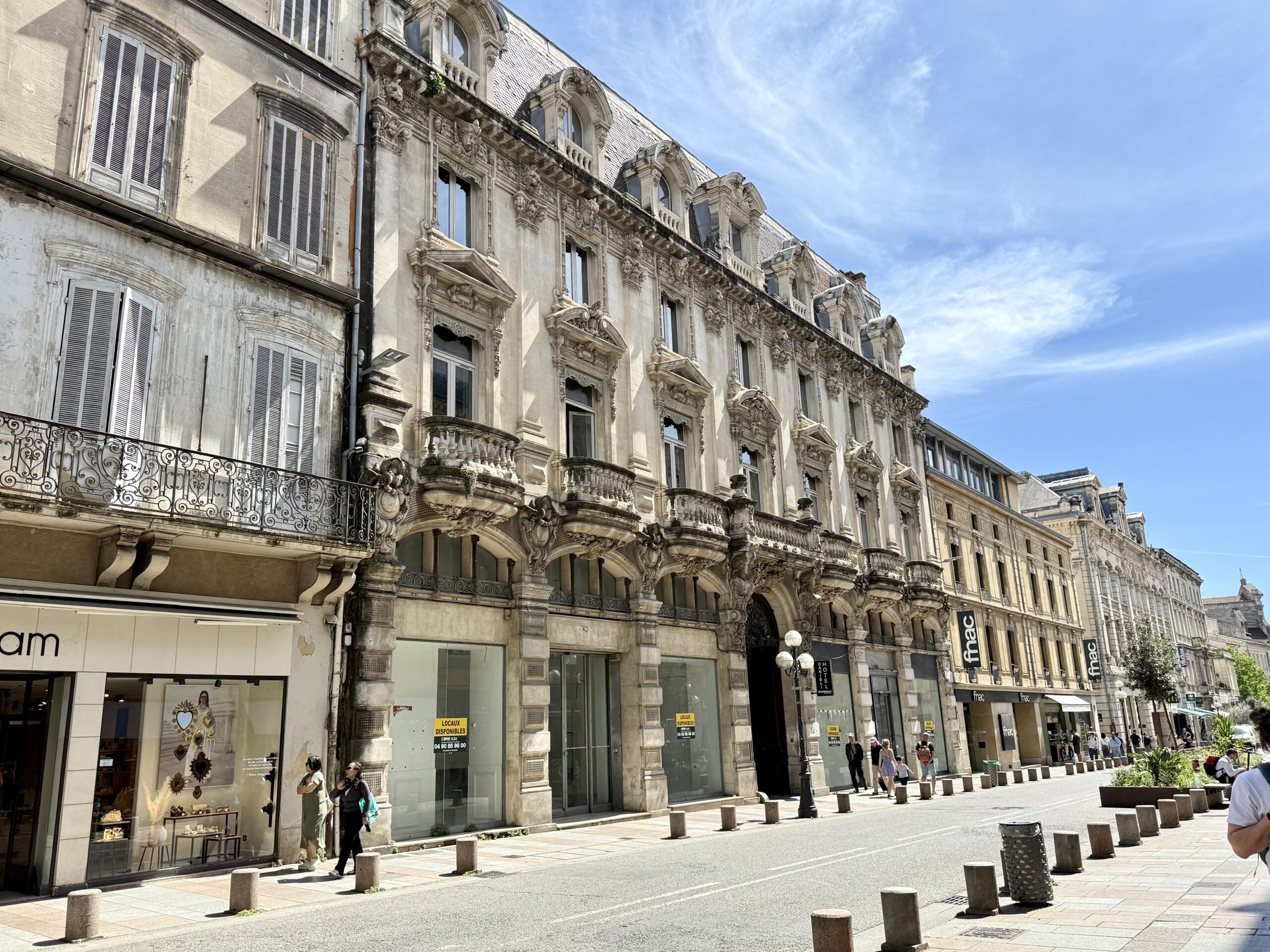
Avignon’s heyday dates back to 1309 when Pope Clement V, who was French, chose Avignon as the seat of the Catholic Church to escape instability in Rome. For the next nearly 70 years Avignon served as the seat of seven popes, all French. During that time, the papacy transformed Avignon with extensive building to house the administration of the church, cardinals, and the commerce they attracted. The senior clergy lived lavishly here. In 1378 Rome selected an Italian pope and for a time there were two popes. We found the town lovely but a bit sleepy.
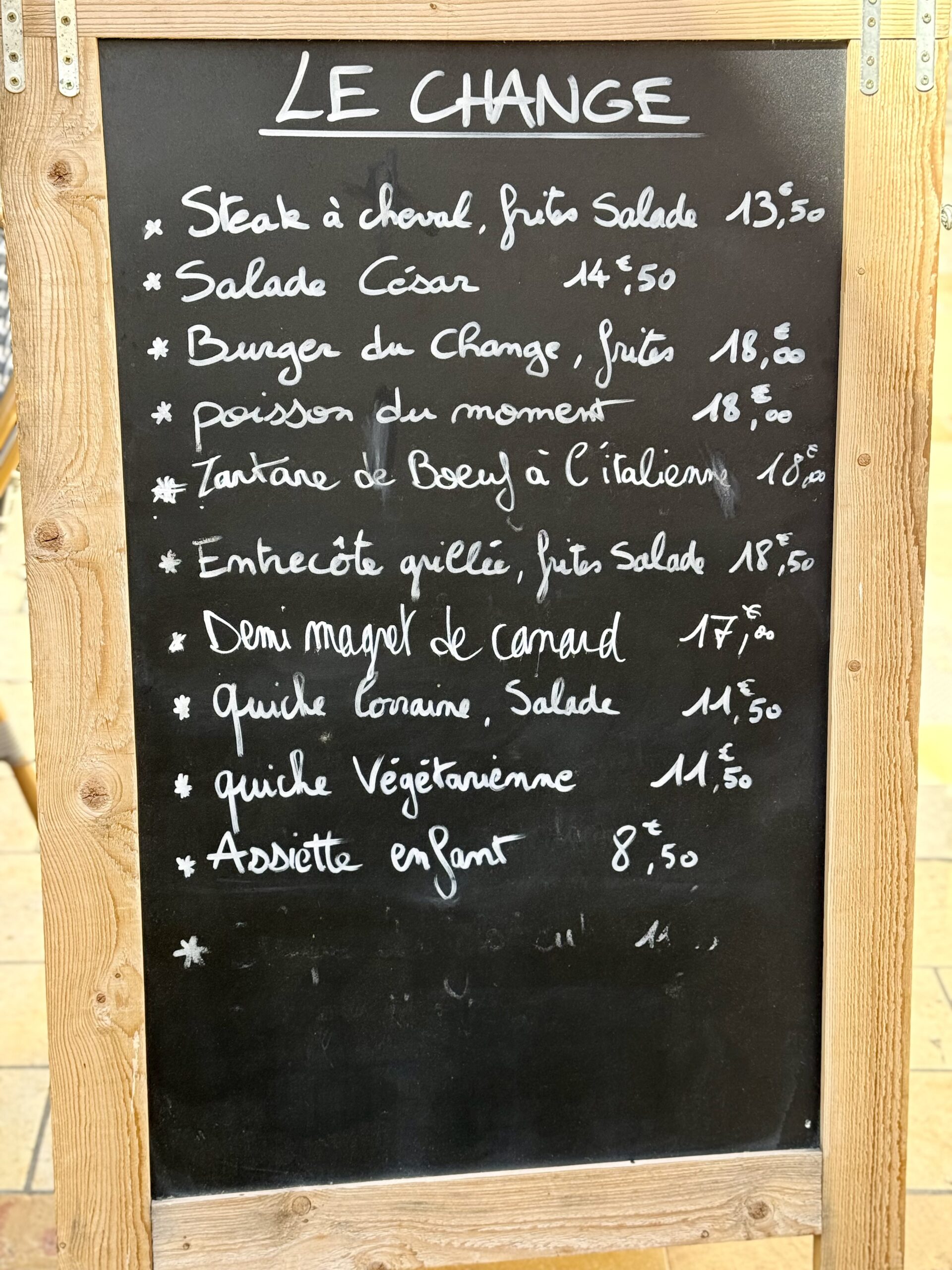
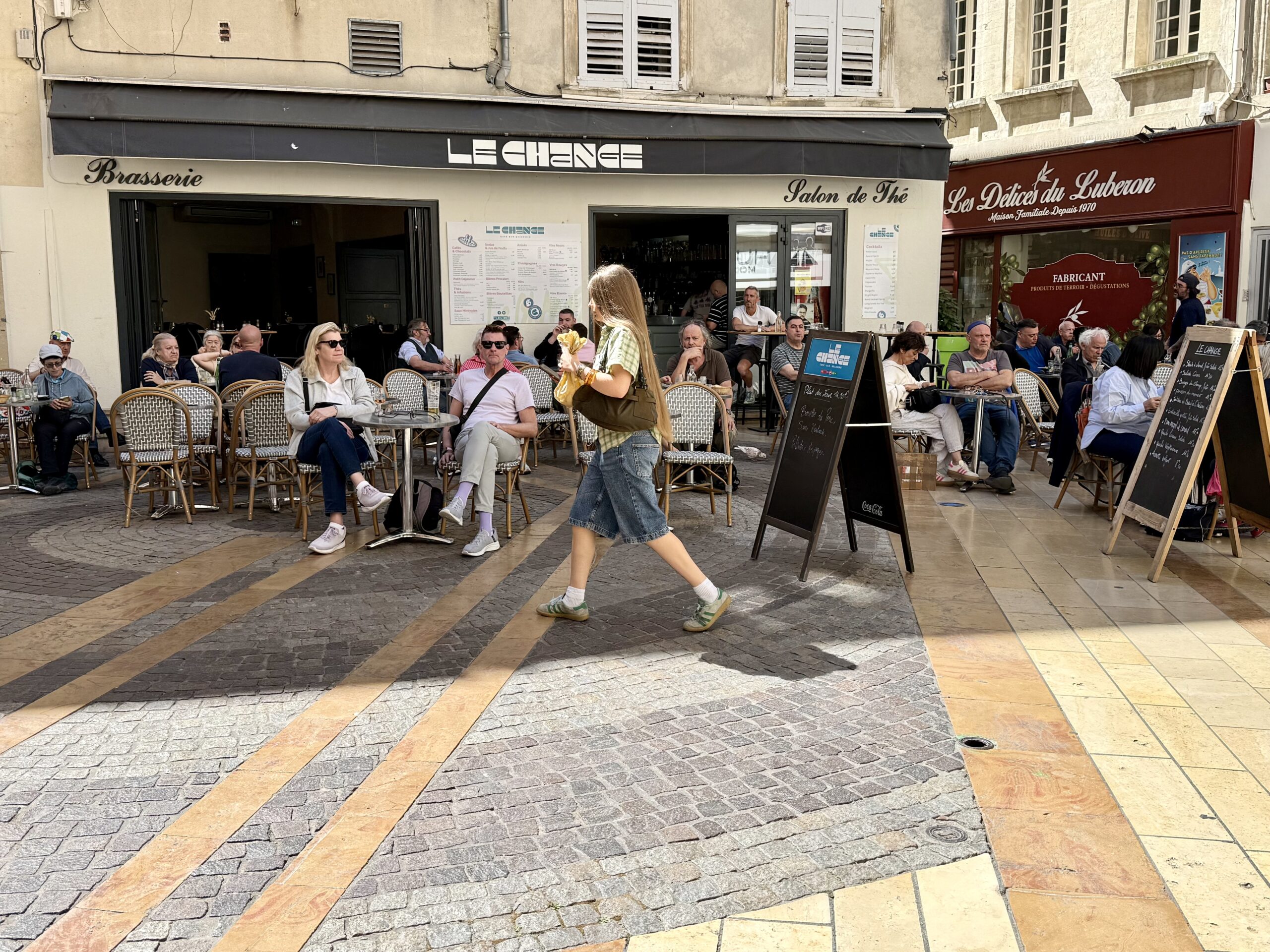
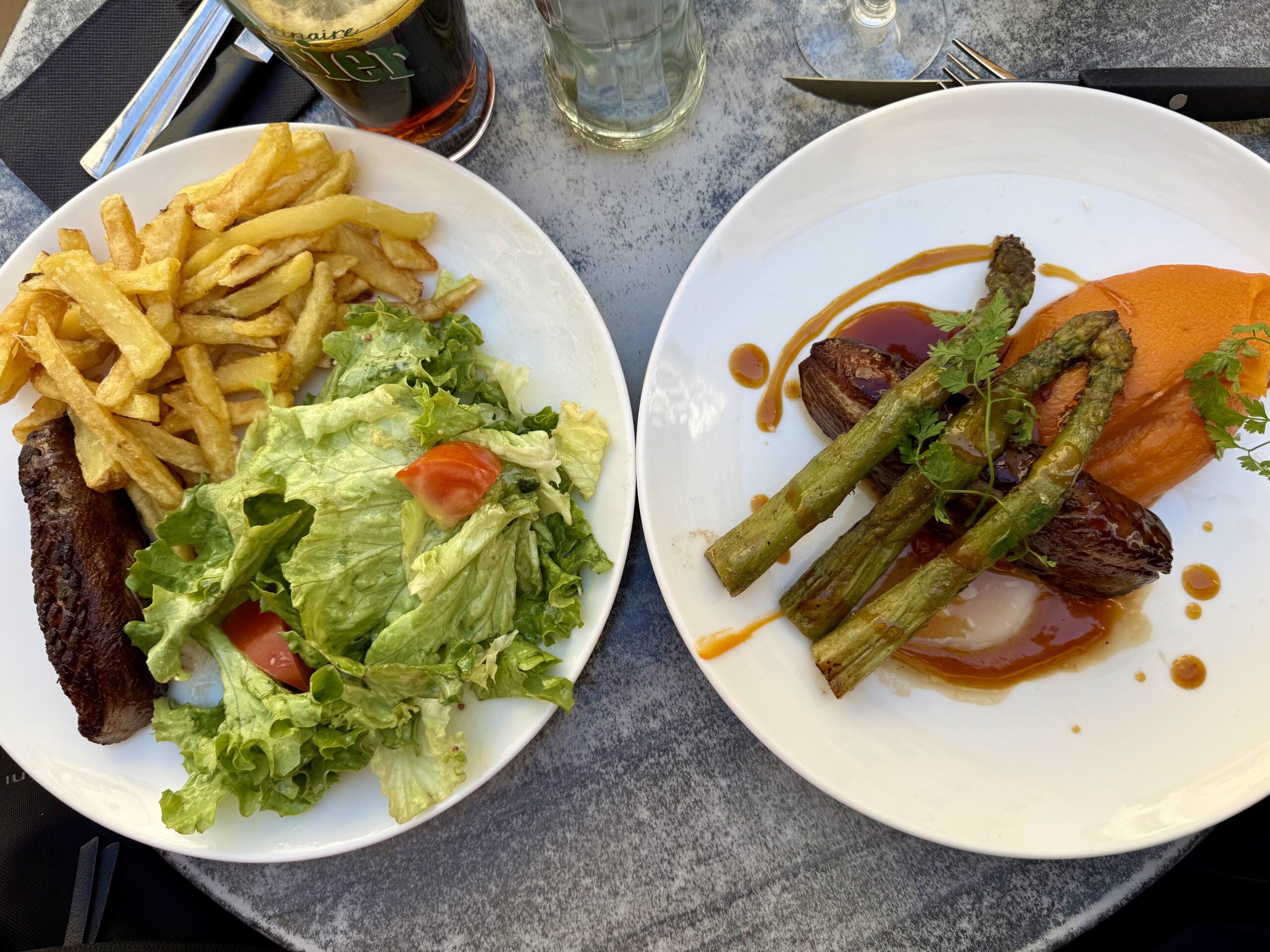
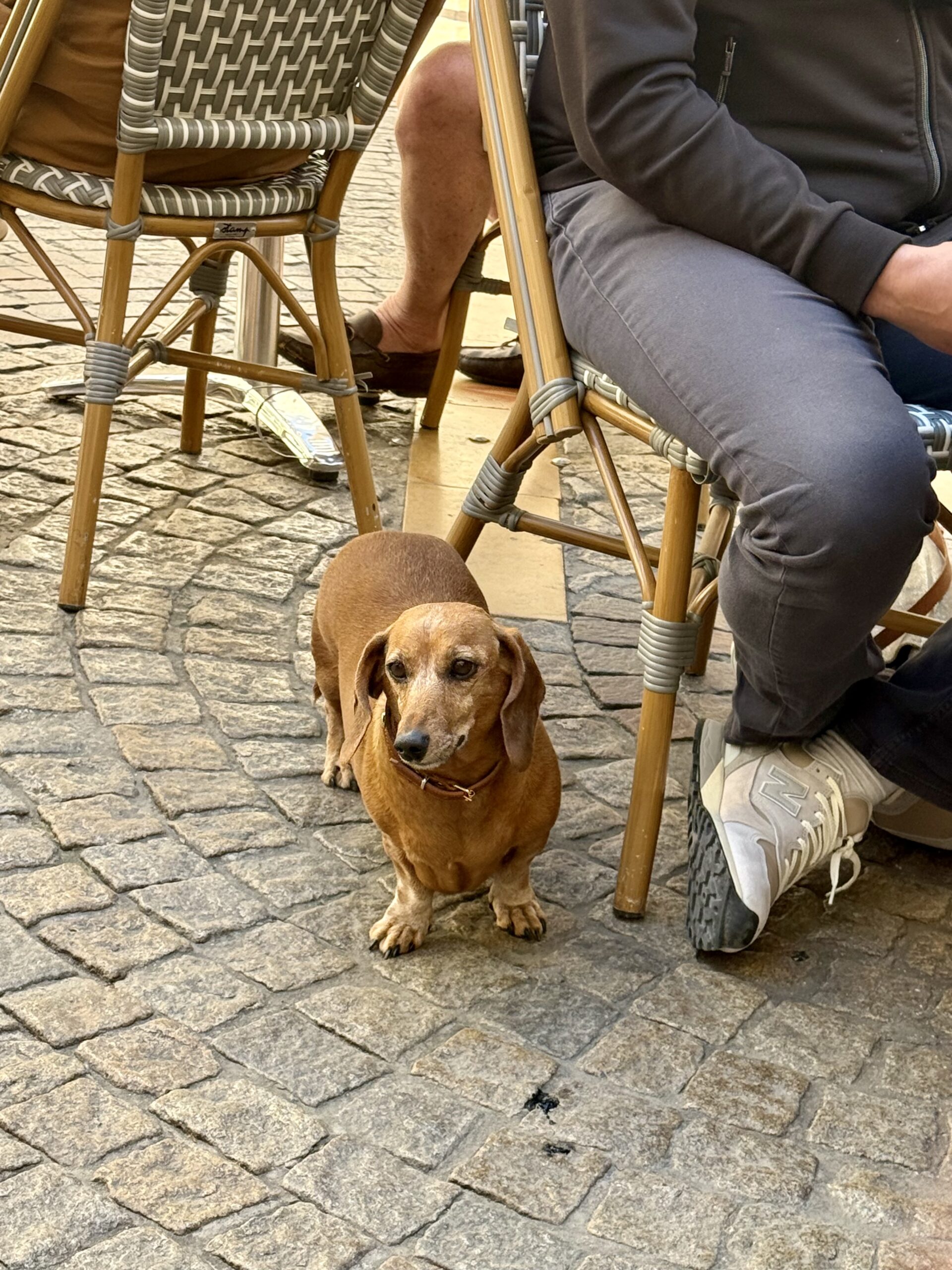
Back in Aix
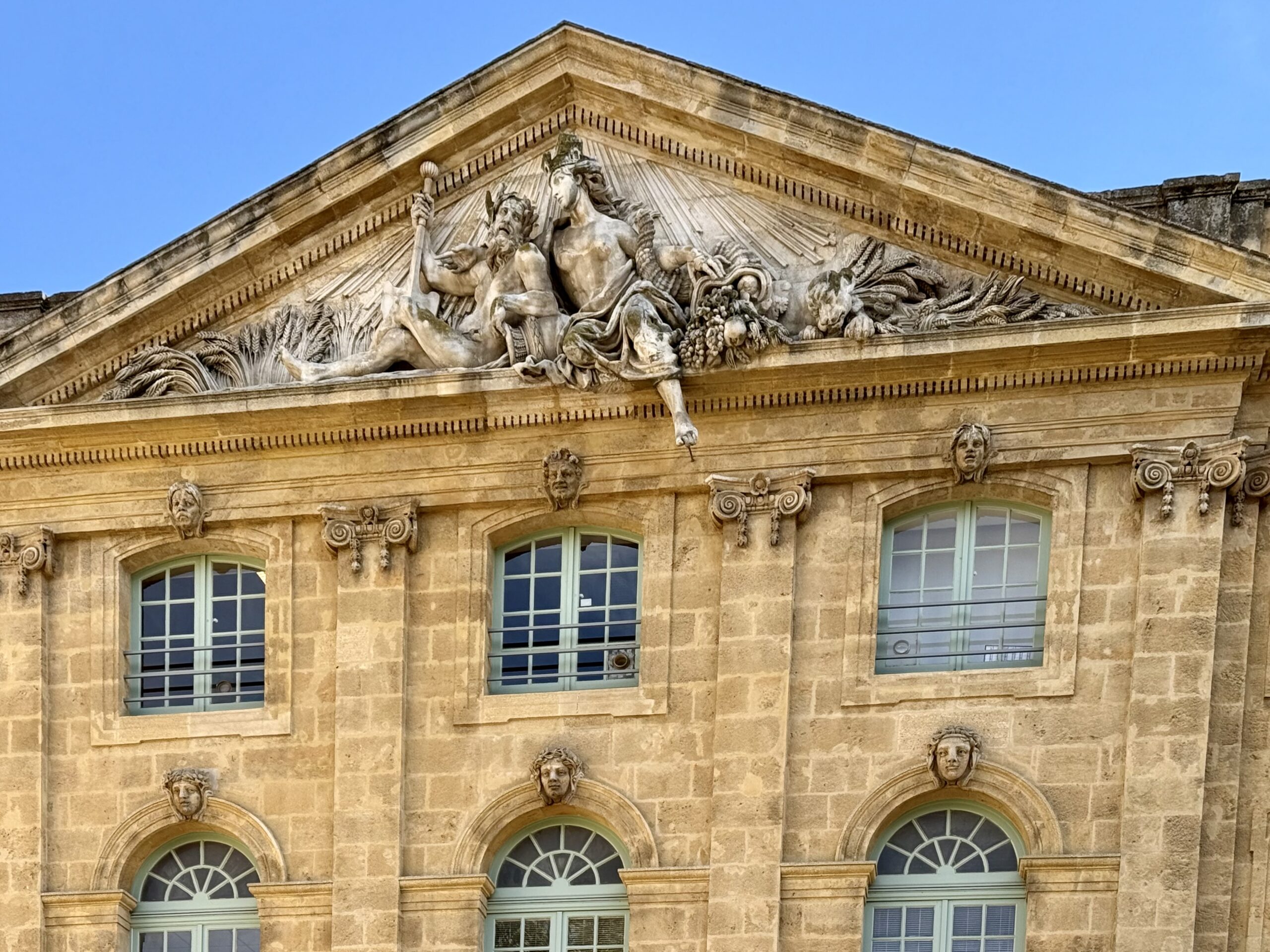
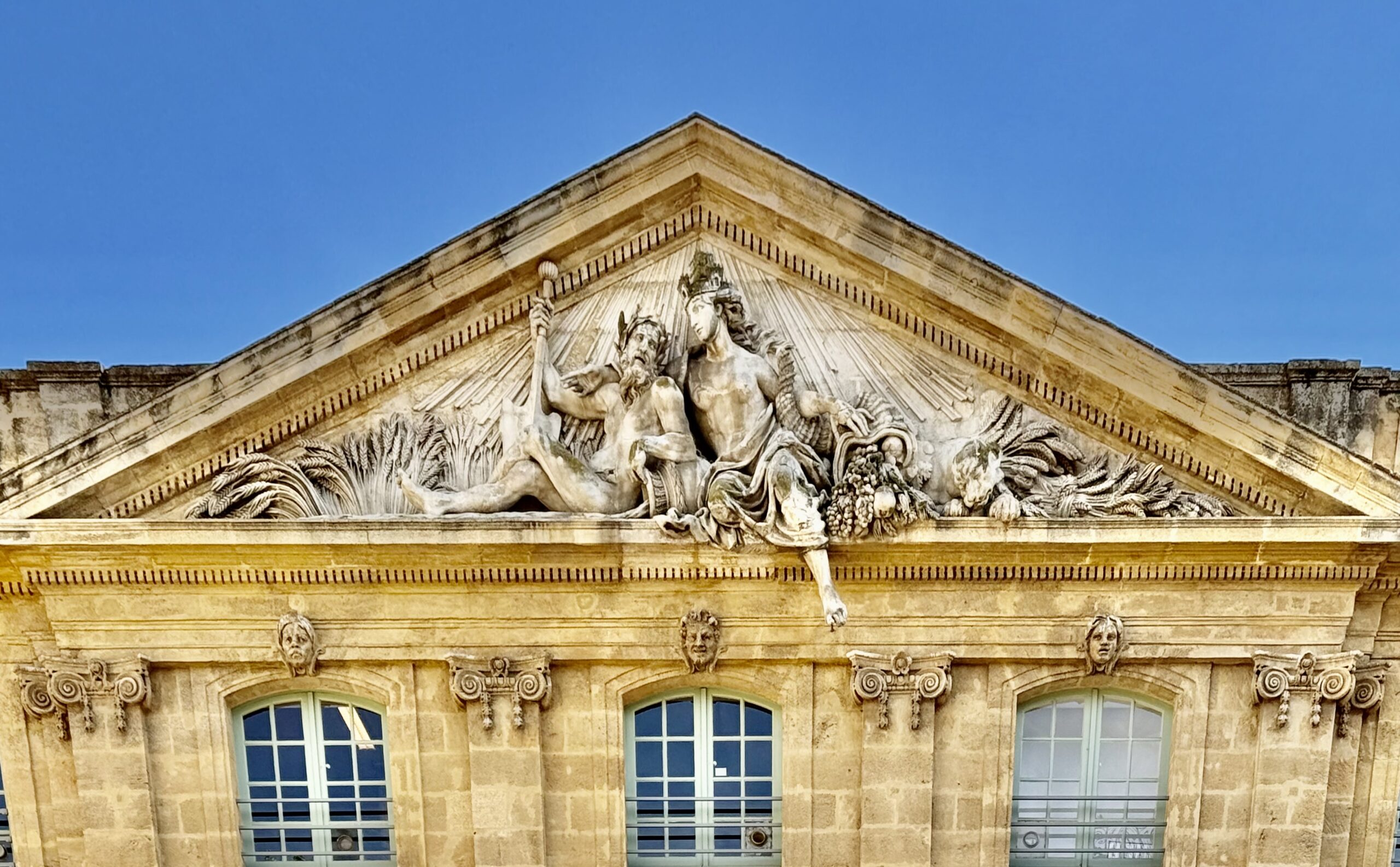
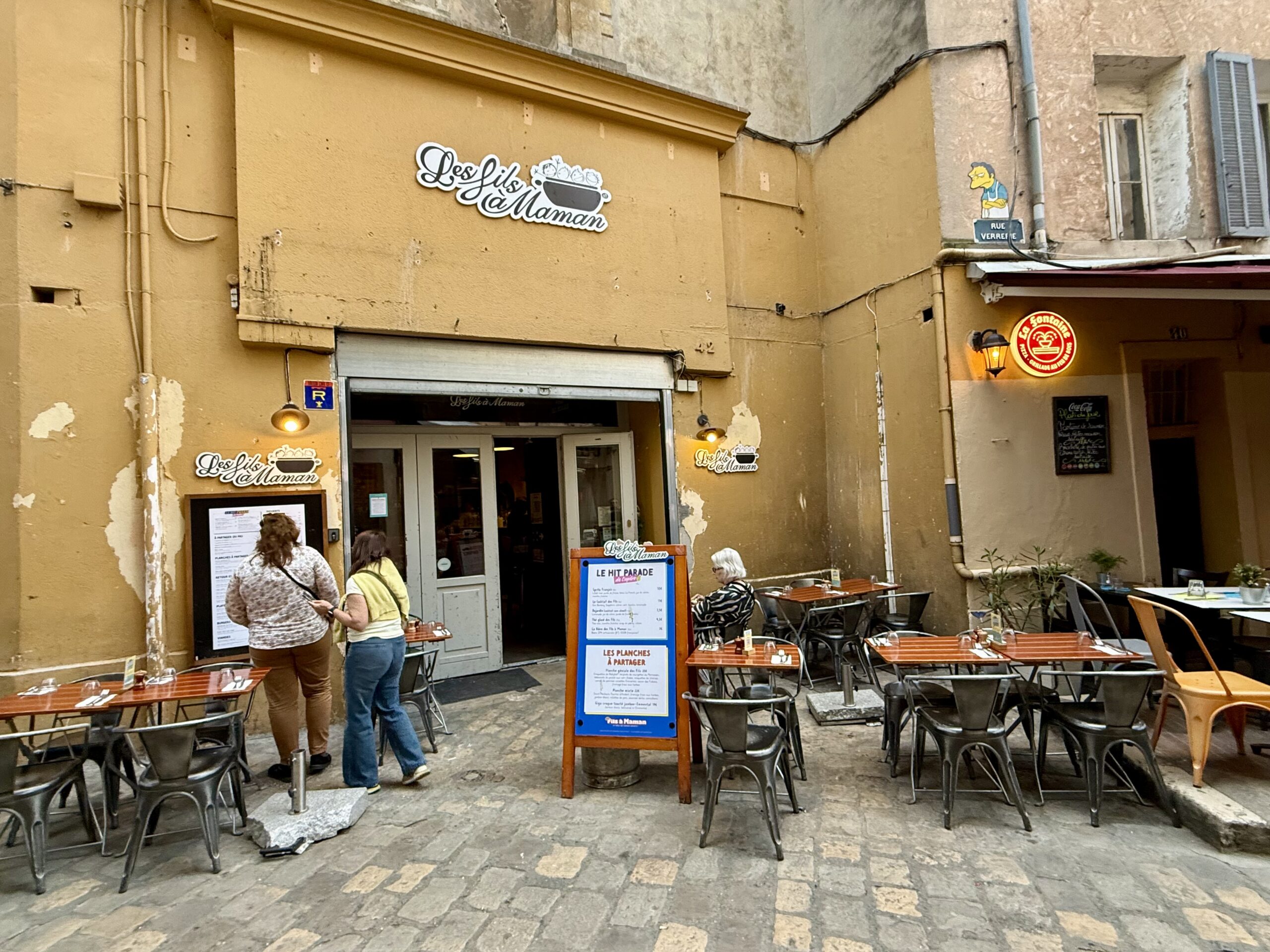
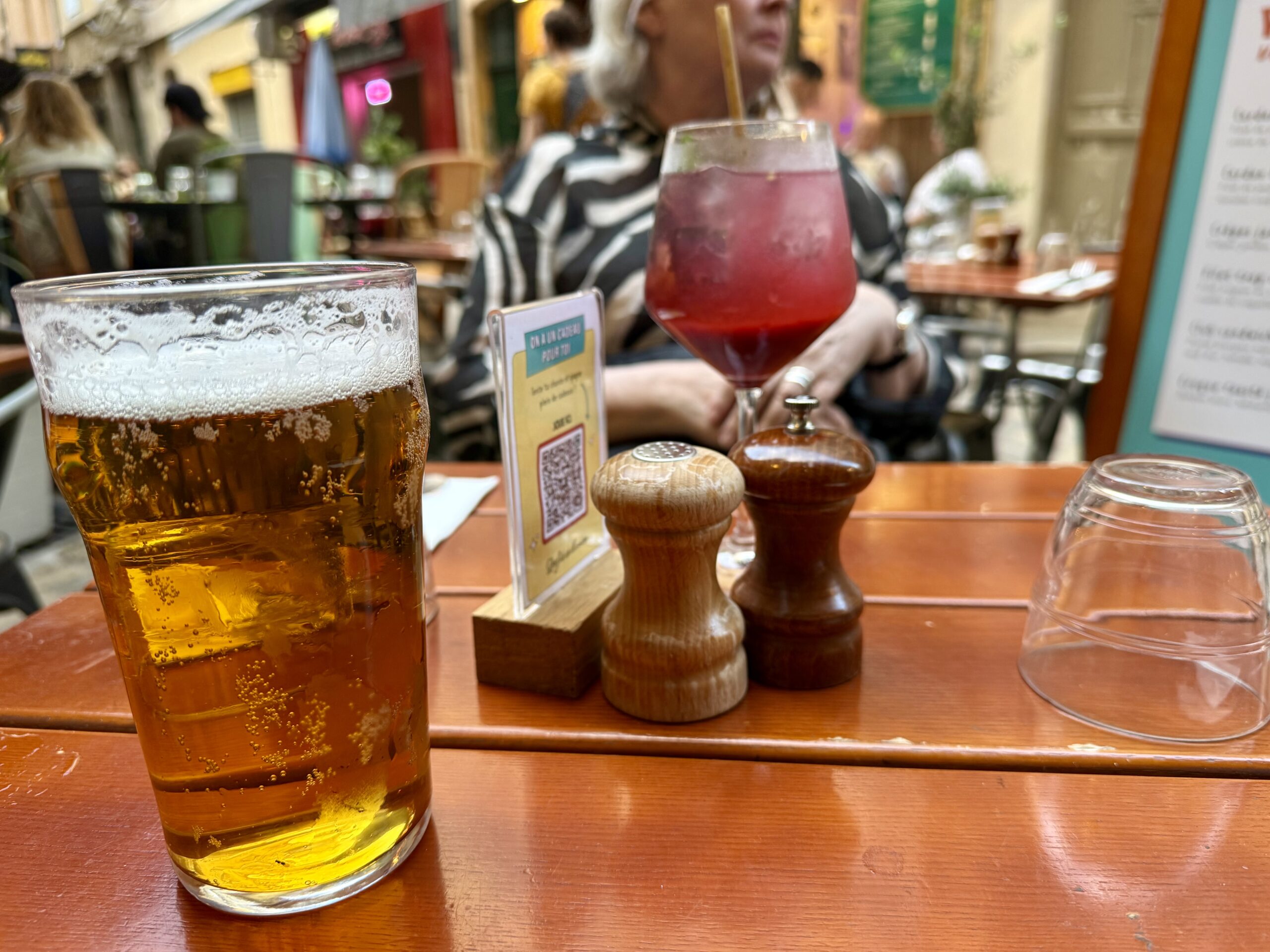
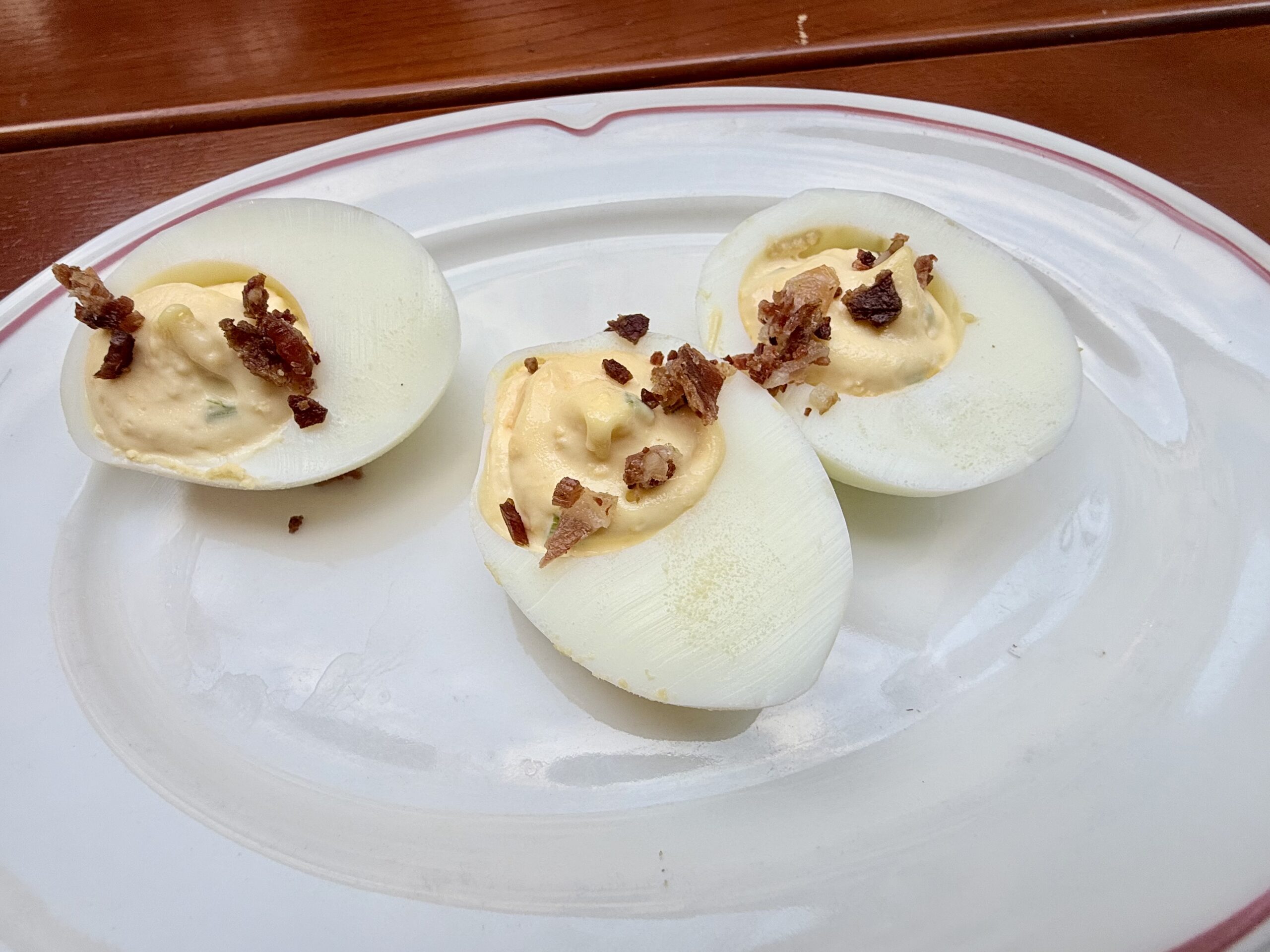
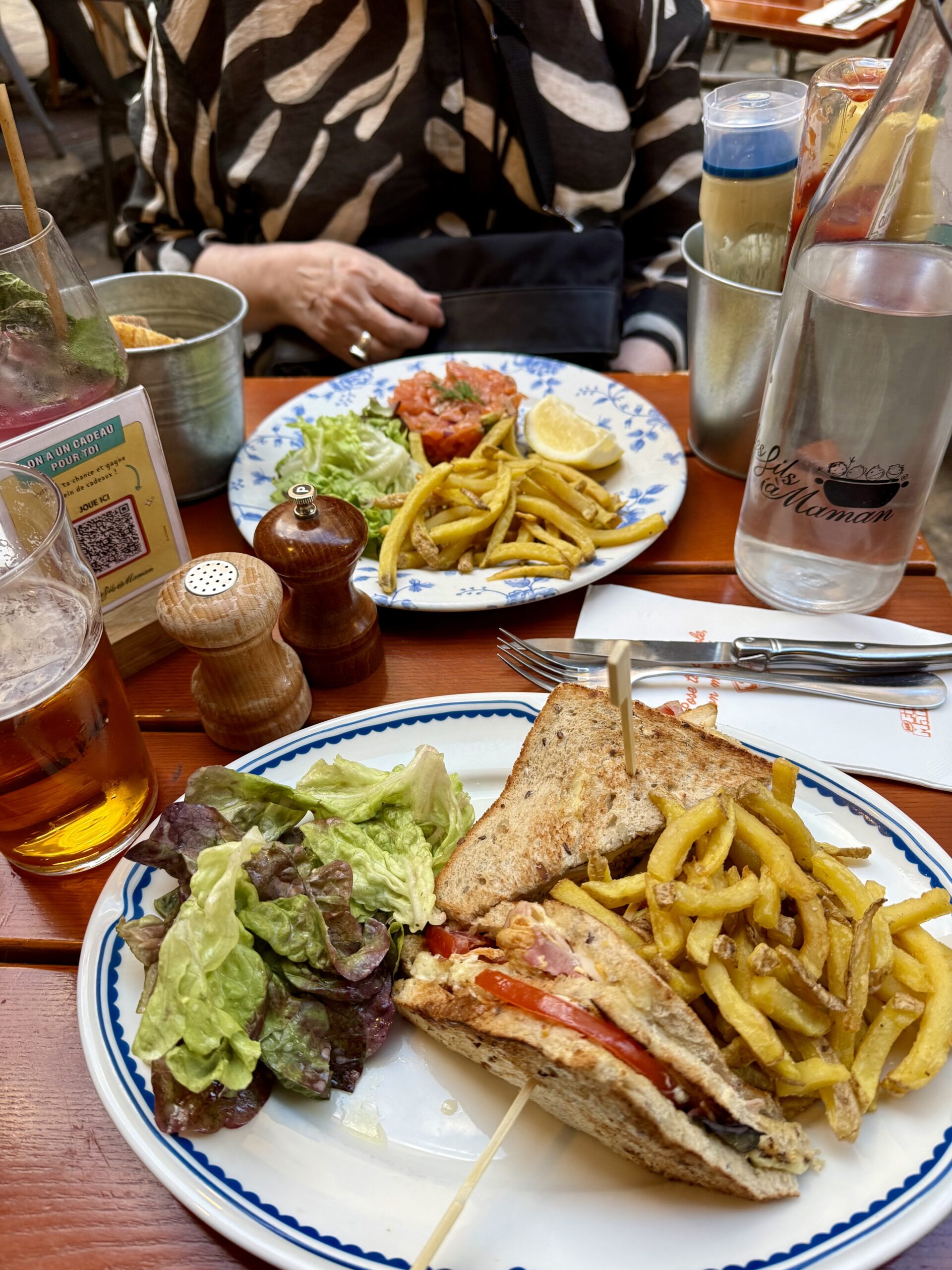
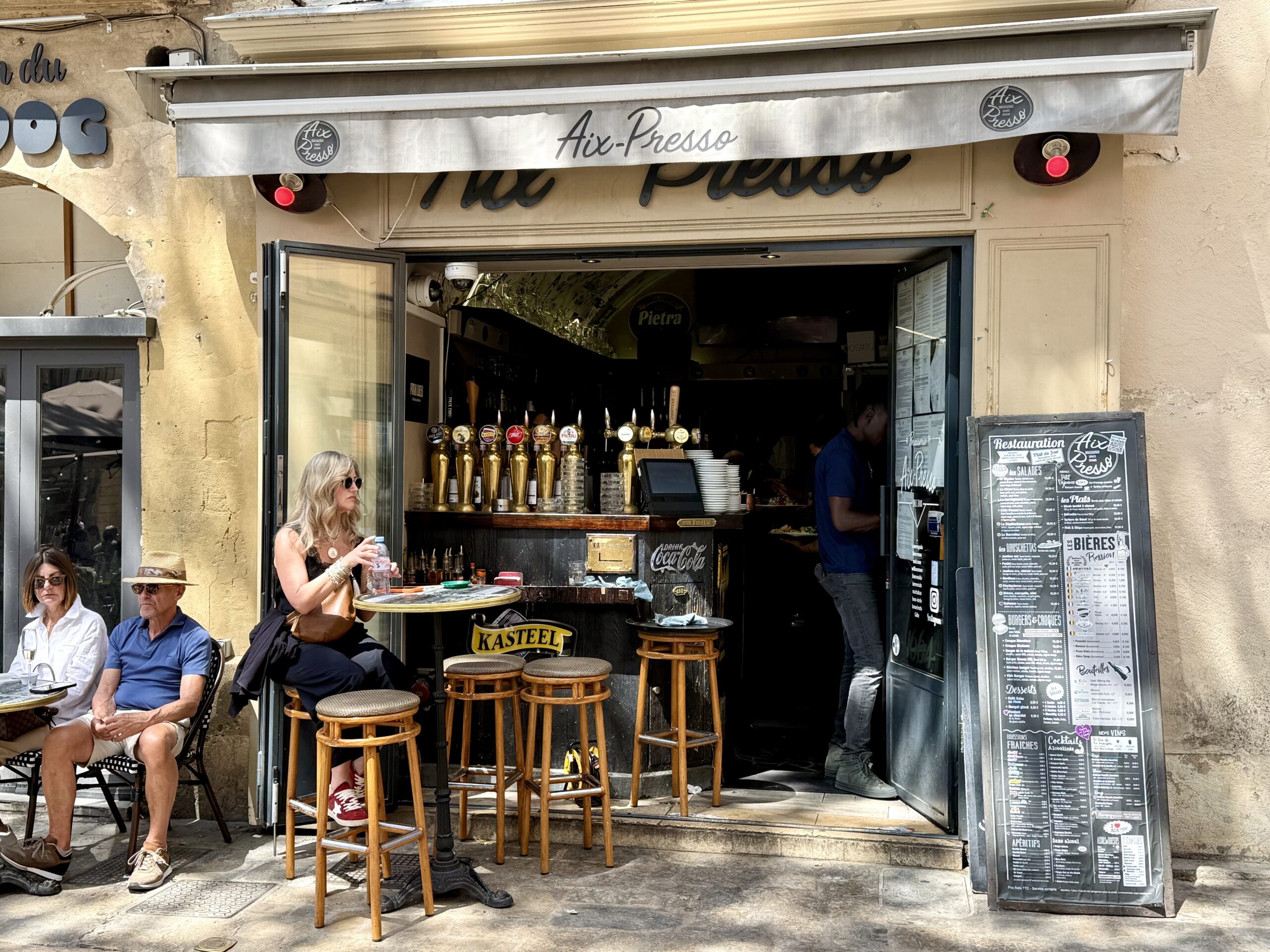
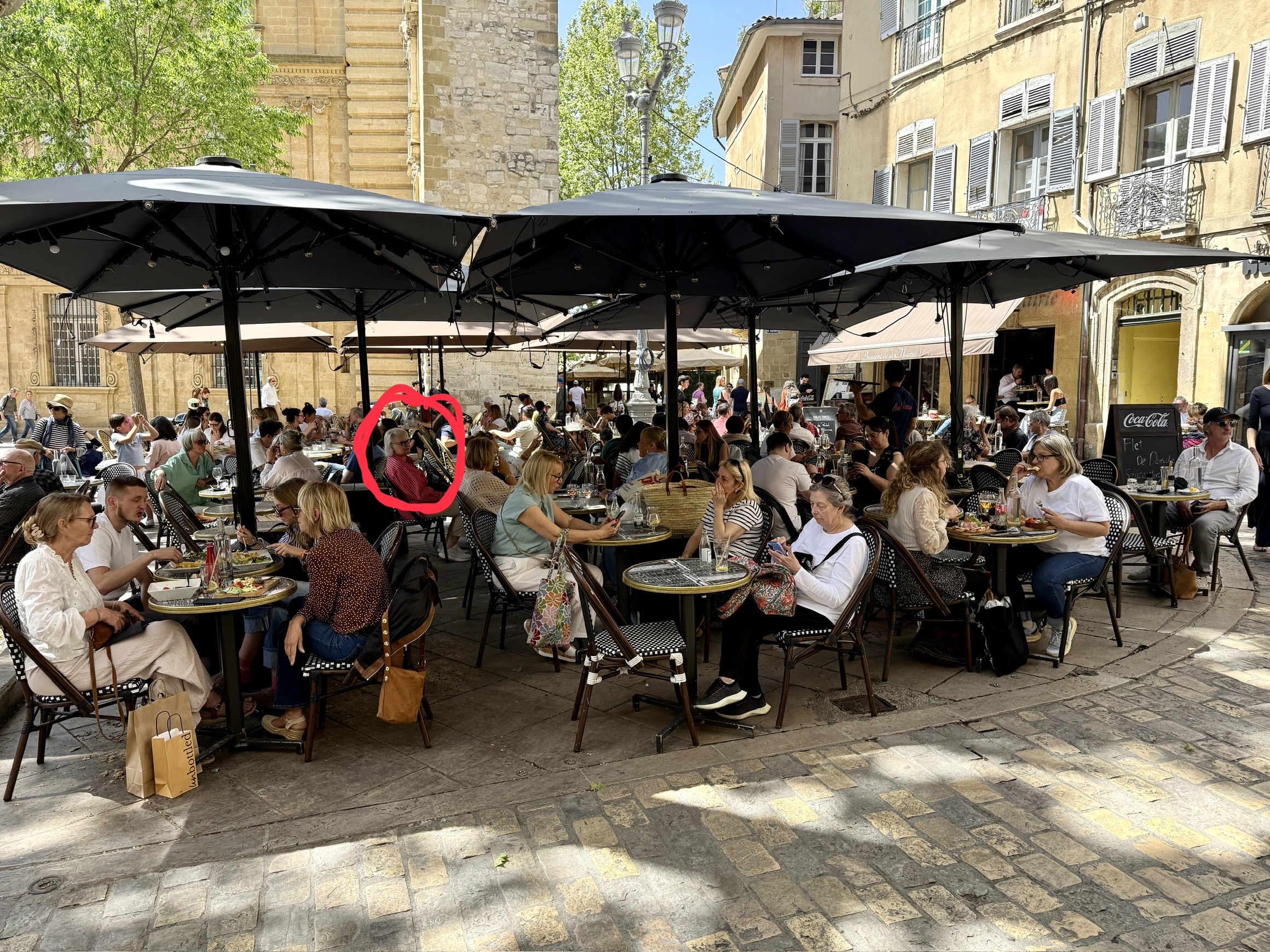
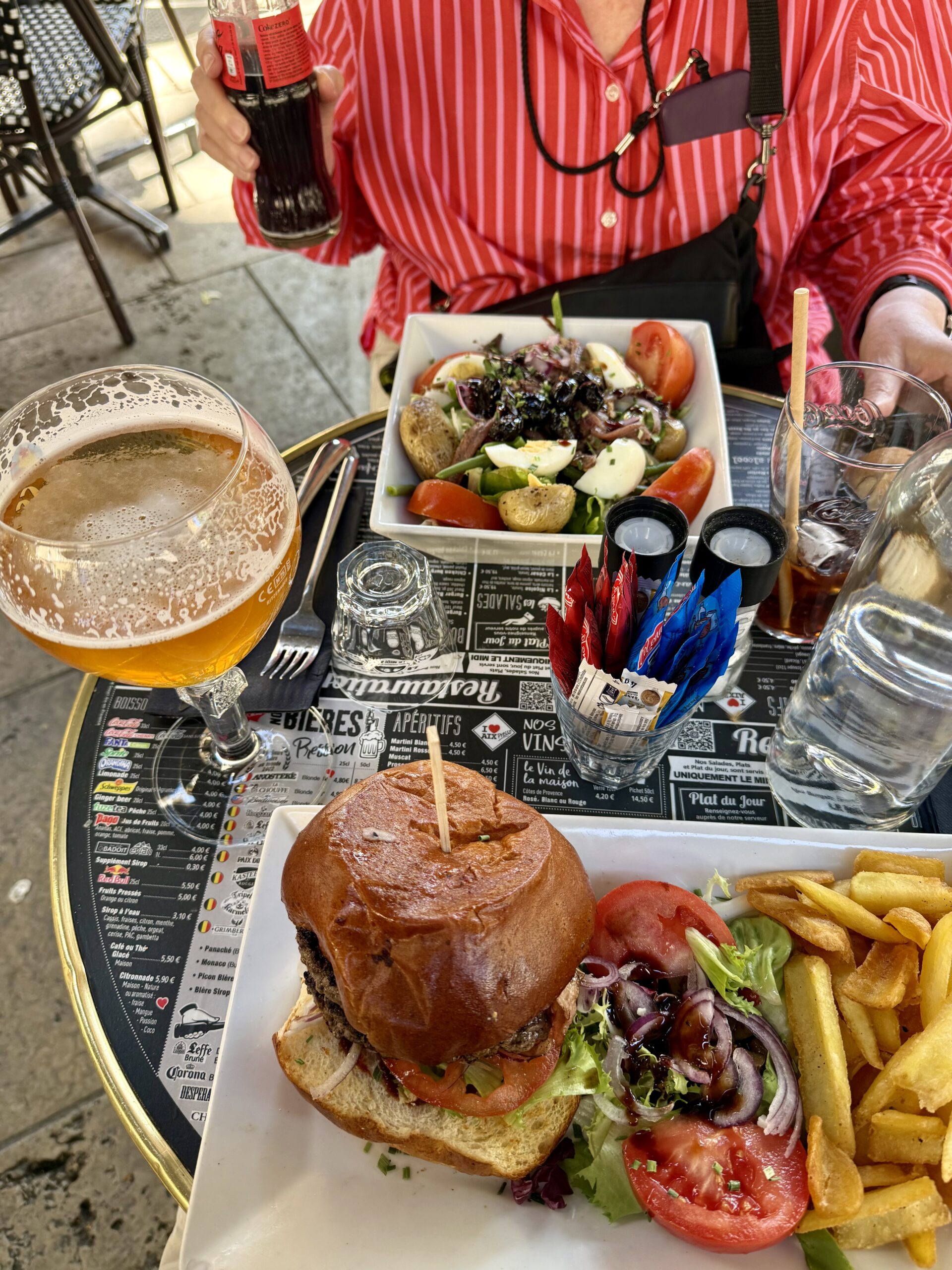
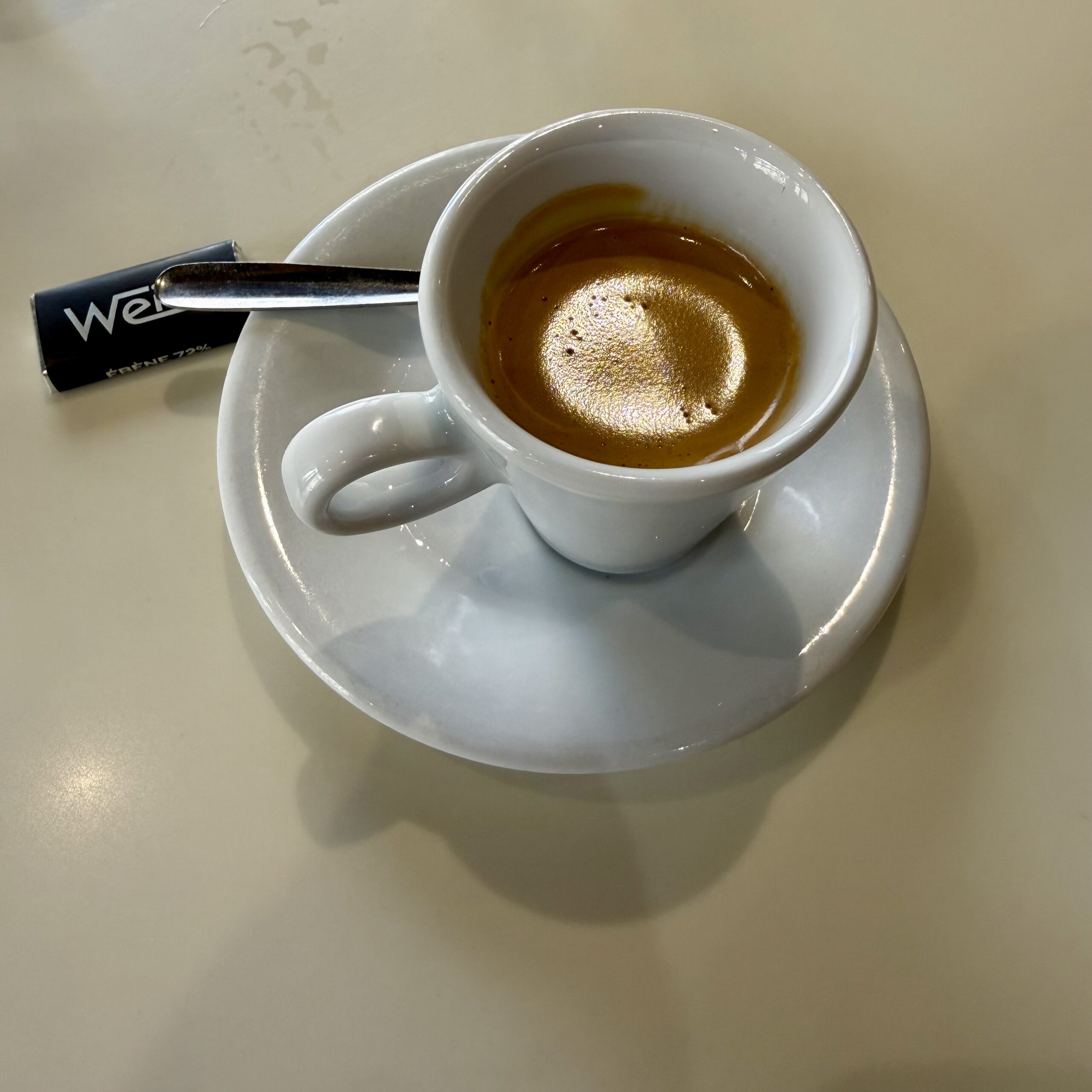
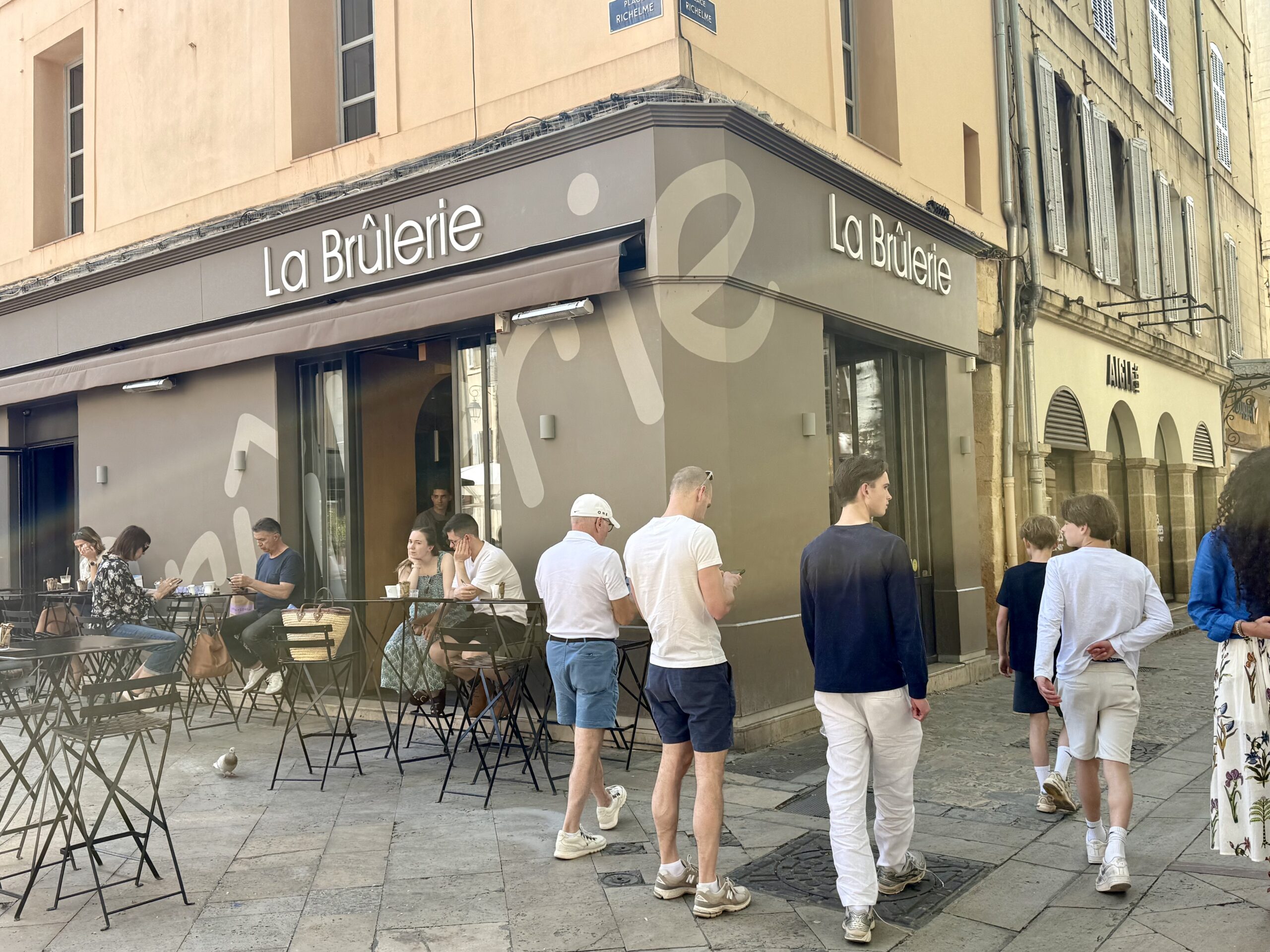
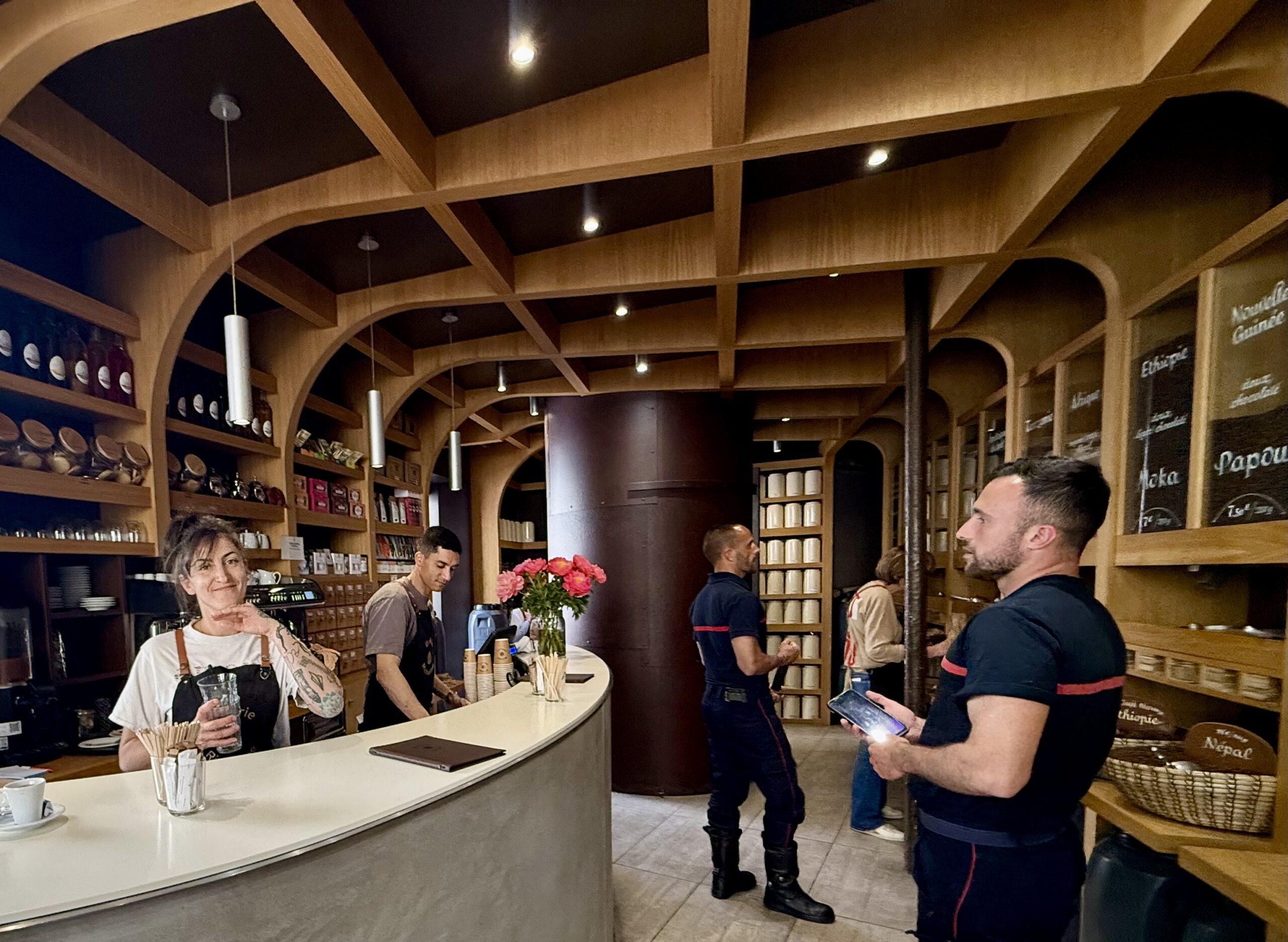
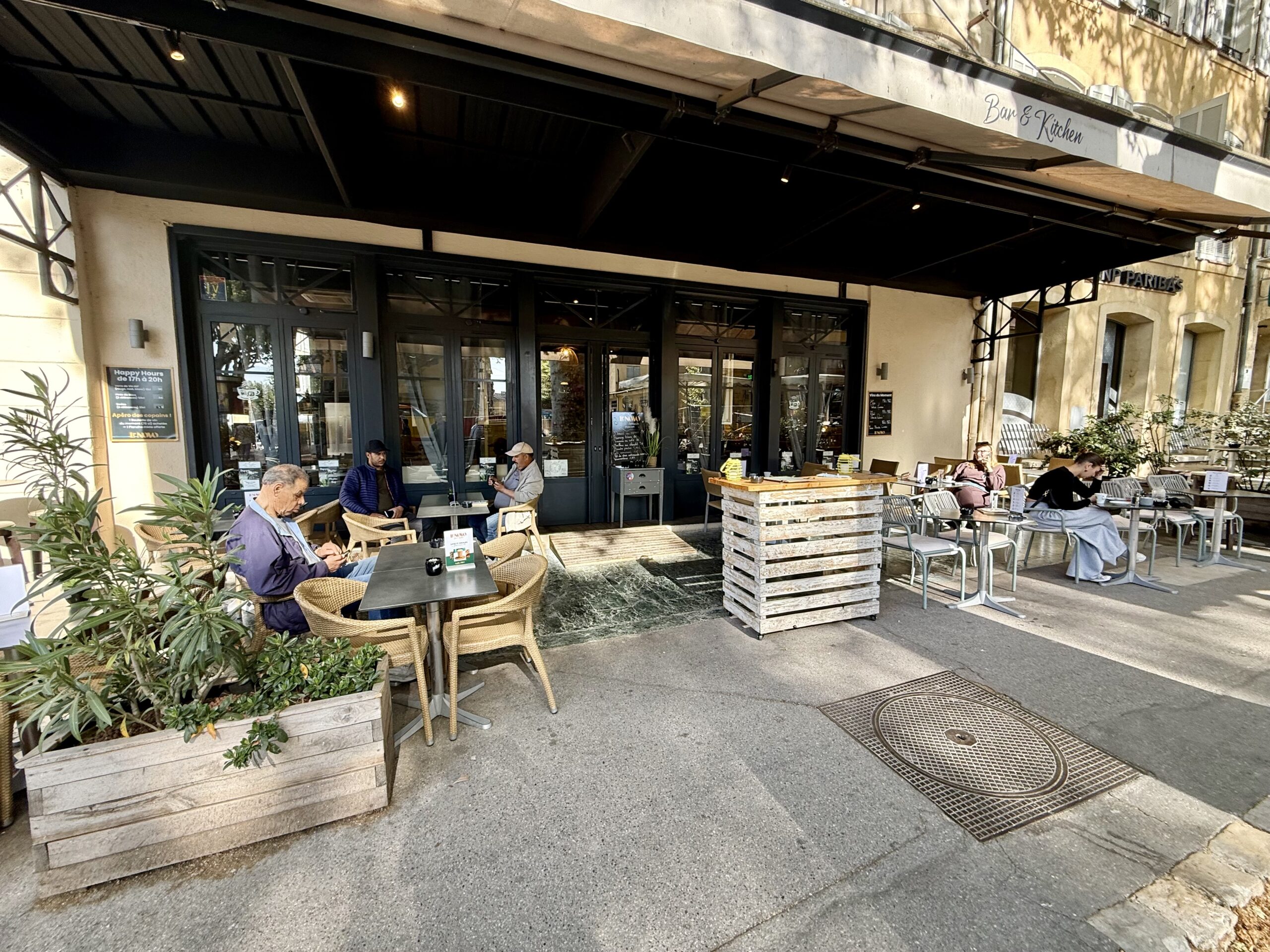
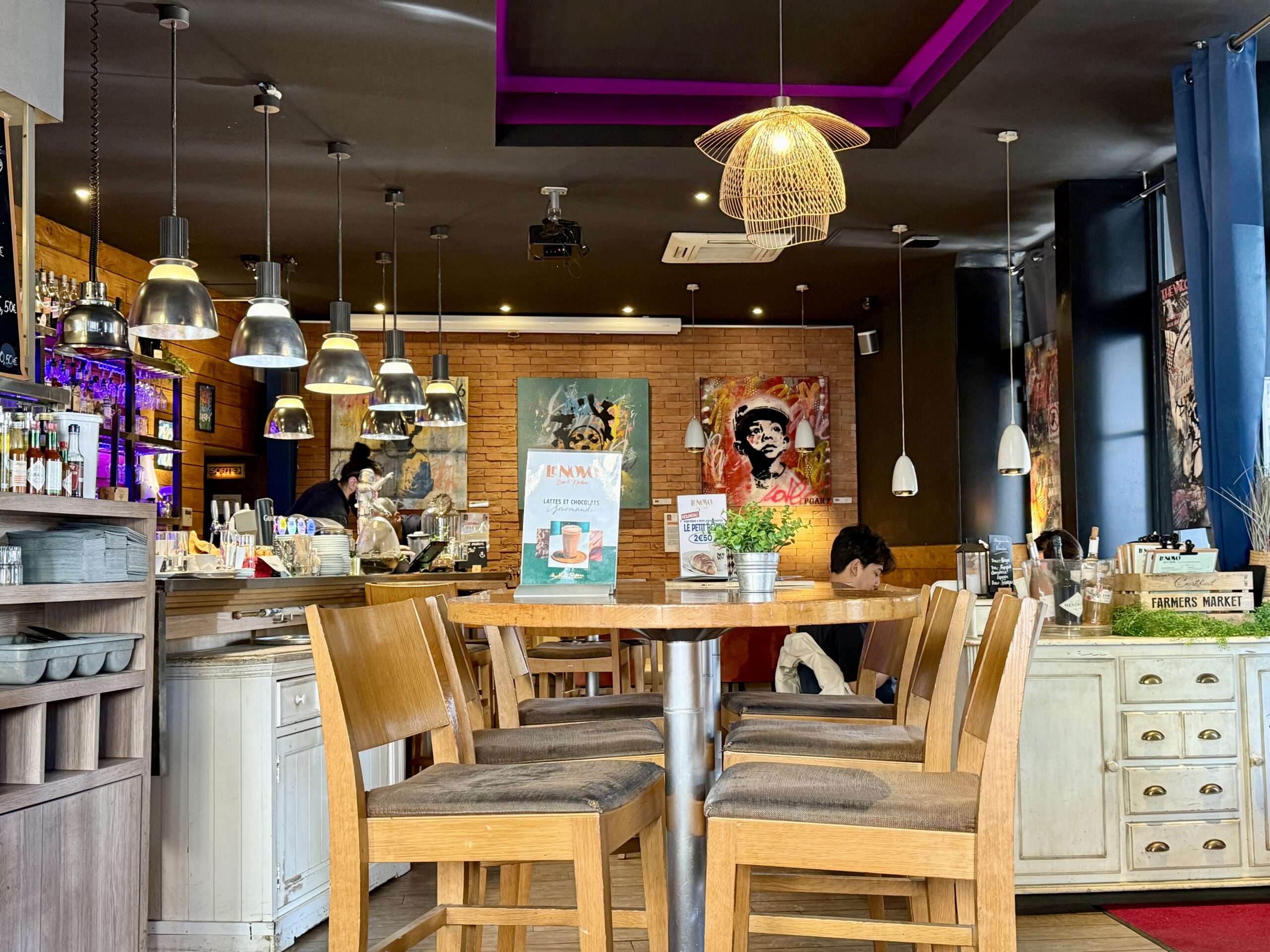
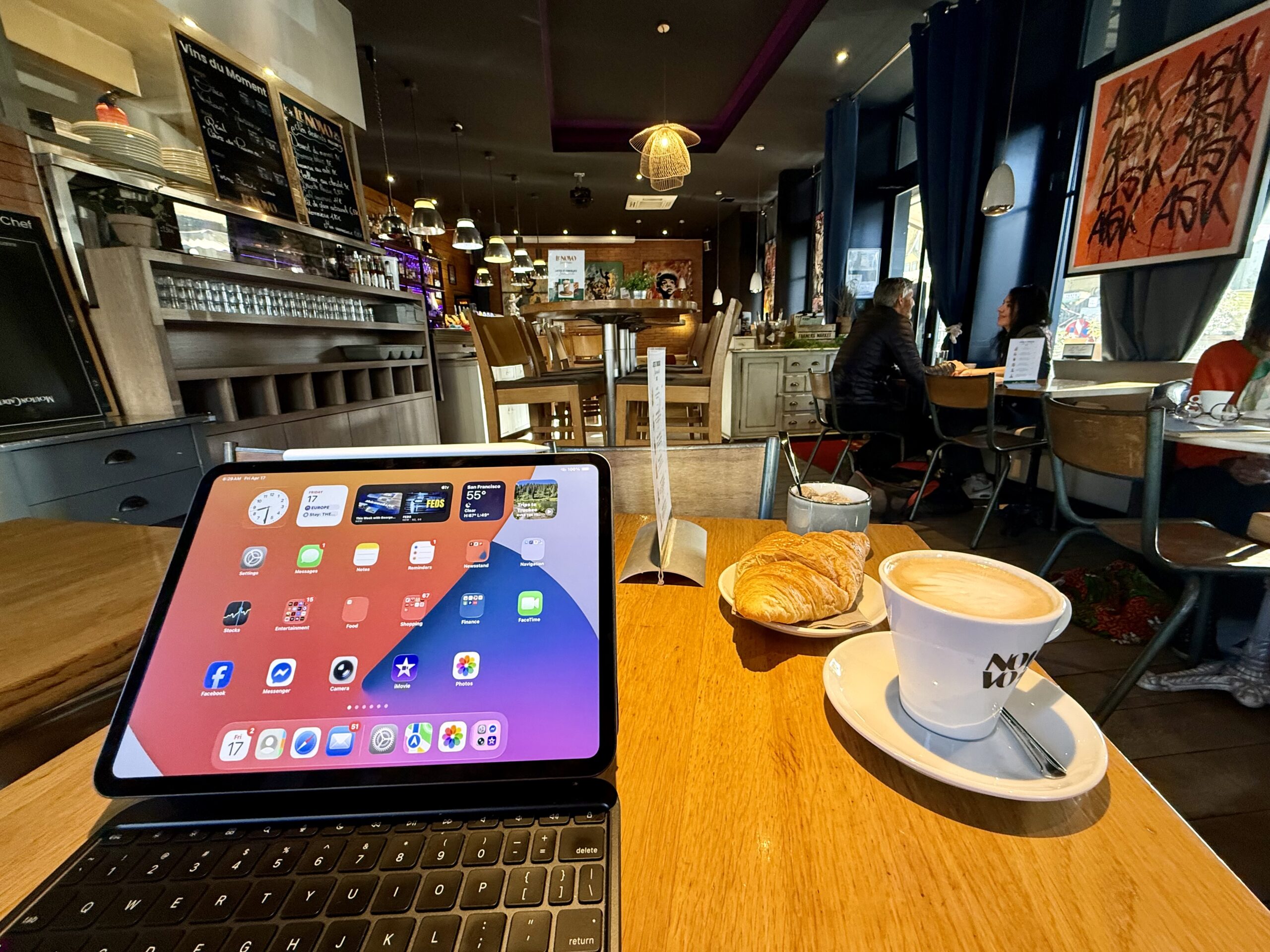
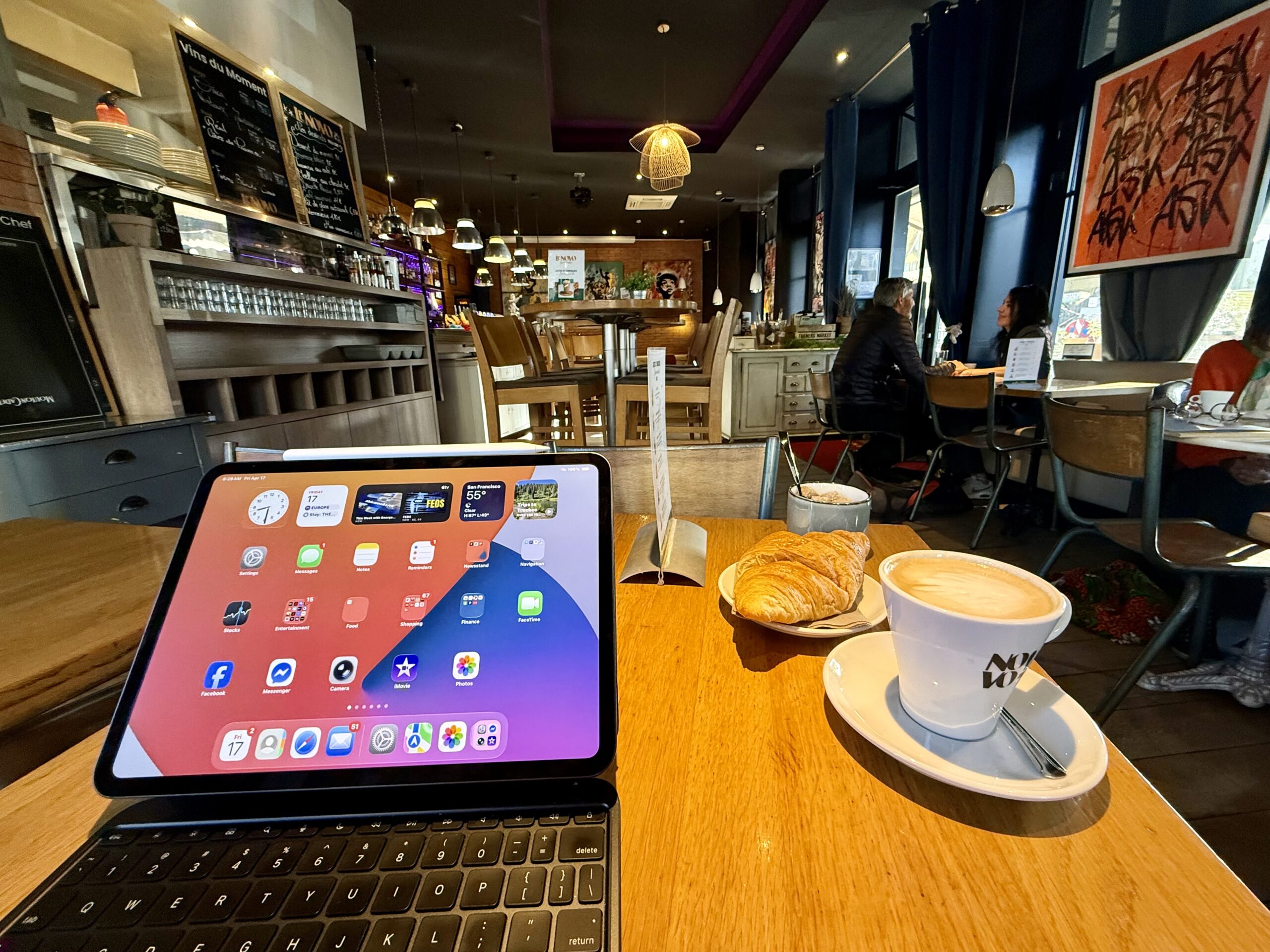
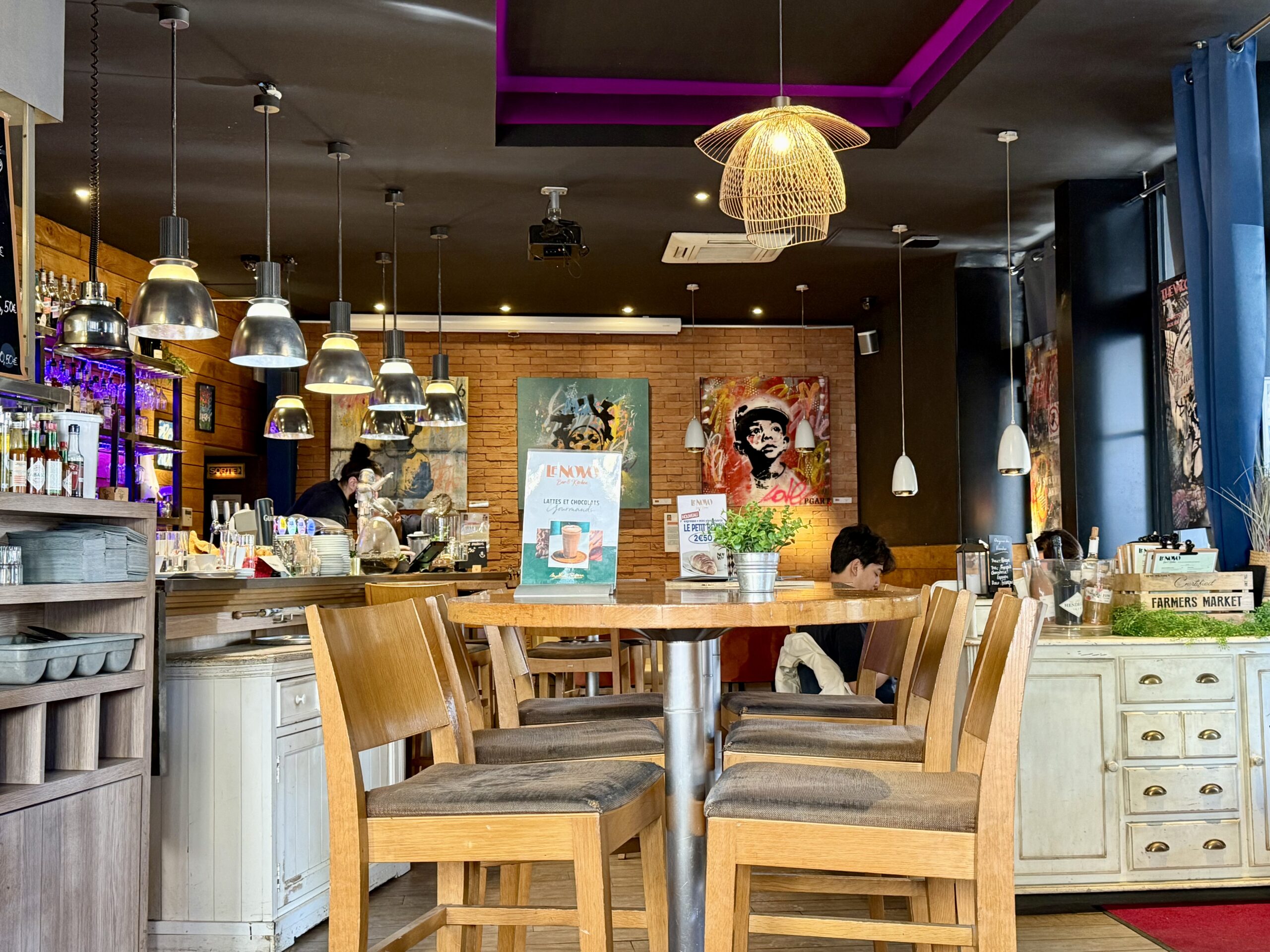
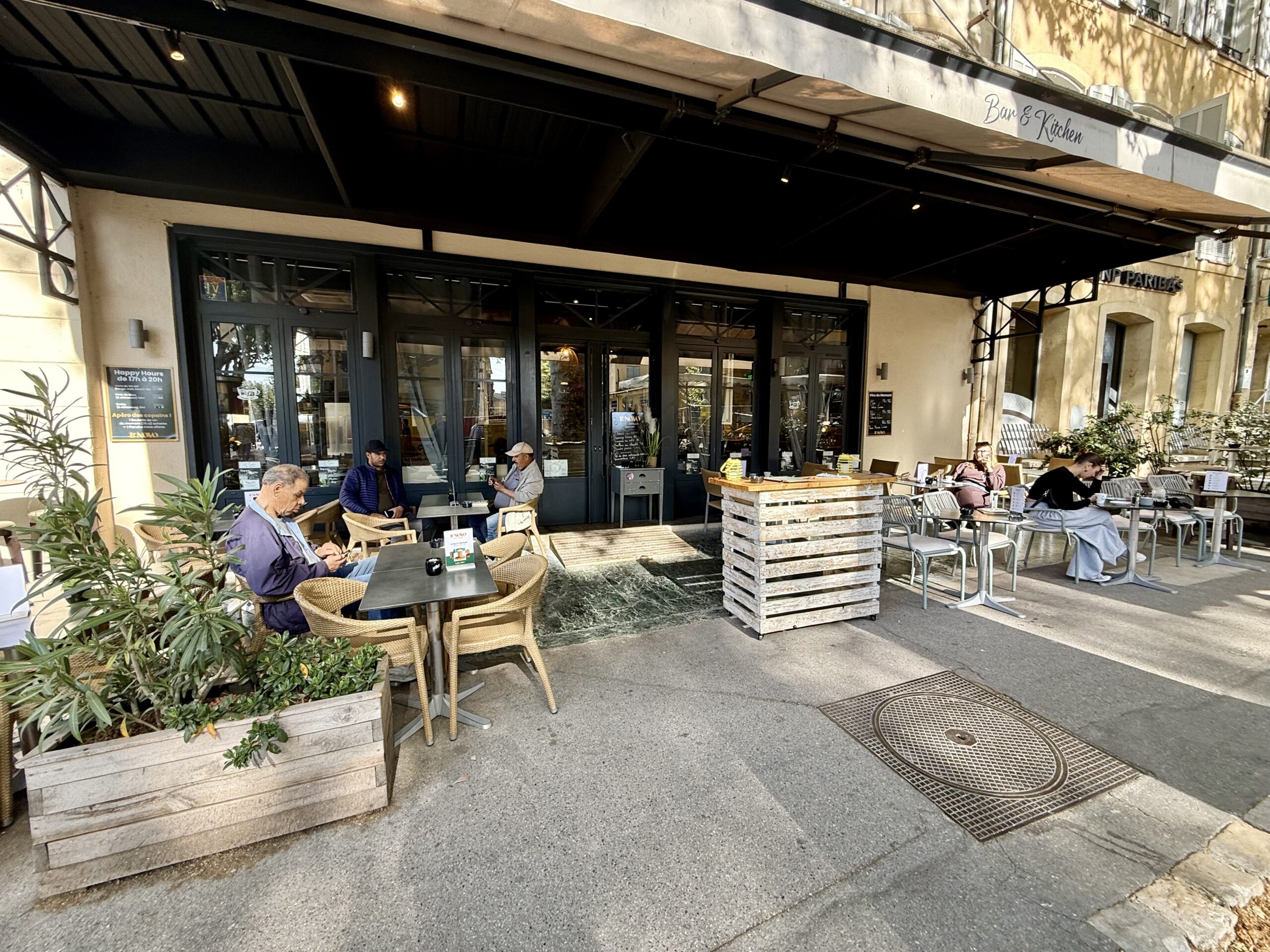
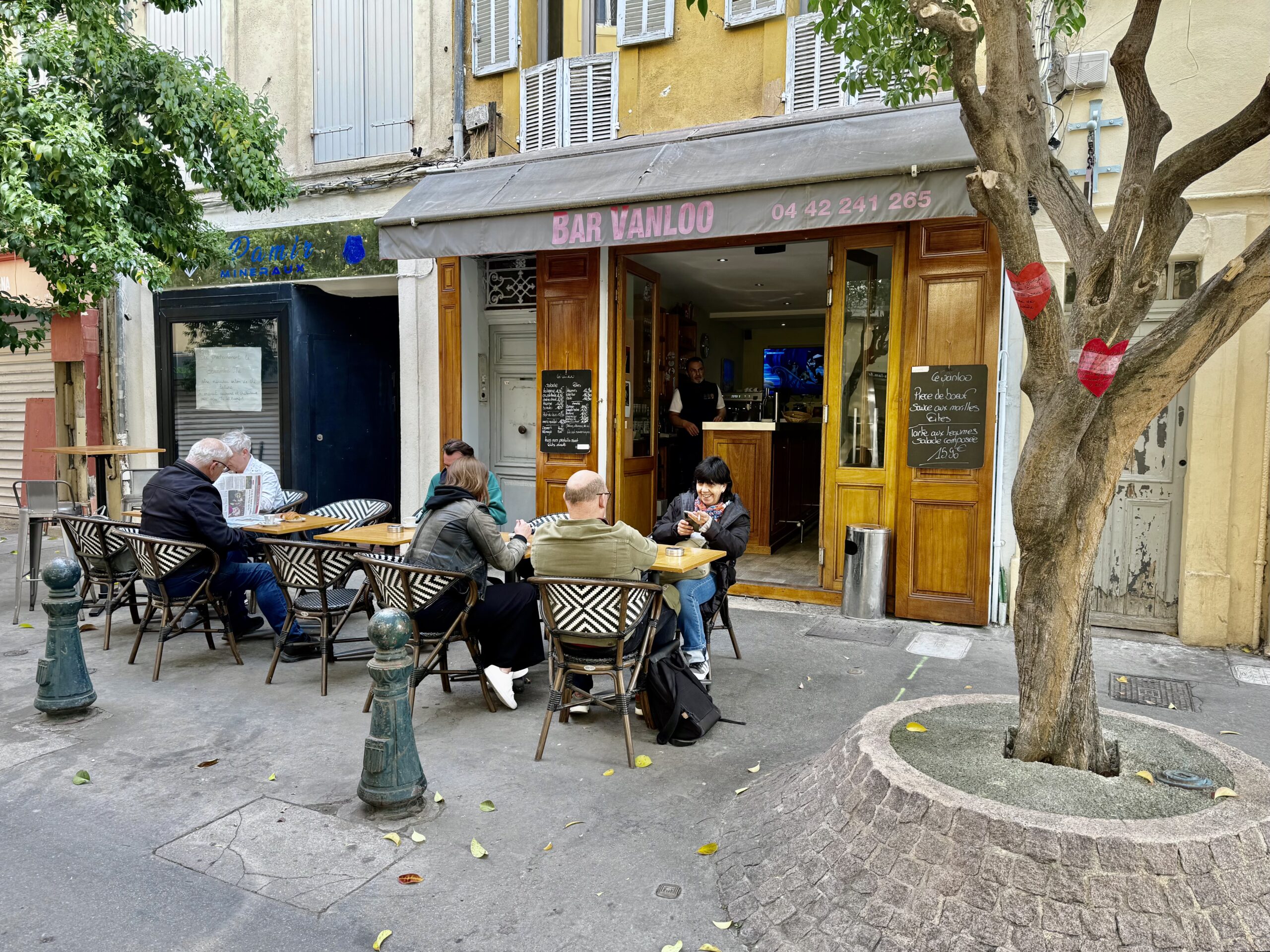
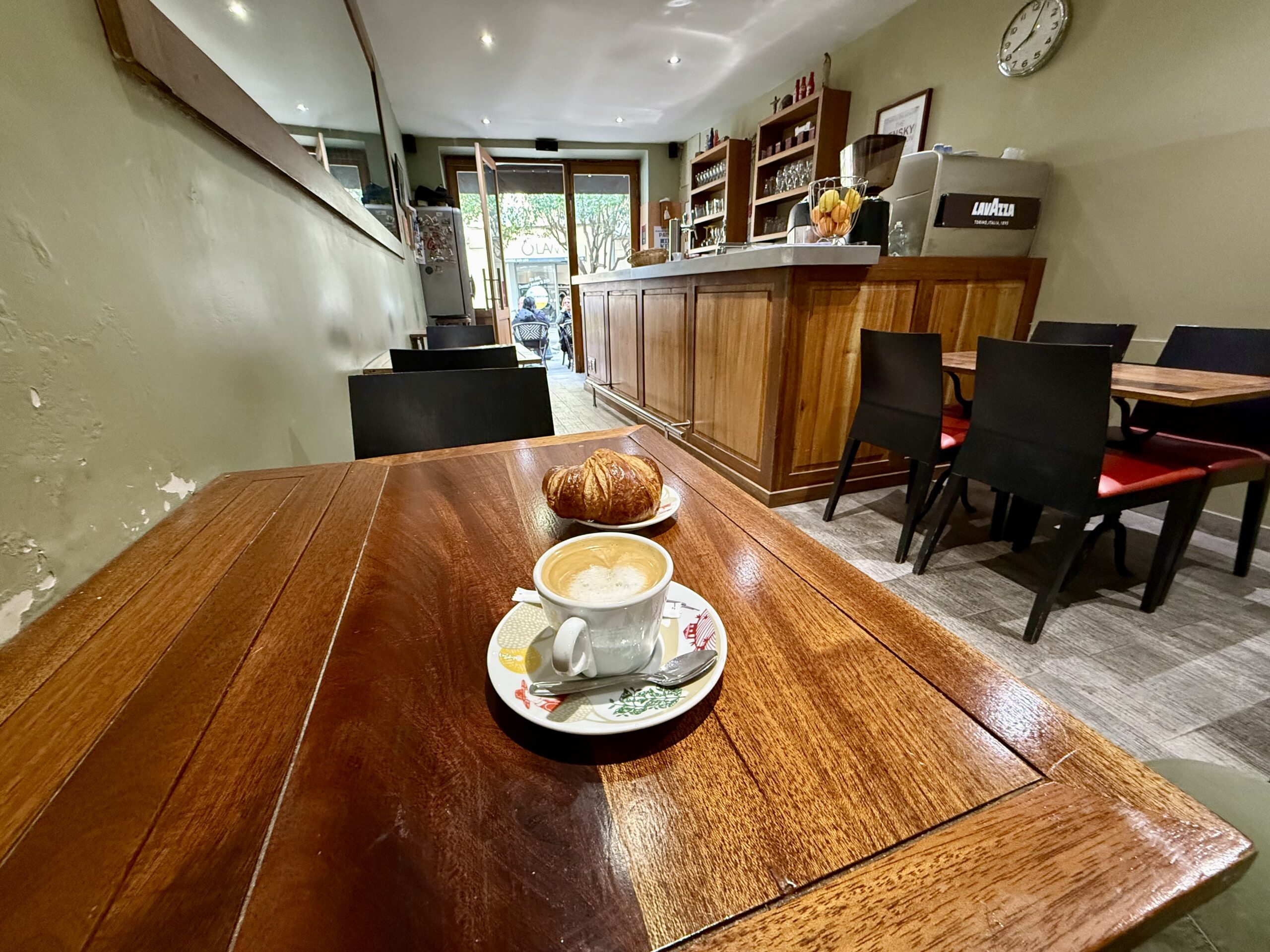
Breakfasts
Antibes
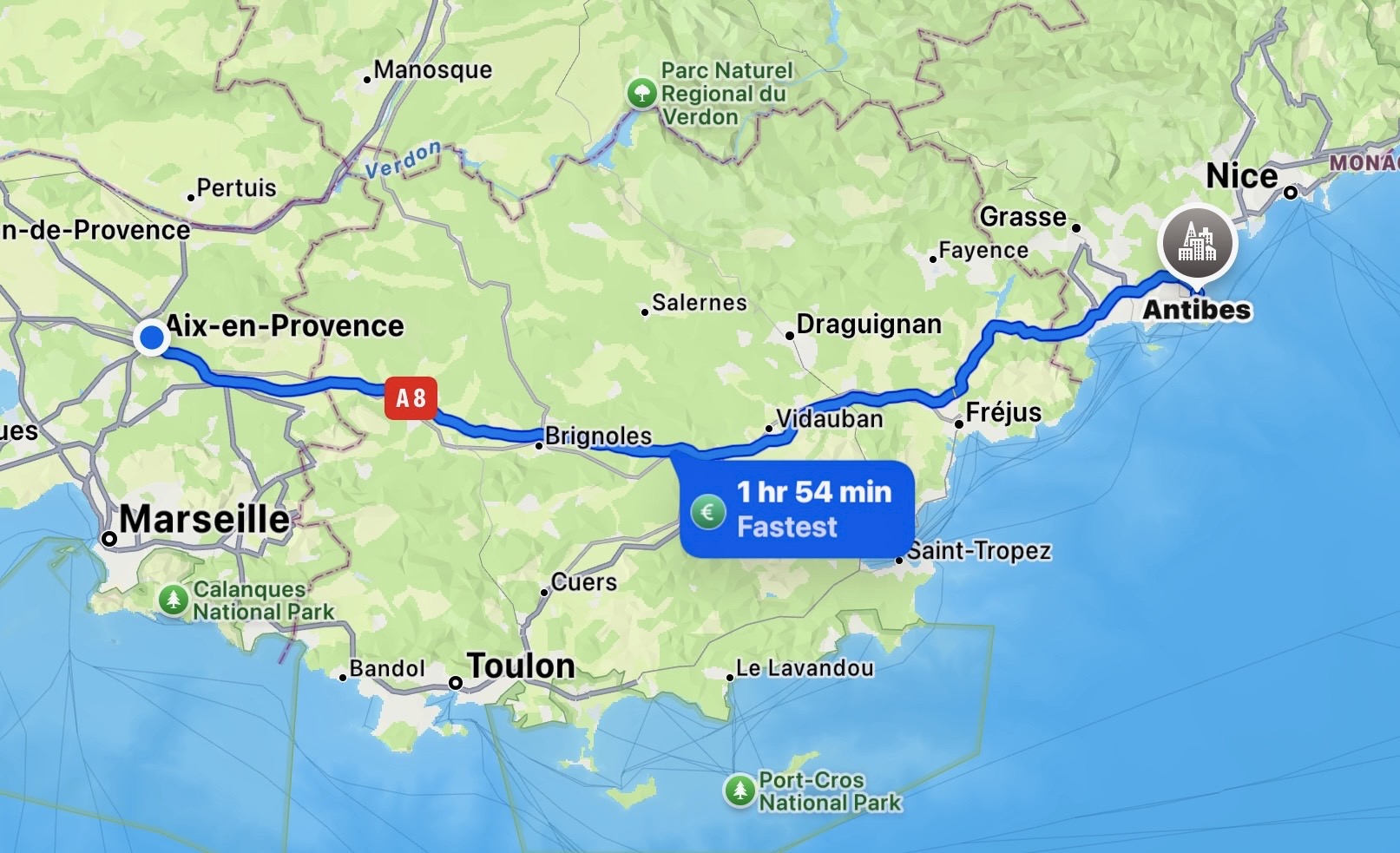
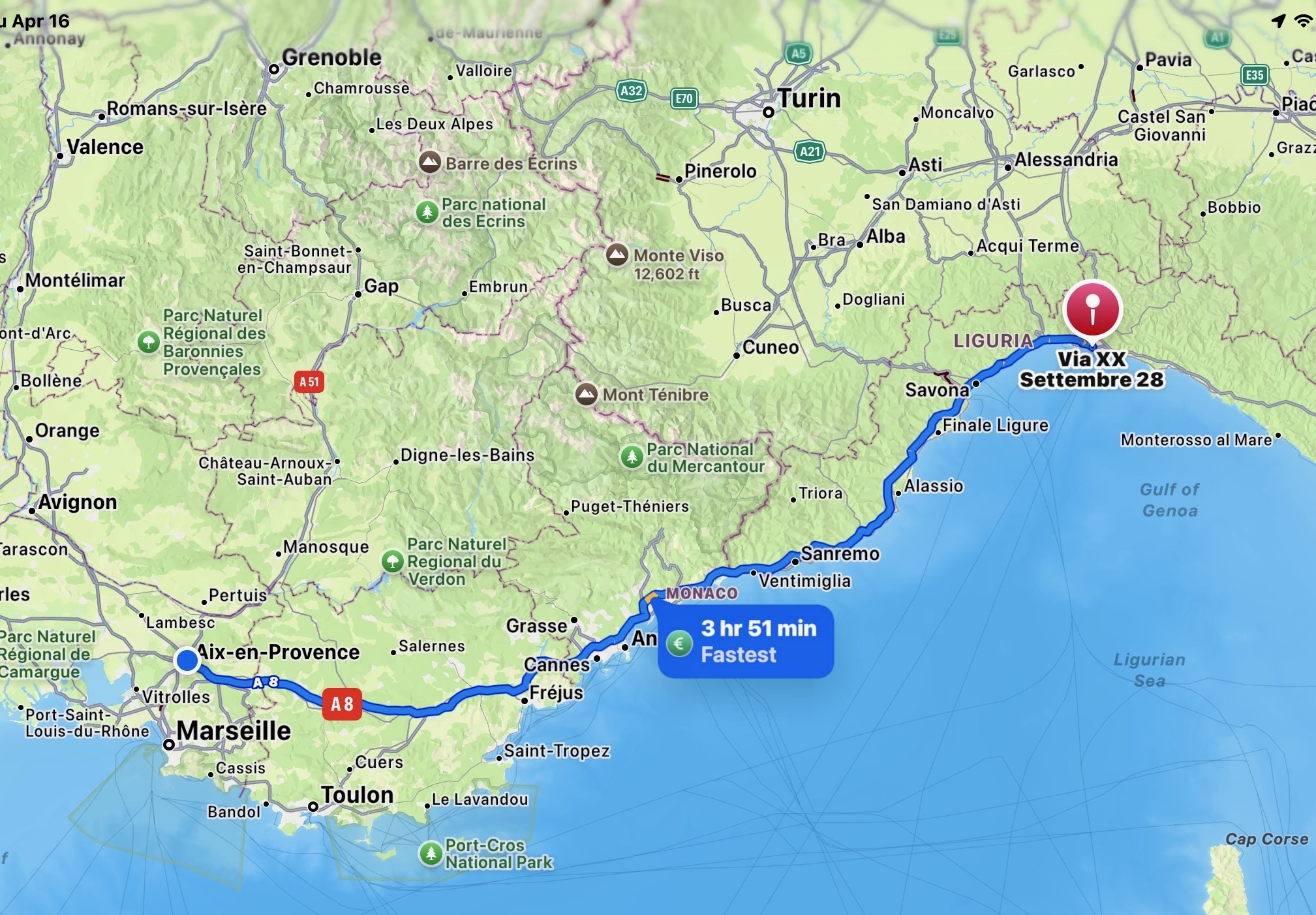
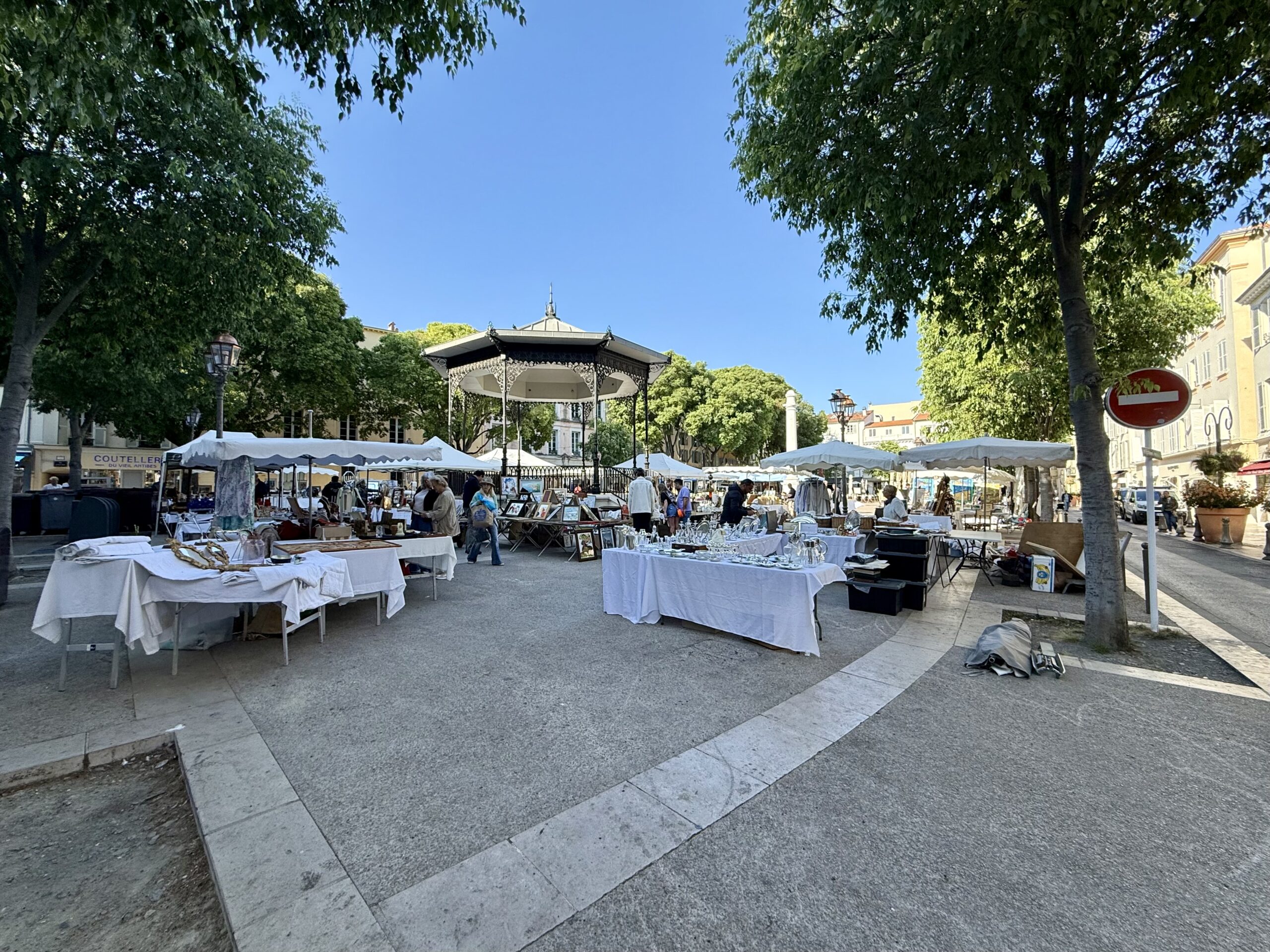
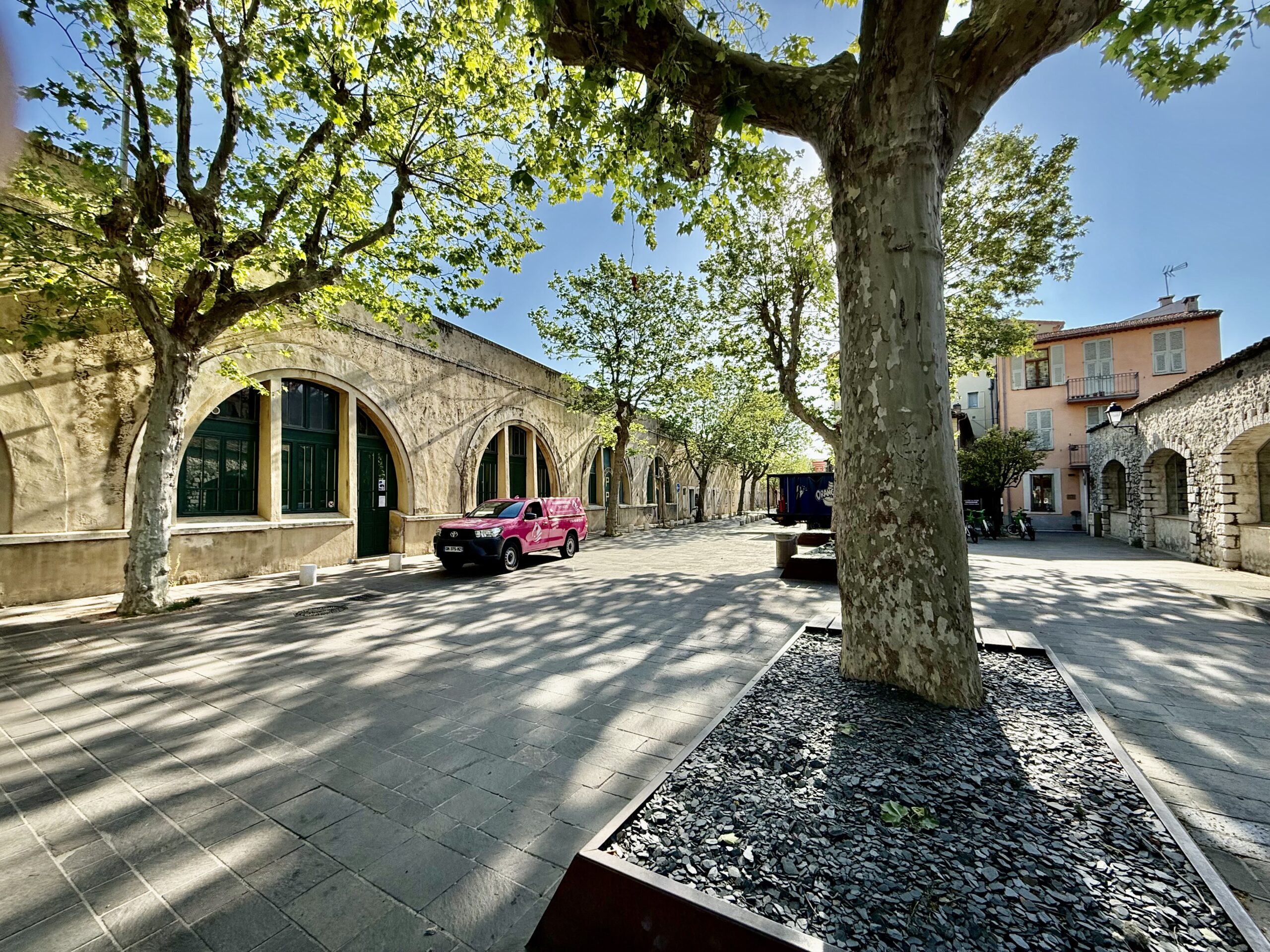
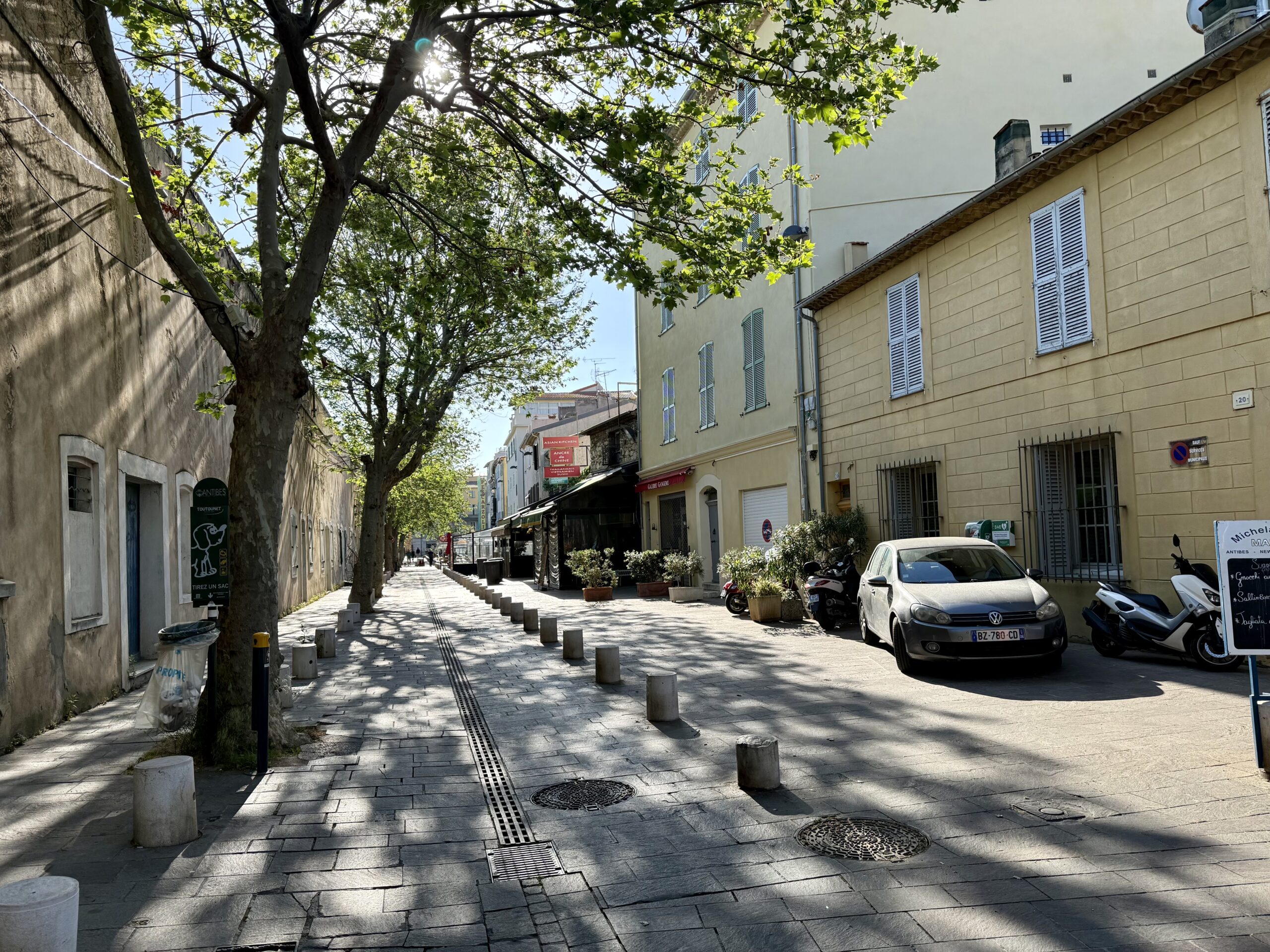
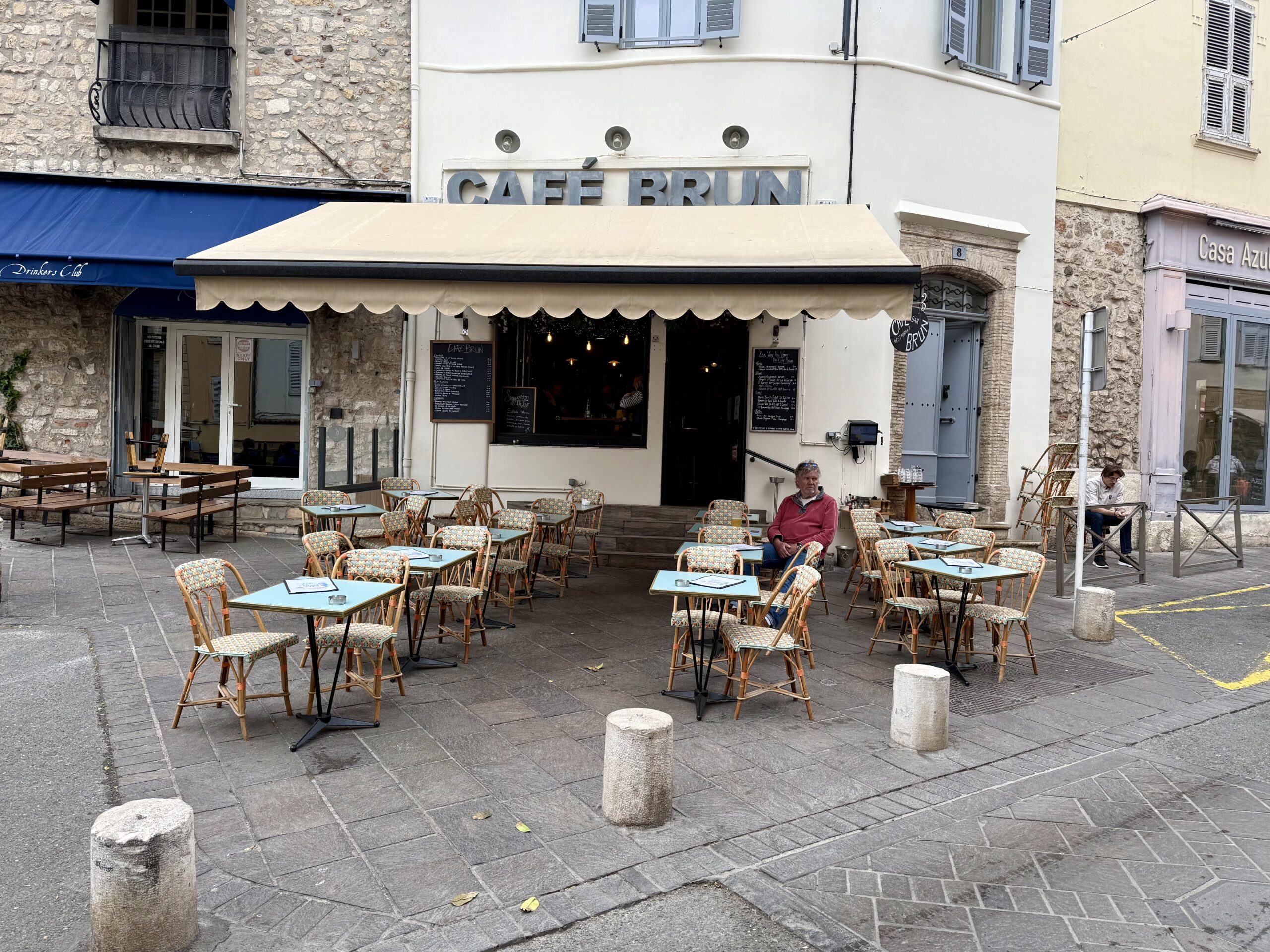
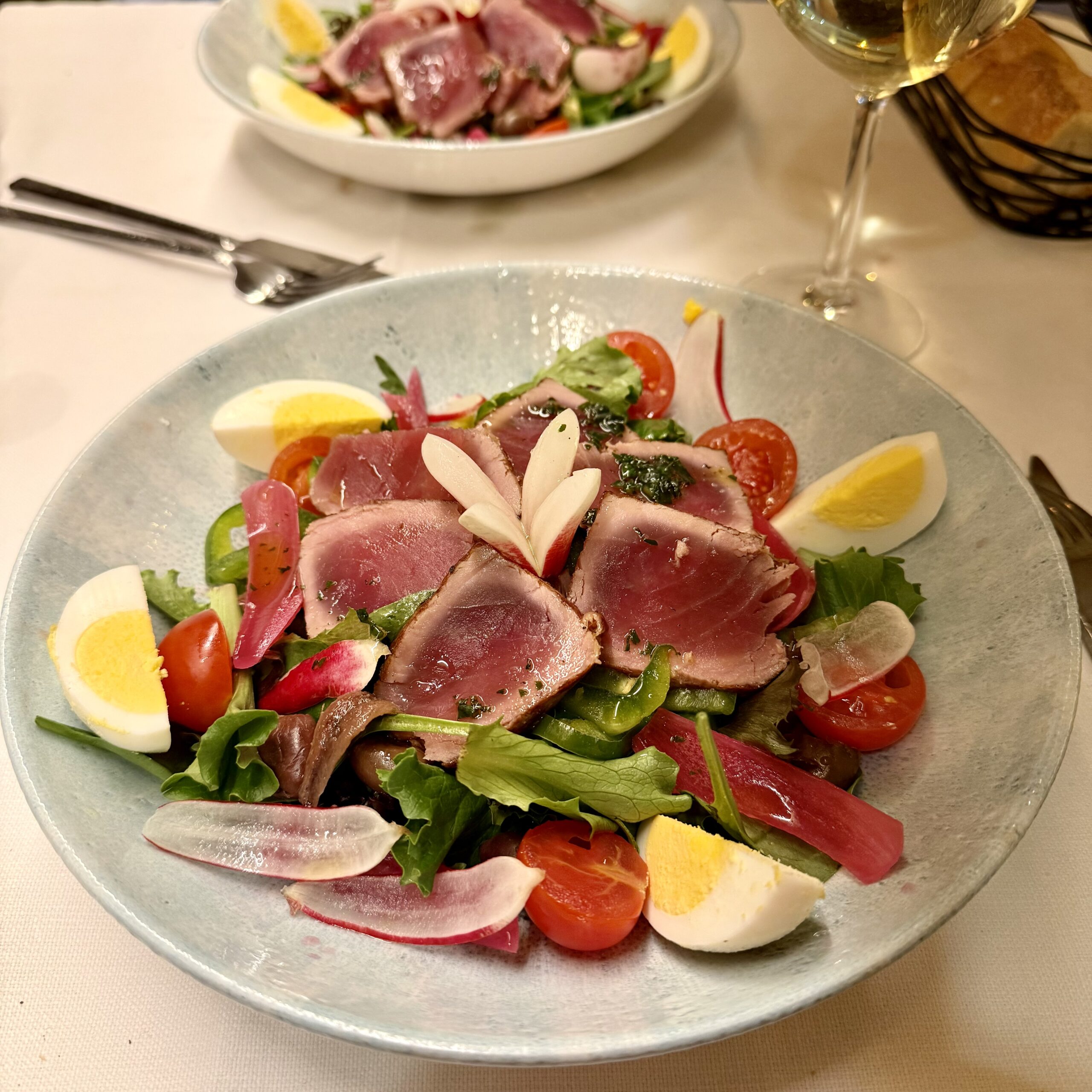
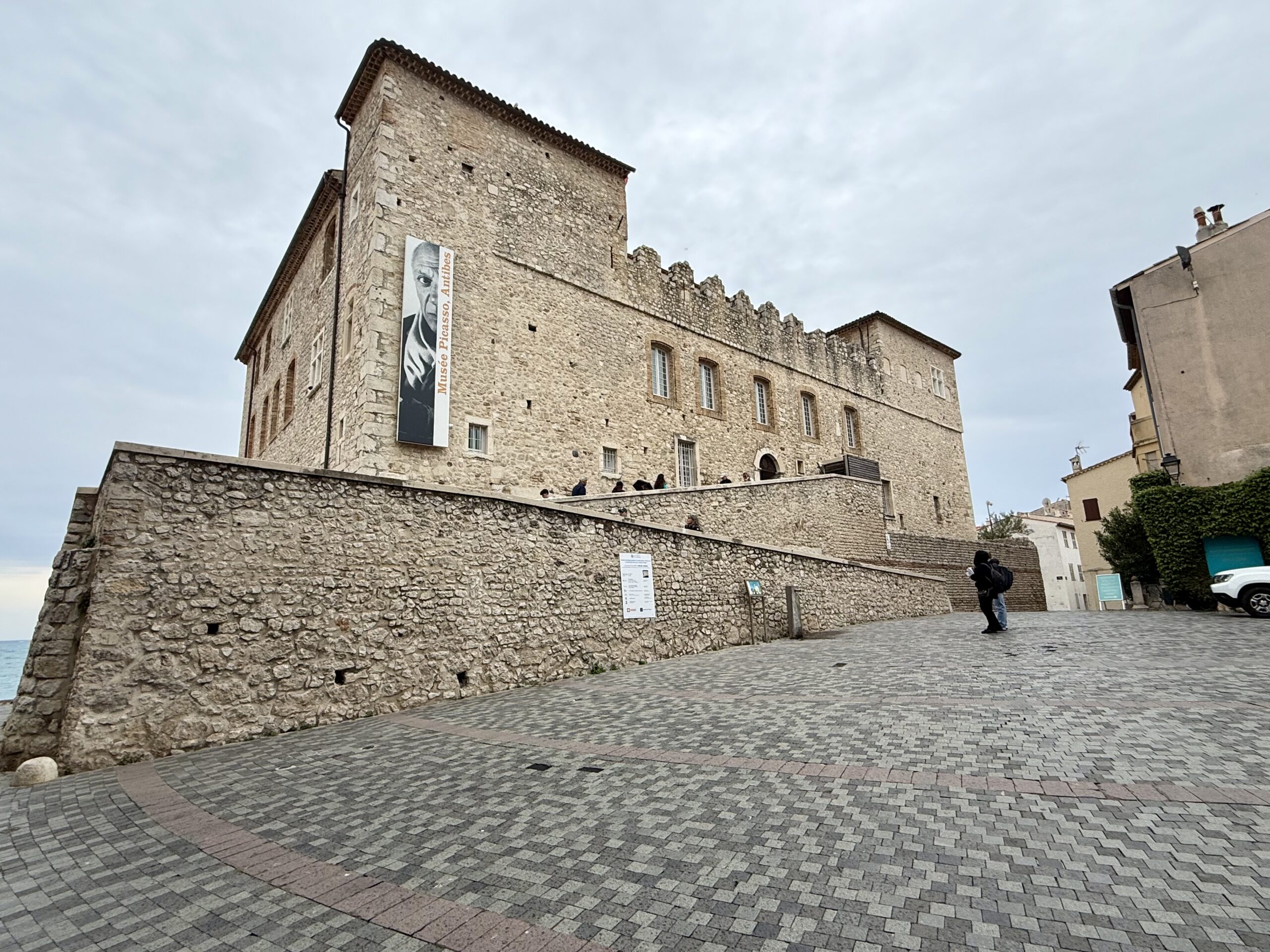
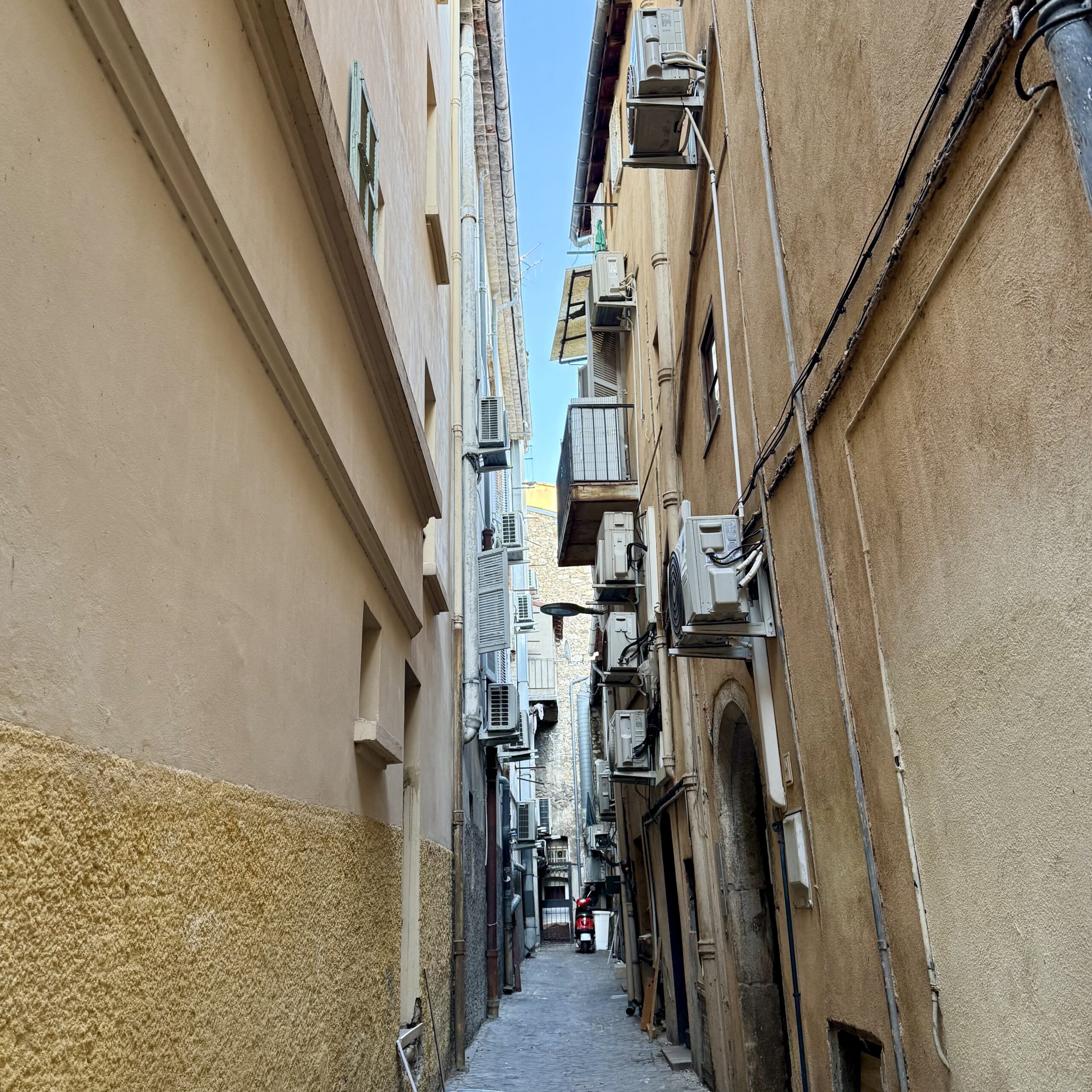
We needed a stop on the drive back to Italy, so Bonnie, the navigatrice, chose Antibes. Unlike in Aix, we were immediately aware of American and German tourists. Antibes deals with three prime languages—French, Italian, and, of course, English. We heard that many of the young English speakers, especially Australians and Irish, live here to maintain the mega-yachts docked in the harbor, which is the largest in Europe. Many of the yachts remain here for most of the year.
Lodging
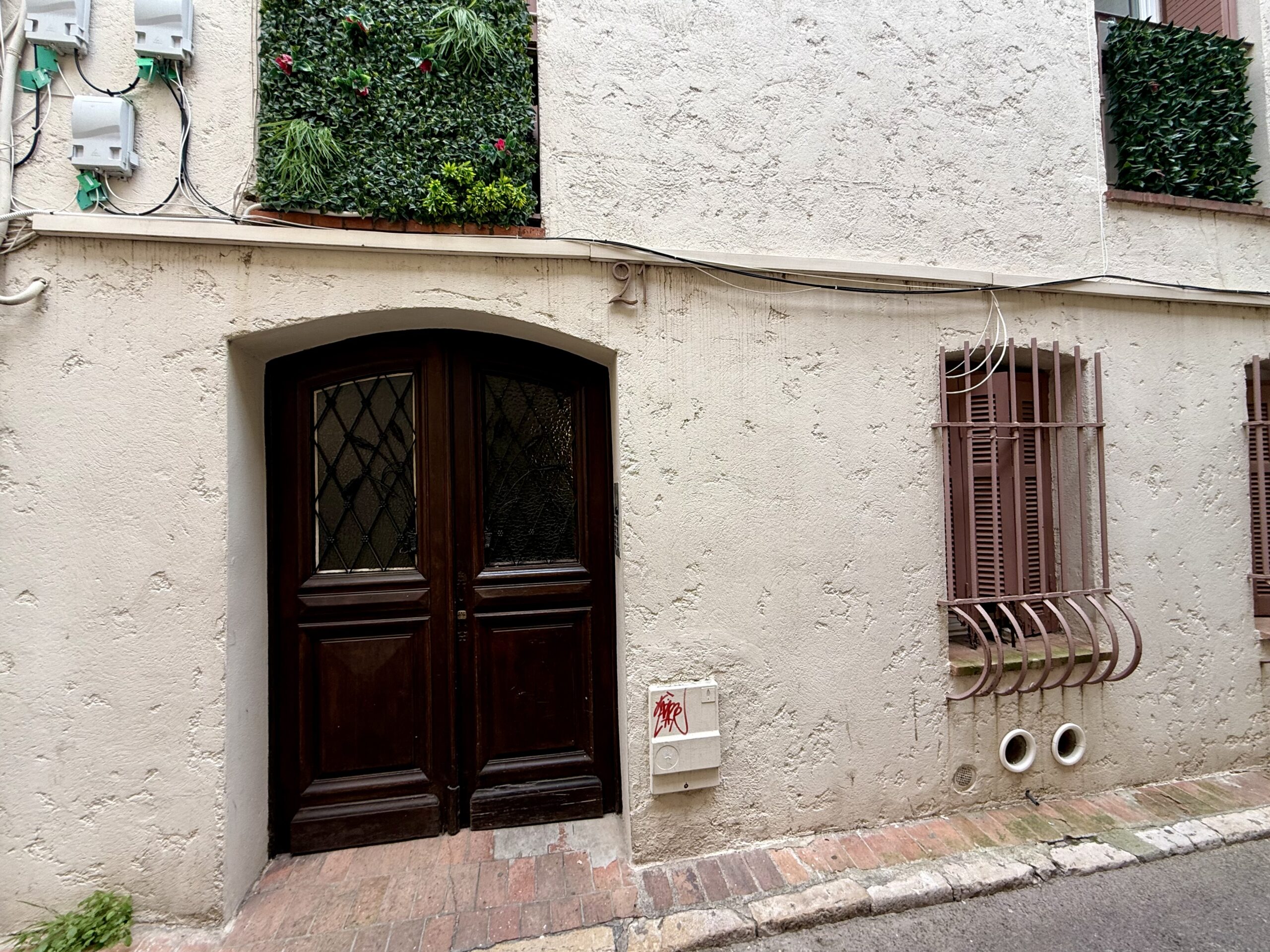
Bonnie located a flat in the center of historic Antibes. The Airbnb host met us at the parking structure outside the vehicle-restricted center of town and walked us and our luggage to the apartment. Nice fellow, a mechanical engineer before he went into hospitality. He even helped us back to the parking when we departed.
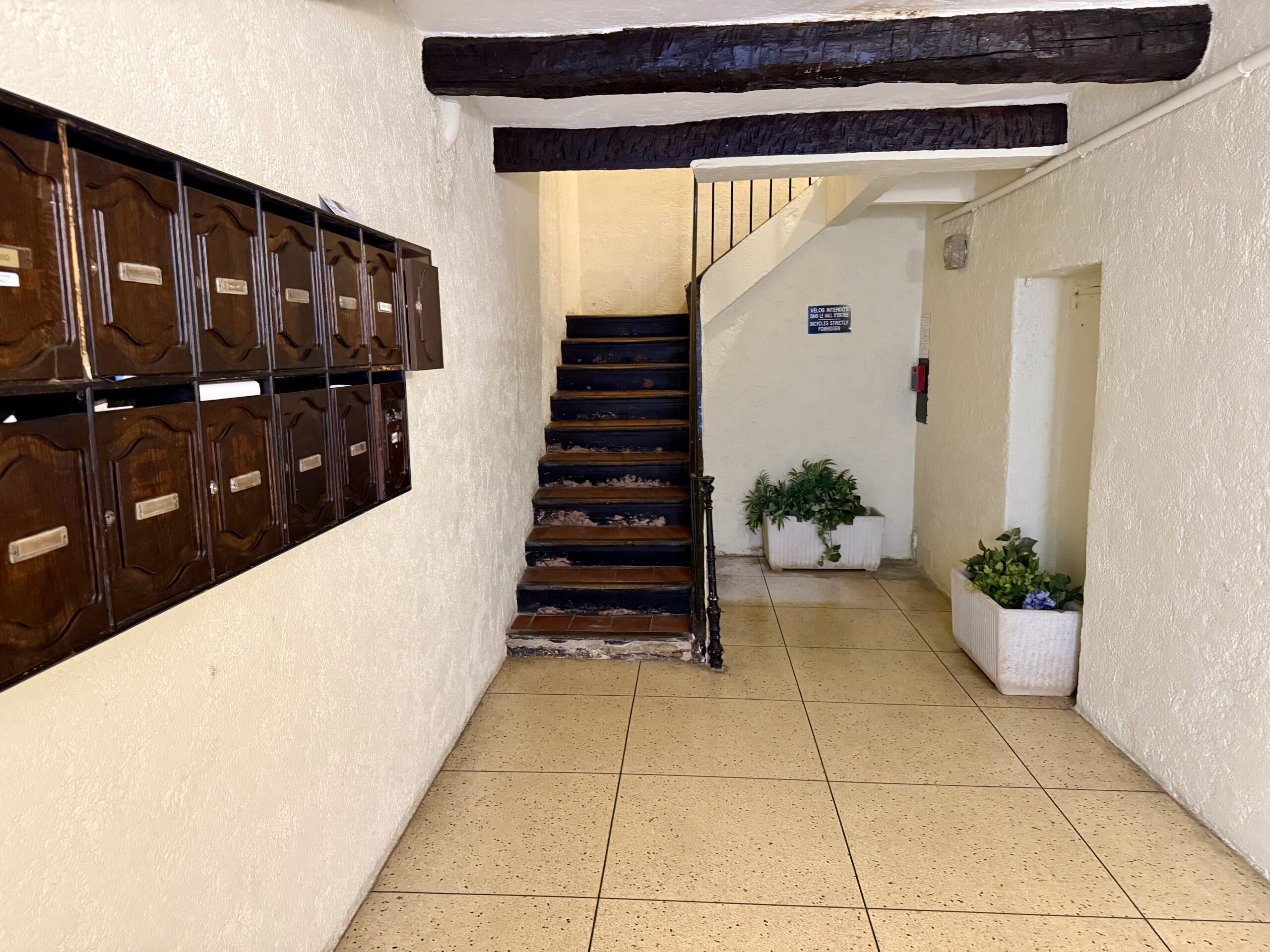
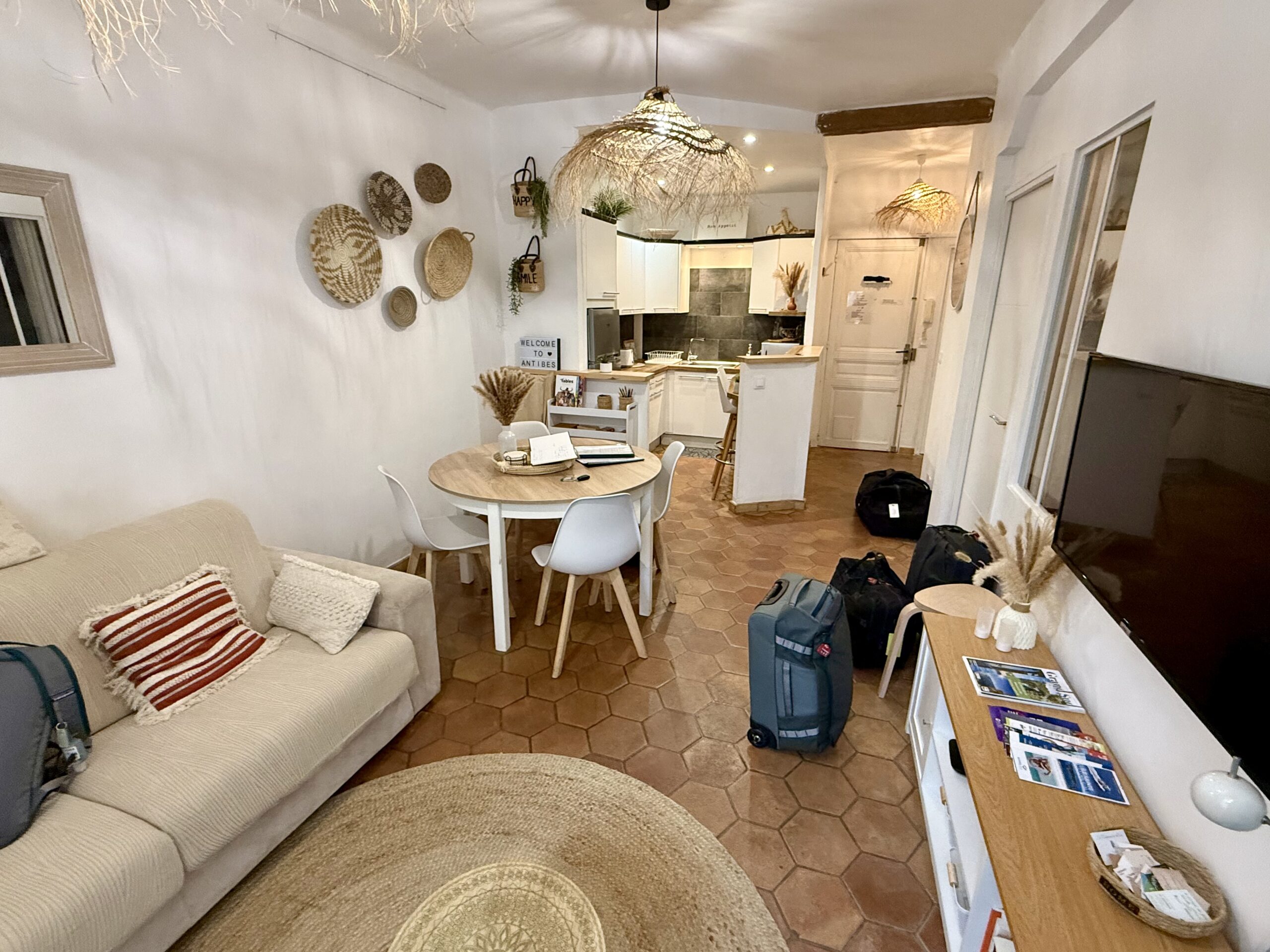
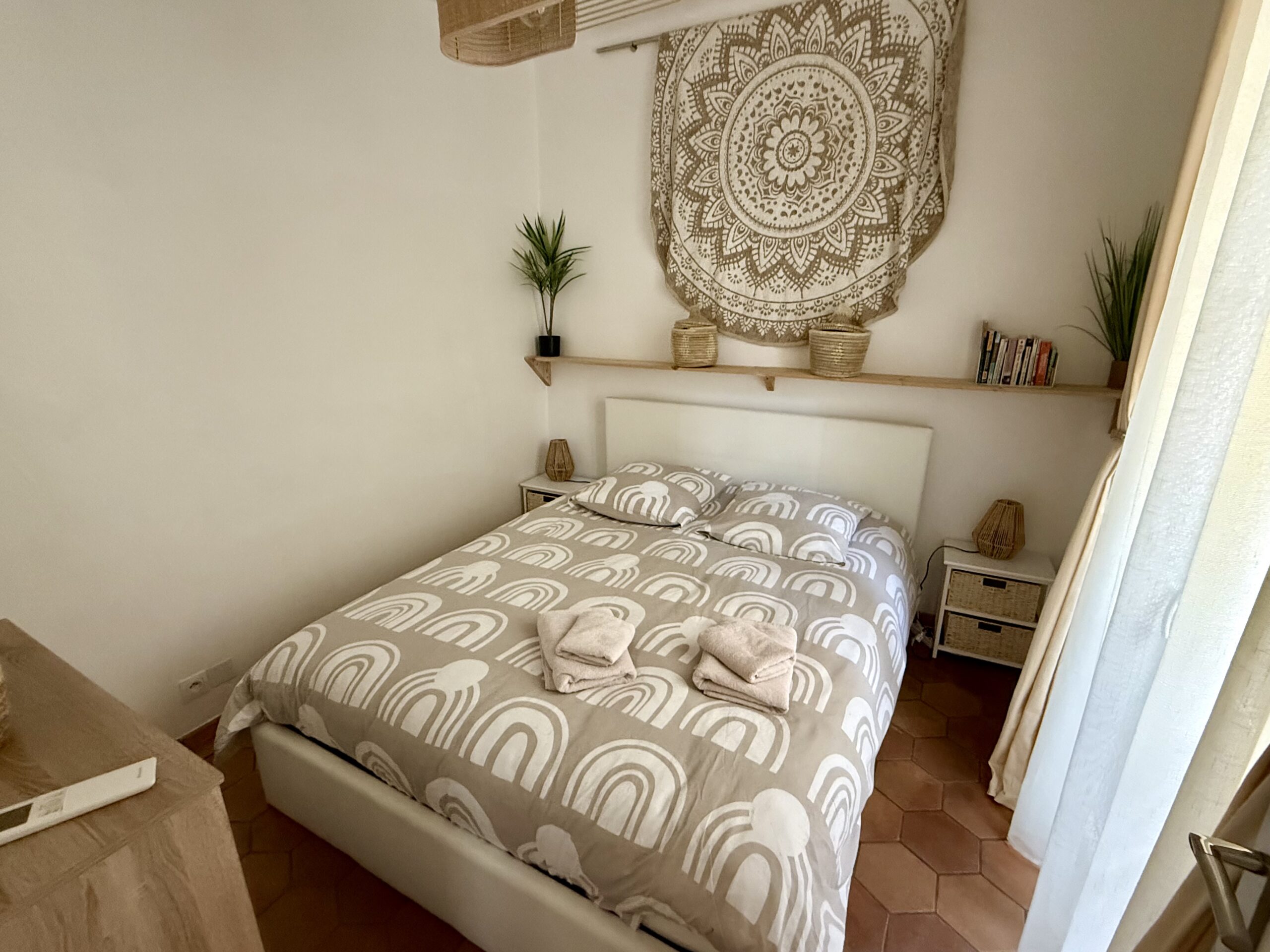
Wandering
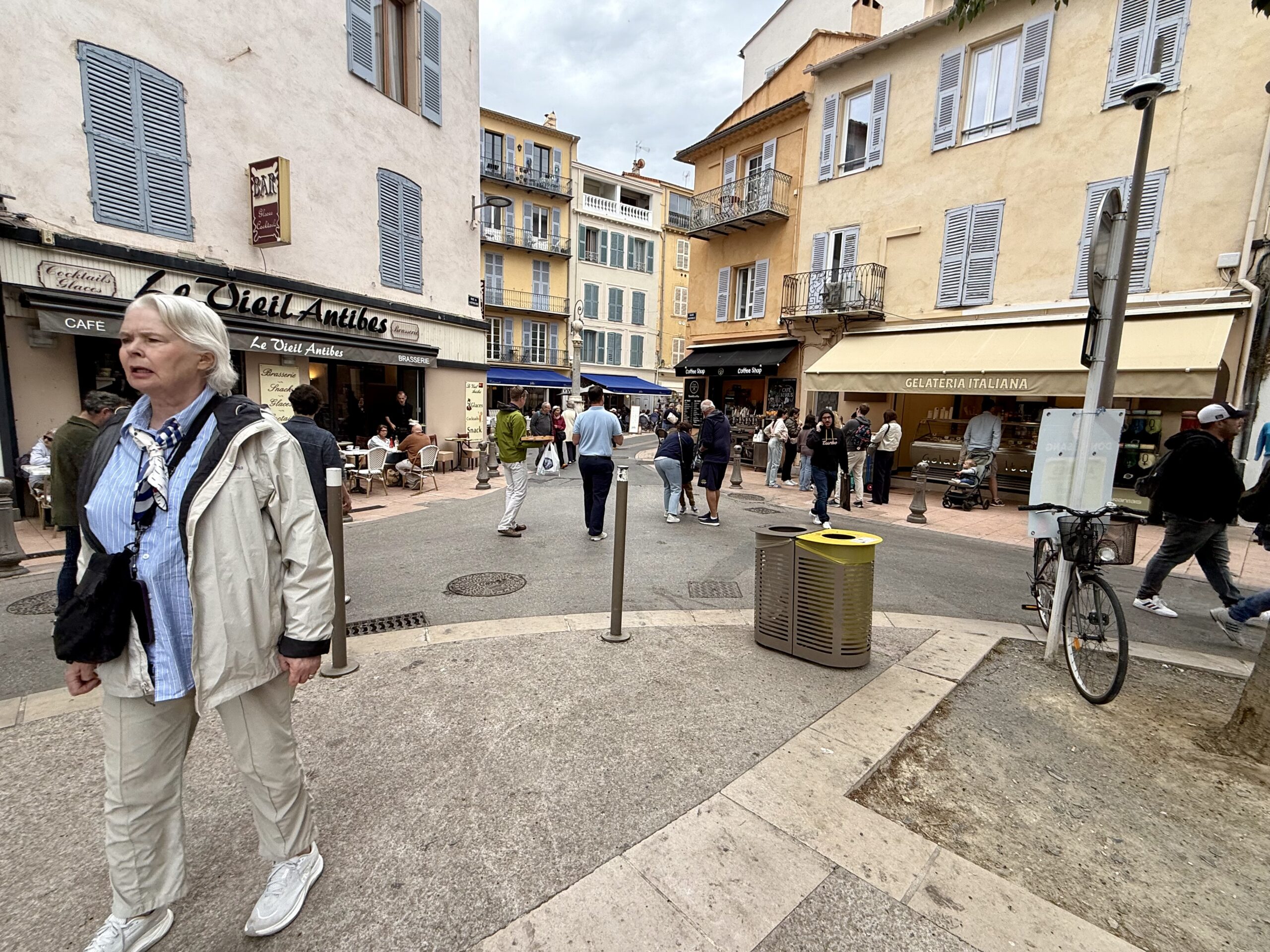
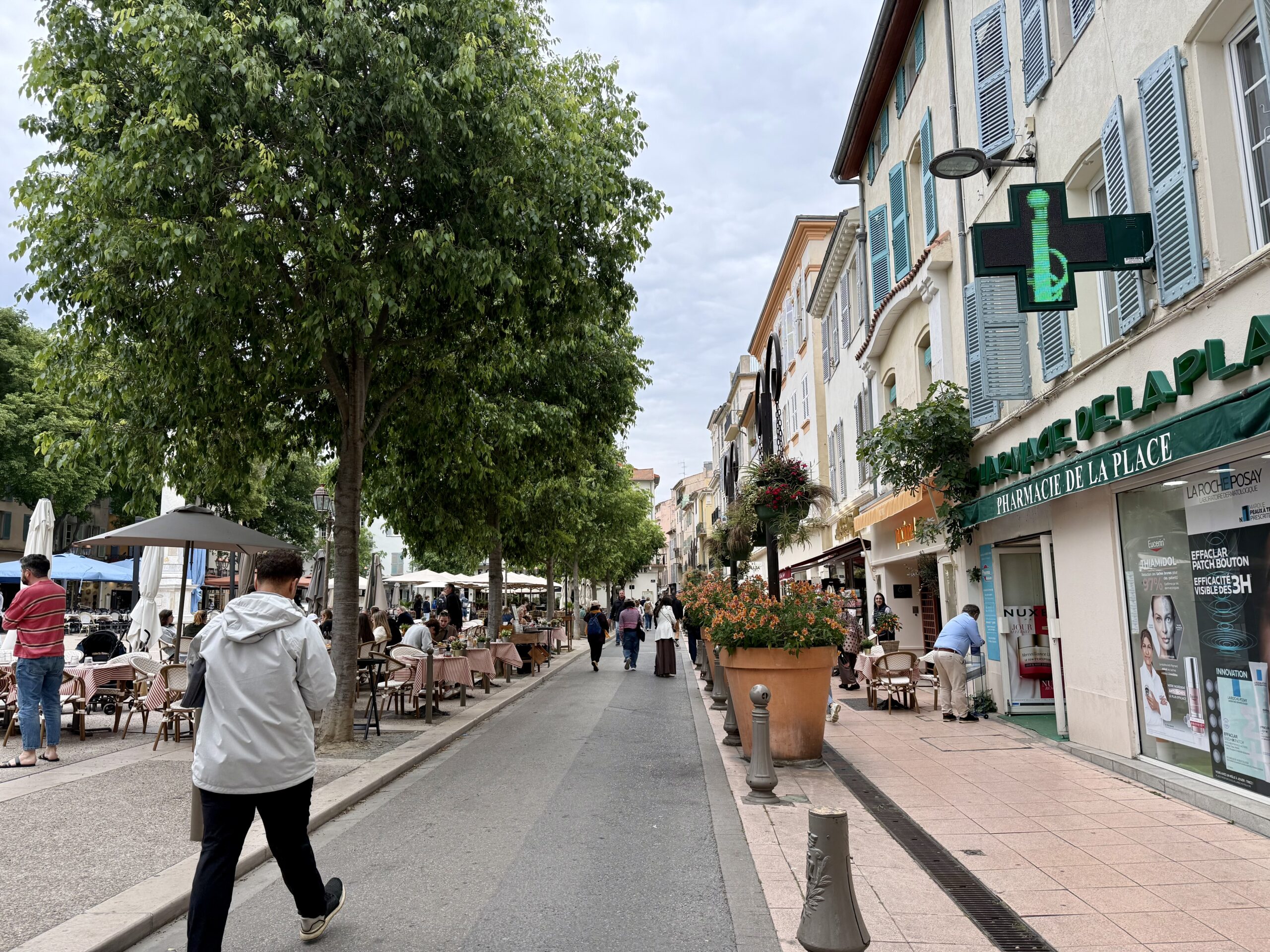
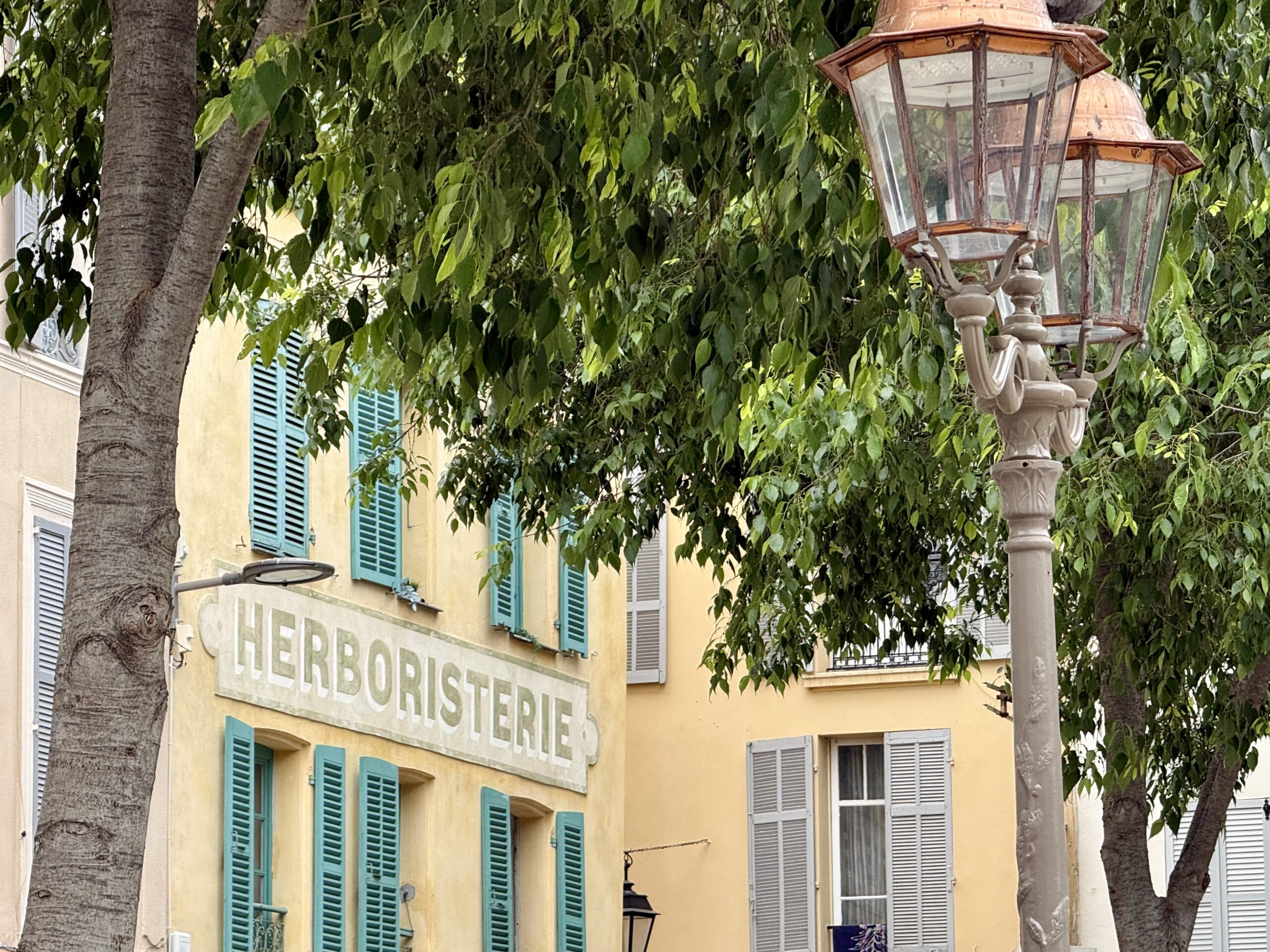
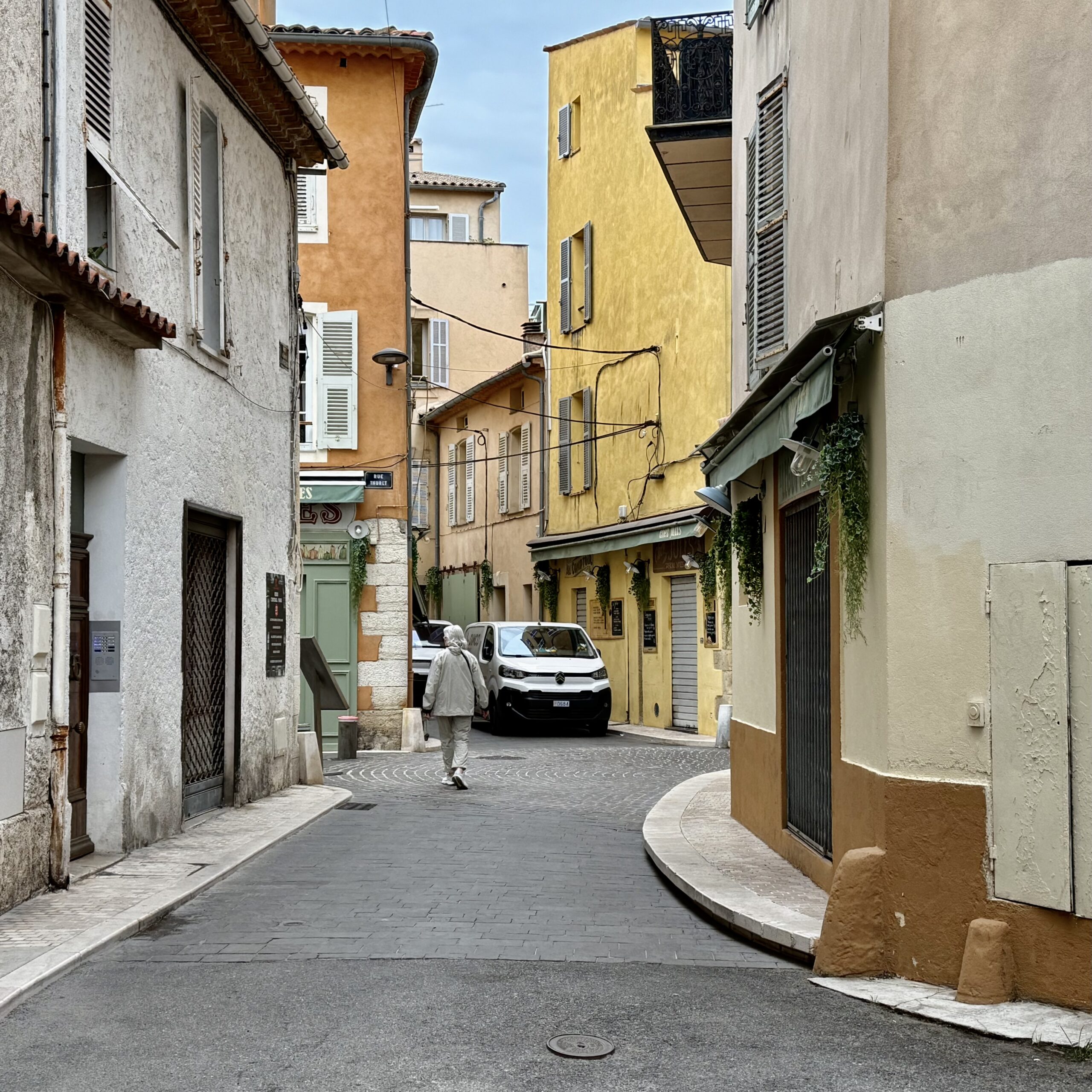
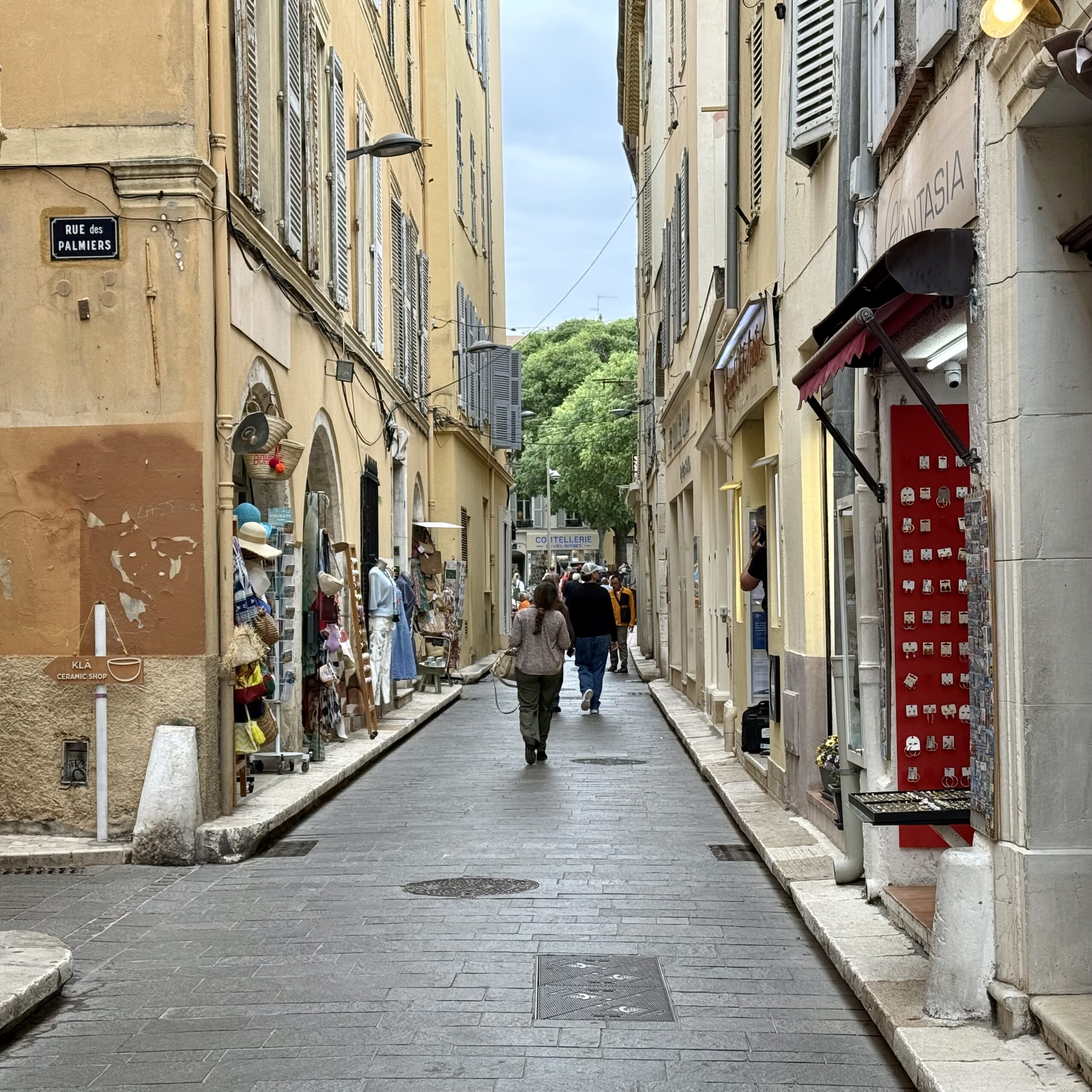
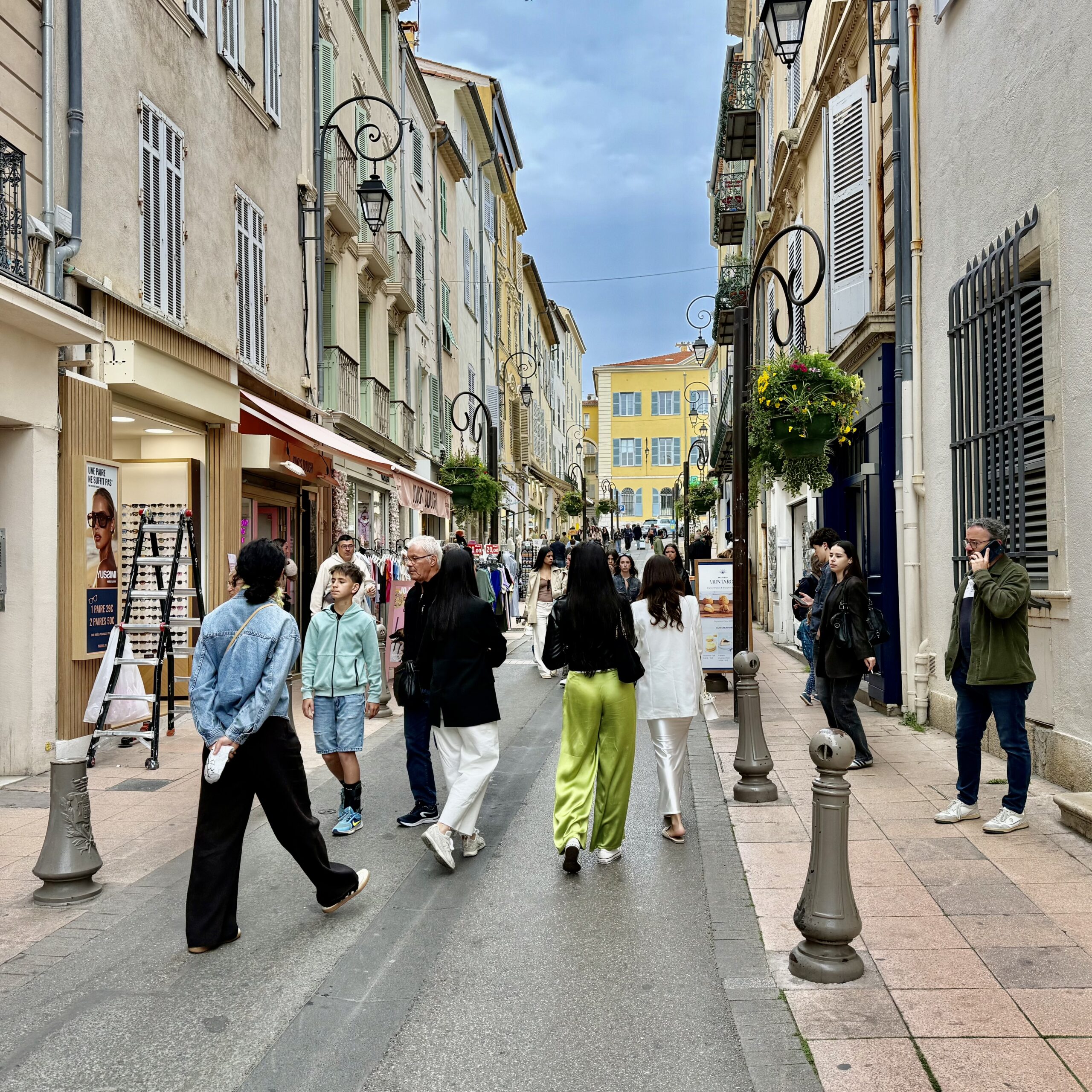
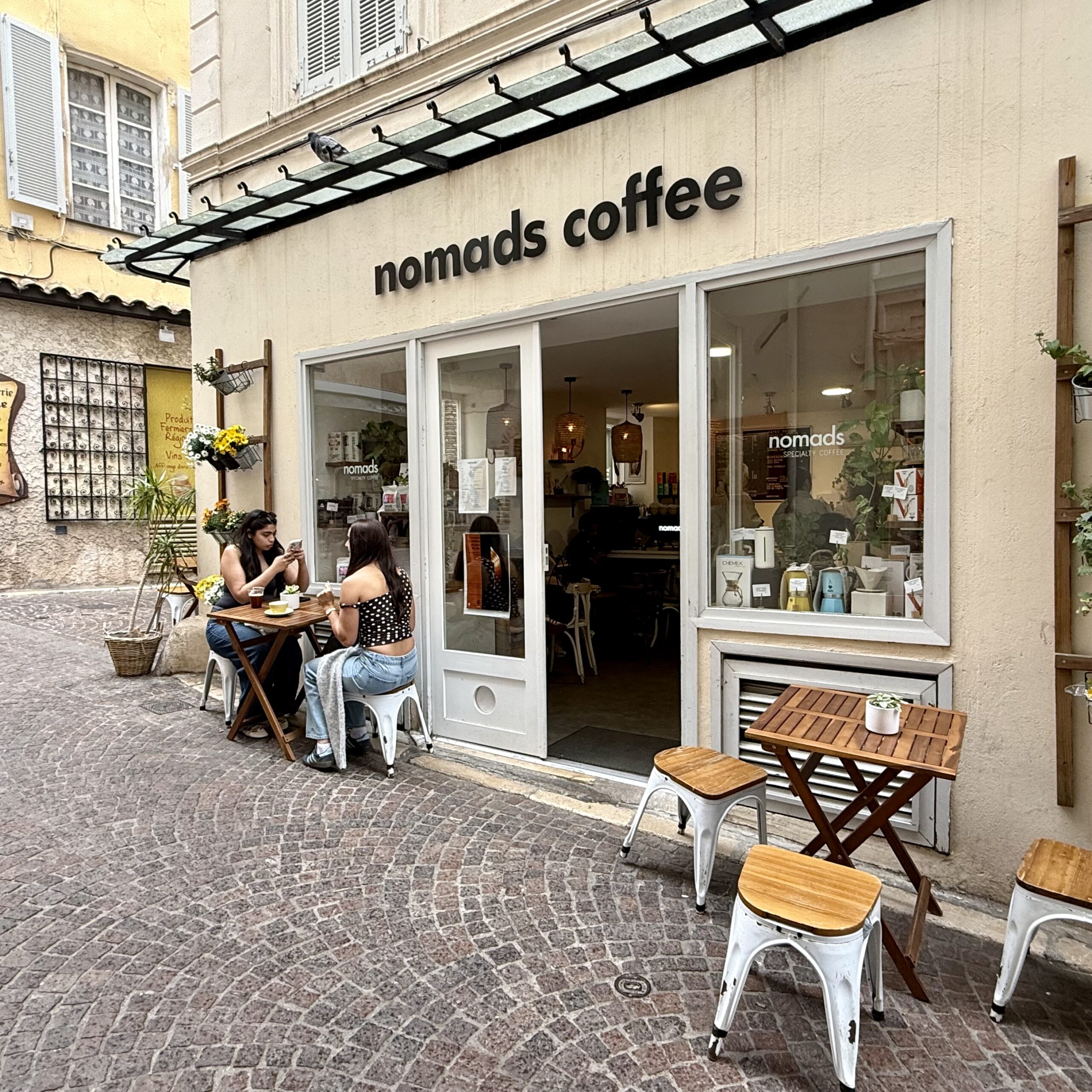
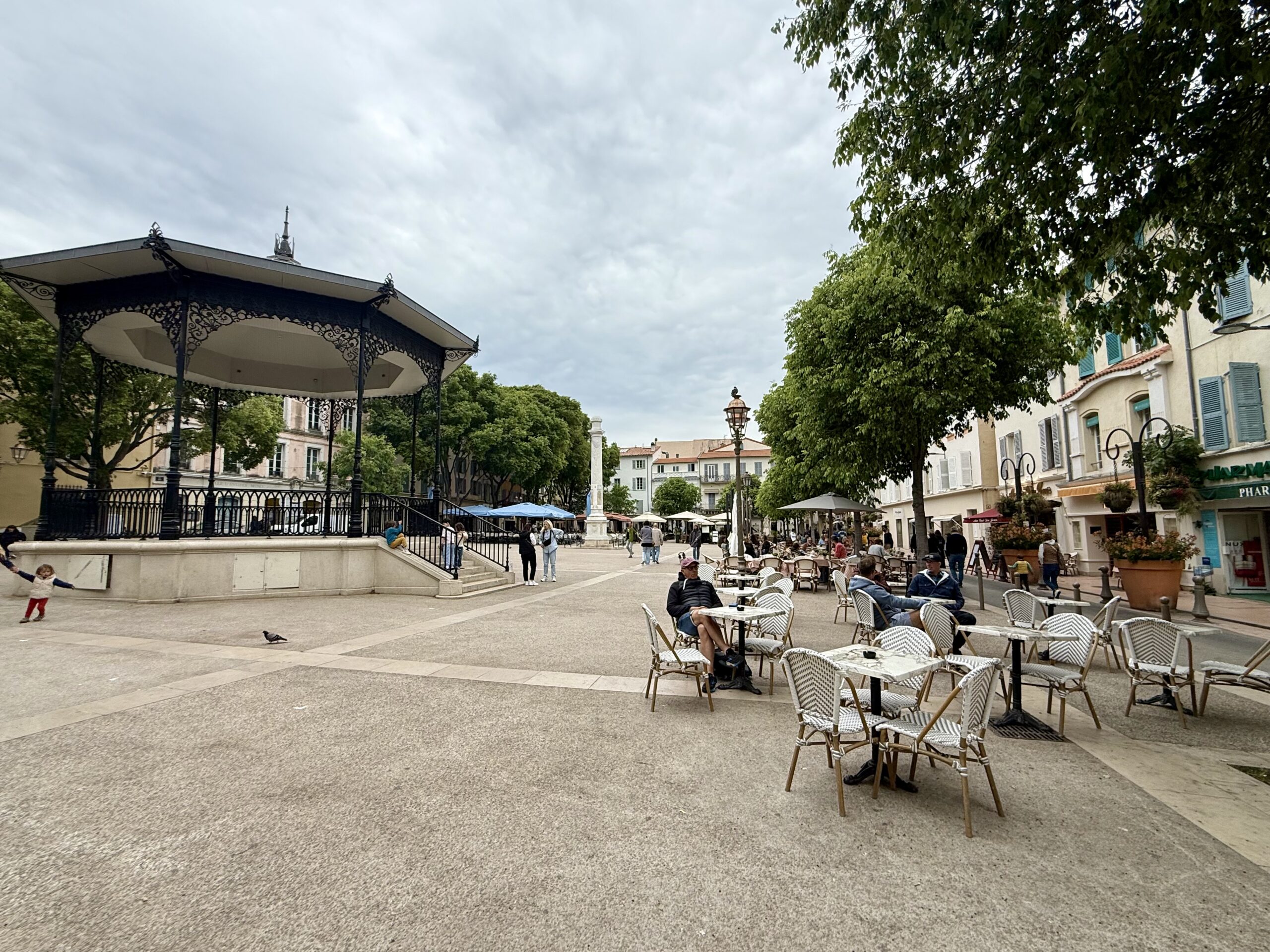
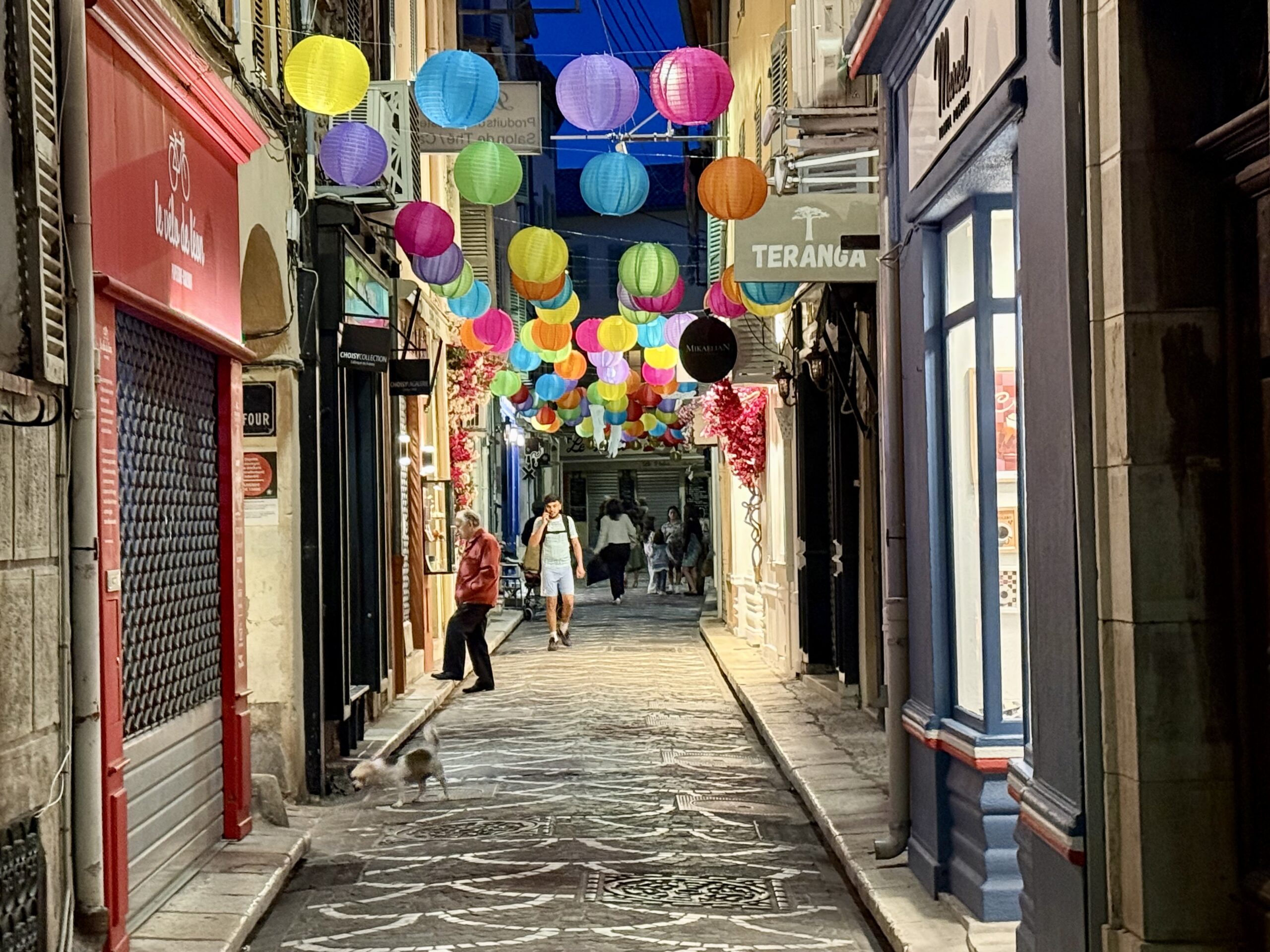
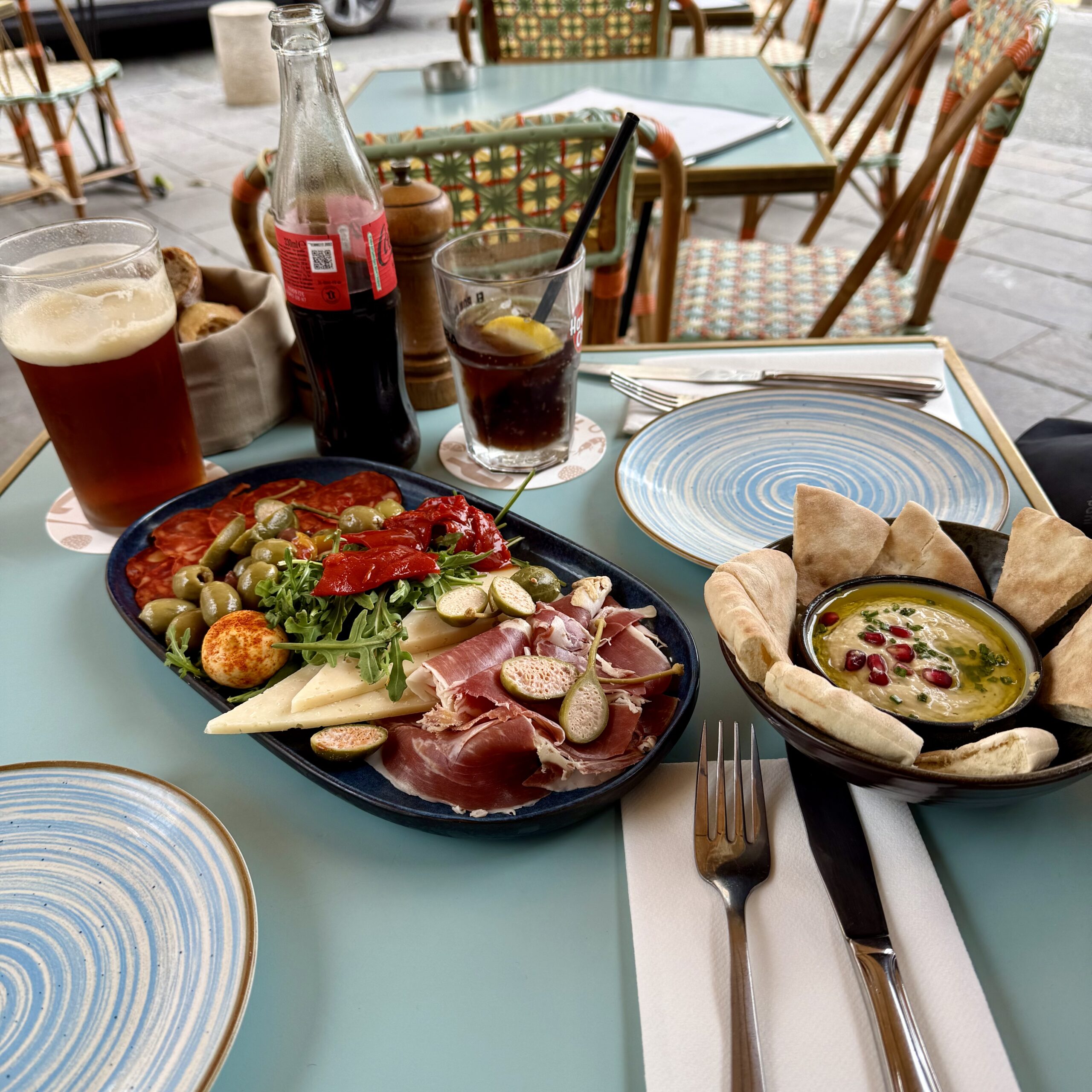
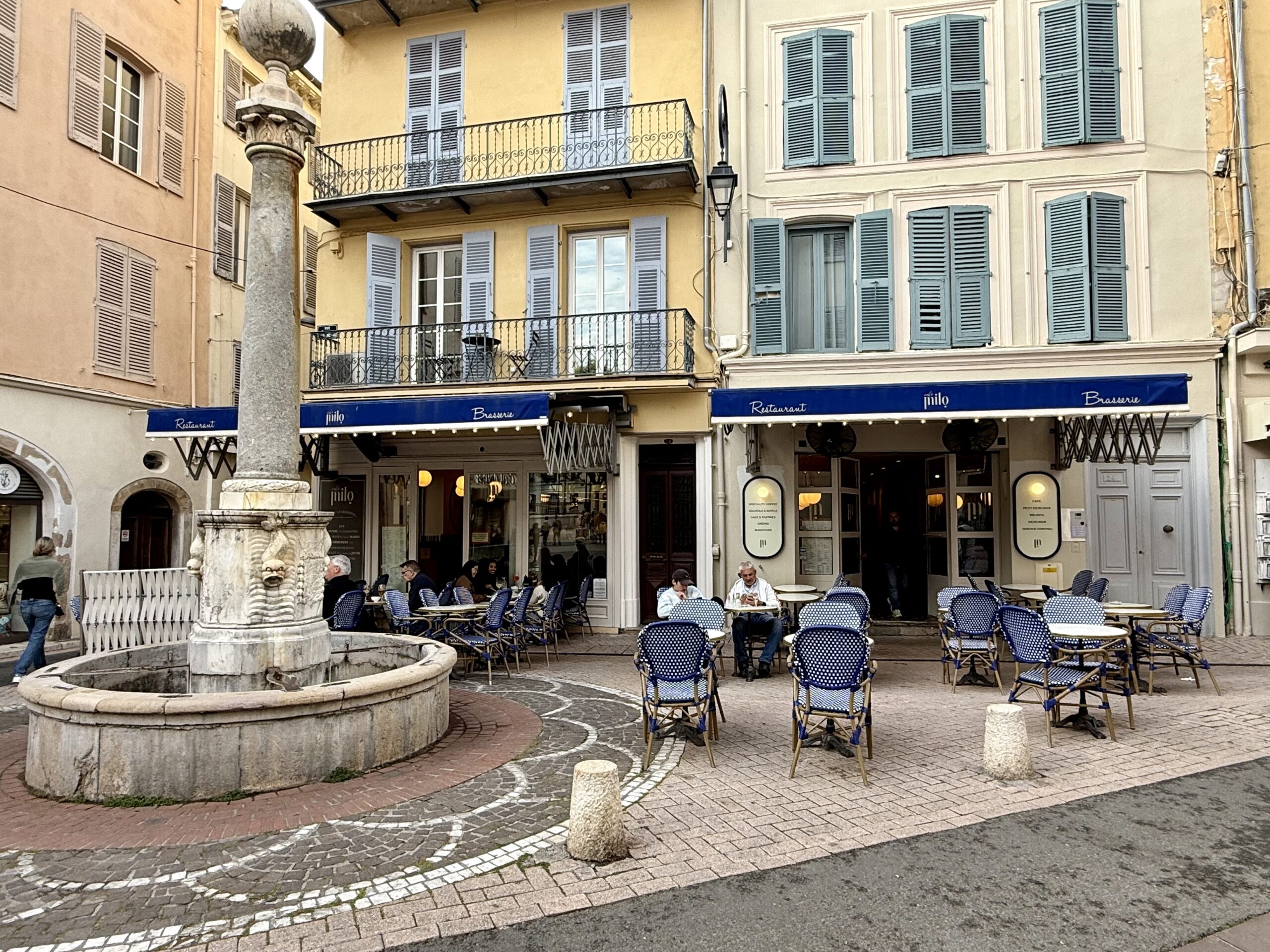
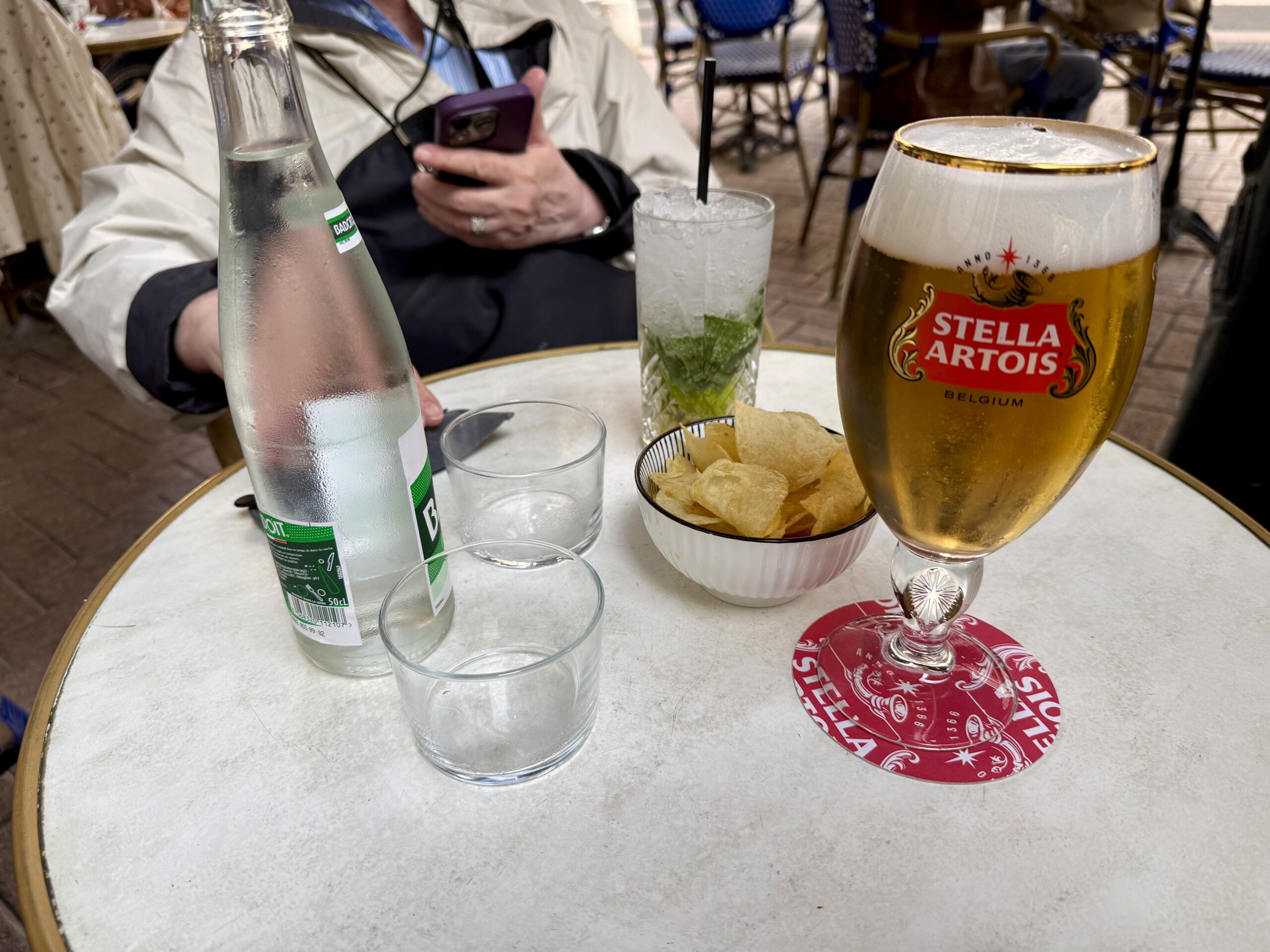
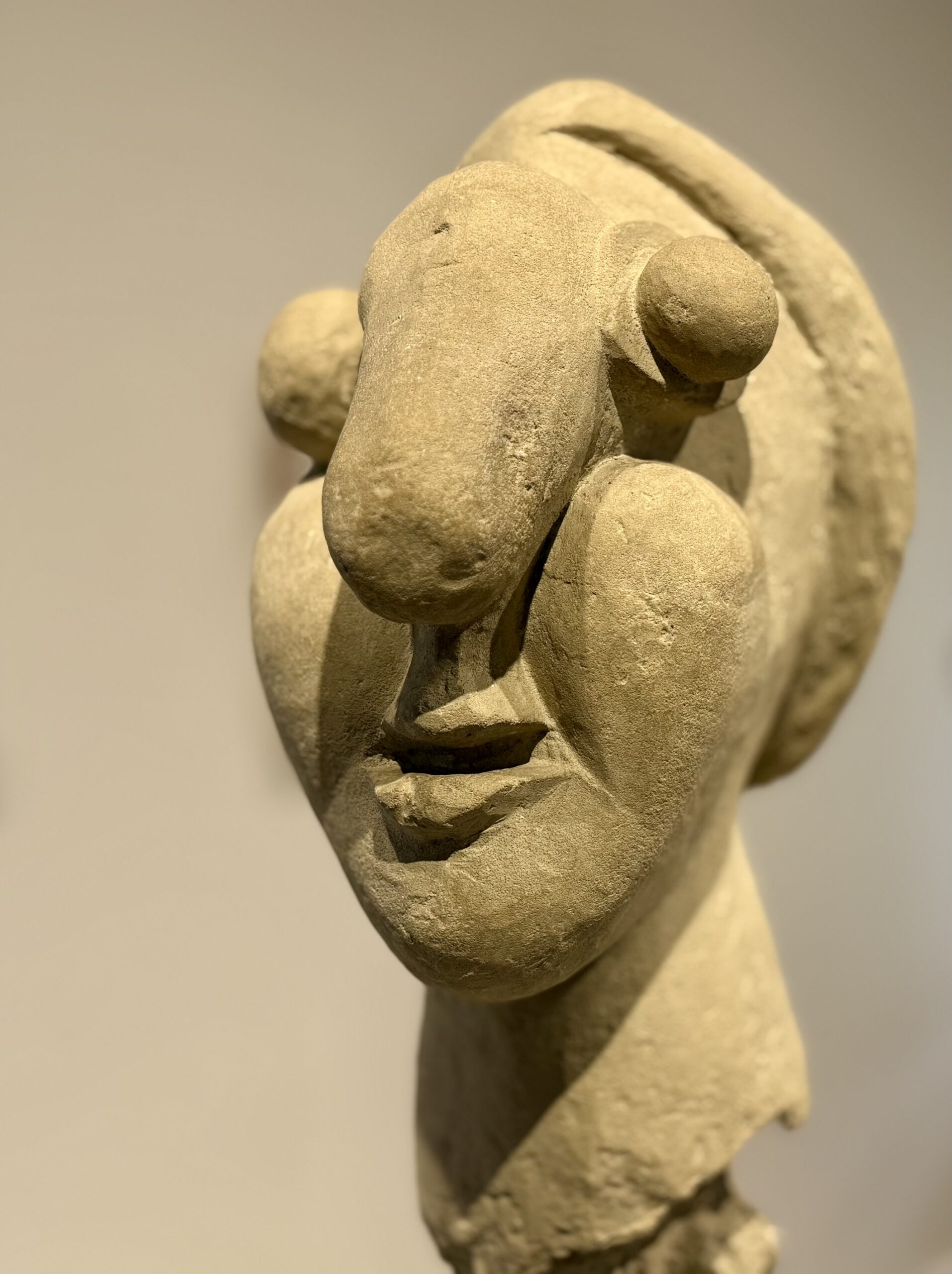
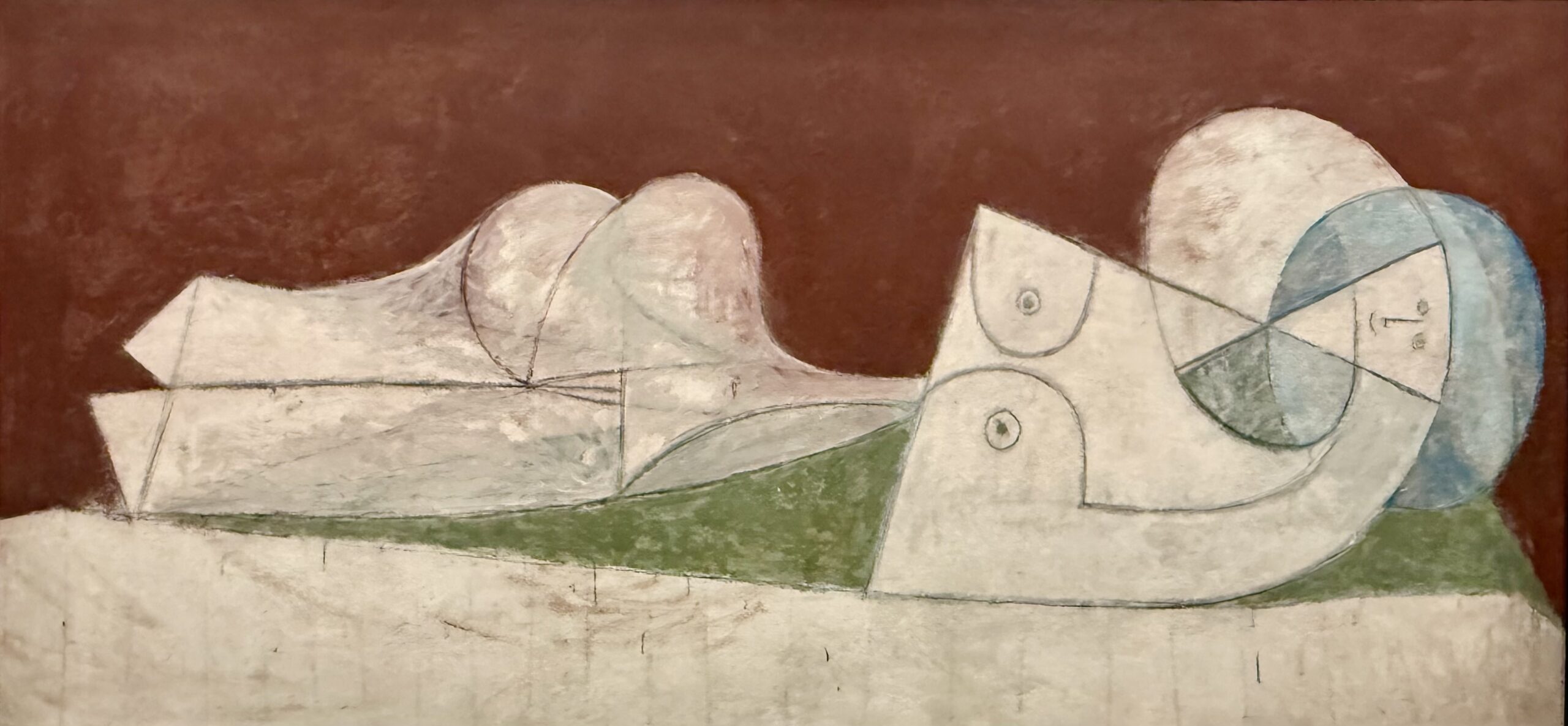
Picasso Museum
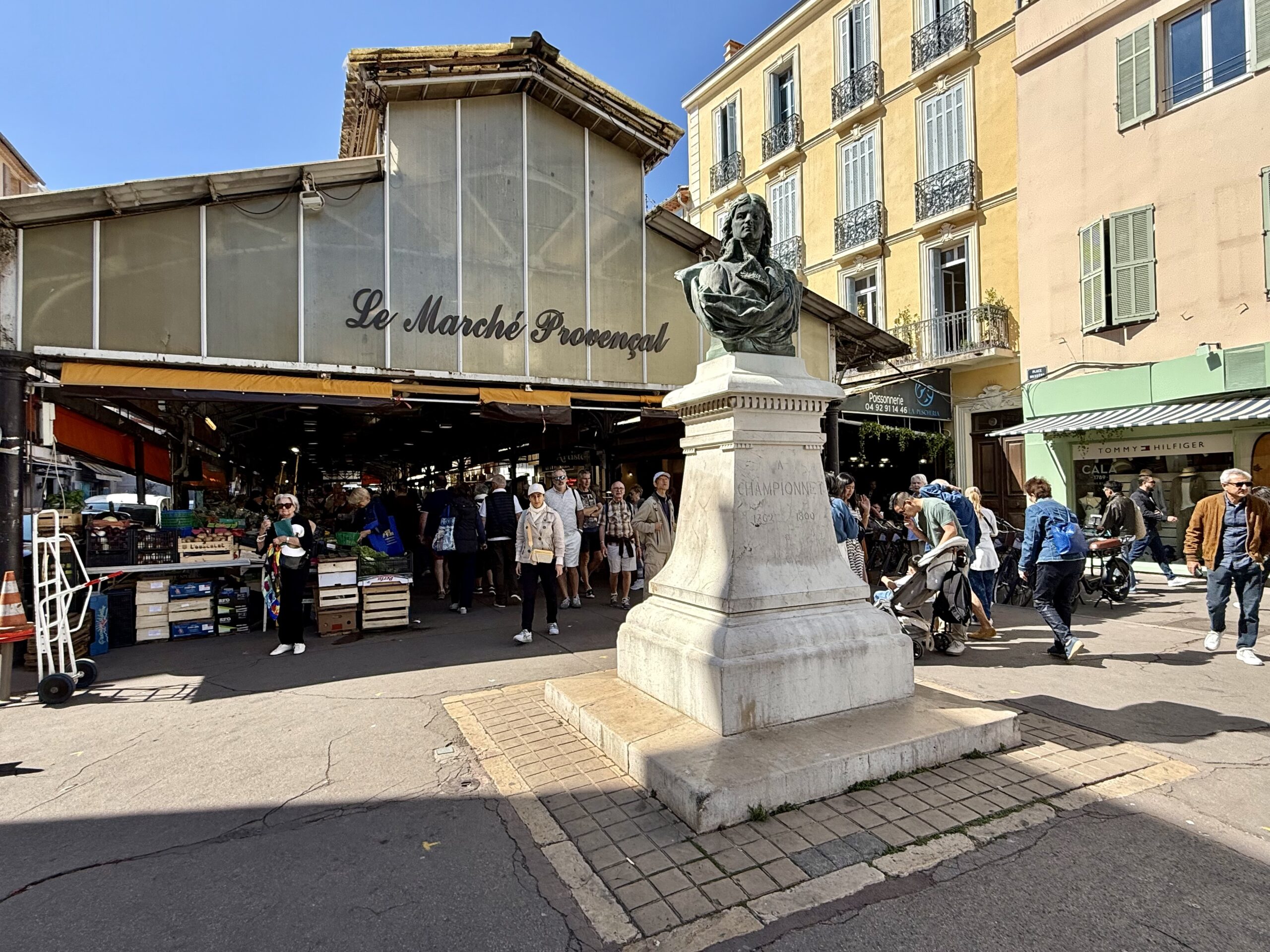
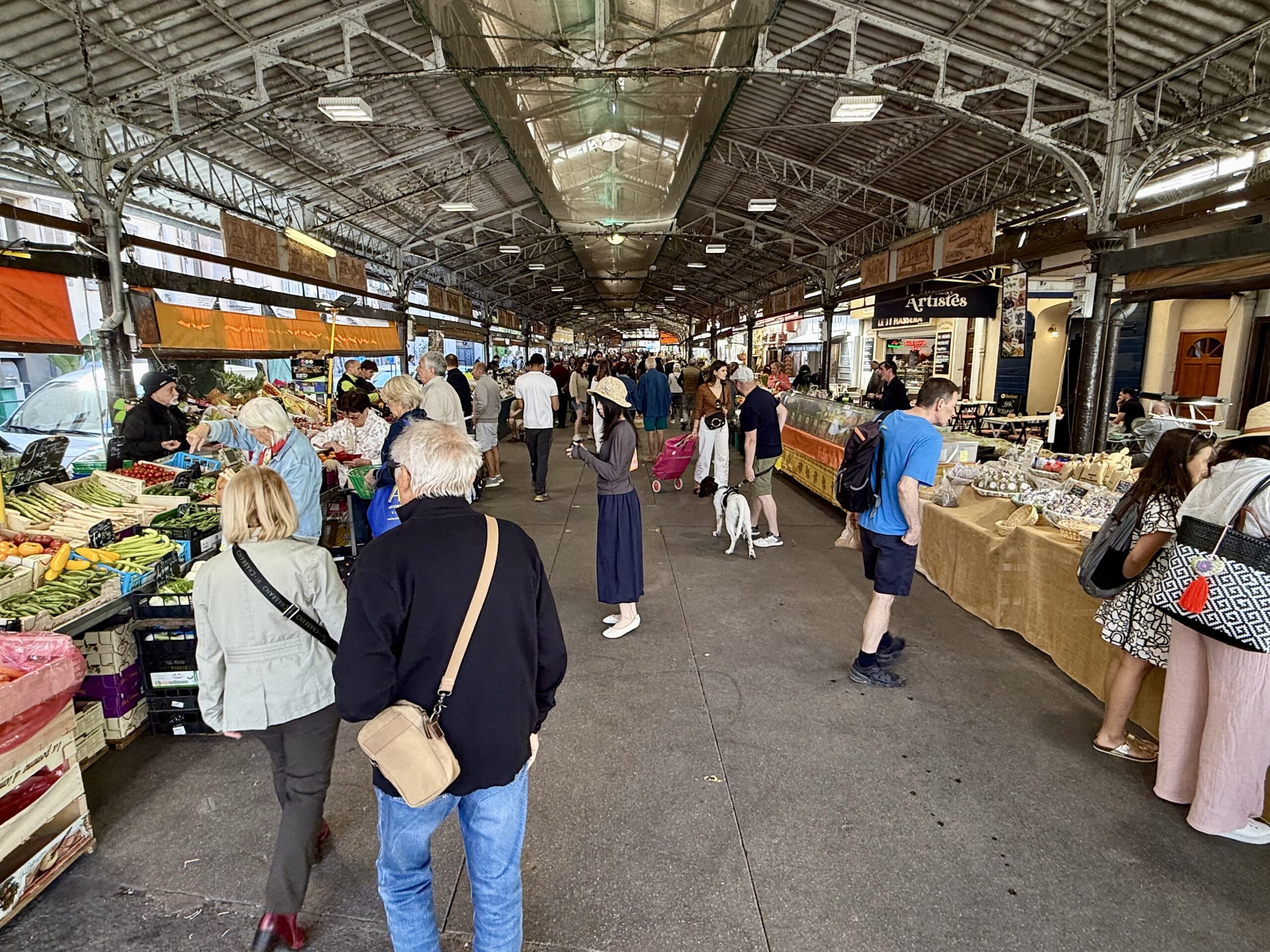
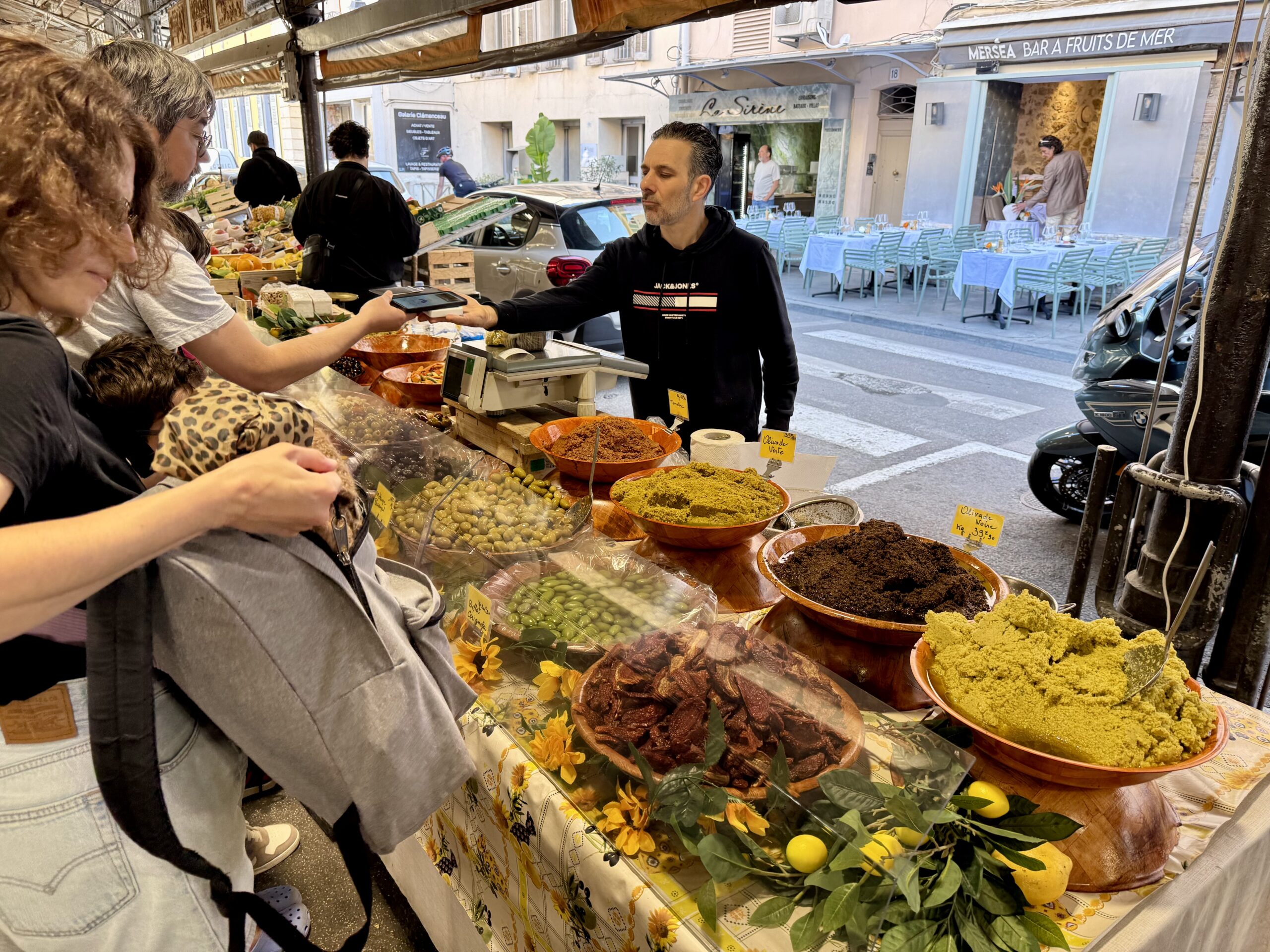
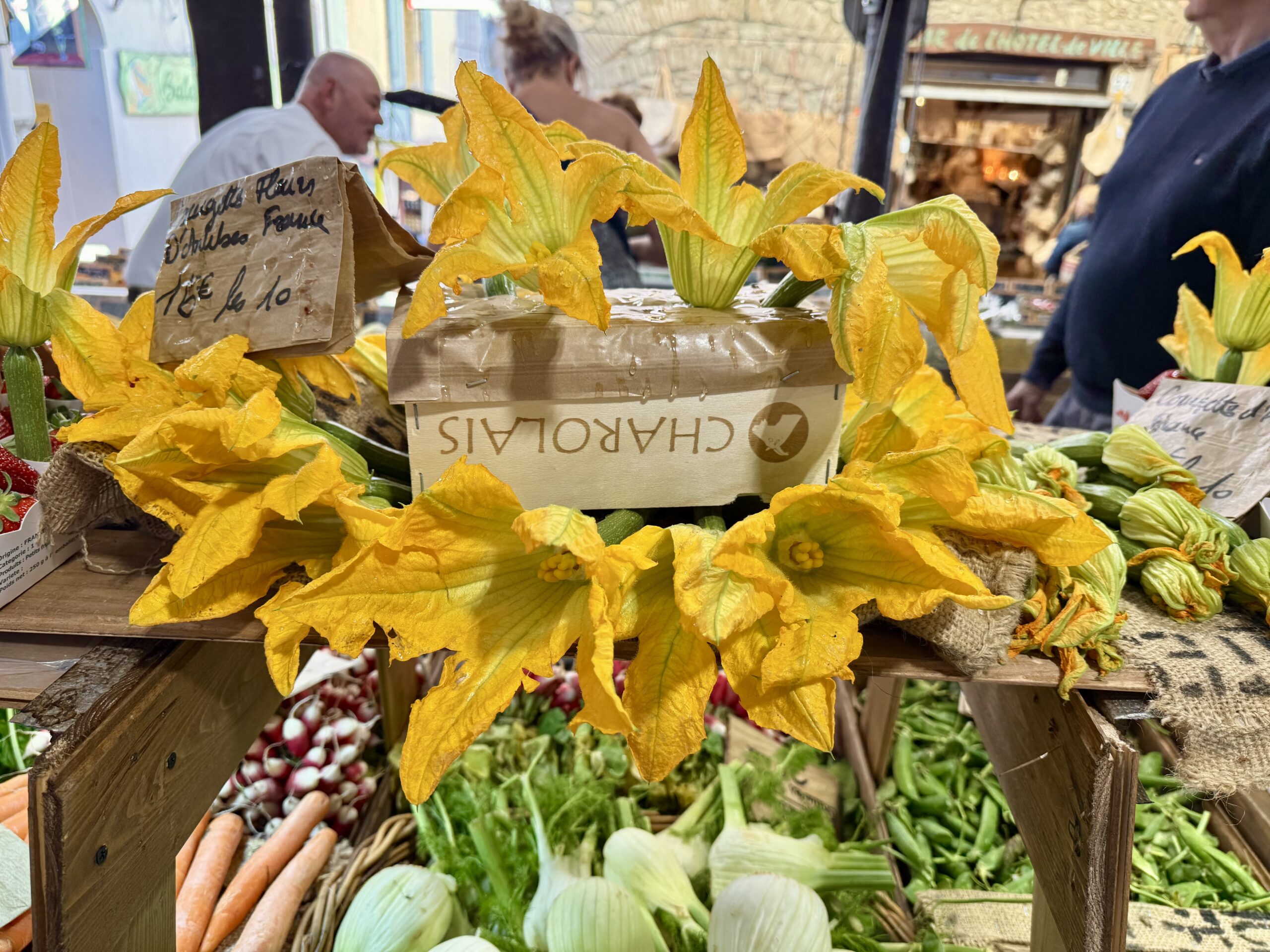
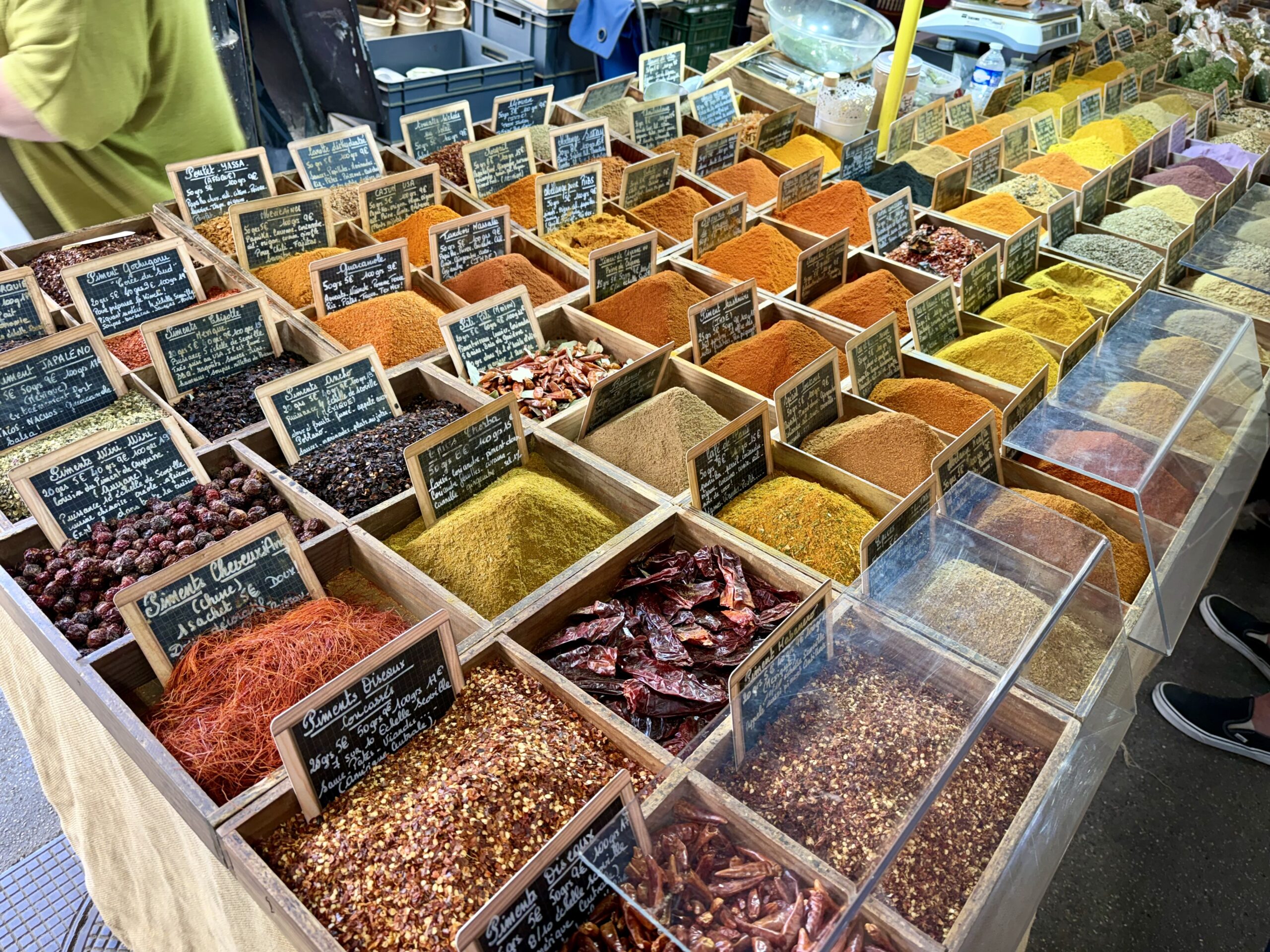
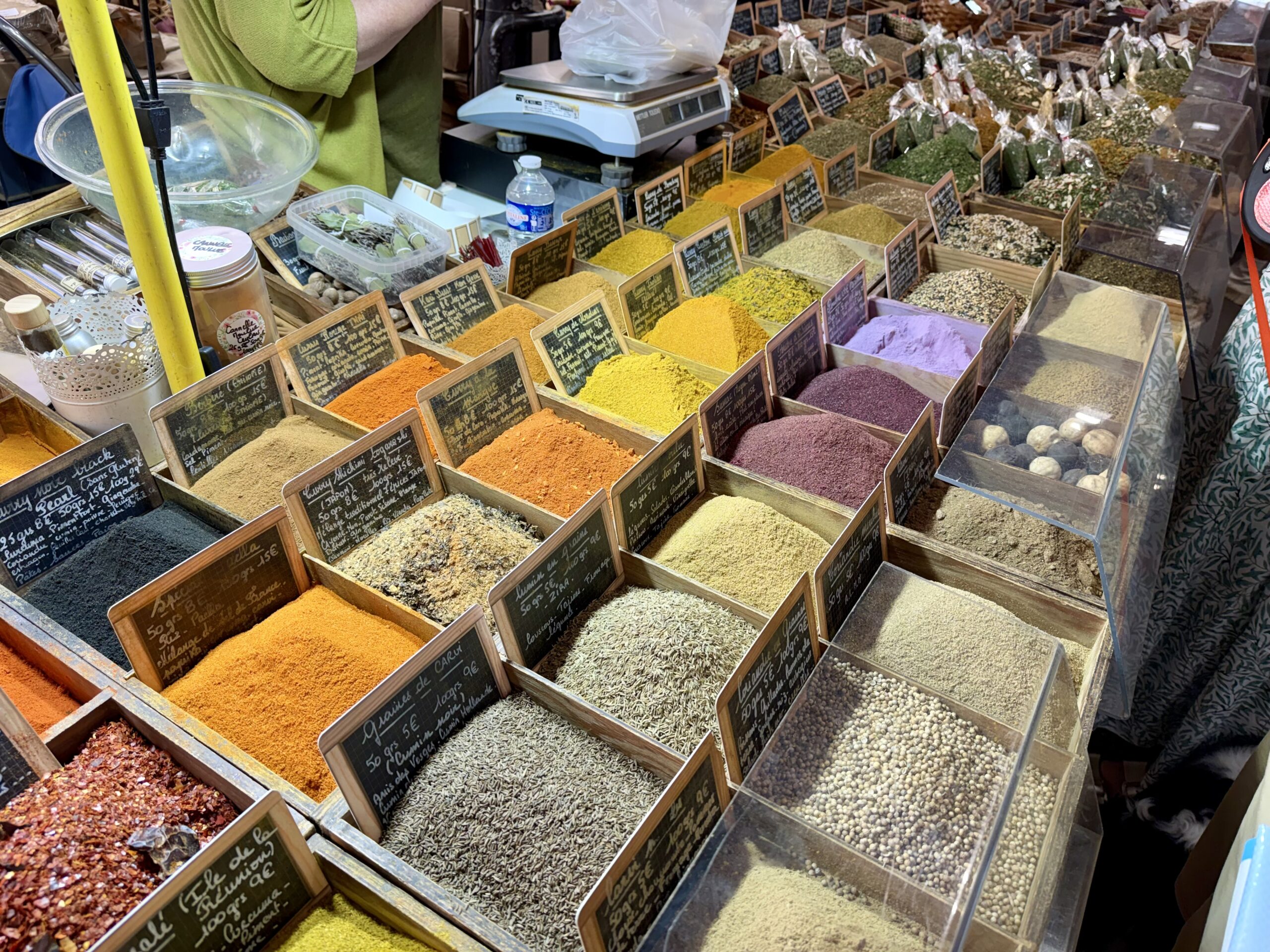
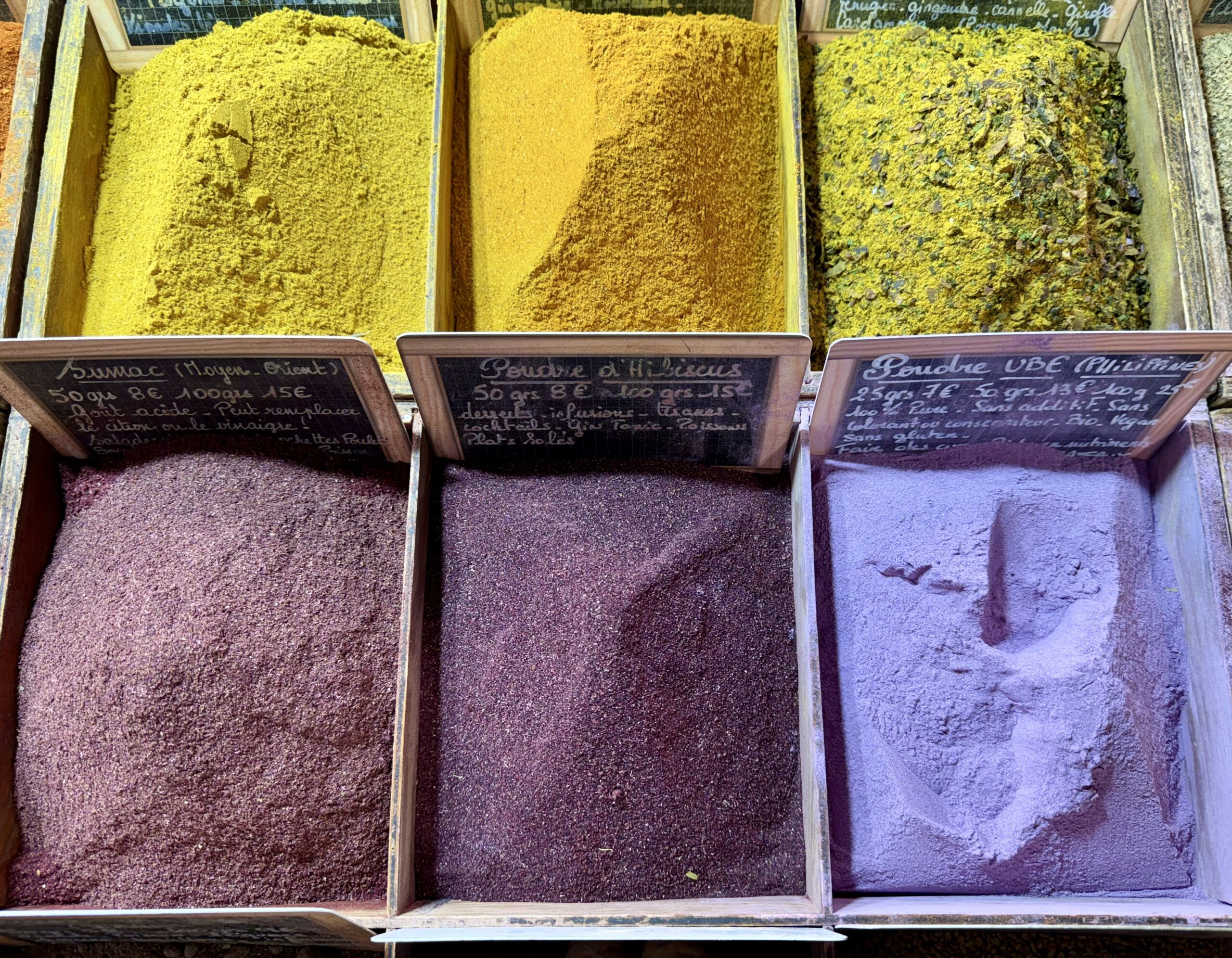
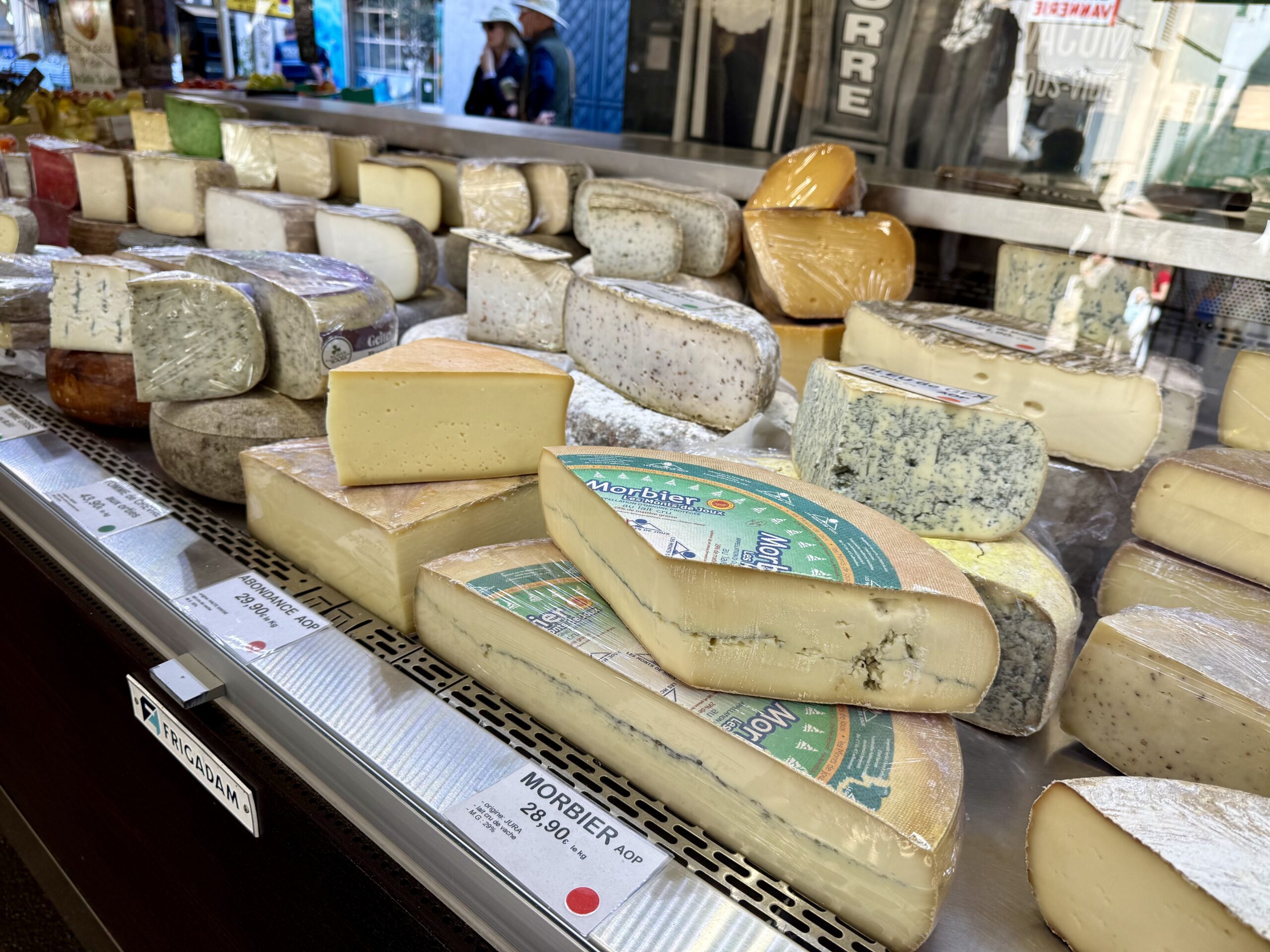
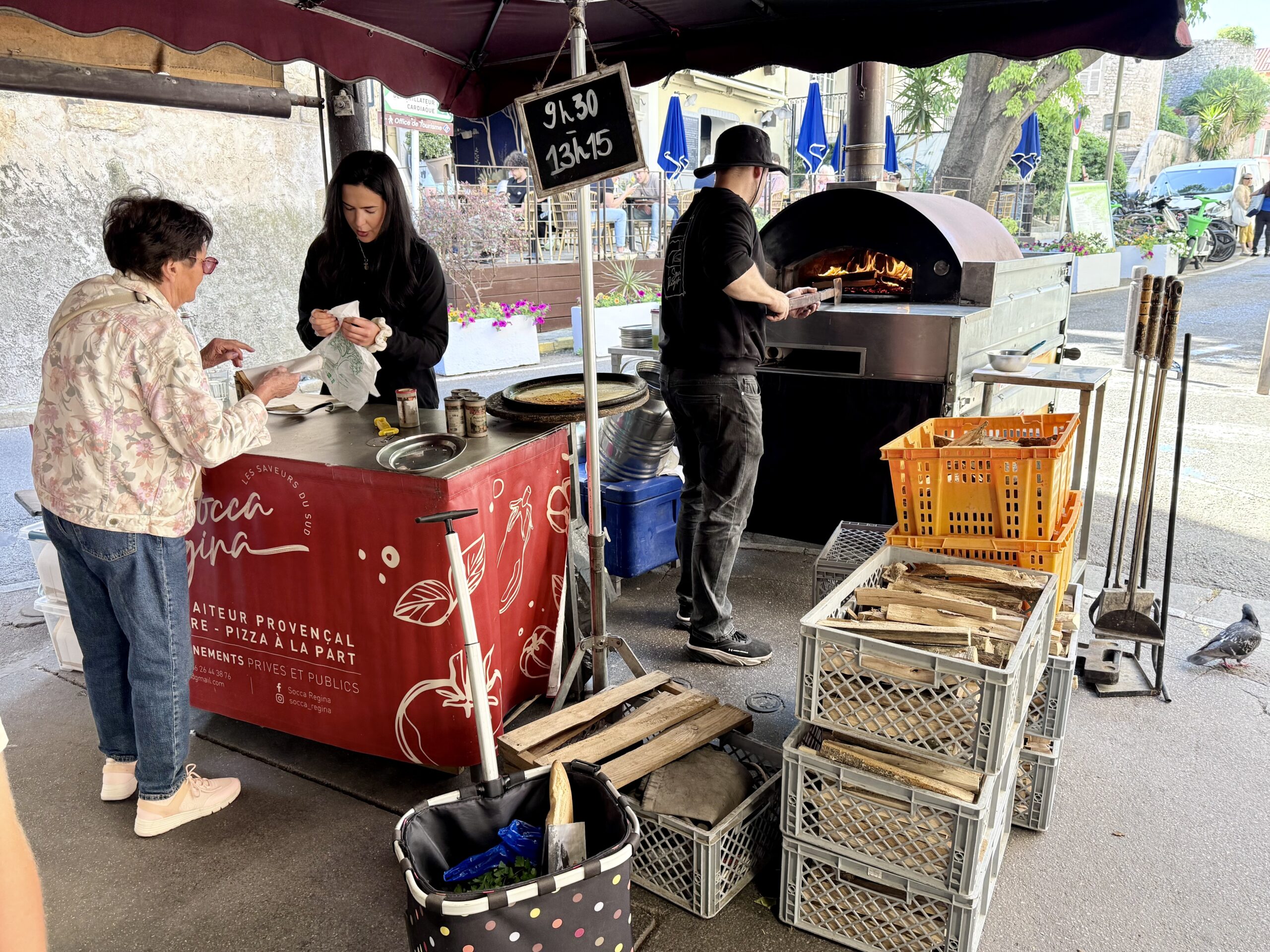
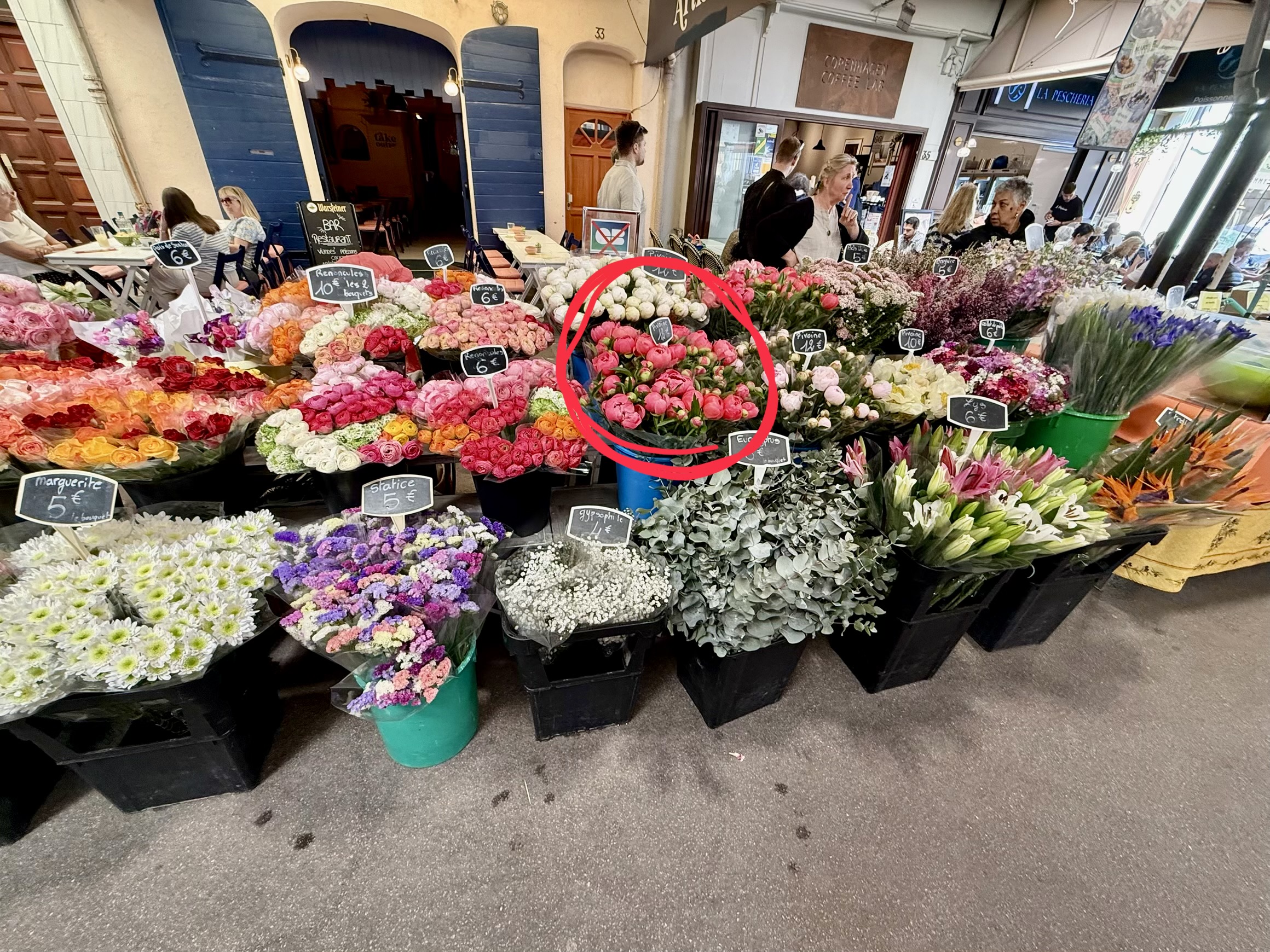
Morning Food Market
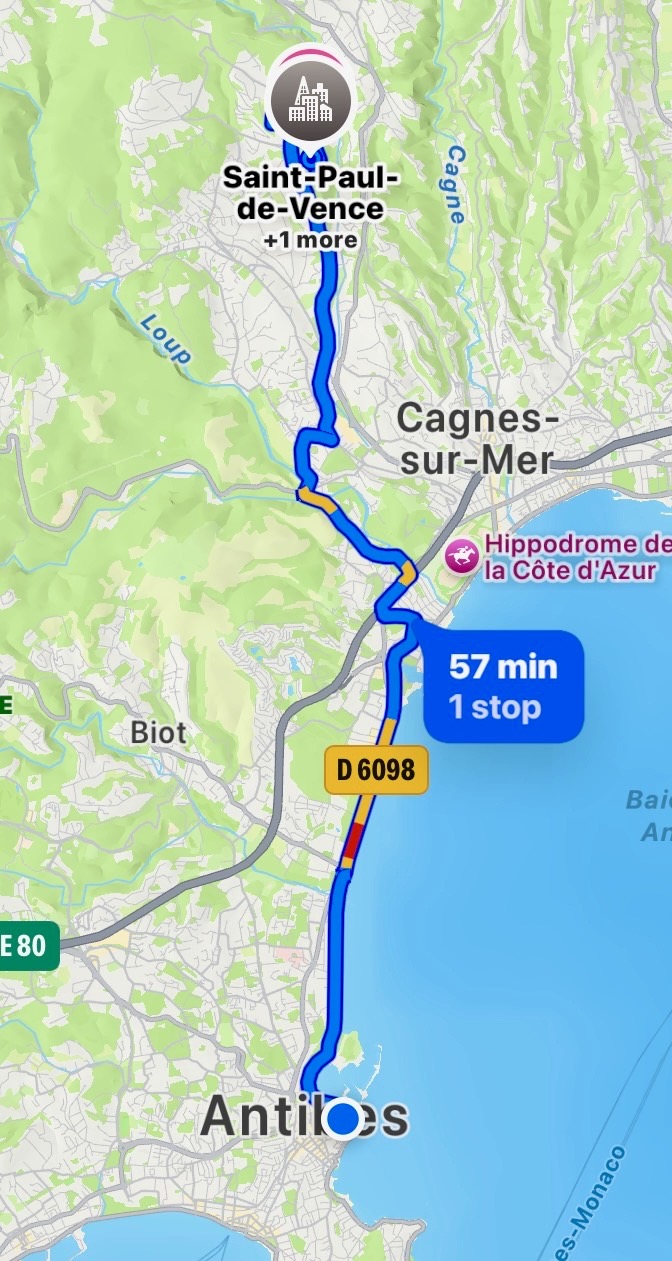
A Day Trip
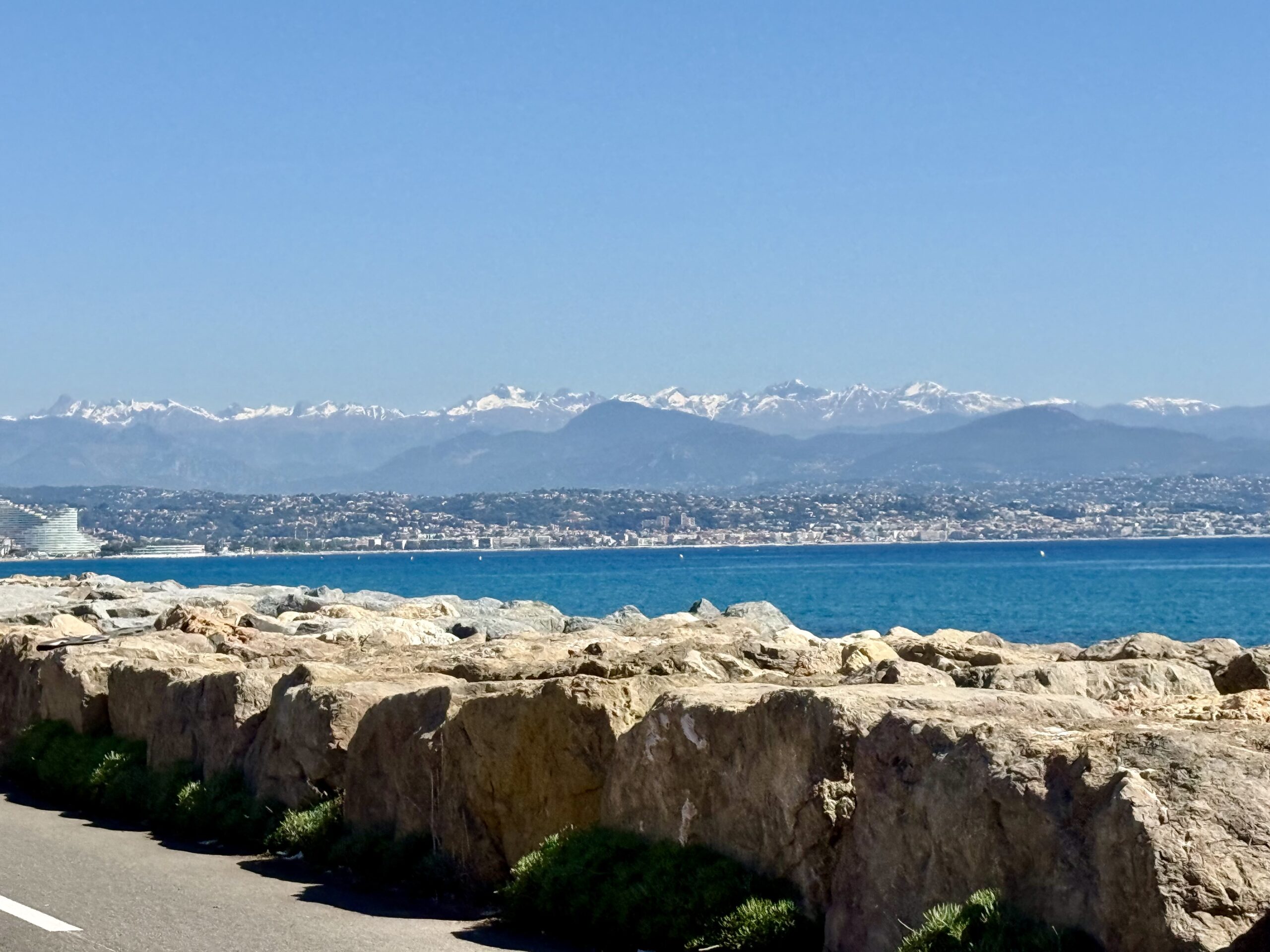
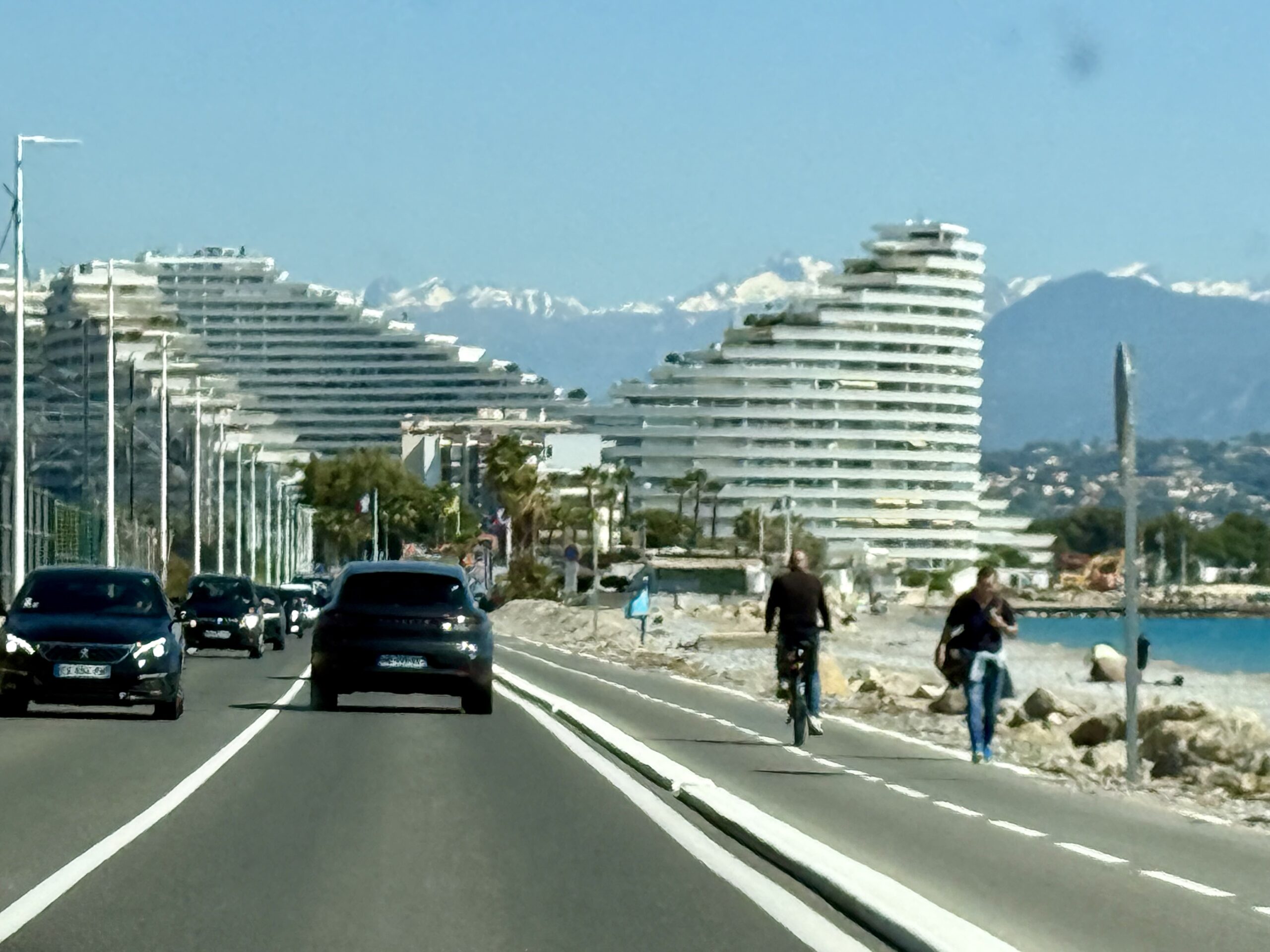
We also saw this mega residential development.
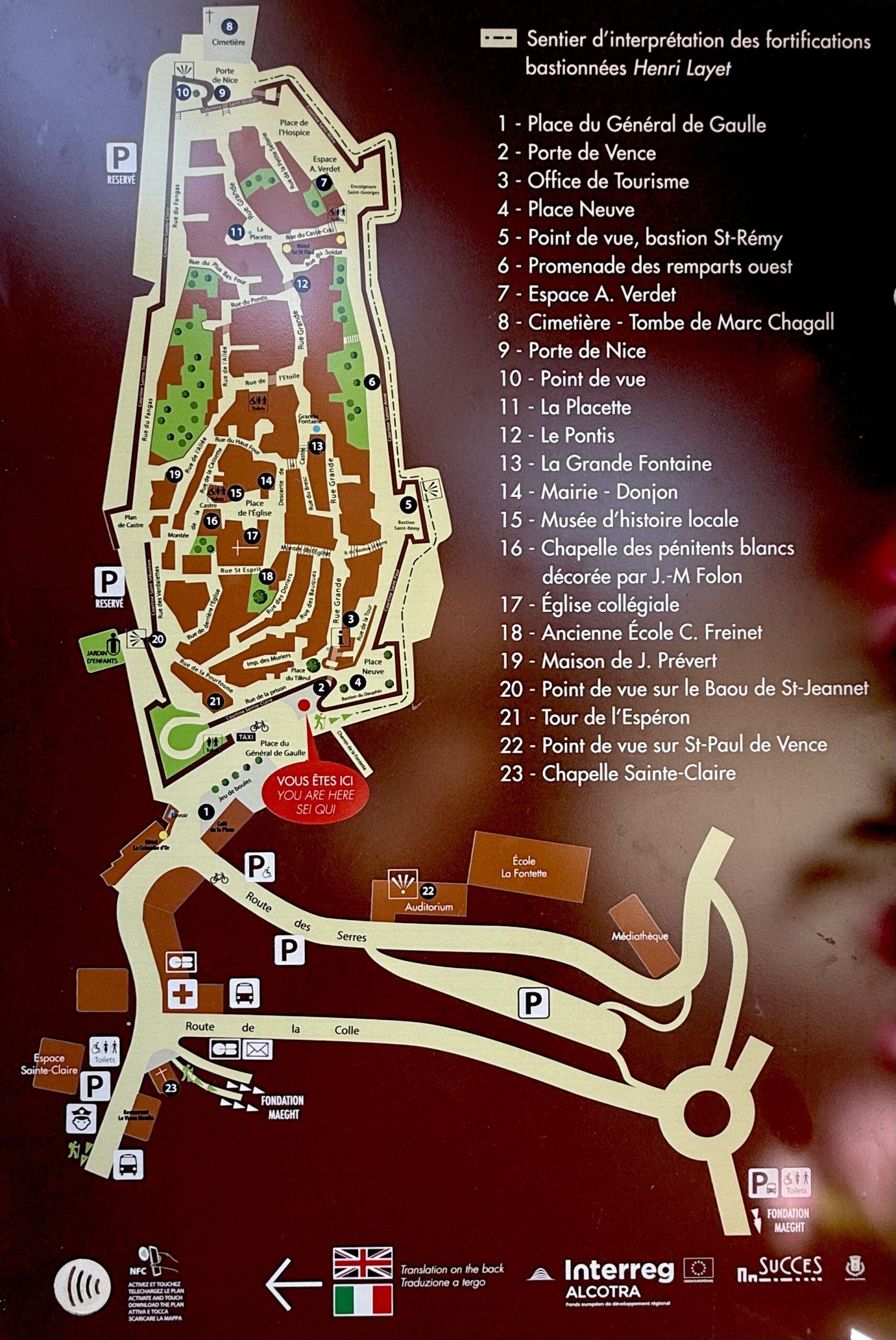
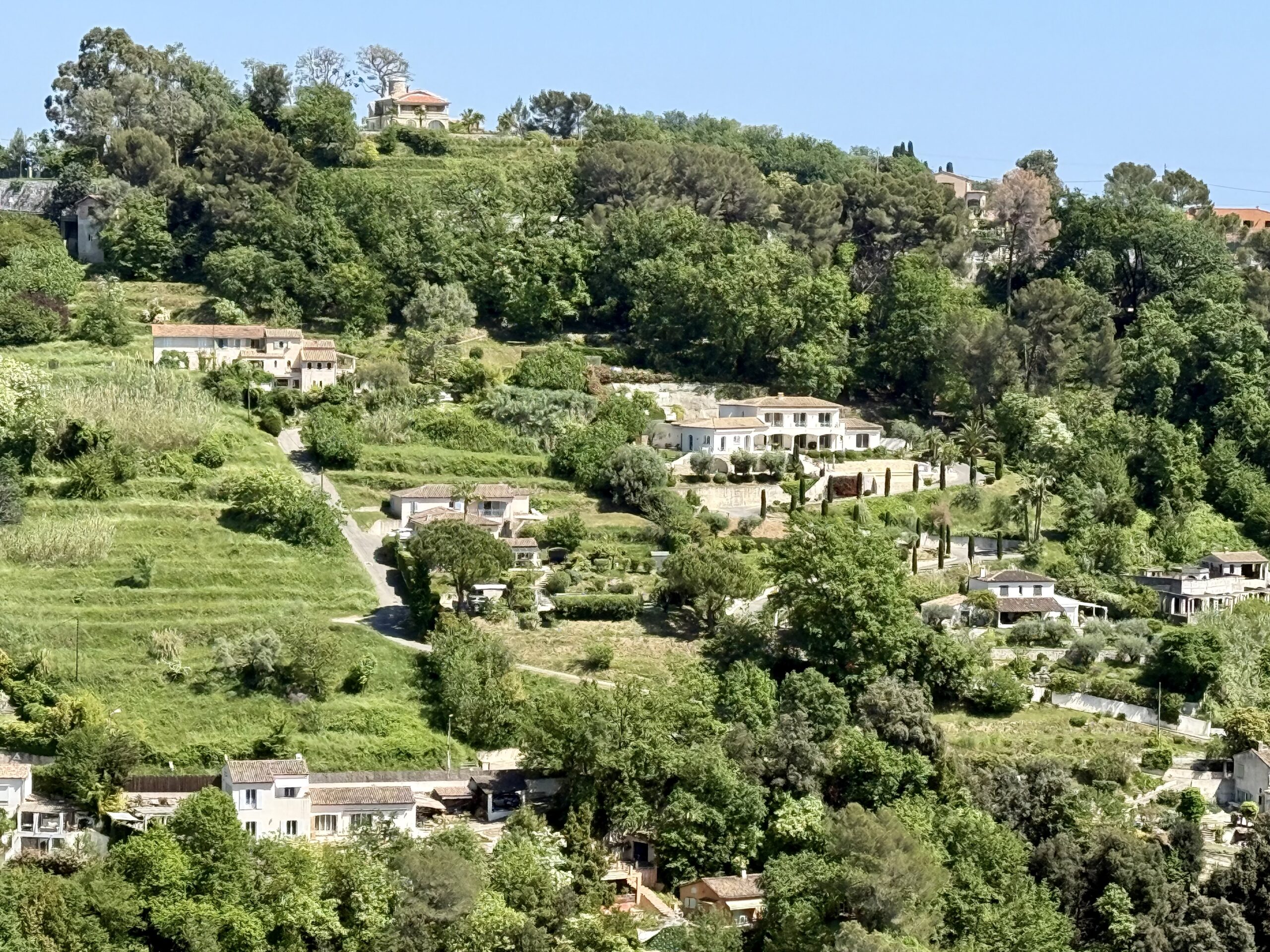
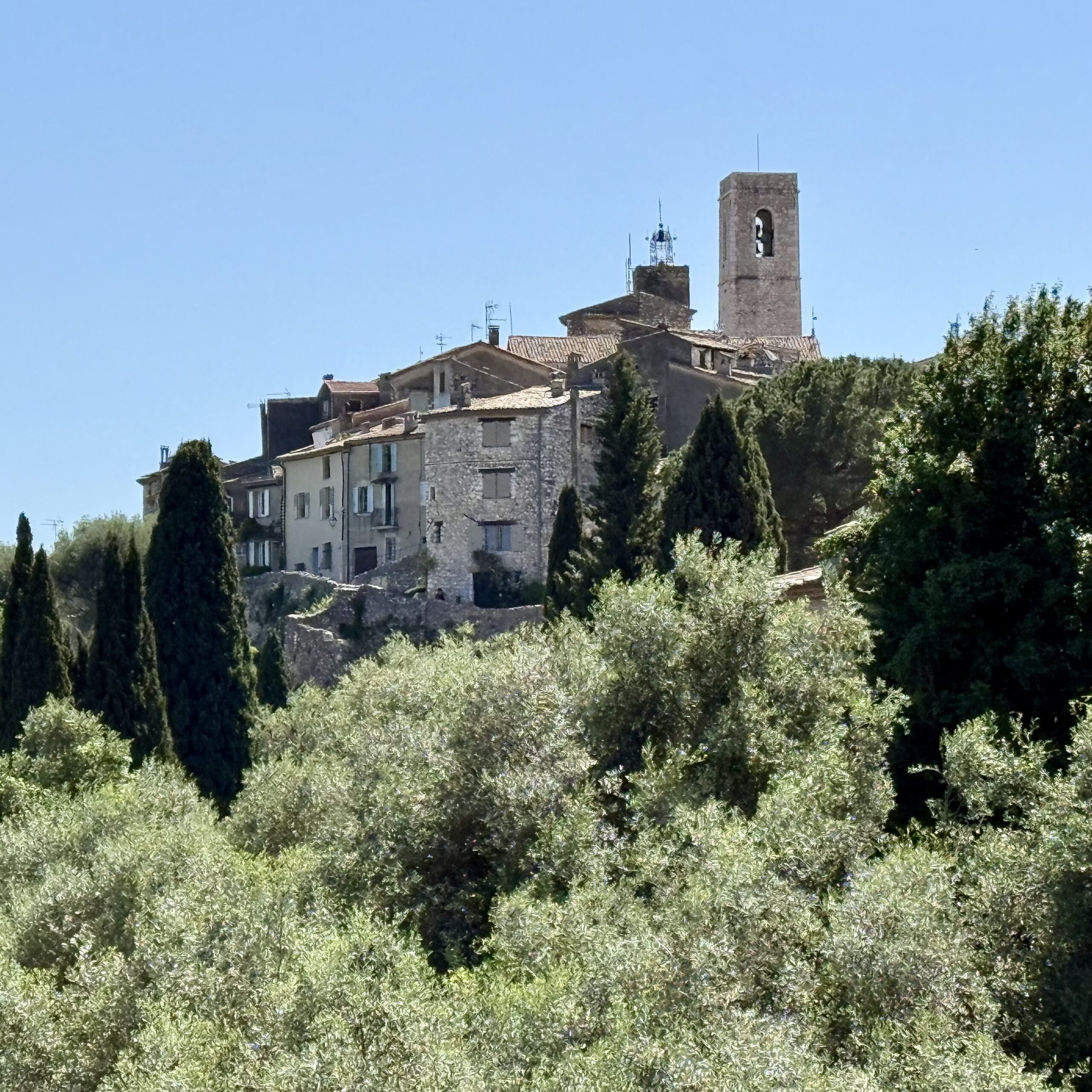
Saint Paul de Vence
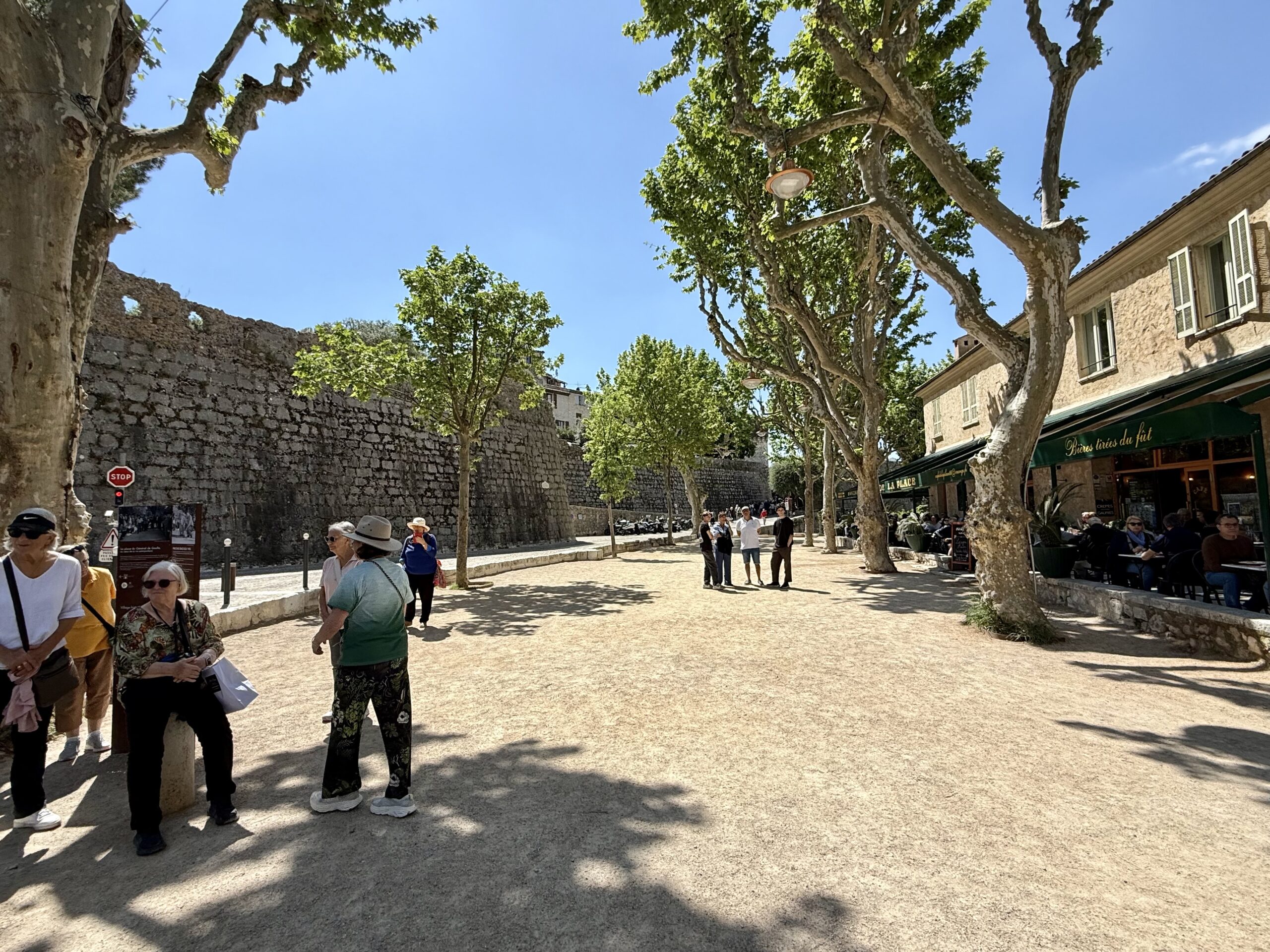
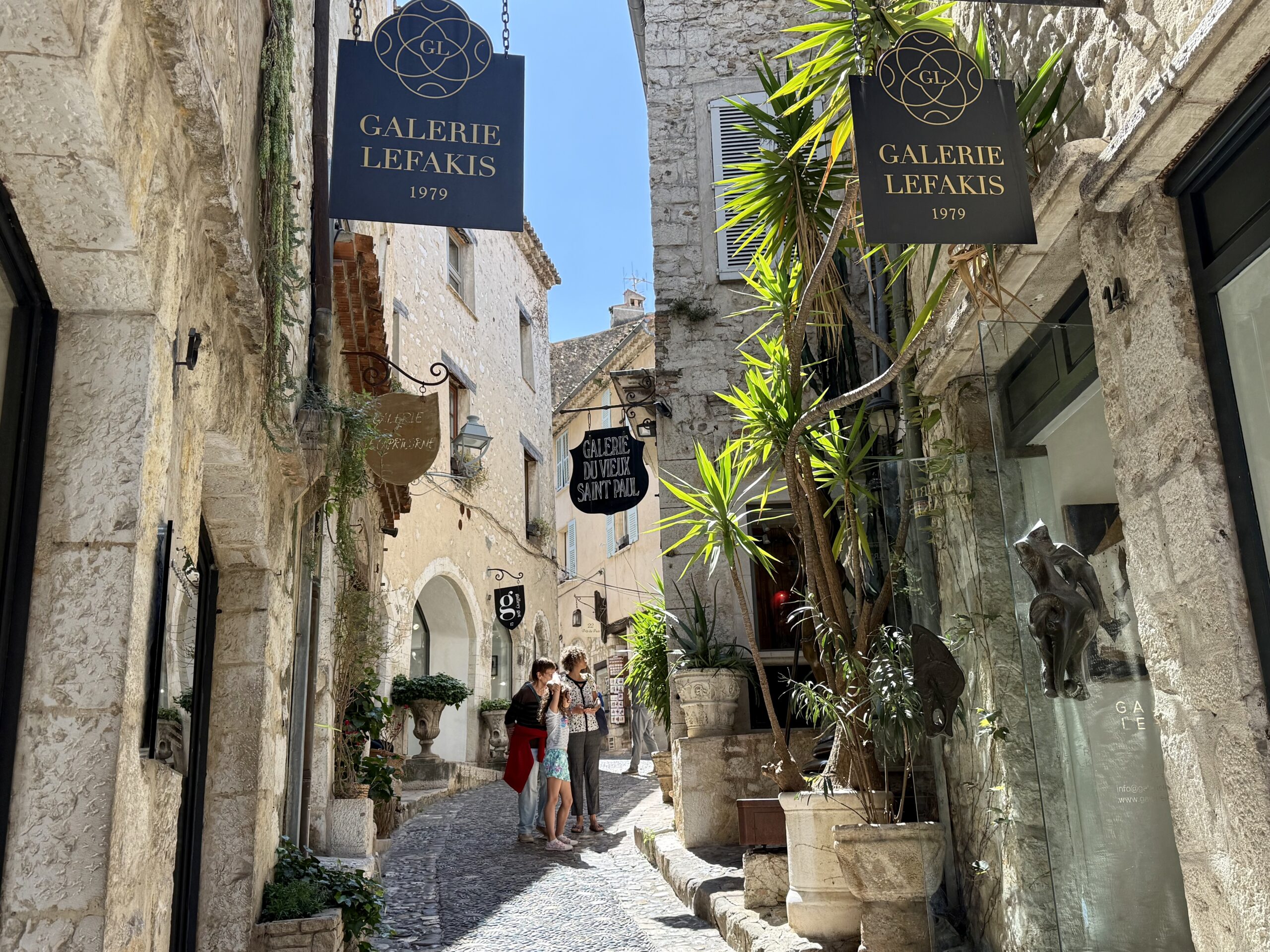
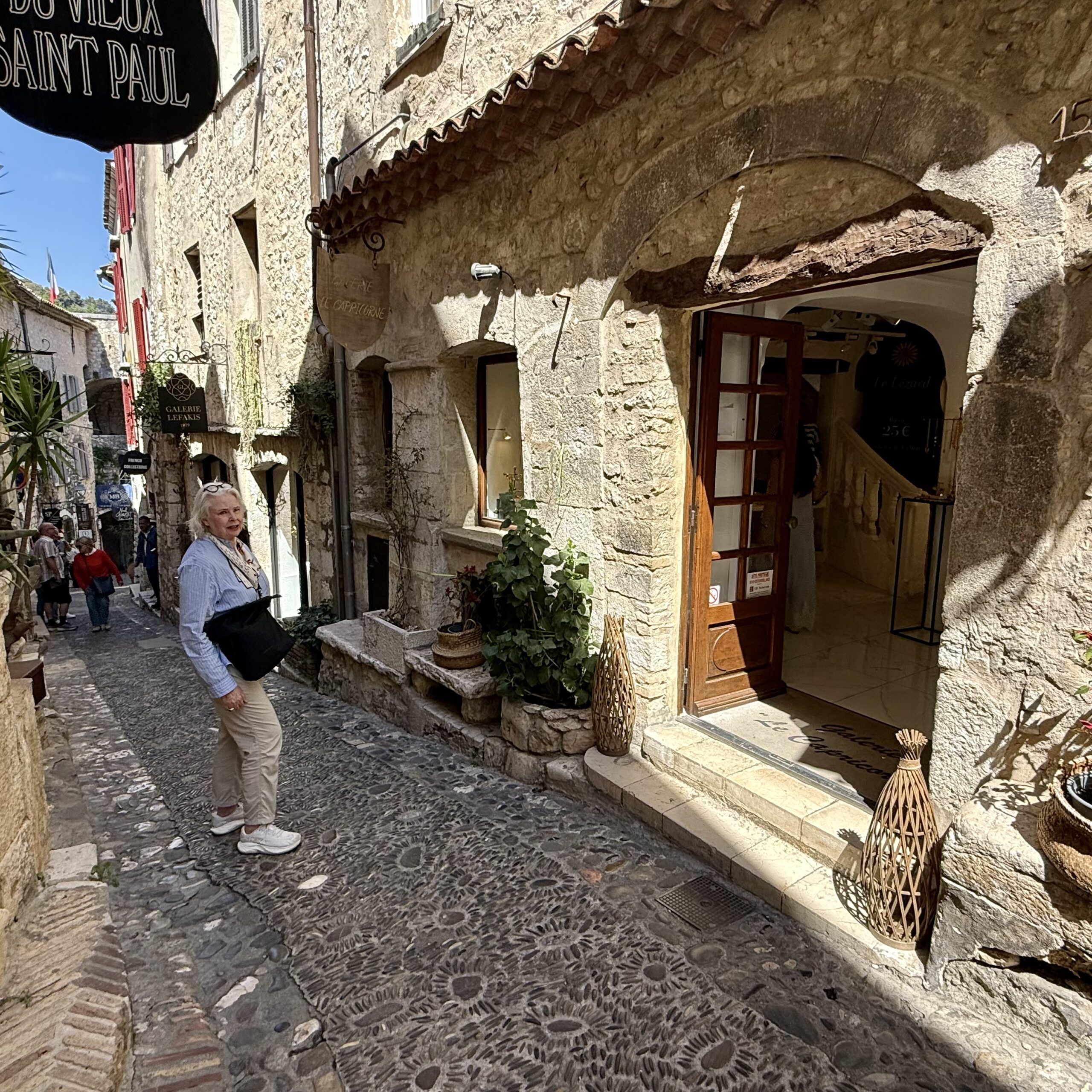
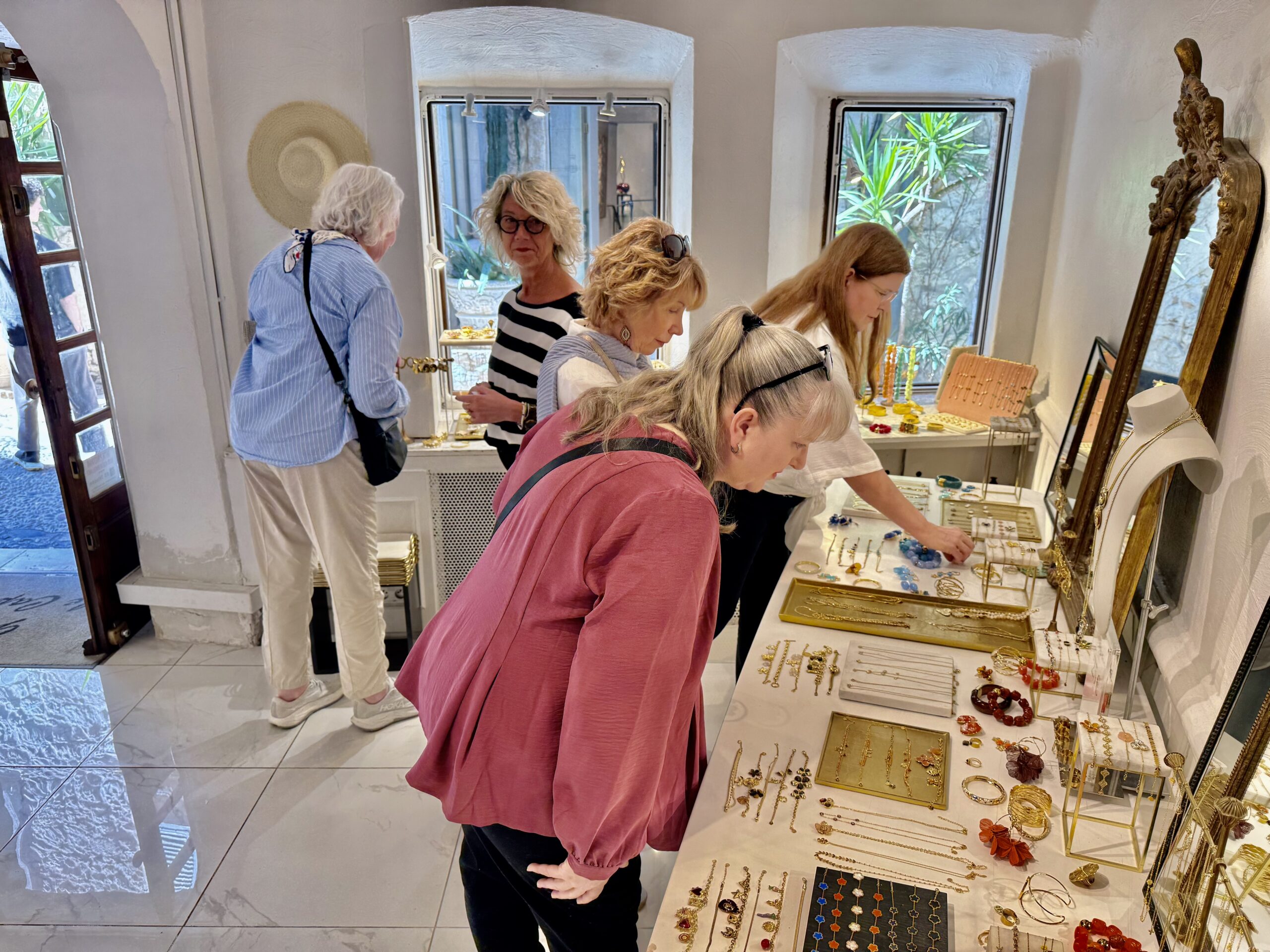
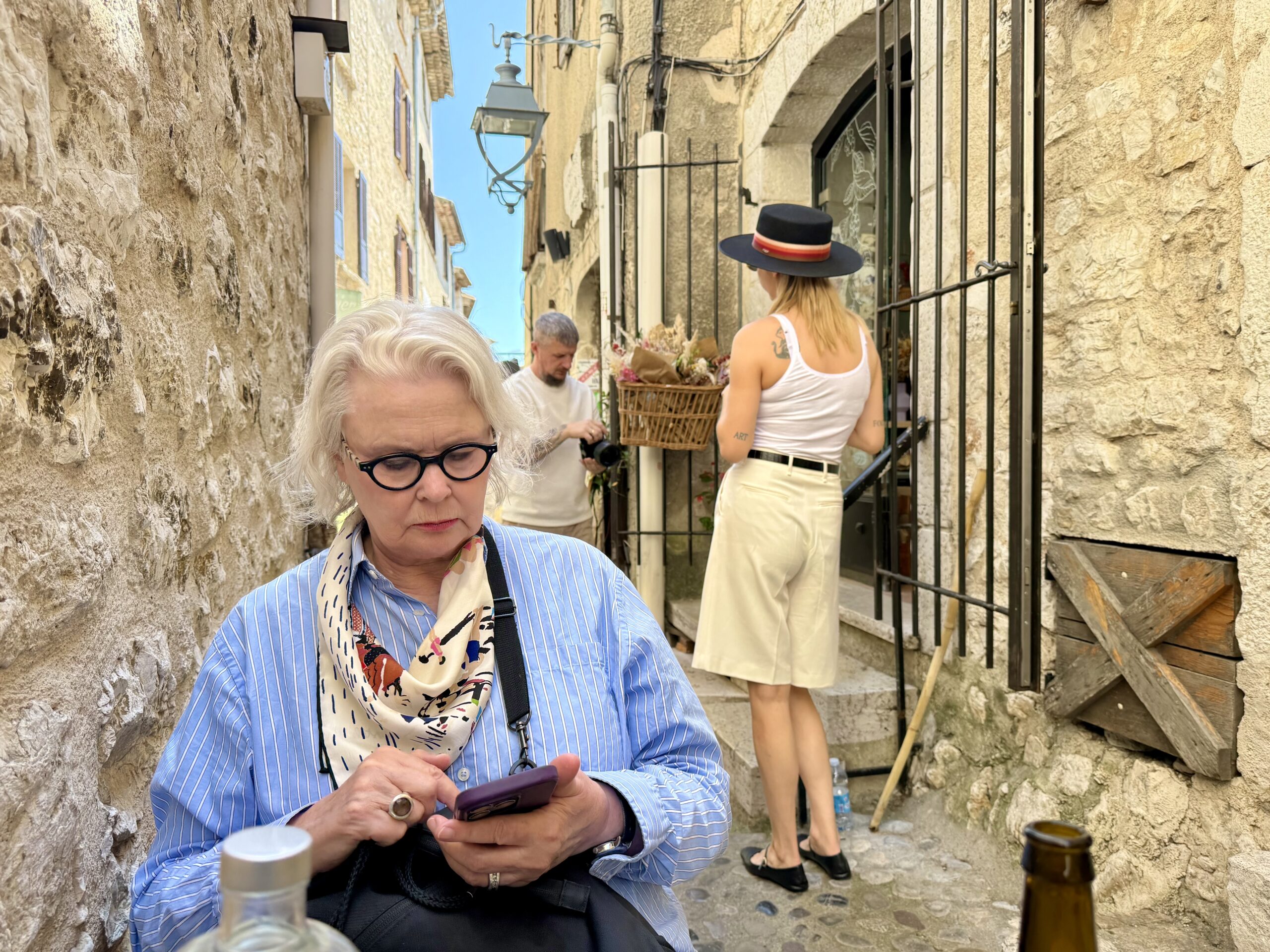
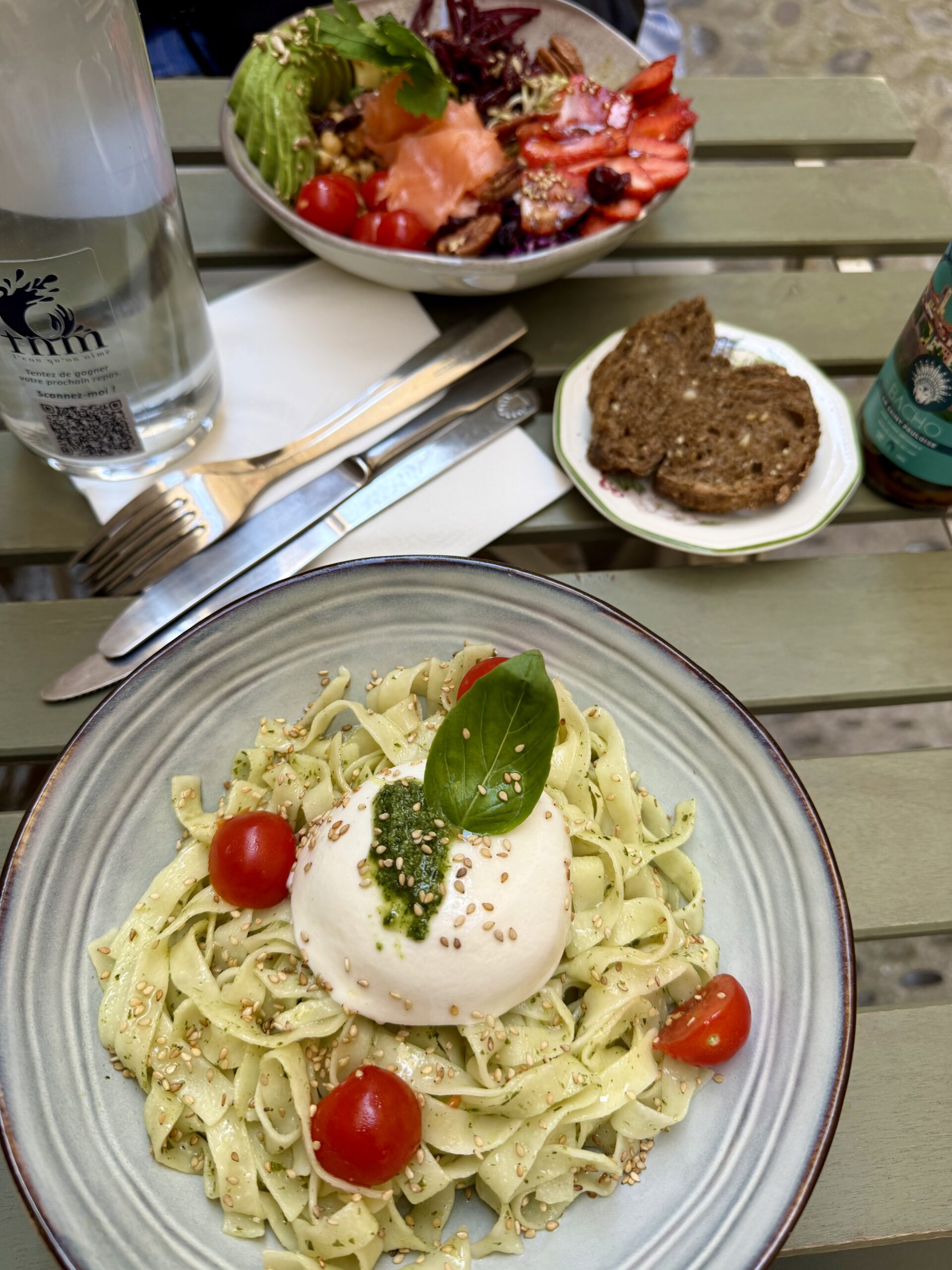
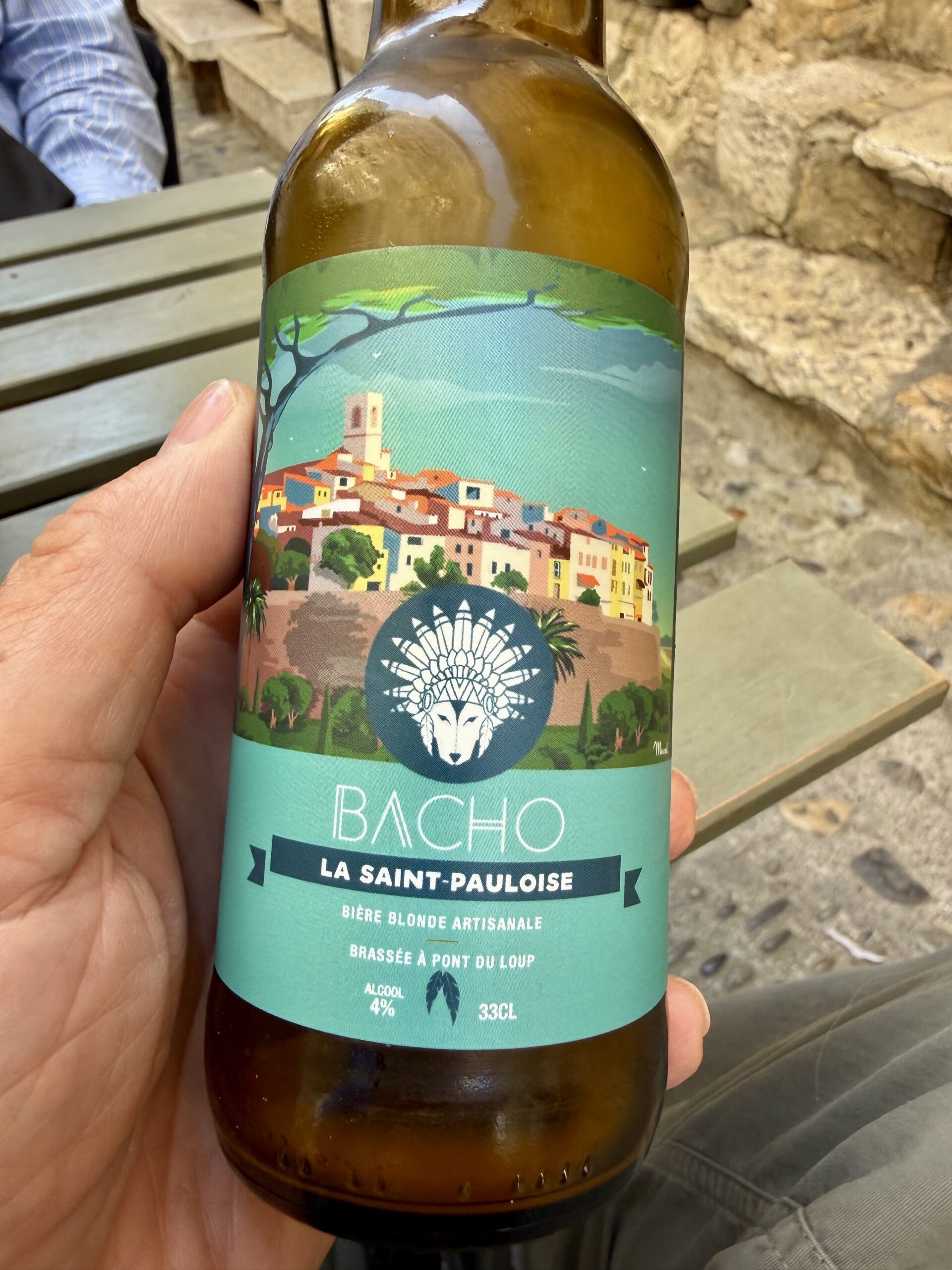
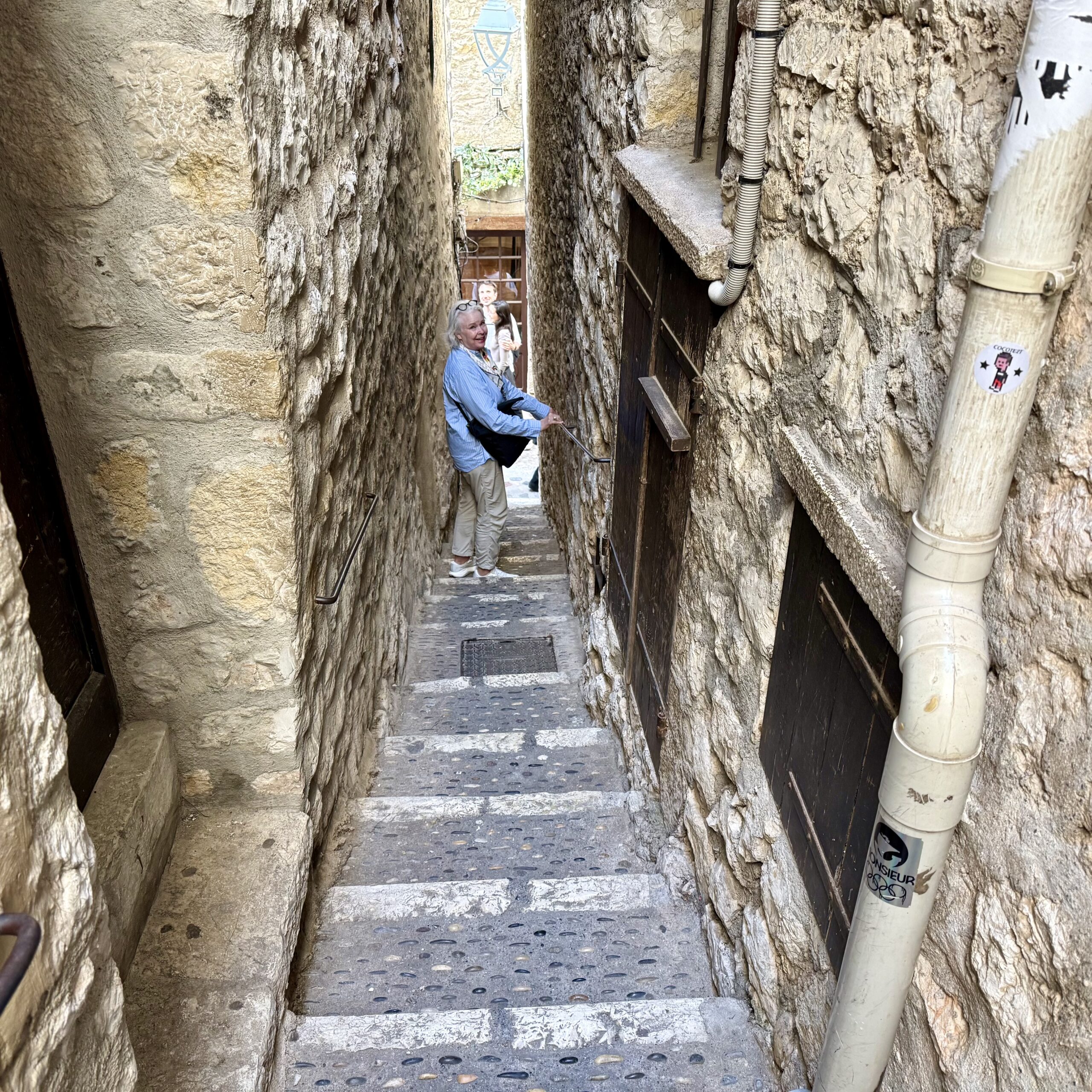
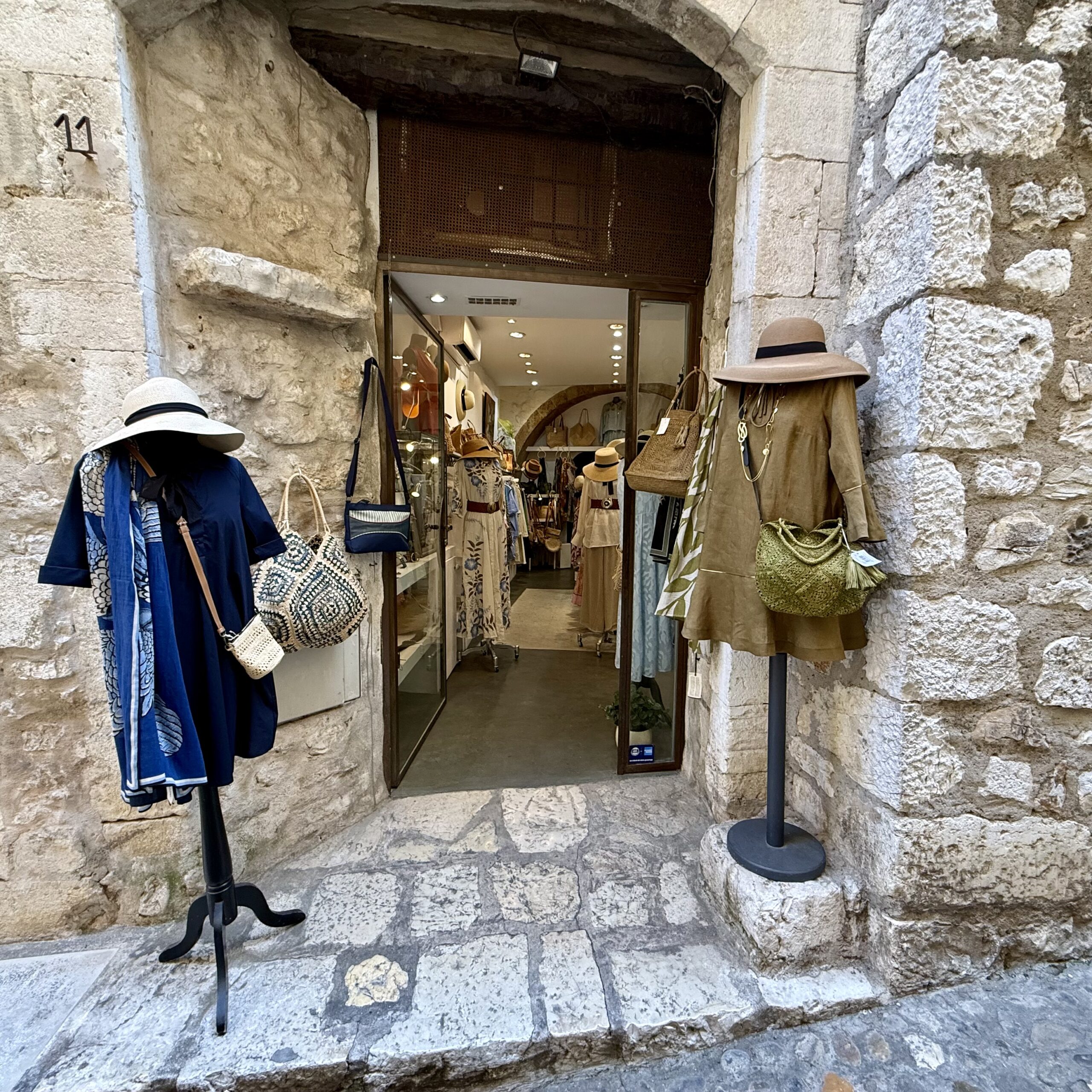
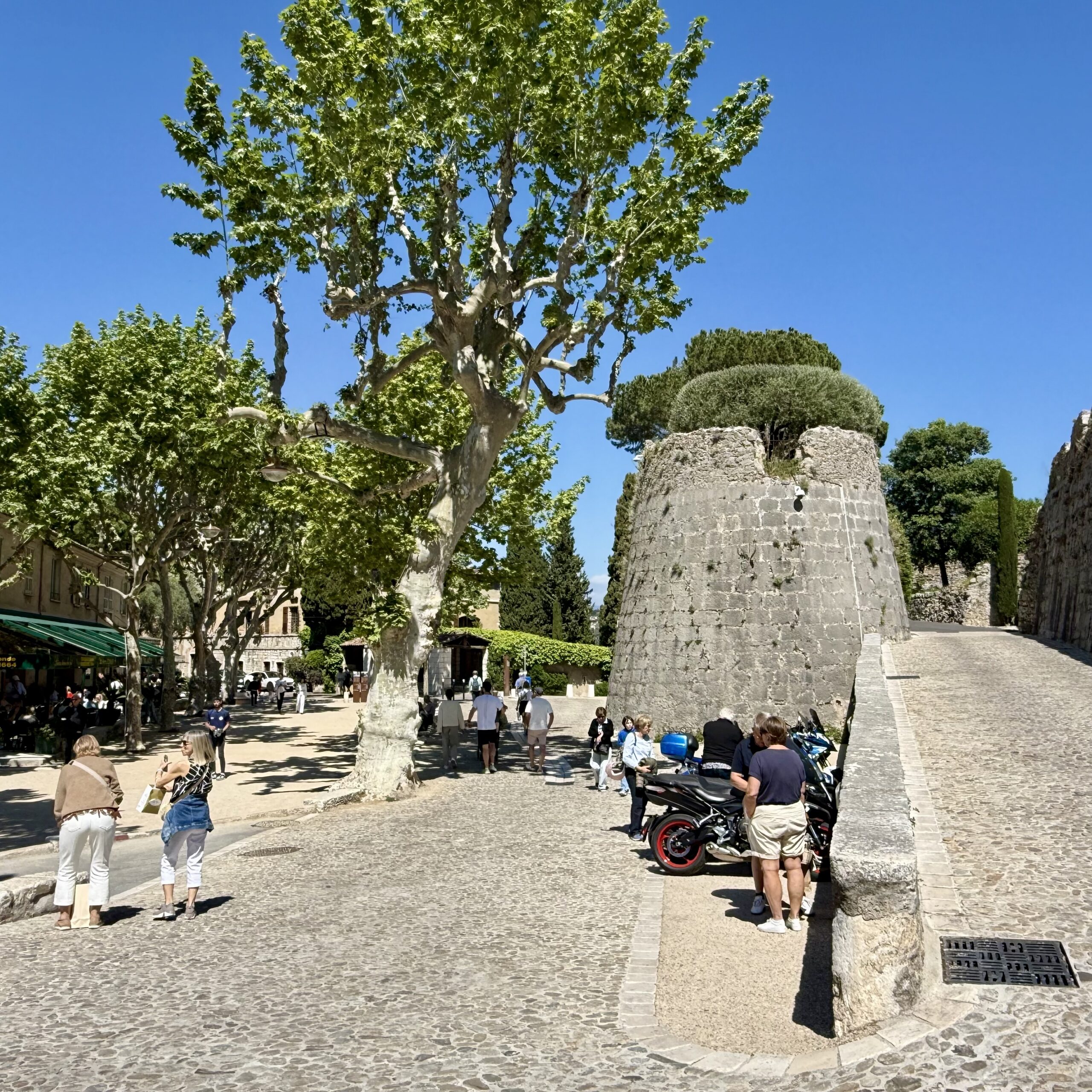
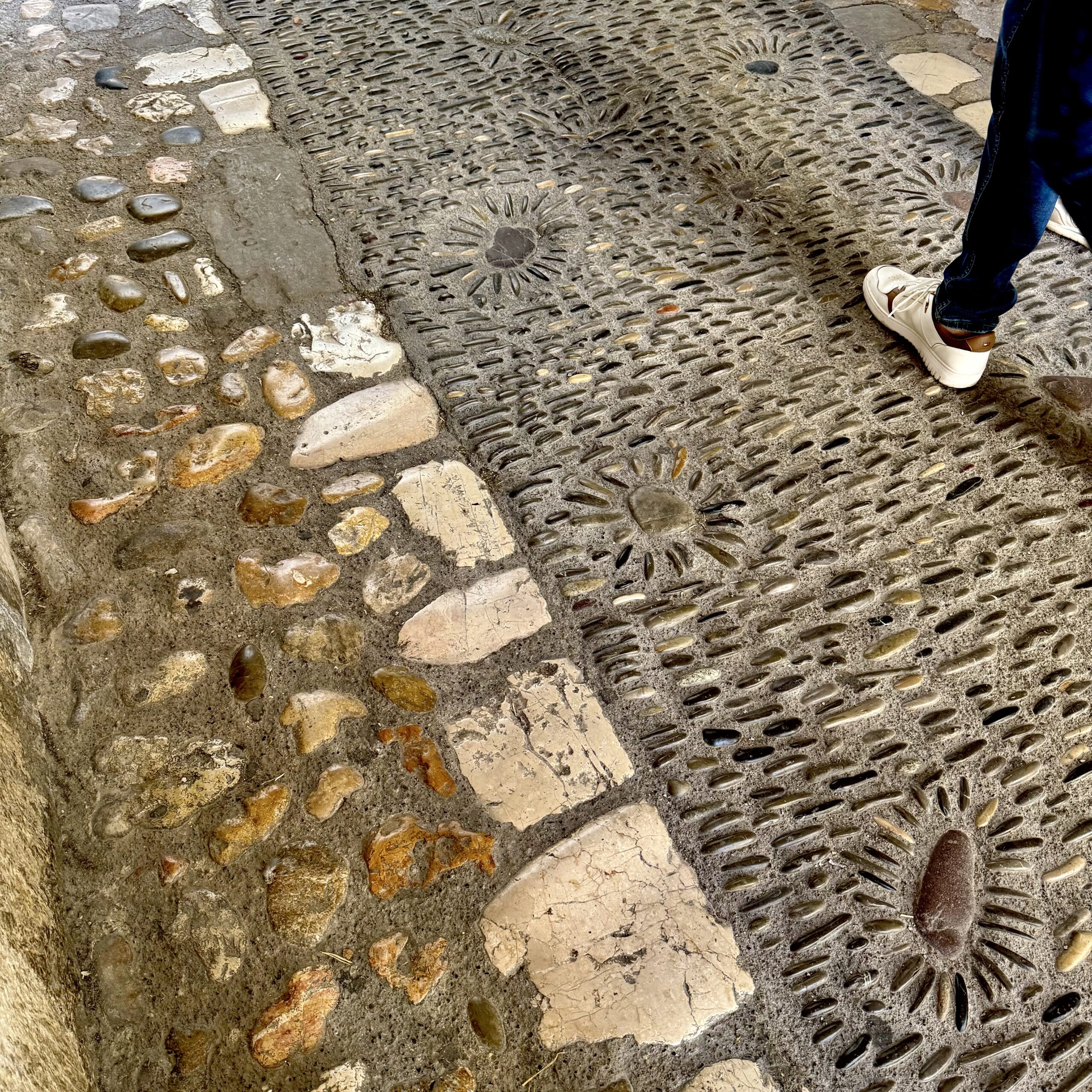
This medieval town of a few narrow streets on a hilltop is now well known. Lovely shops. Hordes of tourists. We thought of Carmel.
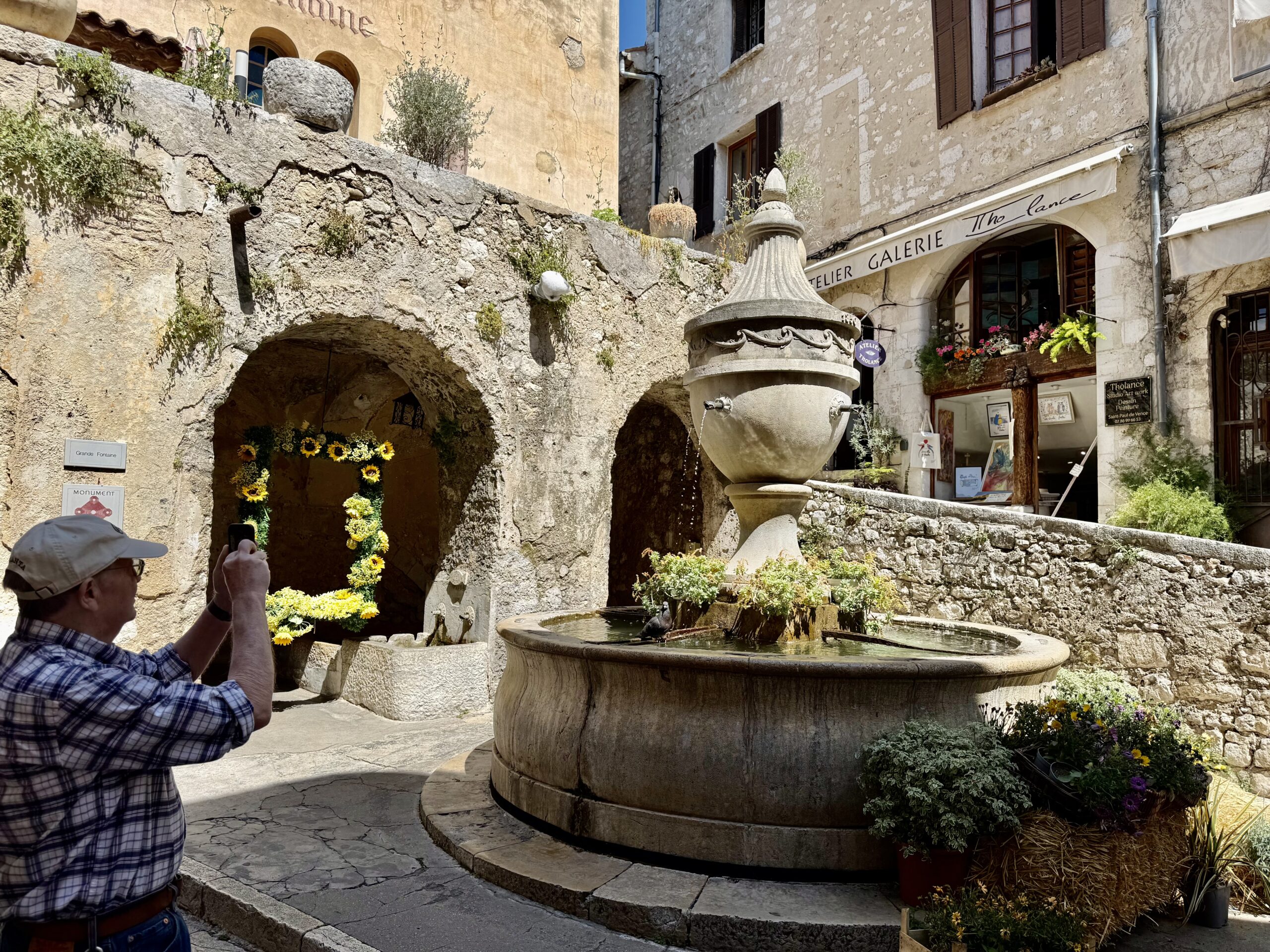
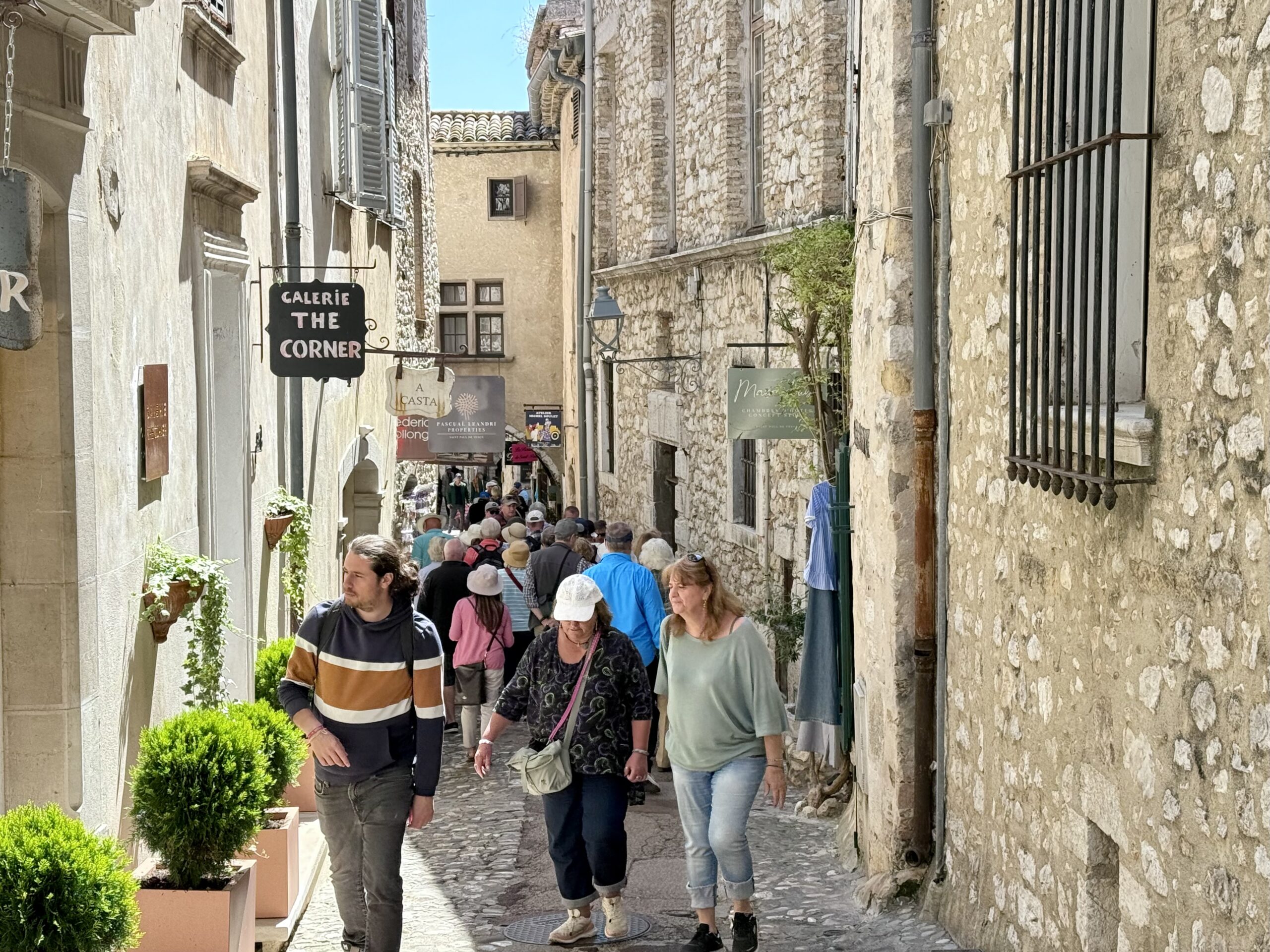
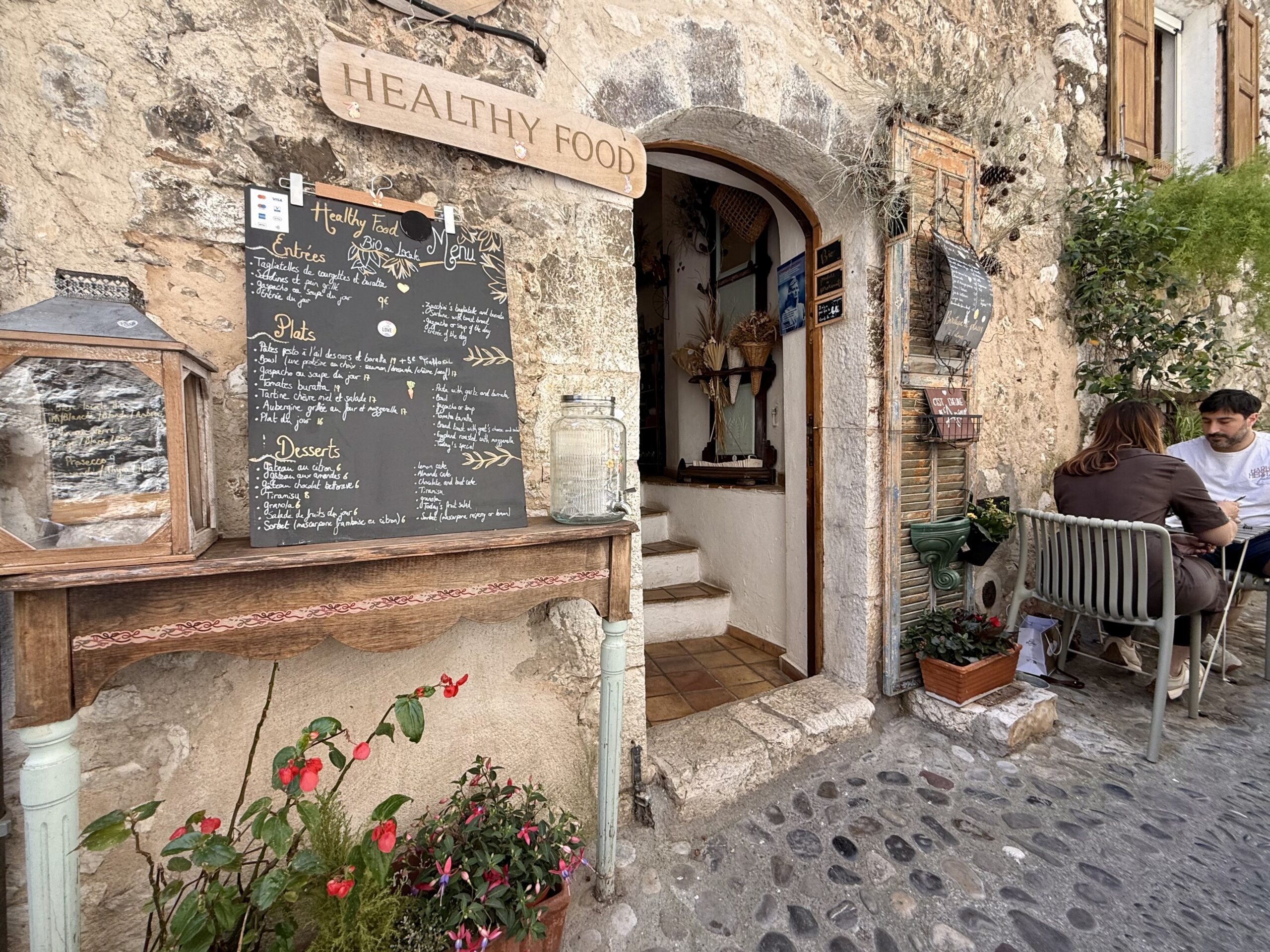
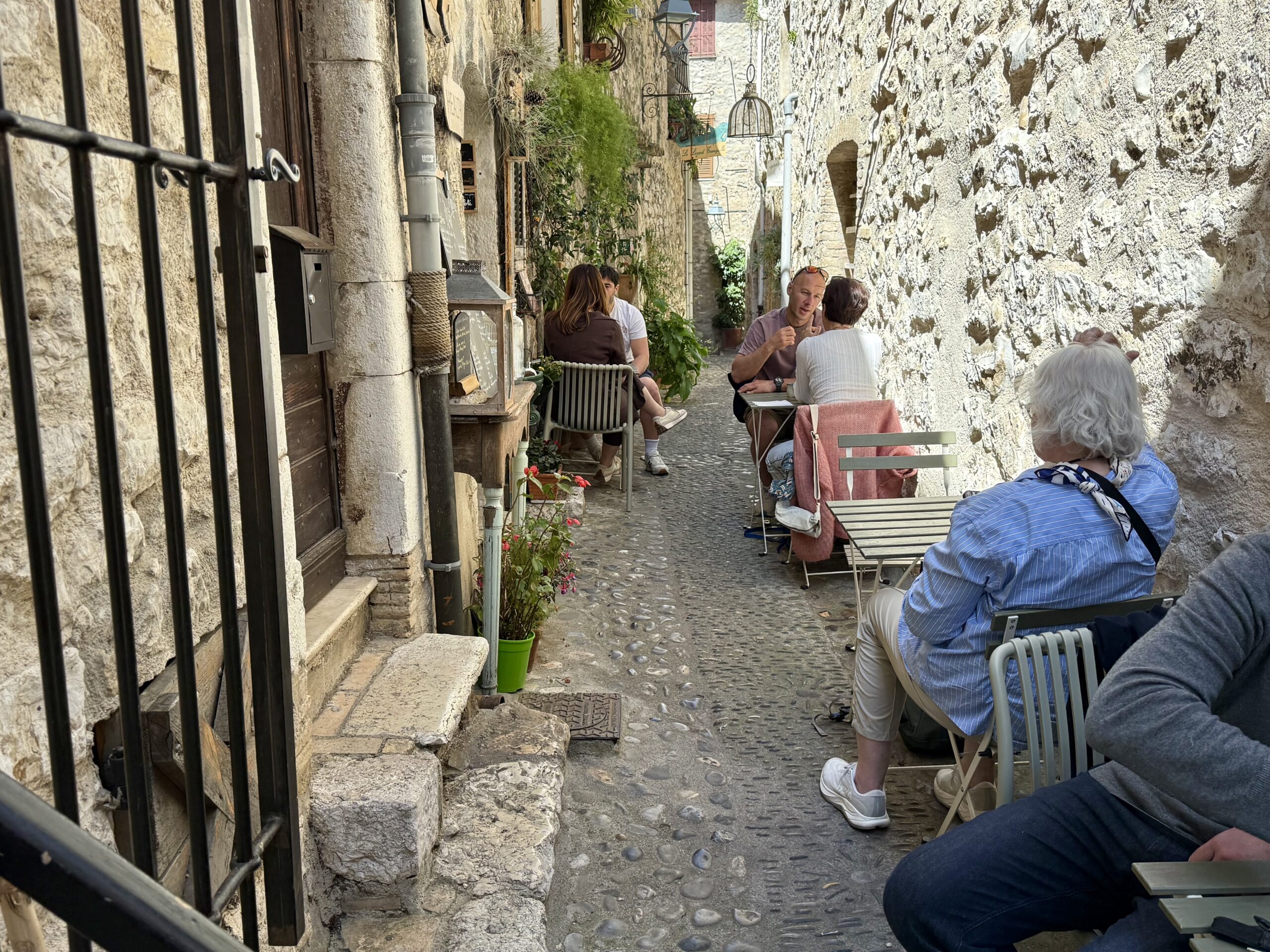
The Maeght Foundation
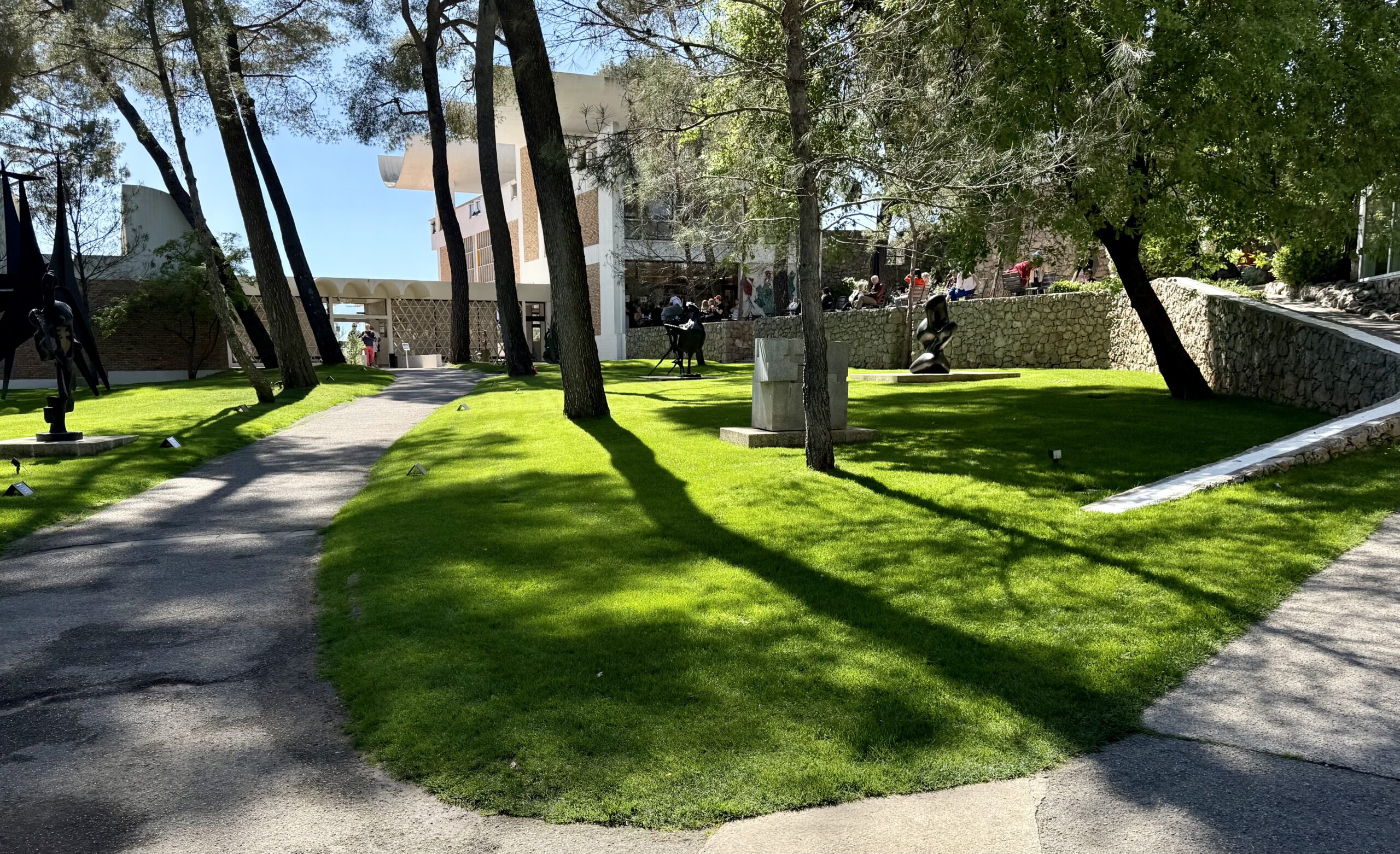
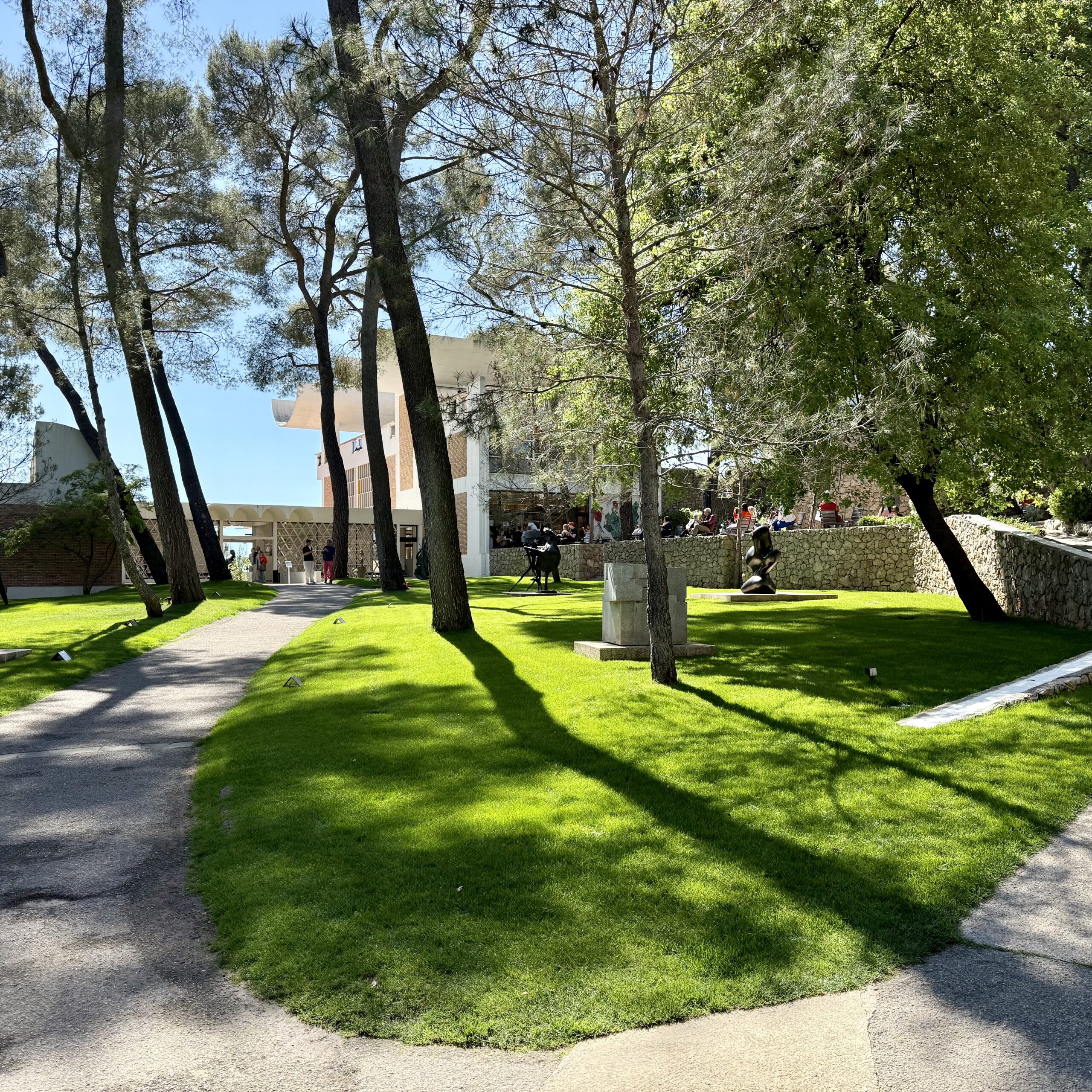
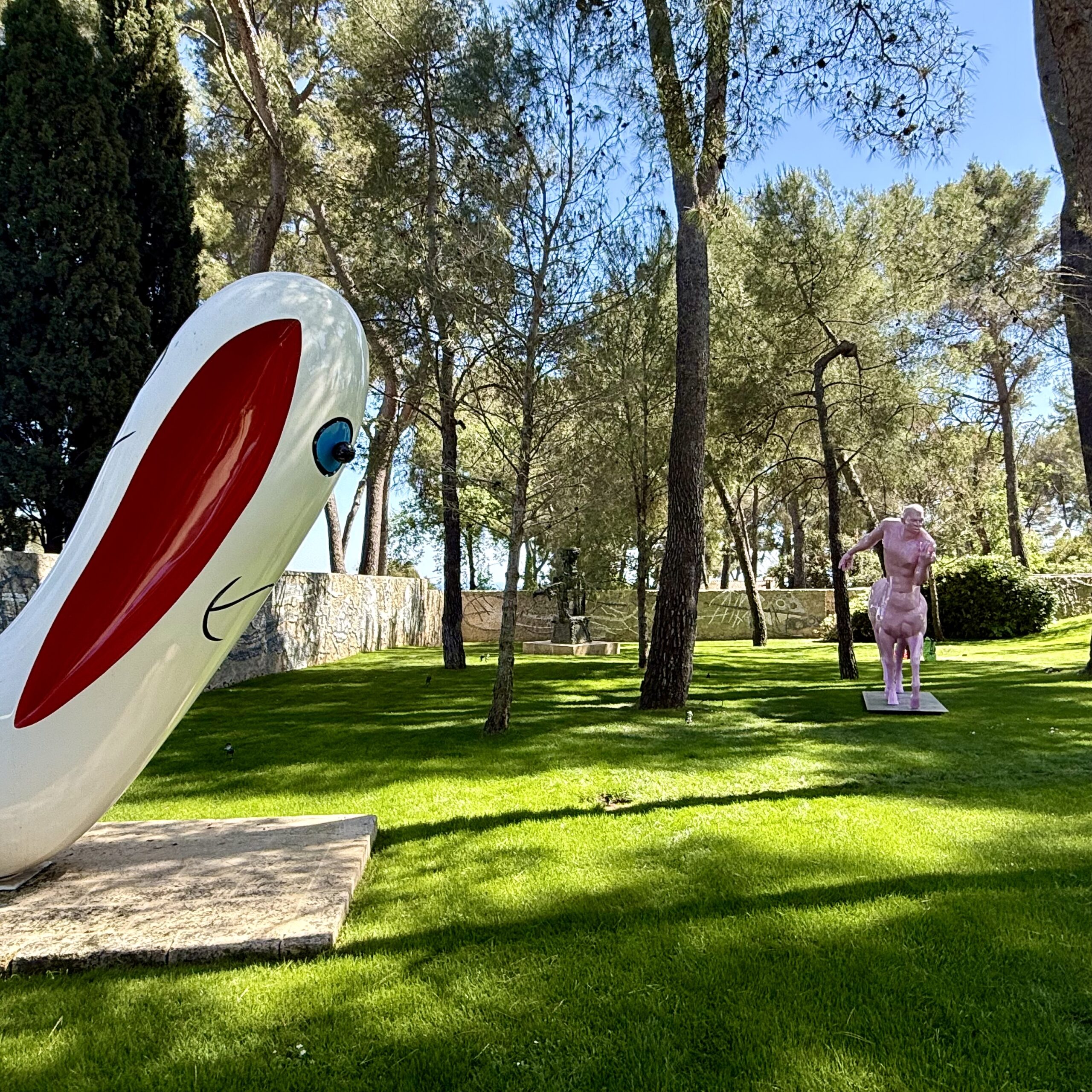
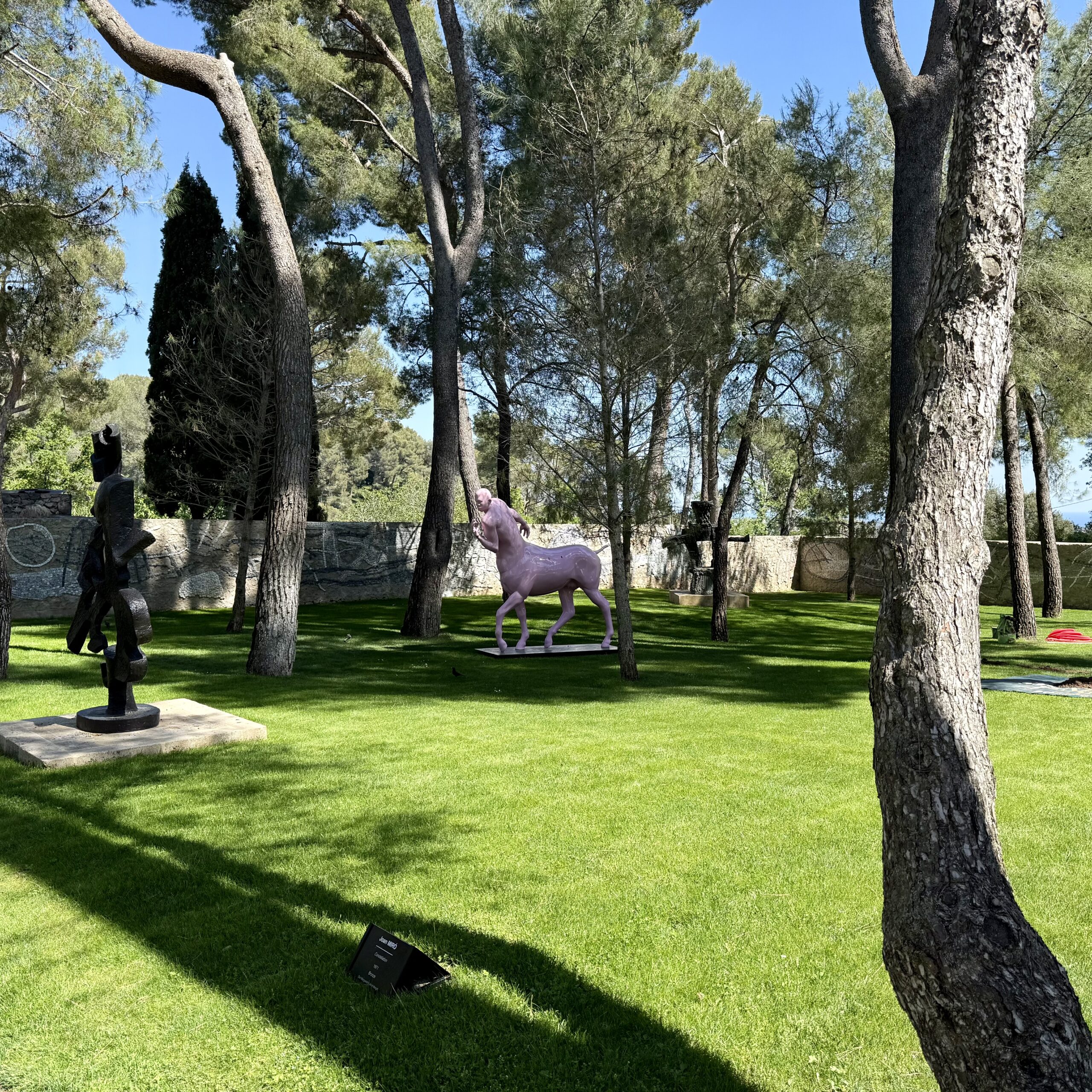
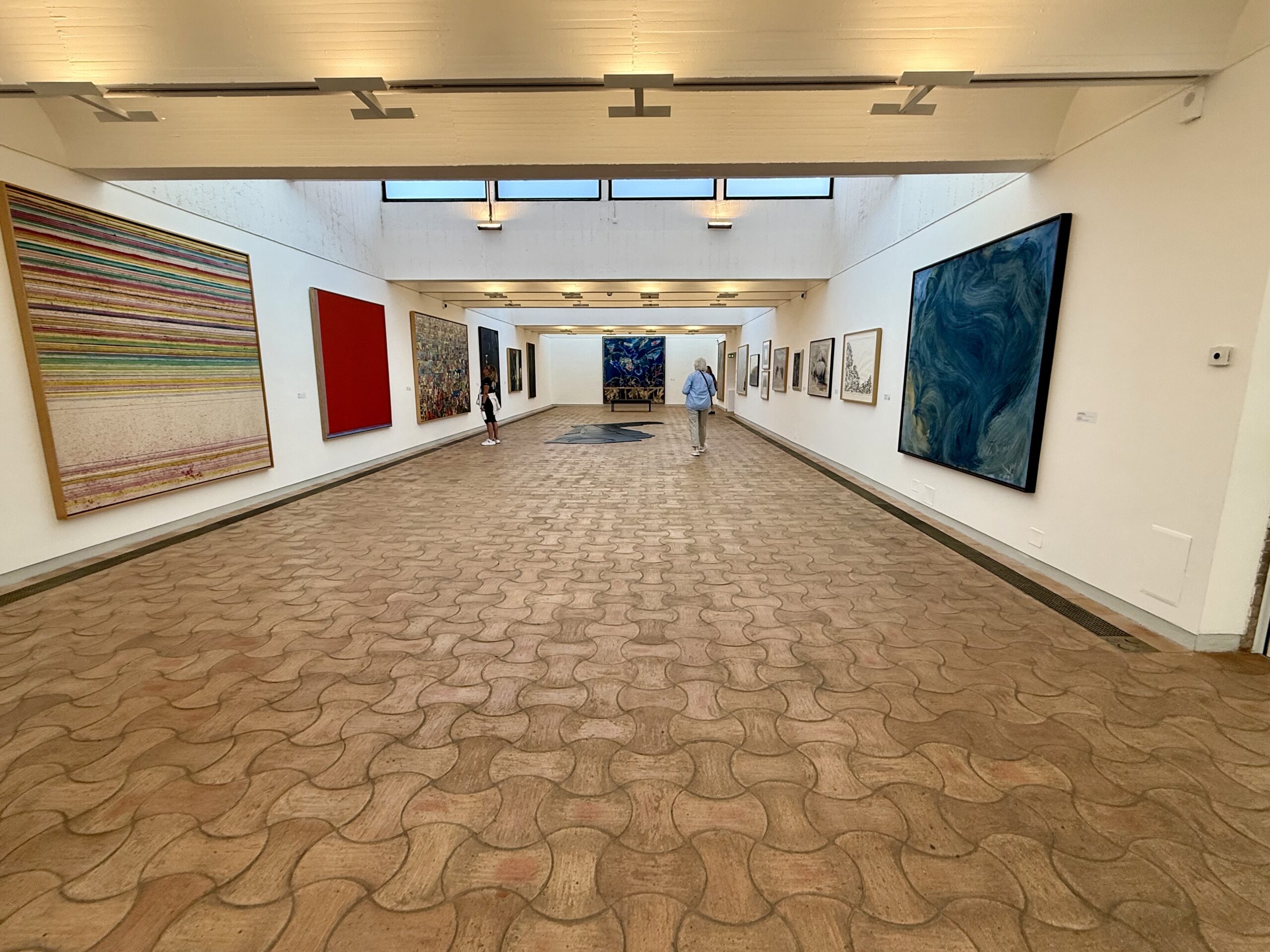
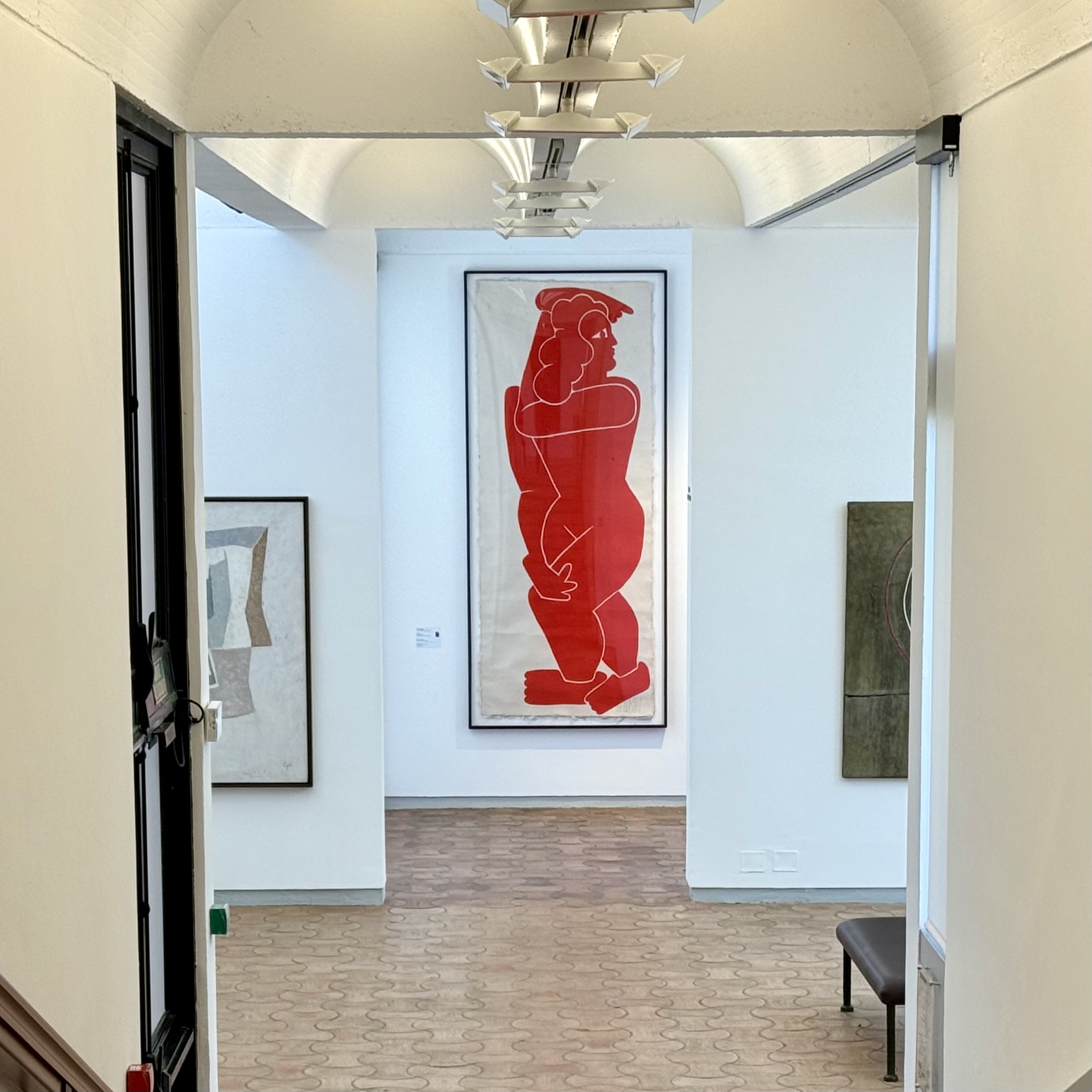
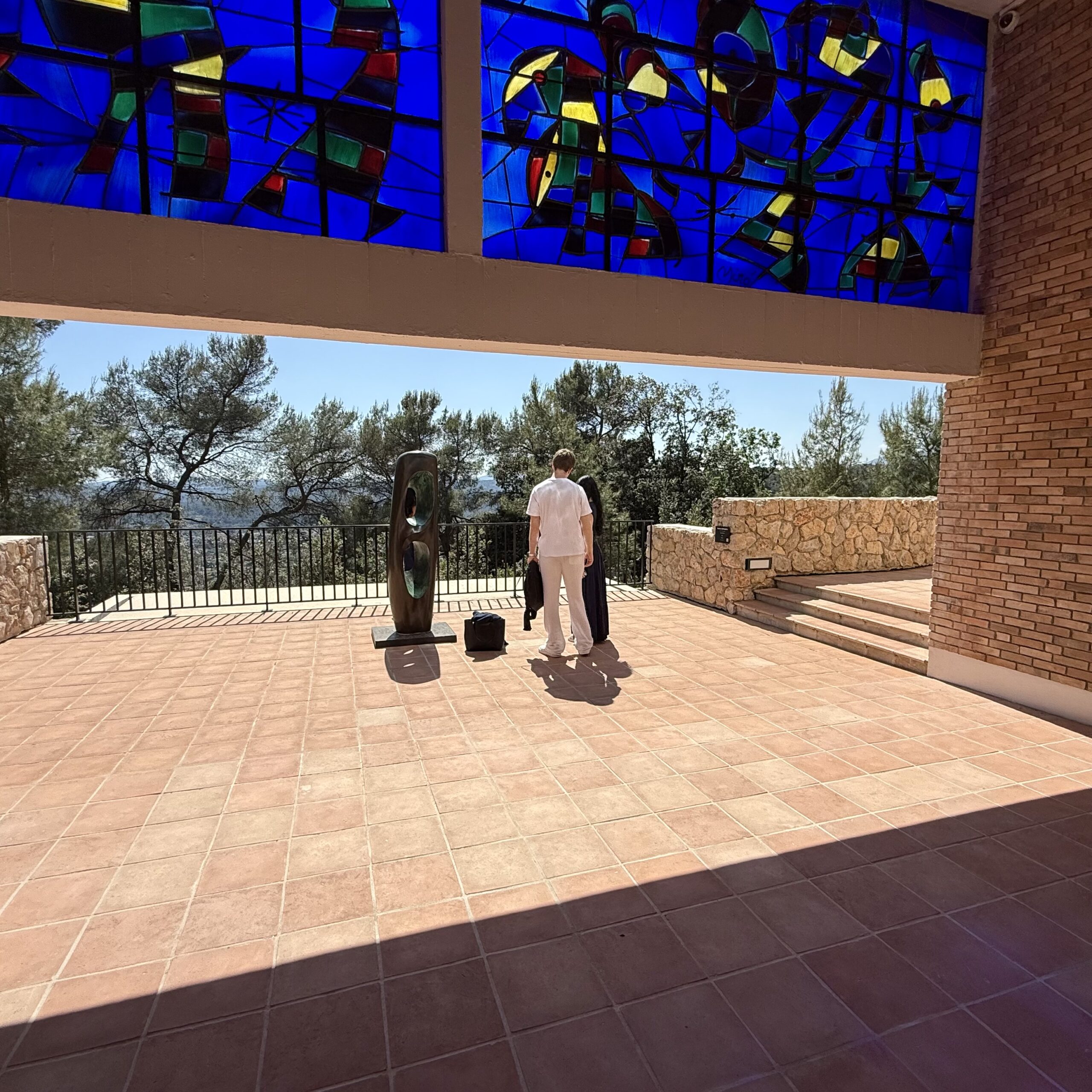
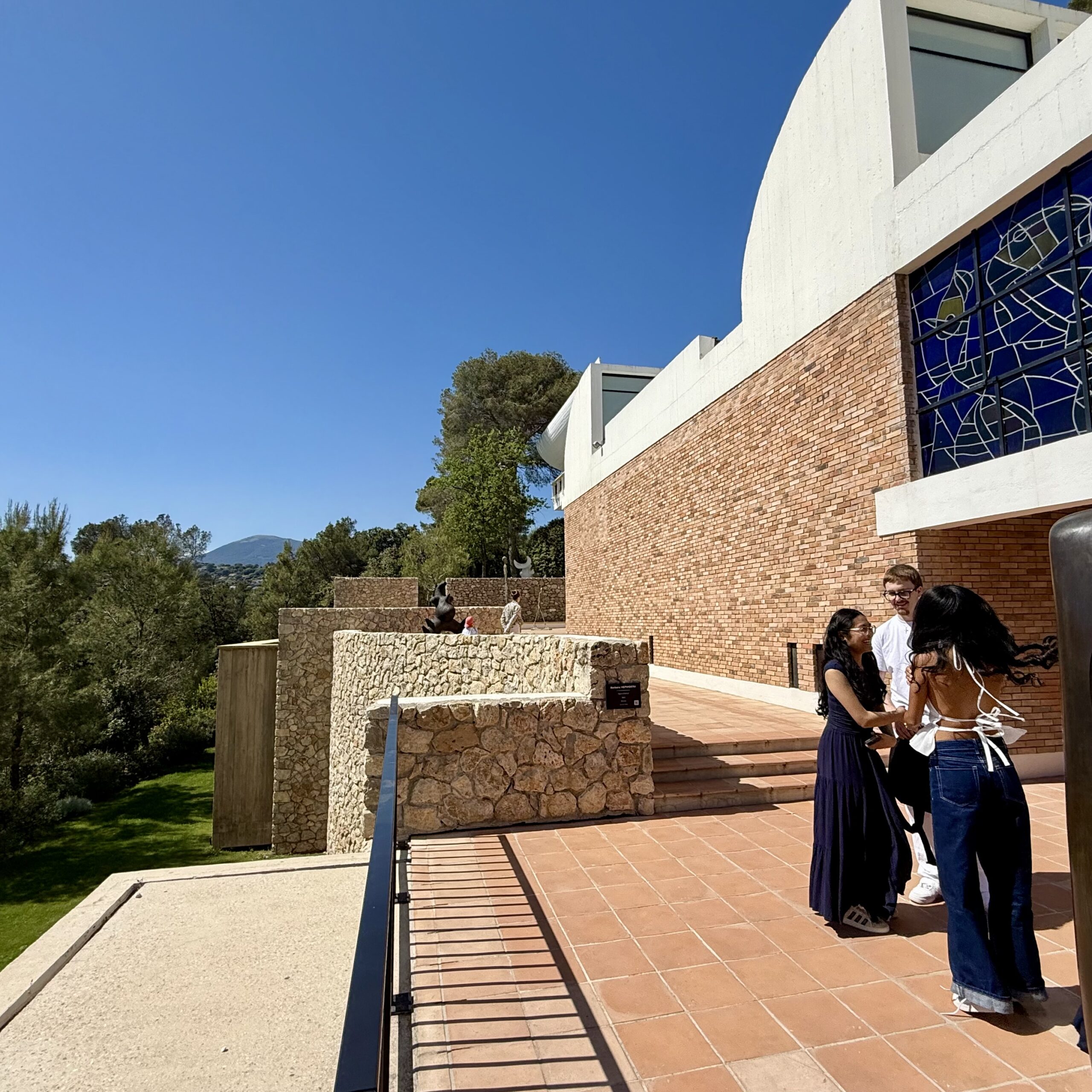
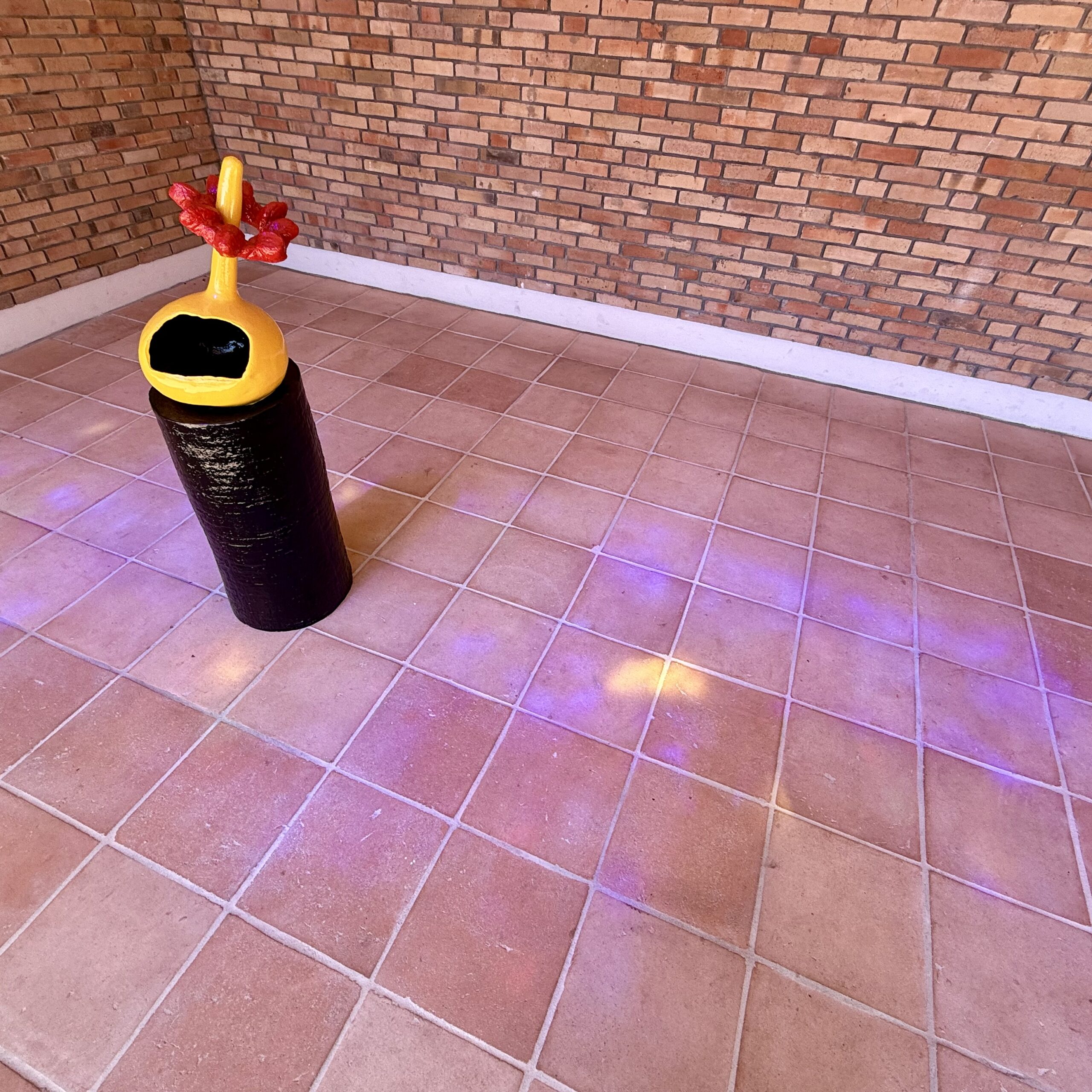
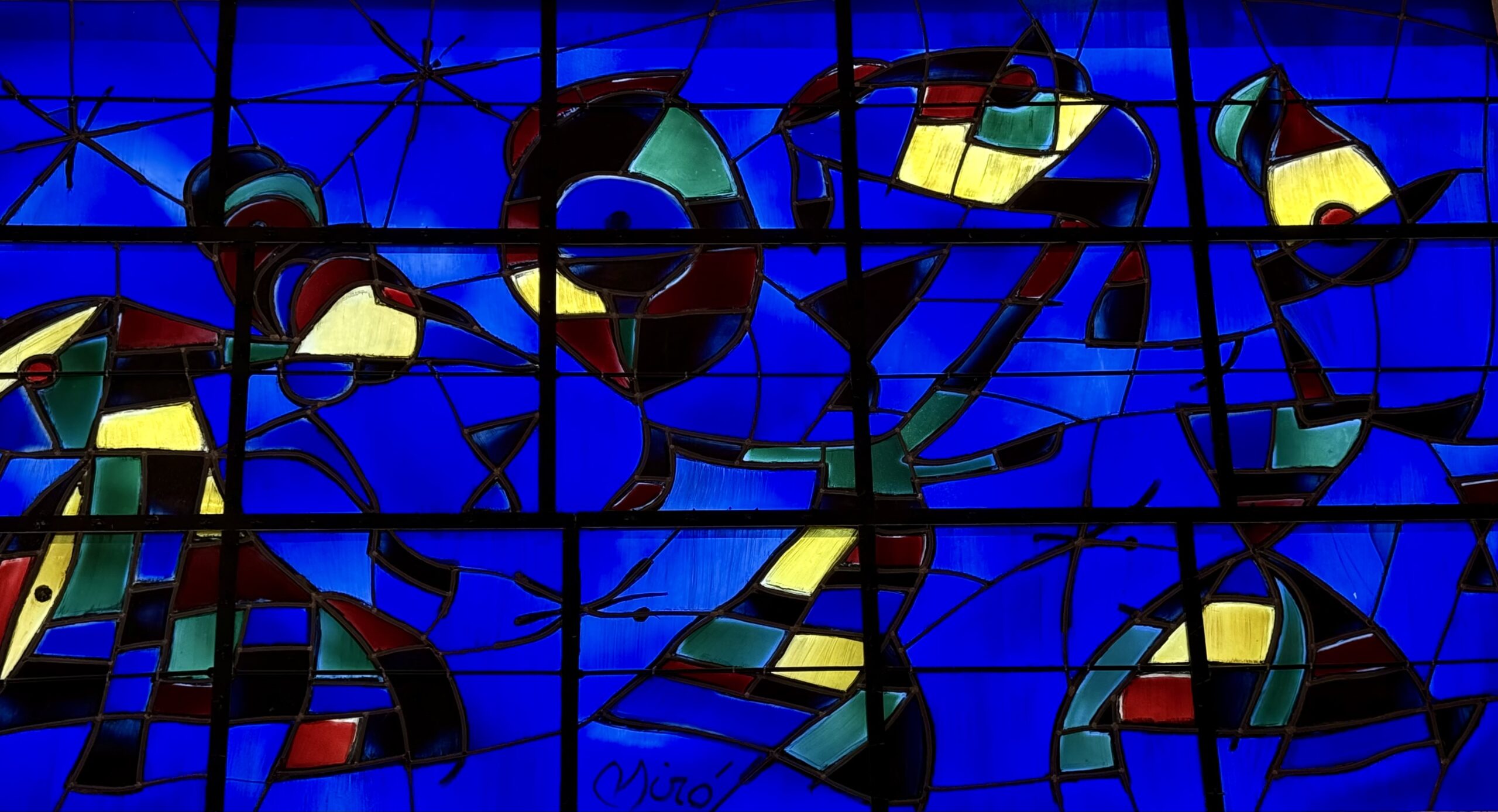
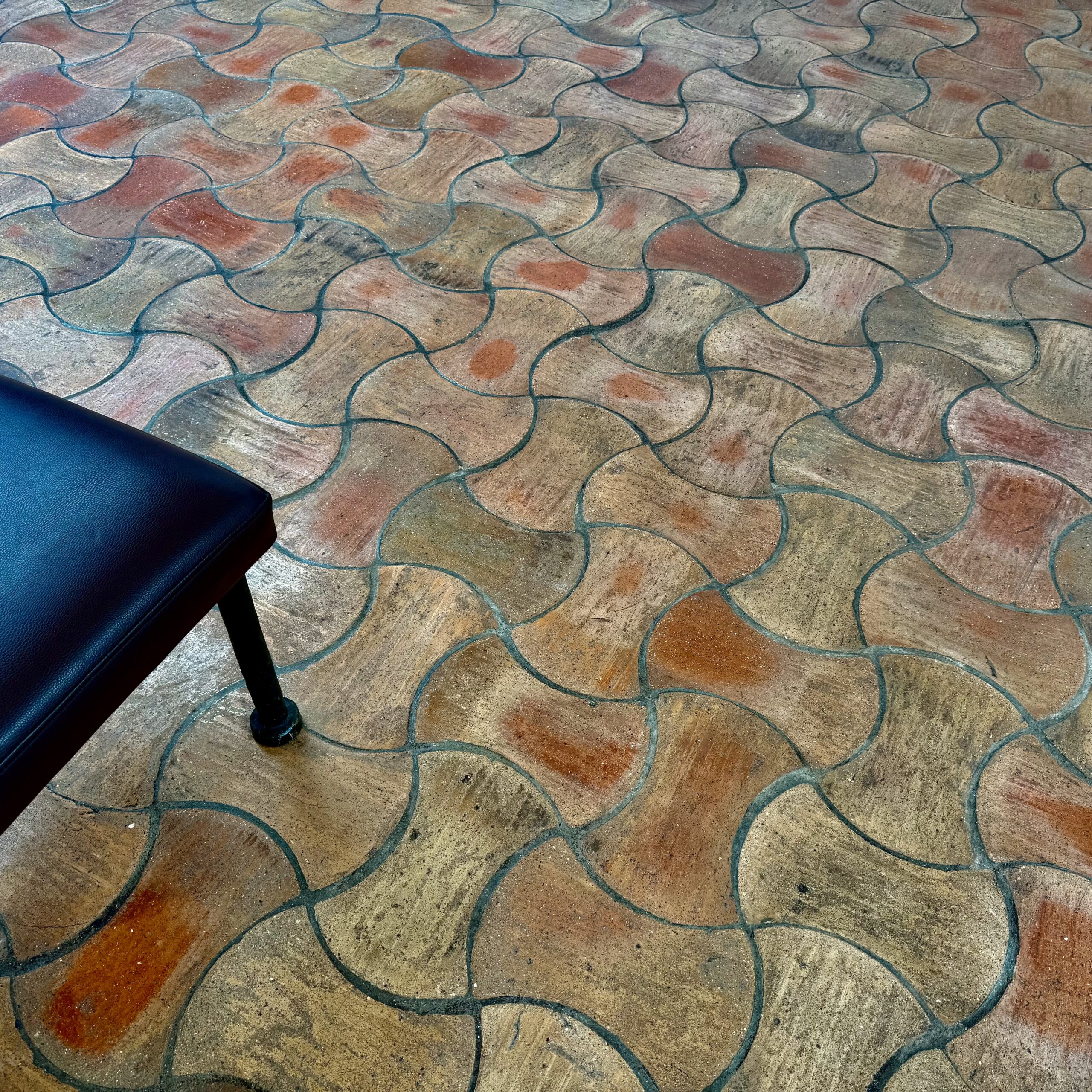
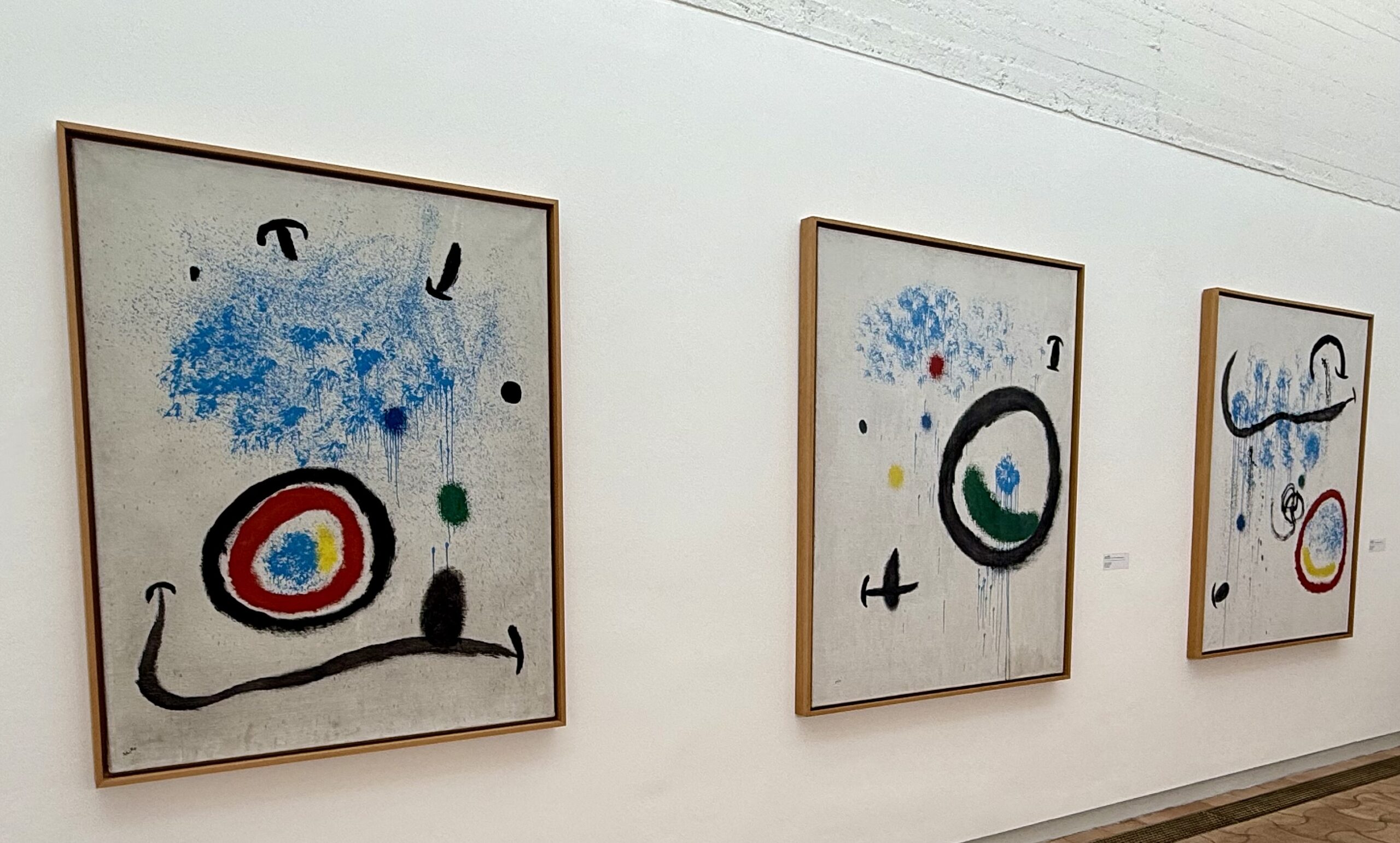
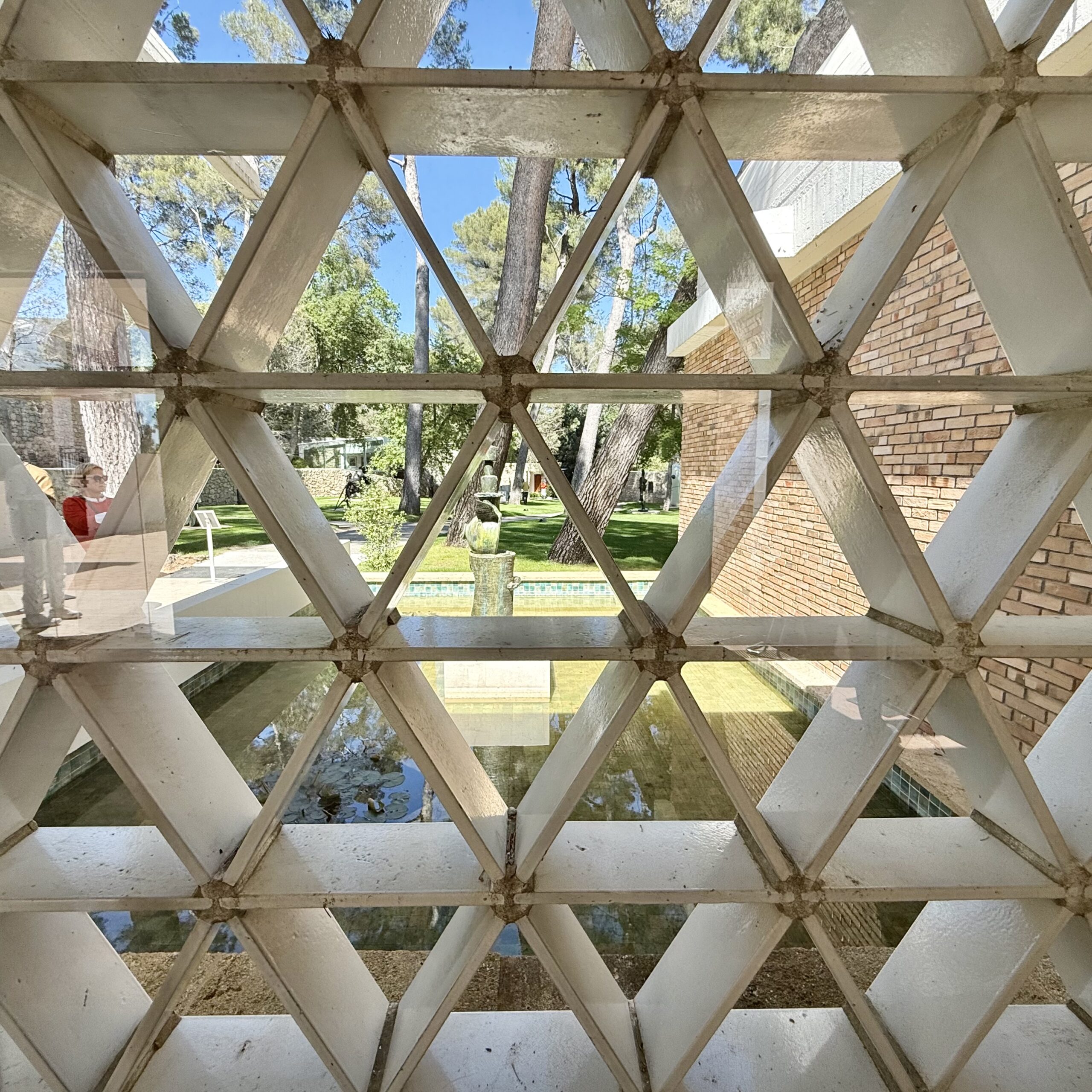
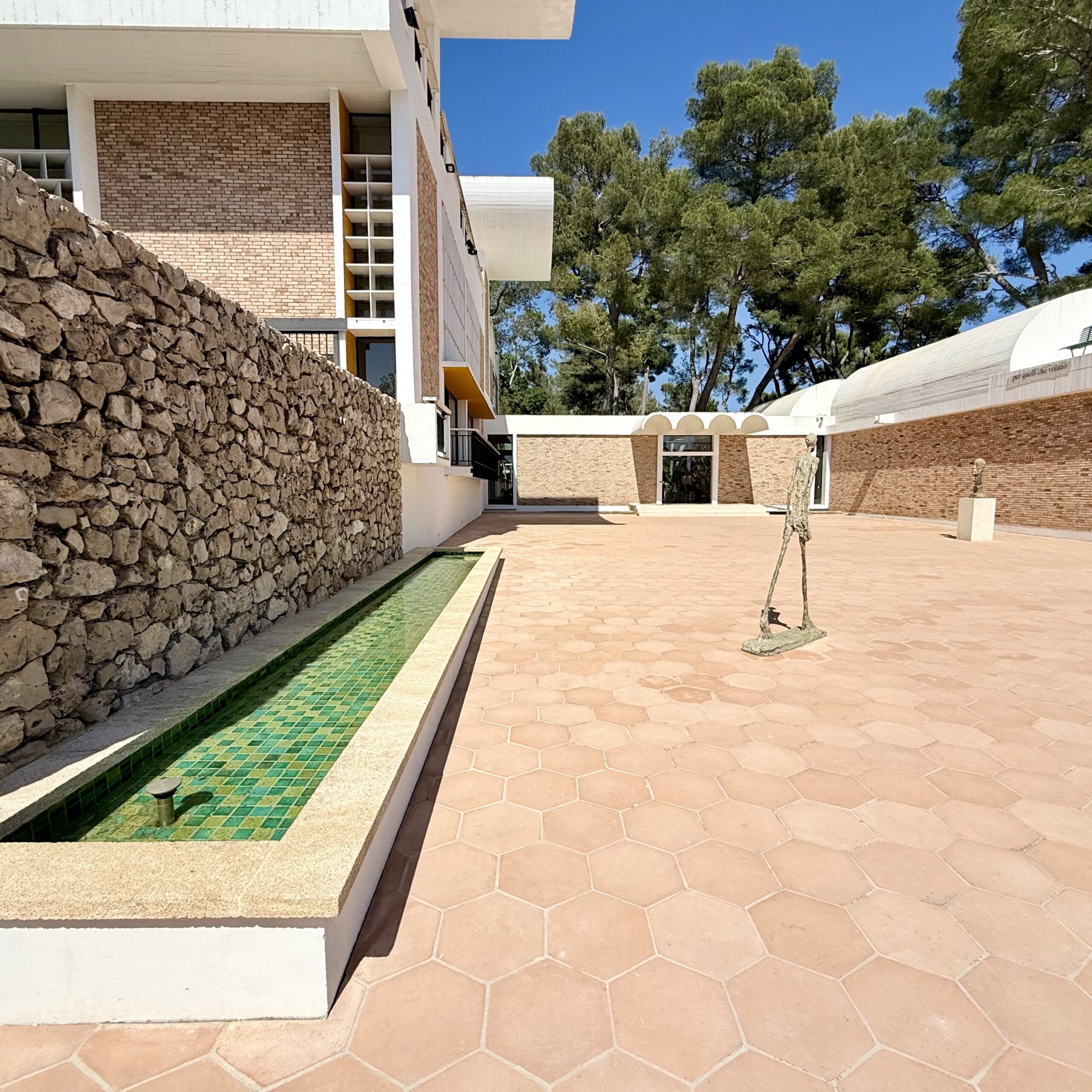
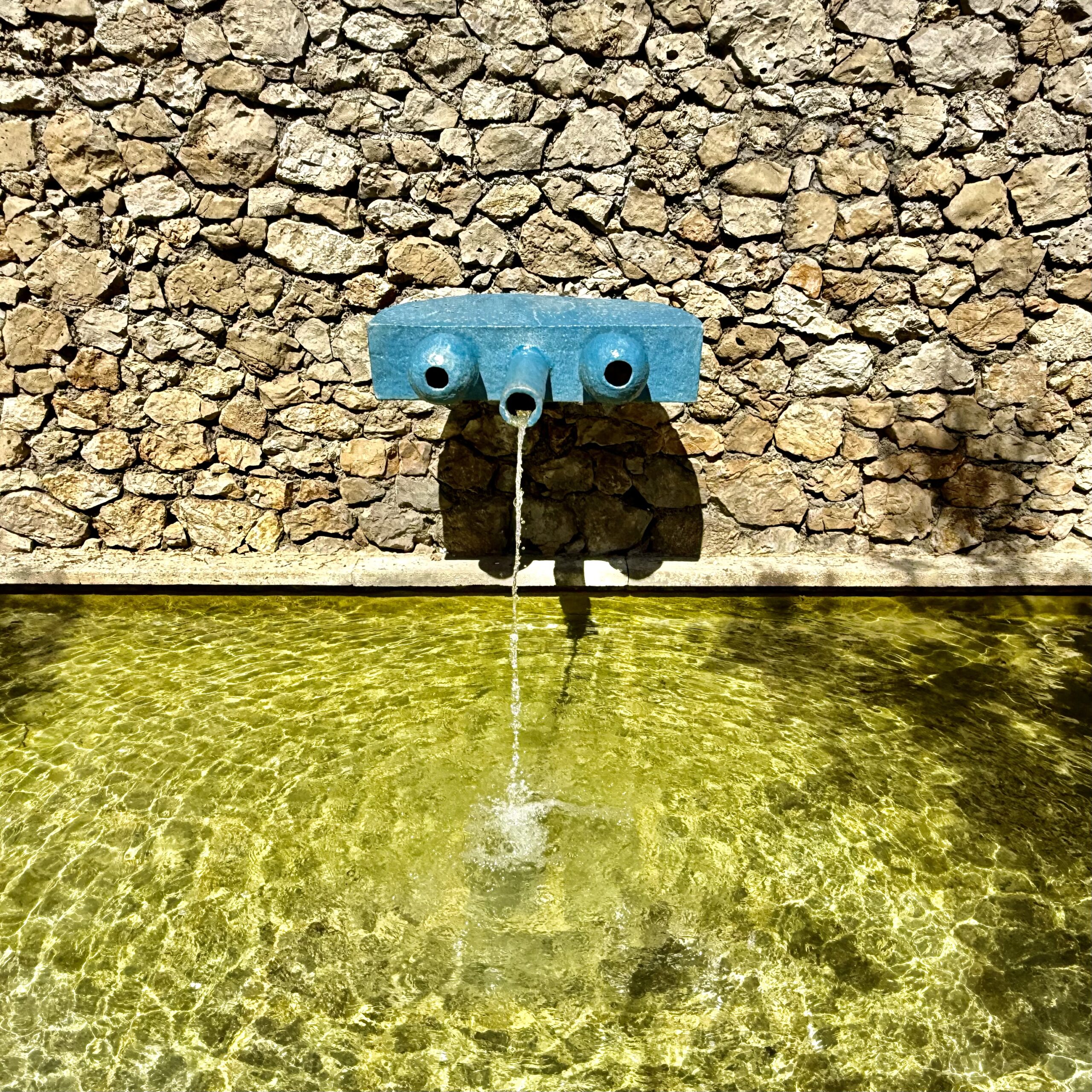
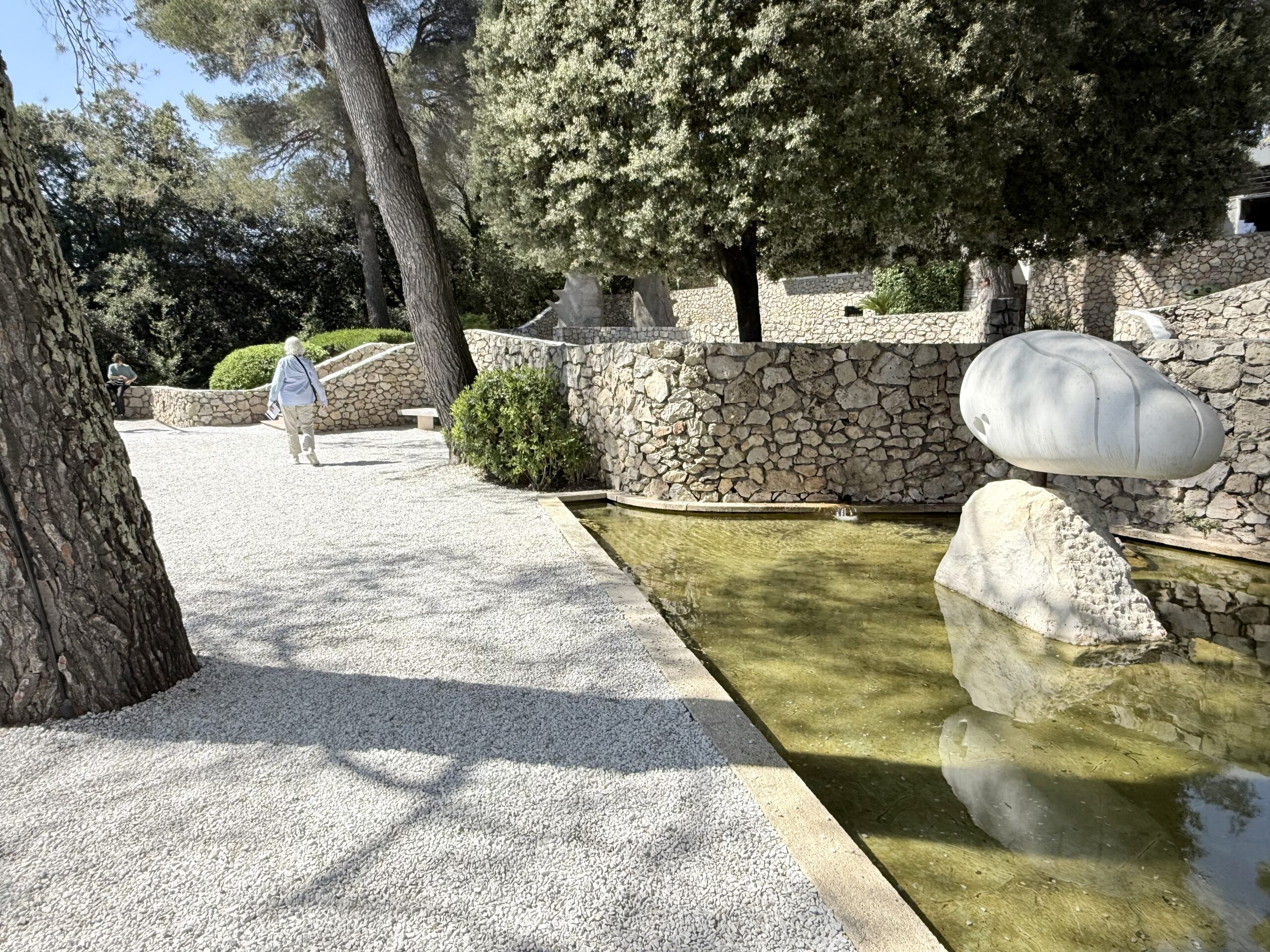
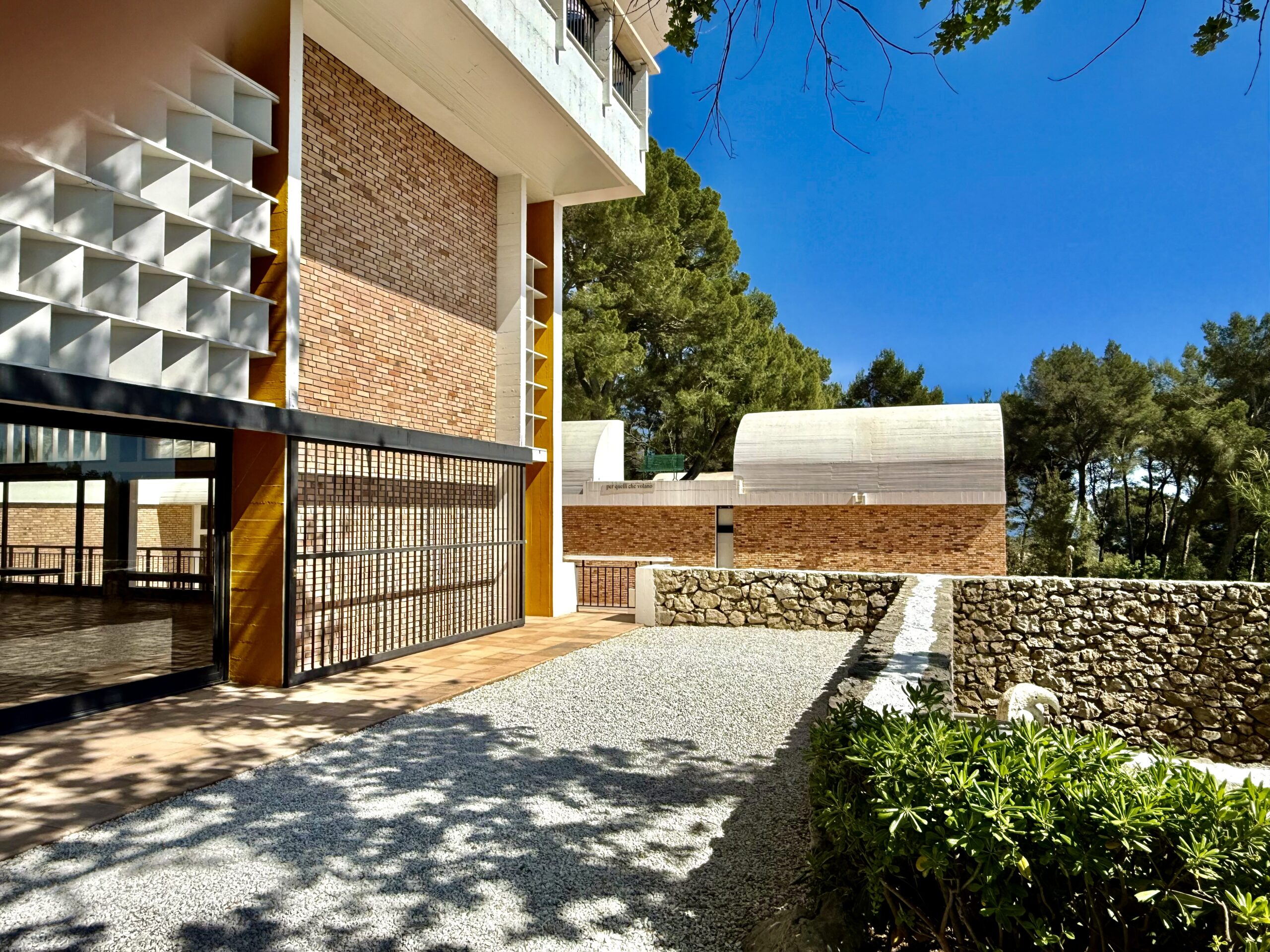
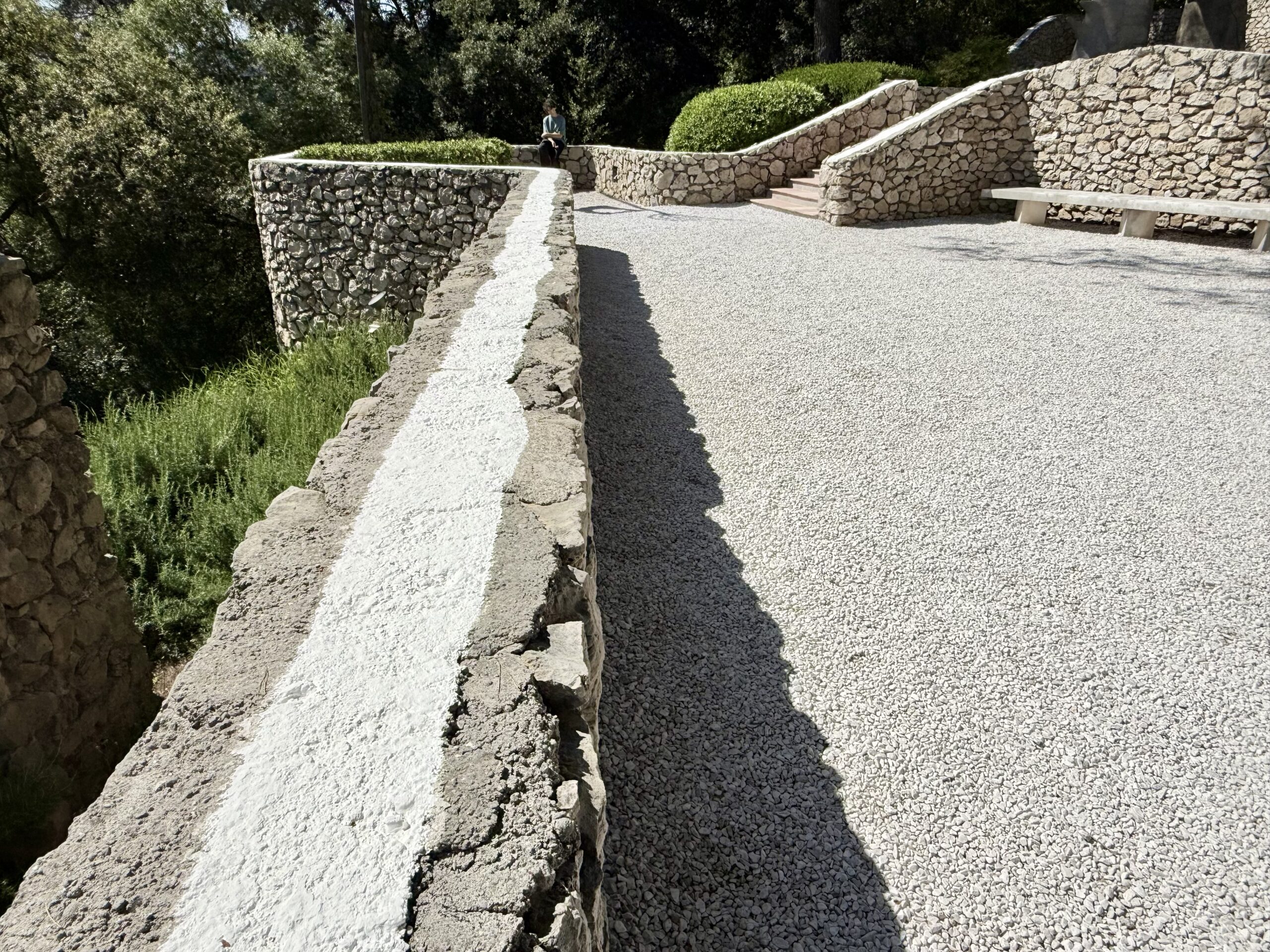
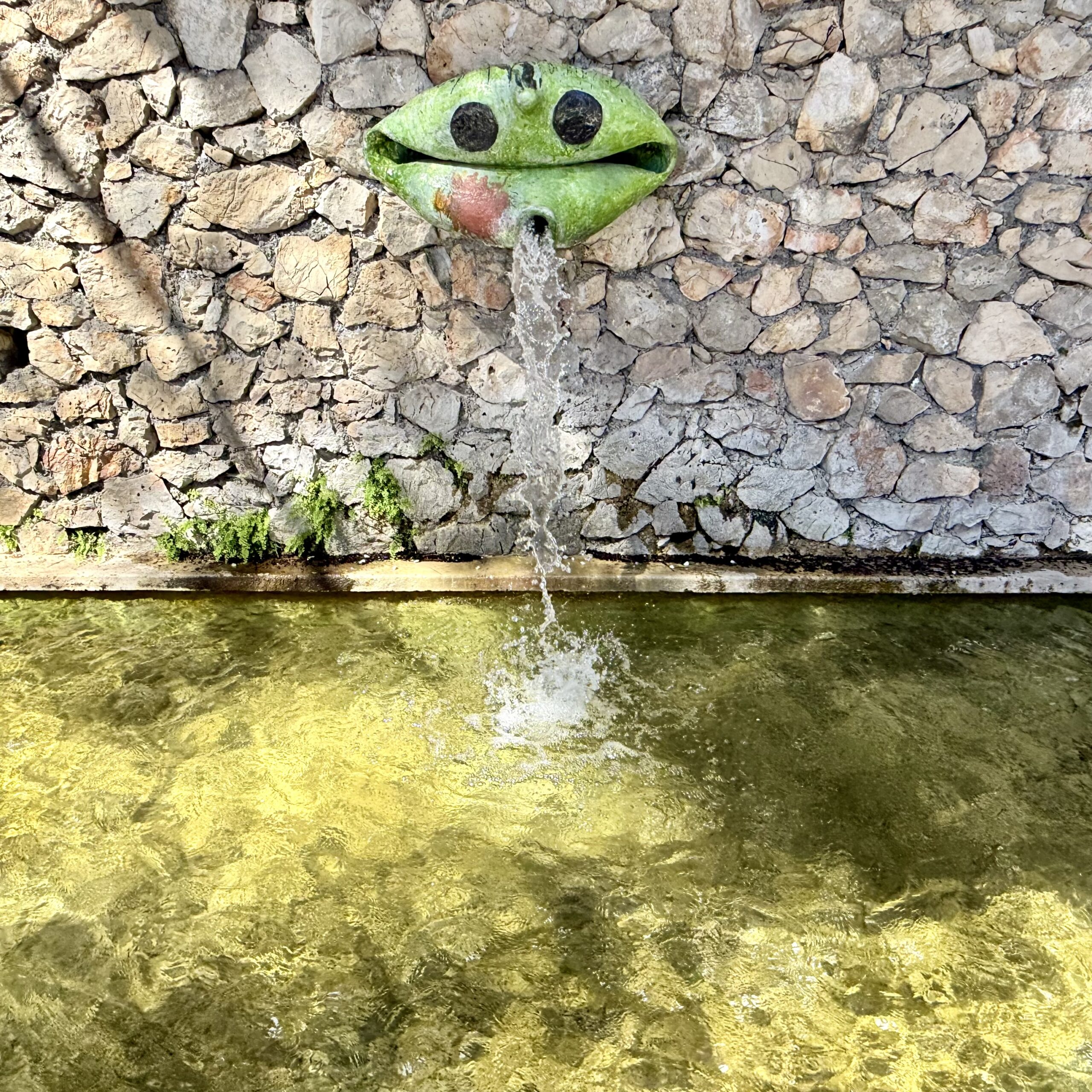
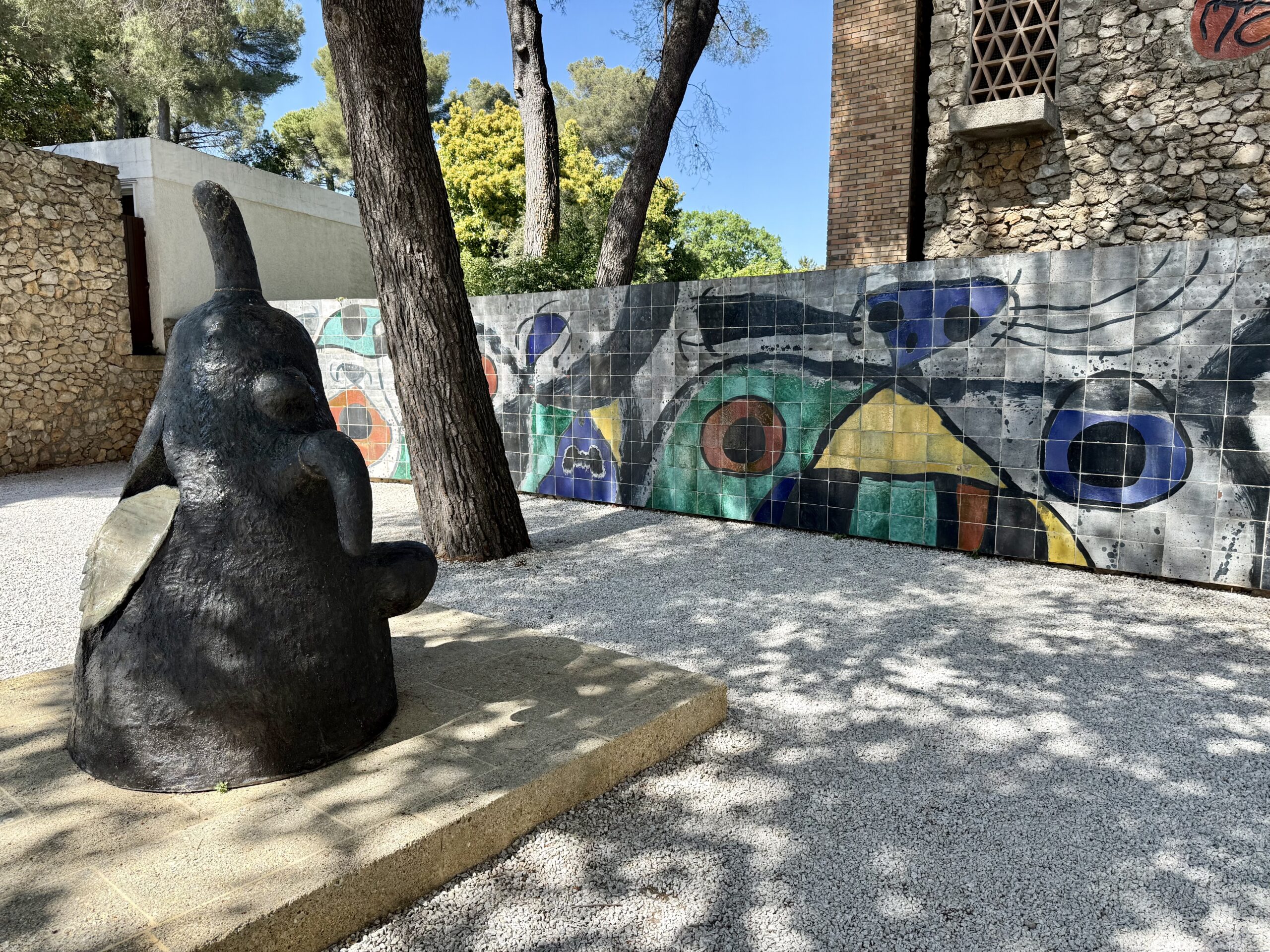
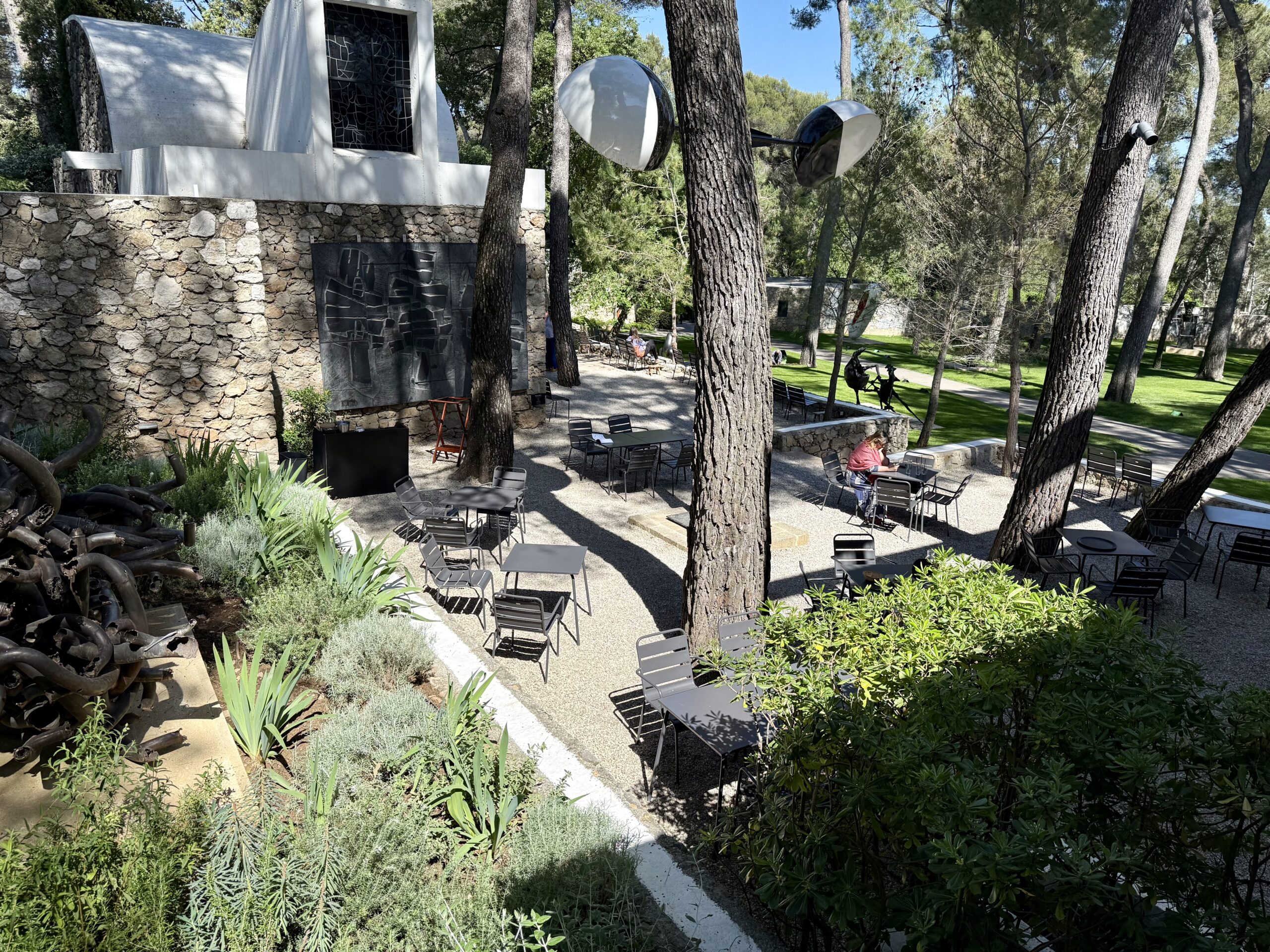
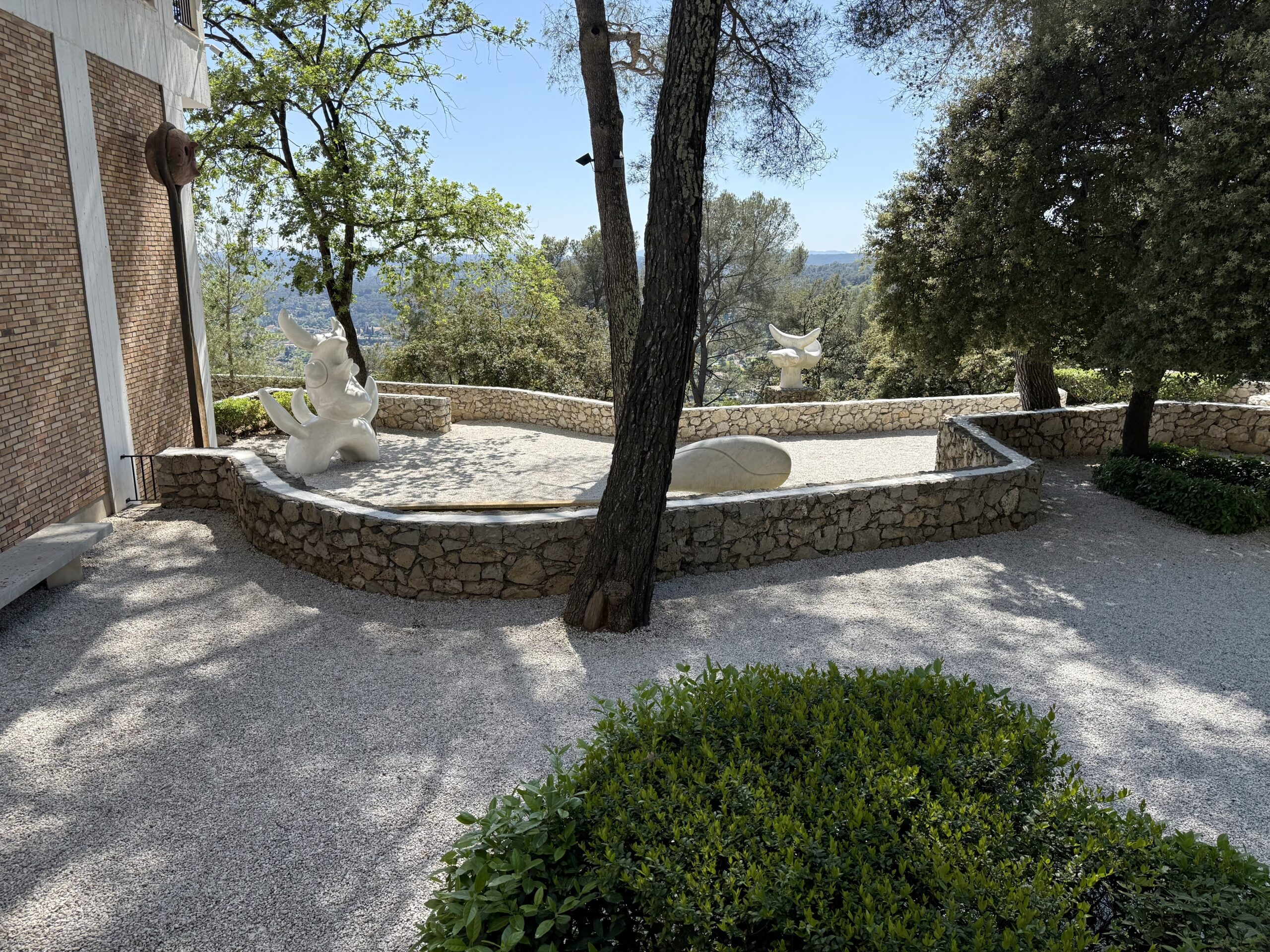
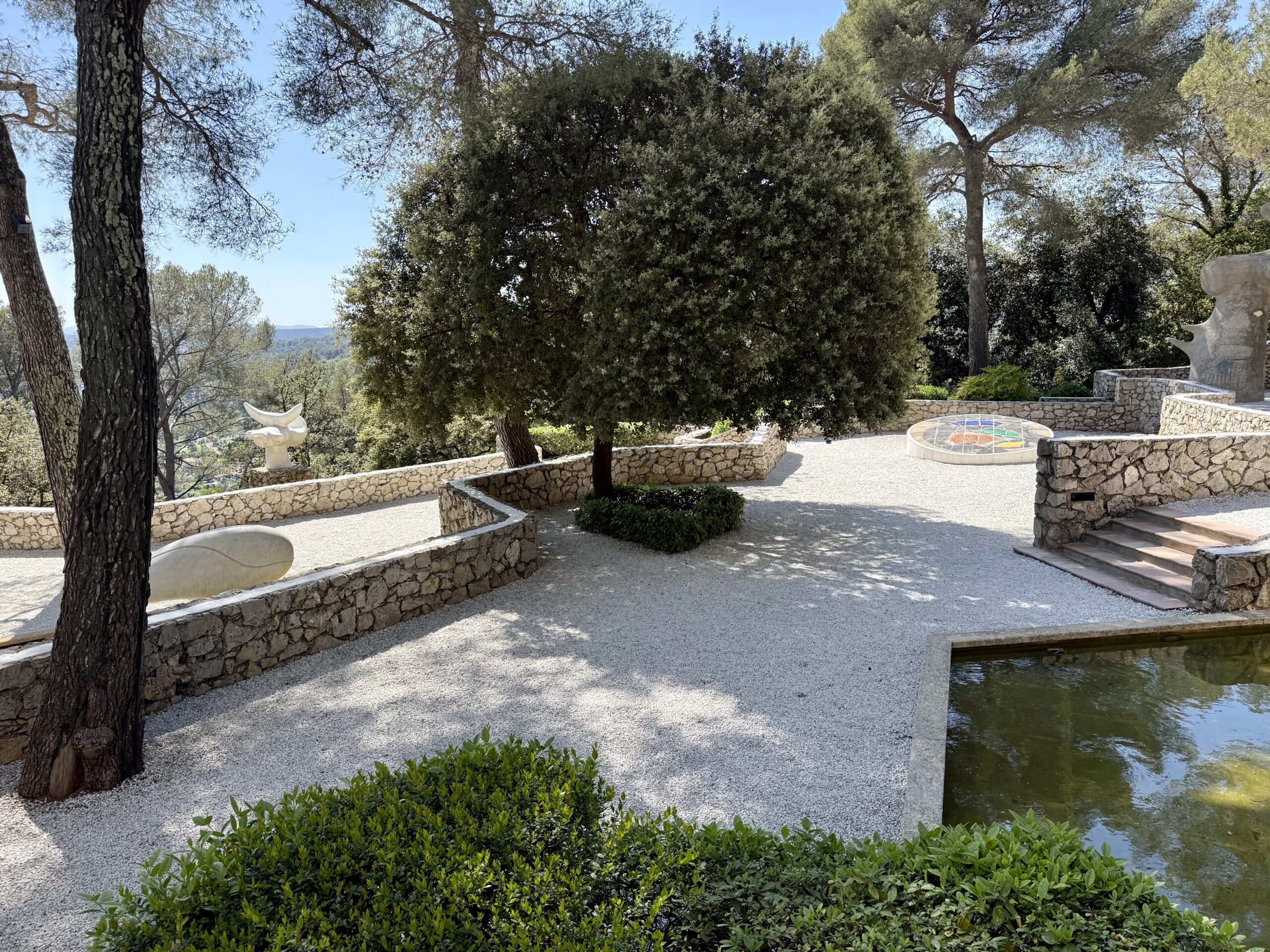
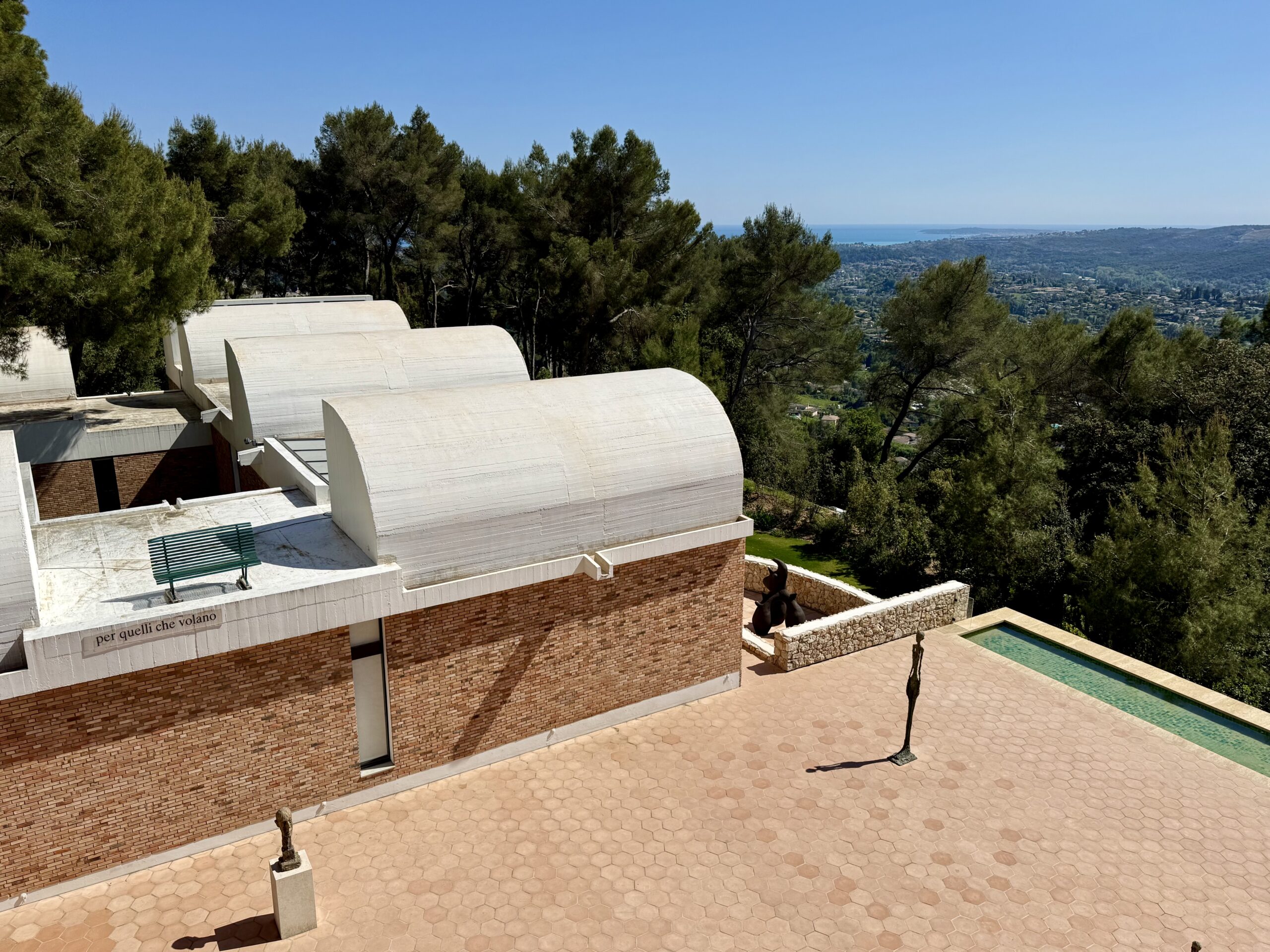
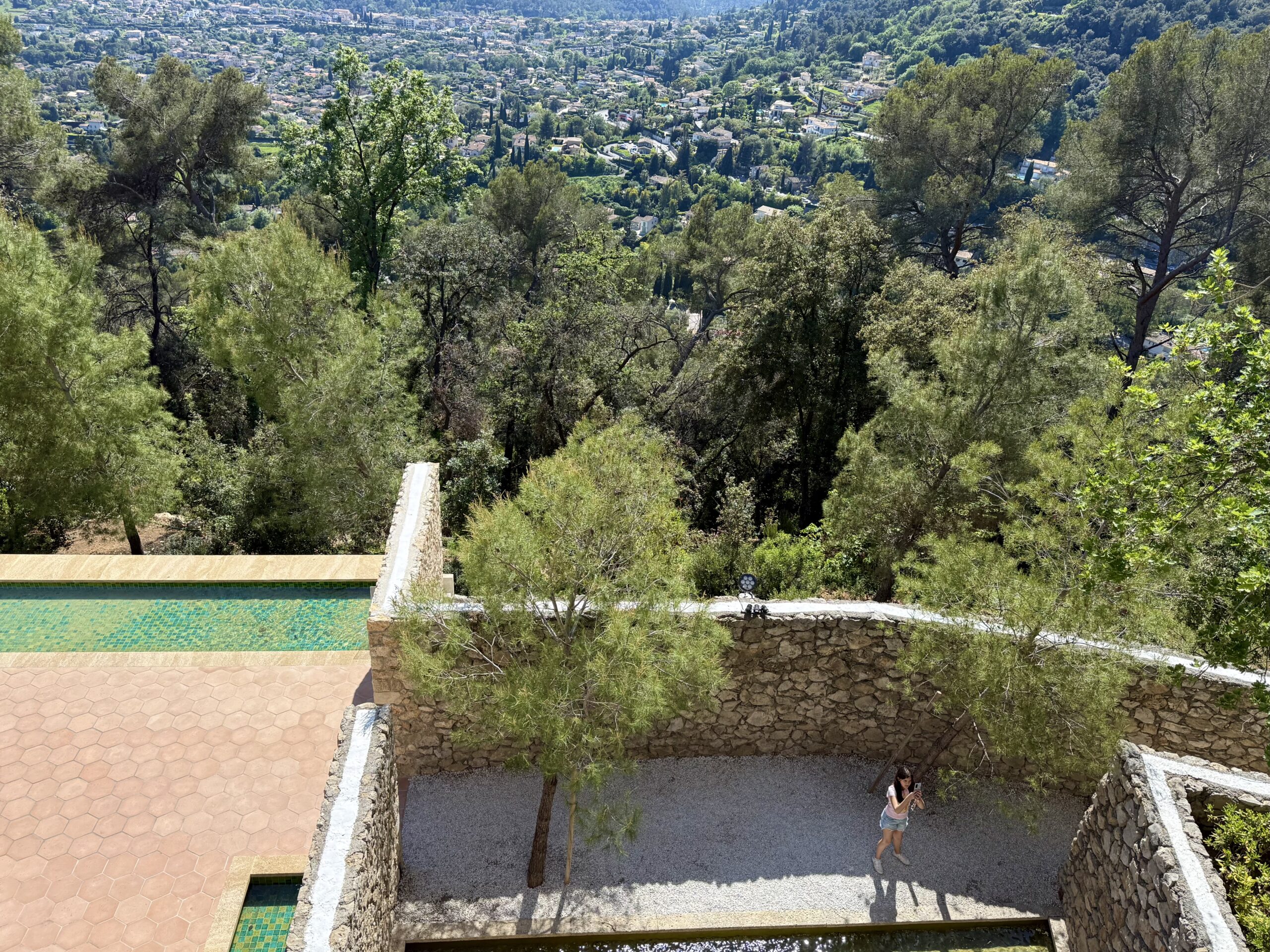
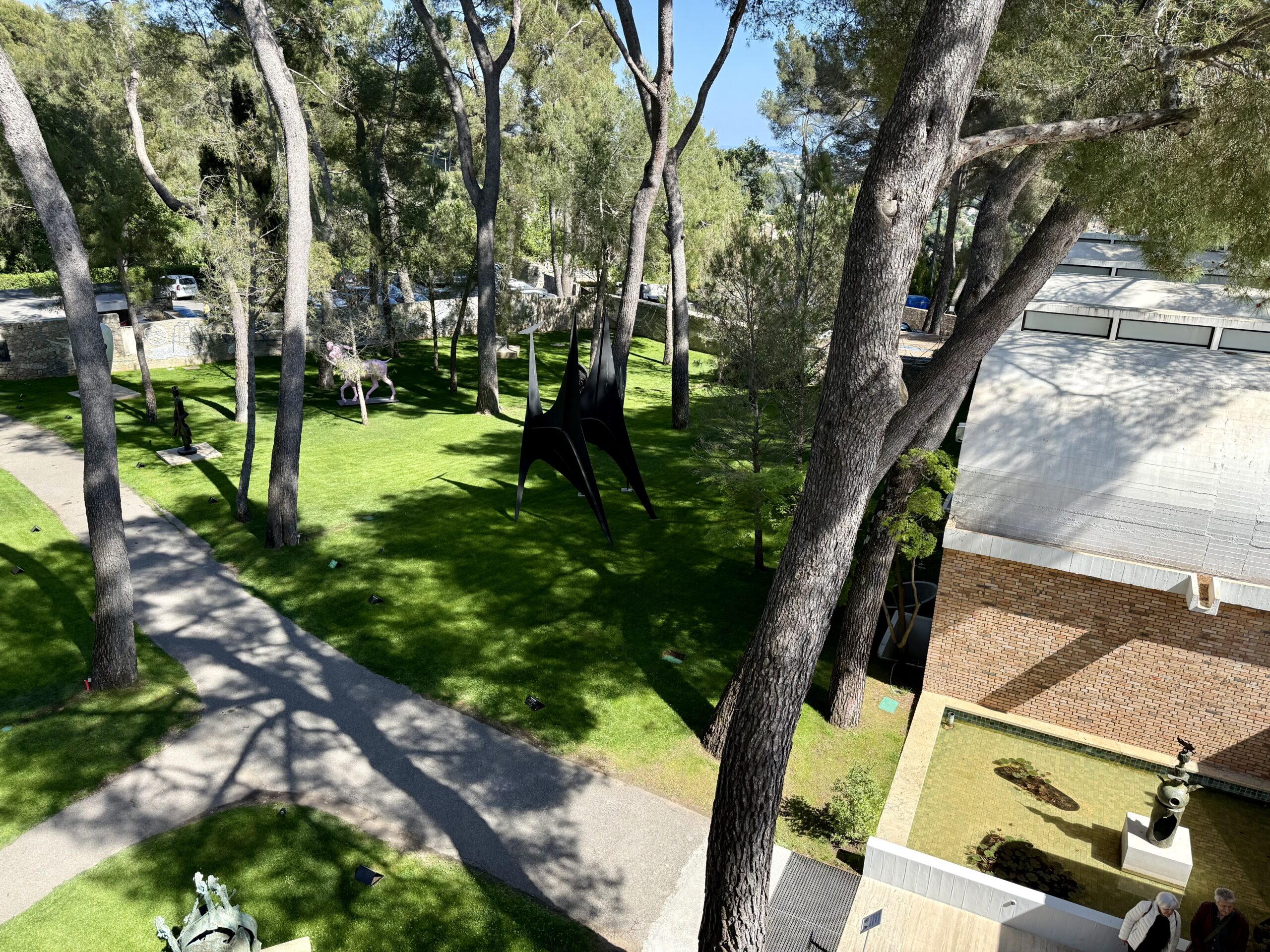
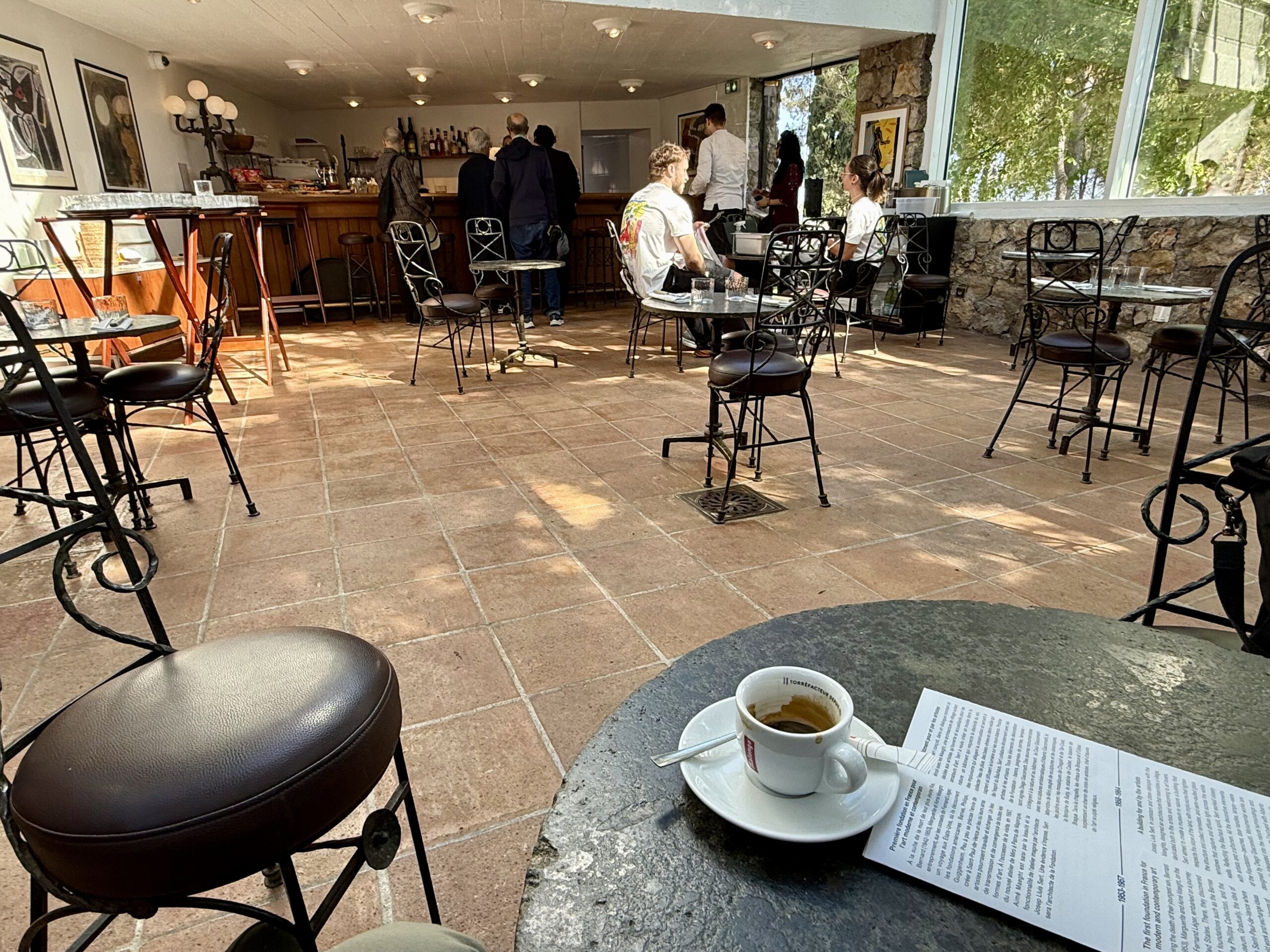
Marguerite and Aime Maeght, a French couple who were dealers in ground-breaking art in Paris after the war, created this museum, artists’ workshop, library, and performance space in the hills above Antibes. The building by Sert, which opened in 1964, plays beautifully with the surrounding landscape. Interior spaces fill with natural diffused light.
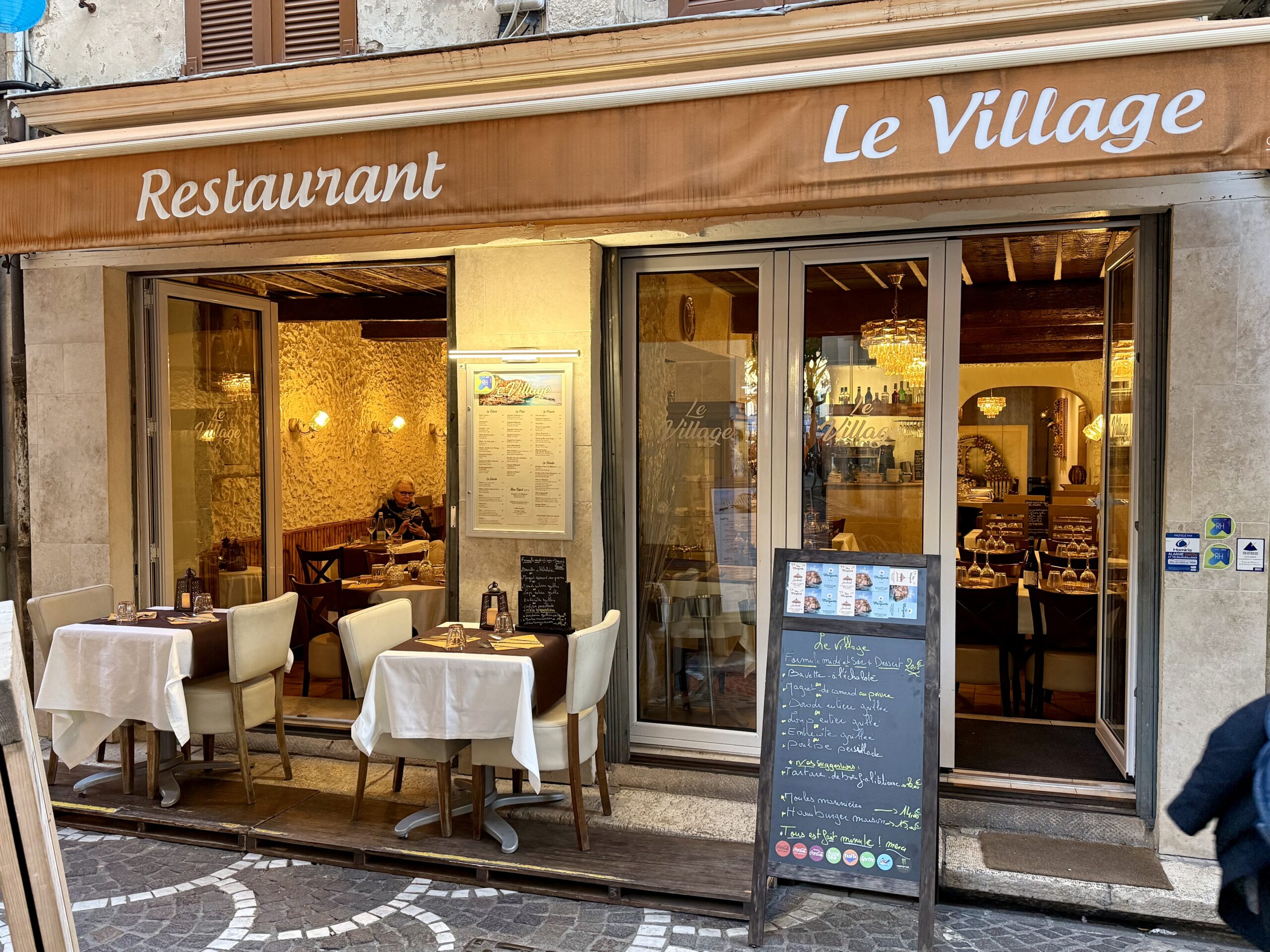
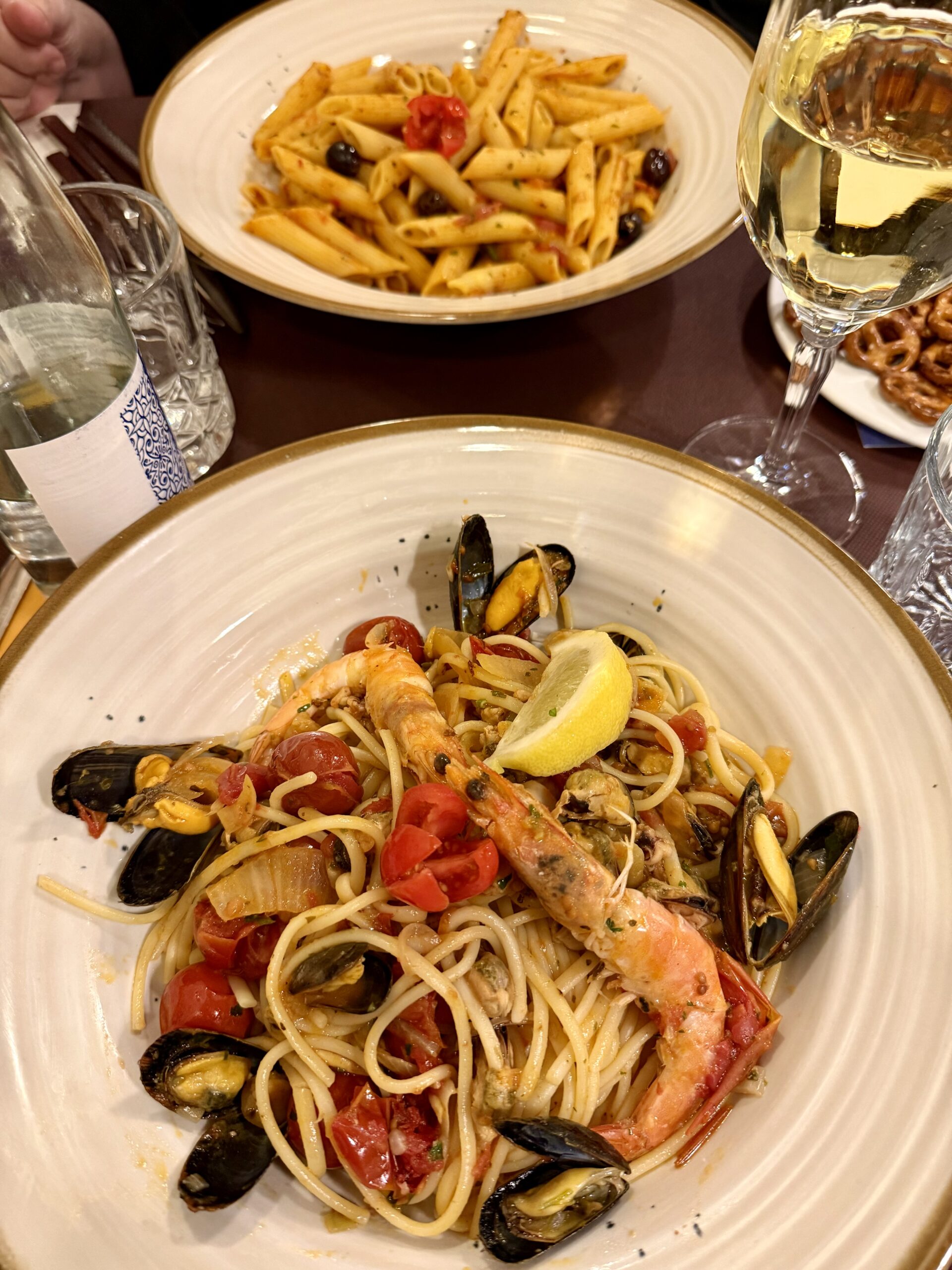
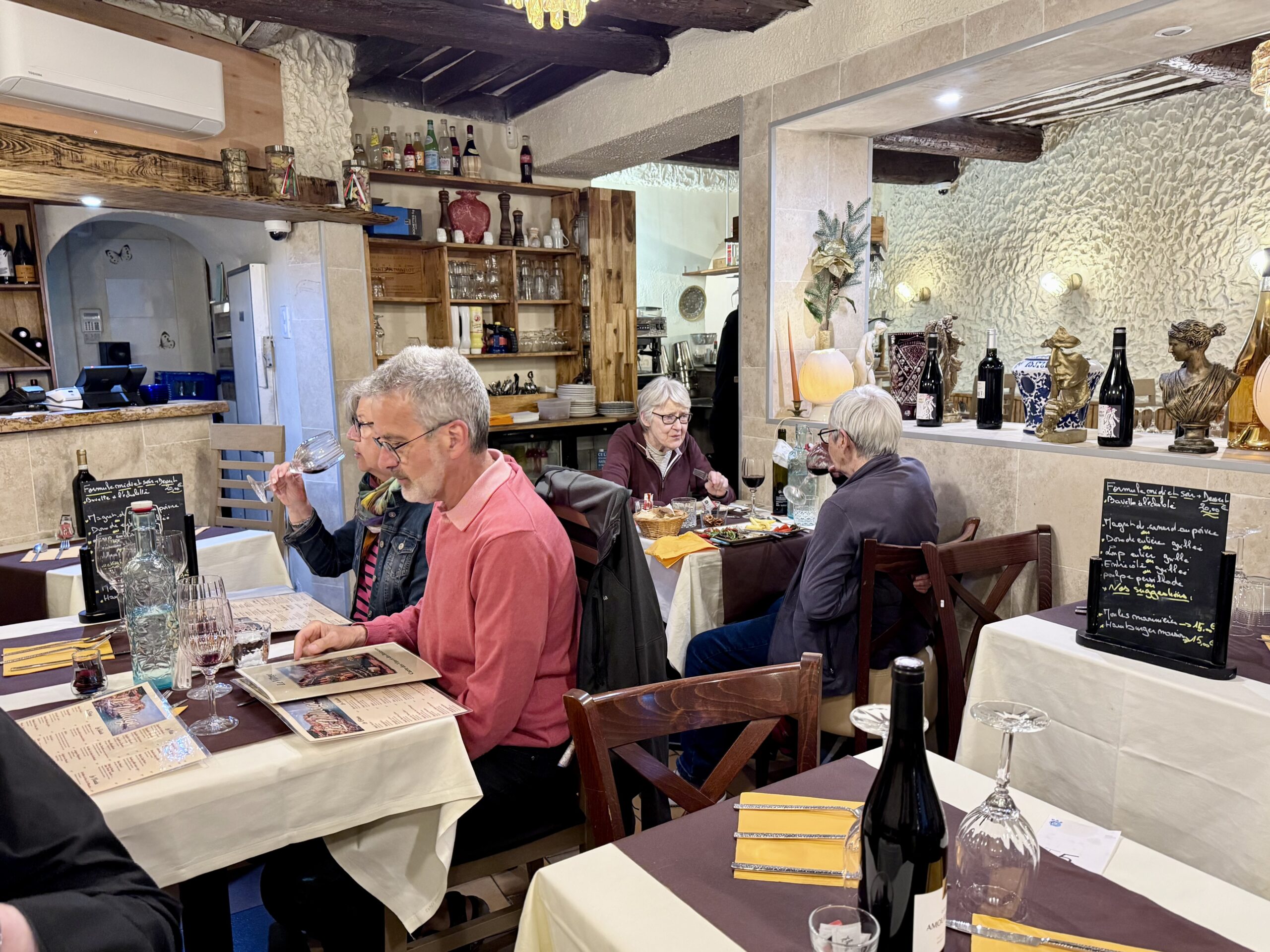
Dinner and a Stroll
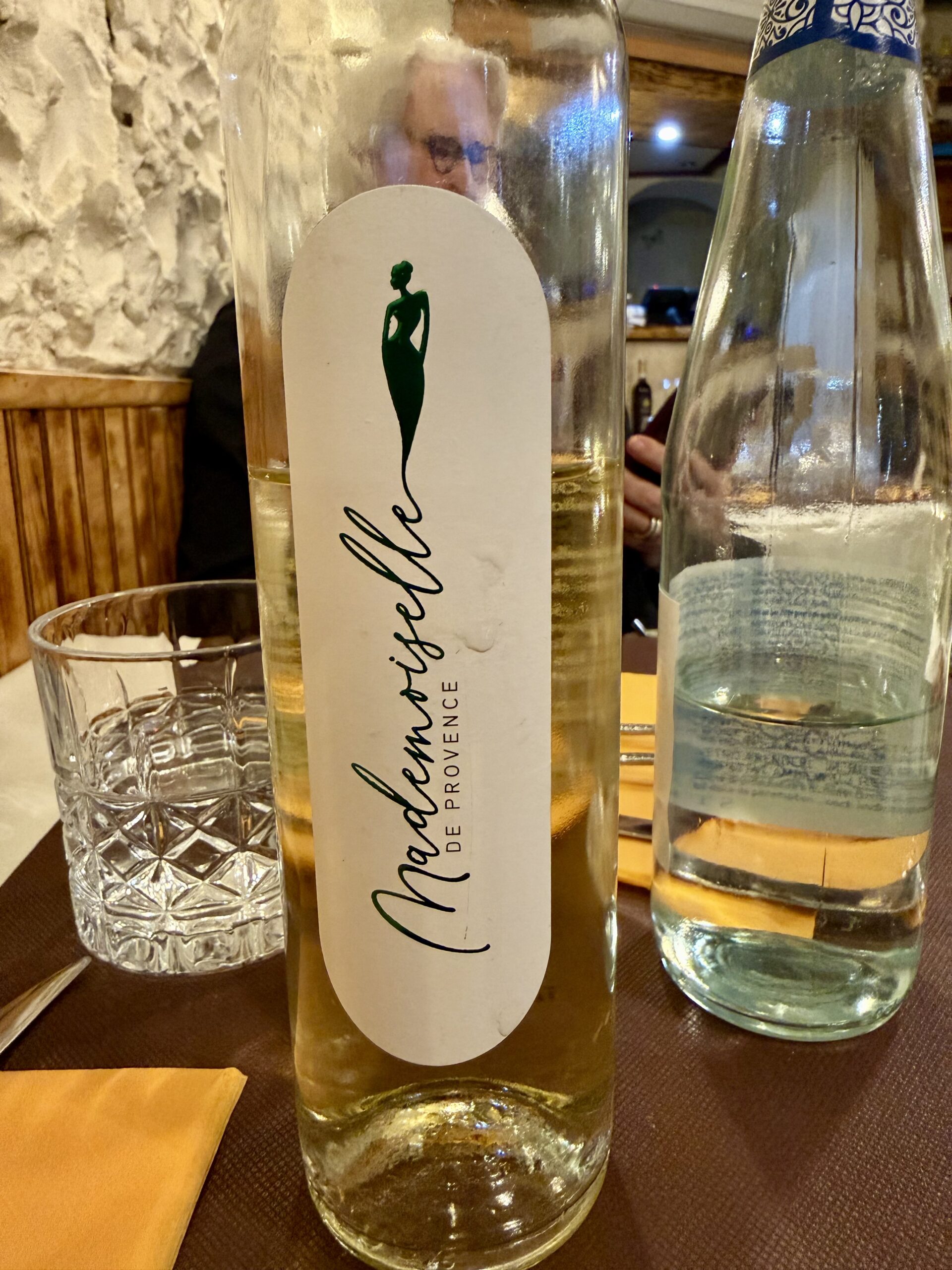
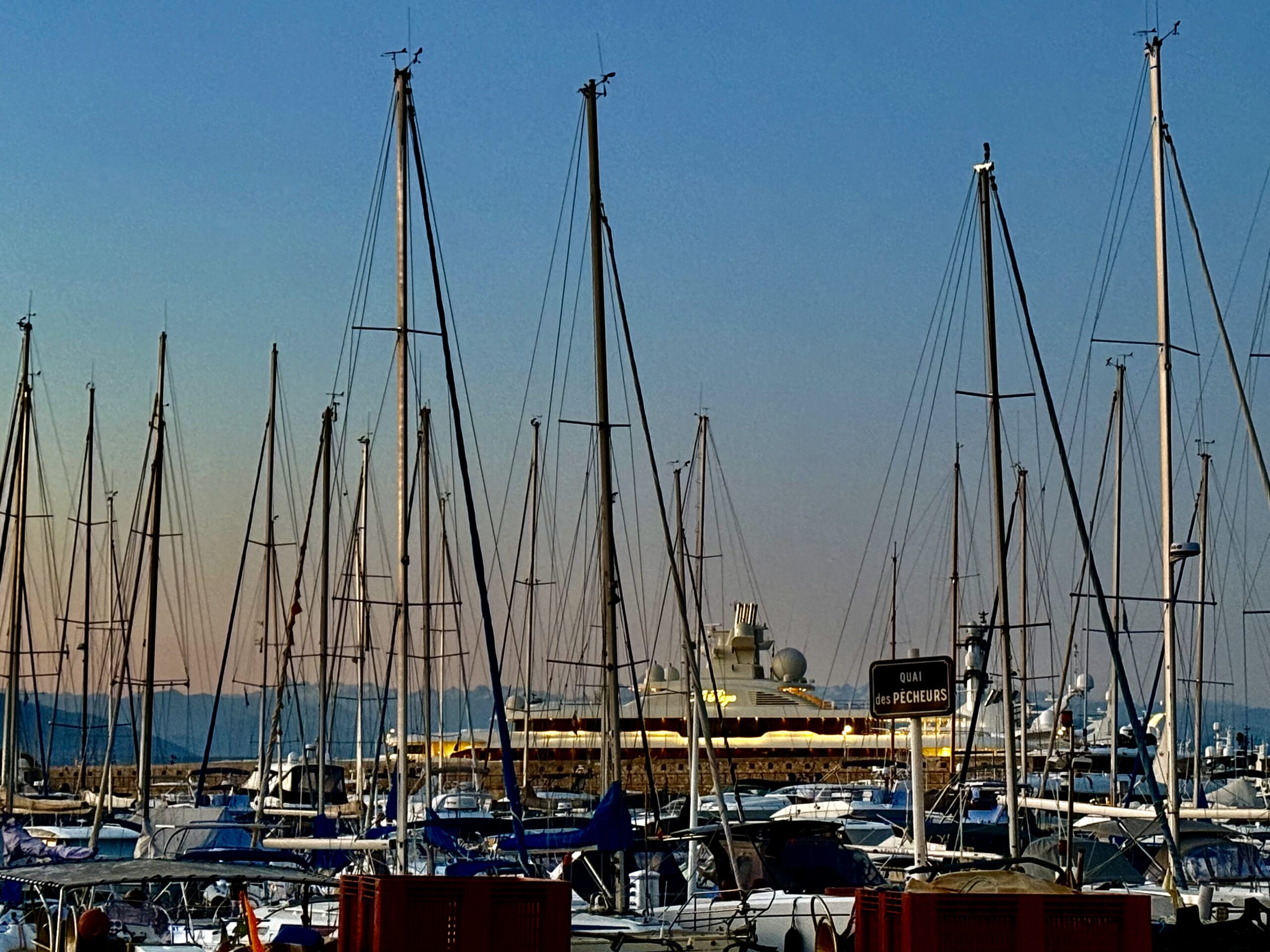
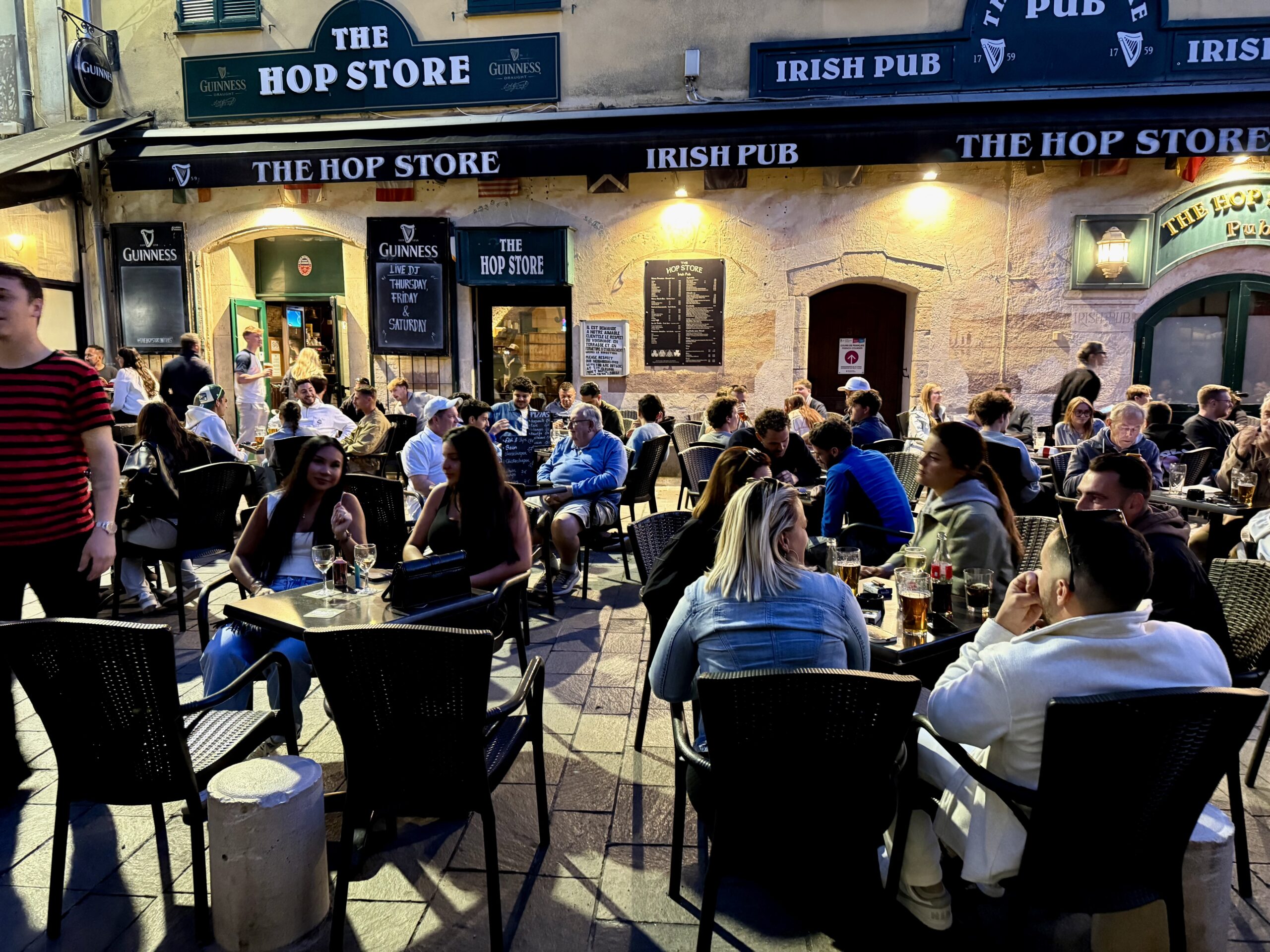
Breakfasts
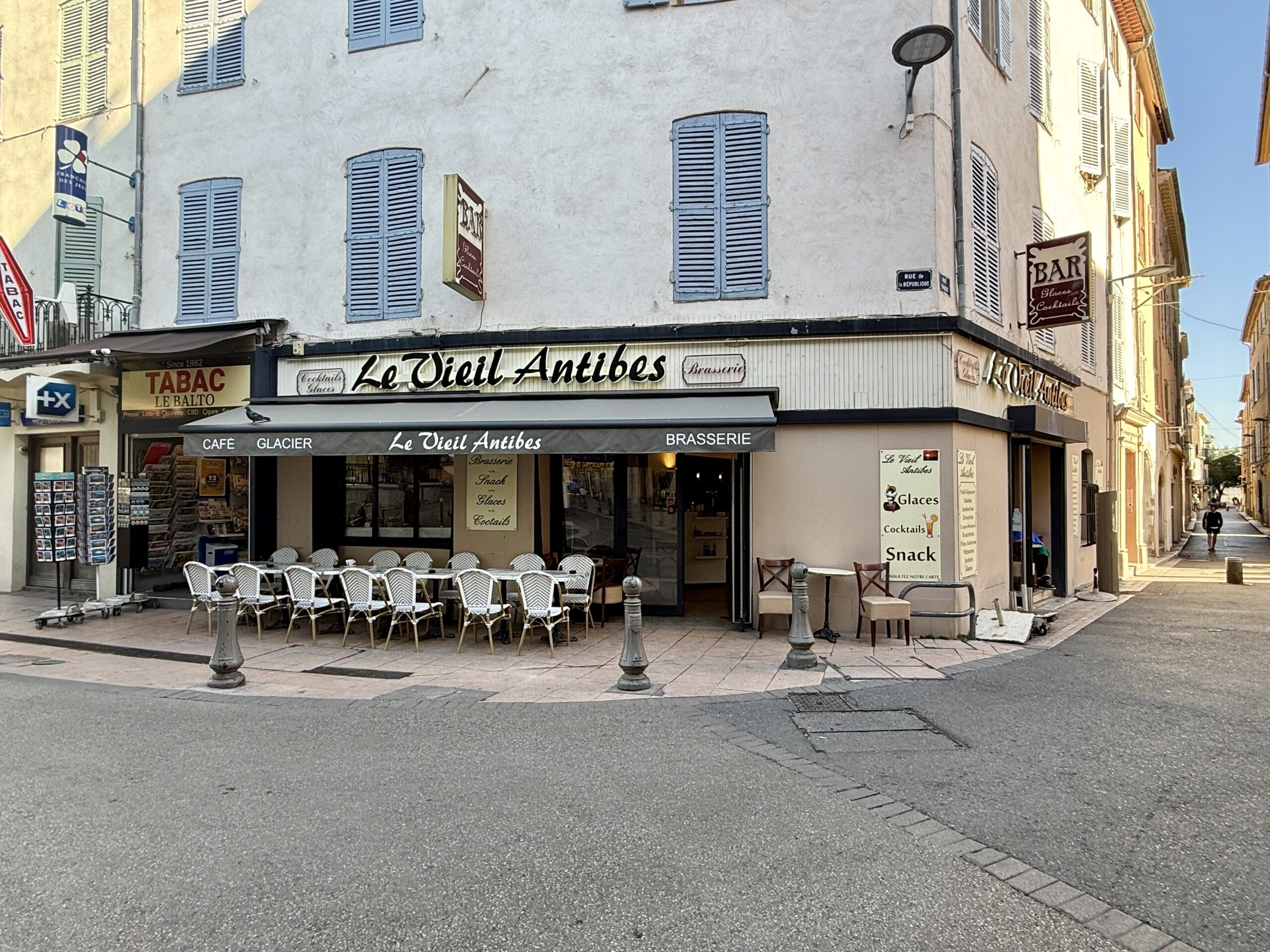
Observations on France
Based on our short stay, here are a few impressions of French culture in this southern area.
Language Unlike in Italy where most people address us in English (do we look American?, duh) and speak English well, the French here speak to us in French first. Many don’t know much English but are happy to try to communicate. At one time Robert spoke fluent menu French, but he is a bit rusty. On the other hand, with Bonnie’s mentoring, his retail French has improved.
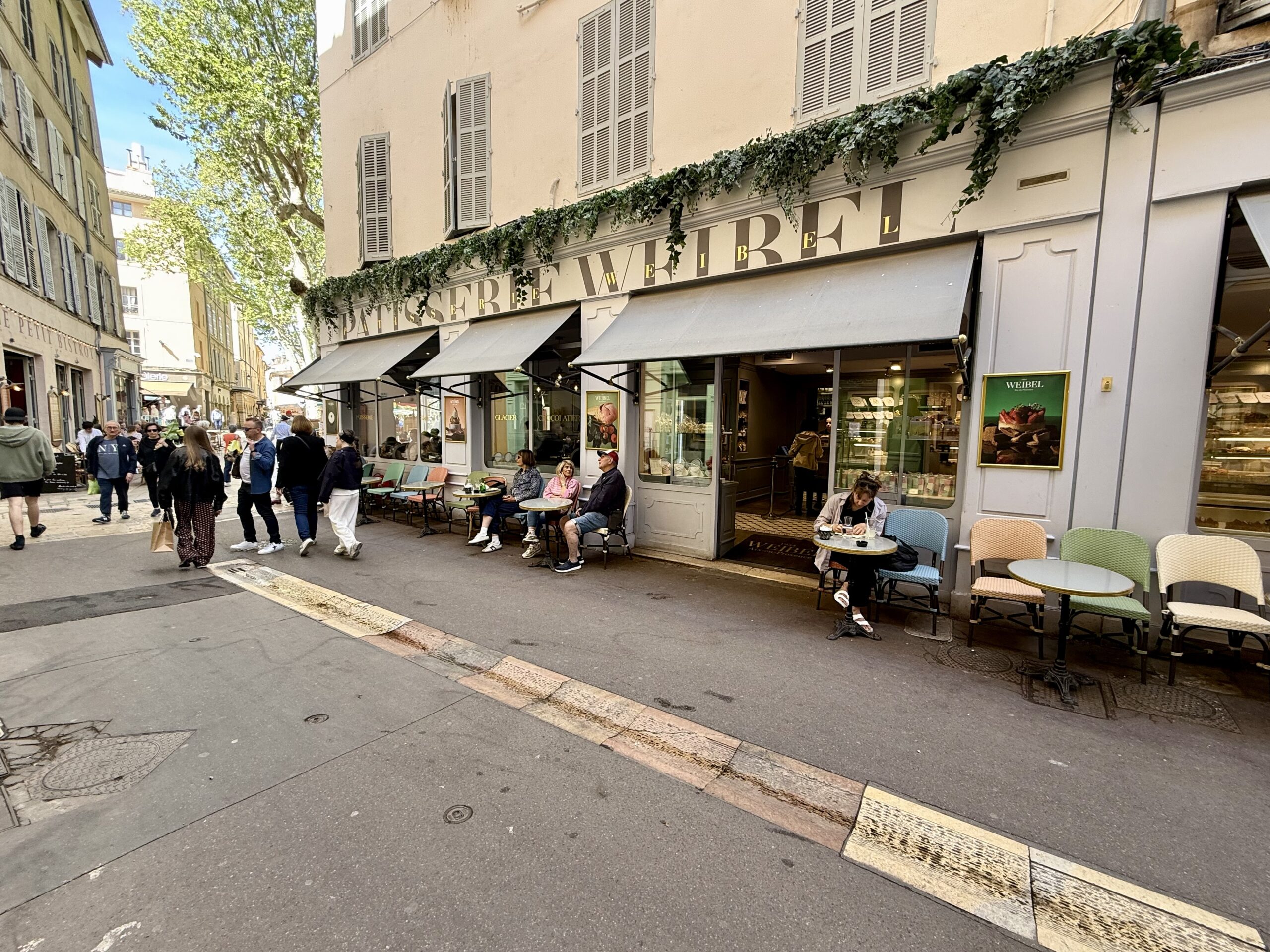
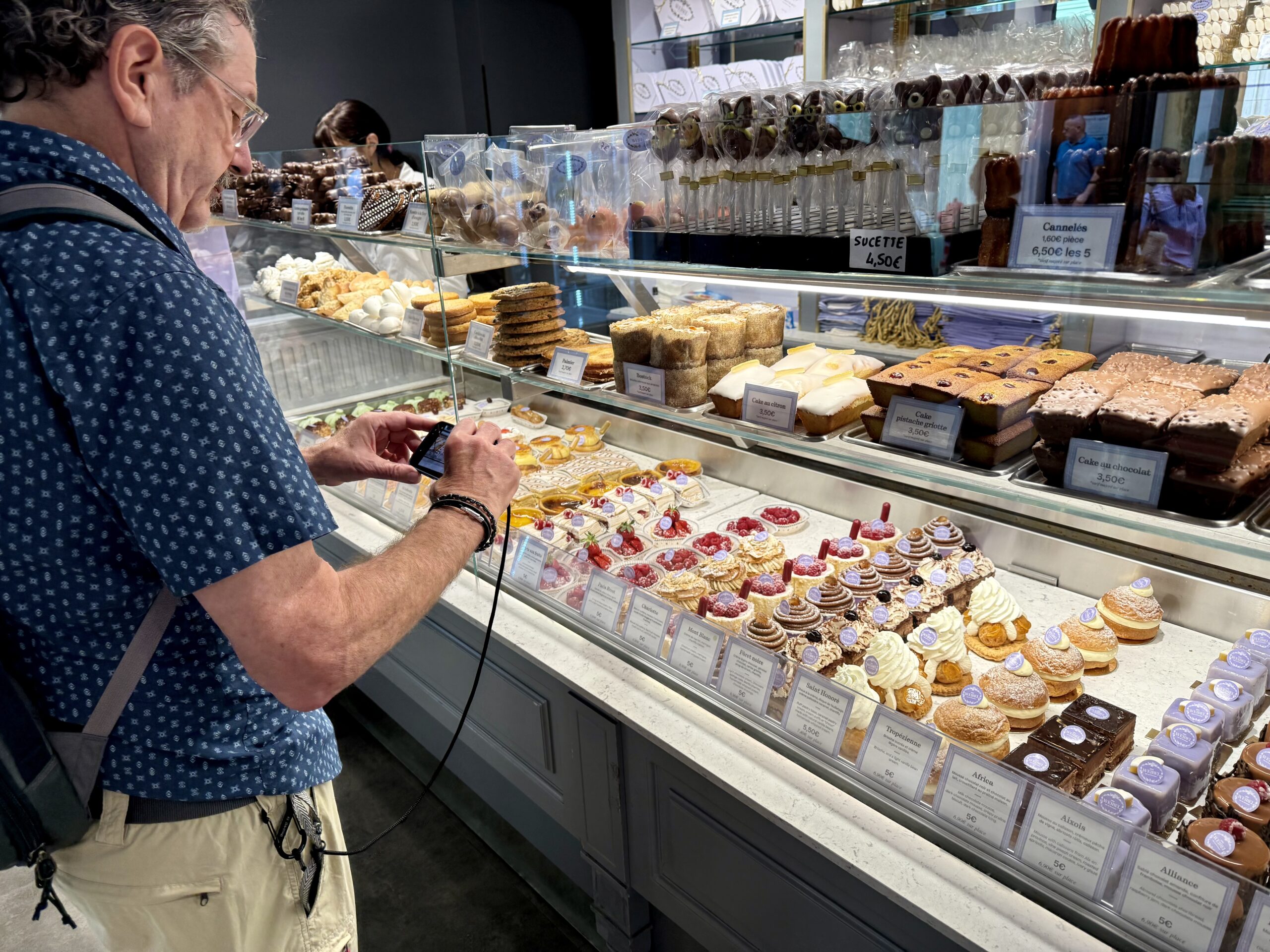
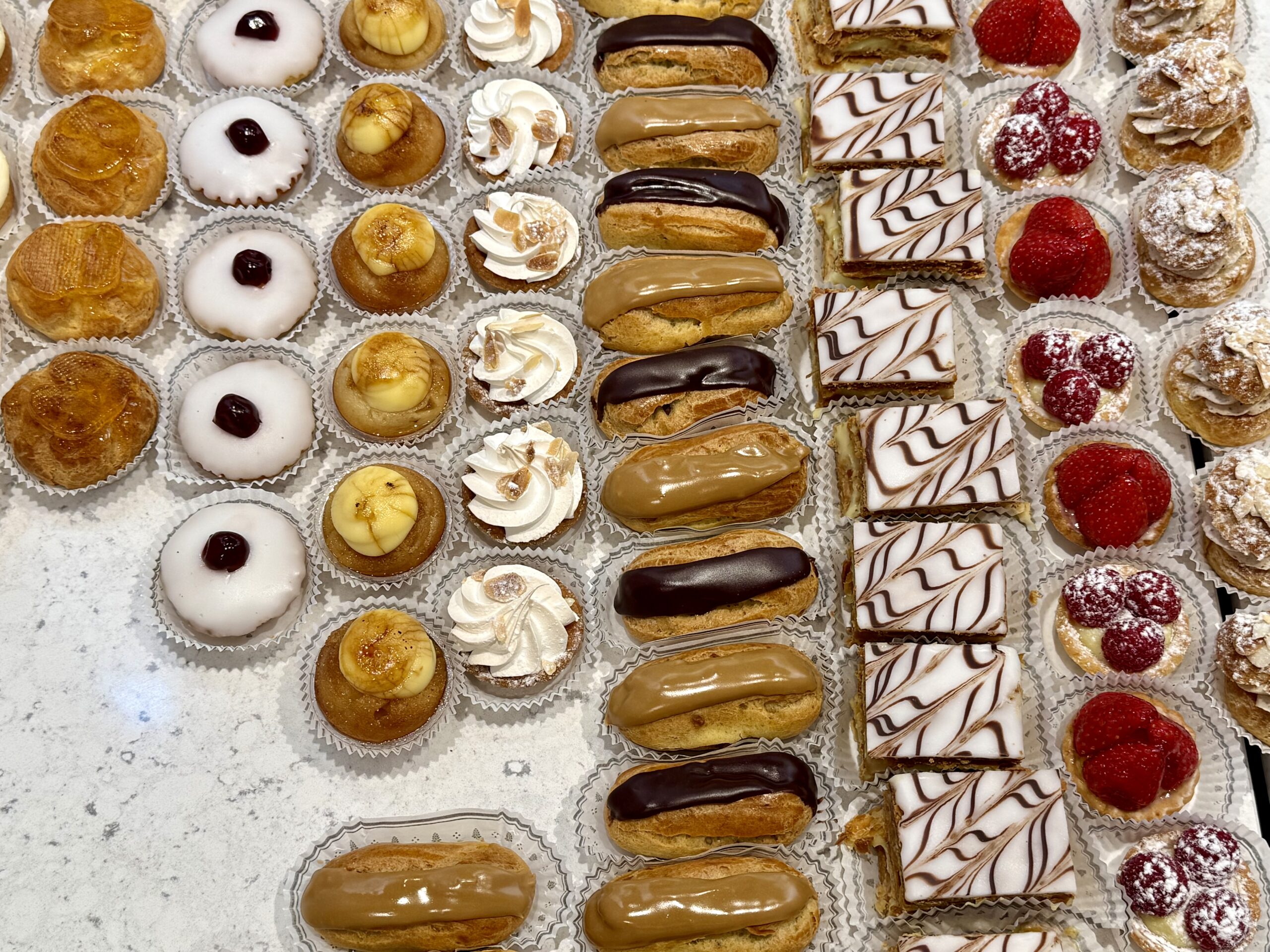
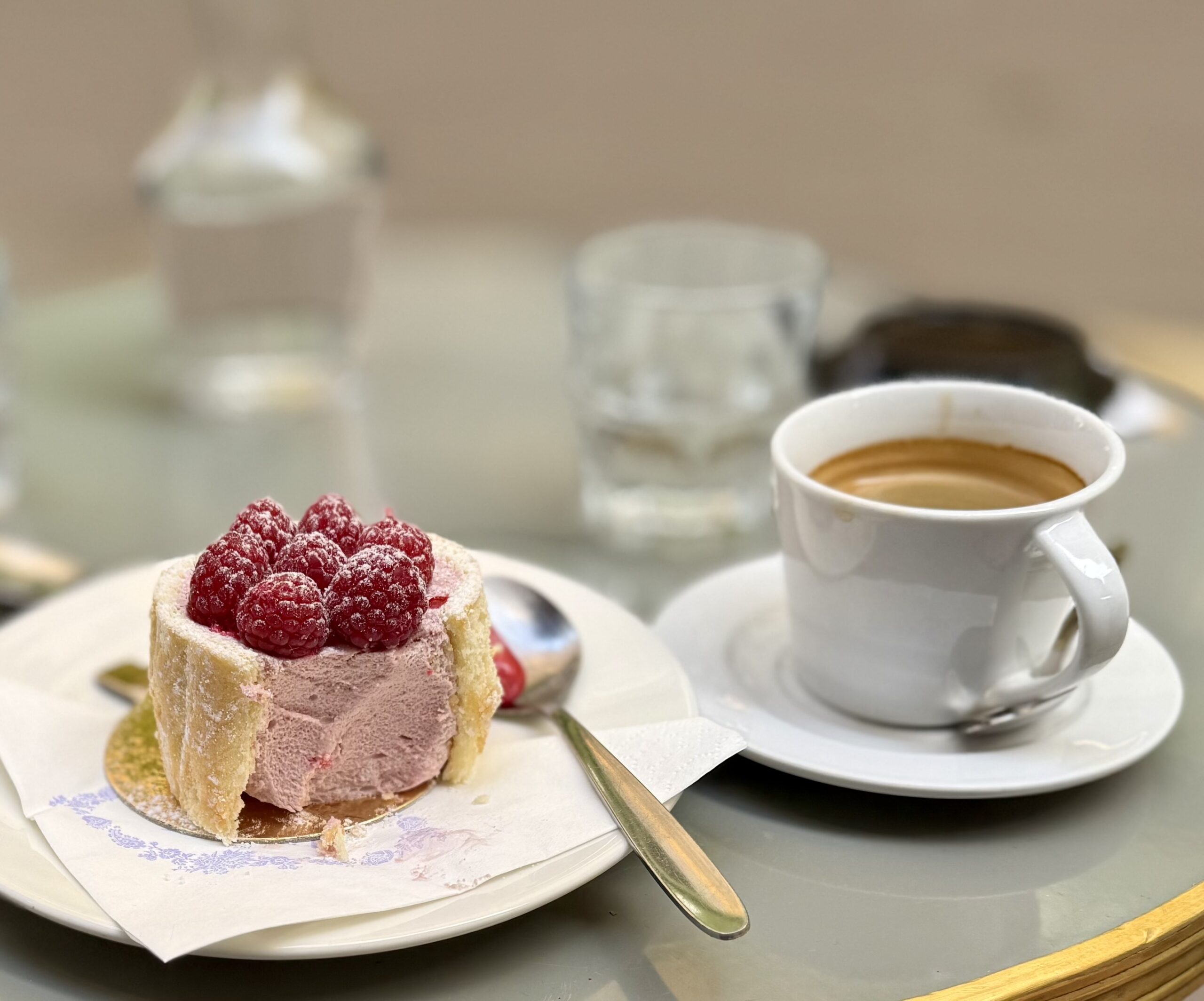
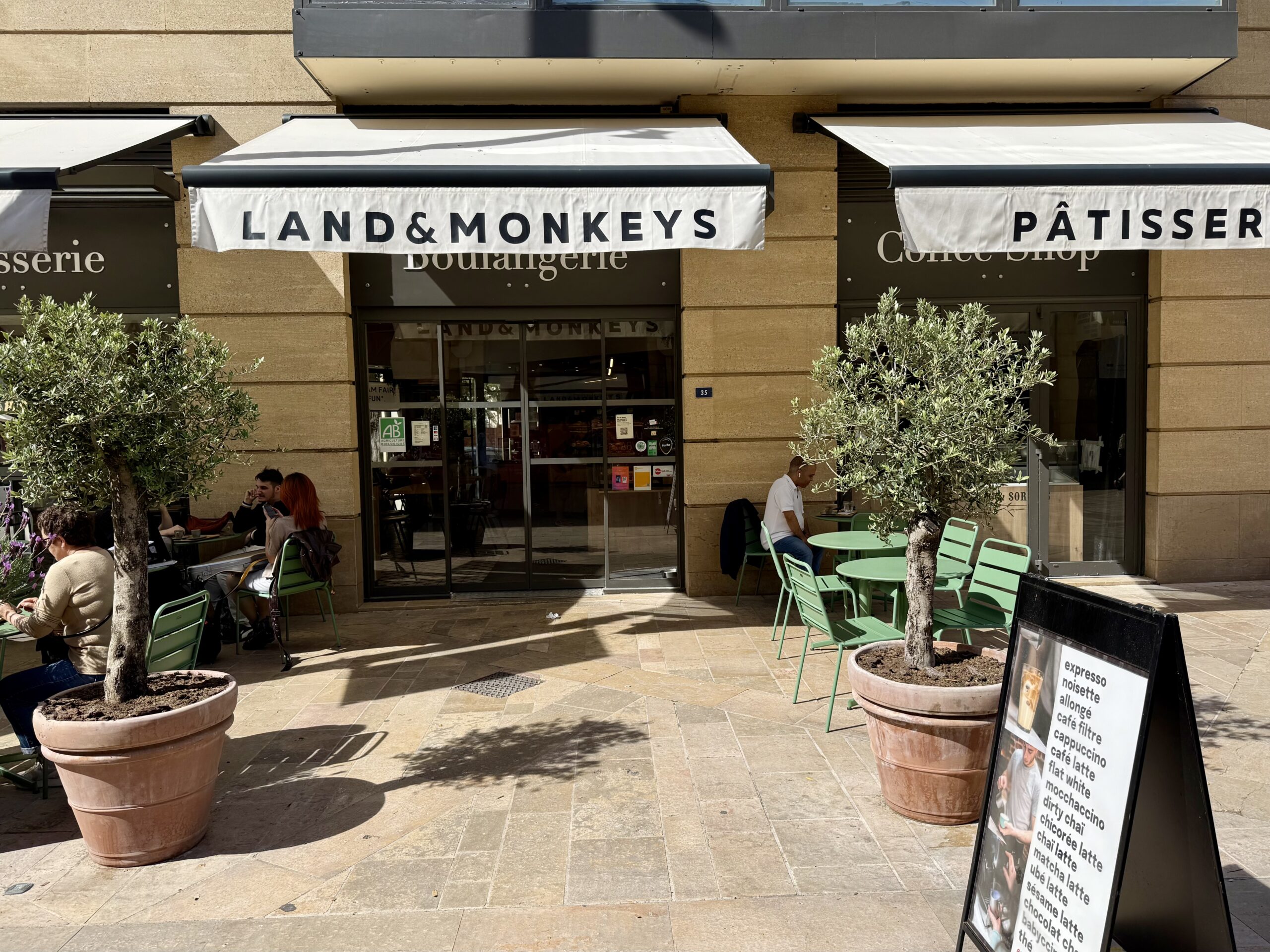
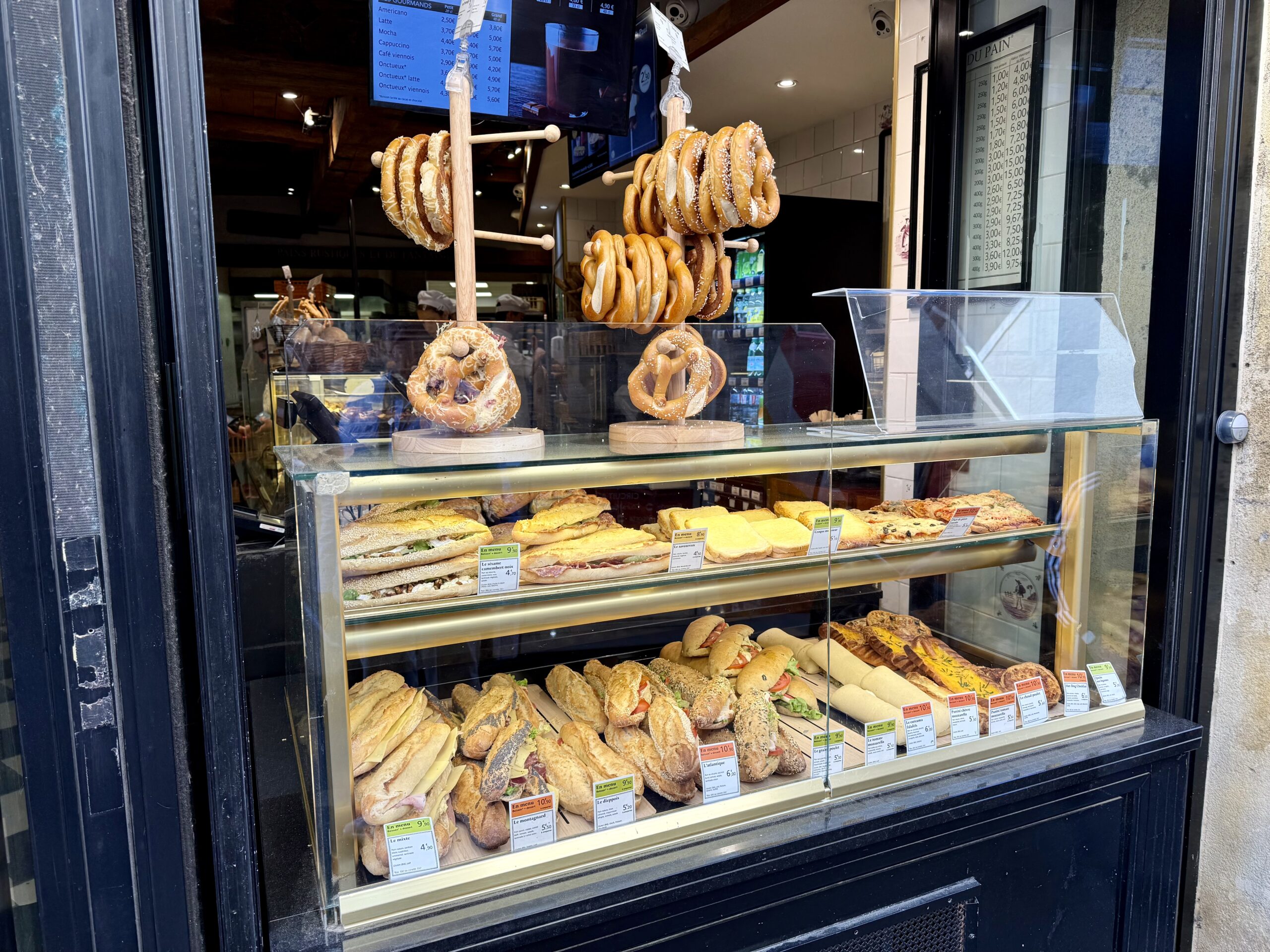
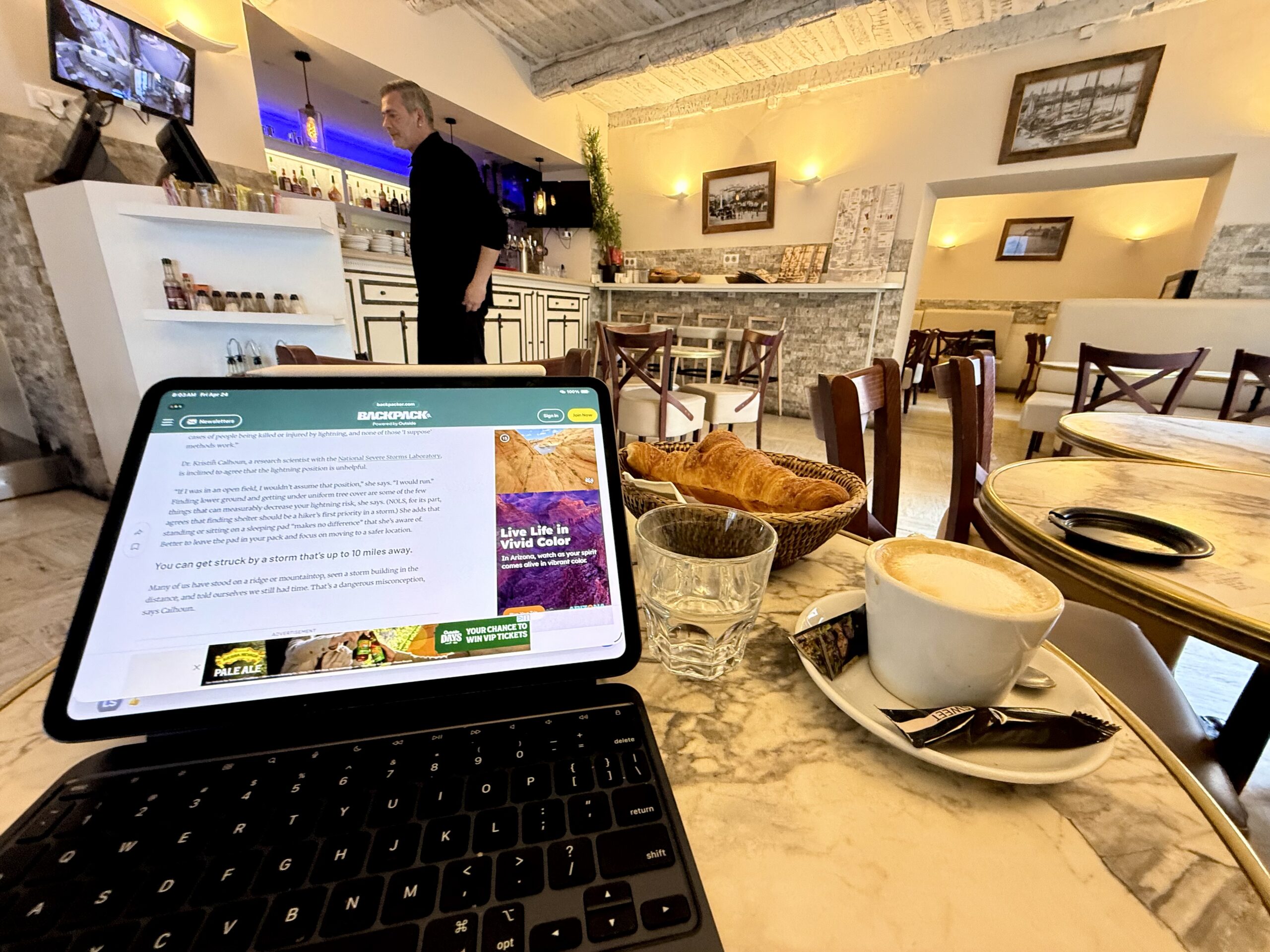
Cafes and Pâtisserie French cafes are cafes in body and soul. They may have a few croissants on hand, but that is all. And, of course, some liquor. Patisseries are pastry shops in all their splendor. They do not often serve coffee. Their main focus is pastry.
Friendly When compared to the Paris of old, all the people we met here were friendly and eager to help, often joking with us. A real pleasure.
Rick Steves Bonnie used Rick Steves’ travel guide and the community forums on a related website. Very helpful for covering a lot of new territory quickly.
Driving In town, the French are not aggressive. They drive slowly, although they can get impatient with foreigners such as Robert. On the highway, slow vehicles such as semis use the right lane. The left lane is used for passing vehicles. Even though you are meeting the speed limit —in some areas 130 kph – 80 mph—and passing others, your rearview mirror will suddenly fill with a car that wants out of the way.
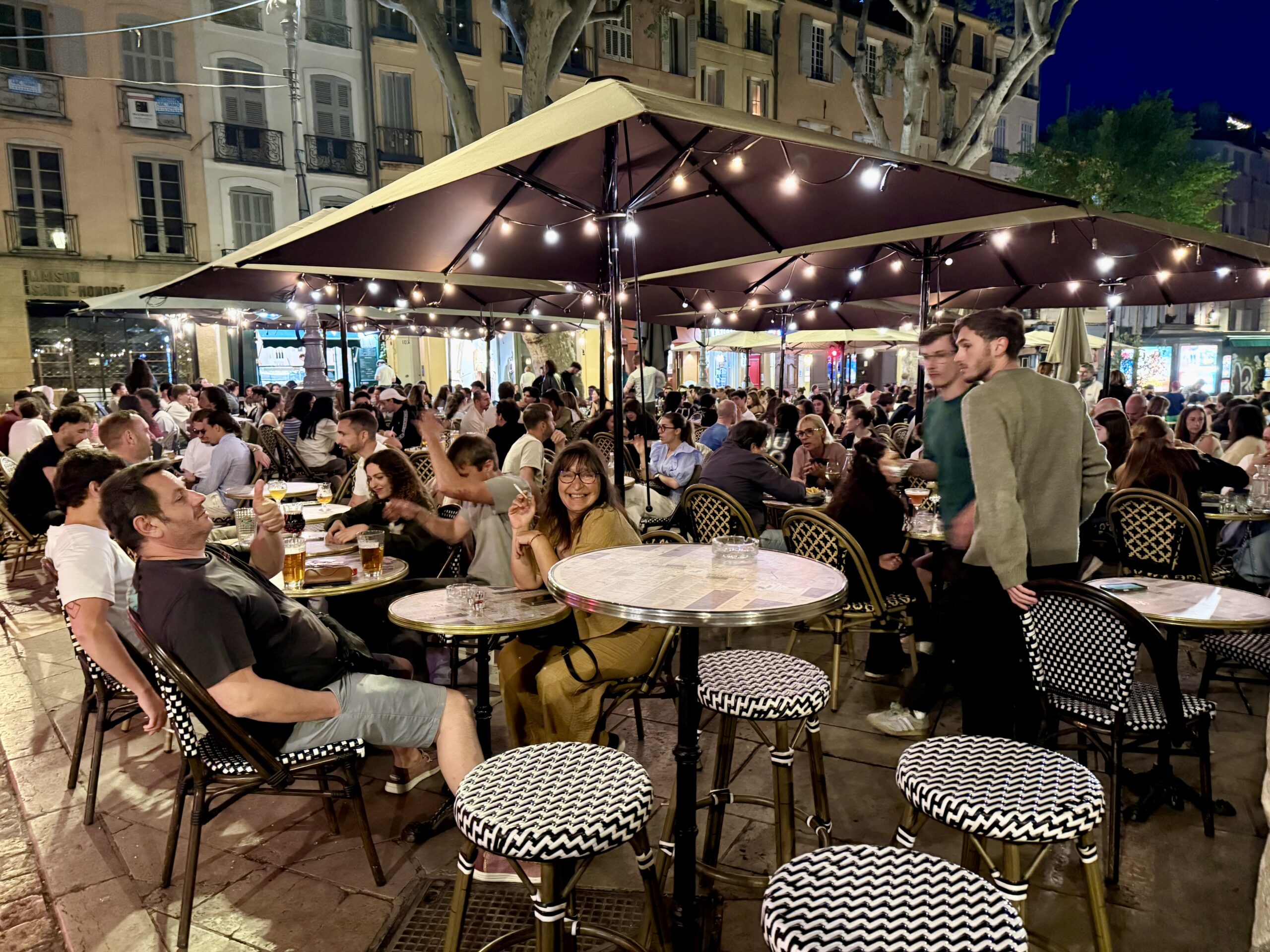
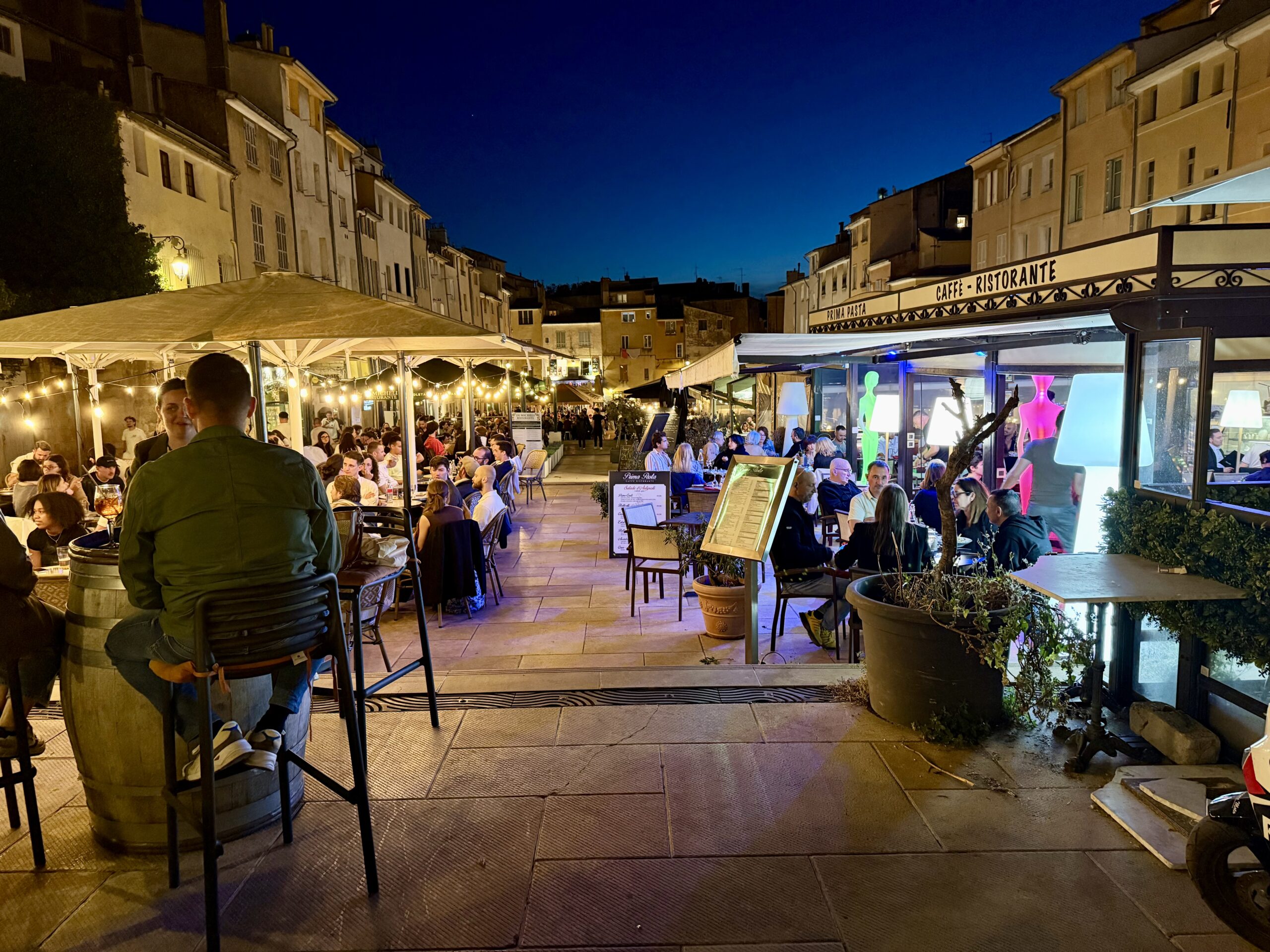
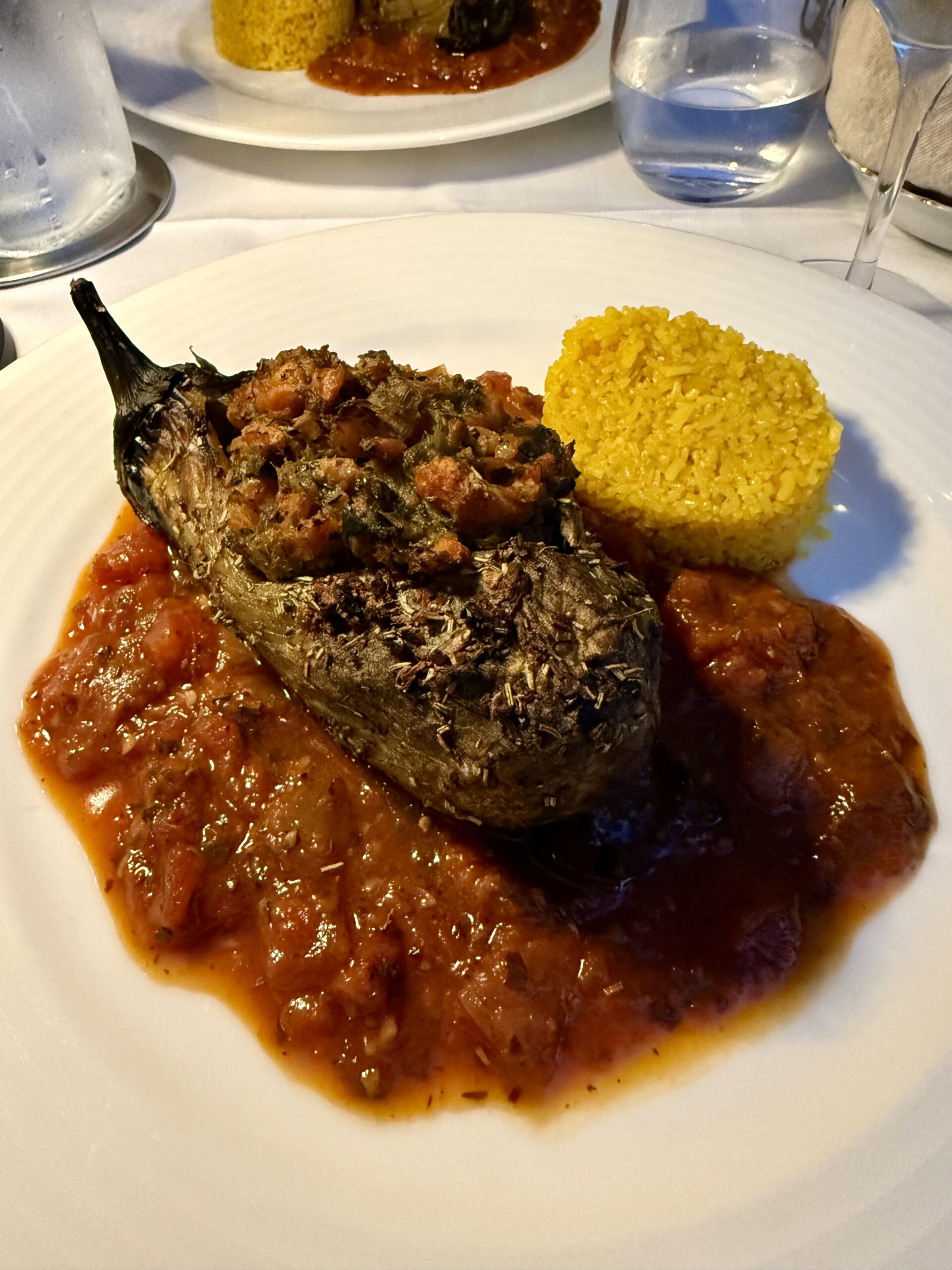
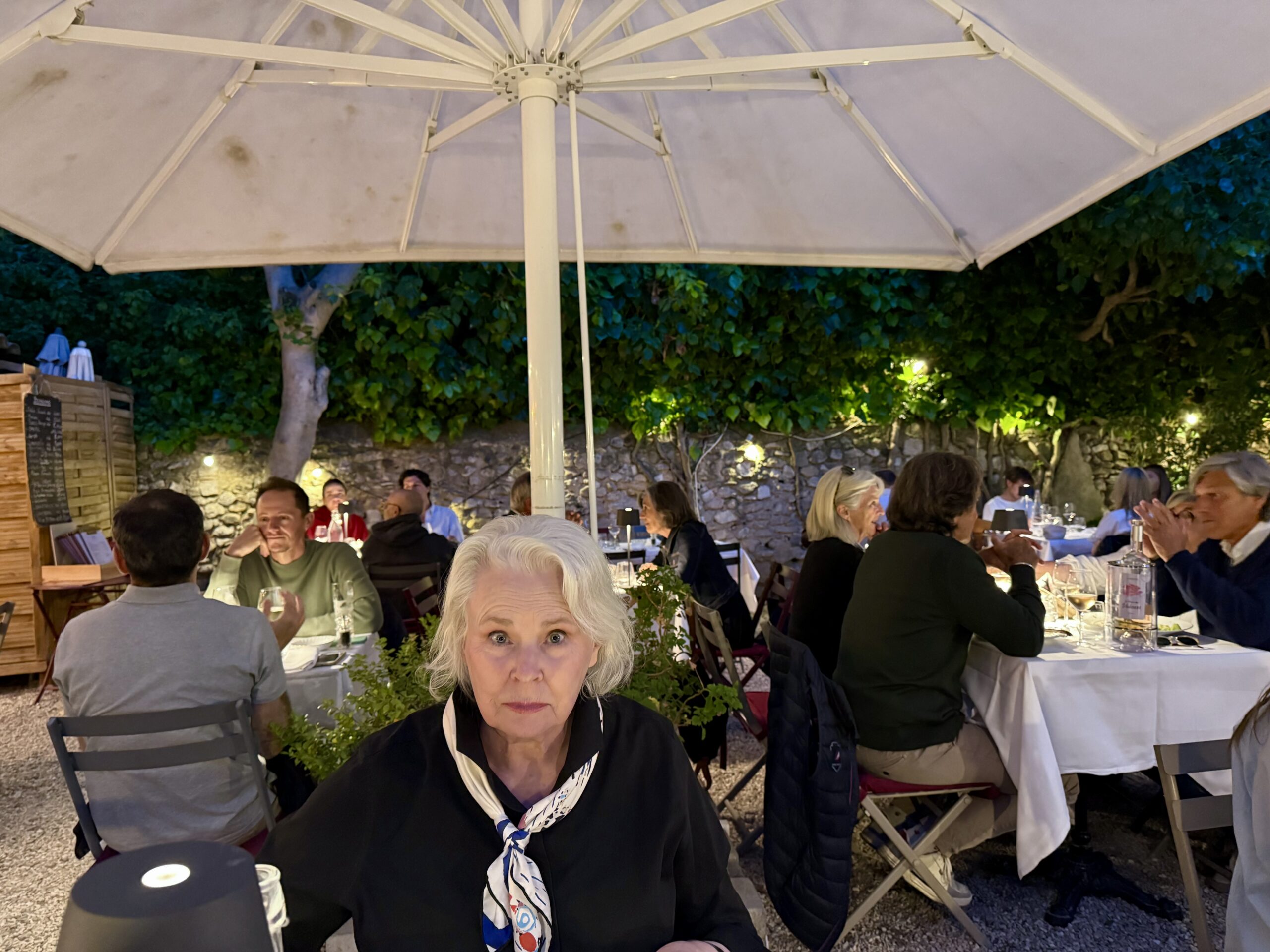
Time to Eat The French and their tourists eat later than we do. We often go to a restaurant at 7:00 pm and find ourselves alone or with a few other tourists. Patrons begin to flow in around 8:00 pm.
Sundays, Monday, and some parts of Tuesdays Robert found his morning cafe closed on Sunday. It was hard to find a cafe that was open, and one was part of a hotel. Many restaurants are closed on these days too. Although in the ground zero area of tourists, many cafes and bars are open.
Lipstick. Look for reds on young women.
Next Stops: Piacenza and Bologna!