01-06 November 2025
We’re in New Zealand. Why? Because we’re going to Hawaii. Planning started months ago when niece and nephew Kitty and Brett suggested a Loyd family gathering in Hawaii near Christmas. Robert’s response? “If we go to Hawaii, we’re halfway to New Zealand!” Too close to pass up fishing and a chance to see Bonnie’s New Zealand family.
We will roam the South and North Islands for seven weeks, meeting Richard Loyd and Bob Colegrove in midDecember before we all leave together for Hawaii. Bob, newly retired as a child psychologist, is pressing full throttle on the travel gas (electric?) pedal.
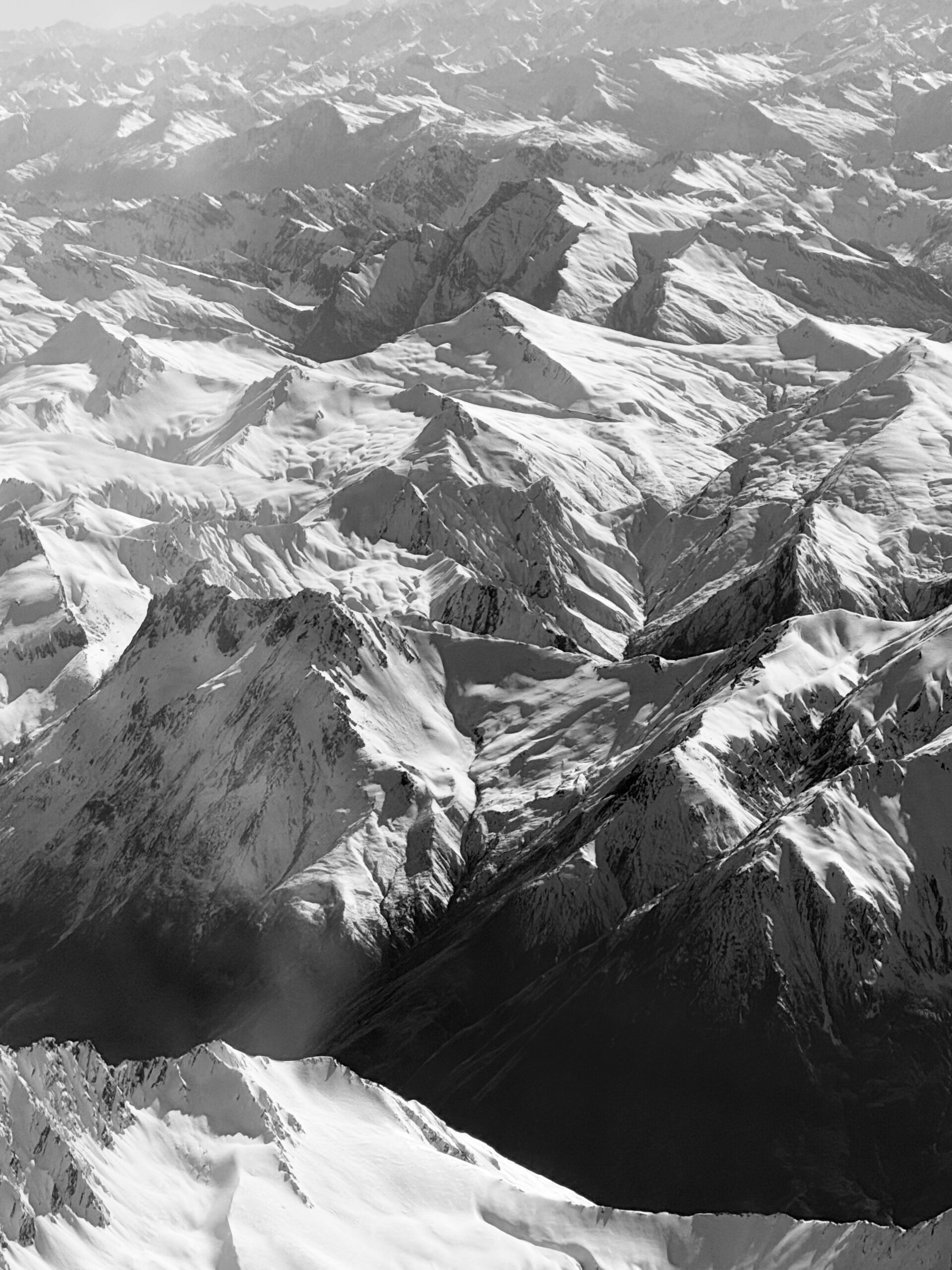
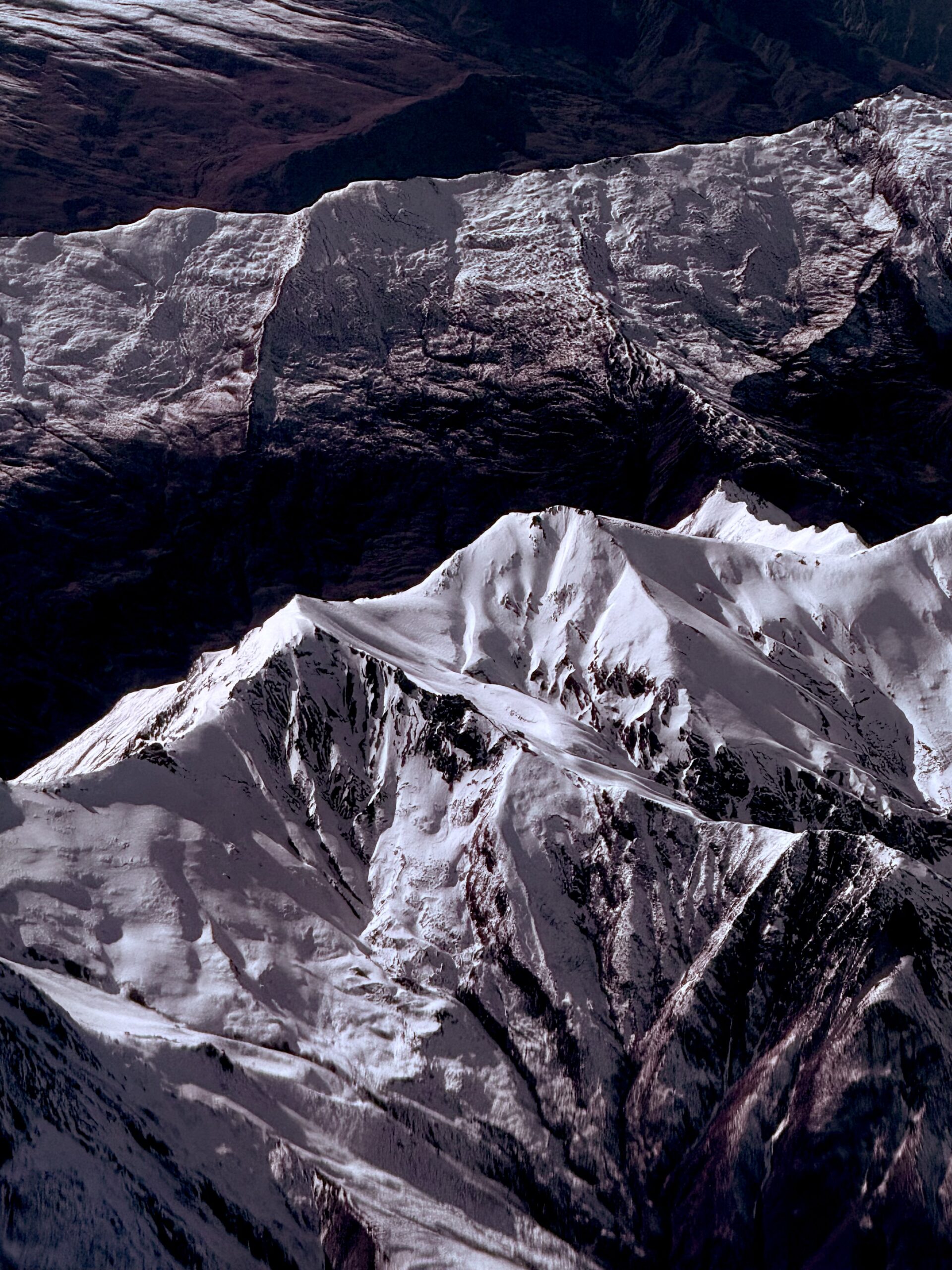
New Zealand is scenery, scenery, scenery. Spectacular, varied, rugged.
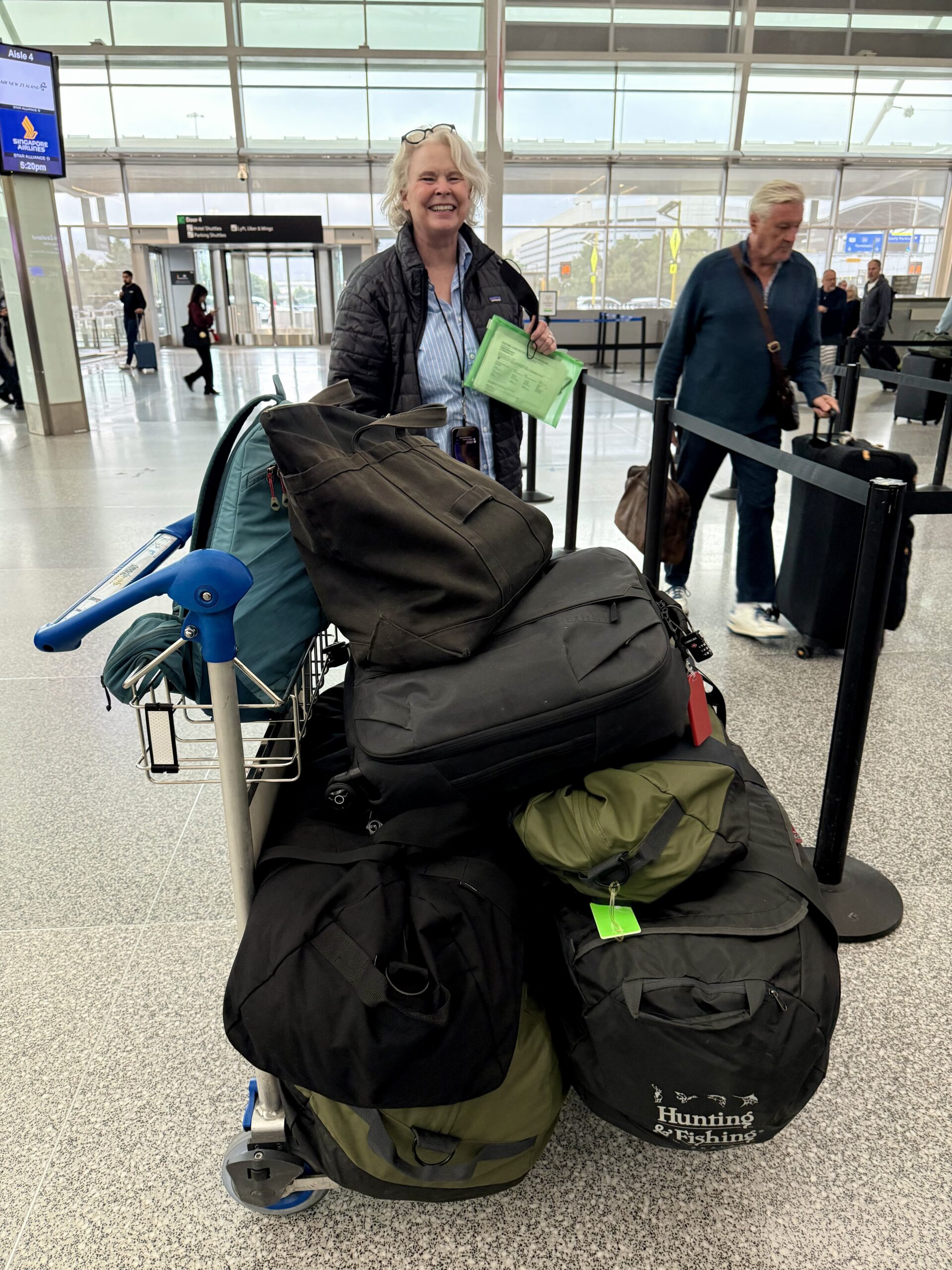
Our Air New Zealand flight took off from SFO in the evening for the twelve-hour (four-movie) nonstop trip to Auckland. Twenty-two hours door-to-door. Extra legroom and impressive service made it feel luxurious.
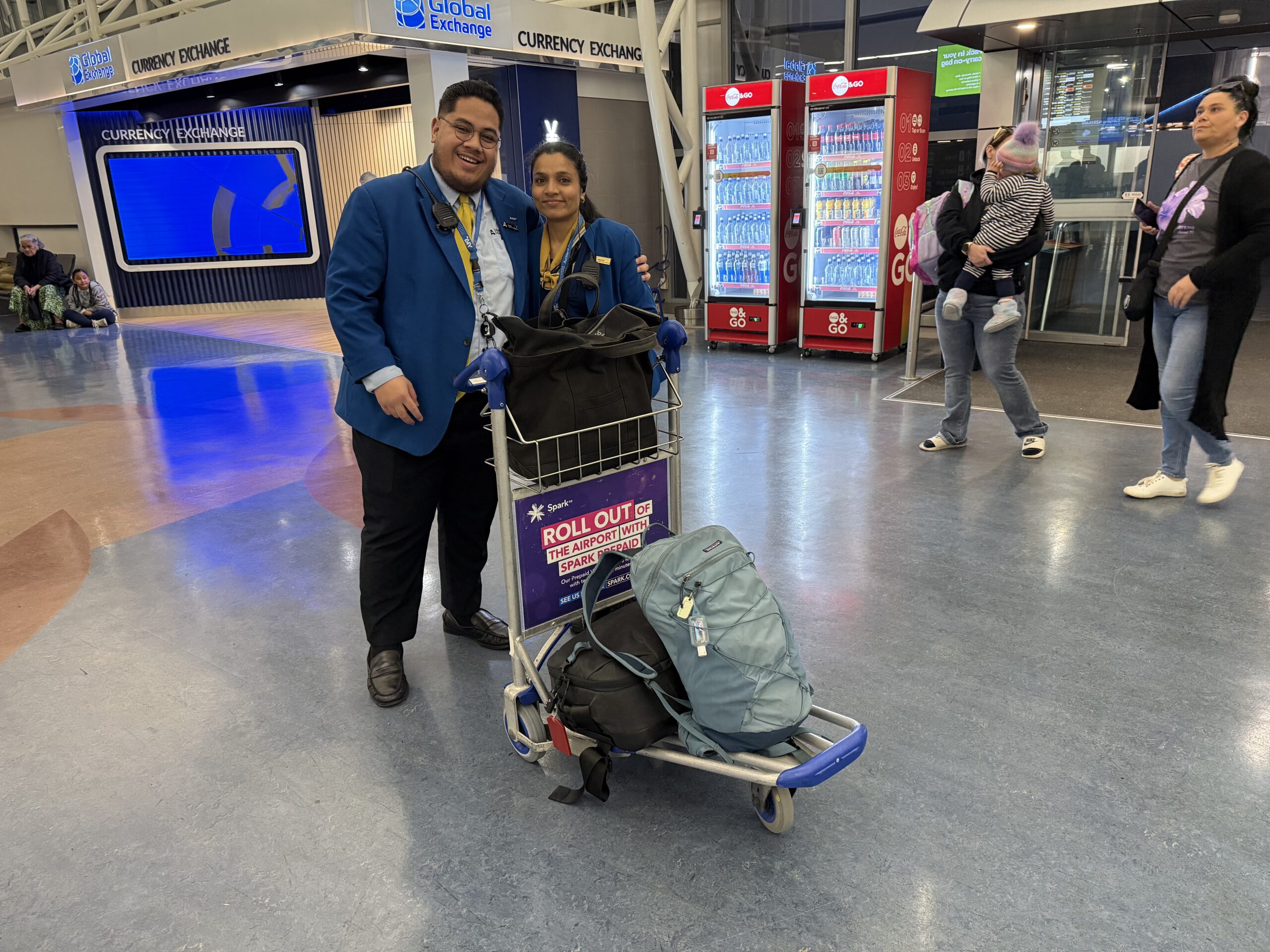
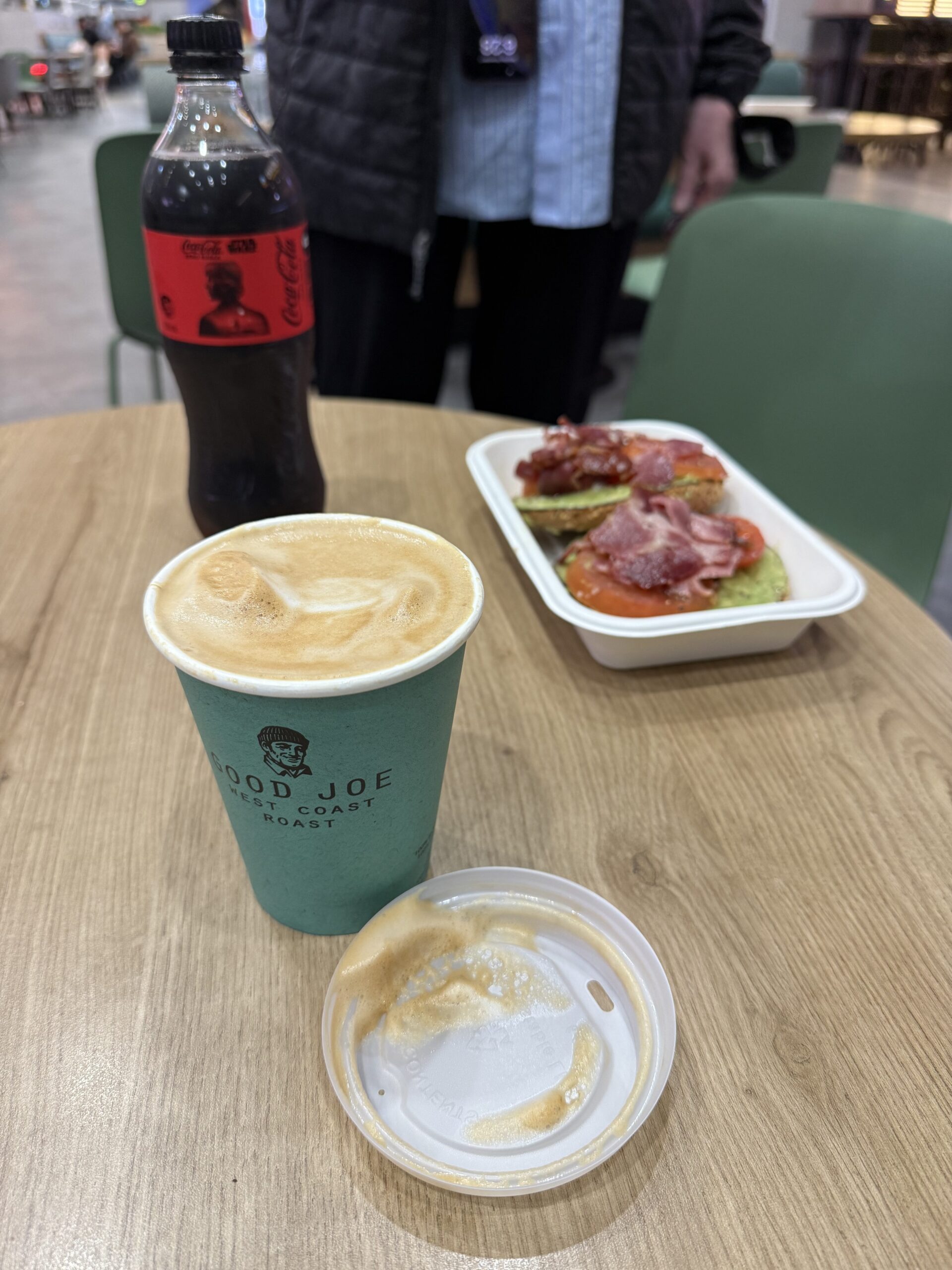
We landed at 5:30 AM and were startled to be greeted by two airport hosts arranged by our travel agents, The Best of New Zealand Fly Fishing. The pair graciously managed our luggage and guided us through a two-hour sequence of passport checks, customs inspections, shuttle to the domestic terminal, and breakfast before our connecting flight for Queenstown on the South Island. Lovely. Robert told Bonnie not to get used to this kind of pampering!
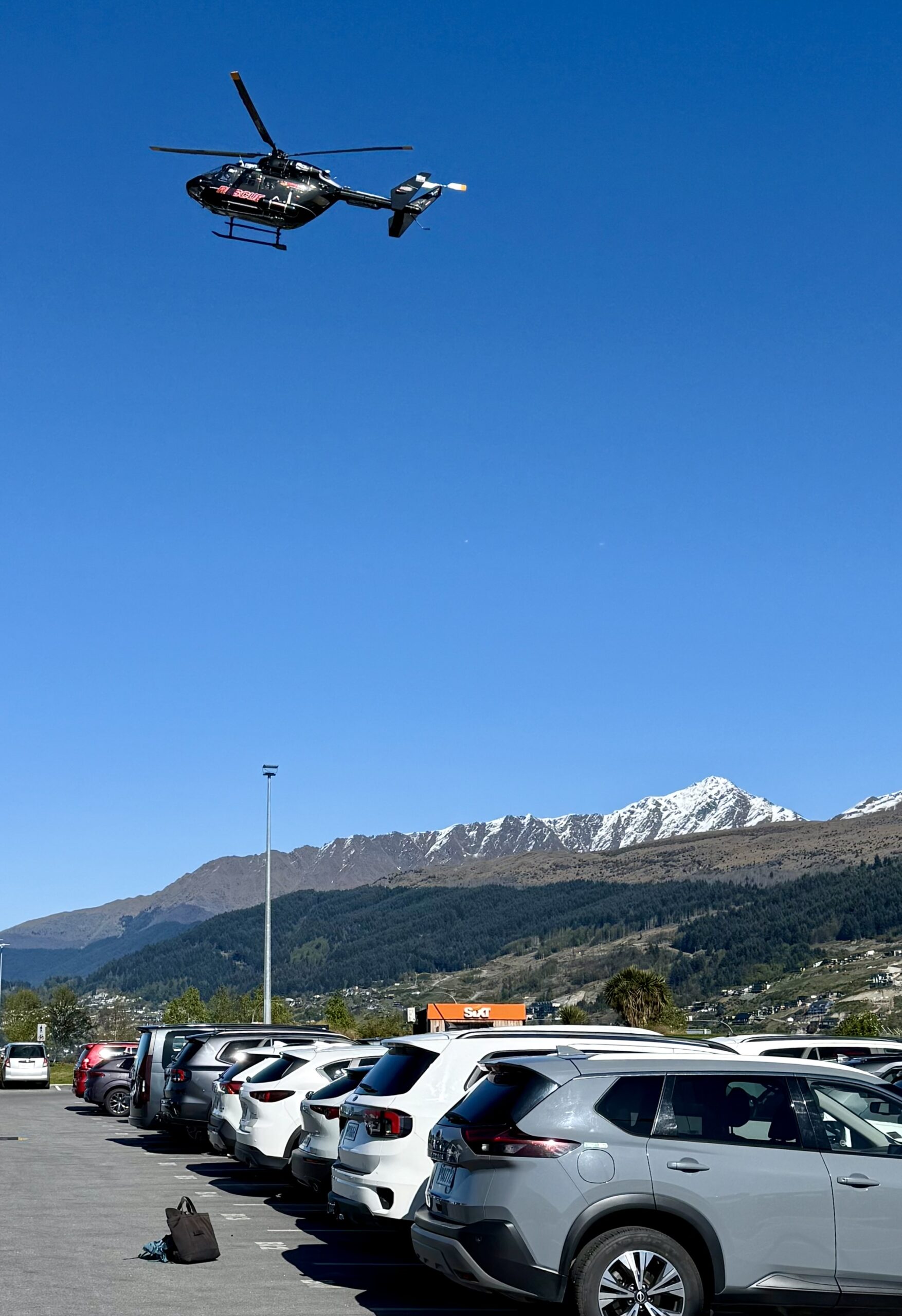
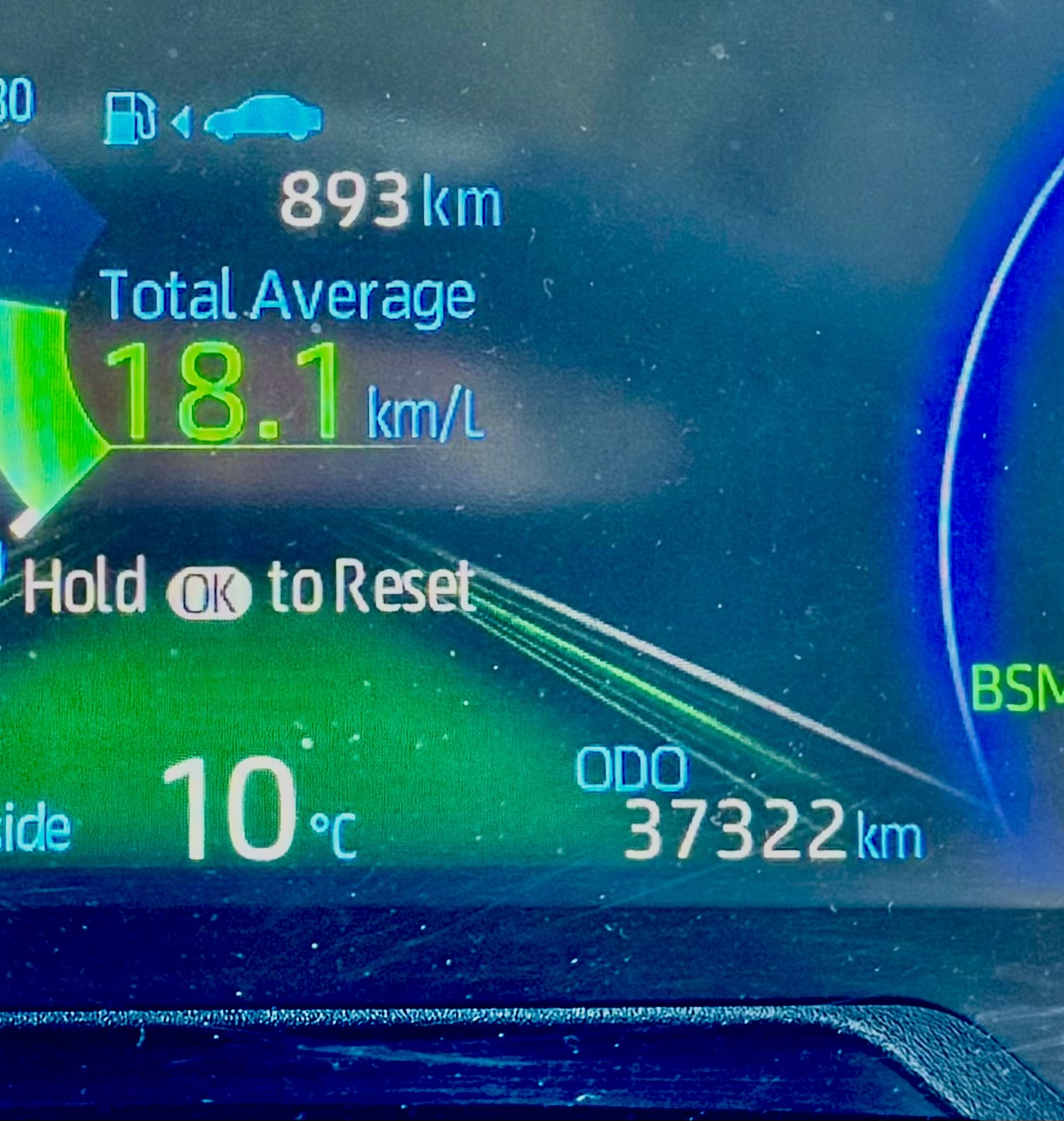
We touched down at the Queenstown airport at 9:00 AM with multiple rescue and tourist helicopters buzzing overhead, shuttling tourists to the scenic Fiords. After we picked up our hybrid RAV4 rental car, driving carefully on the left, we headed to the New Zealand Hunting and Fishing store we already know well to purchase fishing licenses ($180 each) along with a few flies. We were charmed to discover we are registered permanently as fly fishers in New Zealand—we only had to update our payment.
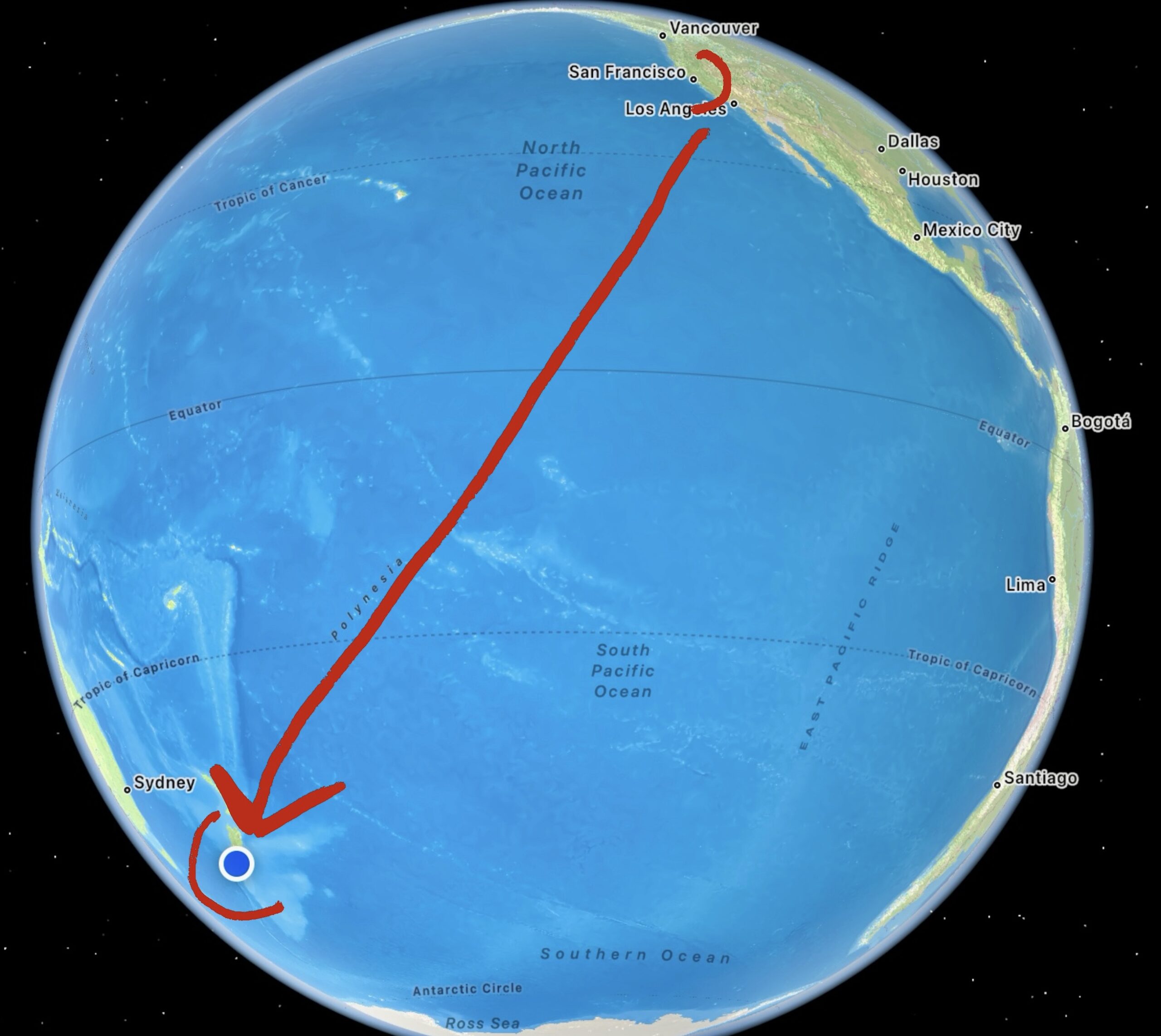
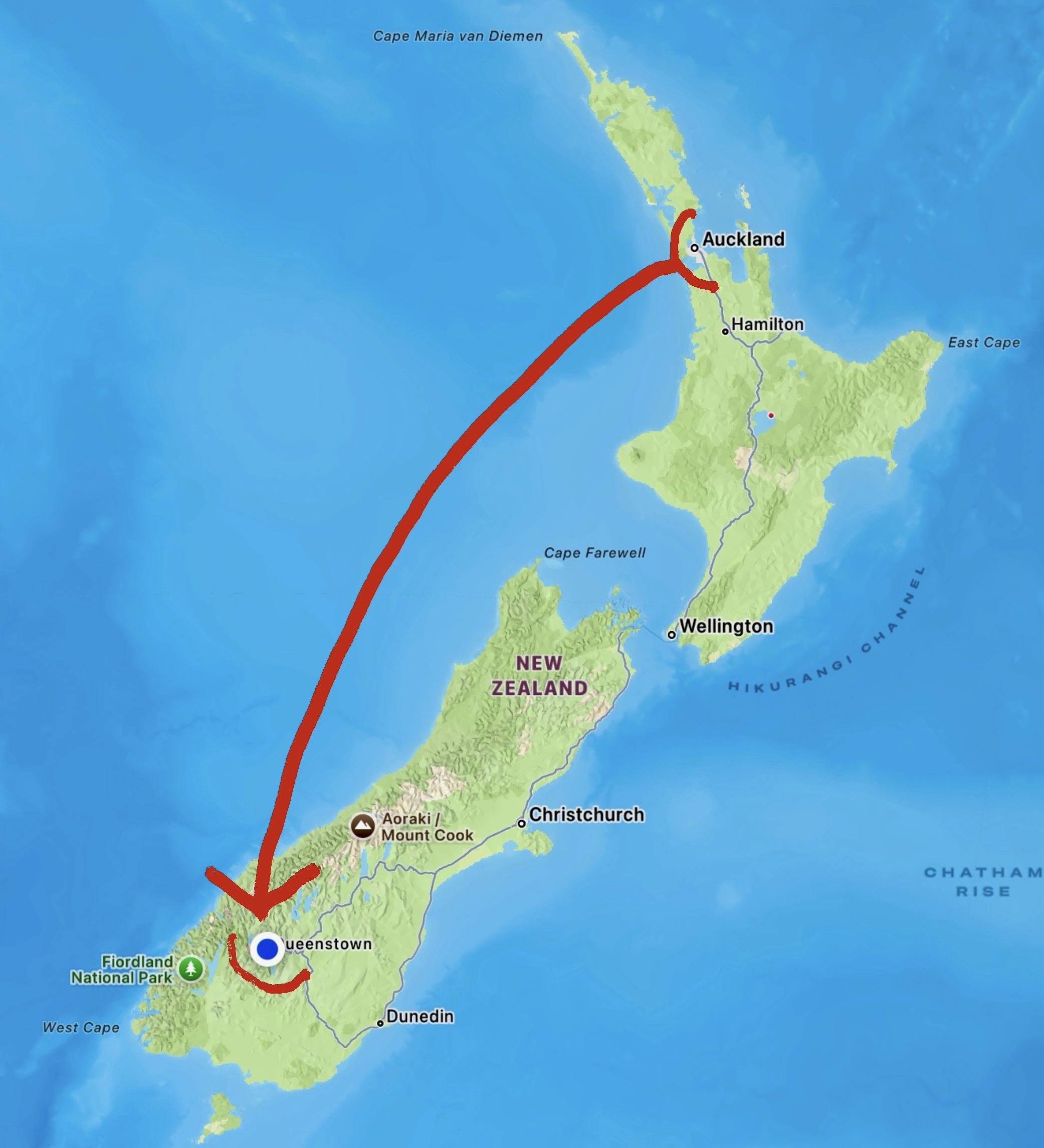
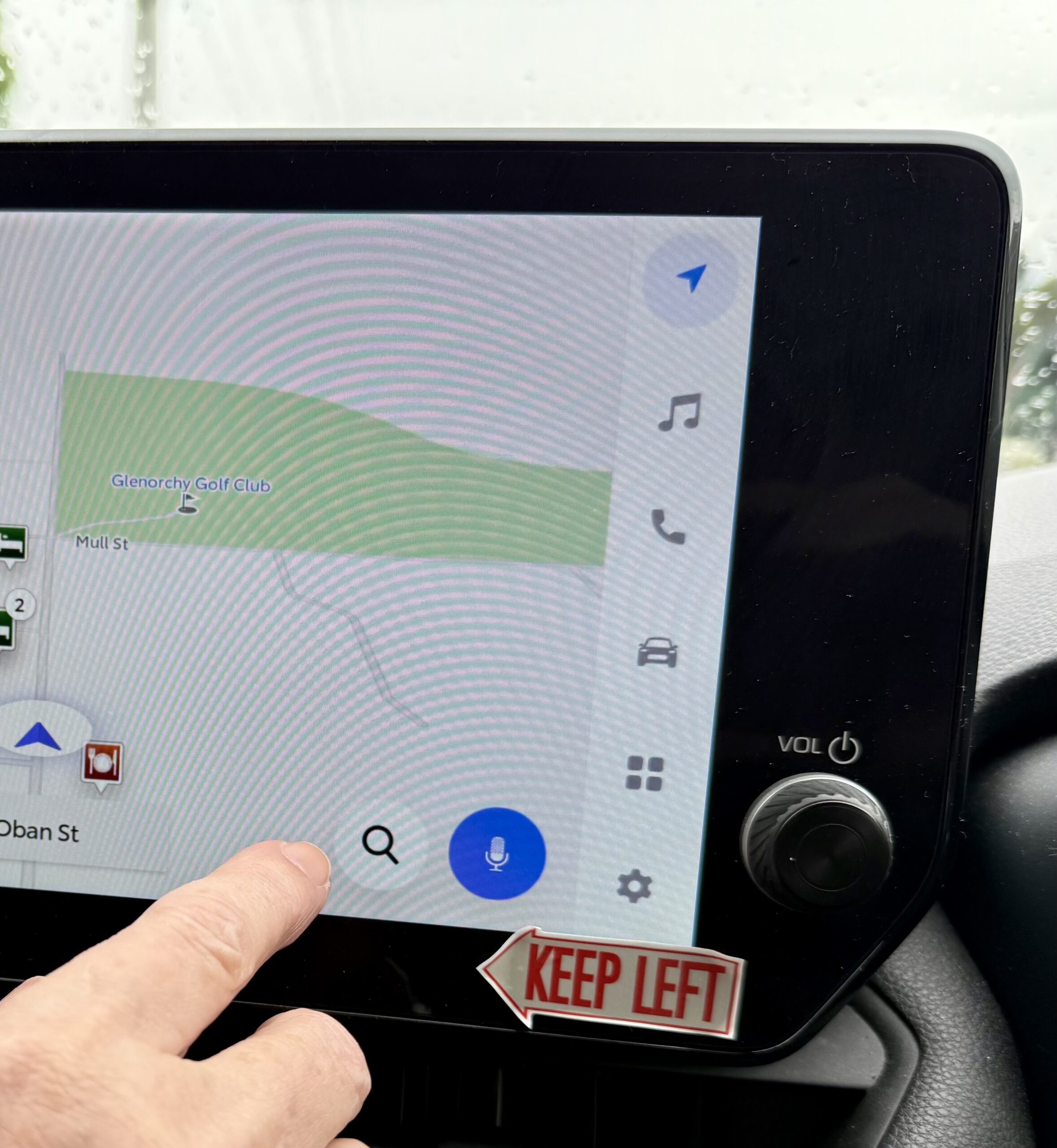
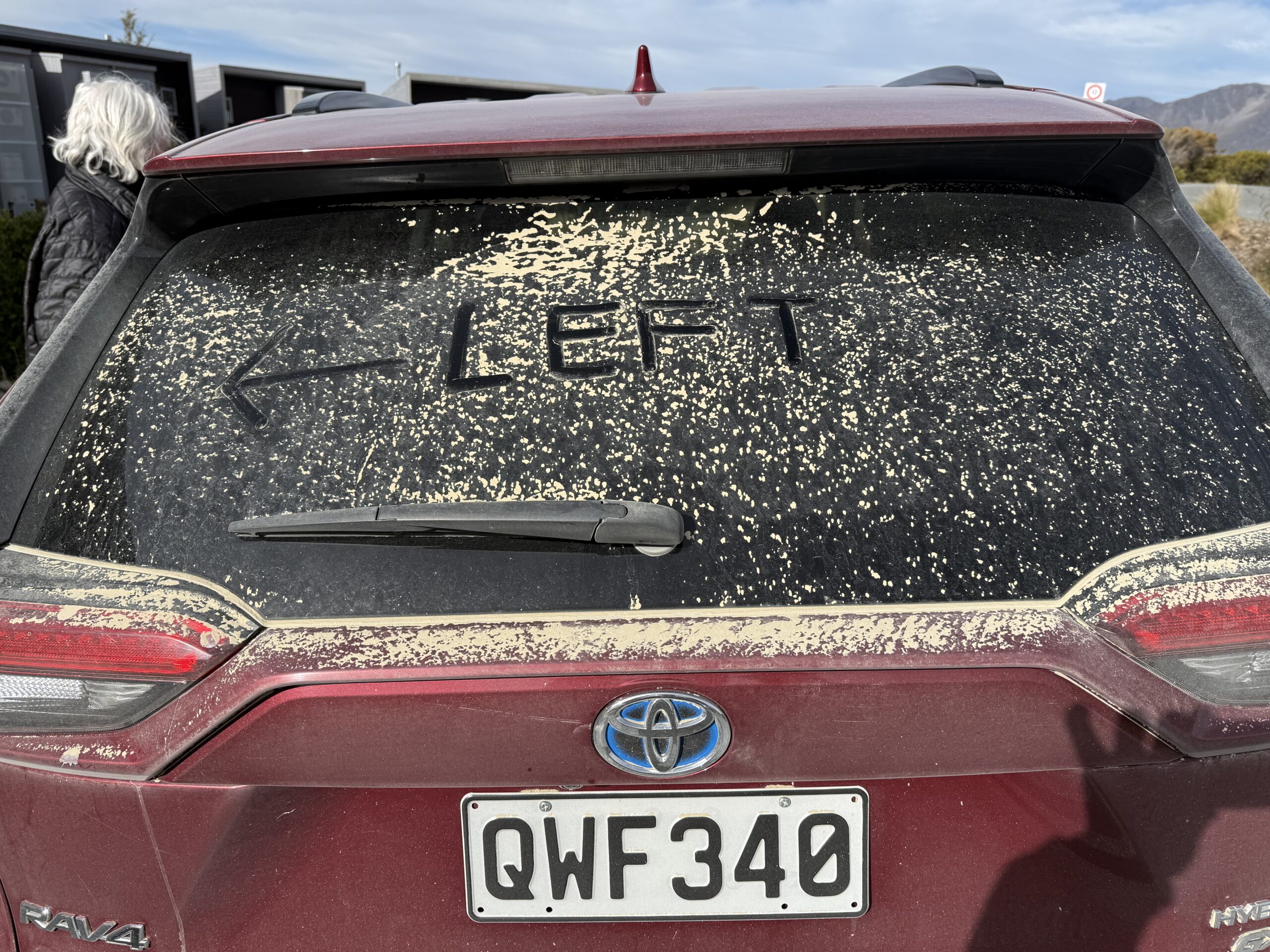
As he drives, Robert chants Left Left Left. The rental car company even puts a sticker on the computer screen pointing left. So far, Robert has unsuccessfully attempted to climb into the driver’s seat on the wrong side of the car and often flicked the windshield wiper arm instead of the turn signal, which is referred to as the American Wave.
Existential Question
We left San Francisco on 30 October and arrived in New Zealand on 01 November, skipping 31 October entirely. For Robert, this raises the question: what happened to 31 October and the events that took place on that date. Was it only our friends on the east side of the change who experienced those events? Or were the events only delayed a day, later fully evident on social media and news groups?
Lodging
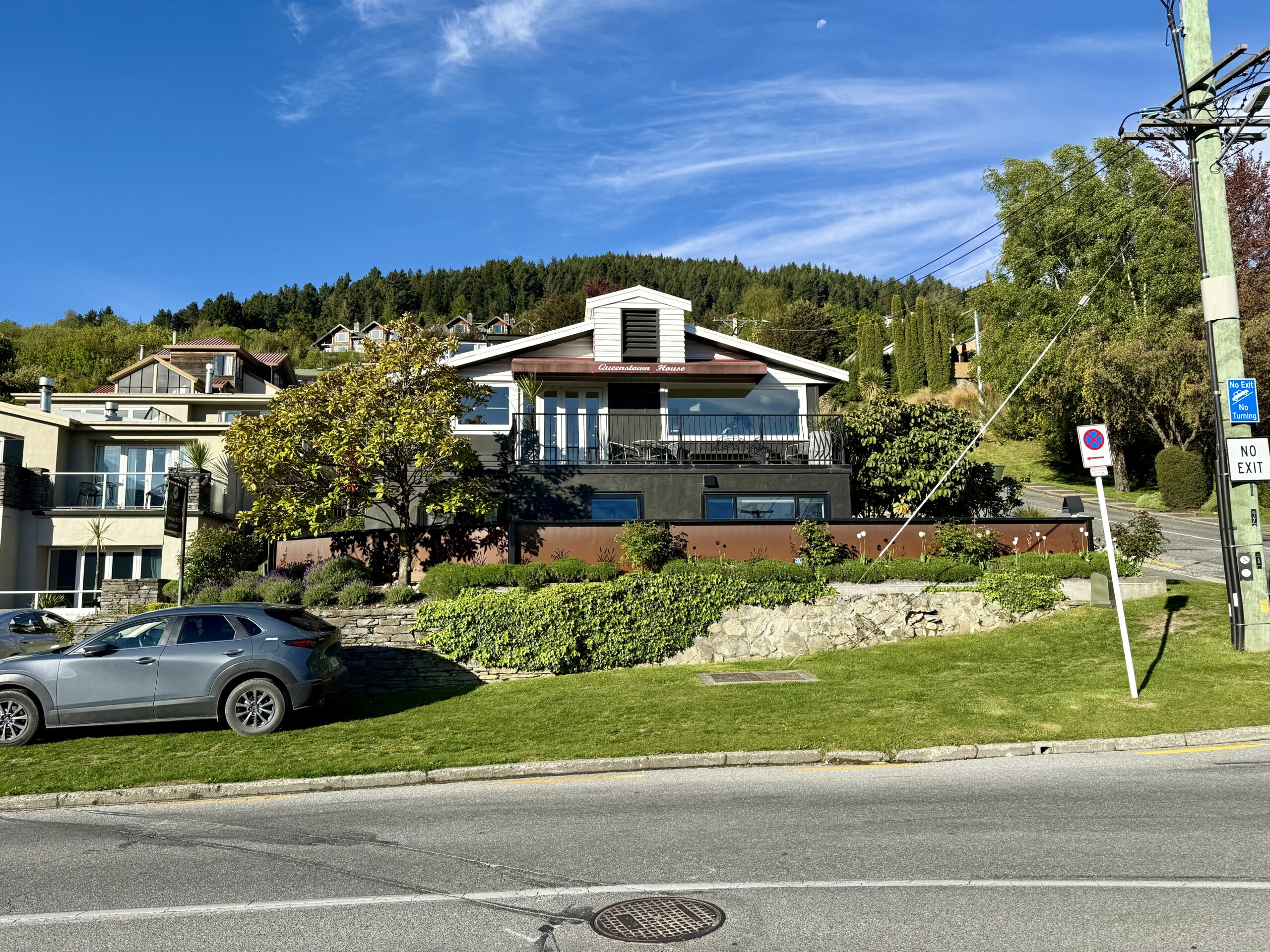
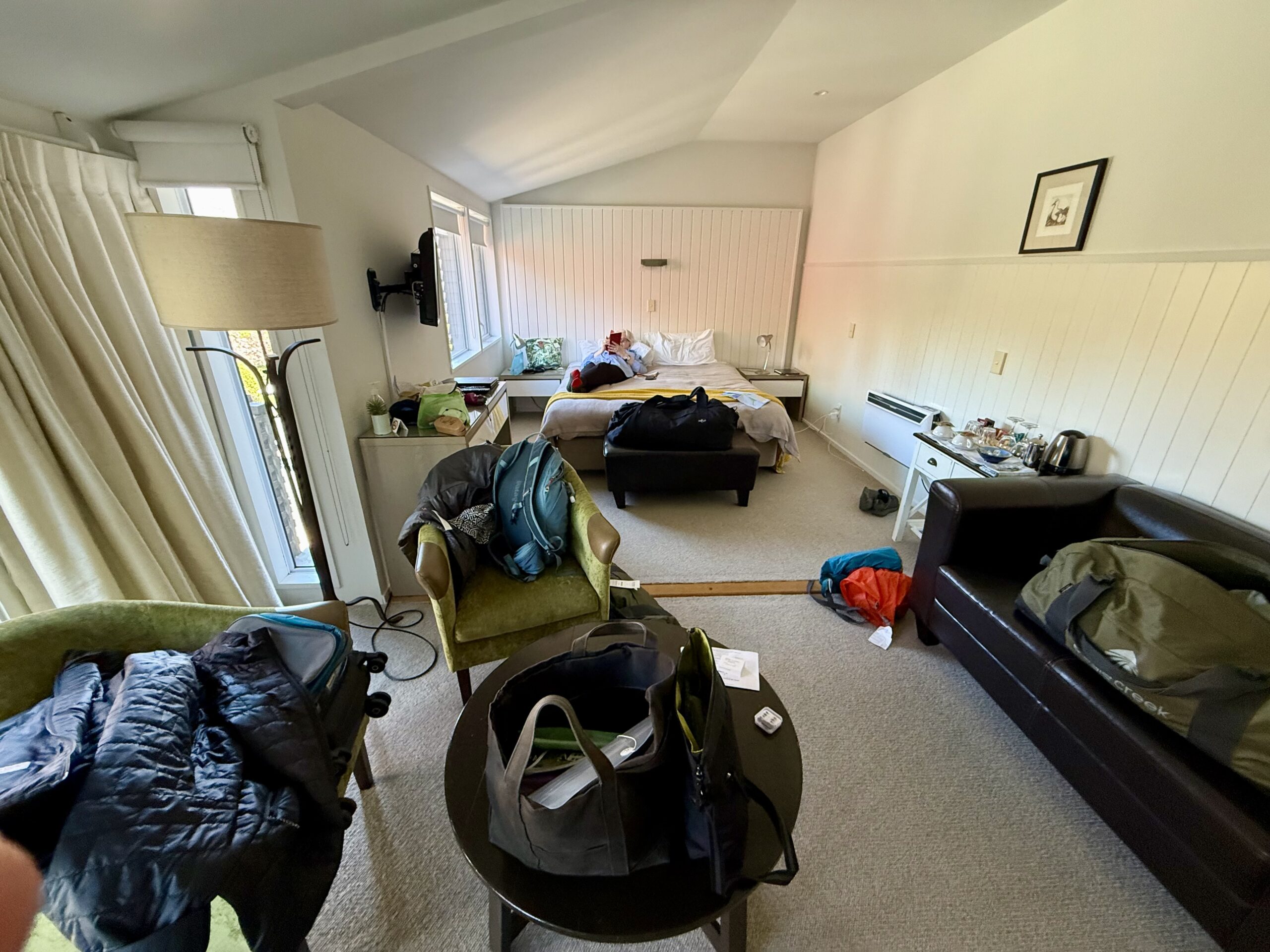
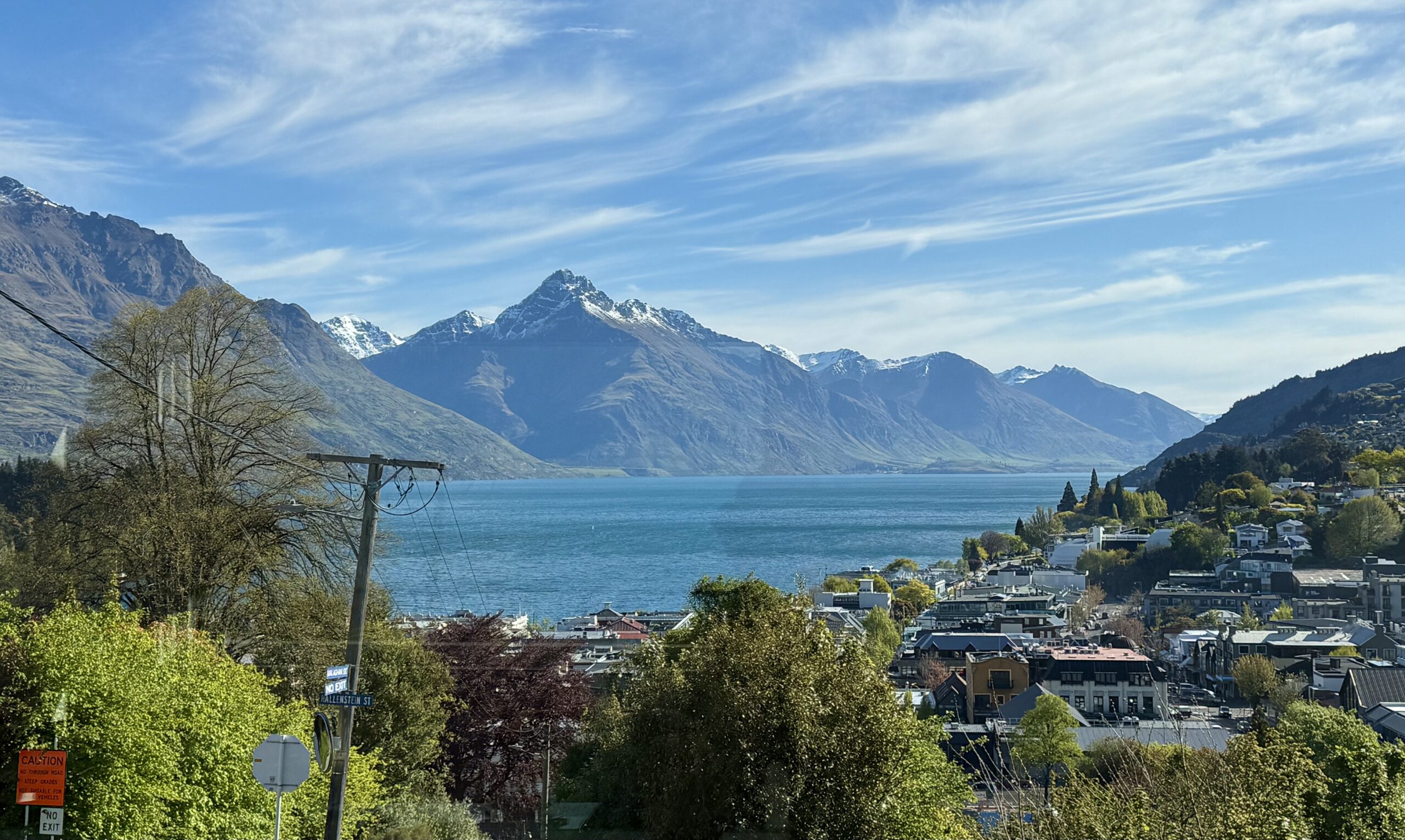
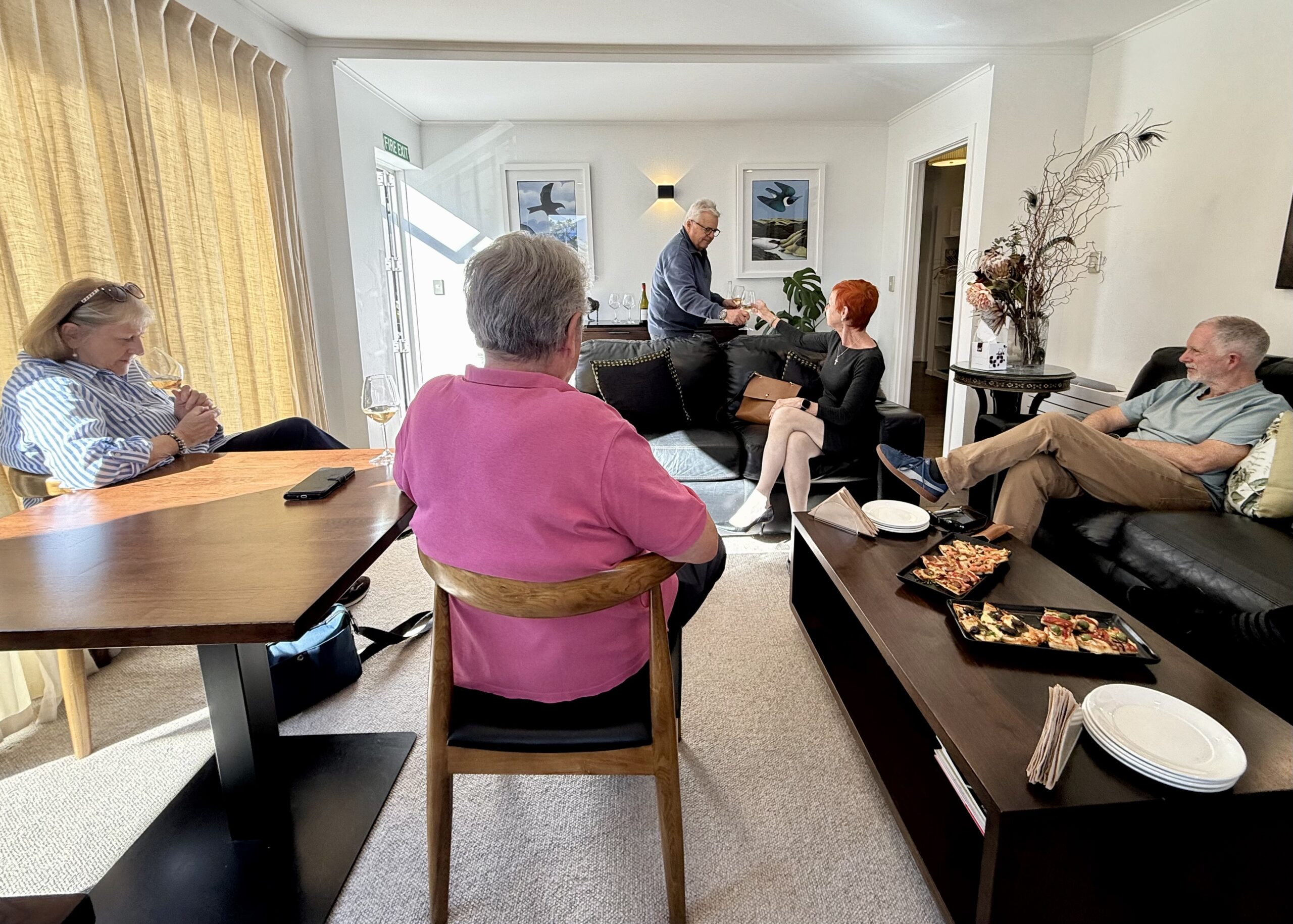
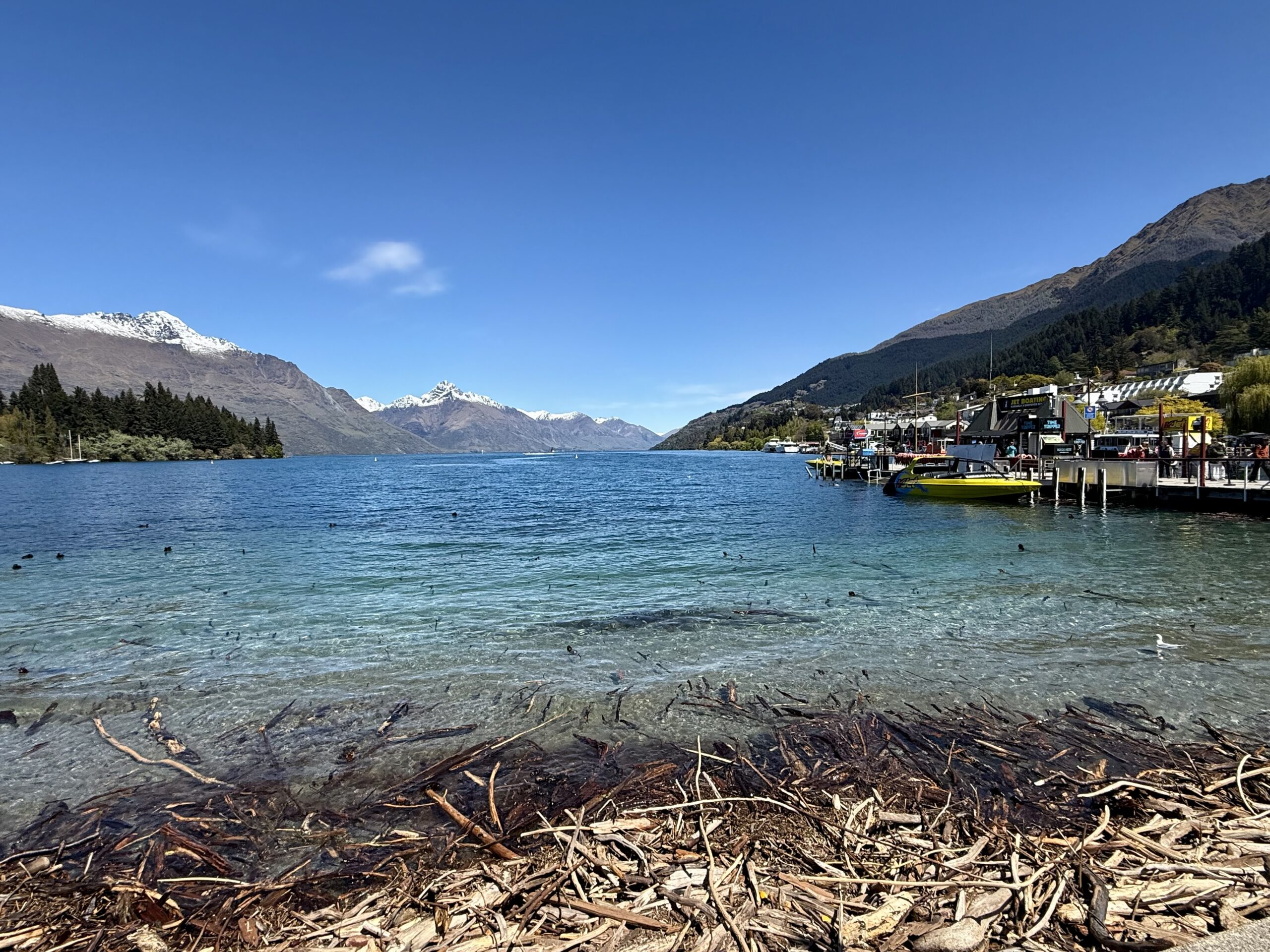
We are tucked in for two nights at the Queenstown House B&B, two very steep blocks up from the downtown. The elevation presents gorgeous views of Lake Wakatipu backed by snow-capped mountains but encourages Bonnie to use Uber on the way back from dinner. A few days before we arrived, Queenstown was blanketed with two to three inches of snow. The weather is cool. We packed for weather from 30 to 80 degrees F on this trip.
Queenstown
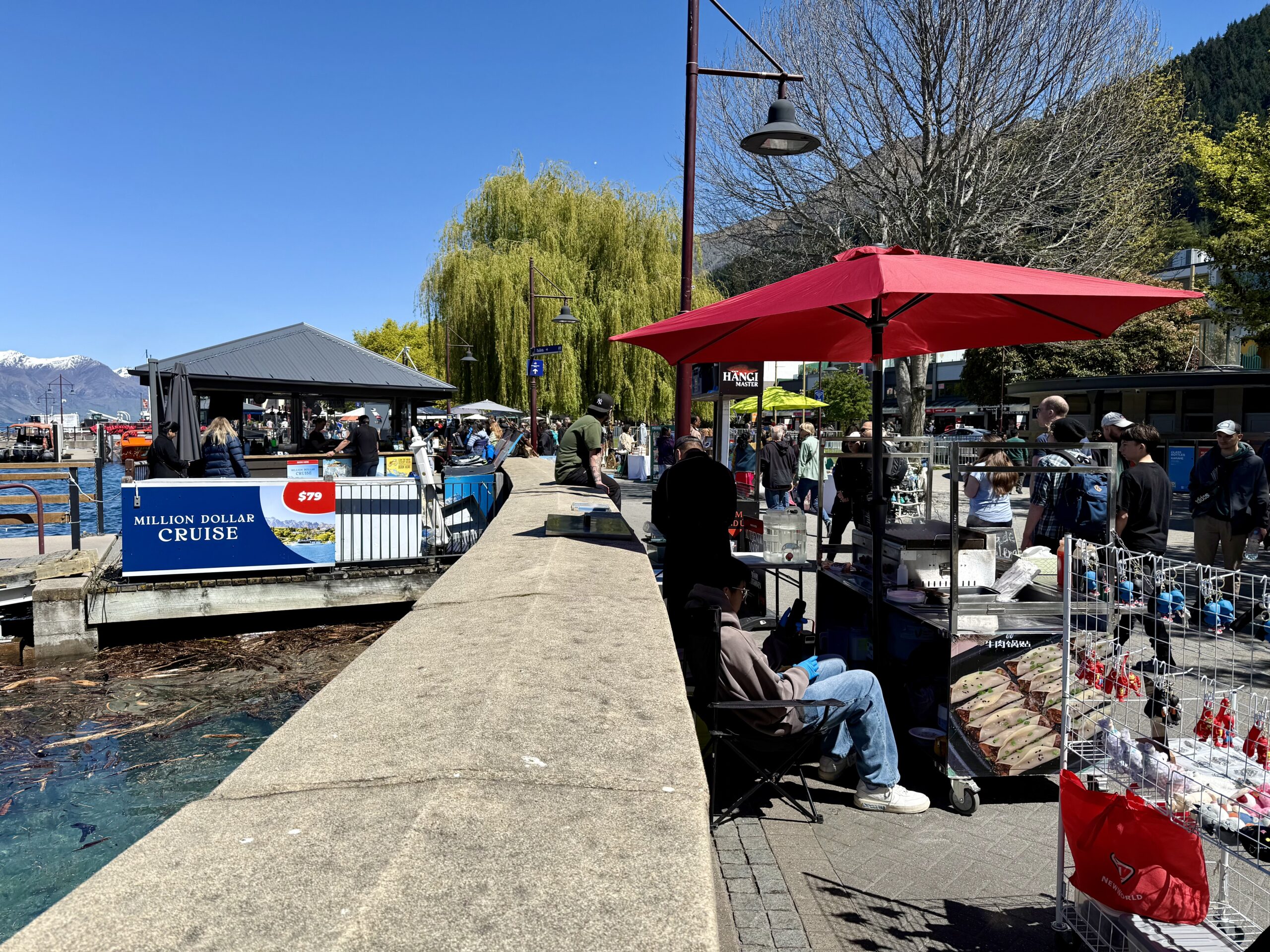
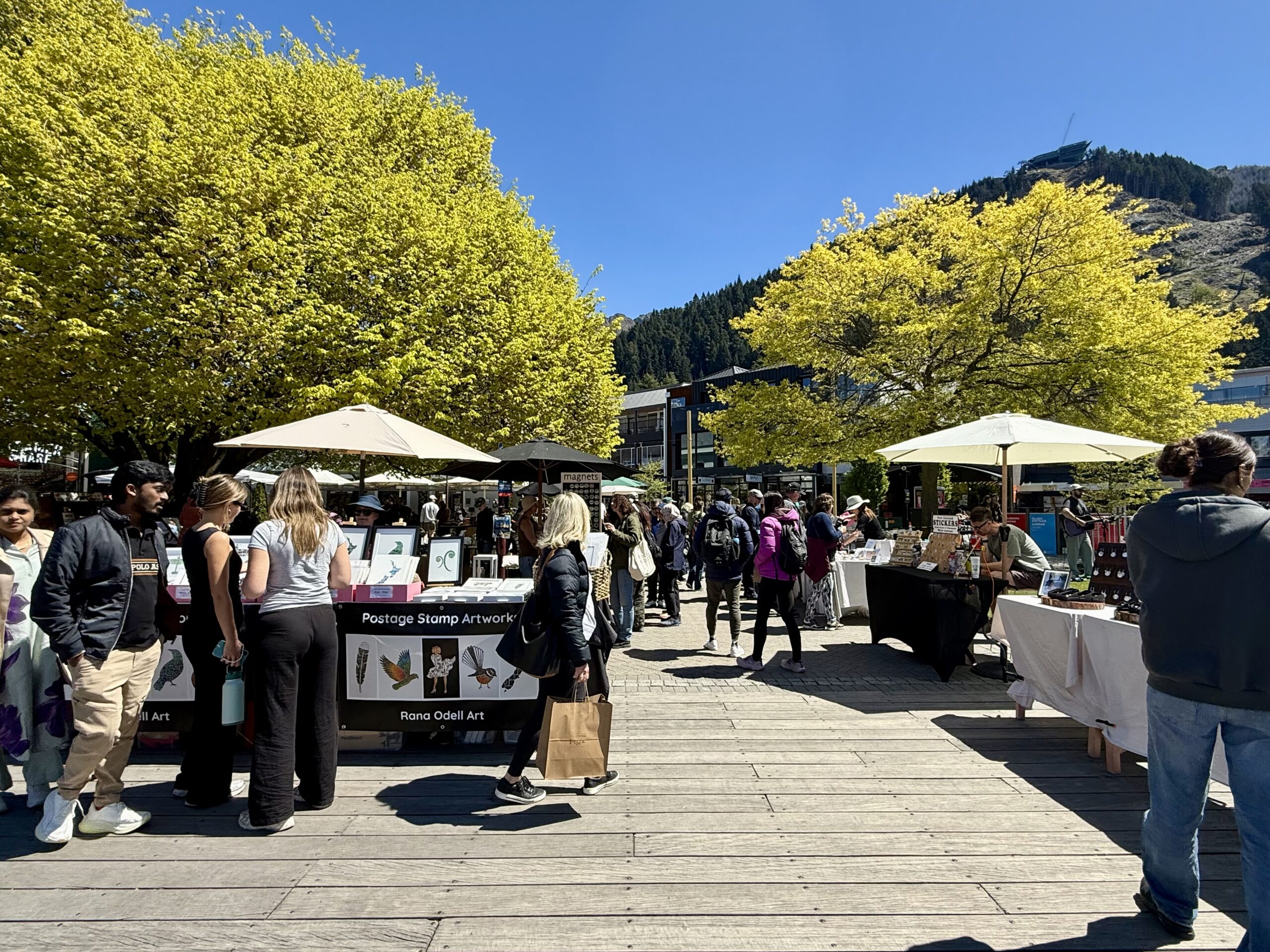
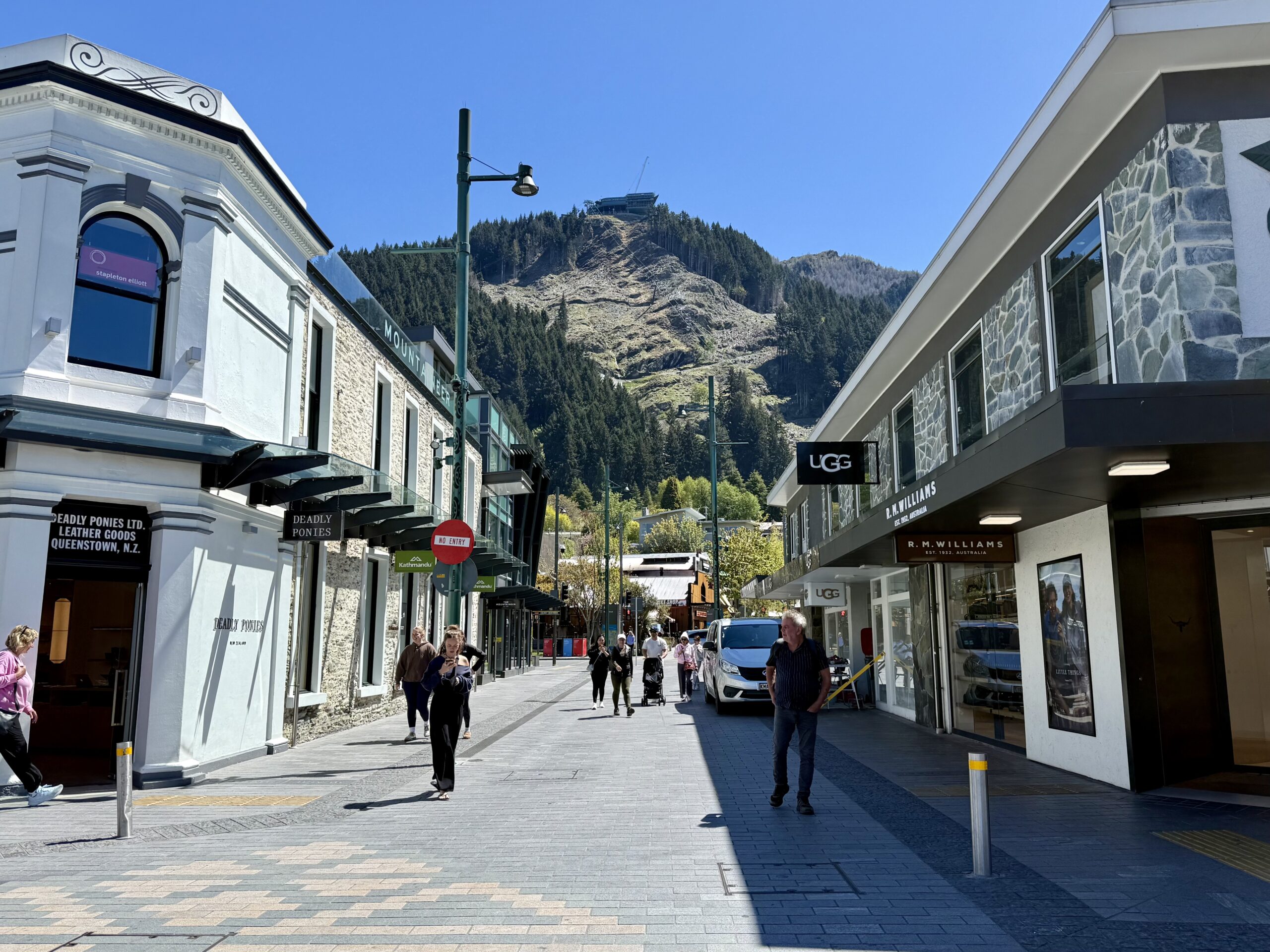
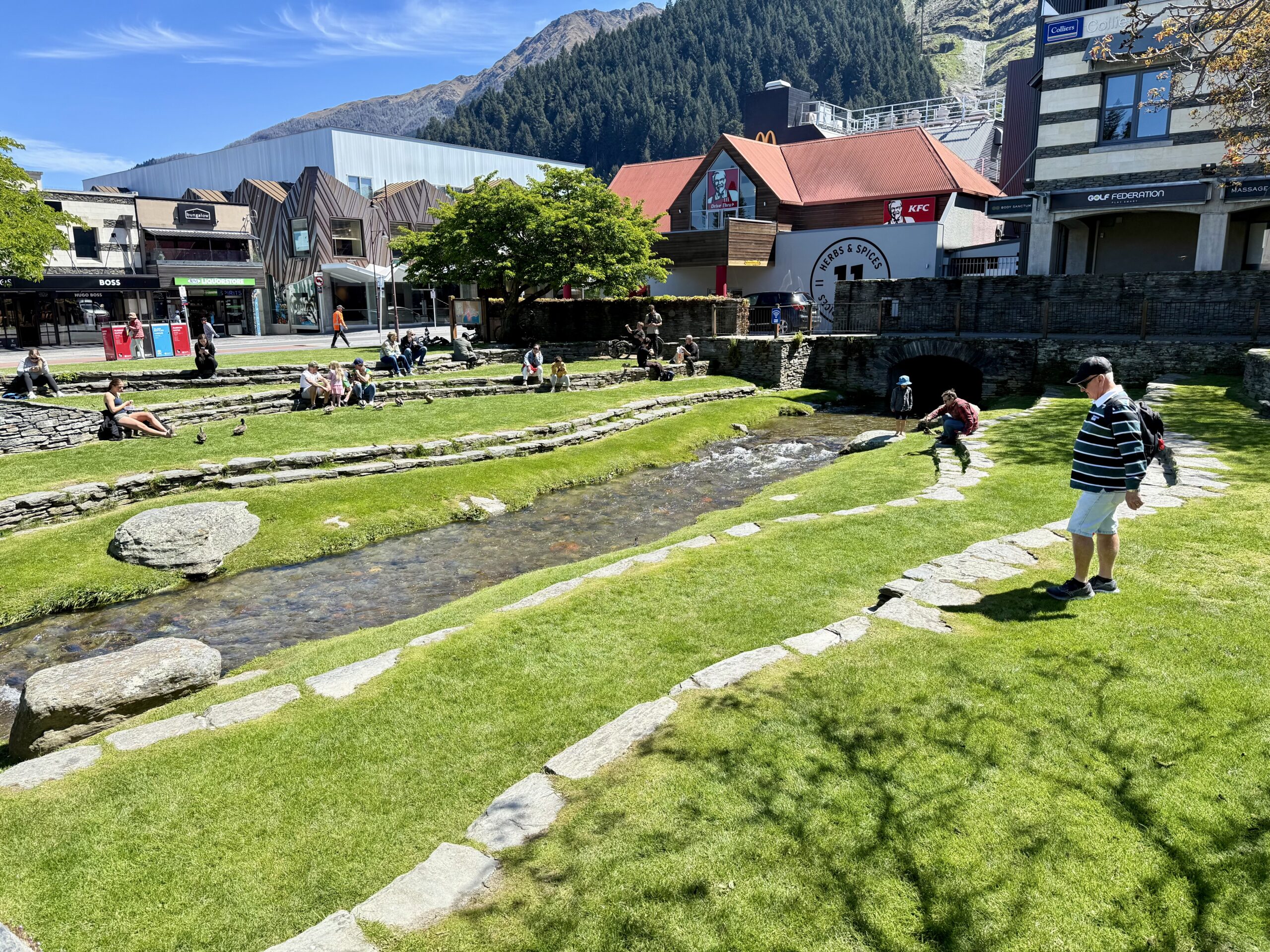
Queenstown thrives as an international hub of hiking, biking, climbing, fishing, hunting, kayaking, canoeing, lake cruising, bungee jumping, jet boating, helicopter excursions, seaplane ventures, paragliding, and gondola riding, as well as burgers and beer. We hear that in the winter skiers flood in, especially from Australia. Hostels and backpacks are the norm. On Saturday night we watched 20- and 30-somethings whooping it up in the downtown streets. But Bonnie was startled to see a glamorous Louis Vuitton store. The architect-designed condos up the hillsides must house a different kind of visitor.
Lambing
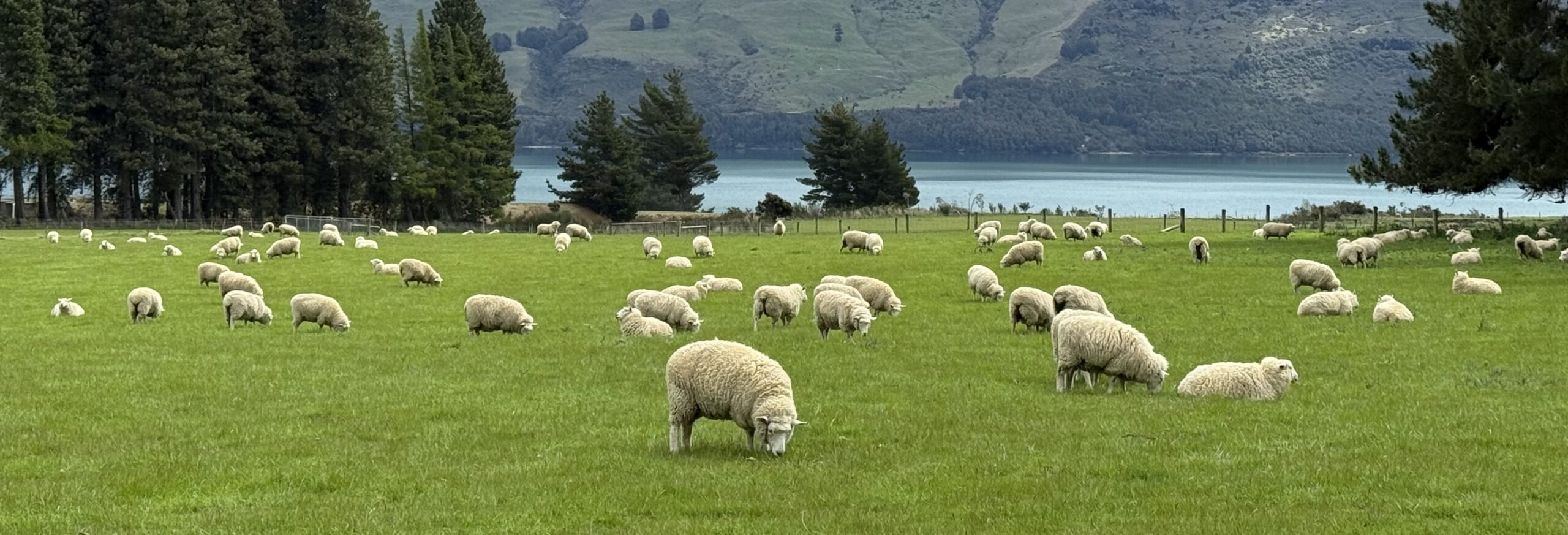
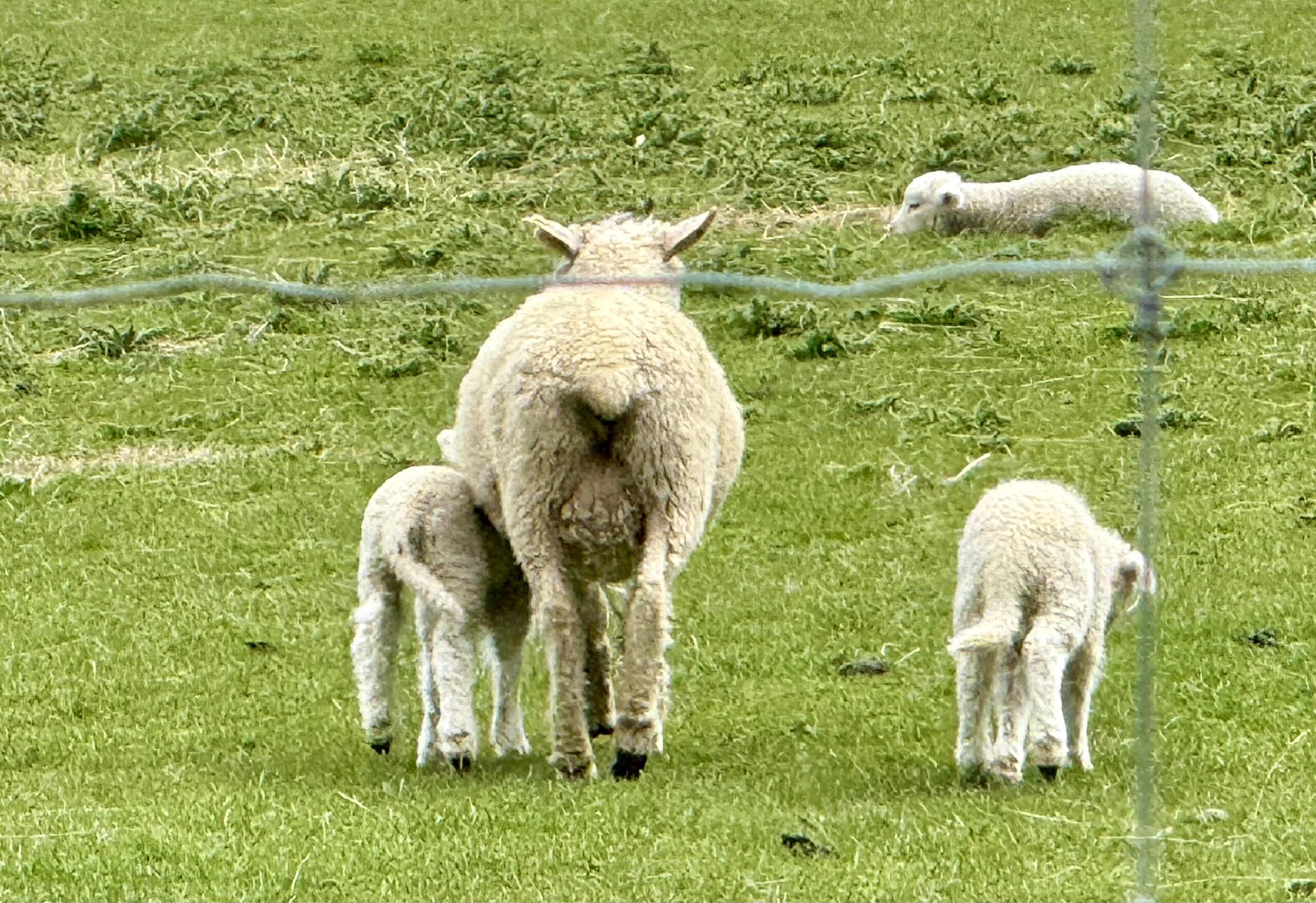
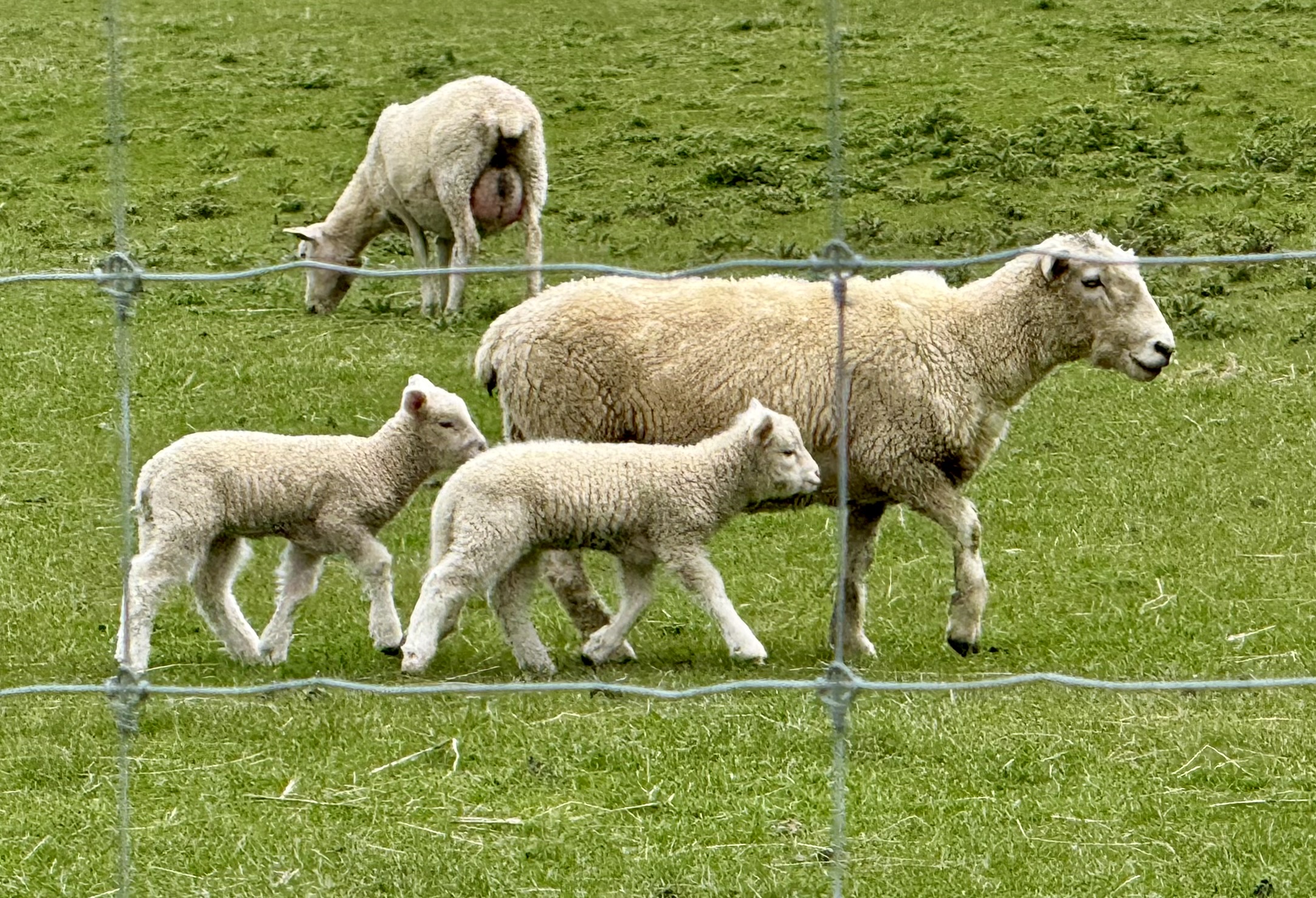
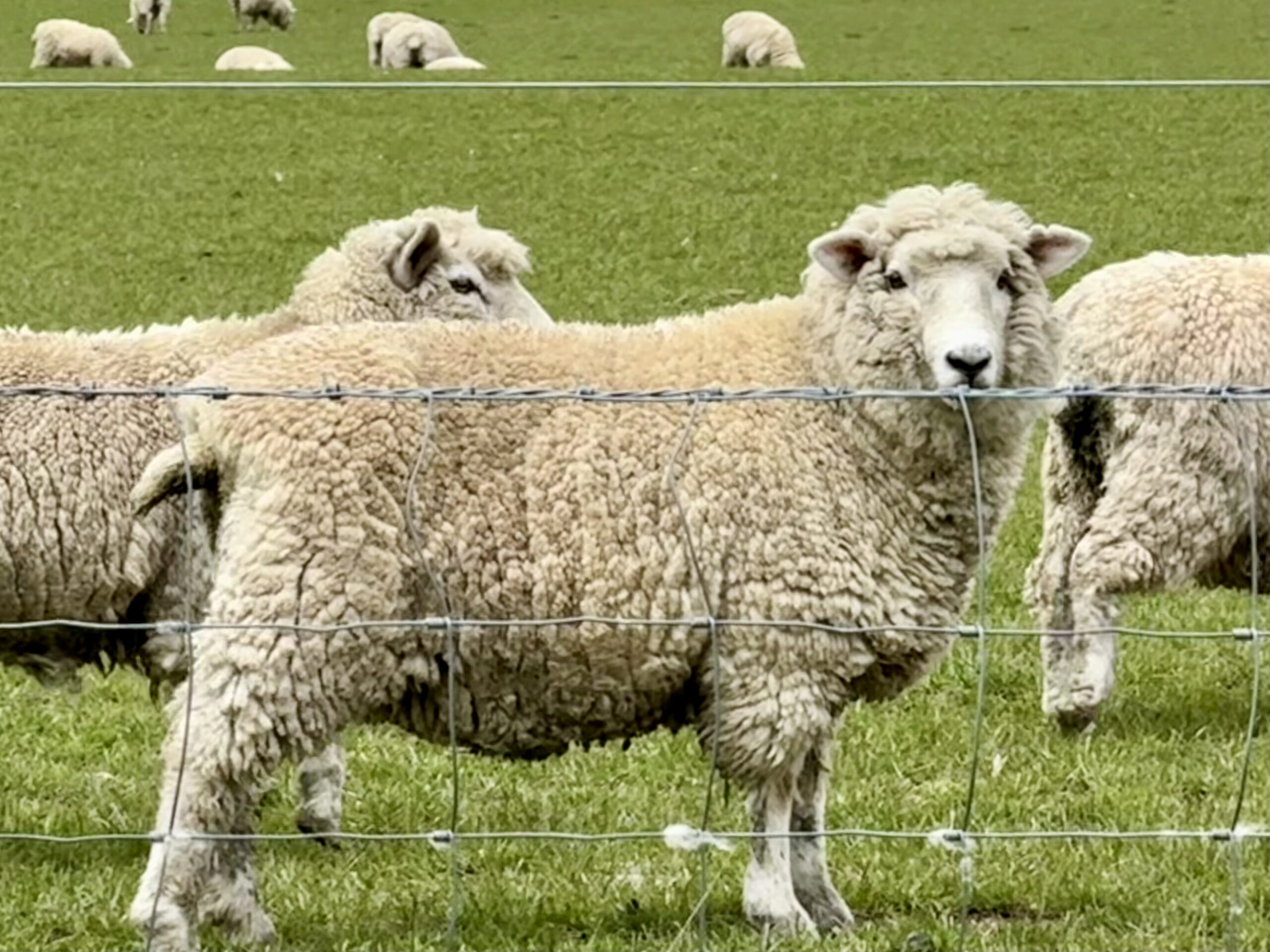
Bonnie is thrilled to be here during lambing season. At every turn we see paddocks filled with placid ewes and adorable lambs. Here in the Southland many are Merinos. We are stunned by the number of twins, something farmers maximize by careful breeding. When Bonnie was in high school on the North Island, farmers in her area aimed for a 110 percent lambing season. Just a few twins. Now we are hearing extraordinary numbers like 160 percent. A few ewes have triplets and we have heard about quadruplets.
Bonnie is googling everything about raising sheep and discovering it’s all about nutrition. Extra feed just before the rams arrive. Extra feed in the last two months of the five-month pregnancy. Extra feed for twins and their moms. But farmers don’t encourage excess weight gain at other periods, which can cause problems.
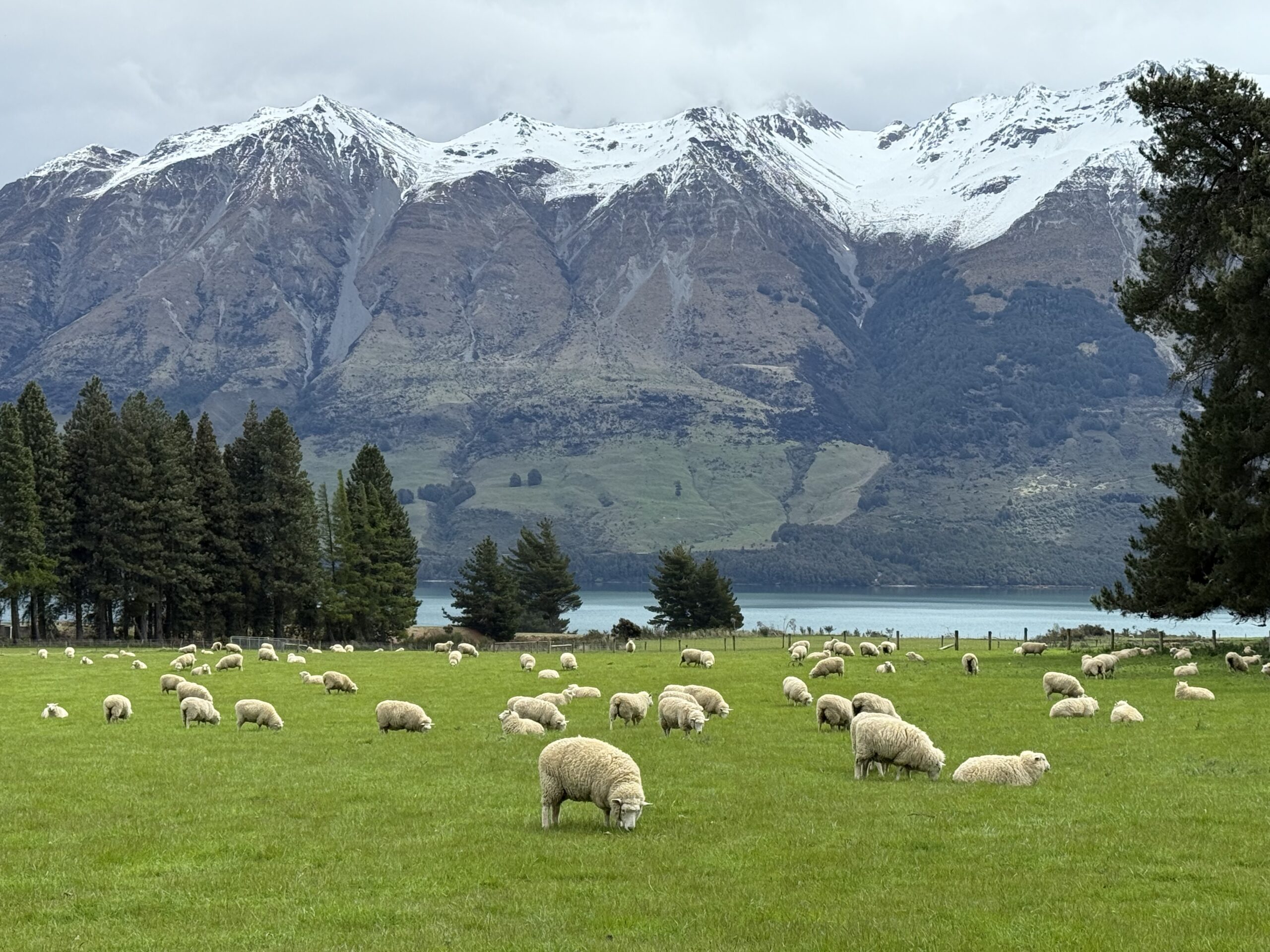
Sheep numbered 70 million at the high point in 1982. Since then their numbers have dropped to 24 million. The human population of NZ is only five million! Competition from synthetic fabrics from China has made wool a less important export. Meanwhile, dairy exports from NZ are booming.
Glenorchy and Diamond Lake
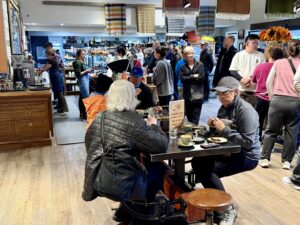
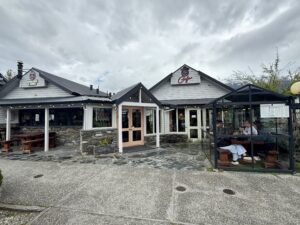
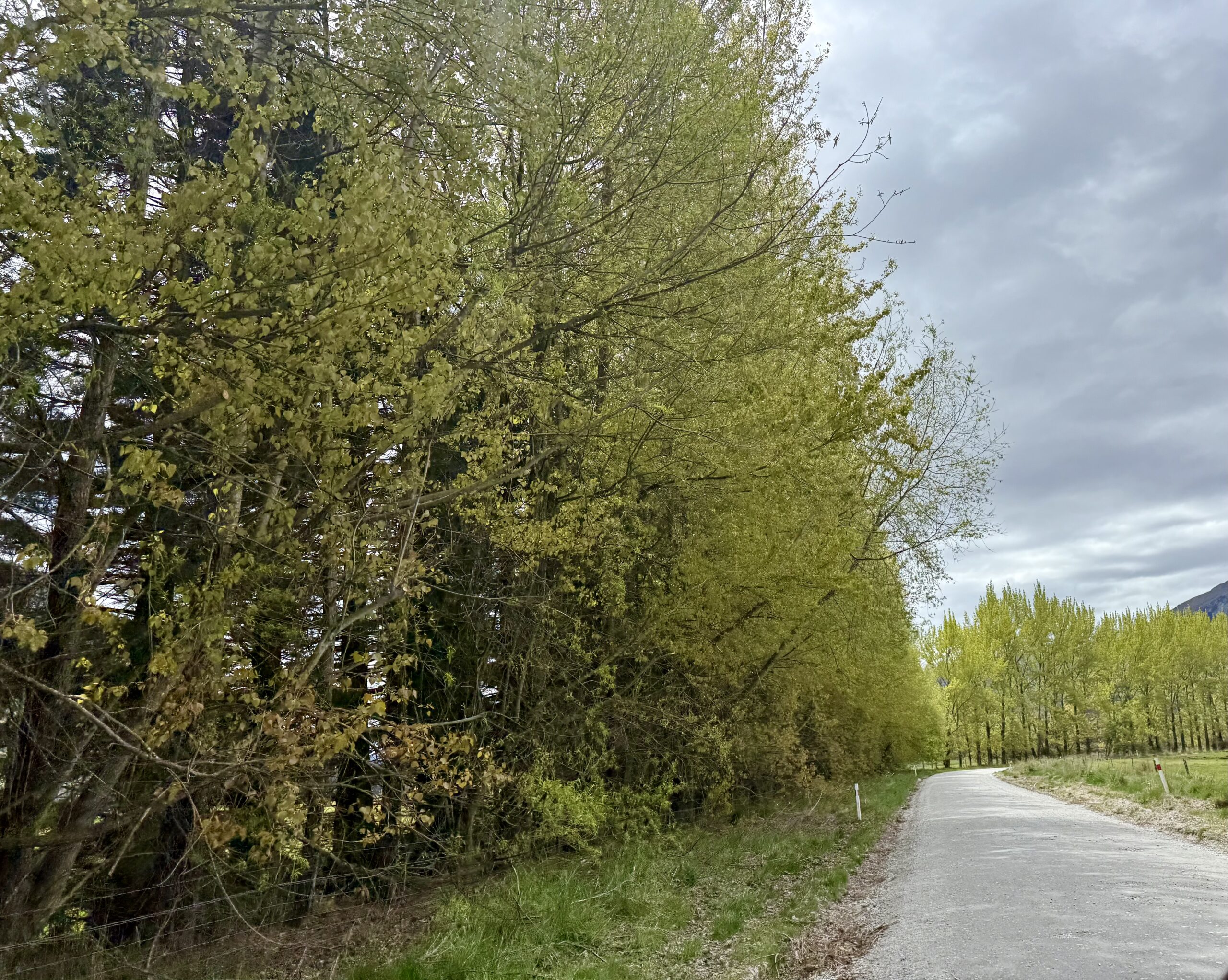
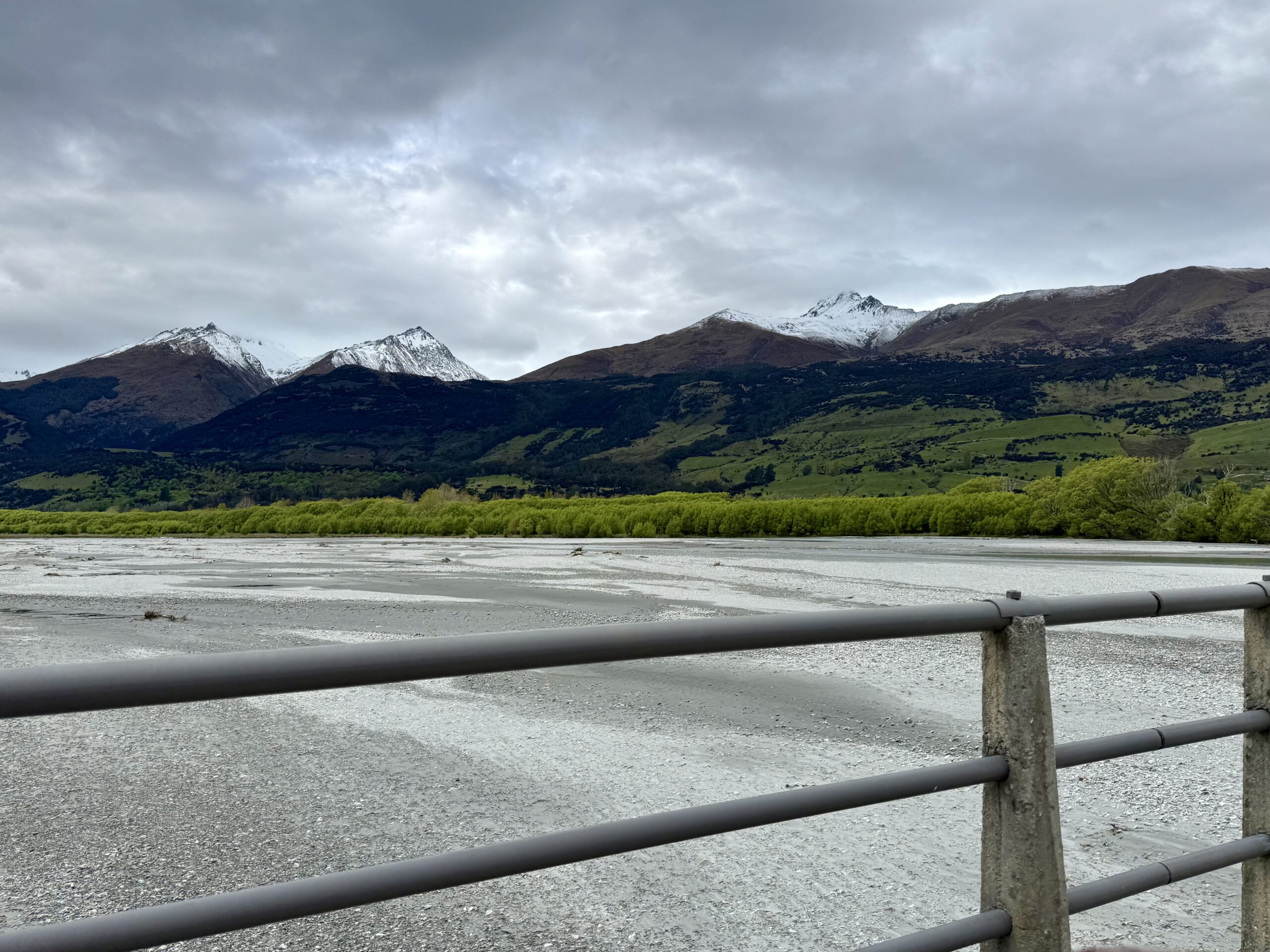
We took a drive on Sunday, north of Queenstown to Glenorchy, a newly stylish hamlet of 540 people, a few cafes, and a very hip general store with good coffee. Peter Jackson used sites nearby for The Fellowship of the Rings. Later X-Men Origins: Wolverine and other films also made use of the area’s stunning scenery. In the 1990s, Tom Tusher, an avid fisherman, began construction here on the luxury lodge at Blanket Bay. Tusher was president and COO of Levi’s so some San Franciscans, like Bonnie’s gynecologist!, can tell you all about the resort.
Te Anau
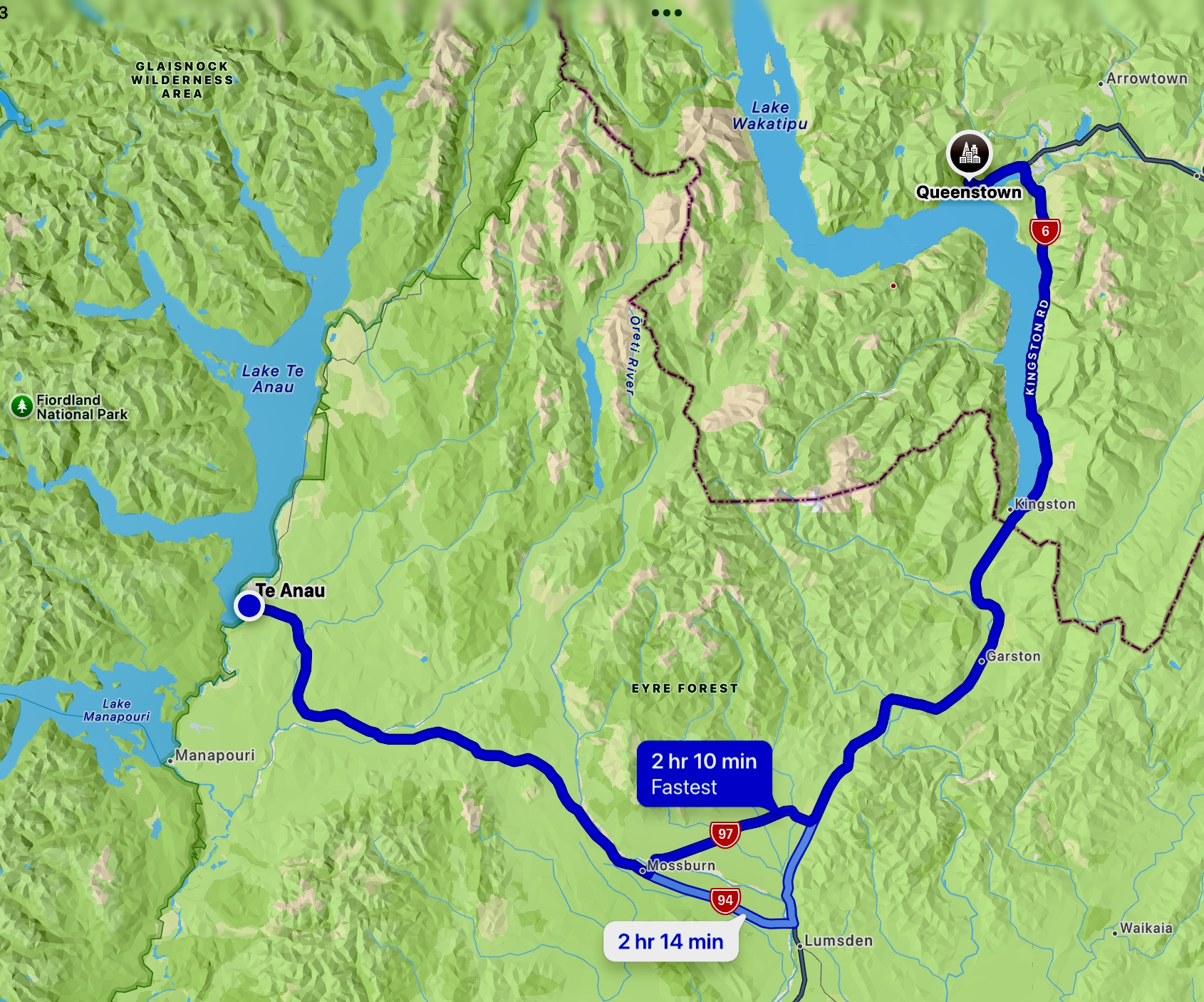
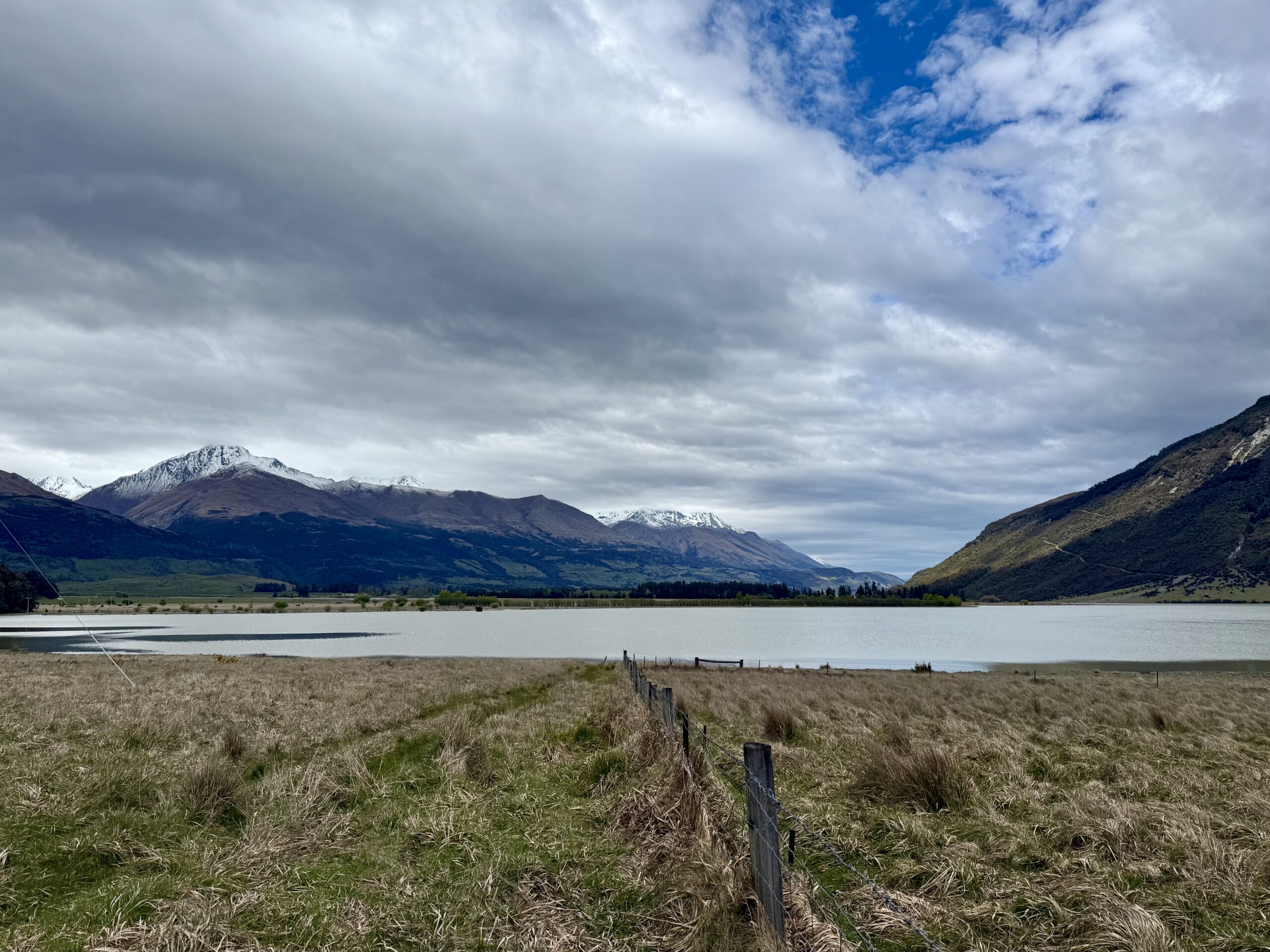
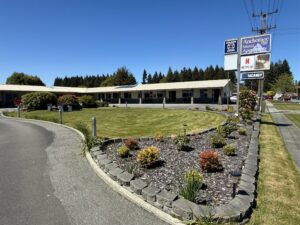
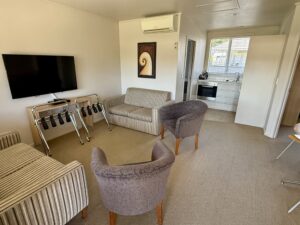
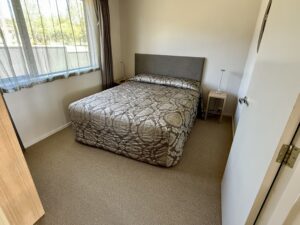
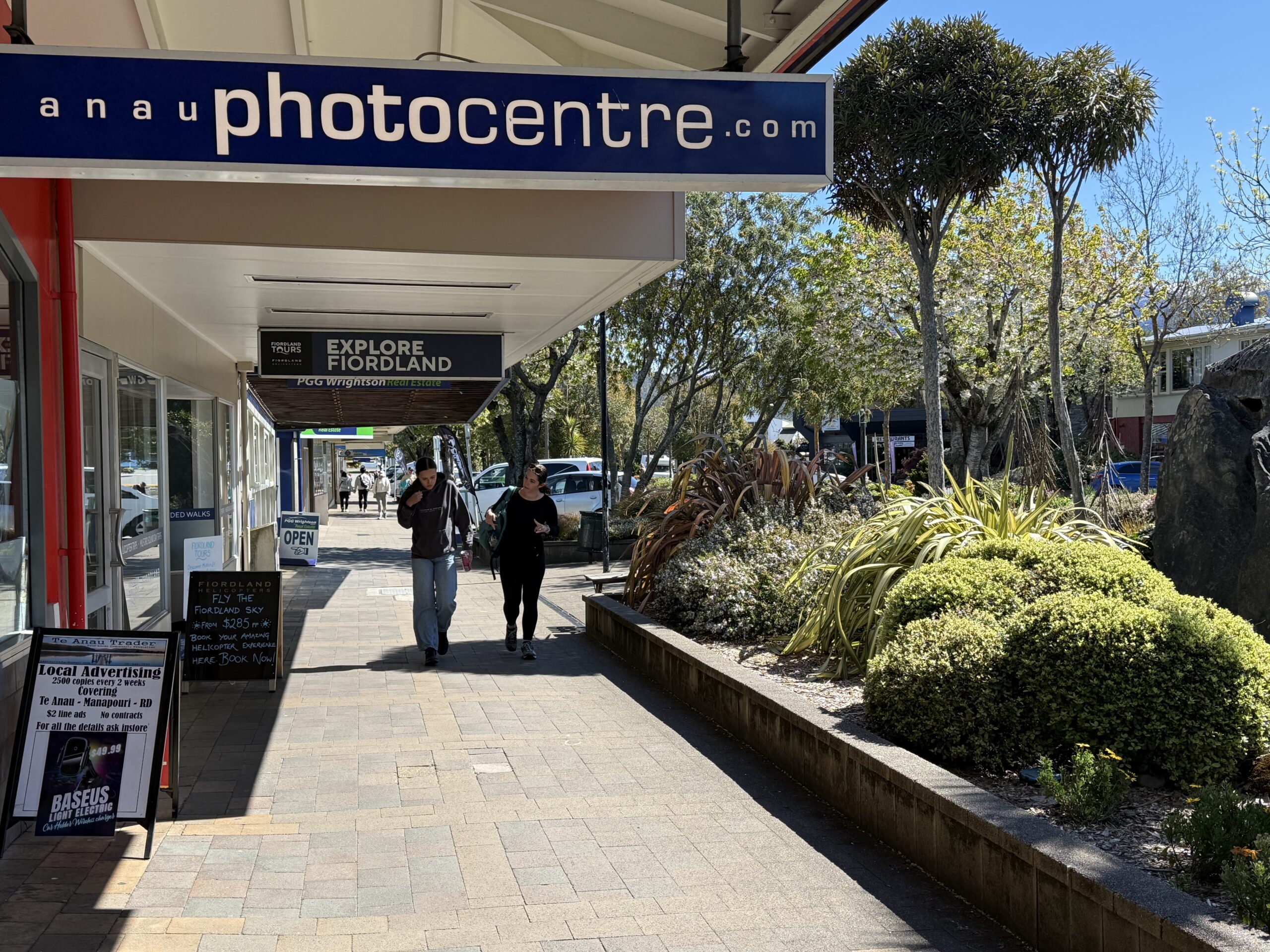
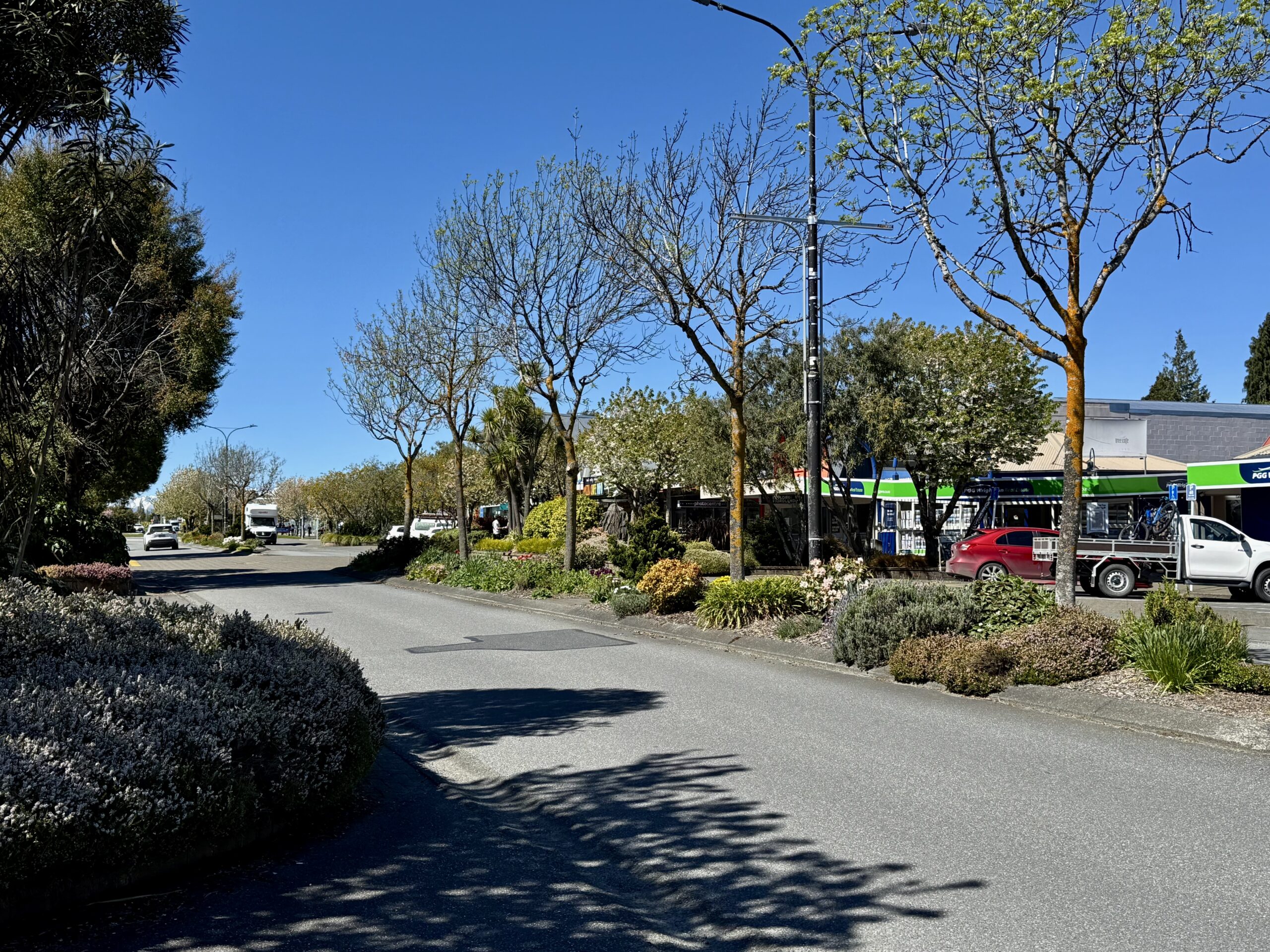
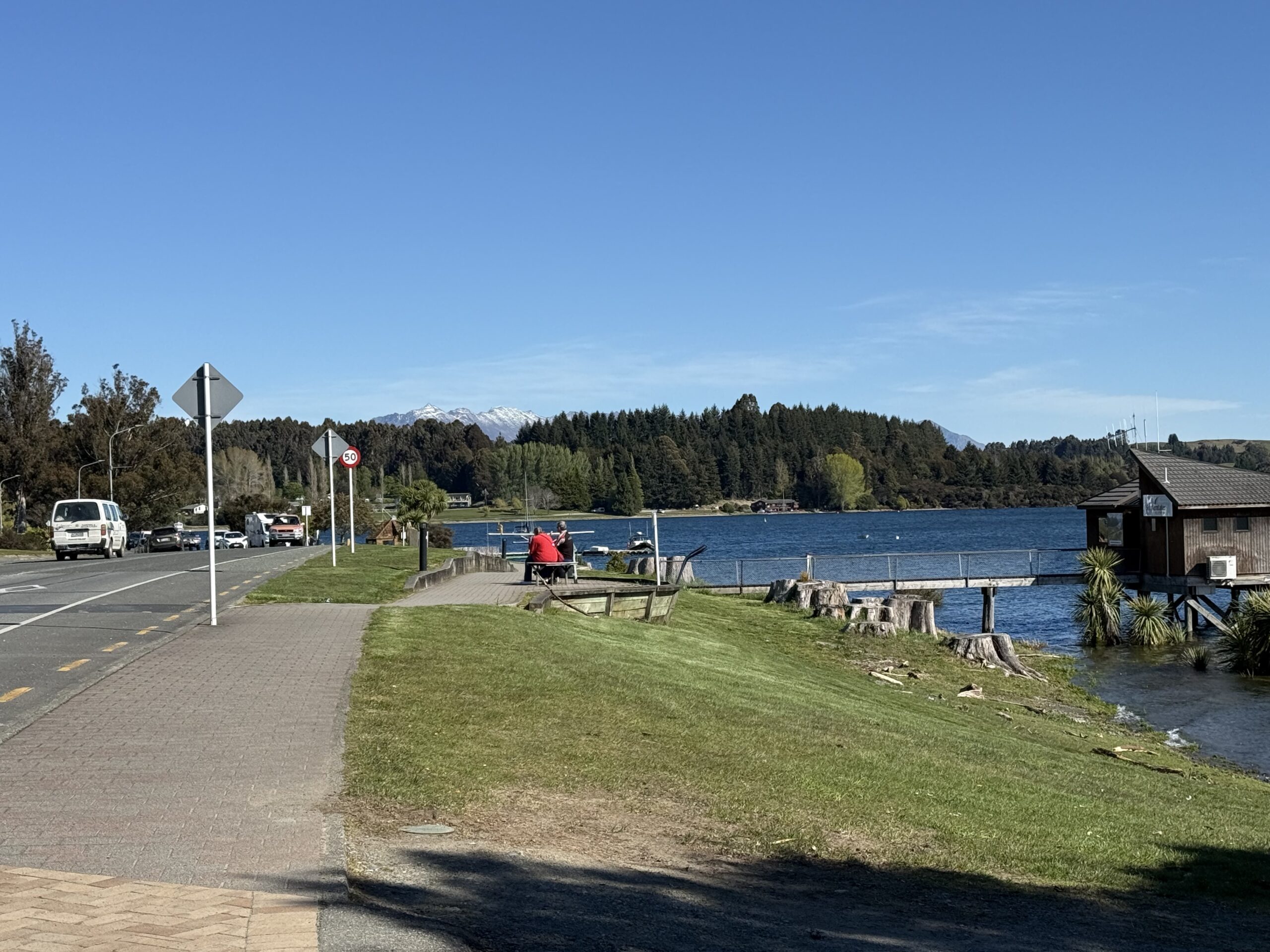
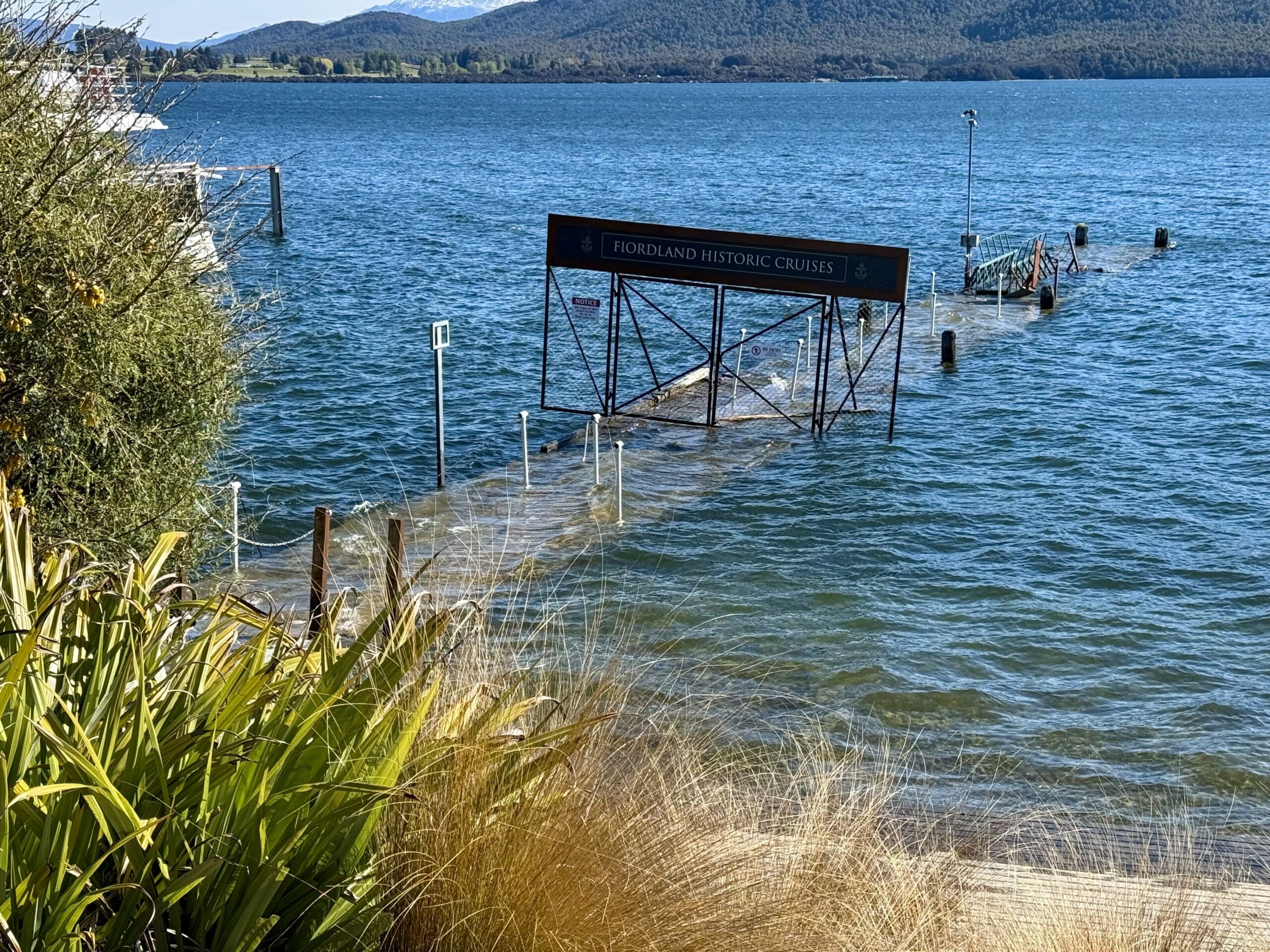
An unpretentious town of 3,000 people, 4,000 tourist beds, and not enough restaurants. This is the tourist entry point to Milford Sound and Doubtful Sound in Fiordland. Tourists flock to the sounds by car, van, bus, small plane, helicopter, and hiking trail. On our last trip we let RealNZ (highly recommended) organize our excursion to Milford Sound. First, a two-hour trip in a small van with conversational driver pointing out key Lord of the Rings sites. Then a boat cruise in the sound. Excellent. This time in Te Anau we concentrated on fishing, with great results.
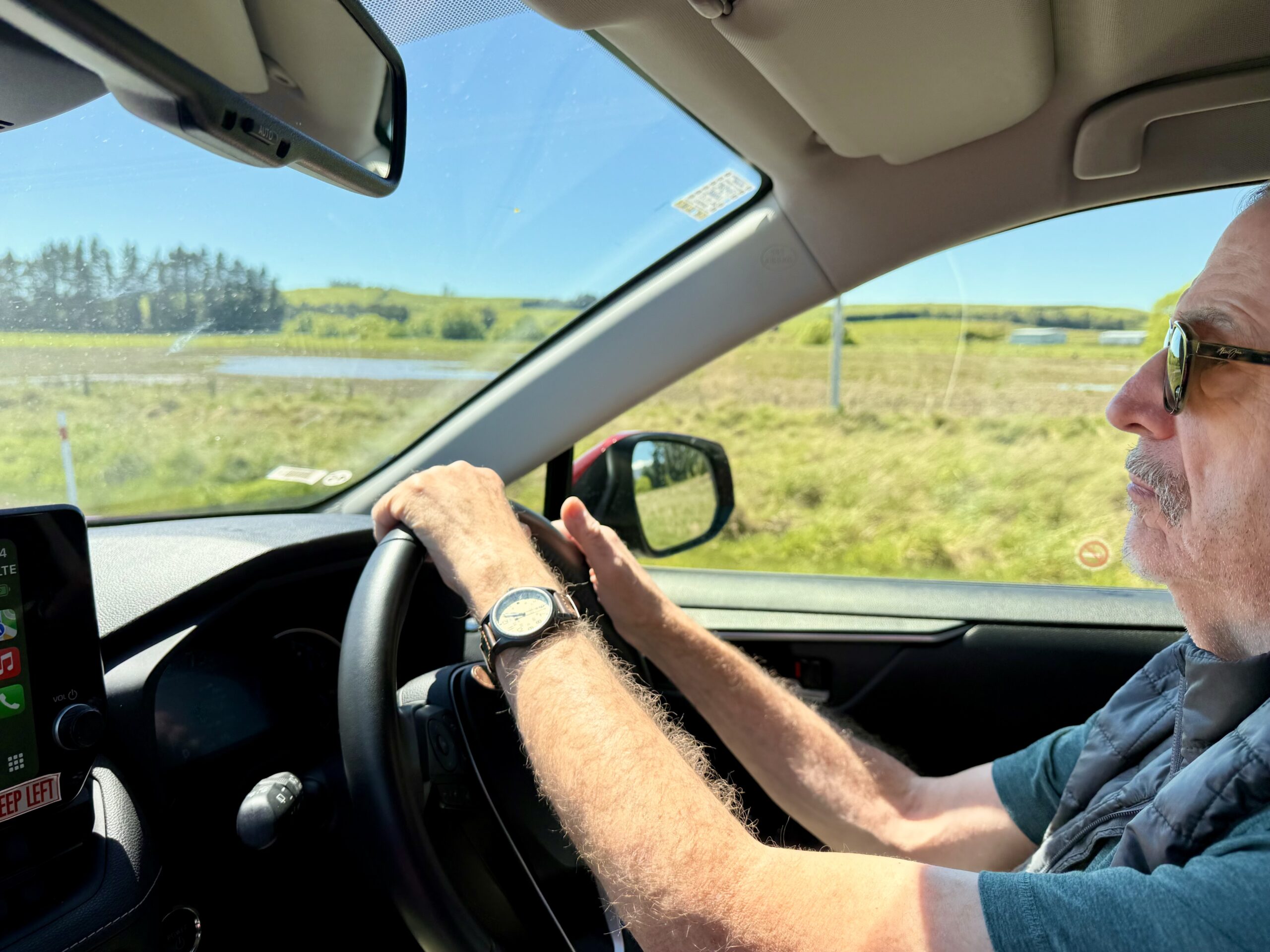
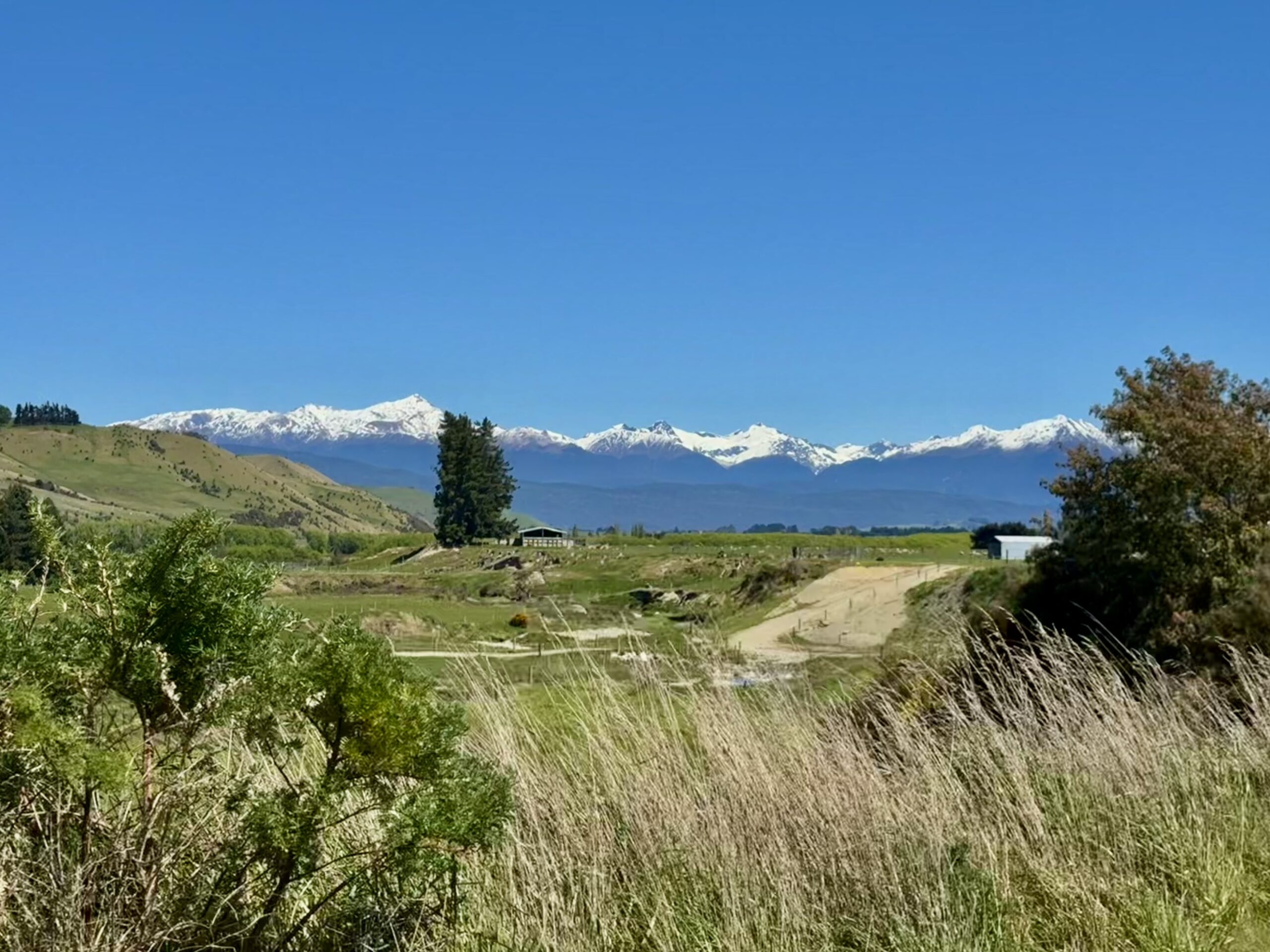
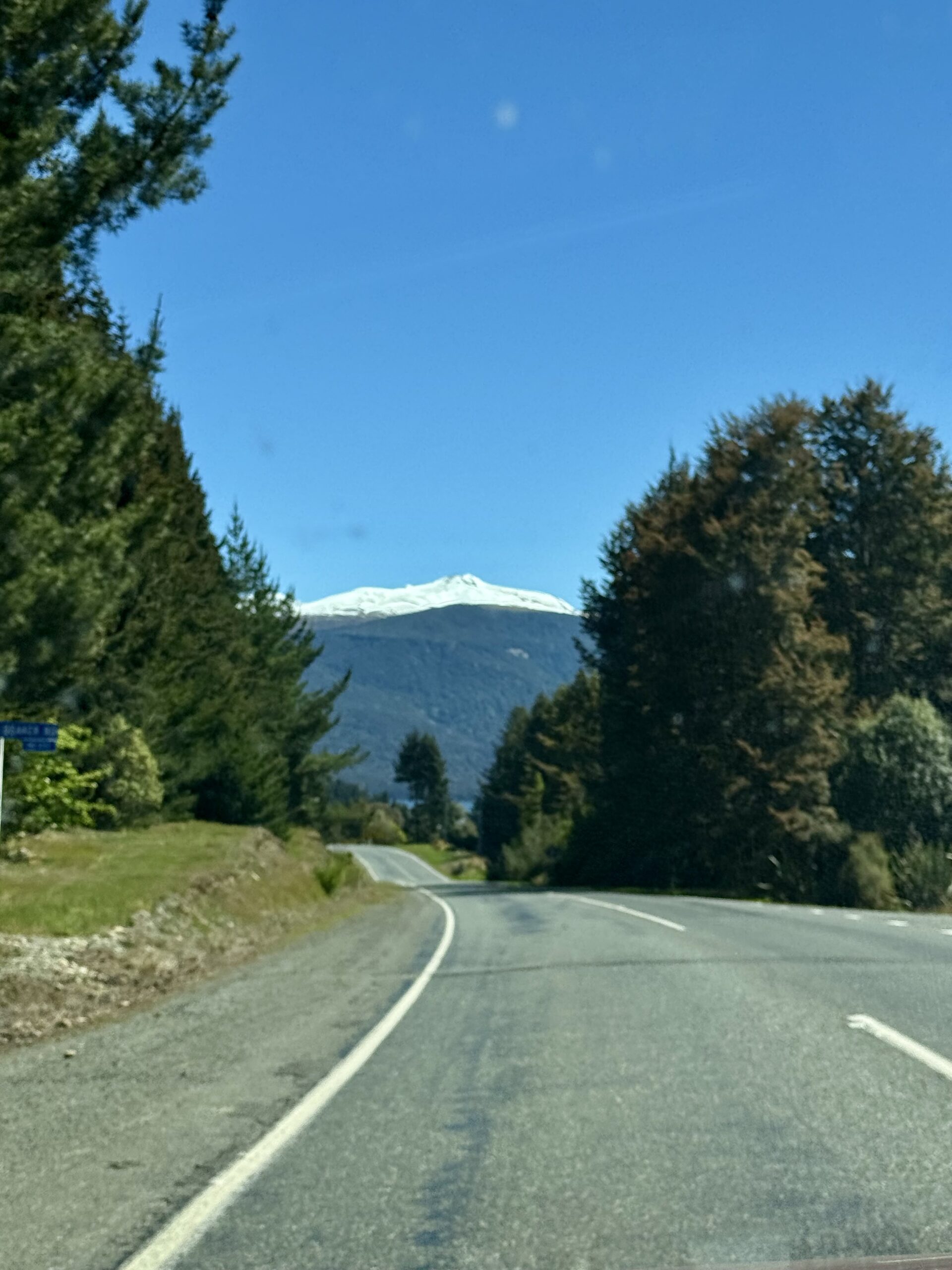
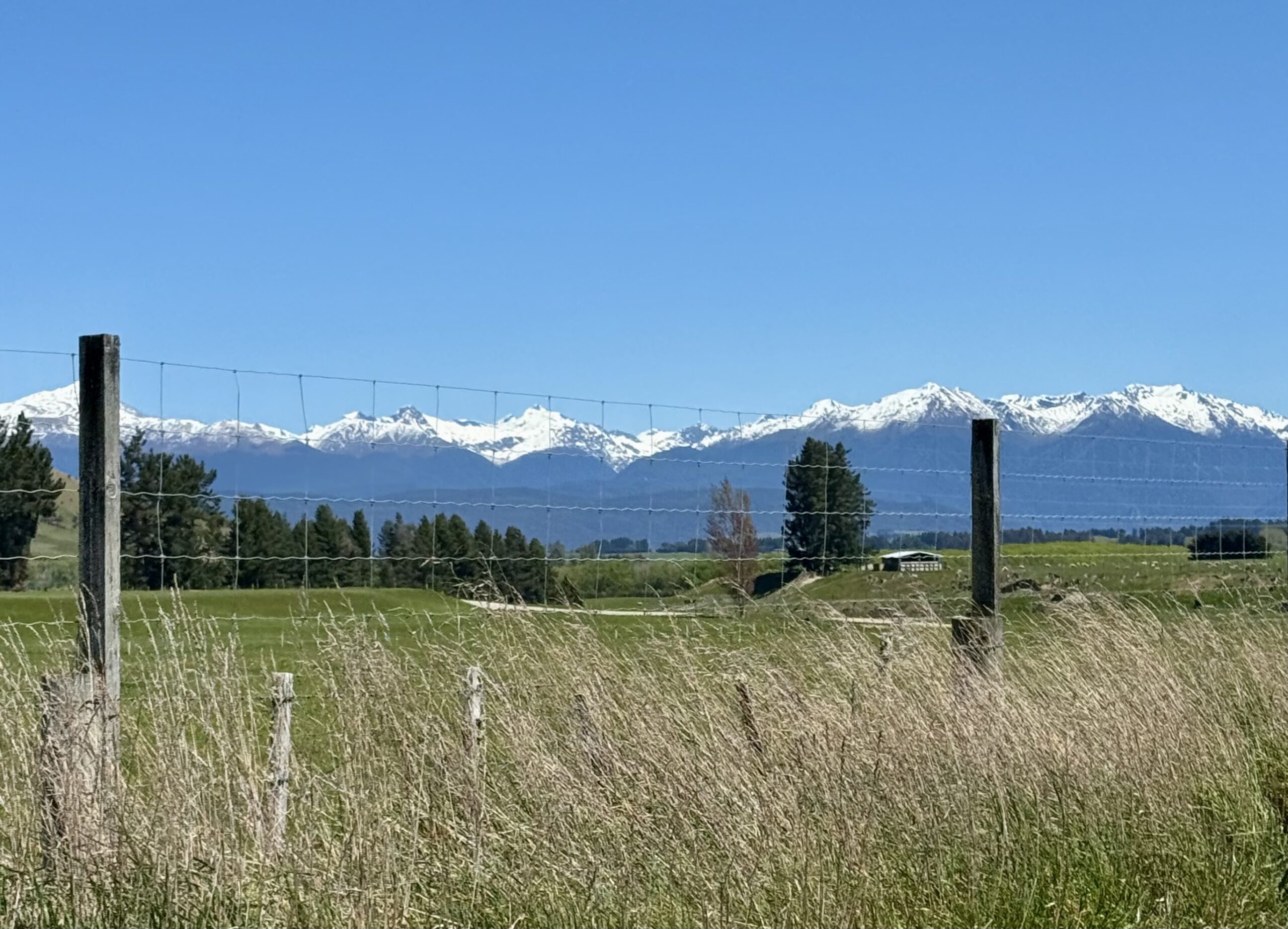
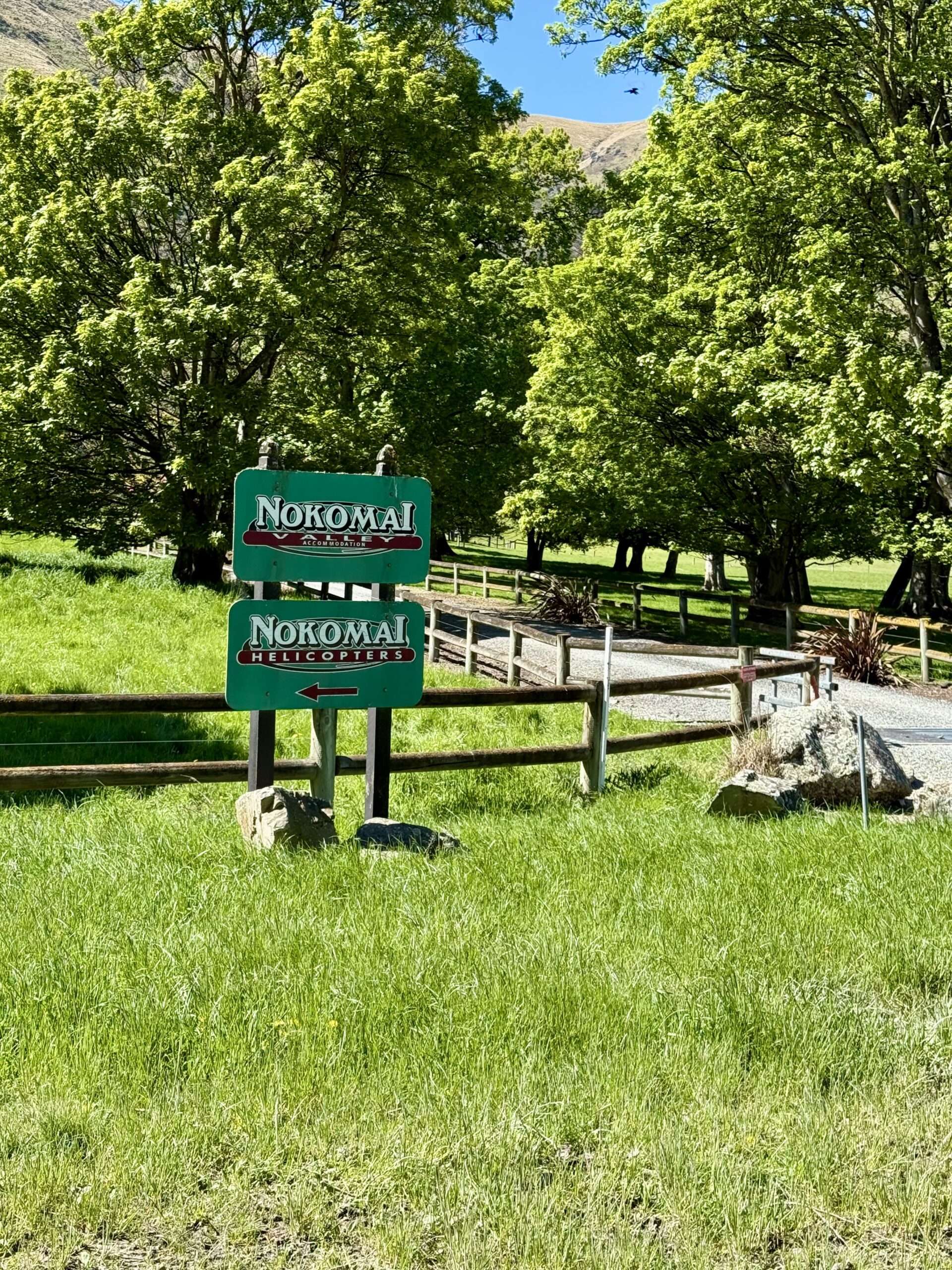
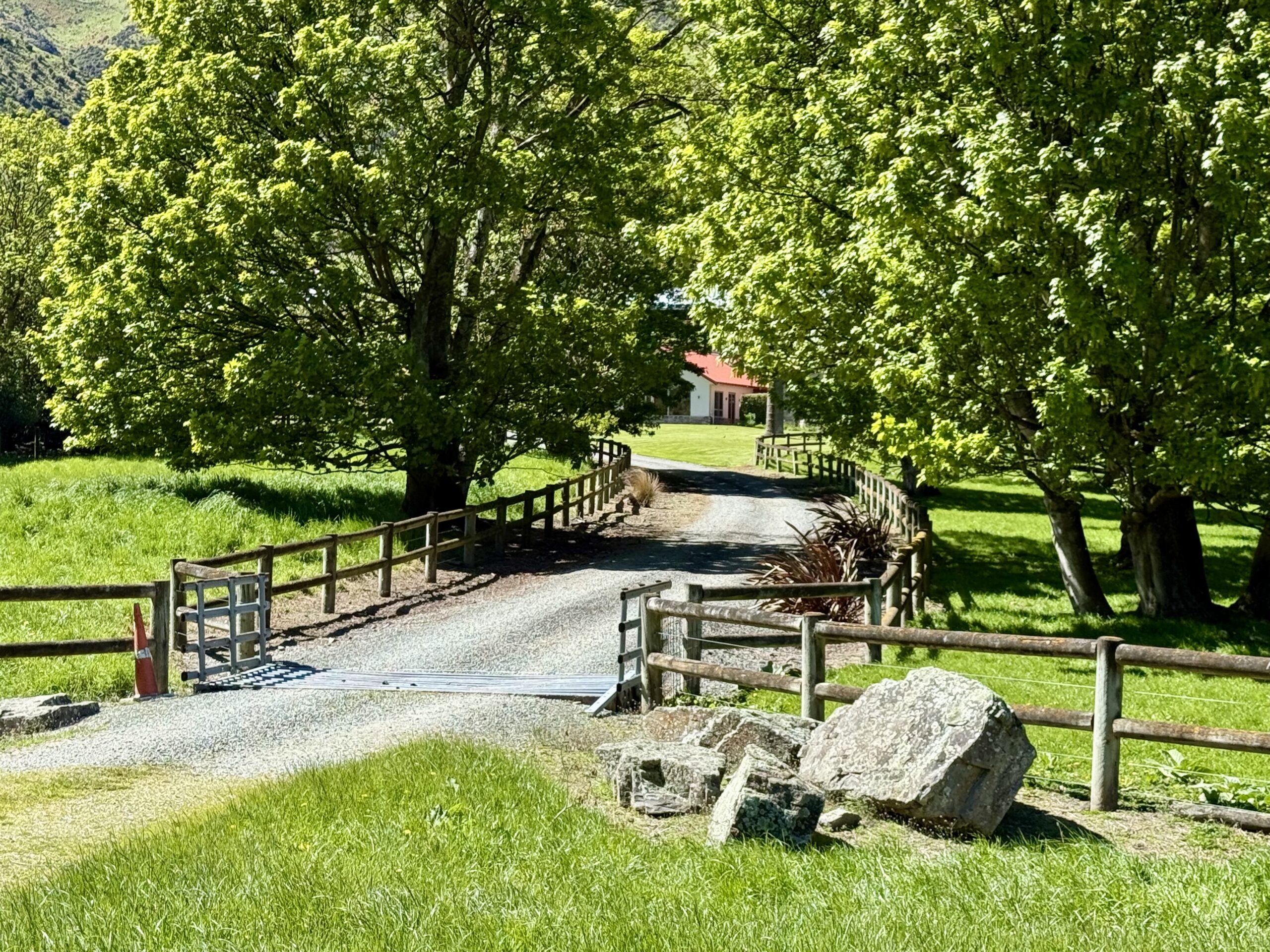
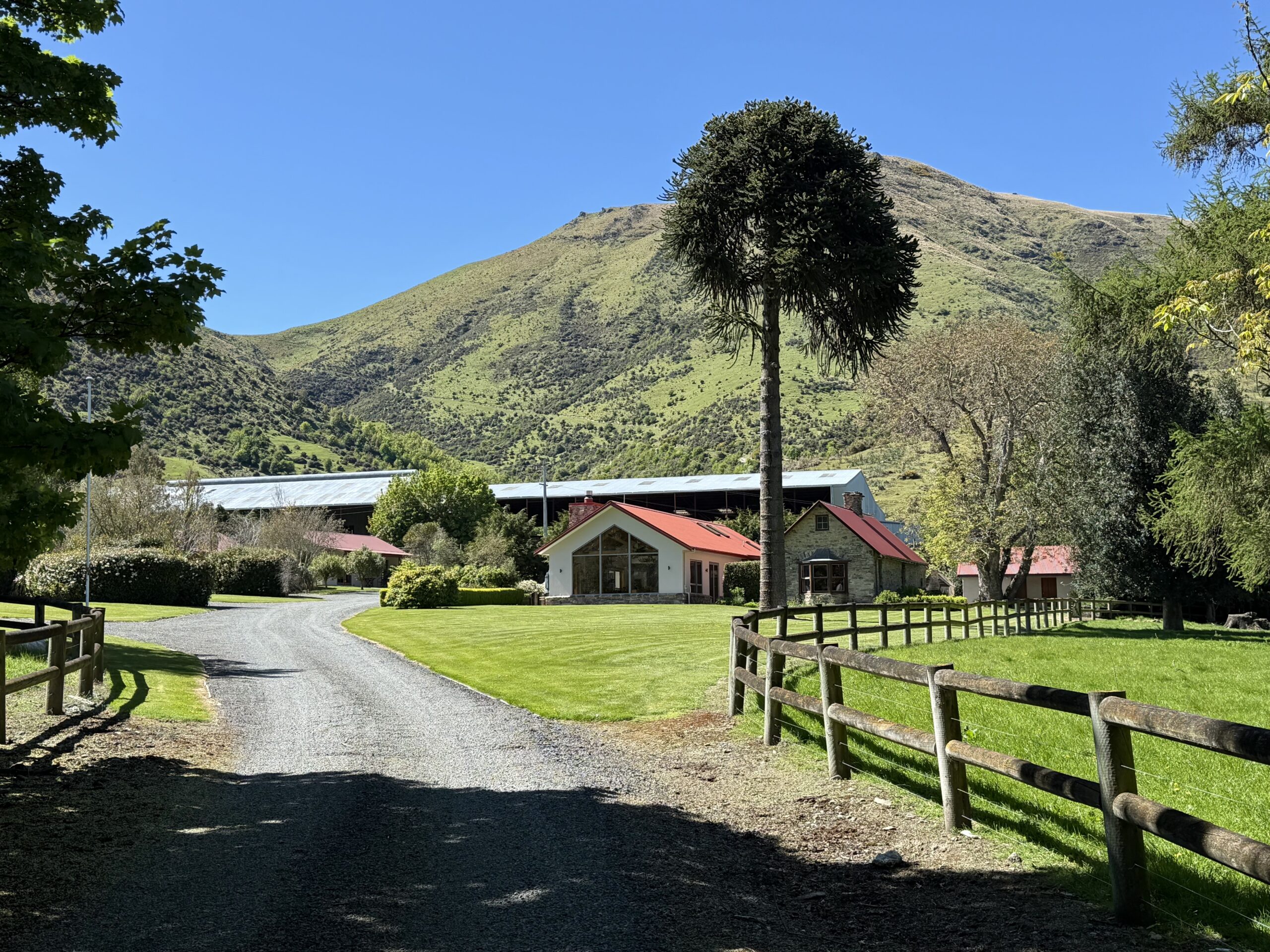
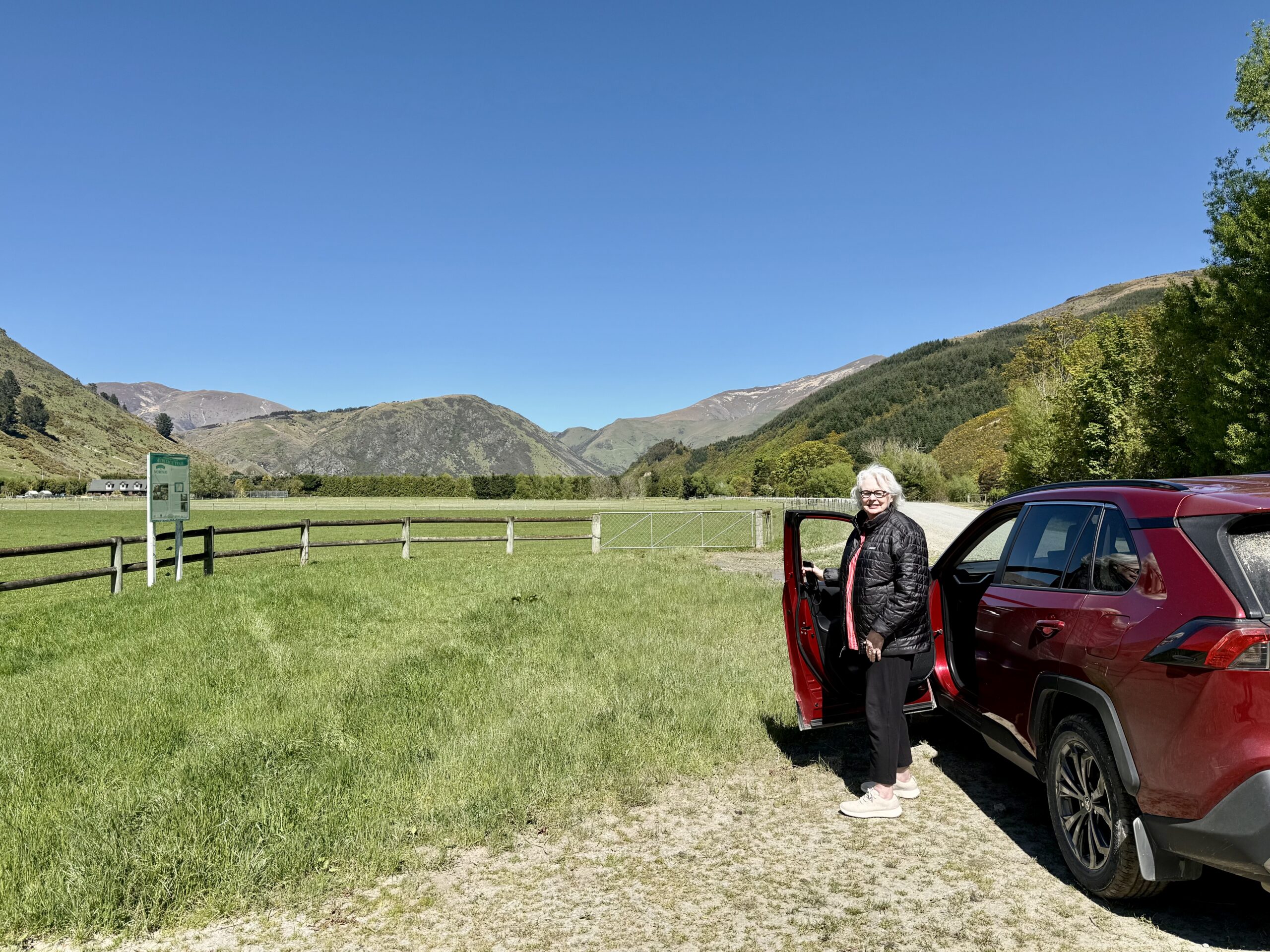
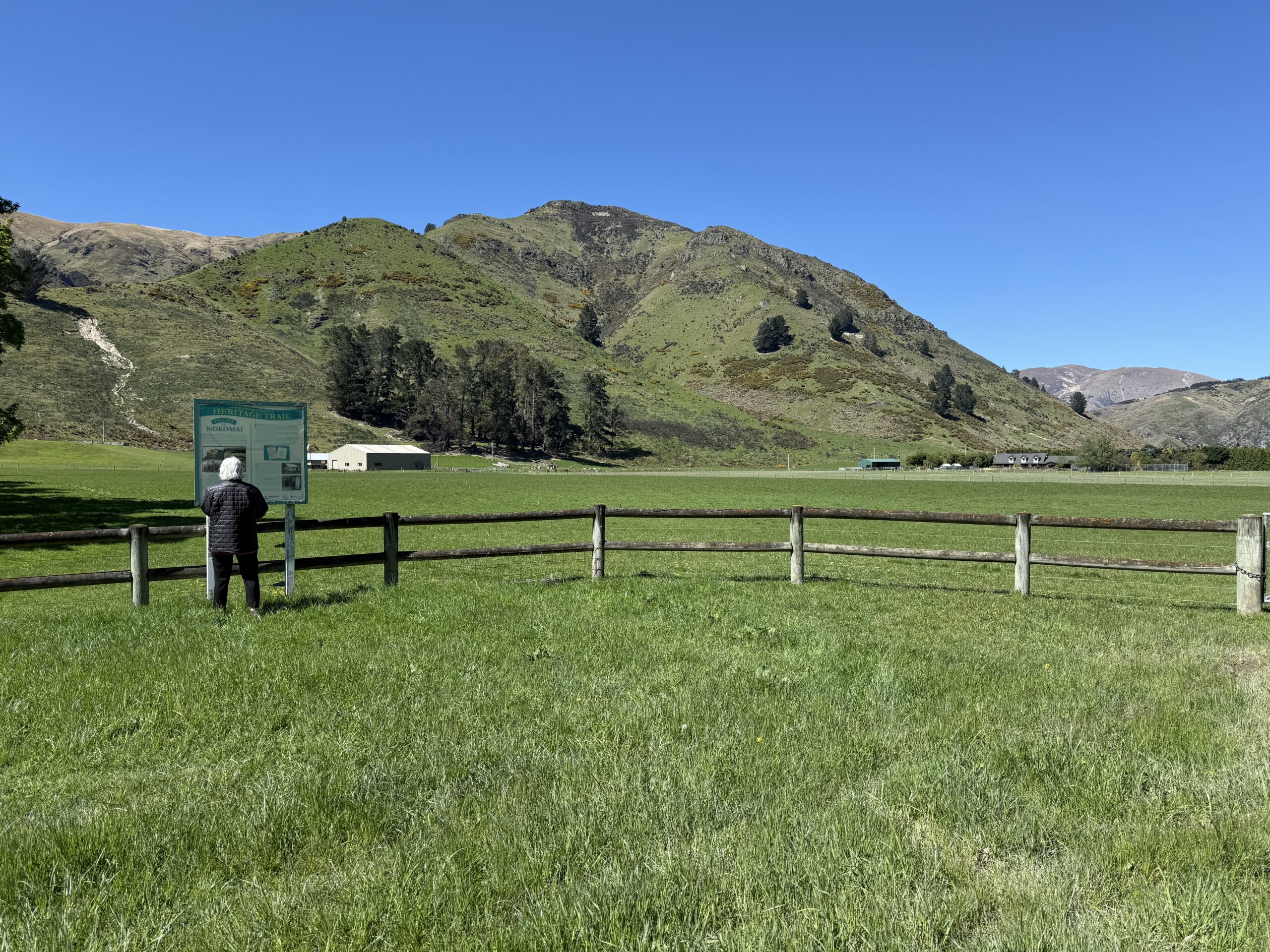
On the way from Queenstown to Te Anau, we detoured to revisit Nokomai Station where we stayed in 2003 to fish. Nokomai is a very large cattle and sheep station straddling the Mataura River, known for its trout. The station exceeds 100,000 acres. SmartWool and Ice Breaker tap their Merino wool. We noted more small structures along the drive on the gravel road into the station, most likely for employees.
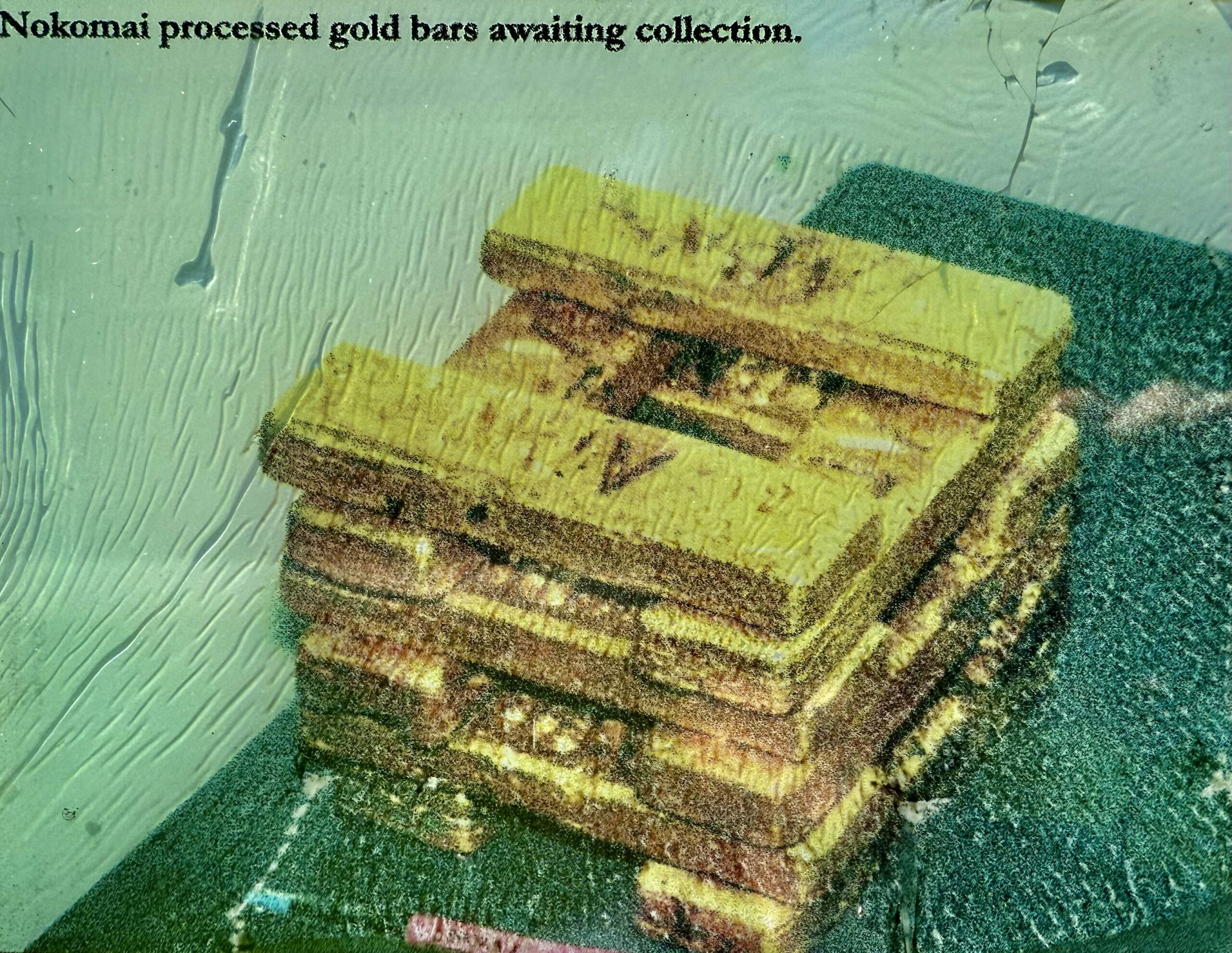
The valley was rich in gold, harvested in the 1890s. The recent history of the station is hard to believe. In the 1990s geologists exploring the valley located a three-meter seam of soil underground rich in gold. The station owners signed a partnership with a mining company that excavated the entire valley 30 meters down to extract the gold. Photographs show the homestead marooned on a pillar in a vast gravel pit. Armored trucks ran 24/7. To meet government regulations, the company completely restored the valley afterward. You would never know. Unfortunately, the station owners no longer host fly fishers overnight, although fishermen can access the river at several spots.
Lodging in Te Anau
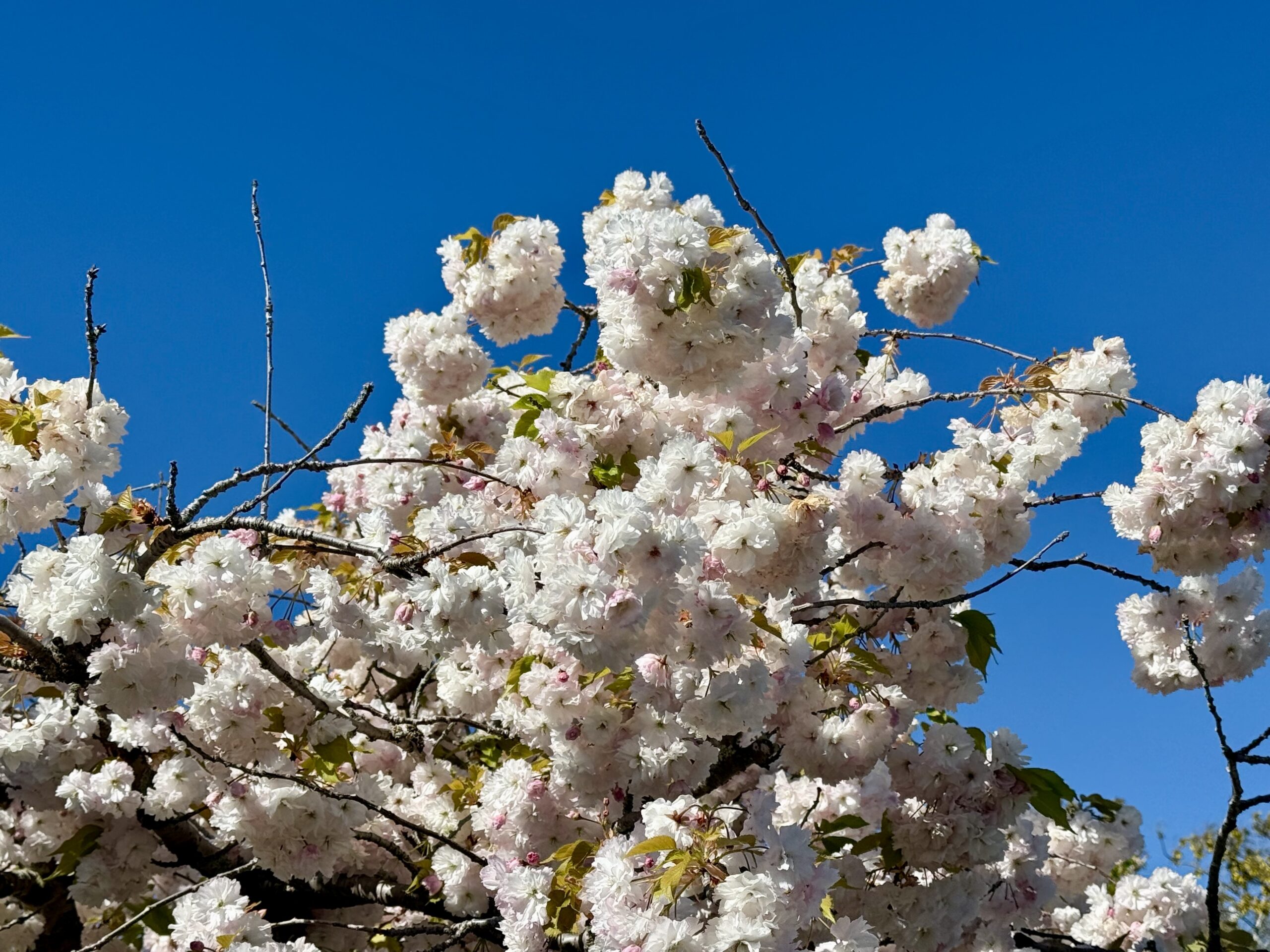
Downtown
Practicalities
Time Difference. At this time of year when California is on Standard Time and New Zealand is on Daylight Savings Time, the time difference is only three hours! But NZ is one day ahead. During winter in California, the time difference is five hours.
Phones. For this trip Robert supplied us with eSIM chips. For phone calls we are relying on WhatsApp, although we are stumbling through it. Ooma is helpful. Kiwi phone numbers baffle us. They use a star?
Prices. Costs for food and lodging seem modest. Currently $1 NZ equals $.60 US.
Driving. Bonnie feels more confident about driving on the left this time. But there is ridiculously little traffic on the South Island, which makes things easier.
Food. A typical small town has two Chinese restaurants, one Thai, one Indian, one Japanese, one pizza joint, one or two burger bars, one steak house, one or two bakeries, one or two coffee shops, and one or two grocery stores. Quality varies. Restaurant staffers are remarkably knowledgeable about food allergies and cross-contamination, and menus flag gluten-free and dairy-free options. Bonnie see many tempting pastries labeled vegan, but servers warn her they may contain traces of dairy.
Fishing gear. Although guides can supply any fishing equipment for the day, Robert splurged and brought his own gear for both he and Bonnie—waders, boots, water shoes, gloves, socks, hats, rods, whatever. He stuffed one large duffle bag to the bursting point. But the two guides we’ve met so far have commented on the great quality of Robert’s stash, especially rods and boots.
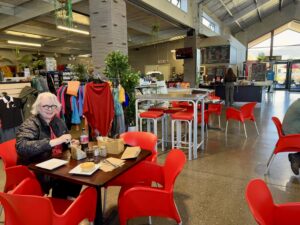
Shopping. New Zealand is not a shopping destination. The prominent locally made products for tourists are honey (and honey-based skincare products) and wool. Merino wool and merino mixed with possum fur (yes) for softness stand out. But on past trips Bonnie has been disappointed by the limited selection of styles and colors. If you are happy with a nice sweater or gloves like the ones your grandpa wore in the 1950s, you’re fine. But on this trip Bonnie is already spotting several new brands and some variety in styles, at least for gloves, hats, and socks. Robert is devoted to New Zealand Ice Breaker wool clothing, especially T-shirts, and Bonnie is loyal to wool Allbirds shoes (San Francisco-based Kiwi products), but we can find these easily in the U.S. In larger New Zealand towns we see several Kiwi brands of outdoor clothing, such as Katmandu, competing with Patagonia and North Face.
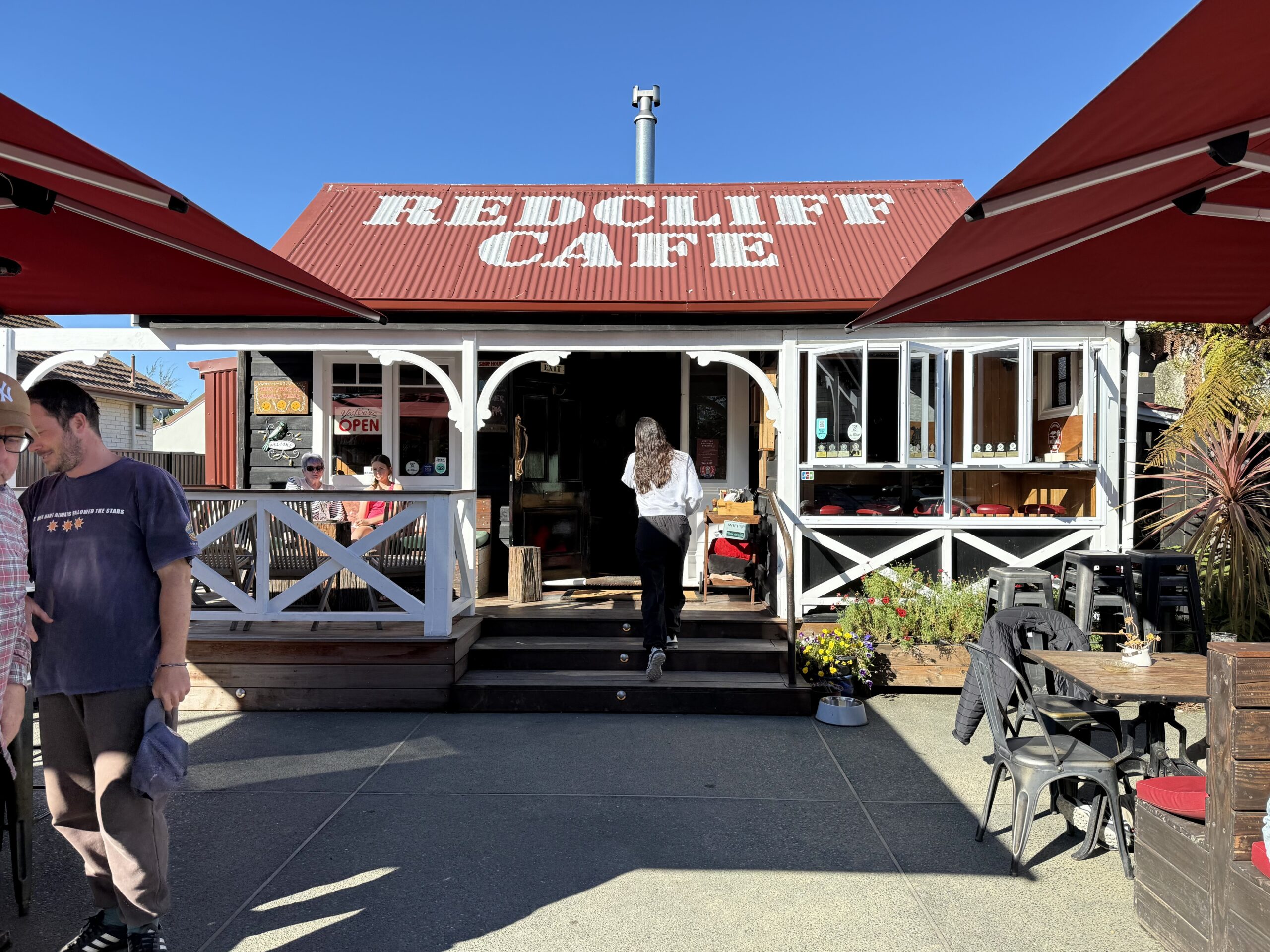
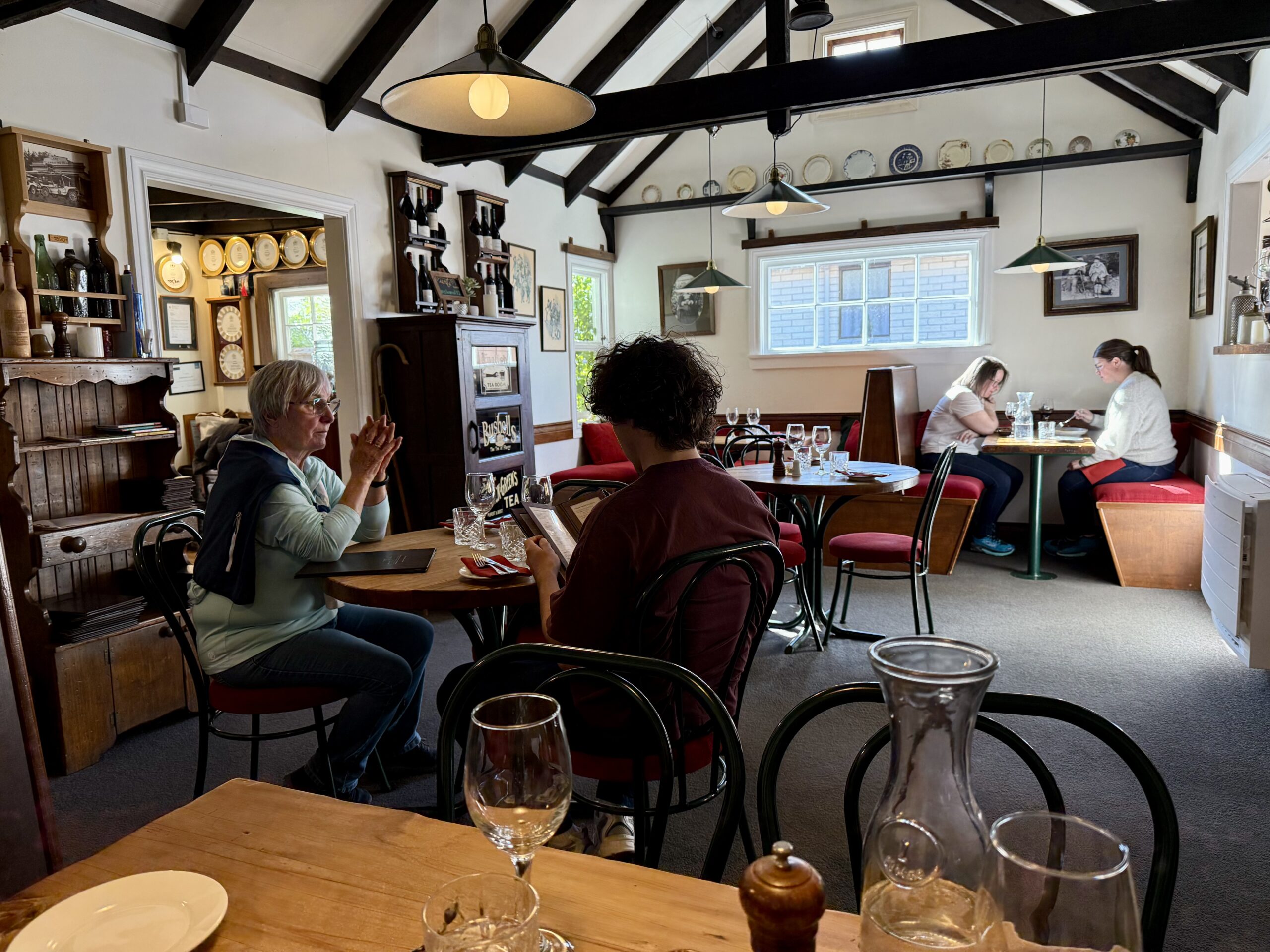
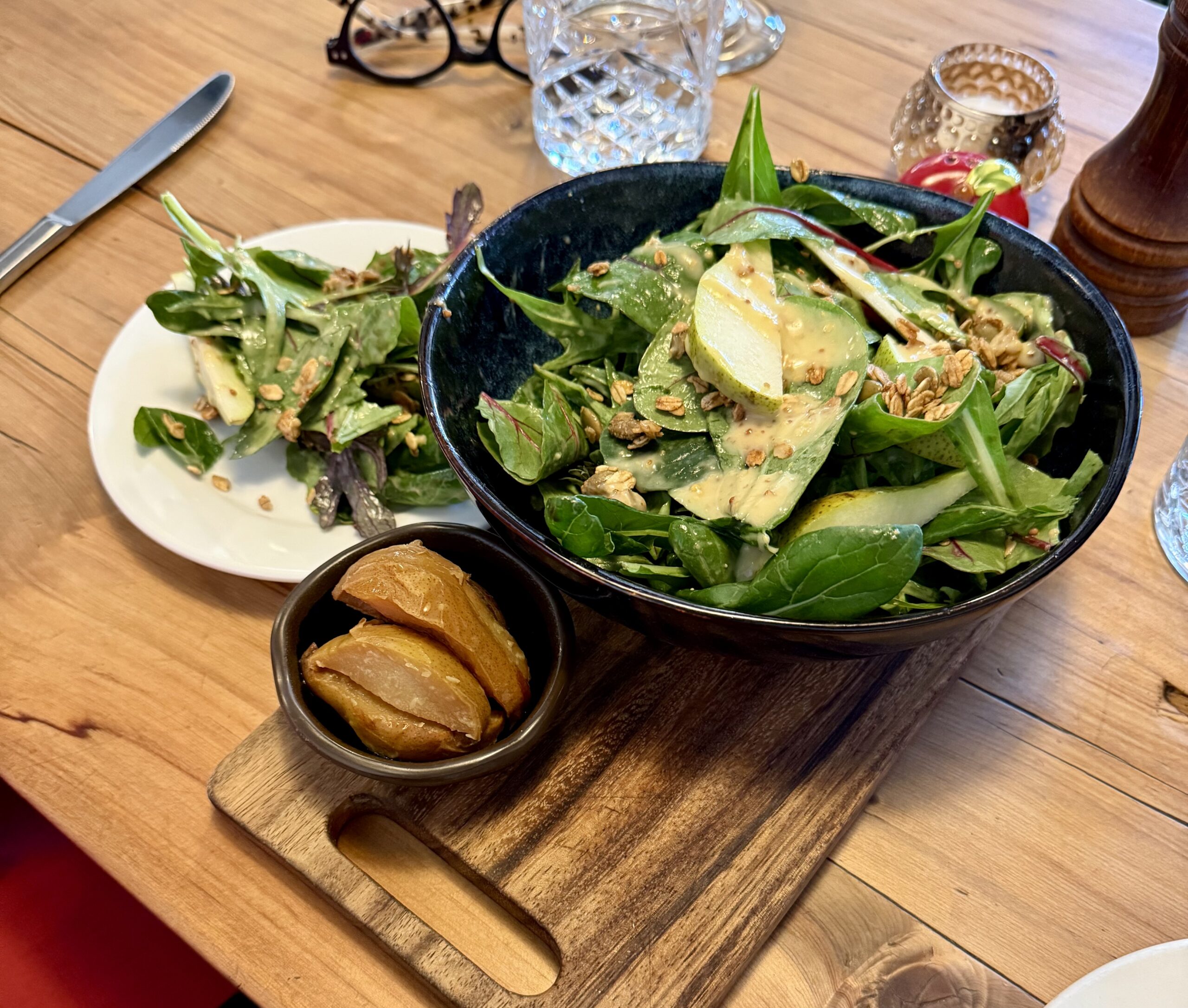
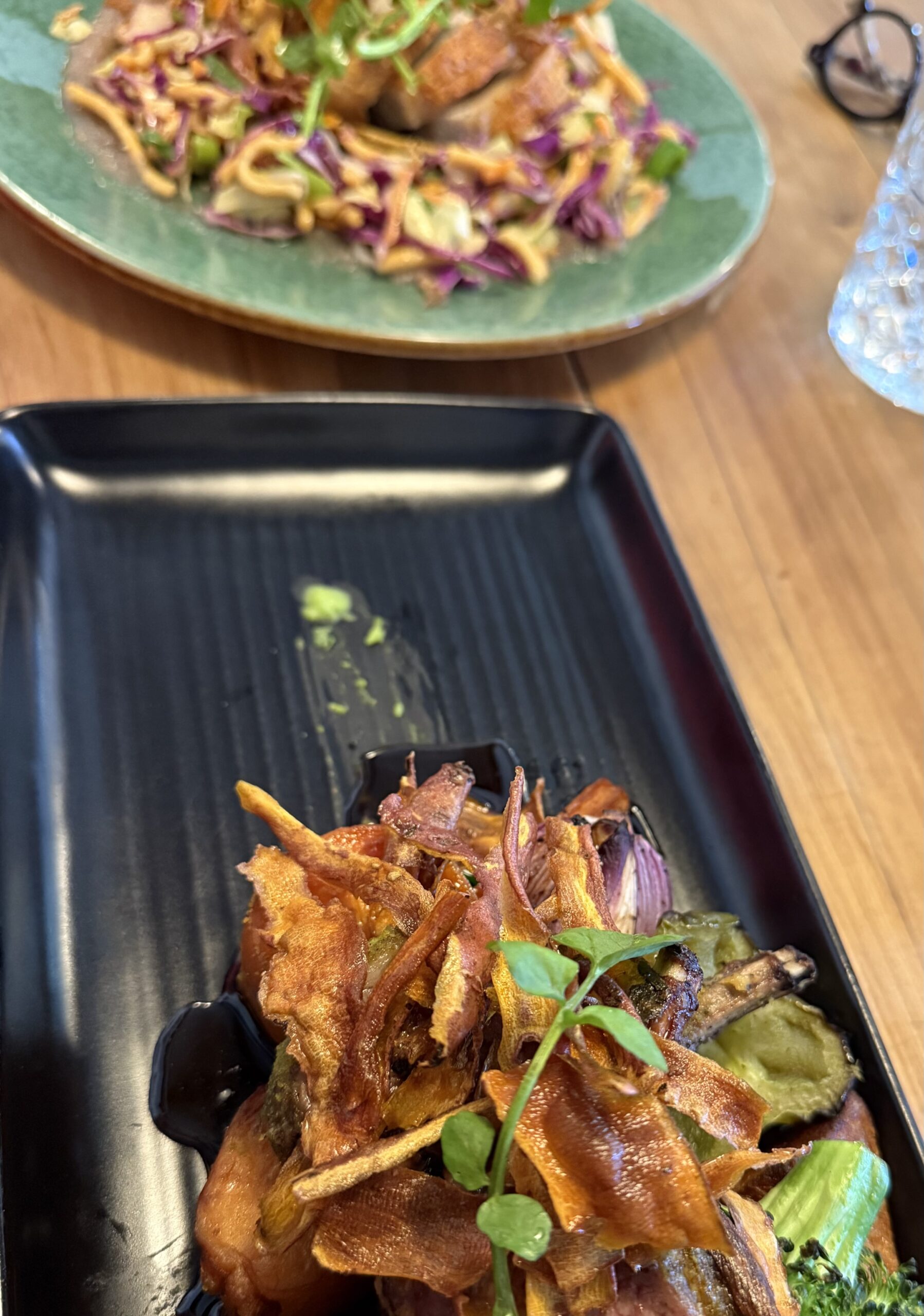
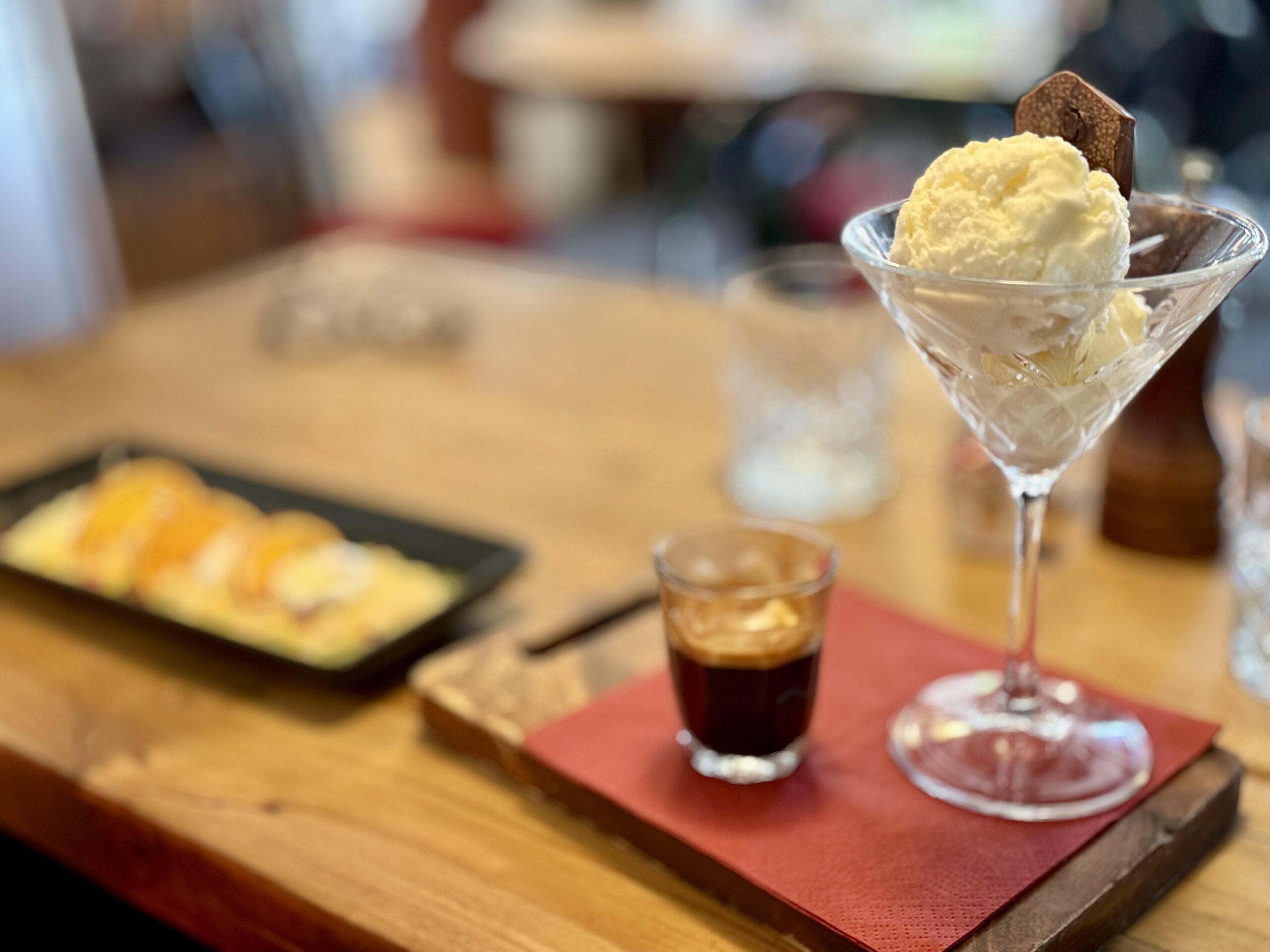
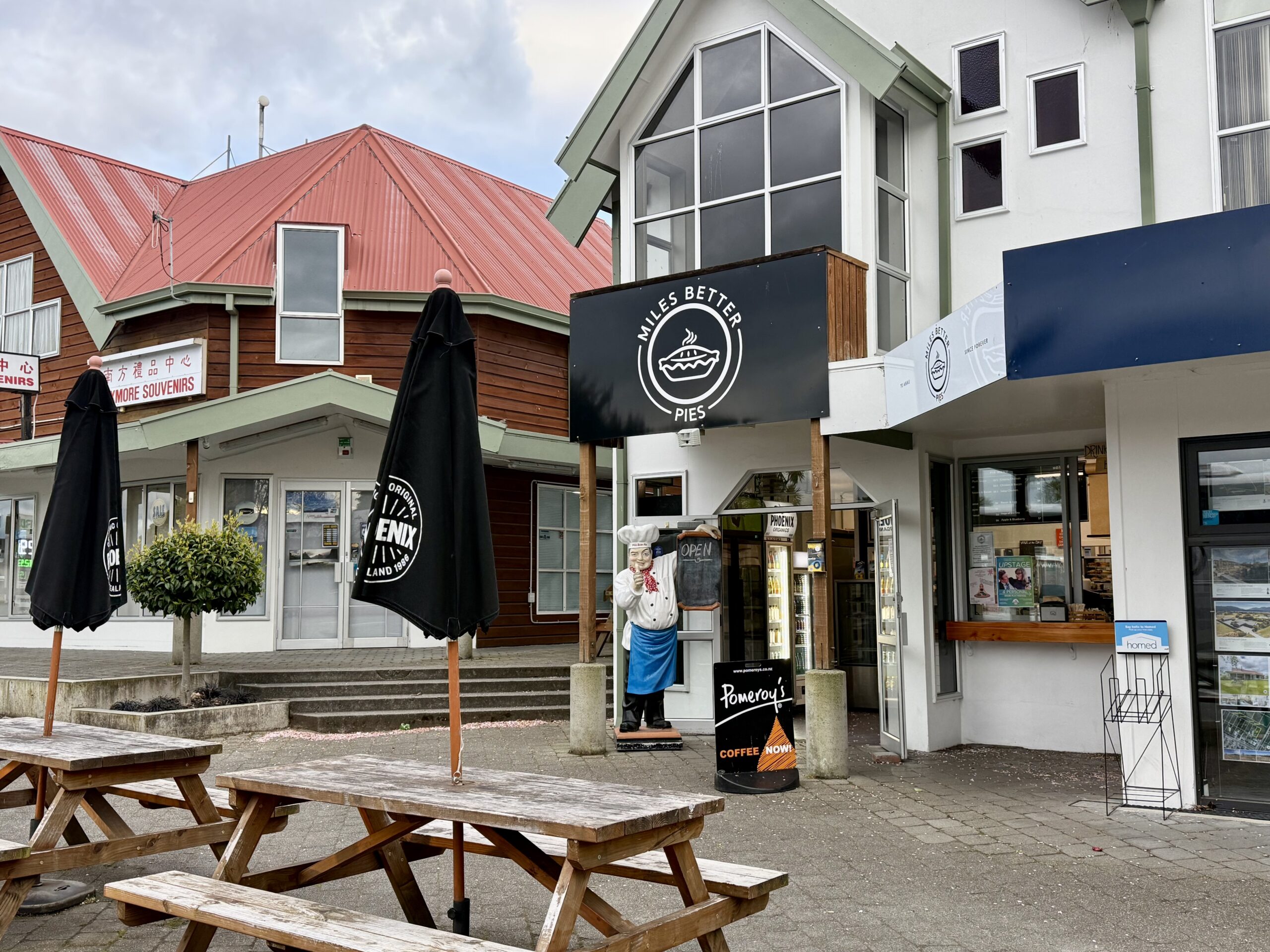
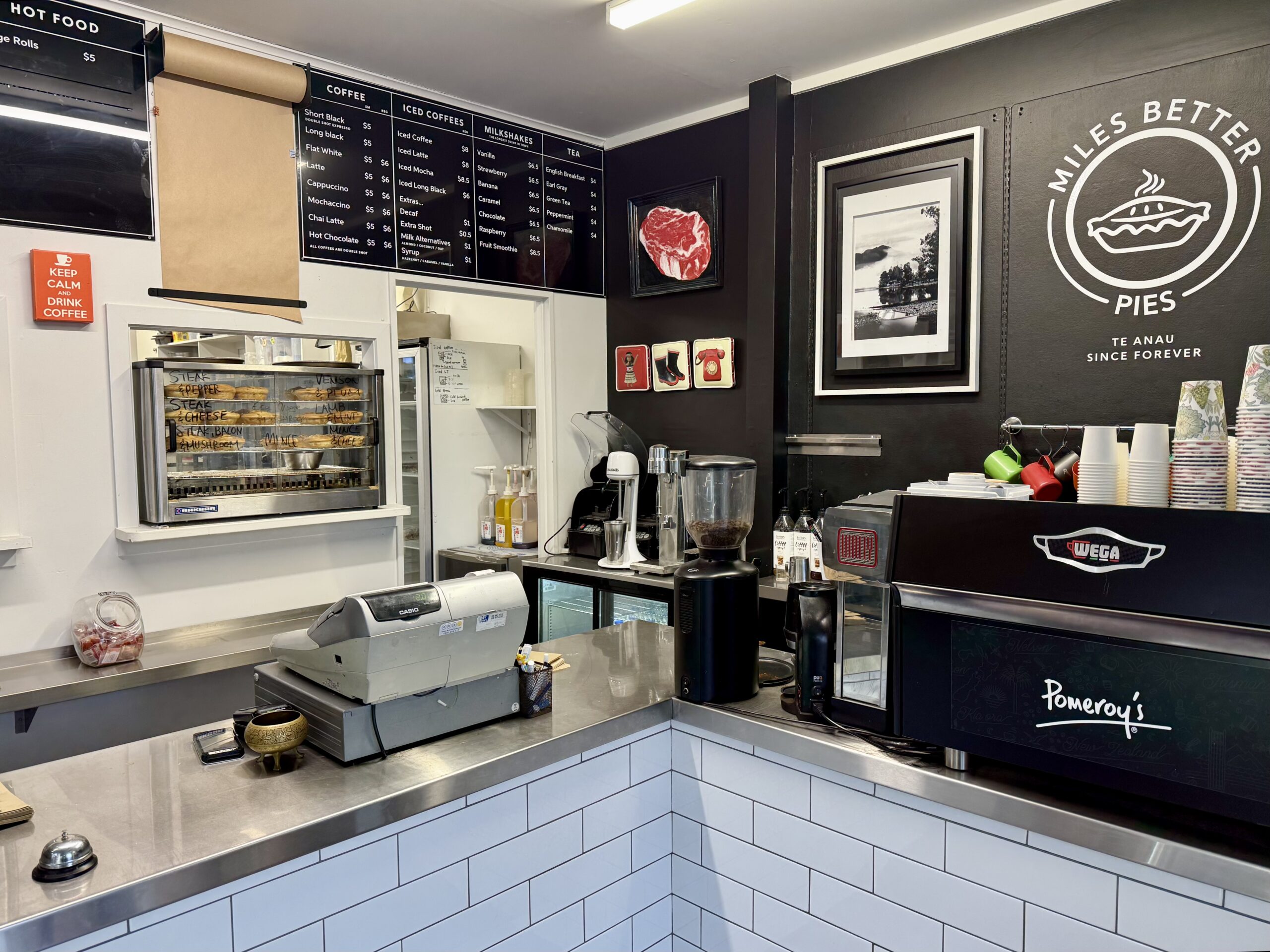
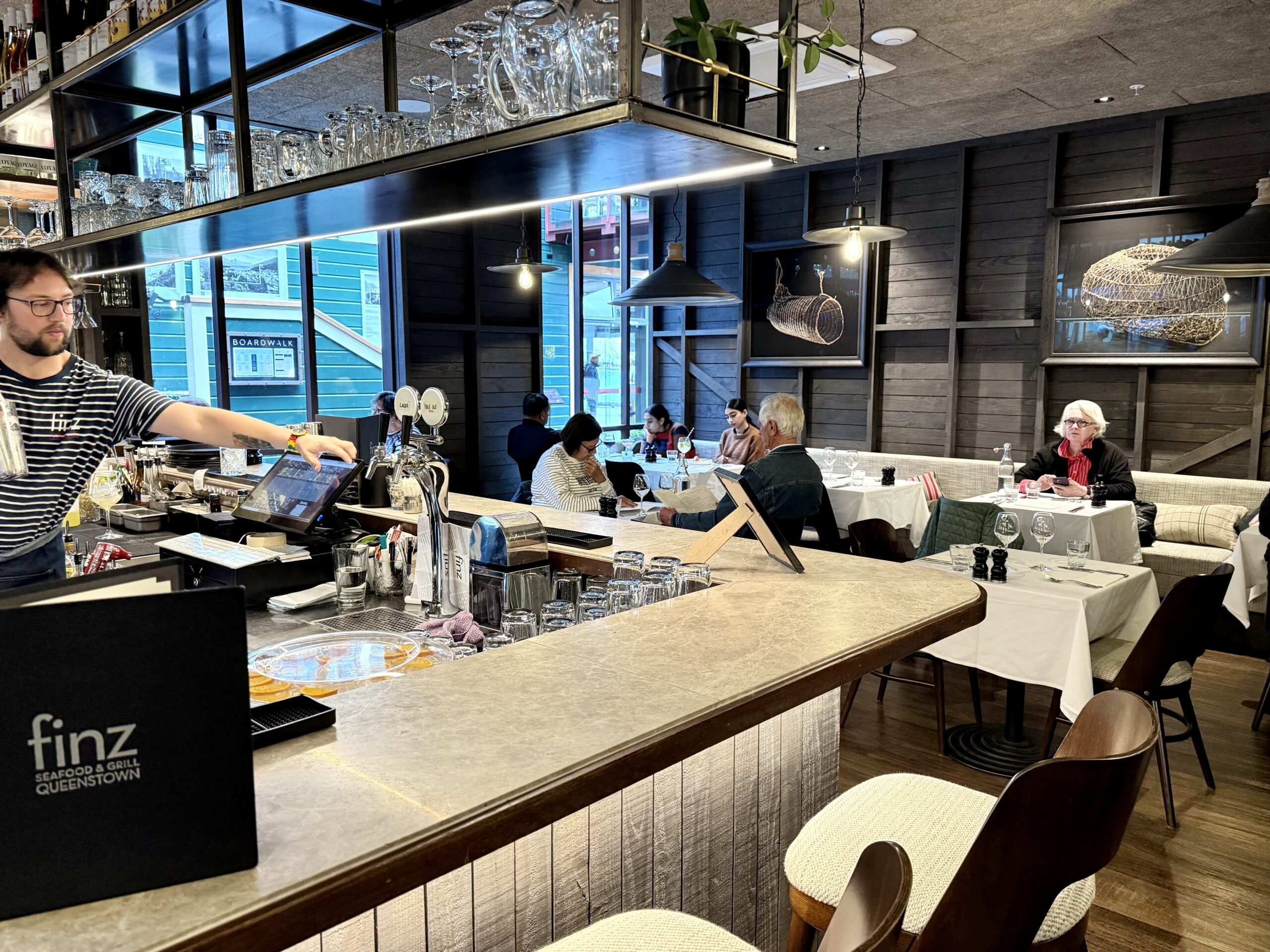
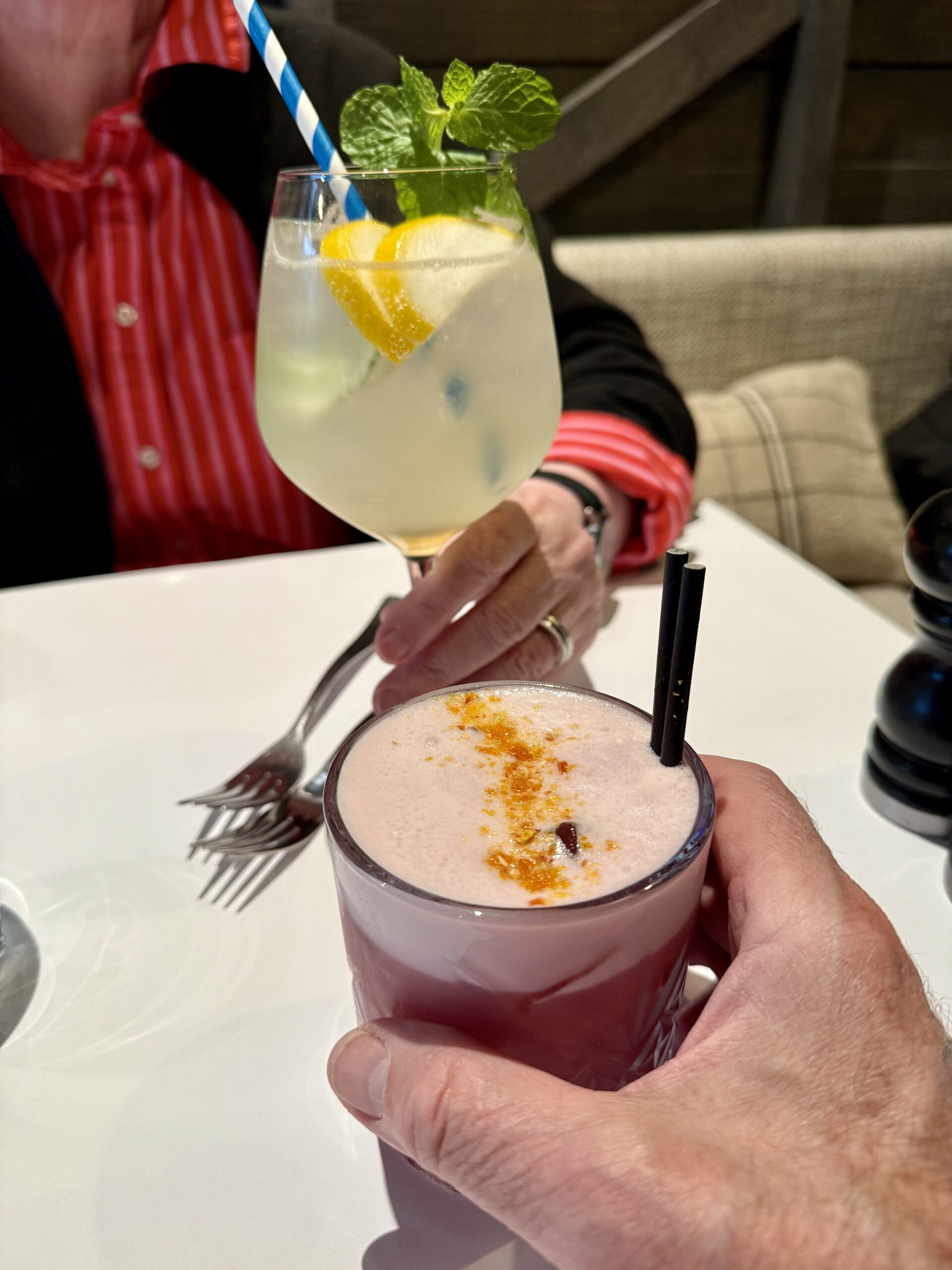
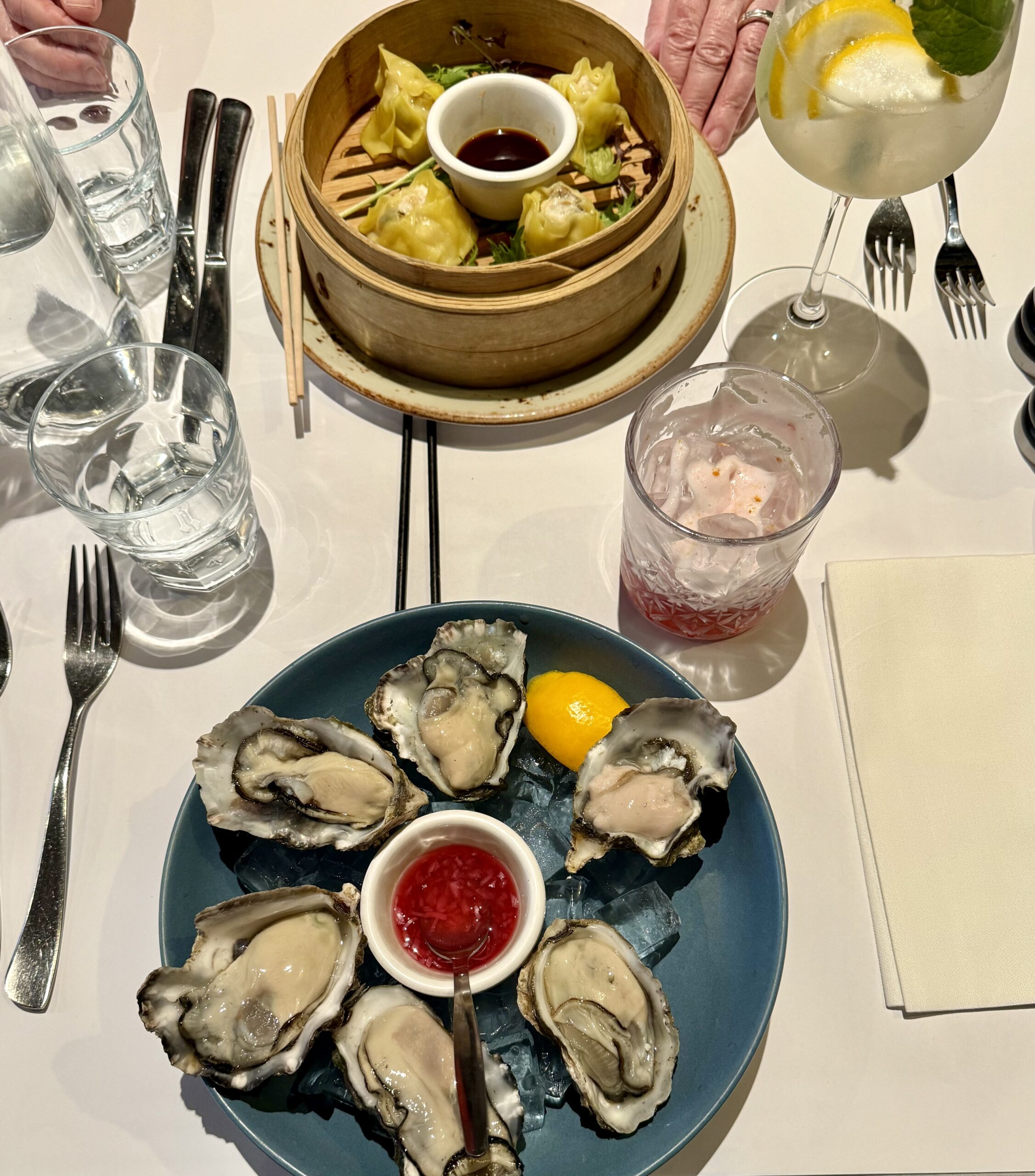
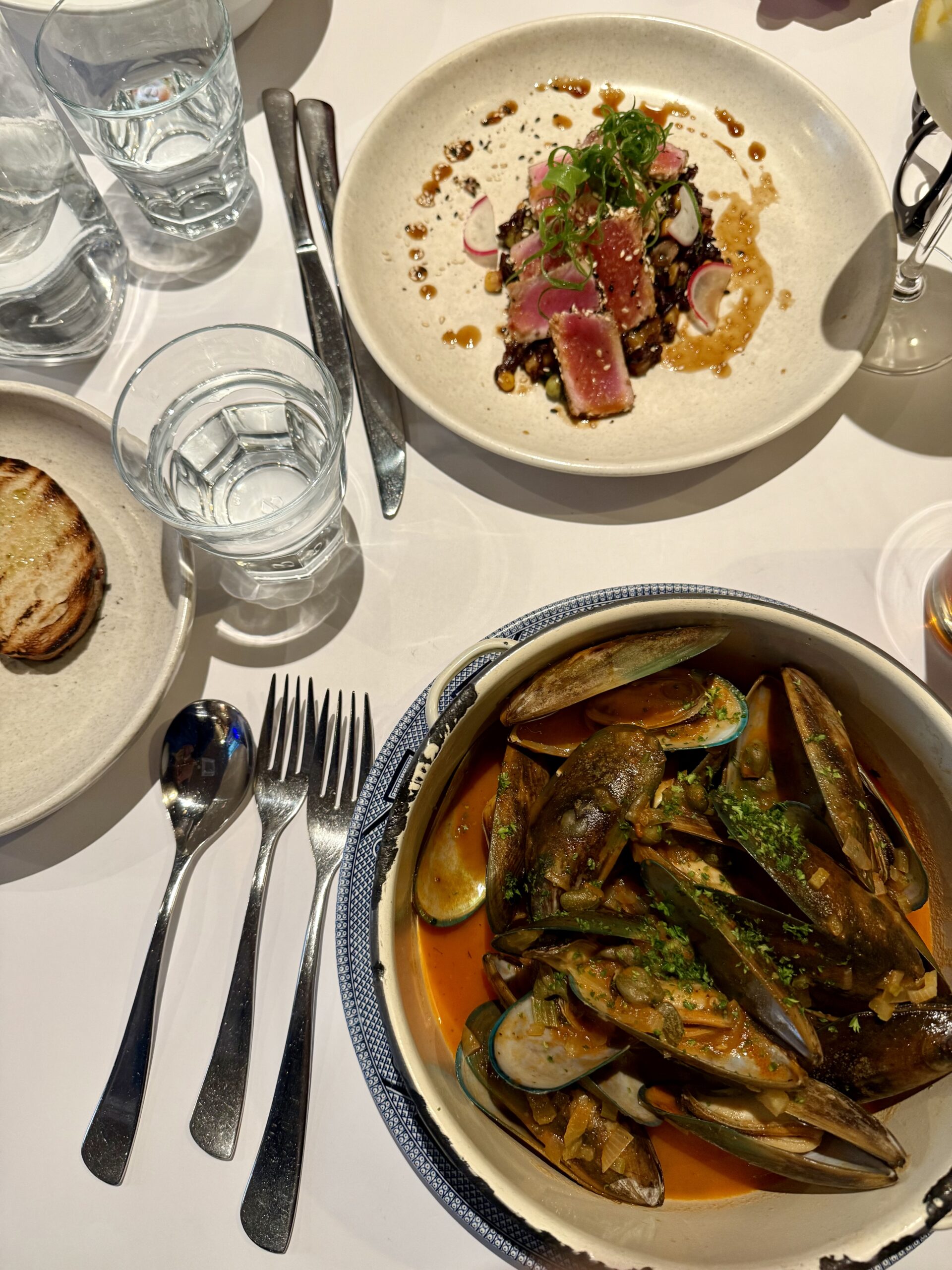
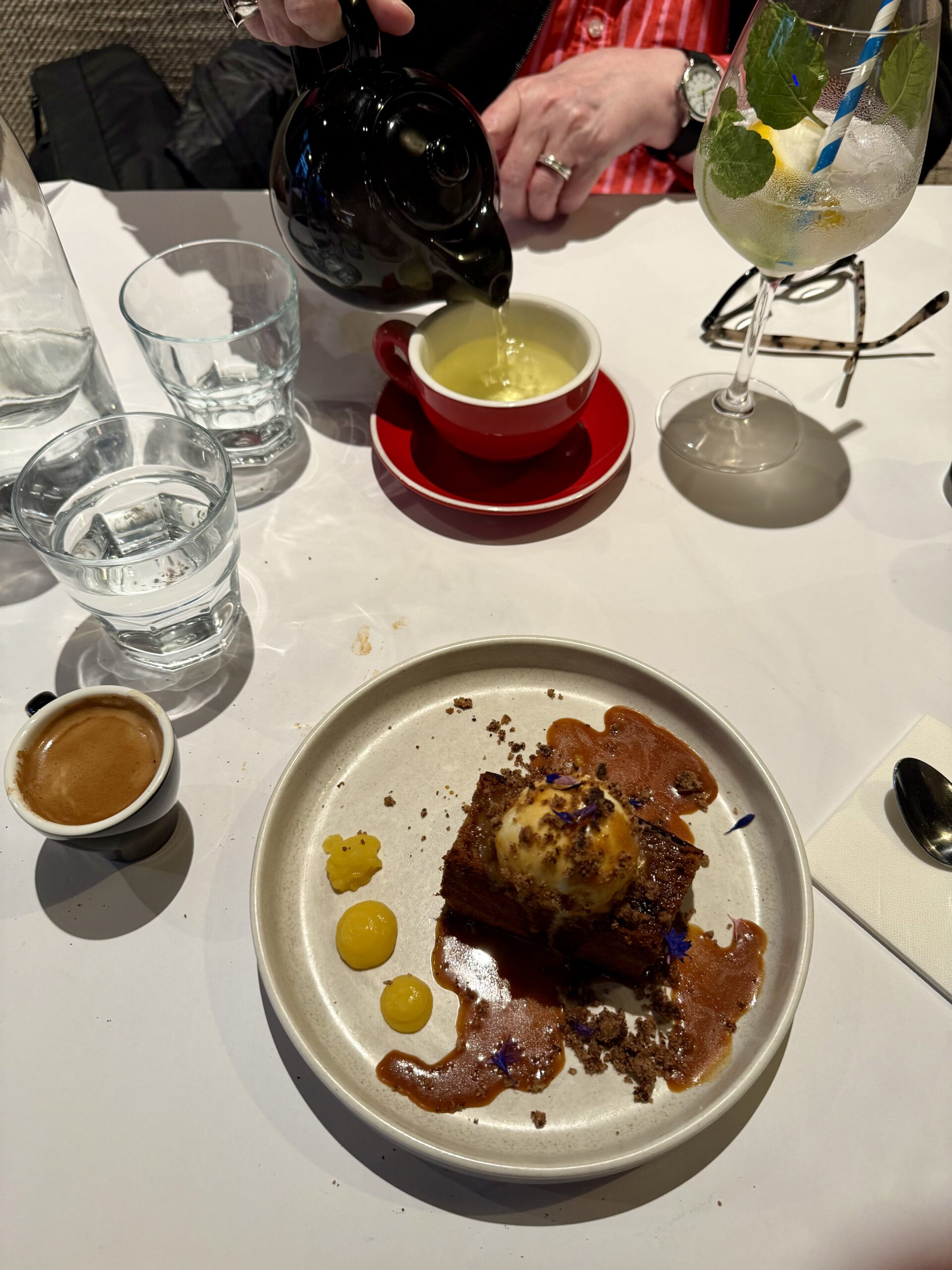
Eats

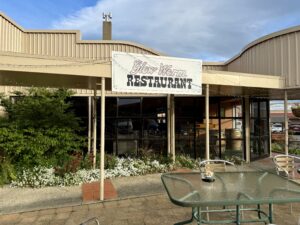
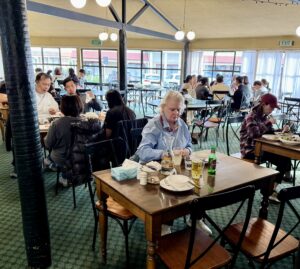
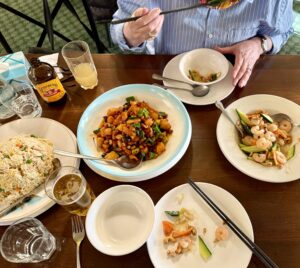
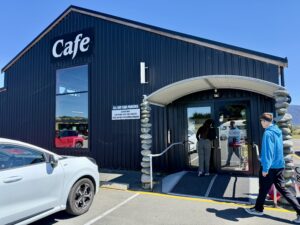
Next Stop — Lake Tekapo!
Wonderful! Thanks for the vicarious thrills!
Welcome! More to come!
It’s funny to think of you both up side down on the other part of the world!!
Nice pics as always and detailed reports of your trip make me feel like to watch a movie.
😘
❤️❤️❤️