
22-28 November 2025

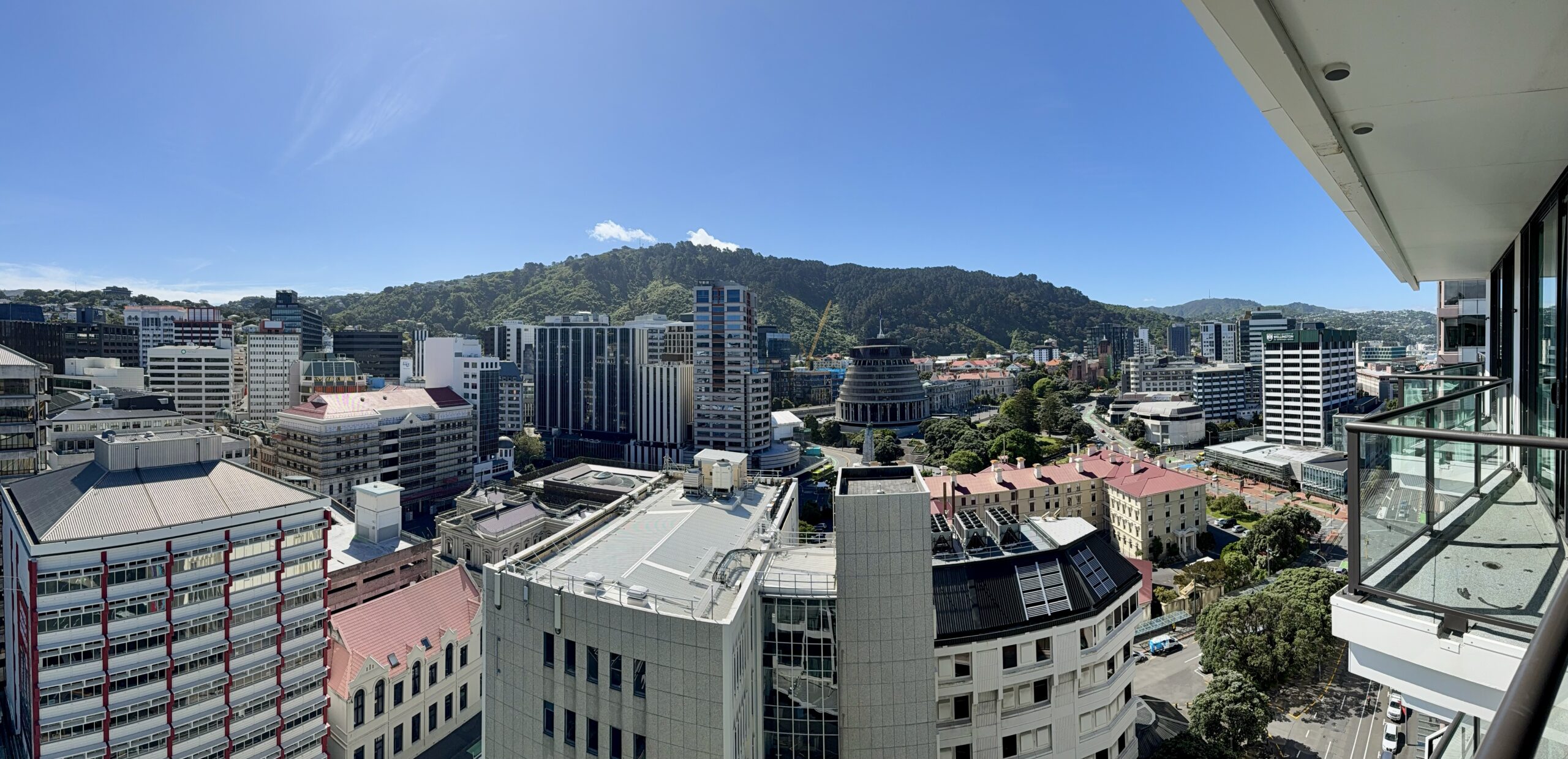
Lodging
Out and About
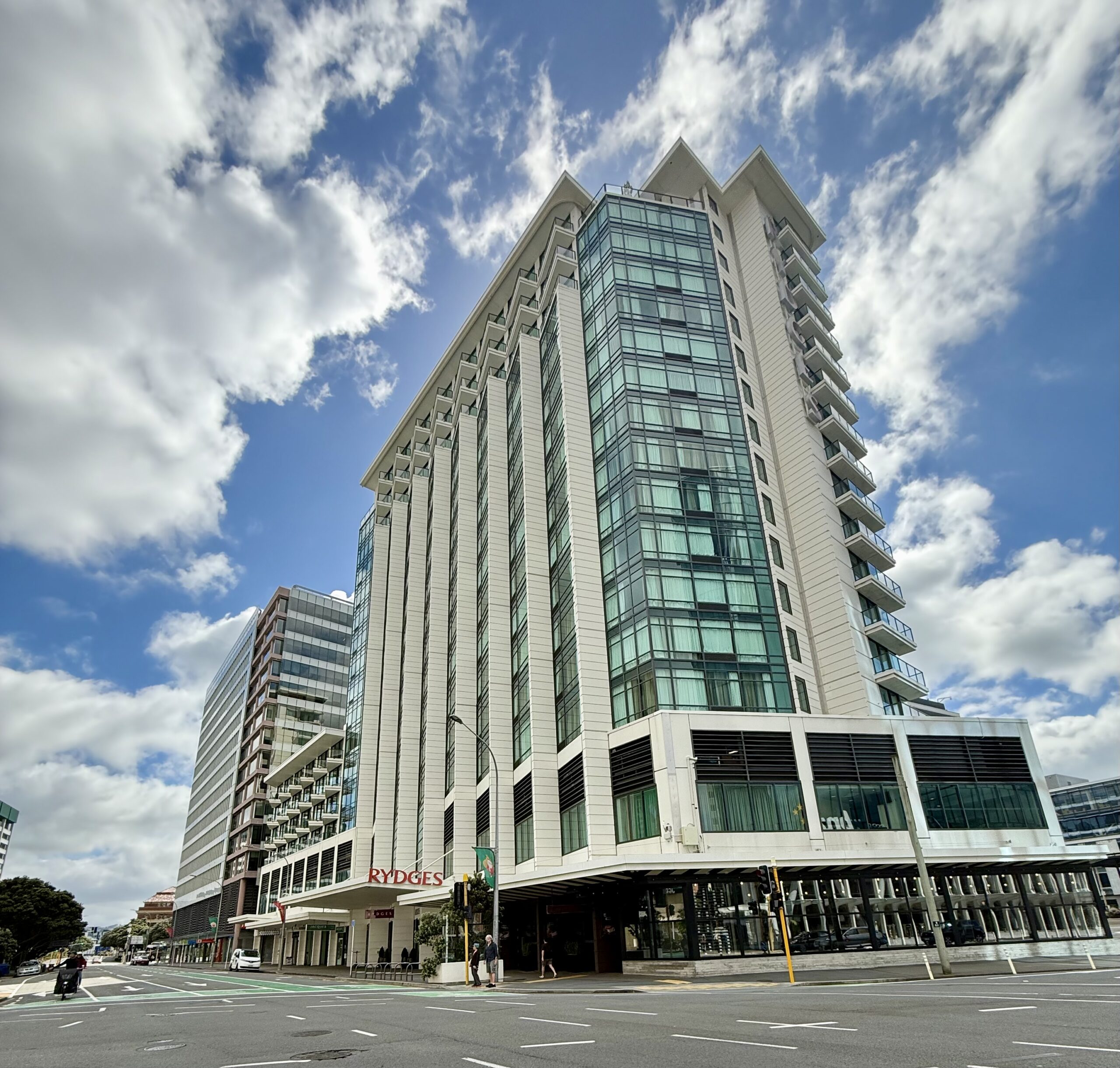
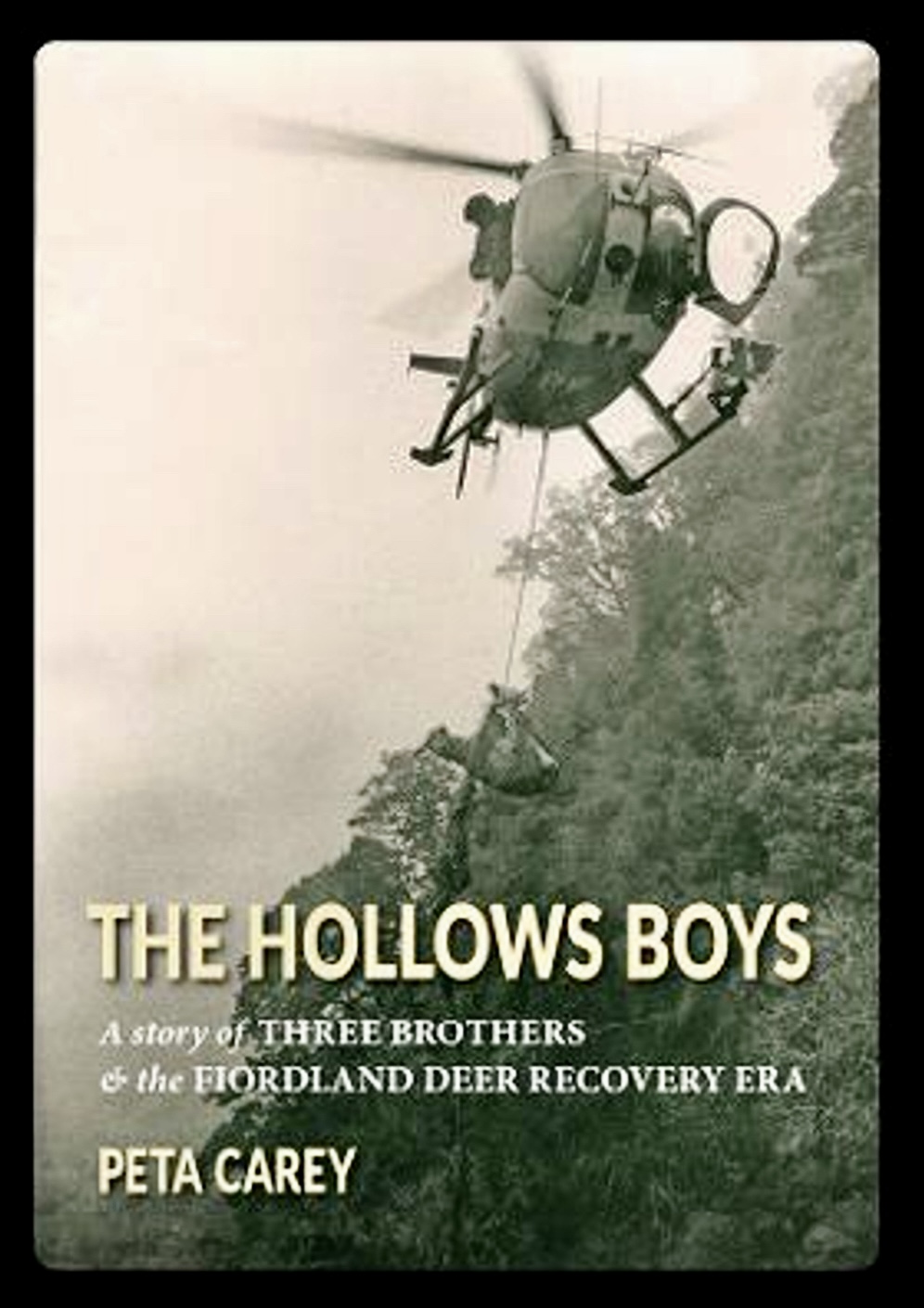
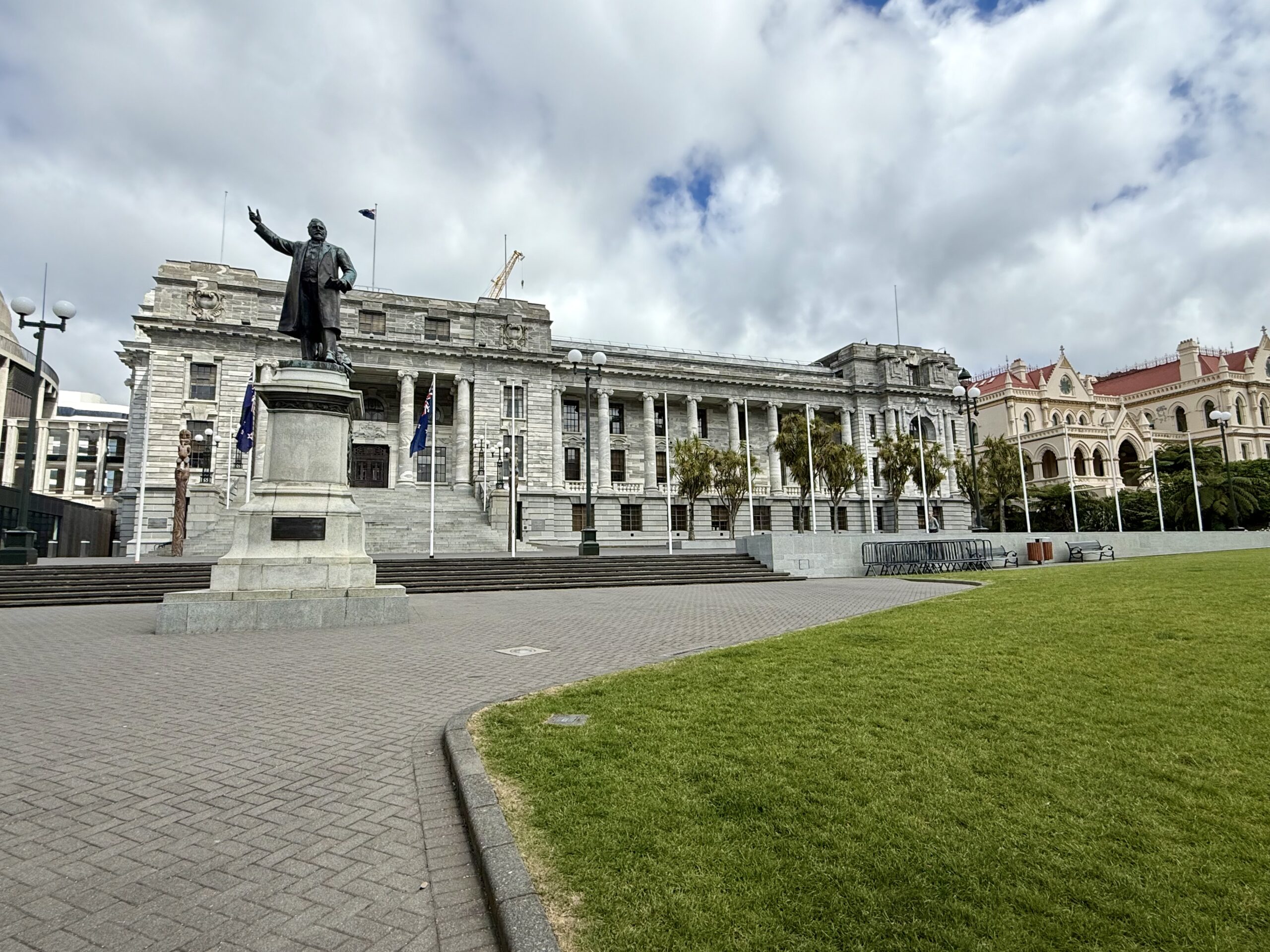
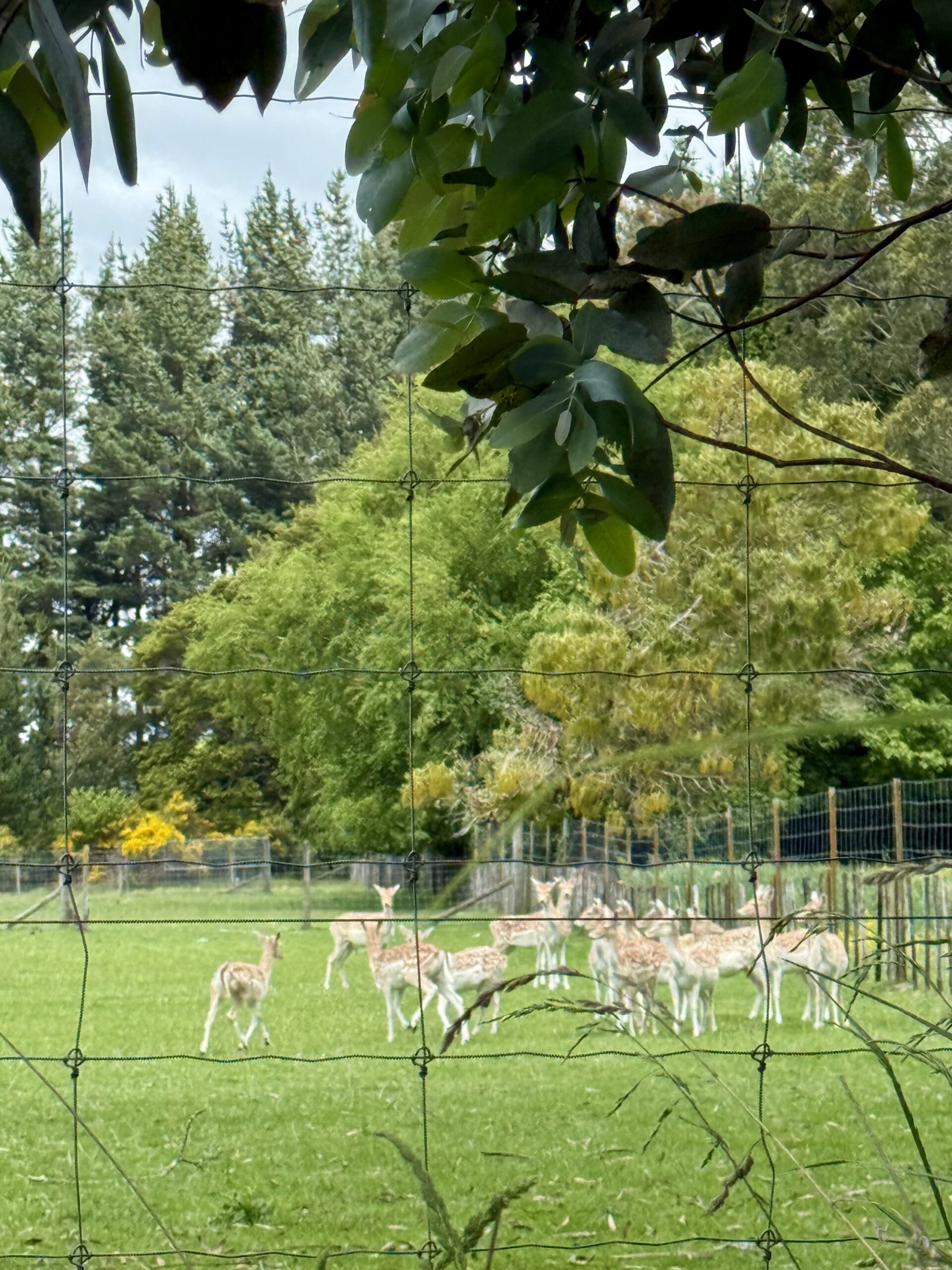
After we were settled in our Wellington hotel, we headed to a bookstore on Lambton Quay for the latest book on hunting deer from helicopters—an infamous part of Kiwi history that Robert hears about from fishing guides. Deer are invasive immigrants so anything goes, or used to. As one person said to Robert: “If it has four legs and lives outside of a fence, it’s a pest.”
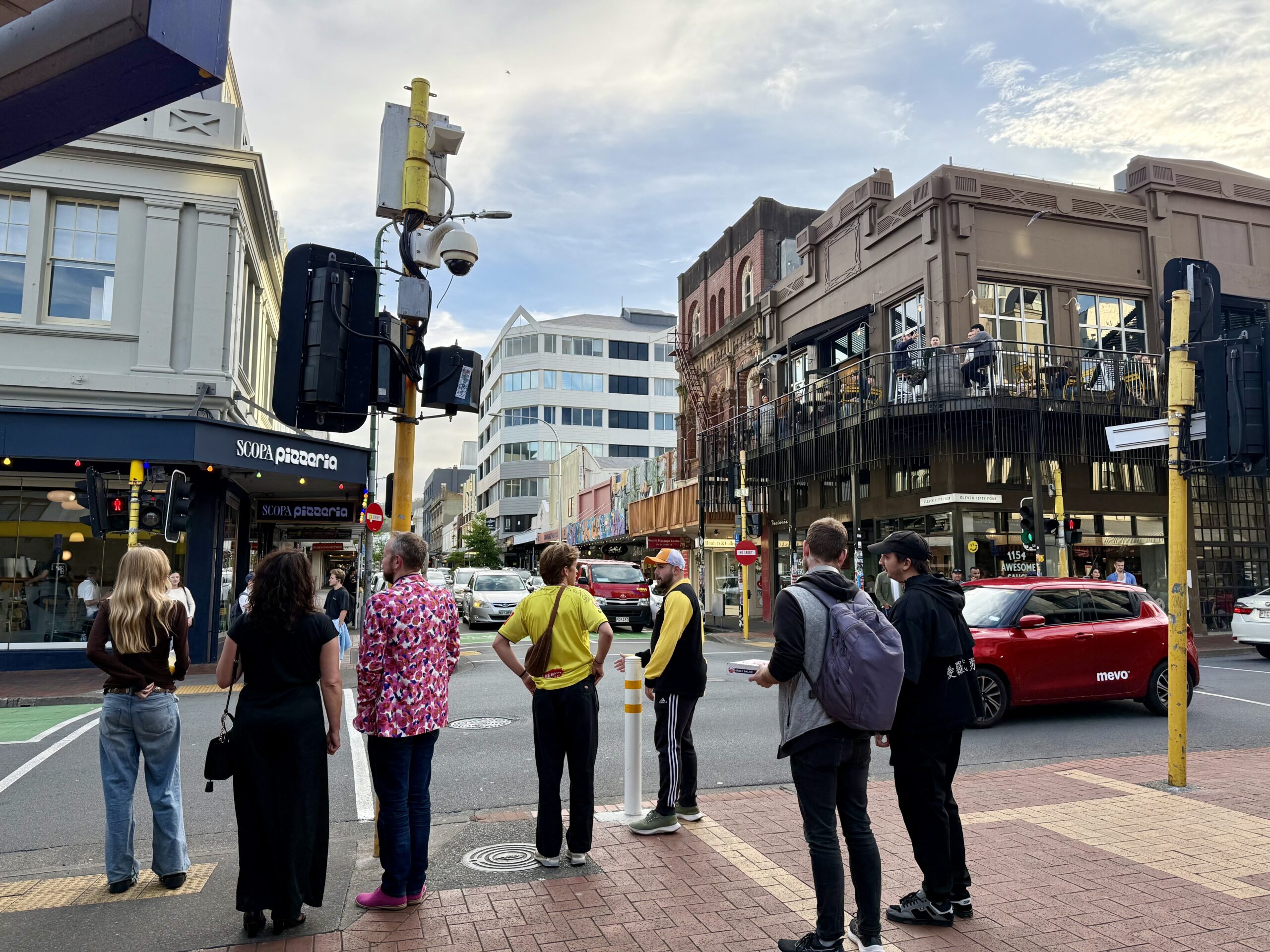
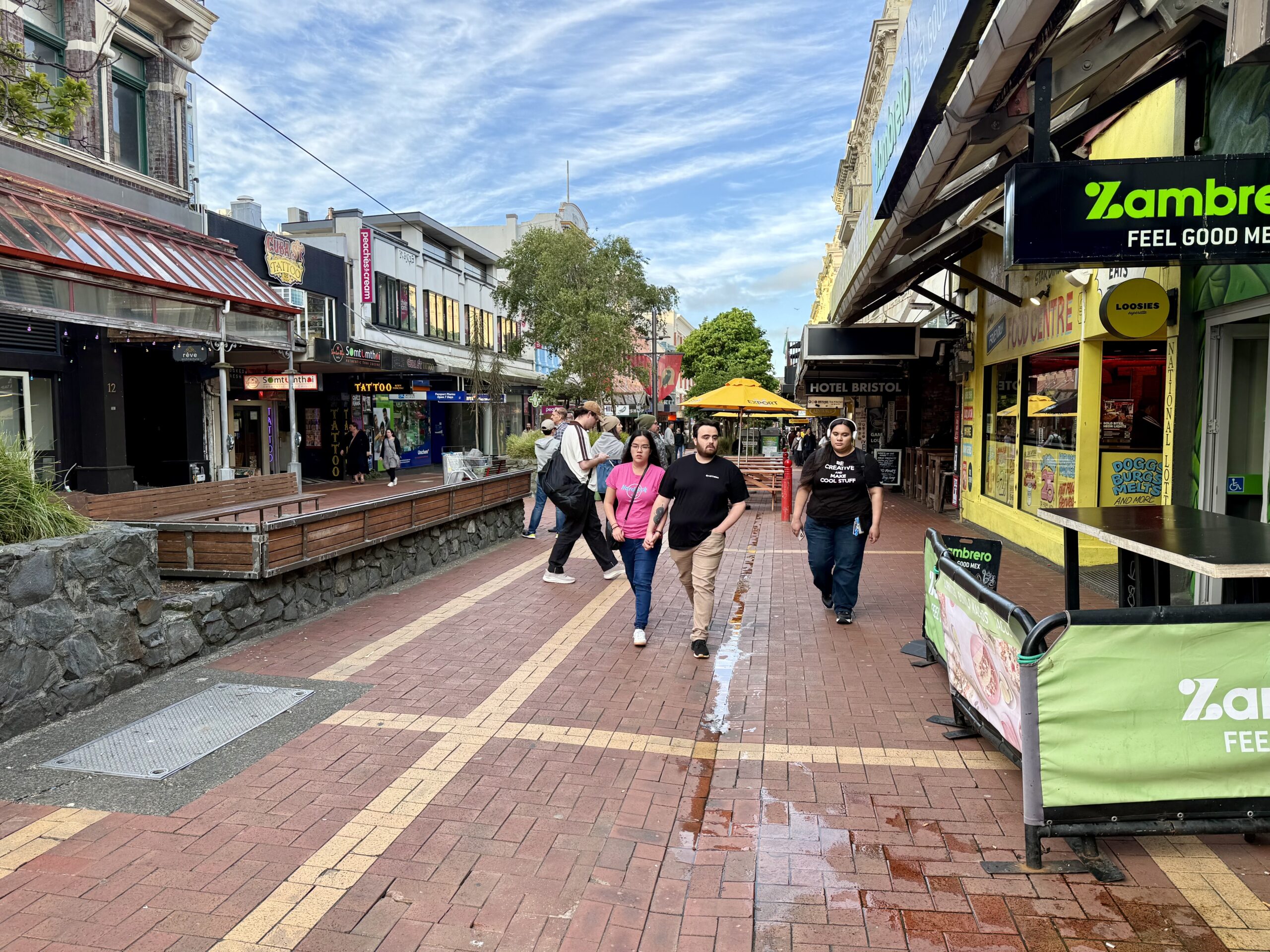
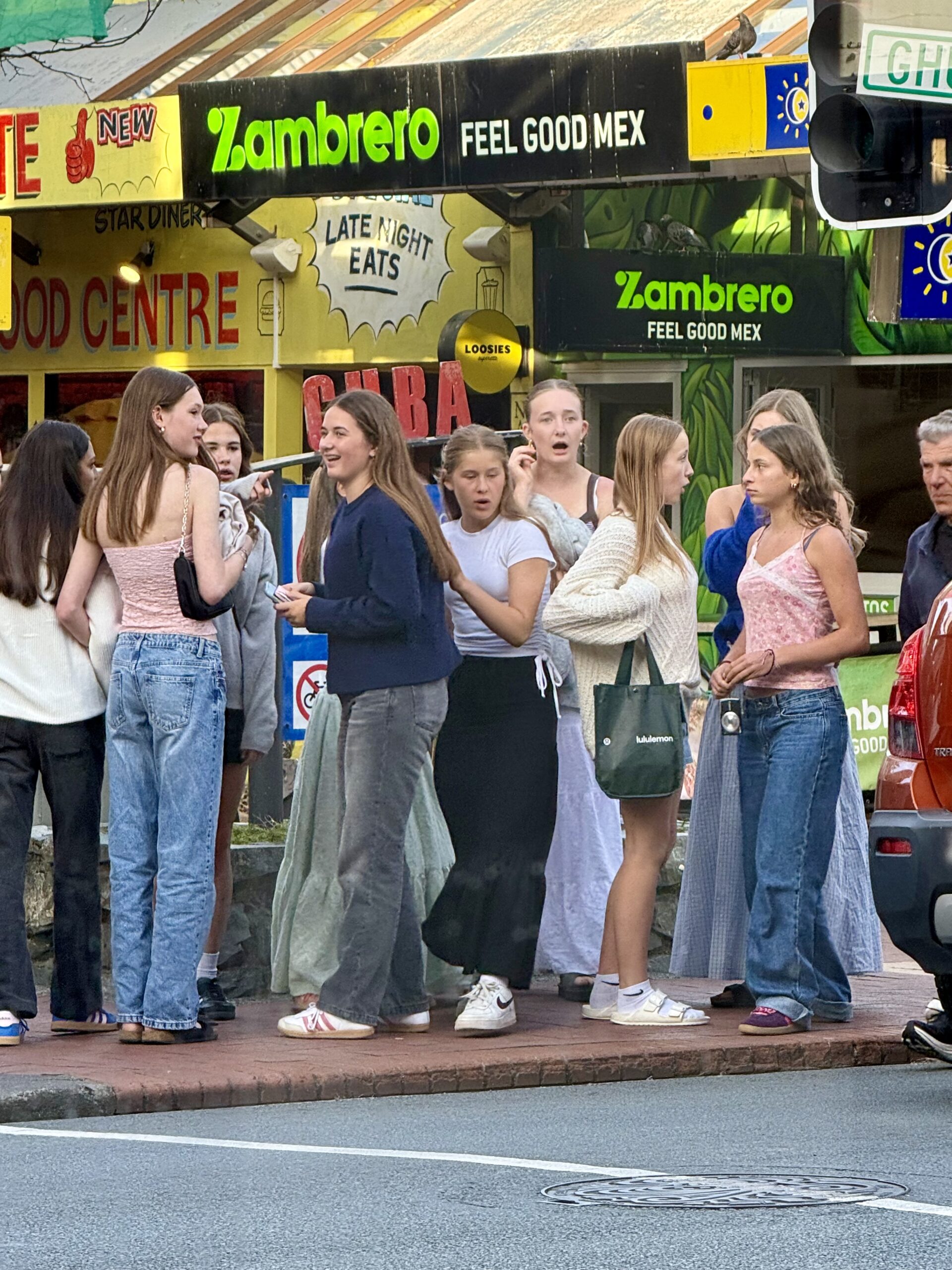
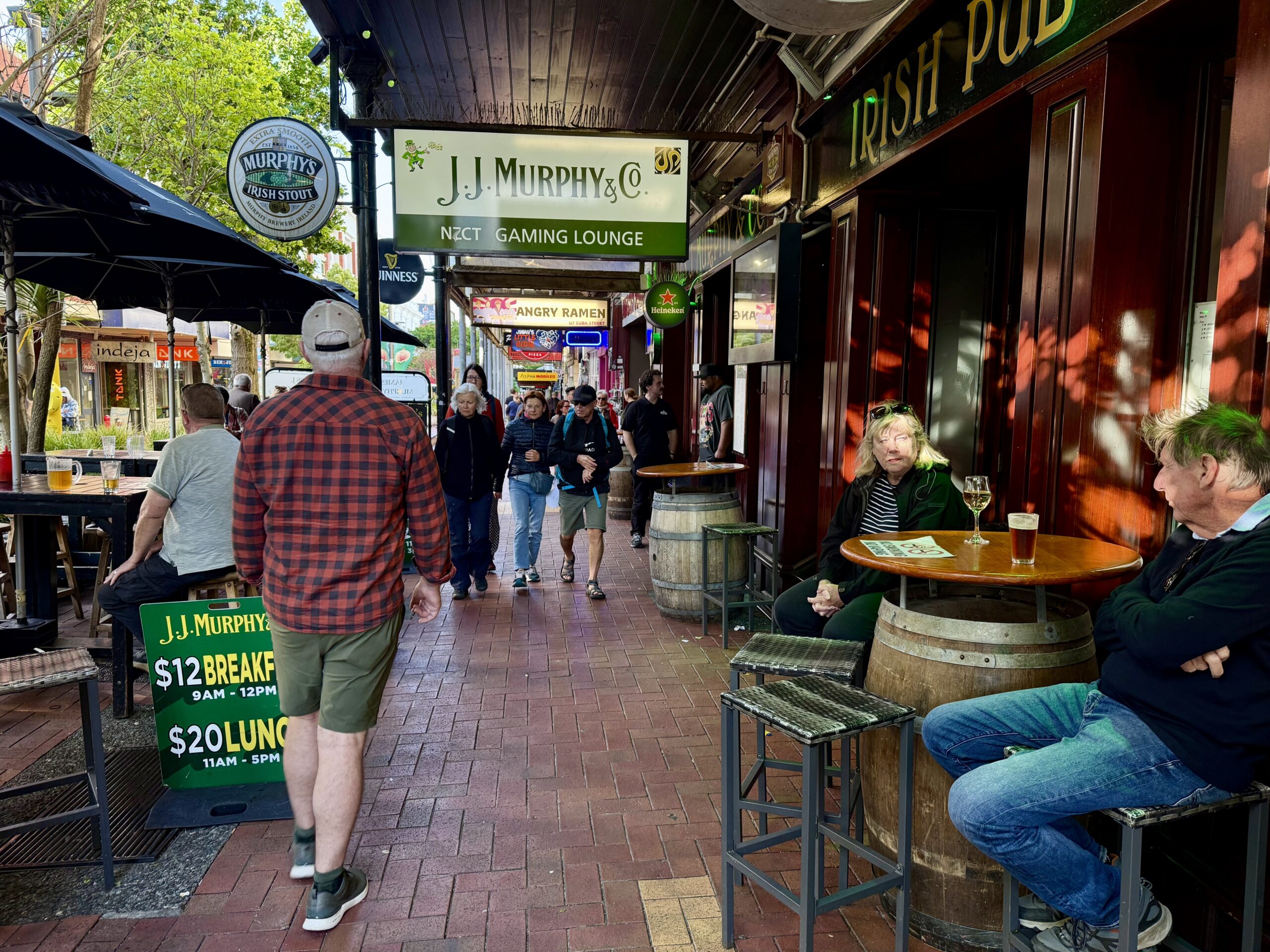
Then we took an Uber to Cuba Street for drinks and dinner. This active six-block stretch is a bit like Haight Street, with lots of young people strolling and stopping at the cafes and shops. In the early evening we noticed many groups of young women but not as many men.

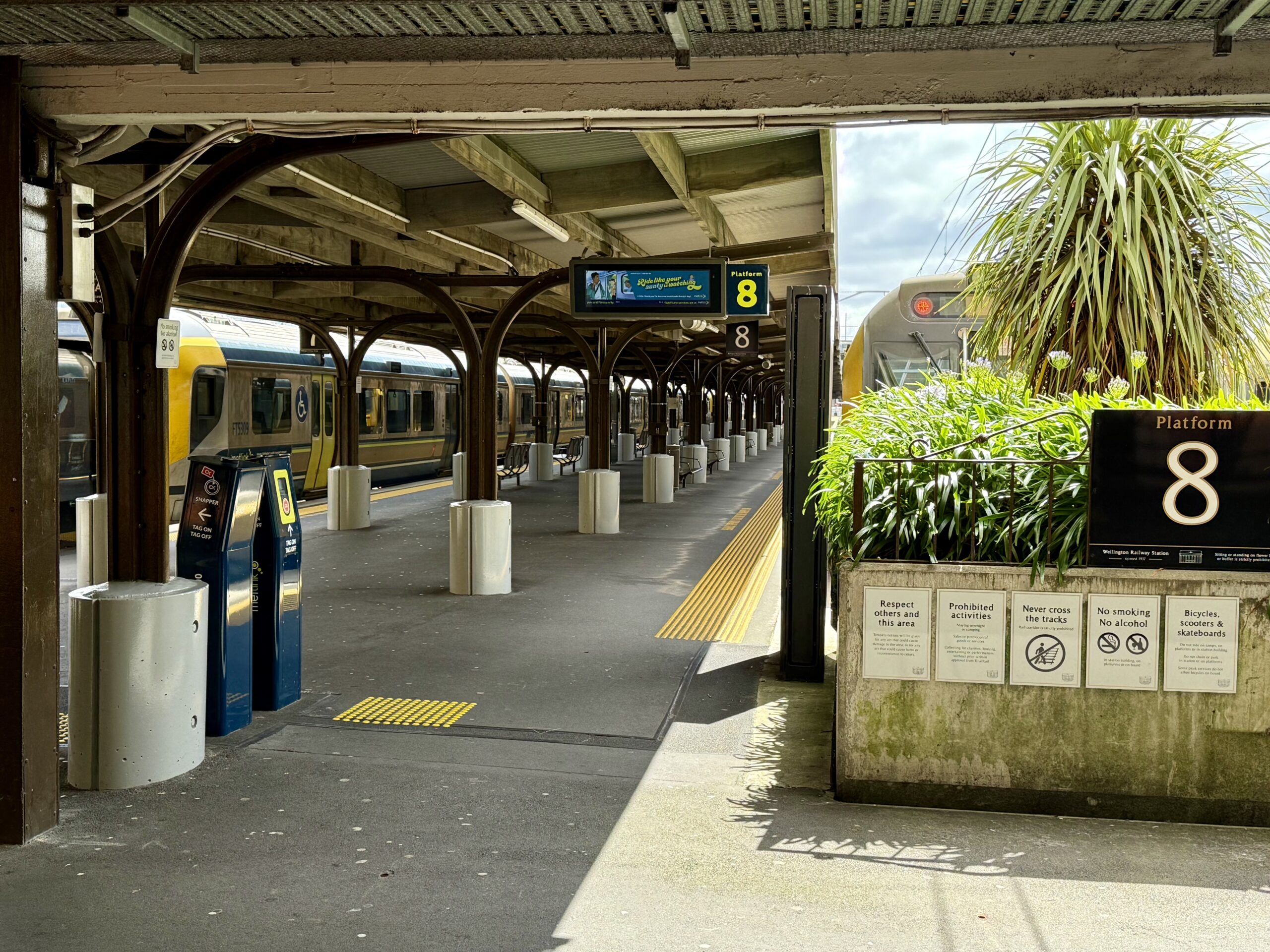
Te Papa Museum
The national museum, Te Papa, on the Wellington waterfront is exceptional. Bonnie remembers hearing the buzz at the Exploratorium when it opened in 1998 and her colleagues began planning visits to see it.
The six-story building is beautifully designed for visitors with big, open spaces, all so perfectly maintained that they seem brand new. Both the cafe and store are especially appealing. The permanent exhibits cover a broad range of topics in history, nature, Māori culture, and art, and these are supplemented with temporary exhibits.
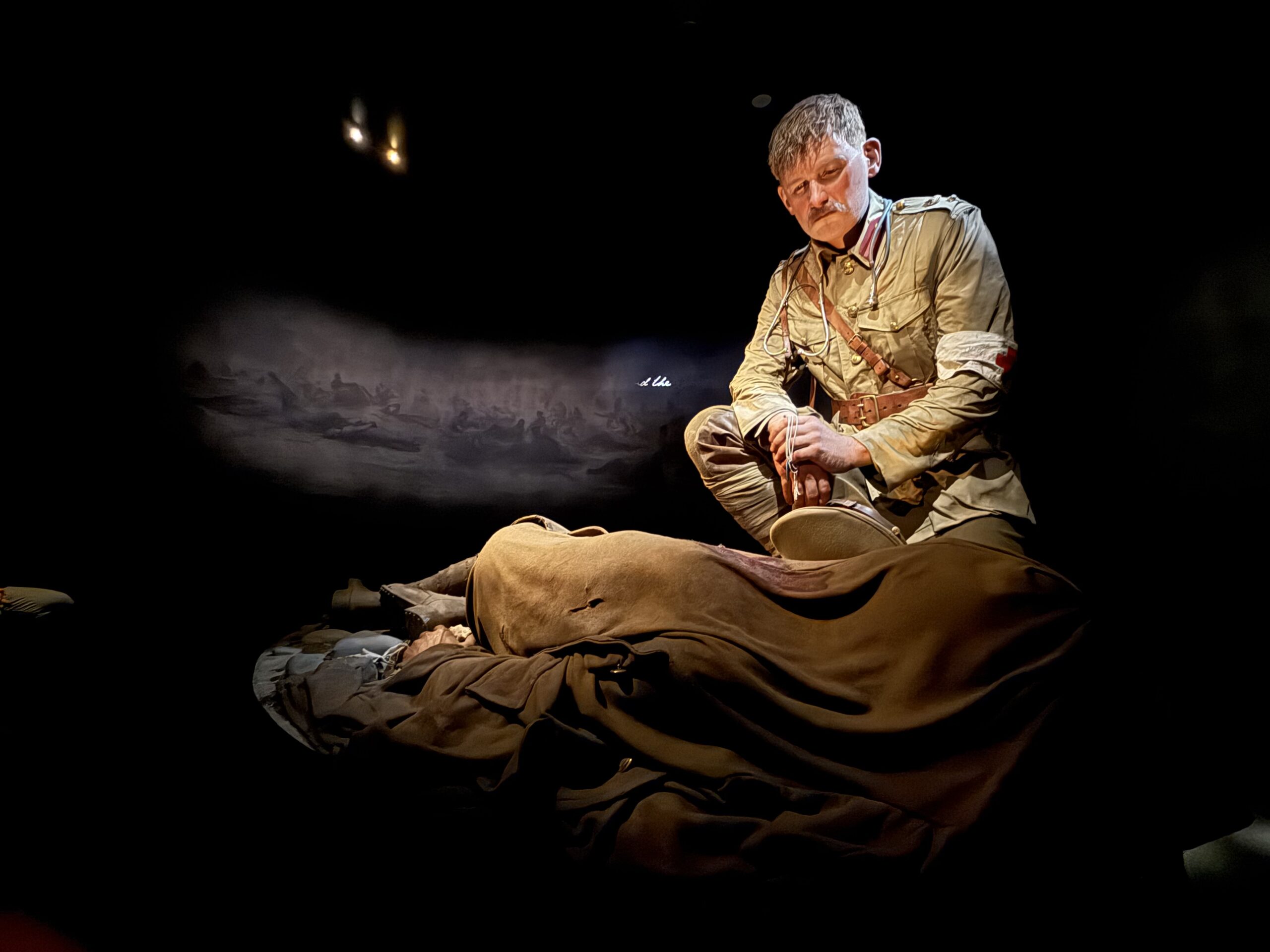
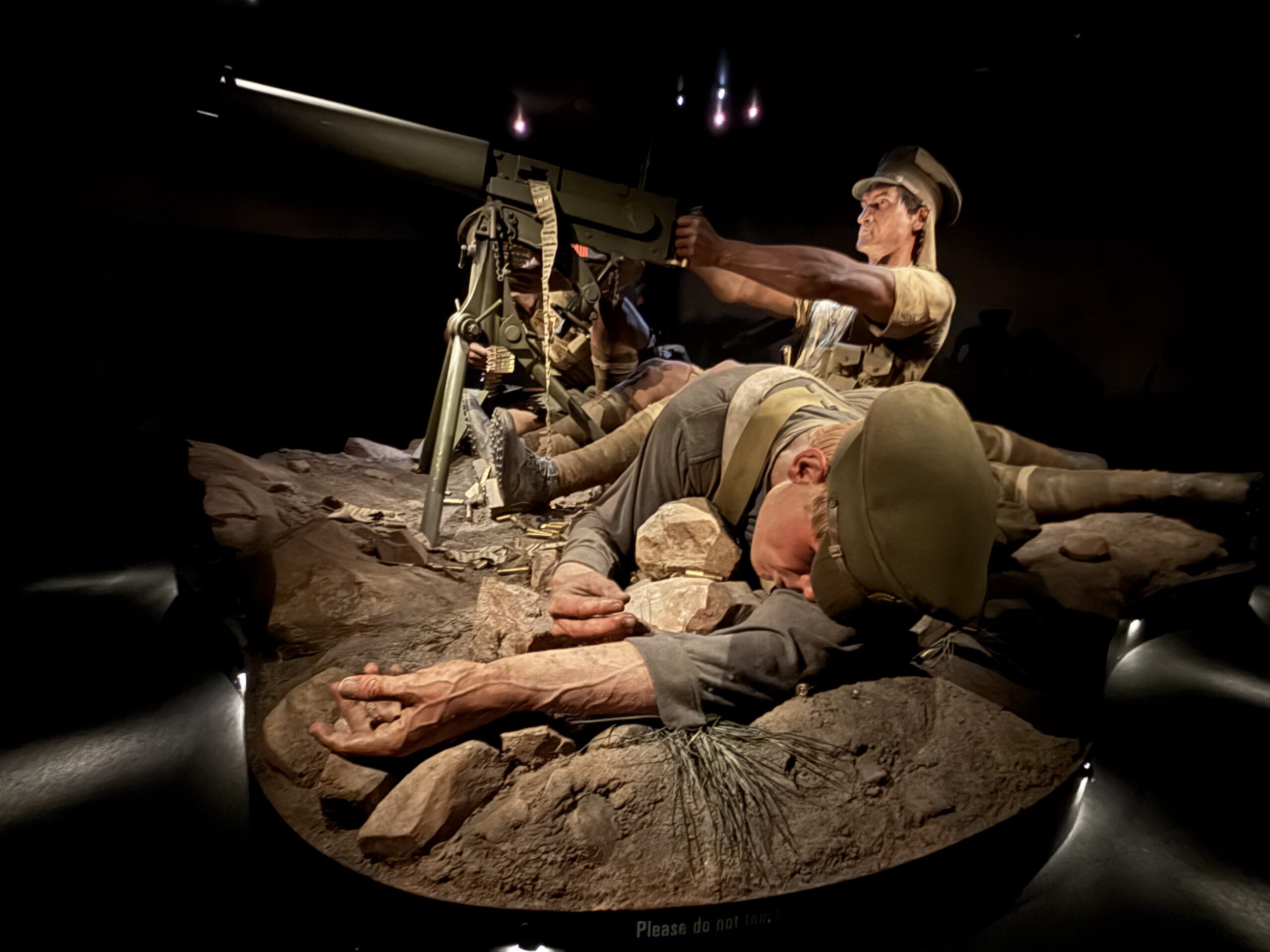
The Gallipoli Campaign at Te Papa
Bonnie had heard good things about the Gallipoli exhibit developed with Weta Workshop, the special effects house behind Lord of the Rings, so we headed there first. The exhibit is very in-depth and stirring account of the New Zealand’s participation in the Gallipoli Campaign that took place over nearly 11 months in WWI. The campaign against the Turks, who had sided with the Germans, ended with the evacuation of the Anzac (Australian and New Zealand Armed Forces) and the British, French, Indian, and Canadian (New Foundland) forces along with a political shakeup in London. Roughly 550,000 Allied troops engaged in this conflict resulting in 300,000 casualties that included more than 60,500 dead.
The exhibit vividly made us understand trench warfare and the sacrifices made. Weta’s exhibits focused on eight specific individuals and their contributions. A larger than life-size figure of each person manifested their unique roles and the grim nature of war. (Bonnie’s New Zealand “niece” voiced one character.)
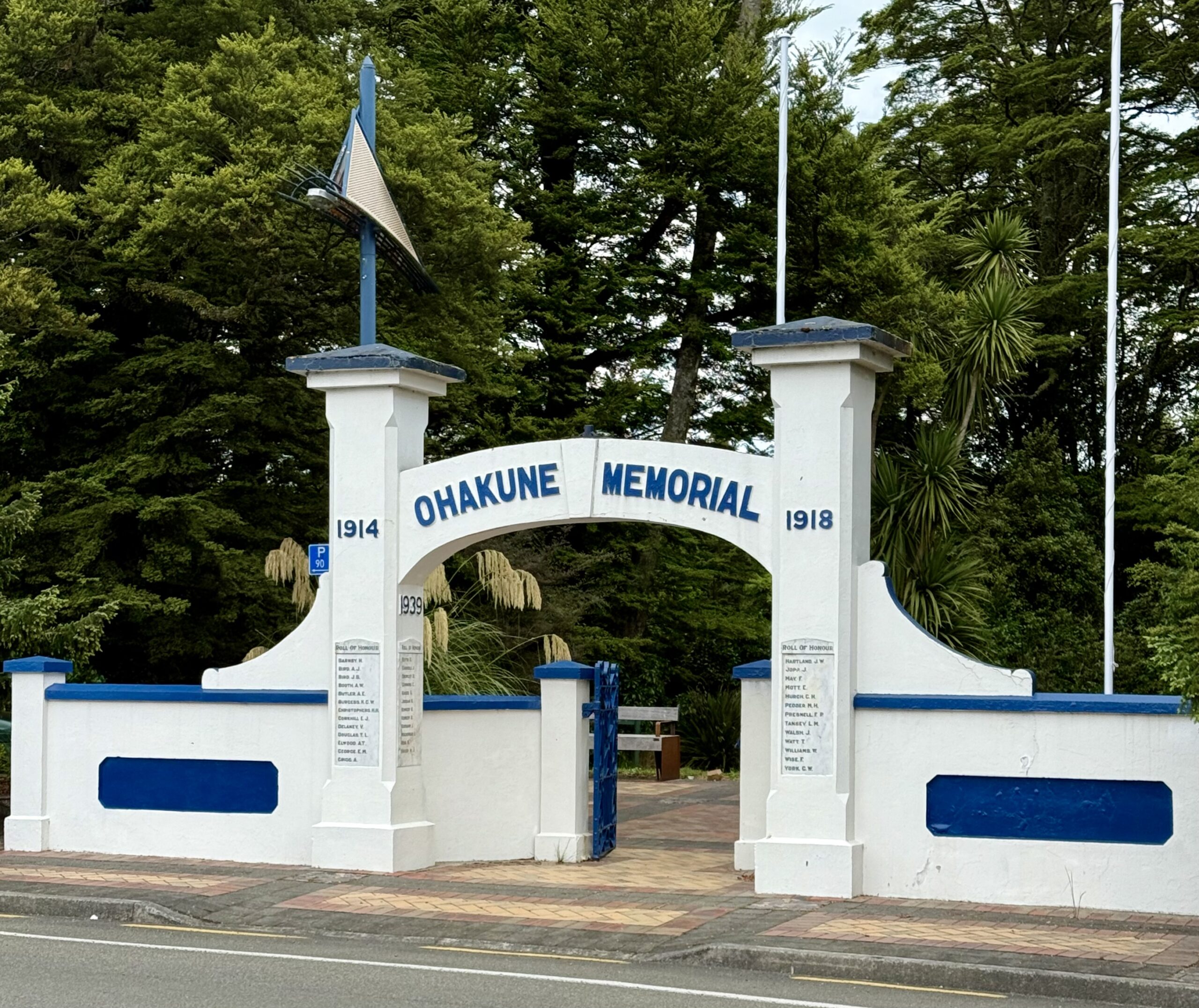
New Zealanders were eager to volunteer in support of British troops a half a world away from home. Brito had begun settling in New Zealand in substantial numbers only 50 years earlier, so ties to the mother country were still strong. And yet this conflict in many ways established Australia and New Zealand as independent states. Today monuments to WWI soldiers are prominent in many NZ towns, and Kiwis still make pilgrimages to the battle site. Students learn about the episode in school.


Additional Exhibits
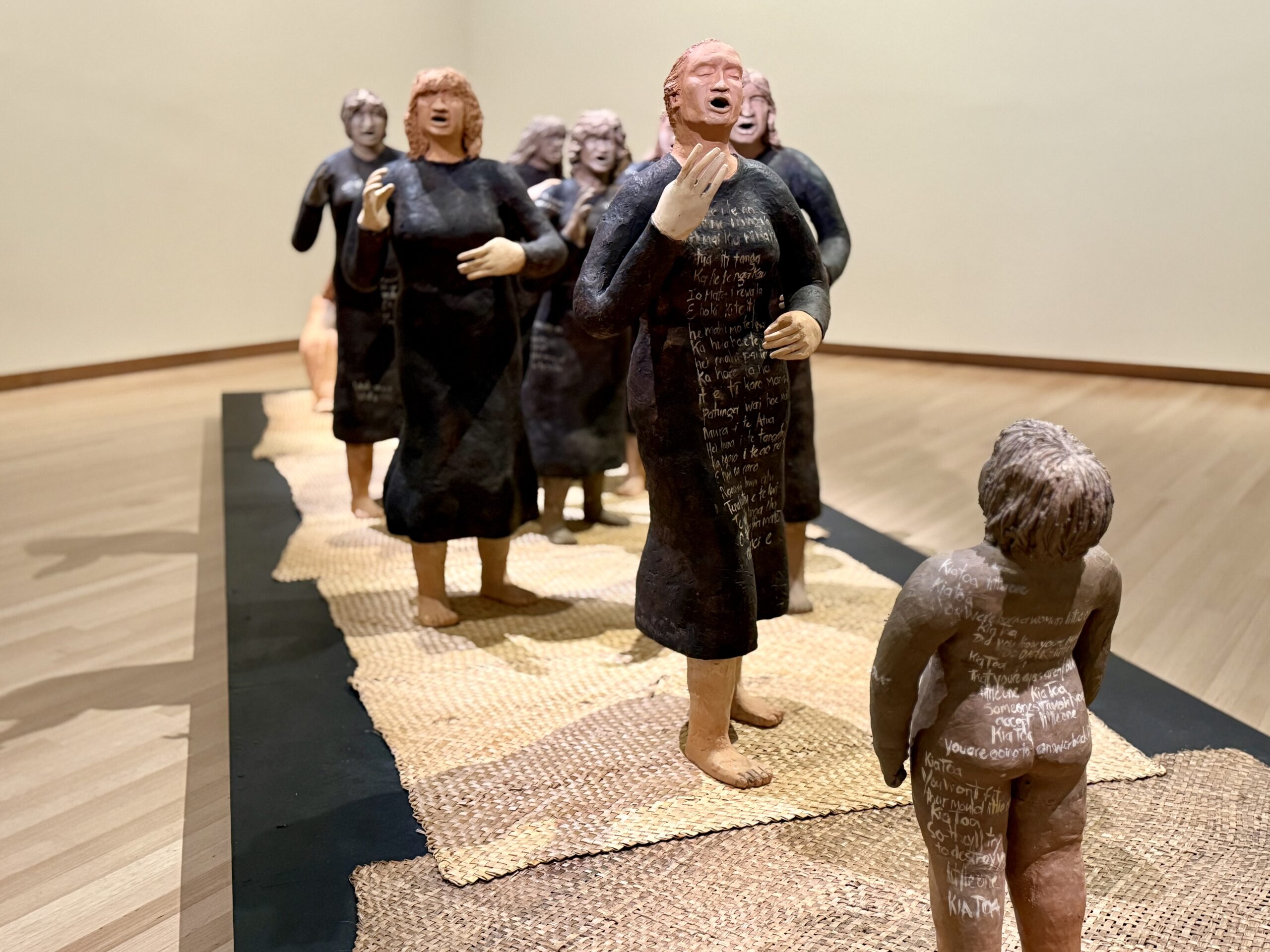
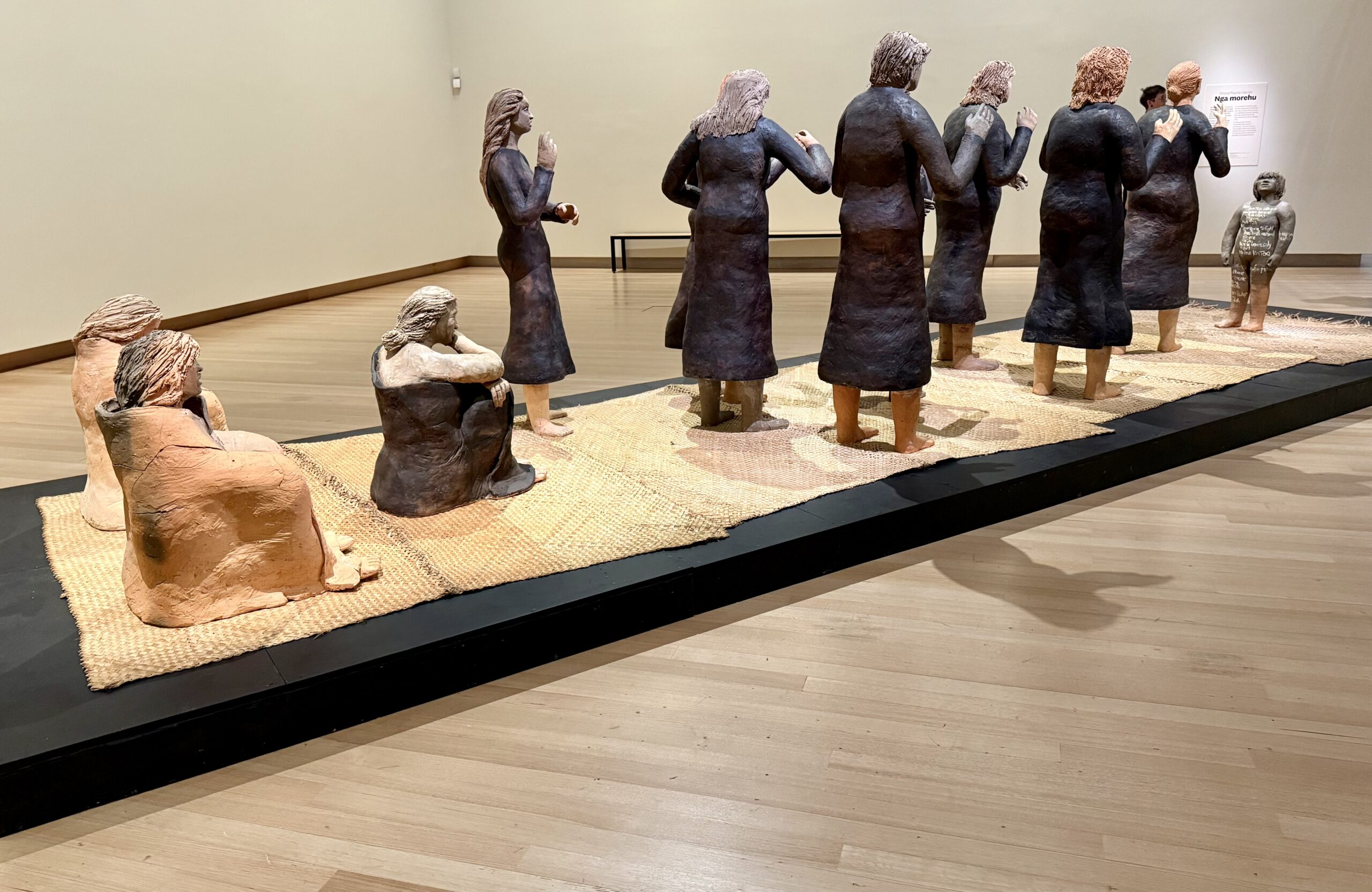
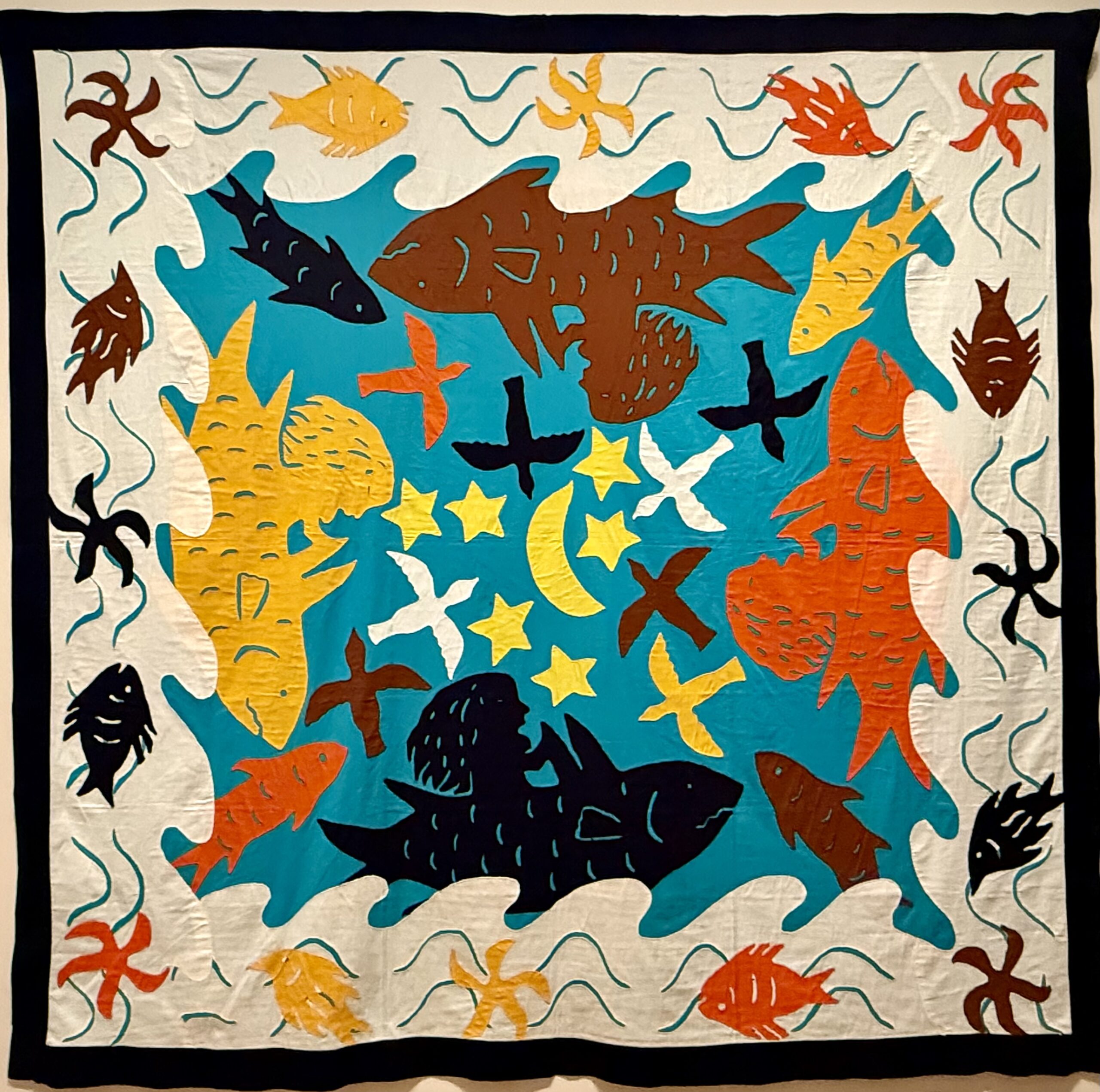
We especially appreciated the two floors dedicated to current New Zealand artists. The spacious, well-lit galleries were a pleasure, and the art was moving.
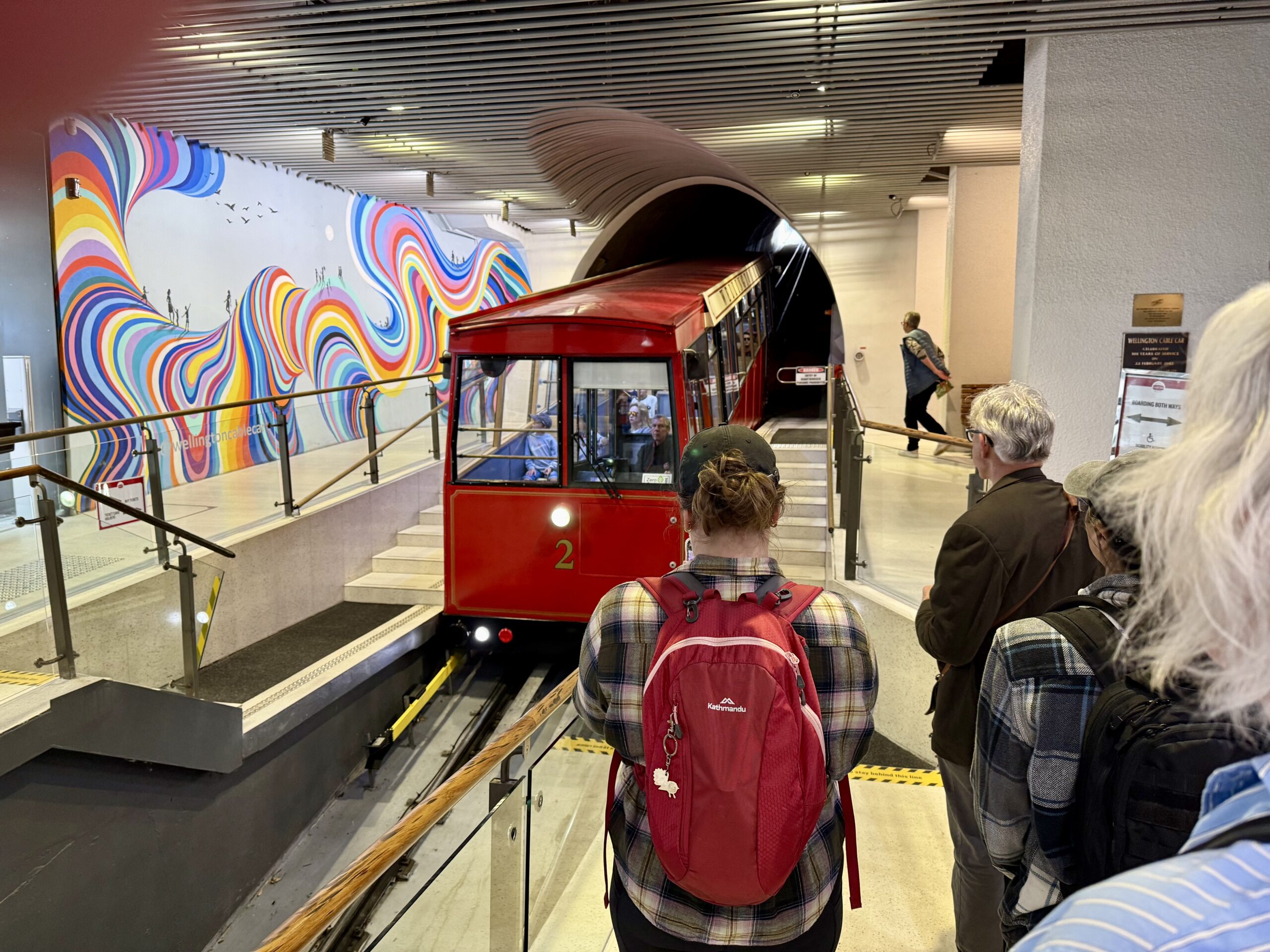
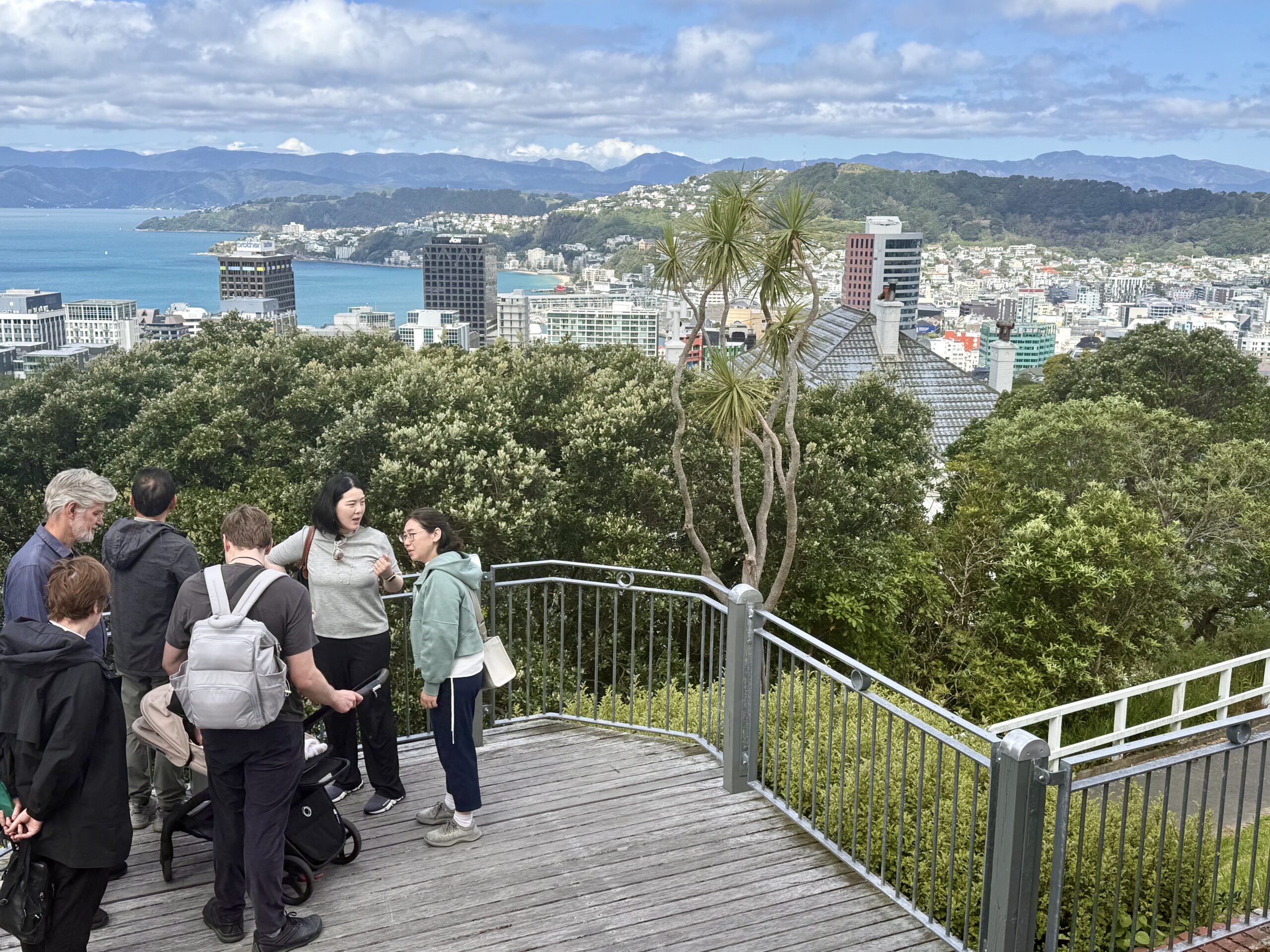
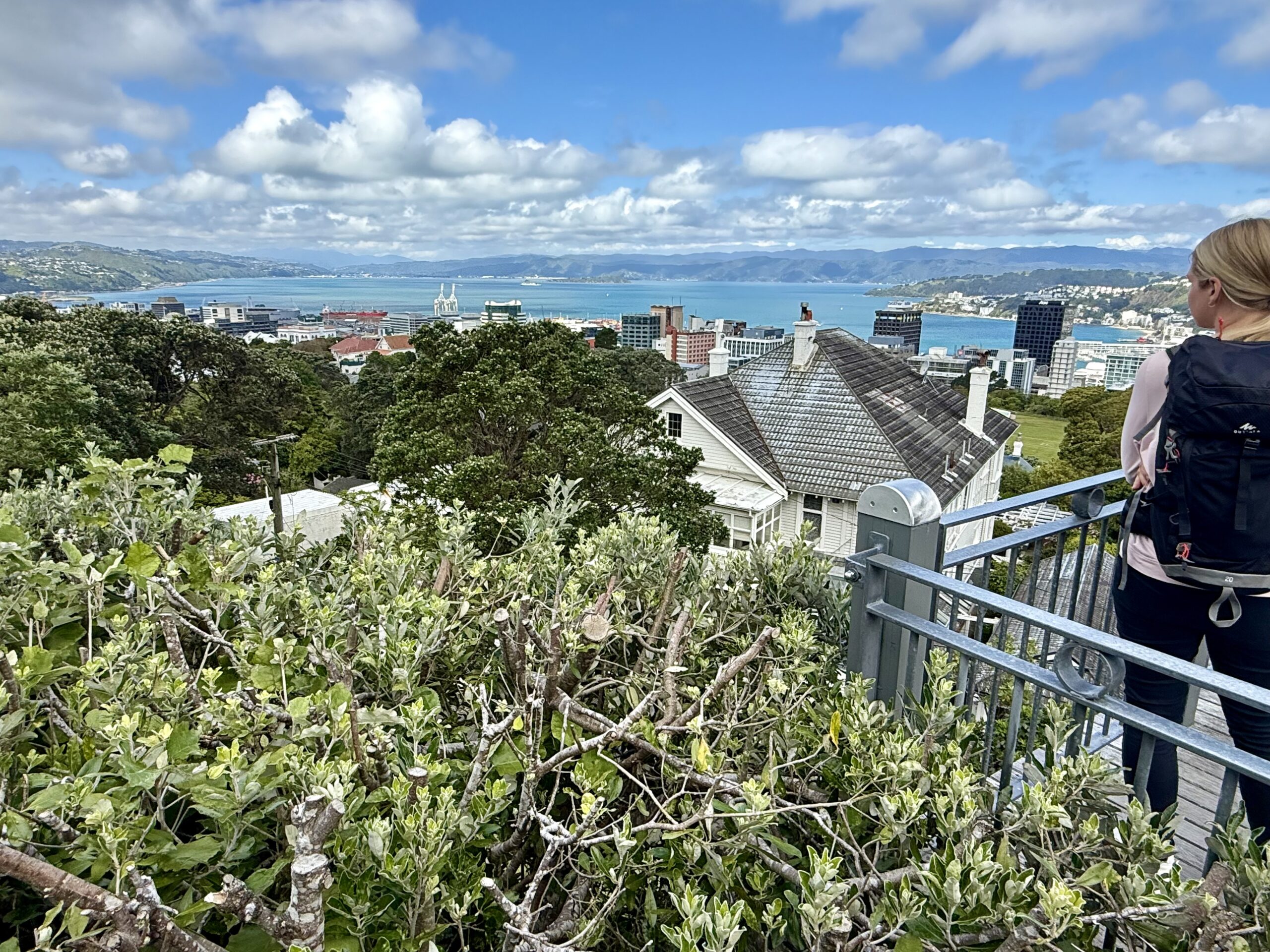
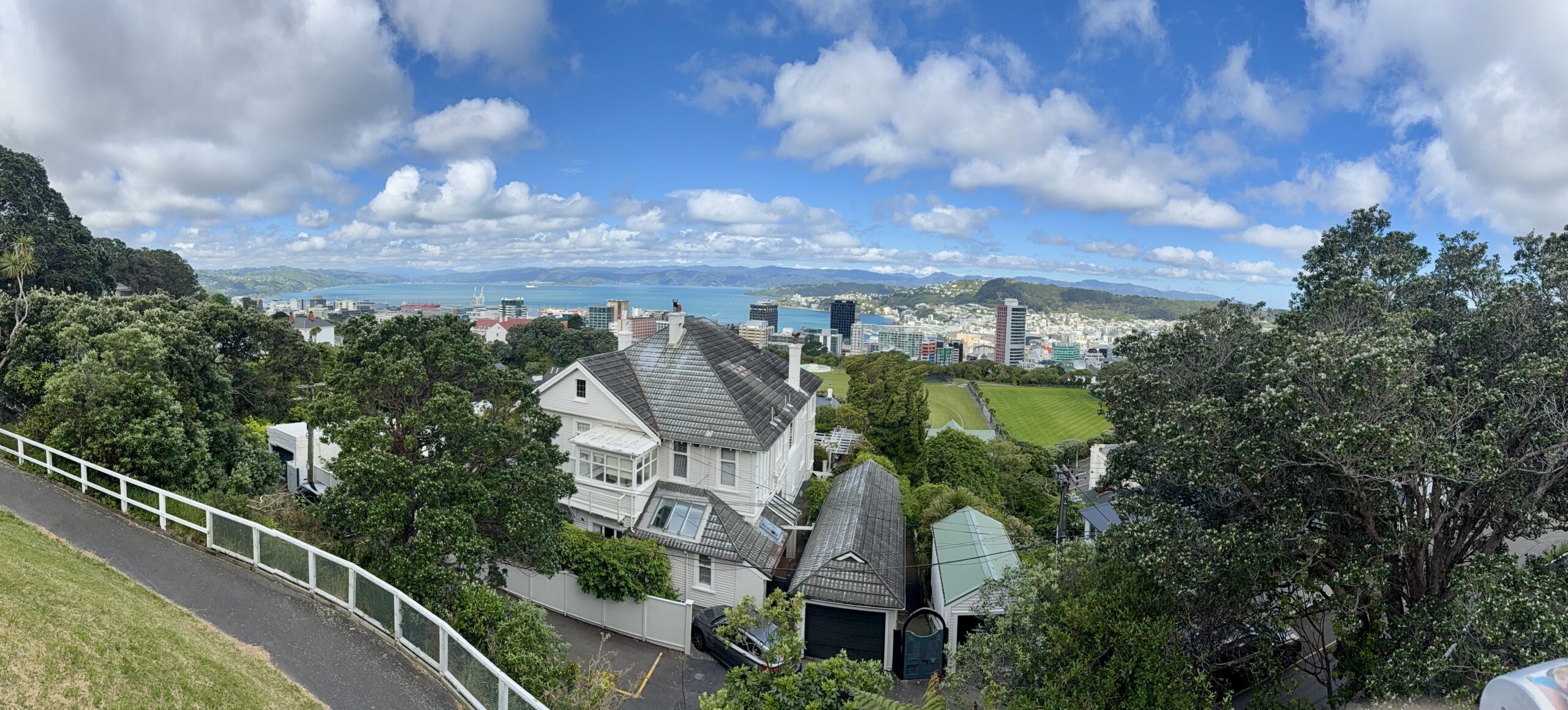
A Ride in the Cable Car
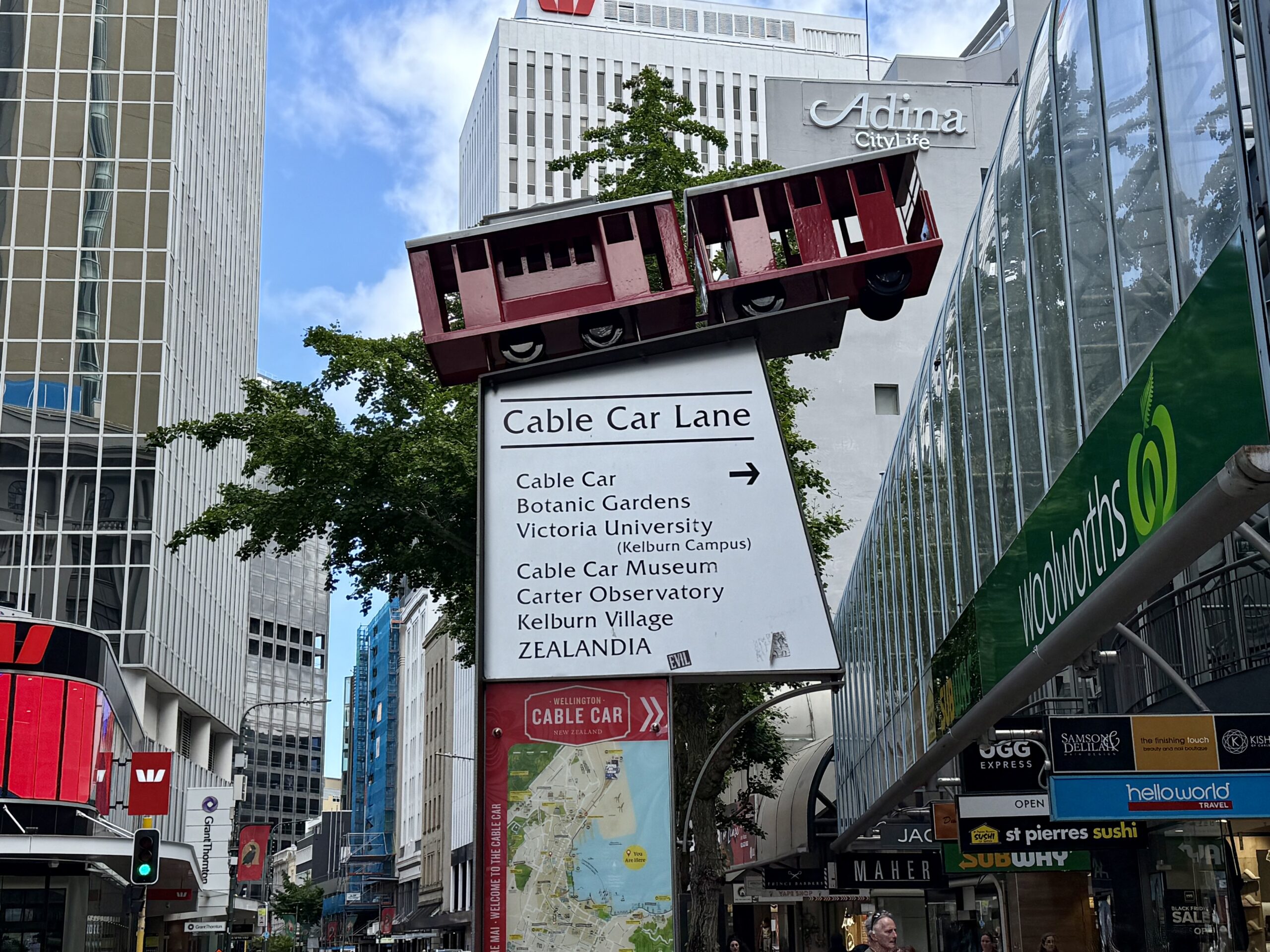
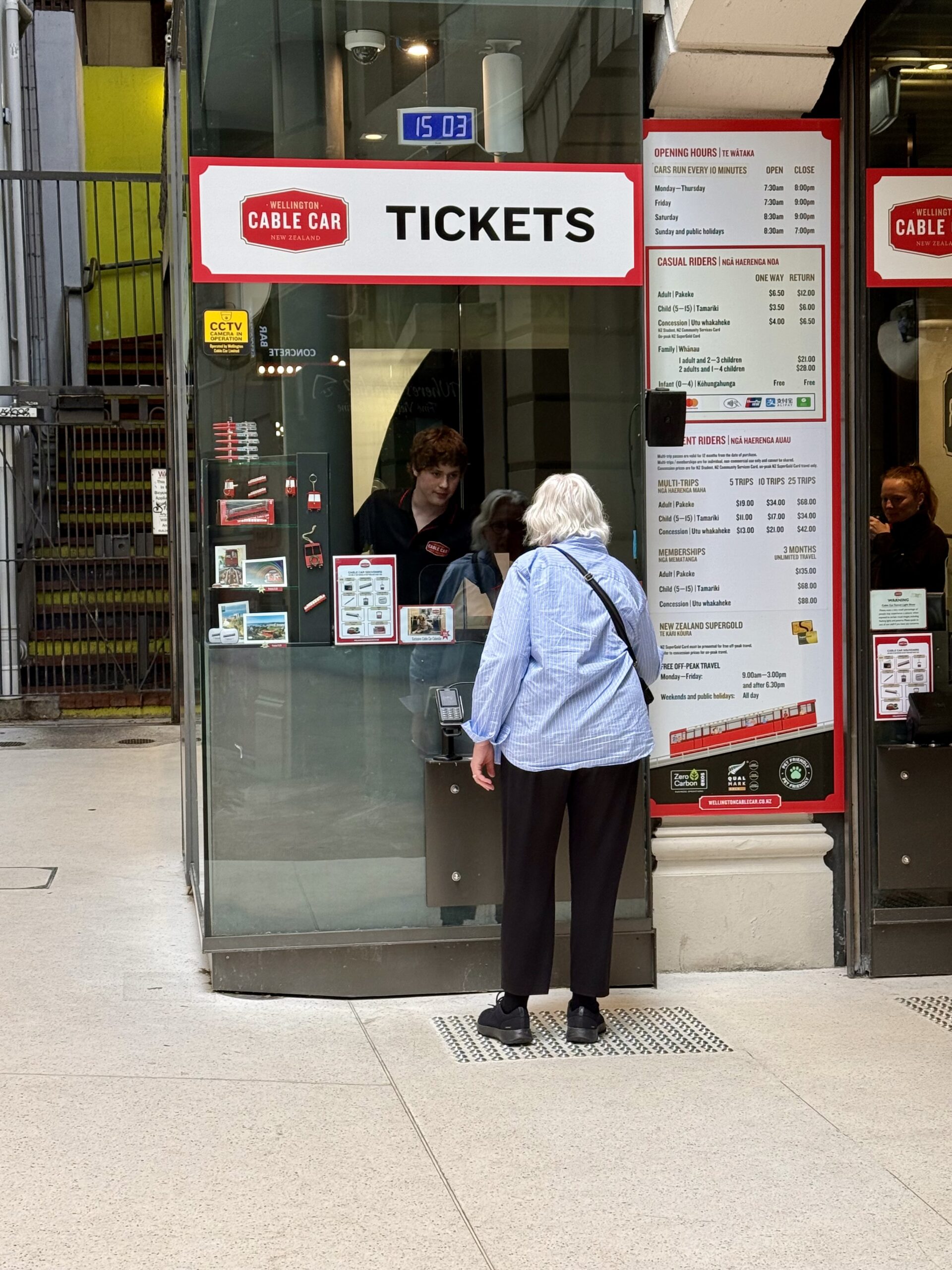
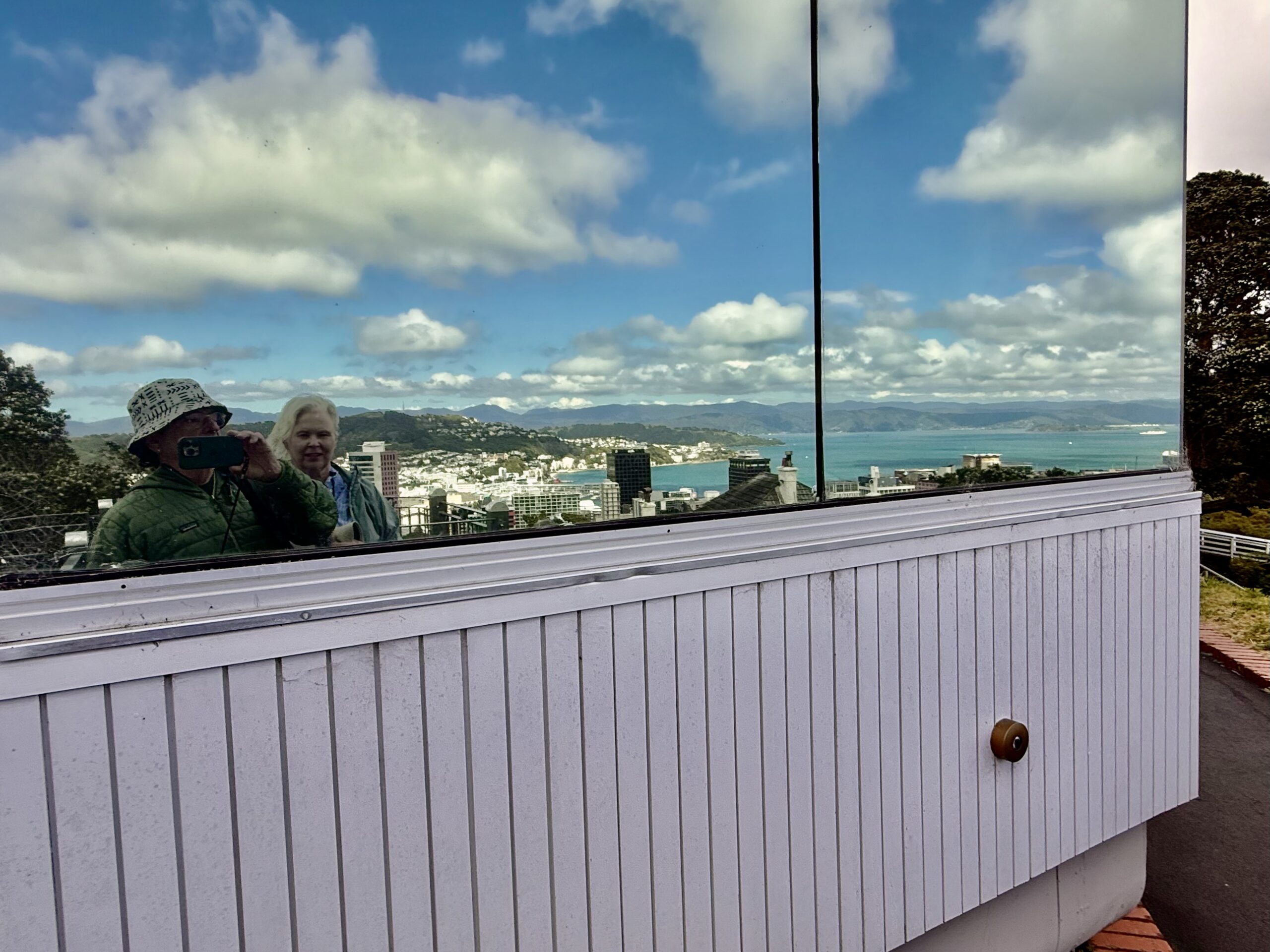
Bonnie must ride the cable car every time we visit Wellington.
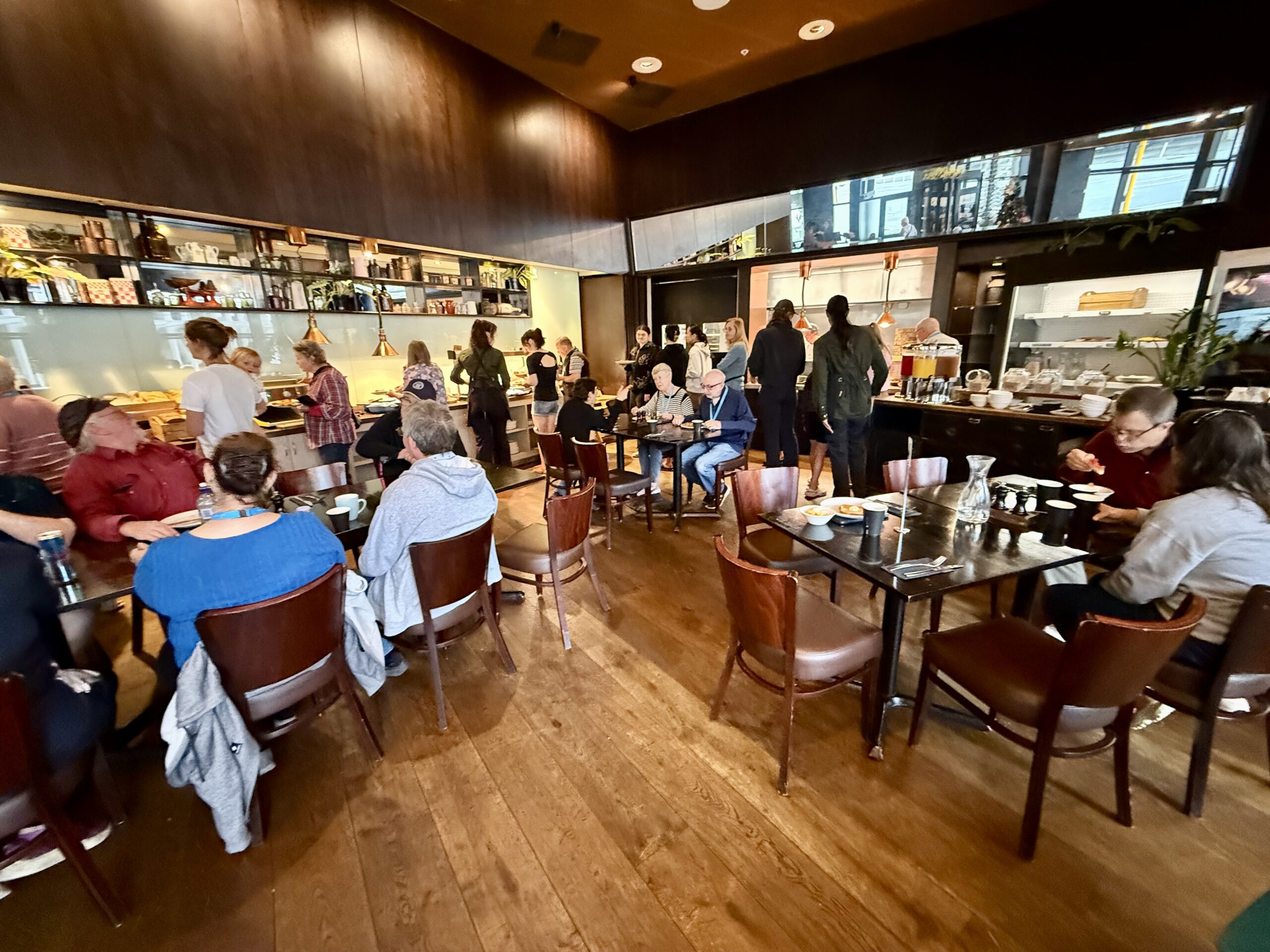
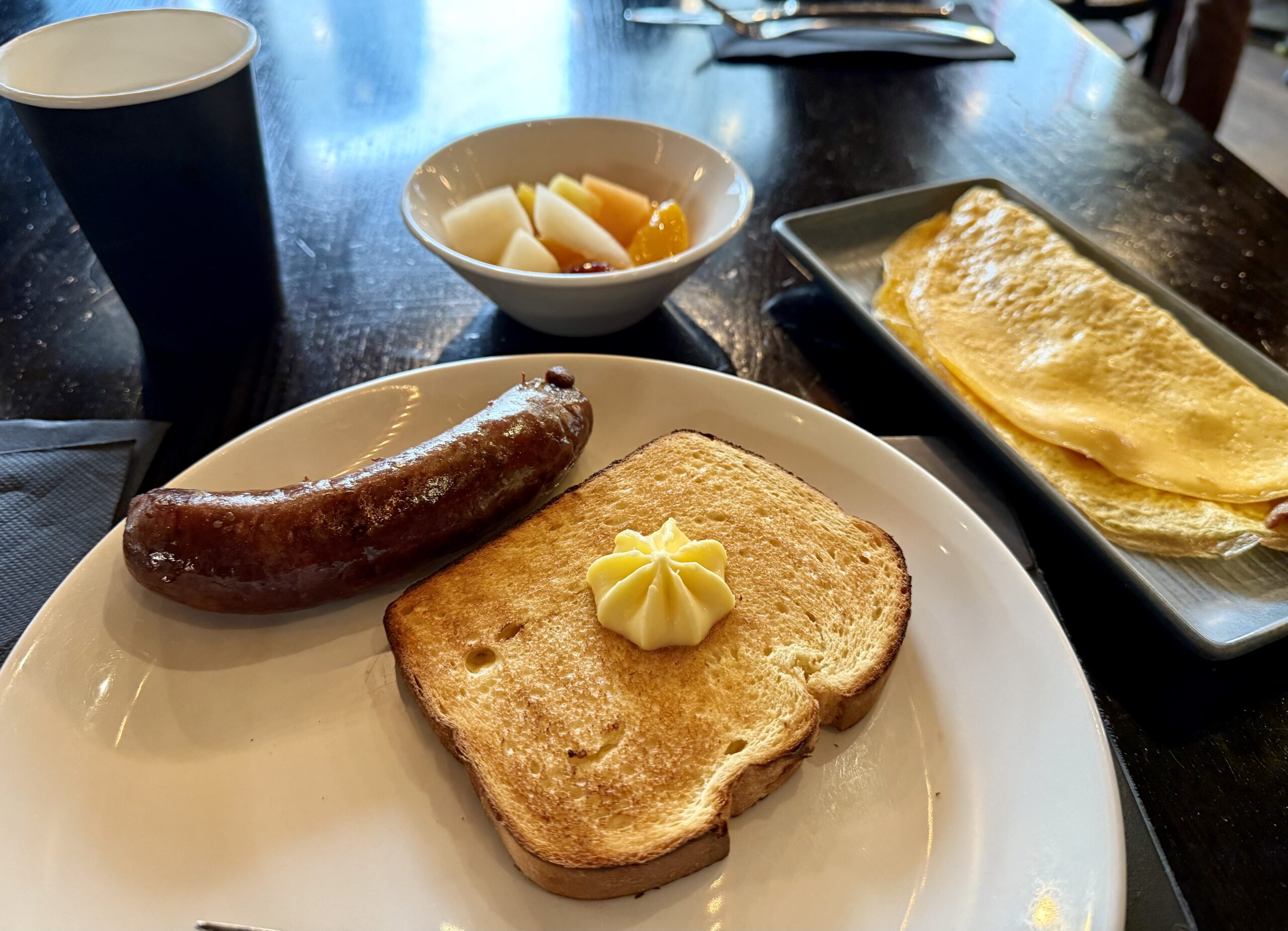
Eats
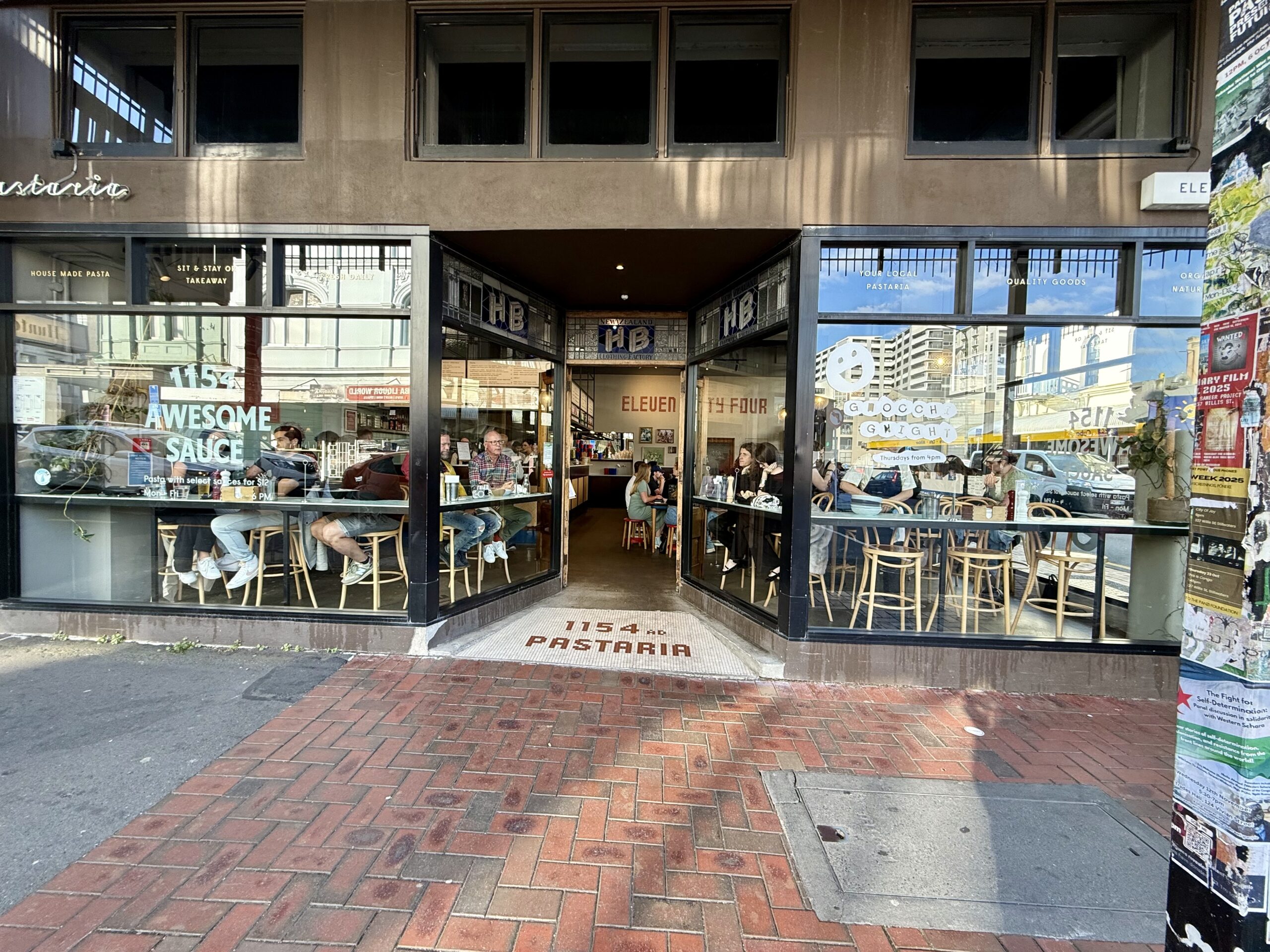

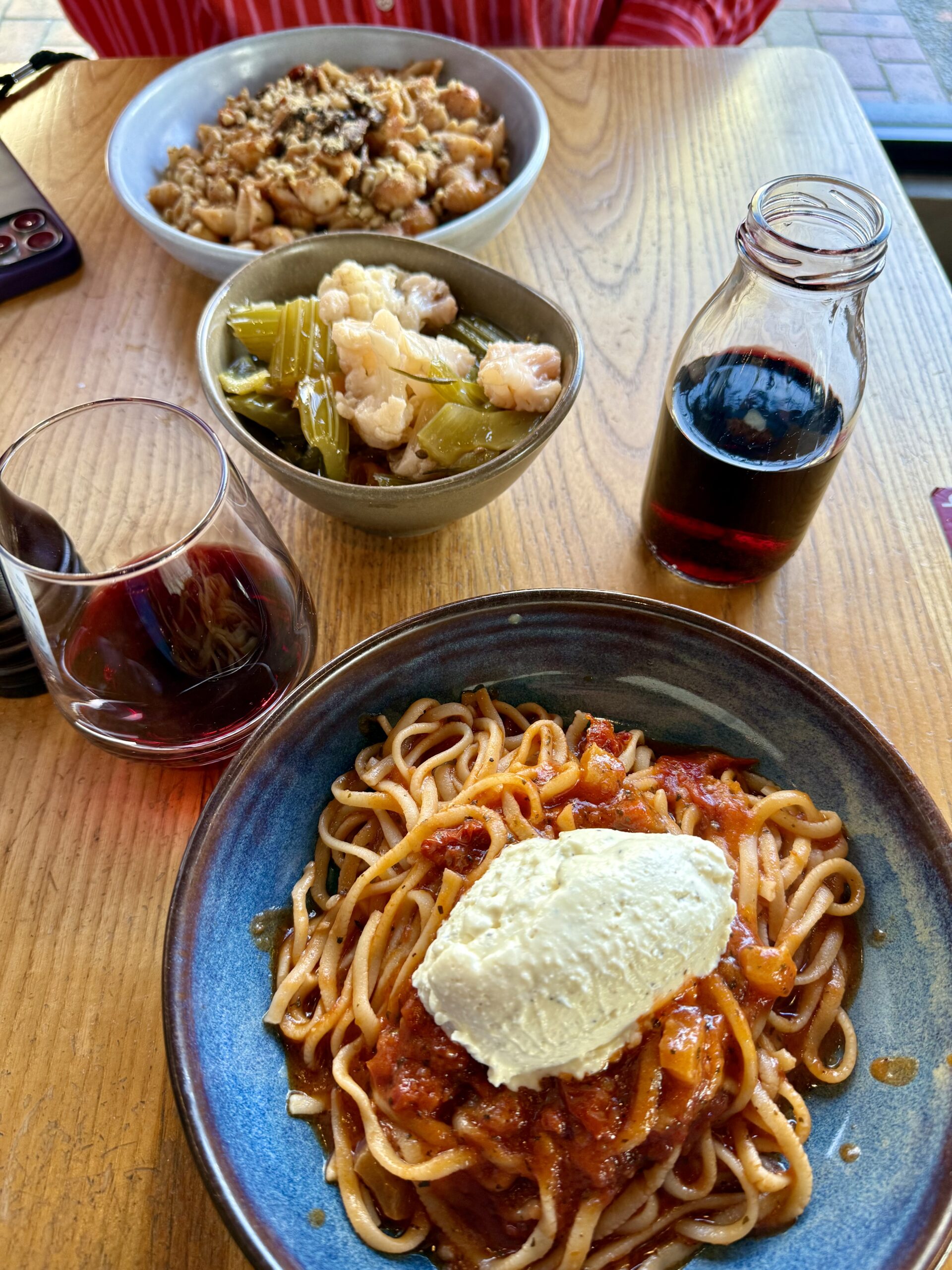
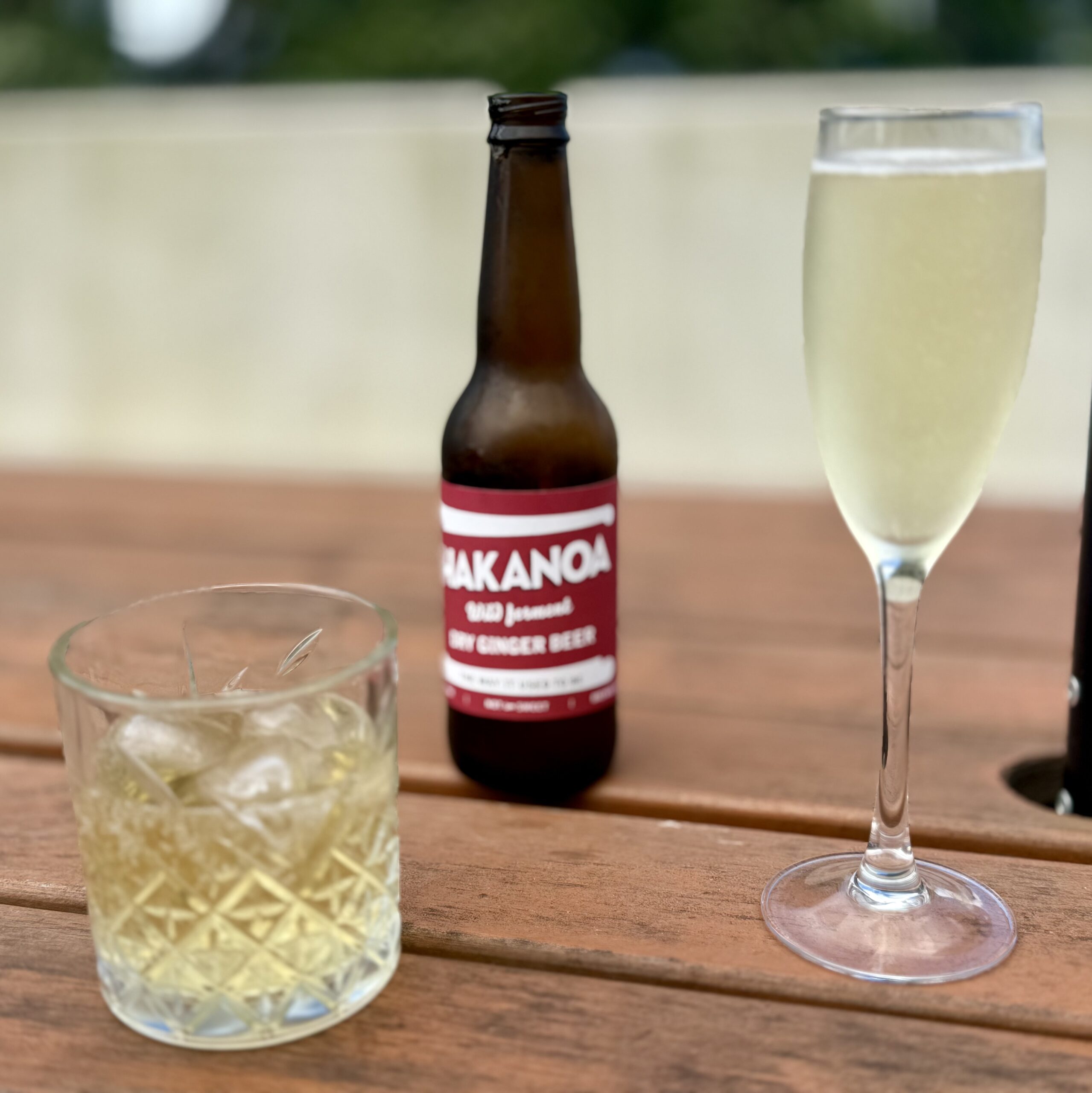
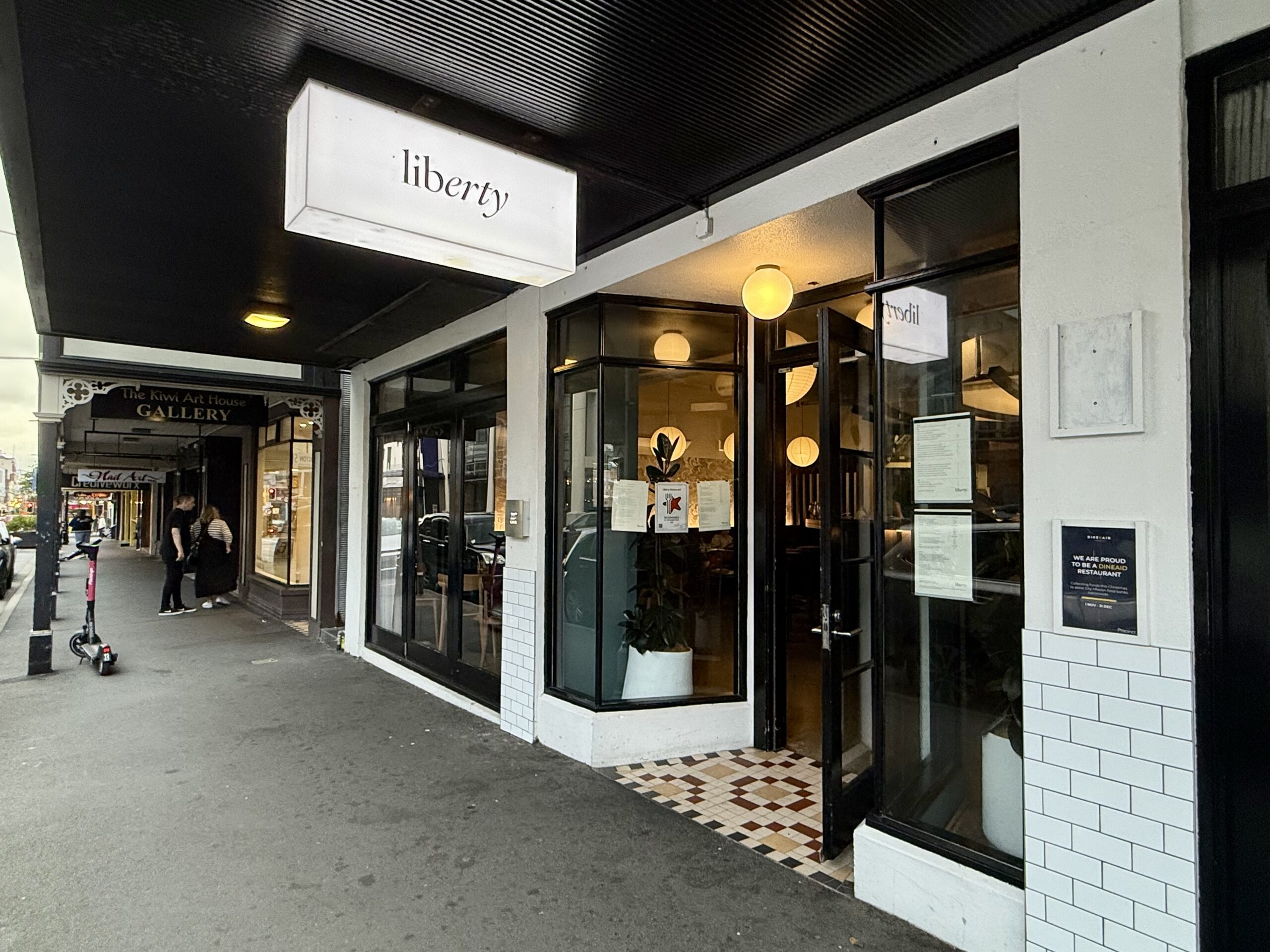
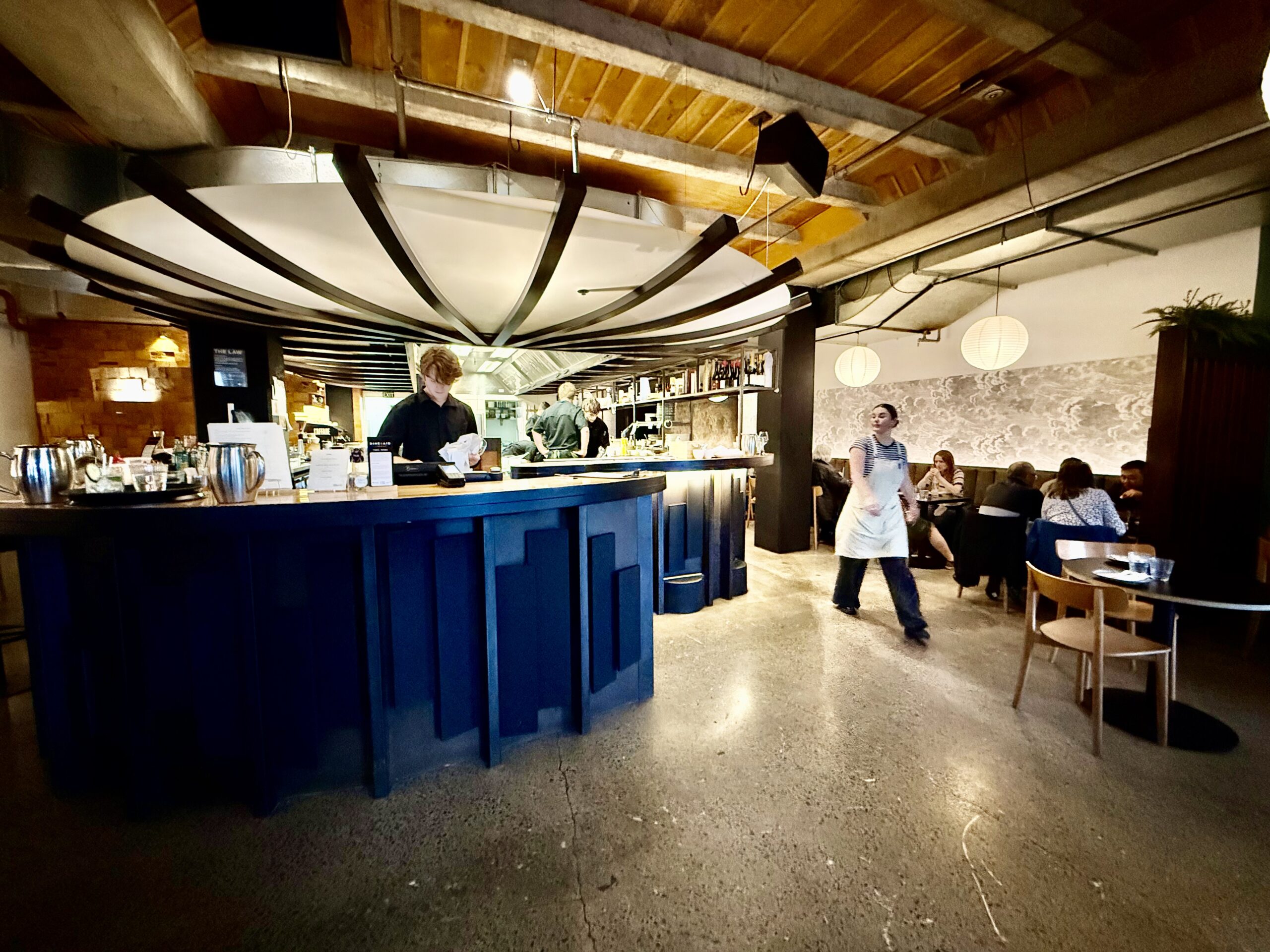
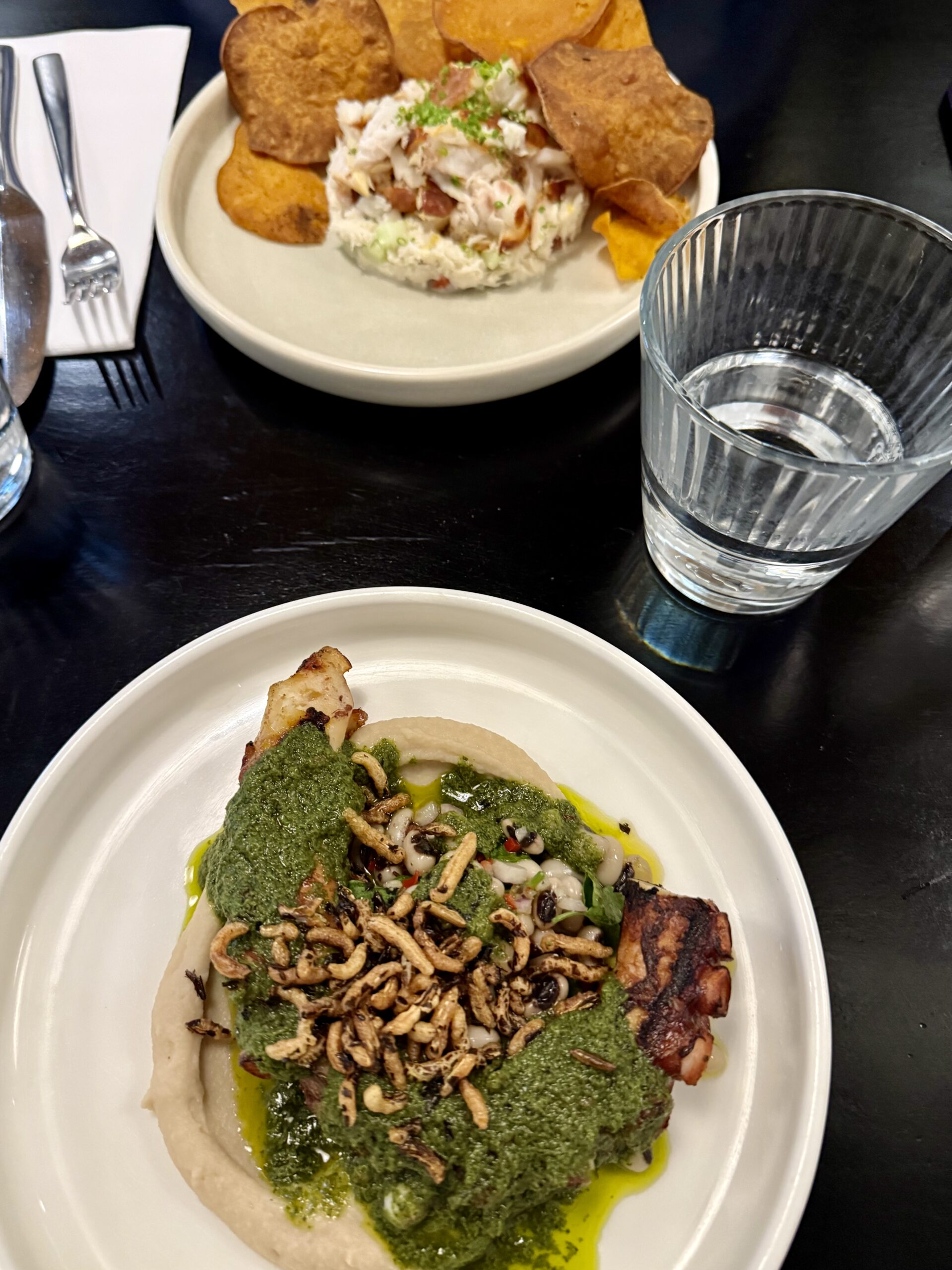
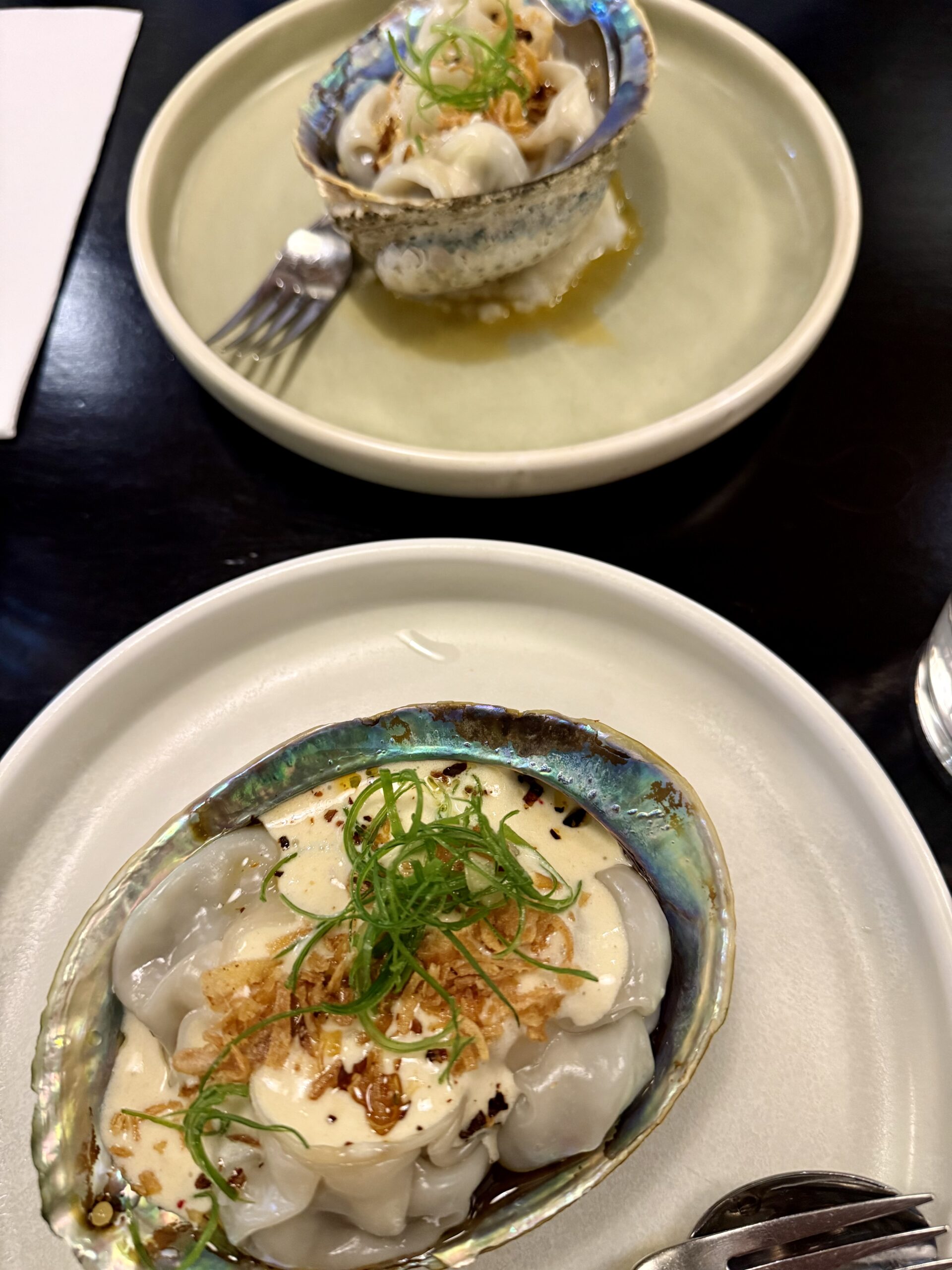
The River Lodge at Ohakune
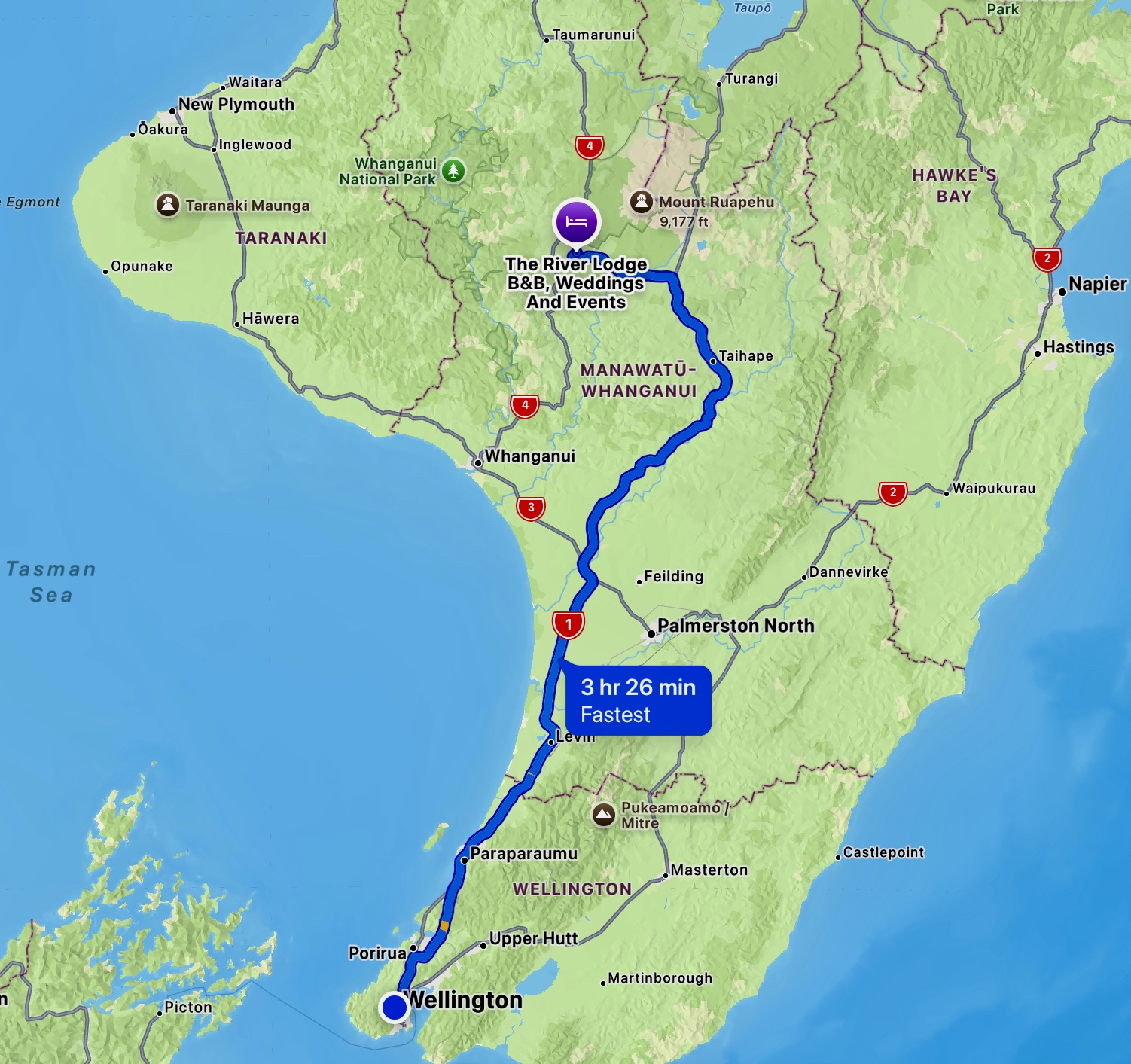
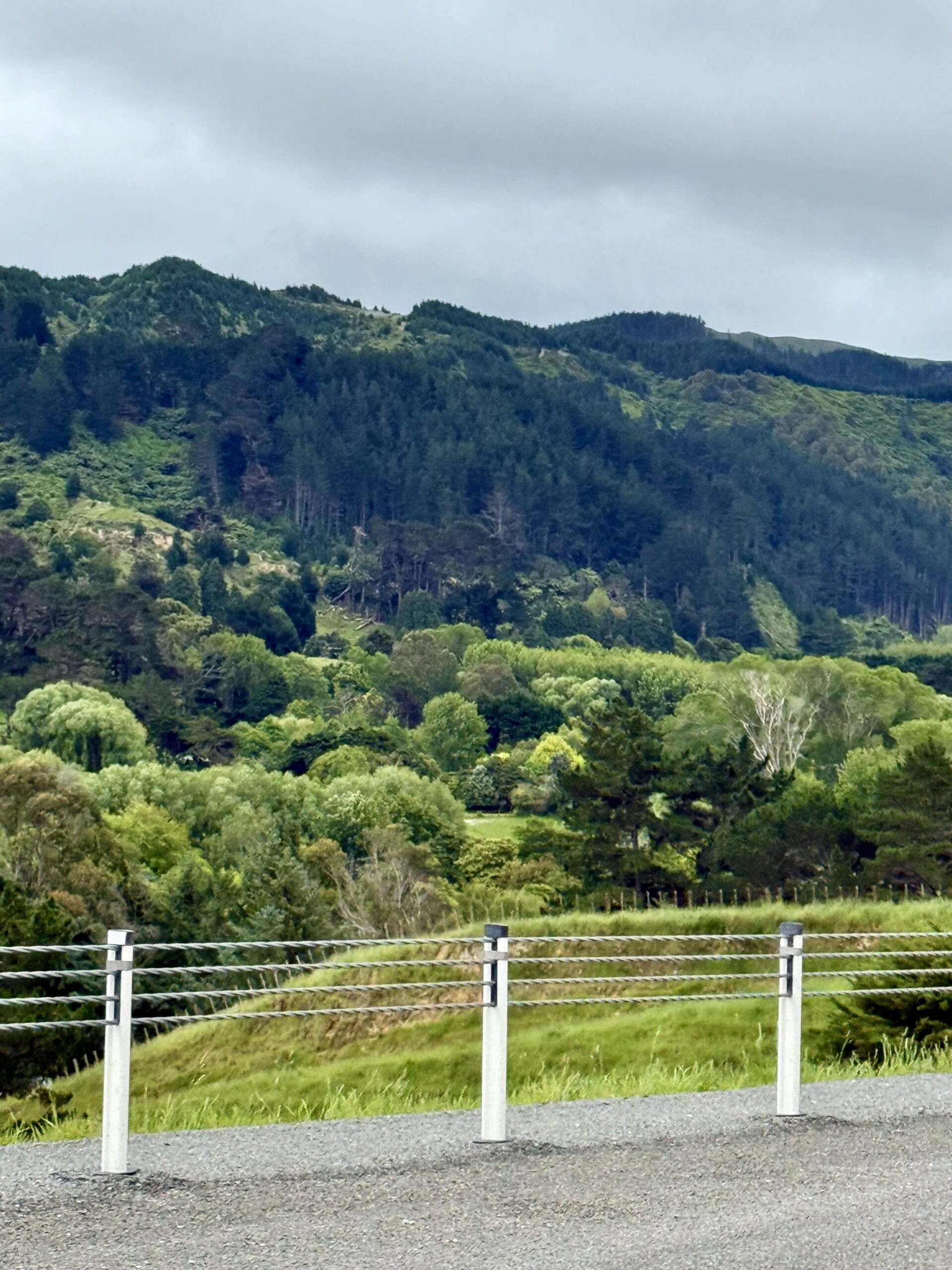
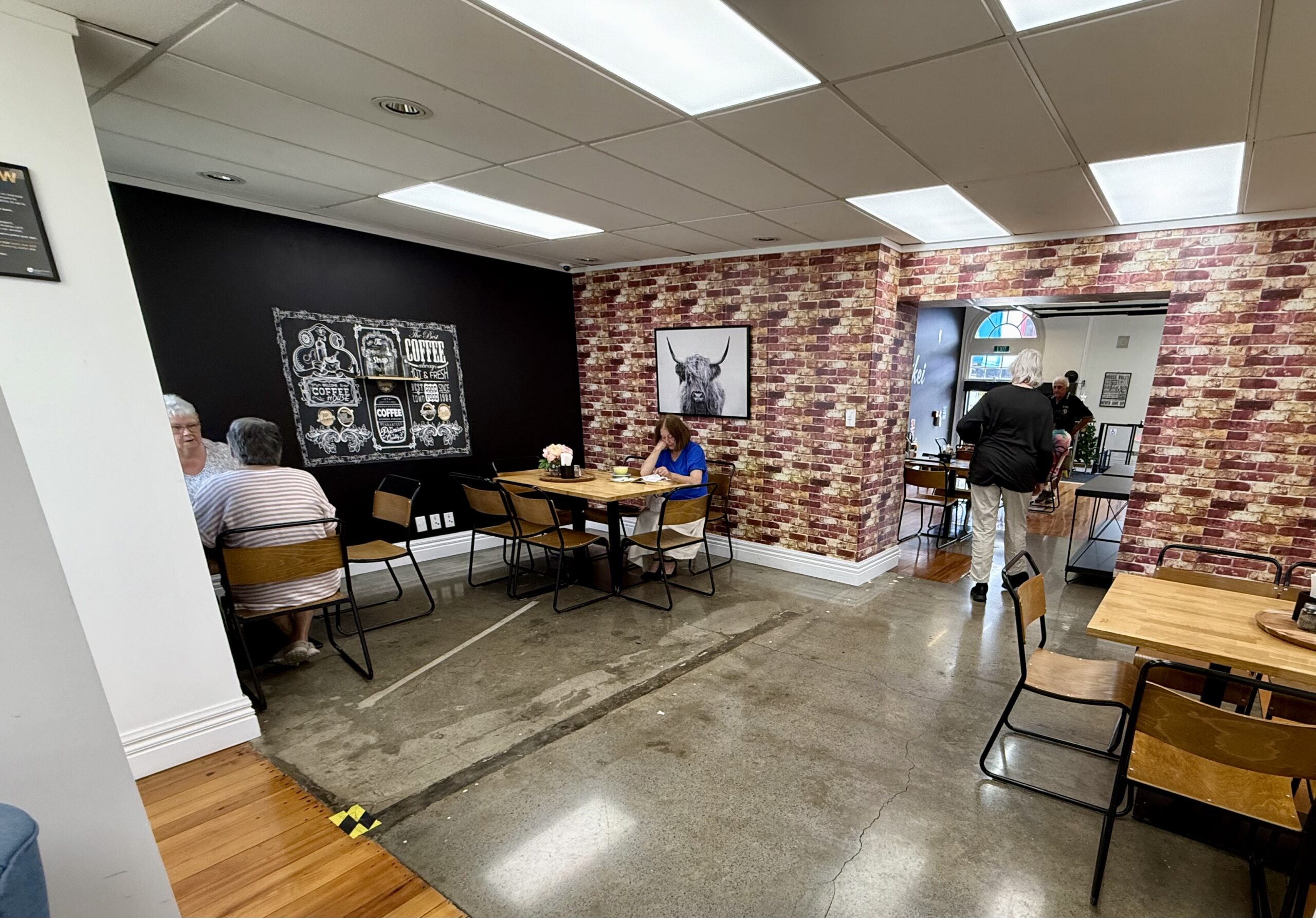
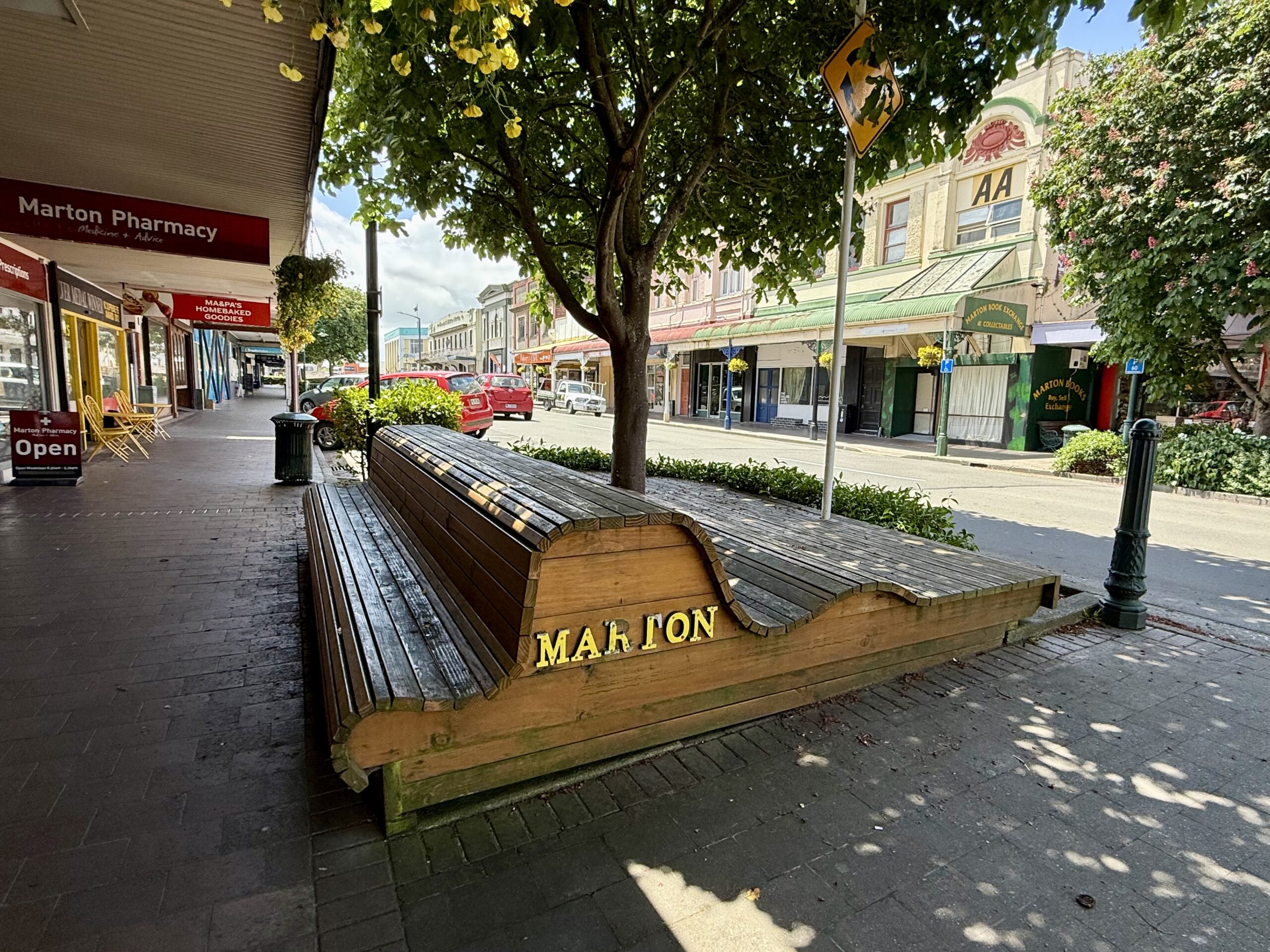
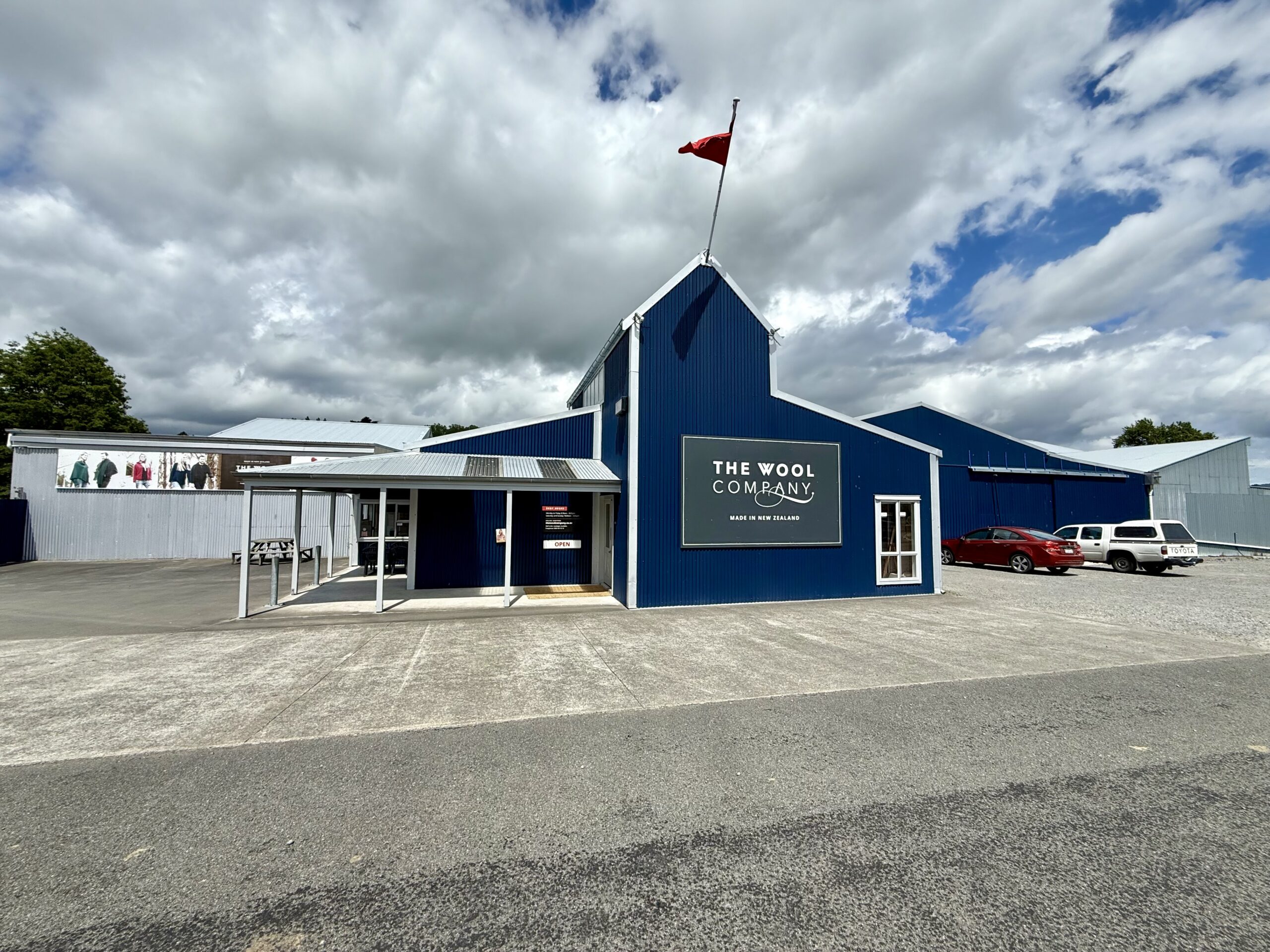
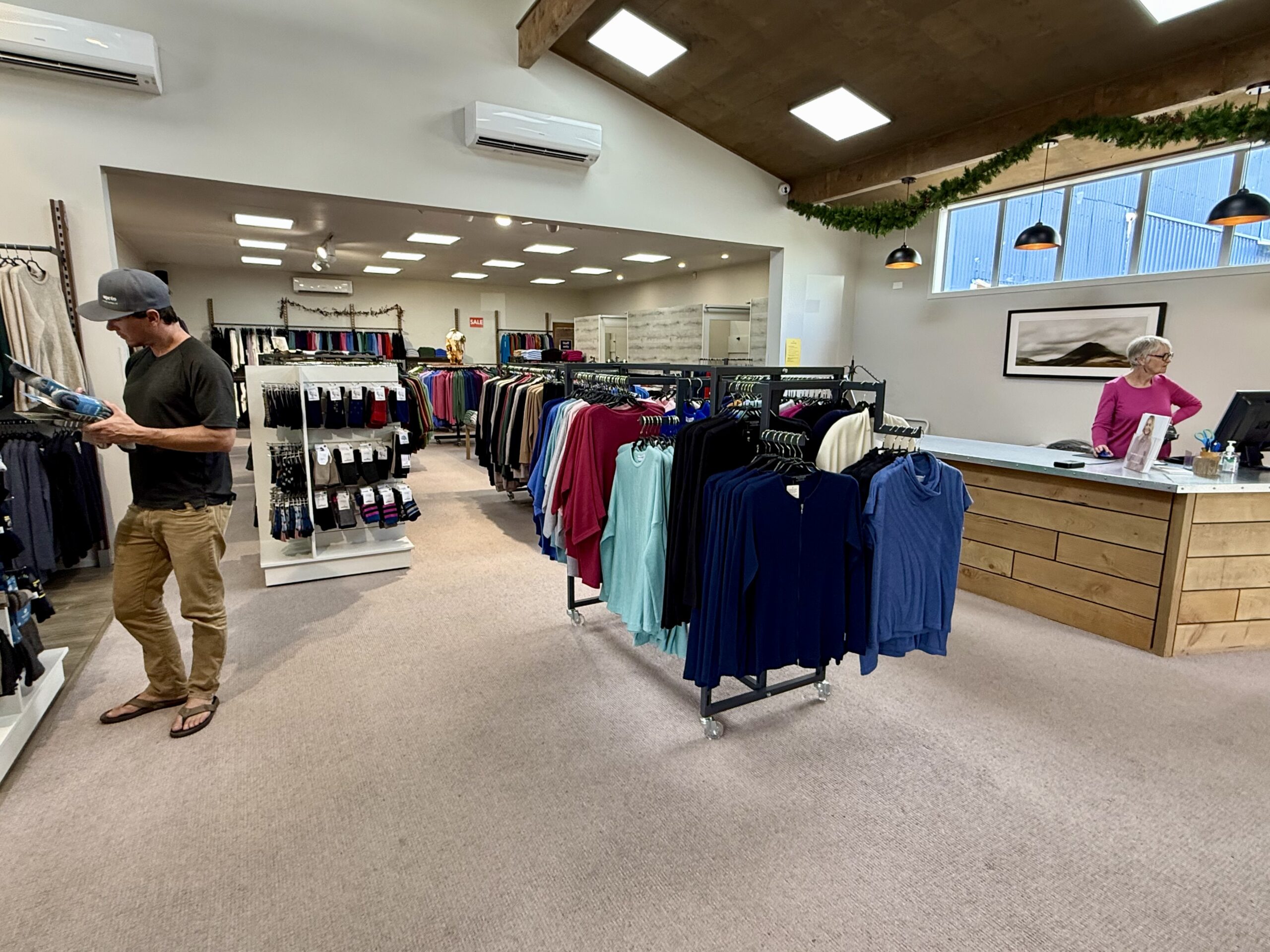
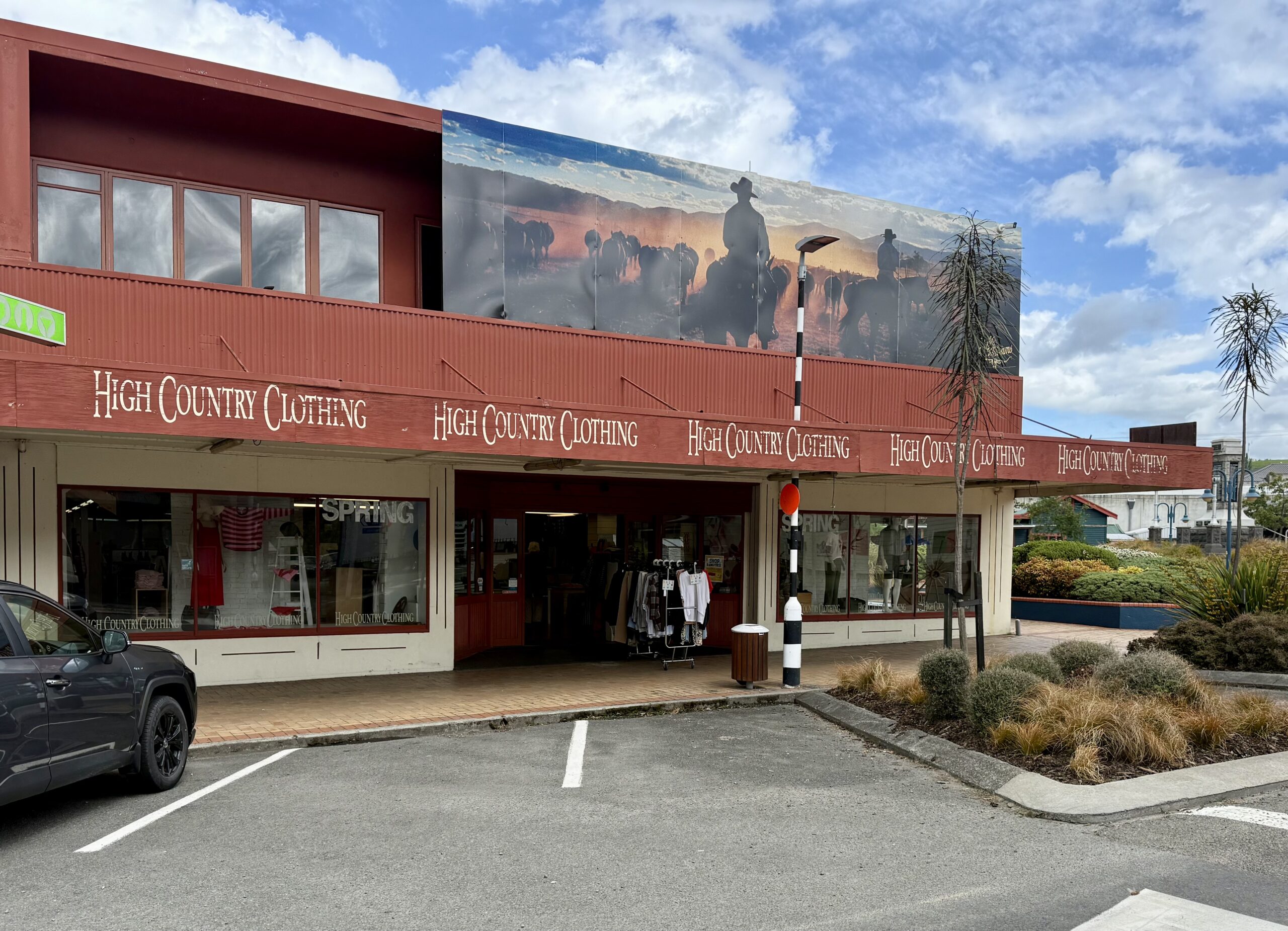
From Wellington, we ventured north for more fishing. We made two stops along the way at rural stores we know that feature New Zealand-made clothing of merino and merino-possum blends. Although possum blends sound strange to us, they are very soft, lightweight, and even warmer than cashmere. Because possums are a destructive, invasive species in New Zealand, using their fur seems to be a winning solution.
On the Way

The River Lodge
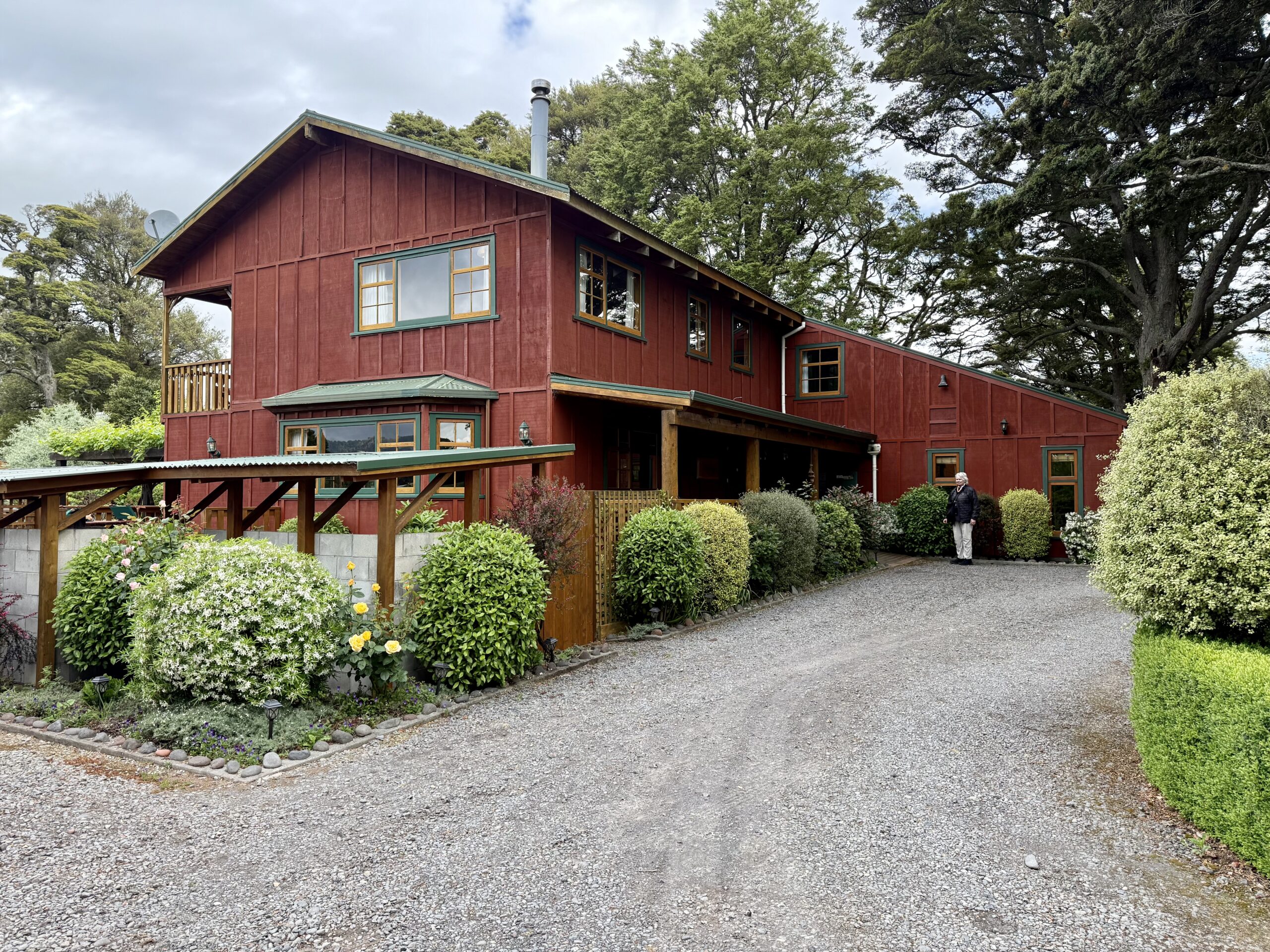
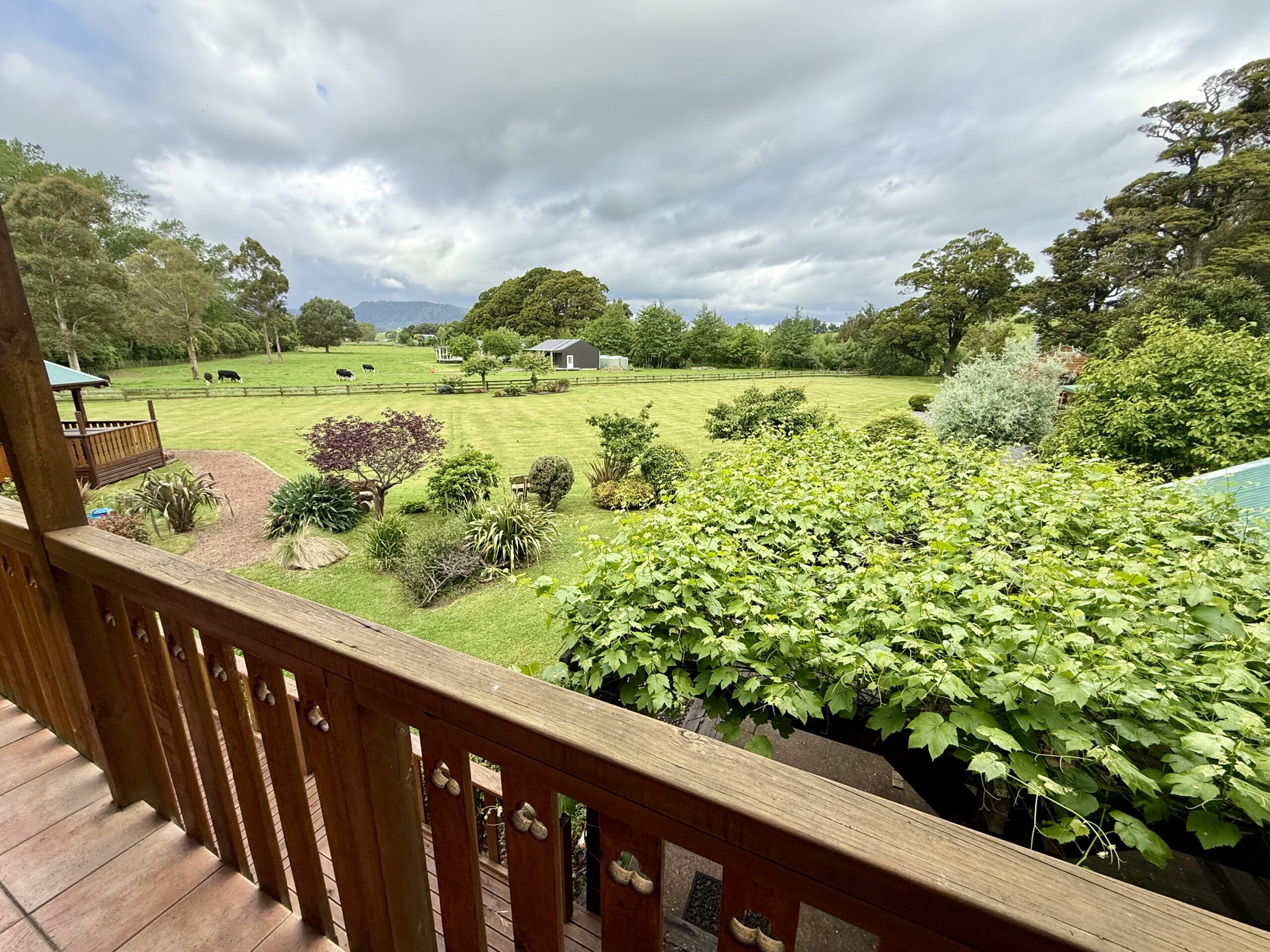
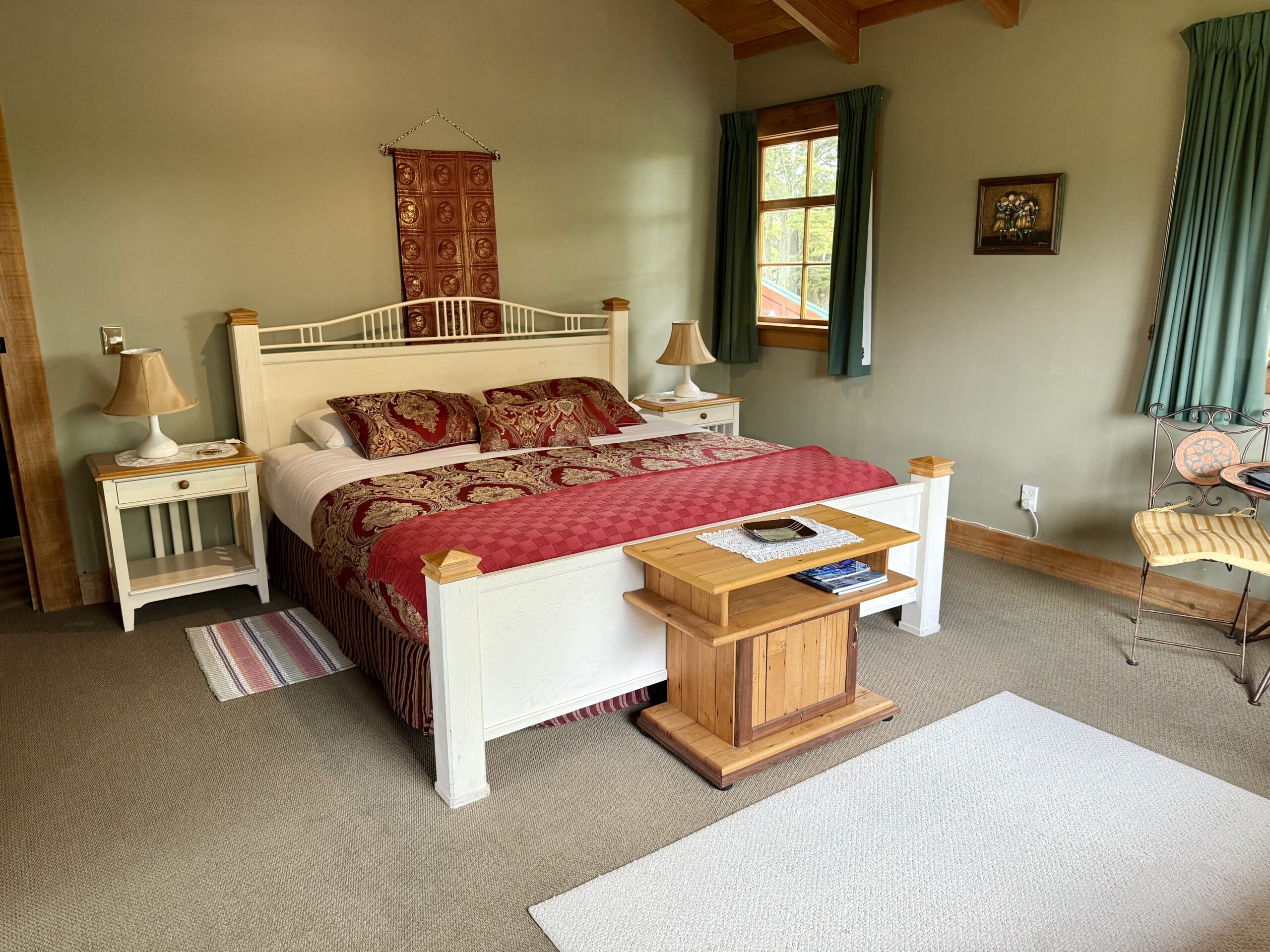
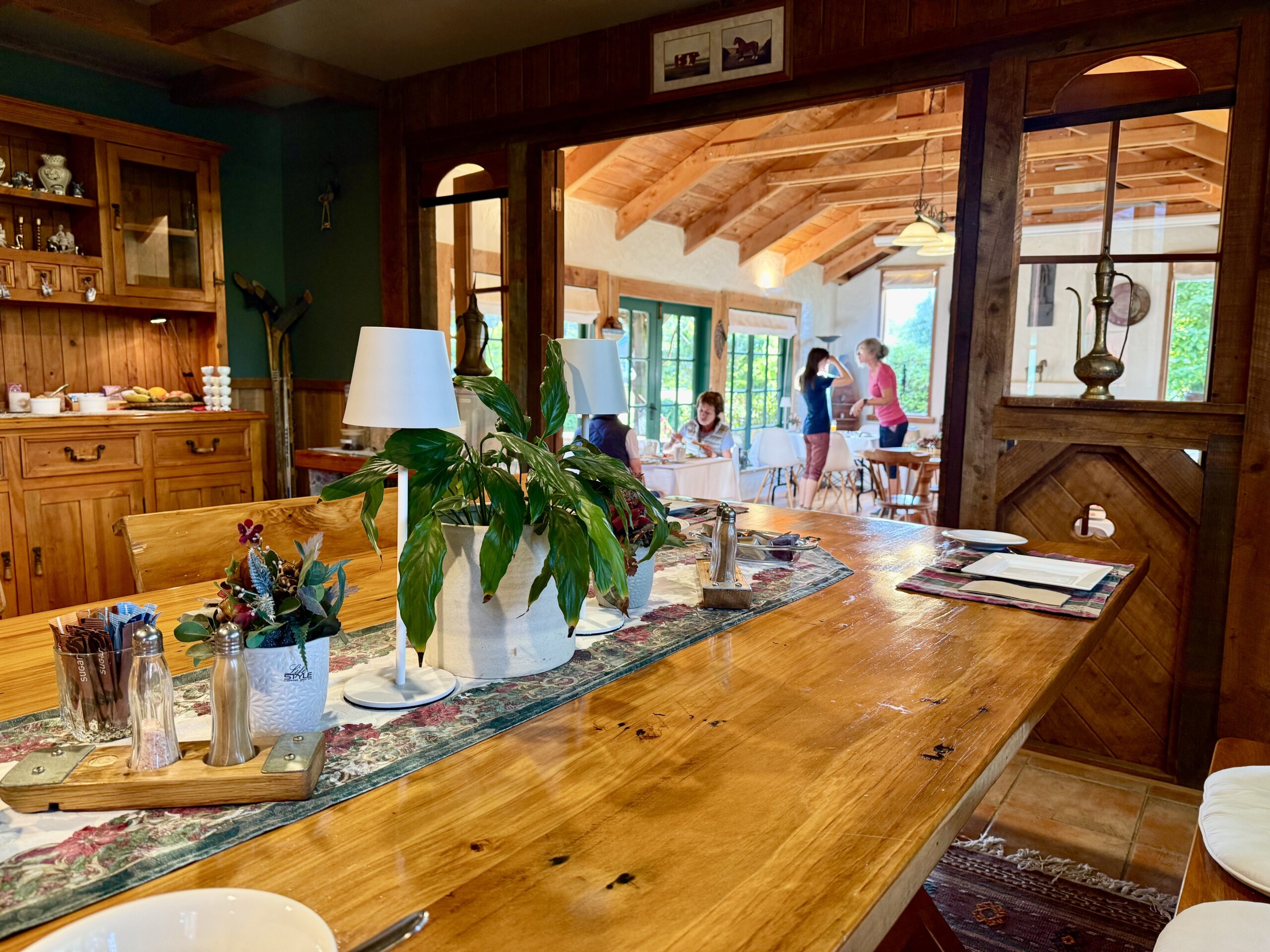
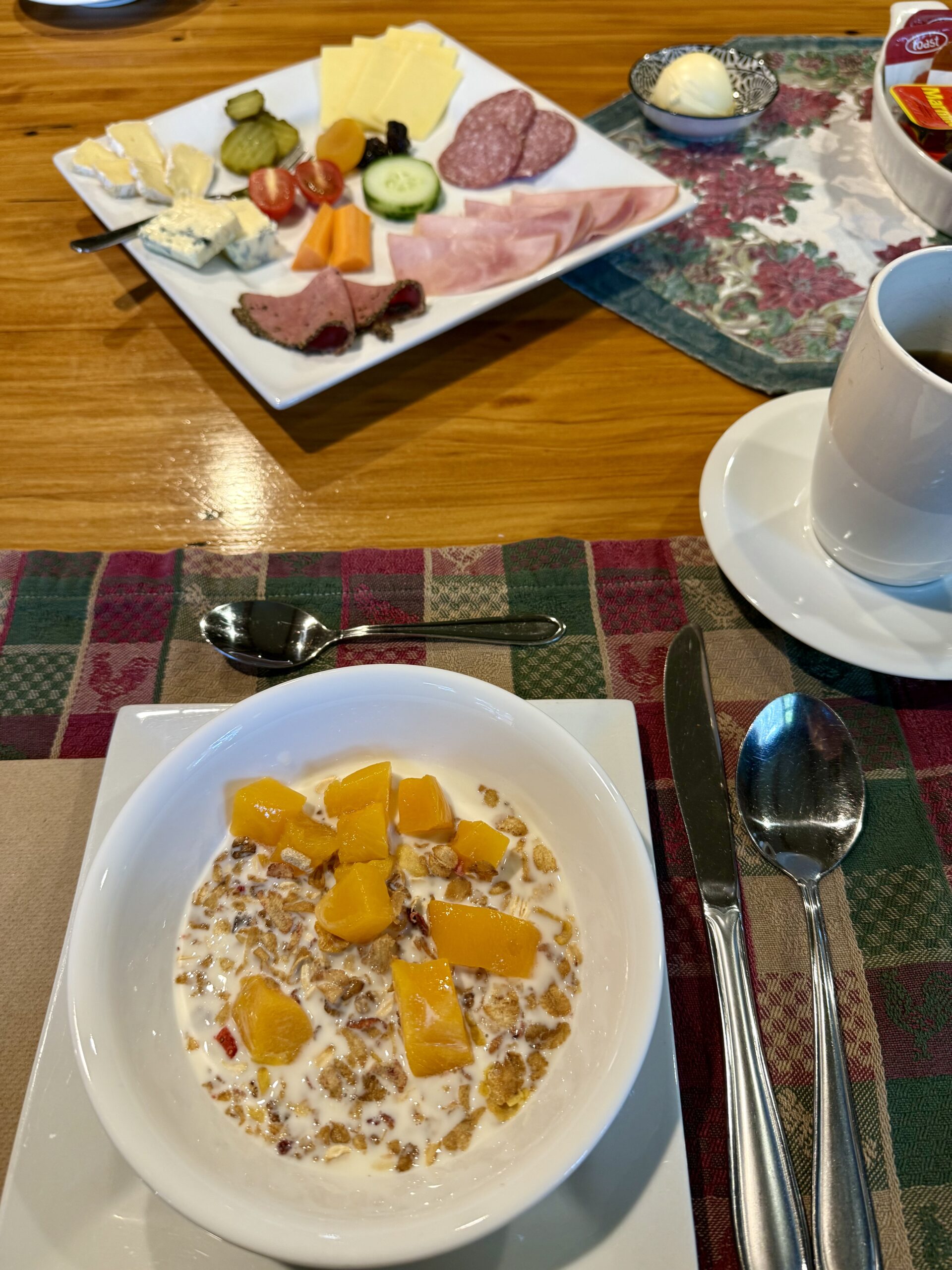
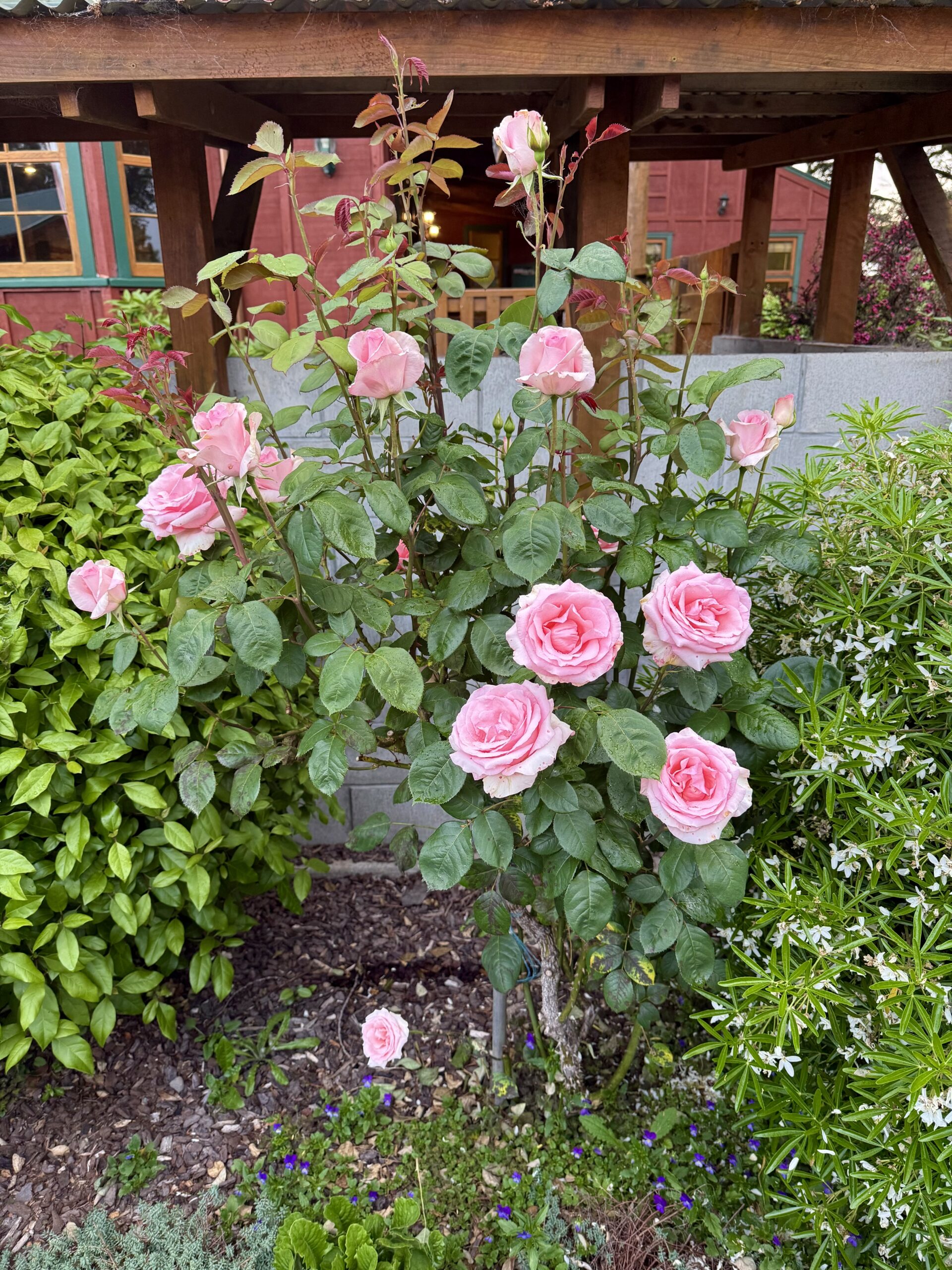
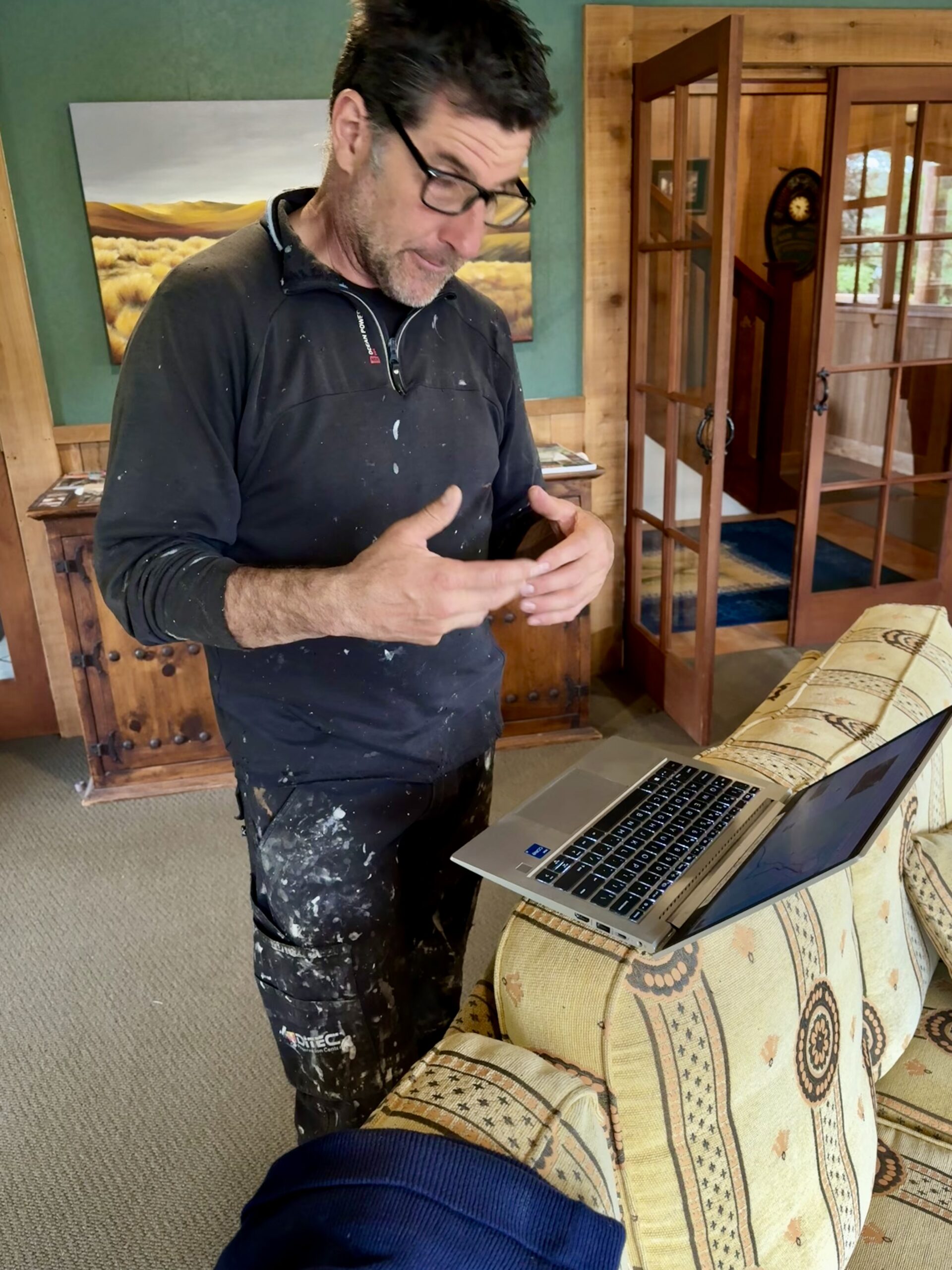
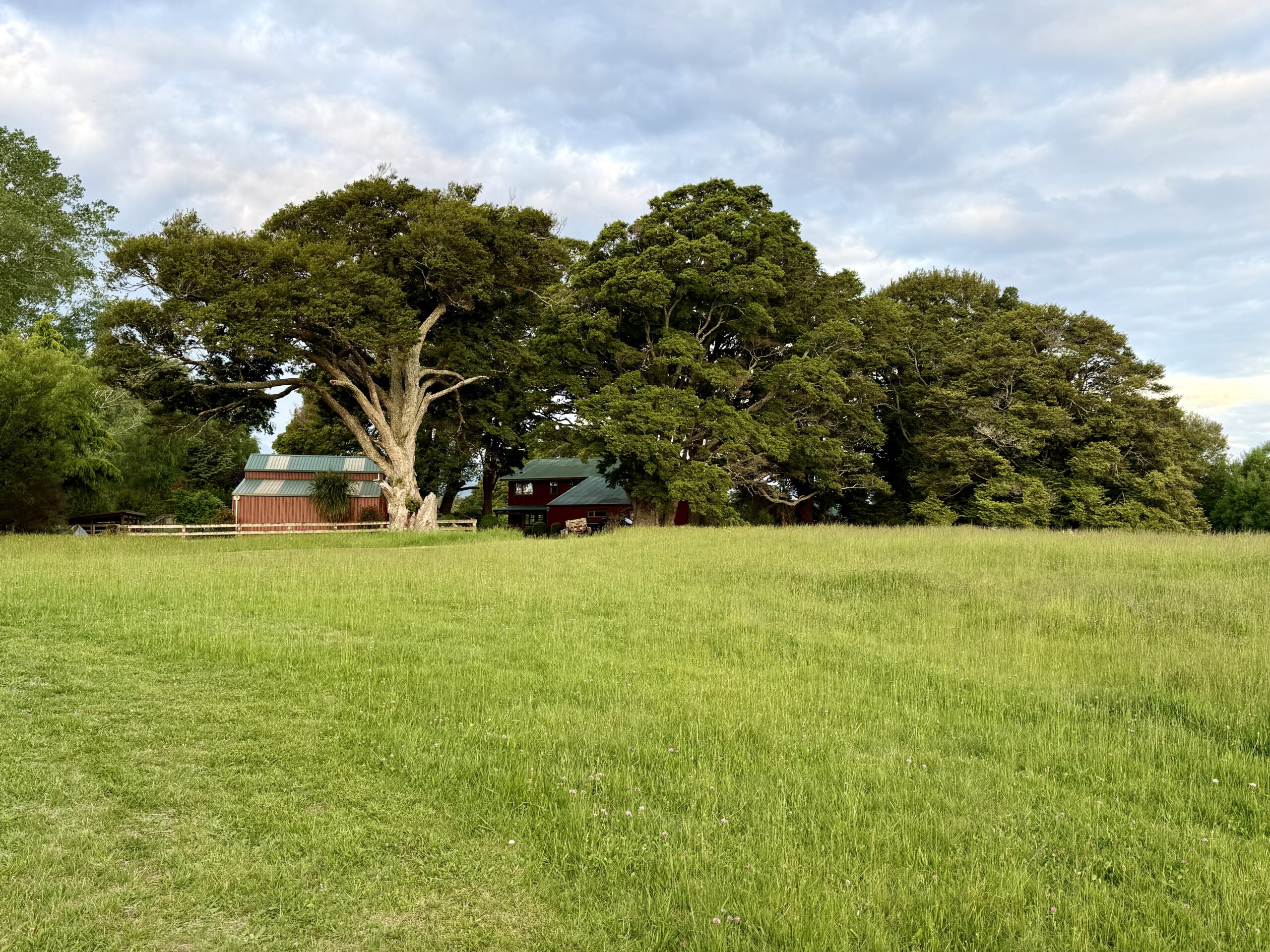
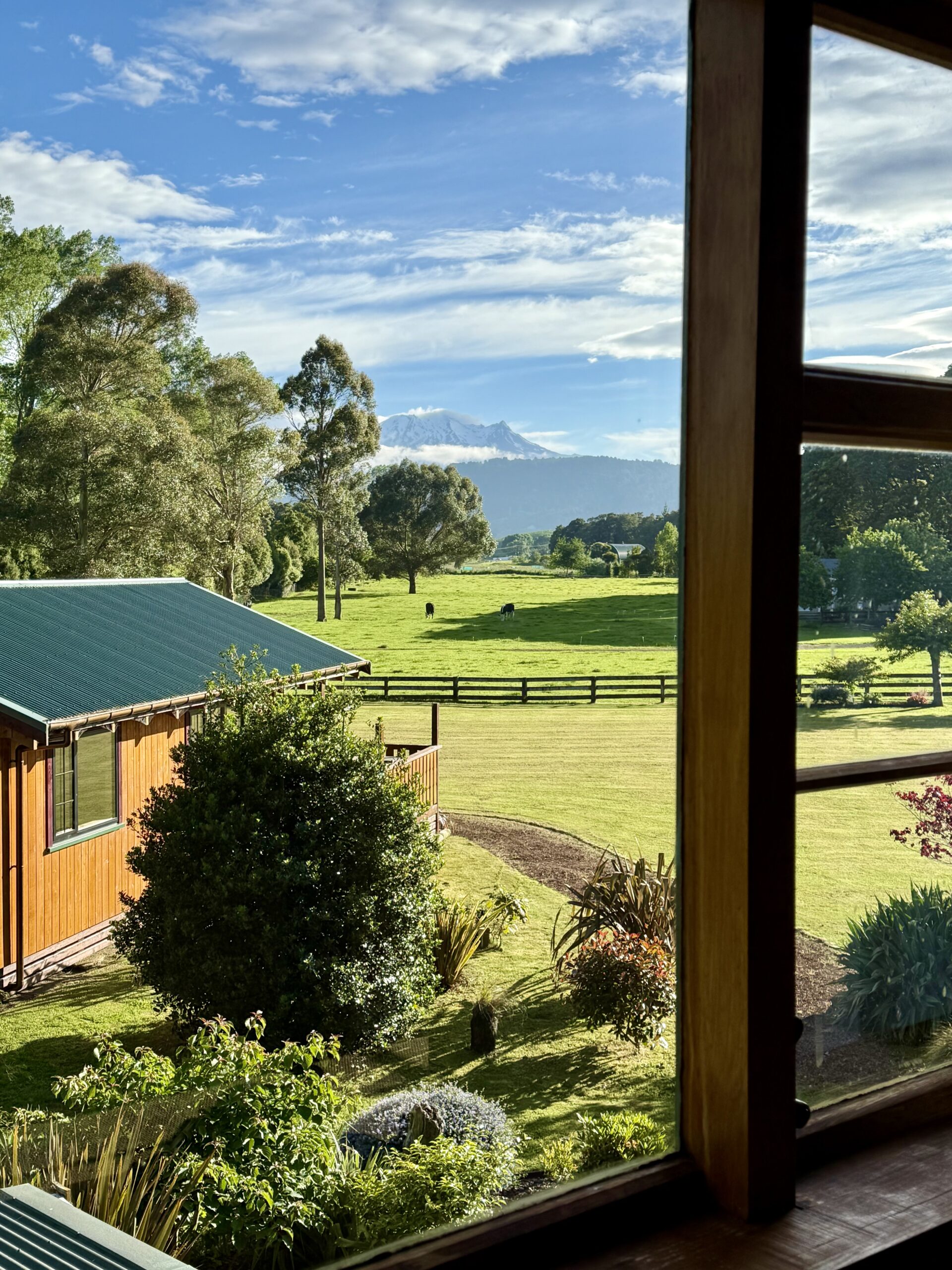
We were delighted to stay at the River Lodge. It is off a gravel road about seven kilometers from the small town of Ohakune. Daniel, who is Swiss German, is great host. Very tidy. He supplies good conversations and an excellent breakfast. Many of his guests are German or Dutch because of his connections with travel agents there. He wants to expand his contacts in the US and we encouraged him to stay in touch with The Best of New Zealand Fly Fishing as well as our fly fishing guide, Josh. Daniel also produces unique products from wine barrel stays. Very creative. In seven years of operating the lodge, he has spent a lot of time improving the grounds. It shows.

Sun
The sun is strong in New Zealand! The ozone layer is thin here, and pollution levels are low so more UV rays get through. School children wear broad-brimmed hats on the playground, fishing guides reapply their sunscreen at lunch time, and skin clinics are common. Bonnie is exploring mineral sunscreens at pharmacies to see what we might be missing. Lots of Australian brands along with the familiar ones we see at home.
This and Thats

Carrotland
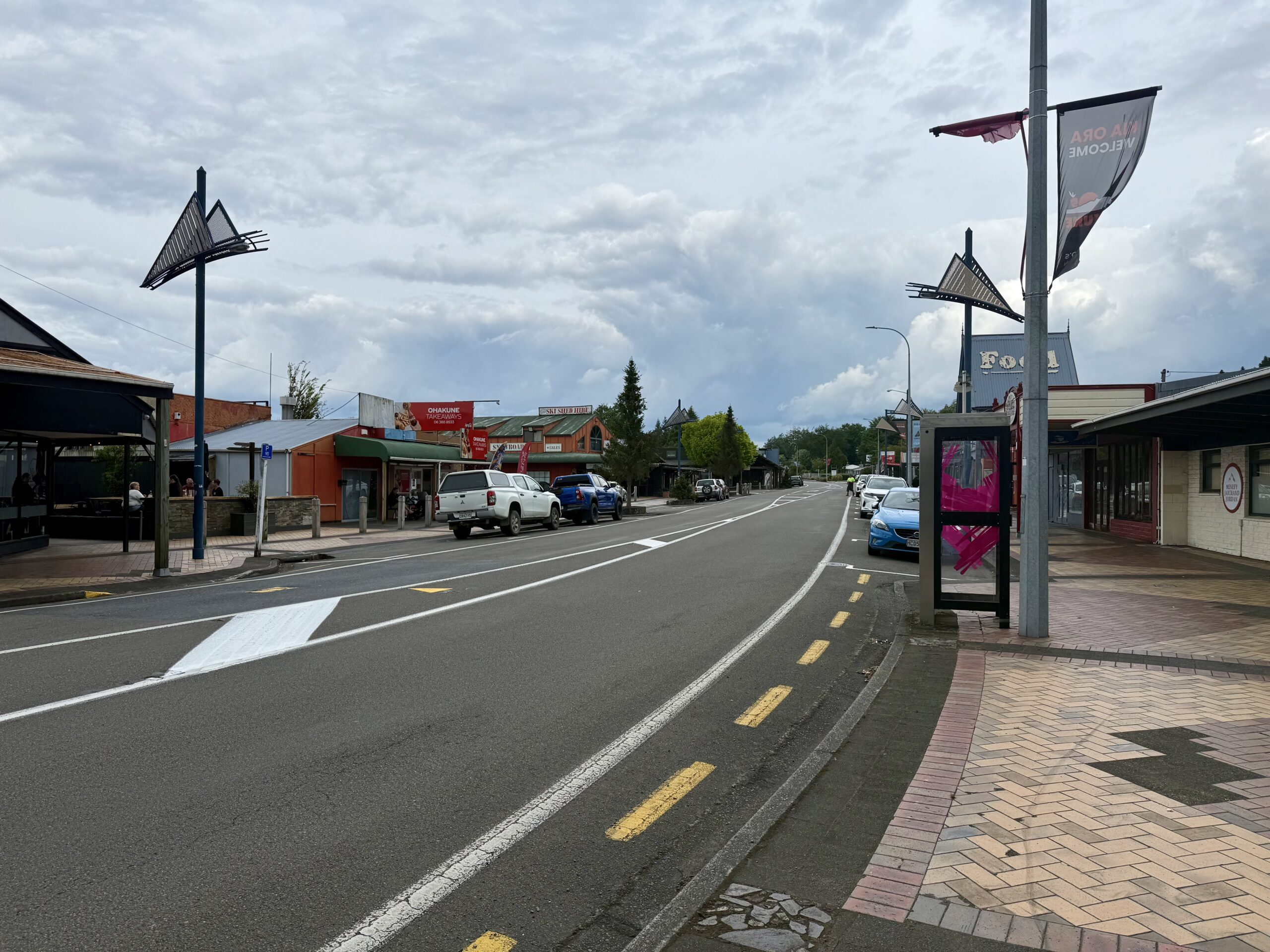
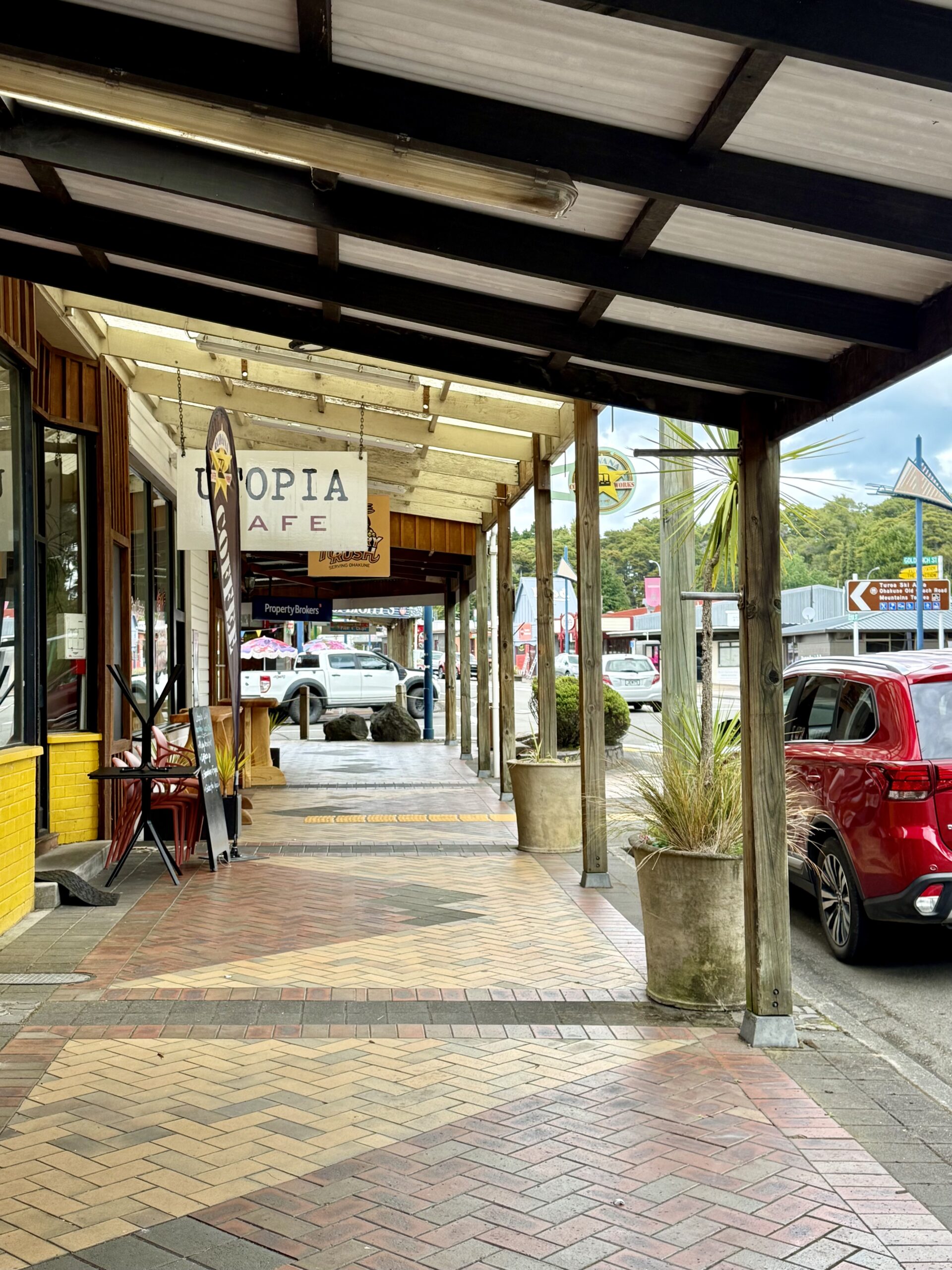
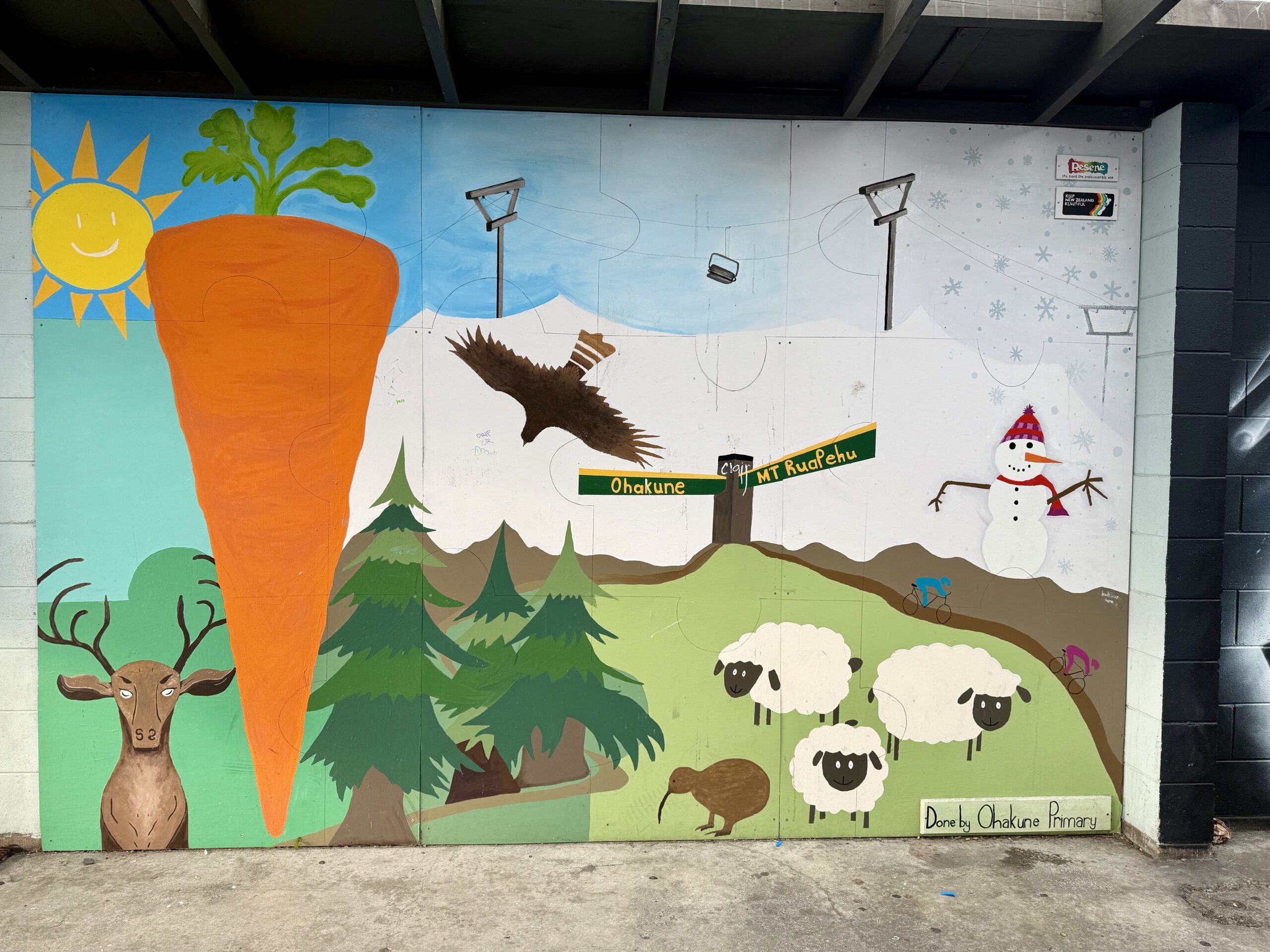
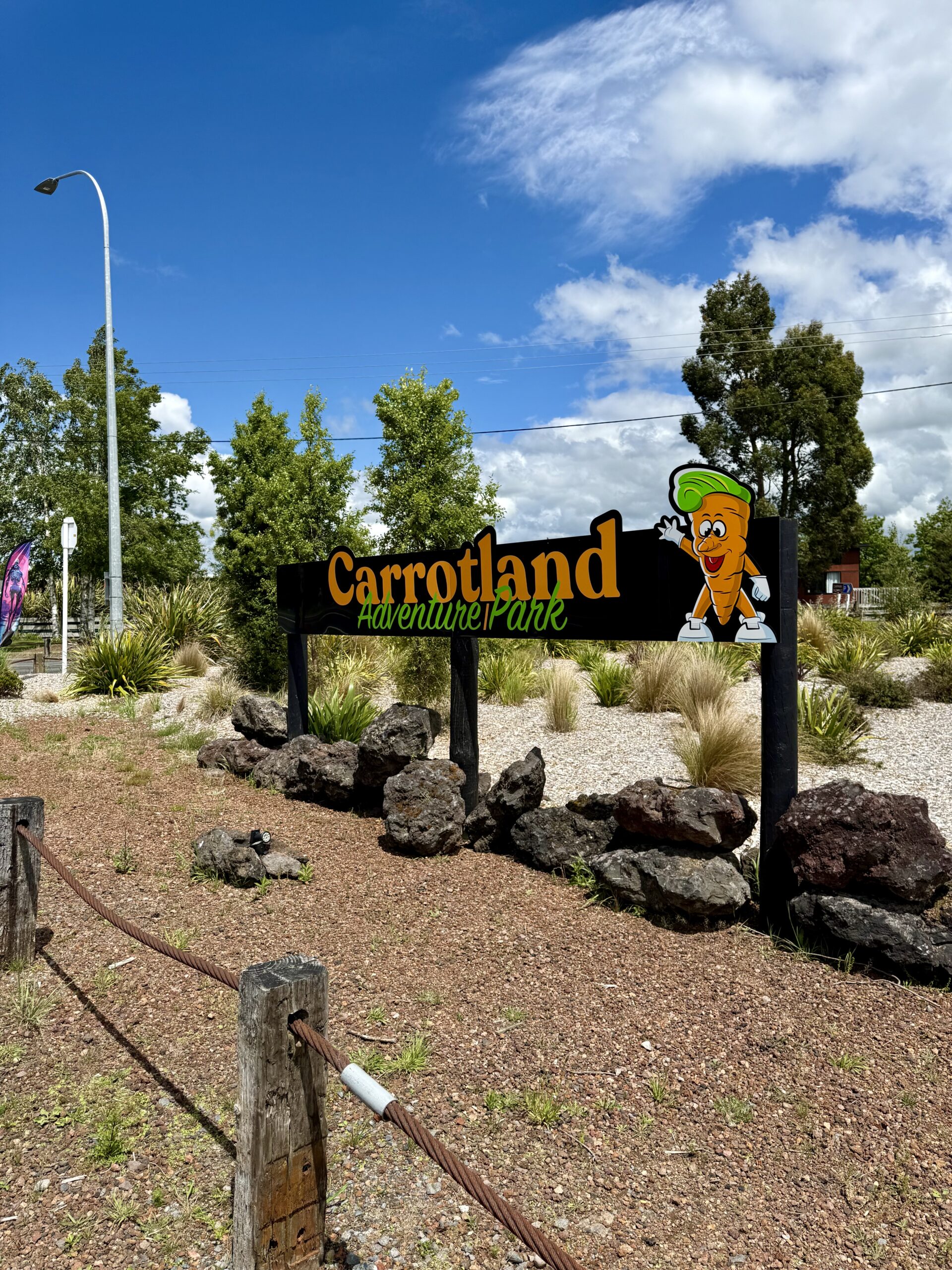
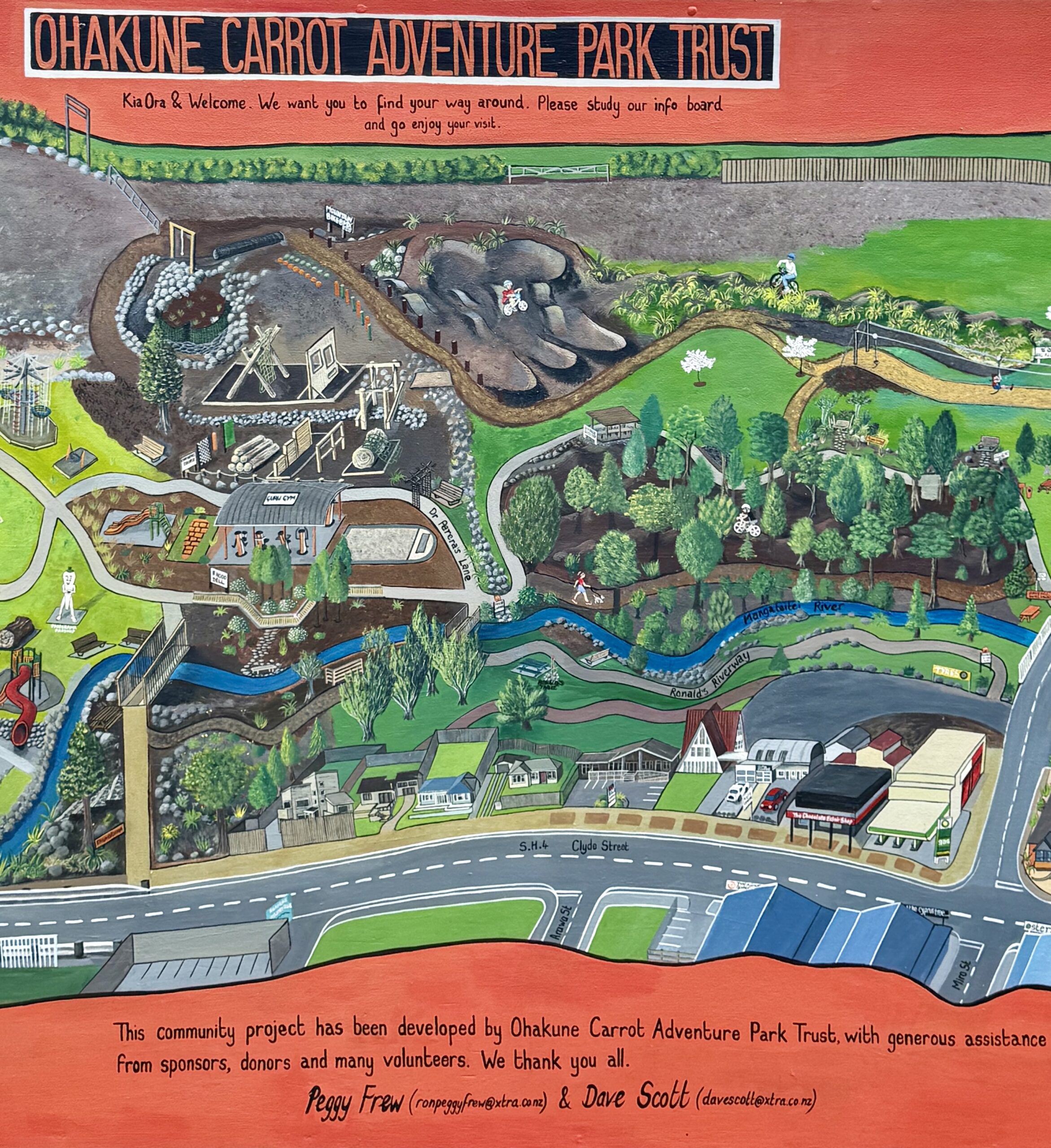
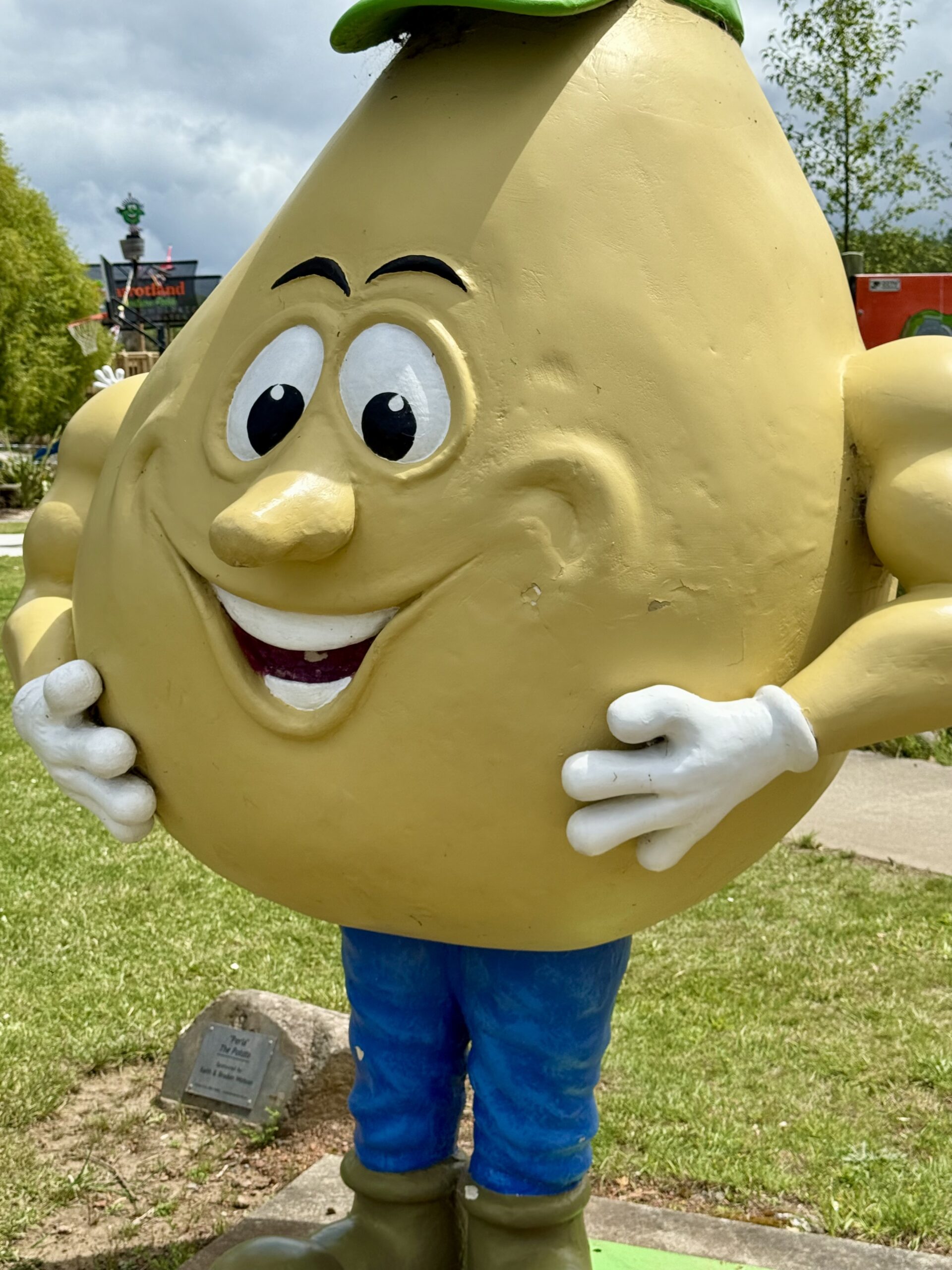
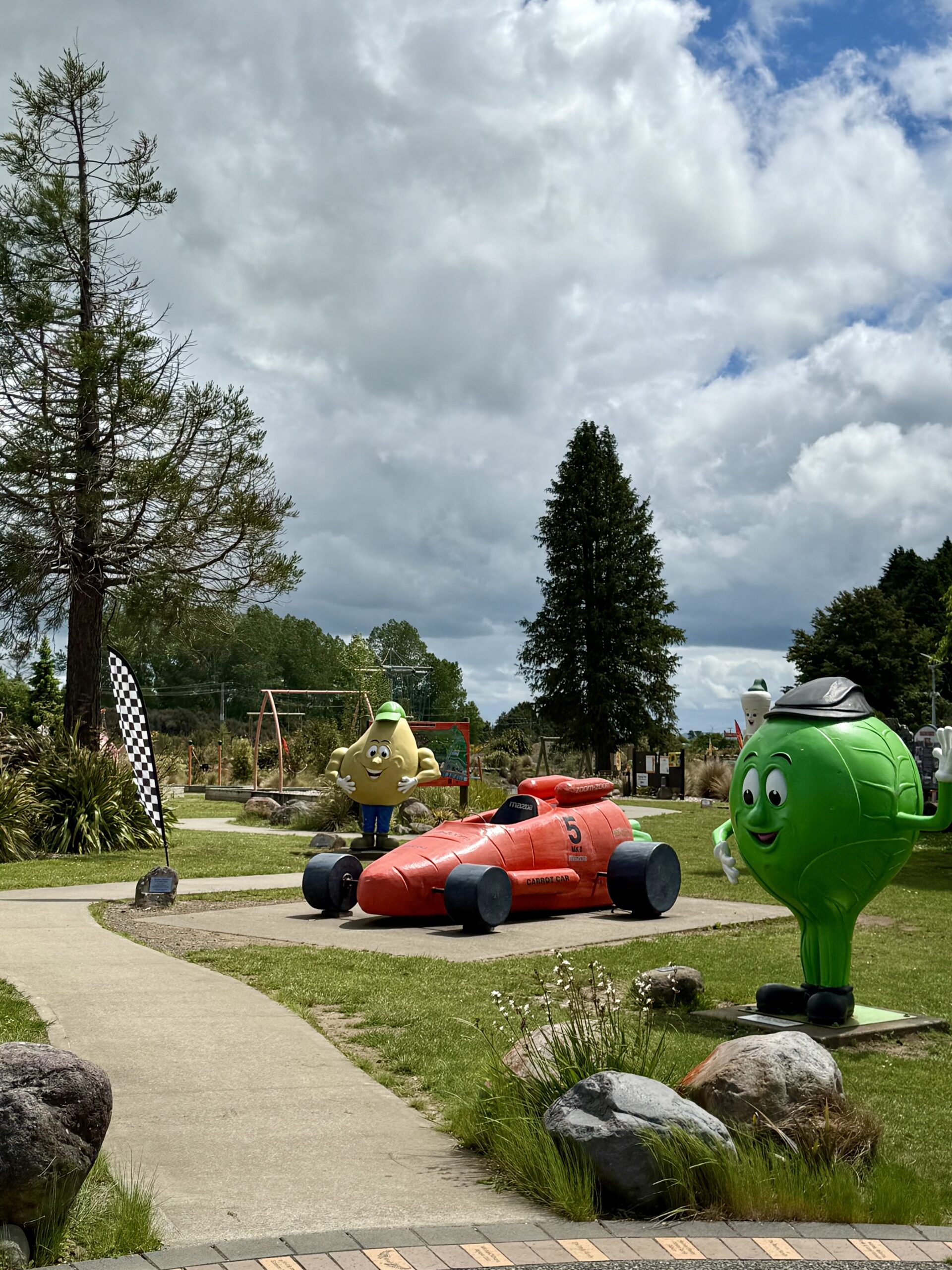
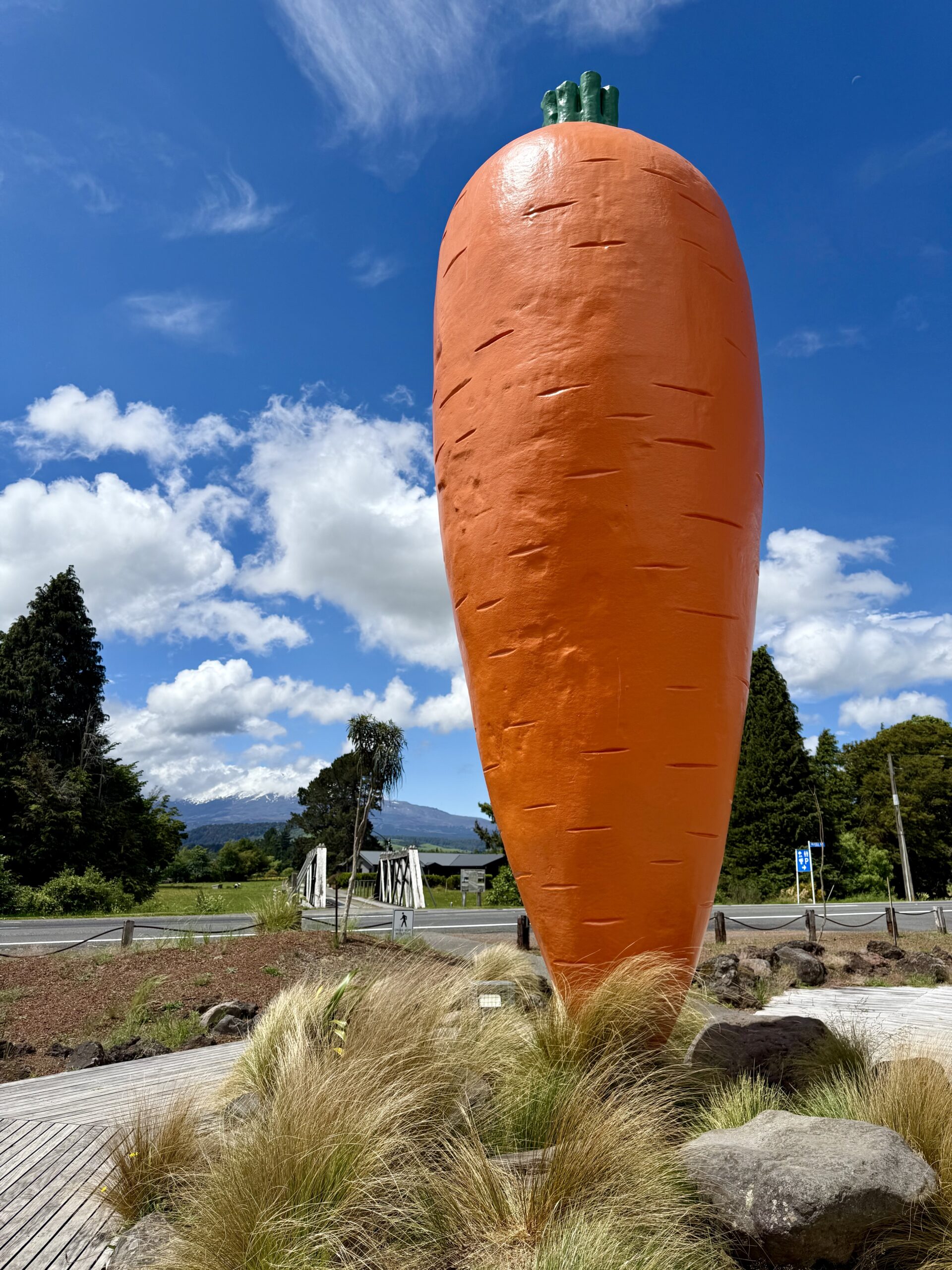
The town of Ohakune has been known for market gardens since at least the 1920s. Chinese immigrants initiated the gardens, and during WWII the gardens supplied American troops in the Pacific. The farms, focusing on carrots, potatoes, turnips, brussel sprouts, and parsnips, are still important to NZ’s food supply. Bonnie’s Kiwi “nephew” Simon says the roadsides are often littered with carrots. Carrotland is a sweet little community playground, free, with swings, slides, and giant vegetable characters.
Corregated Steel
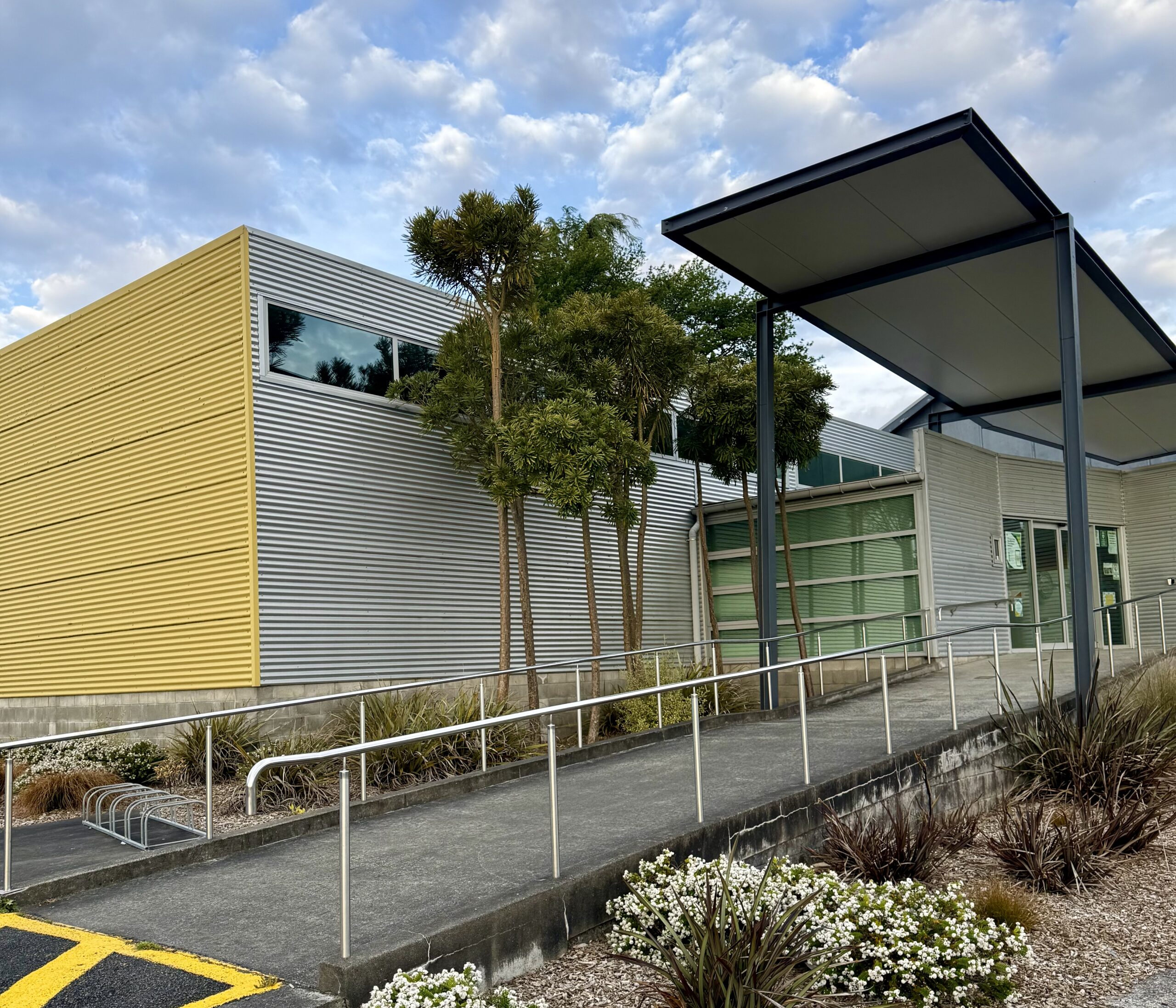
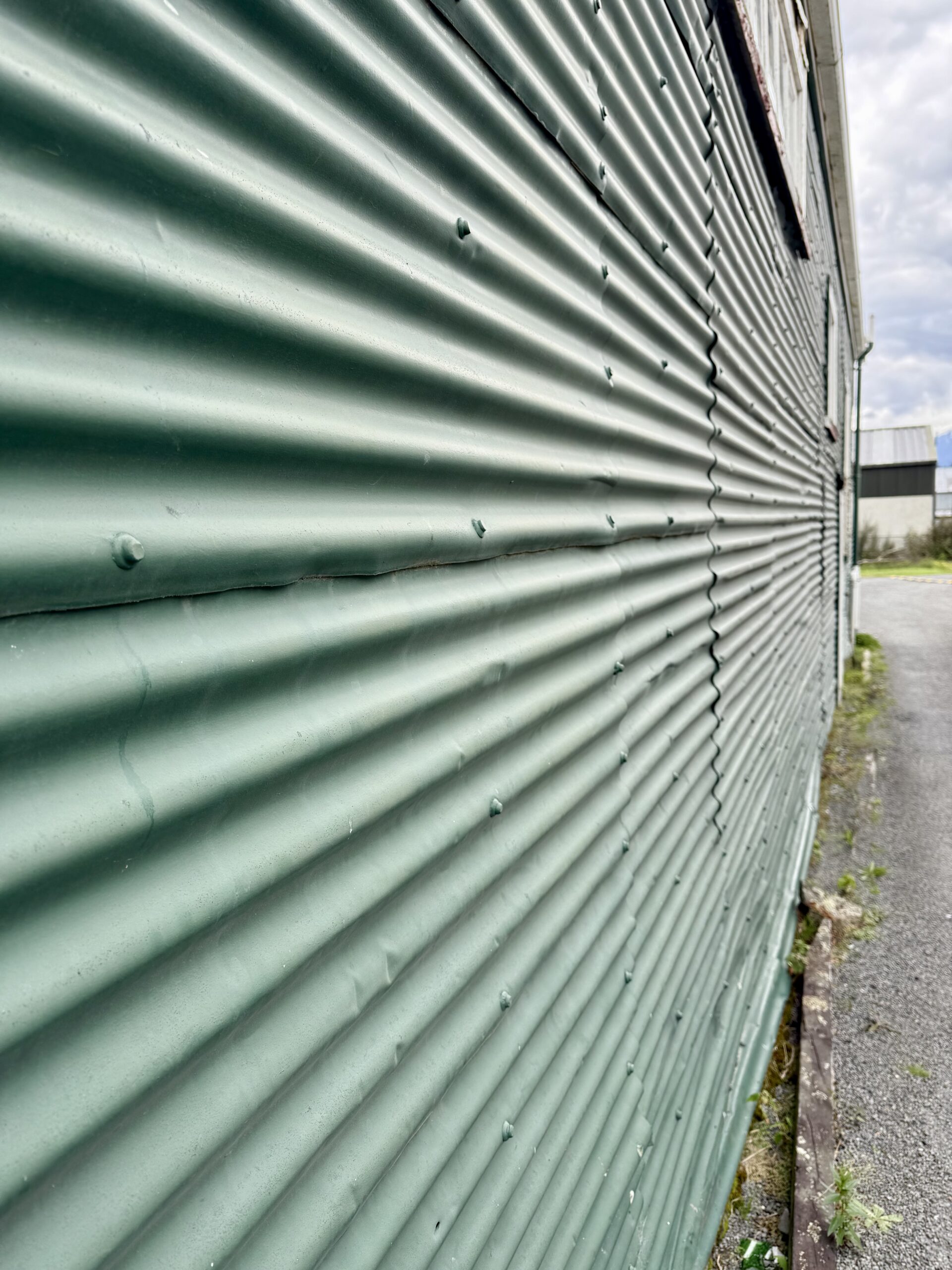
Corrugated steel is the characteristic Kiwi building material. Roofs, walls, fences. Used in both old buildings and new ones.
Sheep Fences
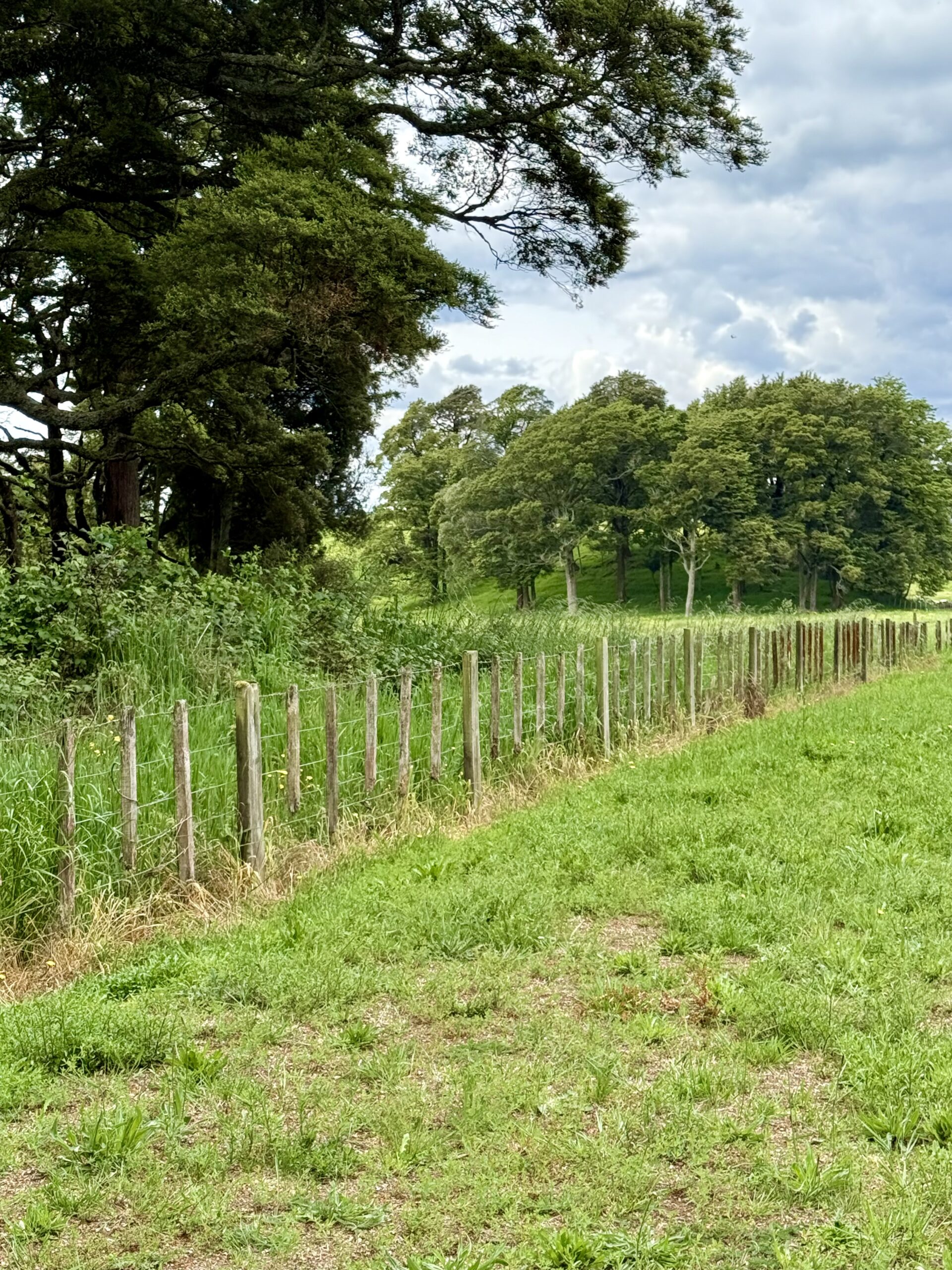
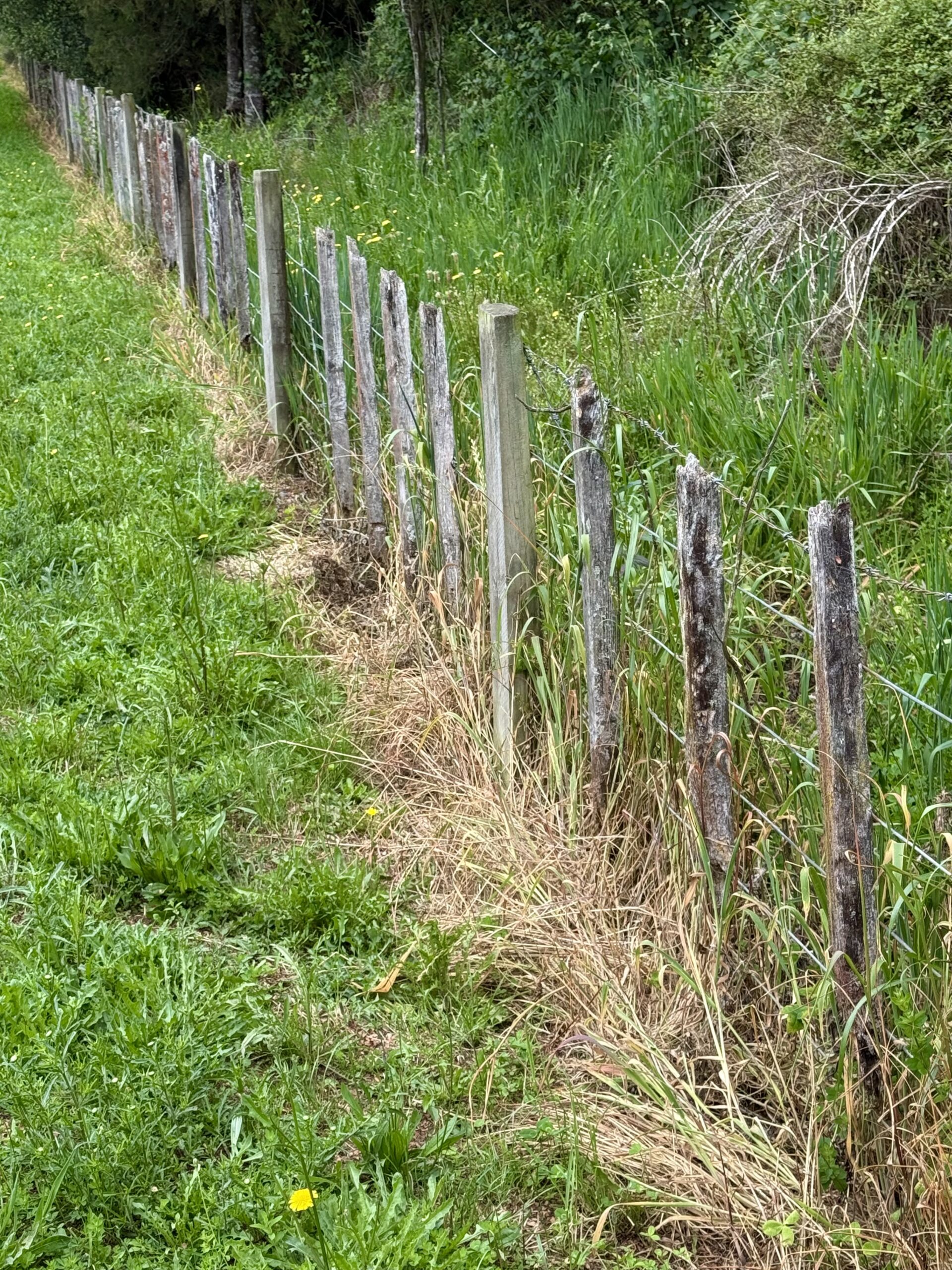
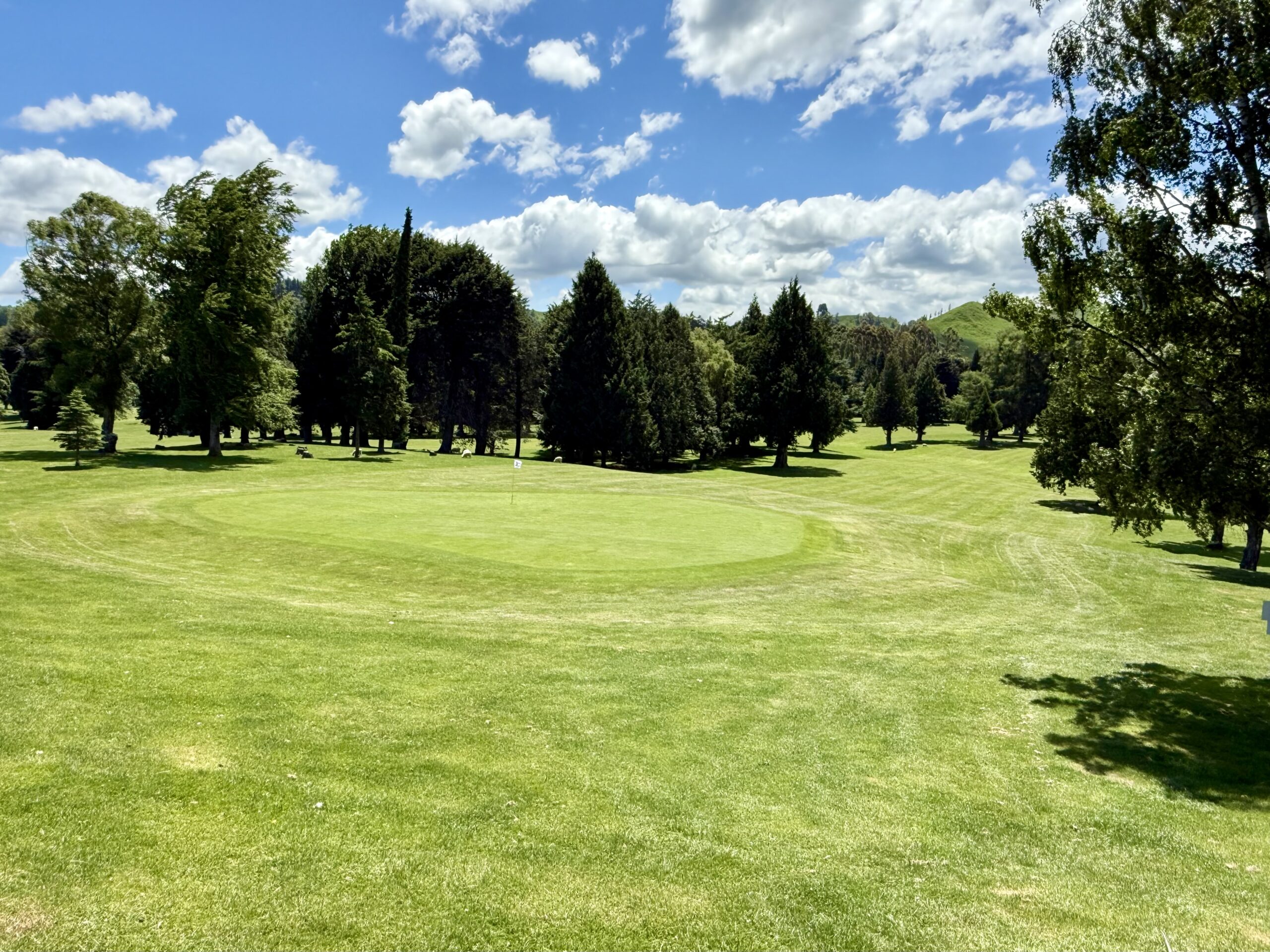
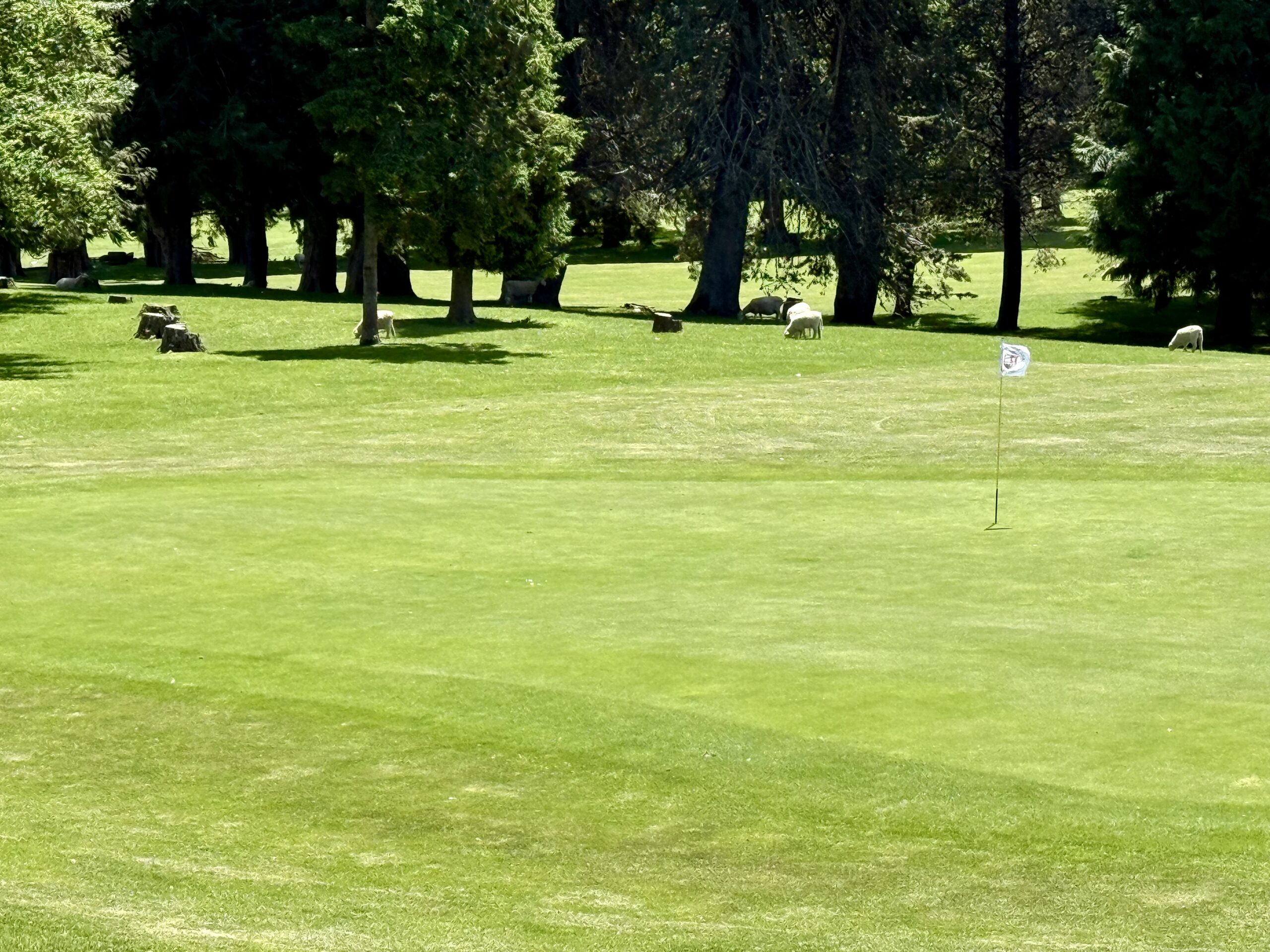
The North Island sheep fences have a hand-crafted look. The tightly spaced posts discourage sheep from butting their heads through the wires.
Eats
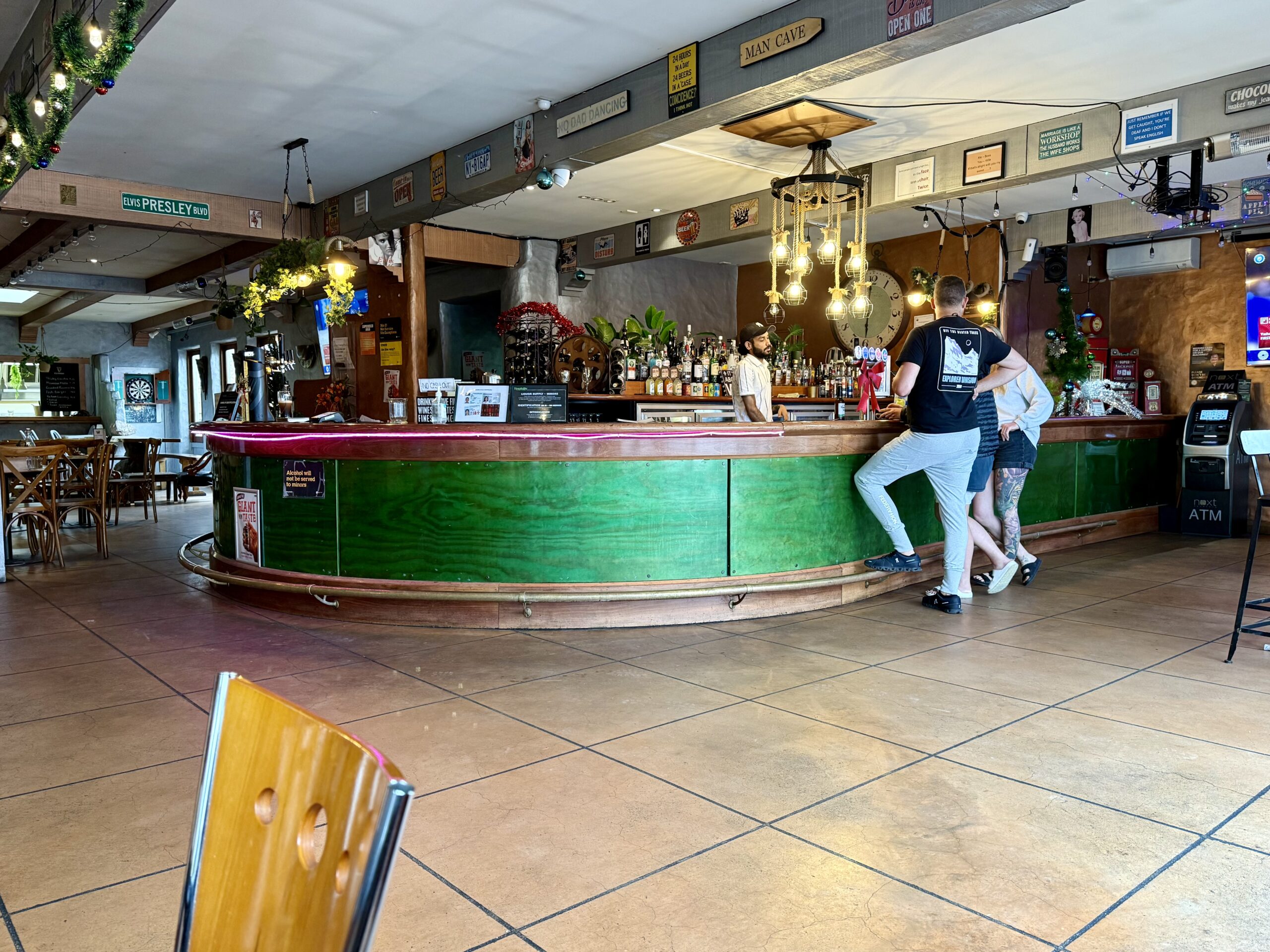
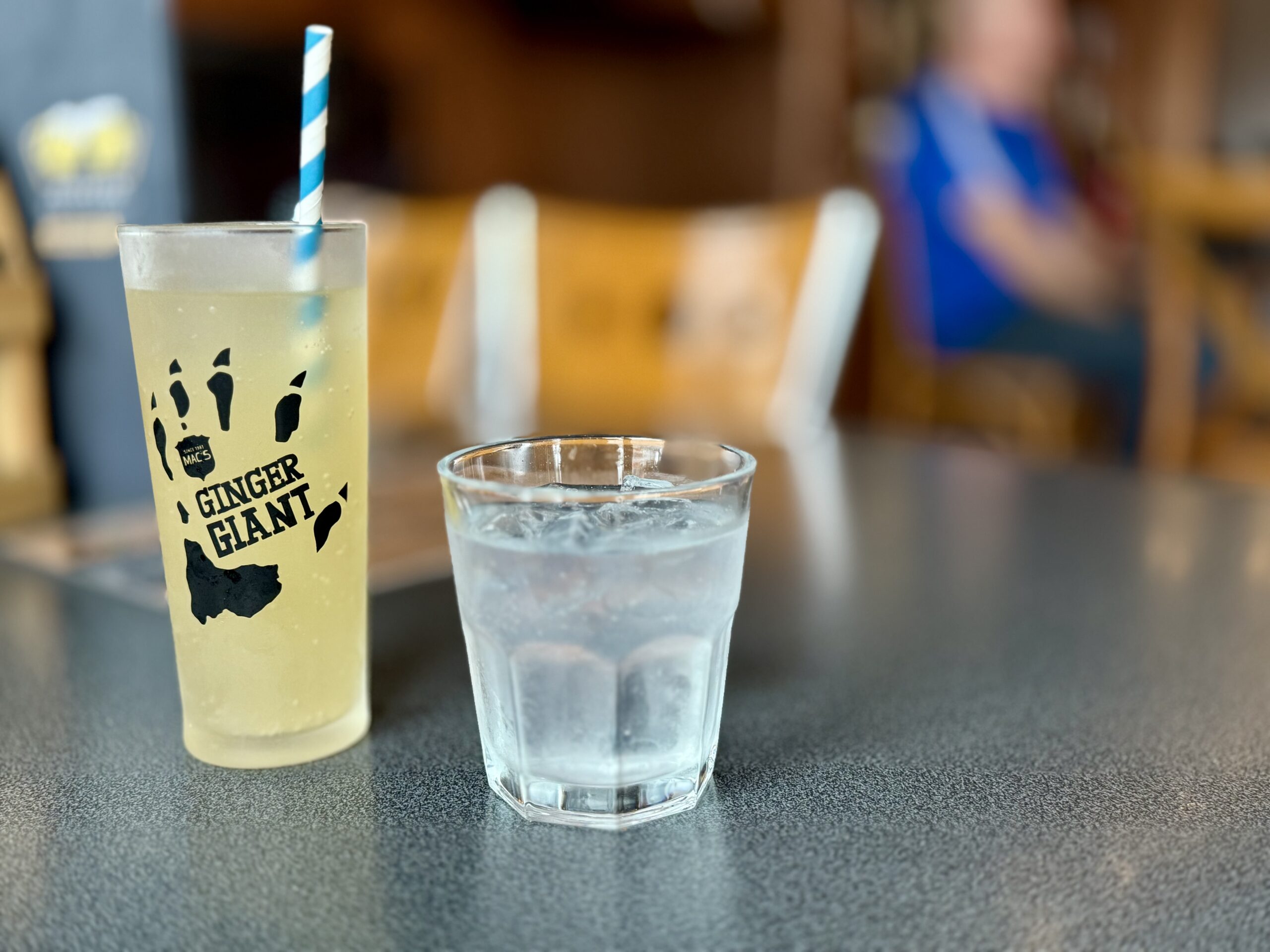
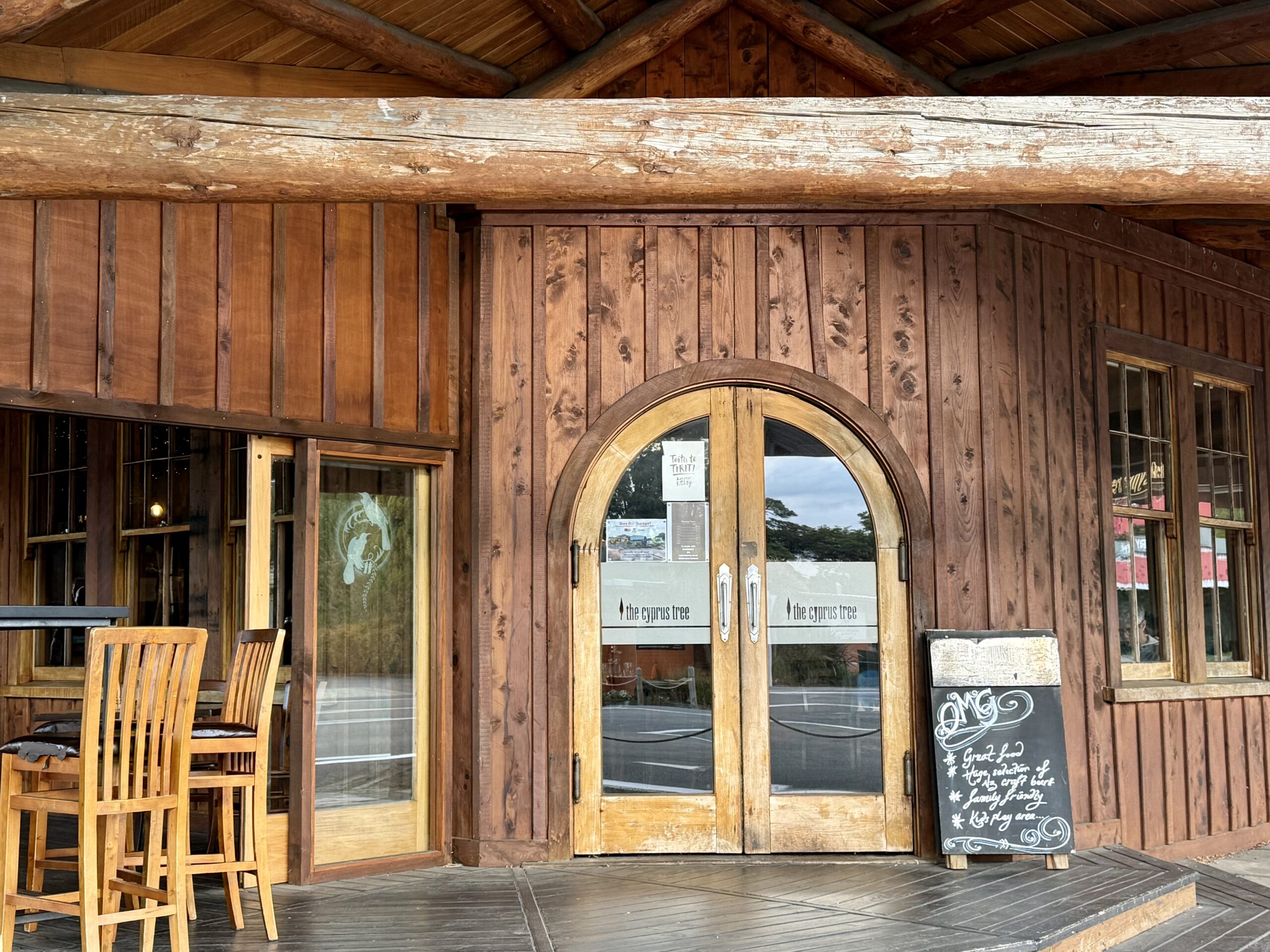
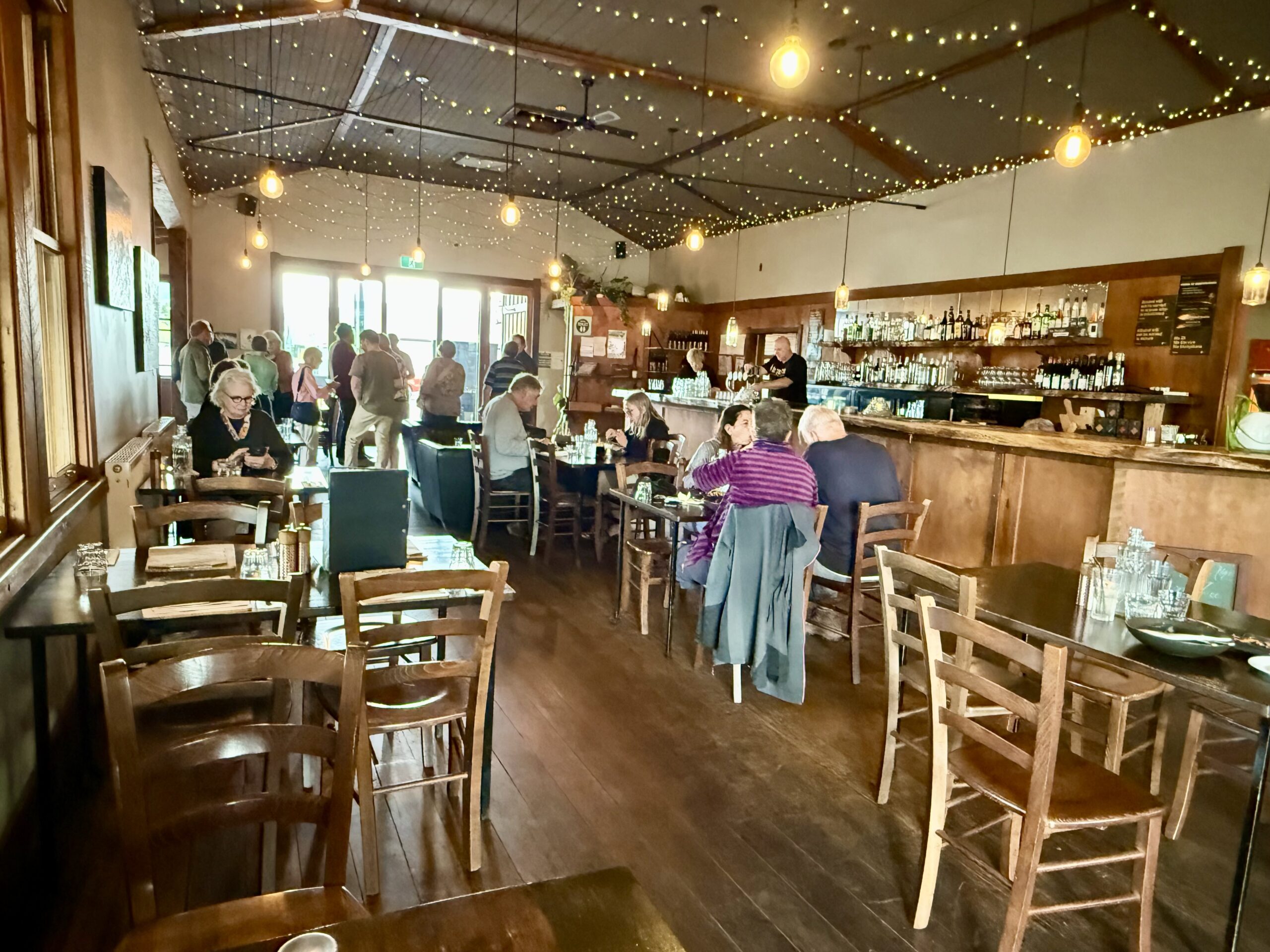
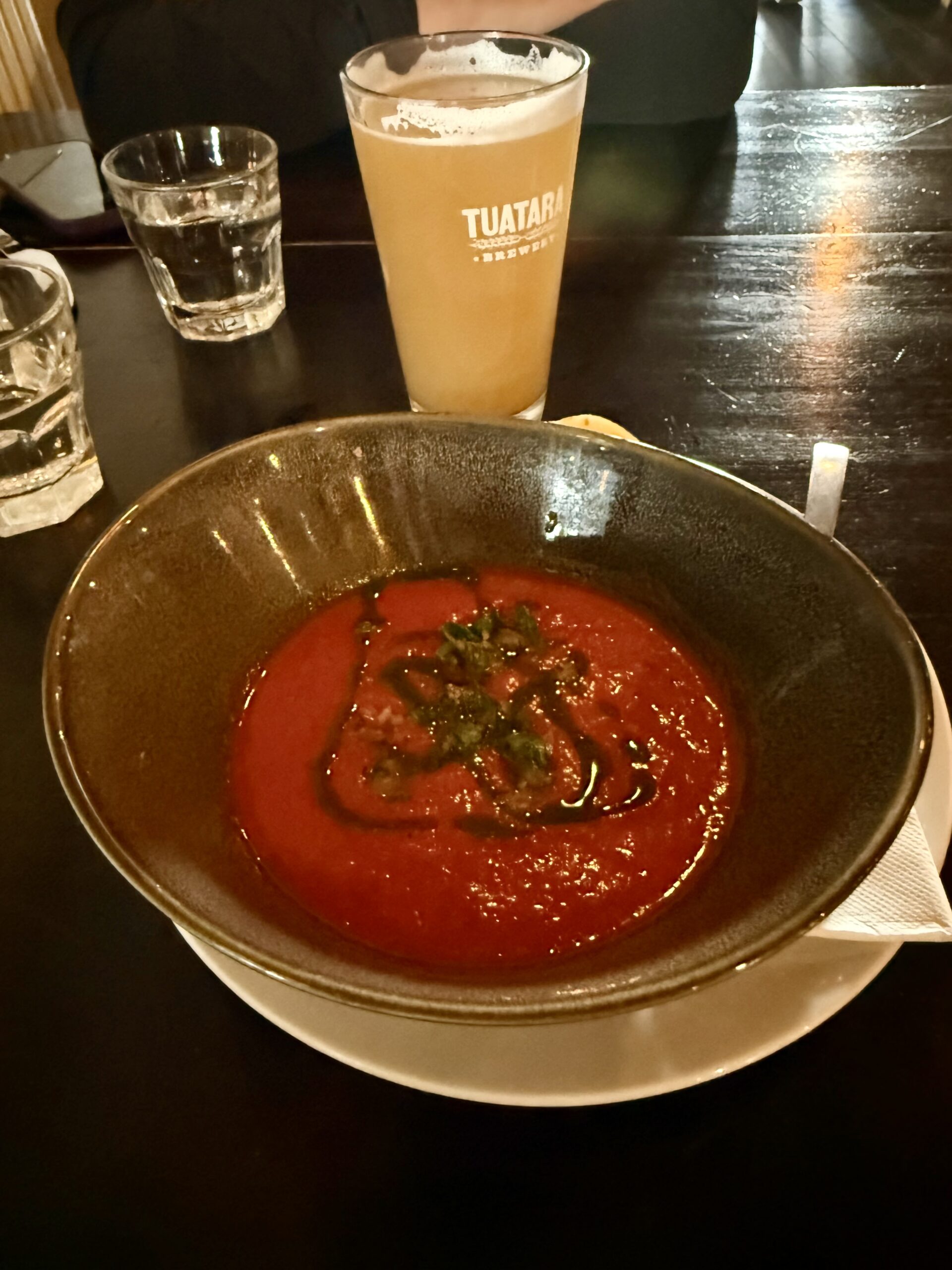
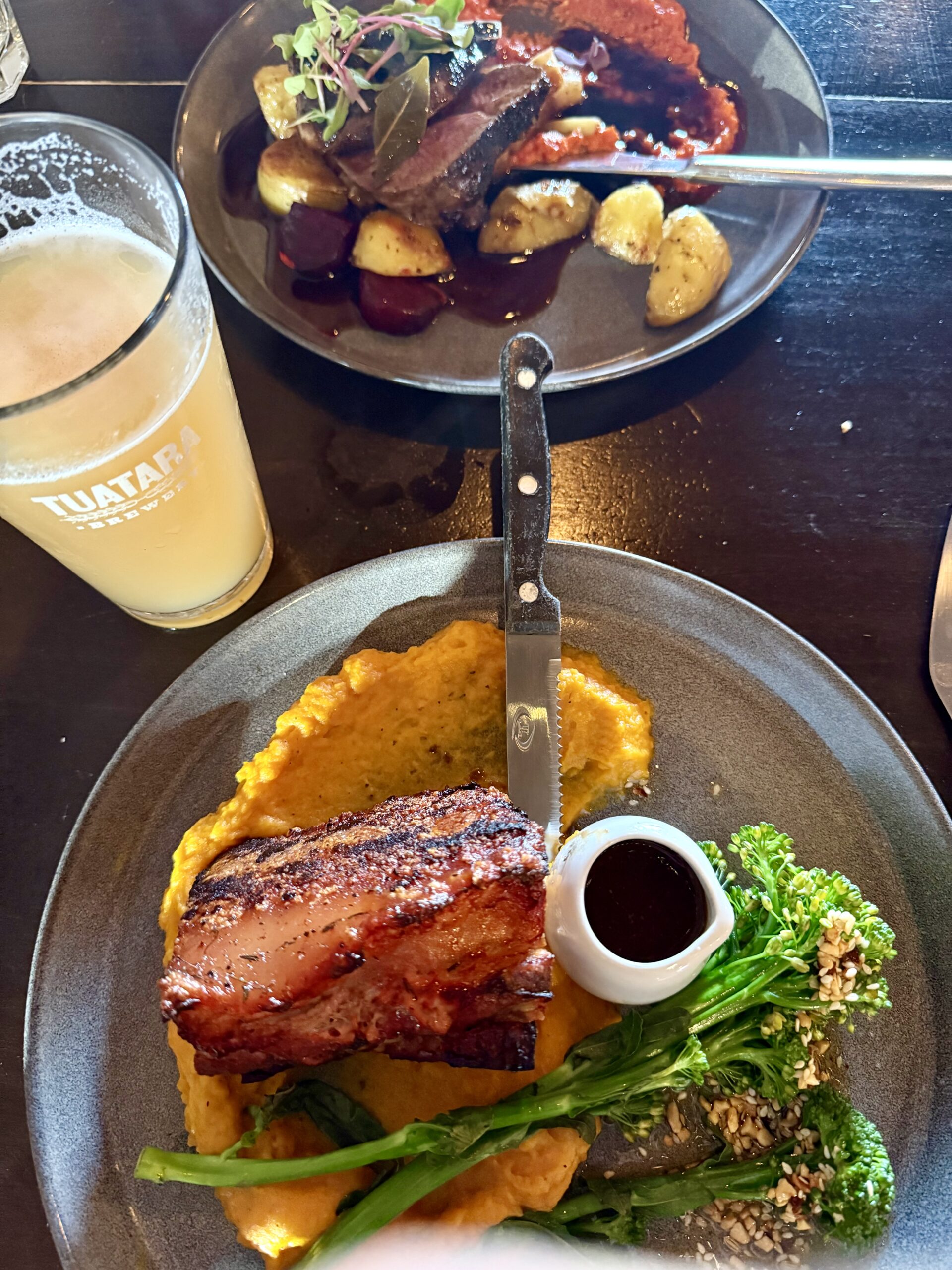
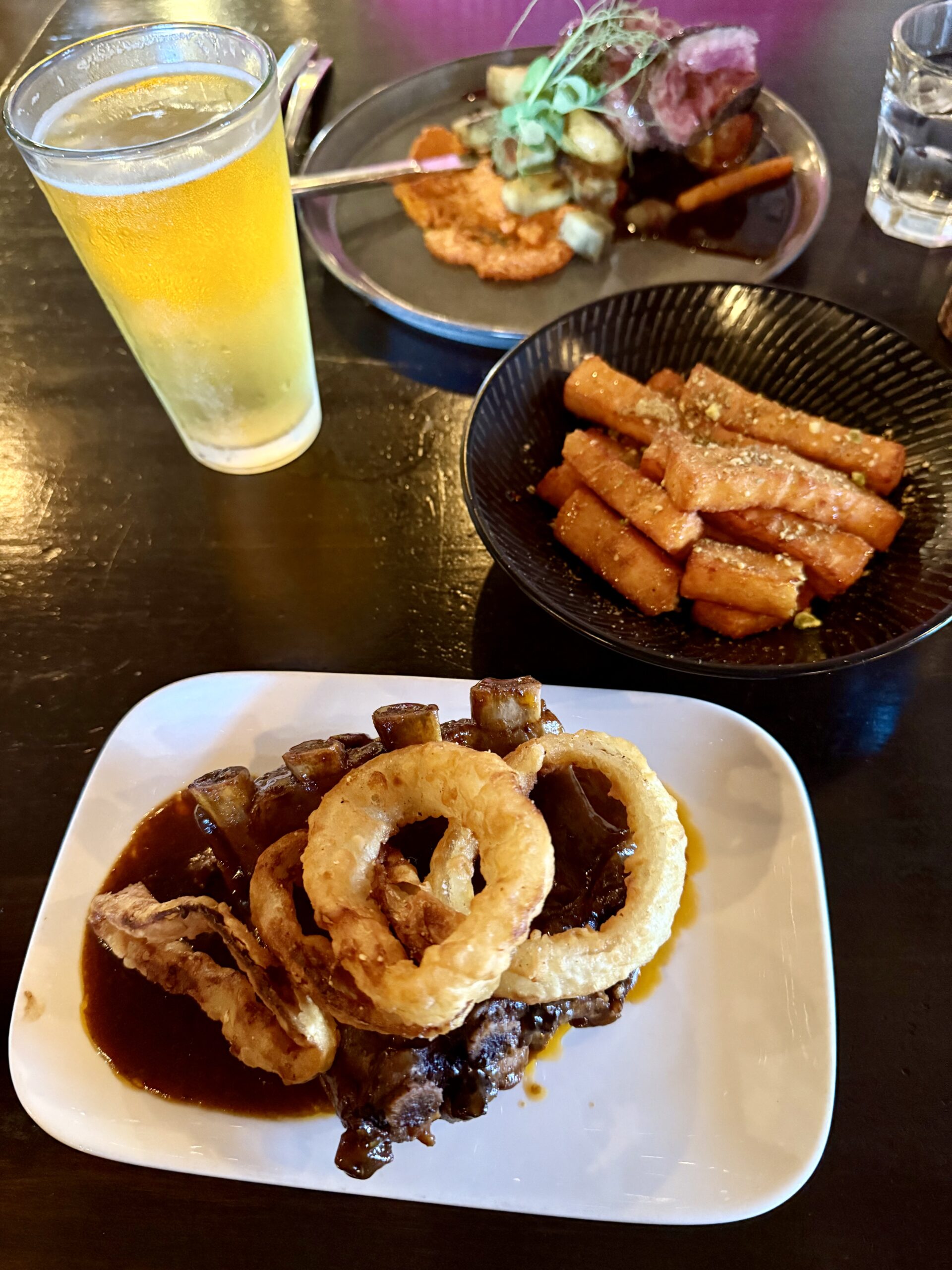
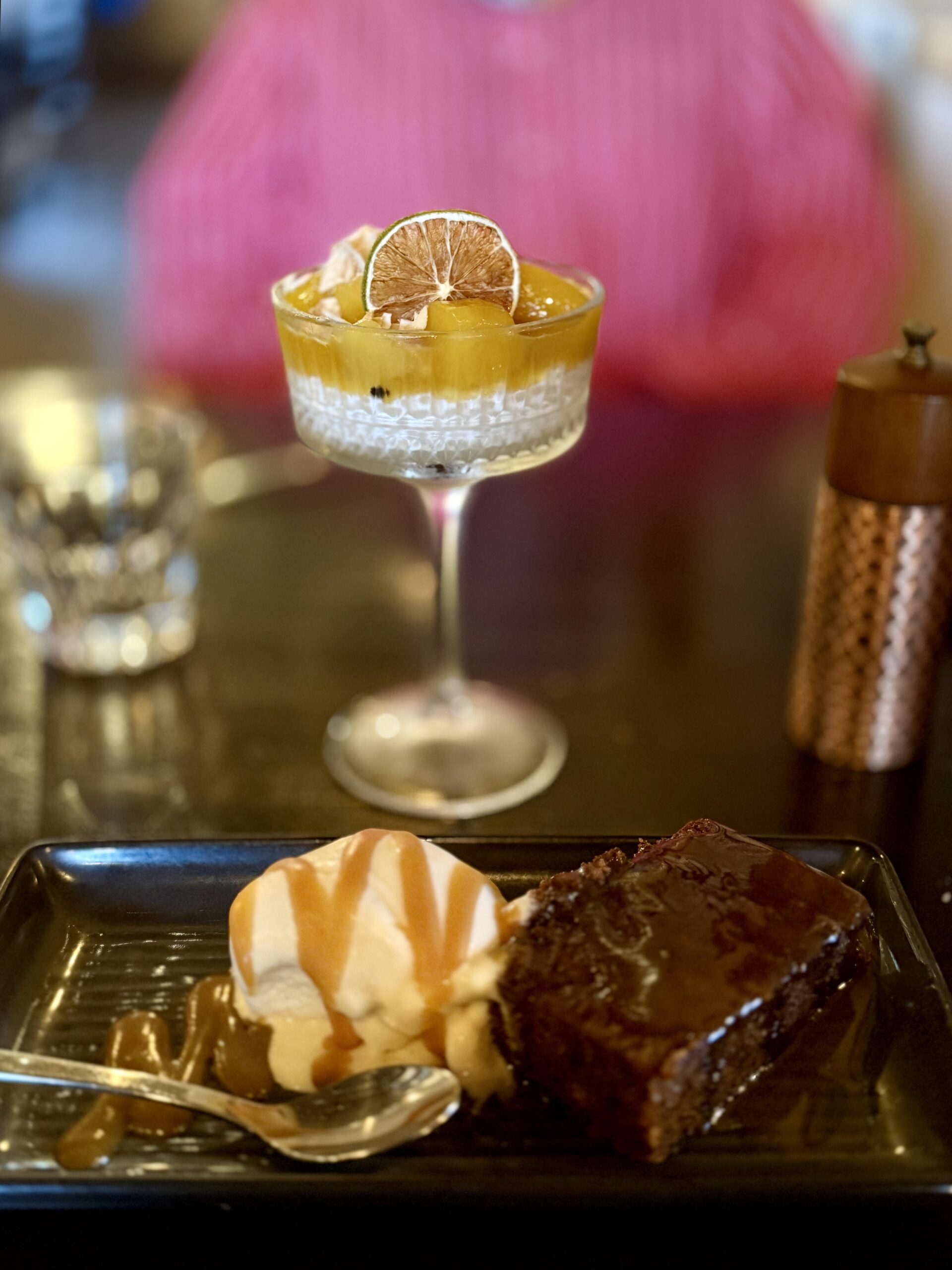
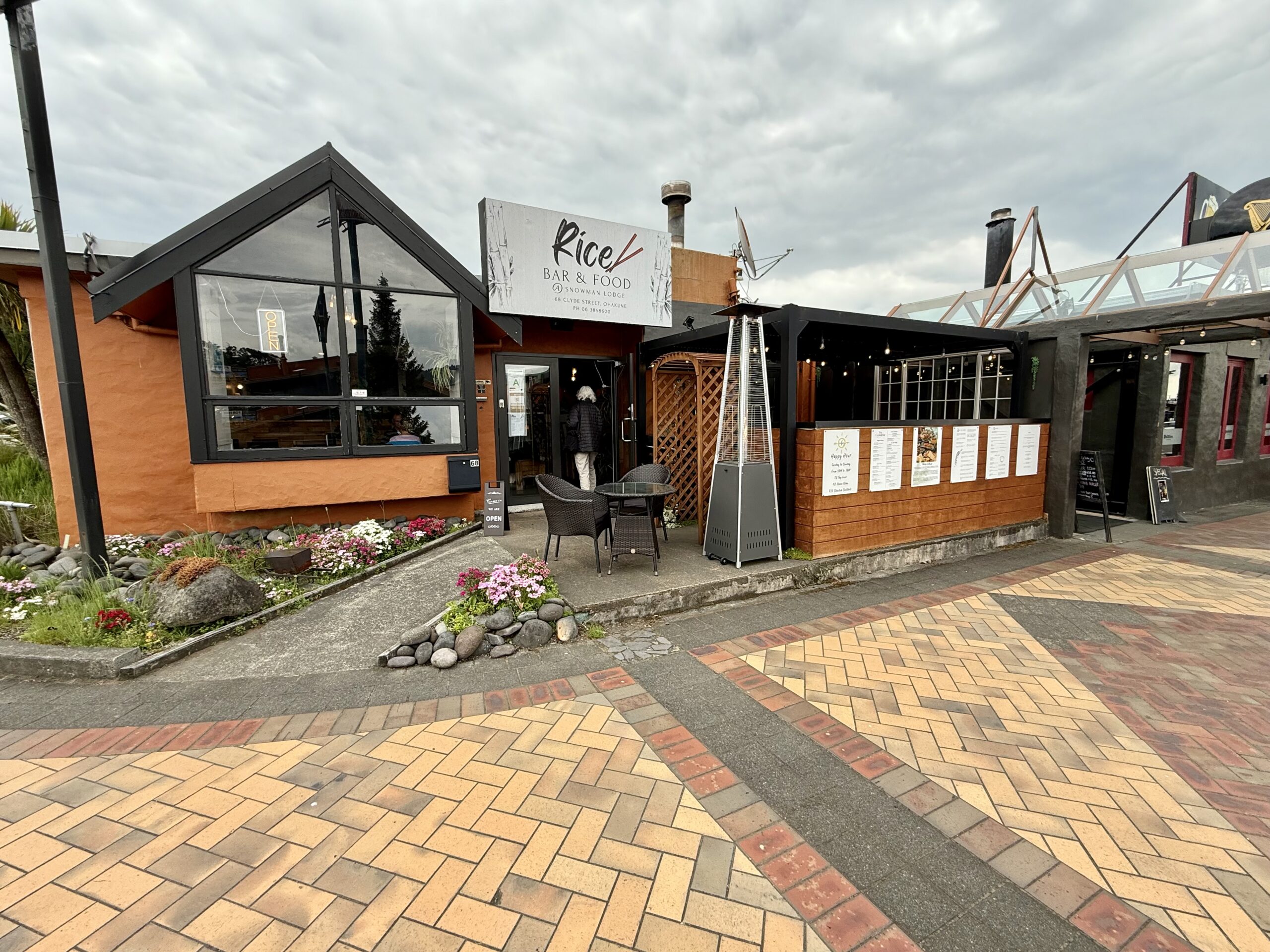
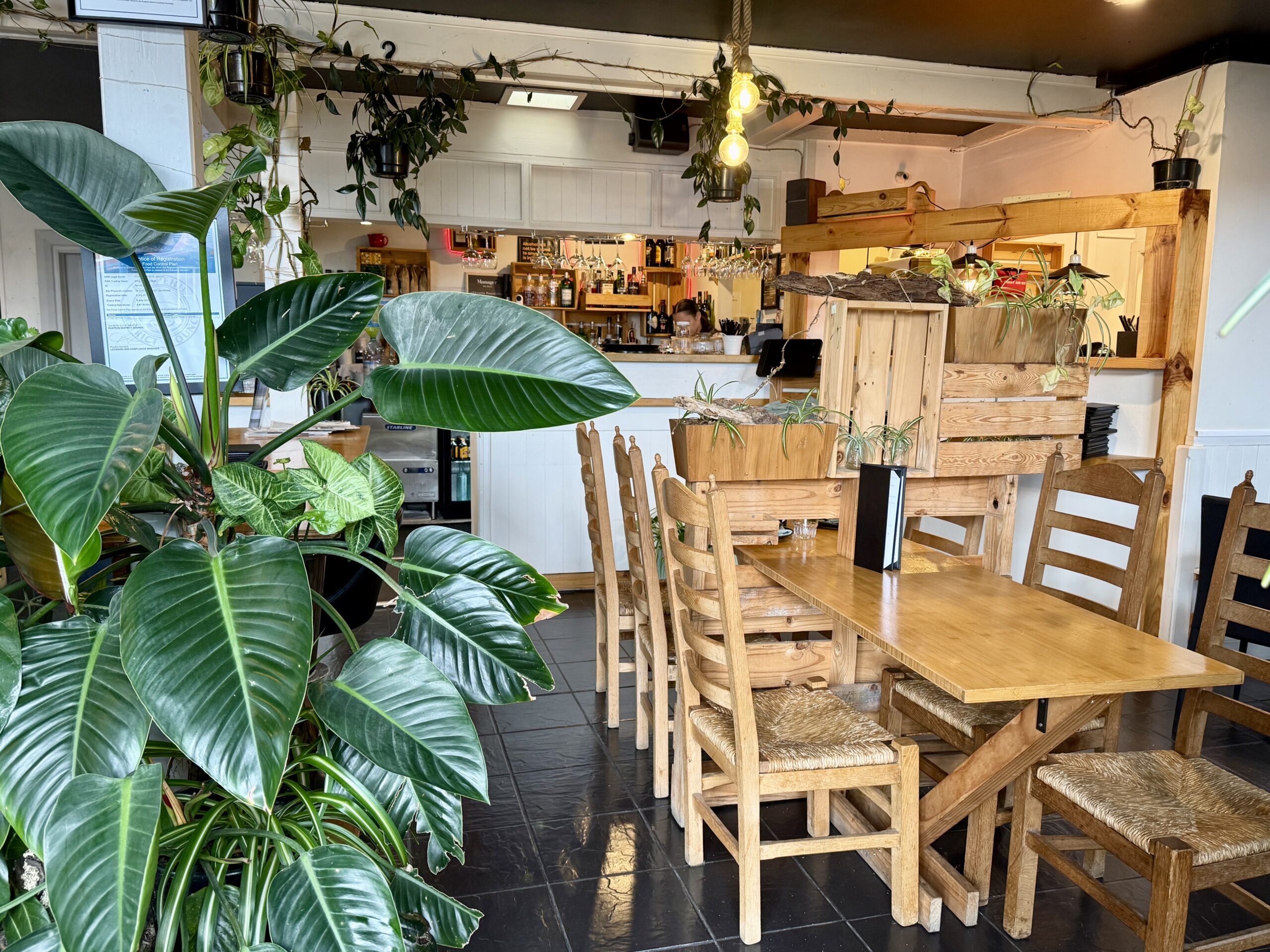
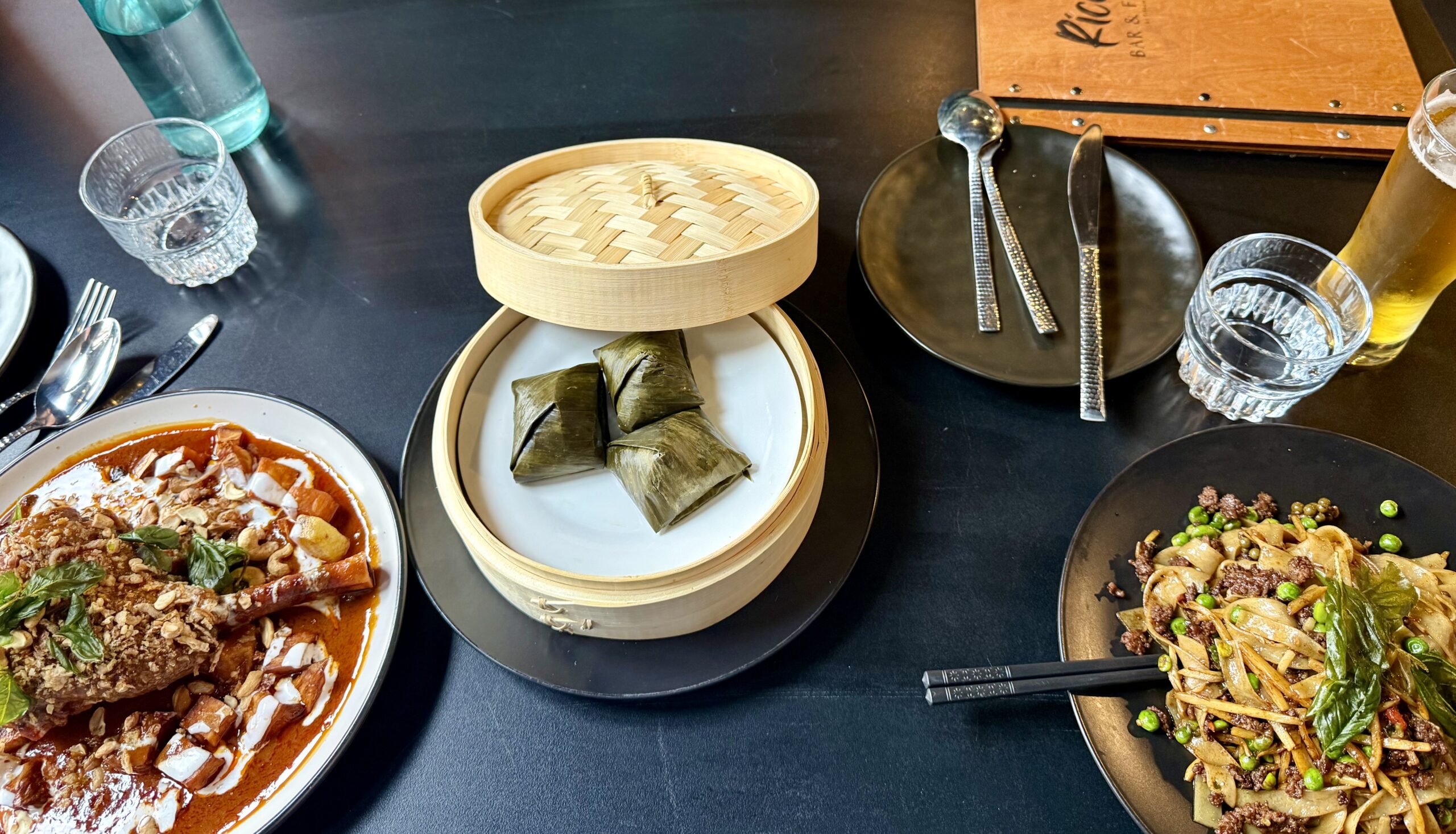
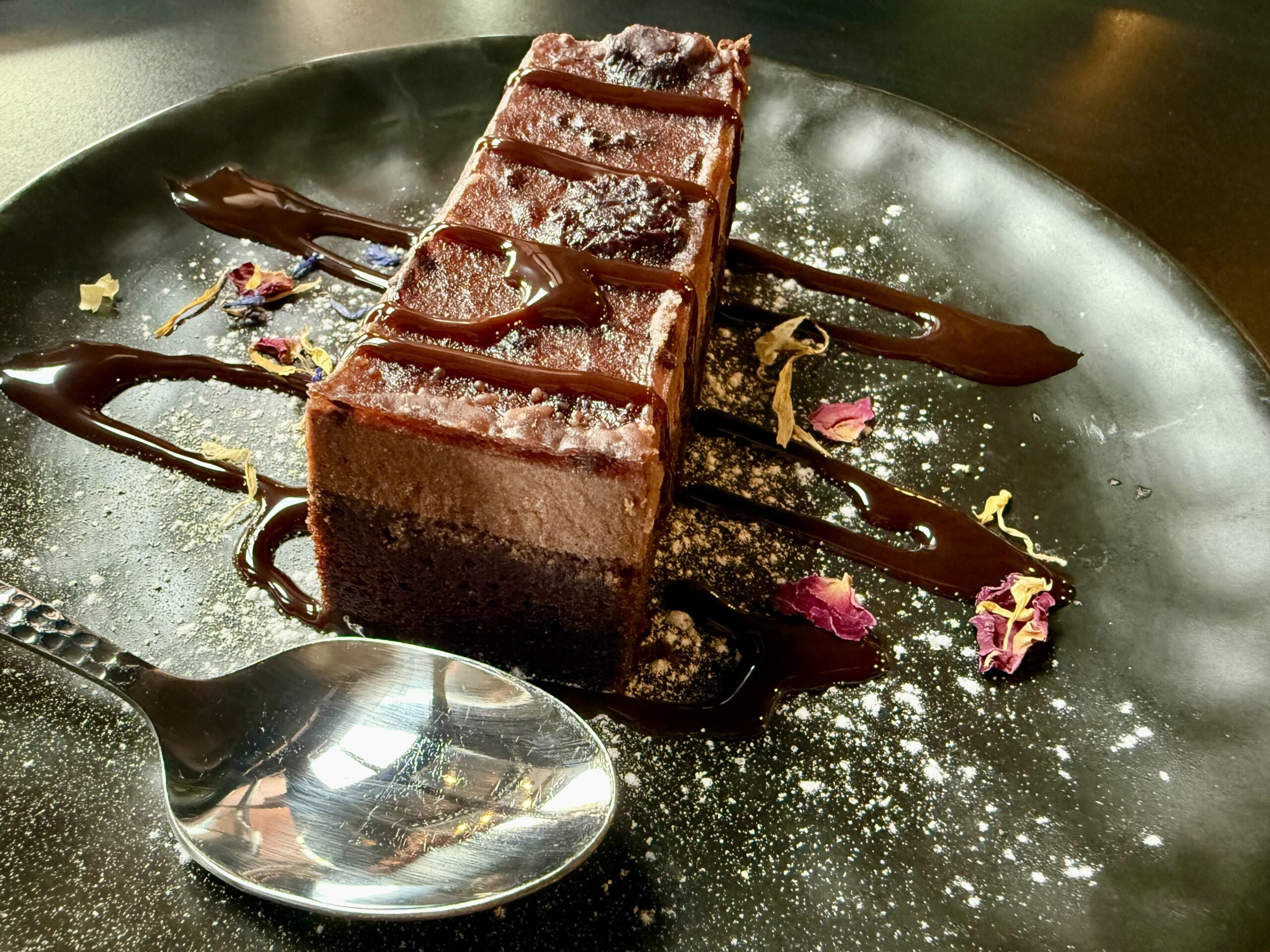
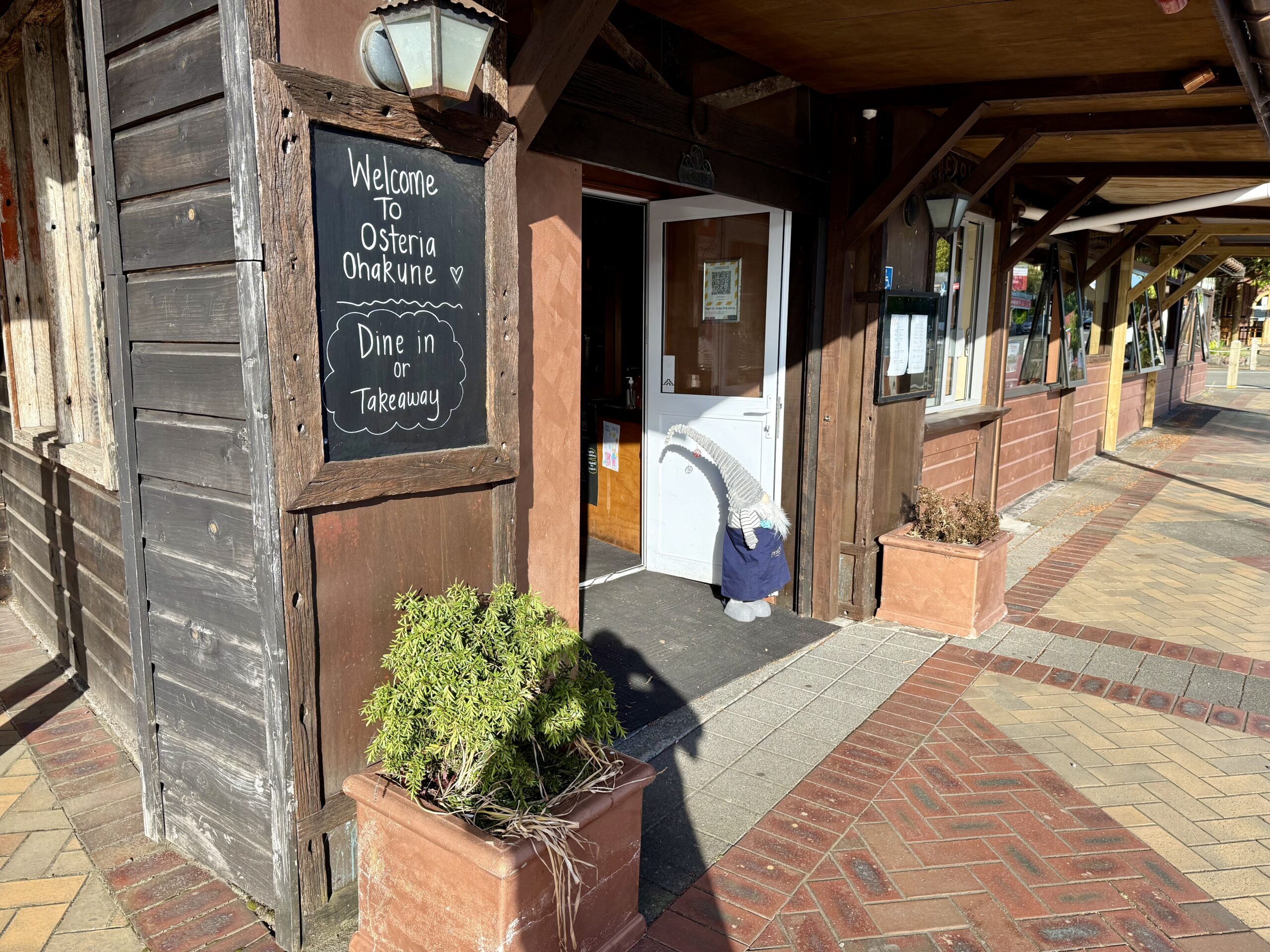
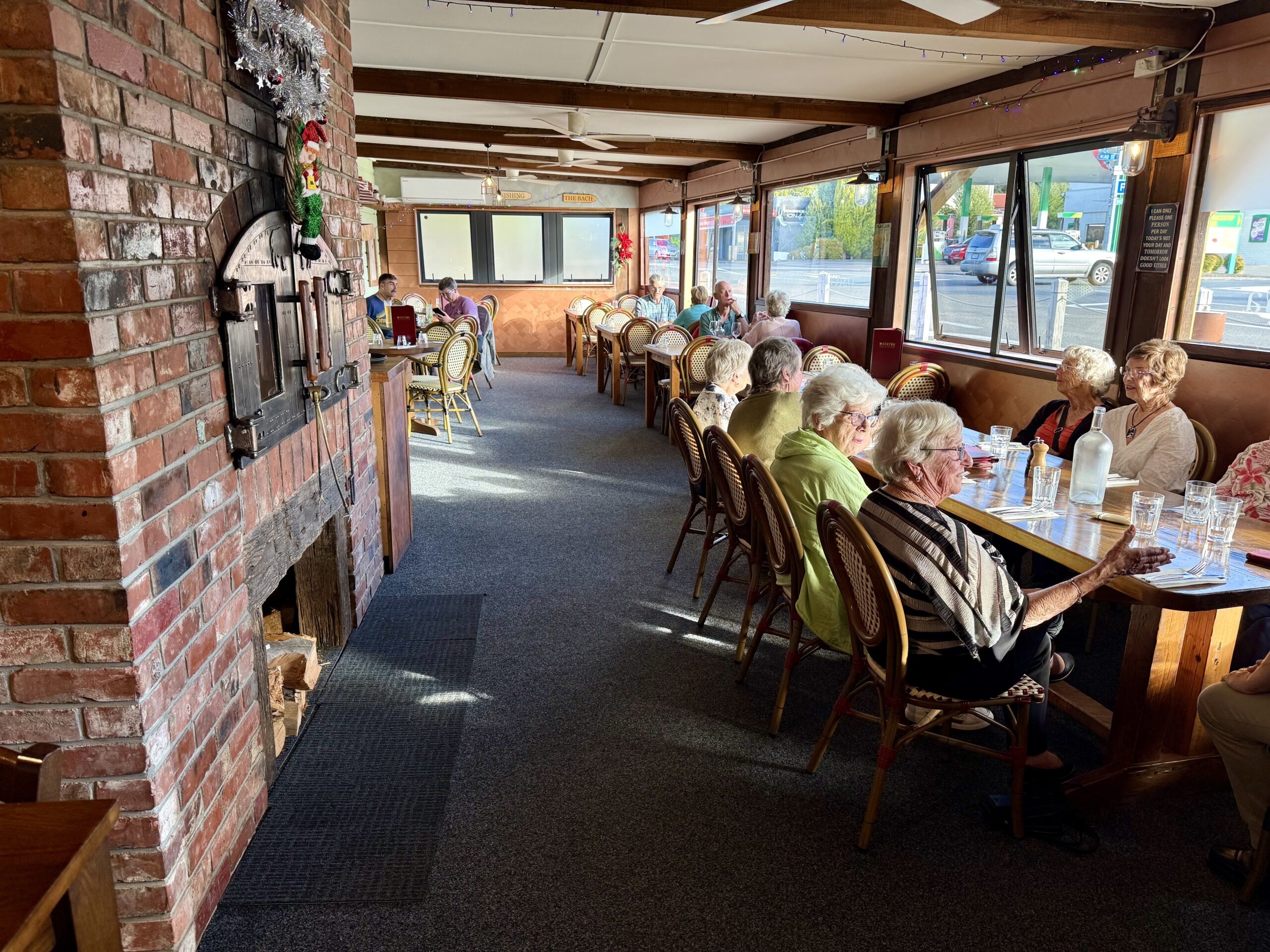
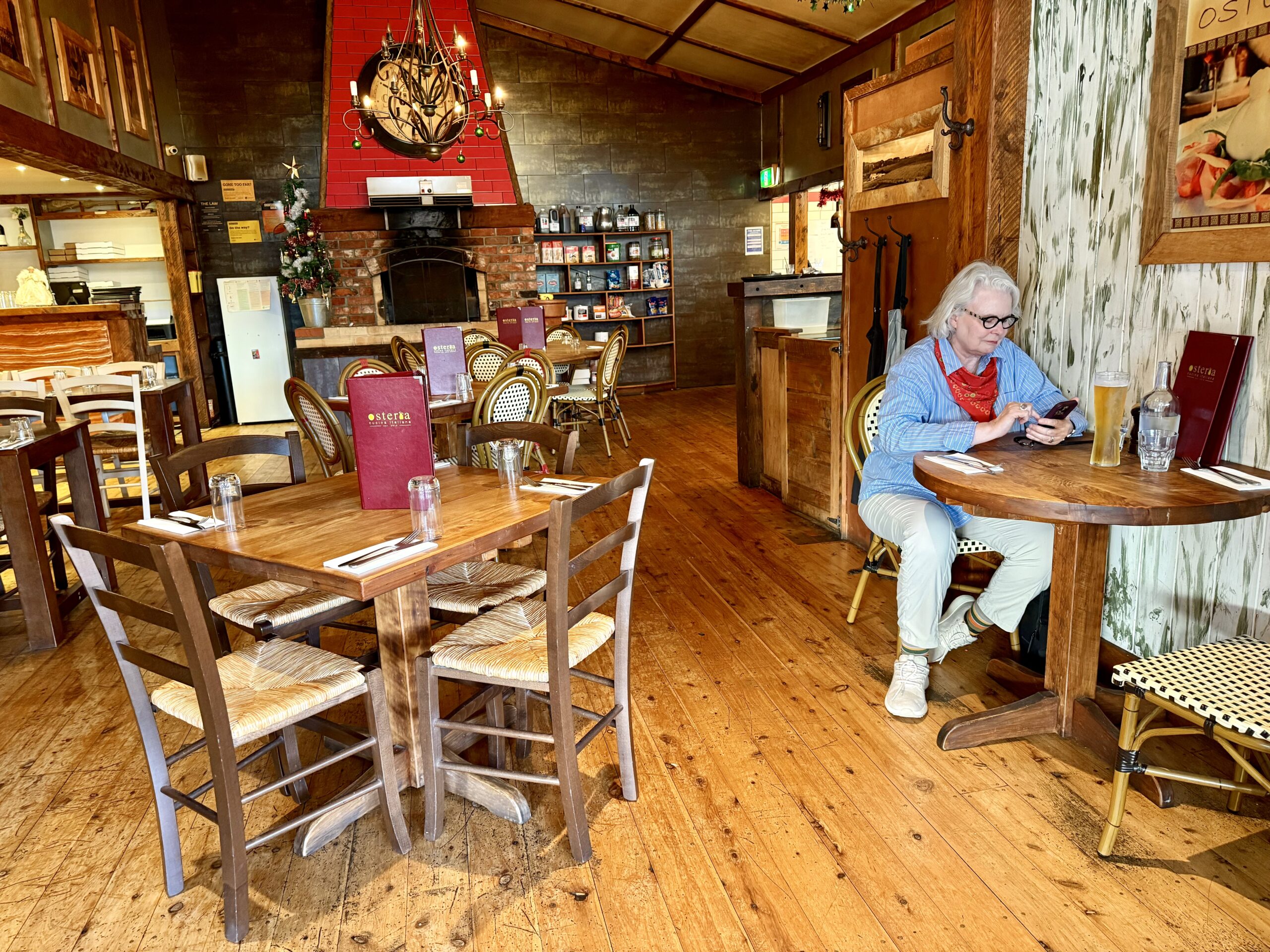
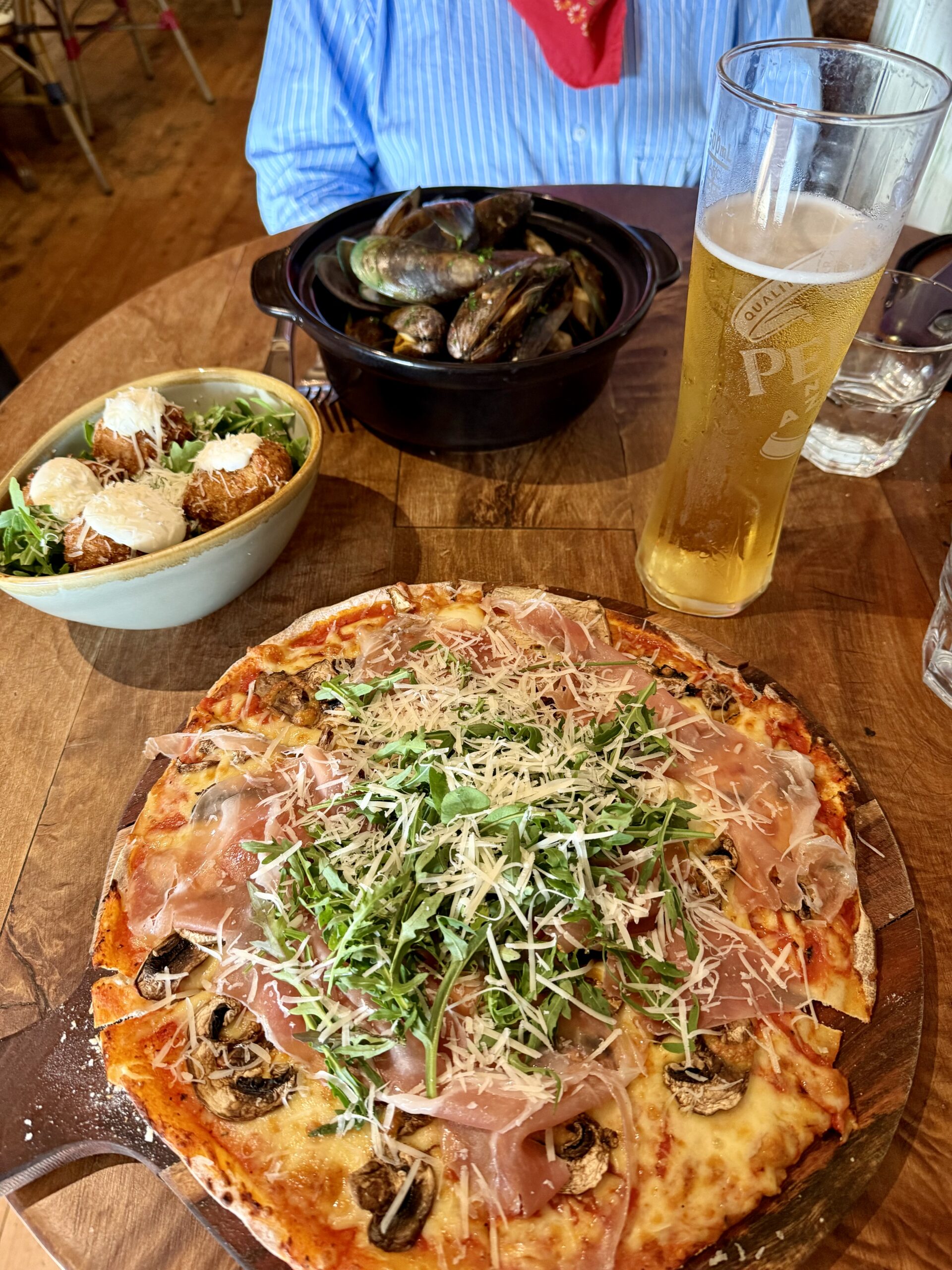
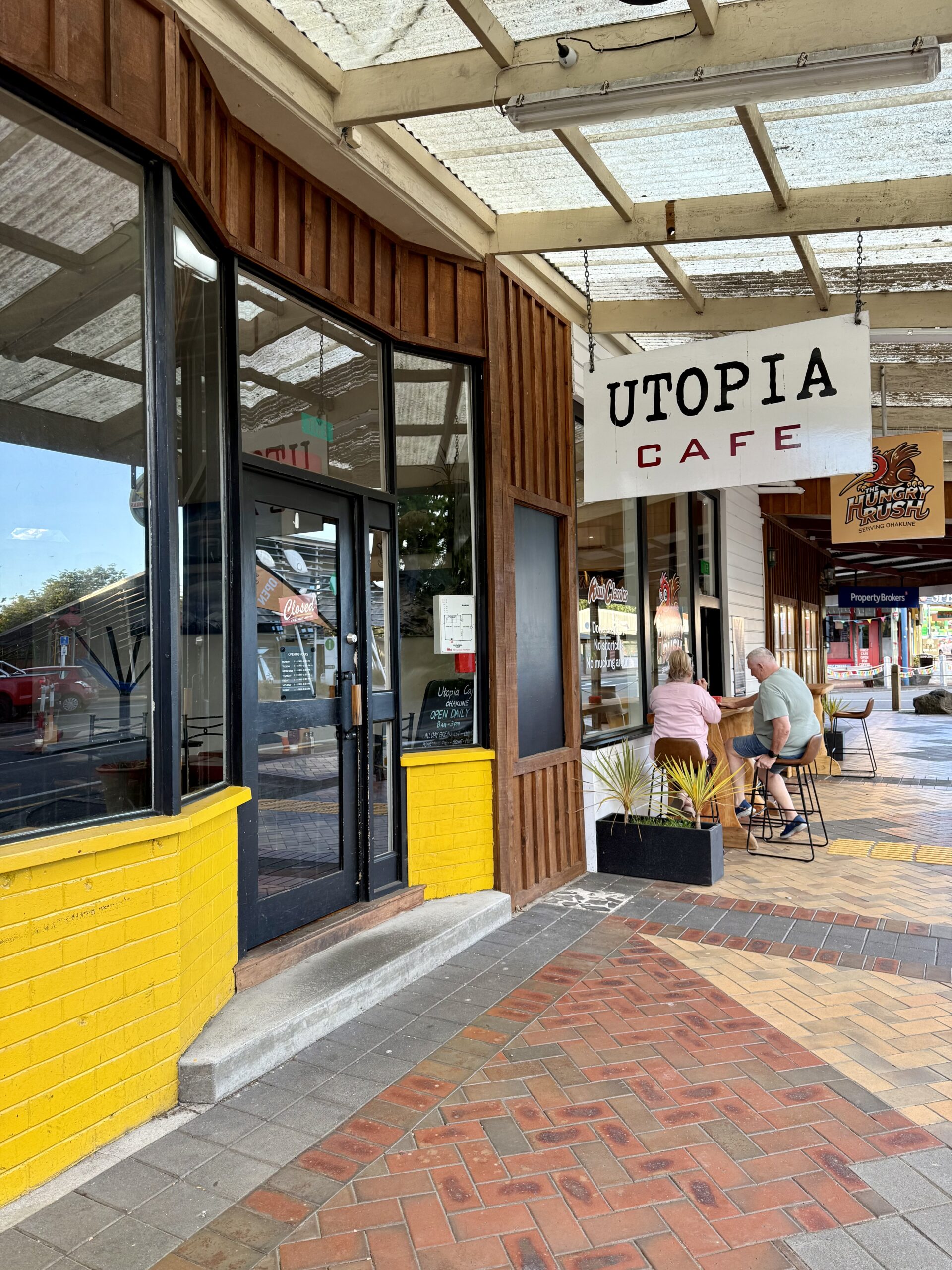
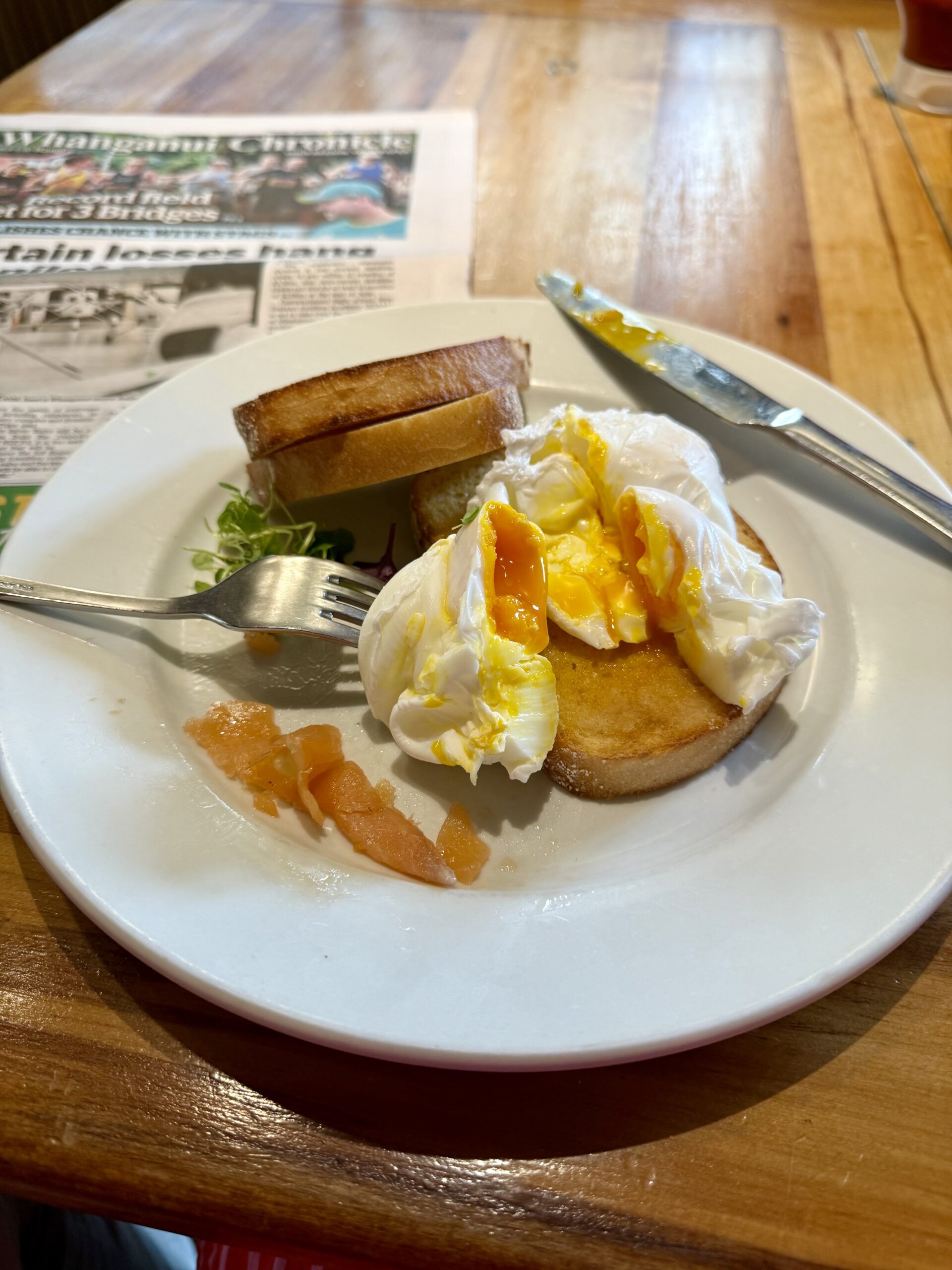
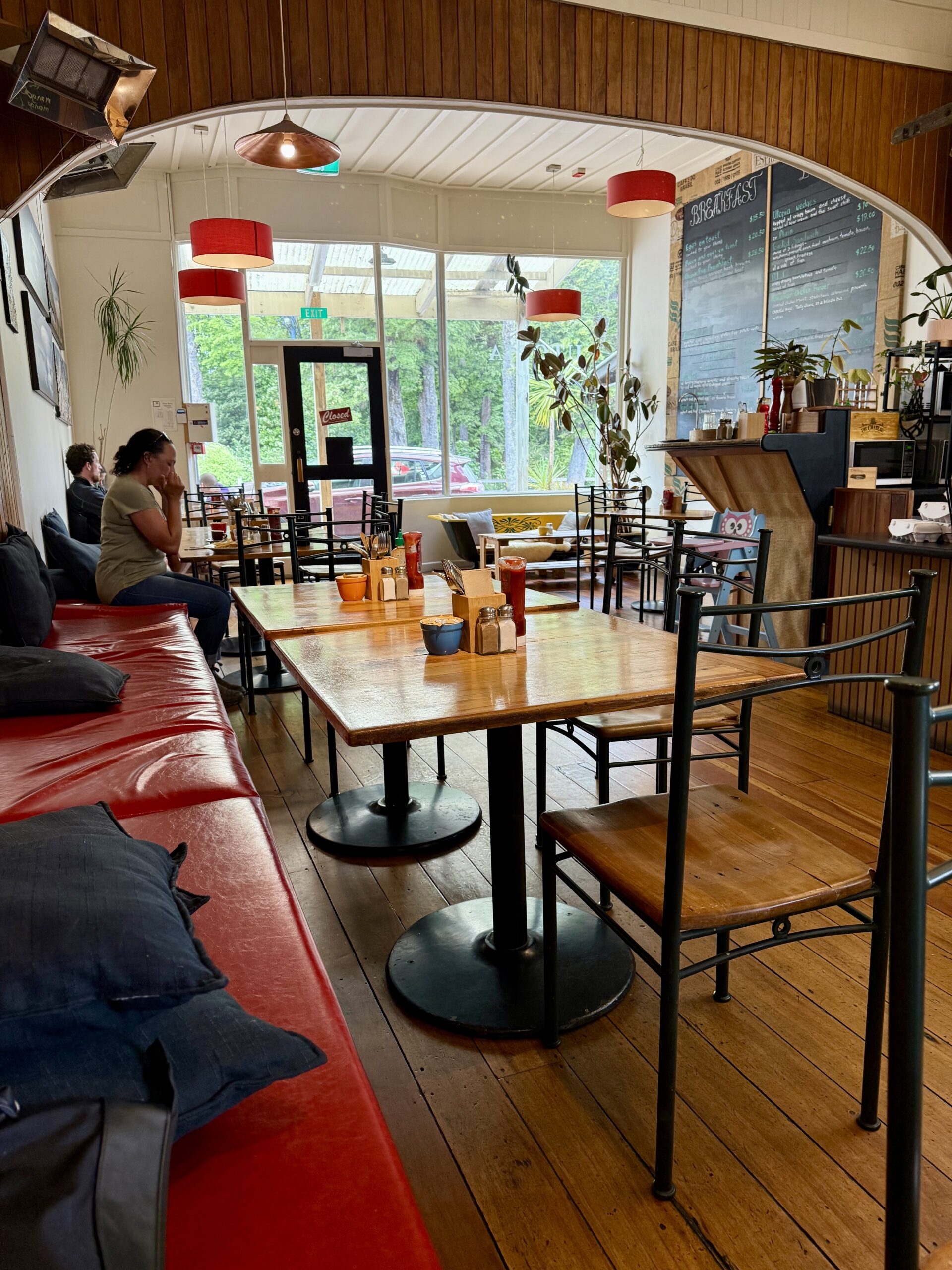
This is definitely off season for Okahune. The bars and restaurants all have large seating capacities—sparsely filled now. The prime season is winter, for skiing and other sports. Unfortunately, snow levels keep retreating up the mountain slopes beyond the reach of the existing lifts. Further building at higher elevations is prohibited because Mount Ruapehu has spiritual significance for the Māori people.

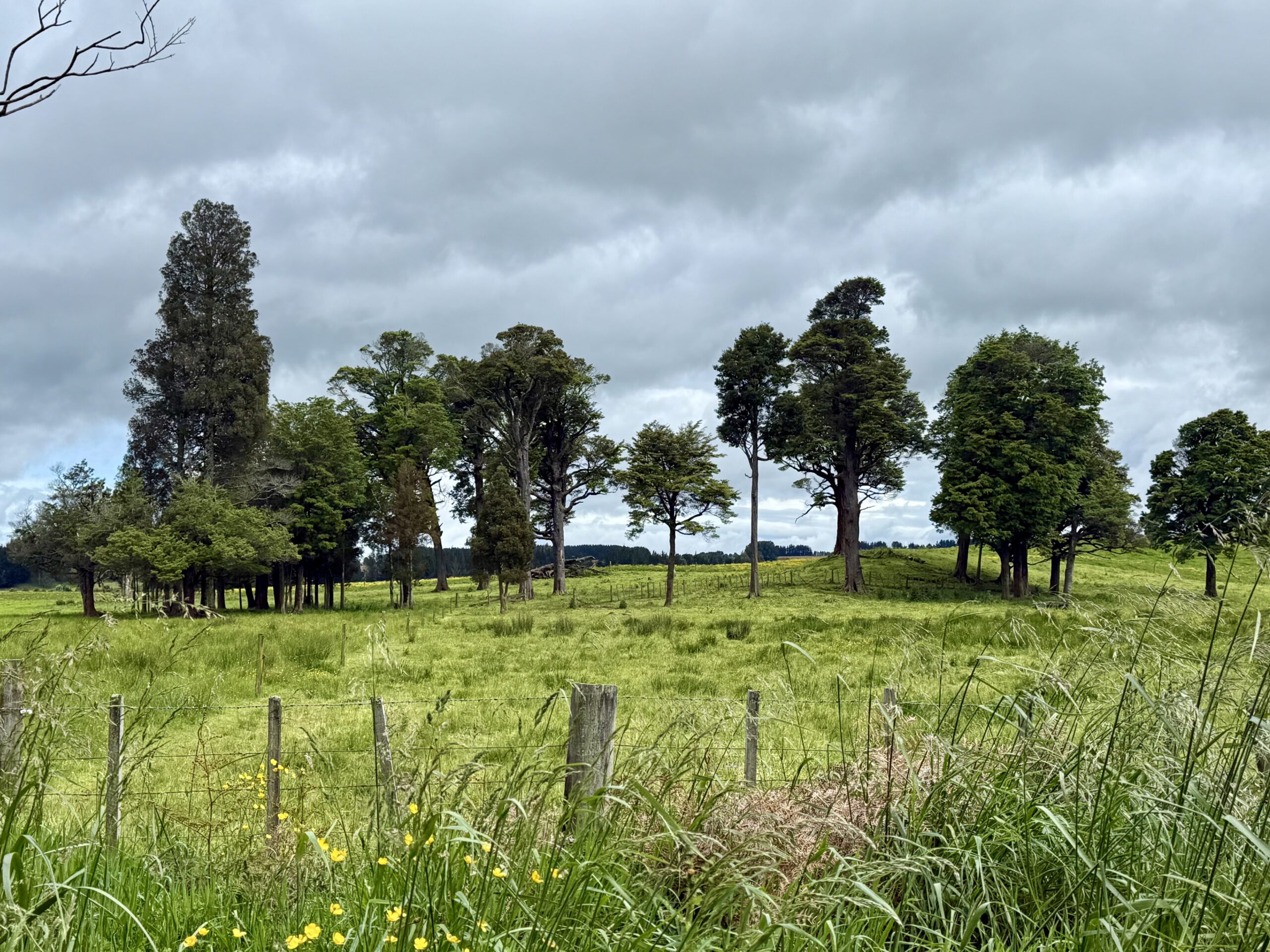
If Robert could choose what to be in his next life, he would be a
tree in New Zealand. Trees grow quickly to abnormal uber sizes throughout the South and North Islands. Robert would prefer the North Island because of its lushness and the mixture of the vegetation.
Next Stop—Napier!
Inspired by your travels, we suggested that our art group “Travel Sketching” class use New Zealand as
subject matter. (Each week we virtually visit a new country). The results were engaging, and I produced two pages of pen and ink and watercolor images to capture what inspired me.
I will email jpgs to you, as they wont attach in the comments section.
Bob
Just saw the renderings. Great stuff!