12-18 November 2025
Fishing Near Hanmer Springs with Sam
Some of the first words from our fishing guide Sam Radonovich were that fishing in the North Canterbury region is much harder than fishing in South Canterbury where we fished first. The wind and rain only underscored his words.
The first day had high wind gusts.
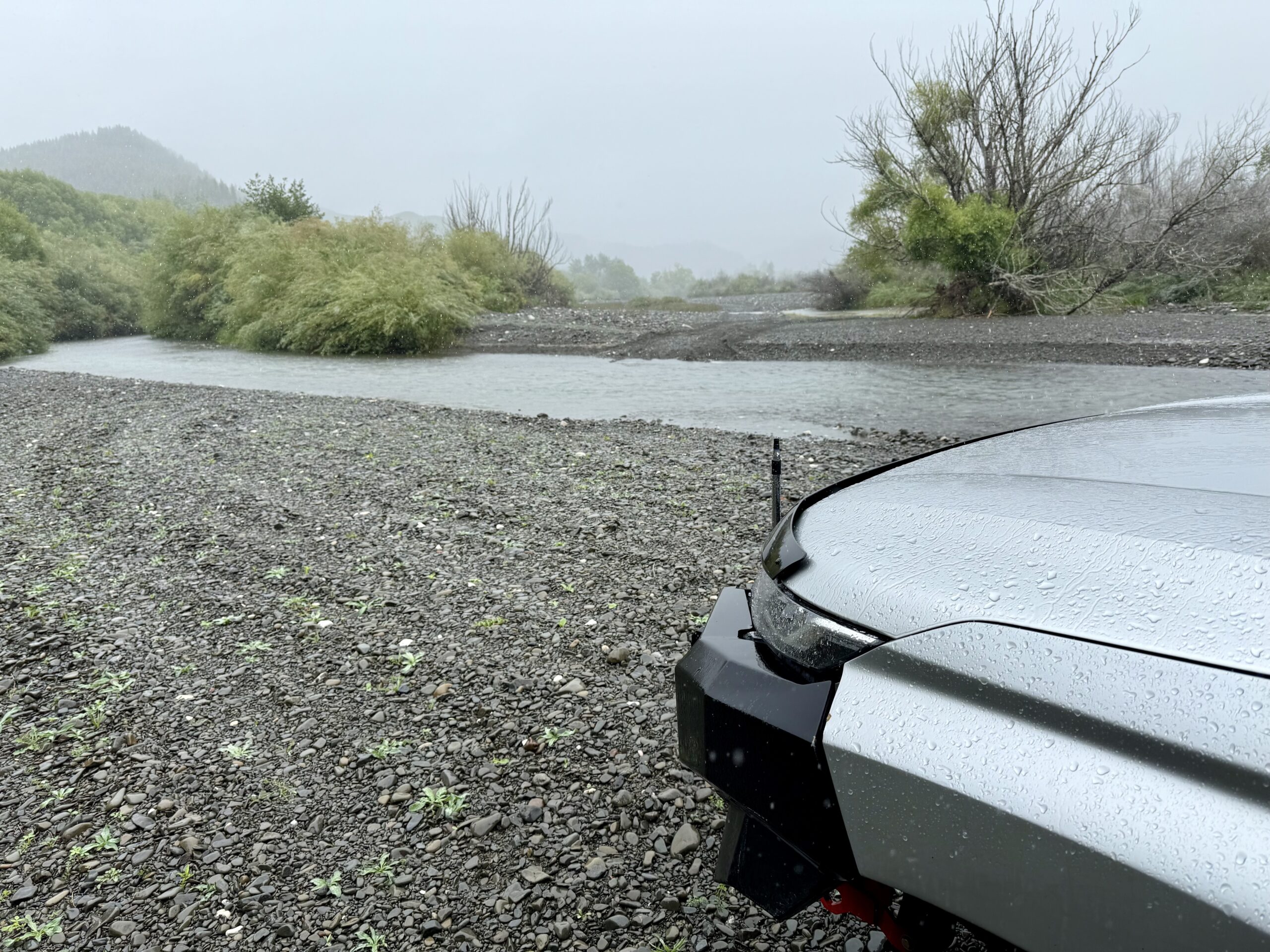
The second day had high wind gusts with moderate drizzle.
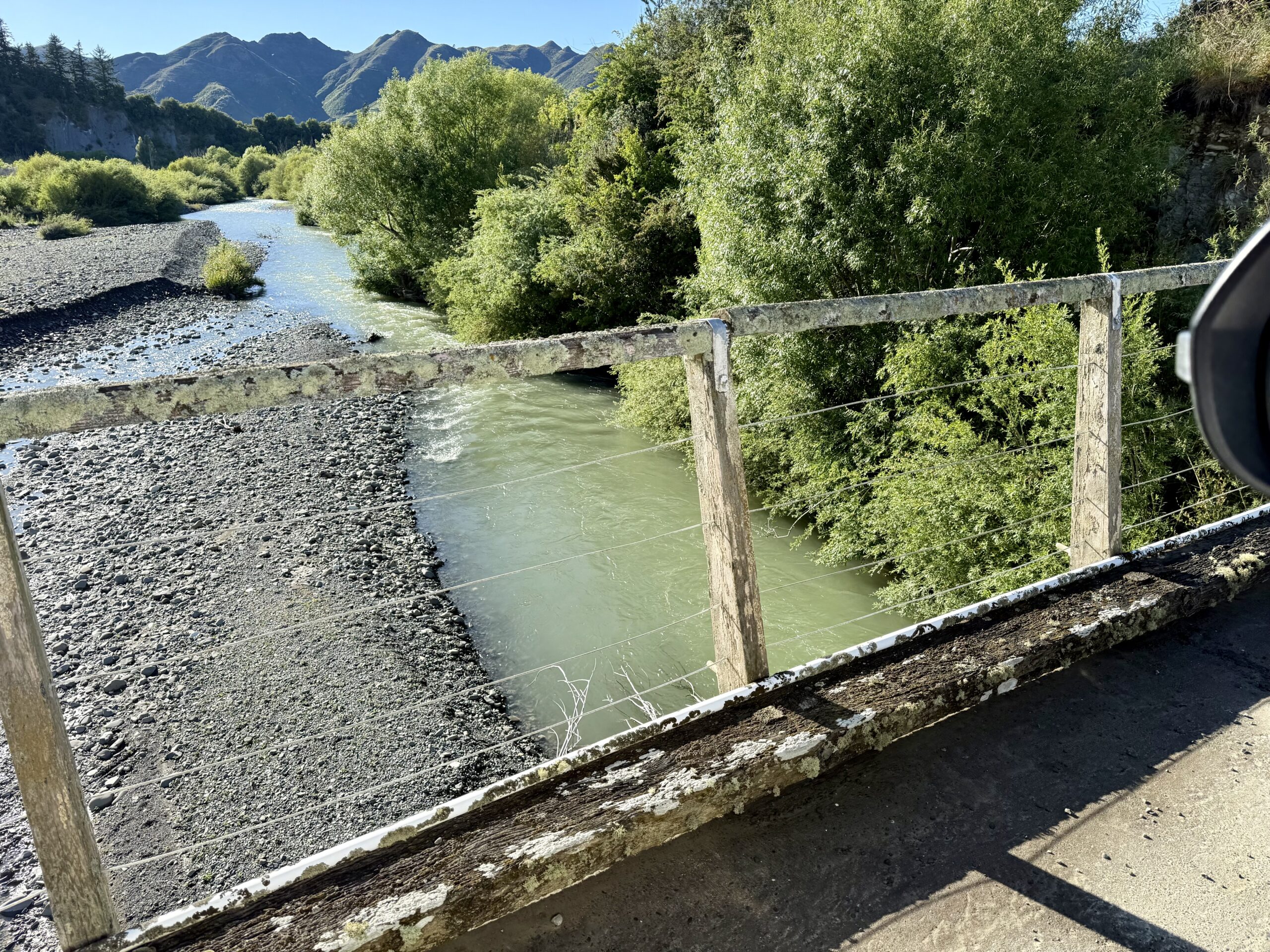
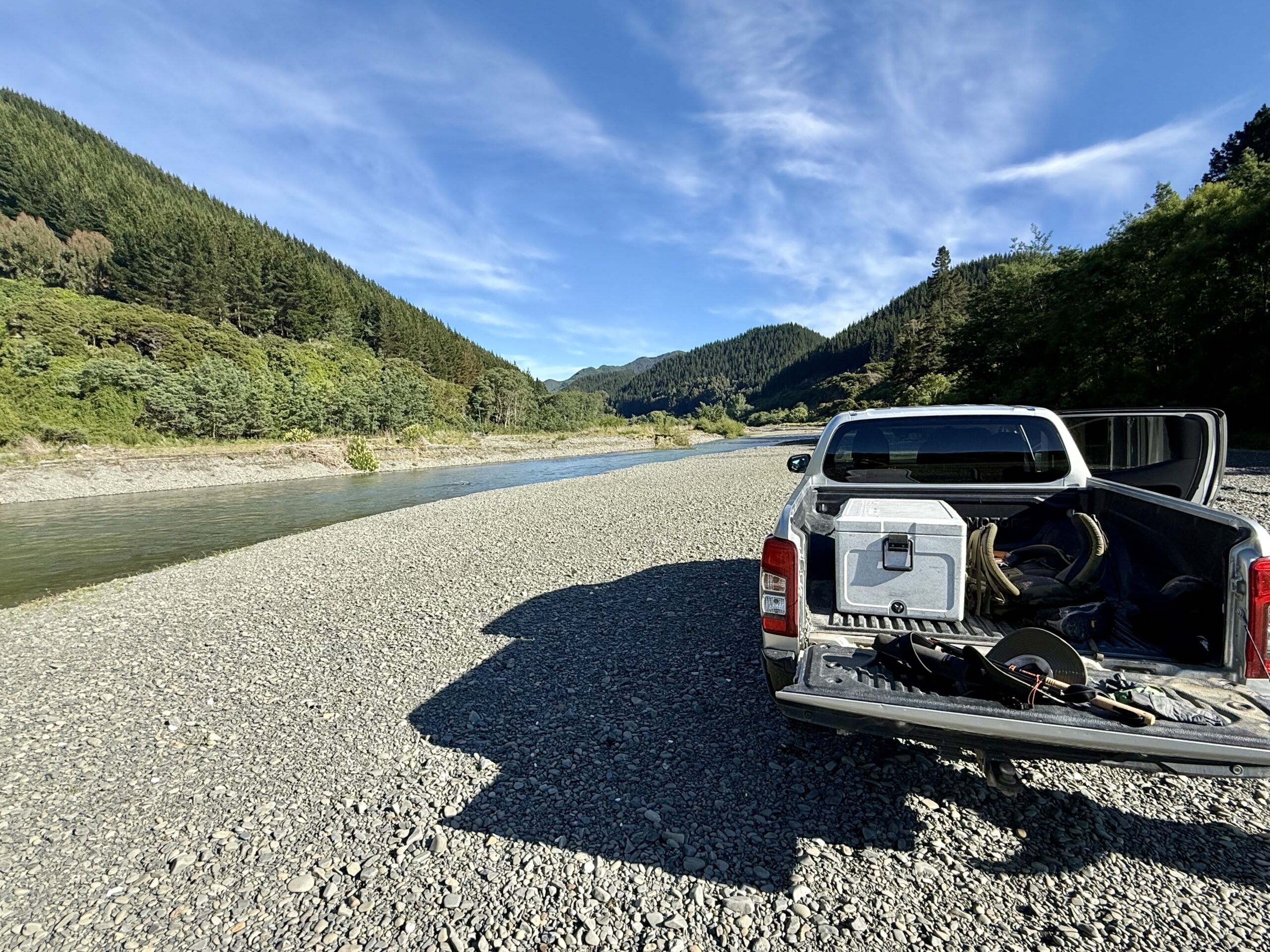
The third day proved to be sunny with a light breeze.
RESULTS:
First day: 10 sighted, 8 spooked, 2 hooked, 0 netted.
Walked 8.3 miles.
Second day: 6 sighted, 6 spooked, 0 hooked, 0 netted.
Walked 4.1 miles.
Third day: 8 sighted, 4 spooked, 1 hooked, 0 netted.
Walked 7.3 miles.
Examples of why we call this fishing, and not catching.
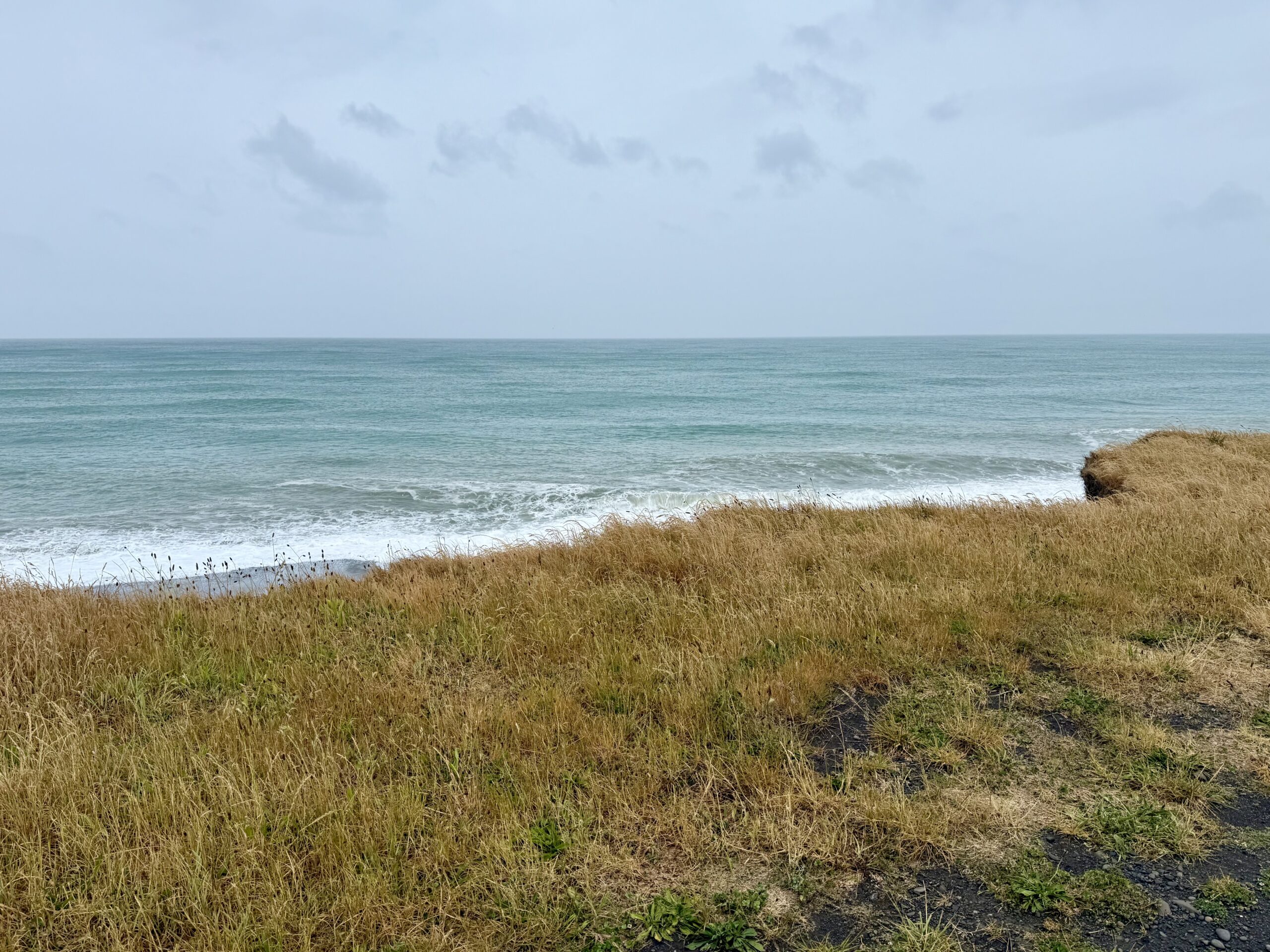
A little about Sam. He is 30 years old. While he has worked as a fishing guide, his main focus now is hunting. He serves as an infill guide for the Best of New Zealand Fly Fishing. He travels extensively to hunt: Alaska, Kentucky, Texas, North and South Dakota. In Alaska, he has bagged a grizzly bear and a moose on a 15-day float trip. At home in Oxford, near Christchurch, he and his wife are preparing a lodge on their property—about seven beds with a bar, restaurant, swimming pool, hot tubs—the whole works. Should be ready by 2027. He says their location has easy access to a variety of places to fish. Something to keep in mind for a future trip. Next trip, we will likely poll Sam and our other guides on the recommendations on the best places to fish and stay.
Sam typically fishes the rivers the week before he meets a client to understand their conditions and where fish are located. He is very, very, very serious about catching fish. At first, he sought large fish for Robert to catch. Robert kept reminding him that large was not necessary. Unfortunately, fish of any size were scarce.
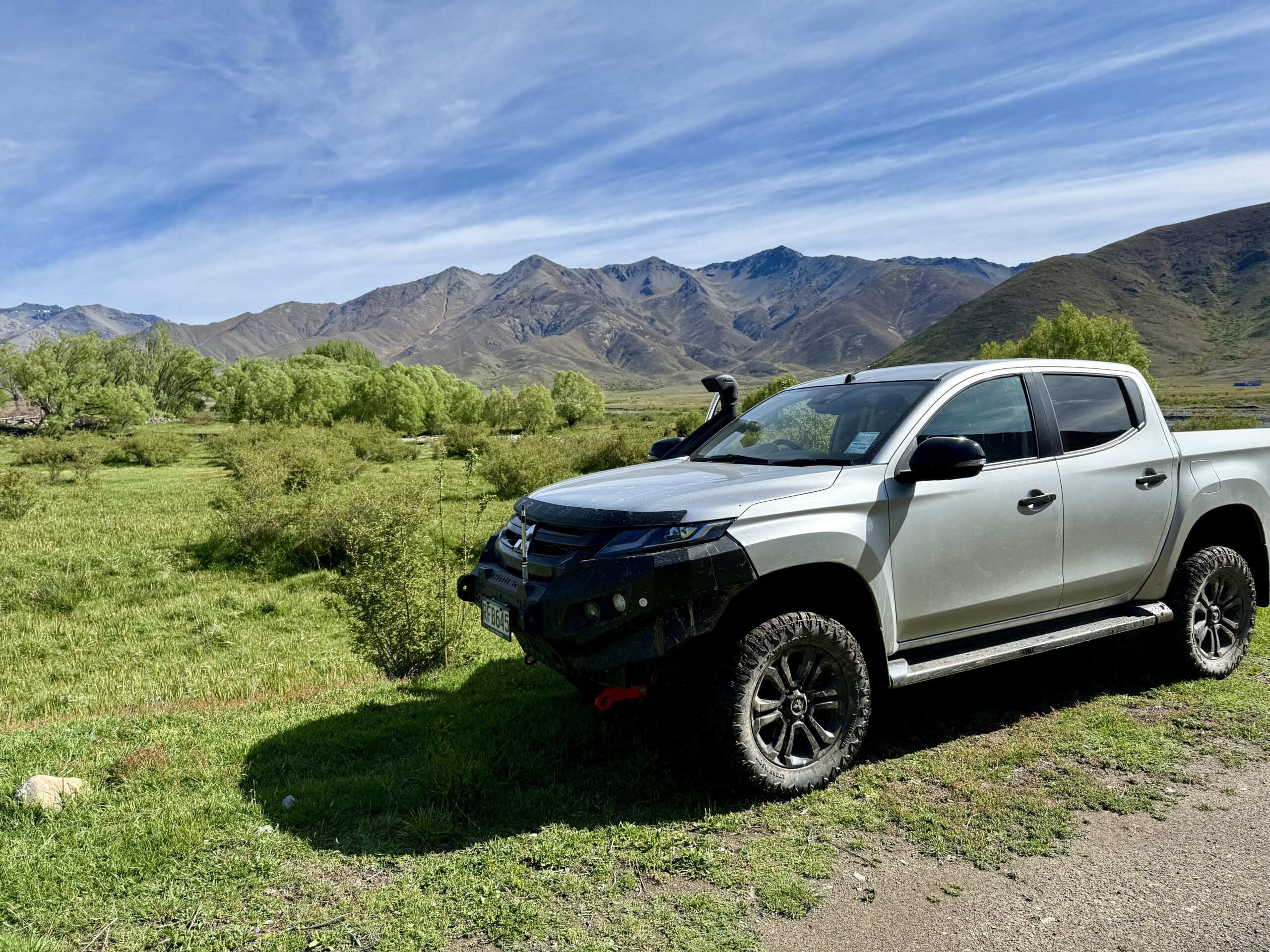
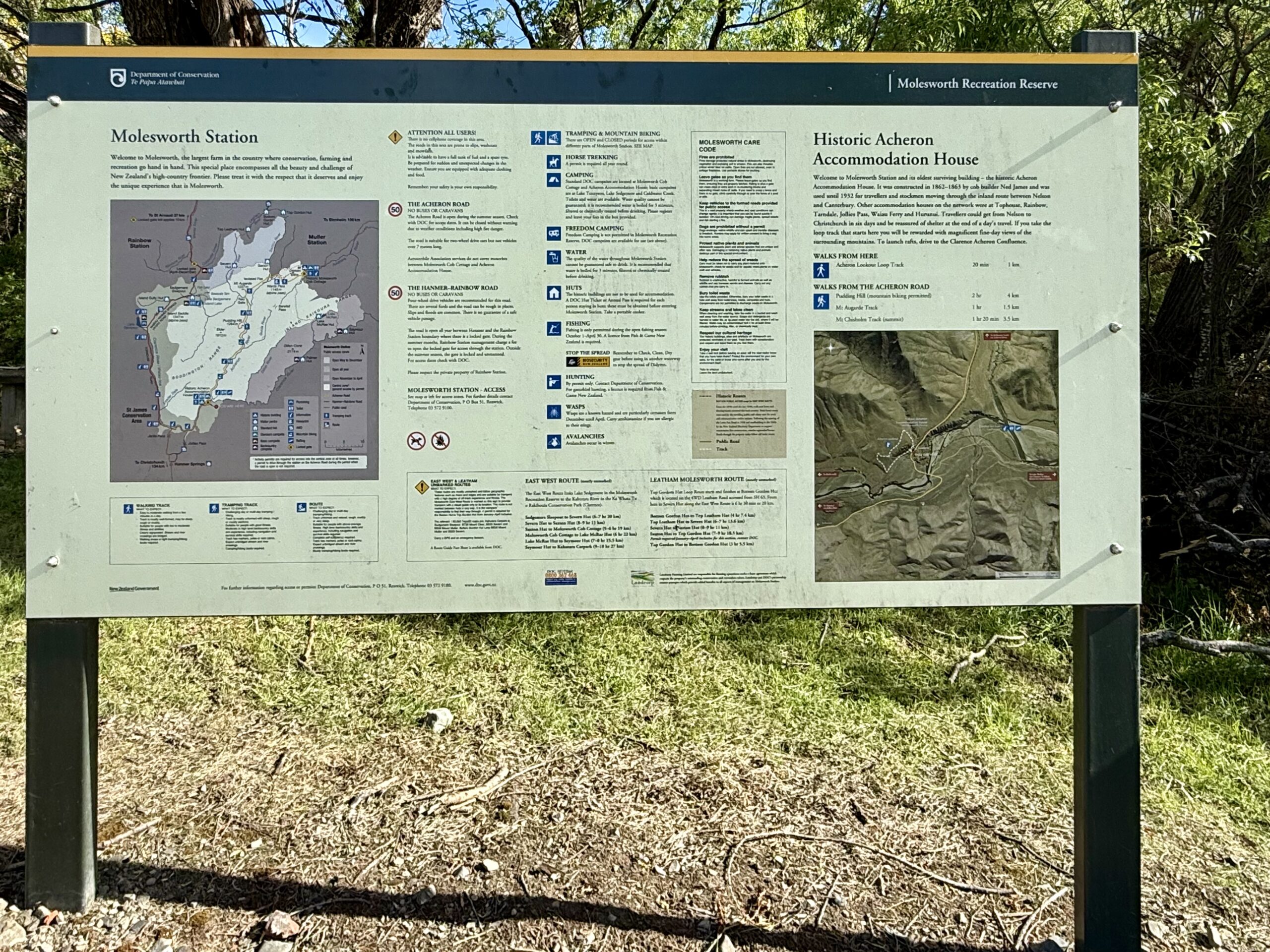
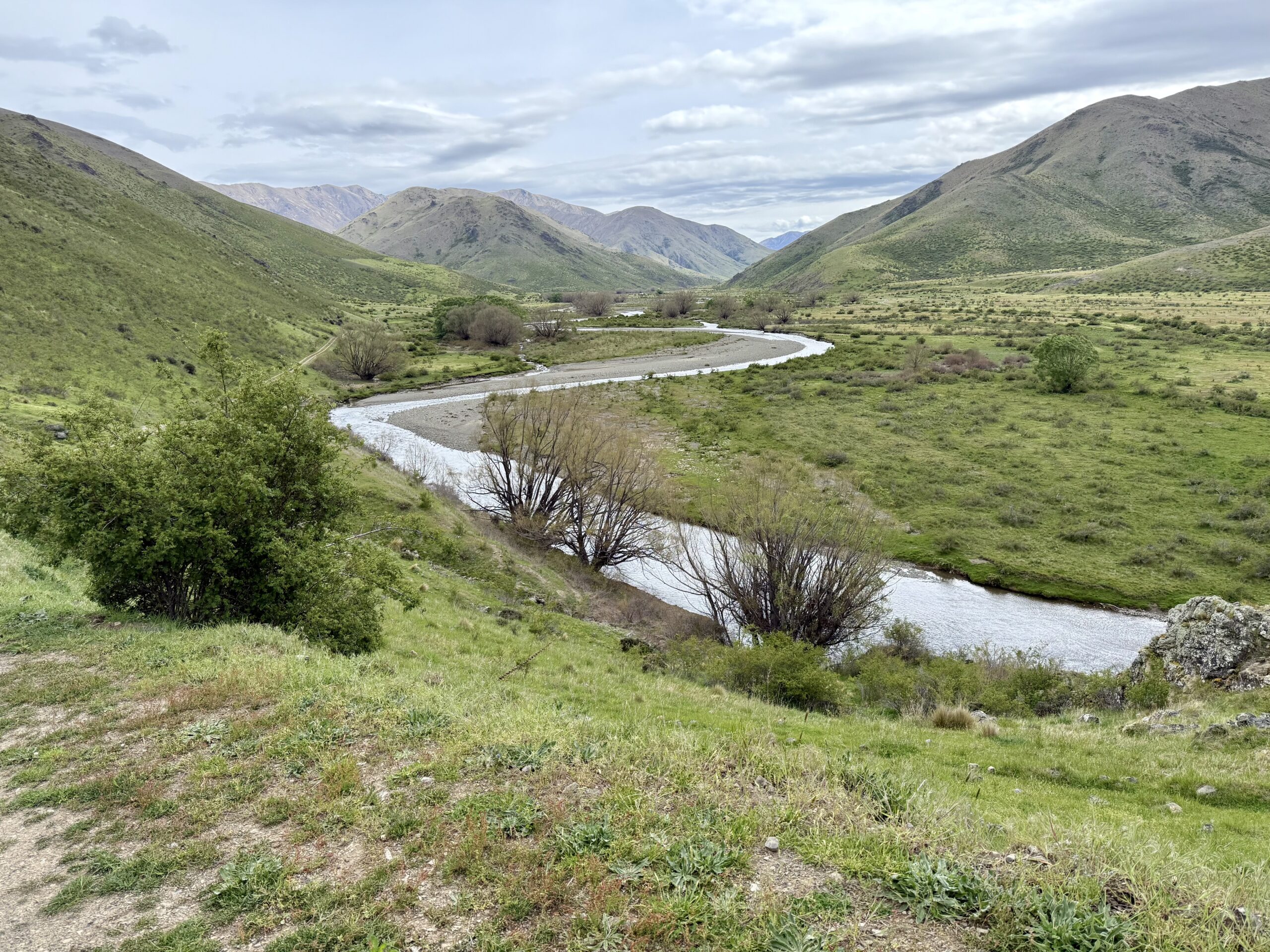
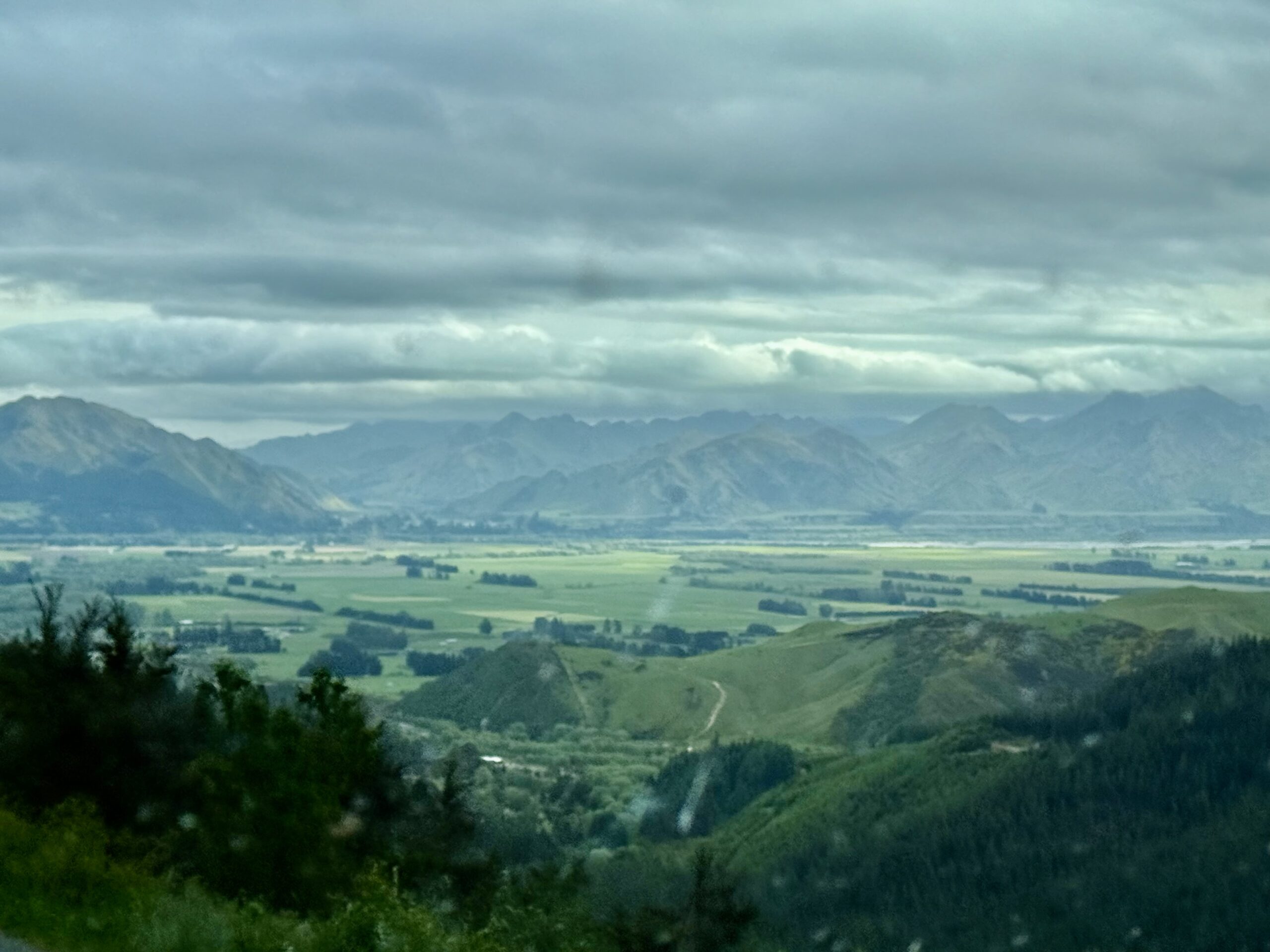
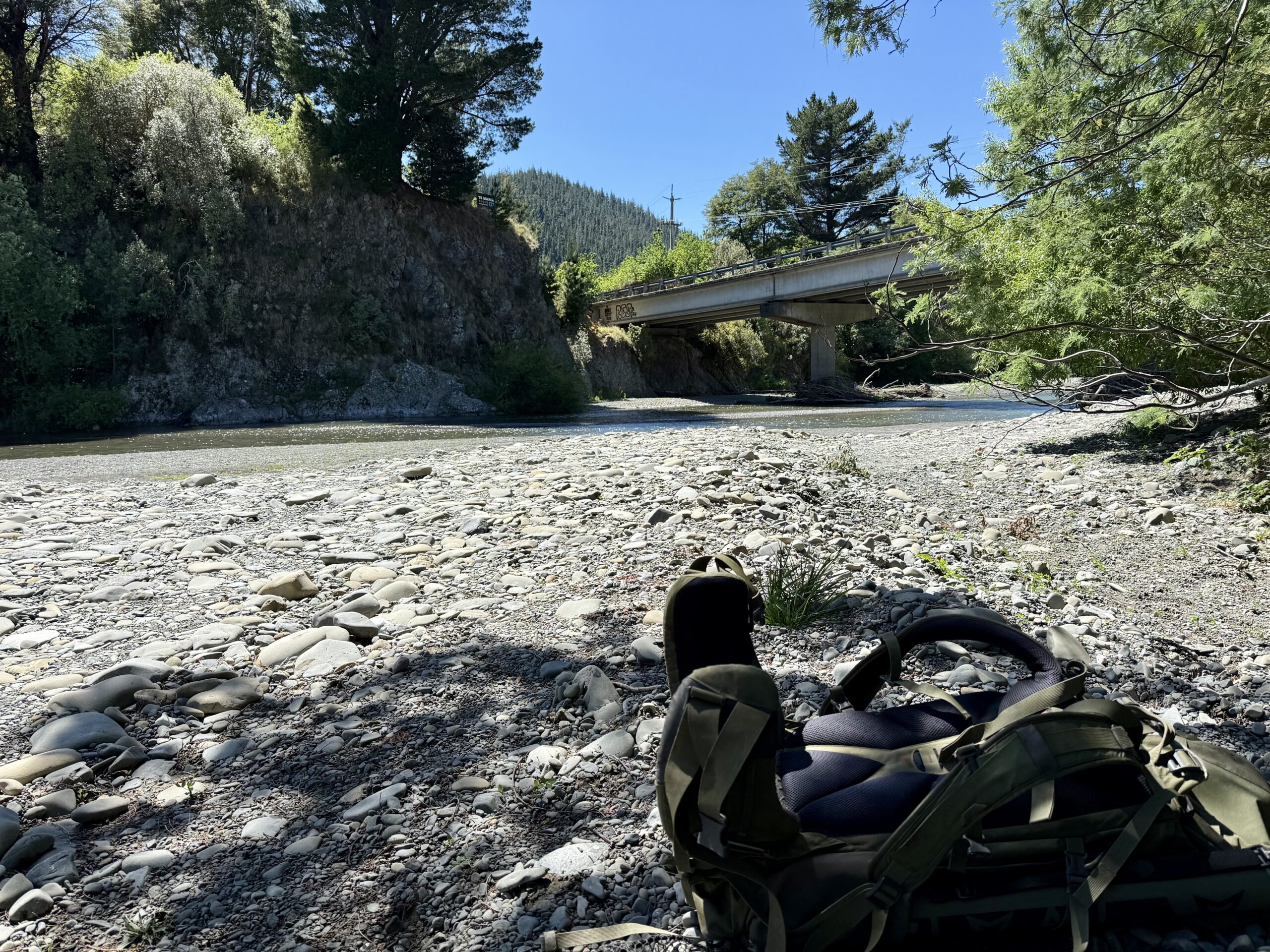
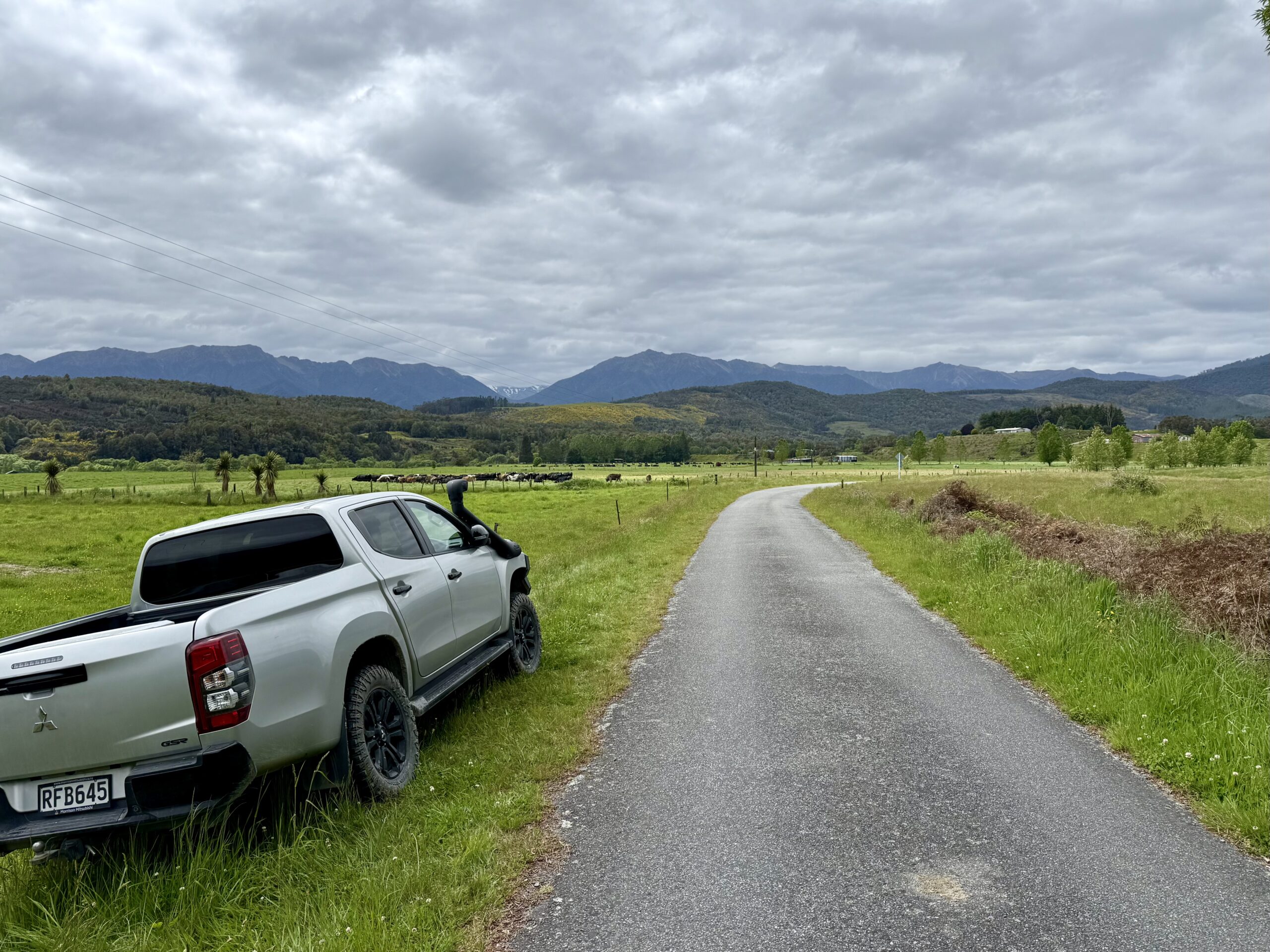
A typical day began with Sam picking Robert up at 7:00 AM with a flat white in hand. We then started our 1.5- to 2-hour drive to fish, picking up a sausage roll along the way. We traveled that far because the rivers closer to Hanmer Springs were milky white or milk chocolate brown due to the recent rains. Sam knew the region and selected a series of rivers in different drainage basins. We tended to fish the areas closer to the banks where the water was clearer. We typically returned around 5:00 PM.
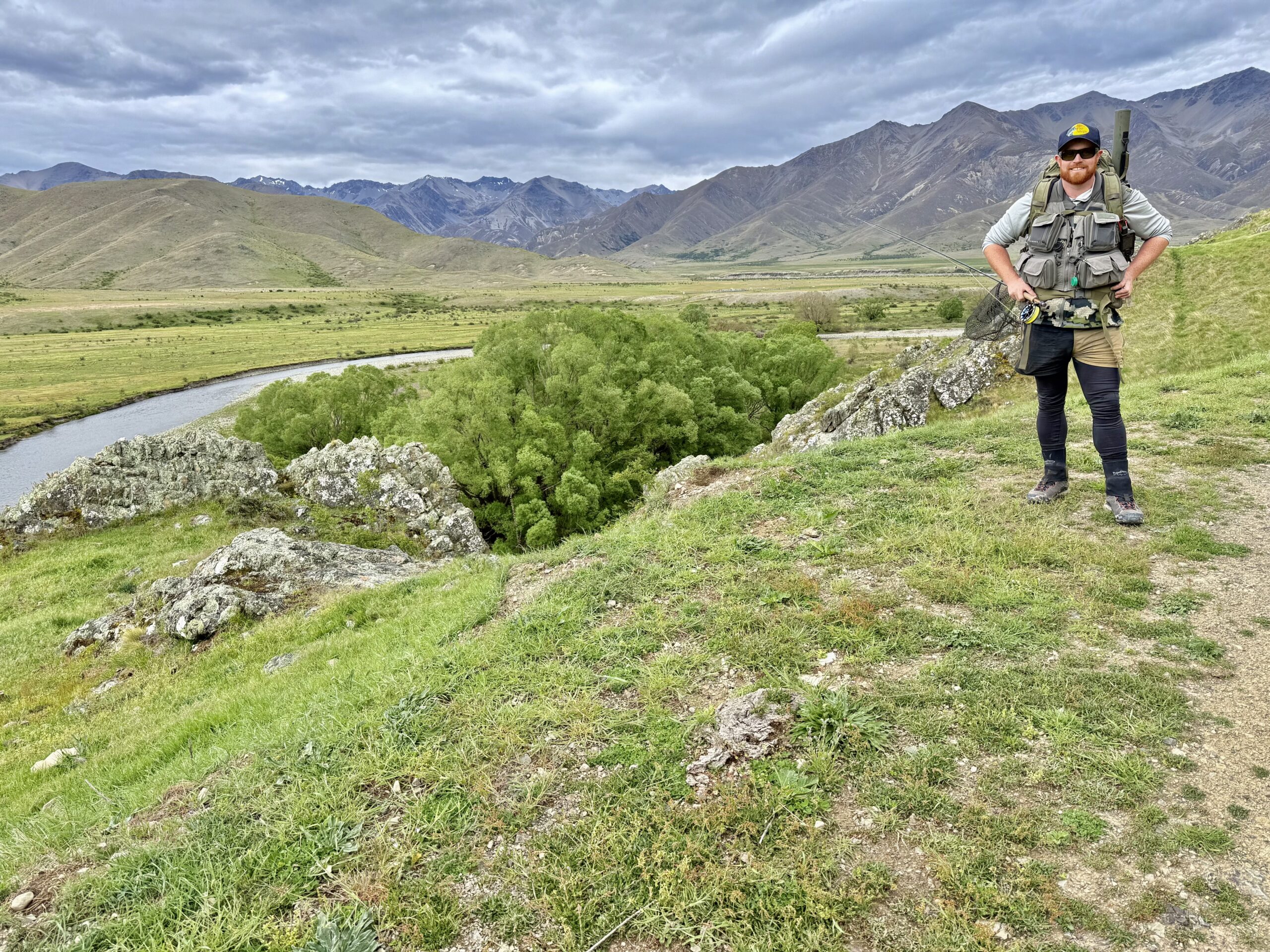
First Day: Alma River
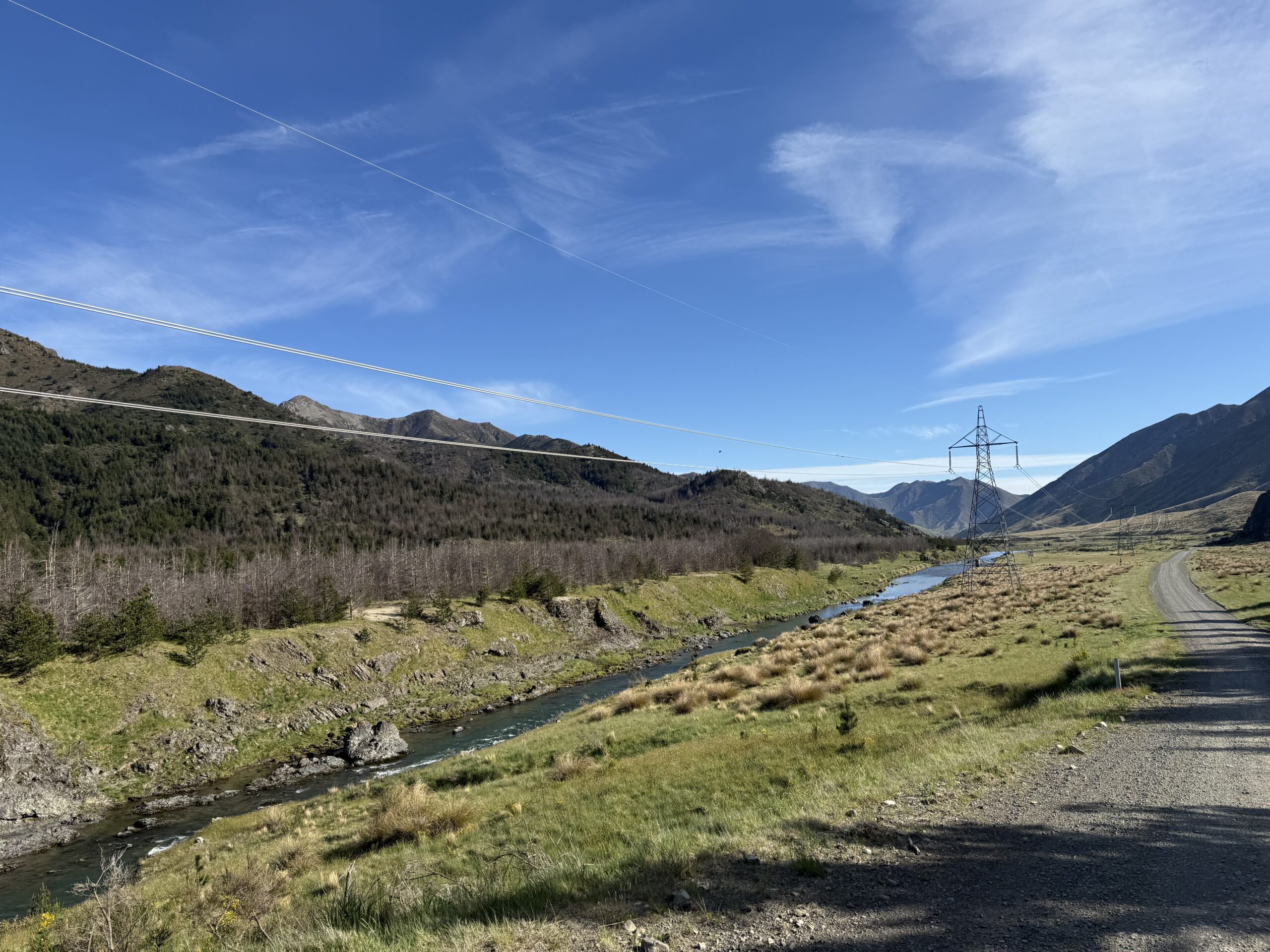
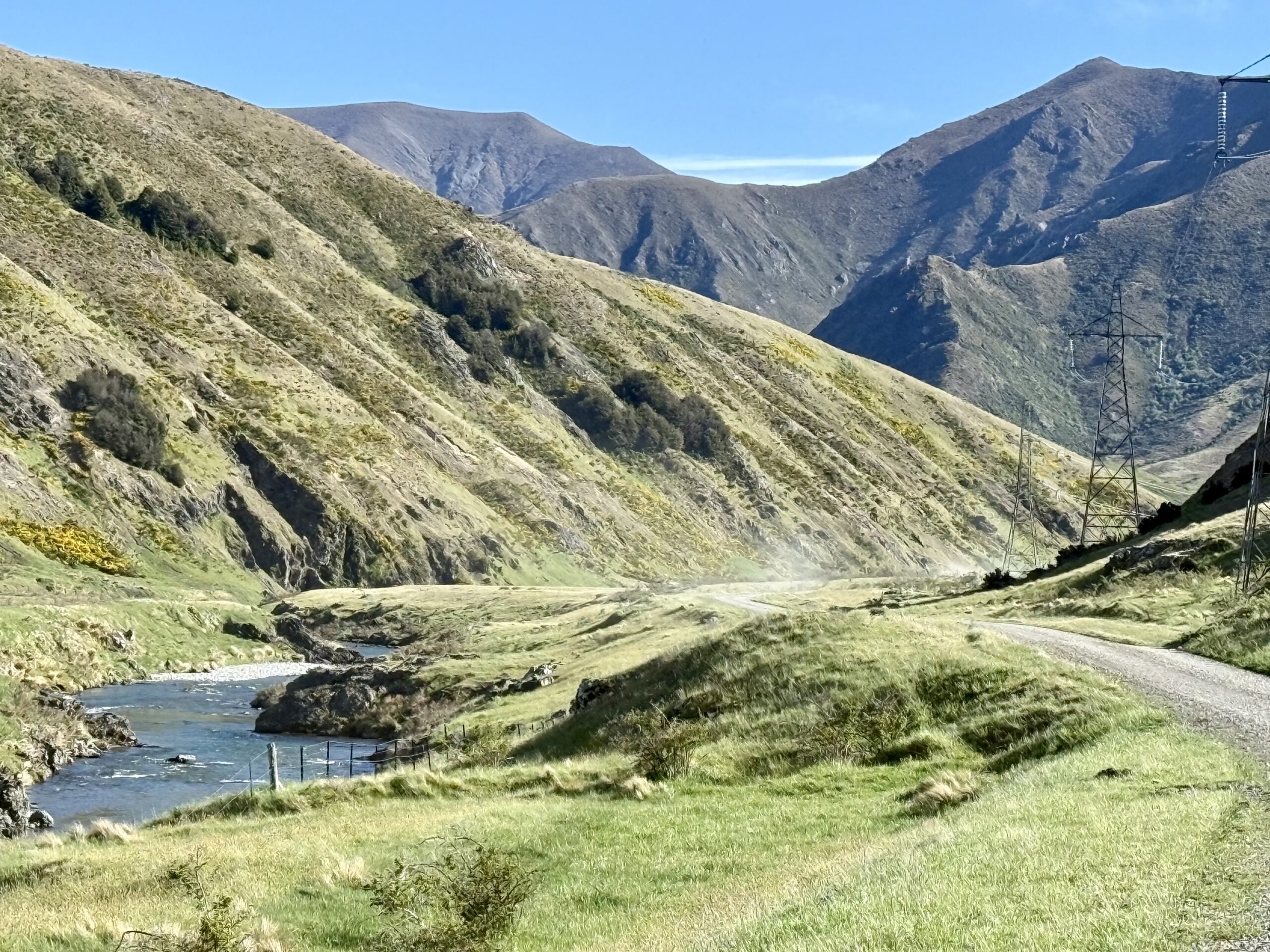
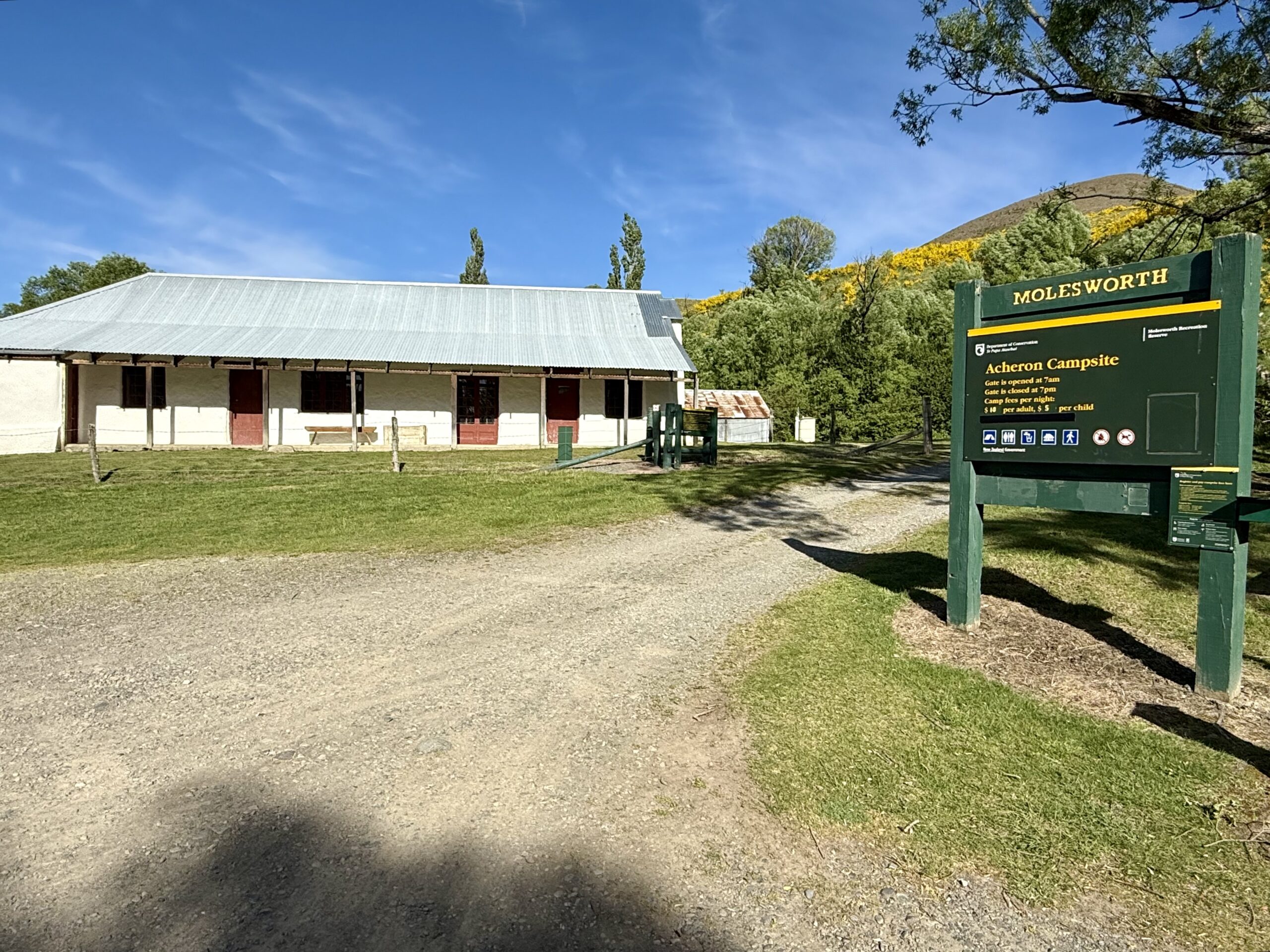
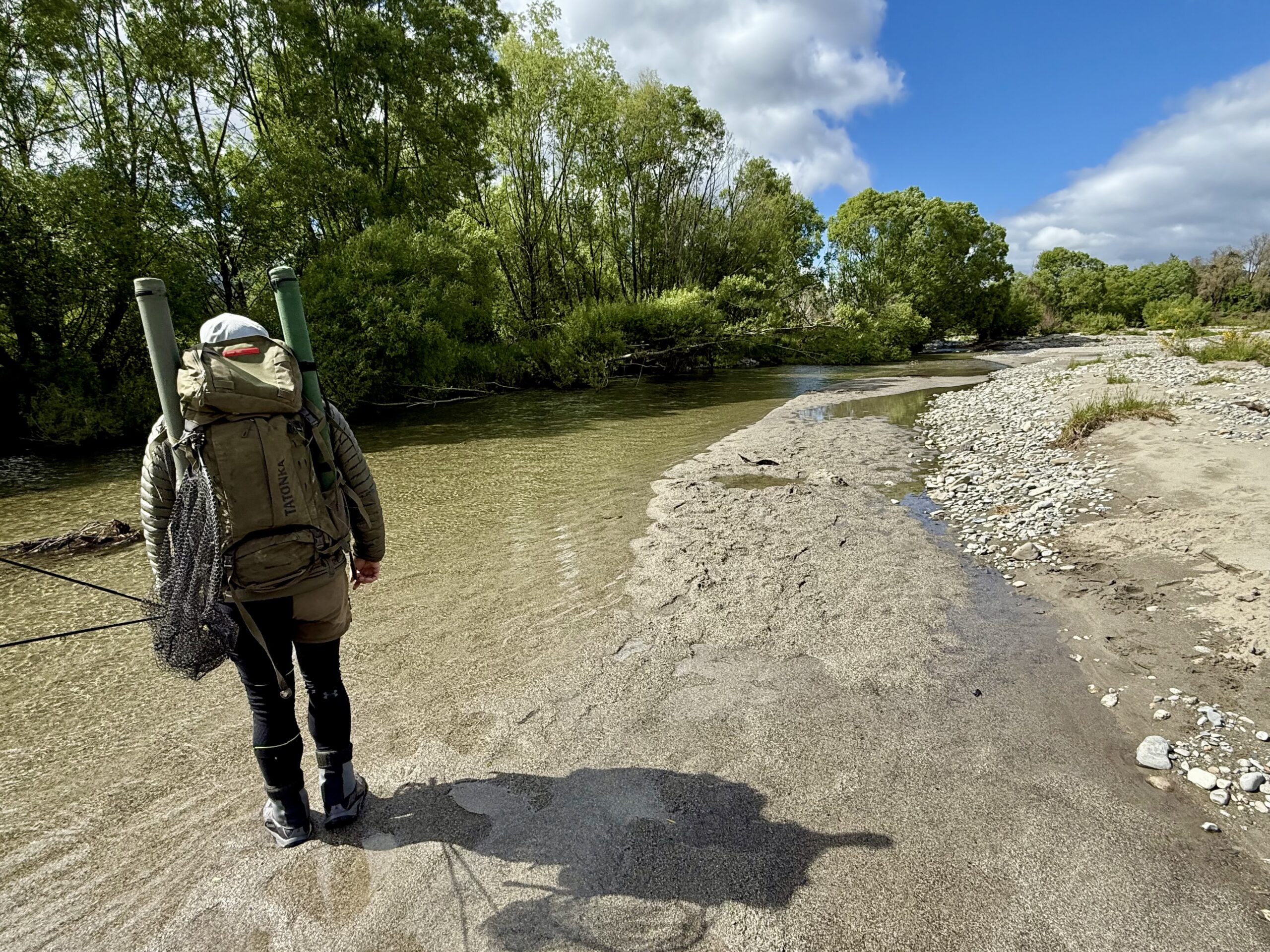
Second Day: Conway Flat
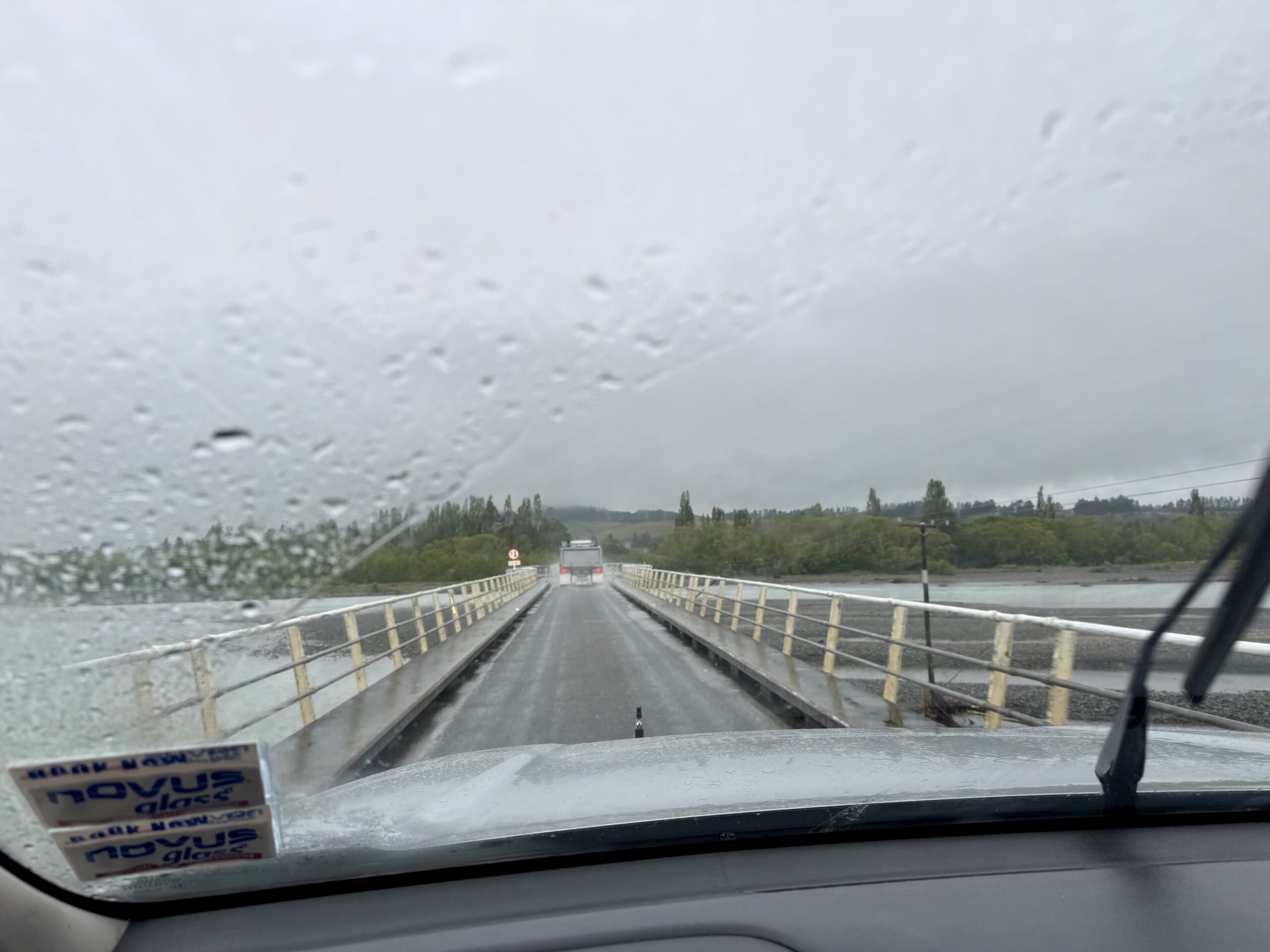
The wind and the rain proved that Robert’s gortex jacket was no longer resistant to water. Seems that they do not last too long—one to two years.
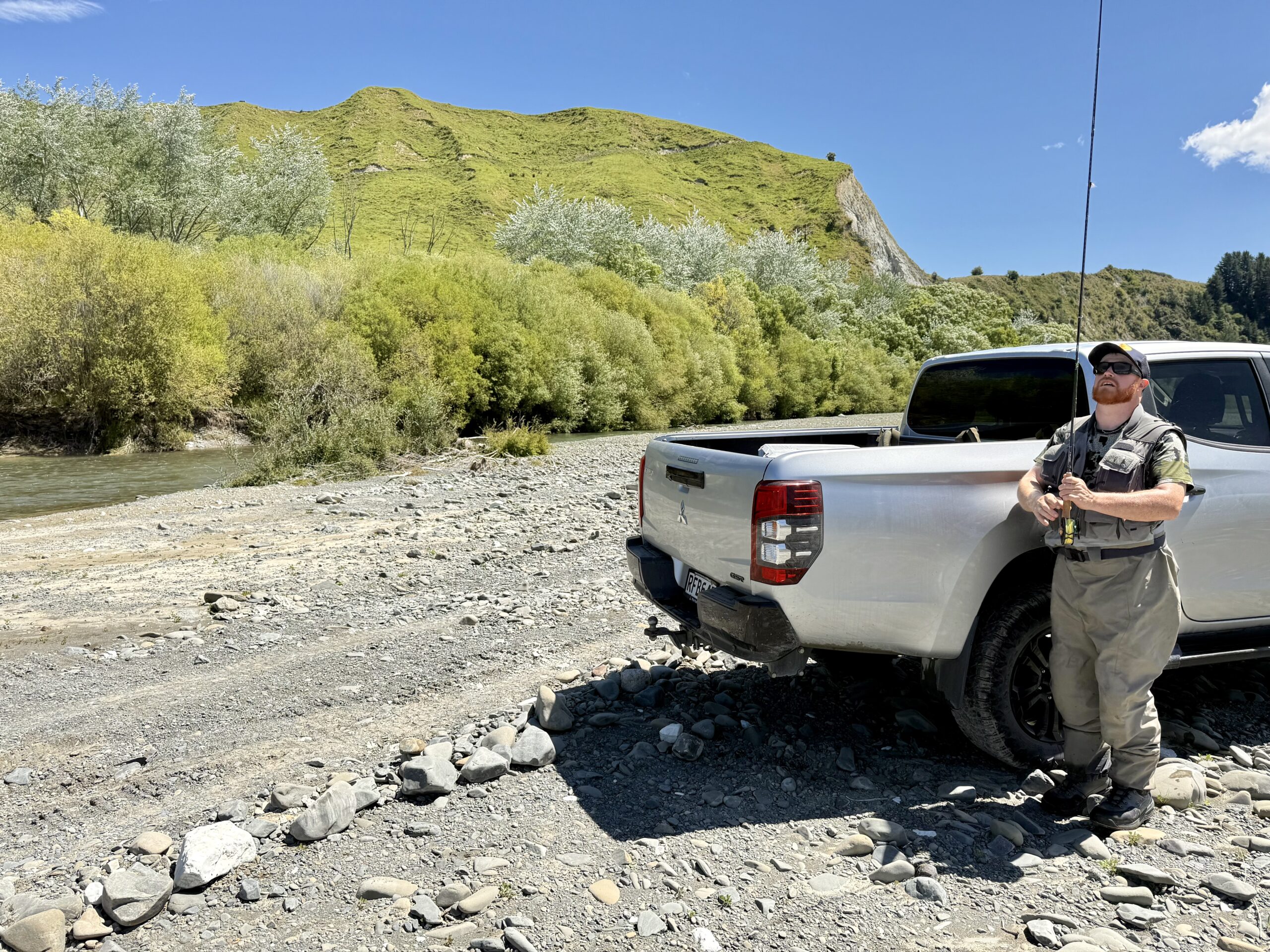
Third Day: Conway Flat
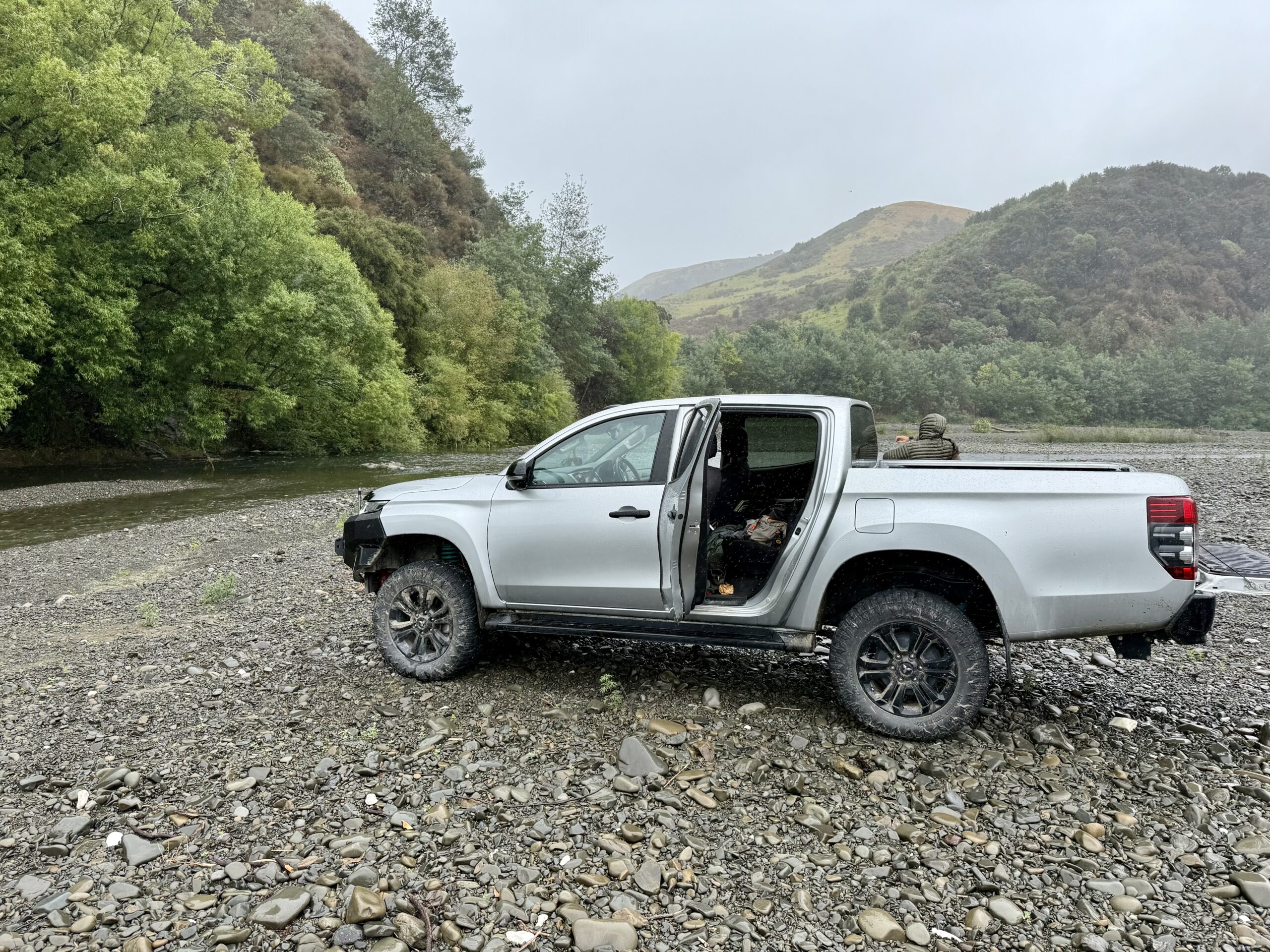
Farmers whose lands border rivers run tractors along the gravel river bed to create a track—a path for their vehicles that allows them to manage livestock. These tracks offer guides access to four-wheel drive vehicles. We crossed the river about five times to get access to the upper reaches of the river. We managed to break the tippet on the 6wt. Happened when Sam was unloading the rod from the back seat. Most likely due to a fly hitting and weakening the tip on a back cast. Unlike in 2023, Robert had a spare on hand.
Fishing Out of Murchison with Sam
Yep. The same Sam.
RESULTS:
First day: 4 sighted, 2 spooked, 0 hooked, 0 netted.
Walked 4.3 miles.
Second day: 5 sighted, 2 spooked, 0 hooked, 0 netted.
Walked 5.9 miles.
Third day: 3 sighted, 1 spooked, 0 hooked, 0 netted.
Walked 3.7miles.
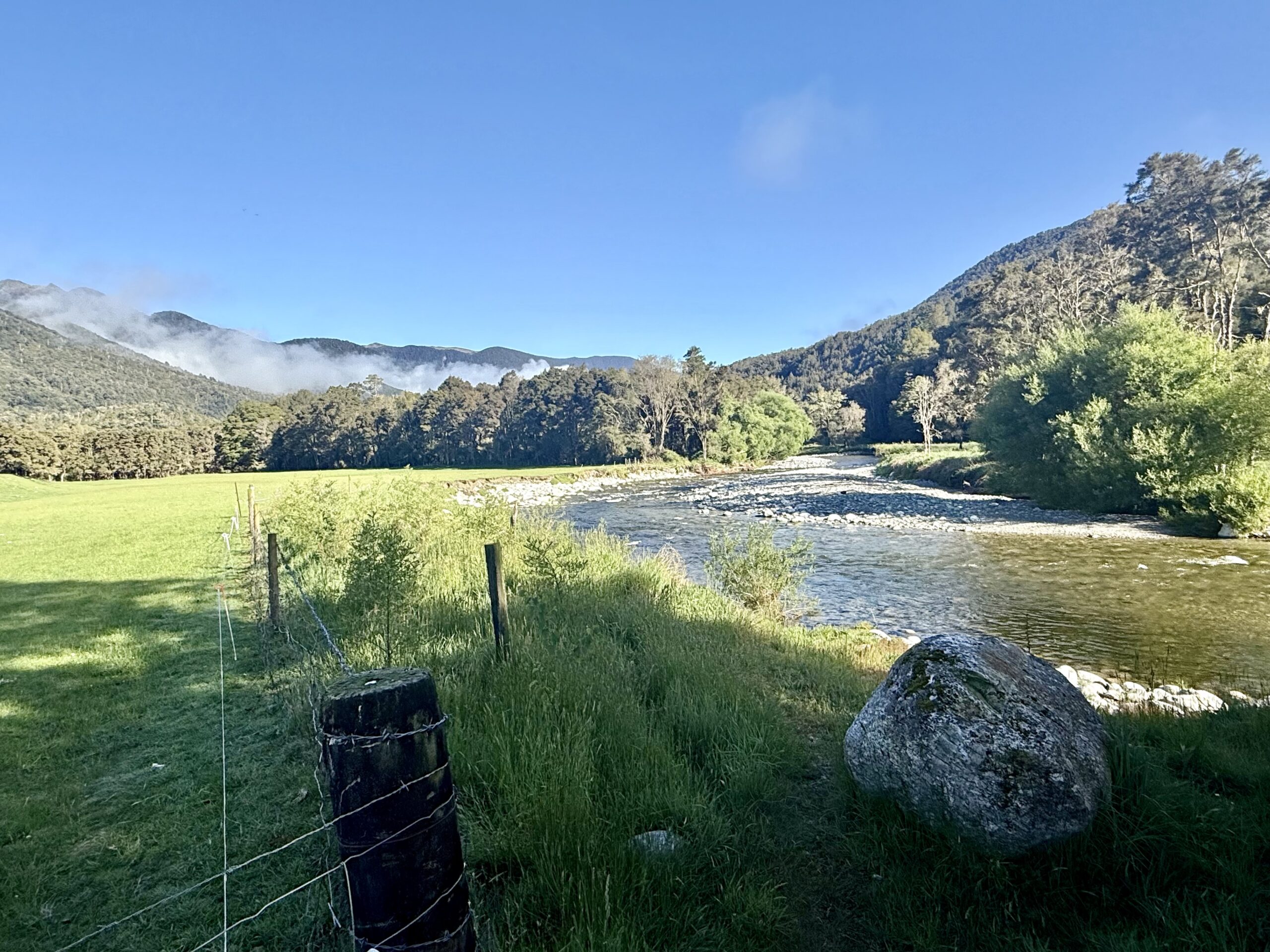
The drainages around Murchison experienced floods in June and October of this year. The flood waters likely drove the fish out, probably to the Tasman Sea. A few fish are left and some have started to make their way back. We saw evidence of the floods topping the two-meter high banks flowing an additional meter in height into the adjacent fields. The force of the water cleared the river beds of food for the trout too. It will take a while for the rivers to recover. Longer than our stay here.
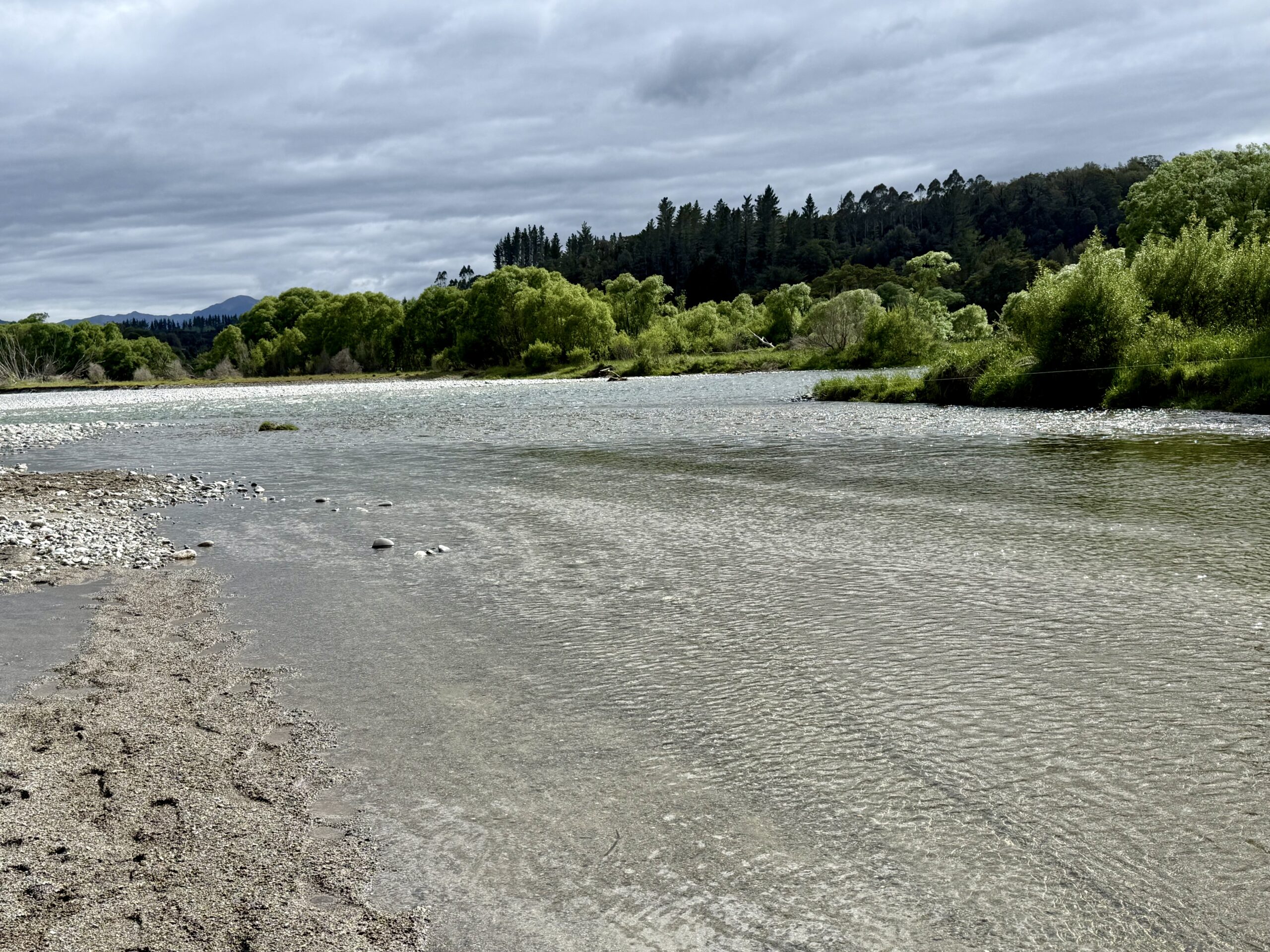
First Day: Maruia River
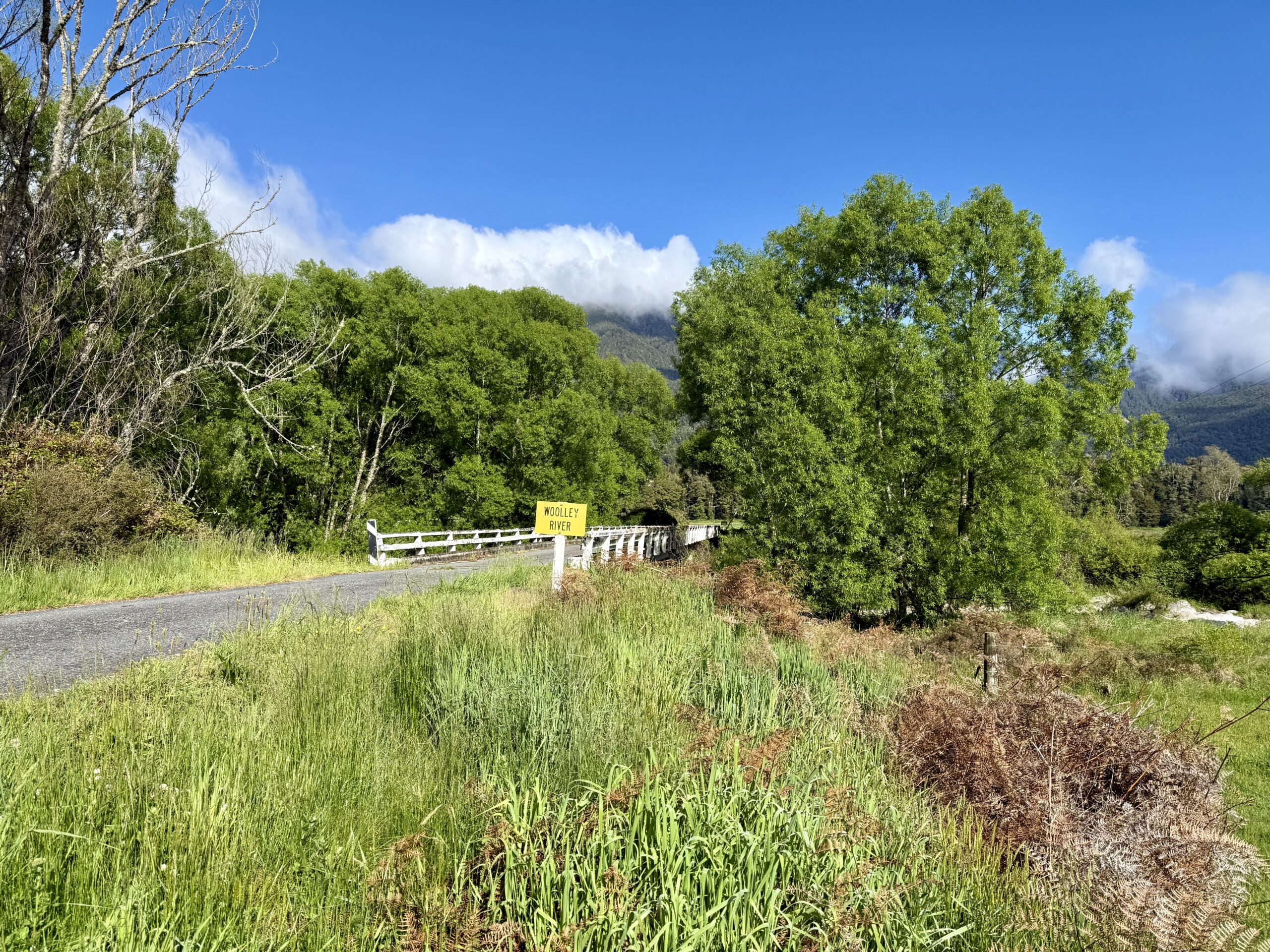
Second Day: Woolley River
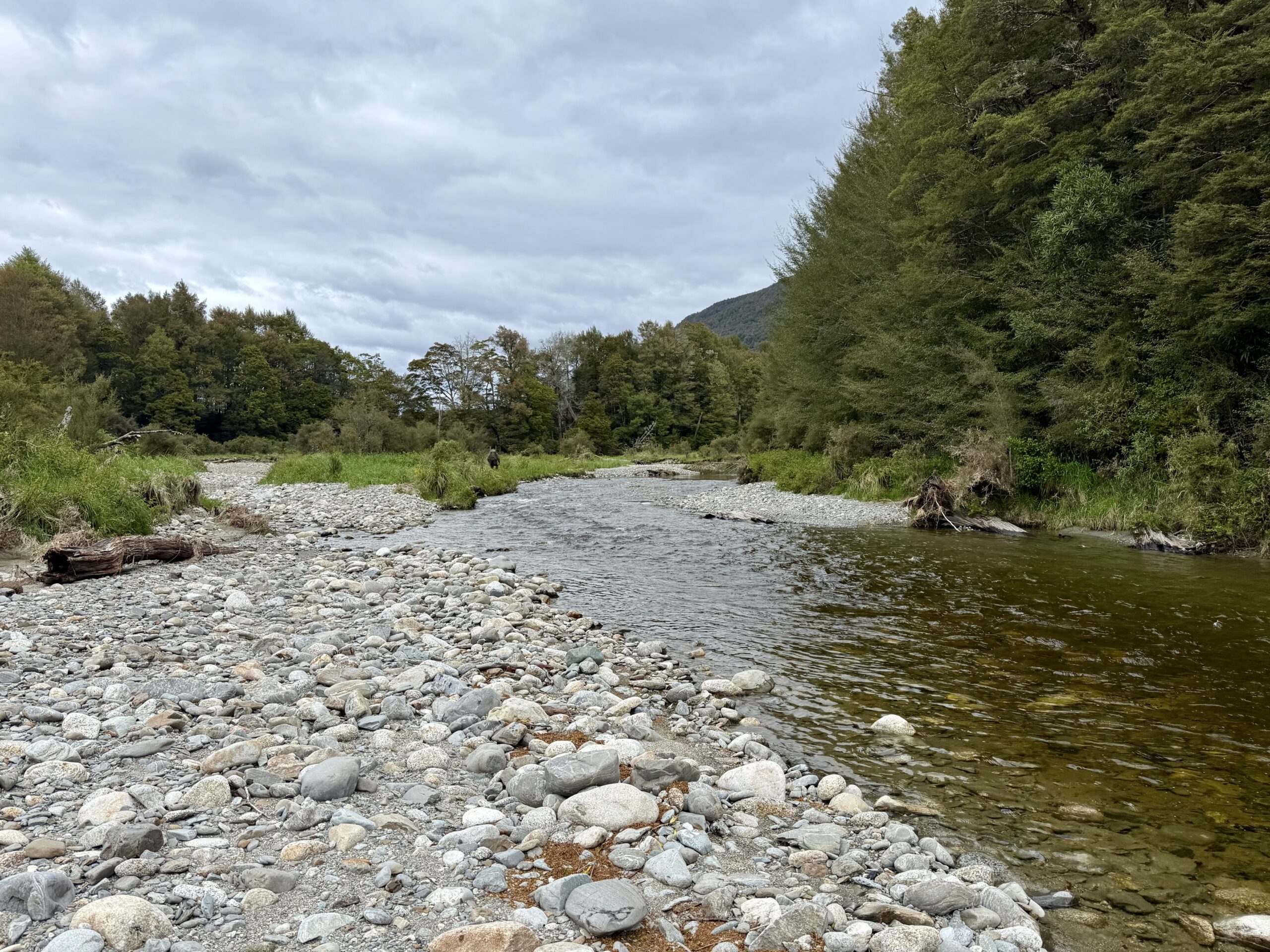
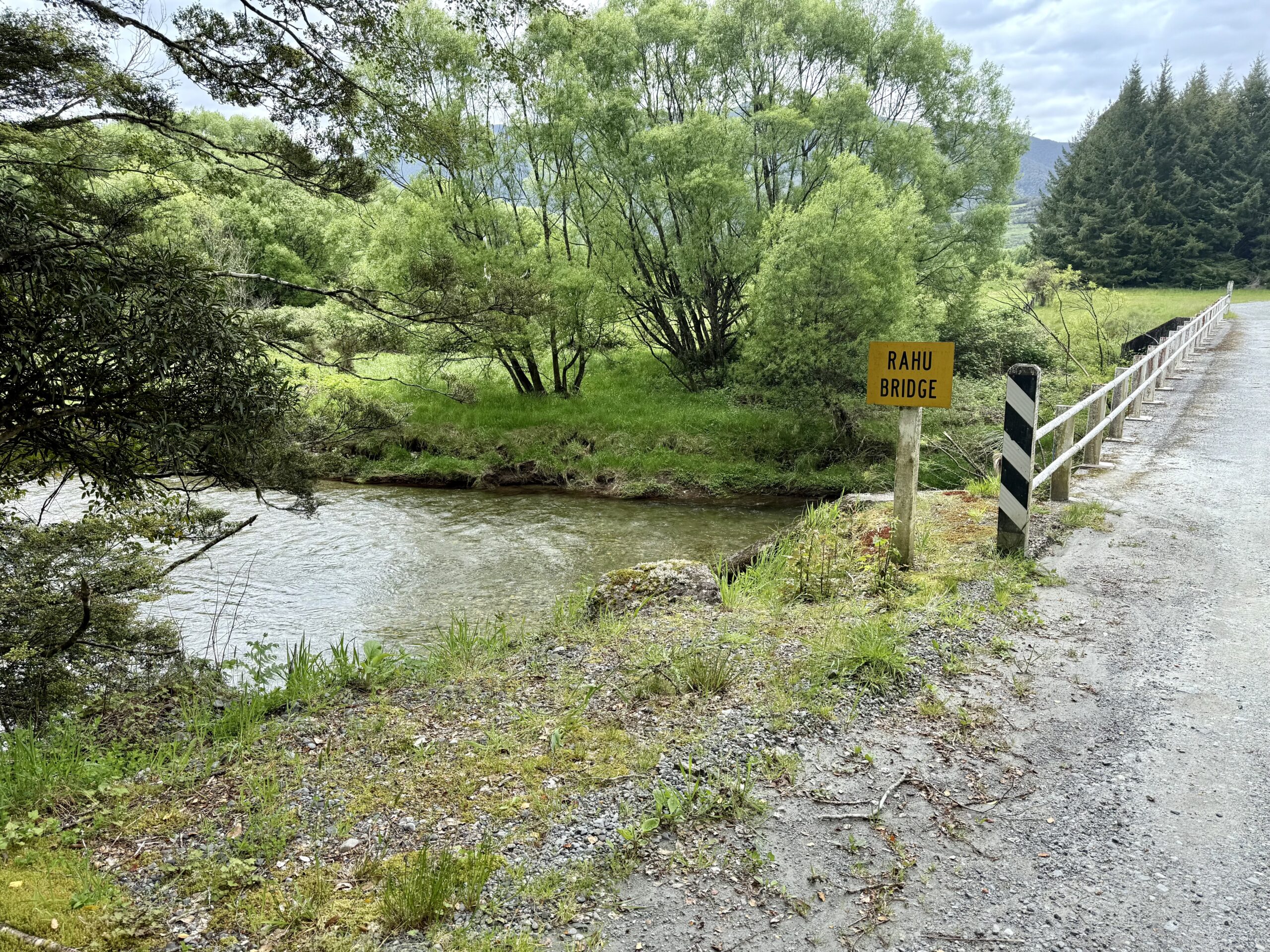
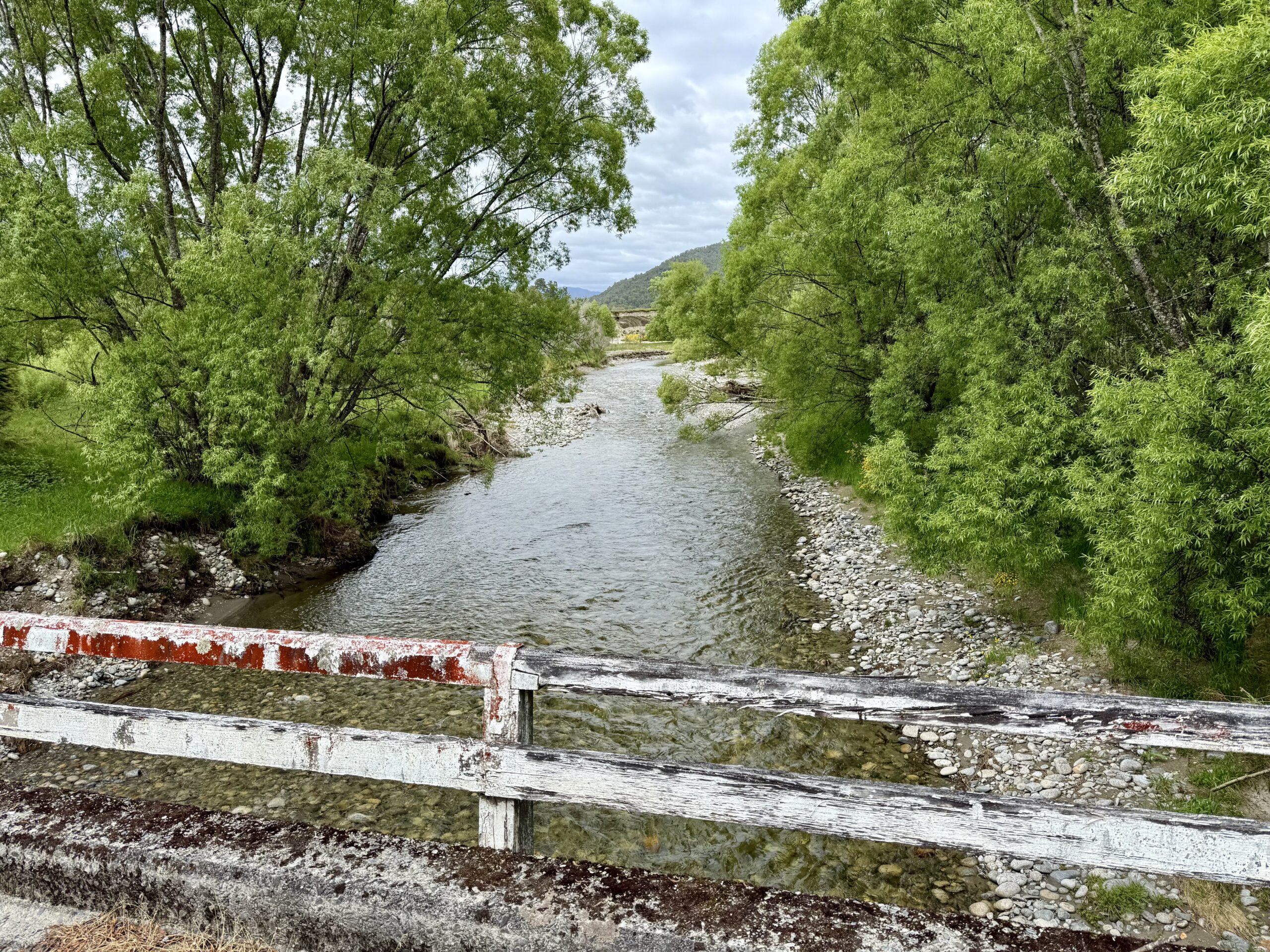
Second Day: Rahu River
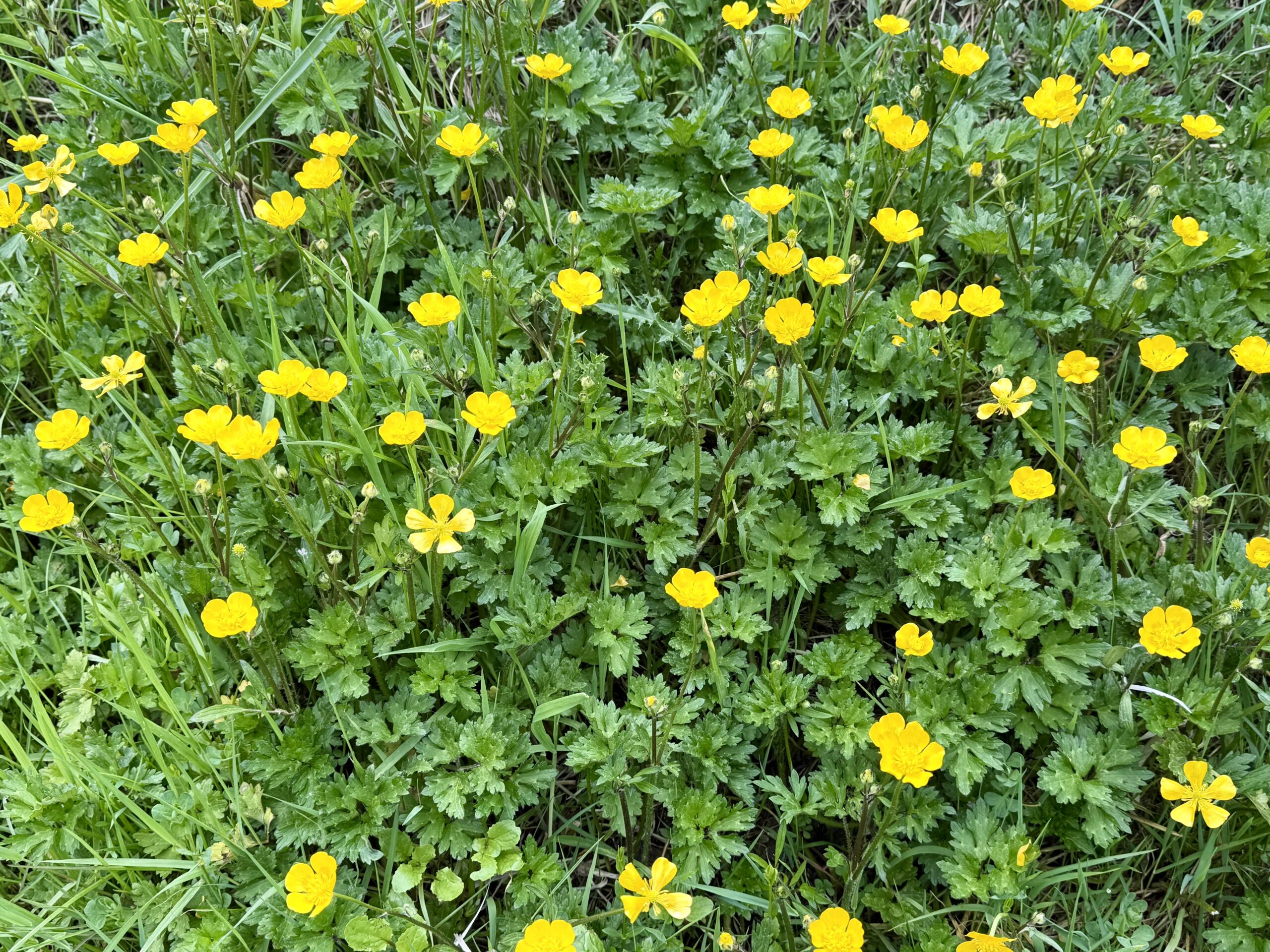
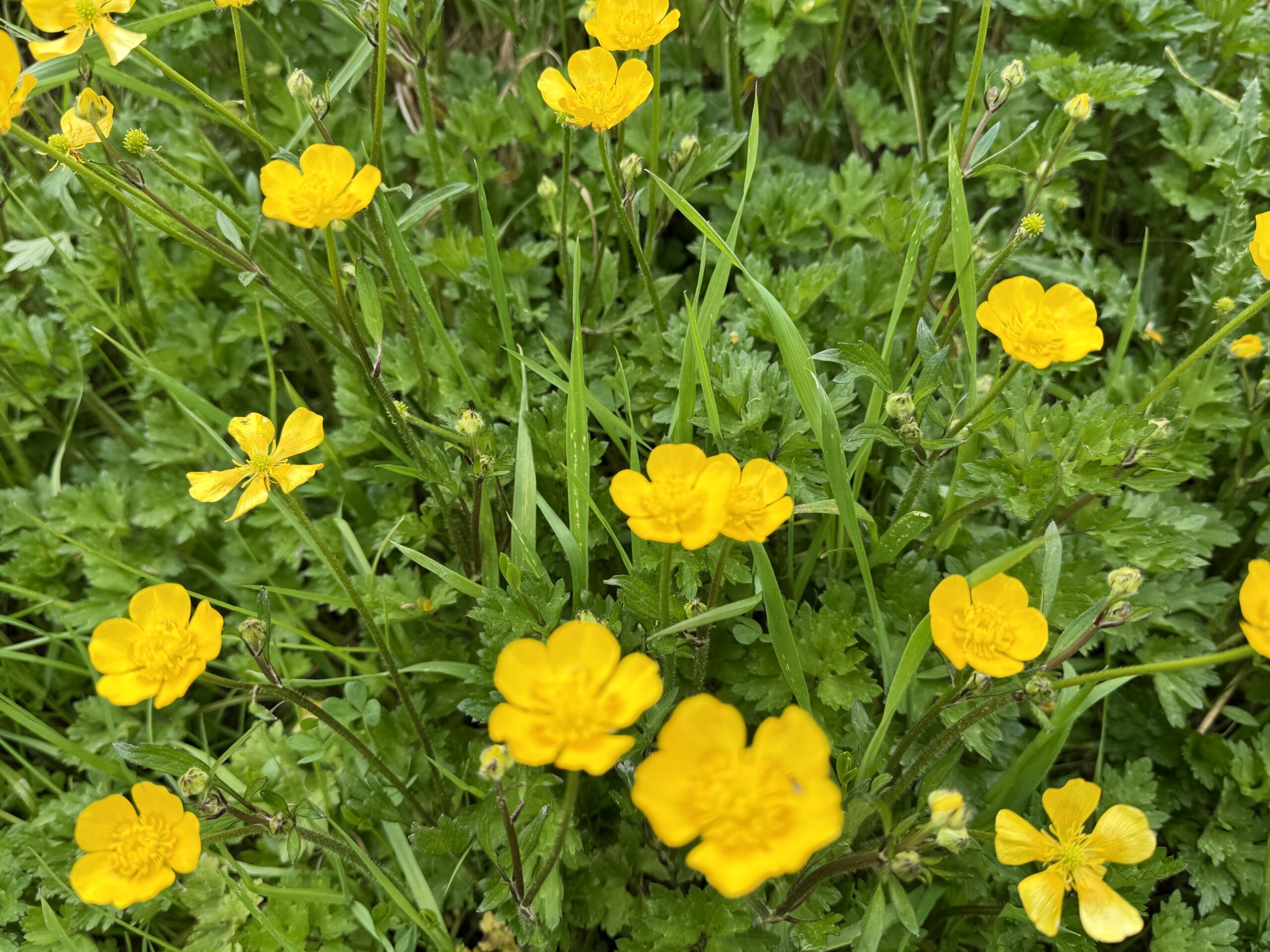
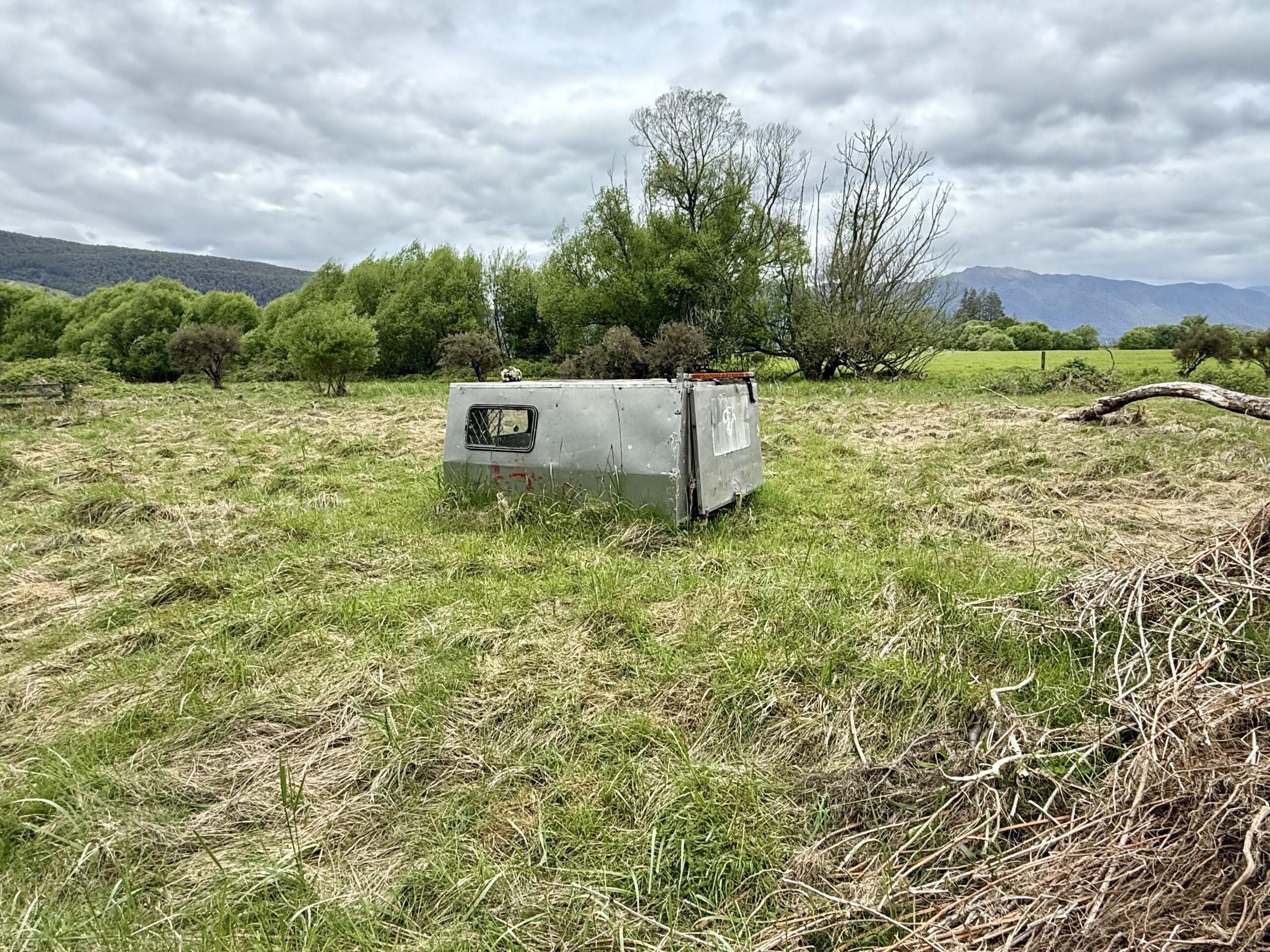
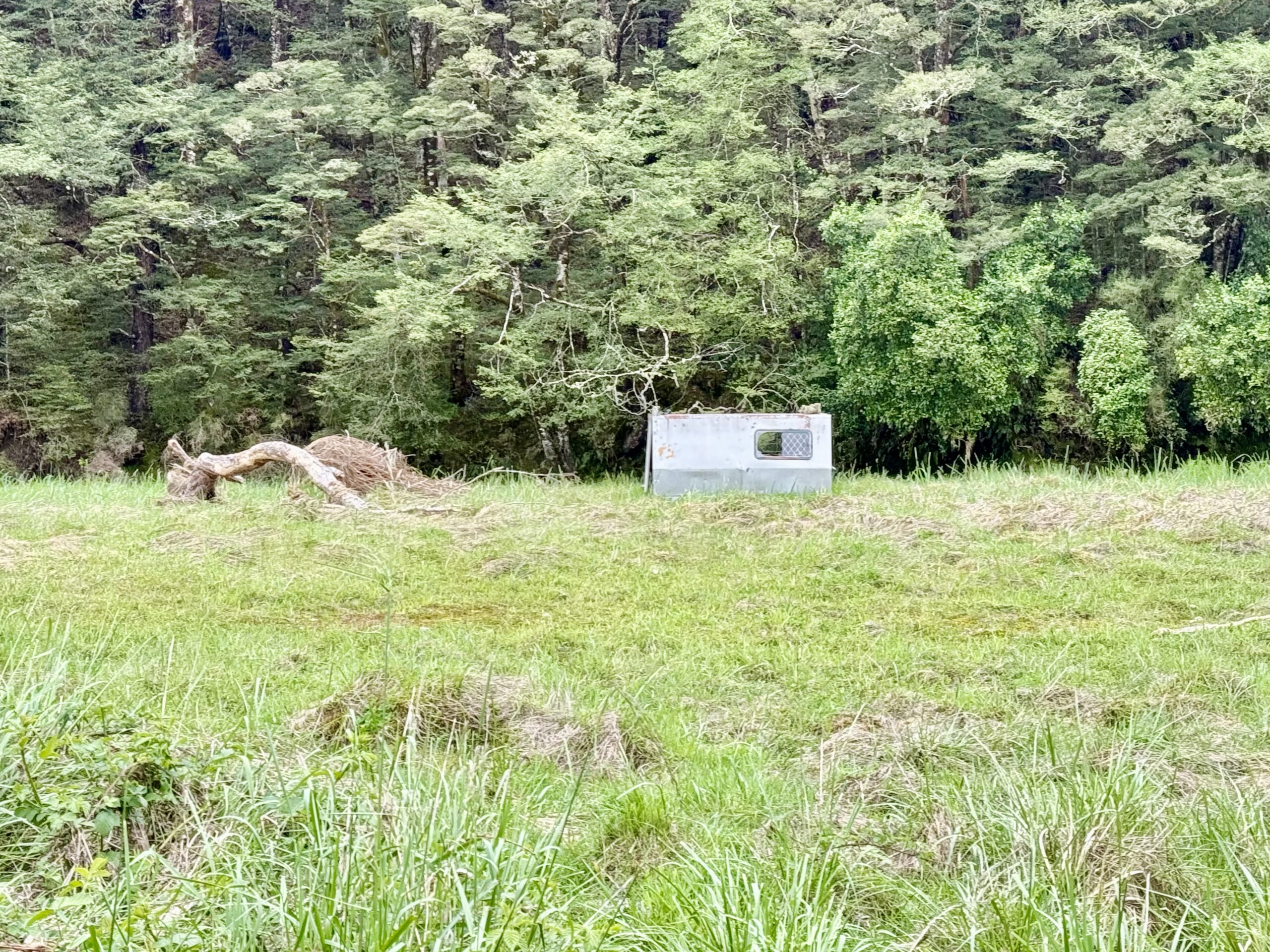
Husband to wife: OK
Third Day: Tutaki River
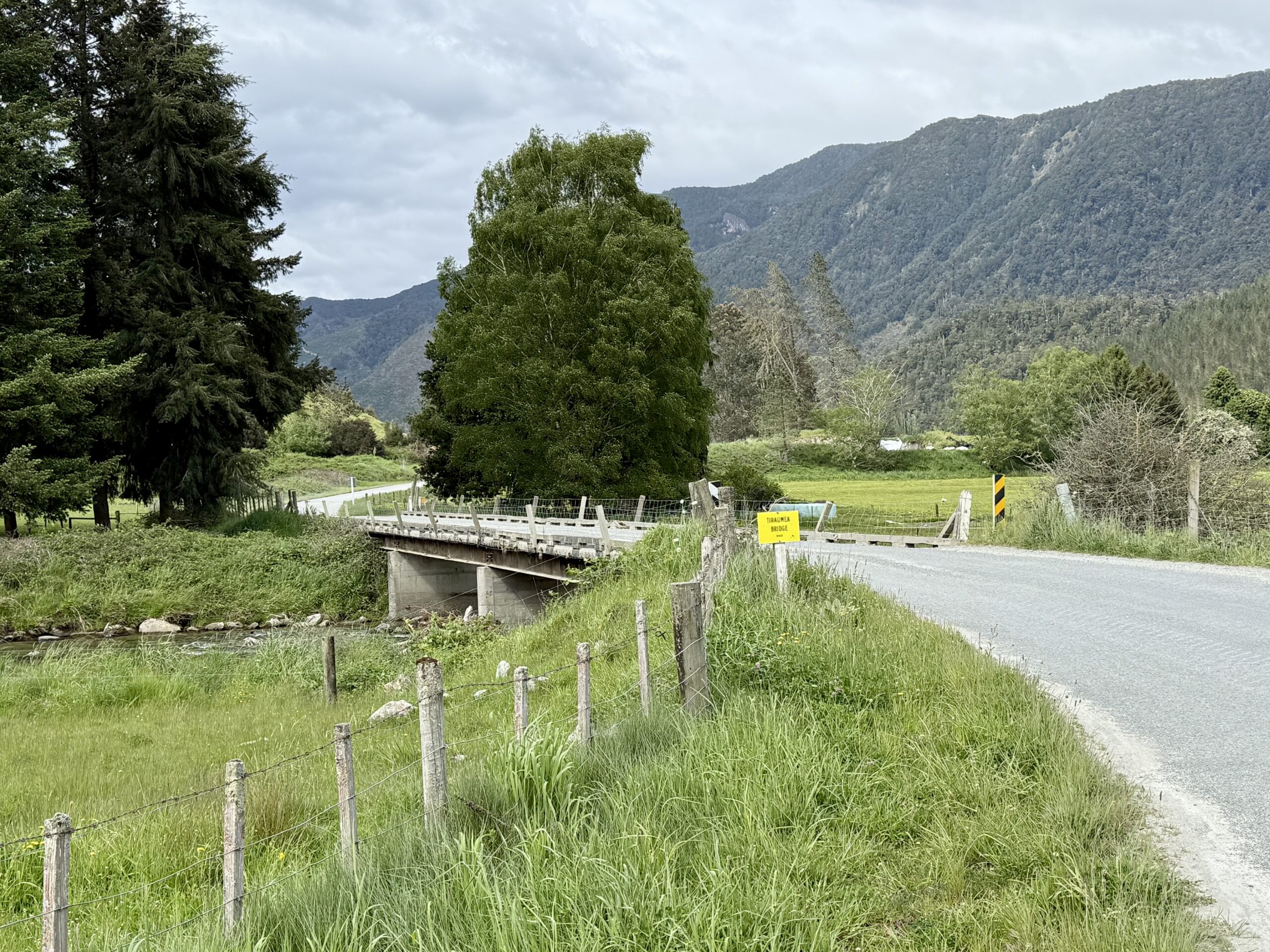
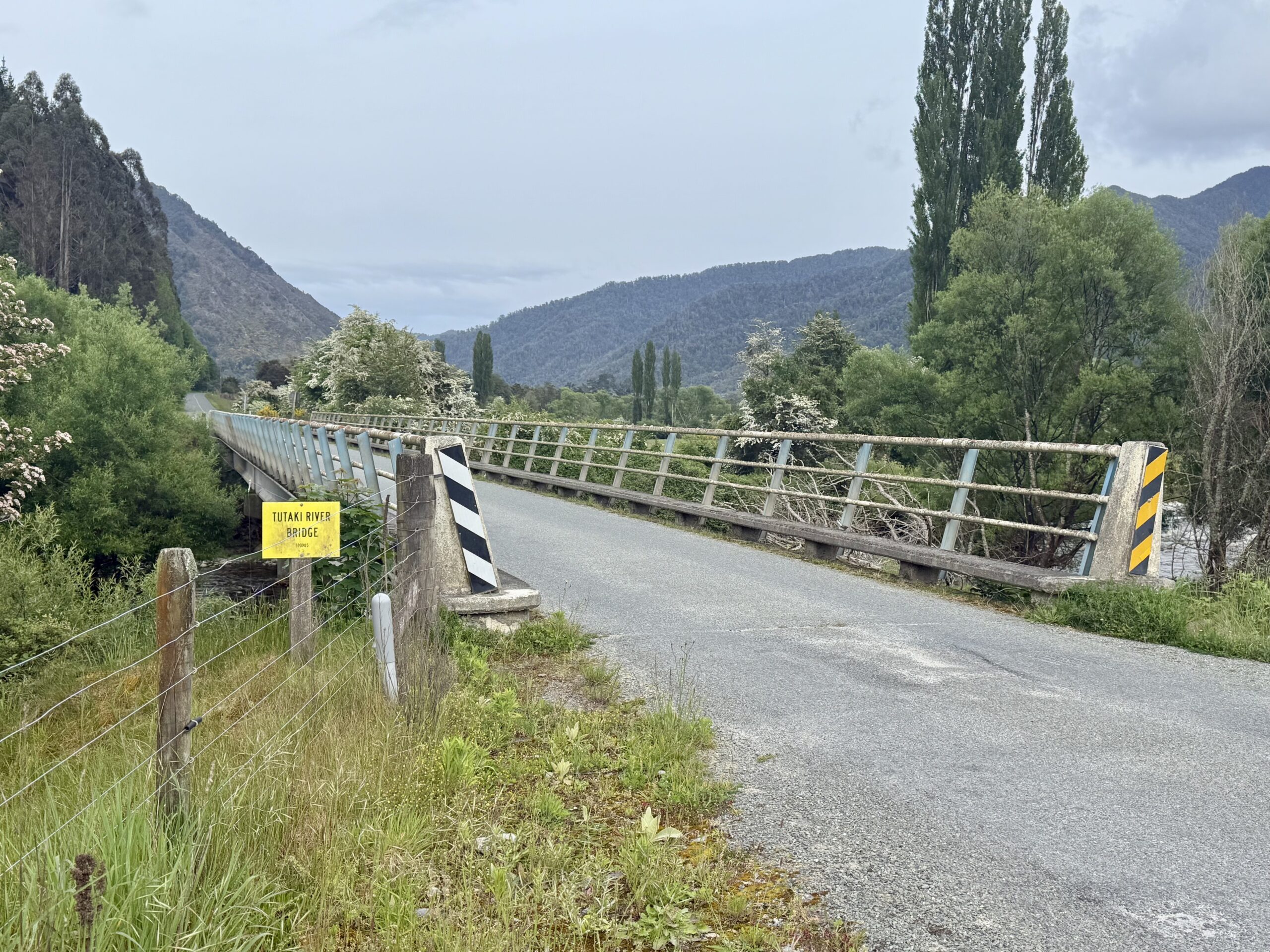
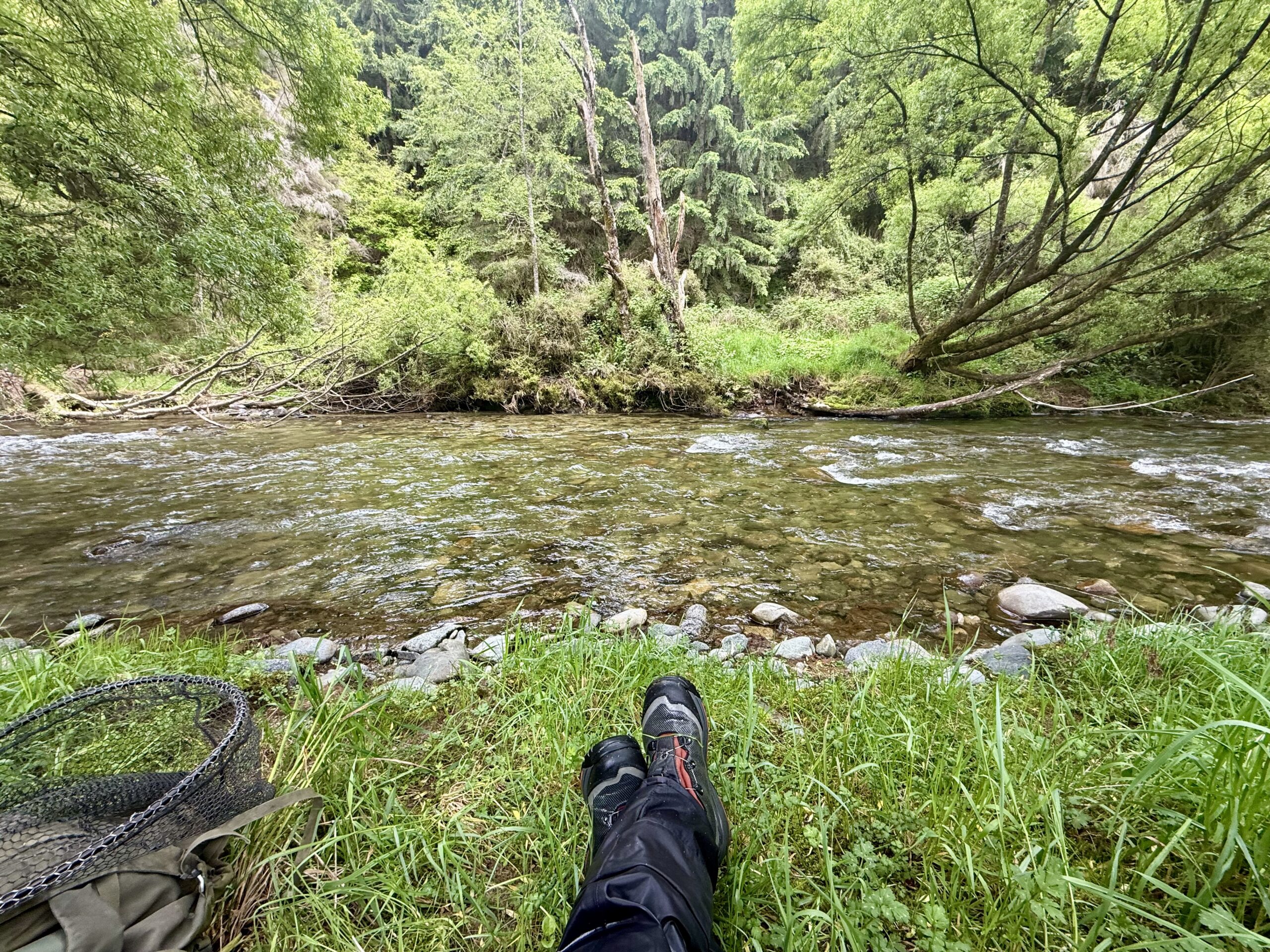
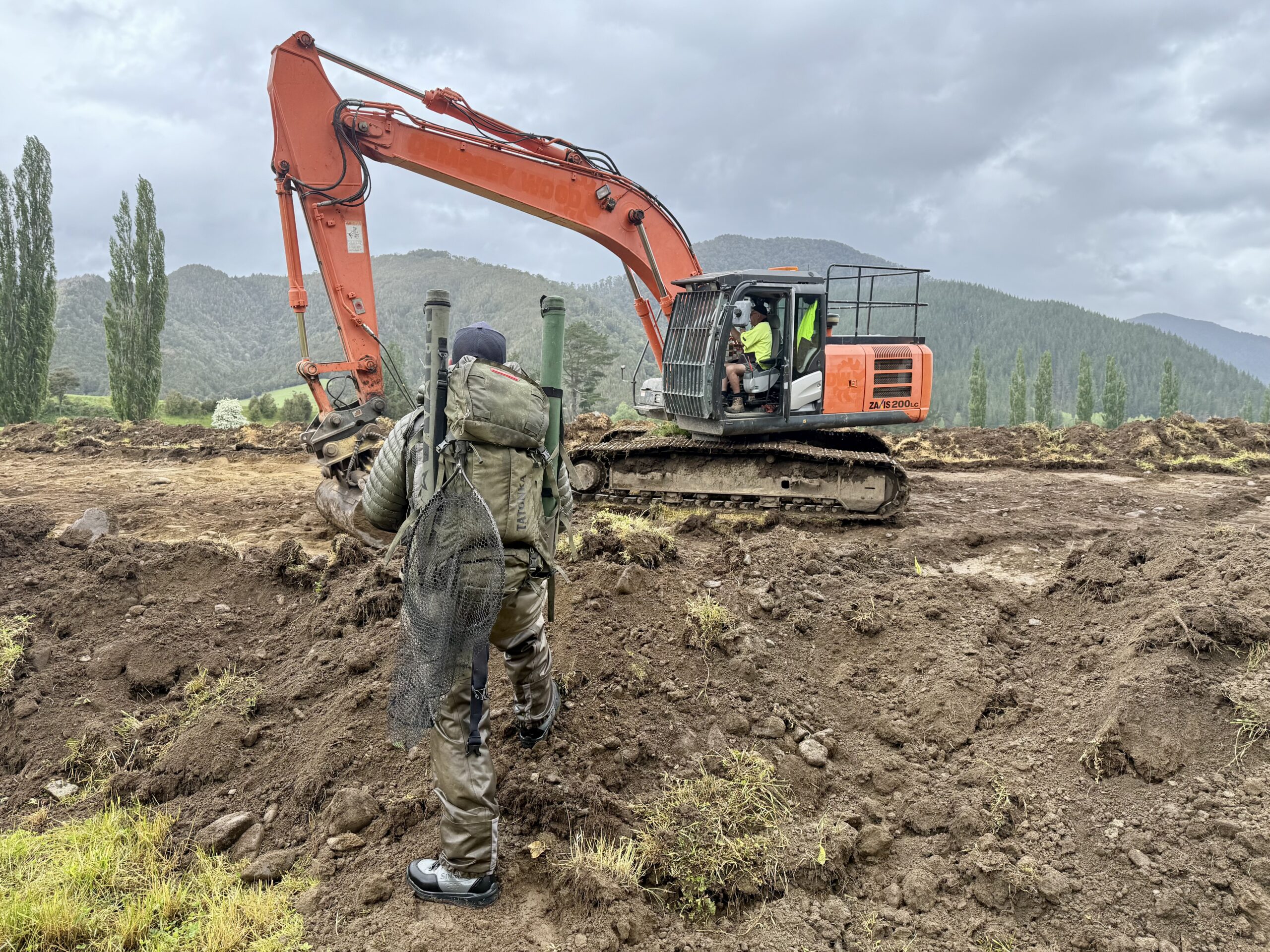
Advice from Sam to Robert
Robert does well casting longer distances with the 5 wt rod.. But shorter distances are an issue. Sam feels that Robert’s 5 wt. rod is a bit soft. Sam suggests Robert check out a medium-fast action 5 wt rod. (Primal brand, inexpensive.) It will help in casting shorter distances with a 11 ft. plus leader and tippet. Won’t require as much effort. Seems that Robert’s best leader and tippet length is about 11 feet.
Turns out Robert’s 5 wt. is a fast rod! Robert promises to practice casting at the GGACC ponds when he gets back. Robert also contacted the rod maker. They said that the NS5wt was designed for longer casts. They suggested a different line—SA MPX. Also to test a 6wt line. Robert will experiment with Bonnie’s Rio Elite Perception 6wt. Stay tuned.
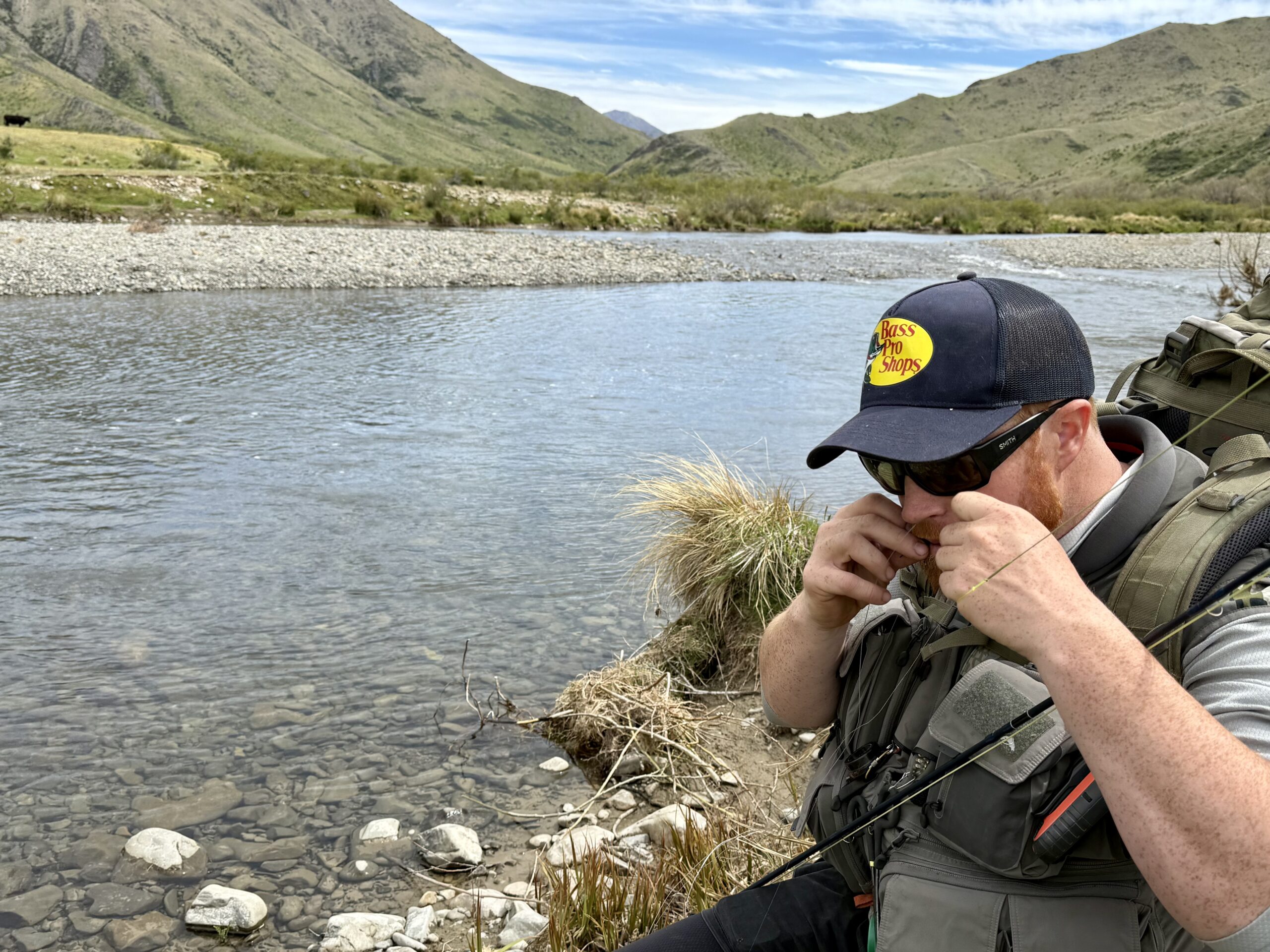
Purchase low-light Polaroid glasses. Robert’s amber polaroids don’t penetrate the water well enough. Sam uses Smith Guide polarized low-light yellow glasses. Robert looked these up. Manufactured by Safilo, an Italian eyewear firm based in Padua.
Next Fishing Post: North Island
R&B – I am enjoying posts of this adventure. The descriptions of fishing have a nice, conversational rhythm, almost as much fun as being there. Richard Brautigan had nothing on you.
Images bring to life the conditions of being on the river.
Since you are releasing your catch, do the trout applaud your efforts?
Wow. I’m more than a bit humbled by your comments. The trout that I do catch seem to have a smile on their faces! Especially when I release them.
Sam is very smart!! He wears Safilo Italian glasses!😂
Ha!