04-09 November 2025
Te Anau – Fishing with Ken Mitchell
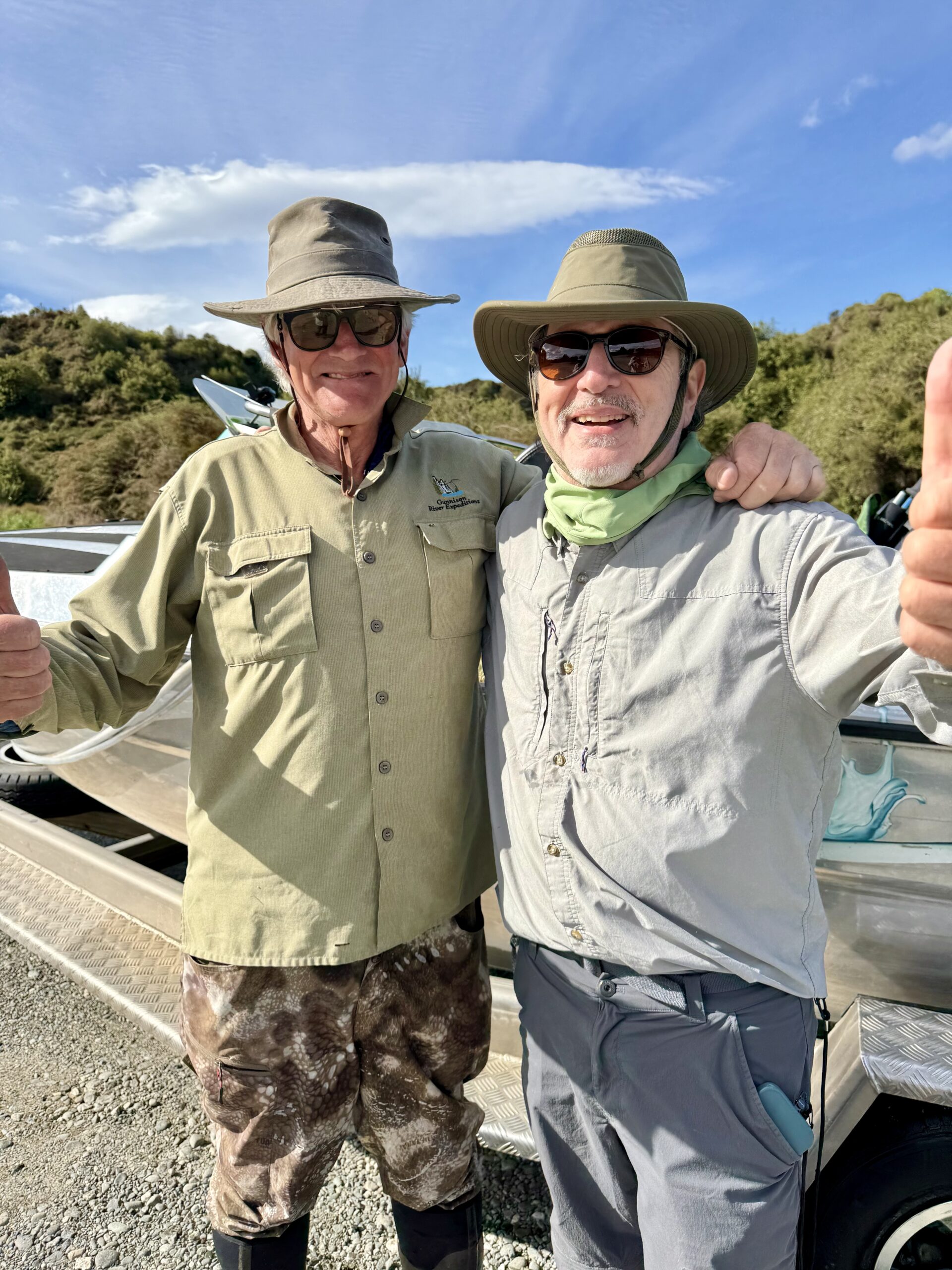
We asked The Best of New Zealand Fly Fishing to book Ken as our guide because we thoroughly enjoyed fishing with him in 2023.
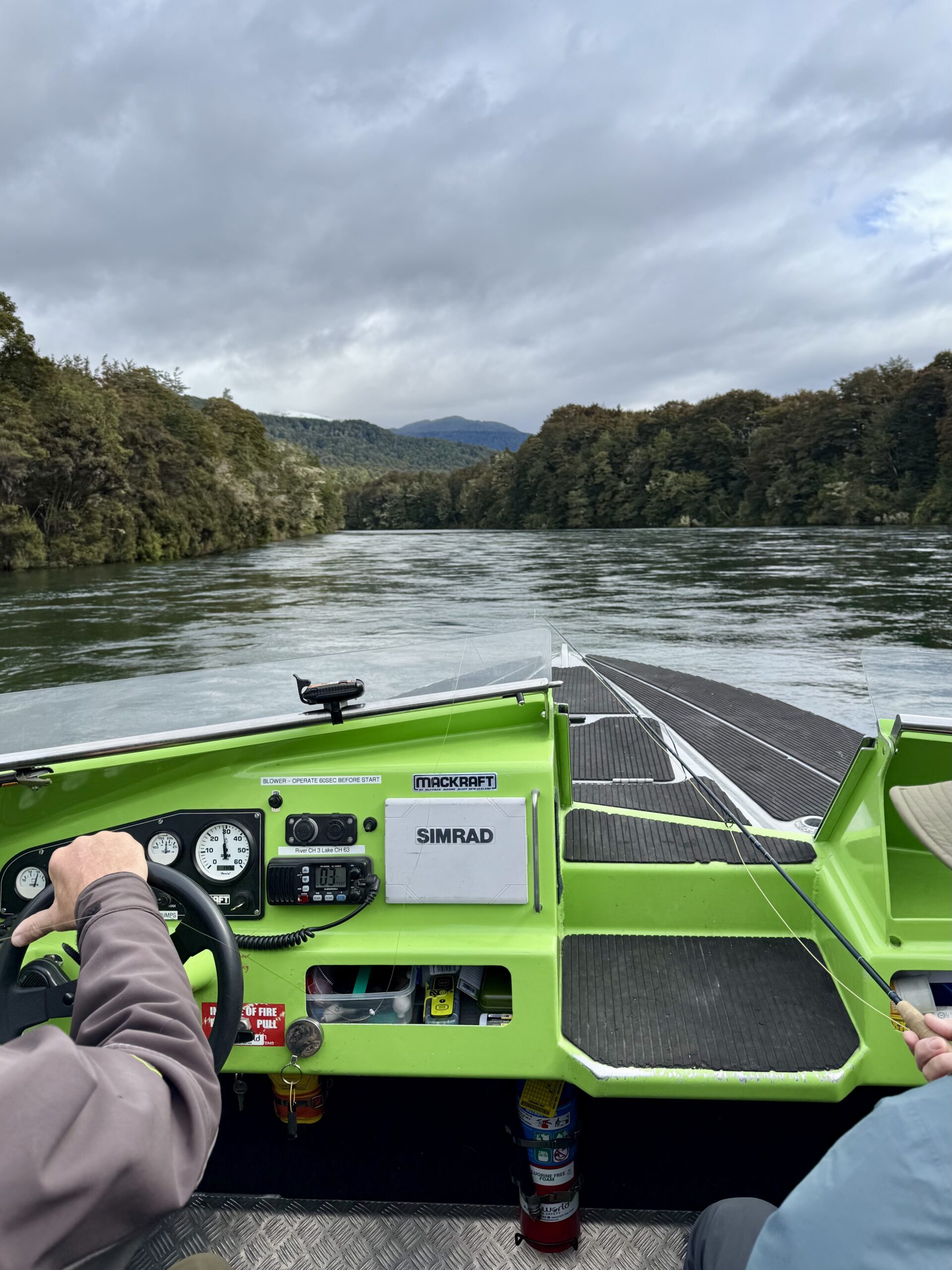
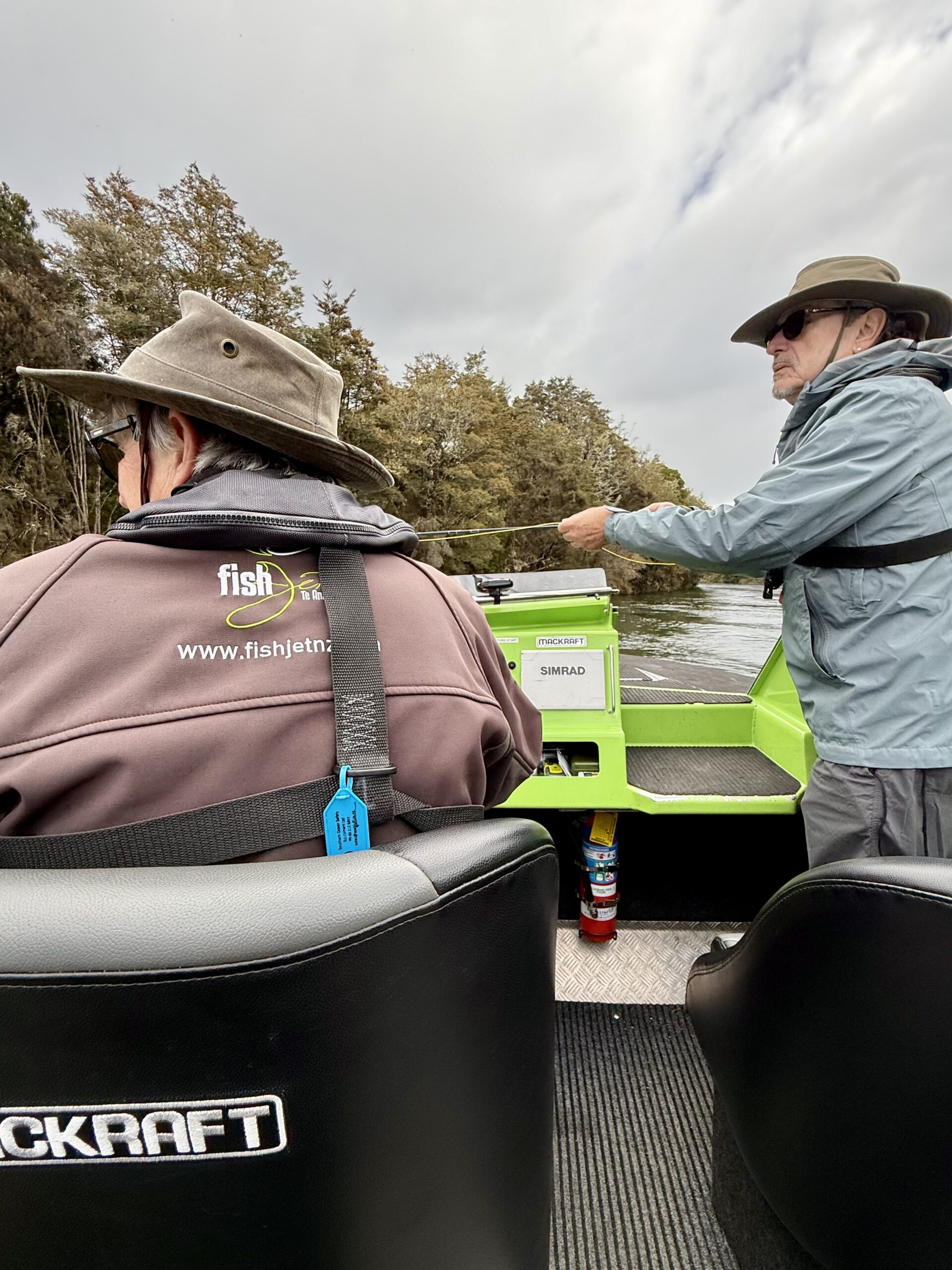
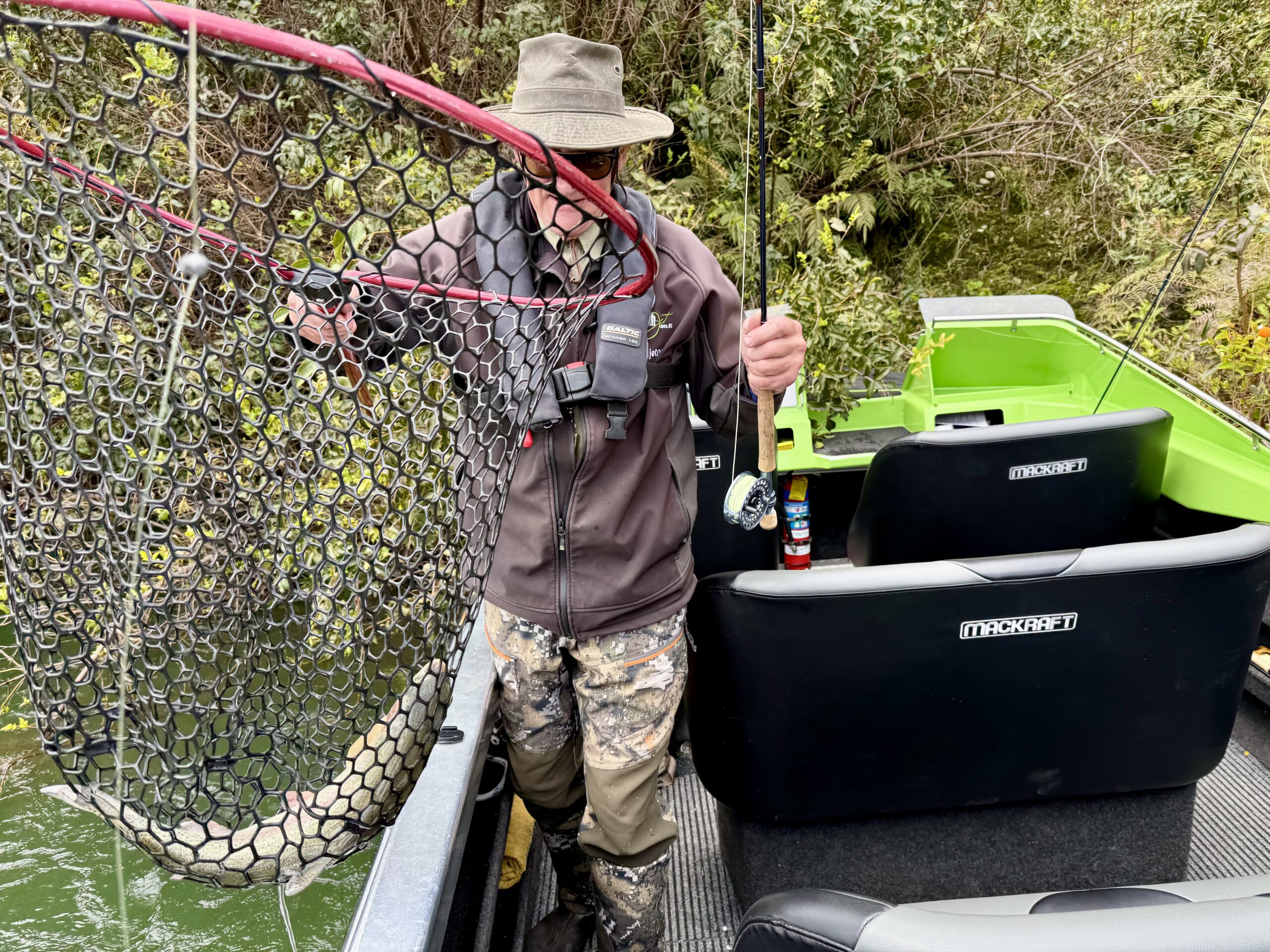
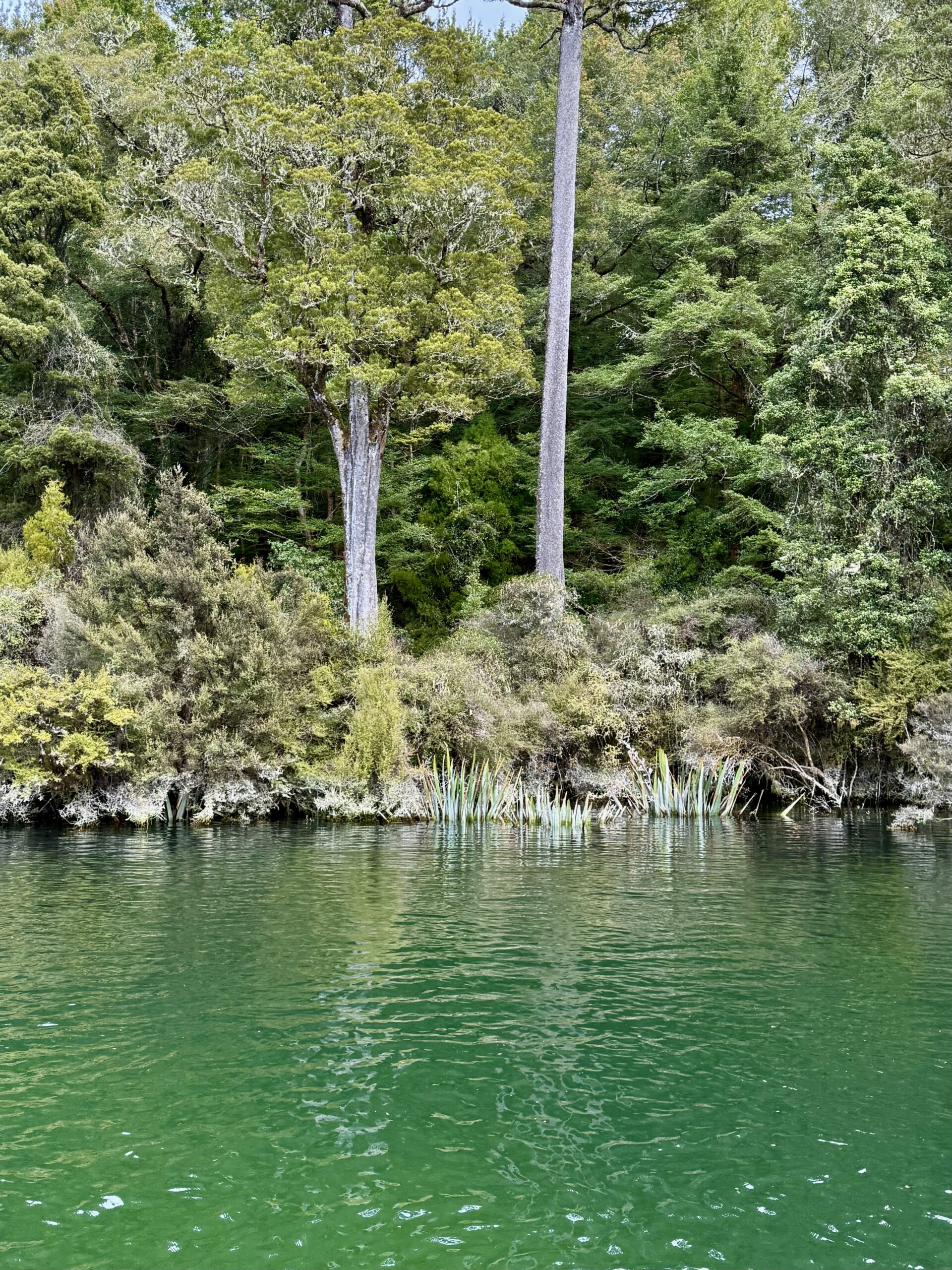
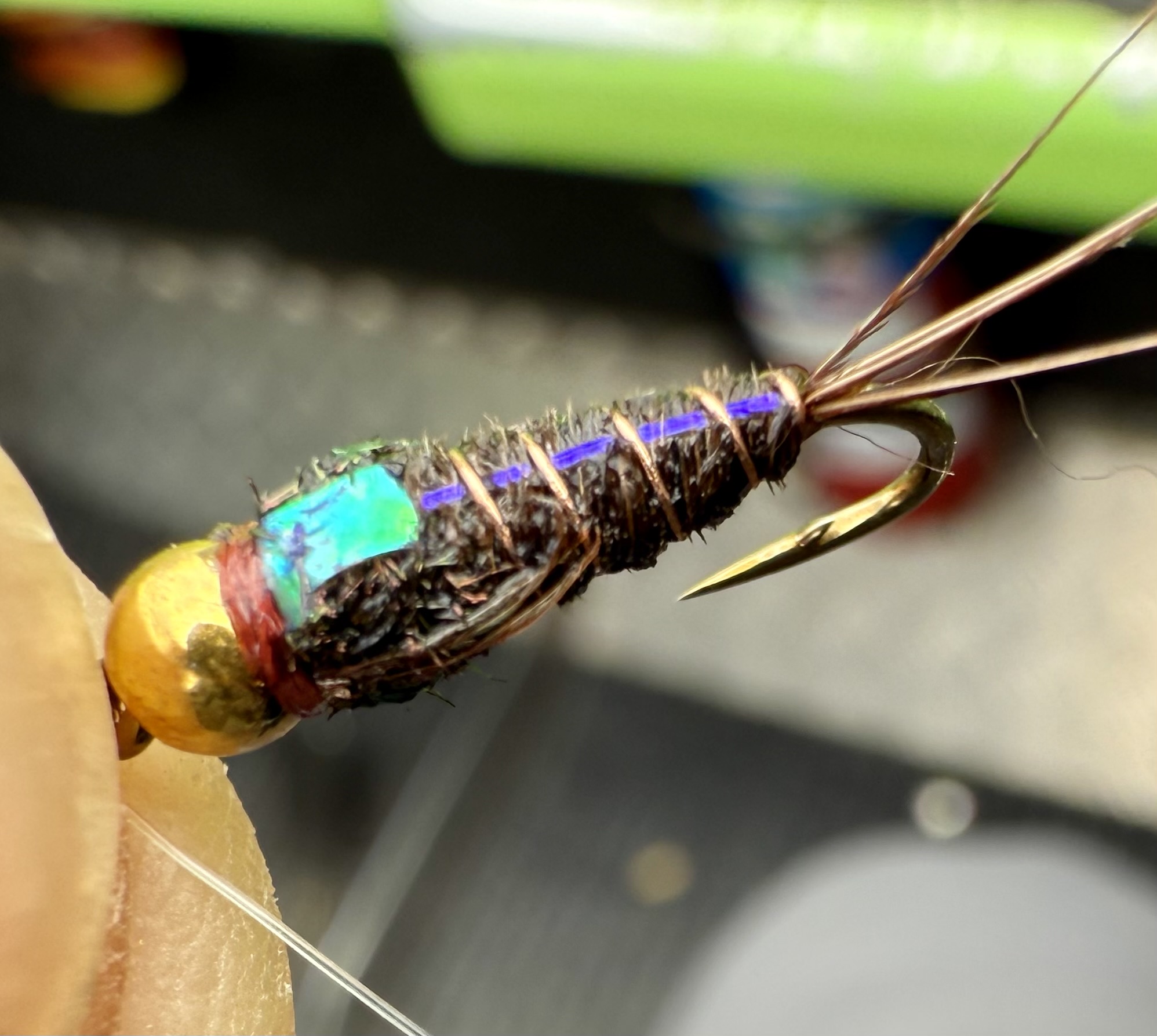
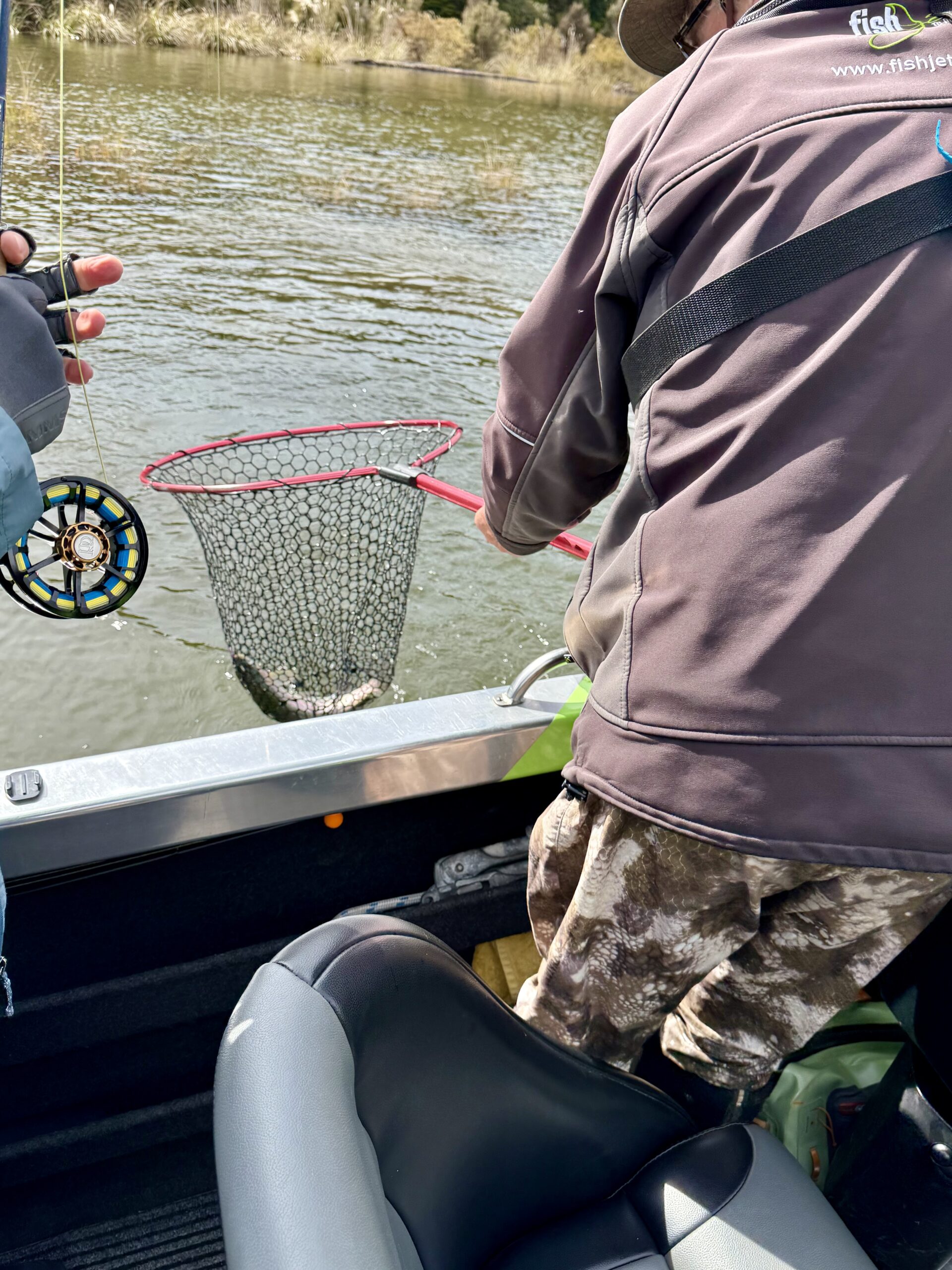
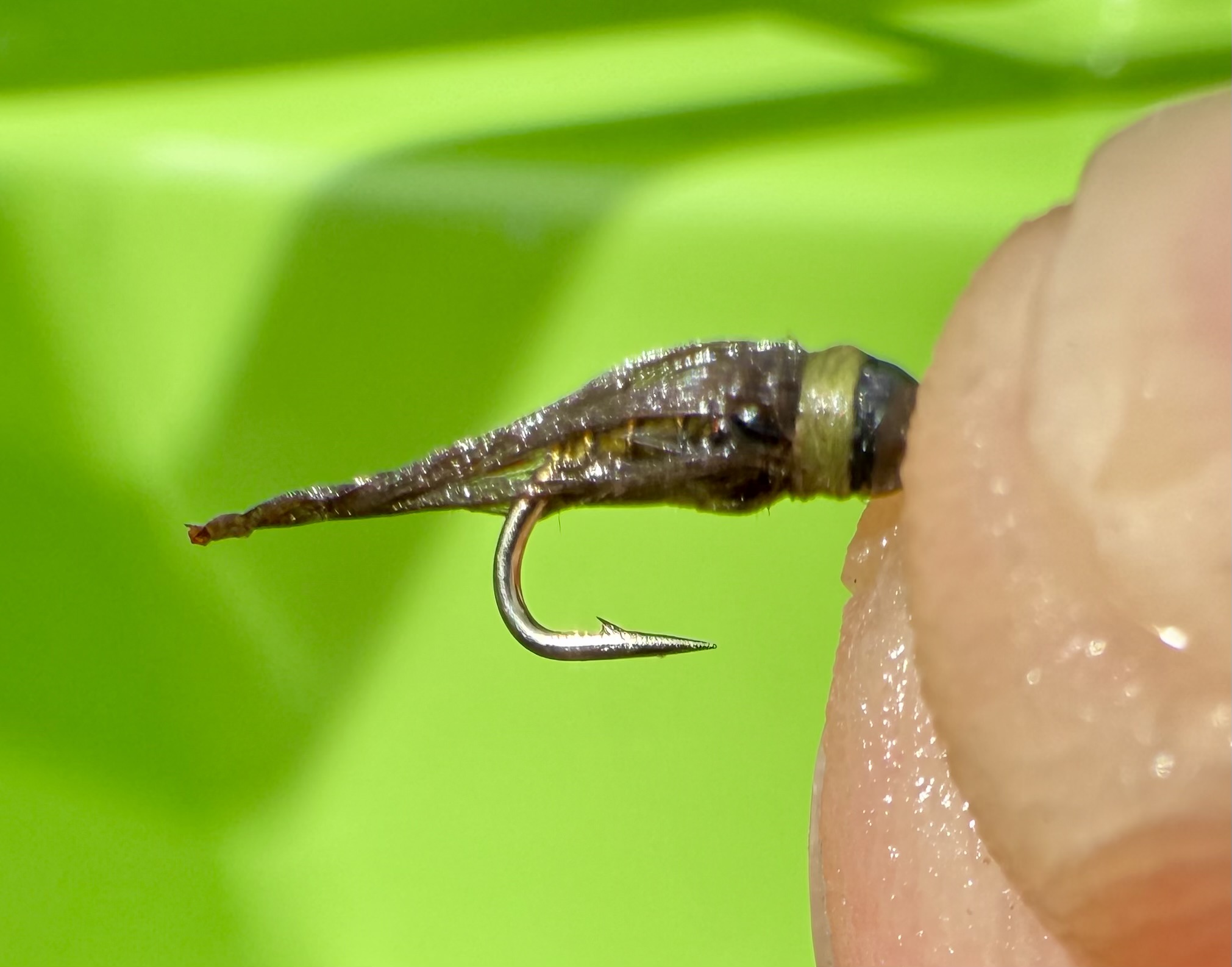
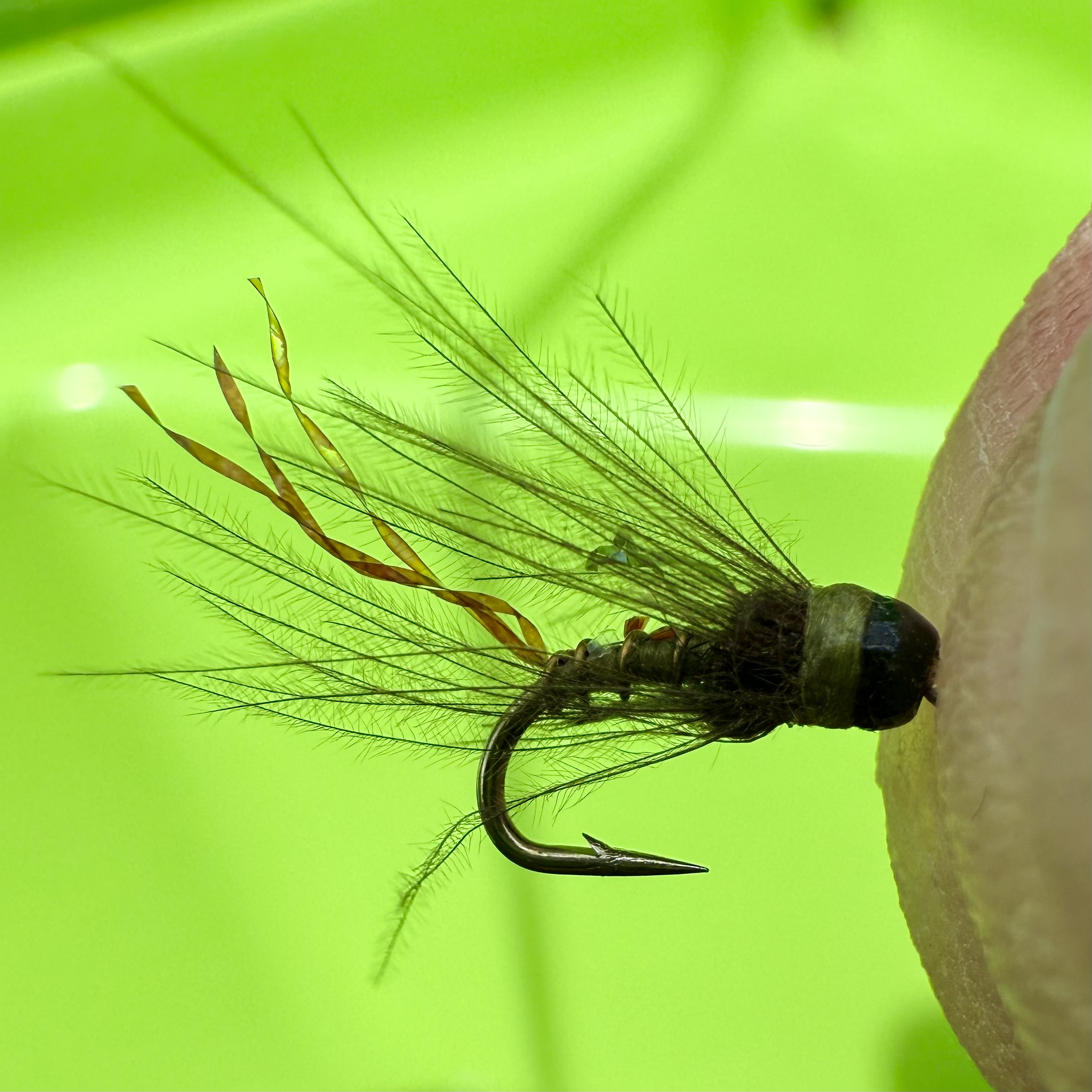
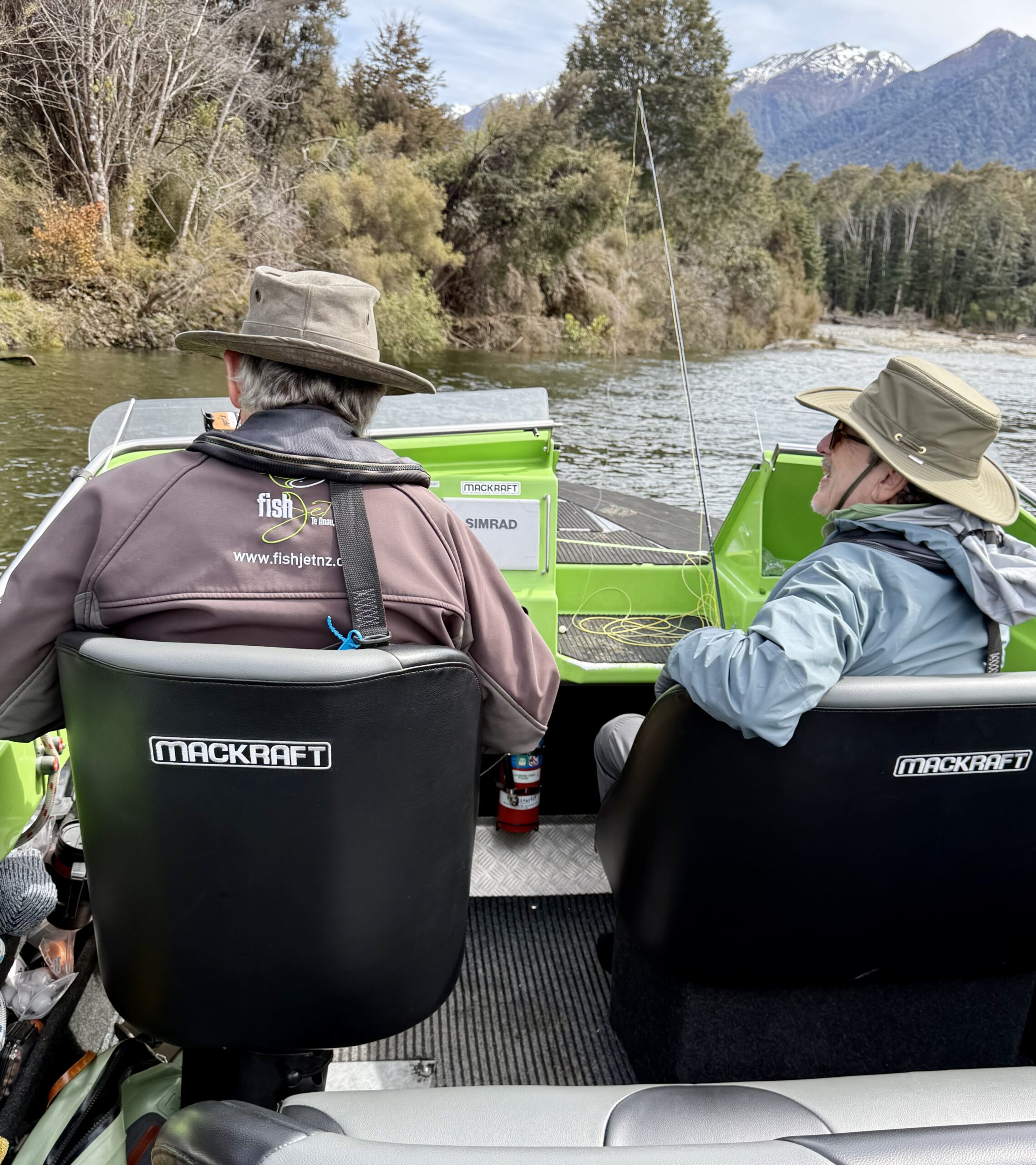
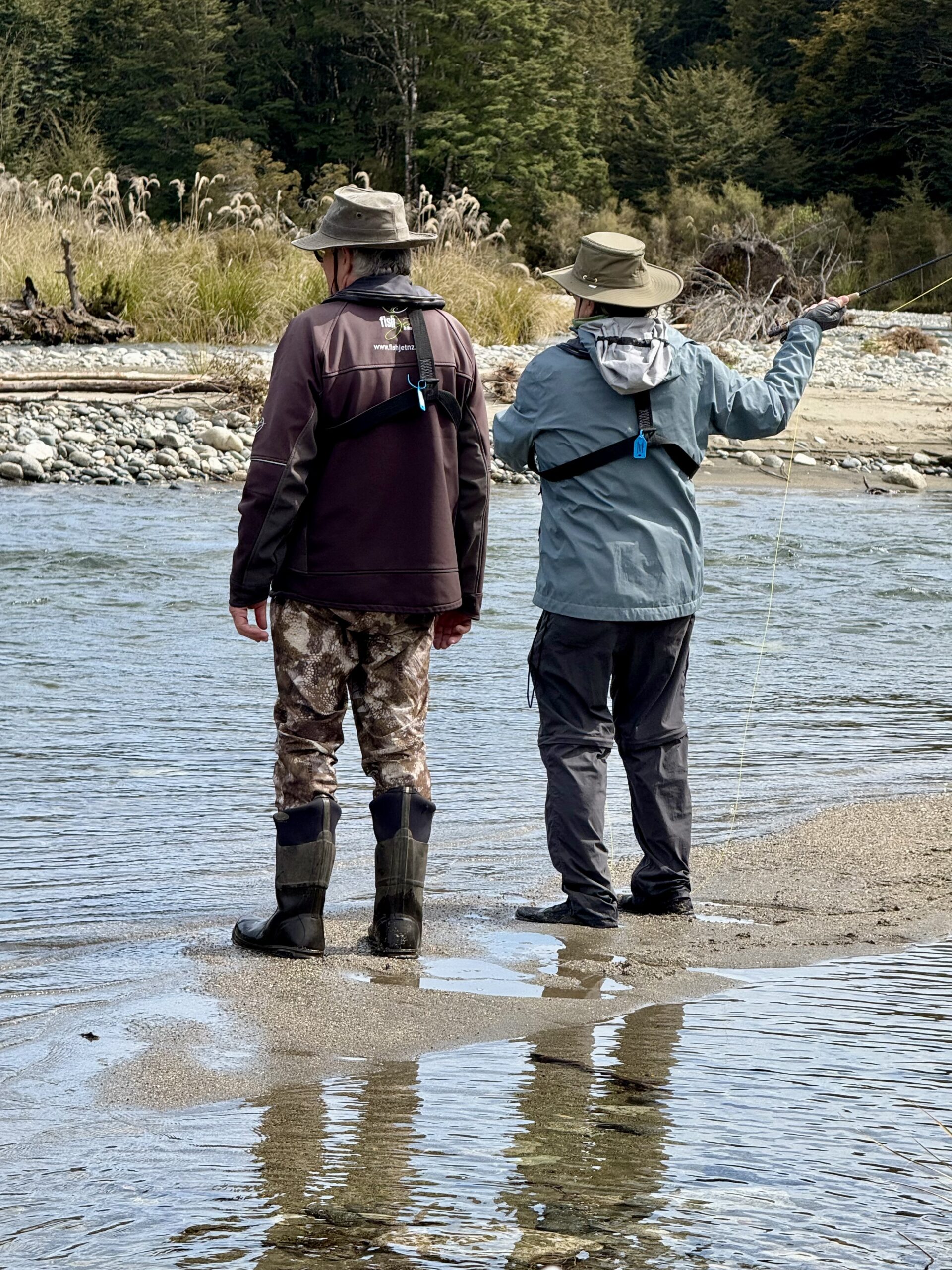
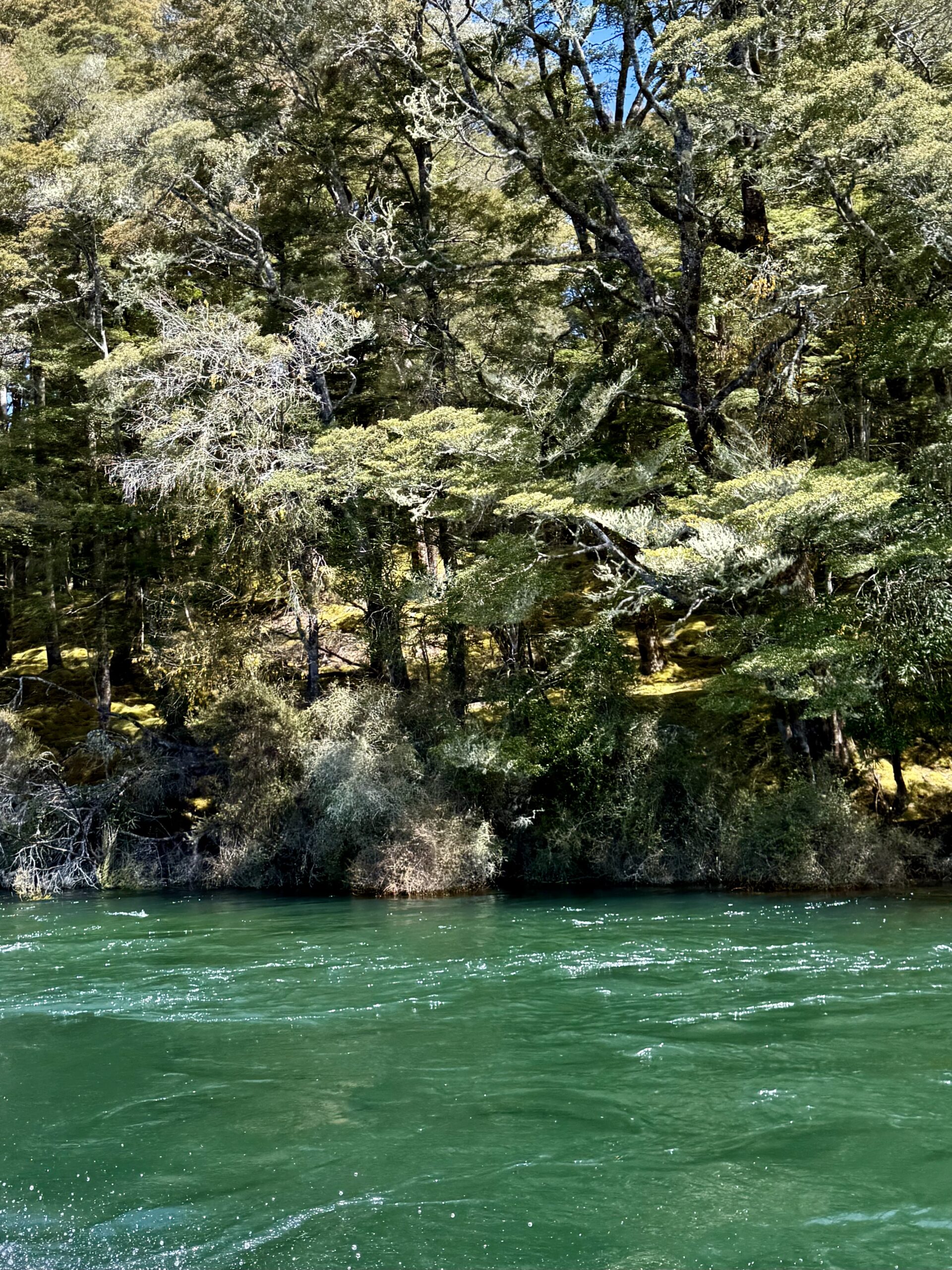
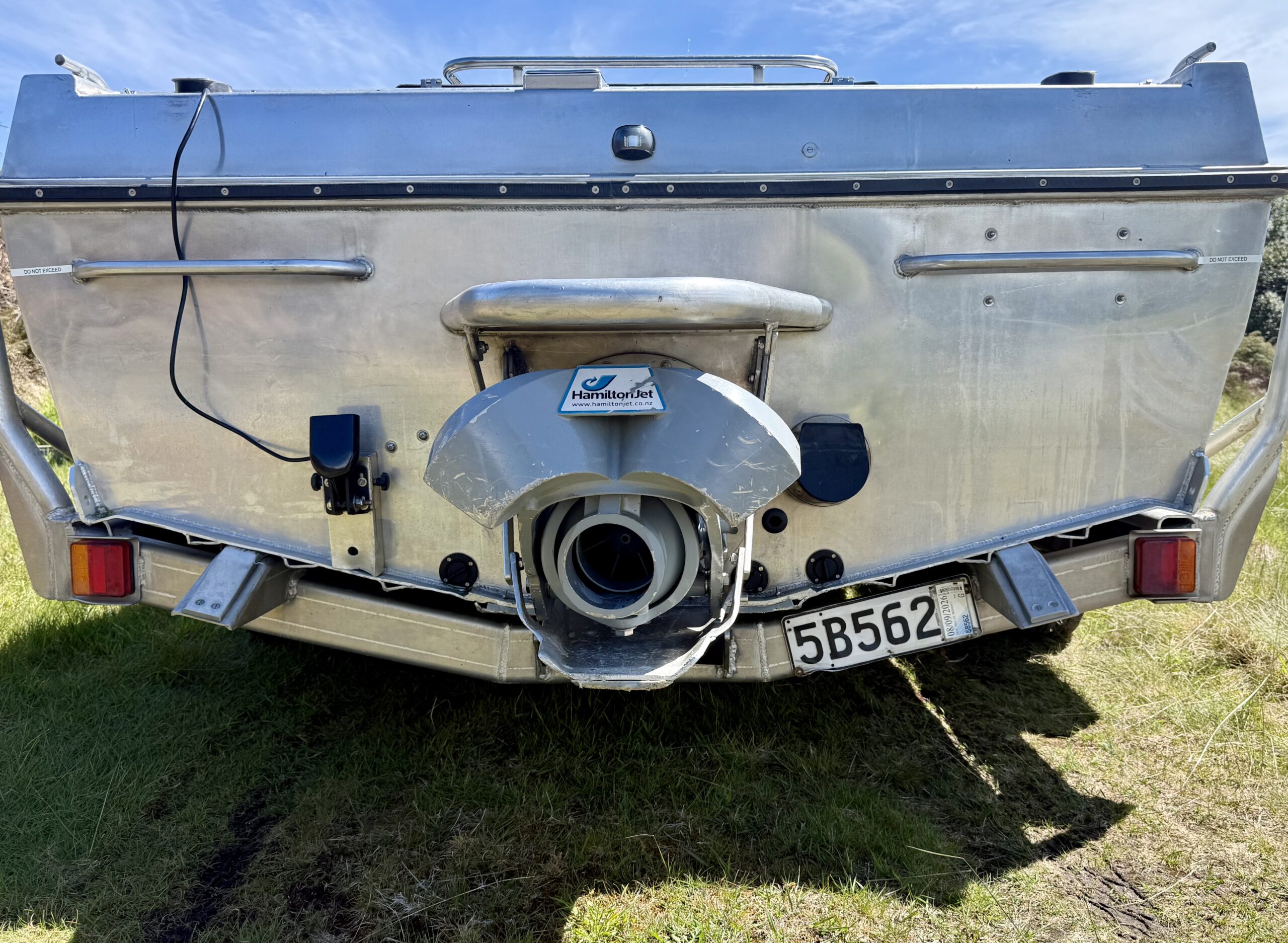
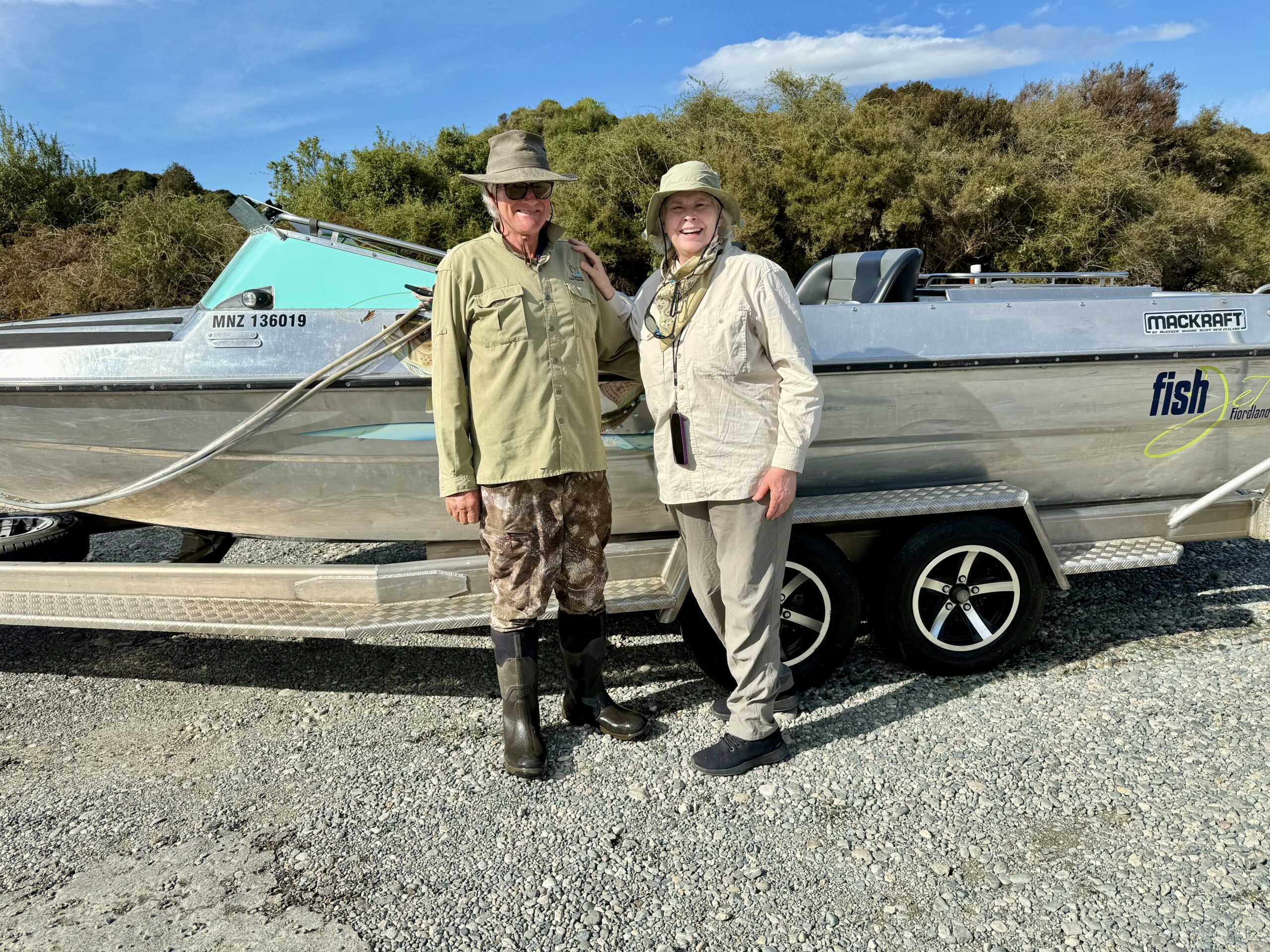
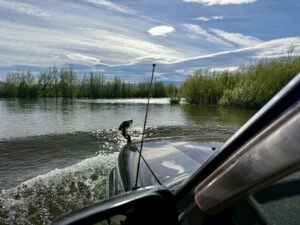
Ken specializes in fishing from his jet boat—a New Zealand invention designed for the rivers of the South Island, which are often shallow and rocky so propellers never worked well. We fished with indicators the first day ending up with three flies per rig plus a weight or two. Ken’s technique is to have us strip out 60+ feet of line whereupon he maneuvers the jet boat to place the indicators in a position he expects the fish to be holding—sometimes just a meter or so from the bank. Then he powers the jet boat at the right speed to follow the float of the indicator. Incredible maneuvering along the overhanging foliage. Jet boats can turn on a dime and even reverse.
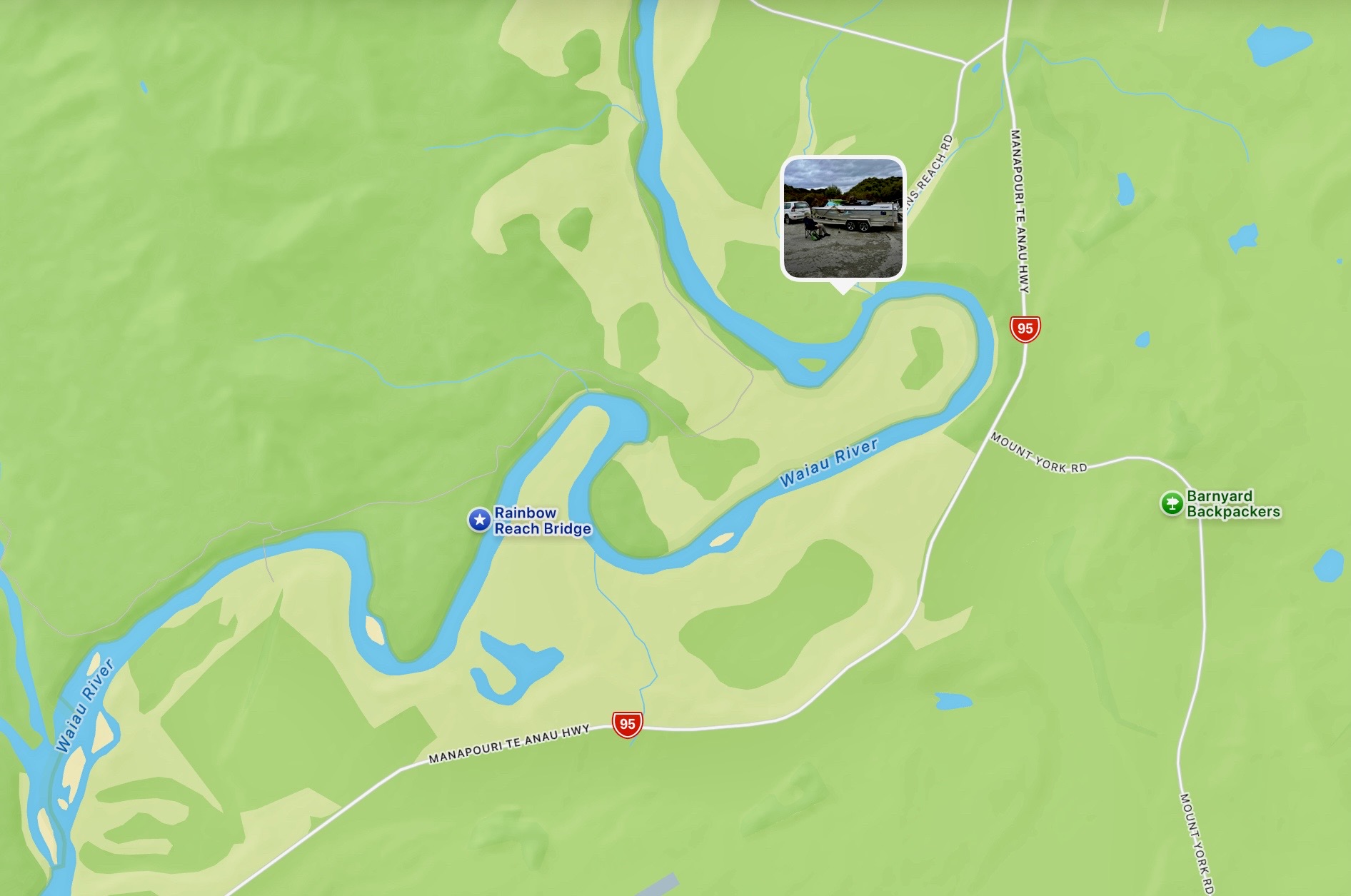
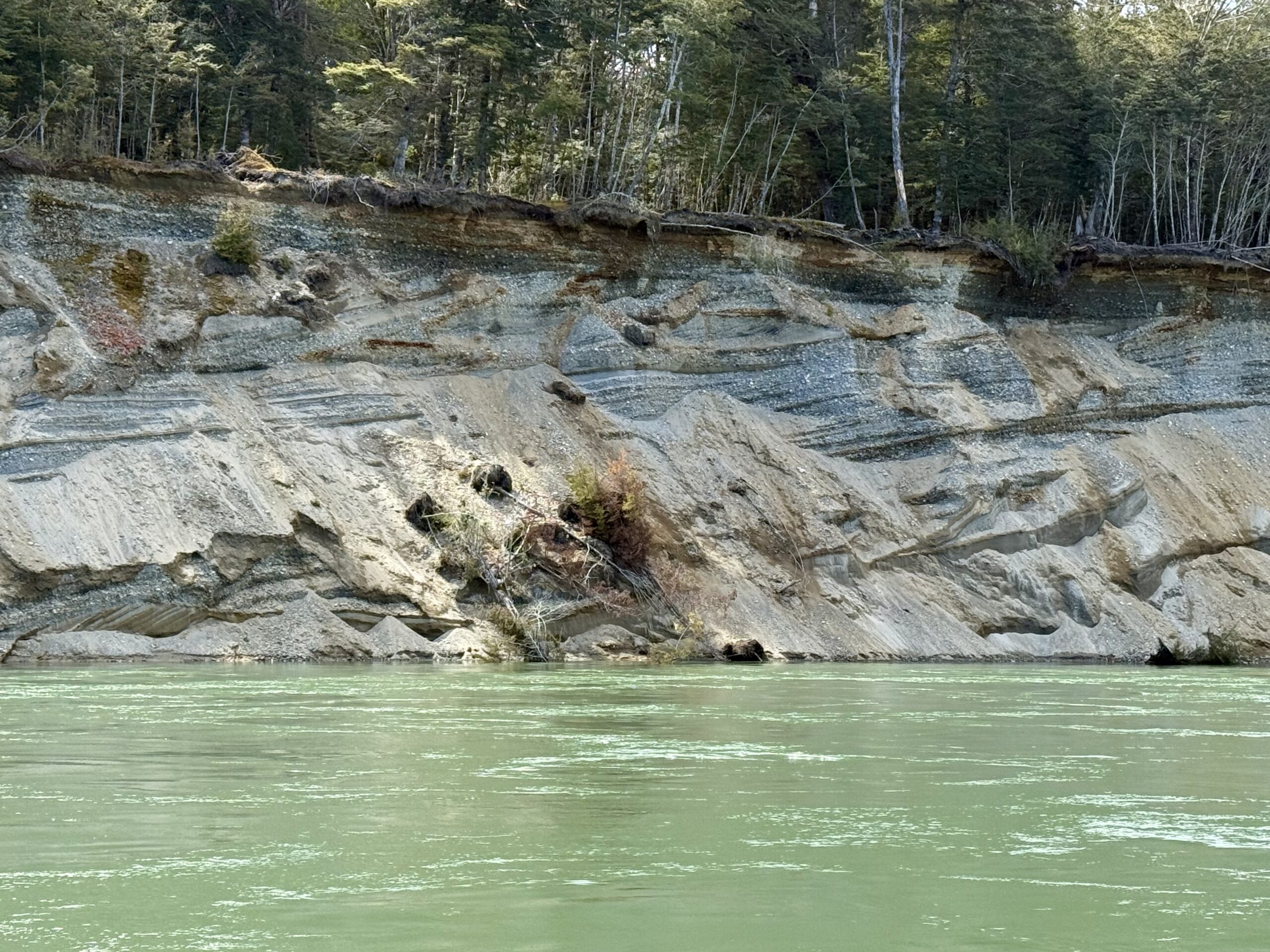
After months of heavy rain, the water level at Te Anu in both the river and lake rose more than three meters. To date, the water has dropped one meter. Two more to go. This affects where to fish because in the lower reaches of the river, erosion makes the water so silty it is difficult for guides to see the fish.
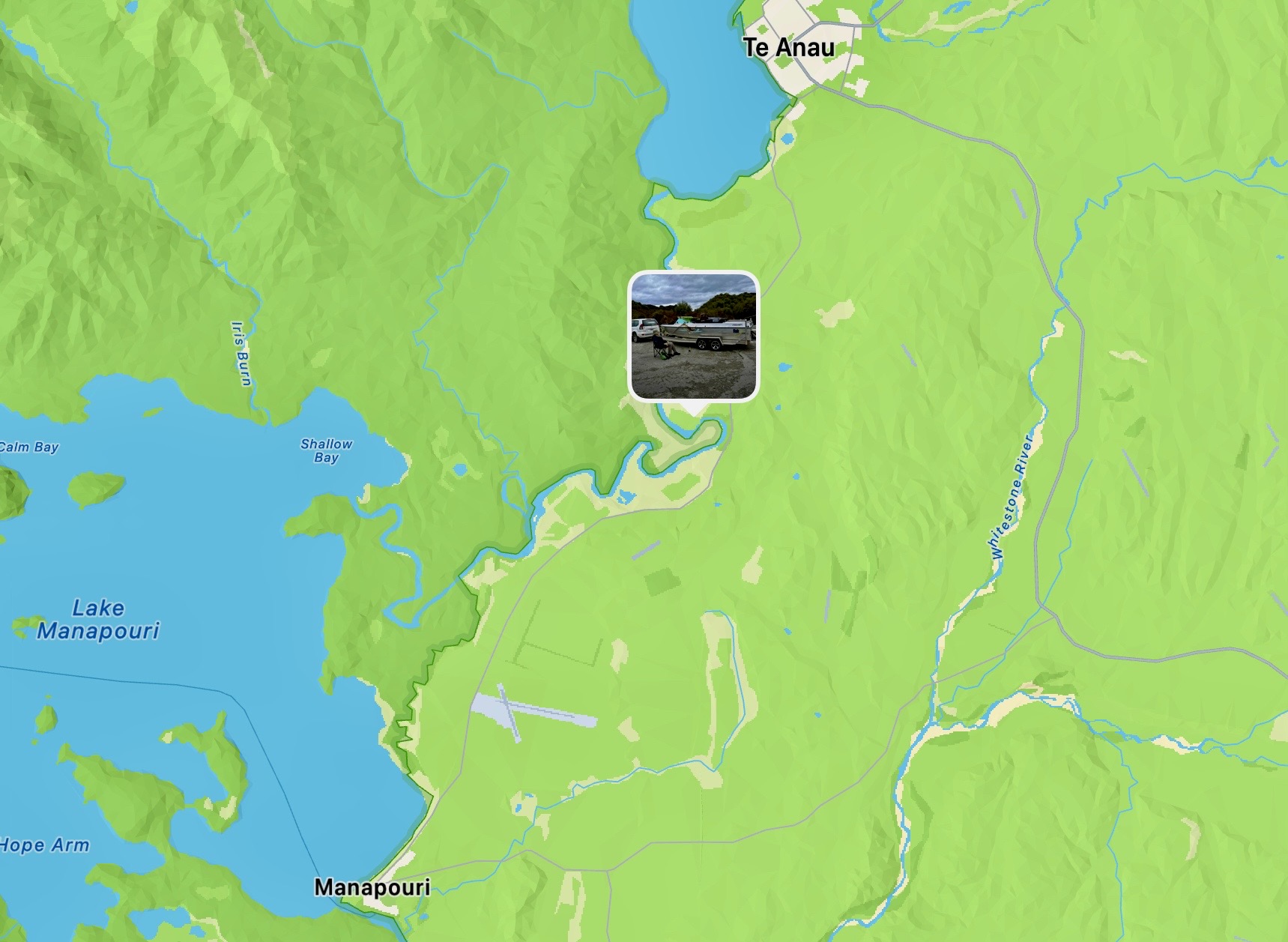
DAY ONE: Waiau River
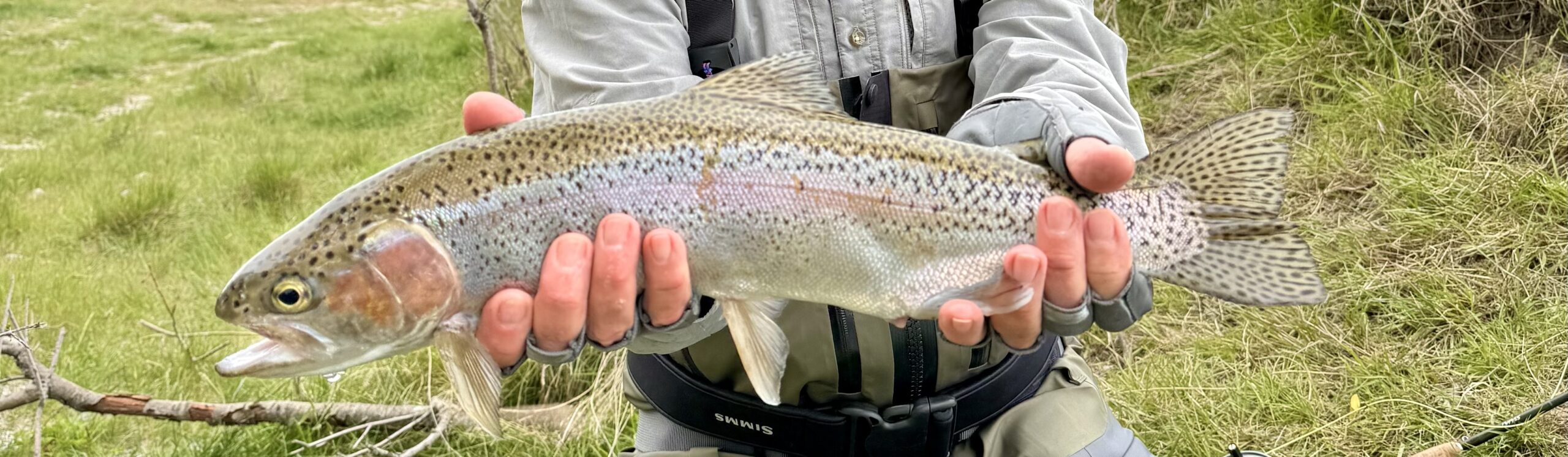
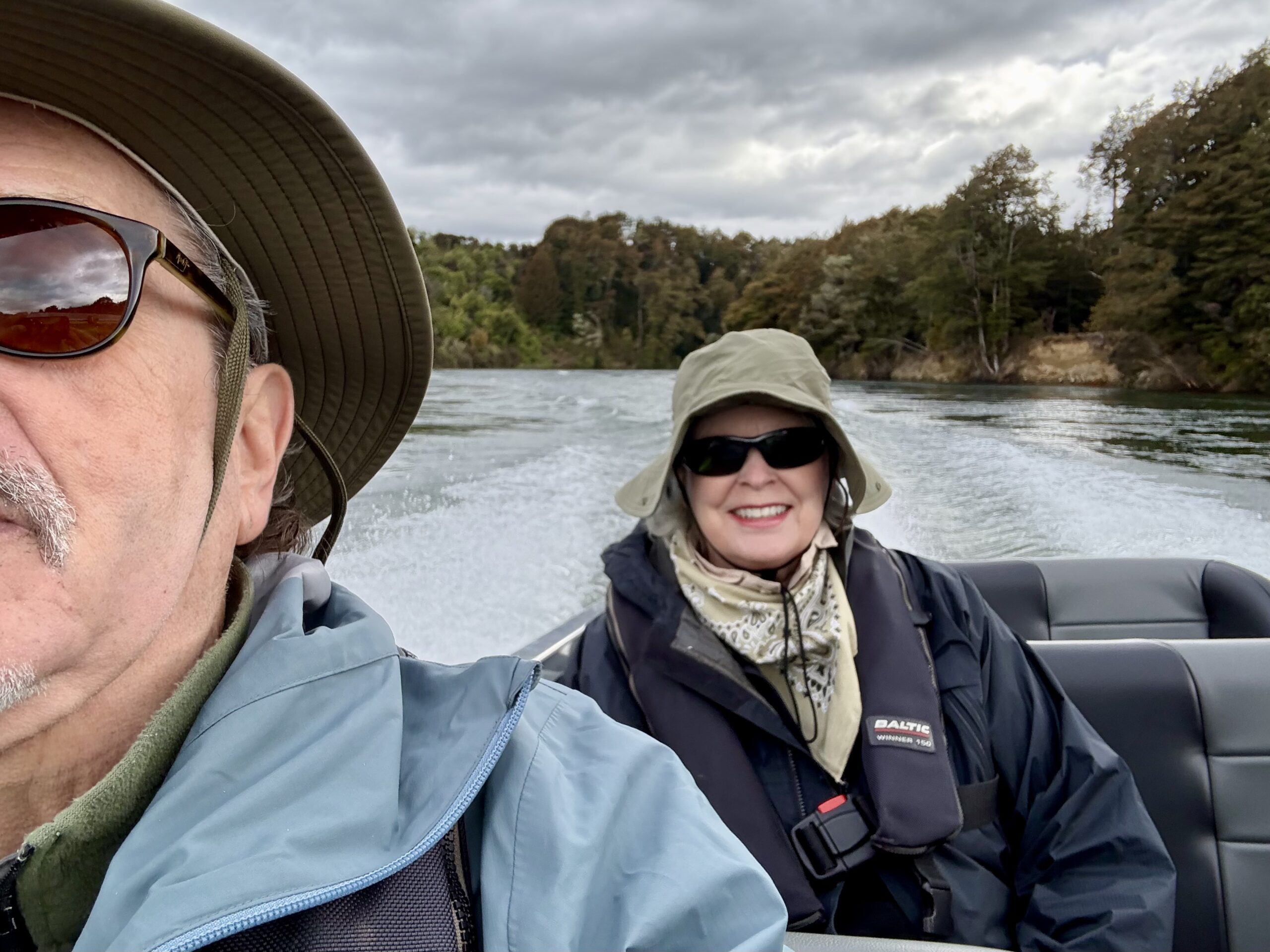
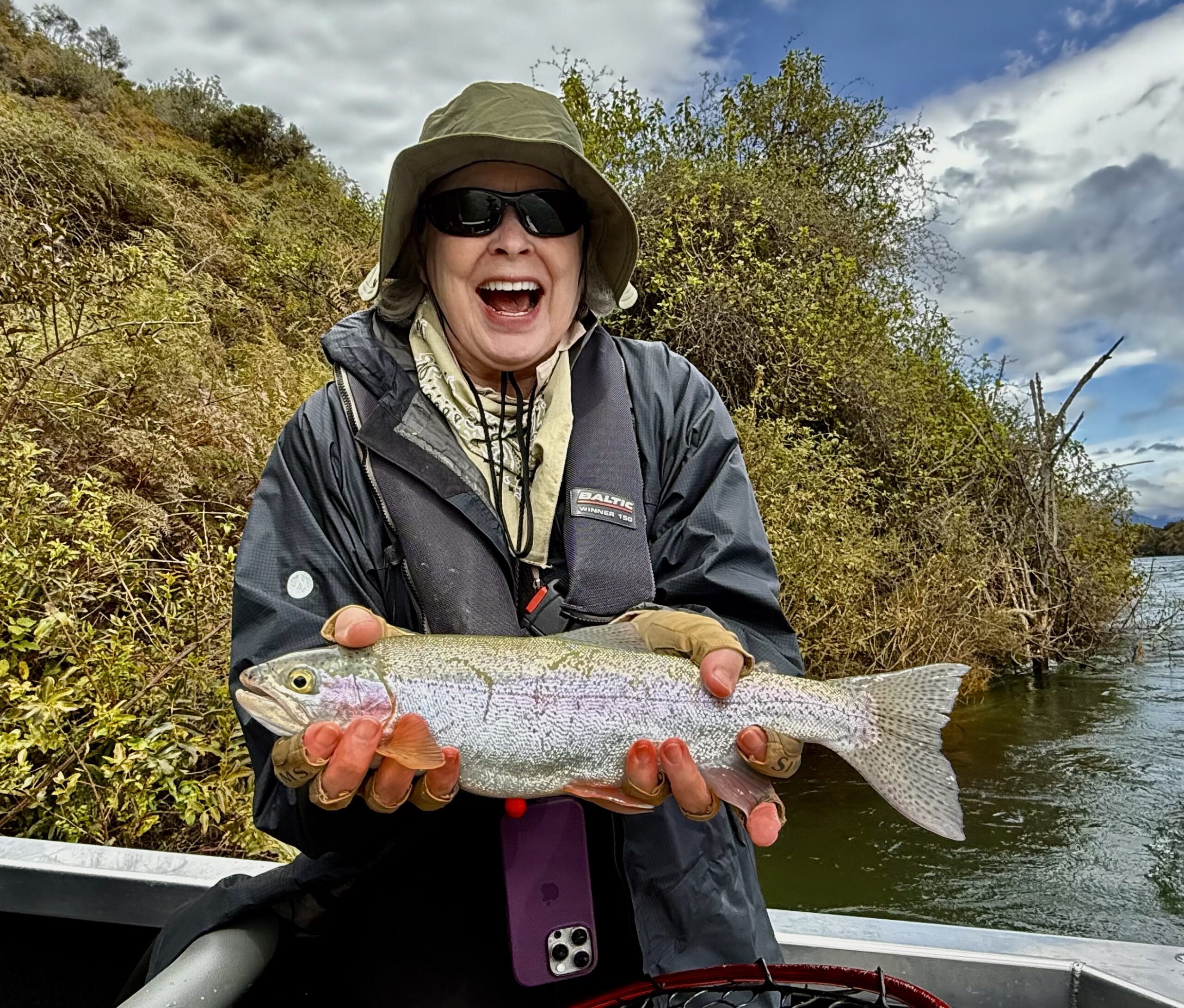
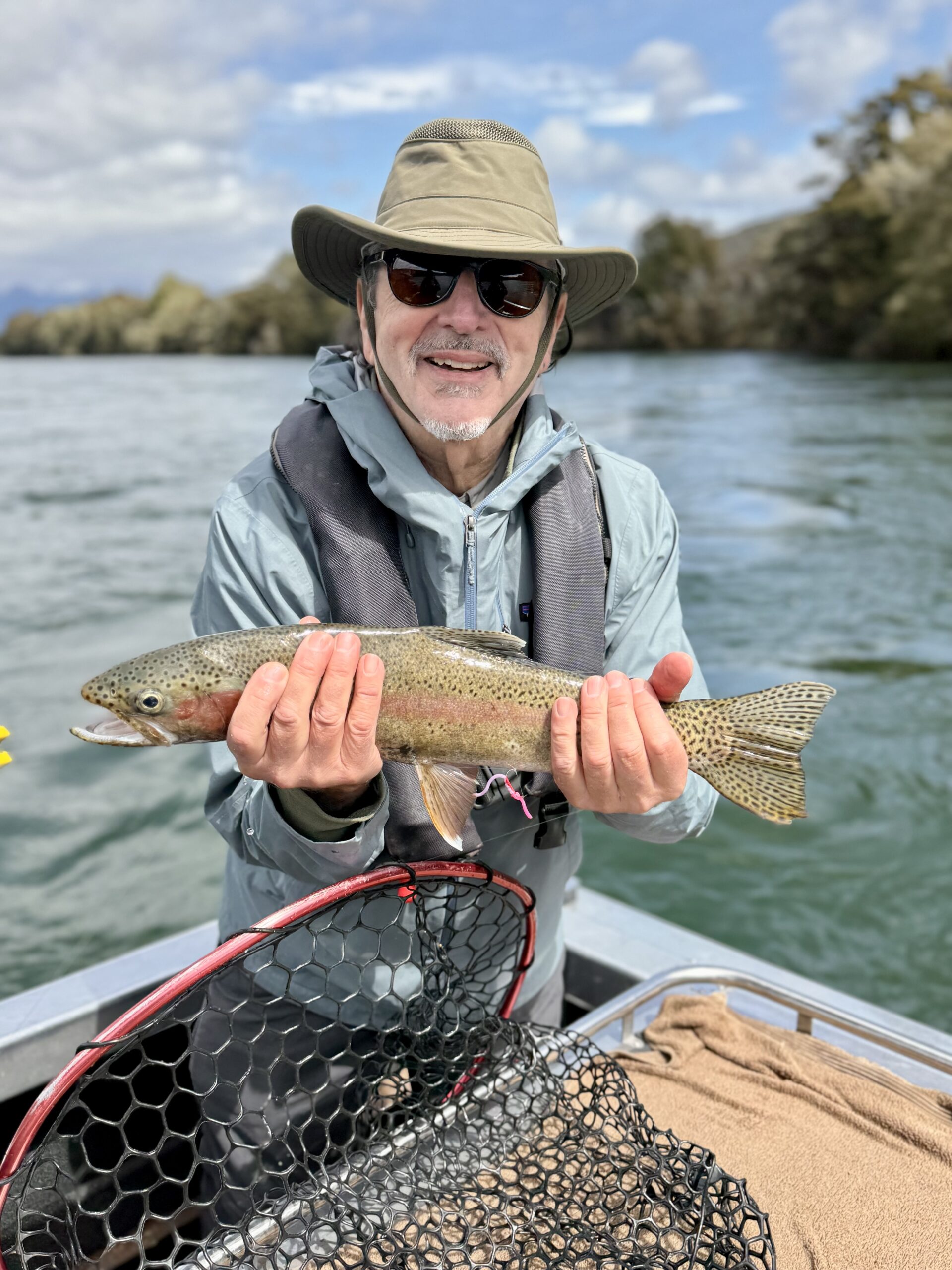
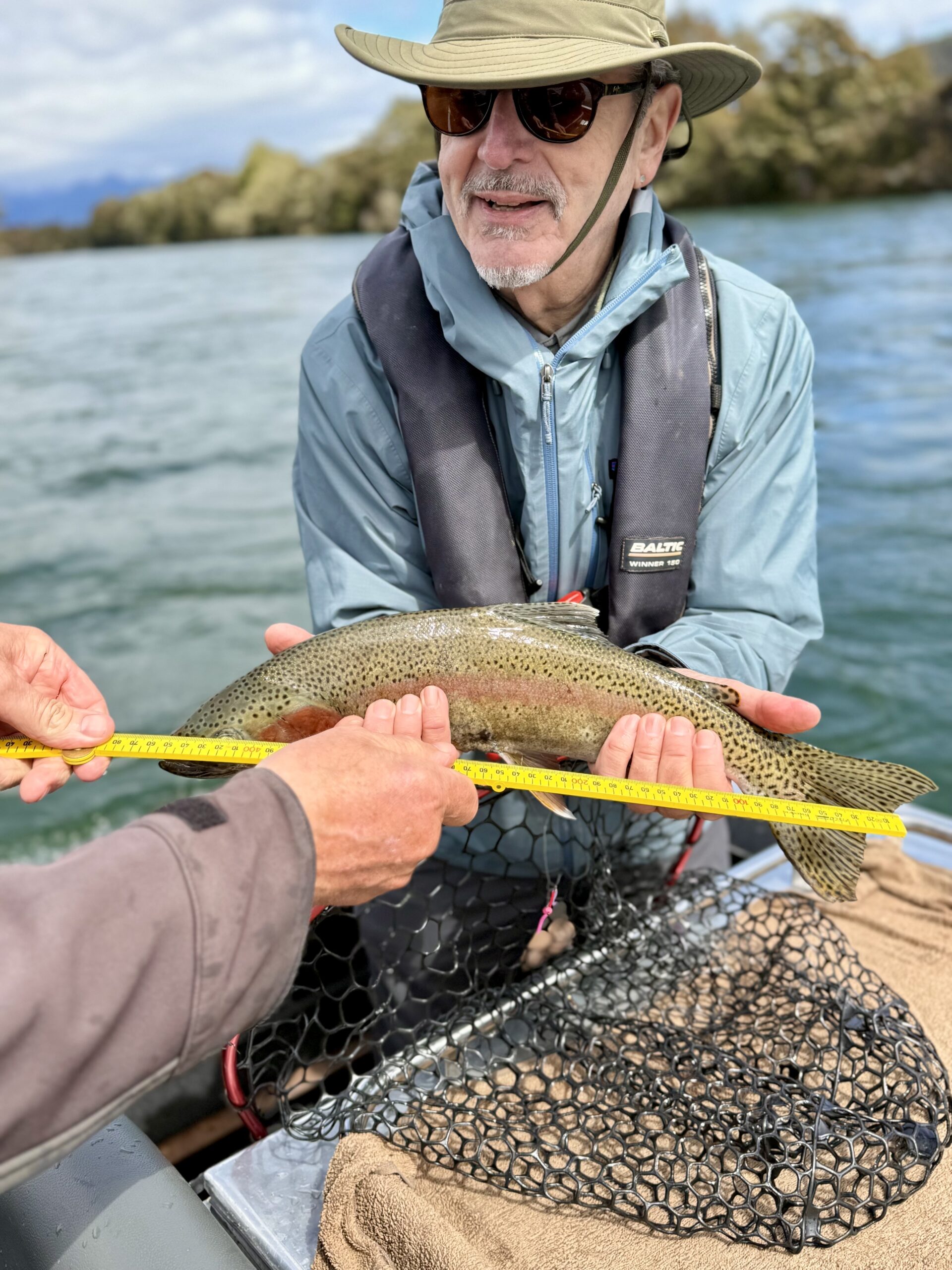
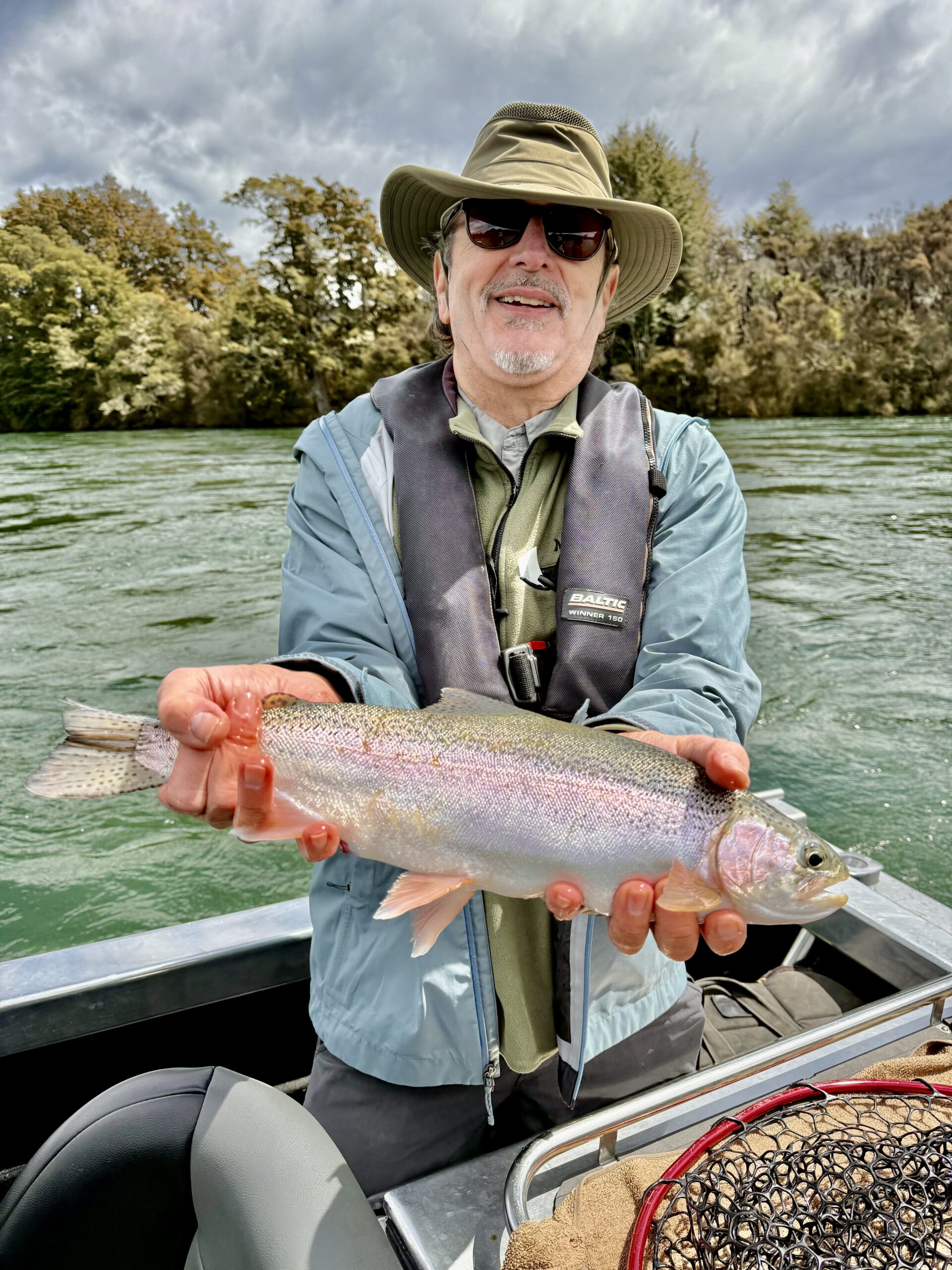
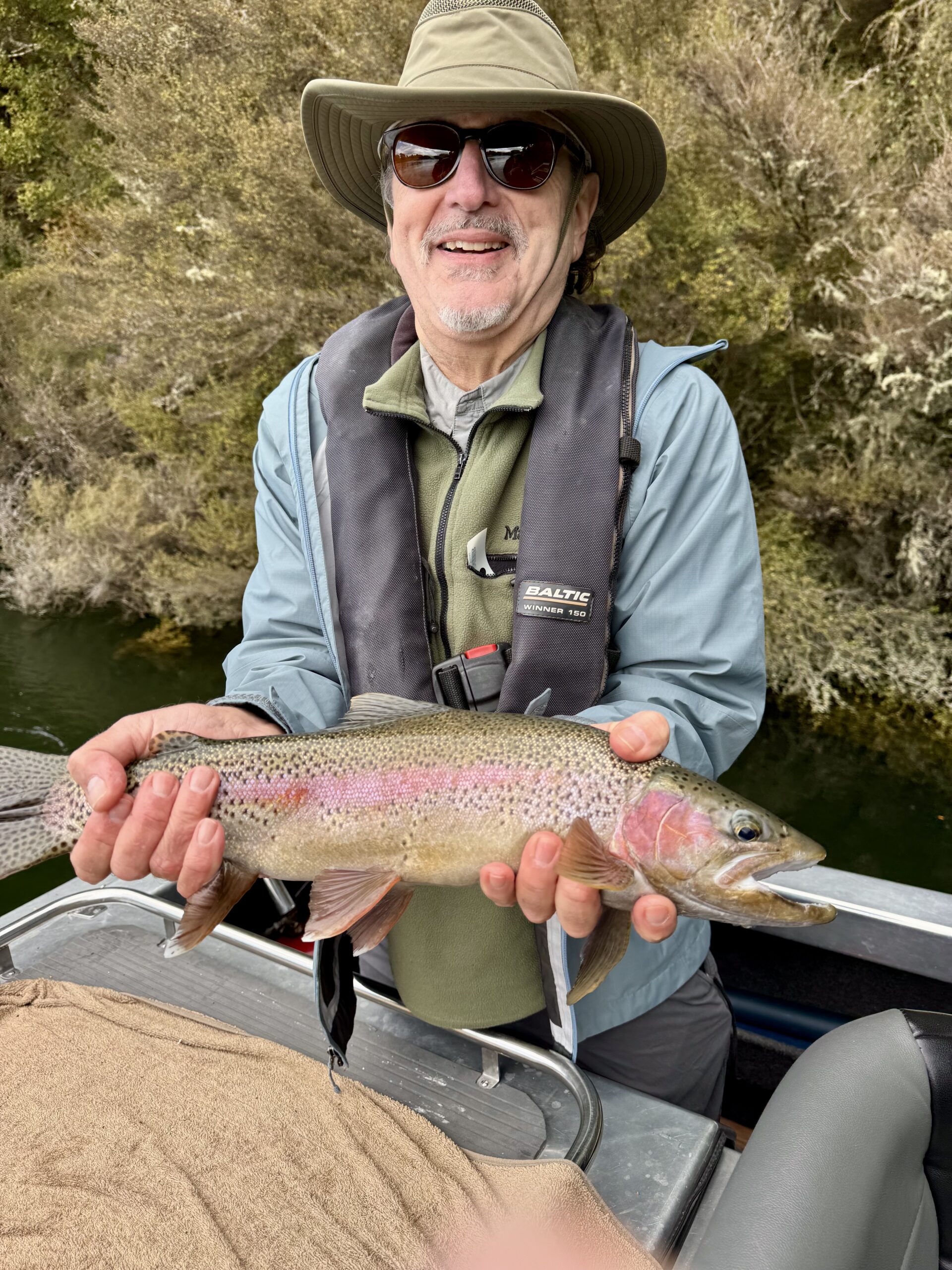
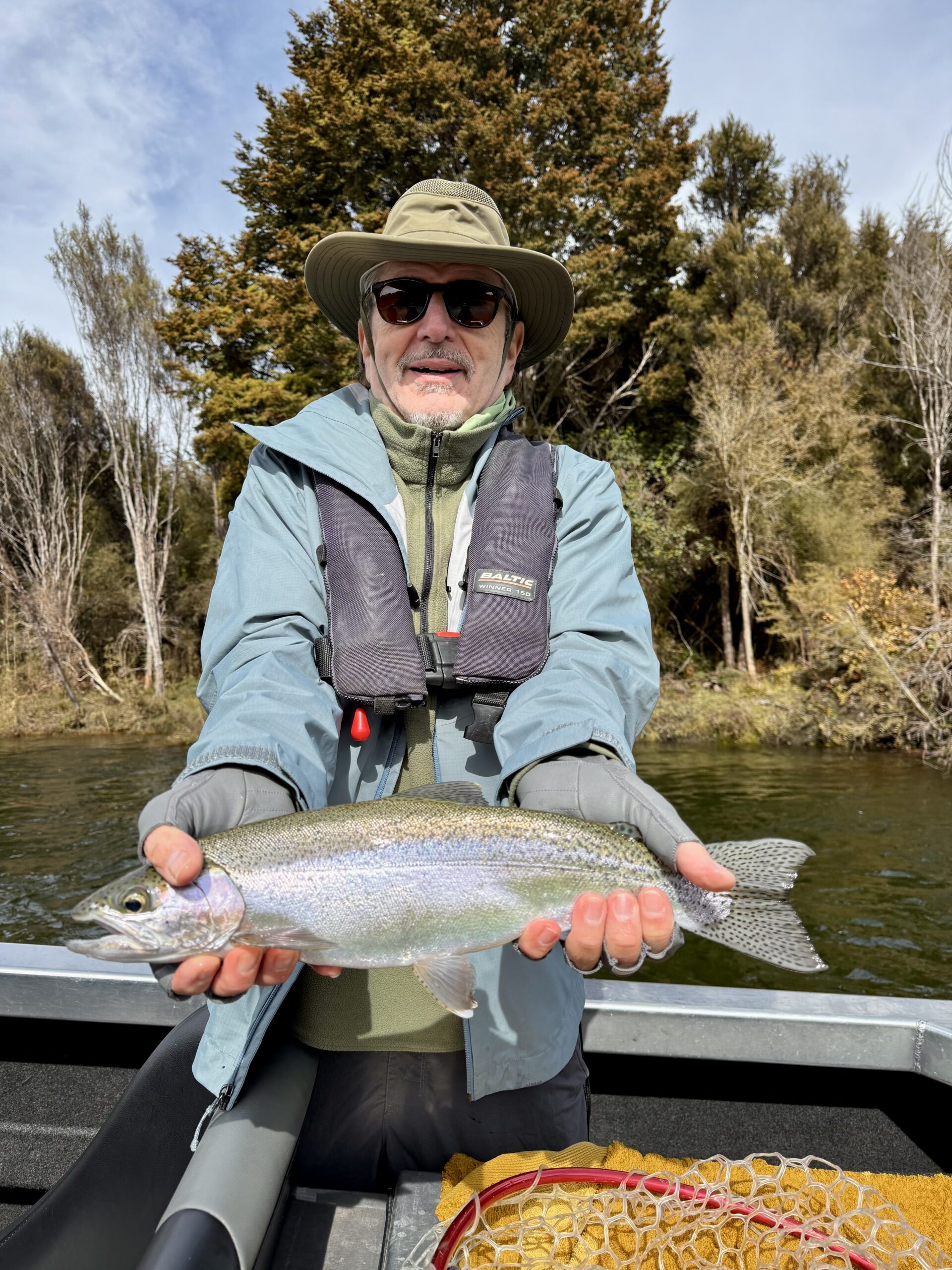
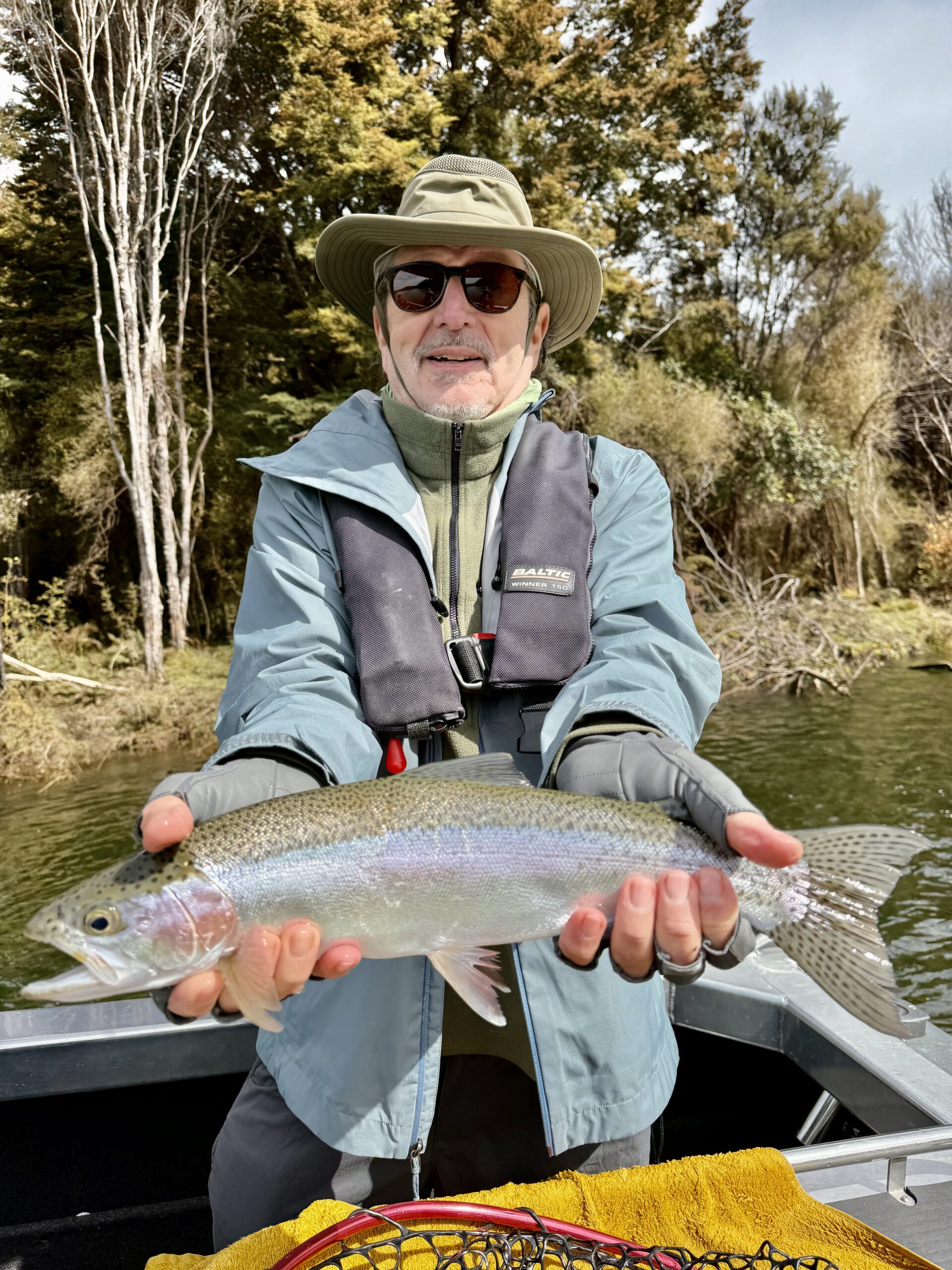
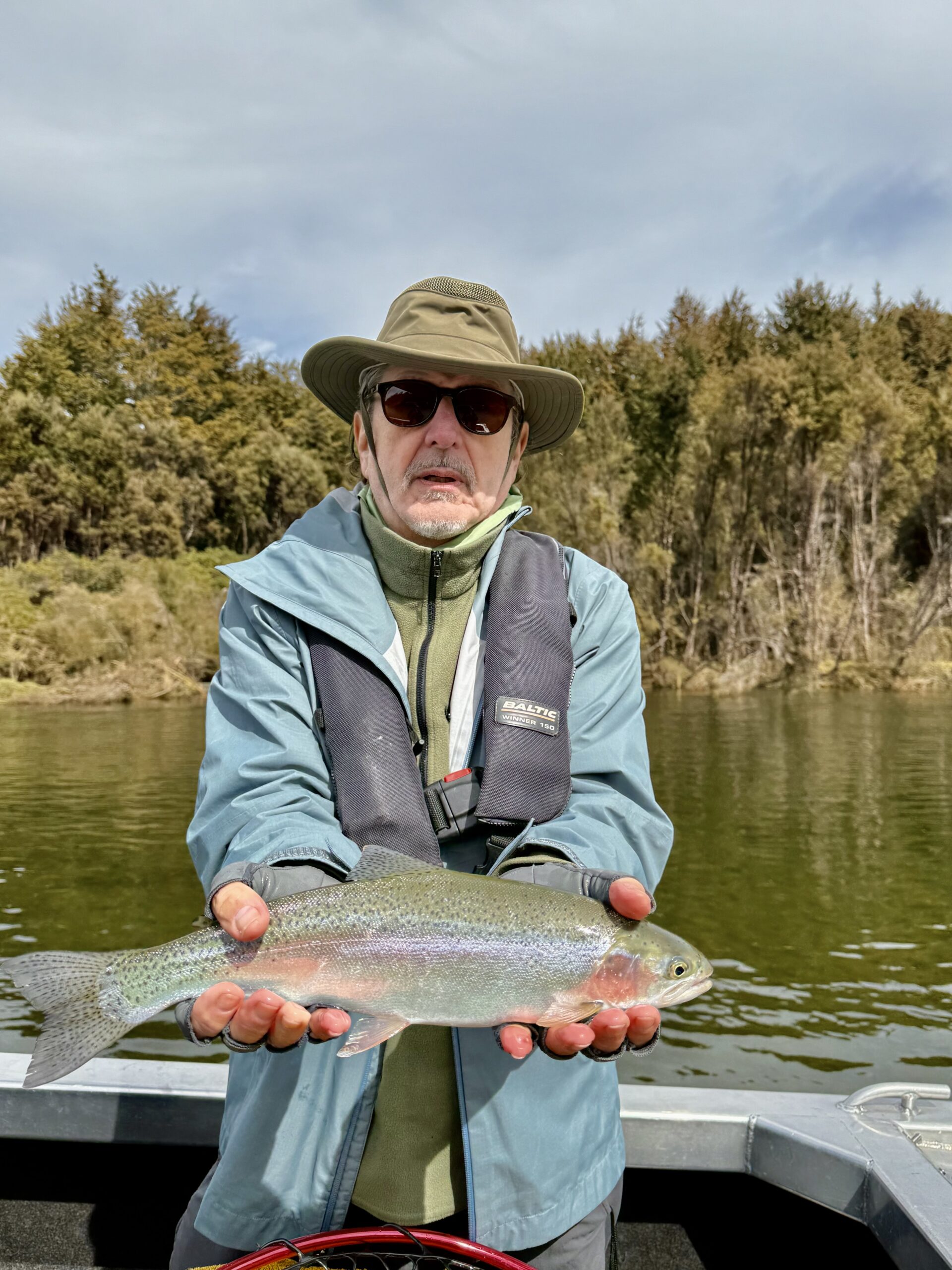
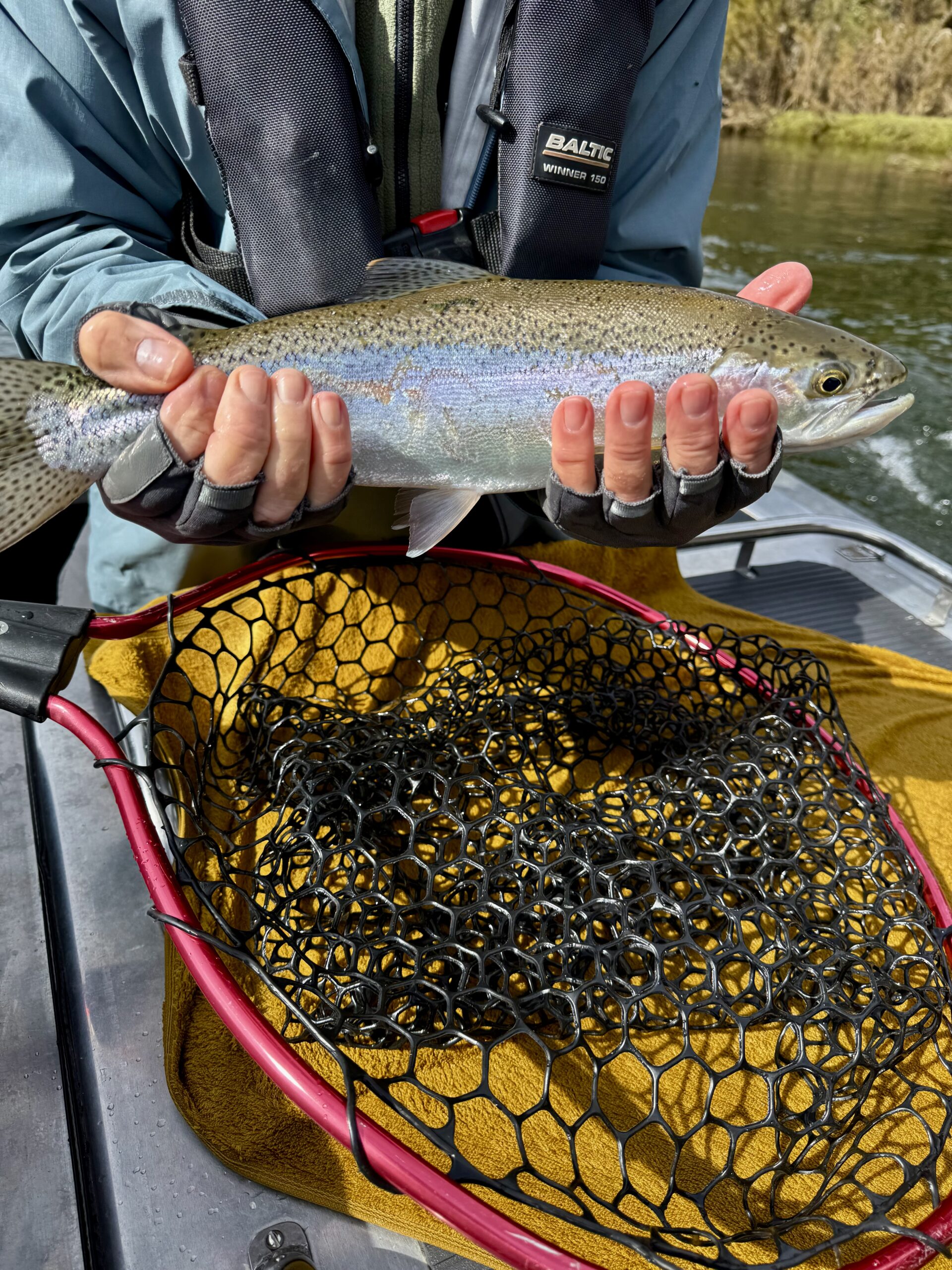
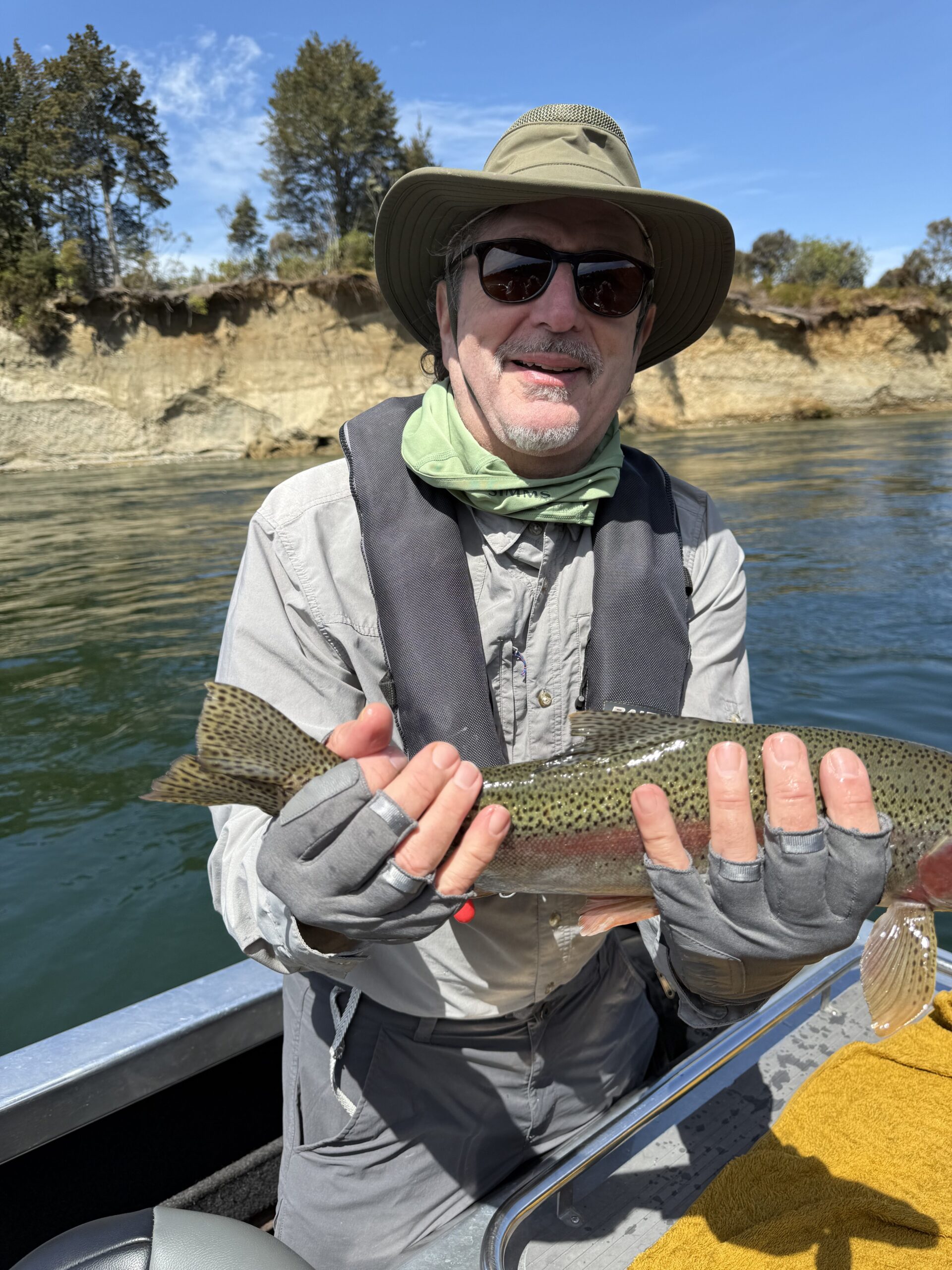
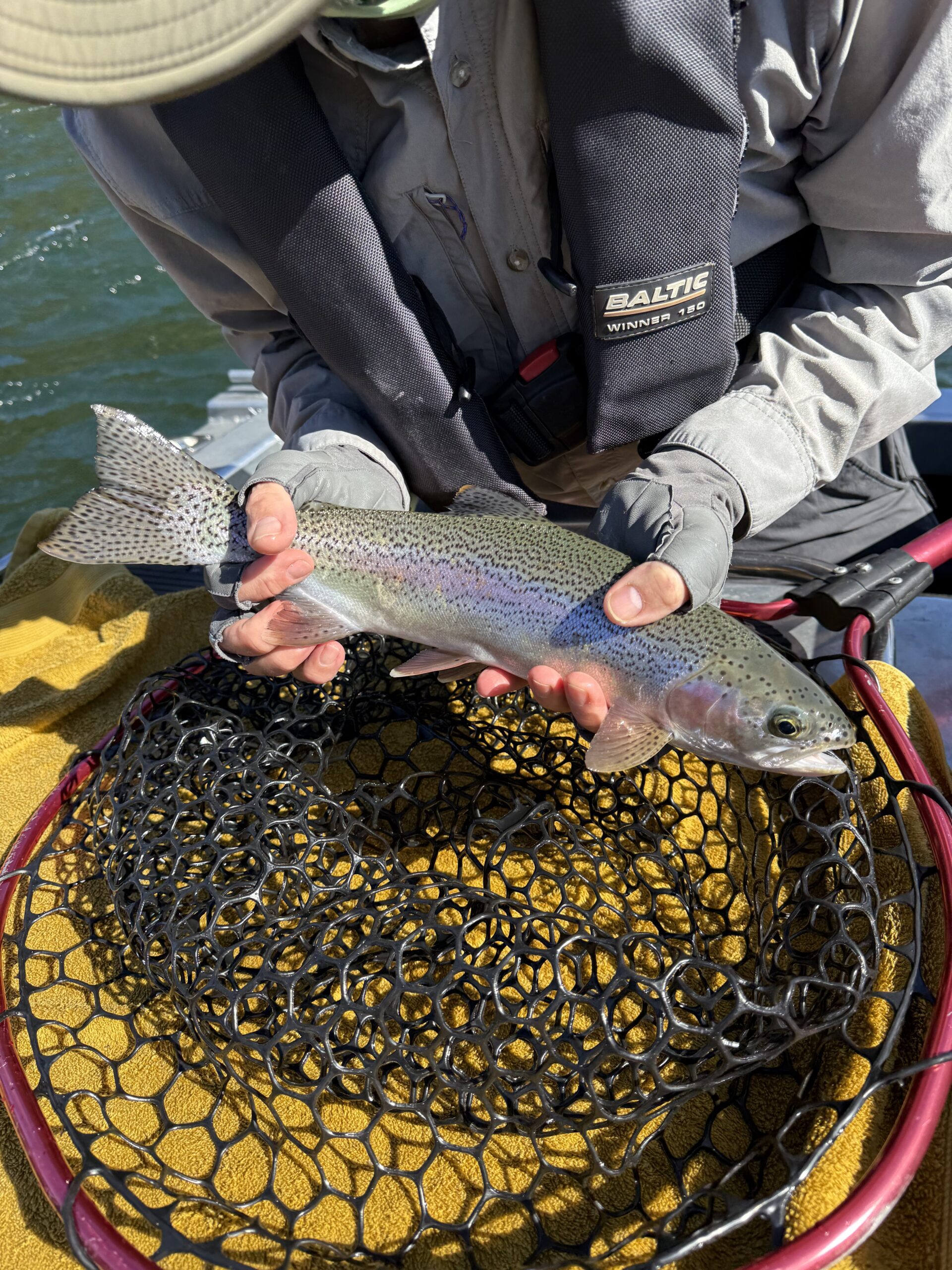
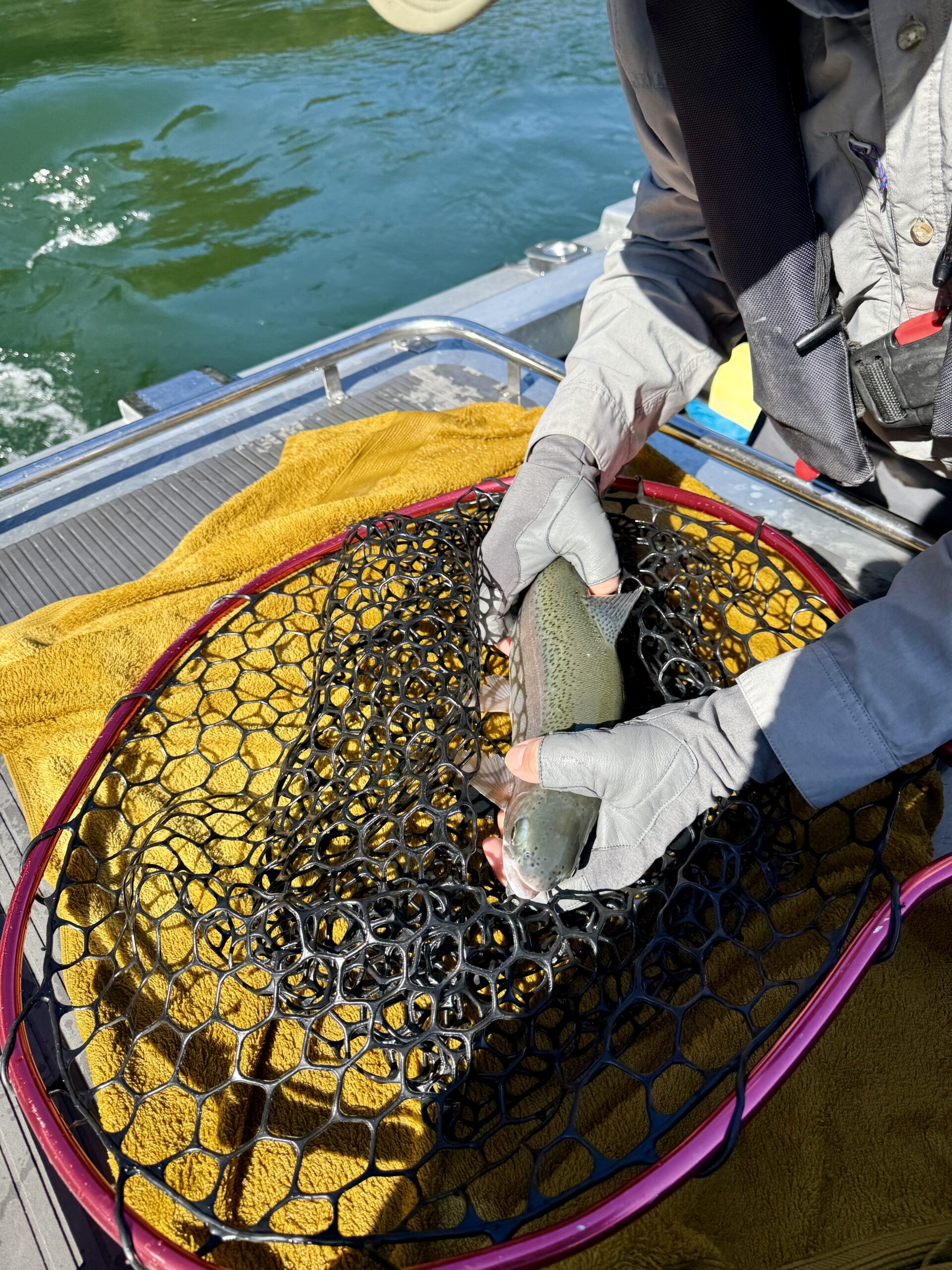
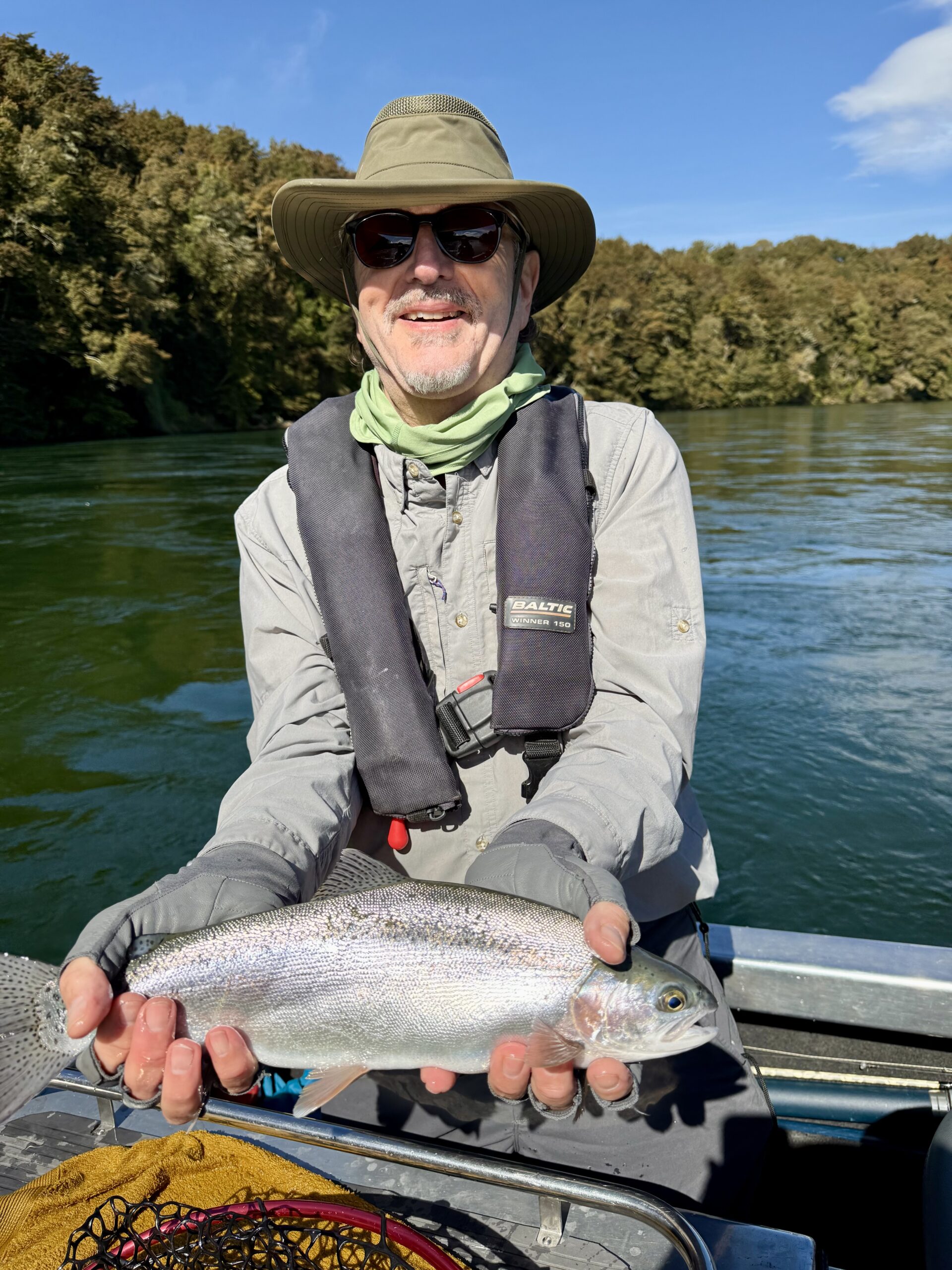
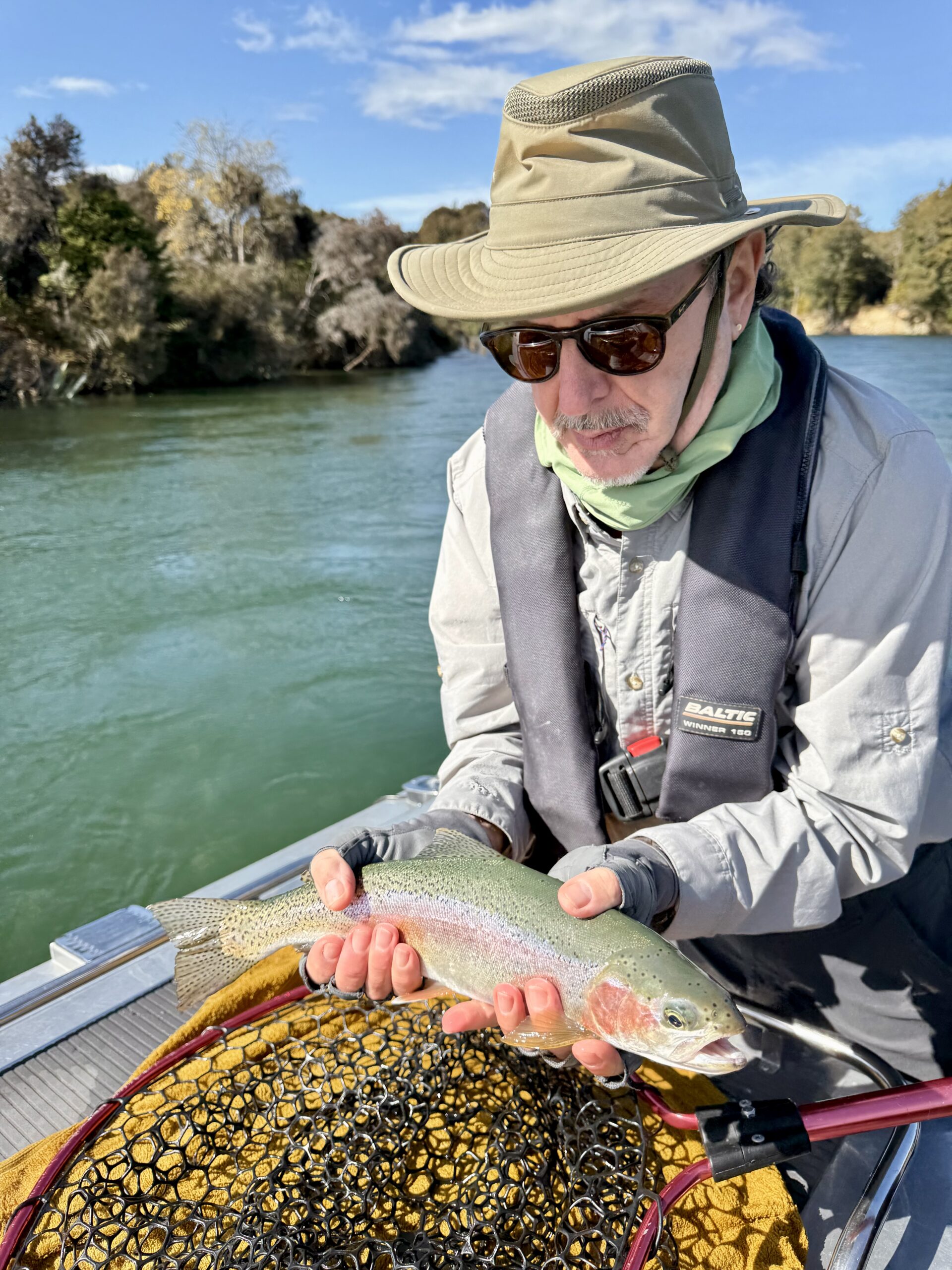
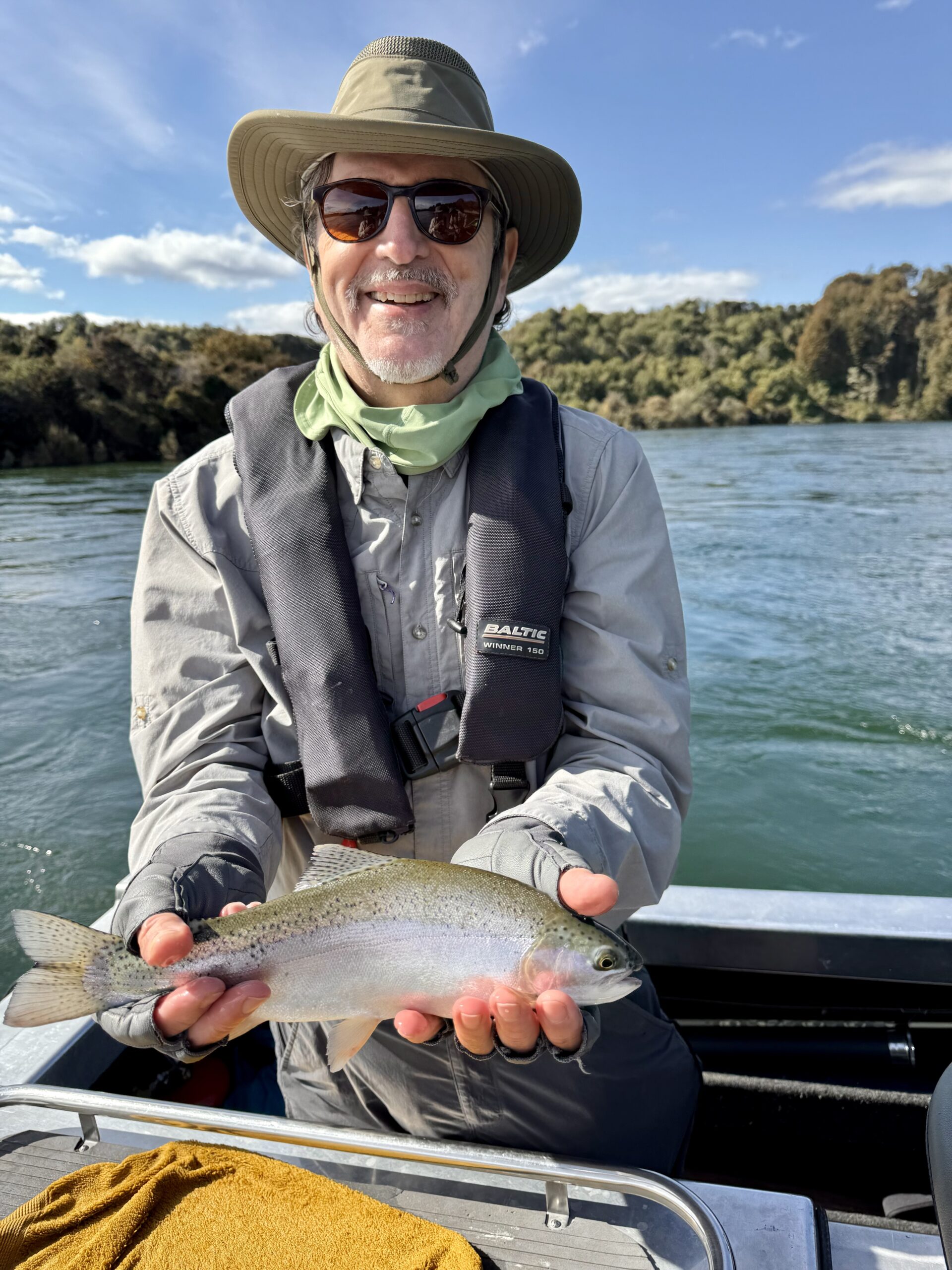
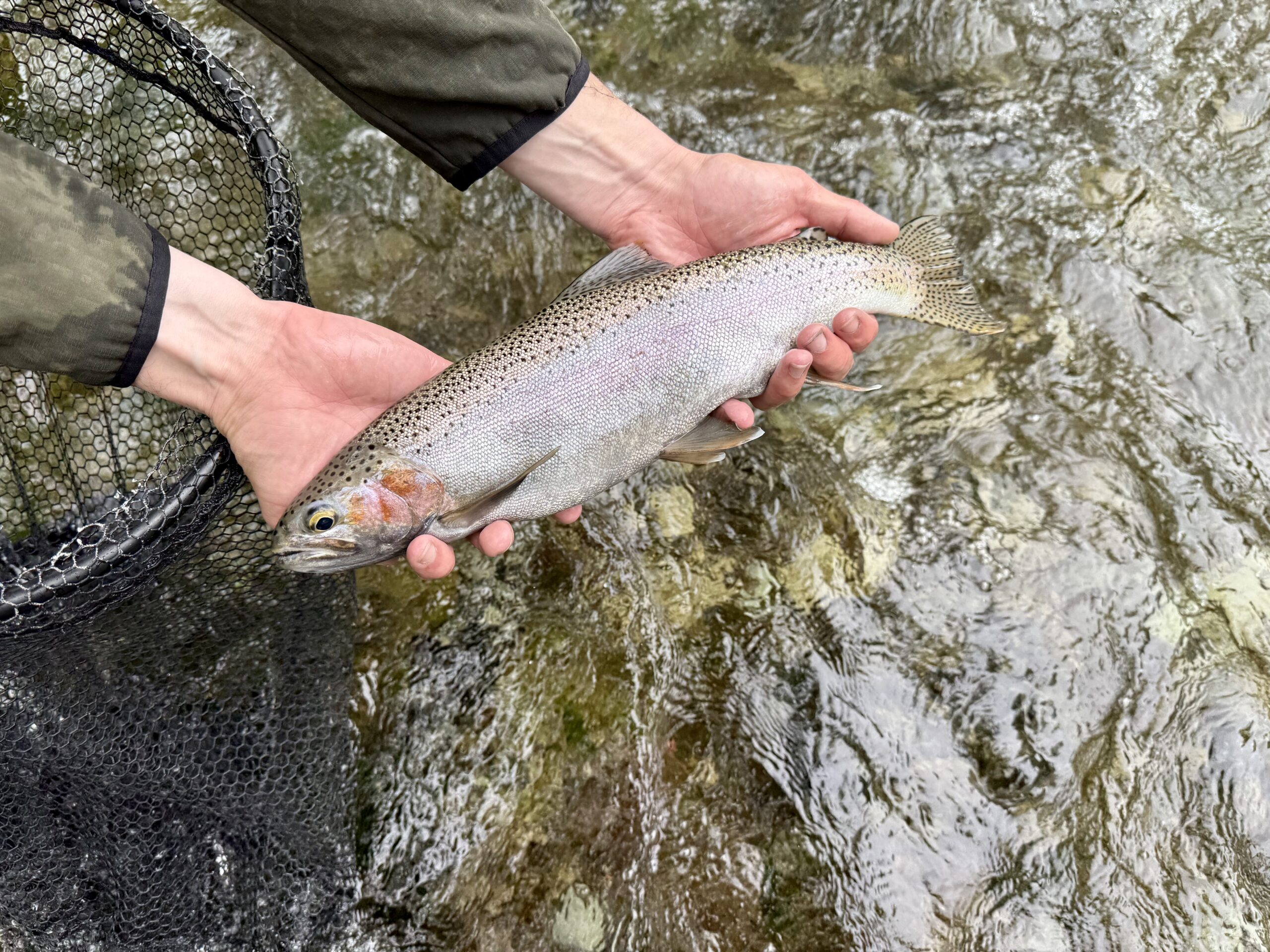
We did well the first day. We landed five fish, mostly rainbows, losing an equal number. Bonnie triumphed with the most fish caught in the least amount of time—one fish on her first cast! Robert caught the rest. The fish average 21 to 24 inches two and one half pounds and up to five. That’s why people come to New Zealand to fish. We return all the fish to the river as quickly and carefully as possible.
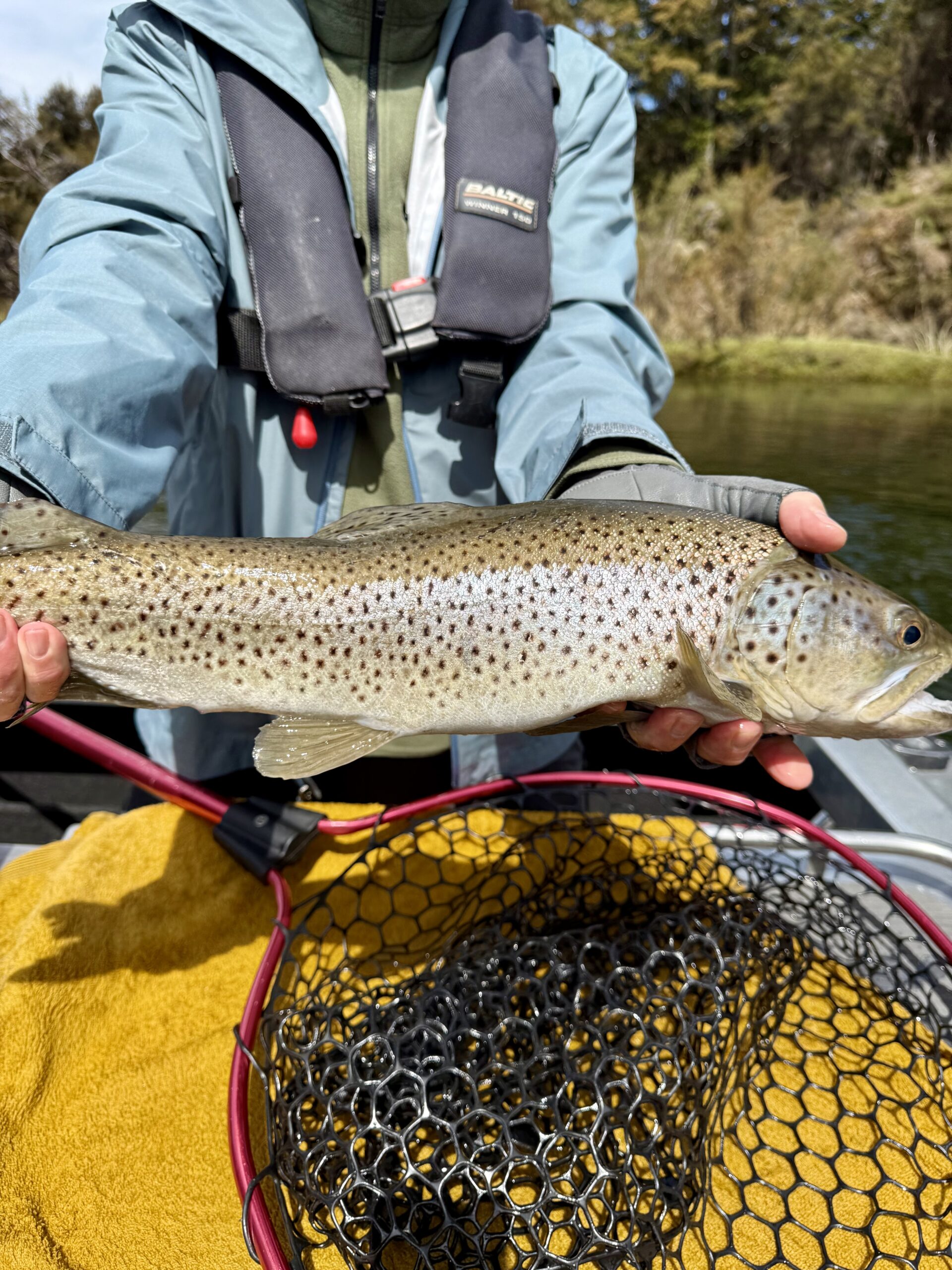
The trout’s strike is not pronounced. A few pokes. When you set the hook, the fish take deep dives and try to move into the fast current to give them extra pull on the line. The rainbows tend to jump a lot. Using a 14-foot leader makes for an interesting catch. The fish magically break waters about 10 feet from the indicator. In one instance, the trout jumped eight feet in front of Robert, disappeared to emerge eight feet to his left, and then again eight feet to his right. Something new to get used to. Browns jump less but are more muscular and fight harder.
It is just one month into the fishing season and the weather is chilly. We saw only a handful of boats over two full days of fishing.
DAY TWO: Waiau River and a small tributary
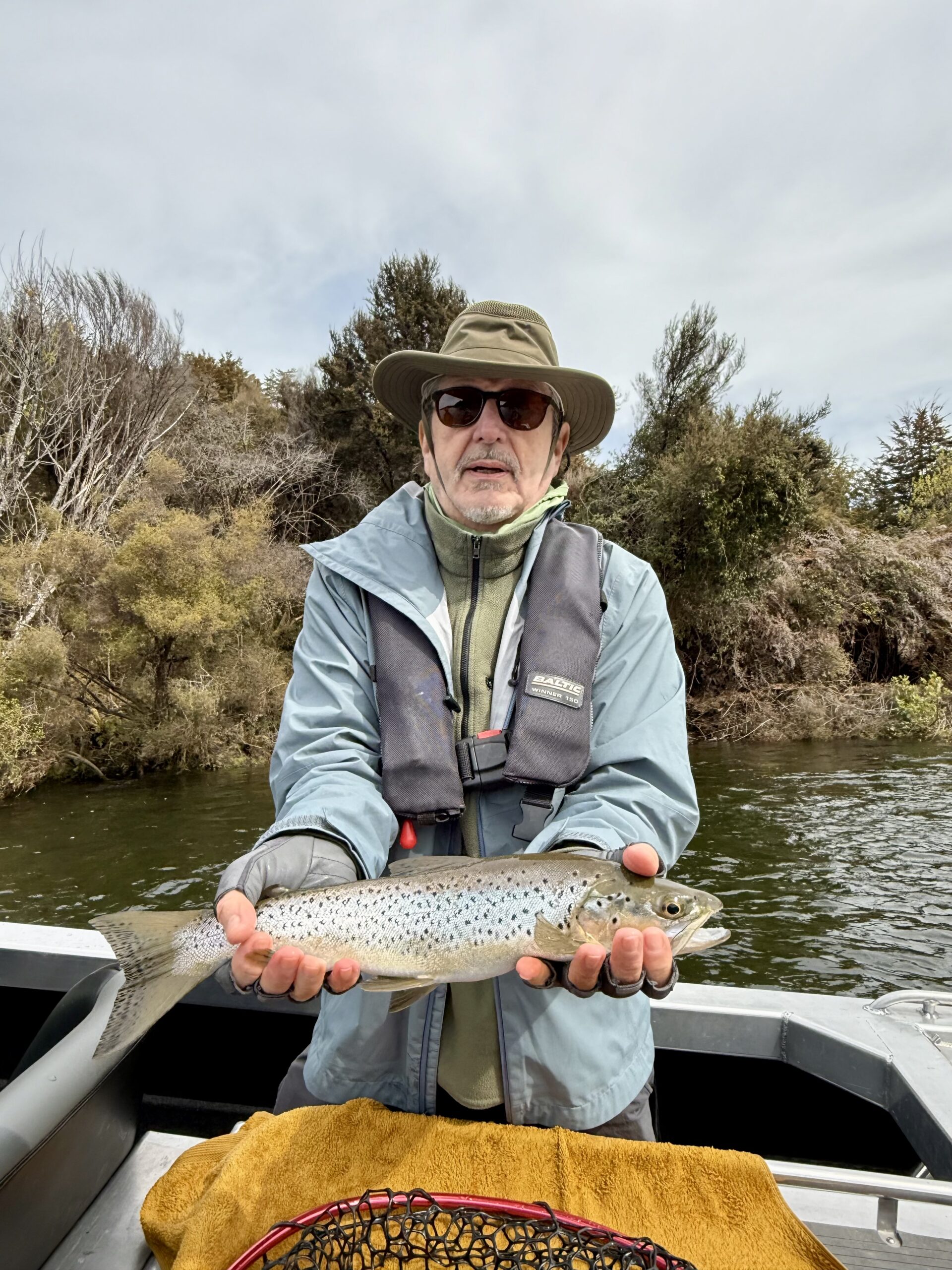
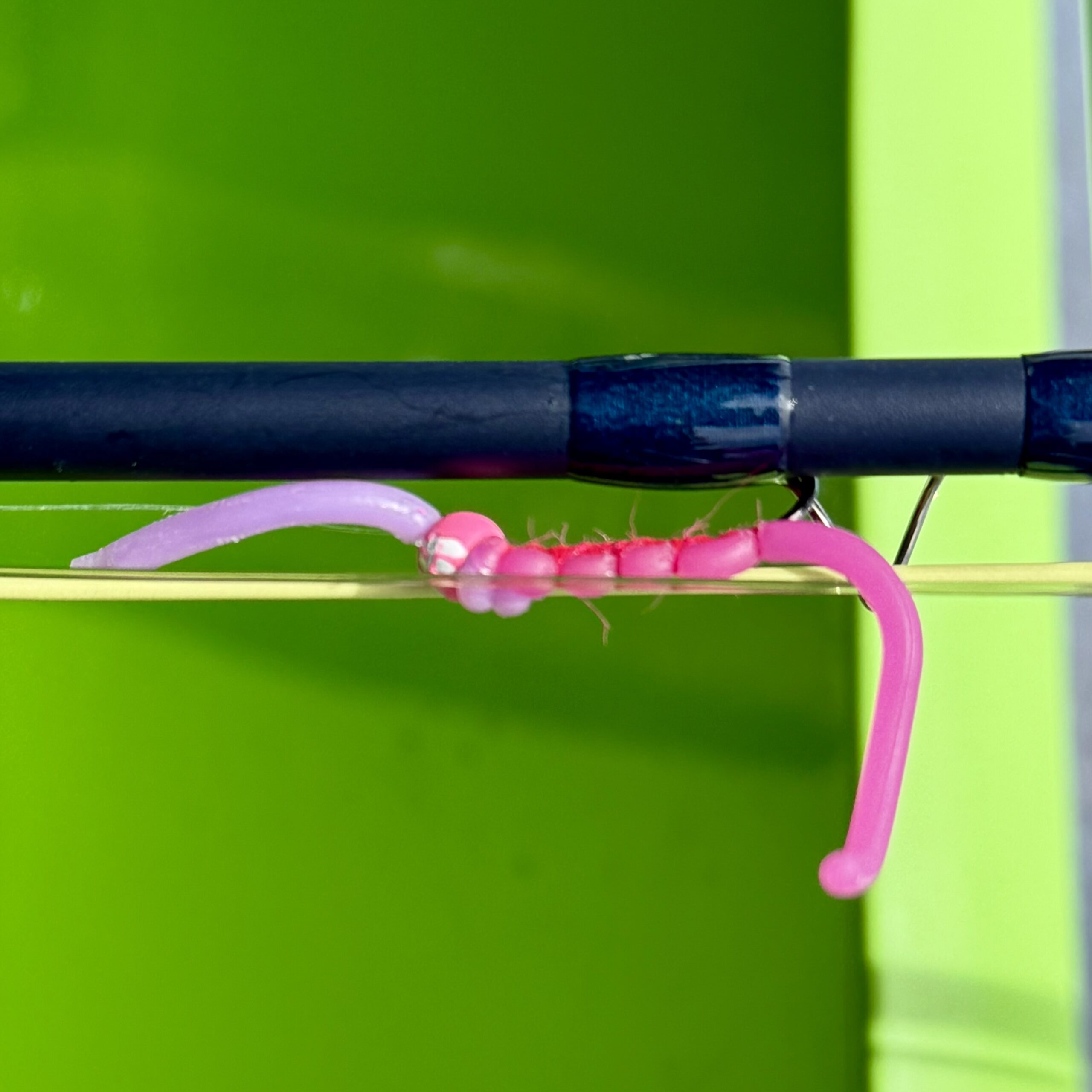
Our second day was amazing. We headed down river toward Lake Manapouri. The water was silty. Ken thought the flows were picking up clay deposits from the bottom of the river. He headed up a small tributary where the water flowed clear and a cormorant-type bird hovered looking for fish. Ken sighted a likely spot where Robert proceeded to pull out four trout (one brown, three rainbows) in 30 minutes! All on a squirmy worm. In the meantime, Ken sighted a large brown. Robert spent 45 minutes casting a variety of flies, before he successfully hooked the 5.5 pound brown. Definitely worth the time!
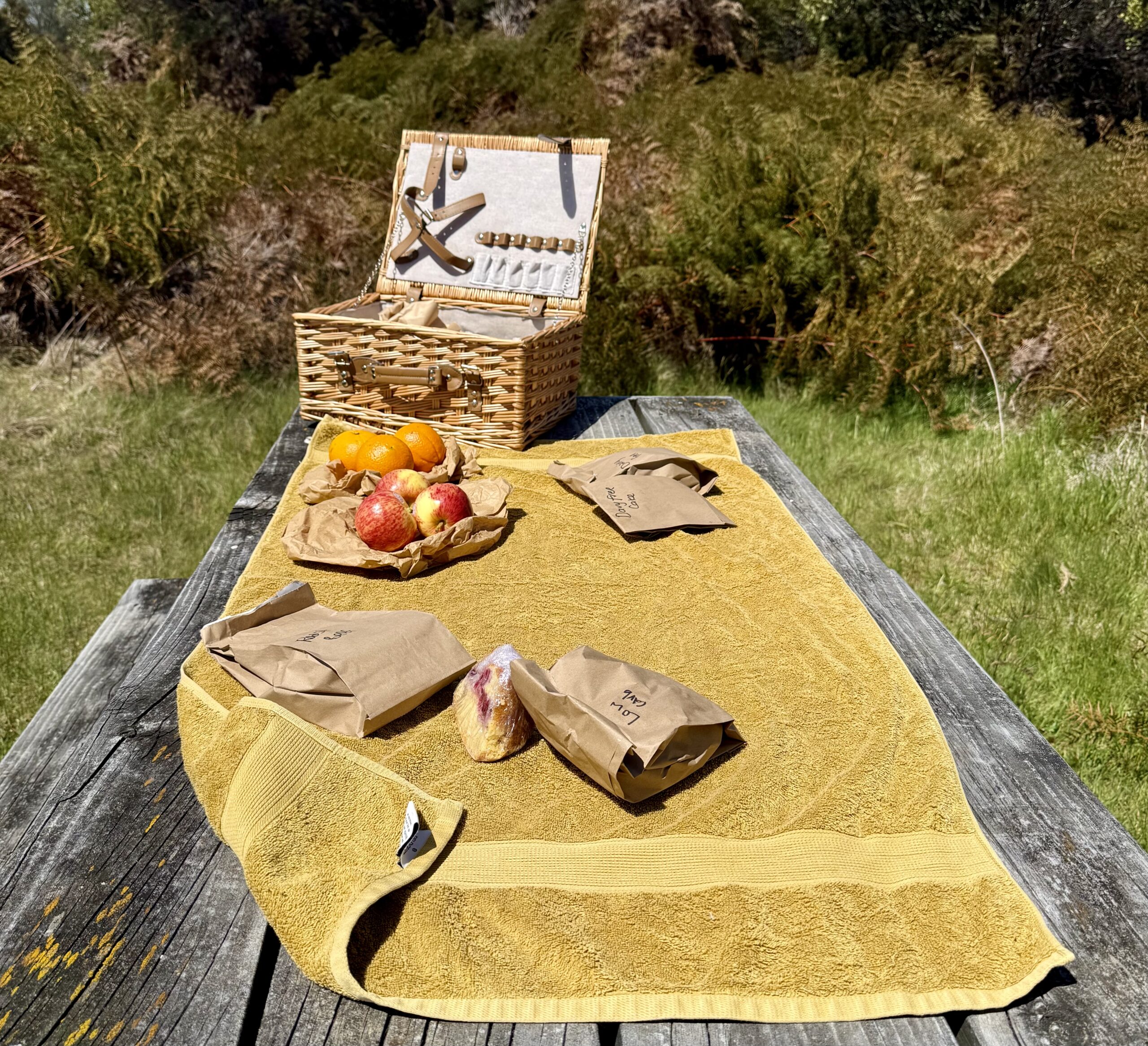
After lunch at a picnic table on shore, we plied the river again without much luck, this time in the reach closer to Te Anau. That changed around four PM when the fish became more cooperative. Robert landed another five.
A ten-fish day! Possibly a record for Robert.
Lake Tekapo – Fishing with Scotty
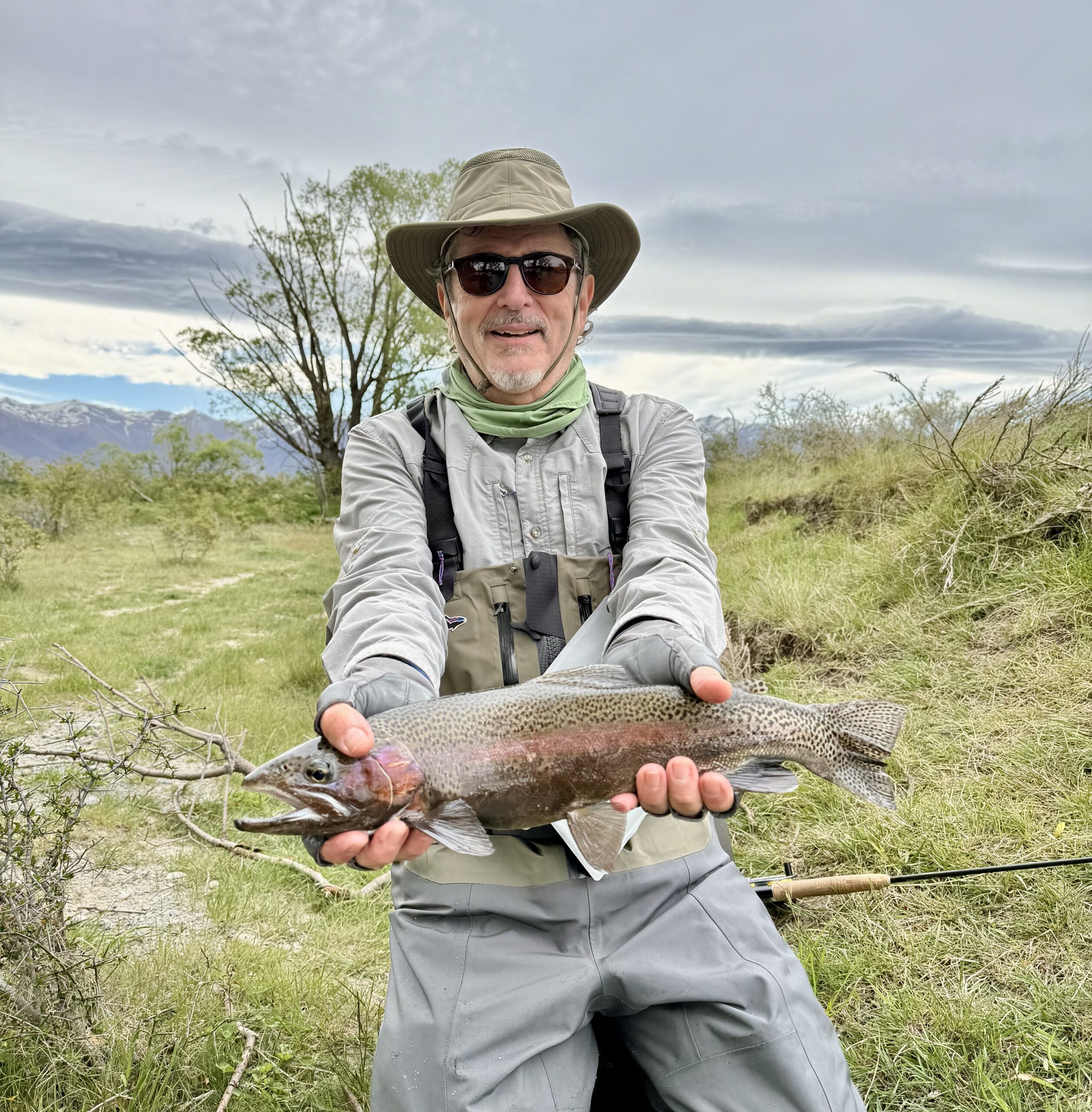
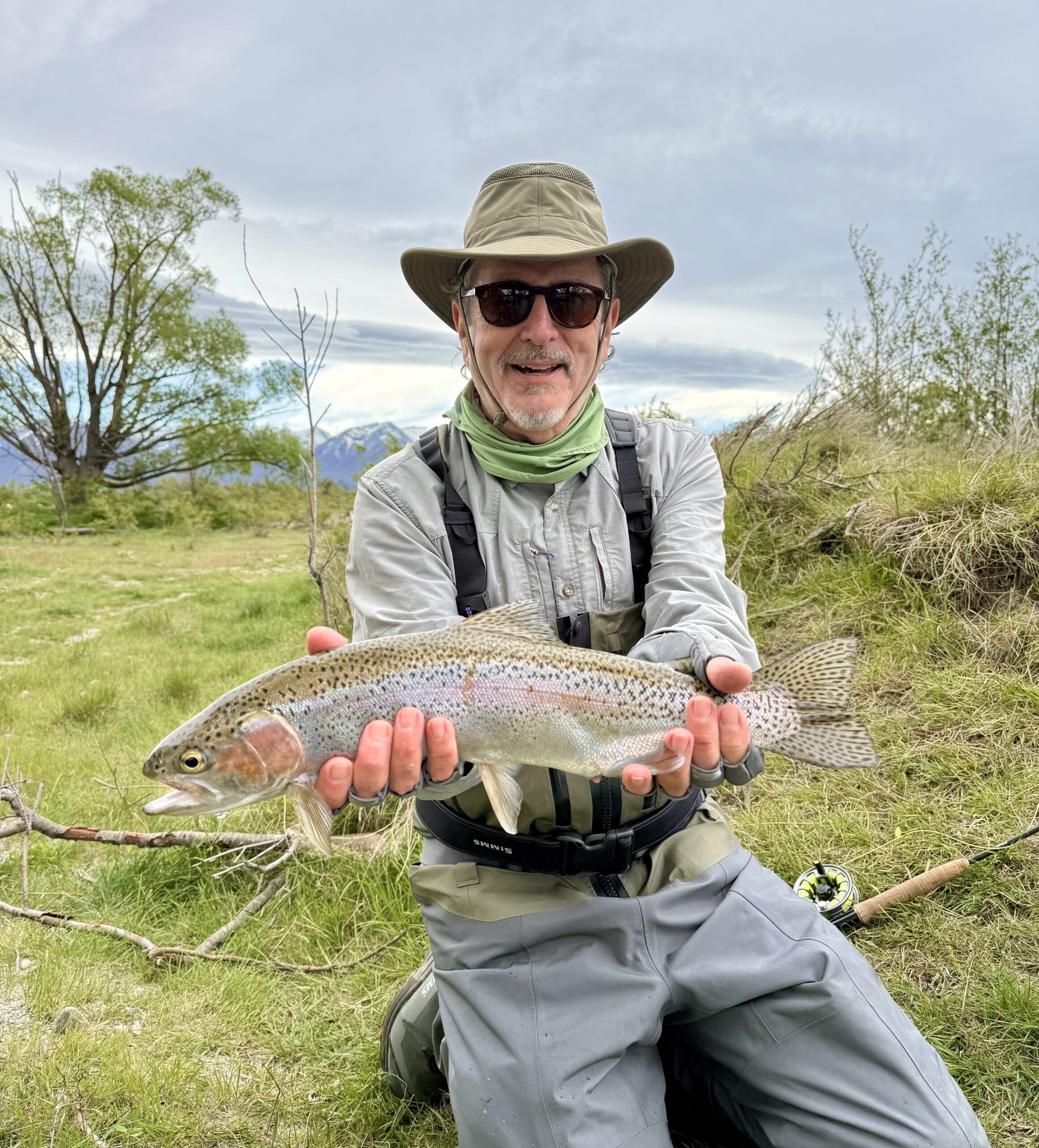
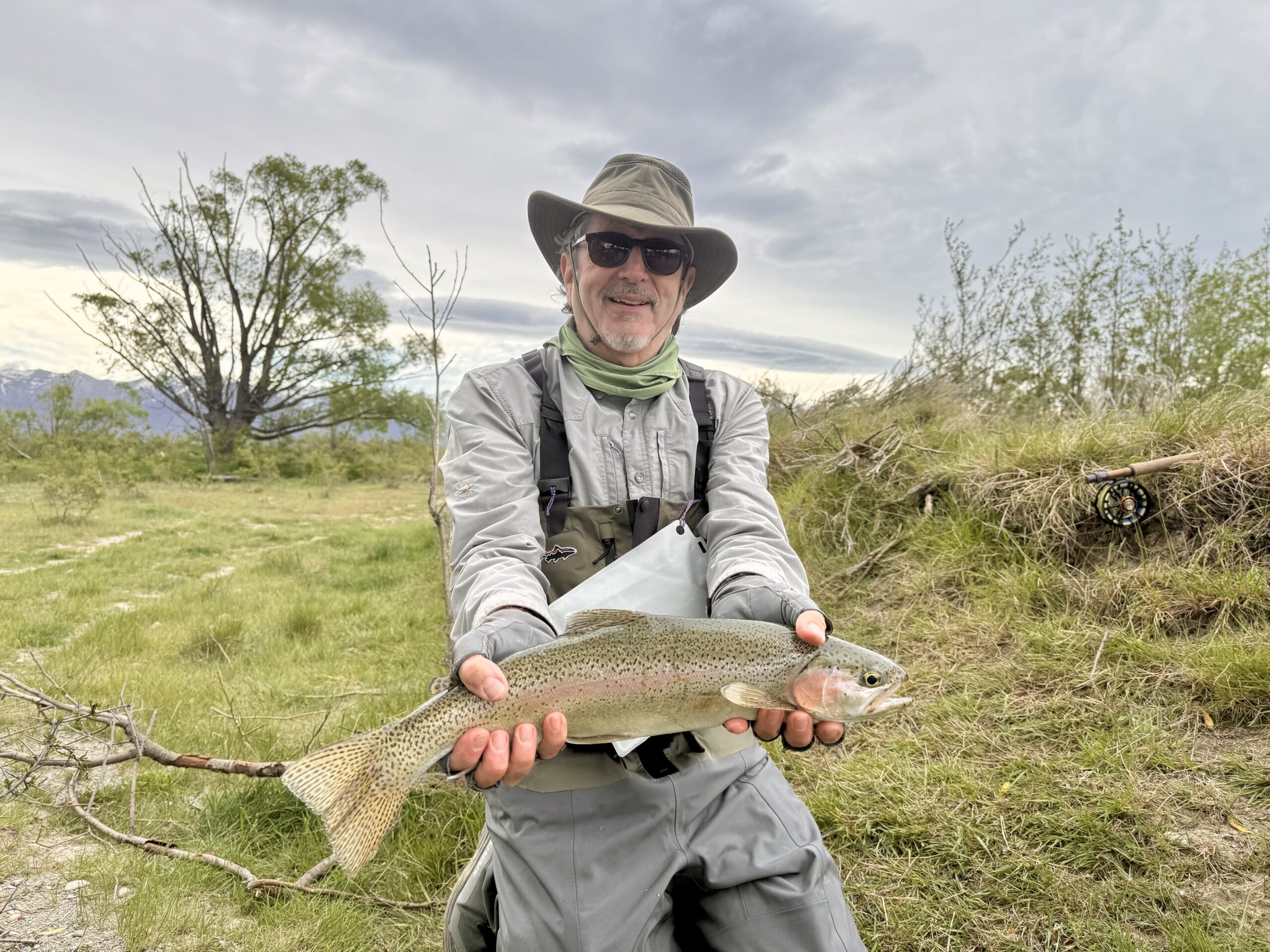
Like in Te Anau, water in the Tekapo area, which includes Twizel, is silted because of runoff from glaciers that grind rock so the minerals are suspended in the water. This area is close to Mount Cook, the tallest peak in New Zealand, a popular tourist destination with a substantial tourist village. With limited areas to fish, you run across other fisherman in the available spots. Robert’s guide Scotty set up both rods, the five and six weight, with 14-foot leaders plus three to four feet of tippet.
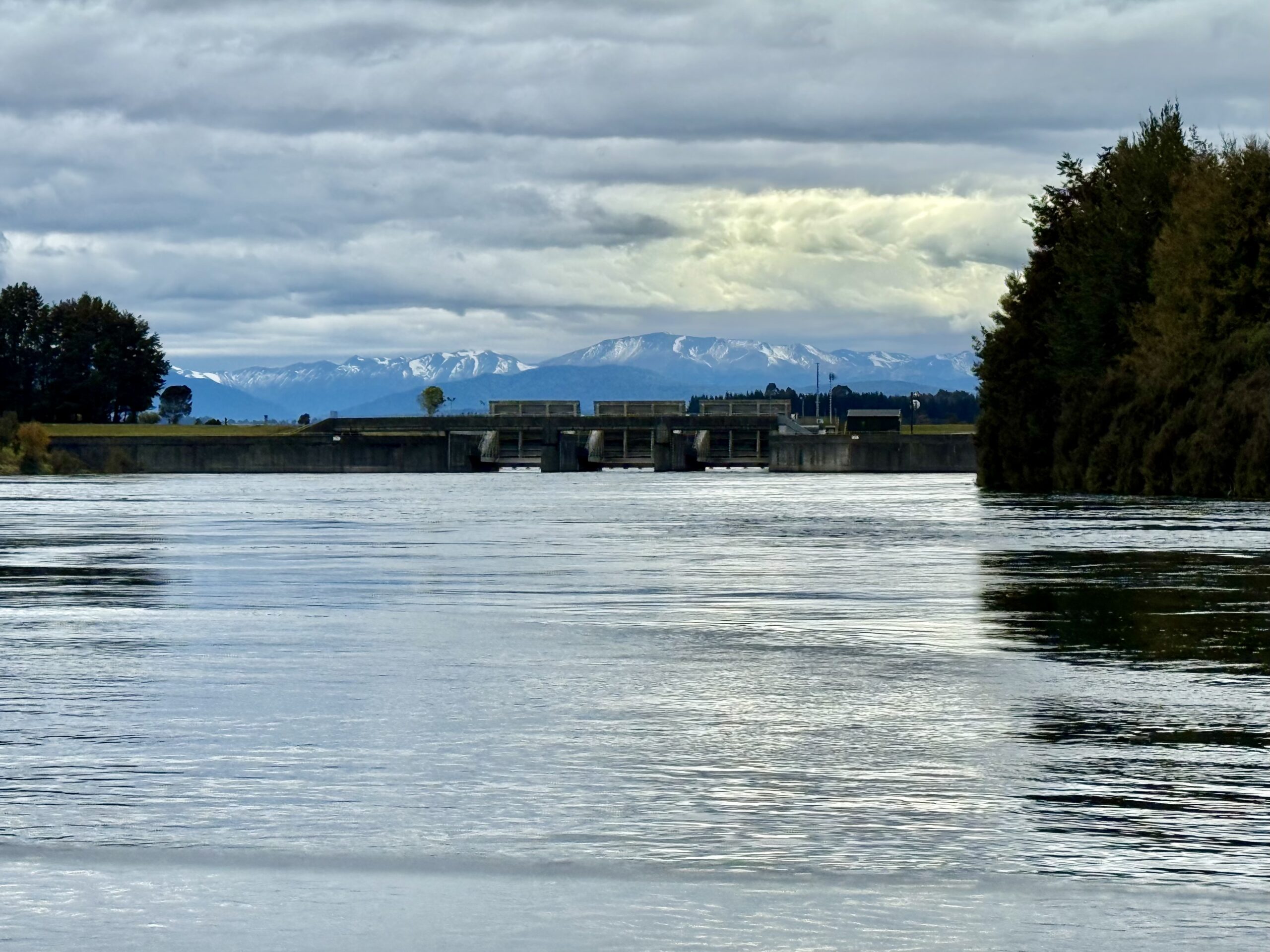
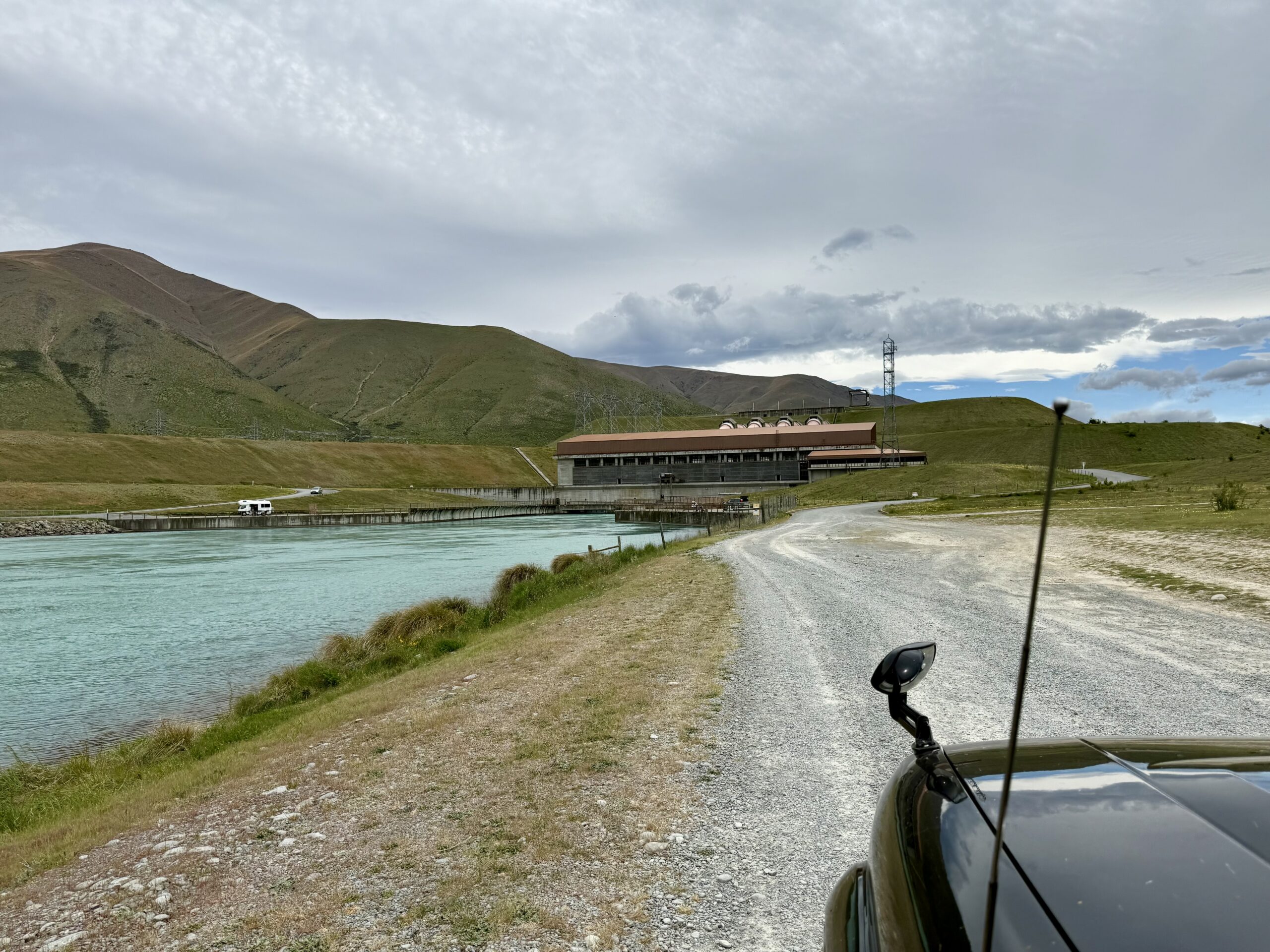
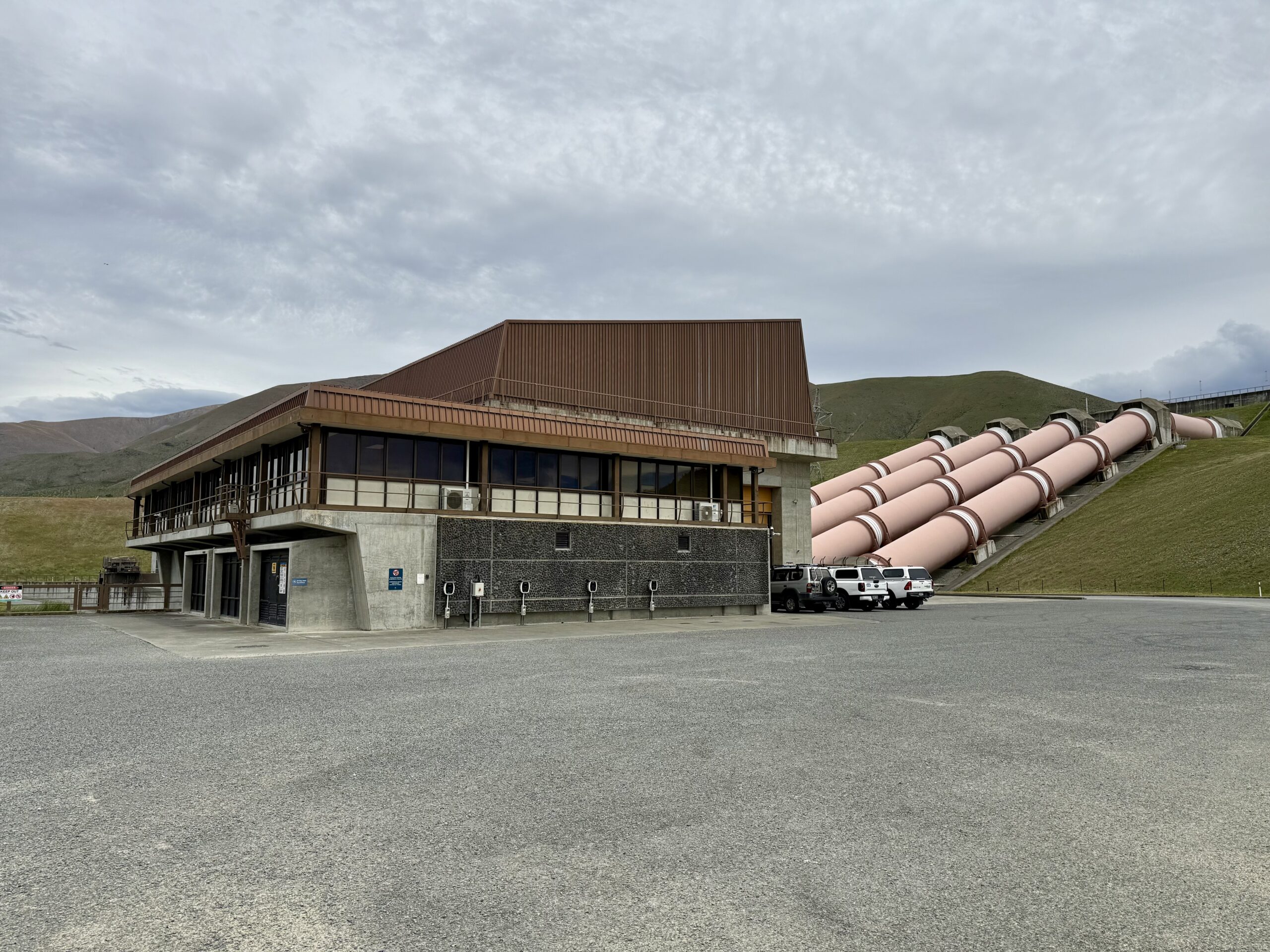
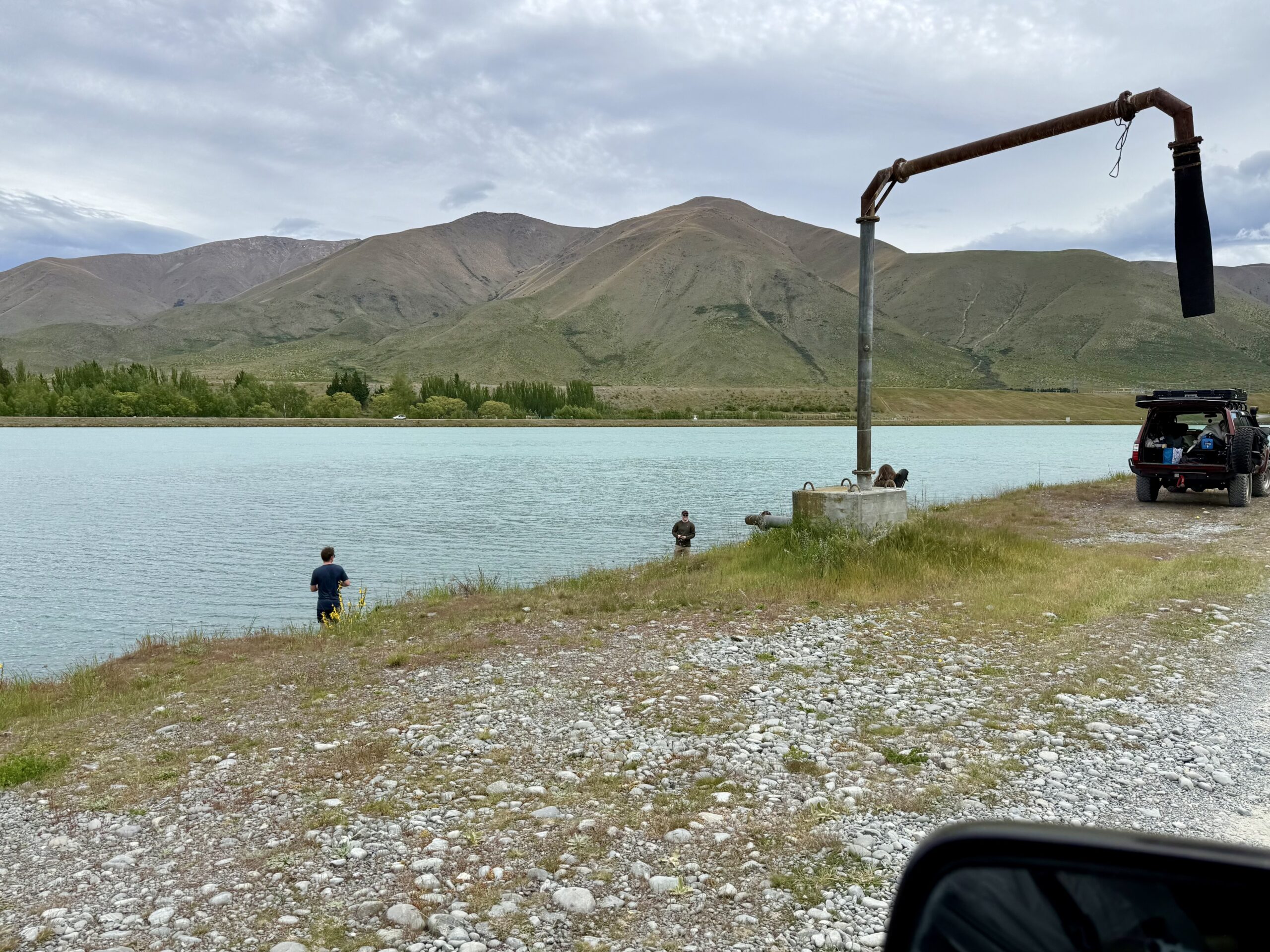
The area is packed with hydroelectric facilities that draw water from a series of canals. The canals are also used to raise salmon in cages—10 to 20 pounds. Some fish escape the cages and populate the canals, which makes them popular spots for locals to fish.
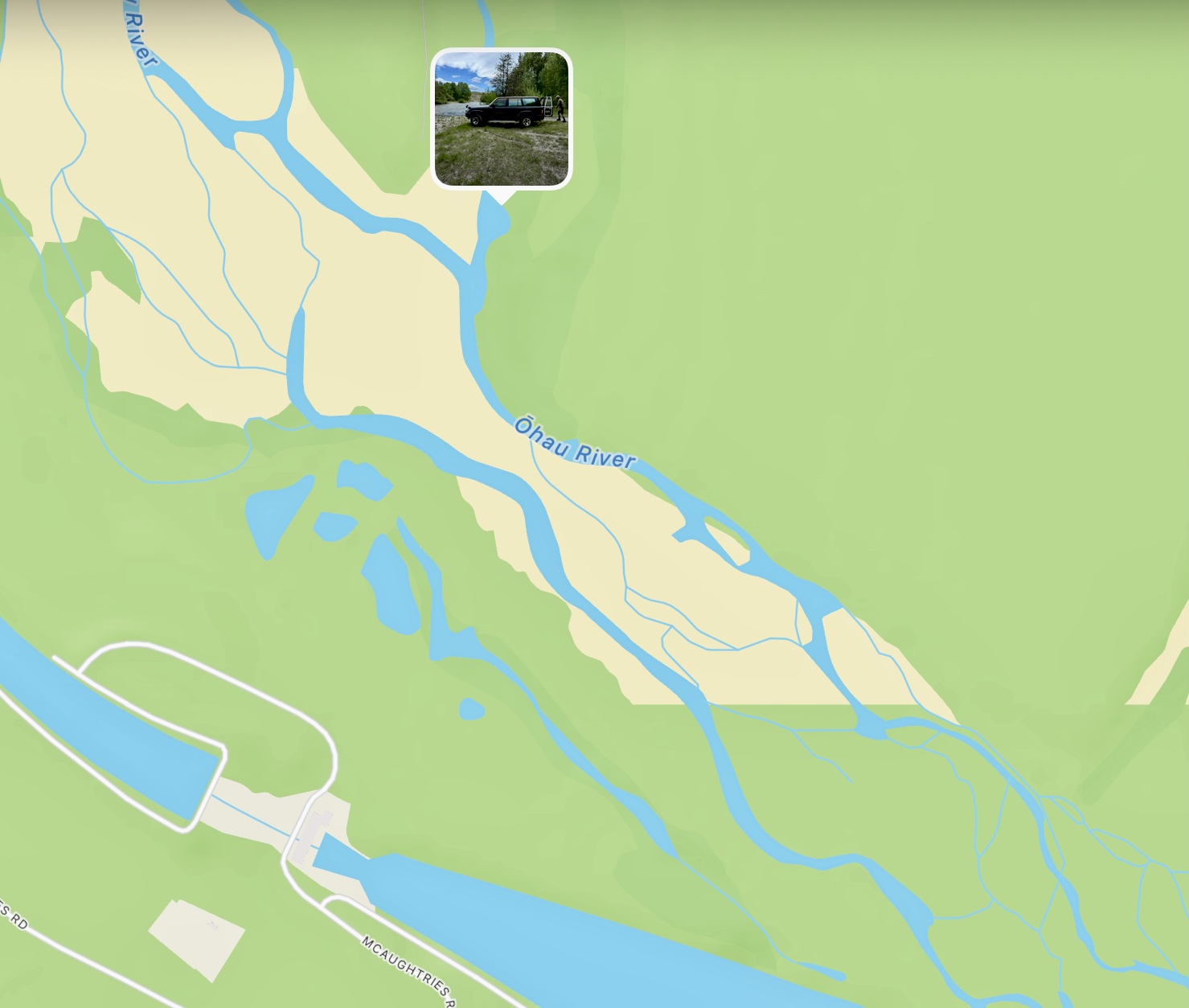
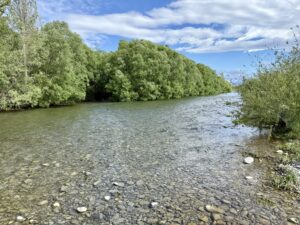
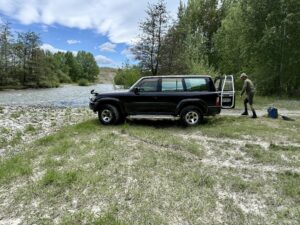
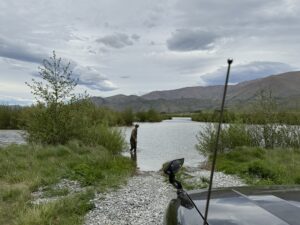
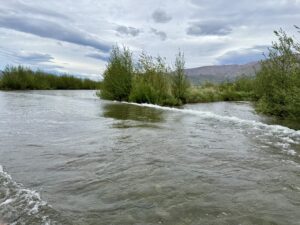
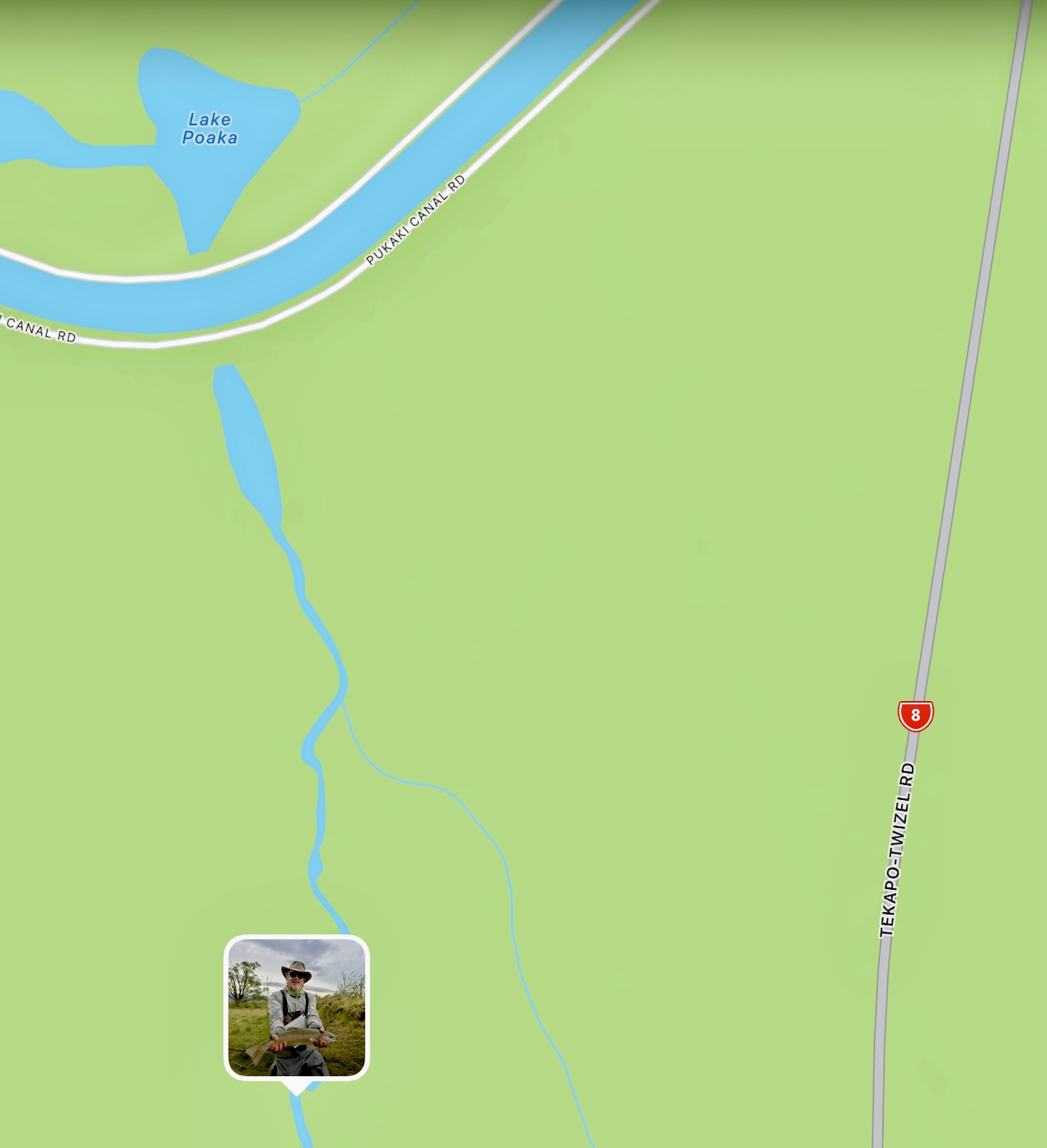
DAY ONE: Ōhau River (Mackenzie Basin)
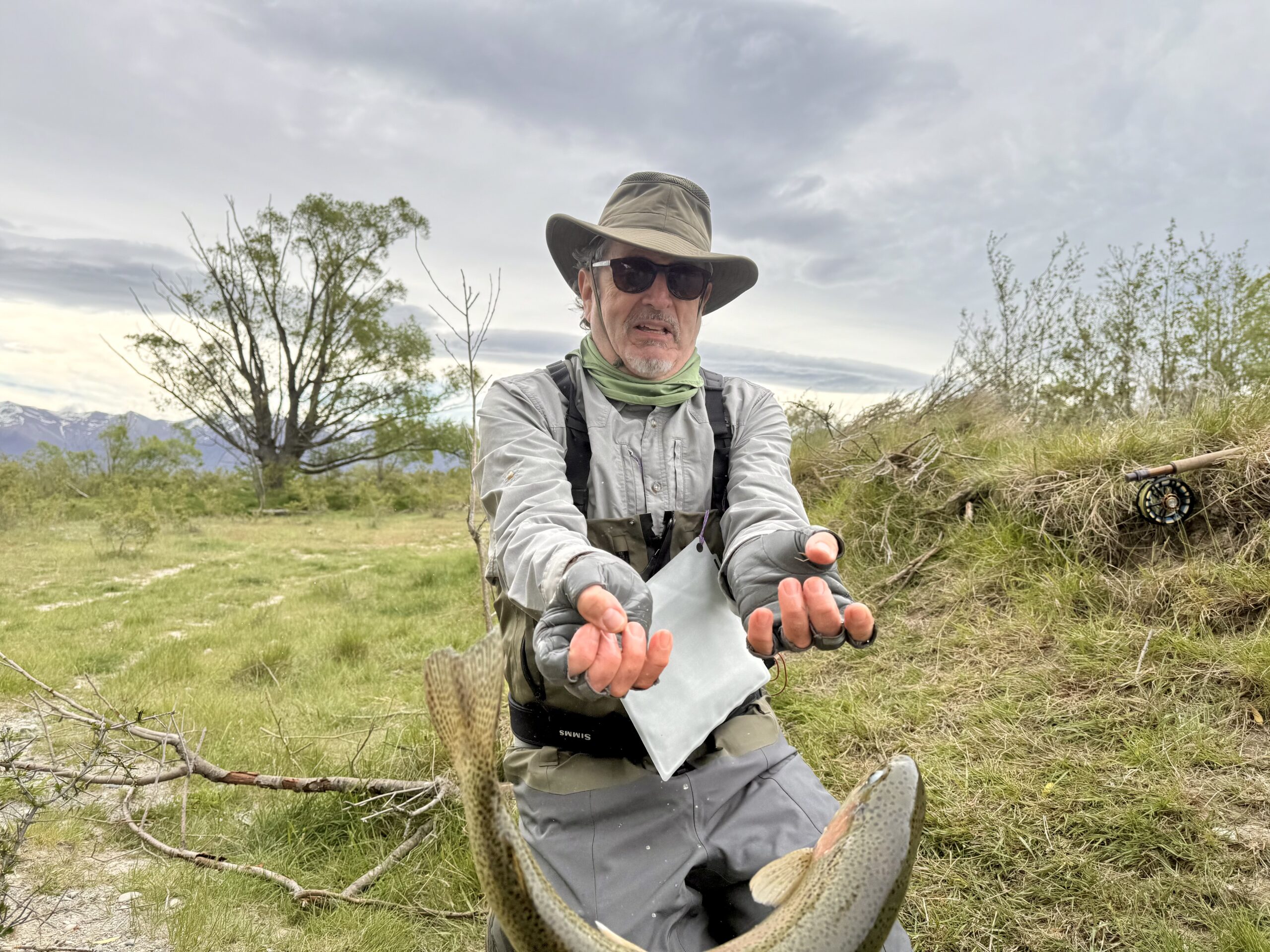
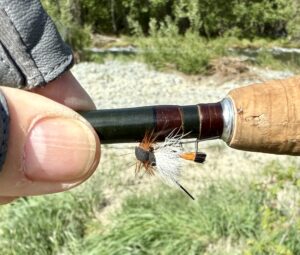
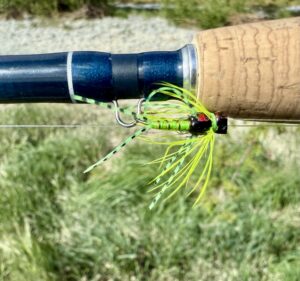
DAY TWO: South Opuha River
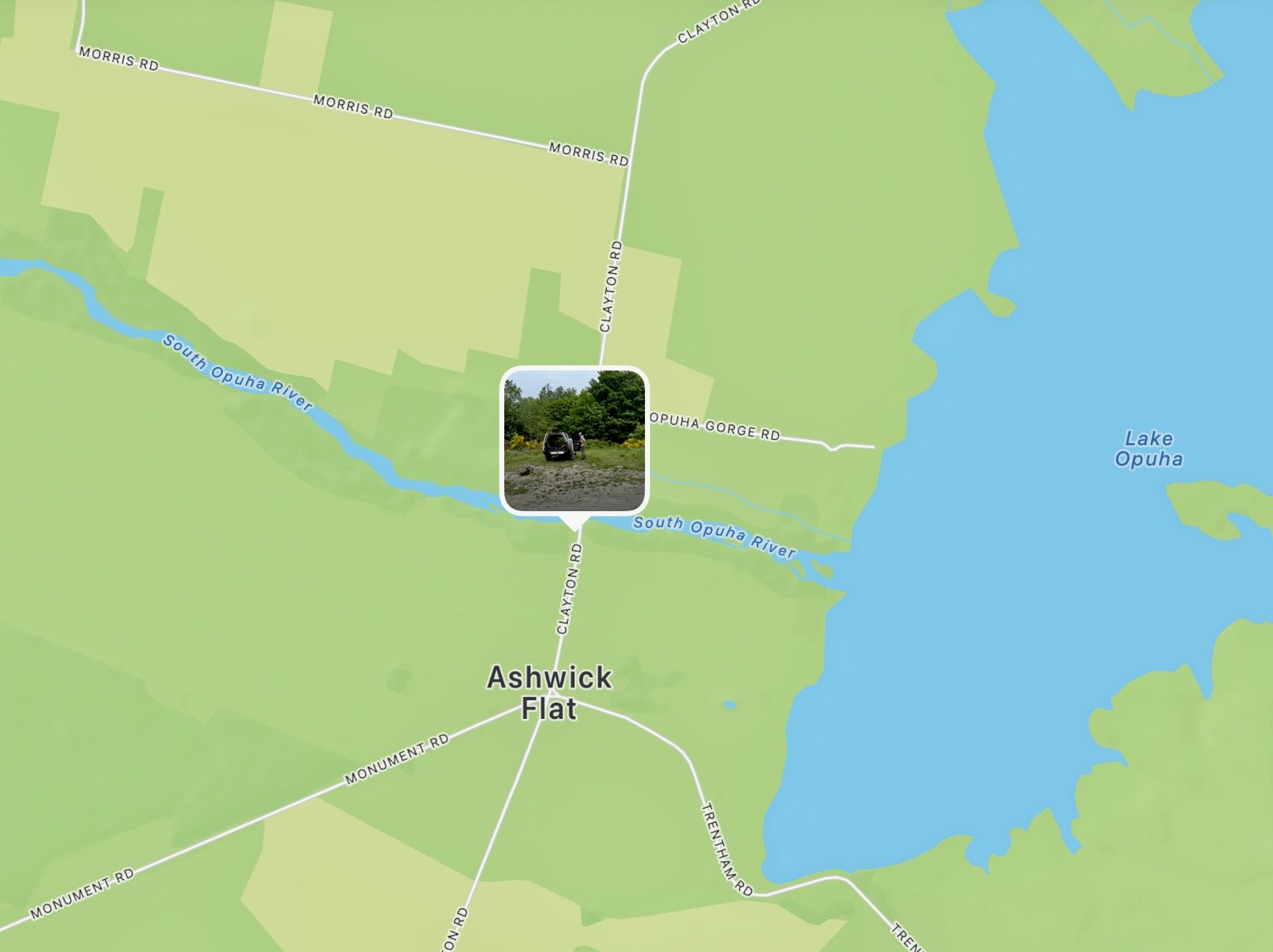
We drove to one river and found two cars already there at two different spots. Kiwi etiquette discourages two cars at the same river access point, so we drove 30 minutes to another river that was heavy with rounded boulders of all sizes.
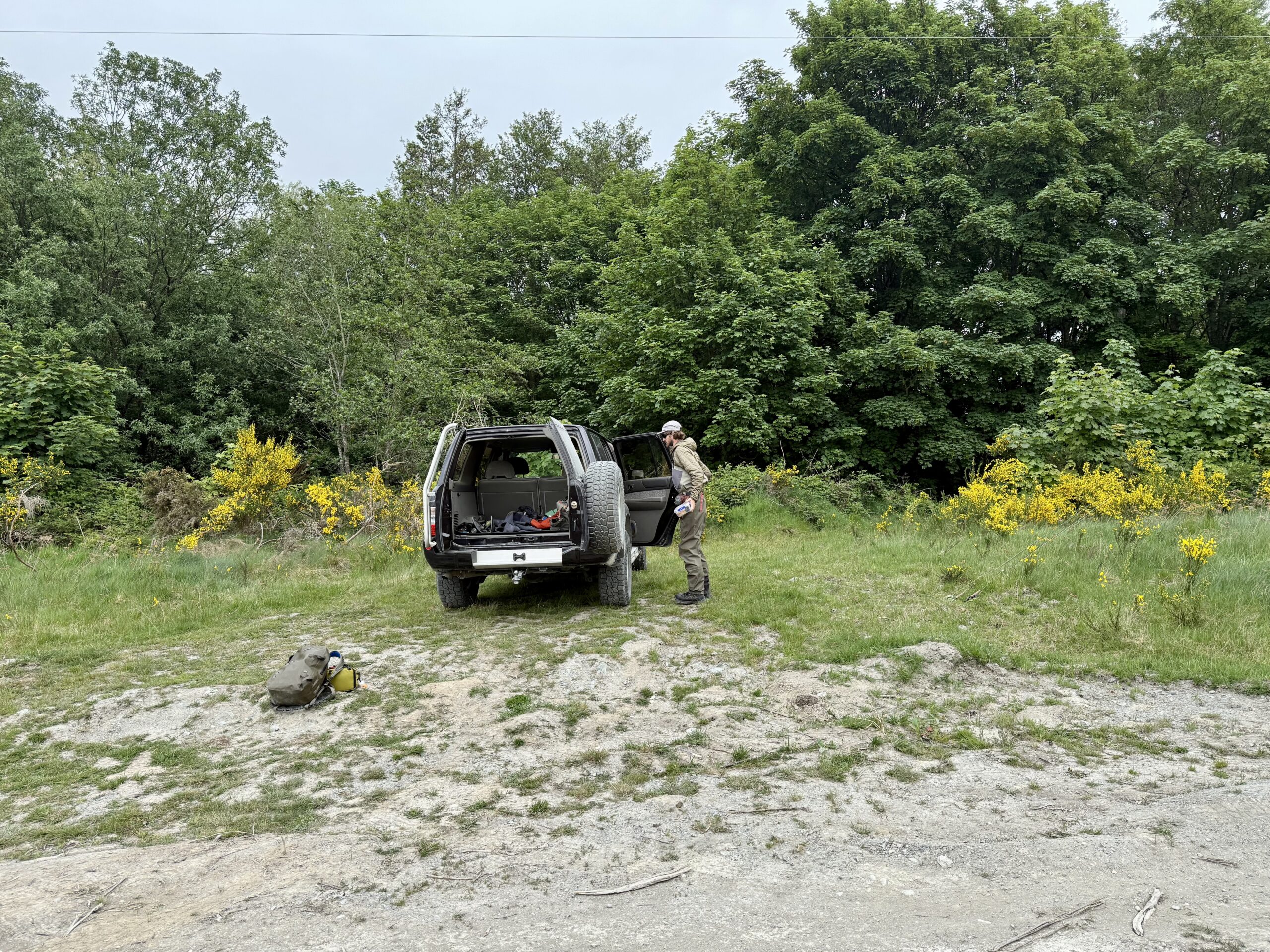
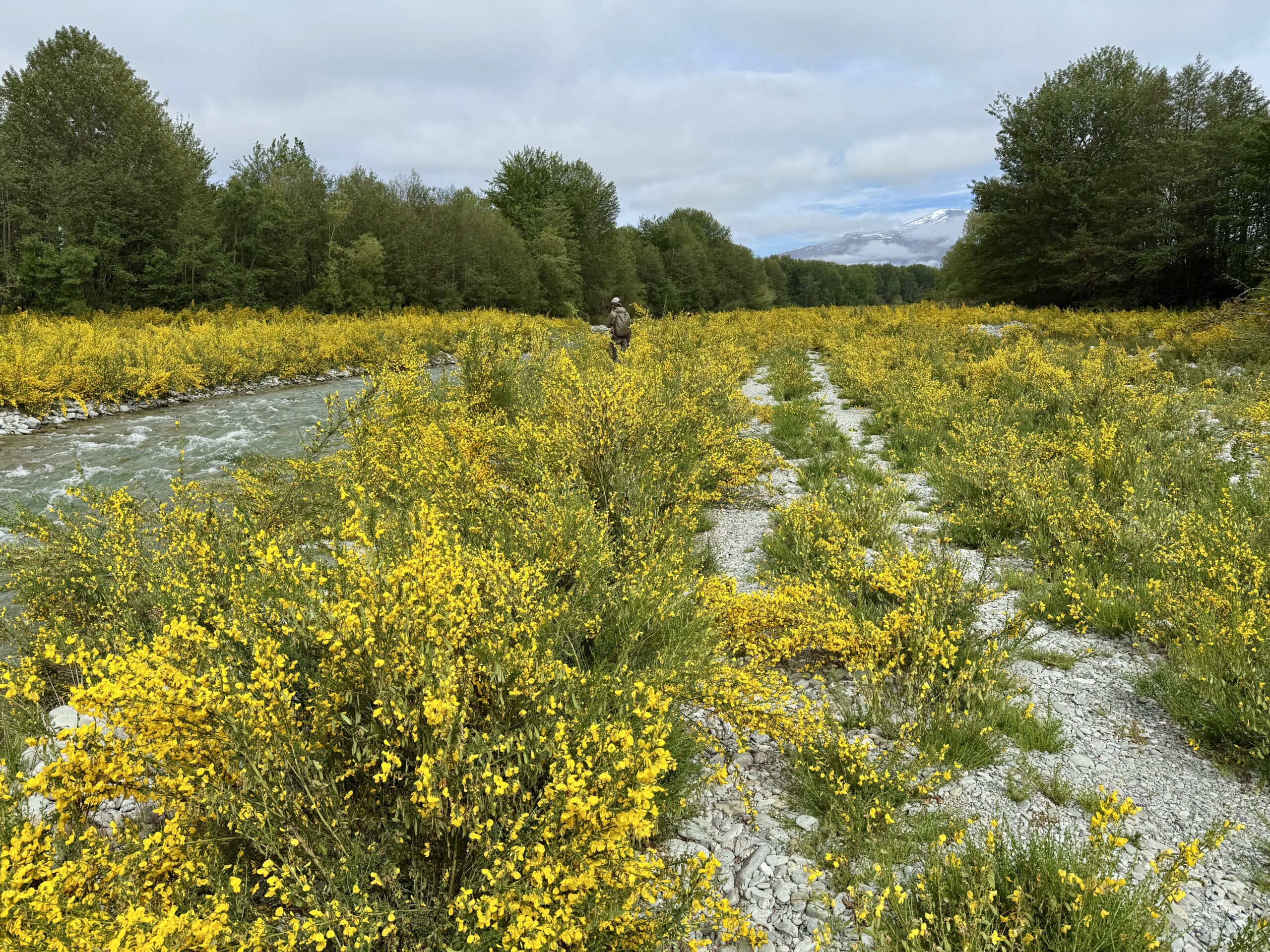
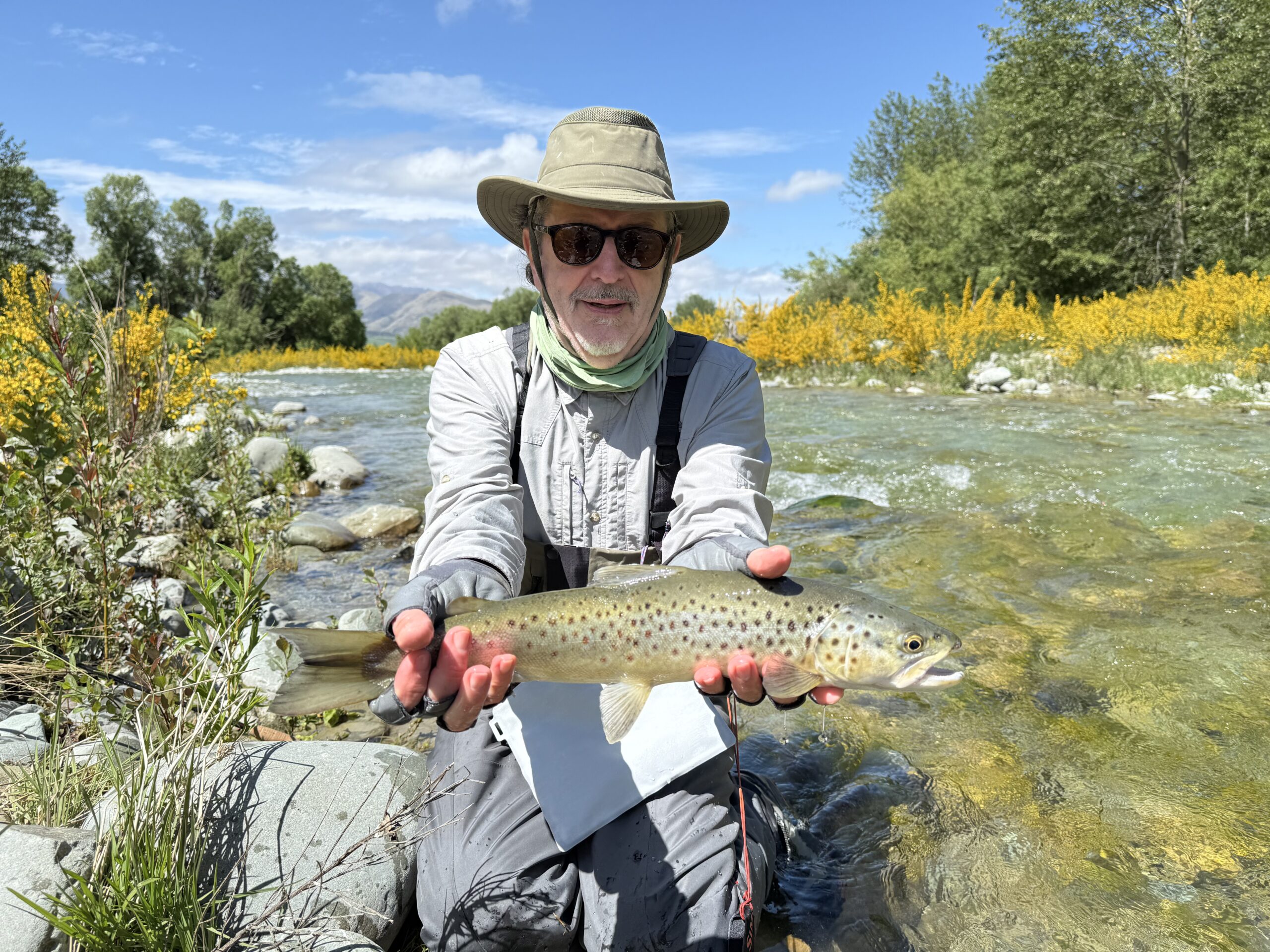
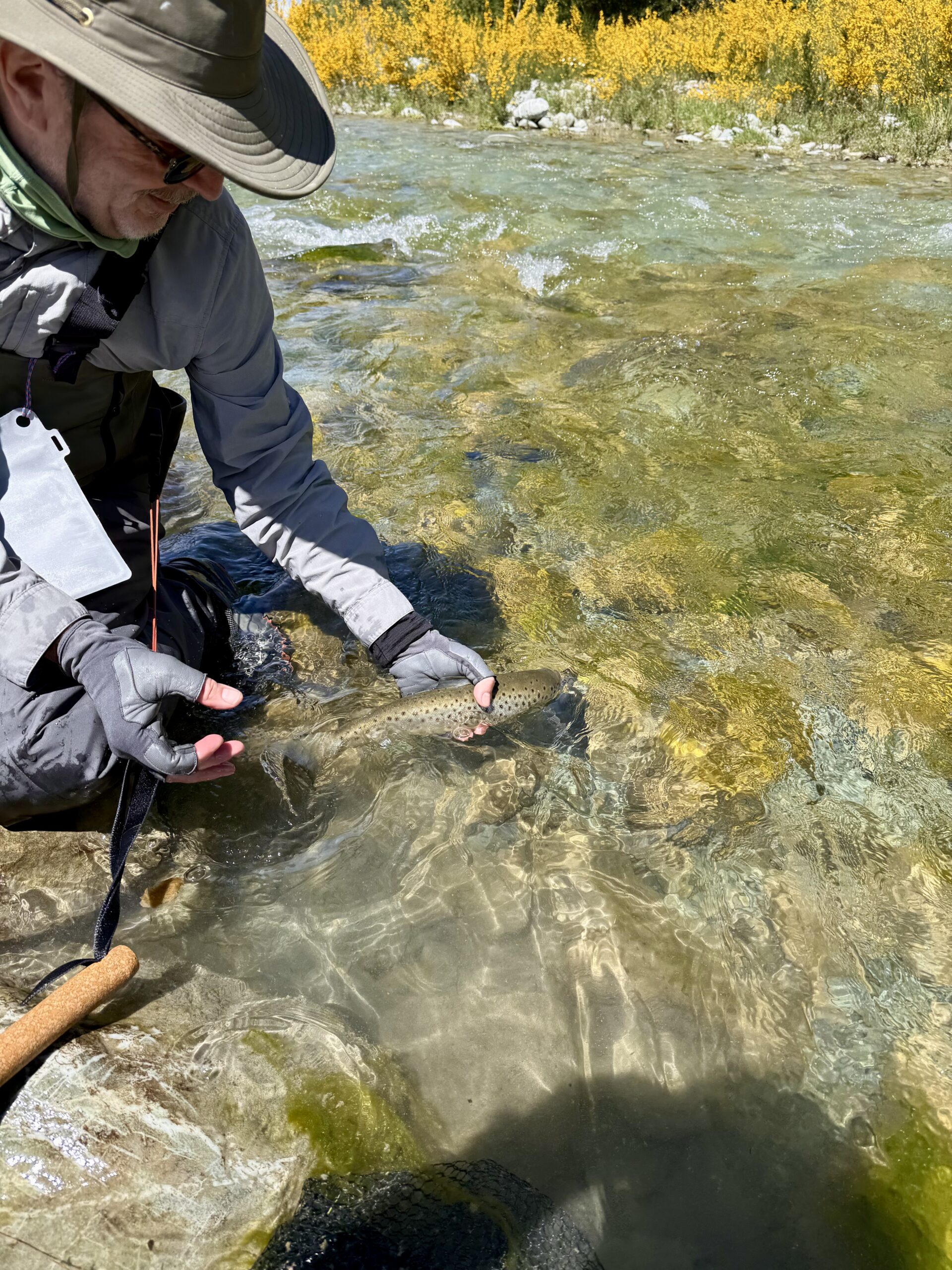
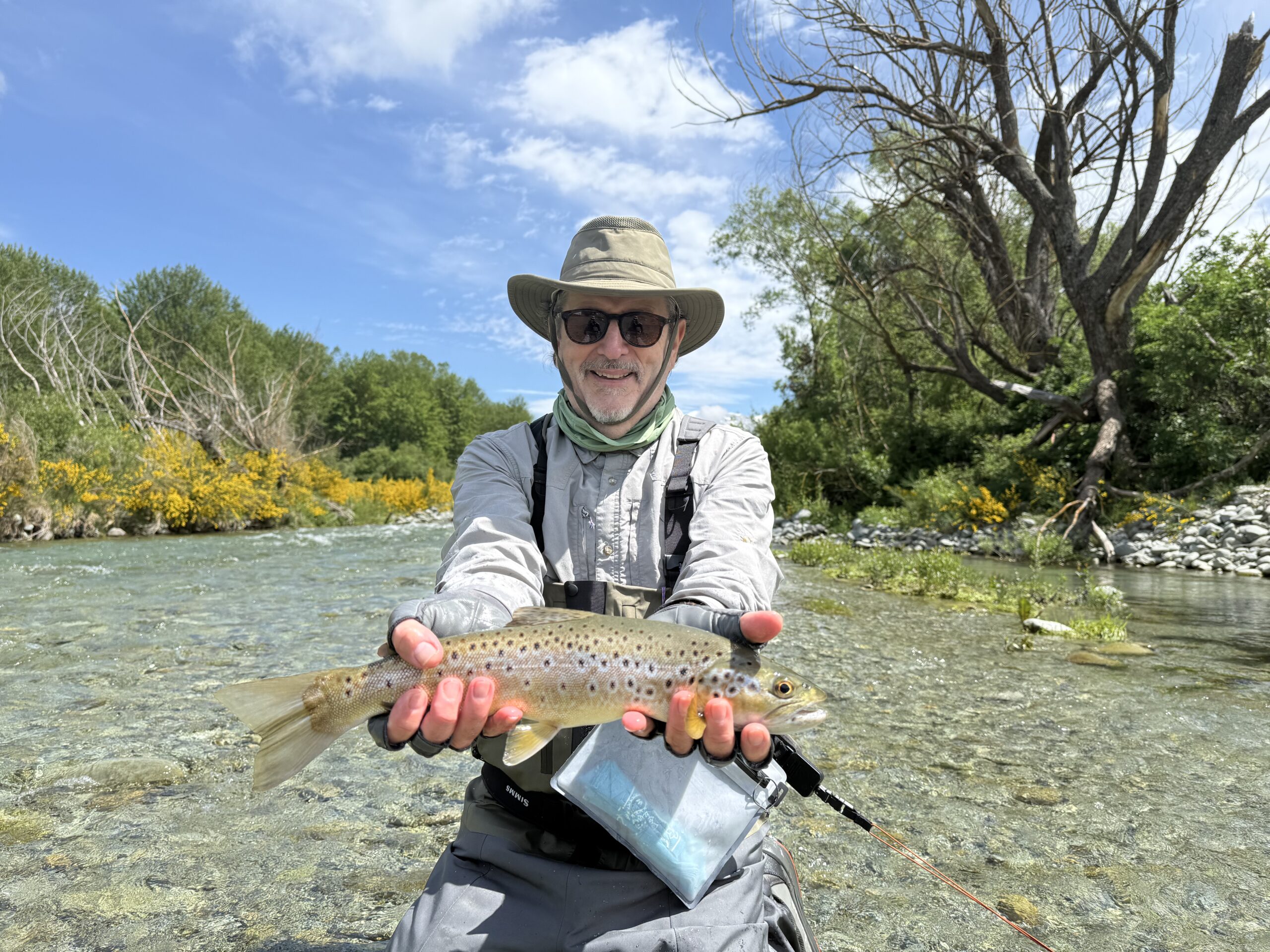
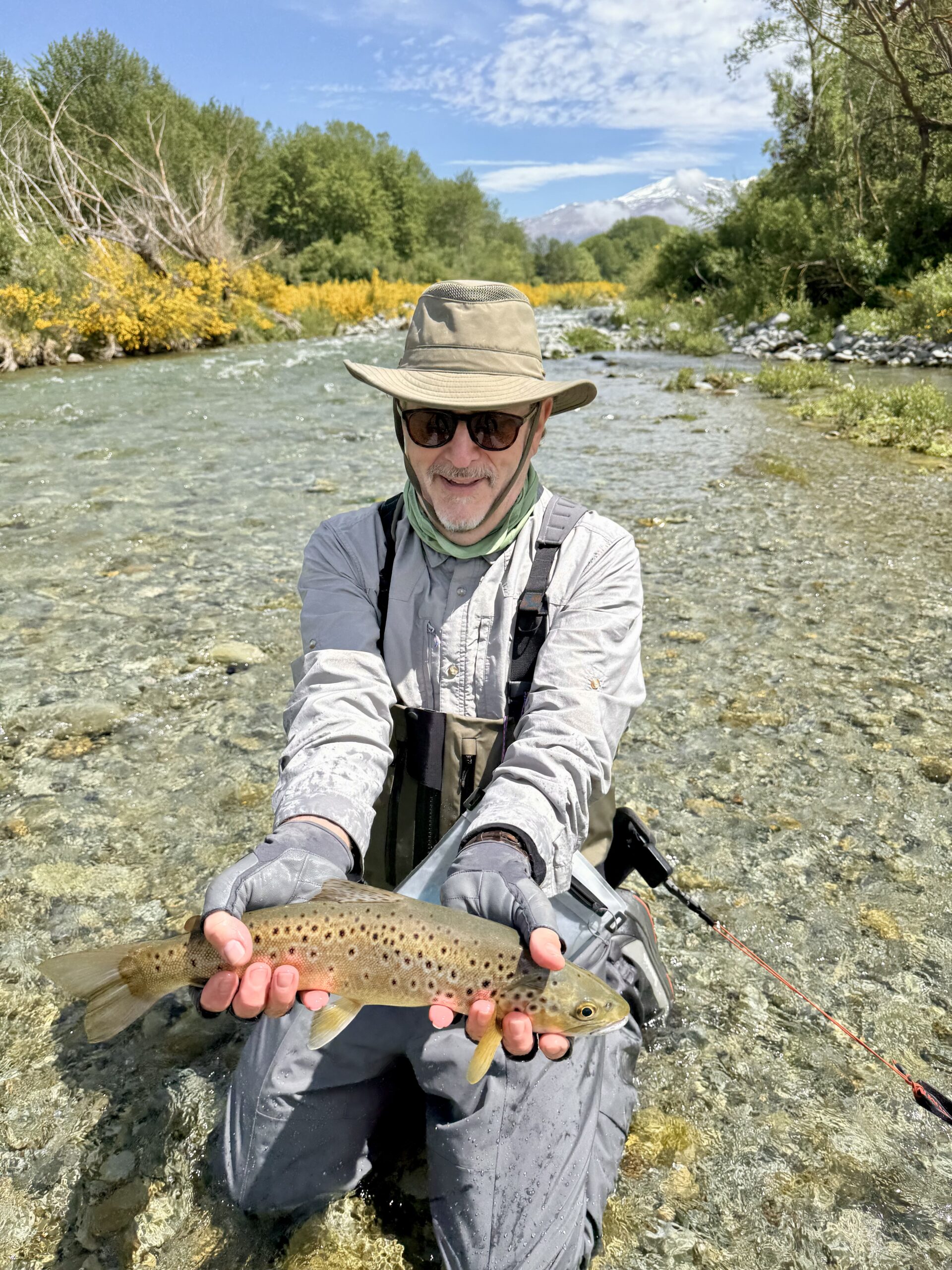
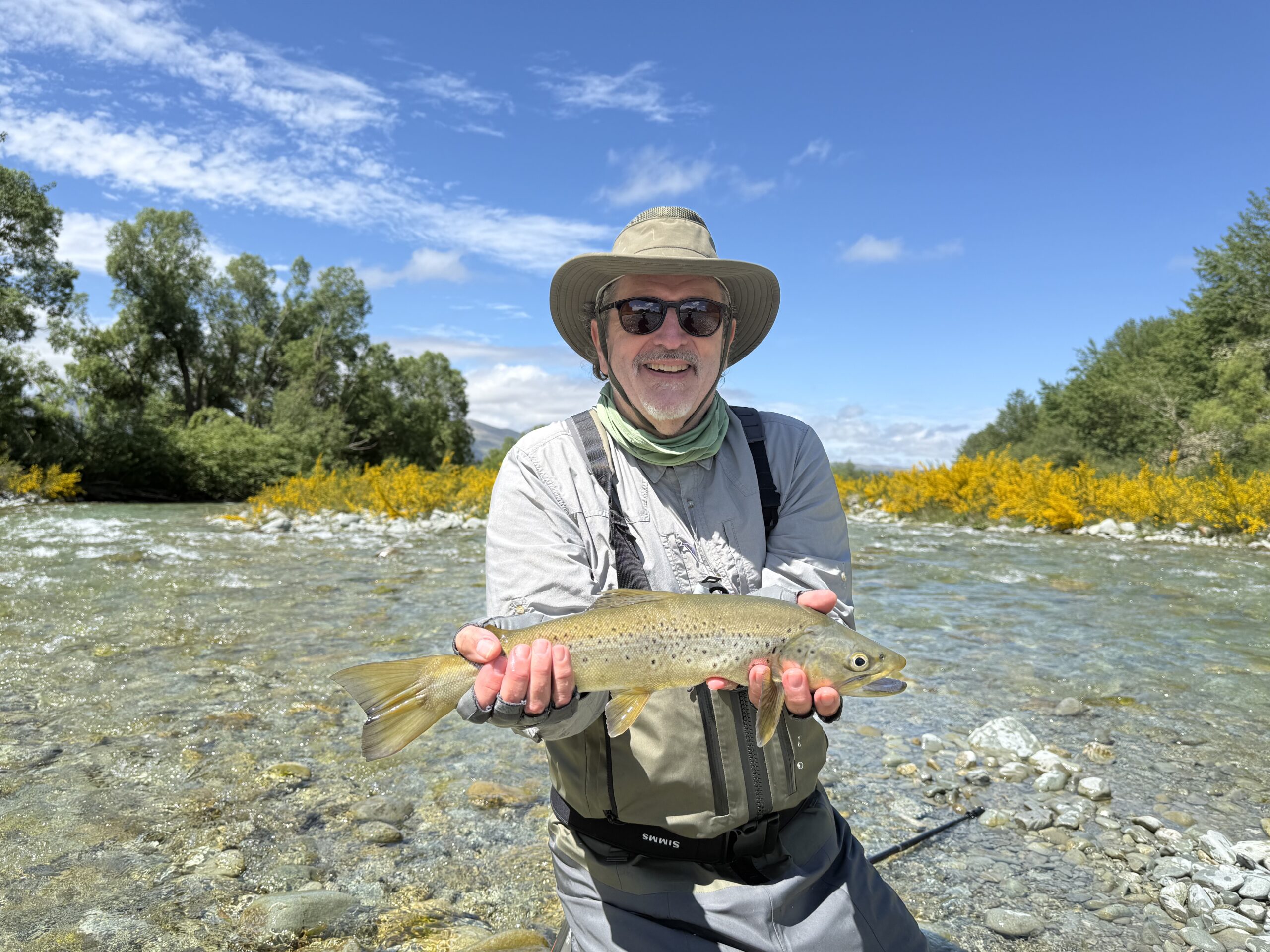
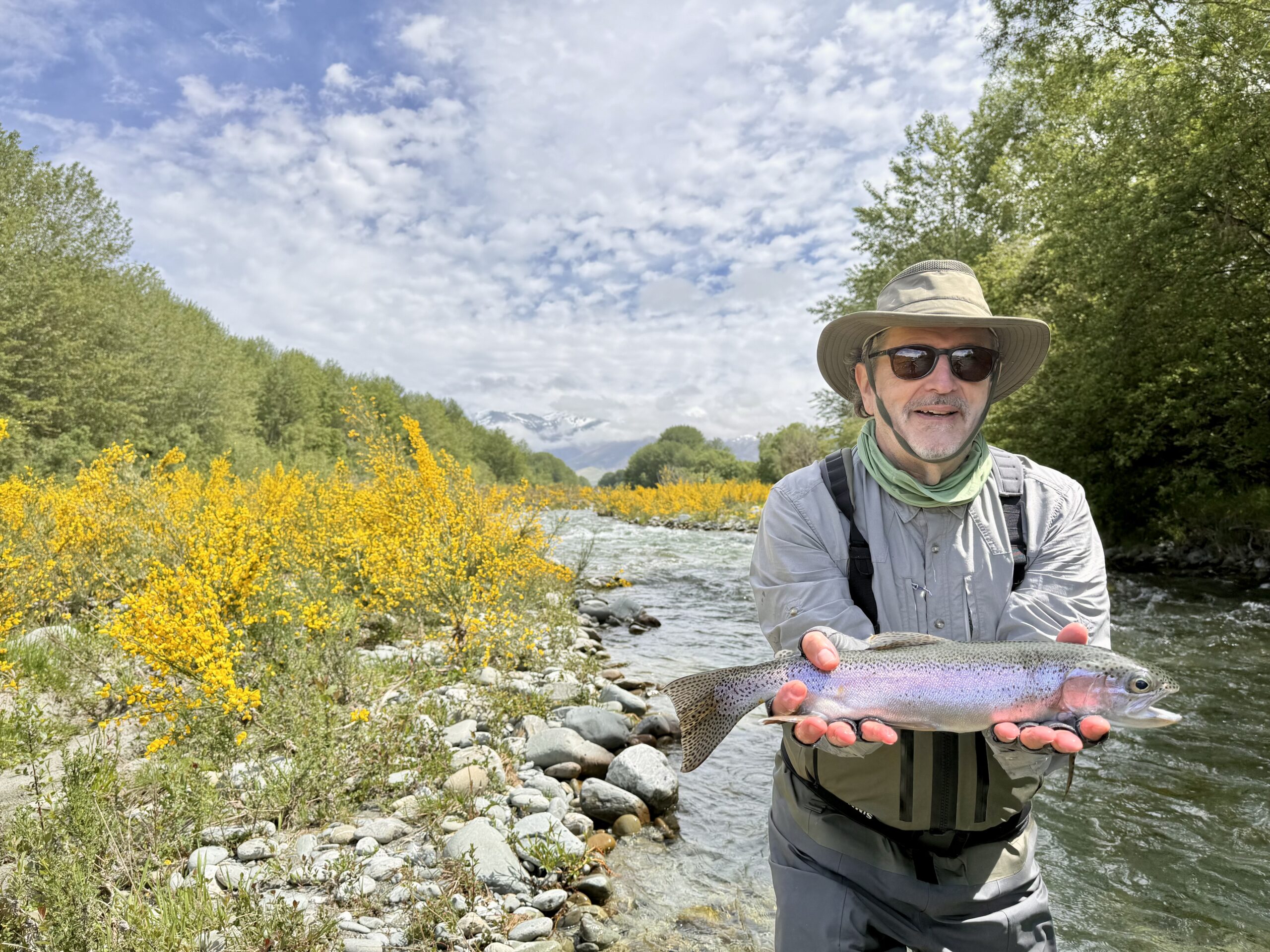
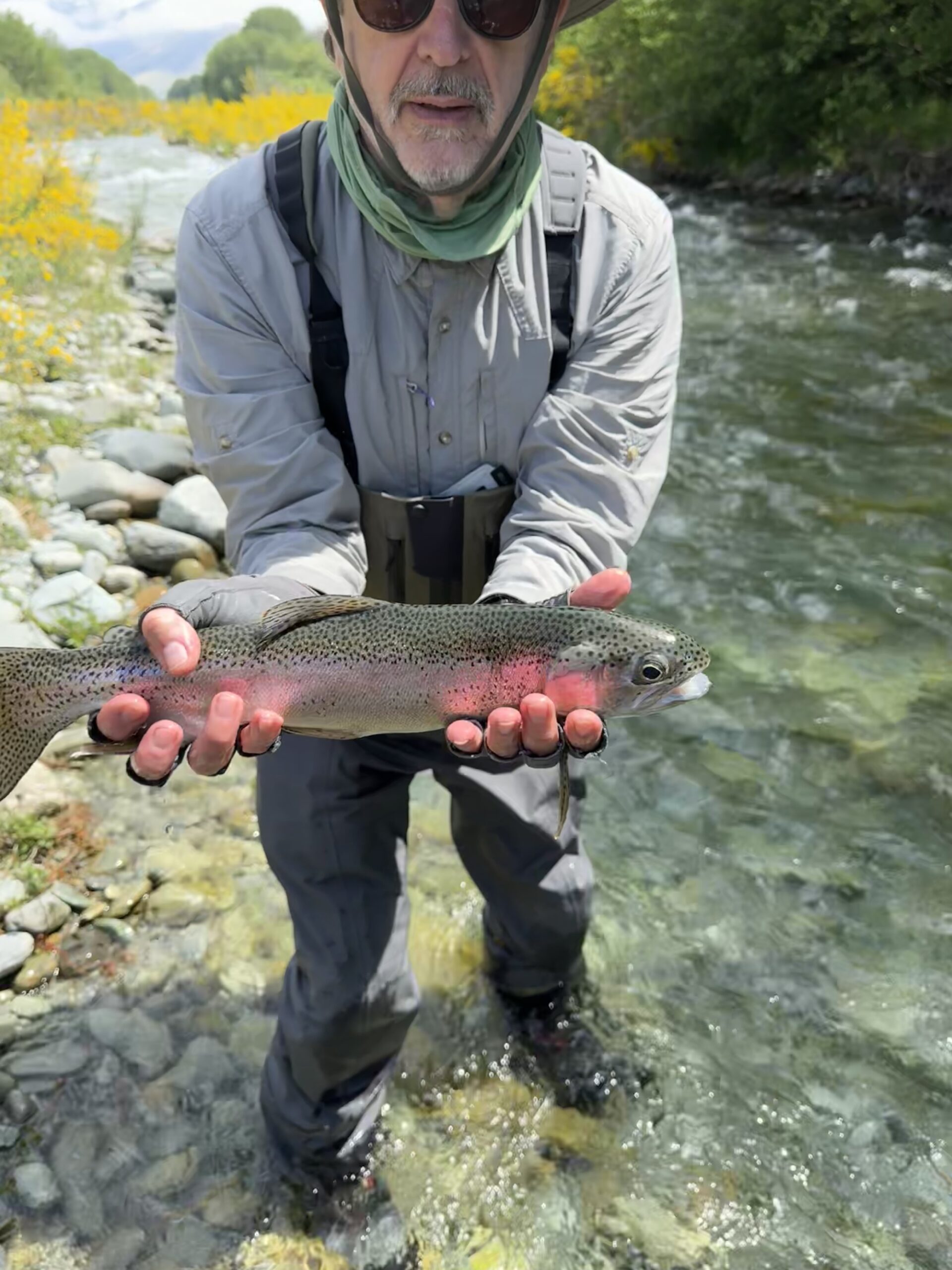
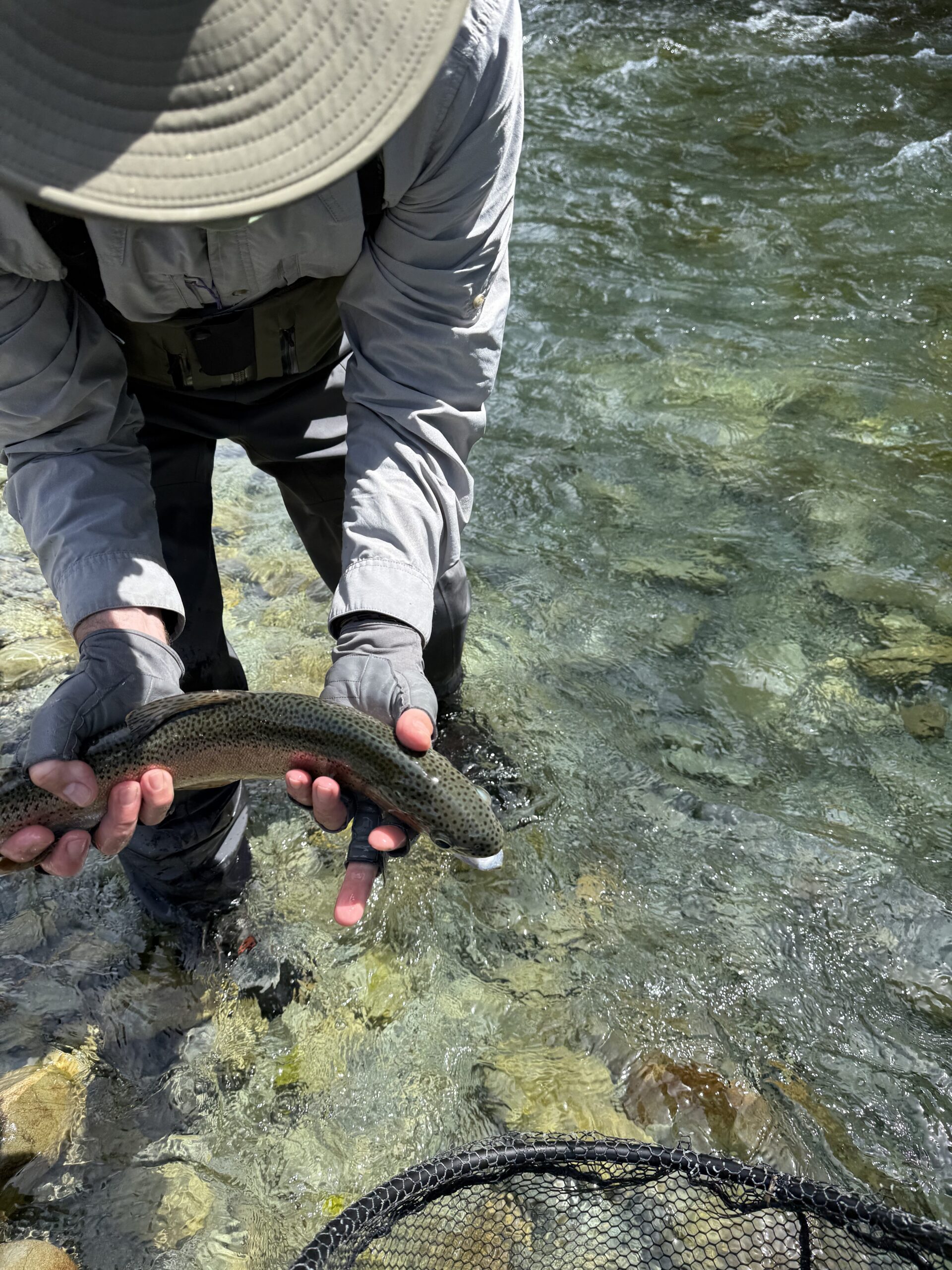
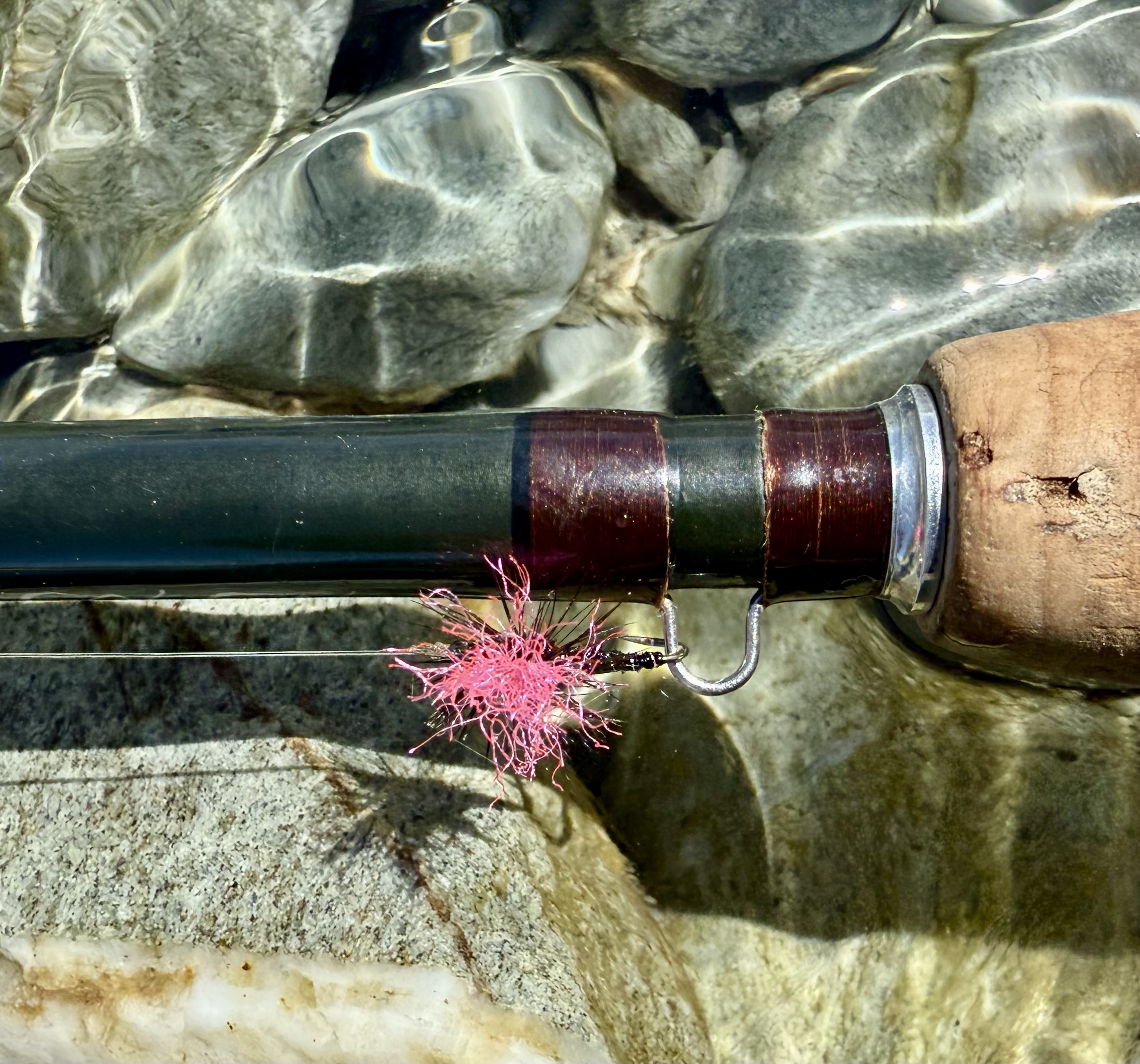
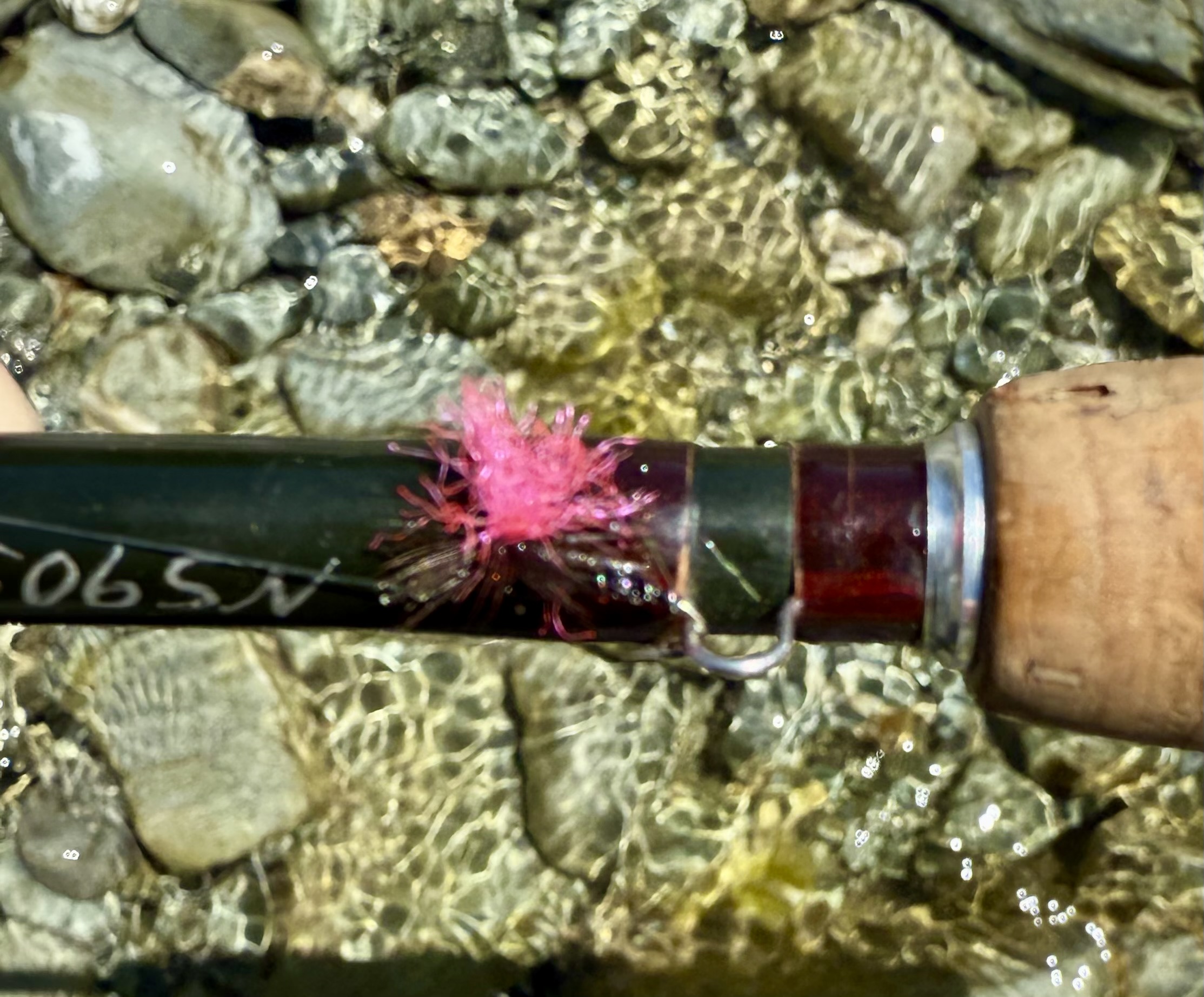
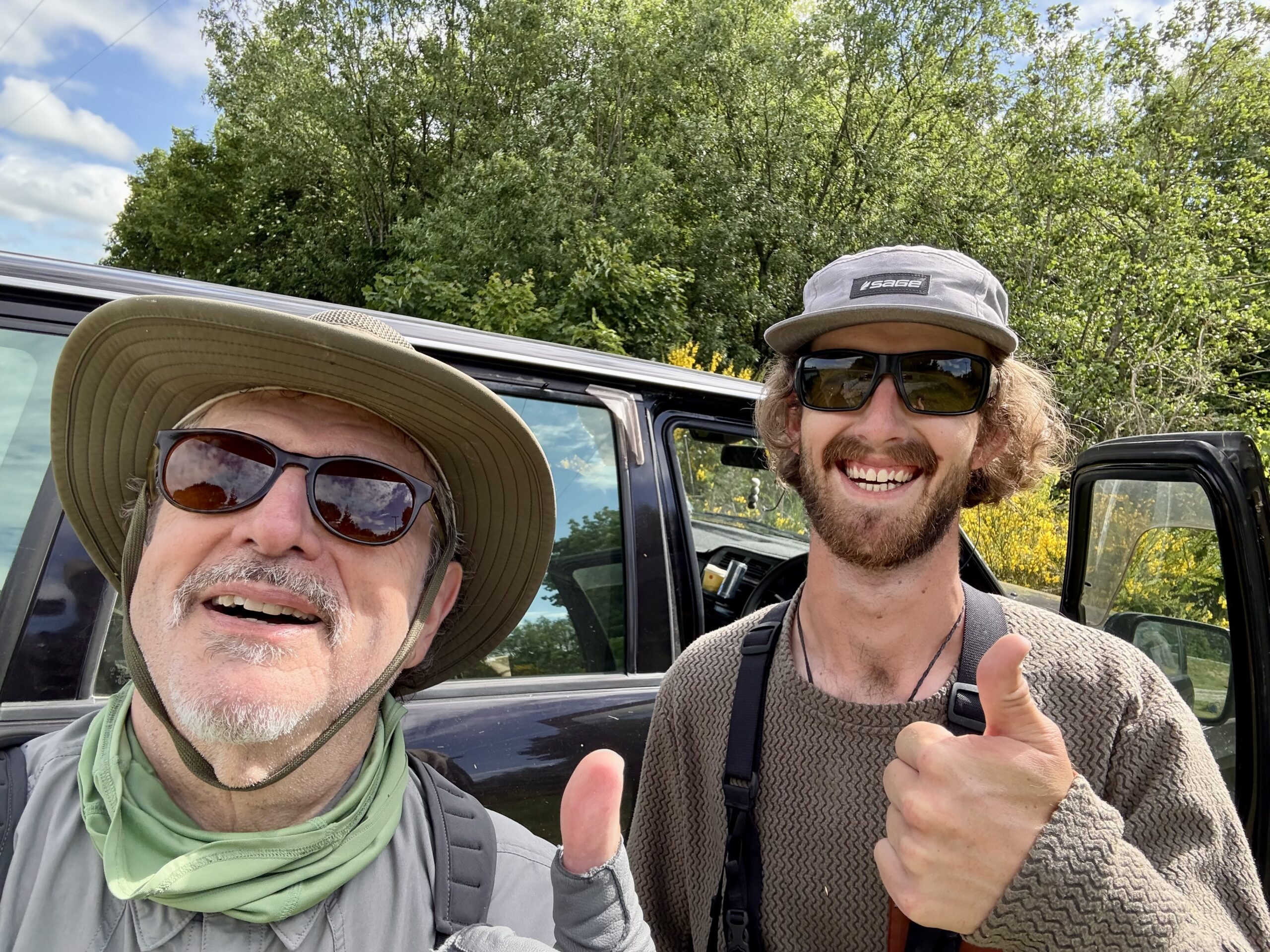
Scotty is 25, turning 26 this week. (One-third Robert’s age!) He has a master’s degree in geology but his passion for the outdoors brings him to a life of guiding. Big ambitions. He is rebranding his business to Backcountry Flyfishing—because they are two of the most googled words in outdoor adventures in New Zealand. His business will focus on access to remote fishing using jet boats, giving clients a less expensive alternative to helifishing even during inclement weather. He will also promote his excursions as genuine all-Kiwi adventures as a time when many fishing lodges are being bought by Americans and staffed with American guides. Sounds exciting. We’ll see if he accepts clients in their late 70s in the future.
Scotty was a great guide. He helped me cross rivers with (arm-in-arm), constantly changed flies on the five and six weights, and gently gave Robert instructions when his casts where not up to par. Eager to learn, asking for feedback on how he did.
Sight-Fishing Dialogue
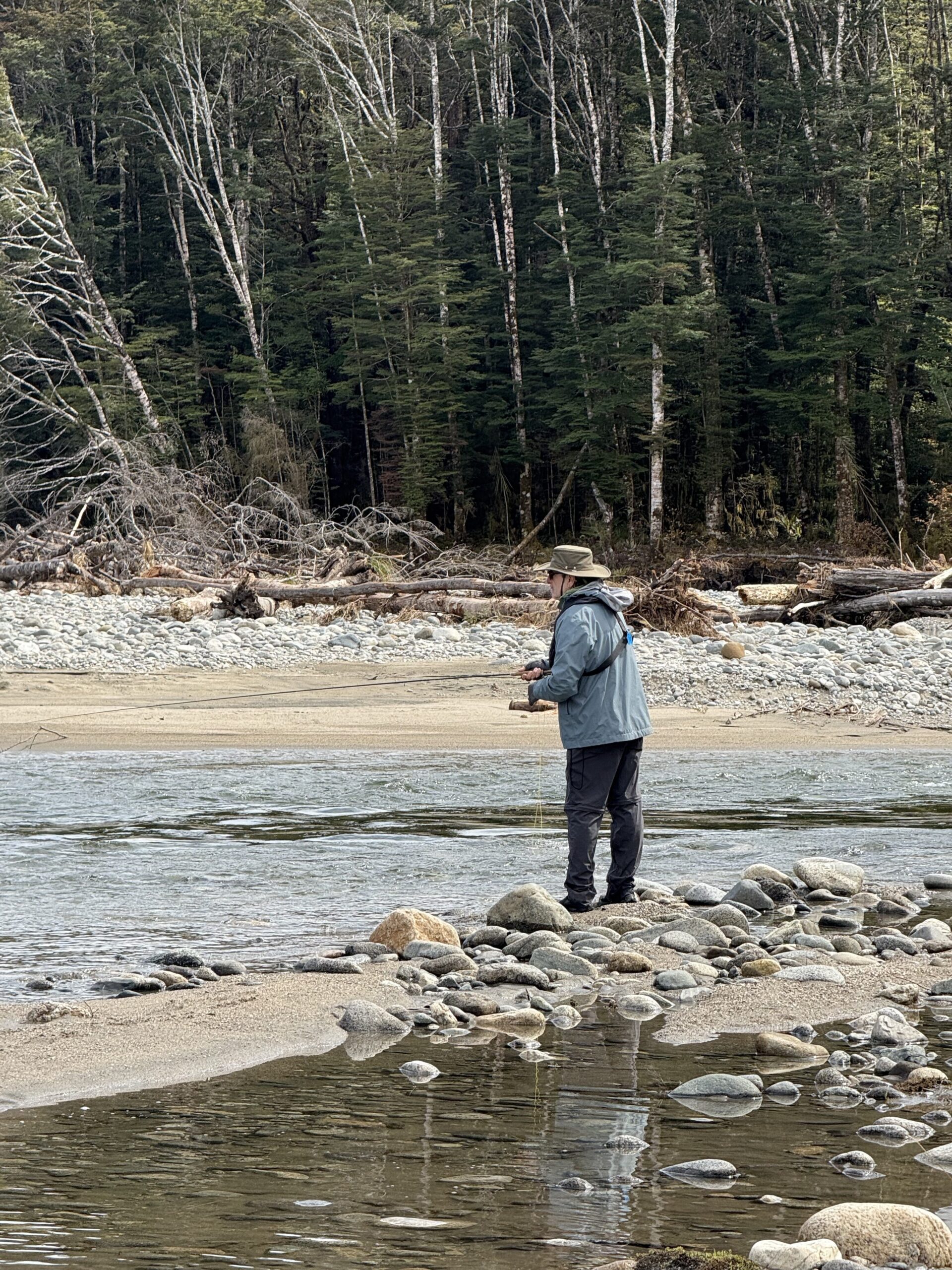
Flyfishing for trout in New Zealand is by sight. The guide sights the fish and directs the fisher on where to cast the fly.
Something like this:
Holding the rod, the guide points to a fish 20 to 30 feet away, holding in some pocket water surrounded by fast flowing riffles.
GUIDE: You see the fish? It’s that’s greyish blur in the water.
ME: No
GUIDE: OK. You see the yellow rock in the water?
ME: Which one?
GUIDE: OK. You see the grayish rock on the bank with the white markings?
ME: Yes
GUIDE: Good. I want you to cast the fly two feet to the left of that rock and a foot and an half above it.
GUIDE: Good cast! Now I want you to cast six inches to the left and one foot downstream from the last cast.
FISH: (Doesn’t say anything. Just remains in place.)
GUIDE: (Laughing.) Good cast! Now I want you to cast four inches to the left and two inches upstream from the last cast!
We change flies and start again or move on to a more receptive trout.
Next fishing post: Fishing the South Island – Part Two