23-31 March 2026
We do not. But our first stop was Amsterdam.
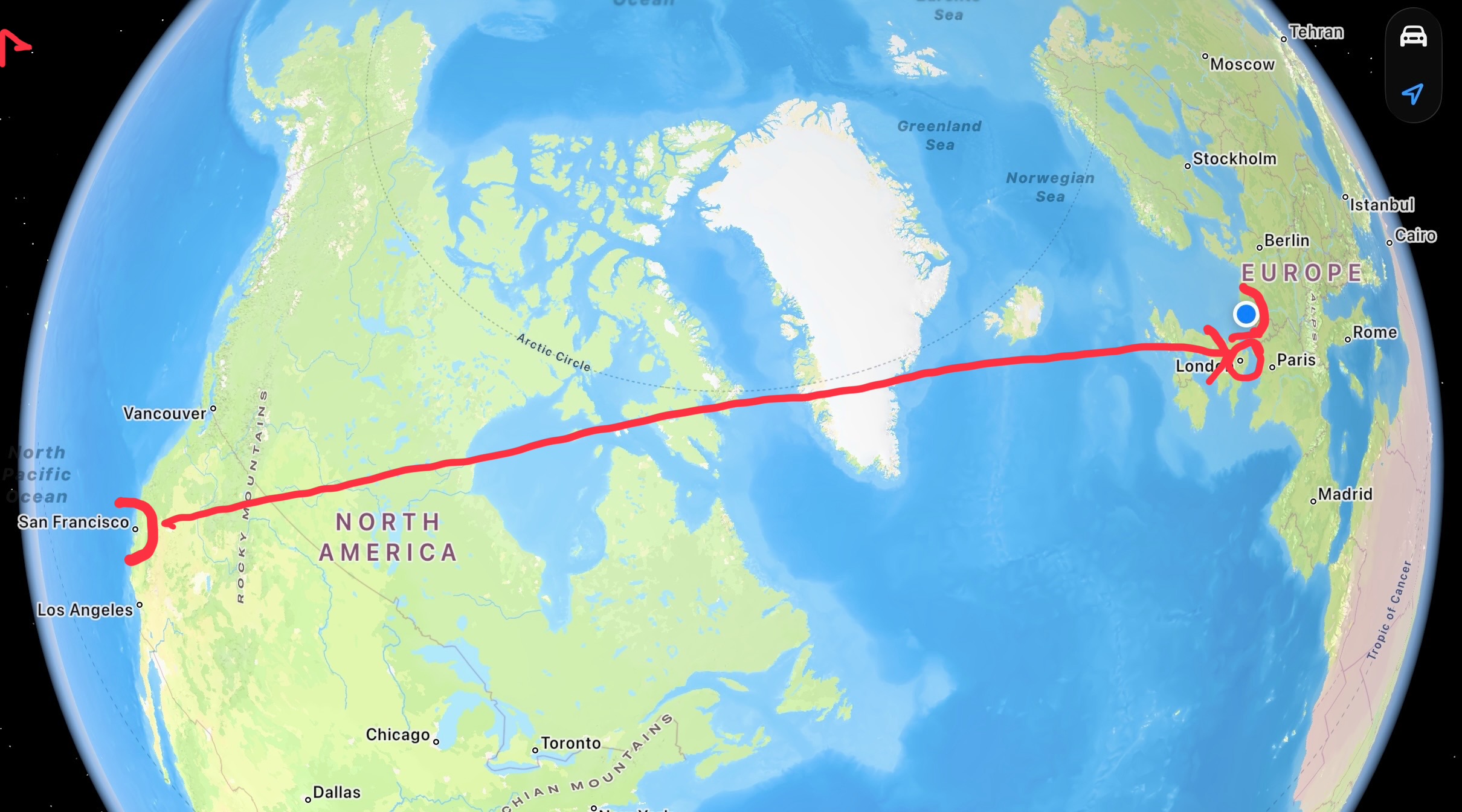
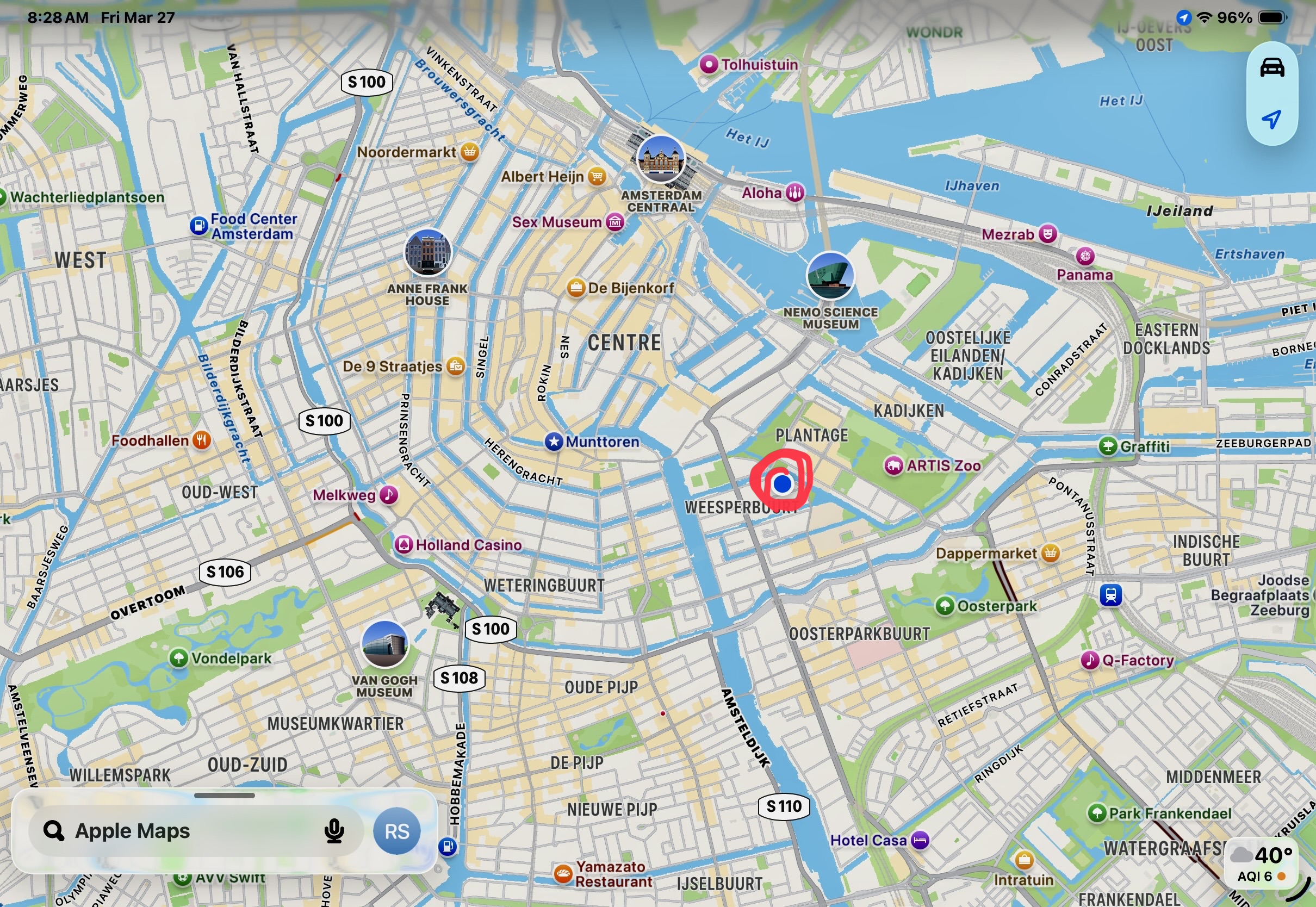
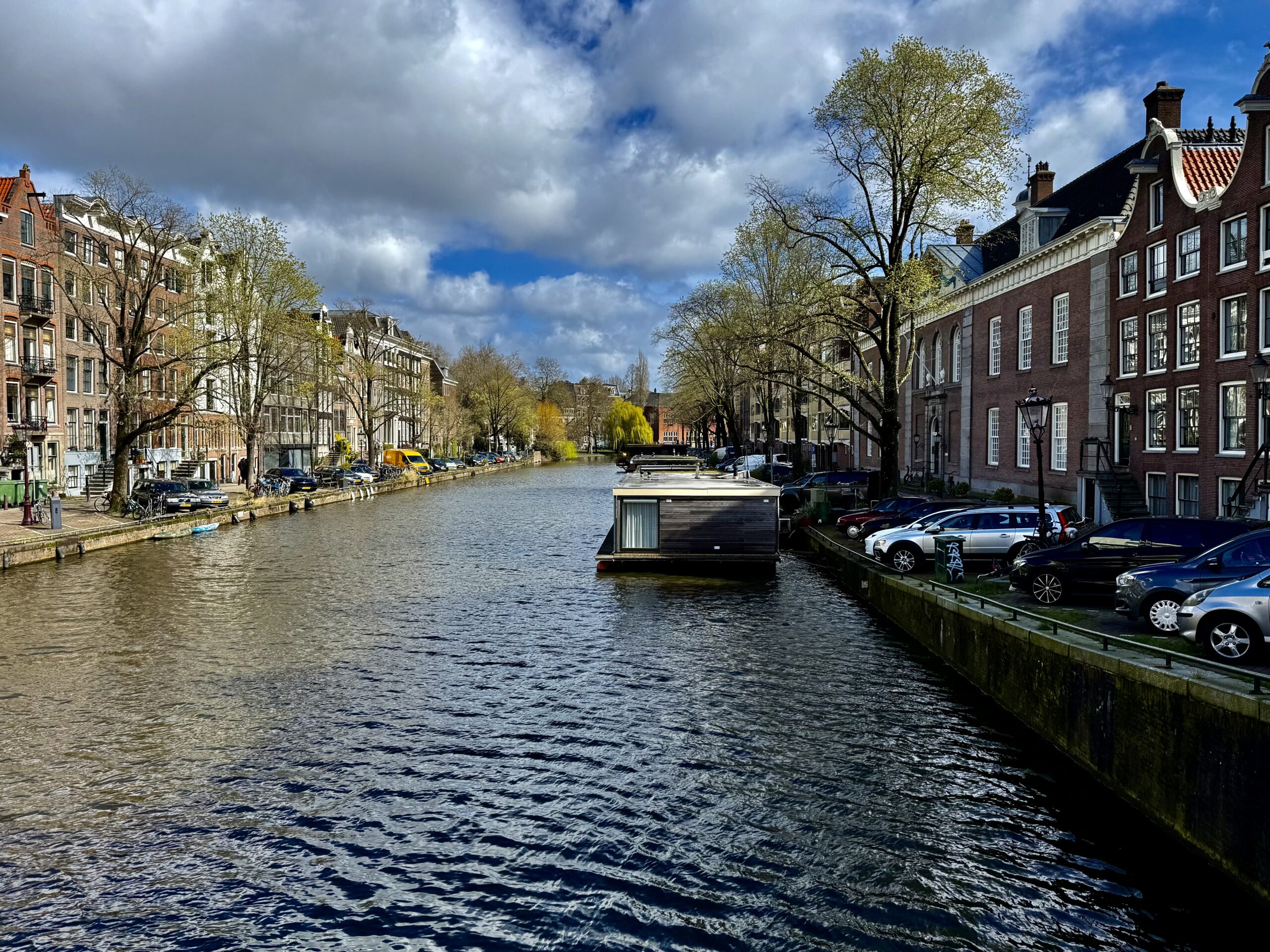
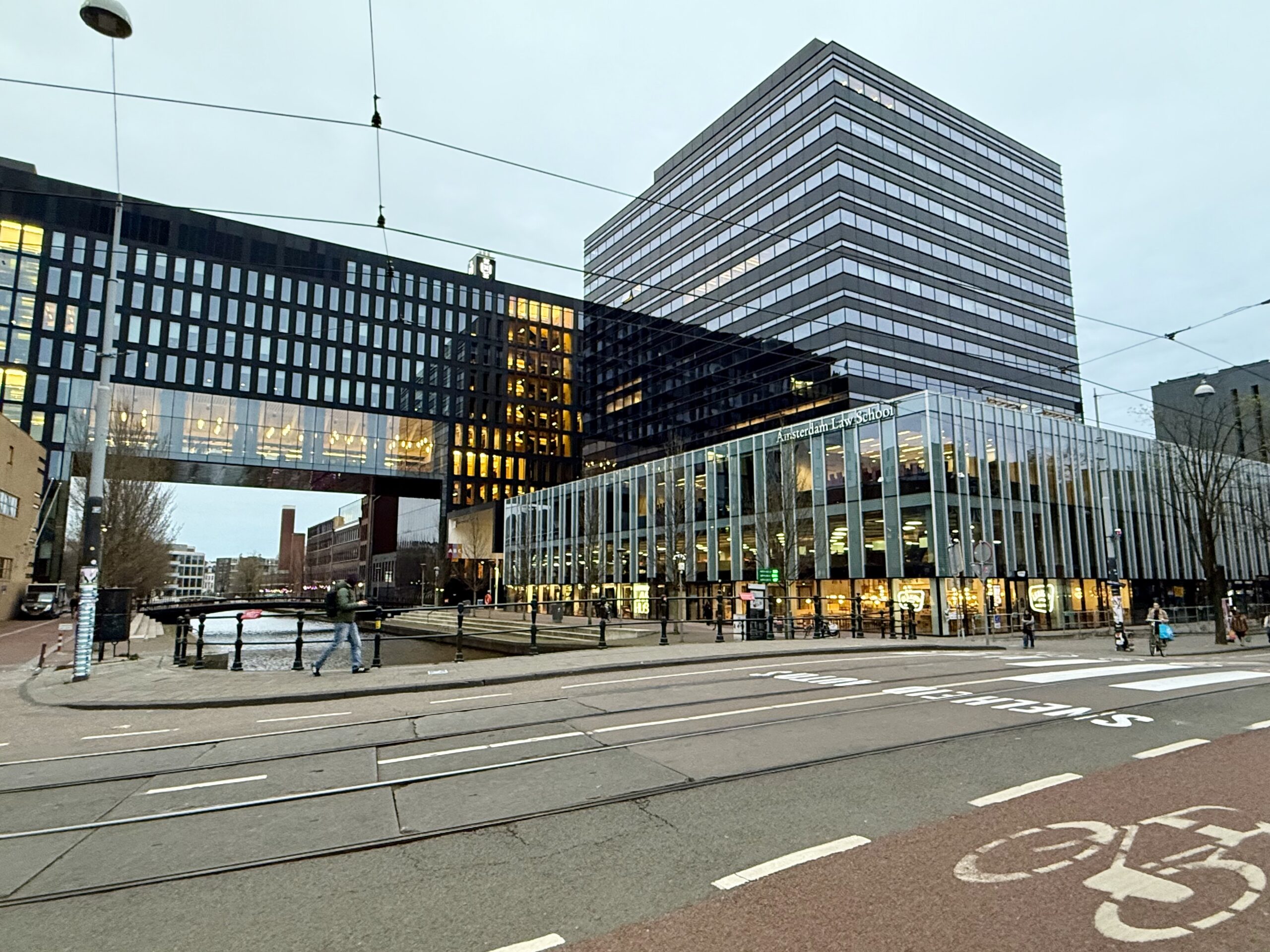
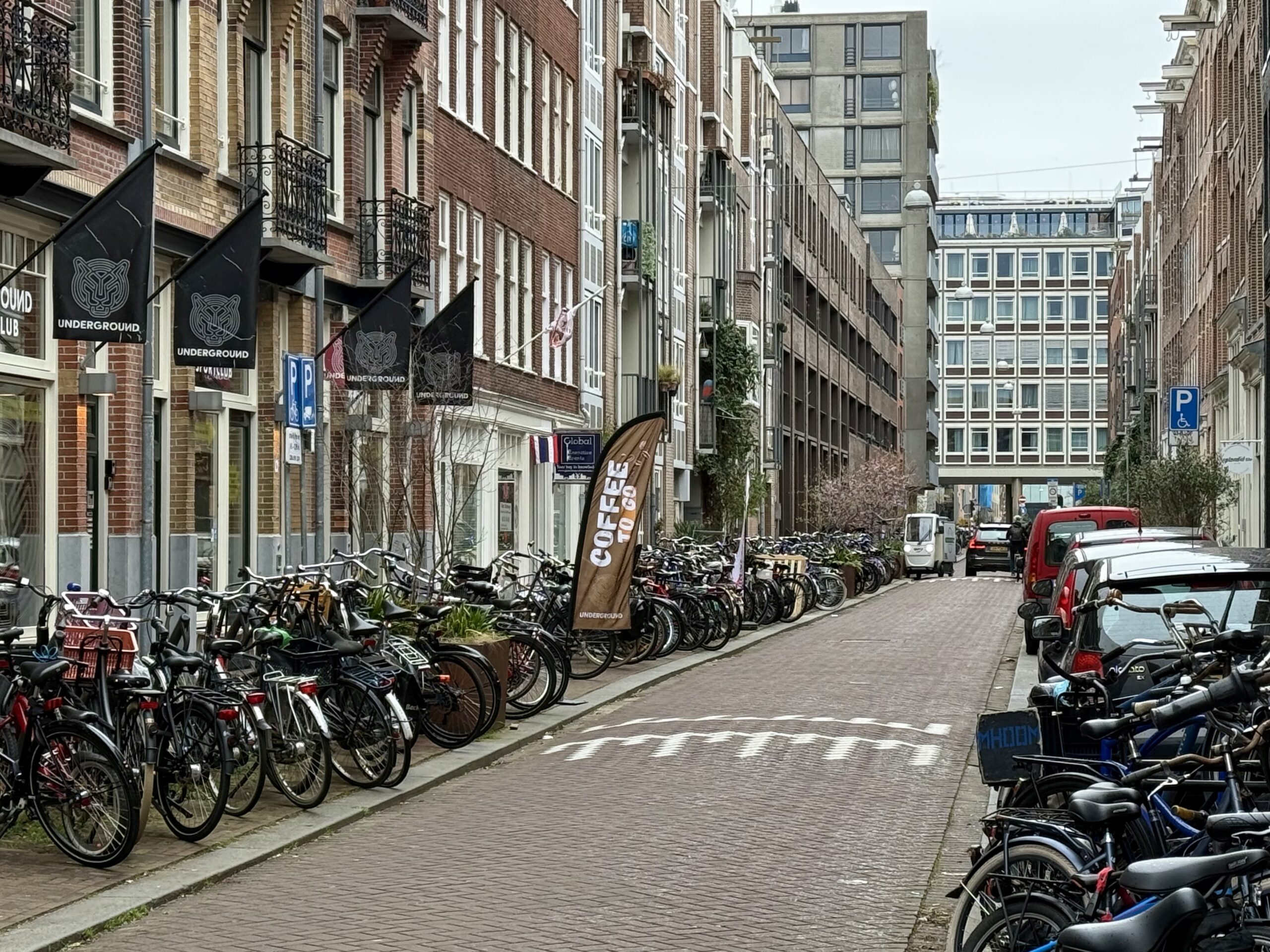
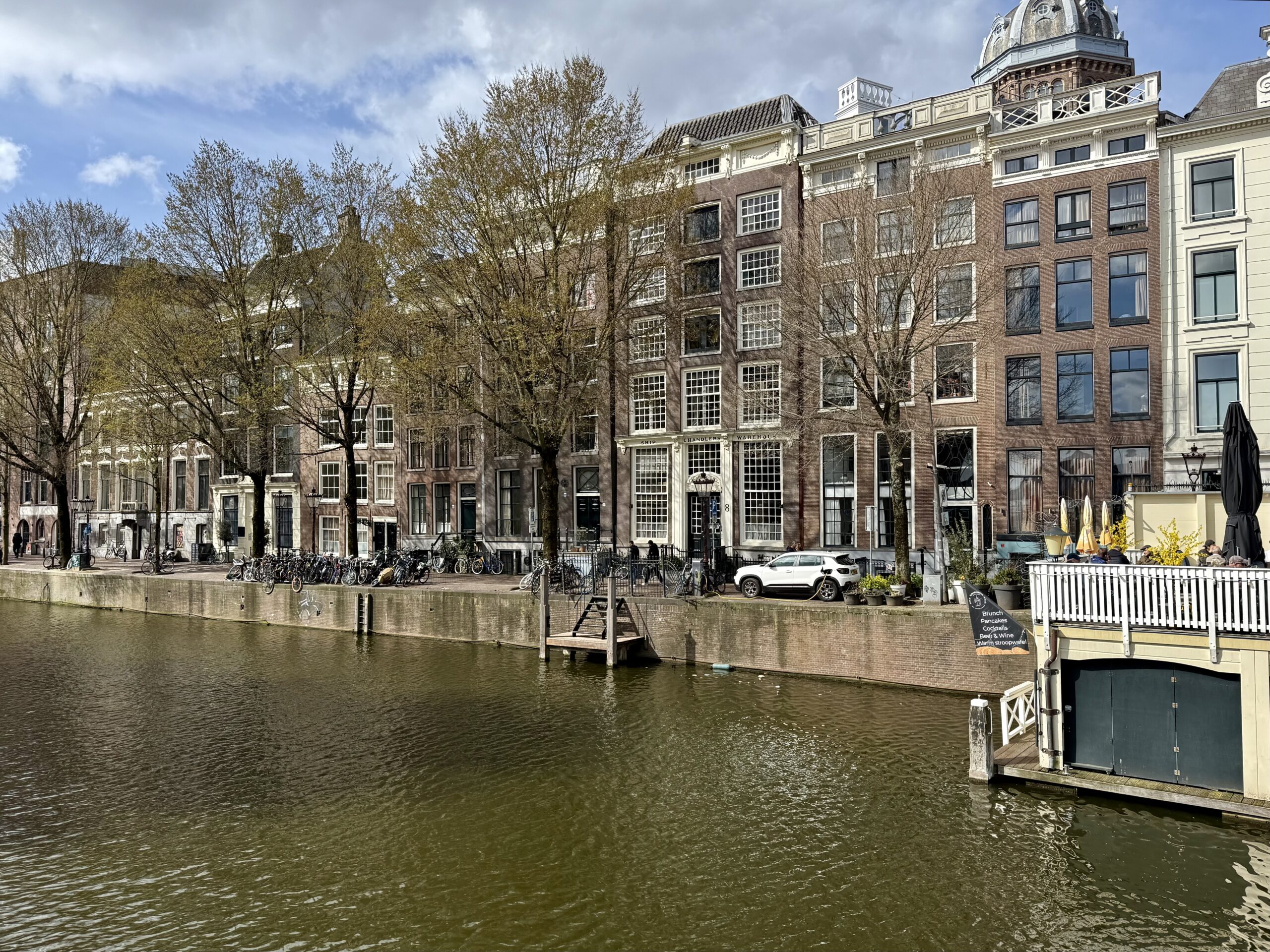
We left SFO at 6:30 pm, 23 March and landed at Schiphol airport at 4:00 pm the next day. A 25-minute taxi ride delivered us to our lodging on a canal in the Plantage district, just southeast of the city center. The neighborhood is dotted with large, modern university buildings and filled with bicycles—moving and parked.
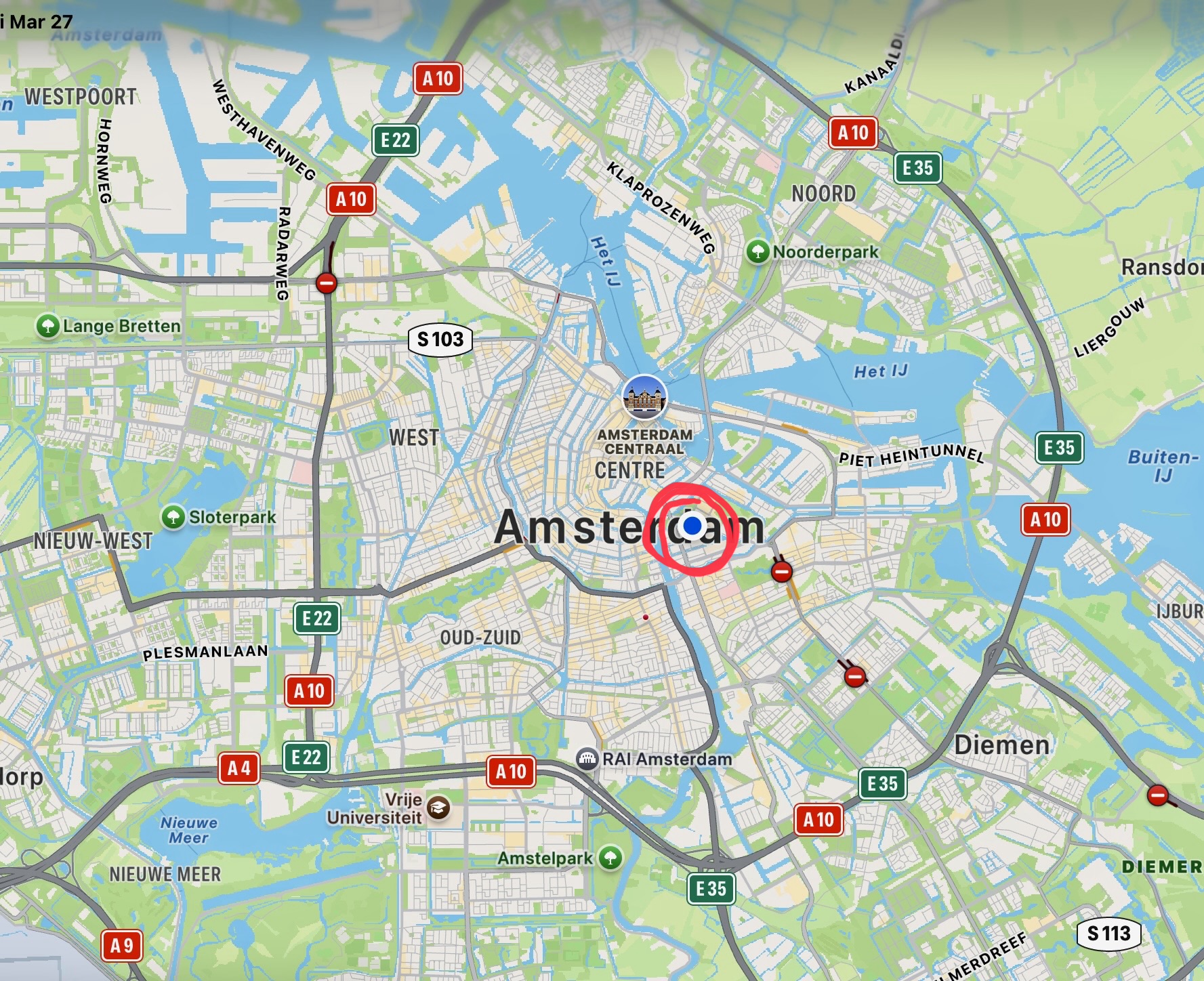
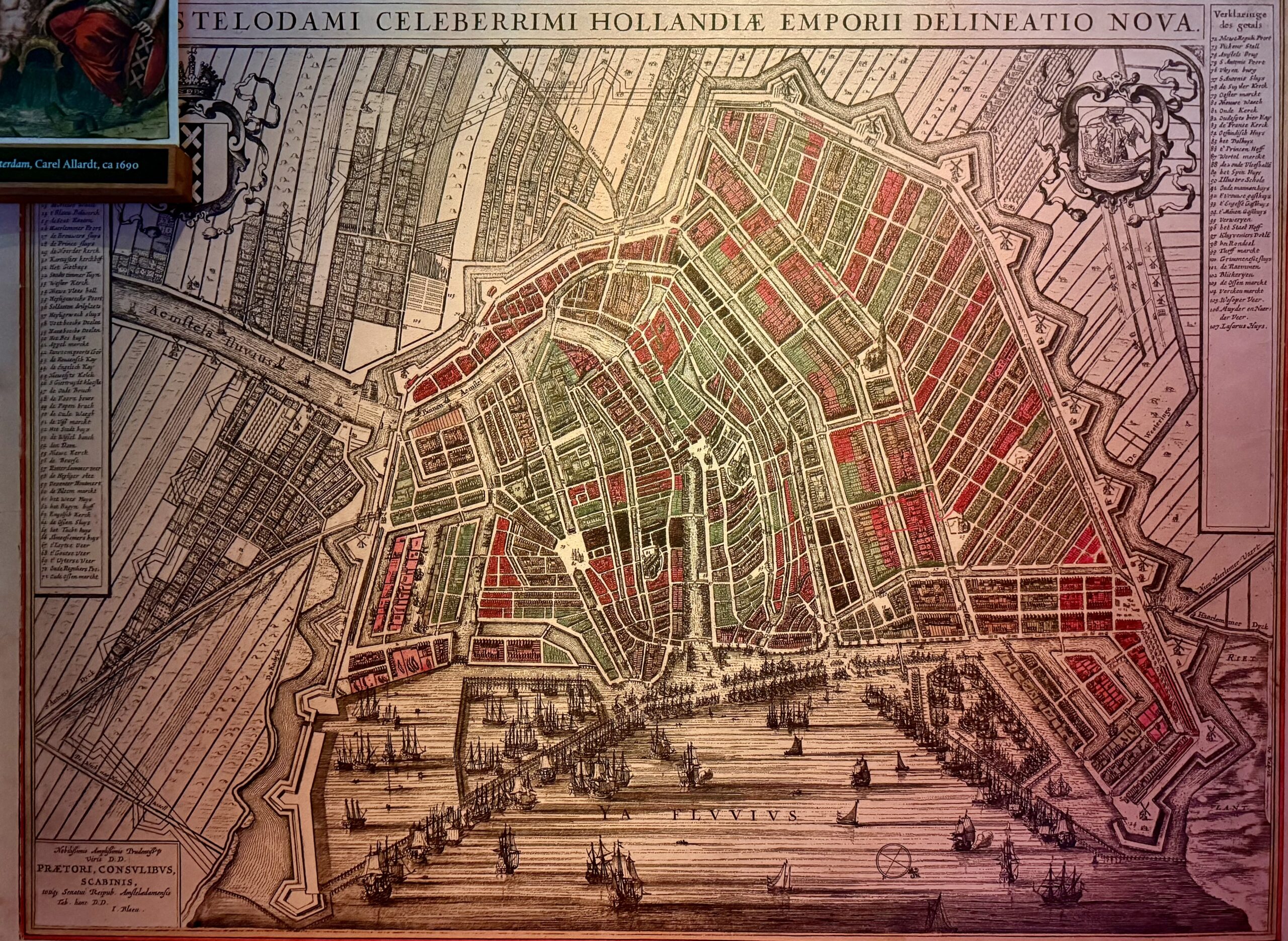
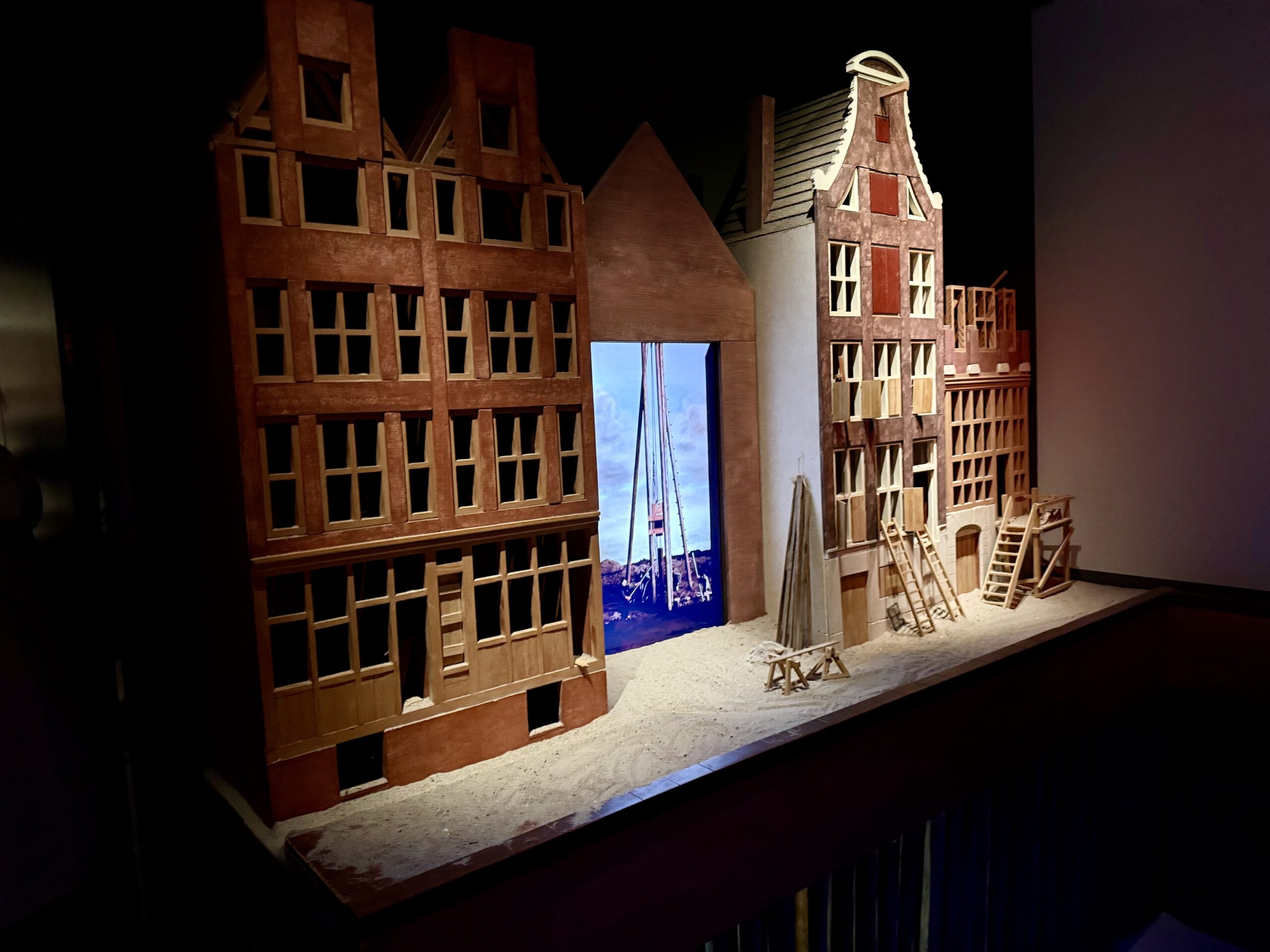
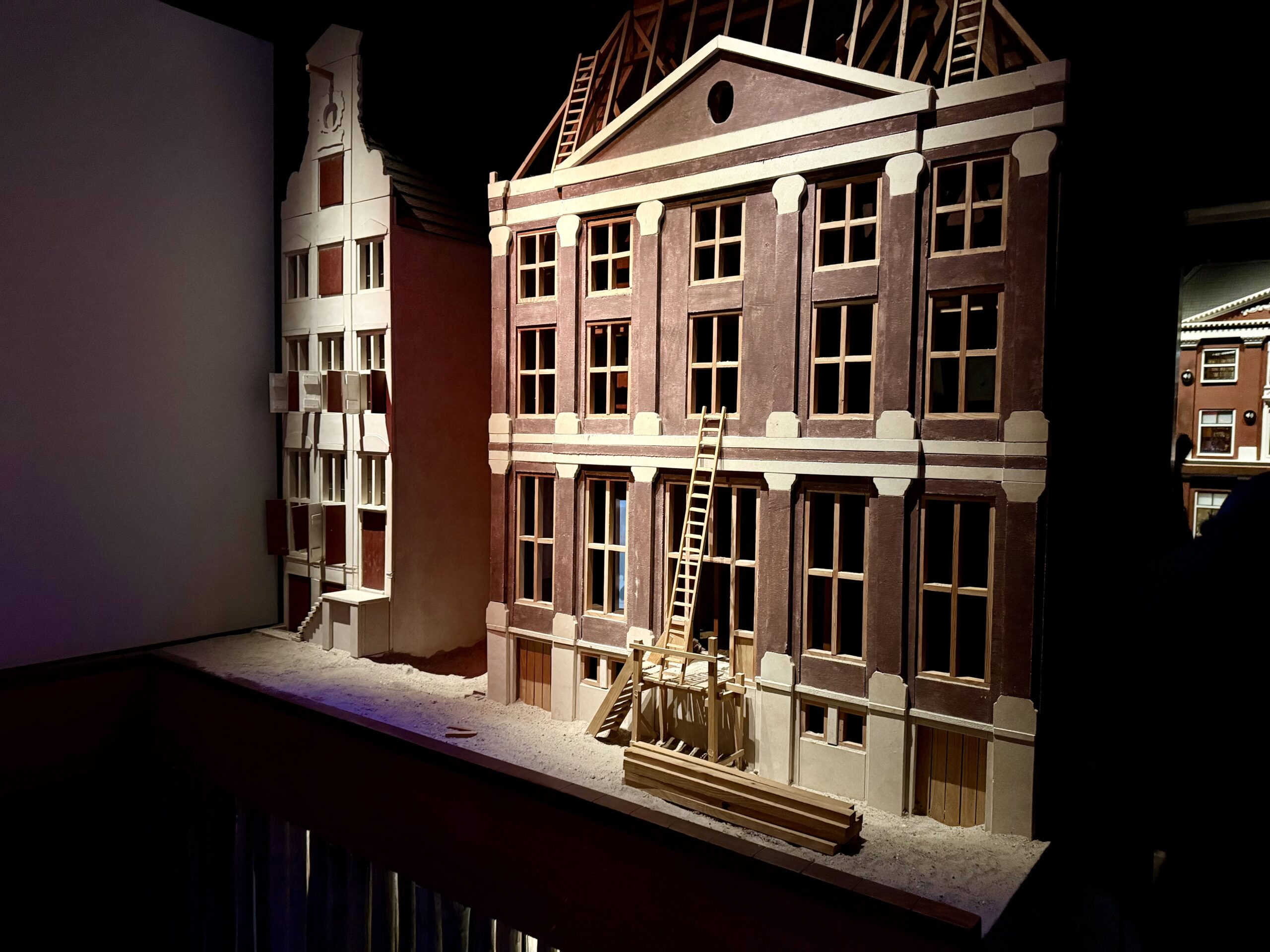
Amsterdam was a sparsely settled area for peat harvesting and farming around the year 1000. A major flood a few hundred years ago rerouted the river for better trade access and prompted construction of a dam on the Amstel River. This was the beginning of reclaiming boggy land for the growing urban population. The fishing industry followed soon after.
According to Wikipedia, a prince-bishop of the Catholic Church (part of the Holy Roman Empire) controlled Amsterdam and in 1275 he allowed the city to be free of tolls, thus promoting trade, and this growth in trade fueled banking. For centuries trade and finance were the hallmarks of Amsterdam’s economy. The Spanish somehow got in and ruled beginning in 1568. Amsterdam broke from them, joining the Dutch Republic in 1578, supporting the Protestant revolt.
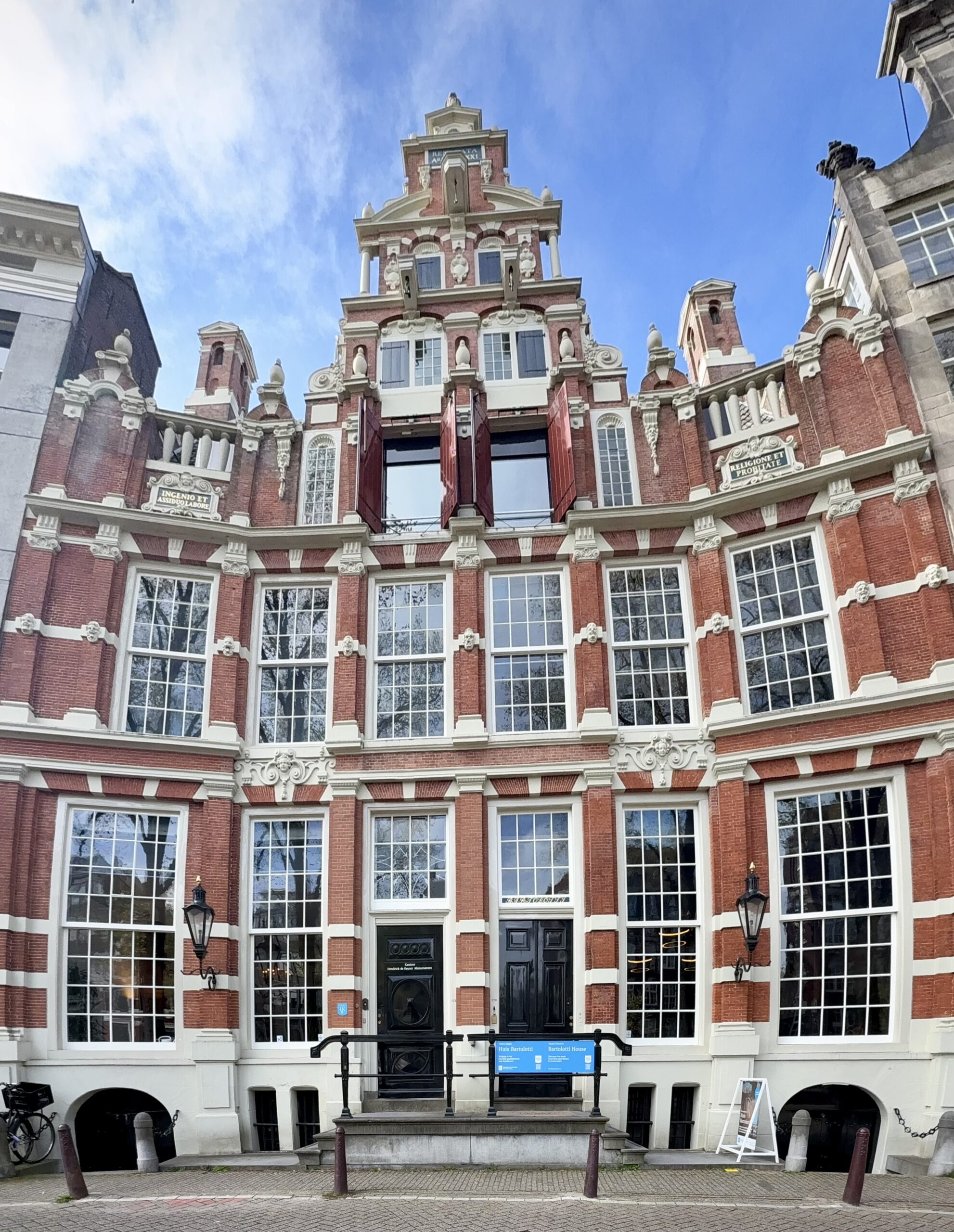
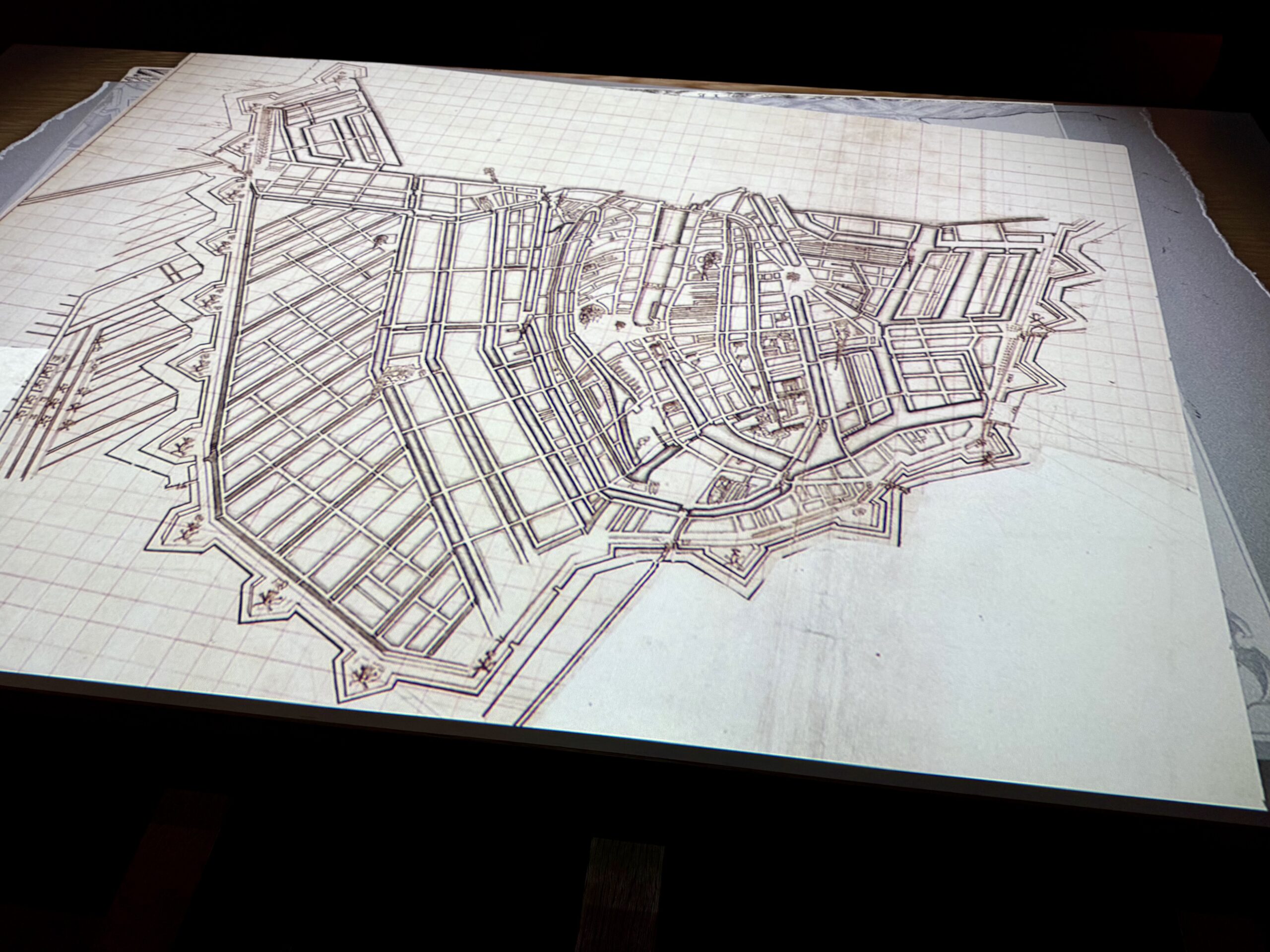
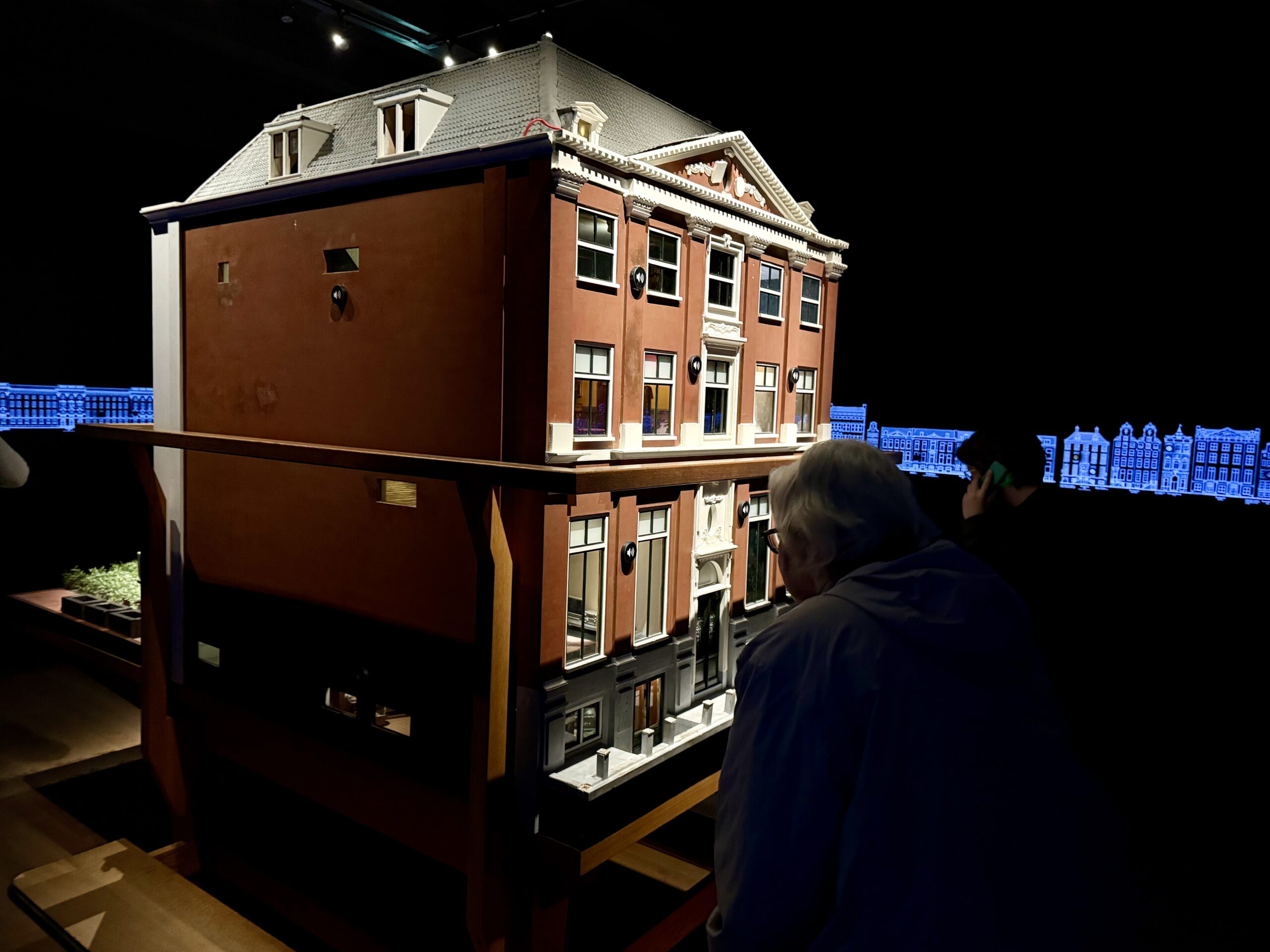
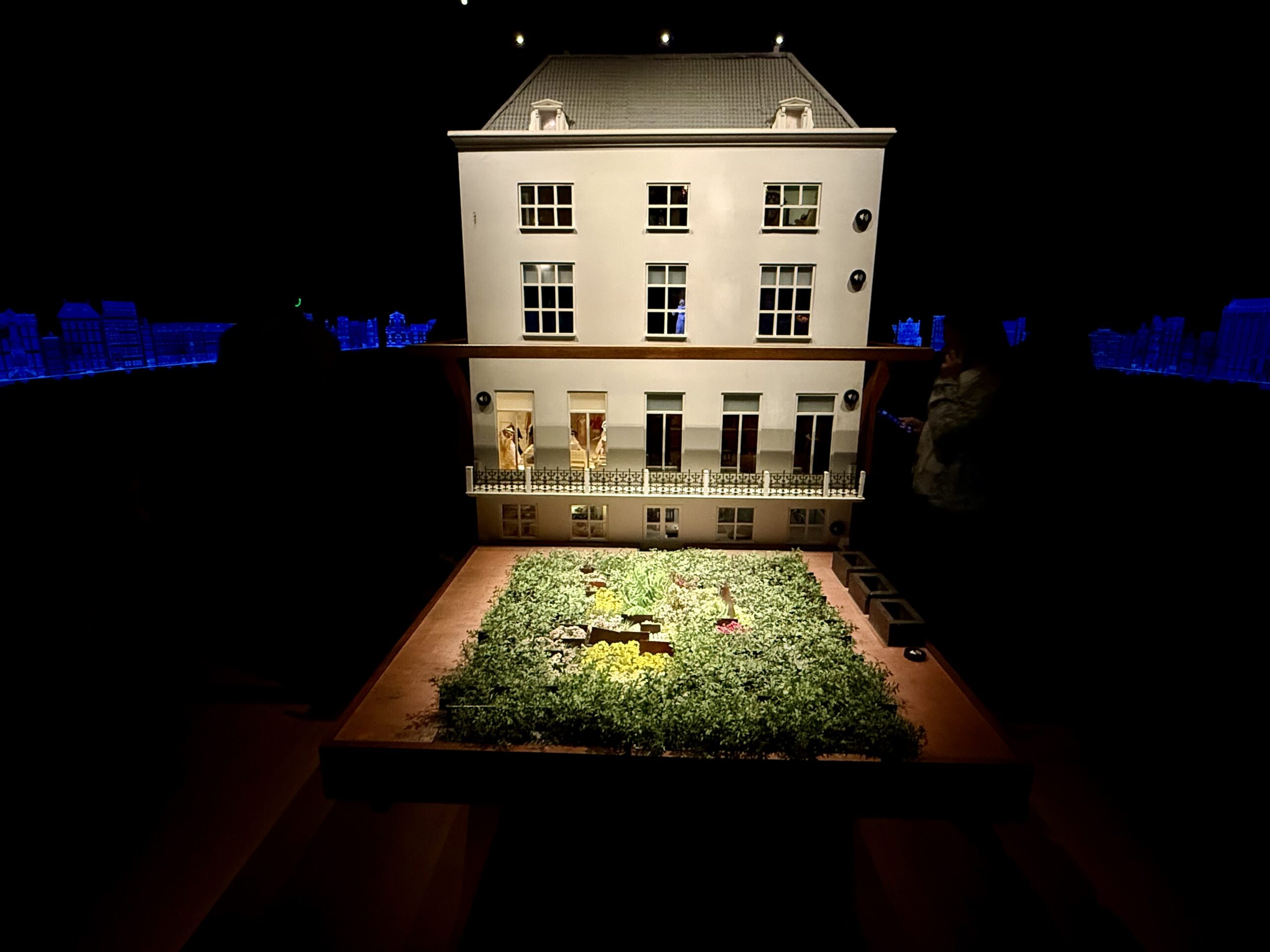
The 17th century was the Golden Age for Amsterdam, whose lucrative trade routes extended around the world. The Dutch East India Company, founded in 1602, was the first in the world to issue stock to finance its business. Amsterdam attracted immigrants, encouraging those with wealth to remain while nudging others with no fortunes to emigrate. The city expanded by constructing more canals and reclaiming the land in between them. Freedom of religion attracted immigrants such as prosperous Portuguese Jewish merchants escaping the Inquisition and Armenians with a trade monopoly in Iranian silk.
With increased economic competition in the 18th and 19th centuries Amsterdam’s prosperity declined. Beginning in 1795, Amsterdam, as part of the Kingdom of Holland, came under the rule of the various forms of the French Empire.
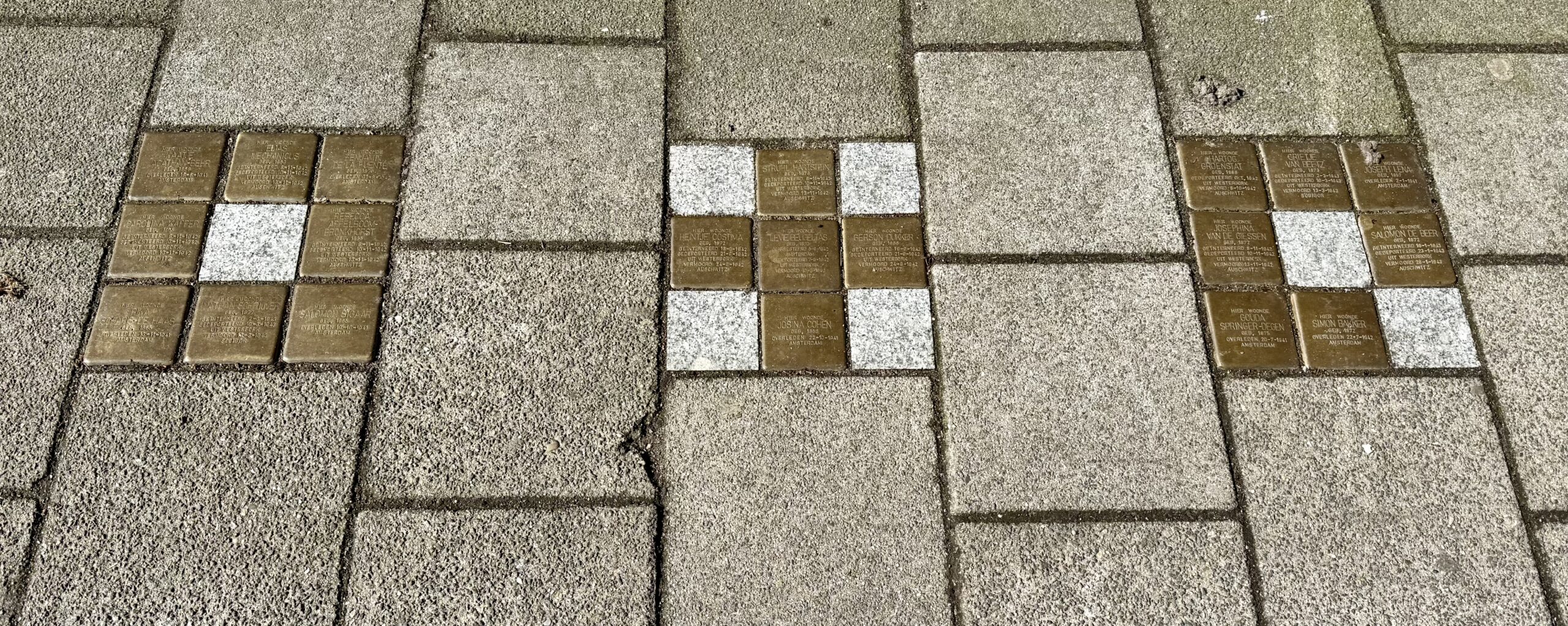
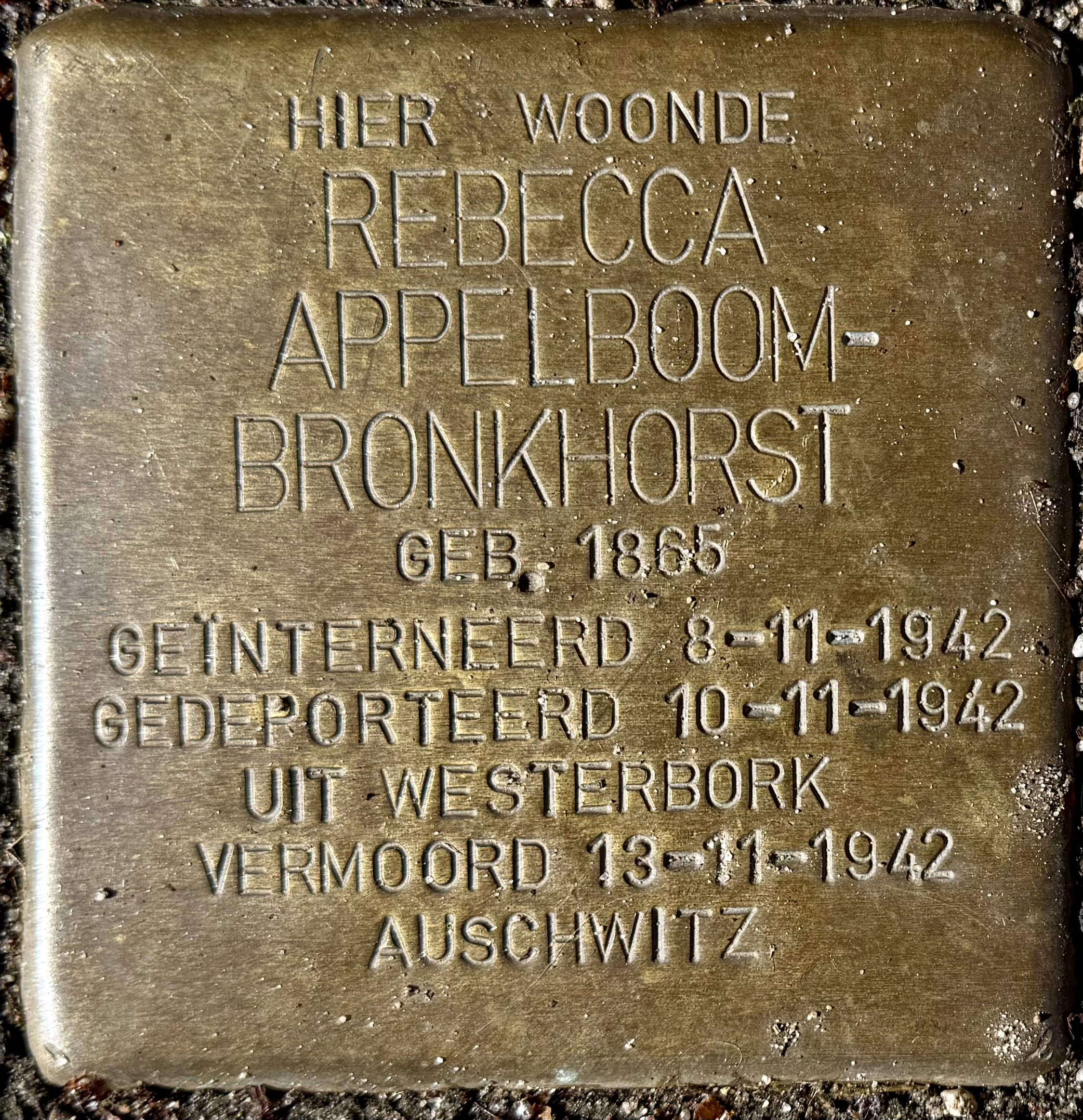
Bonnie noted that unlike in other European cities, local residents make few gestures to commemorate events or people in their history. There are very few statues of famous men and few war memorials. The major points of local history that they emphasize are the Golden Age of the 1600s and the destruction of the Jewish community during WWII.
Now, the Netherlands is one WOKE country. In 2001 it was one of the first to legalize same-sex marriage. Soft drugs are available in “coffee shops,” prostitution is legal, and the nation was one of the first in the world to allow euthanasia. Tourism is booming, even in chilly March.
Observations
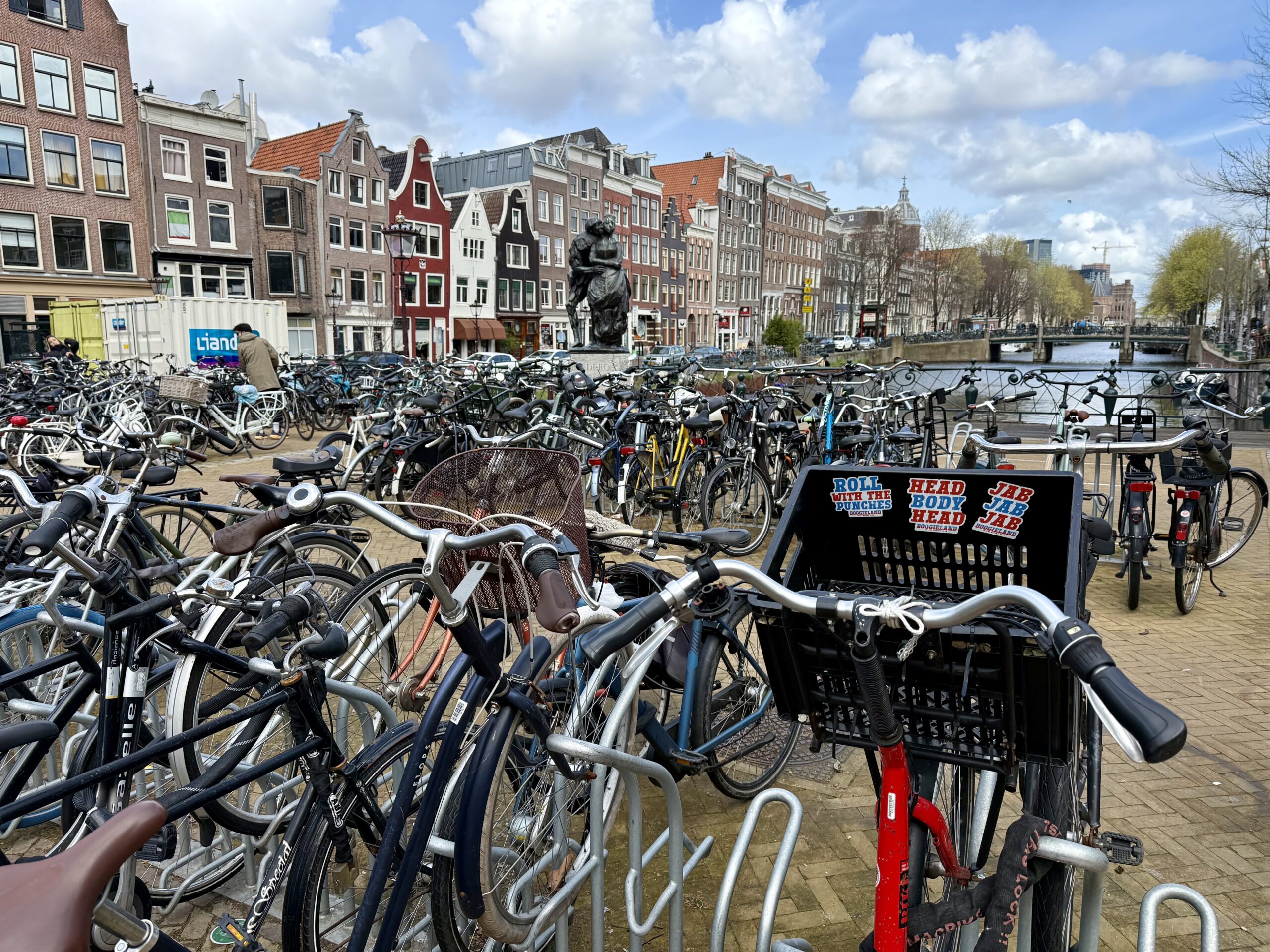
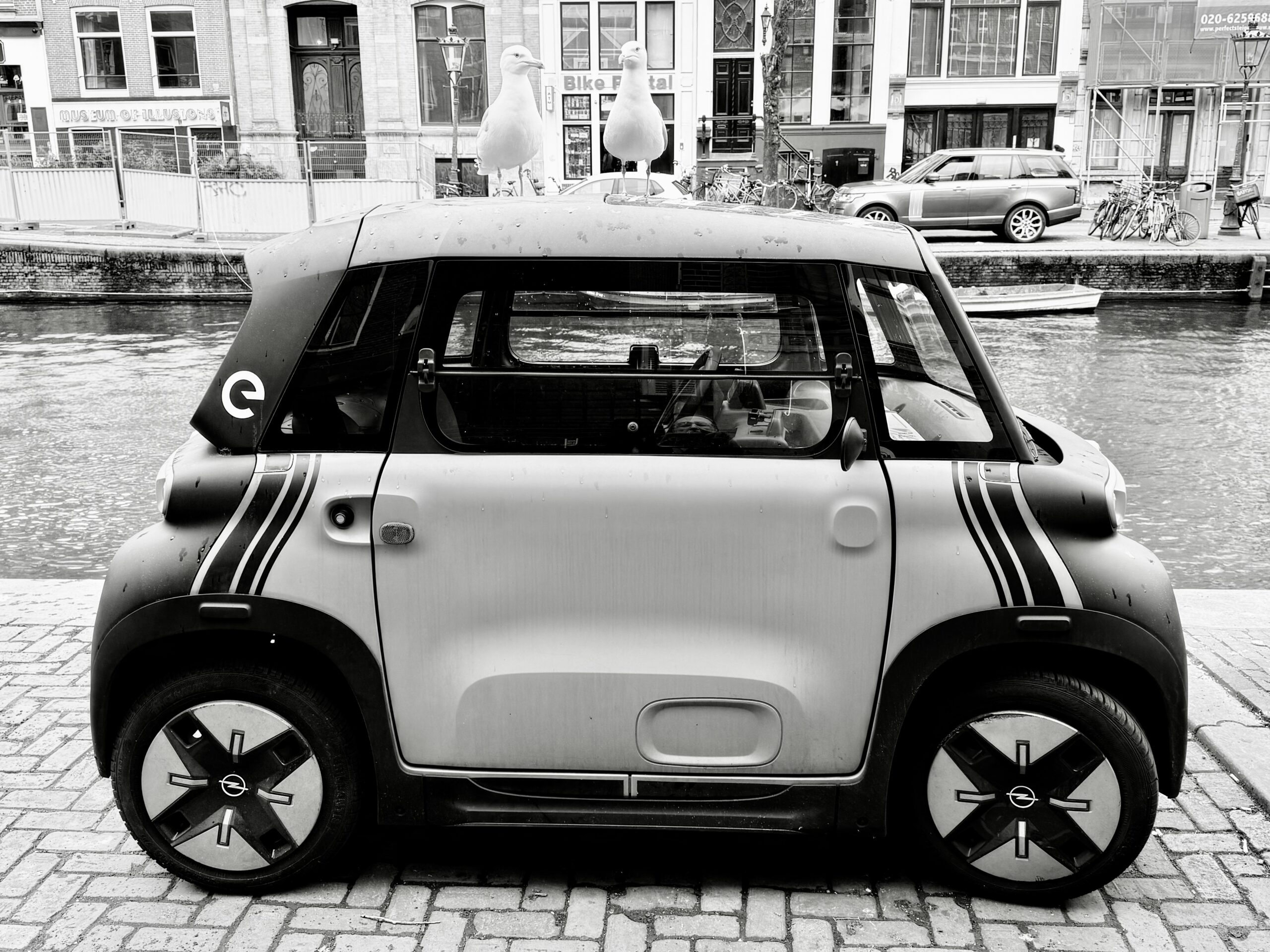
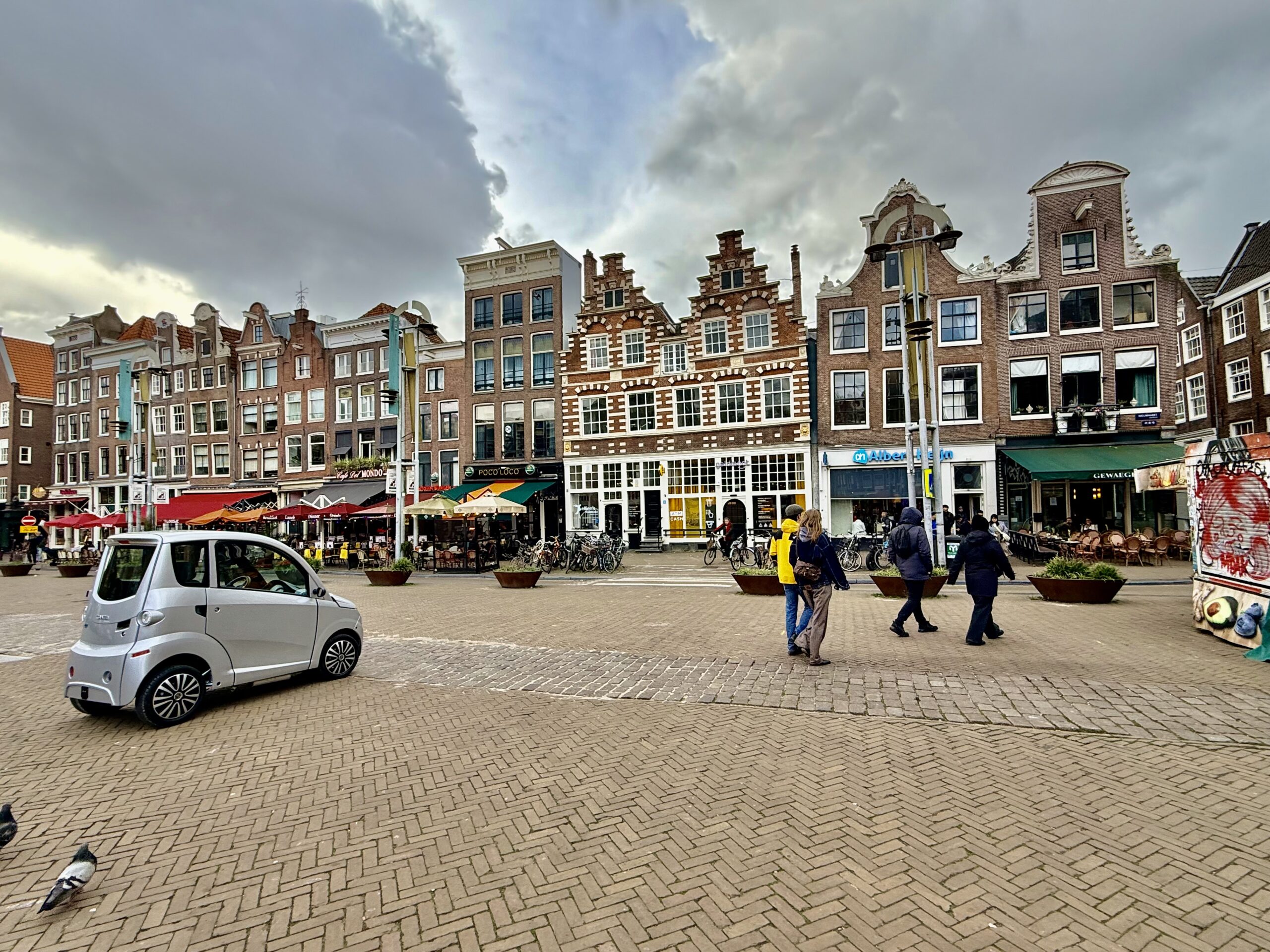
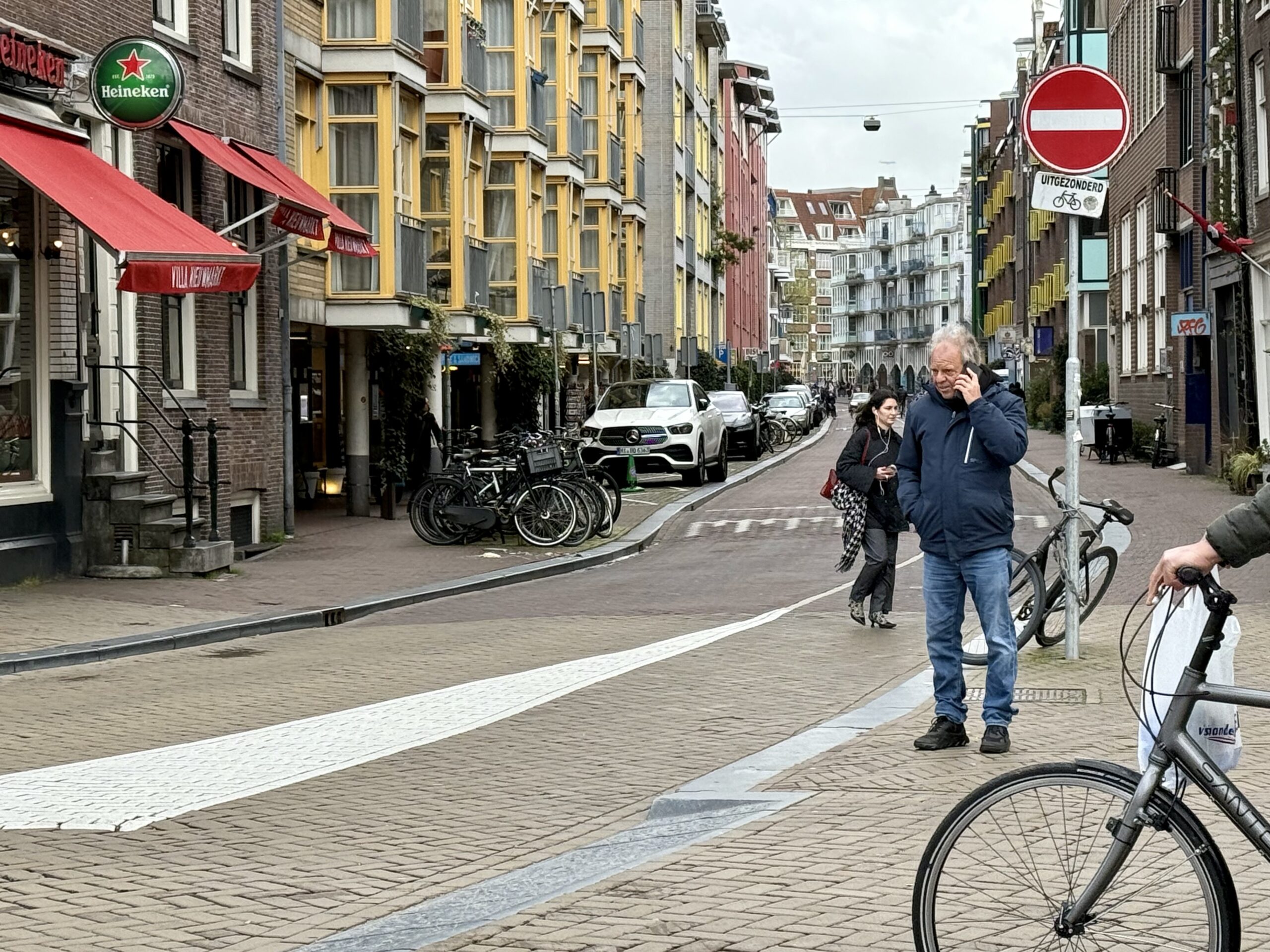
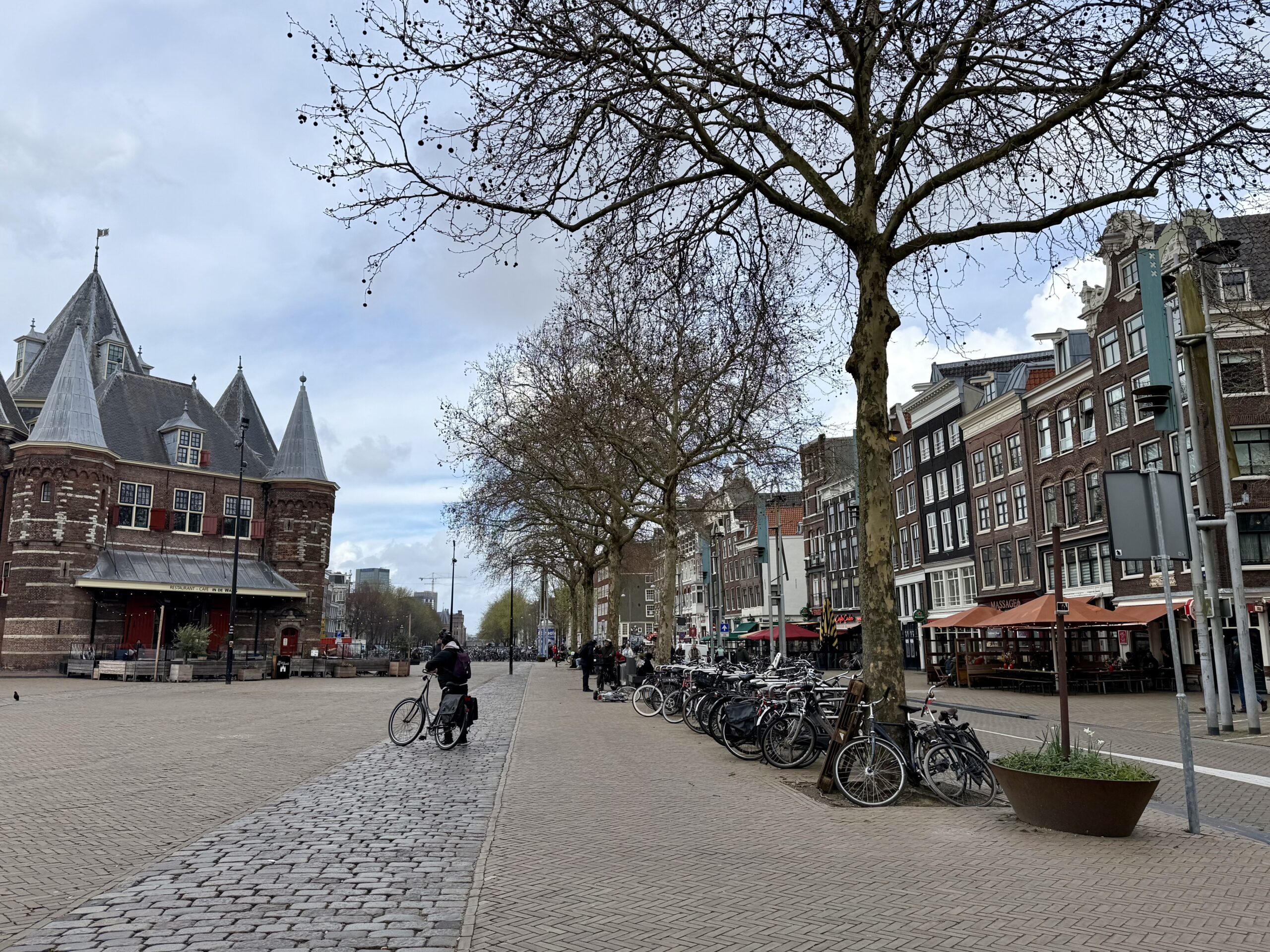
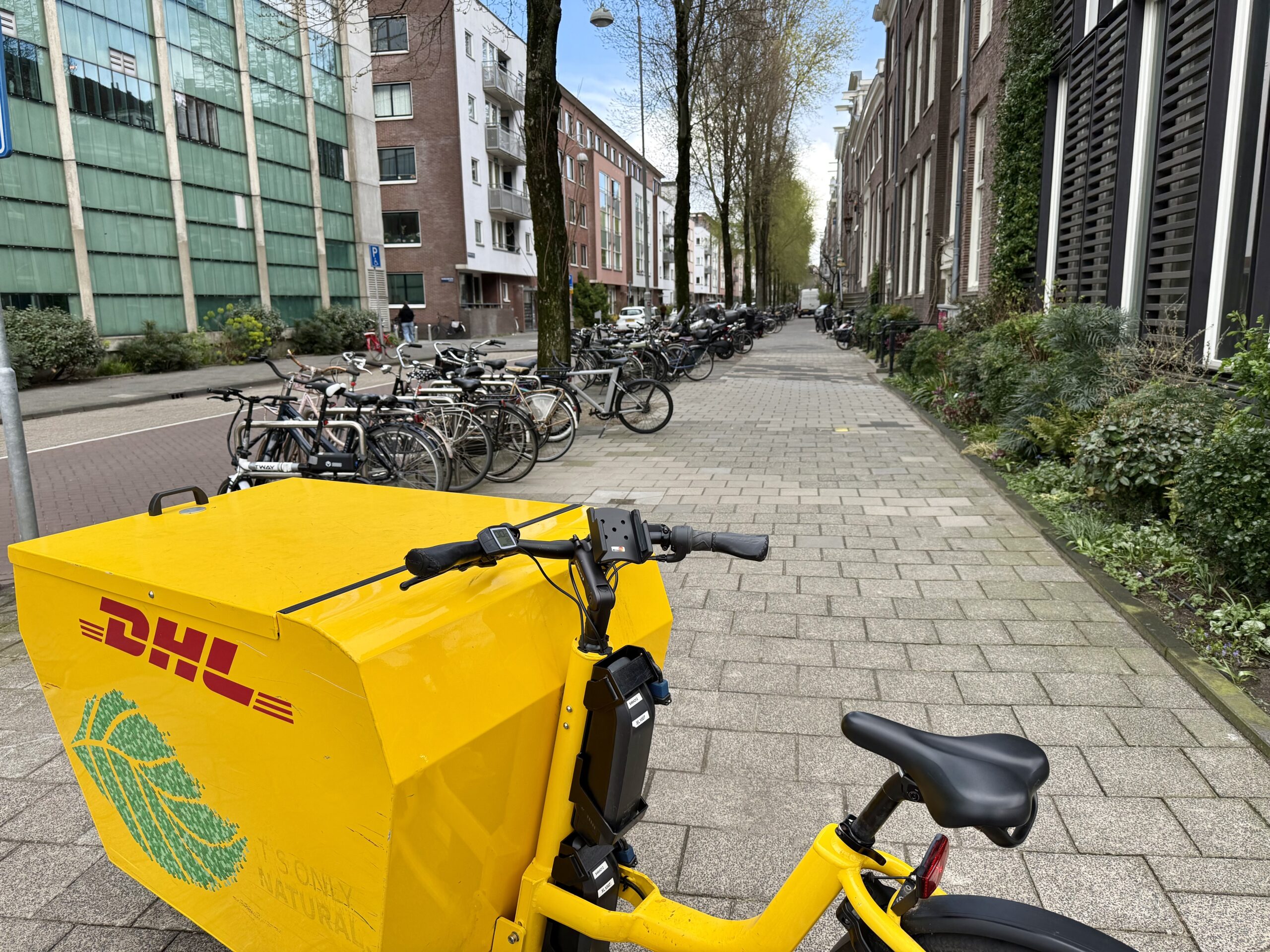
Walking around before our first dinner, we saw the pecking order in transportation: trolleys claim the right of way, then bicycles, cars, and lastly pedestrians. Look out for bicycles! They are moving fast!
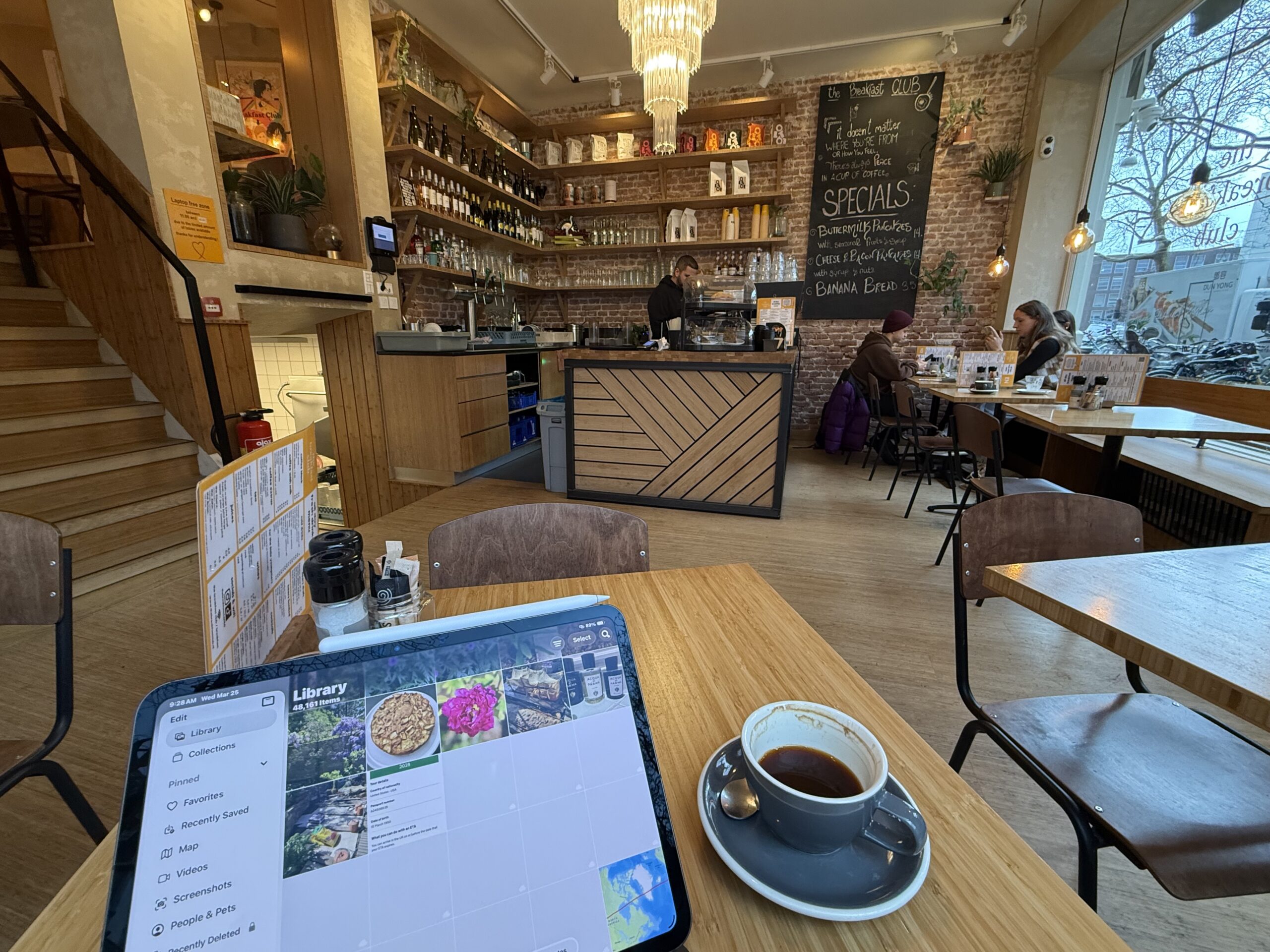
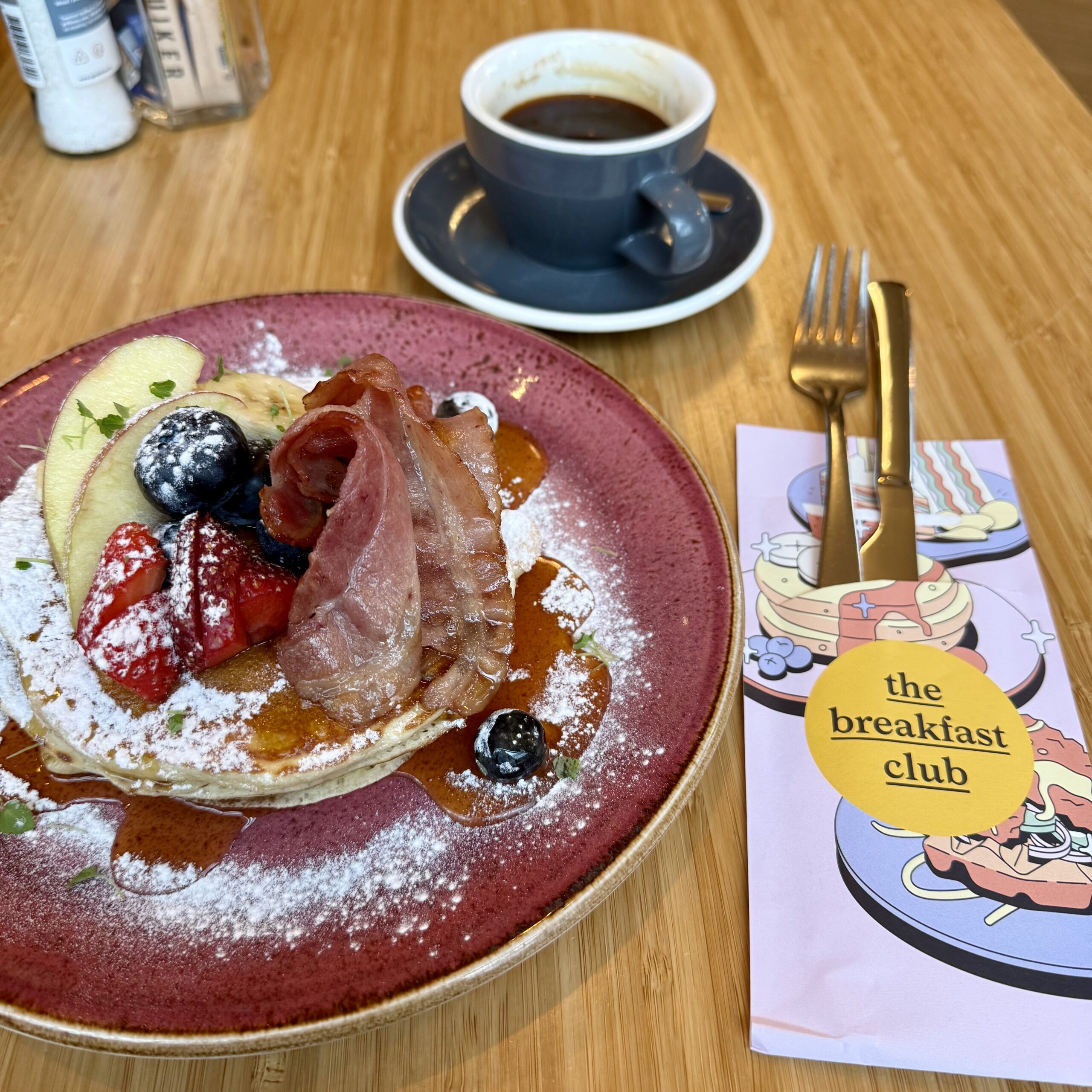
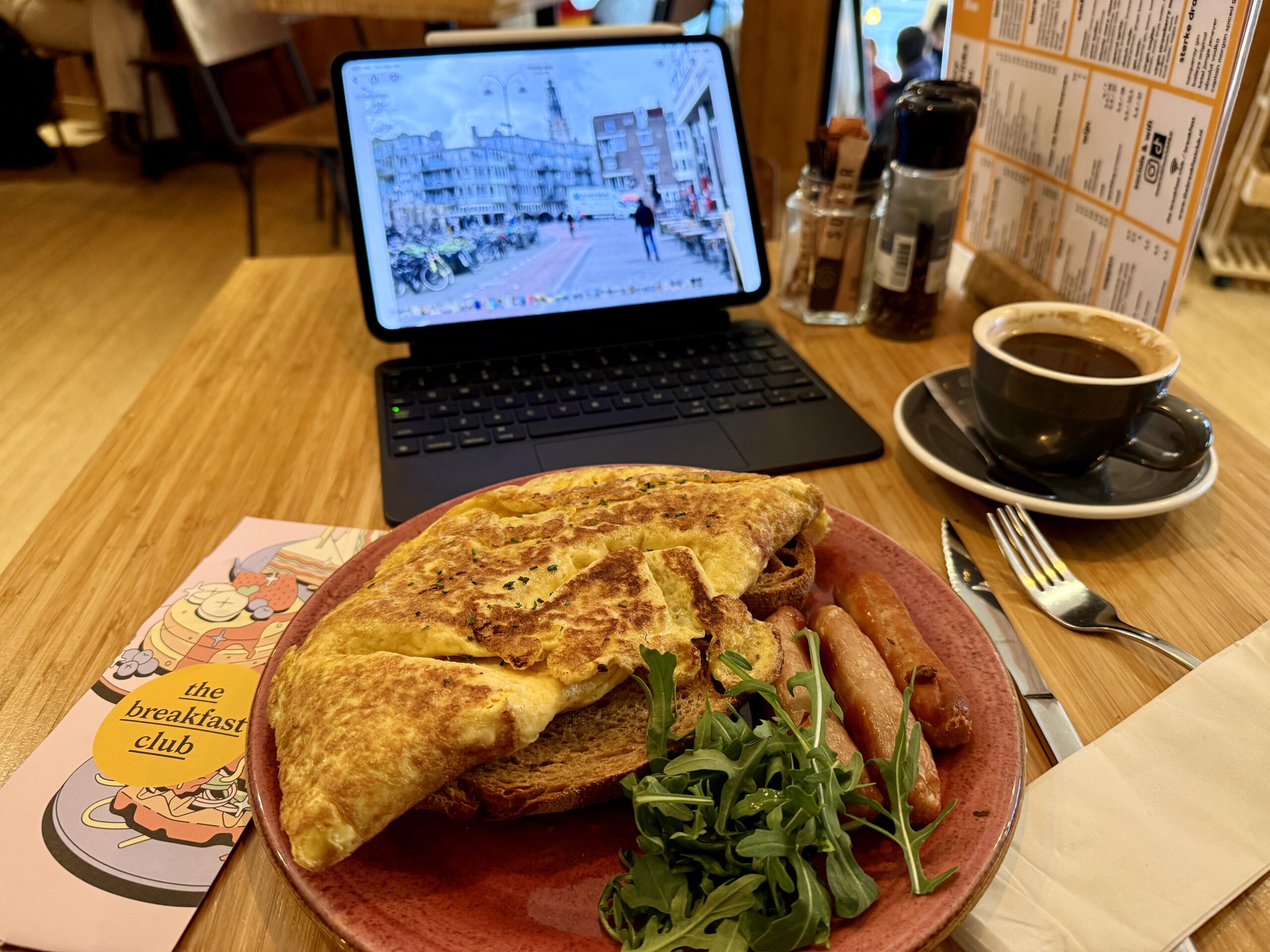
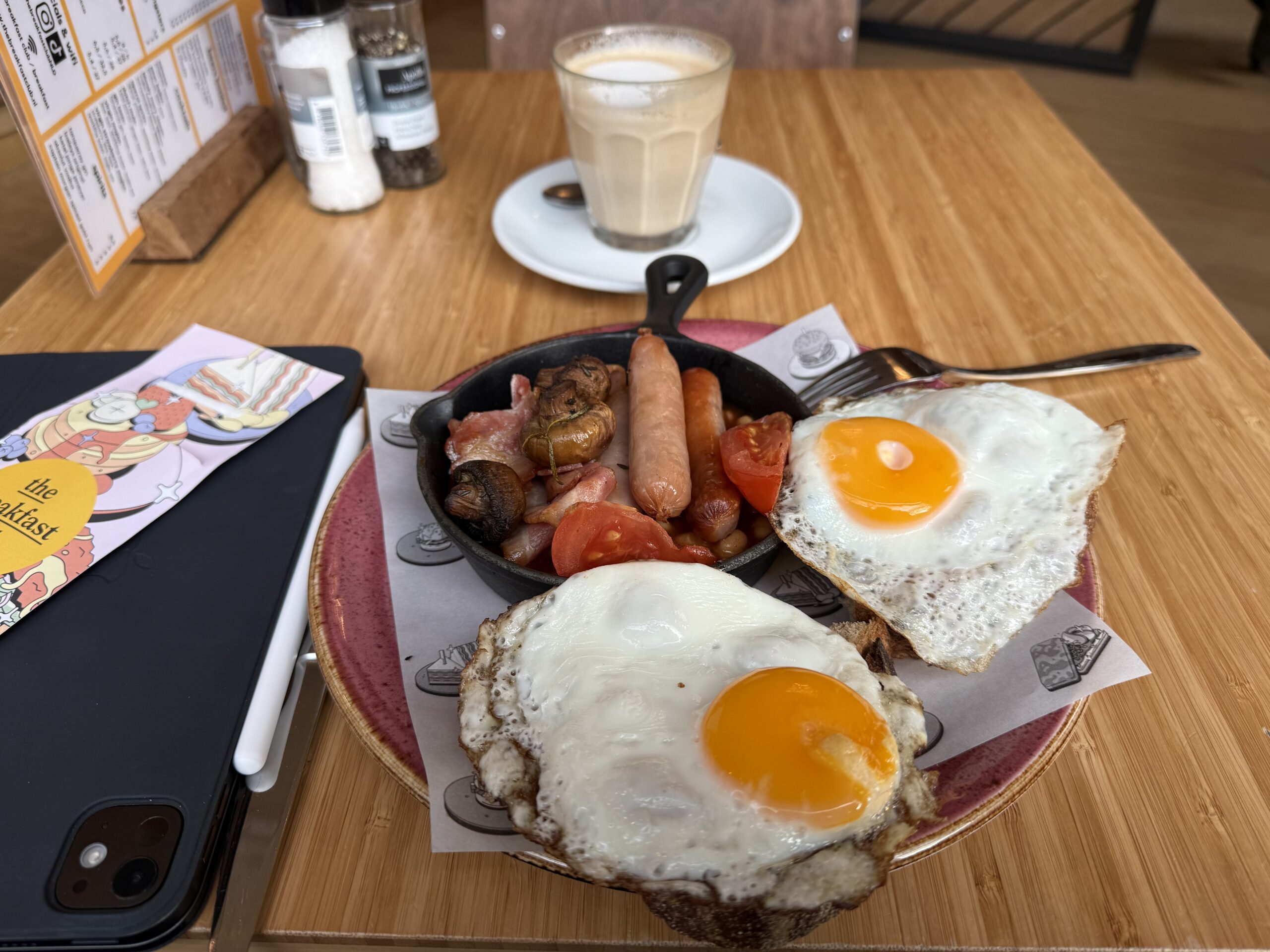
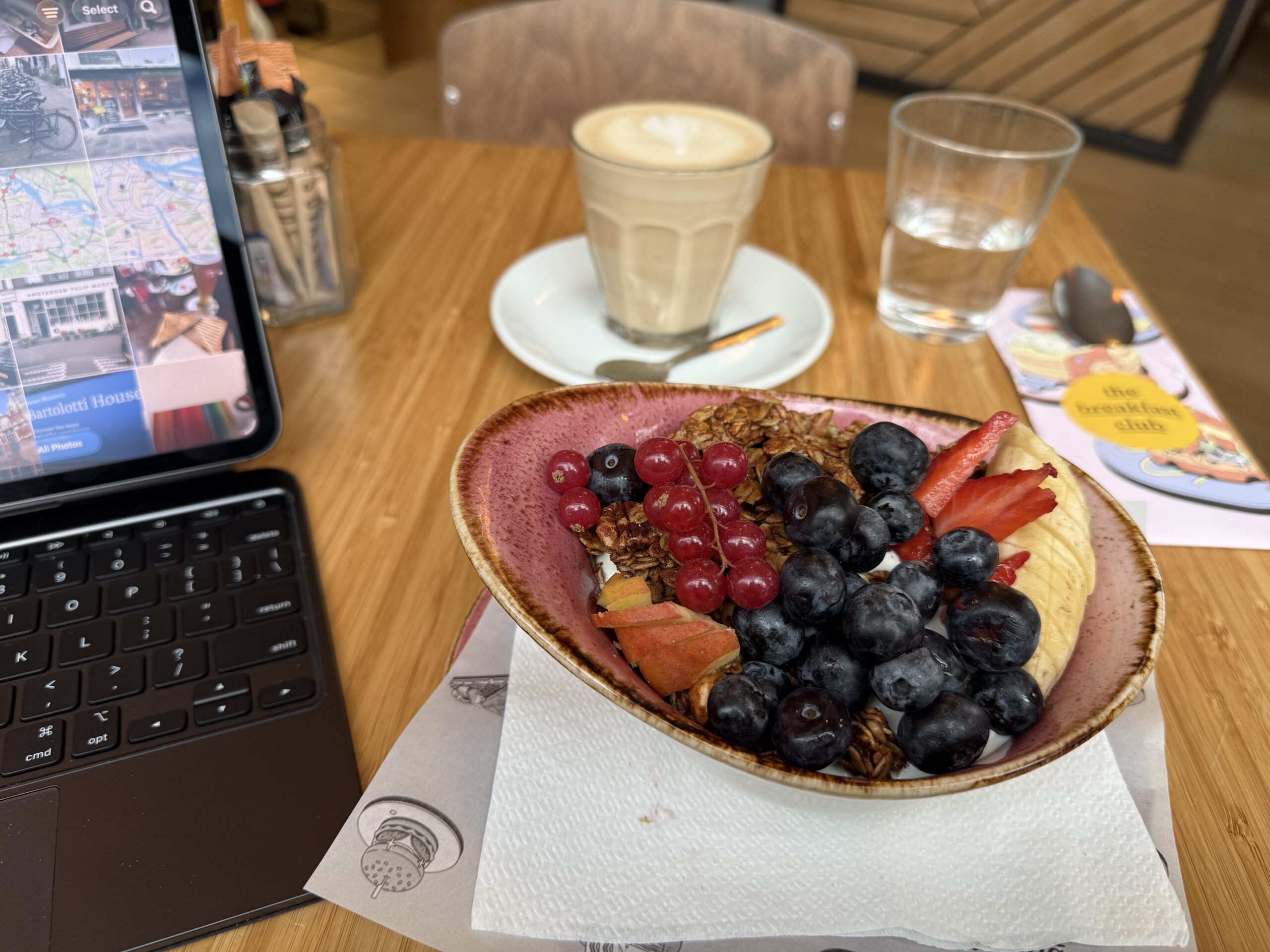
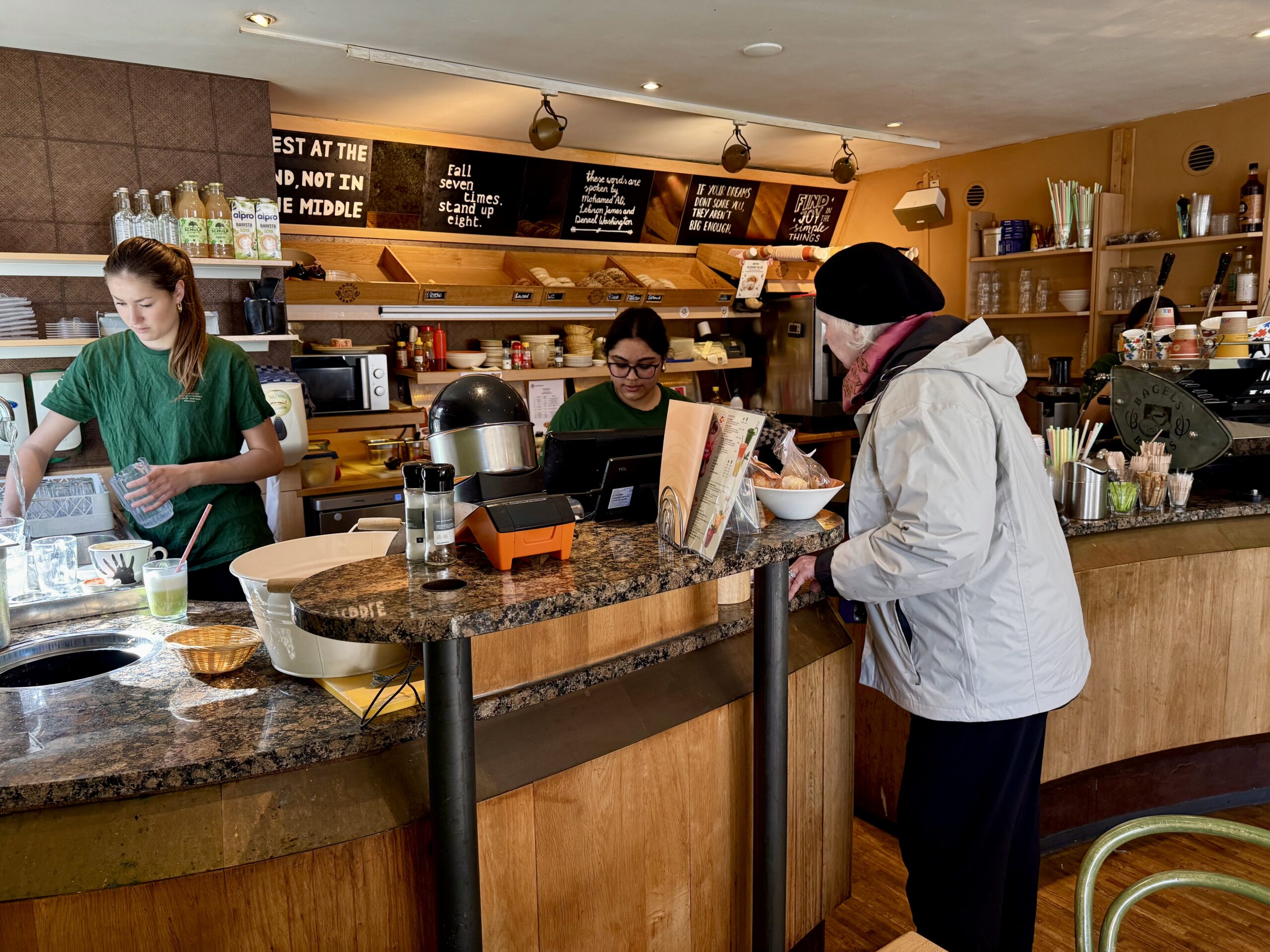
Italians Everywhere! Beginning with his first breakfast, Robert ran into Italians constantly. Both tourists and locals. In fact, The Breakfast Club where he ate every morning was run by an Italian with a serving staff of people from all over Italy. Robert was able to practice his Italian before heading to Italy.
Lodging
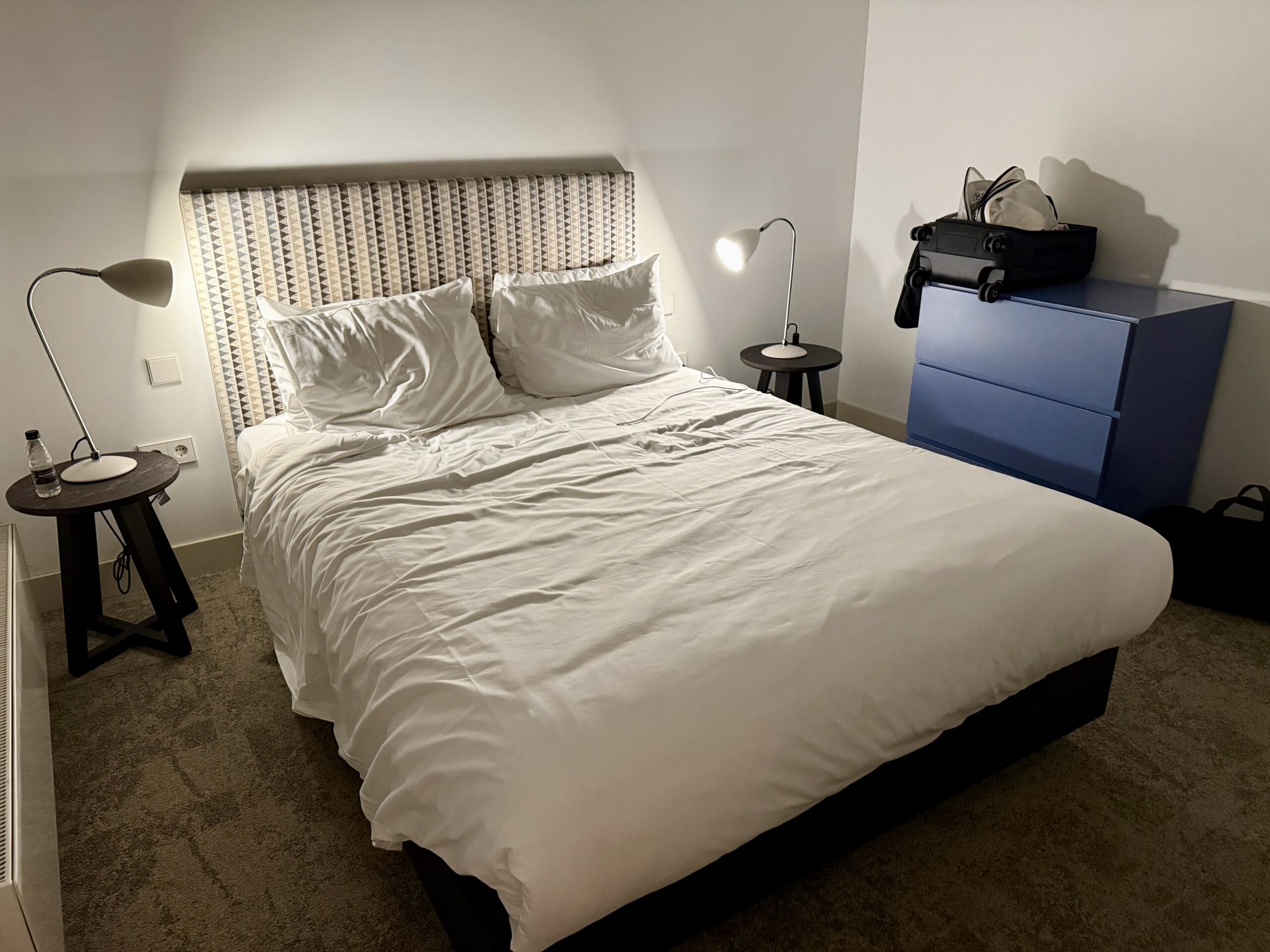
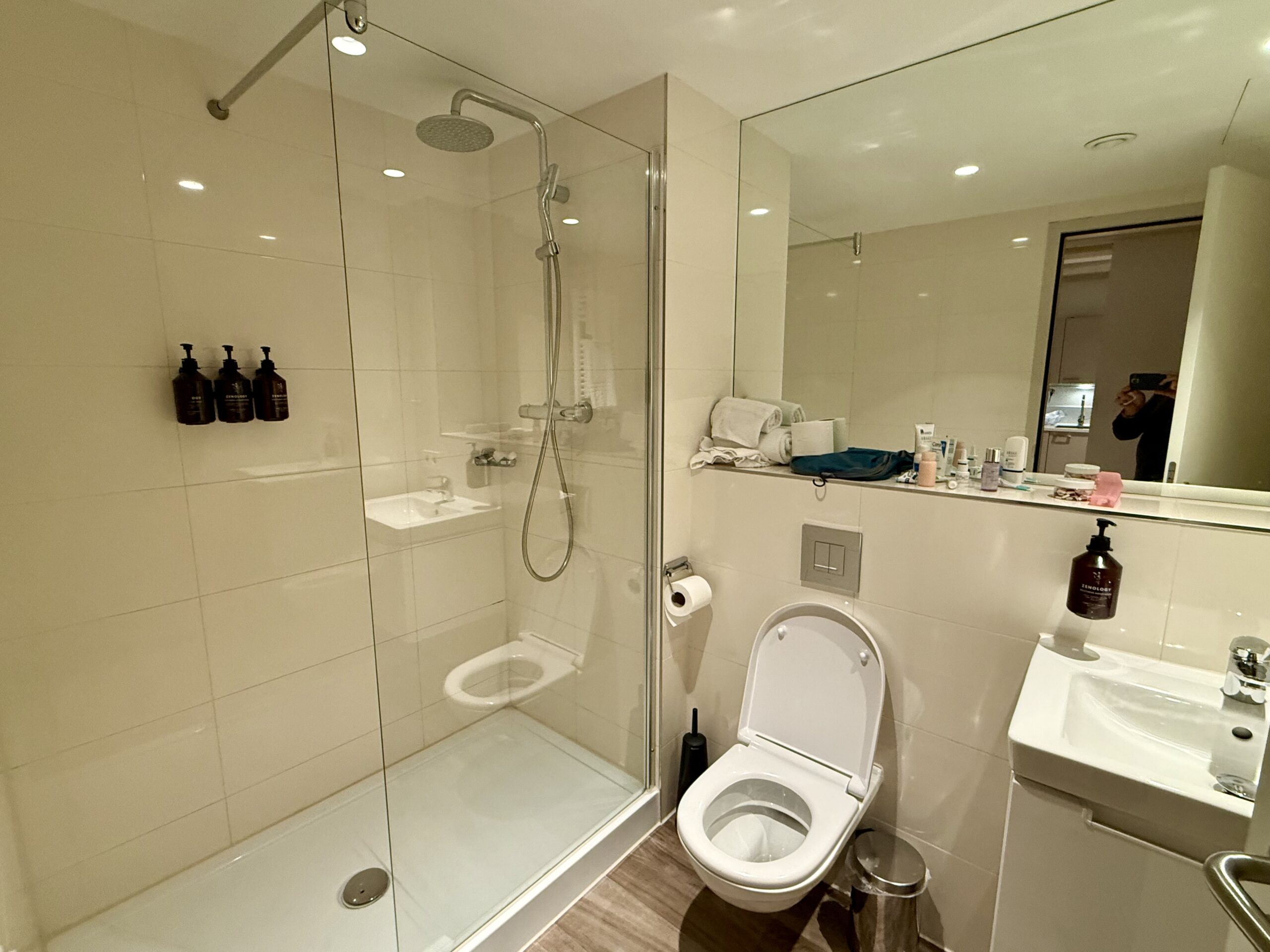
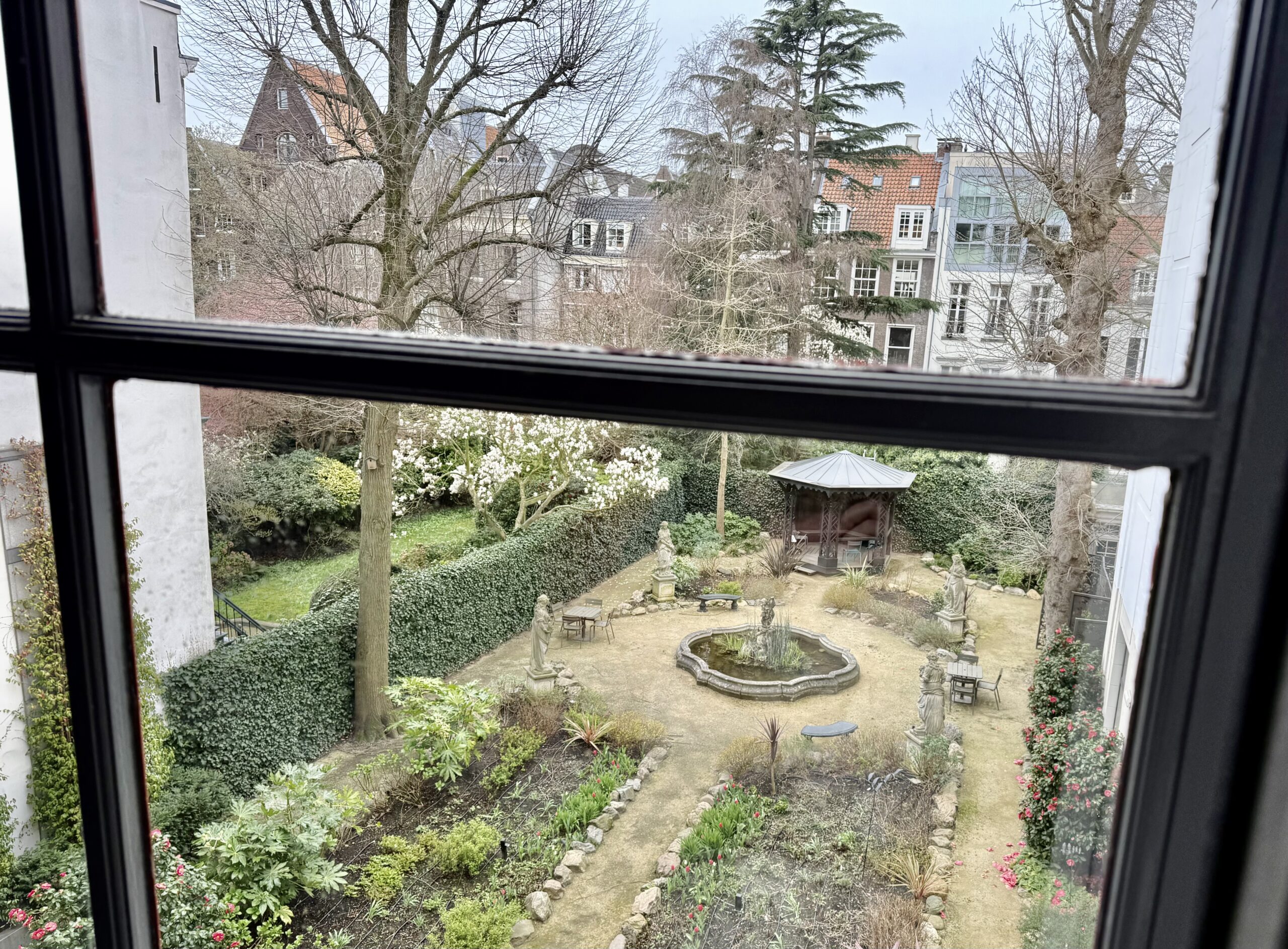
Bonnie booked us for a week at the Wittenberg, a hotel-apartment complex. One simple 24-hour reception desk. No daily cleaning. Multiple buildings in the complex are connected by brick courtyards. The city center and most tourist destinations are a 15-minute Uber ride or a 30-minute walk away.
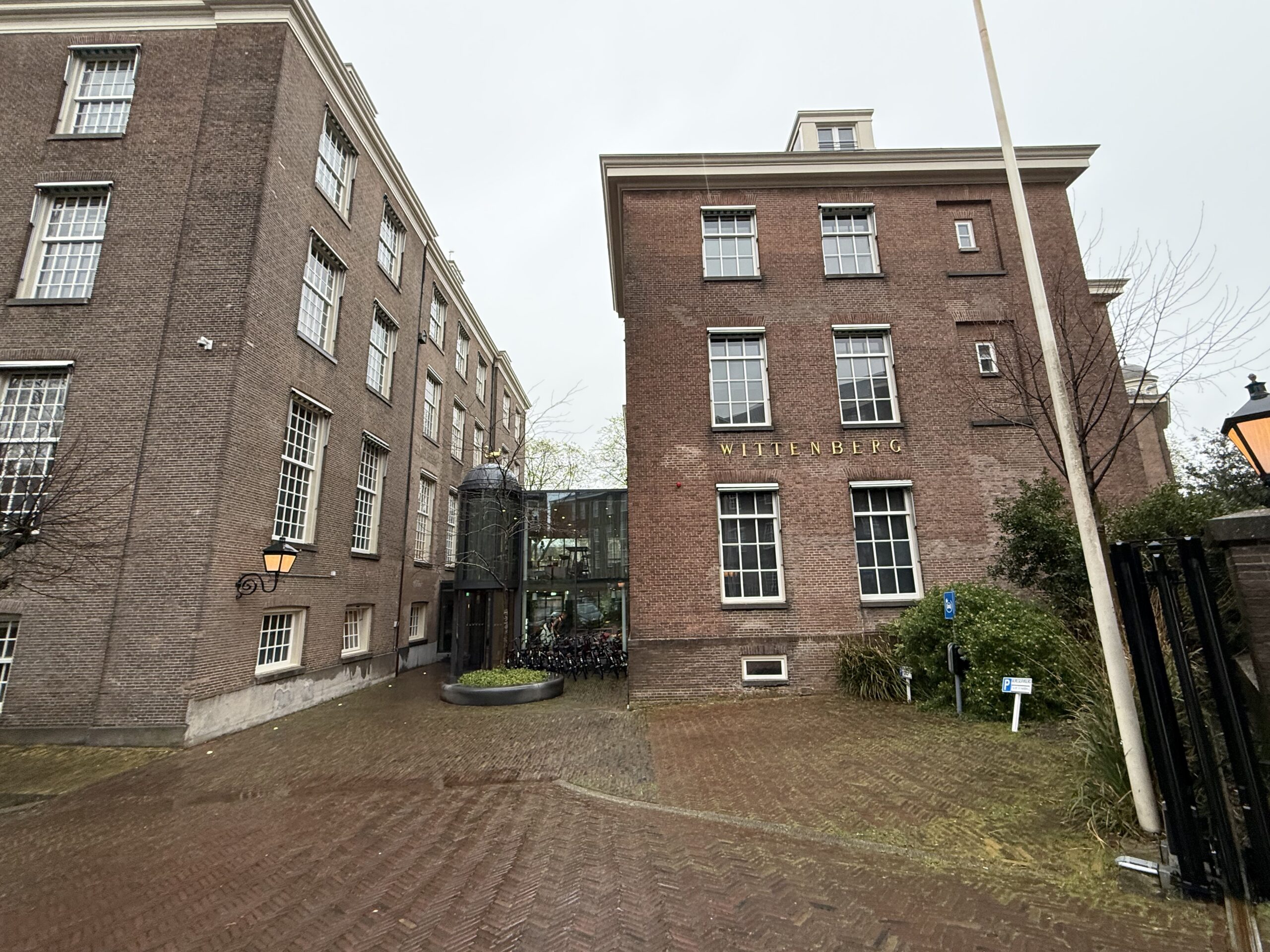
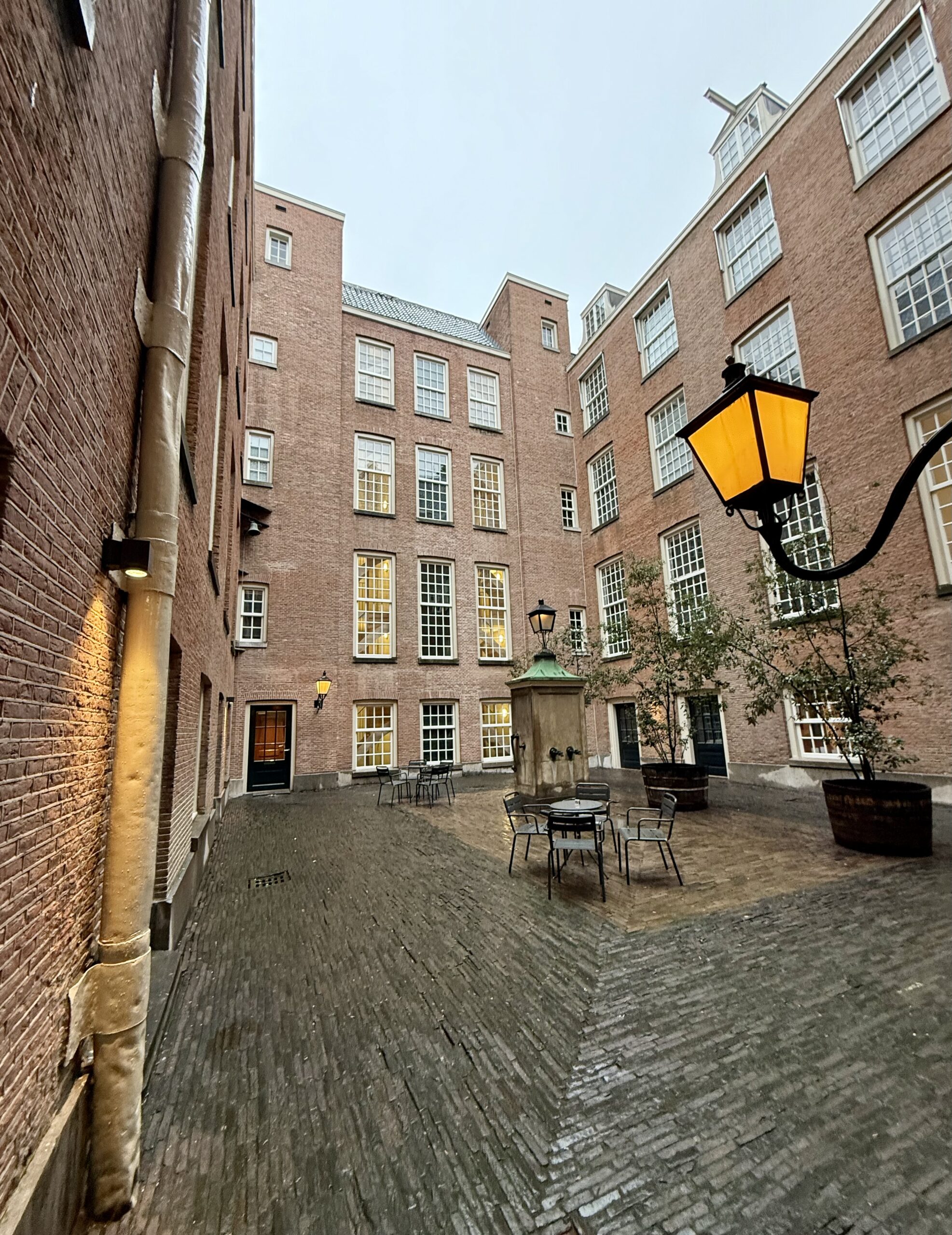
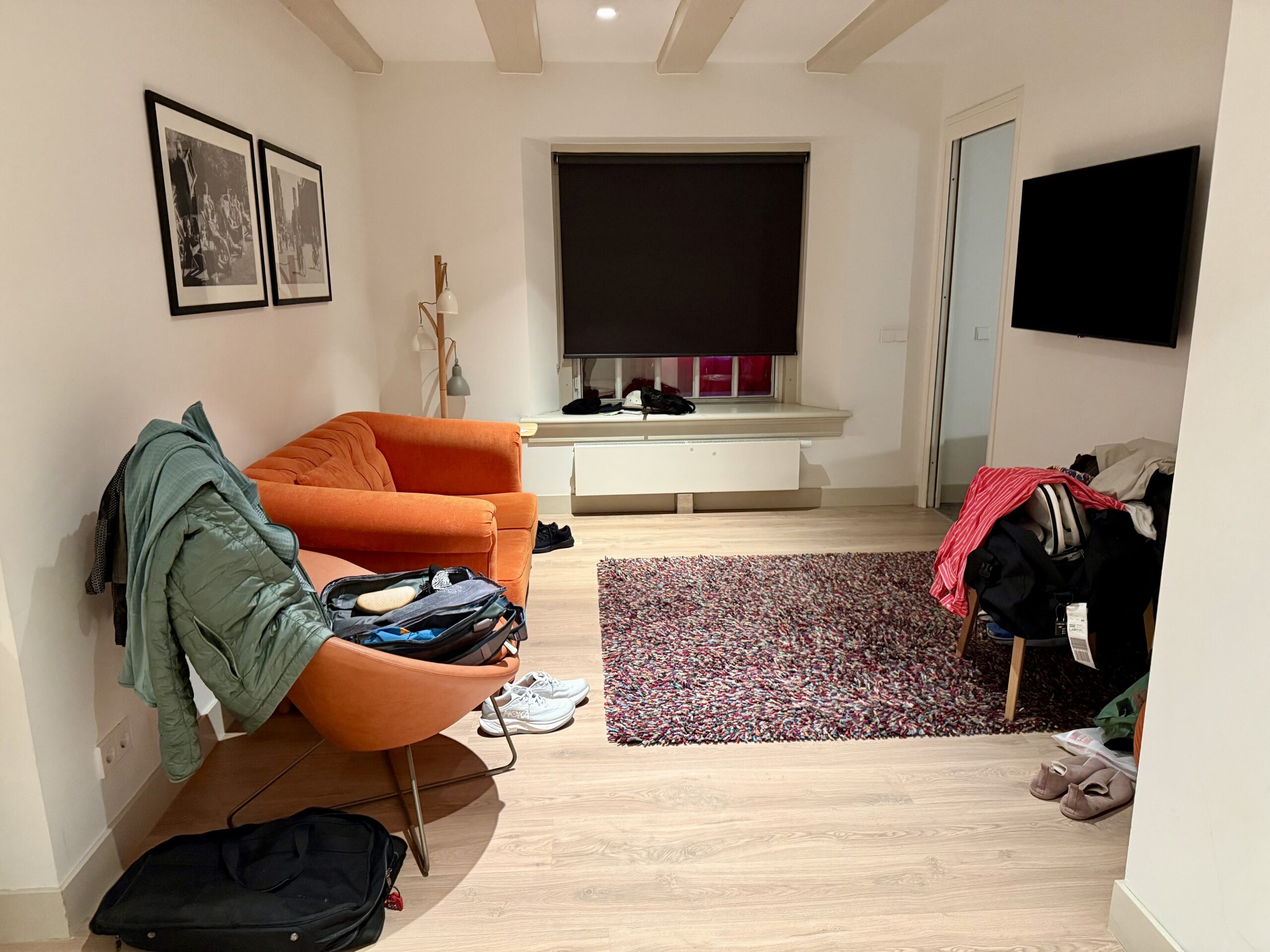
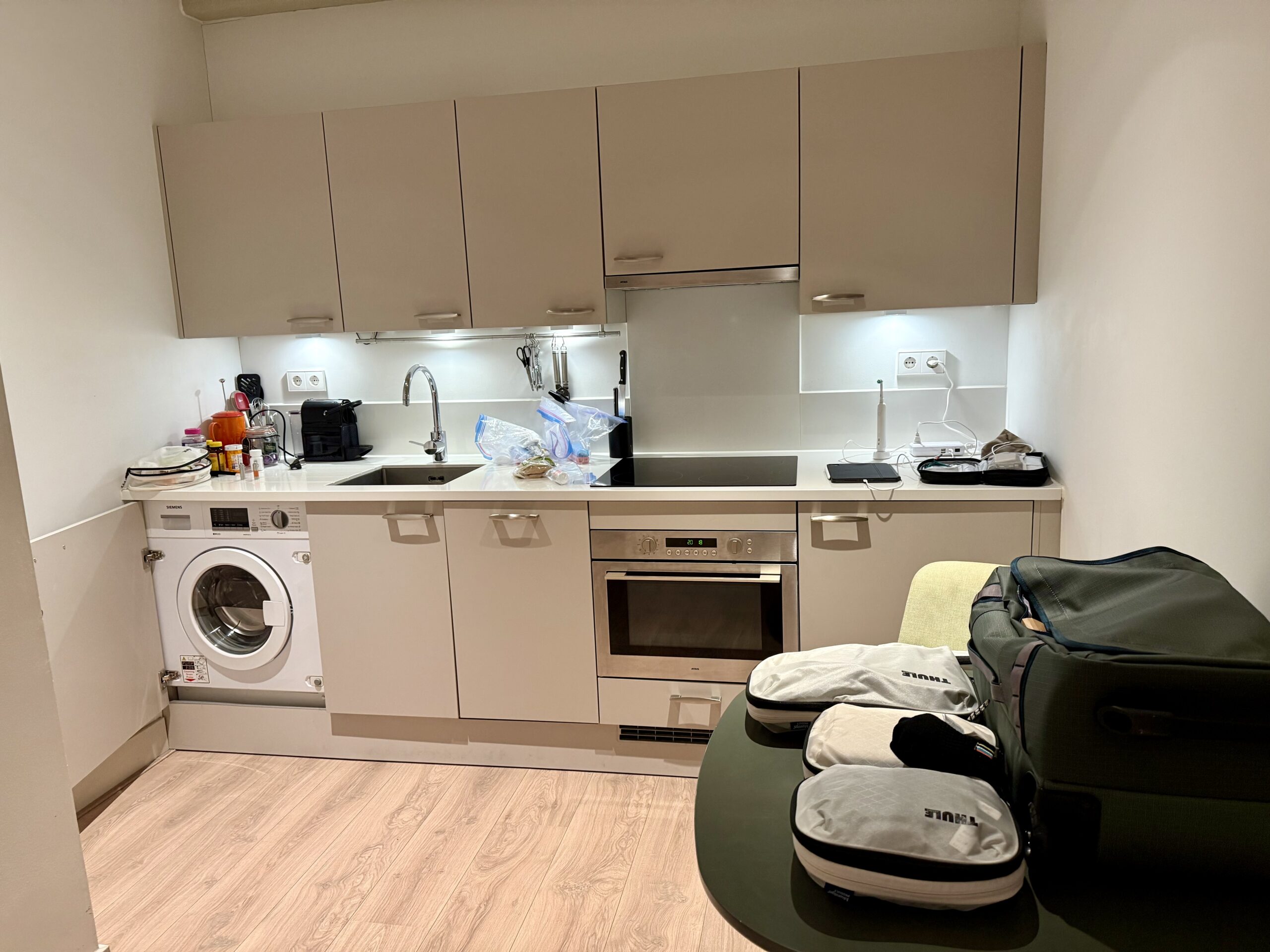
Wanderings
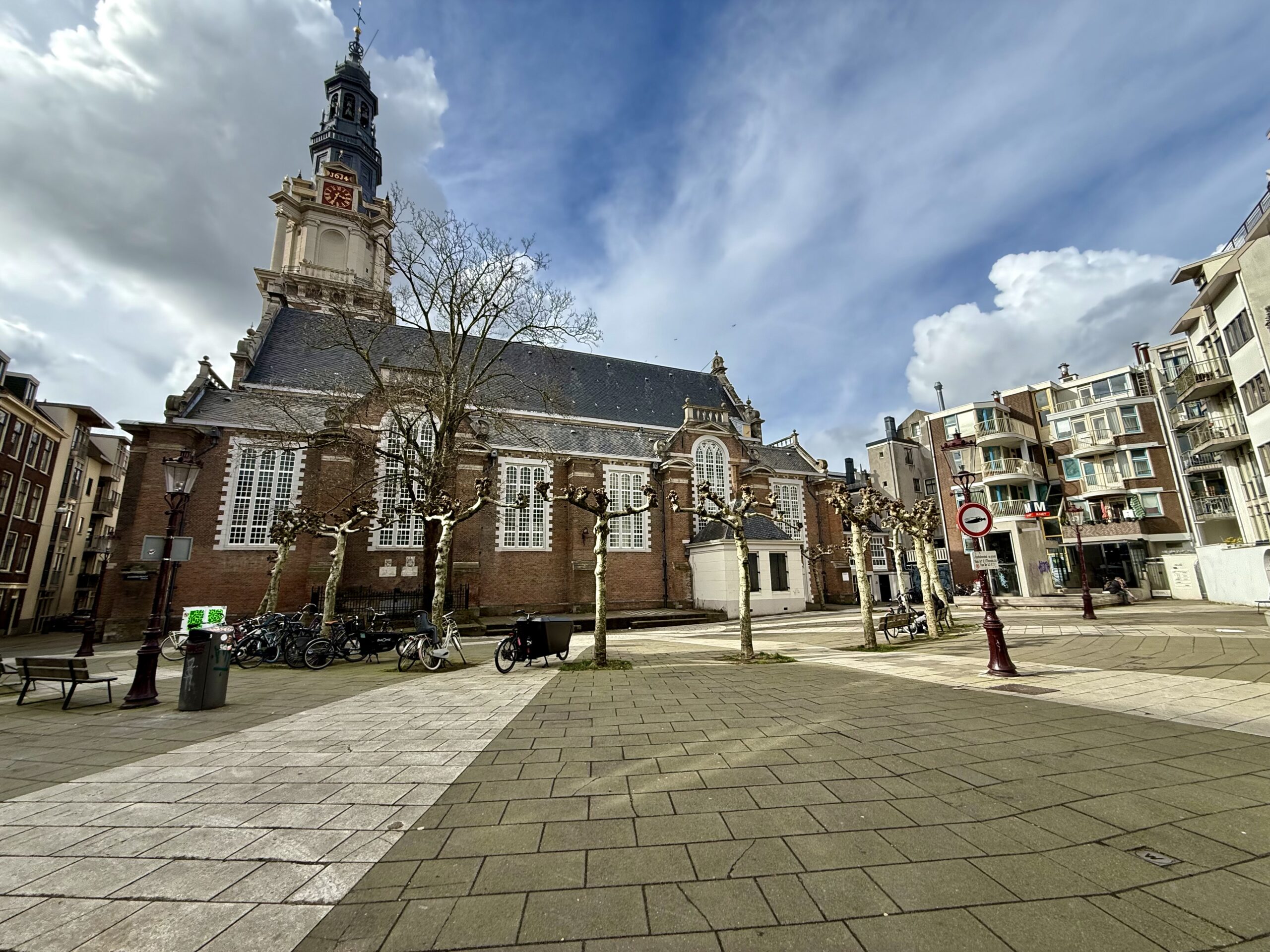
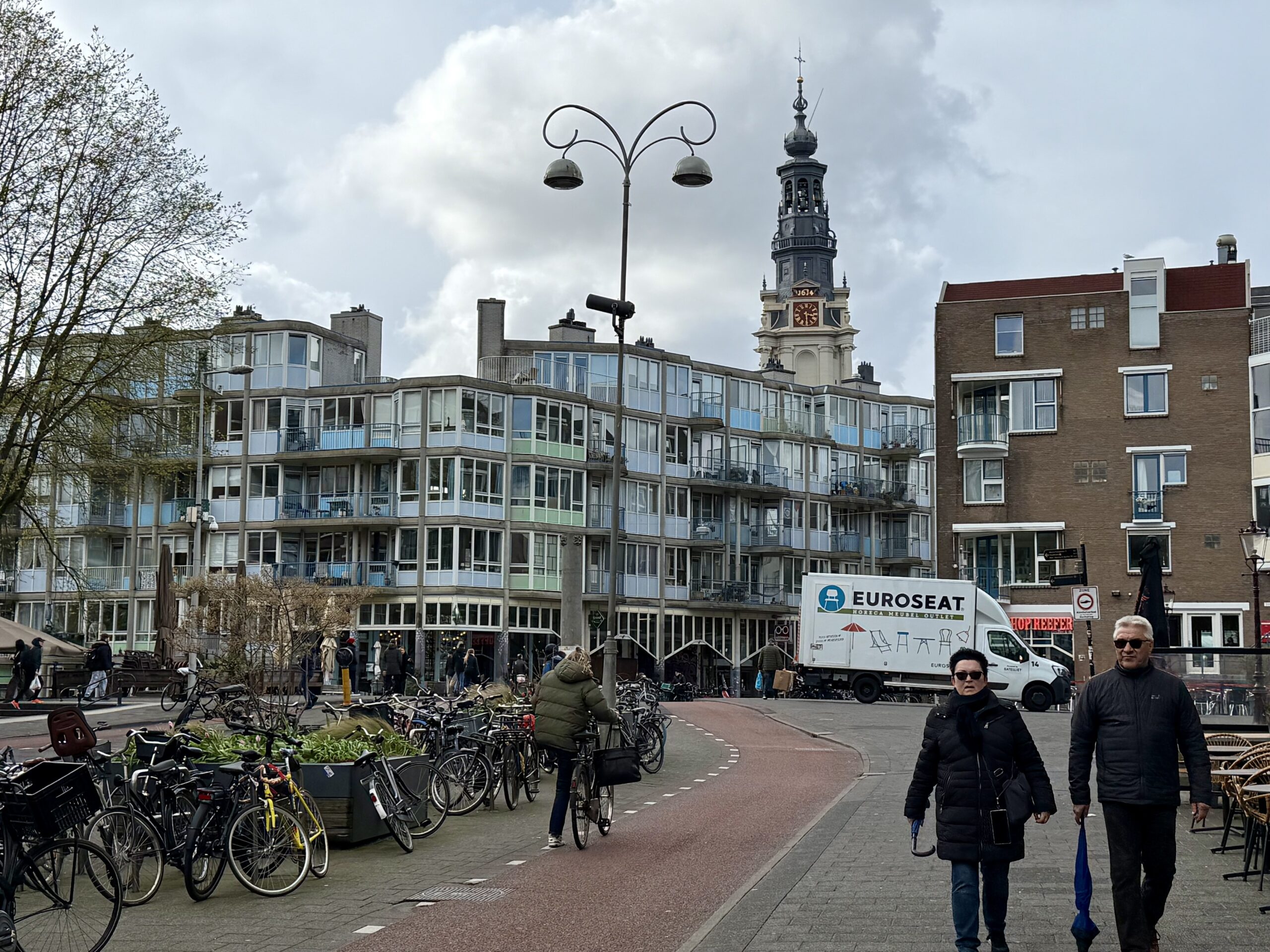
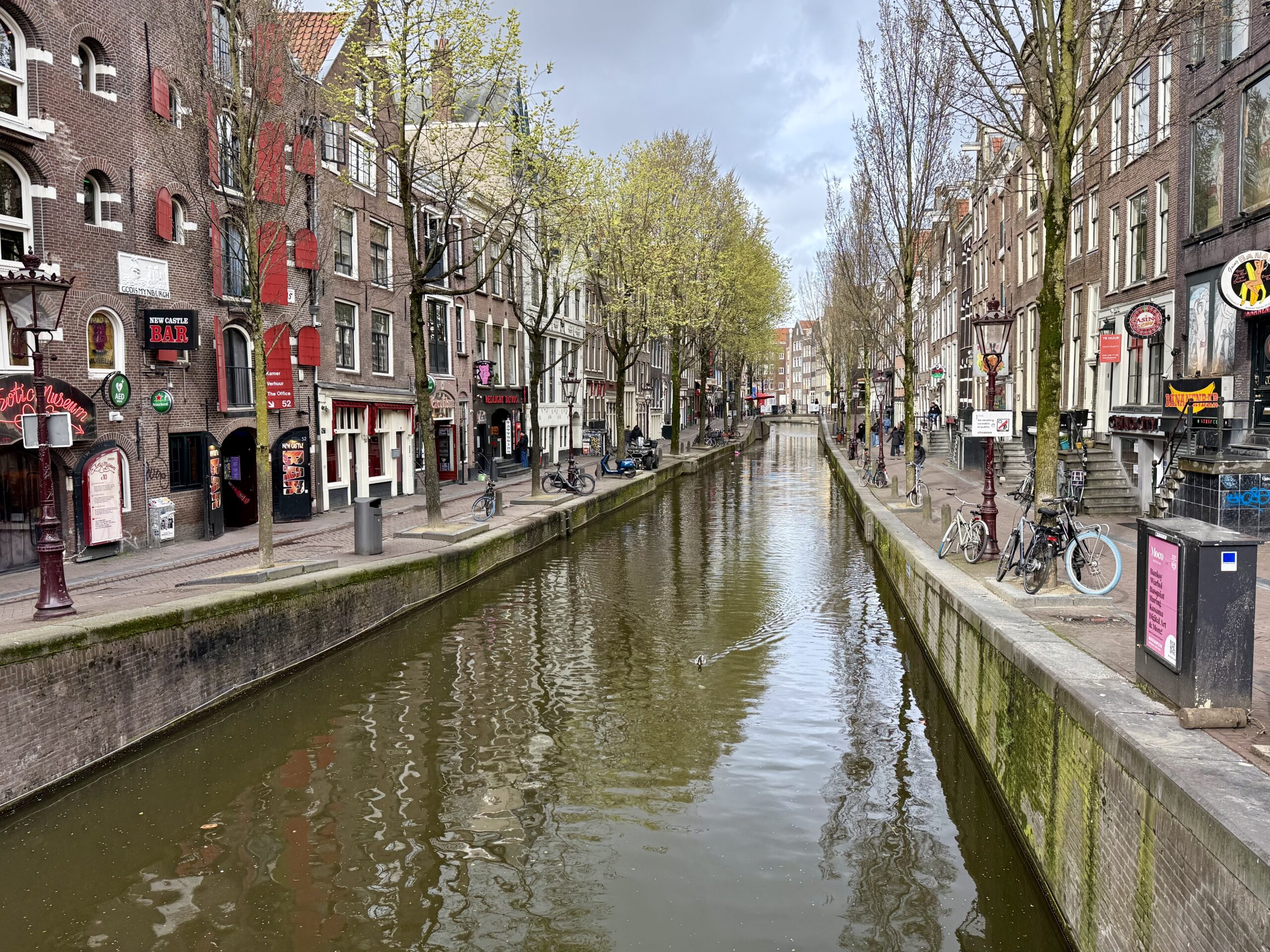

Keith Haring

Kaws & Estudio Campana

Kaws & Estudio Campana
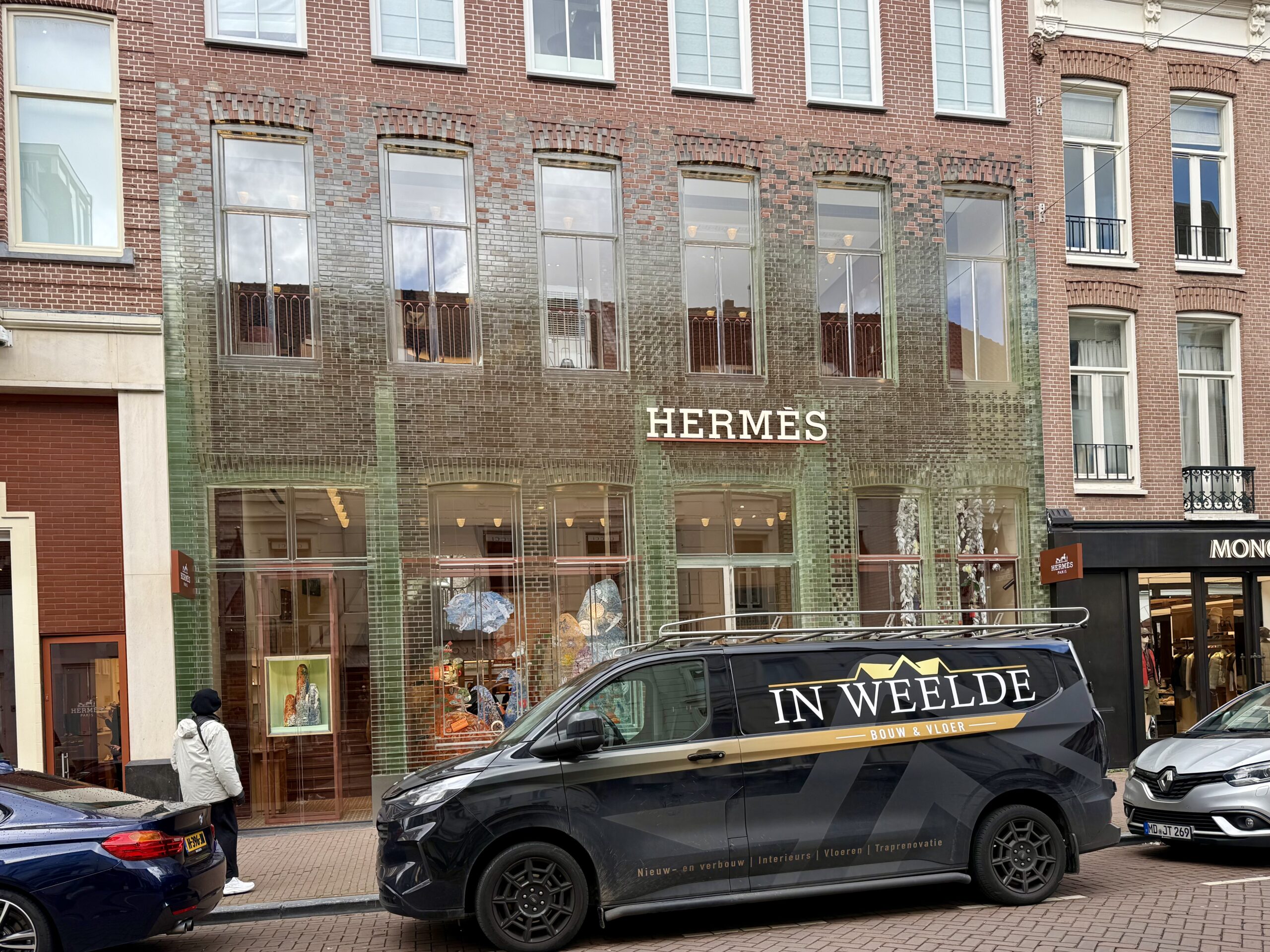
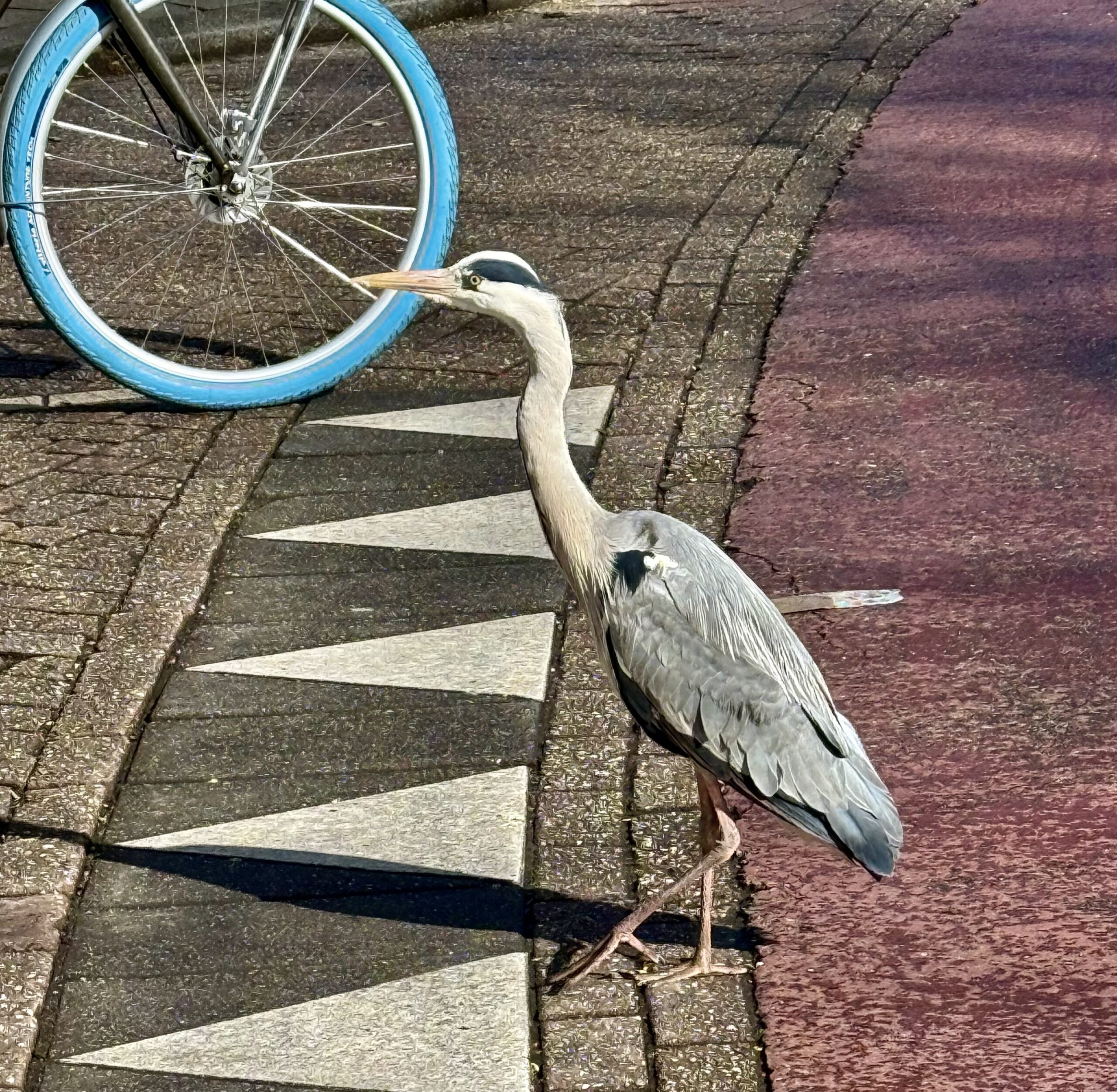
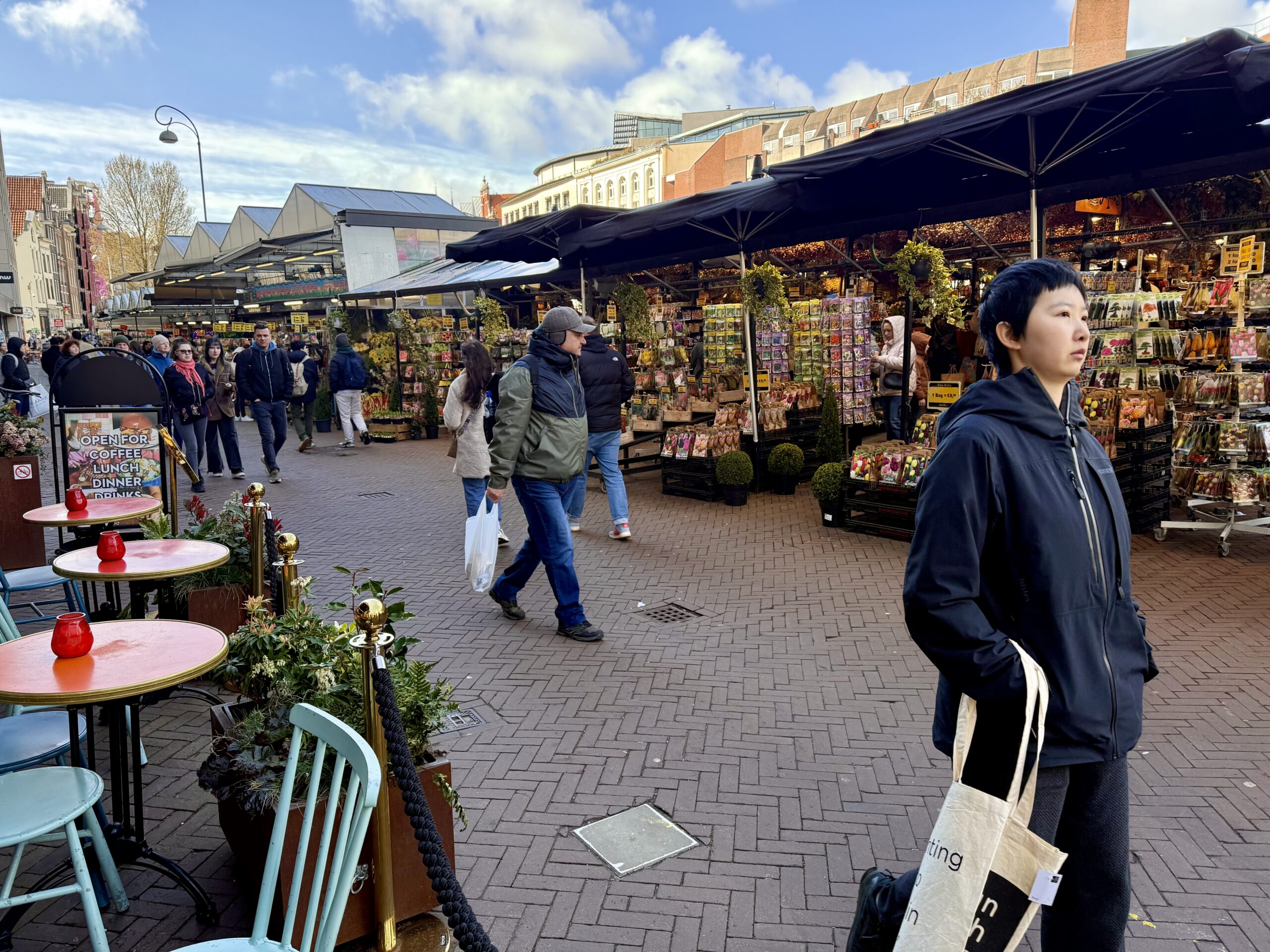
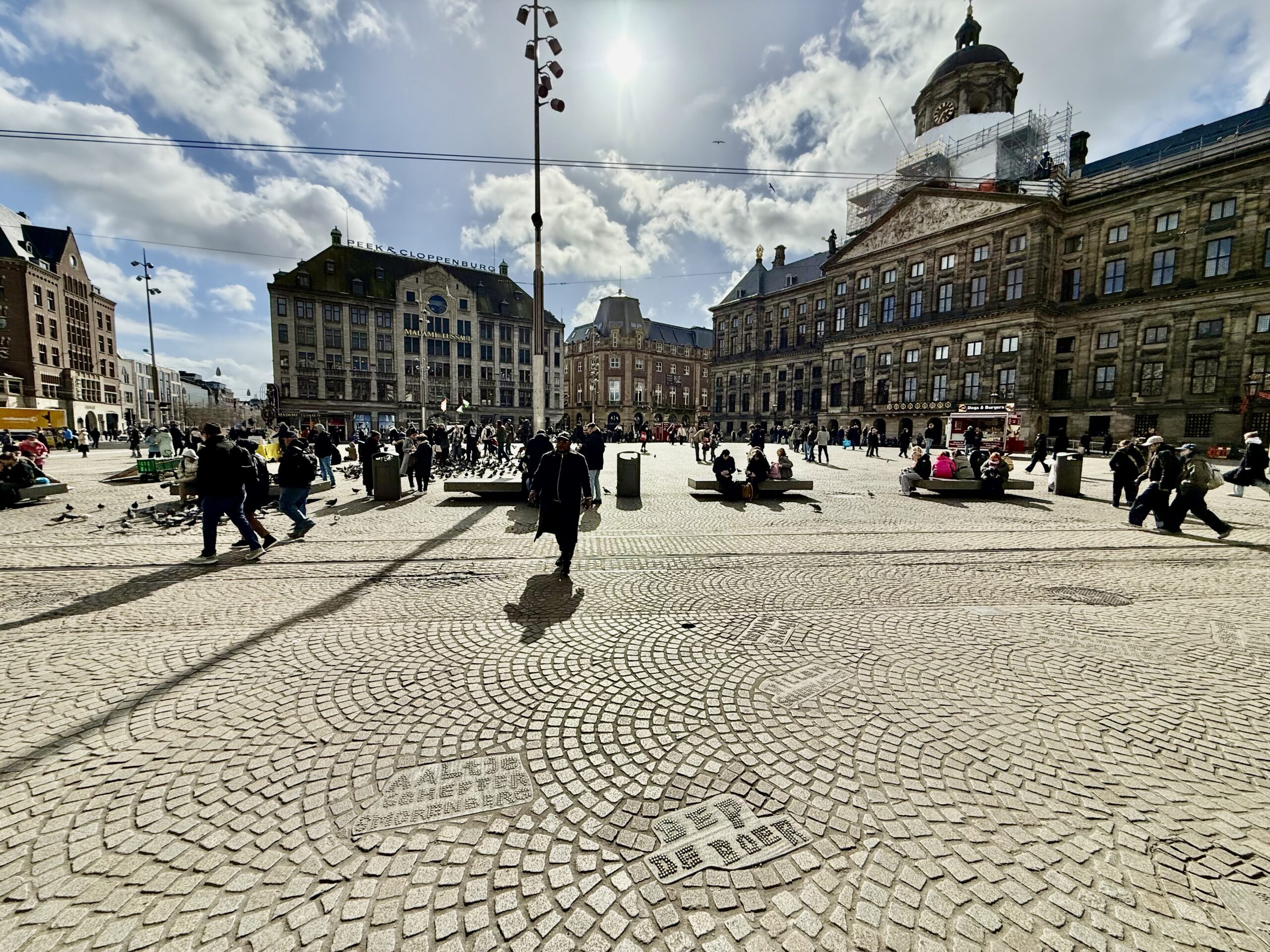
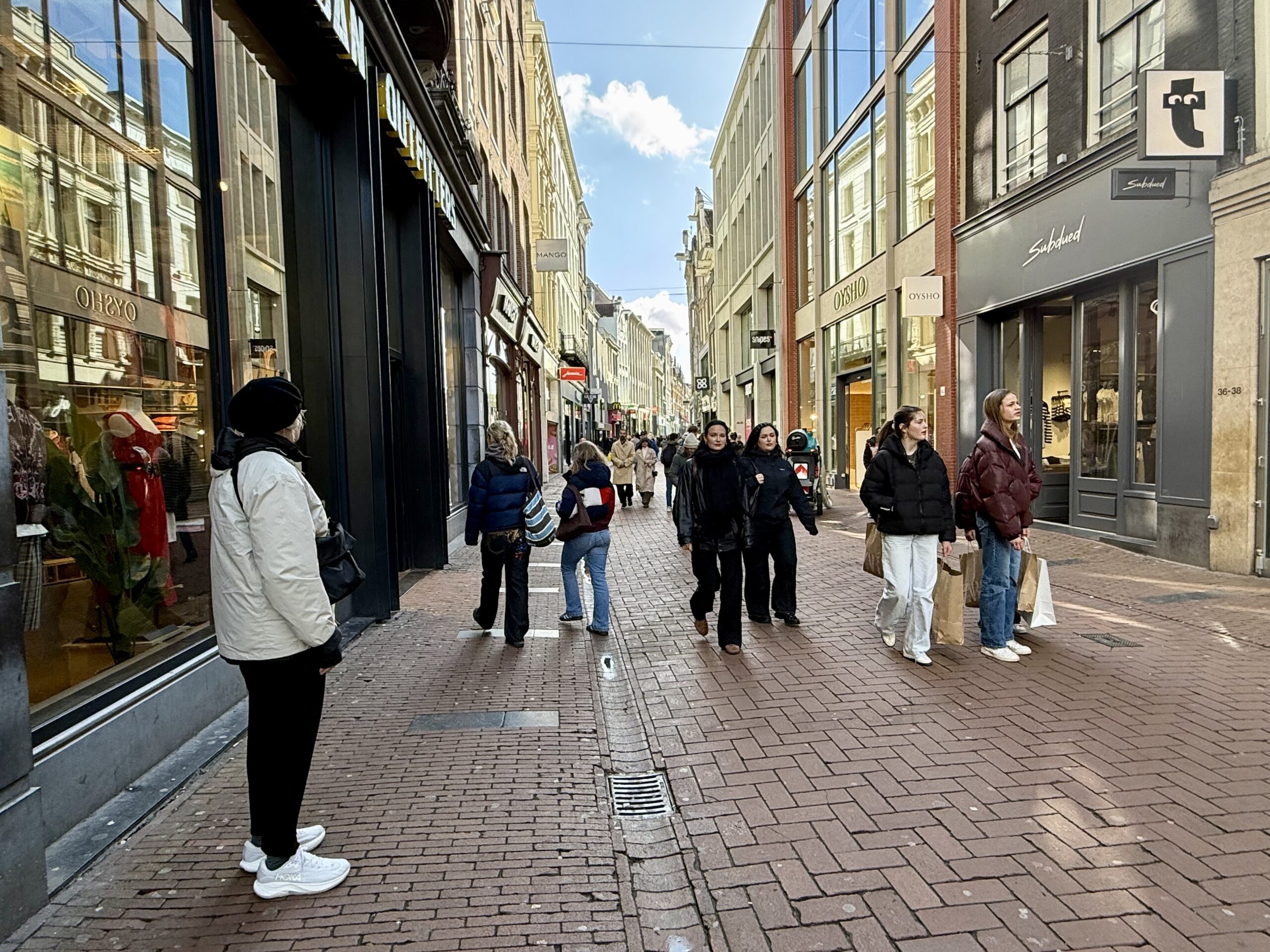
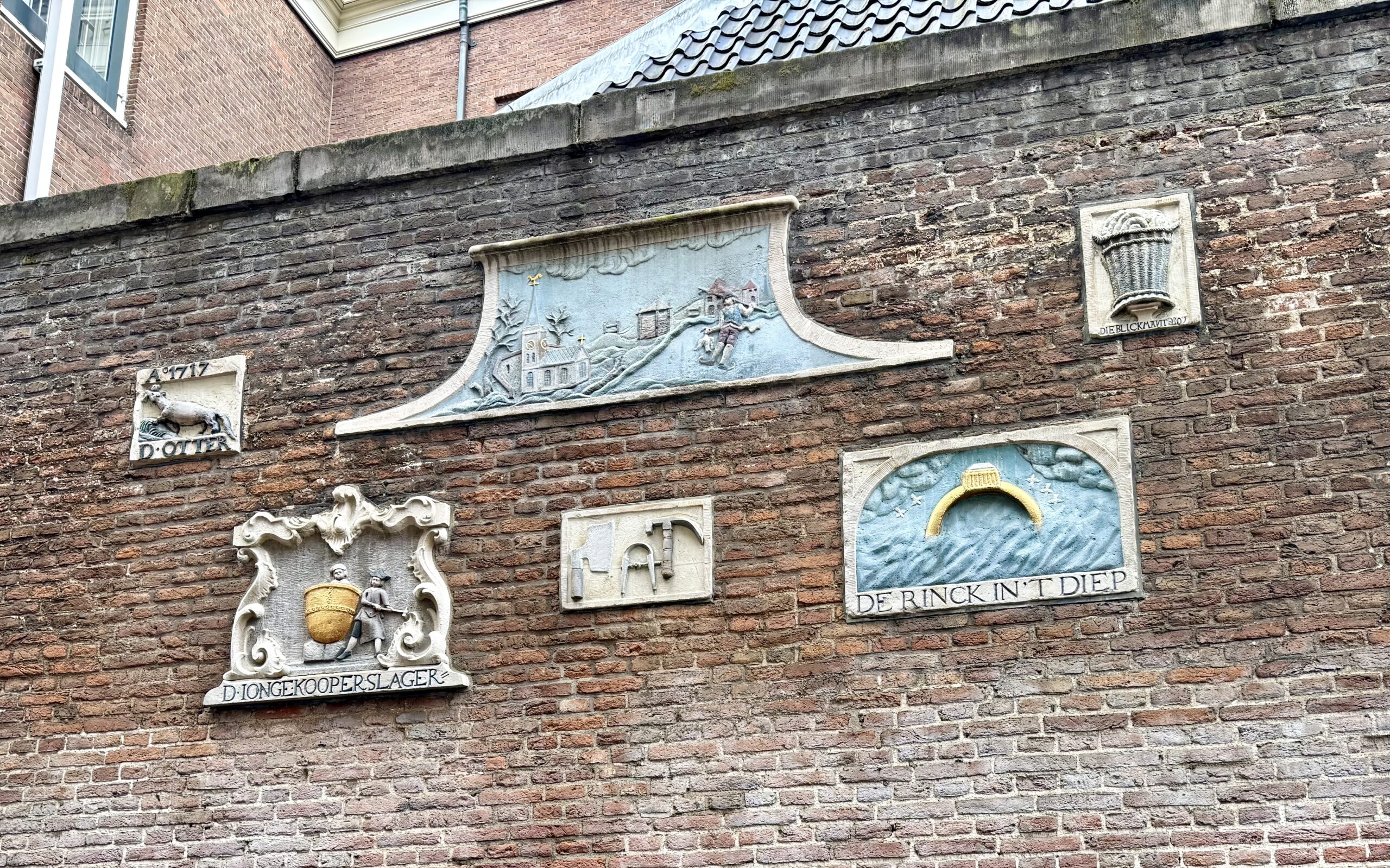
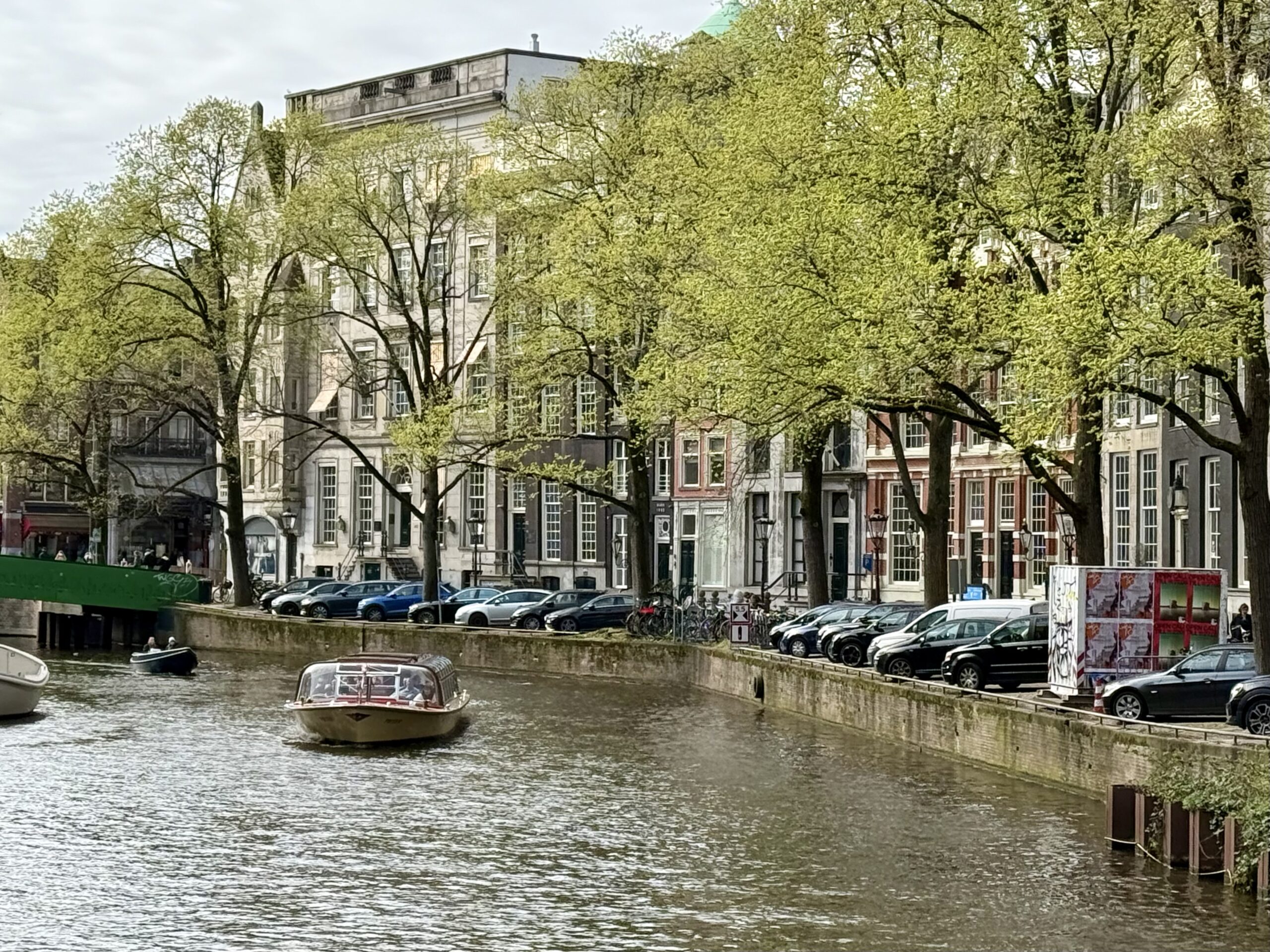
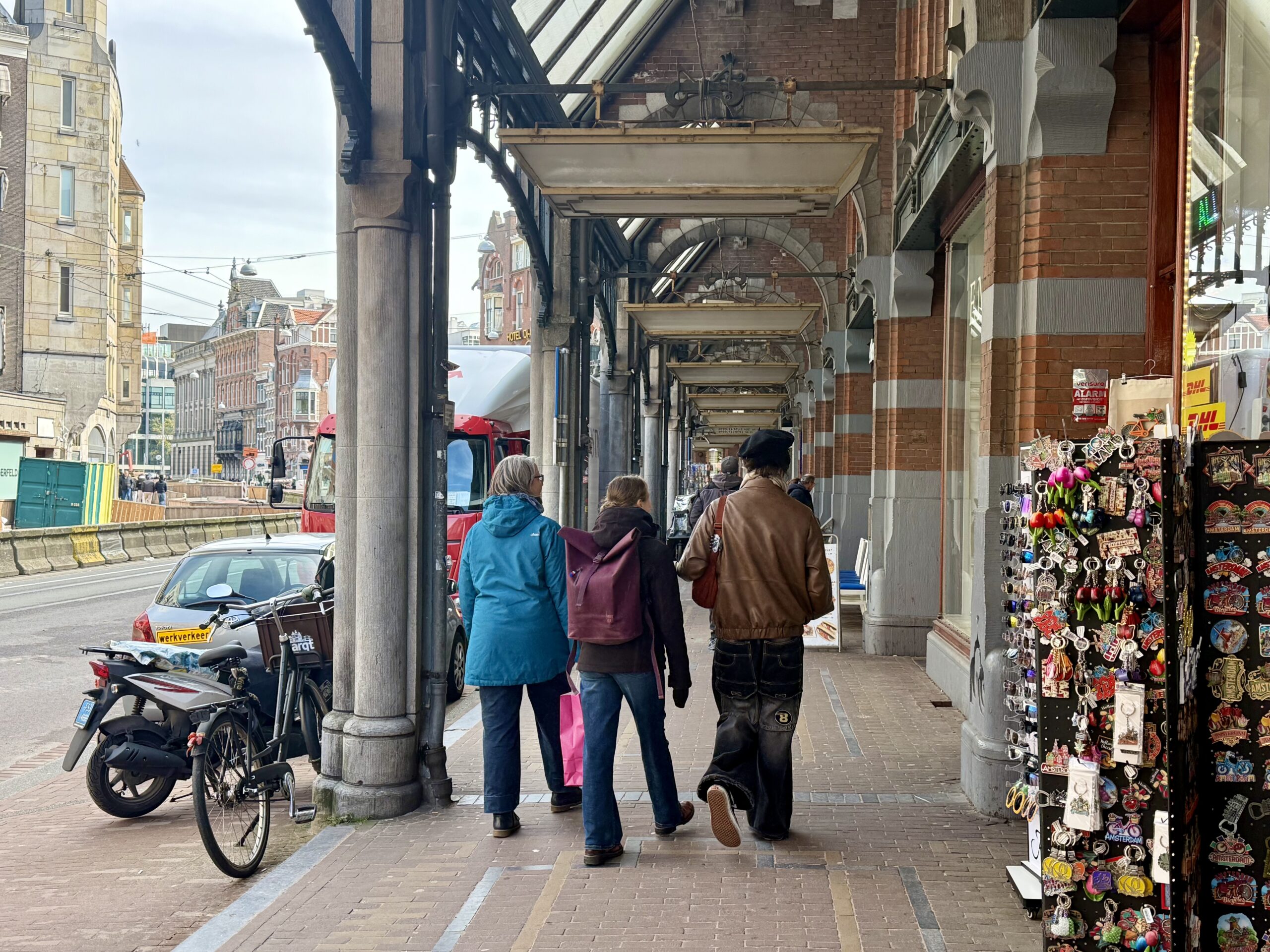
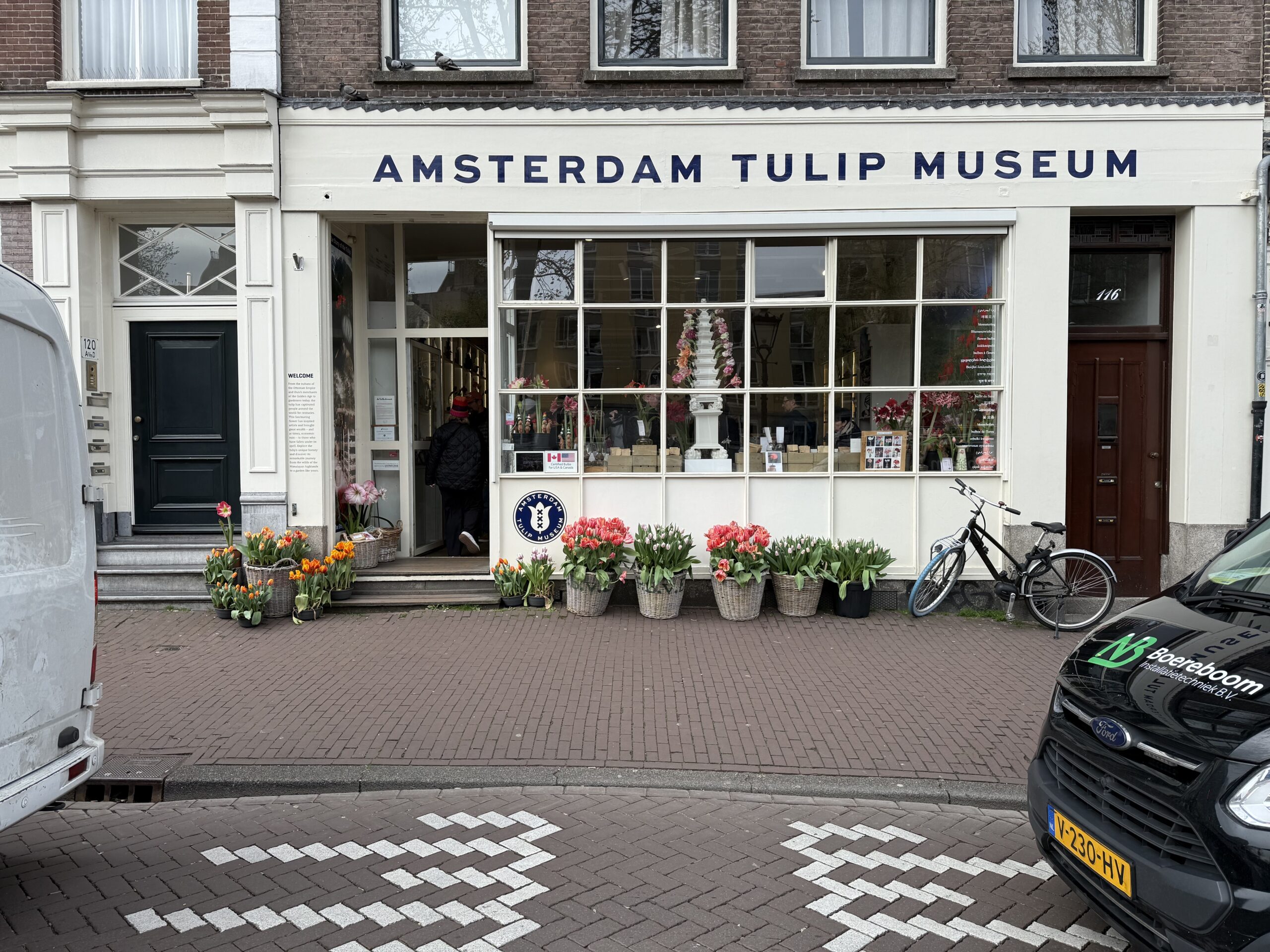
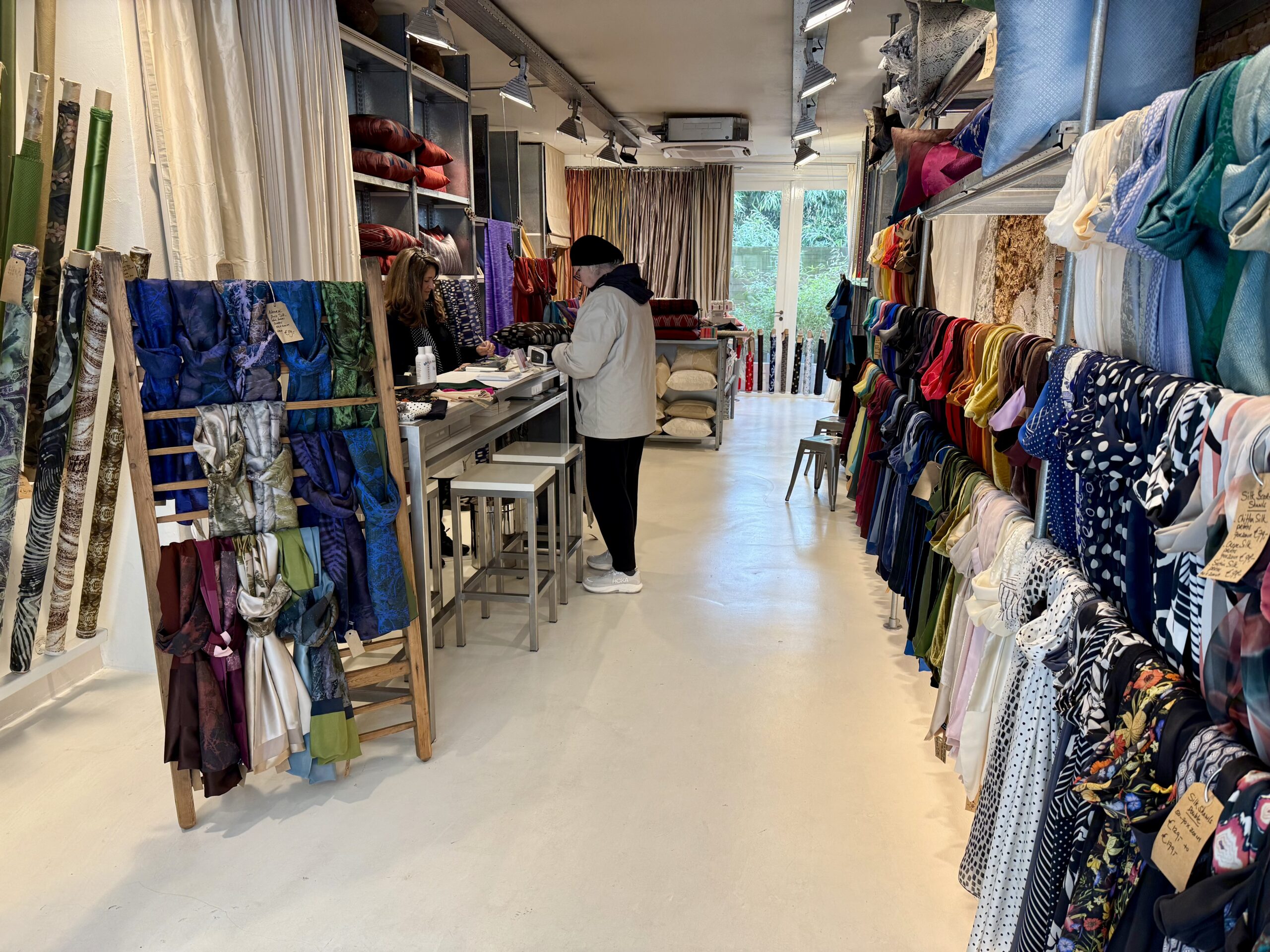
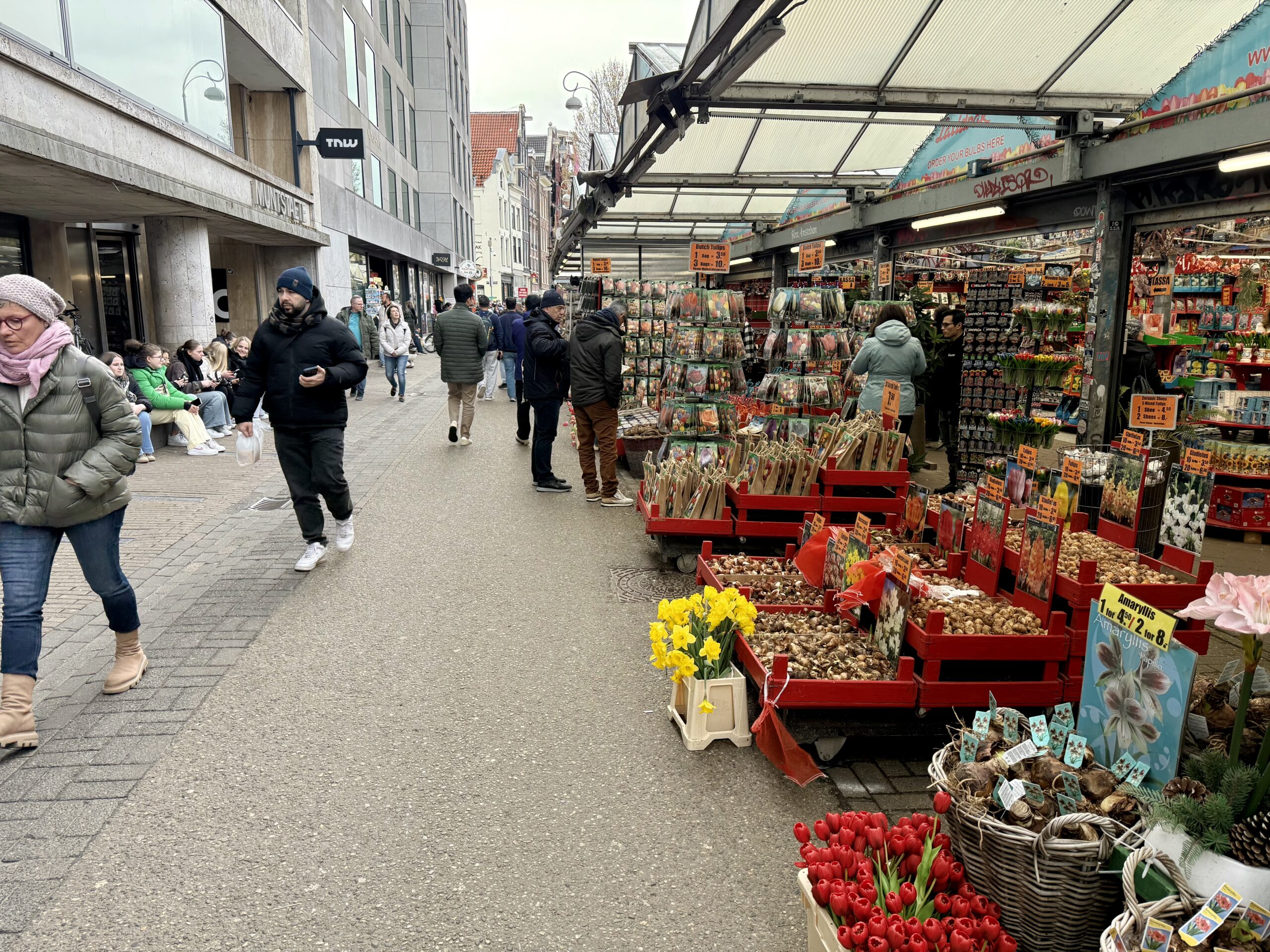
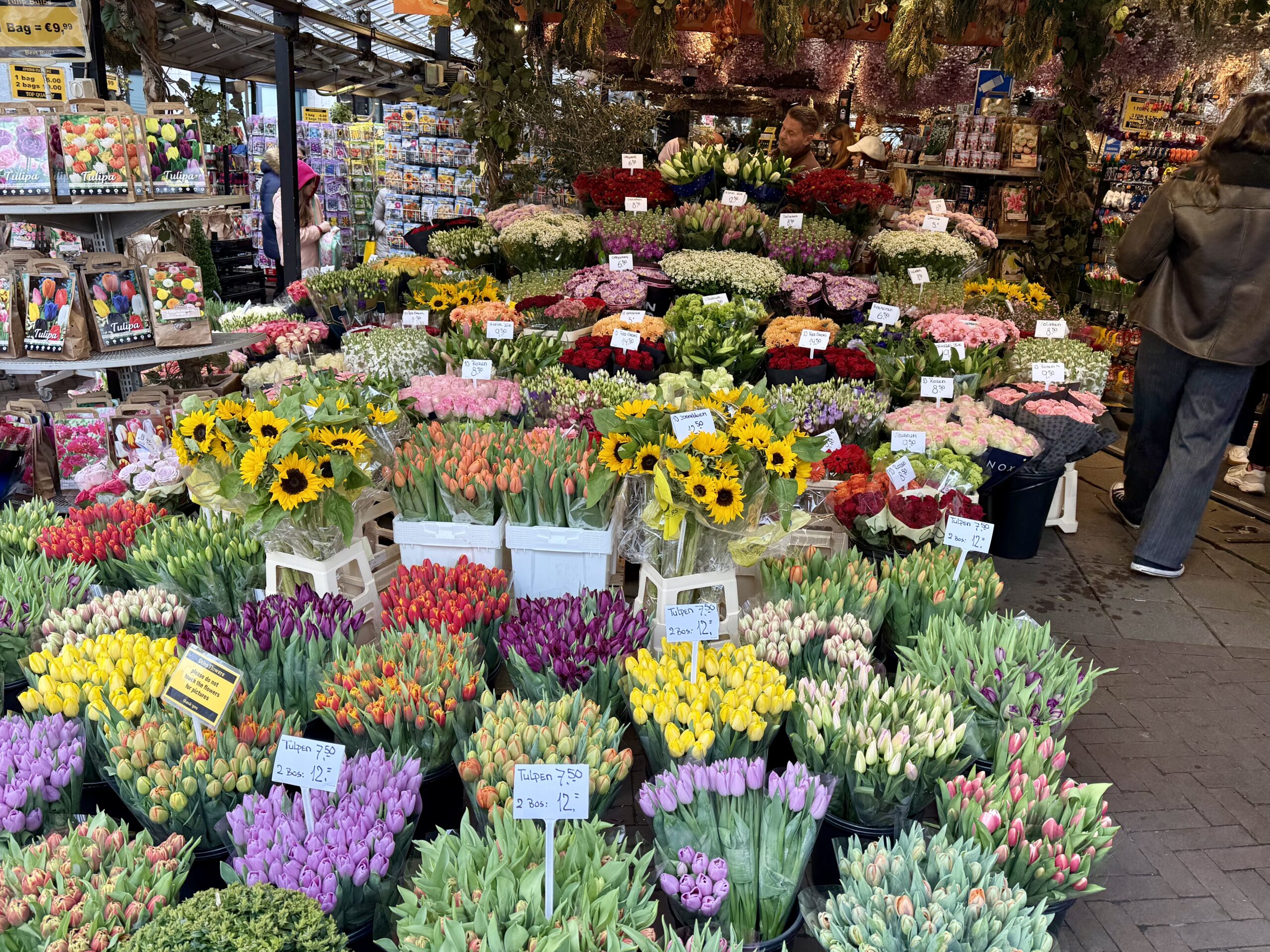
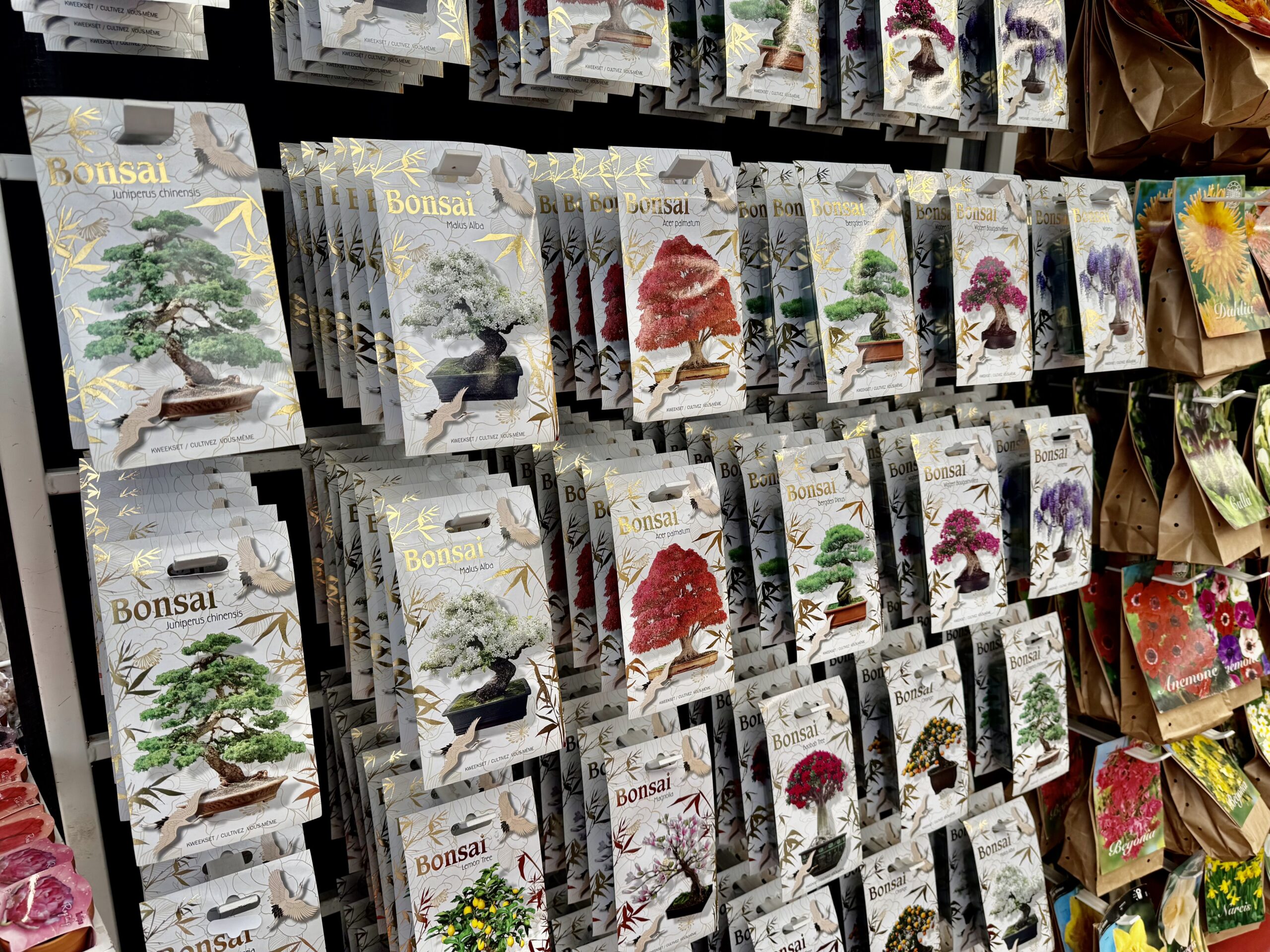
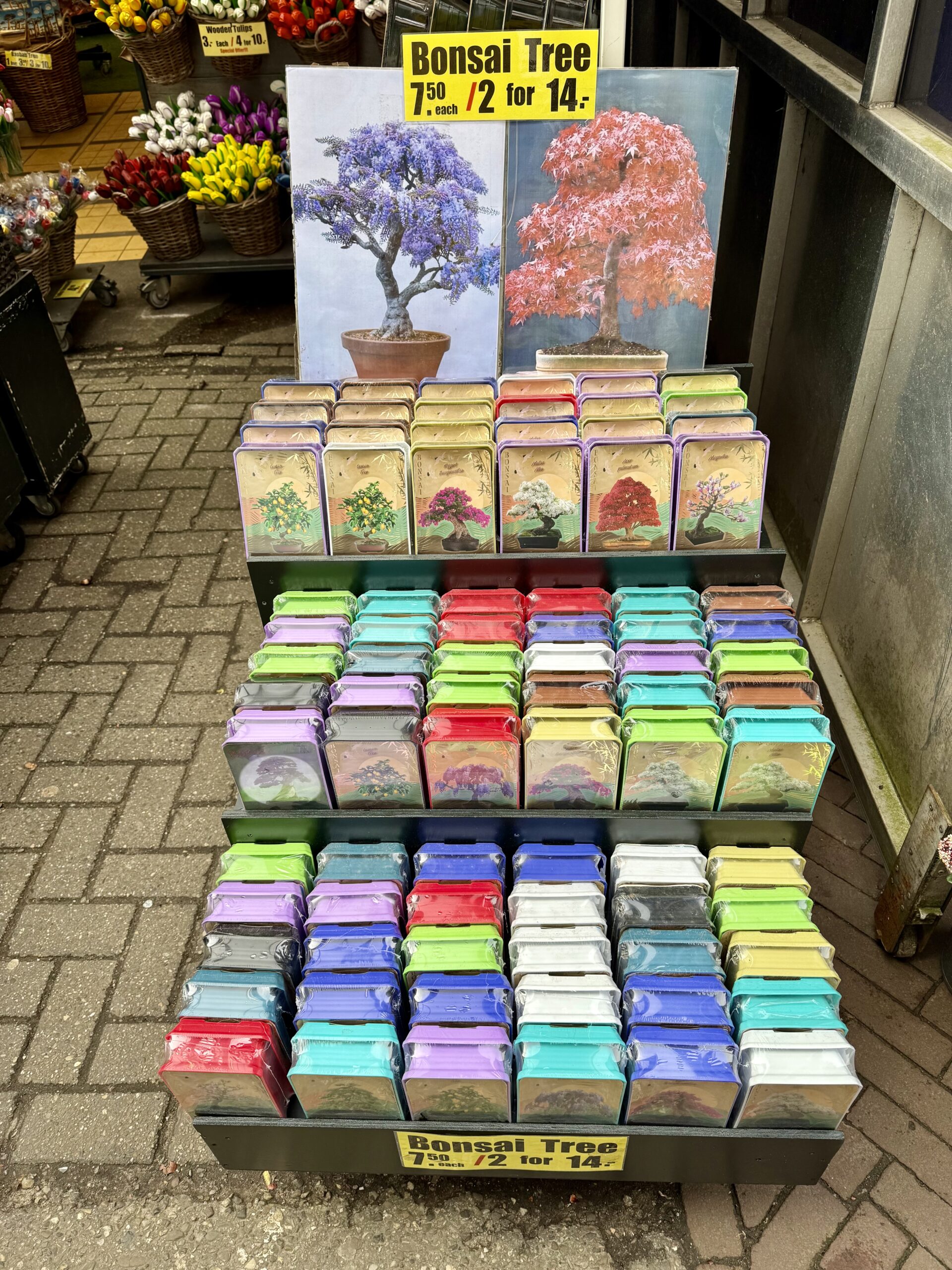
Hal: Note that they sell packaged bonsai. Something for your club?
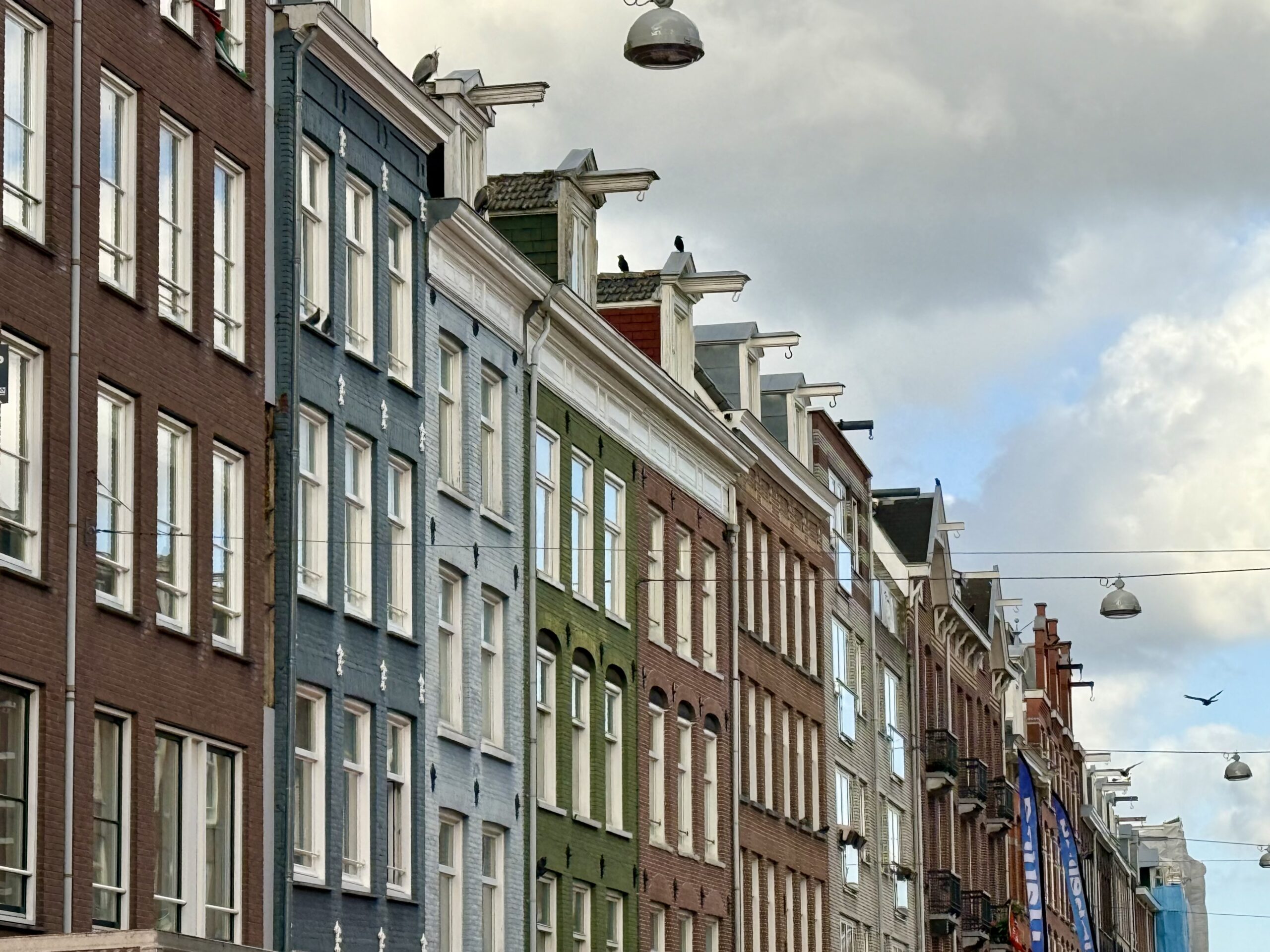

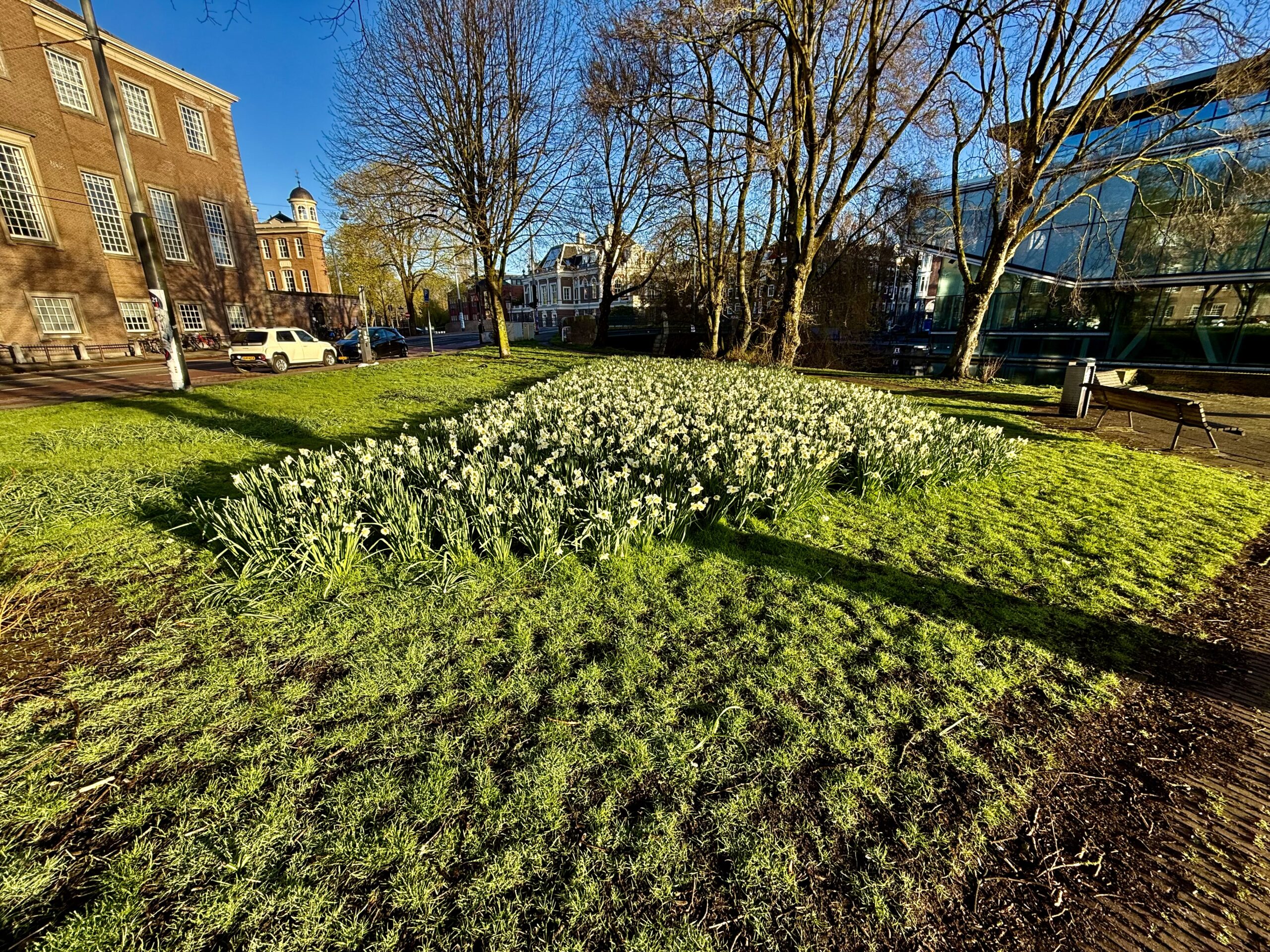
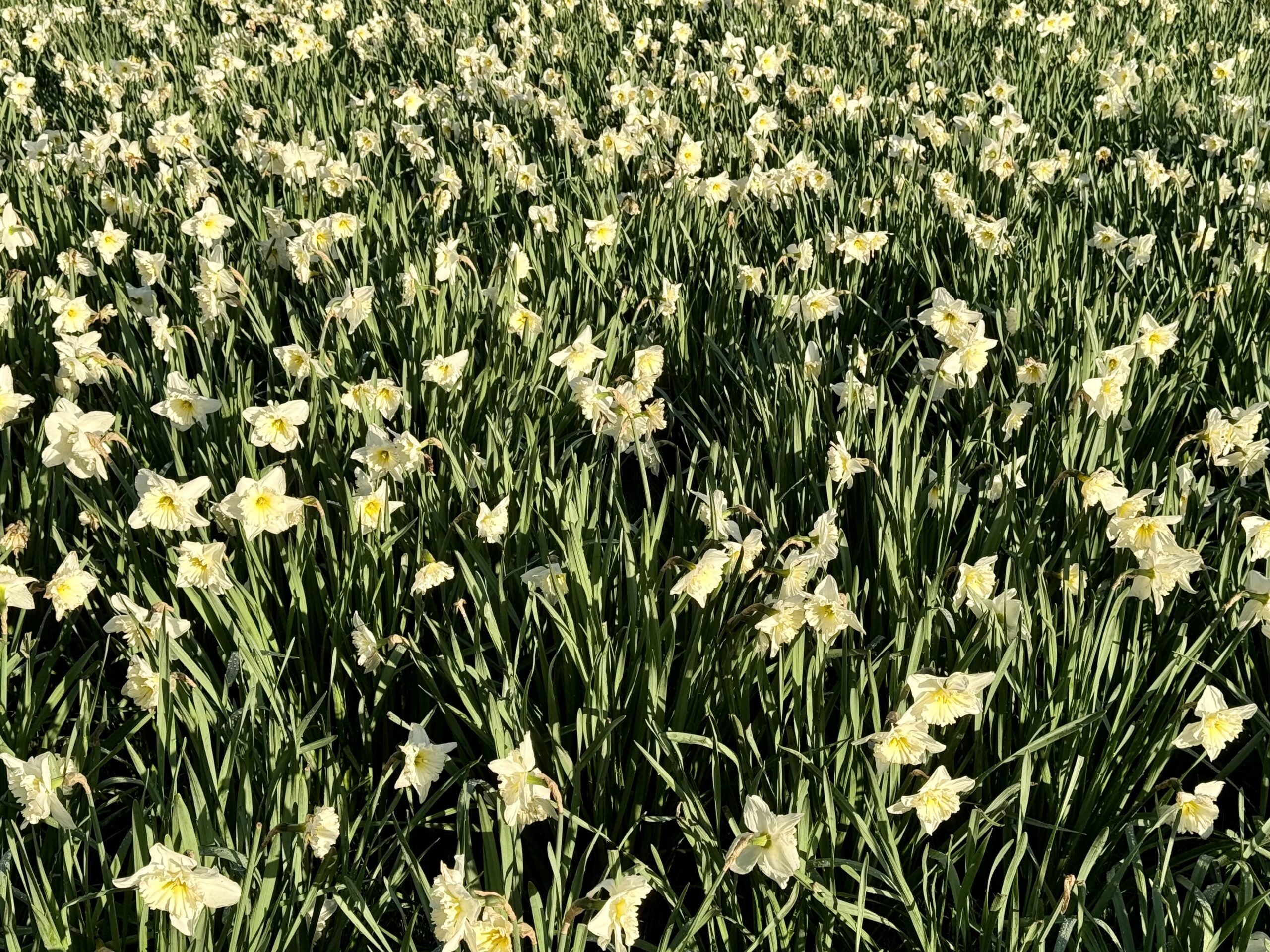
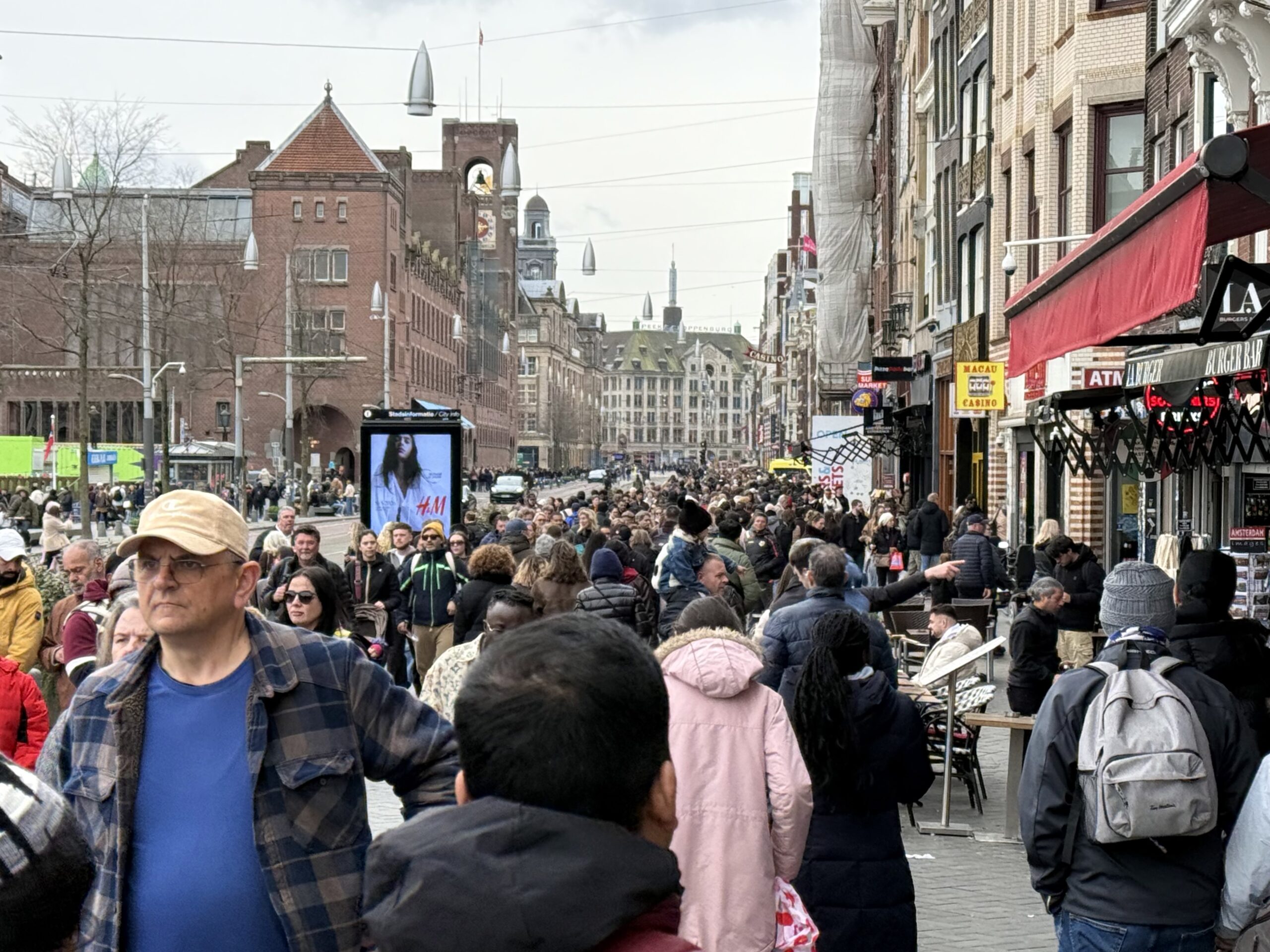
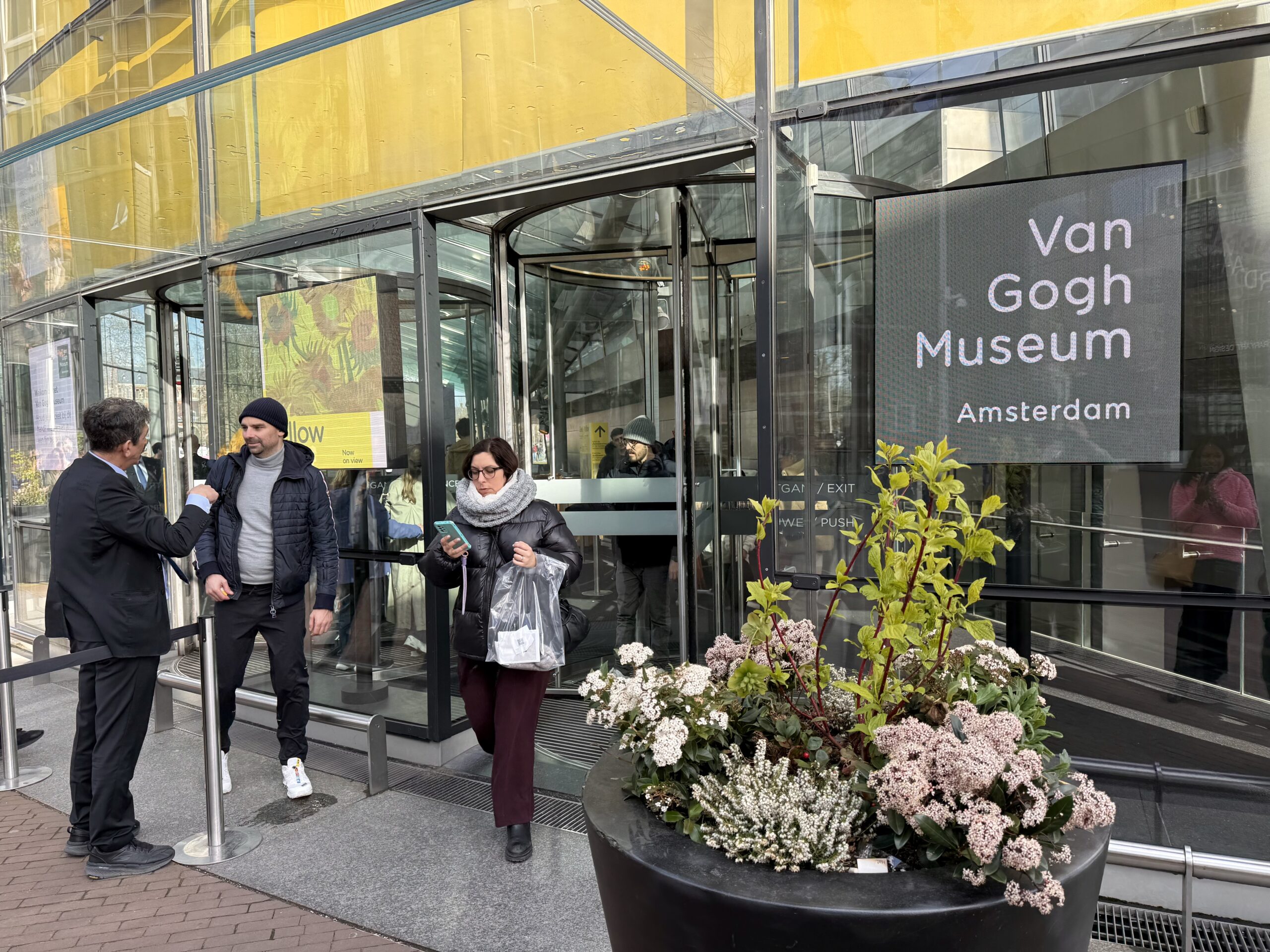
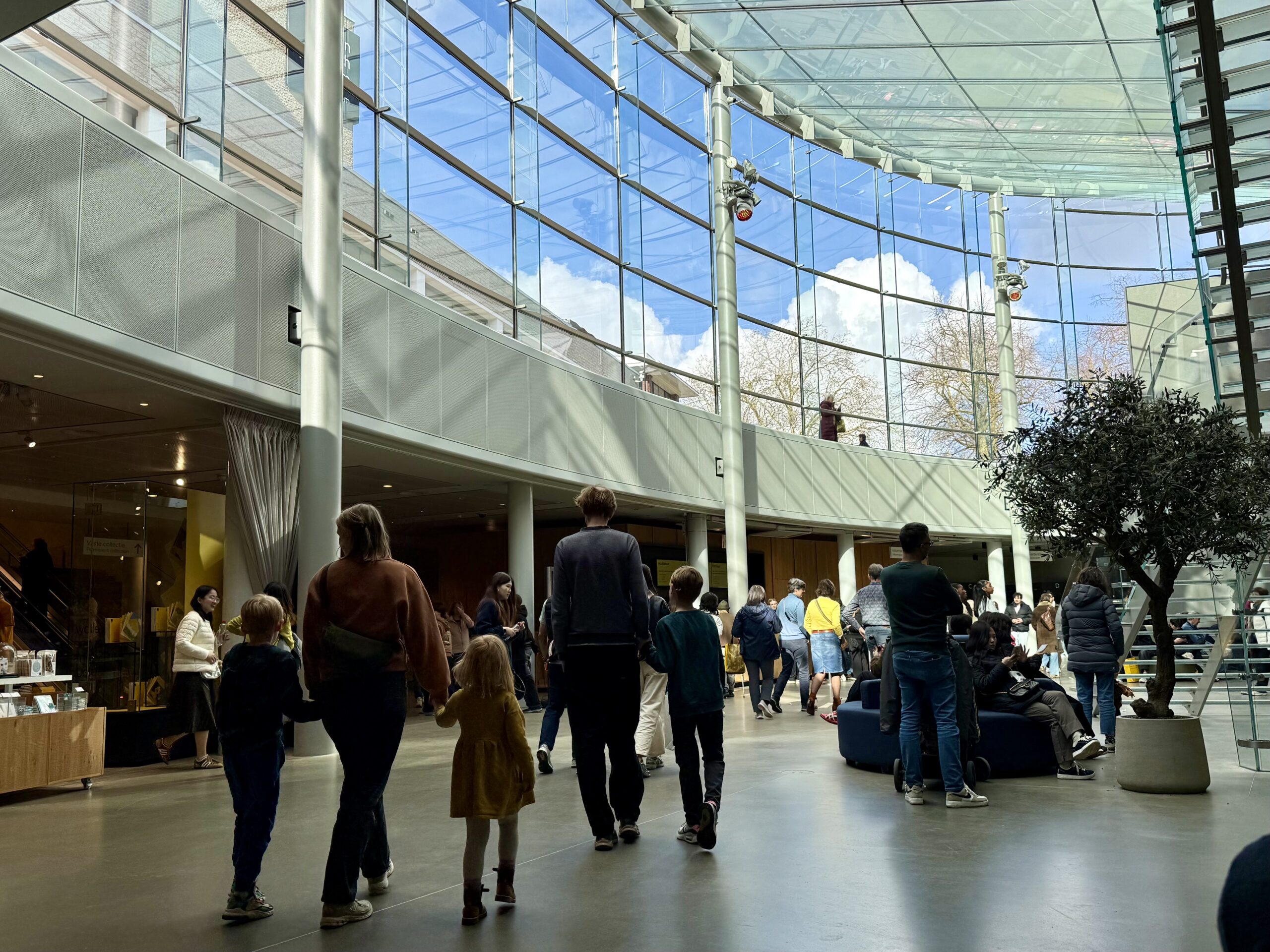
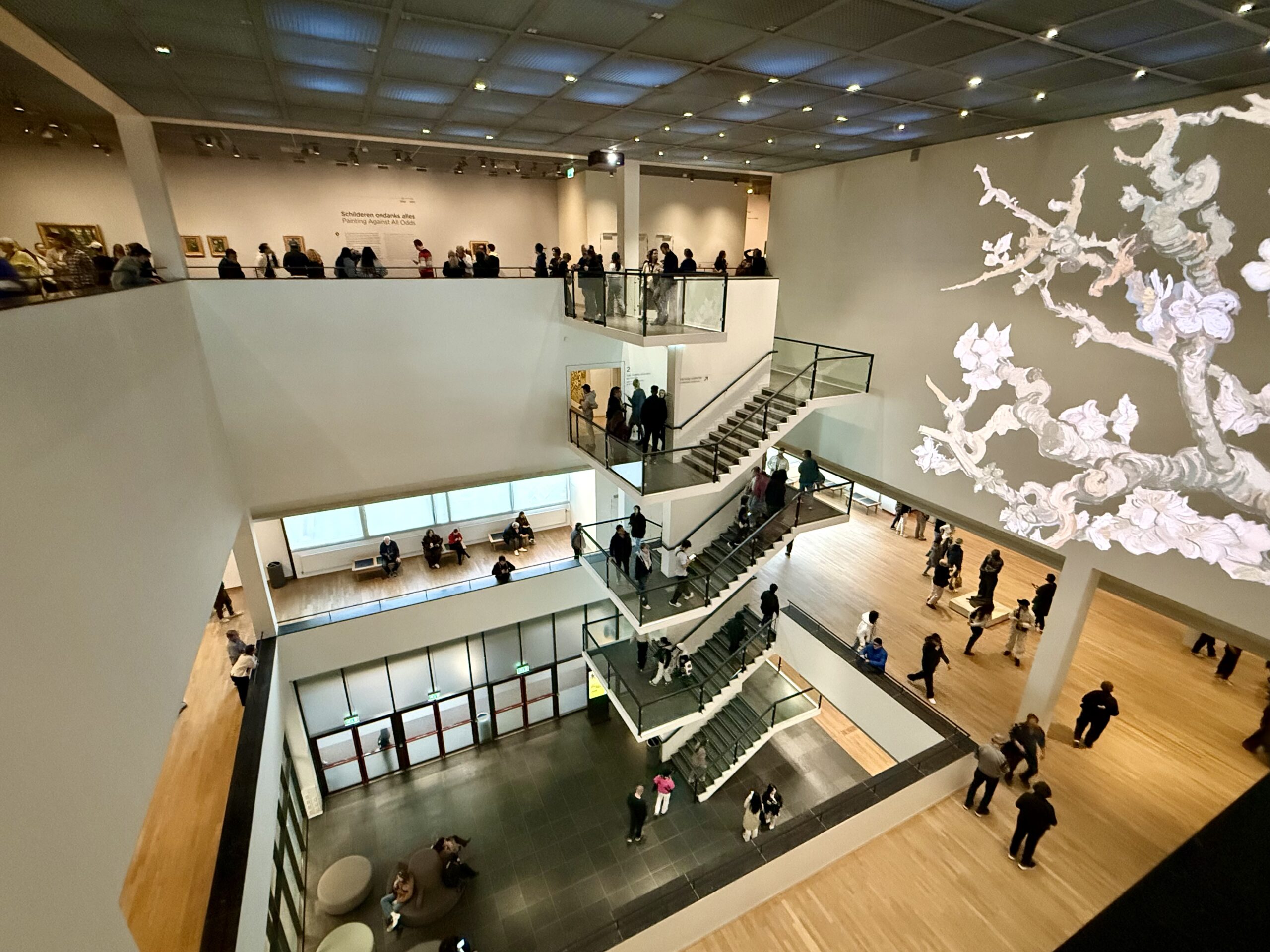
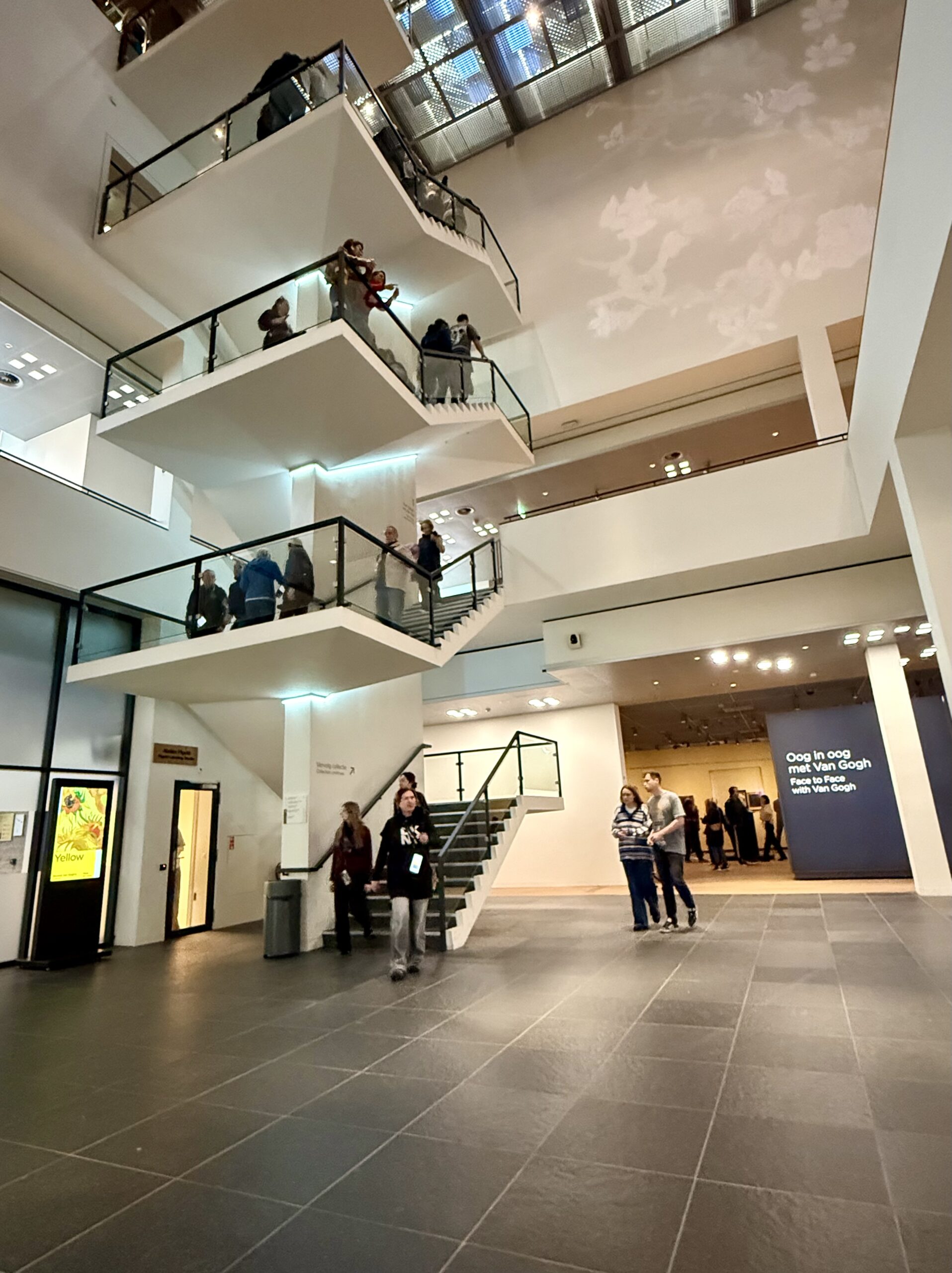
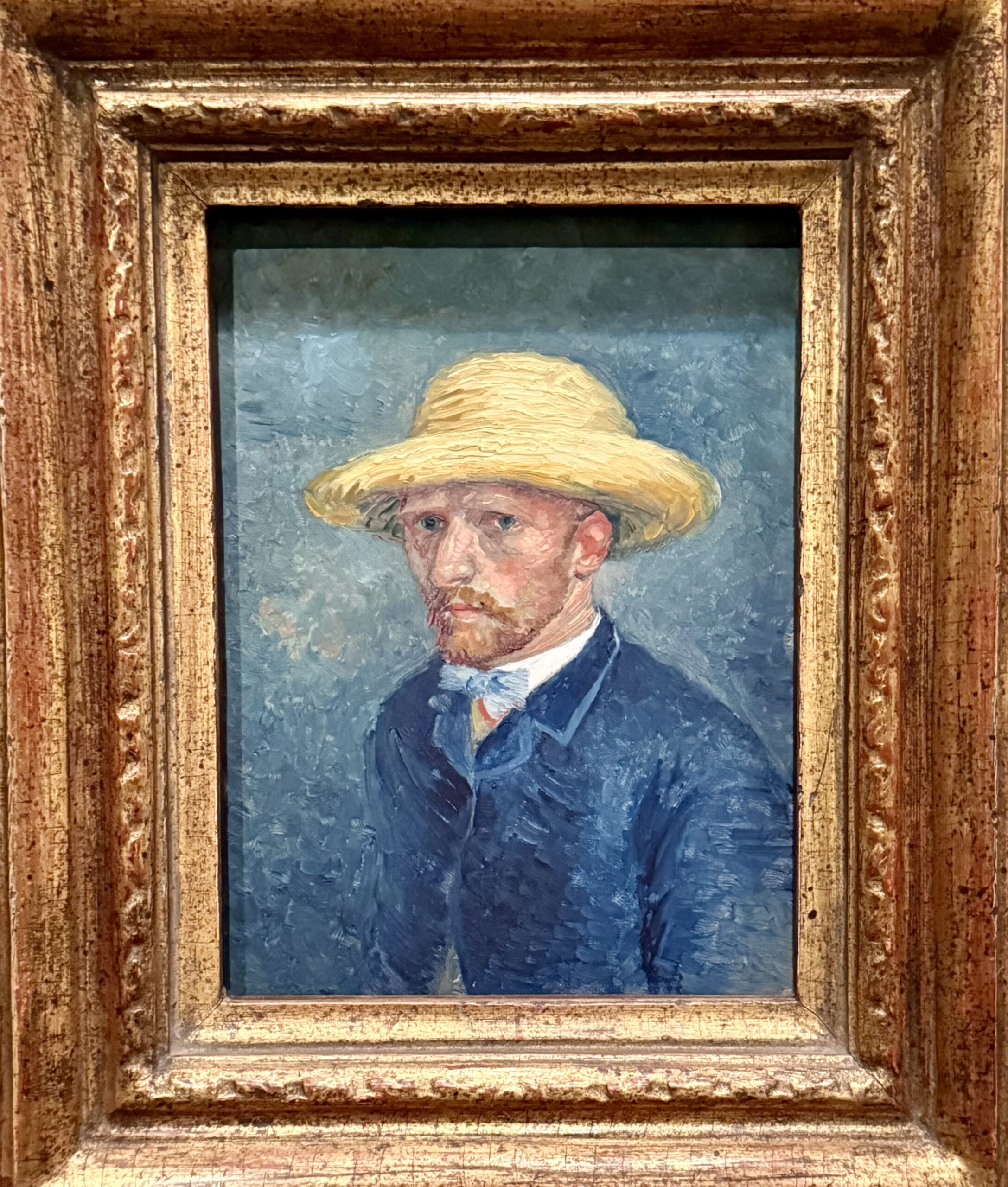
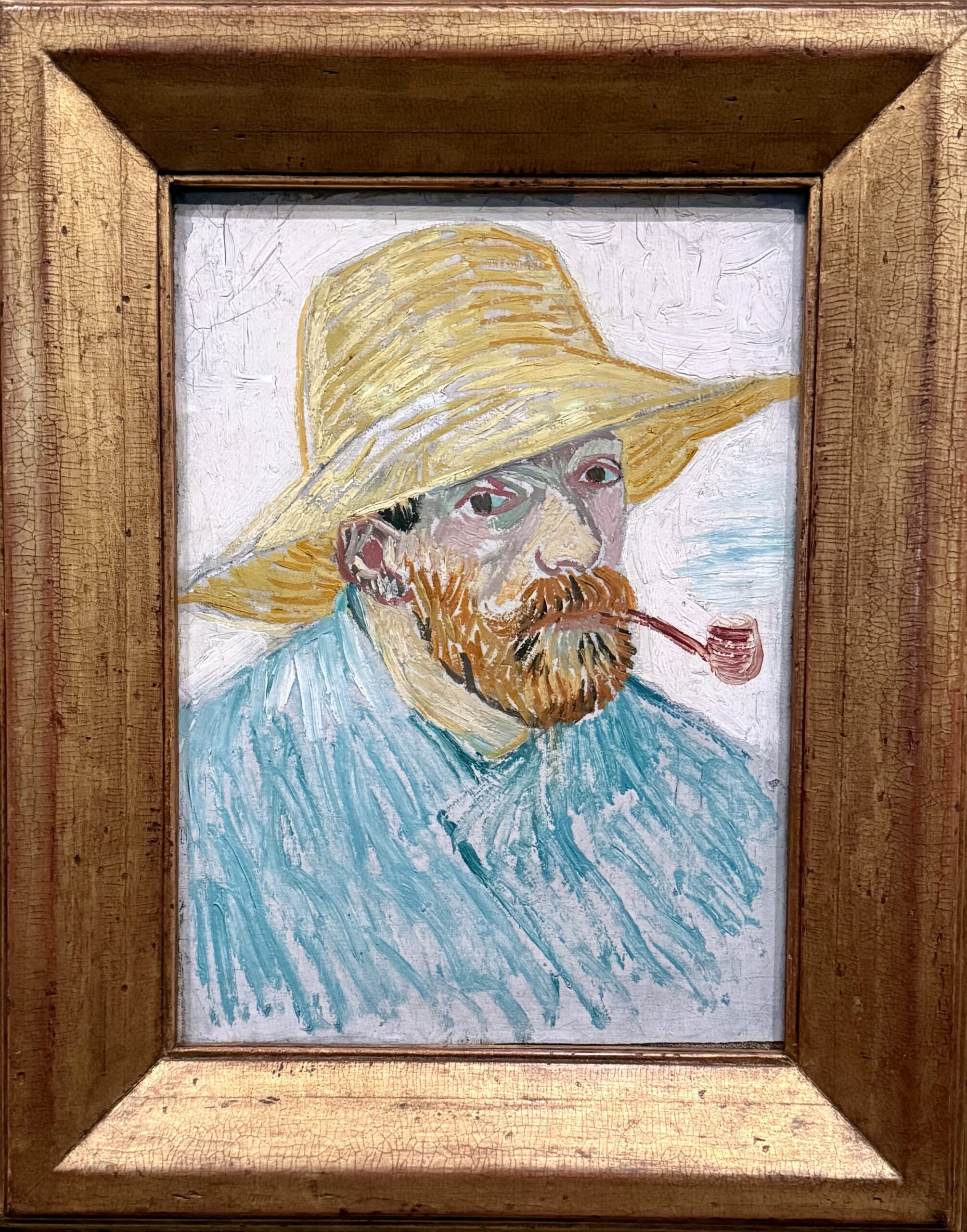
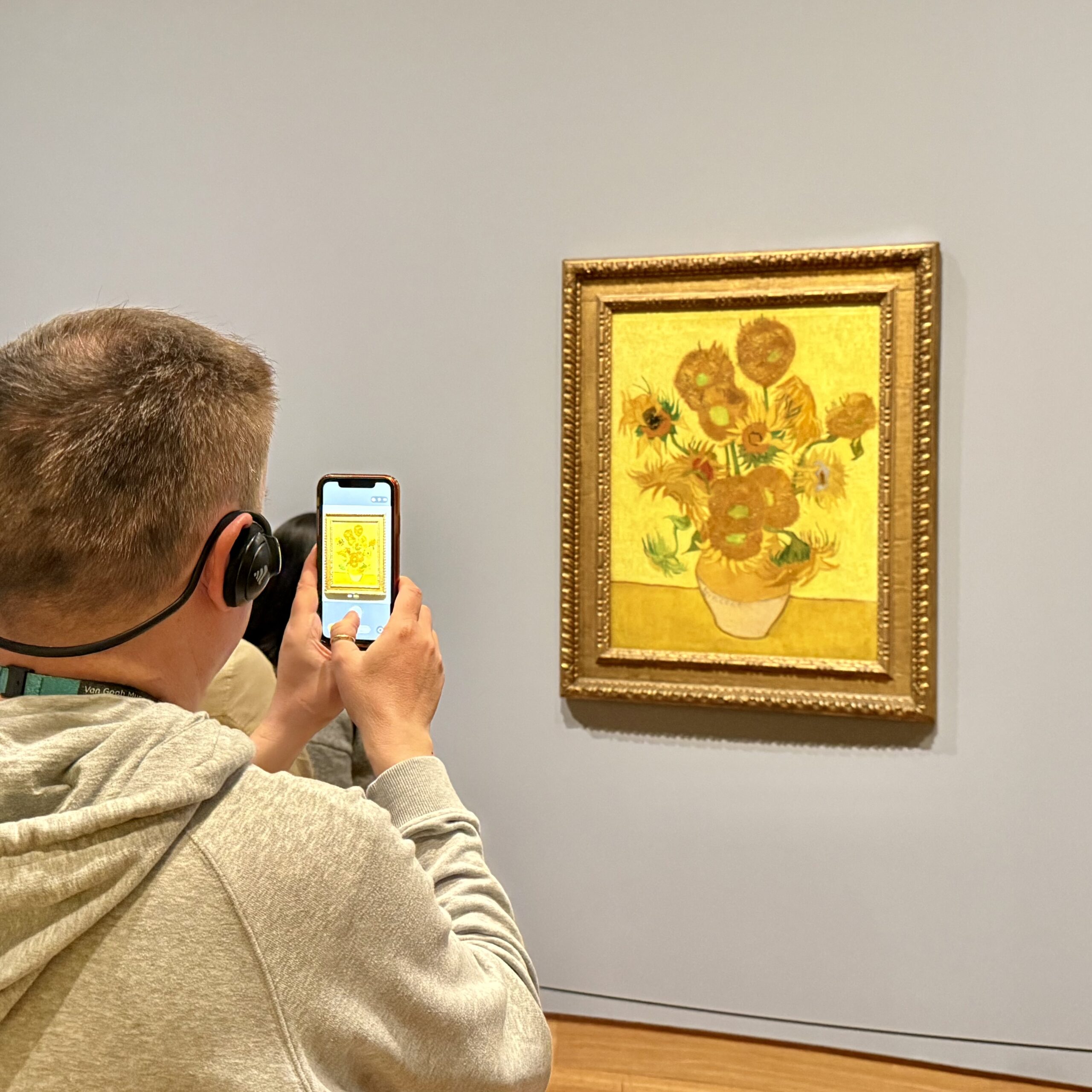
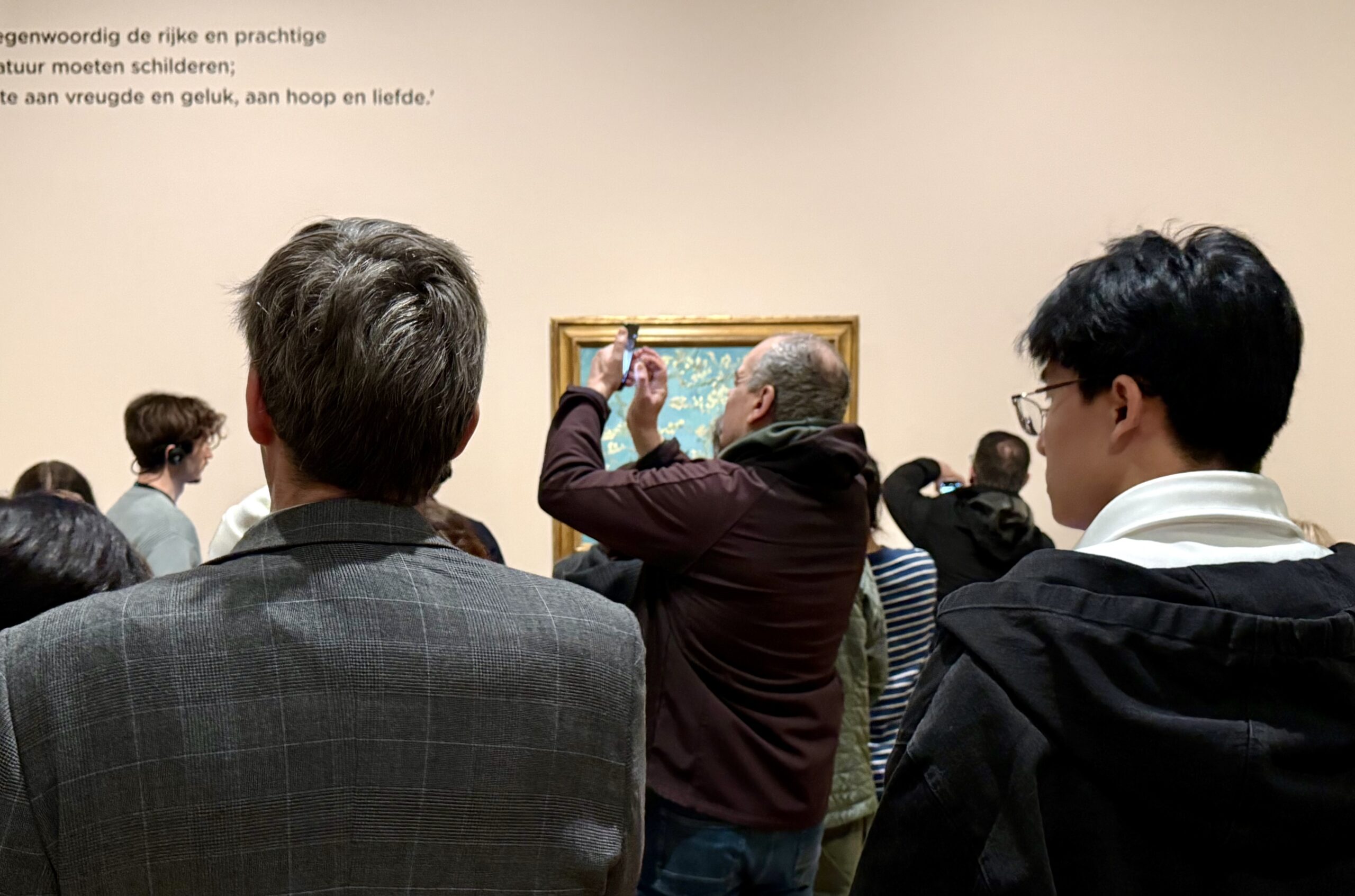
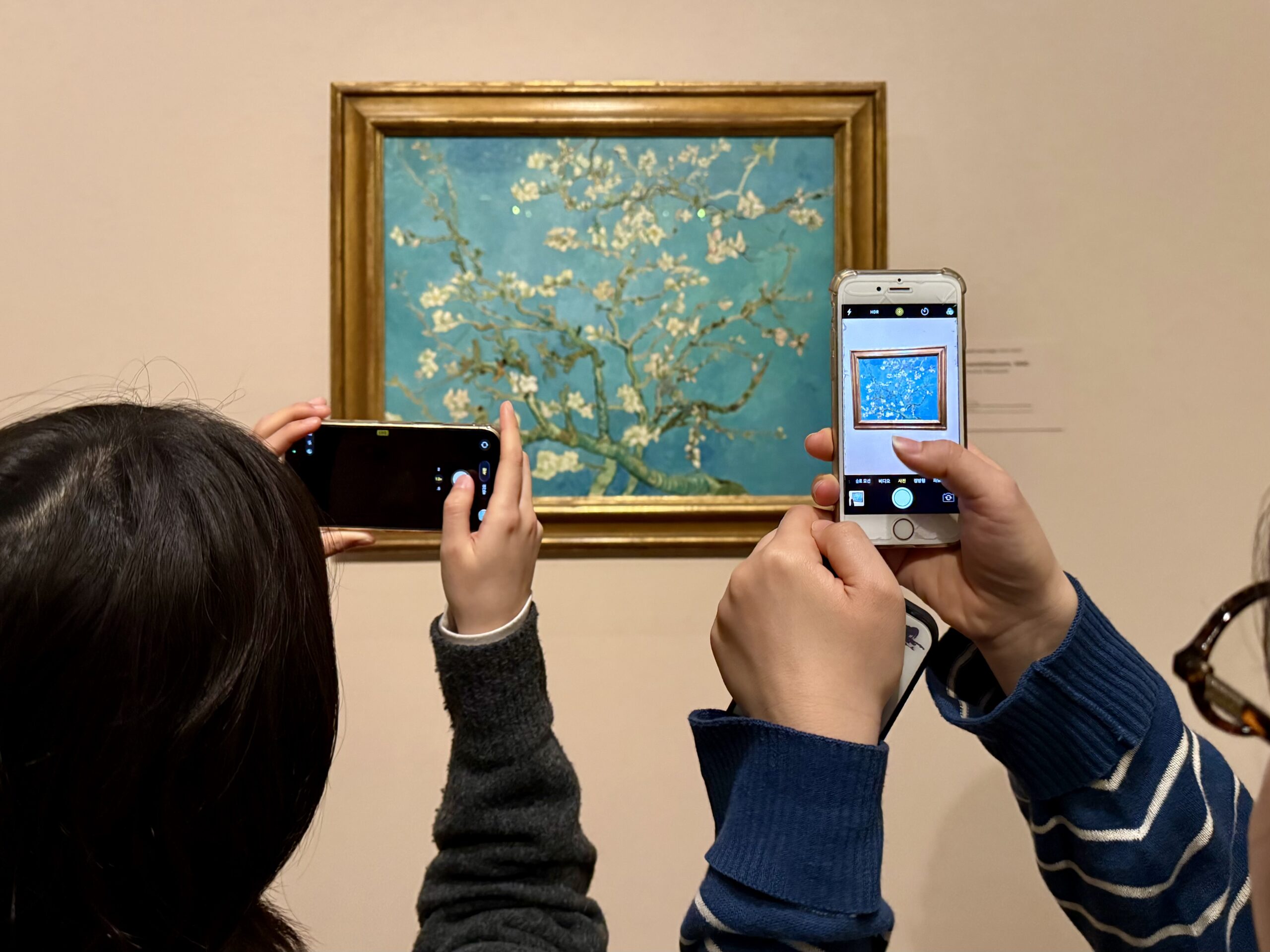
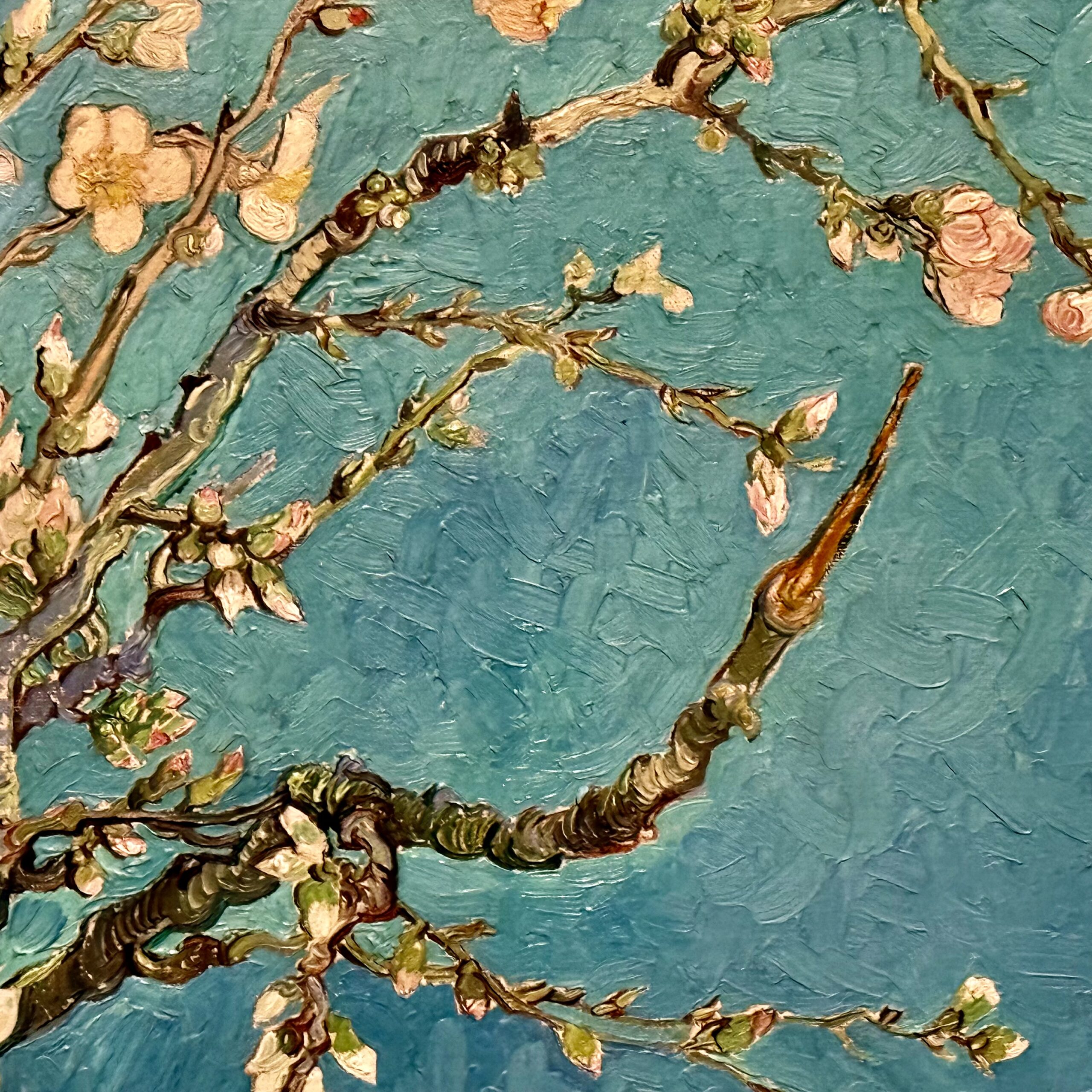
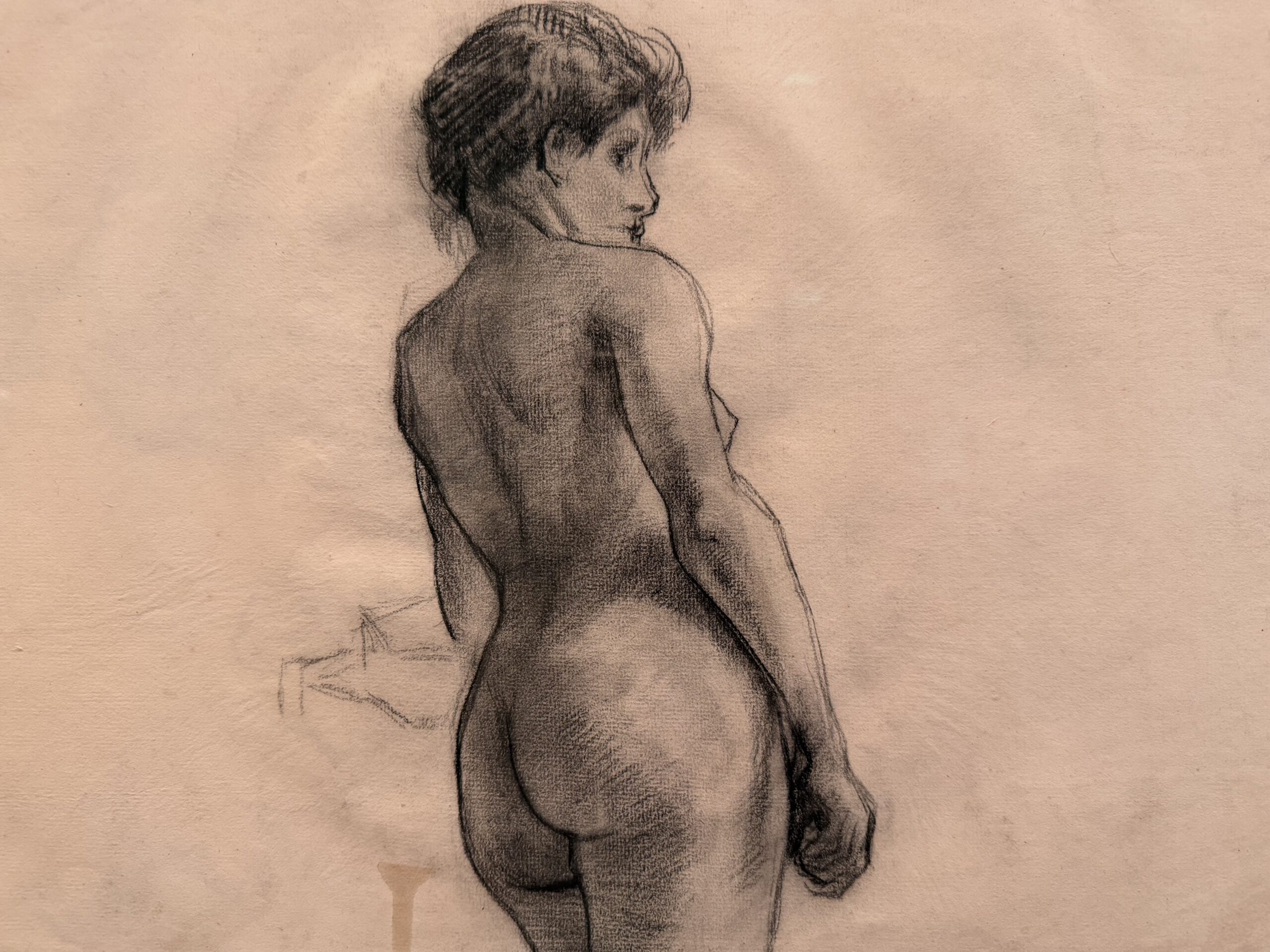
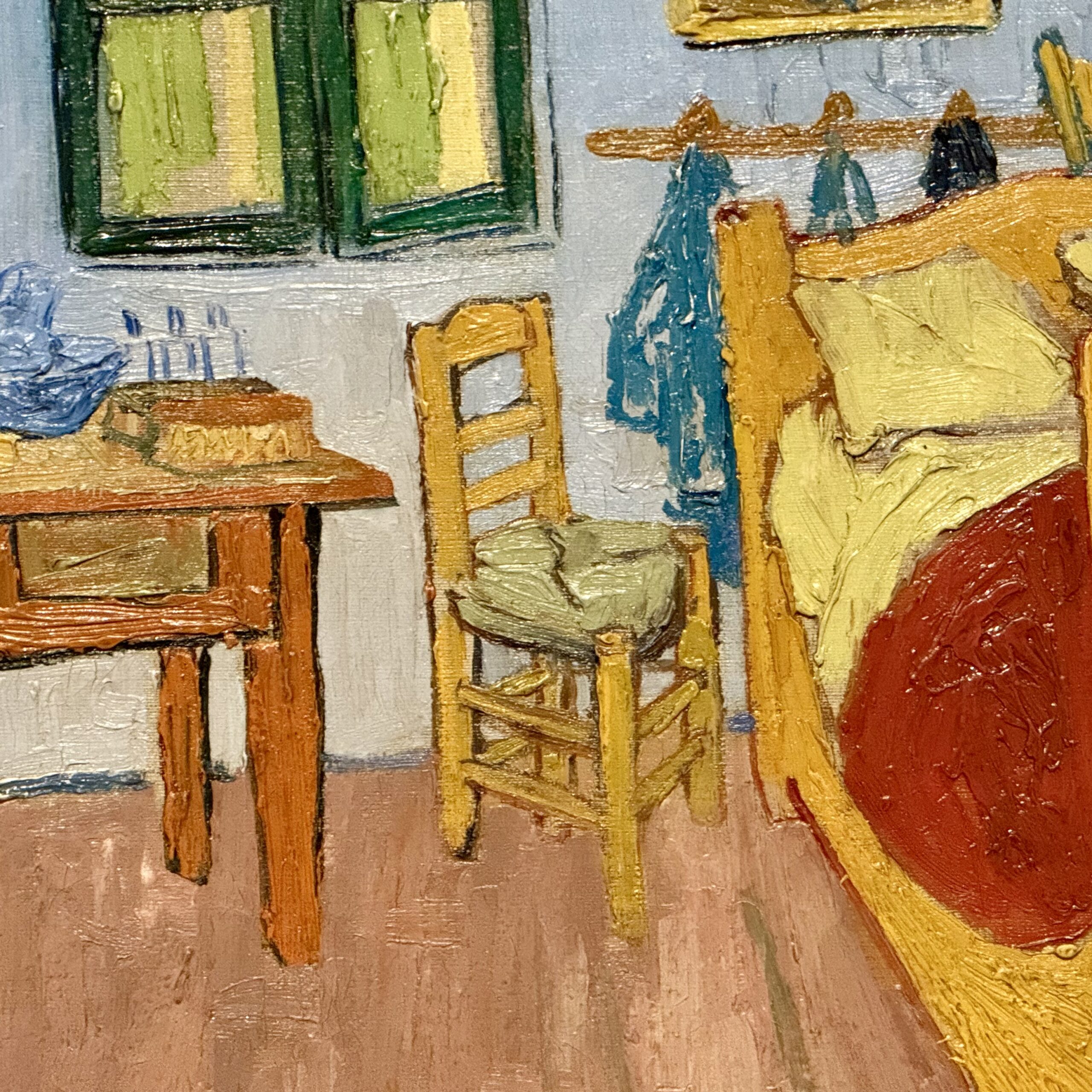
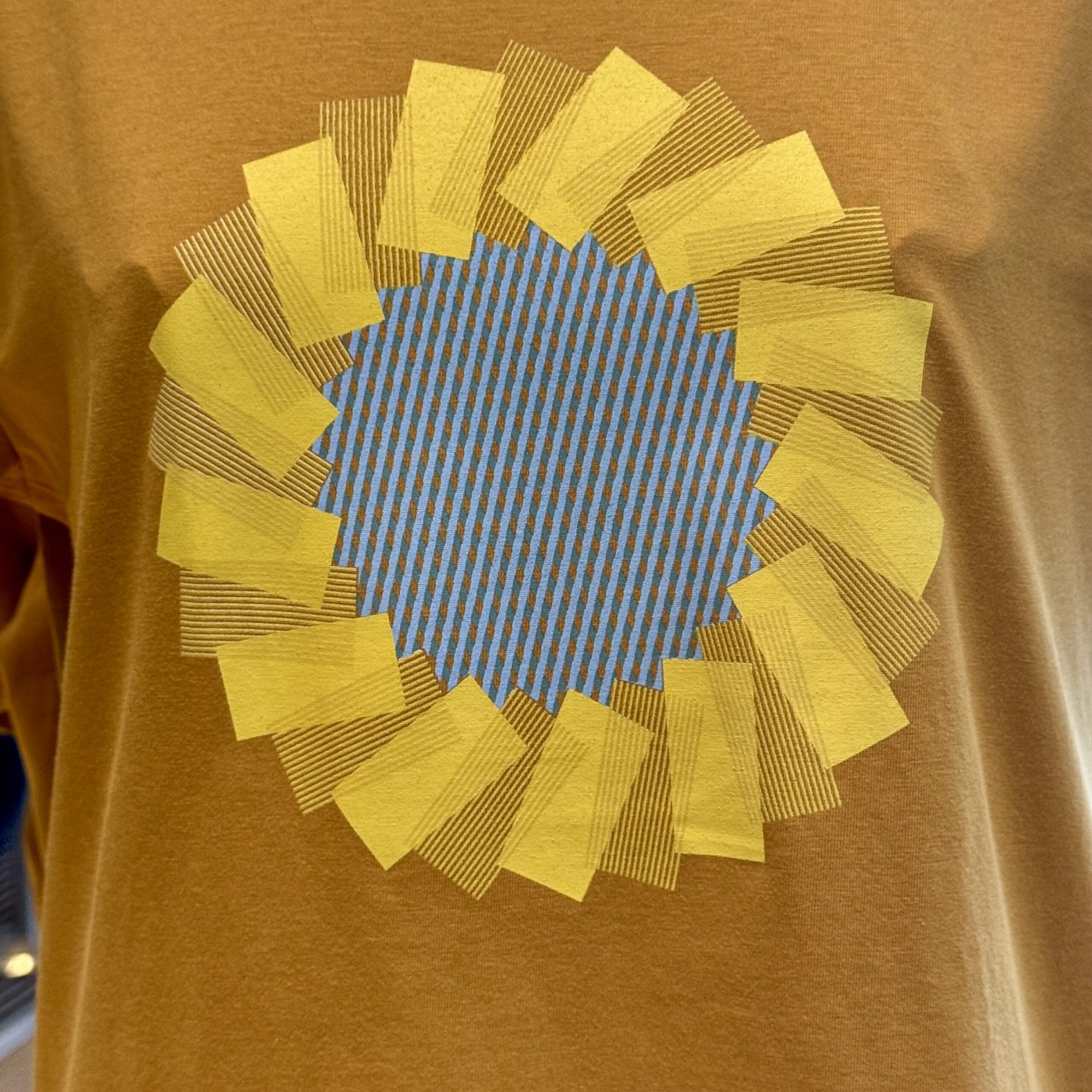
Van Gogh Museum


Fashion
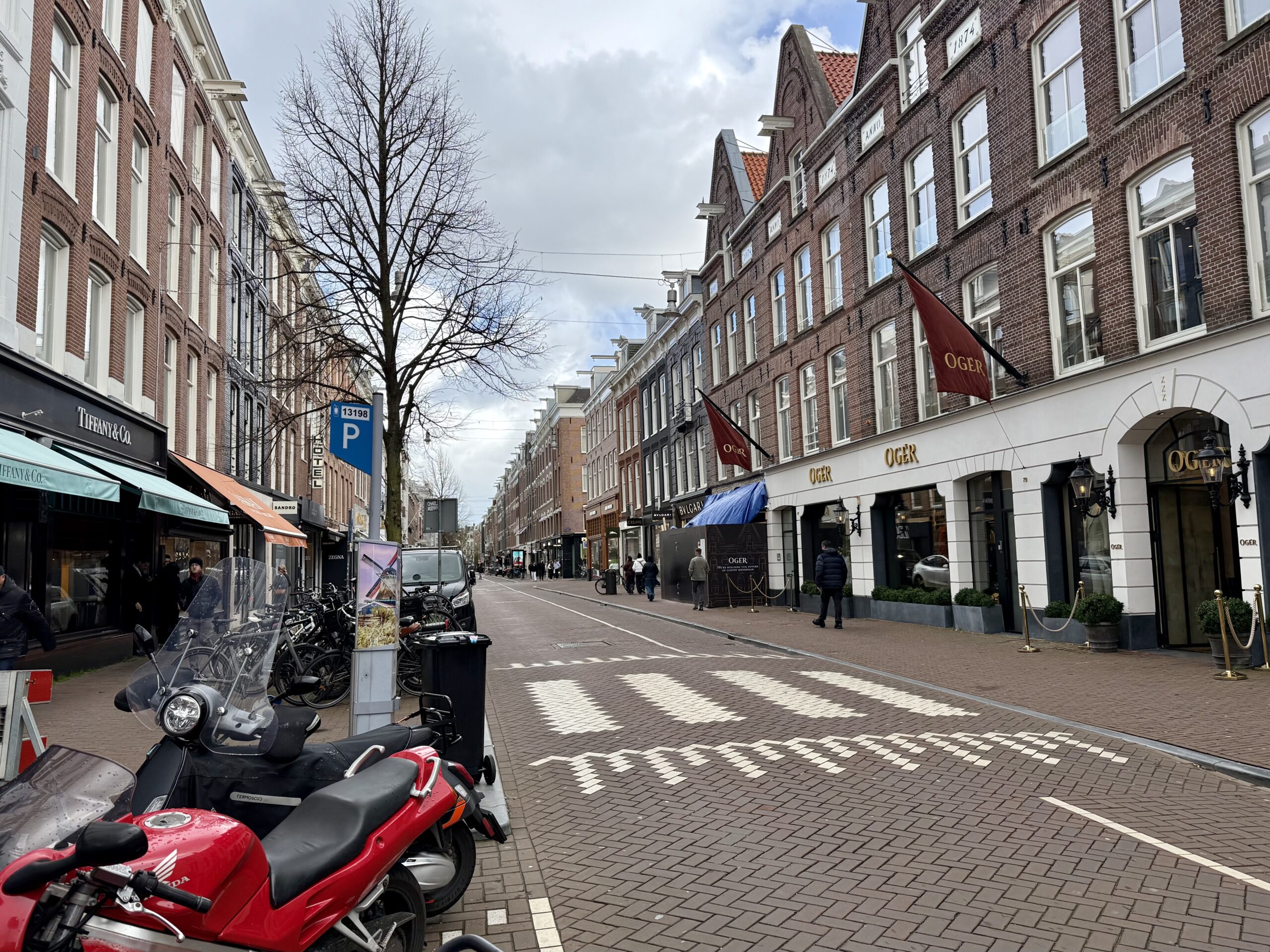
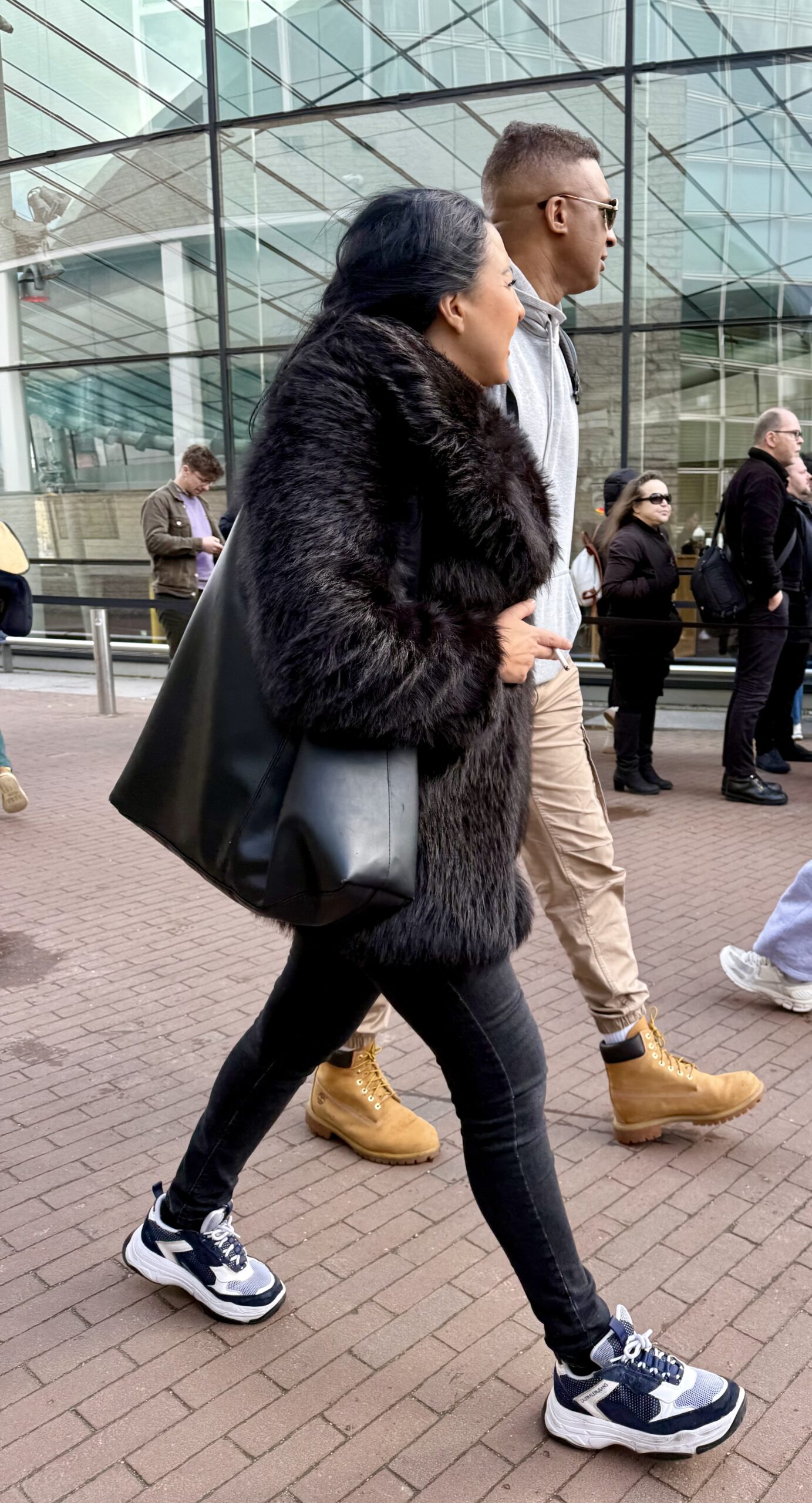
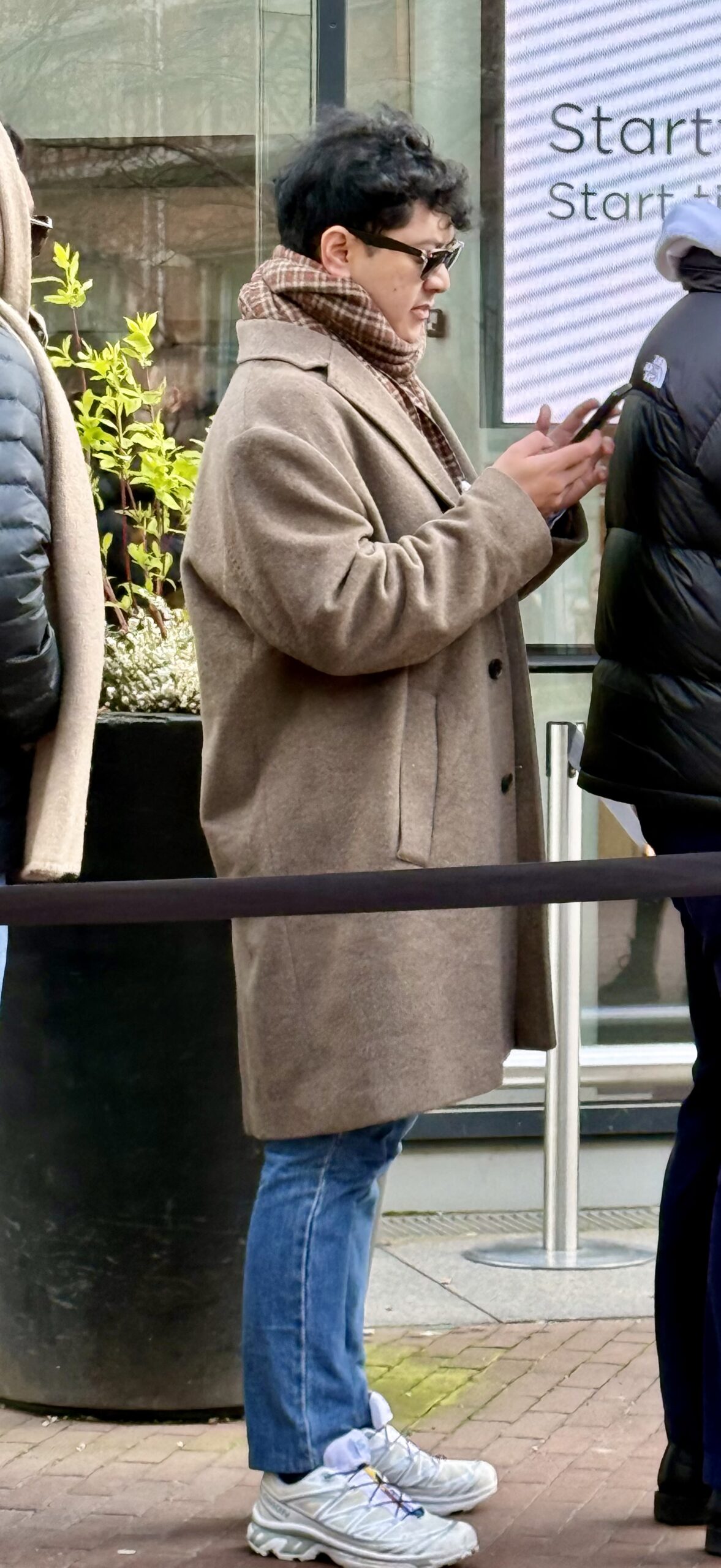
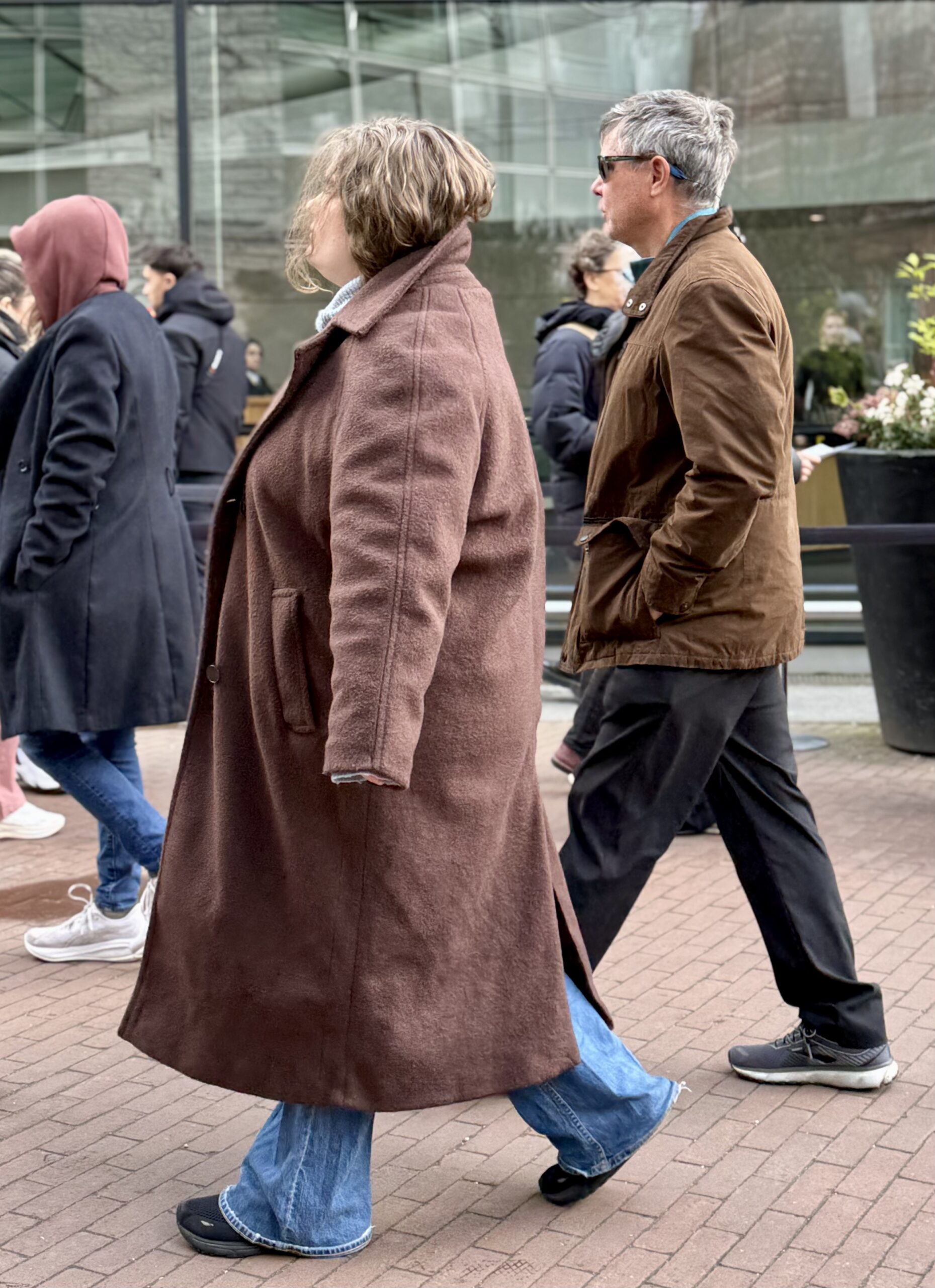
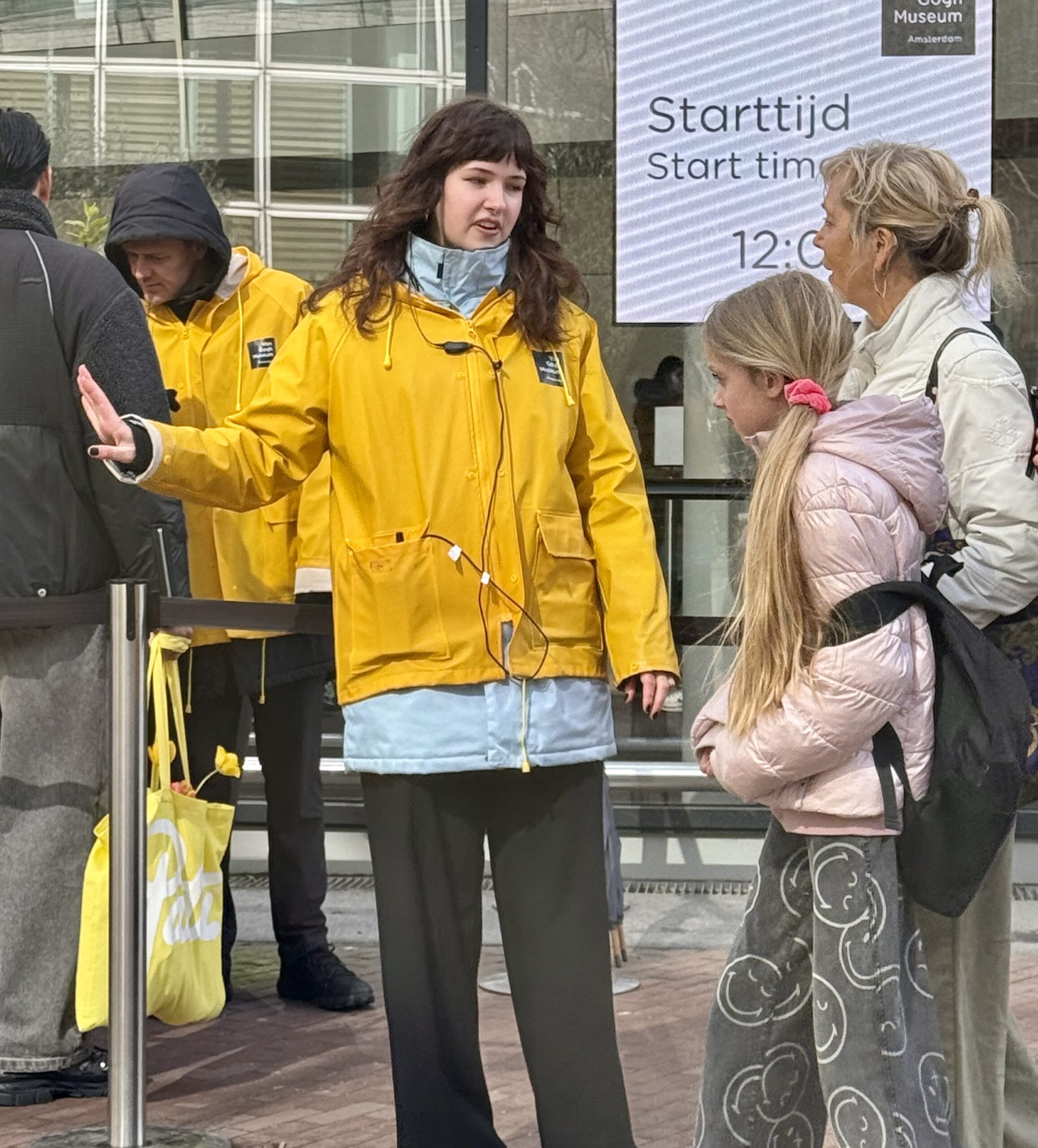
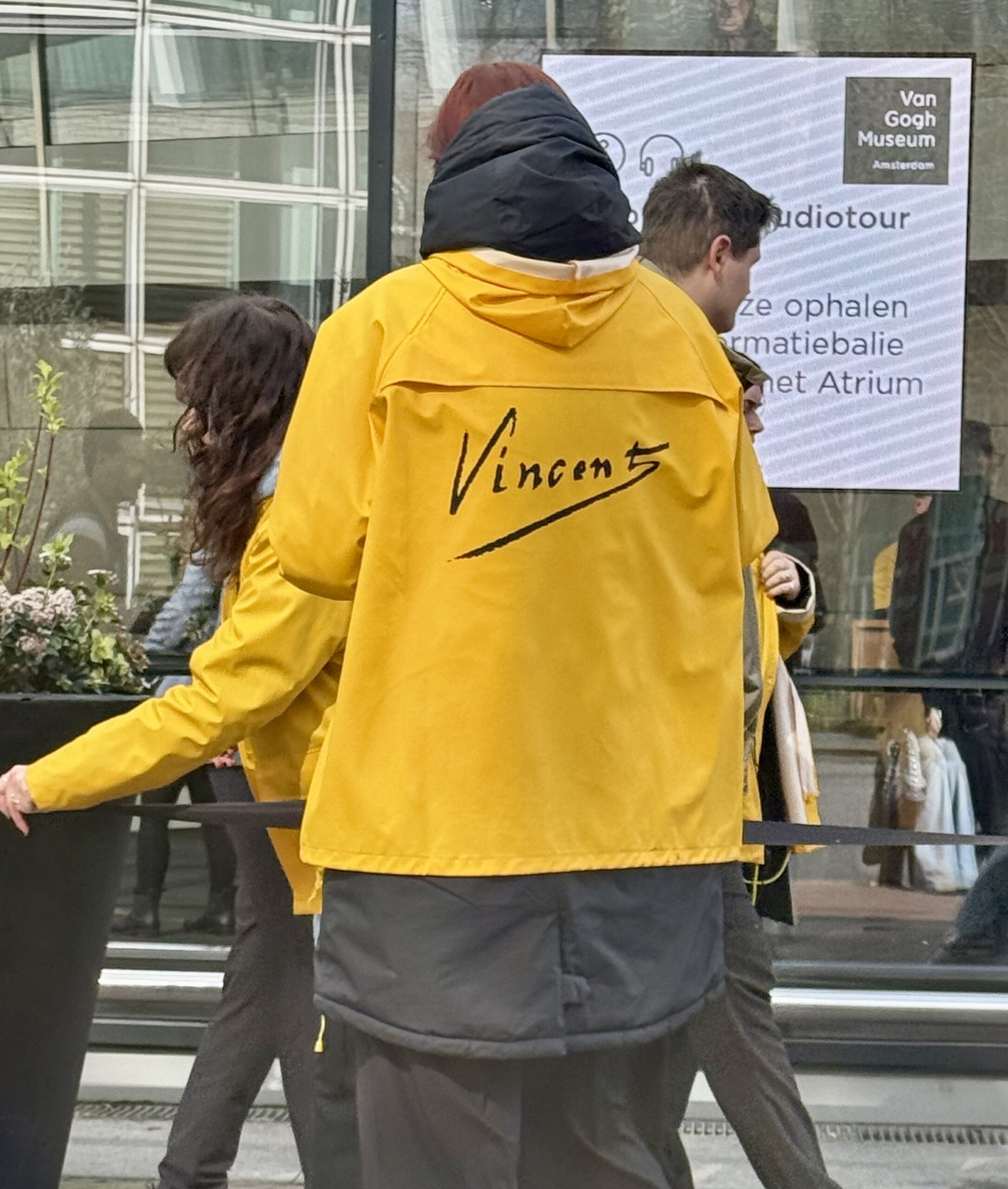
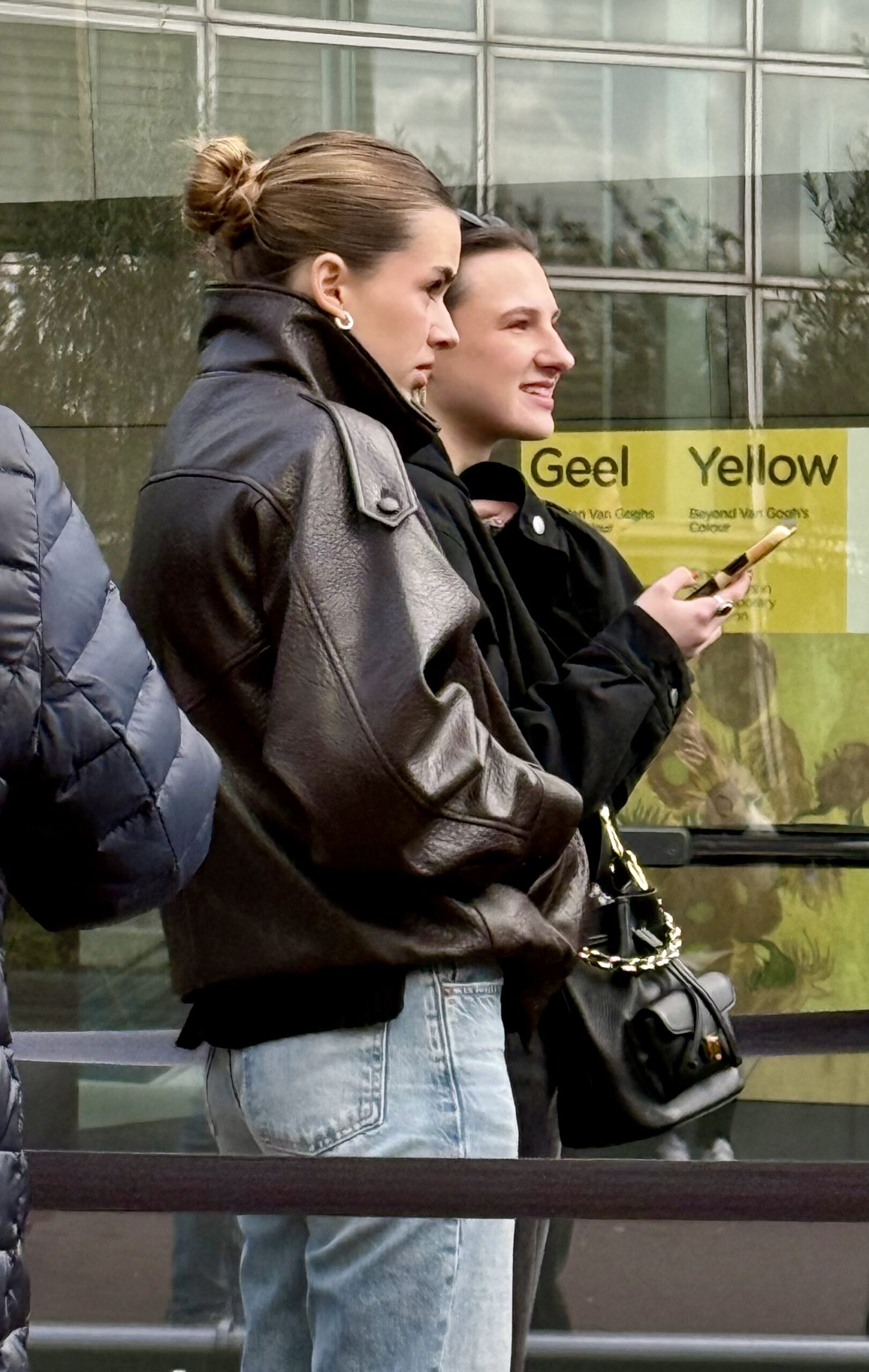
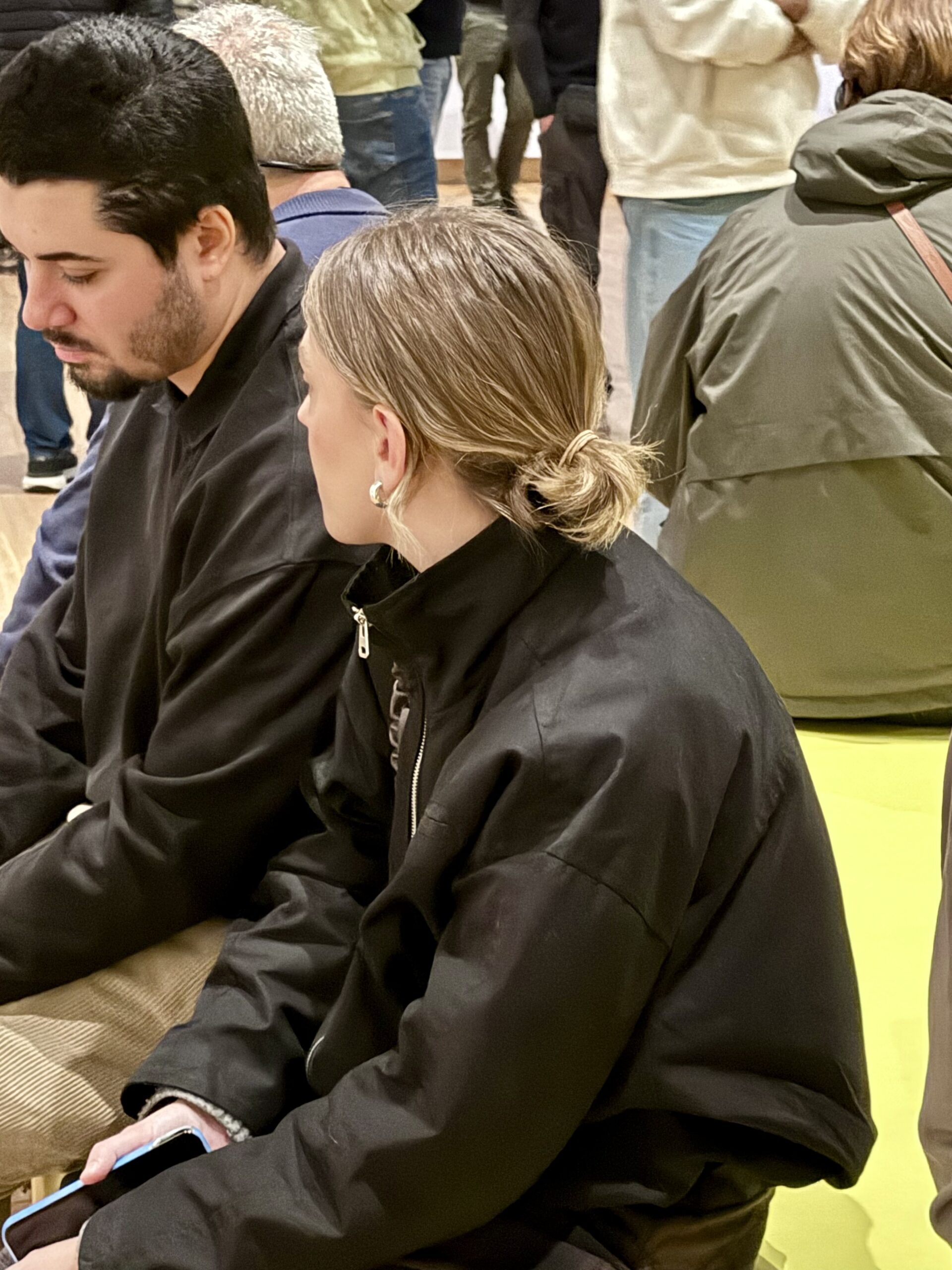
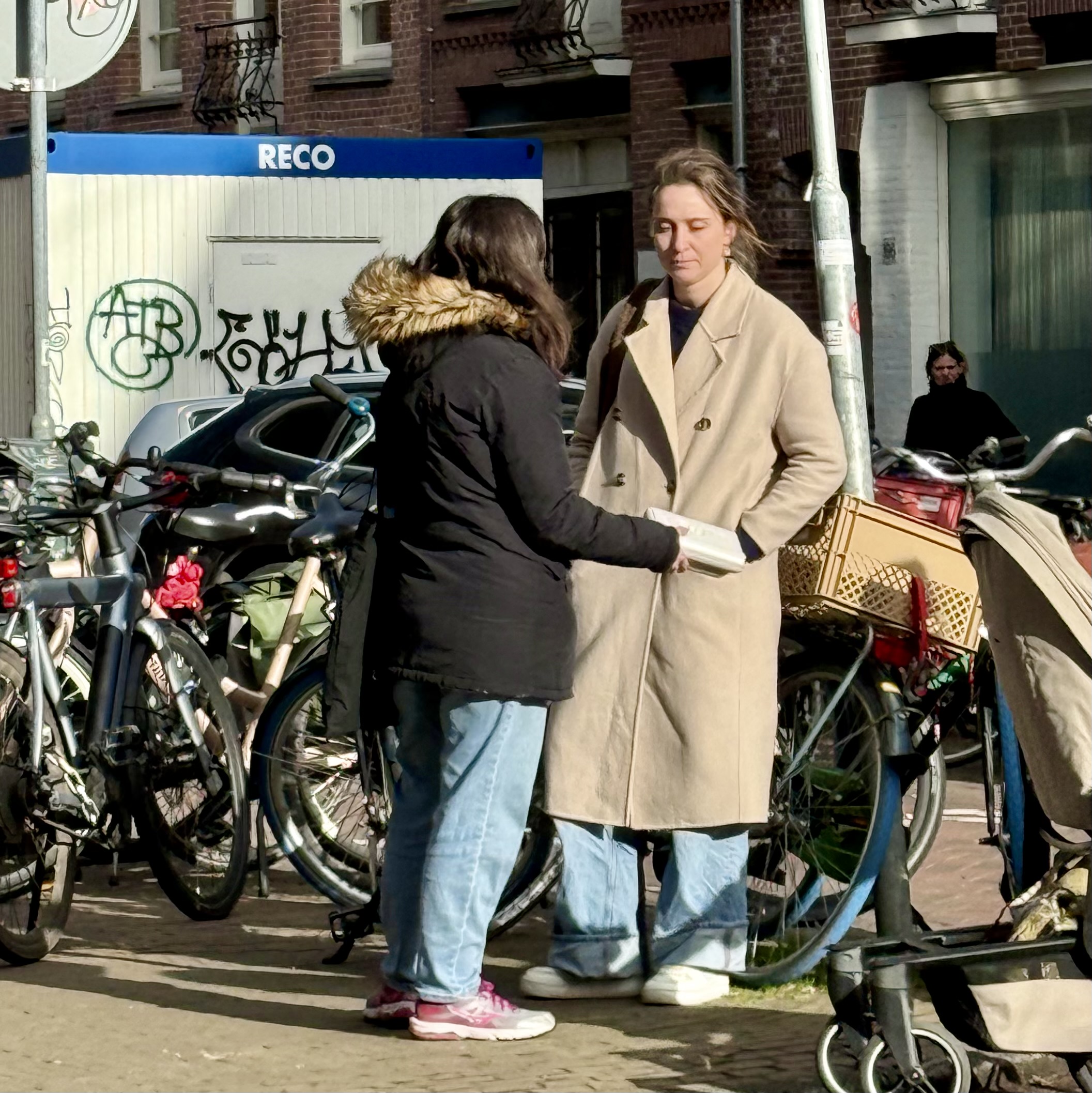
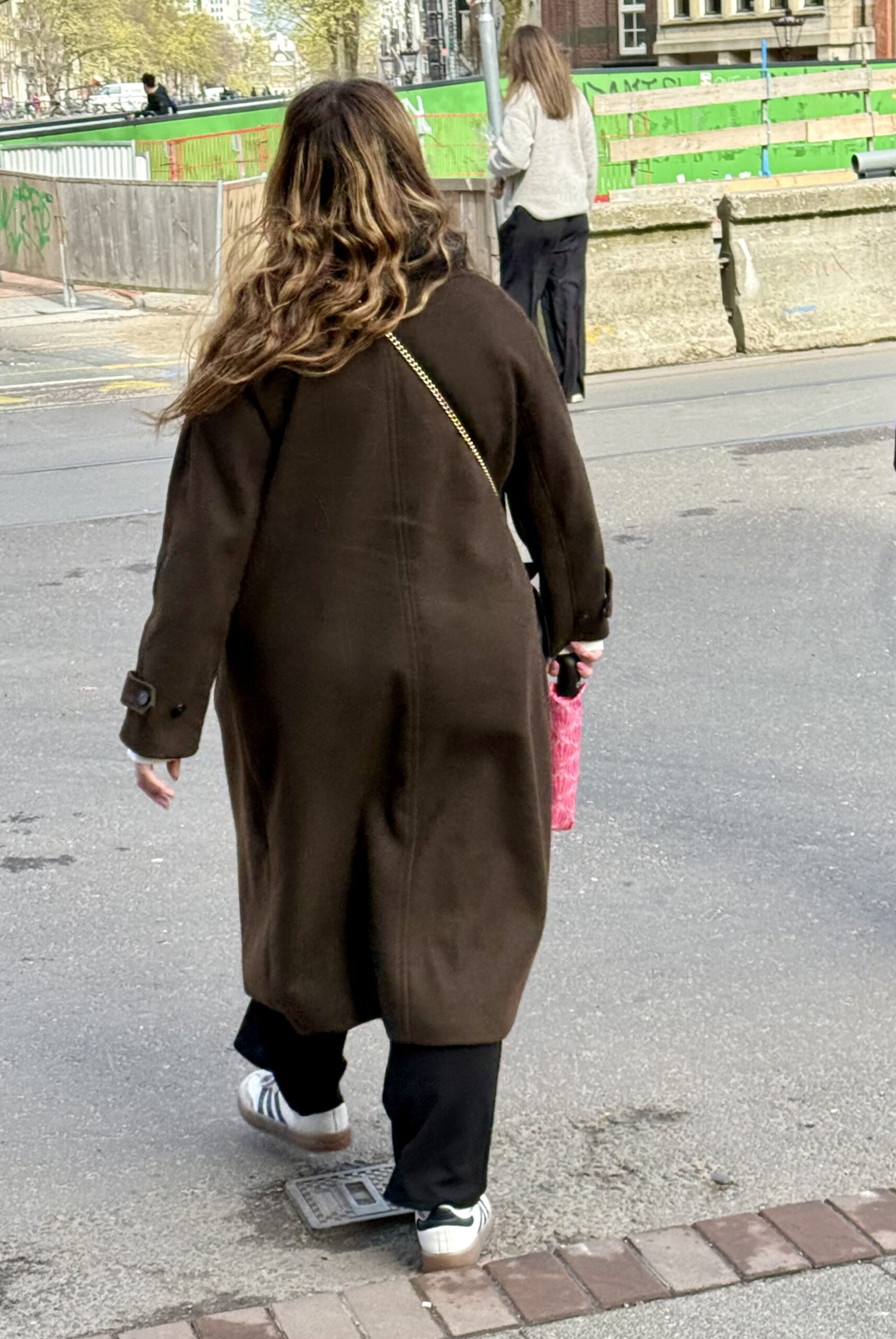
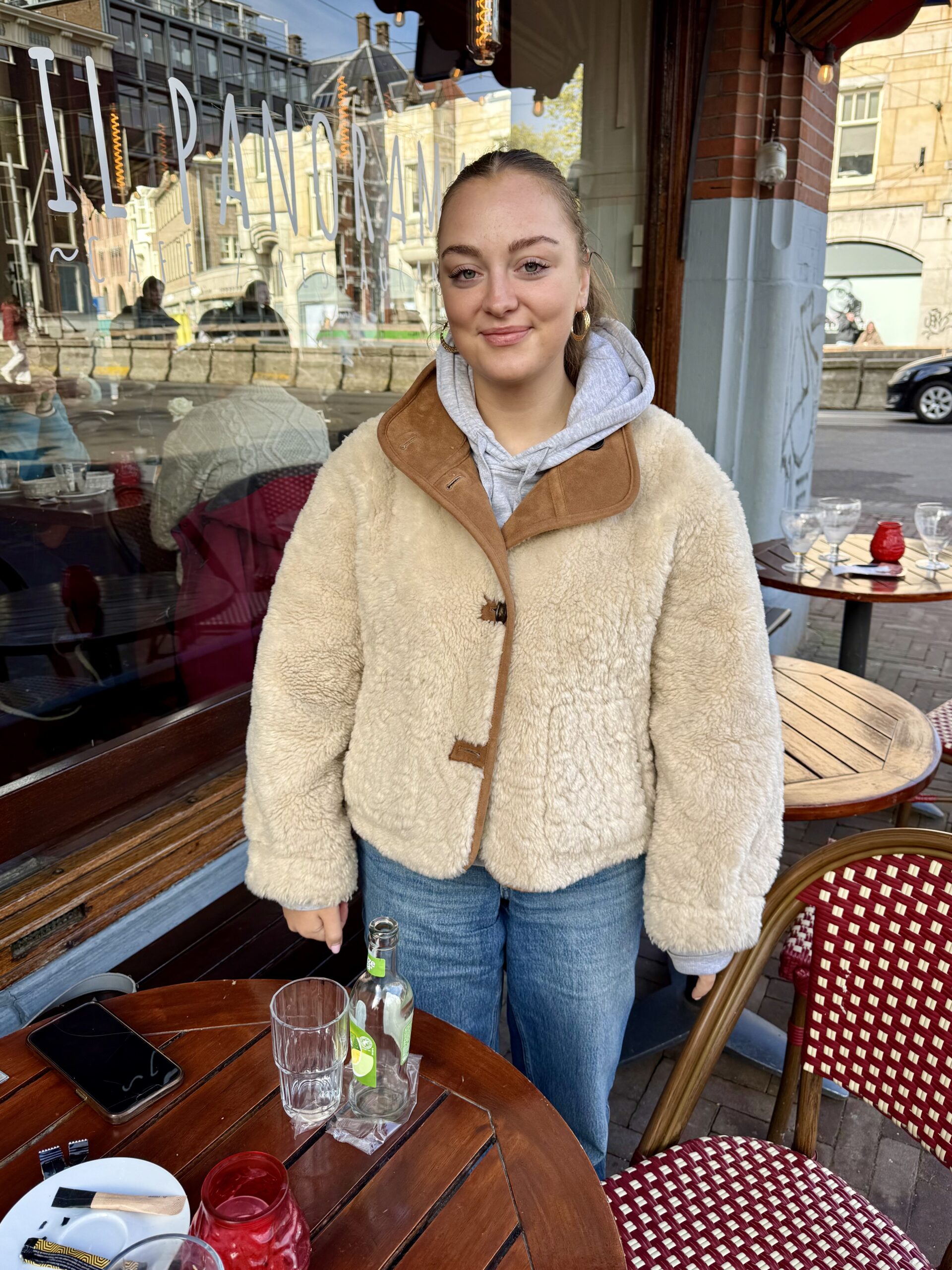
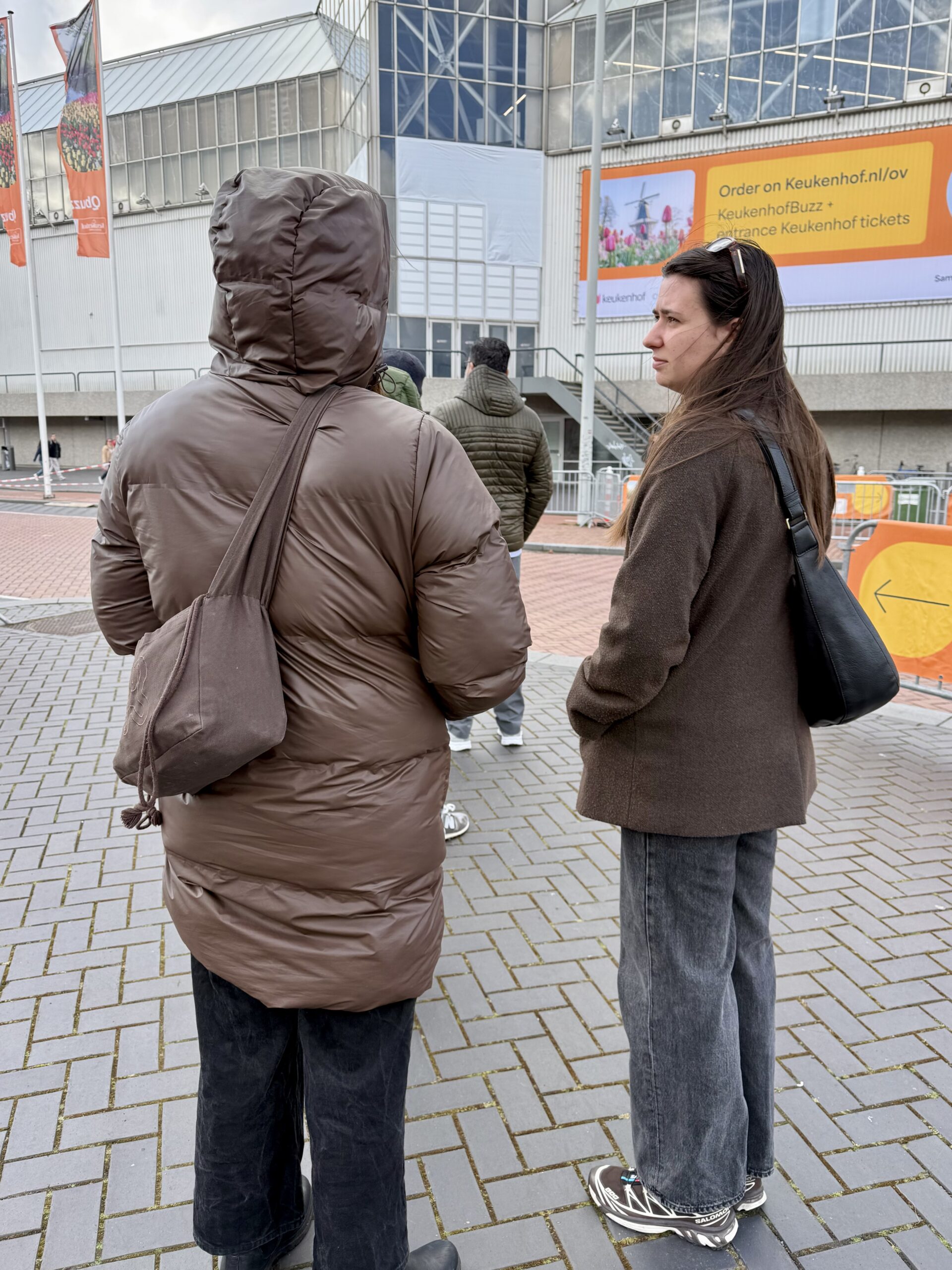
Especially for Diana and Alicia. In addition to puffy coats and North Face parkas, lots of lovely, long wool coats on men and women, often in chocolate brown or oatmeal. All kinds of fuzzy, furry jackets. Heavy, black leather, laced boots. Hair in high ballet buns. Wide-legged trousers on men and women.


Boat Tour!
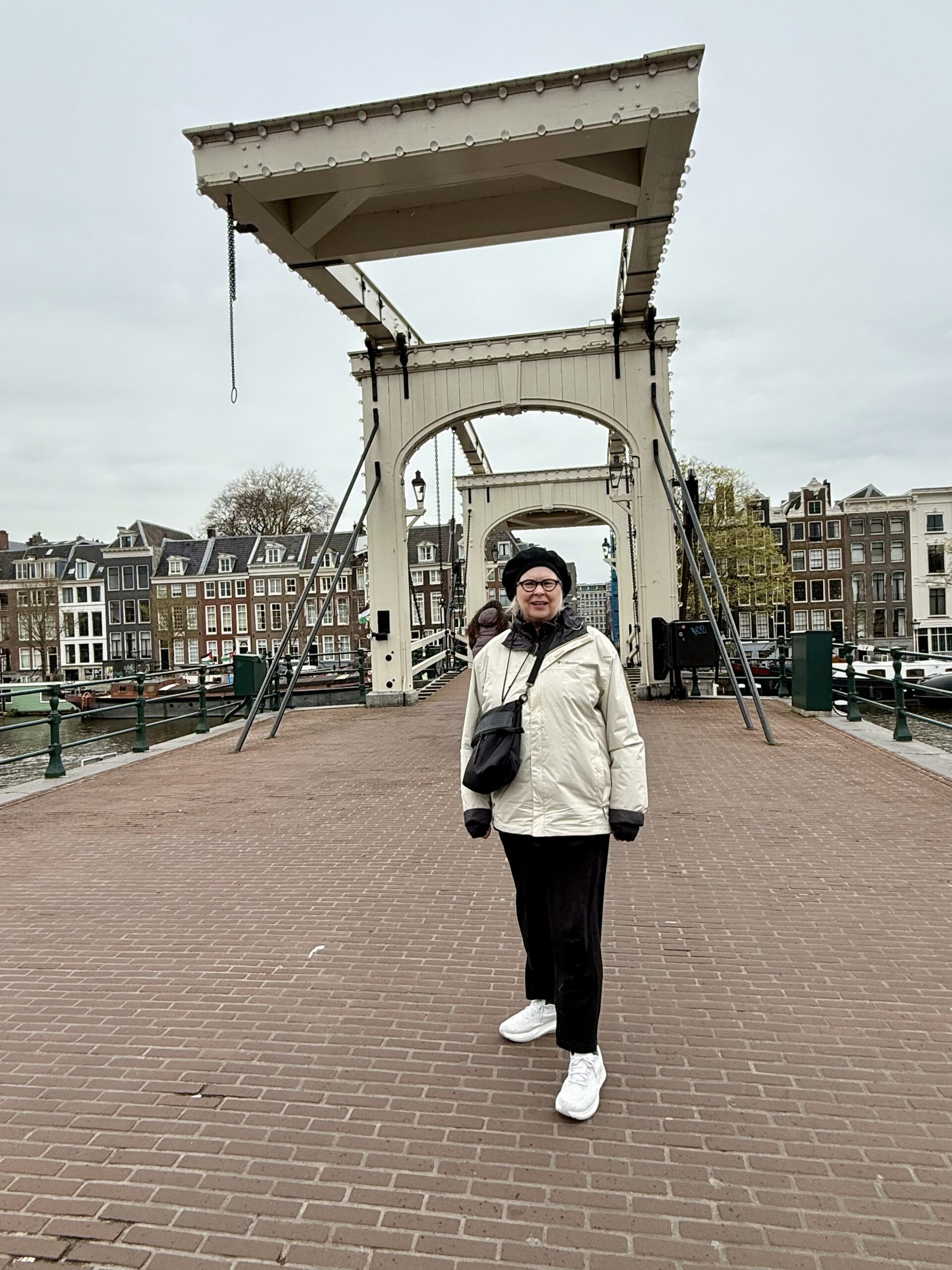
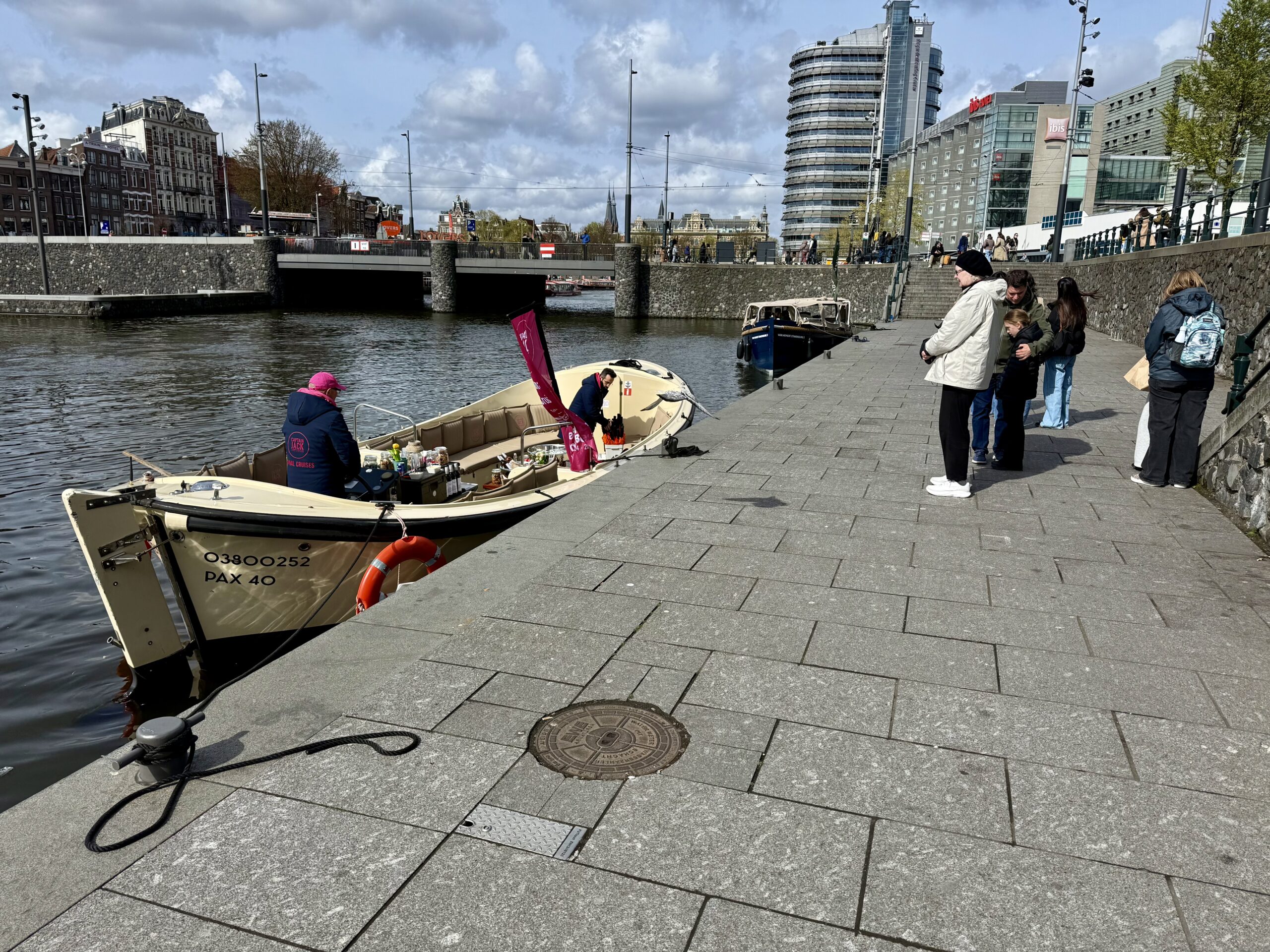
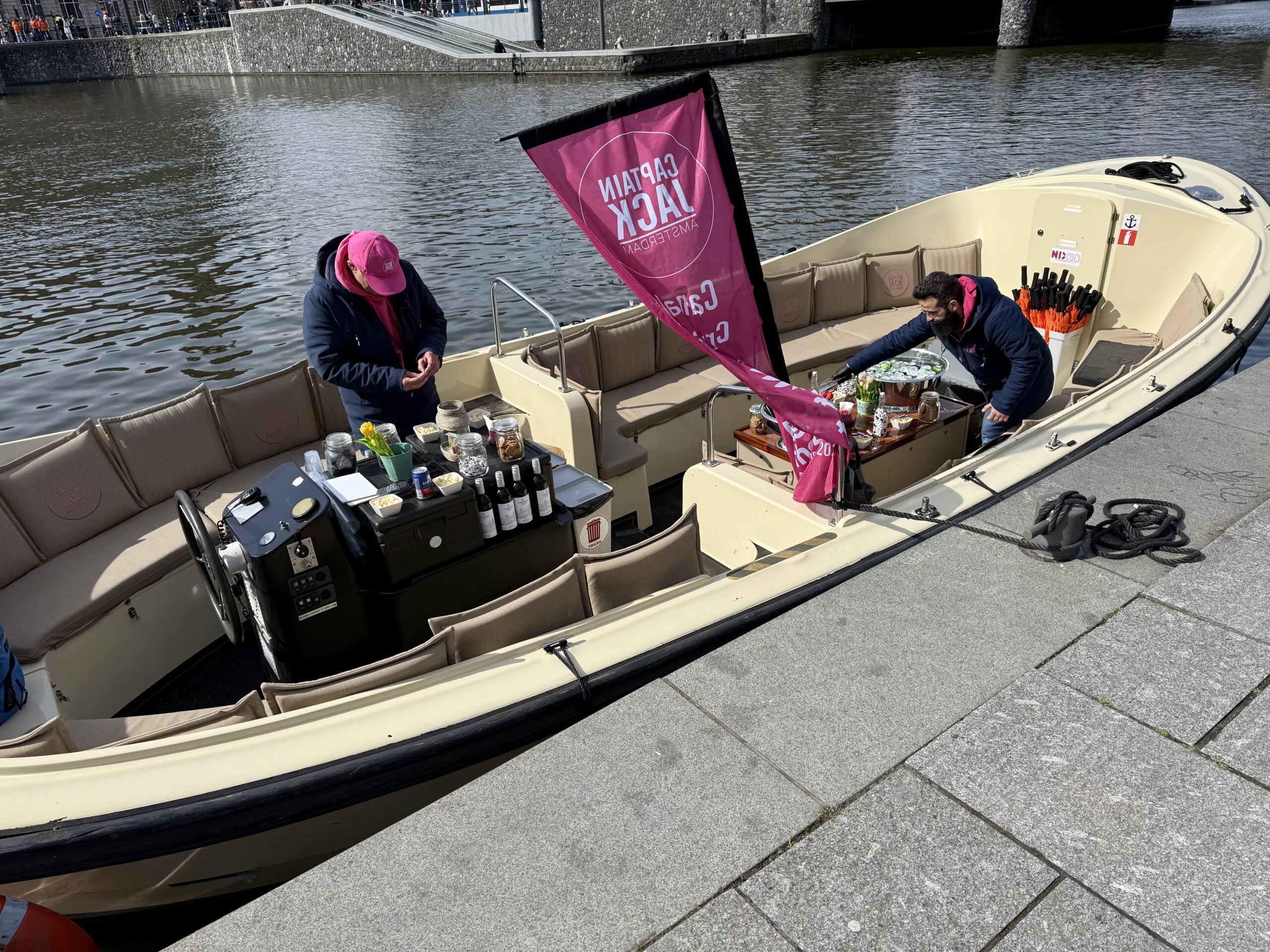
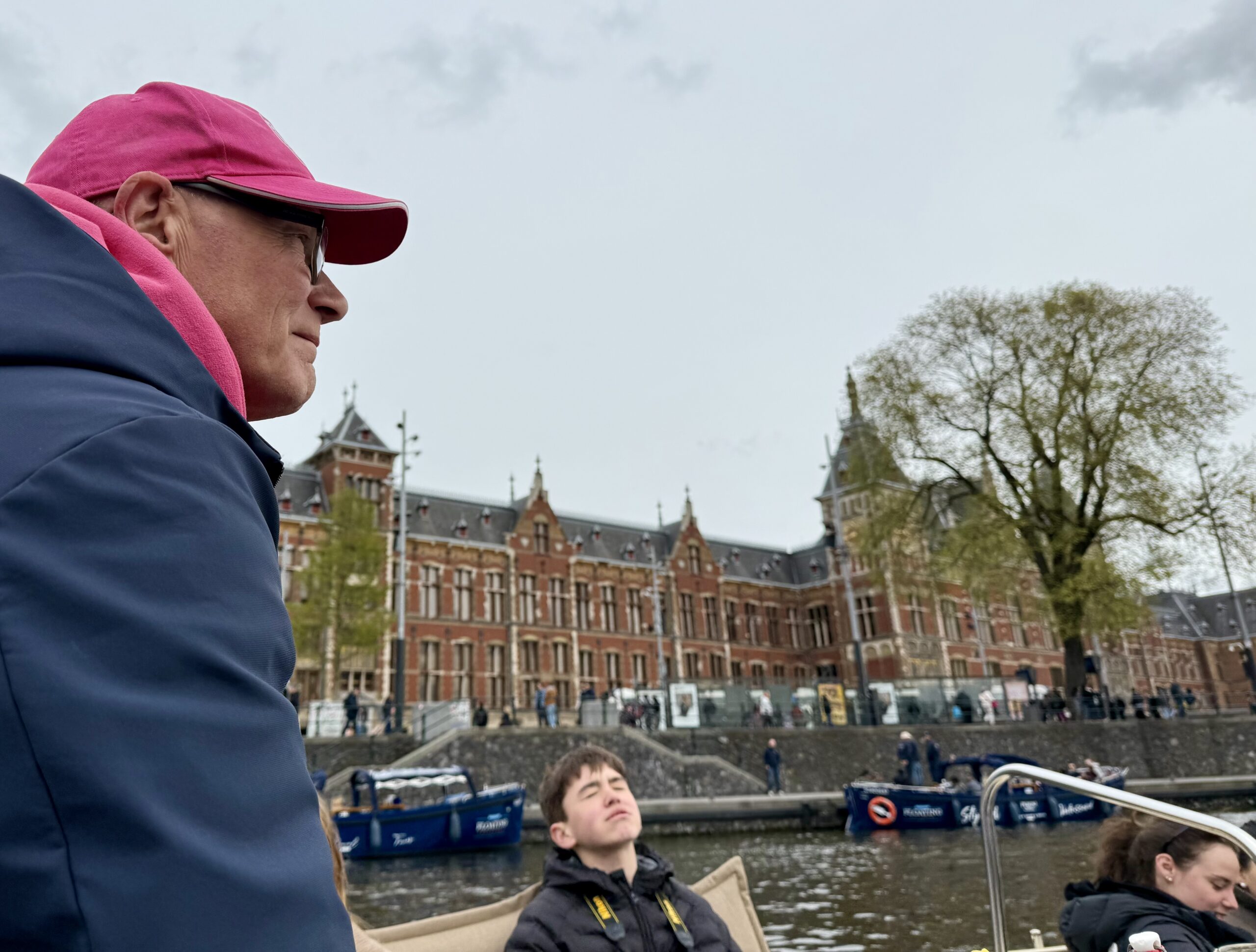
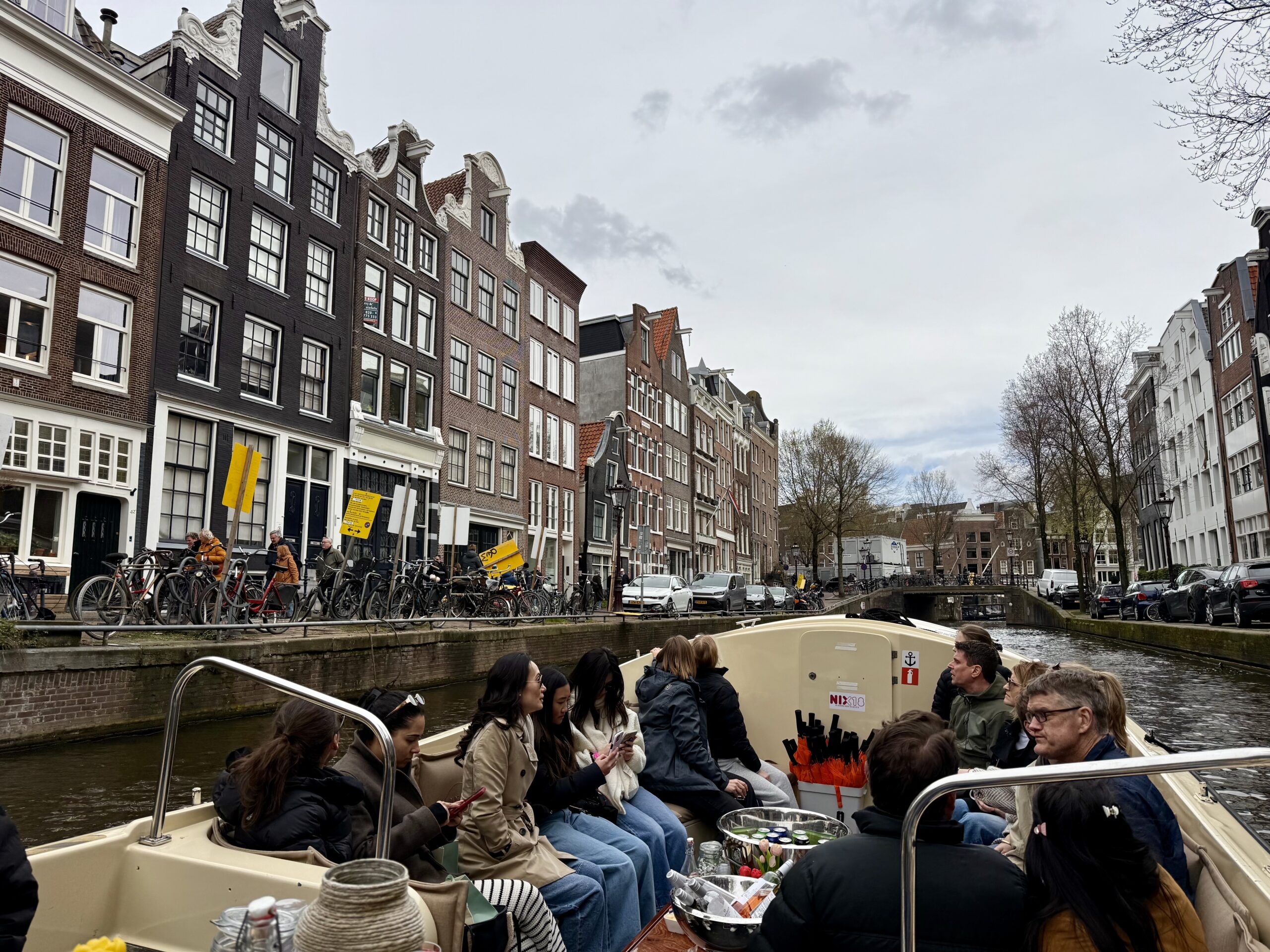
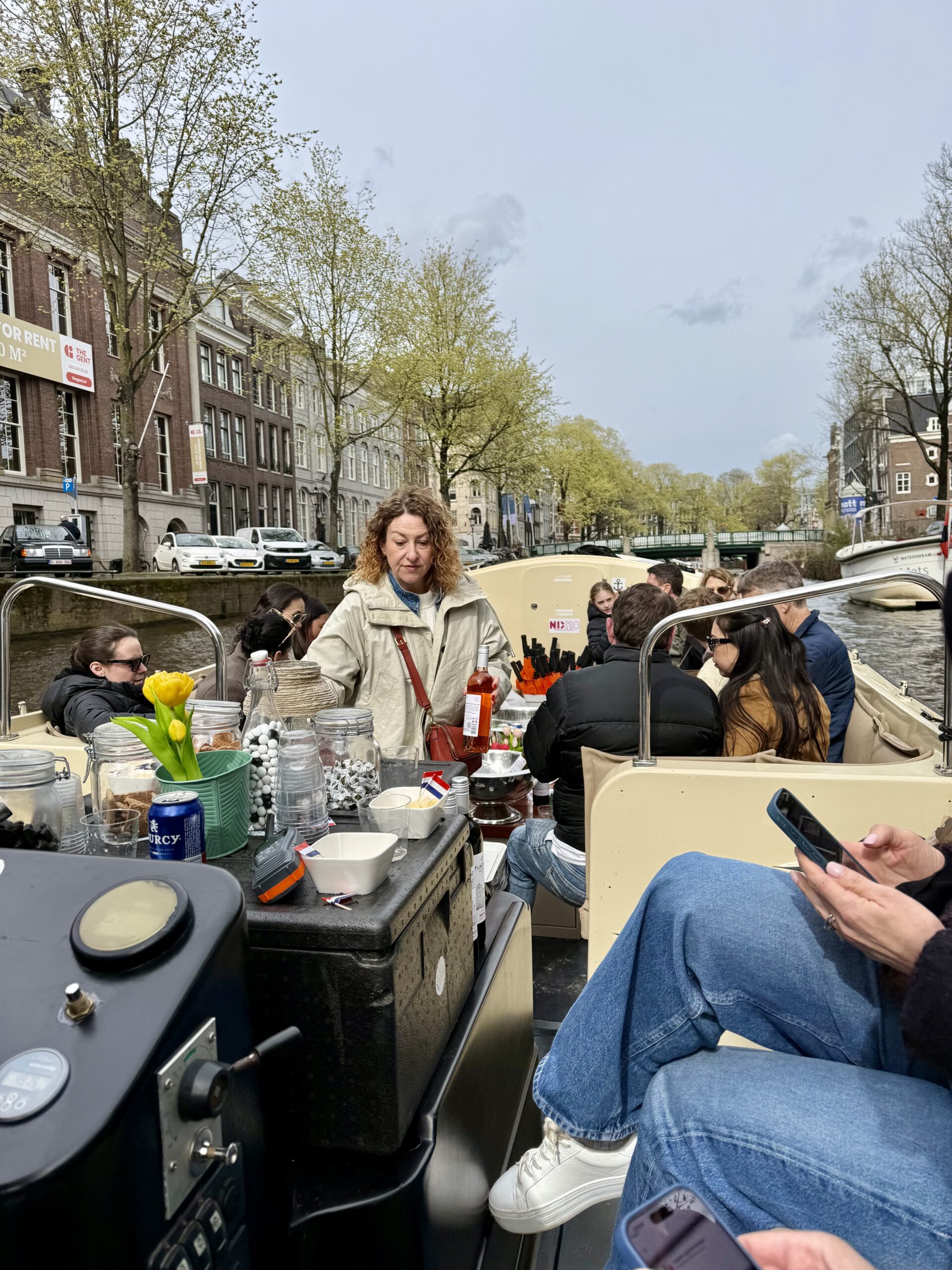
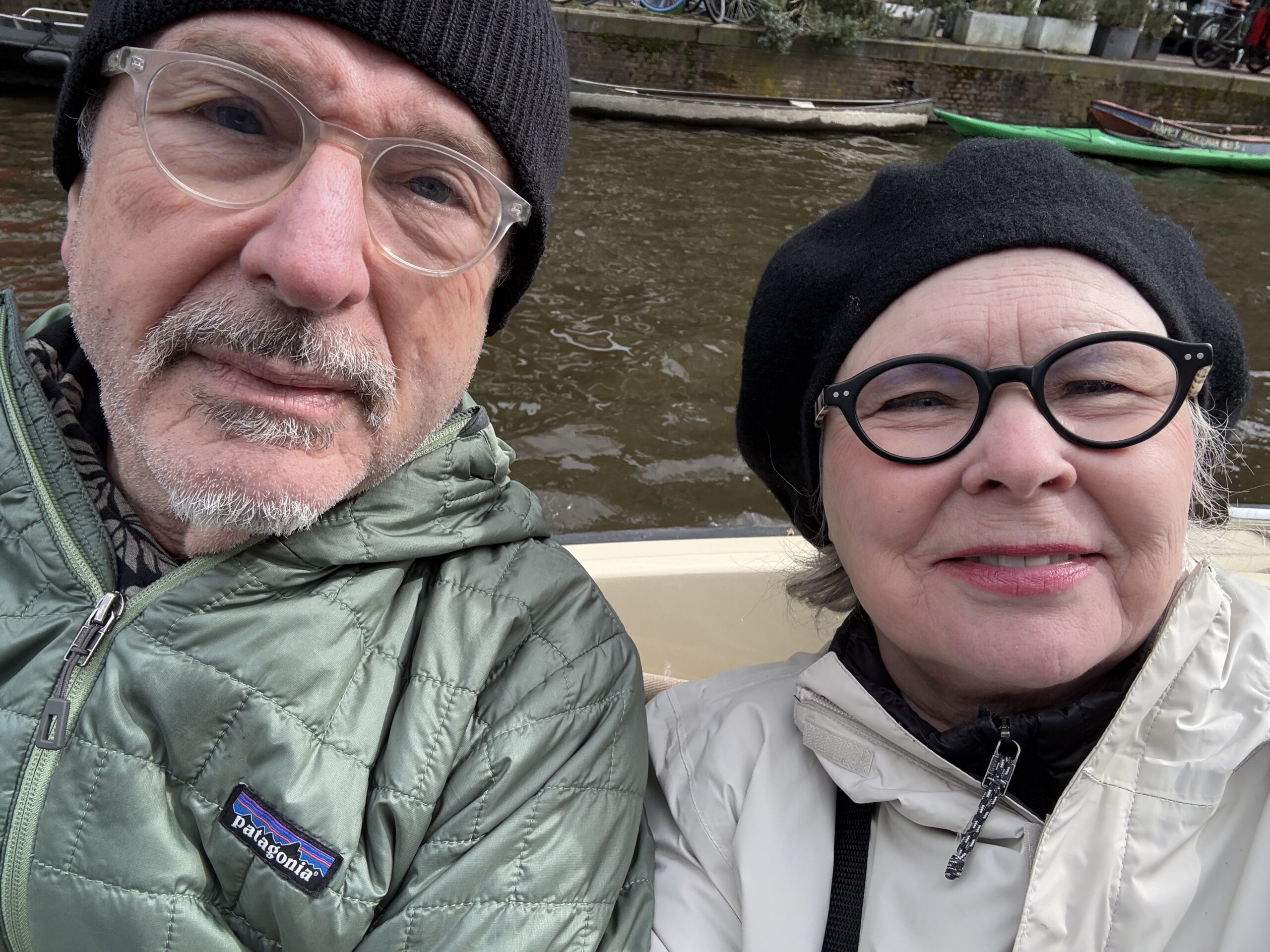
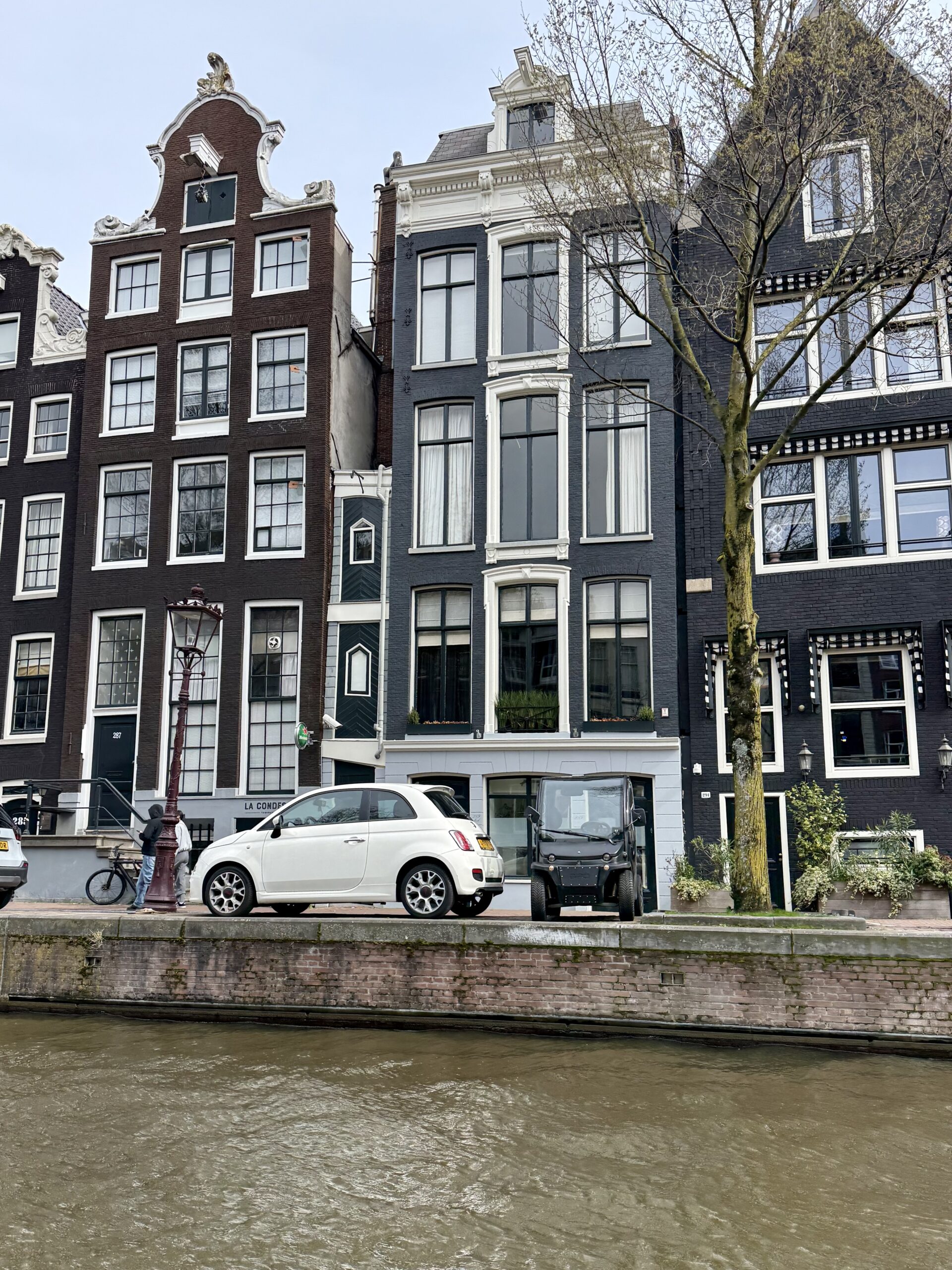
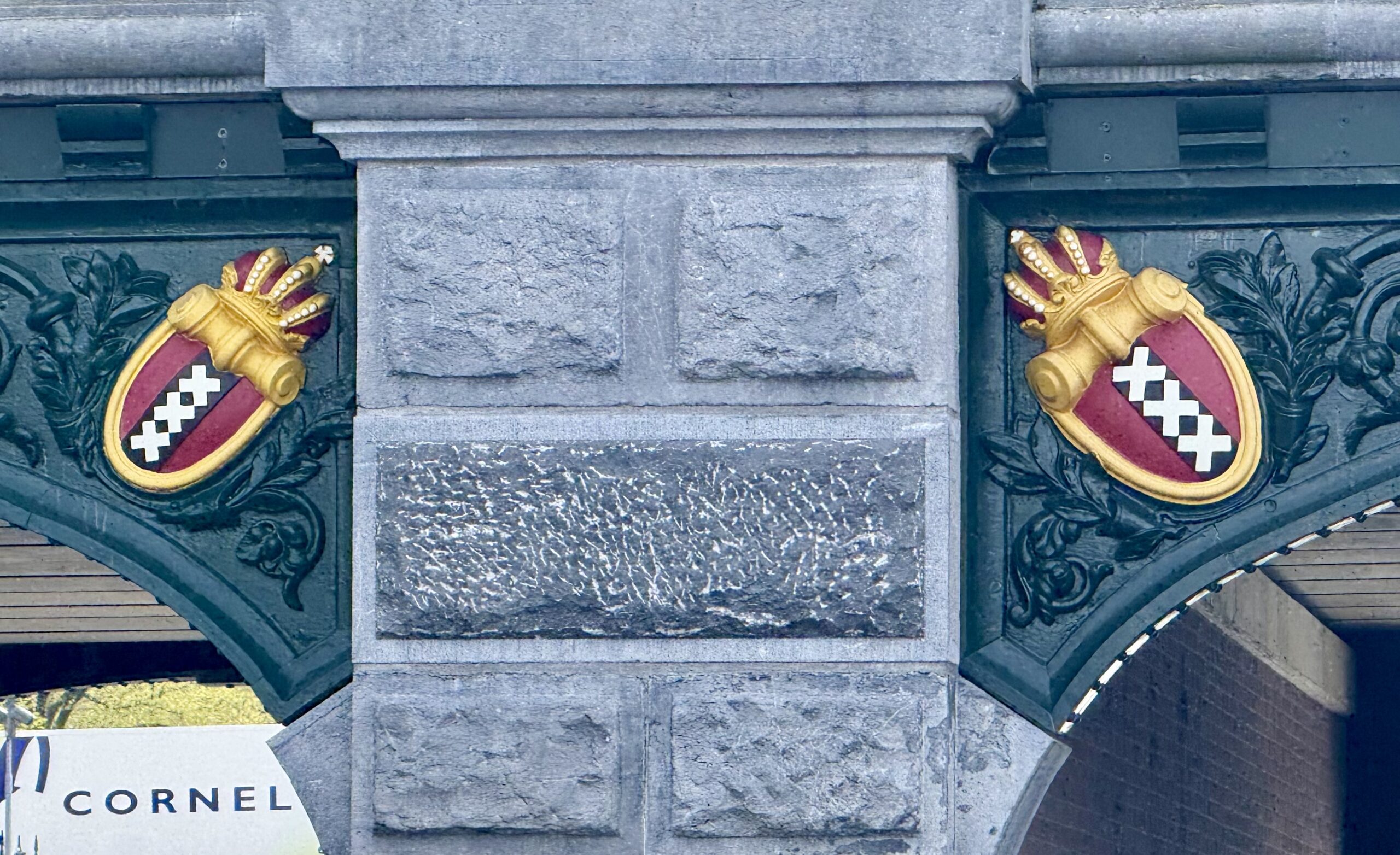
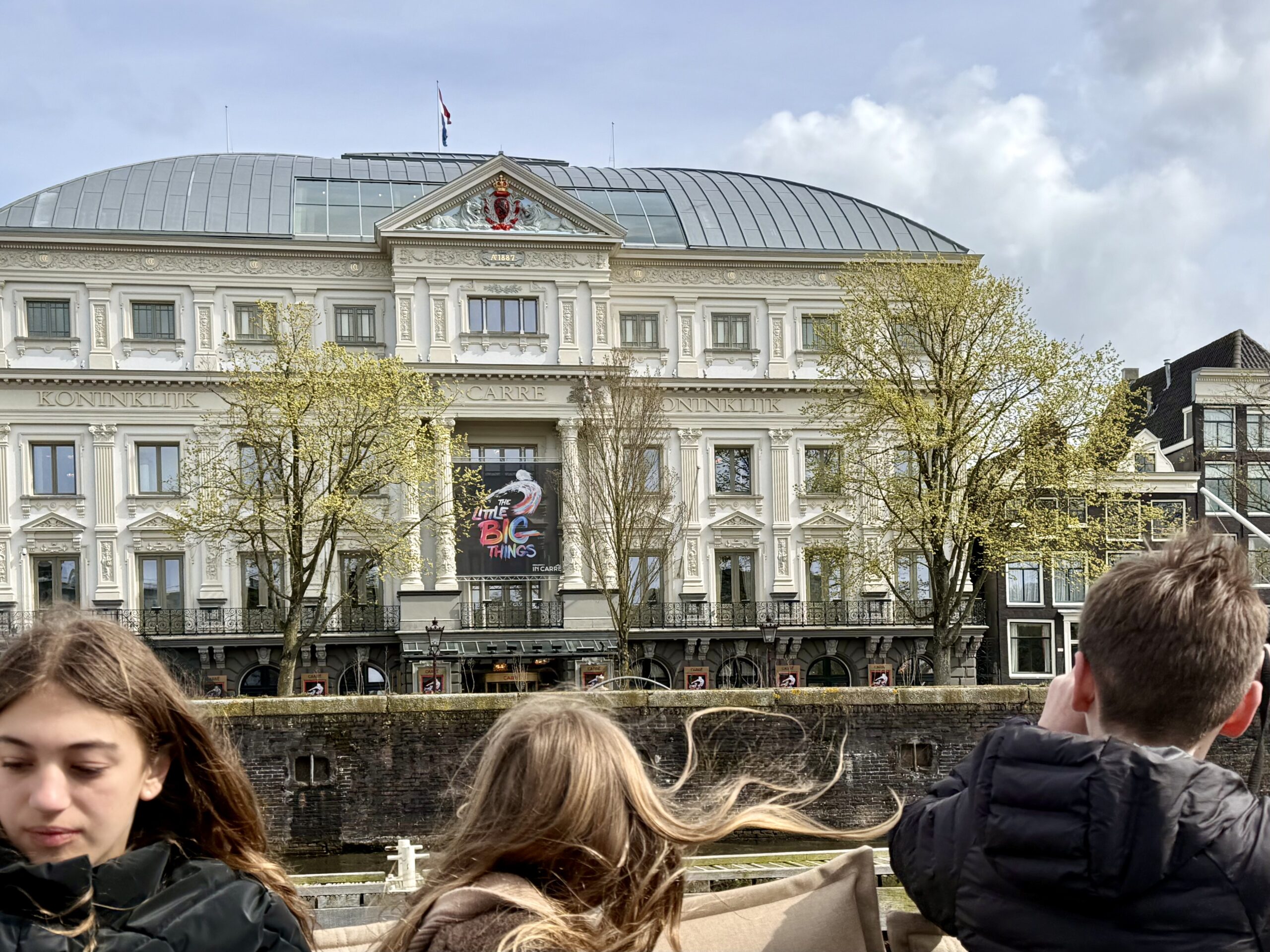
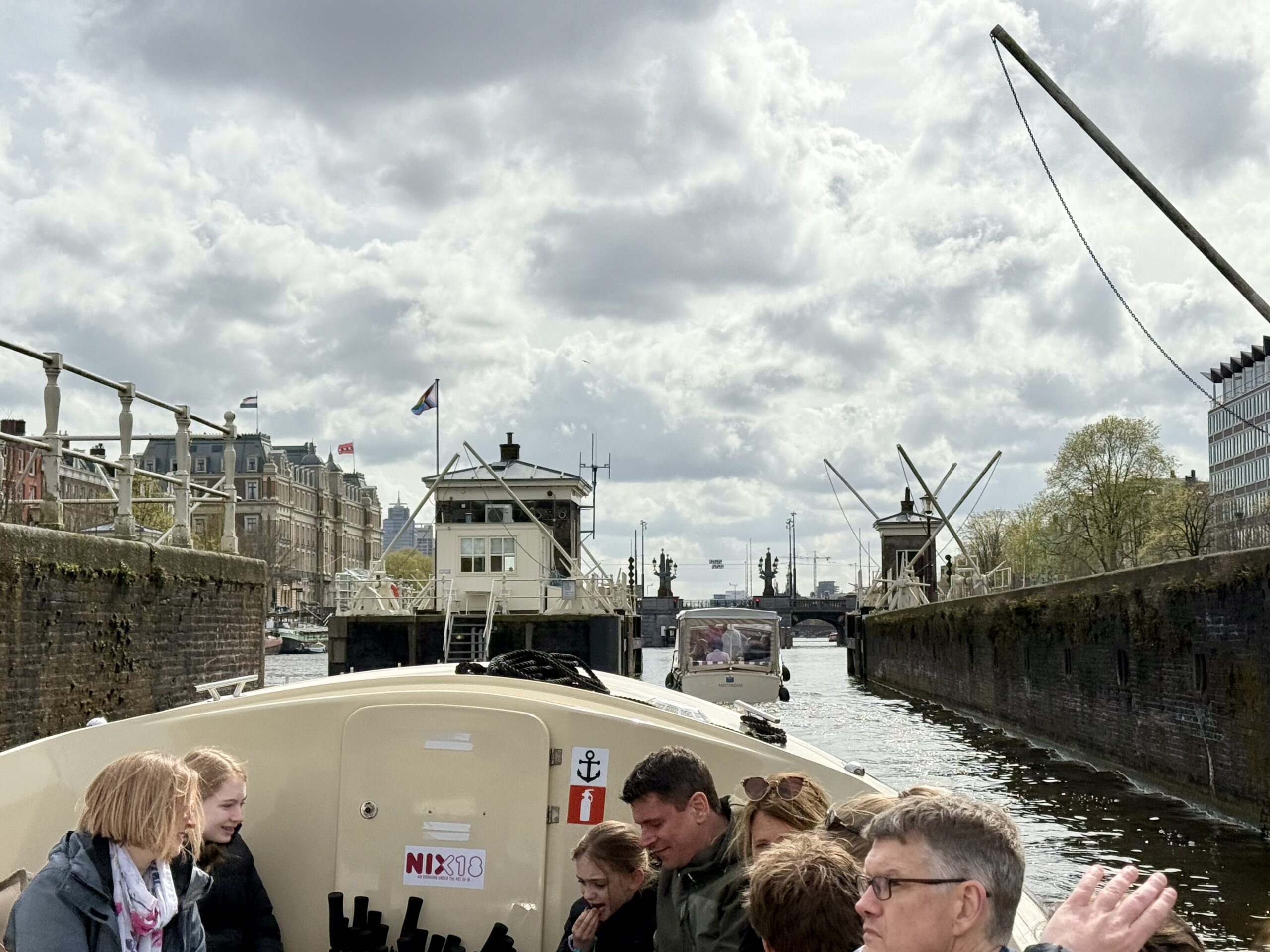
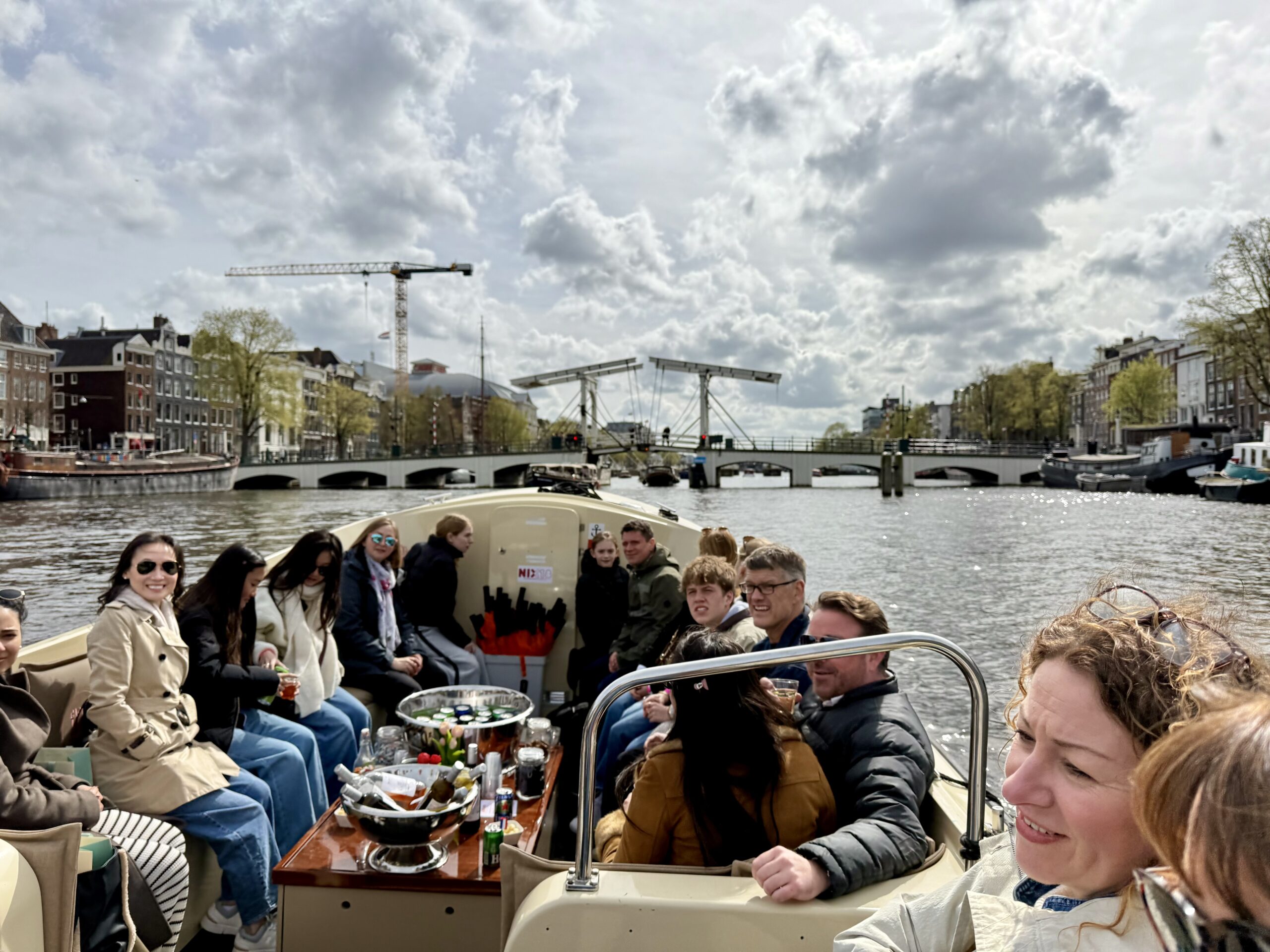
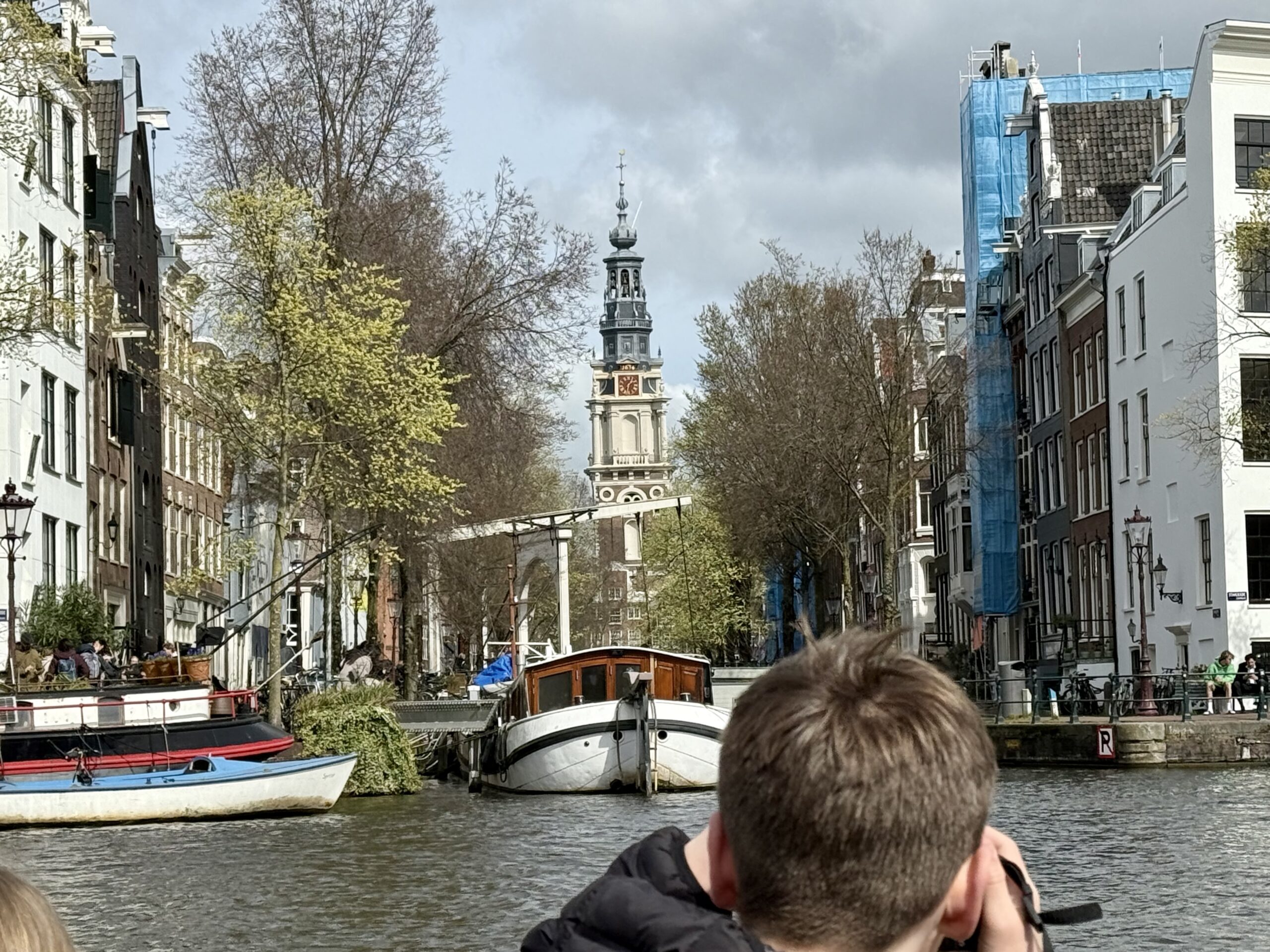
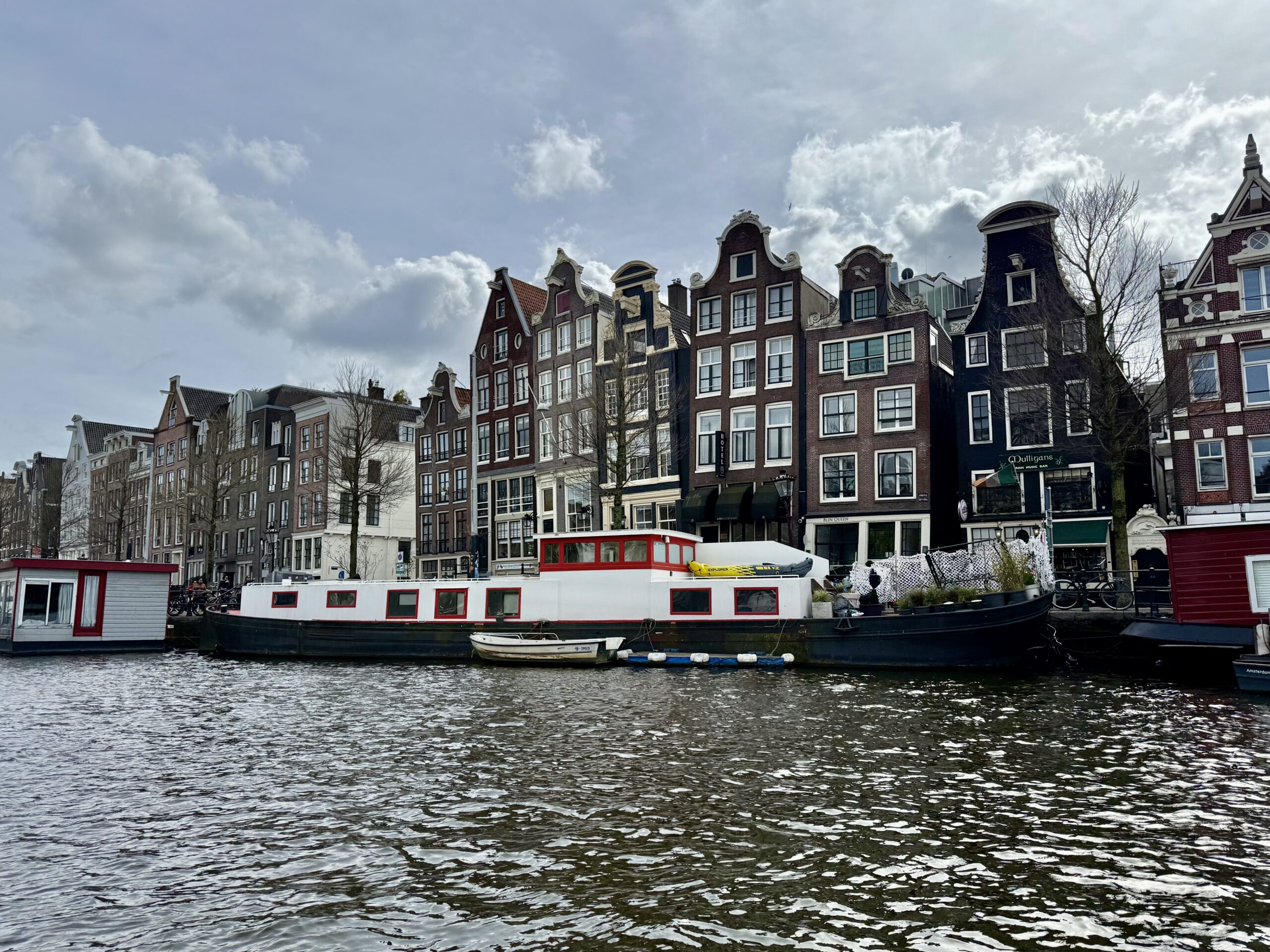
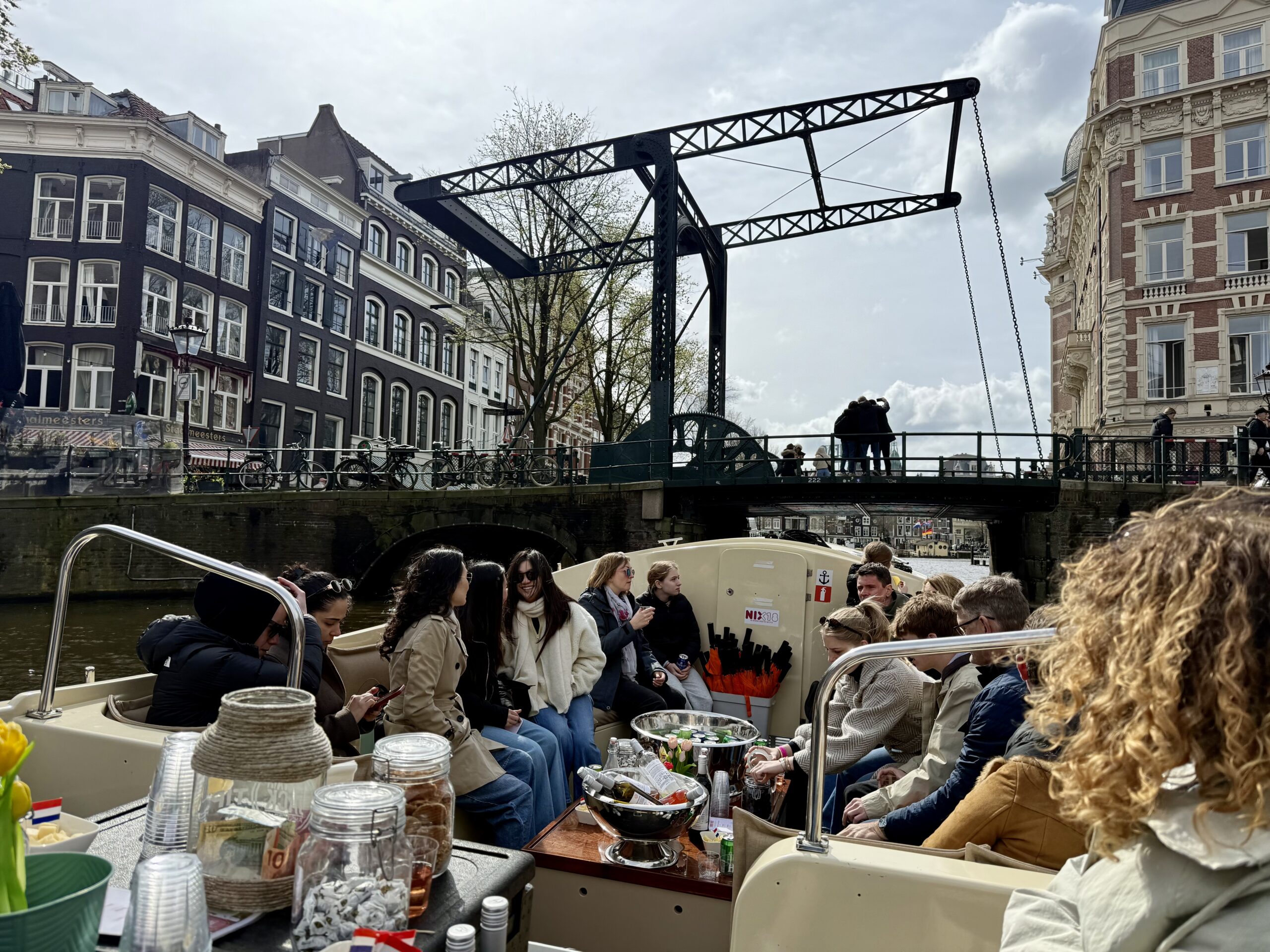
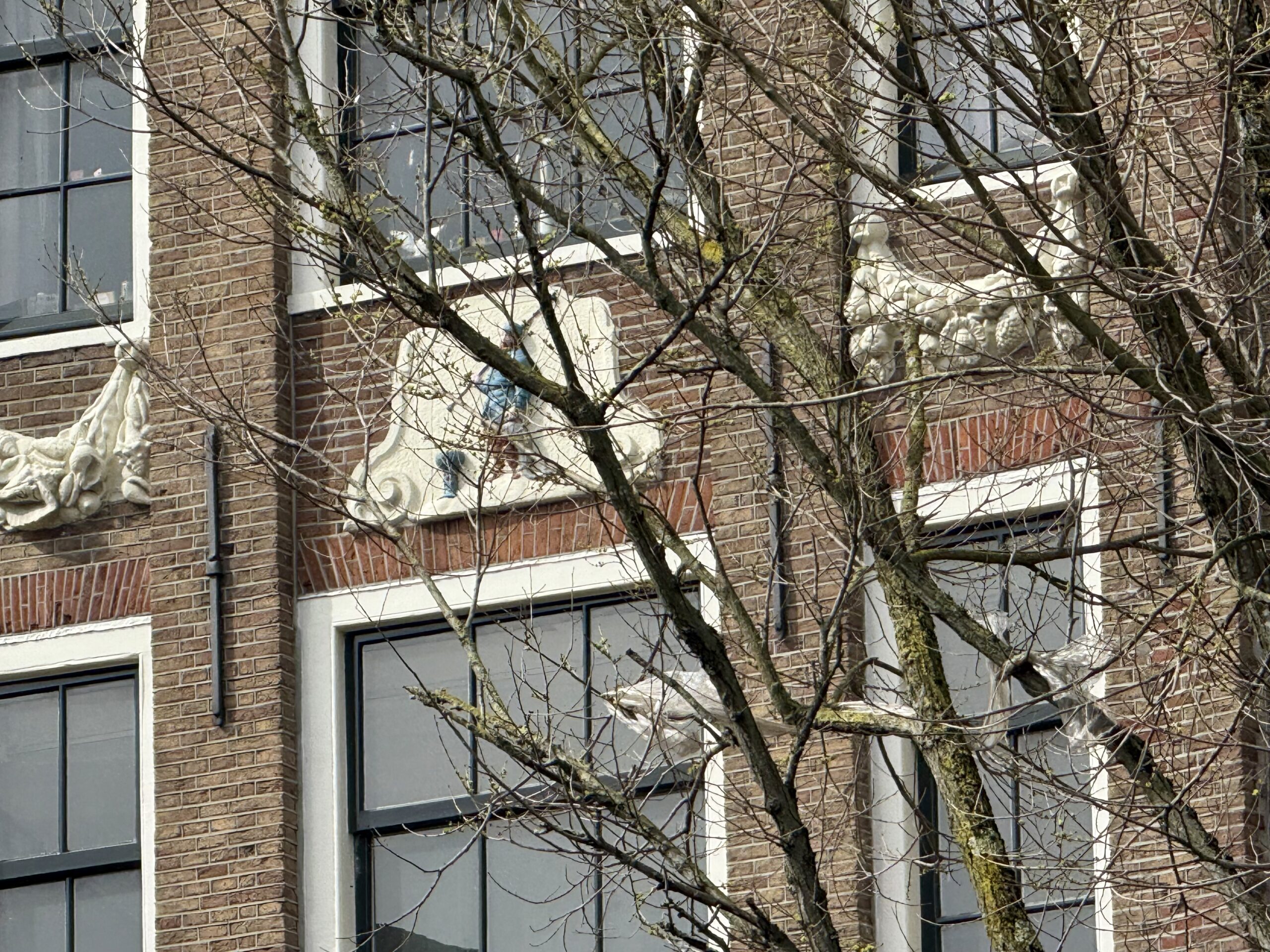
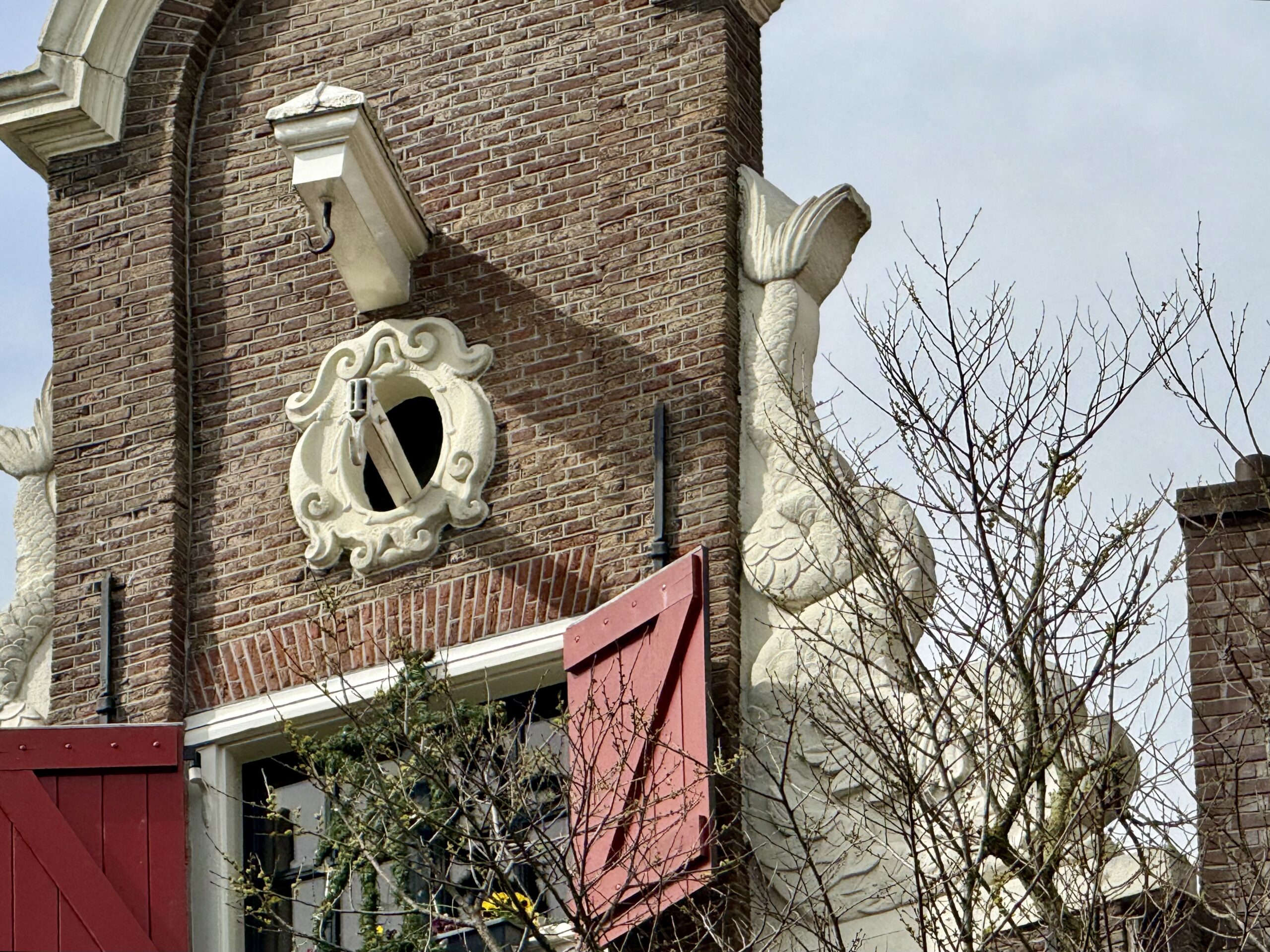
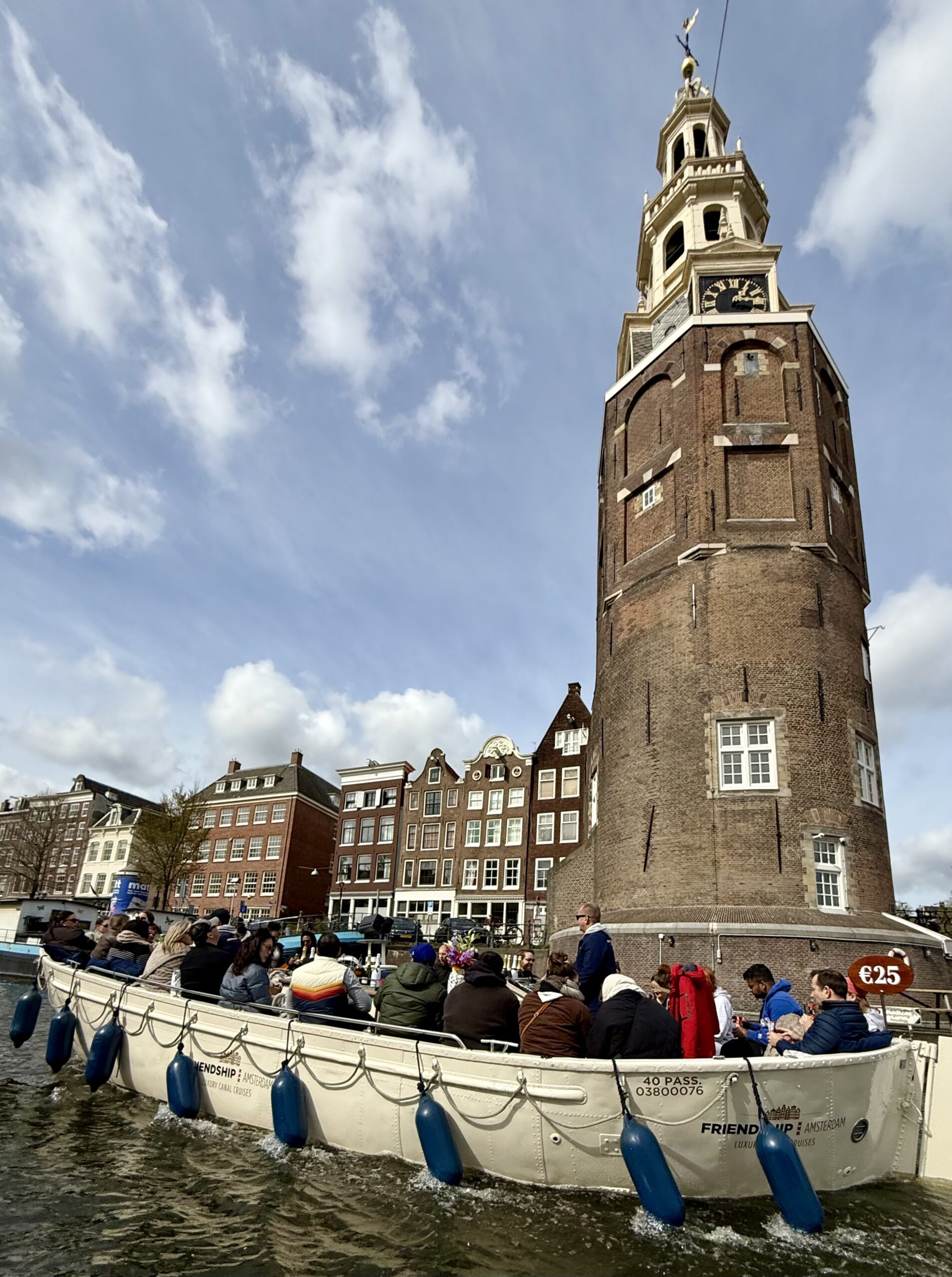
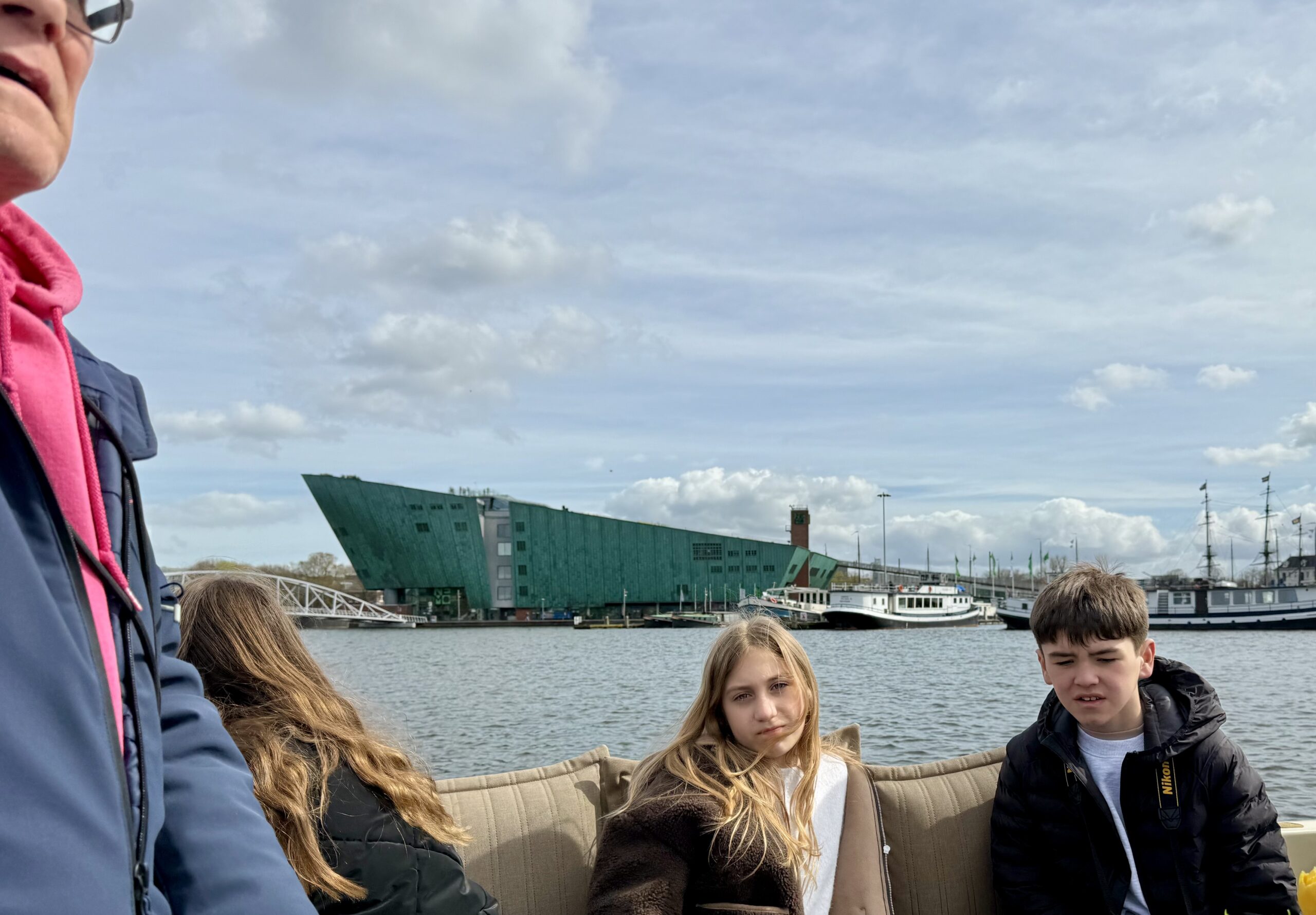
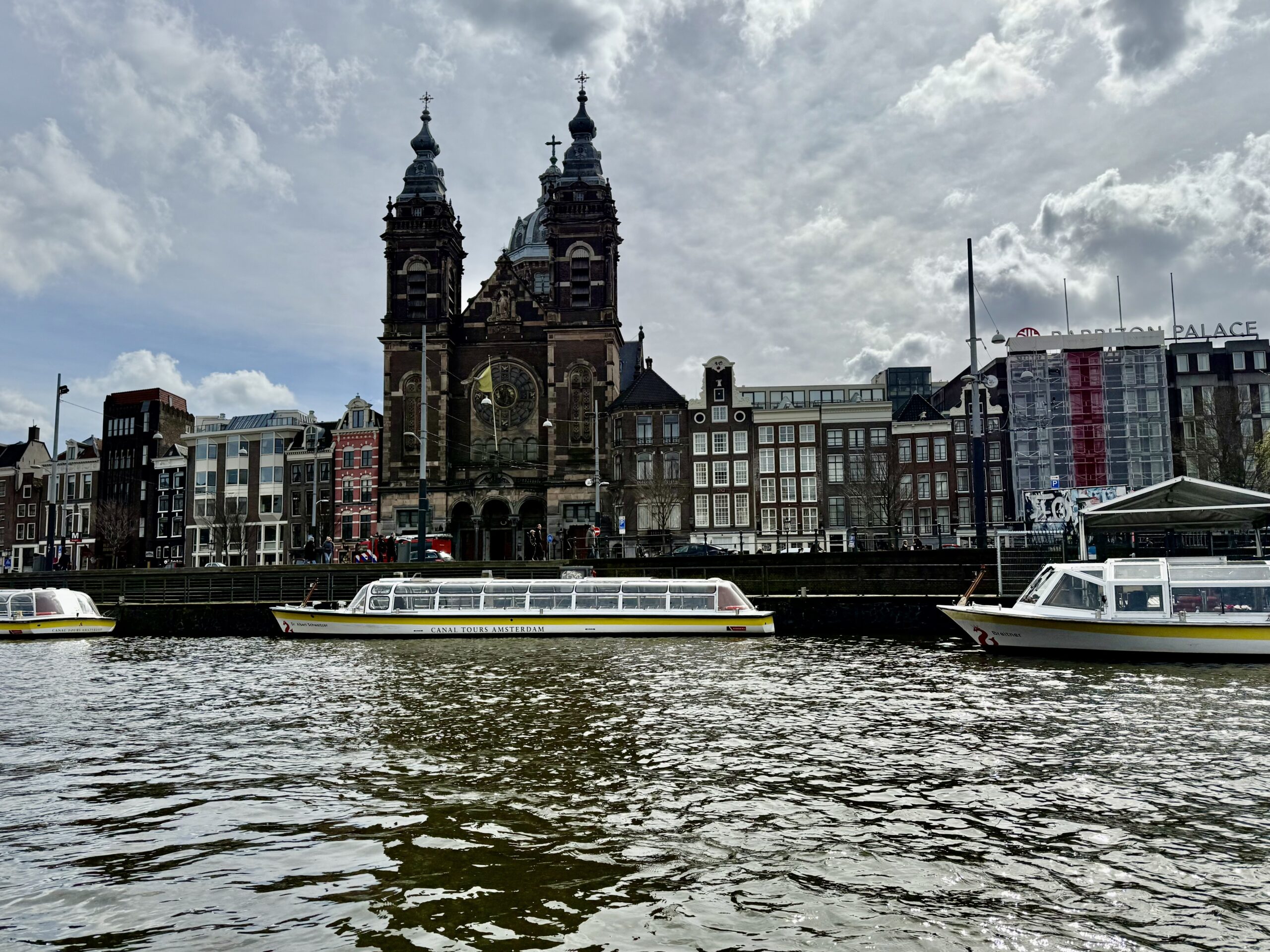
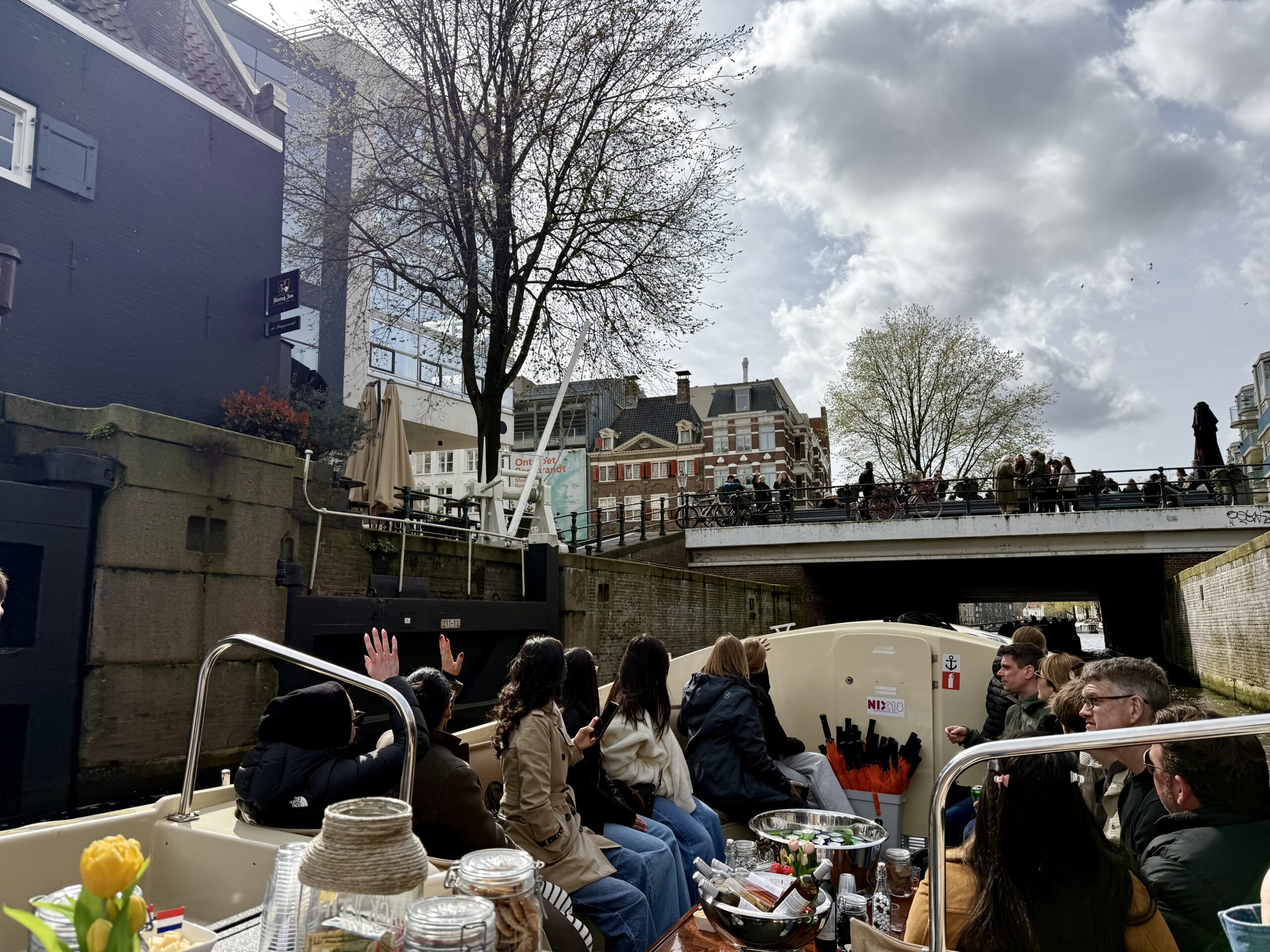
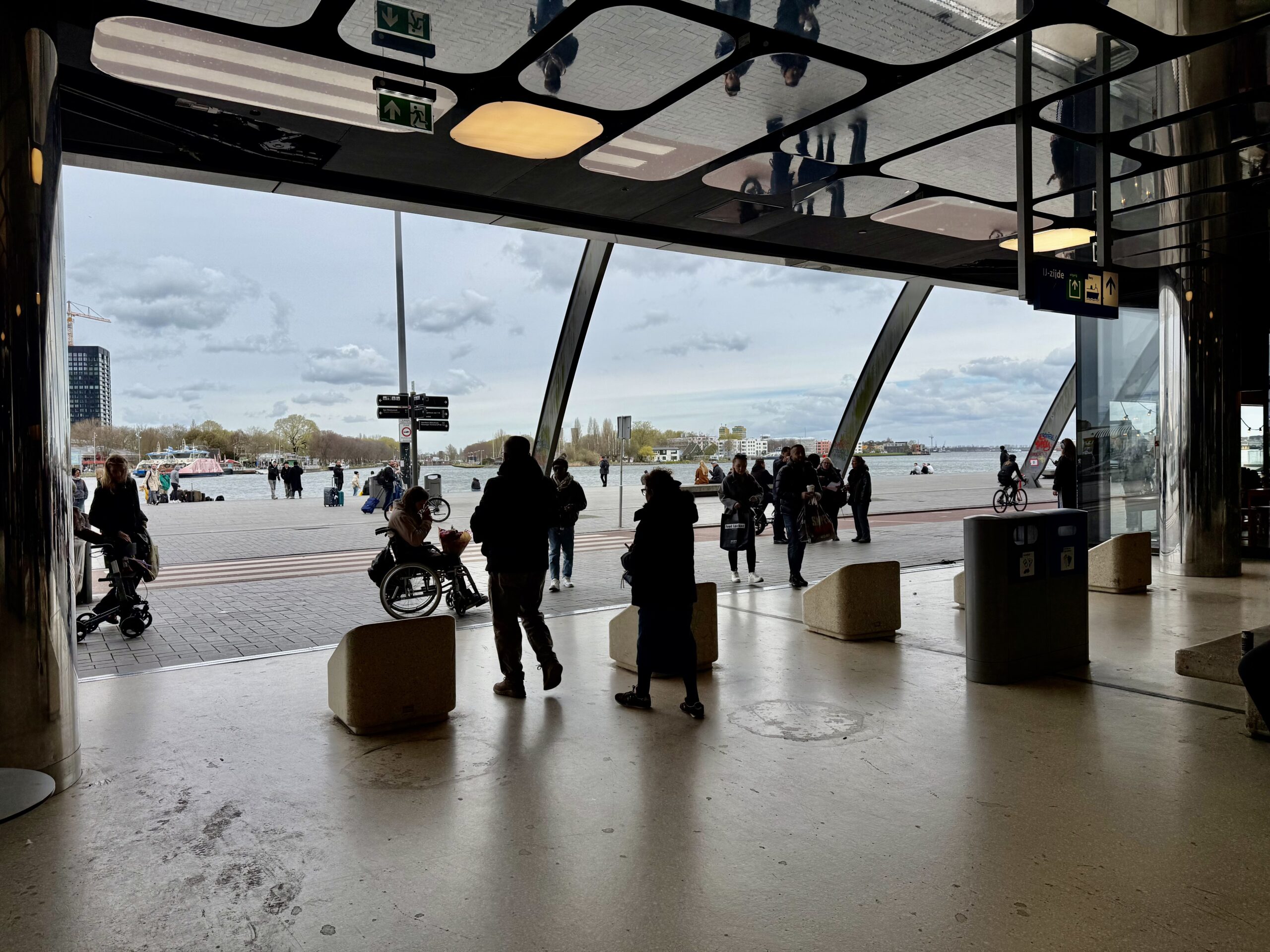
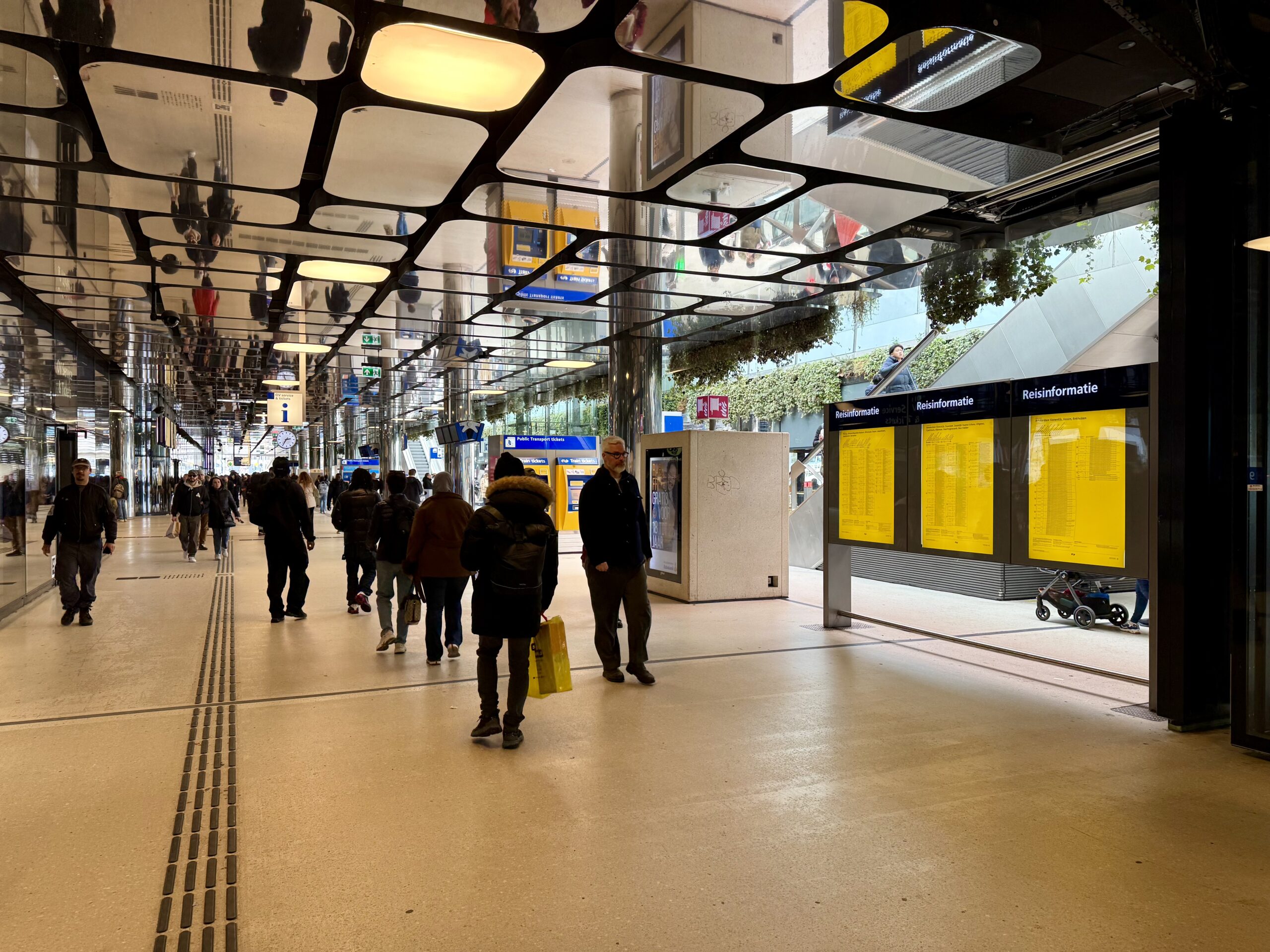
Bonnie loves a boat ride. Our excellent 90-minute canal tour started near Central Station. The weather was better than expected for an open boat, which was well supplied with wine and snacks. Captain DJ offered dad jokes along with well-informed observations on Amsterdam history. His narrative ranged from accounts of the original stock exchange to stories about the Rolling Stones. He also pointed out the bridge where Rebecca (of Ted Lasso) fell into the canal and met the handsome Dutch man. (Bonnie had been looking for it.)
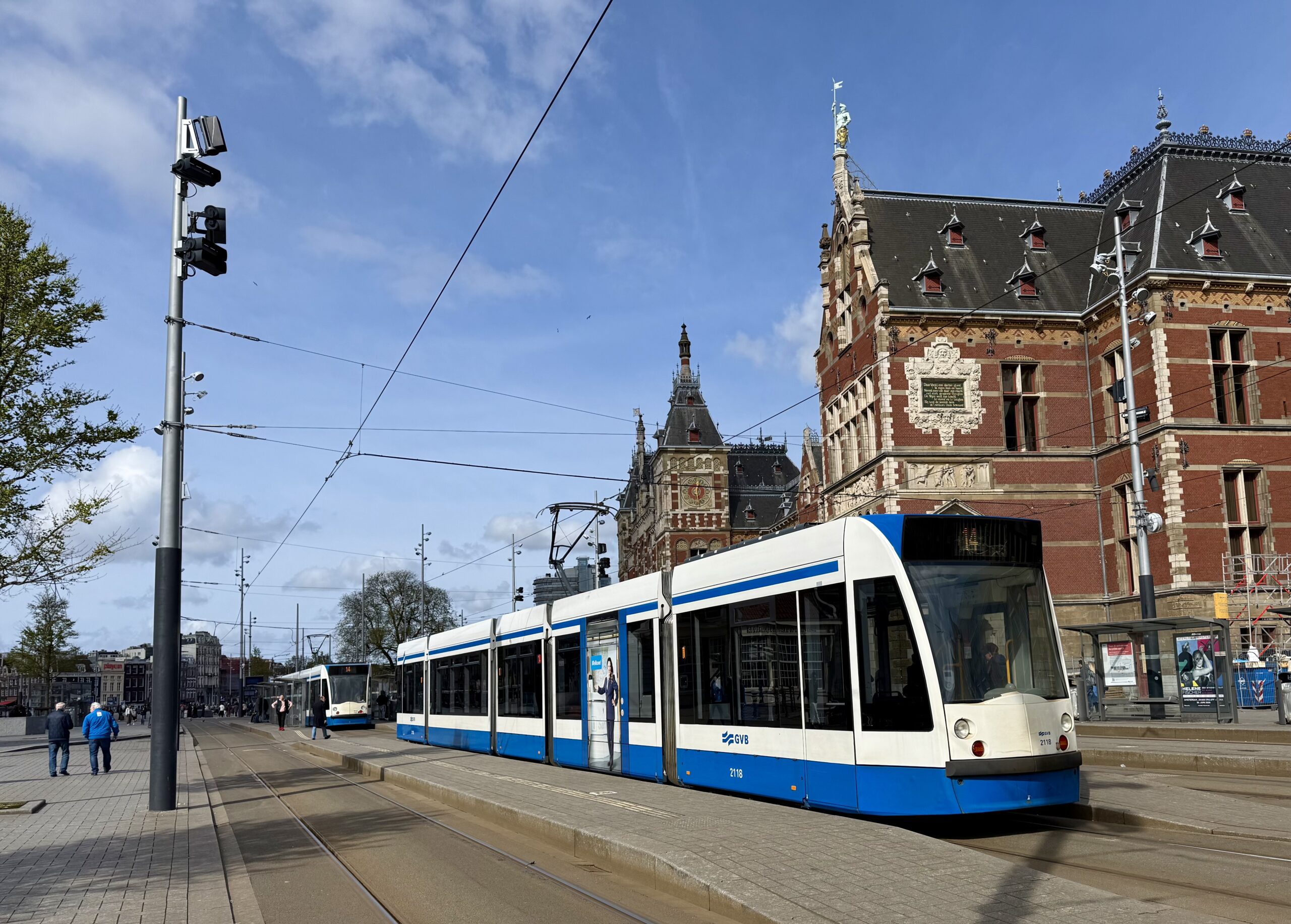
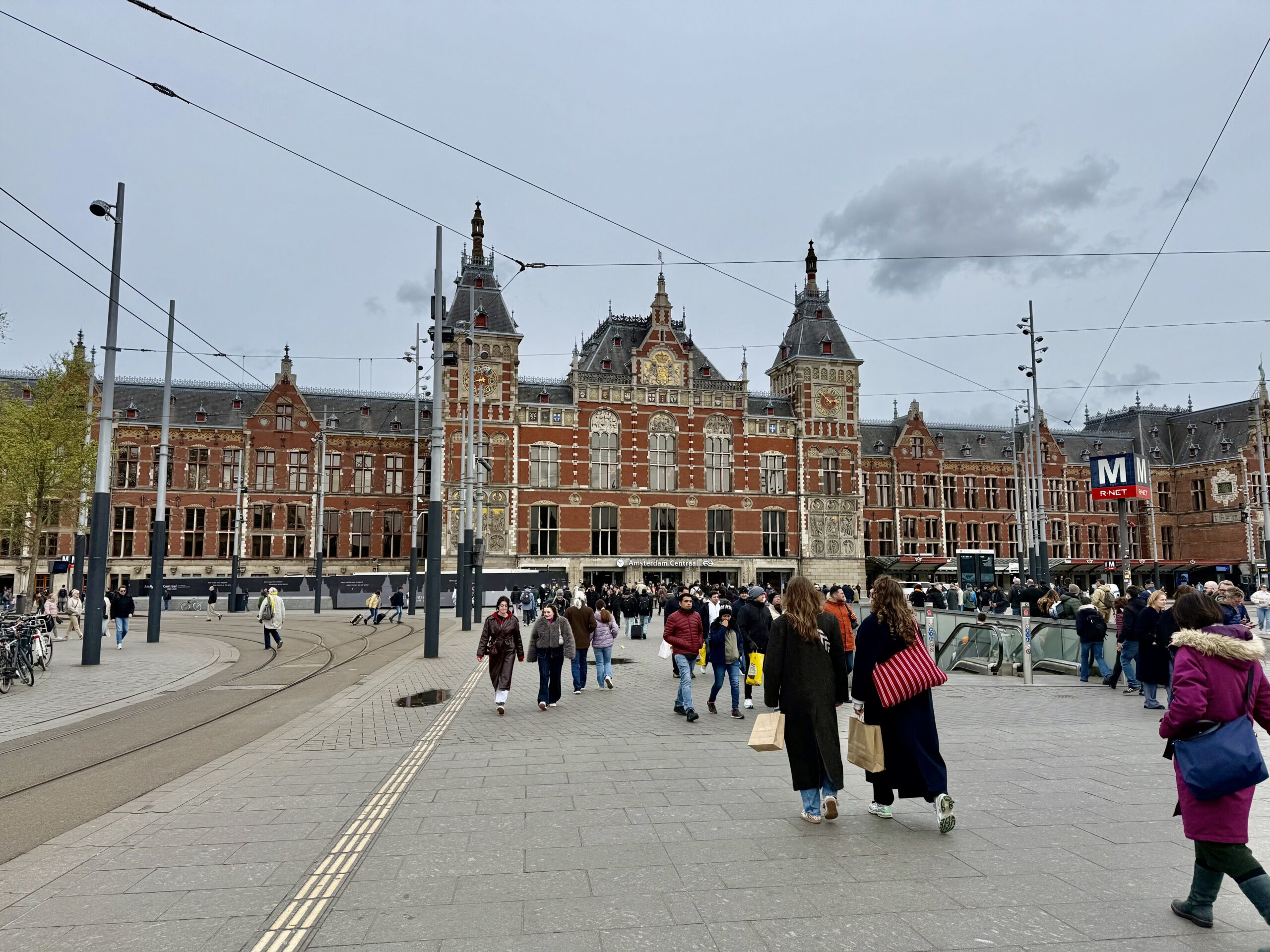
Central Station
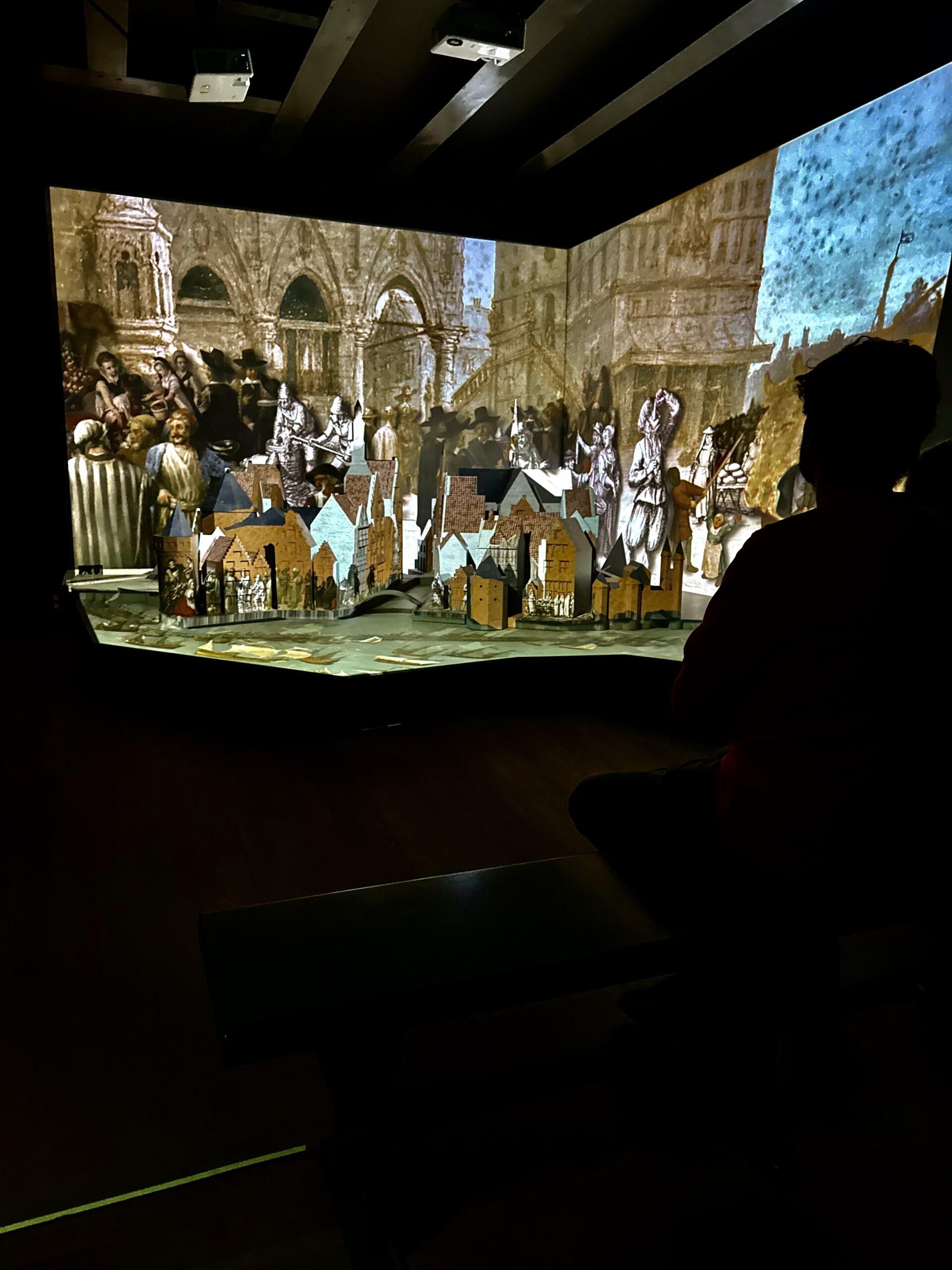
Canal Museum
Tulips and Daffodils Anyone?
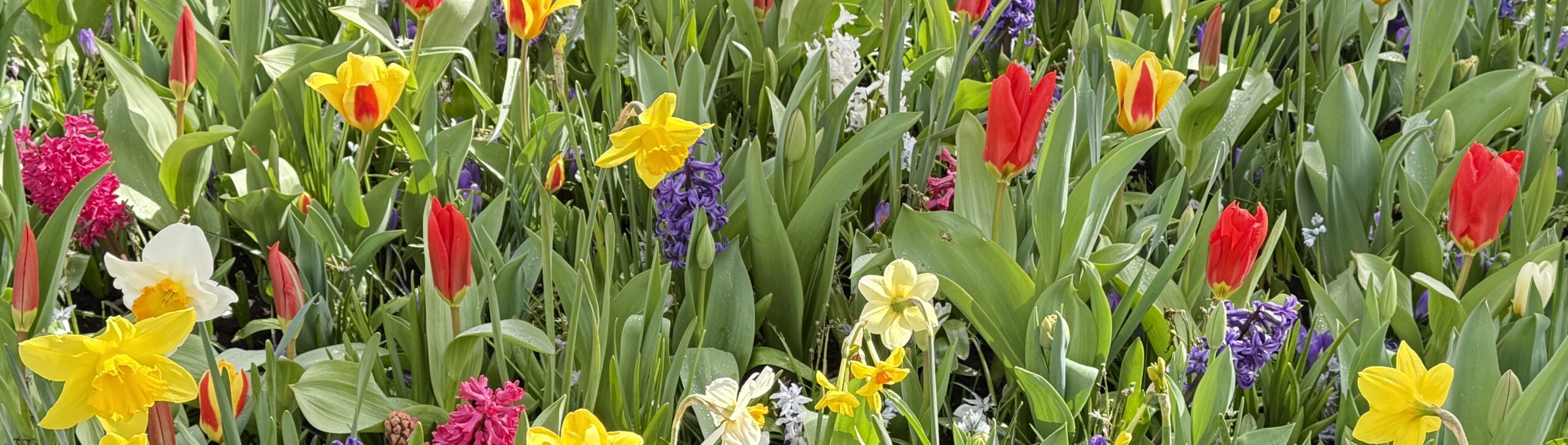
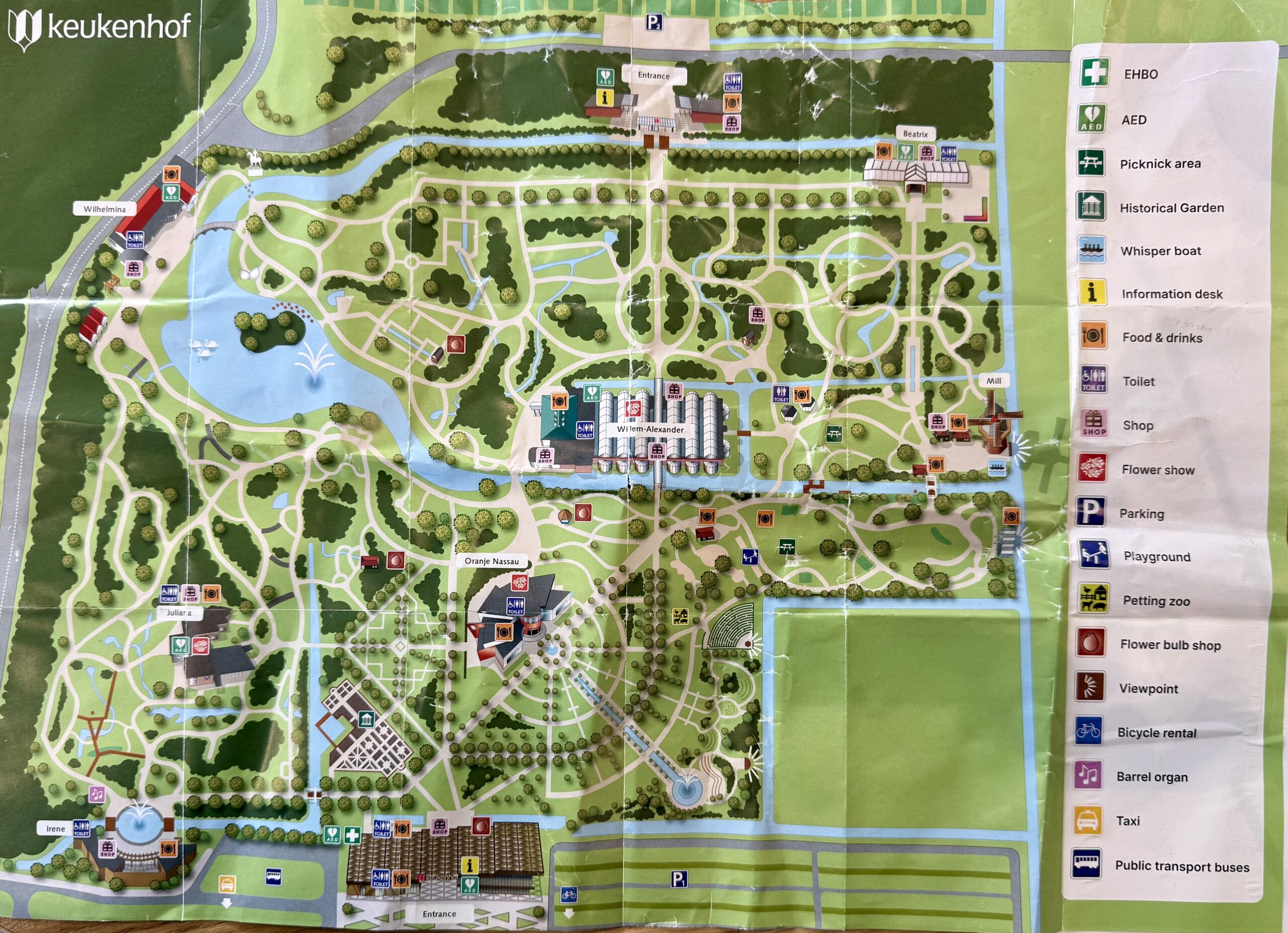
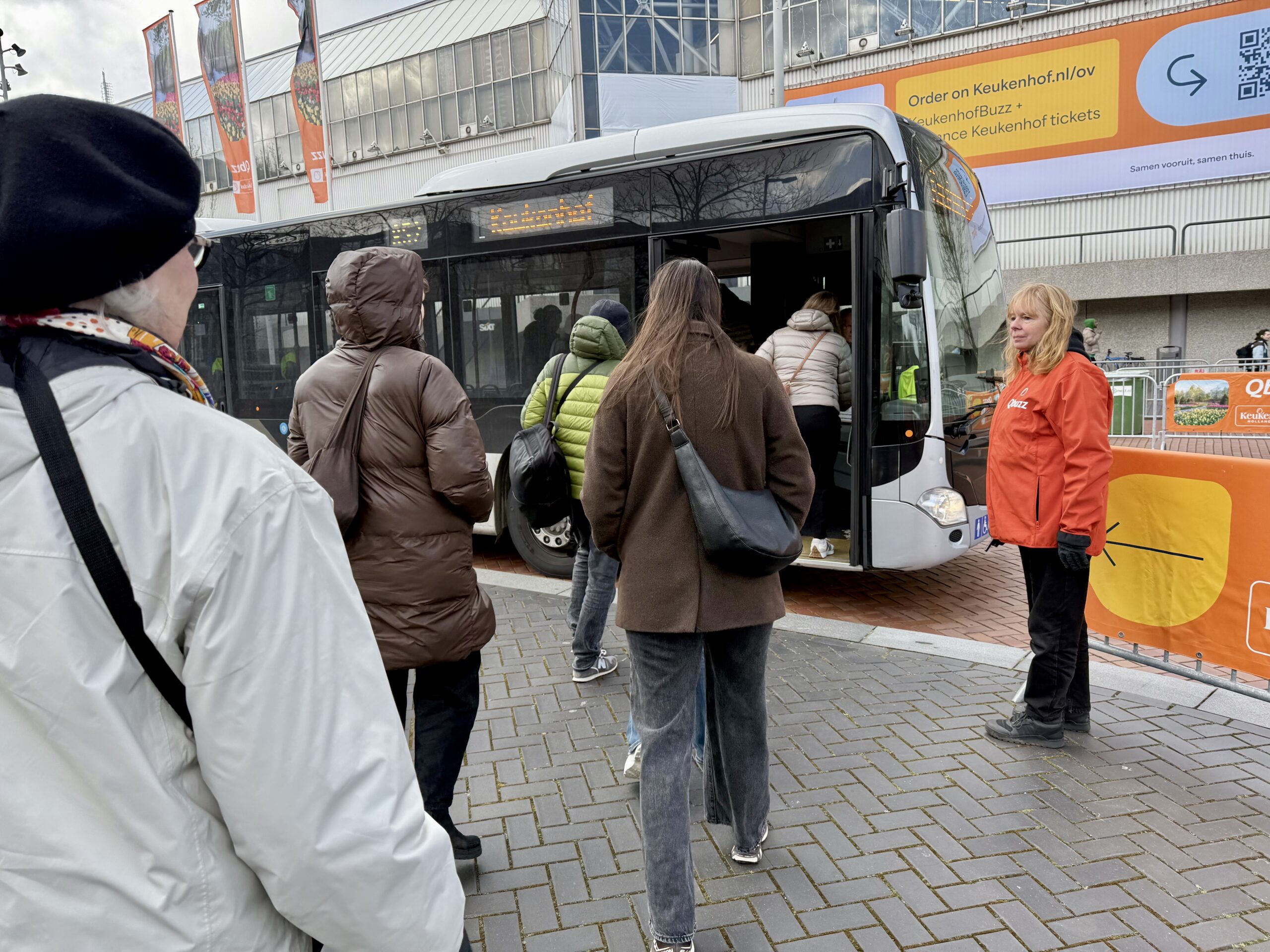
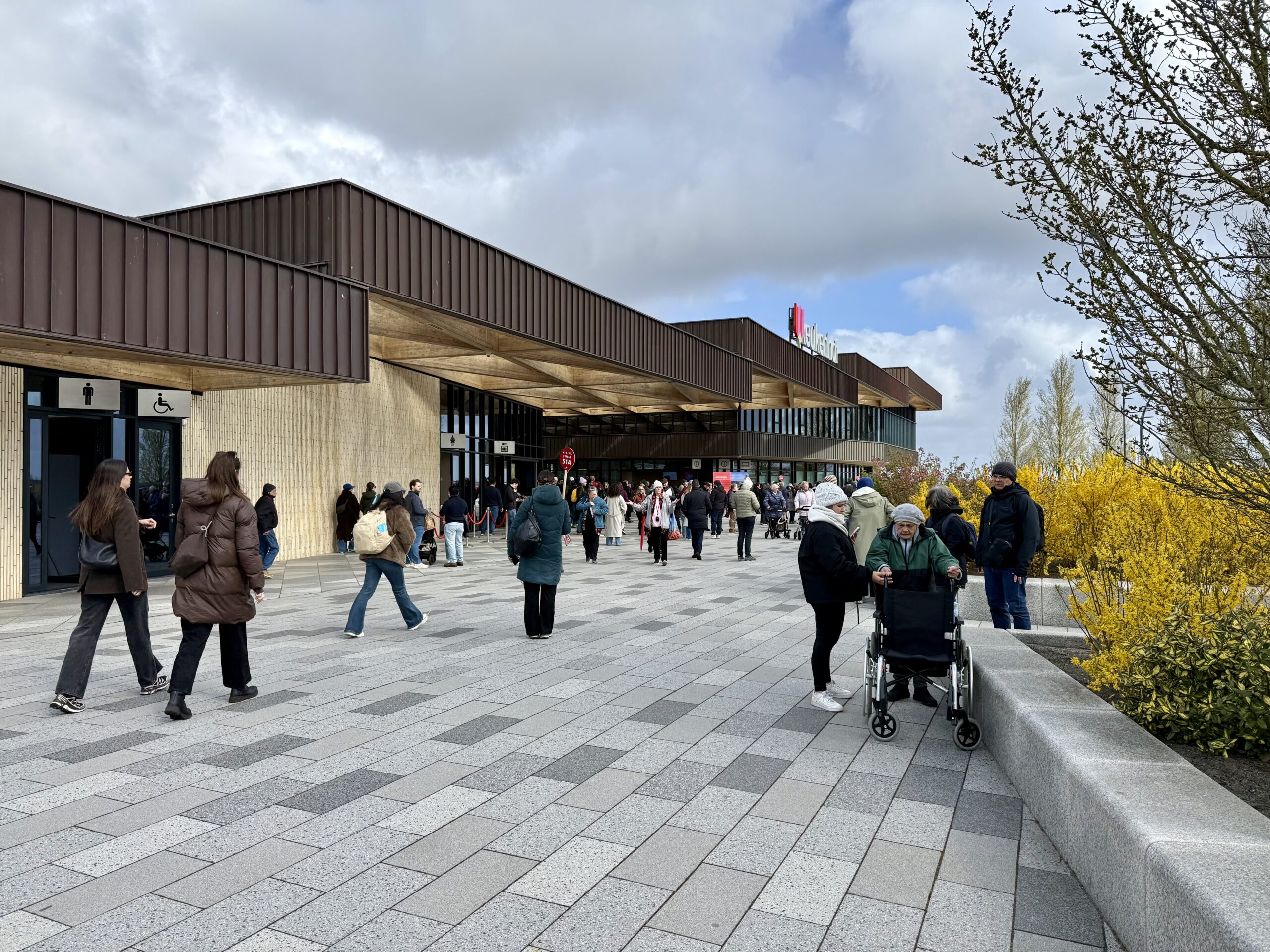
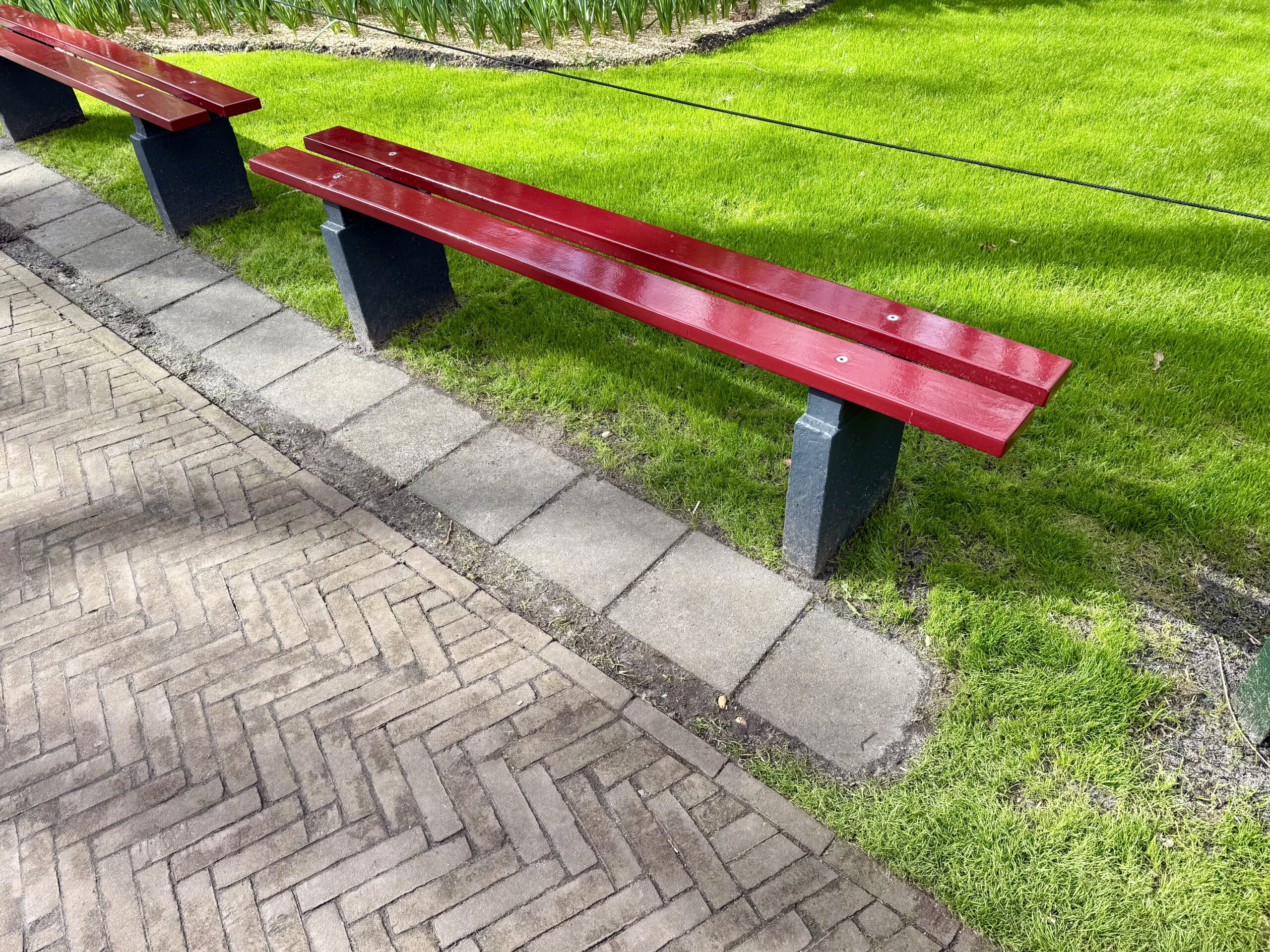
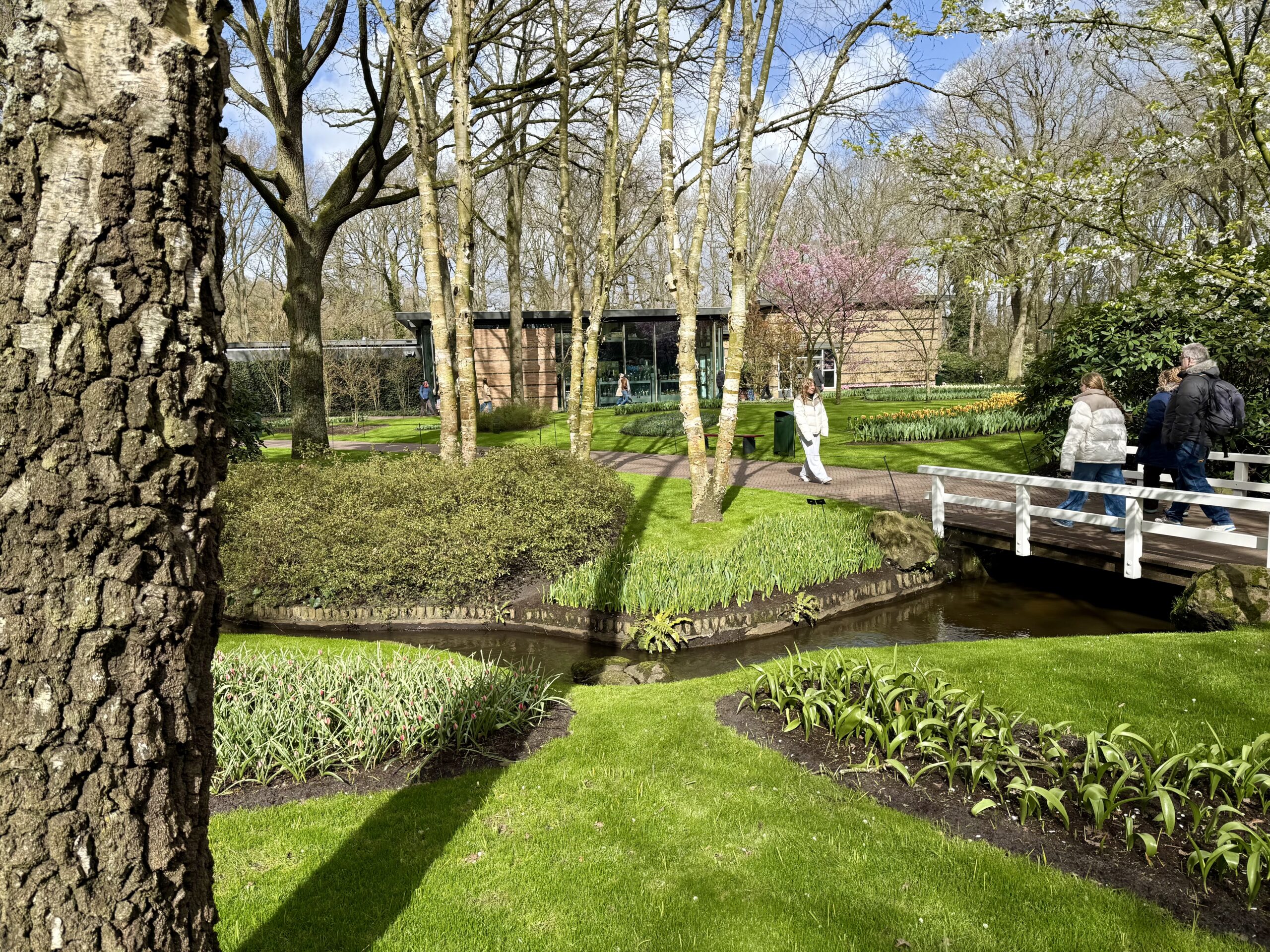
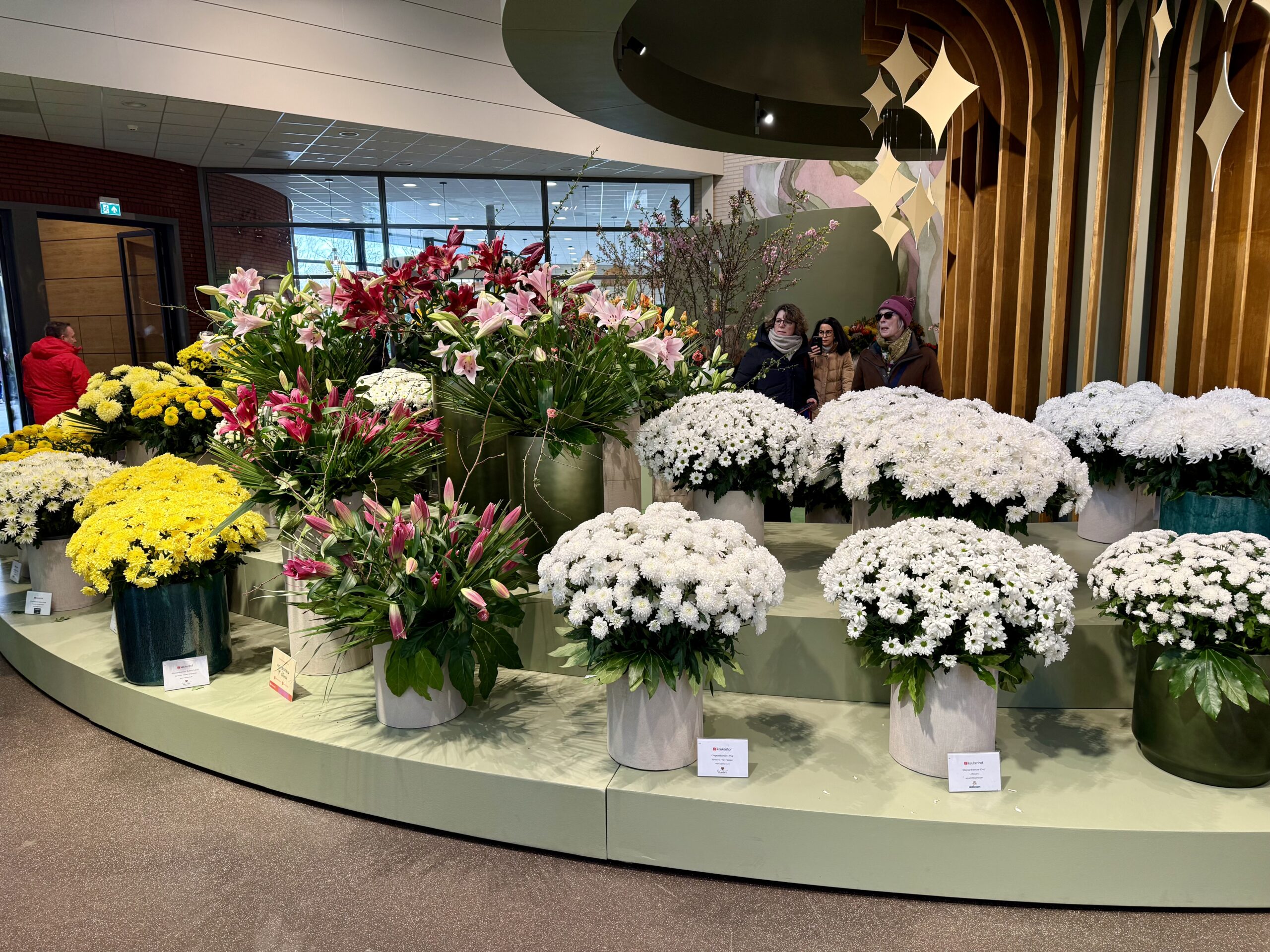
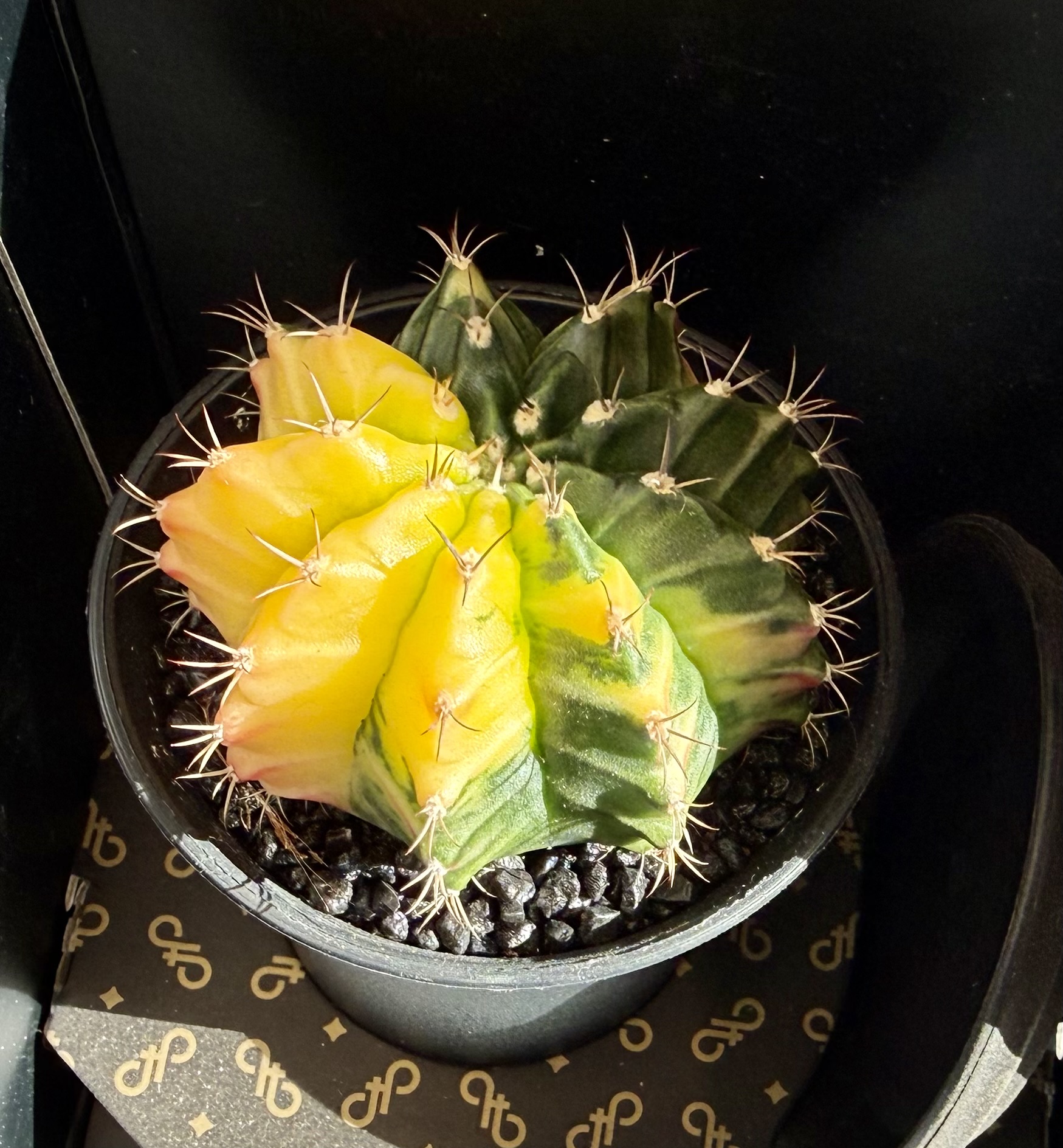
We thought we might be too early for tulips, but luckily the season had just begun. For a modest price we booked the two-way bus trip to the Keukenhof Garden, 30 minutes outside the city. After World War II, in 1949 commercial growers collaborated to establish Keukenhof to display their products on the 80-acre site.
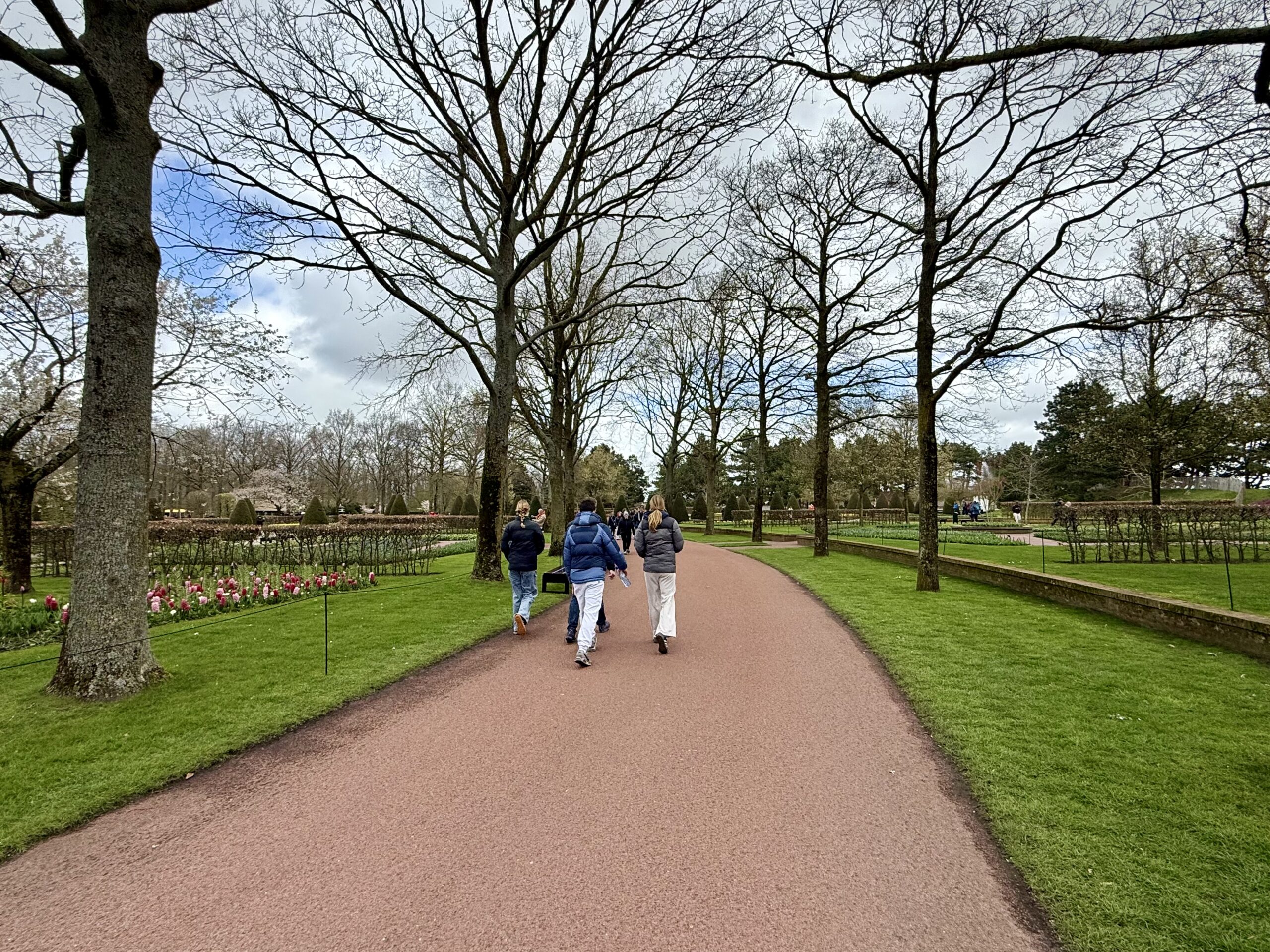
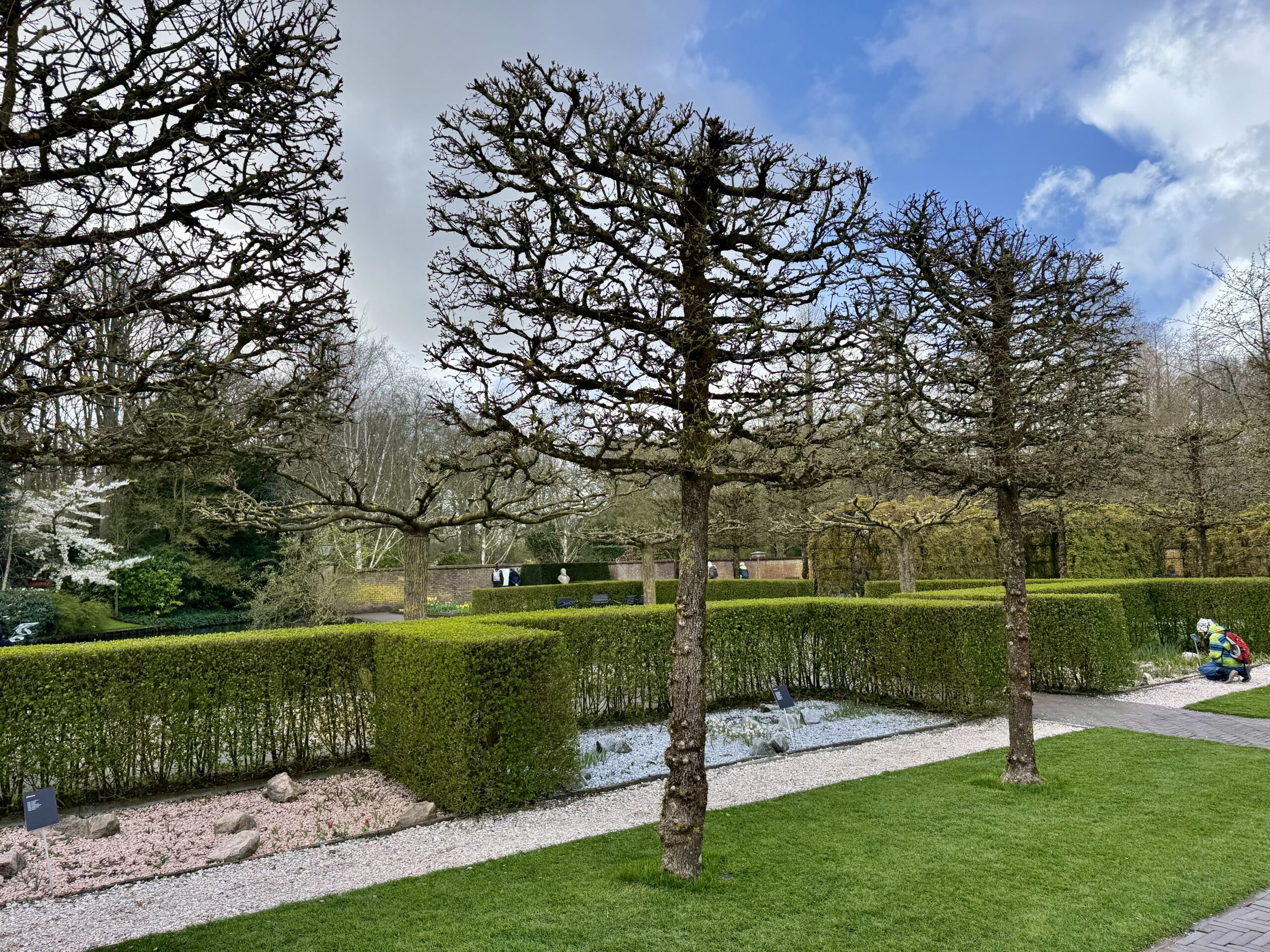
The garden is an impressive operation with walkways, shops, cafes, playgrounds, and pavilions for indoor displays. Even well before peak season, hordes of visitors in fleets of buses and private vehicles descend on the park. Think of it as a floral Disneyland, open mid March to late May.
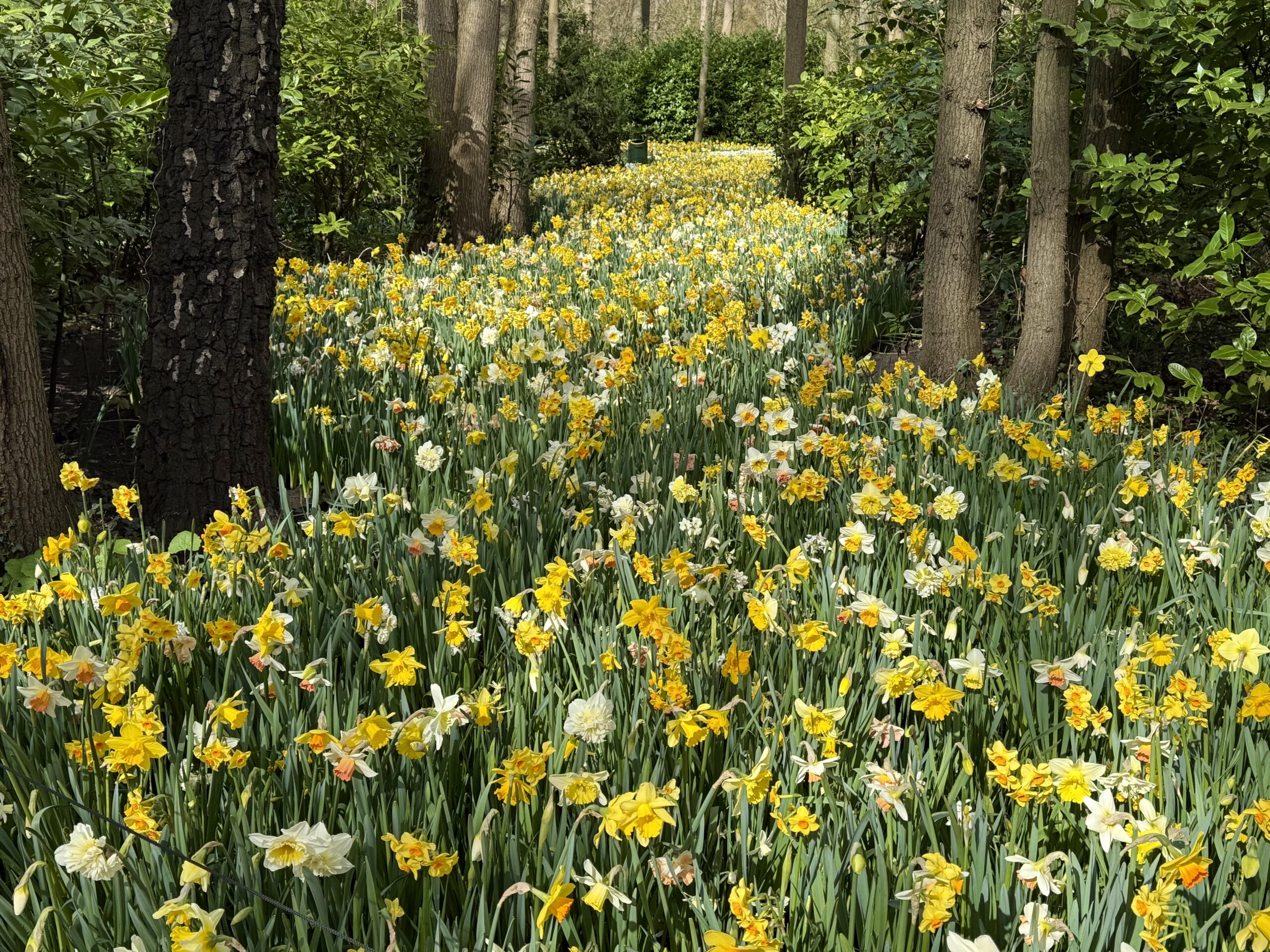
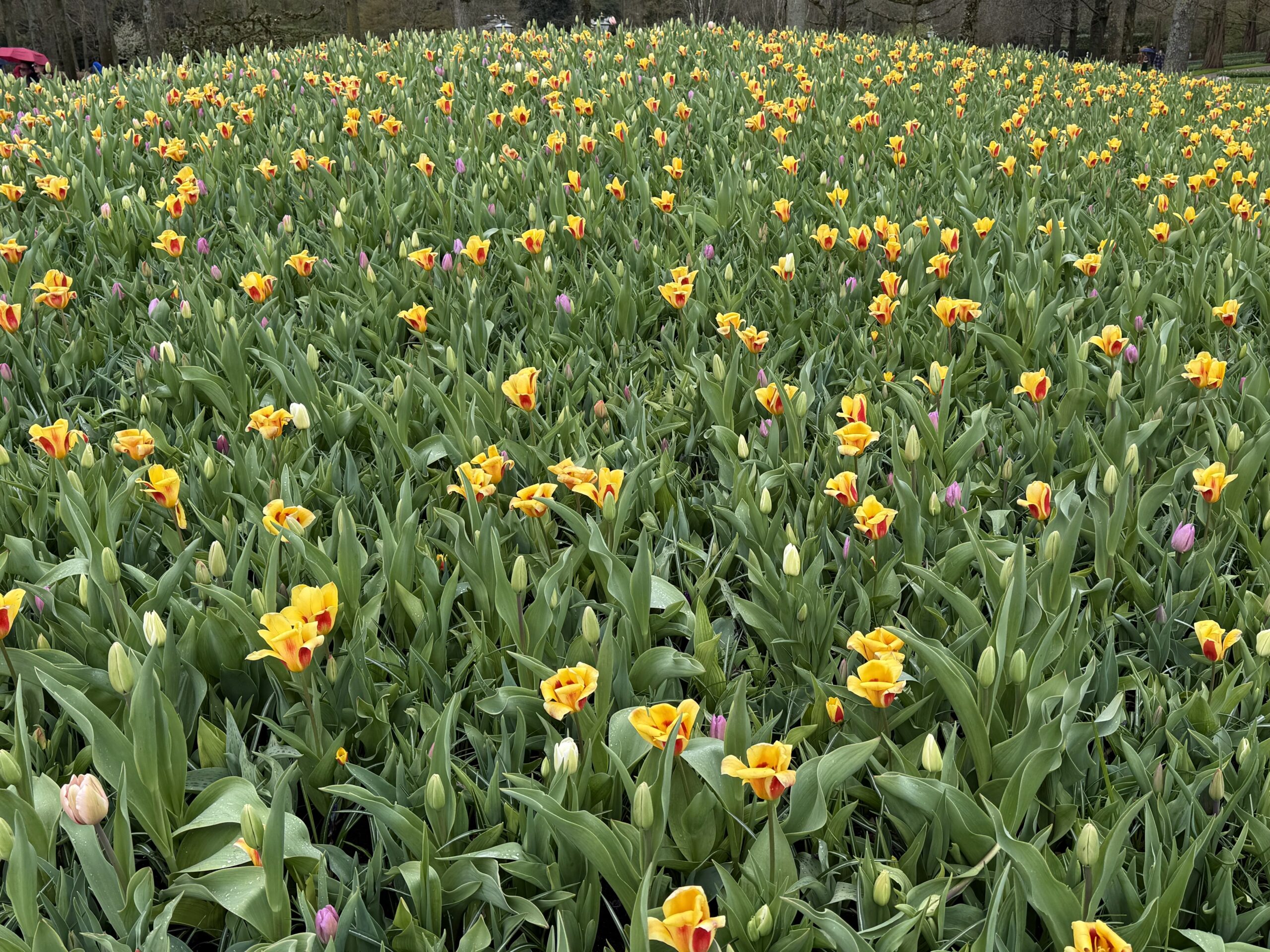
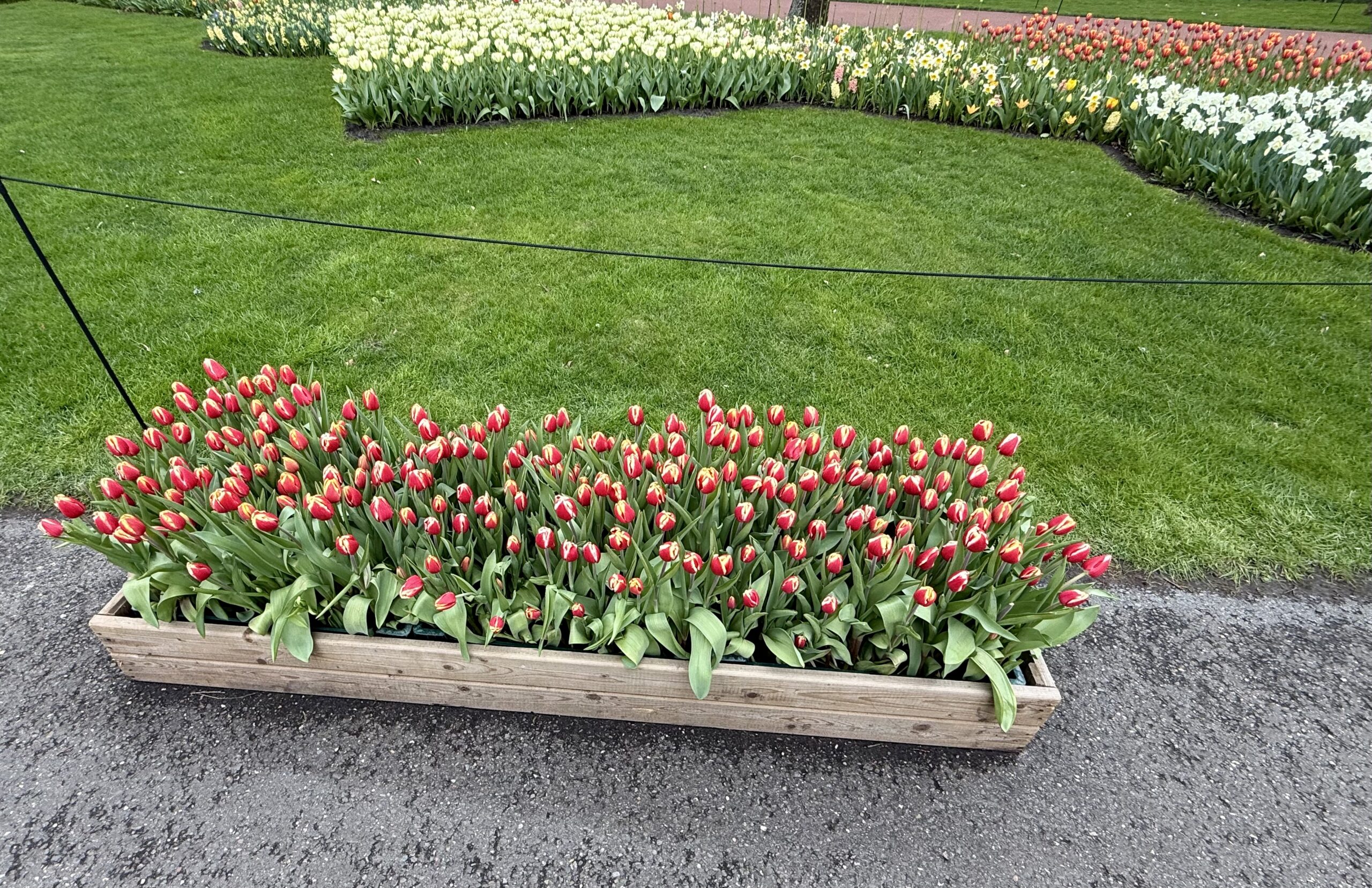
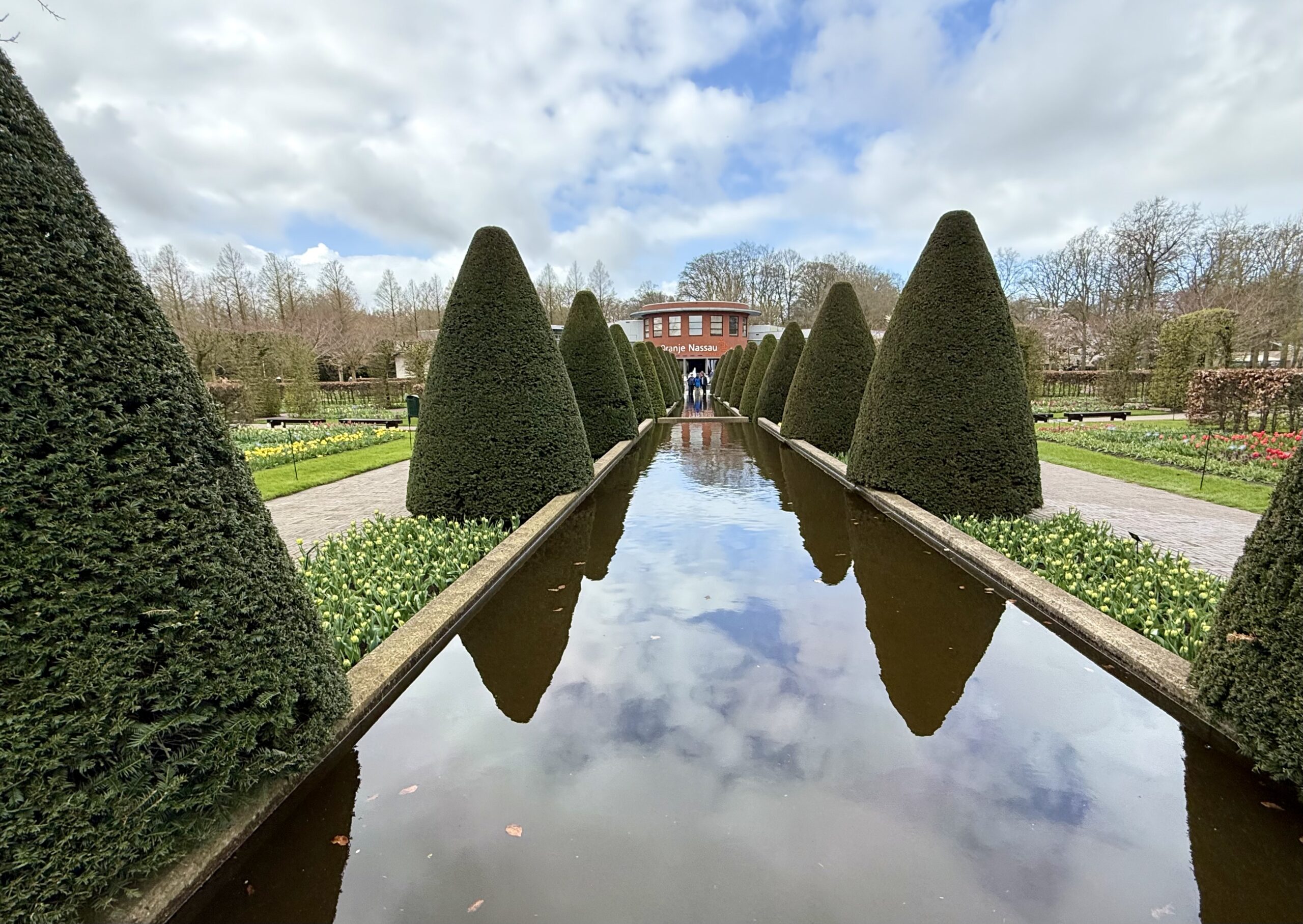
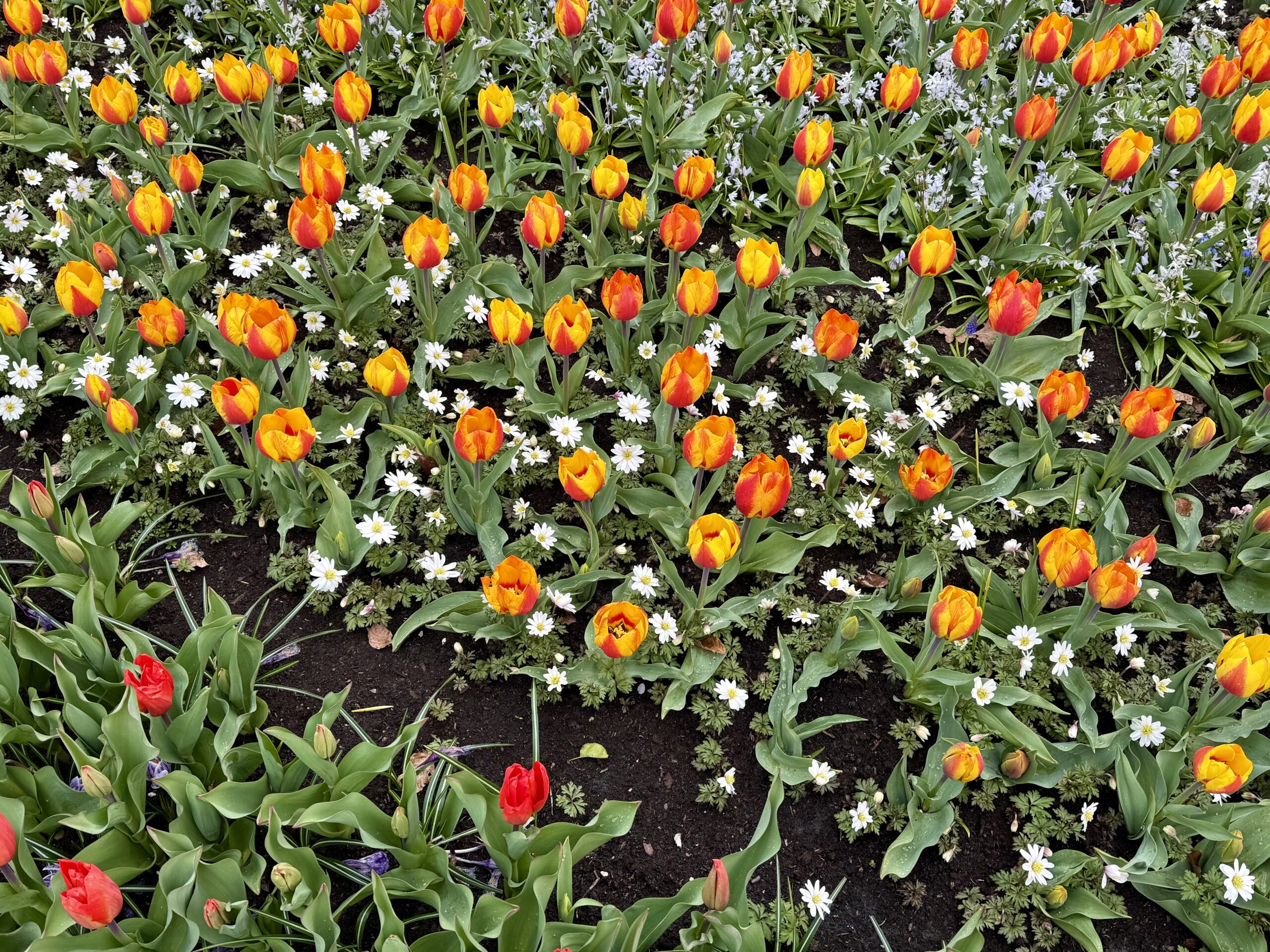
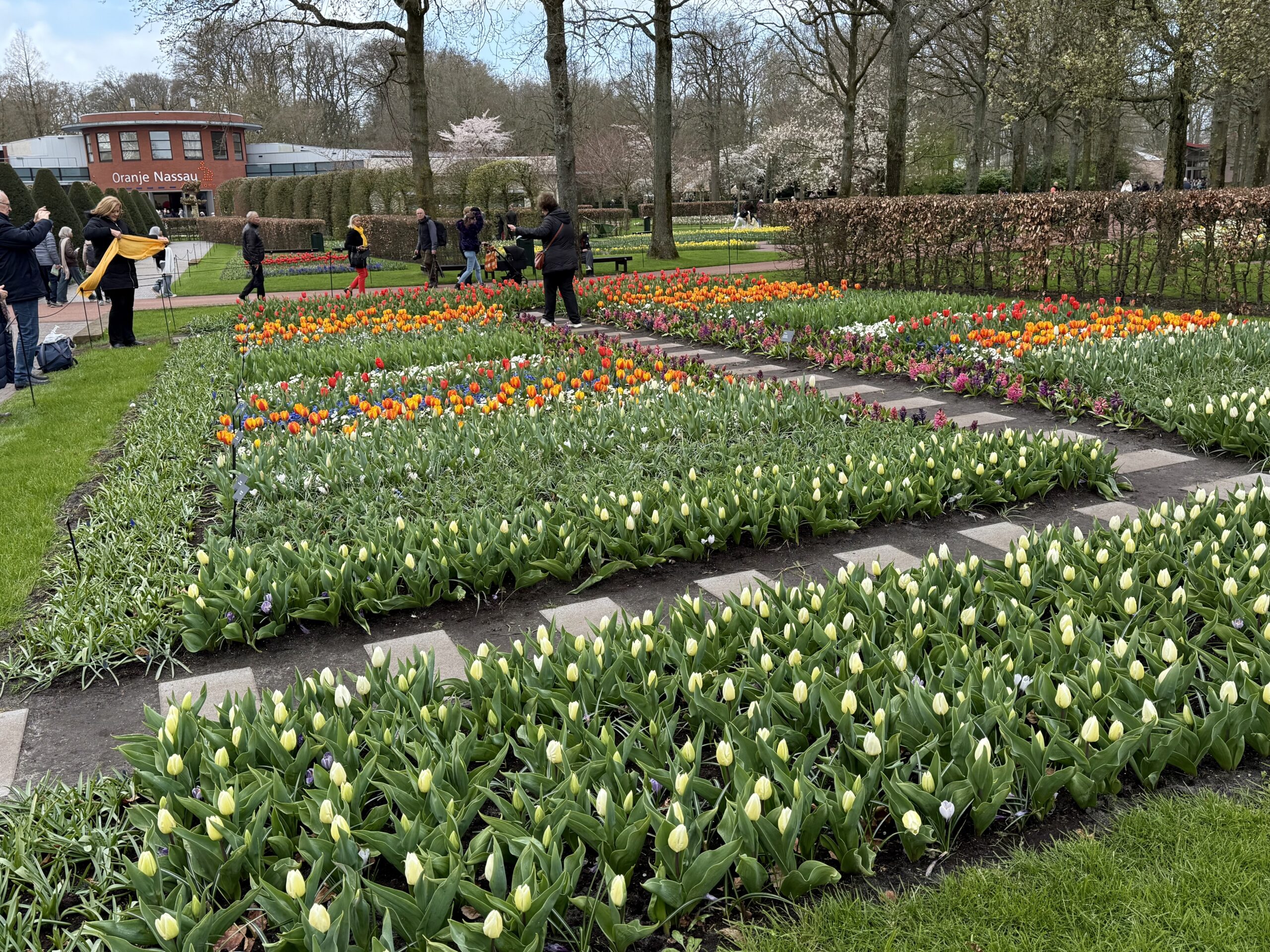
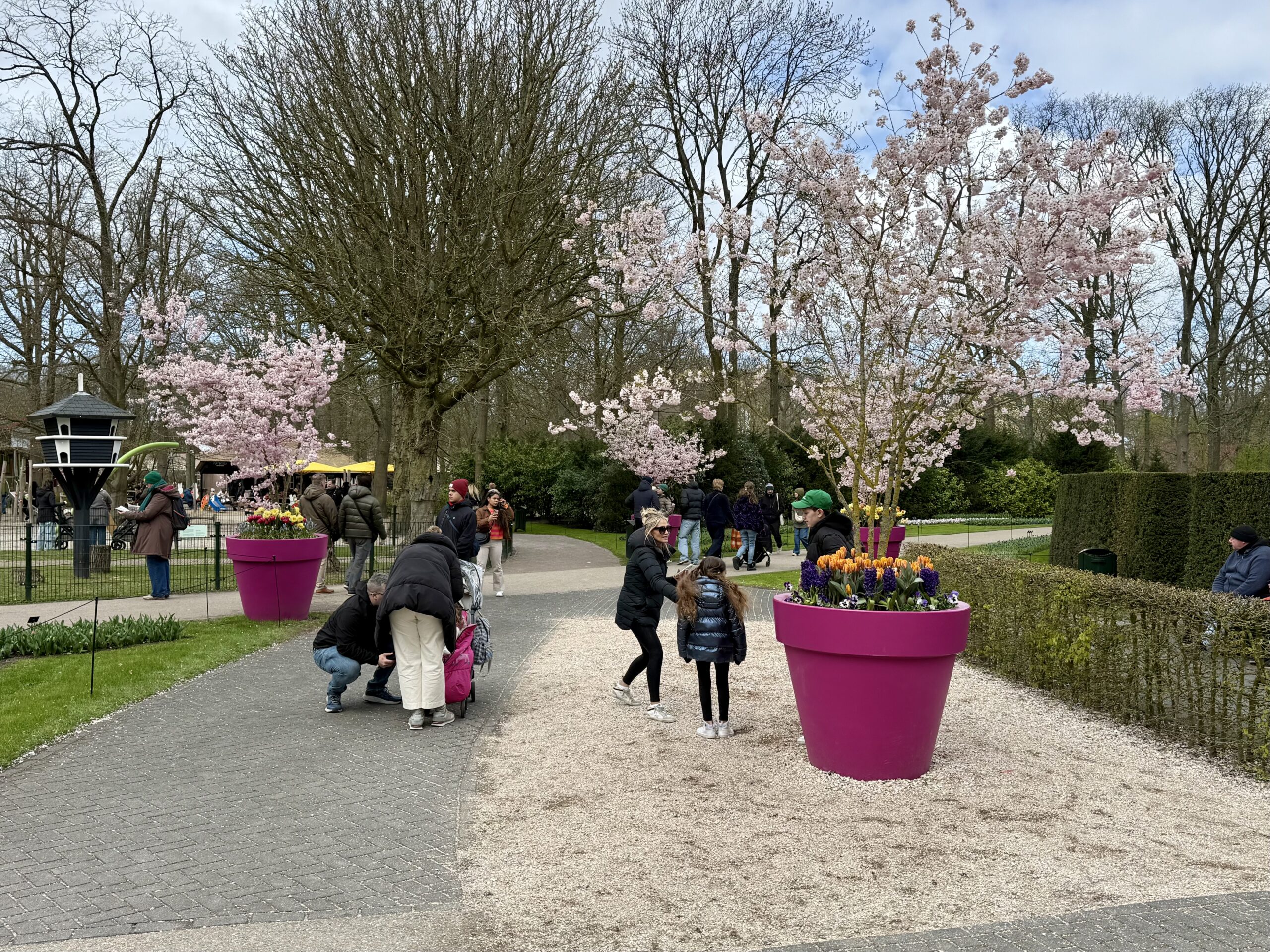
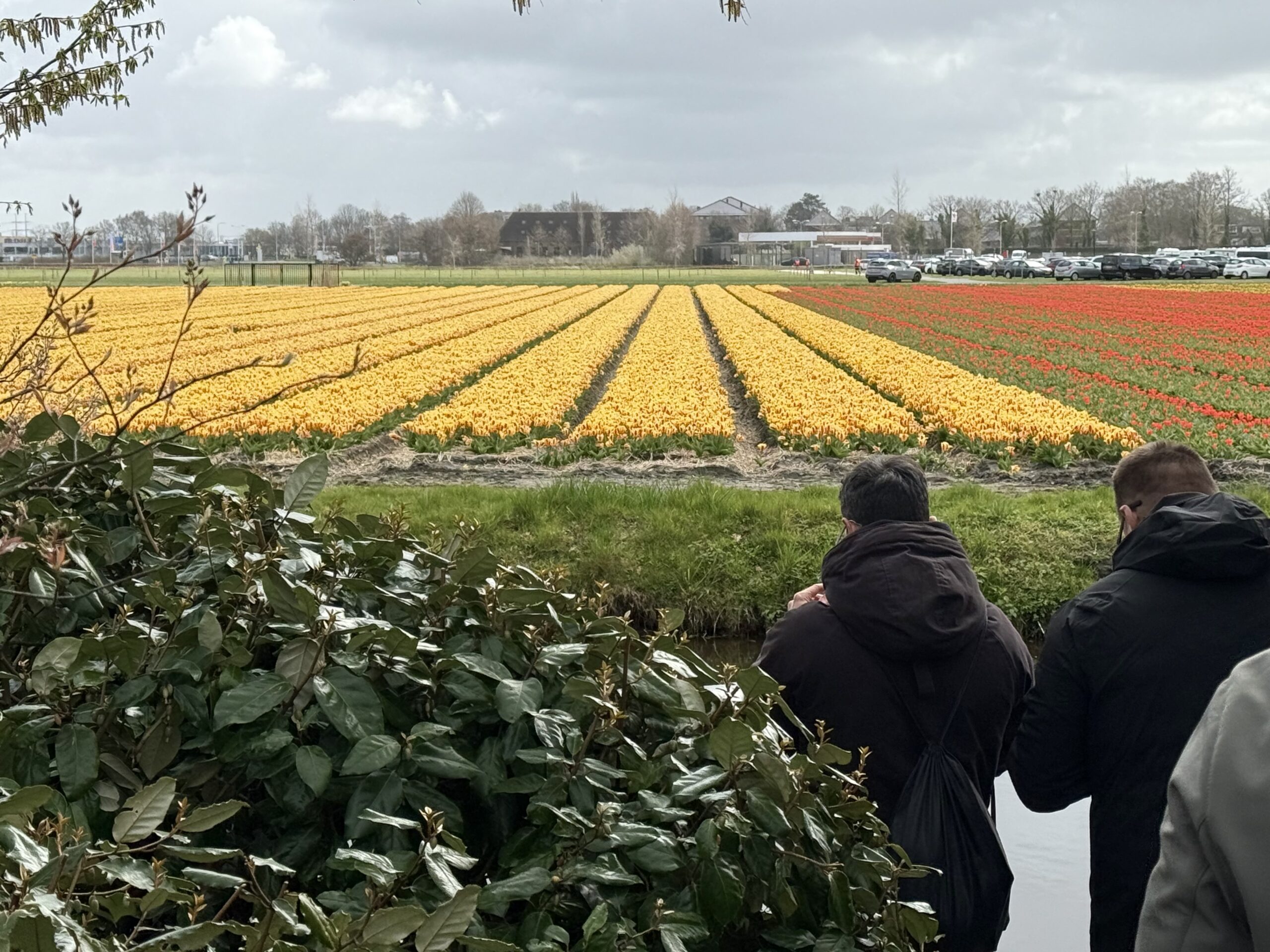
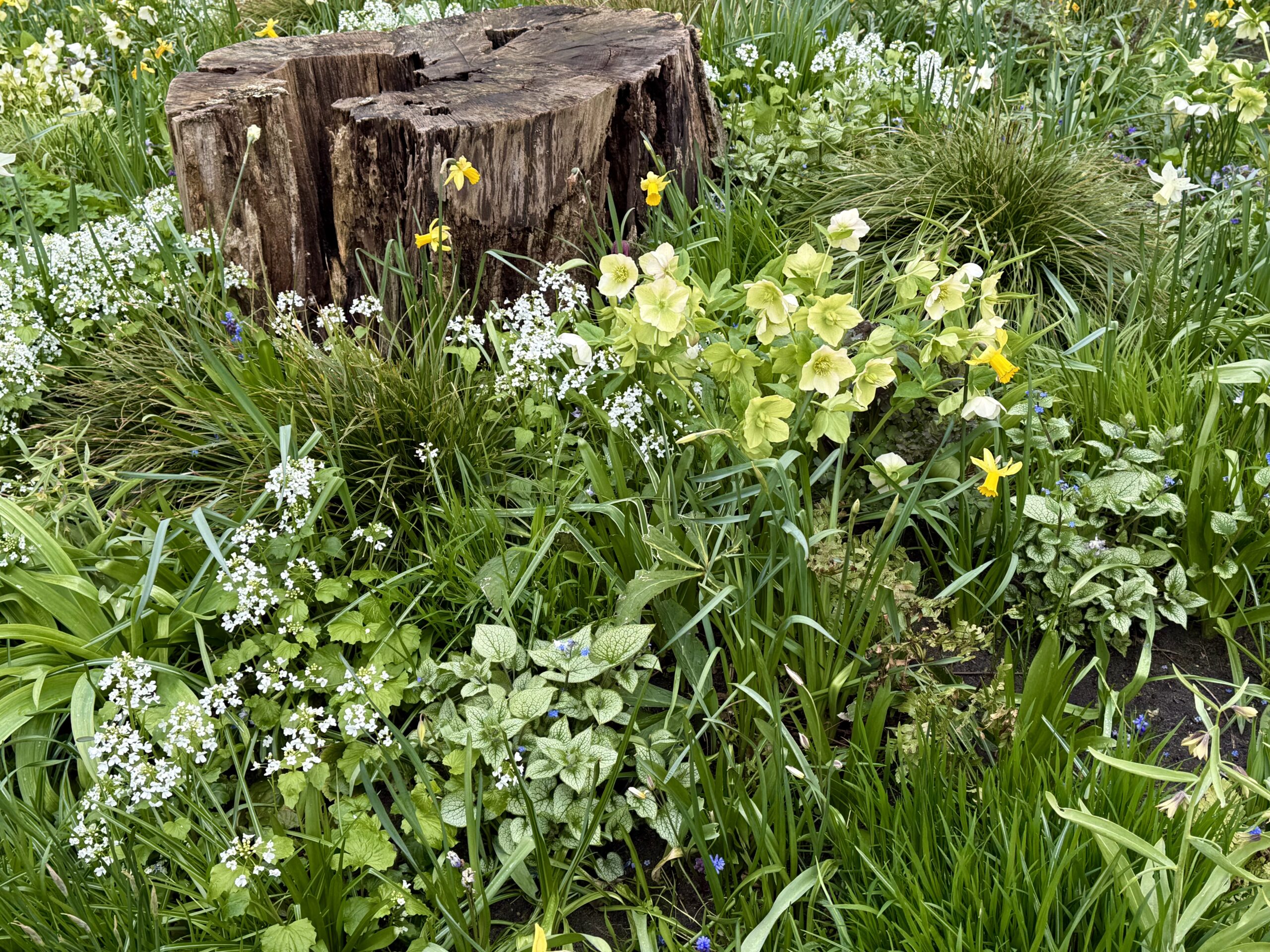
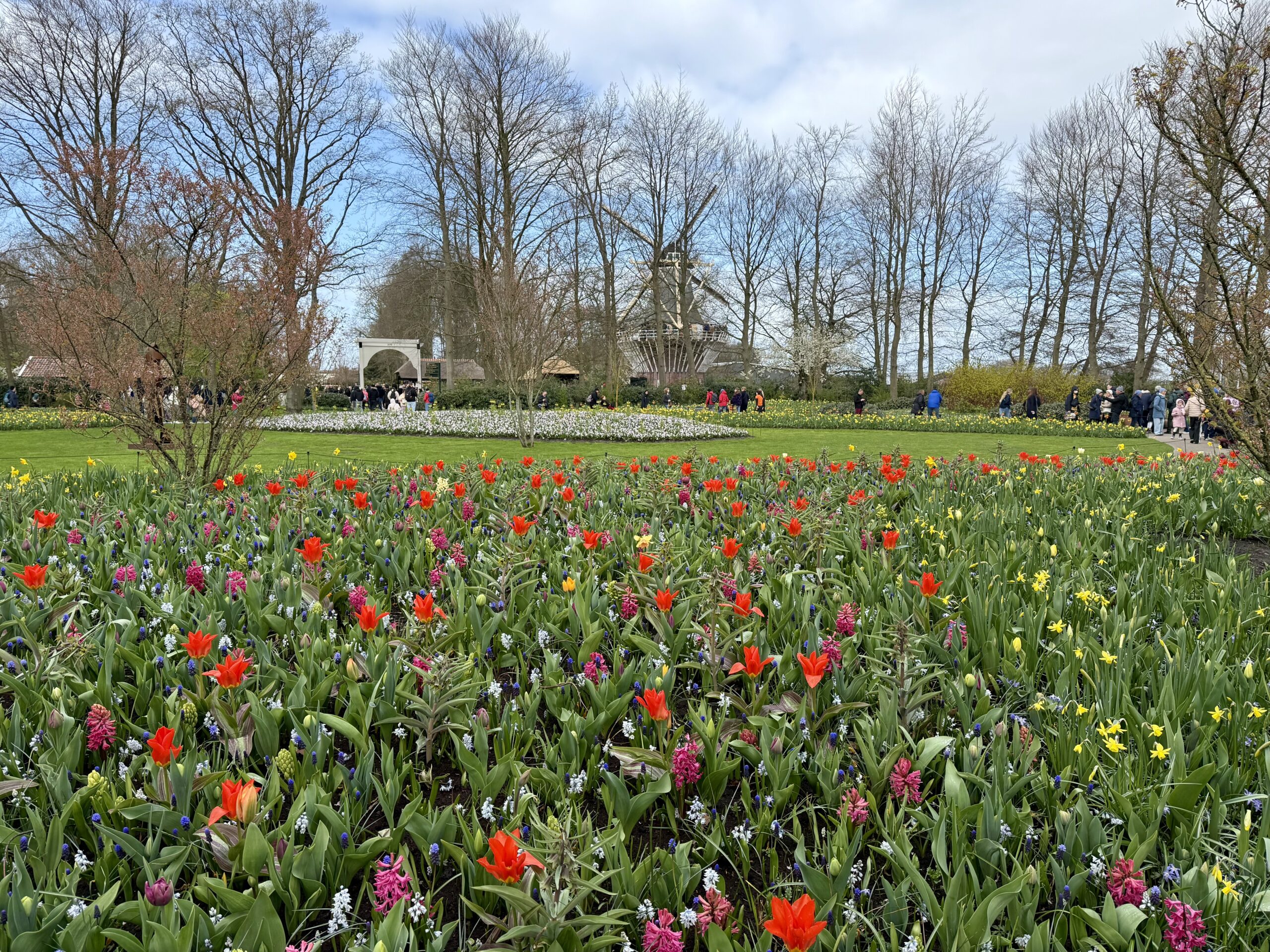
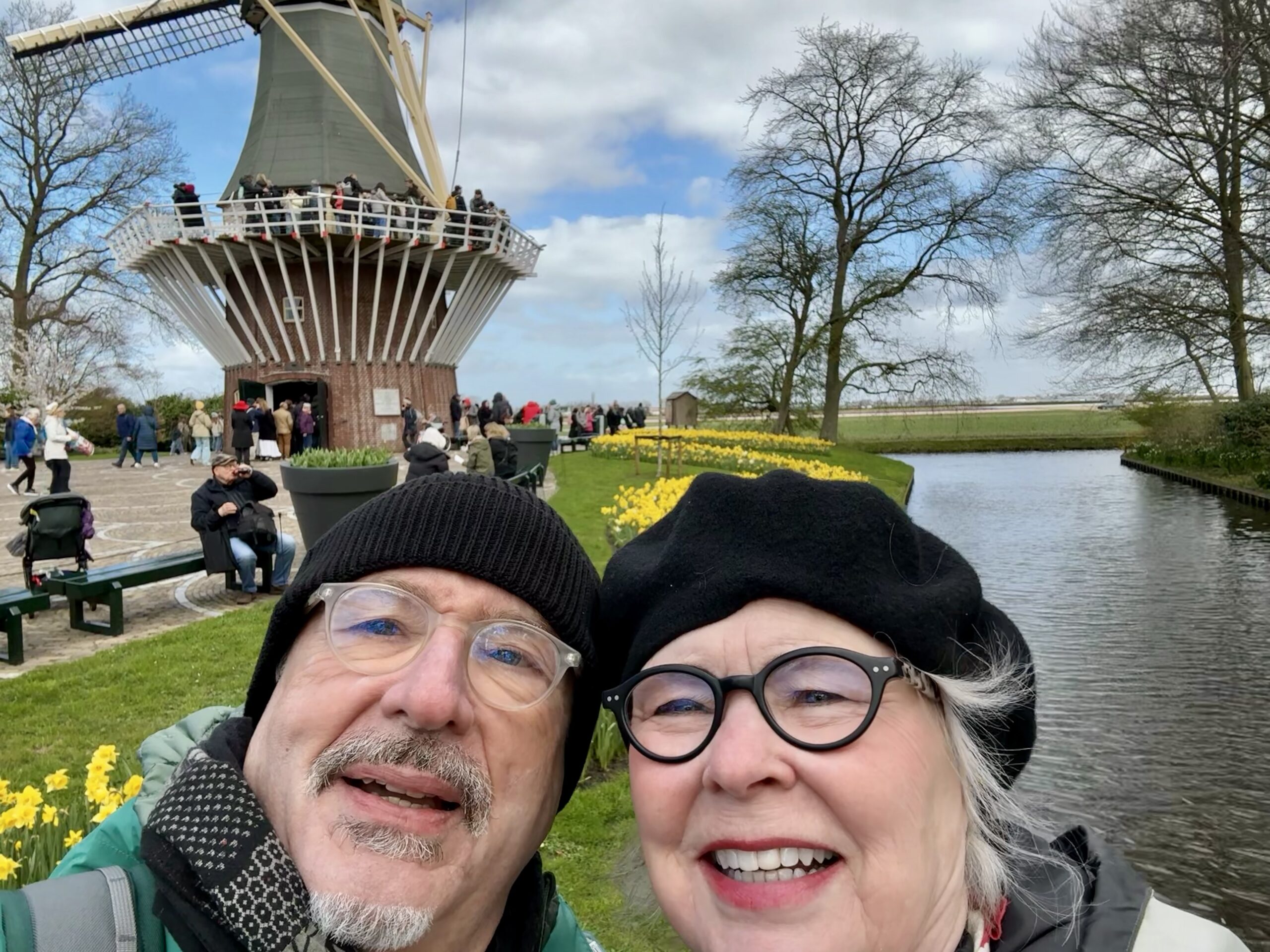
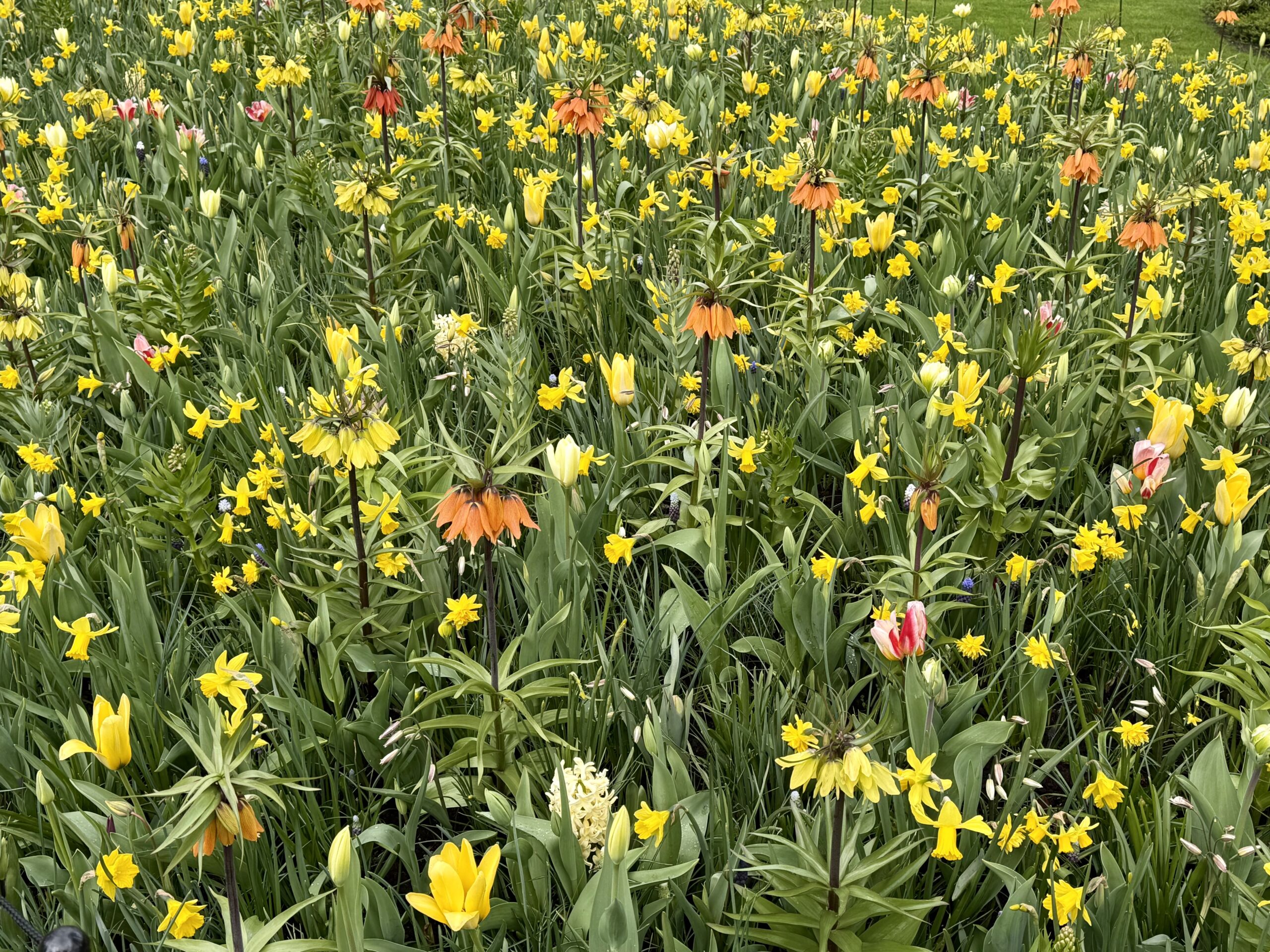

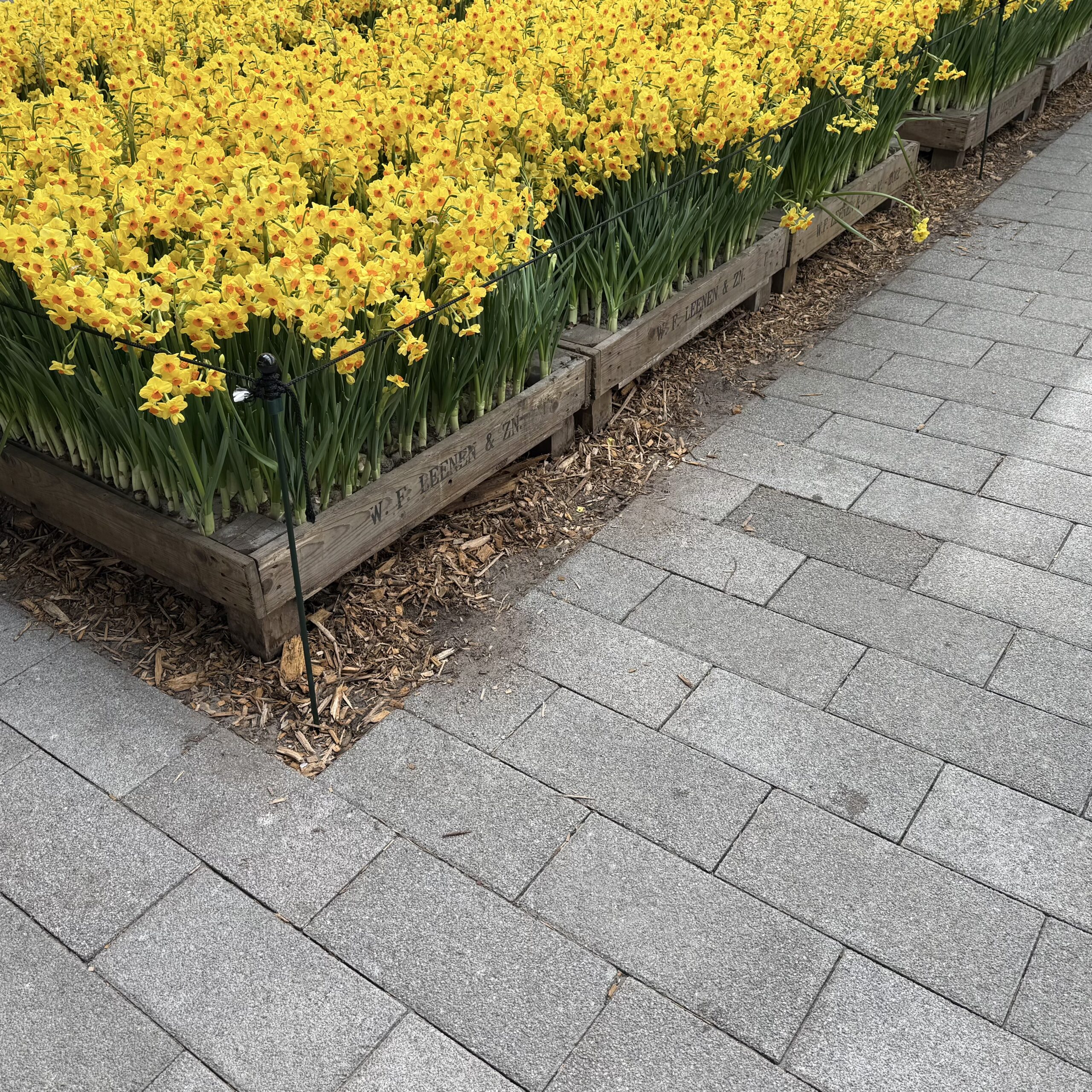
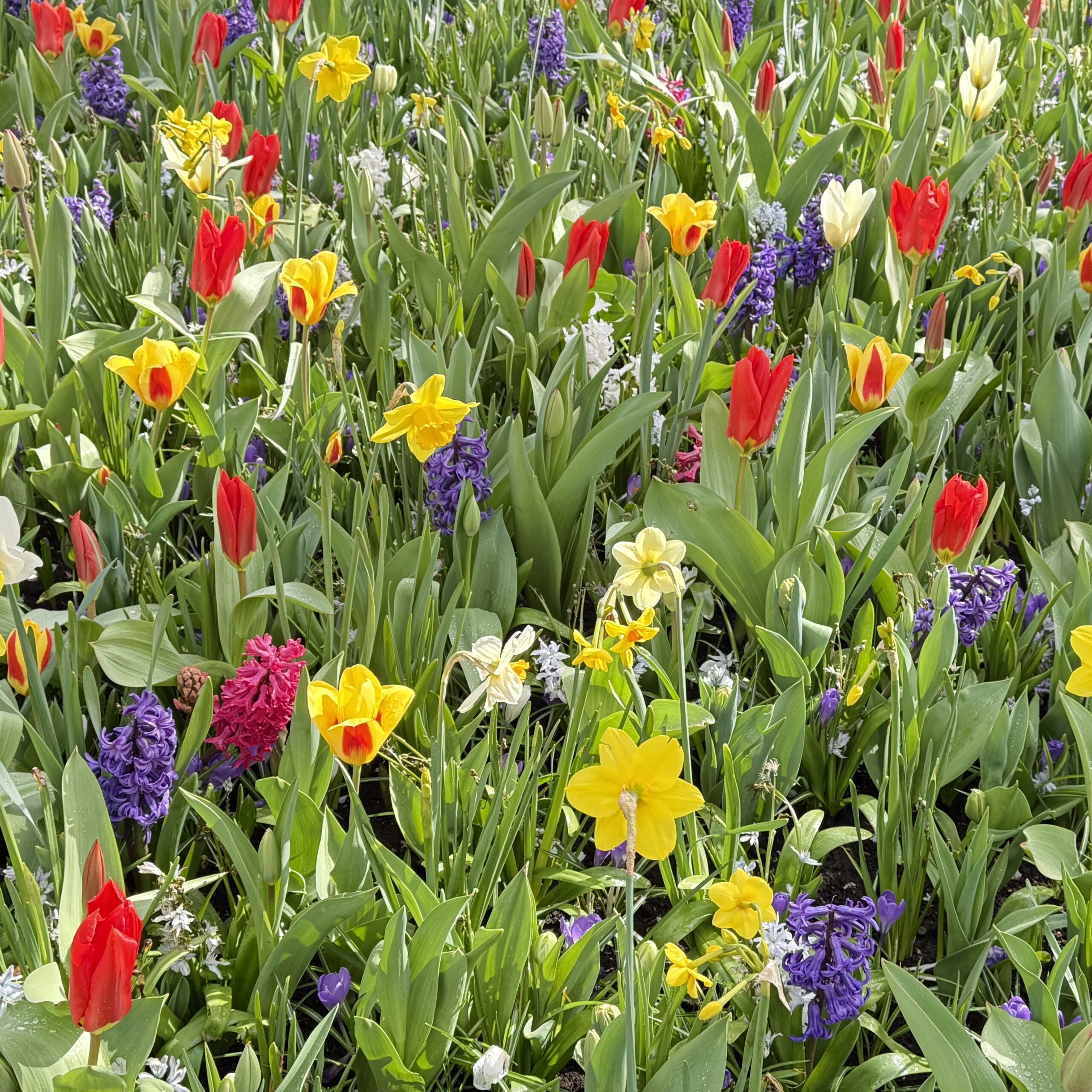
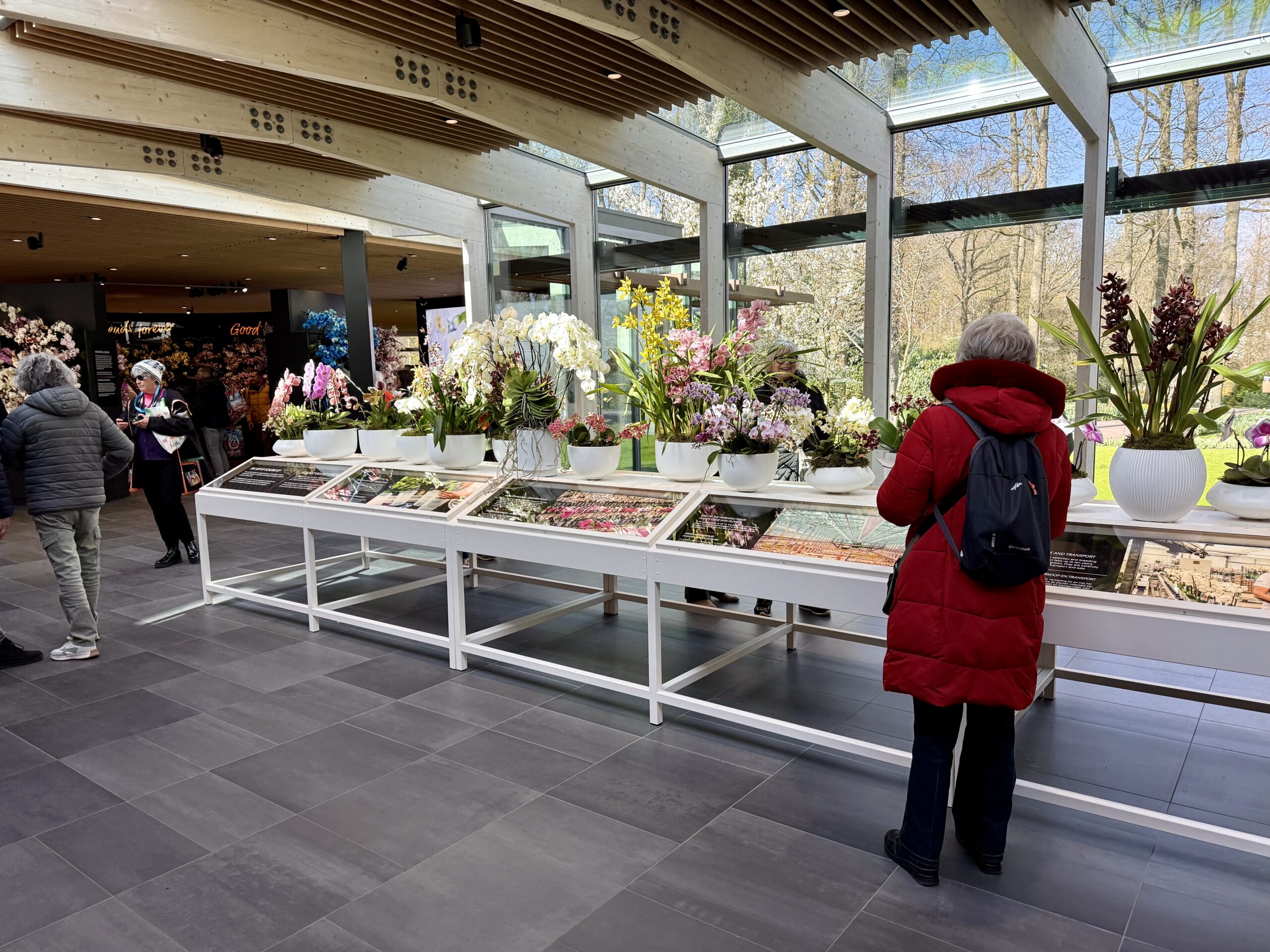
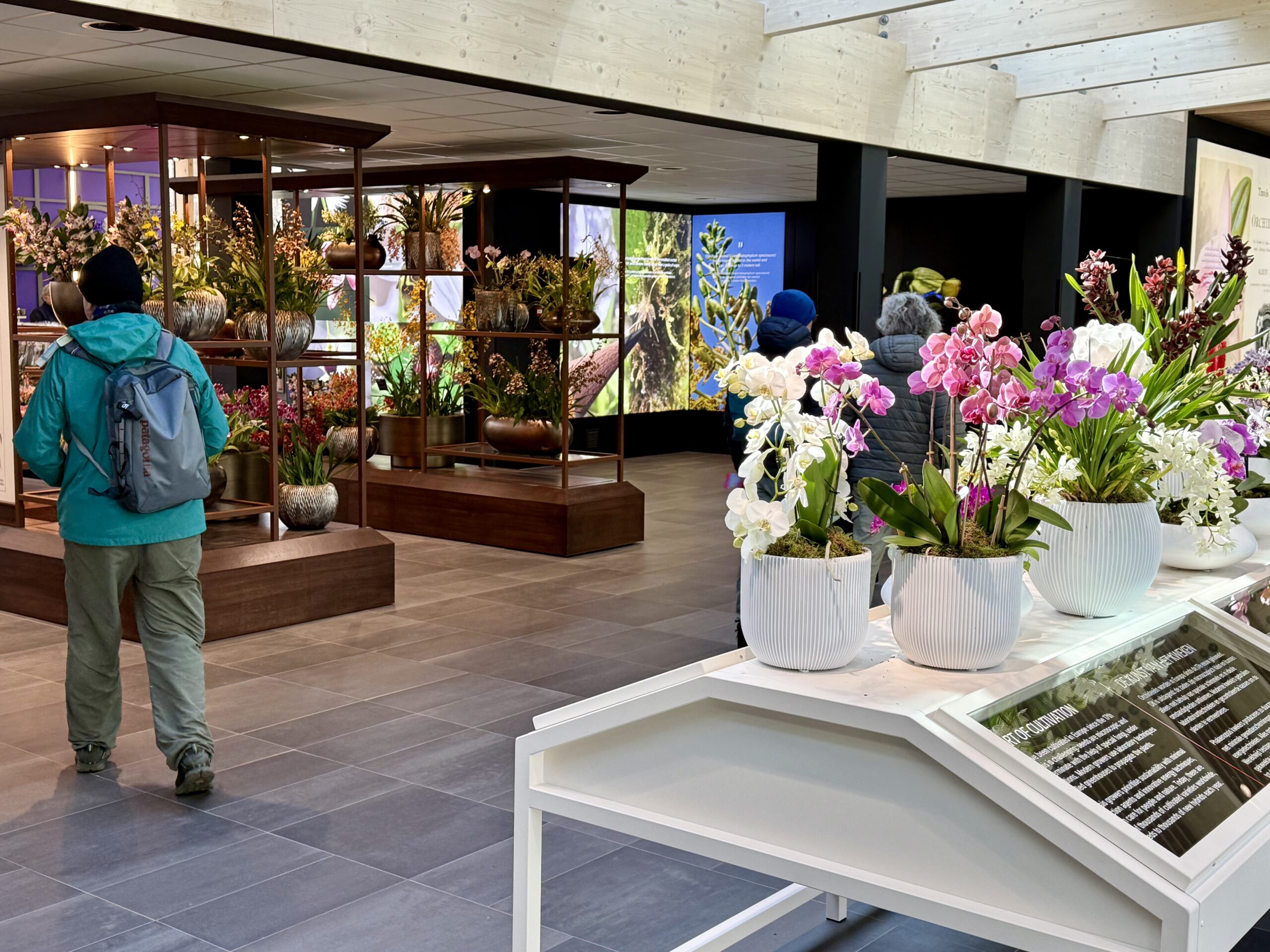
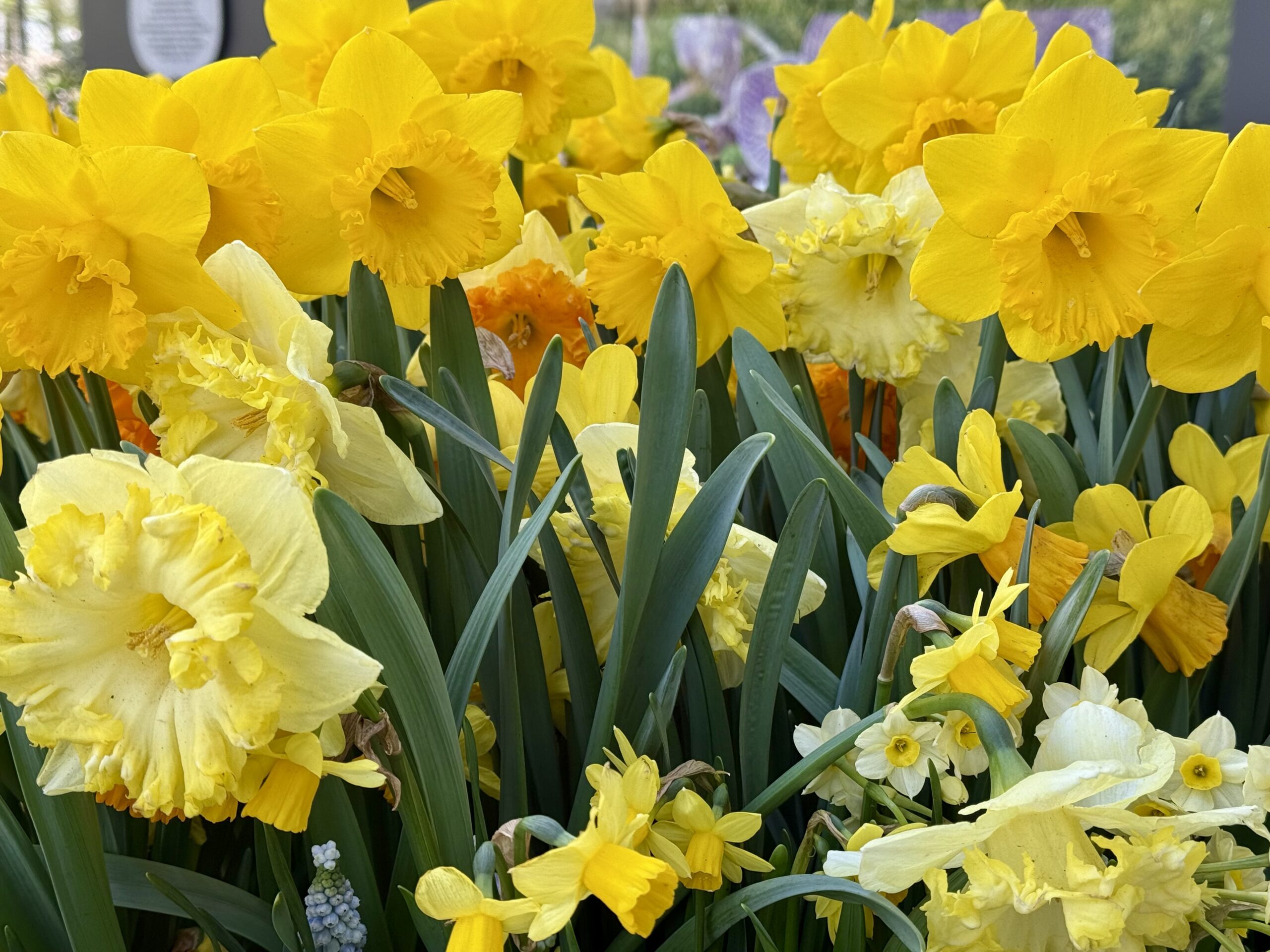
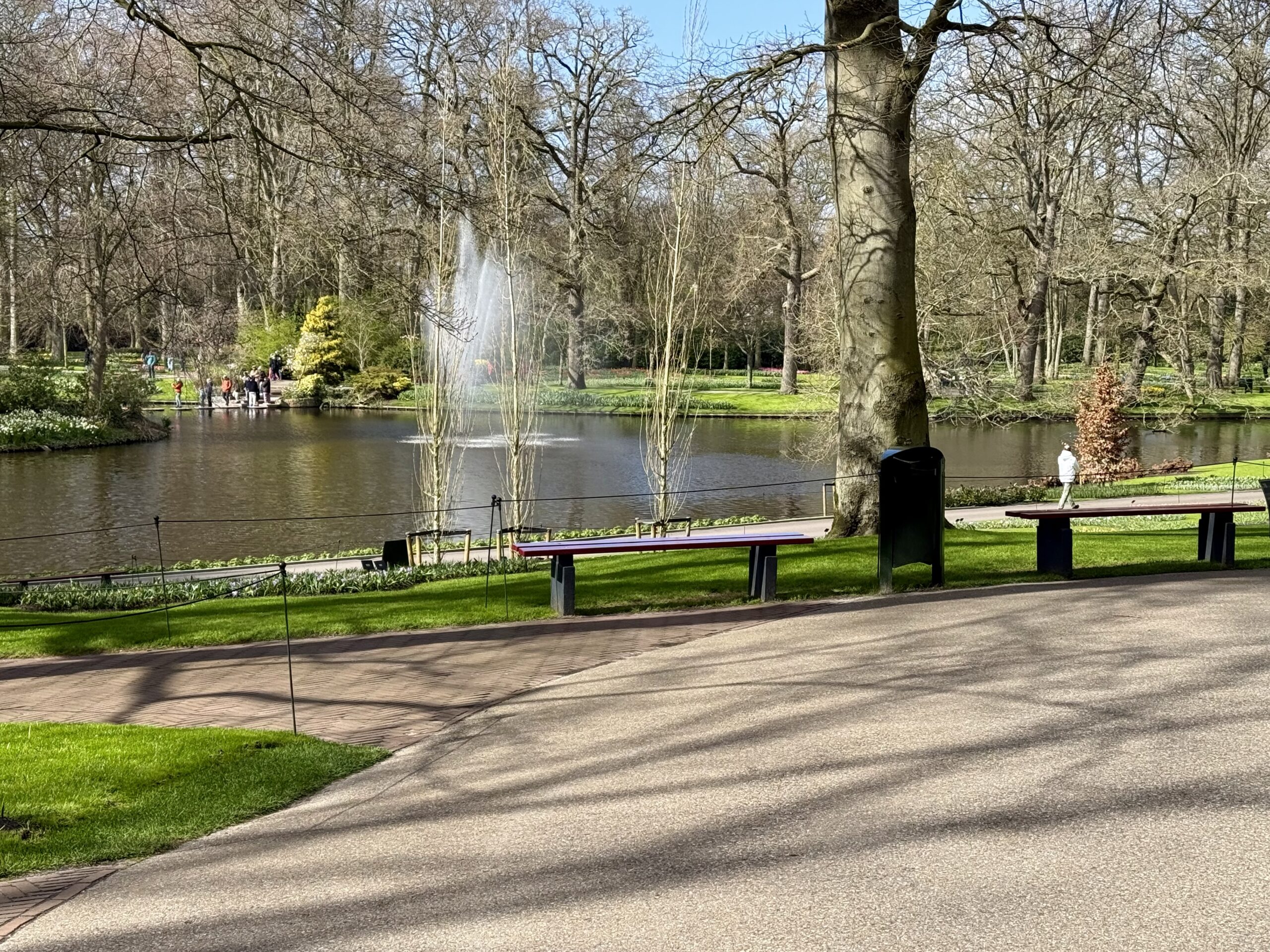
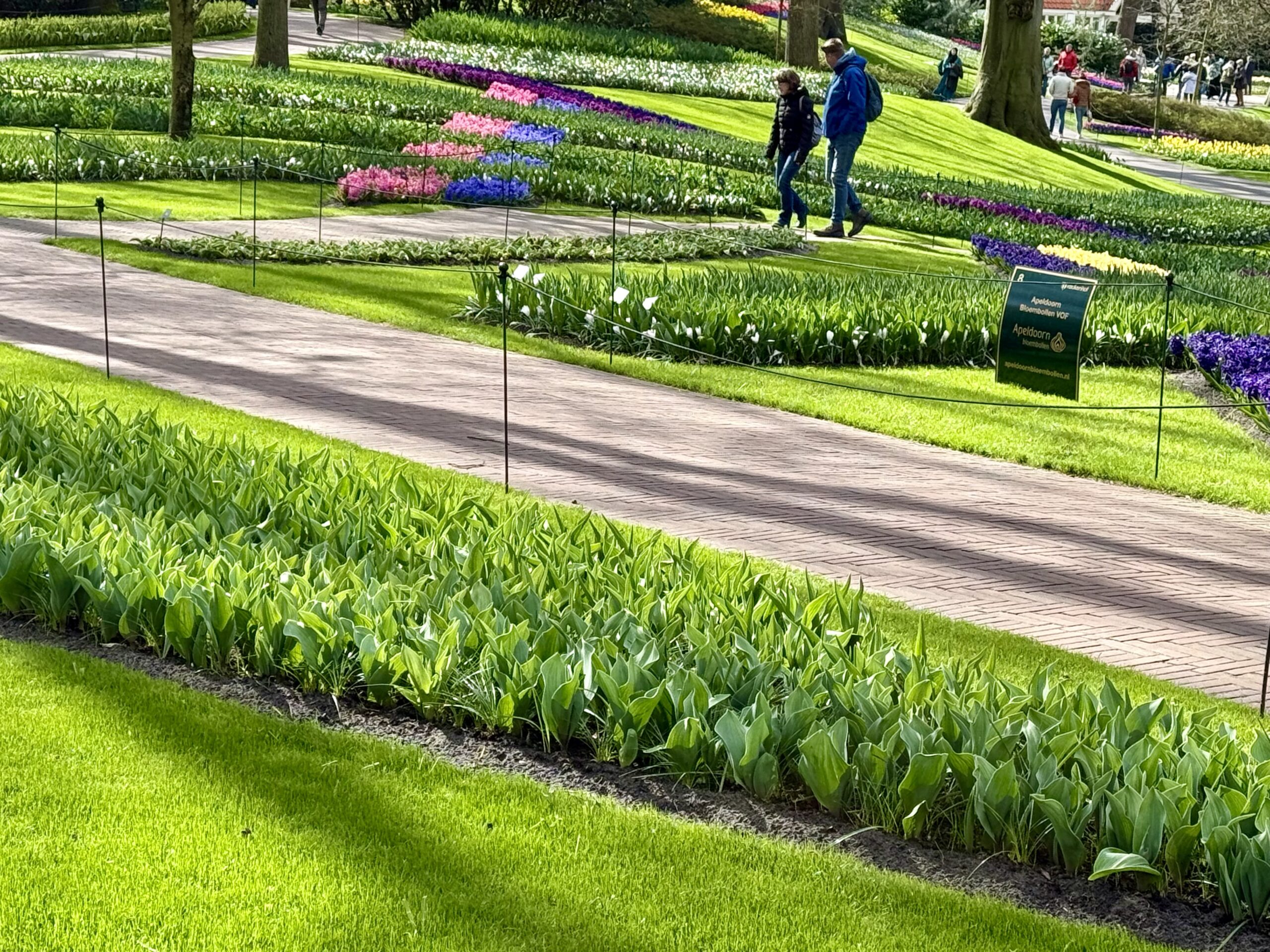
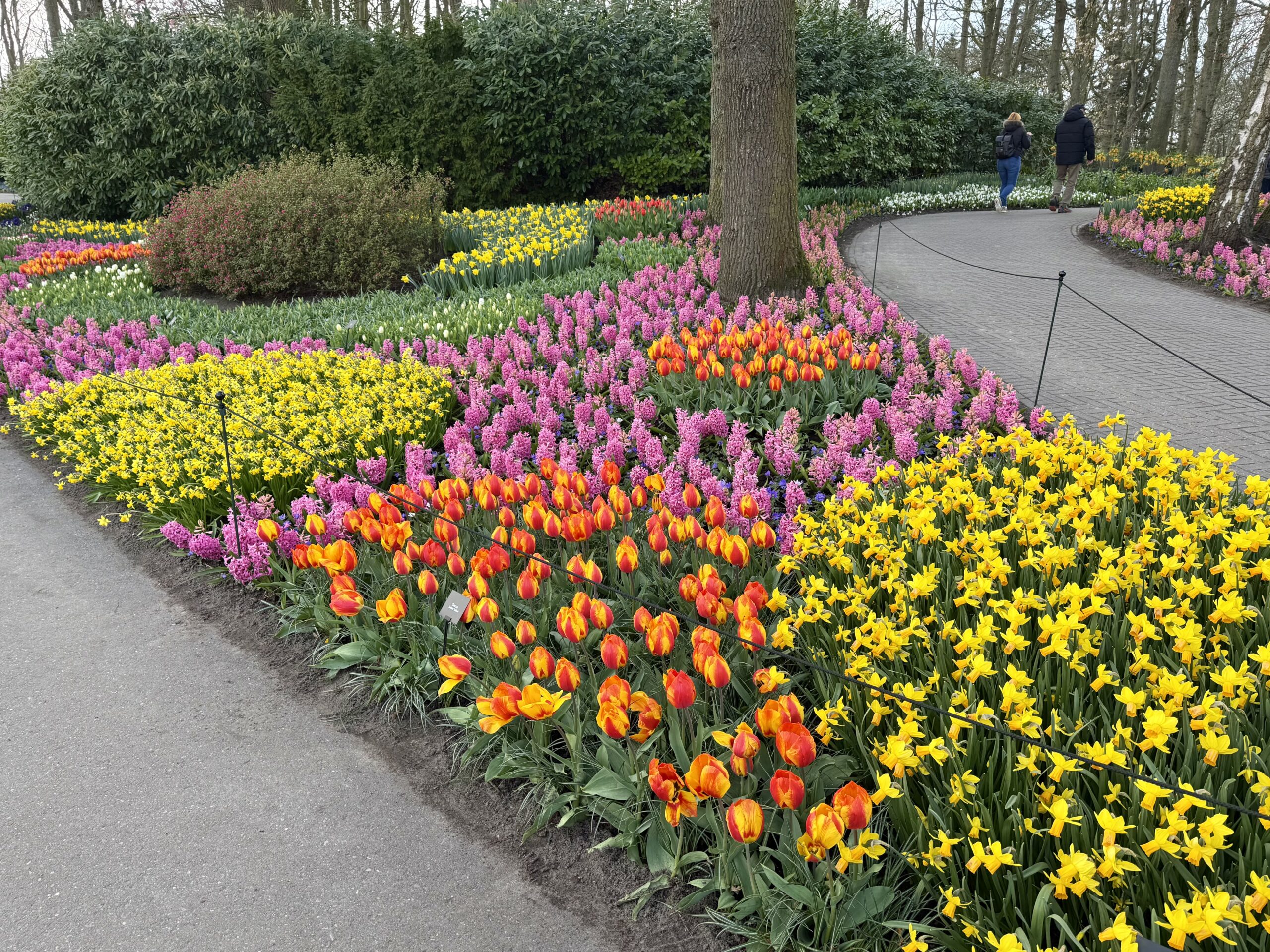
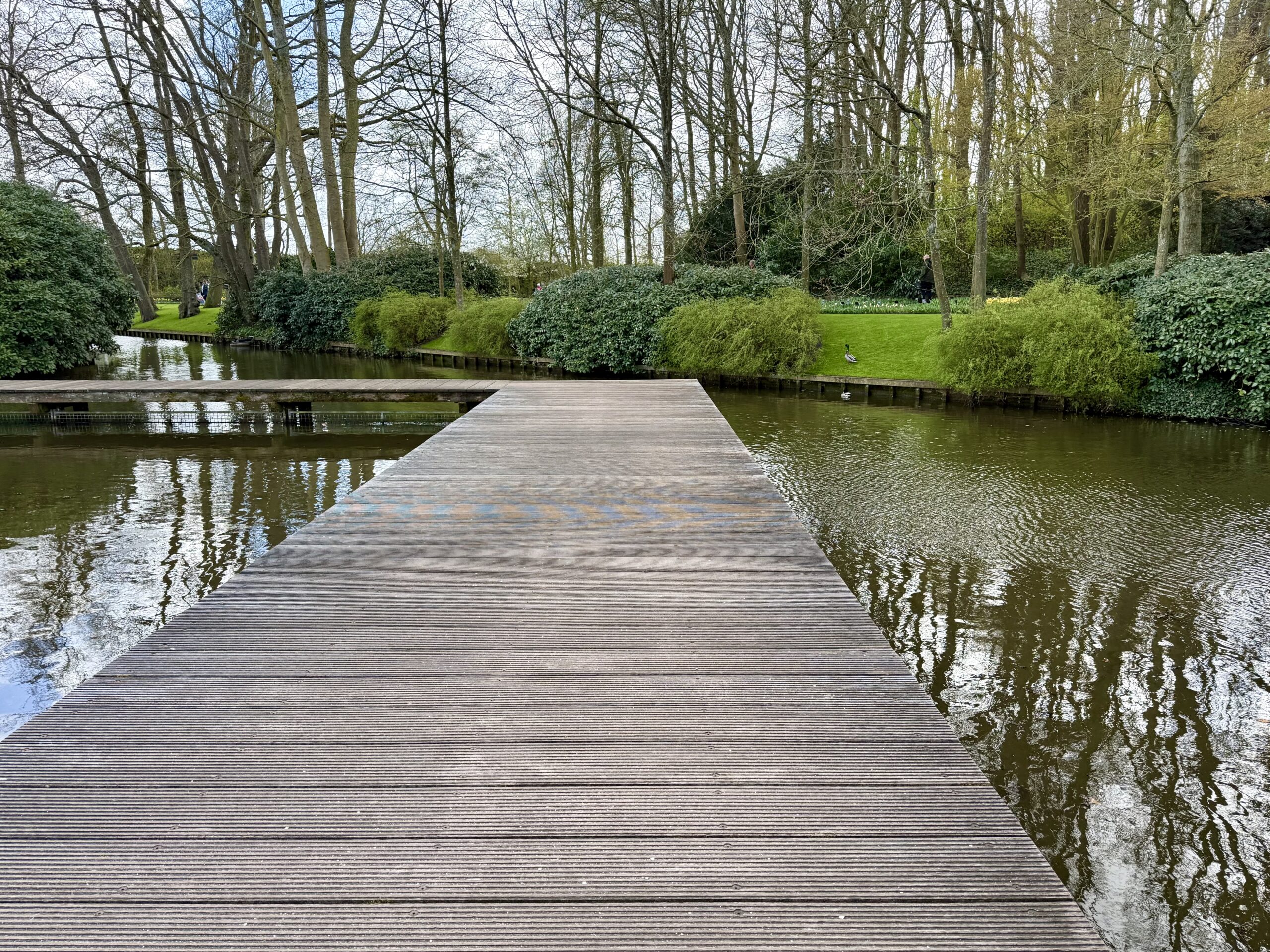
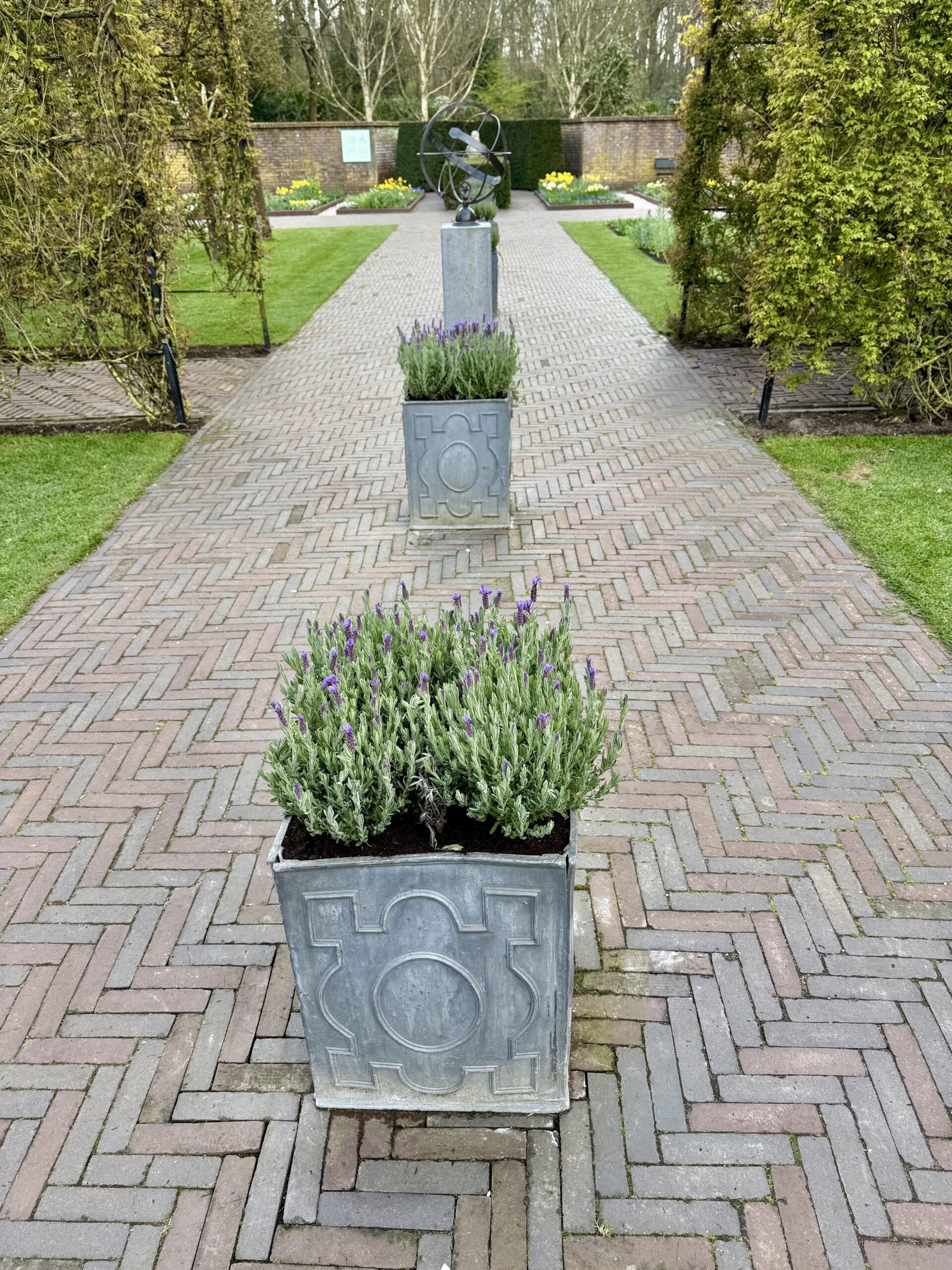
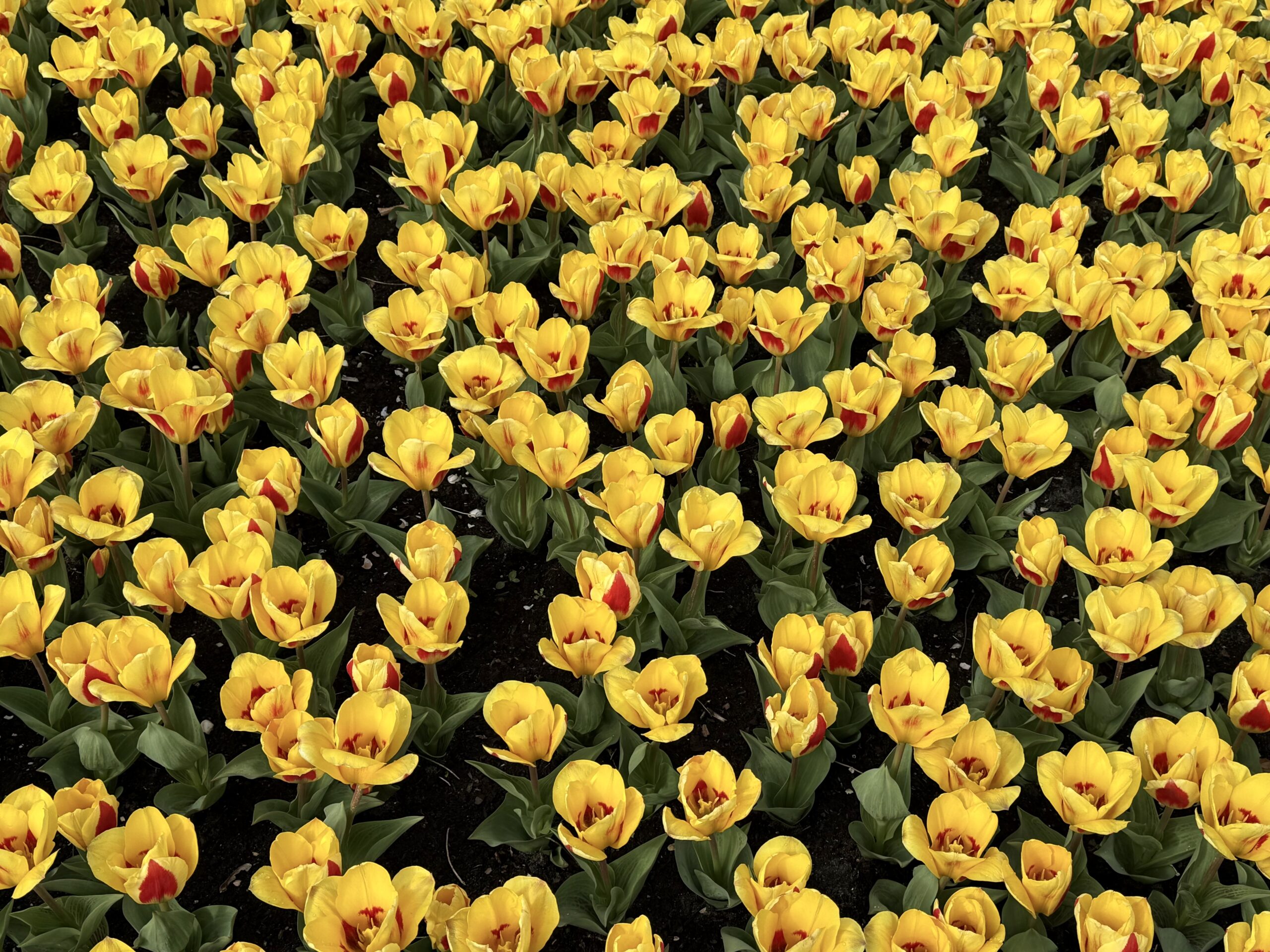
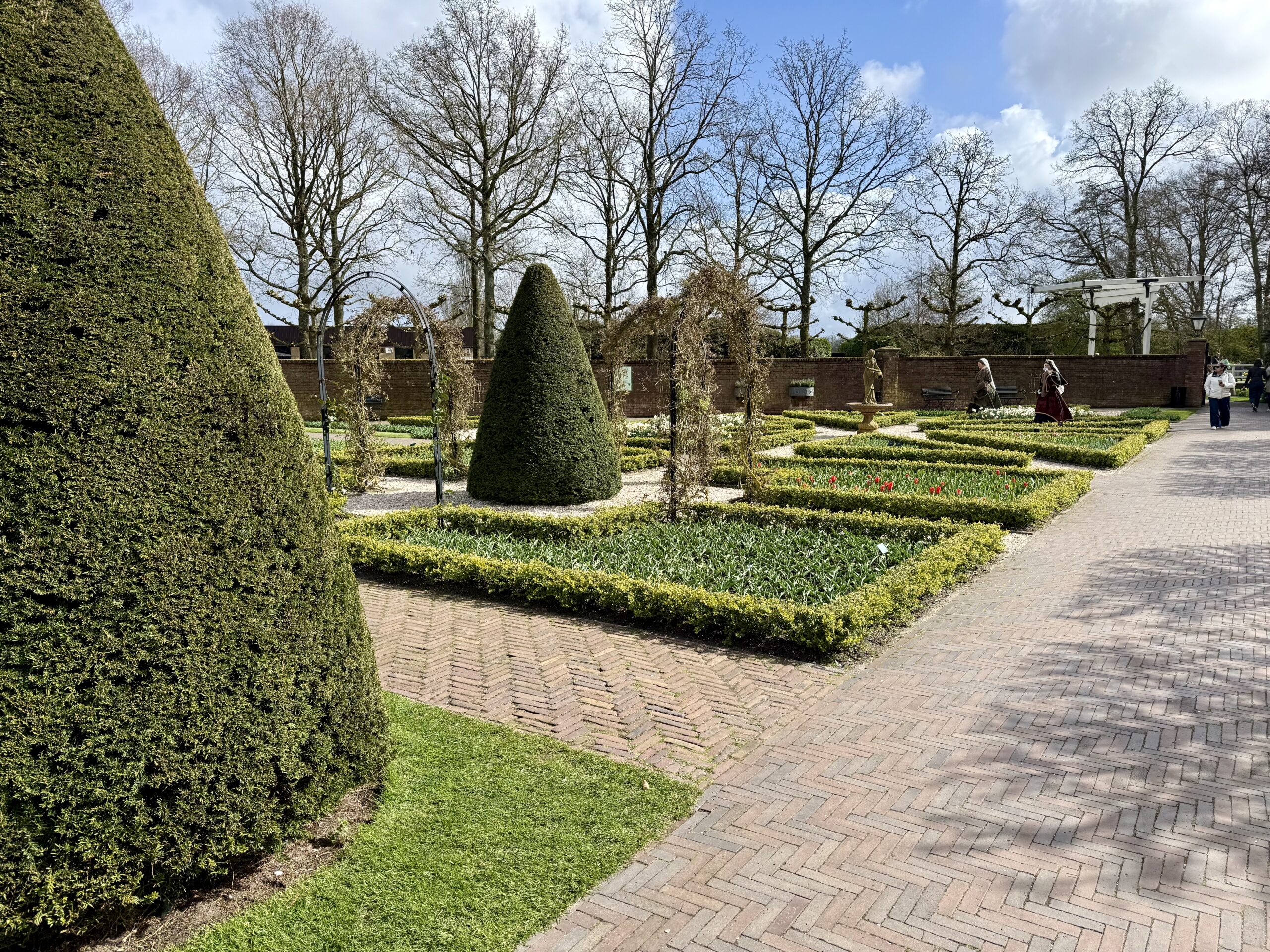
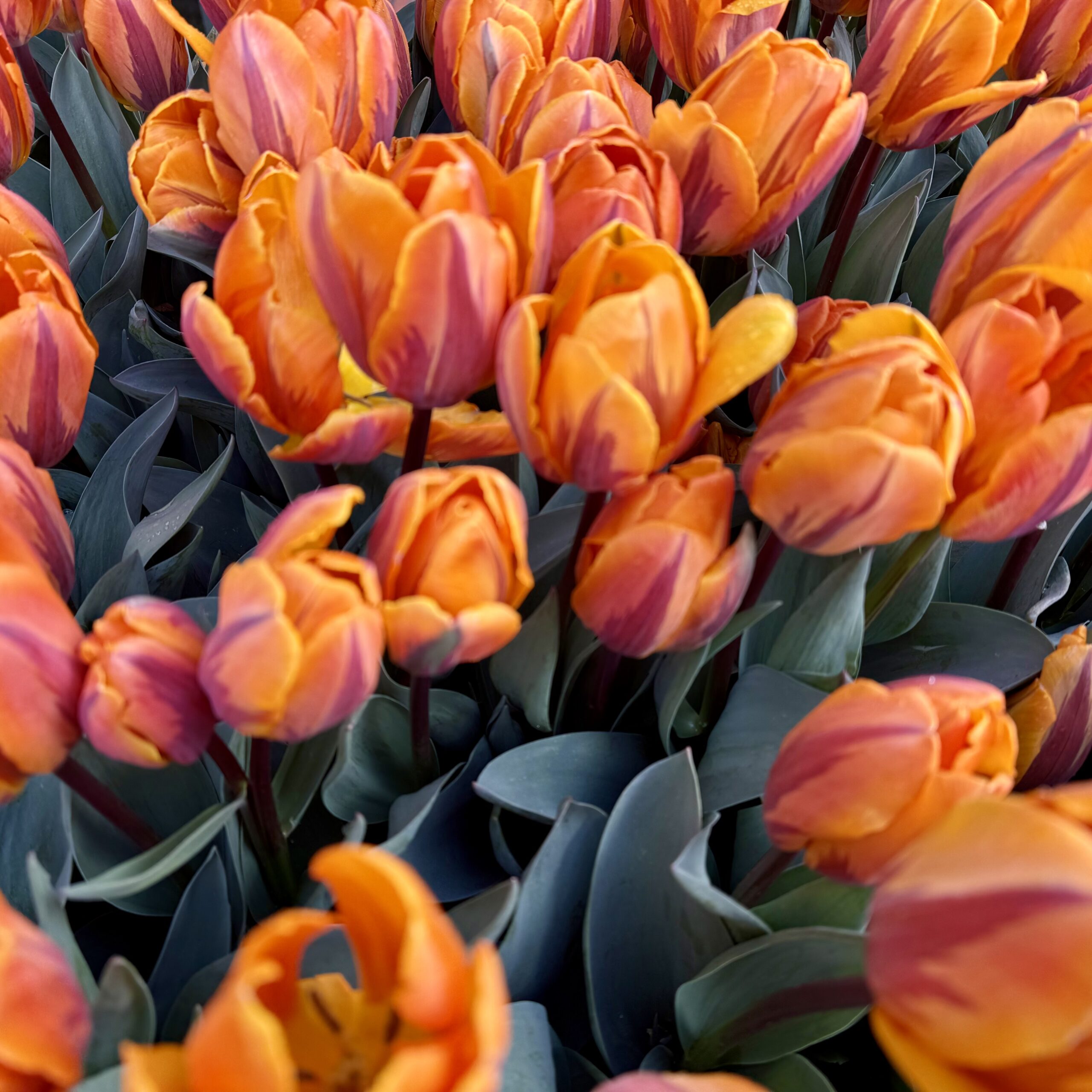
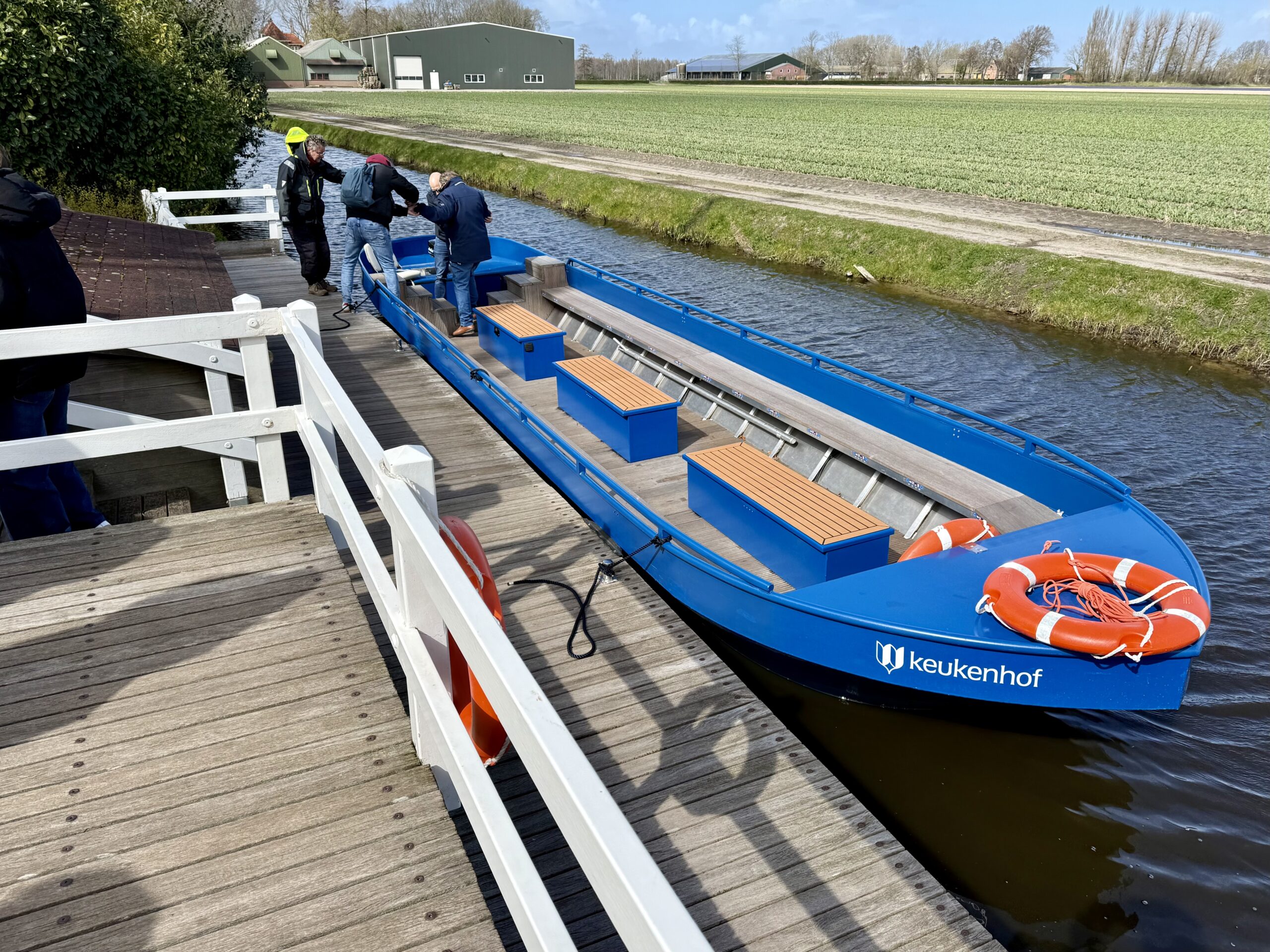
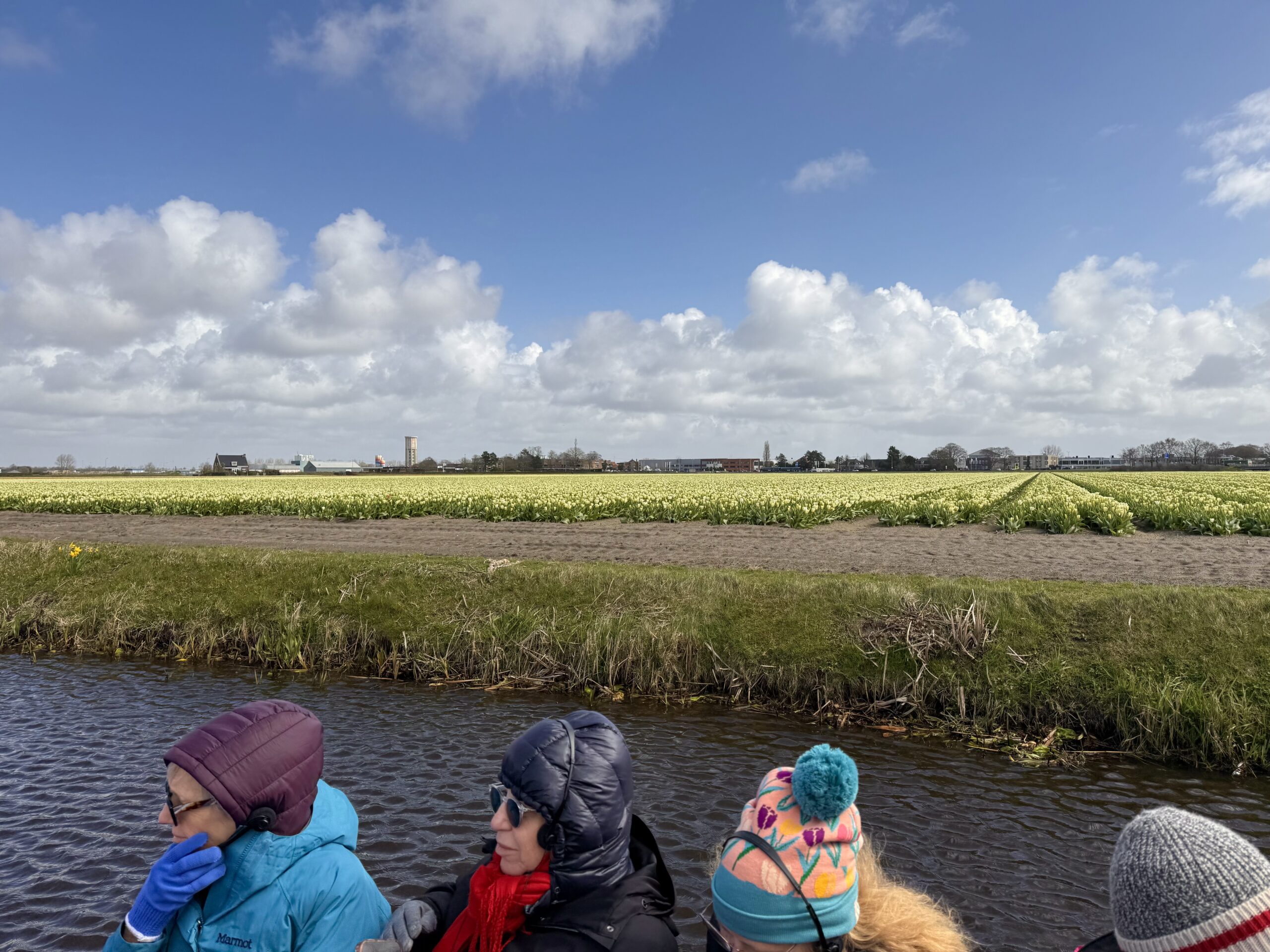
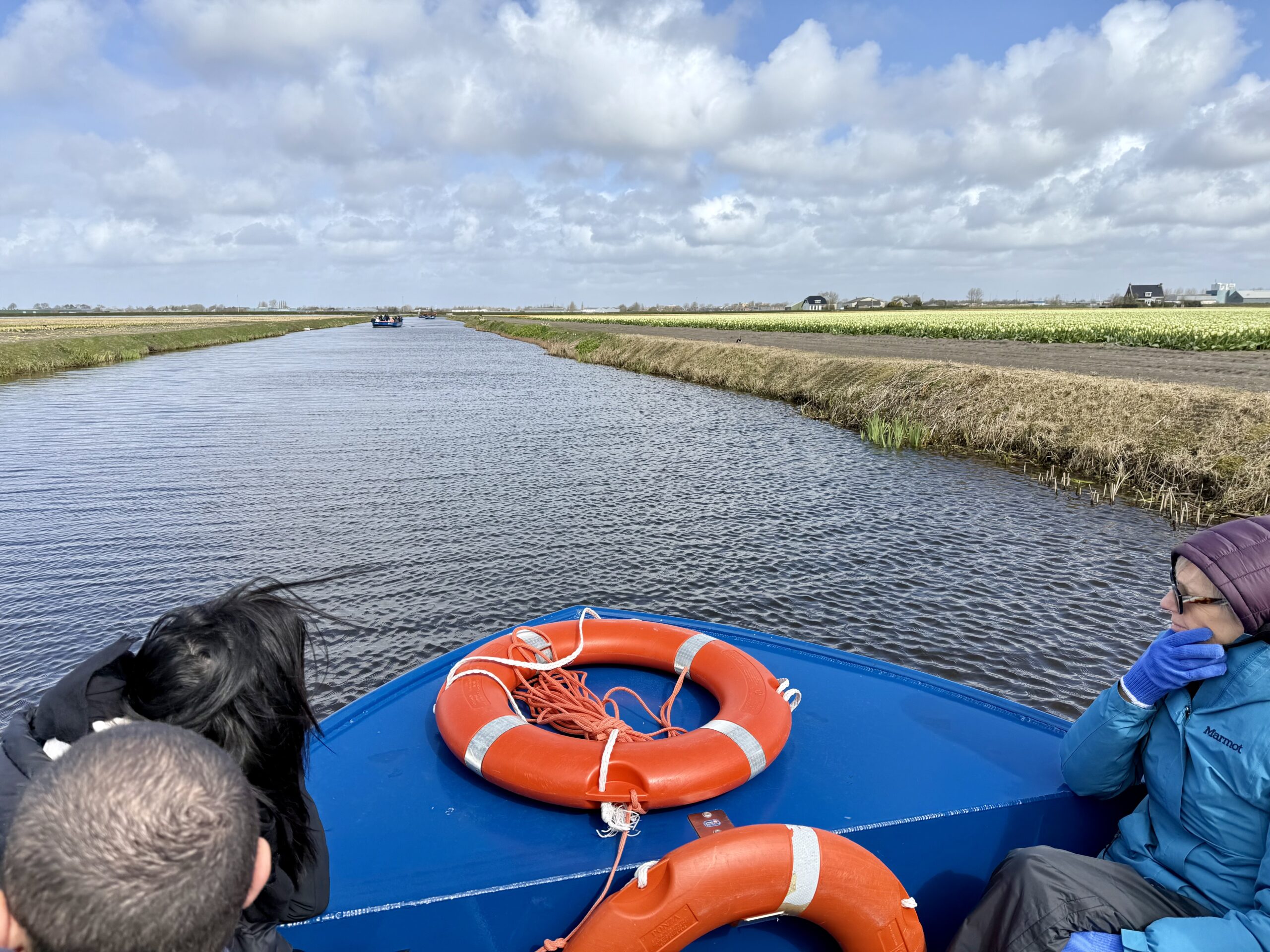
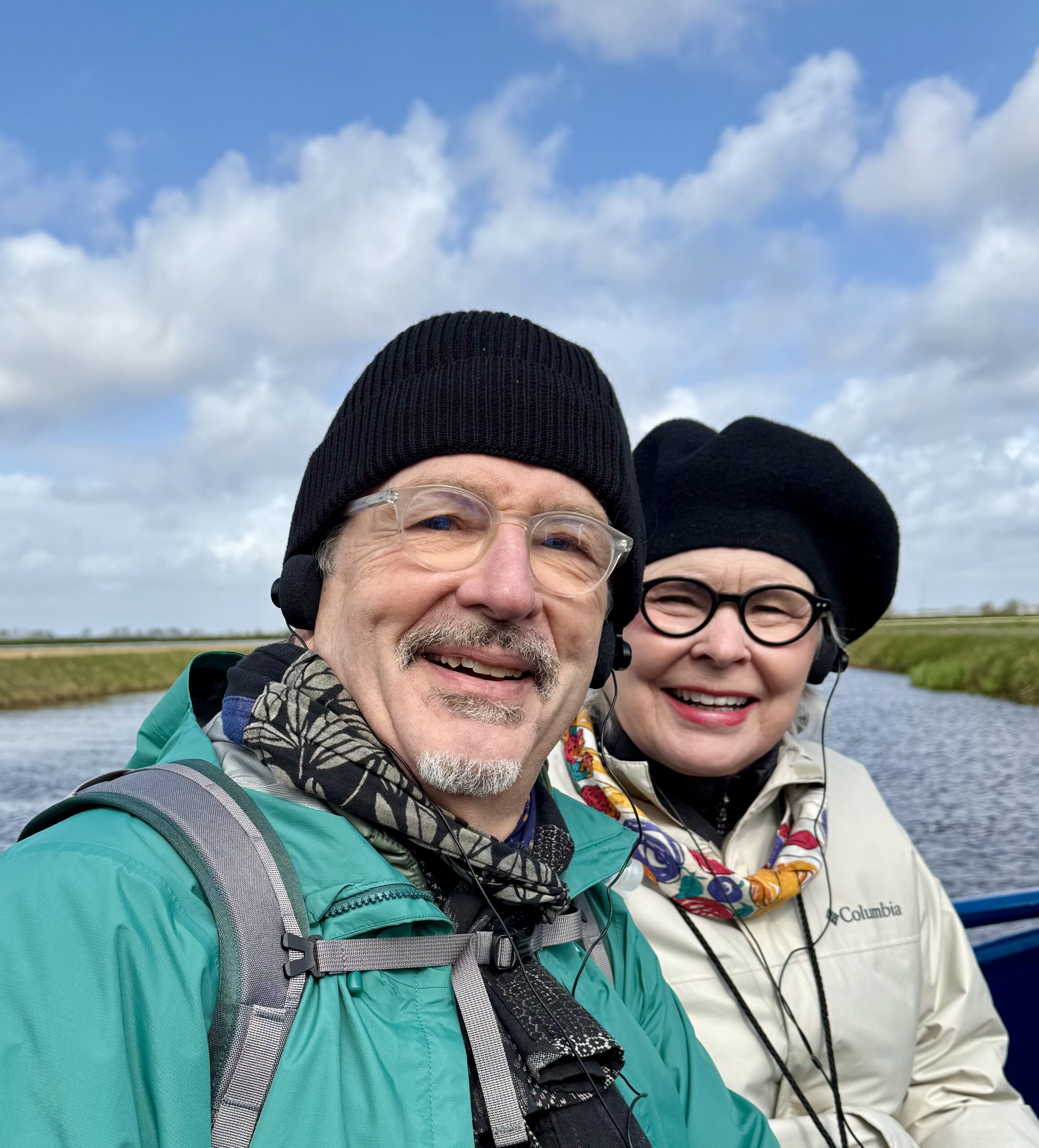
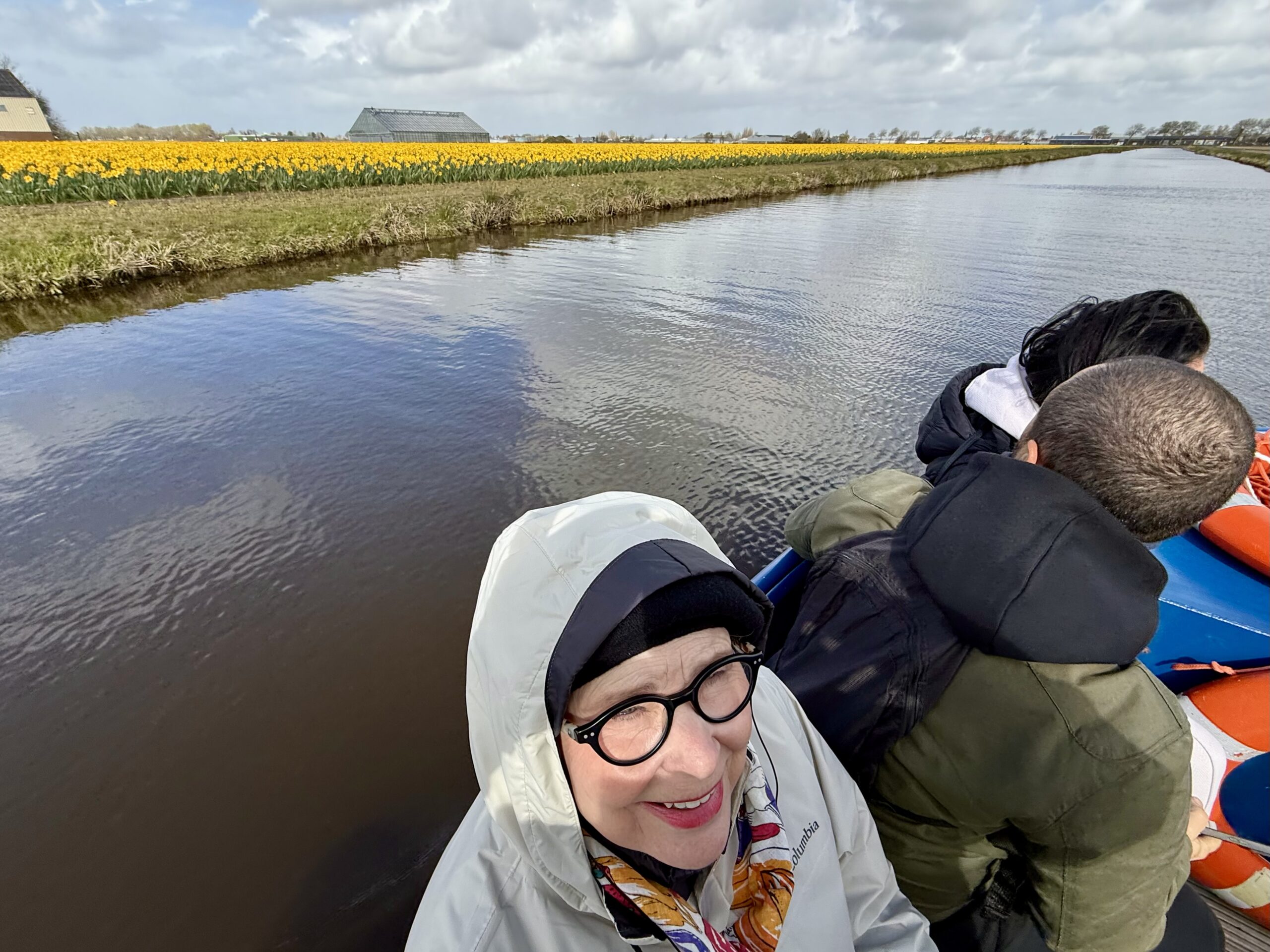
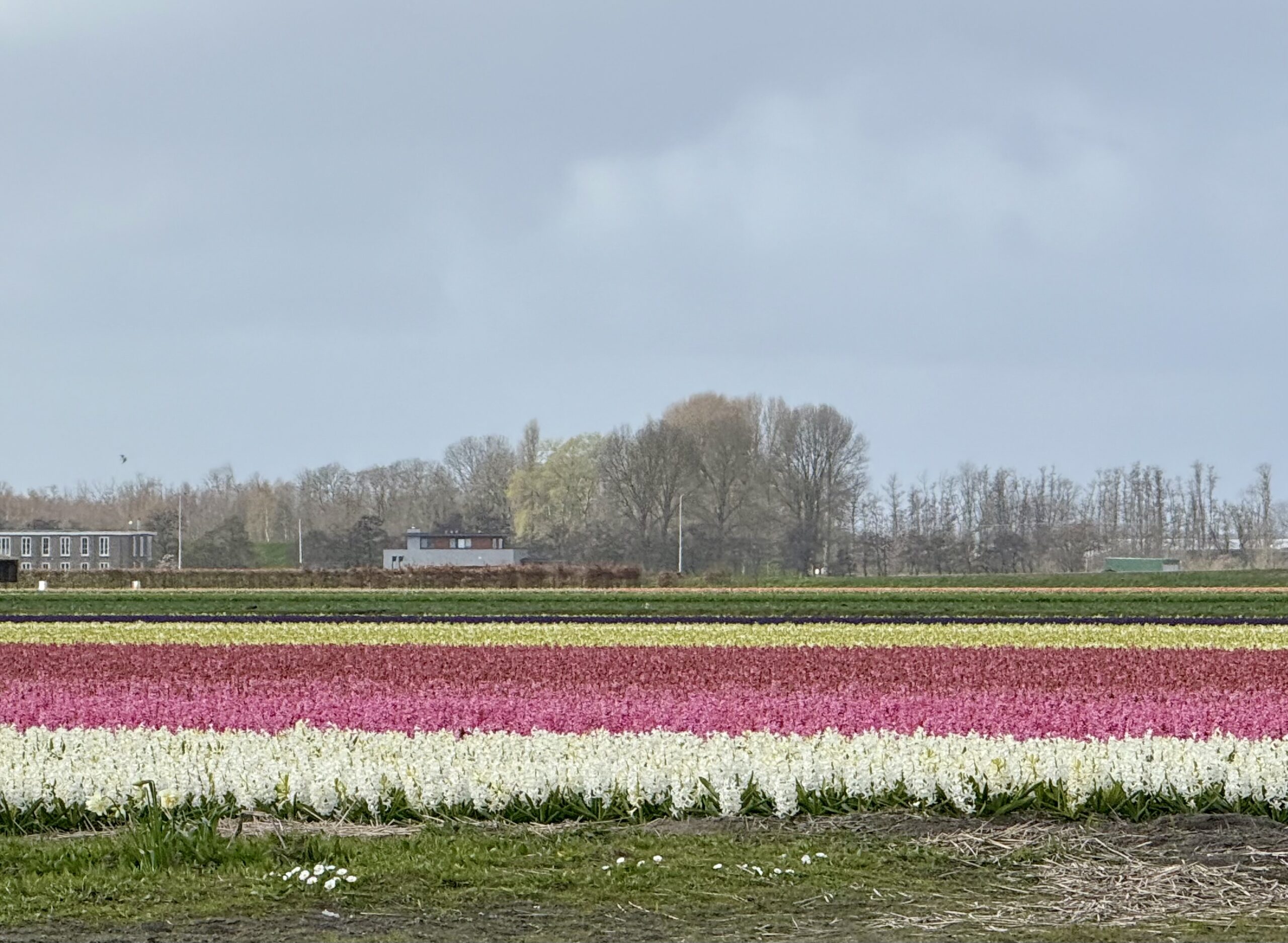
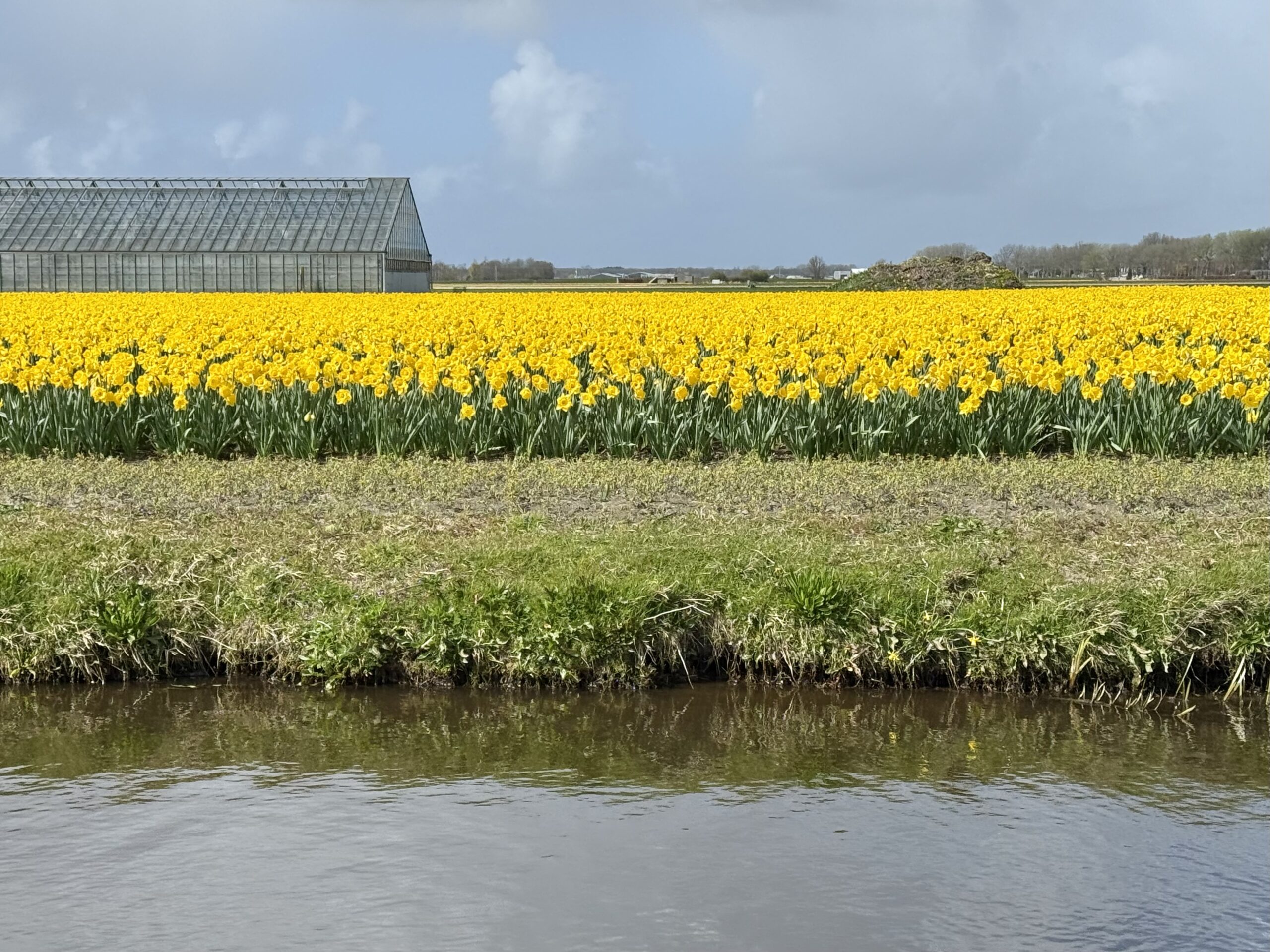
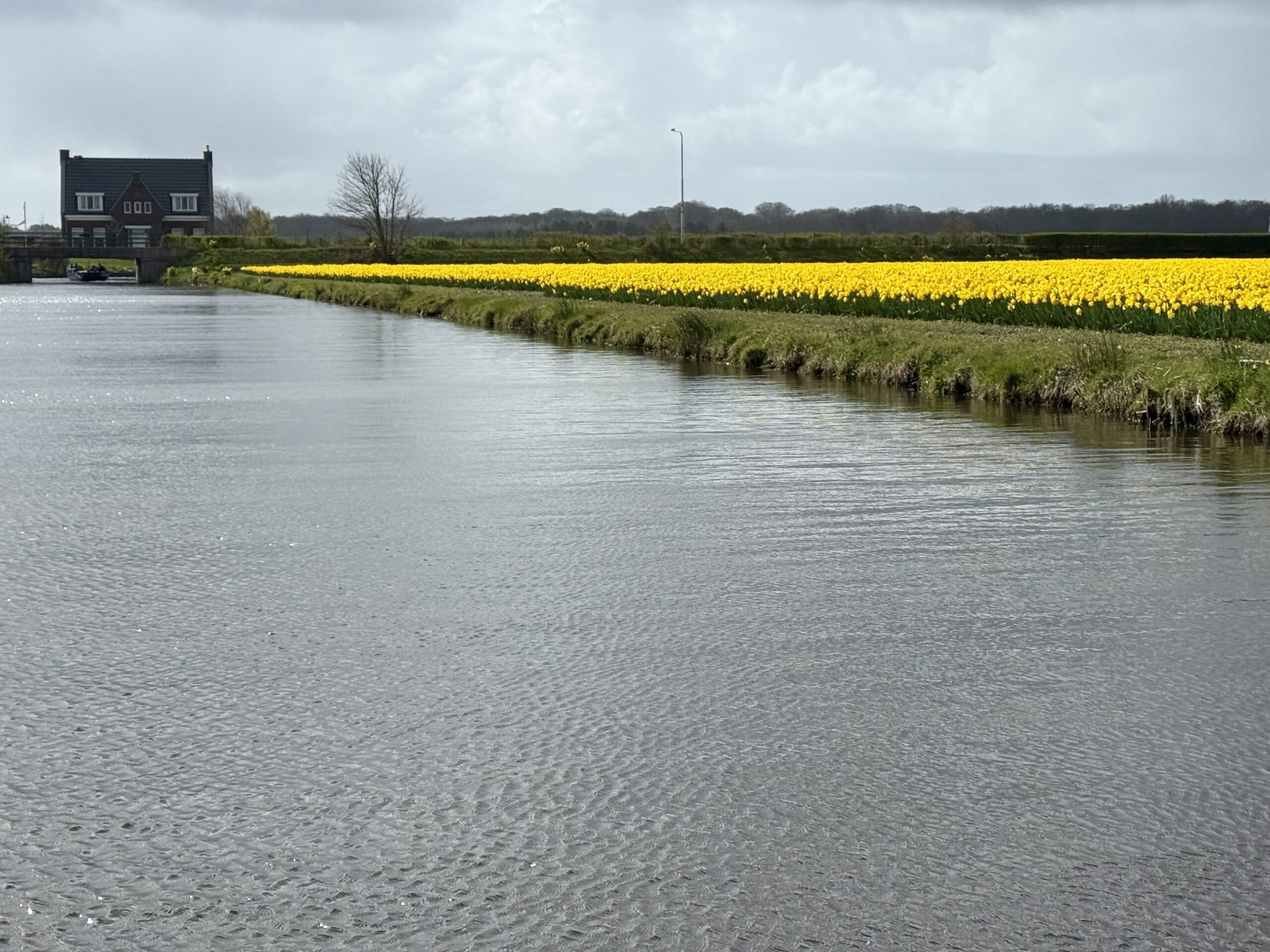
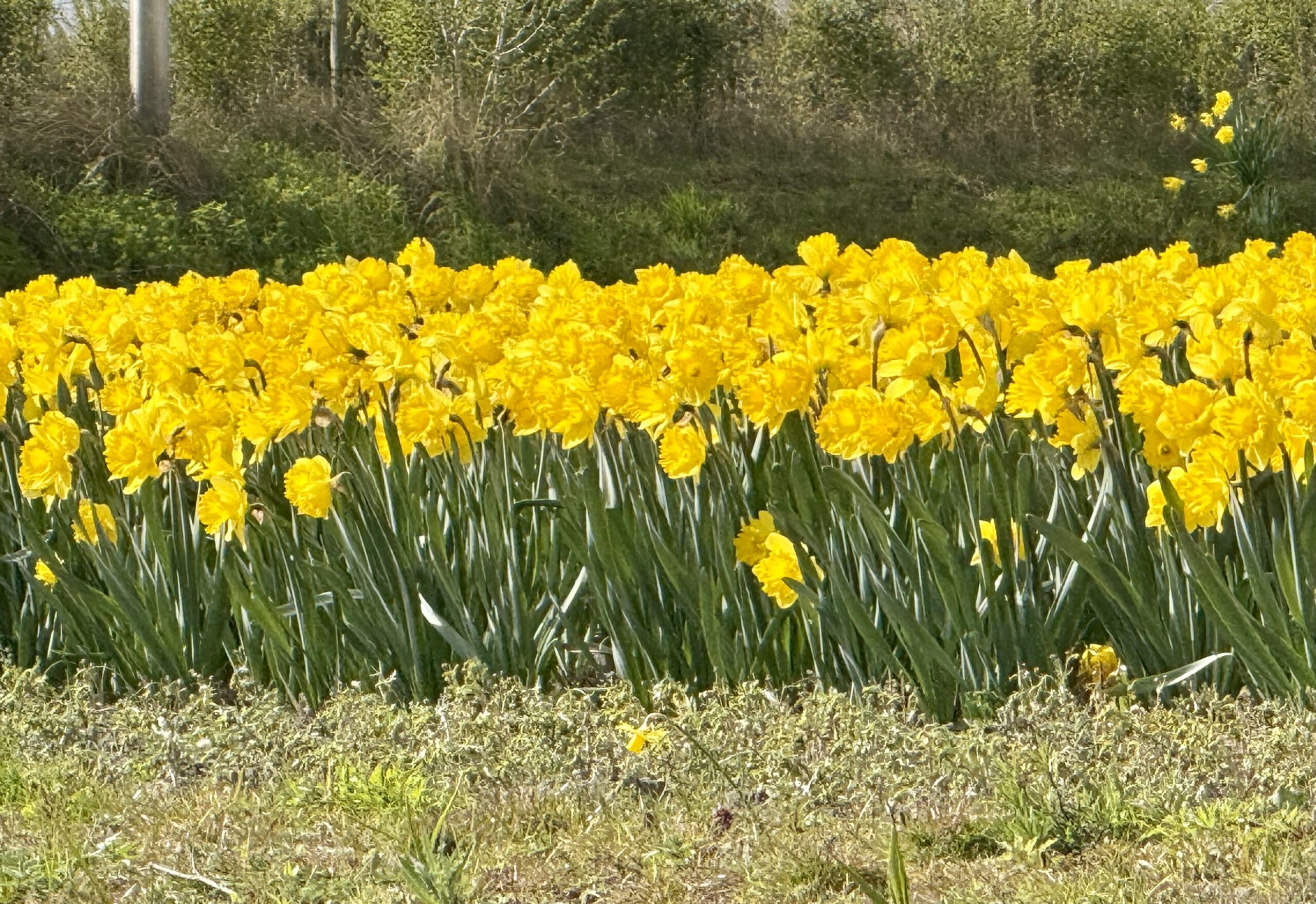
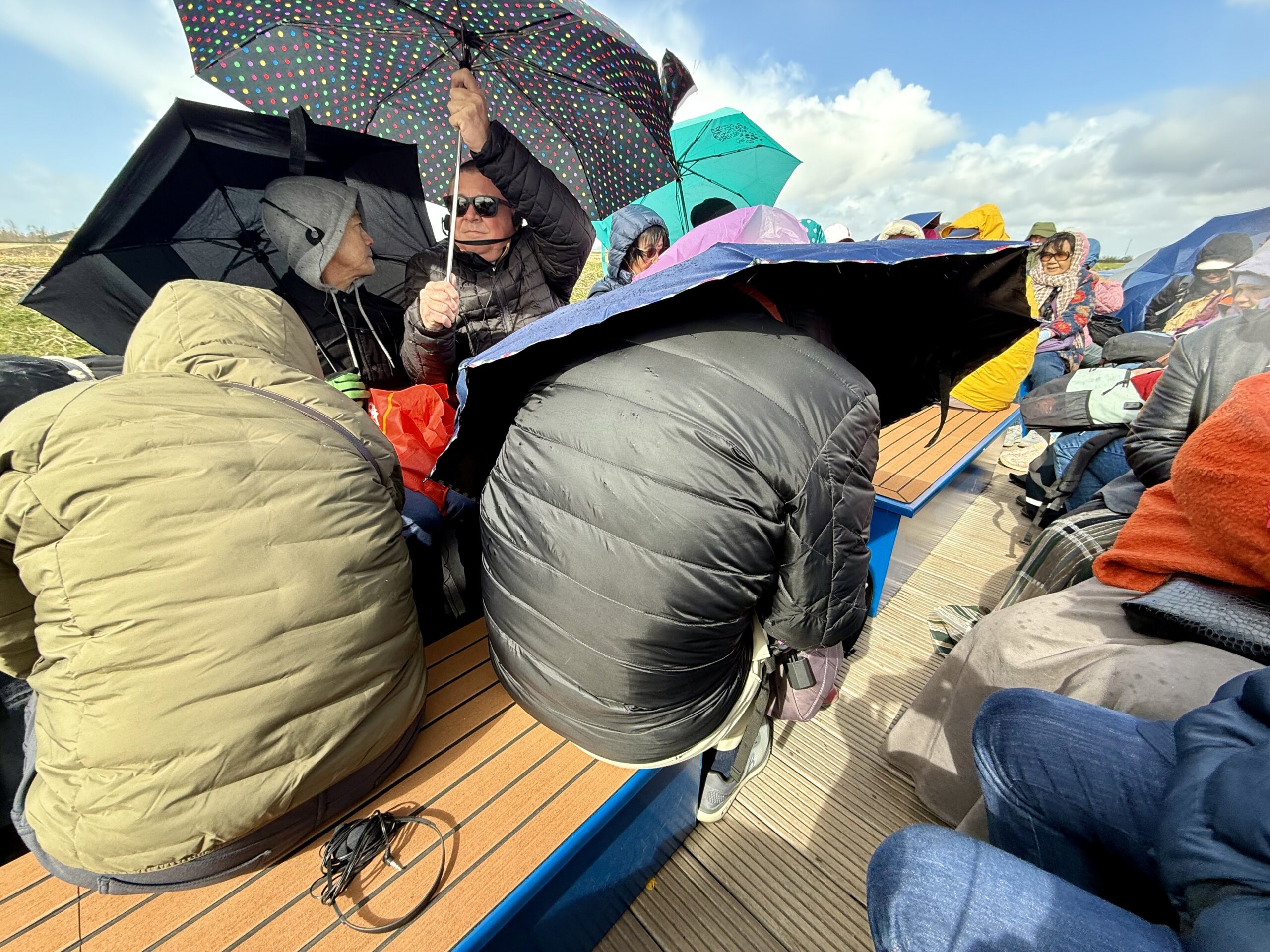
Boat Ride – At the edge of the garden, we climbed into a canal boat to navigate through fields of tulips, daffodils, and hyacinths. Workers cut flowers daily for commercial sales. It was cold, and we even survived a brief hail shower.
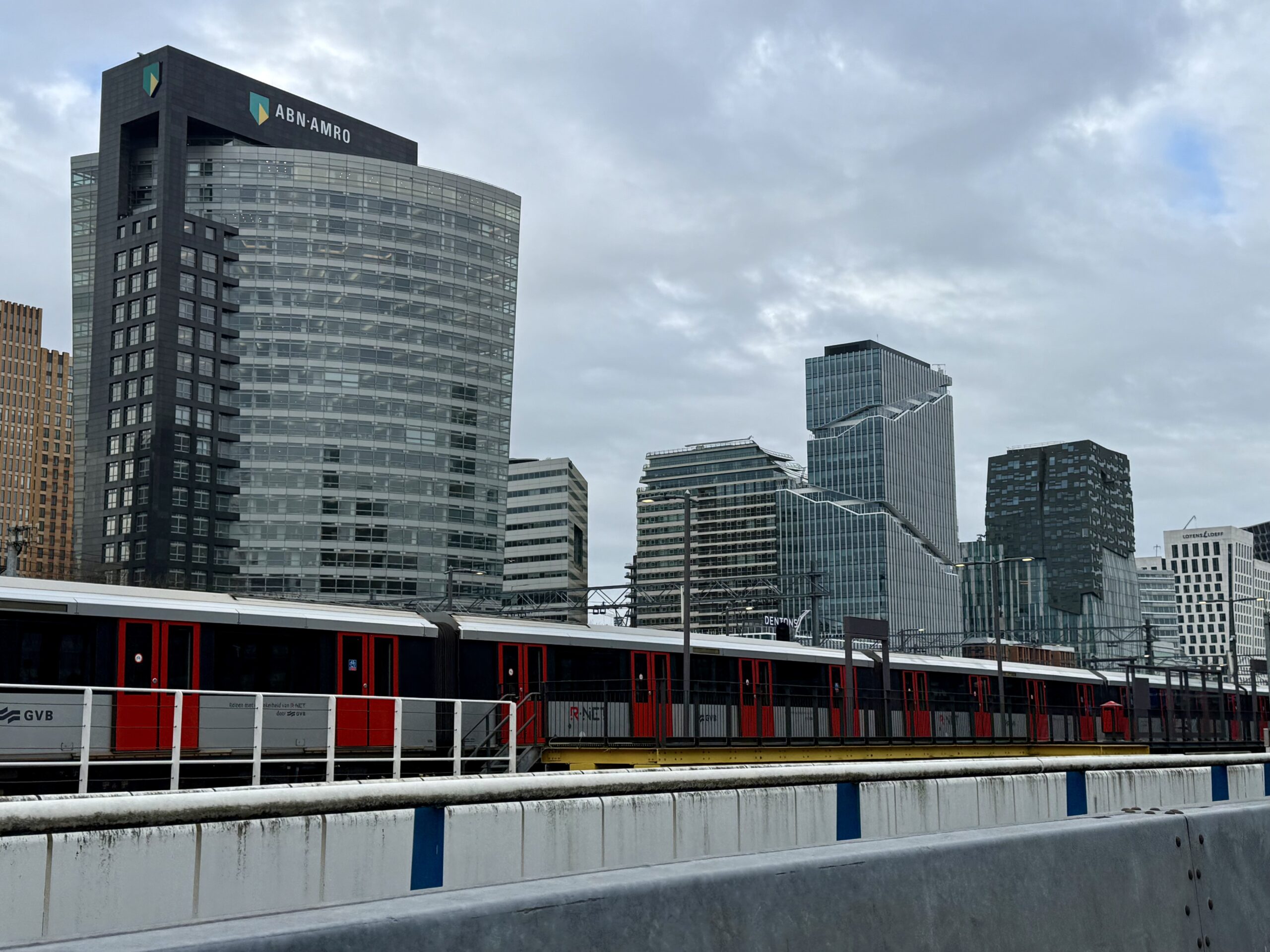
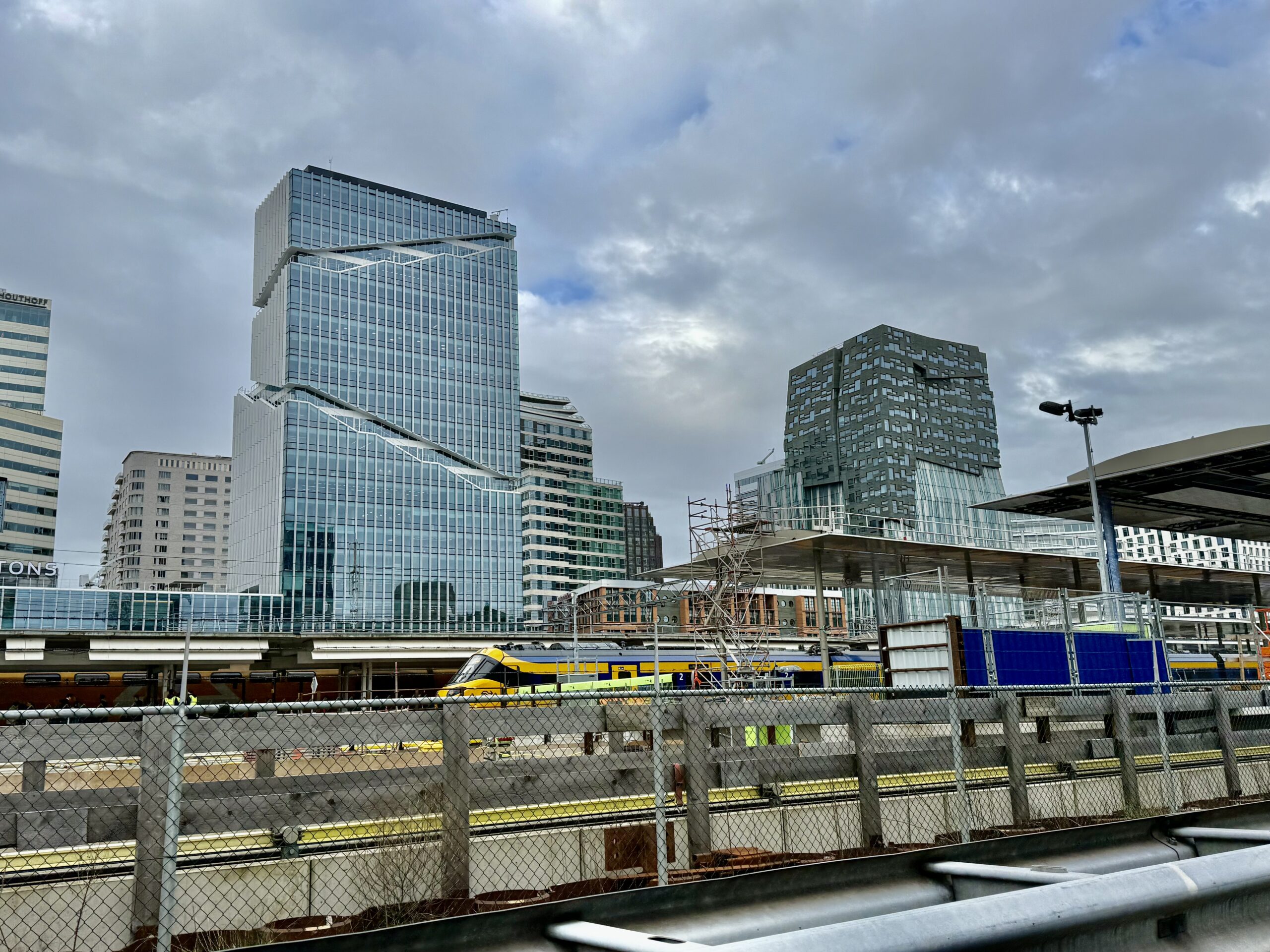
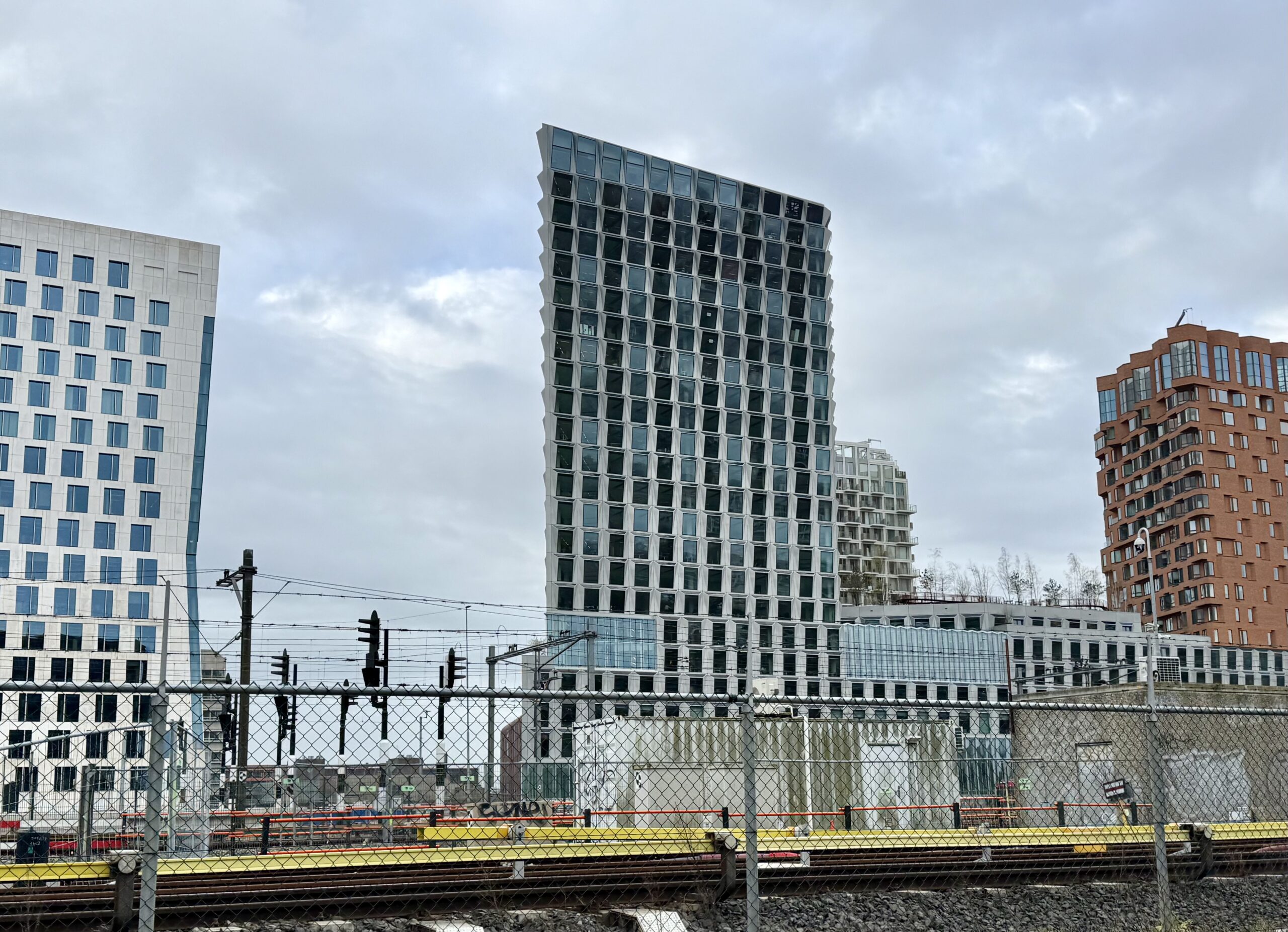
Architects Gone Wild
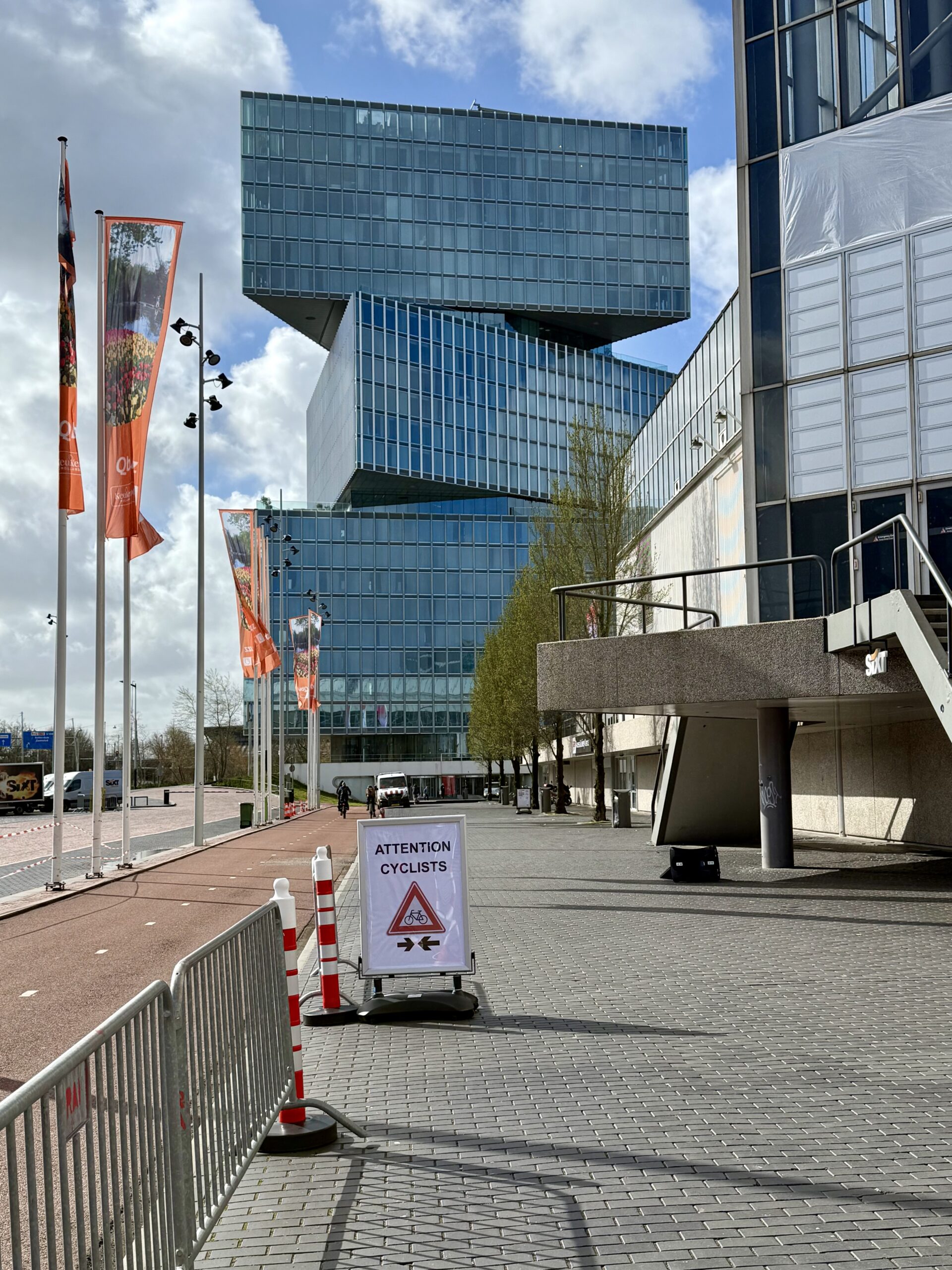
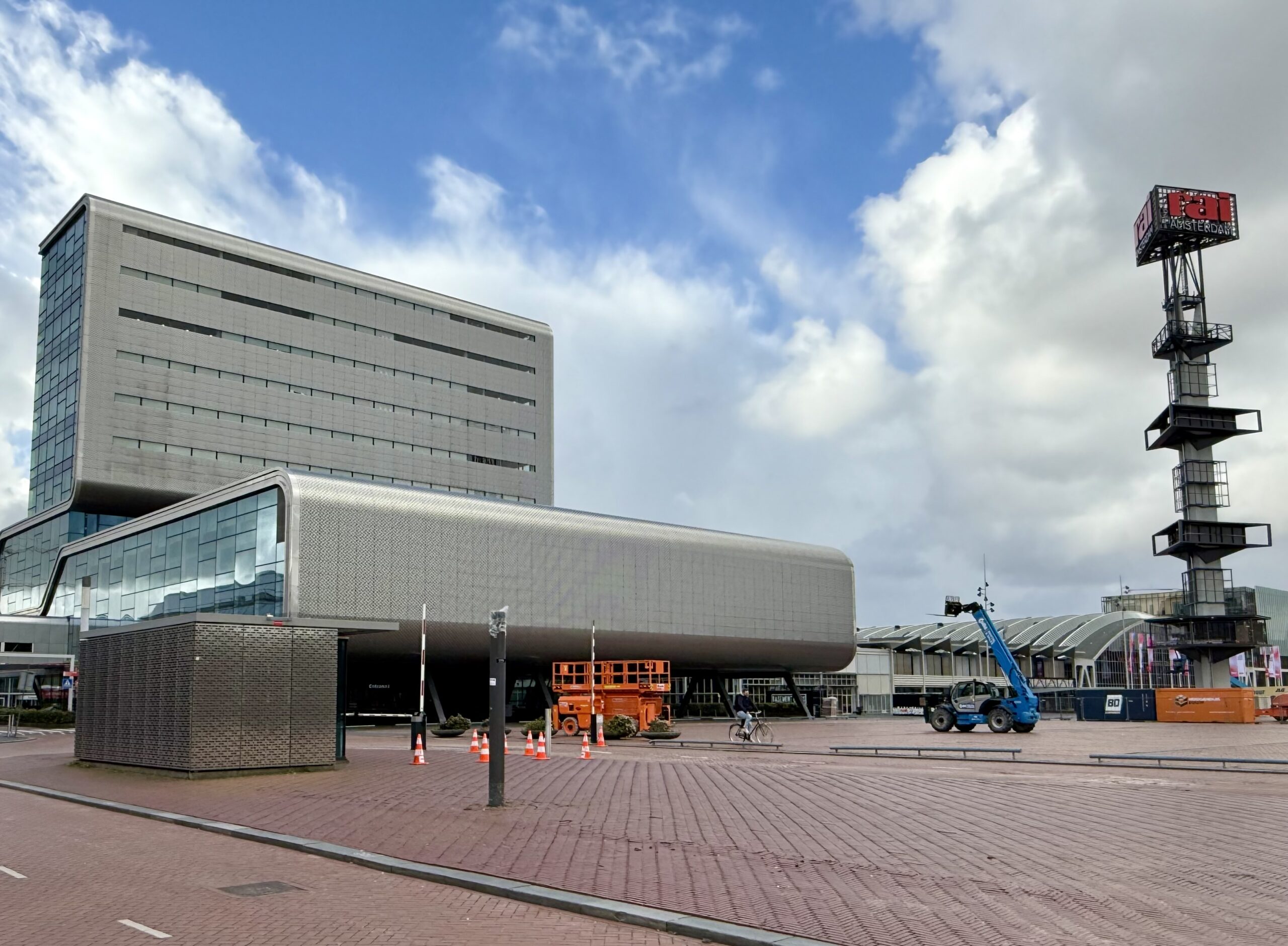
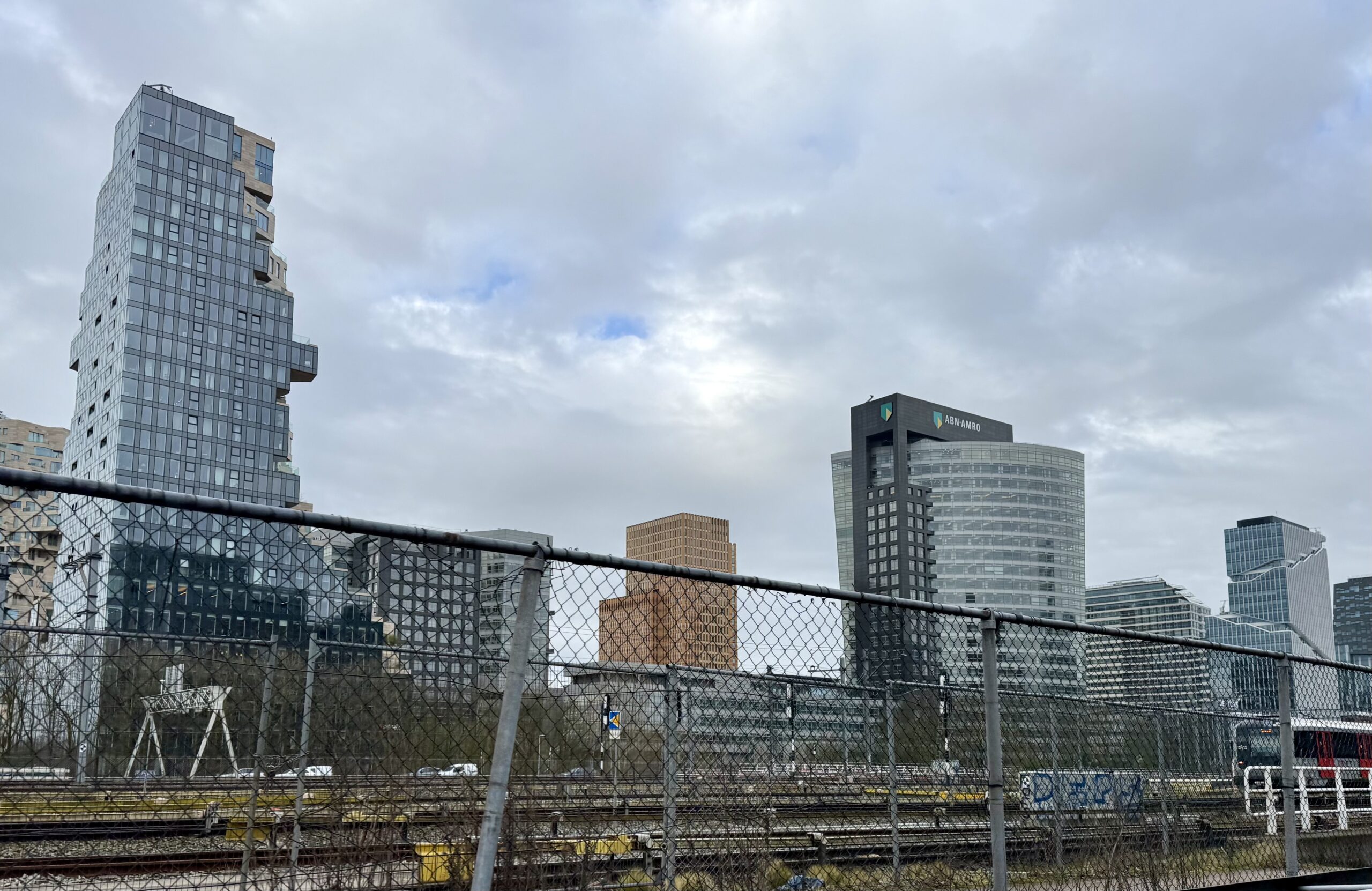
When not constrained by historic context, Dutch architects seem to run to the other extreme with building designs.
Eating Around
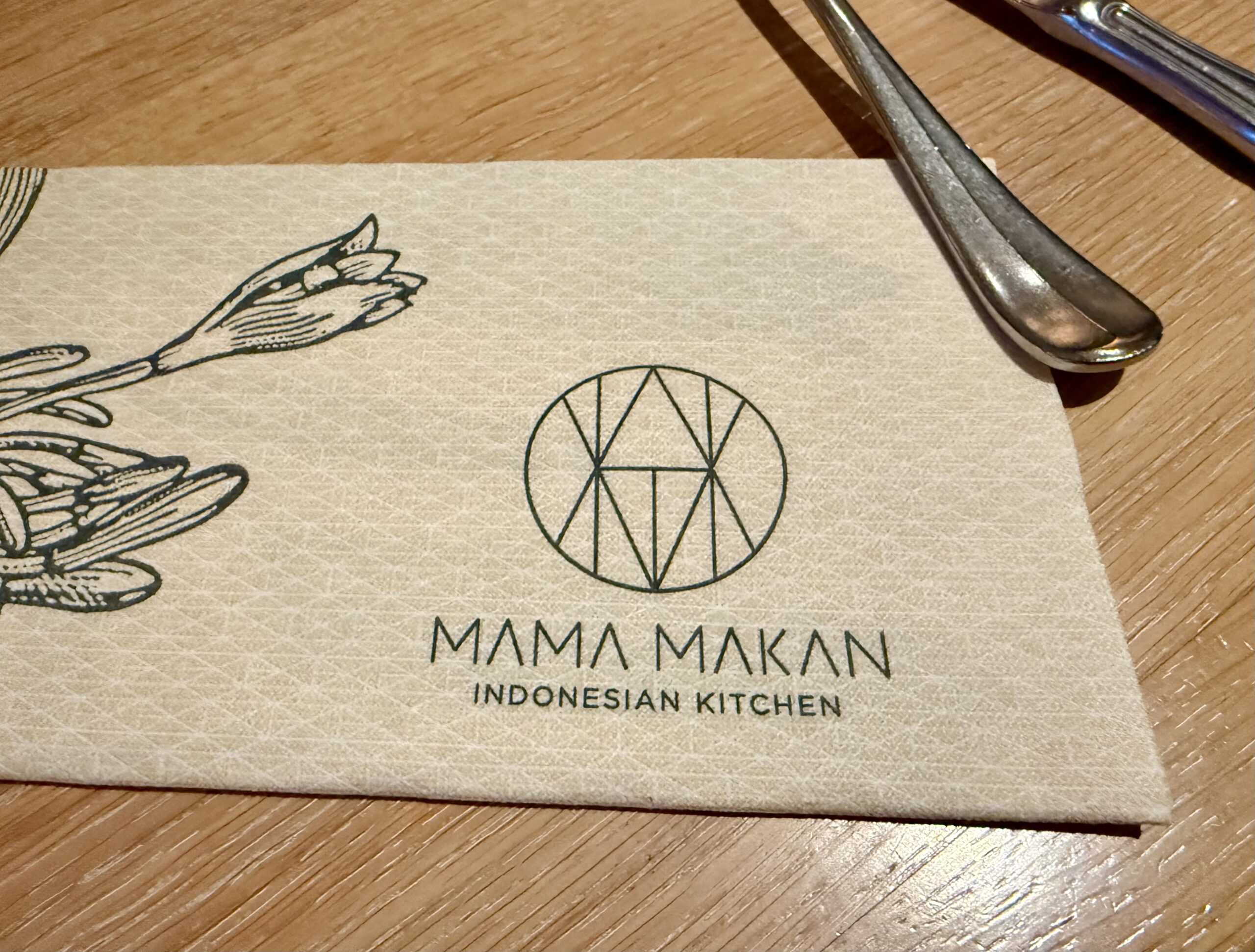
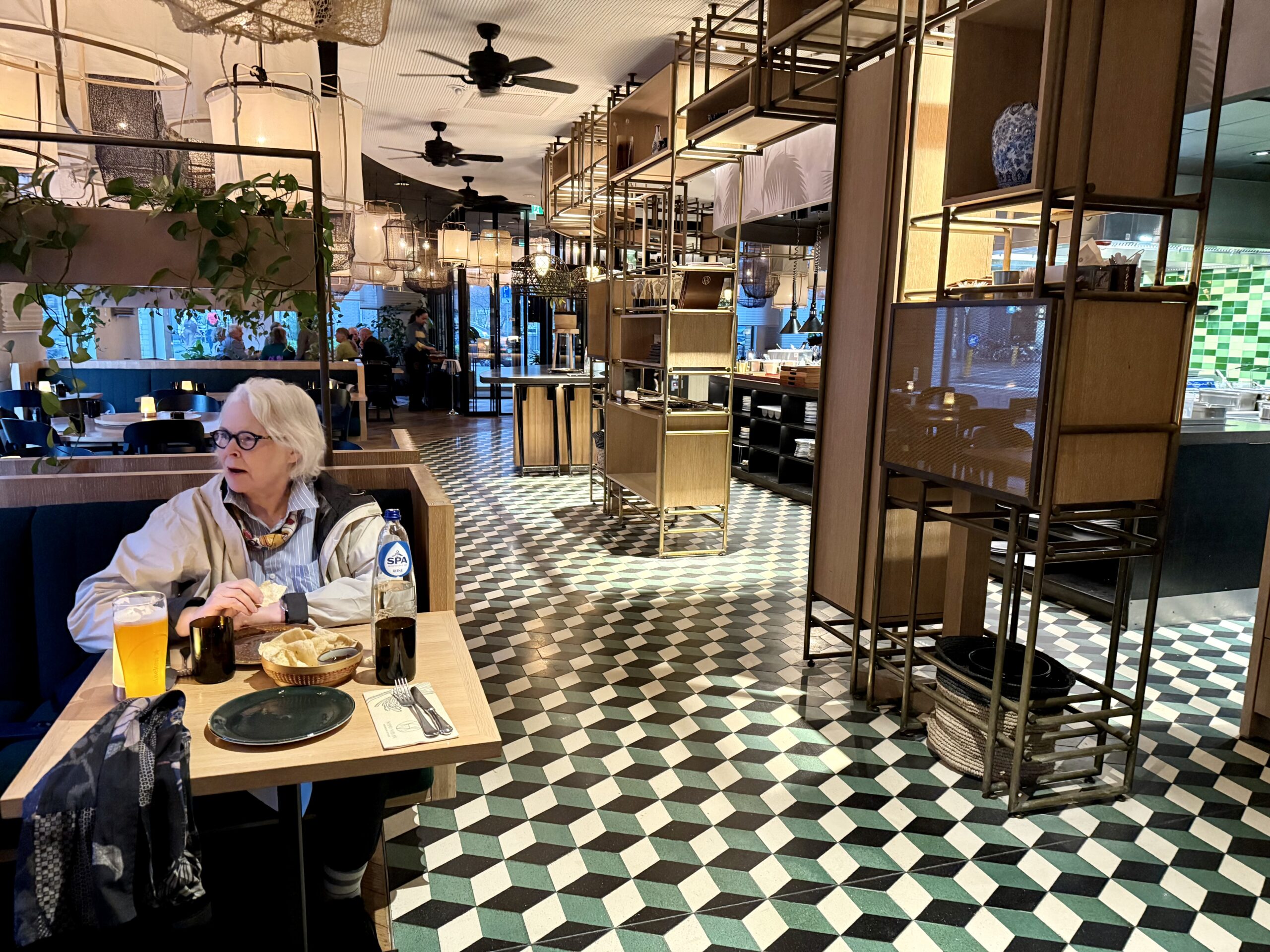
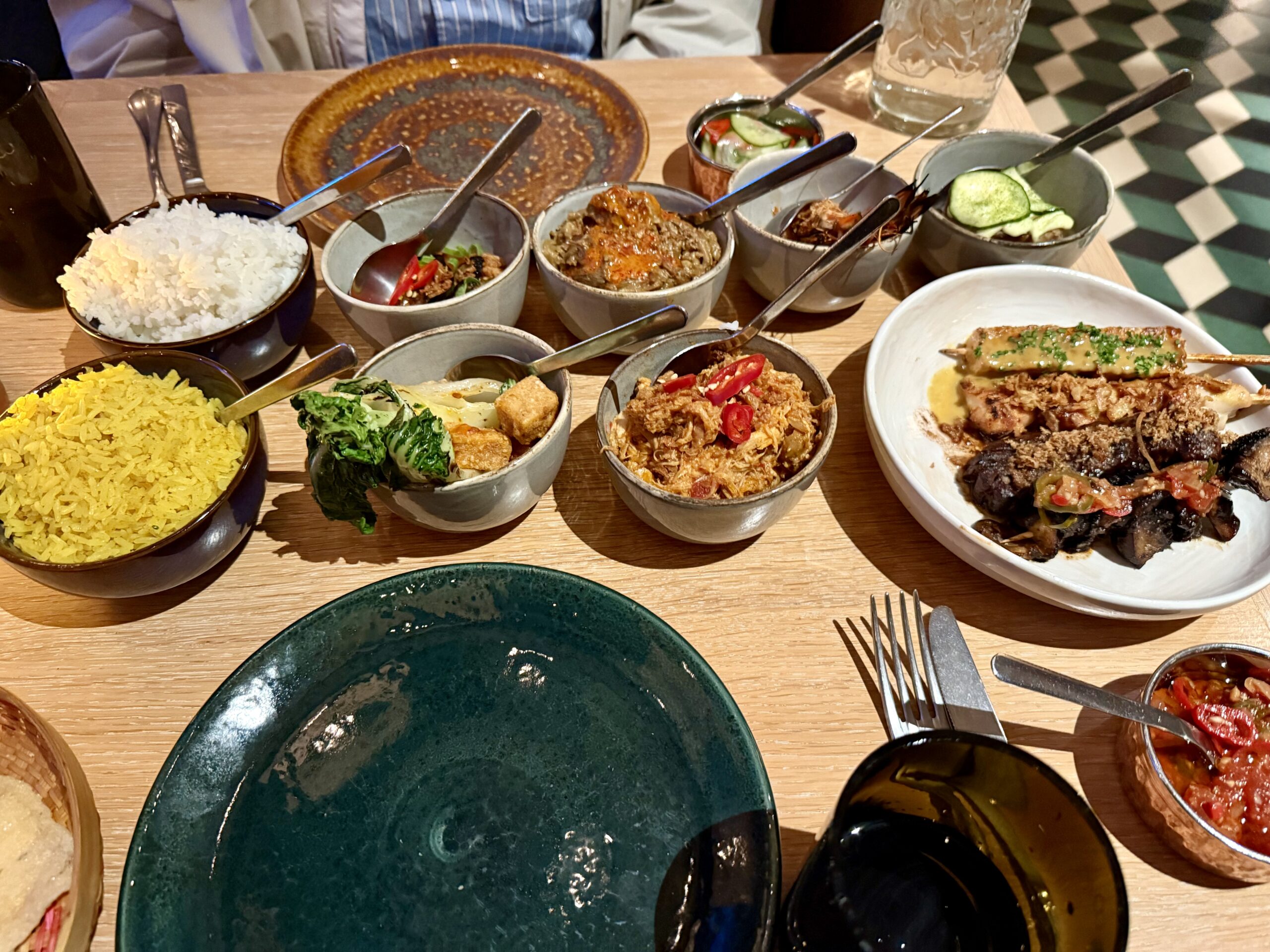
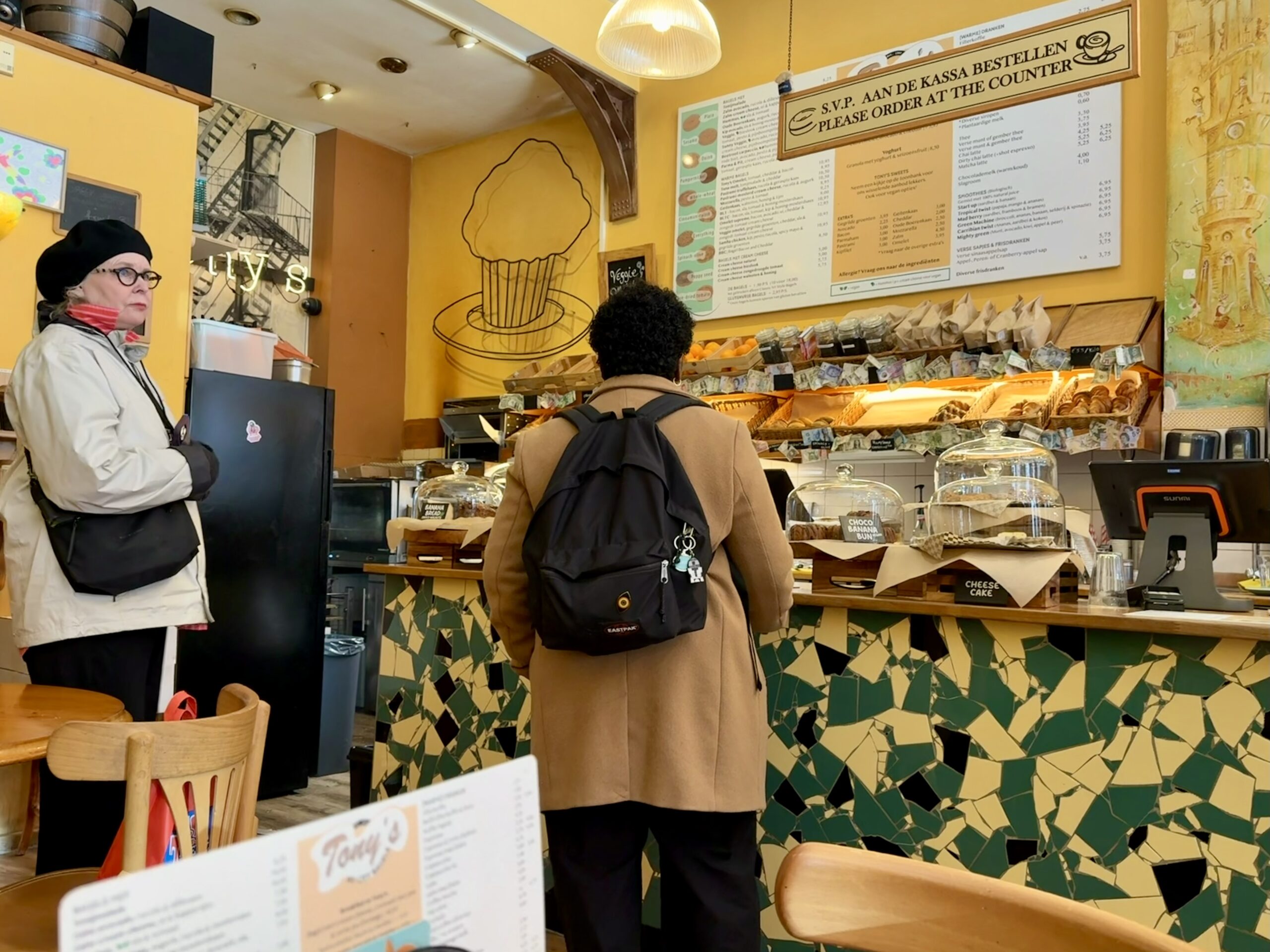
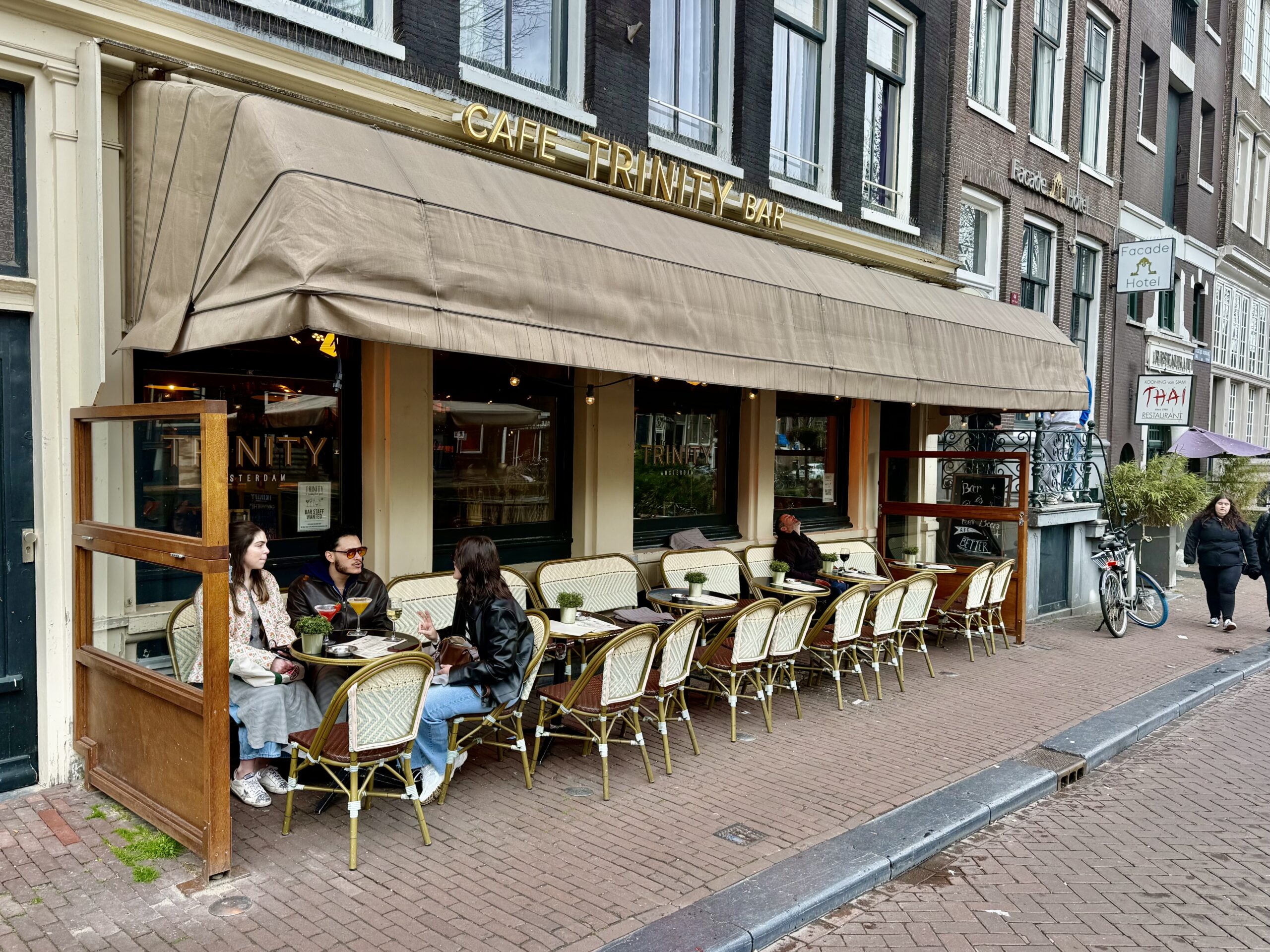
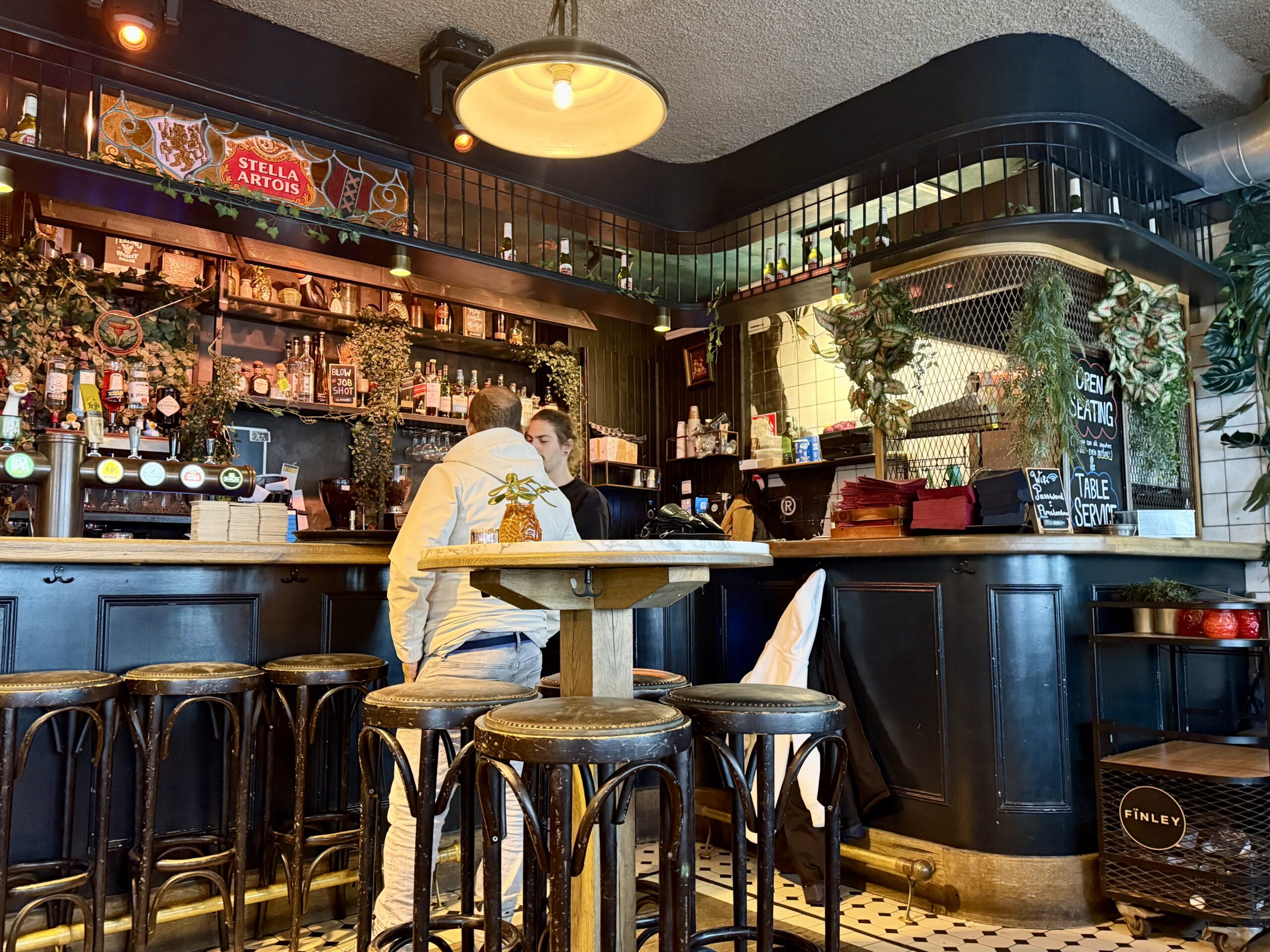
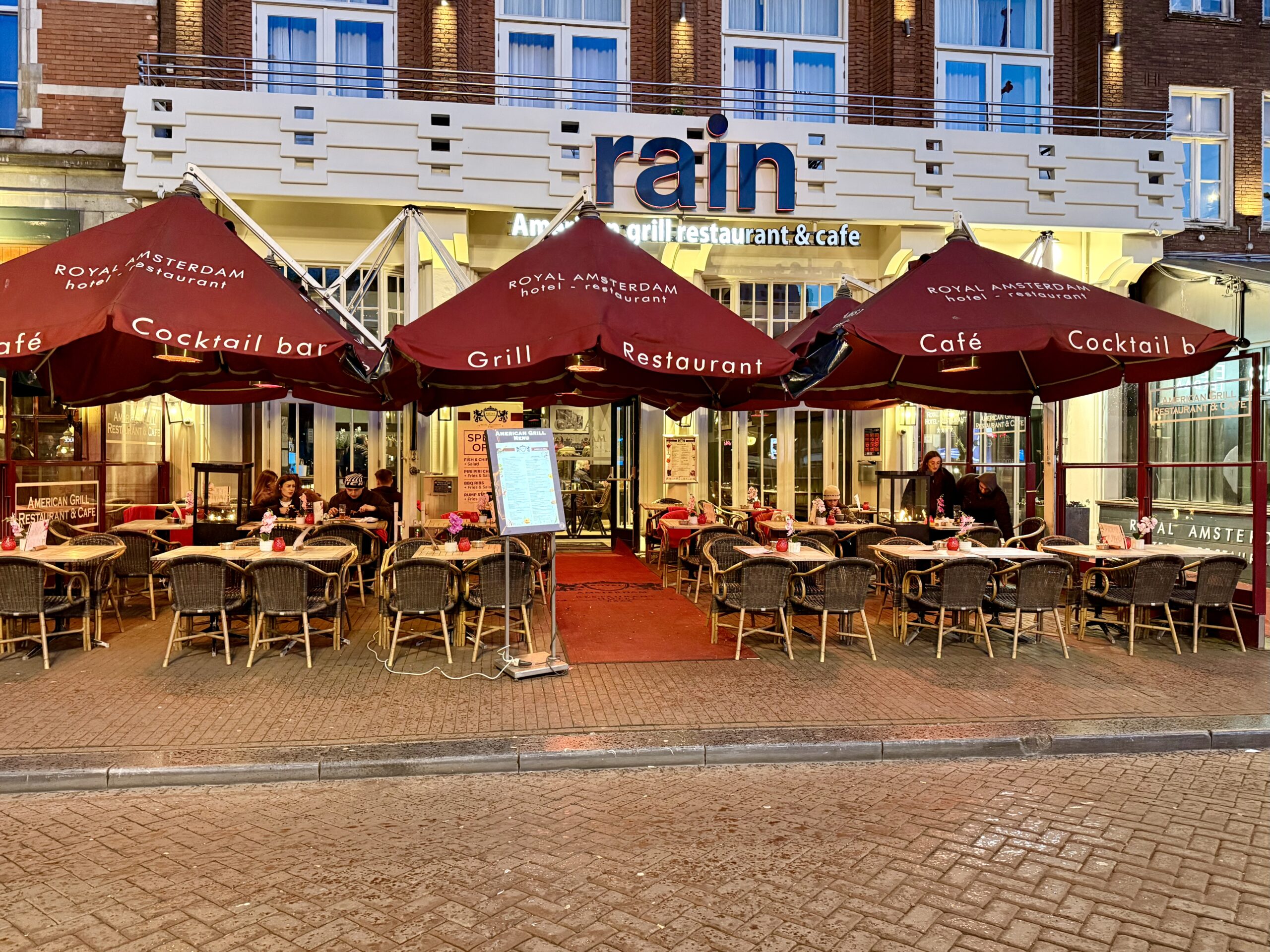
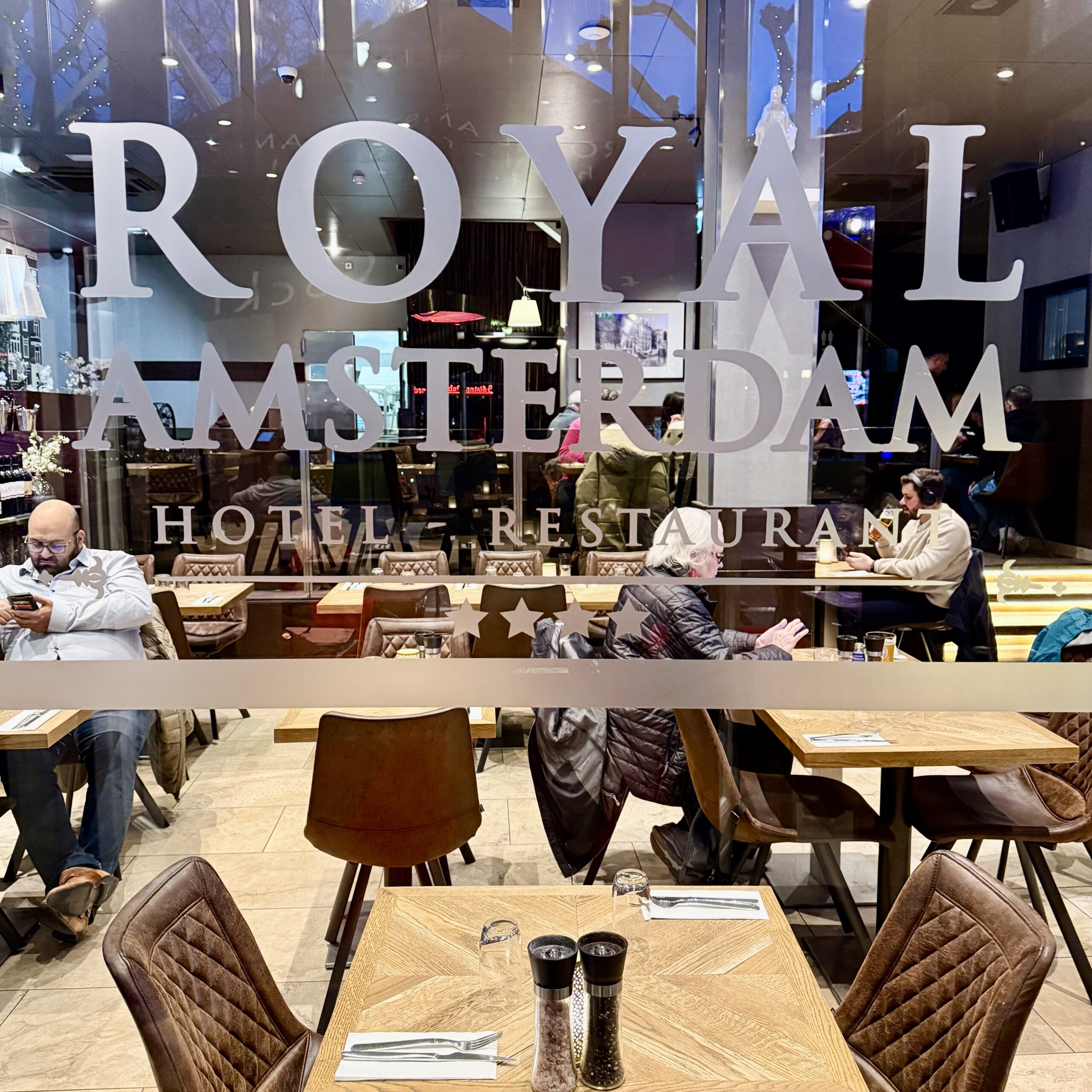
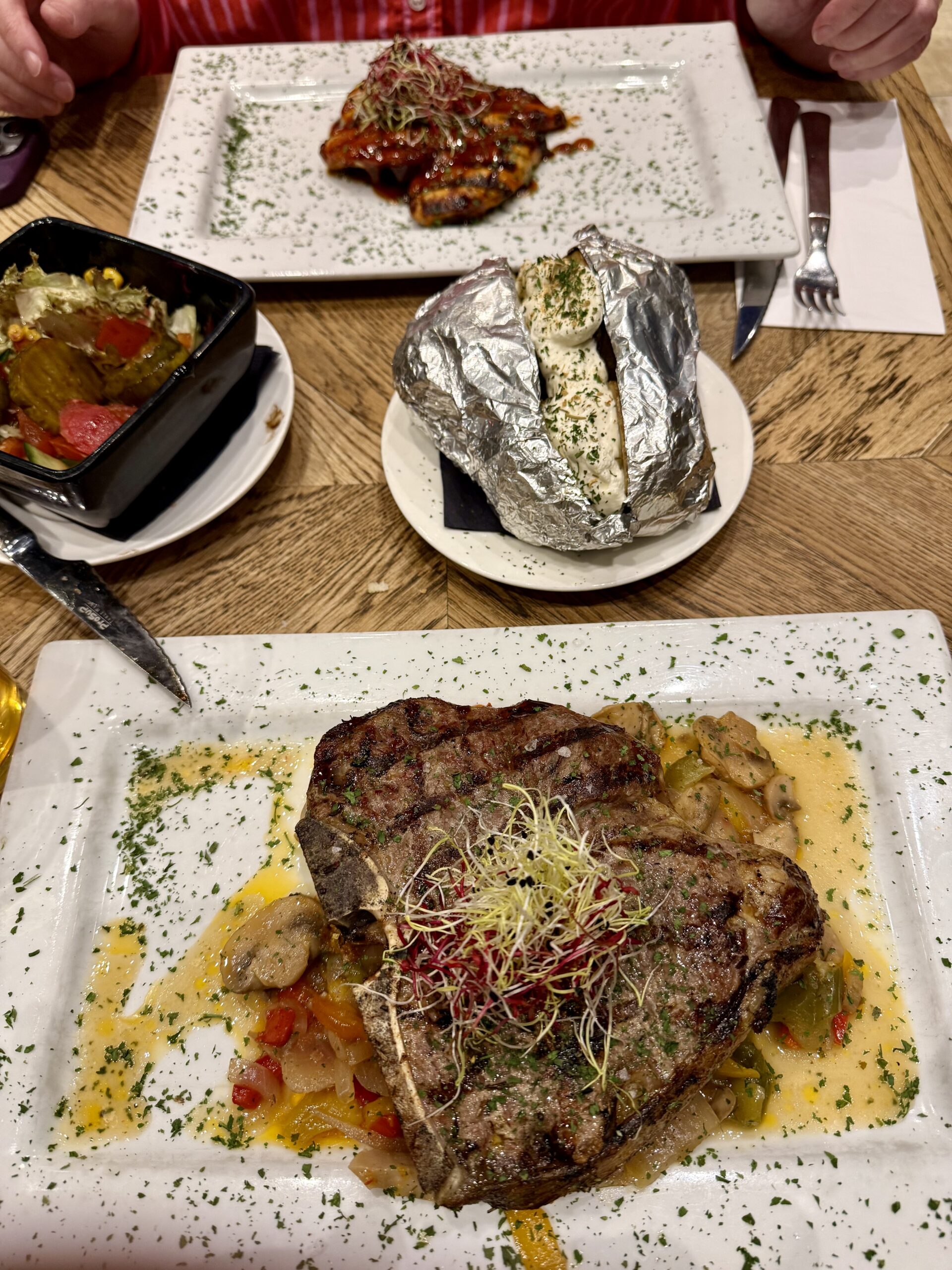
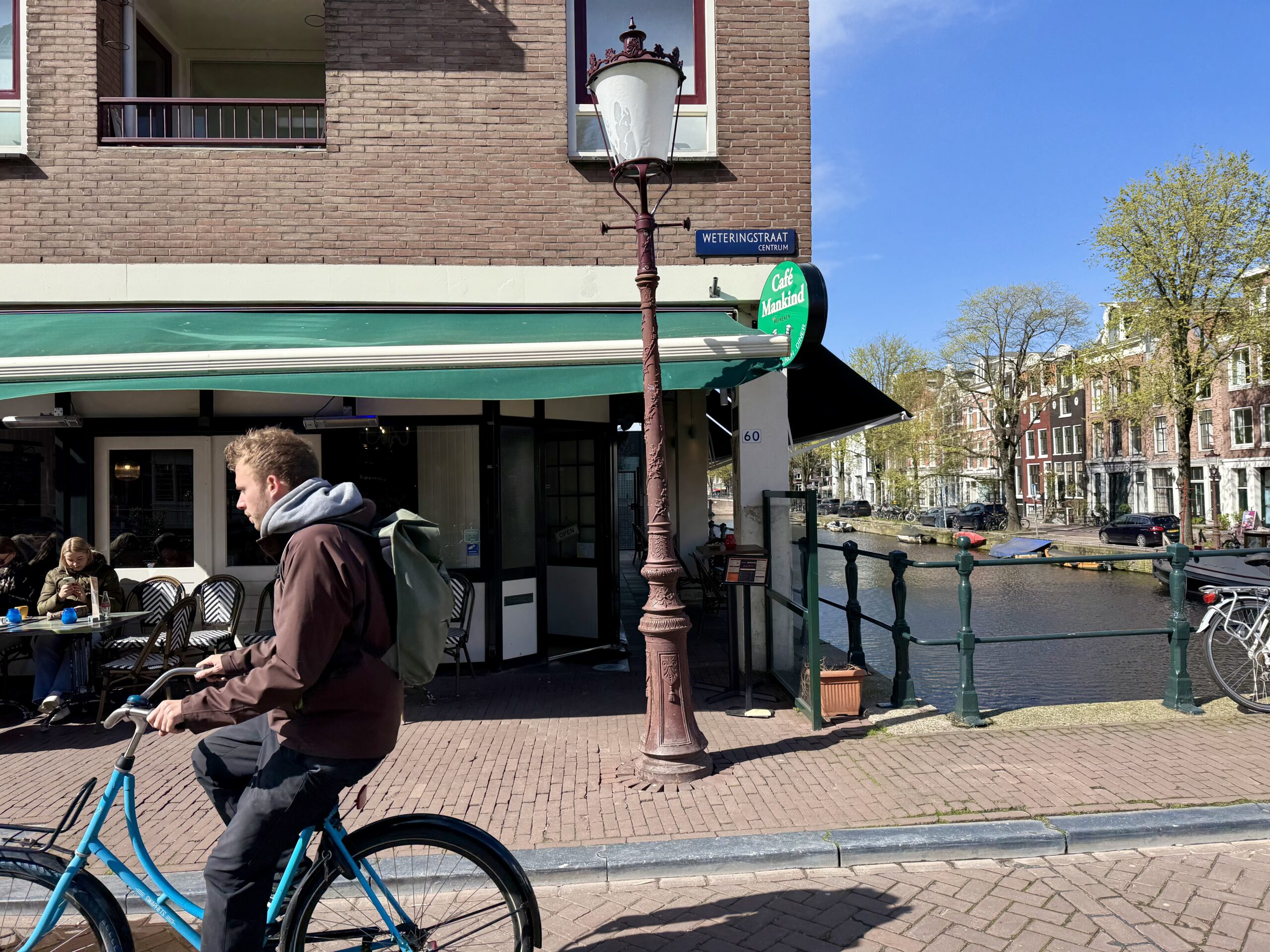
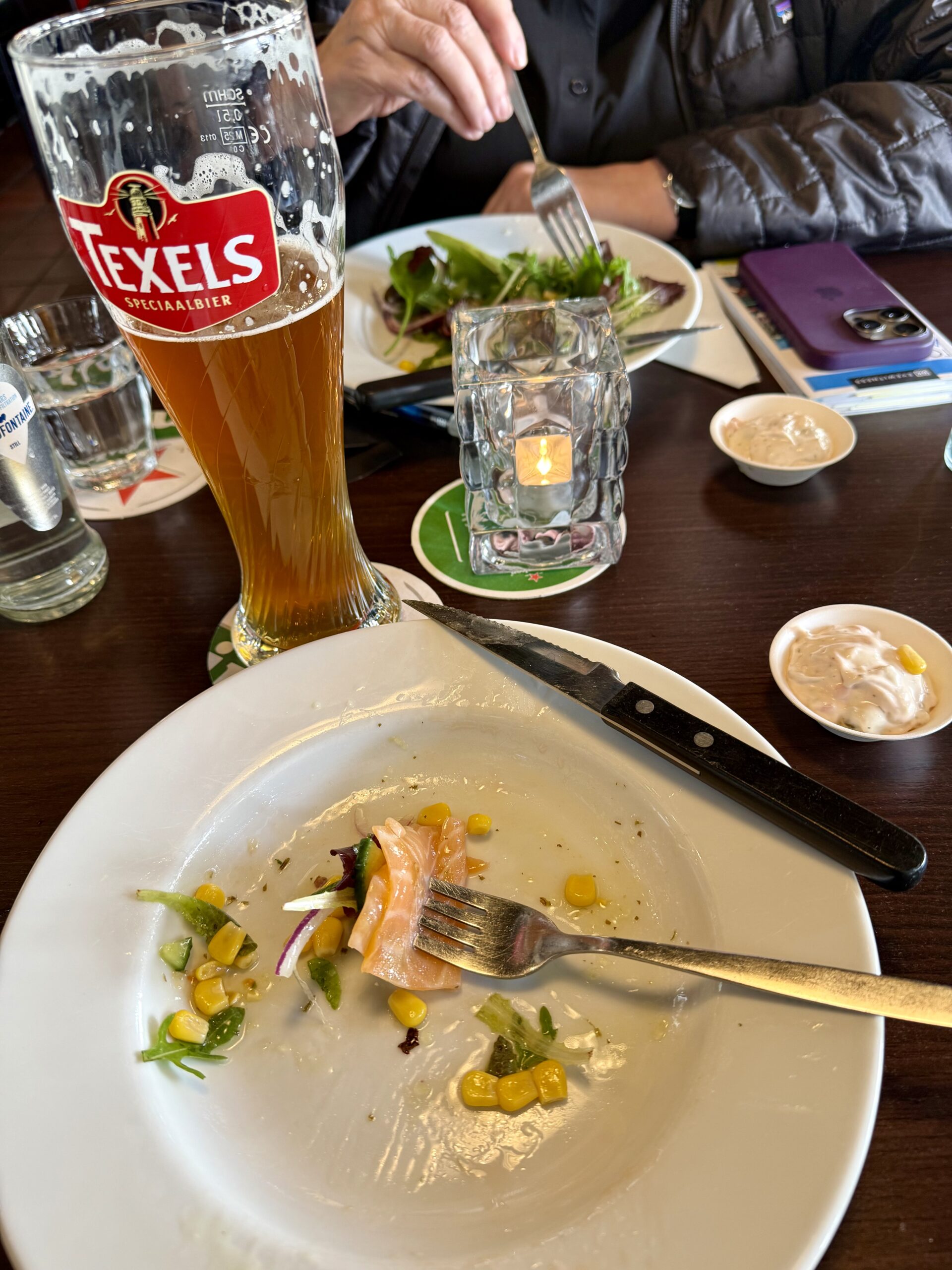
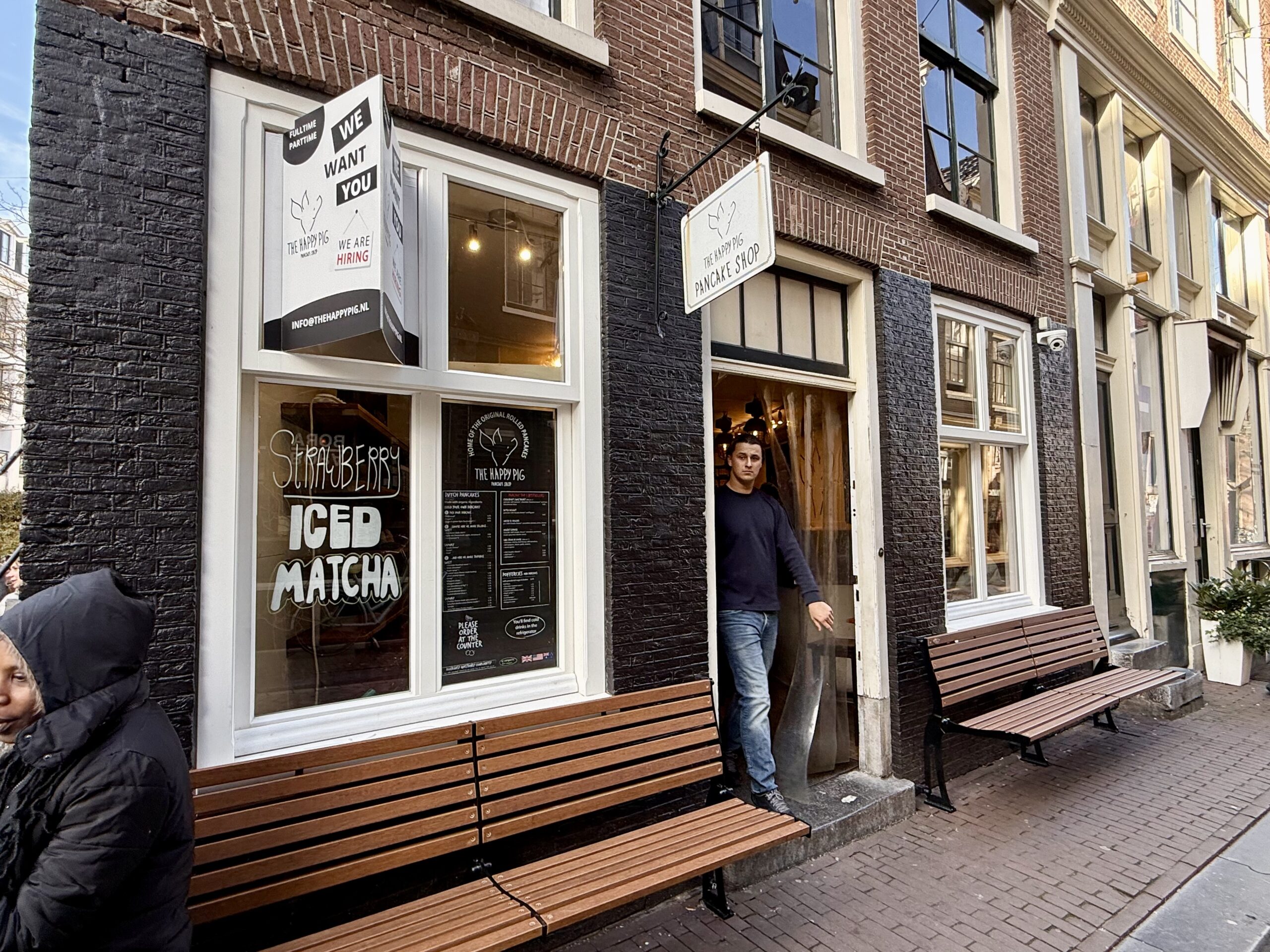
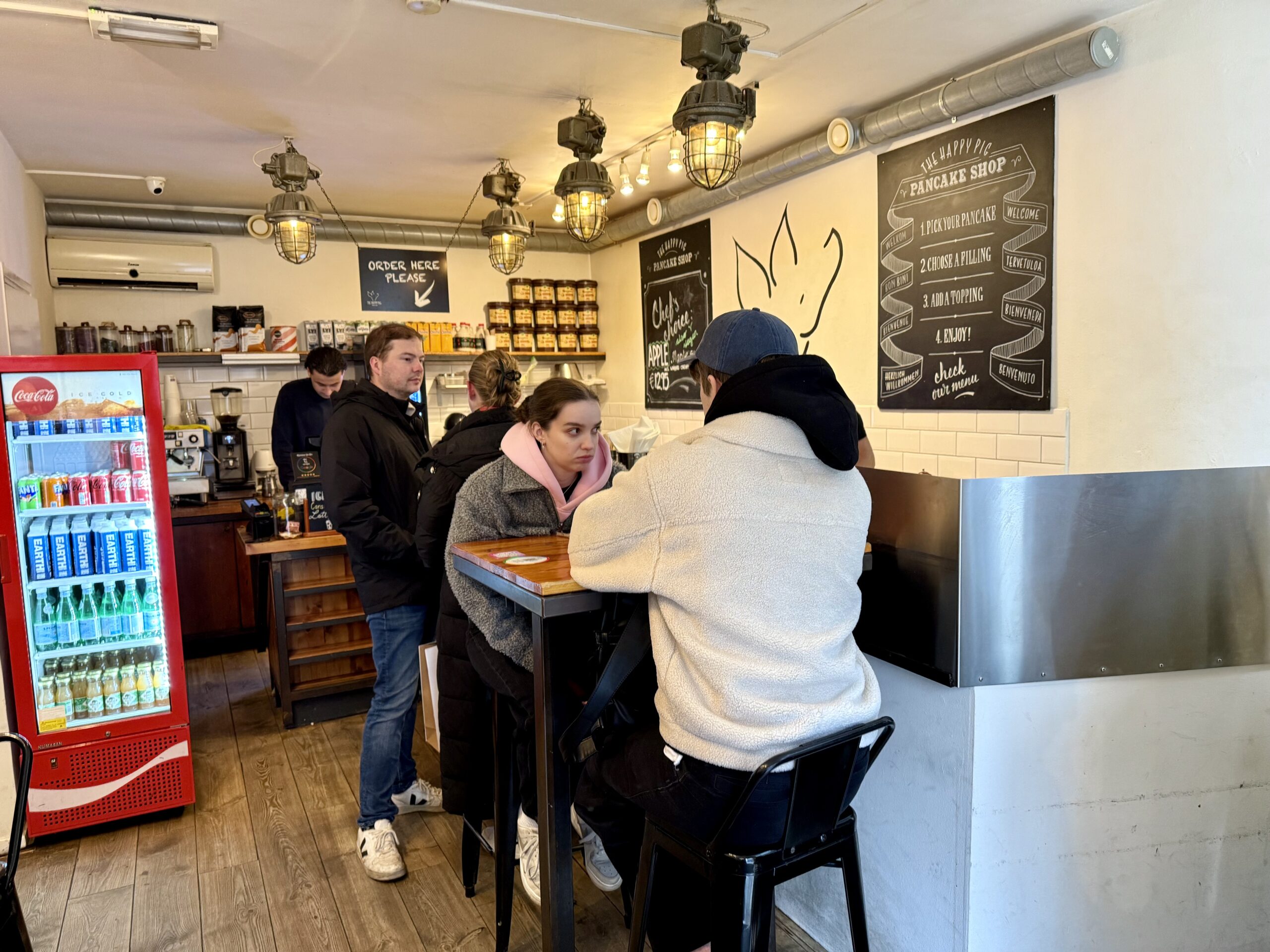
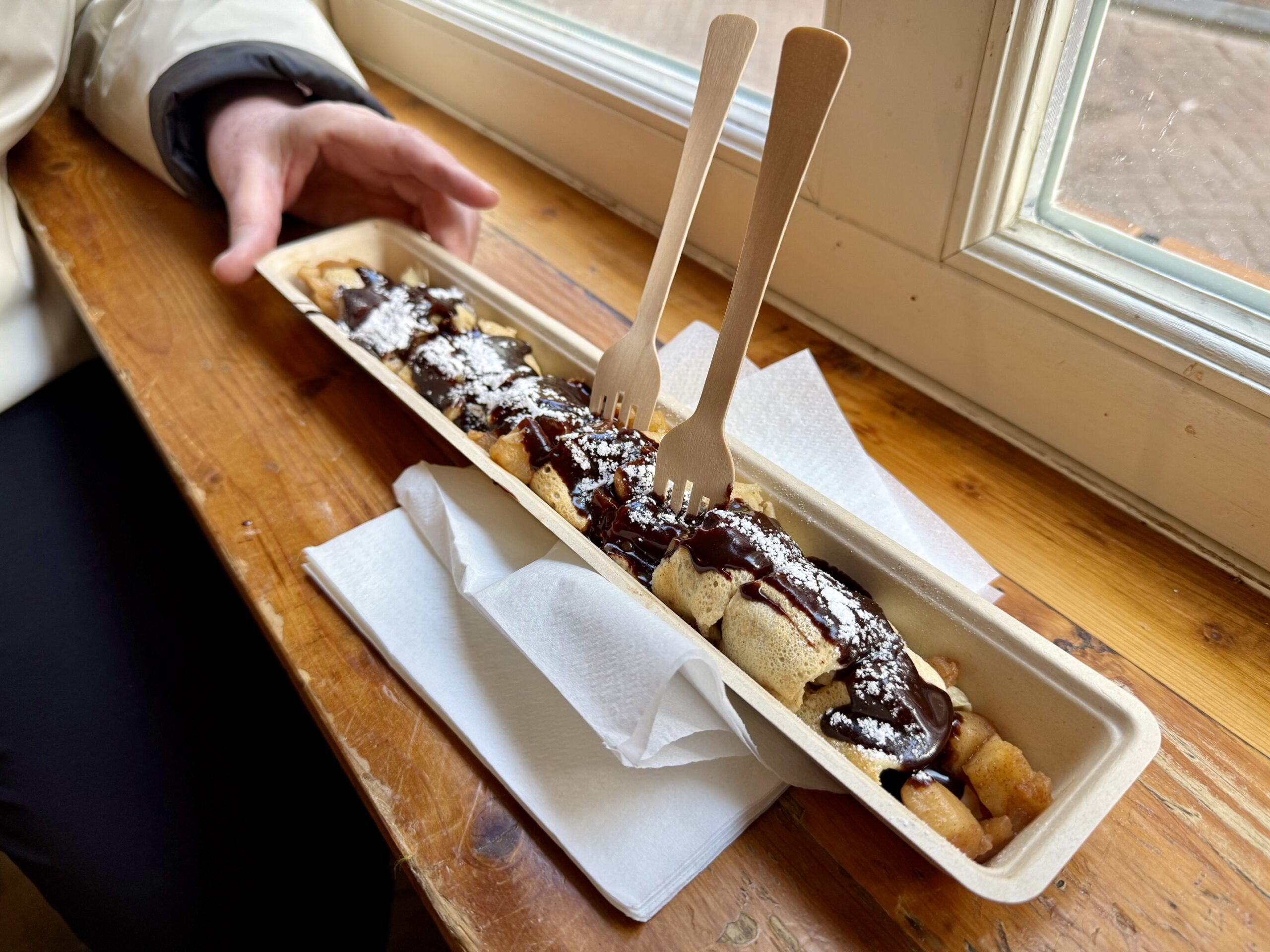
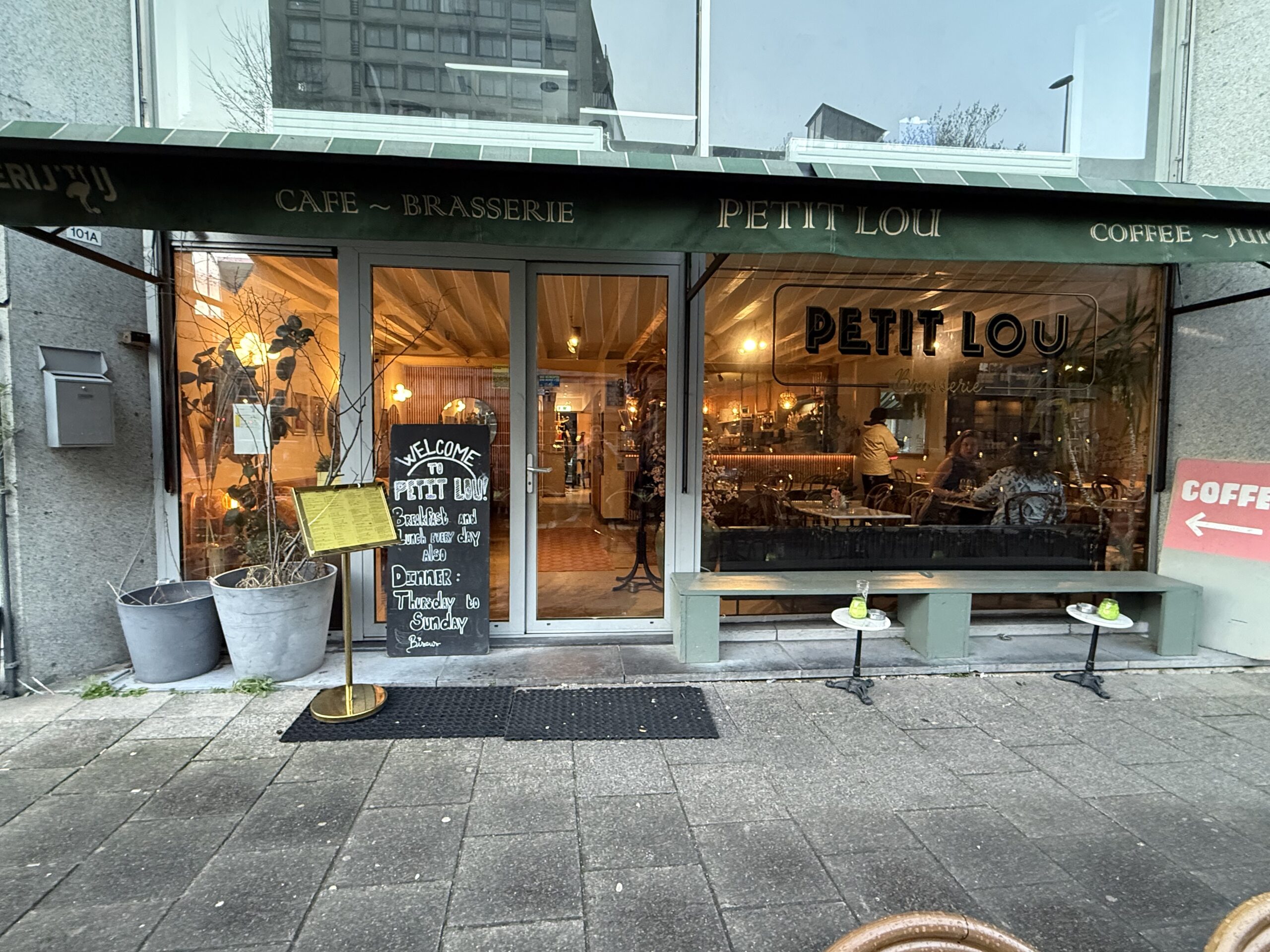
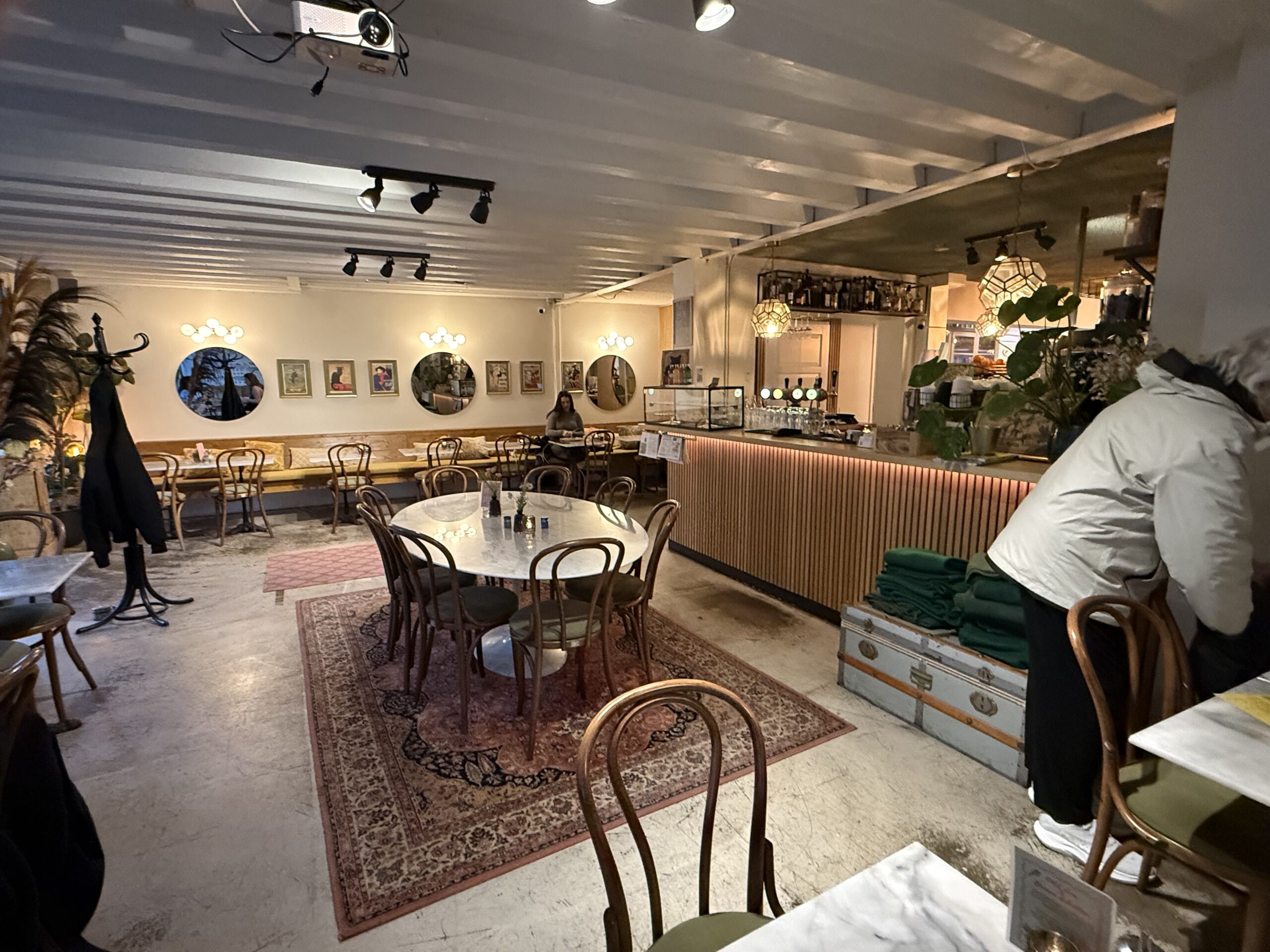
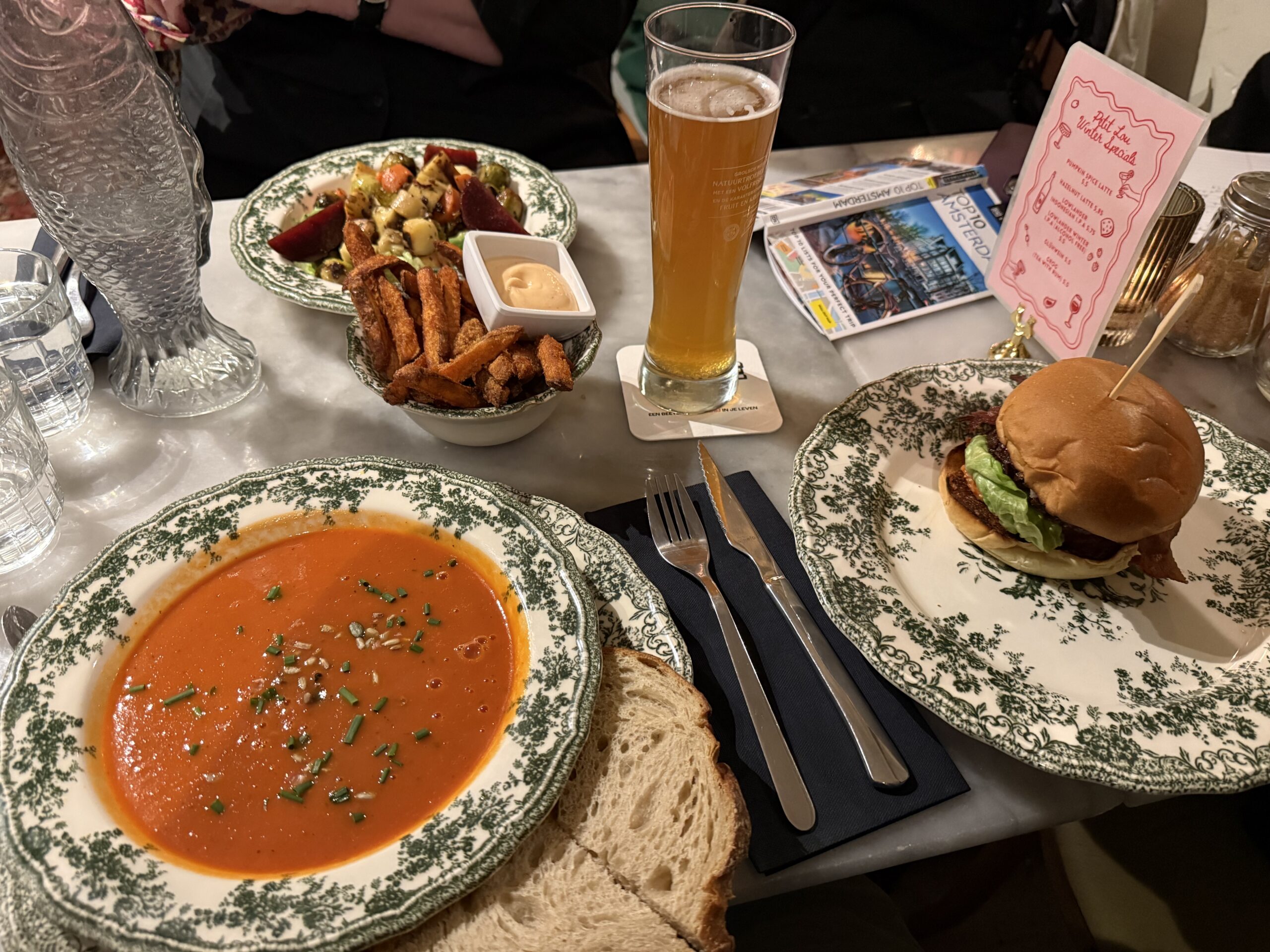
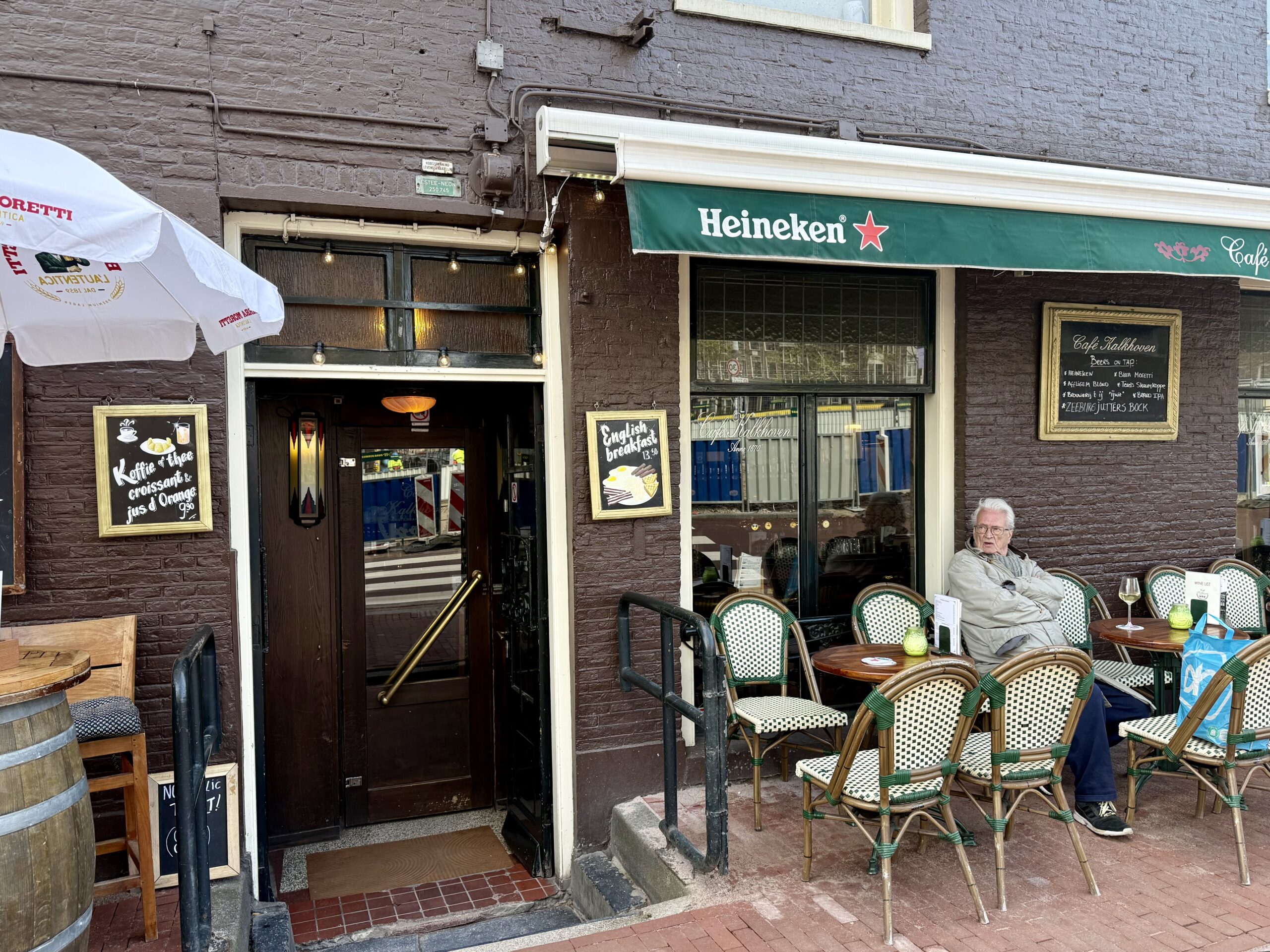
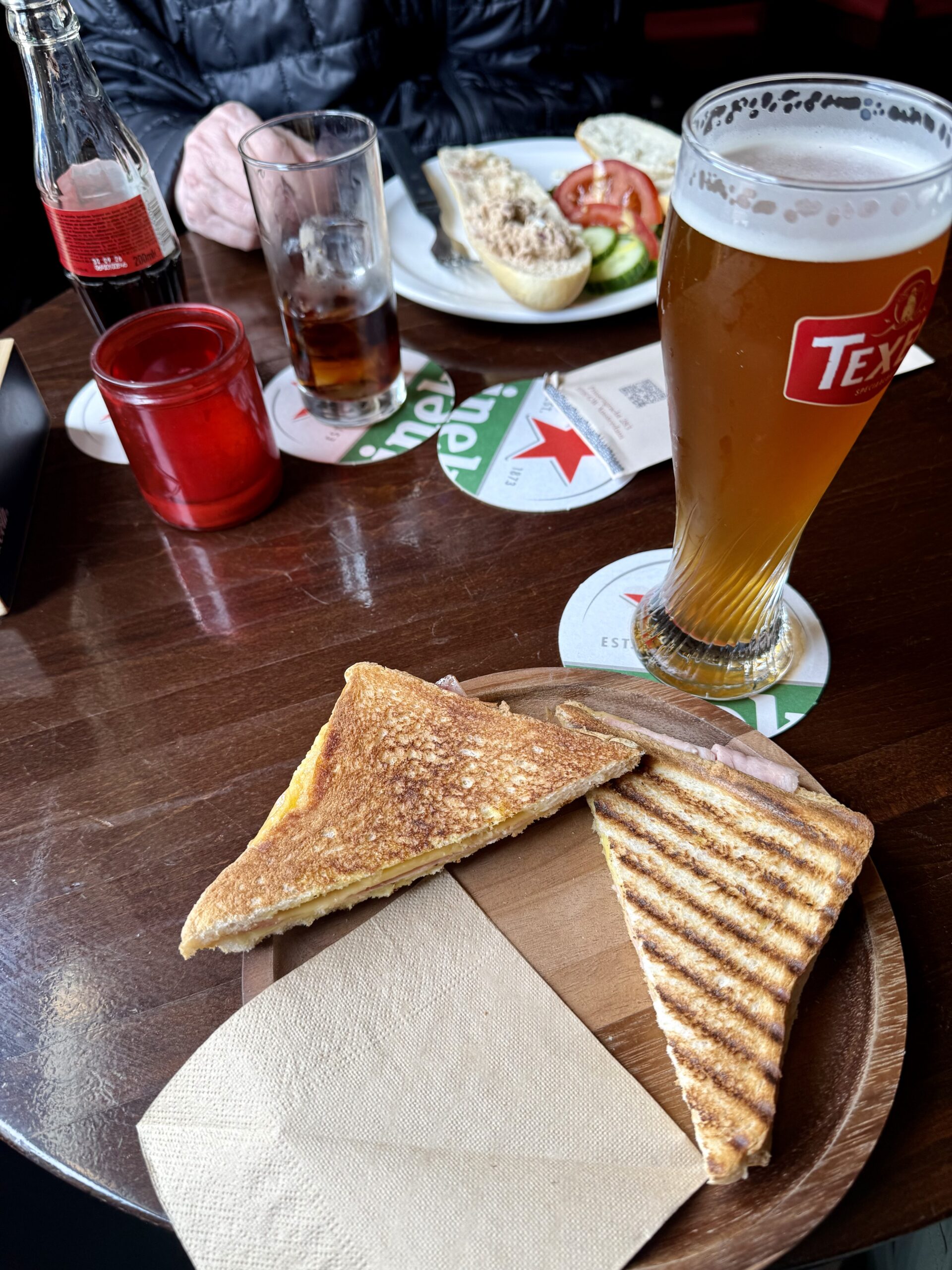
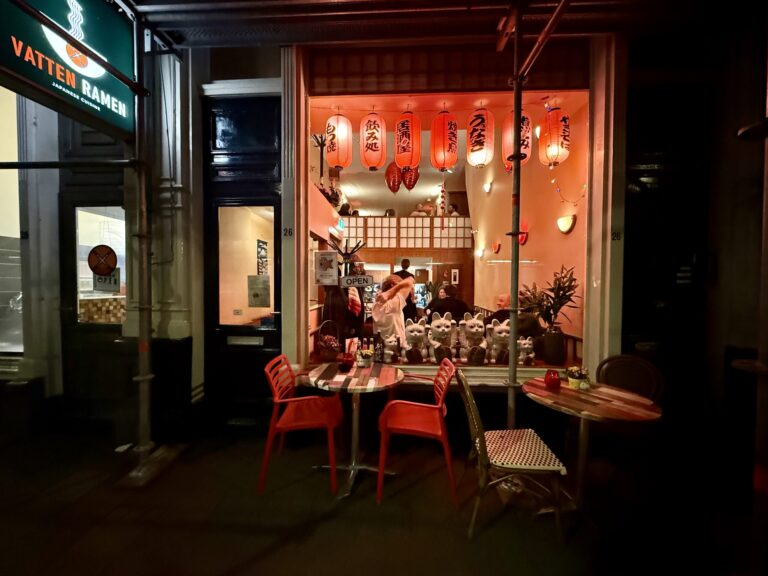
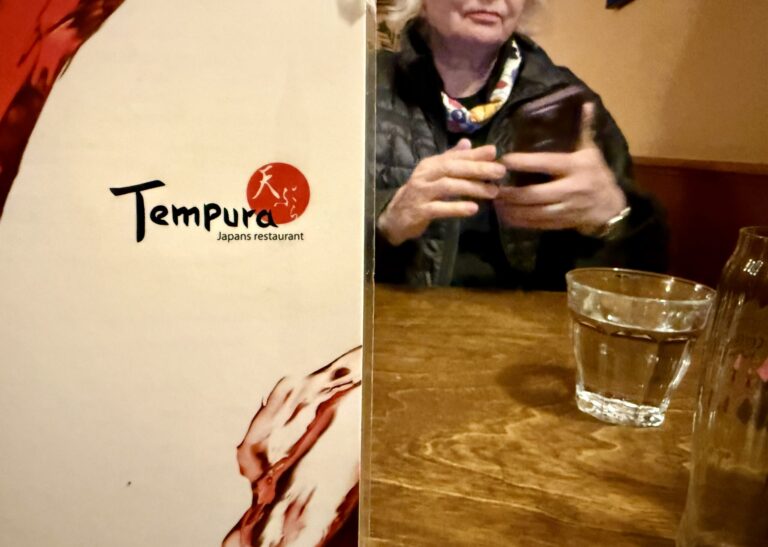
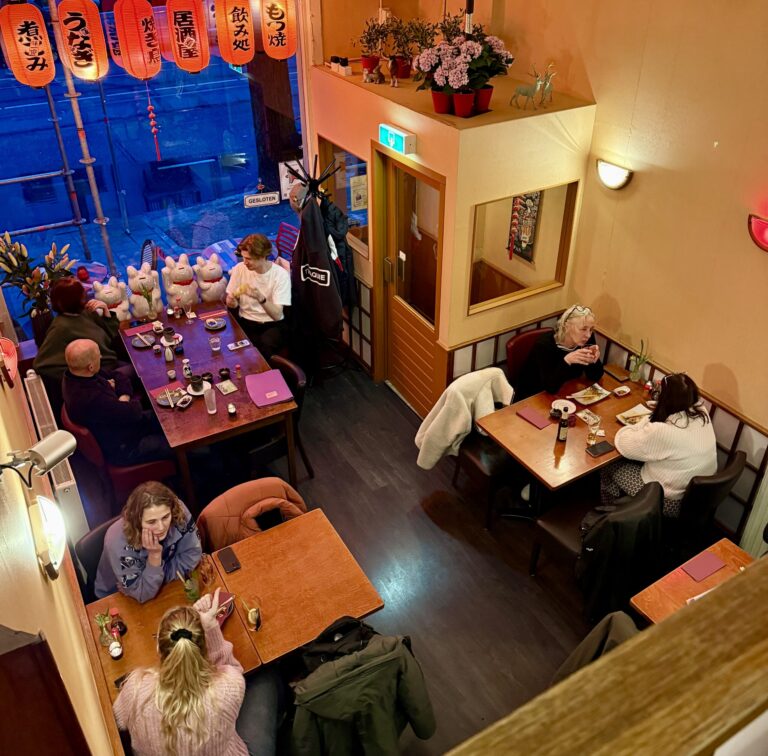
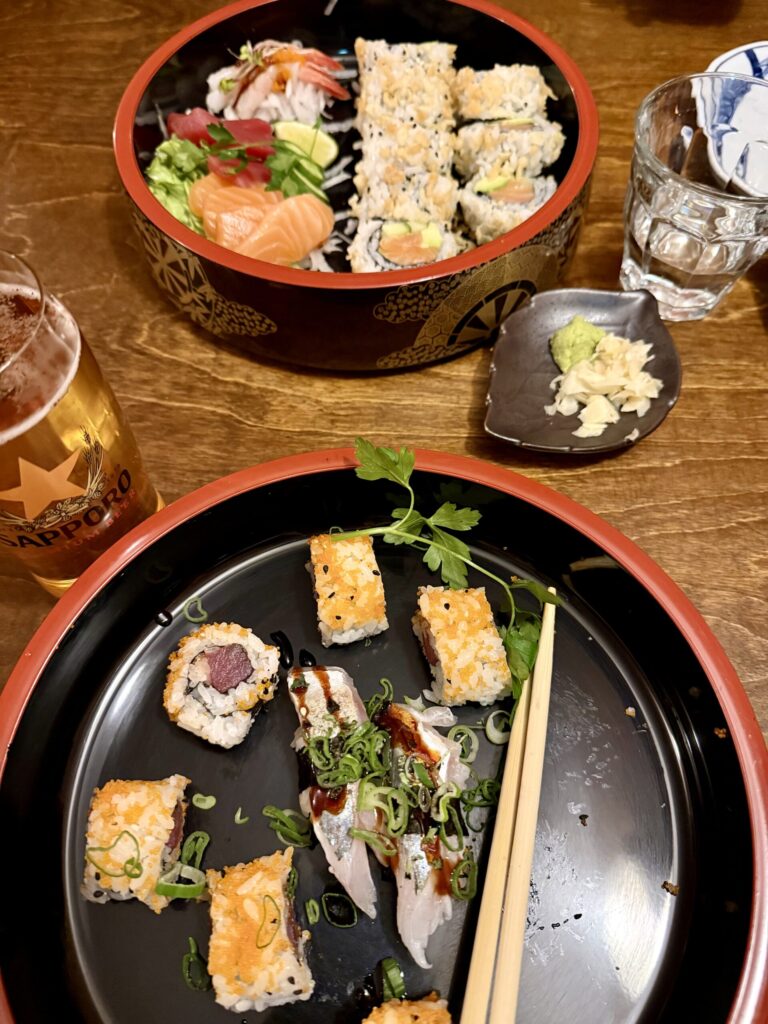
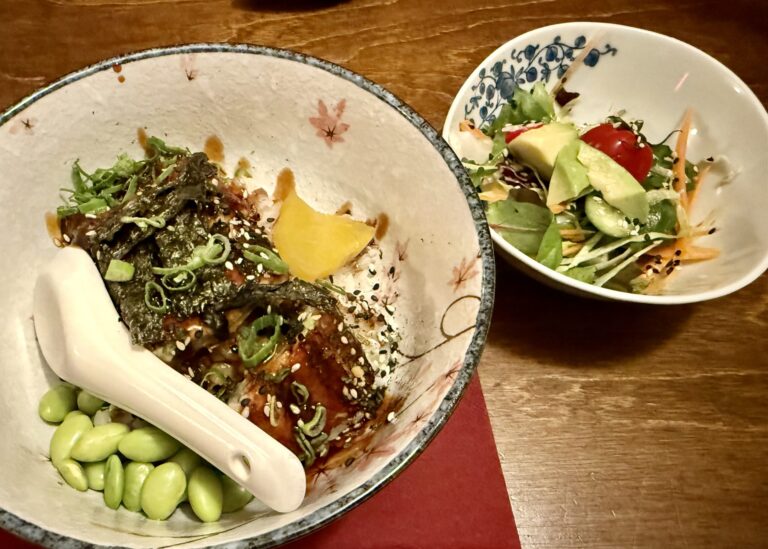
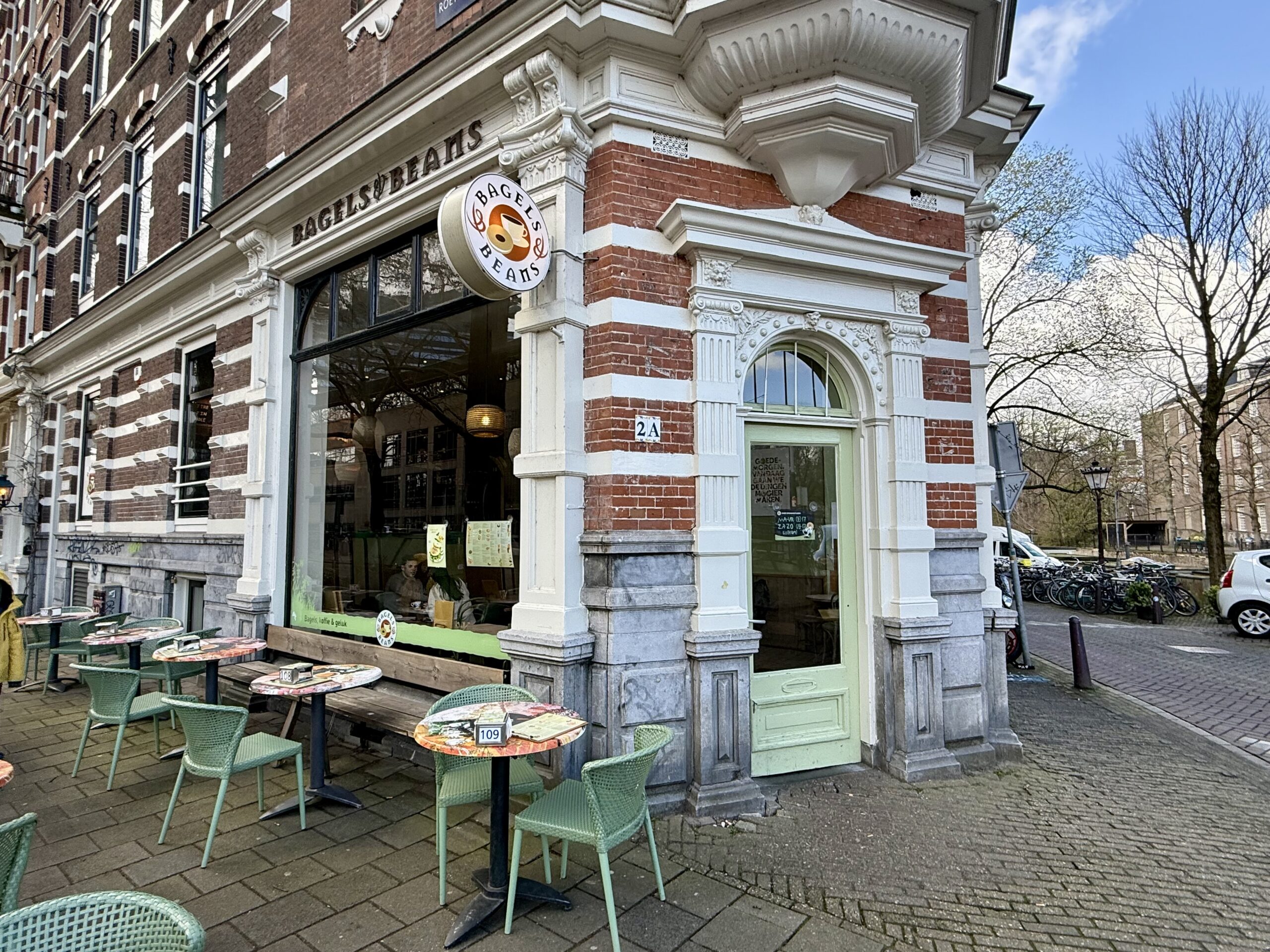
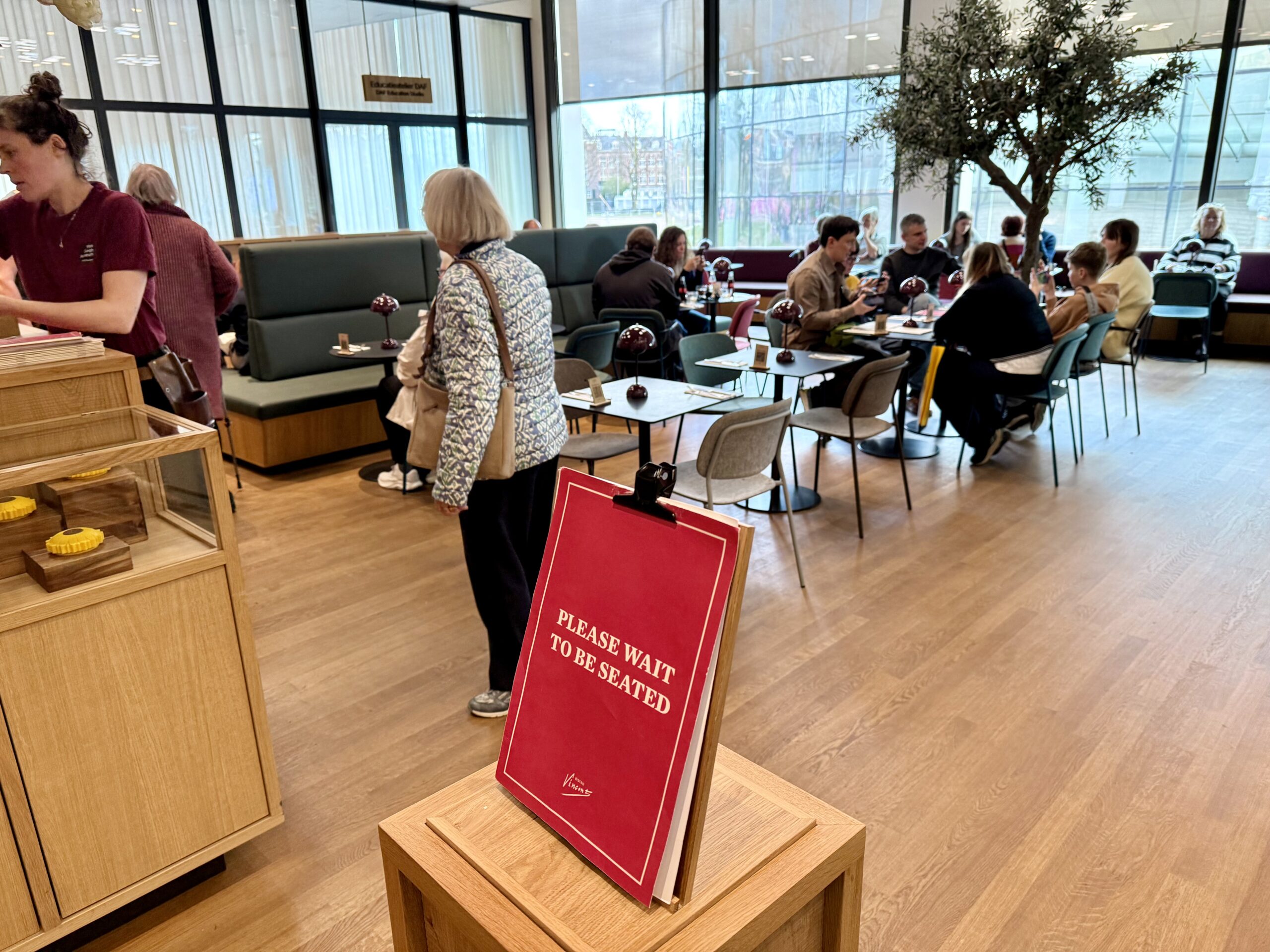
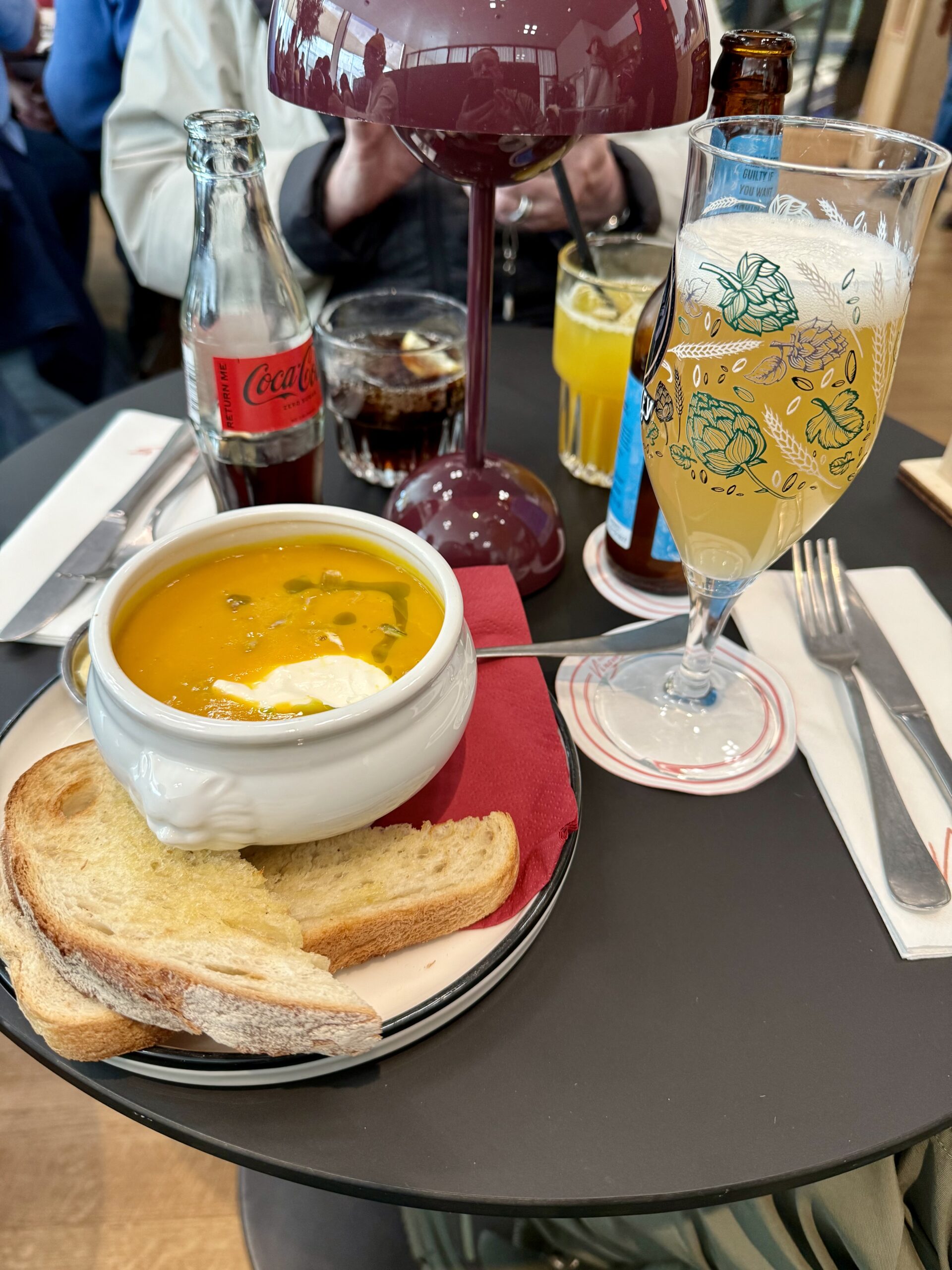
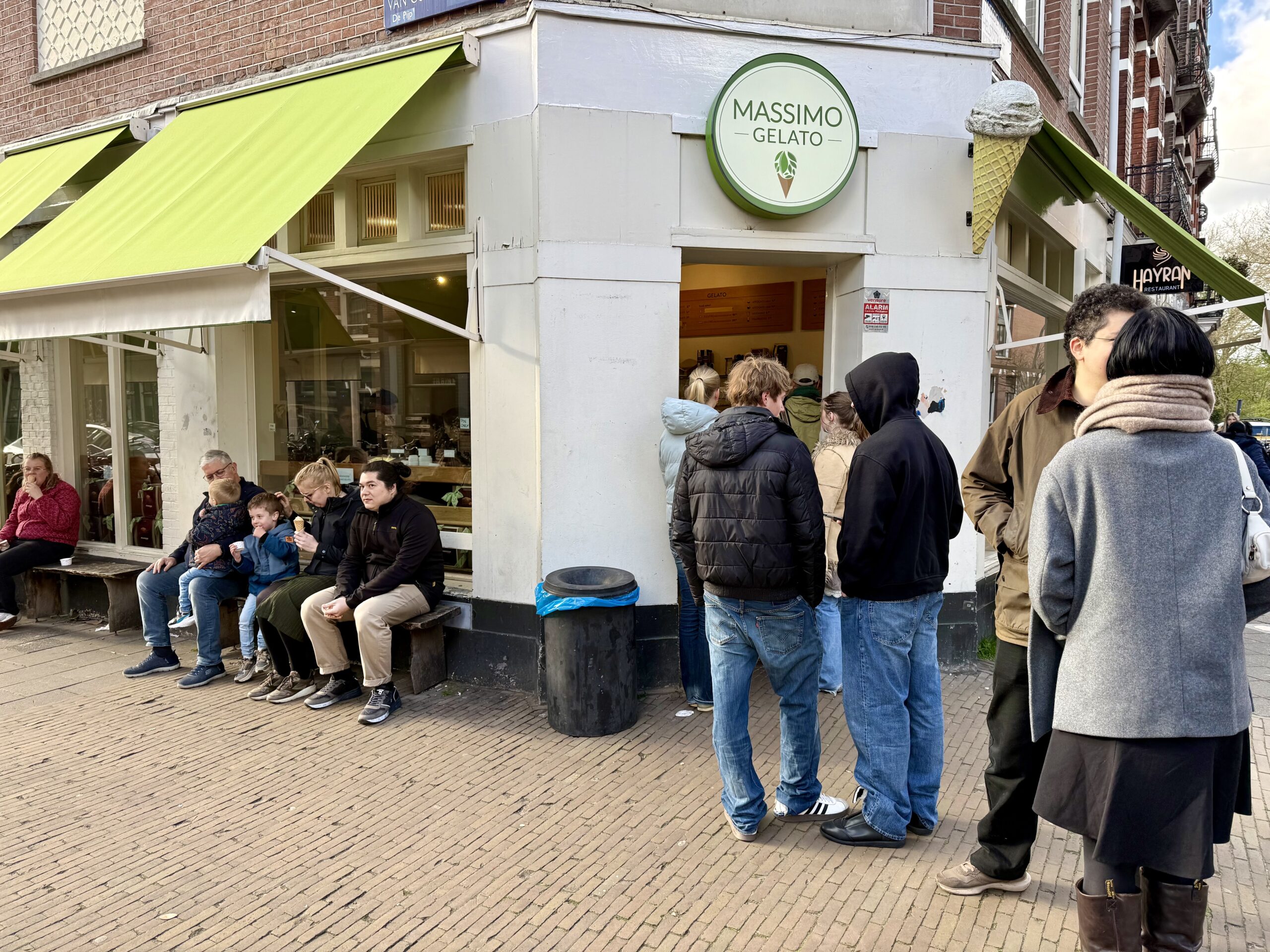
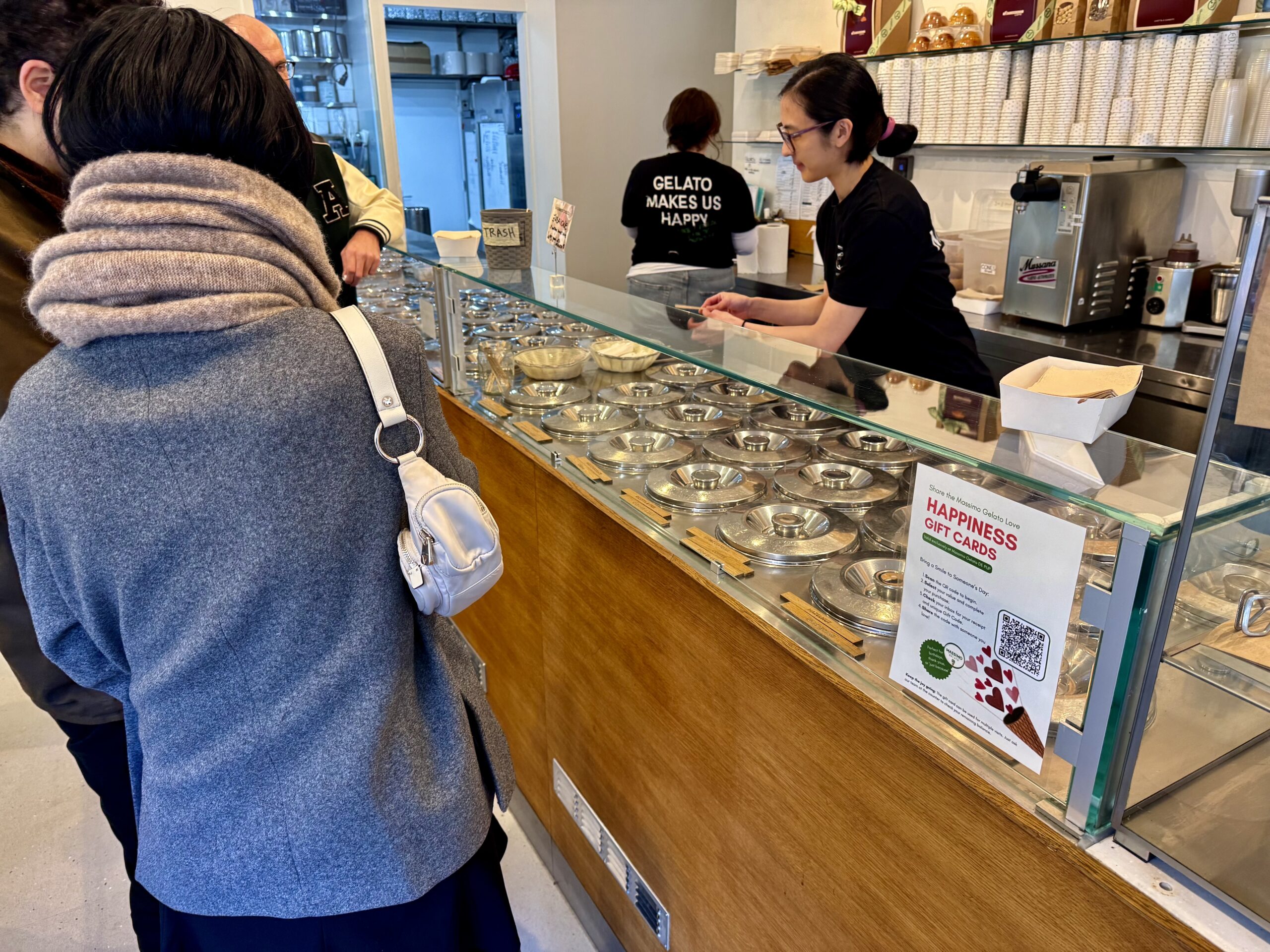
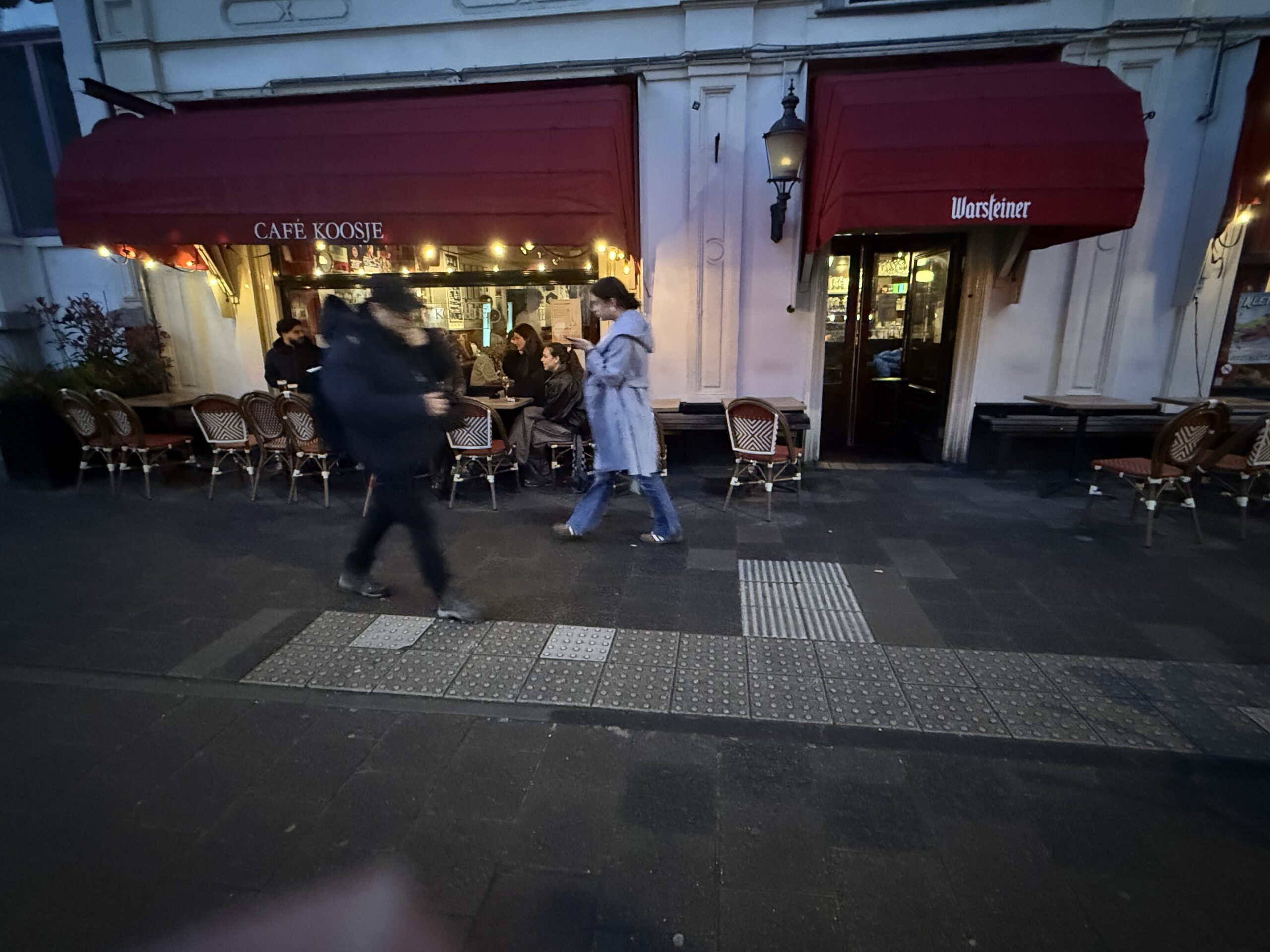
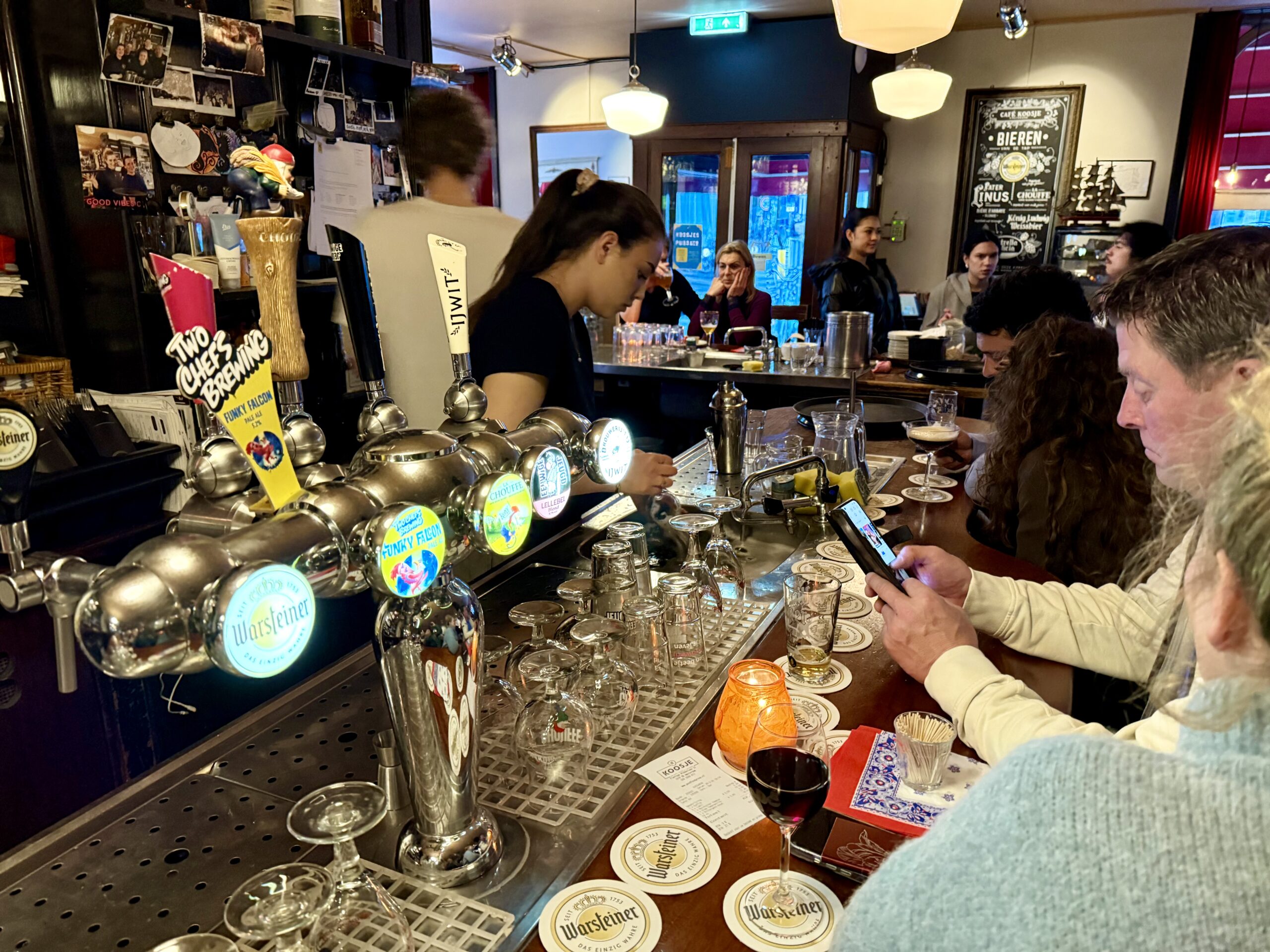
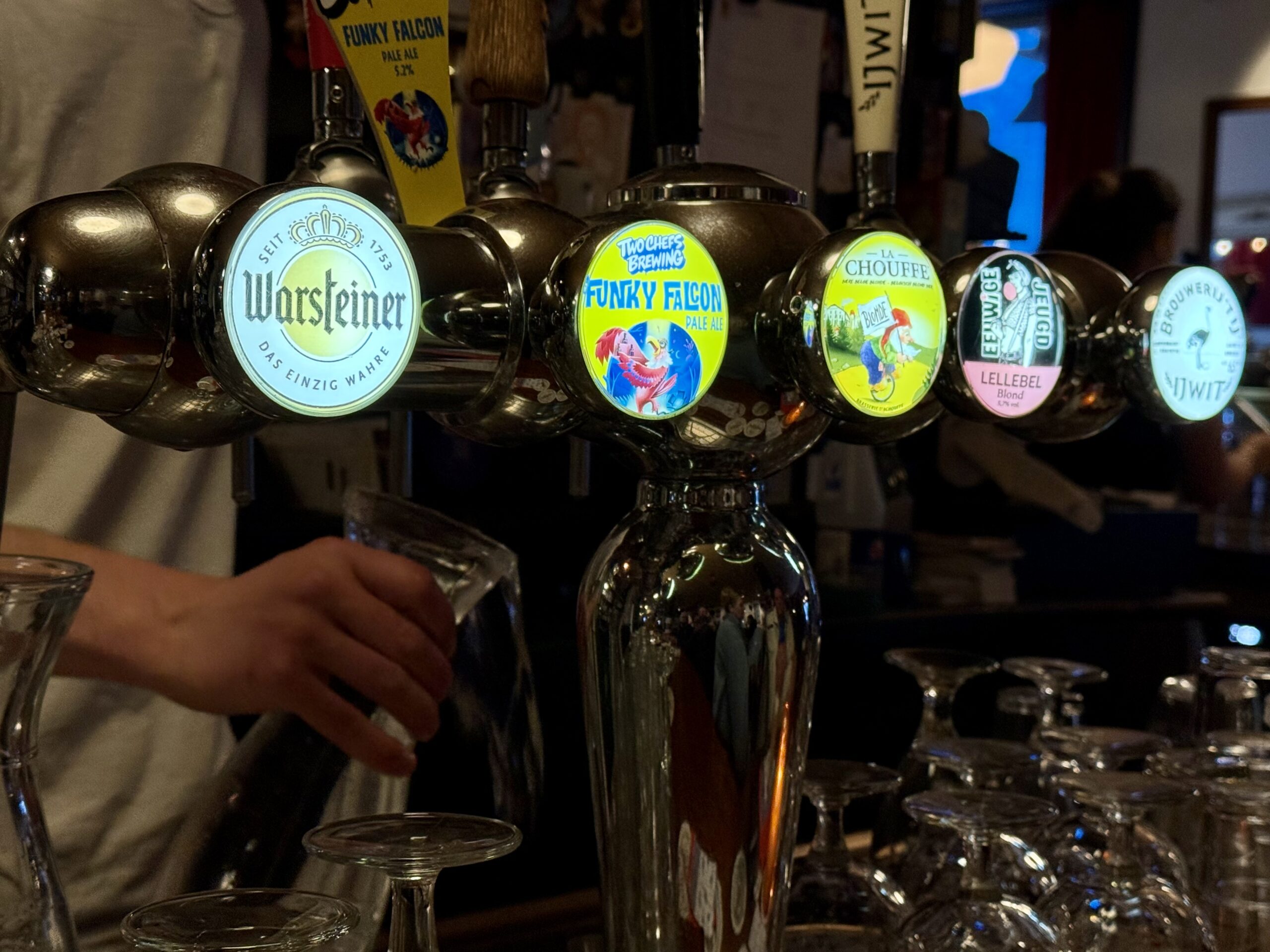
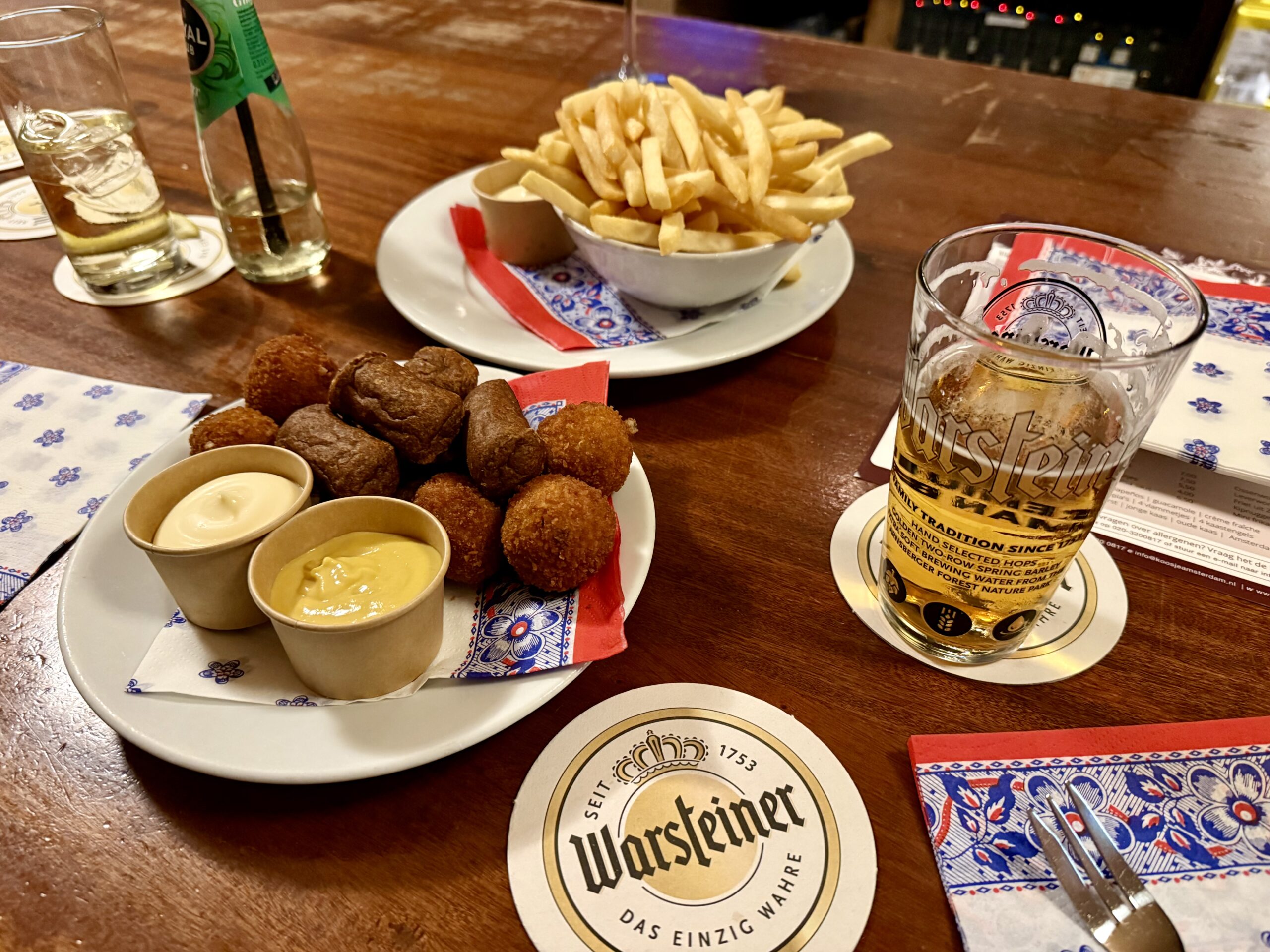
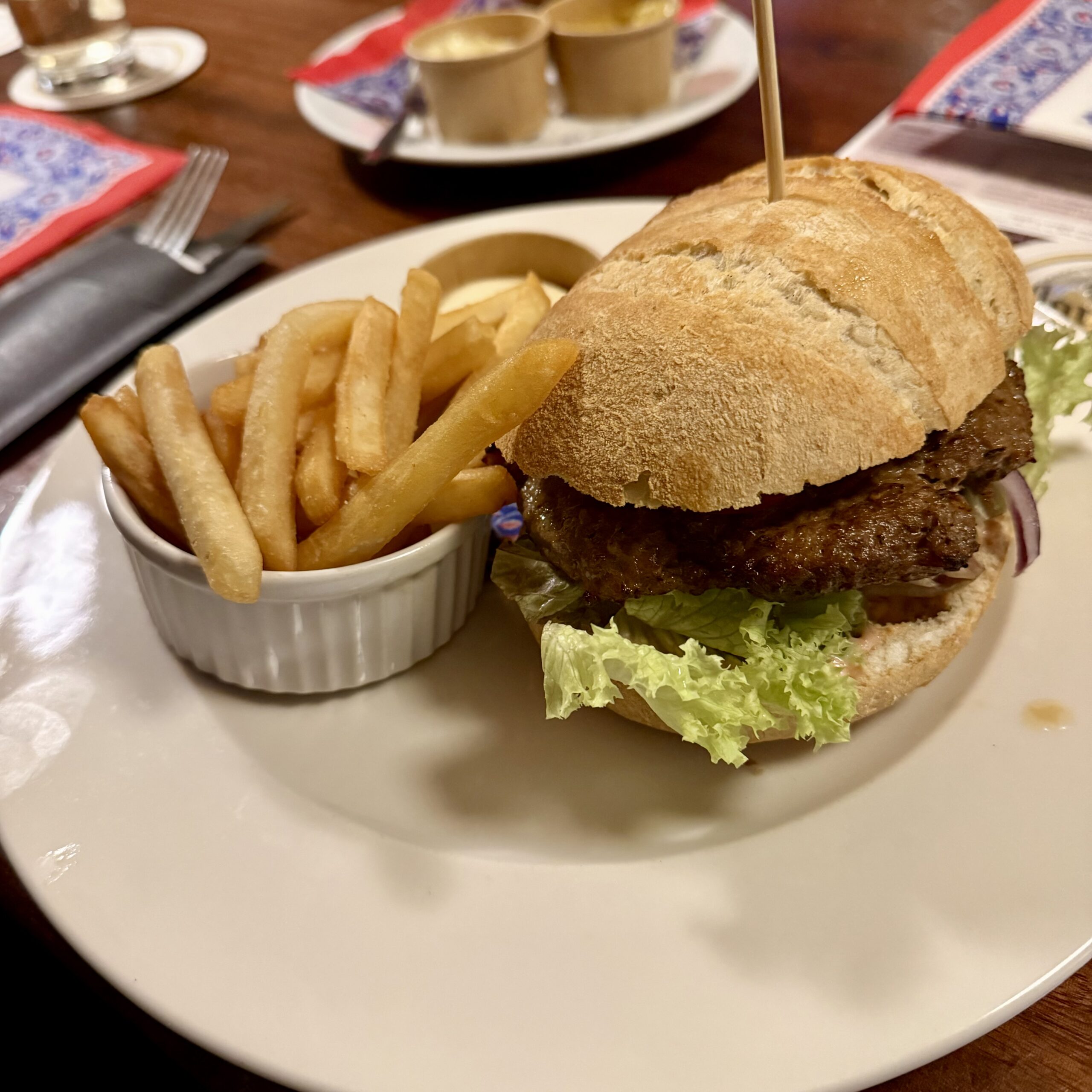
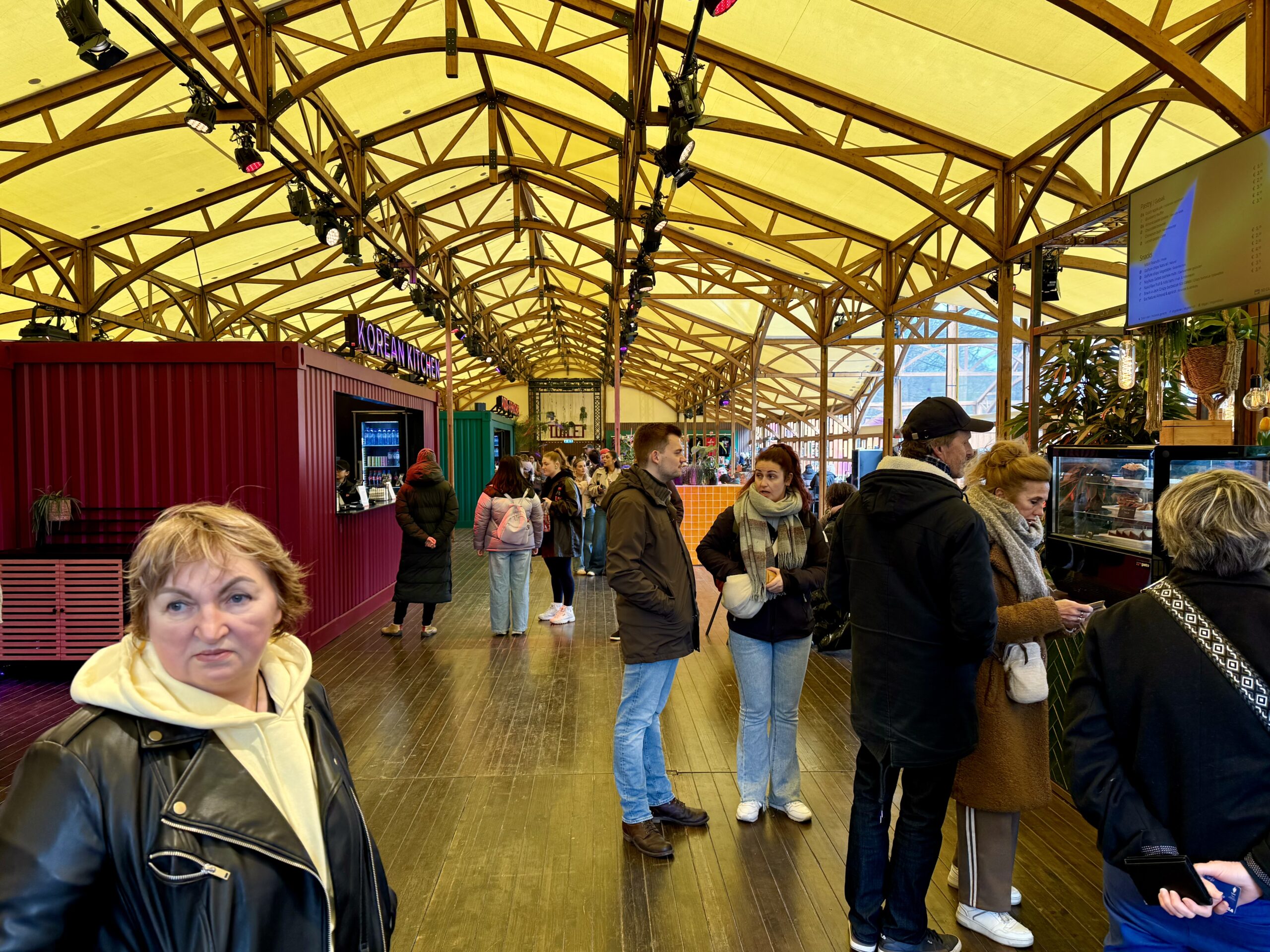
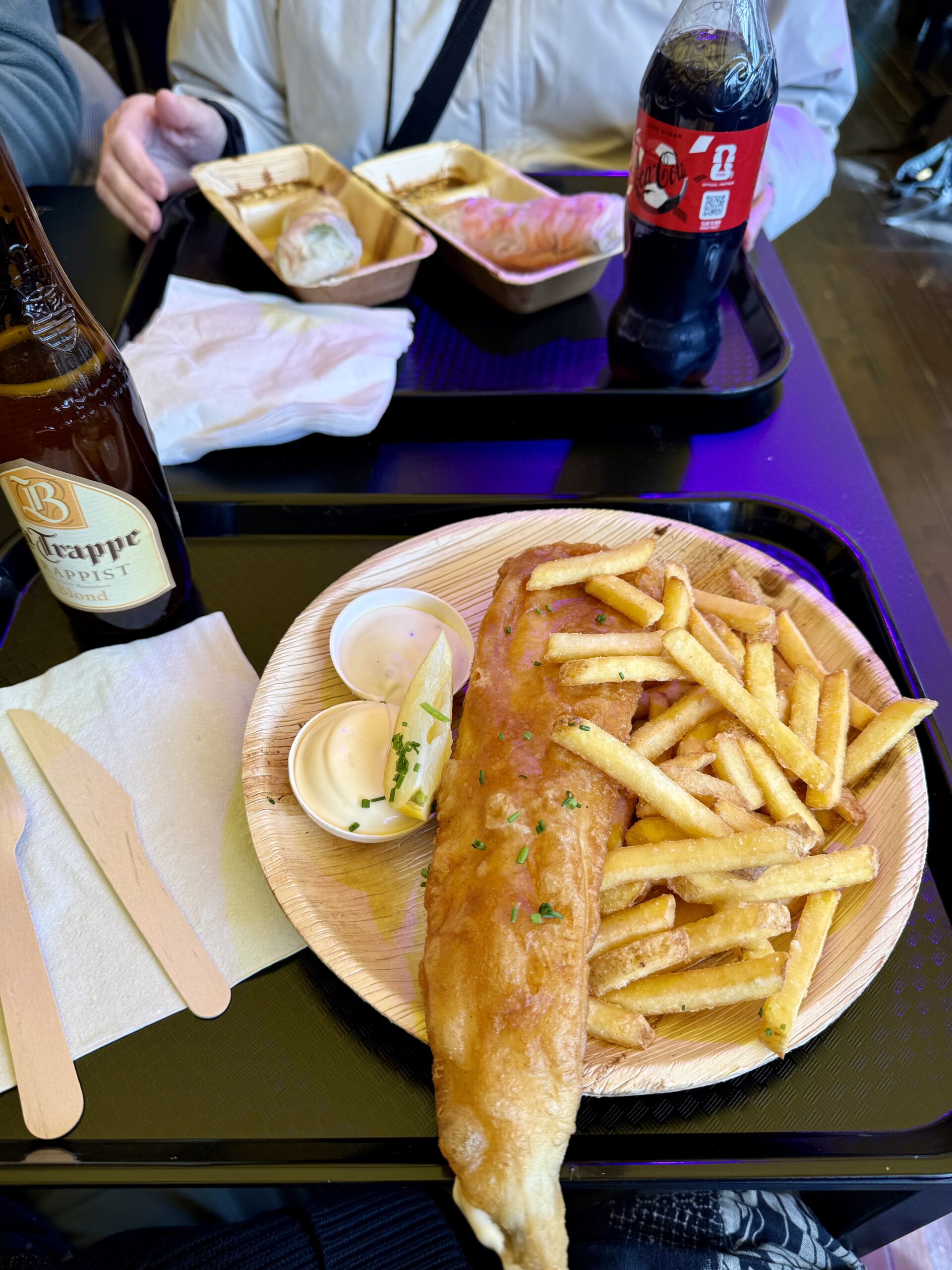
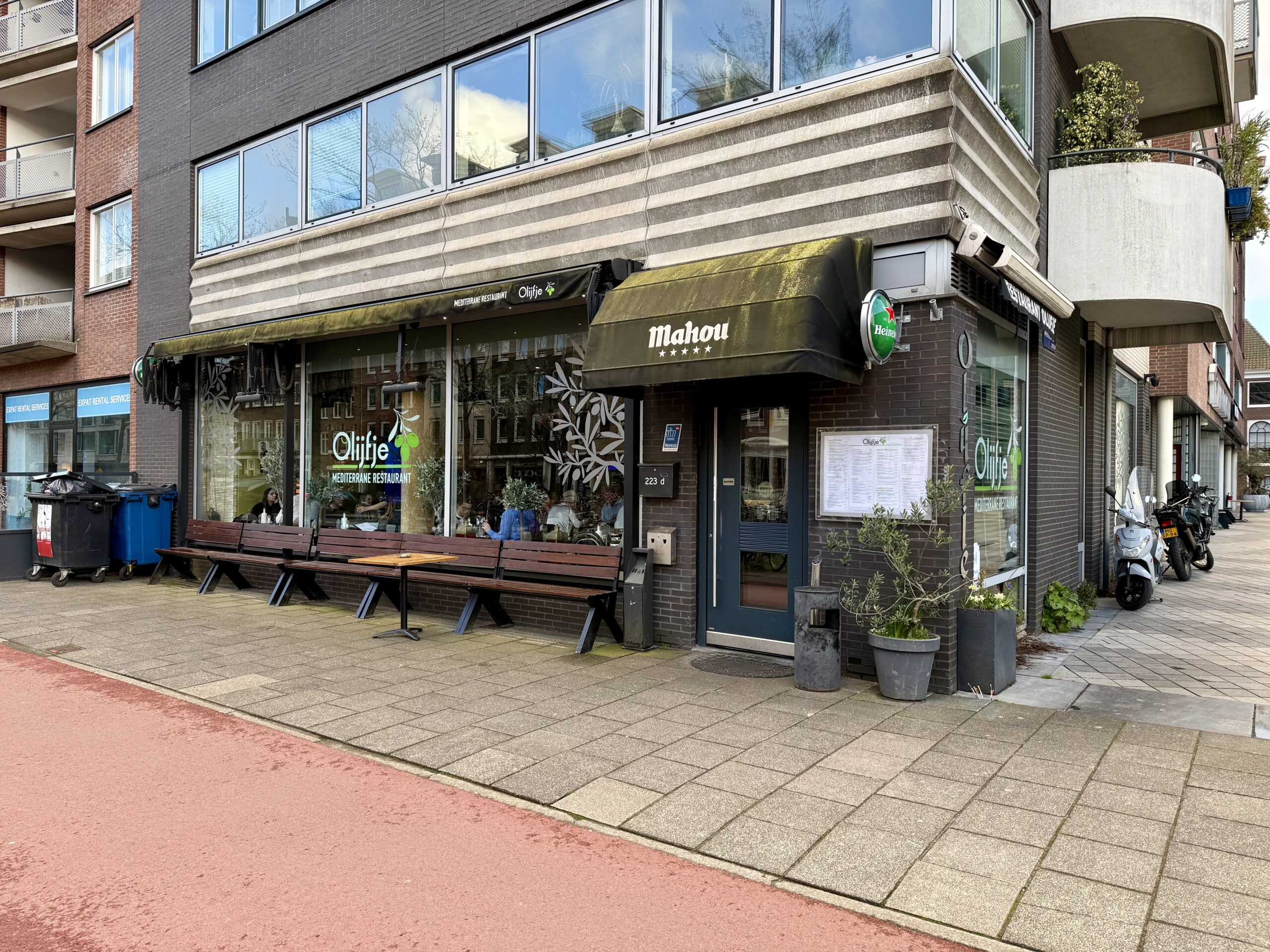
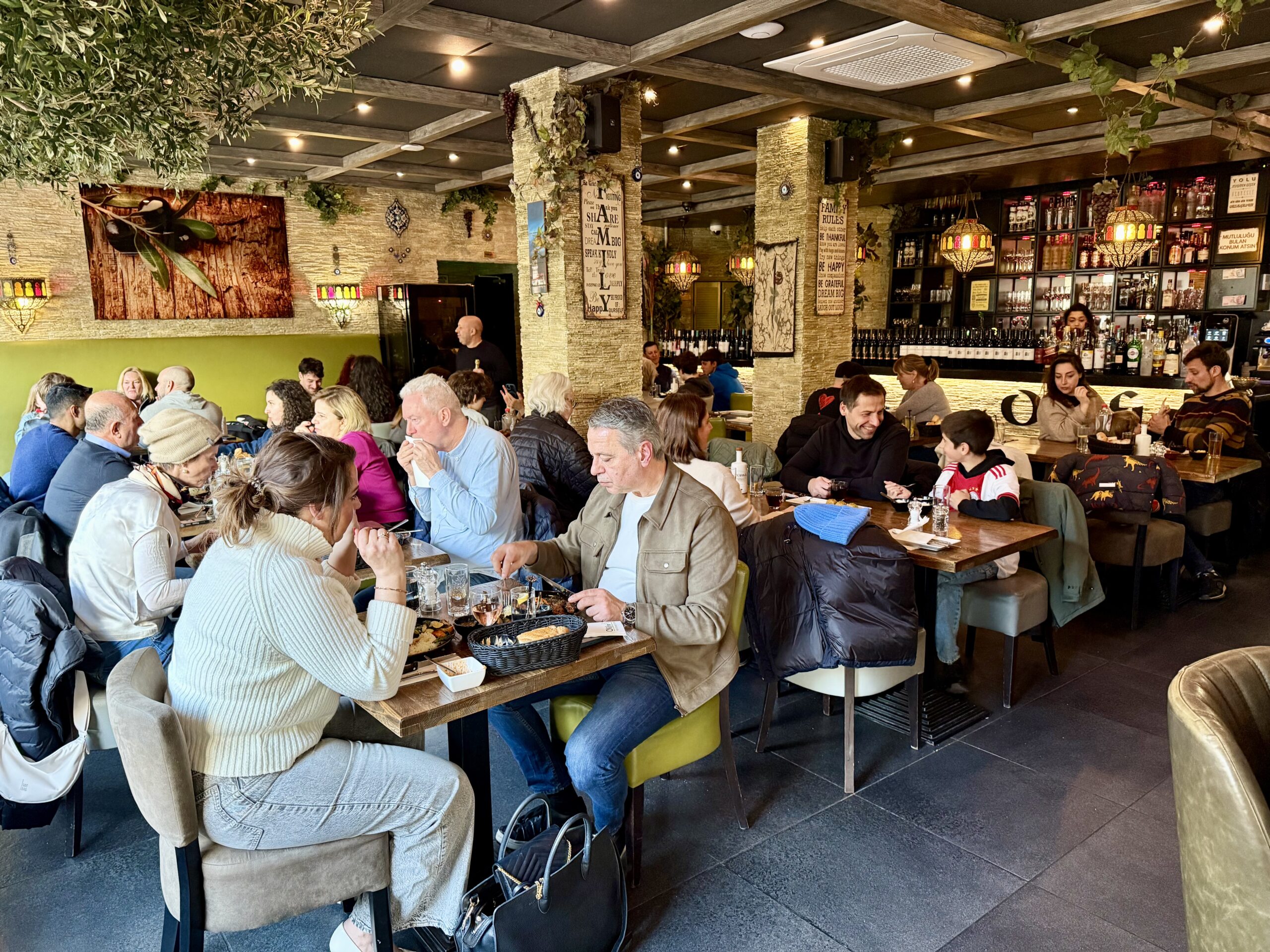
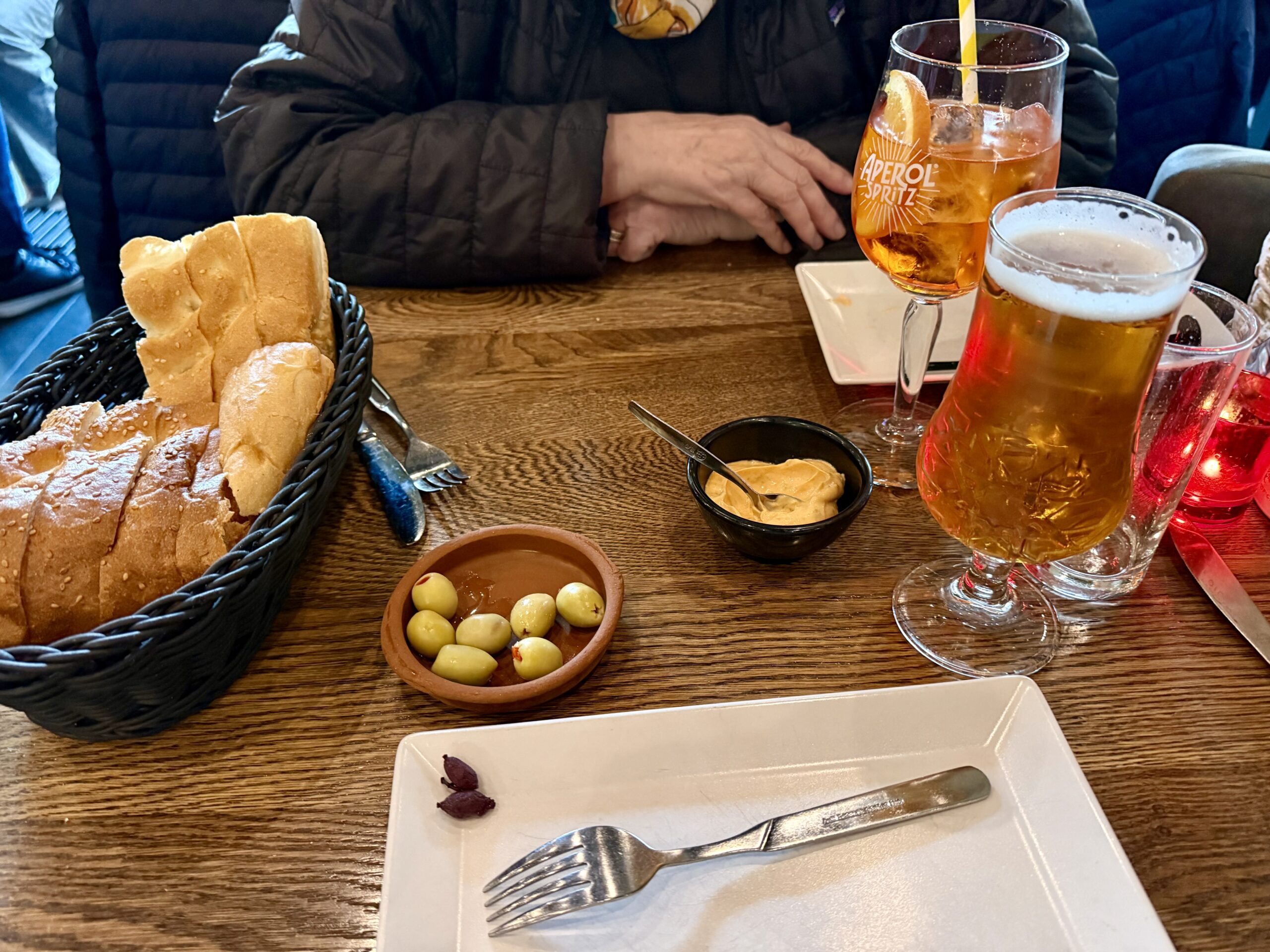
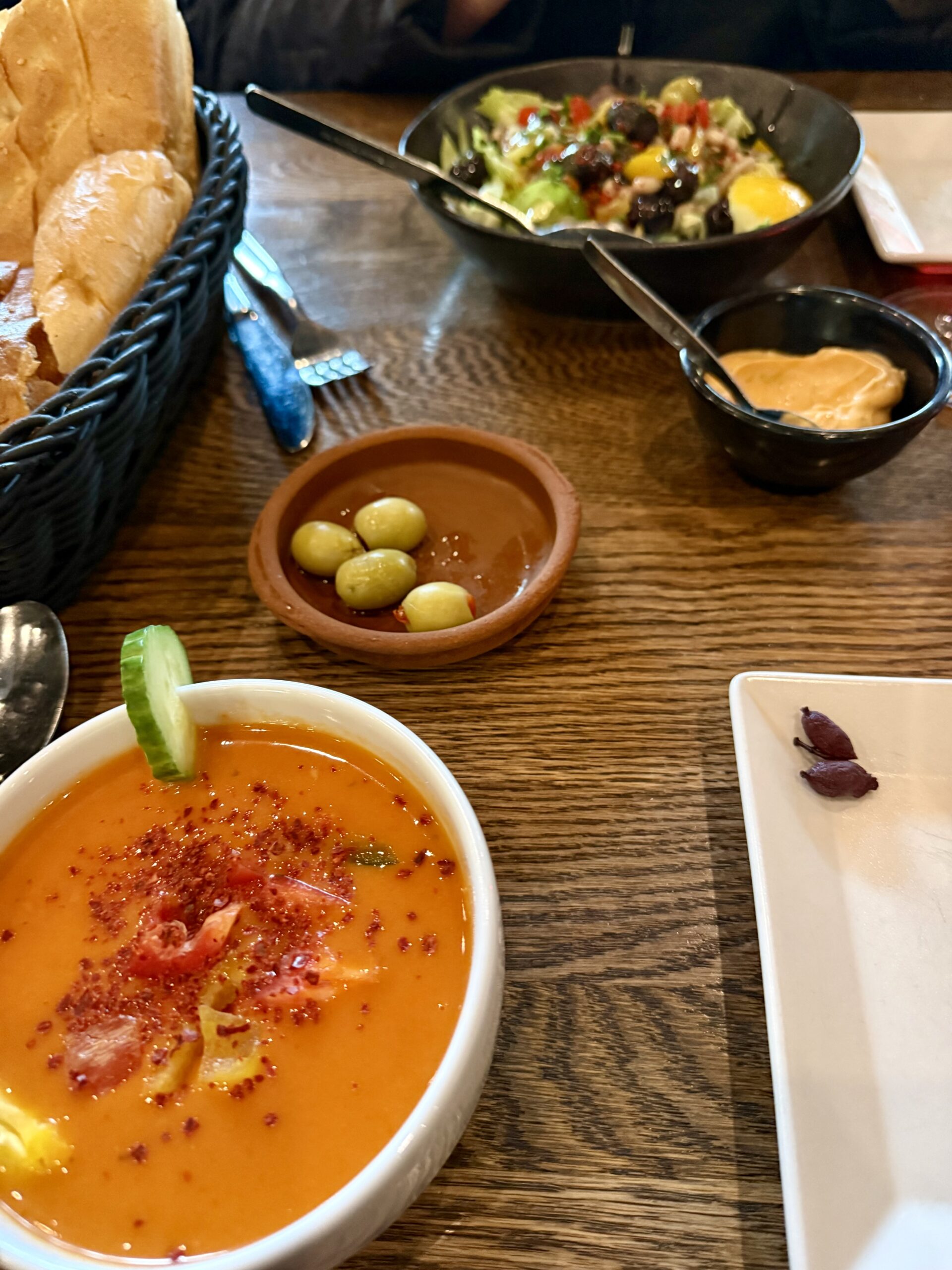
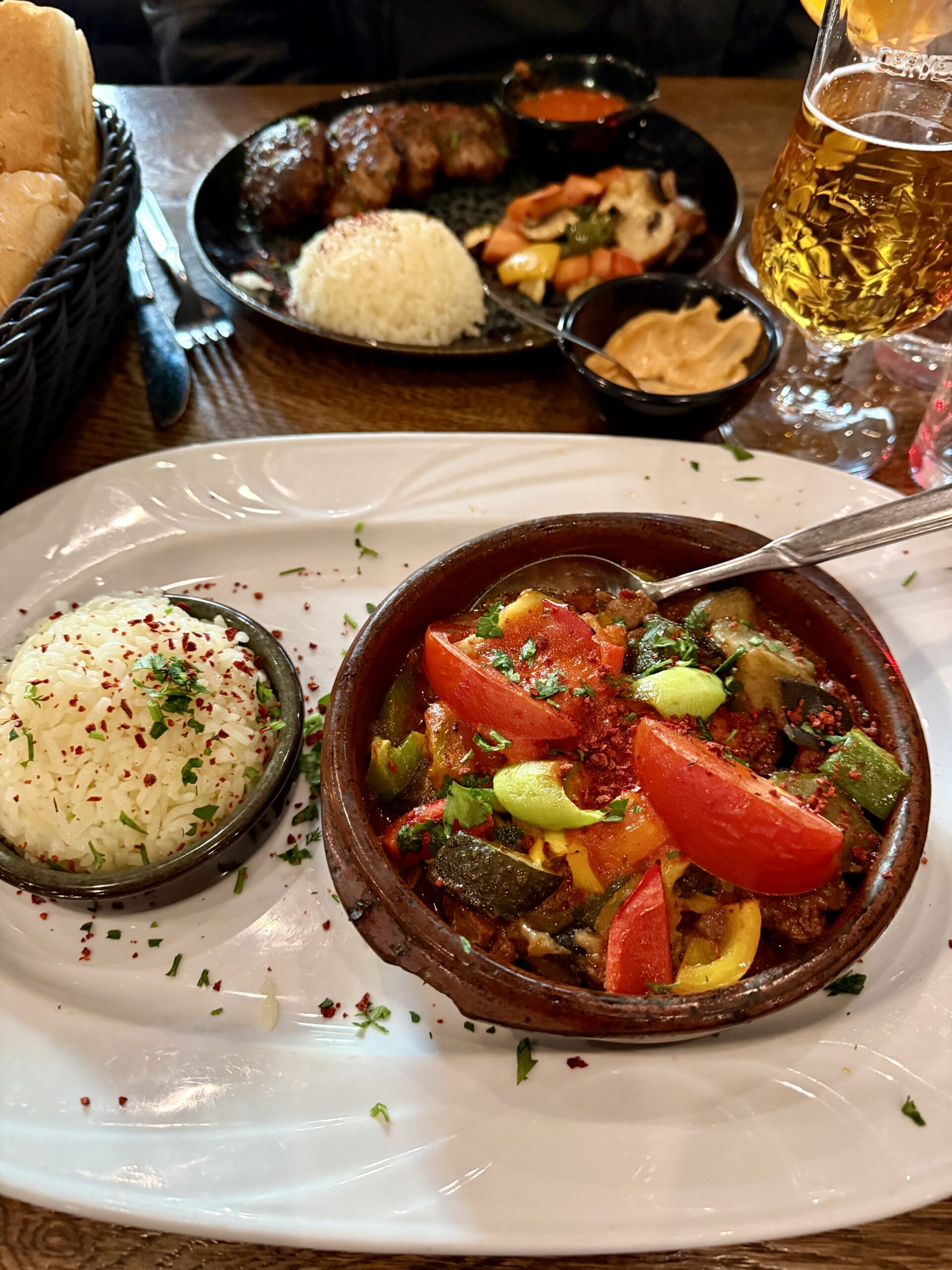
Amsterdam is filled, and we mean filled, with restaurants. They offer Italian, Indian, Indonesian, Japanese, Chinese, Argentine, Turkish, French, and many other cuisines. They do not, other than the ubiquitous waffle/crepe houses, seem to have a specific Dutch cuisine. We are avoiding Italian, as that will be our next stop.

Next Stop — Rome!